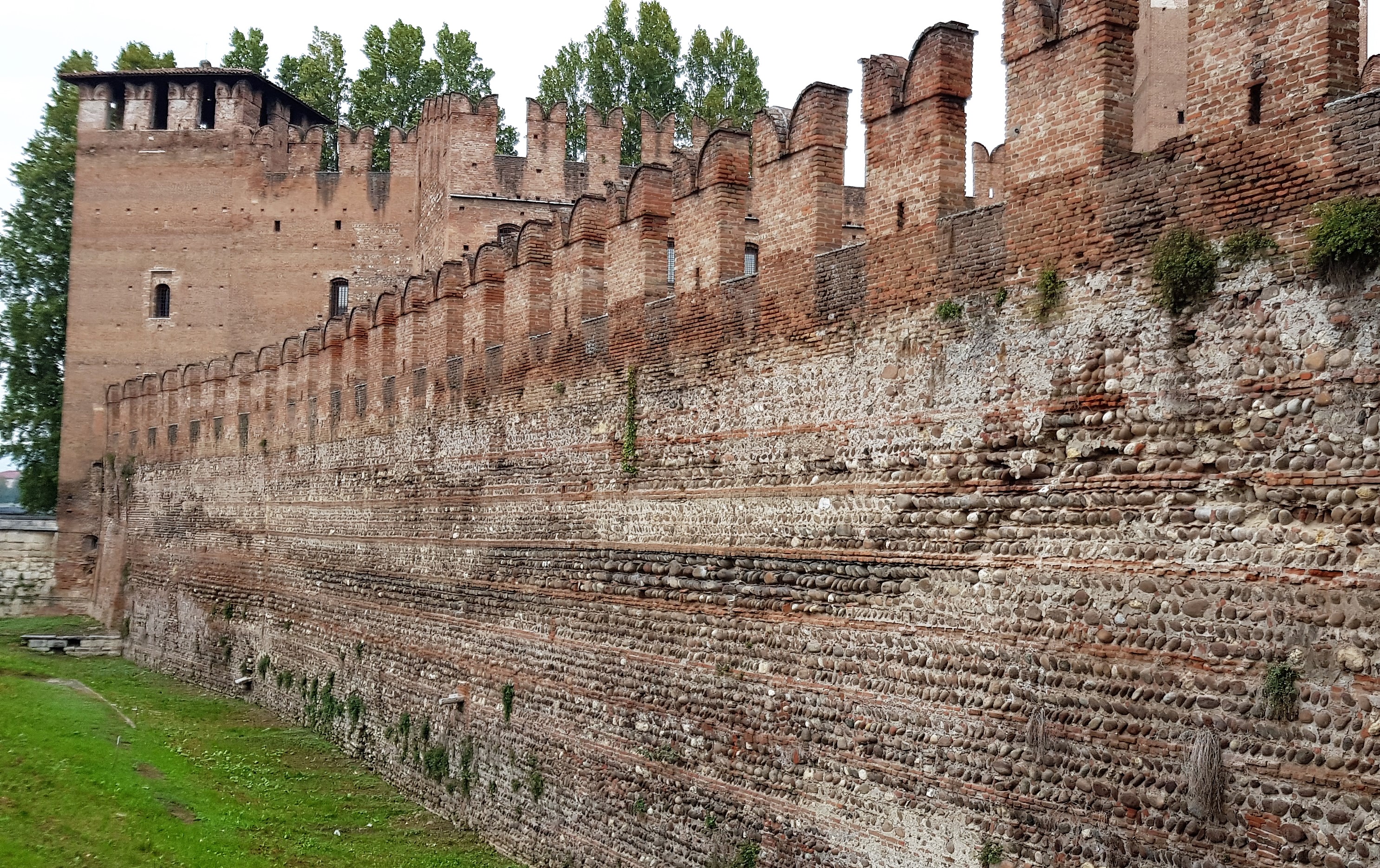
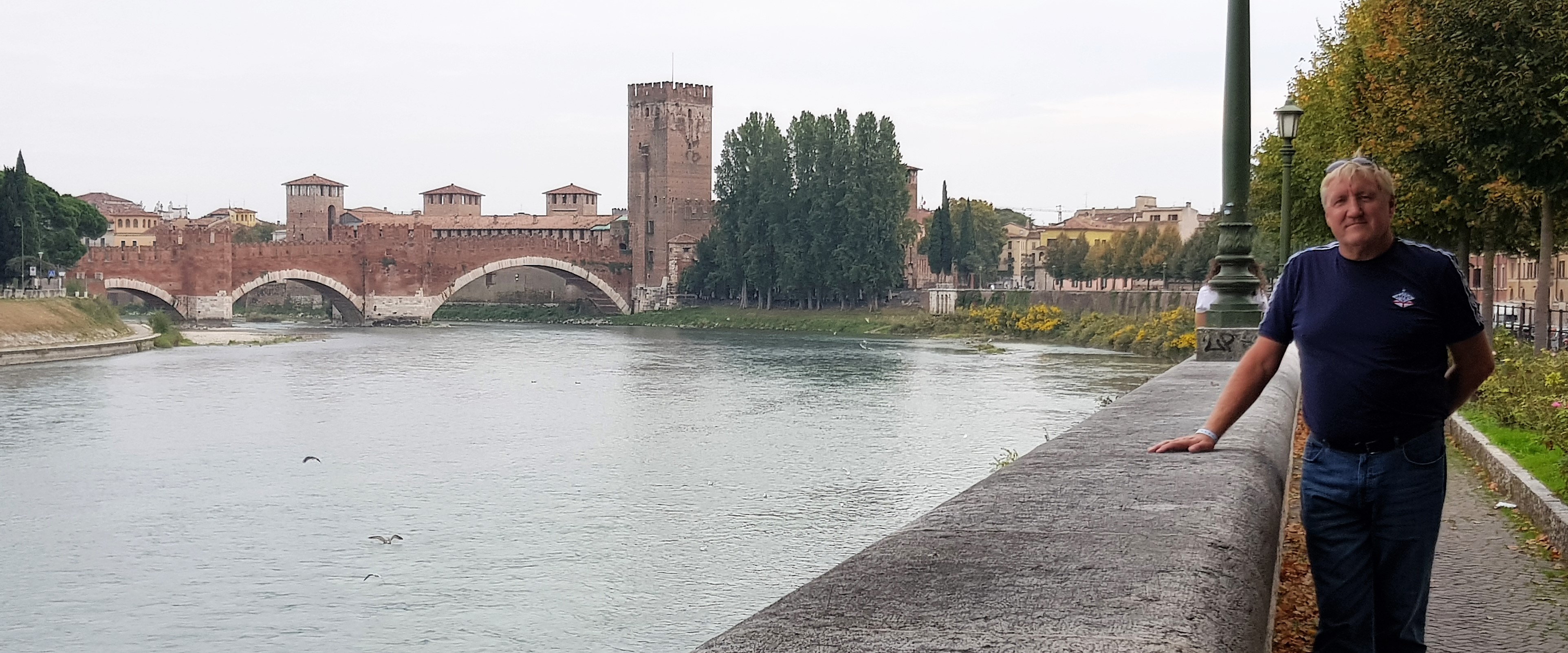
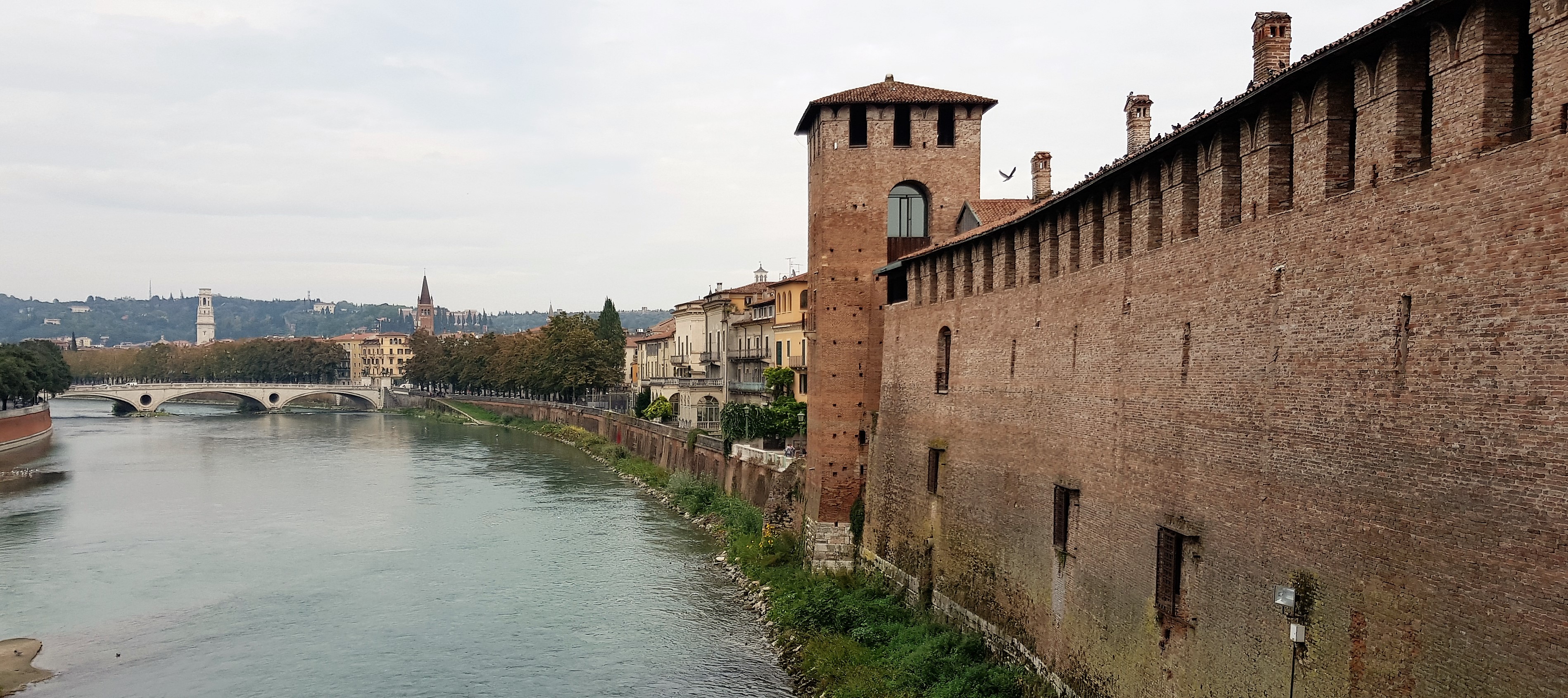
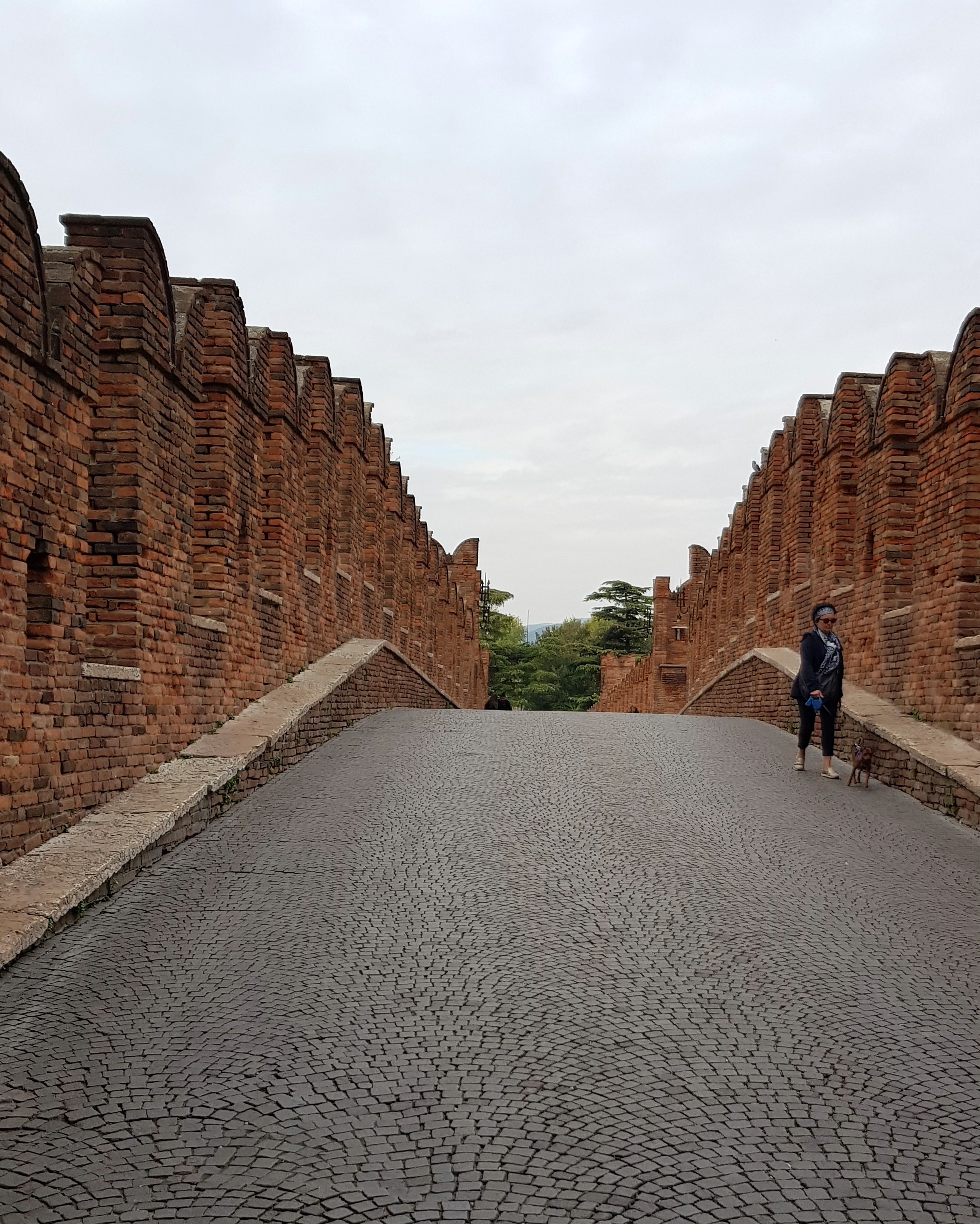
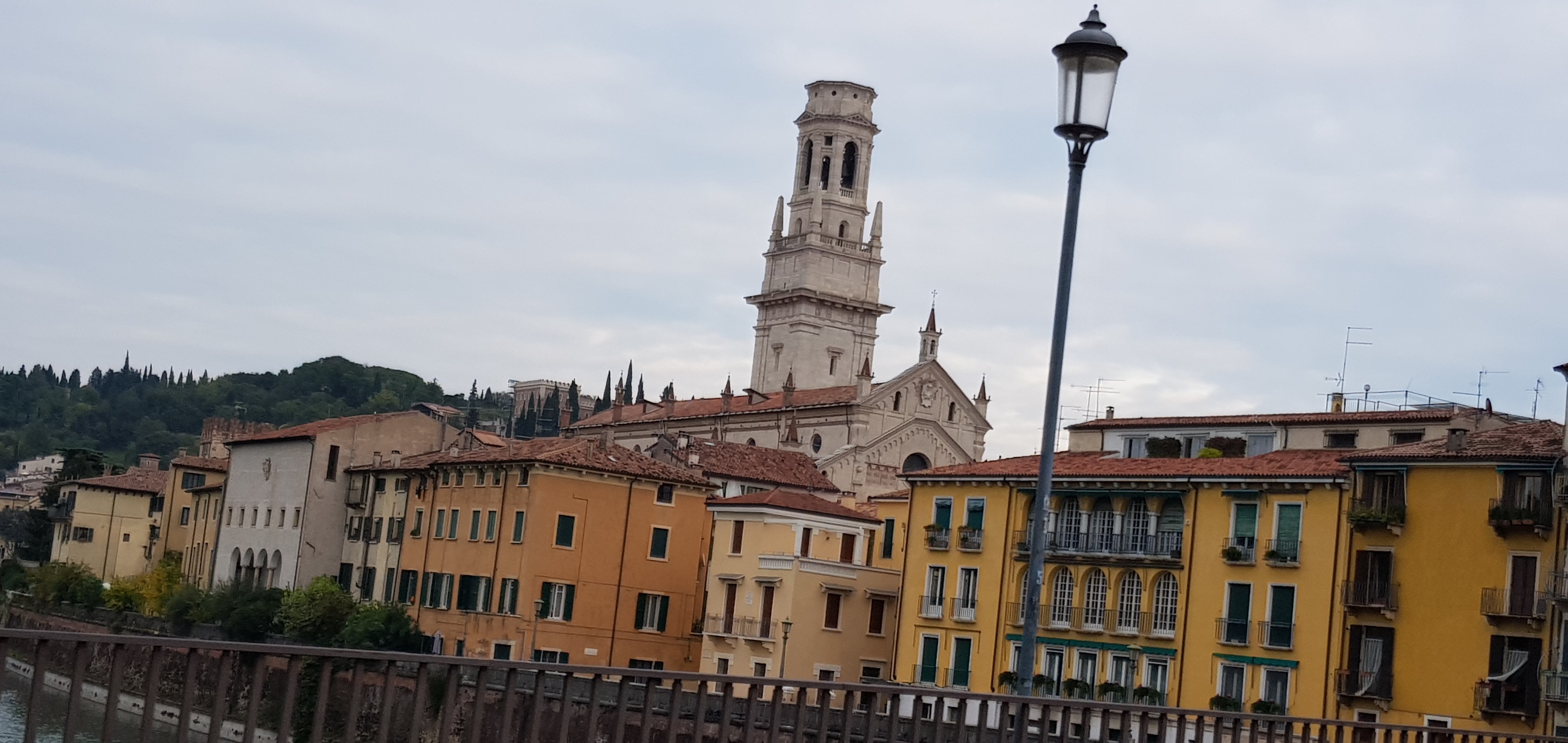
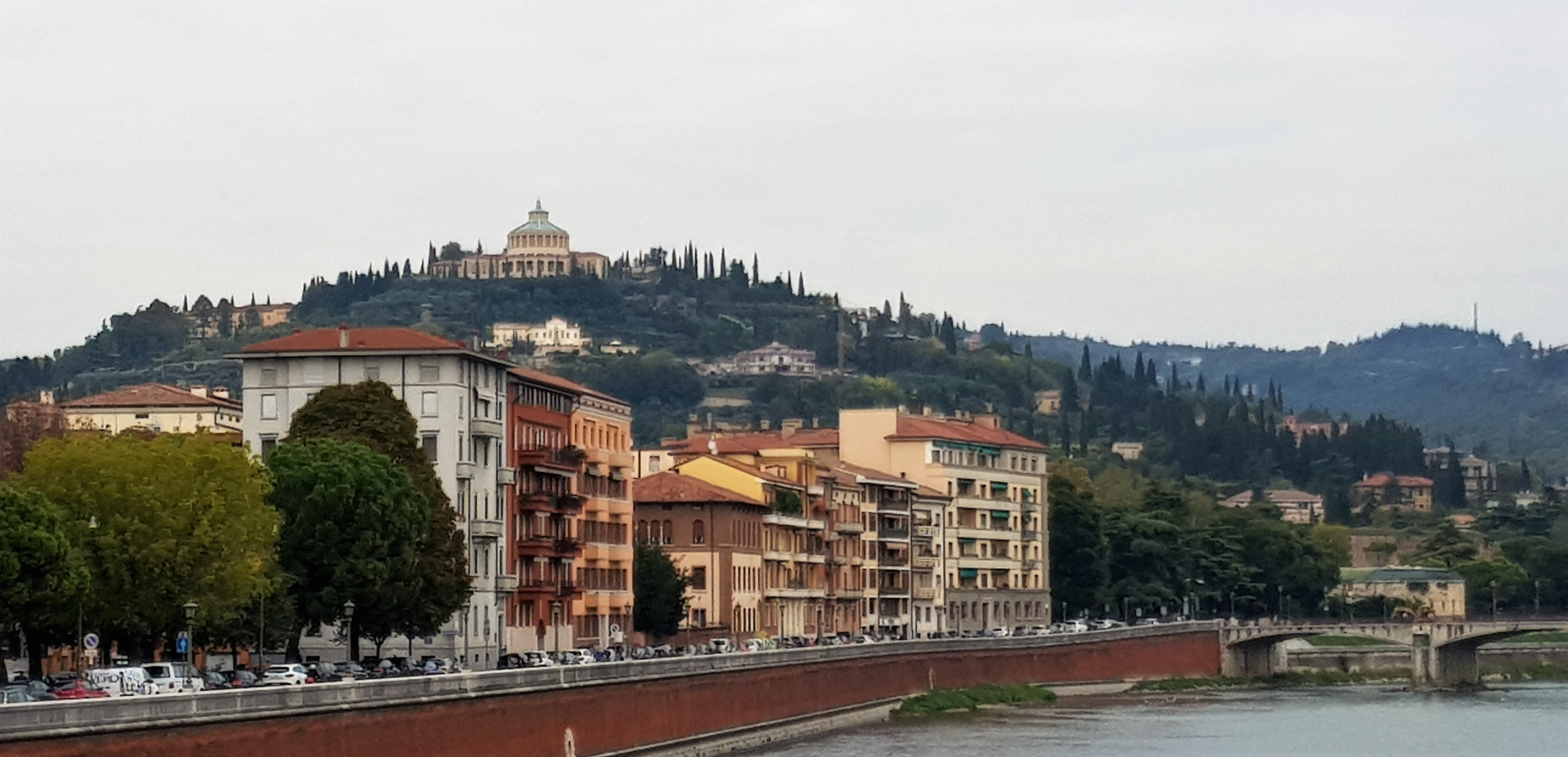
Verona is a beautiful city with a medieval old town built between the meandering Adige River, making it seem like the city is an island. The architecturally fascinating bridges over the Adige abut the Museo di Castelvecchio were built in the 1350s by Cangrande II. Severely damaged by Napoleon and WWII bombings, the fortress was reinvented by architect Carlo Scarpa, who reconstructed bridges and created a home to a collection of statues, frescoes, jewellery, medieval artefacts and paintings.
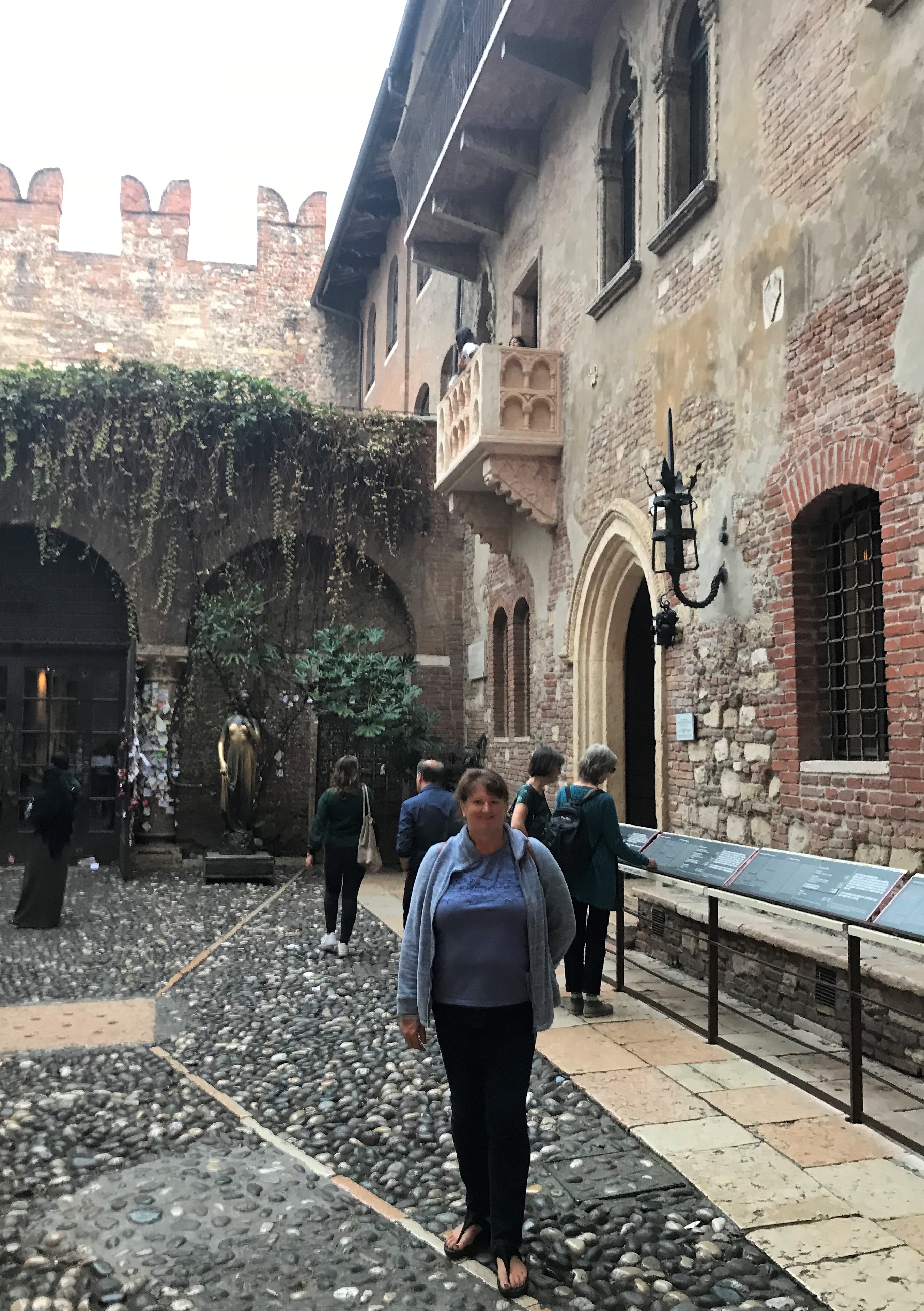
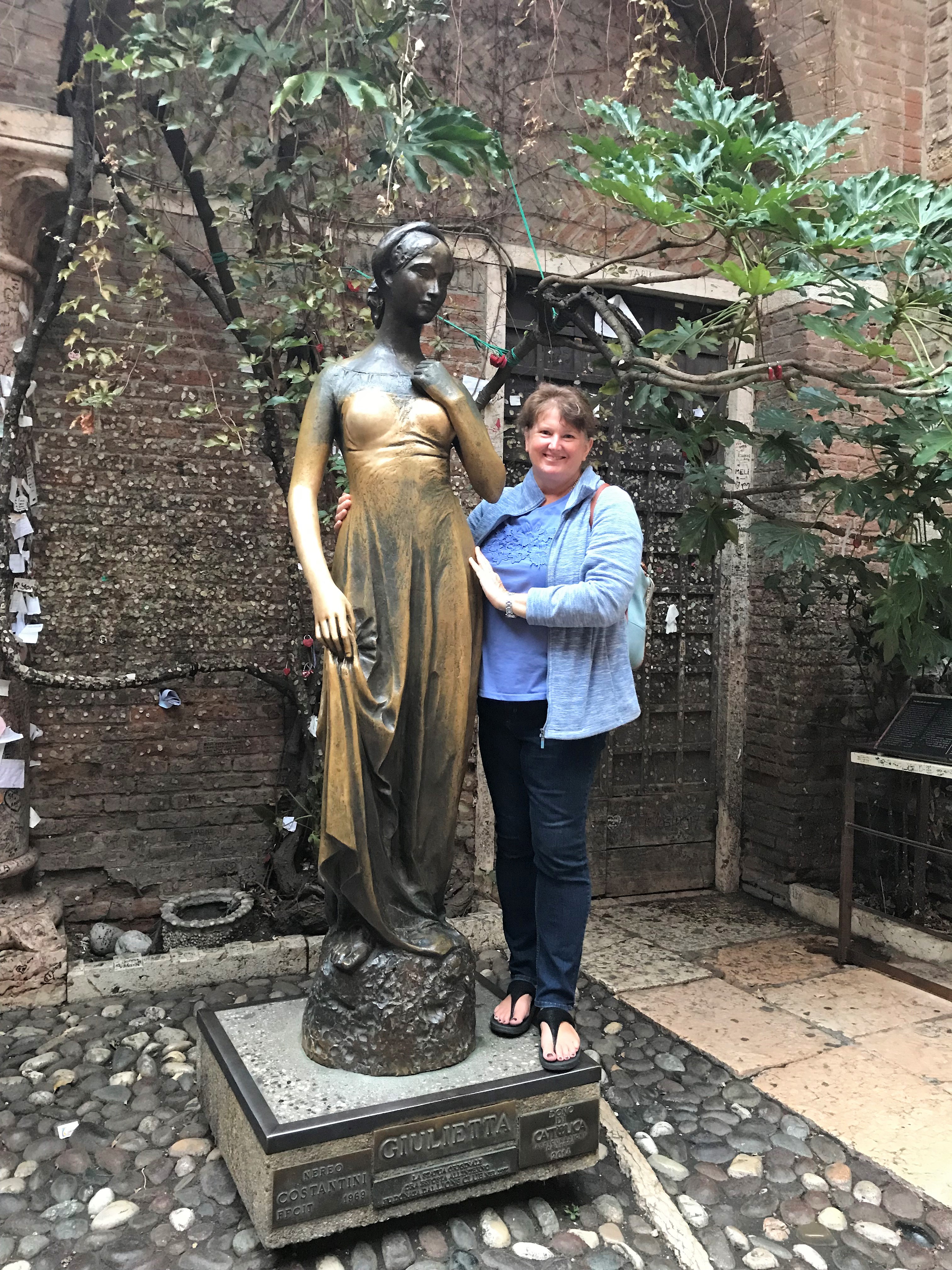
It’s probably more famous for being the setting of Shakespeare’s play “Romeo and Juliet” and a 14th-century residence with a tiny balcony overlooking a courtyard is said be “Juliet’s House.” We could not visit Verona without visiting this place.
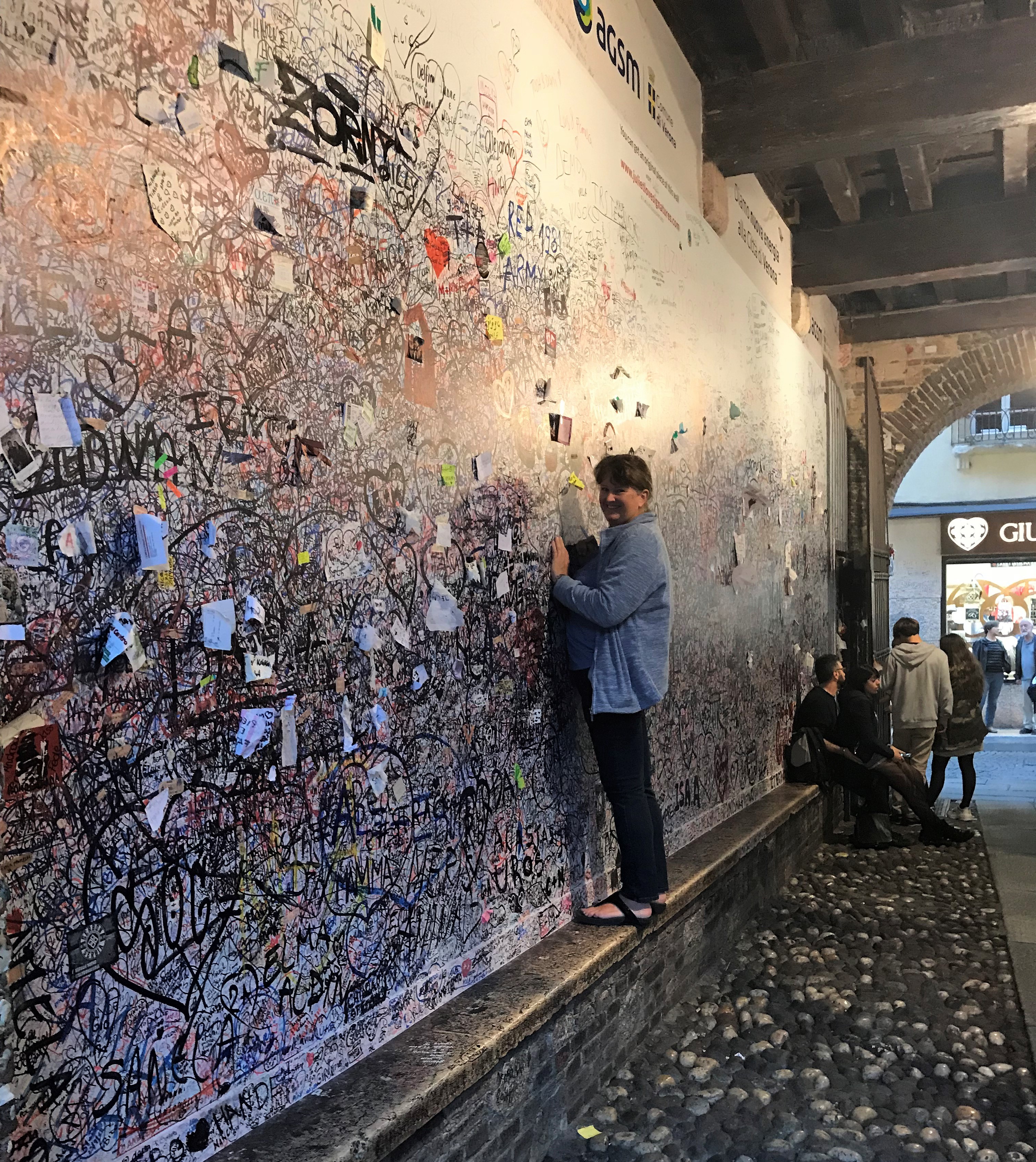
Juliet’s house is truly a spectacle, as you enter a tiny courtyard, the first thing you see is a wall covered in graffitti (names and dates of visitors), the courtyard is full of tourists shouldering each other in the tiny space trying to take selfies with the well-rubbed bronze of Juliet. It seems it’s tradition to rub her breasts!!! Above you is the famous balcony, tourists taking their turn to have pics taken against the ‘romantic background’. The tour of the house was a guided one with a waiting list of over 1.5 hours – despite there being any actual evidence of this being “her house”.
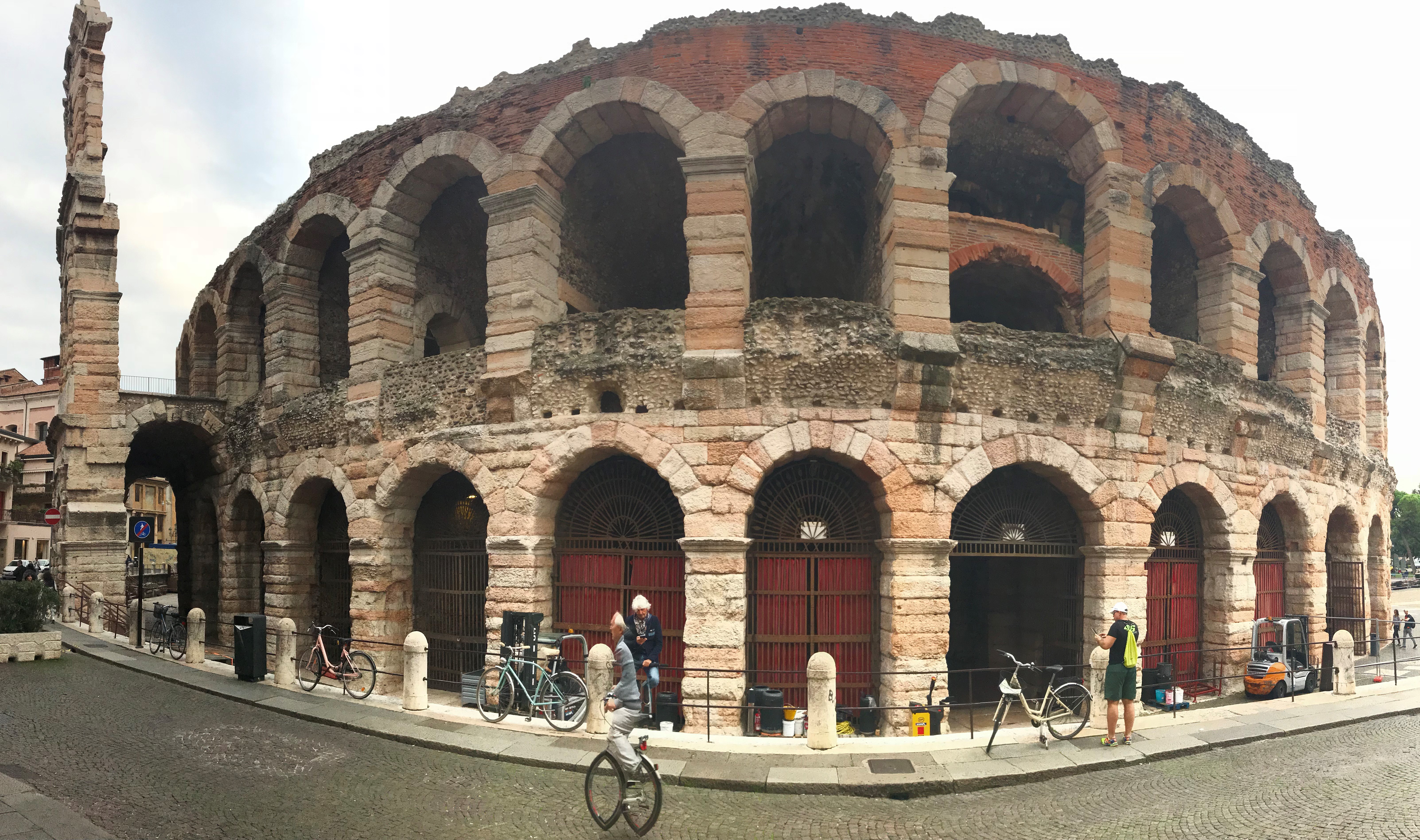
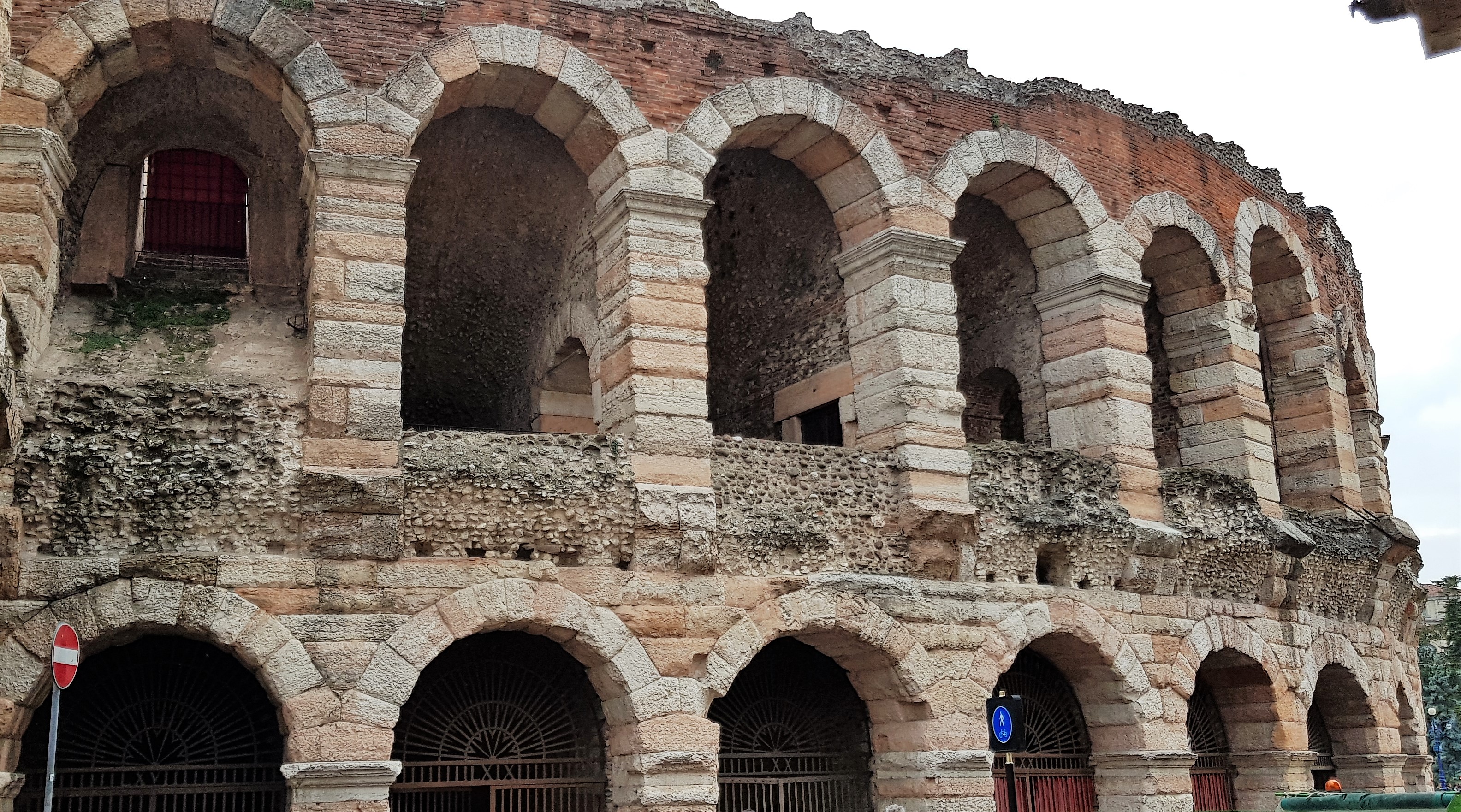
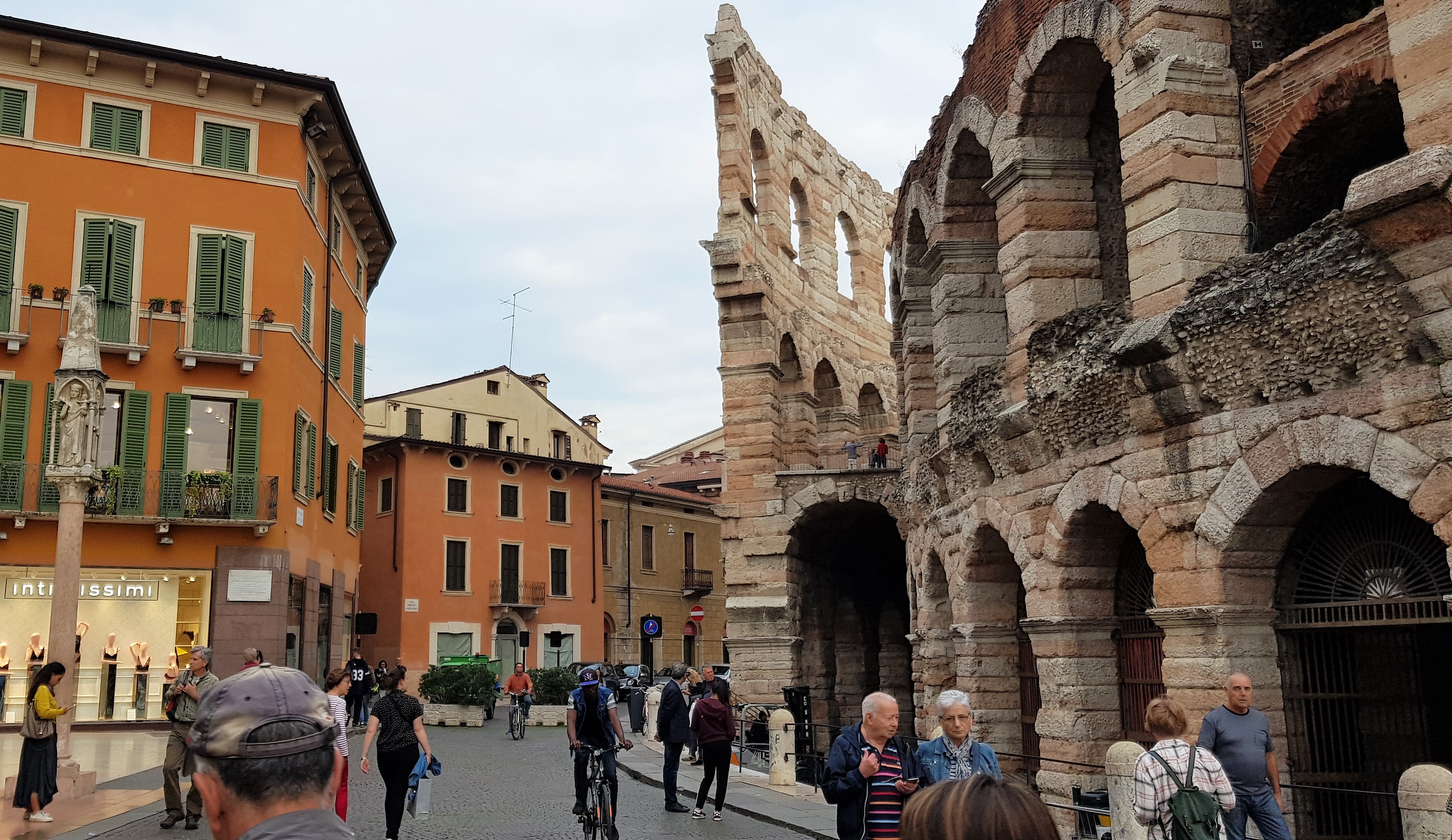
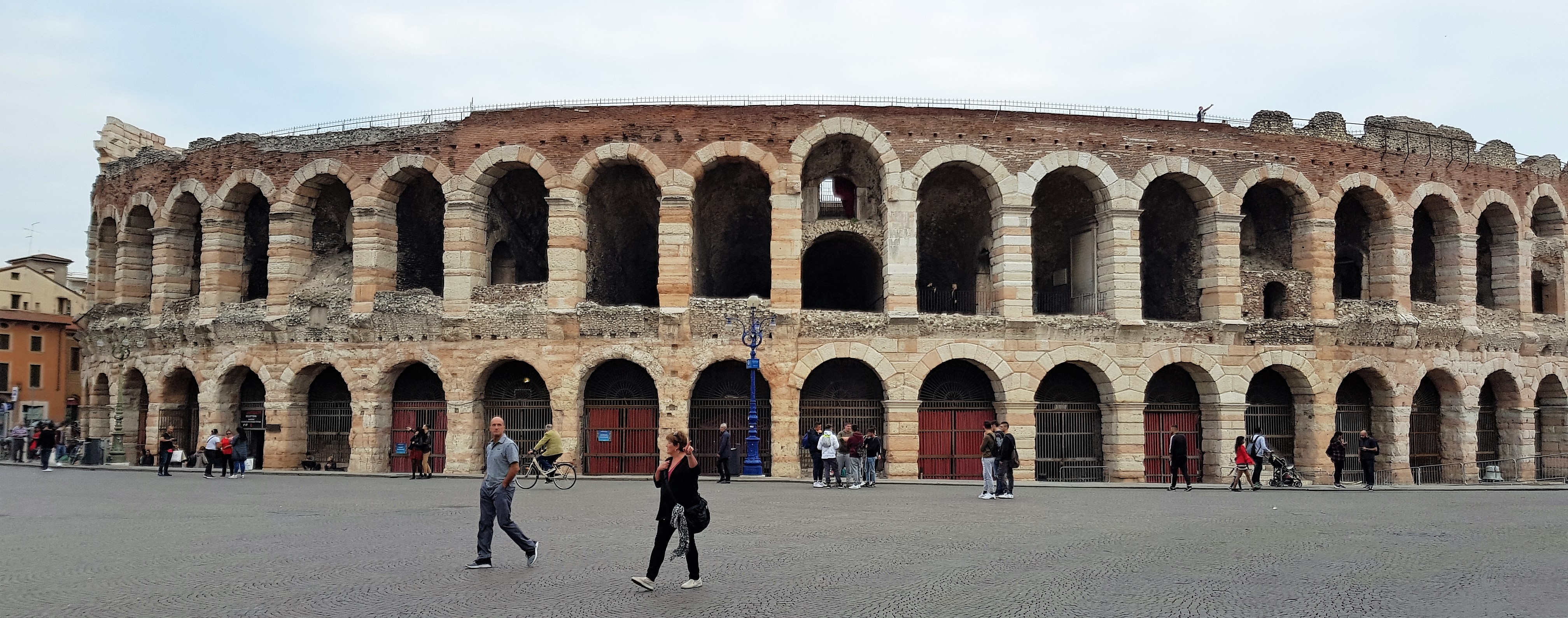
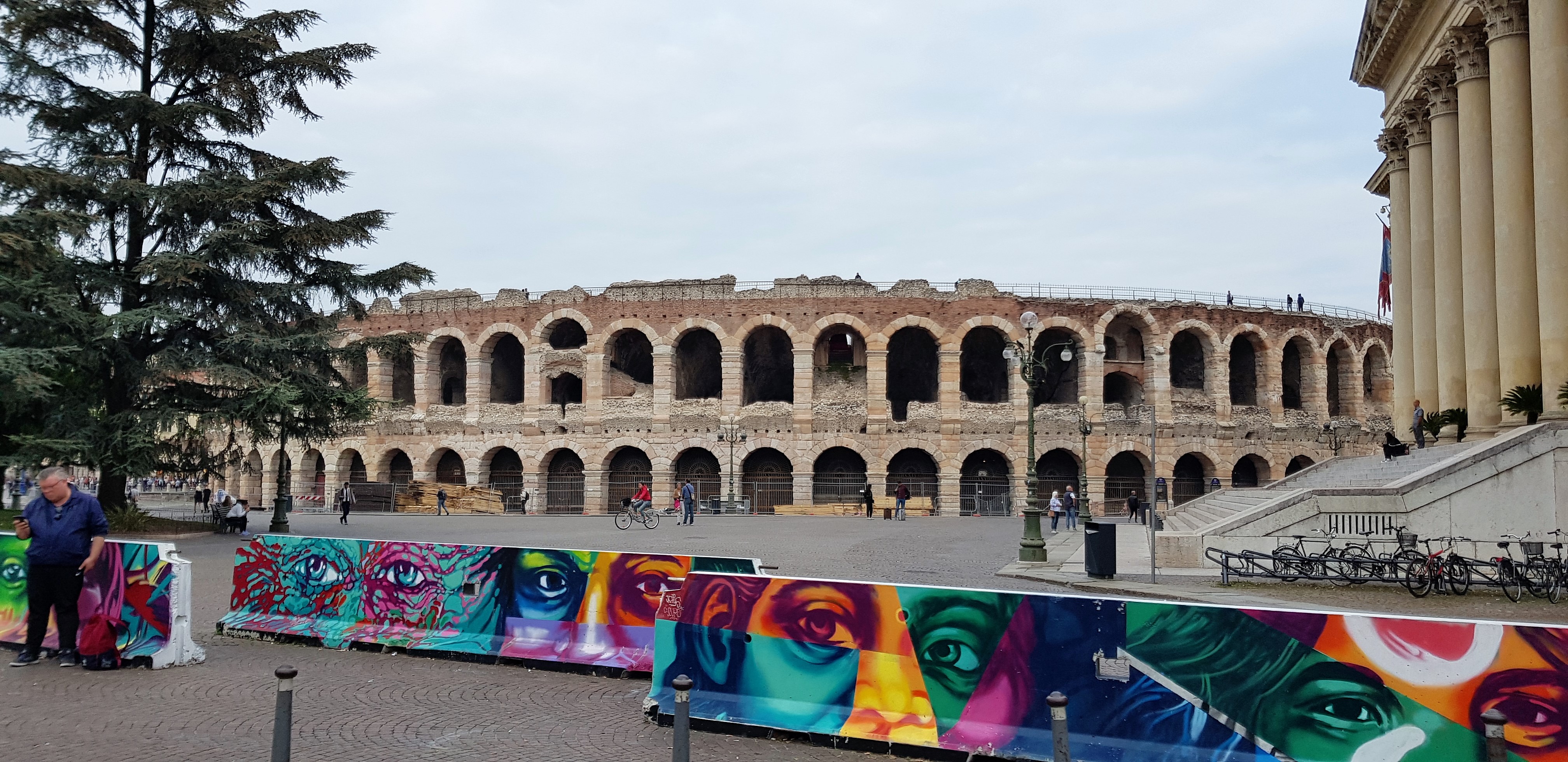
The Verona Arena is a huge Roman amphitheater, which currently hosts concerts and large-scale opera performances with seating for 30,000 people. Built of pink-tinged marble in the 1st century AD, it survived a 12th-century earthquake to become the city’s legendary open-air opera house, remaining external supports have been retained and are extremely well preserved.
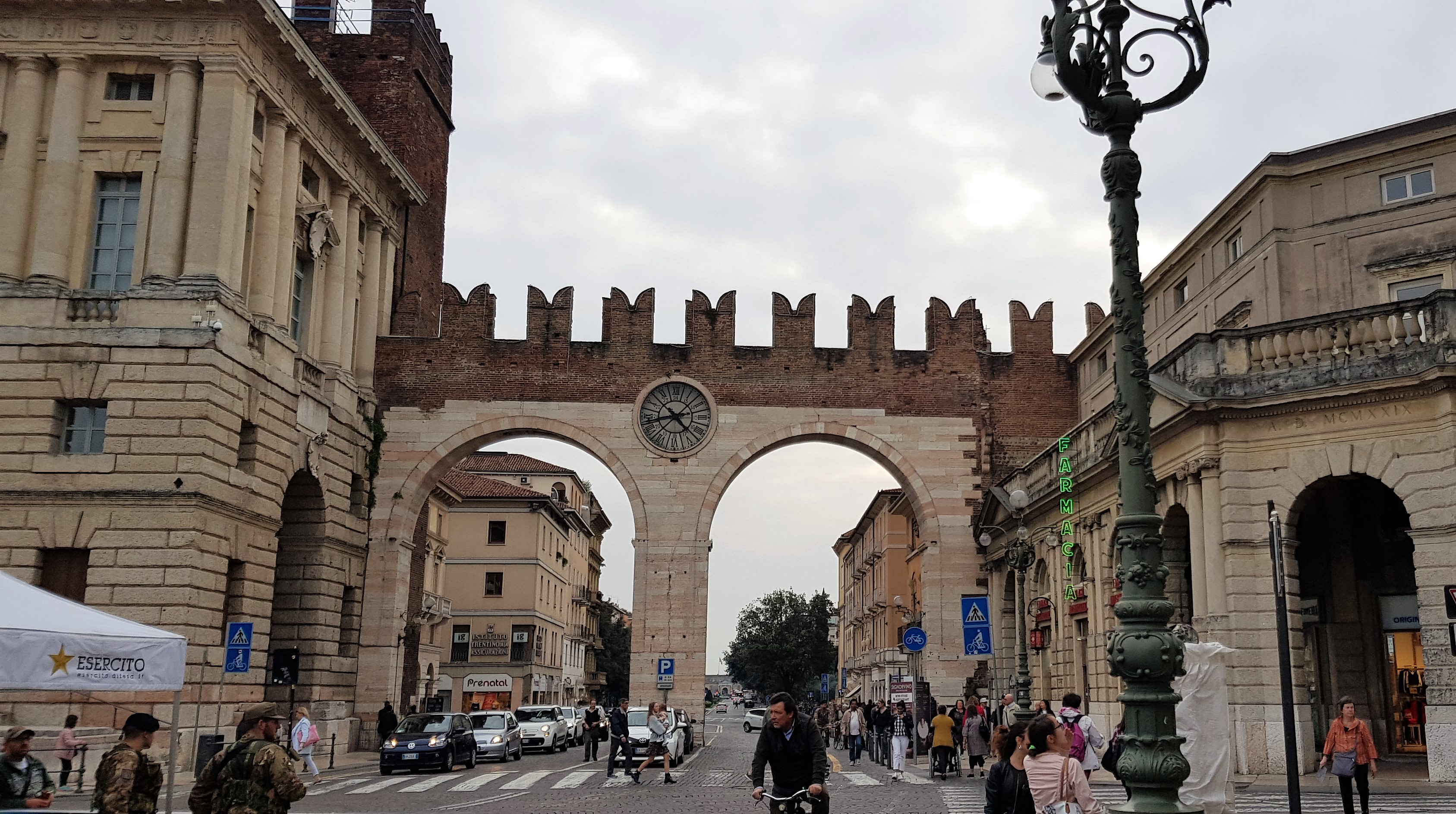
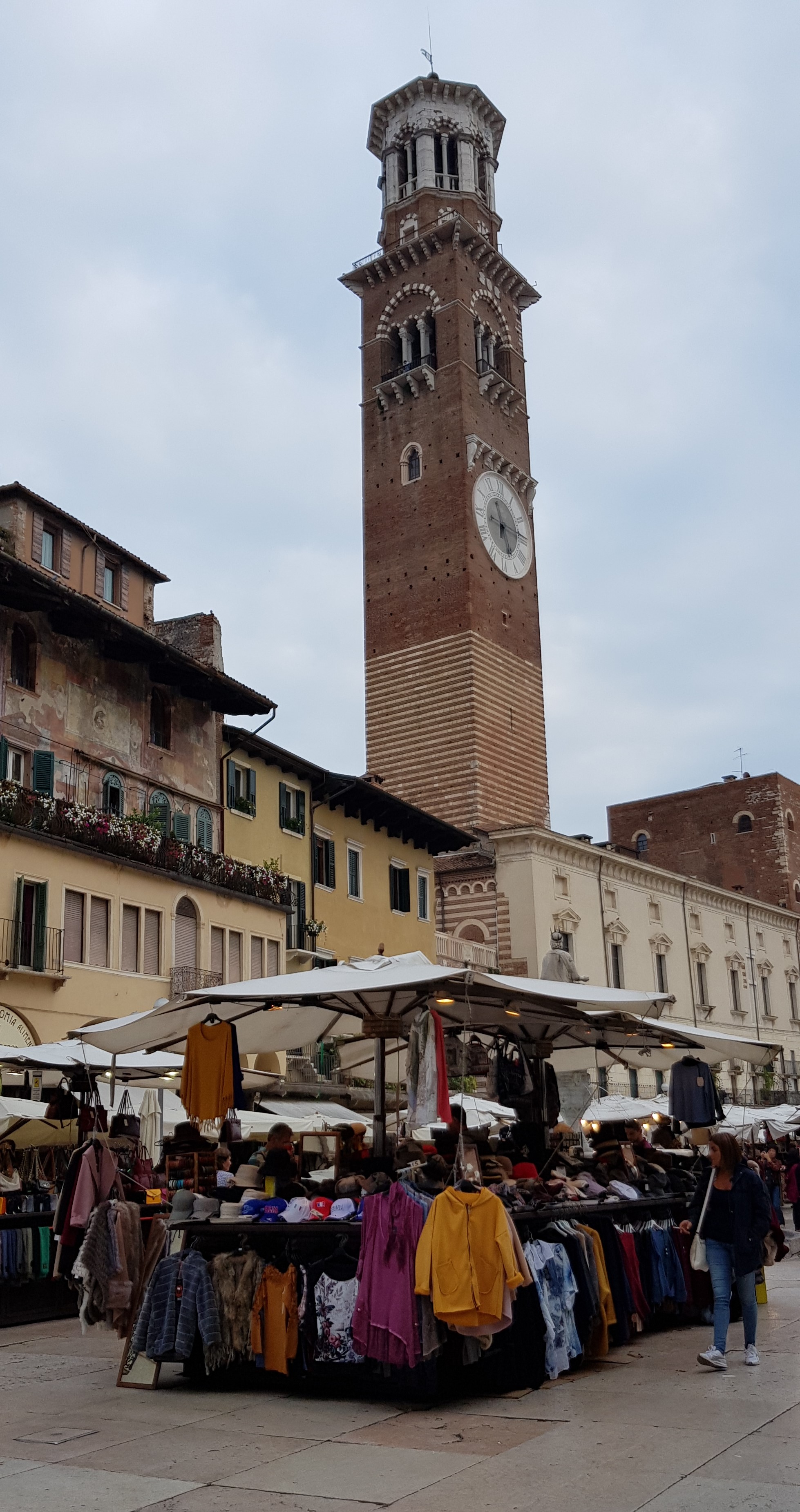
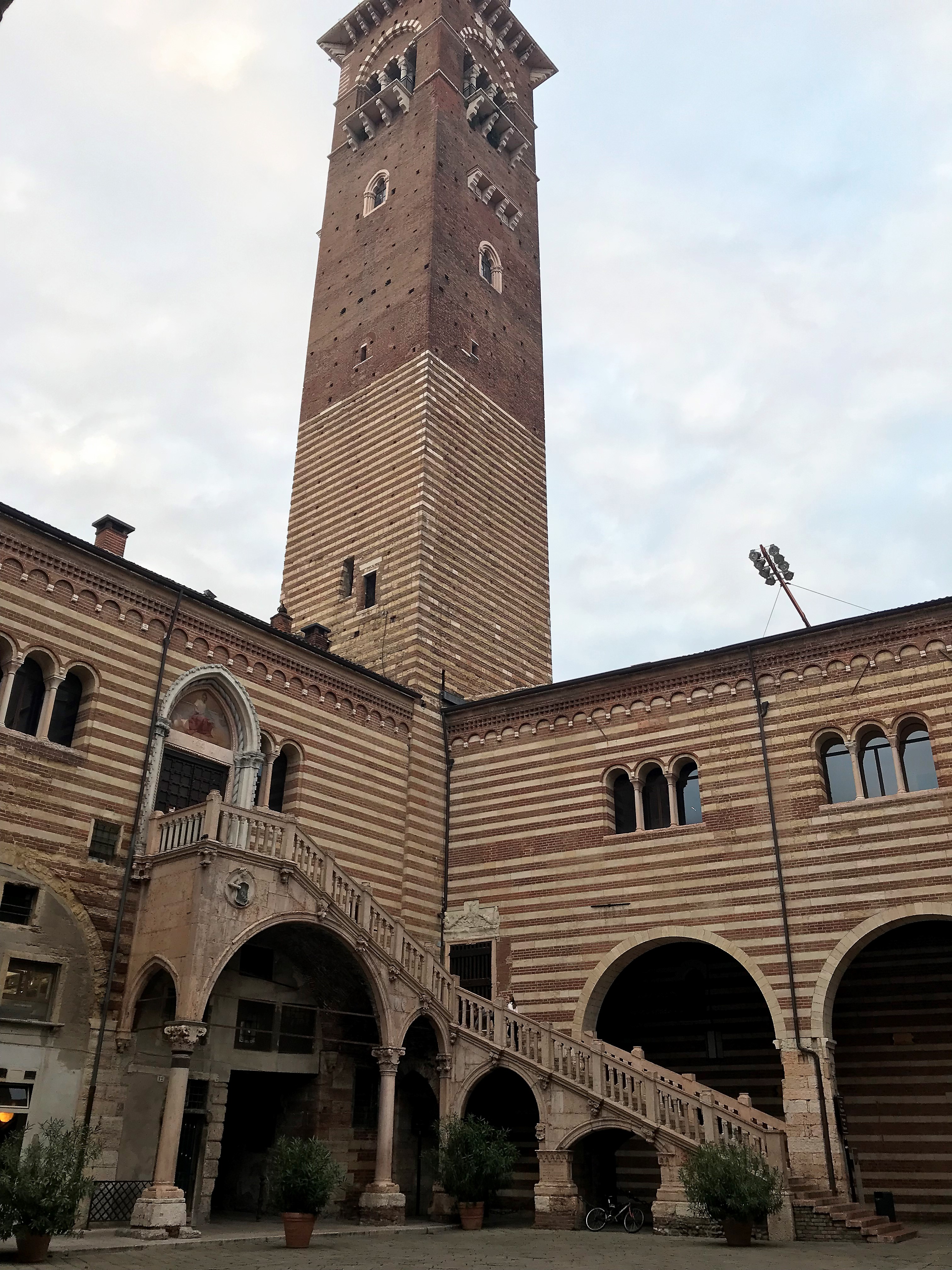
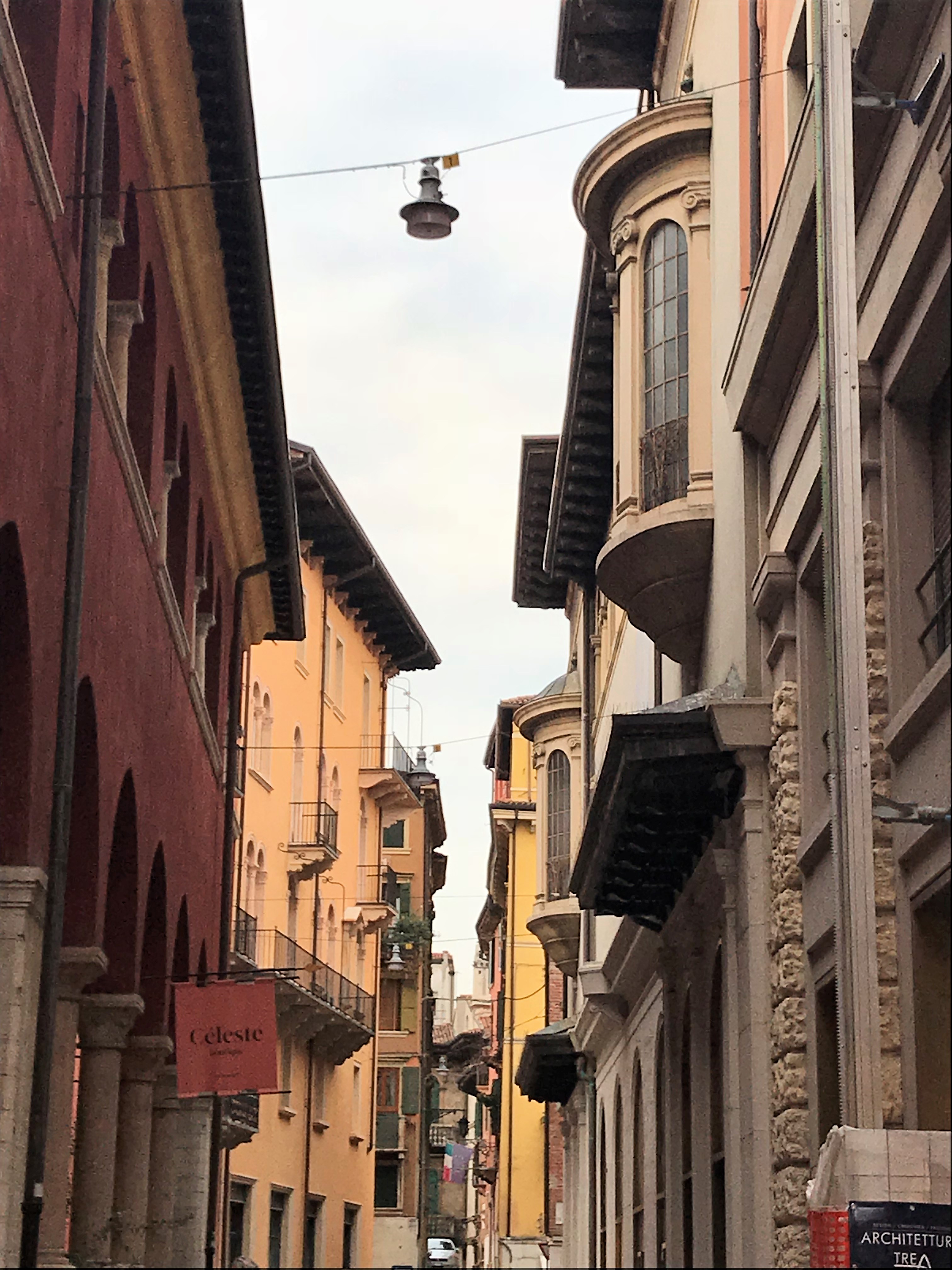
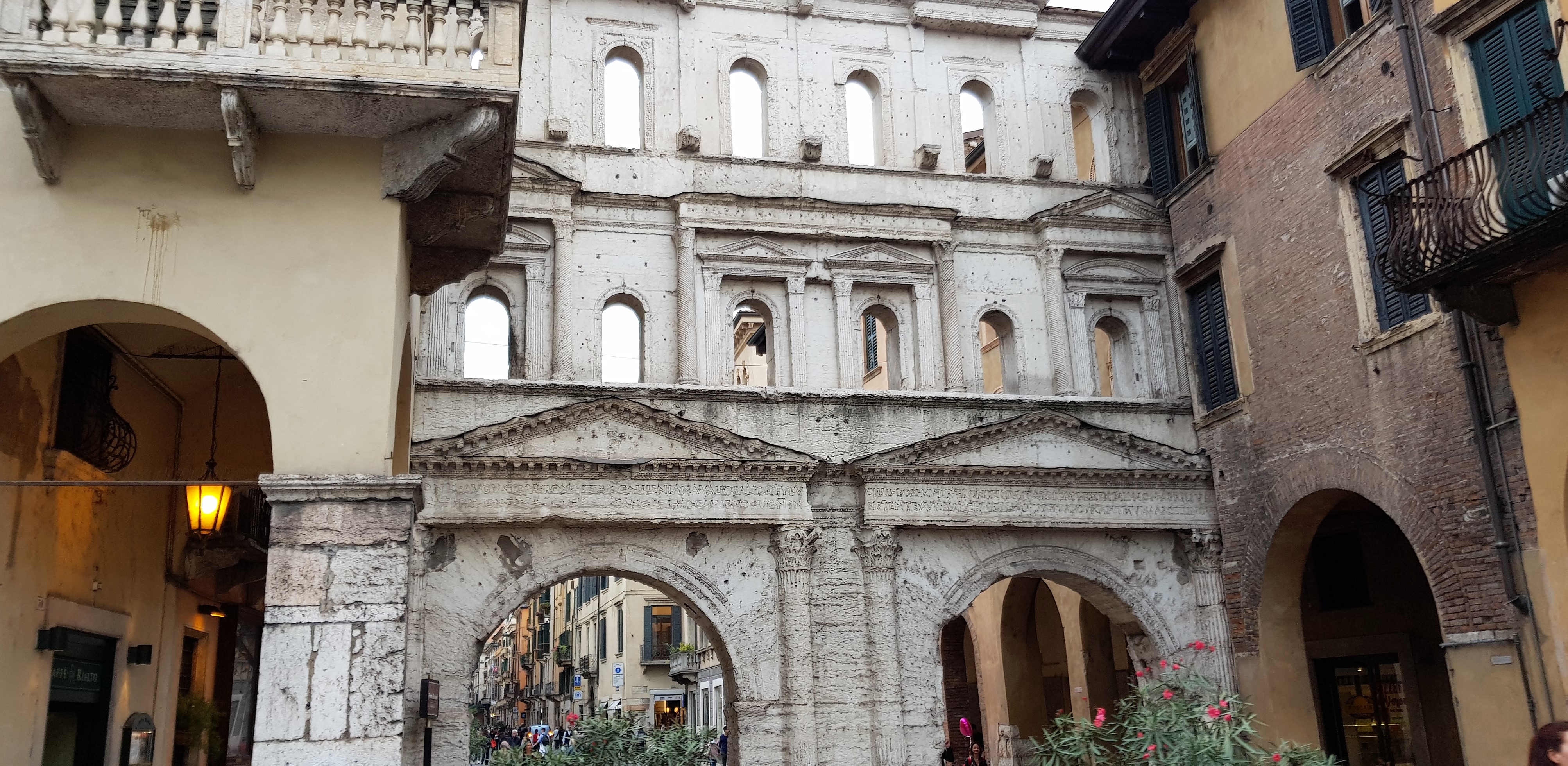
The buildings of the city are in narrow chequered streets and tiny plazas, full of old external decorative artwork and surrounded by Roman walls. It is a bustling city, market stalls aimed at tourists, antique shops aimed at antiquarians and designer shops aimed at those with large wallets!!
Fortress Walls
 The City’s Buildings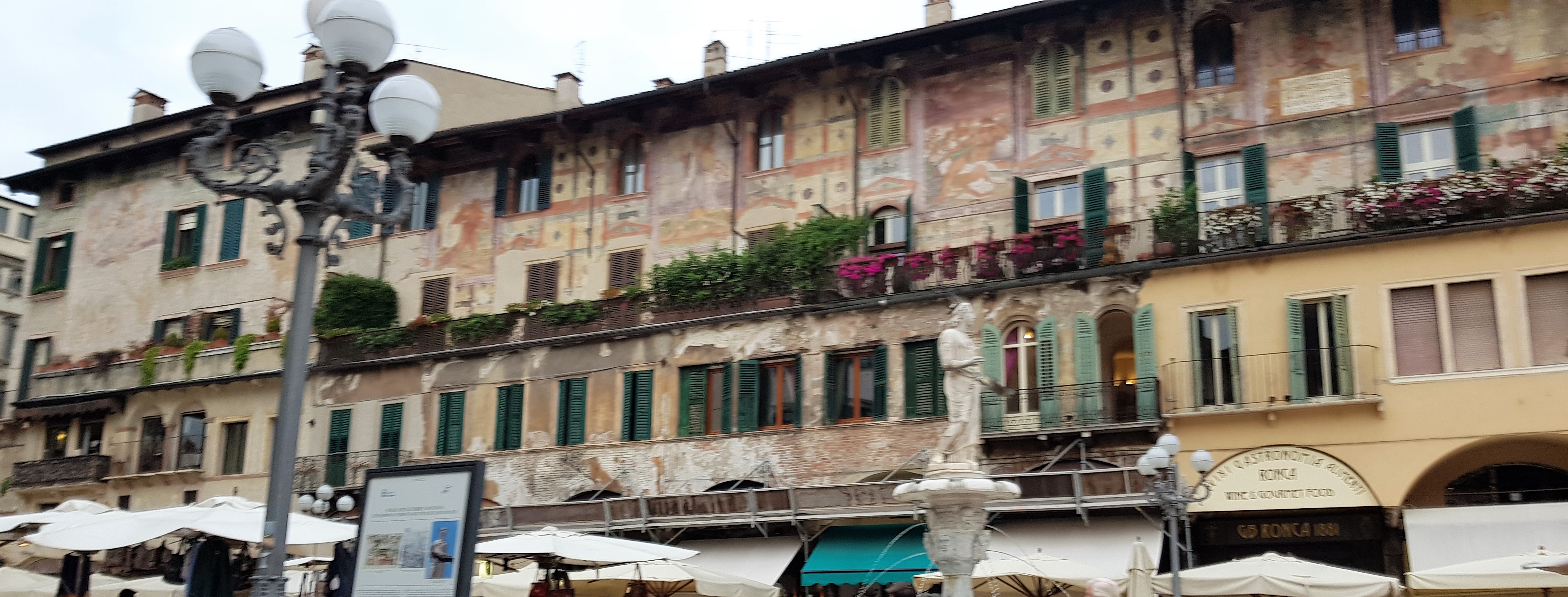
 The Ampitheatre
 Juliet’s House


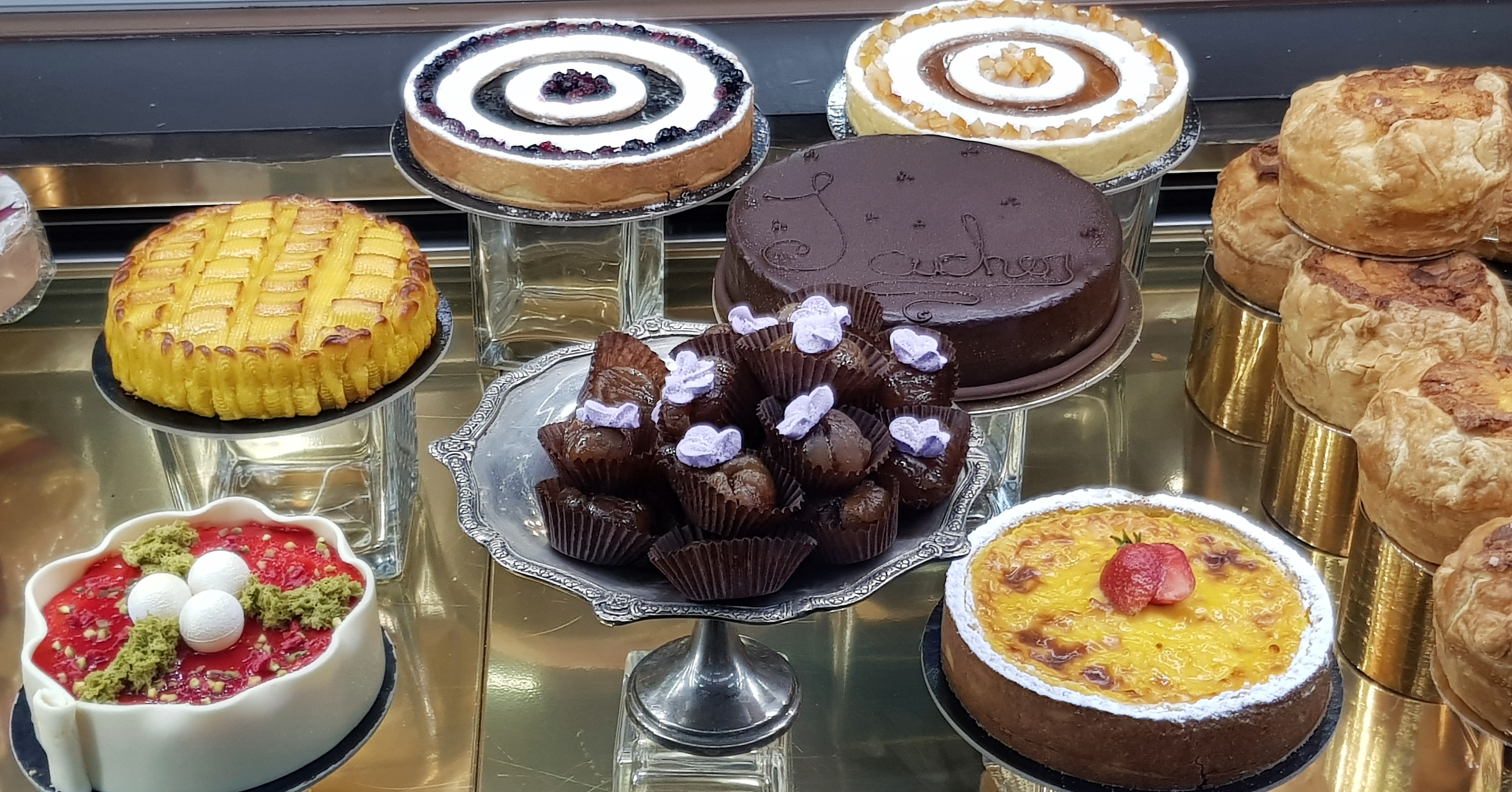
 And finally, the most wonderful cake shop ever……….

Leave a Reply