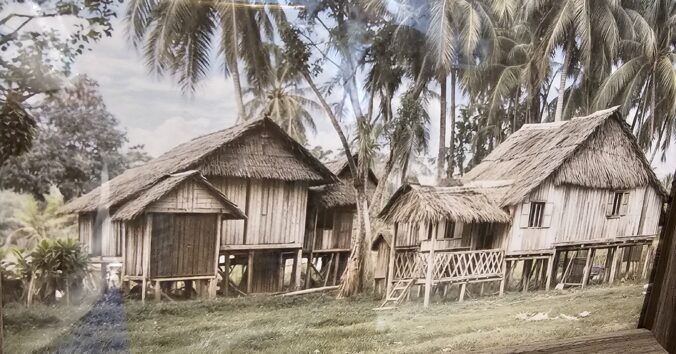
We arrived at our next port on a Sunday morning and were immediately disappointed for several reasons…… We were moored for 2 days in this small port. Everything was shut in the town on Sundays and Mondays! It was raining!
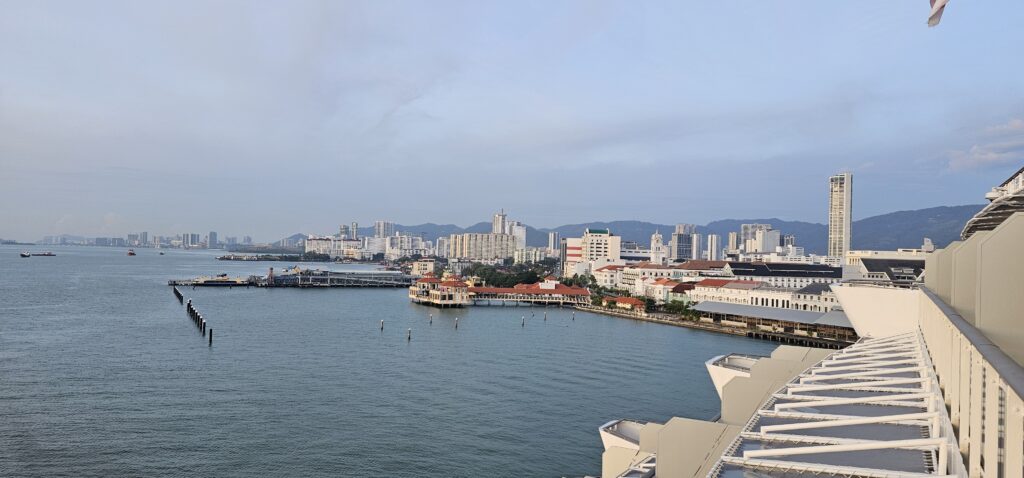
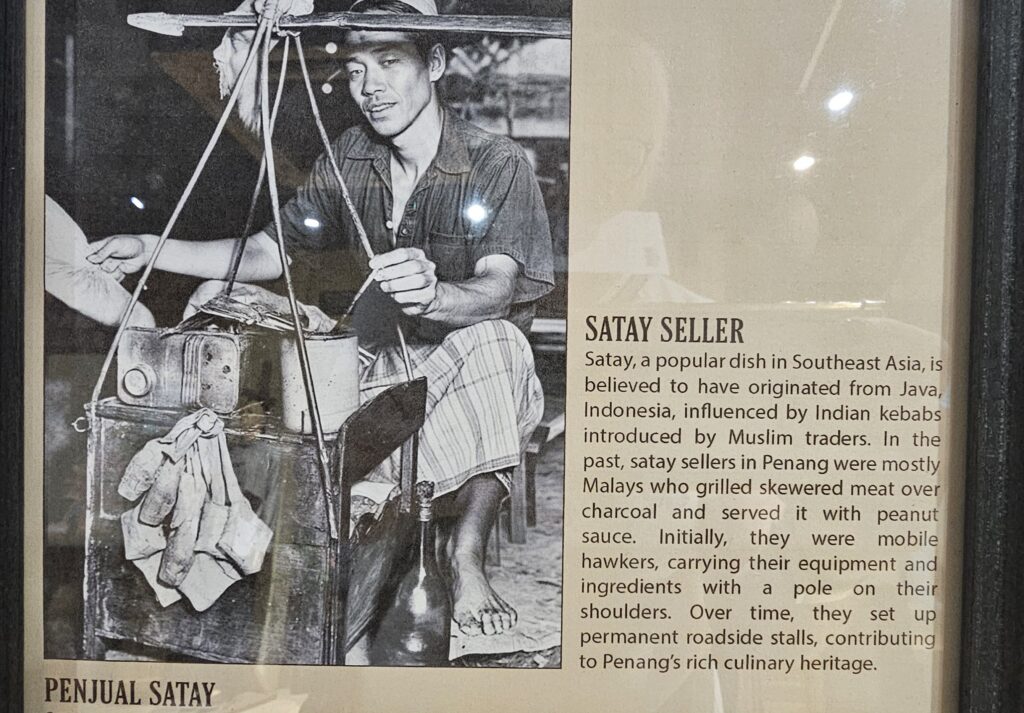
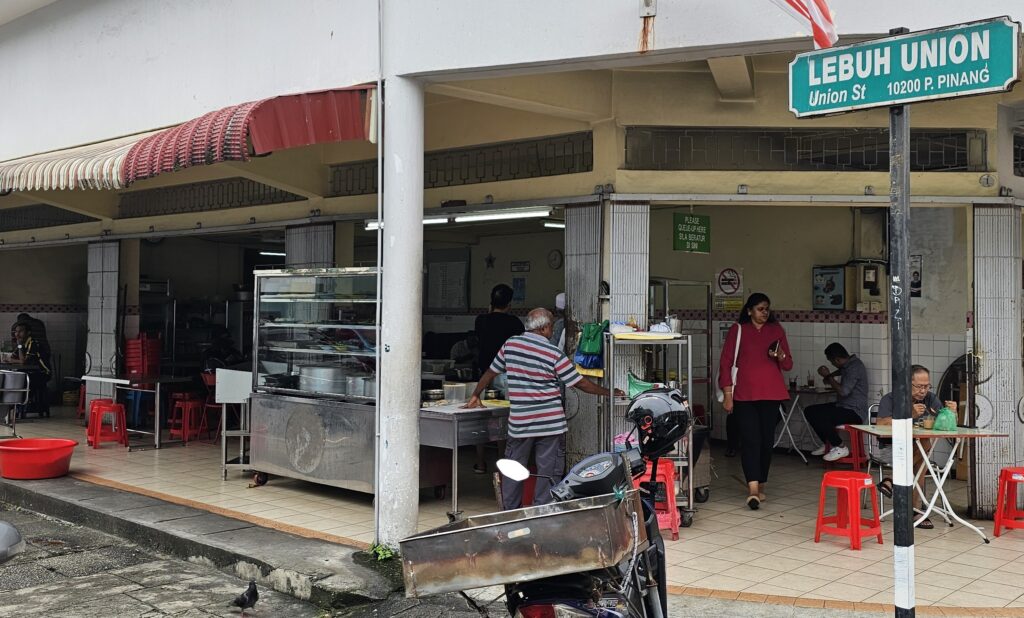
We docked on an island opposite the mainland, the capital is called George Town. George Town initially seemed quite small with little but military history, but it was all about the FOOD. Every other building was a restaurant – Chinese, Indian, Vietnamese or Malaysian, posh sit down or cheap street corner cafe, fish, meat, noodles, vegetarian or anything else you might imagine could be cooked, its all there.
We didn’t indulge in any food, primarily because the only places open were (highly unhygienic) street cafes or pre-bookable restaurants for evening sittings and we had dinner reservations at the ship’s very (hygienic) decent al a carte restaurant.
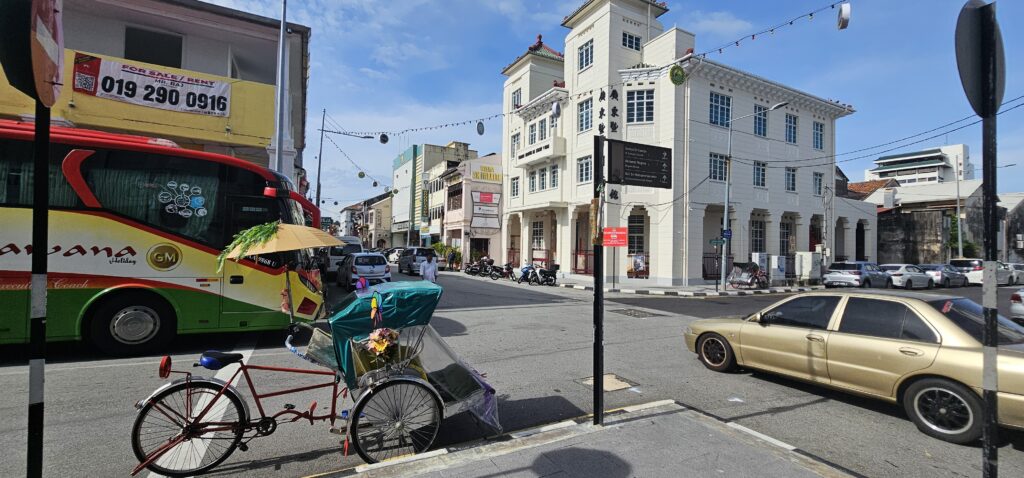
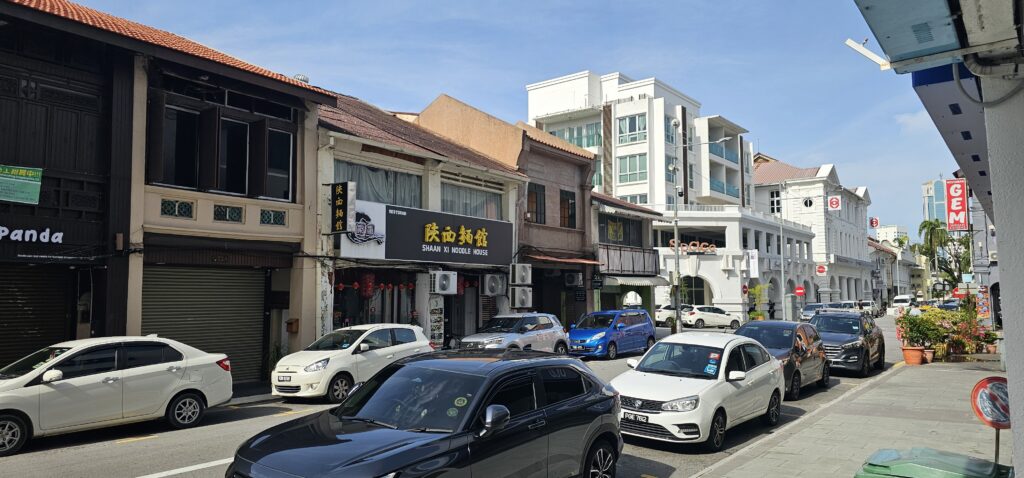
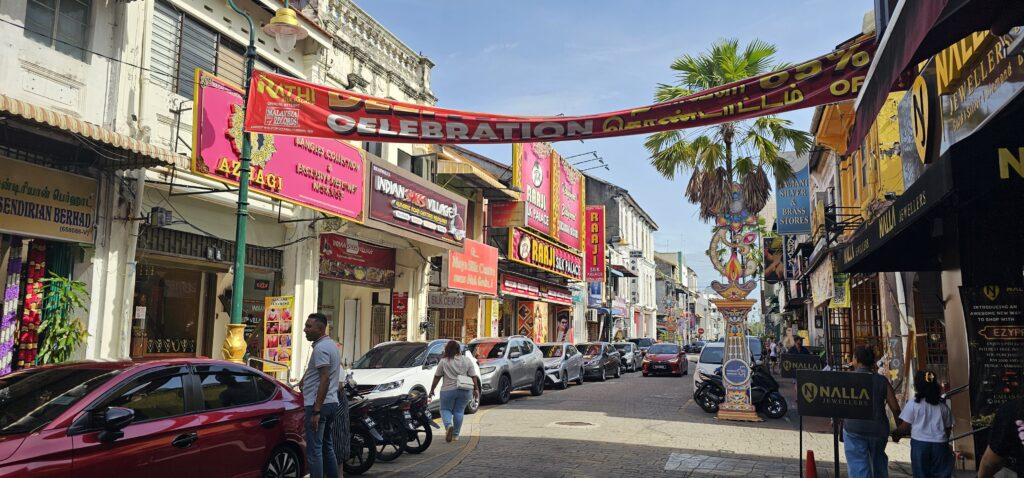
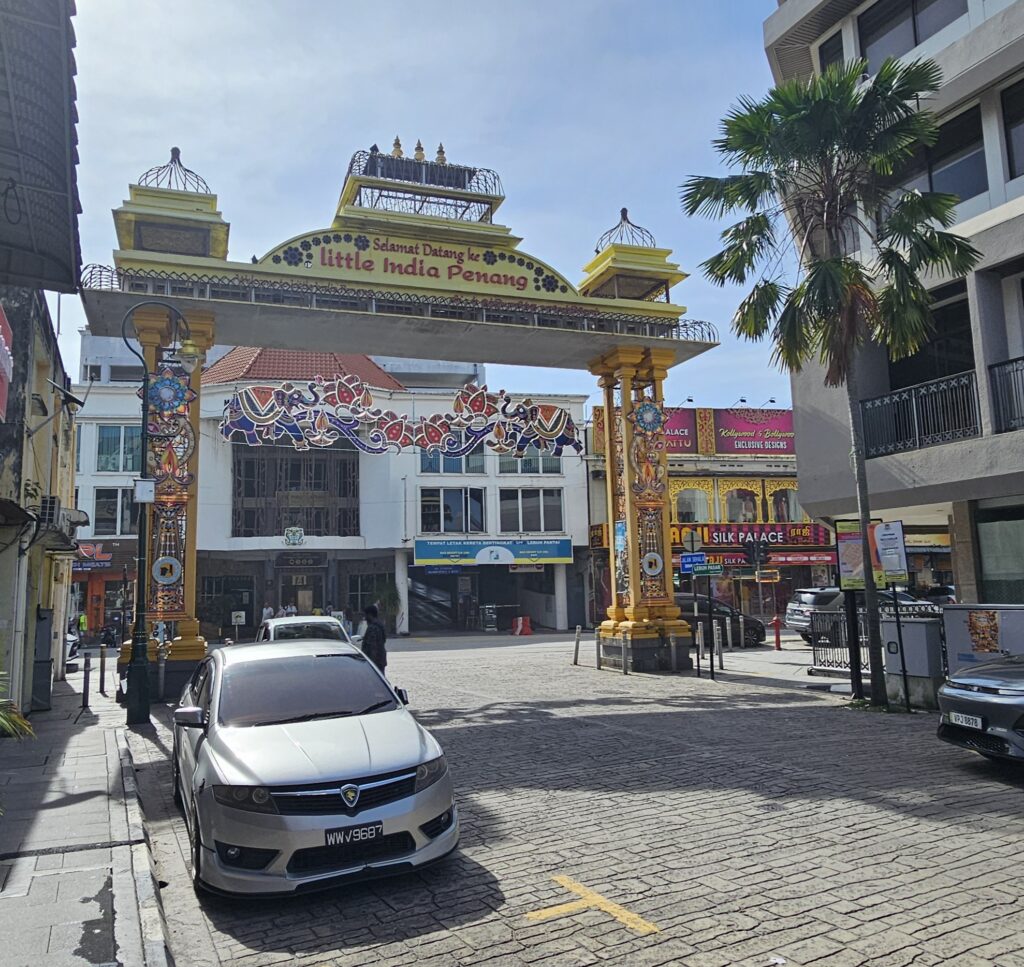
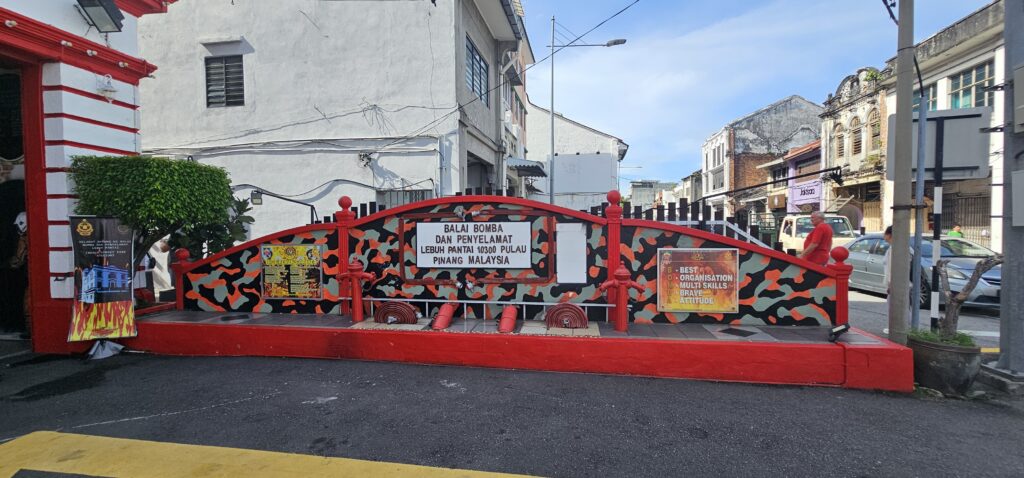
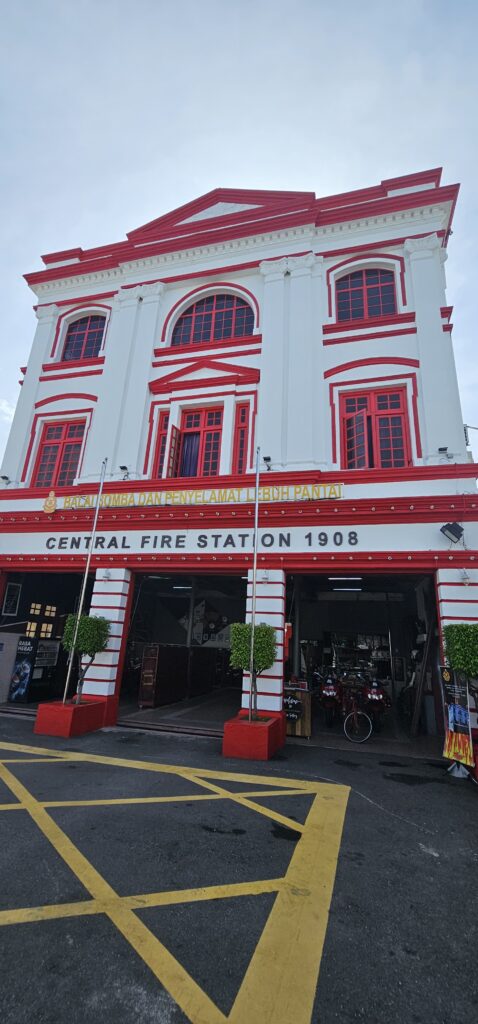
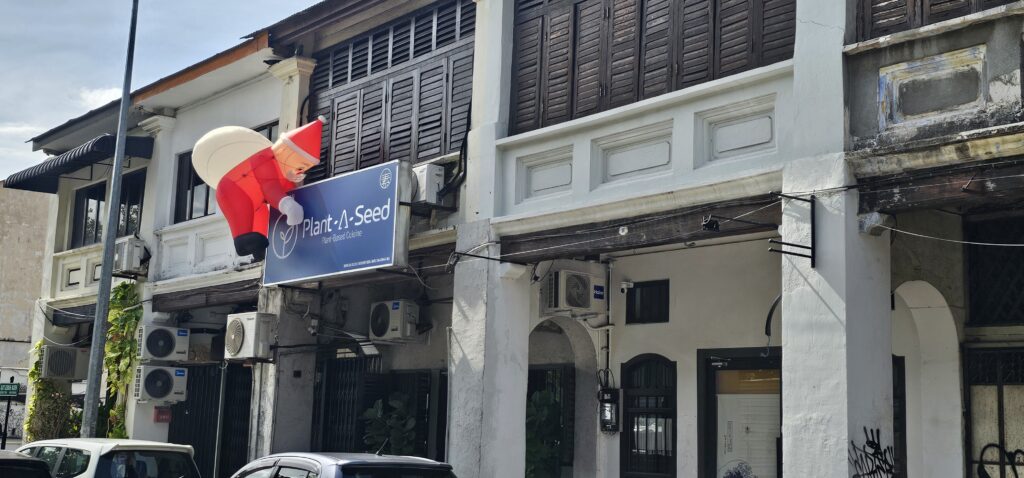
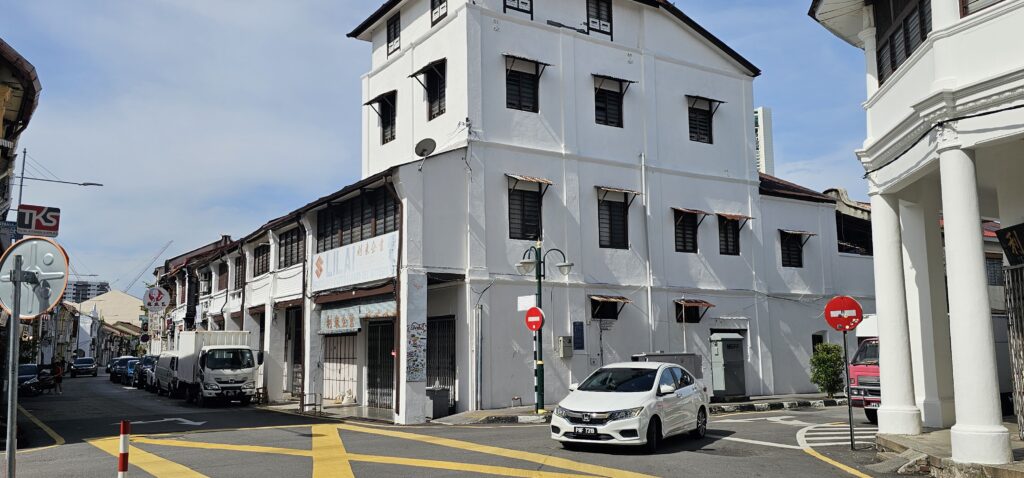
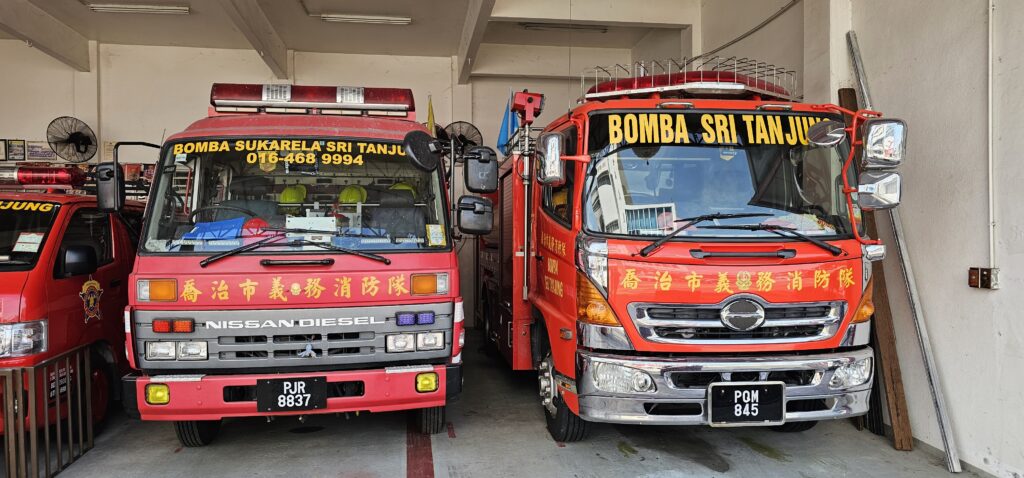
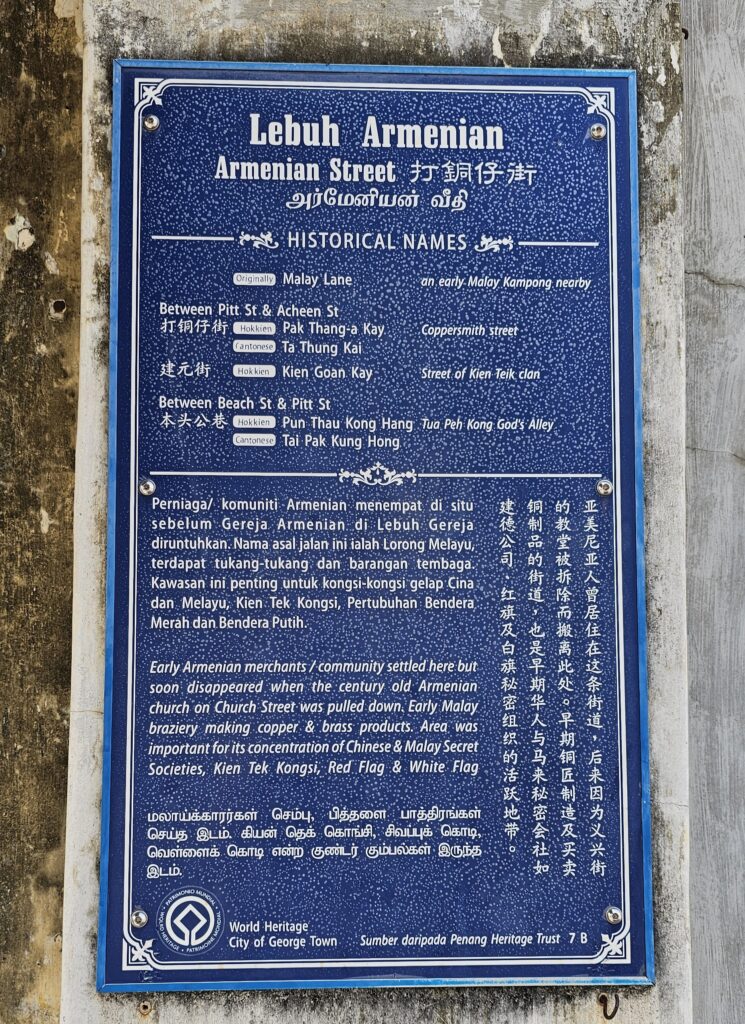
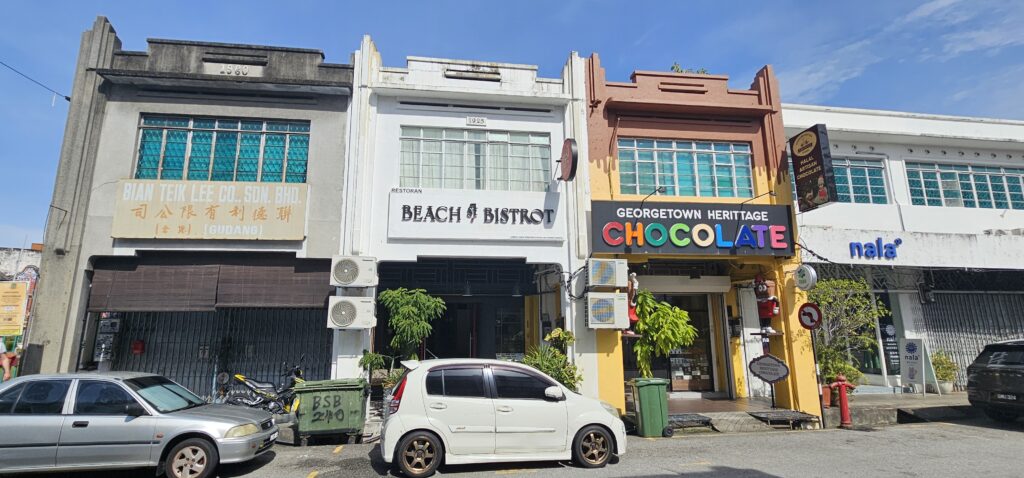
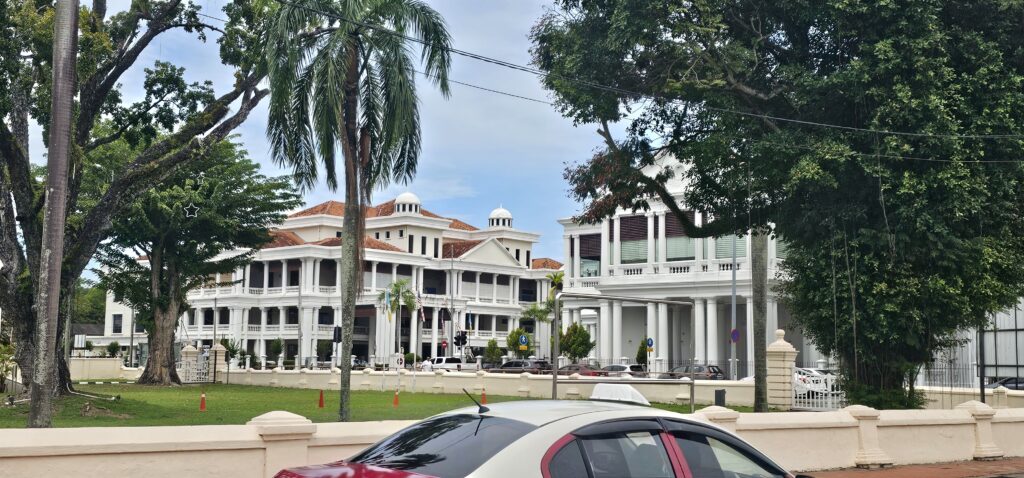
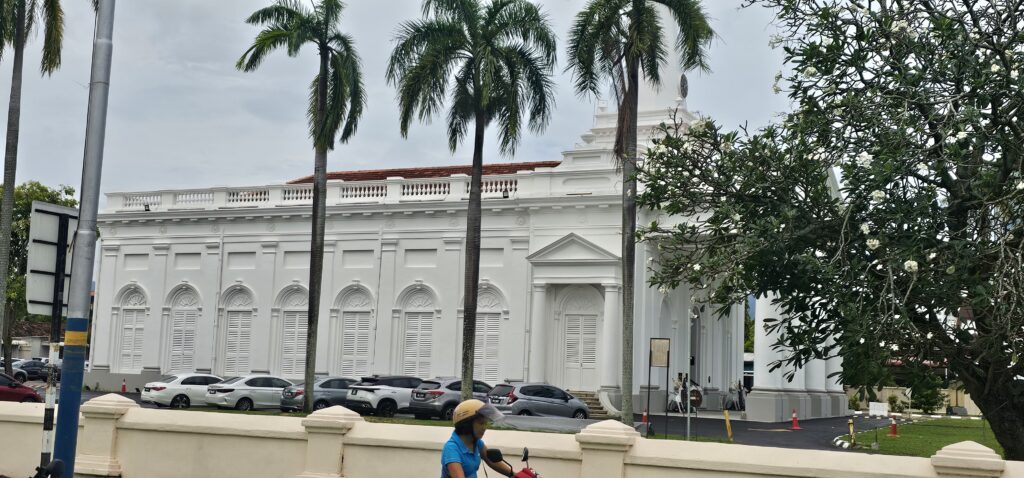
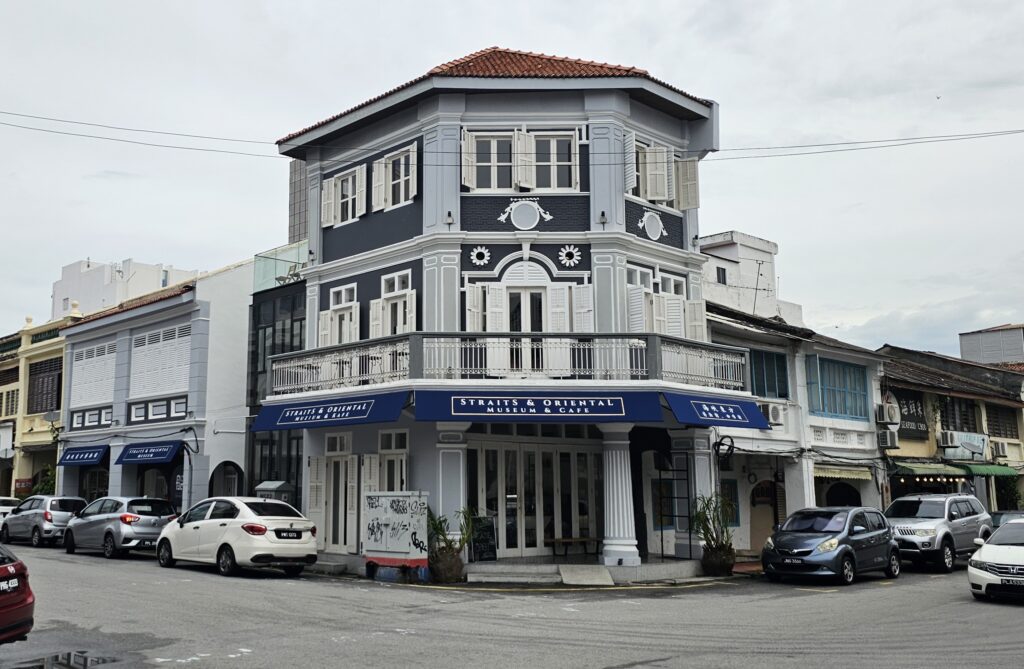
However, we eventually found more than just food and restaurants. During our first walk out later on Sunday morning as the sunpoked its head out, we were greeted by lots of British style buildings; we found “Little India”, a part of town full of silk saree shops, Indian spice sellers and Indian restaurants; came across an area built by Armenian people who had settled there; finally we found Chew Jetty, a little Chinese township built on stilts, bustling with shops, restaurants, temples and living accommodation. However, the stupidly hot 32c heat and 90% humidity beat us (and lots of other people) and we returned to the ship, showered and snoozed.
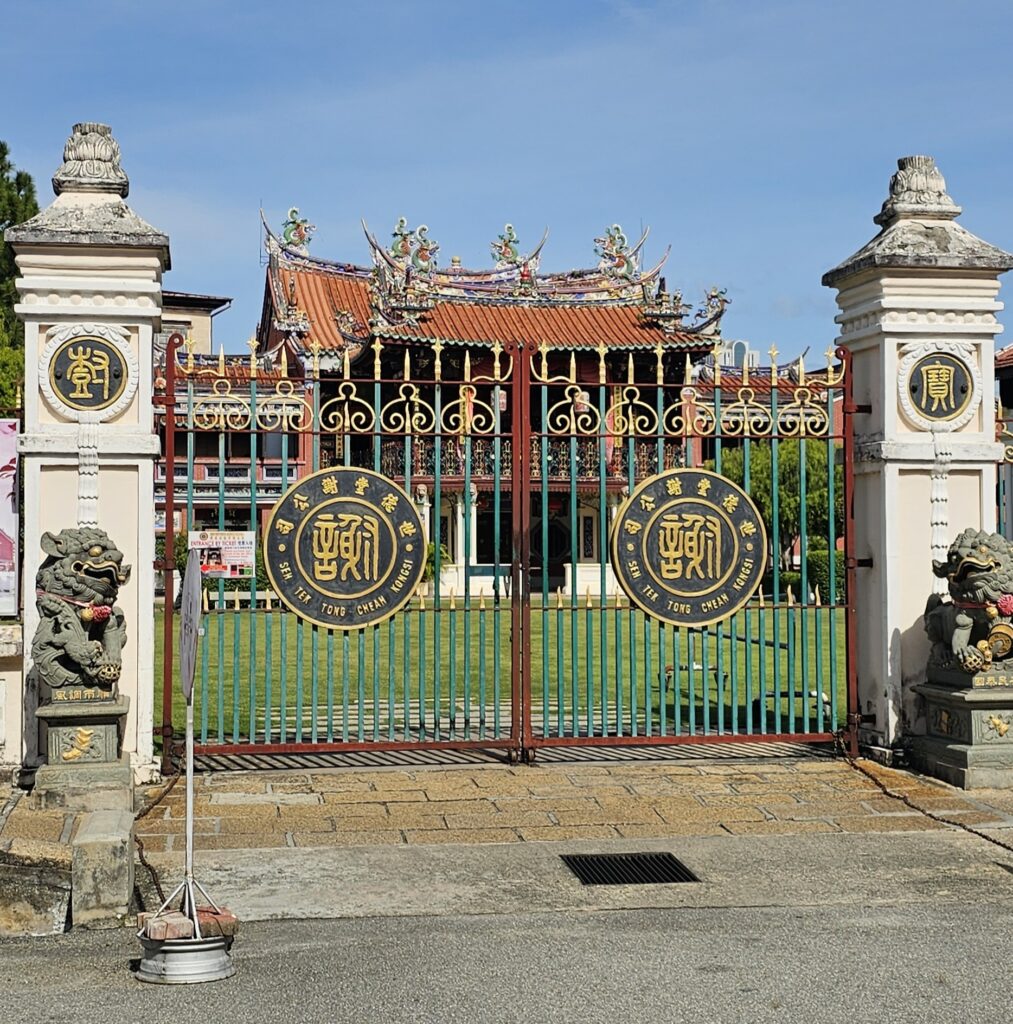
Chew Jetty is one of 6 orogonal wooden jetties built in the 1880’s, each jetty was controlled by Chinese family groups known as clans, and fines or fees needed to be paid to the clan to use the jetty. As well as a Chew Jetty, which is still controlled by the Chew Clan, there were also jetties controlled by Lim, Tan, Lee, Yeoh, and Koay clans.
In the late 19th Century was a period of violent rivalry between different immigrant groups for control of economic resources in Penang and the jetties were at the forefront of these conflicts.
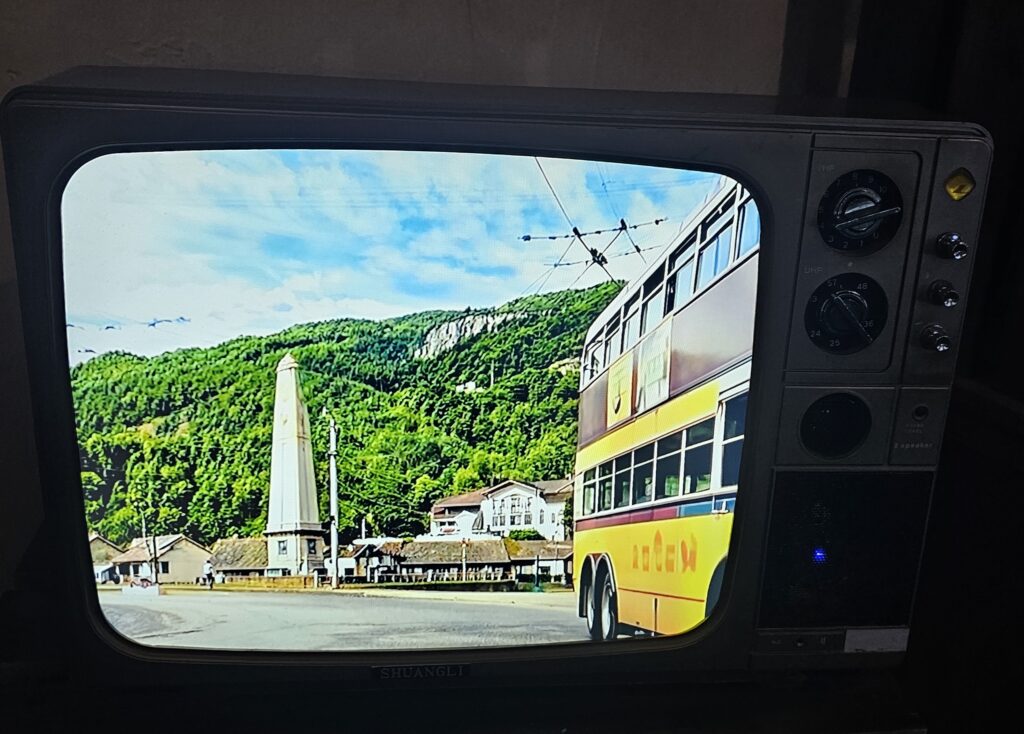
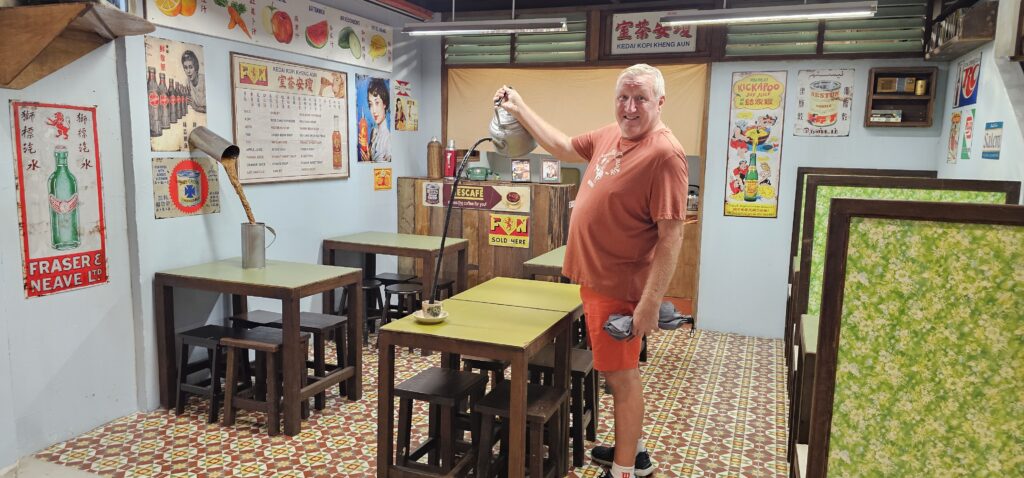
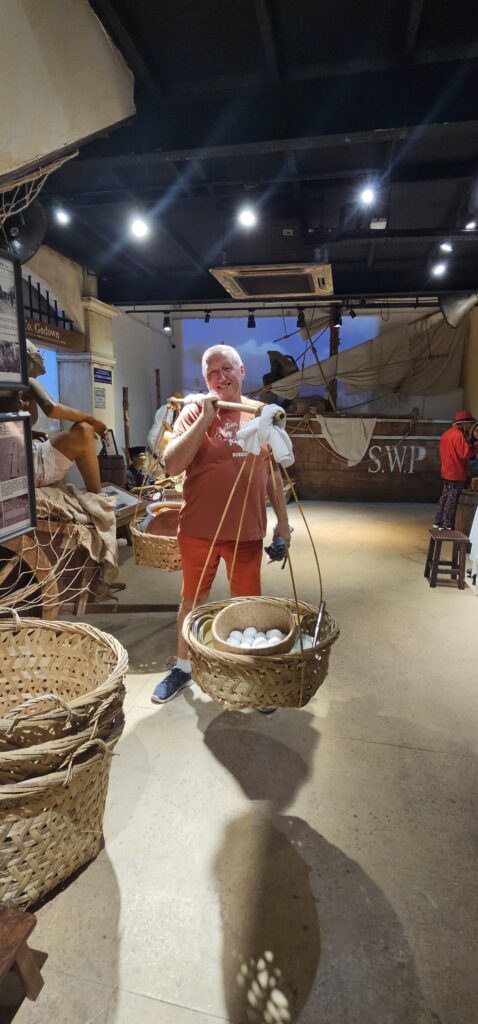
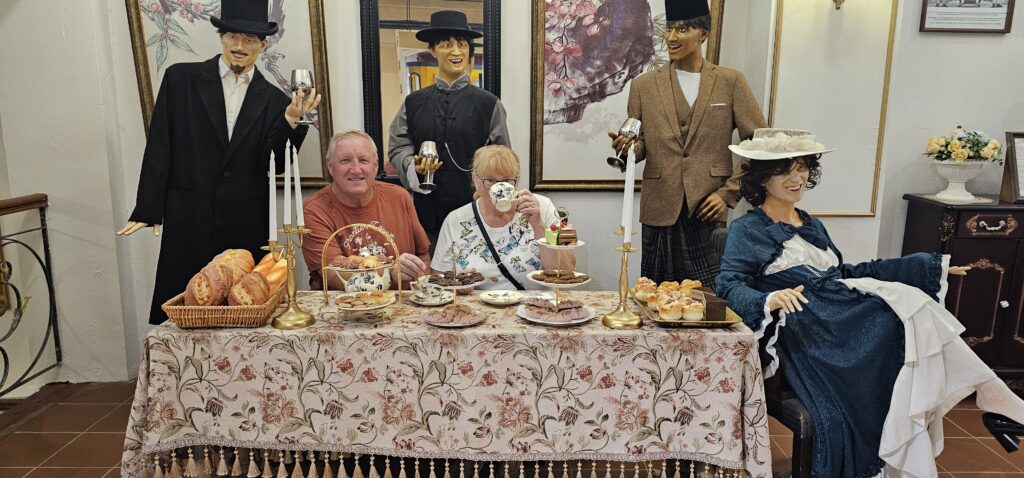
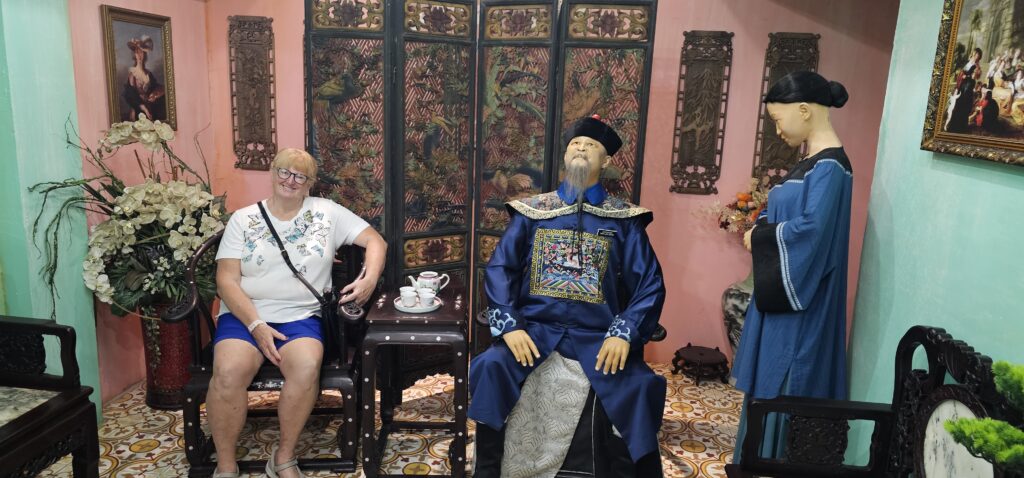
During our second walk out on Monday morning we found the museum of Penang history, very interesting interactive rooms telling the history of the city from the 1700s to 1960s. An informative bearded Chinese guide followed us around and we learned a huge amount about Chinese/Malaysian culture and how the mix of almost 10 different cultures came together, and to this day, live together in total harmony.
In the 1700s a Sumatran traveller landed on the island and formed a coastal town, later Arabs stopped at the island to trade and the inter-marriage formed the Malay community.
In 1770 Francis Light from the British East India Company landed, promising British military protection, establishing a tranquil harbour on Penang Island perfect for free trade, noting that if “Malay, Bugis and Chinese will come to reside here it will become the Exchange (of goods and trade) of the East, and the island then became what it is today. An ex Navy base, a trading post, a hot pot of culture and religion.
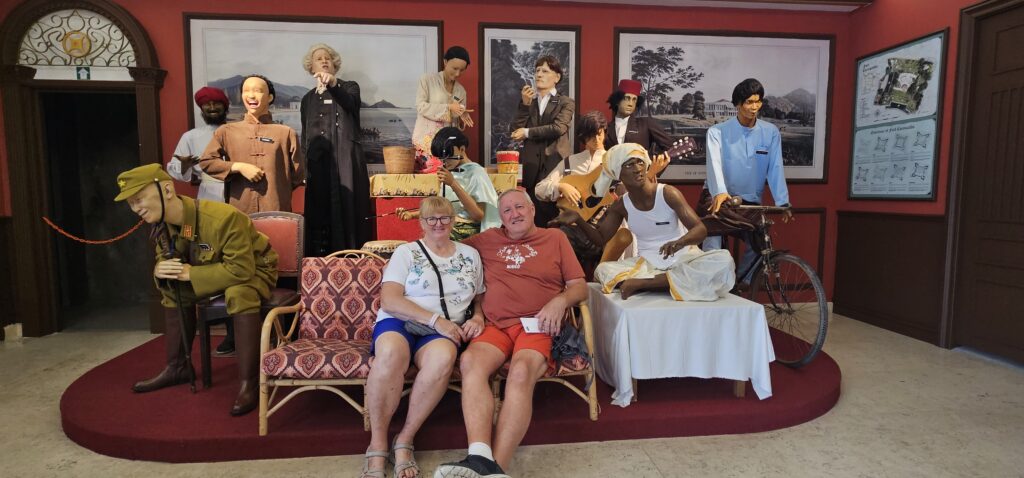
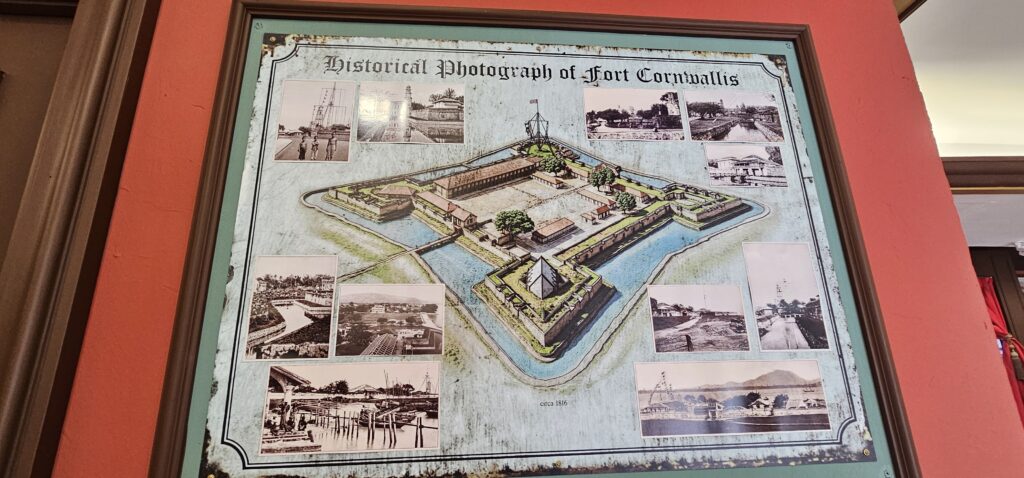
During the Second World War the Japanese took control of the city for 4 years before it was liberated by the British. Occupation happened when the Brits abandoned the city overnight but 4 years later the local people took control, one man hanging a white flag from the masts on Cornwallis Fort, saving the city from more destruction and occupancy, until the city gained independence from the UK in 1957.
George Town has now become a tourist destination following the city’s revognition as a UNESCO World Heritage Site in 2008.
Recent Comments