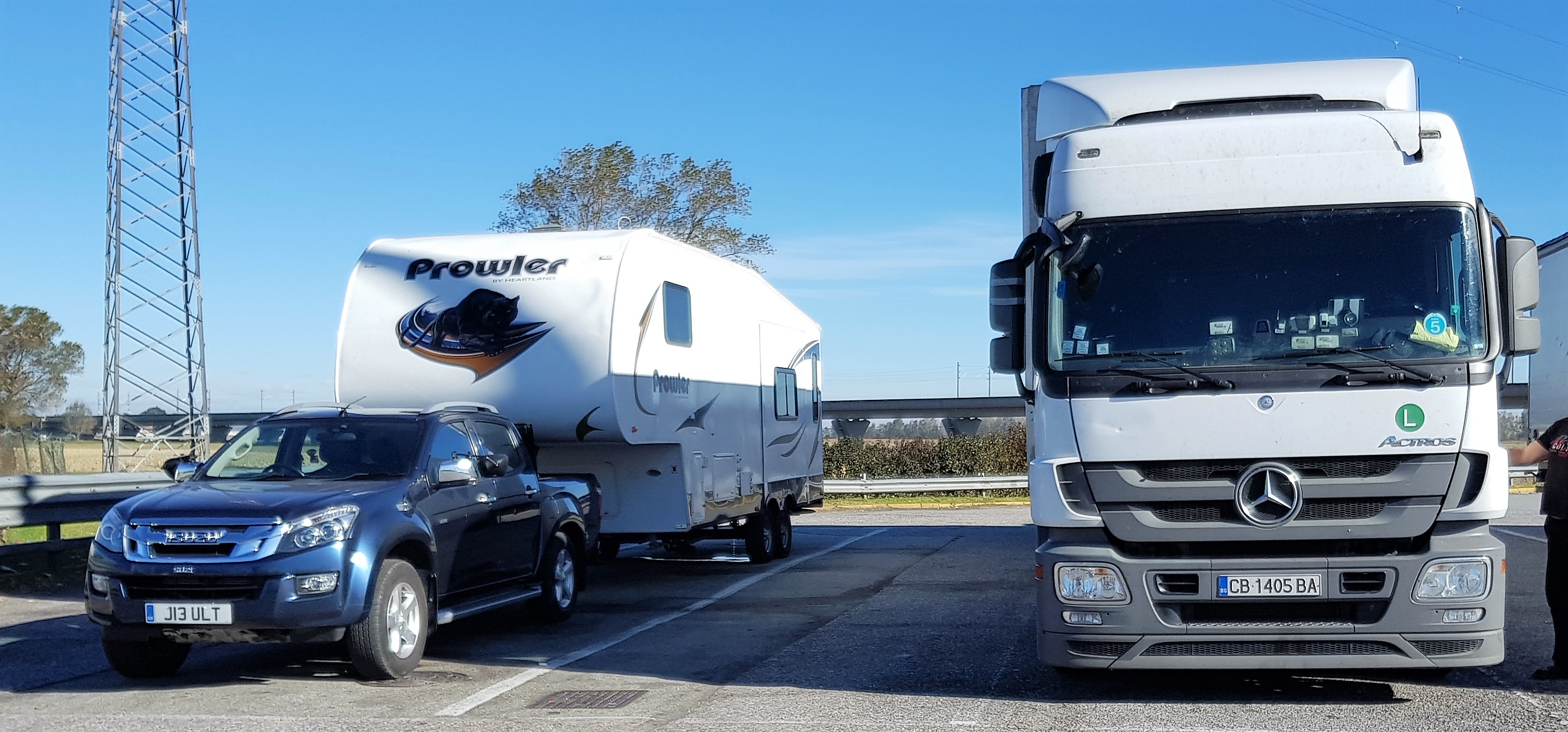
Travel stories of a caravan duo, plus a 5th Wheel and Isuzu truck in Europe

Category: Wine (Page 2 of 3)

Italy to France to Spain in 2 days!

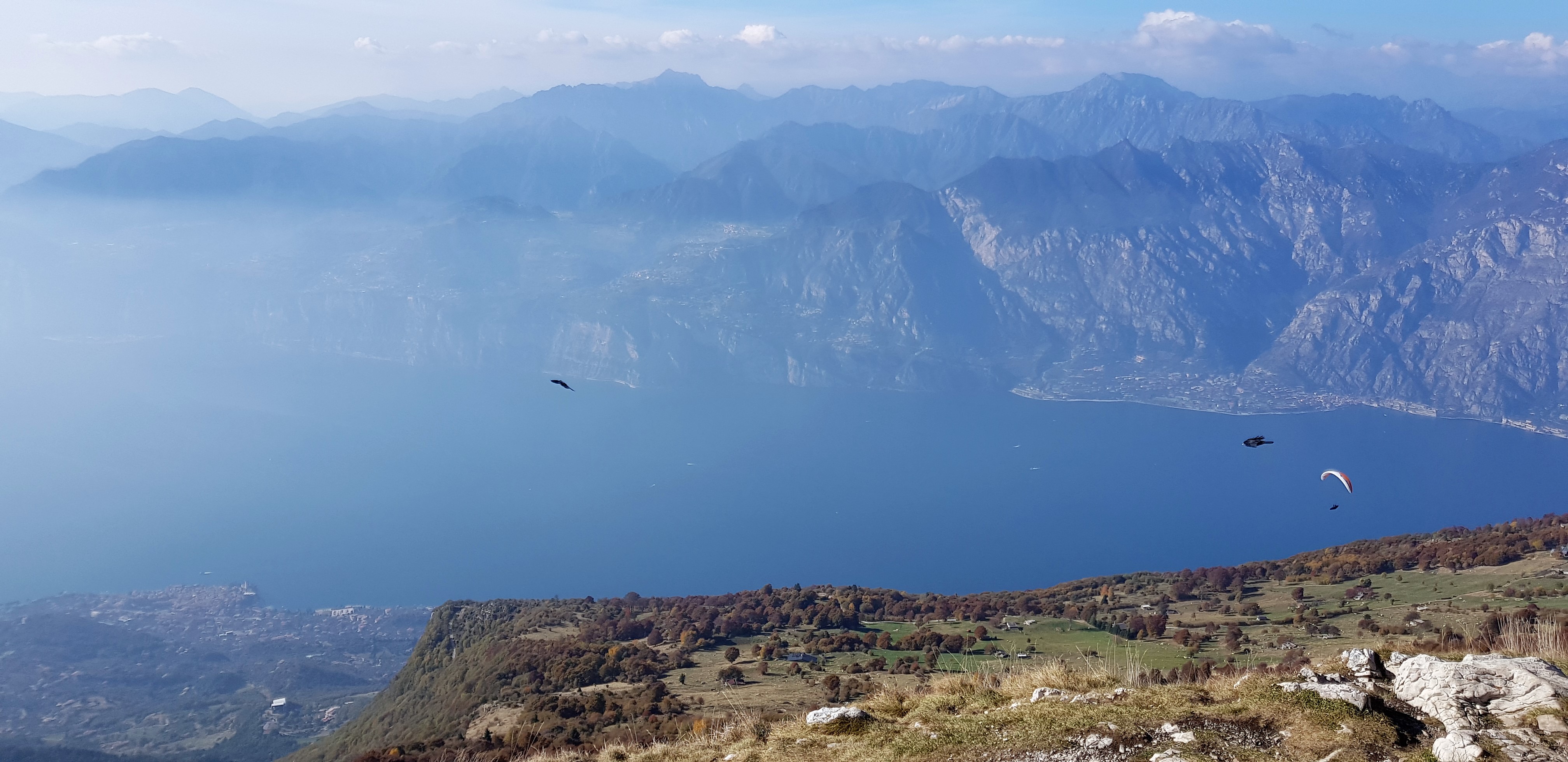
We left Lake Garda with a desire to return, it is one of the most beautiful places we have been to, the scenery is stunning, the Lake is large, blue and serene, the Italian people are friendly, calm and polite and we want to explore more!  We will certainly return in 2019.  This is possibly one of the best photos I think I have ever taken, from the top of Monte Baldo.

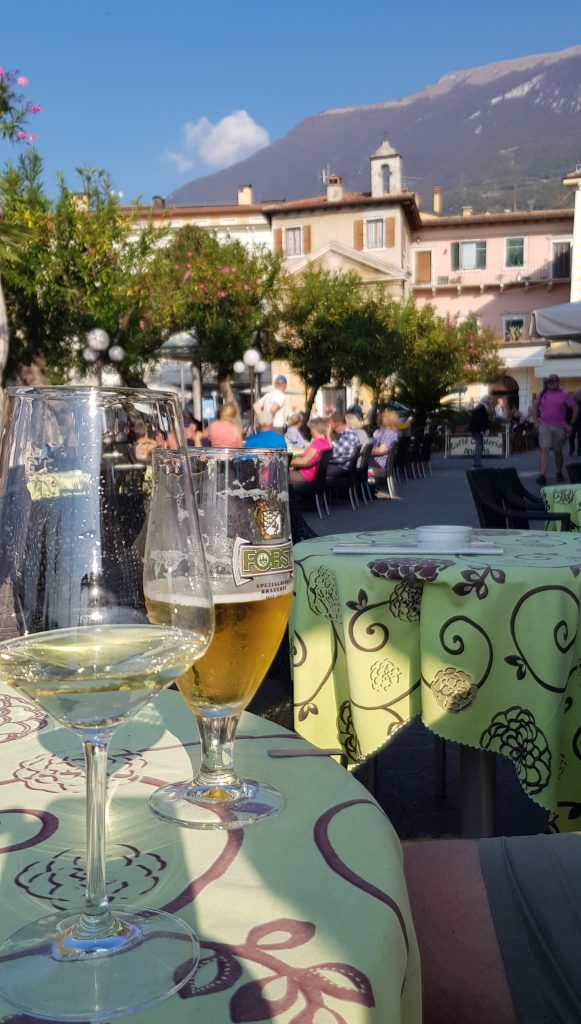
So cheers to Italy and Italian wines……..well, we could not stop here without visiting a small local vineyard now, could we???

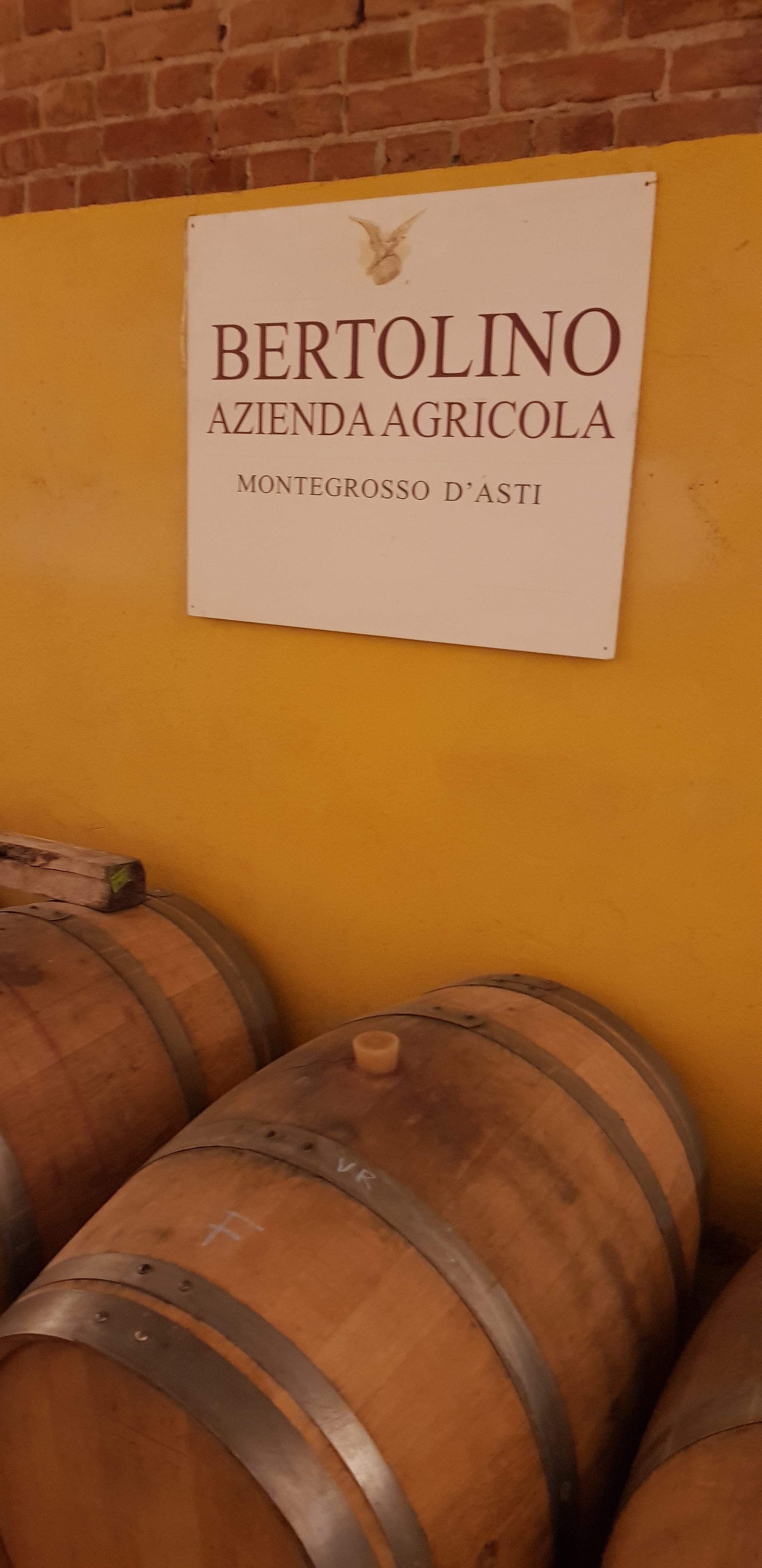
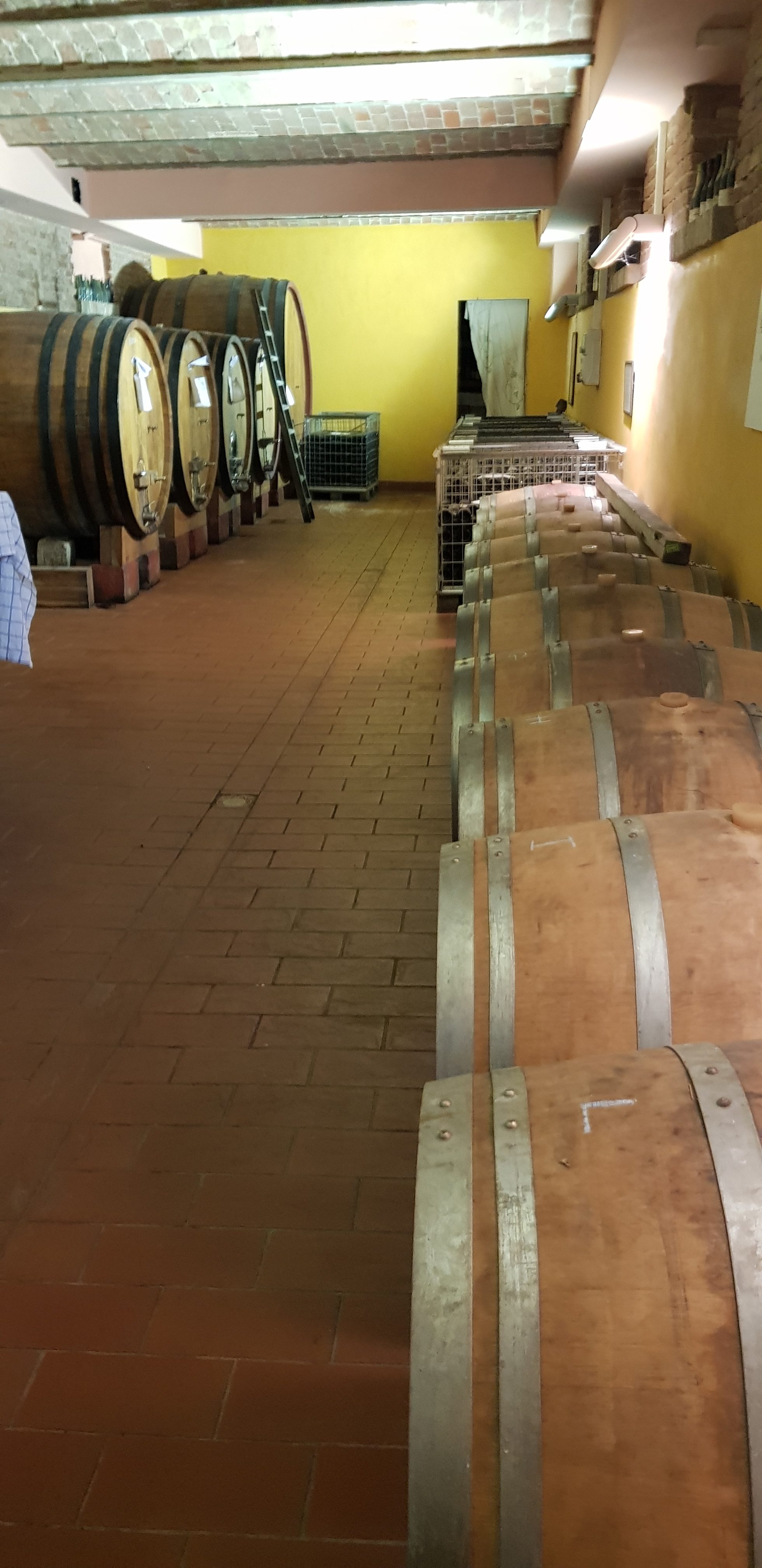
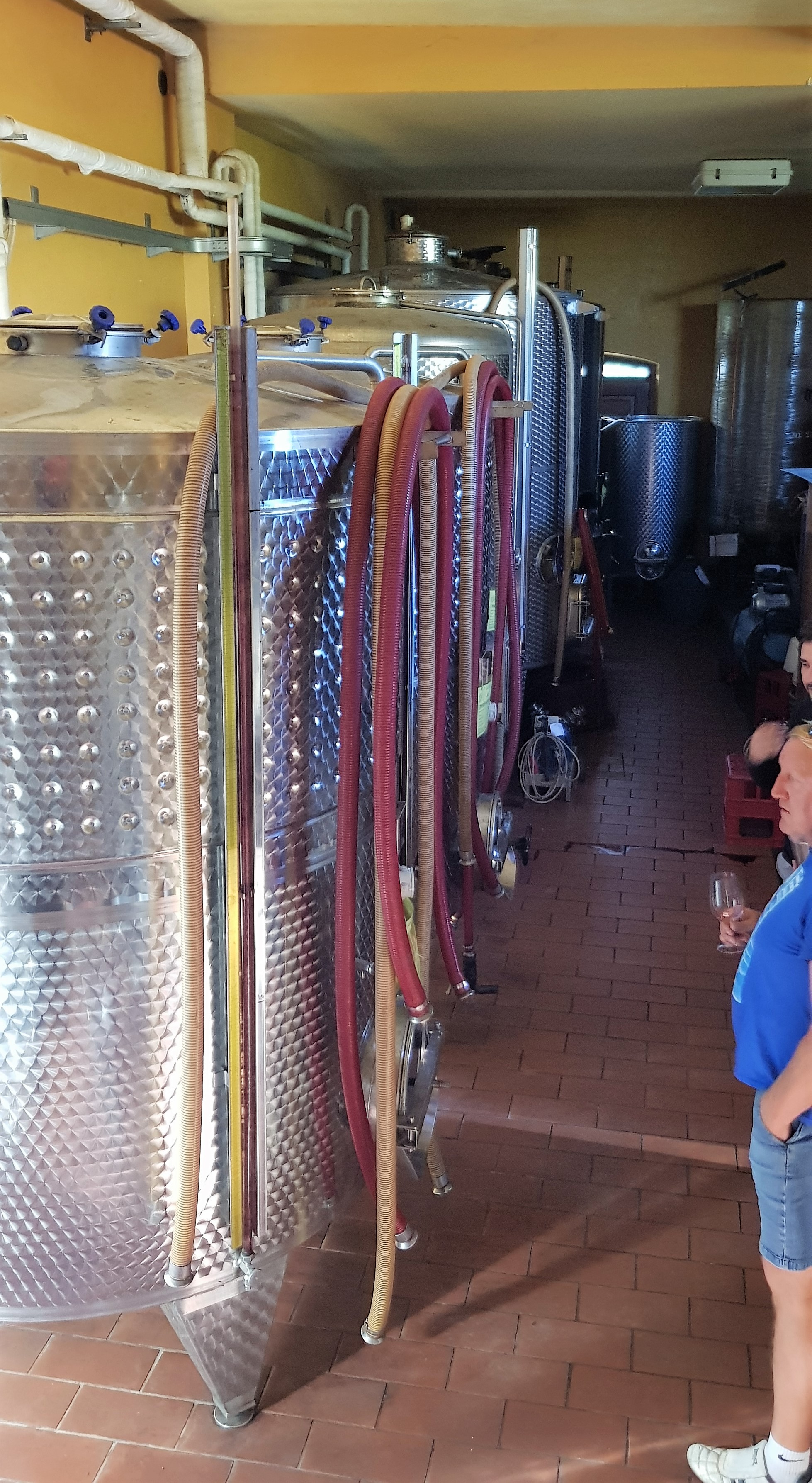
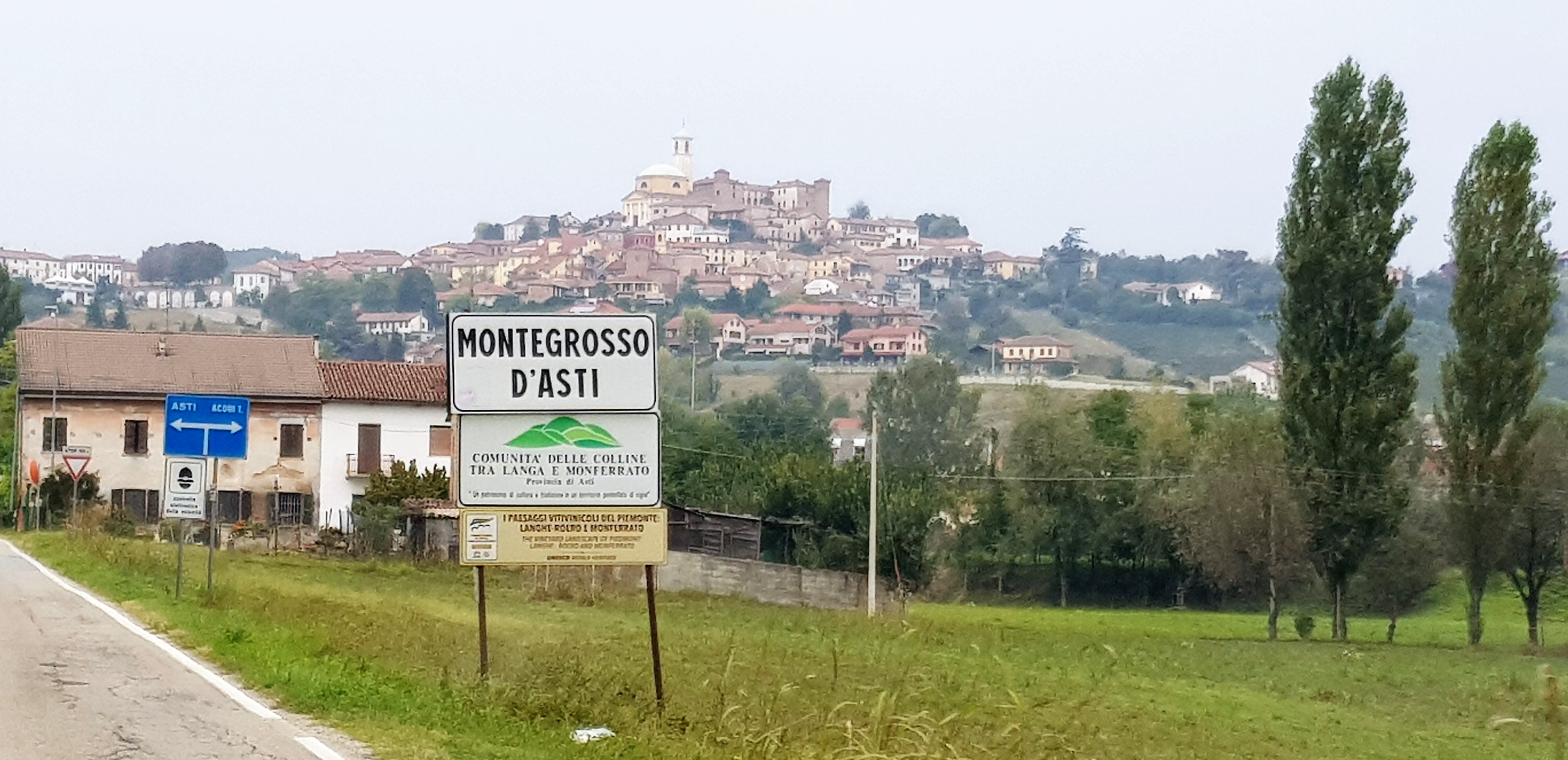
And thanks to Francisco for a tour of his cellars in Montegrosso…… and relieving us of a few Euros in exchange for some lovely red Italian wines including a Barolo!

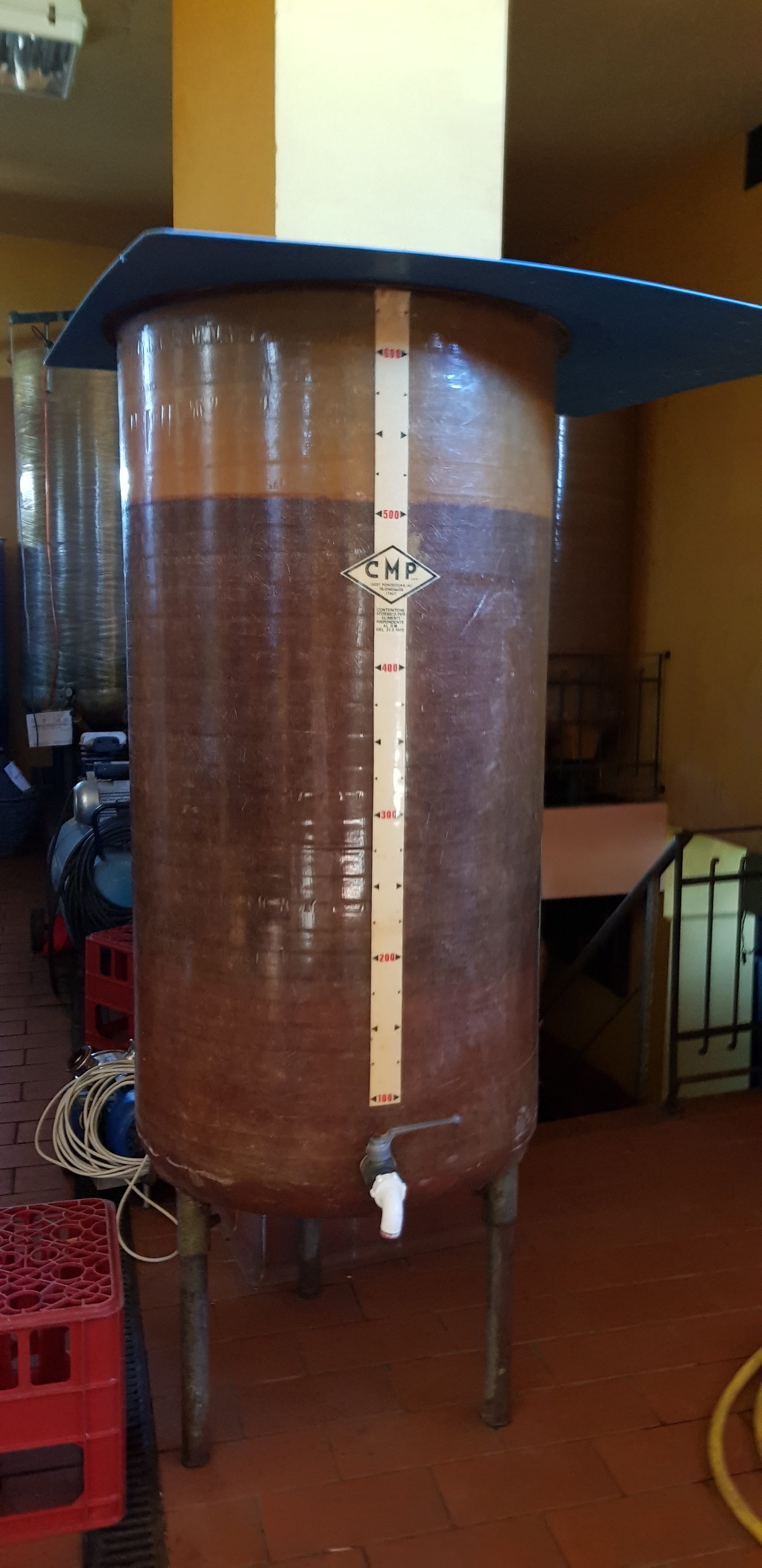
This is the new fermenting must from this year’s harvest (2018) that will be ready to be bottled in 3 or 5 years time!

And finally, after a short stop in France overnight, we ploughed on through to Spain, to Sitges just below Barcelona, to cheap beer, wine and food, to sun and warmth and to friends waiting for us with a glass of wine!!!

And into Italy we go…….

We left France and drove just over 4 hours into Italy to our next stop, along the coastal road before turning inland towards Milan.  The landscape along the coast was as we had imagined, hilly and high up on mountain sides, the road was sometimes dangling above the towns below, lots of tunnels (something like 77) and bridges but as we turned off at Genova, the landscape flattened out to a point where we could have been in Ansterdam, or the fens of Cambridgeshire!!
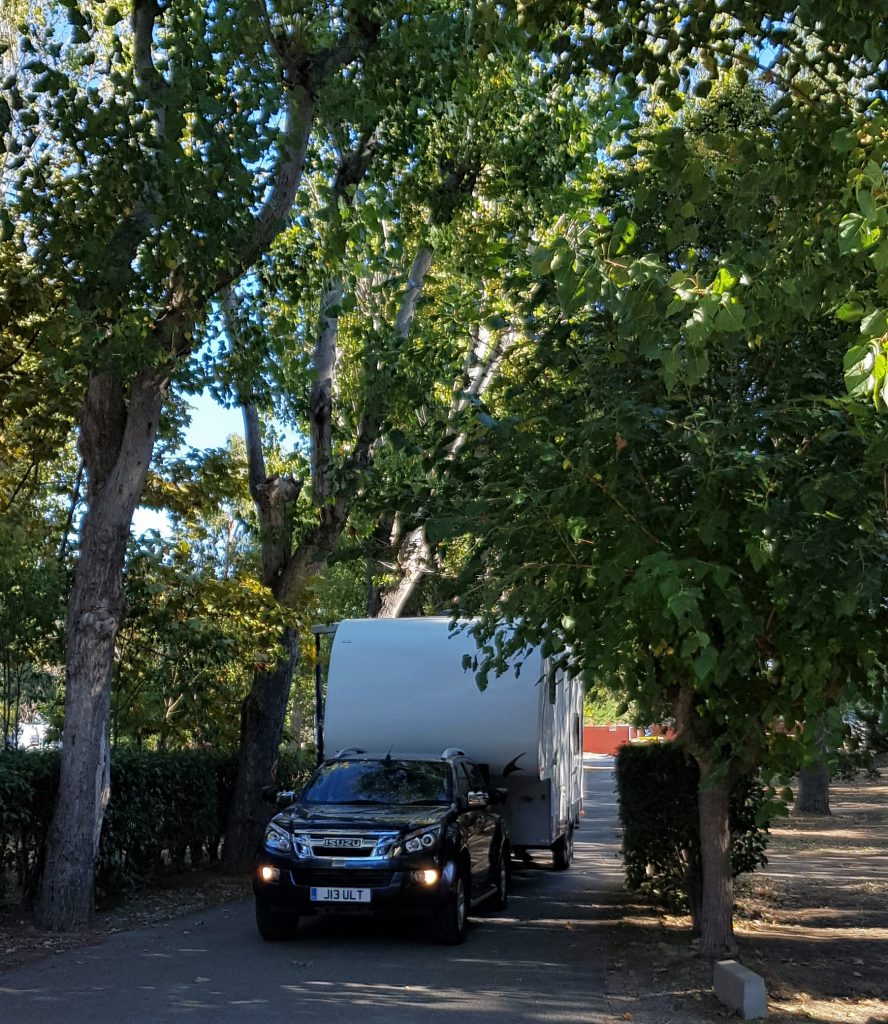
Leaving our French site, a tight exit!
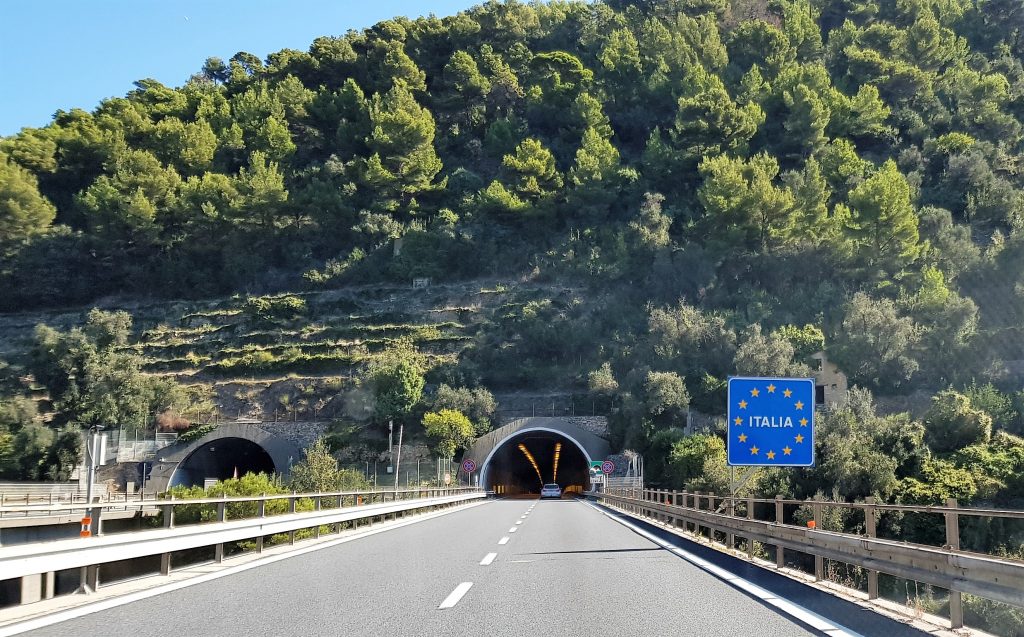
The Italian border.

At one point, our plans to visit Italy were almost put on hold as too many people told us about terrible roads, dangerous drivers and a severe lack of camp sites, but we pushed on though and decided to do a “recce” and spend 4 weeks venturing into Italy before heading back to Spain for the winter.

We plotted a route from the Cannes area up through and over the Maritime Alps mountains to Cuneo (famous for its Barolo wines) then over to Asti and Alba (famous for its fizz) and then over to Lake Garda, but the Jane (our sat nav goddess) said a BIG NO!!!  With a 7 tonnes vehicles that’s 3.5m high, you cannot head over the mountains to Cuneo……unless you go to Asti first then drive back 100kms to Cuneo, then drive back to Asti, so sadly we had to cut out the Cuneo stop.
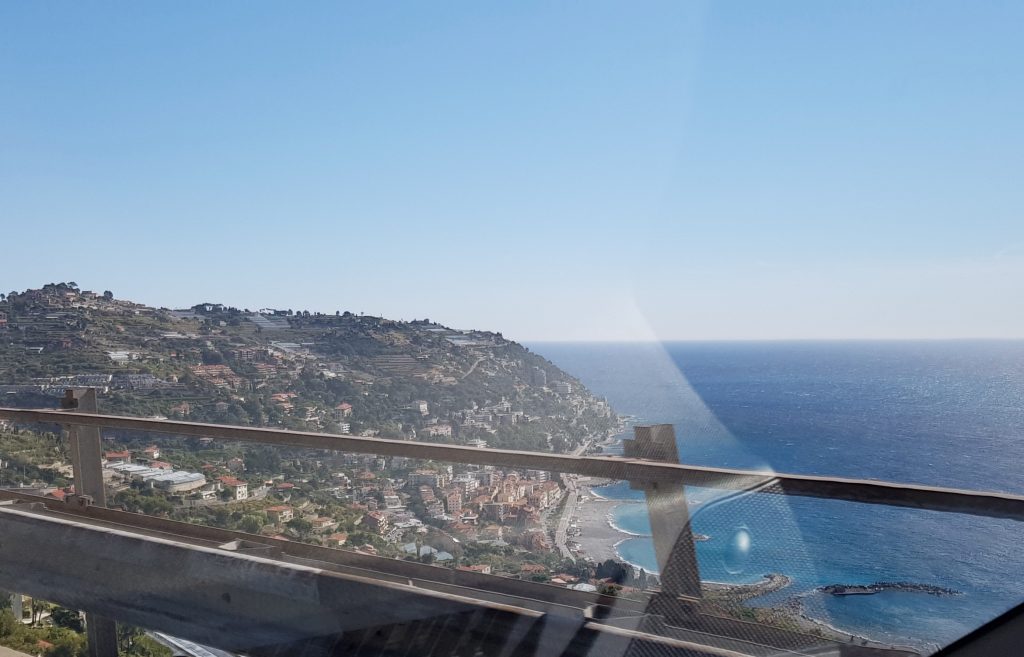
A view of the drop to the coast along the road from France into Italy.

The area between Cuneo and Asti is a huge vineyard as far as the eye can see, rows and rows of vines headed by a rosebush (to announce and protect against grape pests) and/or willows, traditionally used to support young plants.  Reds, whites, sweet and sparkling wines come from this region, with a particular success in ageing red wines, such as Barolo and Barbera, one of which has always been my favourite!!  I was first introduced to Barolo in about 1995, when a contractor took me to dinner at a waterside restaurant in London Bridge and I chose the most expensive red on the menu!!! I had no idea what it was but we fell in love……

A Lesson In Viniculture (wine growing to you and me!)

A bit of technical info – the main grapes grown in the Piedmonte area are:  Barbera (red) and white Moscato (for the Asti Spumante) and Nebiolo (for aged wines such as Barolo and Barberesco).  The Nebiolo grape was first mentioned in 1200 and continued to the 1500s when it was used

Barolo (the Wine of Kings and the King of Wines) is produced by 11 regions in the area, originally it was a sweeter wine but ecological changes made in its production around 1850 by the Marquis Falletti of Barolo, it turned it into a dry deep red – these methods were then adopted by all other growers at that time and are still used today.

Barberesco is a wine with ancient origins, produced in only 4 regions, whose name derives from the wine given to barbarian hordes of Romans that slaughtered Italians before and after the fall of Rome. Professor Domizio Cavazzi, a famous winemaker, described it as “fine, soft, generous” and in 1890 founded a wine co-operative for its exclusive production.

Barbera D’Asti and Barbera of Monferrato are two of the regions wines from the Barbera grape.  The Barbera is amongst the most exported national and international wines from the Piedmonte area of Italy, initially to the American market in 1819 and was much appreciated after the production crisis after the first and second world Wars.

Moscato means “perfumed” and was declared a fine wine variety as far back as 1200 with Canelli and Asti becoming perfect areas for its cultivation, with the city of Canelli being known as an “underground cathedral” because of its immense underground factories that extend under the city. The first sparkling Asti Spumante was made in Canelli in 1860, adapted from the champagne method and includes a second fermentation in the bottle in order to obtain the sweetness.

Grignolino was mentioned in the 16th century as a “claret”, drunk during fish banquets.  In the early 1900s it was described as a “delicate variety” so was mixed with a Barbera and production to this date is decreasing despite its popularity and excellent quality.

The Annual Processes – in Italy, in October, they spread fertiliser between the rows to help it over the snow laden winter; in January to March they prune (but superstition says it’s not to be done on nights when there is a full moon) and April and May is dedicated to “suckering” the baby shoots onto new supports.  End of August is usually when the owner decides the date the grapes will be at their best and harvesting begins during the month of September. Once it begins, it cannot be stopped, to ensure the quality of the grapes remain consistent for that year’s crop.  Italy is the first place where we have been told that they fertilise the soil and also the first place where they look forward to the snow!


Back to our travels…….

Our first stop was at a small town called Agliano Terme, home to a small natural thermal spring that was only accessible if you have a “recipe from the doctor” in other words “visit by prescription only”.  We spent a day touring the small towns of Asti and Alba whilst Samson was parked in the camp site’s car park; we were too big for their terraced plots despite us emailing ahead, with a picture and dimensions!  This must have been a regular occurrence as the car park with kitted out with a water, power and drain point!  A few nights were fine, we just had to put up with the camp site visitors emptying their bins near us at ungodly hours!!
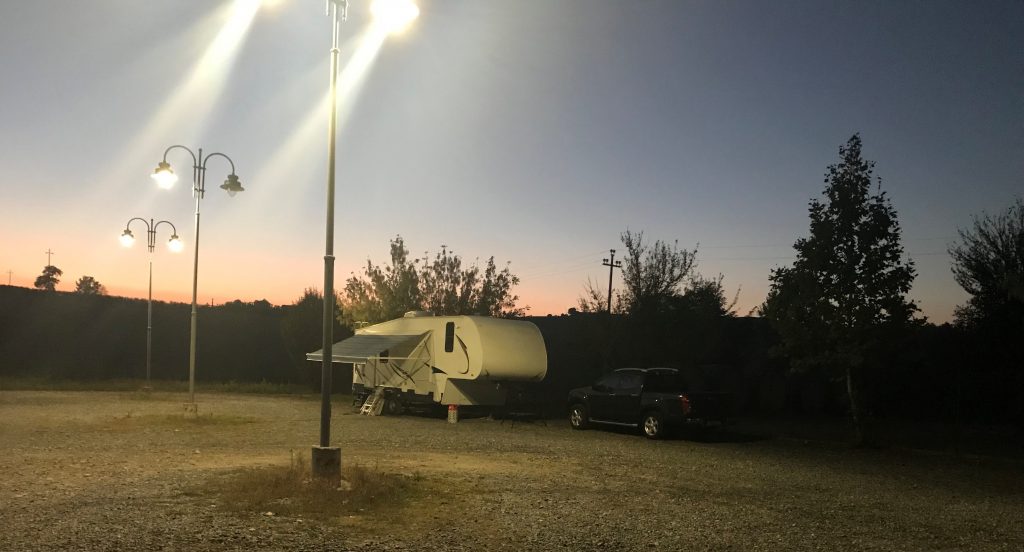
My parents were very proud that we have experienced our first night ever “camping in a car park”!!
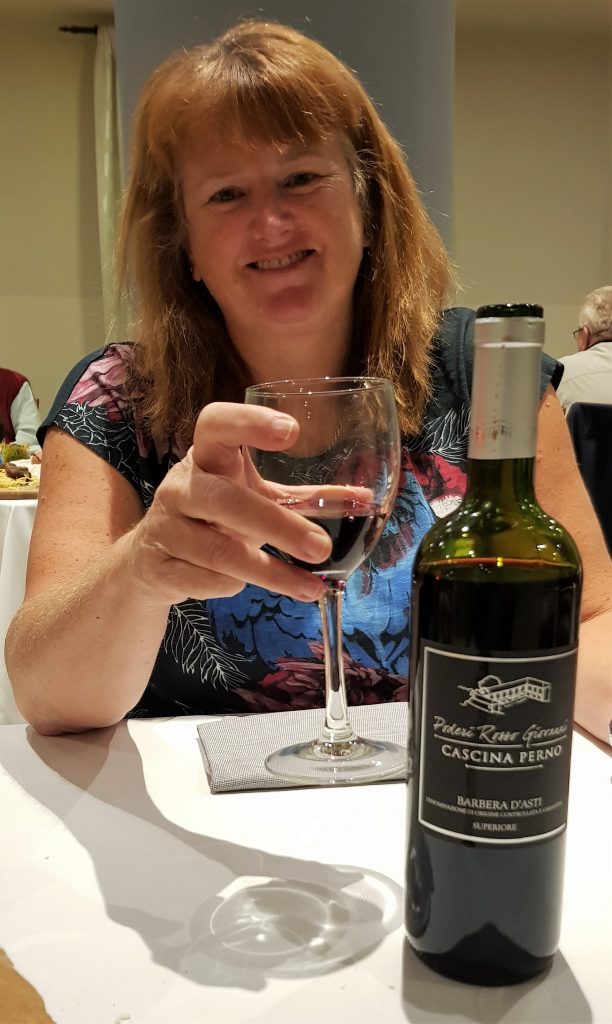
When in Italy………


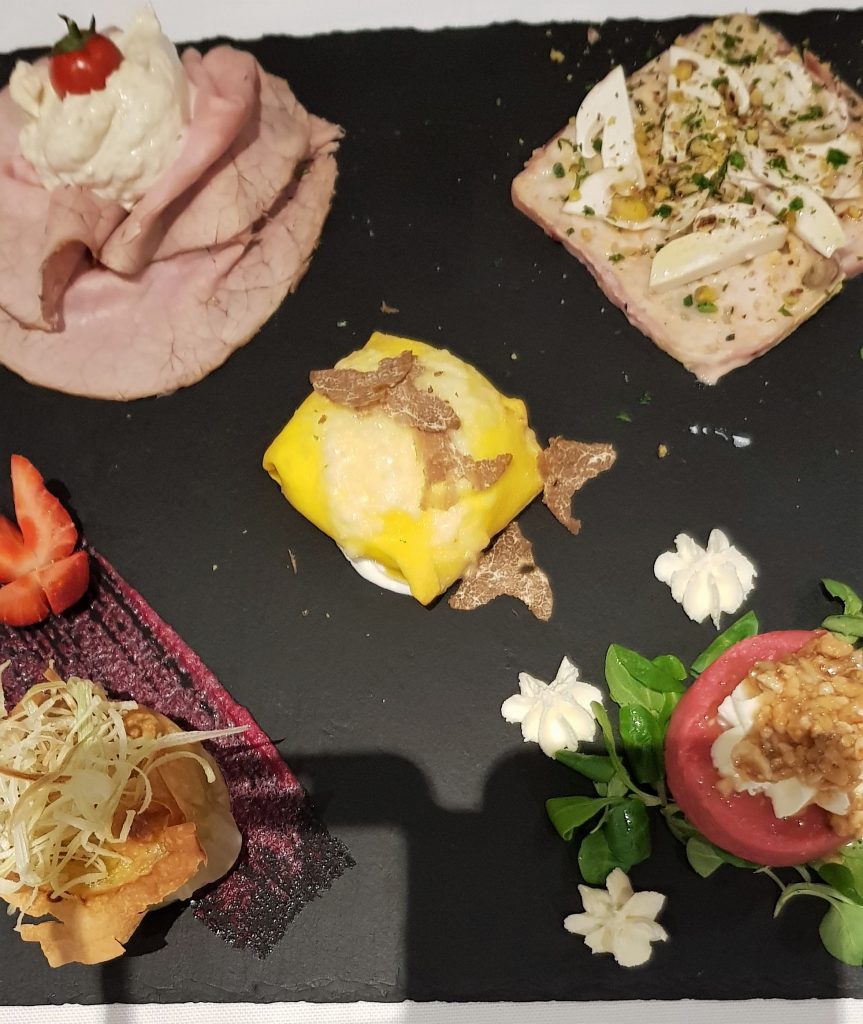
Starters were……. local pork ham with a blue cheese; cooked chicken with another type of cheese; (centre) was a pancake filled with ricotta and topped with grated truffle; beef carpaccio (which I did try) and filo pastry stuffed with a pate concoction!  Delicious….
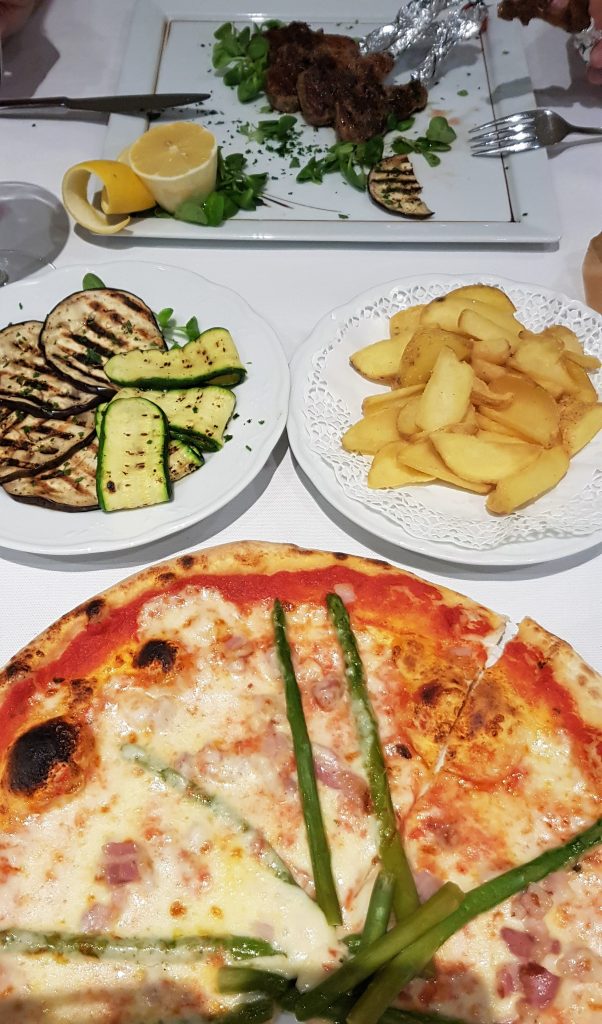
Mains….pizza with asparagus; lamb chops with grilled veg and potatoes.
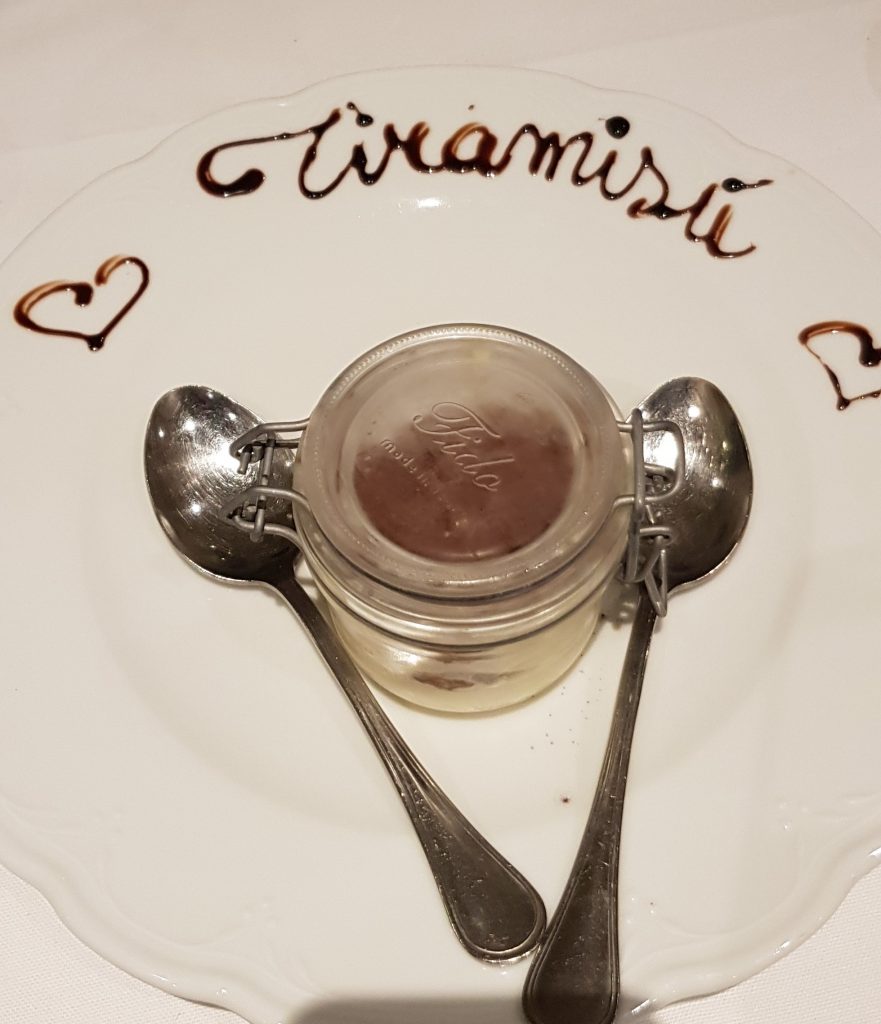
 

And of course, home made Tiramisu!


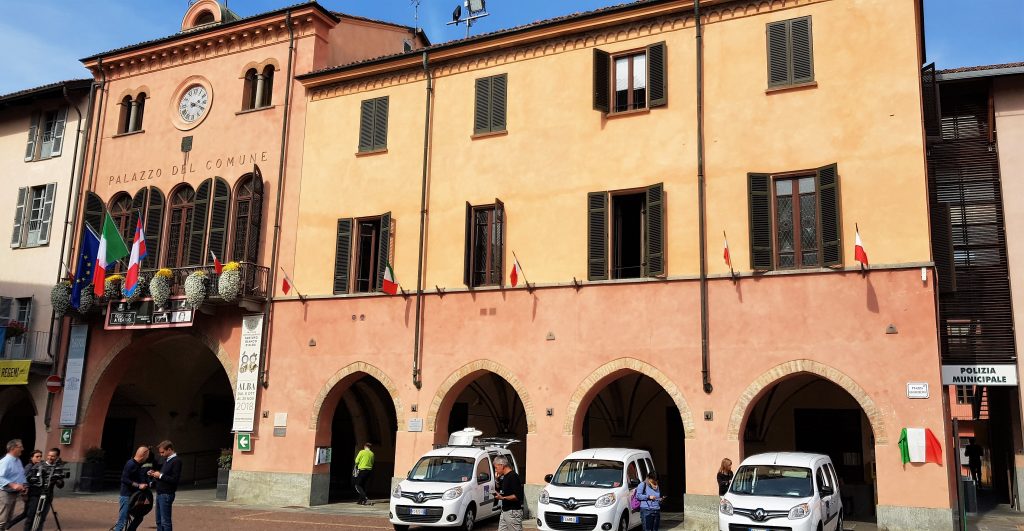
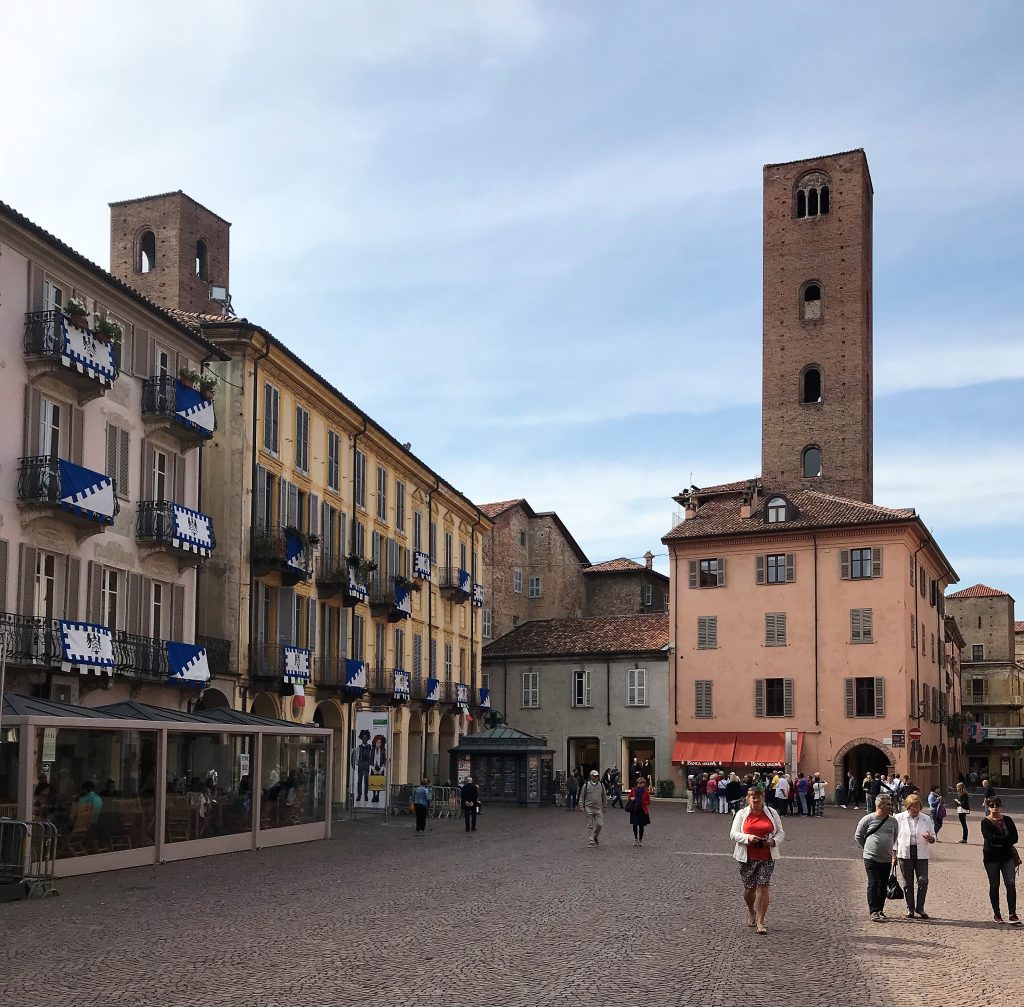
Alba is the second largest town in the area after Cuneo, founded by the Romans in 190BC, sitting on a hill above the banks of the River Tanaro.  The gothic style cathedral was built on the ruins of a Roman temple, it is beside the Town Hall which is attached to old Roman walls. It was known as the city of a hundred towers, only a few remain now as many were lowered to the roof levels or incorporated into buildings. Alba is also home to the white truffle, a festival is held in the truffle’s honour in October, and yes, we did get to try some!  A very strong mushroom flavour…..
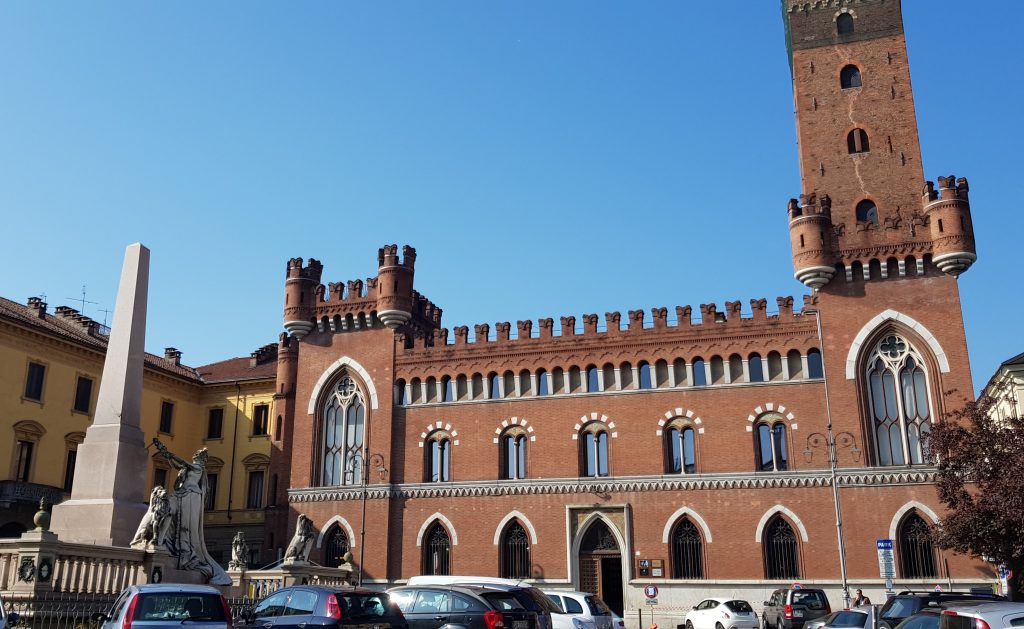
 

The Town Hall in Alba
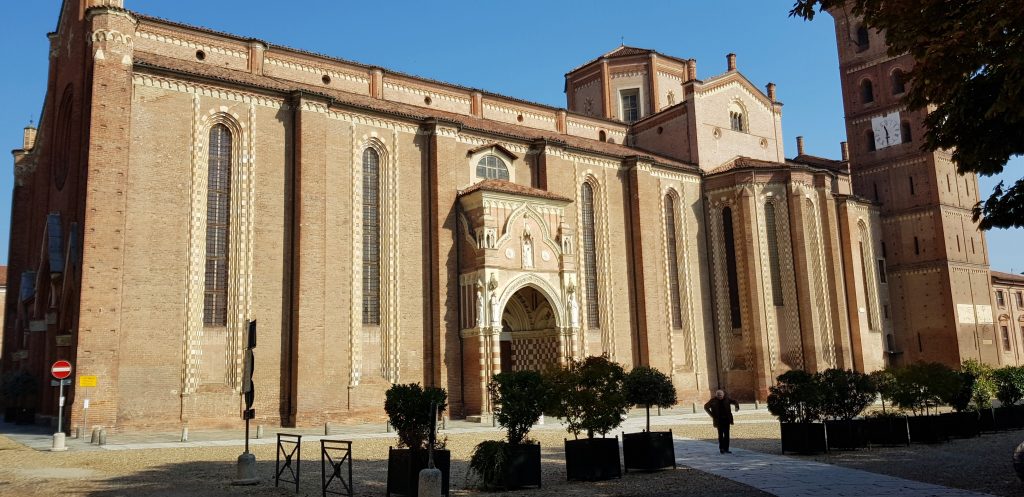
Alba’s cathedral
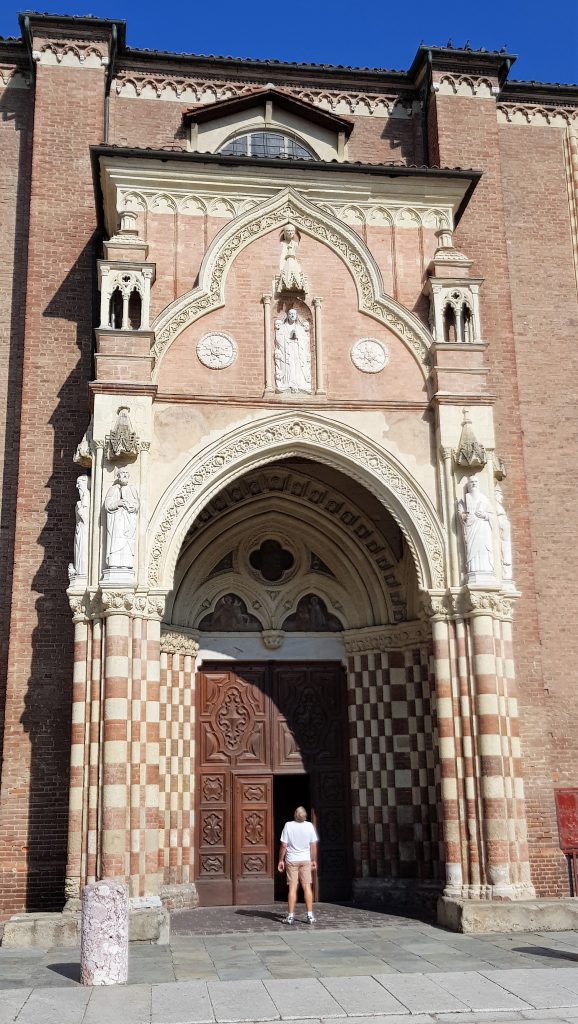
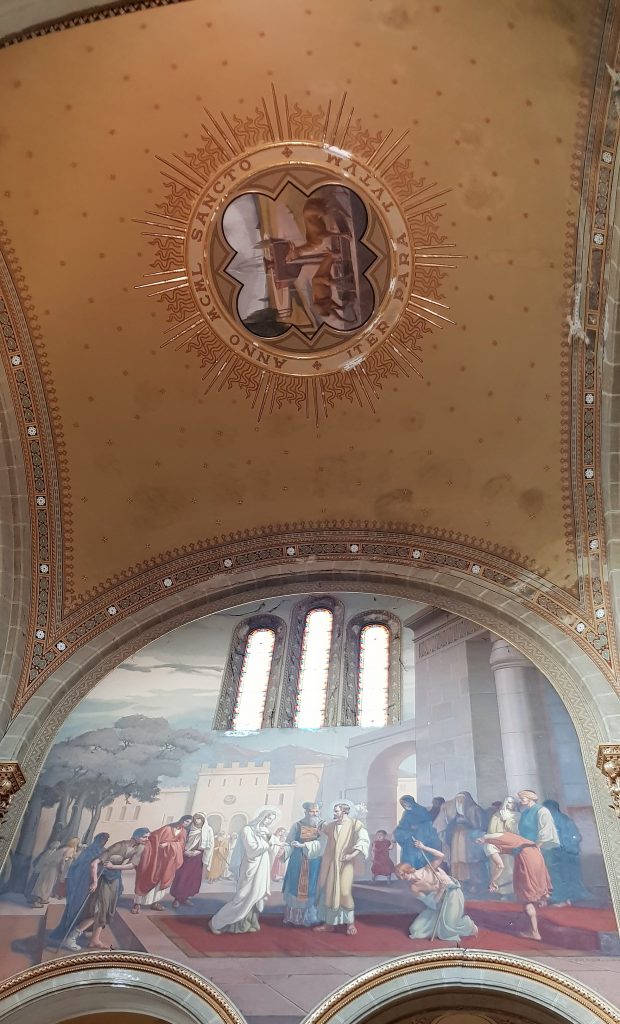
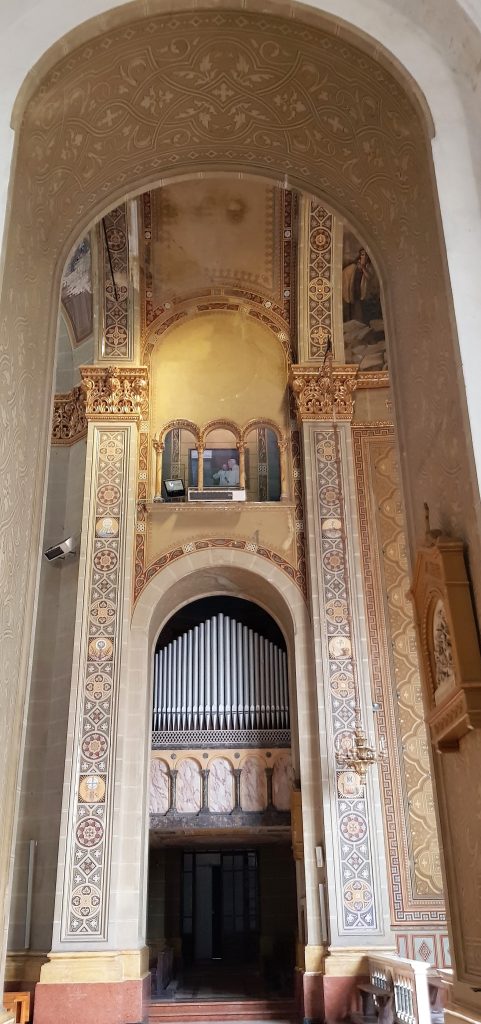
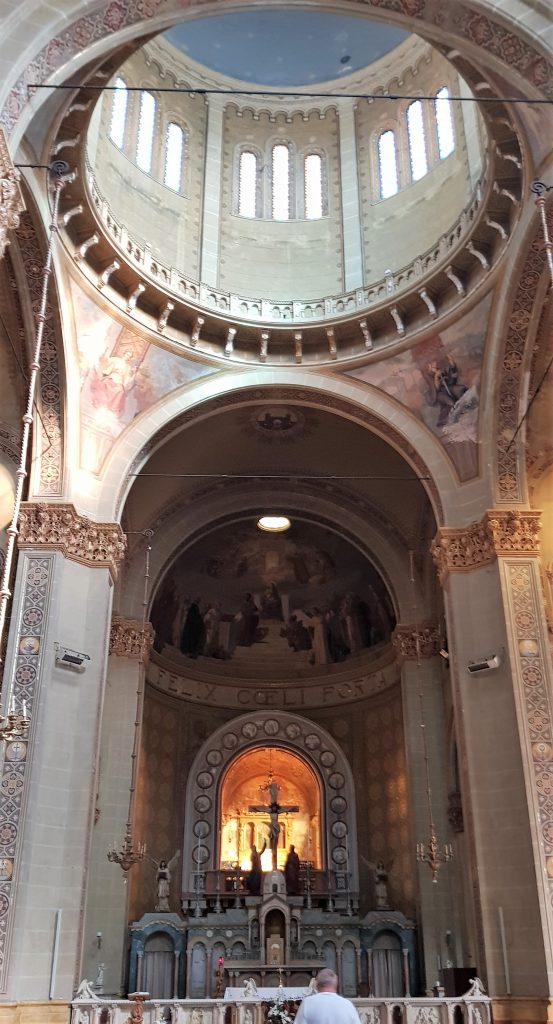
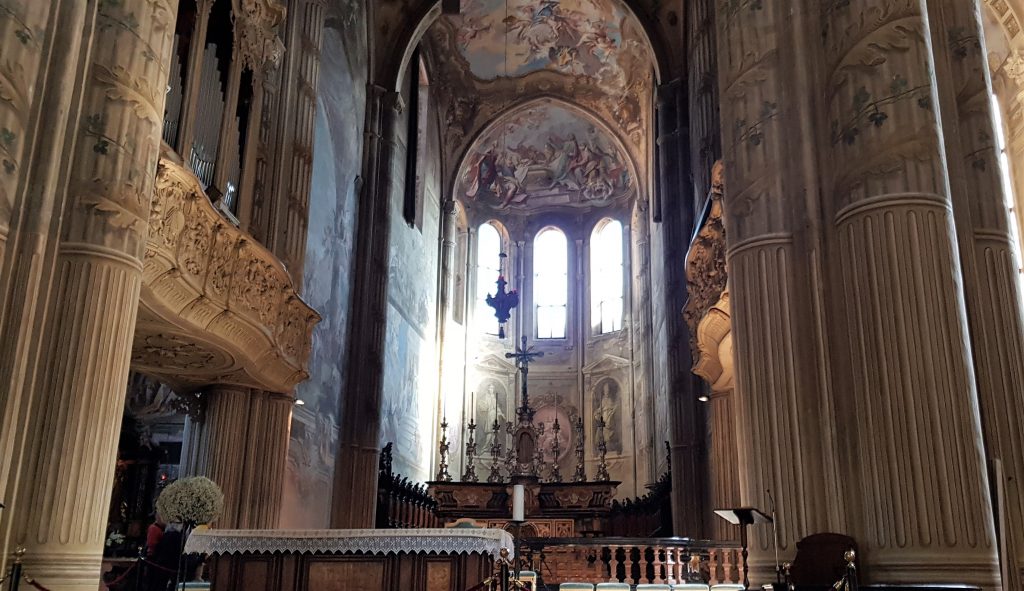
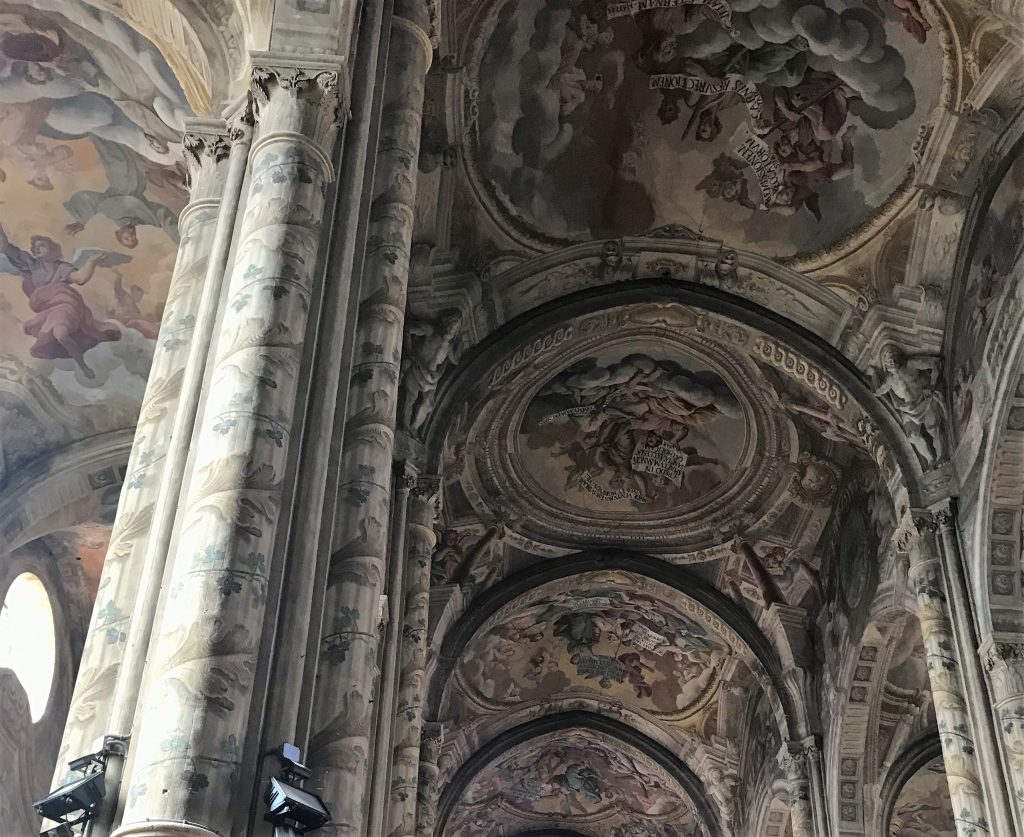
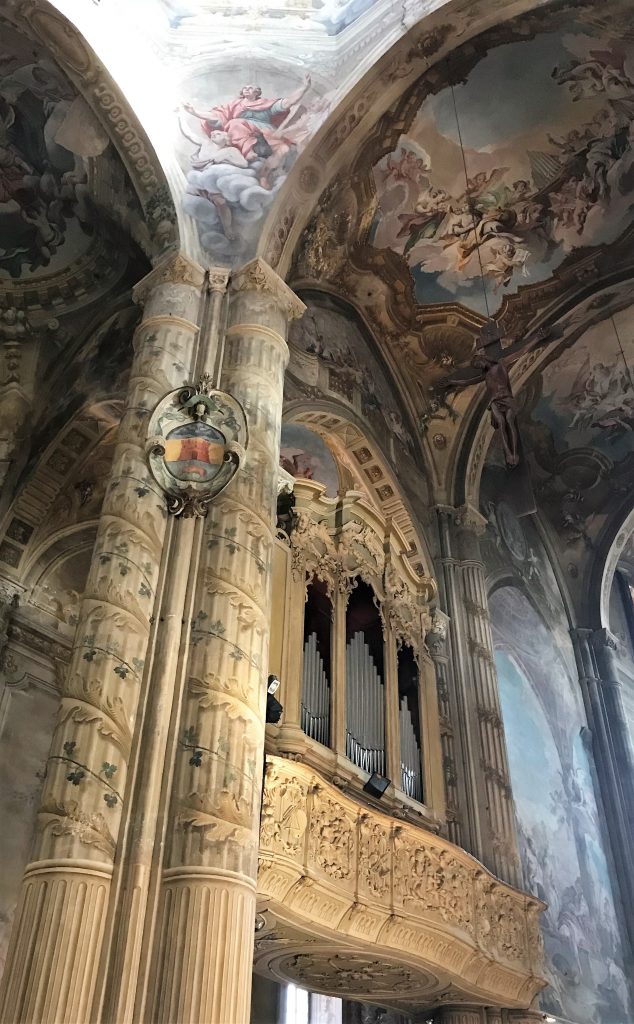
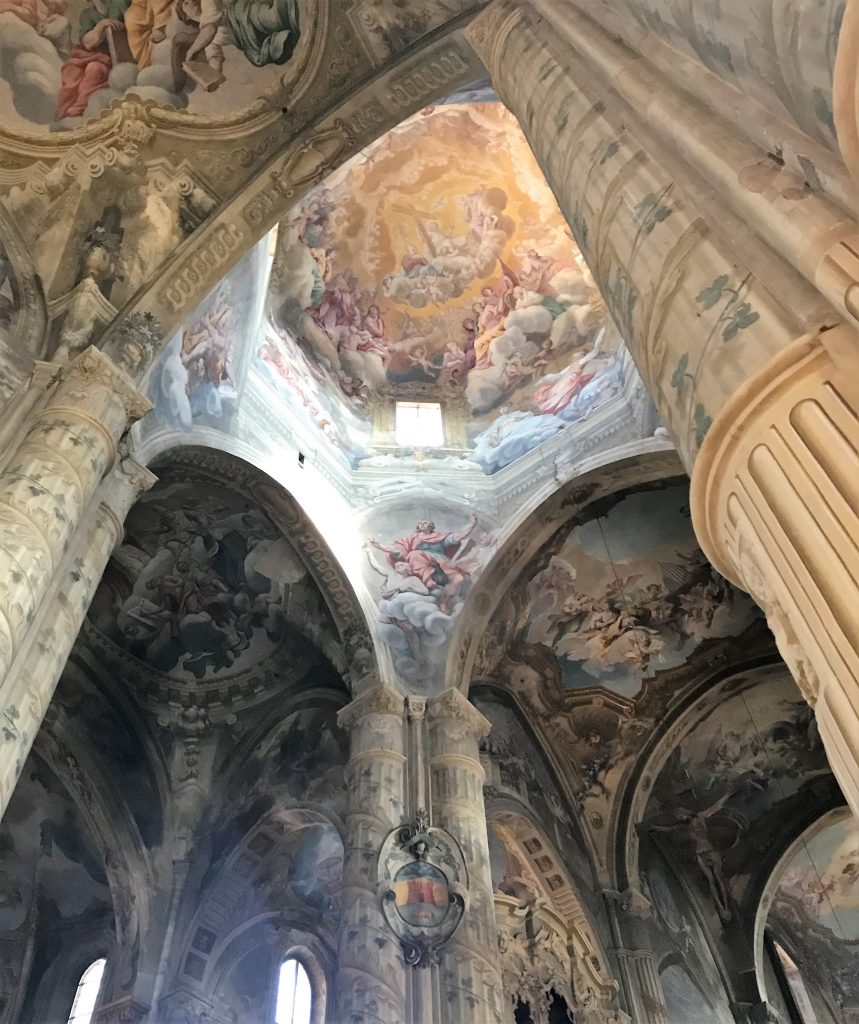
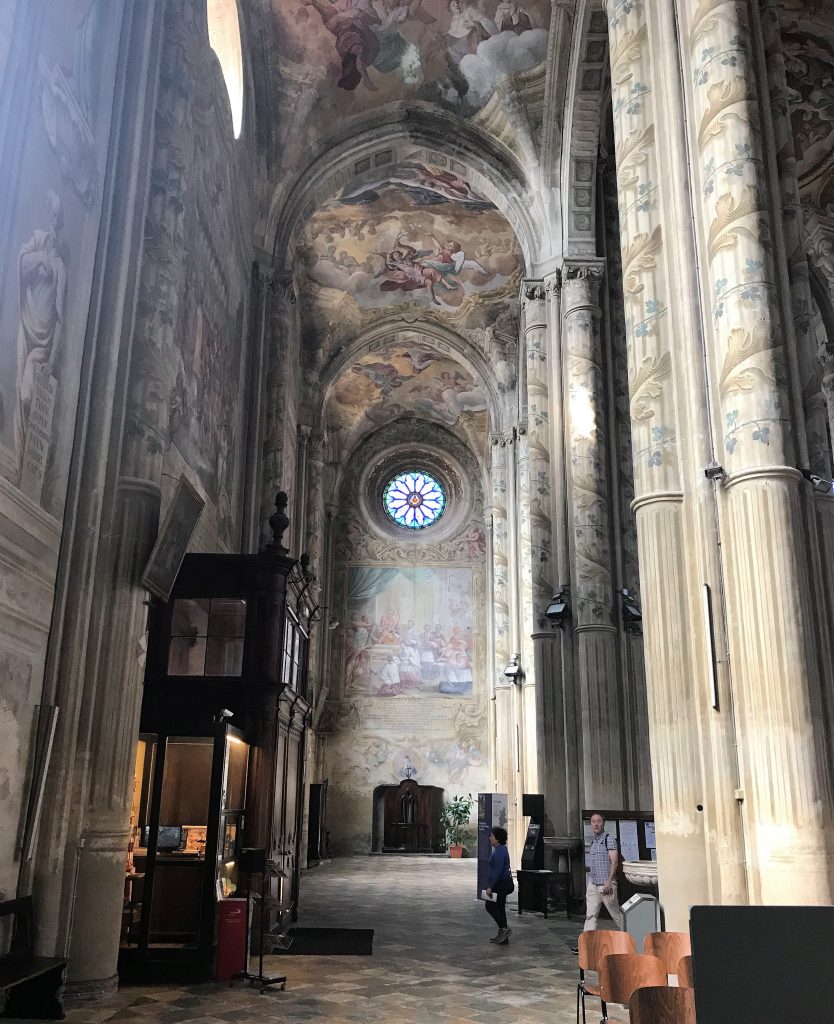
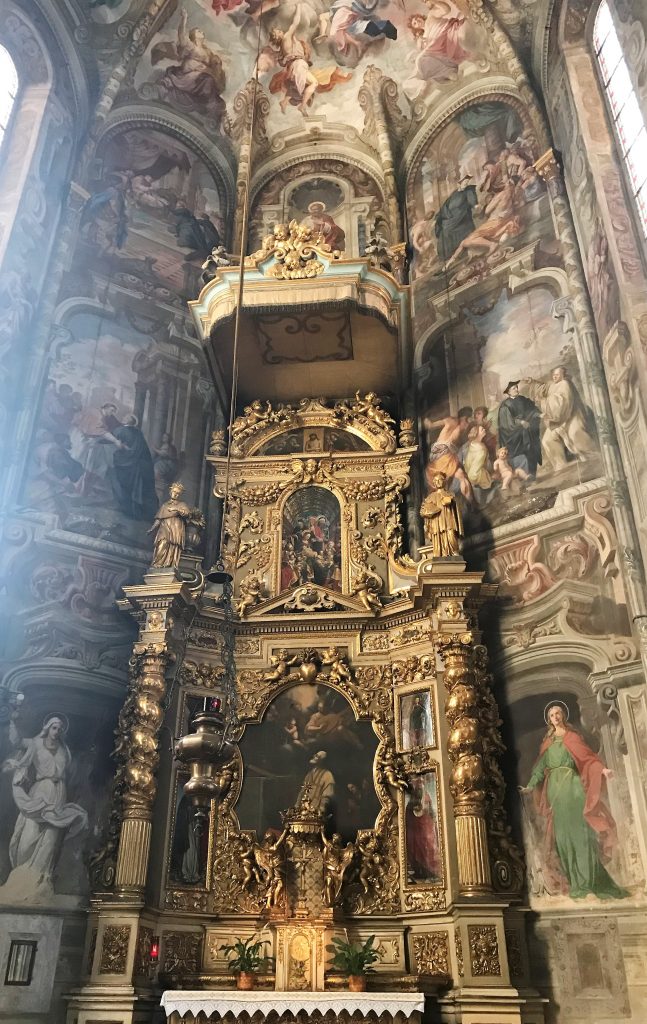
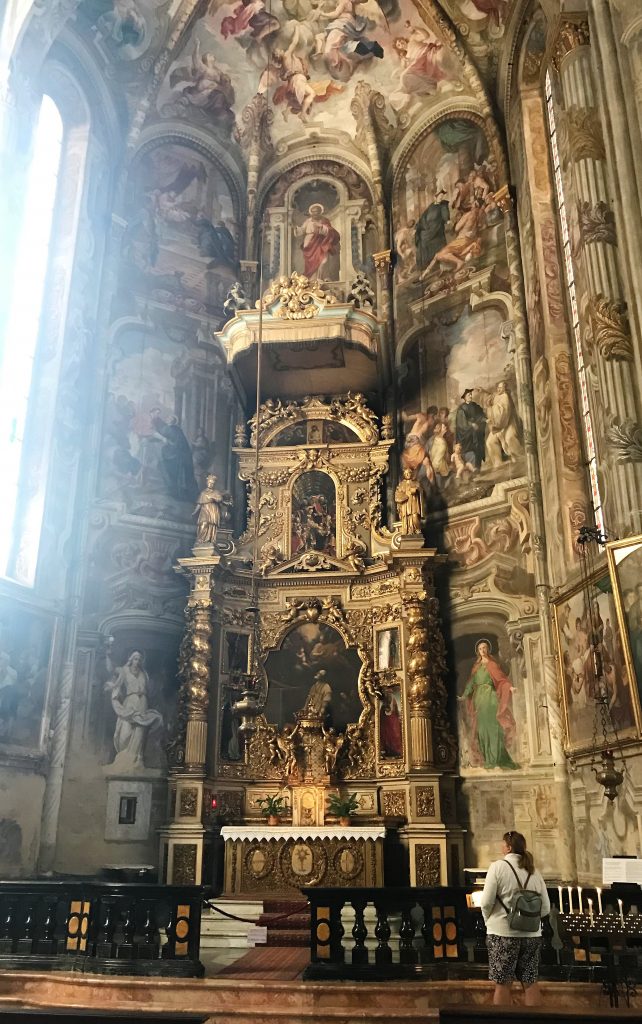
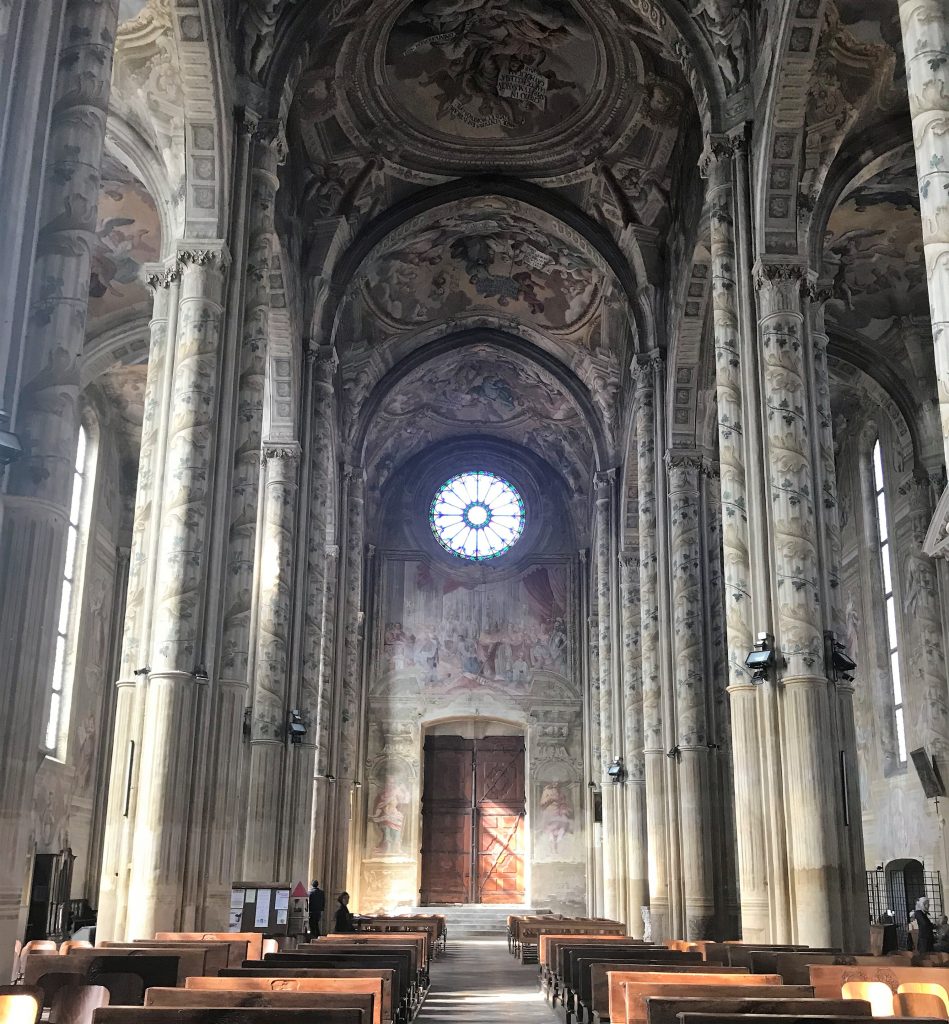
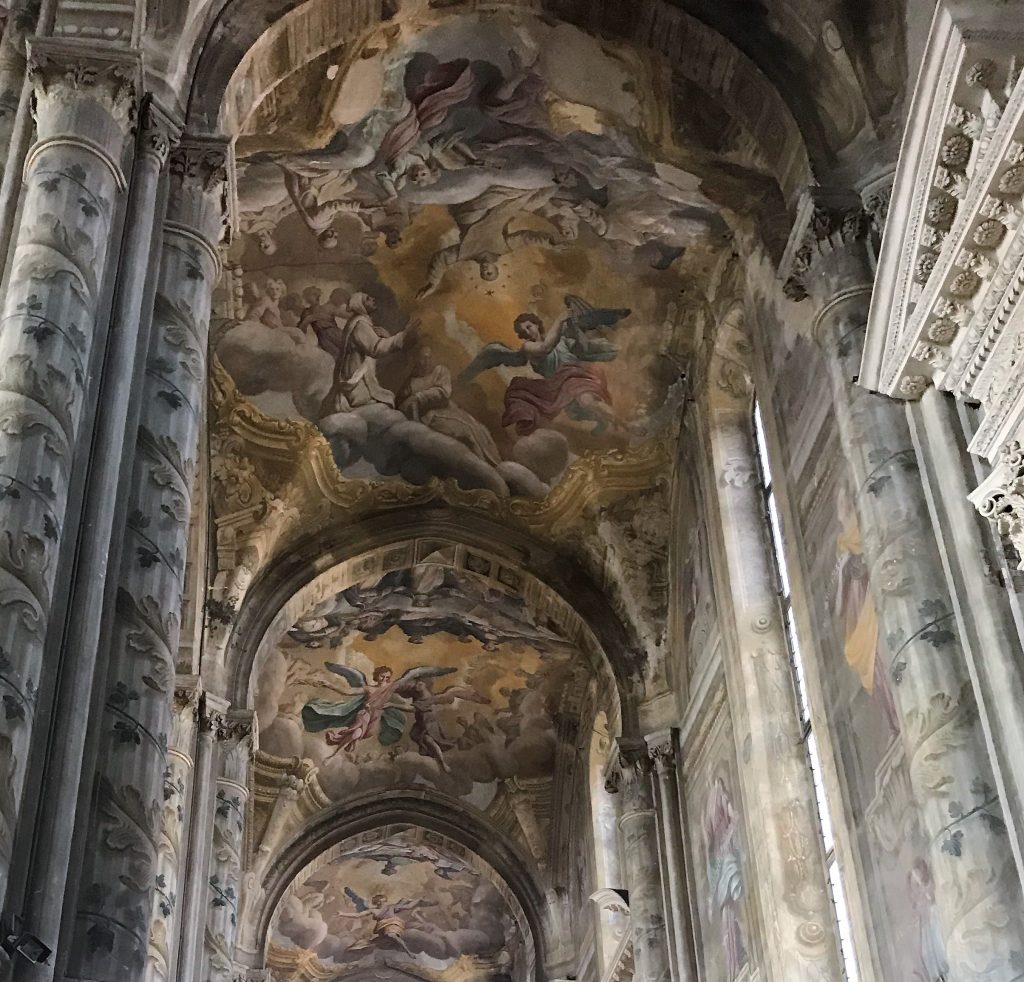
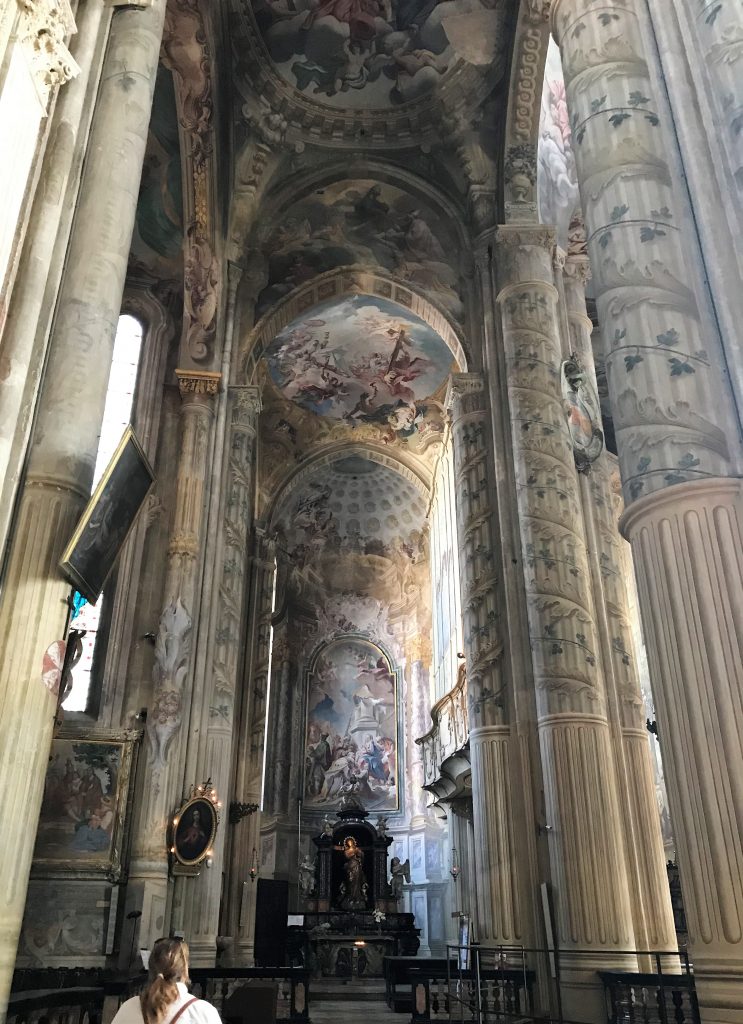
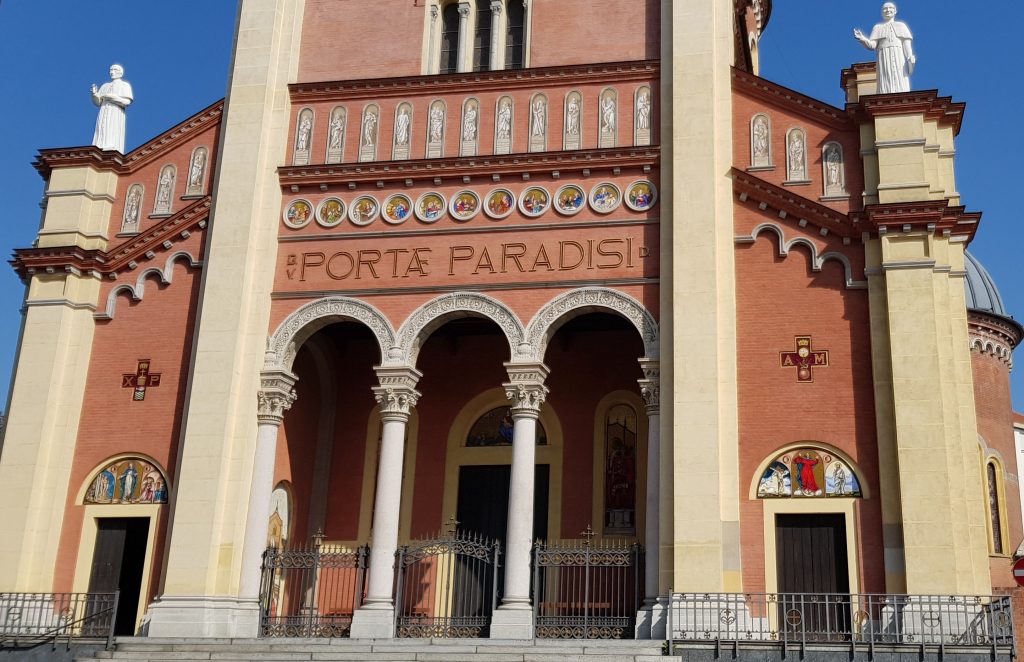
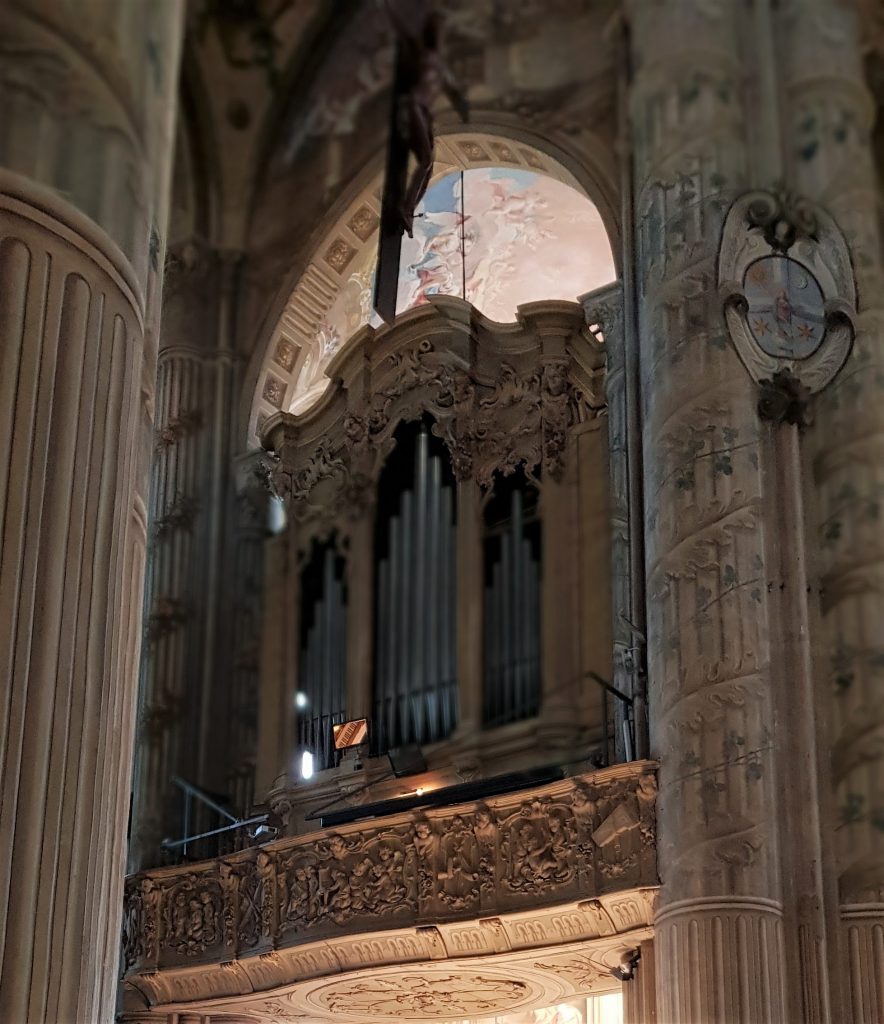
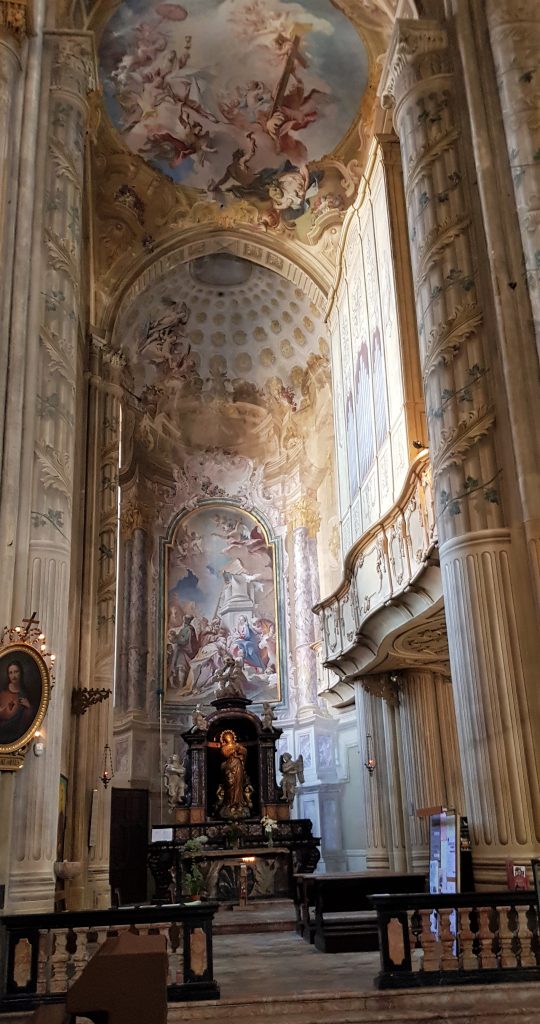
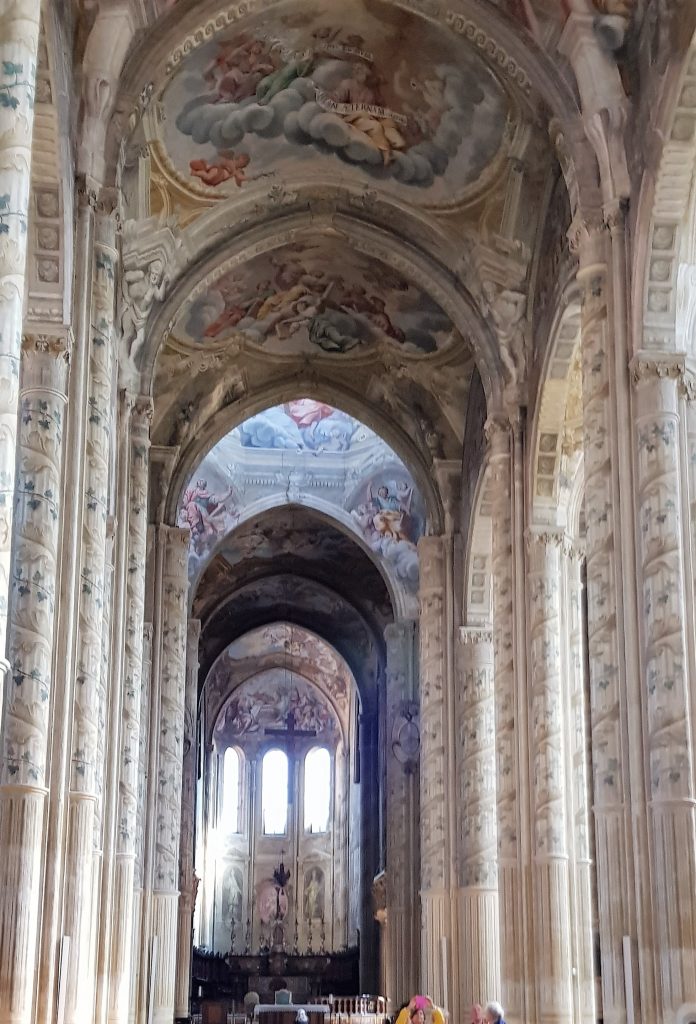
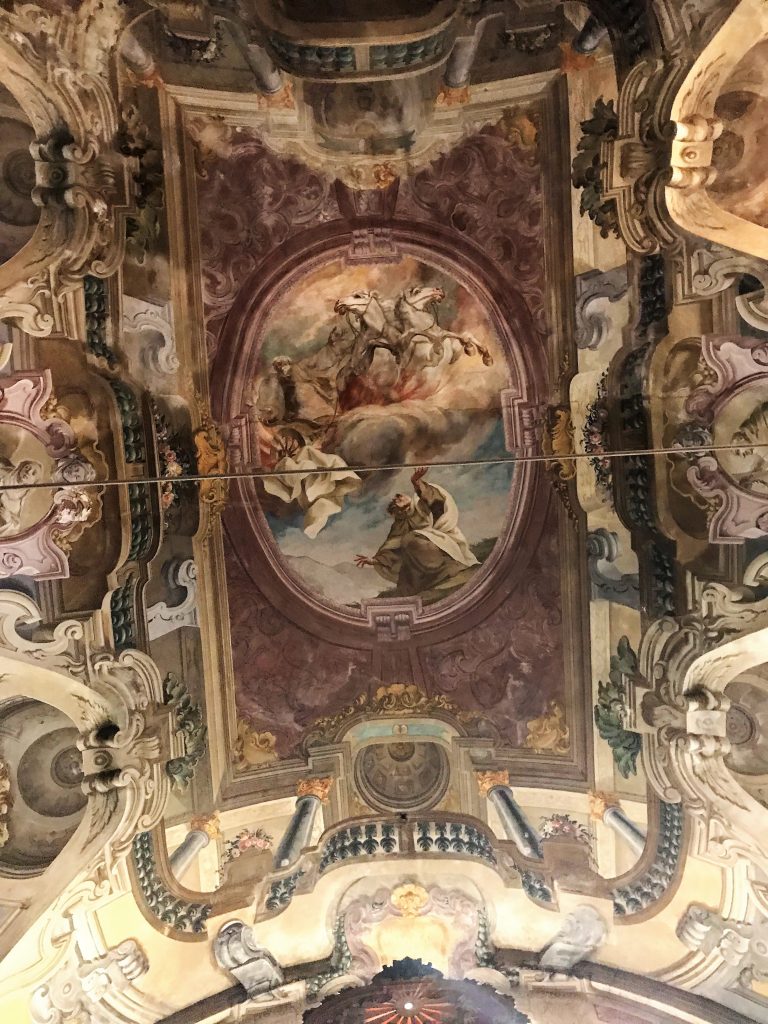
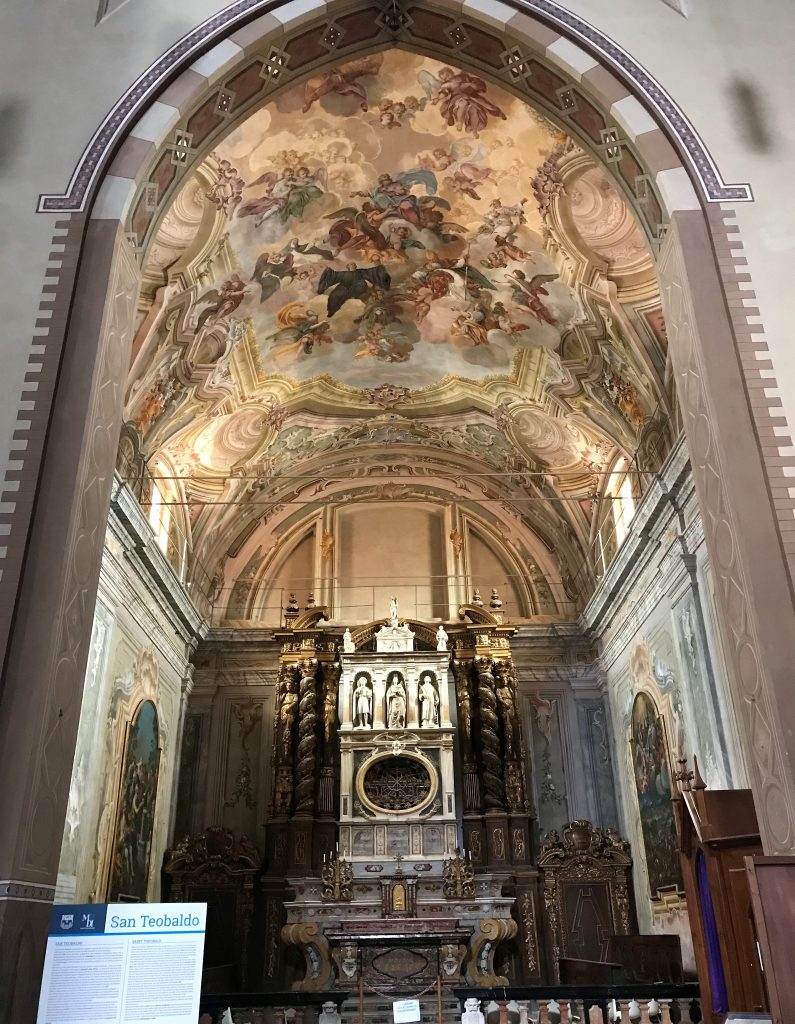
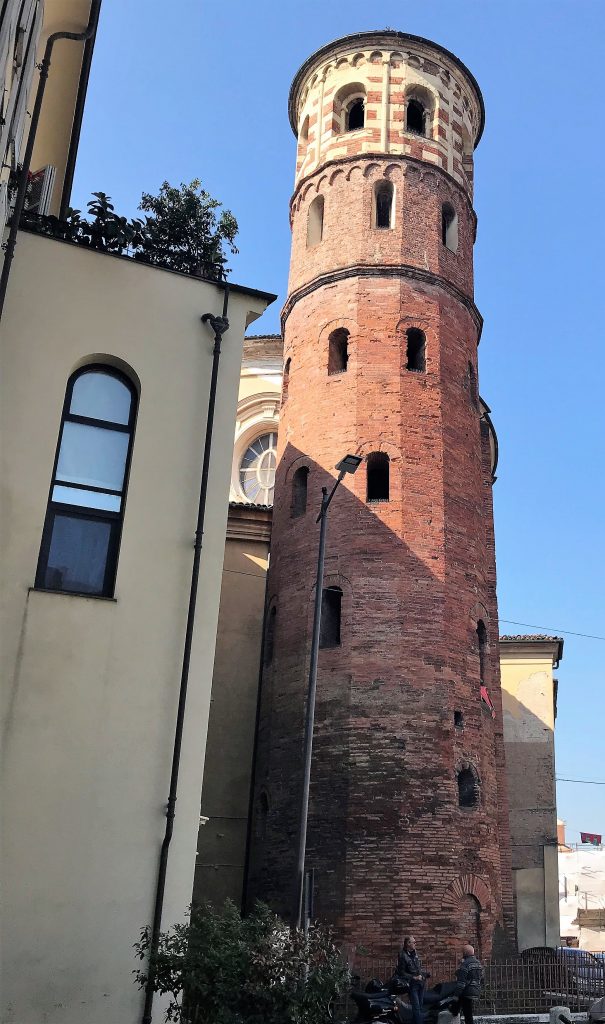
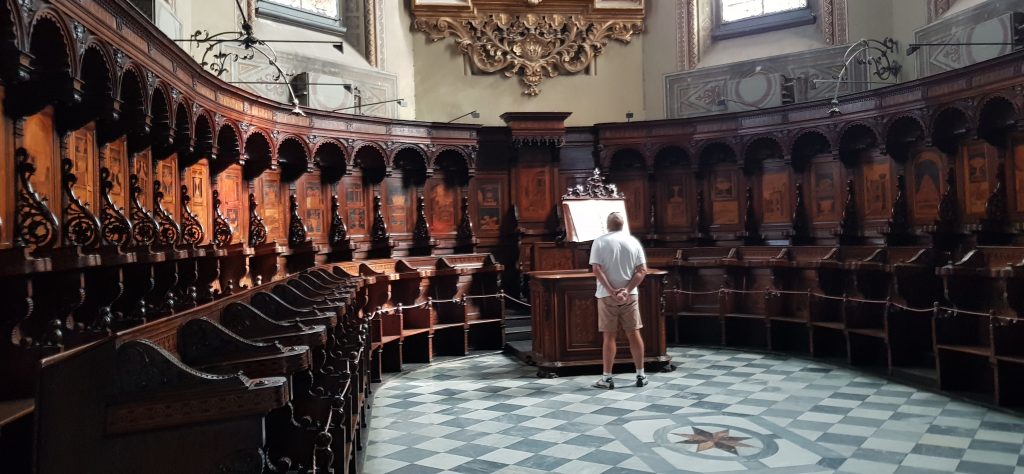
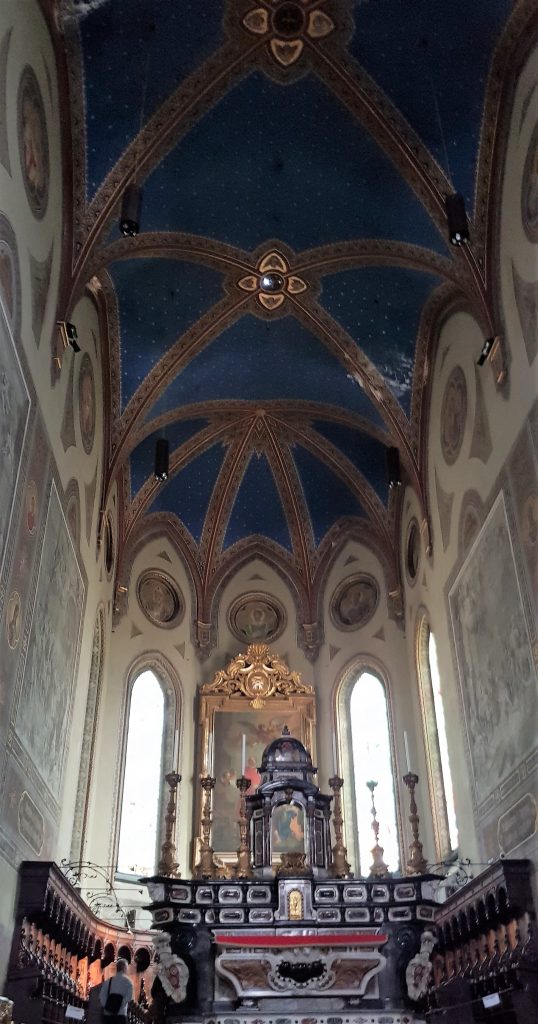
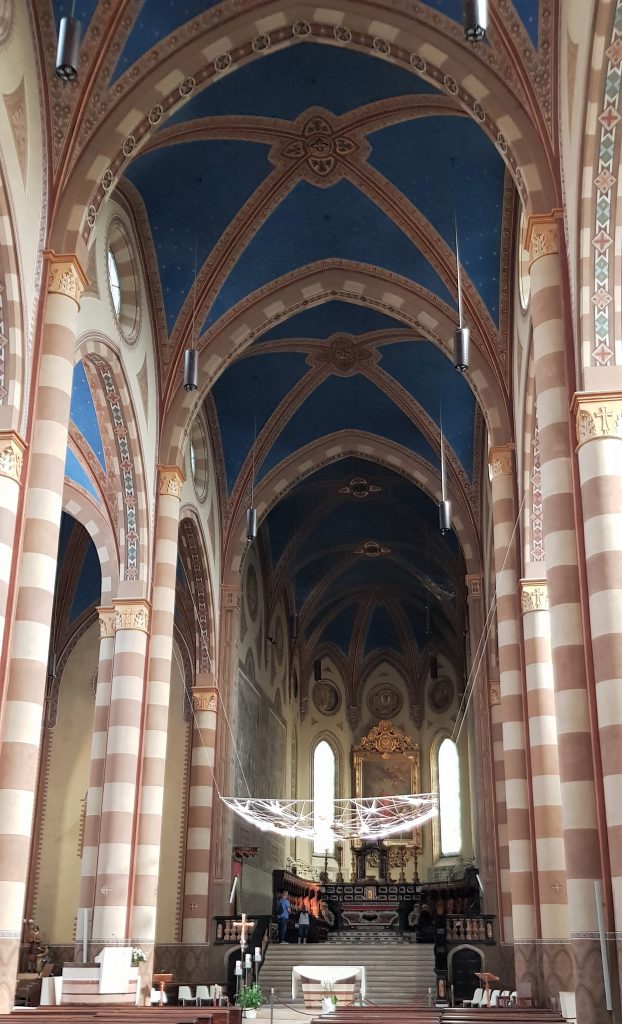
Asti was also built by the Romans, in the middle ages it became a “free town”, one that due to its trade throughout Europe, earned the right to “coin money”.  It is a city rich in red brick towers, palatial houses and crypts under the churches and buildings.  And the churches…….they are so ornate.  Frescos on the ceilings, columns painted to look like they have been carved, and such beautiful colours everywhere.
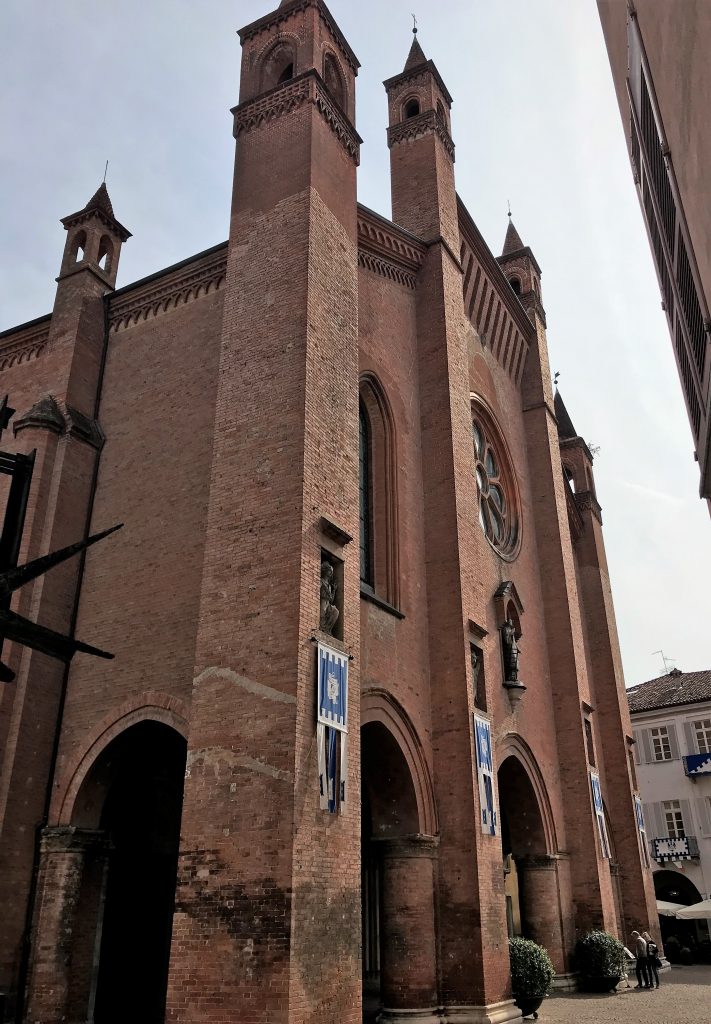
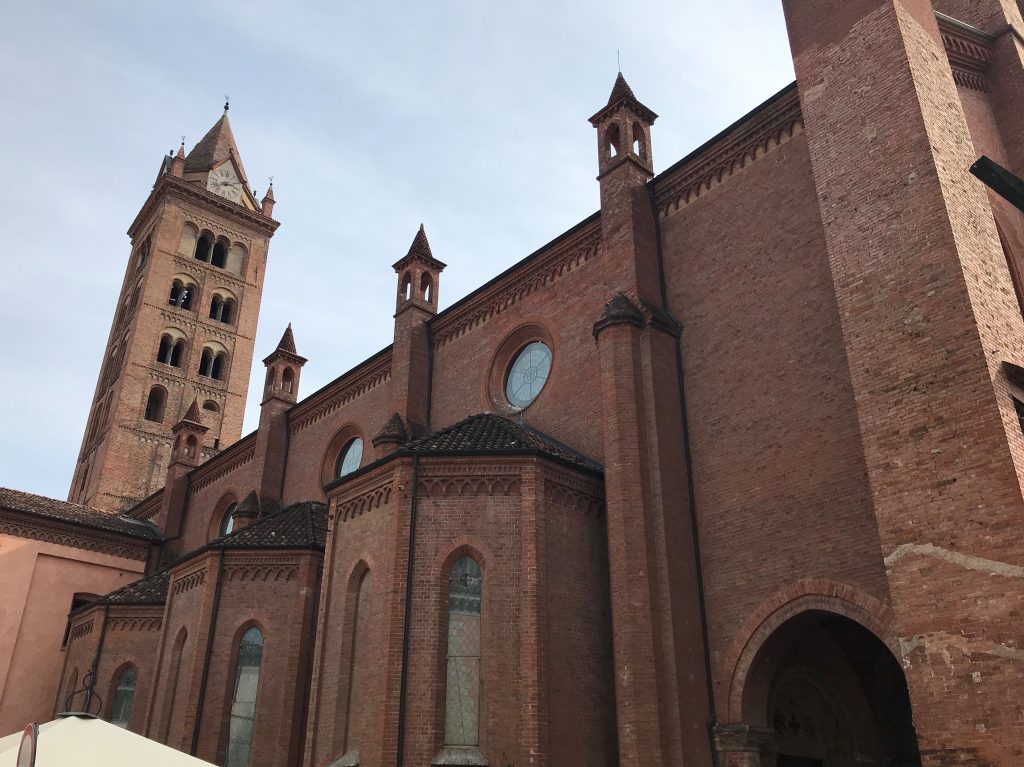
Asti may be famous for its sparkling wine, but it’s also famous for its “palio” – over several days a display of horsemanship culminating in bareback mounted horse races.   A food and wine festival takes place just before the Palio, in September every year, with over 40 businesses hosting thousands of visitors who want to taste their wares.  Sadly, we missed this!

After three days here we moved onto a totally different area, Lake Garda!
 

Ponferrada Wine & Rain!

Coastal or inland, the rain in Spain falls mainly on the Strattons and not on the plain!!! I know as a Brit we should not complain about the weather, but it truly has been terrible so I feel I have cause to complain! We came to Spain expecting better weather but for three months between January to April we had heavy rain in the Cadiz area. In April it sparked up and the sun came back, but May and June???? More rain. I have been considering renting a sun lamp to stop me losing my colour and purchasing some wellies!!!

Days out have been limited, but we have still got around. After we headed to the very north coast to see an area called Valdovino (and A Coruna), then moved back inland to an area recommended to us called Ponferrada, then back up the the coast but further east.

Ponferrada campsite turned out to be about 10kms away; a lovely level field that looks great on the website – running stream with a small “beach”, restaurant, bar, pool, kids play area, bungalows etc. In reality the field was a boggy (not their fault I know) open area with little character. The bar and restaurant had been closed for months, the pool had been sectioned off after being shut down by the local council, the edges of the site were cordoned off so the river was out of bounds, no washing machine (eekkkk!)…..so let me summarise: a field, with power nearby……..oh yes and hot water in the showers 🙂 So we thought, no facilities (even the local bar and hotel/restaurant had closed down) means cheap rates. No such luck. This turned out to be the most expensive site ever!!! 3 nights for the price of 5 or 7 at other sites. Still, a lesson learned – check prices first!!

Enjoying some peace one hour or so when it was not raining!

One particularly rainy Friday afternoon, in between the downpours, we decided to take a drive out for (a) some fresh air and (b) if possible to find some some fresh bread. We found the local village, which had a pharmacy, a school, two bars and council offices but no supermarket or open bakery. We took a left turn and just drove, and came to a vineyard with a pear orchard attached and a shed, a large shed. There was a board outside, telling you the history of the Fernandez family and their vineyards, some of them are over 100 years old but the family only purchased them from local farmers in the 1980s. As we were reading that opening times were seasonal and visits had to be pre-booked, the owner came out and started talking to us, eventually asking if we wanted to take a look around. Did we??? Silly question:)

So we had a private guided tour of the distillery, tasted a few whites and reds direct from the barrels and ended up buying half a dozen bottles from his very fine cellar. He explained that the geography of the basin his 120 vineyards were in were producing fruits that in the past 30 years have overtaken French wines in awards and purchasing quantities and he has received a lot of attention from international purchasers!! His secret? The grapes from different mountainside levels are kept together and not mixed or blended. BUT most importantly, he removes the stems from the grapes and adds the WHOLE grapes to a steel vat for 7 days before crushing them with a giant potato masher type device, allowing fermentation to take place. No foot crushing in these giant vats, the men would drown! He claims that by leaving them to ferment for 7 days before breaking the skins creates another layer to the taste, and we had to agree!

Turns out this is a great wine and Sidre (cider) making area, the local wine is called Bierzo and his particular vineyard is called Bodega Casar de Burbia. Isidro Fernández Bello is the owner, his website shows a great picture of him, just as we saw him!!! Picture below shows Isidro on the left, Nemesio (father, in the middle) and his wife who does the artwork on his labels.

Contact-Casar-de-Burbia

Oak barrels storing the new wine.

These are the steel vats used before the wine is crushed and placed in oak barrels.

Isidro sharing some new white wine with us.

Would you like to try some new red wine?


This batch will be ready in 2 or 3 years time.

The smallest bottling factory we have ever seen!

Ponferrada has a fantastic fort/castle/museum which we dashed out to on Saturday morning before the rain returned. We met several “pilgrims” heading to Santiago de Compostelo, one particular Frenchman engaged in a conversation about “you English love your history and do it well”. Thanks! There is also a Museum of Radio and a Steam Railway museum, which we didn’t get to due to the arrival of torrential rain. We were surprised to see a fairly modern neat town from the castle but had not worked out when it was built. Some properties around the castle were traditionally tall with slate roof tiles and balconies. So below are some great pictures of the castle.


‘,

Rioja, Sherry and now Port!

Last year we spent a week in the Rioja region learning all about how the wine is produced and learning how to appreciate it. Then we moved down to Southern Spain and learned how the grapes in the Sherry “triangle” are used to make sherry, a fortified wine. Now we have spent some time in Porto, learning about the process of producing Port, expecting it to be very different. It was not. It is another fortified wine, made from grapes grown entirely in the Douro Valley region of Porto, the grapes are processed exactly like red and white grapes are to make wine – it’s just sweeter!

The wine from Jerez is stored in oak barrels and after a period of time, pure alcohol is added which stops the fermentation. This gives the Sherry a genuine “age” as such – how long it is stored in the barrel before the pure alcohol is added and fermentation stops. However, sherry from different ages are blended but it’s age is not advertised. American oak barrels are used, sometimes using barrels that had already stored whisky so this adds to the flavour.

The wine in Porto is stored in French oak, they never use pre-used barrels, and the fortification is stopped as soon as it is placed in the barrels which makes Port wine much sweeter. The longer it is kept, the more it loses it’s colour. White Port is made from white grapes, not red and as it ages, it turns yellow. Therefore Port can be aged accurately from the date it is put into the barrel, but as it is usually blended it is the average age that is used. Only a genuine “single barrel” Port is as aged as it claims.

The mouth of the Douro River is in Porto where the river meets the Atlantic but the majestic valleys further up the river produce a micro climate which encourages the Port Wine grapes. The grapes are grown on the hillsides, 100s of different varieties line the shale ledges and some vineyards are known to be over 150 years old. Harvesting takes place from the end of August to end of September (depending on the variety and it’s location) to achieve it’s fullest flavour, all harvesting is done by hand by locals and processed in the Caves (wine houses) on the farms. The liquids are then sent to the massive storage barrels in Gaia to age.

We had a fascinating tour of two port houses before hiring a scooter for the day and taking a ride up the Douro valley with Mike and Brenda on their vintage Vespa!! We had a fabulous day, saw some amazing scenery, had to stop every hour and de-numb the bums, had a lovely lunch on the banks of the river, and despite hoping to get to the top of the wine producing area called Pinhão, we did about a third of the journey (180kms) and made it back to Porto just before sun down!! A wonderful day out.

Visit to Grahams Caves

Graham’s Family Production

Entrance.

This photo shows a Late Bottled Vintage from 2012, 65,500 litres.

Our tasting of 6 different ports.

Washed down by local cheeses, quince jam and toasts.

We then headed down to the water’s edge and tried another selection of ports, supported by a traditional Portuguese “Plate”…

View of Porto (on the left) and the Gaia water’s edge on the right, from Graham’s vineyard.

Then, a little happier, we went to a short tour of Calem’s caves, followed by a short evening of Fado with two singers.

The colour range of Ports that Calems produce.

 ‘,

Adventures in Porto

Vila Chã

Mid May we moved up to Porto, north from Lisbon and stayed on a small campsite in a village called Vila Chã. The campsite was very accommodating, the staff were helpful and friendly and we met a lovely couple from Cheshire called Brenda and Mike there. Mike owns an original 1980s Vespa scooter which he tows around in a trailer which we had seen on the campsite in Lisbon. We went out on a scooter ride with them up the Douro Valley, more details in another post.

Vila Chã is a small fishing village, several small tavernas and a few small beaches but with a long wooden walkway along the seafront. About 2km away was the biggest outlet retail park I have ever seen called Vila De Conde, home to so many brand names, Rolex, Armani, Michael Koors, Lacoste, Nike, Timberland etc. David nearly purchased a new pair of jeans, 2 pairs of Original Levi 501s for €110 but could not bring himself to pay that price!!!

We caused quite a stir when arriving at this site, as usual we contacted them ahead of arrival, confirming our size, and panicked when (a) the Sat Nav took us through the smallest village possible where we only just managed to get through a narrow road with two farm houses either side with the help of the local farmer directing traffic and guiding David and (b) the site turned out to be small and with narrow access road and plenty of overhanging trees!! However the staff were fab, they sited us on a newly created area and guided us on and off the pitch. At one point they were prepared to remove a part of a wall to get us around a tight corner but with several shifts back and forth, we made it without removing any structures!

Help!!!! Farmer, help!!! We will need your help around this next bend!!

Discussions regarding removal of a stone wall!!

Our exit road!

We made it to the newly formed area, thanks to the staff 🙂

Porto

Porto itself is a charming hillside city, steep hills worked the leg muscles but the views from the top were worth it. We warmed to it straight away, it has a bustling cafe and restaurant scene called the Ribiera on the banks of the Douro River, the old town climbing up behind it and the Cathedral topped the hill. The Cathedral was impressive, built in the 12th century in a Romanesque style and was updated in the 18th century; the vestry, the cloister and the display or ornate art were outstanding. The buildings within the town are very traditional, very ornate and very tall, built into the steep hillside and are so decorative with iron balconies.

A necessary tea break after hiking up and down streets and hills!

Possibly one of the most expensive port’s you could buy???

Ribiera Area

On the other side of the river is Gaia, a town made up of the old port houses alongside the river, and Vila Nova de Gaia, the newer part above.

We spent a day exploring the Port houses (cavas as they are called here), visiting Graham’s first then Calem’s, again in another post.

The Cathedral & Bishops Palace

The imposing entrance door.

Then we climbed this hill…..

To find this church…..

And this tower, all 300 steps to the balcony at the top! We didn’t partake this time. Lunch was calling….

Lunch was alioli potato, salad and grilled chorizo…

After a long day walking, it was time for a beer!

Vila de Conde

Mike and Brenda introduced us to a small but lovely town called Vila de Conde, where we stopped and had a beer and a bite in a particularly unique tavern, tables and chairs were made from wood, the walls were filled with odd antiquities and the room was filled with retro furniture, but where we had the most amazing tapas ever, warm braised liver and onions in a bun!! The town was an important salt exporter in Roman times and an important shipbuilder in the 1500s and is now a holiday destination for those living nearby in Porto.

The imposing monastery Mosteiro de Santa Clara was an idea of an illegitimate son of the kIng of Portugal and the daughter of a Count; the son dreamed of a stairway to heaven and laid the cornerstone of the building in 1318. The building was remodelled twice and is now an imposing Gothic building, sadly it is closed to the public whilst the local council and churches decide it’s fate, a council building or a hotel???

The monastic community were aware of the issues of bringing water to the monastery and the town, and between 1626 and 1714 built an aquaduct 4 kilometres long, 999 arches 2.5 miles from a spring, bringing water into the village and the monastery via the attached church, several lengths of which are still standing and are visible. The aquaduct was the 2nd longest in Portugal when built. Now several arches have fallen due to movement in the ground.

Having a chat with Brenda and a few locals in Vila de Conde 🙂

The biker boys heading to the bar!

The interior of the funky bar!

The monastery.

The view of the Aquaduct in the village.


 ‘,

« Older posts Newer posts »