
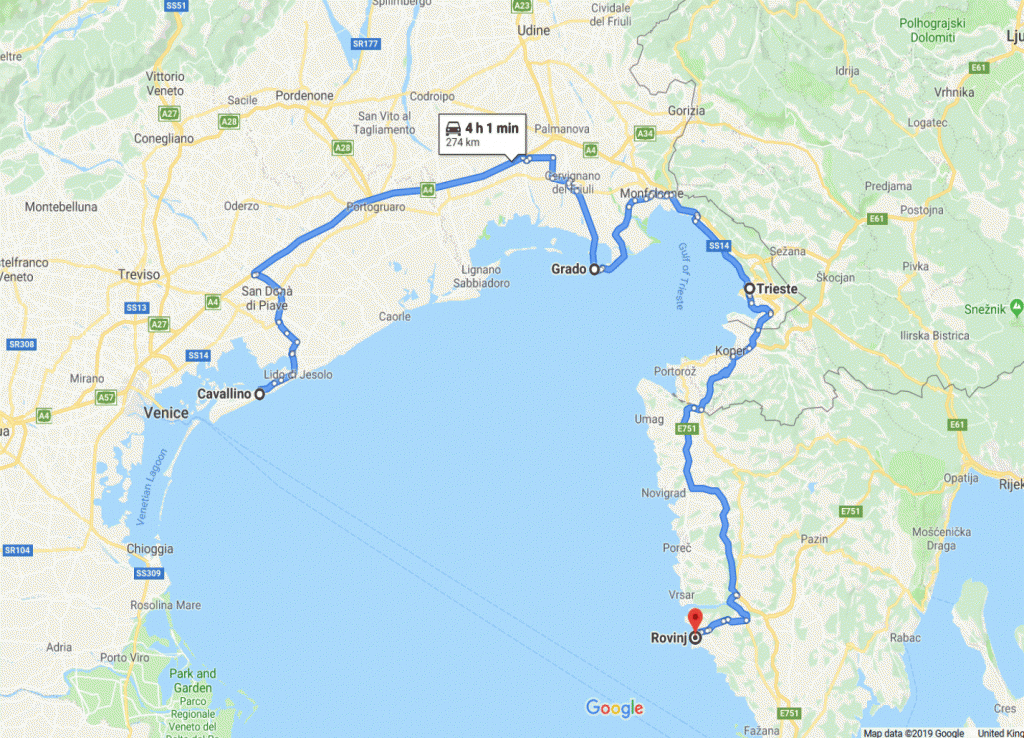
One place I wanted to visit on our travels through northern Italy was Trieste, in the 40’s and 50’s my Grandfather was a regular visitor to Italy and Trieste, so I wanted to visit to see what had caught his attention plus it is the last city in Italy before the short 20km journey through Slovenia into Croatia.
Grado
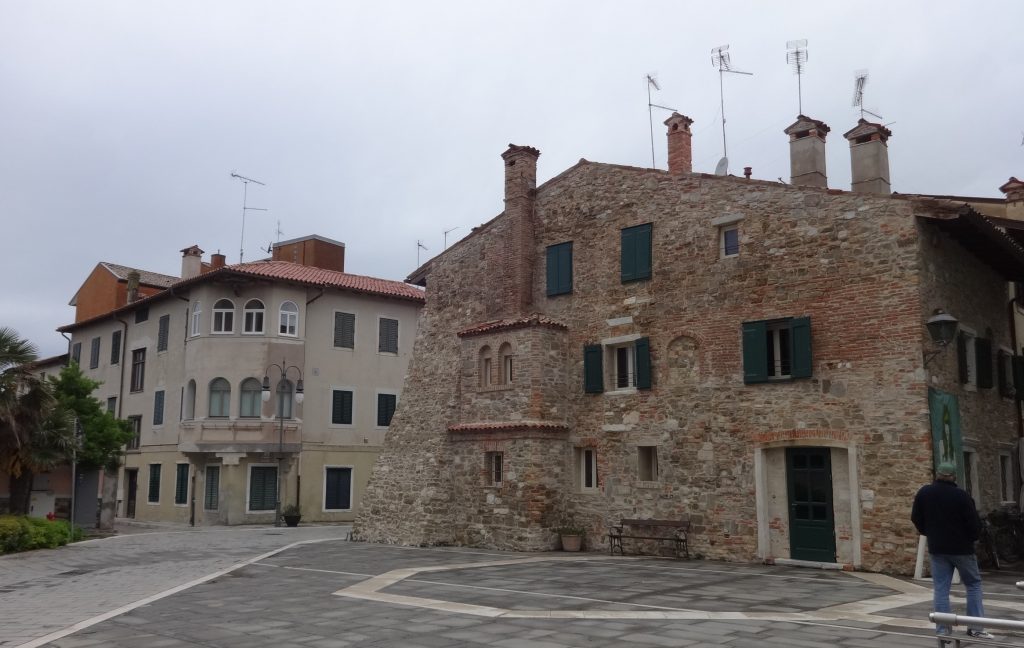
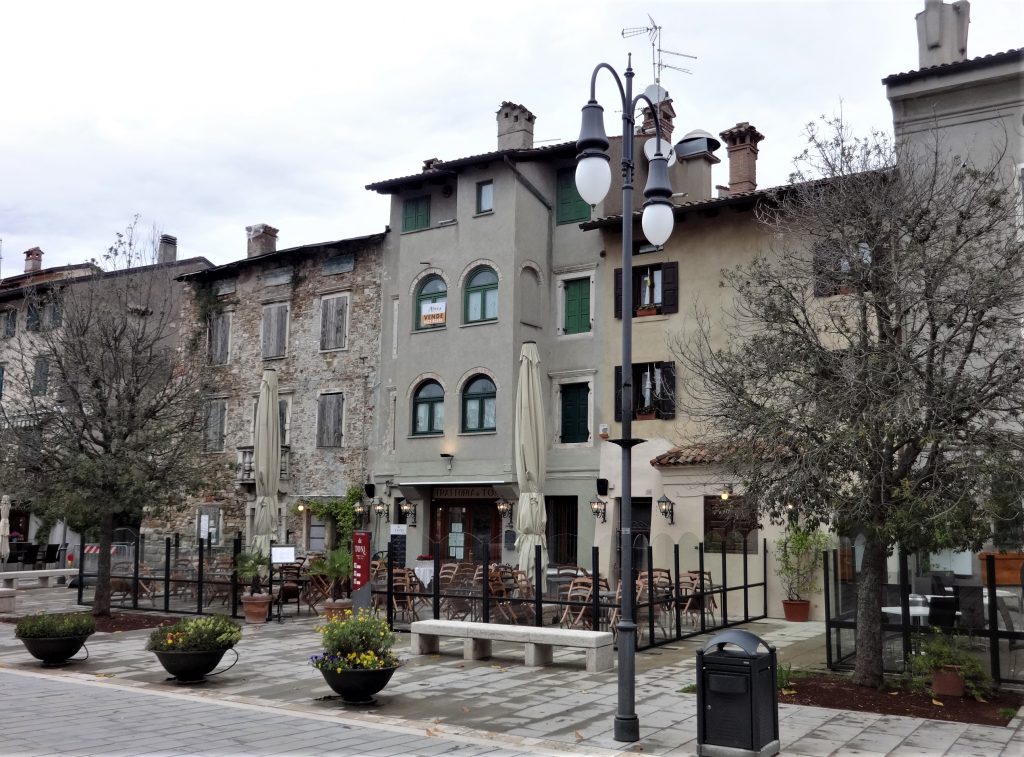
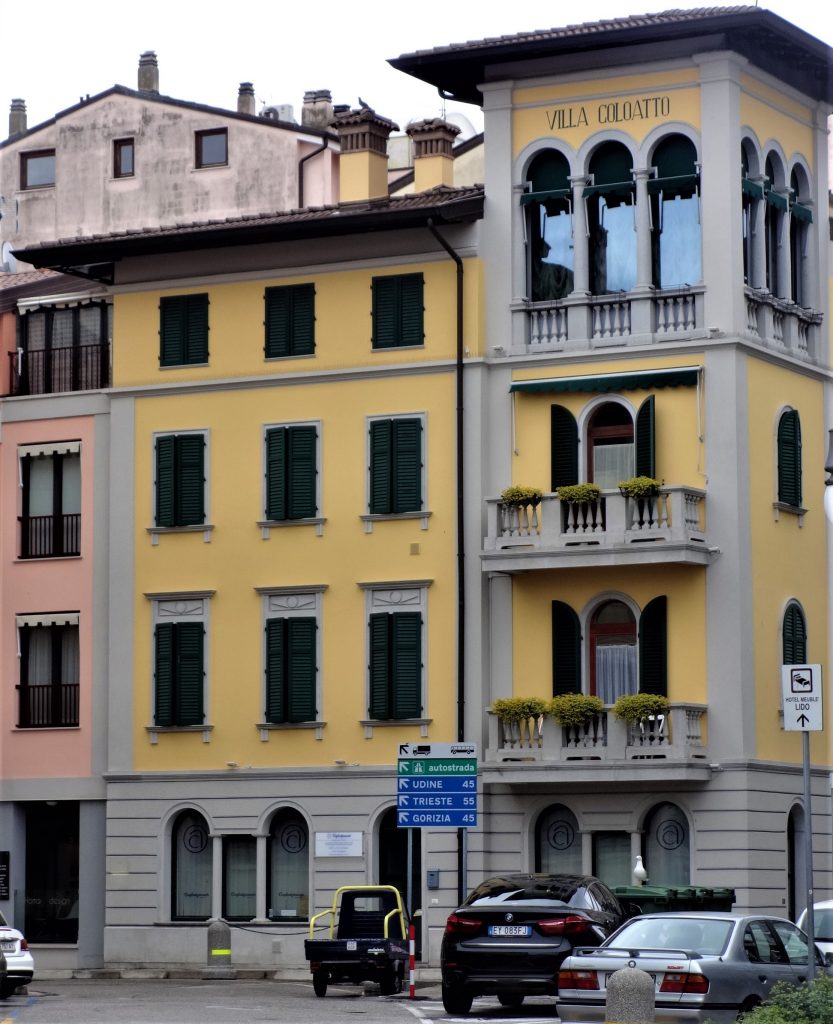
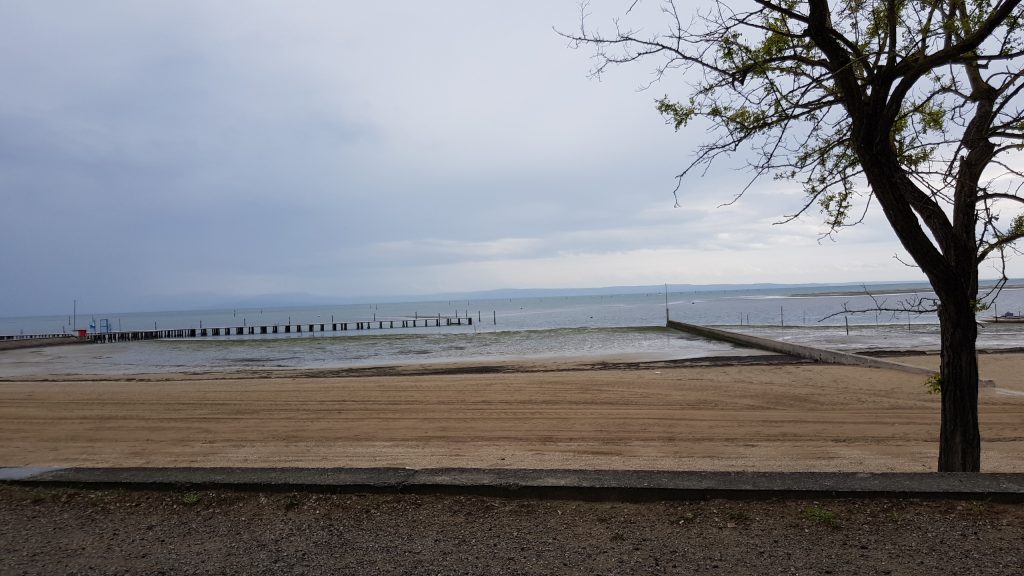
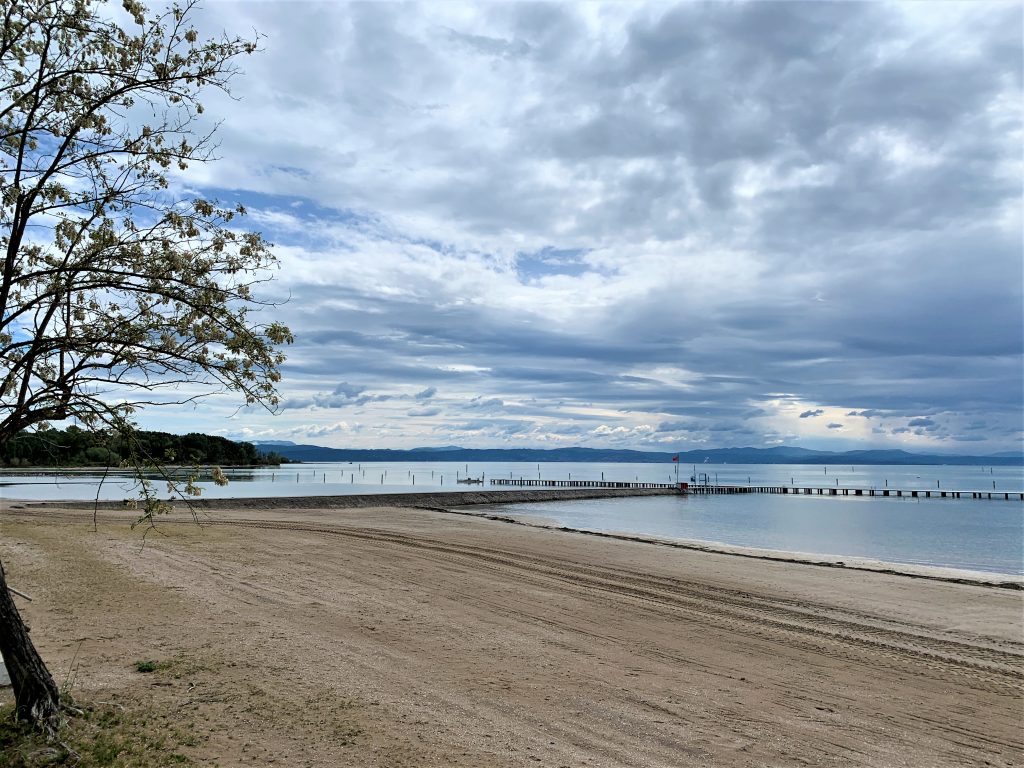
We were parked nearby in Grado (another peninsular) for a few days and waited until the rain abated before spending a day in the city. Grado is a fishing village, but has now become a tourist town, modern seaside hotels blend well with old stone buildings and classical Italian buildings. Our pitch was huge, right on the sea front, which would have been lovely in the sun and summer!
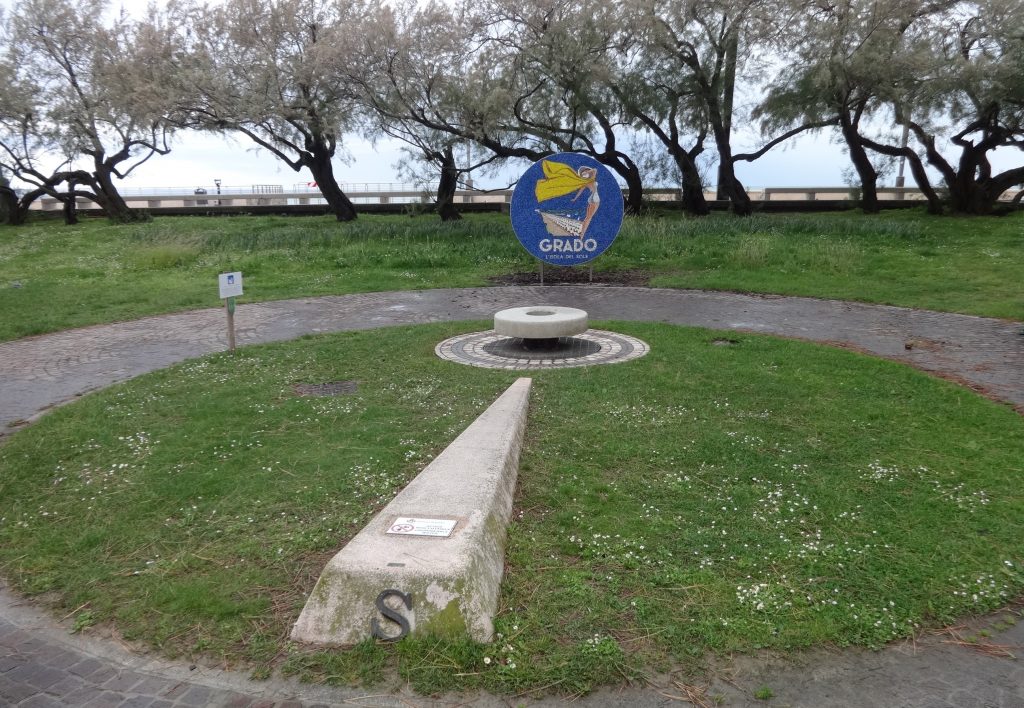
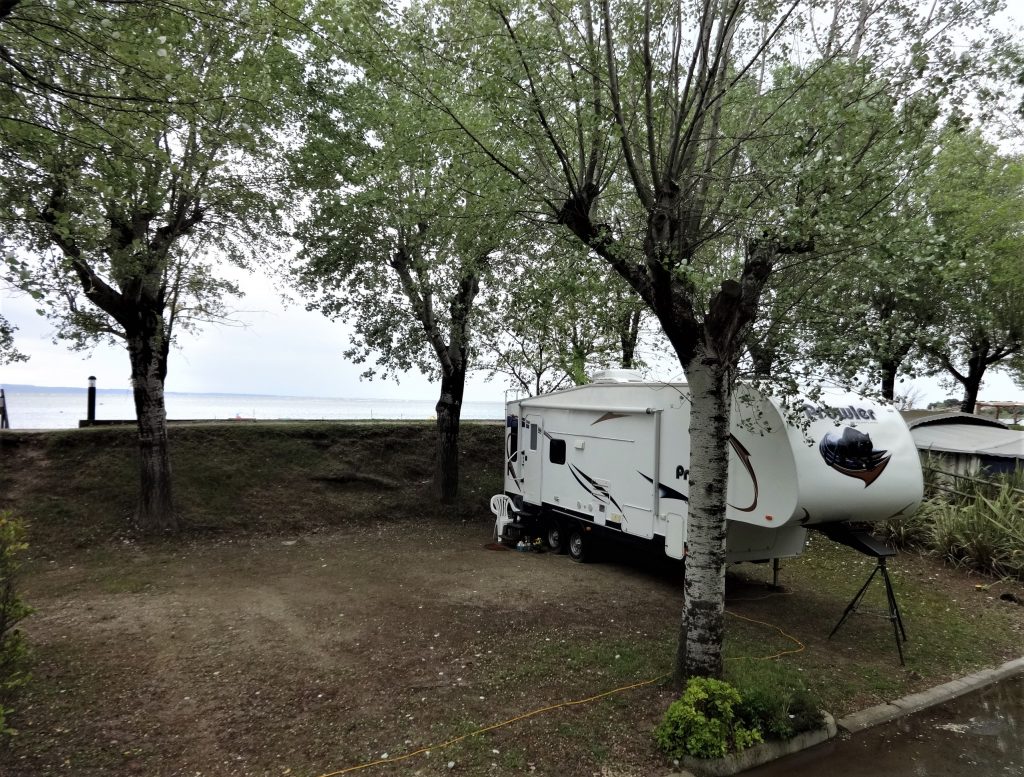
Our pitch at Grado.
Miramar Castle
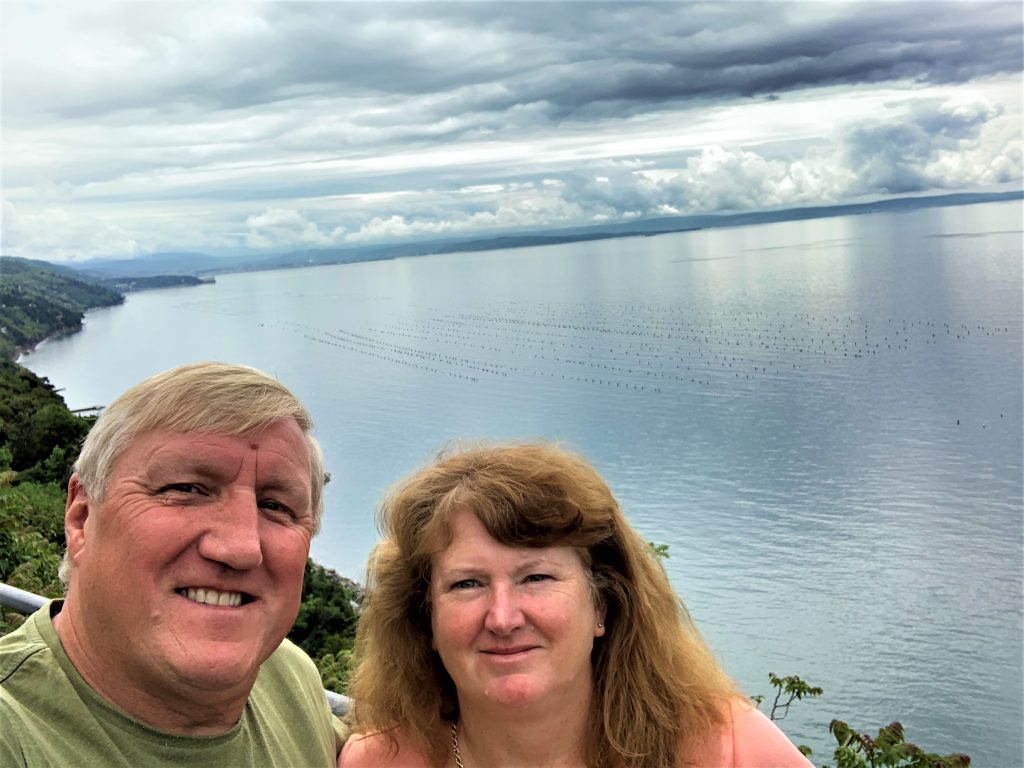
On our way to Trieste, we stopped on the coast road and explored the gardens of Miramar castle, built in the 1850s for the Austrian Archduke Ferdinand Maximilian and his wife, Charlotte of Belgium. The beautiful landscaped gardens swept right down to the blue Adriatic sea. There were many acres of landscaping but we pushed onto the city itself, as the dark rain clouds were threatening again!
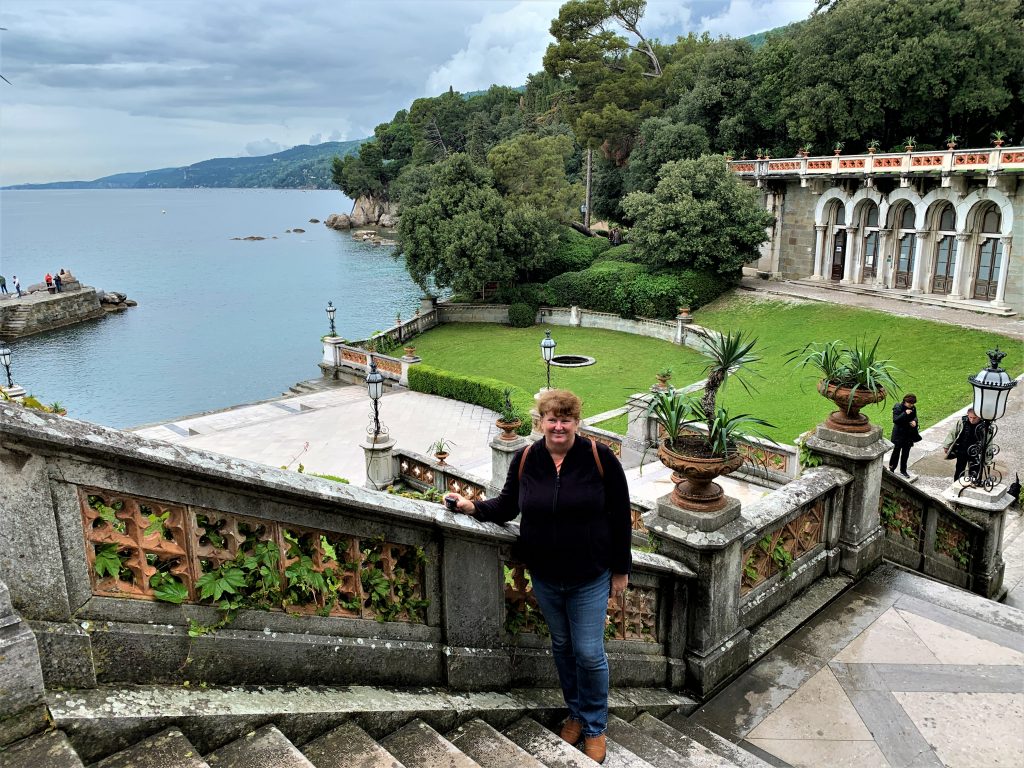
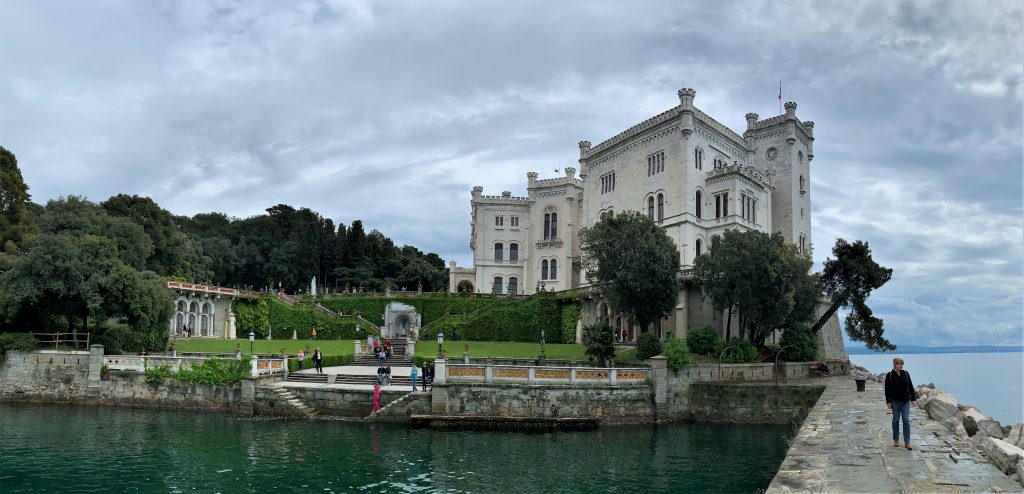
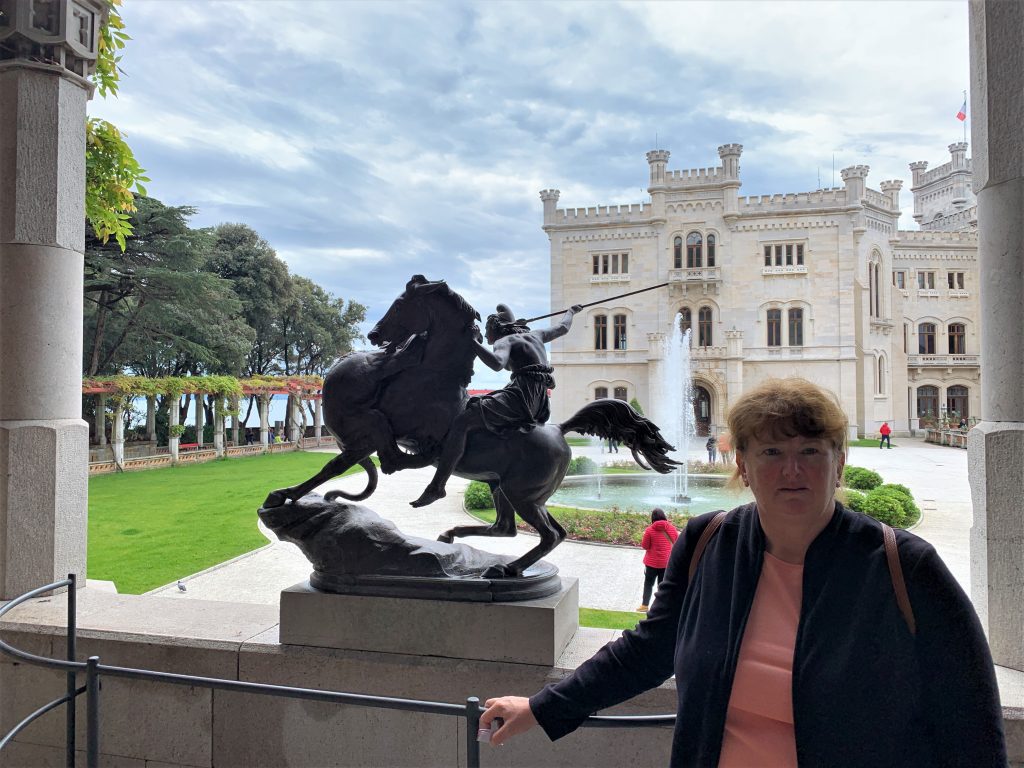
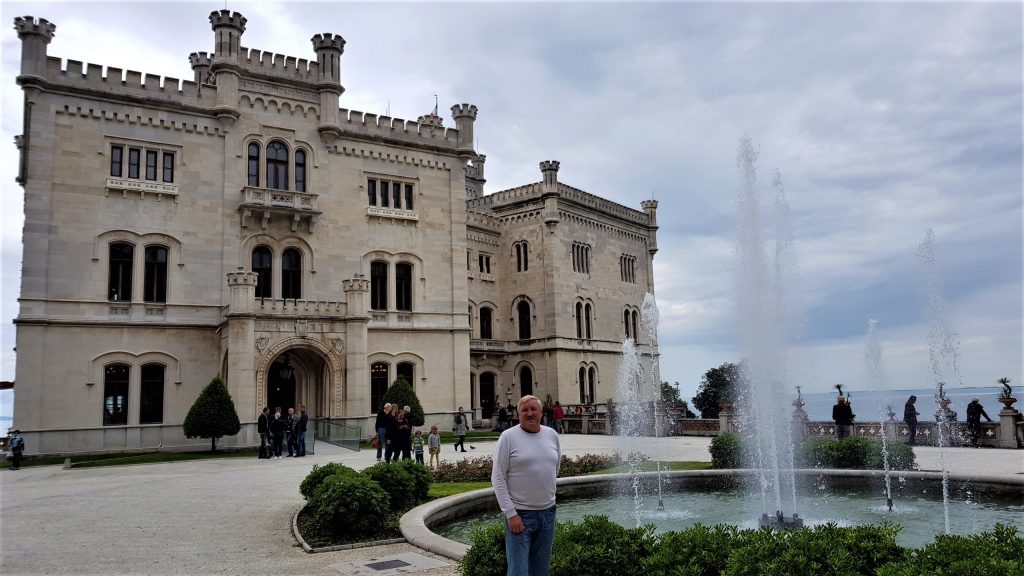
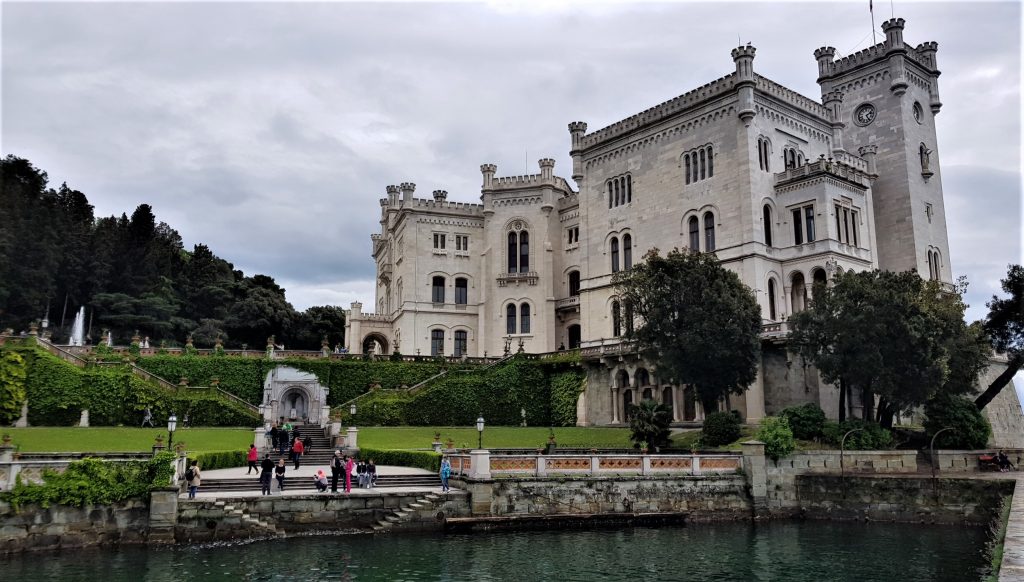
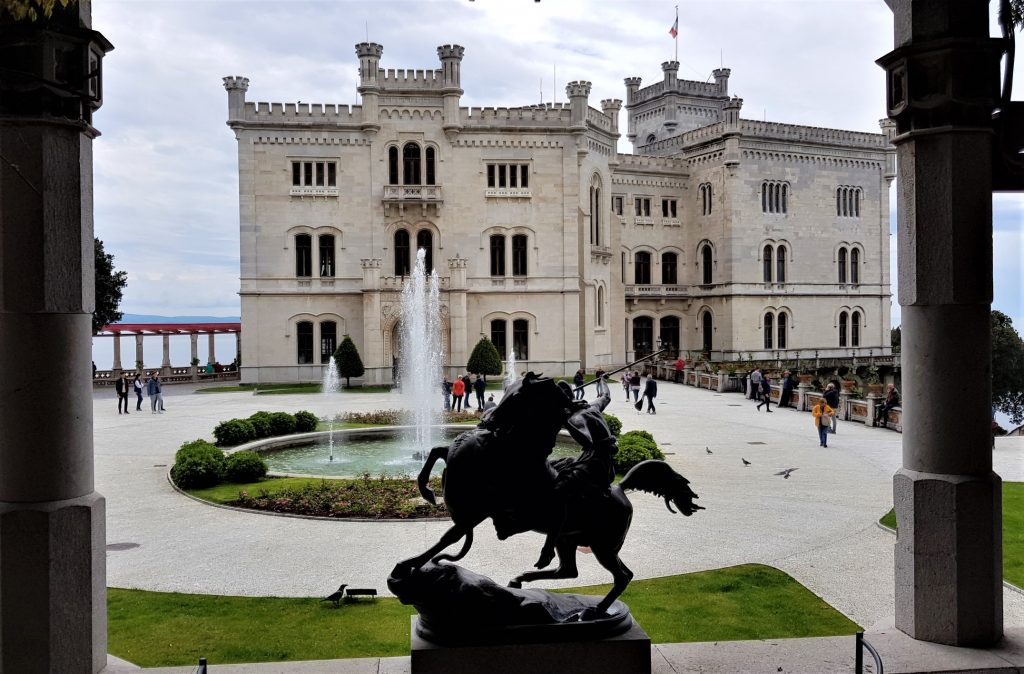
According to tradition, when the archduke was caught in a sudden storm in the Gulf, he took shelter in a little harbour of Grignano and he chose that bare rocky spur of limestone origin as the setting for his home.
Trieste
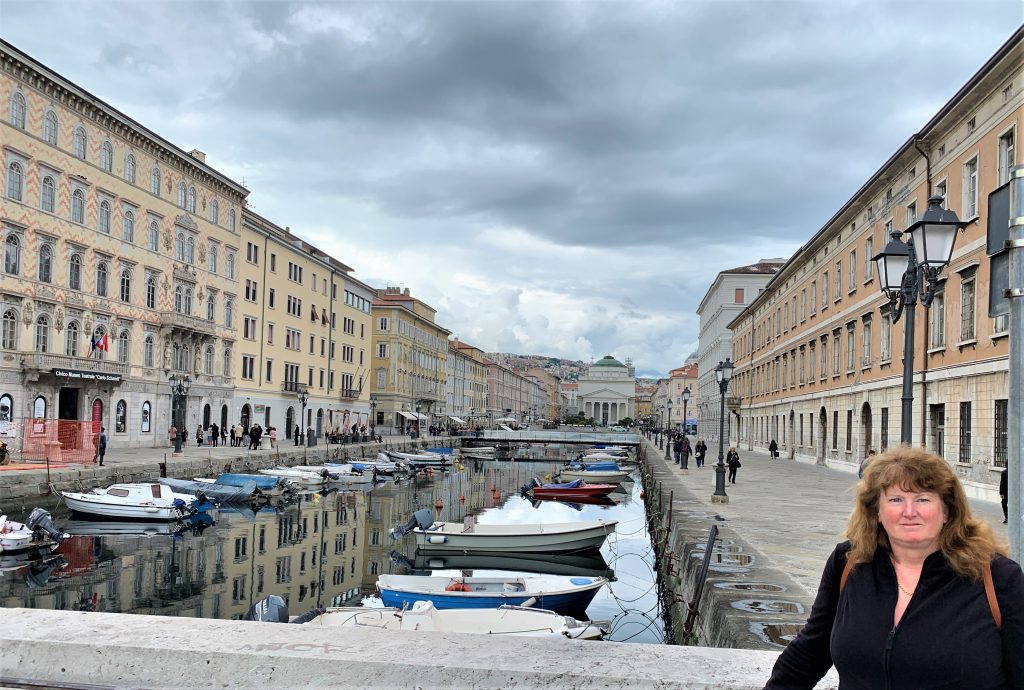
Trieste is a lovely city, old yet modern, clean and spacious, with a castle and church on the top of a hill, and a huge port, railway terminal and bus station. It even has it’s own Grand Canal! As a prosperous seaport in the Mediterranean region, known for it’s coffee trade, Trieste became the fourth largest city of the Austro-Hungarian Empire after Vienna, Budapest and Prague. It has been owned by the Venetians, French, Austrians, Italians, Hungarians, Slovenes and Yugoslavians, before becoming a “free city”. Trieste was one of the oldest parts of the Habsburg Monarchy, belonging to it from 1382 until 1918.
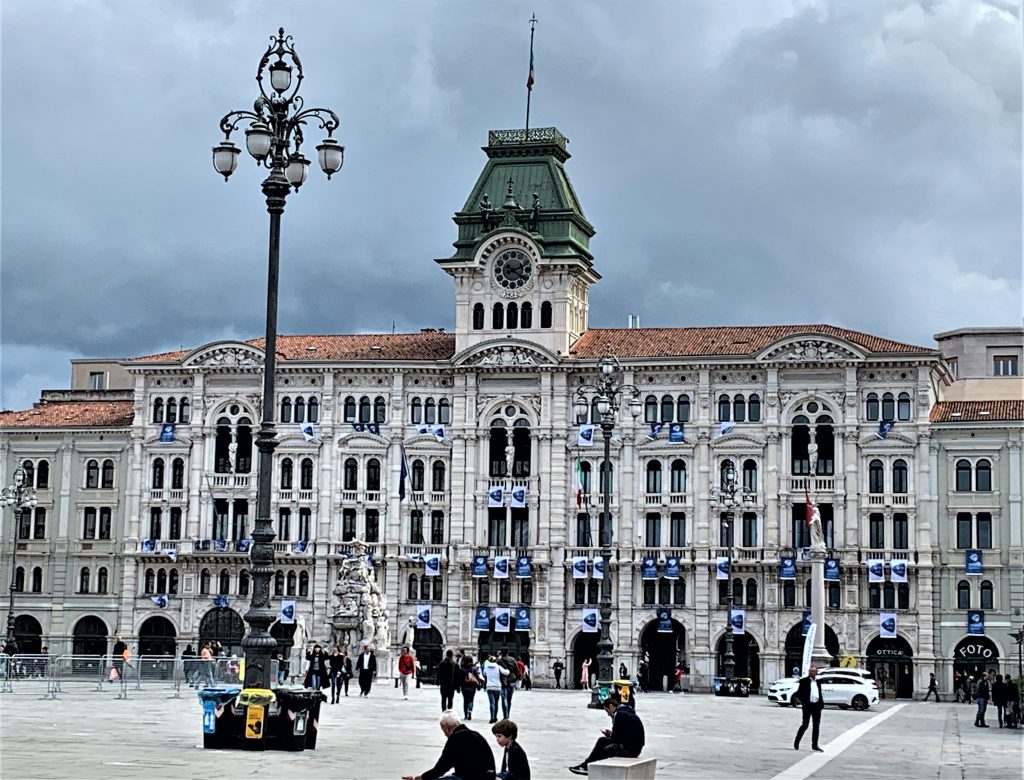
The Piazza Unità d’Italia, is close to the sea and has many important buildings, examples of neo-classical arhitecture; the Grand Canal was originally the main river canal for the salt pans. A Roman theatre is located below the hill of St. Giusto, the theatre was lost under newer buildings and re-discovered in the early 19th century. St Giusto is the location of the first fortified settlement from the 1300s, with a castle and cathedral perched on the top of the hill with amazing views over the city.
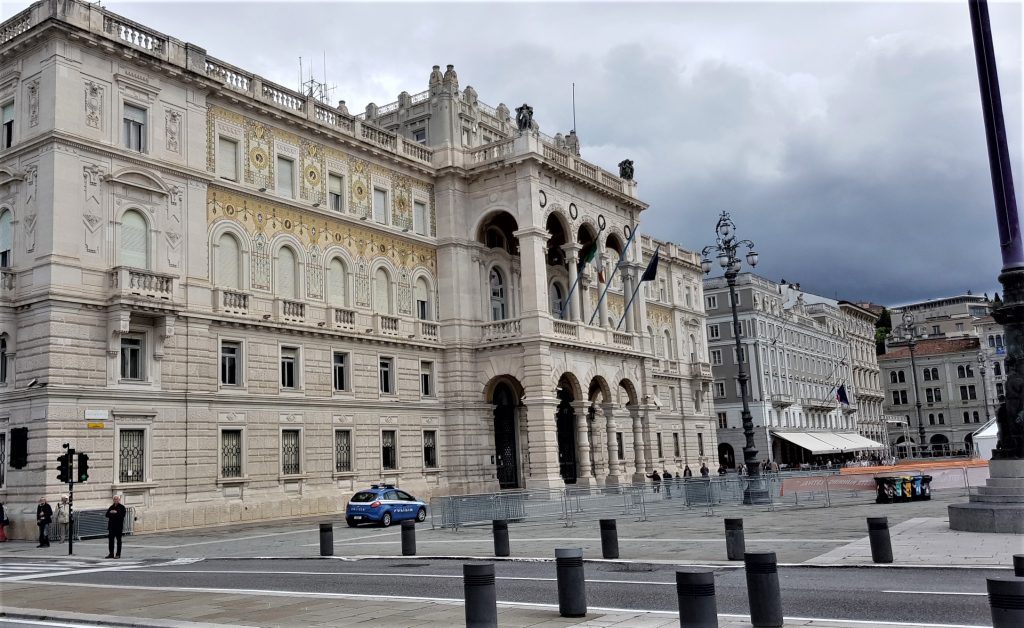
Piazza Unita D’Italia 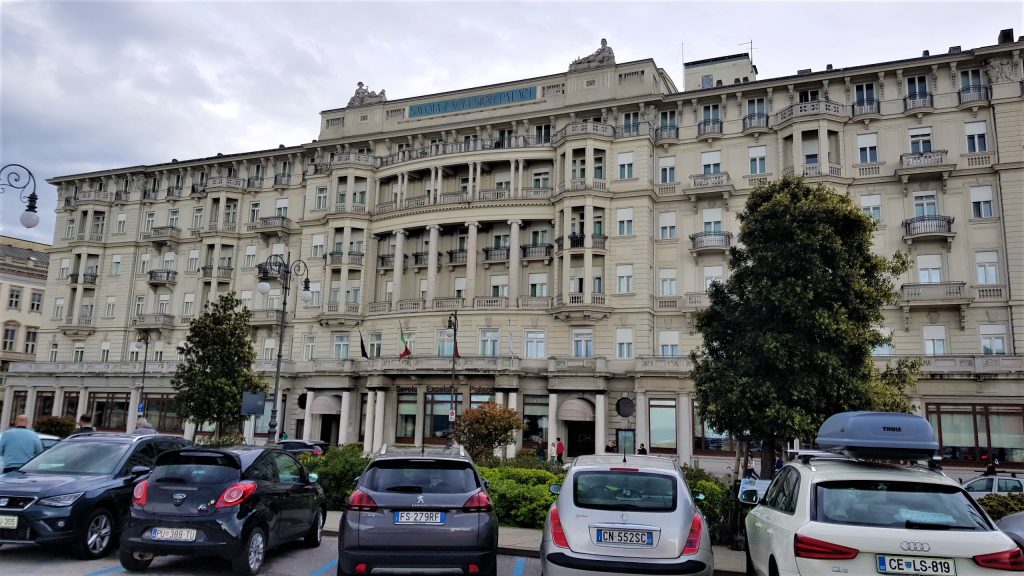
The Savoy Hotel on the sea front. 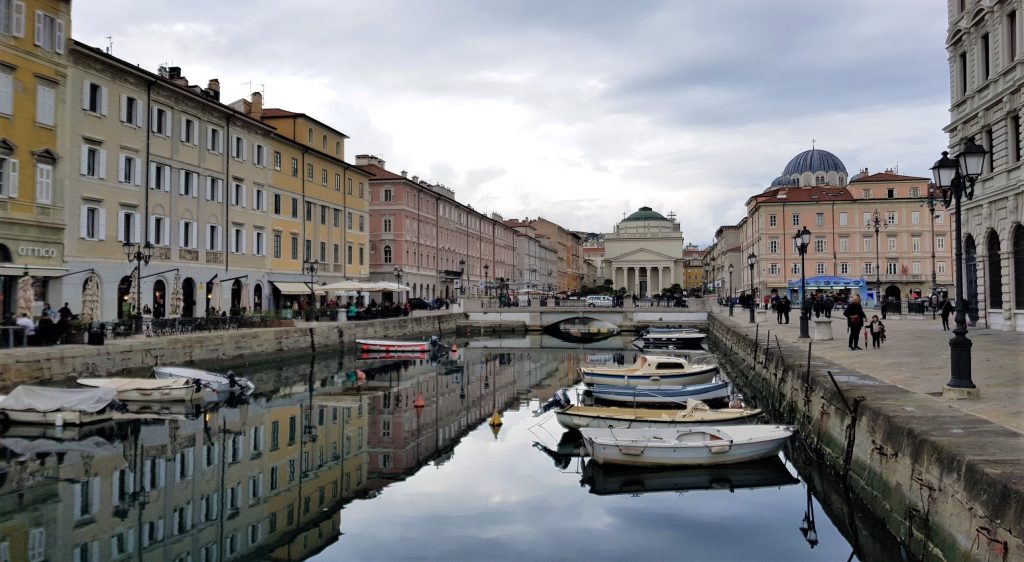
The Grand Canal. 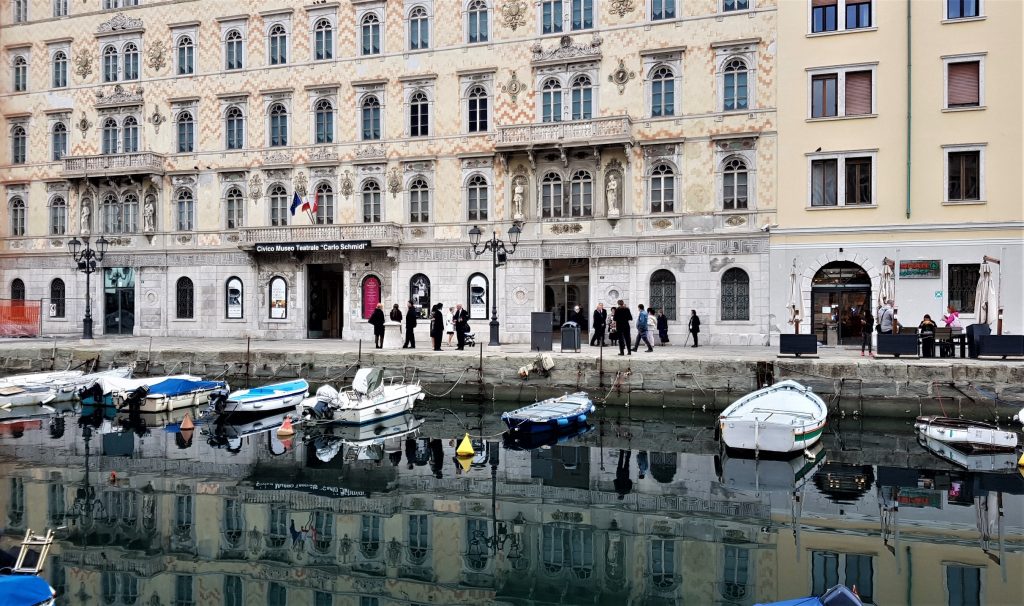
Theatre on the Grand Canal. 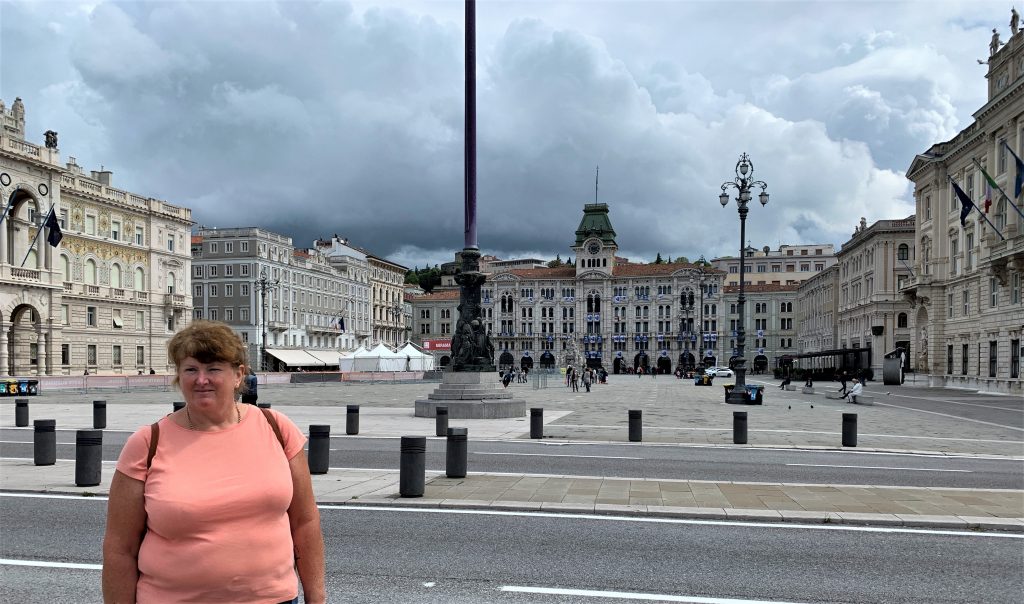
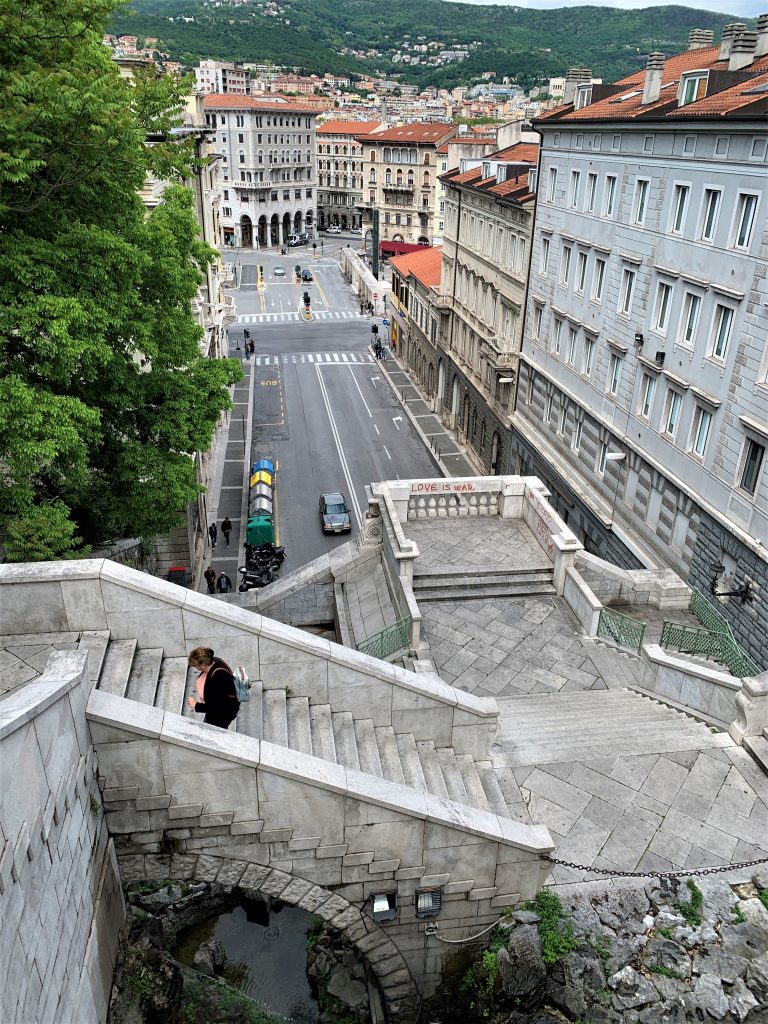
Hiking up St Giusto Hill! 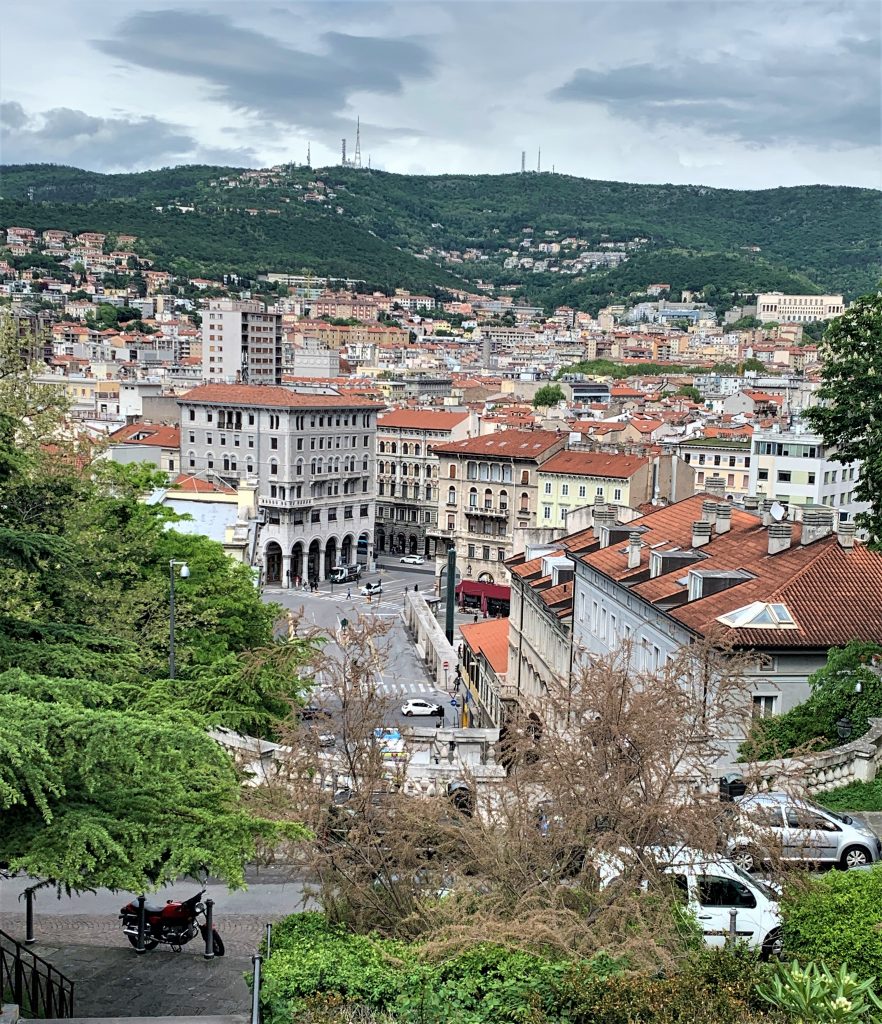
View of the City from St Giusto Castle. 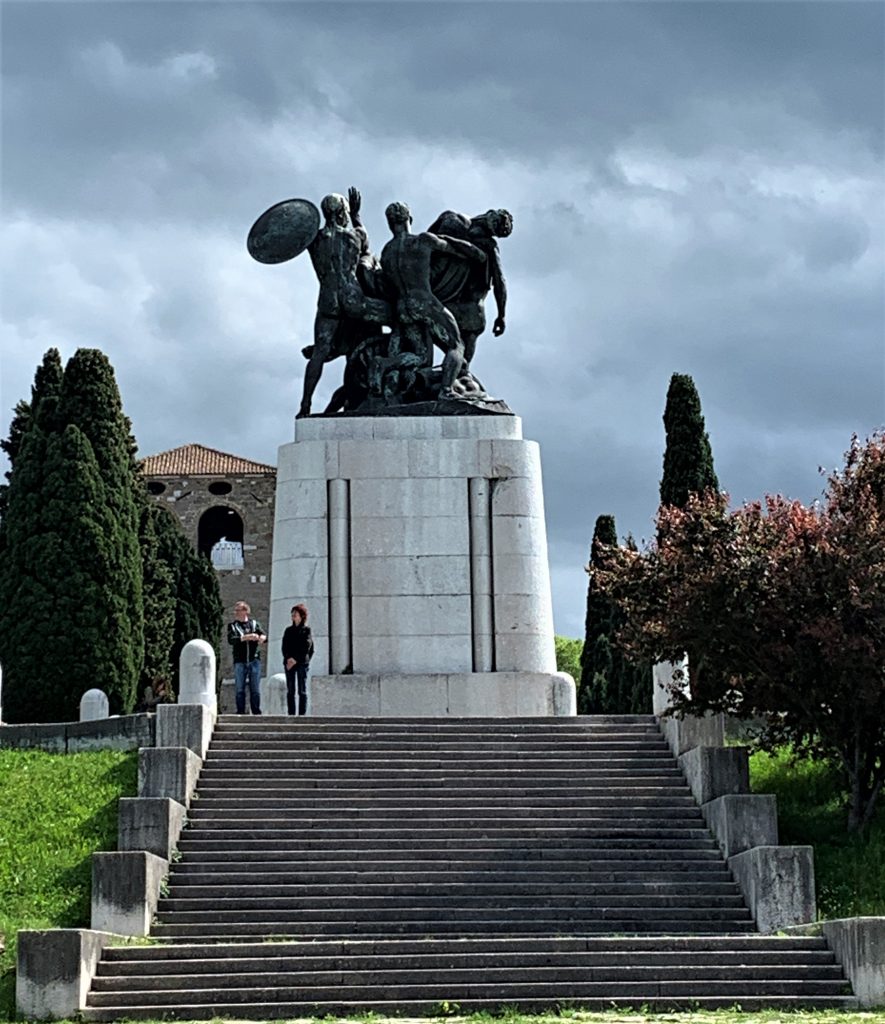
Monument at the top of St Giusto Hill. 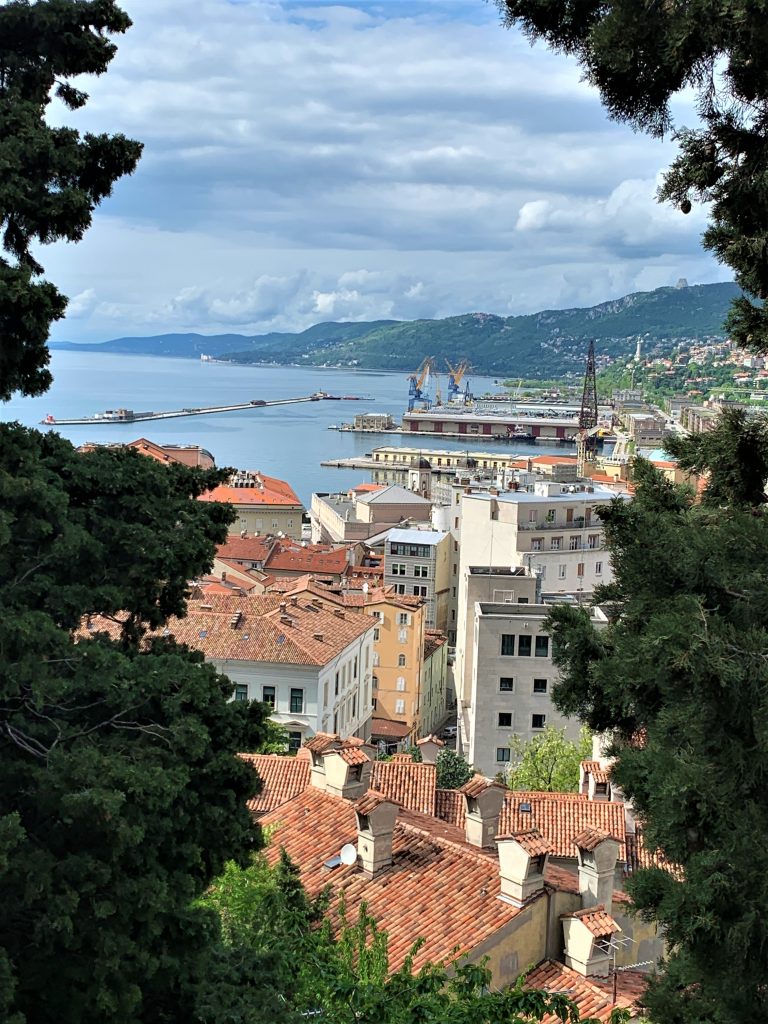
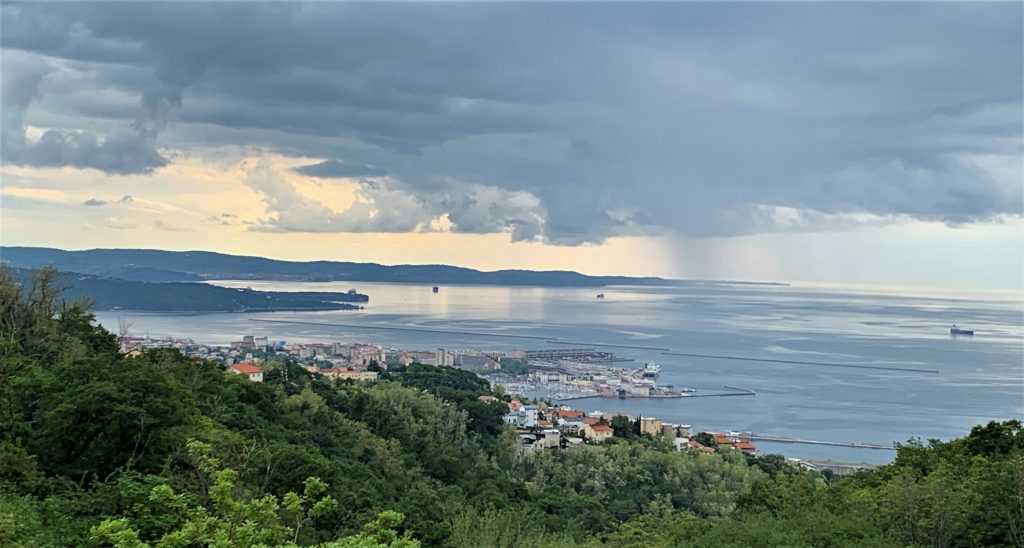
View of the port. 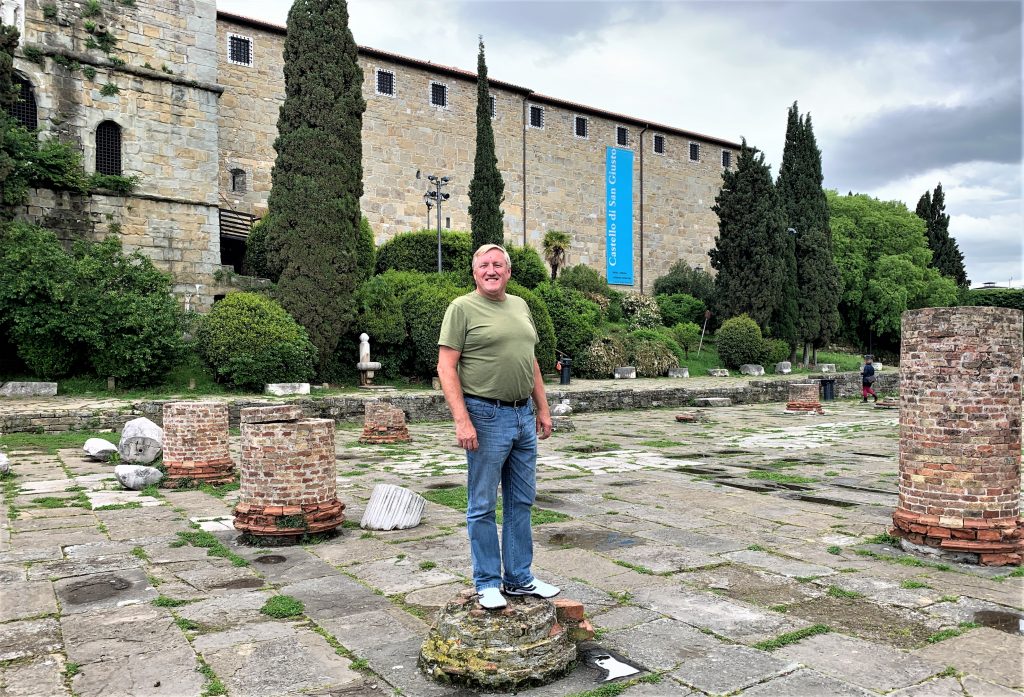
Yes, I put him on a pedestal……an old pile of bricks outside the Fort:) 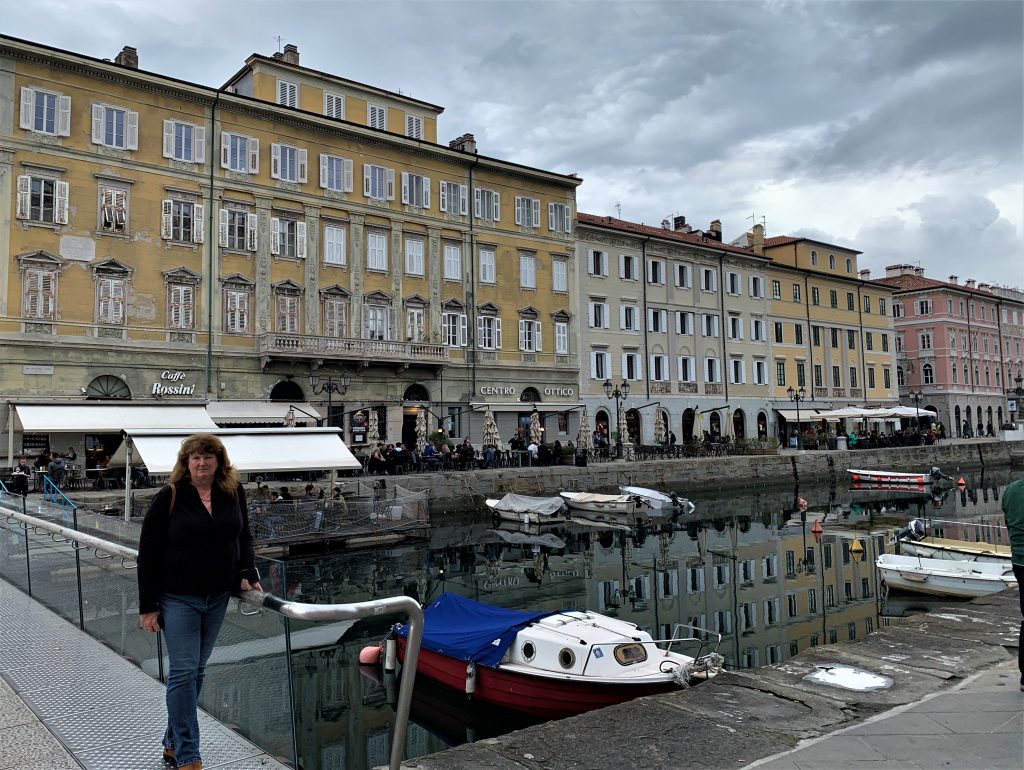
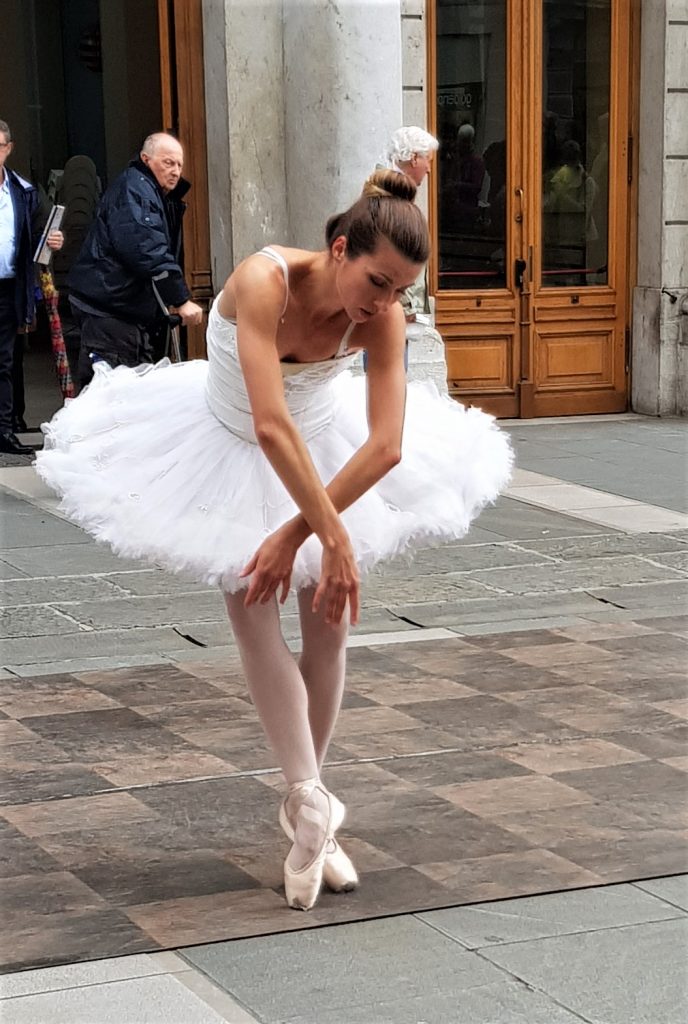
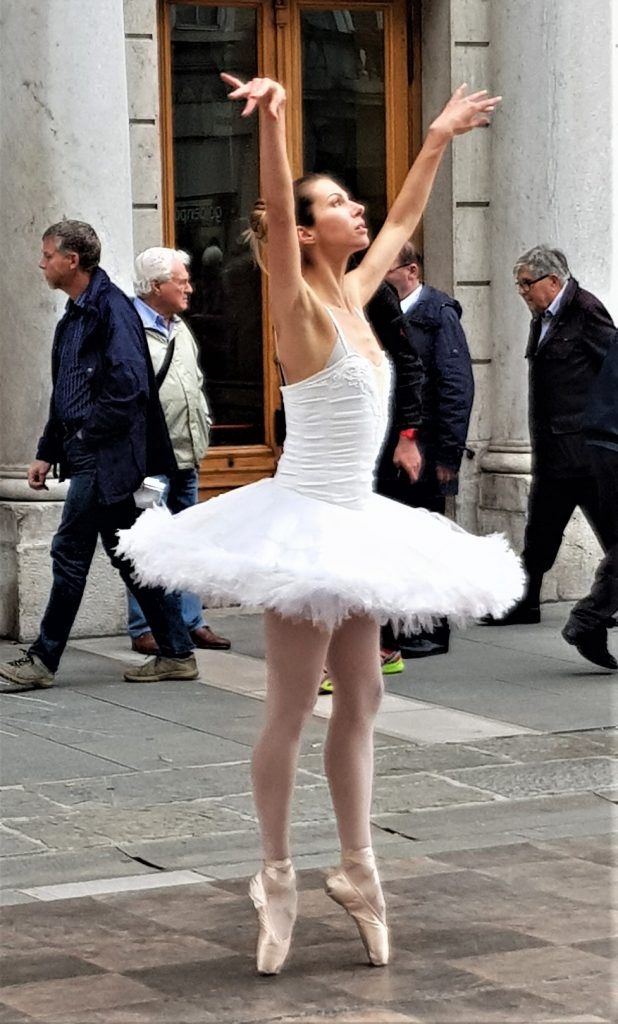
Seen in the Square…..
Leave a Reply