We have been in the Cadiz area for 3 weeks now and for various reasons we will be here for quite a while. We left Estepona after spending some very frustrating days looking further and further afield at recommended campsites, all of which had said yes, we can accommodate your vehicle but when we visited, we found access roads to be far too narrow, or the sites were full or too boggy to take the trailers 3.5 tonnes, so we pushed on further round the coast to the next site
.and the next one
until we reached Camping Las Dunas in the Cadiz province. We are across the River Guadalete estuary right opposite Cadiz town, in the port town of El Puerto de Santa Maria. The surrounding landscape is a mix of fir filled sand dunes and golden beaches, small residential ports and harbours and lush greenery surrounding low rise blocks of apartments. Cadiz is almost an island, full of ancient monuments and lots of historic displays of ownership through the centuries.
We seem to be protected from the shipping traffic that must pass Cadiz to head into the Med although we can see what looks like docks, they appear not to be commercial. We understand large cruise ships call into Cadiz during the winter months, and it’s advisable to steer clear of the town when they do.
 Every Day is Saturday
We are getting into a routine that is more like living than holidaying. In recent months, we have crammed in visiting local sights because we had the sensation that we were in a certain place for a limited time and we must do X, Y and Z before we left. This was due to the fact that we had to be in certain places at certain times as we had made plans to meet with family or friends but now we dont have that commitment. Now, our time is our own and every day is Saturday. We get up once the sun has risen and the temperature is above 10C! We wander down to the beach for a walk, or to the market for fresh bread or veg; we decide on the spur of the moment to take a day out to the many places we want to visit or we just go out for lunch at a town that we have not visited before.
Sunday in Spain is different to Sunday in the UK. The mornings are dead. Midday onwards people head out to restaurants or homes to meet friends and family for a large noisy lunch. By 3pm restaurants are usually empty as people head home for a short siesta. By 5pm and until sunset the promenades along the beachfronts or the plazas in a town are heaving with families all out strolling in their finery; kids are usually on bikes or pedal cars or electric scooters, dogs are running about on the beach and families just stroll along nonchalantly. No shops open on a Sunday, only restaurants. It really is very pleasant. We sit out in the sun, drinking coffee and listening to Steve Wright and Michael Ball on Radio 2 and yes, we do this in January!!

 We are now happily ensconced in a very large, sunny pitch, with nice neighbours (Germans with a sense of humour and a cuddly Bichon Friz called Benjy) and a 5 minute walk through the campsite to the beach front. Our beach has a small promenade, popular on a Sunday late afternoon with parading Spanish families; the playground is popular during the week with after school mothers on their mobiles watching their children play in the sand and the exercise area is popular with the older generation all day long, us included! The grassy areas in between the exercise machines are very popular with the locals dogs, some mornings we can count up to a dozen piles of poo in a 2 metre long by 1 metre wide area, and boy does it pong if the wind is blowing your way! The locals blame the French for some reason??? It seems the Spanish are attracted to small handbag sized breeds, usually with extraordinary long legs and high pitched constant yaps and are dressed in the most ridiculous clothing, tweed or tartan coats and fluffy collars and high viz coloured leads
..these dogs apparently do NOT Poo!!!
We are now happily ensconced in a very large, sunny pitch, with nice neighbours (Germans with a sense of humour and a cuddly Bichon Friz called Benjy) and a 5 minute walk through the campsite to the beach front. Our beach has a small promenade, popular on a Sunday late afternoon with parading Spanish families; the playground is popular during the week with after school mothers on their mobiles watching their children play in the sand and the exercise area is popular with the older generation all day long, us included! The grassy areas in between the exercise machines are very popular with the locals dogs, some mornings we can count up to a dozen piles of poo in a 2 metre long by 1 metre wide area, and boy does it pong if the wind is blowing your way! The locals blame the French for some reason??? It seems the Spanish are attracted to small handbag sized breeds, usually with extraordinary long legs and high pitched constant yaps and are dressed in the most ridiculous clothing, tweed or tartan coats and fluffy collars and high viz coloured leads
..these dogs apparently do NOT Poo!!!
The weather varies from 6c overnight and as the sun comes up to 18C about 2pm, but it has been mainly dry and sunny.
Locally
The bay we are in is large, gently sloping, sandy and very sheltered and invisible to the large cruise ships that stop in Cadiz. We understand that during the busy season, cruise ships can deposit 10,000 people into Cadiz over a weekend!!!
Further north up the coast we have a pretty place called Puerto Sherry (where the (expensive) larger domestic yachts dock) which has a beautiful parade of restaurants with outside seating overlooking the sea wall. Further along is Rota, an American Naval base which works together with the Spanish Navy to support the UN its so funny to be in a Spanish supermarket queue and overhear a drawling American!!! It is very odd to hear them say bwen-ars instead of bwen-oss as we would.


Beyond that is a town called Sanlucar de Barrameda, a place we have been longing to go
to see where my parents used to park right on the beach and to see what the fuss was all about. It has a very long promenade, an old town made up of rows and rows of narrow streets and buzzing plazas and is on a river inlet opposite a huge natural dune park. We walked along the beach and collected what we believe to be very large oyster shells. Hundreds of shells and jellyfish, in January!
South from here we have a mainly agricultural coastline, full of salt plains and flamingos, lush green fields and amazing endless golden beaches. We took a trip out one day, headed south towards Conil, a small low rise white village on the coast and we had lunch looking out at Sea King helicopters thudding about in the bay before we eventually moved on and stopped at the Cape of Trafalgar. Being interested in the history of the area, David had read that this was where the Battle of Trafalgar was fought in 1805. It was a deserted beach and bay with golden yellow sand, damp pine scented dunes, rippling natural sea inlets and small coves in the rocks overlooked by a lighthouse and the remains of a Roman look out tower, but NO mention whatsoever of the Battle of Trafalgar. Wonder why? Do the Spanish not like to be reminded of their battle disasters???

The White village of Conil de La Frontera.

View from one side of the beach towards Cap de Trafalgar and it’s lighthouse.

View towards Conil from a ledge below the lighthouse.

Santa Maria is a Spanish residential town, not a seaside holiday town, so we have a bustling clothing and shoes market on Tuesdays, an indoor meat, fish and veg market in the town five days a week, sports activity most afternoons and especially Saturdays can be heard from the nearby Polideportivo (sports centre) and so many busy Plazas (town squares) and bars that London would be proud of. These date back to the days when the fishing industry was thriving to provide sustenance to the fishermen who worked her, so many Tavernas are old buildings full of stone floors, oak beams and cathedral style ornate ceilings. The majority of restaurants are seafood specialists, as you walk past people eating in the pavement tables and glance at their meals, a huge majority are eating plates of Gambas (prawns) or shrimp tortillas or small battered pieces of fish served in paper cones. Other restaurants are Iberico specialists, tender (local) pork cuts marinated in salts and herbs before being cooked over coals giving it a unique flavour. Tapas is still common, a small tapas and a small beer or wine is often just 2.

Our local beach and beach bar.

El Puerto de Santa Maria’s bull ring.

The town’s castle.
The other places in town to note are several monasteries and convents, numerous palatial Palaces and the Porto Bodegas, houses of wine that make sherry and sweet wine (Manzanilla). With Jerez just 10 miles away, they have some rivalry, so the most famous bodega in town is Osbornes, which has diversified over the years and now produces not only Sherry but also its own whiskey and gin; they also produce the Fever Tree tonics that are now sold in the UK as well as making their own aged Iberico Jamon (dried pork leg ham) and other delicacies. We will visit this Bodegas soon and report back!
Jerez is also famous for its race track and the Andalucian white horses as well as its sherry. More to follow after we have visited! In Jerez are factories and Bodegas for Sandemans, Tio Pepe, Domecq, Fundador and eighteen other local manufacturers. As each guided tour normally involves a tasting of a minimum of 5 sherries, we could work up a real boozy day out if we tried!!!
Rude or What???
The Spanish are quite rude
.or maybe us that see them this way as we are overly polite. No please and thank you and no acknowledgement if you give way to them on the road. Road rules differ here compared to the UK. Here pedestrian crossings are the law! If a Spanish driver sees a pedestrian within 25 metres of a zebra crossing he will stop to allow them to cross. If a pedestrian uses a crossing at a set of traffic lights without waiting for the green man so say its safe to cross, Spanish drivers will try to run you down! They have right of way and will go out of their way to let you know all about it. Roundabouts? Dont think they know what they really are, especially if two lanes are involved. They go straight across both lanes and then chose the lane they want in the exit road once they are on it. We have learned that they go all the way round a roundabout on the outside lane too! We have seen no aggressive attitudes that we see in the UK and certainly no speeding on local roads. Motorways yes, but locally everyone is in snail mode.
In a supermarket, Brits will join a queue and leave their baskets all piled up neatly on top of each other. Spanish ladies just empty the basket onto the conveyor belt and leave the basket on the floor for the next person to trip over. They will stop in the street or on a pavement to chat and inconsiderately take up the width of the (often pedestrianised) street or pavement with their handbags, shopping, push chairs and dogs and will look at you like dirt if you ask them to move! No point in smiling when you ask, they dont recognise a smile!! However, we still dont see any malice, or anger, or rudeness amongst each other; they may shout when on their mobiles, or talk 50 to the dozen at each other but no visible angst.
Language Differences
We are getting to grips with Spanish when out and about and understand now that the Spanish language is quite basic. English is the more complex language or is it that we like to use lots of words to express a simple request?? If we spoke Spanish style, we would be seen as very rude indeed!! A typical conversation in a restaurant goes like this:
In England this would take on average a few minutes:
(us) Good Evening, we would like a table for two please?
(Waiter) Evening. Certainly Sir, would you like this table or that one?
This one is perfect thanks. Actually, no, we prefer the other table, away from the door. Yes, this is better, thank you so much.
Can I get you both a drink before your meal?
Yes please
..one Jack Daniels and Coke, a small amount ice please and one pint of Lager.
Certainly, we have Fosters, Heinekin, Heinekin Light, Heinekin Cold, Kronenburg, Kronenburg Light and Extra Light, or ten bottled lagers, which would you like?
Just a pint of plain Kronenburg please.
Certainly, here are the menus. Todays specials are blah, blah and blah and these can be served with potatoes, rice or pasta and a choice of veg, salad or fruit if you prefer; and we have no blah and blah today, Im sorry to say. Our distributor has let us down today so many many apologies for that. Hopefully you will still find something on the menu to tickle your fancy! I will leave you to peruse the menu and get your drinks.
In Spain, this takes about 20 seconds:
(Waiter & Us) Beunos (means good day/ good afternoon/ good evening)
(Waiter) Dos? (means table for two?)
Si (translates to yes but we add in por favour please)
Aqui (means here but translates to please take this seat here, no arguments)
Gratias (thanks, OK, will do)
Bebedas? (Drinks? Or we translate it to what would you like to drink?)
Grande cervesa y uno vino blanco (easiest things to order – large beer, whatever the local stuff is and a glass of local house wine)
Carte? (means do you want a menu to look at, with pictures in?)
Si por favour (yes, please because we do not fully understand the Spanish writing yet)
Ballay
..(Spanish for OK) and the waiter disappears for a few minutes
Yes, no. Drink? Eat? No options as to accompaniments, just chips and salad. You cannot swap chips for new potatoes, thats how it comes. Take it or leave it. Could you imagine going into a restaurant in the UK and the waiter just saying Evening. Dinner for 2? OK sit here? Drink? Menu? OK. There would be an outcry!!! Manners maketh a man, so they say, but maybe this does not apply in Spain??
Things we wonder about or have learned
..
 Buildings. Houses and buildings throughout Spain, regardless of their size, position or condition, all have burglar bars on the windows as well as metal shutters (to keep out the sun) and internal blinds or curtains and heavily visible Alarm monitoring signs. Anyone would think there is a high level of crime in Spain, we have yet to see any sign of it. There are signs of the property crash some 10 years ago; unfinished building plots; beautiful old rambling buildings that desperately need repairs but are shored up with scaffolding and covered in tattered tarpaulins; empty office blocks and endless rubble where buildings used to be, but no signs of break ins, robbery or burglary.
We have seen very few homeless or rough sleepers, in fact maybe only 2 in the whole time we have been in Spain (and I think they were in Benidorm) and I have read that charities do support families on low incomes as does the government, much more than the UK does. But the burglar bars at every window baffles us especially as some look as though they have been there for centuries.
Cats V Dogs. I am a cat lover, as you may know, and often carry a packet of biscuits in my pocket, in case we come across a hungry feral moggy. I often feed them, try to have a little stroke and once managed to pick up and cuddle a kitten that wanted to play with my scarf. Its home was in amongst the rocks on the sea wall, a good kilometre from any civilisation. Yet all the cats we have seen so far were healthy looking and clean; they did not fight amongst themselves; they and the area they lived in did not smell and there are very few kittens so we assume that someone neuters them. Why are cats not seen as domestic animals like the Spanish see their dogs? I know that you cannot dress cats up in small clothing and keep them on a lead, but why let them run wild? I cant work it out.


Flamenco. The race of people that live in the Southern Andalucia area are a mix of Portuguese, Spanish, Moroccans and Spanish Gypsies and they all have dark olive skin, long tussled black hair and a look of shabby Romany about them. They perform the flamenco dance which tells tales and stories of love and romance, fear and family, losses and gains, both men and women sing and dance and portray their emotions as movements. Each dance is different, moves can be taught but routines are not learned, they are sung. From the heart. The singing is soulful and almost dour, with very little tone or tune, simply words with rhythm – the accompanying dancer moves to each word but it is the guitarist that brings it all together, rousing the dancer to a swirling, hand clapping, foot stomping finale that brings a crowd to its feet. The crowd support the dancer by clapping or banging (on a table maybe) and the expected Ole can be heard at the end as the dancer flicks her skirt to the ceiling. We have experienced Fado music in Portugal and found that to be similar, and so mesmerising and hope to experience the same effect with Flamenco. There is a flamenco festival in Jerez at the end of February which we intend to attend, so will post pictures once we have been.

A painting of an old gypsy Flanenco dancer hung in the Flamenco museum.
Clean Spain. We have noted that other than graffiti (on every wall or building) and French/Spanish dog poo, Spain is a fairly clean country. We have walked through sand dunes, along beach fronts, through towns and cities and around suburbs and see very little debris. There are dustbins on every street corner and recycling bins everywhere and yet nothing is overflowing or full. This is very heartwarming. We had expected to find empty beer cans and food packages next to picnic tables in the dunes – yet found nothing. Not one scrap of rubbish. How lovely!
Meat. Meat in Spain is different to the UK. Once, fellow travellers told us they hated the Spanish meat because it was not the same as in the UK and we have since established why. Their meat contains very little fats and is fresh and tender because it does not hang around long in stores. They eat more unusual items compared to us, pigs trotters, oxtail, chicken blood and turkey feet are readily available in all butchery sections.’,


 ‘,
‘,


 These are two archived store rooms, kept as they were found, with old equipment and bottles.


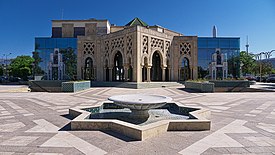 LEFT IS THE MOROCCAN PAVILION AND RIGHT IS THE JAPANESE PAVILION


 Hotel Alfonso XIII


Recent Comments