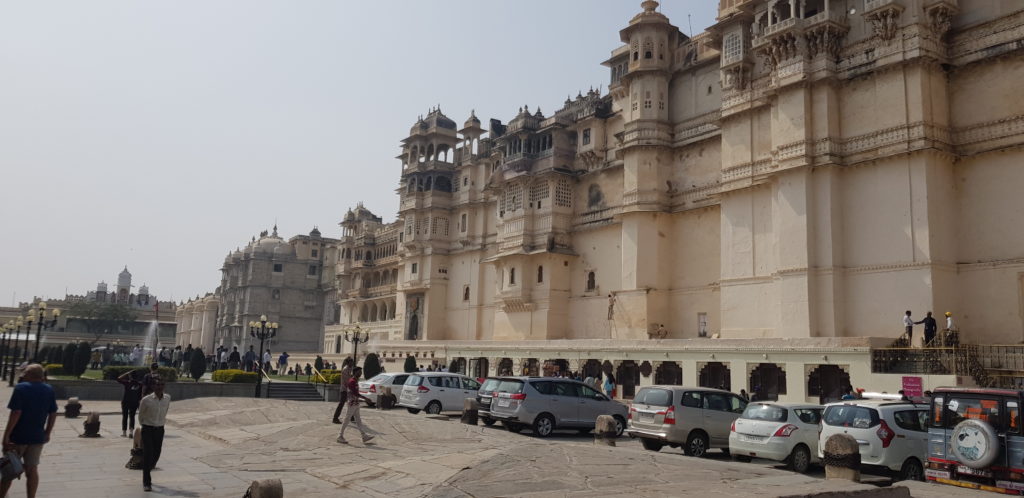
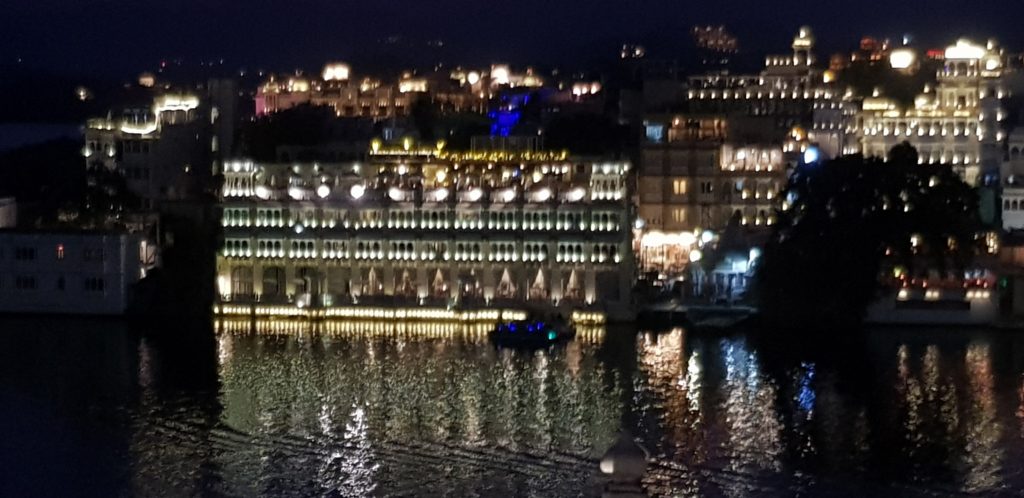
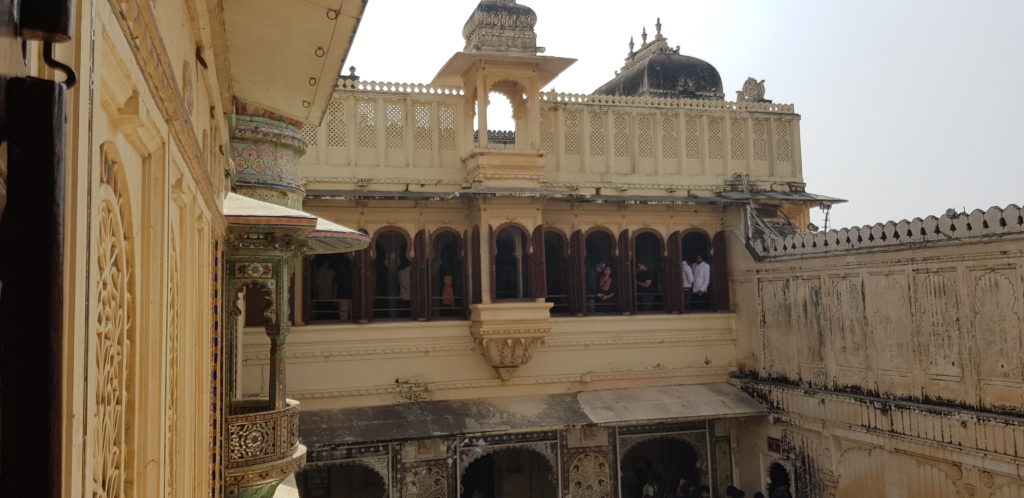
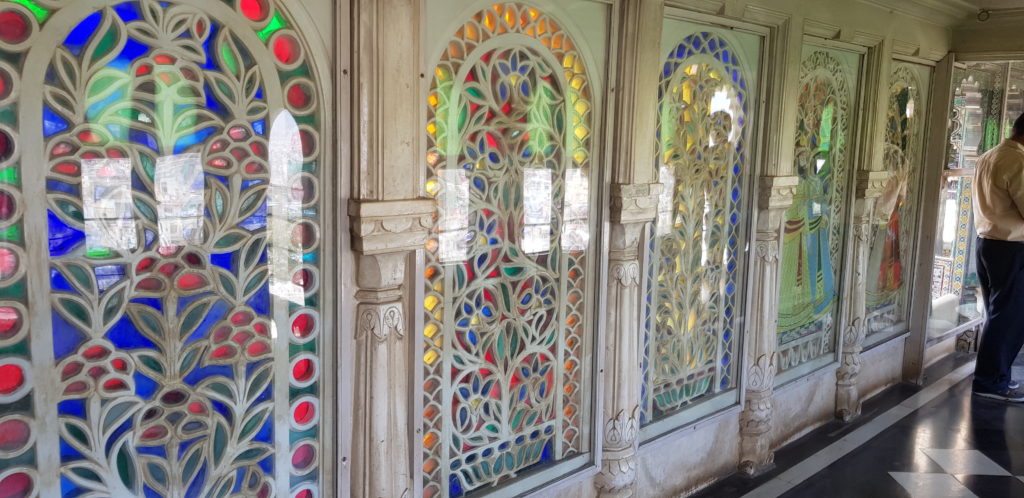
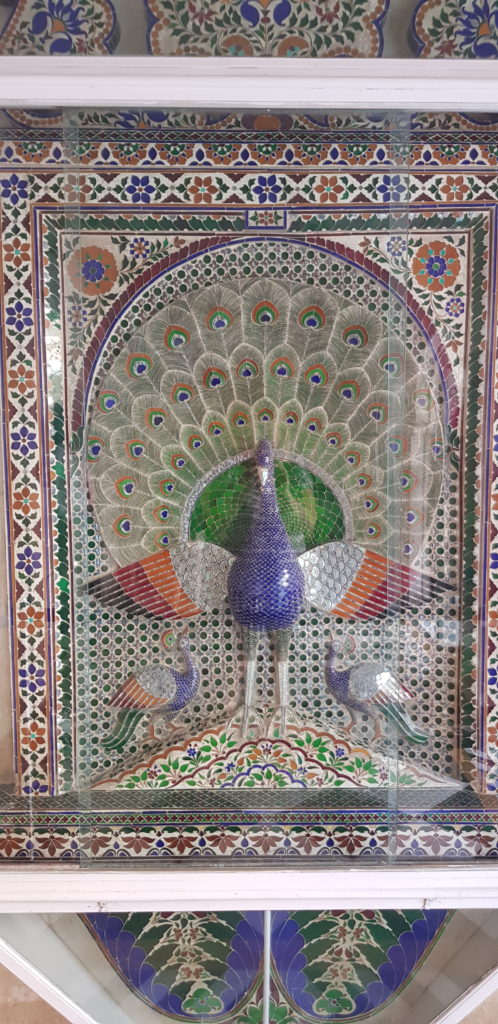
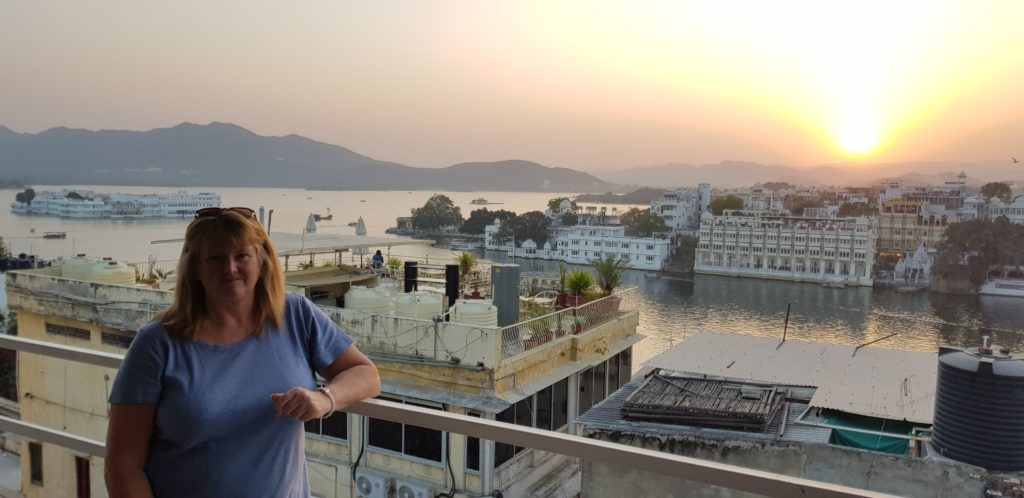
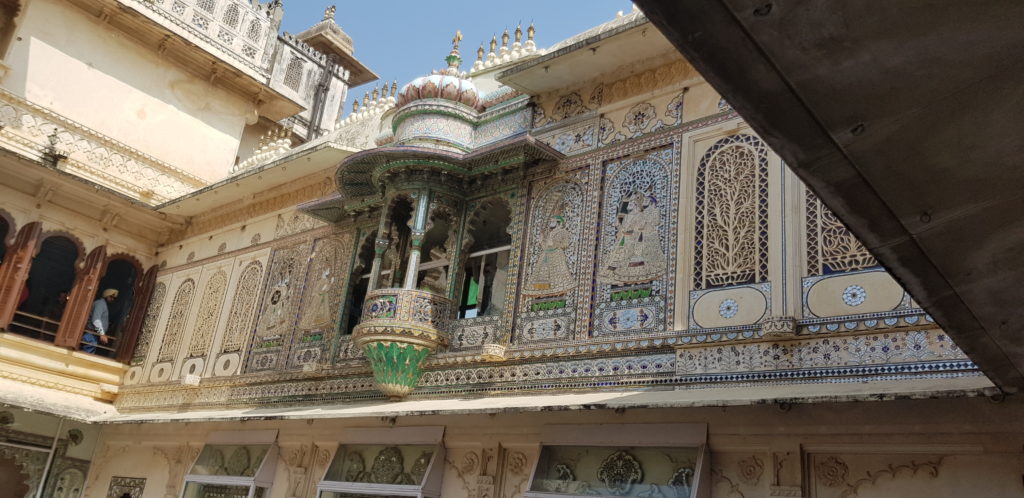
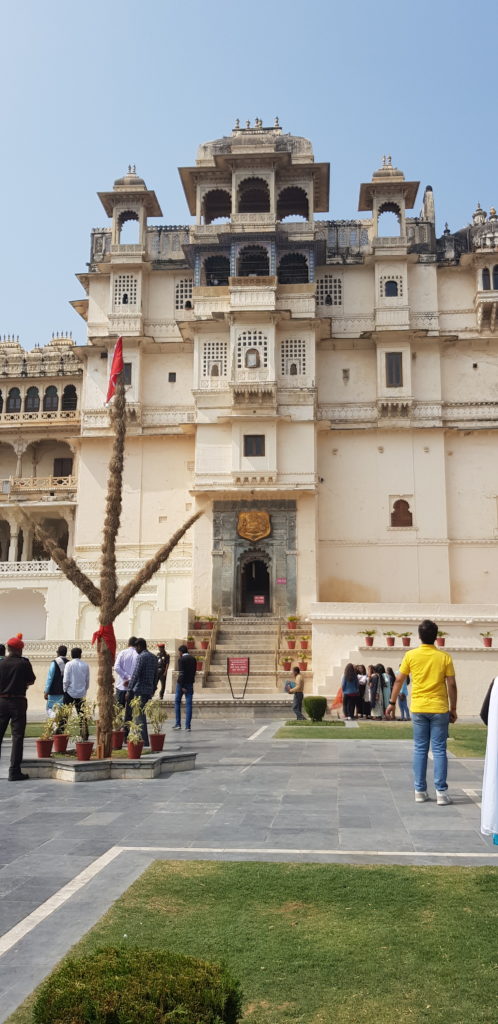
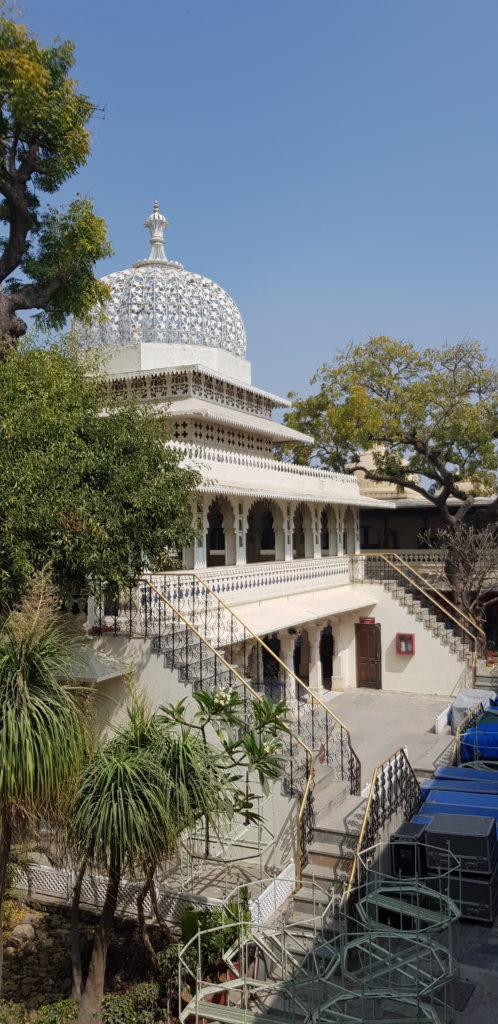
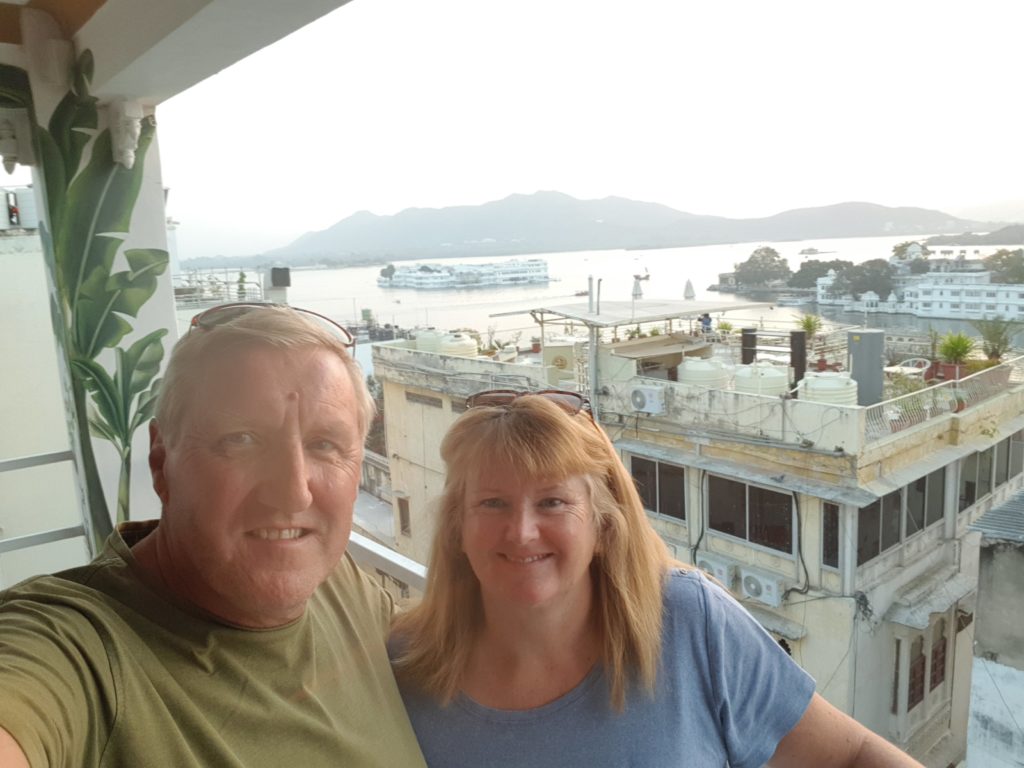
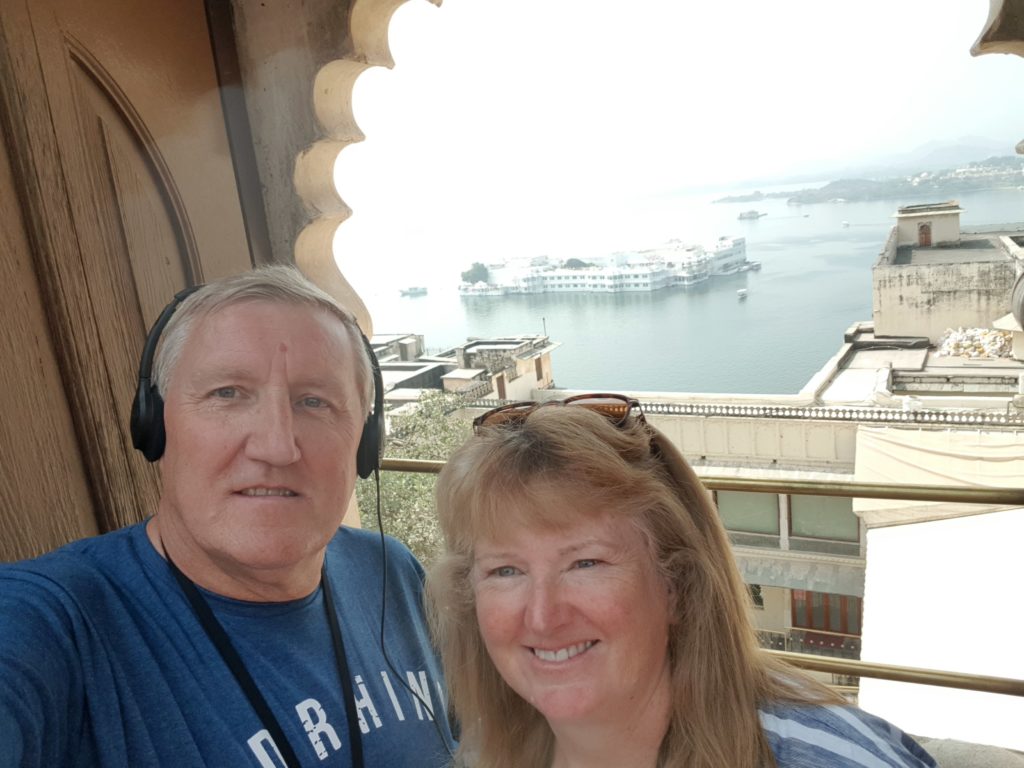
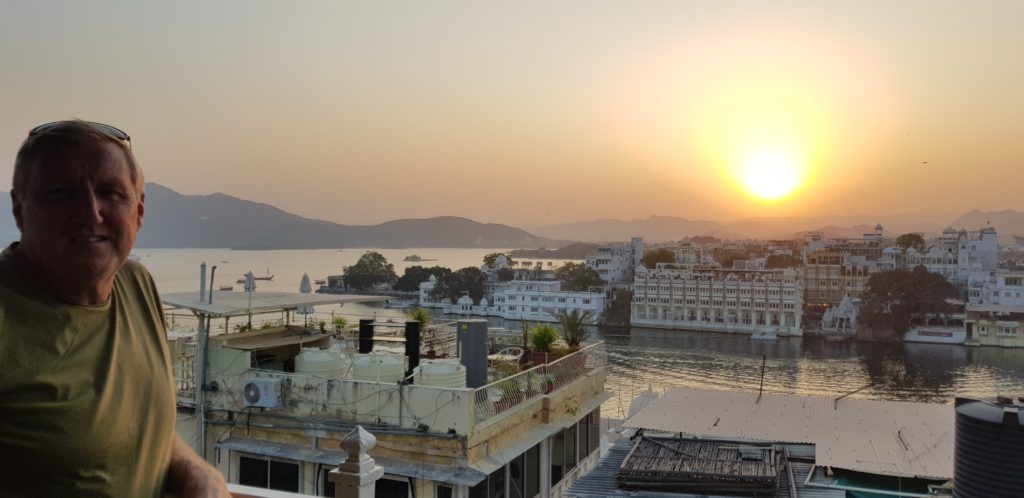
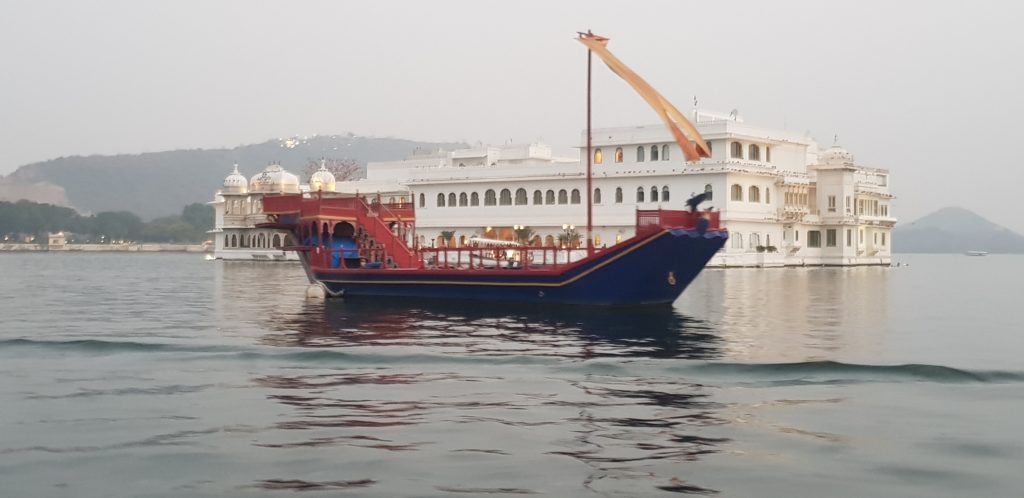
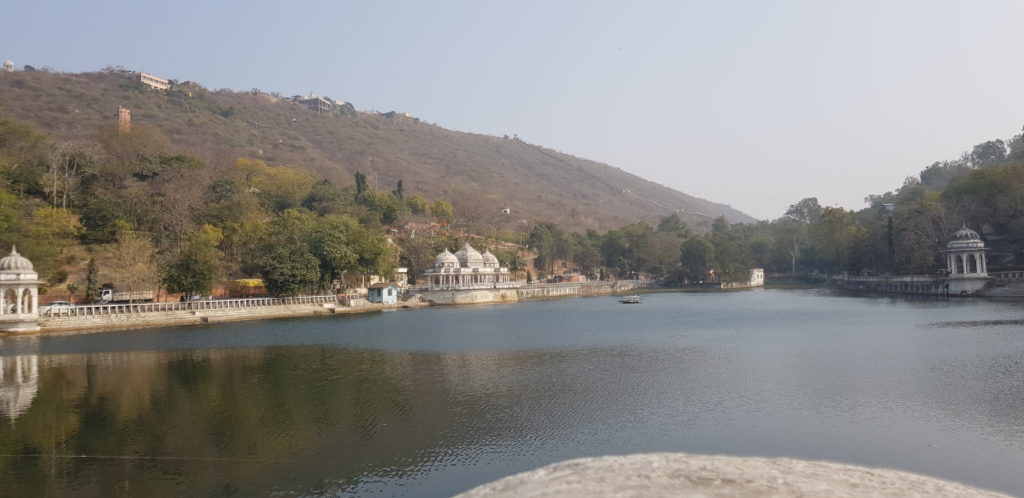
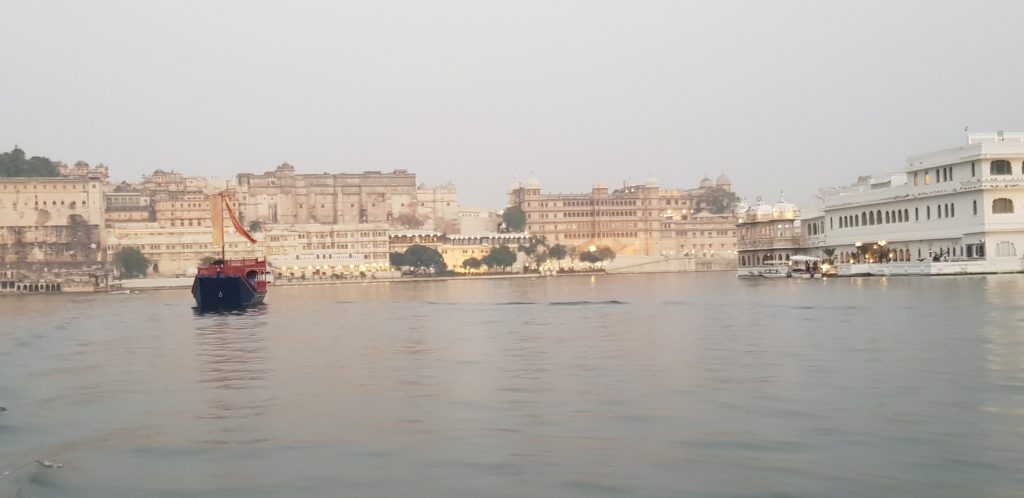
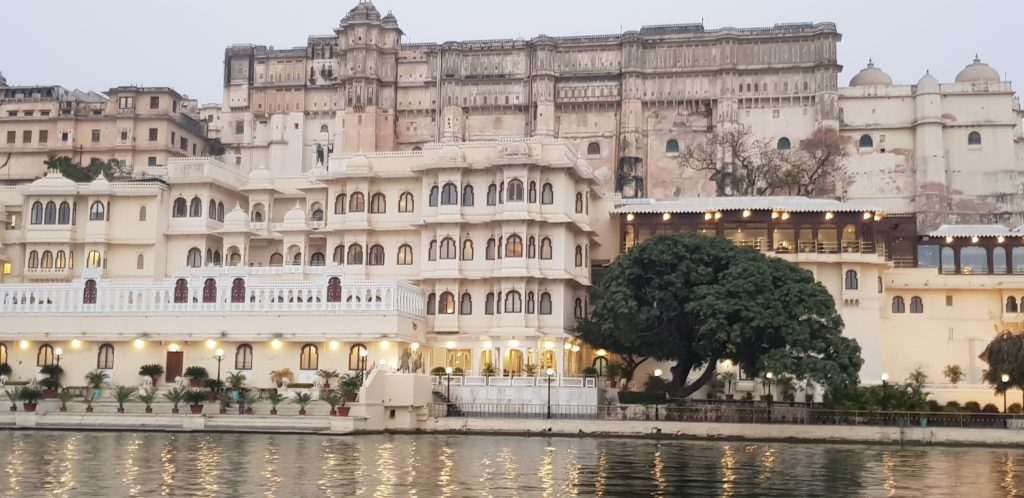
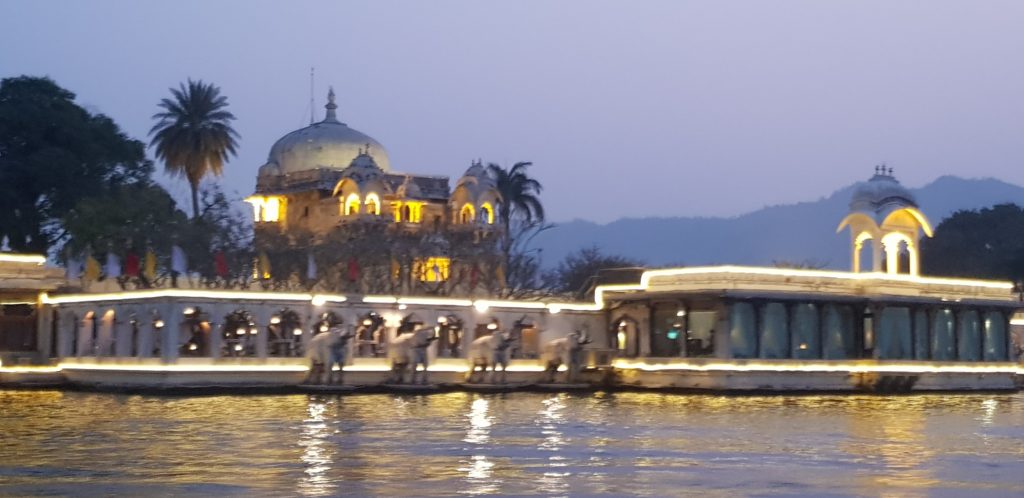
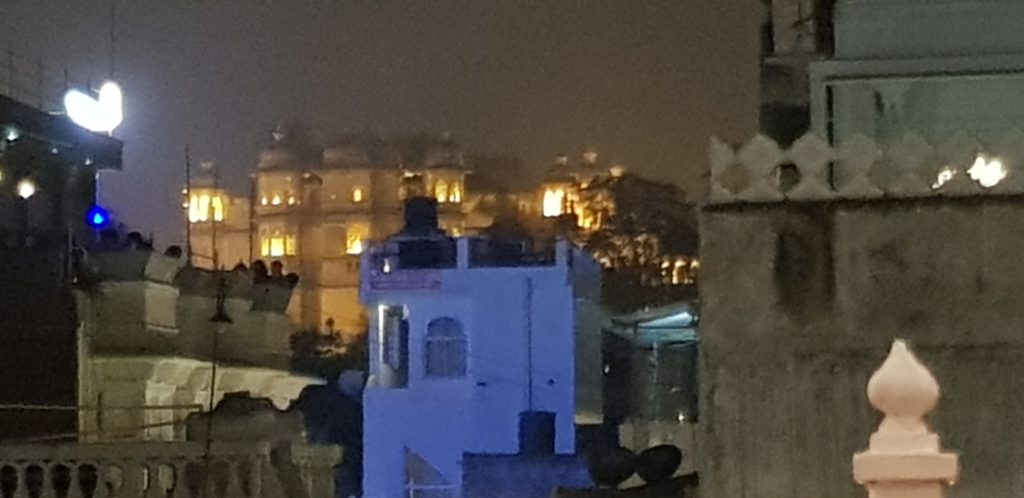
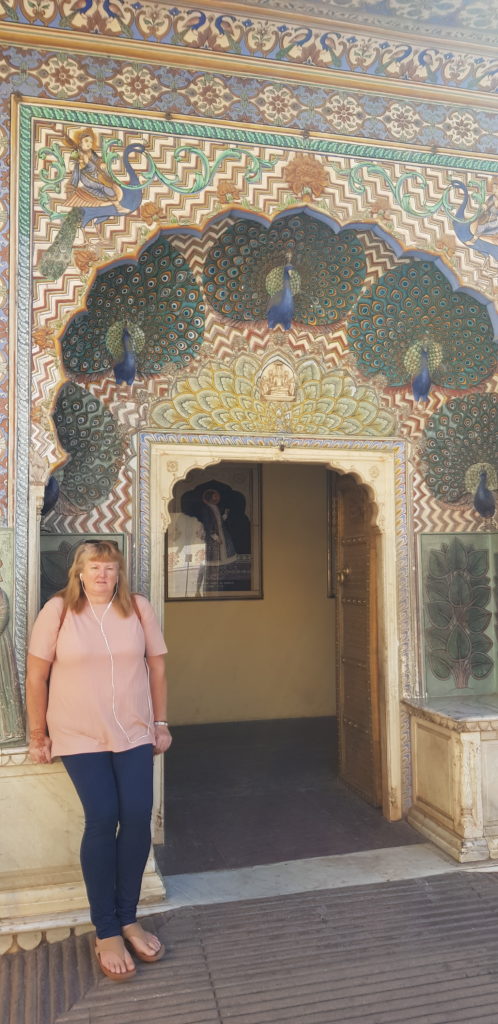
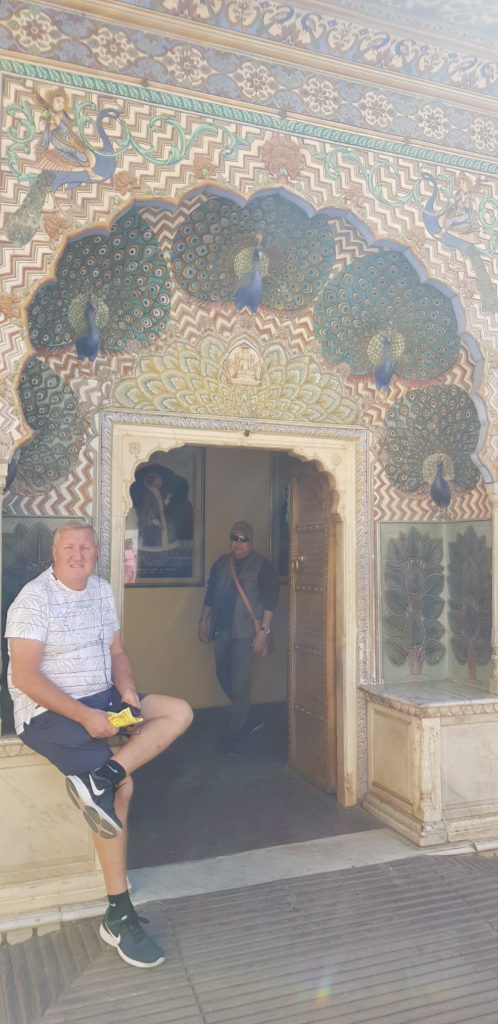
Udaipur is a city in the western Indian state of Rajasthan. Founded by Maharana Udai Singh II in 1559, it’s set around a series of artificial lakes that were created to supply water to nearby villages after flooding a small valley in 1362 and is known for its lavish royal residences. City Palace, overlooking Lake Pichola, is a monumental complex of 11 palaces, courtyards and gardens, famed for its intricate peacock mosaics. The Lake has been known to almost dry up in drought years where the old town of Pichola is sometimes visible. Jag Niwas Island is home to the Royal’s Lake Palace, and Jag Mandir island is now the Taj Palace Hotel, where a basic room might set you back £550 a night!
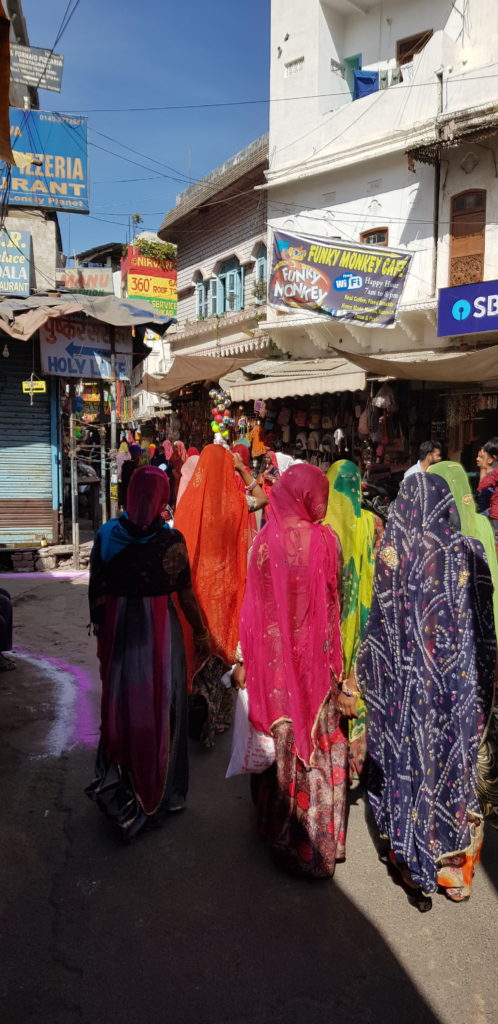
It’s very calm and serene and full of hotels and havelis on the lakeside, behind this are hectic narrow streets (not wide enough for cars) humming with markets, shops, restaurants and businesses.
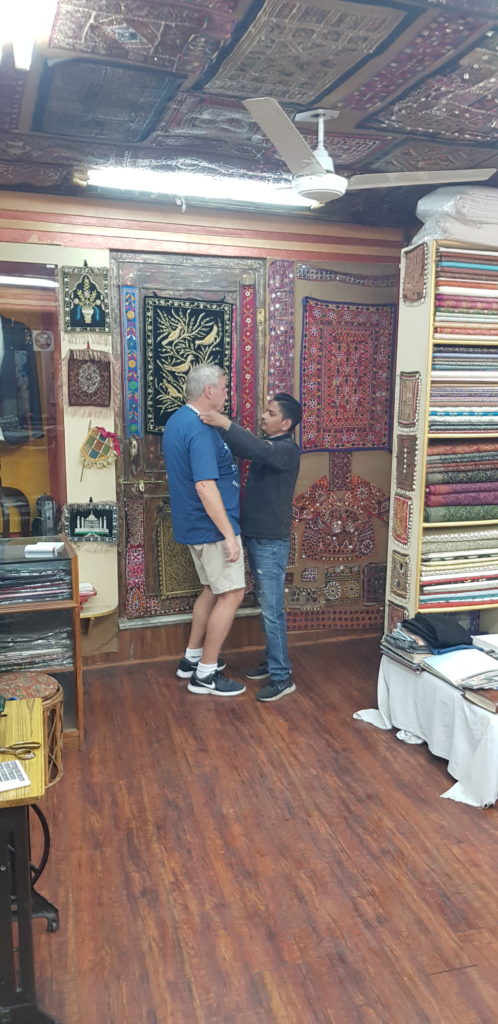
Its also home to a big hand made clothing scene, linen, silk, cotton, wool mix, for trousers, shirts, jackets, waistcoats or dresses and saris. David ordered 2 pairs of good quality linen trousers and 2 short sleeved shirts, made to fit, in 24 hours for about £45. In the meantime, I went next door and signed up for a wonderful massage, I was scrubbed with herbs and essential oils, masaged from head to foot and had a pedicure. I left 2.5 hours later, cleaner, lighter and looser, all for £25. The Indian head massage was simply heaven!!!
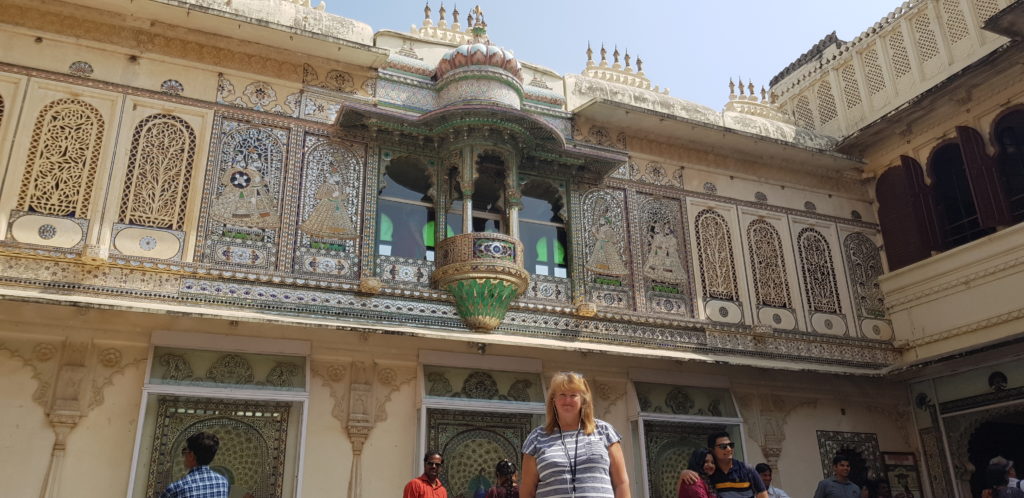
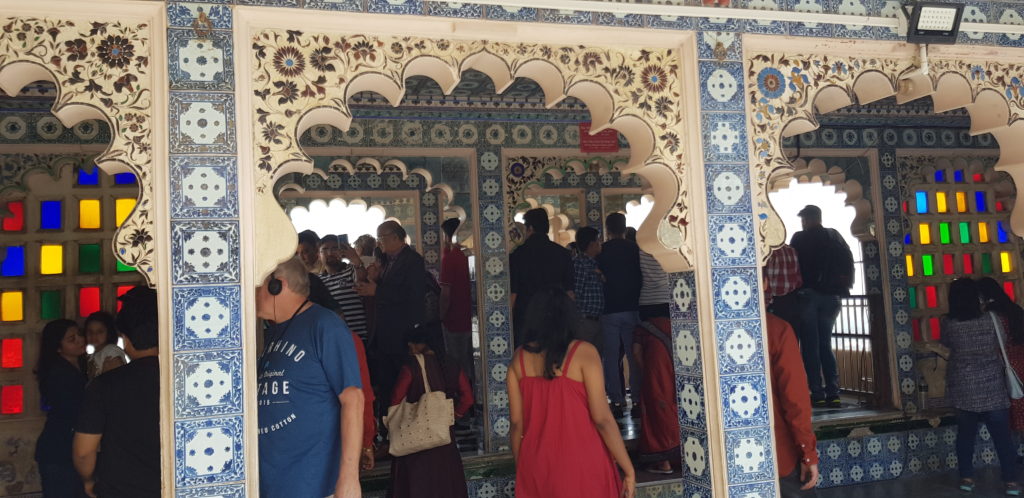
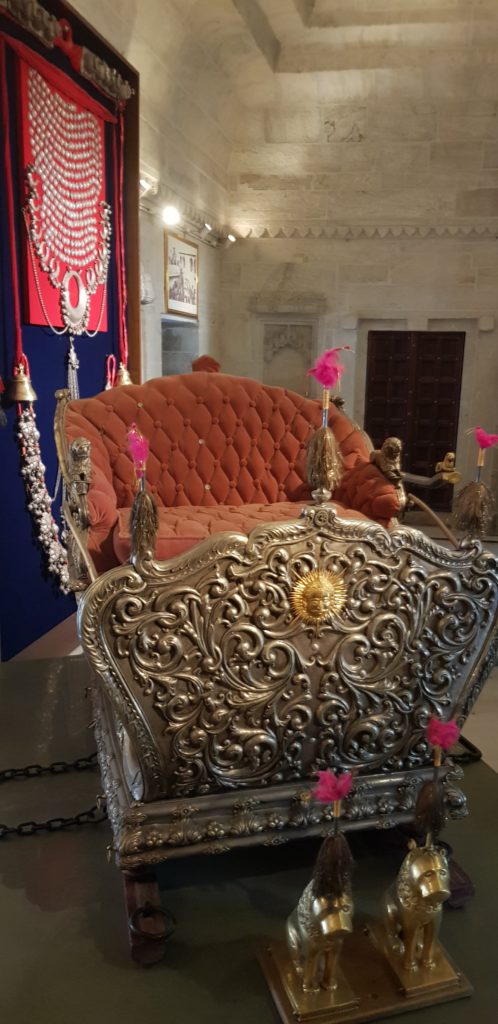
We spent our one full day here at the City Palace, the hugest place we have seen so far, its a mix of 11 palaces, all added and extended over time, blended with gardens and courtyards. It’s decorative, informative and full of historical exhibits, including old carriages and clothing used and worn over the centuries. The Palaces also have several blue and white “areas”, decorated with Portuguese tiles, depicting the national bird, the Peacock.
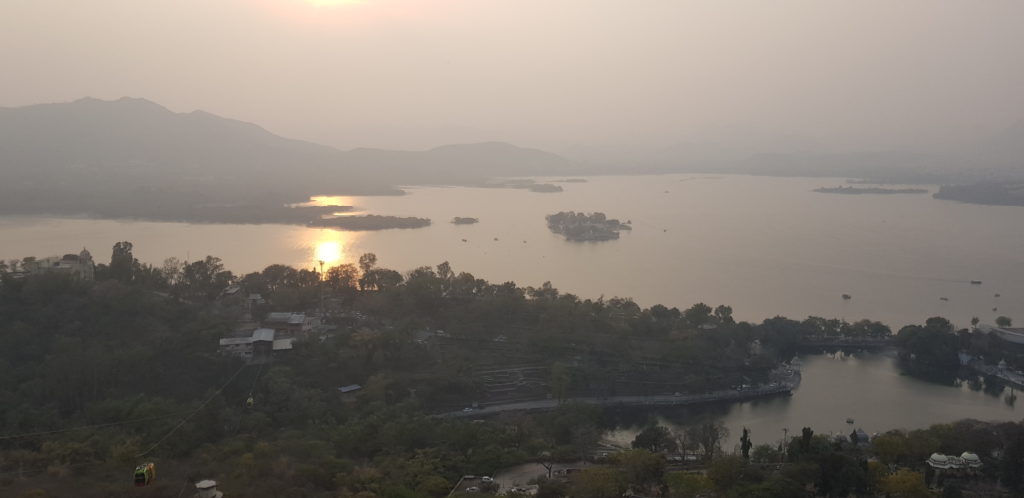
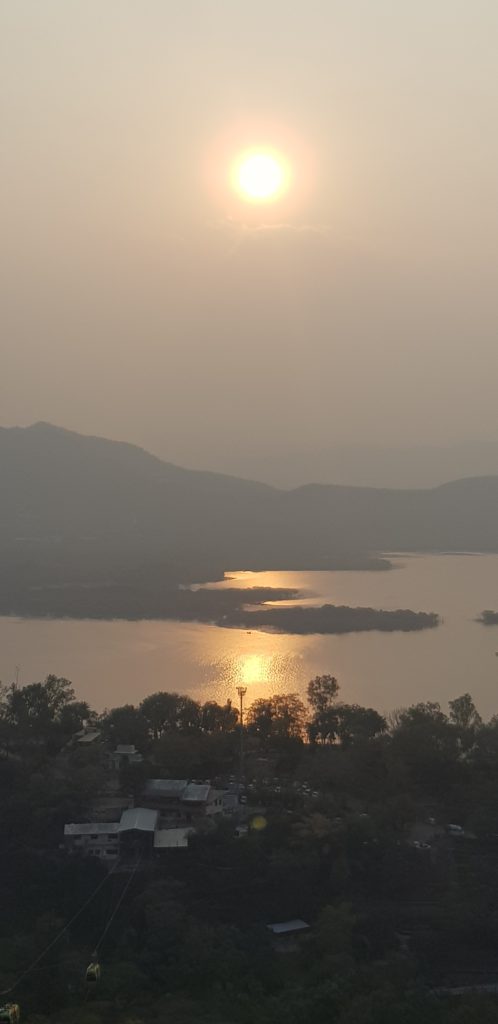
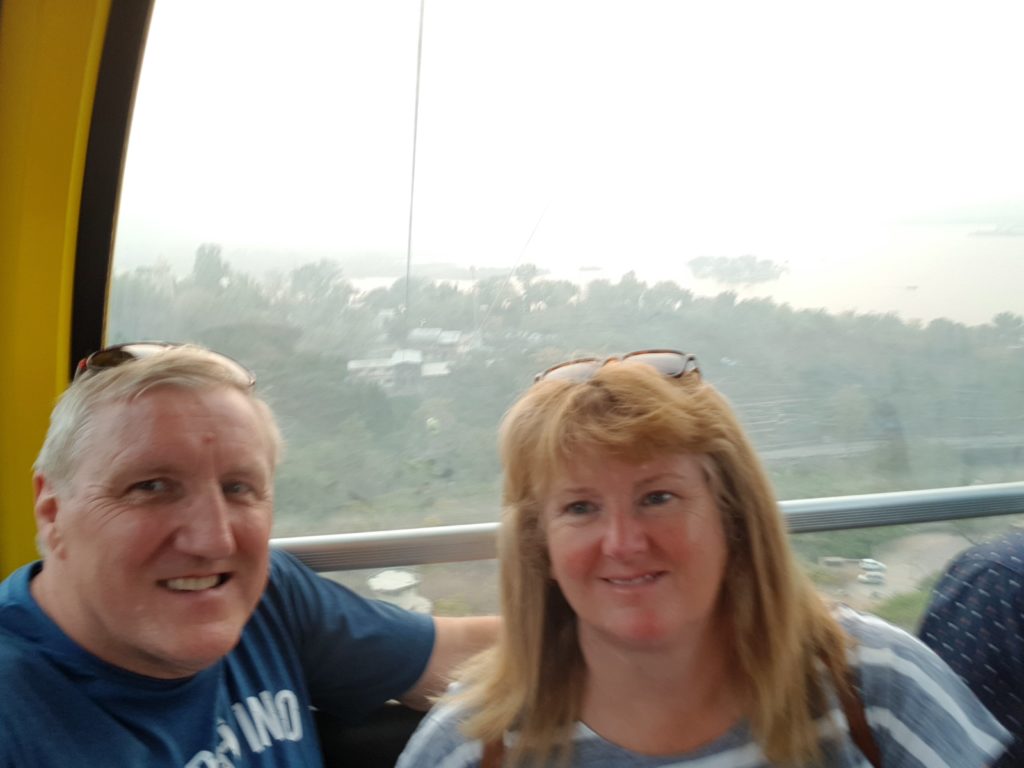
We left the Palace and walked around the Lake to a “skyride” to the top of the small mountain behind the city. This facility is fairly new and Indians are in awe of it! The views are over the lake, it was another humid day when we were there so views were a little hazy.
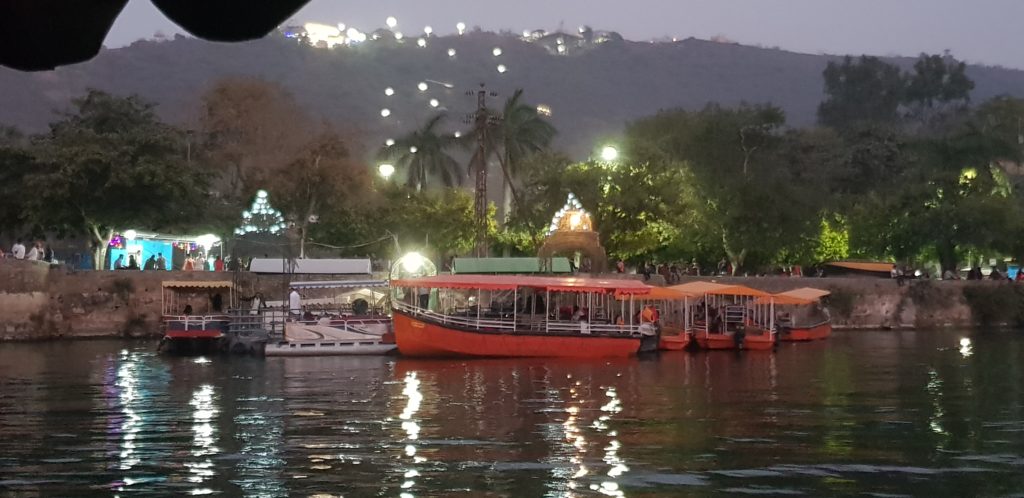
From the skyride, we took a boat ride around the main features of Lake Pichola, gawped at the Palace and the Taj Hotel before heading back to our own hotel for dinner in the roof top restaurant. All in all, a lovely relaxing city full of gentle, stress free people.
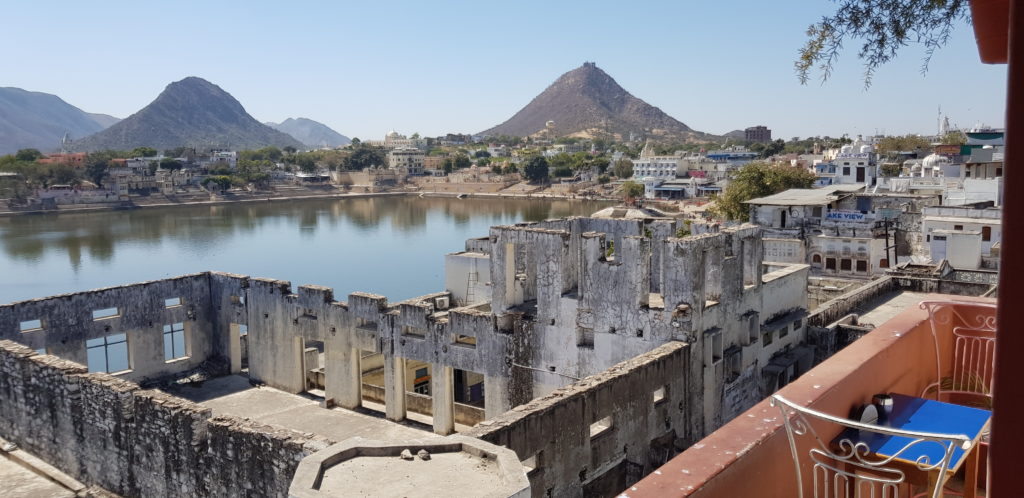
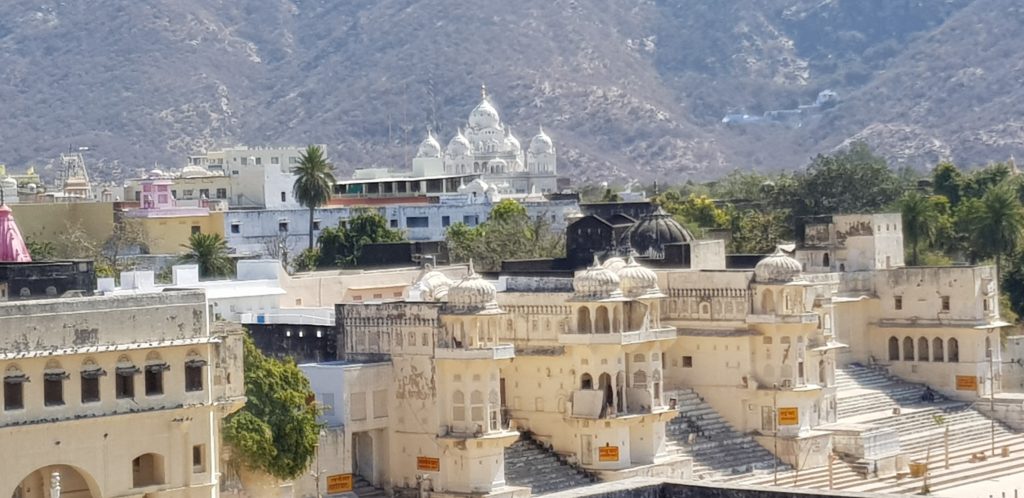
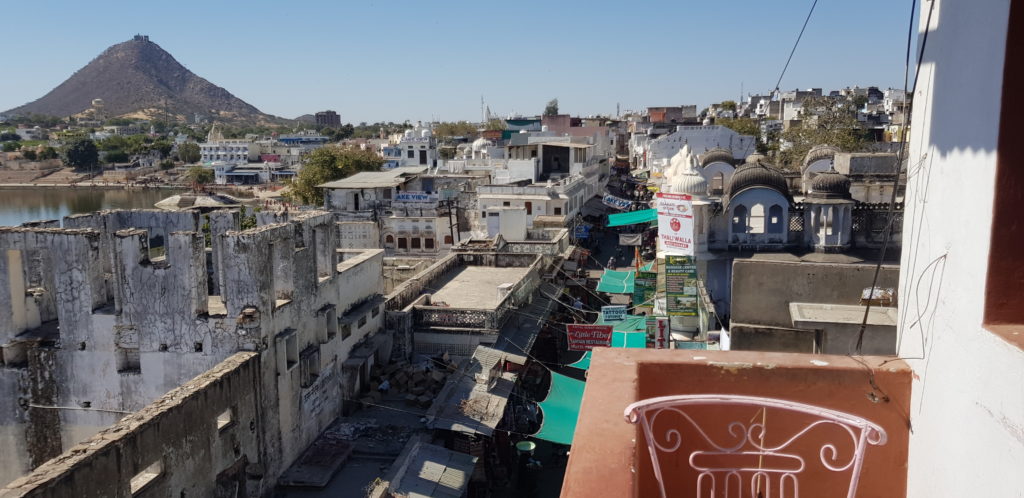
Four days on my own, so to speak (whilst the invalid was busy nurturing his Delhi belly), in Pushkar, and we (the Royal WE) really needed to move on. Pushkar is a small town known for only 2 things – it’s all year round hippy vibe and its Camel Fair in November every year. Missing the camel fair was not a big issue for me but being surrounded by weed smoking, long haired hippies (who were at least 50 years old) and bell jingling priests who want to dip you in the “holy lake” was far too much for my liking! Plus, as it’s the “holiest town” ever, no alcohol or meat anywhere!!!!
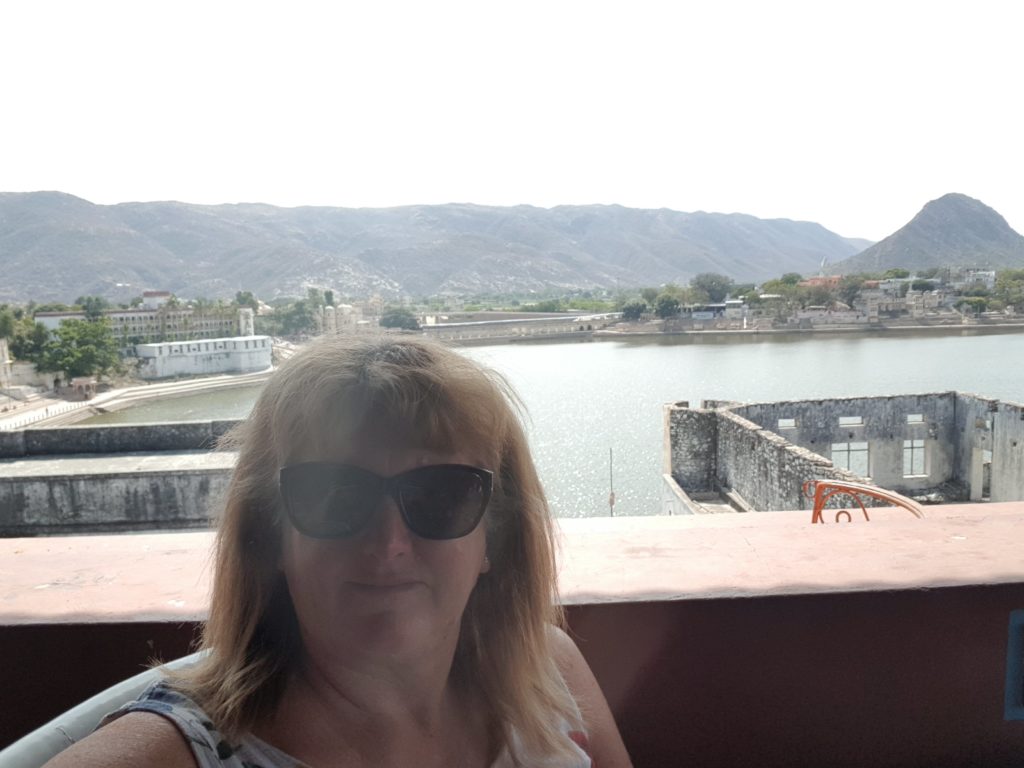
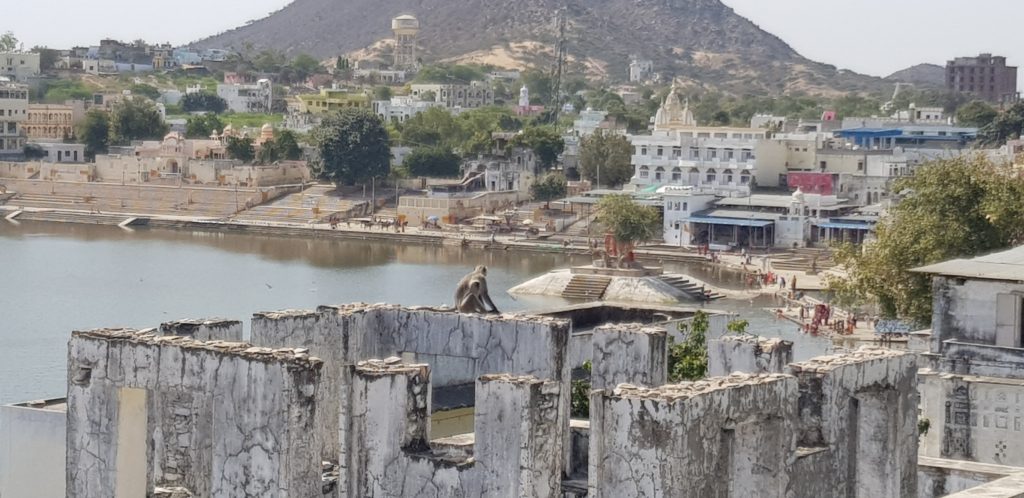
Its called a holy town because as the saying goes Brahma came here, dropped a lotus leaf and the lake was created. Any religious person in India is encouraged to visit and dip in the Lake at least once in their life, once I saw the green slime, duck poo, cow poo and dirty “priests” taking a dip, I sort of ran a mile and found the perfect coffee shop overlooking the Lake called Laura’s Cafe. I found refuge here several times, indulging in delicious fresh coffee, sugar and lemon pancakes and peace from the hustle.
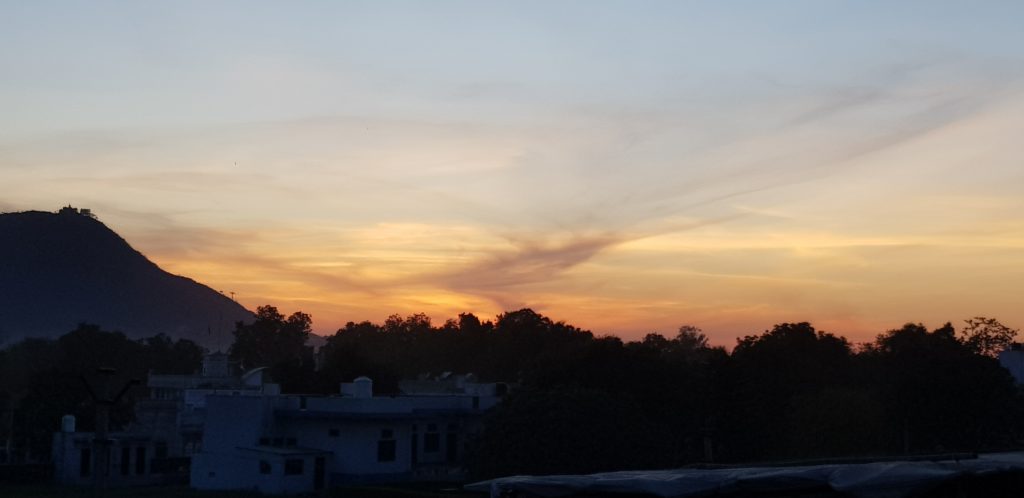
Brahma’s temple is atop a small hill nearby and is lit up every night for those brave enough to trudge up there in the dark. Very pretty, from a distance!
The town is also popular with wedding parties, so drums
started about 4pm, music followed quite quickly afterwards and lights and
fireworks went off randomly until midnight each night. Thankfully we had a
supply of ear defenders to hand!
I found a lovely cafe called Funky Monkey, run by two men, one trained in the UK as a chef, so when I asked for “plain vegetable soup” for the poorly invalid, he made just that. Pasta, pizza, sandwiches and soups were amazingly tasty, I didn’t even miss the lack of protein.
Jodhpur
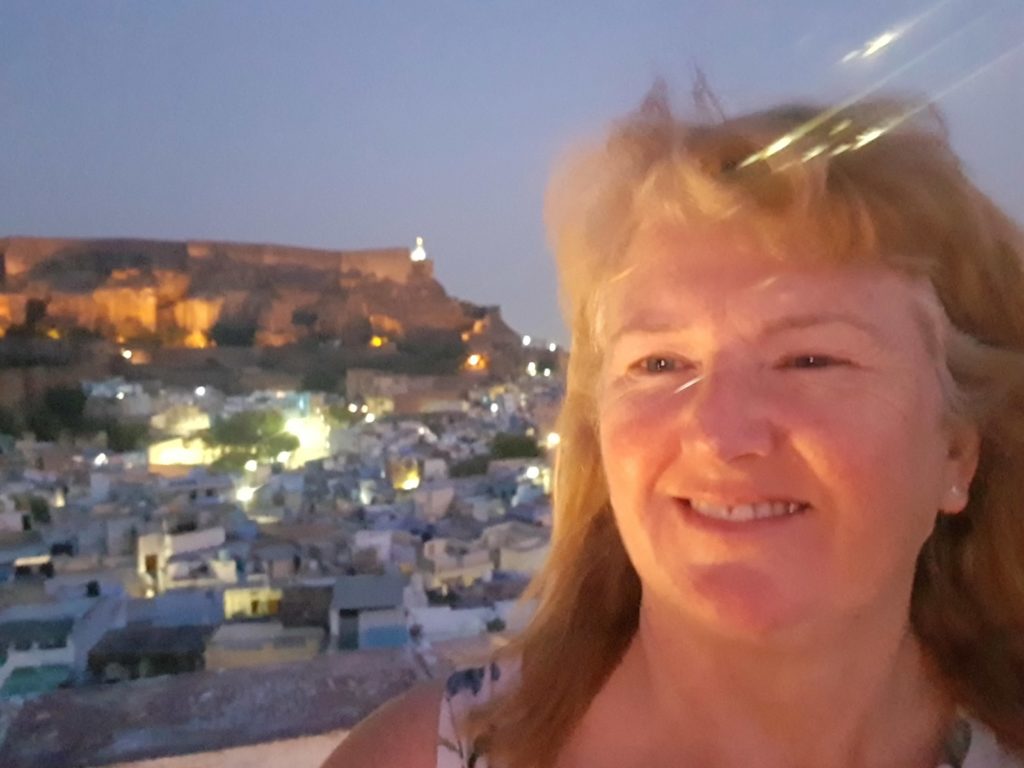
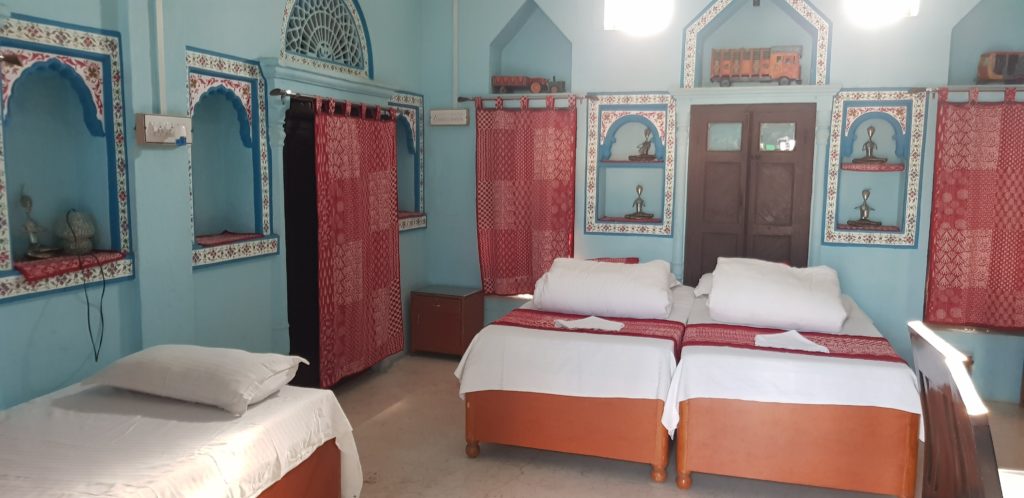
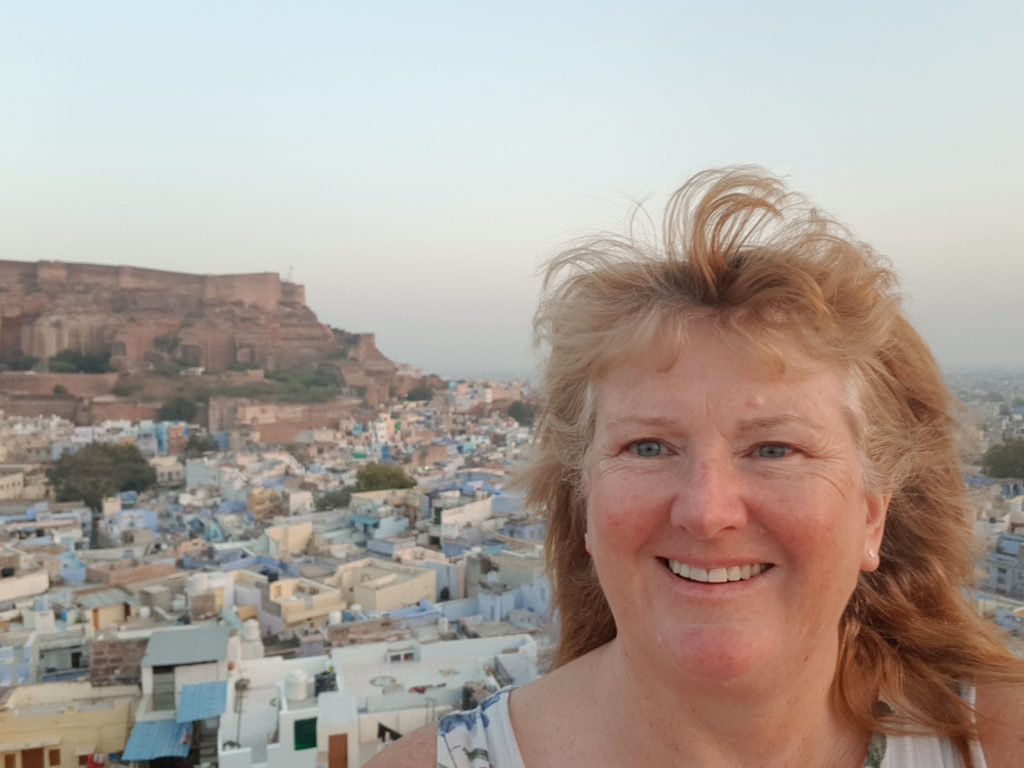
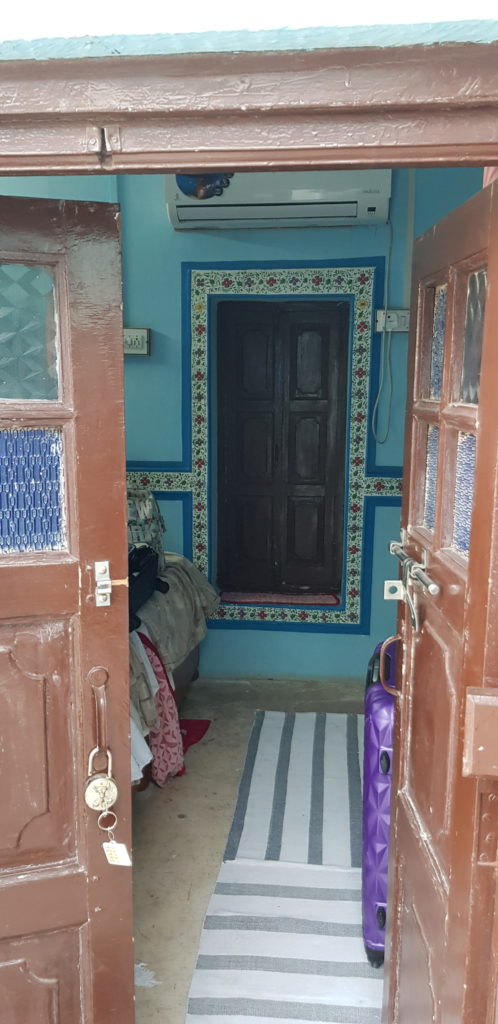
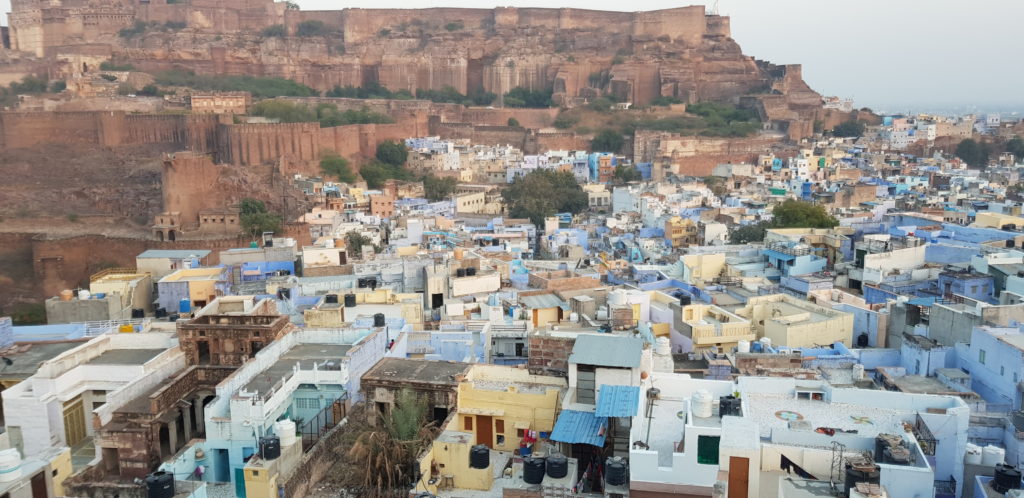
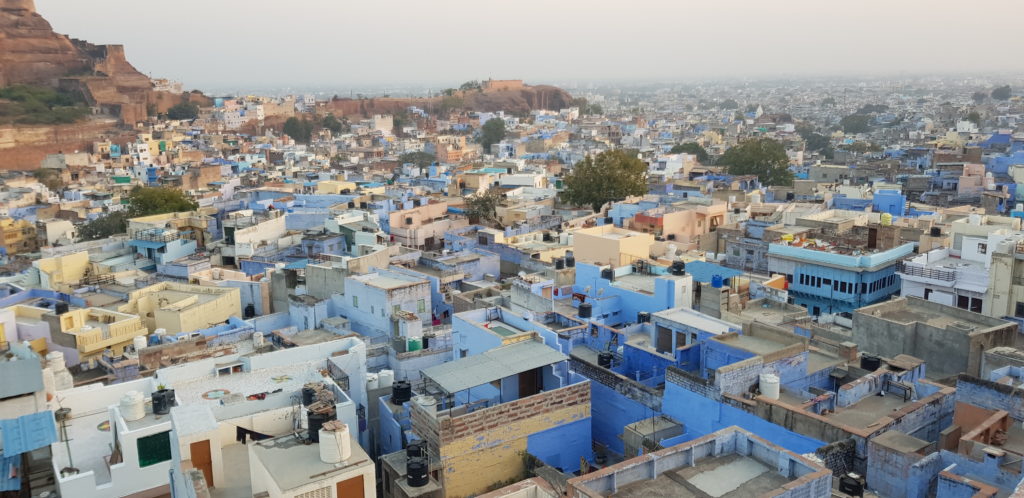
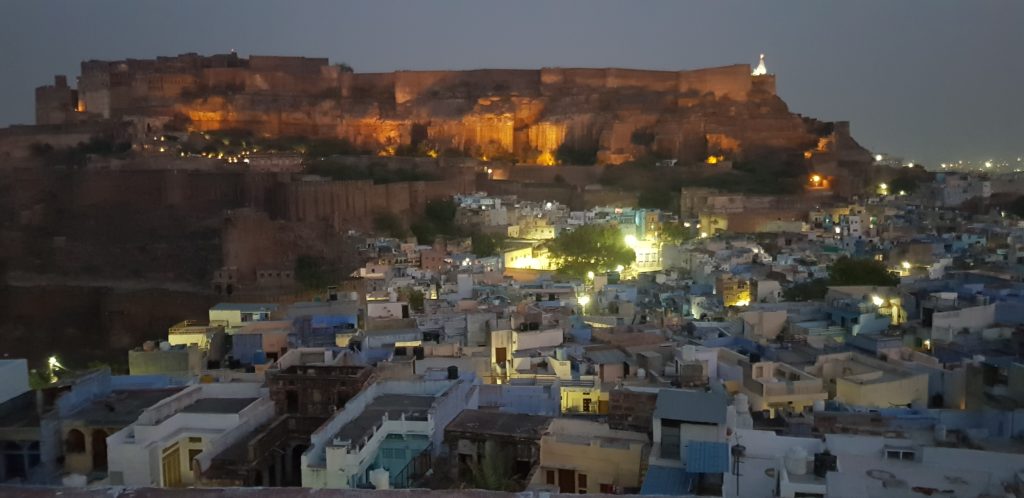
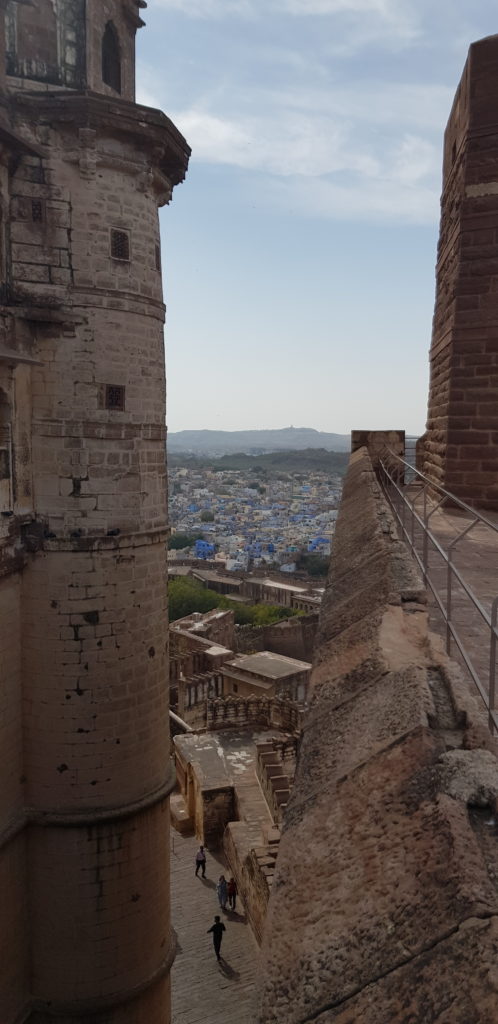
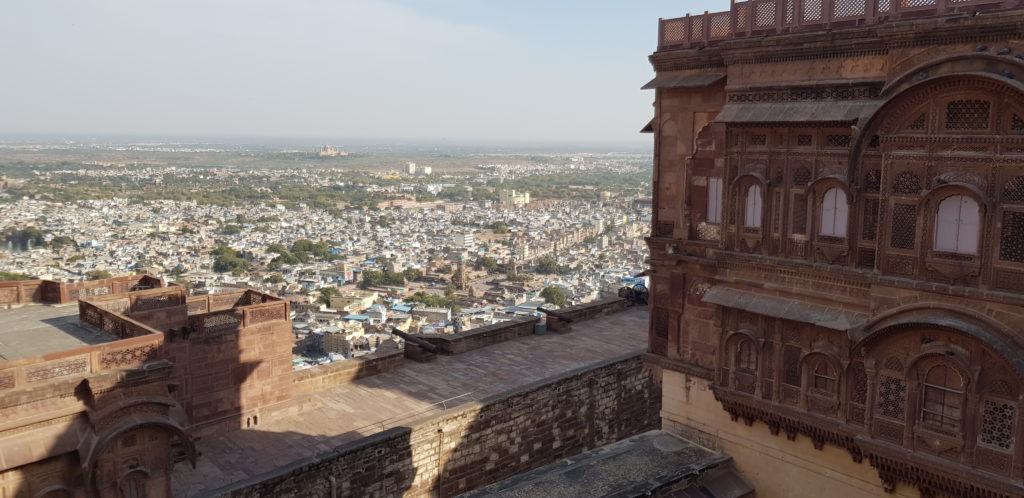
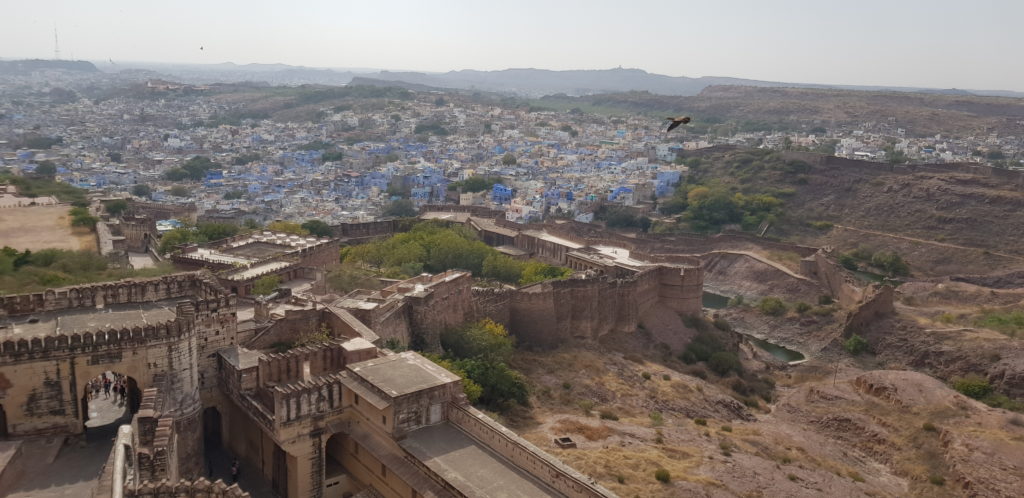
We travelled to our next stop Jodhpur, the blue city! And it is. The buildings are painted in various shades of blue for two reasons – it apparently keeps mosquitos away and in times gone by, walls were plastered with lime mixed and coloured by indigo, to help retain heat in the winter and coolness in the summer. This time we opted to stay in a Haveli where the views were fantastic, the Fort one side and the blue city the other.
The Haveli’s owners were once doctors to the Fort’s residents, their home is inside the Fort walls, and the son KD (for short) is an Ayurveda specialist so was able to suggest a herbal tea concoction for the invalid. It helped settle David’s stomach, aided by more plain vegetable soup.
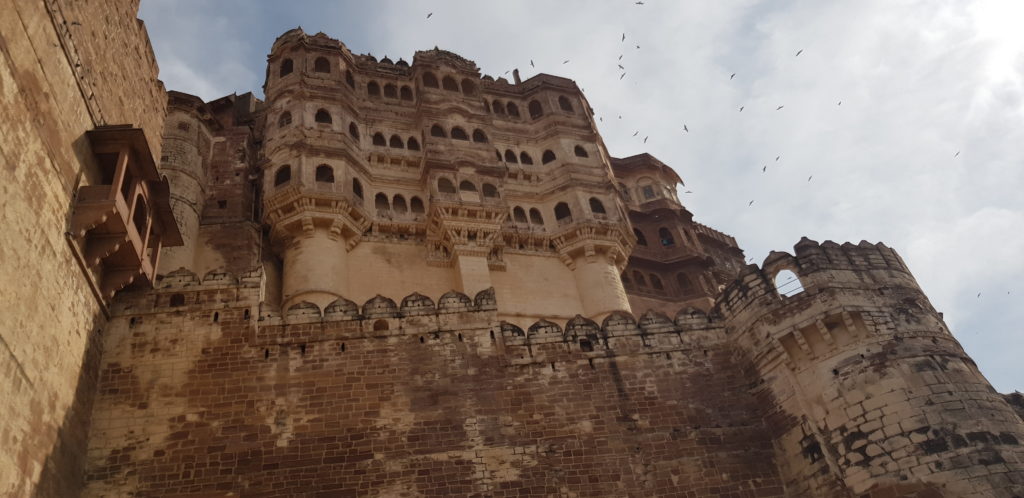
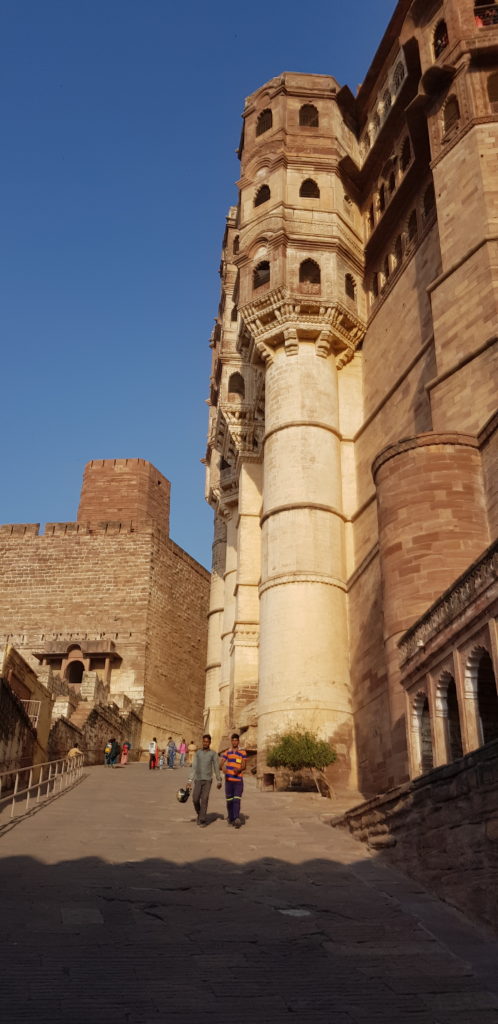
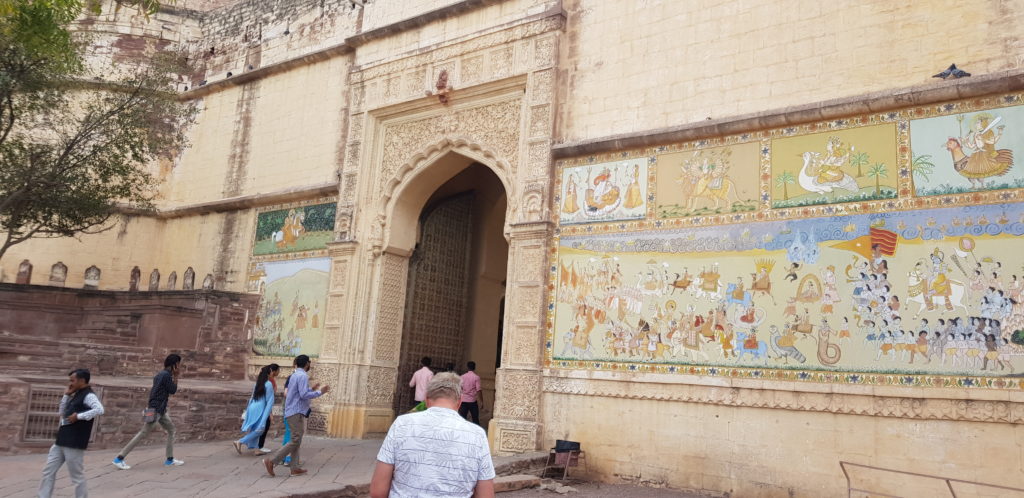
We managed to take a short trip around the 16th
century Mehrangarh Fort, thankfully they have a lift to the top levels! The
Fort was built 120m above the skyline, with its building materials being chiselled
from the rock it stands on. The walls are 10kms long and the city sits within
the walls below in a cube type layout. Its still run by the Jodhpur royal
family, who provide a trust fund to manage it whilst they live outside the city
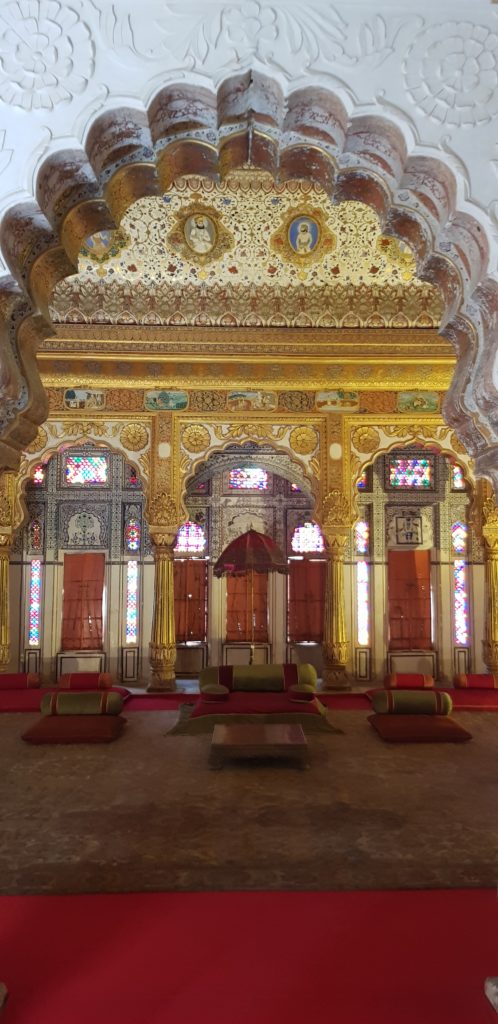
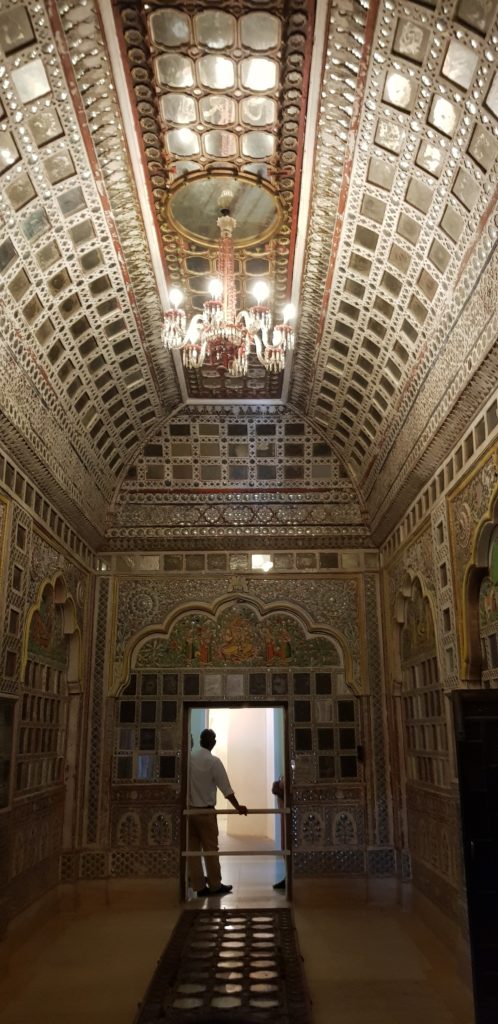
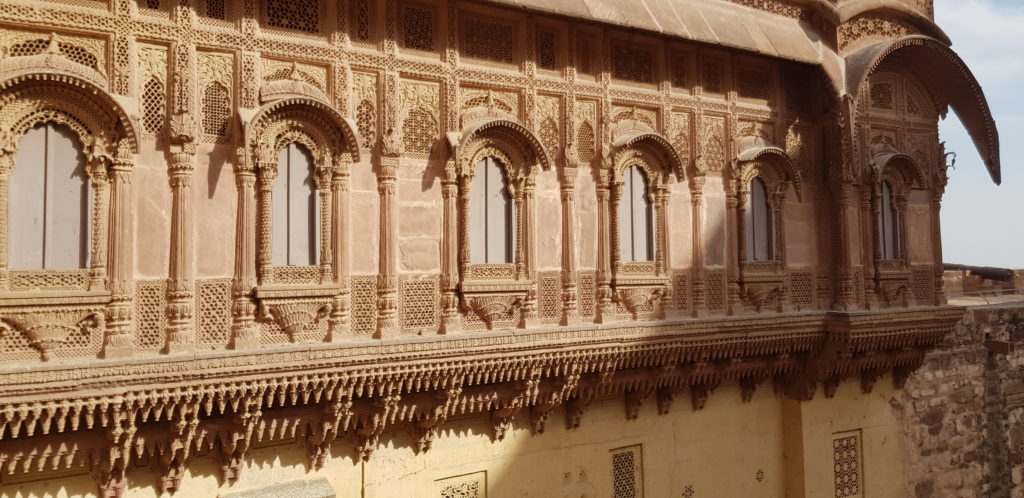
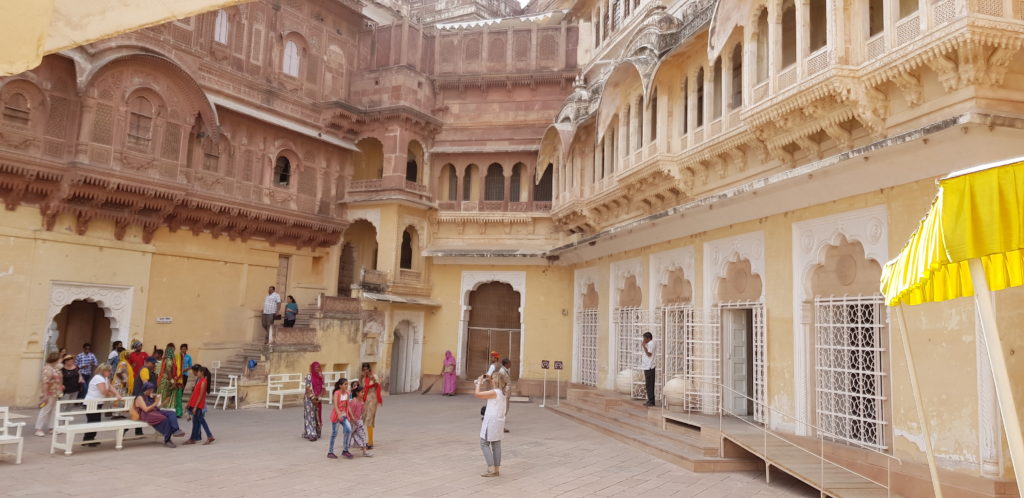
in a huge palace on the horizon. Some of the rooms were stunningly decorative
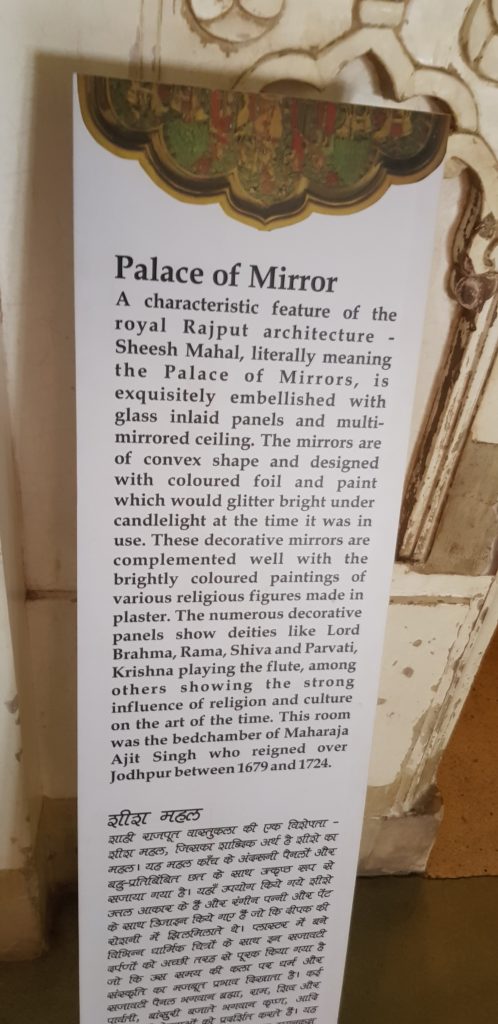
and full of old family clothes, jewellery, armour and artefacts. One room’s walls
and ceiling was decorated with thousands of tiny mirrors and was used as a
“pleasure room”…..
Ranakpur
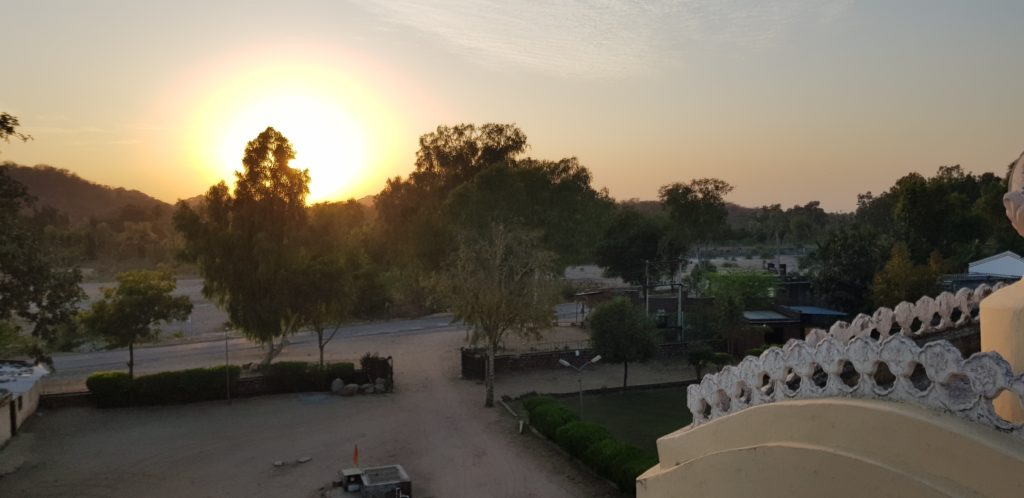
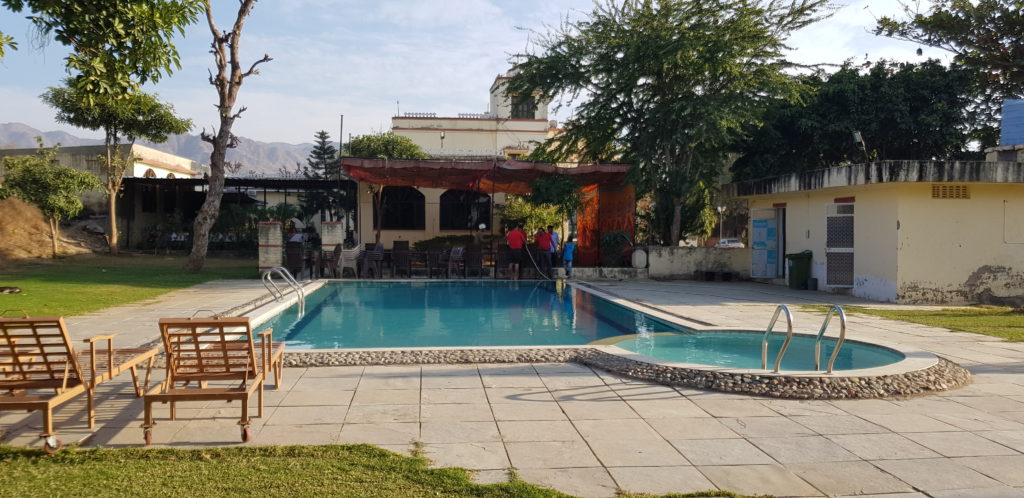
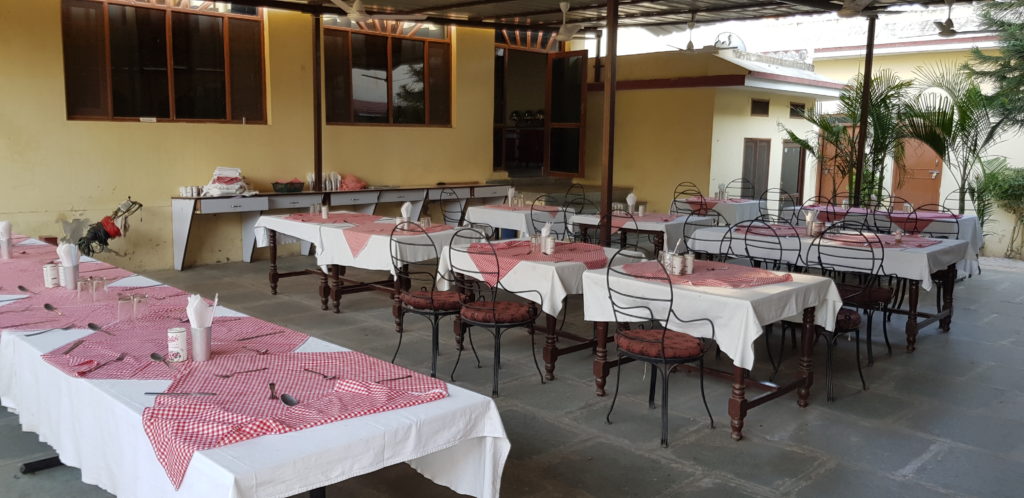
After an evening in the Haveli, we moved onto our next stop – an old hunting lodge in another national park called Ranakpur. The scenery changed from flat scrubland to green forestry areas punctuated by large rocky outcrops. The house was in its own grounds and reminded me of houses in Rhodesia and south Africa, large dusty driveways, dry green grass and flowerbeds around the house tended by old men, few old dogs lazing in the dust and a swimming pool and veranda overlooking the gardens. It had seen better days but it was just a bed for the night.
Jain Temple
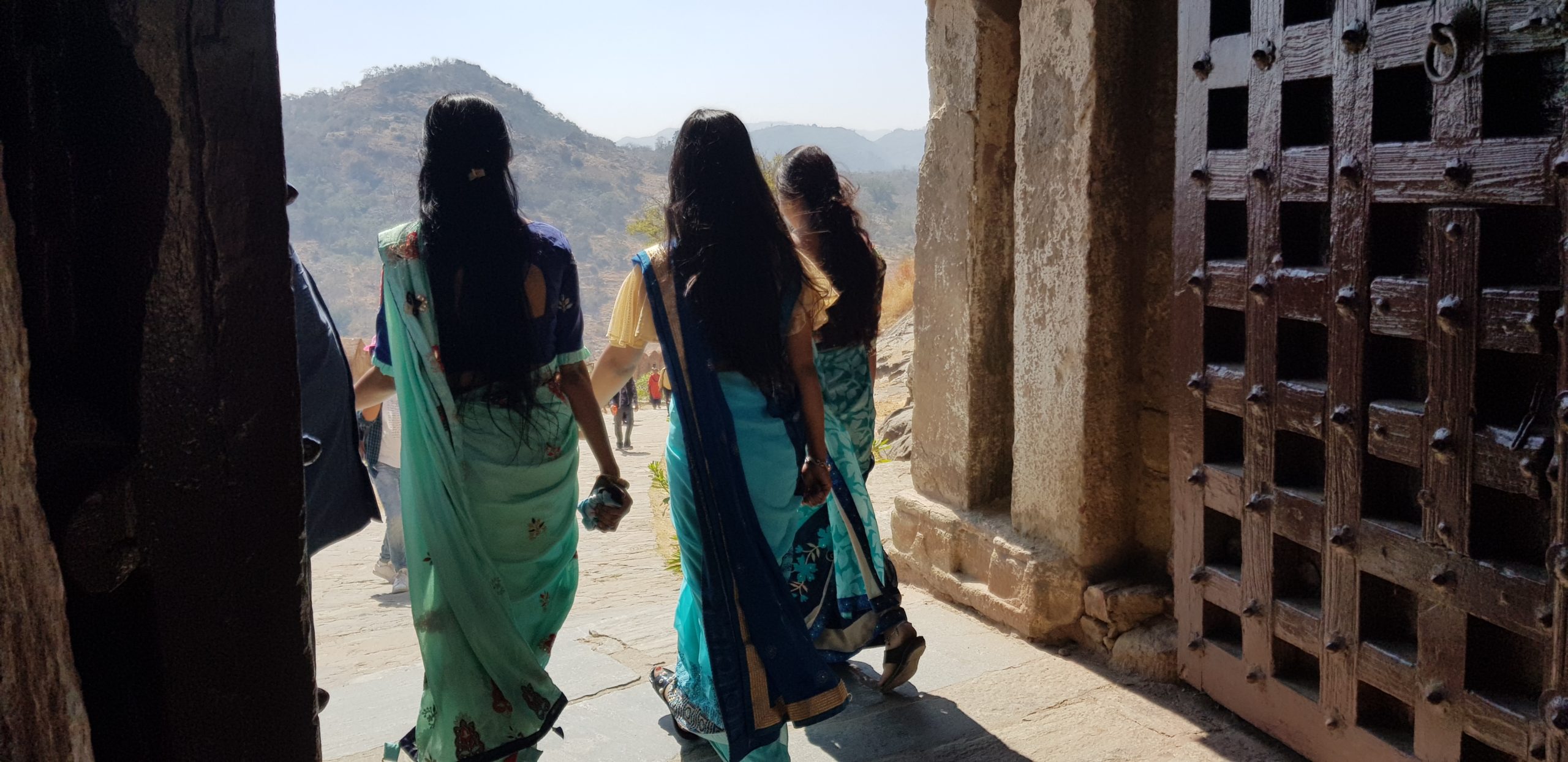
We have seen lots of men who look homeless, wander the strees with no shoes and no baggage, stopping outside temples and spending the nights on the floor. I asked our driver why they lived like that? It is their choice, they are single old men who are devout Jainists, they have absolutely nothing except their beliefs. We took a drive out to a Jain temple, Jainism is not a religion but a way of living. Jain followers believe in 5 principles:
1 No violence – allow everyone and everything to live, do not cause harm to any living being, in both thought and action
2 Only speak the harmless truth
3 No stealing – do not take anything that is not properly given
4 Remain celibate or monogamous
5 Non possession – detach from materials things, people and places
Jainism is practised full time by priests, who believe the universe is eternal and they live in a state of “kevala” – perfect bliss and existence without form. In other words, they are homeless wanderers living a simplistic life spreading their word.
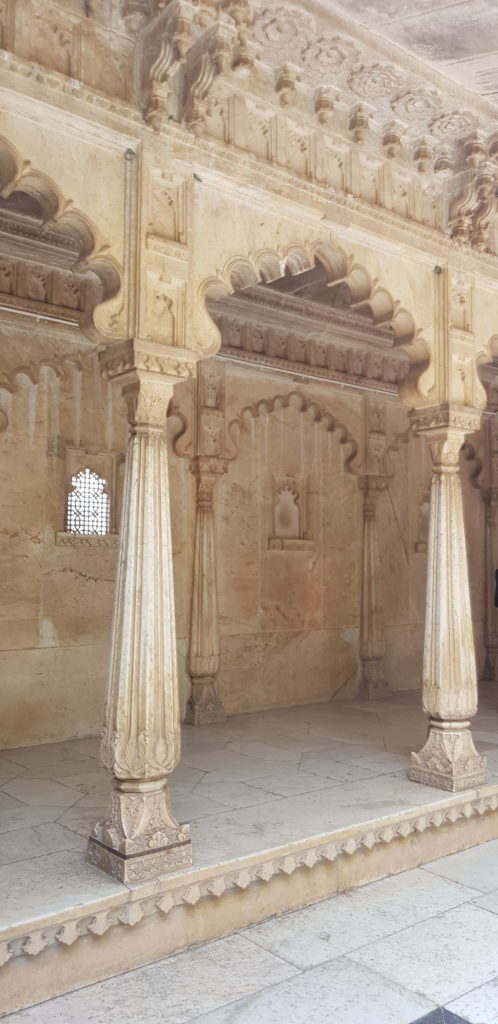
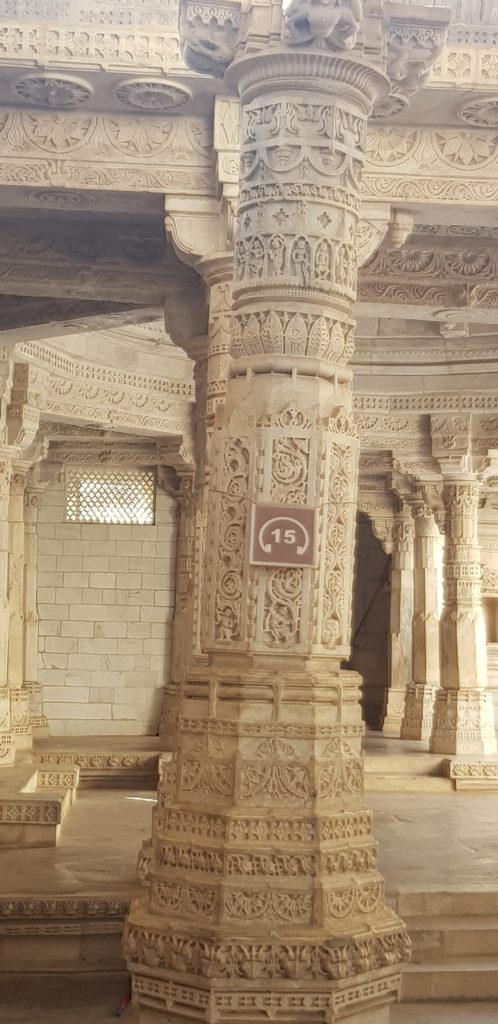
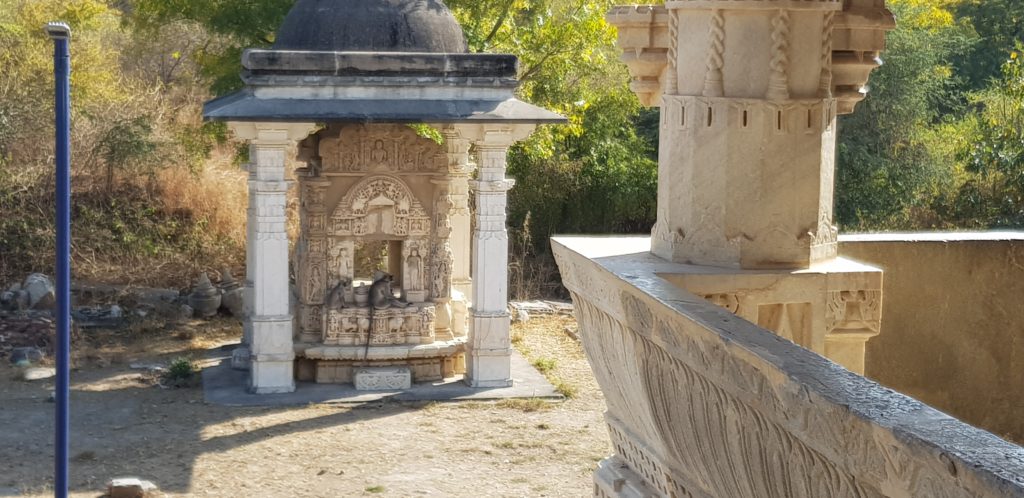
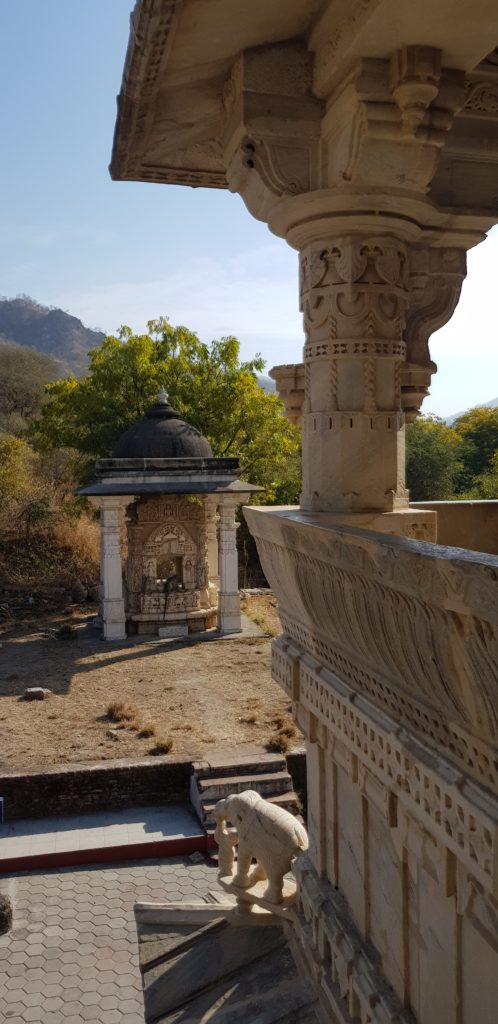
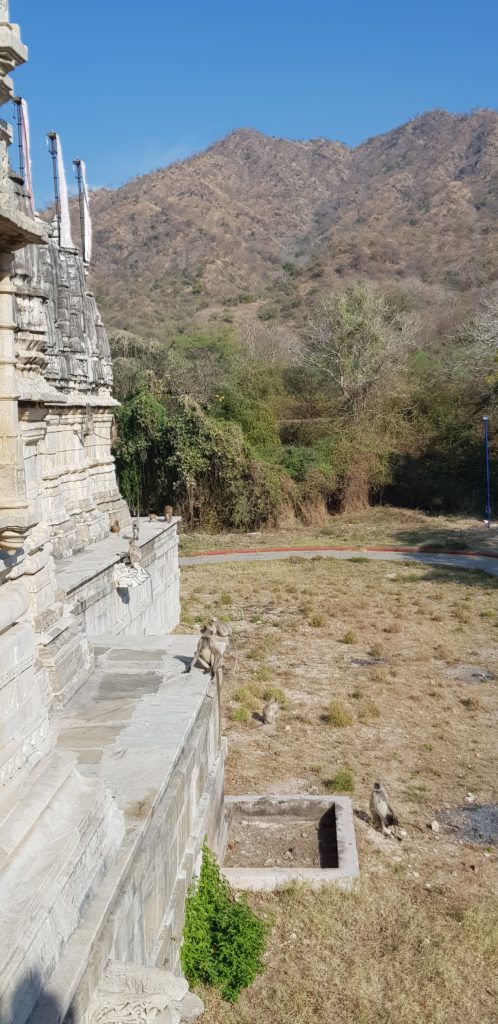
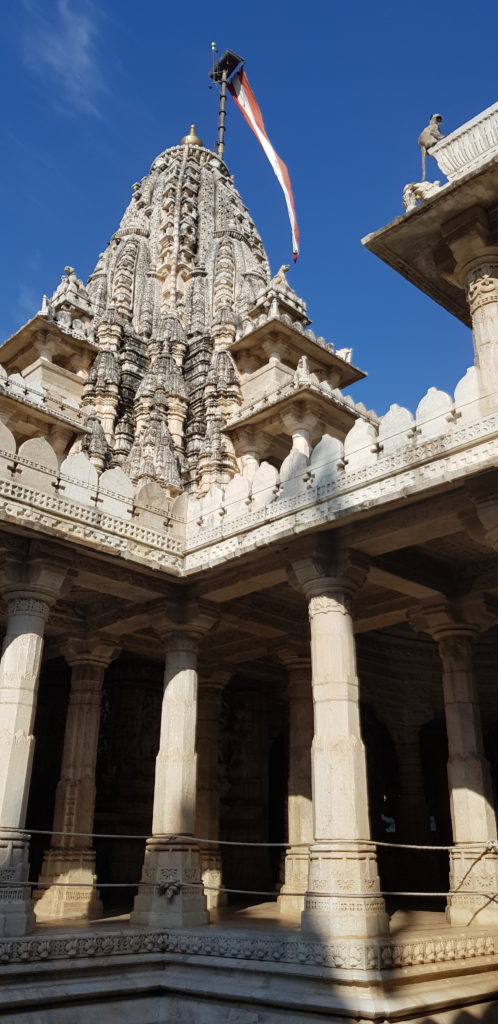
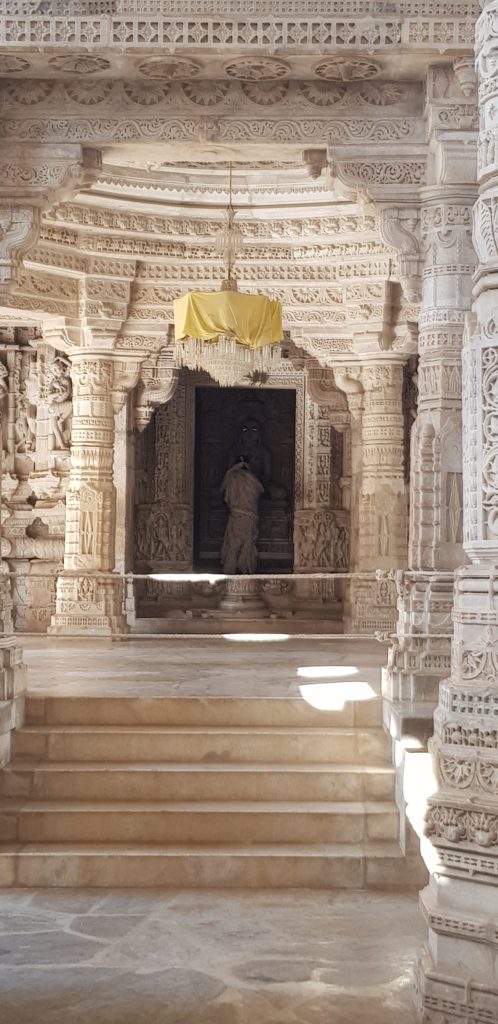
The founder of this way of thinking created this temple so every religion could worship here, the building is an incredible construction feat. It is totally symmetrical, has 1444 hand carved white marble pillars (no two are the same) and hand carved domes. Only one pillar has been deliberately carved to look like it’s leaning, to show that some things can be imperfect yet still perfect.
Kumbahlgarh Fort
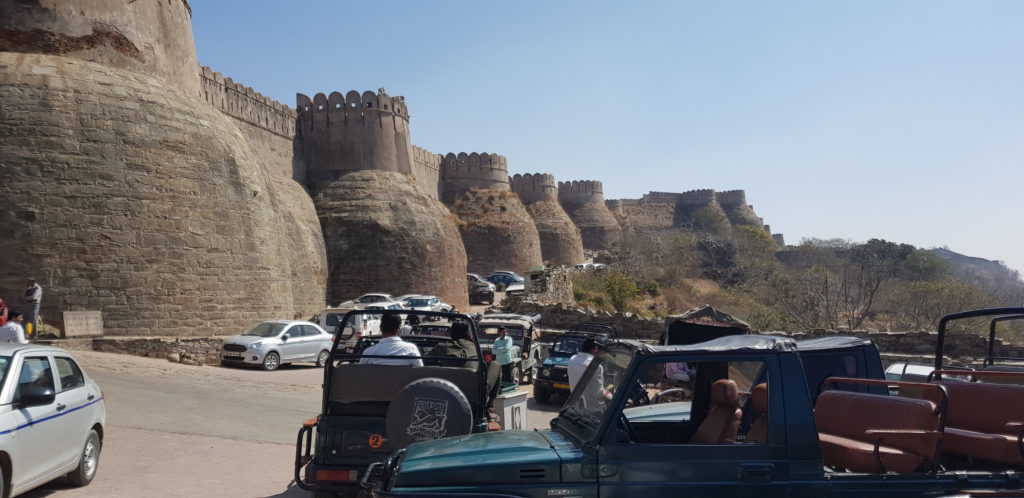
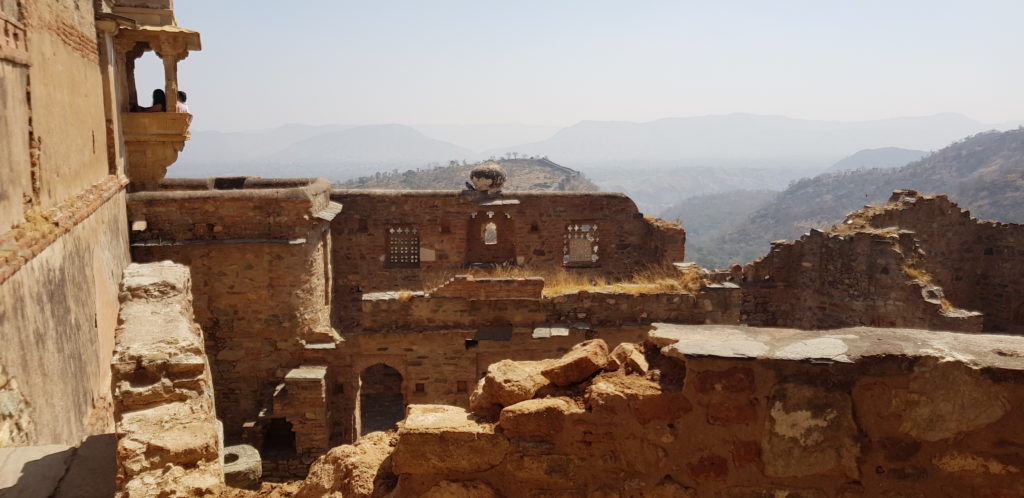
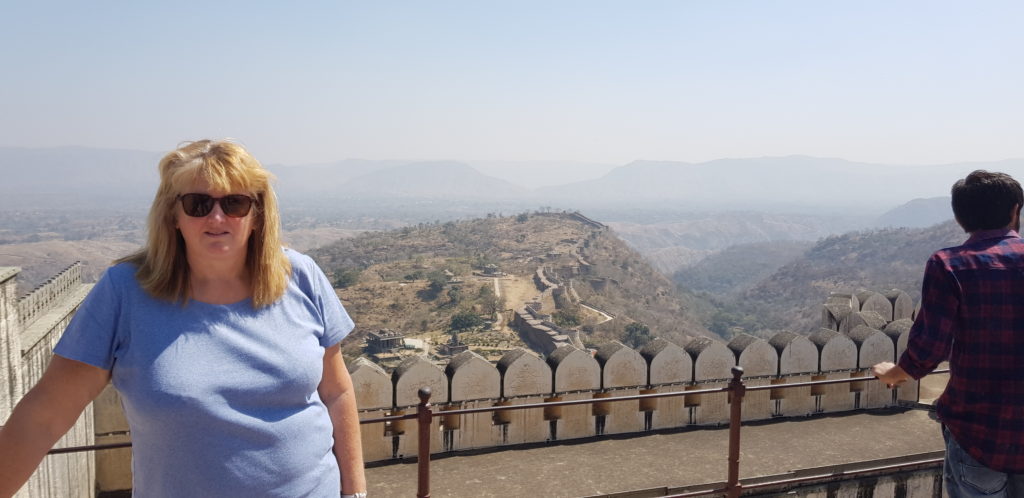
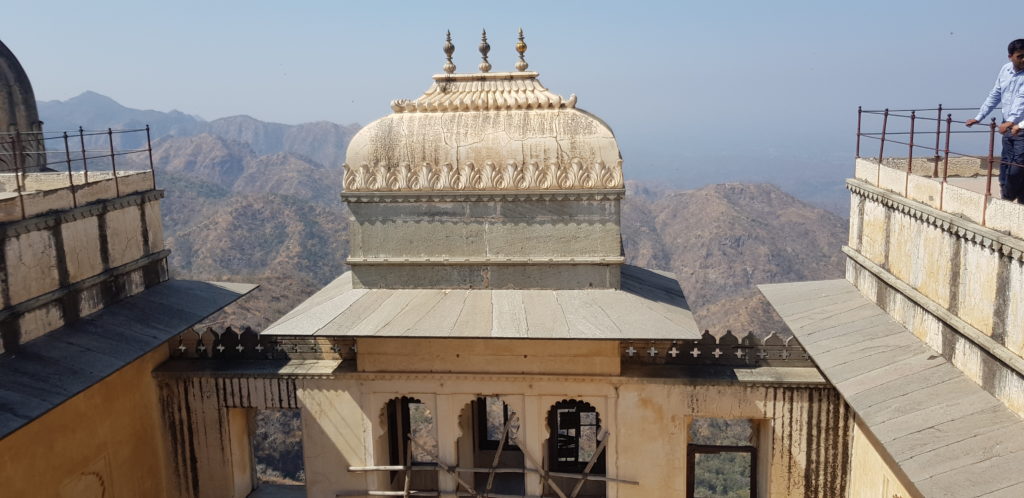
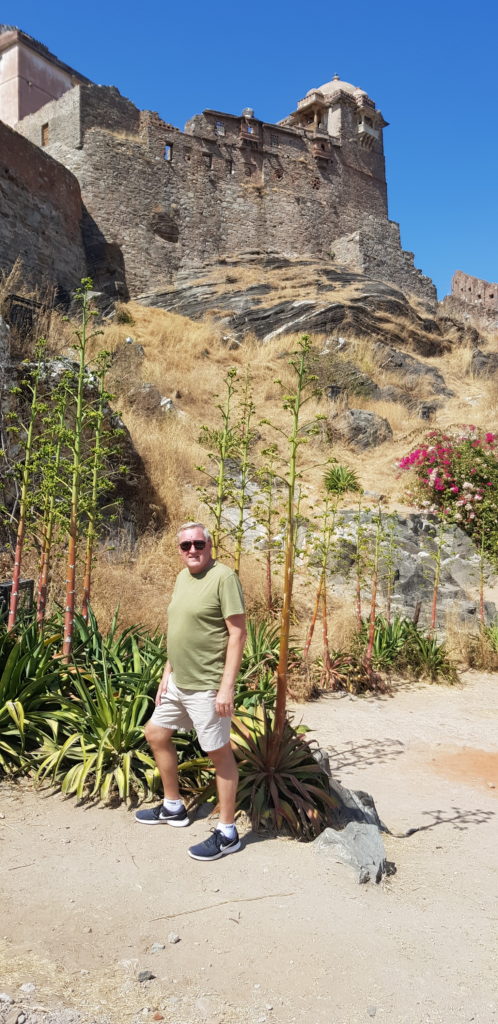
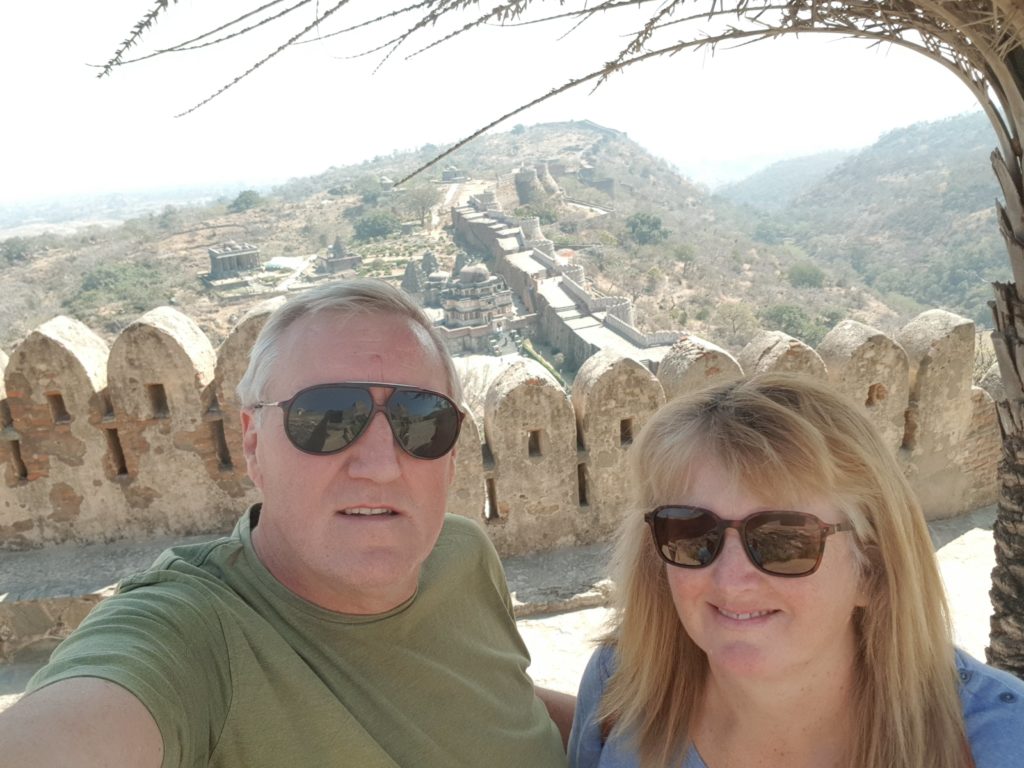
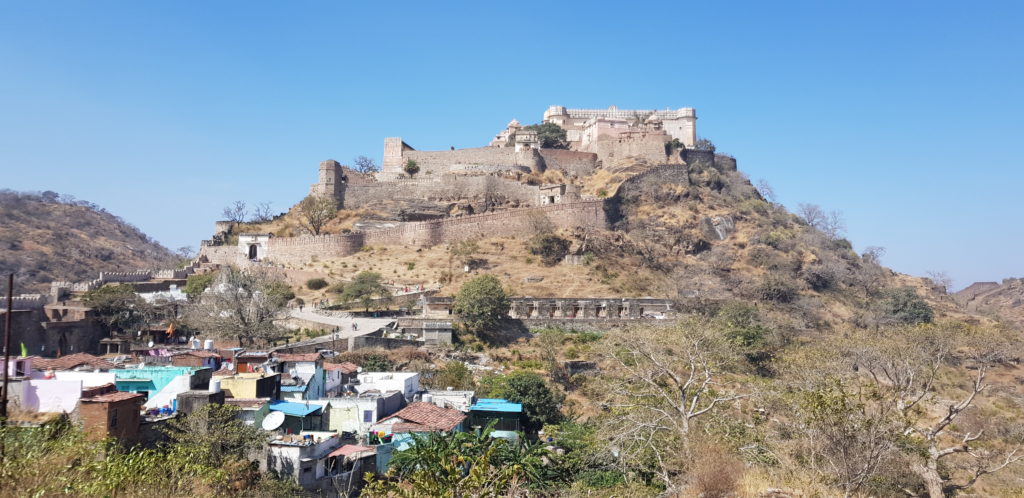
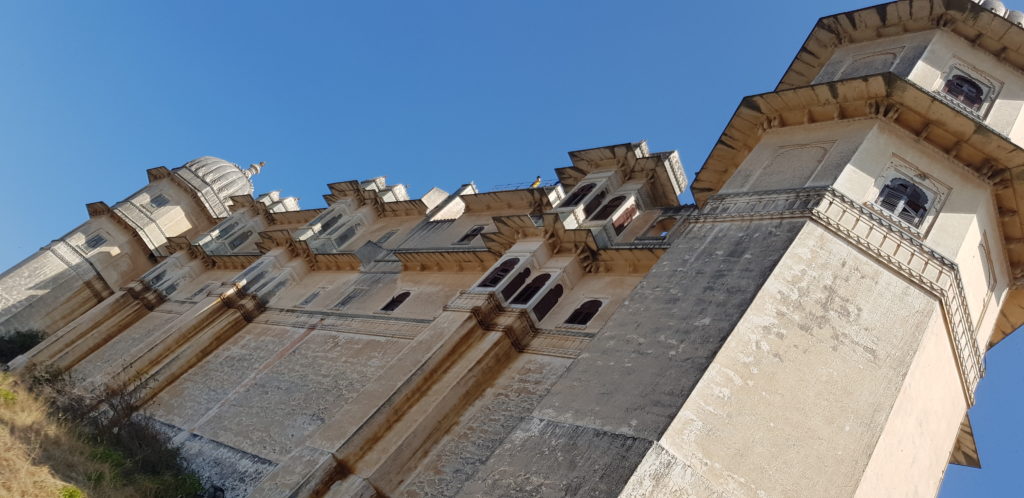
After leaving Ranakpur Park we headed into the Aravalli Hills, a steep winding road into the mountains to visit one of the biggest hilltop Forts we have seen so far. Built in the 15th century by a Maharana, the 14km long walls are thick enough to take a horse and cart, and surround hundreds of temples (some dating back to the 2nd century), a palace, water storage tanks, cannon bunkers and the main fort buildings.
The walkway up was steep, but the views across the old
temples and township buildings, towards the mountains and beyond, were
outstanding and unbelievable.
From here we headed down the rough potholed roads to our last city in Rajasthan state, Udaipur, the city on the lake.
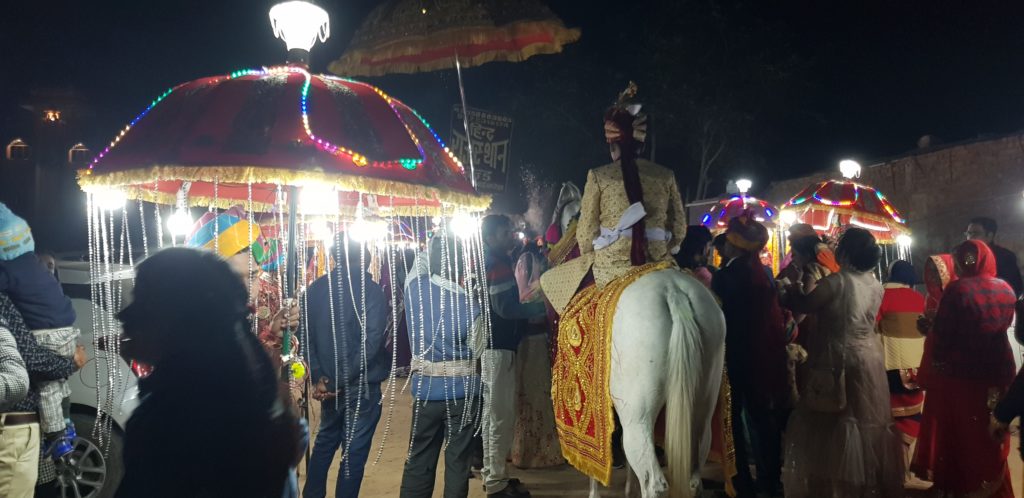
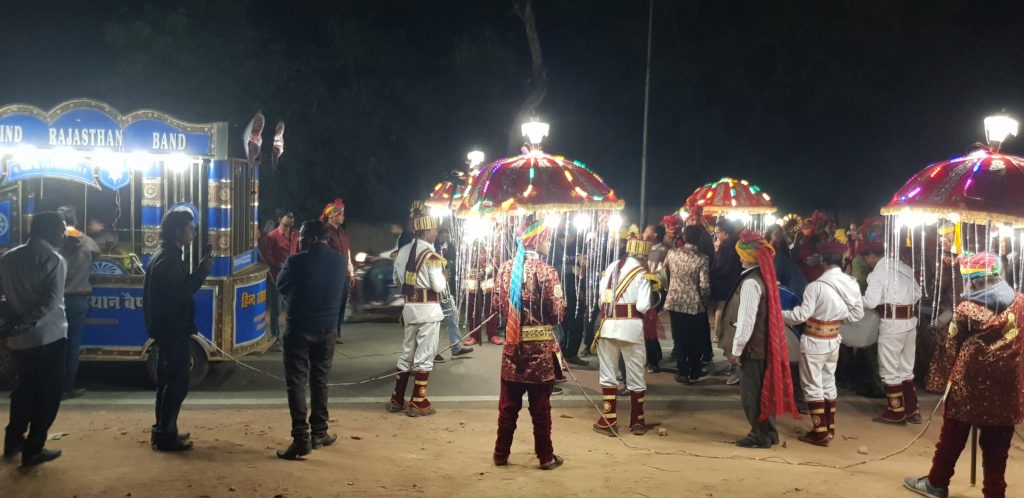
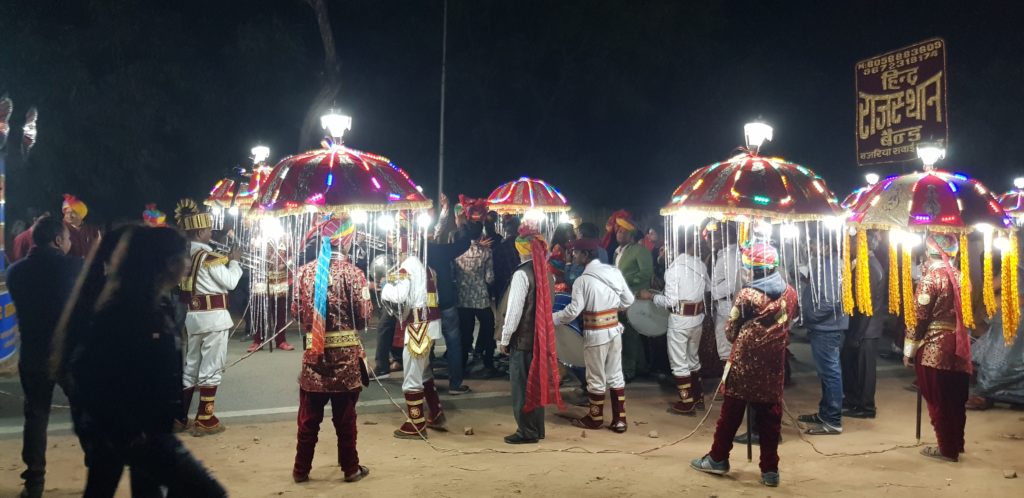
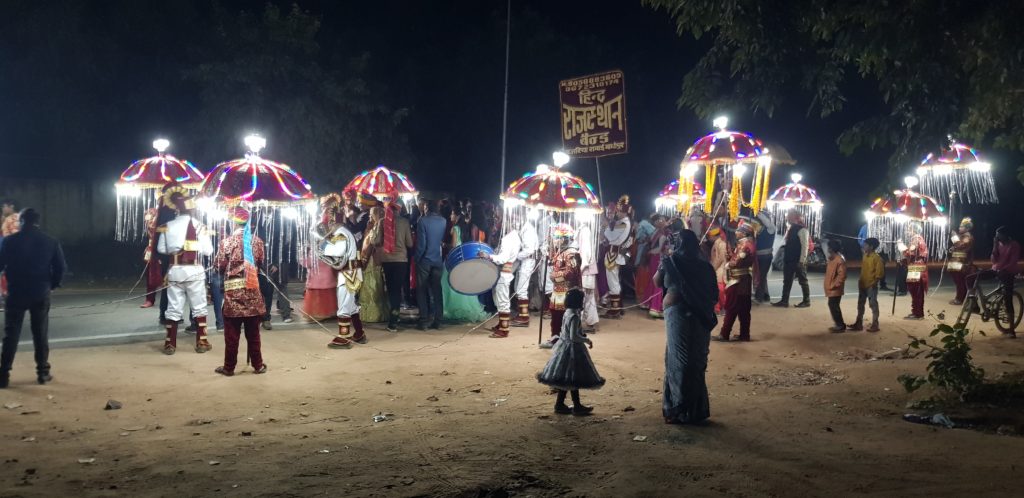
Of course it’s an everyday event, out walking on an evening stroll, colourful event passes by, it can only be a groom on his white stallion, heading to his wedding. What else?? Surrounded by a dozen brightly dressed men carrying umbrellas lit with coloured flashing lights, a troupe of dancing women and an even more colourful loud band. Of course its normal…..We were both invited to dance with the ladies, but kindly declined, didn’t want to show off our flamenco skills ?.
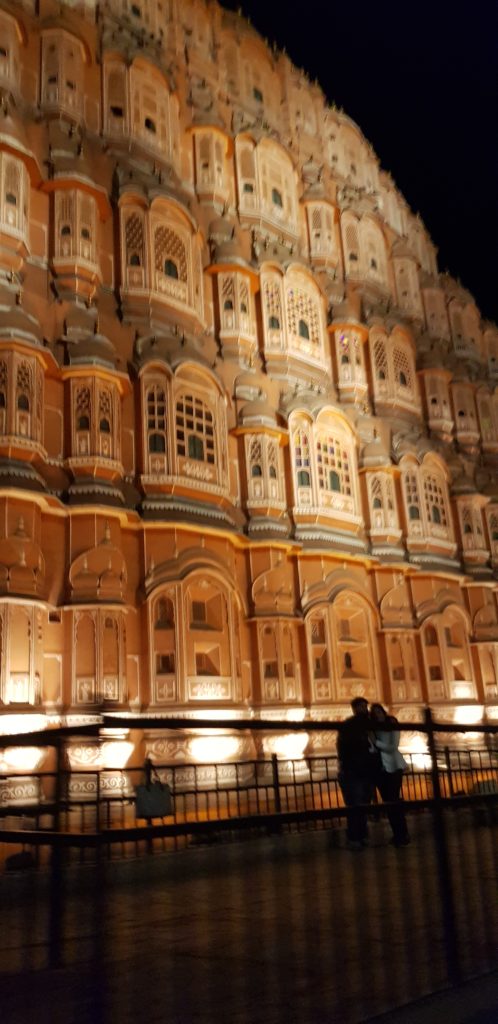
The Wind Palace at night
Jaipur, was named the Pink City when it was painted pink (the colour of Indian hospitality) in 1876 in honour of a visit by the Prince of Wales and Queen Victoria.
More than 150 years on, its now only got what you would call a pinky orange hue amongst the dirt and debris in this busy city. It is a walled city, established in 1690, the walls were to protect it from enemies and wild animals. Now its 7 gates cause huge bottlenecks as people, bikes, motorbikes, taxis, tuktuks and busses try to get through the tight single vehicle archway, all honking at the same time! Traffic moves eventually but whilst stationary, vehicles and their passengers are bombarded with requests to buy teatowels, coconuts, trinkets or donate cash to beggars who won’t take “no” for an answer!
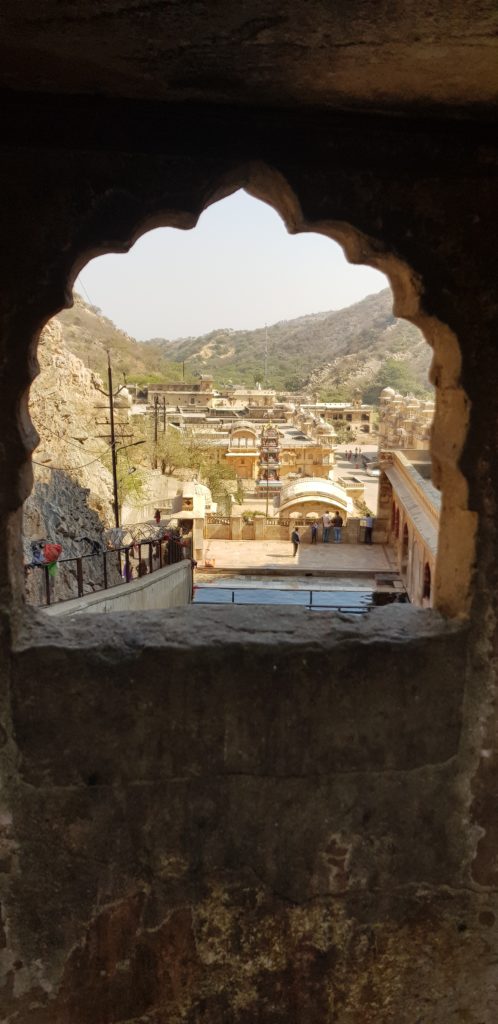
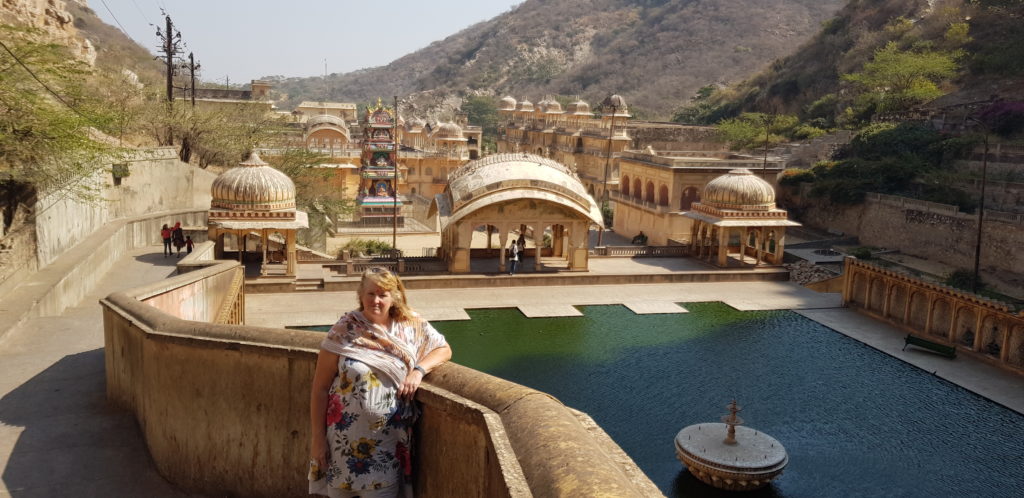
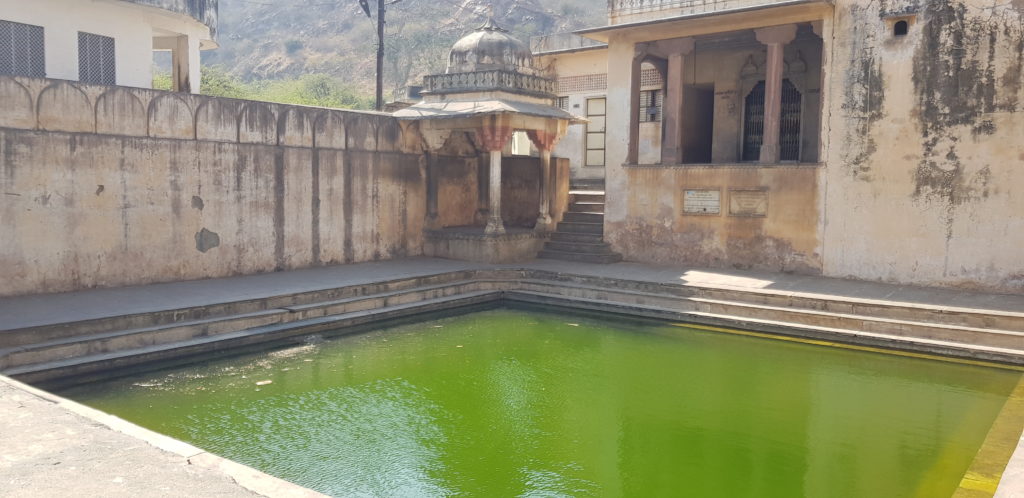
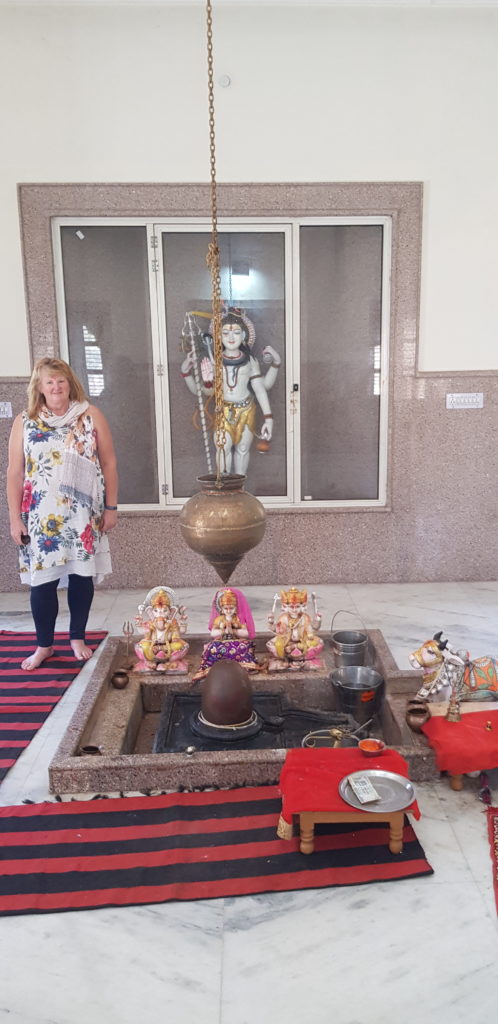
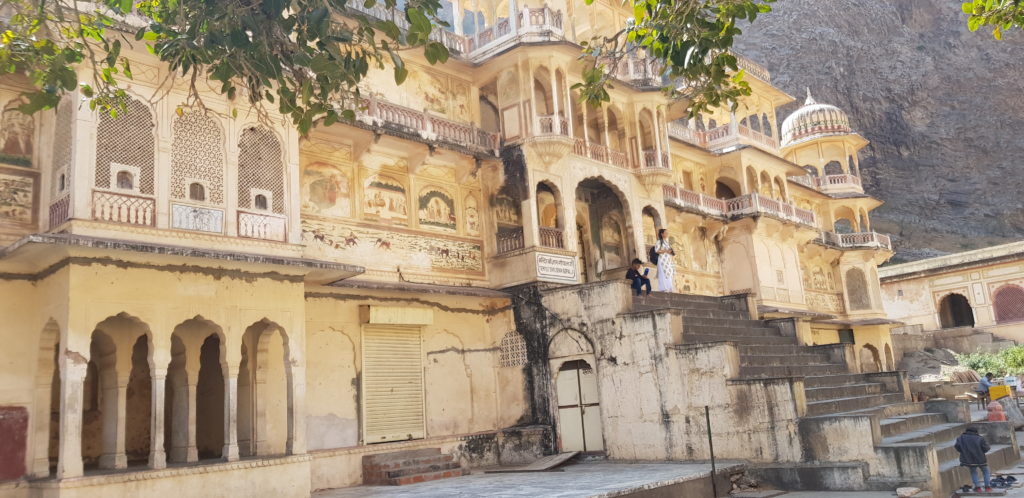
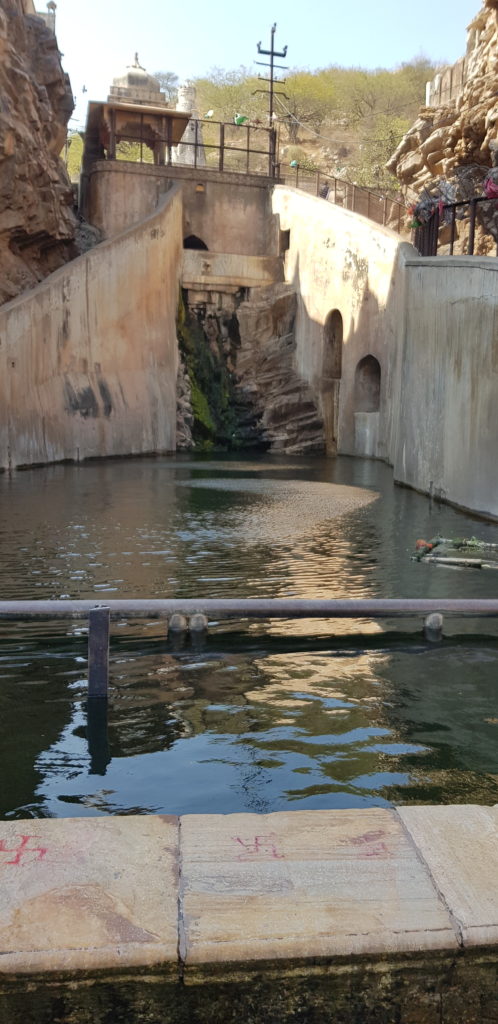
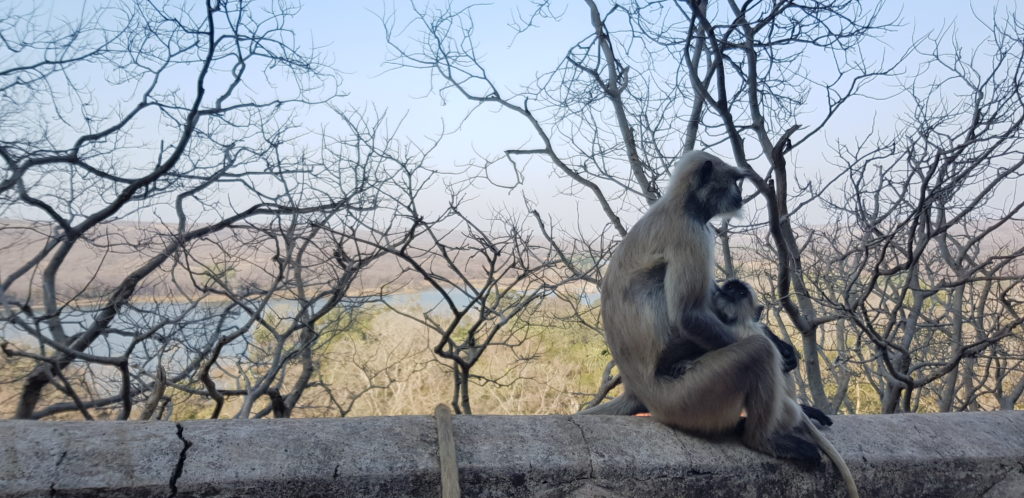
Our first stop was to a temple just outside the city called the Monkey temple. It involved a gentle climb up a ravine passing several smaller temples and natural pools created by mountain water. At the top, in the very small temple, is an image in the rock that looked like a monkey a few 100 yeats ago, especially now the monkey has been painted on! The idea is to be blessed in this temple (for good health), jump into the pool outside, go to the next (elephant) temple, be blessed for happiness and jump into the 2nd pool outside, then go to the last temple, for all the gods, be fully blessed and jump into the last pool. I participated in the final blessing only, the man inside was patient and explained everything but kindly declined a swim in the murky green pools!
View from the top
Actual colour!
I have been blessed.
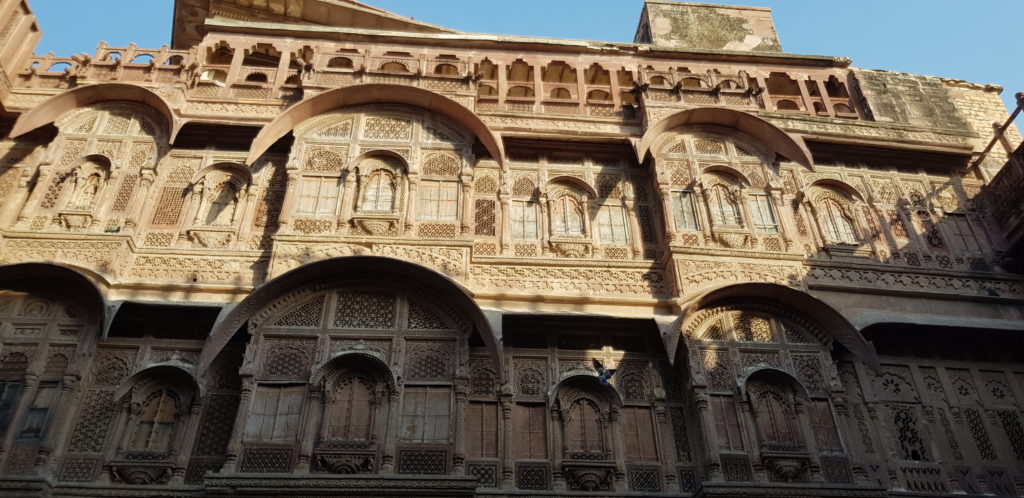
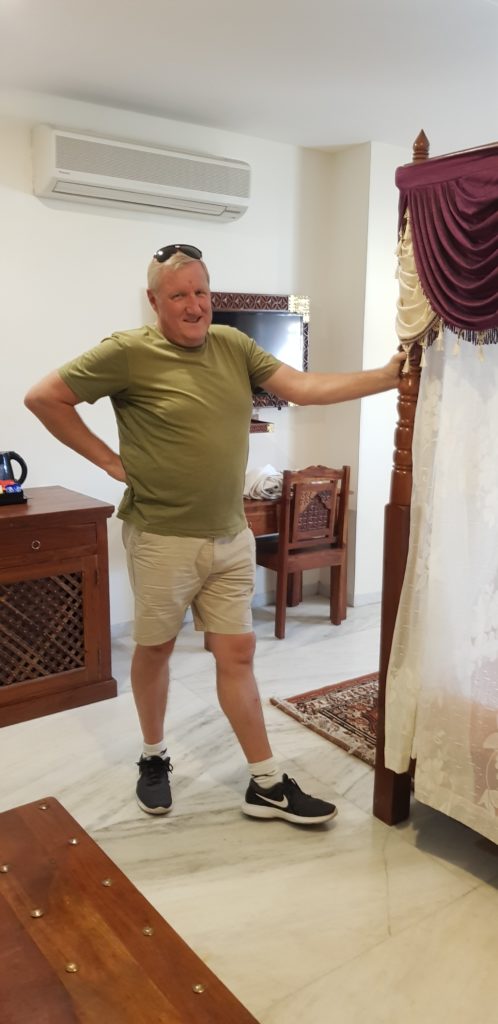
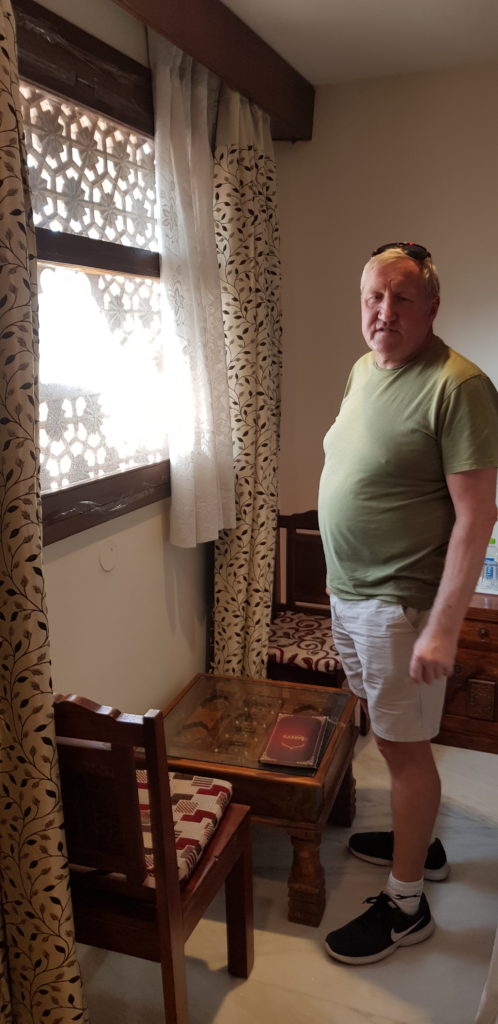
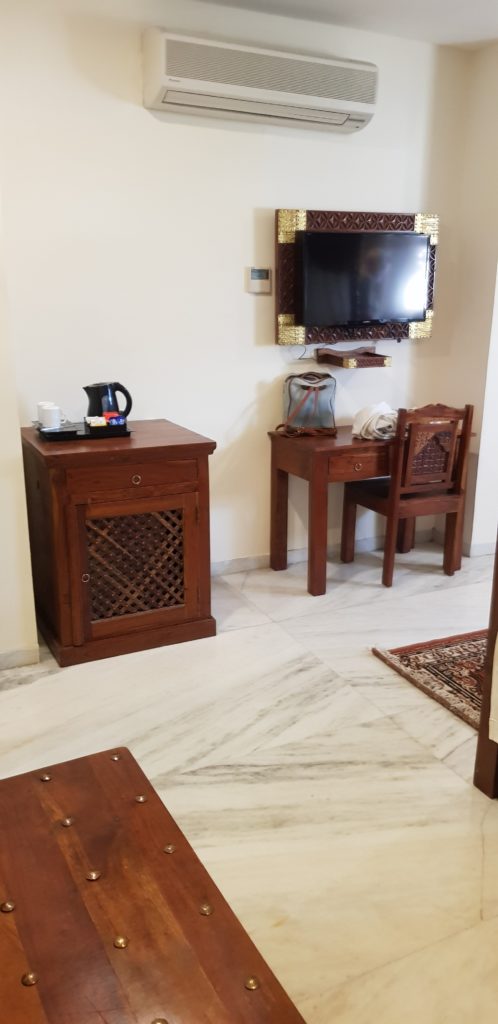
We checked into our hotel in Jaipur, a 5star Heritage hotel, full of marble floors, wooden furniture and smart staff. This is our first “expensive “ hotel, others have been 3 star, but this was recommended to us. I must say that our version of 3 star and 5 star vary differently to the Indian versions ?. A wooden 4 poster bed, large shower, western toilet with toilet paper are great but the window was sellotaped shut, the view was almost blocked off with the external plaster decoration as you can see below, the nets were so heavy and the room was shaded and was definitely on the 5 star level that we are used to! We have requested a balcony at our next hotel, we need some sunlight on our skin and fresh air in our room, albeit dusty air!
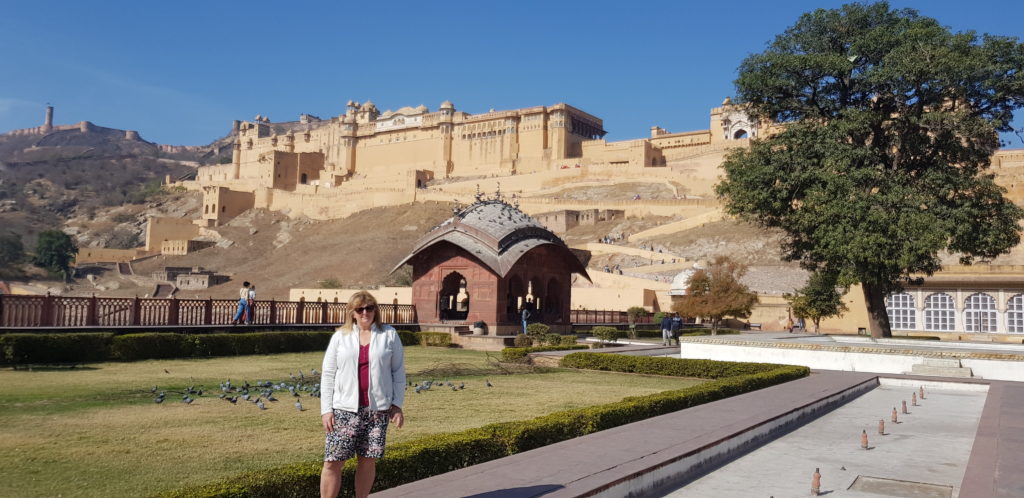
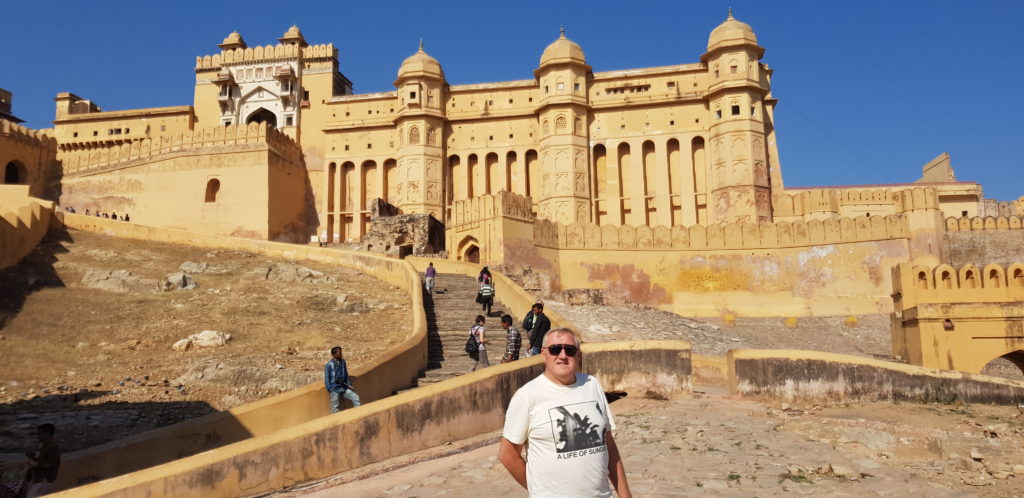
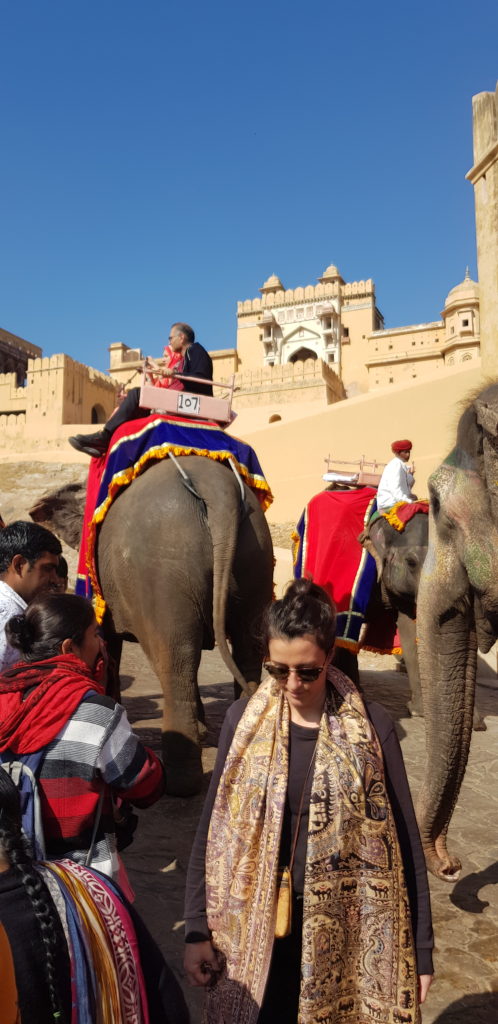
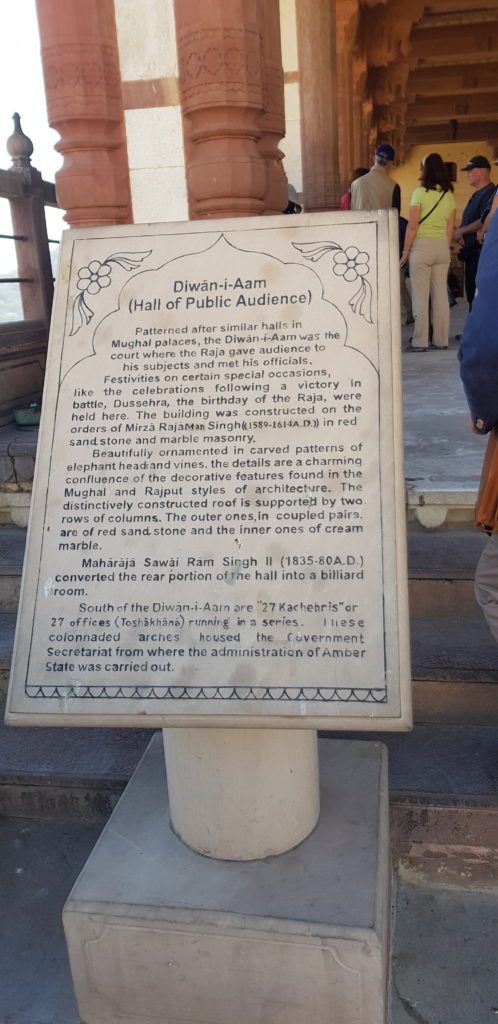
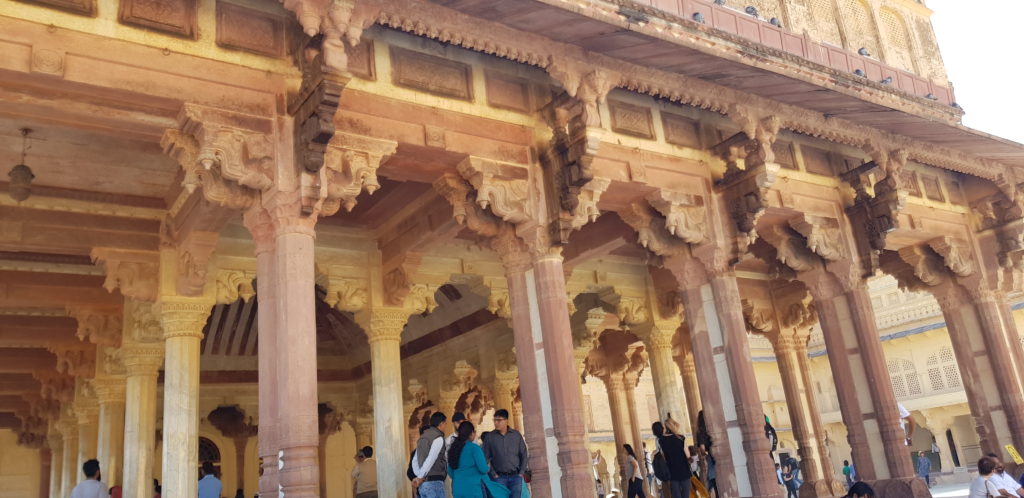
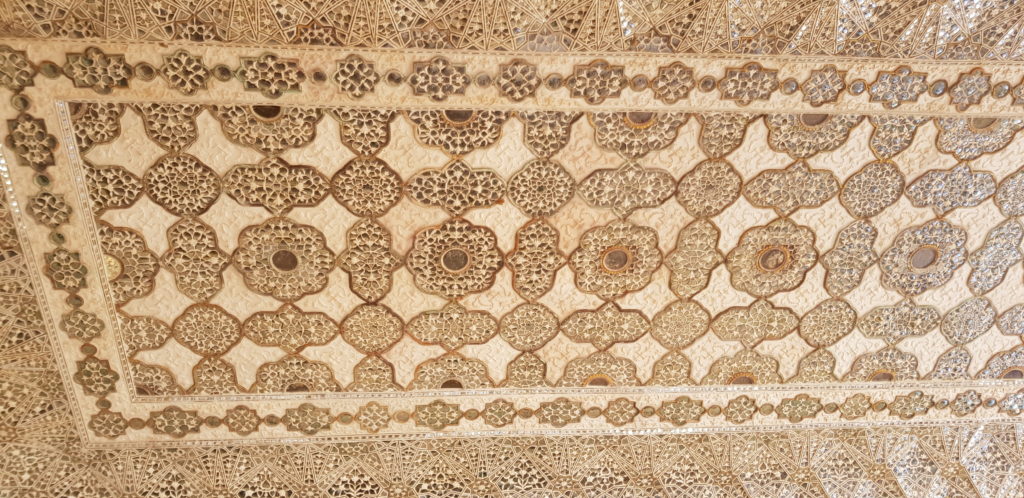
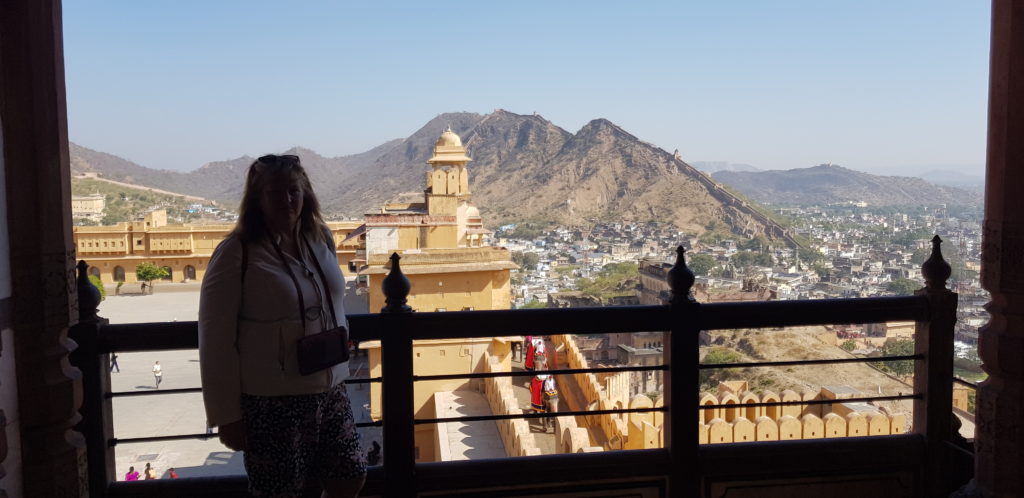
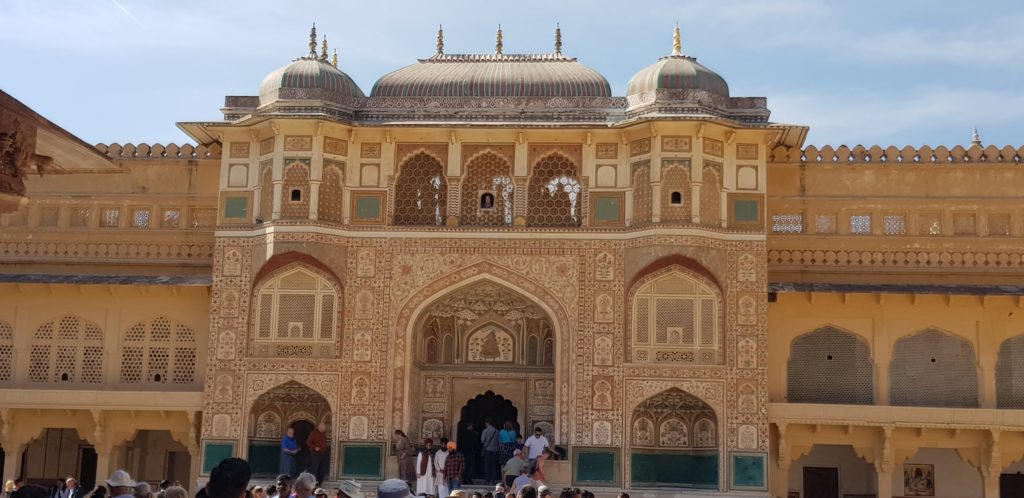
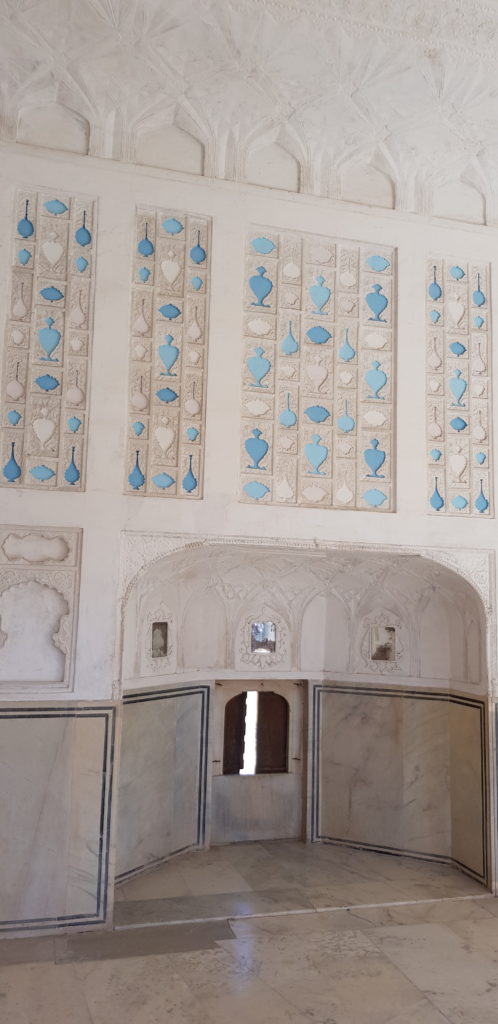
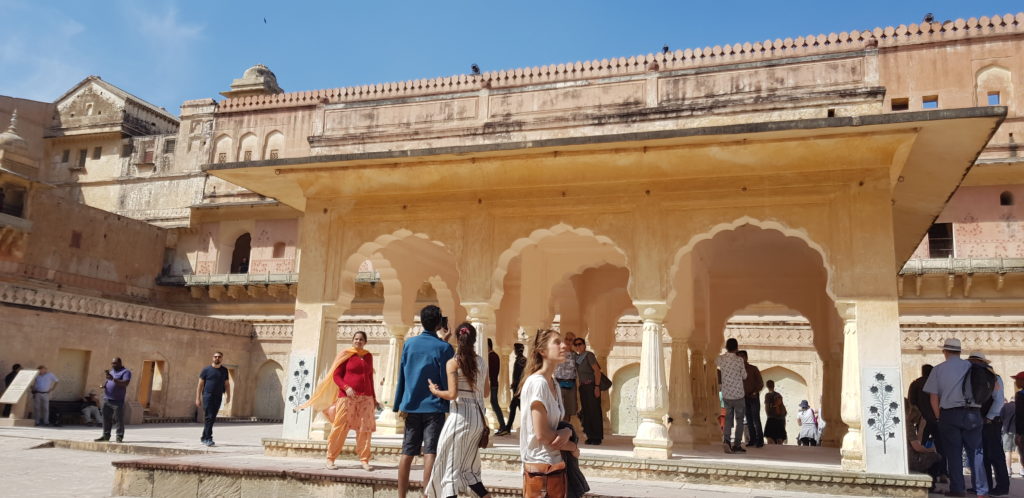
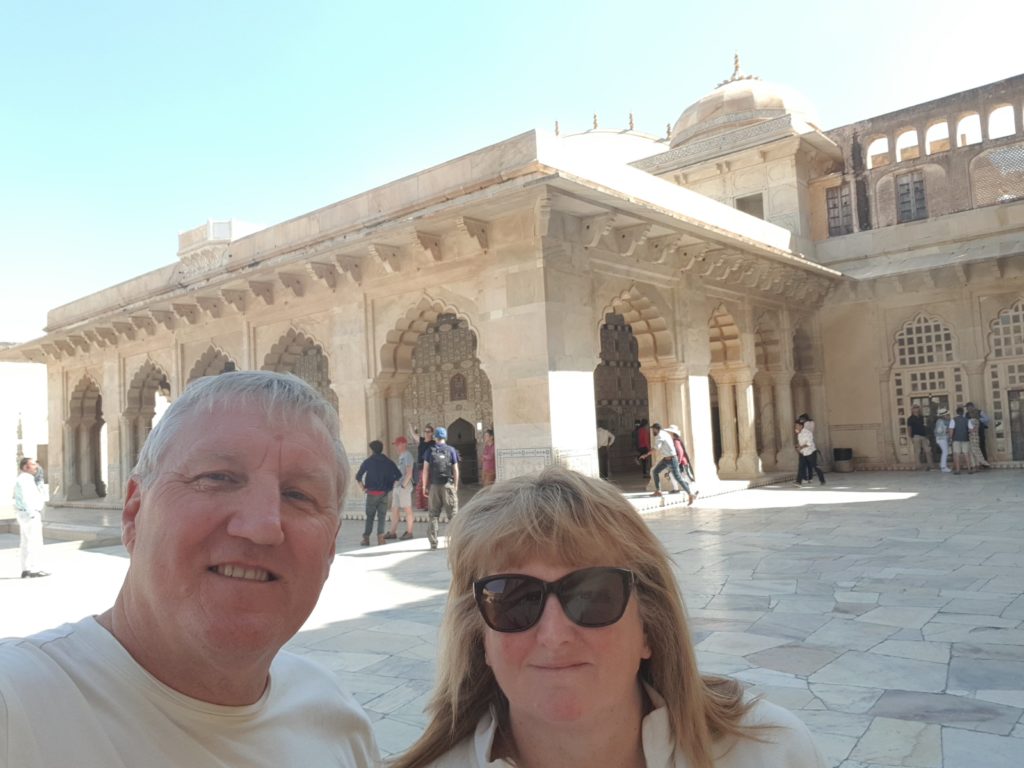
We spent the morning at the 17th century Amber fort, high up on a hill. It was built as a palace surrounded by a fortified town. The walls of the fortification are still visible on the mountains, as are the older and original buildings used by the royal family before the Fort was built. Its large, impressive, ornate in places and was well used in its time. Elephants were used to ferry visitors up to its gates, still in operation today for lazy tourists. We walked up, fascinated by the interior decoration, which is often described as “romantic”…….”interestingly built and beautifully decorated” would be our description.
Ceiling of the Public Hall
Internal building
Wall and ceiling decorations.
Another meeting hall
Two sweaty tourists!
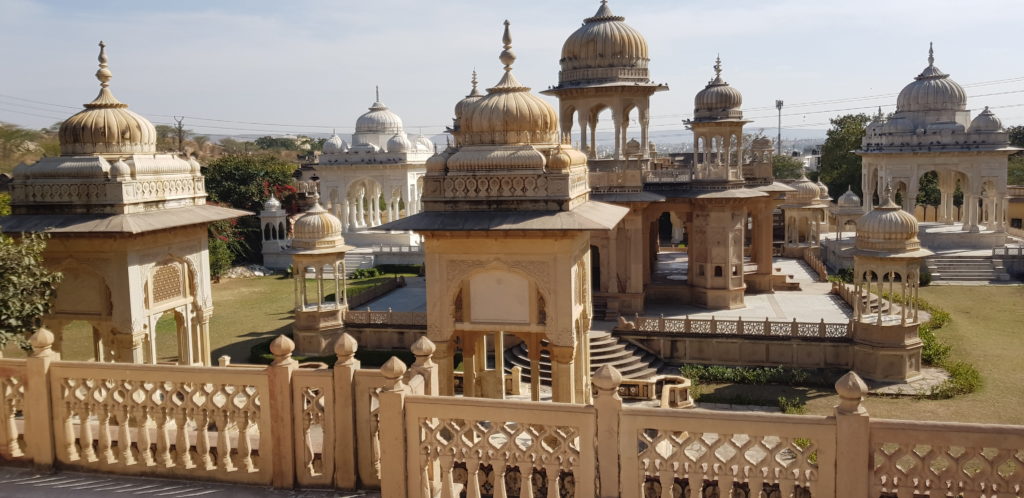
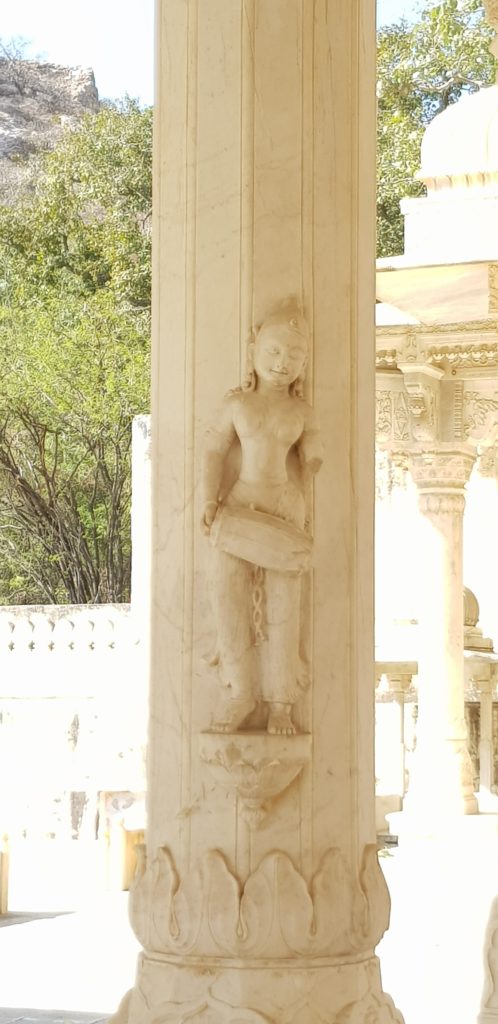
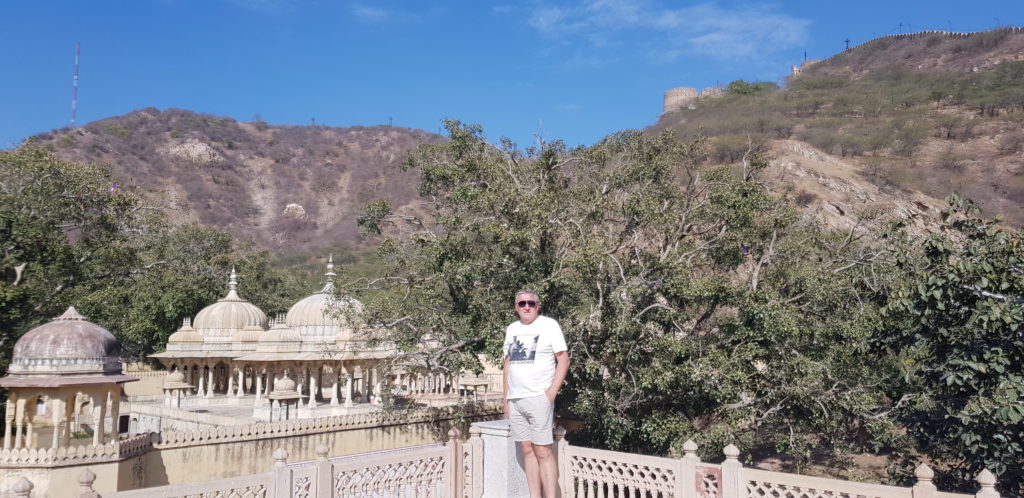
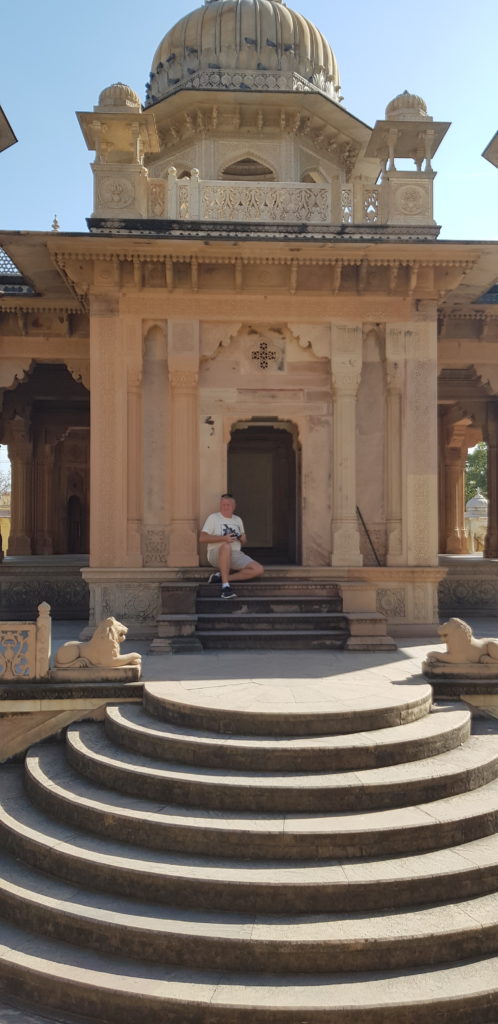
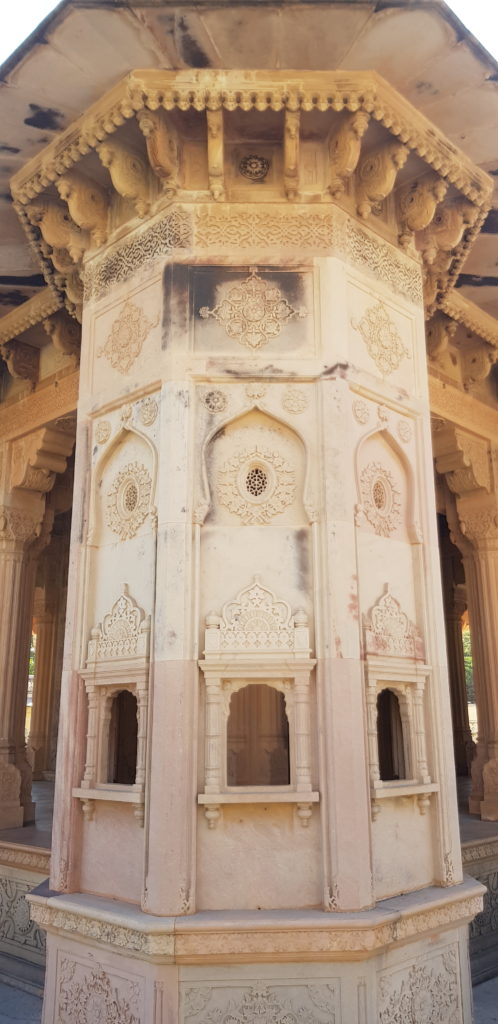
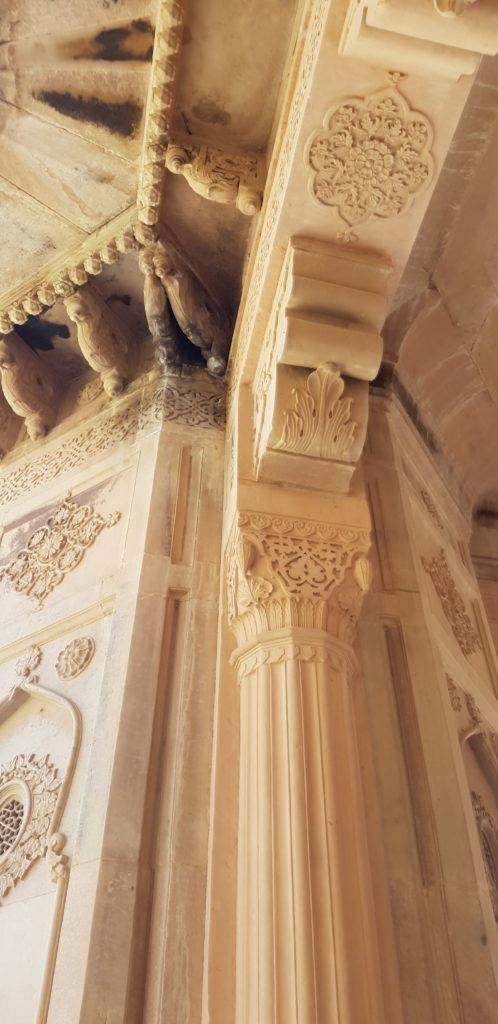
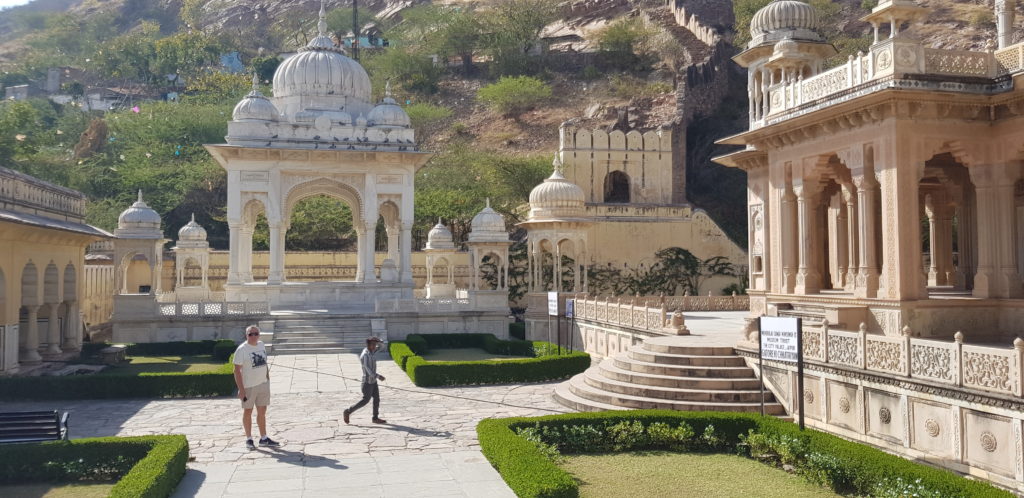
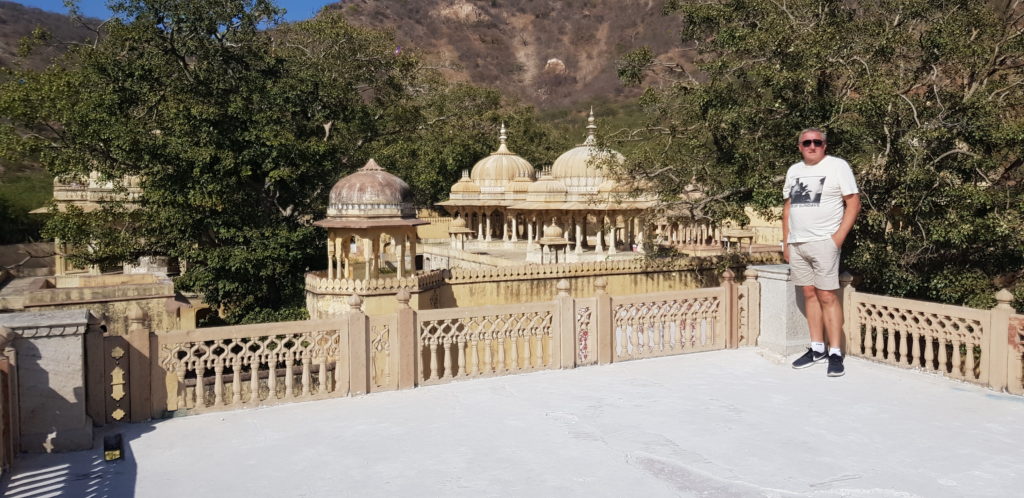
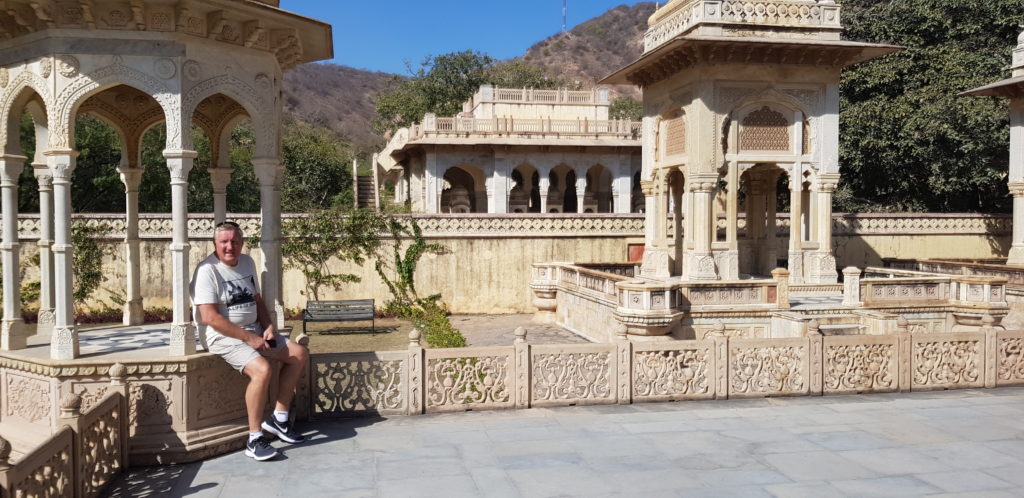
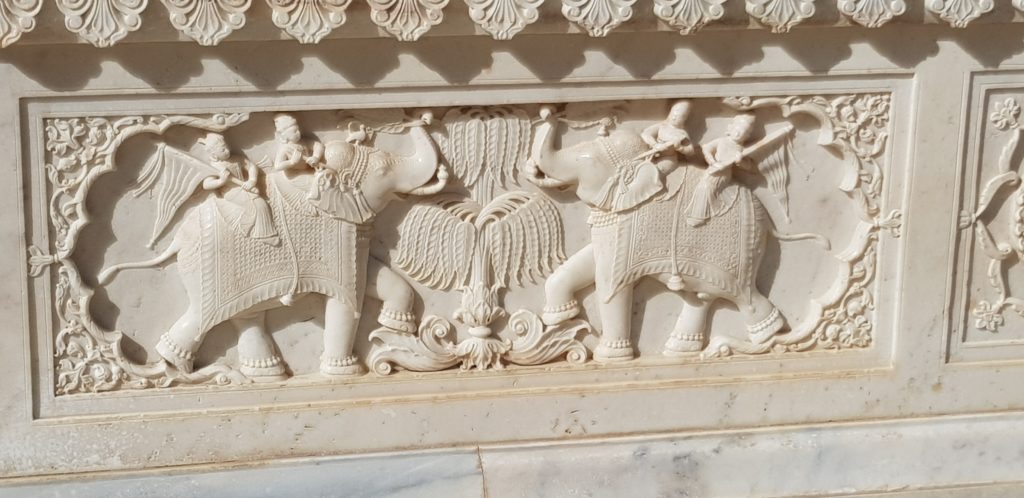
Next was the Maharaja’s burial place, a peacefully cool structure, made up of three different areas, we had no guide here so couldn’t work out whose mausoleum belonged to who, the link between information + tourism = more tourists + more income has yet to be made! However it was beautiful and cool on a sunny afternoon and the carvings on the marble were exquisite.
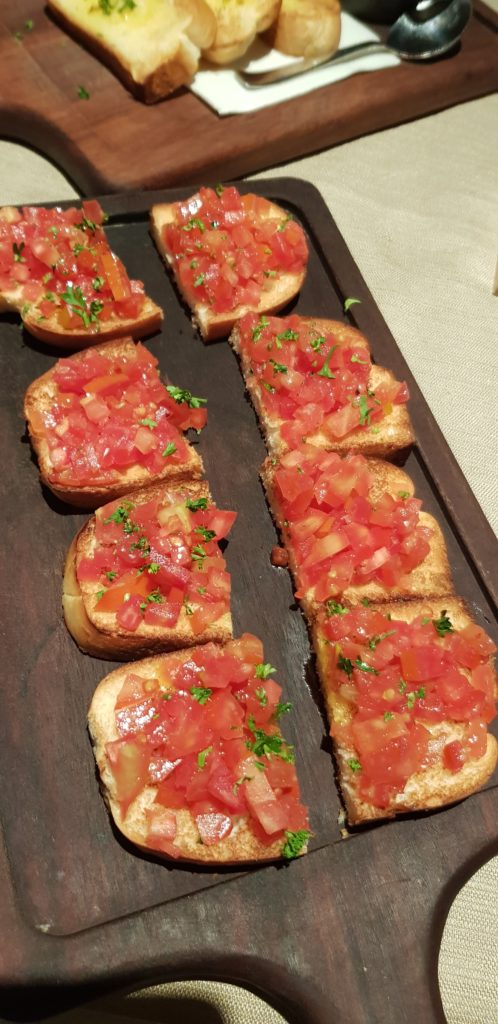
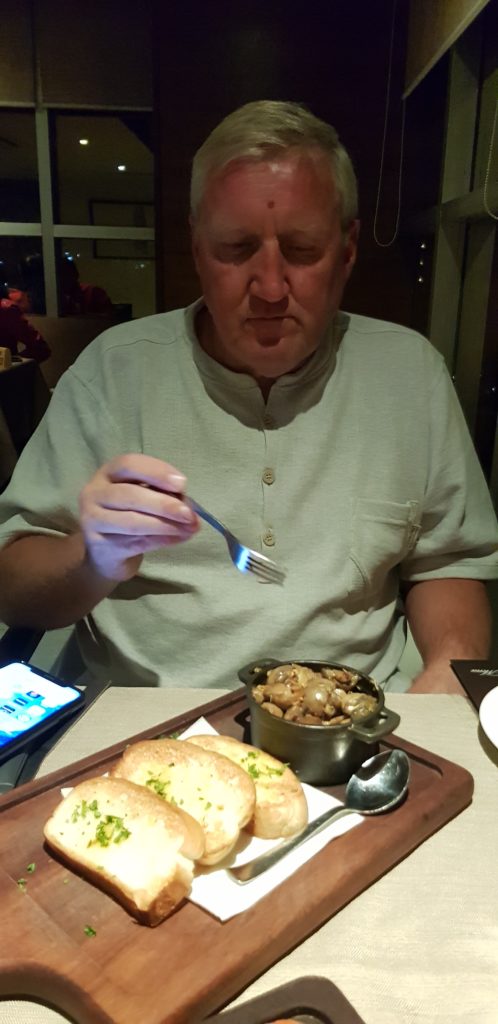
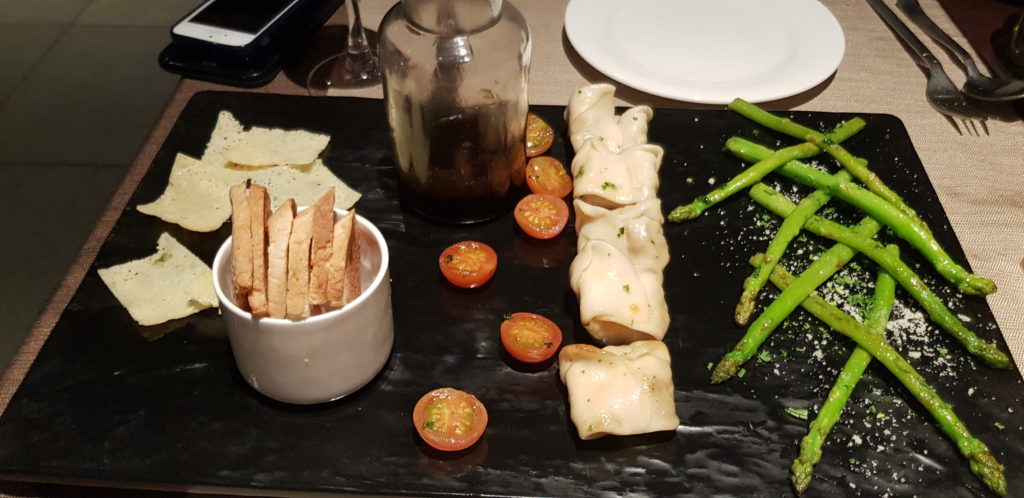
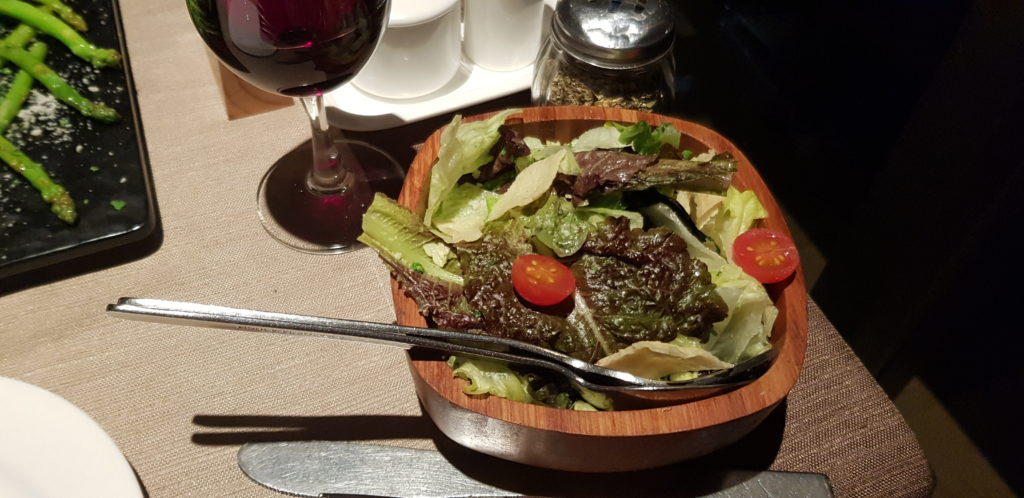
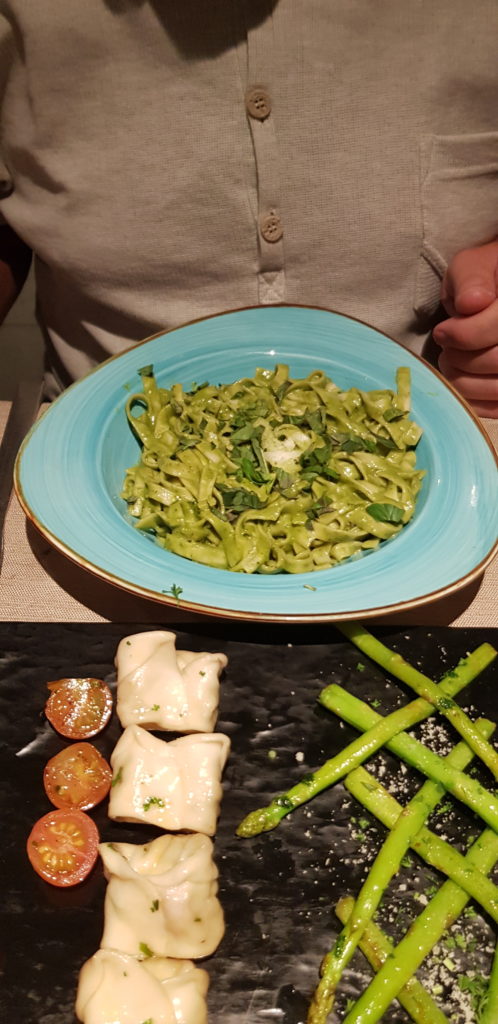
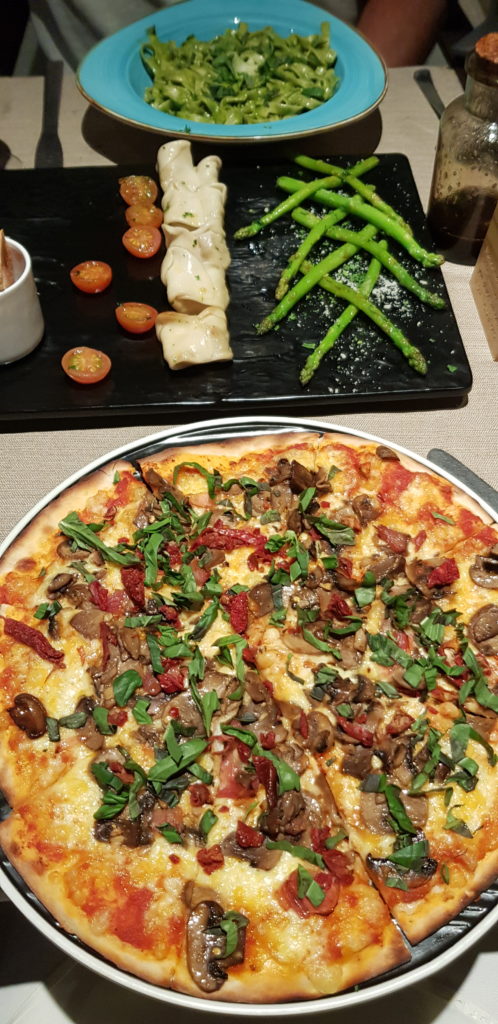
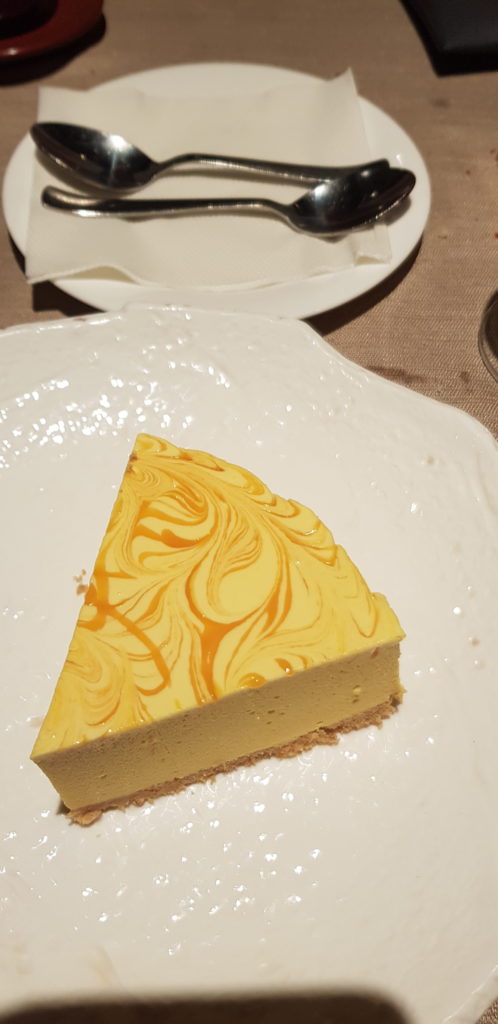
That evening we ate Italian!!!!! Staying in hotels has it’s downside, the hotel menus cater for tourists and offer the same things, so we were getting a little tired of chicken tikka, masalas and biryanis. David found a restaurant called Little Italy, totally vegetarian but we had the most divine meal – and huge portions!!! Bruschetta and garlic mushrooms to start, pesto pasta, pizza and the most unusual salad ever, it came with a bowl of mixed leaves, tomatoes and dressing, and then a plate of grilled asparagus (my favourite), roasted tomato, ravioli parcels, crostini and parmesan chips!!!! AND balsamic vinegar, no curry spices in sight or smelling range! Ohhh, did I mention they served WINE too? We were heavenly stuffed that night ??
Bruschetta
Mushrooms
Asparagus!
Salad
Pesto pasta
Pizza
Mango cheesecake
Afterwards we took a tuktuk back to the hotel, in what the owner called “a poorly machine”, he had to get out and push start it and kept revving it as we came to a junction….he so wanted our custom that he kept telling us it was “fine now” and how he was a “careful driver” which he was. It was a colourful journey at night, the city’s Albert Hall museum was awash with colour as was the Wind Palace, and the market streets, even at 11pm.
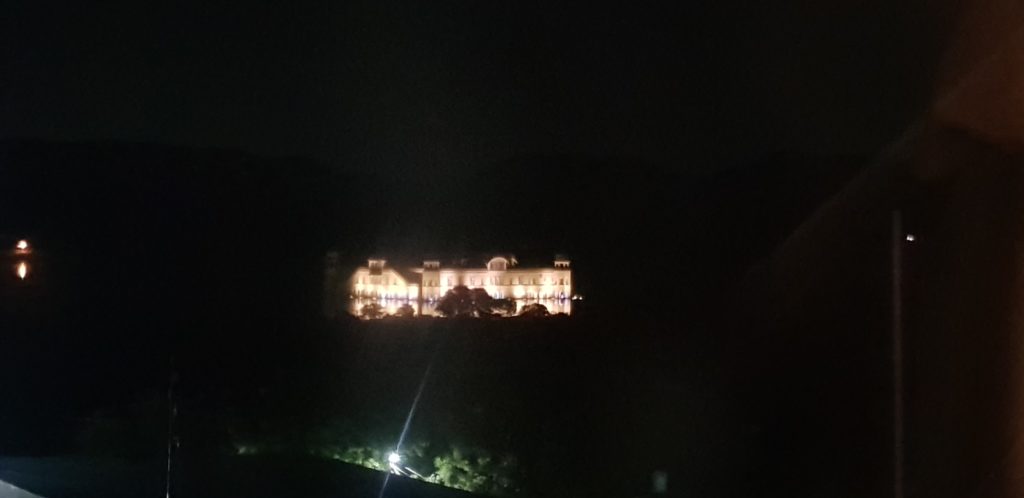
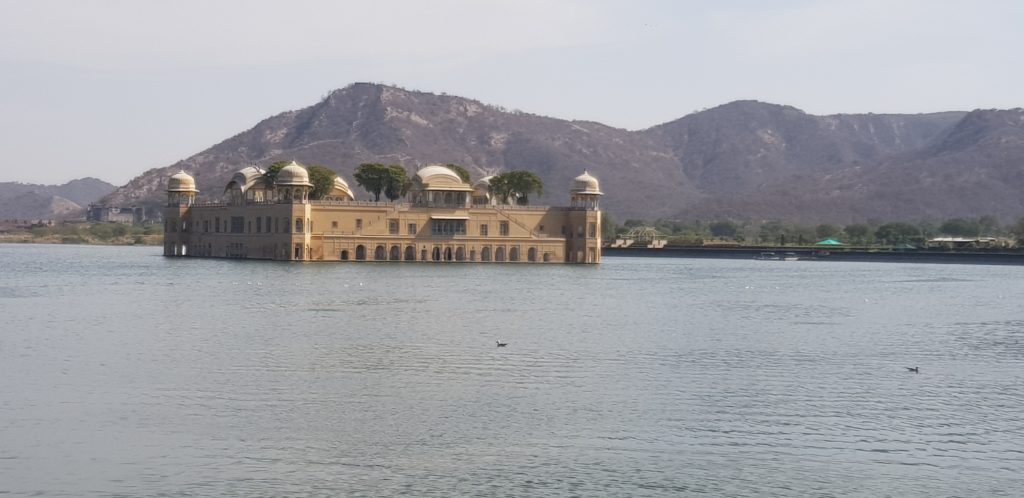
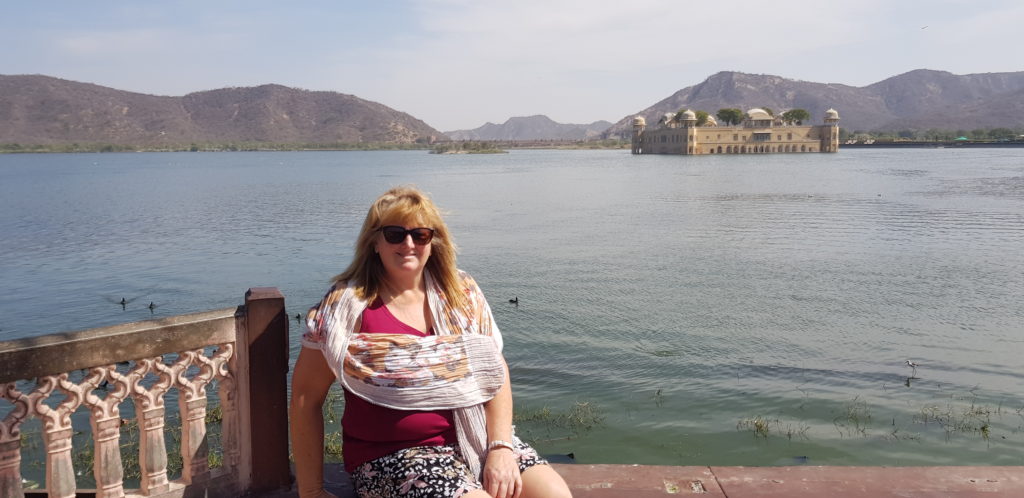
The Lake Palace
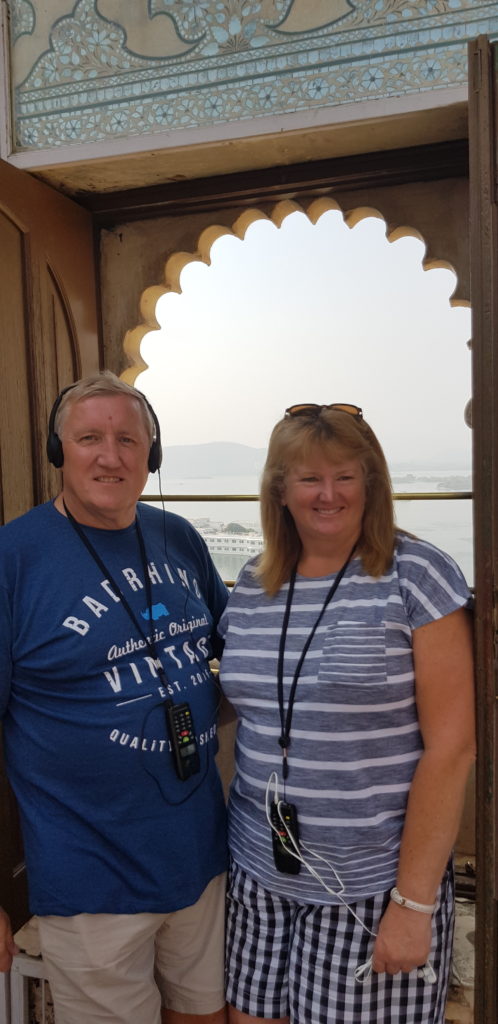
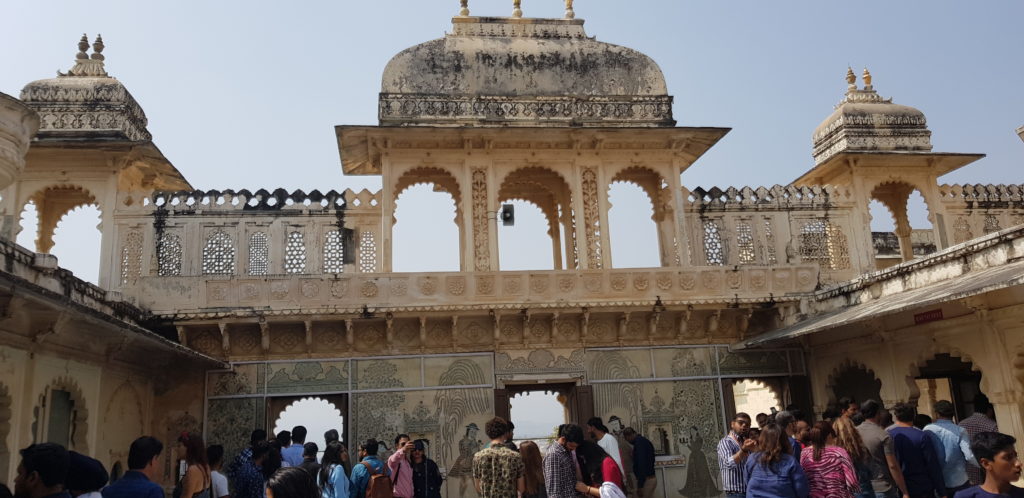
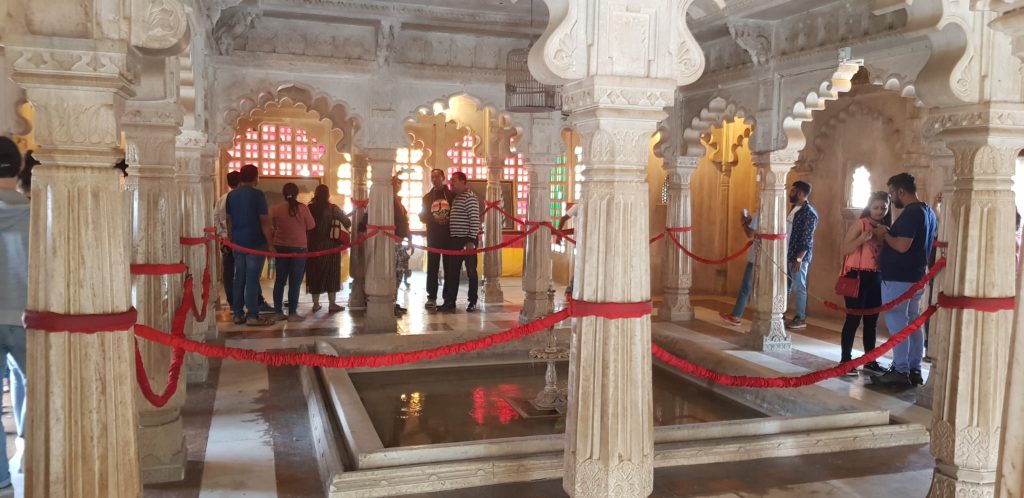
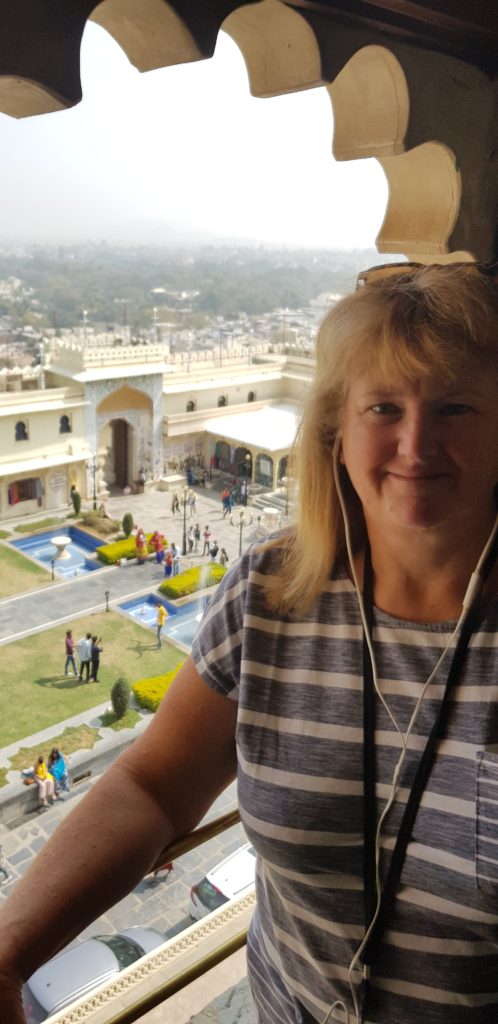
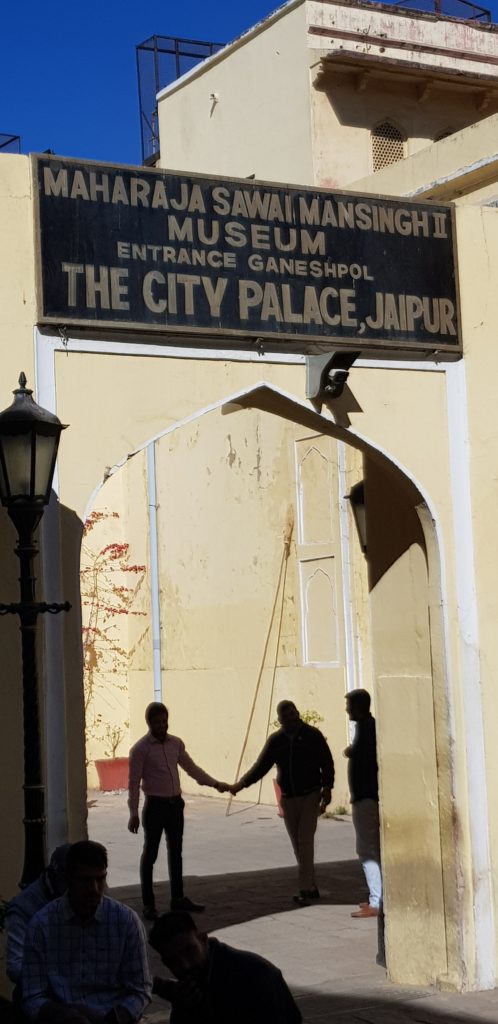
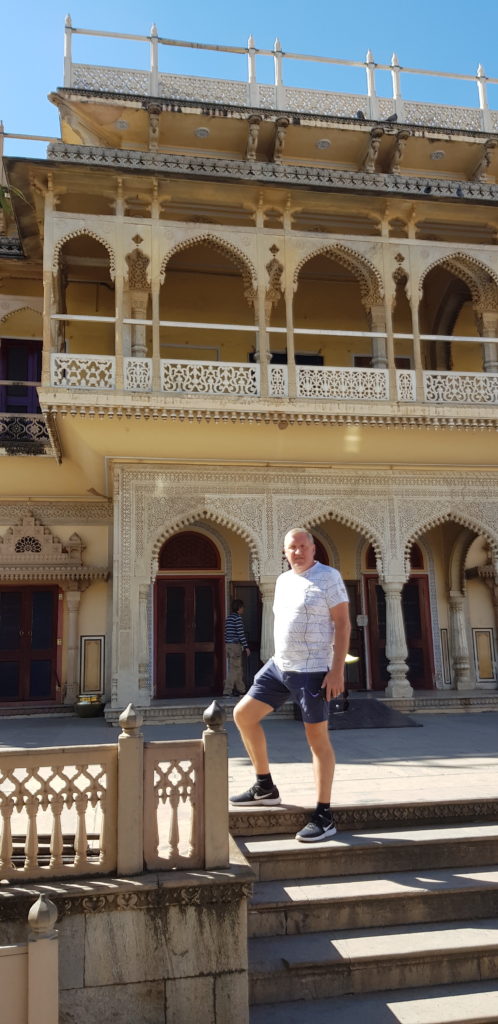
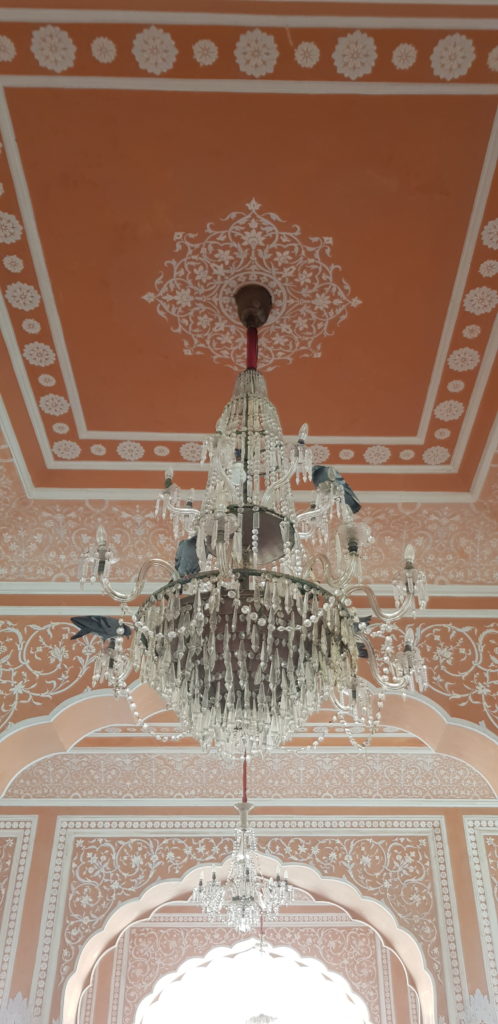
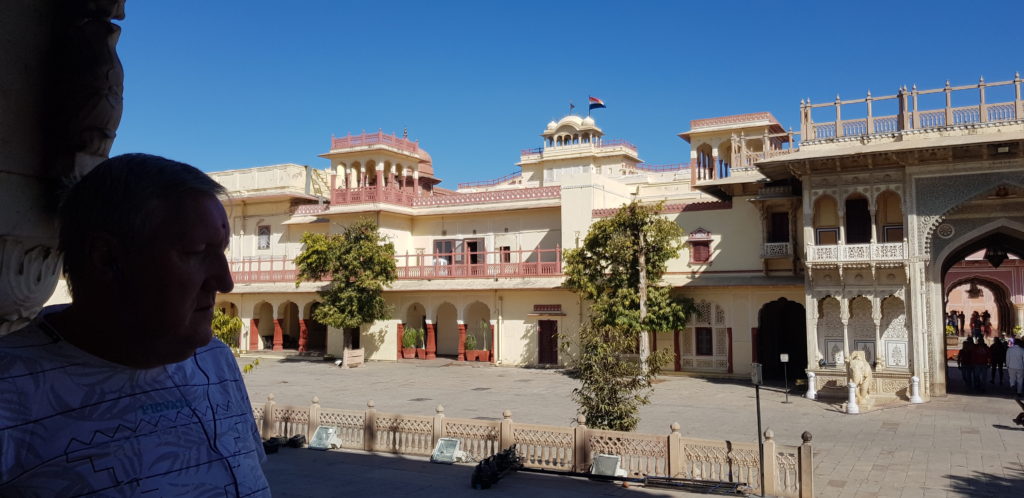
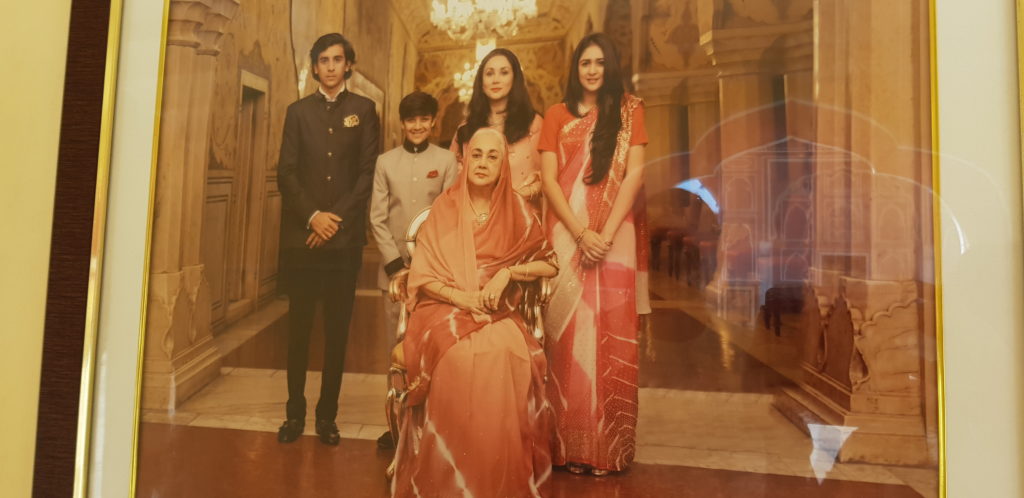
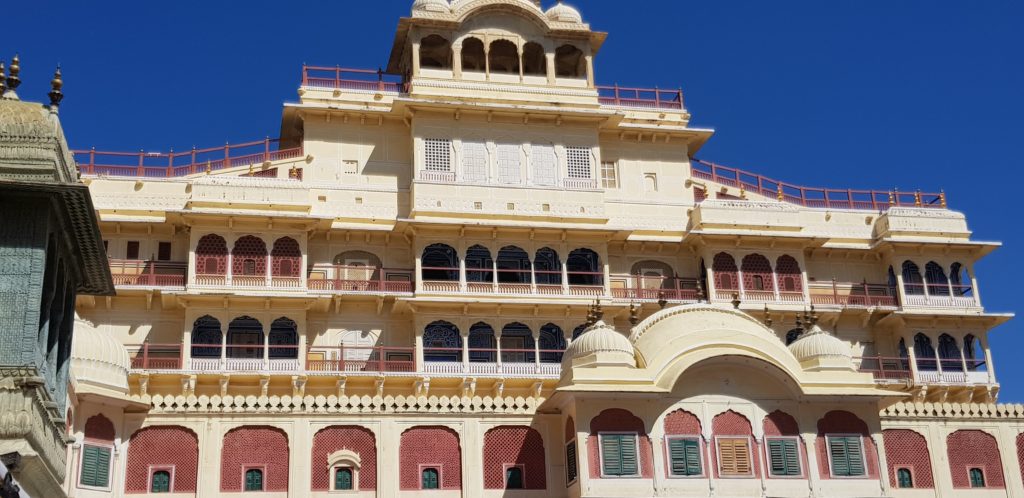
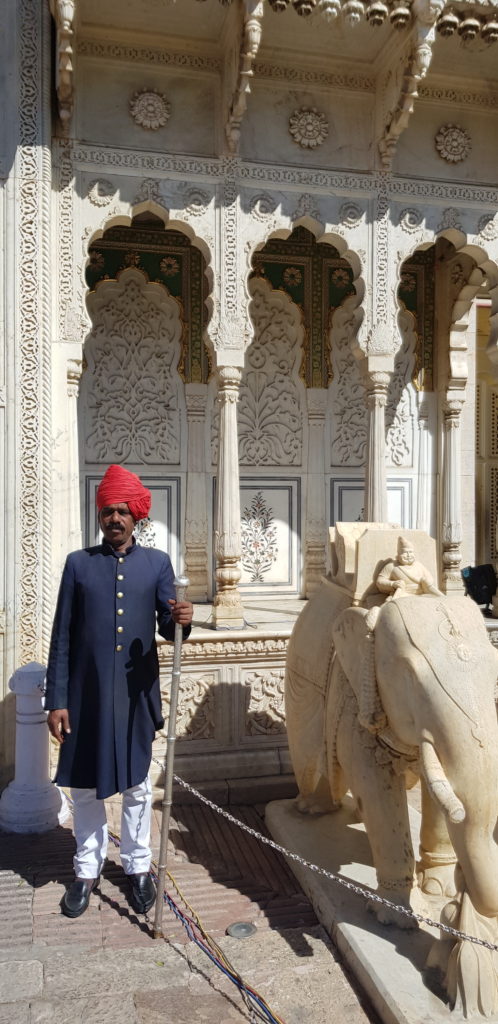
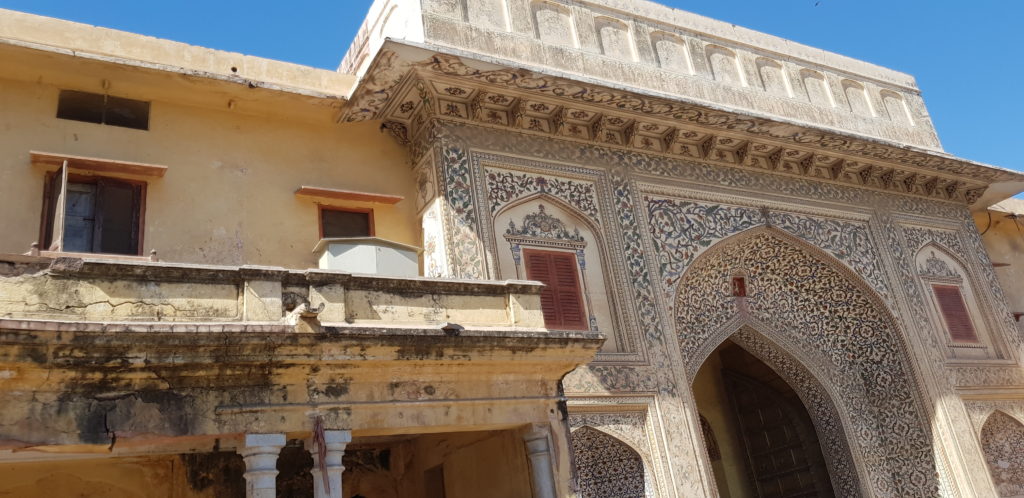
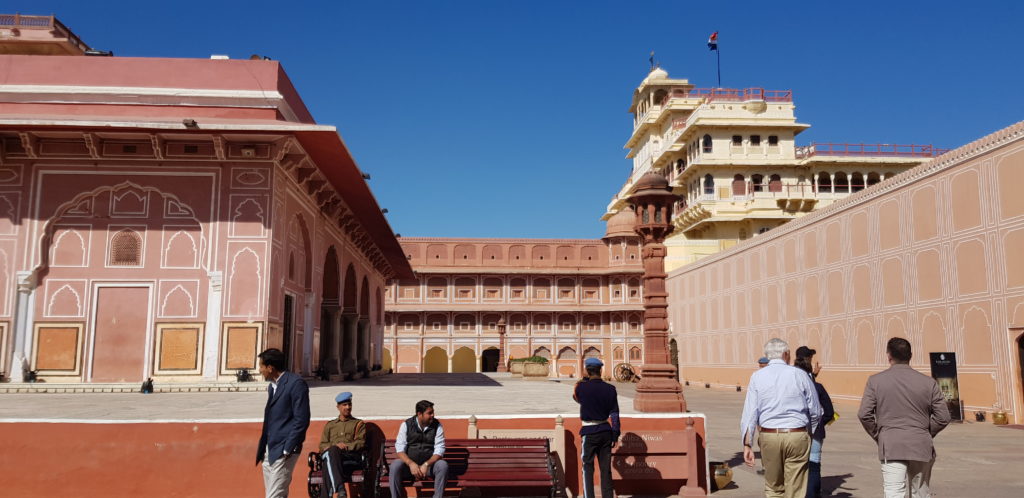
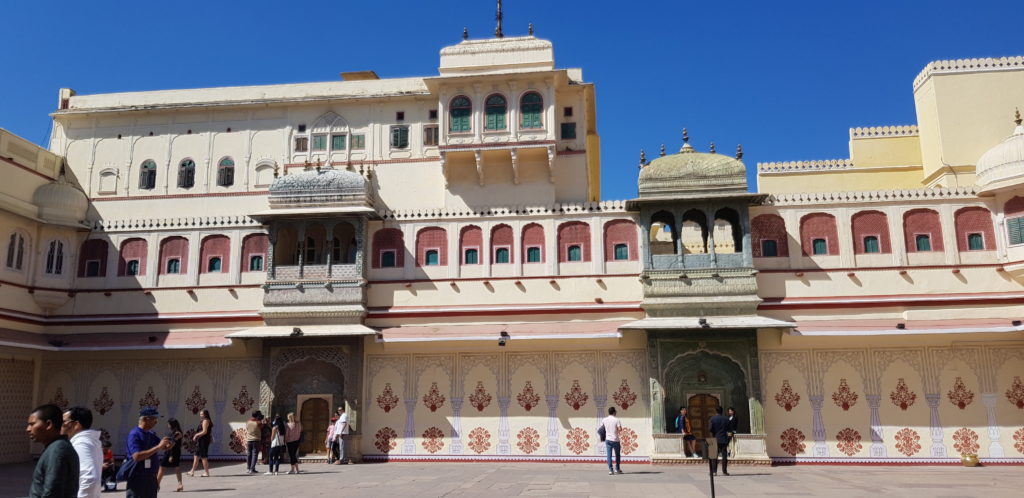
Next day was a full day in the city. Firstly we visited the City Palace which is still in use by the current royal family. Its a complex of courtyards, buildings and gardens, enlarged over the past 100 years but still in keeping with the Mughal architecture. On close inspection, certain areas were lacking attention to the deterioration, i will inform Her Maj. The Throne Room was lavishly decorated, still used when dignitaries (such as The Strattons) visit or during festivals, sadly no photos allowed, Her Maj was having a bad hair day.
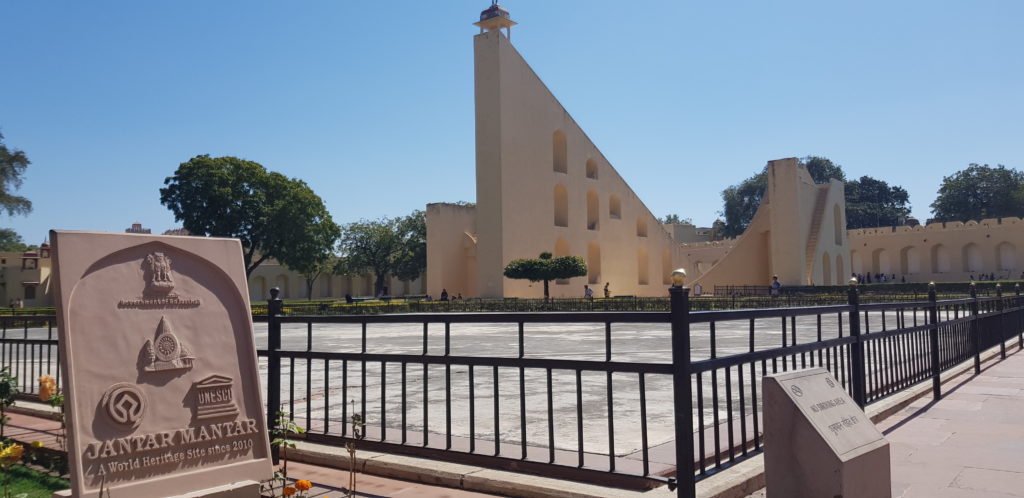
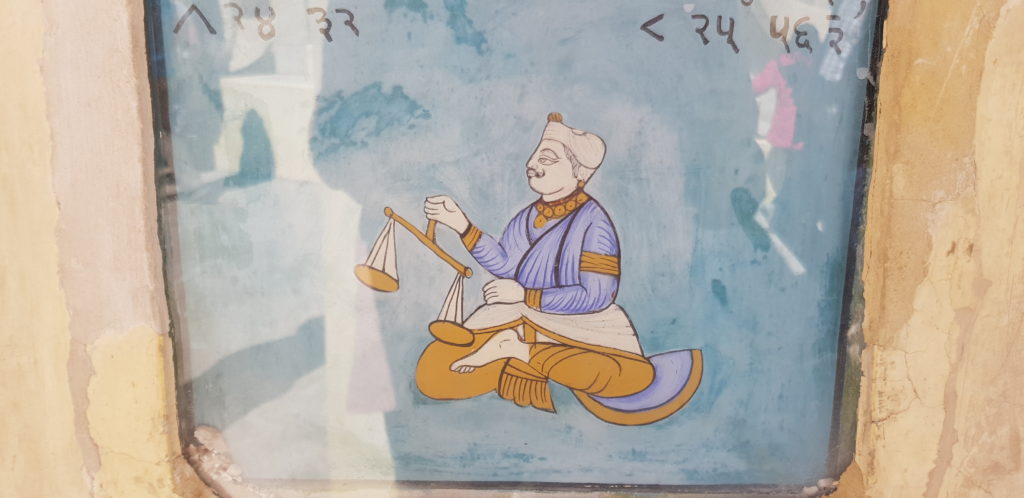
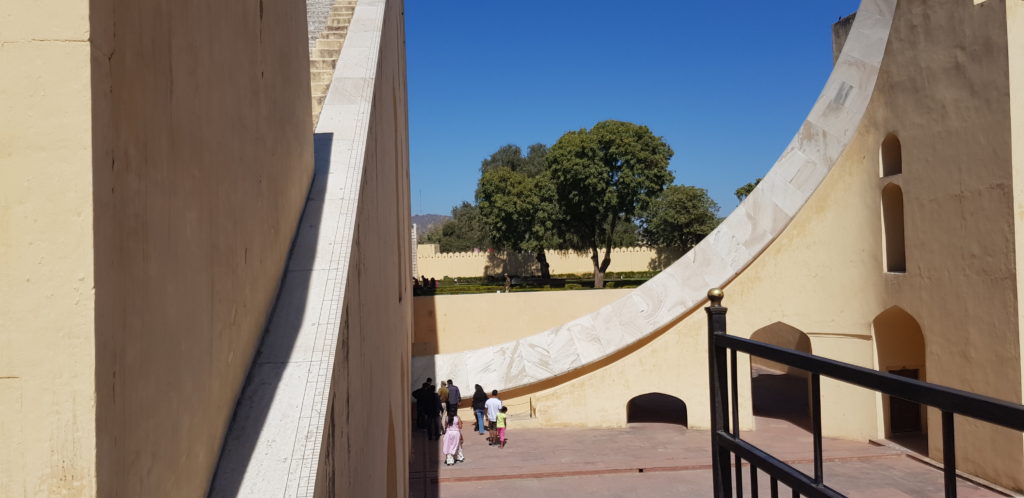
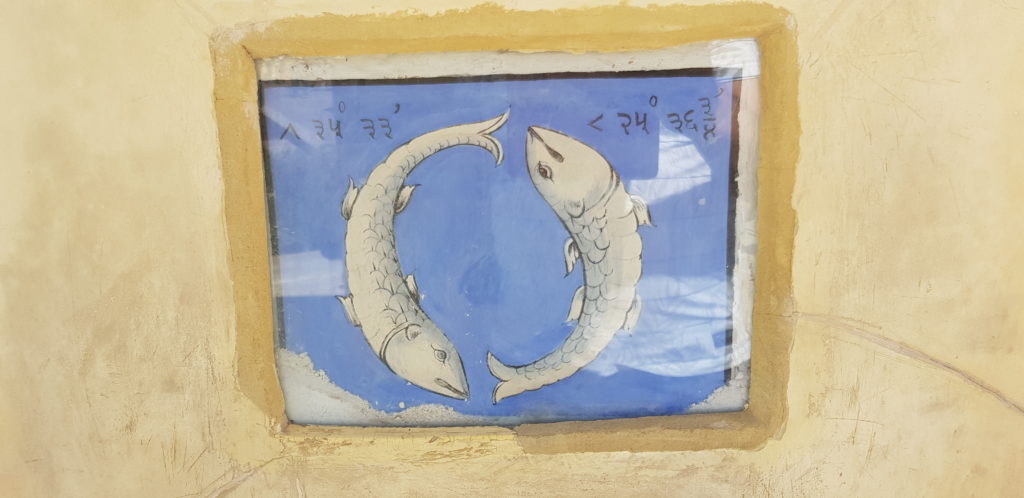
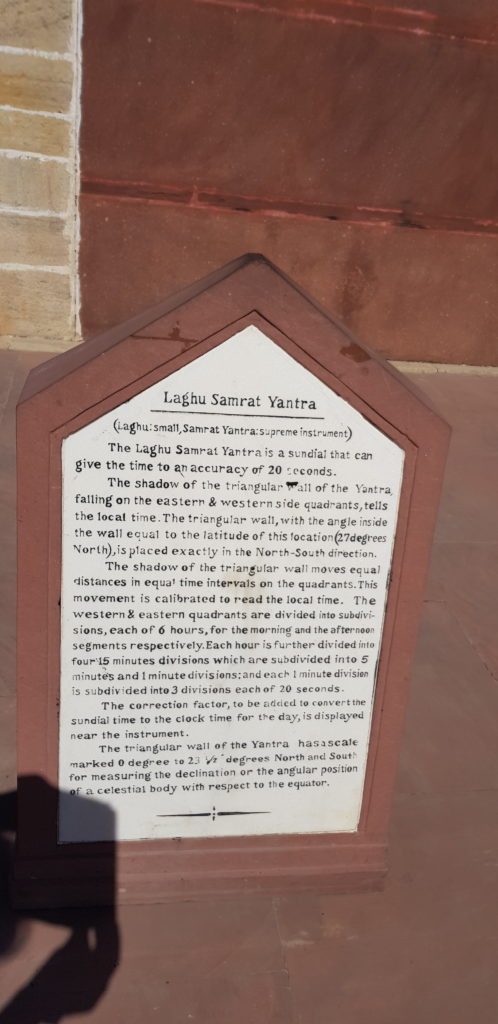
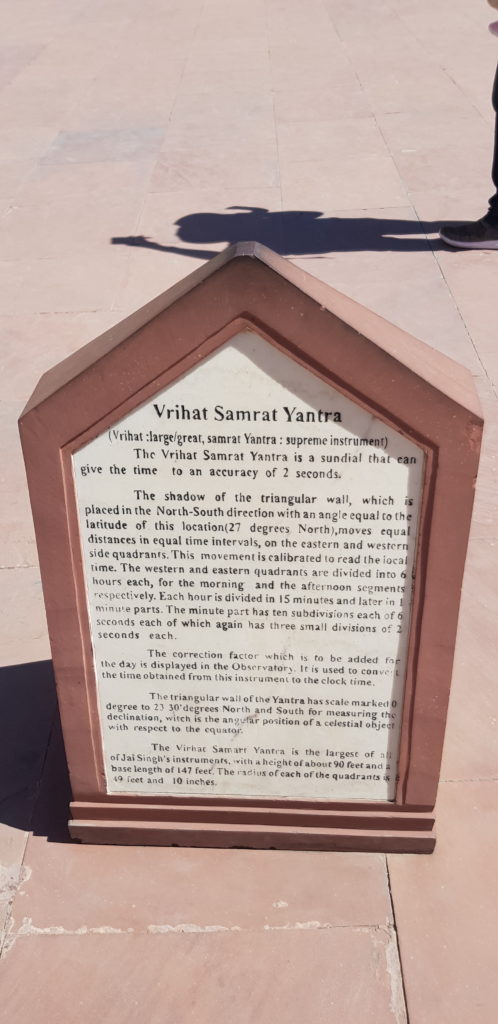
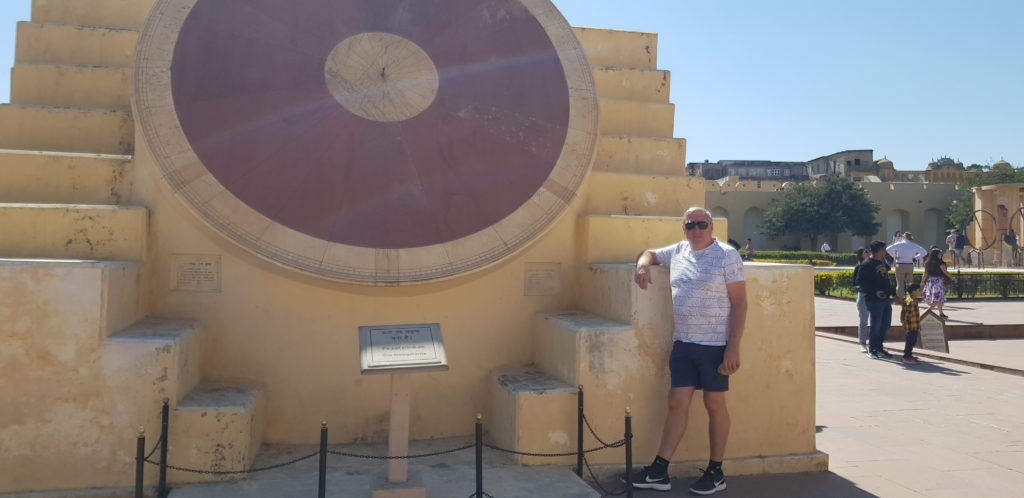
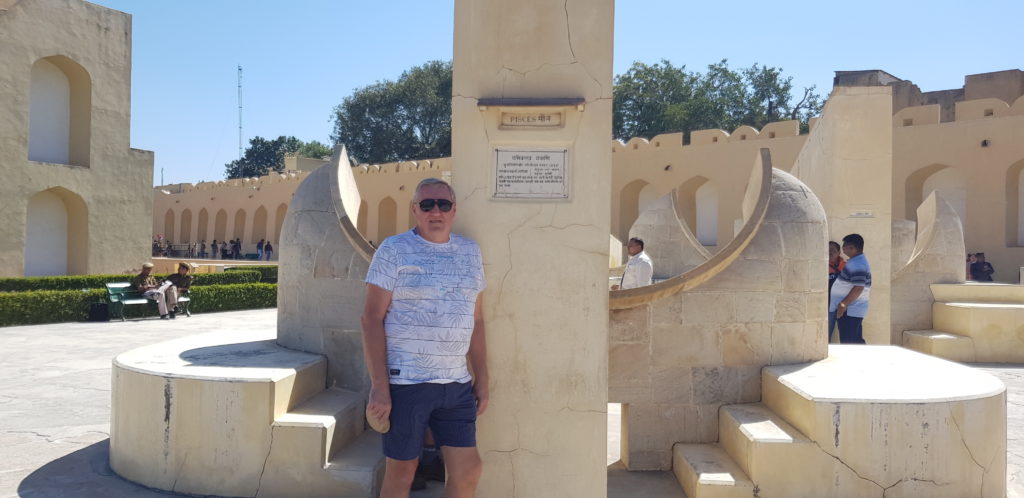
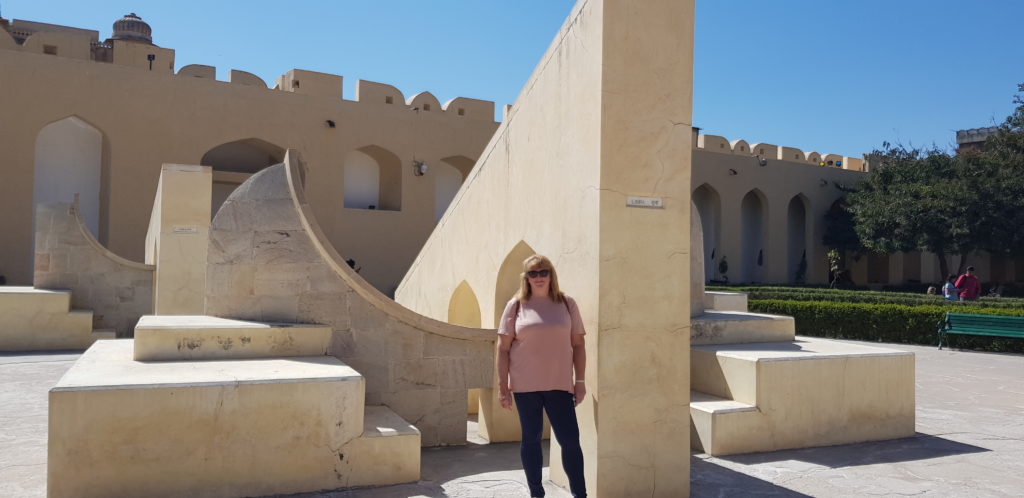
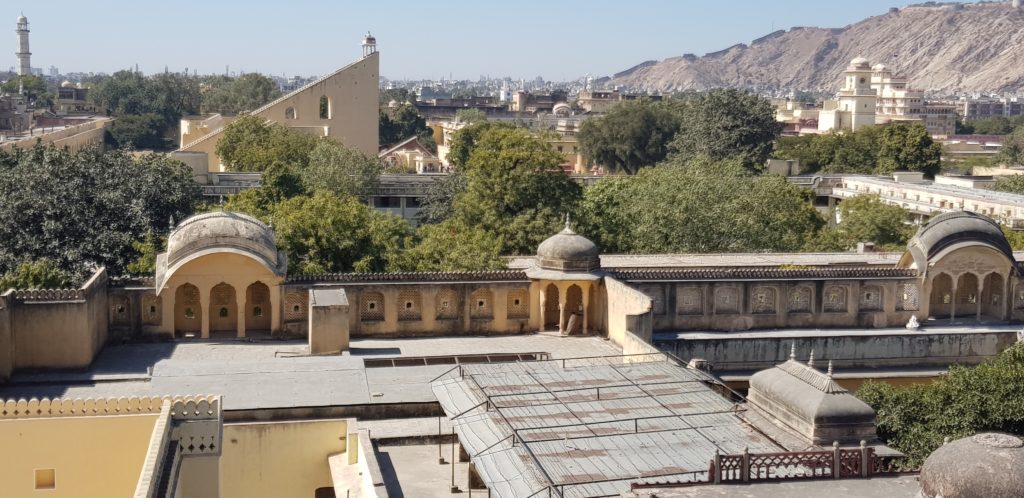
Next to it are gardens called Jantar Mantar (such lovely words, David kept saying it over and over), gardens created in 1728 that look like a collection of odd structures but they are in fact buildings to measure astronomical time, date, latitude and longitude and the position of stars and the solar system. Its name is Sanskrit for “instruments of calculations” which is exactly what we found. Could not figure out why so many, or who thought them up, I’m sure Mr Google would confirm.
This showed time accurately at 12.45pm.
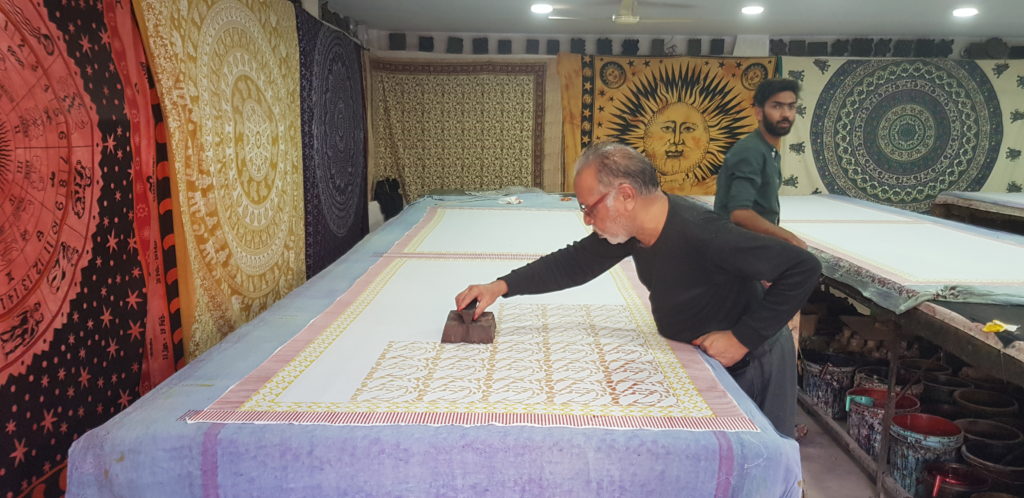
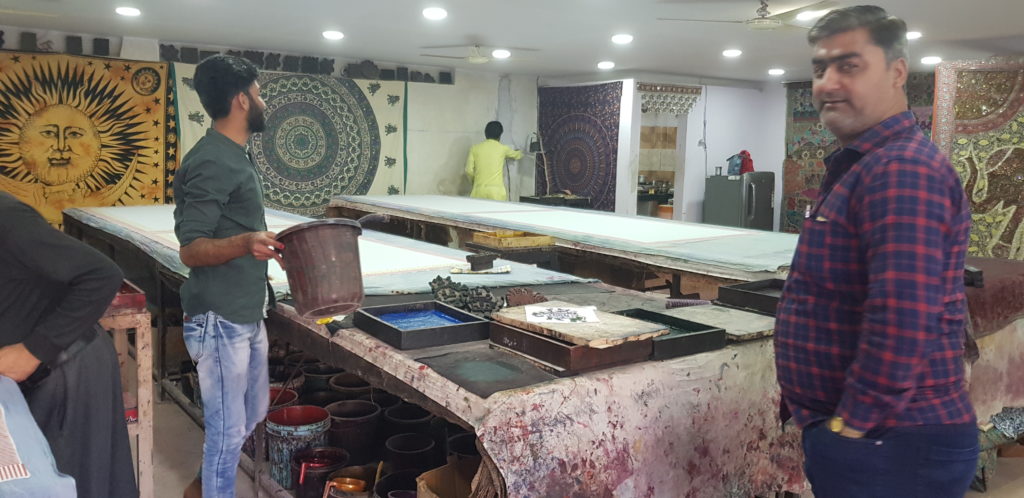
Visit to a hand block printing shop, where I confess, I did purchase a tablecloth or two….well, they are stunning!
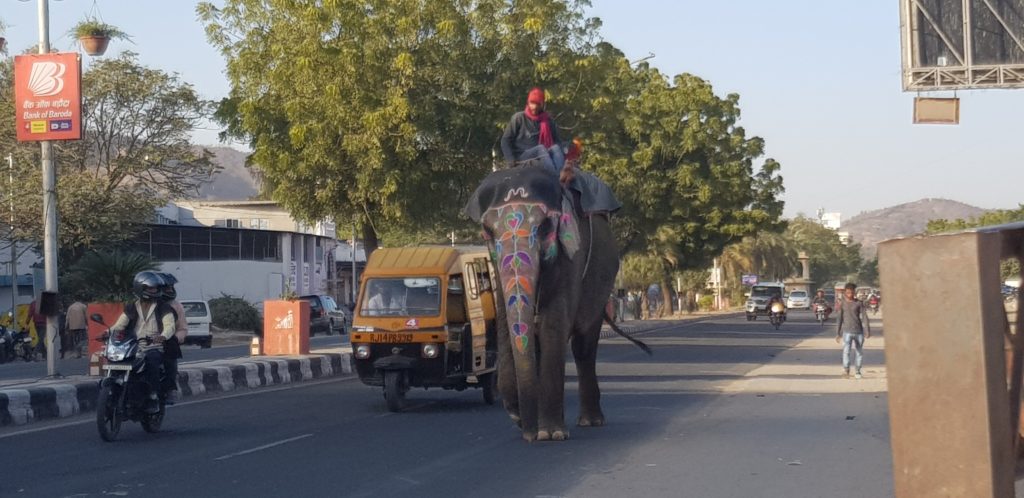
Painted elephant on its way to a wedding ceremony.
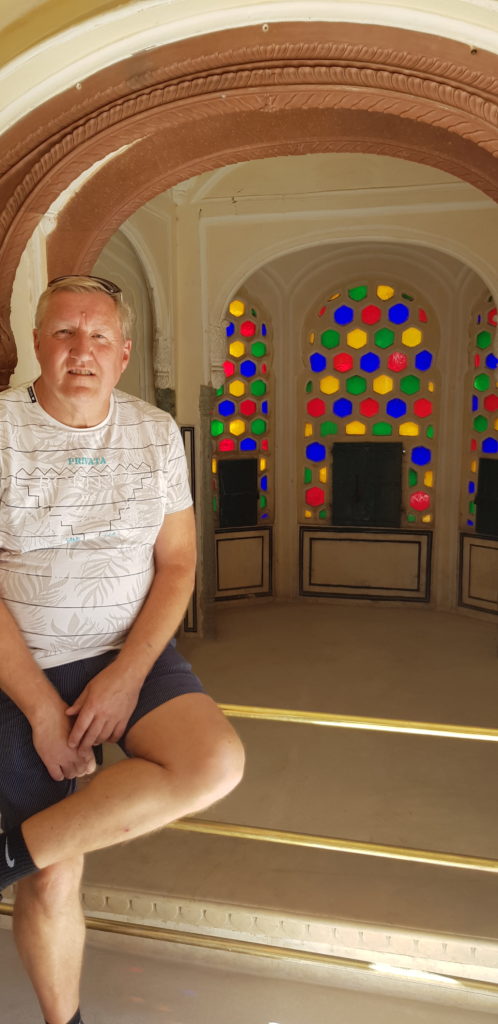
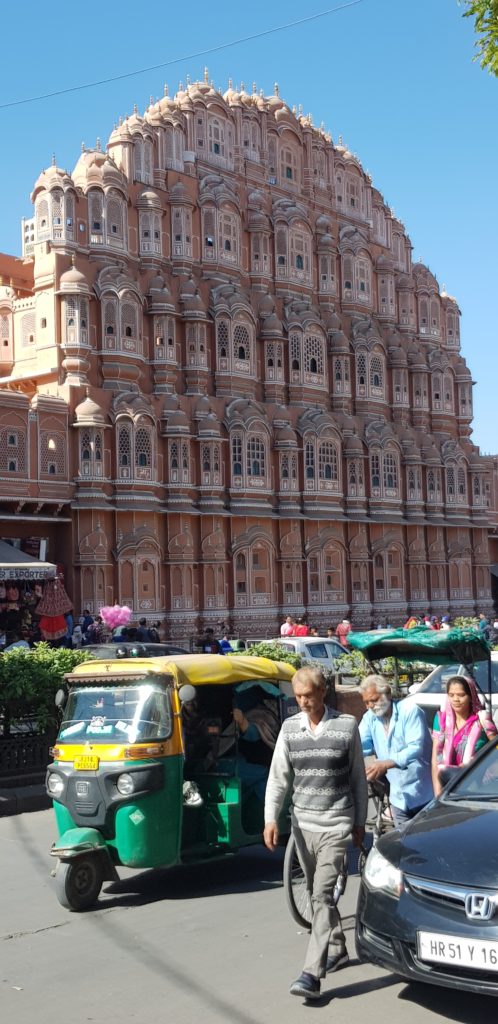
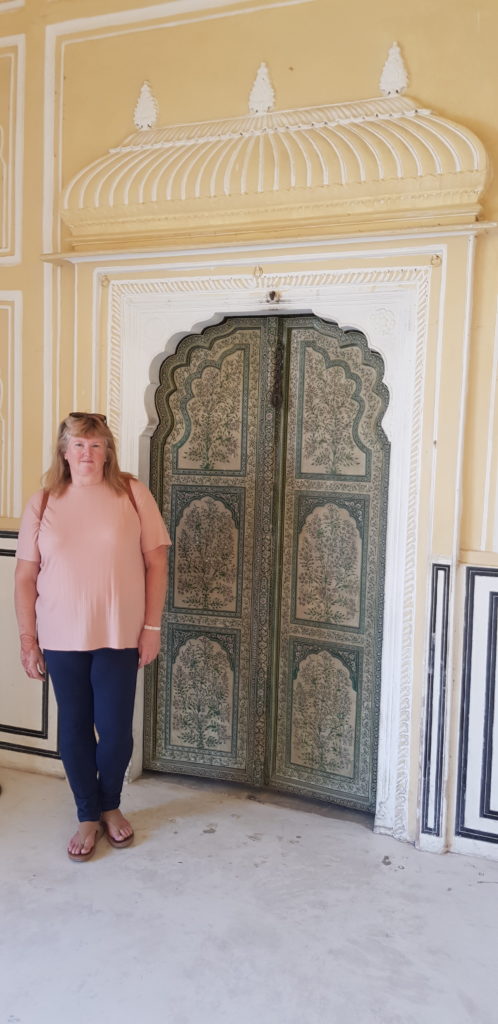
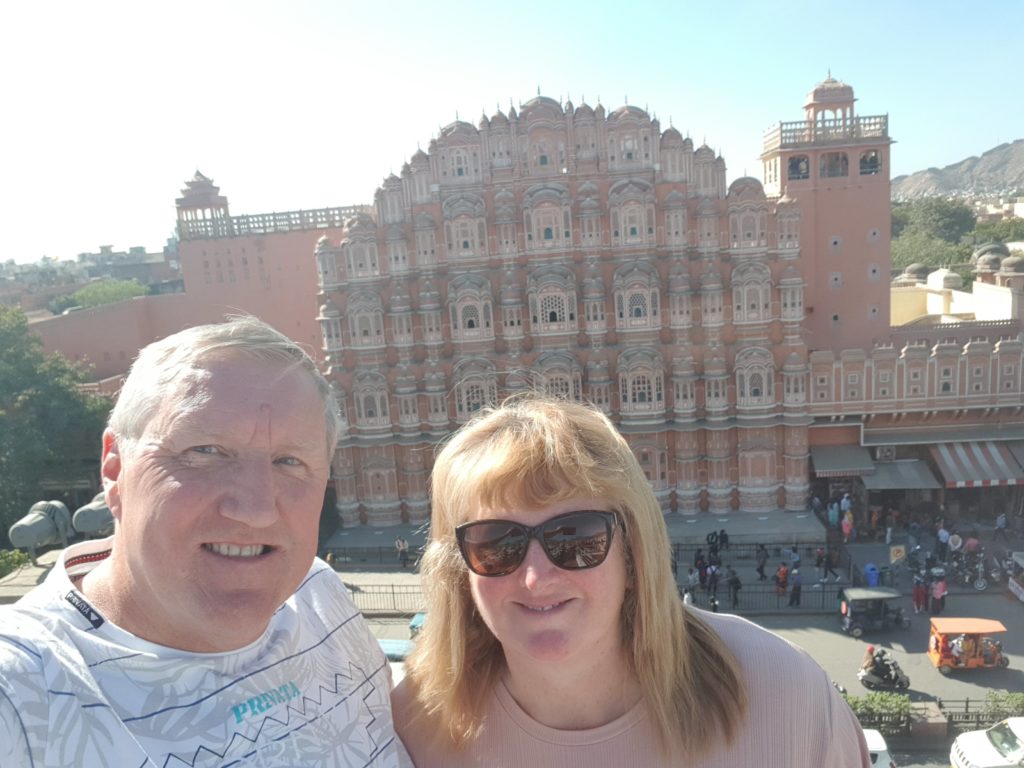
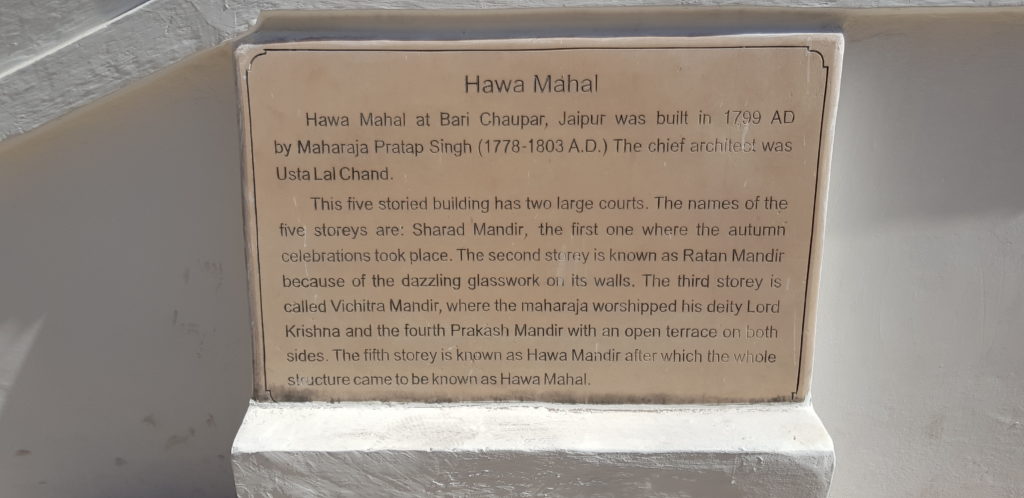
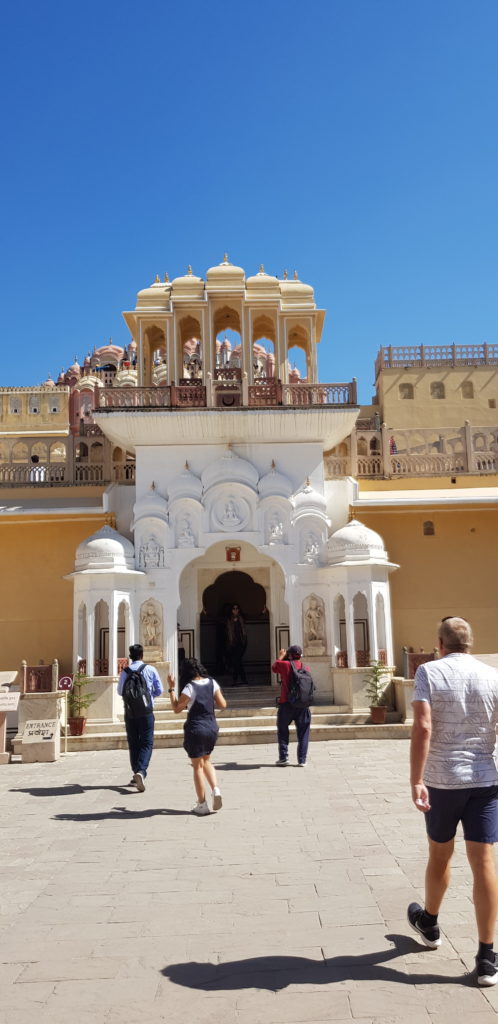
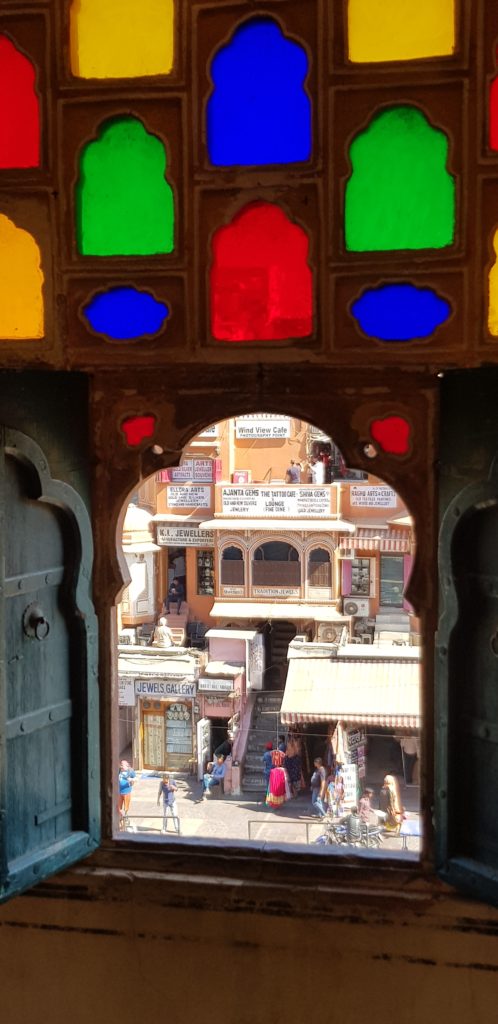
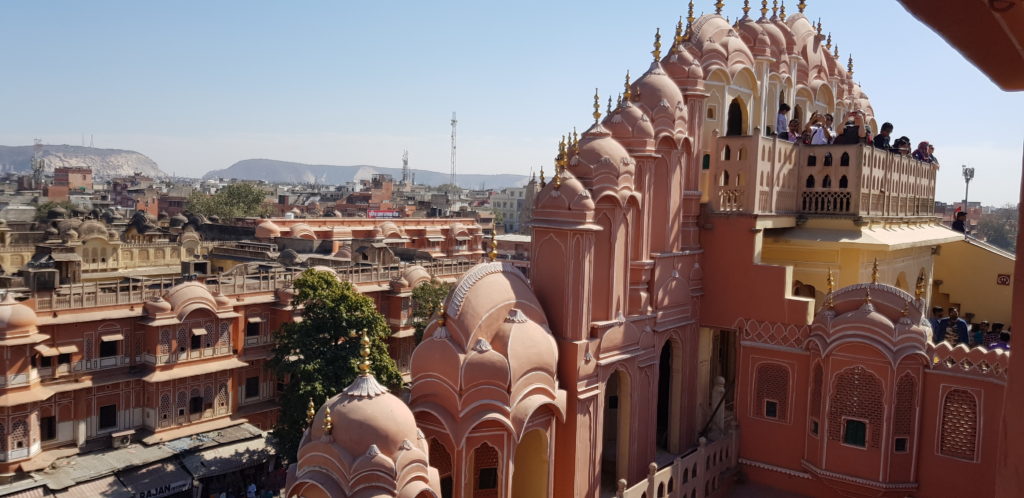
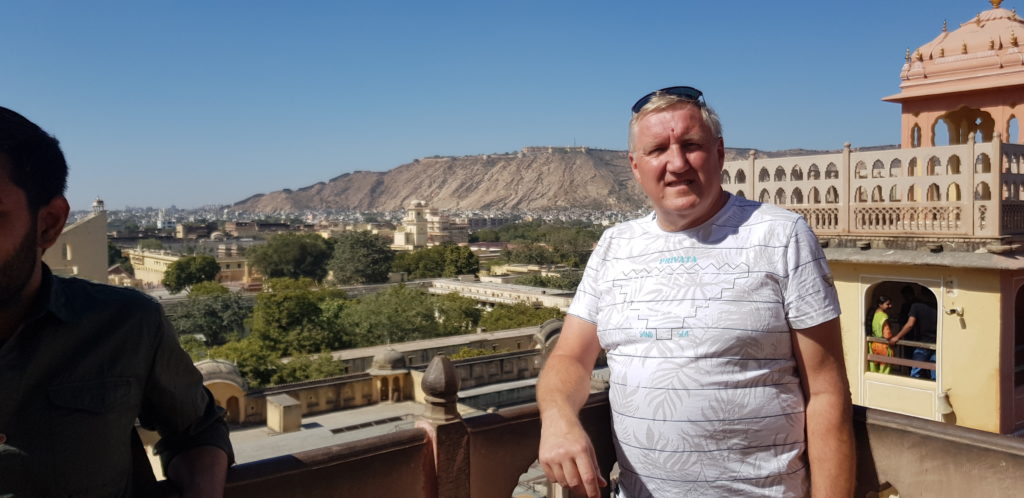
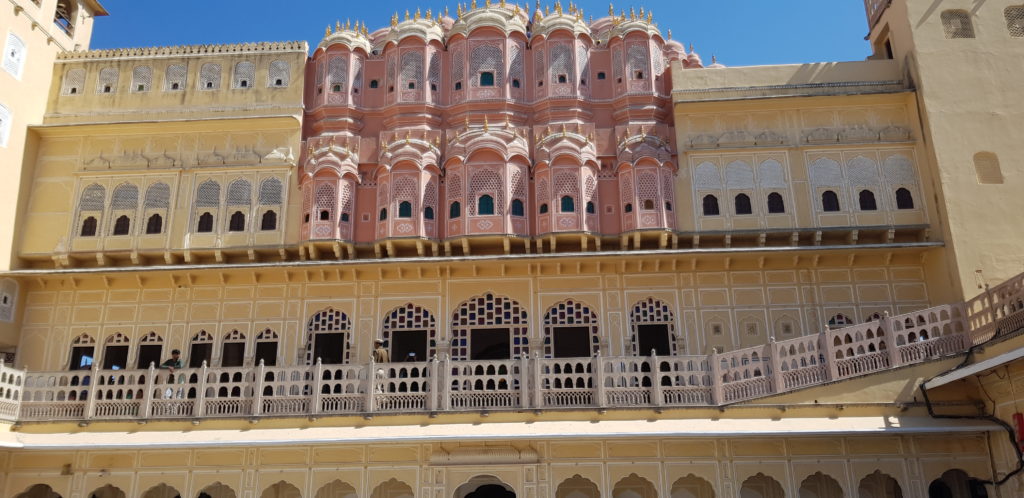
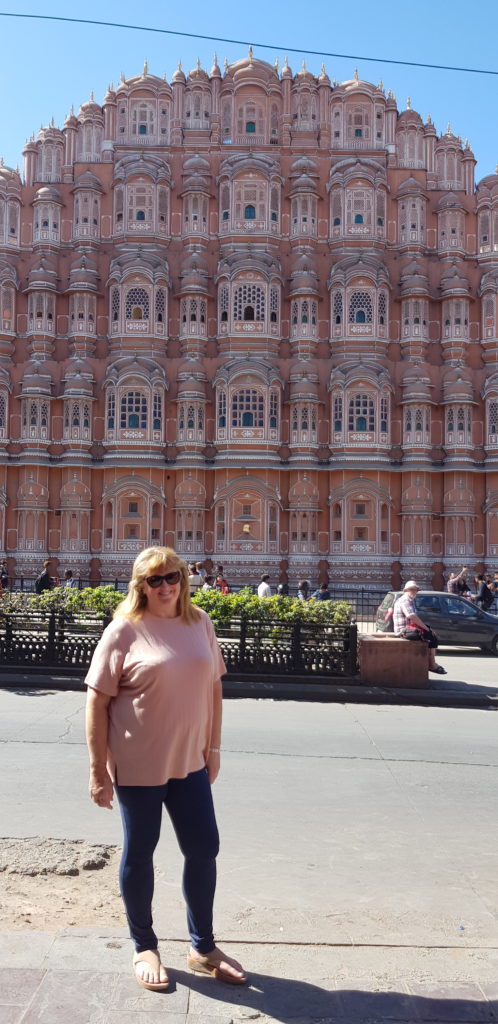
We fought our way through several streets of traders to enter the rear of the Wind Palace (Hawa Mahal), we actually thought we were lost so we followed a group of Indians who finally found the entrance! What’s wrong with doors off the main drag??? This was to be worth the subterfuge, this gem of a building was so beautiful, almost fairytale in its design. It was constructed in 1799 by the Maharaja to allow his Royal ladies to look out onto the world and watch the activities below. The honeycomb windows, made of pink sandstone are, in certain areas, filled with coloured glass, but the designs allowed wind to blow through, doing away with the need for water to cool interior rooms. It would have been an issue to pump it to the top of the 5 floors so the natural wind solved the problem. Both during the day and at night, its a pretty stunning building!
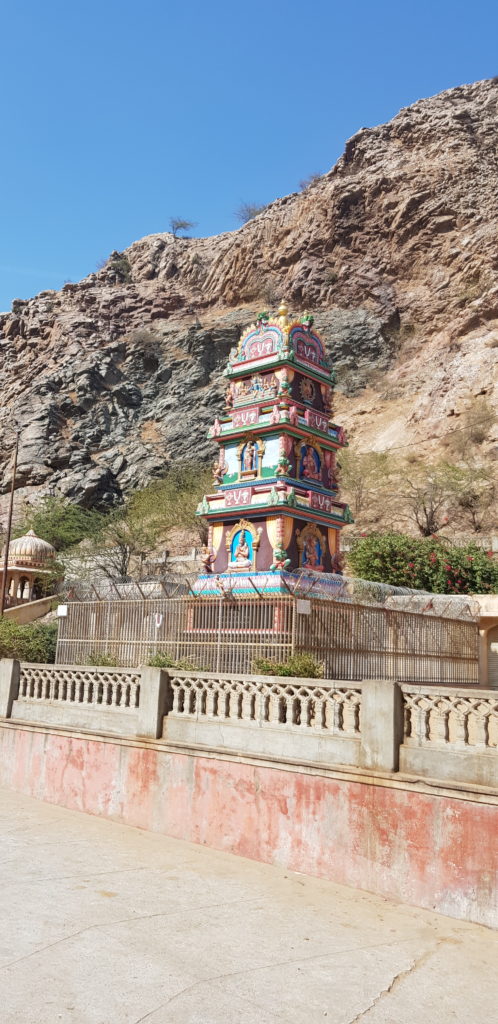
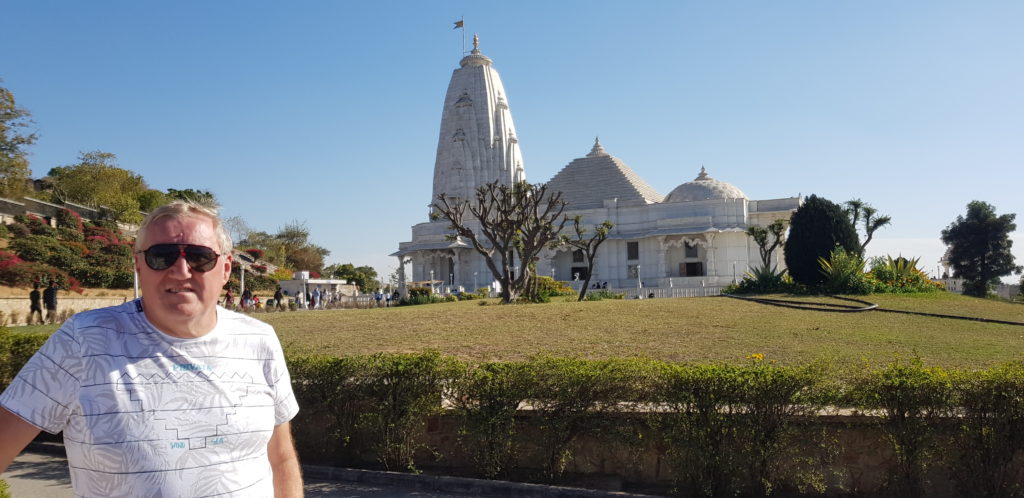
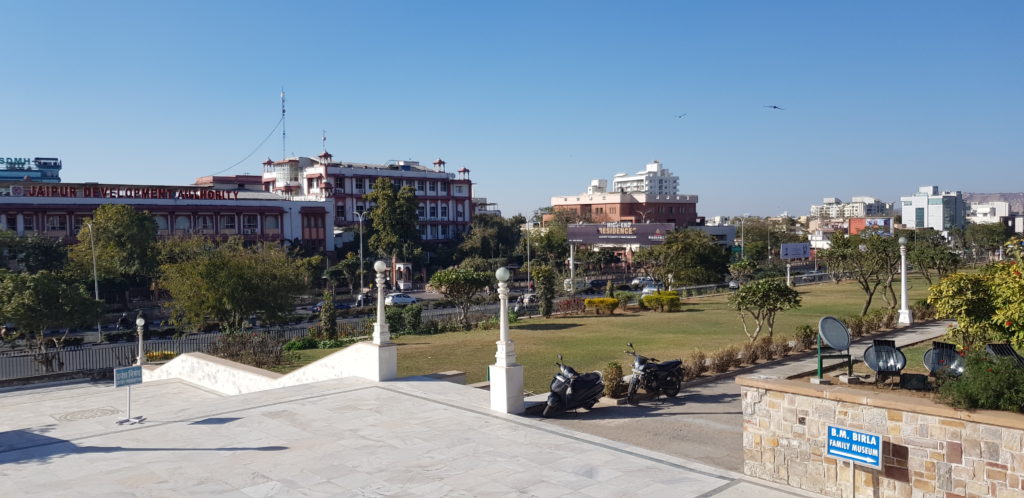
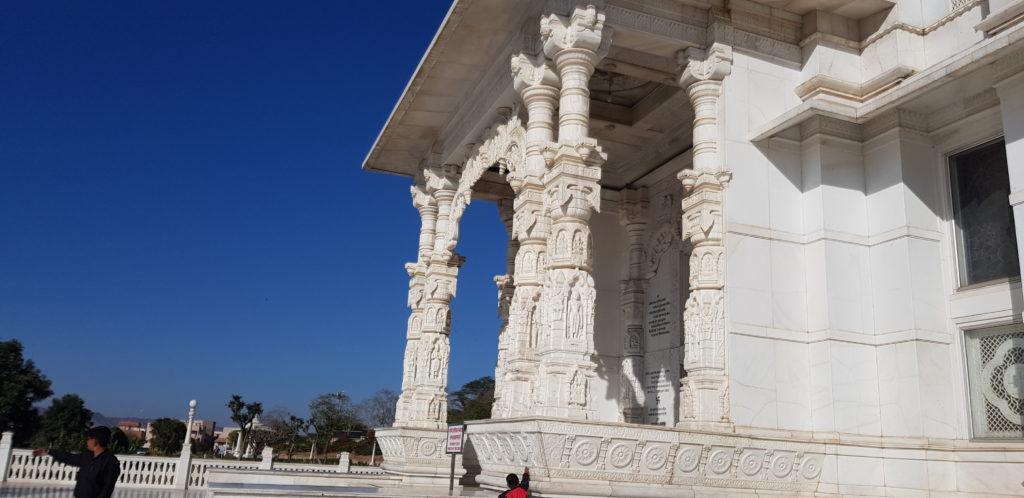
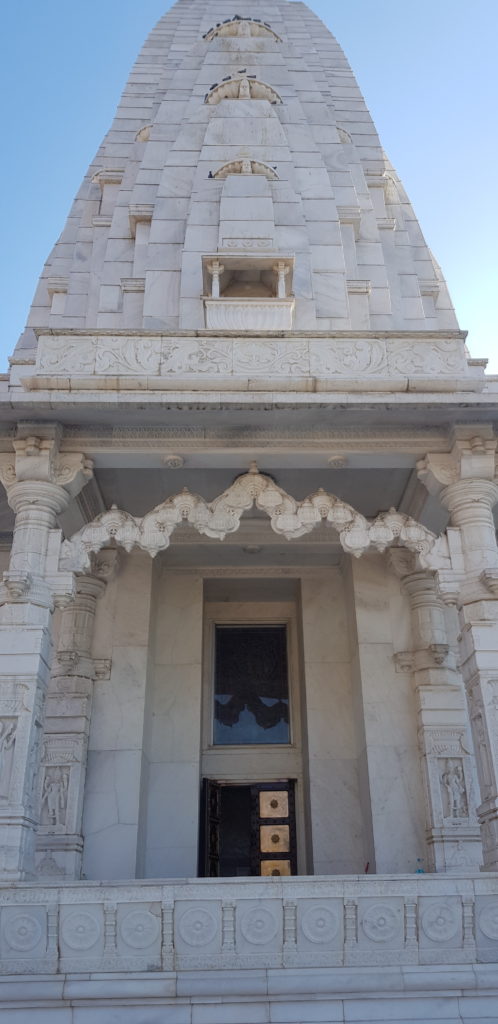
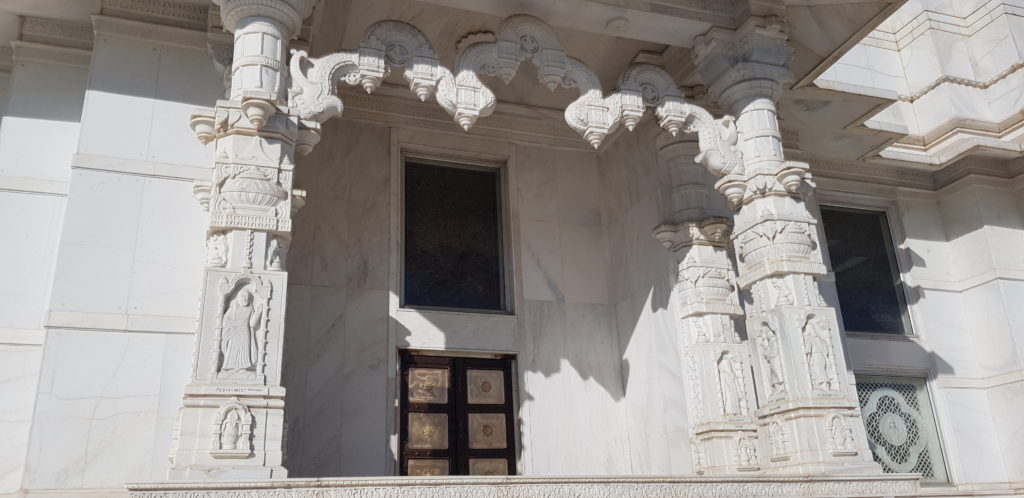
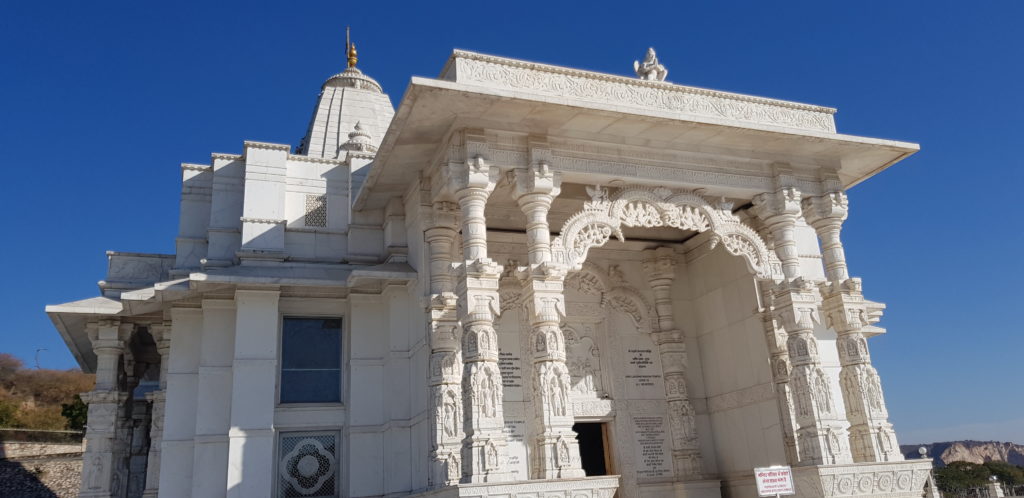
Finally we visited another temple on a hill, sat amongst the more modern part of town, glass office buildings surrounded by hoardings advertising health care or private schools. The temple was once again a chilled marble building, peace amongst the chaos, beautifully carved marble pillars and cornices. Jaipur is another chaotic city that has lost it’s colour but hasn’t lost its vibrancy.
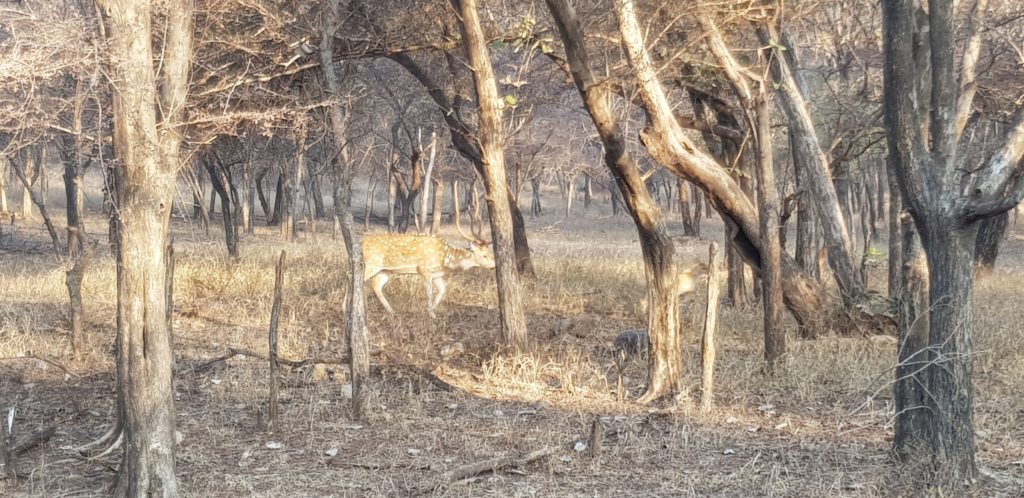
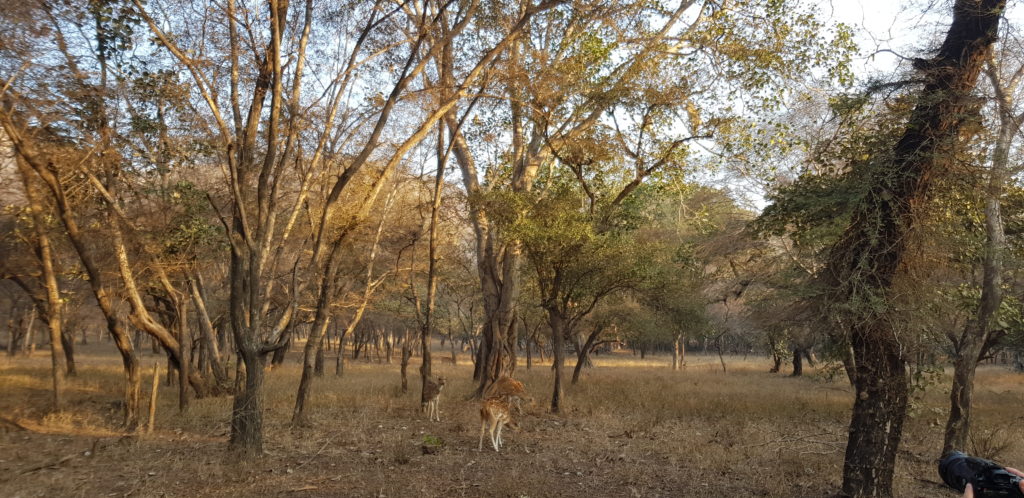
Spotted deer (Choo Chip – several beautiful specimens)
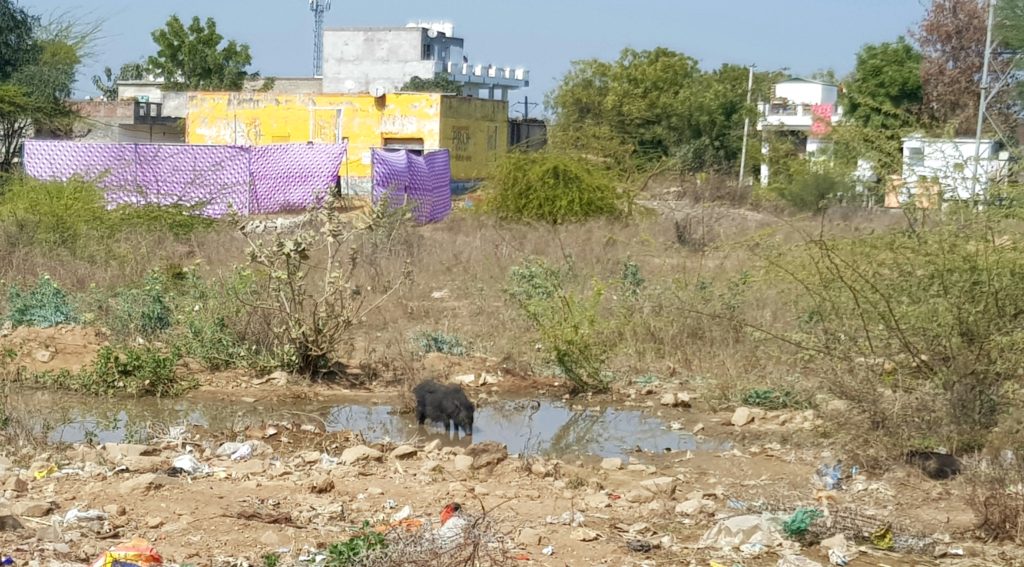
Warthog (Fred – common in the rubbish piles)
Crocodiles (Jacala – 3 sunning by the lake)
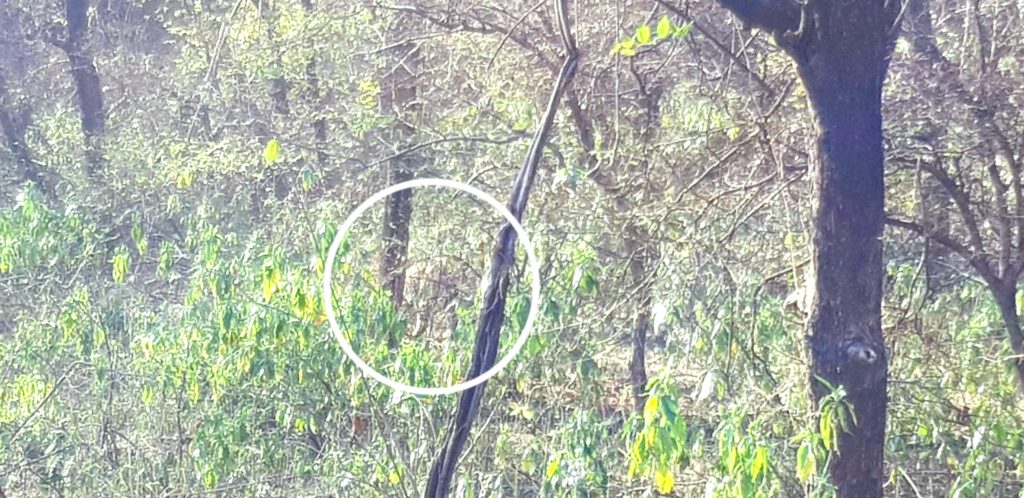
BENGAL TIGER Shere Khan – briefly spotted in the shrub
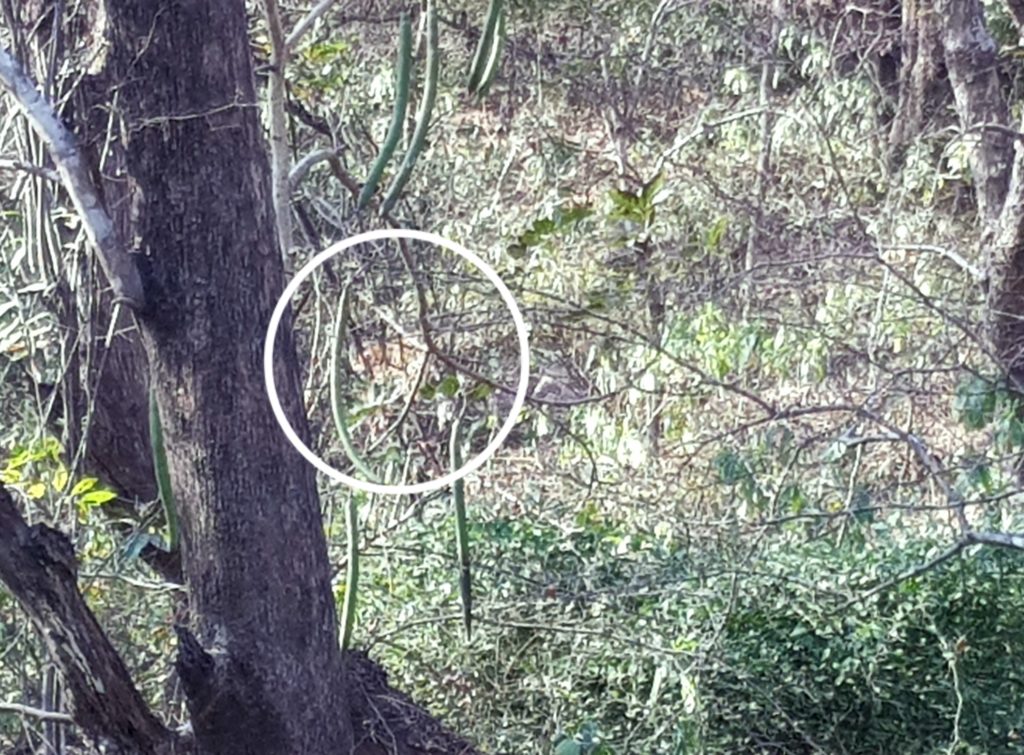
LEOPARD Bagheera – snoozing up a tree
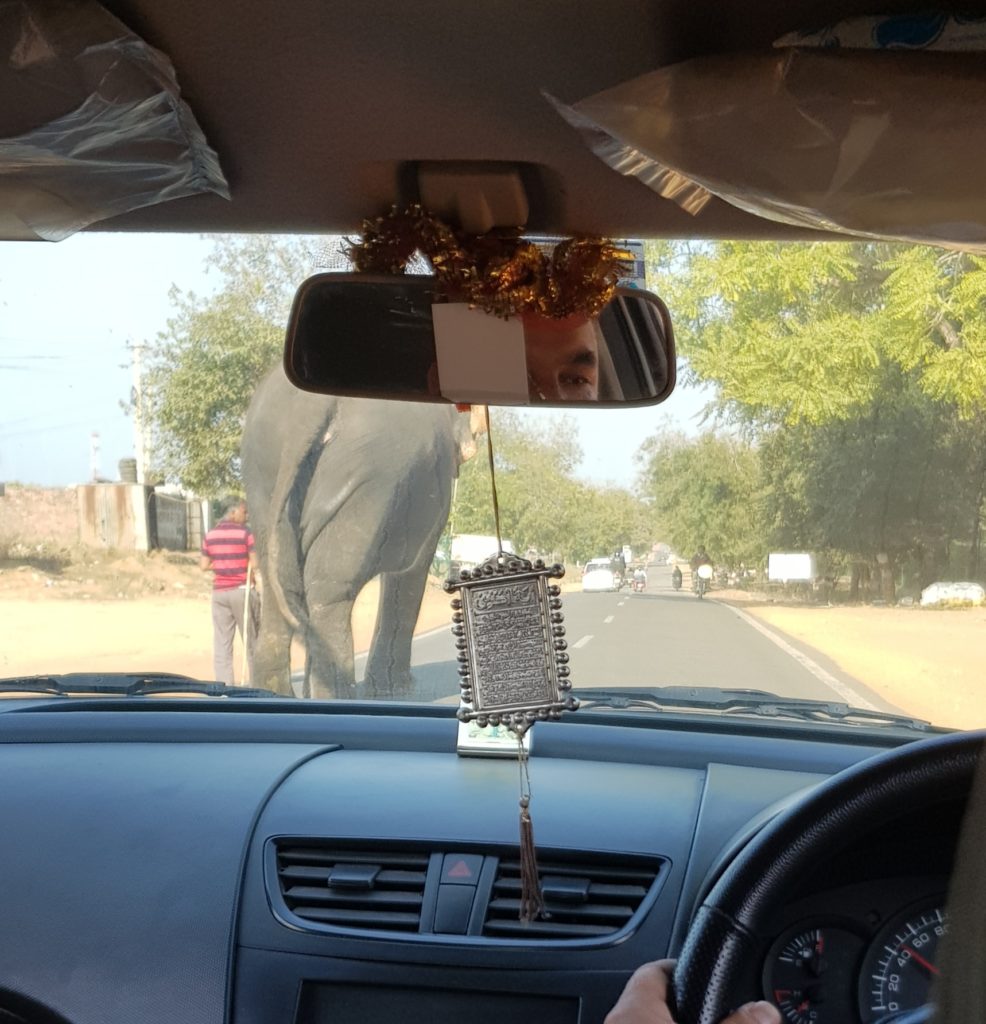
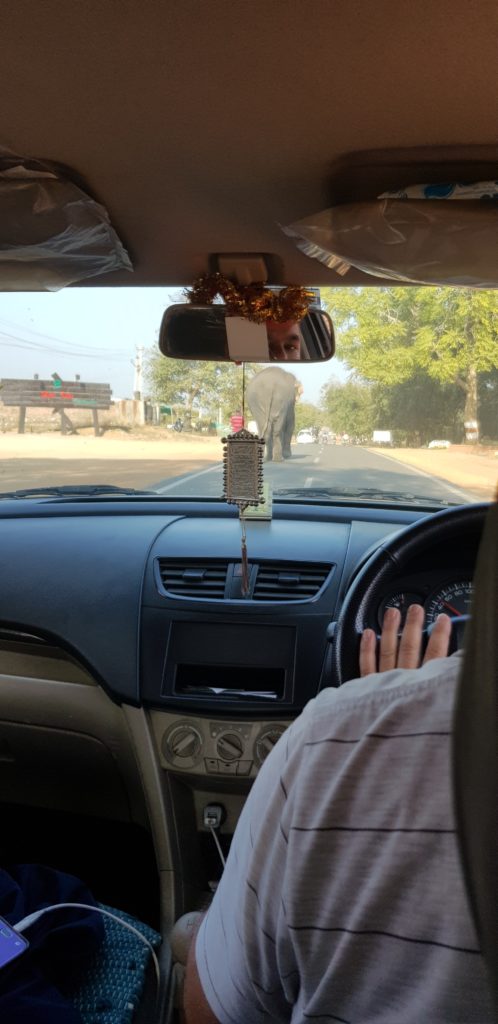
ELEPHANT Hathi – on the road to the Park
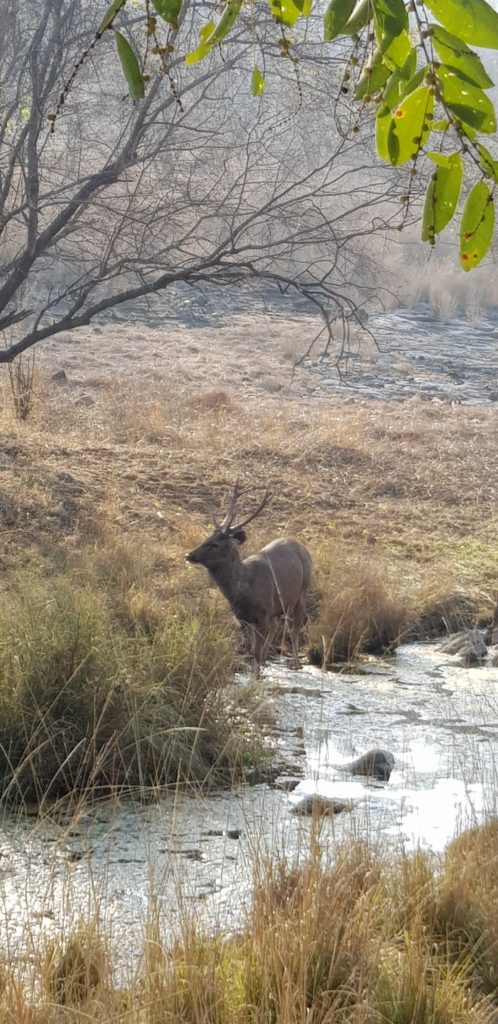
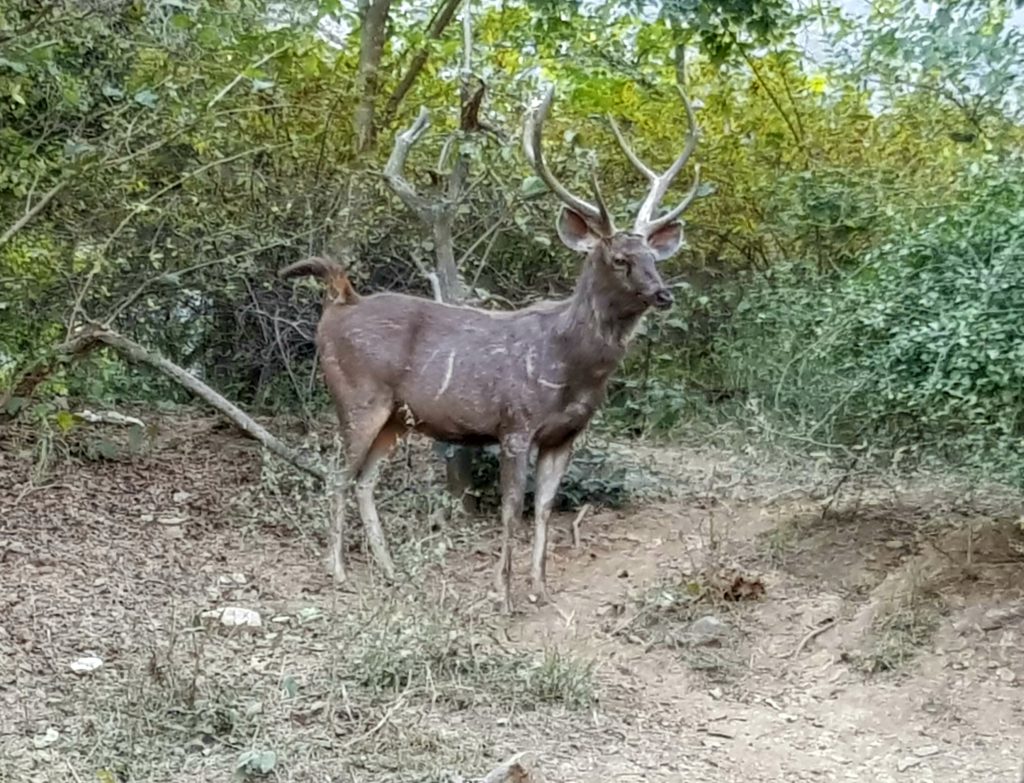
Summer deer Leopard food in abundance
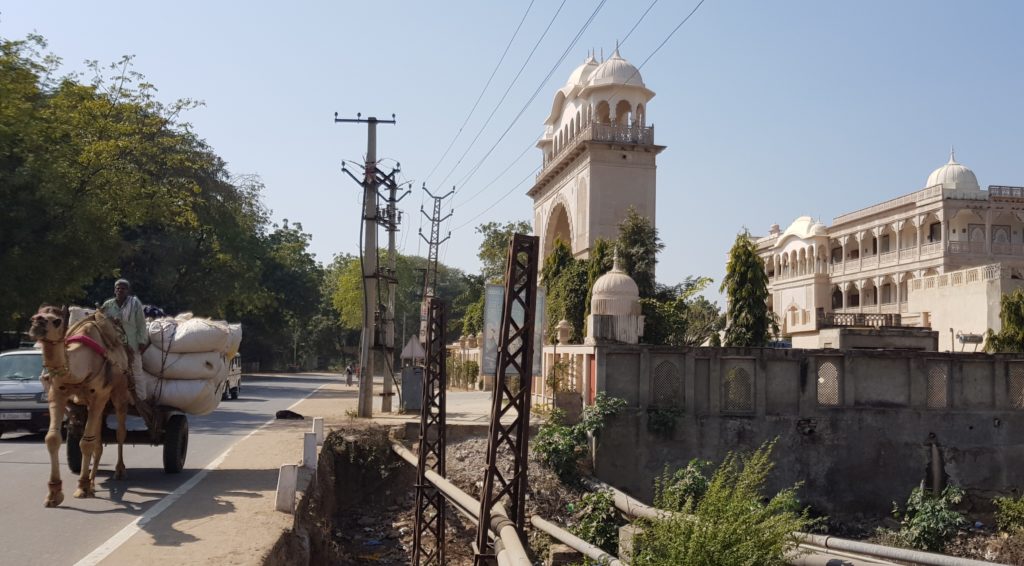
Camel Working outside the park
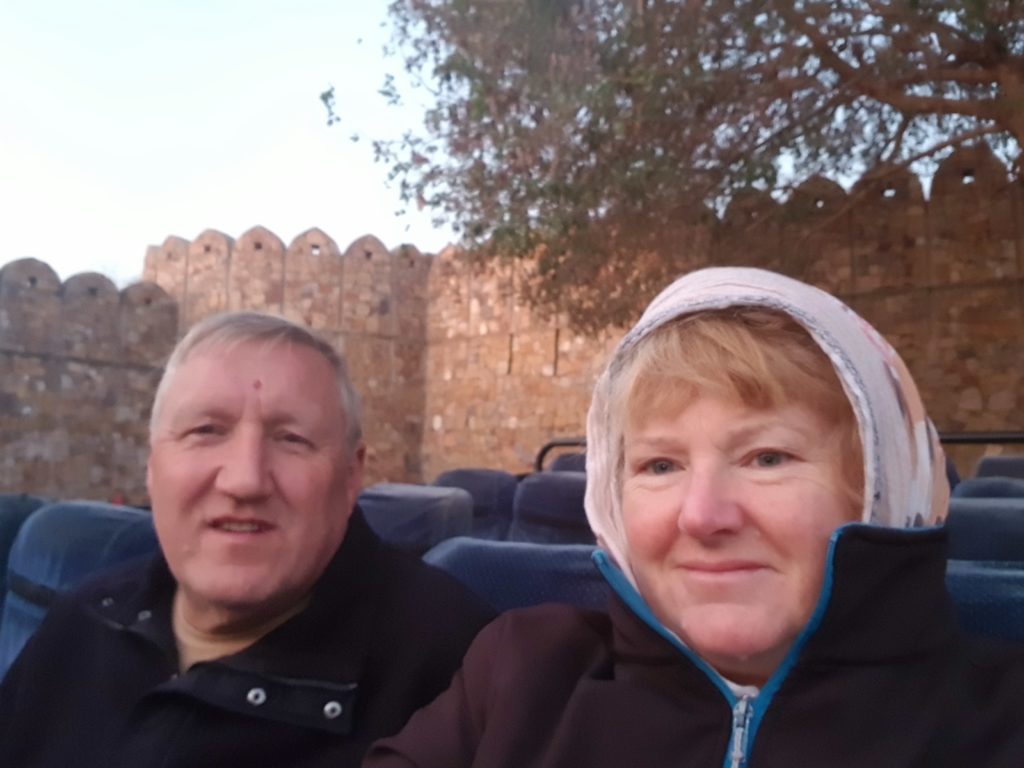
We dragged ourselves out of bed just before 6am to be collected in an open jeep half an hour later. We were the 2nd pickup from hotels, ours being on the main road to the wildlife Park. Several other hotels, described as being in an “idyllic rural setting” and “peaceful and natural” were tucked away in the scrubs and tourists from these places were moaning about how they found it difficult to locate the places, and how they were in the middle of nowhere! Some people are never happy!
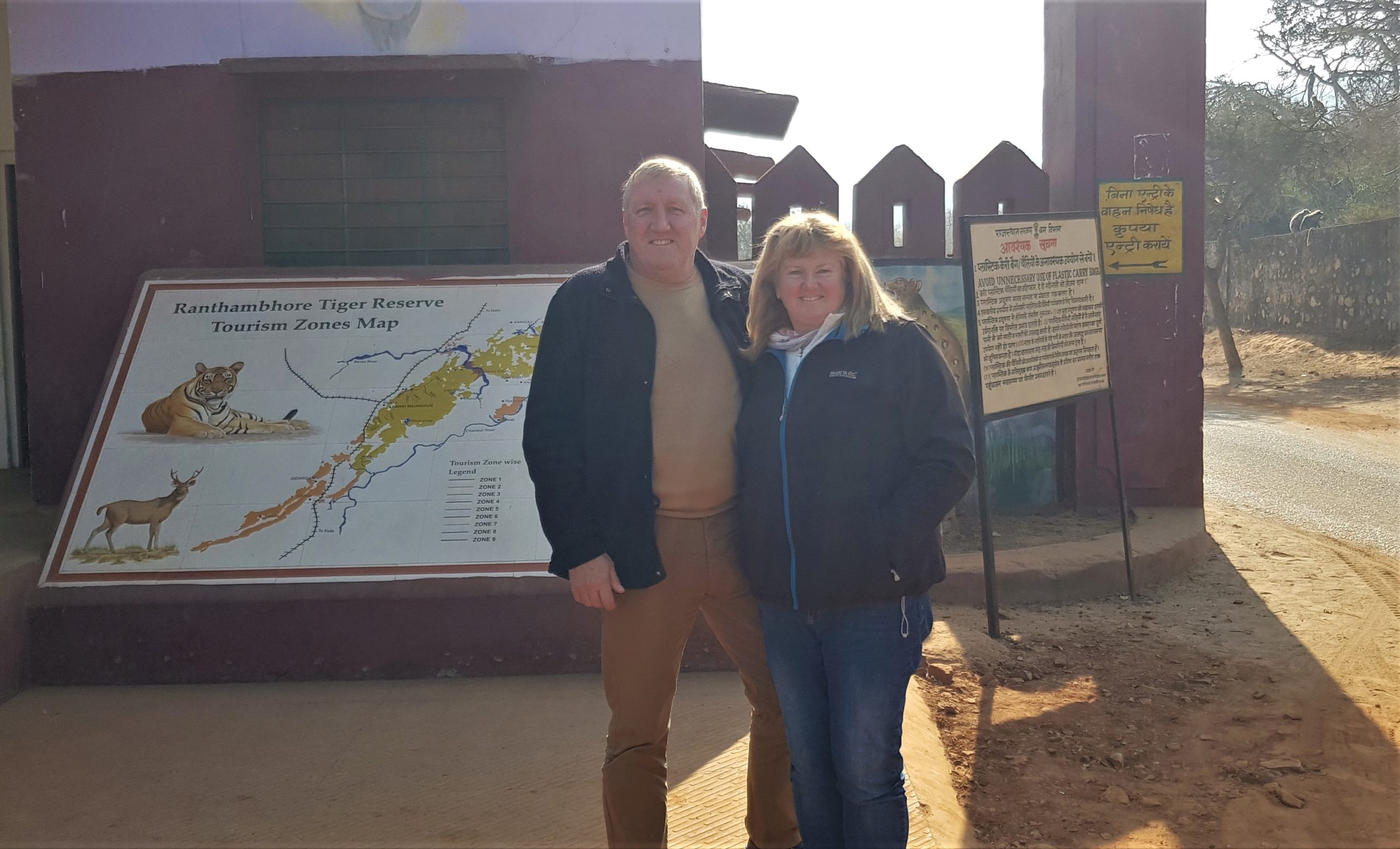
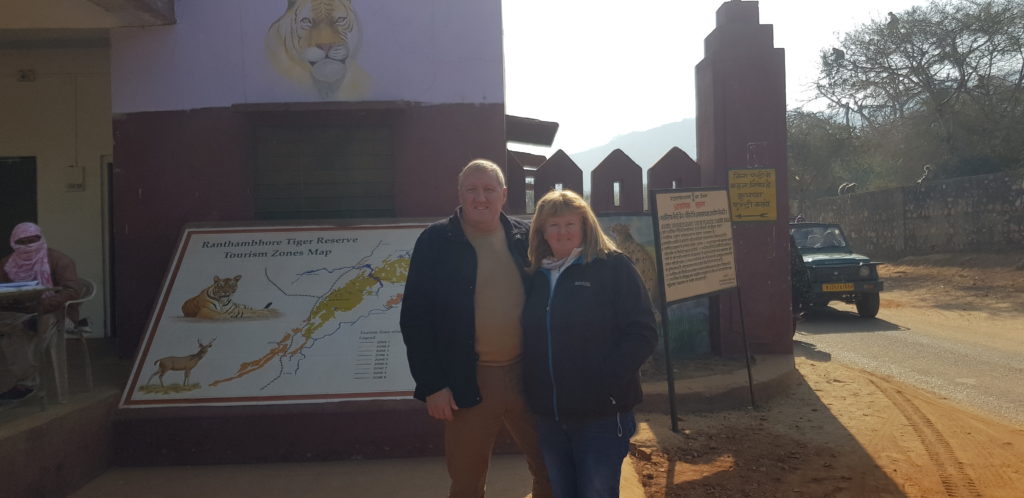
An American couple boarded the jeep, she was dressed very inappropriately in a thin ankle length denim dress with slits up the side, 3/4 length sleeves and a straw hat! I did mention that it was very cold on the road and she might want to grab a blanket from the driver and wrap up, but she was “fine”! So 20 mins later we head into the park, American lady shivering and moaning and two Aussie women behind us discussing face creams with sun protection! The park is divided into 12 zones and zones are allocated at random, 1700 sq m of wilderness, 70 tigers, chance of seeing one that day was 50/50.
The guide did tell everyone to stop talking and keep very quiet, a task the American found very hard to do, she kept asking stupid questions like “will we see a tiger today, what do they eat, where do they normally hang out????” The guide who’s name was Amstrad, took a very deep breath before responding. I was waiting for him to say ” yes, they knew you were coming, so they are hanging out at the shopping mall, before grabbing a Costa…..”
Patience paid off and we got to see a glimpse of a Bengal tiger as she crept through the foliage, my pictures are not great because I was too busy watching her, and ignoring the American! The leopard was snoozing up a tree, there were plenty of beautiful stags and their broods, as well as 3 lazy crocs sunning beside a lake.
An early cold start was well worth it, we returned to our hotel happy, dusty and cold and ready for breakfast. From the 12 guests booked onto a safari by our hotel that day, we were the only ones who had seen a Bengal Tiger and the leopard!!! Talk about lucky!!
Freezing cold at 6am!
As the sun comes up, its warming, but not a lot
Elephant (poetic licence here!)
Spotted deer
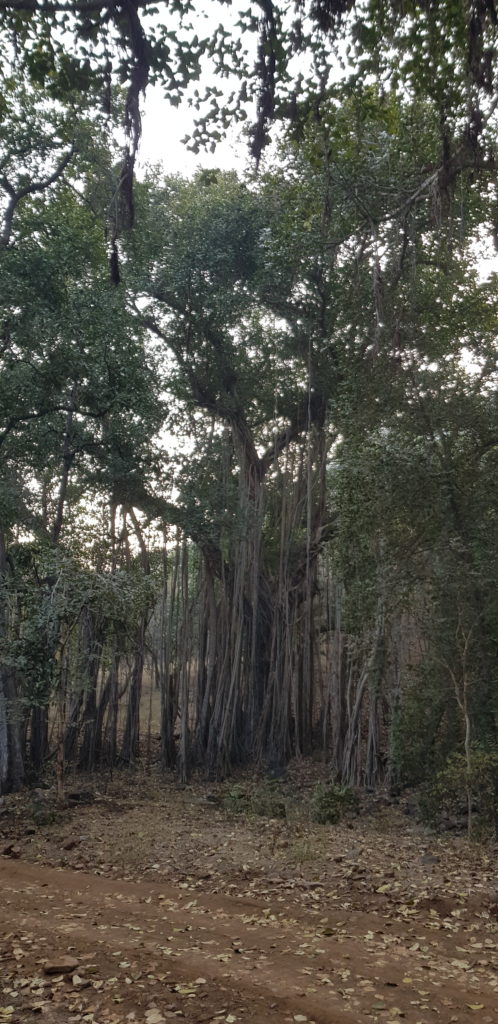
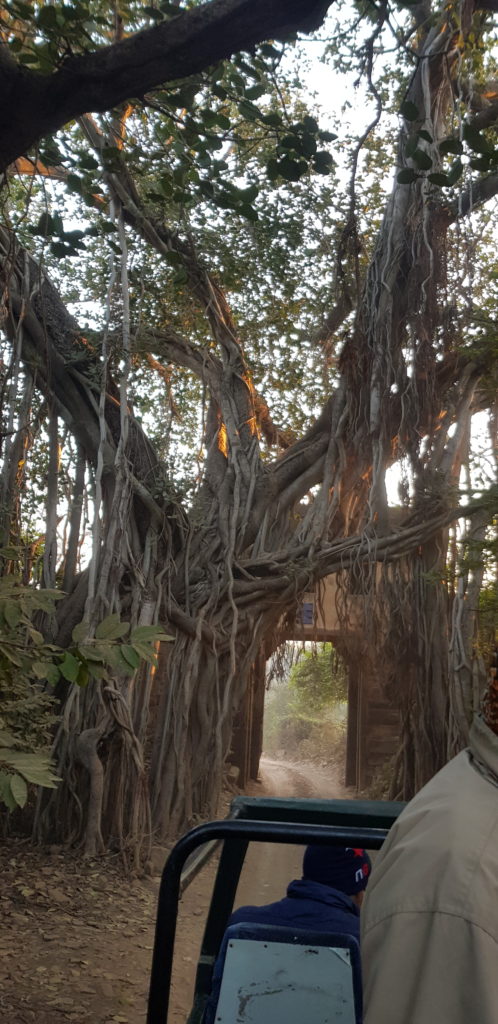
An old Banyan tree
Male Summer deer
And his brood
Another type of deer
A warthog, happy as sh*te, in sh*te
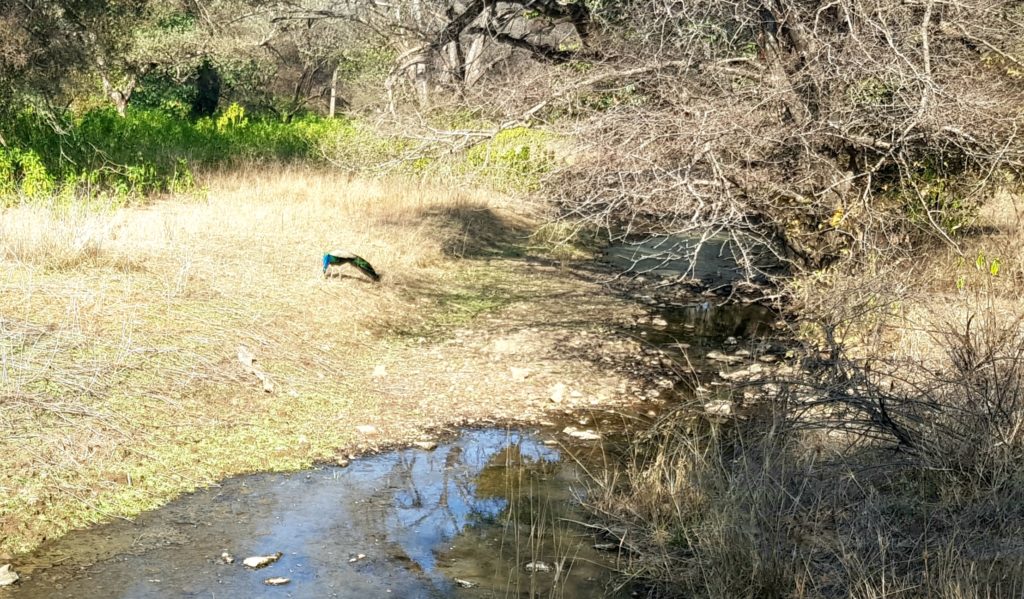
Wild peacock
The rear end of a Bengal tigress, 18 months old
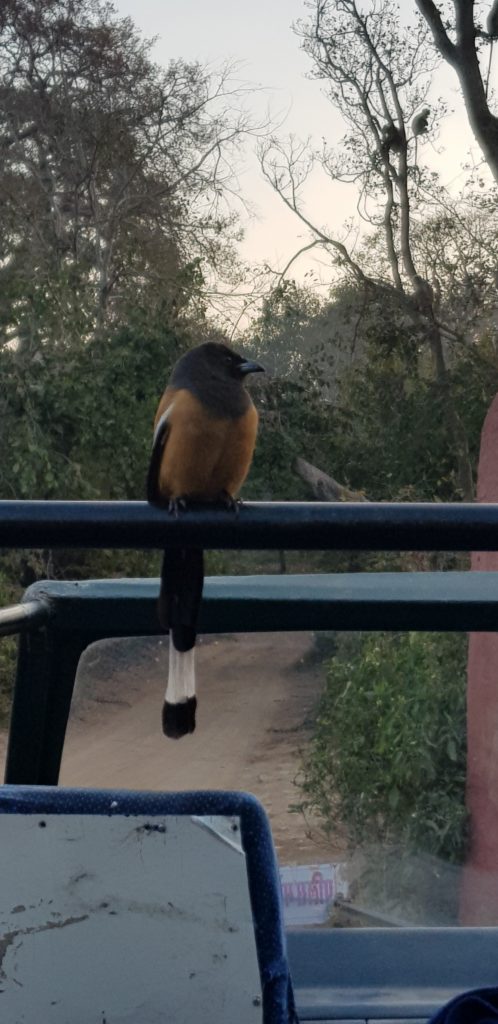
Friendly pretty bird
Bengal tiger’s head
A working camel
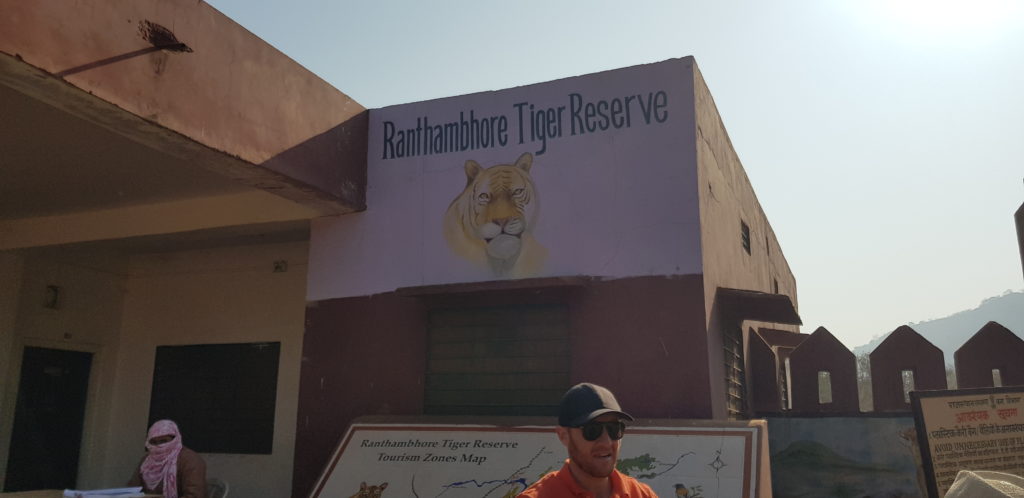
Entrance to the park covered by an old Banyan tree
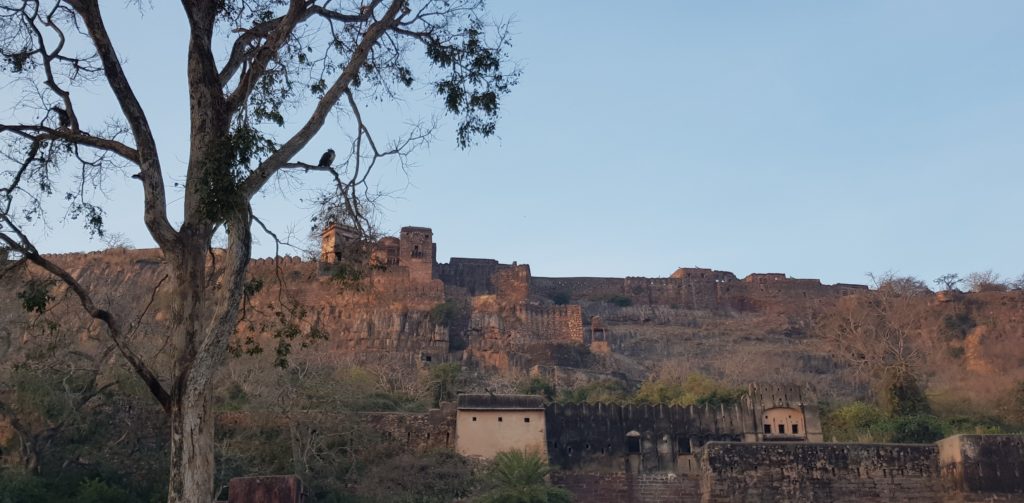
Ranthambore Fort
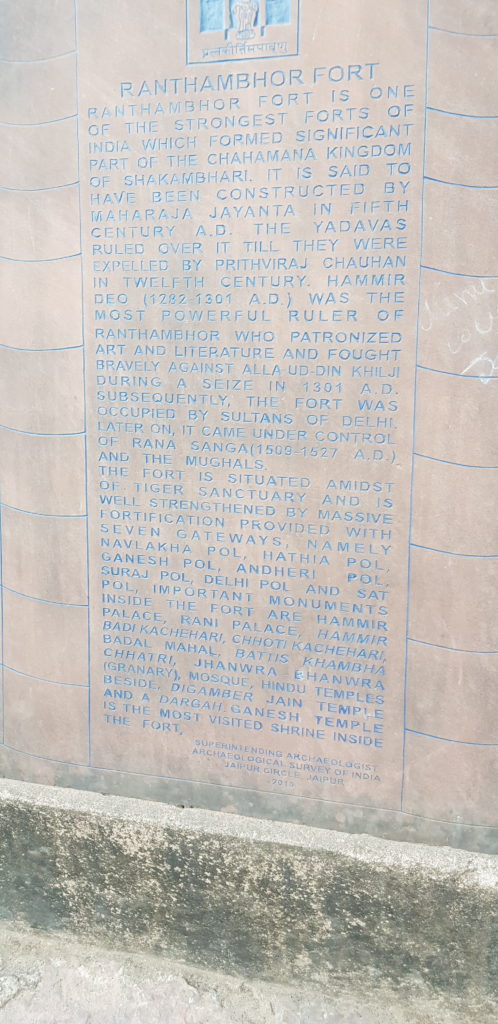
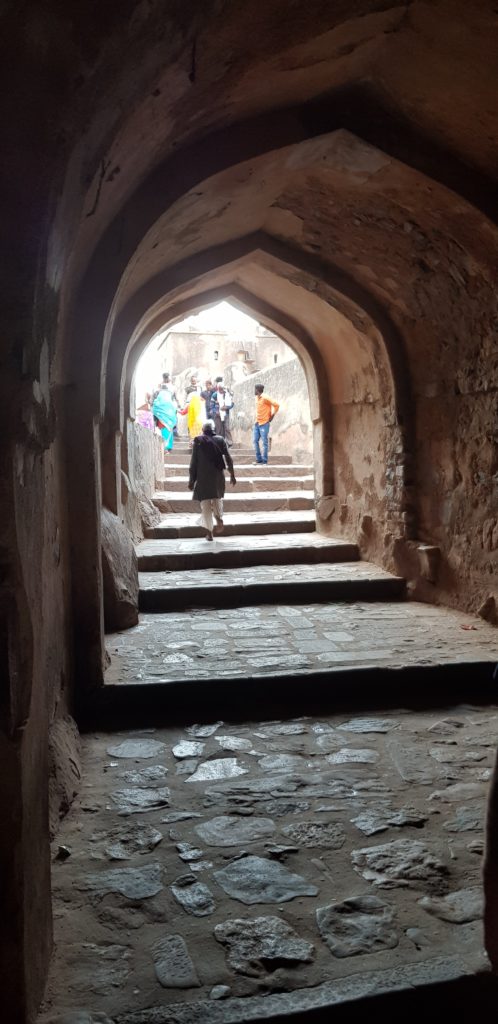
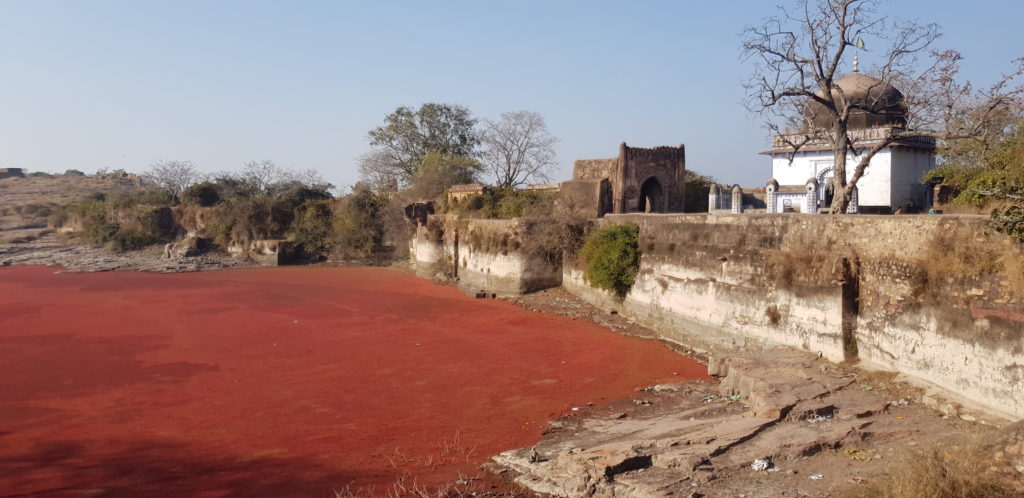
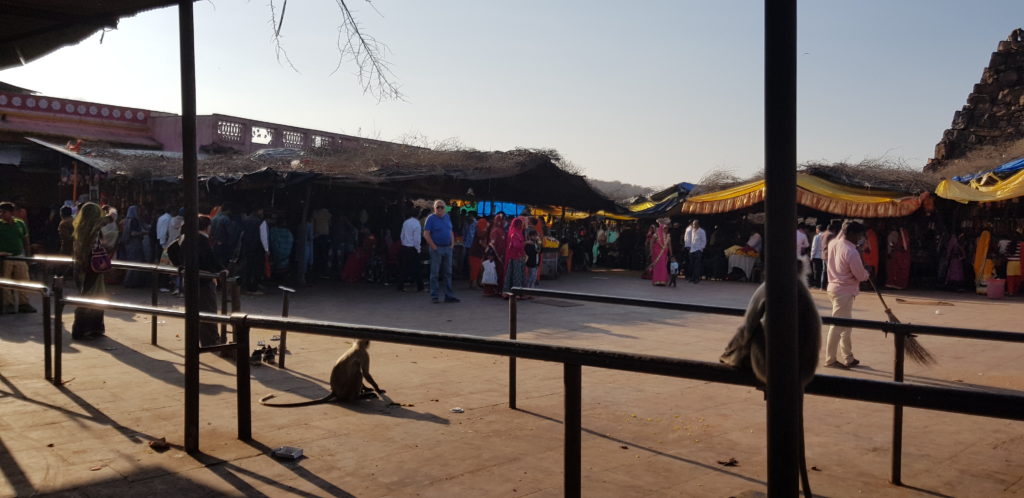
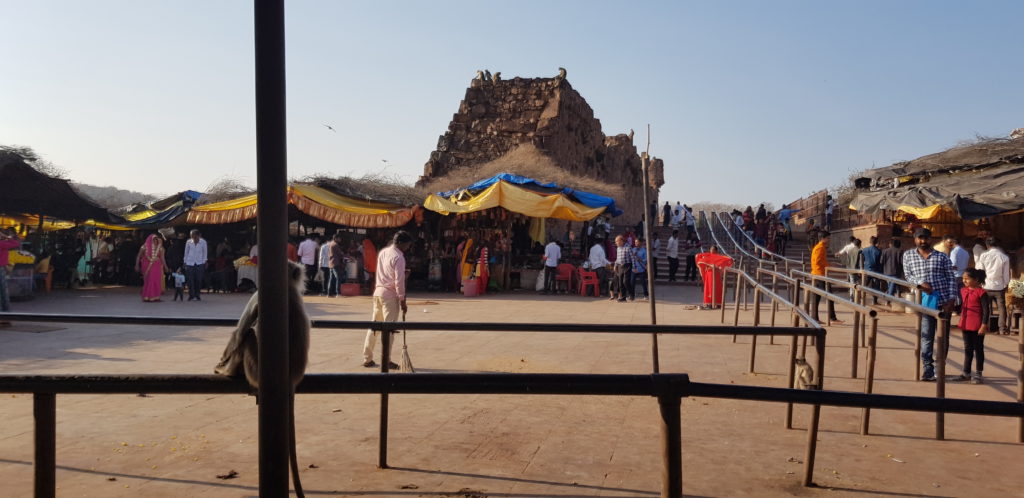
After showering and warming up with breakfast, we called our driver and asked him to take us to Ranthambore Fort. This hilltop structure overlooks the National Park, was built in the 5th century and has several gates, temples and lakes within it. That particular day was a rememberance day, people remembering their dead relatives, so was full of locals dressed in their finery heading to the Temple to be blessed.
We were a bit of a spectacle, climbing the few hundred steps to the top, all the young men and girls wanted to stop and take a selfie with us, us being the only white skinned bodies in sight! One group of 3 young boys asked if they could take a selfie with us, we replied “yes for 300 rupees (about £3)” they laughed and sneakily took a photo of themselves with us in the background!
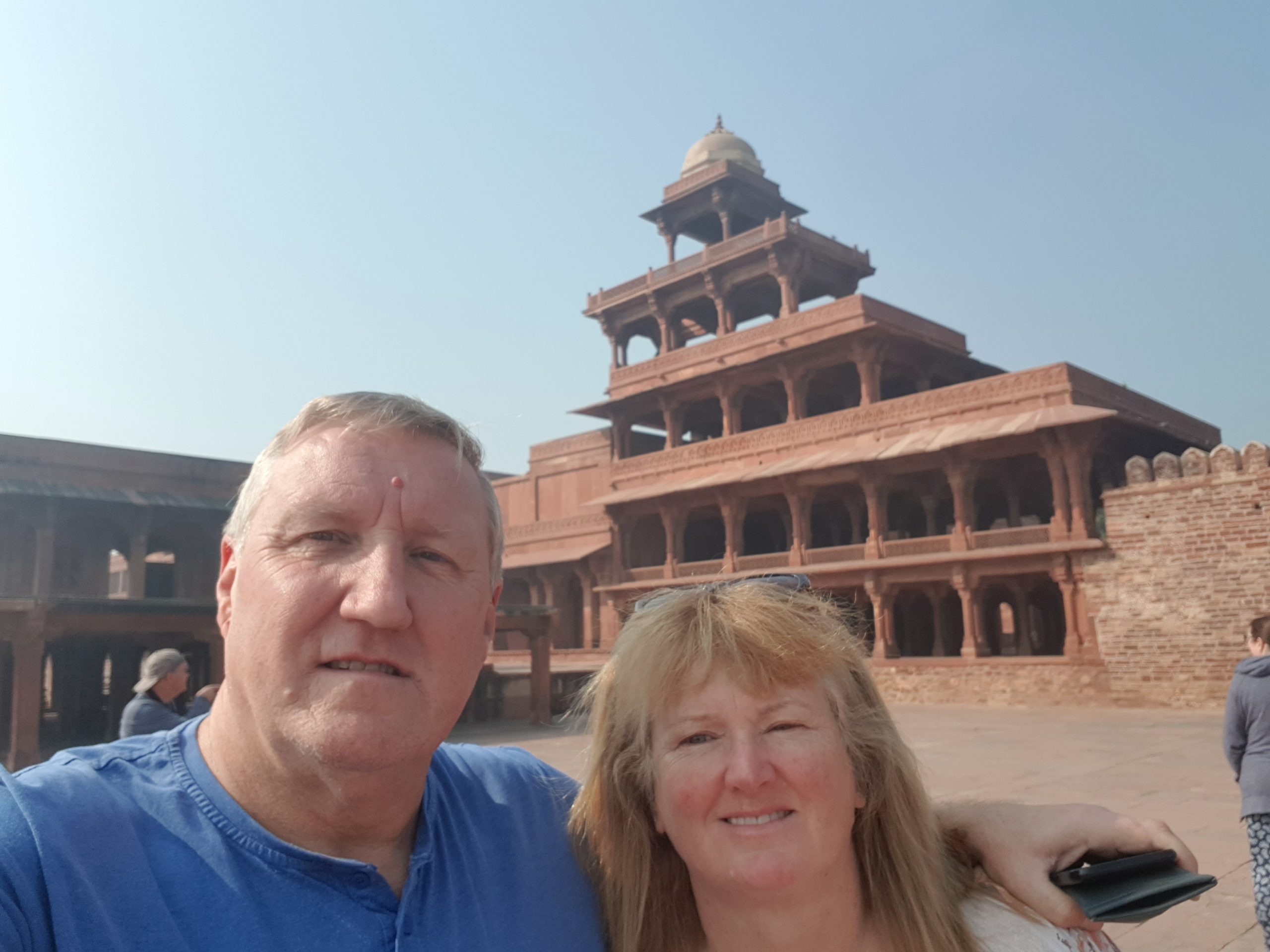
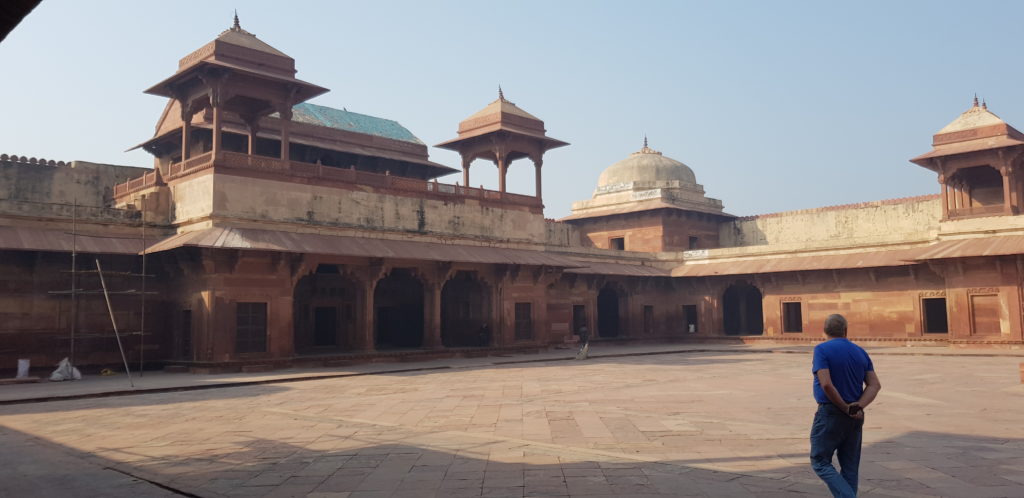
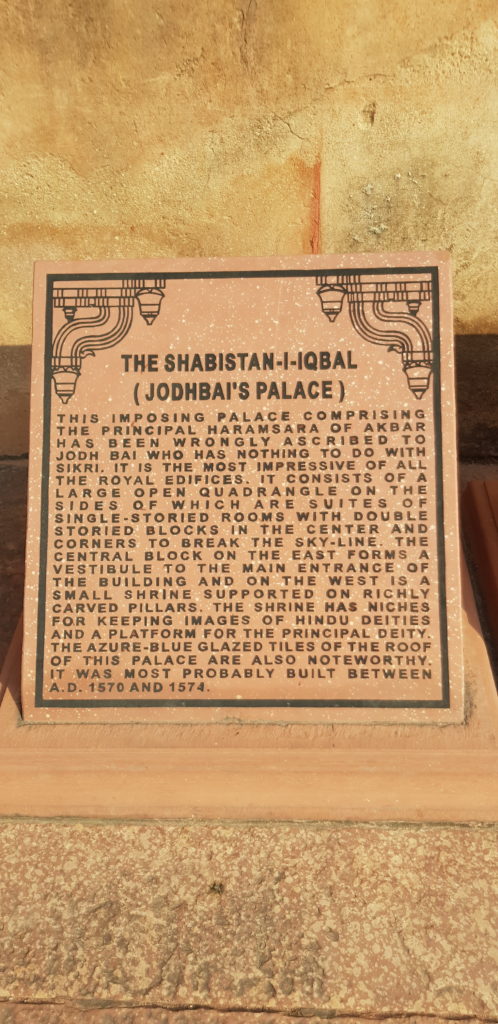
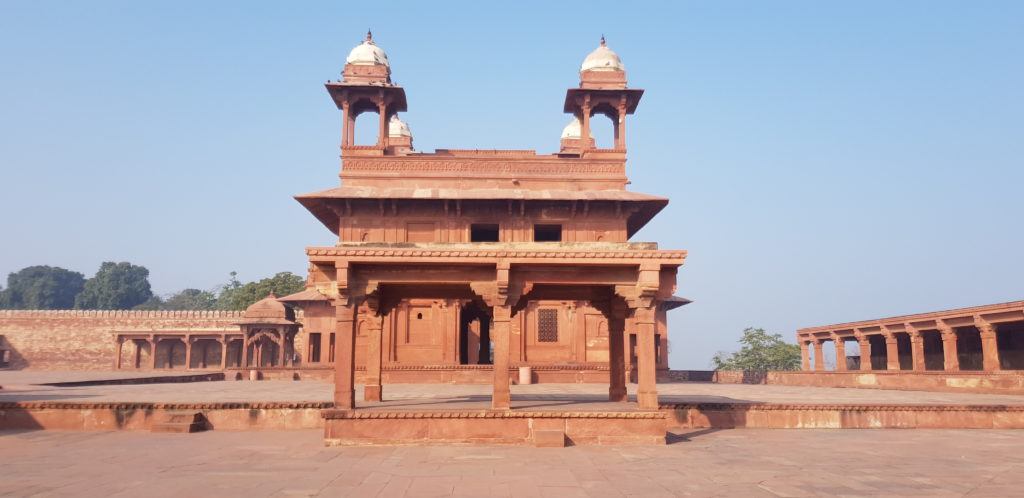
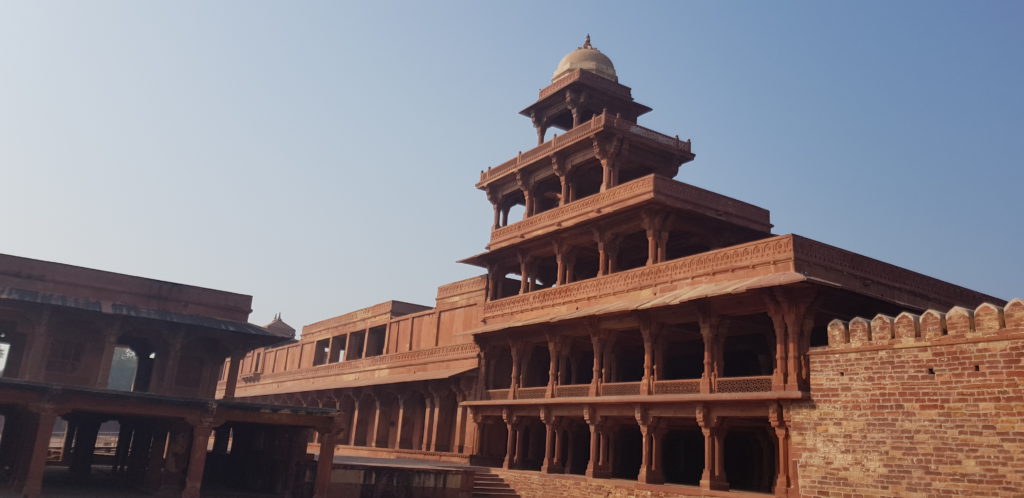
The Deserted City of Fatehpur Sikri is a World Heritage site, and we can see why. It’s an amazing walled city, built between 1571 and 1585, by Emperor Akbar, who visited the area, liked it so much that he bought up the land and built himself a tad small pad…..about 3 miles long, 2 miles wide, one palace for himself, one each for his 3 wives, one a Hindu, one a Muslim and the last a Christian, all interlinking for conjugal purposes and communal living. However, soon after moving in, the Emperor inconsiderately died, and the city was deserted by the wives after finding the area suffered from water shortages and the bathing pools dried up!
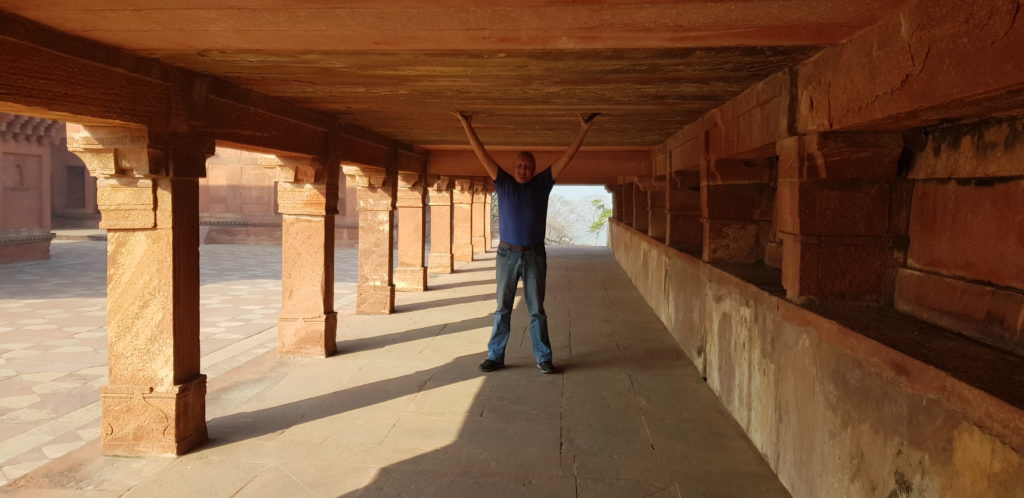
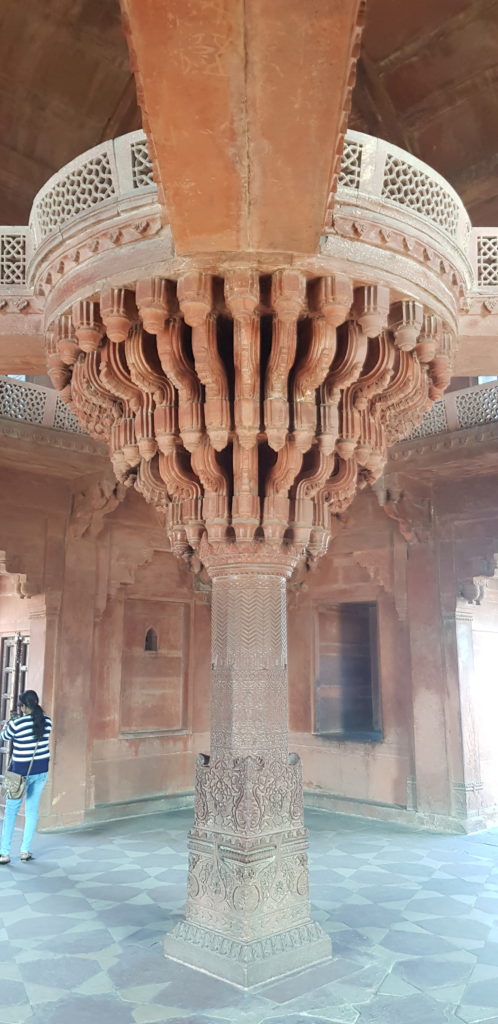
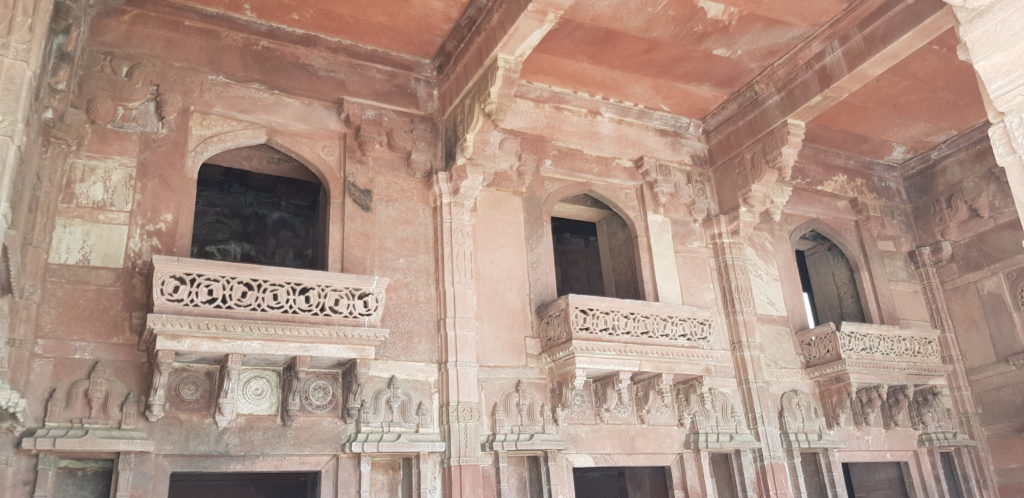
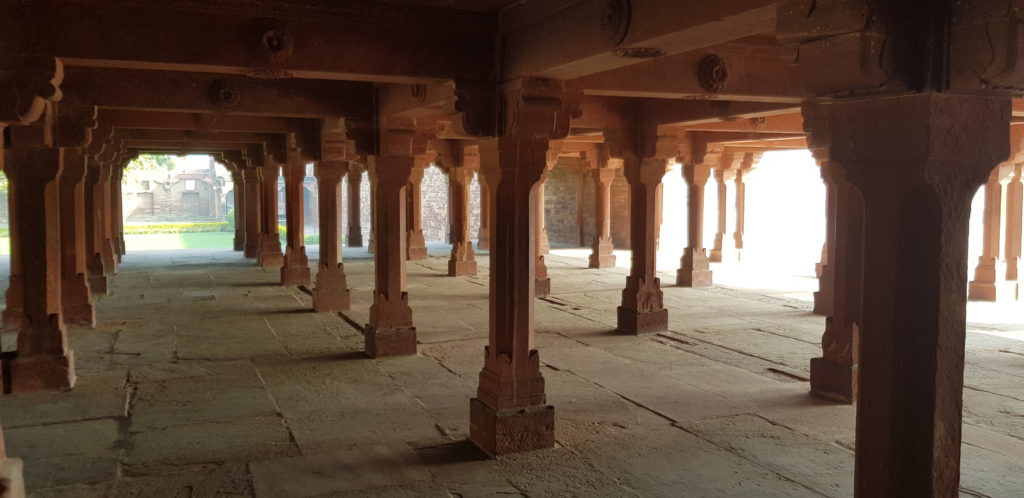
The individual palaces are ornate, every stone pillar and balcony is carved with animals and flowers, interlinked rooms were large and cool and would have been kept warm in winter by thick rugs and wall hangings.
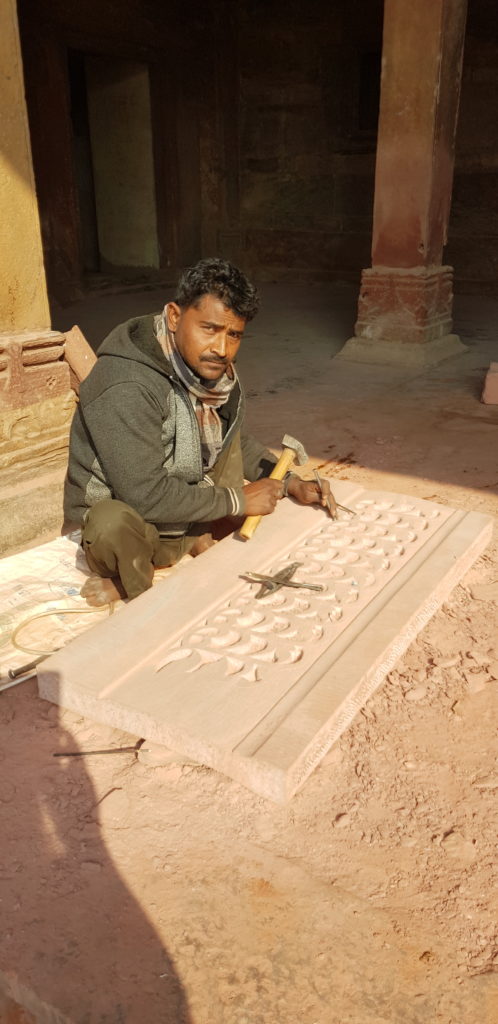
One piece of stone is hand cut, no machinery used.
Ornate balconies
Emperor Akbar also built a huge mosque, said to be one of the most ornate in India, but as we had a long journey ahead, we skipped the visit to the mosque and headed on to Ranthambore national park, where tigers await us, hopefully!
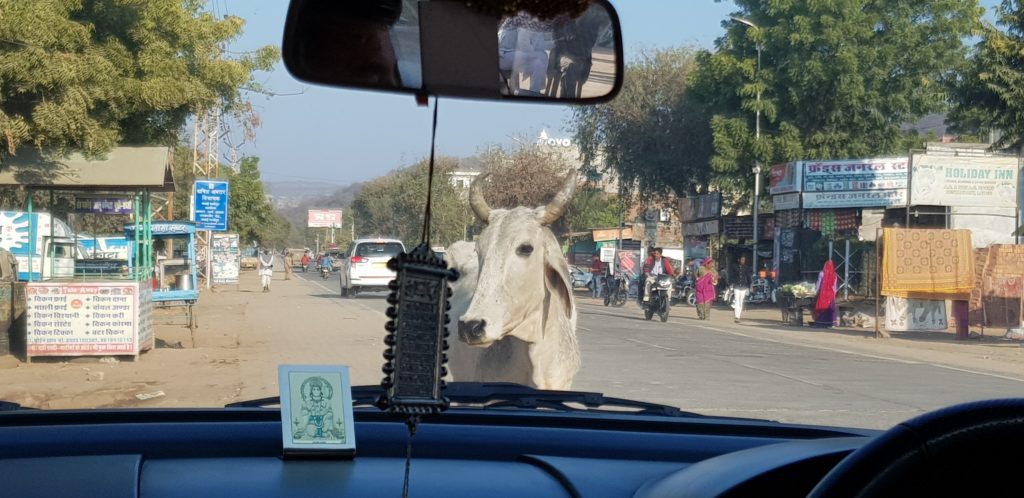
Our very long car journey from Agra to Ranthambore took 6 hours, no motorways here, just pot holed roads, through busy townships heaving with people and animals. The landscape changed from flat dry land to flat green fields with the odd mountain thrown in.
Watch that cow!!
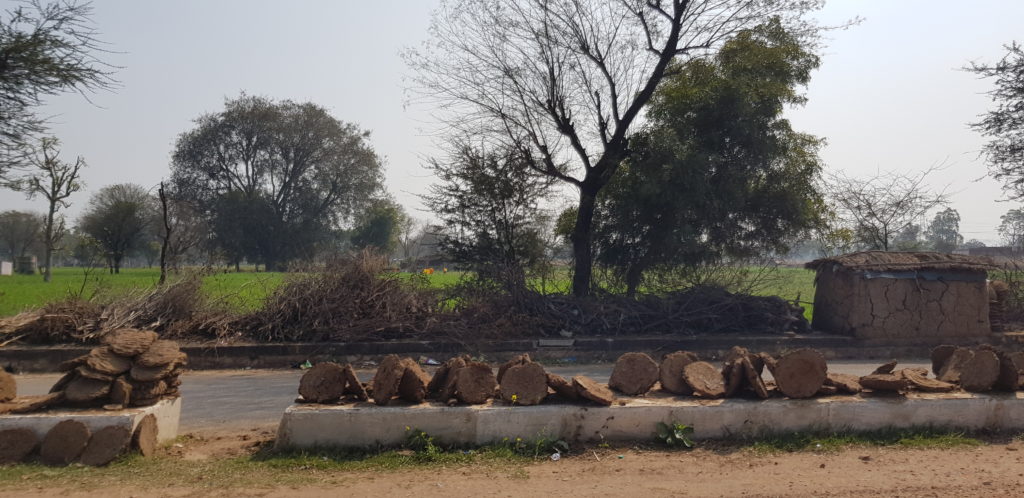
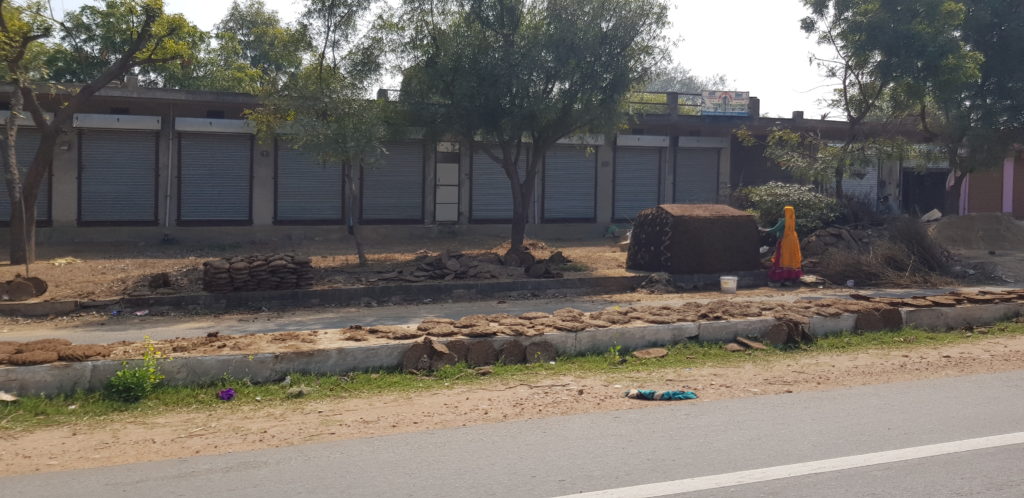
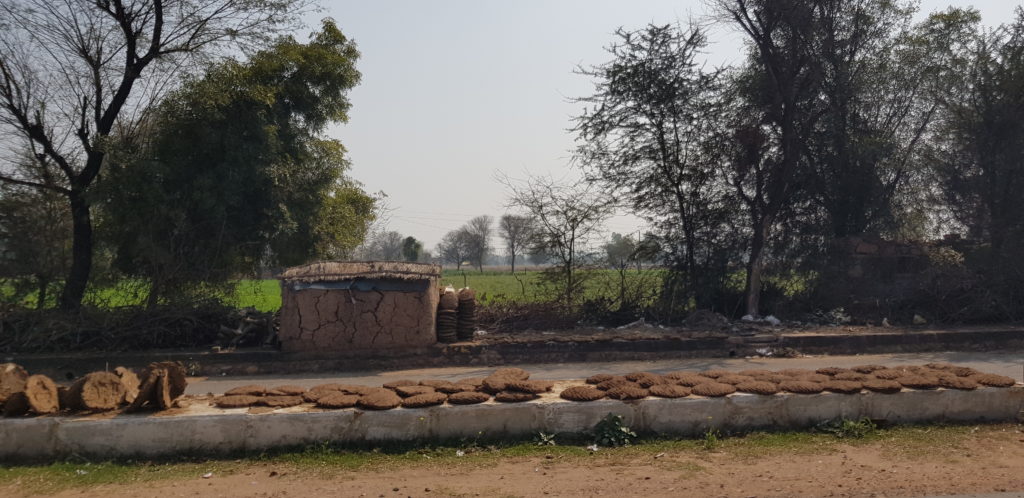
Along the way, we stopped to watch women and children collecting cow pats, they form it into larger circles of dung, dry them out and build huts with them, waterproofing them with reeds and plastic fertiliser bags.
We eventually arrived in time for sunset, dinner and a 5am alarm call for our safari trip to find Indian tigers, excited??? Yes, we are!!

Recent Comments