Our first day in the town was spent as a Tourist, visiting the Castle, Palacio, bullring, mercado and the Basilica.
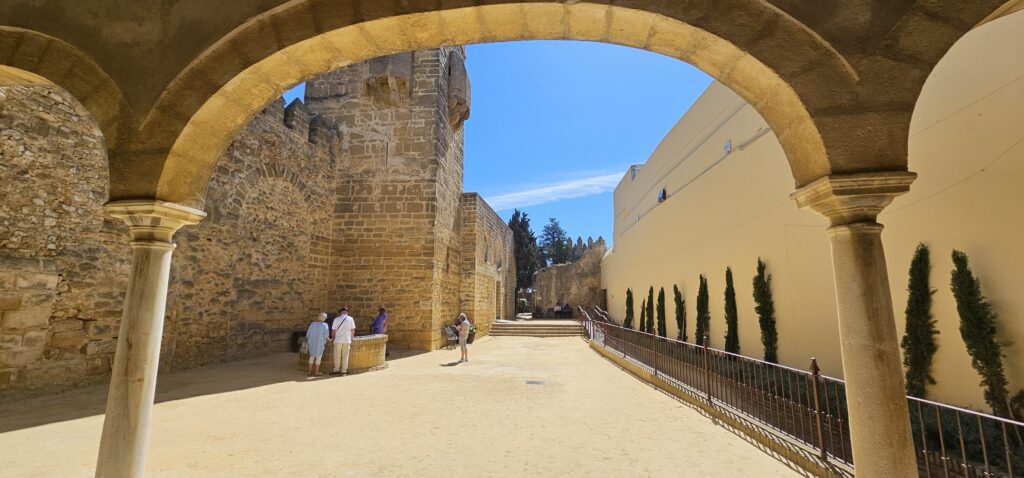
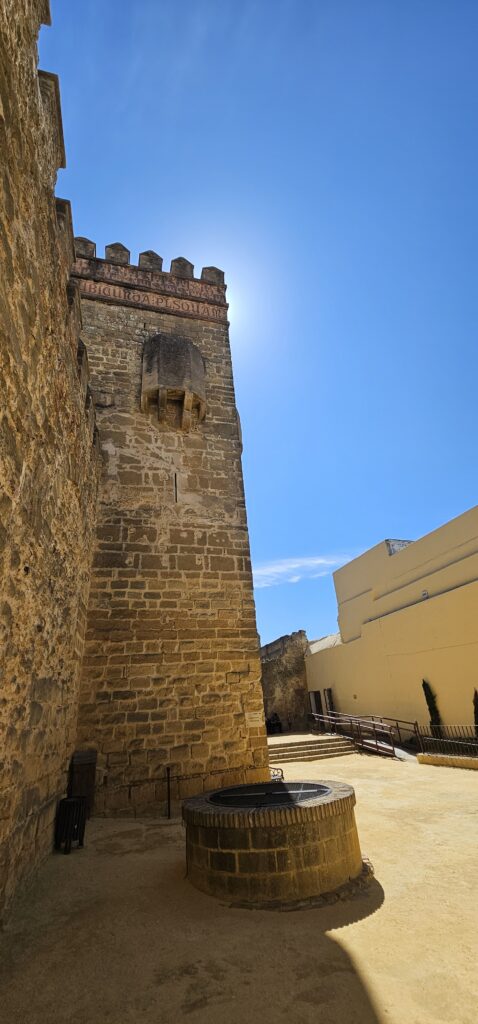
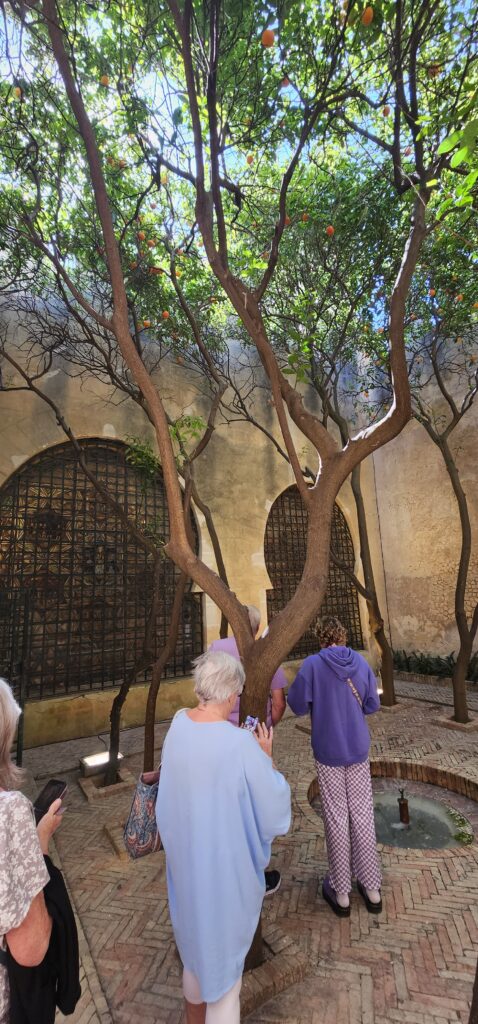
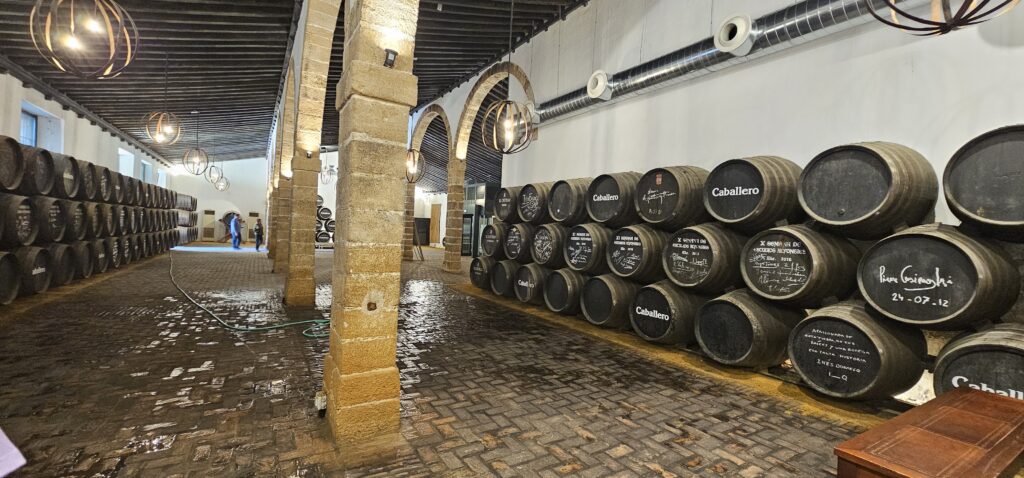
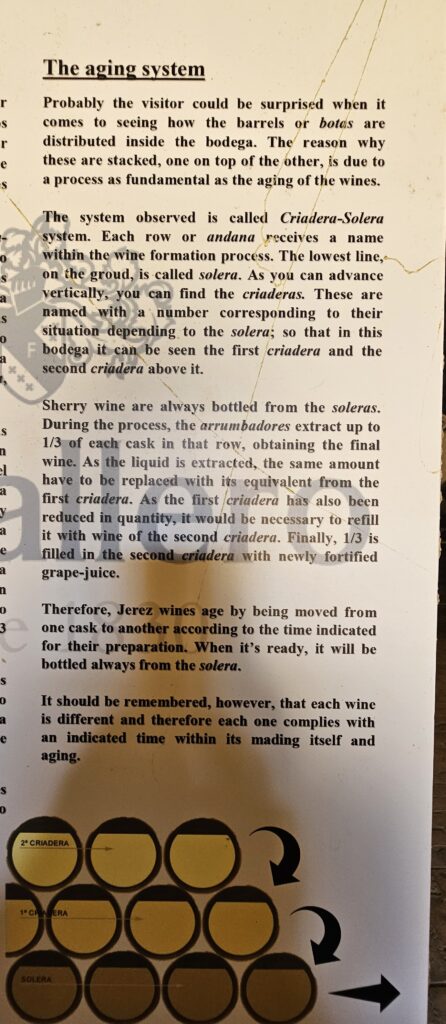
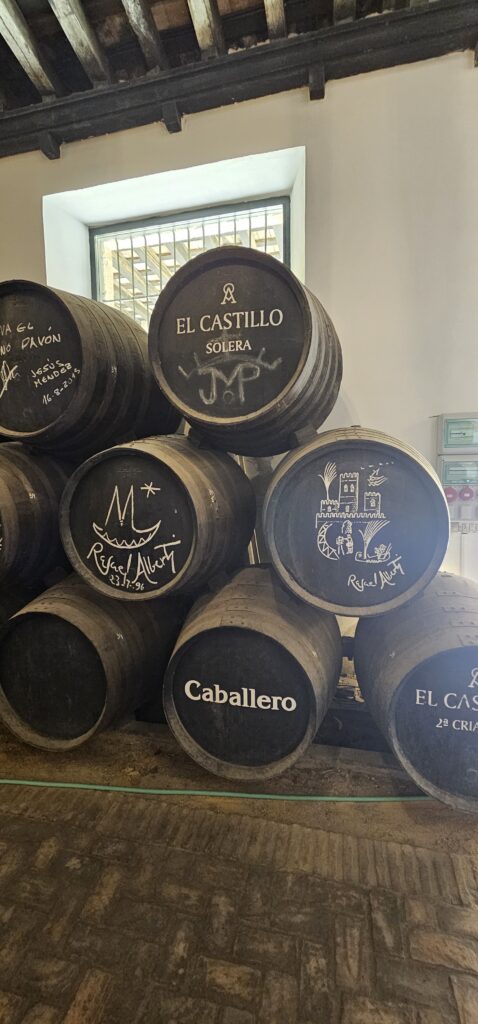
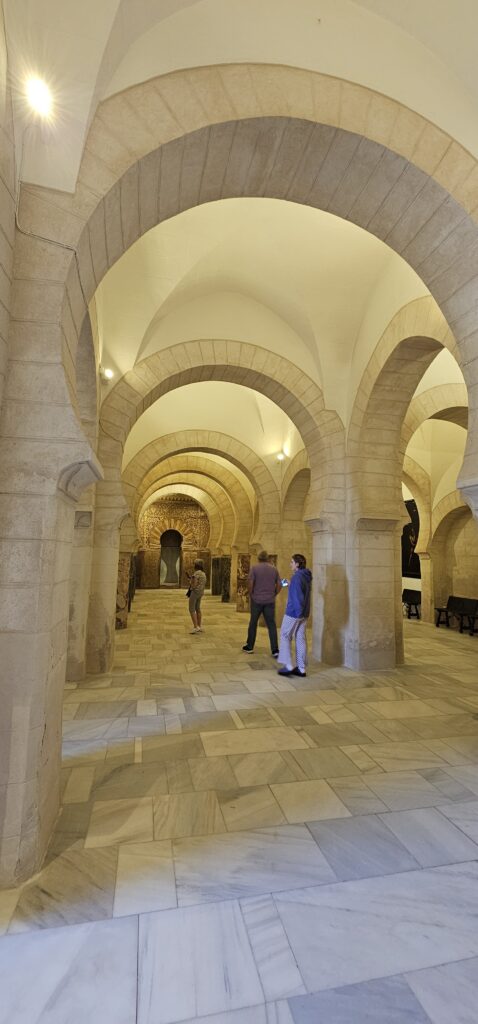
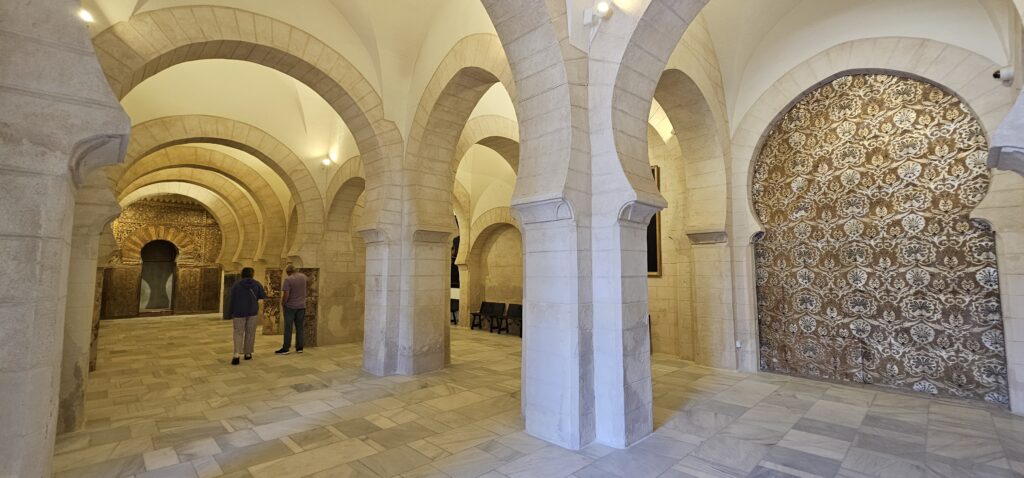
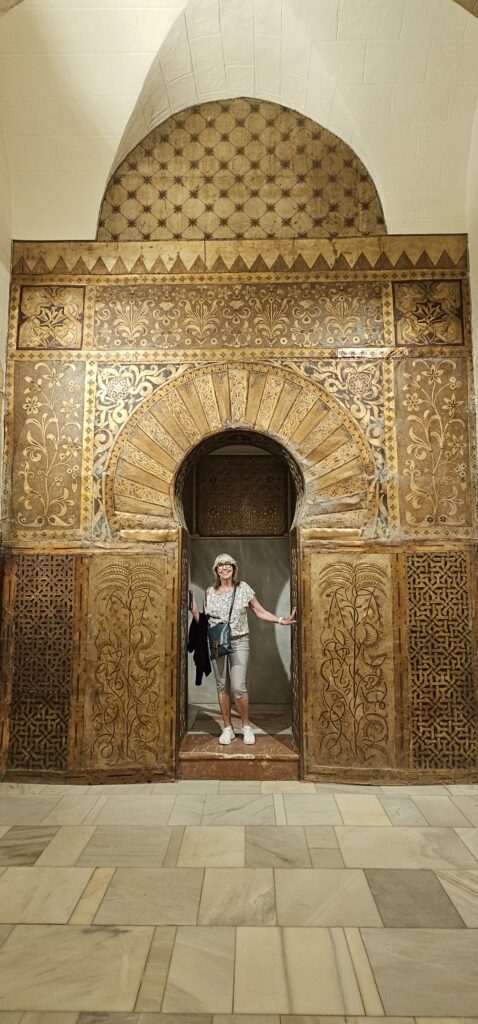
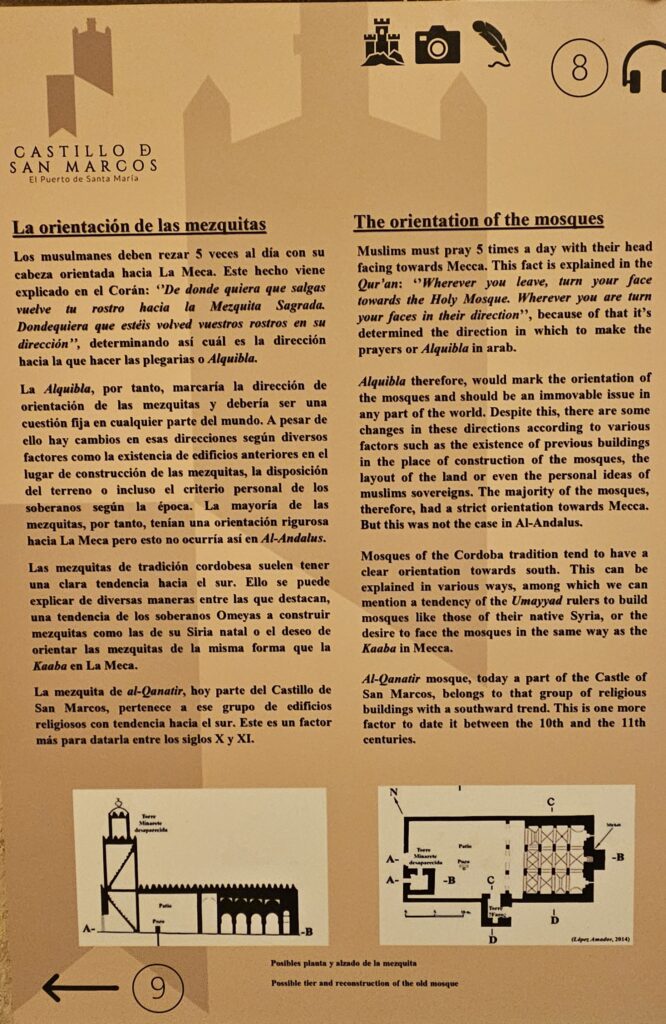
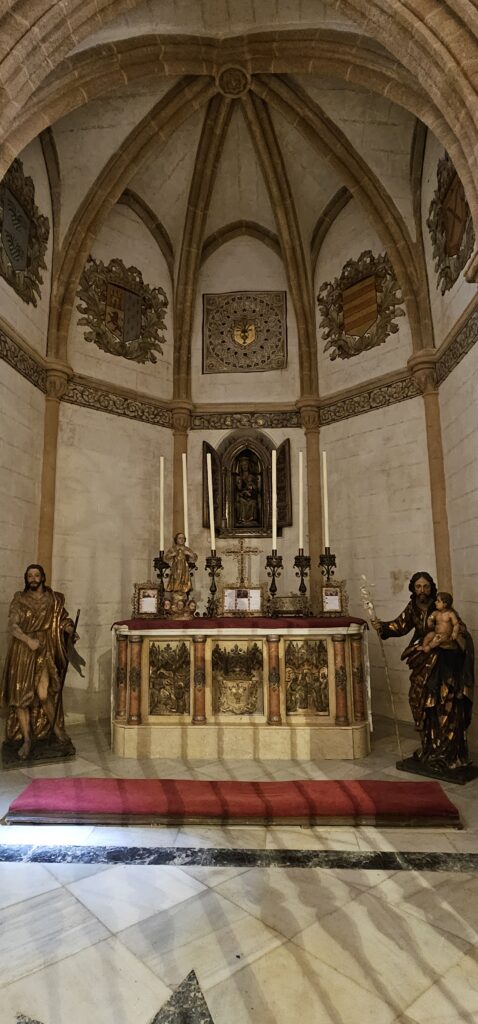
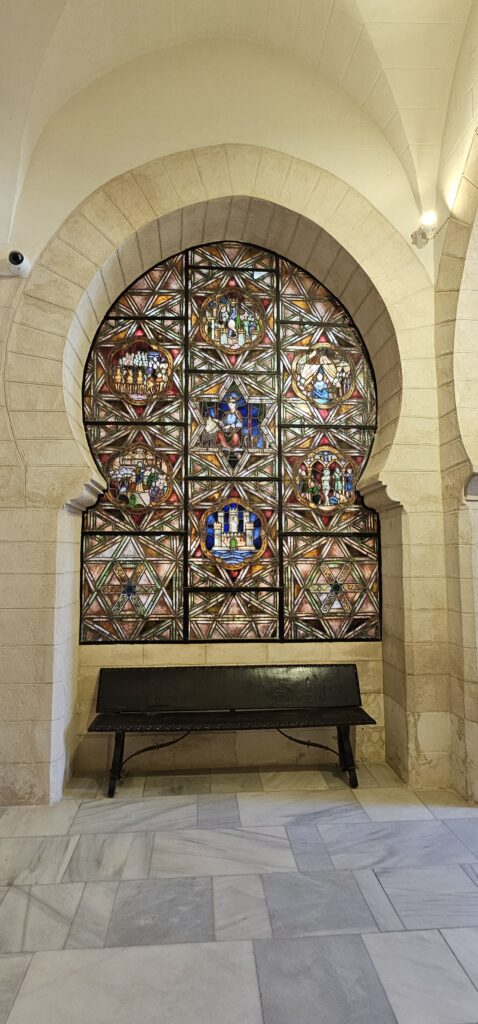
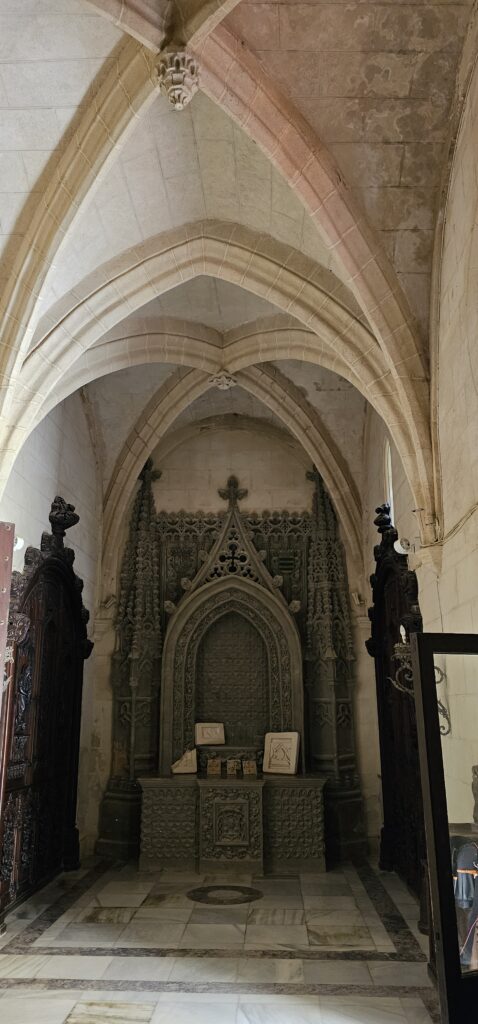
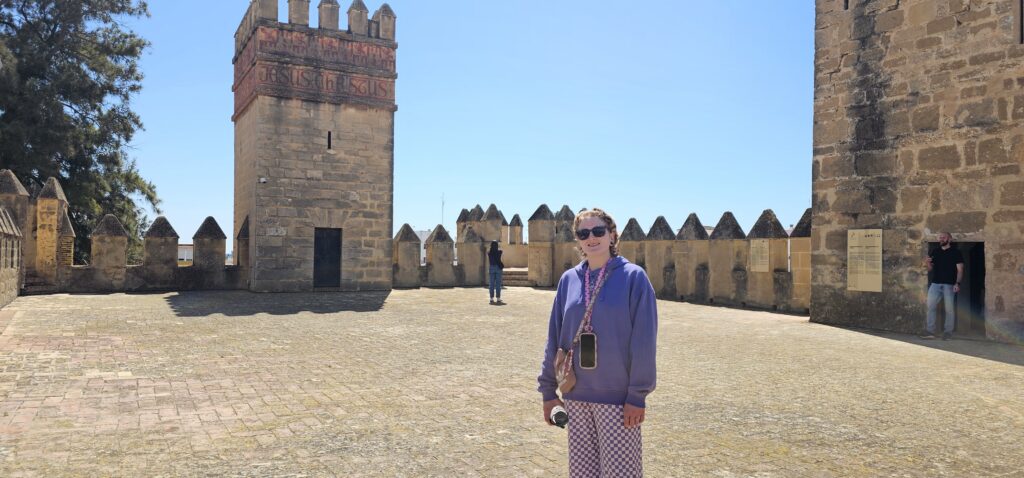
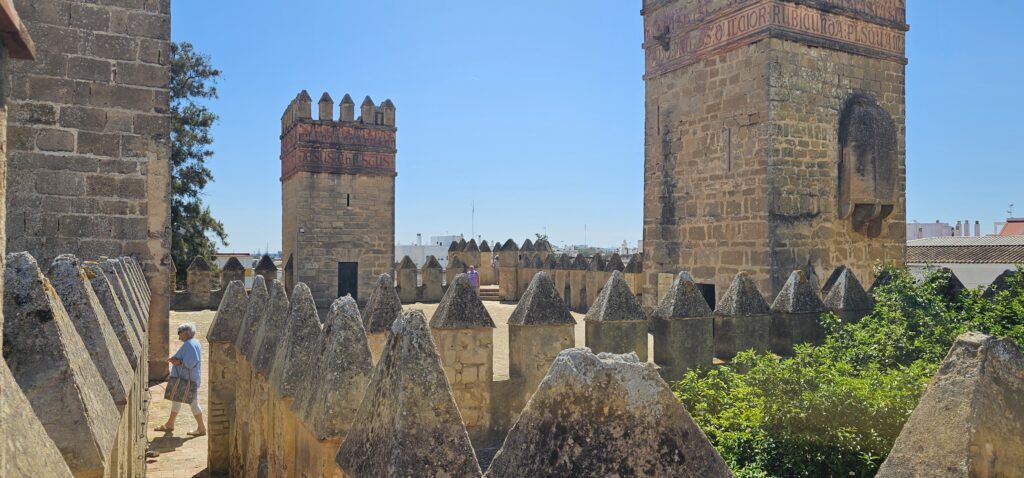
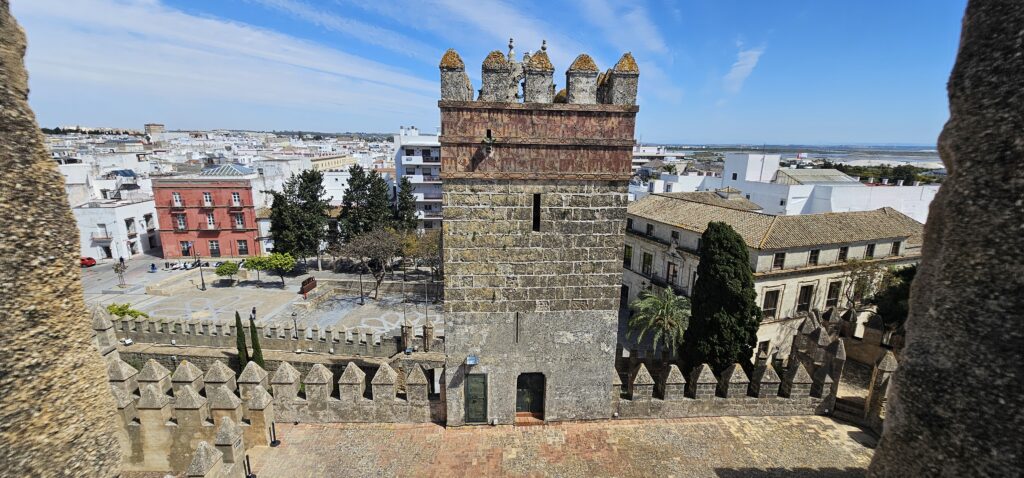
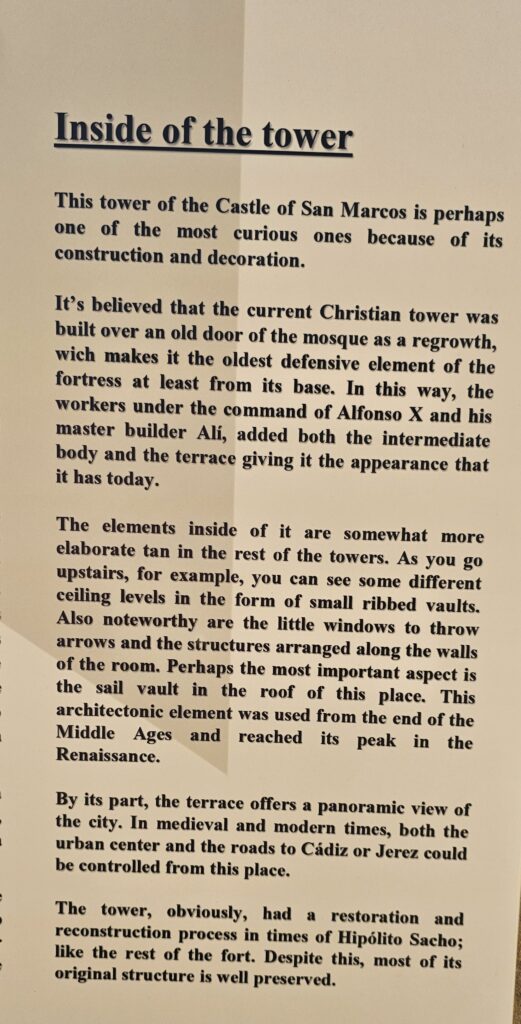
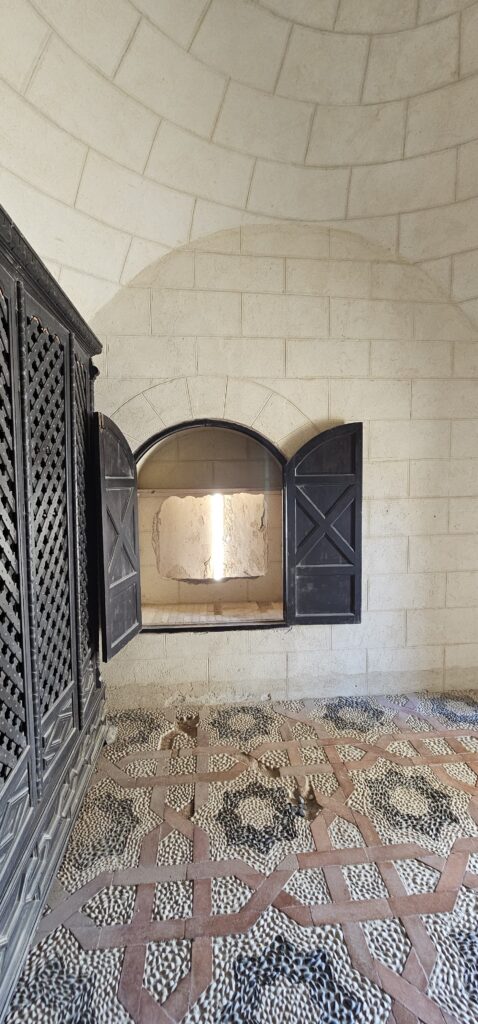
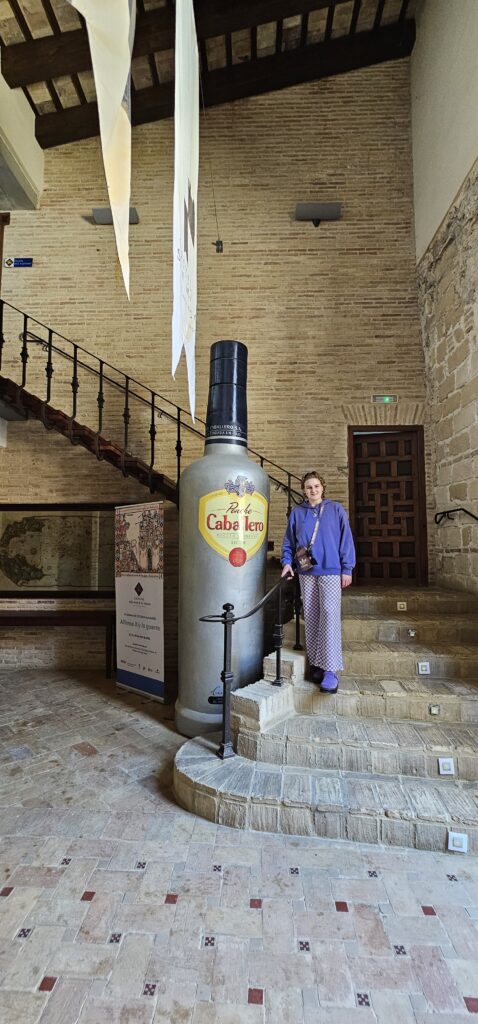
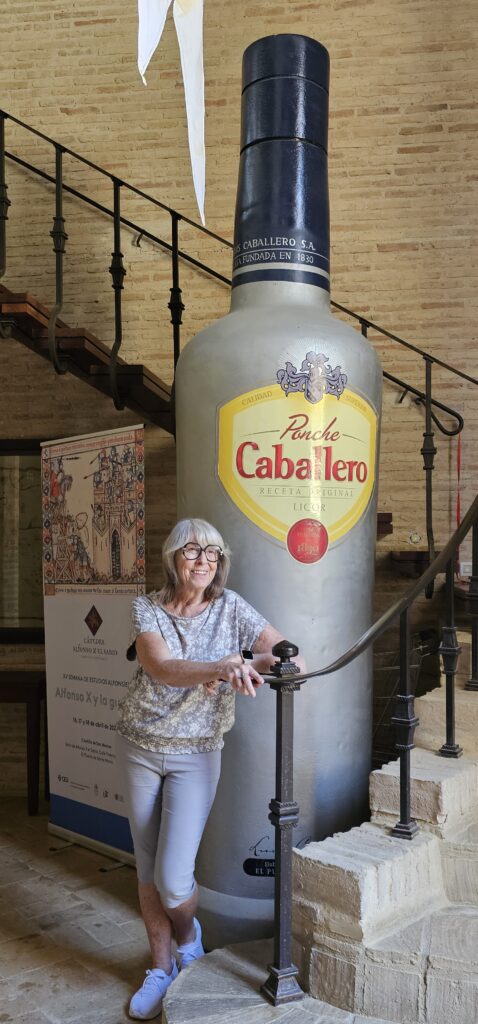
First stop was at the San Marcos Castle. It looks like a castle, and is called a castle but once inside you realise its much more – a 13th century fort built on a mosque, a christian church added on and a bodega, influenced by the Romans, Phoenicians, Andalucians and Christian King’s and Dukes. Finally the Caballero Group (wine merchants) took the building over in the last century and modernised it so that it’s now an Asset of Cultural Importance.
So in summary, its a castle, a mosque, a church, a Bodega and a beautiful building!
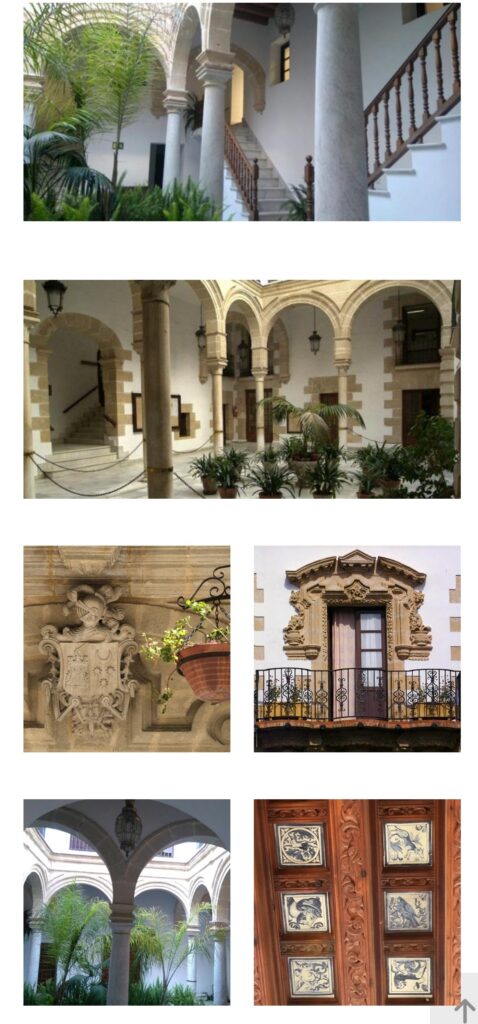
Next we wandered around the Aranibar Palacio and learned the history of El Puerto de Santa Maria, an important port and commercial city located at the mouth of a river coming from the sherry triangle, passing Cadiz and onto America. With this trade came money, and traders who had money to build large Palacial houses, creating a town known as “The city of a hundred palaces”.
The houses were built around a central courtyard, on three floors with a mezzanine, and opposite to British or colonial houses, the servants lived on the top floor and storage was on the ground floor with living accommodation on the first and second floors. Many palaces included a tower, a chapel and wine cellars. The Aranibar Palace is one such house made of limestone, decorated in Spanish marble and walnut and mahogany from America.
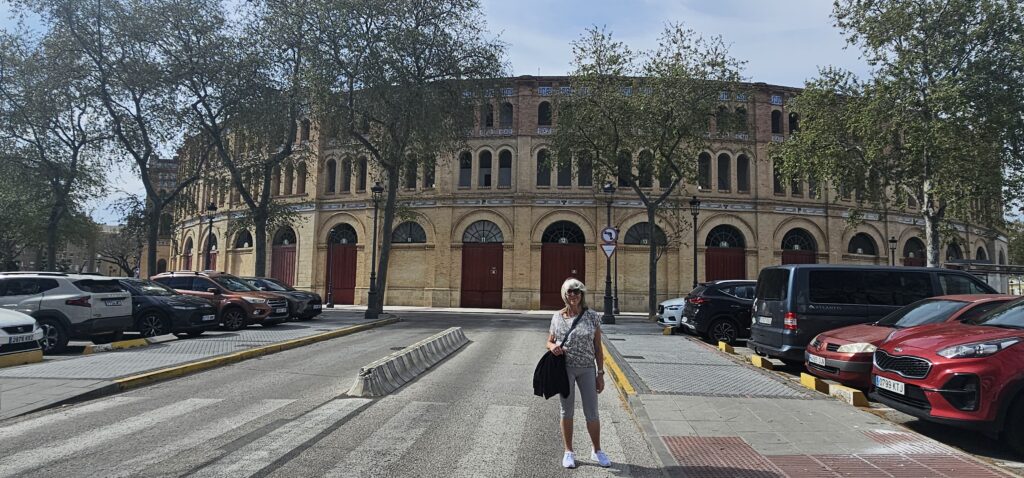
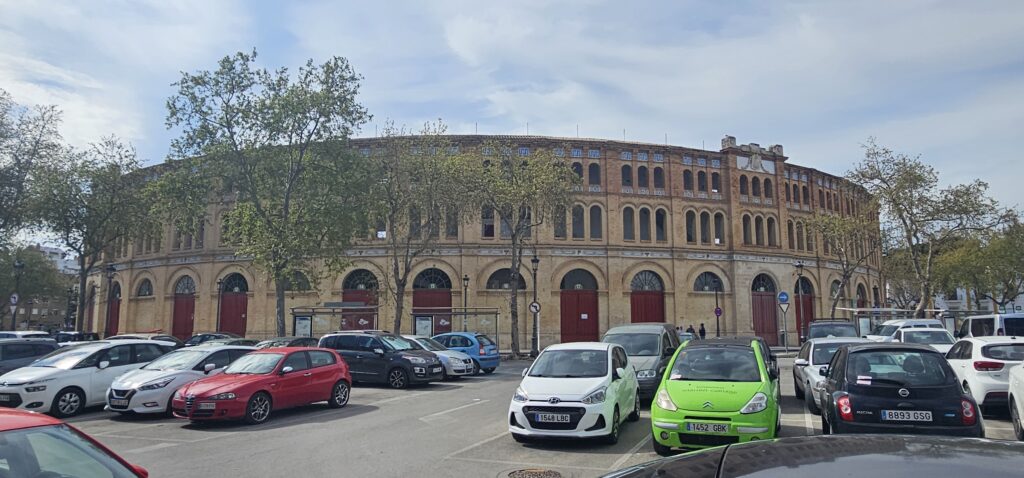
Then we walked around to look at the exterior of the bullring, a pretty modern looking building that was built between 1877 and 1880, a 60 sided polygon with a diameter of 99 meters, owned by the local council and still operating today.
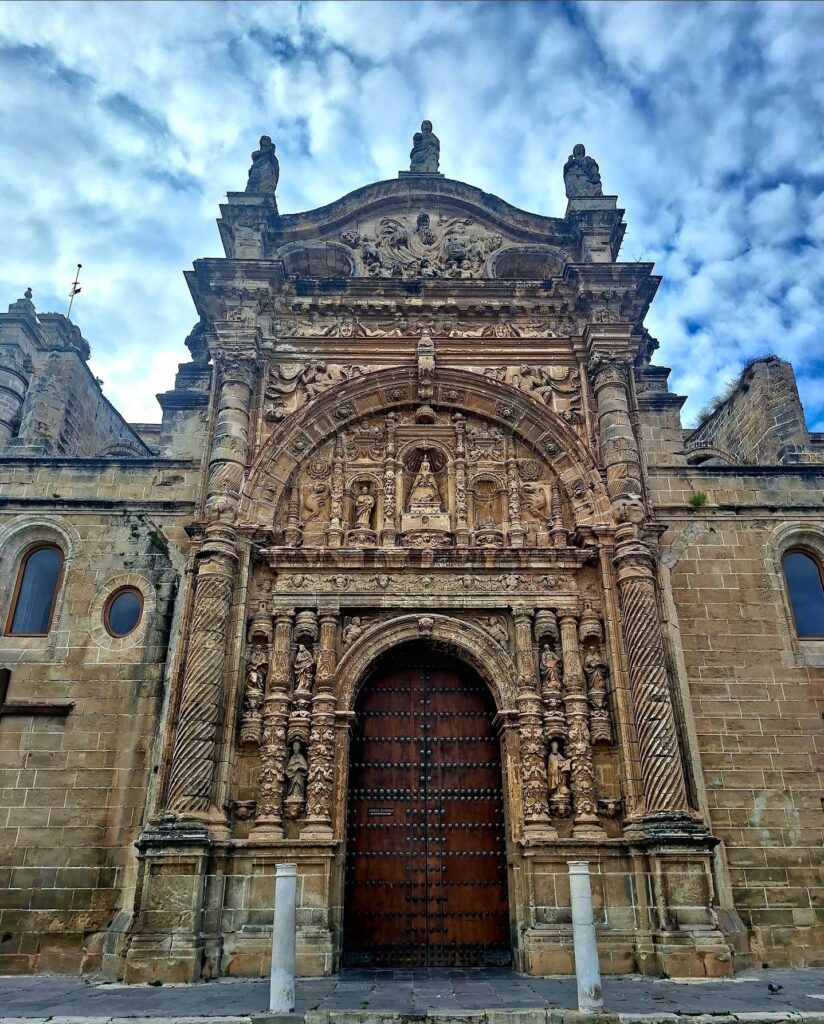
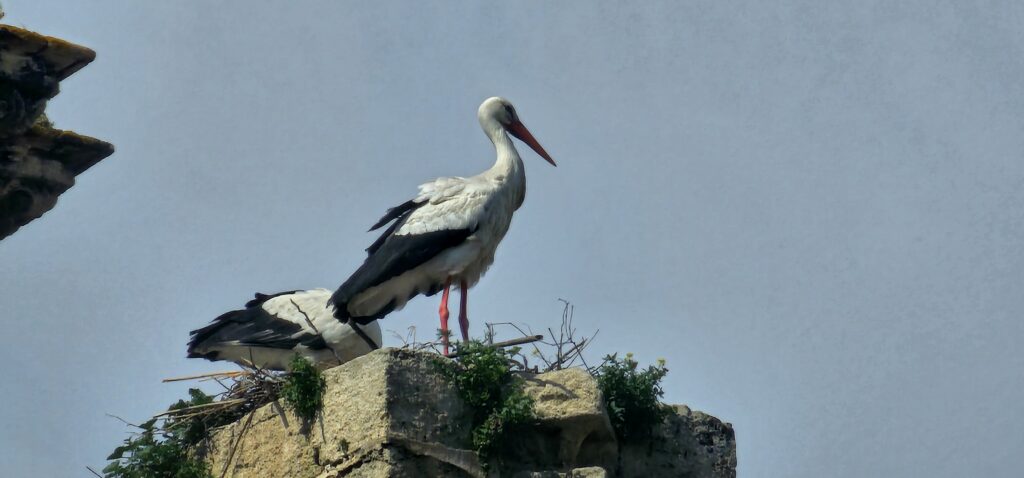
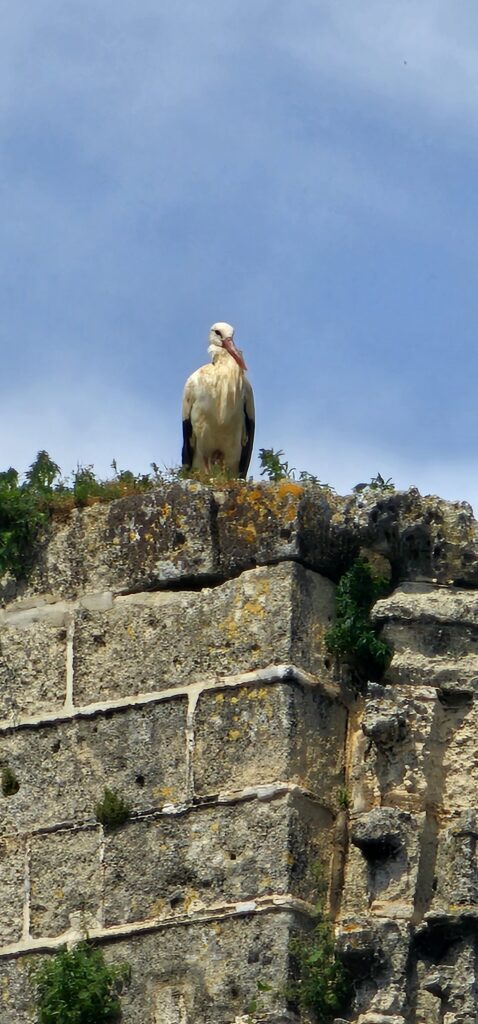
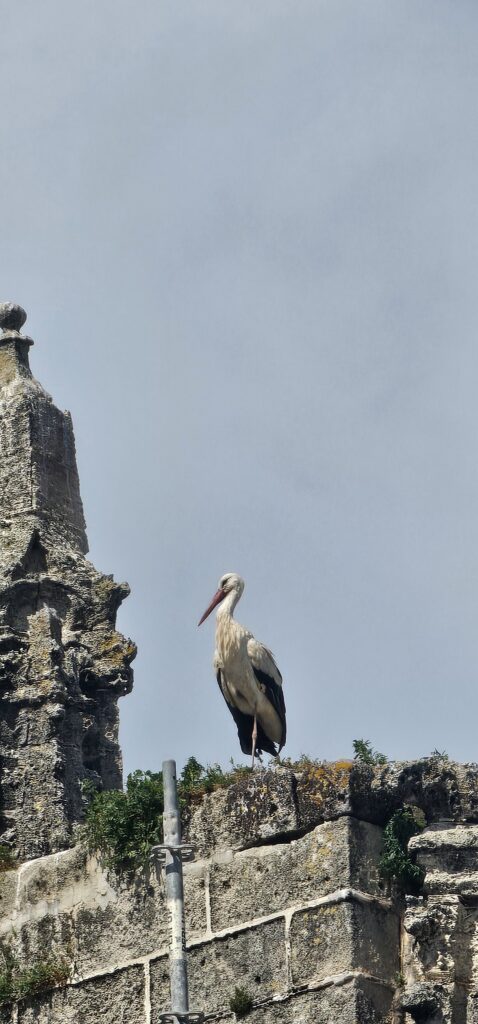
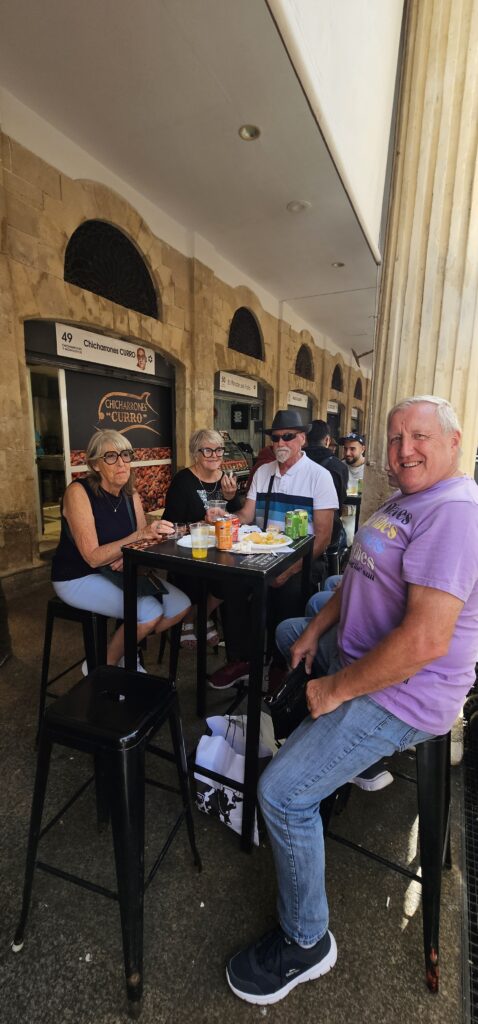
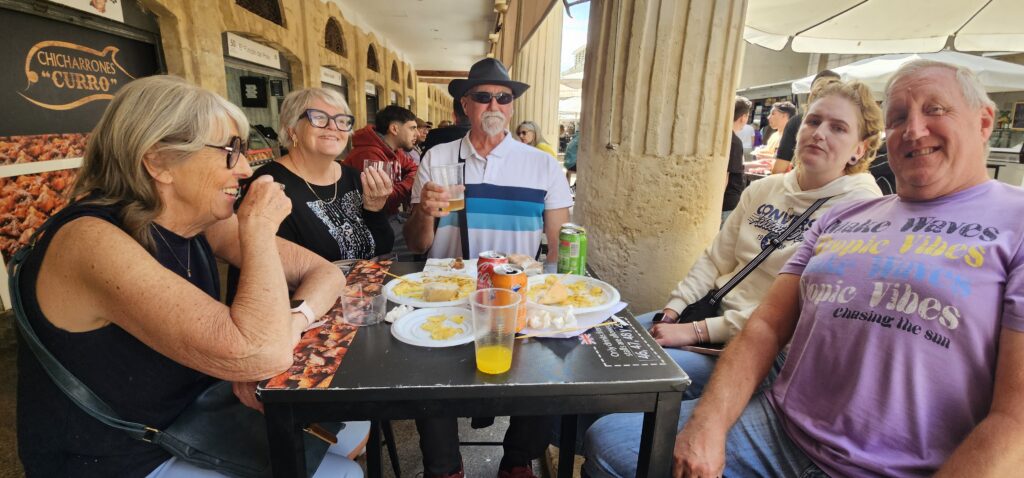
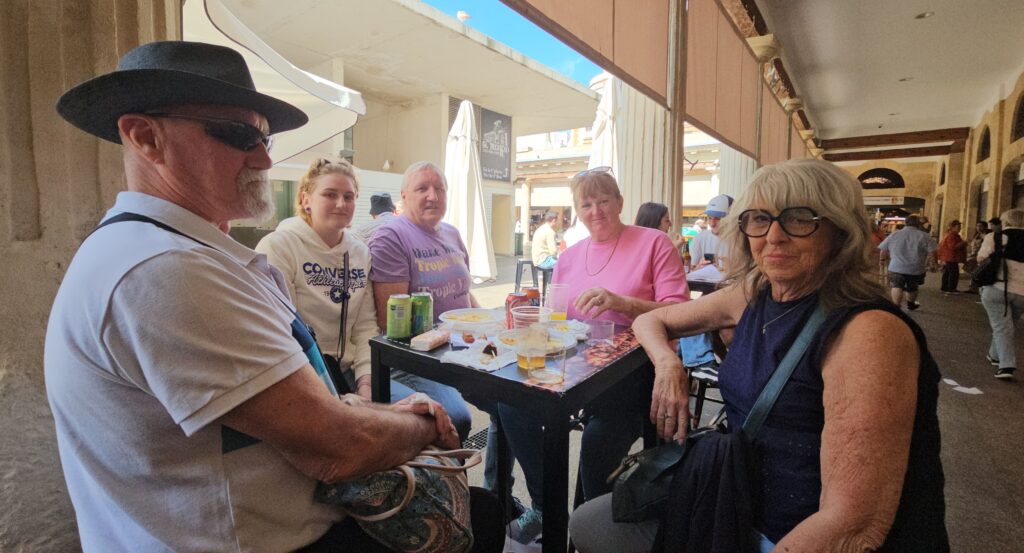
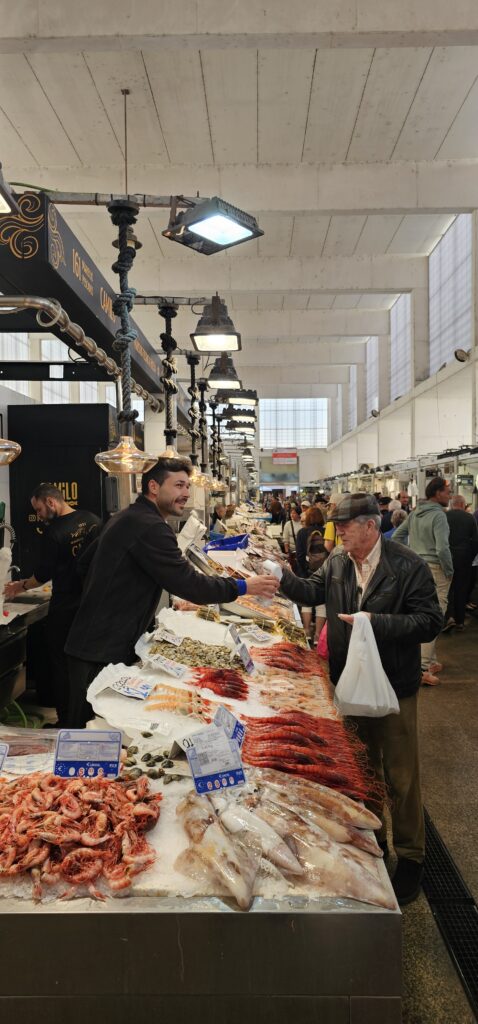
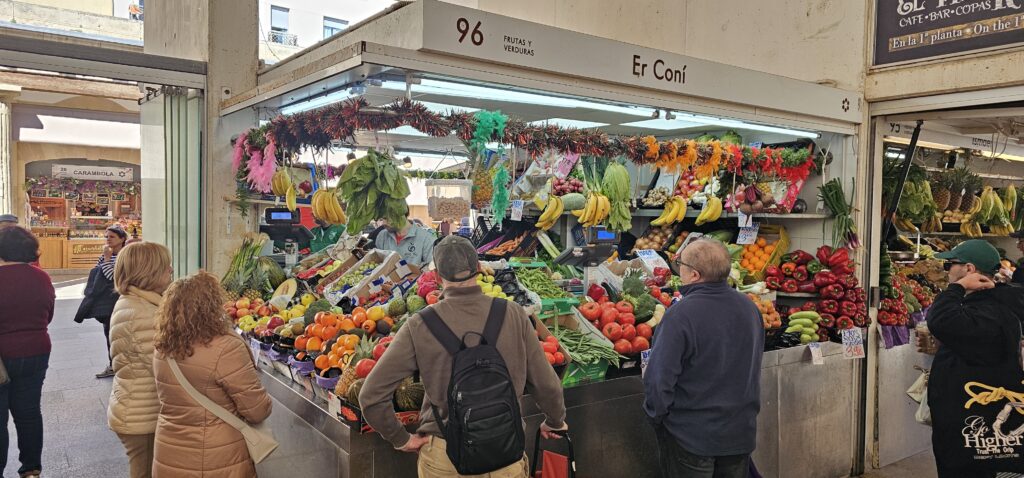
Then we mooched around the local market before looking at the Basilica and Plaza Espana, indulging in tapas and sherry and watching the antics of the storks nesting on the Basilica parapet.
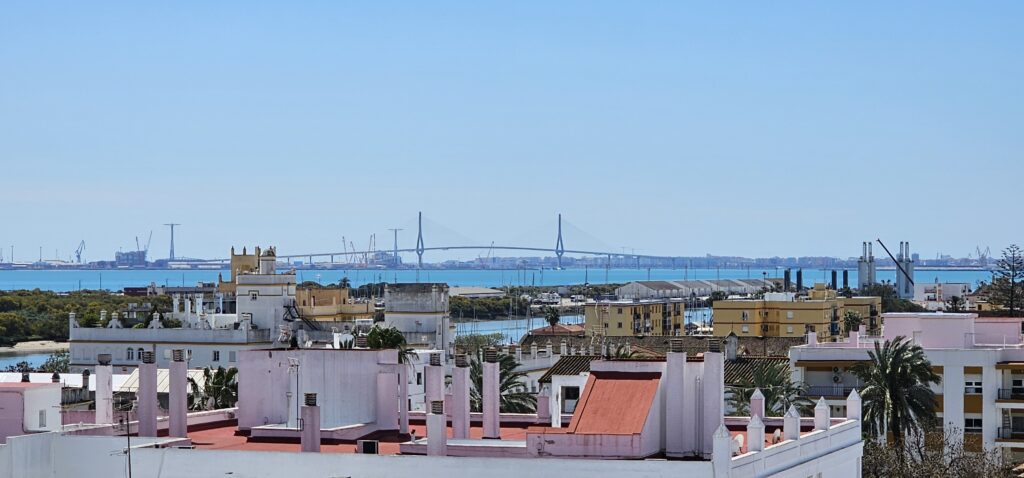
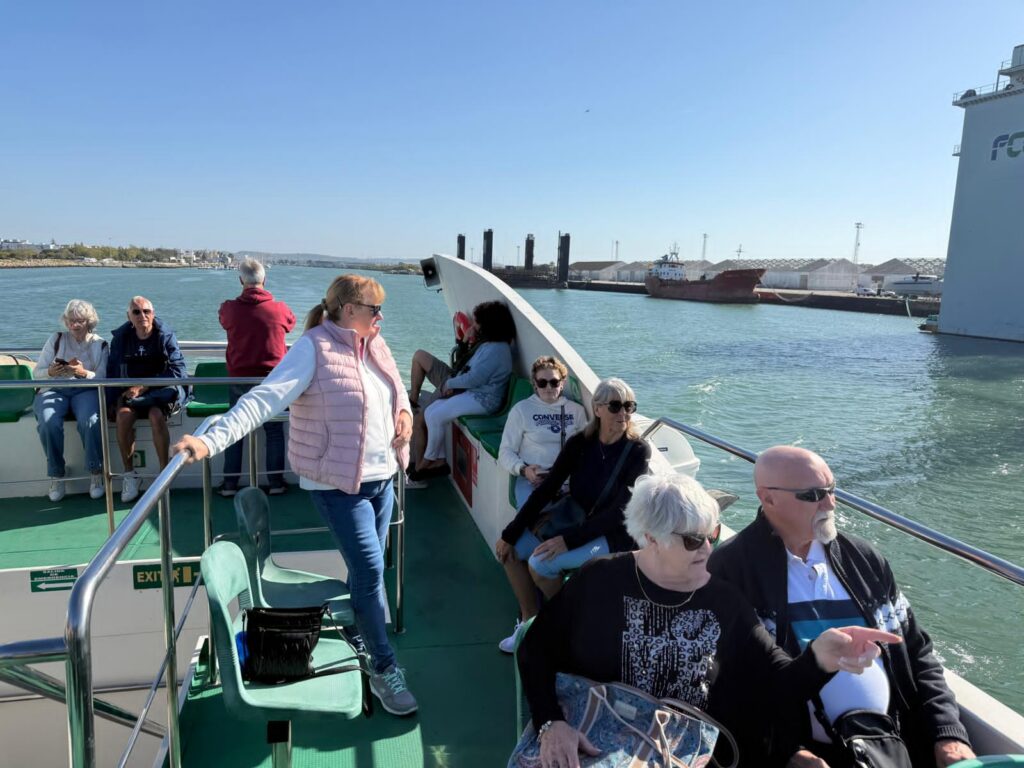
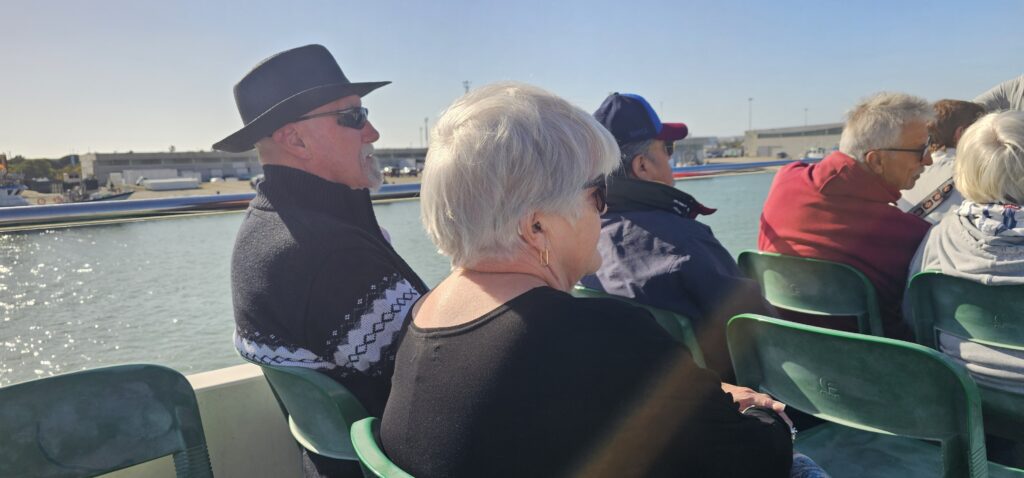
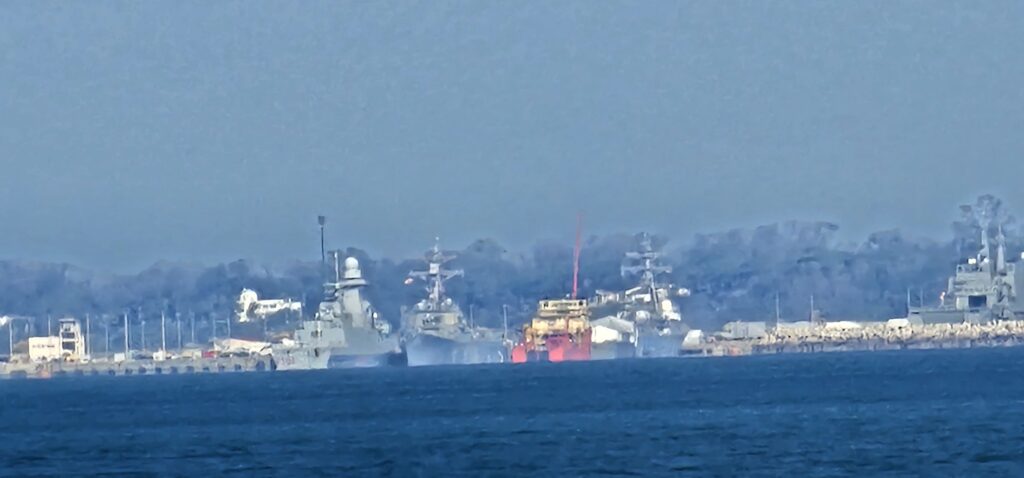
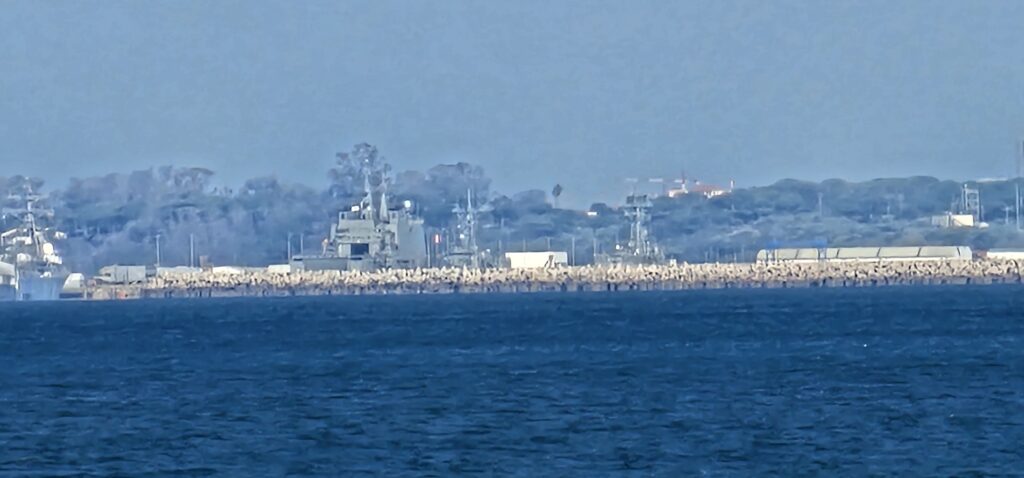
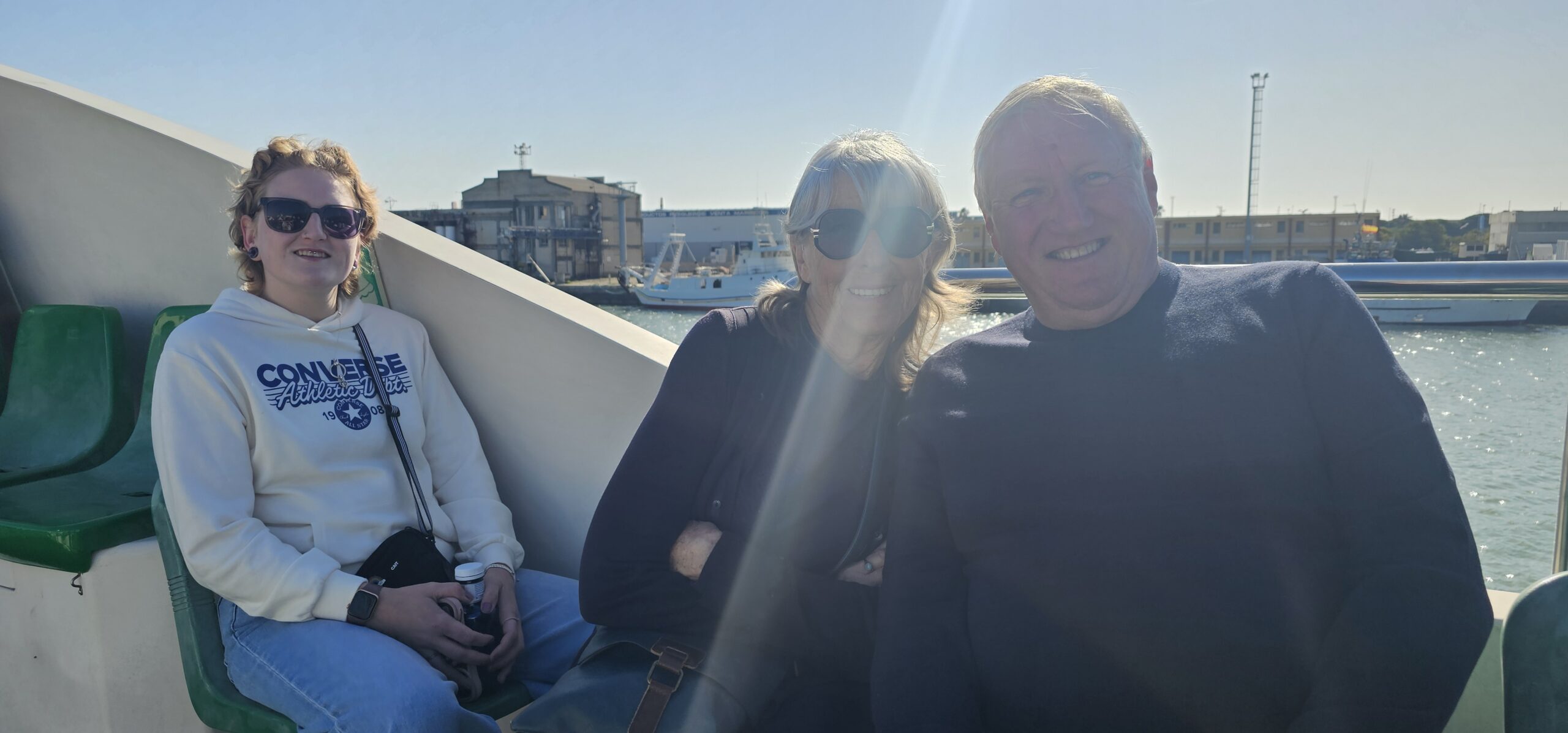
After exploring our base of El Puerto de Santa Maria one day, the next day we took the small ferry boat across the bay into the relatively small city of Cadiz. A beautiful calm crossing there and back. It was so clear, we could make out the naval ships in the Spanish/American base of Rota, a little further up the coast.
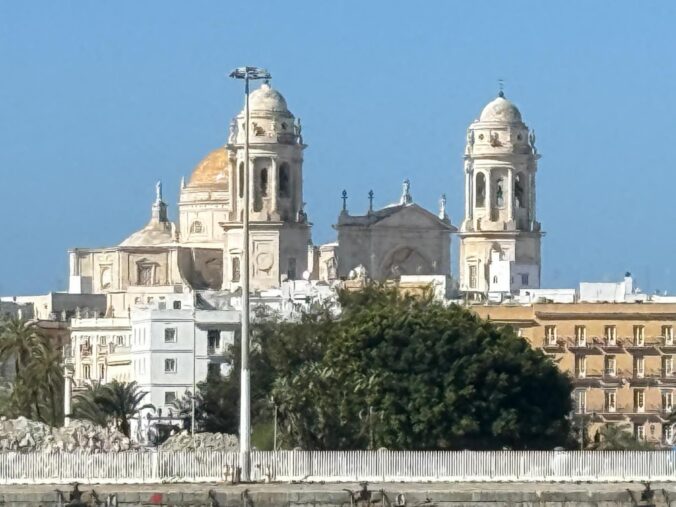
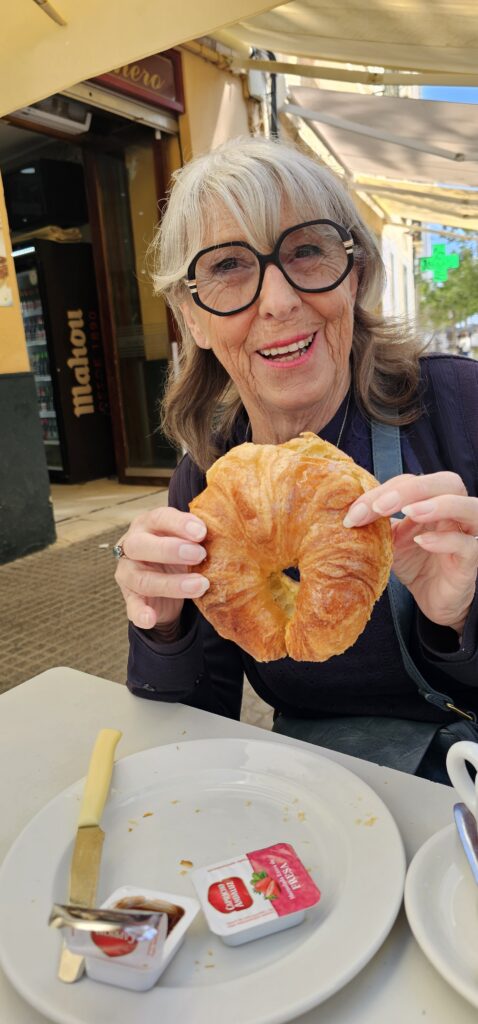
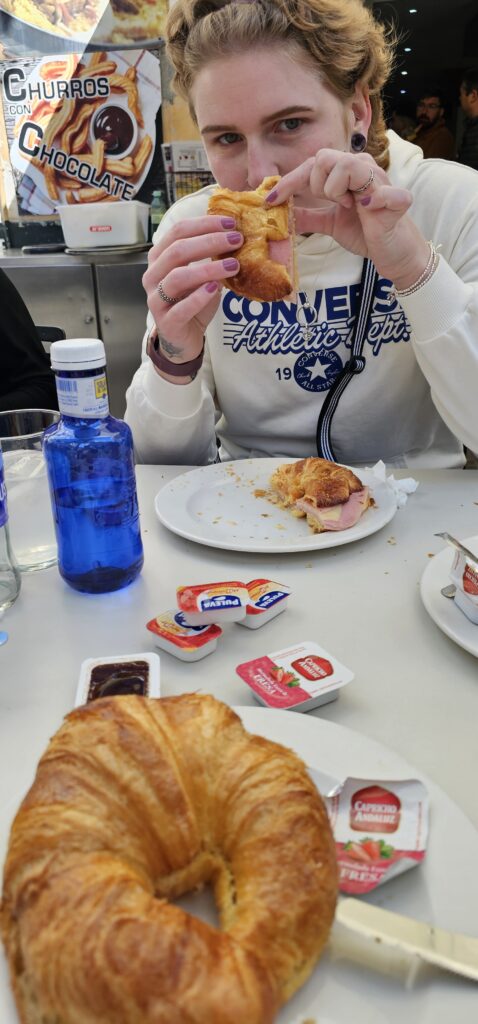
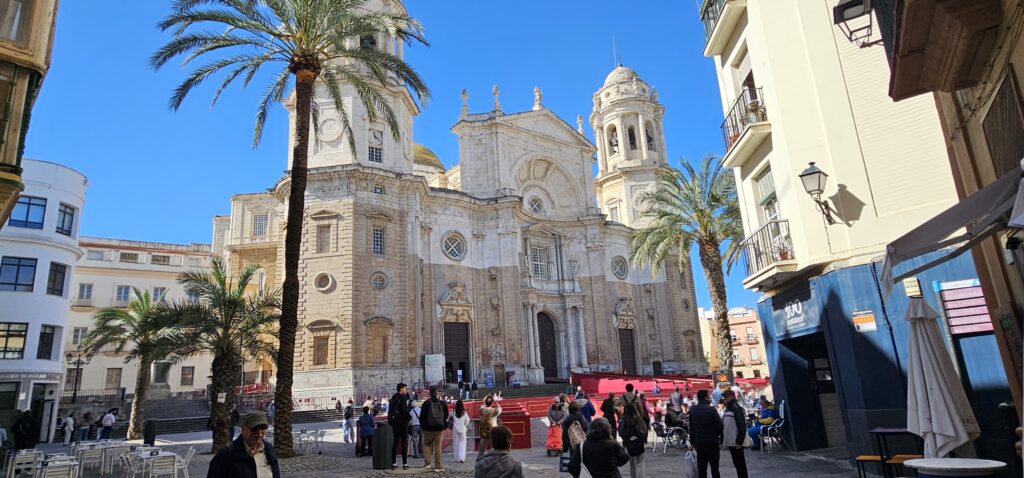
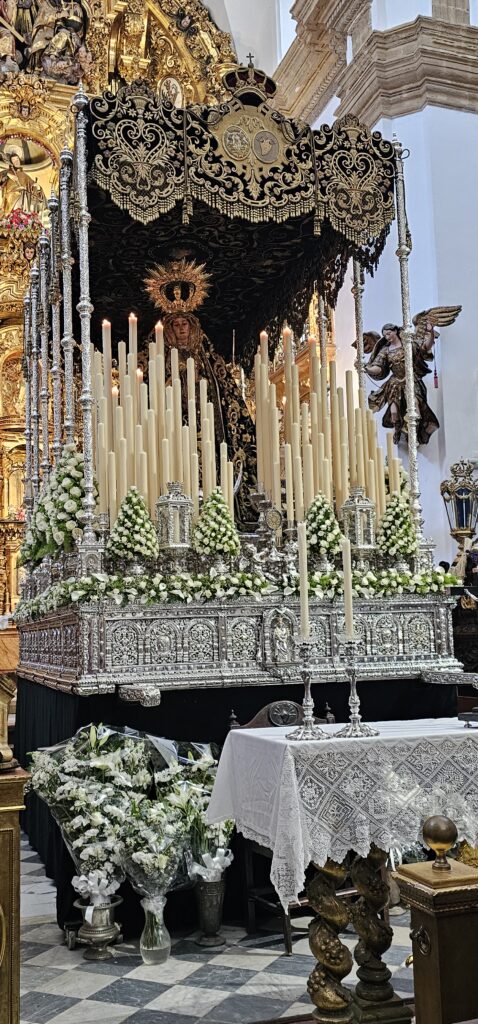
The day started with breakfast of coffee and massive croissants in Plaza de Espana, the main square. Afterwards we meandered through its narrow streets to the cathedral, buzzing in preparation of the forthcoming Easter celebrations.
Massive croissants!
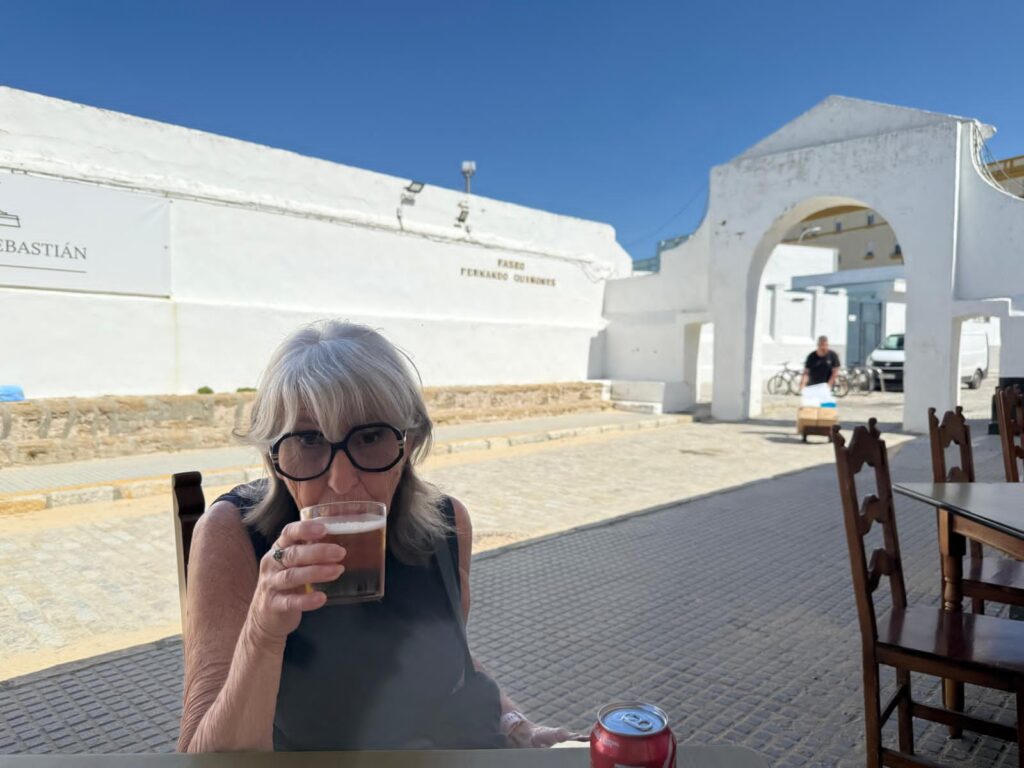
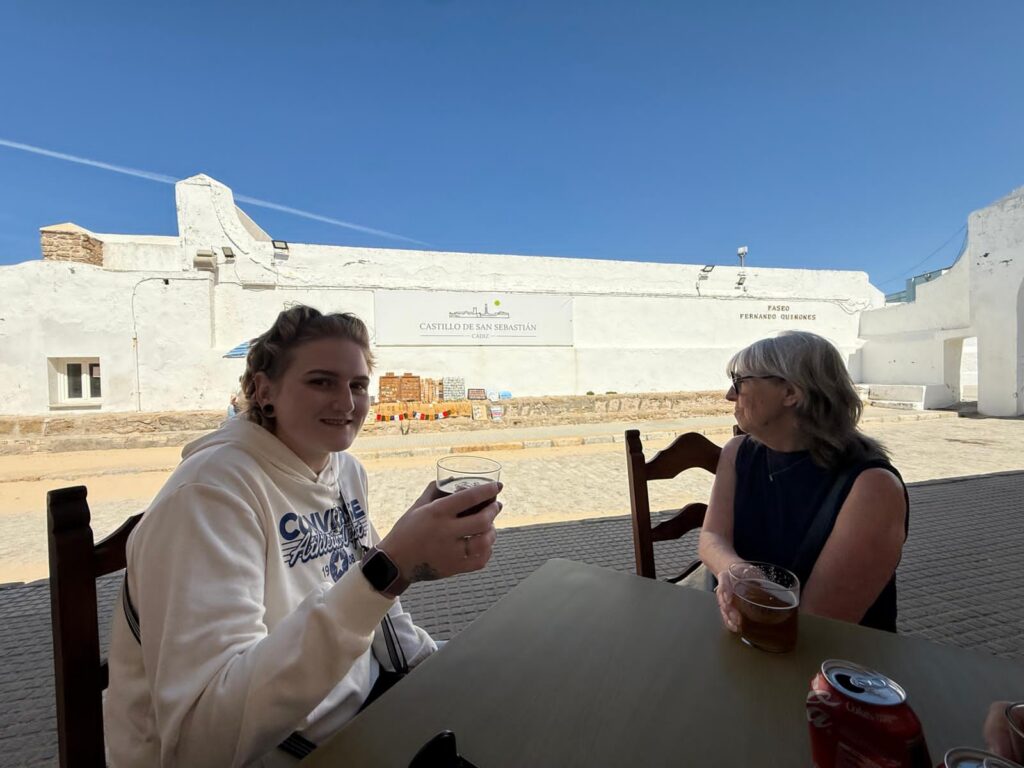
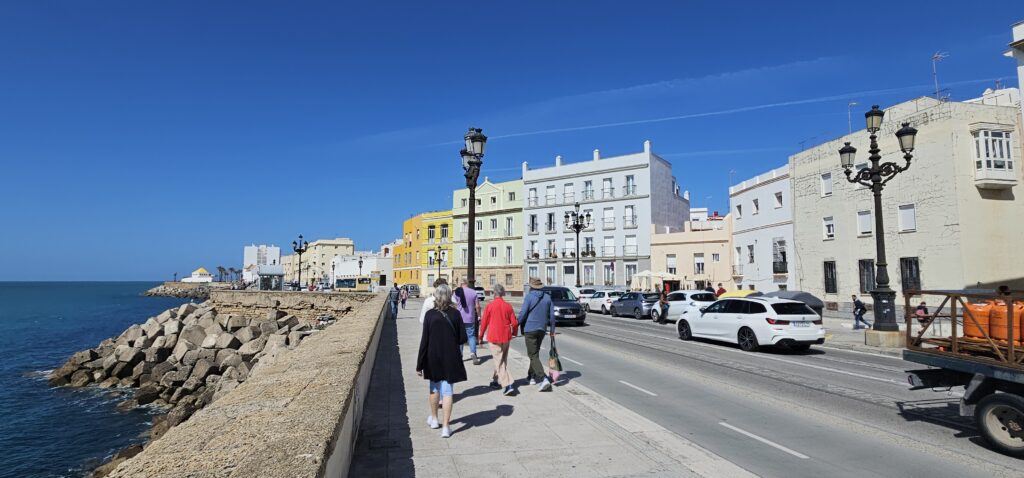
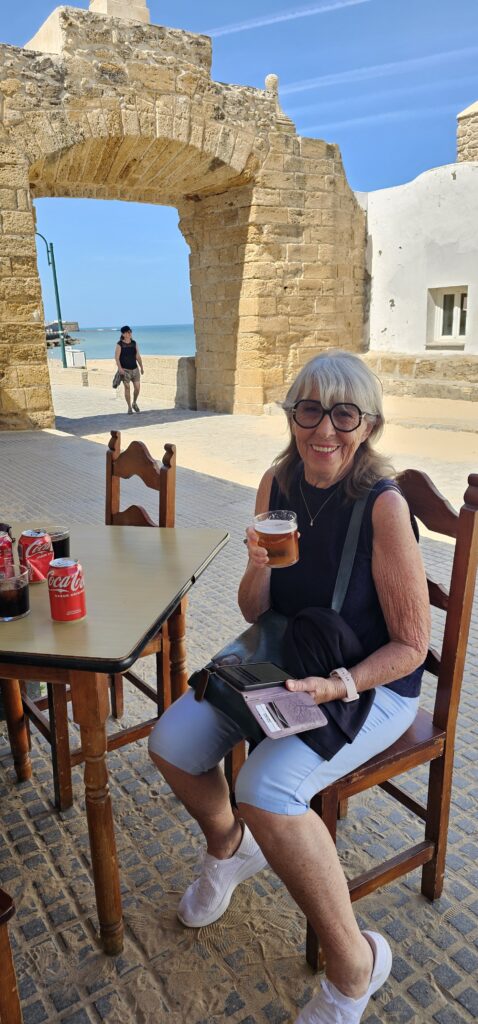
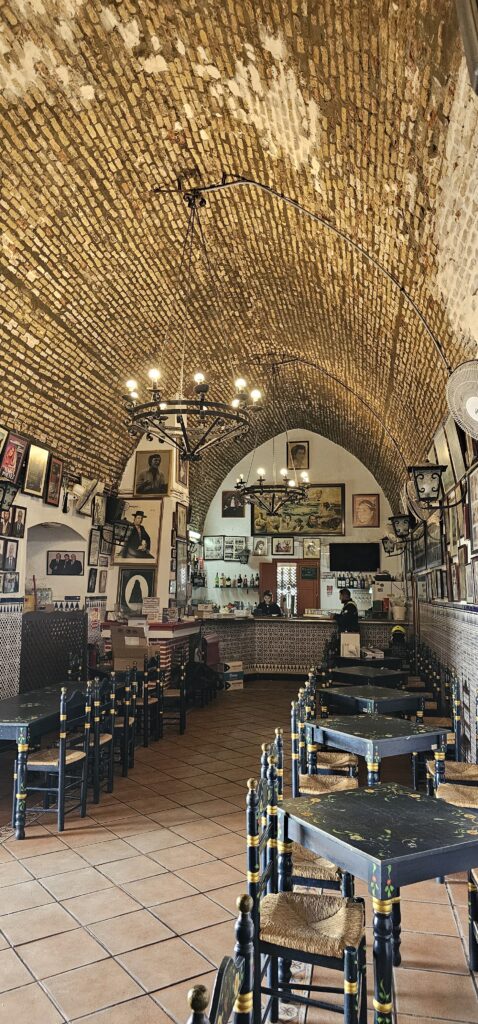
We then headed around the city edges to one of its old forts, for a drinks break. Lunch was tapas in the market before chilling in some cool gardens before getting back on the late afternoon ferry.
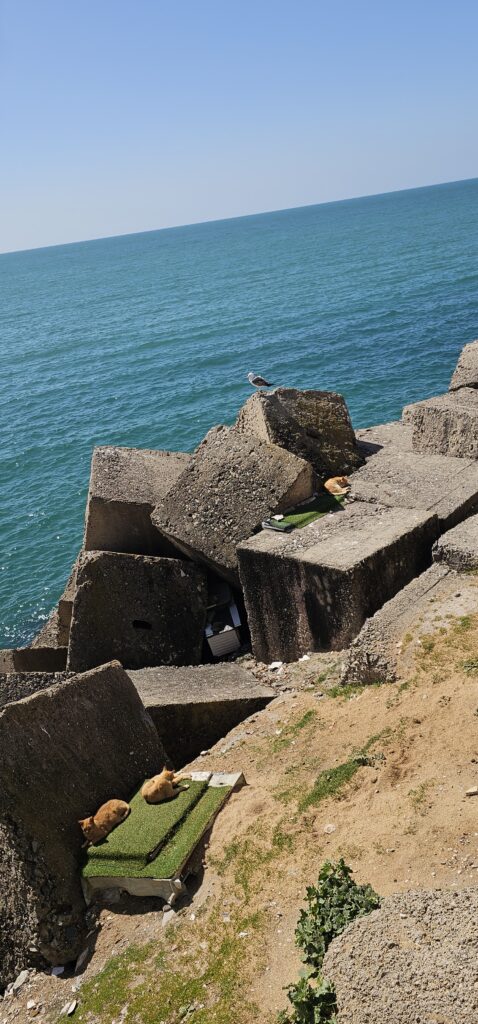
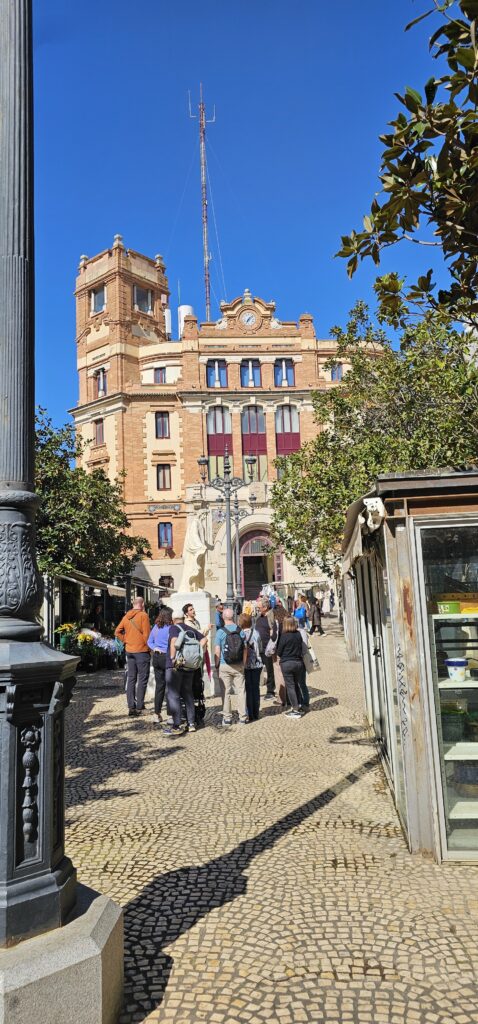
Wandering the cityCooling beersA bar in the old fort buildingCats and birds living harmoniously!Tapas lunchThe cathedralThe post office buildingScenes inside tye marketColourful fruits and veg
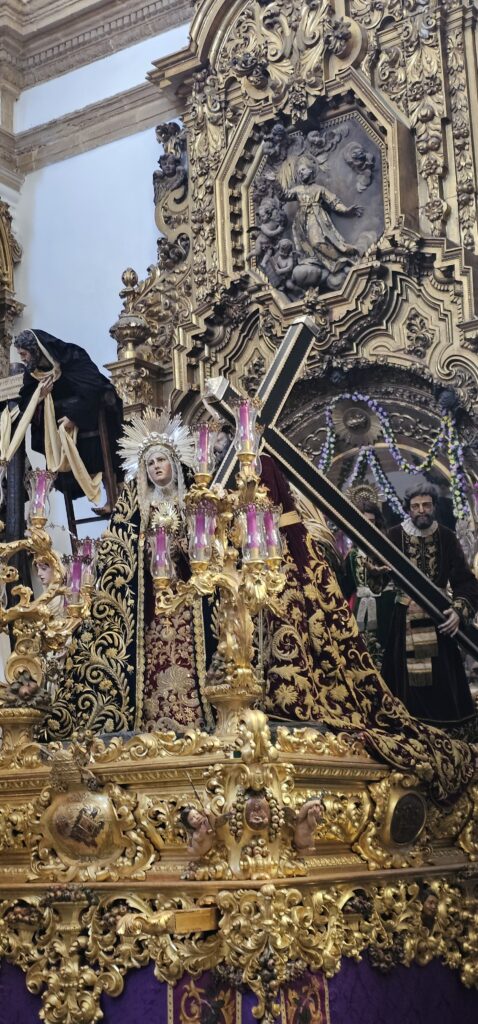
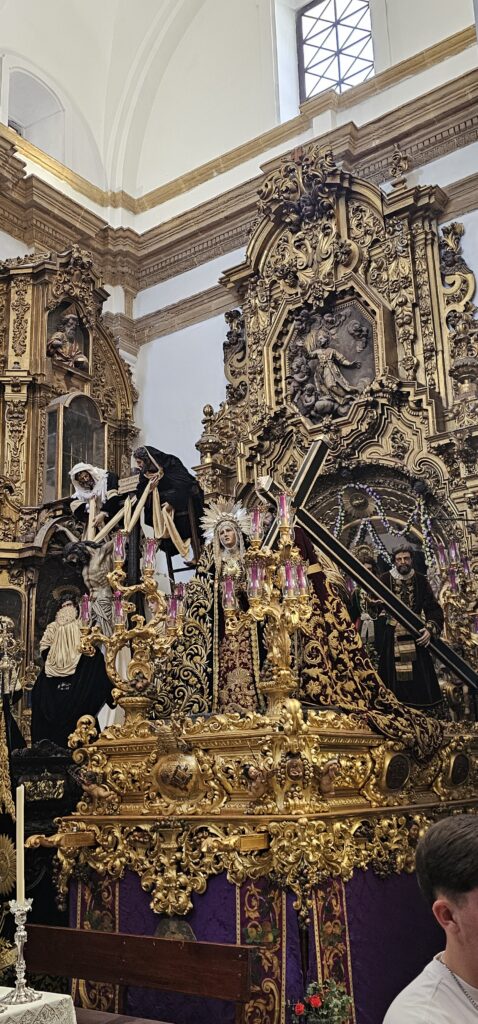
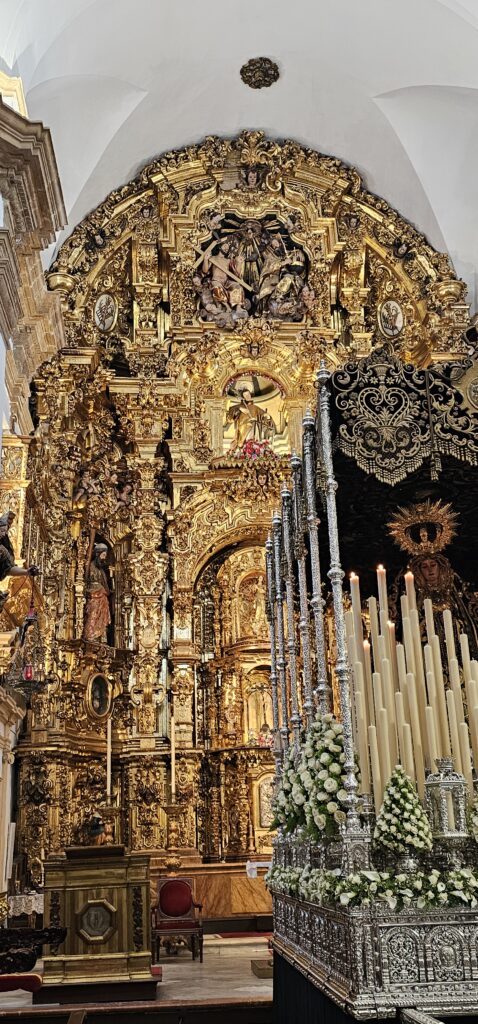
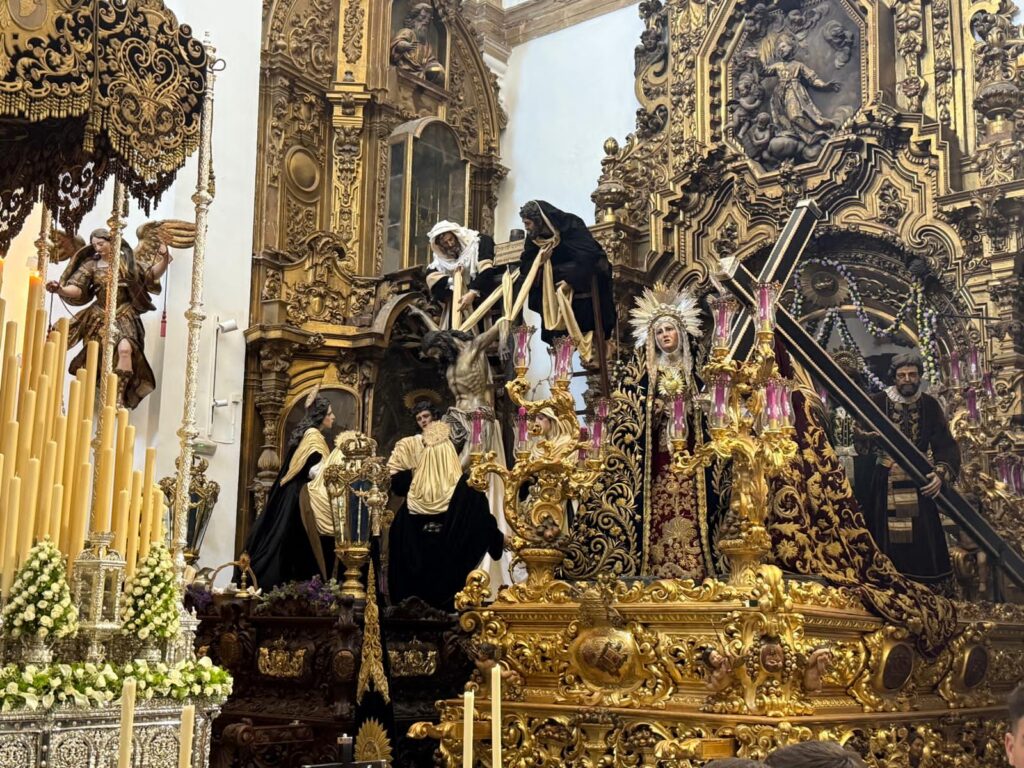
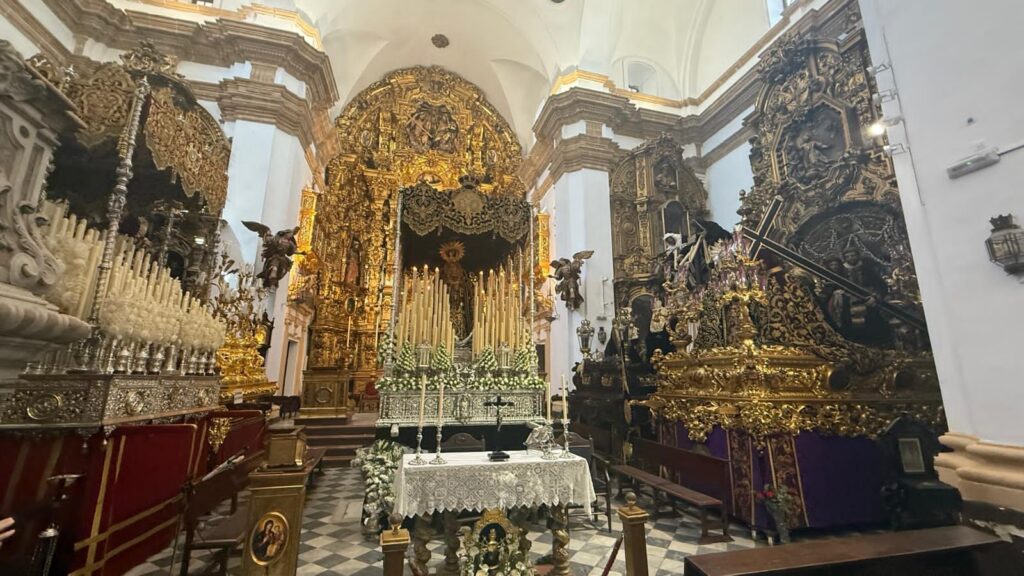
We managed to look inside one or two churches that are preparing for Easter.
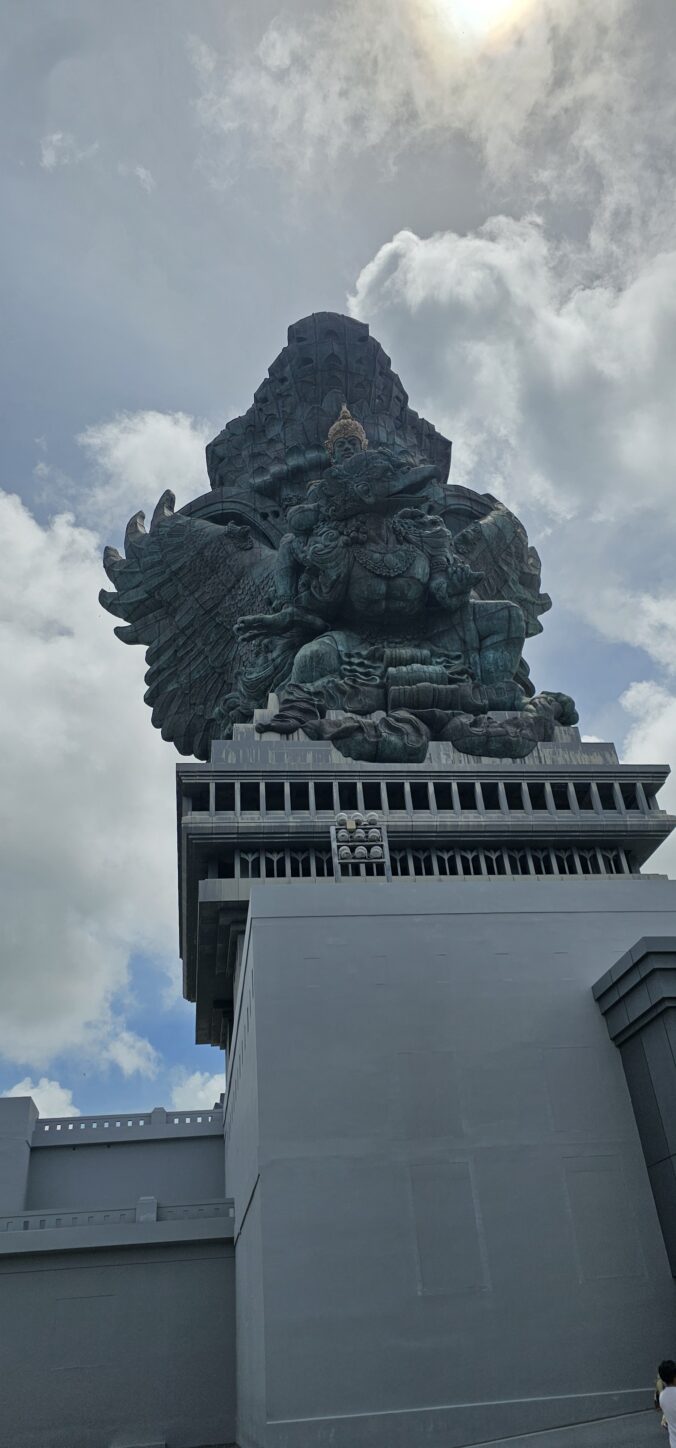
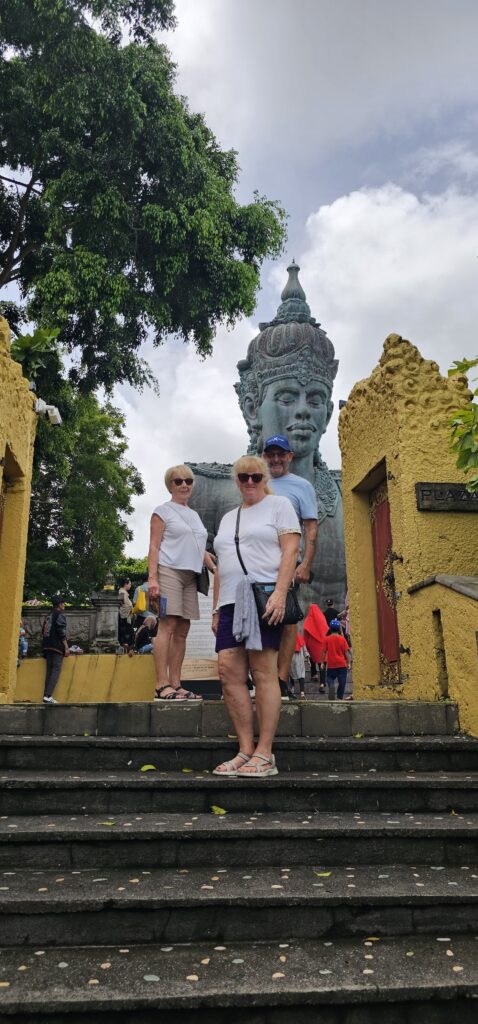
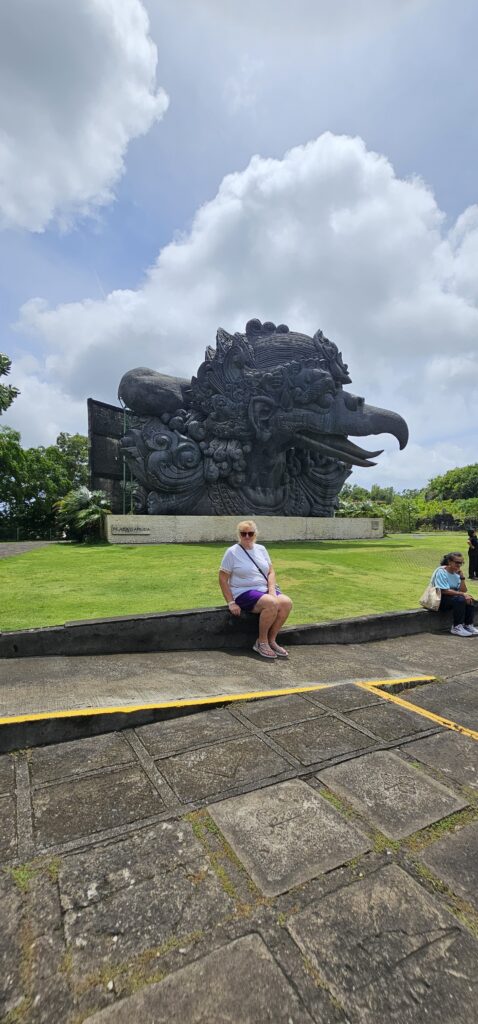
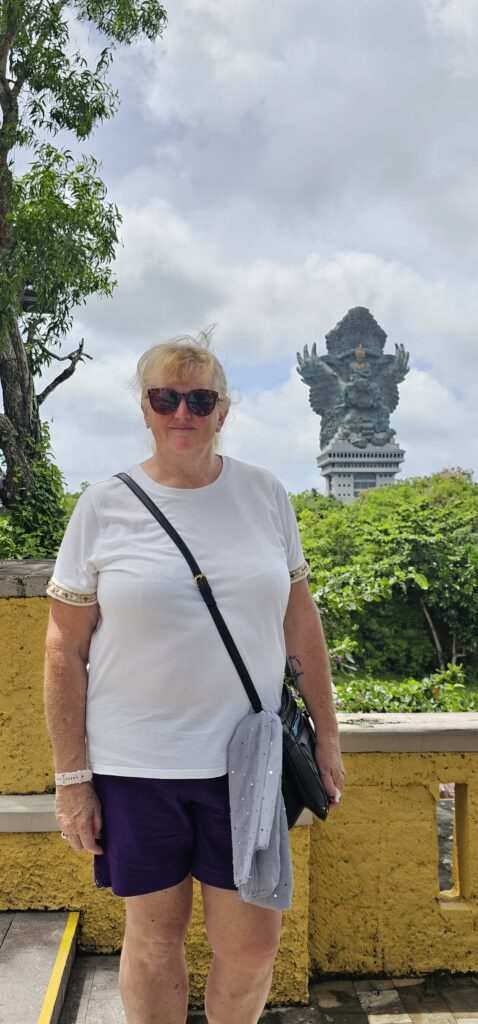
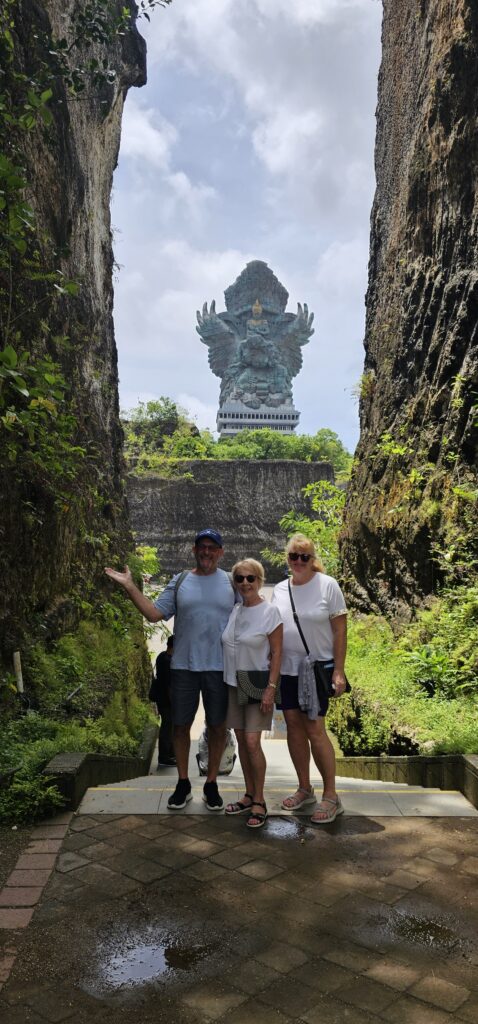
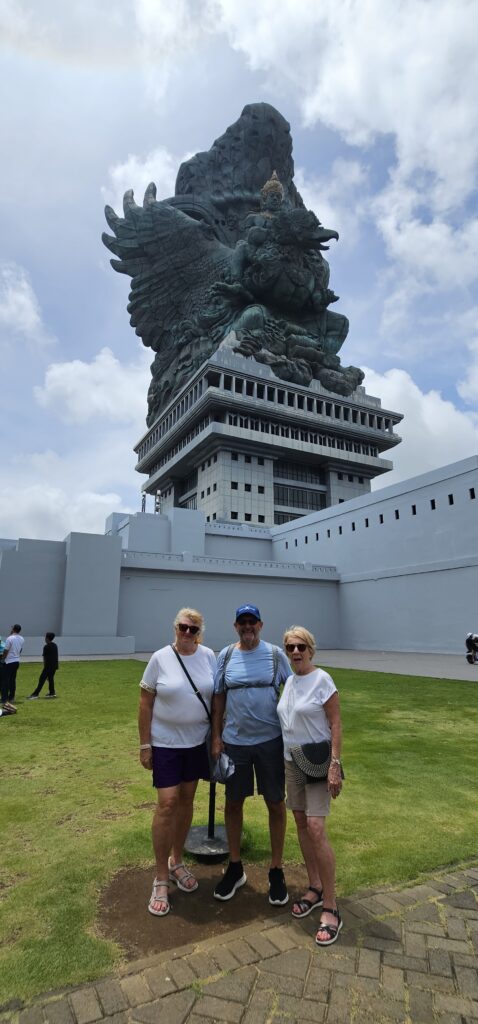
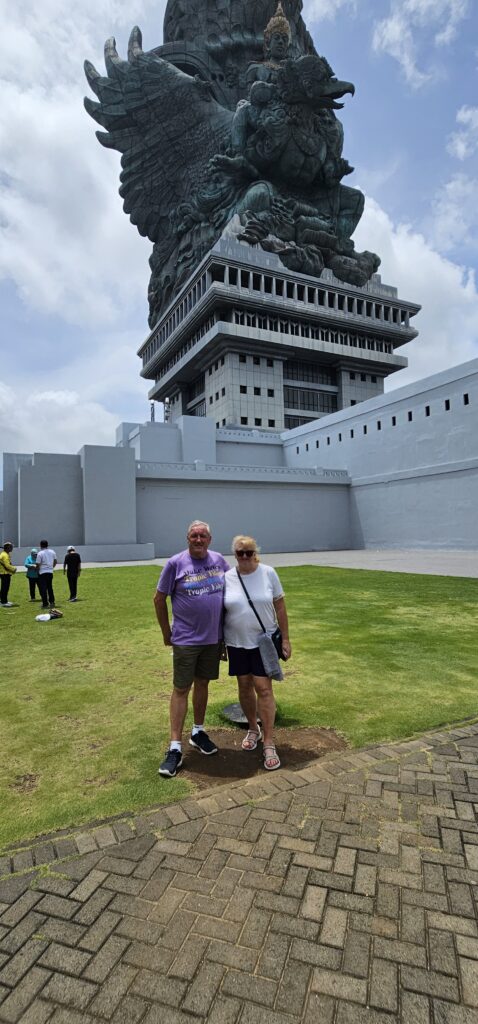
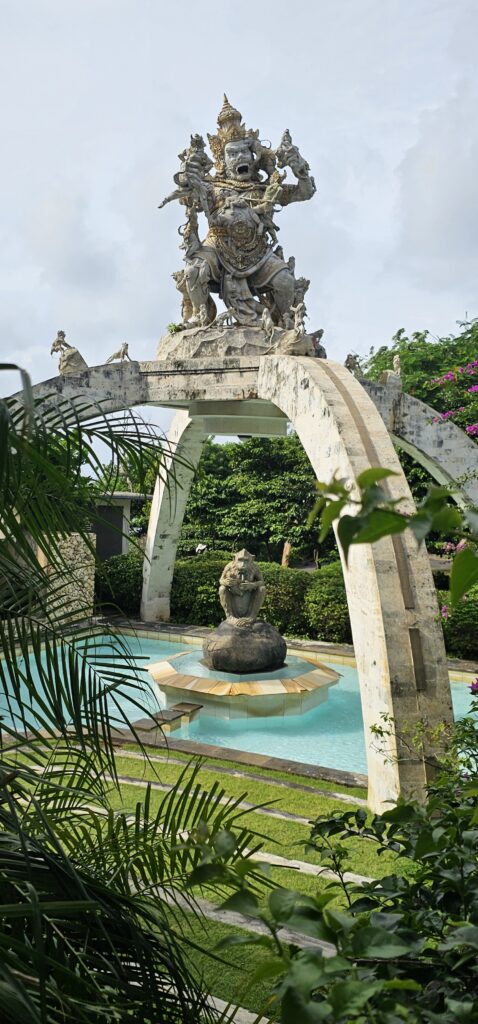
On arrival in Benoa Port and when you arrive into Bali by plane, the most prominent monument visible on the skyline is known as GWK. Garuda Wisnu Kencana is the correct name for a huge monument built in the grounds of a country park which we visited one hot and humid day.
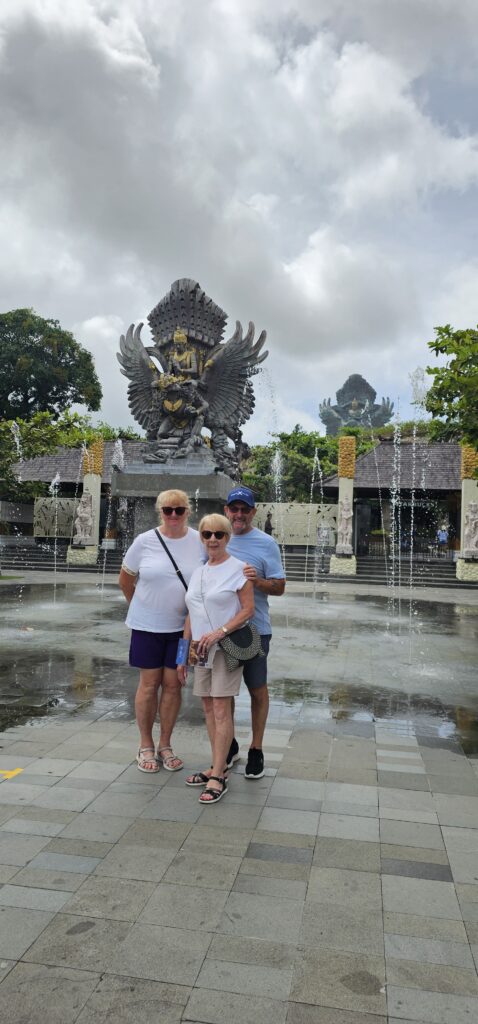
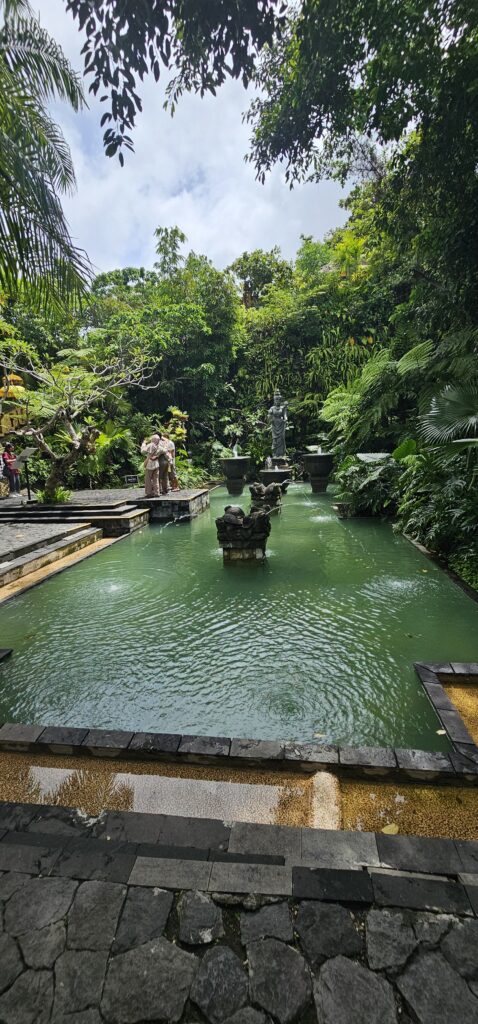
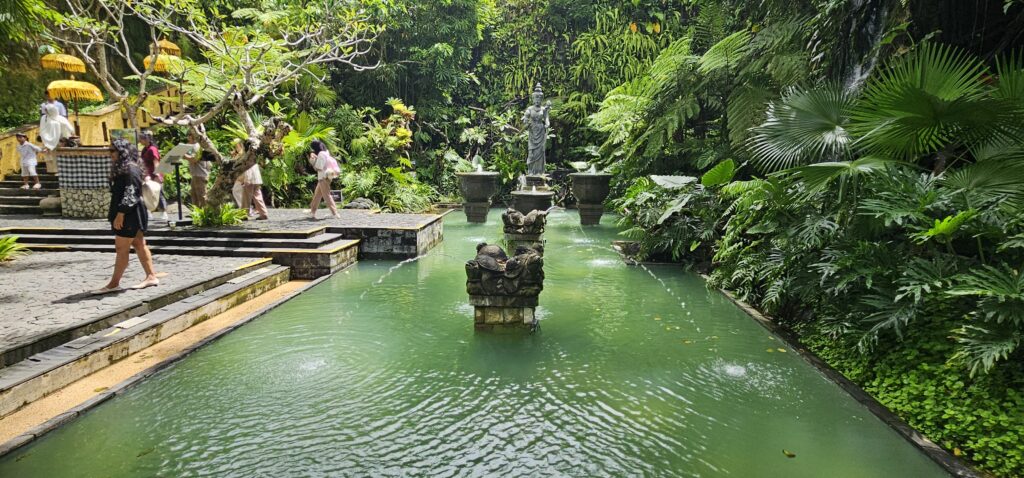
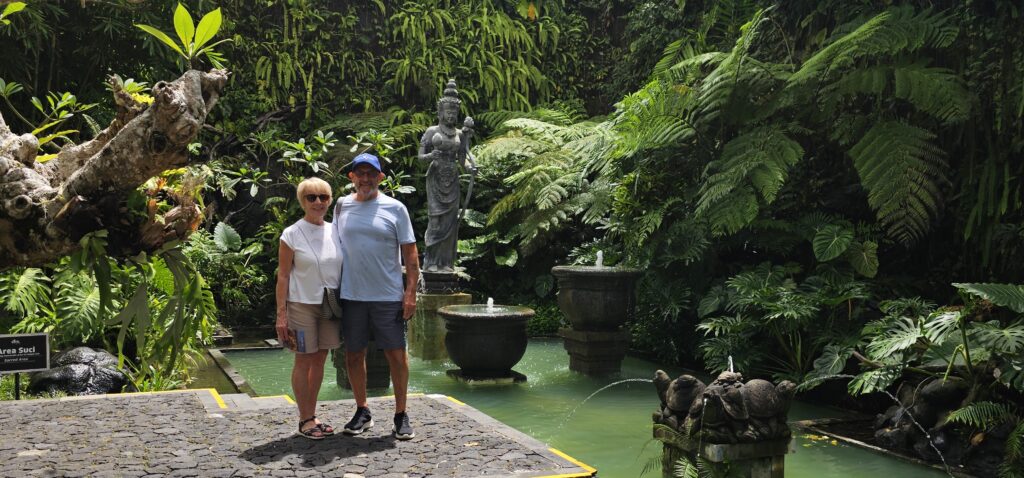
We boarded a shuttle bus from the car park to the entrance, once through the gates you enter a calming water plaza thats home to a statue of Lakshmi with everyone posing in front of her. Lakshmi in Hindu belief, is the mother of the universe, Goddess of prosperity, happiness and wellbeing and is the Consort of Vishnu the Protector.
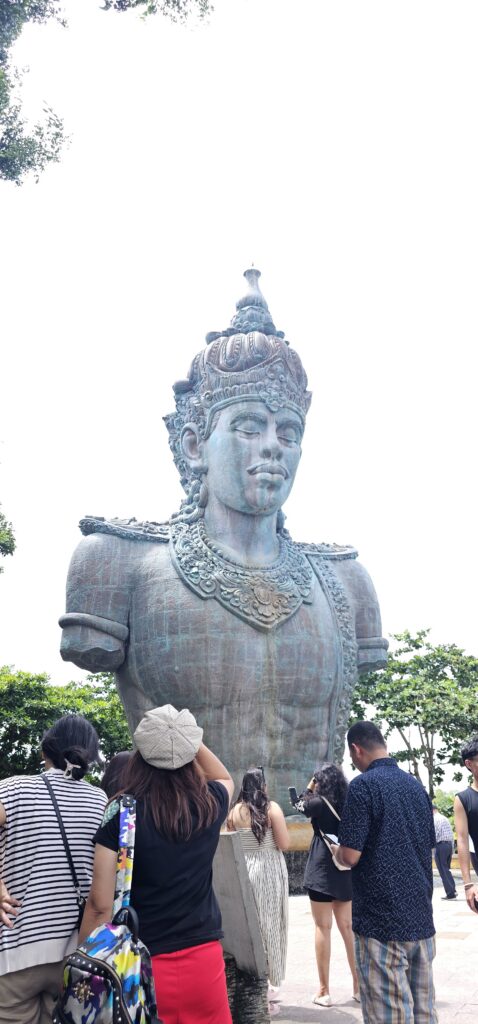
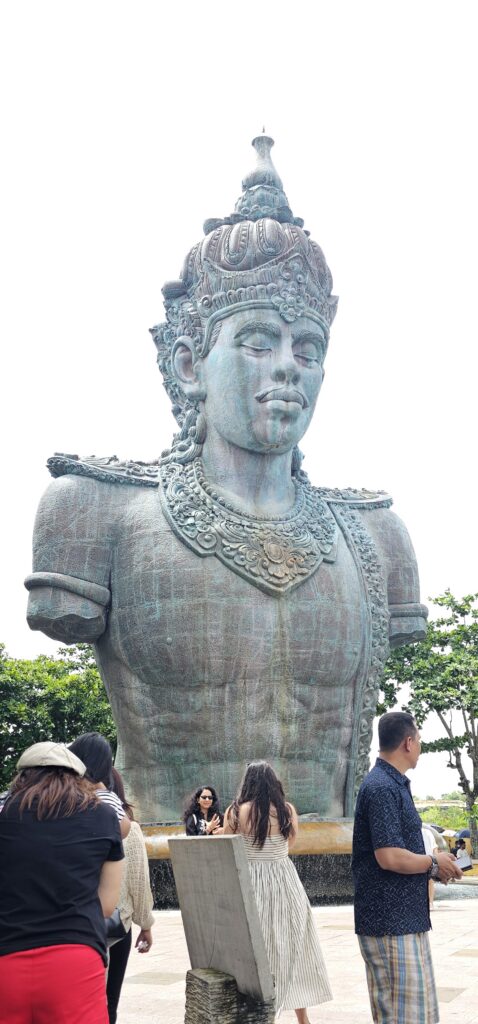
We follow a carefully planned path around and next up is a massive statue of Vishna, surrounded by water. Here Graham was inundated by facts from a tour guide who took a liking to him.
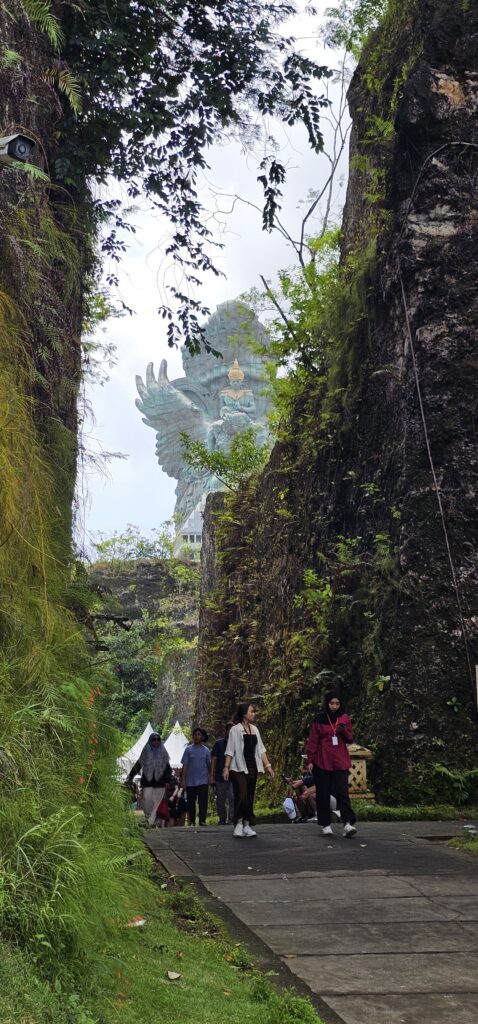
Eagle like Garuda is mounted into a hillside, the 18 metre high statue of Vishna’s mount is made of metal and copper, we wound our way through impressive gardens and alleys cut out of colossal limestone pillars, an area used for concerts and events.
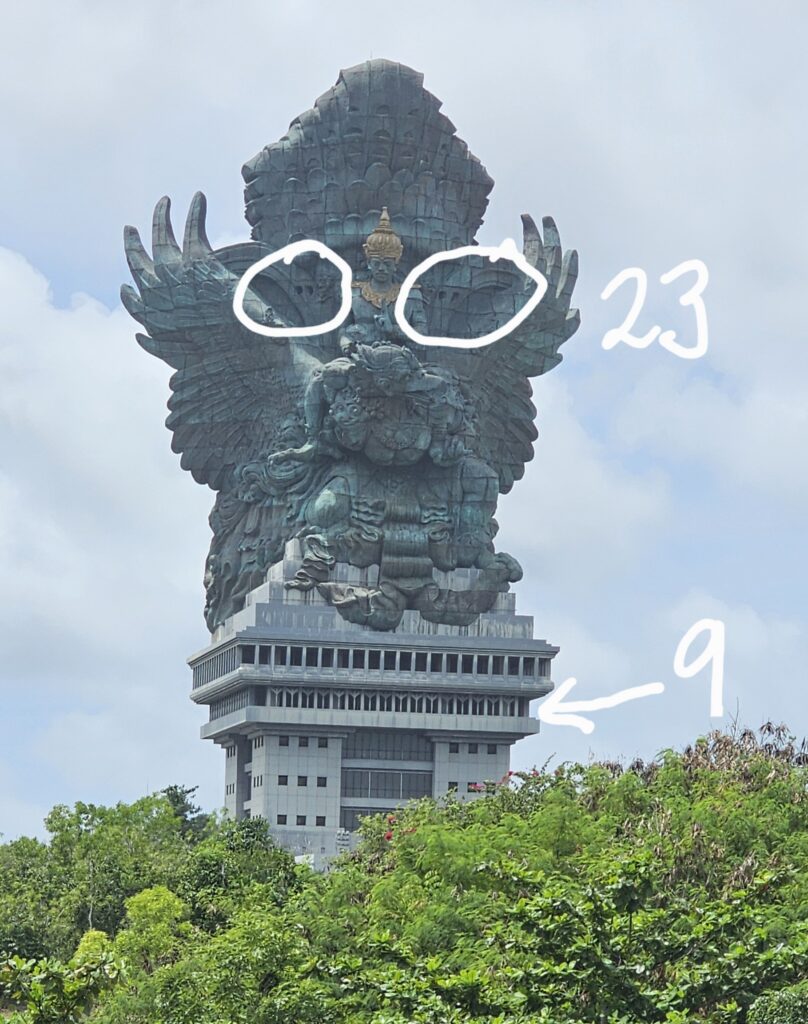
Finally we get to the summit and wait in the queue inside to take a guided tour to the 9th floor then the 23rd floor. Its size is unimaginable until you are at the base of the statue then you see how tall it is – its the tallest statue in Indonesia and the 4th tallest in the world!
Taking 4 and a half years to build, starting in July 2014, it originally began as a community project but a company took over the build, using over 1000 workers (with a Zero accident rate) to build this copper plated steel and concrete structure, testing its wind strength in the UK and officially opening in 2019. The information given on the tour was overwhelming, but fascinating if you were an engineer!
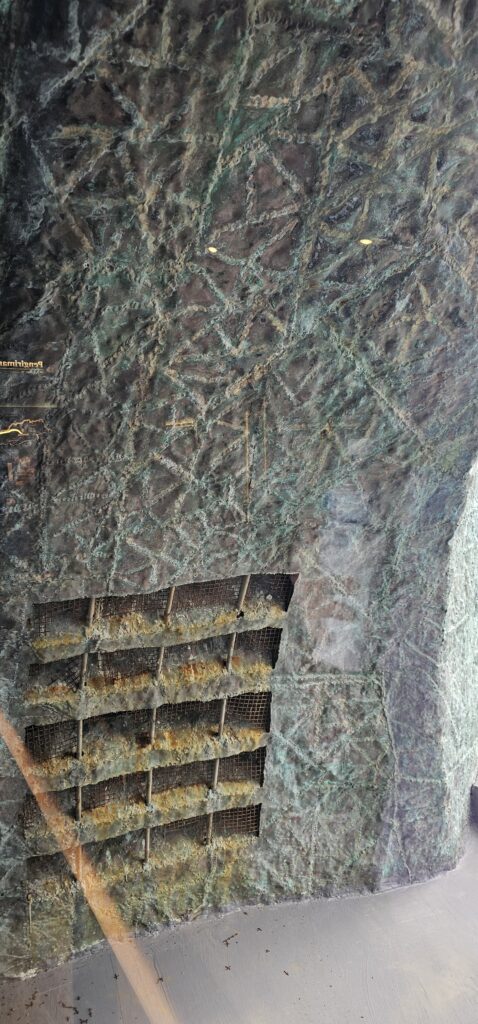
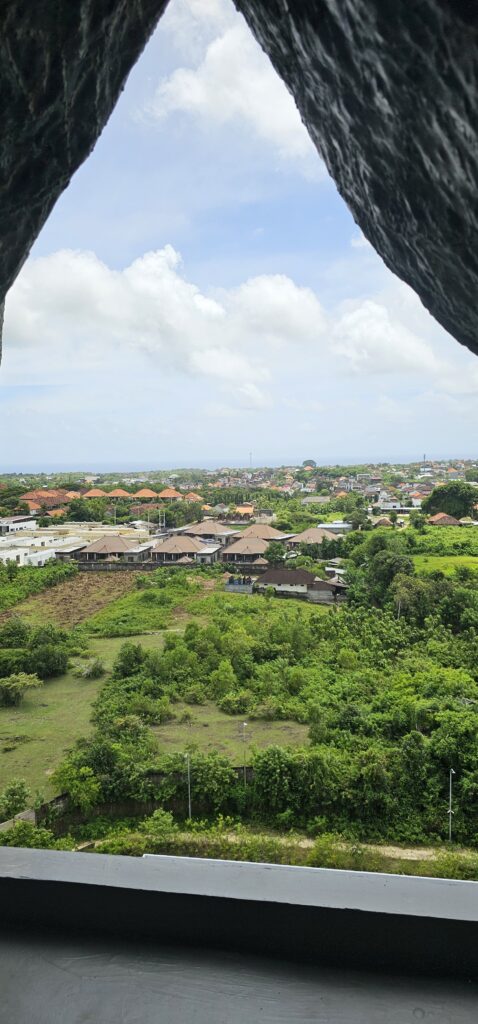
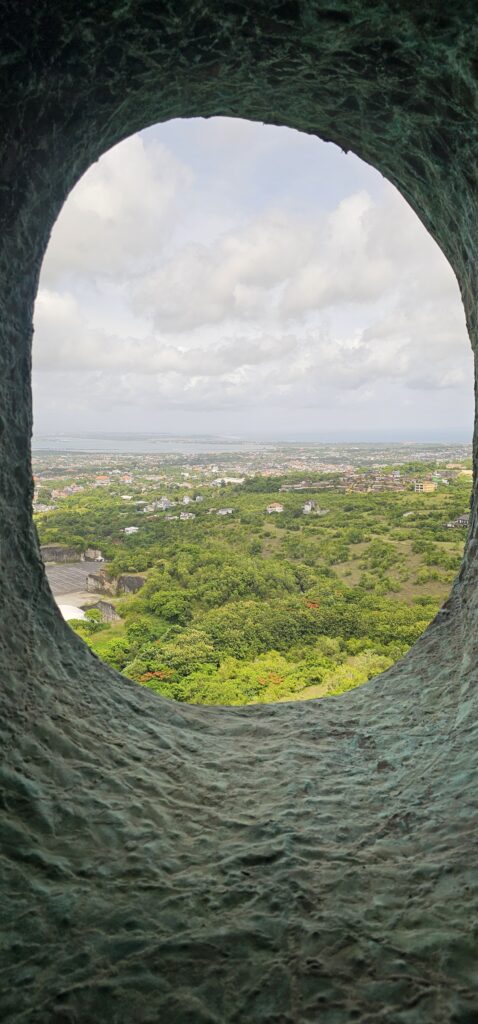
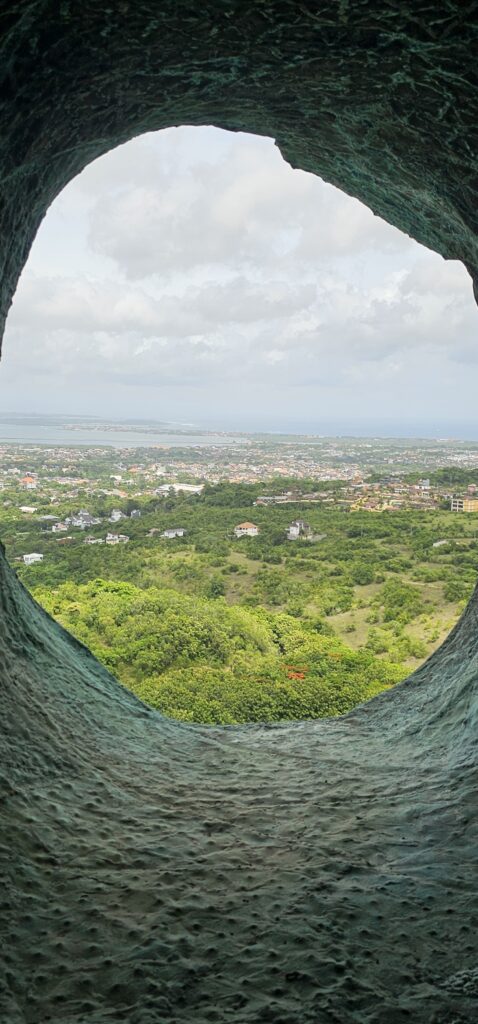
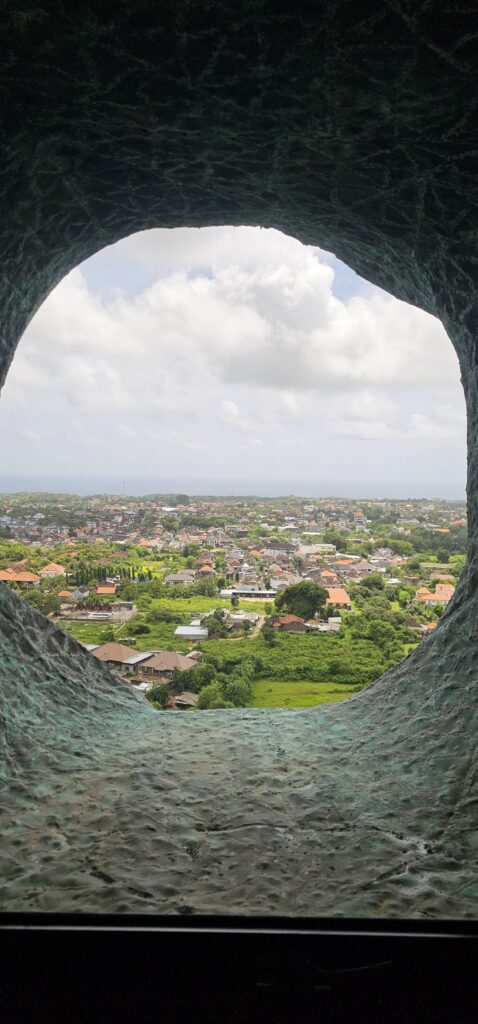
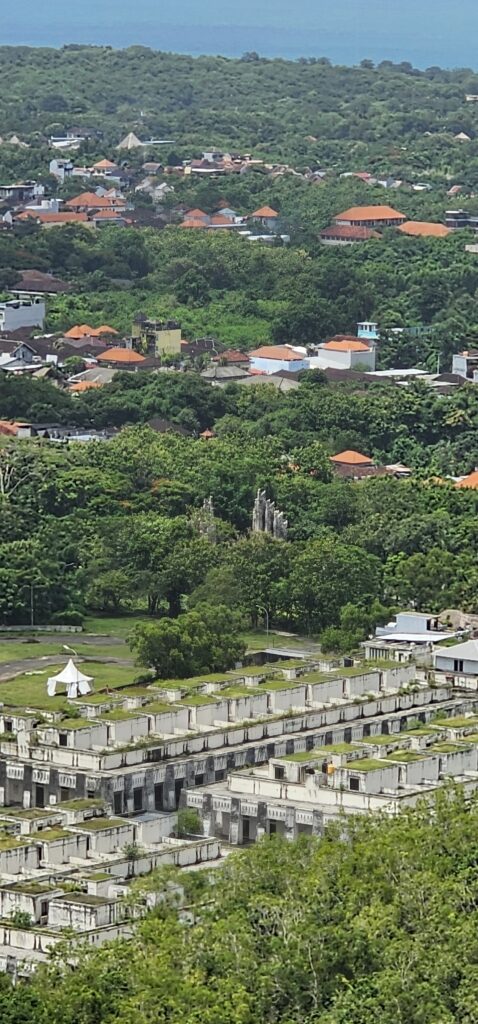
You get to see the inside of the structure, all steel frames and panels, and then at the 23rd floor is a viewing platform out through some eye shaped windows, with amazing views over the countryside. There is also aviewing platform at this point that’s glass floored, looking down through the structure to the base at the 9th floor.
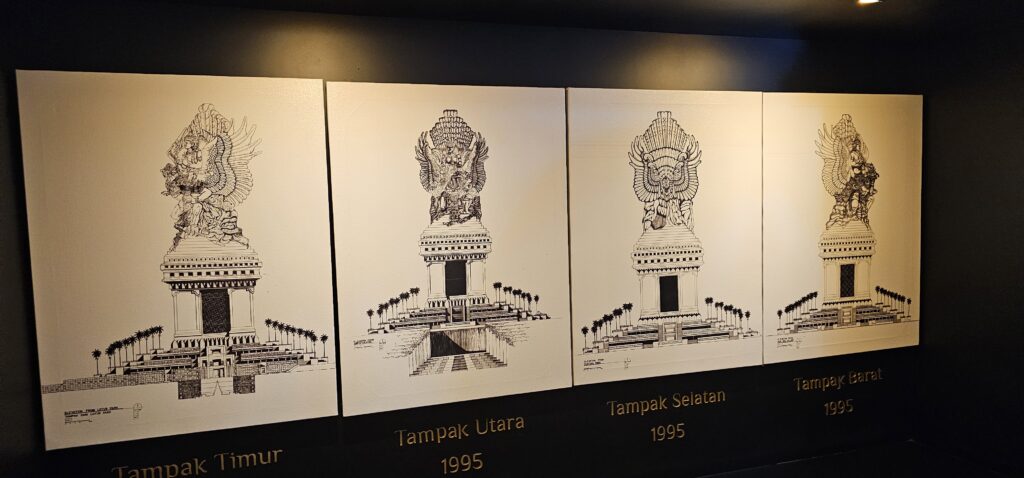
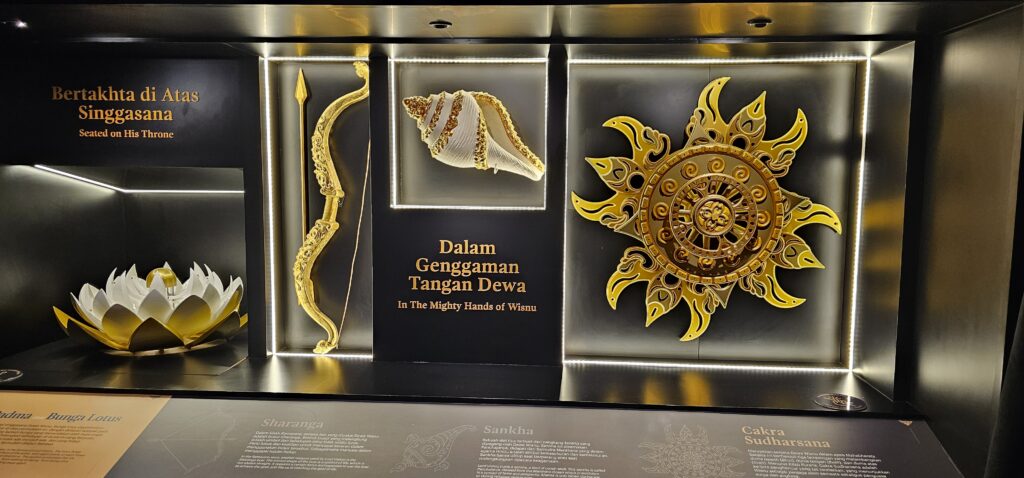
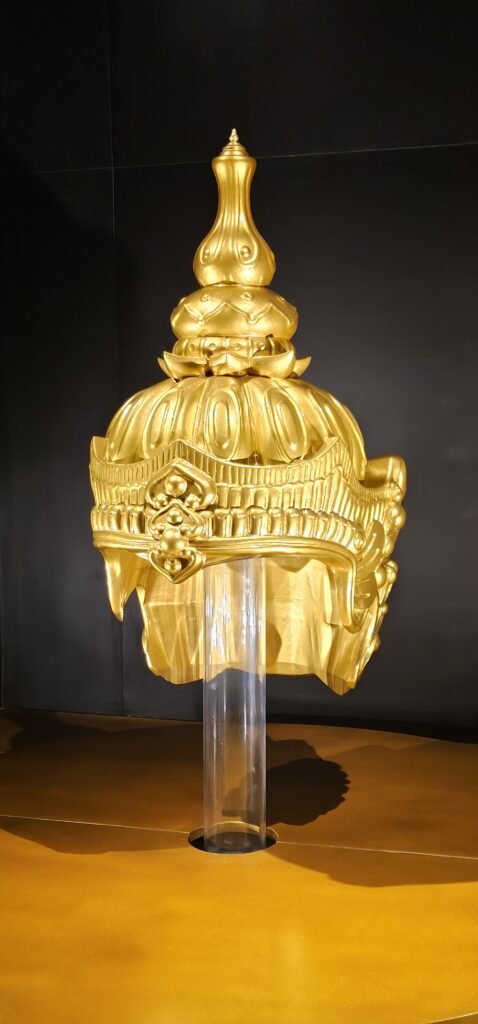
Drawings of the 4 sides ofthe buildingIts internal compositionView from the 9th floorMeanings of the iconsModel of the crownViews from the 23rd floor
We meandered back through the gardens and headed back to the car for a sandwich lunch and to chill in the aircon!
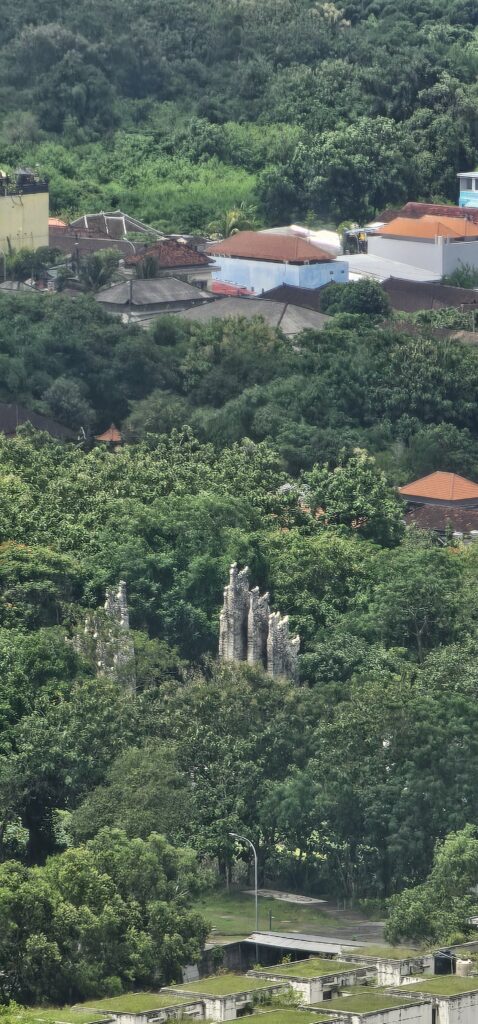
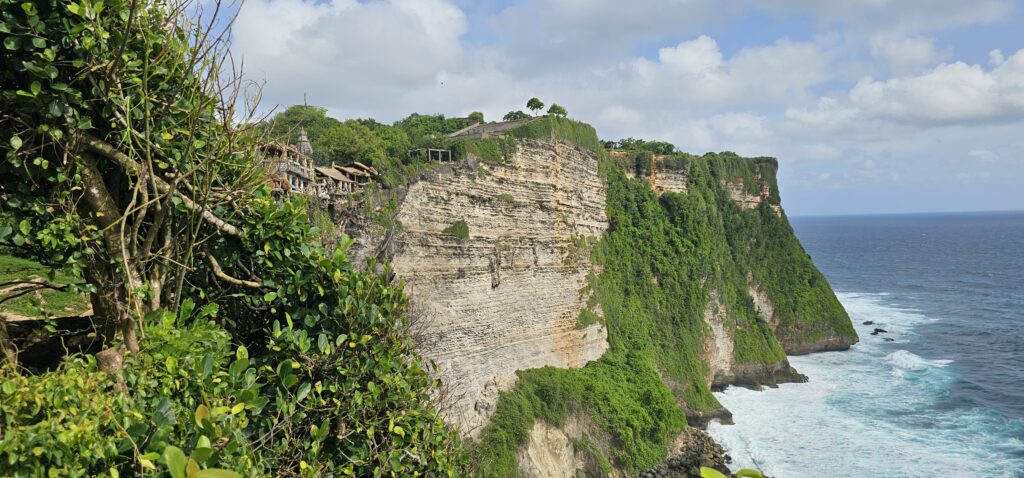
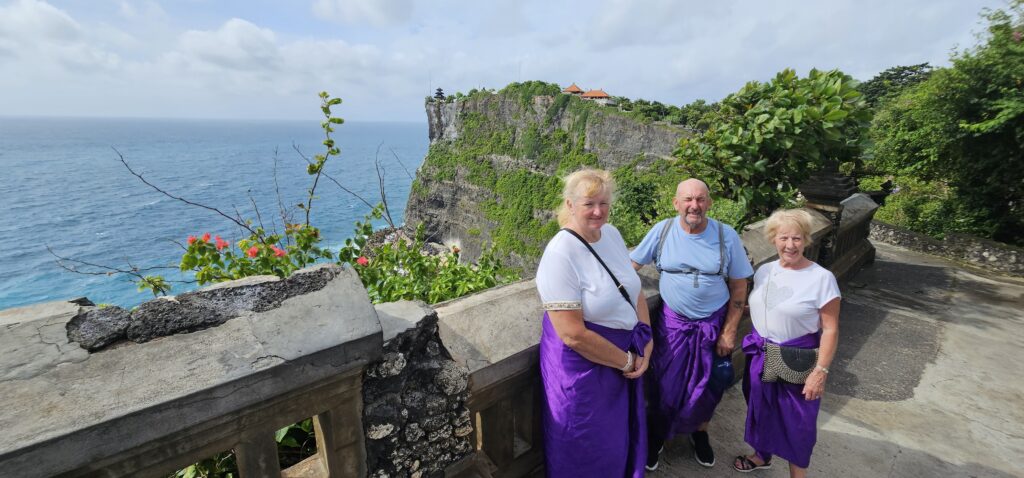
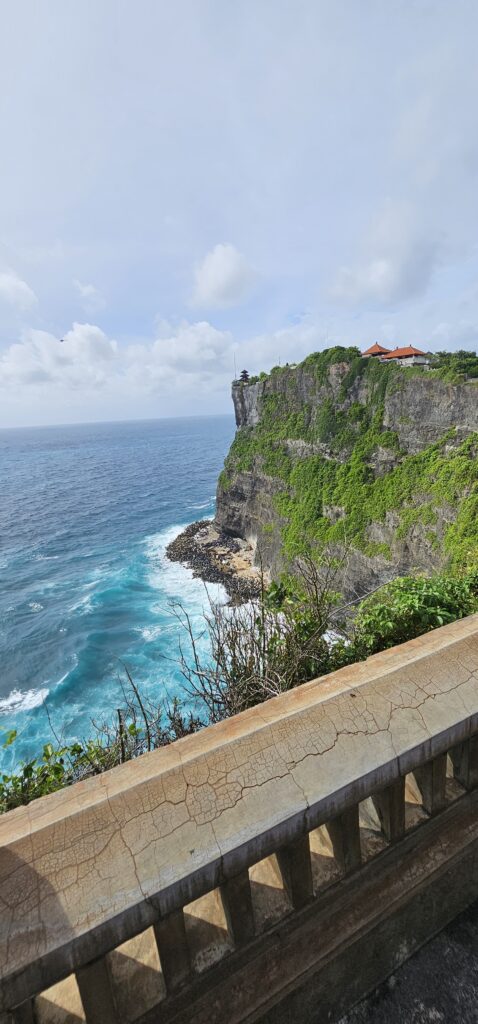
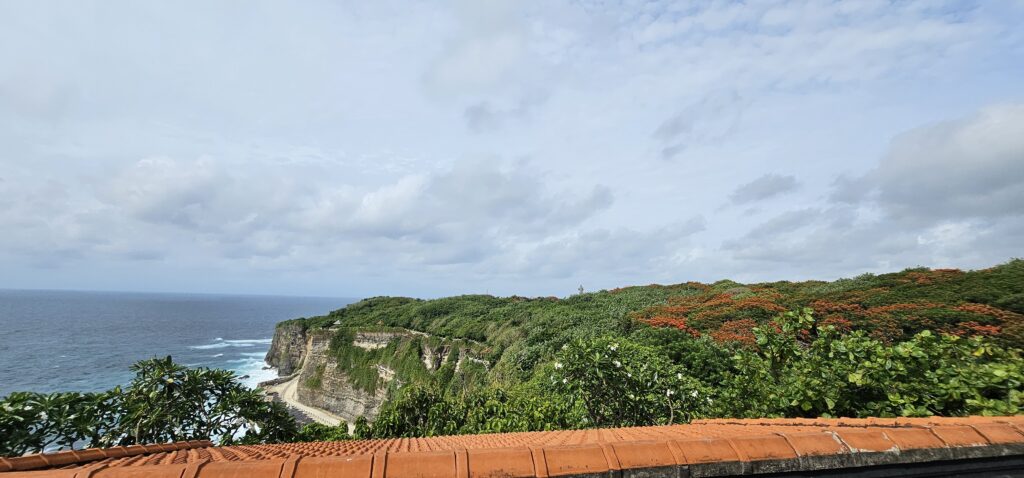
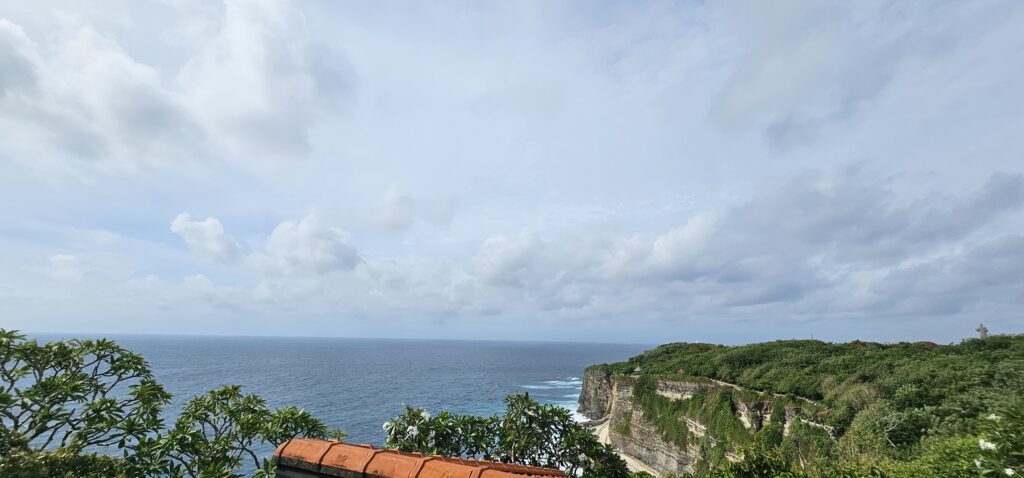
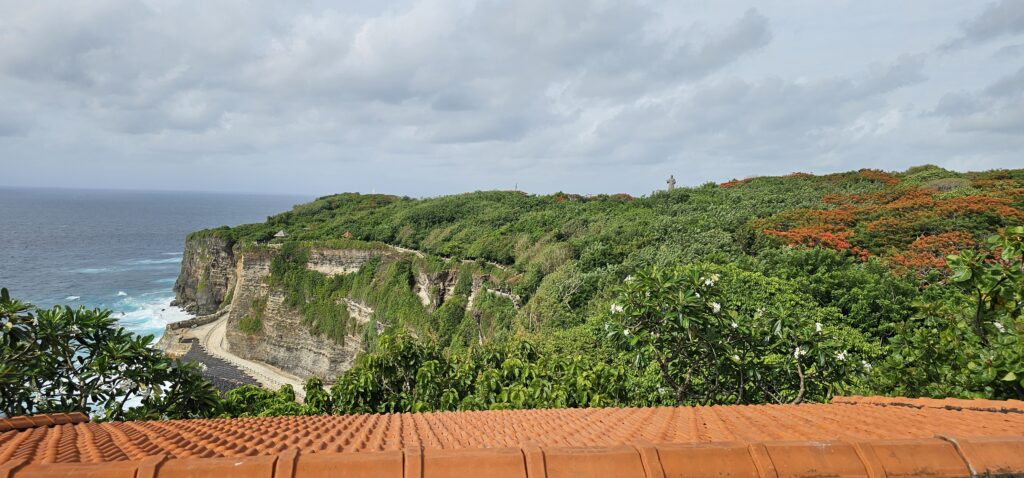
Next stop was a hillside temple at a place called Uluwatu, right on the coast. Records suggest it dates back to the 9th century, built as a sea Temple to protect Balinese people from the negative spirit forces of the ocean. Balinese temples are recognised as sea temples, village or mountain temples, Uluwatu is one of 6 strategically placed temples on the island, offering protection for the southwest coast and is dedicated to Shiva Rudra, the manifestation of Lord Shiva as the god of transformation and dissolution.
Cliff side location
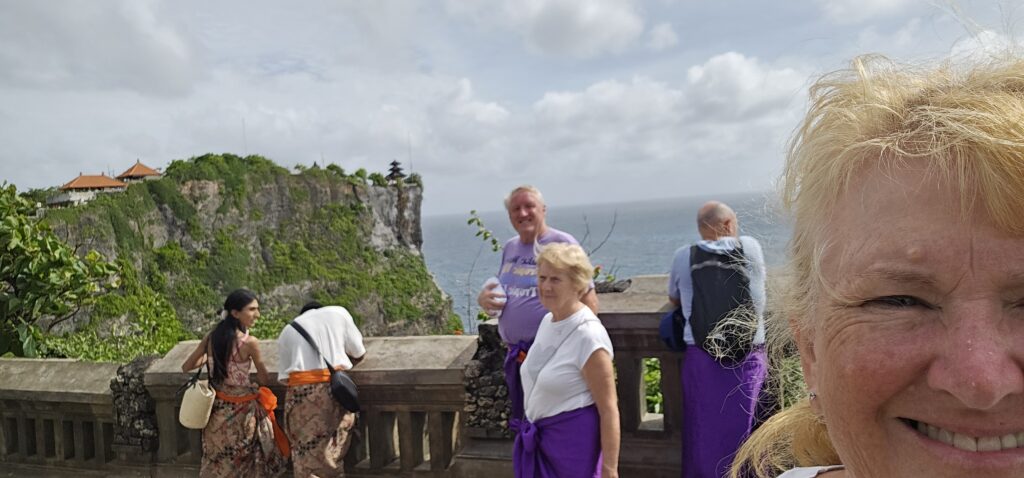
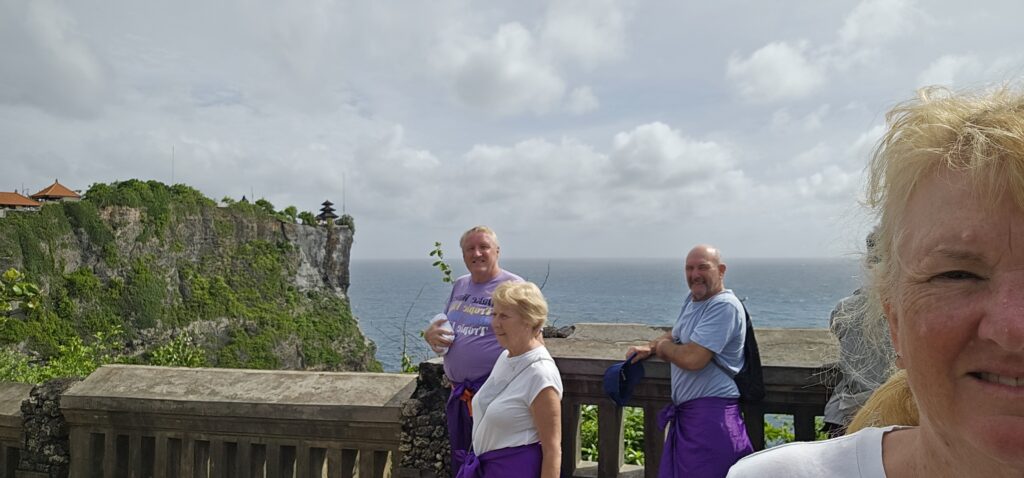
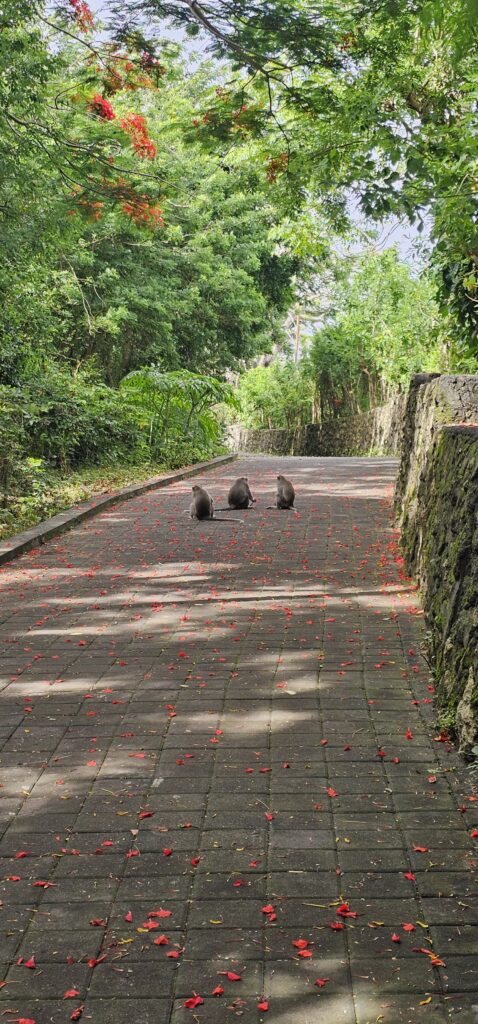
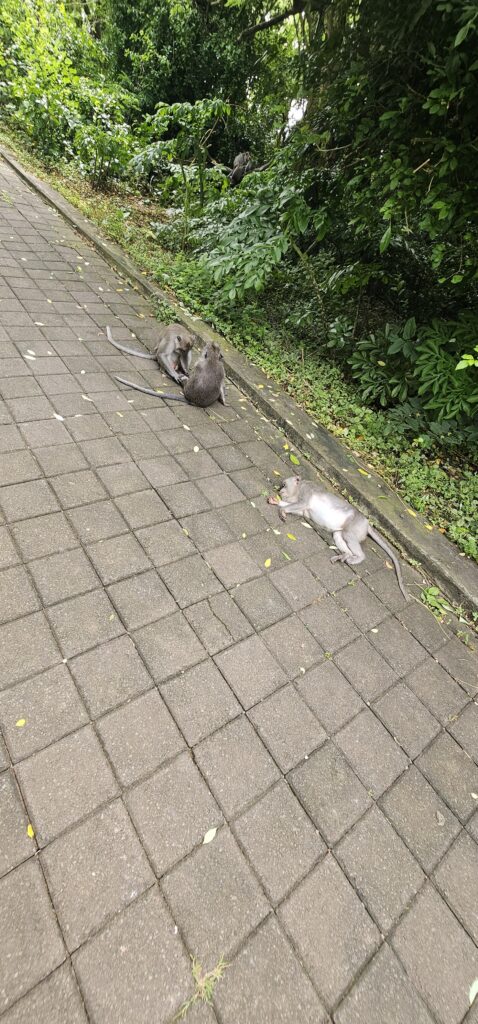
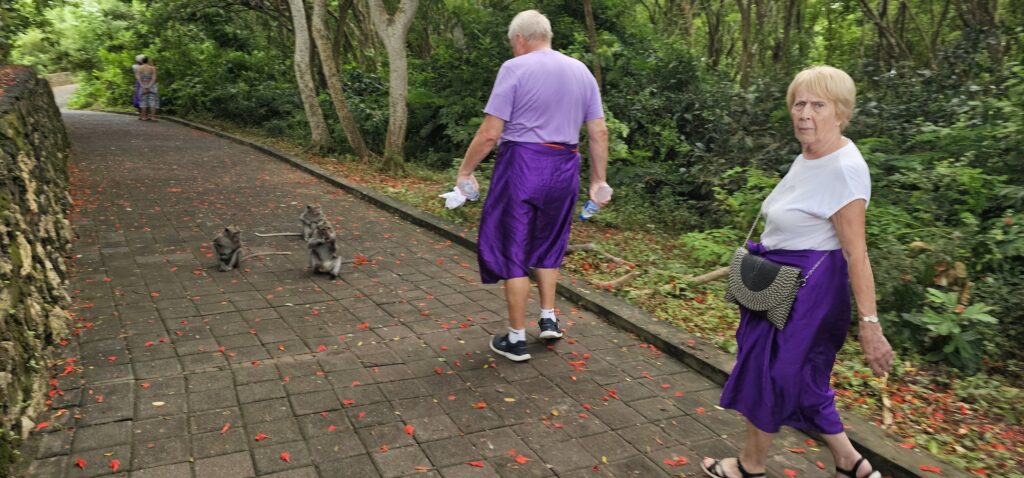
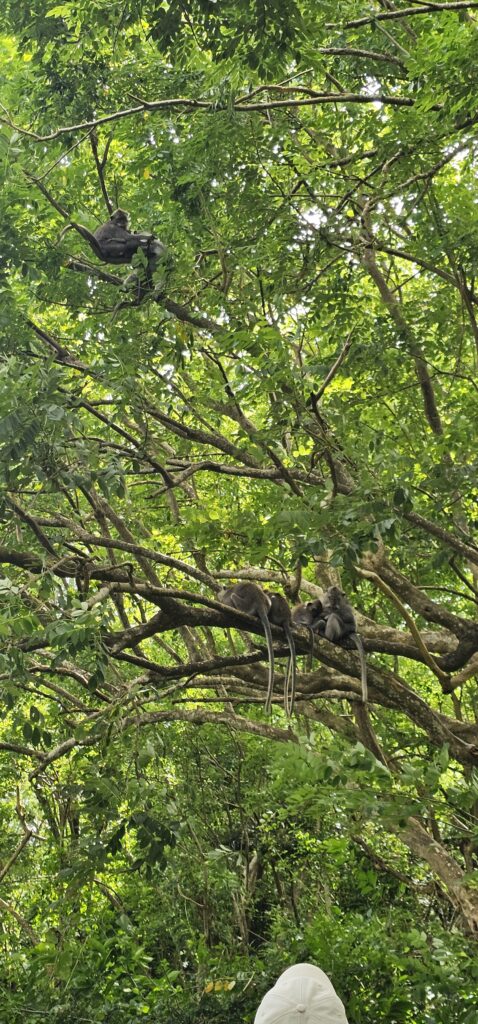
It was far too hot to explore the whole temple grounds, especially as we had to cover our knees in a tasteful mauve nylon skirt so we climbed bits of the external walls before heading back to the air con in the car! However, the monkey kept us entertained and on our toes, all on the lookout for the thieving blighters who take a liking to sunglasses, food, handbag contents and anything they can grab 😀
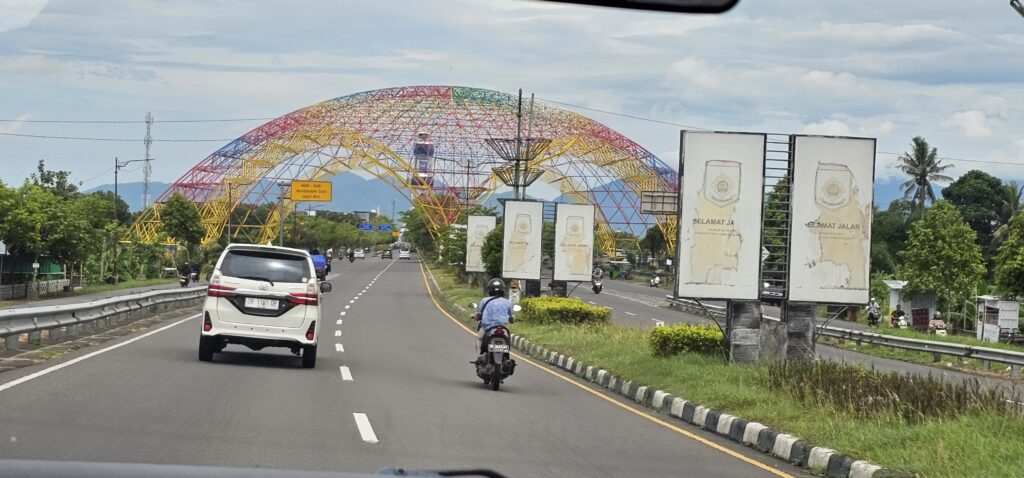
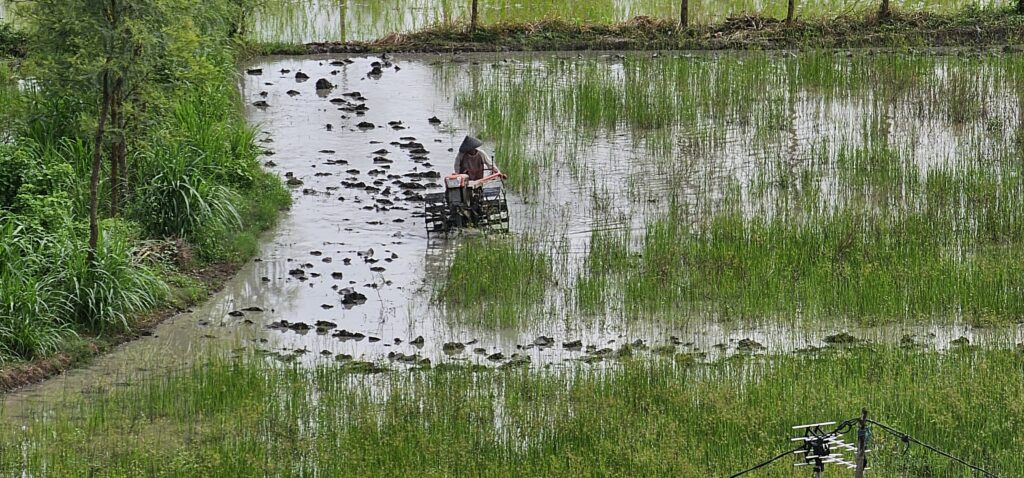
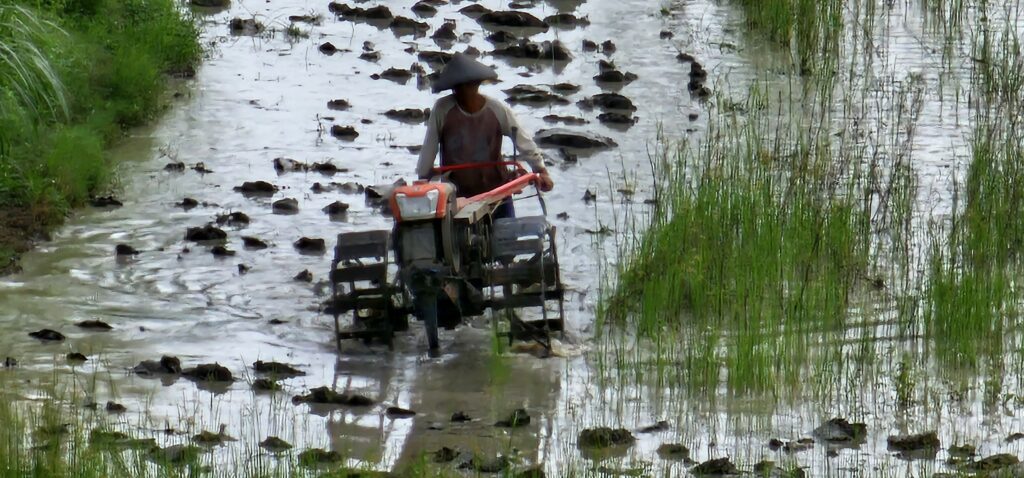
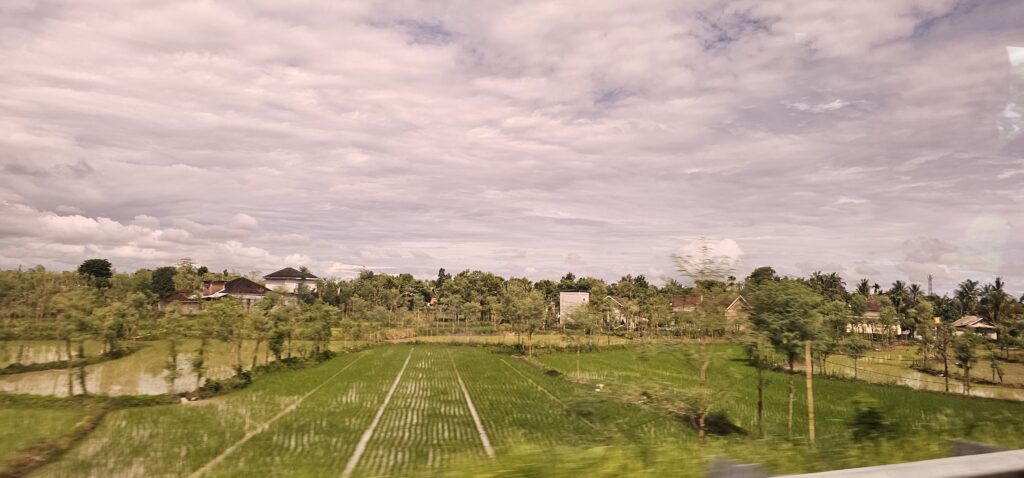
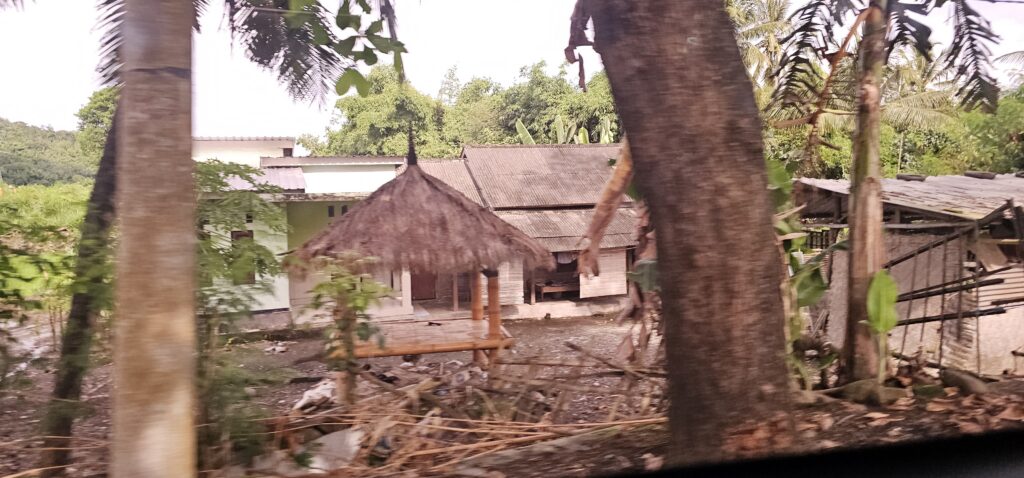
Early on another misty Saturday morning we arrived on the island of Lombok, one of the Indonesian islands. It has its own sleeping volcano, Mount Rinjani, and is a real mix of modern (huge glossy shopping malls), lush green rice paddy fields and ramshackle roadside villages reminiscent of the quieter parts of India.
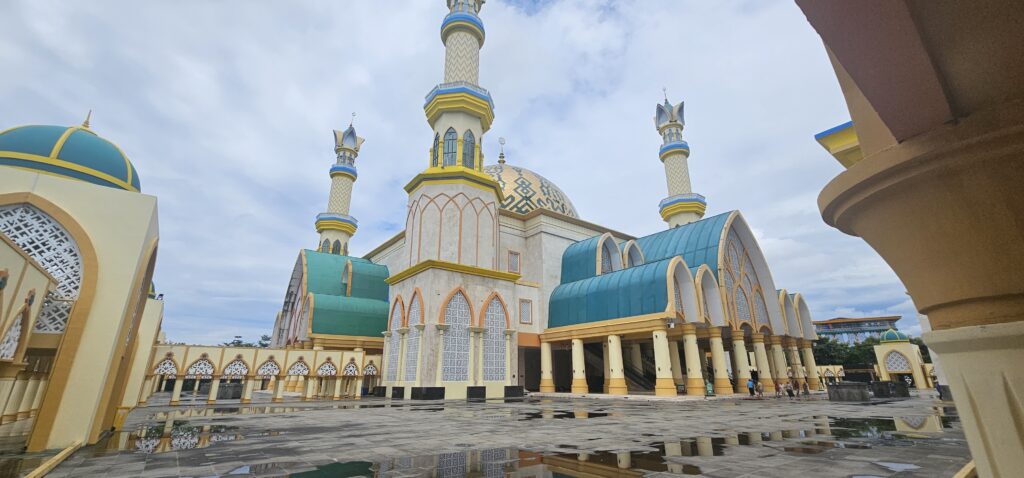
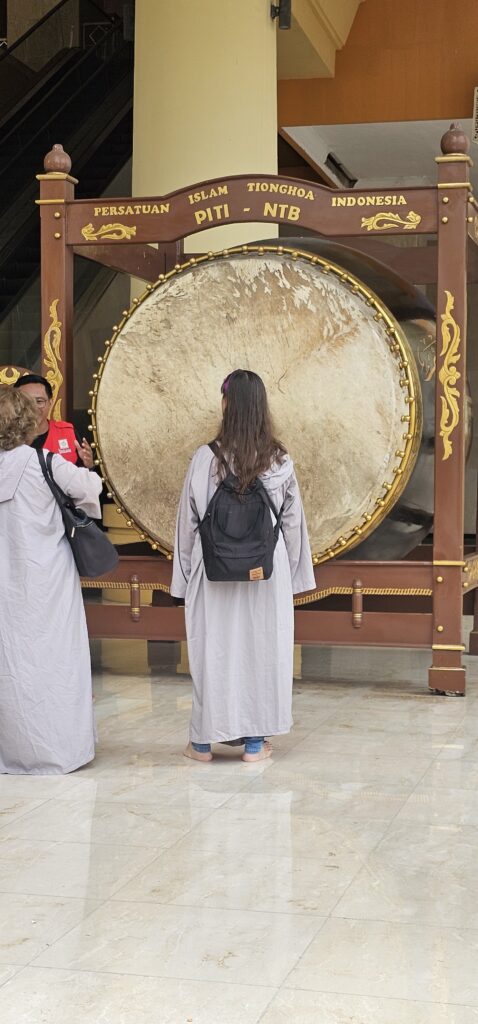
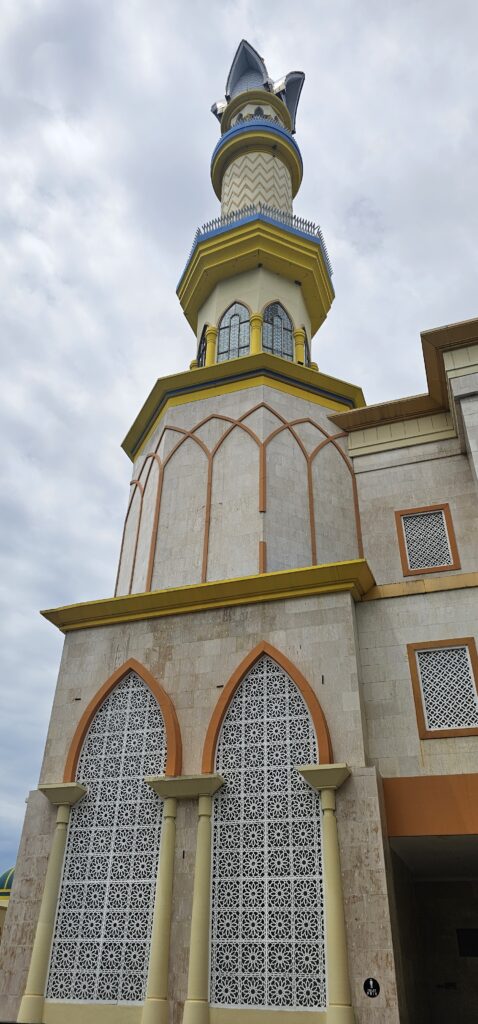
Once again, we negotiate the services of a driver, a quiet lad called Choy. Firstly we head to the main capital Mataram, where we visit the city’s biggest Islamic centre. Again the island is 40% Islamic, 40% Hindu and the rest are a mix of Buddists, Christian and Catholic and they all live happily and respectfully together.
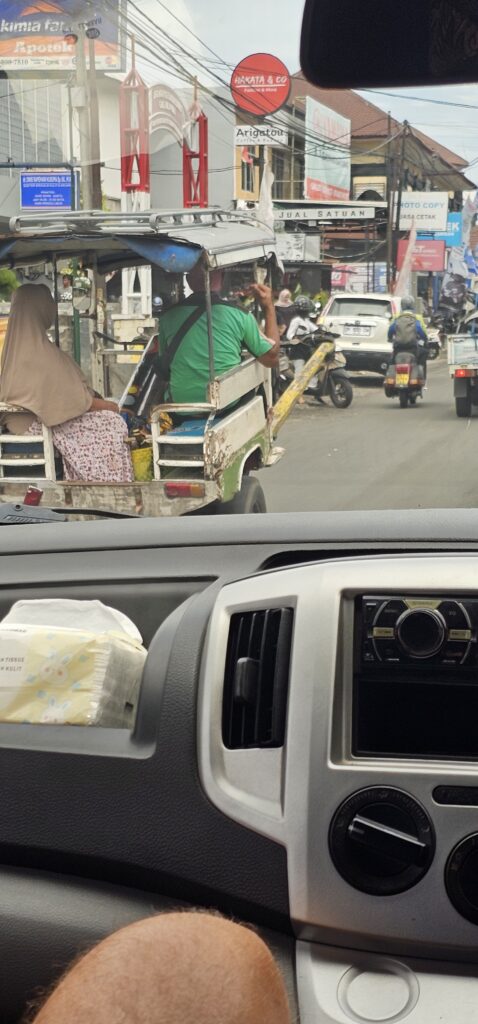
Entrance to Mataram A regular sight, donkey and cart!
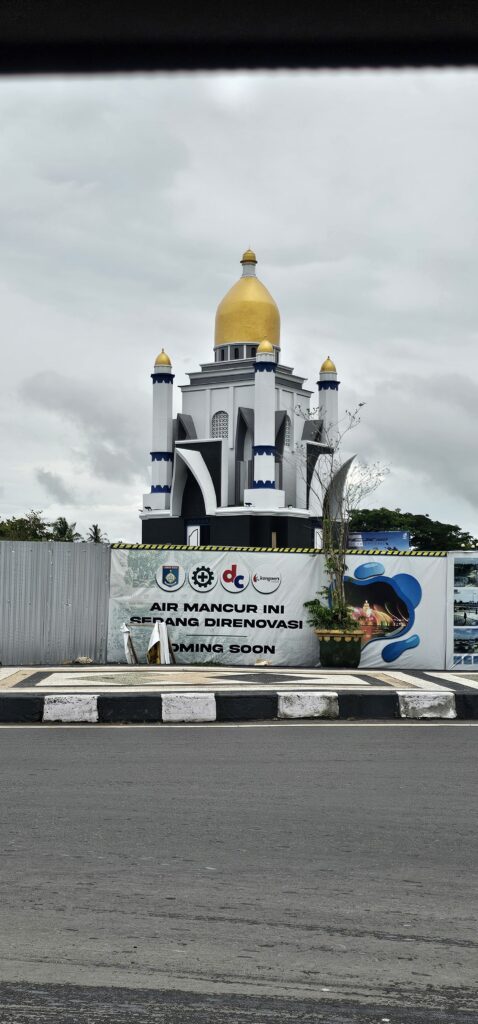
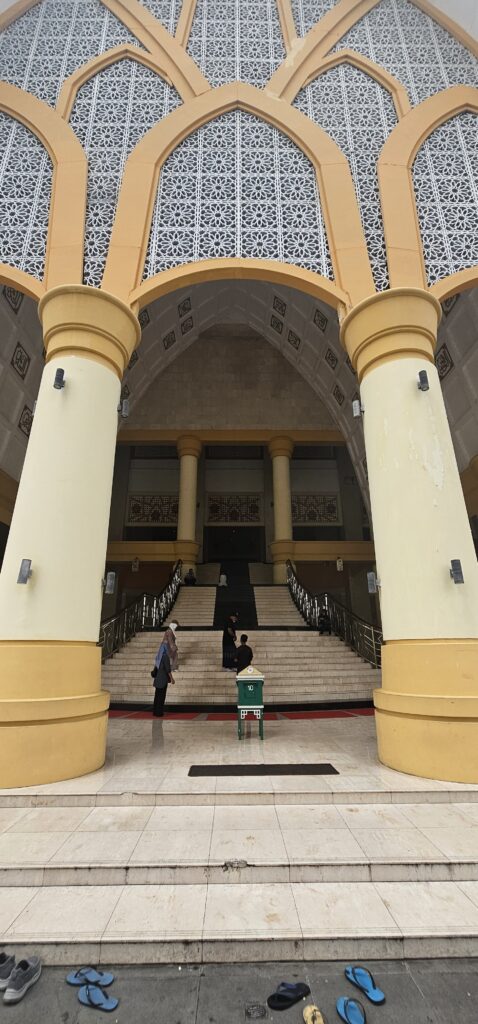
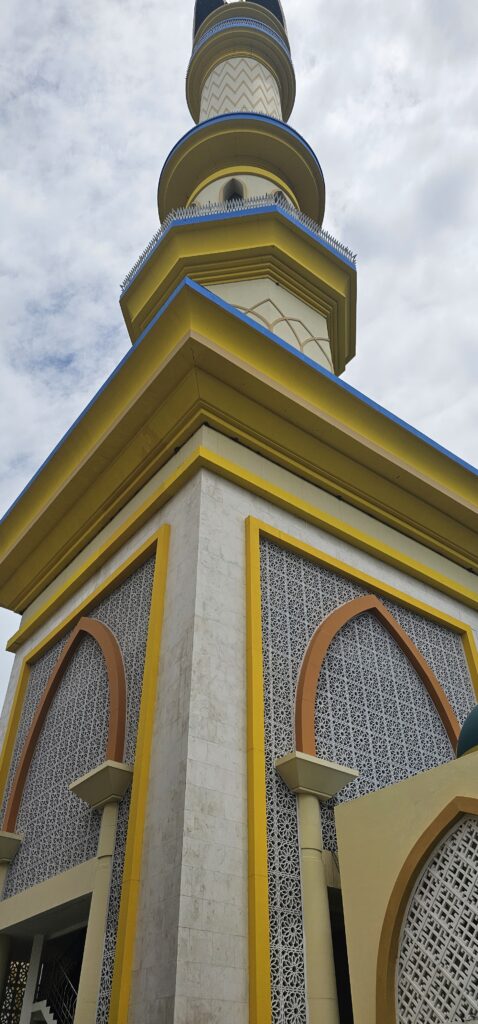
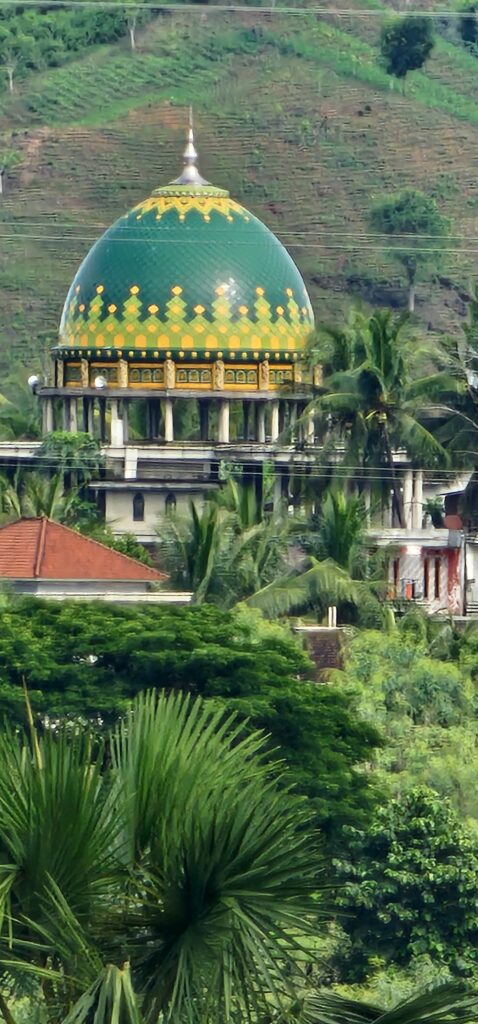
The Islamic building certainly was impressive, huge, symmetrical and so very clean. We didn’t fancy a tour as it meant donning head to toe tunics, not a great idea in 32c heat!
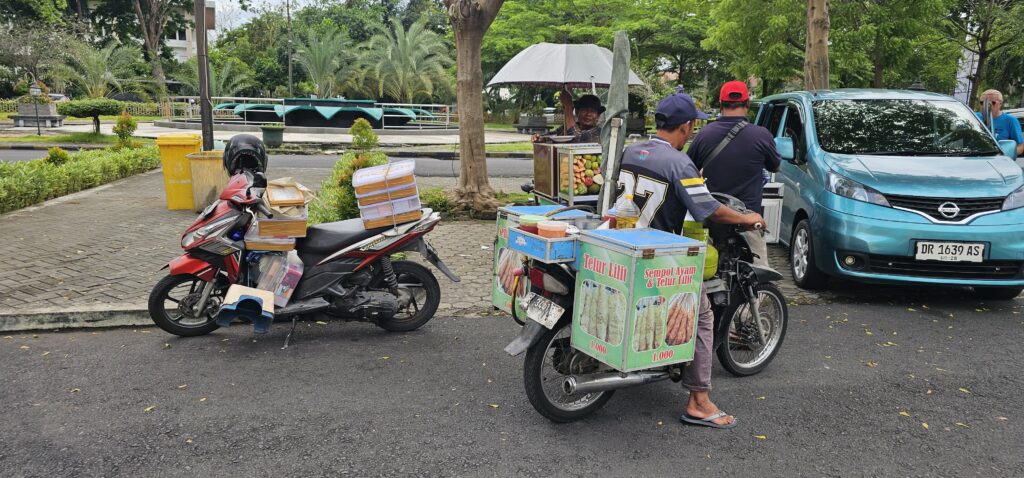
Islamic centre, huge! A new take on Costa/ Starbucks!
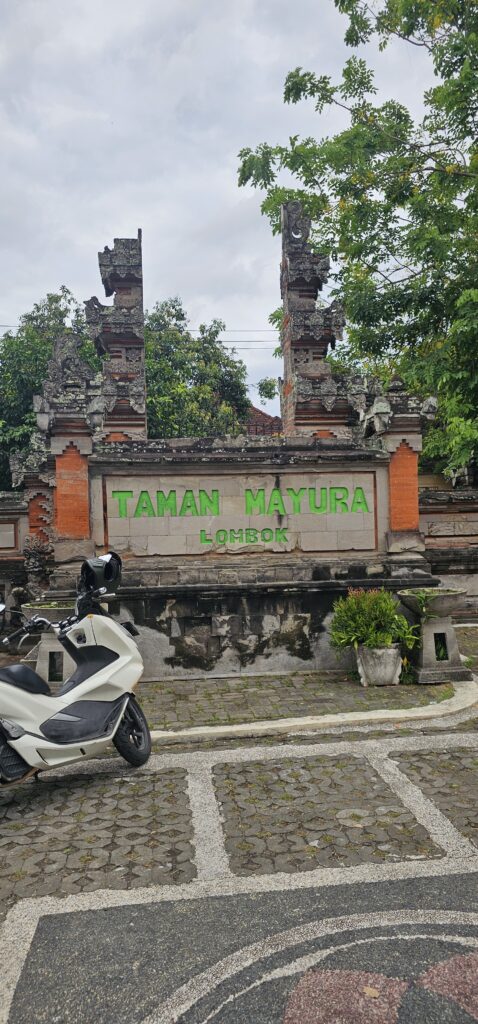
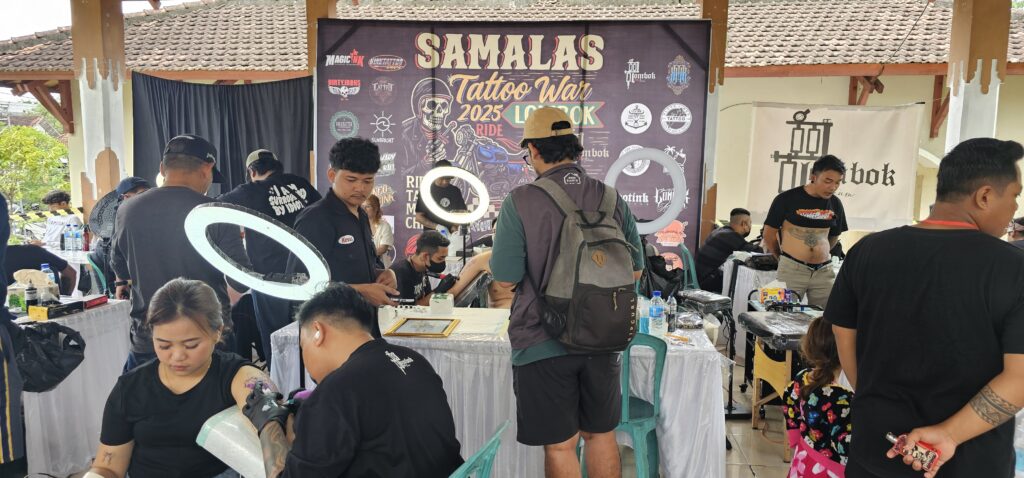
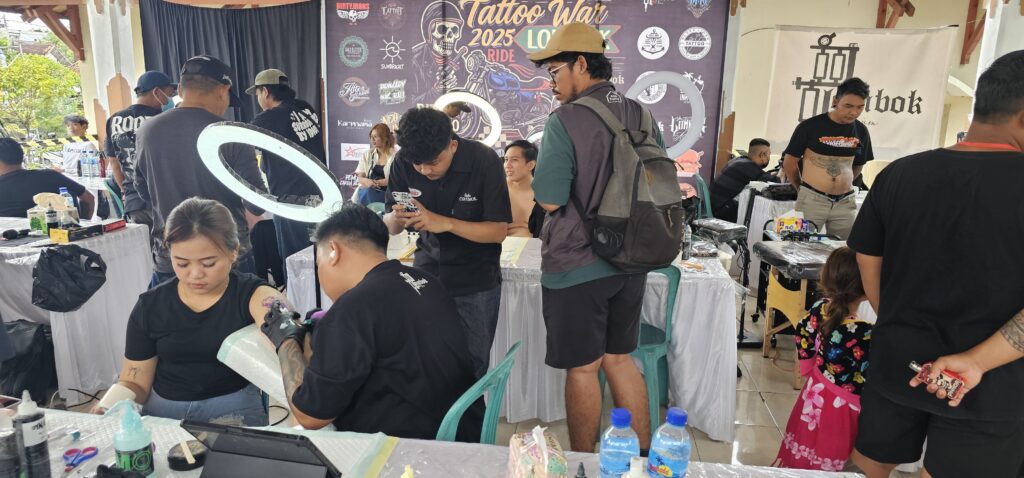
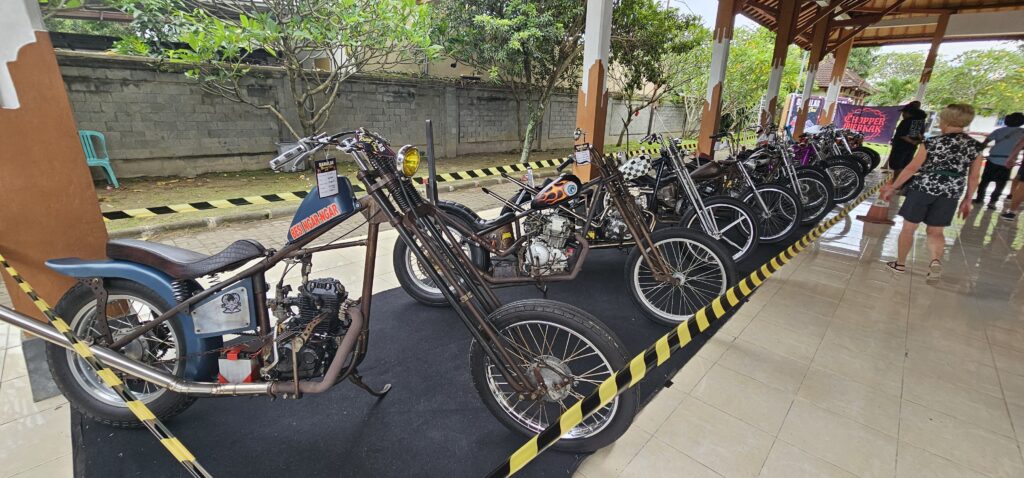
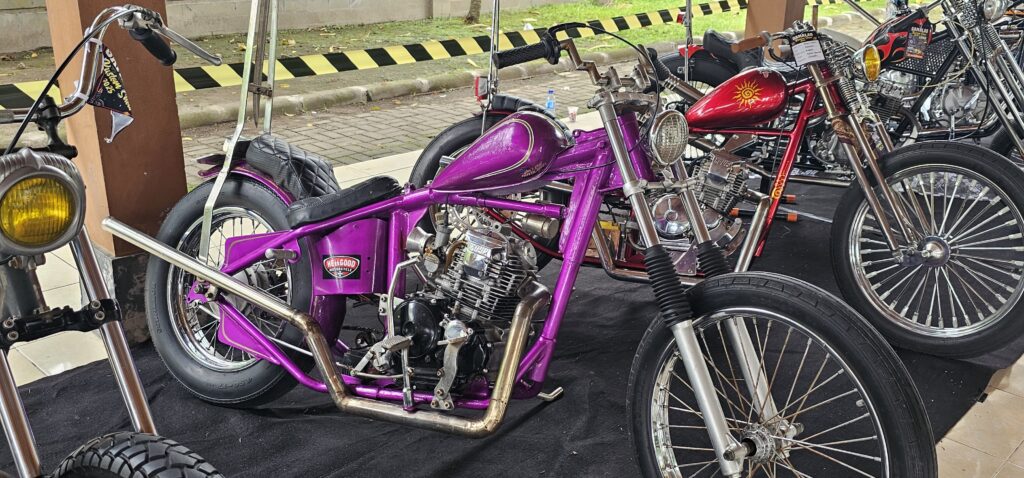
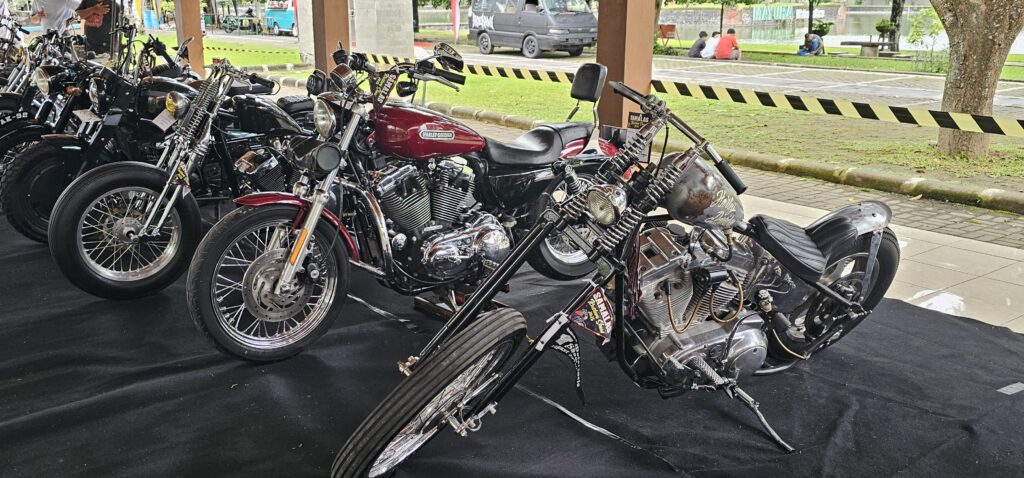
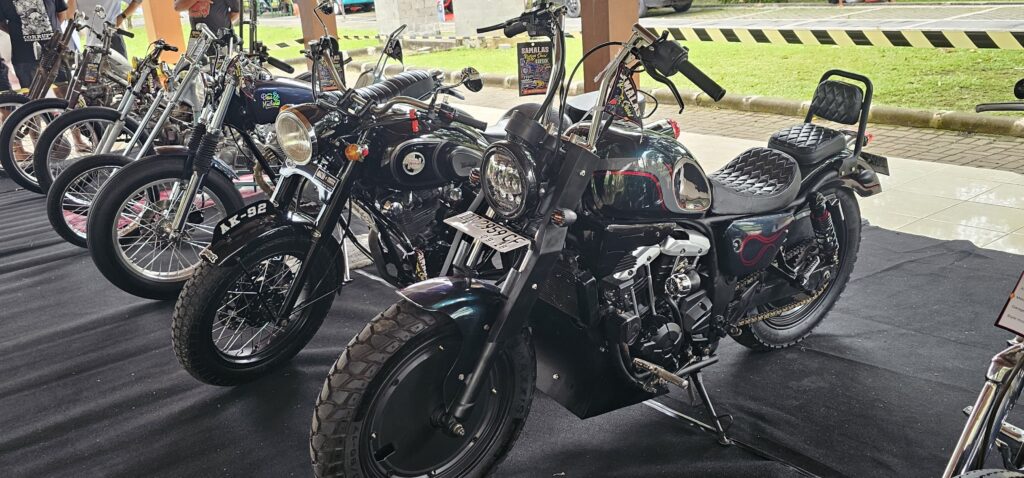
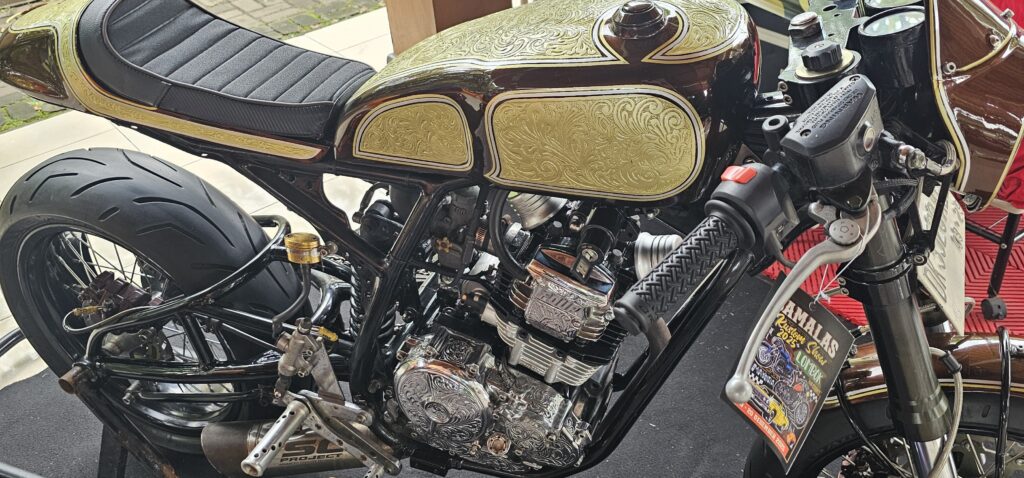
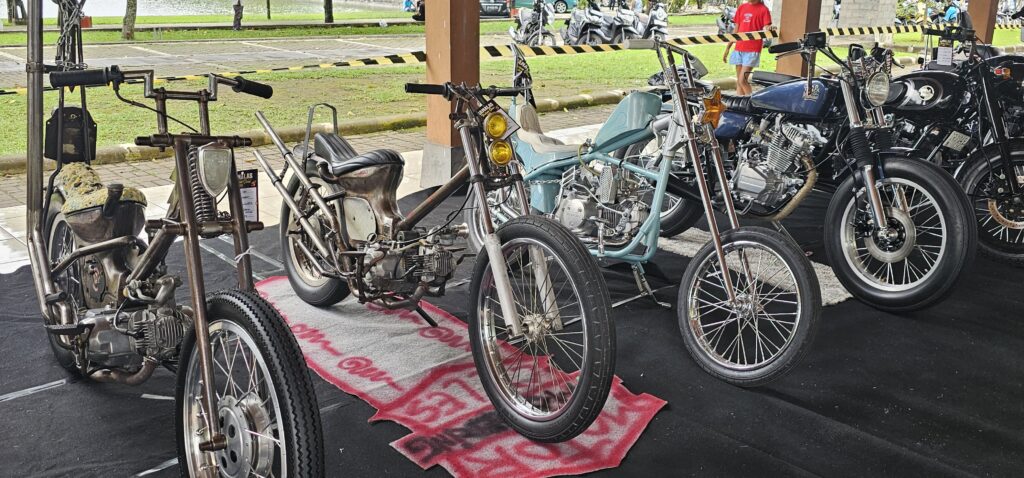
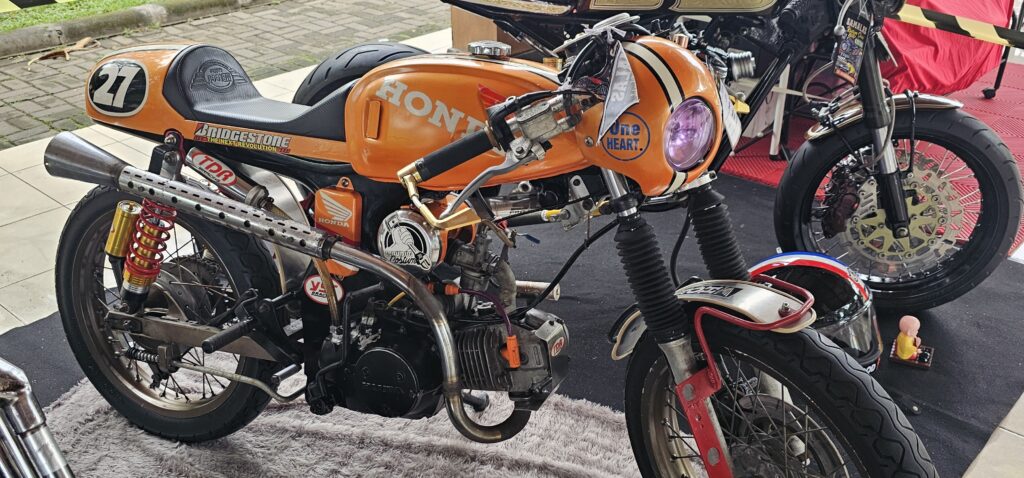
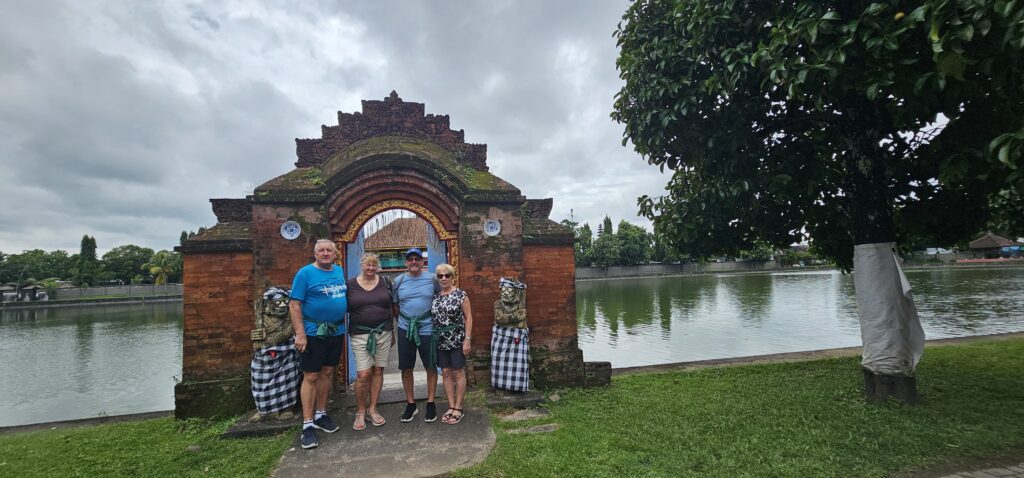
Next we visited a Hindu temple in the grounds of the Water Palace, the gardens were hosting the oddest combination of events – a tattoo competition and a classic/ modified motorbike display 😀. A very odd combination yet so peaceful!
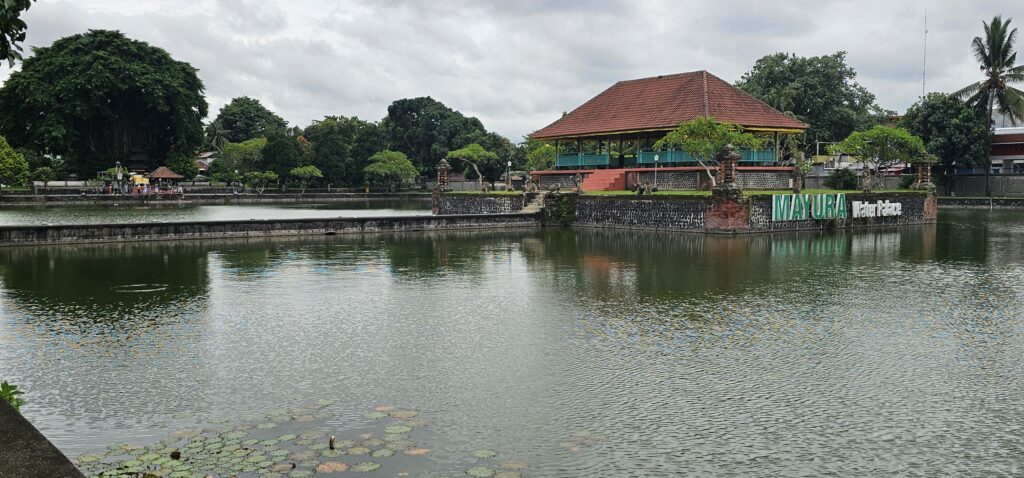
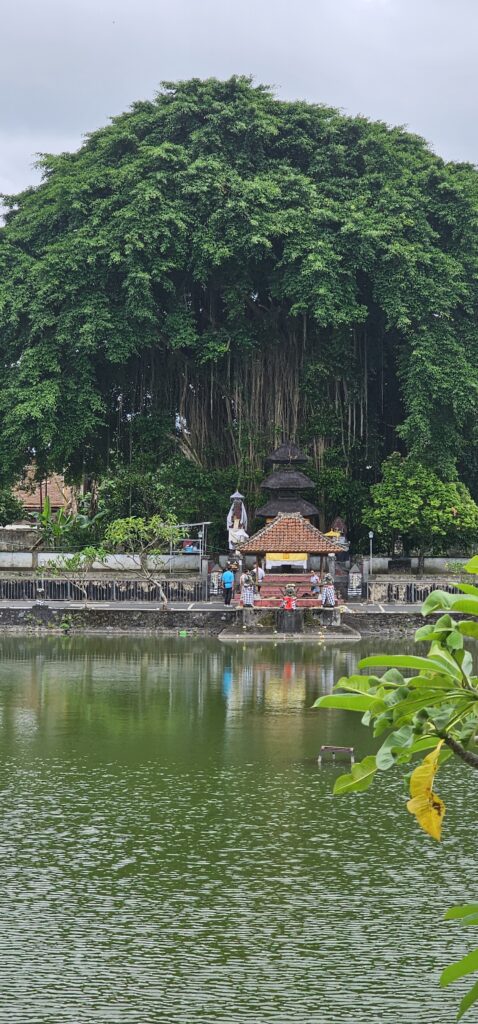
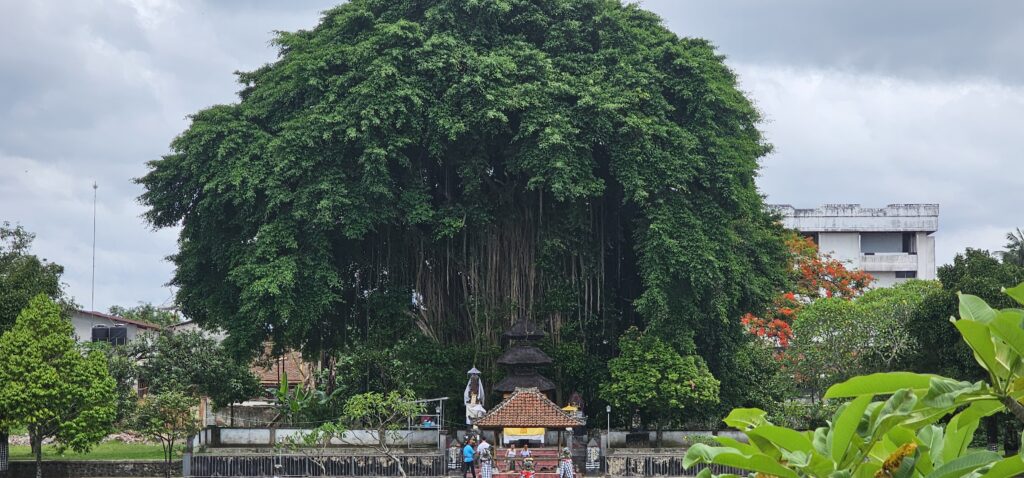
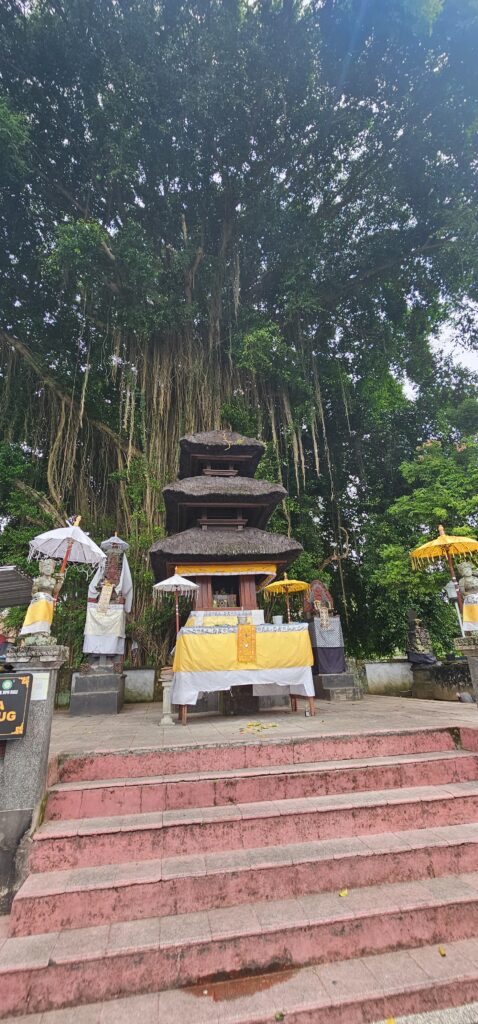
The Mayura Water Palace was built in 1744, this palace included the former king’s family temple, (which is a pilgrimage site for Lombok’s Hindus on 24 December) around a cooling lake, with a pavilion in the middle. It all sounds very idyllic – the lake and the temple were once stunning but these days its a stagnant rubbish filled pond in a park used by locals and the buildings (once revered temples) are overgrown and unkempt. Sadly our guide, with his stories of good and evil and black and white couldn’t convince us that the temples were still in use, far too uncared for……
We stopped at a shopping mall for lunch in Pizza Hut, a huge cool modern place thats at odds with the rest of the town, glossy quiet and clean in a world of ramshackle chaos and mess. We opted for Pizza Hut as the other restaurants were more authentic, Japanese, Chinese, Thai and we really wanted something plain and familiar.
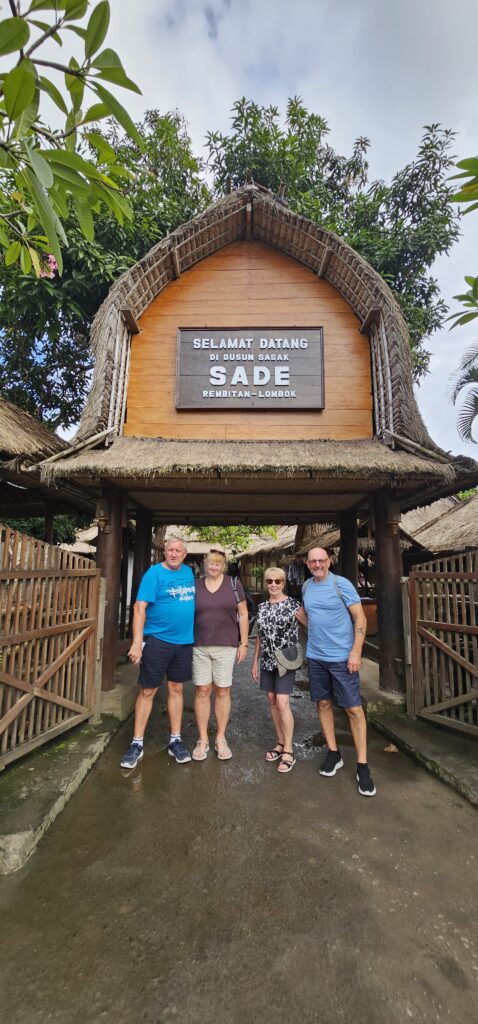
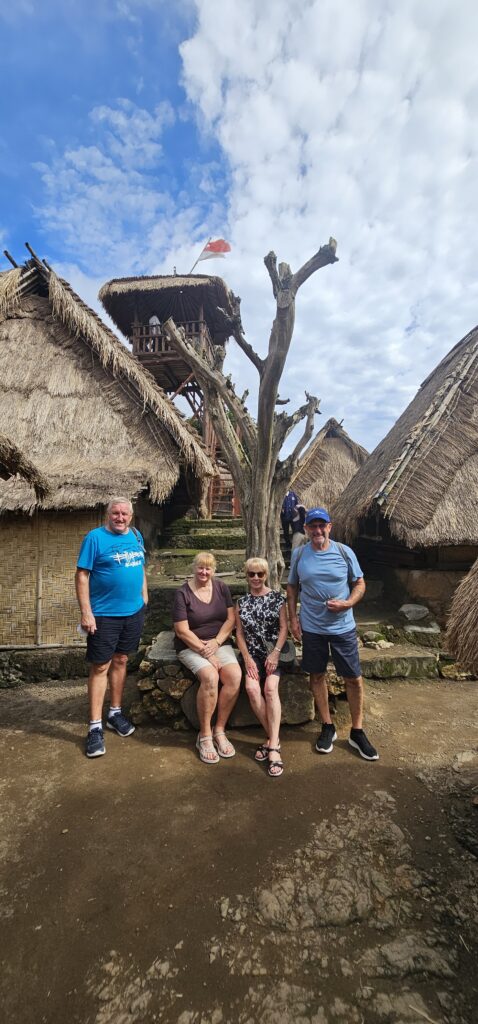
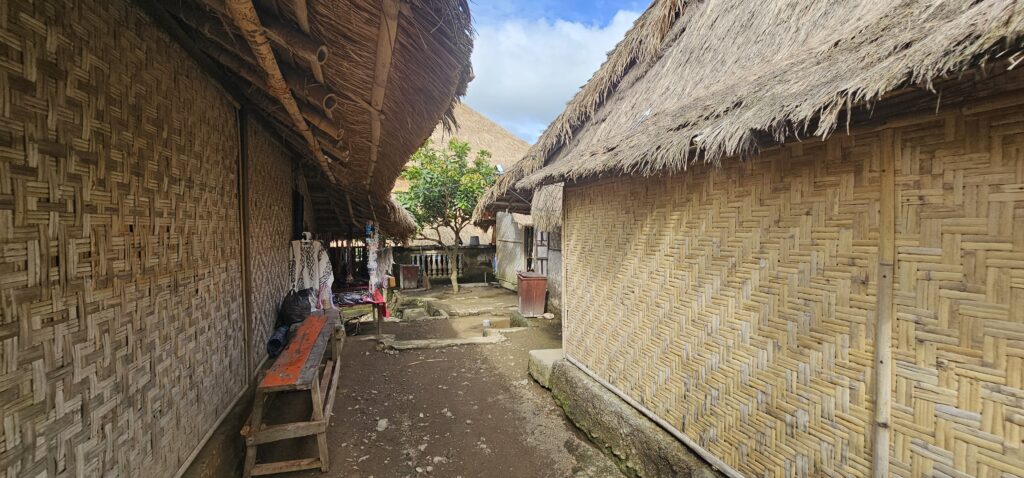
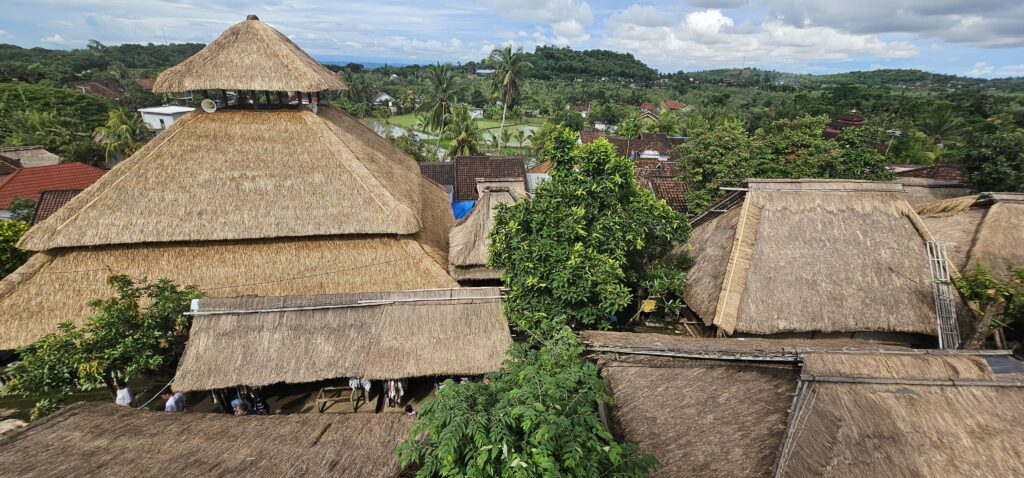
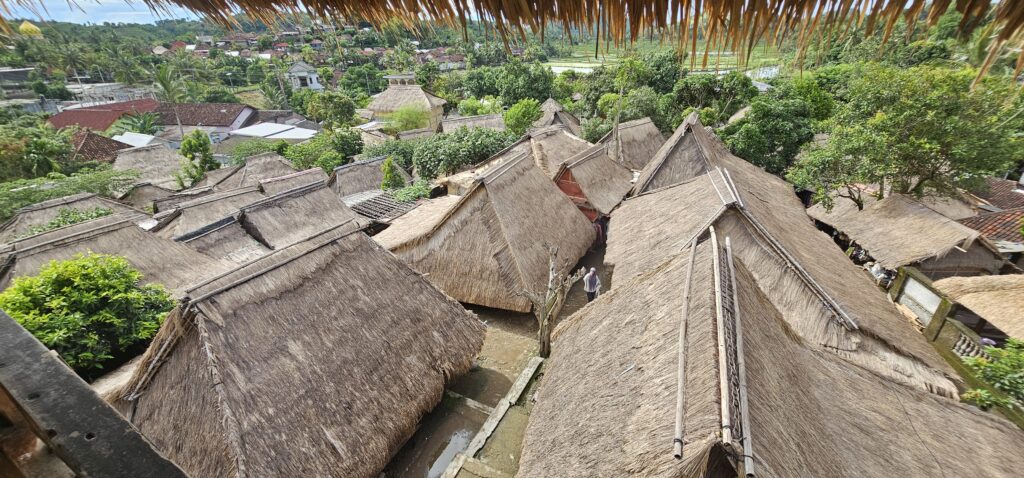
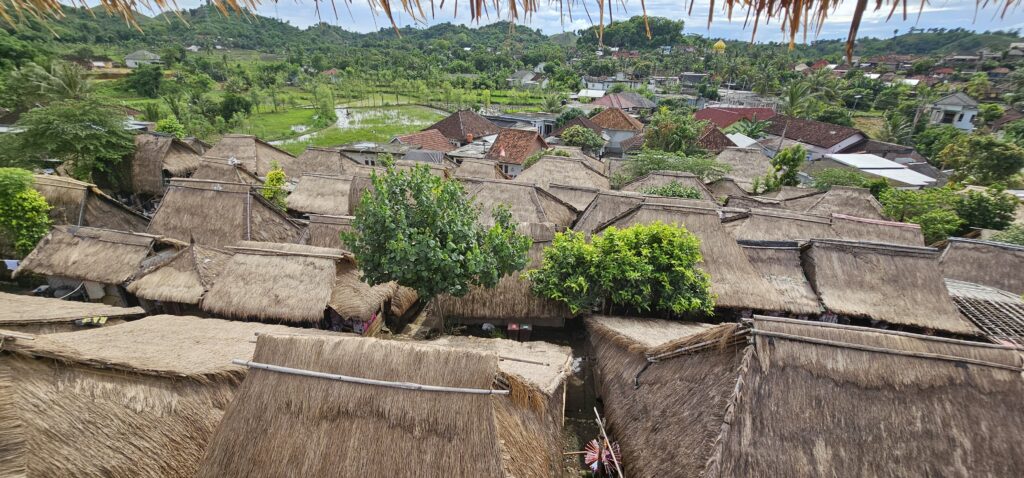
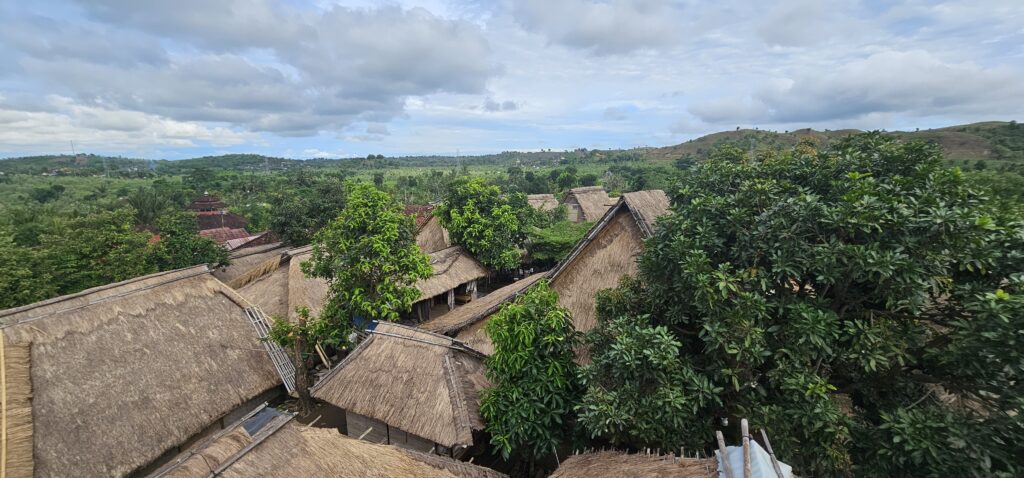
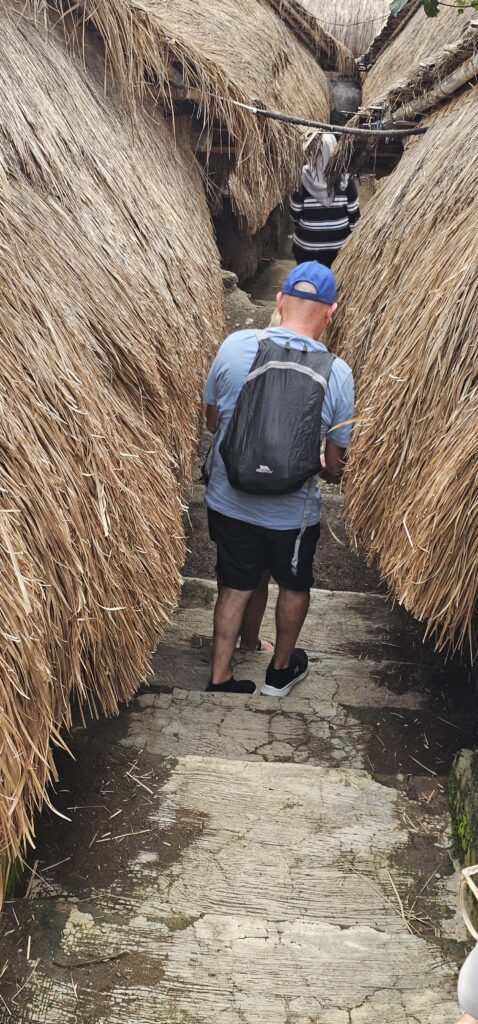
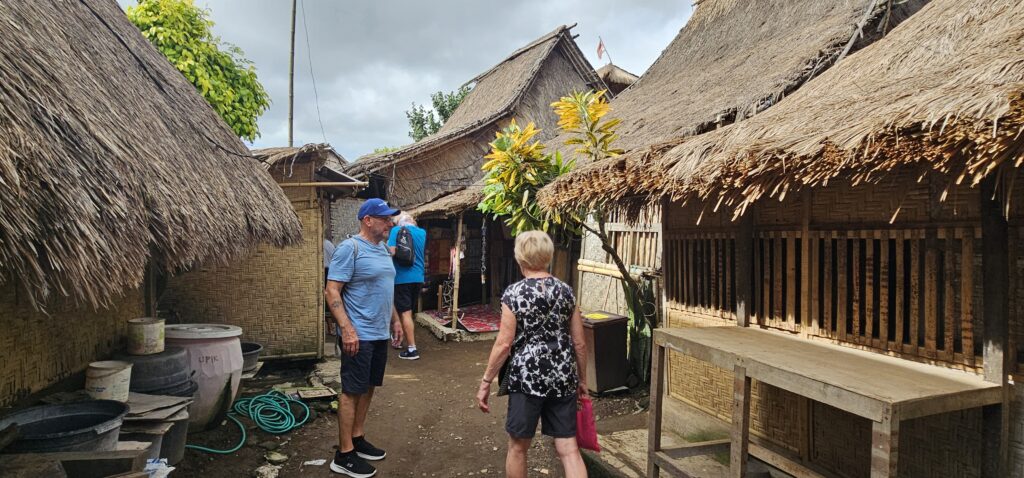
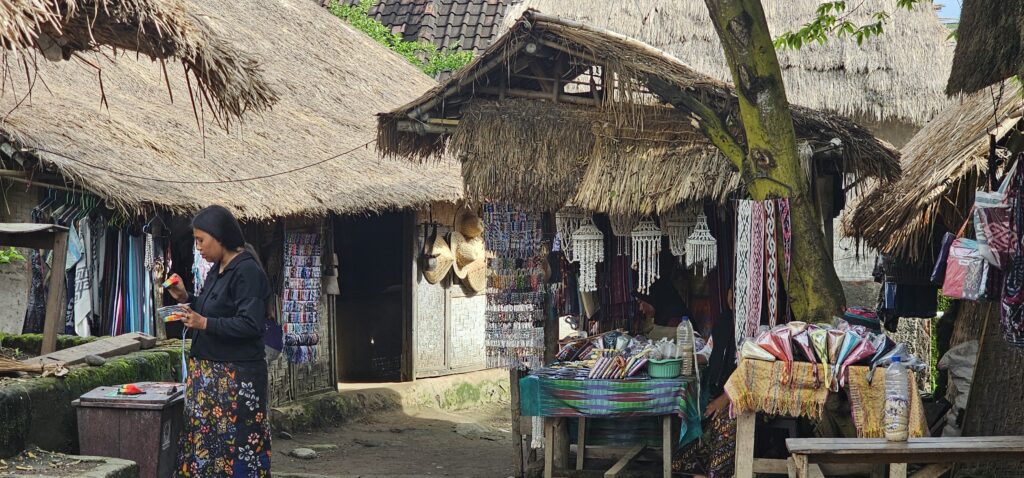
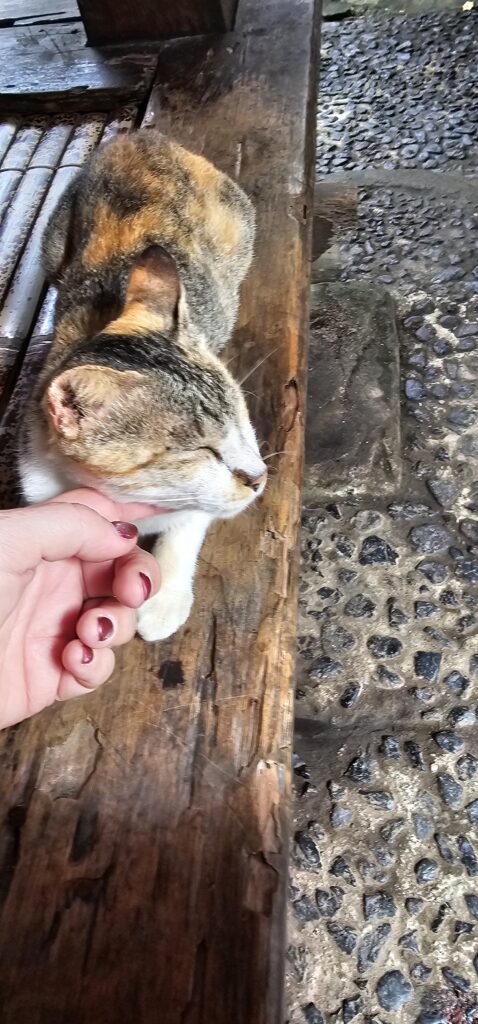
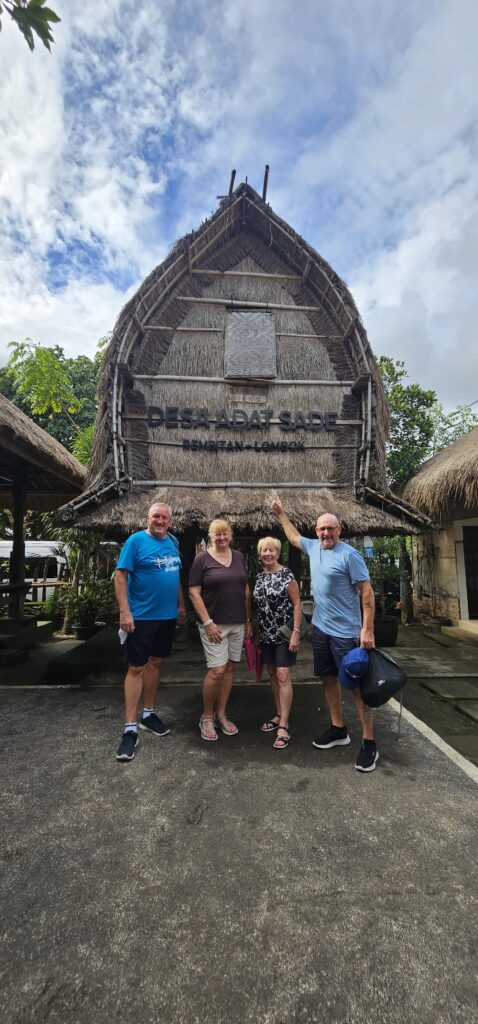
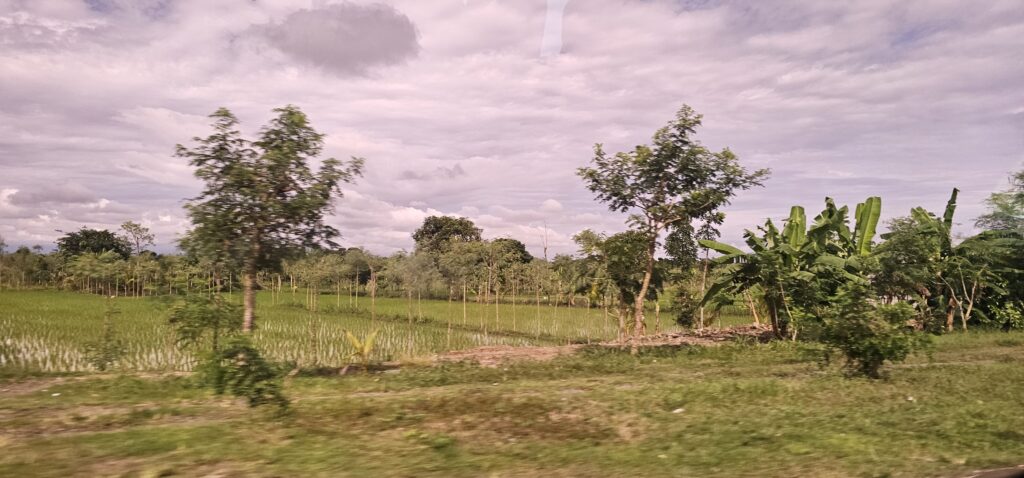
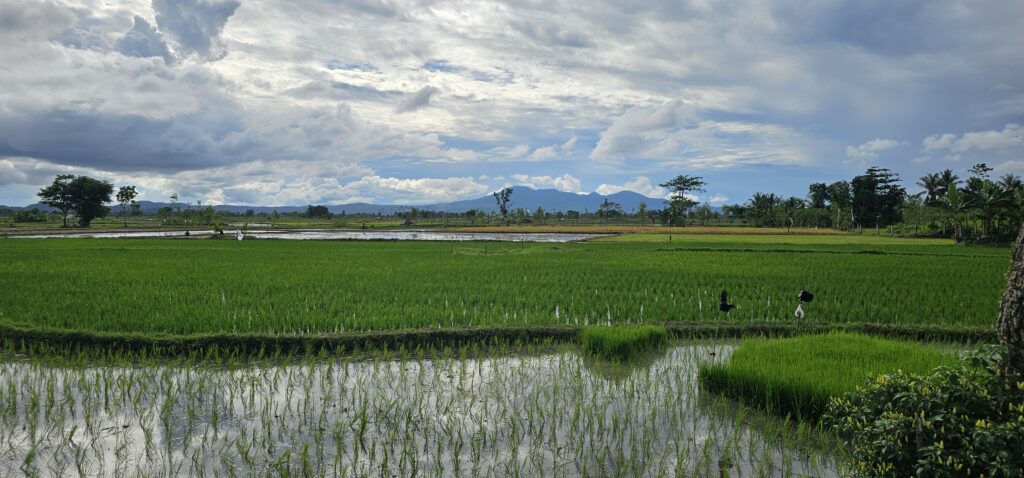
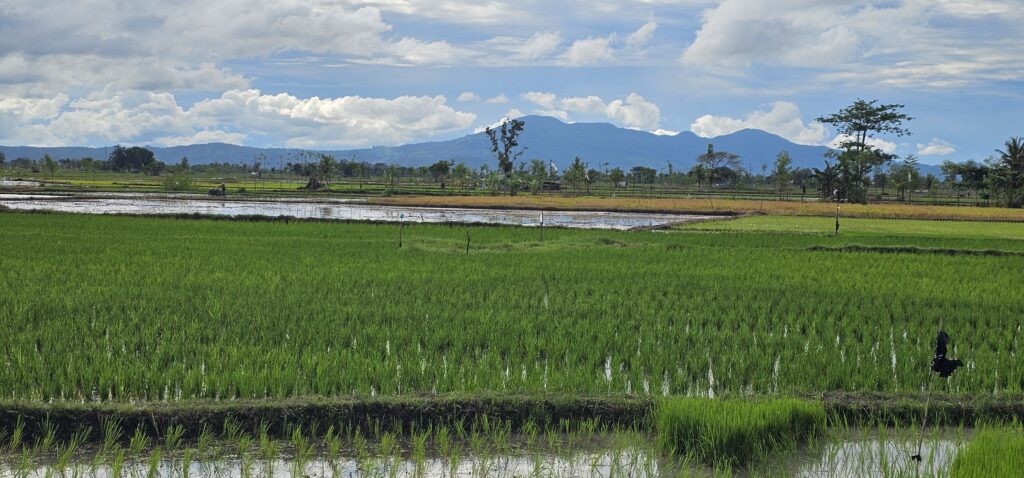
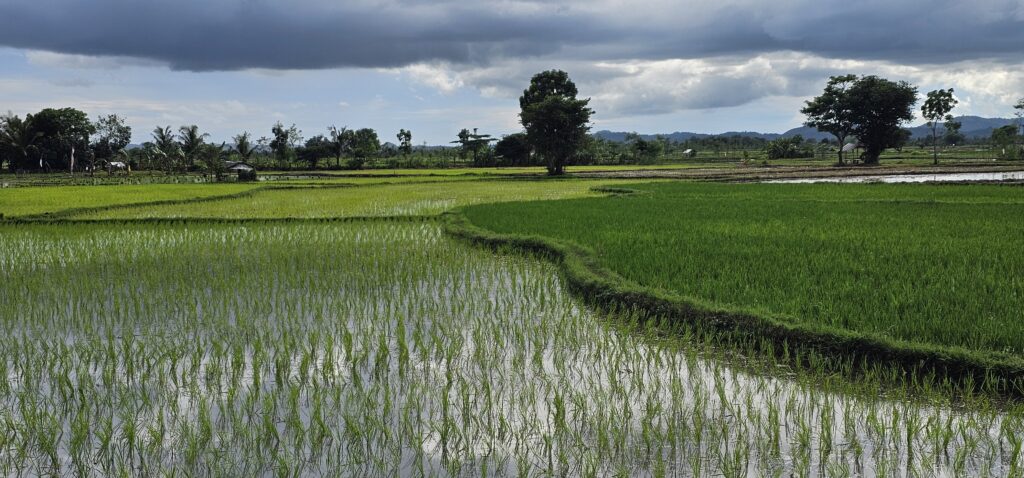
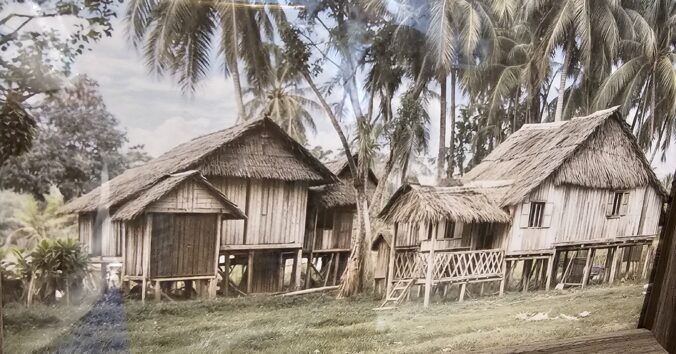
Finally we headed out of town through endless rice fields to a “traditional village” called Sade pronounced “sar-day”. Here we were taken around a living museum, 700 odd people living in houses built traditionally with straw roofs, clay floors (cleaned with cow shit, apparently the ammonia in it works wonders so forget about Flash!!), watched women weaving batik tapestries (Di & I were talked into buying a scarf each) and learned about the Love Tree, where local single men and women meet and where the men have to kidnap their chosen woman before declaring his love for her under said tree… all very old fashioned! Ah yes, and they have cats, chickens, dogs, kids all roaming freely amongst the dirt and chaos….
We headed back to the ship feeling amazed by this island, lush green, friendly, interesting history, and so calm and chilled. If only we had more time here….
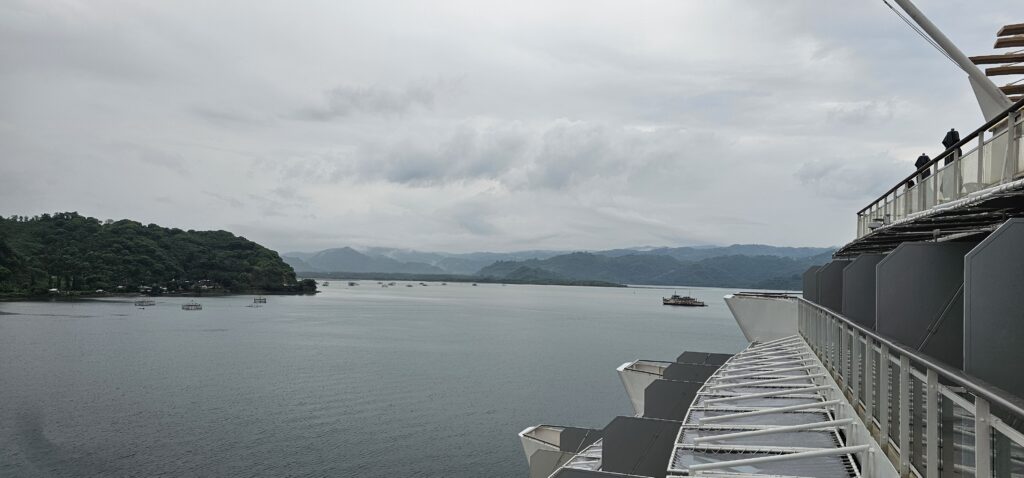
We arrived at our next port on a Sunday morning and were immediately disappointed for several reasons…… We were moored for 2 days in this small port. Everything was shut in the town on Sundays and Mondays! It was raining!
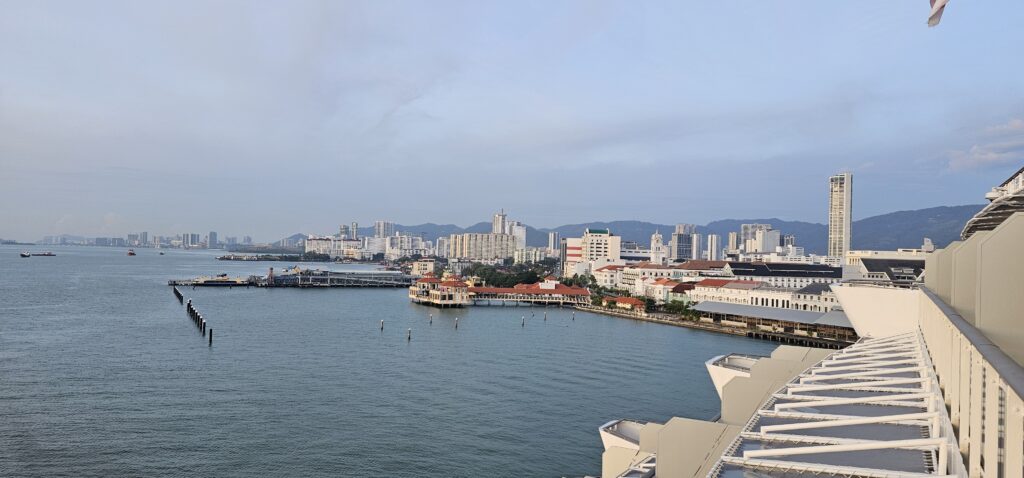
View of George Town, Penang
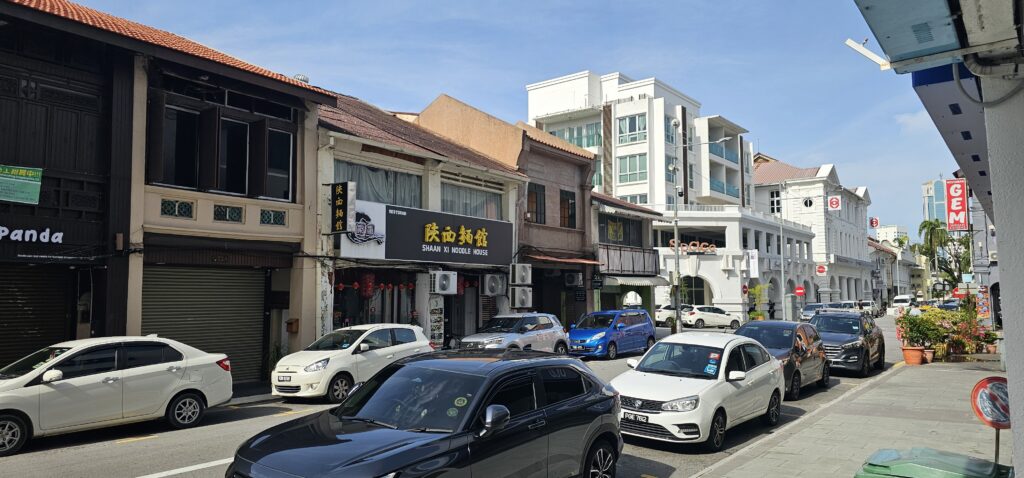
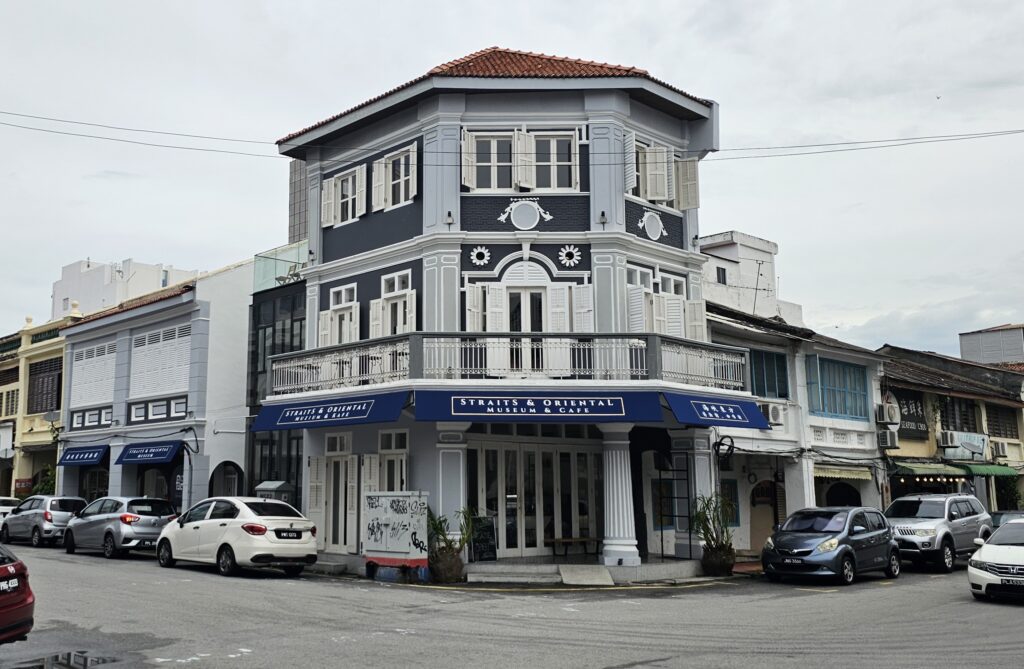
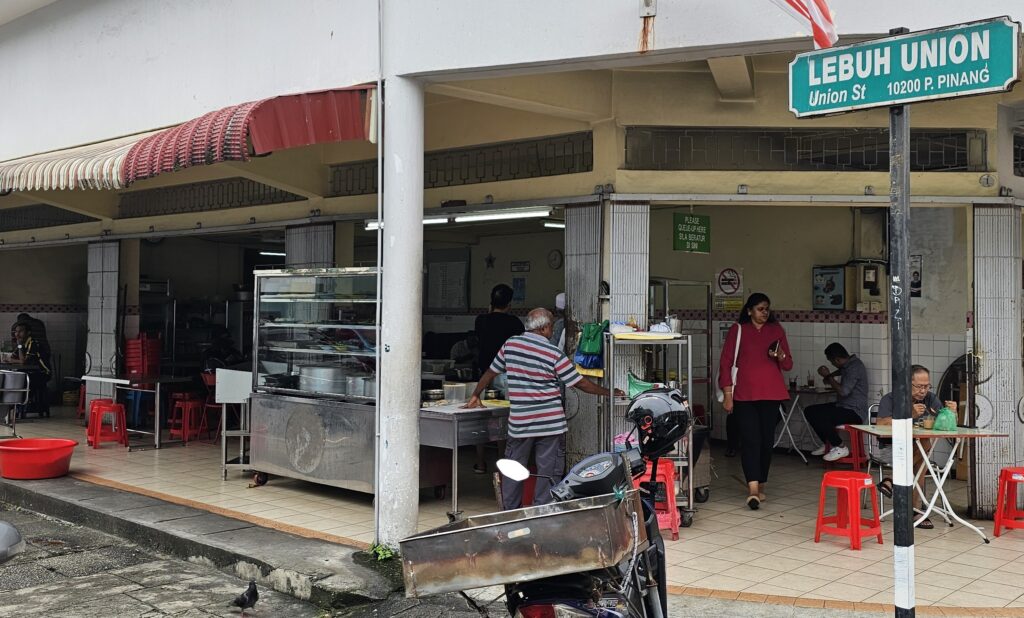
We docked on an island opposite the mainland, the capital is called George Town. George Town initially seemed quite small with little but military history, but it was all about the FOOD. Every other building was a restaurant – Chinese, Indian, Vietnamese or Malaysian, posh sit down or cheap street corner cafe, fish, meat, noodles, vegetarian or anything else you might imagine could be cooked, its all there.
We didn’t indulge in any food, primarily because the only places open were (highly unhygienic) street cafes or pre-bookable restaurants for evening sittings and we had dinner reservations at the ship’s very (hygienic) decent al a carte restaurant.
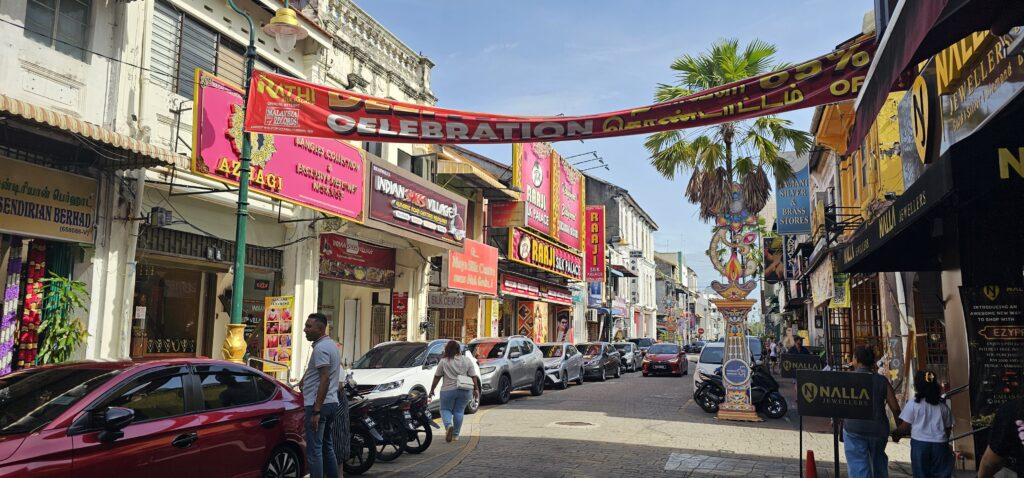
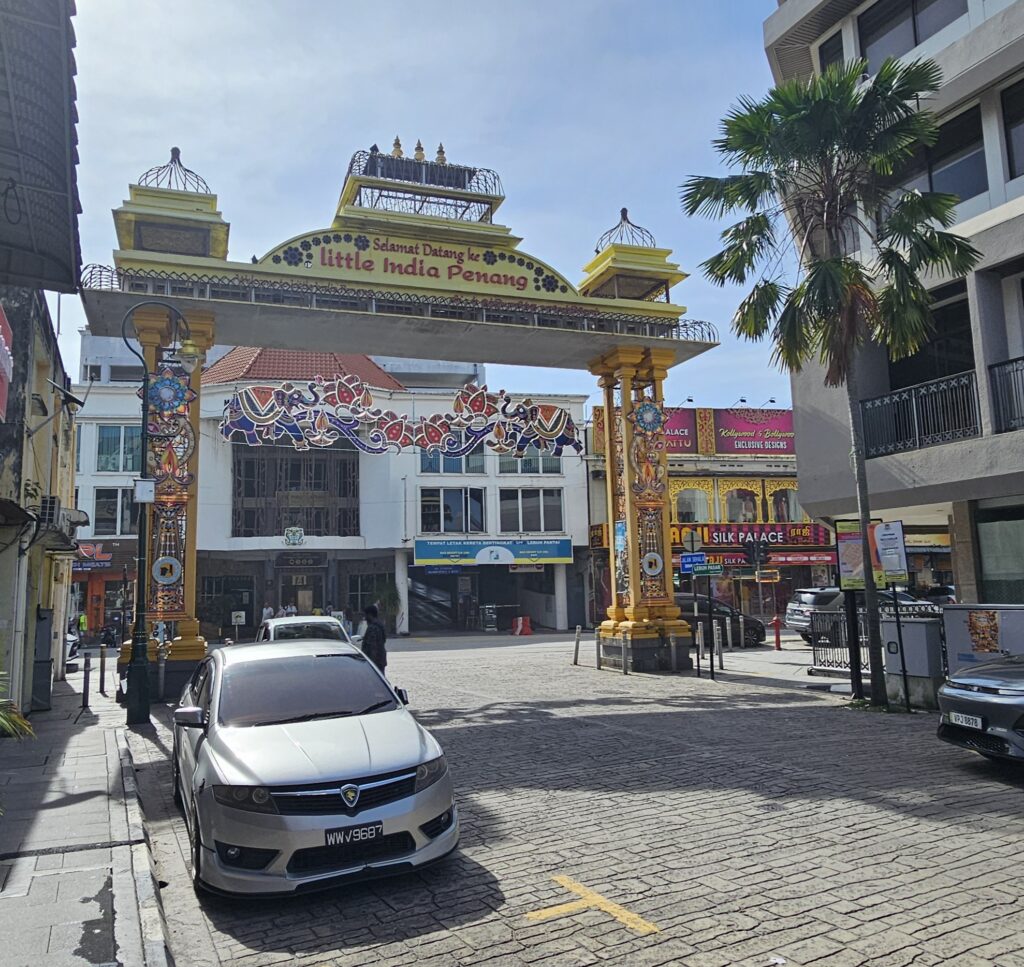
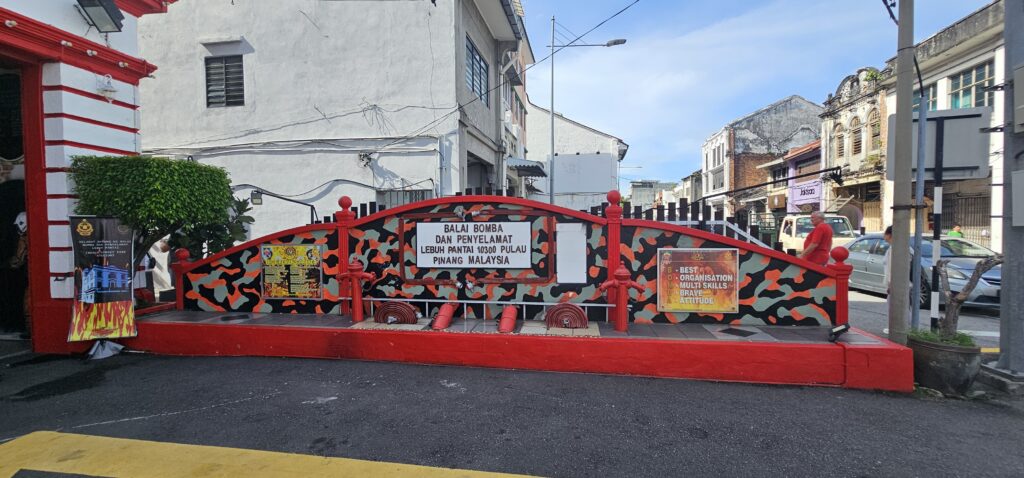
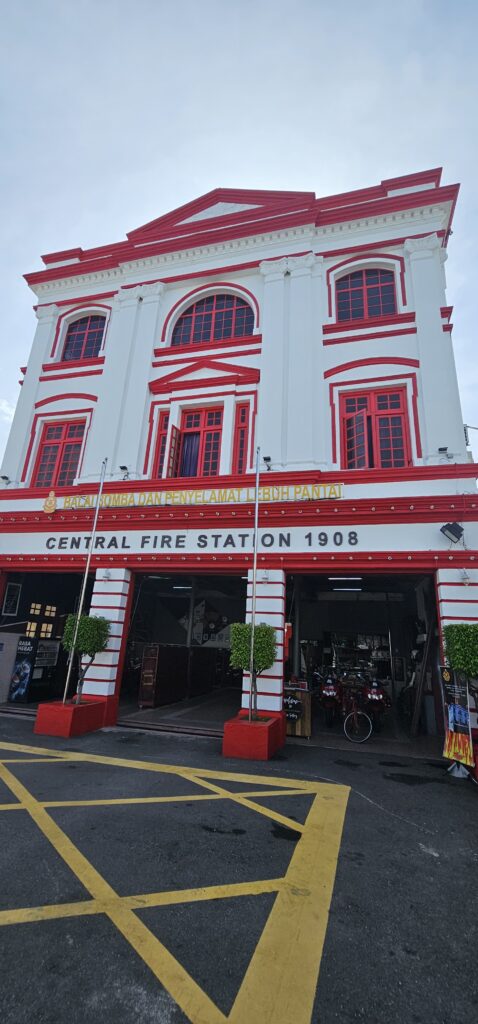
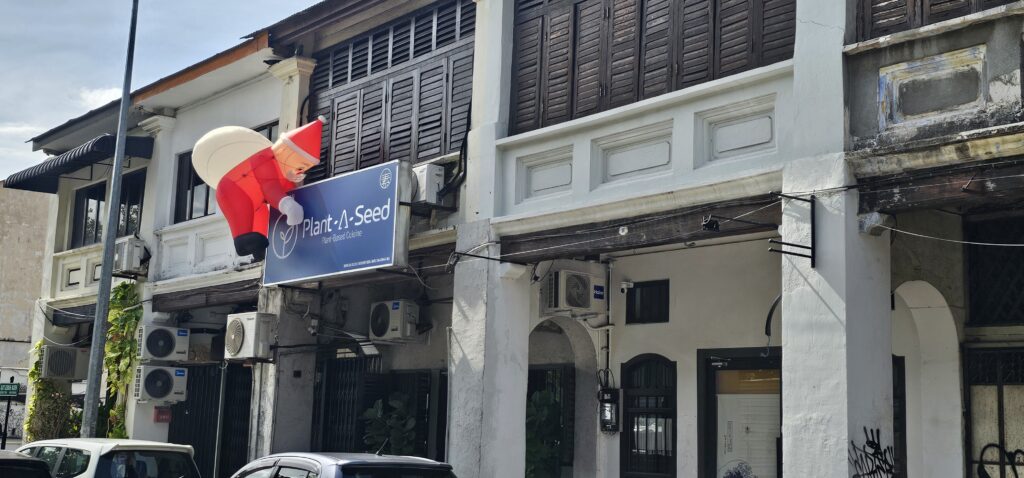
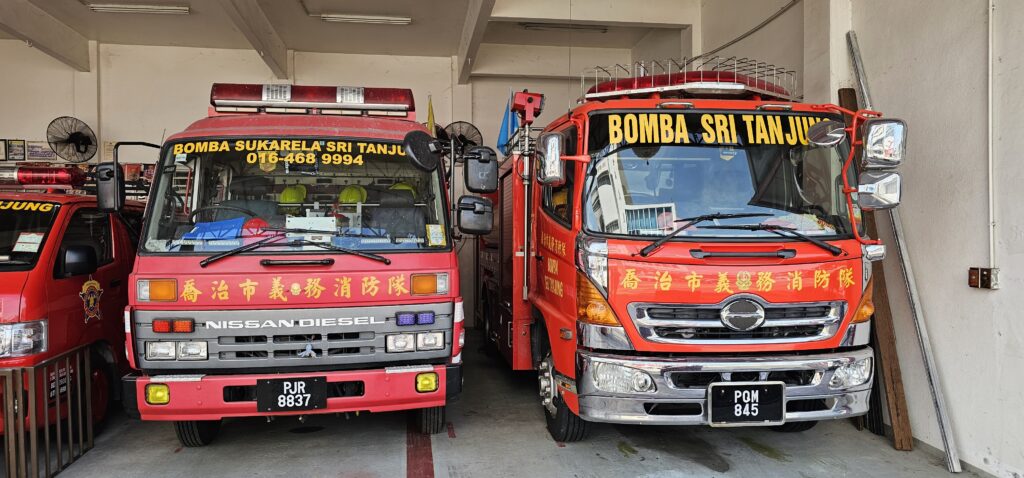
Gateway to Little IndiaSign outside the Fire StationTypical British built fire station They even have Santa here!
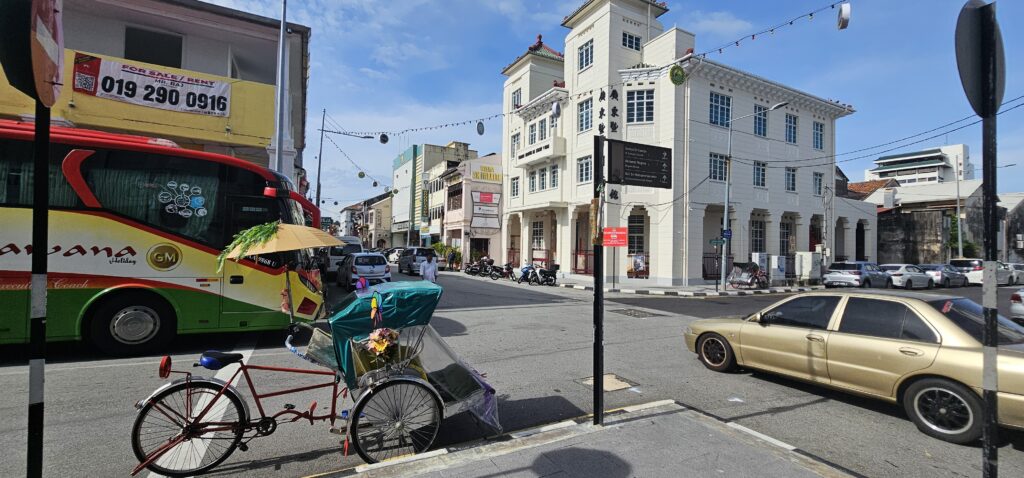
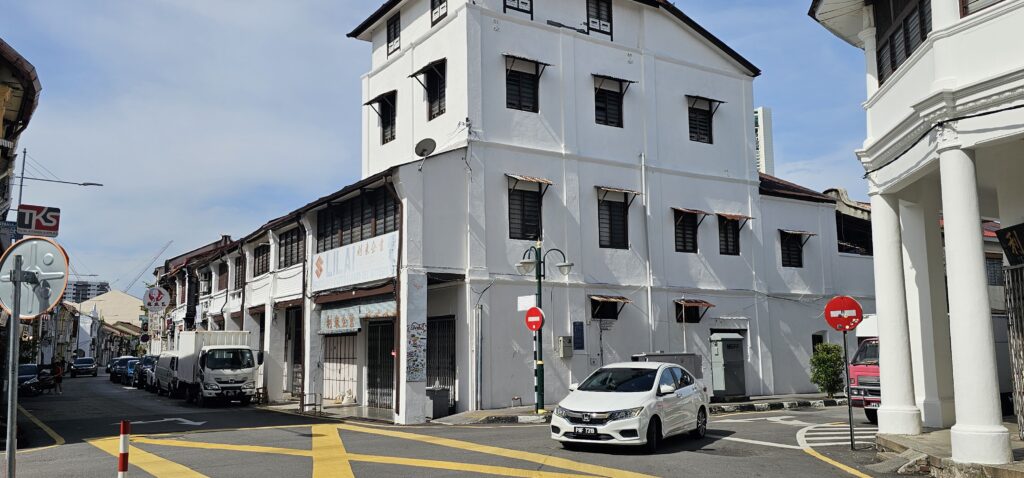
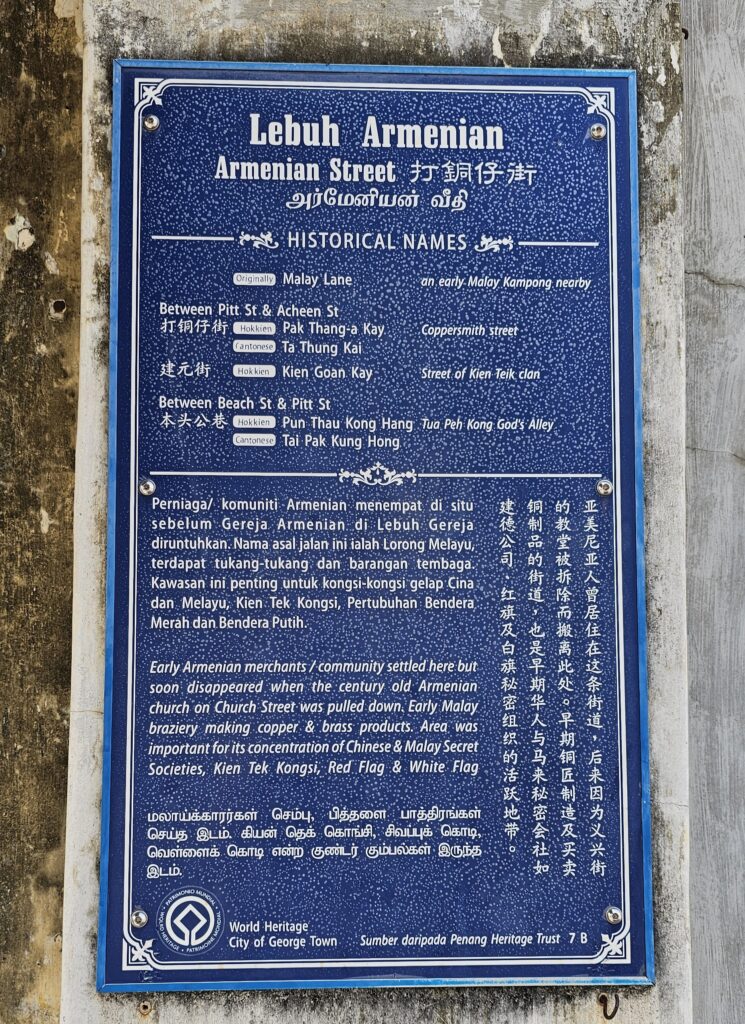
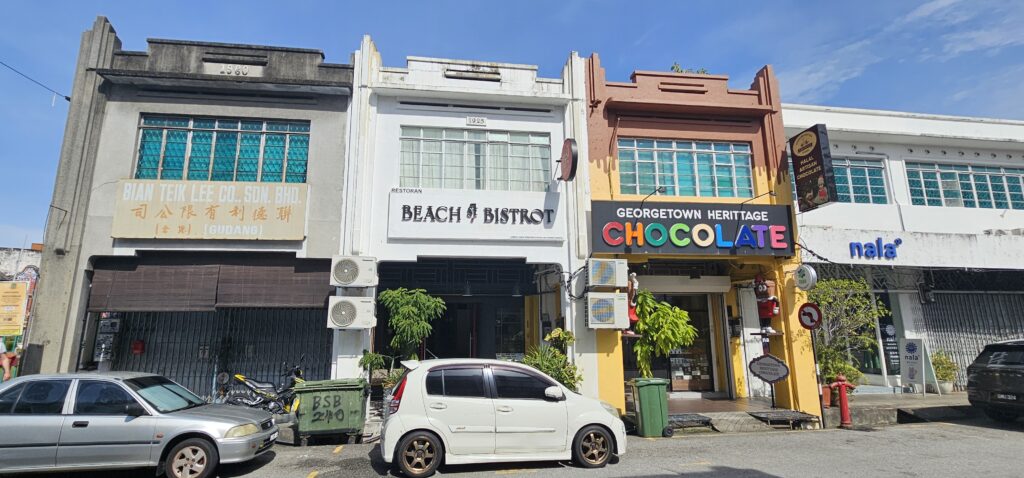
However, we eventually found more than just food and restaurants. During our first walk out later on Sunday morning as the sunpoked its head out, we were greeted by lots of British style buildings; we found “Little India”, a part of town full of silk saree shops, Indian spice sellers and Indian restaurants; came across an area built by Armenian people who had settled there; finally we found Chew Jetty, a little Chinese township built on stilts, bustling with shops, restaurants, temples and living accommodation. However, the stupidly hot 32c heat and 90% humidity beat us (and lots of other people) and we returned to the ship, showered and snoozed.
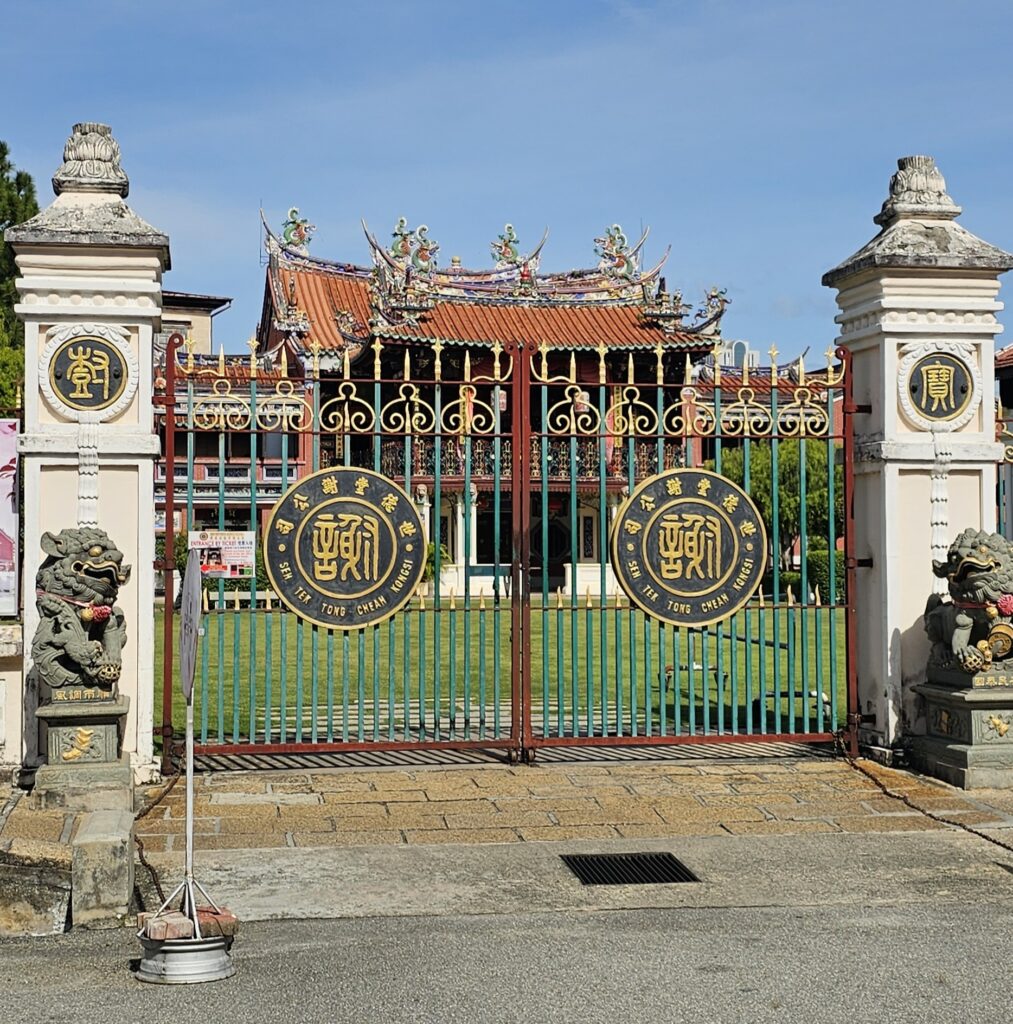
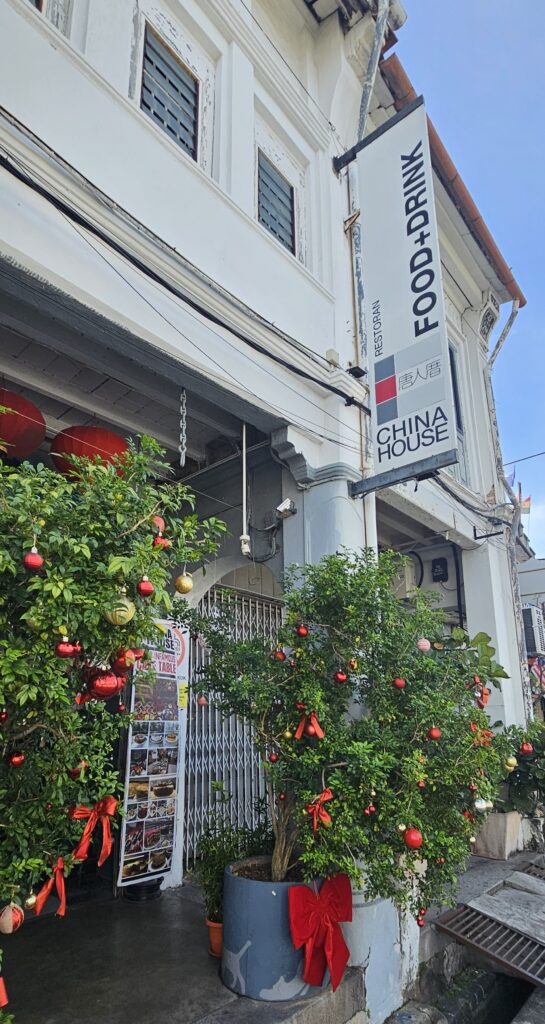
Entrance to a Chinese templeInfo on Armenia StreetChinese restaurant’s Christmas decorationsArt deco style properties
Chew Jetty is one of 6 orogonal wooden jetties built in the 1880’s, each jetty was controlled by Chinese family groups known as clans, and fines or fees needed to be paid to the clan to use the jetty. As well as a Chew Jetty, which is still controlled by the Chew Clan, there were also jetties controlled by Lim, Tan, Lee, Yeoh, and Koay clans.
In the late 19th Century was a period of violent rivalry between different immigrant groups for control of economic resources in Penang and the jetties were at the forefront of these conflicts.
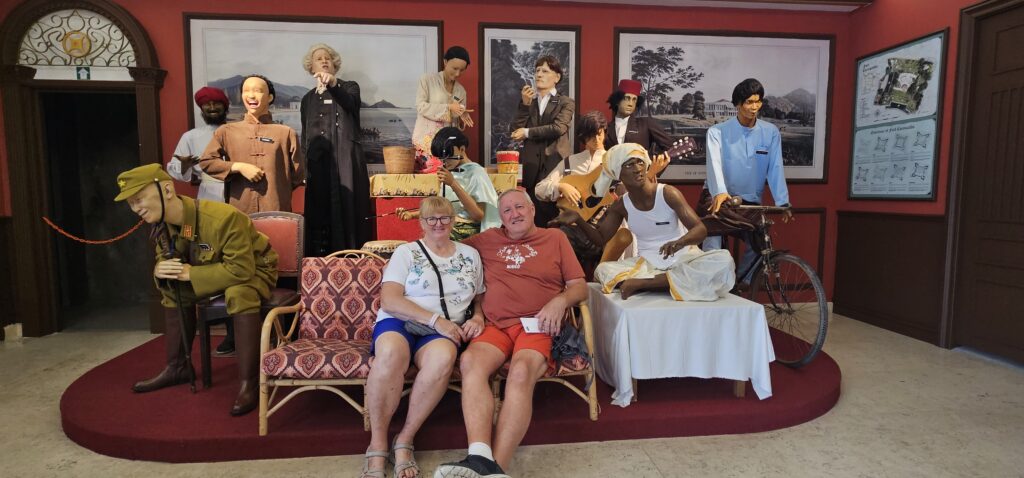
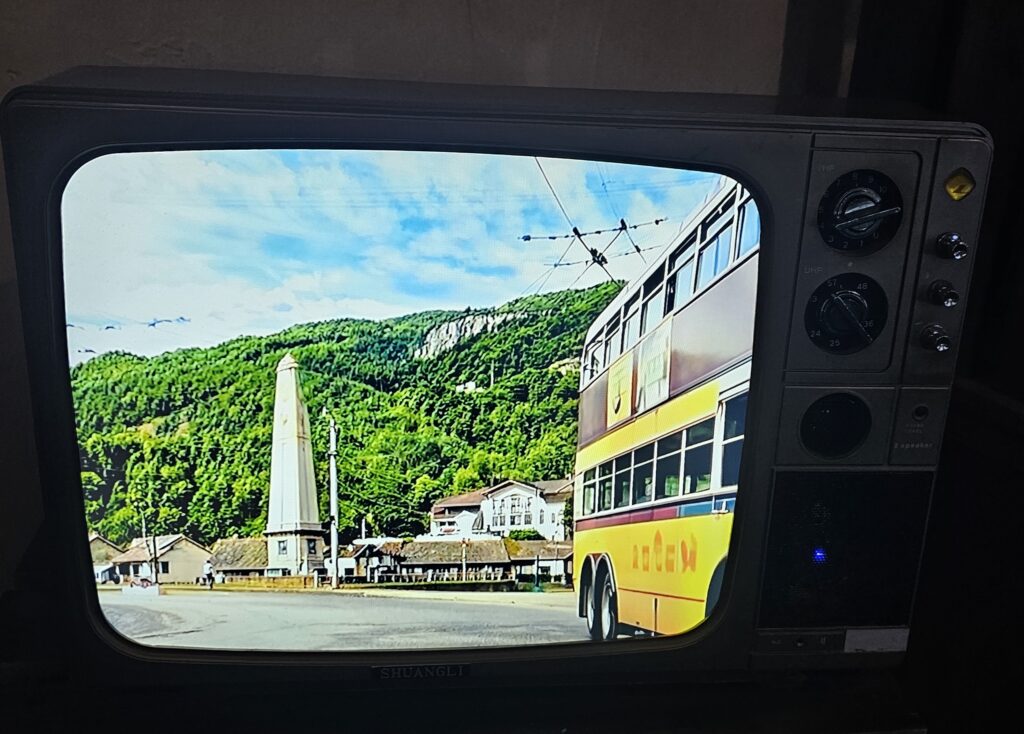
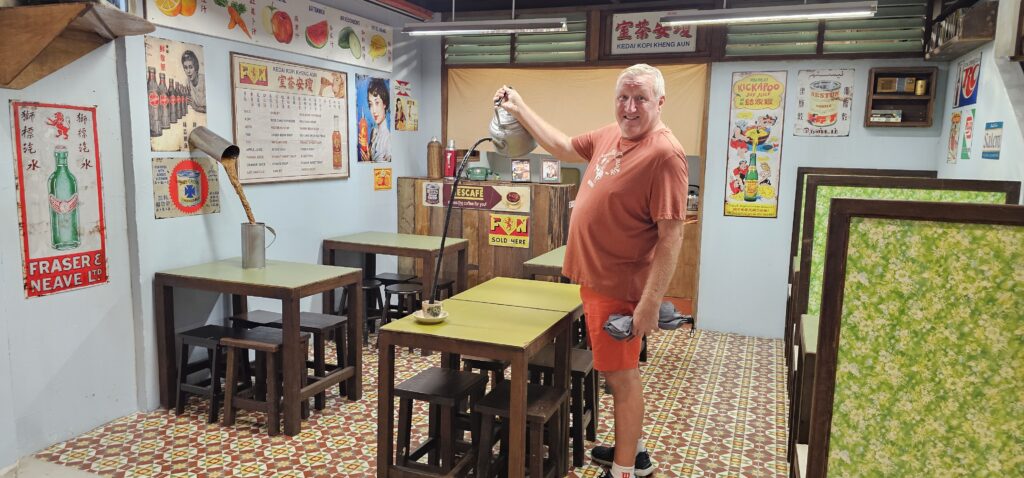
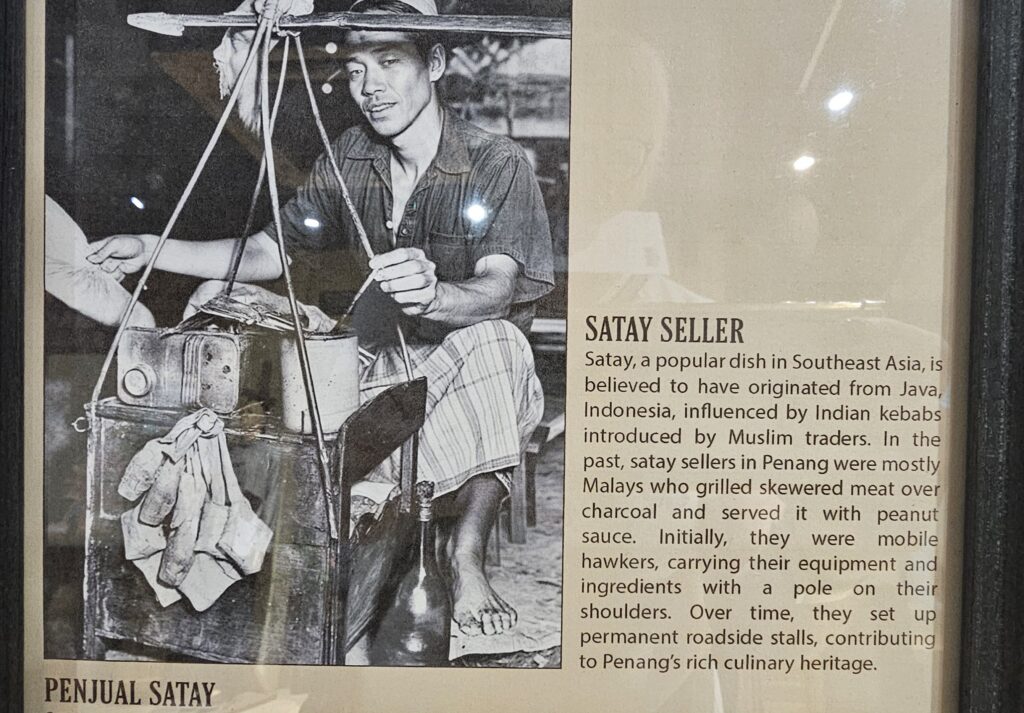
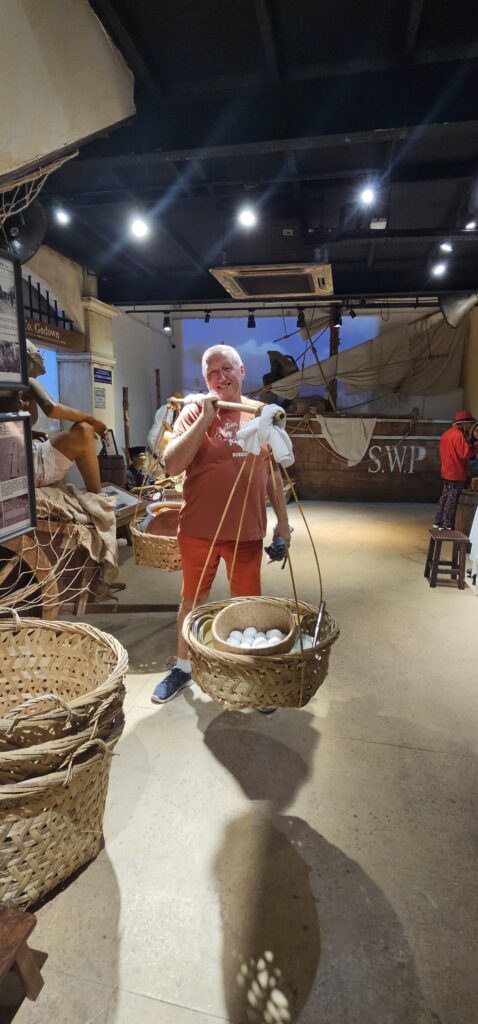
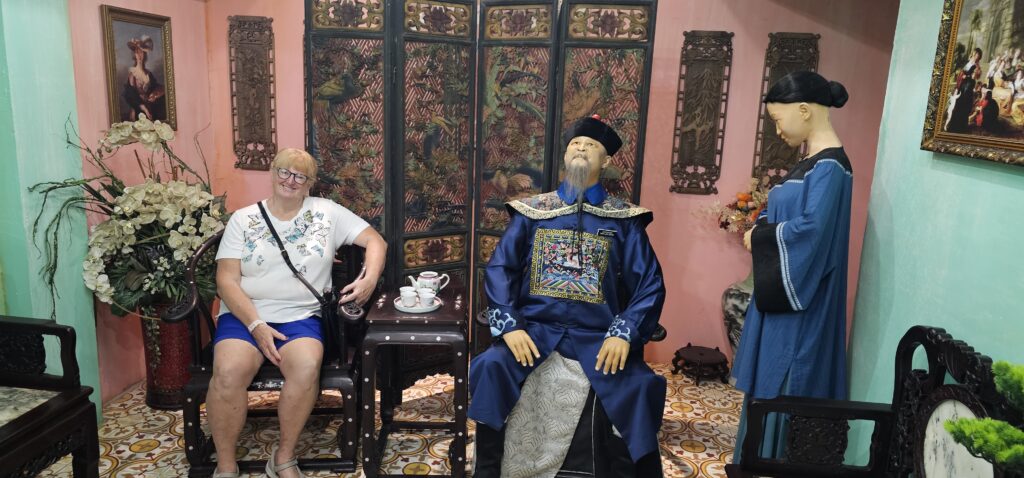
During our second walk out on Monday morning we found the museum of Penang history, very interesting interactive rooms telling the history of the city from the 1700s to 1960s. An informative bearded Chinese guide followed us around and we learned a huge amount about Chinese/Malaysian culture and how the mix of almost 10 different cultures came together, and to this day, live together in total harmony.
In the 1700s a Sumatran traveller landed on the island and formed a coastal town, later Arabs stopped at the island to trade and the inter-marriage formed the Malay community.
In 1770 Francis Light from the British East India Company landed, promising British military protection, establishing a tranquil harbour on Penang Island perfect for free trade, noting that if “Malay, Bugis and Chinese will come to reside here it will become the Exchange (of goods and trade) of the East, and the island then became what it is today. An ex Navy base, a trading post, a hot pot of culture and religion.
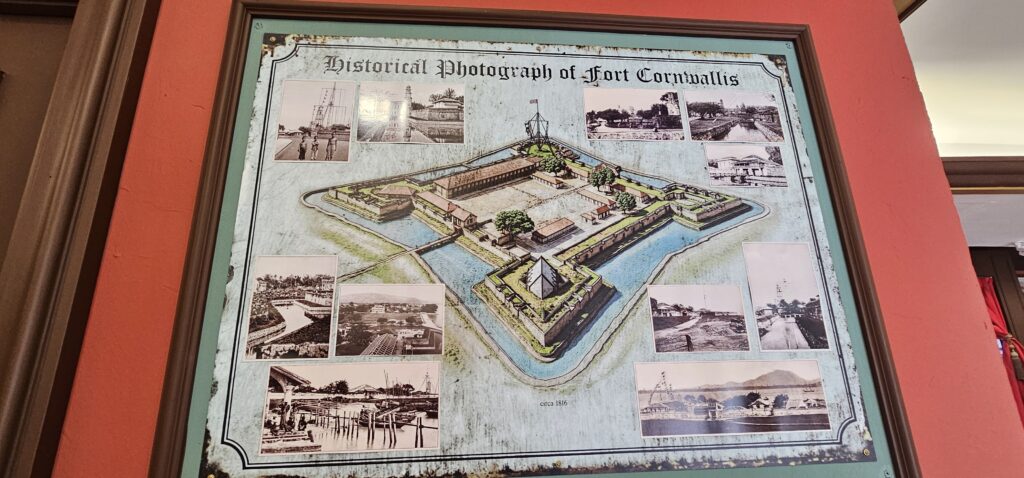
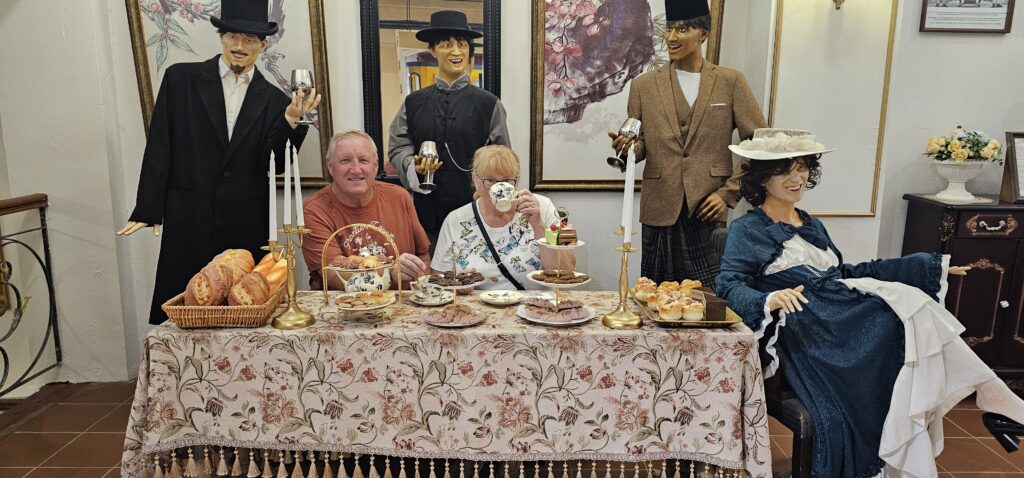
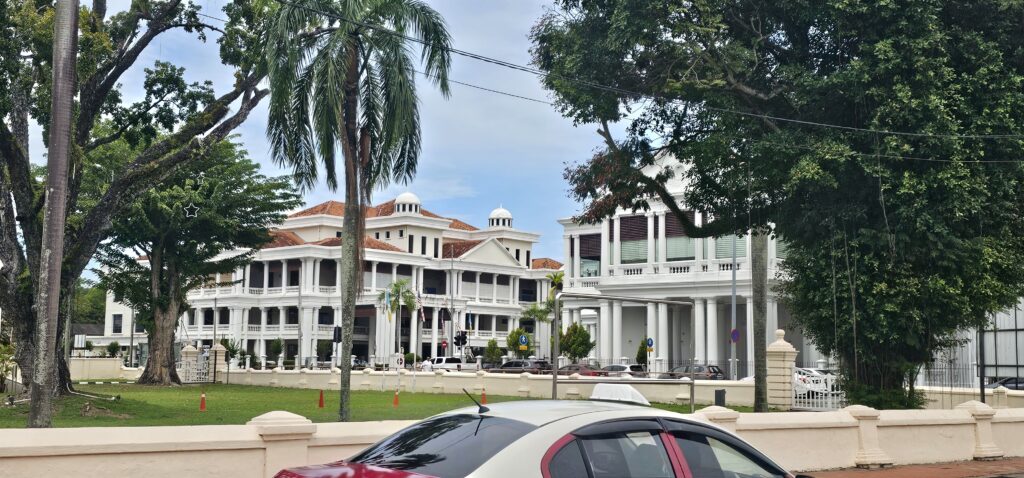
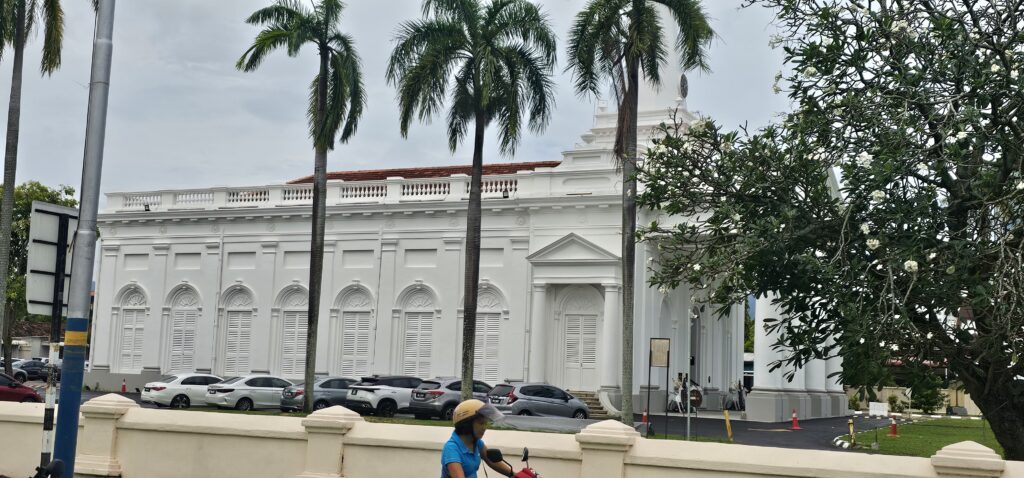
Layout of the City’s fortAfternoon tea, as introduced by the BritisjChatting with the EmperorMore British architecture Anglican churchA traditional street cafe
During the Second World War the Japanese took control of the city for 4 years before it was liberated by the British. Occupation happened when the Brits abandoned the city overnight but 4 years later the local people took control, one man hanging a white flag from the masts on Cornwallis Fort, saving the city from more destruction and occupancy, until the city gained independence from the UK in 1957.
George Town has now become a tourist destination following the city’s revognition as a UNESCOWorld Heritage Site in 2008.
Recent Comments