Travel stories of a caravan duo, plus a 5th Wheel and Isuzu truck in Europe

Category: History (Page 15 of 20)

Summer Update 2018 – Toulouse

It’s been a while since I posted anything, but, we have been busy! Plus I have had an issue with the website, Gremlins invaded so I’ve had to change things a little; archive pages will be added but the site shows our travels going forward from the Summer of 2018.

A summary of the two months of July and August before we continued with our travels around the South of France………. we had two weeks in the Toulouse area, drove back to the UK, took a holiday, drove back down through France and rejoined our trailer and our travels!

La Romieu, Toulouse

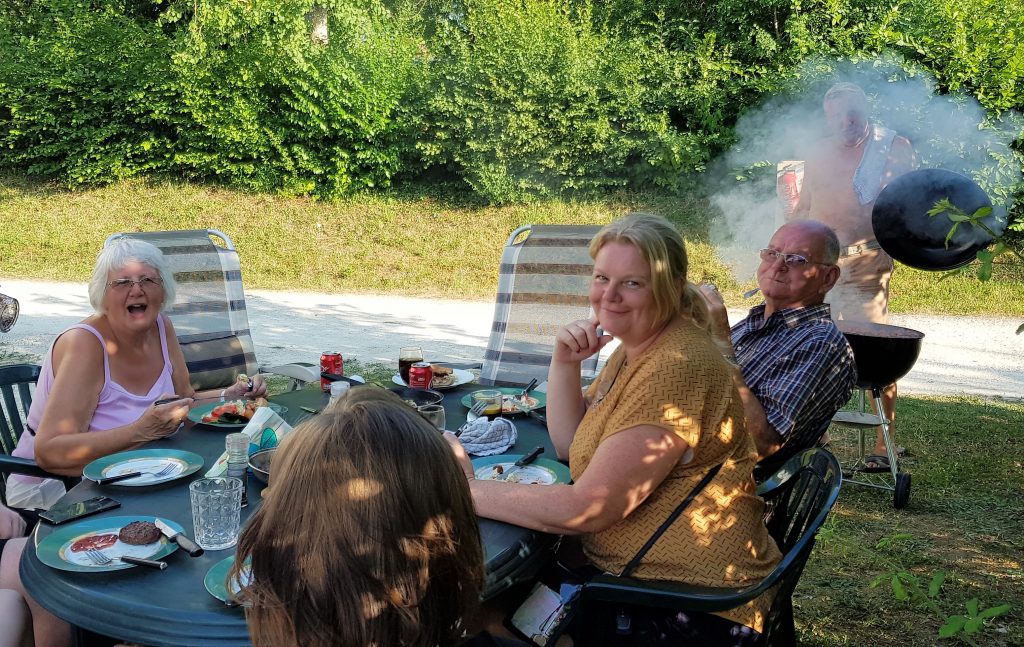
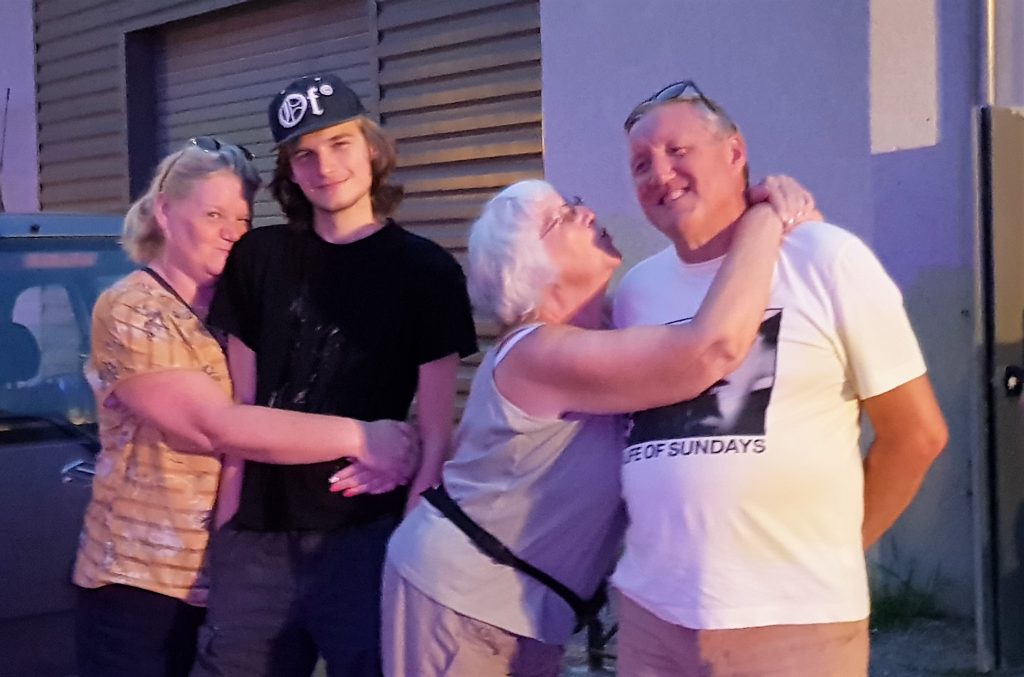
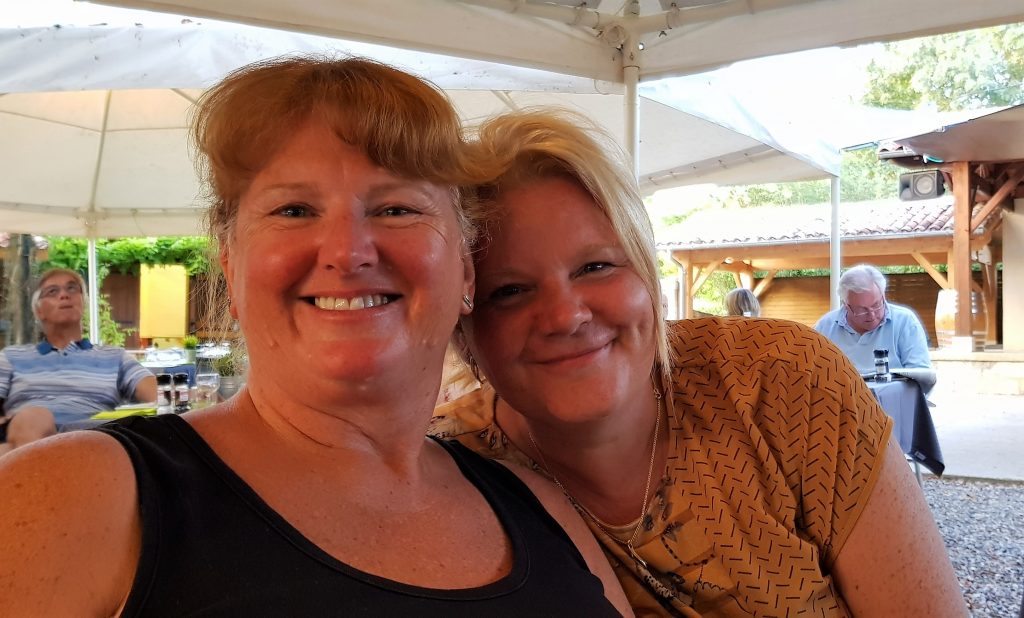
After leaving the Biarritz area  of France,  we moved inland for 2 weeks to stay in the Toulouse area,  in a small village called Le Romieu.  In our second week we met with an old friend Louise, her three children and parents and we explored the local towns.  David excelled in the BBQ area, coping with cooking for 8 people and still providing cold drinks on demand!  Louise, Dylan, Tyler, Isis, Jill and Ivan were lovely company on this rural campsite, it was a brilliant week.

BBQ at Chez Samson with Jill, Ivan and Louise, Chef David is hiding!!

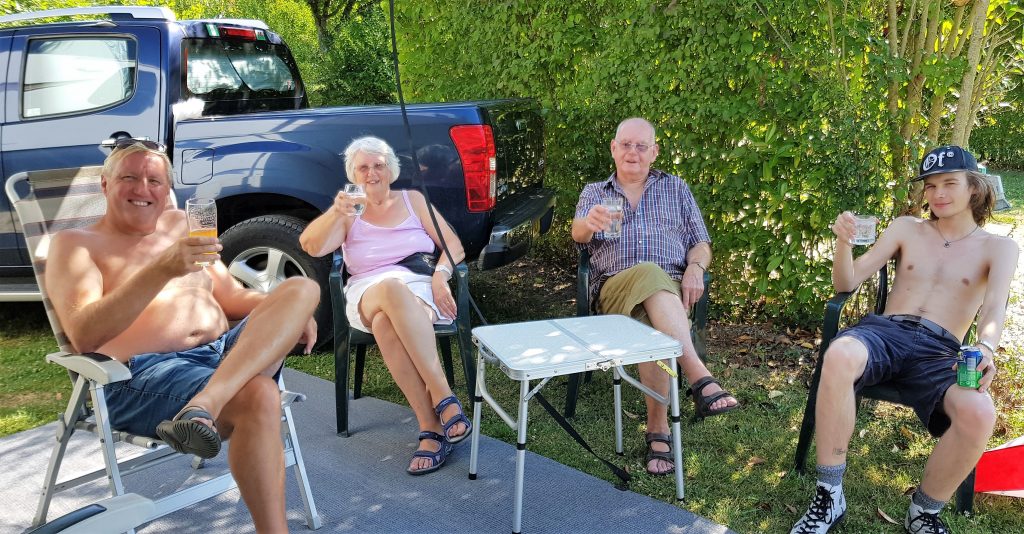
Cooling arrival drinks for Jill, Ivan and Dylan.

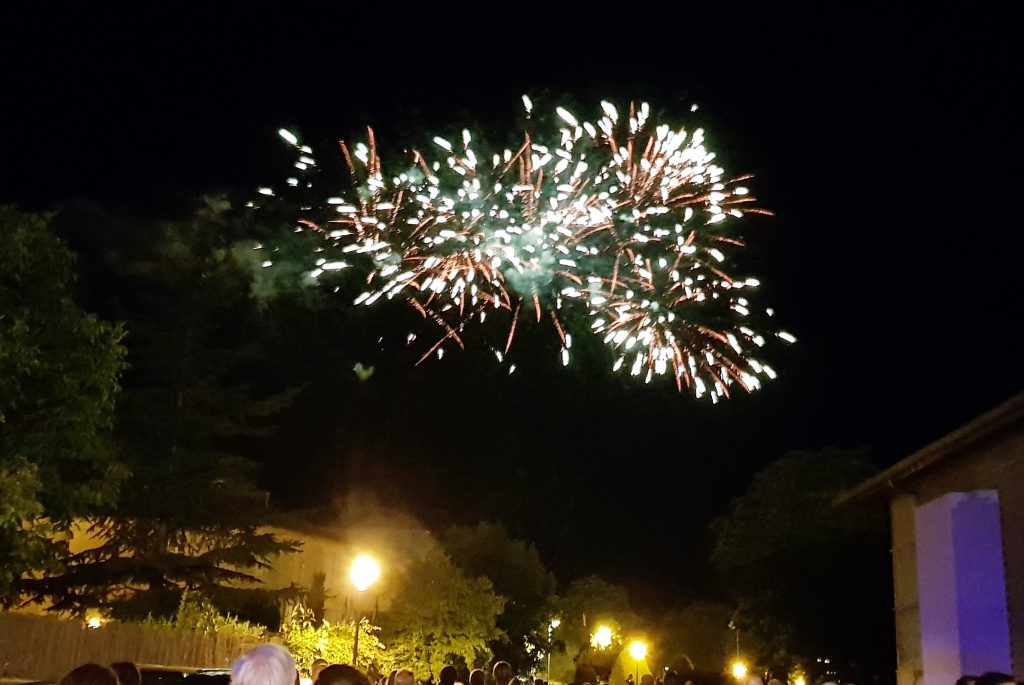
Free evening of music and fireworks!

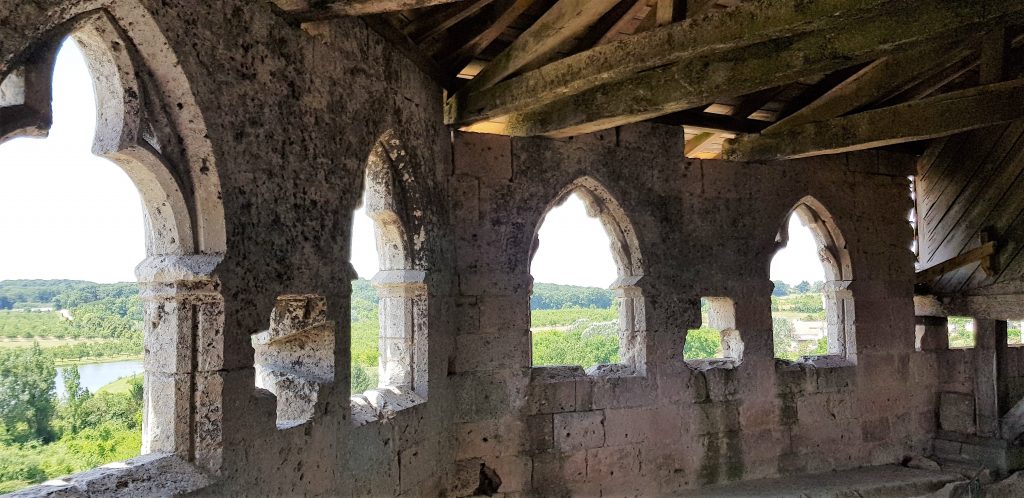
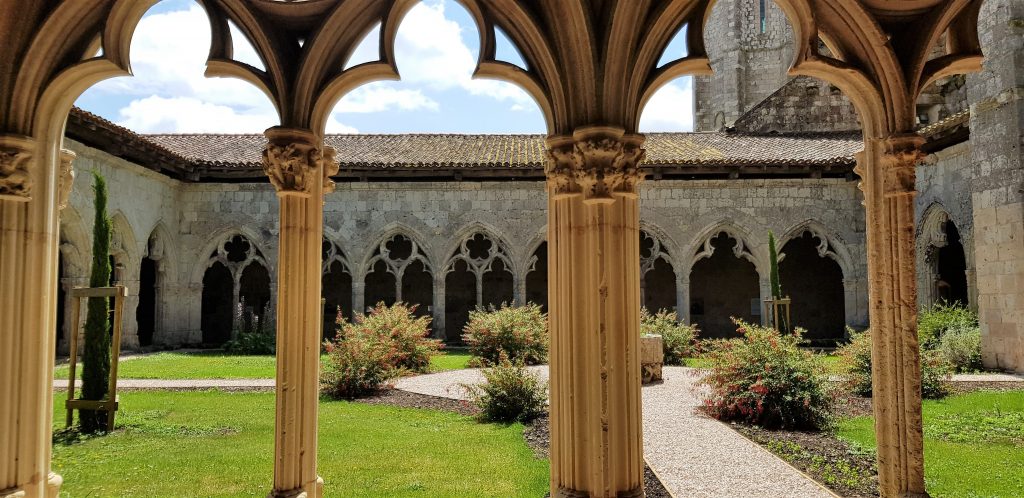
La Romieu has it’s own history in the form of a collegiate cathedral built by a local who became a cardinal, as he realised the town was on the pilgrim route to Santiago de Compostella in the north of Spain.  He built the church and it’s surrounding buildings in SIX years, quite a feat considering the average time to build a cathedral is 70 years!

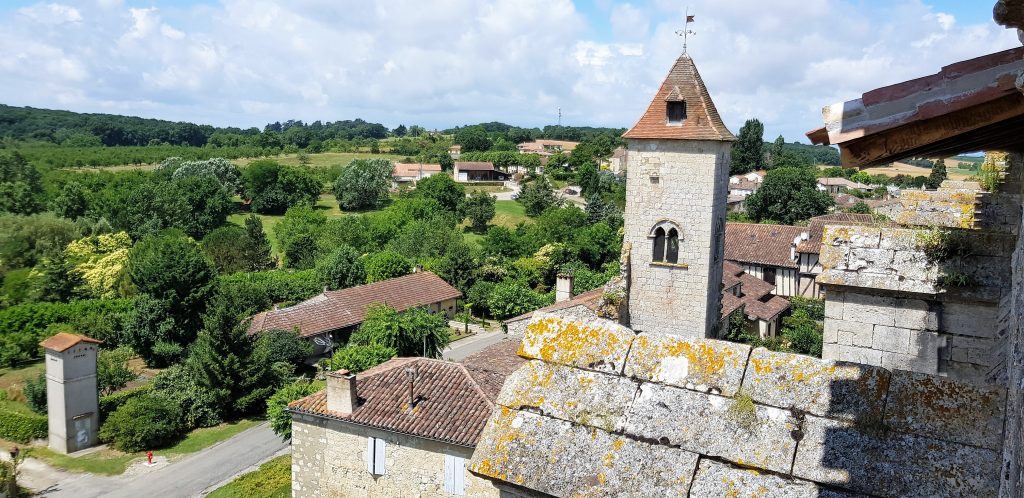
View from one of the Cathedral towers.

Grounds of La Romieu.

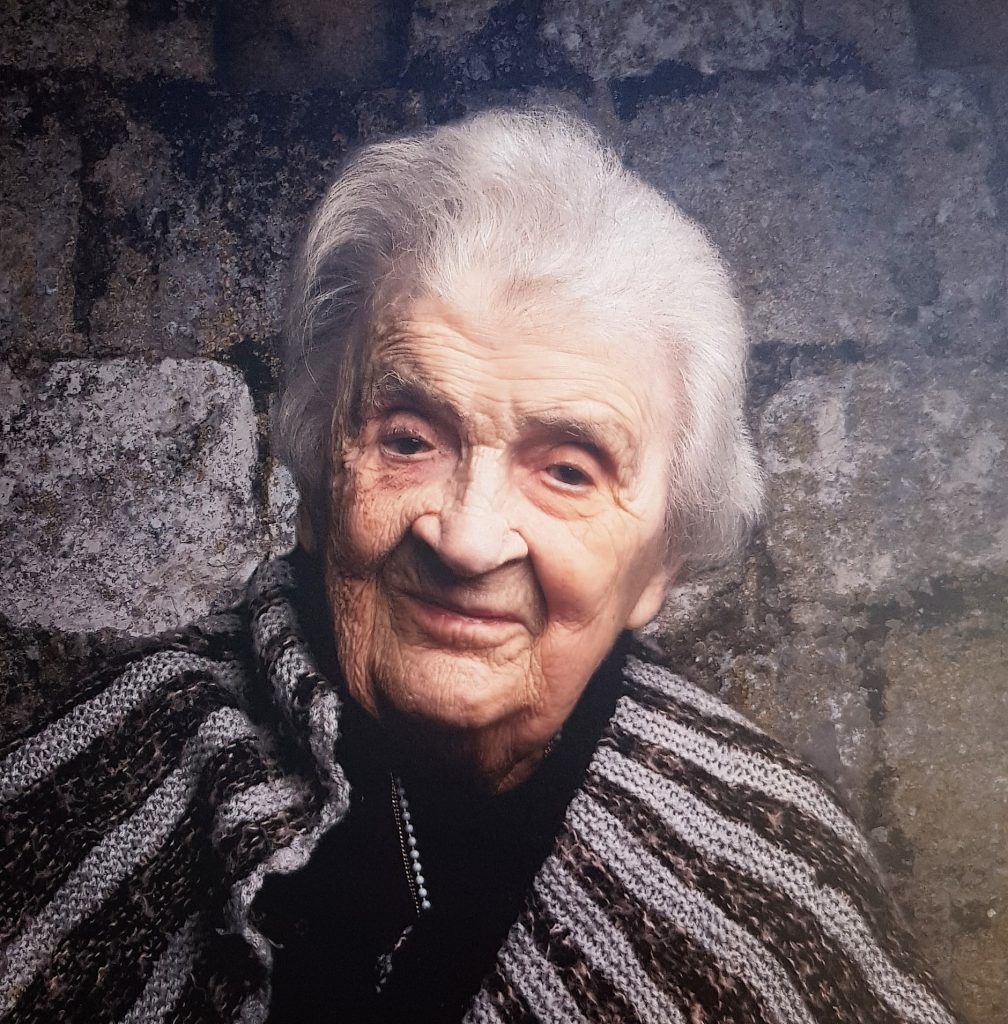
The grounds of the church displayed a collection of photographs of local people, this lady is a local farmer’s wife and is 101 years old!

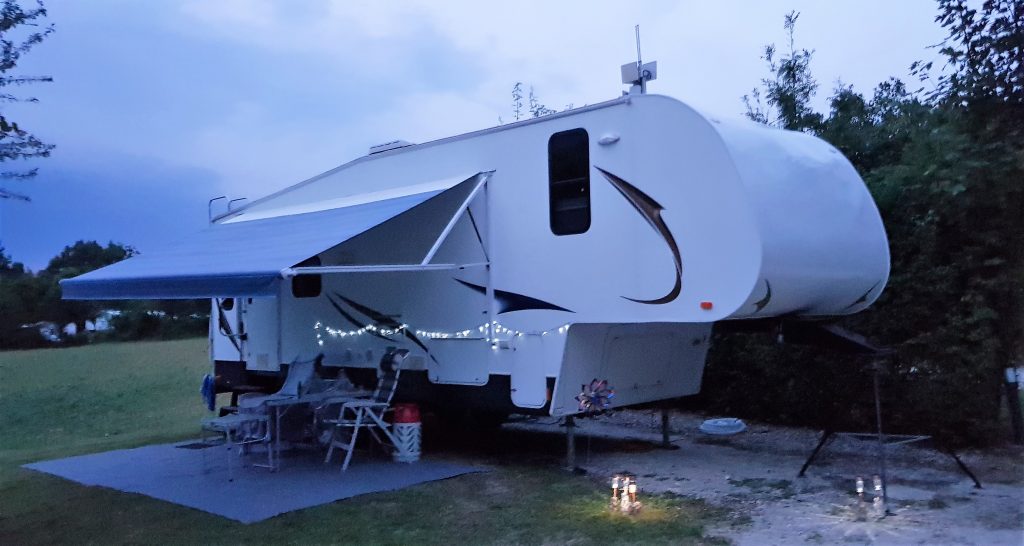
Samson at night.

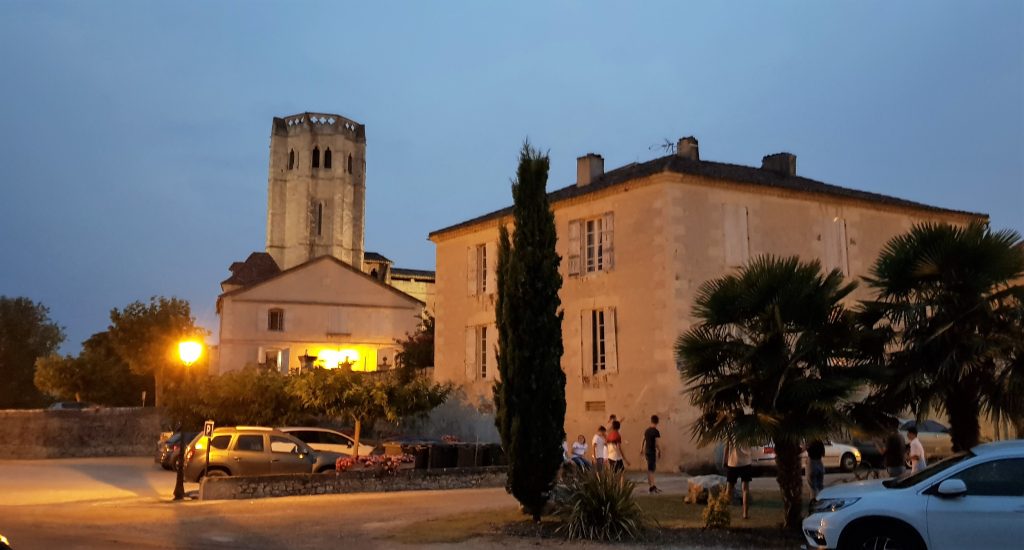
Le Romieu at night.

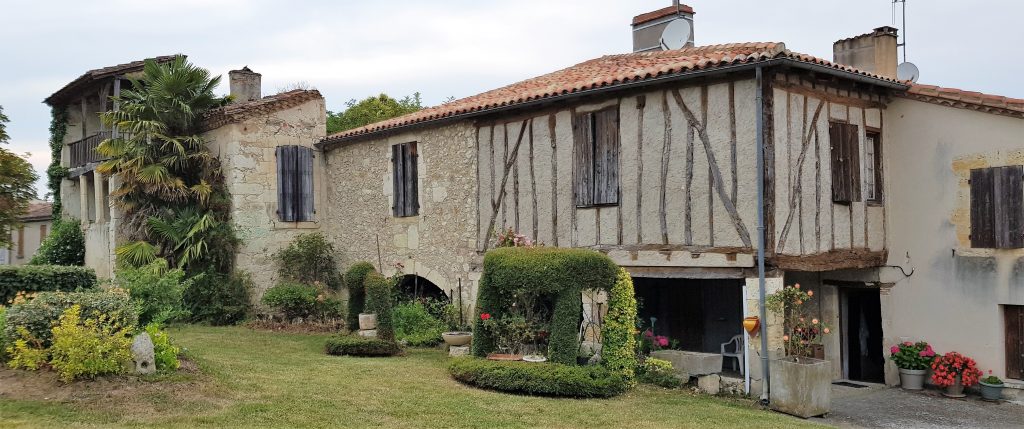
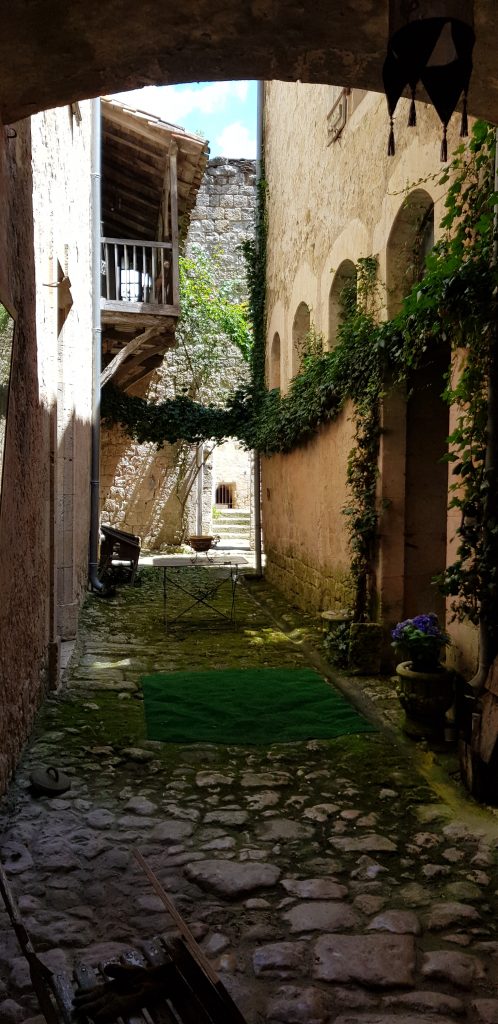
A local village house.

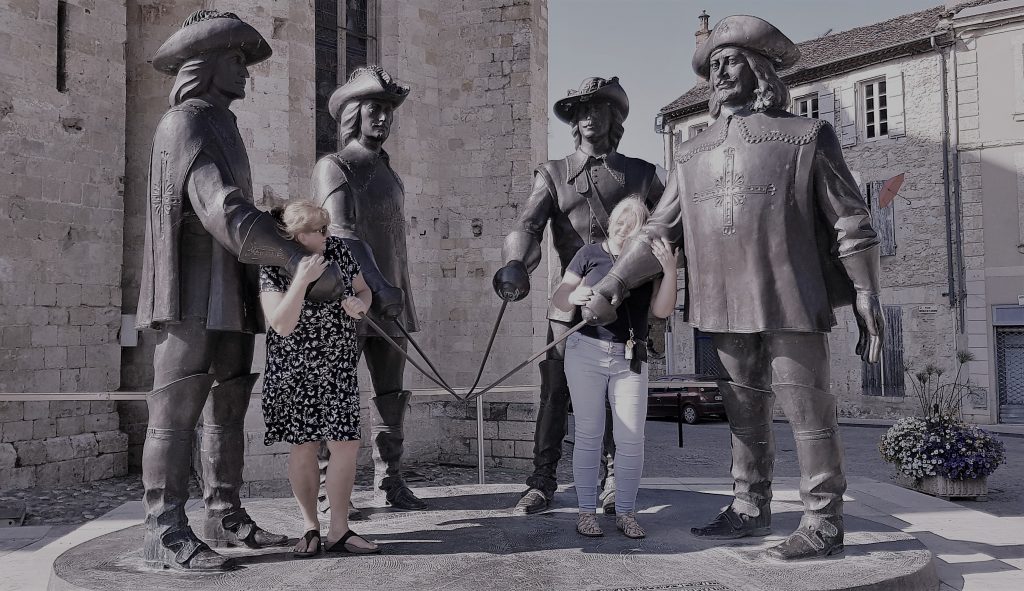
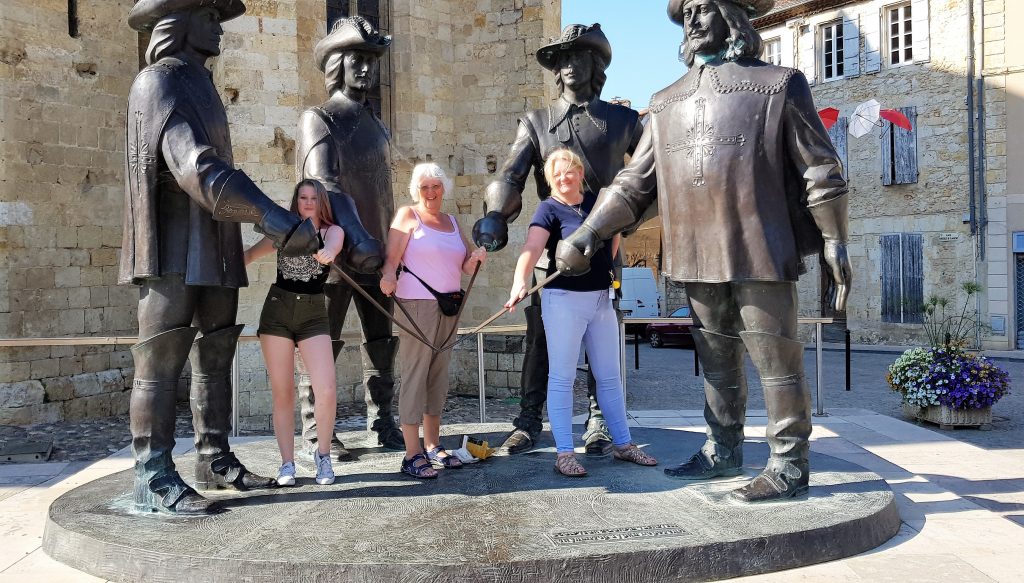
Our nearest towns were Condom (yes, really!) and Lectoure.  Condom is the home to a famous resident, D’Artagnan, one of the Musketeers as well as a fabulous cathedral and a river, where we took a boat ride one sunny day.

Making friends with D’Artagnan and his pals.

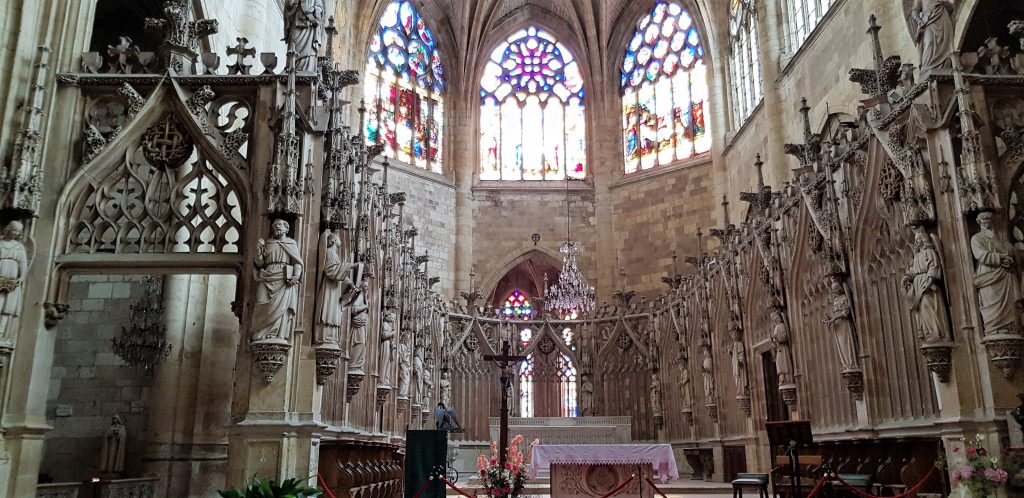
Condom’s church has a complete stone quire, very rare.

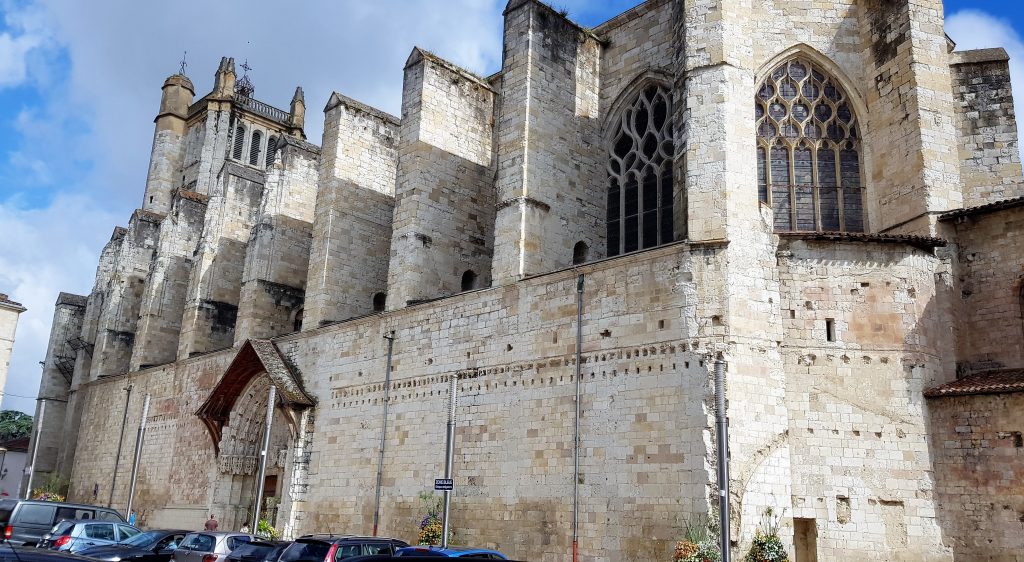
Exterior of Condom church.

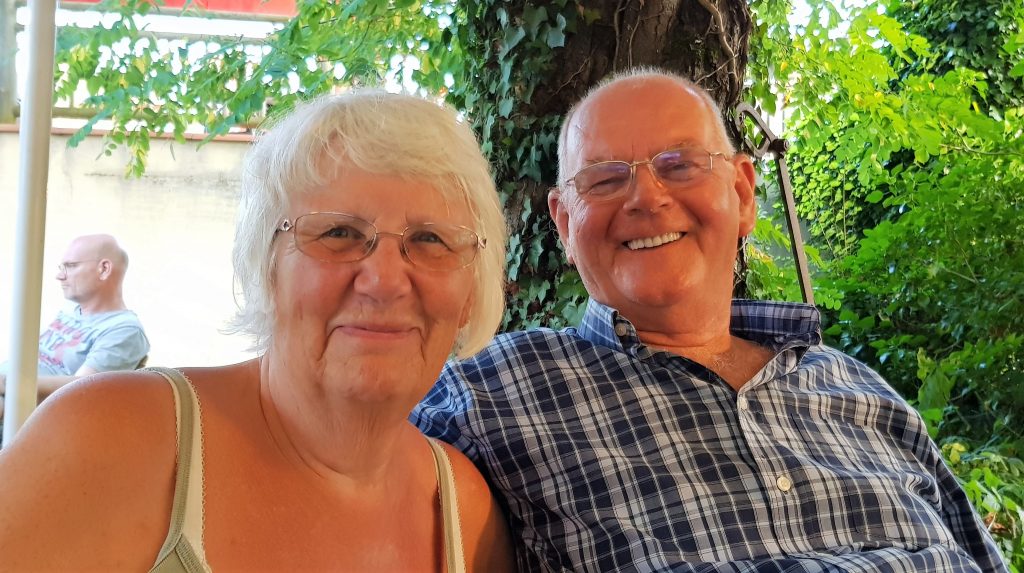
Lovely parents Ivan and Jill!

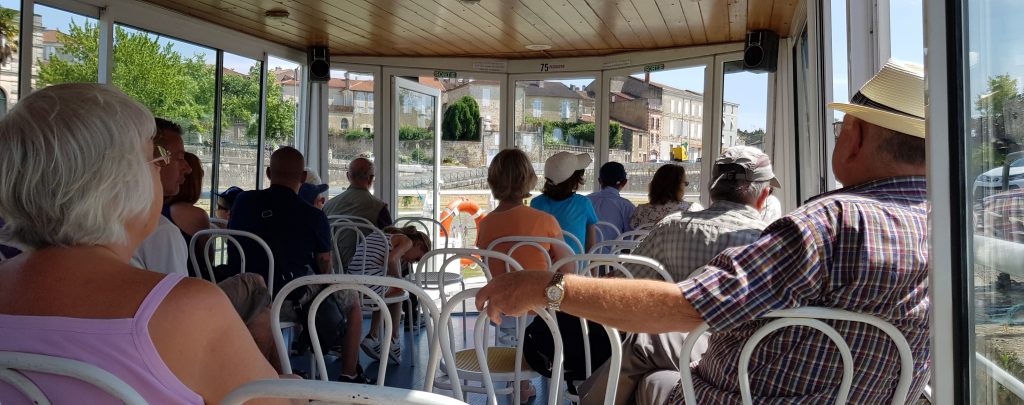
Boat trip on the river.

Happy days xx

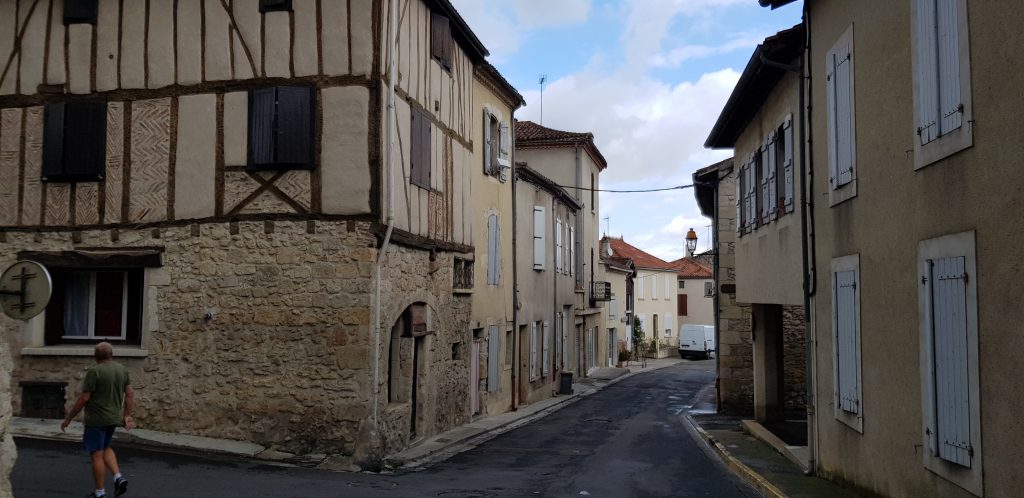
Lectoure is a more traditional hilltop town, traditional local produce markets,  ancient Roman remains including a natural spring fountain and beautiful narrow cobbled streets.

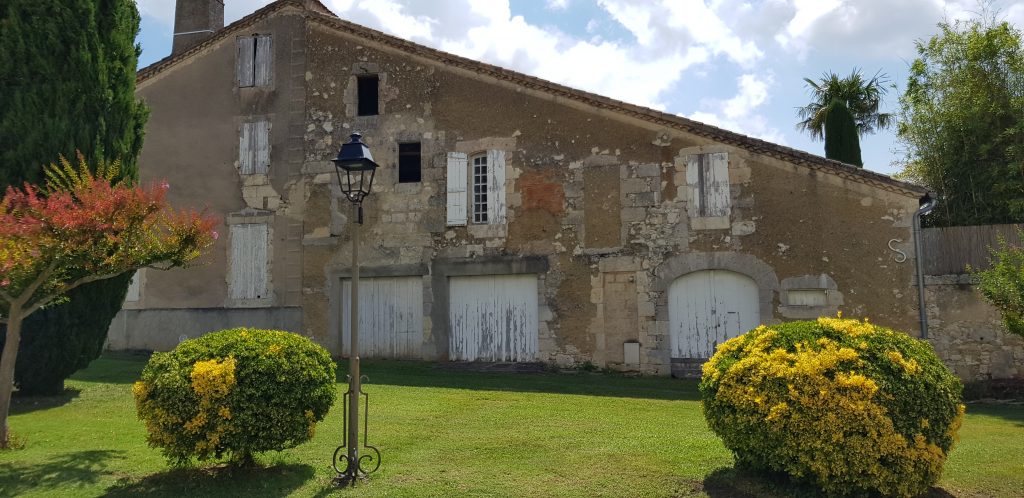
A traditional old house.

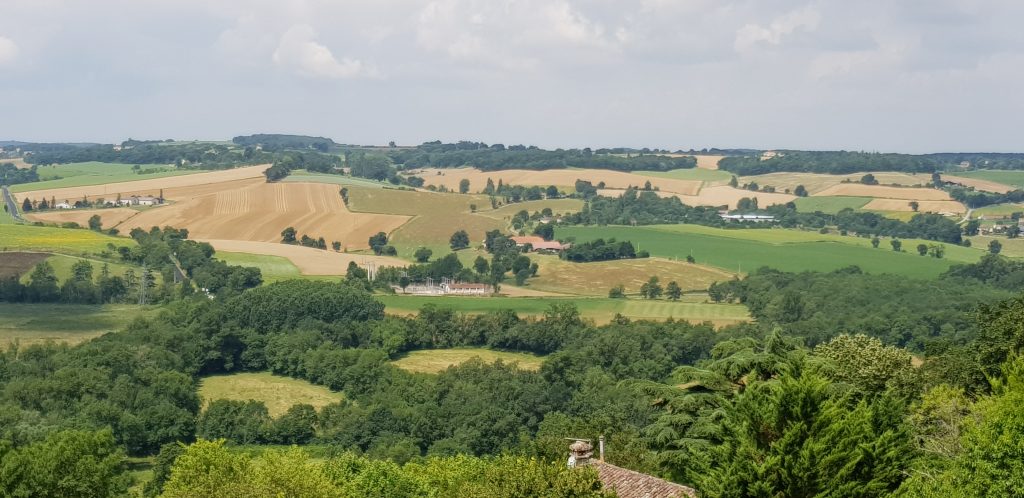
View from Lectoure.

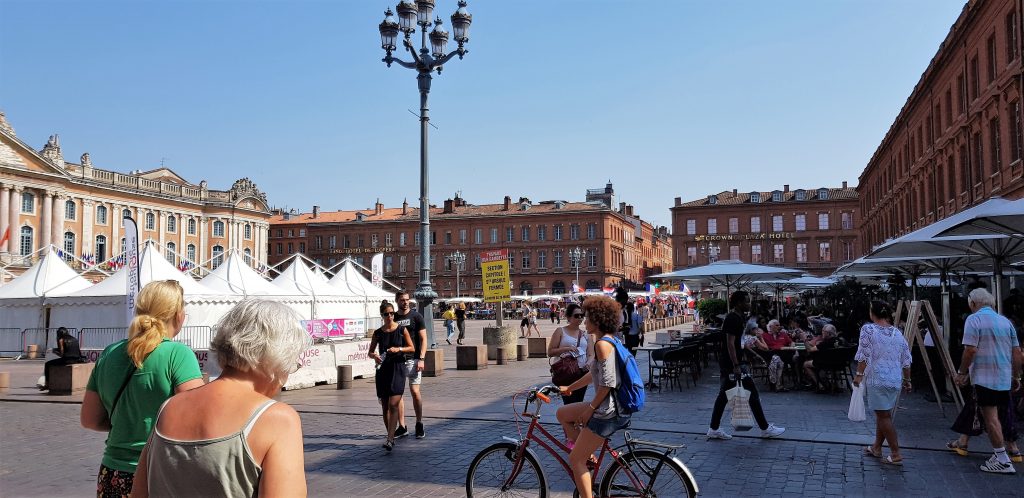
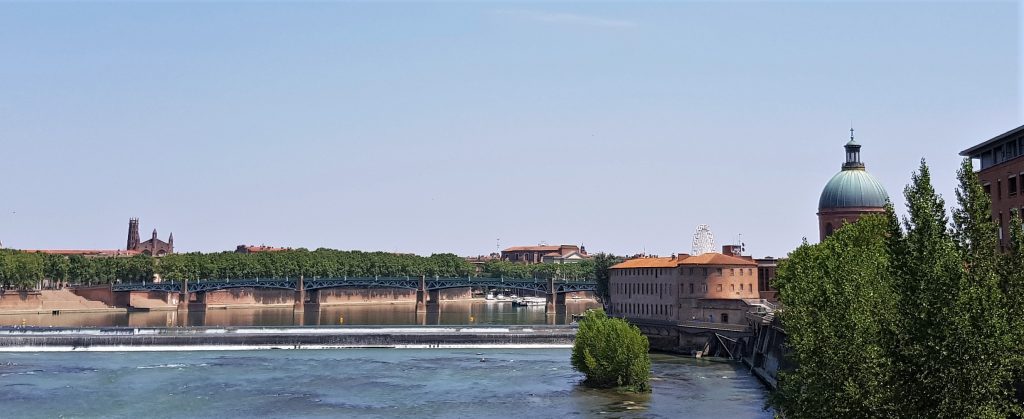
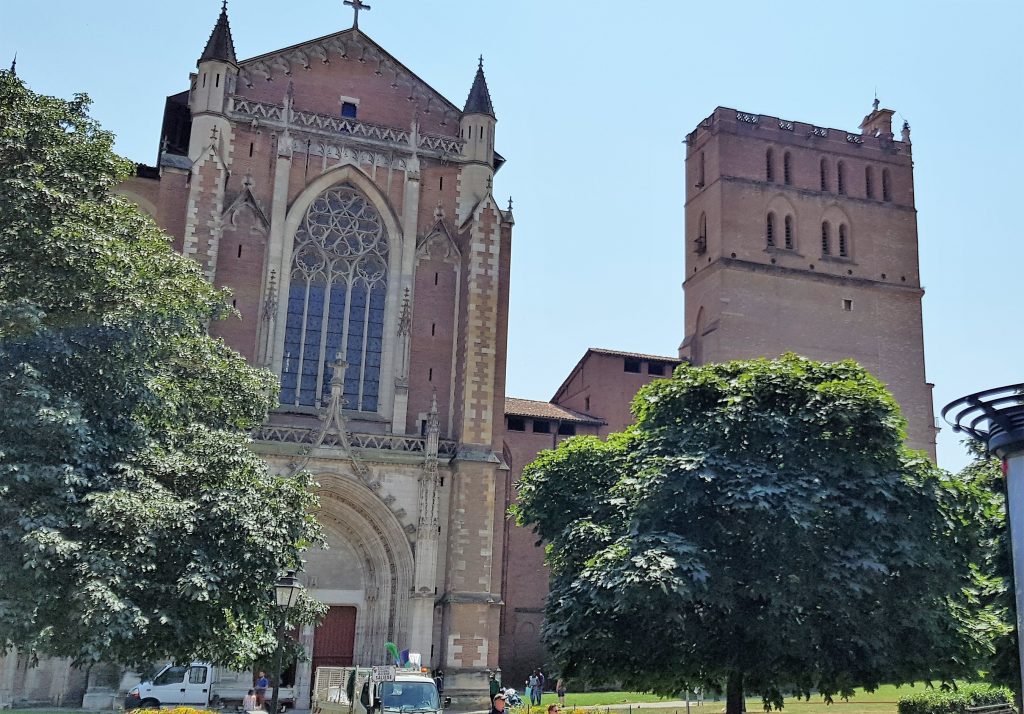
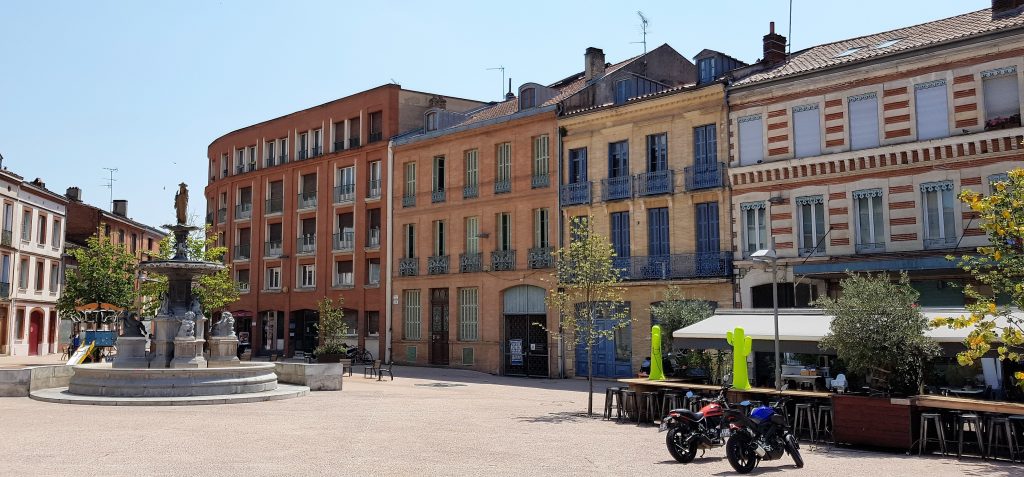
We took a day trip into Toulouse and explored the city by tourist bus, the best way when it’s hot outside and time is limited.

Toulouse main square.

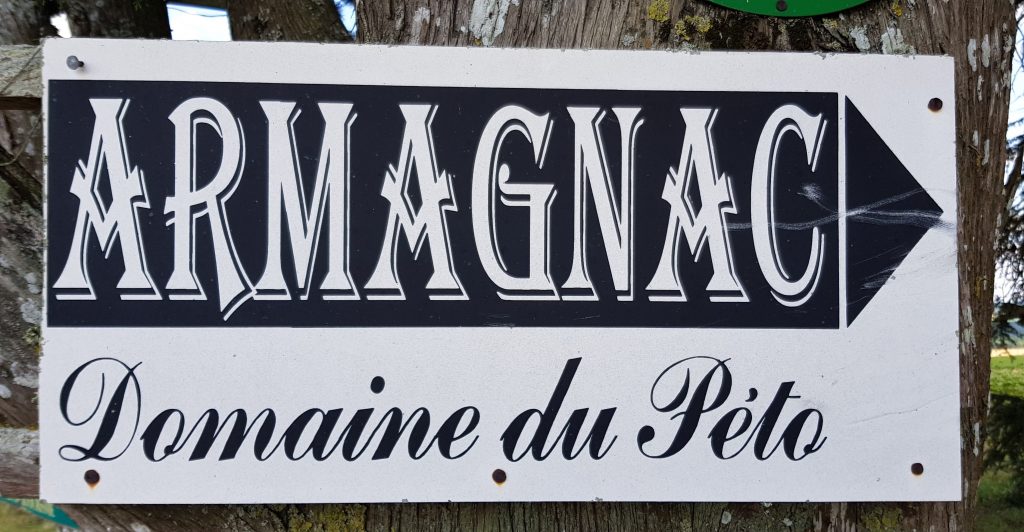
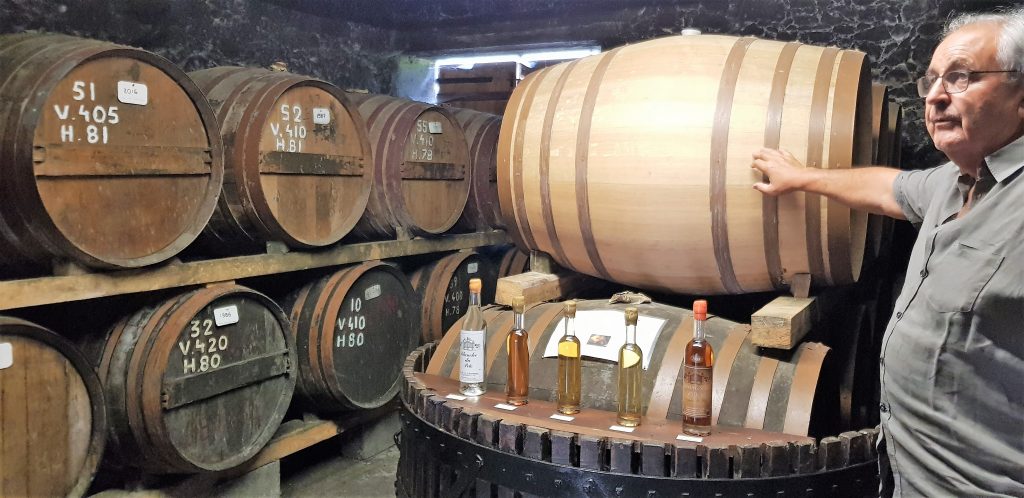
We also spent some time with the owner of a cognac distillery, where he explained how it was produced, showed us his private collection and let us taste his wares.  We wandered around his estate to work off the effects of cognac at 11am before purchasing a bottle or two.  The owner only makes a batch every 6-8 years, when the harvest is a good quality and does not sell to the commecrial sector, only private individuals and visitors to his farm.  He was entertaining and informative and quite charming, well he would be after a few bevvies!! !

Francais Chaud, Hot France!

I know that England is having a heatwave, well, so are we in France!! Finally the weather has improved, not without the odd evening thunderstorm, but the temperature is up and the sun and blue skies are a more common theme these days.

France has struck us as being very English, the rolling countryside resembles the South Downs, English language and accents are common in towns and supermarket queues, lots of British people live and holiday here, the residential gardens are kept full of roses, hydrangeas and lavender, and tea is drunk here more than coffee! They have bric-a-brac markets and supermarkets are full of British products like marmalade, Tetley tea and familiar cereals. The language is easier for me than David, having sat O Level French at school some of it occasionally comes back from a tiny corner of my brain. The only difference is that British people are friendly and willing to provide a service, unlike the French!

However, before we left the coast for Gers, we visited a few local places nearby.

Urrugny

We stayed at this campsite just outside St Jean de Luz, below Biarritz, for 2 weeks. We explored the area, drove back 10kms over the border into Spain and topped up with cheaper fuel and fridge contents!

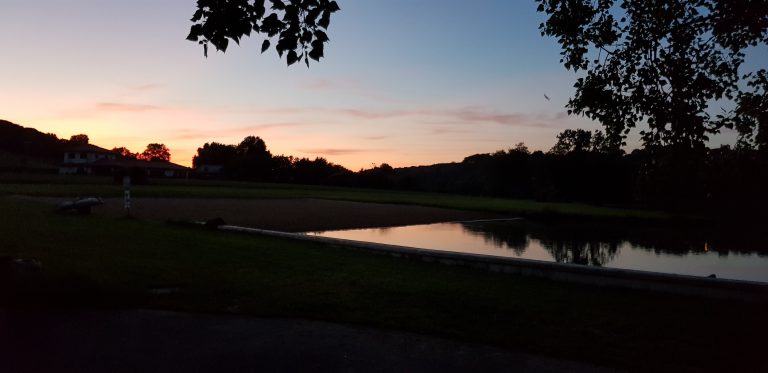
Sunset over the lake at Larrouleta campsite.

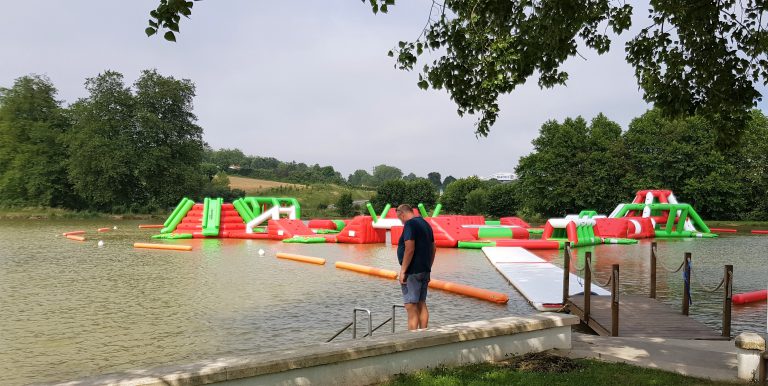
David considering the lake….

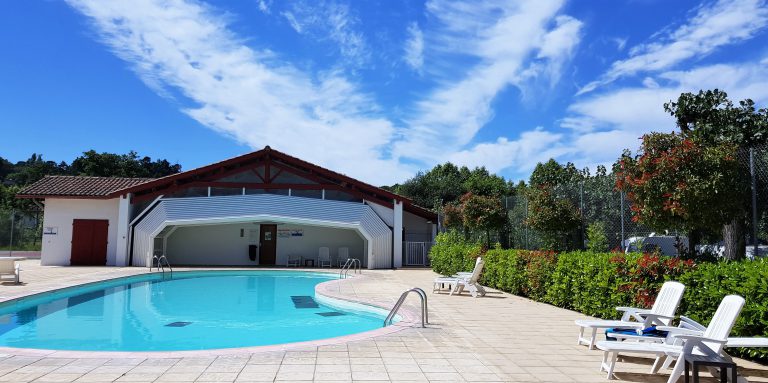
The fabulous heated pool.

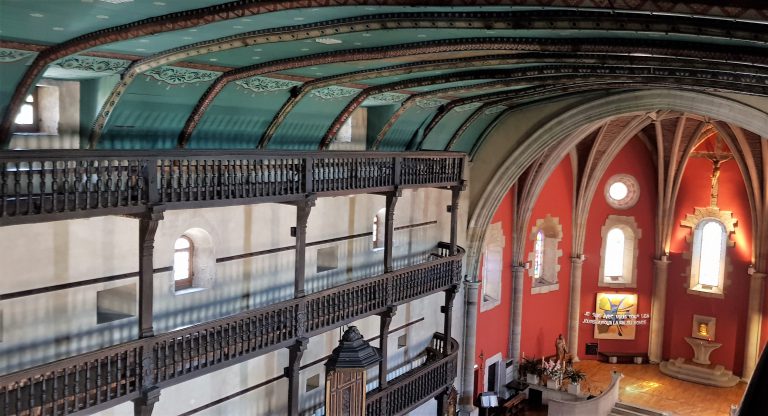
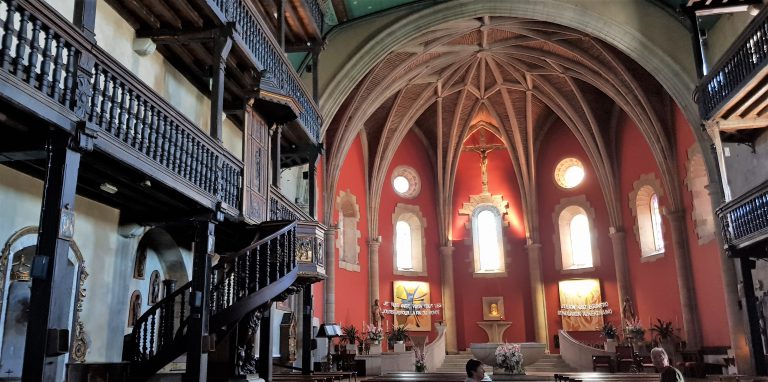
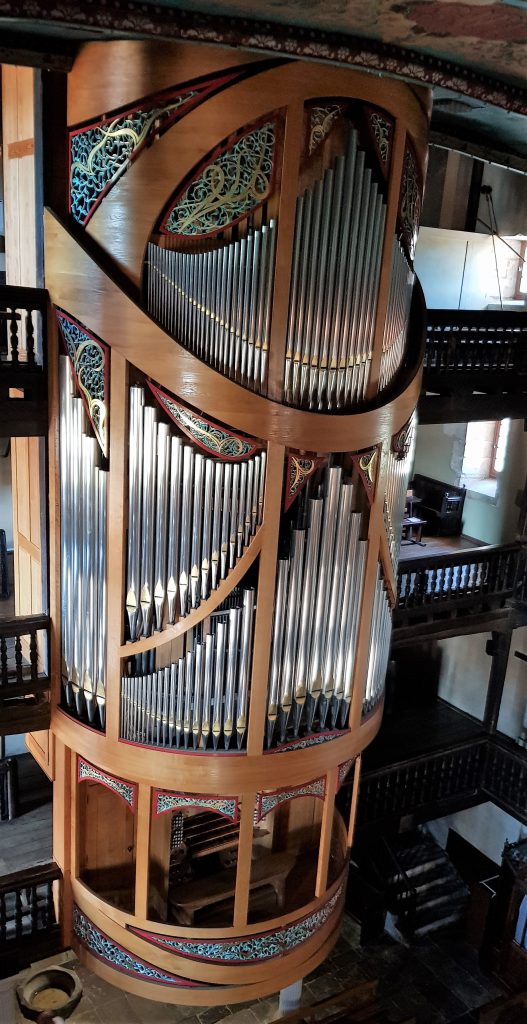
The local church was an eye opener, traditional design outside, inside it was almost theatrical in design with a heavily decorated ceiling, three wooden balconies around the edges and a spectacular art deco organ added in 2000.

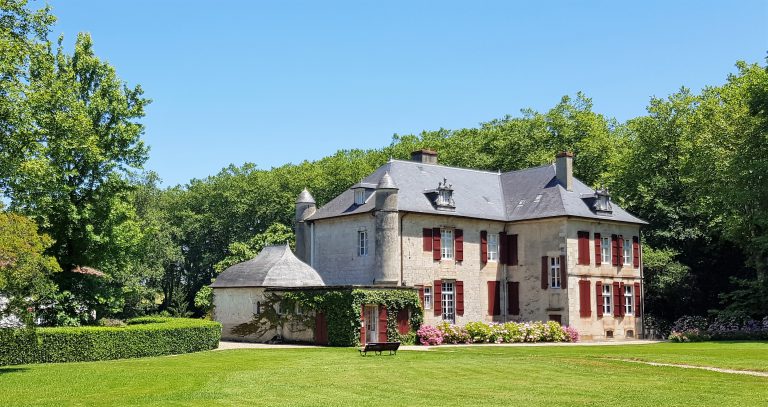
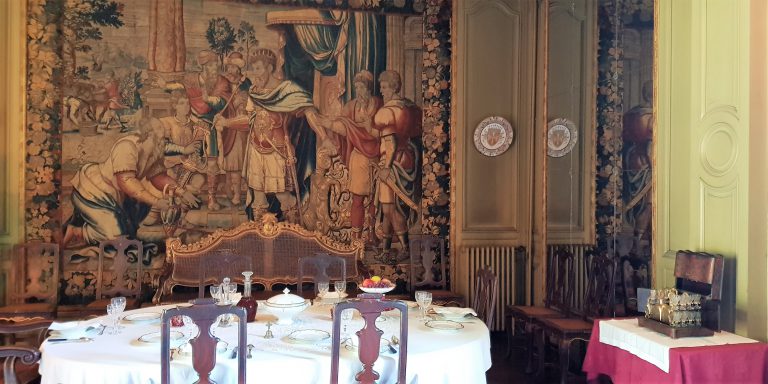
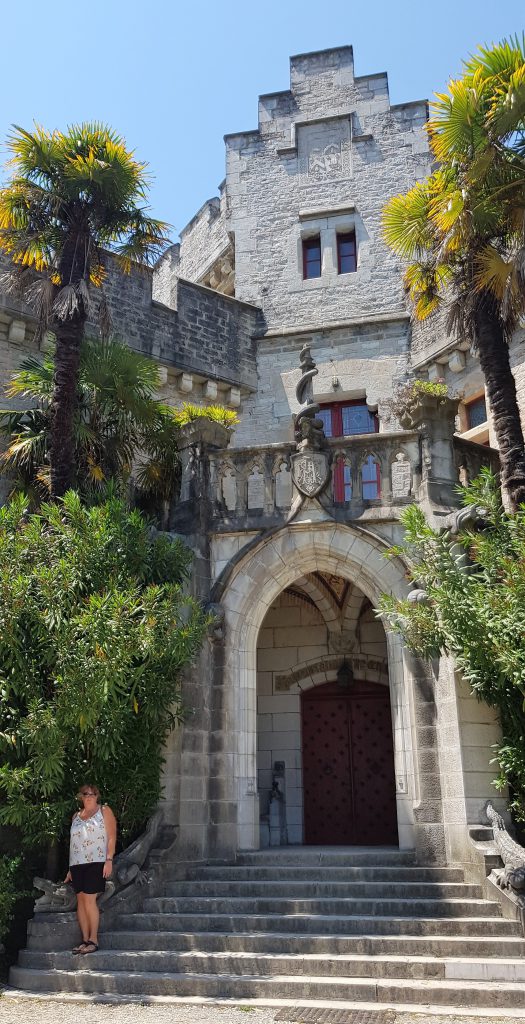
We visited a local chateau, where the latest generation of the family who built it still live in attached accommodation but the main house is now used as a hotel, or a museum, although the house is used for family functions. Most of the walls were decorated with old tapestries and paintings of the head of the families that had lived there. The gardens were full of herb beds as well as beautiful pink hydrangeas and roses and a perfectly manicured lawn!

The local privately owned Chateau.

The family dining table, complete with crystal glasses and one of 15 magnificent wall tapestries.

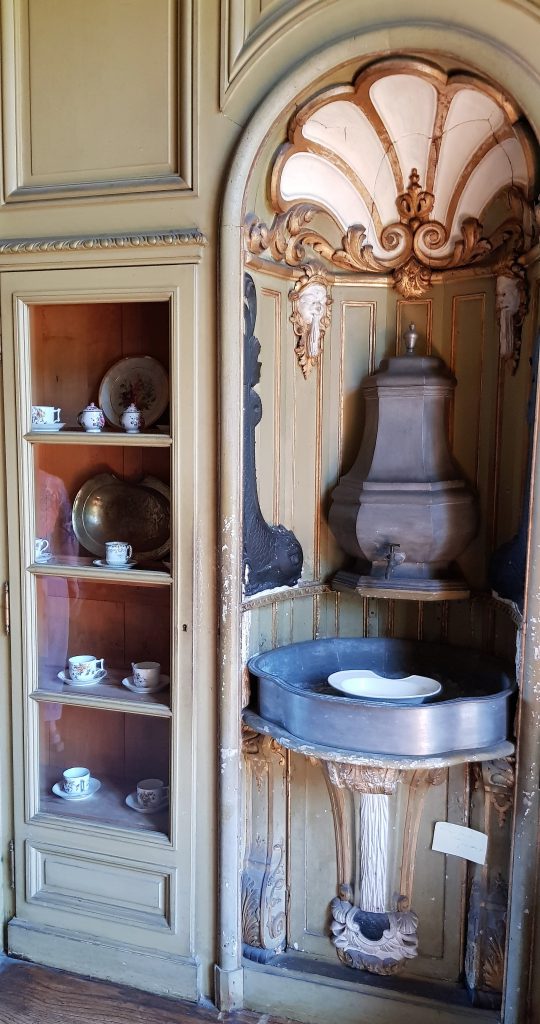
This is an original water fountain, pumped up from a well, into a lobby off the dining room.

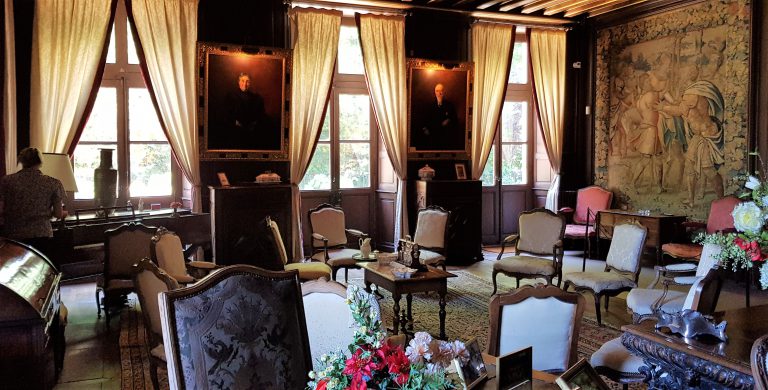
The lounge, with Louis Vth chairs, old Piano, family portraits and another tapestry.

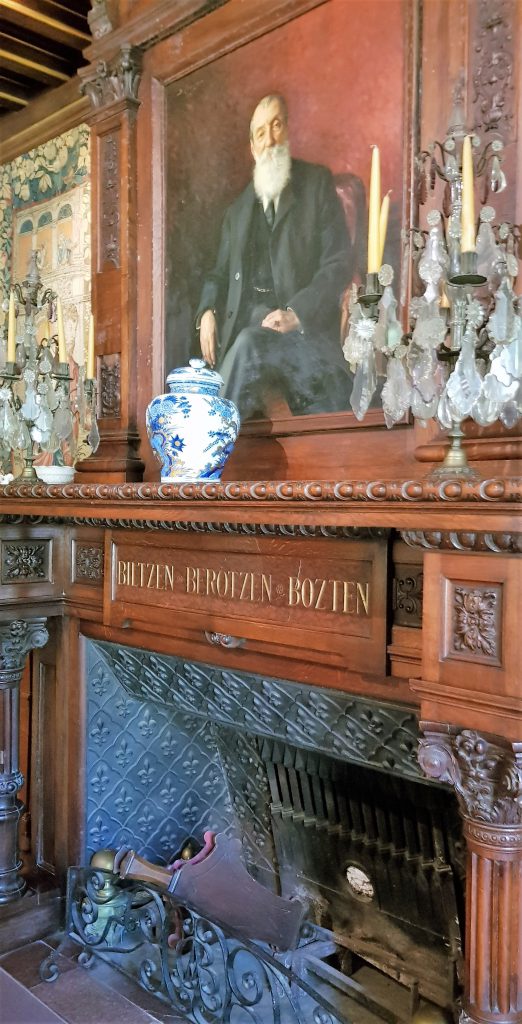
A portrait of the current owner’s great grandfather hangs above the fireplace. The wording engraved into the fireplace reads “We Gather, We Warm, We Cheer”.

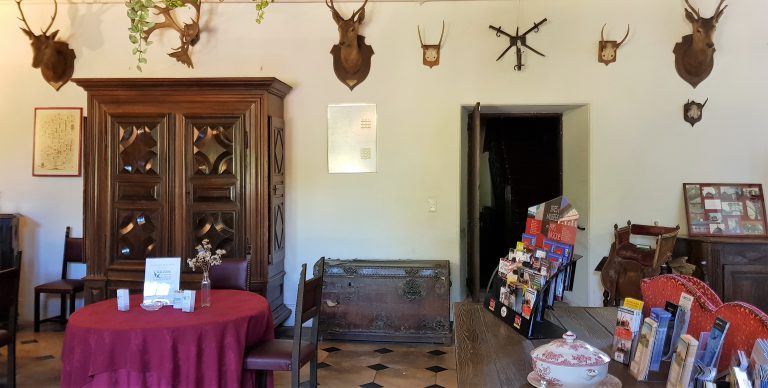
The Trophy Room is full of local deer and antique furniture.

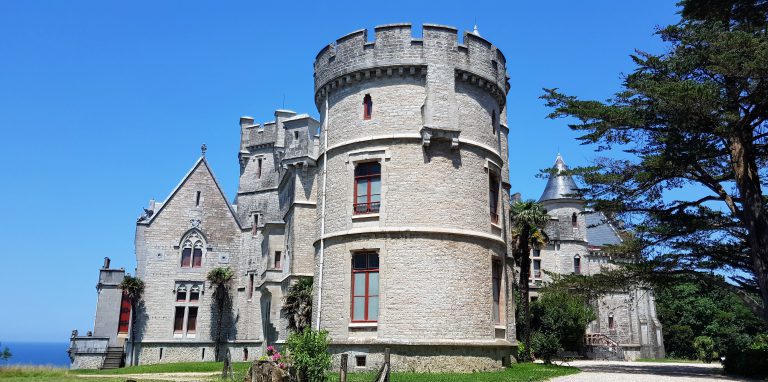
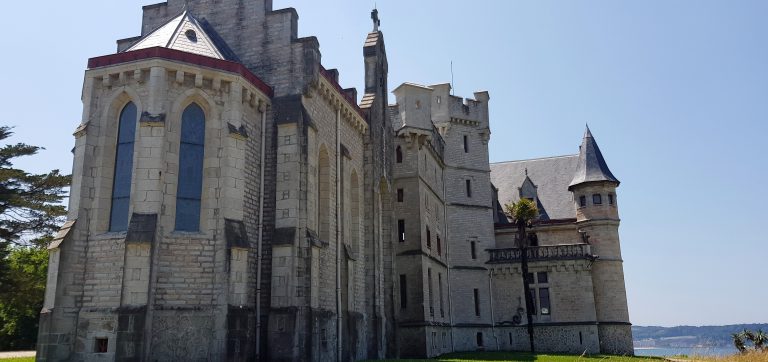
We visited another Chateau that was built in 1860 by a scientist with an interest in astronomy; he built himself a gothic style triangular shaped property which contained an observatory tower in one corner and a private chapel in another. As the building was perched on a hill there was no light pollution and just open skies. The day we visited was French only tours, so no point in paying out money to listen to something we did not understand!

Bayonne

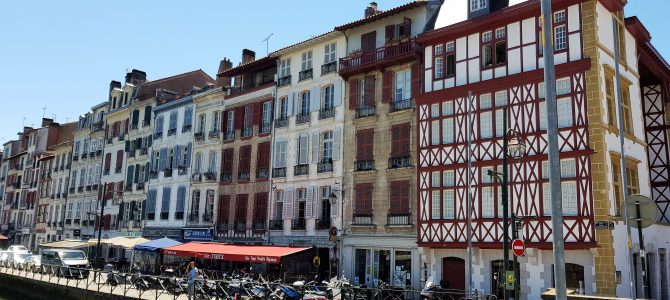
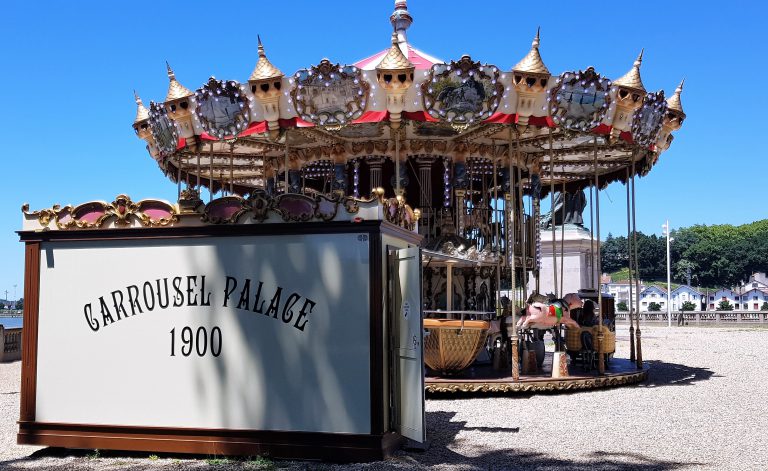
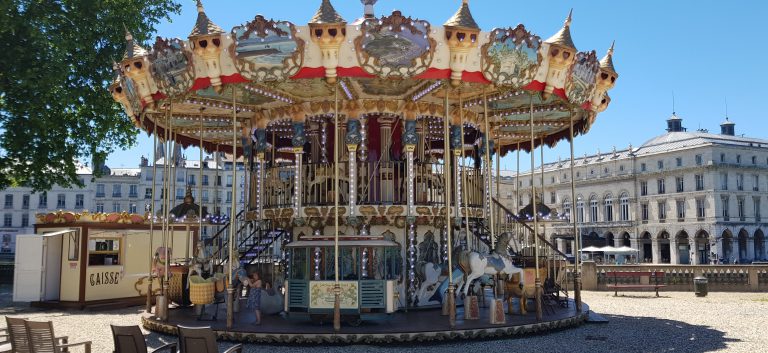
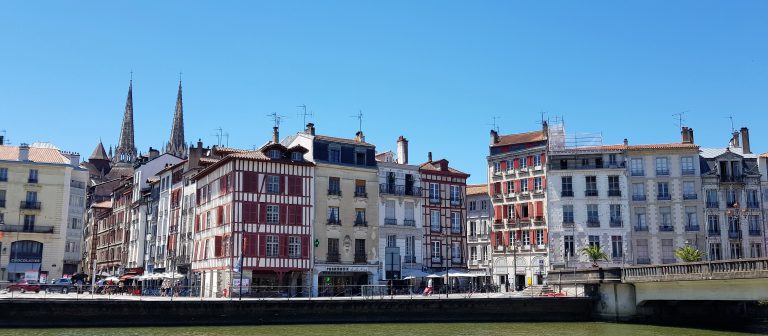
This lovely riverside town was deserted on a Saturday when we visited, later in the day we realised why – everybody was in the next town Biarritz, at the beach! The riverside architecture was stunning, tall, wooden houses showed there was wealth in the area from a long time ago, and the River Nive which divided the town gave the old and new a separate feel; the old town was full of stone properties dominated by the Church; the new part was full of modern tasteful blocks of glass and metal apartments surrounded by greenery and cycle paths. On the bank of the river, we came across a beautiful old carousel, with some unusual characters as seats!

Biarritz

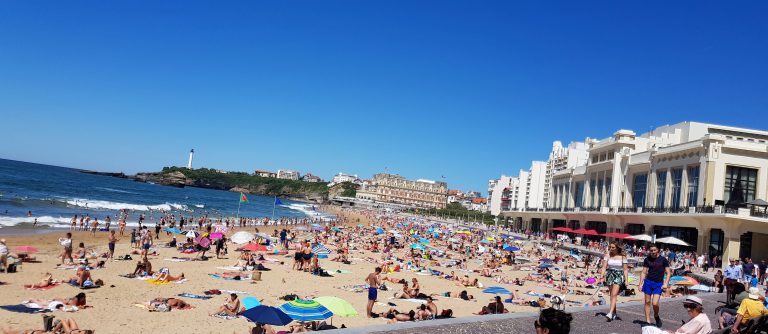
We revisited Biarritz, having been there September 2017, and found the beaches heaving with sun worshipers, surfers and swimmers. We sat in the same seafront bar as we did last year and had a drink, last year breakfast with fruit juice and coffee and pastries, this year a long cold drink!

San Sebastien, Spain

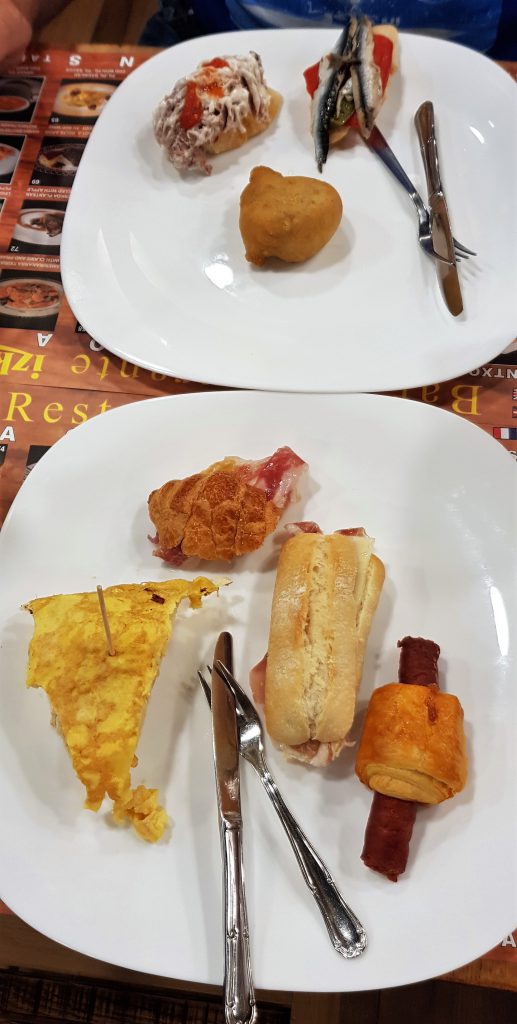
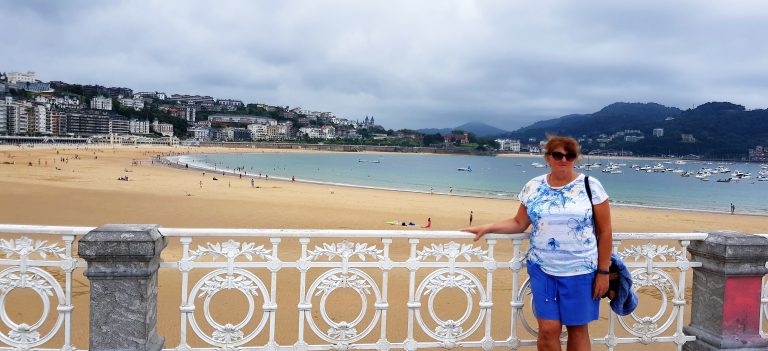
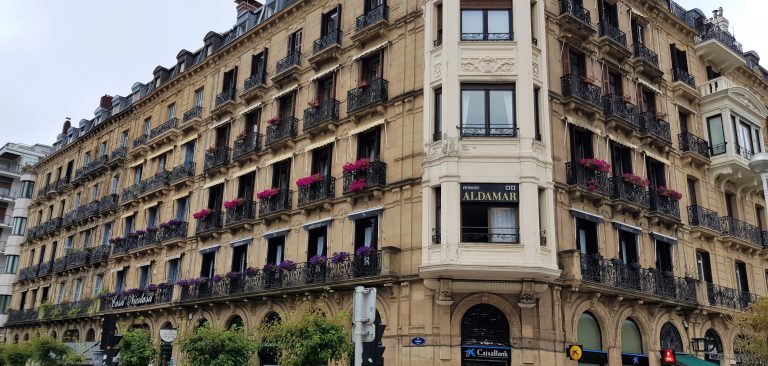
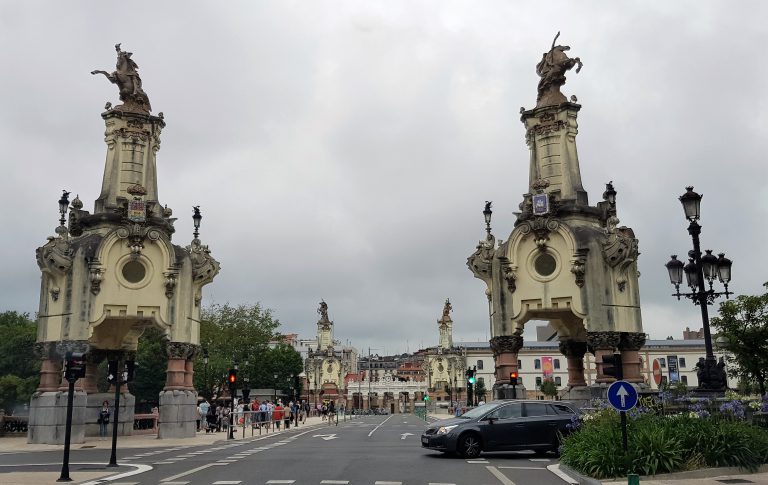
We also revisited San Sebastien just over the border into Spain, We had been there several times before but had not explored the tourist area around the old cathedral and “old town”. This time we meandered through the old streets admiring the cathedral, the architecture and of course, we had to stop for tapas lunch!!

Top, l to r: minced raw beef and mayo (David said it was awful!!); sardines and tomatoes; battered chicken and veg balls. Below: Mini croissant with ham; baguette with bacon and tomato; chorizo sausage in pastry; potato tortilla.

The Glass City of A Coruña

It was recommended that we visited this City, and I can see why….as you have probably gathered, we have a fascination with buildings, their style, age and decor. We were in our element here, as the facades were stunningly elaborate.

According to tradition, the city was founded by Hercules in Phoenician times, it became a Roman fishing port, was taken over by the Romans, the Moors and taken back by the Spanish. Phillip II dispatched the Spanish Armada from here to attack the British in 1588, they were defeated, however, the Spanish Armada did defeat the army of Sir Francis Drake later. The population and economy improved and the city soon became a thriving fishing location, a port and a centre for clothing manufacture (Zara fashion clothing company was created here).

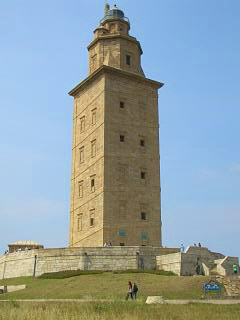
Hercules Tower (Lighthouse)

It was a rainy day when we visited, so we stuck to a few of the main attractions: the Tower of Hercules (light house); the castle (now an archeological museum) and the main square surrounded by the Palace and church.

The legend is that Hercules defeated a giant (King of local areas) called Gerion; he buried Gerions head and built a tower on top, founding the city nearby which he named Crunia. When Hercules left, his nephew finished the tower and furnished it with a lamp with fire that was never allowed to go out, placing a large mirror nearby through which enemy ships could be seen.

The original lighthouse was built by the Romans in the first century, the remains of which lay in the basement; also on display was the original stone which held the oil originally used to warn sailors of the rocks below. The building was rebuilt several times, the last major upgrade was in 1788 when an outer wall was added encasing the Chambers inside, making it the Oldest Active Lighthouse in the World. We climbed the 245 steps to the top and despite the drizzle, the view over the town, the coast and the Port was interesting.

 The tower of Hercules

The lighthouse stands on an elevated headland a short distance from the center of A Coruna city, facing the Atlantic Ocean and standing approximately 57 metres (over 180 feet) high.
The two people in the photo to the right give an indication as to the towers enormous size.

Modern Day Hercules!

The Castelo De San Anton (Archeological & Historical Museum)

On the site of the current castle, a chapel was built that was used to quarantine those arriving into the port with “the Fire of San Anton” disease, the chapel was later dedicated to this saint. The building was started in 1588 by King Philippe II and finally completed in 1776 when the Governors house was added to the top floor, and the building then became an active barracks, then a prison right up to 1958 when it was taken over by the local council and turned into the museum that it is today. The irregular shaped building is relatively small but houses interesting artifacts from around the area, including Roman coins and jewellery, a selection of pistols and rifles from 1800s and swords and other items rescued from the sea.

The water storage vault was interesting, water dripped into a storage tank from the stones above, to be used throughout the castle. Not sure I would have drunk it!!

A model of the castle.

View towards the mouth of the port.

View towards the city, the white building is a hospital. Downstairs is the old parade ground.

The water storage tank.

The Governor’s Chapel.

The old fireplace in the kitchen, items in front are old cannon balls.

Galerias

A galeria is nothing more than a balcony, but one that is enclosed in a glass frame protecting it from Galicia’s cool winters and making it usable all year round. Galerias can appear at first floor level, or on the six floor of a six storey building and there are many variances on the basic design.

Galerias are so prevalent and significant in A Coruna for two reasons – firstly, unlike Galicia’s other provincial capitols, a large part of the city is “modernist” and was built in the late nineteenth and early twentieth centuries – the galeria design was especially popular during this period. Secondly, the original fisherman’s houses (that lined the harbour and port) were built with galerias and subsequent structures that replaced, or were added to them continued this style.

The harbour front area of “Marina Avenue” is often called the “glass city” or “crystal city”. This is the spot where the original fishermen’s houses were, but today most of this area contains multi-storey offices and apartment blocks all of which are “loaded” with galerias. On a clear day, when the sun faces the harbour front during the evening, the reflection can be blinding and provides an impressive spectacle.

Maria Pita Square has standard shop and business premises at ground level but every possible style of galeria above. The whole area has a feel and atmosphere that is totally different to anywhere else we have visited in Galicia. At first many of the galerias appear very similar to one another, but on a closer look, subtle differences are obvious. Many buildings alternate two or three levels of galeria with an open balcony, or place the galerias only the top floors of the building, some have intricate detailing at sill level, whilst others are supported on ornate sculptured masonry or wrought ironwork – there is no fixed style.

The marina front.

Leading to the Maria Pita Plaza


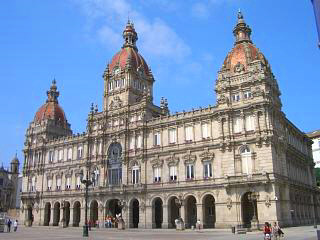
Maria Pita Square, Palacio Municipal & Church de San Jorge

The square is named after Maria Pita, a local who gained notoriety as a heroine by helping reduce casualties when Sir Francis Drake’s attacked A Coruna in 1589 – the square gives the impression that you are walking into a Royal court. The Palacio Municipal in A Coruna city This impression is further enhanced by the Town Hall and Council building (Palacio Municipal) which is truly monumental in both its scale and incredibly ornate detailing, the three domed towers at its front are topped with what appears to be bronze making it glisten in the sun. This building also has a long colonnaded archway along its main frontage and it completely dominates the large square. Its appearance suggests it is an old building, it was actually built in the early 20th century and is less than 100 years old.

San Jorge Church was a return to the opulence seen in most Spanish churches, it was beautiful, still, calm and smelling of lilies and polish.


 ‘,

Whimsical Sintra & Cabo de Roca

About 30kms outside Lisbon is an unusual town called Sintra, a ex-Royal sanctuary in a lush tropical forest studded with pastel coloured village houses, chateaux and palaces.

The Sintra Mountains are home to two buildings, the remains of a Moorish Castle and the Pena National Palace, a fairytale gothic Disney looking building that makes you want to rub your eyes to make sure you are not seeing things. Access to both buildings is up a single track one way road, winding up one side of the mountain with various parking slots up the route. We were never too sure whether to grab a parking space when we saw one because we didn’t have a clue as to how much further we had to go. We were really lucky and squeezed into a spot right outside the entrance to the Castle, which turned out to be only 1.5km away from the Palace! The current Royal Palace is in an area on the slopes of the mountain, as is the turreted white Municipal building in the town square and several other properties owned by Portuguese Royalty, high society and celebrities.

The Windy Castle of the Moors

The castle was originally built in the 10th century, the Moors rule ended in 1147 and in 1839, King Ferdinand II acquired the Castle and converted it to the romantic style of the 19th century through exuberant planting and reconstruction in accordance with a medieval imaginary. All that remains now are the majority of the castle granite and limestone walls, all 600 metres of them, 420m above sea level. The majority of it’s towers are still accessible, (health & safety goes out the window here) and give amazing views of the surrounding countryside, right over to the sea 30kms away. The castle was built on granite rocks, balancing precariously but with remains of storage silos, houses, churches and gatehouses further down, it is assumed that the supporting village was once much bigger. So after having climbed up steep walkways to the castle, then walked the length of the walls, our knees were starting to feel under a little pressure before we realised that we had to walk back down and up another hill to the Palace! A short lunch break helped the energy levels and we pushed on. The walk was so worth it.

Pretentious Pena Palace

The palace in its present day form was commissioned in the 1800s by Ferdinand August Franz Anton from Austria, who married into the Portuguese royal family and became King Ferdinand II.

The Palace was built in such a way as to be visible from any point in the surrounding park, which consists of a forest and luxuriant gardens with over five hundred different species of trees originating from the four corners of the earth.

in 1493, the Palace was originally a Monastery, housing up to 18 monks; it was severely damaged by lightning in the early 18th century, followed by the great Lisbon earthquake in 1755 that reduced it to ruins. Amazingly, the chapel (and its works of marble and alabaster) escaped without significant damage.

In 1838, King Ferdinand II decided to acquire the old monastery, all of the surrounding lands, the nearby Castle of the Moors and a few other estates in the area. He then set out to transform the remains of the monastery into a palace that would serve as a summer residence for the Portuguese royal family. King Ferdinand II marveled at the stunning views from the rocky outcrop and demanded a castle built to rival the Neuschwanstein castle in Bavaria. His only design input was that the palace should reflect an opera and is it was left to Baron Wilhelm Ludwig von Eschwege to create this magical palace.

The palace has grotesque gargoyles that peer down over the main entrance, and illusionary spiked walls all below the vividly painted exterior. It is such an unusual place, full of turrets, castellated walls, walkways, connecting tunnels and beautiful rooms, gaudy gargoyles, colourful mosaics and paintings and beautiful tiles. The hike to it was so worth it! It was gobsmacking, wonderful and unusual, gaudy and yet endearing, and so full of bl@@dy tourists!!!!! The rooms are still laid out with furniture as the Kings and Queens would have used up to 1910, the ornaments and paintings all shown images of family, love and happiness. The interior of the palace was equally as fascinating as the exterior, being restored to reflect the decor of 1910, when the Portuguese nobility fled to Brazil to escape the revolution.

King Ferdinand II spent much of his later life based in the palace with his second wife, Elise Hensler. On the death of Ferdinand the palace was inherited by Elise who had become Countess d’made Edla. In 1995, the palace and the Cultural Landscape of Sintra were classified as a World Heritage Site by UNESCO. The architectural styling is classified as a 19th century Romanticism styled building.

Exterior

Interior Rooms – Bedrooms & Bathroom

Living Room & The Indian Room

The Deer Room – Deer Heads and Stained Glass Displays

And finally, the Chapel and Kitchens

Monseratte Palace

We headed further down the hill to Monseratte Palace, this was originally a chapel (in 1093) with 350 hectares of farmland, taken over in the 17th century by a local family but following the 1755 earthquake, it fell in disrepair and was abandoned. An English merchant rented the land in 1789 and built a neo-gothic house over the ruins; in 1793-1794 the estate was subleased by William Thomas Beckford who started to design a landscaped garden. Francis Cook, a wealthy English material merchant who subleased the estate in 1856 and was graced with the title of Viscount of Monserrate by King D. Louis; he purchased the property in 1863 and started to work with the architect James Knowles on the remains of the house and The Palace became the summer residence of the Cook family.

Cook rebuilt the house and created a tropical garden around it, adding natural lakes and ponds. The result was a spectacular house. It has 3 domes, one either end and one in the middle with a column of pillars down the middle of the house creating a walkway, with rooms off to the left and right. The rooms were decorated to the style of the house, and it’s owner began an unrivalled art collection, using the house only in the summer whilst living and working in Bradfield, UK. He employed a friend and his family to act as housekeepers, moved them from the UK and the house was kept alive with society and celebrity parties until the war broke out. The upkeep became too much, the painting were sold off to pay for maintenance but eventually in the 1950s the house was closed up and sold off to the Portuguese government.

The entrance and Hallway

Some of the internal rooms


Other Buildings in the Area – The conical National Palace

The current Royal Palace, a truly Gothic Mansion

Cabo de Roca

We left the amazing town of Sintra having explored just a small bit of it and headed back to Lisbon, via Cabo de Roca, another clifftop viewpoint (along with Cap St Vincent) claiming to be the furthest point west in Europe! Having confirmed it all with Wikipedia, Cap St Vincent is the most southwestern point of Portugal and the European continent, the Phoenicians considered this the end of the world because they thought the sun set into the sea. Cabo de Roca meanwhile is officially the most westerly point of Portugal and Europe.

As we drove along the shoreline, we stopped at a beachside restaurant, and had the most expensive fish meal we have ever had!! The sea bass was €70 a kilo and the whole meal, consisting of 2 soup starters, one sea bass and one veal, 3 soft drinks, came to €110 for the two of us!!! Its fair to say, the fish was delicious (David says) but the cost was not really worth it. We found out later that the Chef has a Michelin star, maybe that justified the bill???

 ‘,
Vila Nova de Milfontes AKA “Heaven On Earth”

One afternoon we ventured further south down the coast from our site in Porto Covo to a small but beautiful seaside town called Vila Nova de Milfontes (pronounced Nila Nova Meel’fonsch). We went to see the fort but this apparently has been closed to the public for a long time and no-one has got around to updating the guide books! We saw the outside walls and front door. Very neat!!

Looking down from the main road, we spotted a small ferry boat taking people over to the other side of what turns out to be a river inlet. The beach was calling, as was a restaurant sign, just in time for lunch. We were ferried over to the other side by a young girl, “Just wave when you want to come back” she said. We had a lovely lunch then wandered a little further along the bay to find a beautiful expanse of clear soft sand. The sand was clean and endless, if I think of what would constitute “Heaven” this beach may be it.

Entrance to the closed Fort.

View across the bay from the Fort walls.

View from the boat of the Fort.

Cheers, lunch was great.

Yes, lunch was very nice! Cheers!!

Sadly, this chap was grinning at me all through lunch, and really put me off my food!

‘,
« Older posts Newer posts »