Travel stories of a caravan duo, plus a 5th Wheel and Isuzu truck in Europe

Category: History (Page 13 of 20)

Roman Tarragona

Tarragona

It is said that Tarragona is the first Roman city of Spain.

This port city is heaving with Roman ruins, having been founded in 218BC and originally called “Tarraco” by the Phoenicians. Its history may be older but cannot be verified. The Romans fortified the city, becoming the capital of the province named after it, Hispania Tarraconensis. Augustus was a regular visitor to the city.

It was known to be the richest town on the coast, fertile plains produced good wine and wheat and a sunny climate protected wintering ships. After the demise of the Romans, it was ruled by (amongst many others) the Visigoths (ended 714), the Almoravids (1100s), the Kingdom of Aragon (1160 – 1400) and finally the Spanish Empire in 1516. During the Catalan Revolt it was captured by Spanish troops and ruled by them until 1713, the French ruled until 1813, then the Spanish took control again during the Spanish Civil War until 1939. It remains a Catalan city to this day, architecturally beautiful.
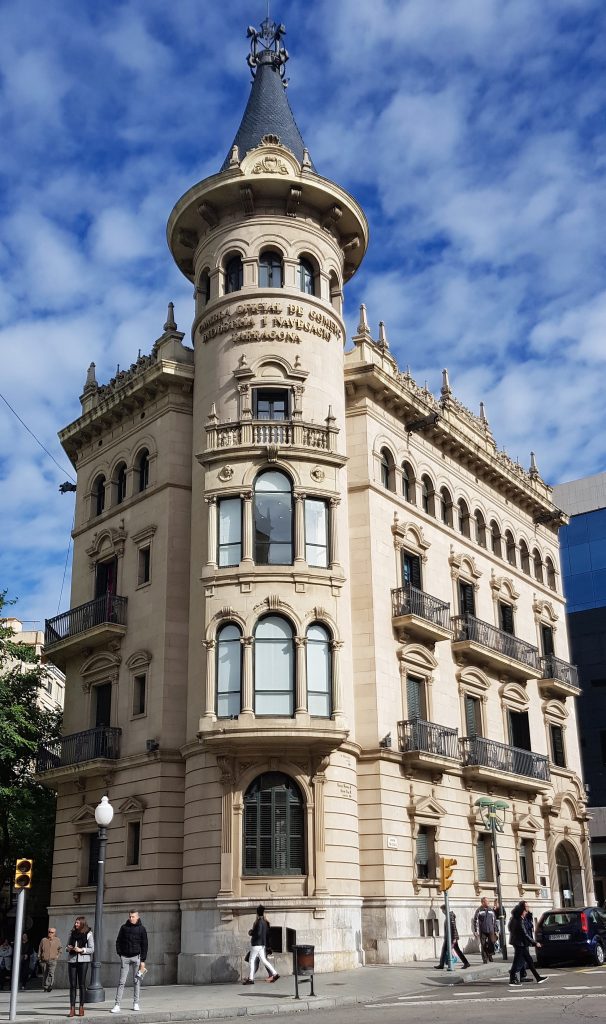
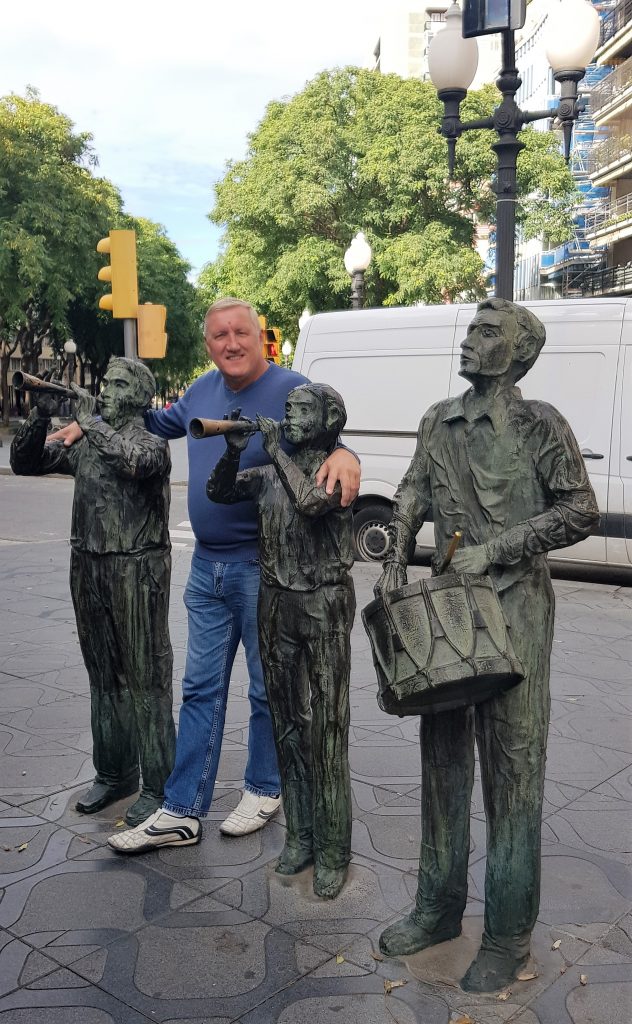
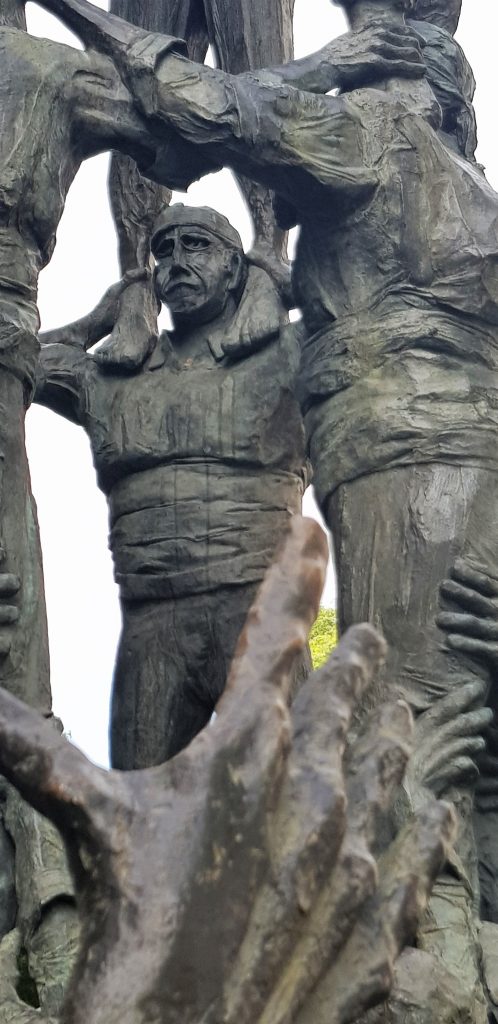
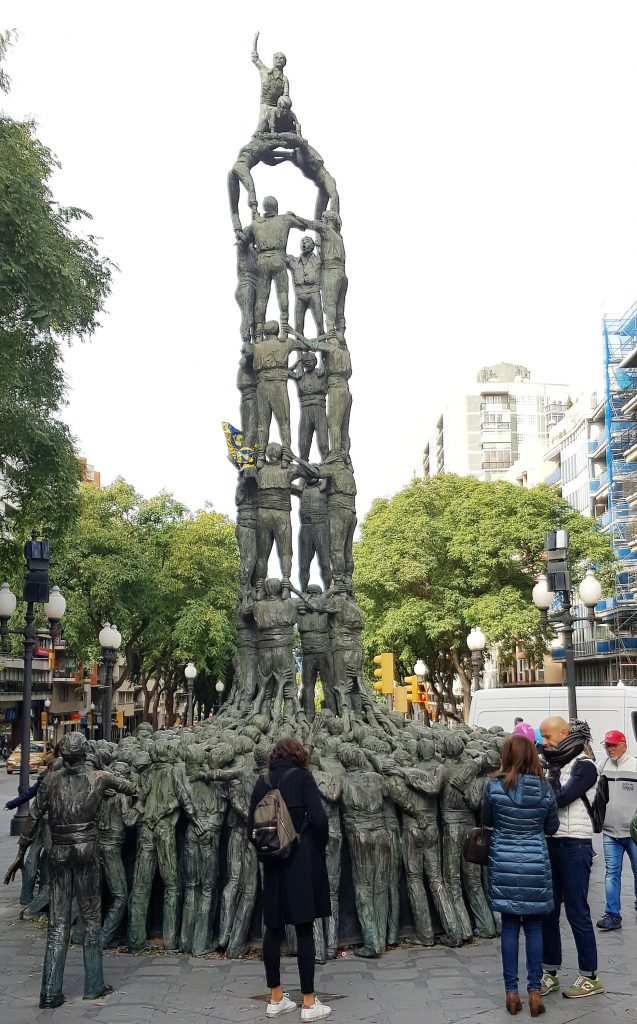
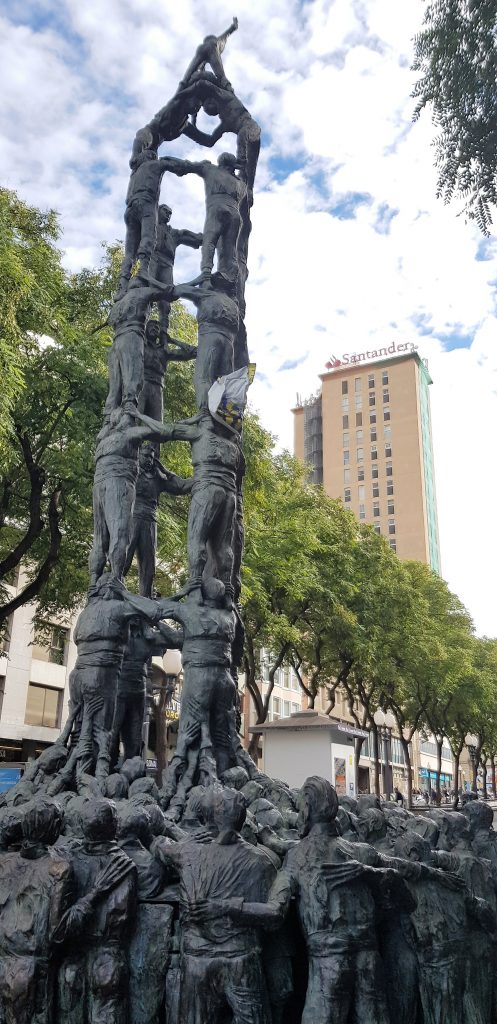
Economically, the city’s wealth comes from the port (an export hub for the Spanish motor industry) and chemical industries in the surrounding industrial areas. Heritage wise, its known for its “human tower” spectacles, where acrobatically trained men and children form human towers, participating in the annual Santa Tecla Festival of music, dance, short farcical displays and which has been held since 1321. Its also home to the Dixieland Festival – a major musical event in Catalonia! Its a jazz festival, started in 1994, and offers a large number of bands and over 100 concerts in the week before Easter.
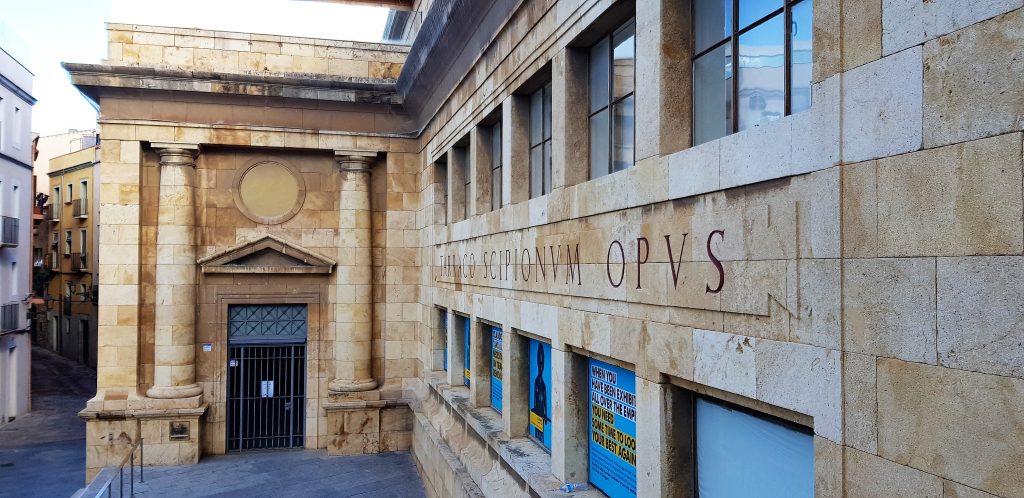
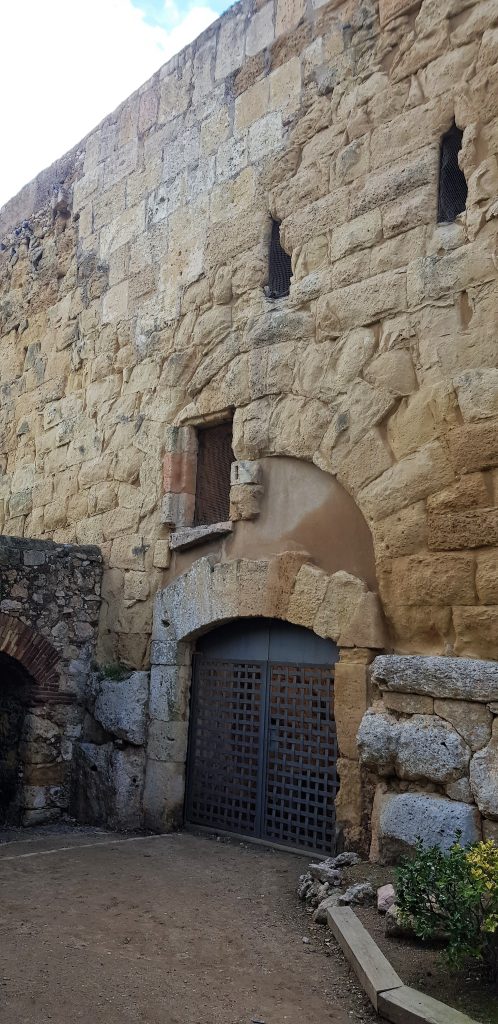
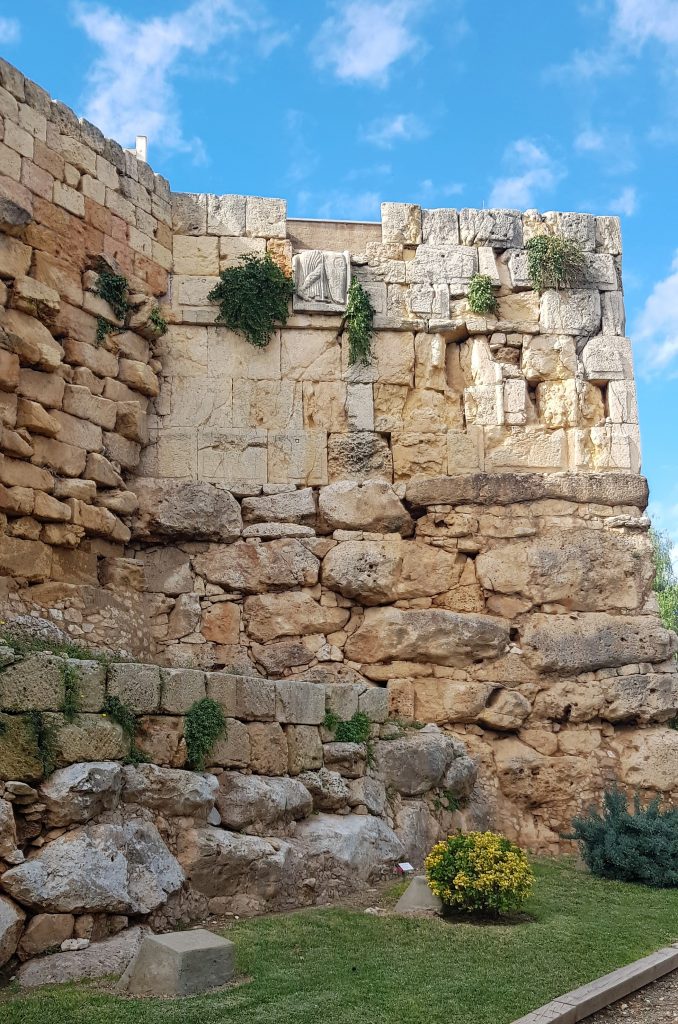
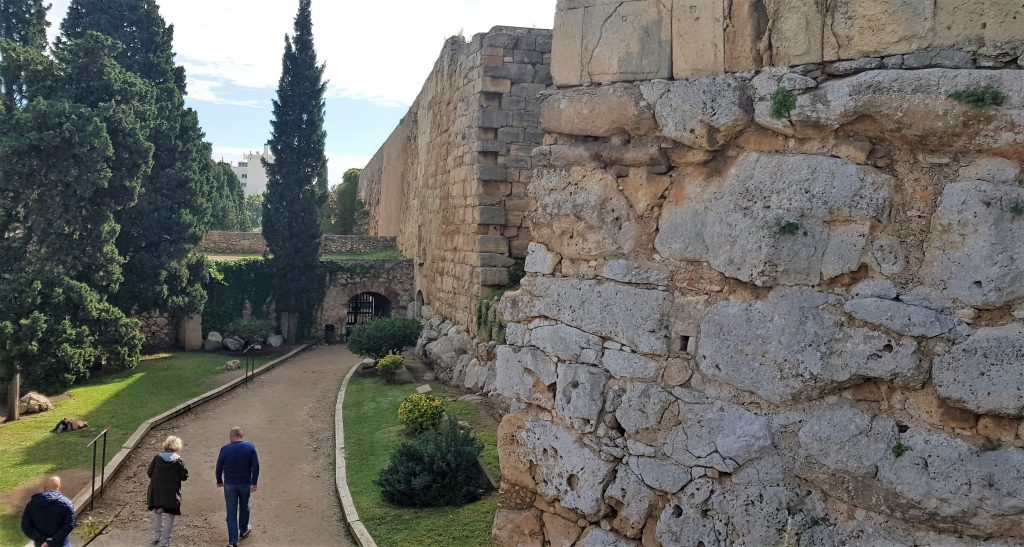
The ancient remains are a UNESCO World Heritage Site, there are remains of walls throughout the city, Augustus’s palace was a prison up to the 19th century, the ampitheatre has been retained, a circus and forum are still visible, a Roman built aquaduct (sadly not visited) still stands outside the city (700 feet long, 85ft high), a citadel is within the city as well as numerous monuments with scriptures chiselled into them. The cathedral is within the old city walls, as is a convent.

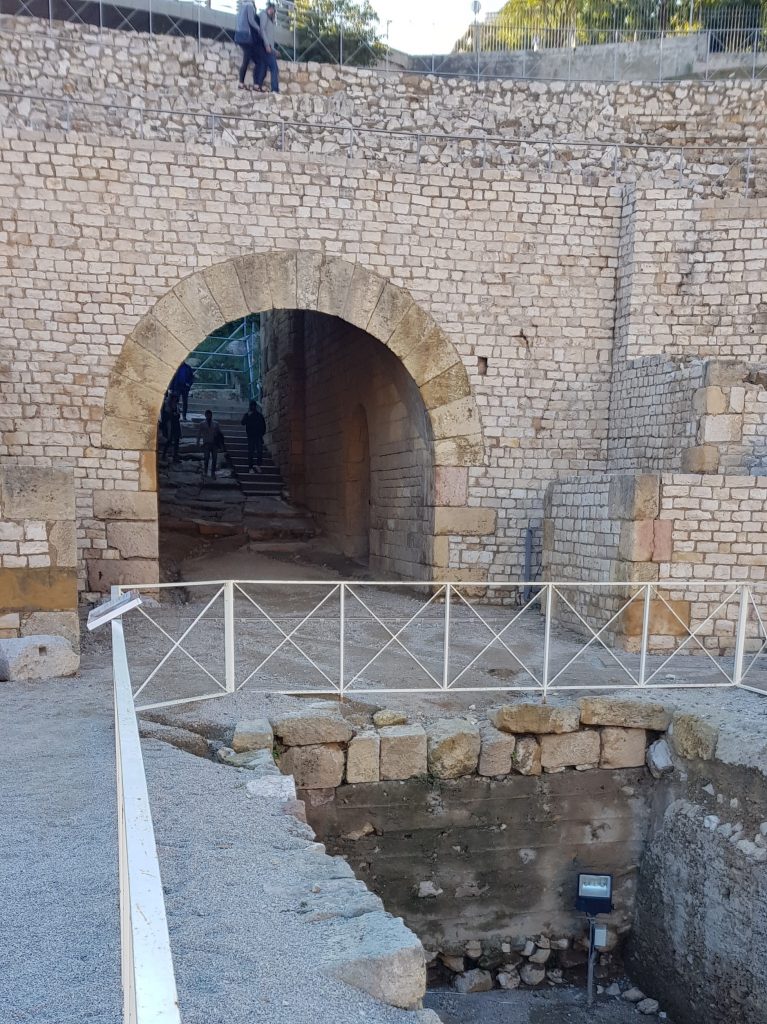
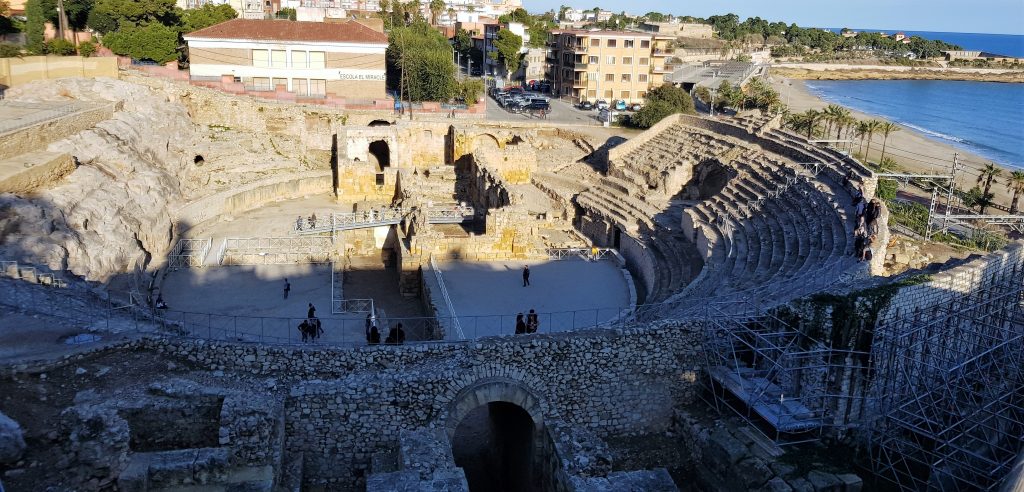
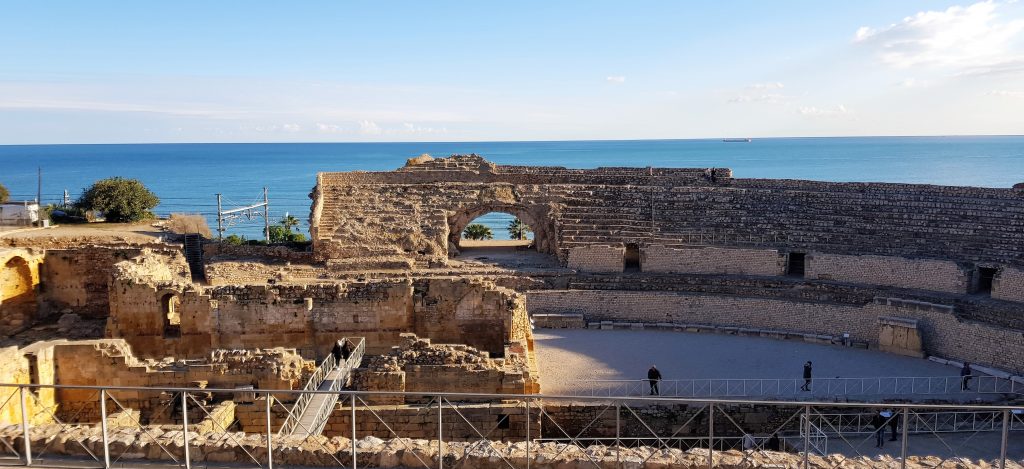
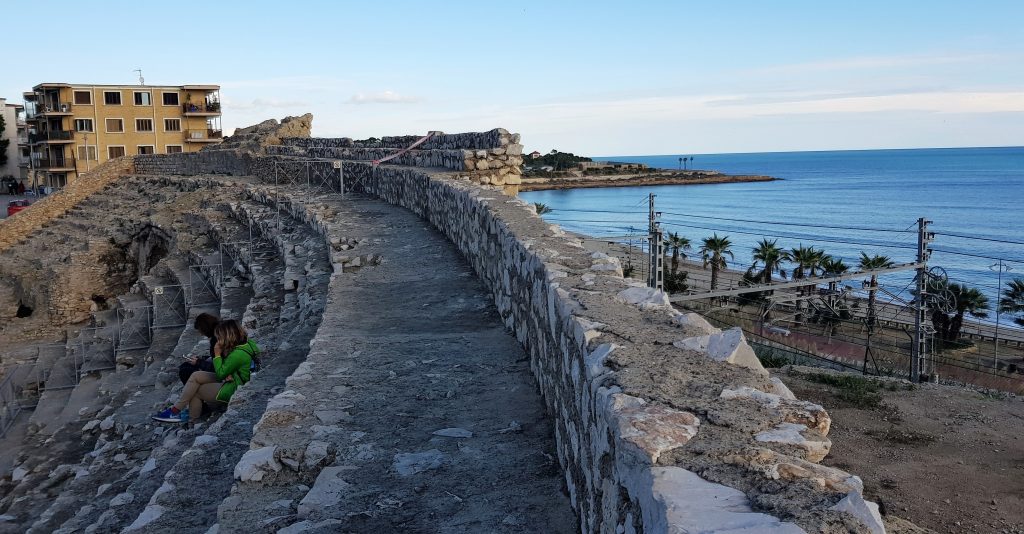
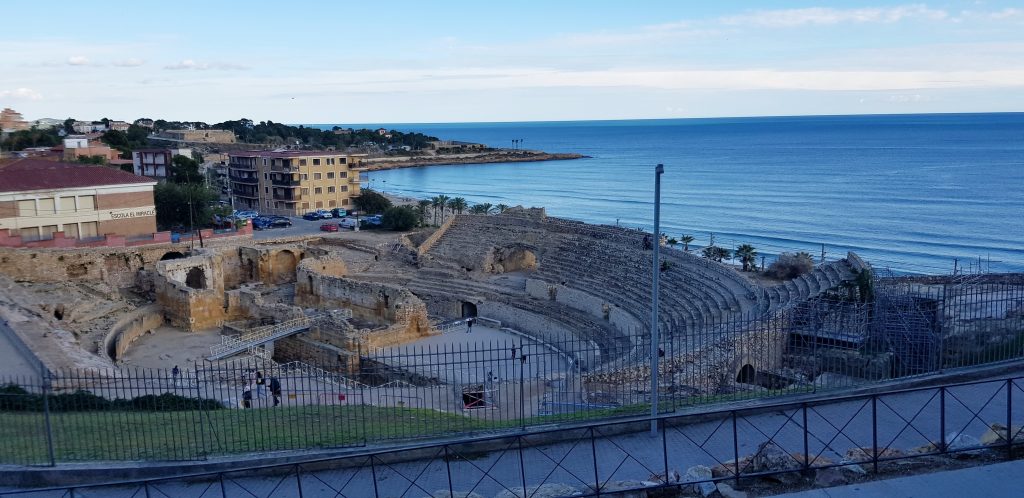
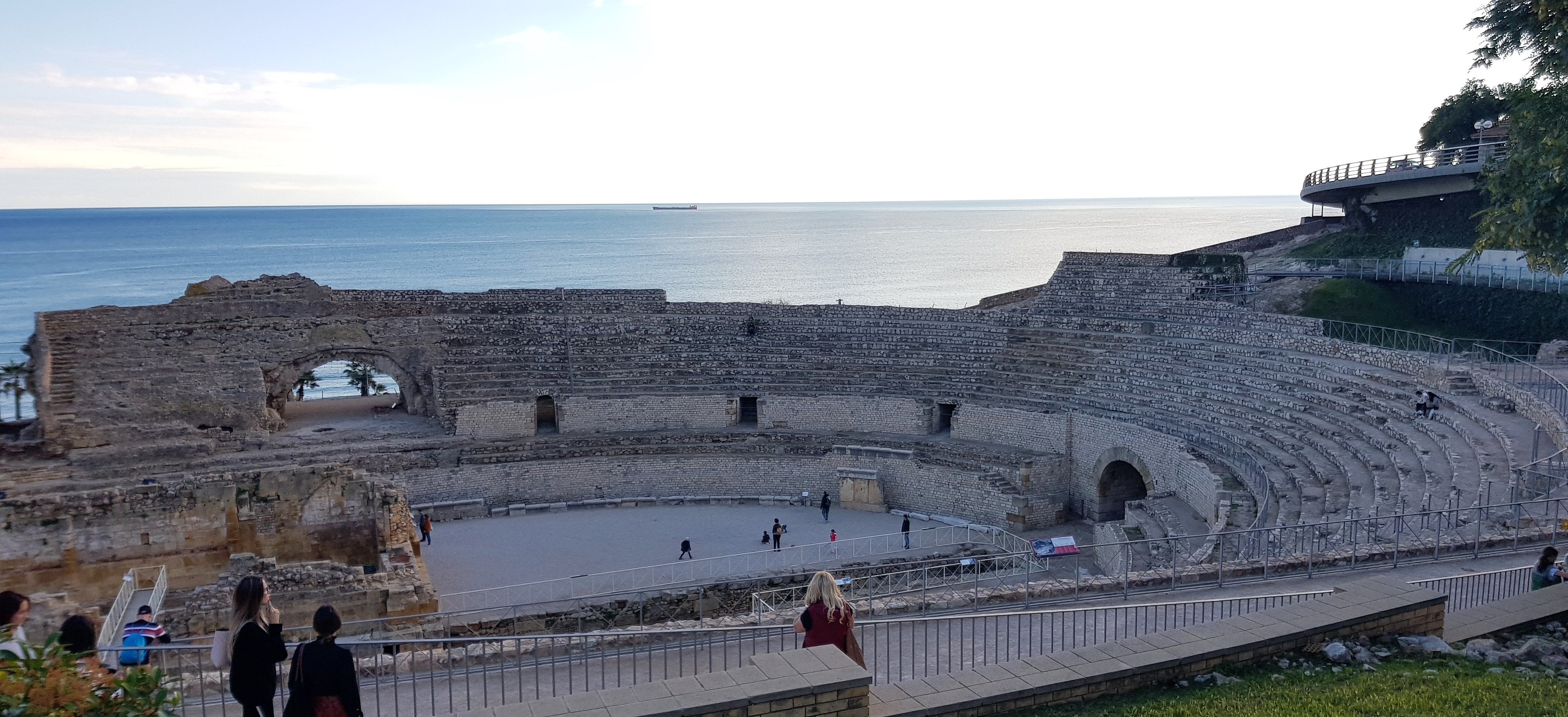
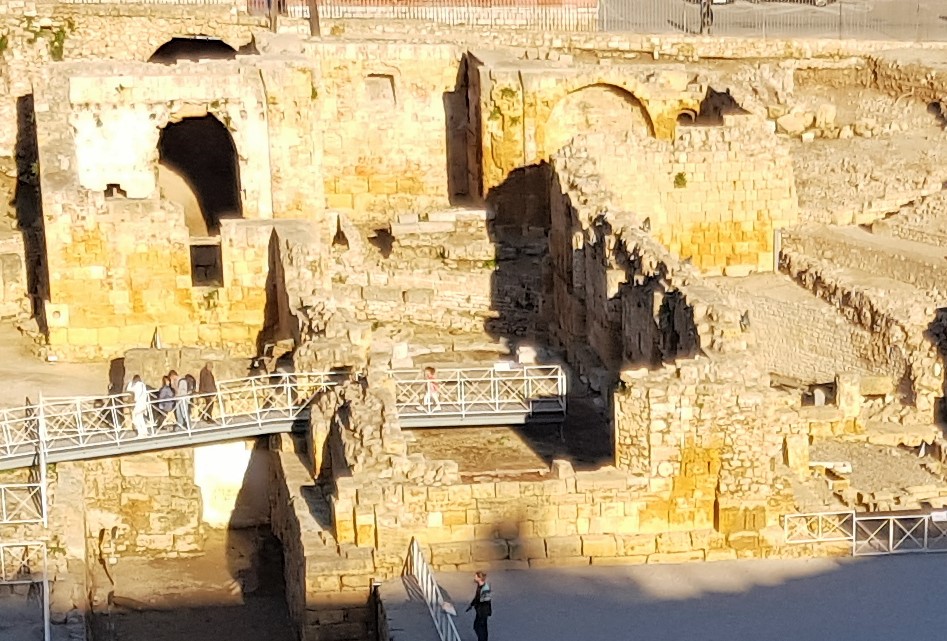
The most amazing site was the oval ampitheatre. Overlooking the blue Mediterranean sea, it was built 109m x 86m wide, on a base of huge stone blocks, with tunnels, drains, service doors and monumental entrances and even a pulley system to lift animals or fighters from the cellars below to the floor of the arena. The walls were made from rock, posts and lintels, concrete archways and concrete walls, as well as solid boxes with rubble infil.
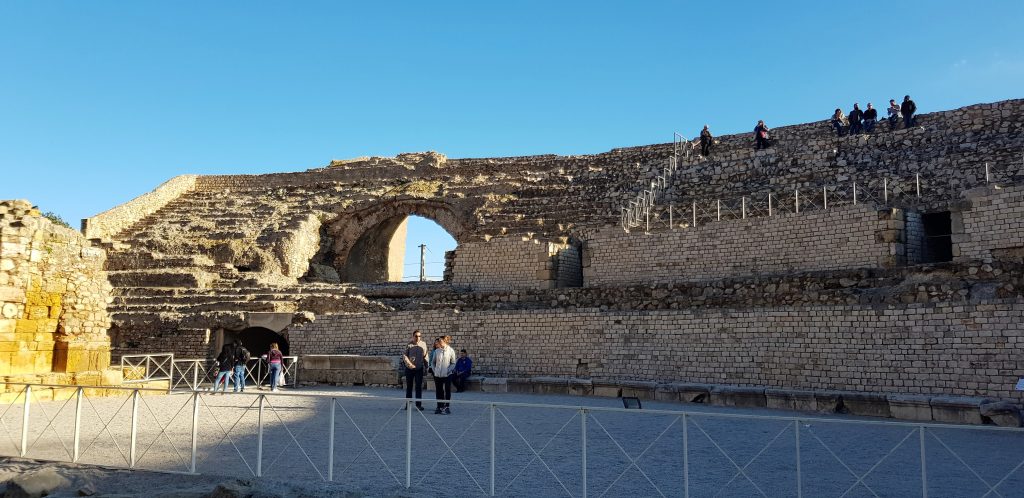
The three distinct levels were ordered by hierarchy, nearest to the arena were more comfortable seats, which the upper level was standing room only. The underground service passages are totally preserved as is a private sanctuary for the workers. The rainwater was channeled to the middle where a gutter passes under the stands to drain the water into the sea. The buildings maximum capacity was estimated at 12,750 people when the arena was fully circular. This was worked out by dividing lines cut into the stones at 40cm spaces.

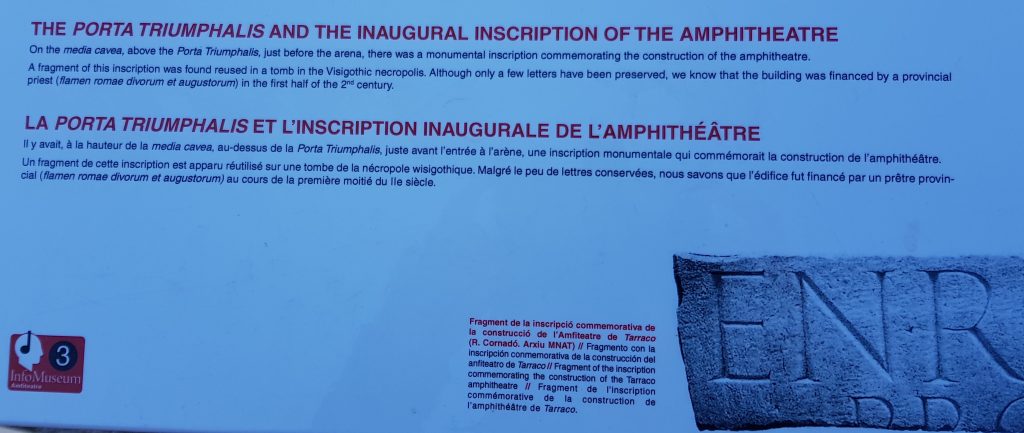
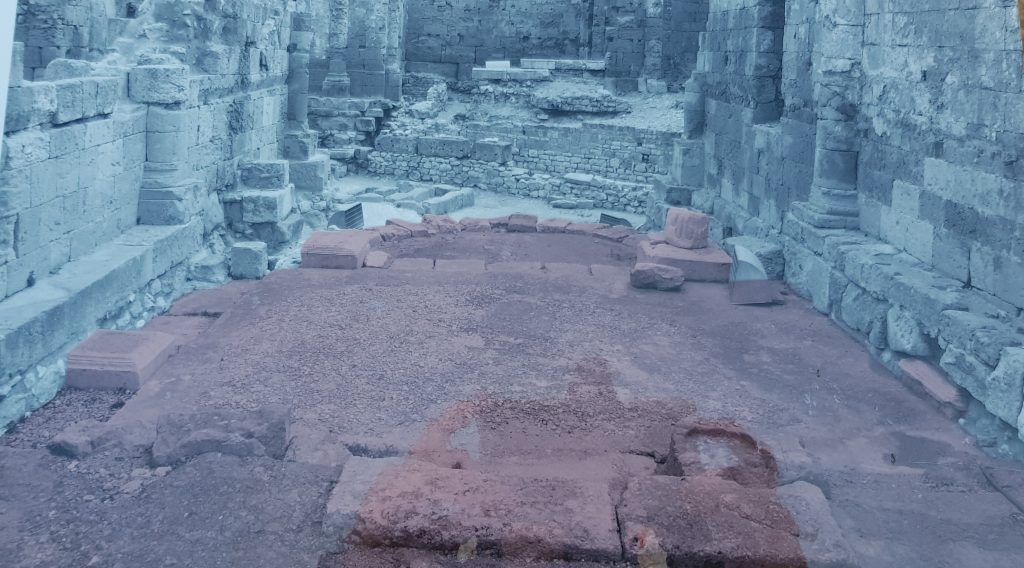
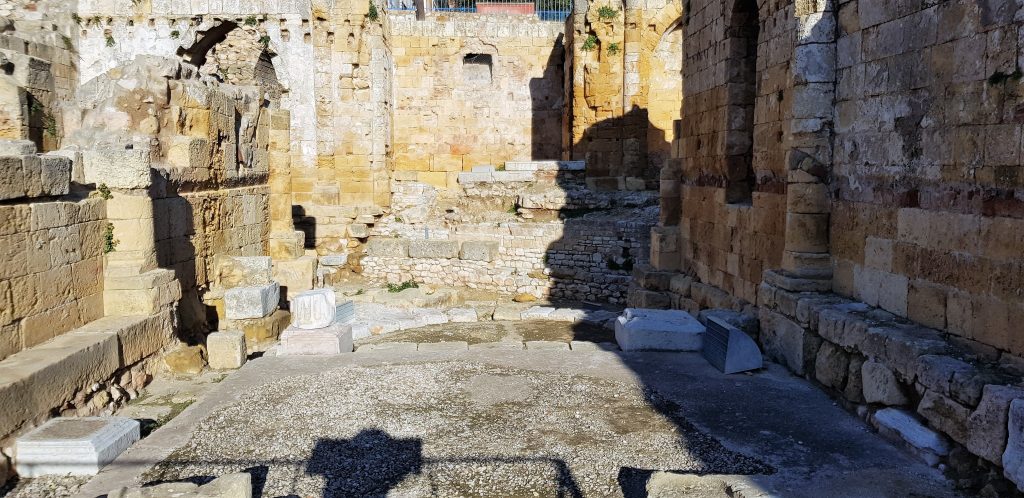
There are documents that confirm that on Friday 21st January 259, Bishop Fructuosus and his two Deacons, Augurius and Eulogius, were burned to death in the Ampitheatre’s arena, deigned by Emperor Valerian during the days of Christian persecution. It was used for gladiator games or fights, athletic displays, and where death sentences were carried out. During the 6th Century a basilica was built within the grounds of the arena to commemorate the martyrdom of Bishop Fructuosus, it was 13m wide, 22.7m long with a horseshoe apse as well as a small annex which was used for baptism and funeral services. After Christianity became the official religion for the area, the Basilica and arena was not used as much and fell into disrepair; when the Islamic invasion of Spain started in the 12th century another church was built over the remains of the Basilica, in Romanesque style, demolished in 1915. The floors of both buildings remain visible. The church and nearby buildings were eventually used as a convent then in 1780 it became a prison for prisoners constructing the port. After closing, it was abandoned until the mid 20th century when work began on its preservation.

The ampitheatre is linked to the Forum and Circus in the main city by means of cobbled roads, still visible today. The Circus held grand horse and chariot races, and this is often seen in shop fronts, doorway details and archways where stores have been built on top of vaults. The Forum no longer exists but the square which was its base, is now home to a placa (or square) full of cafes and restaurants where people still gather and discuss their days.

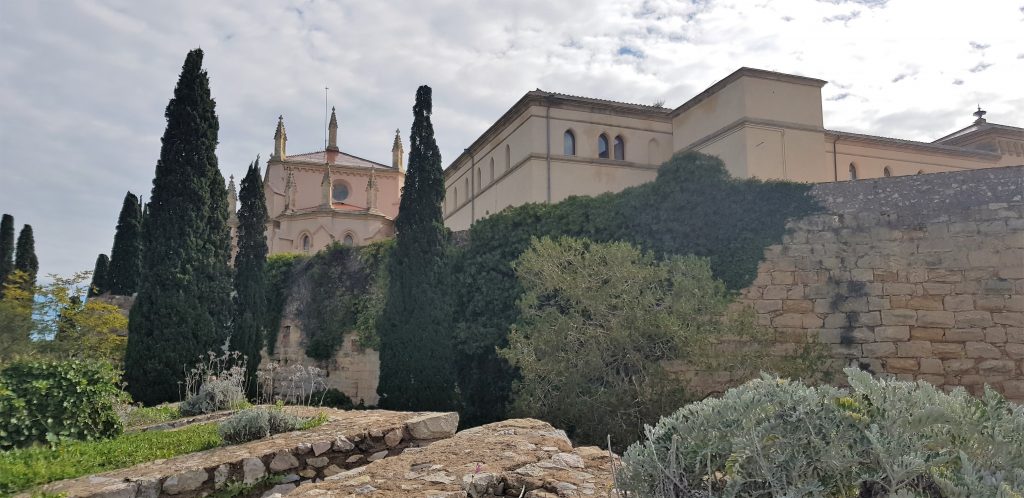
The Cathedral is built on the grounds of a former Roman temple, from its tower you can clearly see the city walls and other remaining Roman structures and ruins.
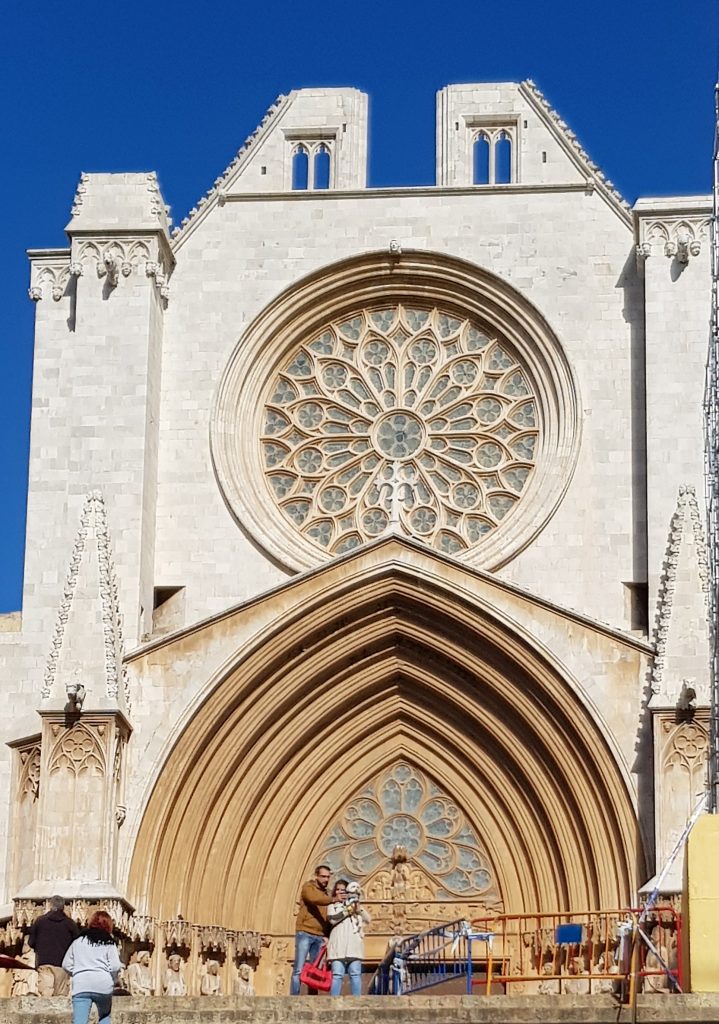
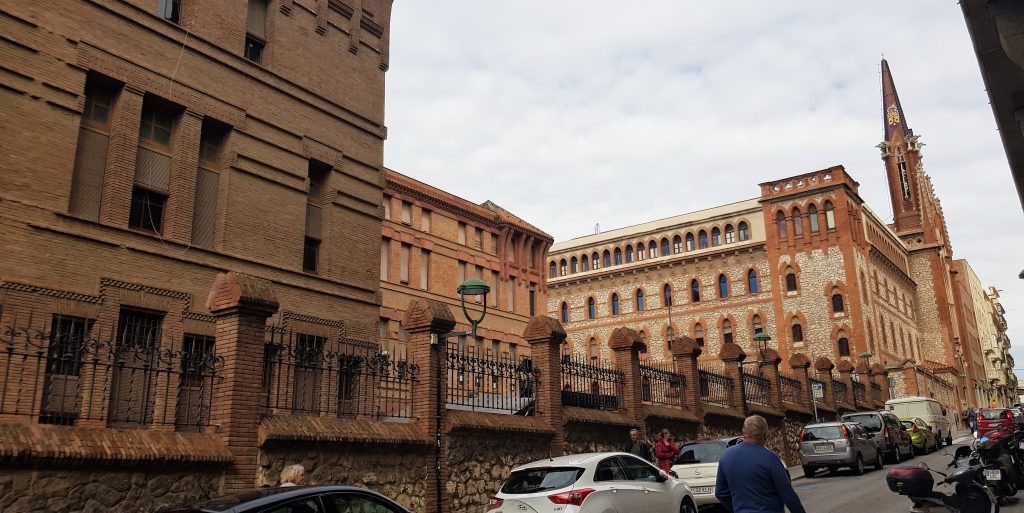
The Cathedral.
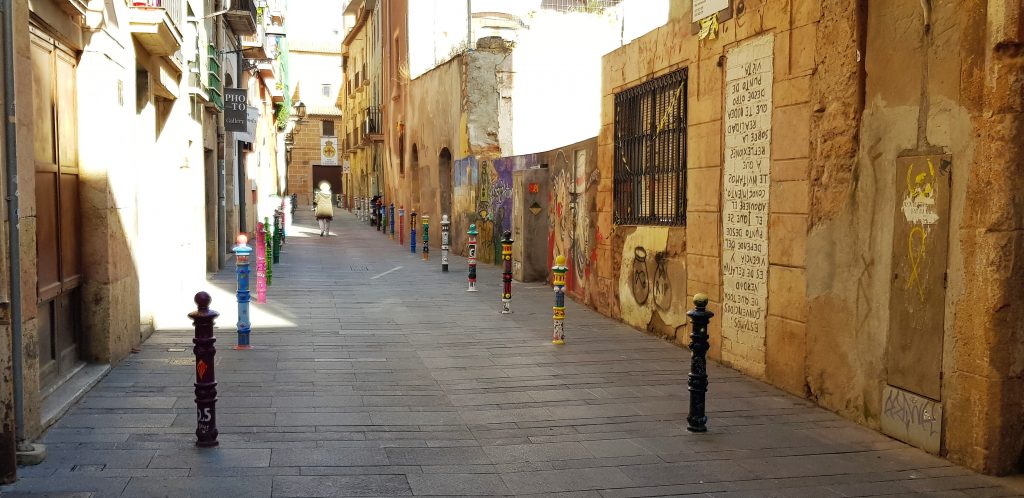
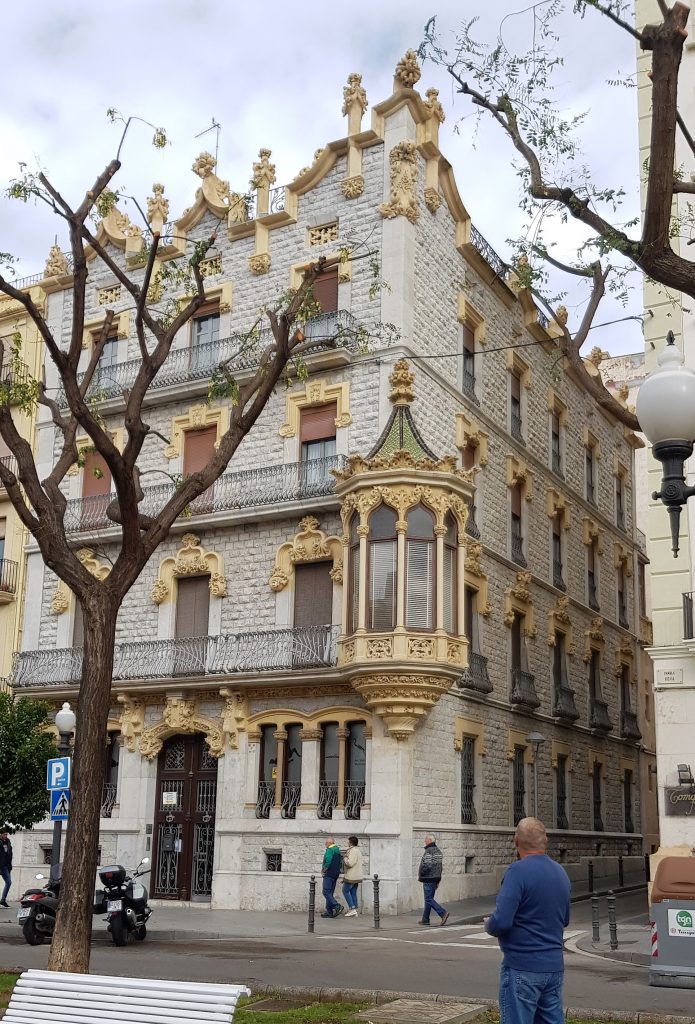
A quirky street, and below, it’s street “furniture”!


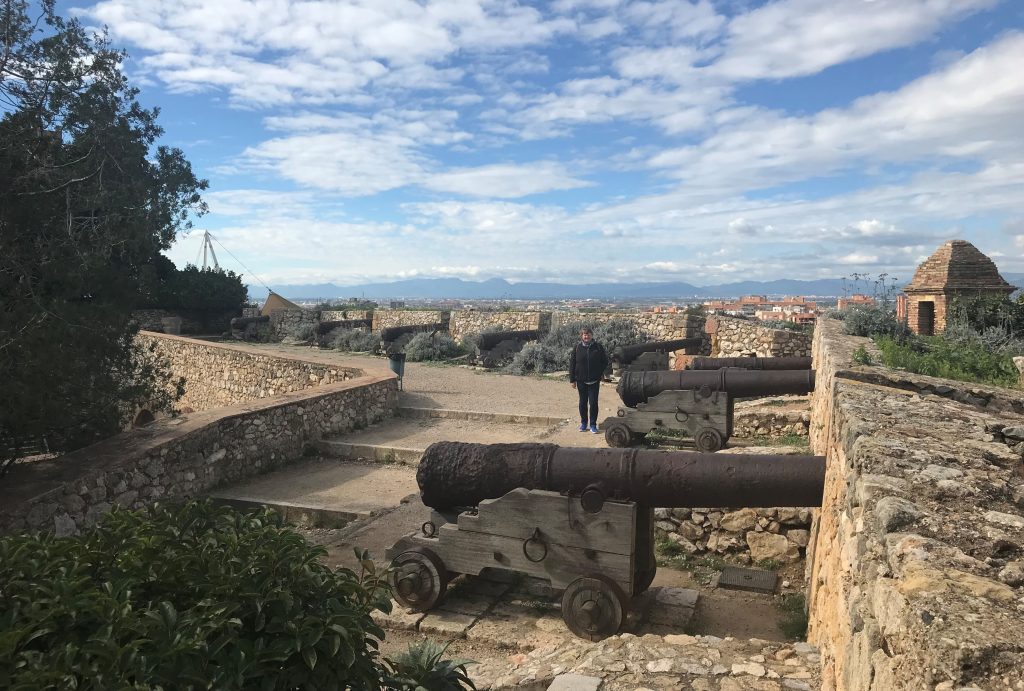
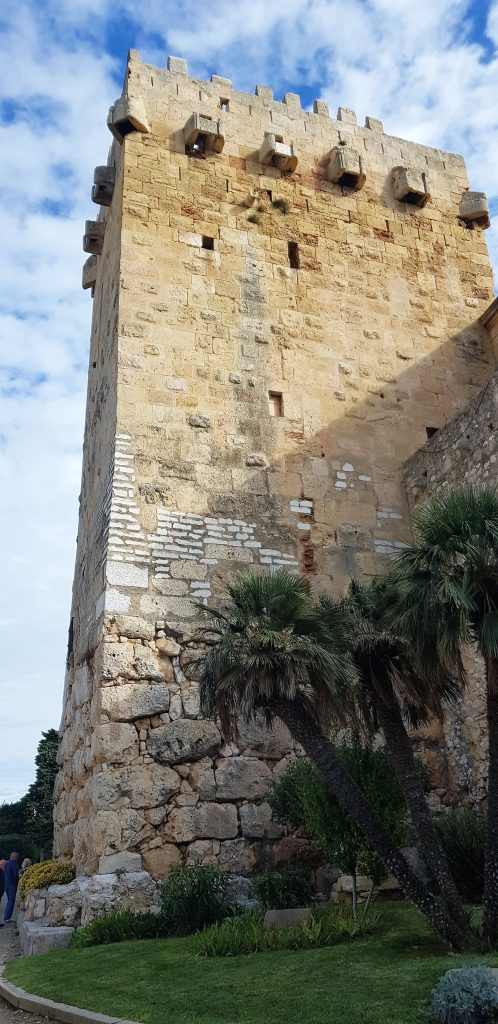
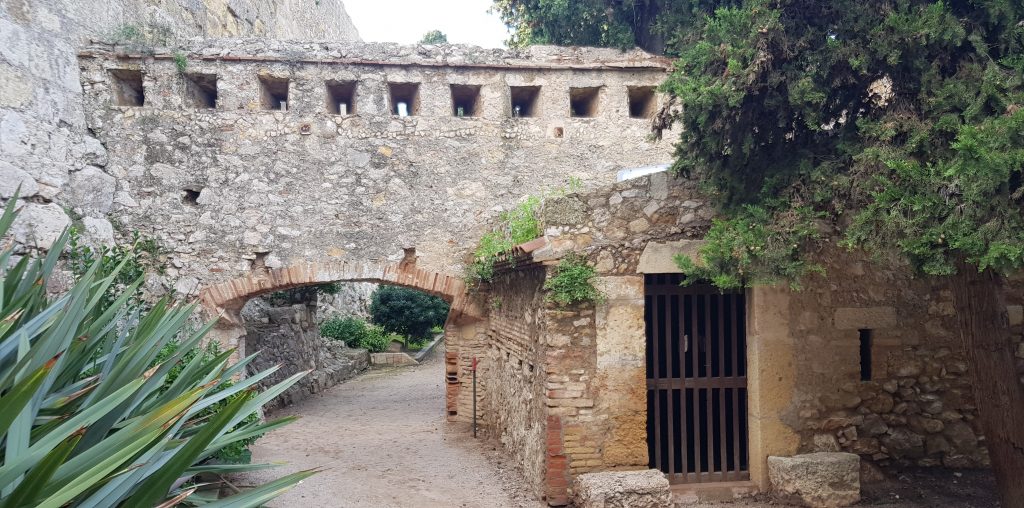
Some views of the city walls.

The Ampitheatre

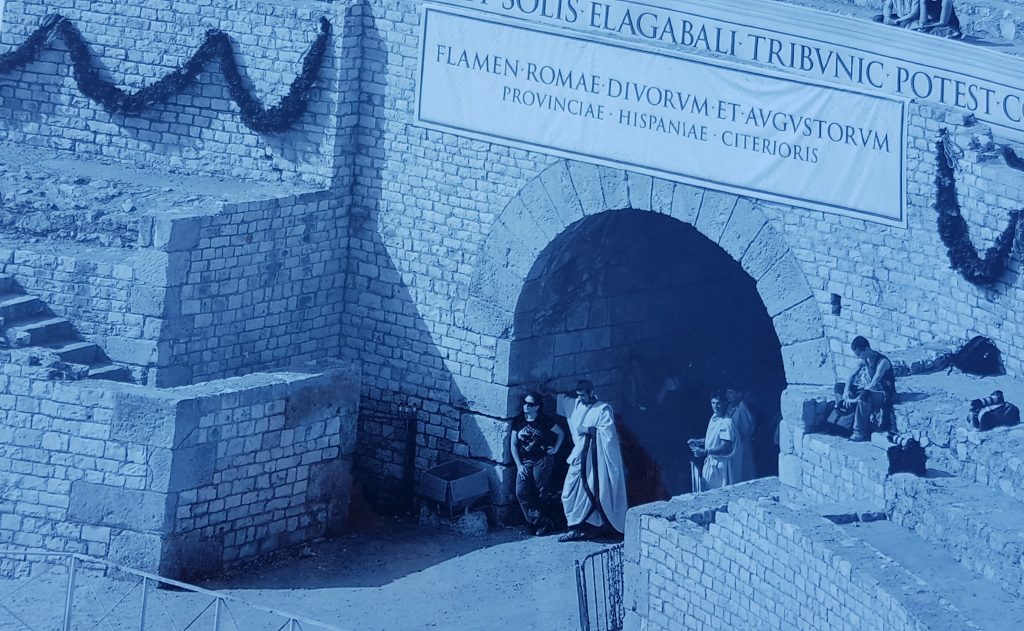
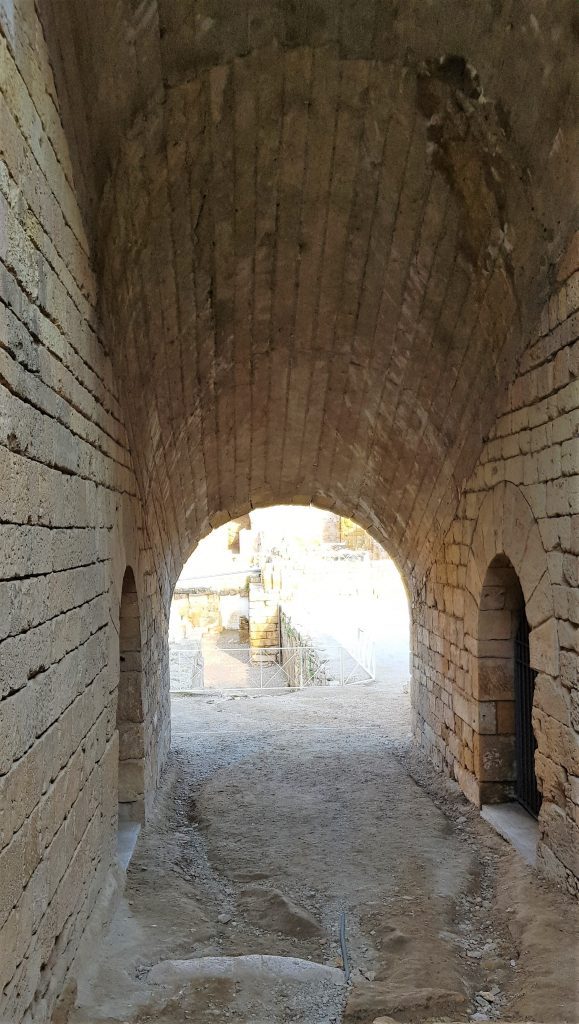
The entrance tunnel
The two different floor layouts, the Basilica in pink, the church in blue, and in reality , below.
 

Seaside Sitges

Sitges

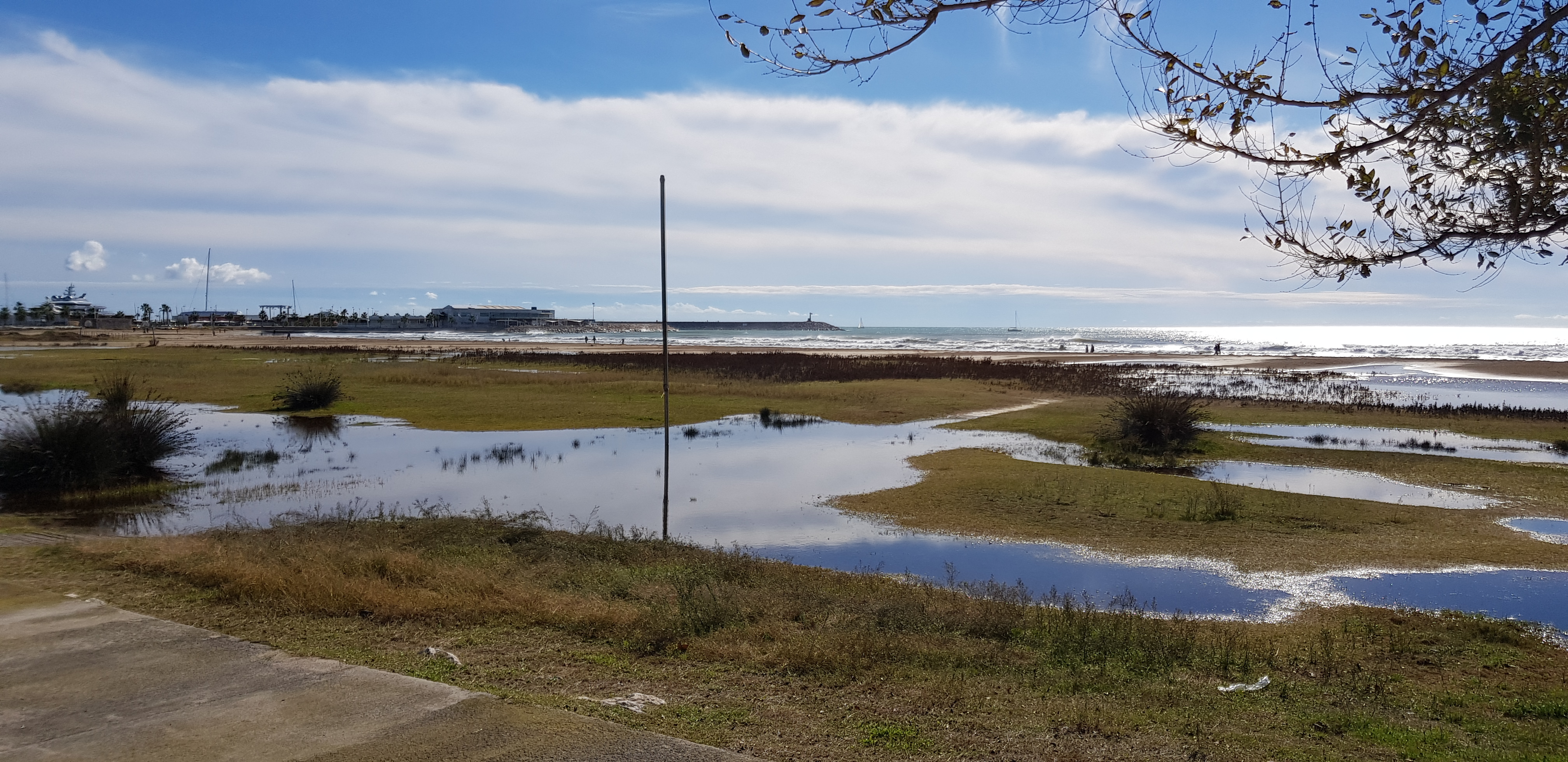
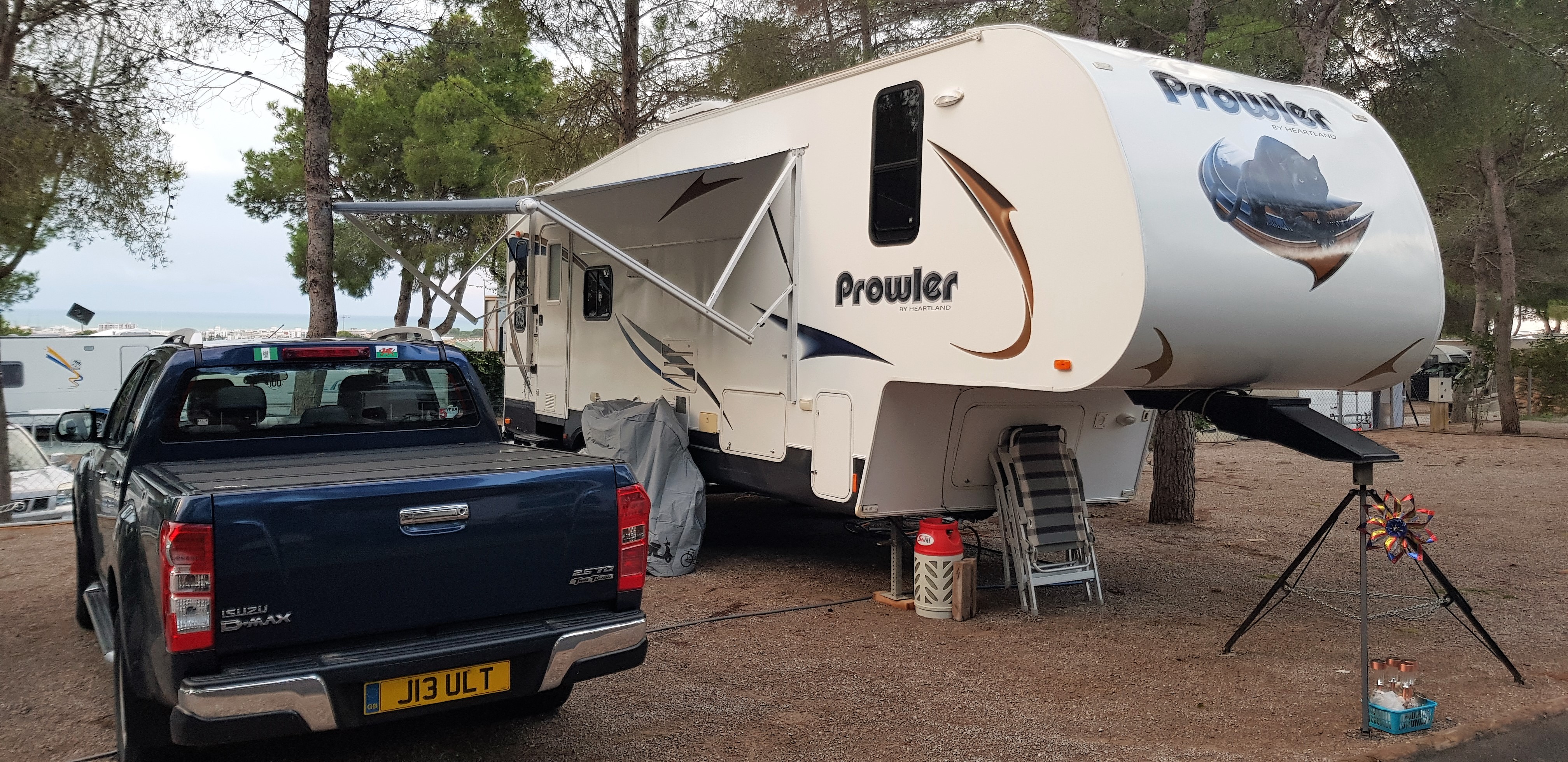
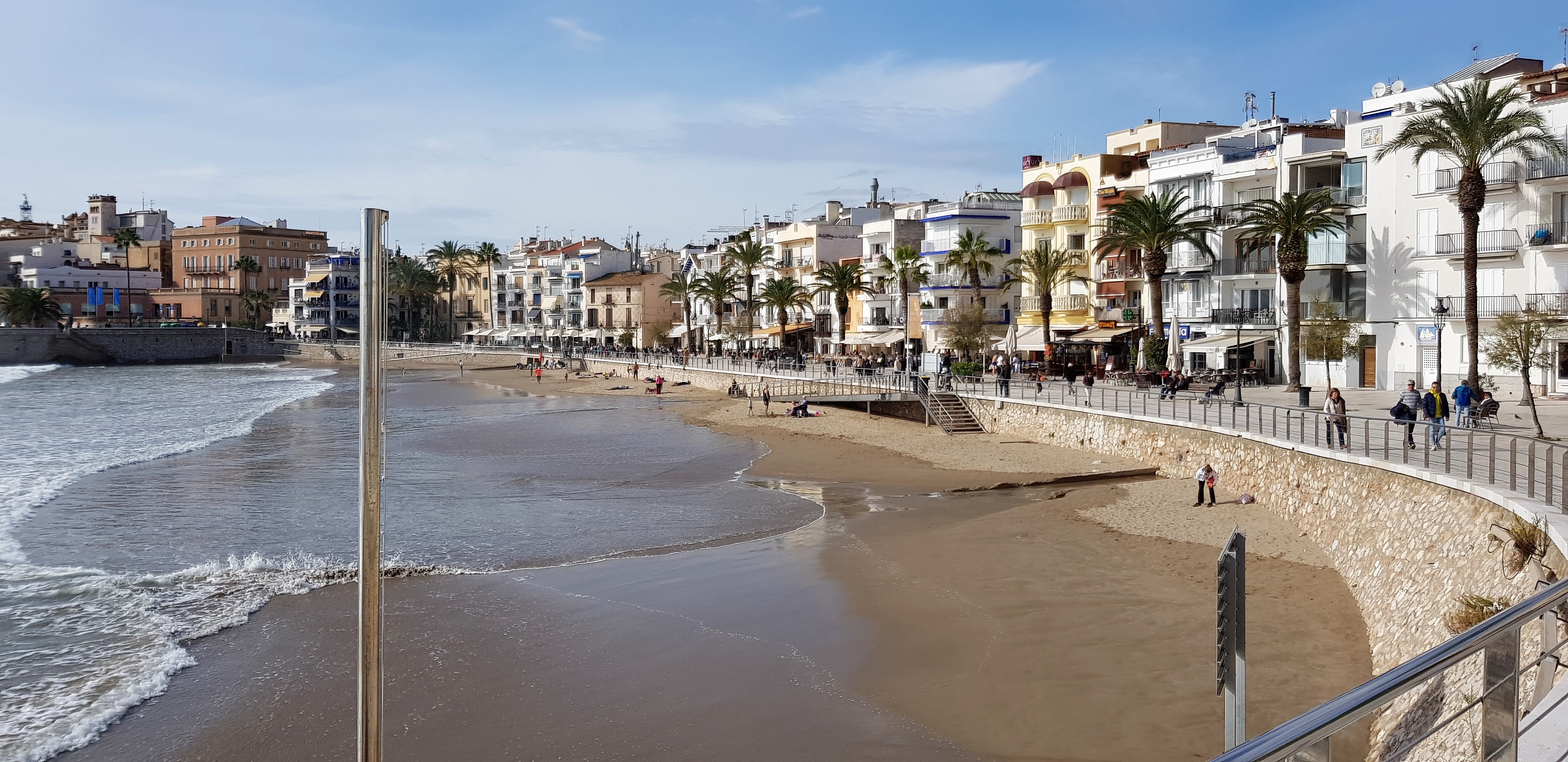
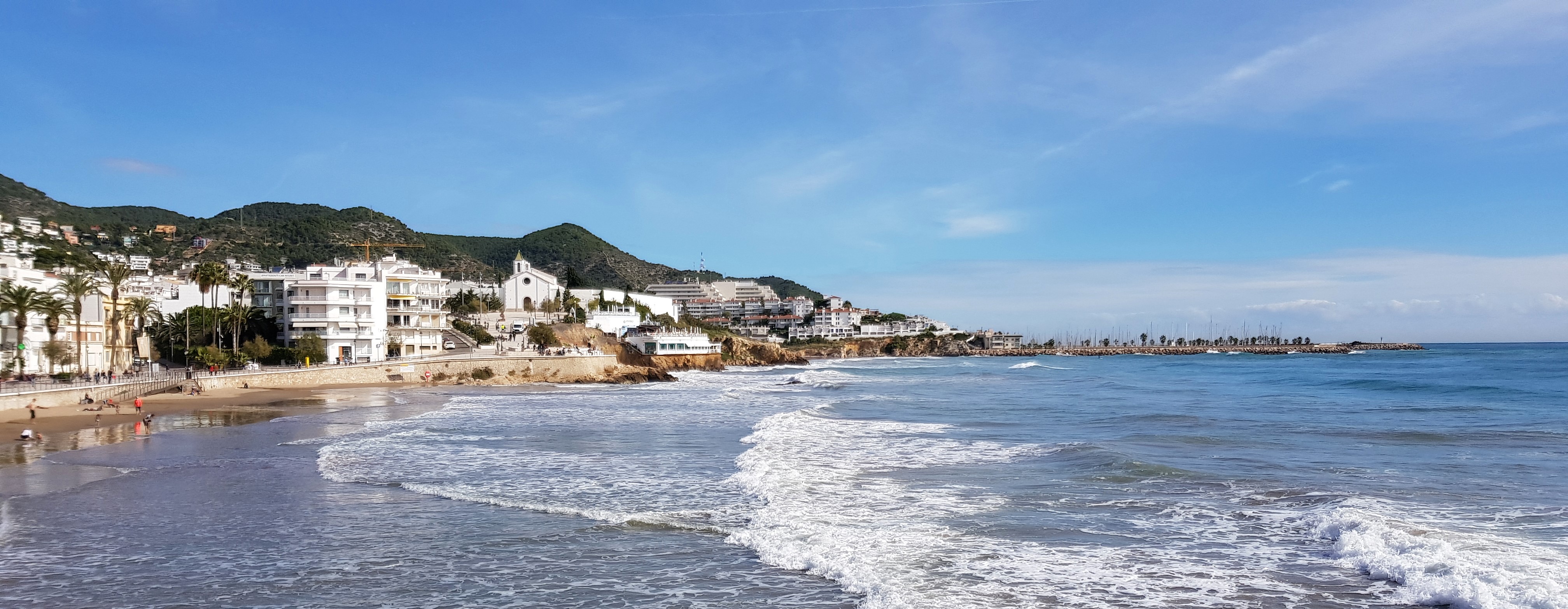
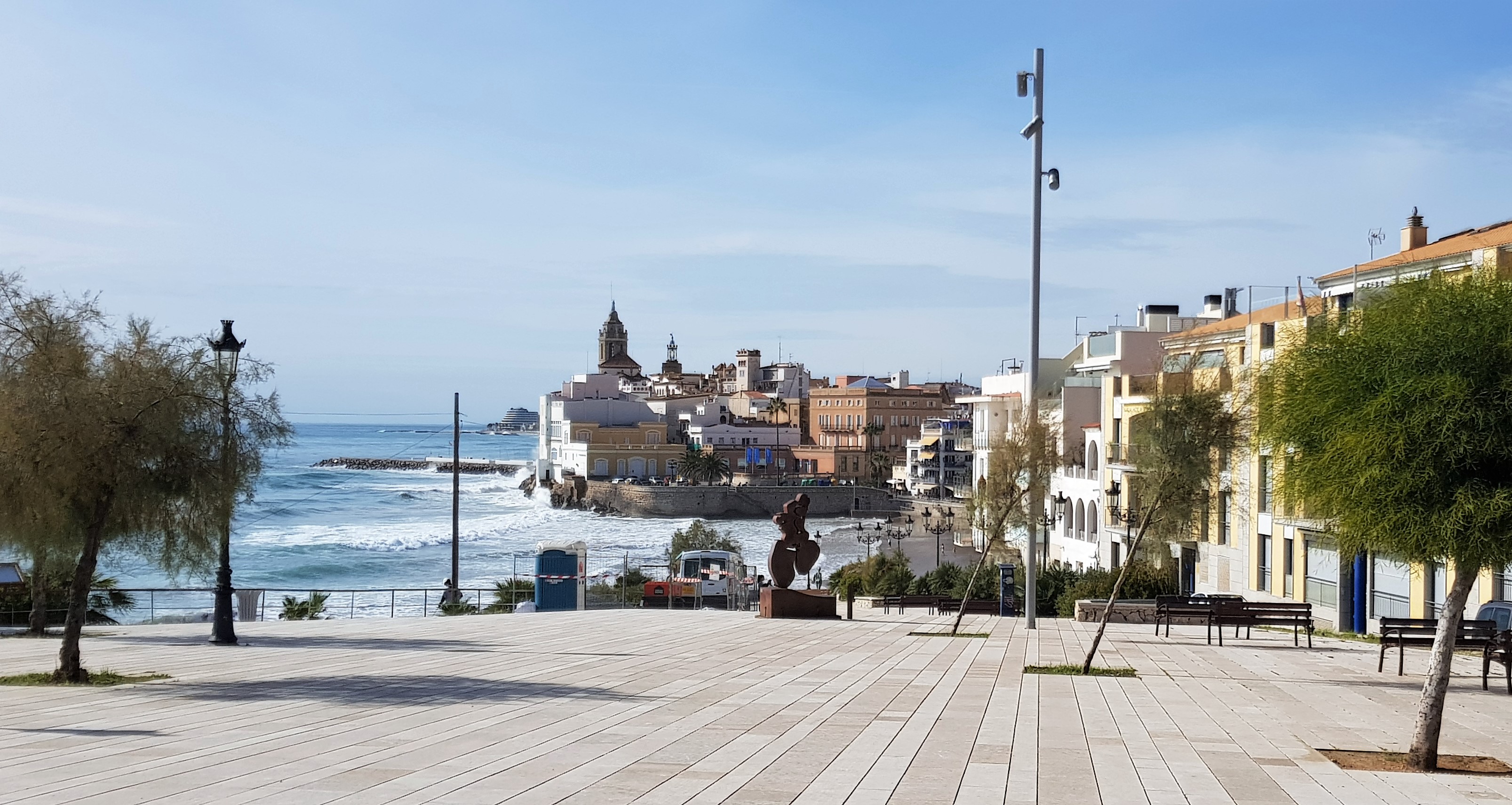
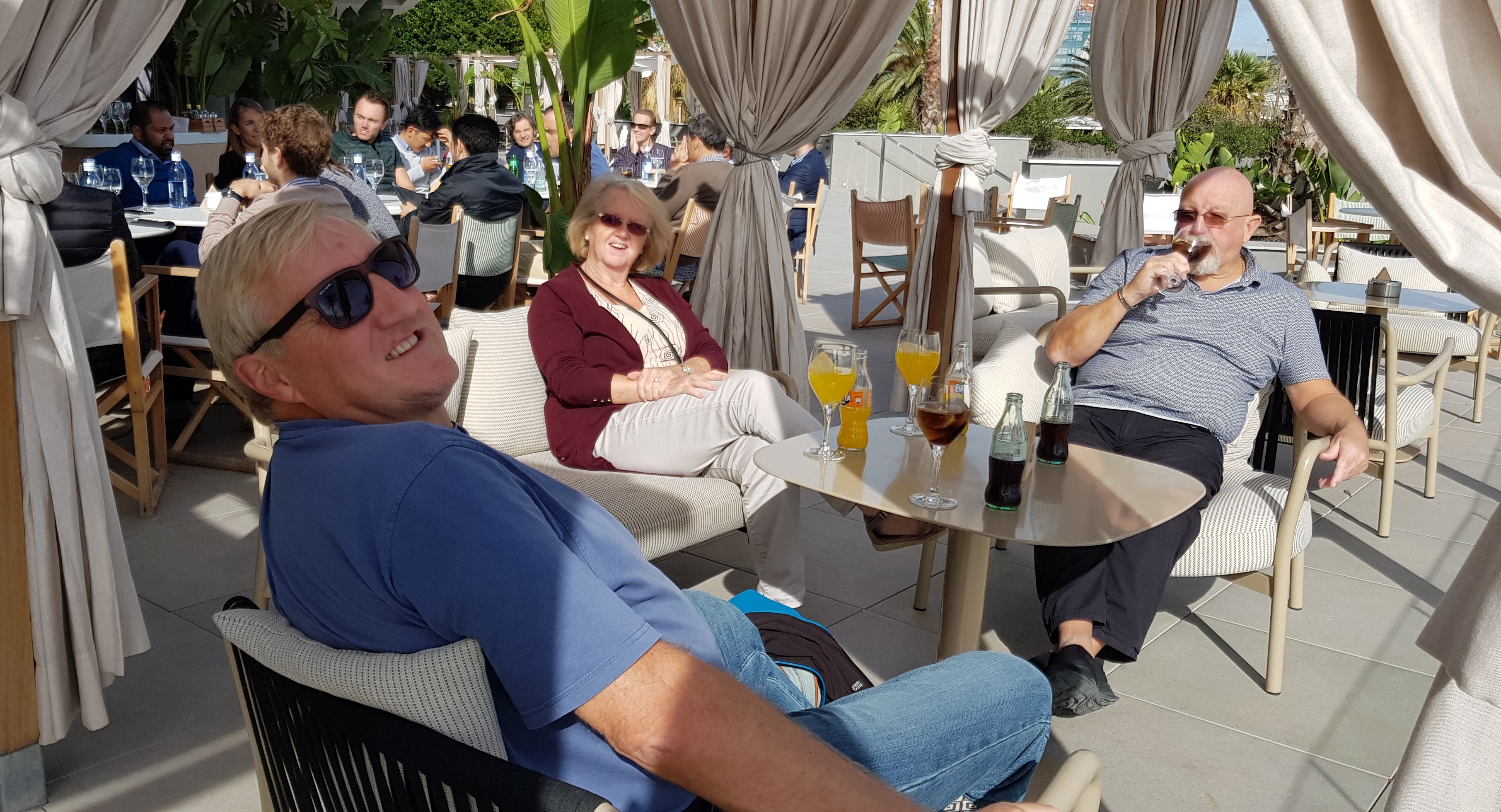
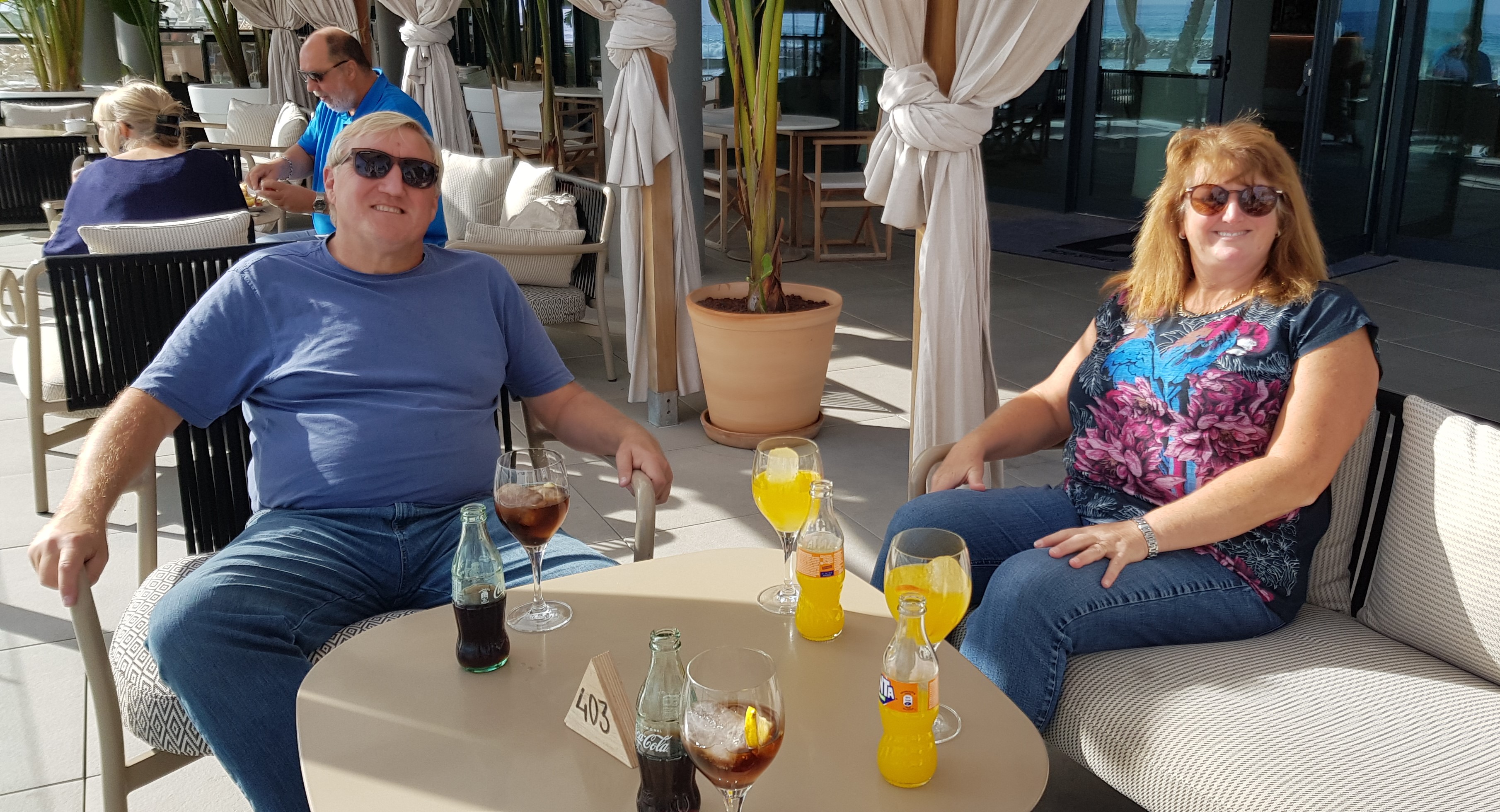
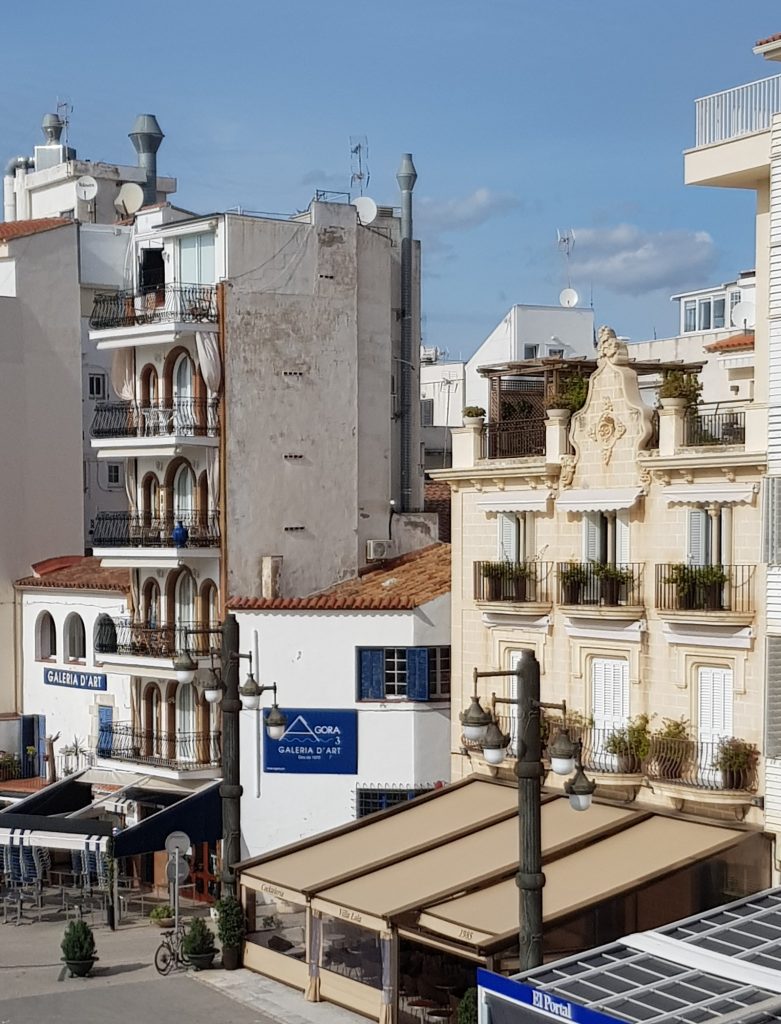
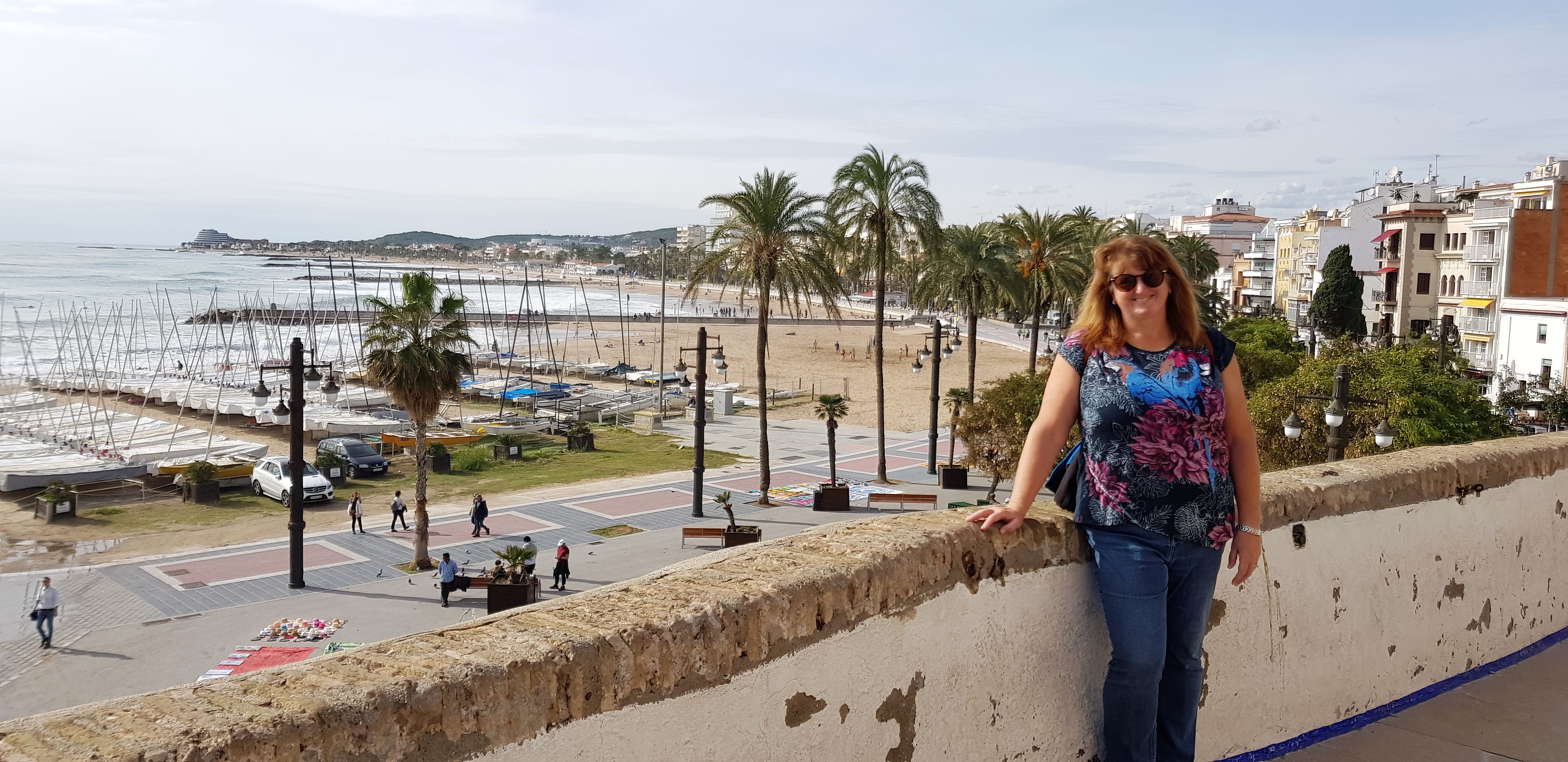
We are now back in Spain, on the Costa Daurada in the Catalan region, just below Barcelona.  We visited this local town on a grey windy day but the views were still wonderful and the sun did come out for a while, just long enough to remove our jumpers, have lunch and a drink, and then walk back to the town.   We were joined by friends Mike and Brenda, who introduced us to our current campsite in Vilanova.  We can see the sea from our pitch, although it is about 5 miles away!!!  Its that blue line on the horizon!  
Sitges


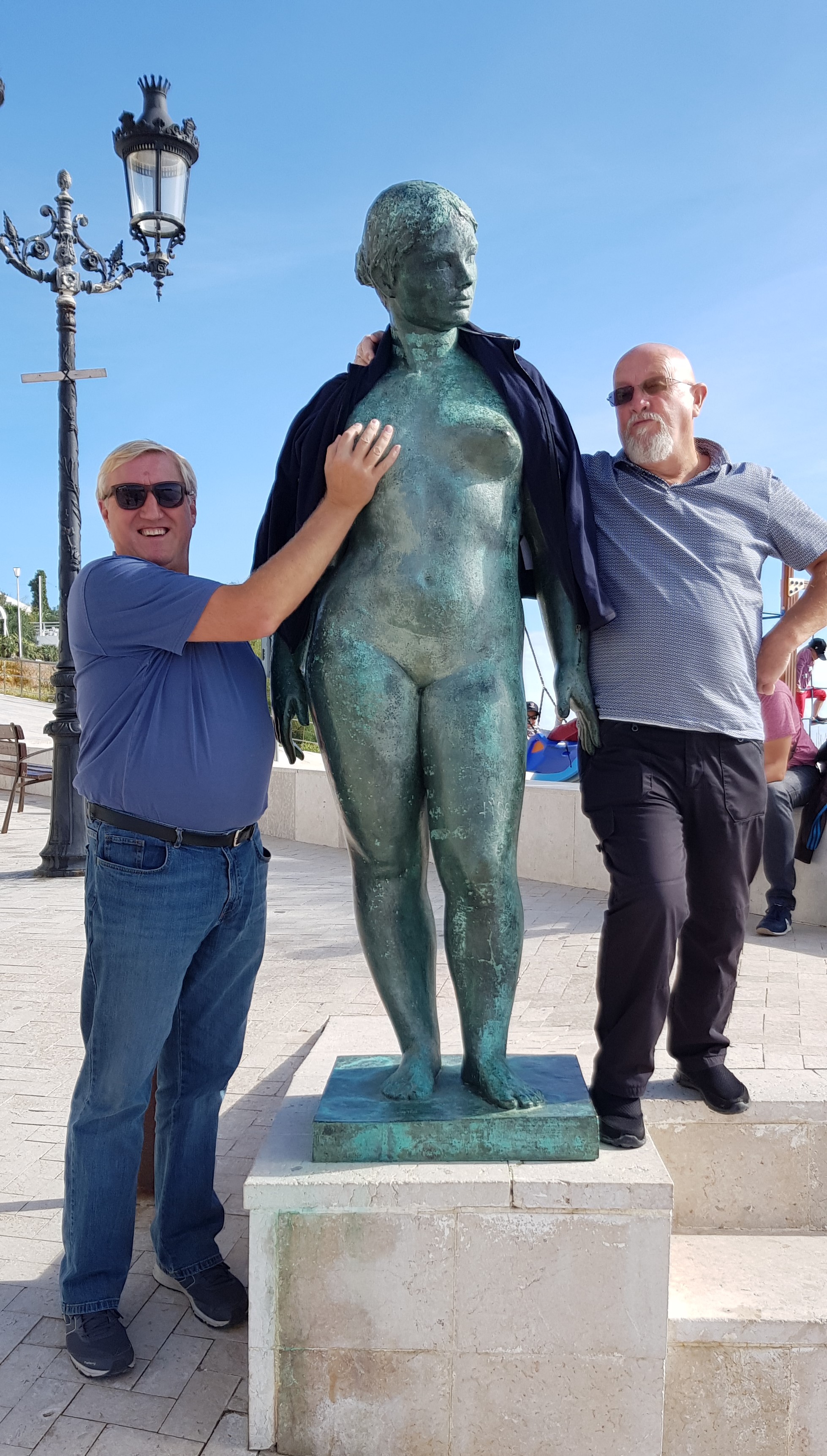
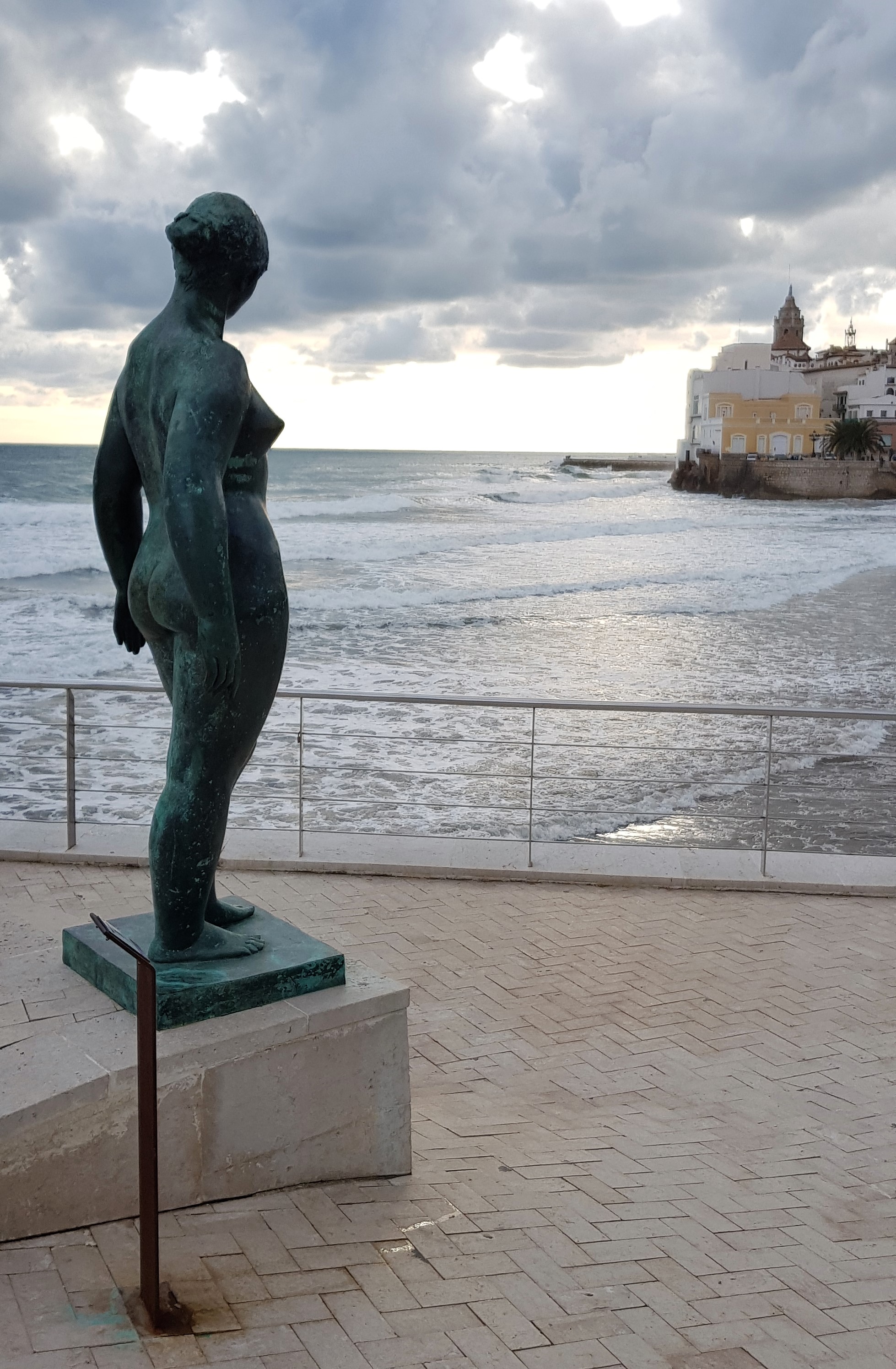
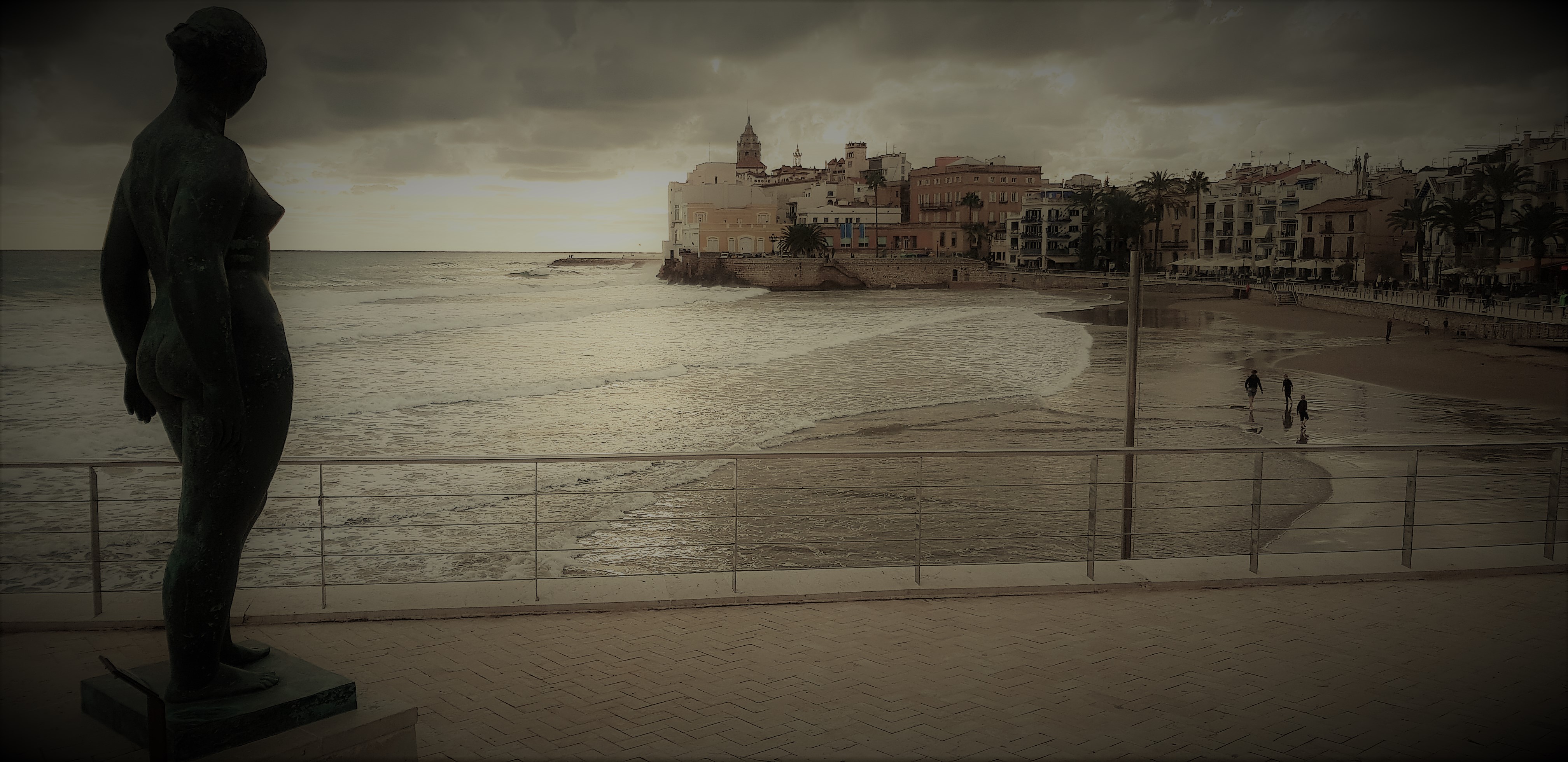
The town of Sitges is known for it’s artistic trends, sculptures adorn the promenades, art galleries are on every street and buildings show off their artistic design, and since the 1960’s when tourism arrived, it has attracted international residents – 40% of it’s population are Dutch, British and French. It’s also popular with the Spanish, probably for its 17 sandy beaches! Several are nudist beaches, and one is set aside purely for the gay community.


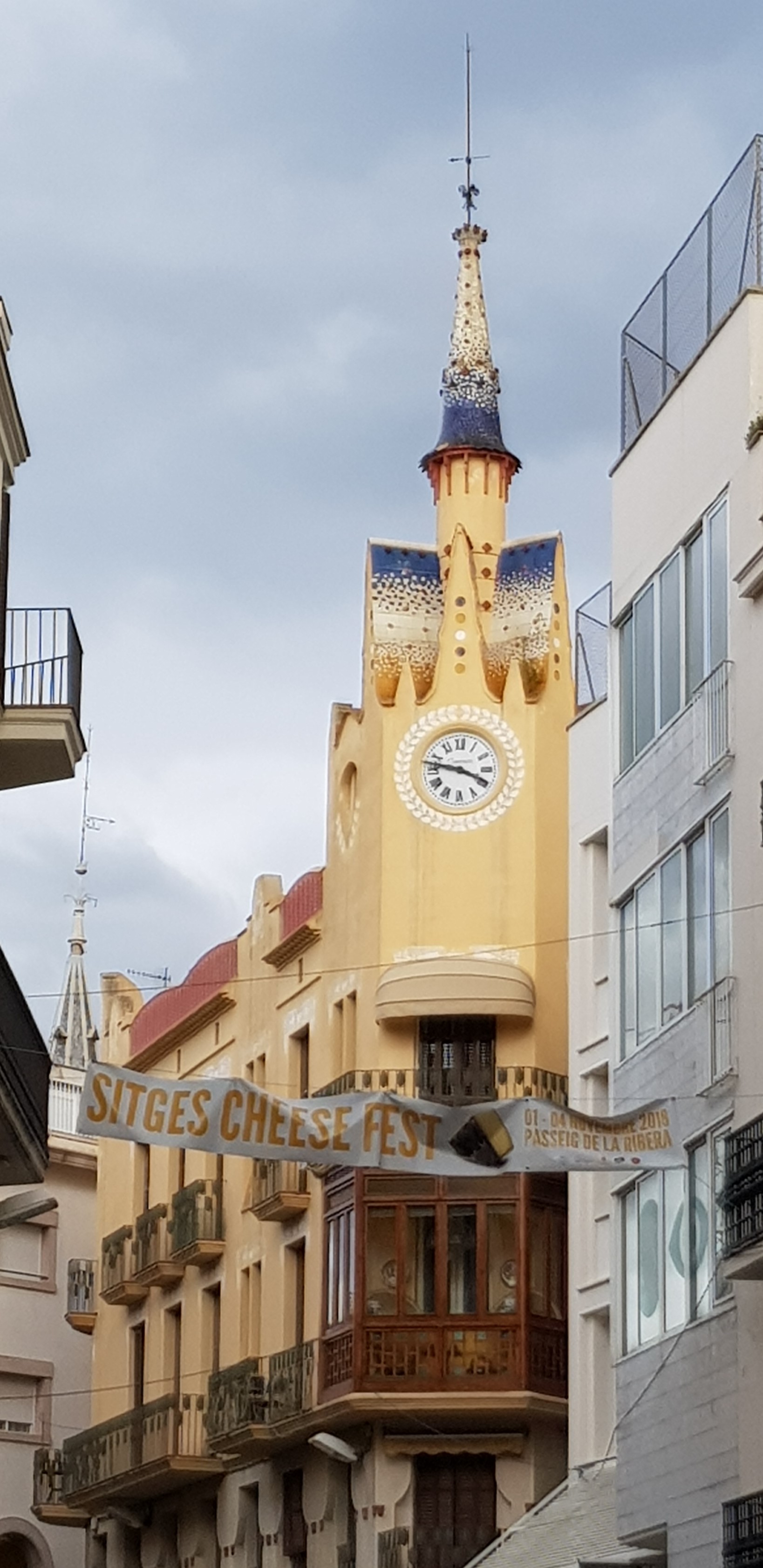
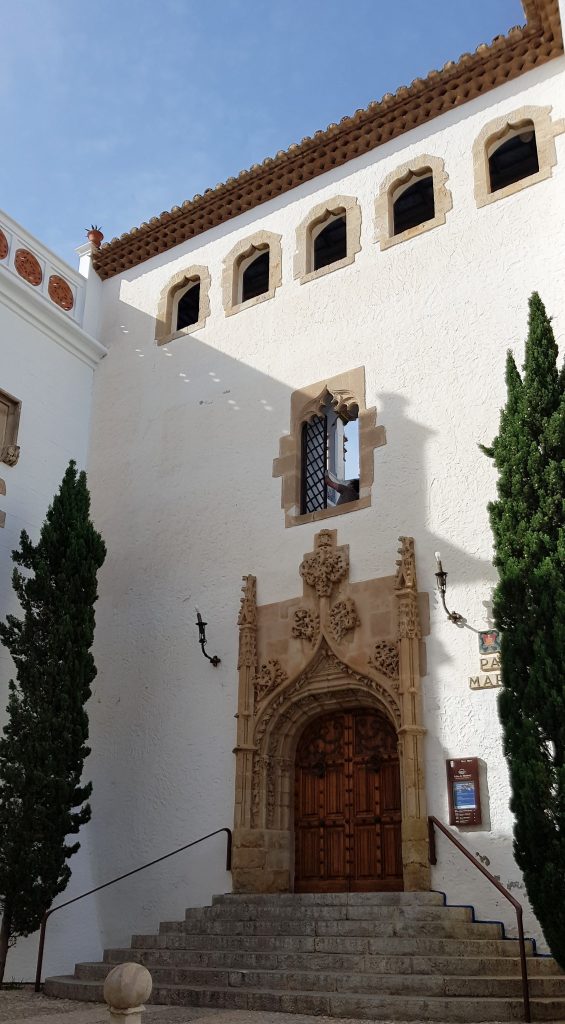
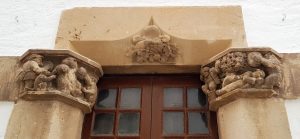
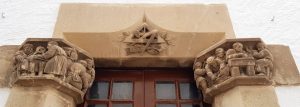
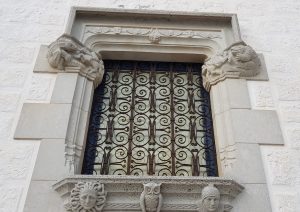
The palace is closed to the public unless you prebook on the 3 days a month it is open, however the architecture took my fancy!


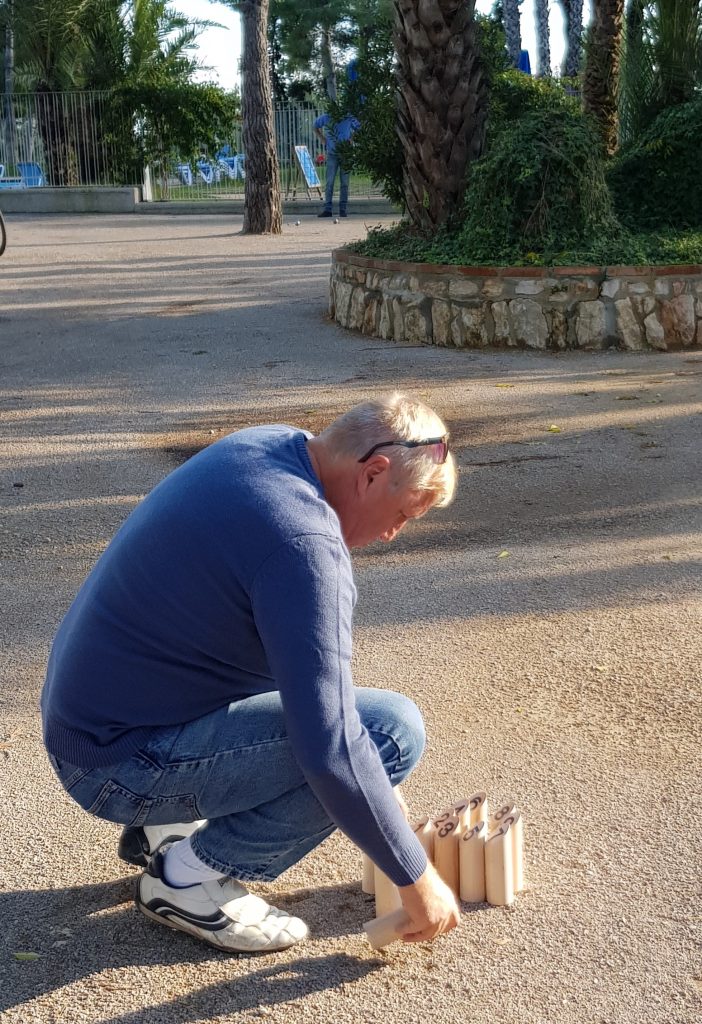
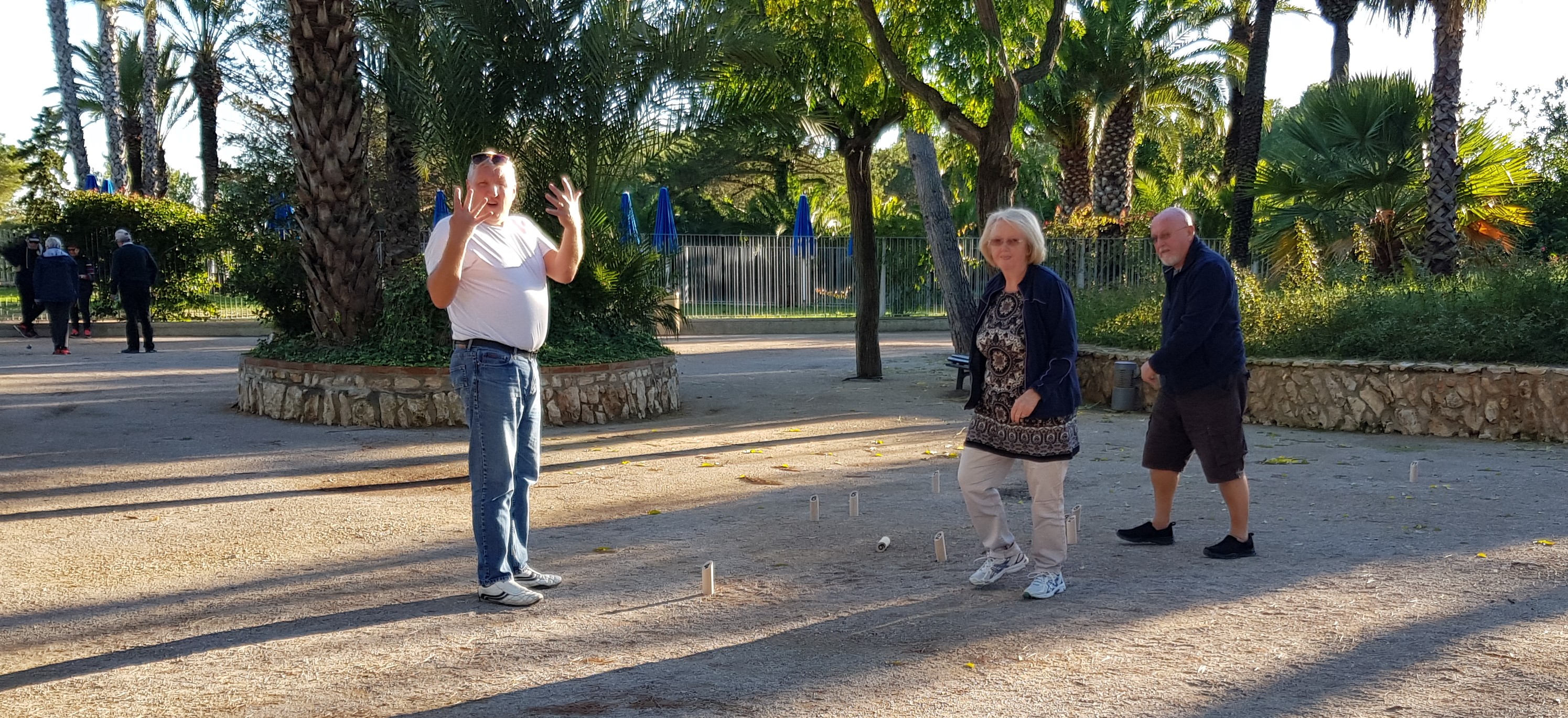
We have also introduced Brenda and Mike to Finnish skittles, AKA Mulkky, in preparation for the tournaments we expect to win at Benicassim!!! 


Annunzio’s Il Vittoriale

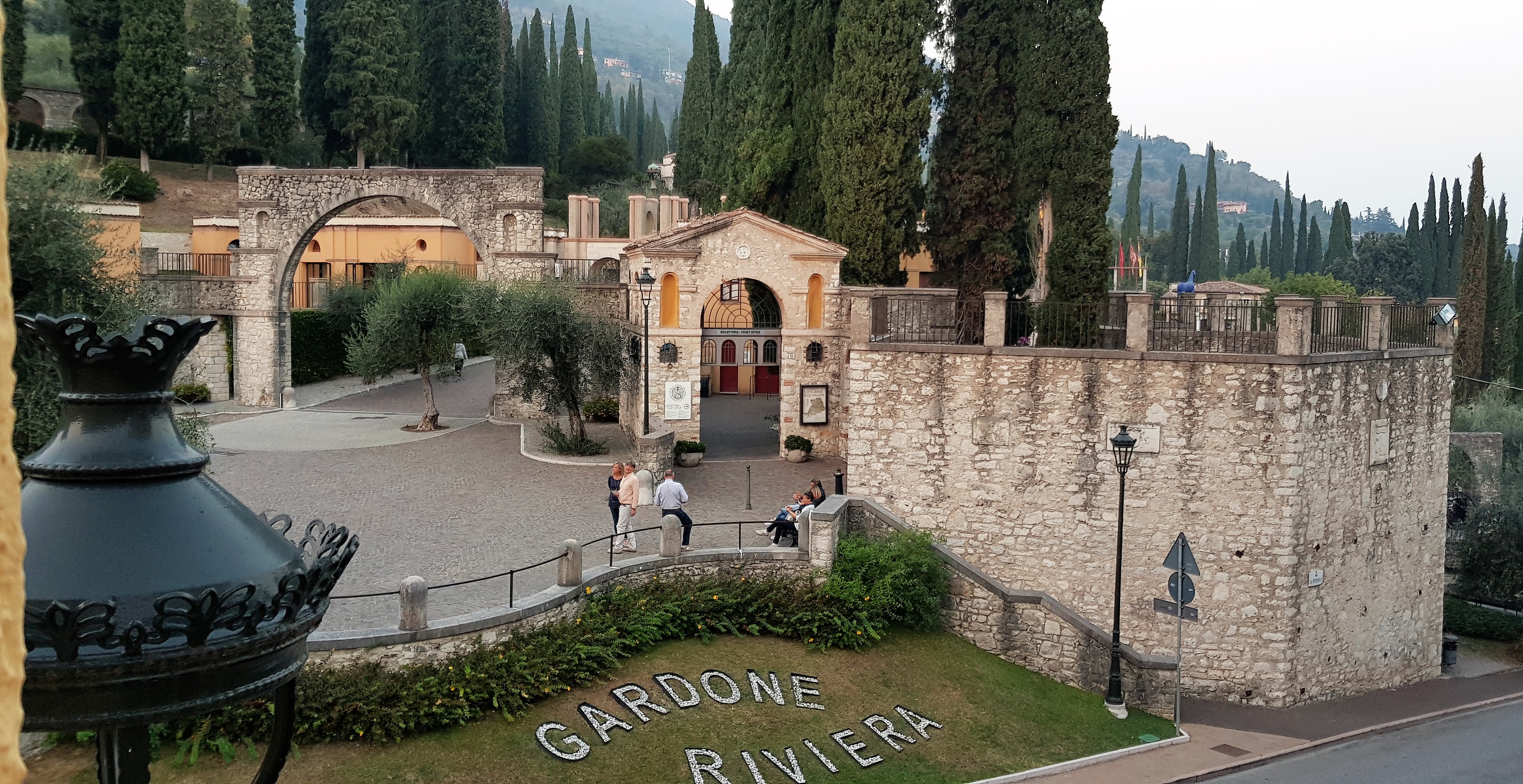
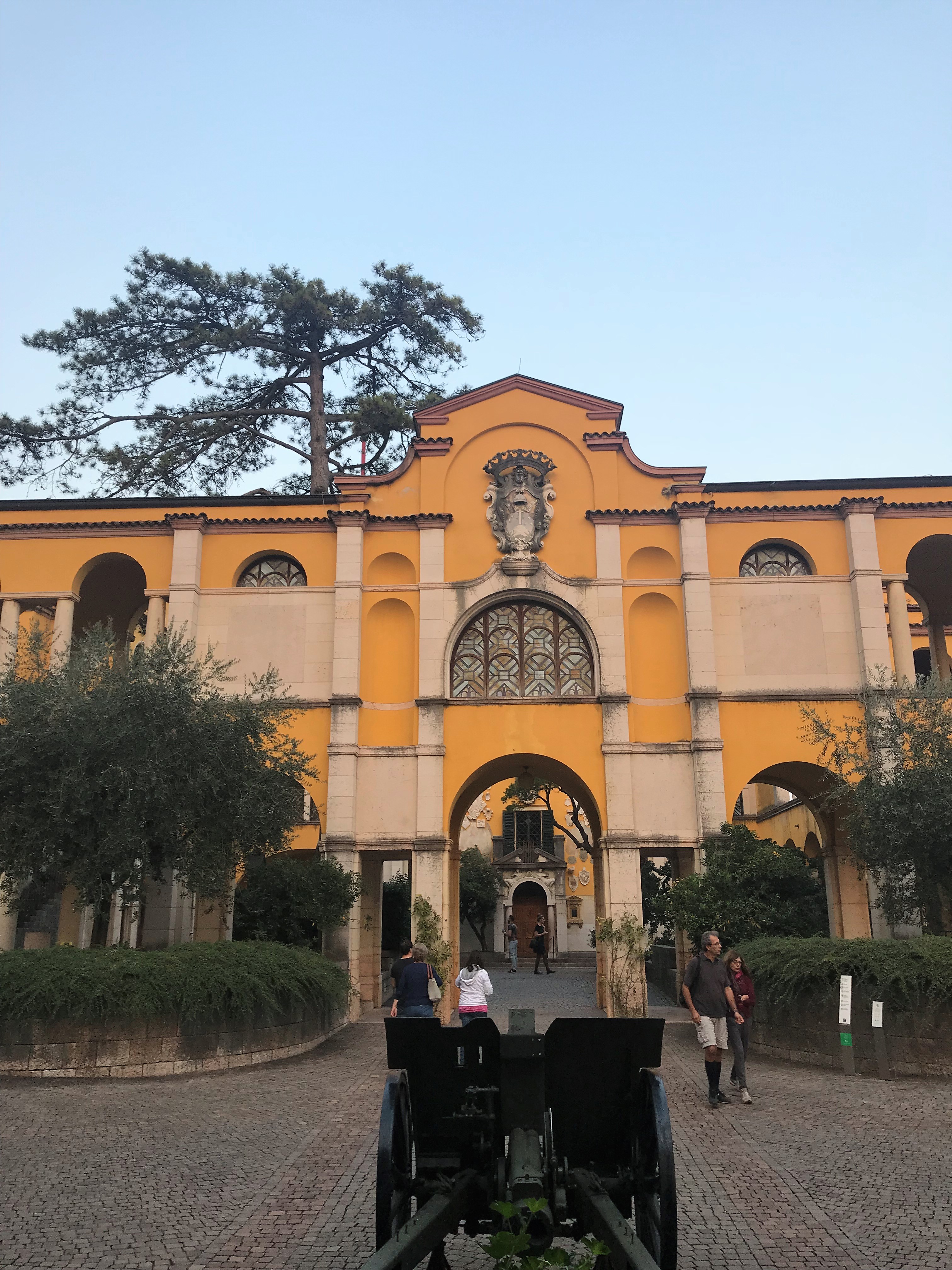
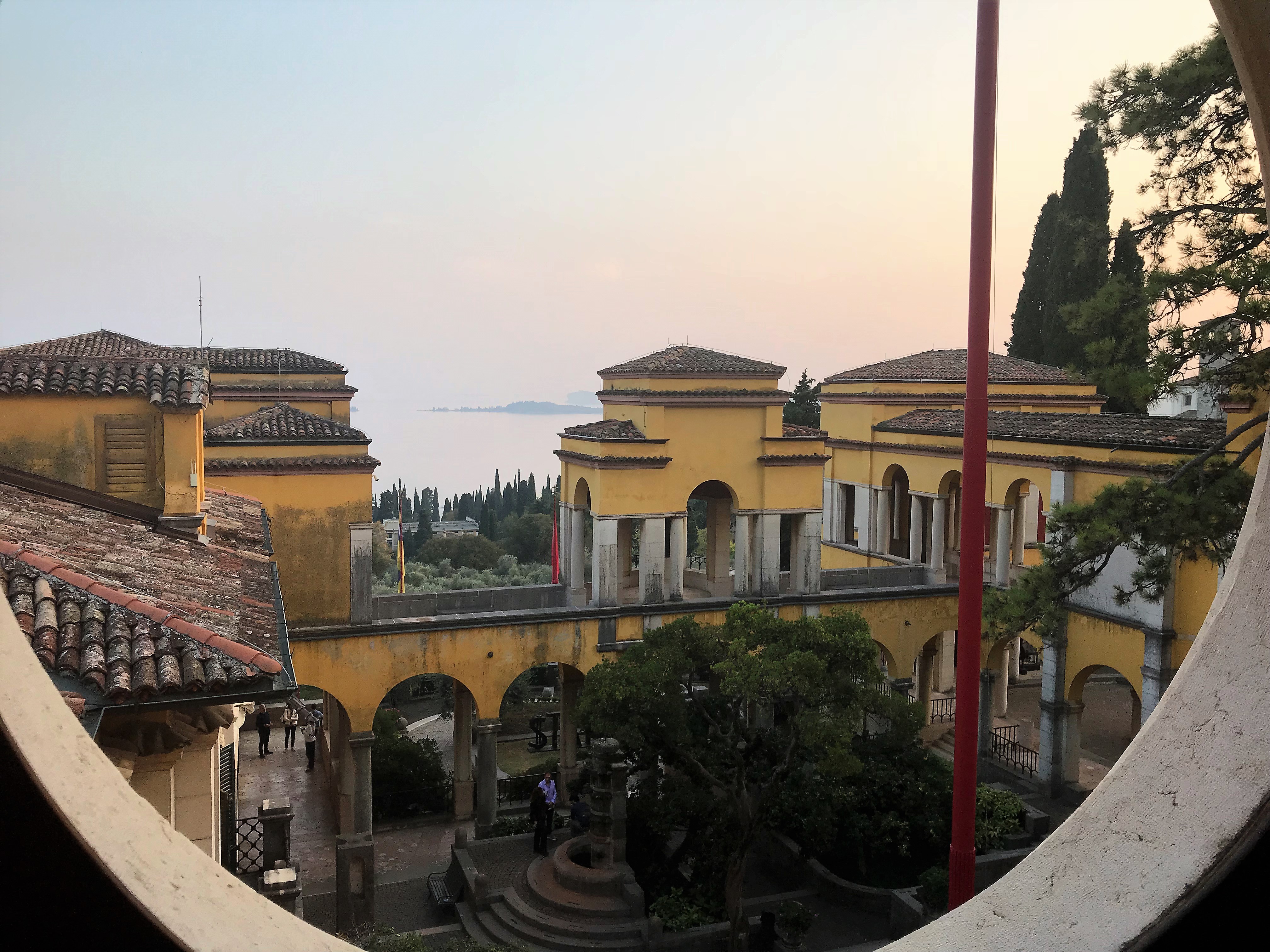
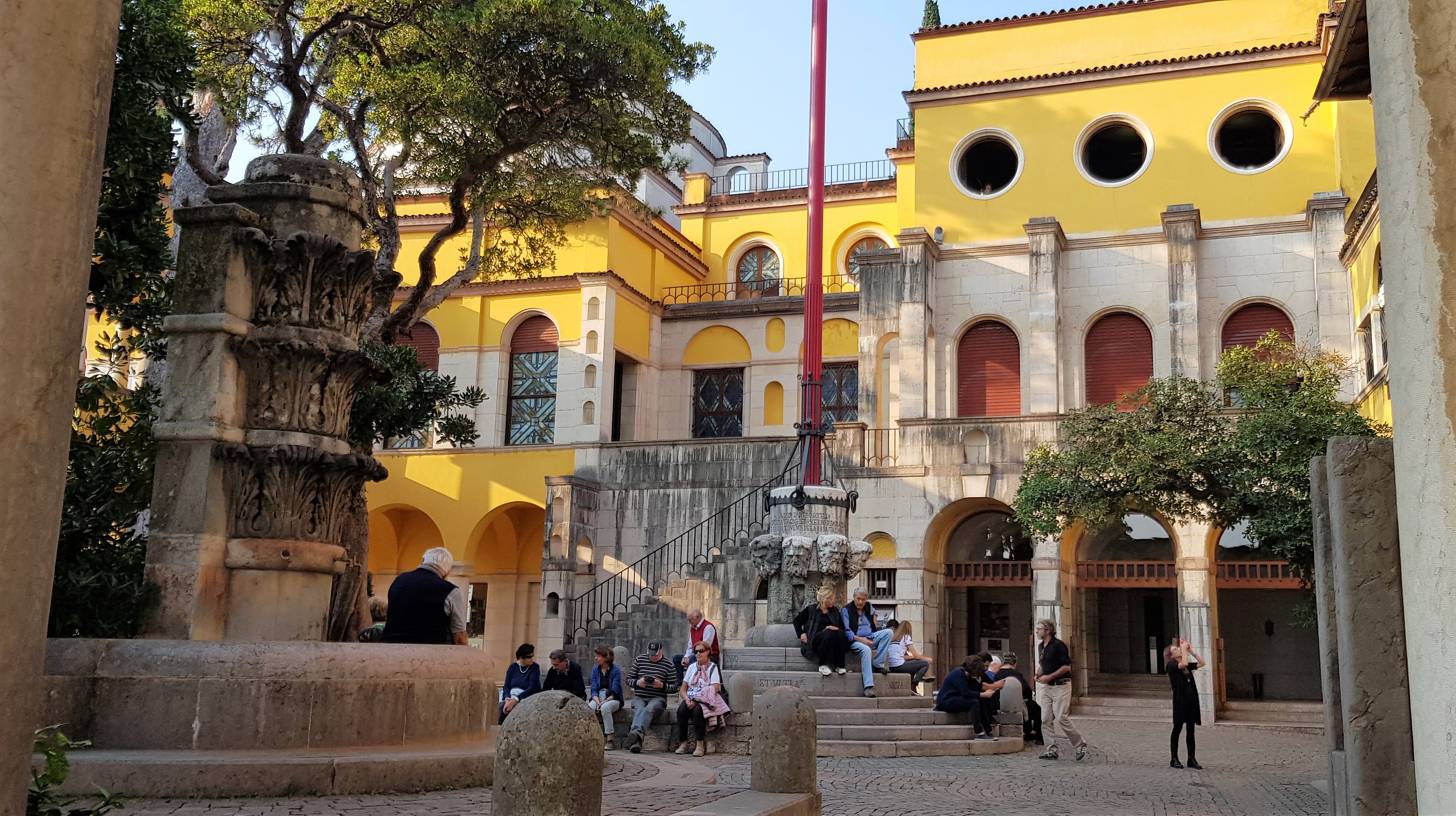
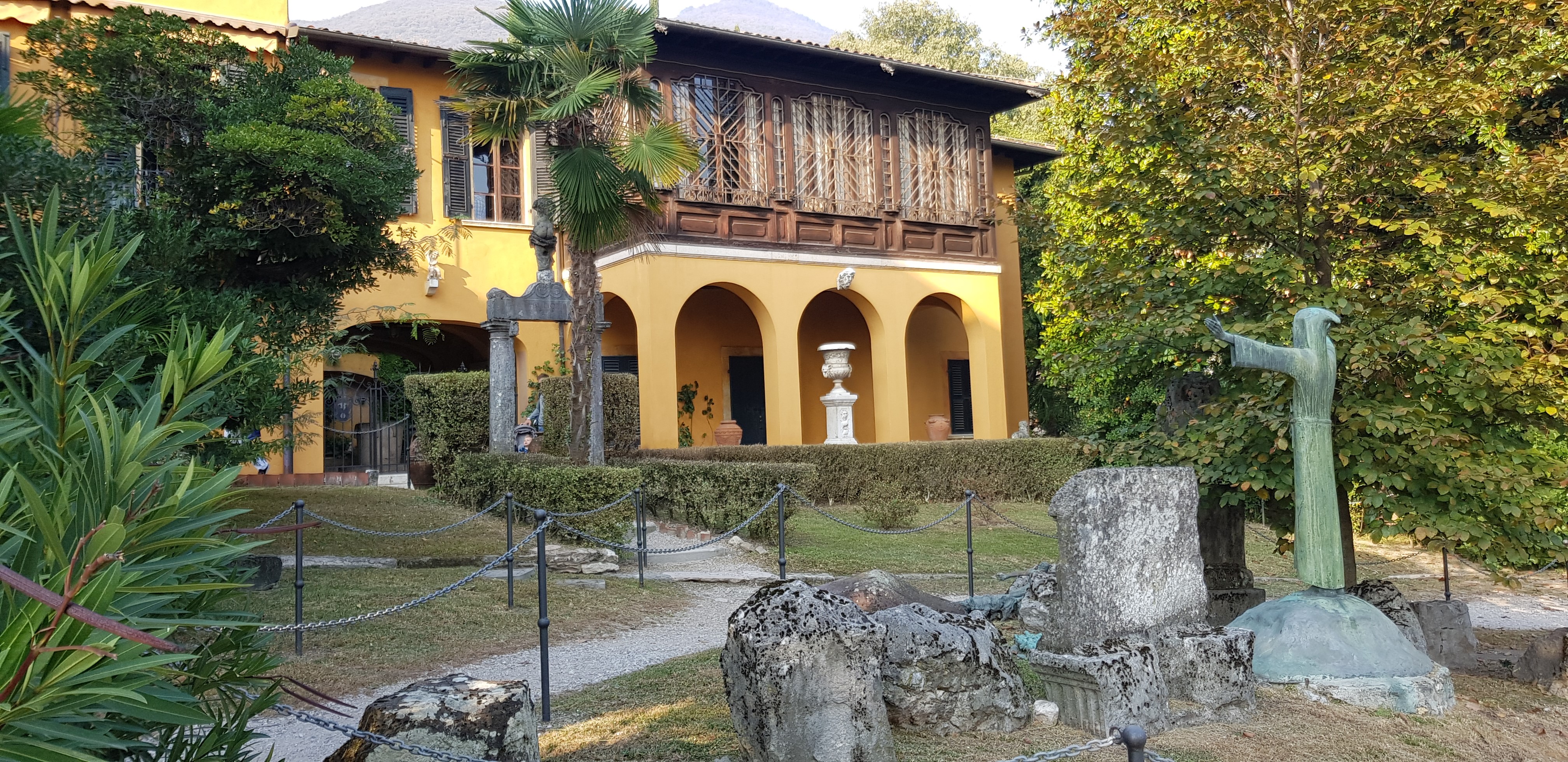
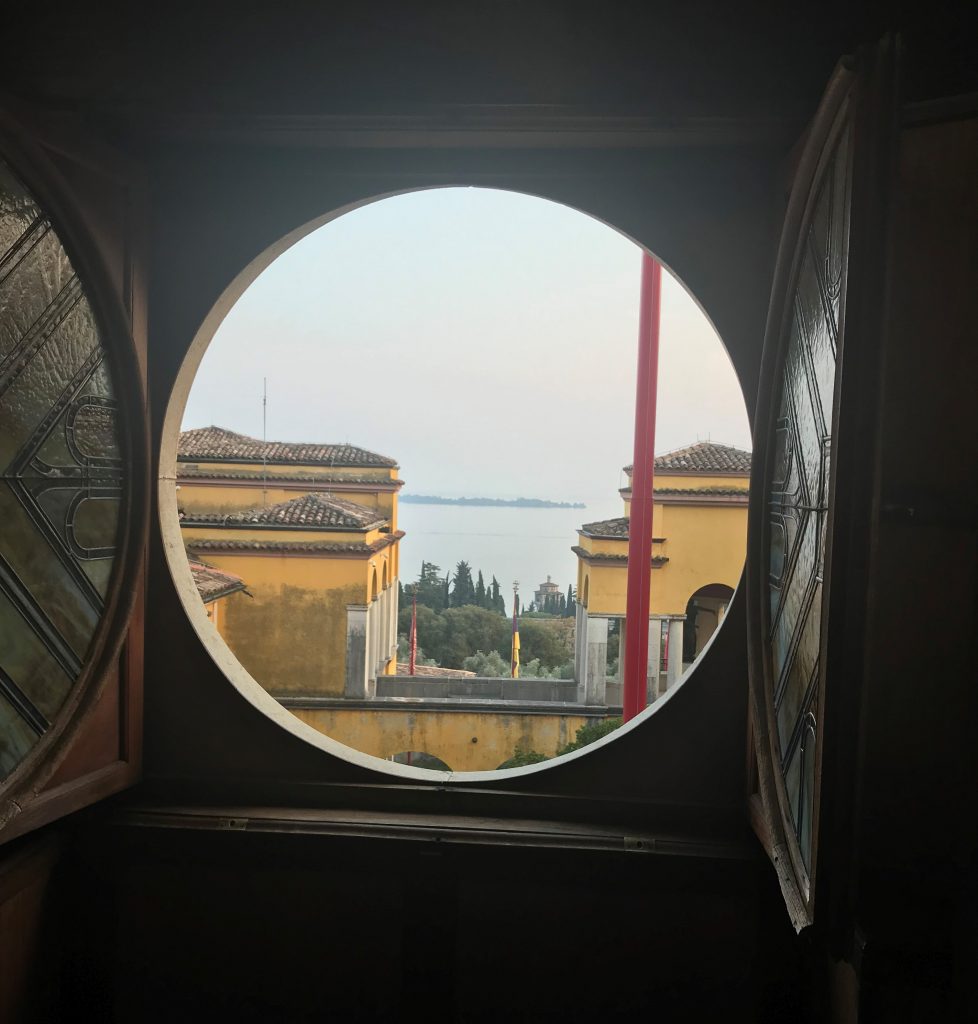
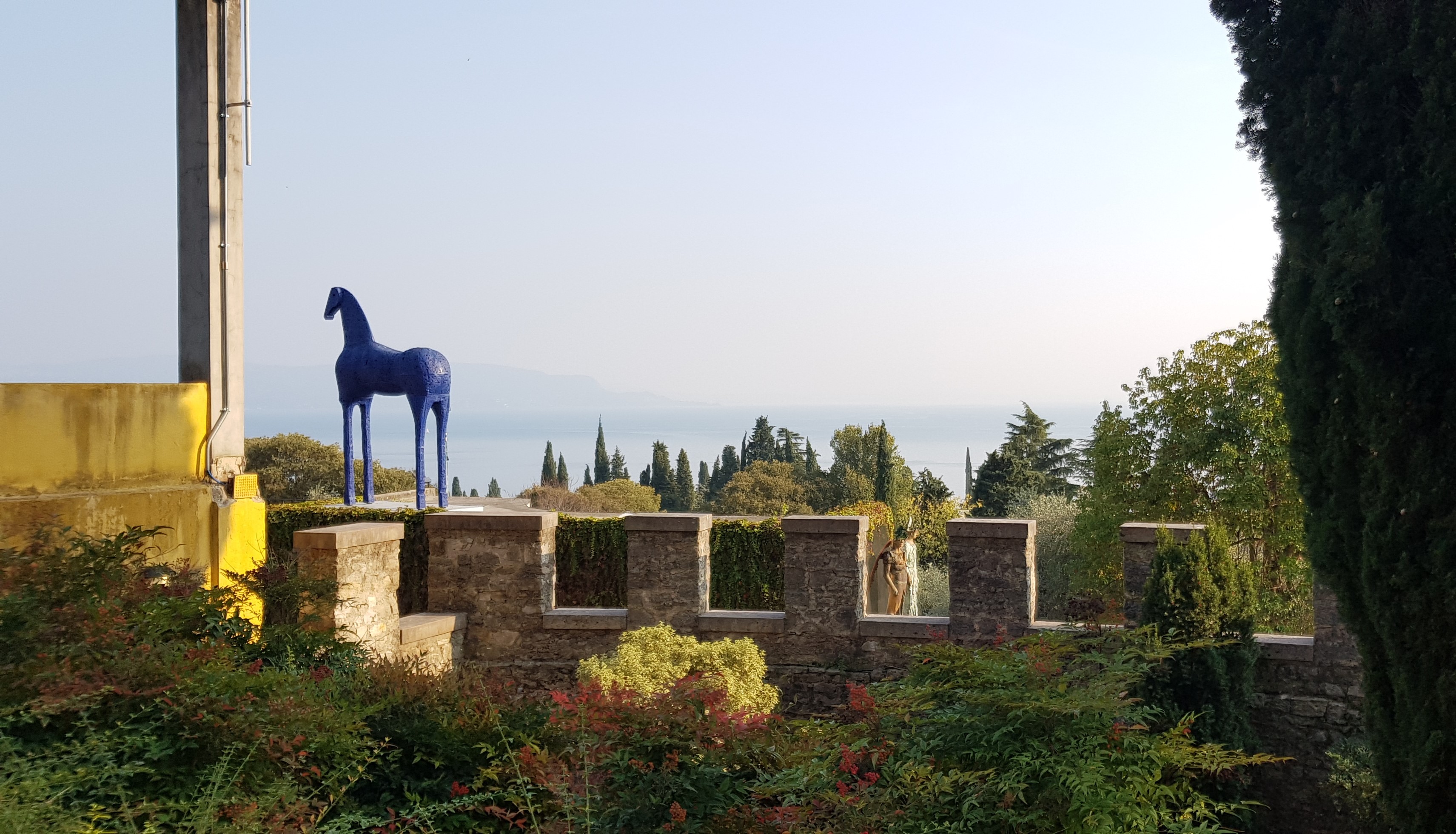
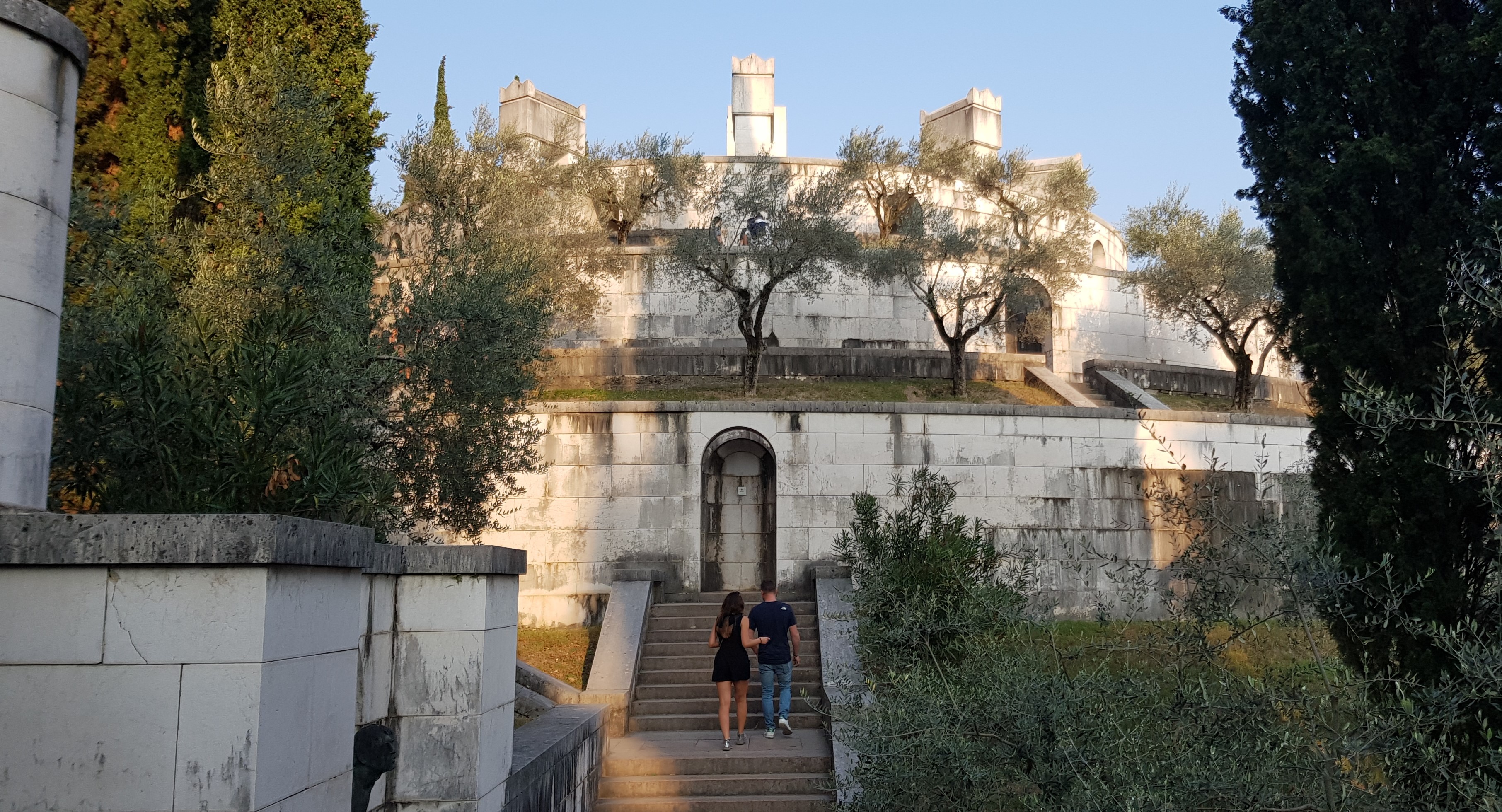
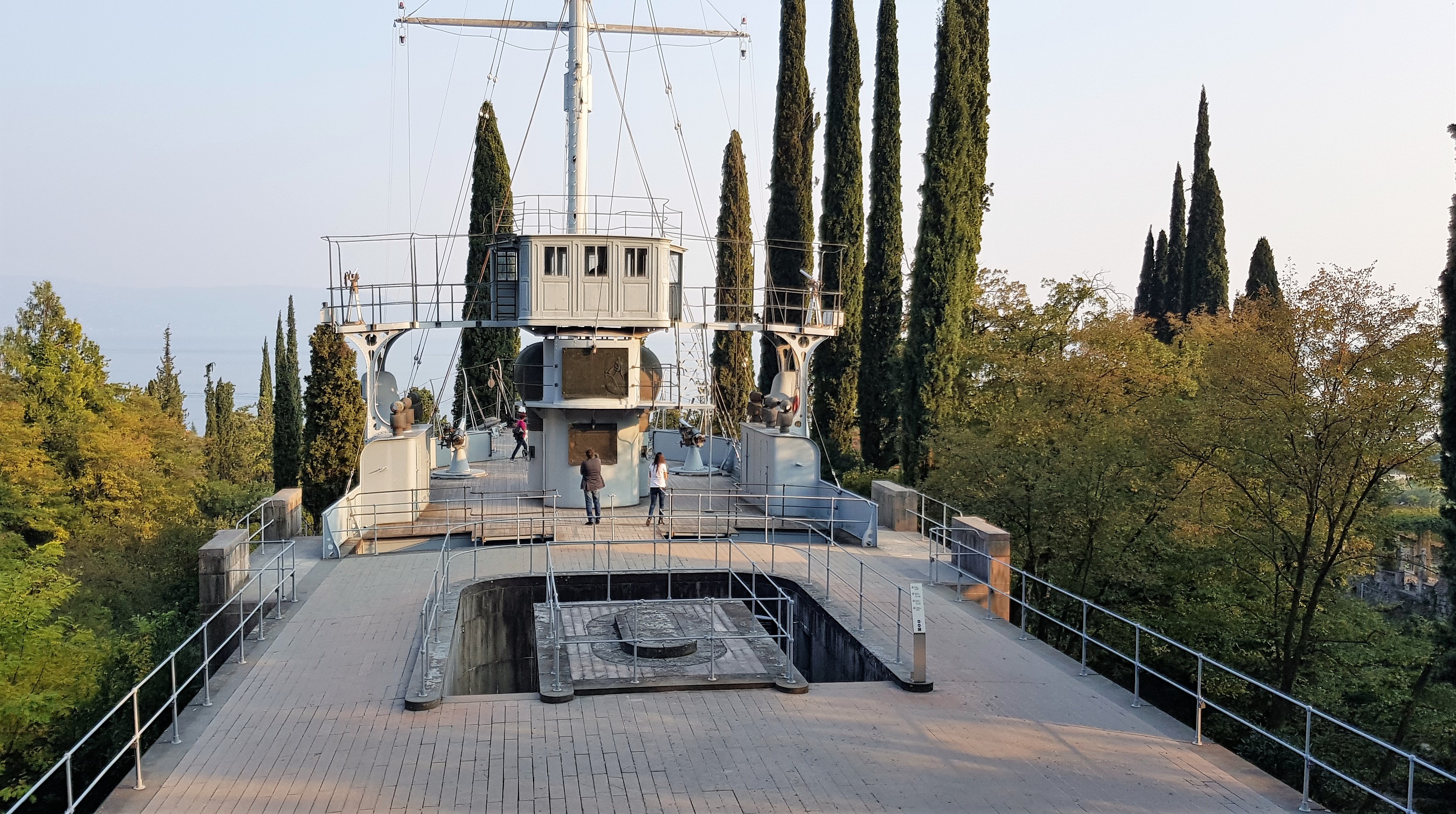
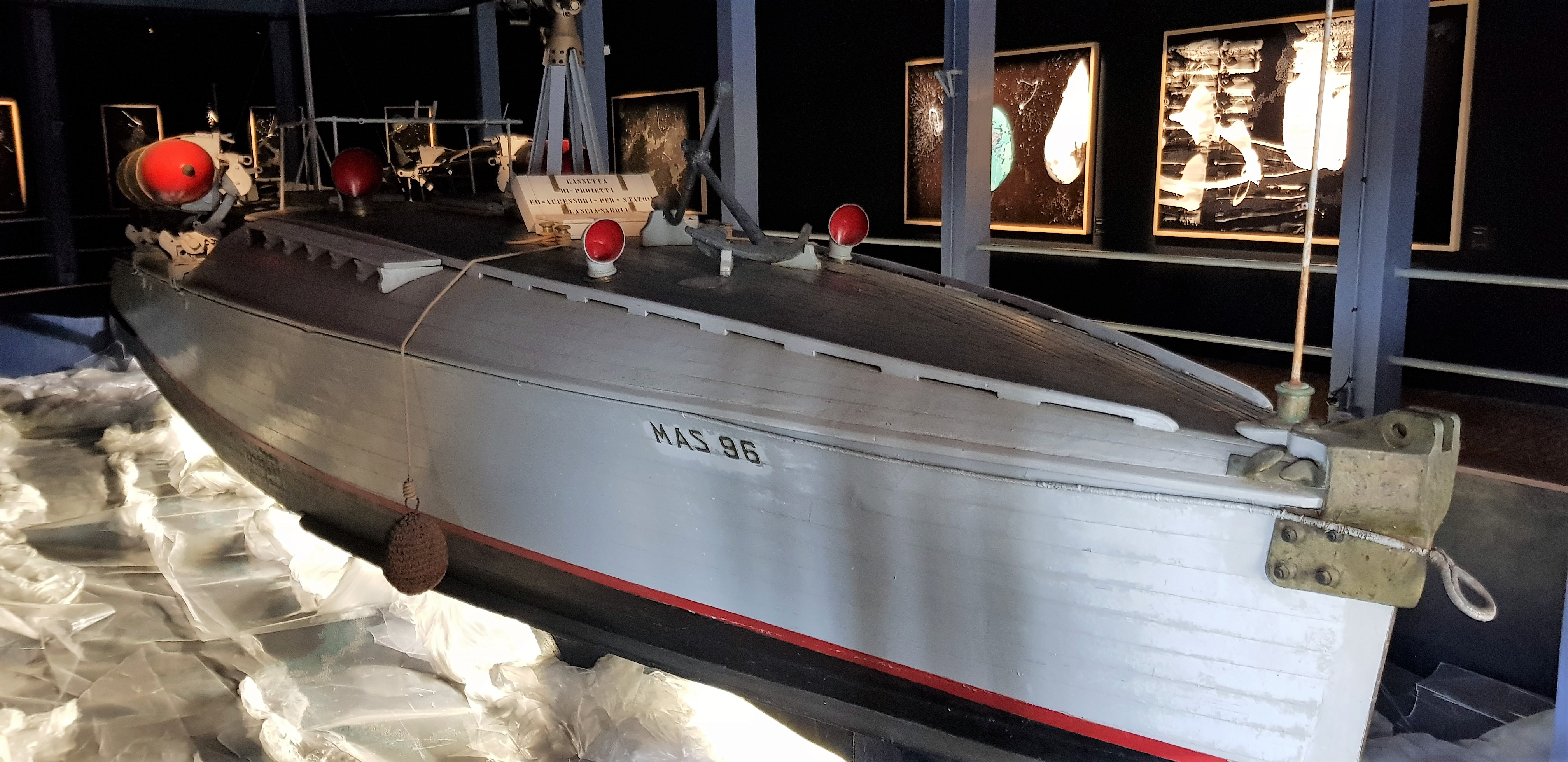
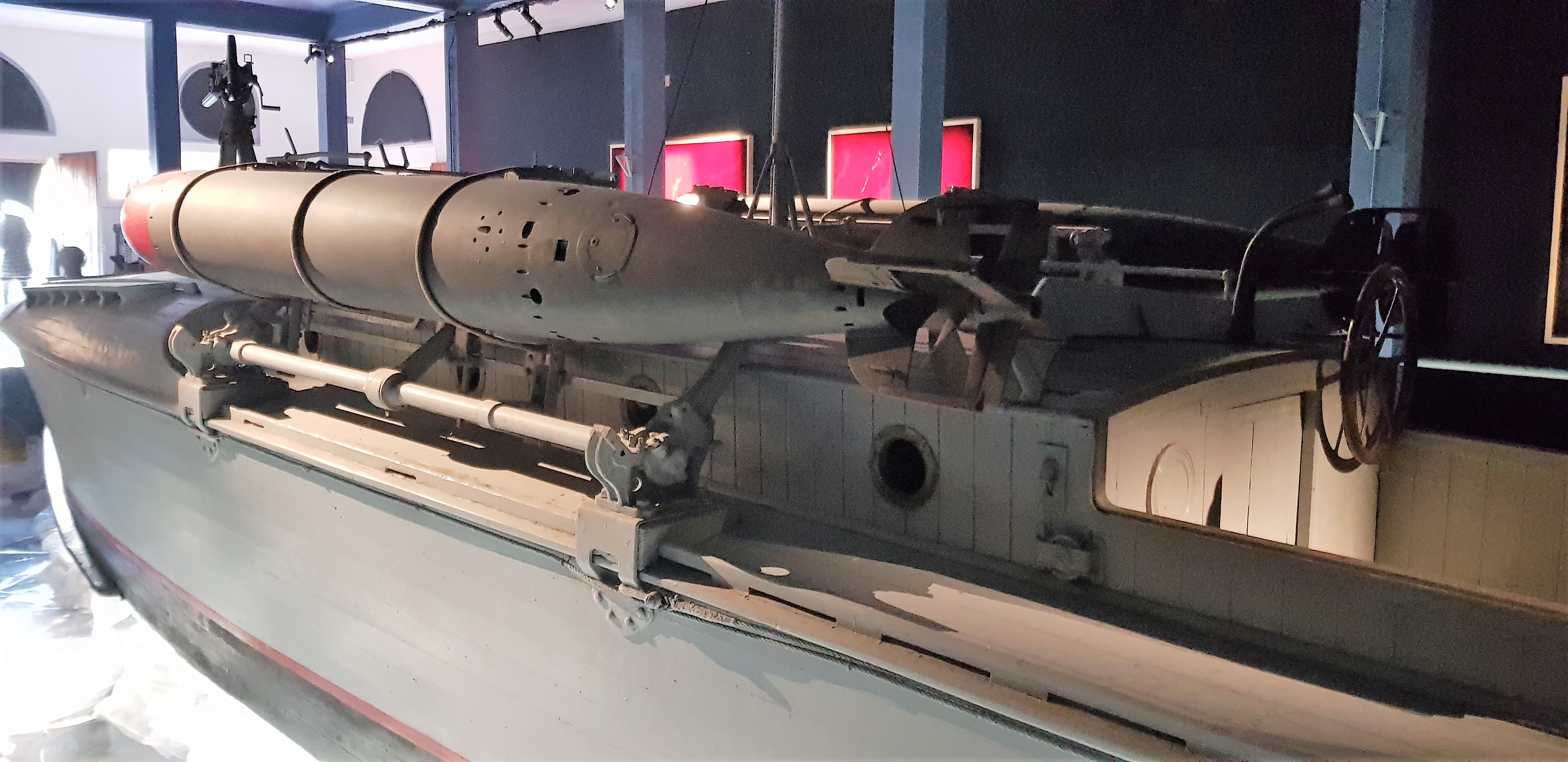
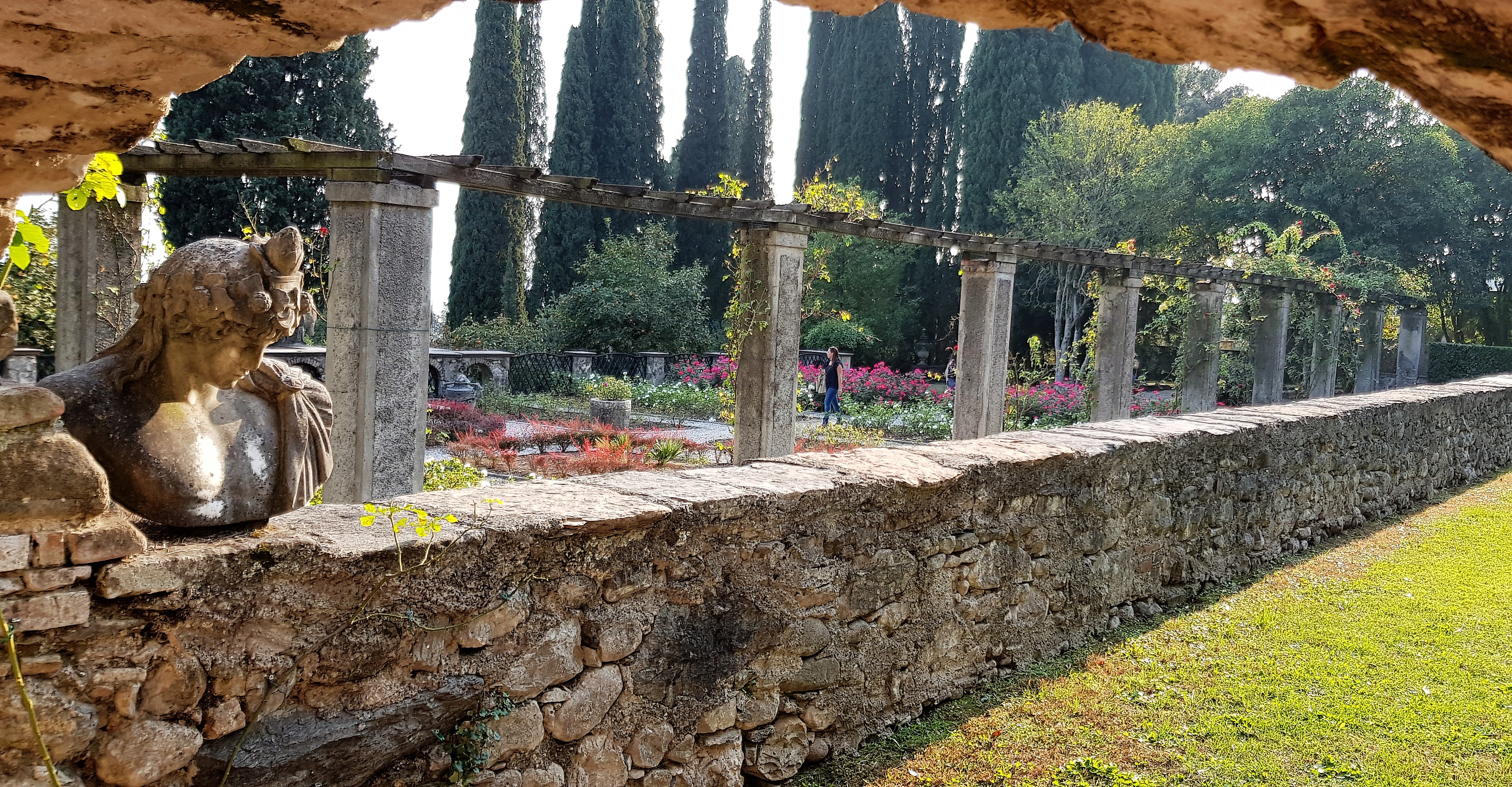
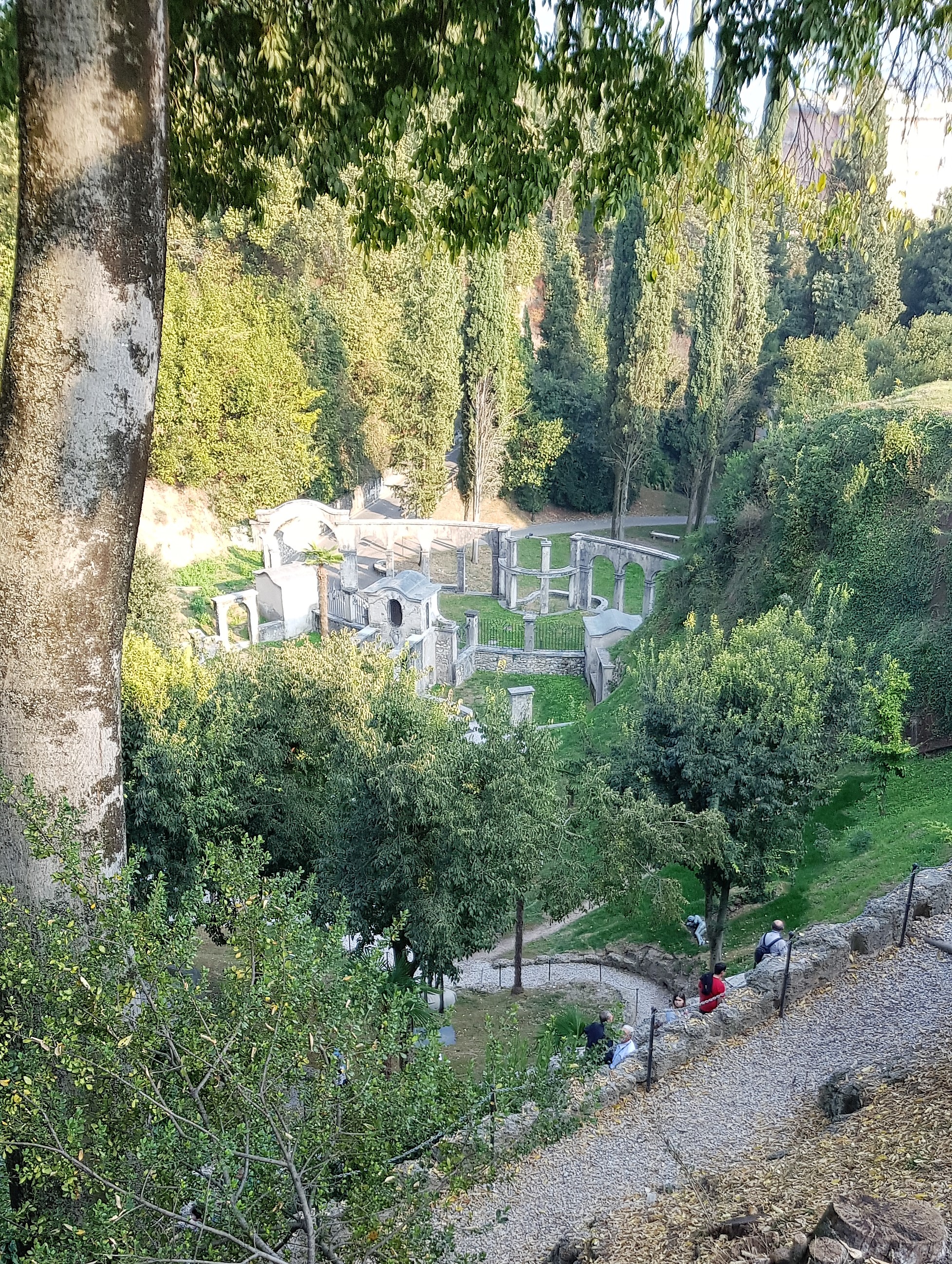
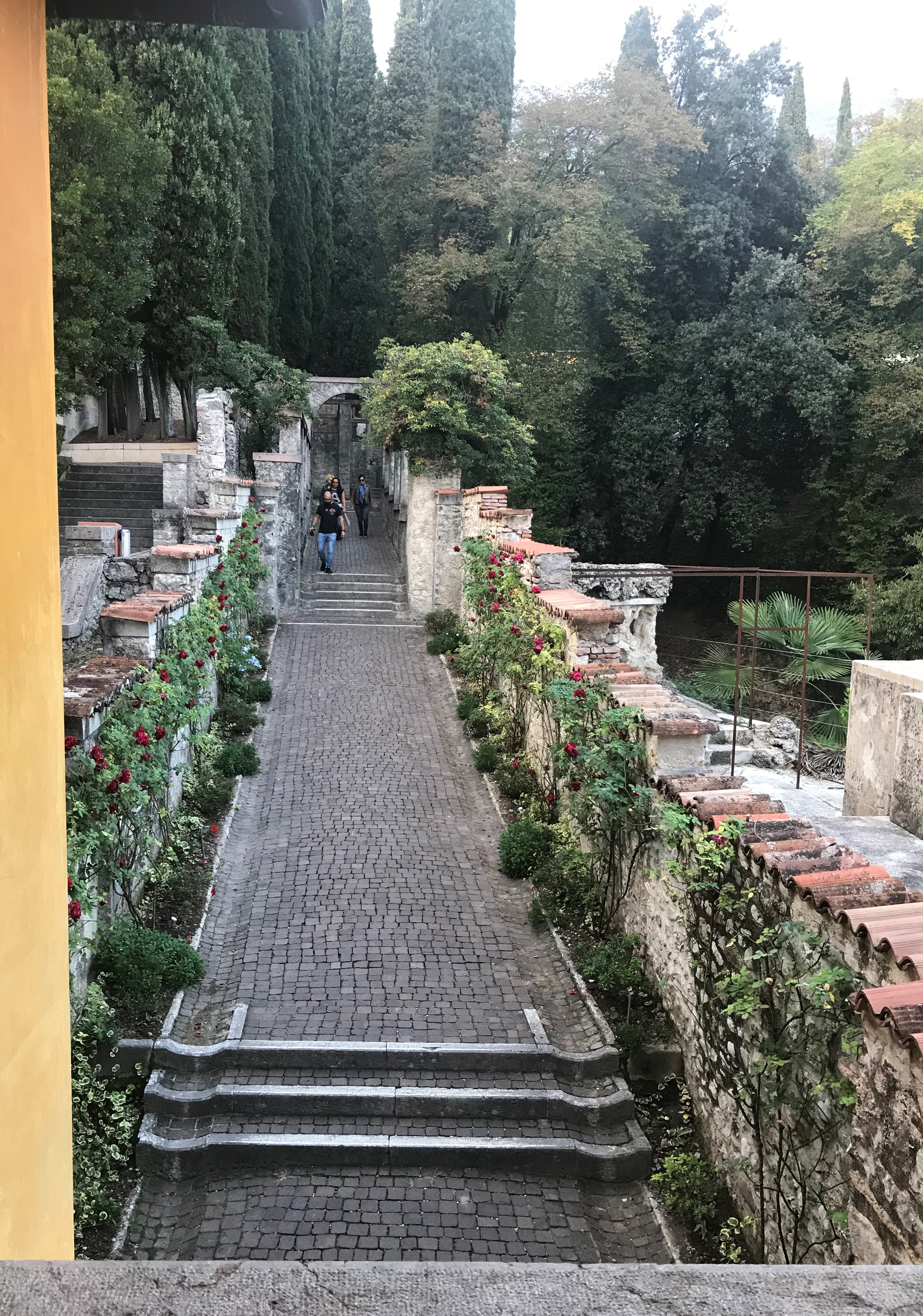
If ever you go to Lake Garda, you must visit Vittoriale degli Italiani (English translation: The shrine of Italian victories).  It is a whimsical hillside estate in the town of Gardone Riviera overlooking the Garda lake where the Italian writer and poet Gabriele d’Annunzio lived after he lost his title of power in 1922 until his death in 1938. The estate consists of the main house called the Prioria (priory), an amphitheatre, the protected cruiser Puglia set into a hillside, a boathouse containing the MAS vessel used by D’Annunzio in 1918 and a circular mausoleum, as well as numerous statues and works of art throughout the layered gardens.

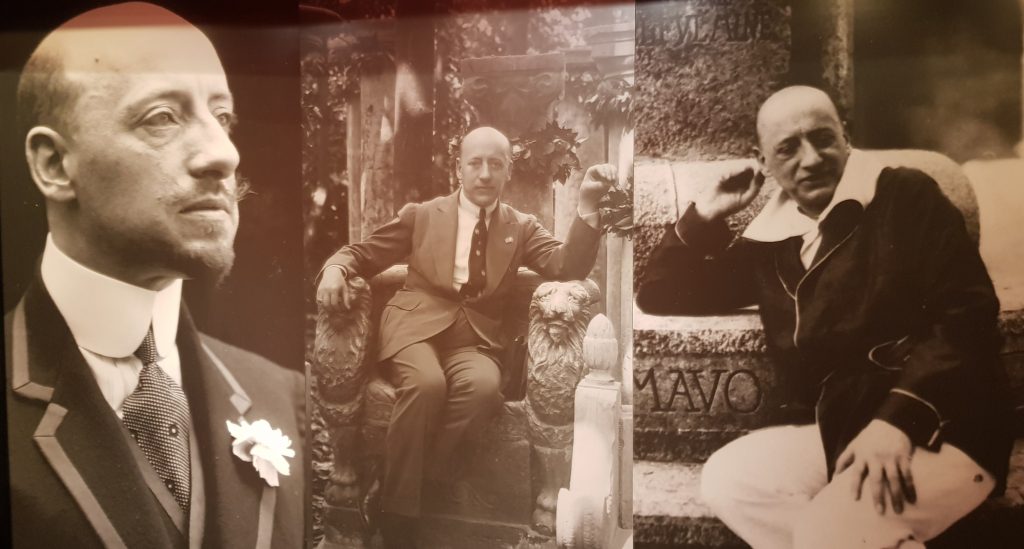
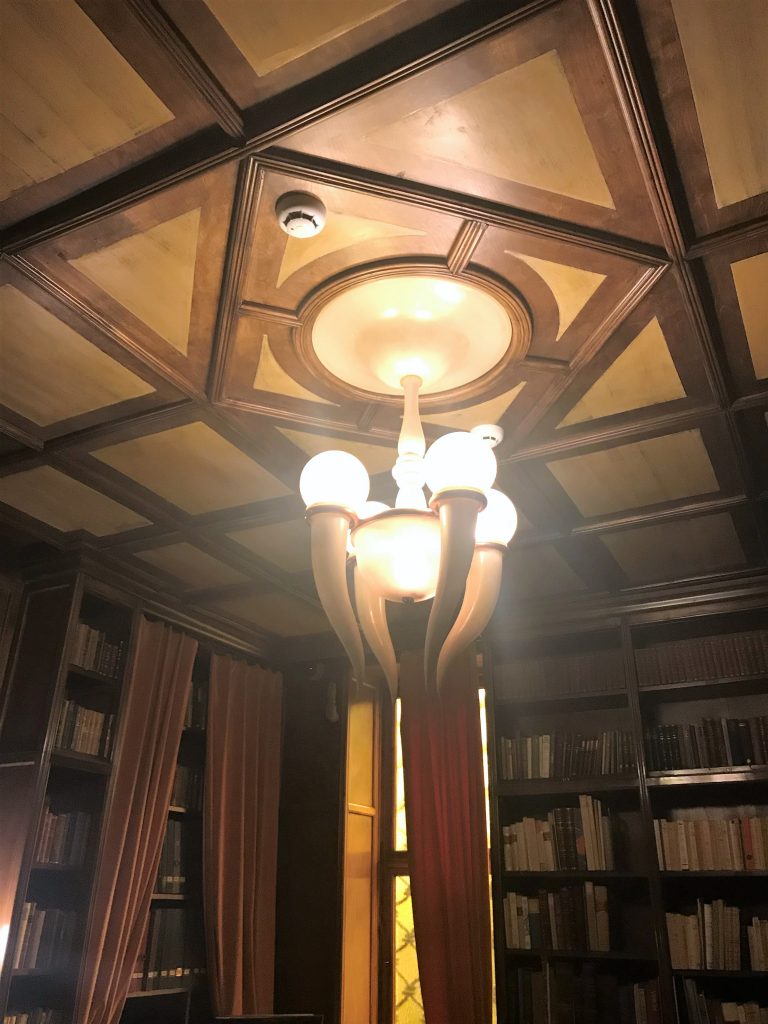
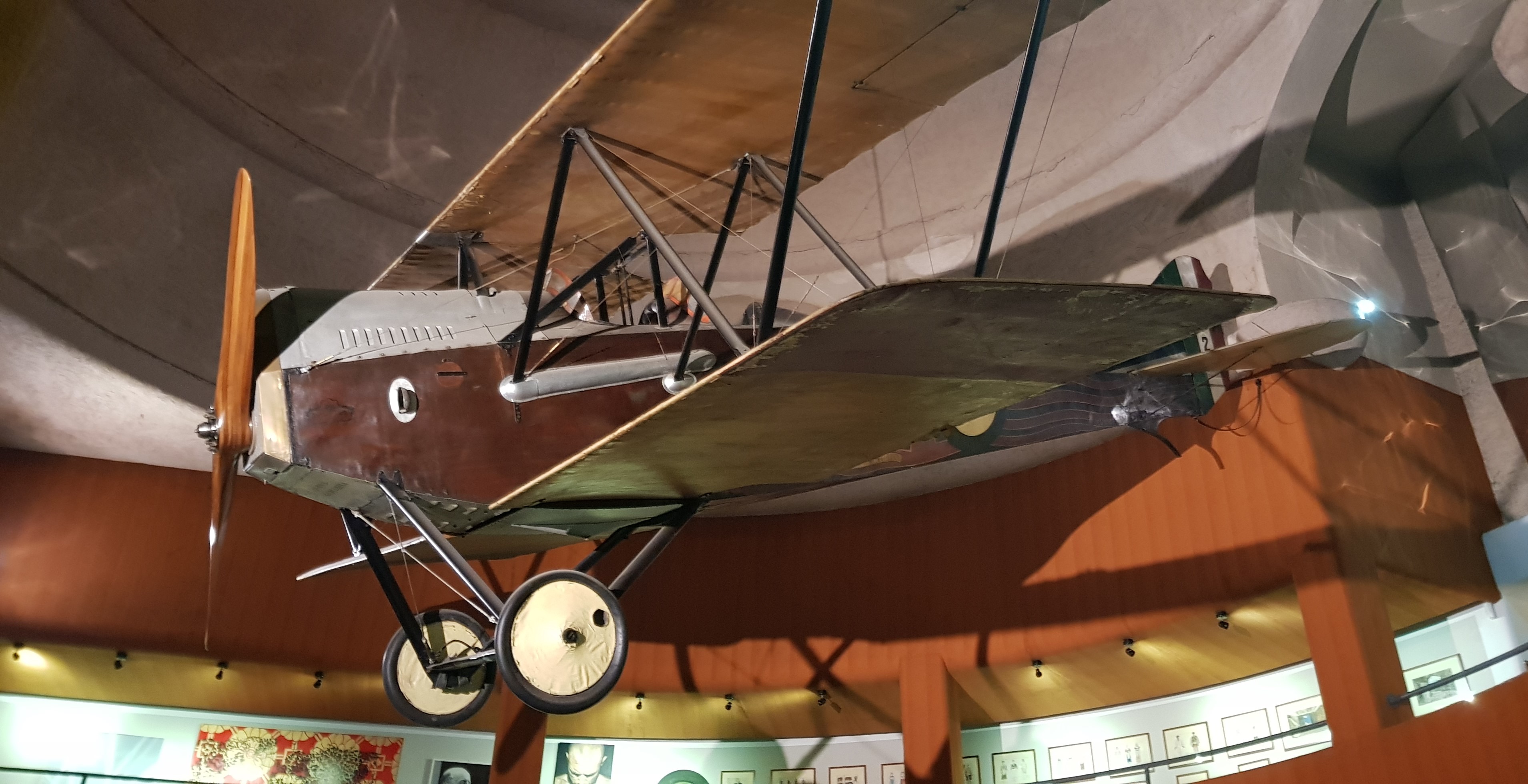
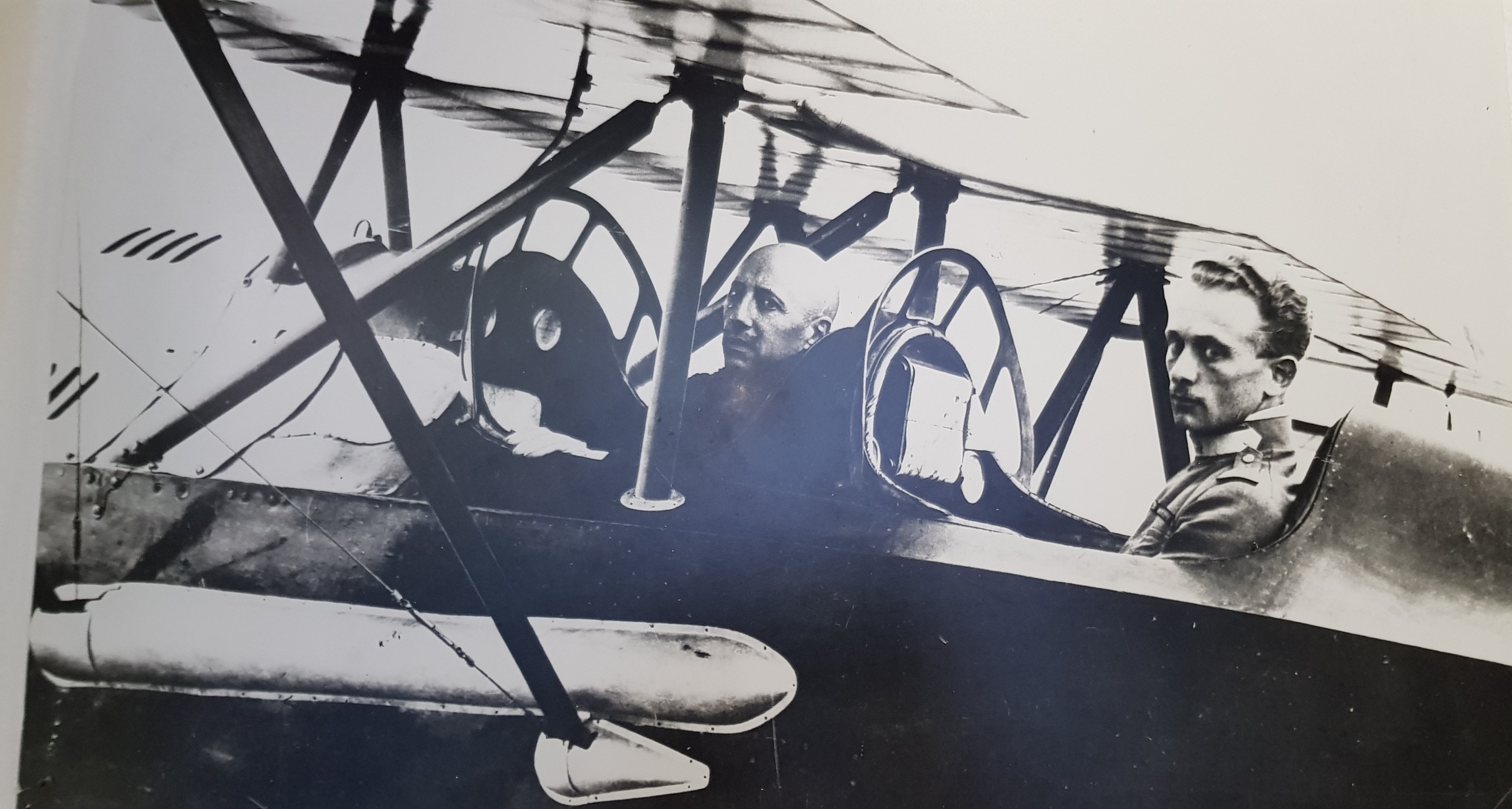
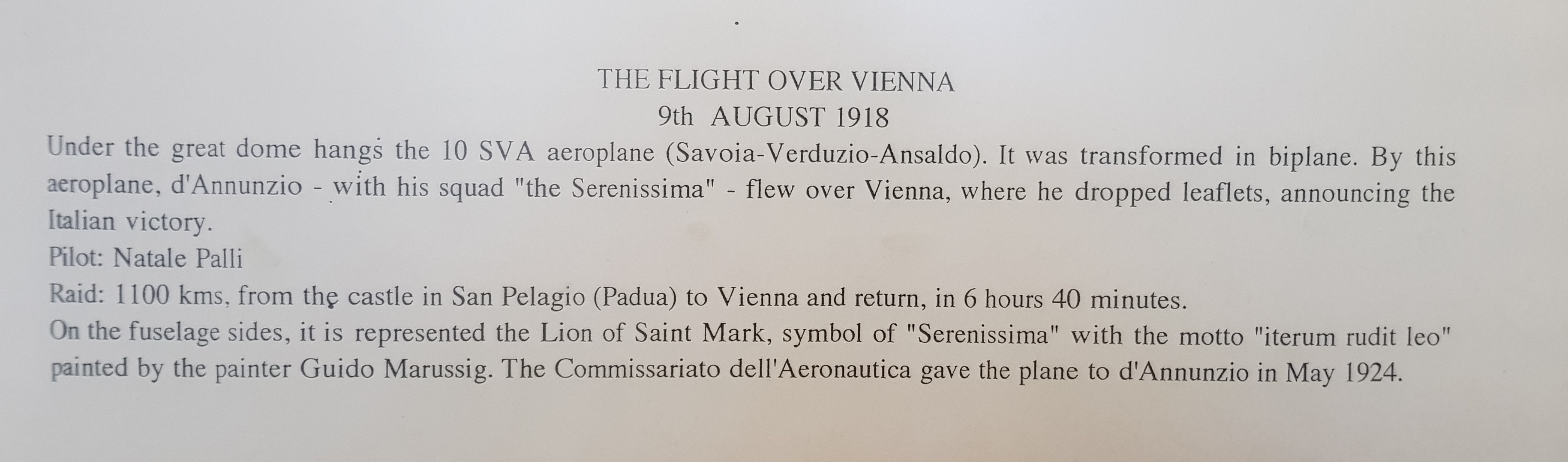
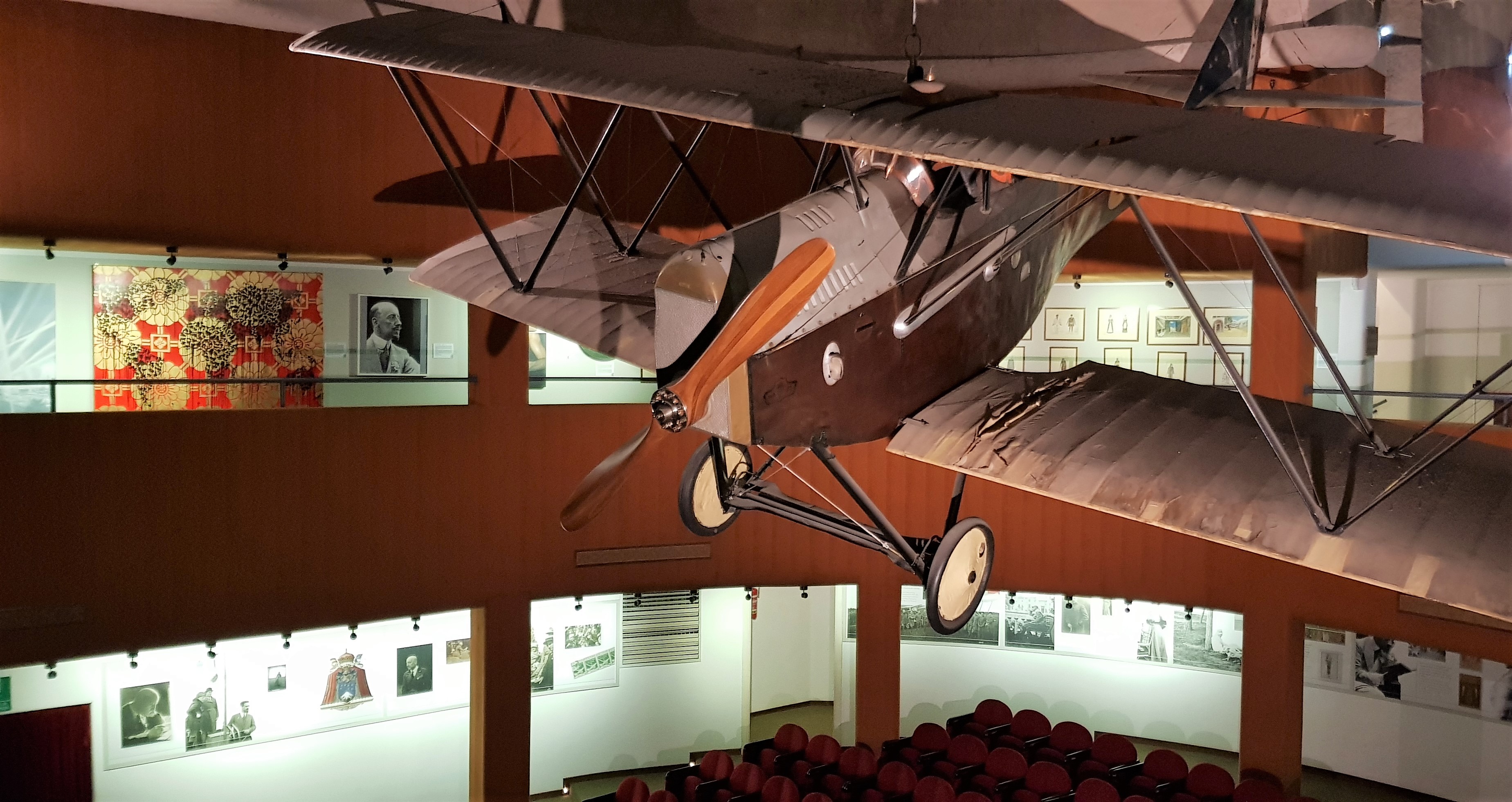
We were not supposed to take photos inside the house, which was full of historic memorabilia, art deco furniture and a bizzarre collection of artefacts from all around the world, so without my camera, I cannot recall the full story – the write up below in italics is courtesy of the internet!  It is worth a visit just to wander the landscaped layered gardens, to admire the beautiful house and the collection of odd items that this man had.  He is known as a hero in the area, for supposedly getting Austria to surrender during the war, after he personally dropped leaflets over a town from a small plane.  The plane now hangs in an auditorium in the grounds, but it’s clear from other things that he was a nutcase!!

The house, Villa Cargnacco, had originally belonged to a German art historian, it was confiscated by the Italian state including the contents – artworks, a collection of books, and a piano which had belonged to Liszt.   d’Annunzio rented it in February 1921 and within a year reconstruction started under the guidance of an Italian architect.  Due to d’Annunzio’s popularity and his disagreement with the fascist government on several issues, such as the alliance with Nazi Germany, the fascists did what they could to please d’Annunzio in order to keep him away from political life in Rome. Part of their strategy was to make huge funds available to expand the property, to construct and/or modify buildings, and to create the impressive art and literature collection. In 1924 the airplane that d’Annunzio used for his pamphleteering run over Vienna during World War I was brought to the estate, followed in 1925 by the MAS naval vessel used by him to taunt the Austrians in 1918 in the Beffa di Buccari. In the same year the protected cruiser Puglia was hauled up the hill and placed in the woods behind the house, and the property was expanded by acquisition of surrounding lands and buildings.

In 1926 the government donated an amount of 10 million lire, which allowed a considerable enlargement of the Villa, with a new wing named the Schifamondo. In 1931 construction was started on the Parlaggio, the name for the amphitheatre. The mausoleum was designed after d’Annunzio’s death but not actually built until 1955, and d’Annunzio’s remains were finally brought there in 1963.

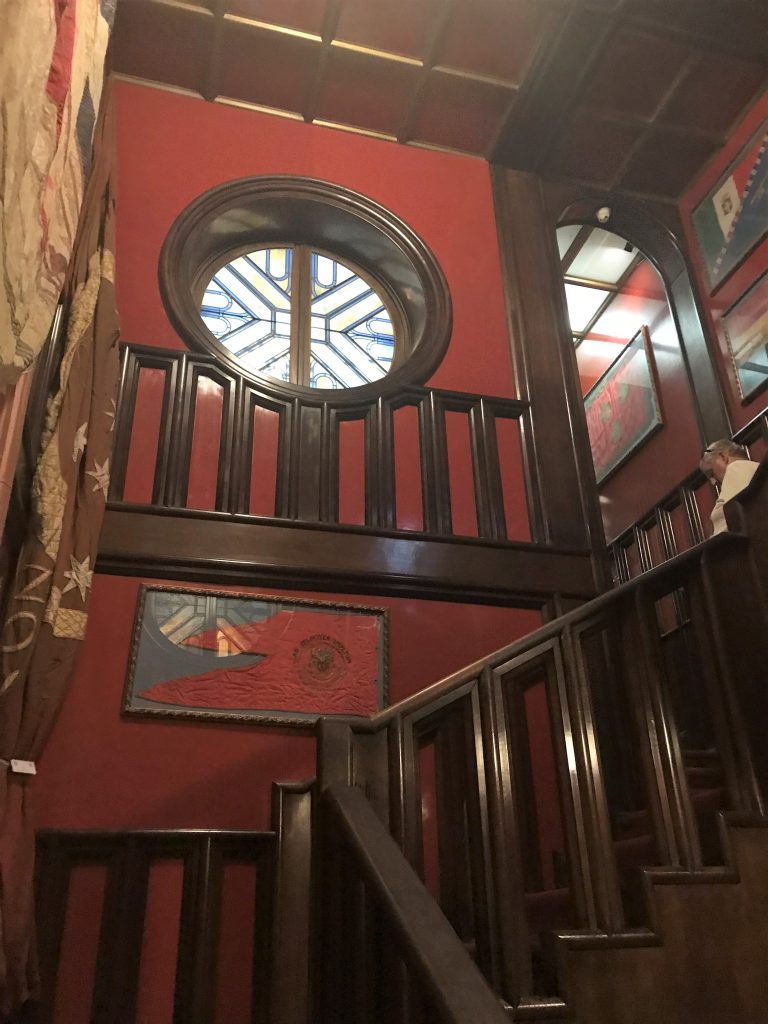
The Prioria

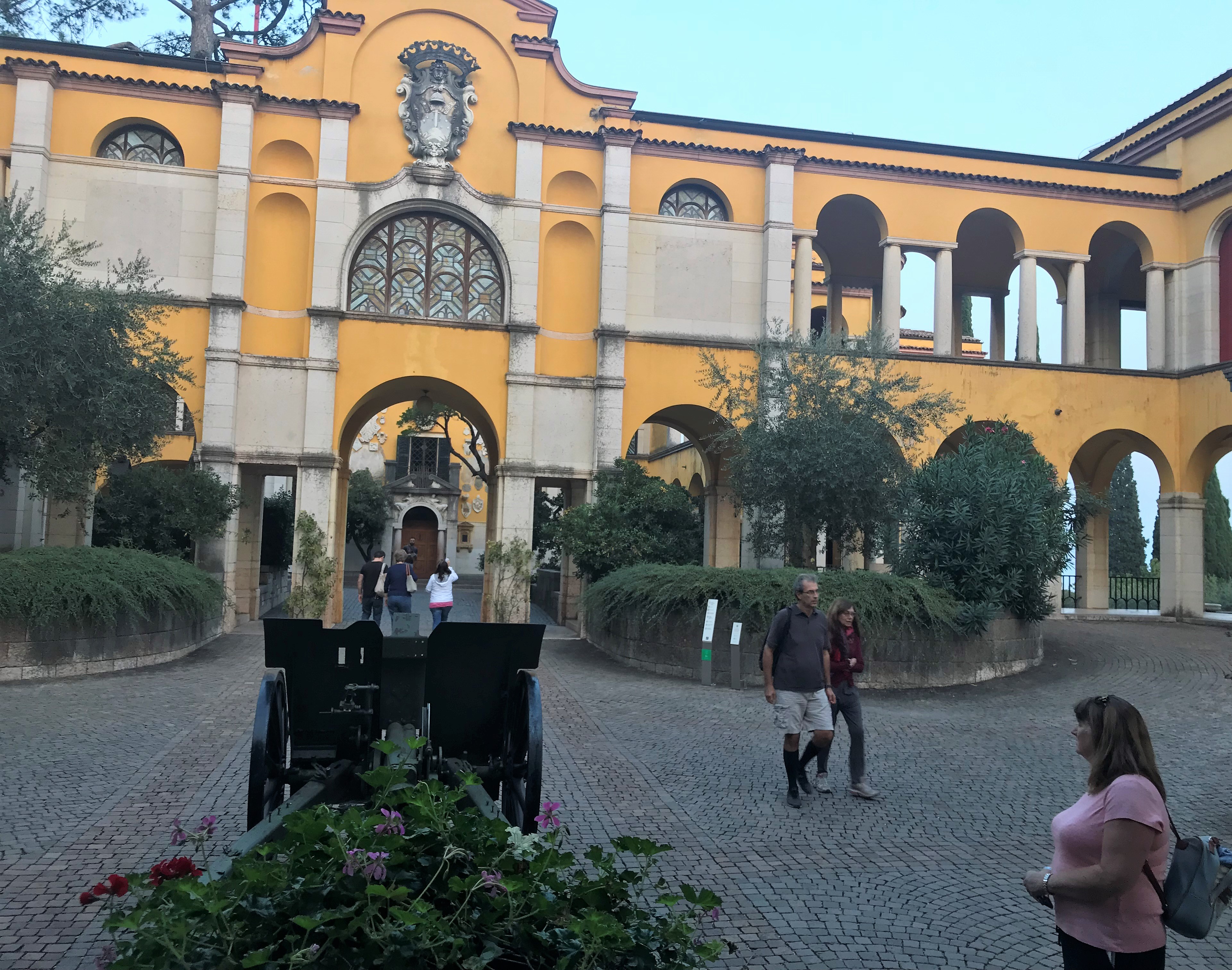
The Prioria itself consists of a number of rooms opulently decorated and filled with memorabilia. Notable are the two waiting rooms, one for welcome guests, one for unwelcome ones. It is the latter where Benito Mussolini was sent to on his visit in 1925. A phrase was inscribed specifically for him above the mirror:

To the visitor:
Are you bringing Narcissus’ Mirror?
This is leaded glass, my mask maker.
Adjust your mask to your face,
But mind that you are glass against steel.

The Leper’s room is where D’Annunzio’s was laid out after his death, d’Annunzio felt that he was being spurned by the government due to their continued efforts to keep him in Gardone, rather than possibly in the limelight in Rome.  There are no guest bedrooms in the house, D’Annunzio did not like to have guests staying!

The Relic room holds a large collection of religious statues and images of different beliefs, purposely placed together to make a statement about the universal character of spirituality. The inscription on the inner wall reads:

As there are five fingers on a hand, there are only five mortal sins.

D’Annunzio wished to make clear hereby that he didn’t believe that lust and greed should be considered sinful.

A most unlikely relic is the distorted steering wheel of racing speedboat Miss England II, donated after the coppa dell oltranza (unlimited cup) powerboating trophy, organized under d’Annunzio patronage, was held in 1931. Miss England II had crashed in a world speed record attempt, killing her pilot, Sir Henry Seagrave in 1930 (though winning the record nevertheless) and was rebuilt to race and win at Lake Garda the following year with Kaye Don at the helm.  D’annunzio who was a syncretist (believer in all religions) deemed the distorted steering wheel “a relic of the religion of courage”.

The Amphitheatre

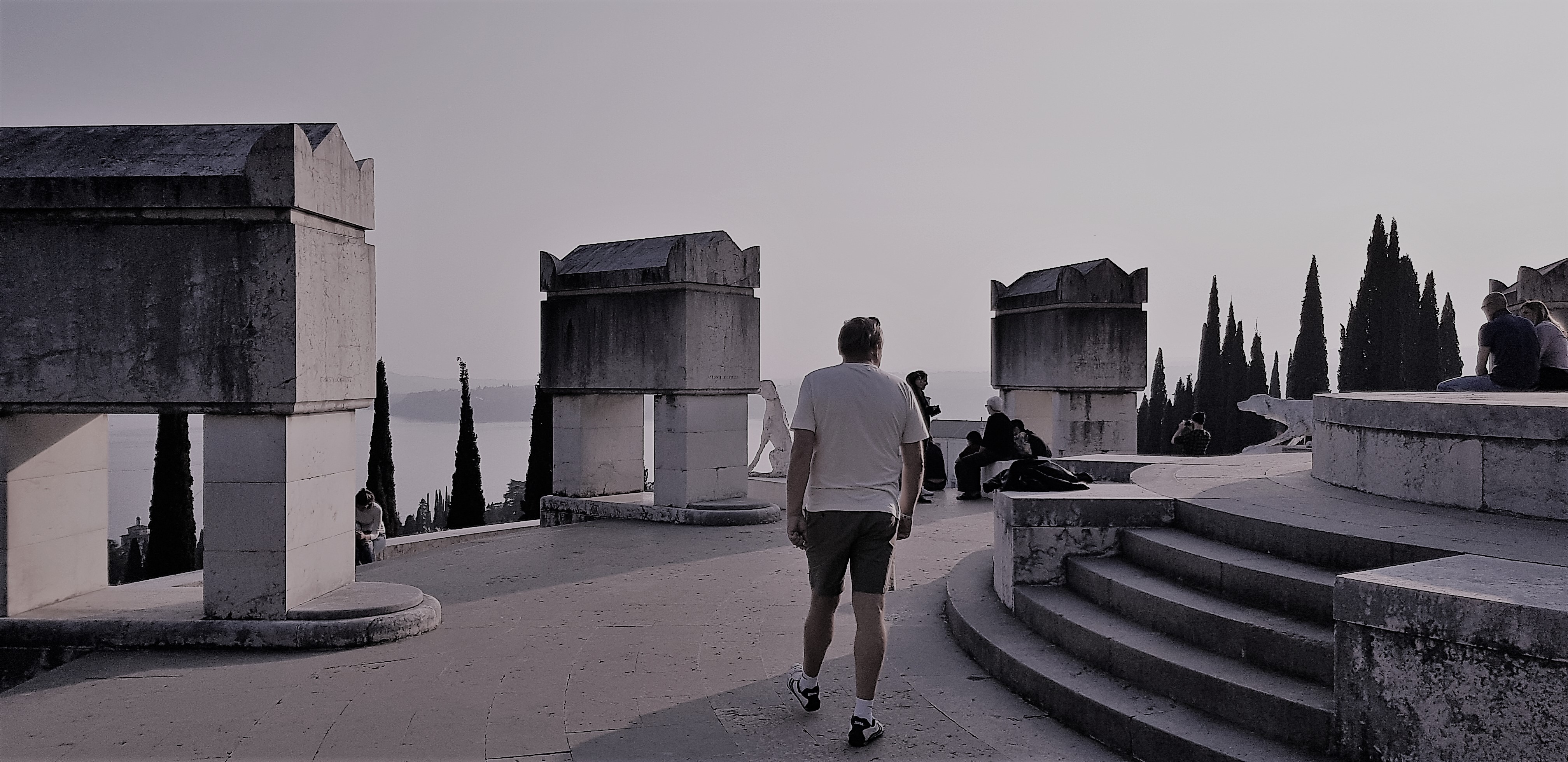
The amphitheatre is the first major structure one comes across after entering the estate and was clearly based upon classic models, the architect Maroni even visiting Pompeii for inspiration. Its location, like the other buildings of the Vittoriale undeniably offers a majestic view of the Garda lake, it is still used for performances today.

The Mausoleum

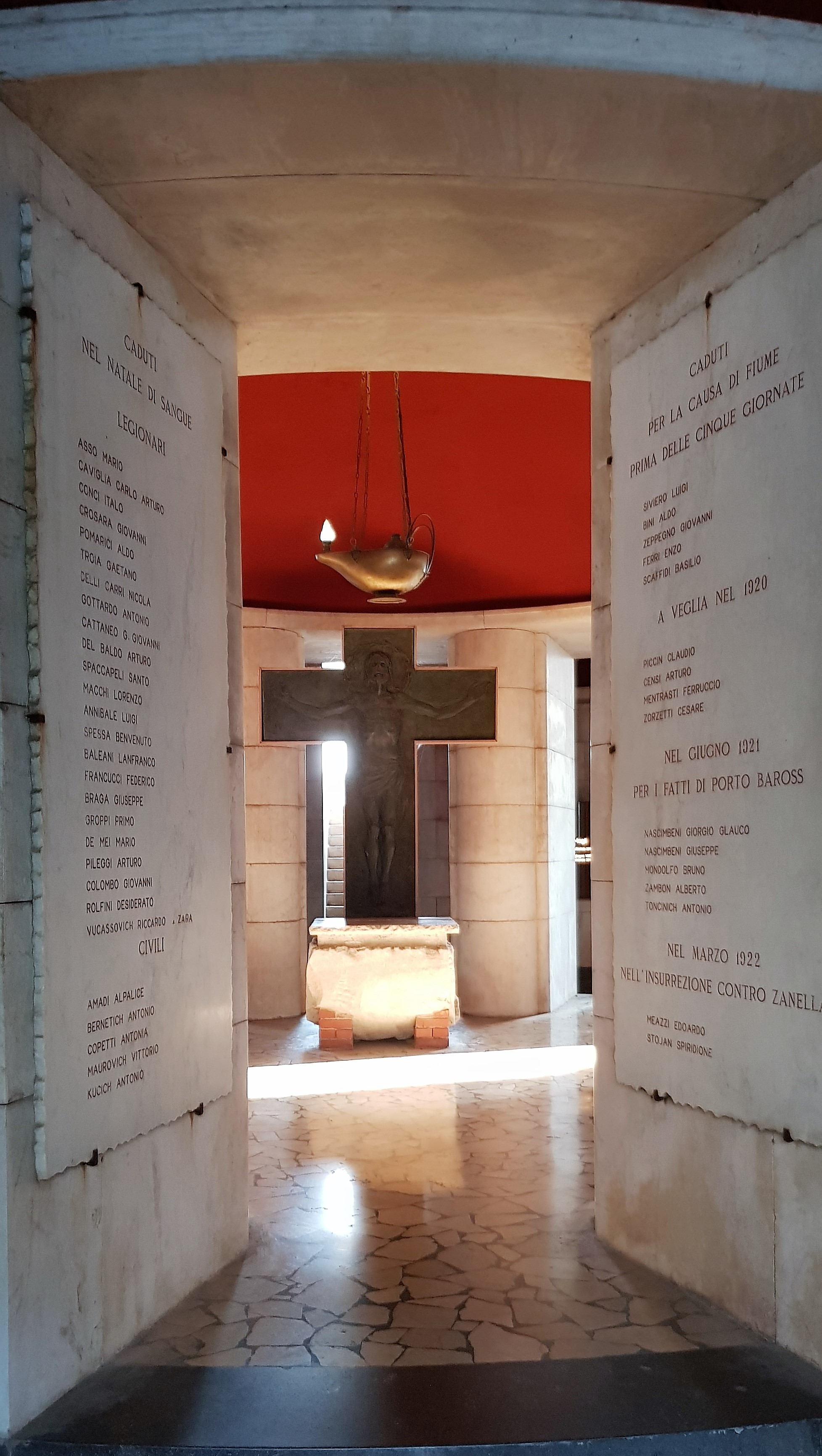
The circular structure is situated on the highest point on the estate. It contains the remains of men who served D’Annunzio and died during the Fiume incident, and d’Annunzio himself in the highest casket.

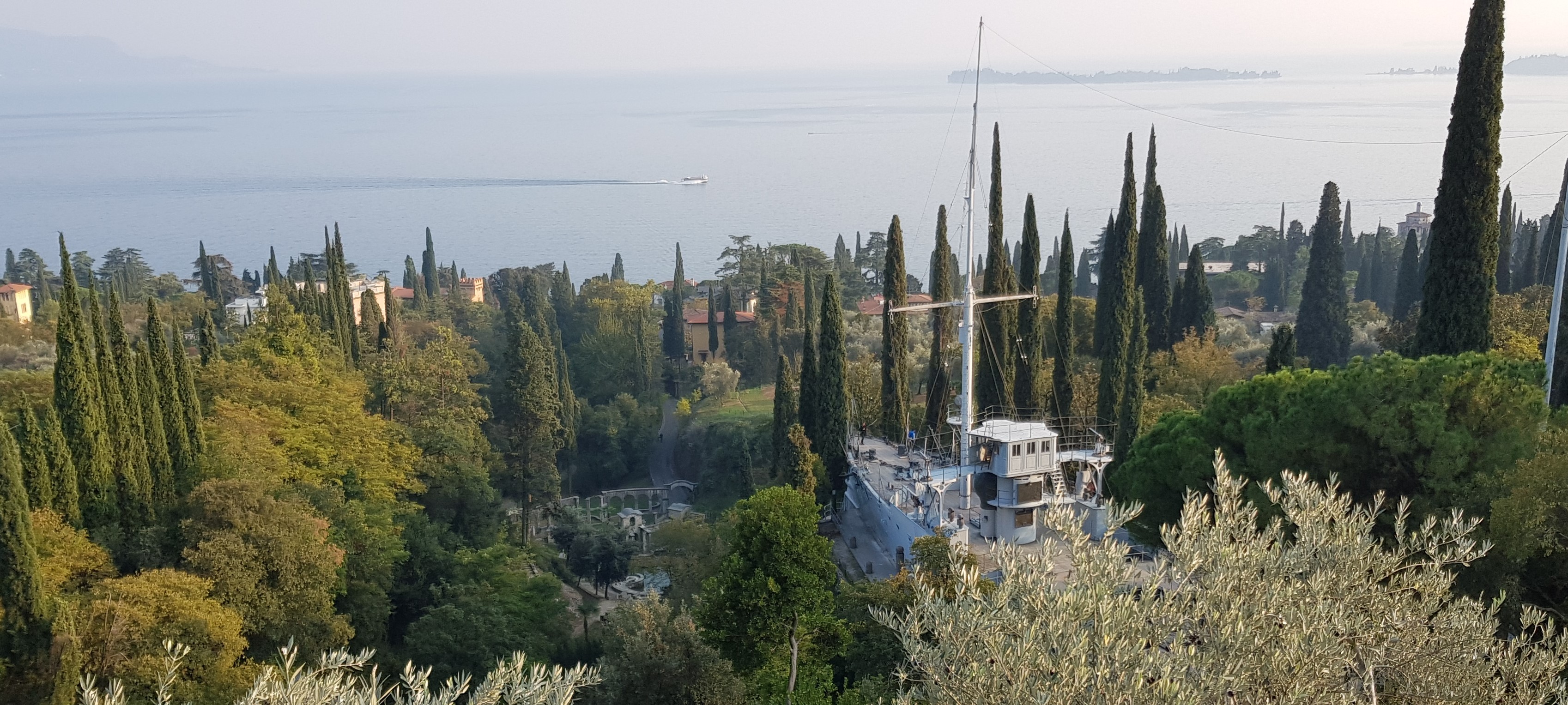
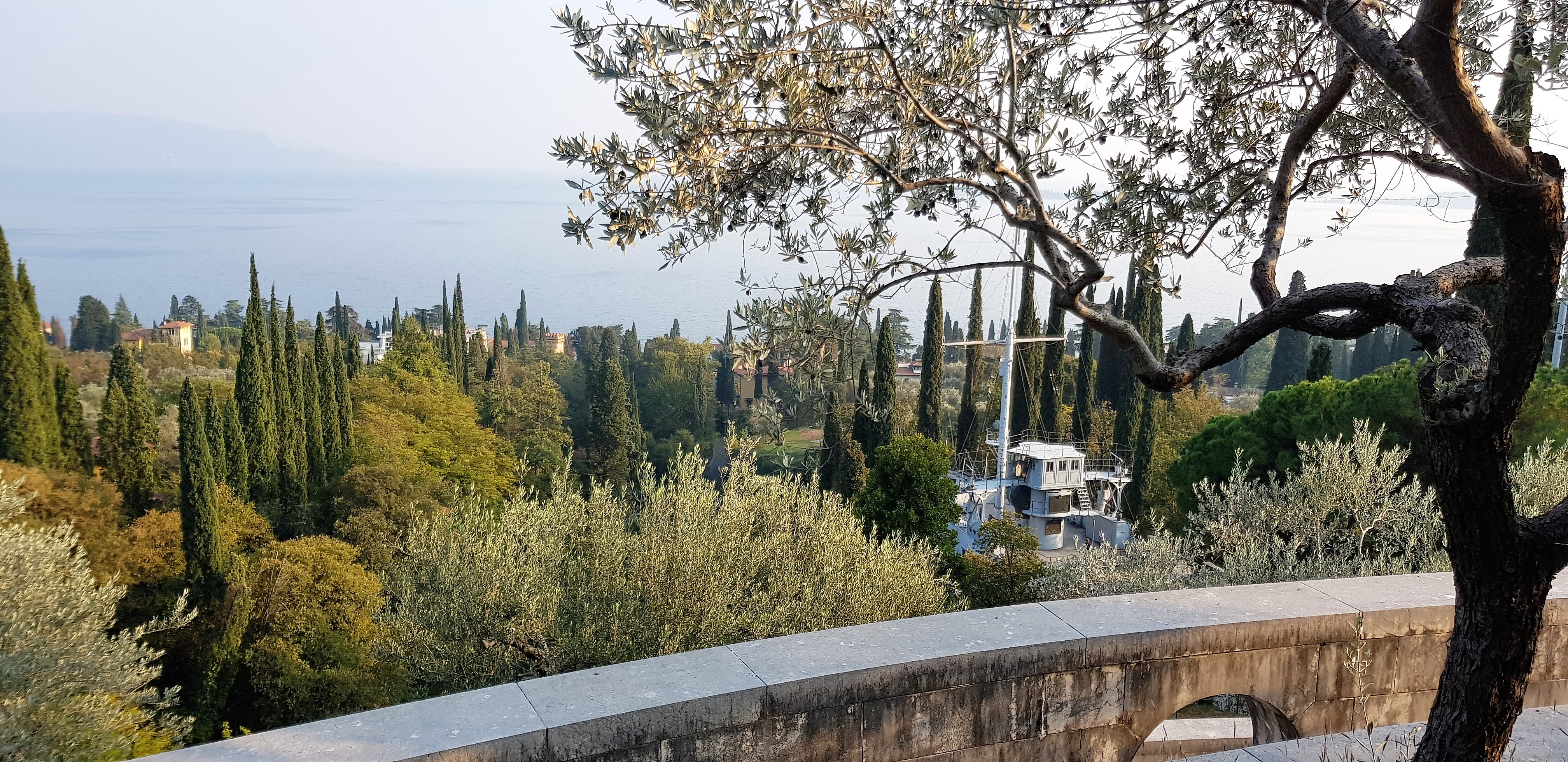
The Protected cruiser Puglia

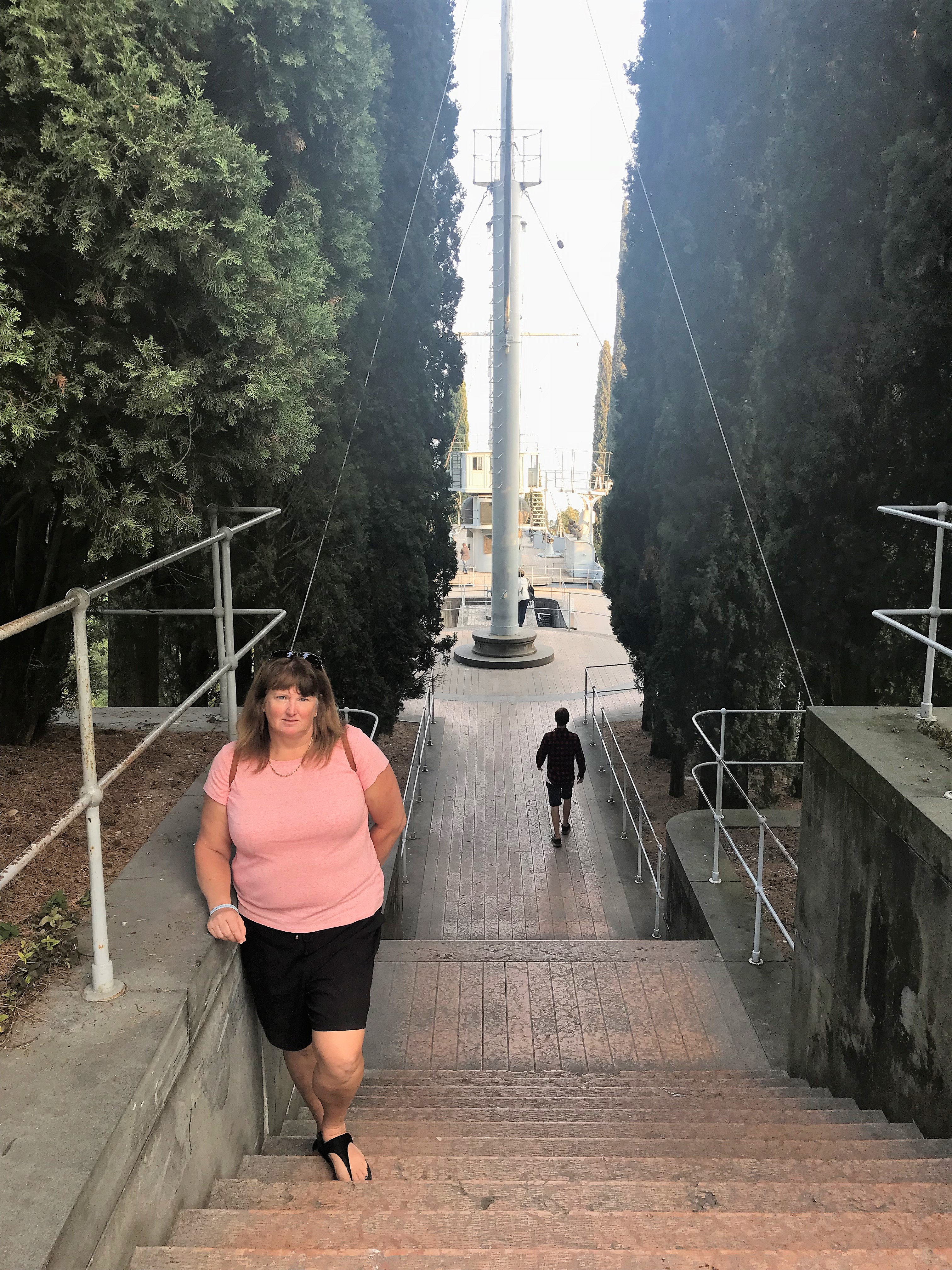
Jutting out of one of the hilltops the cruiser Puglia makes a surreal sight. It was placed there, with its bow pointing in the direction of the Adriatic, “ready to conquer the Dalmatian shores”.

The MAS 96

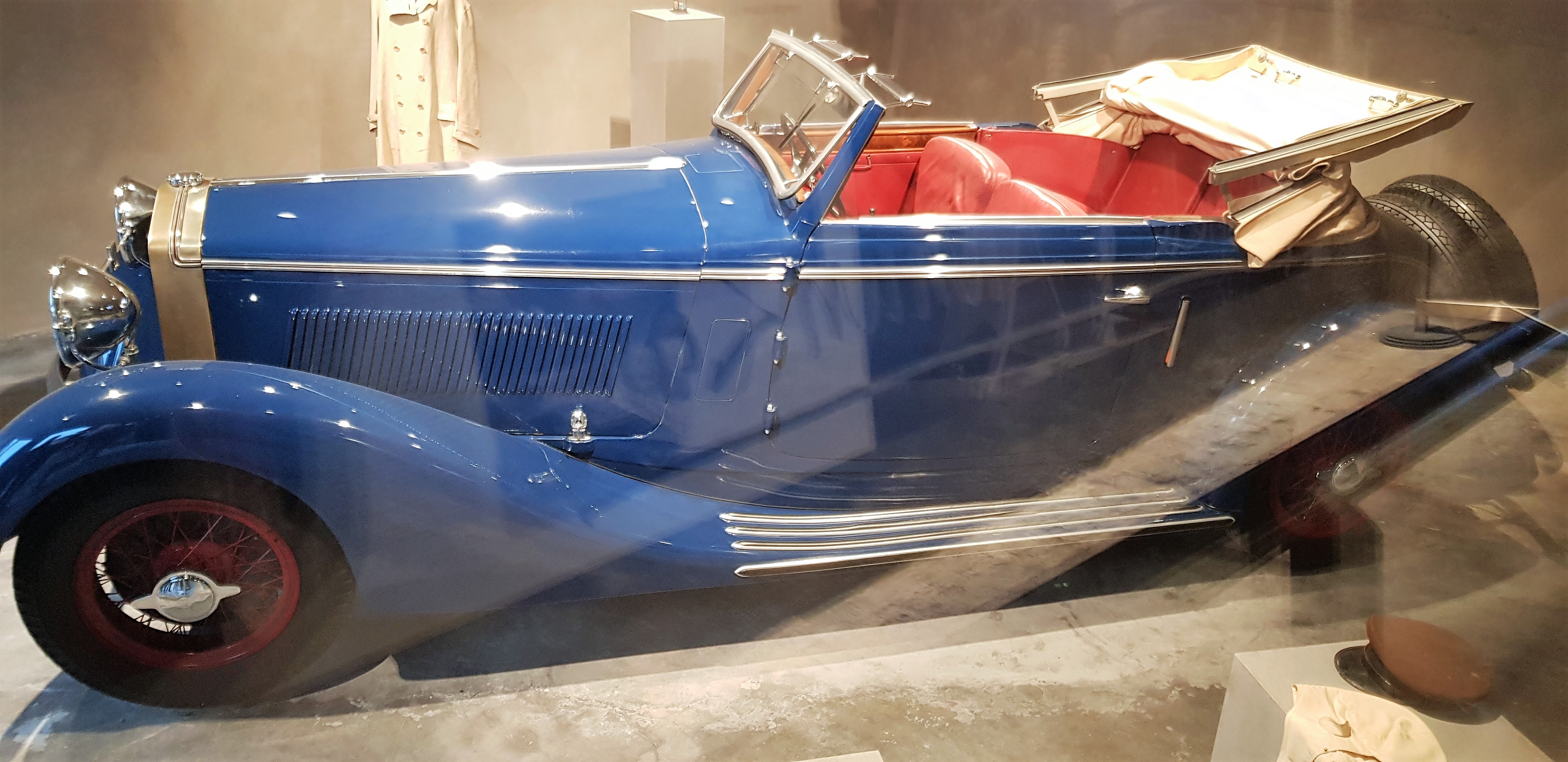
The 10SVA Bi-plane The Gardens D’Annunzio’s Car & Personal Belongings

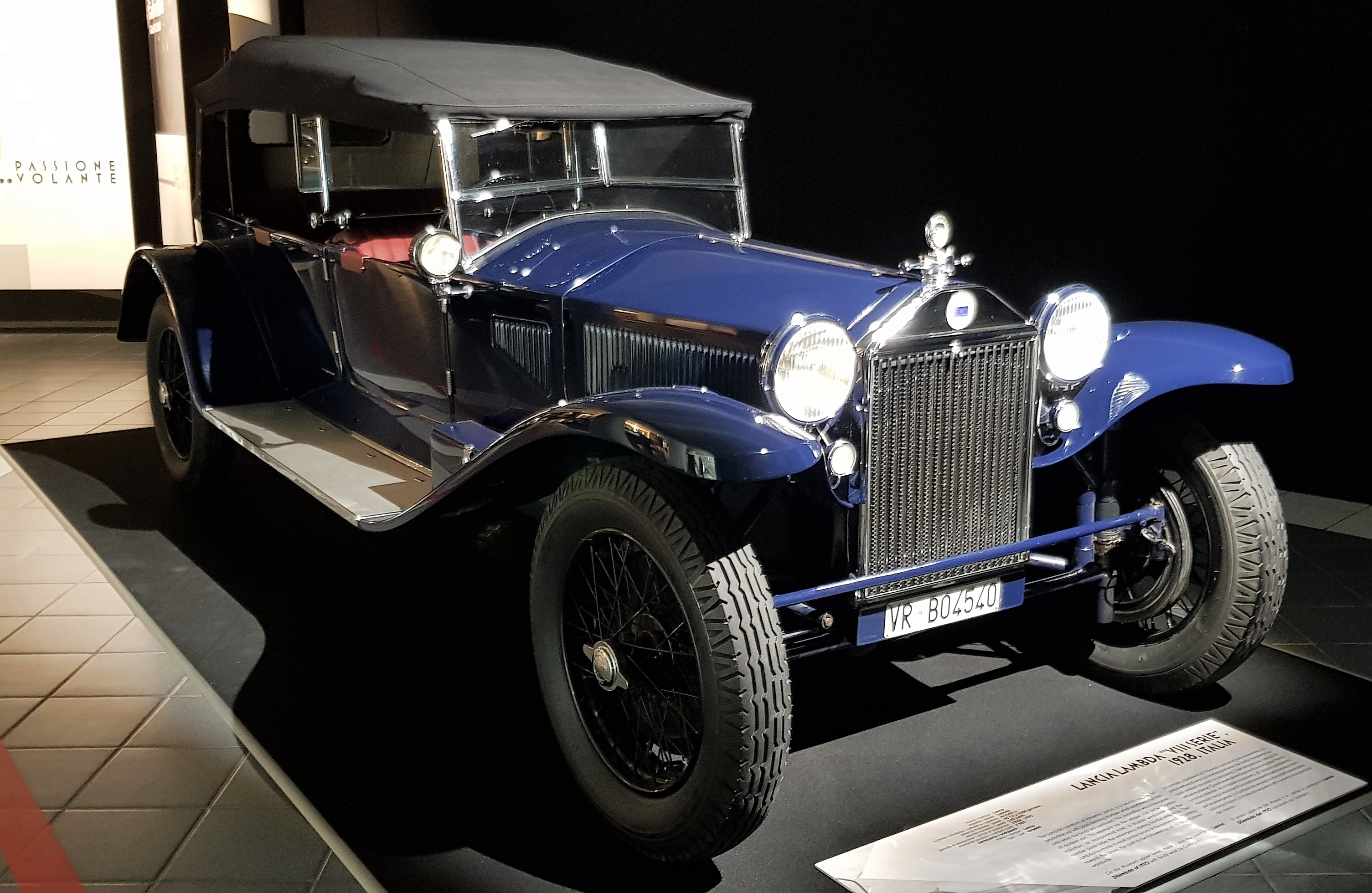
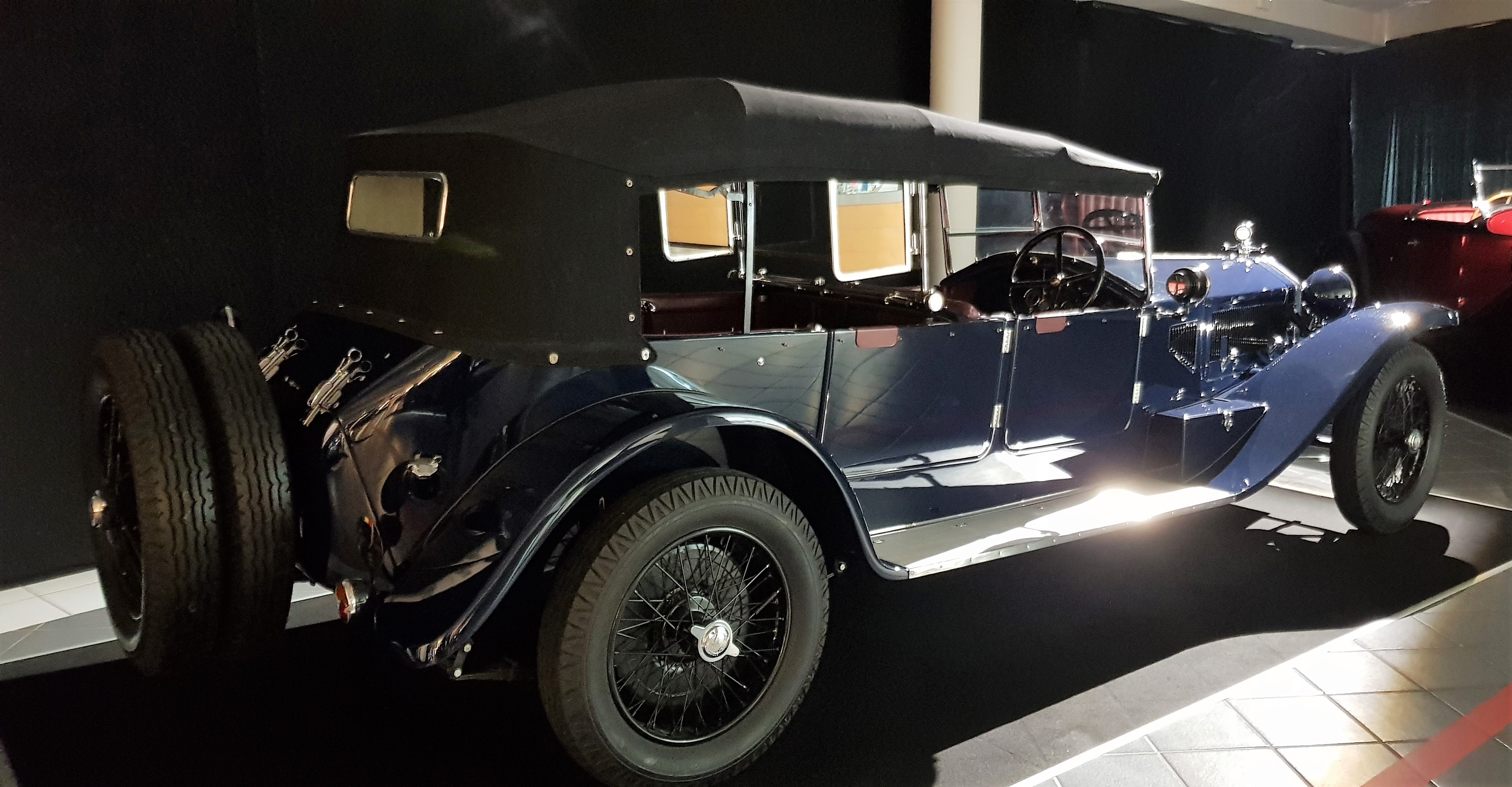
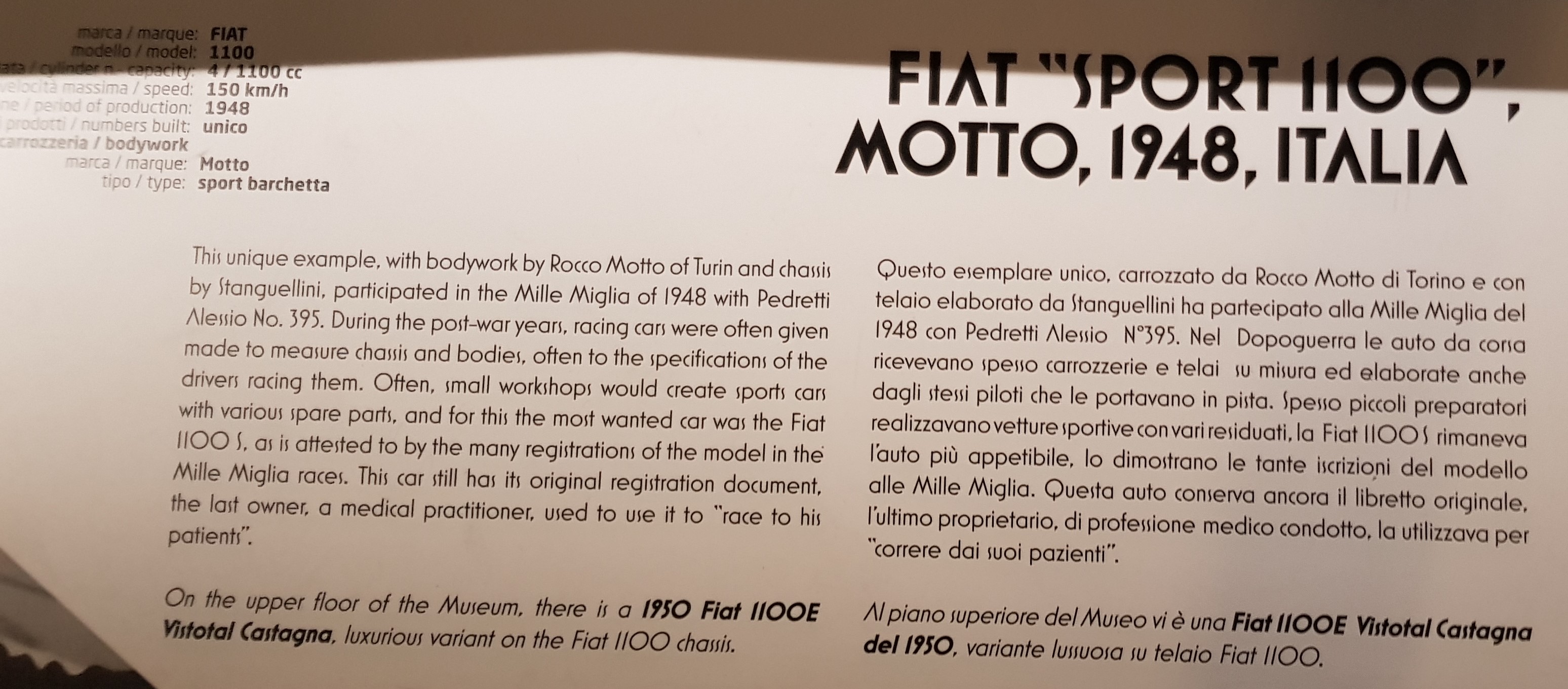
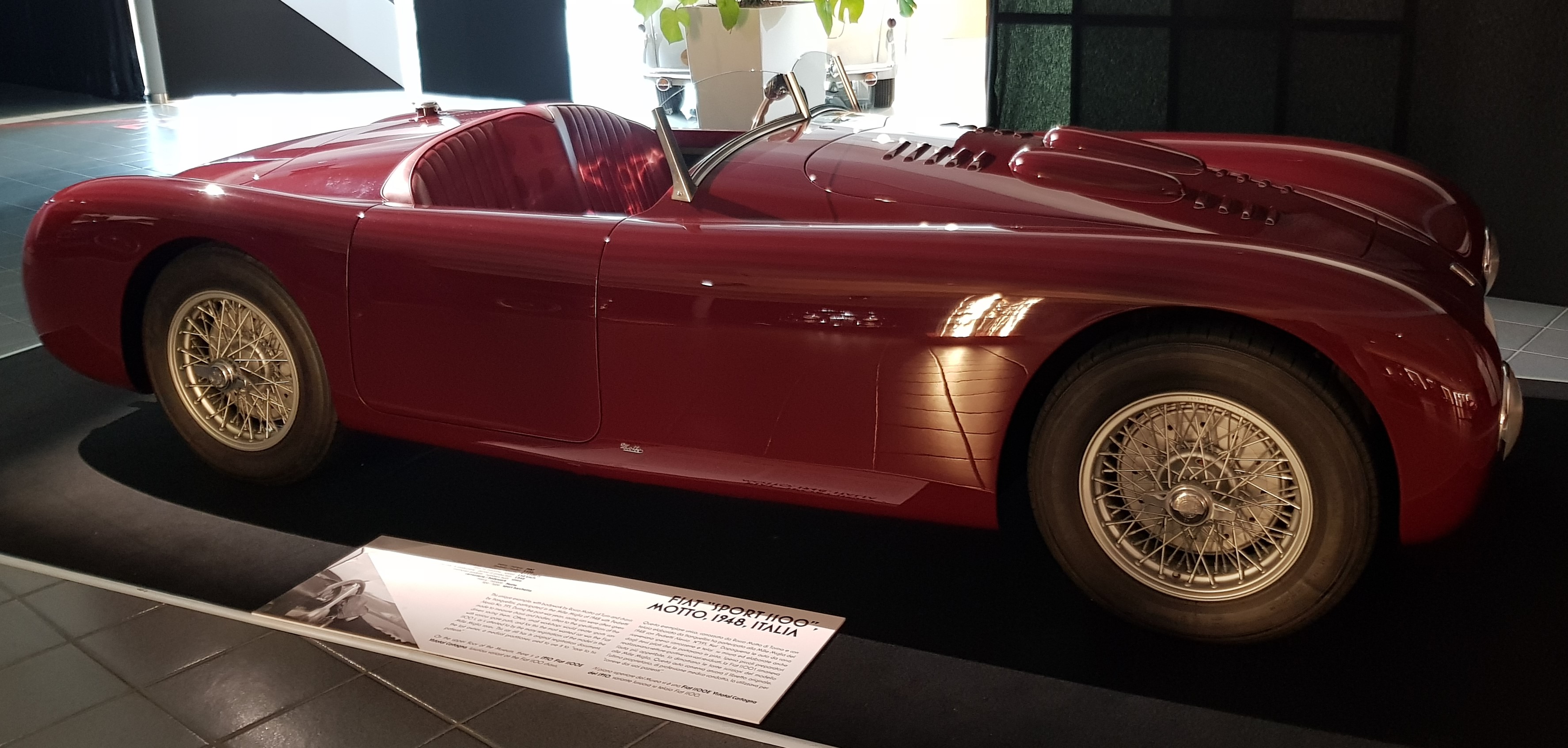
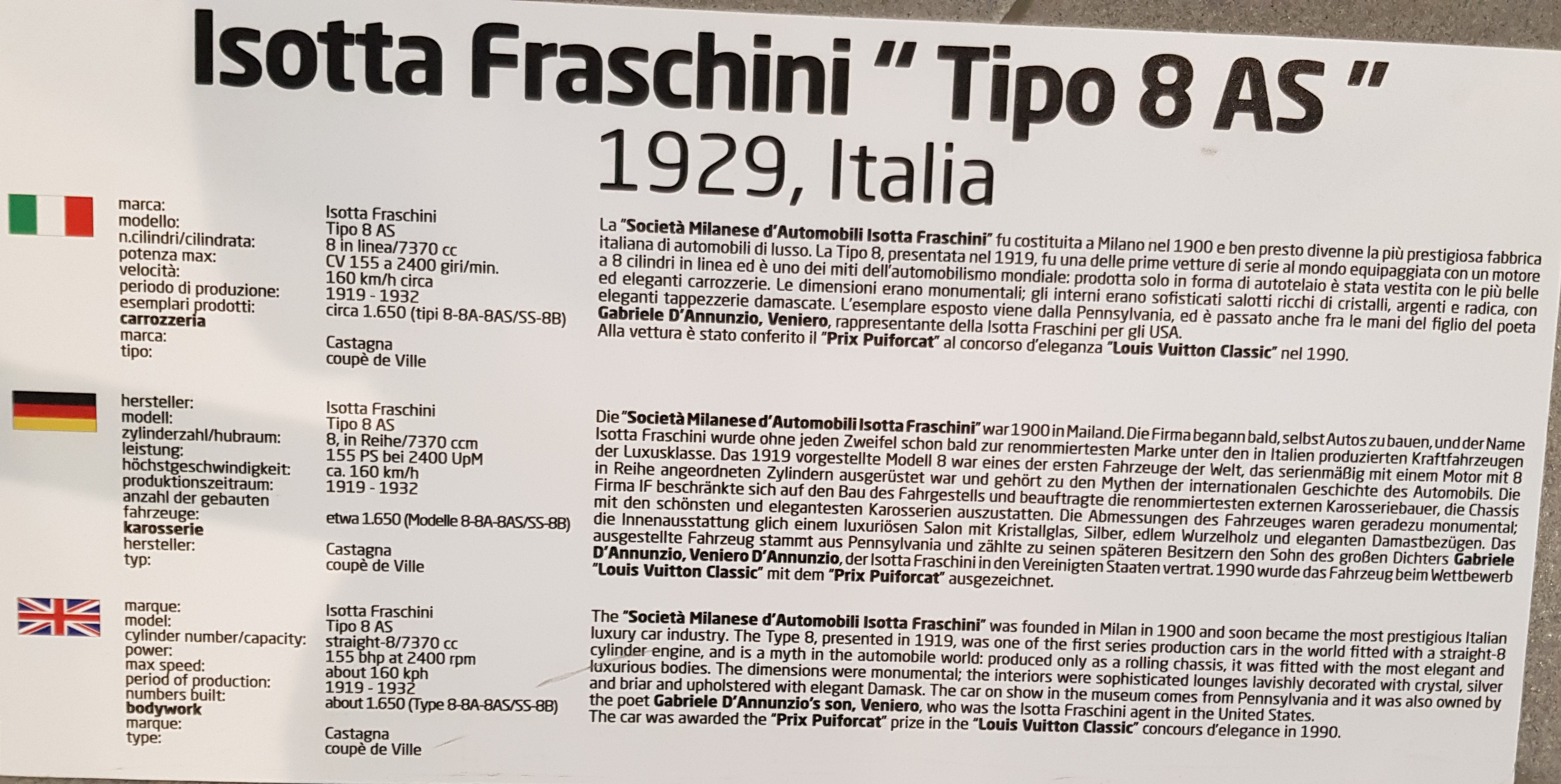
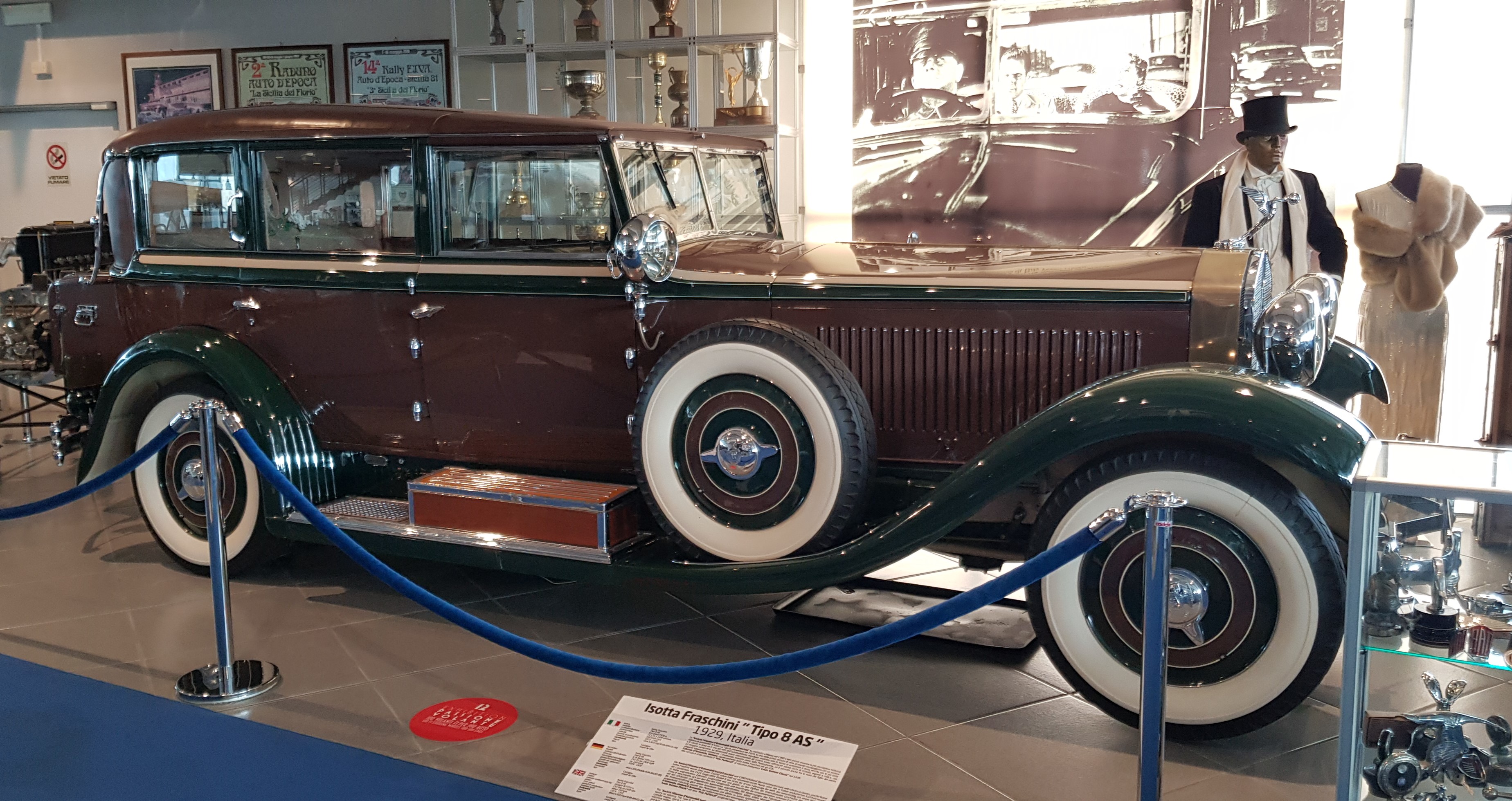
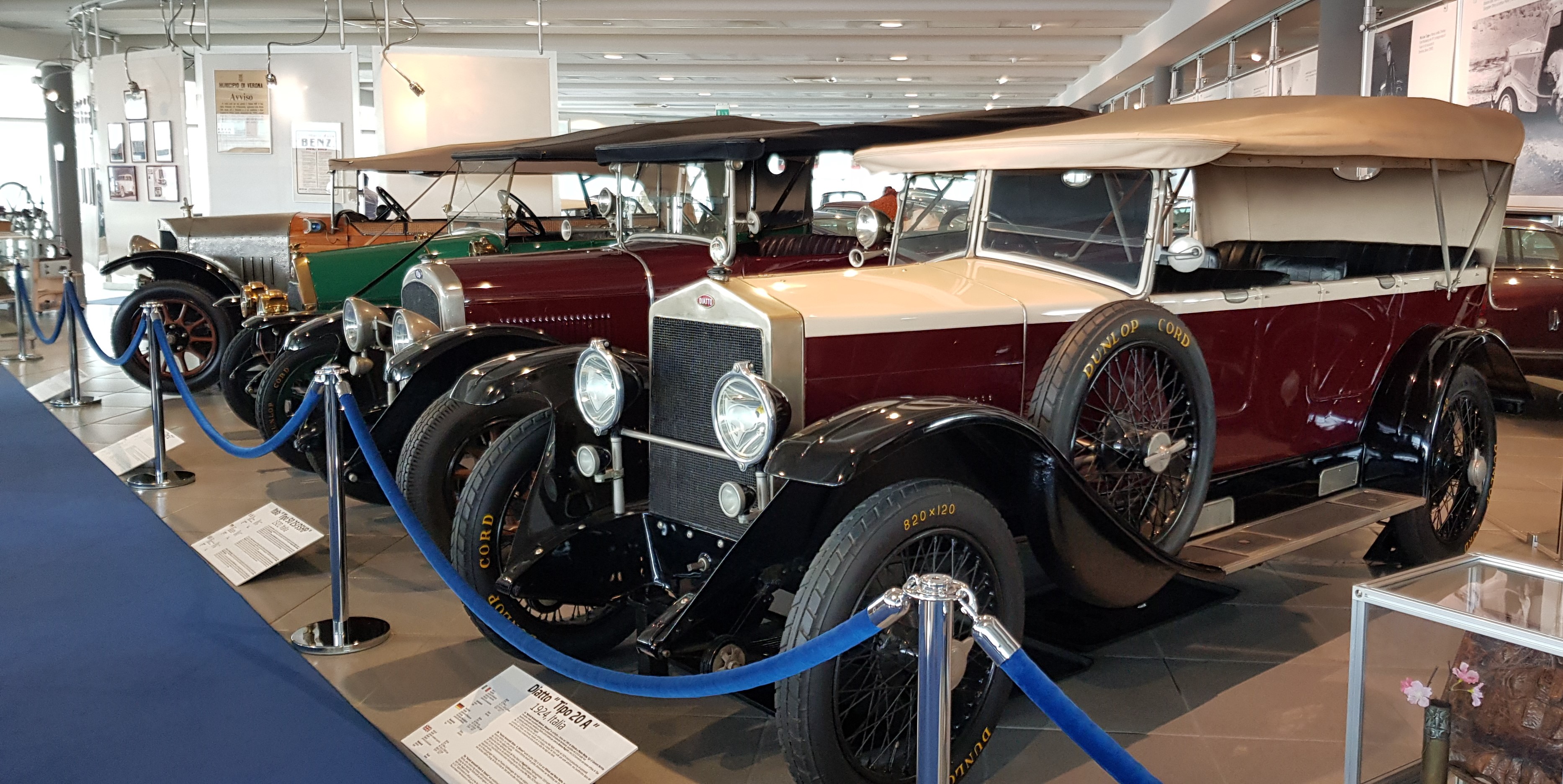
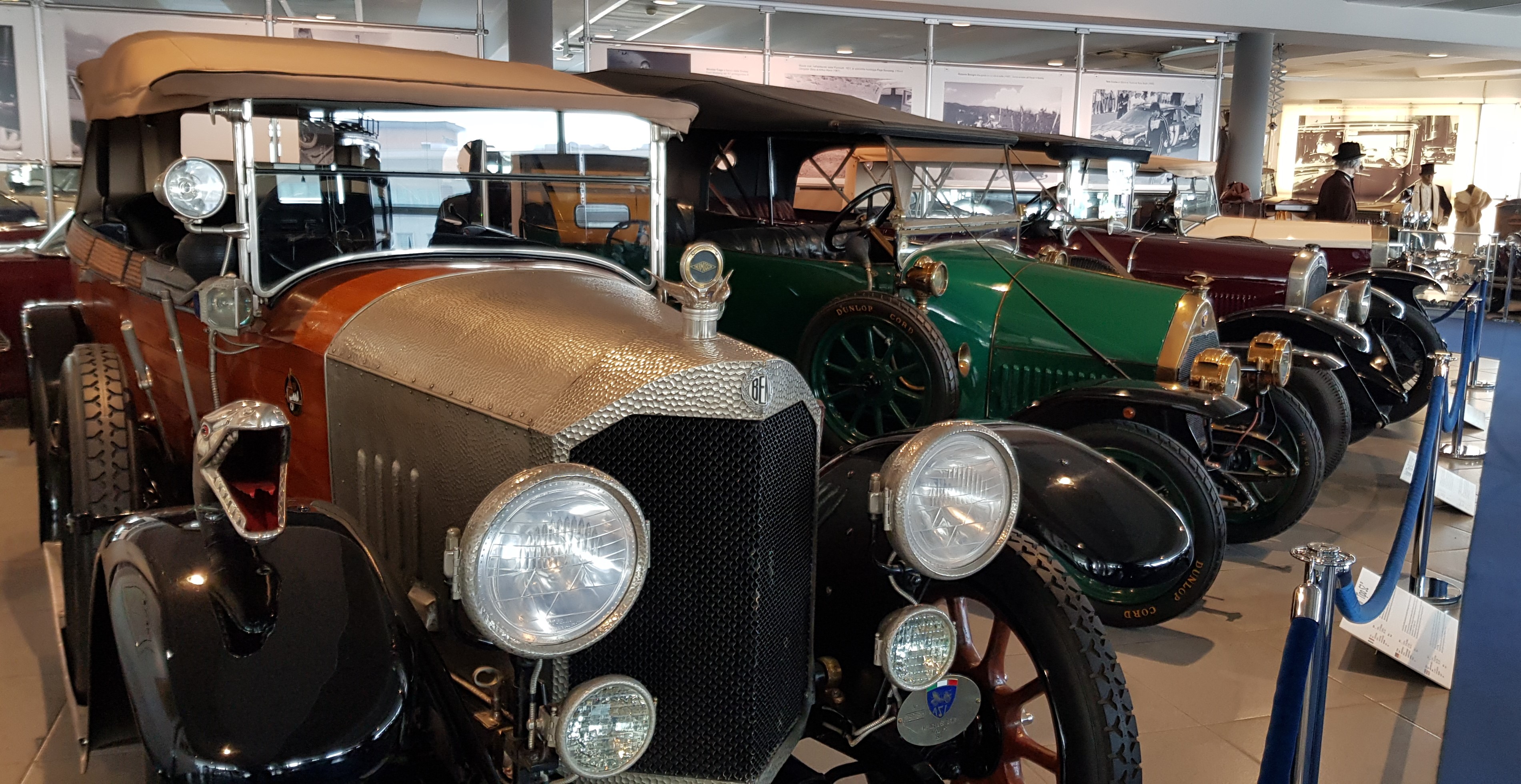
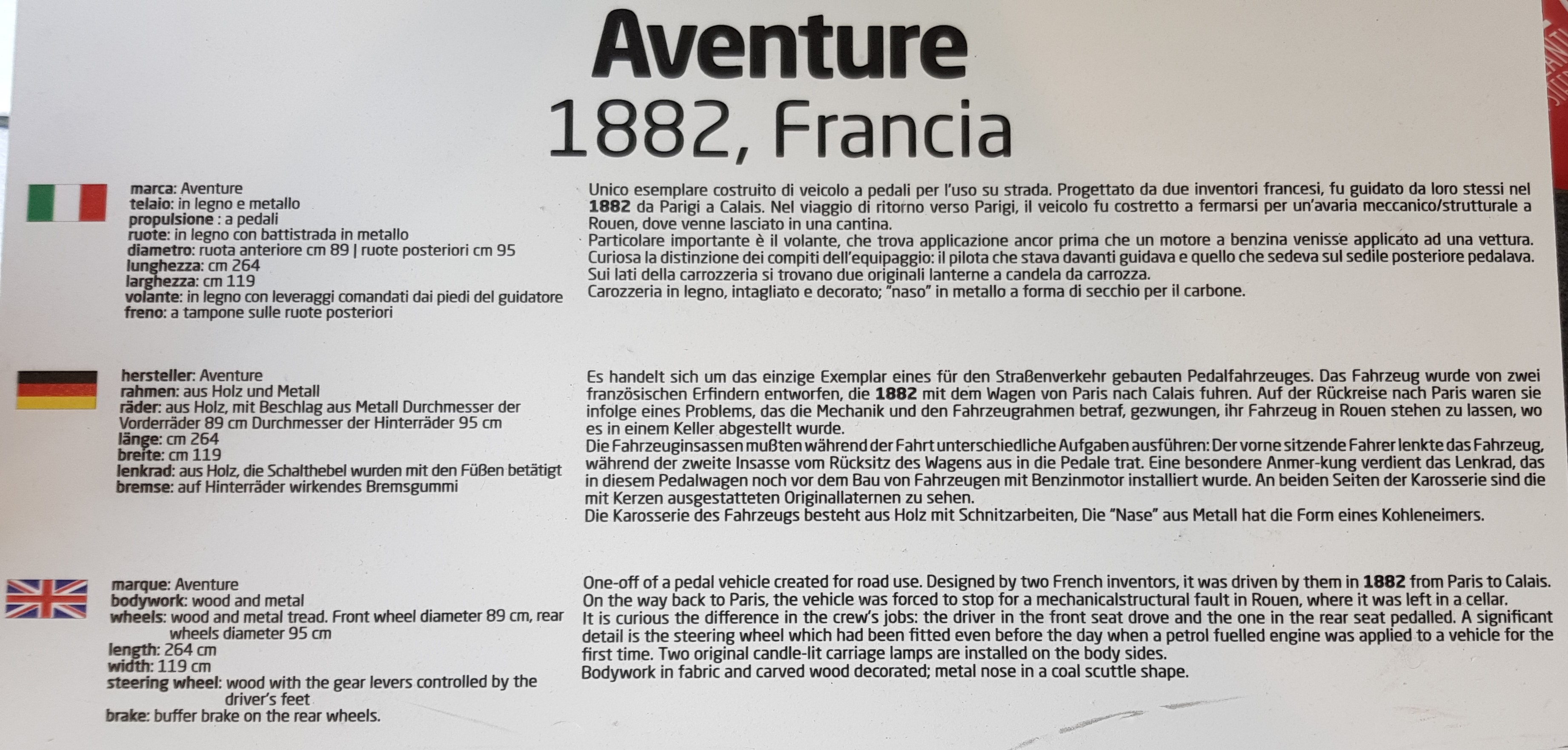
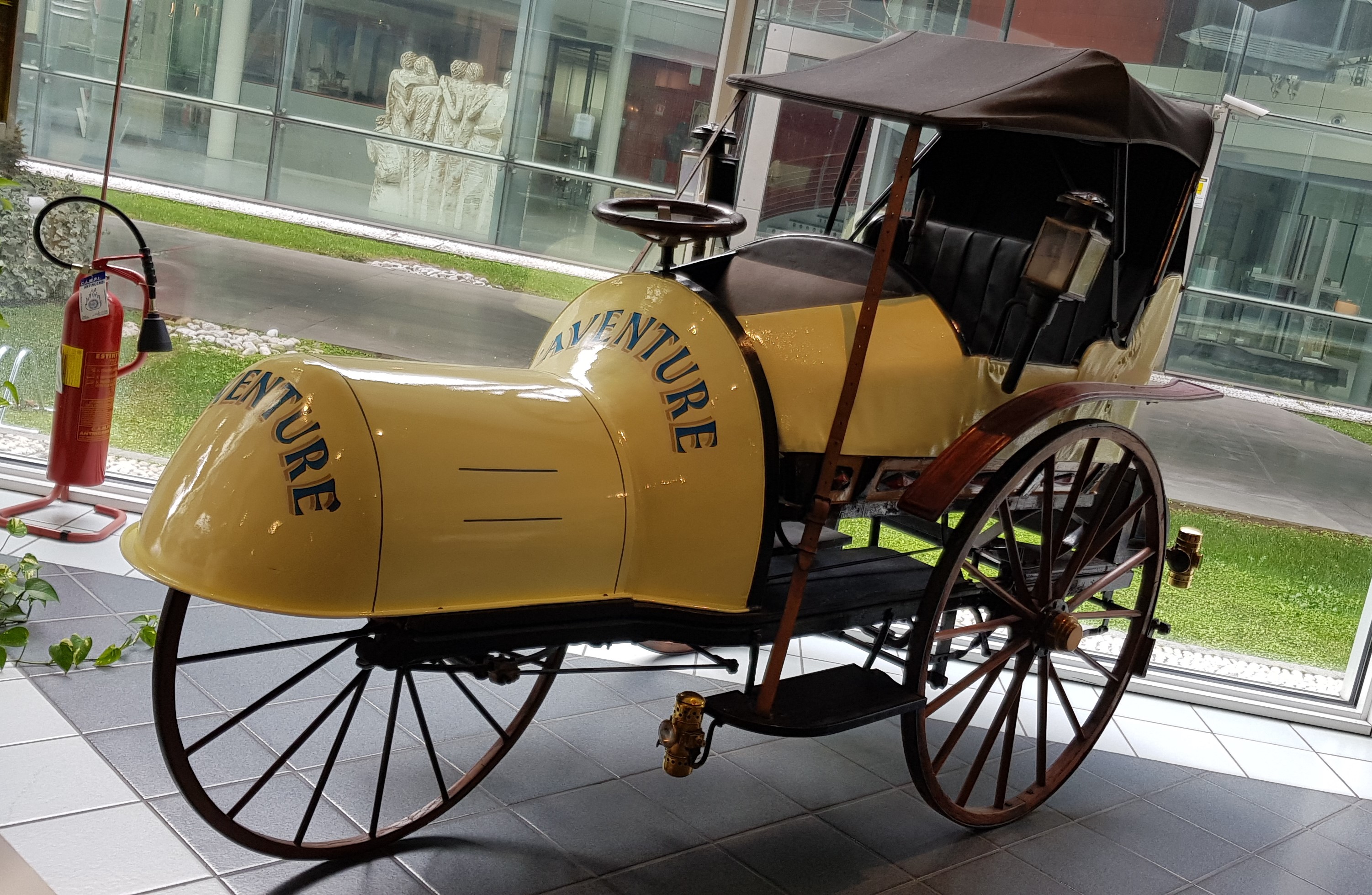
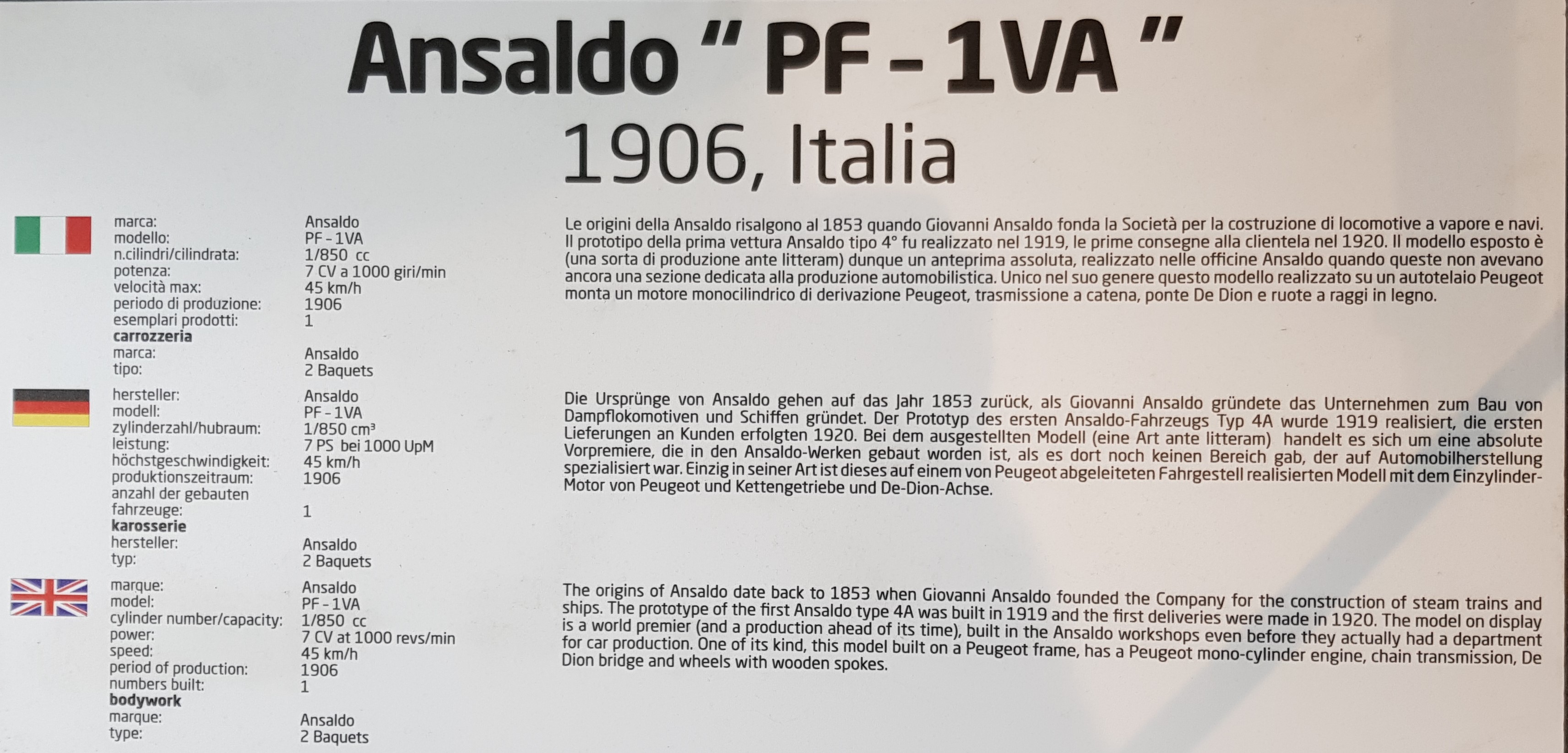
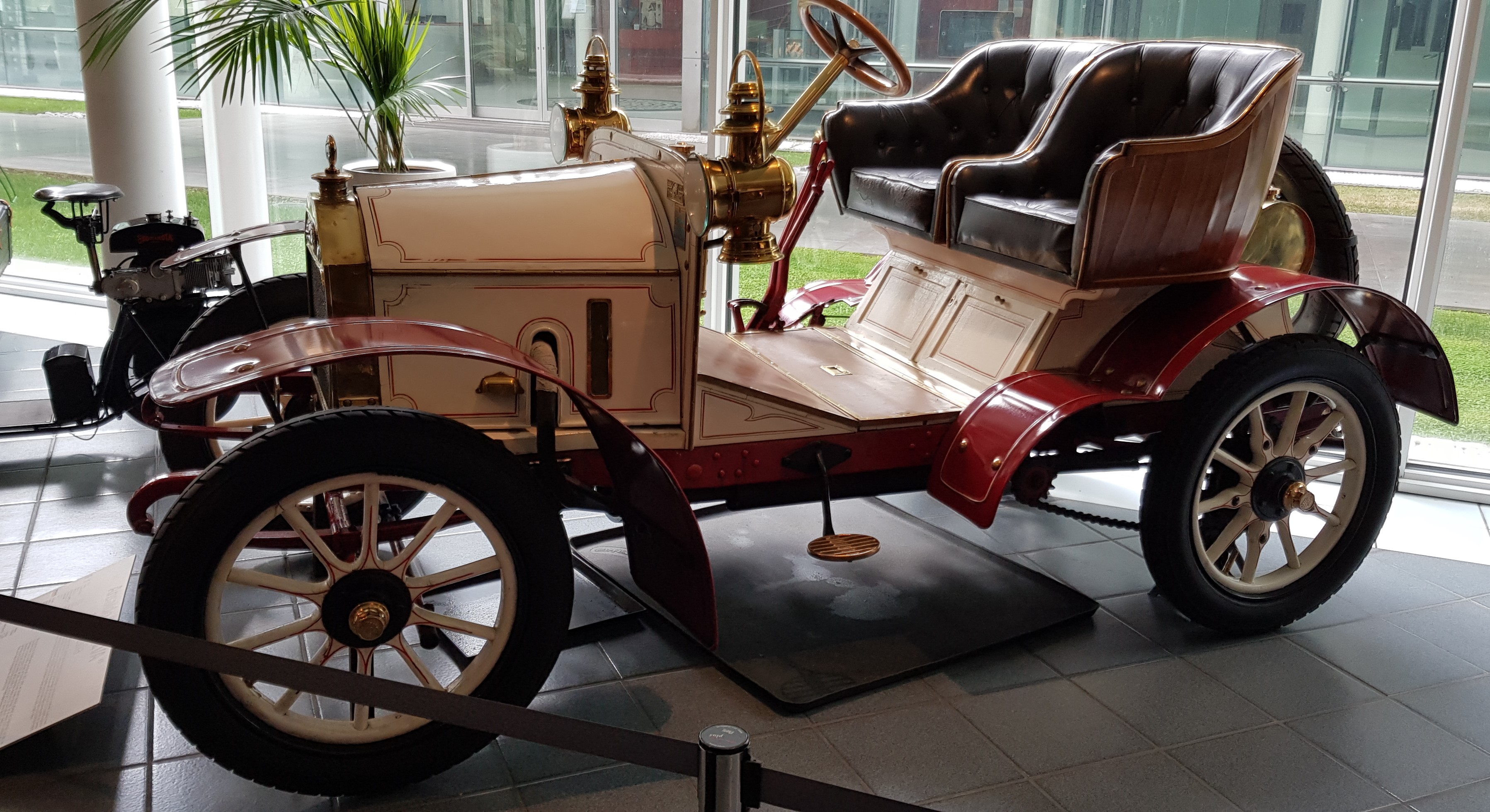
Museum Nicolis – Italian Private Car Collection

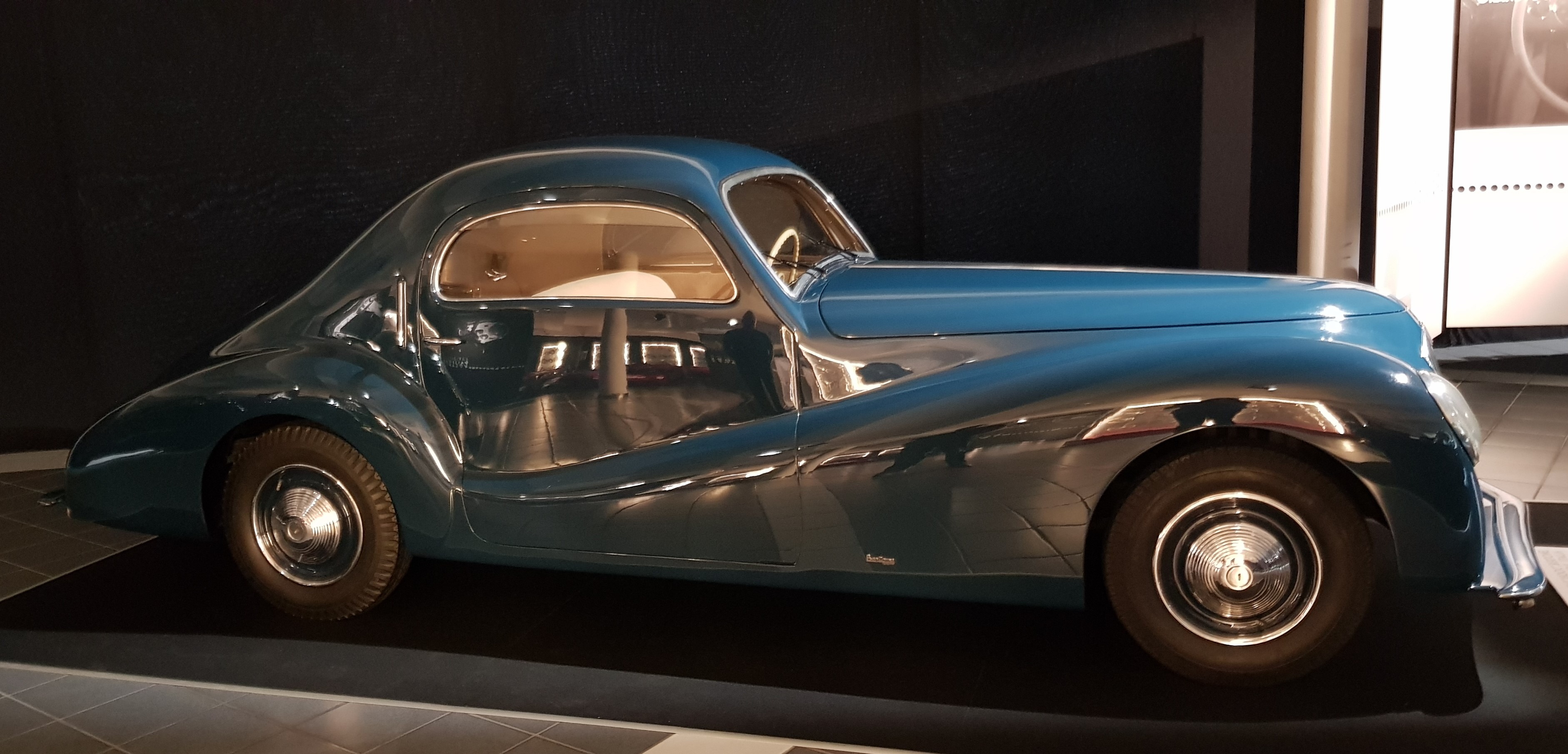
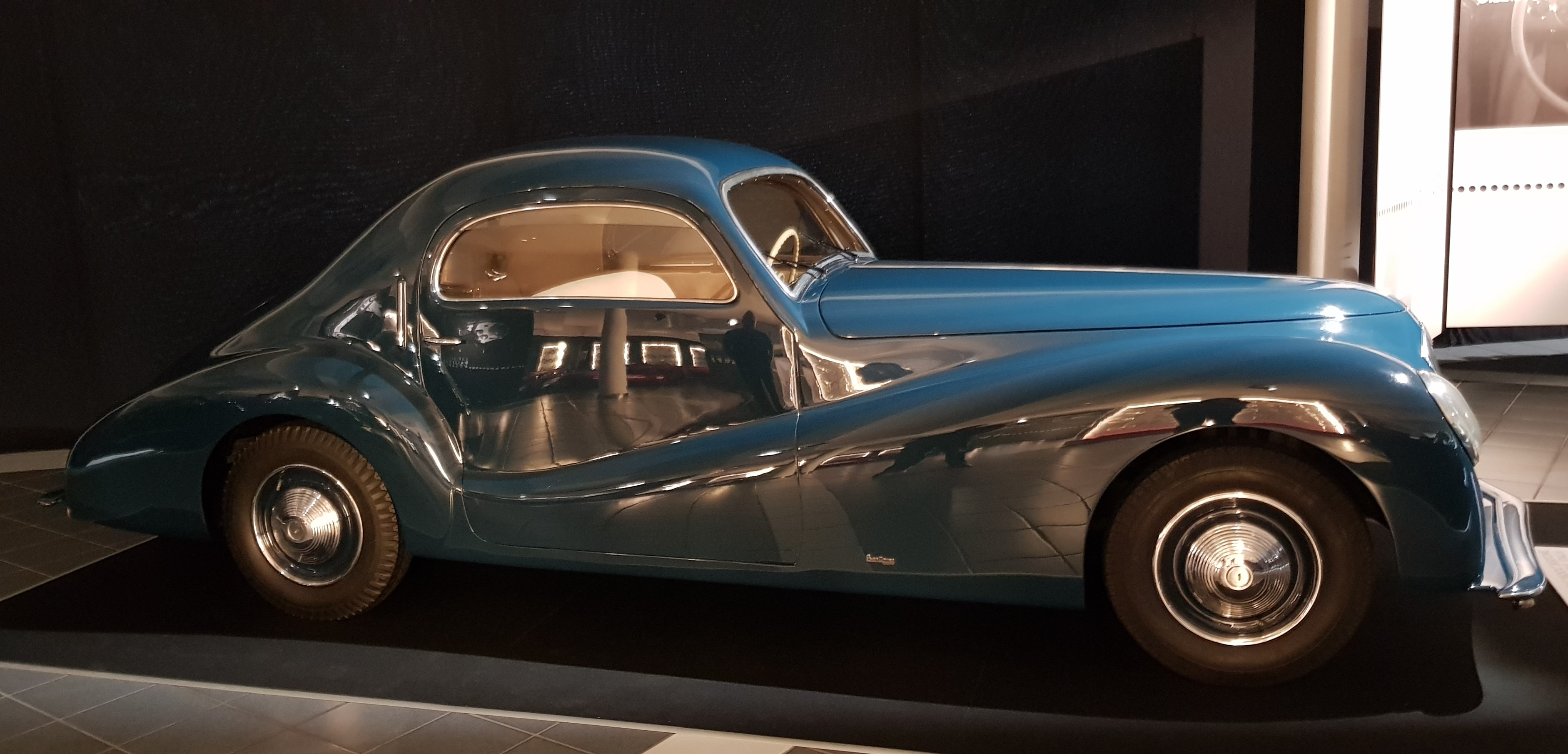
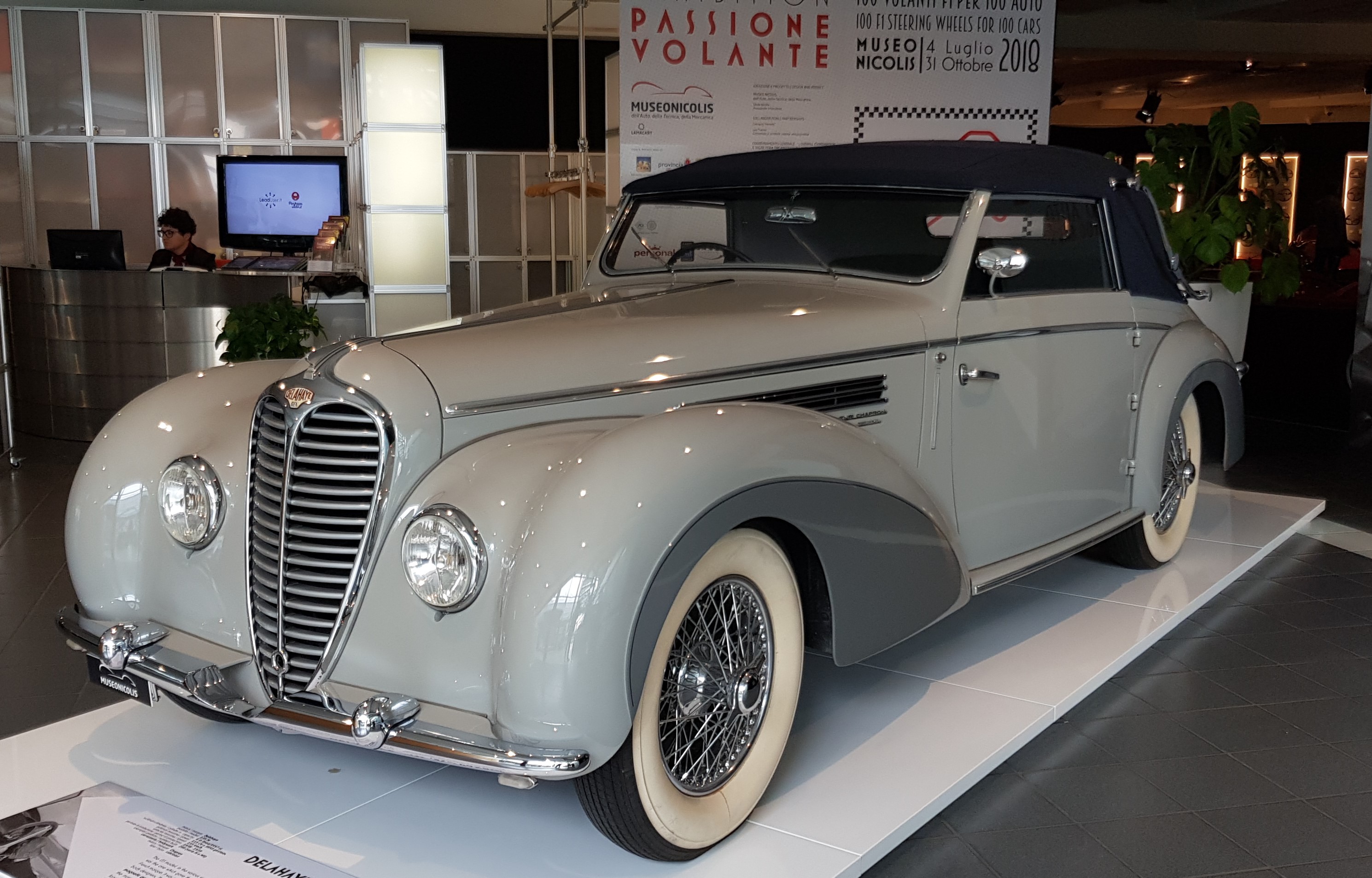
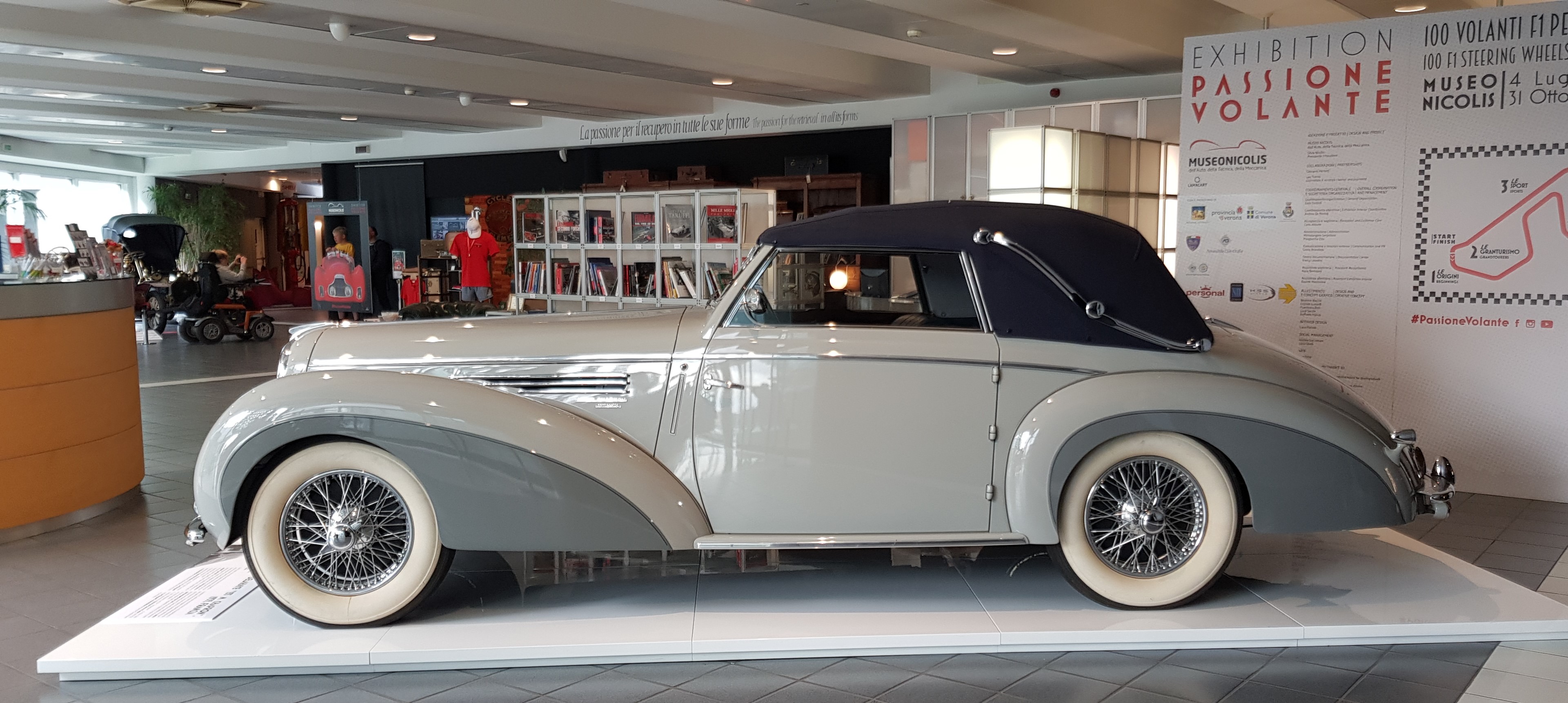
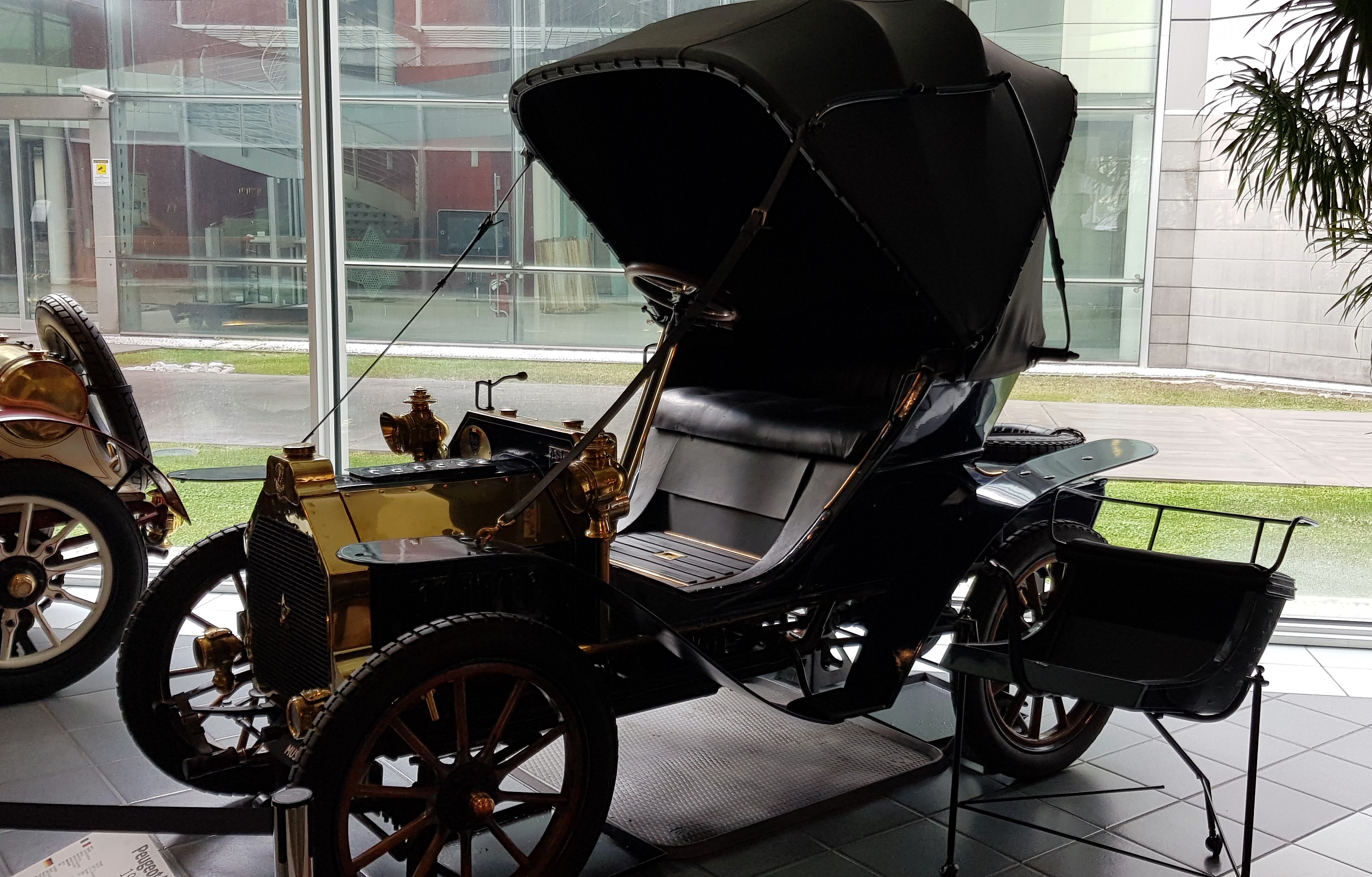
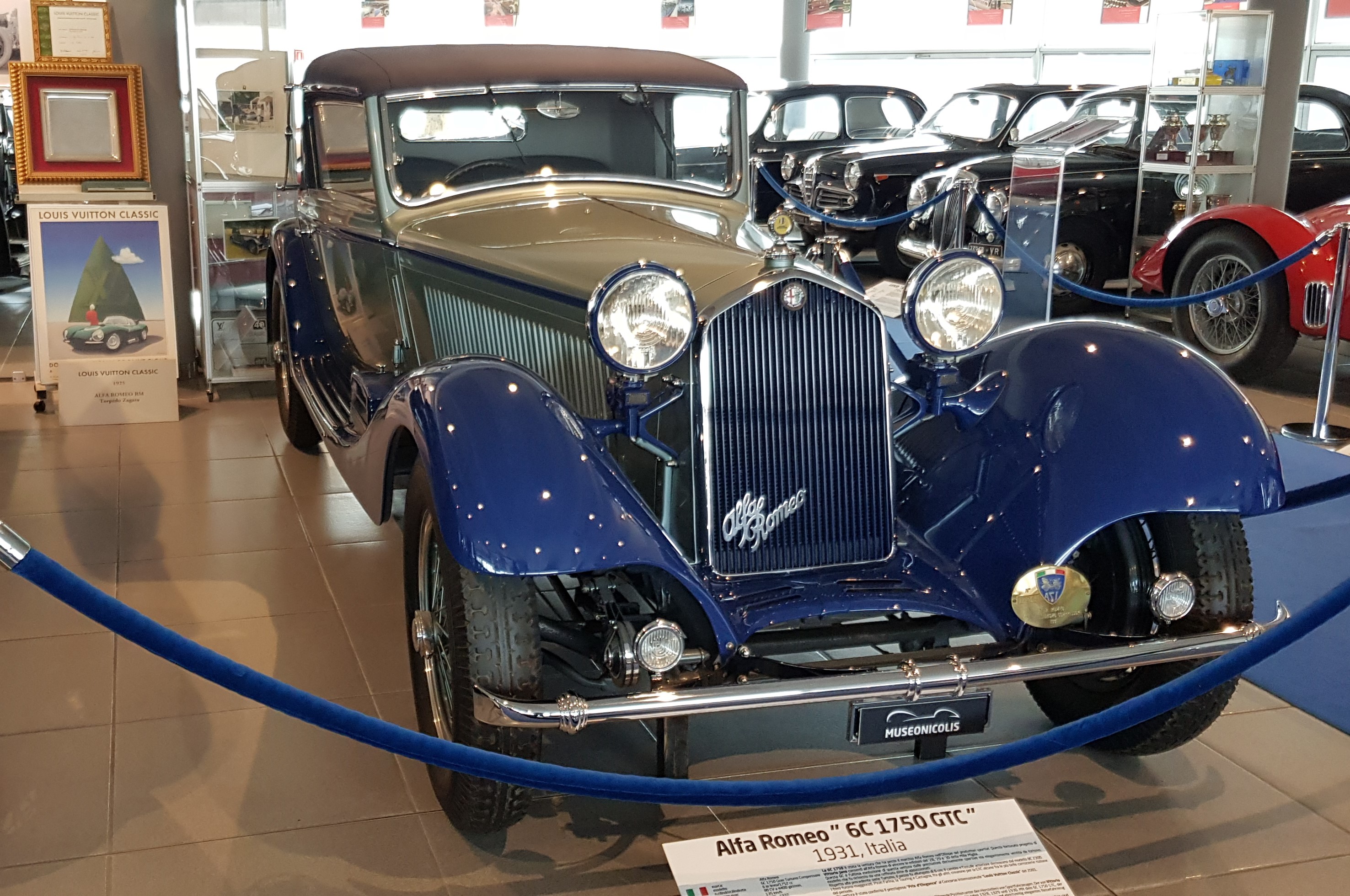
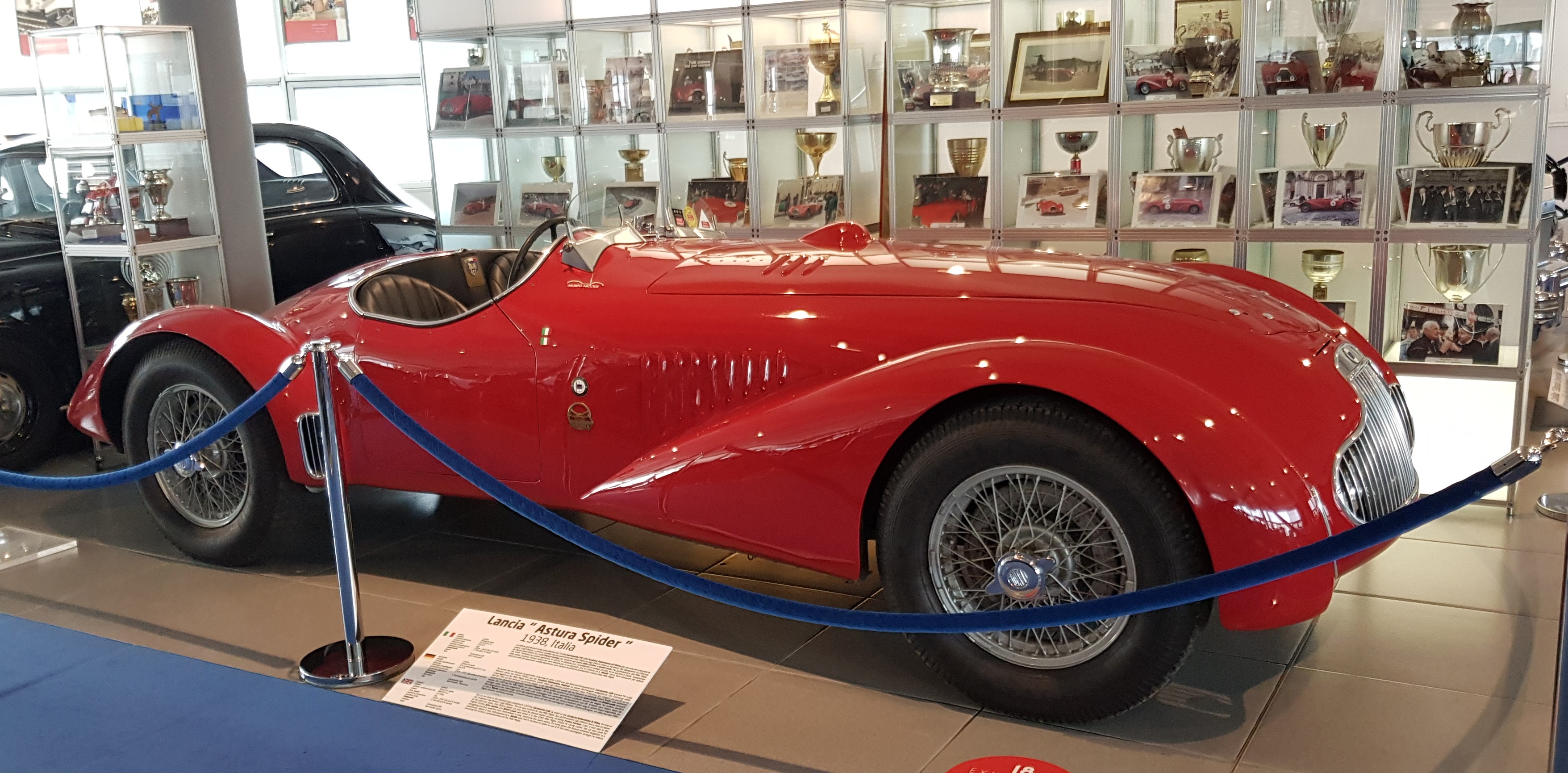
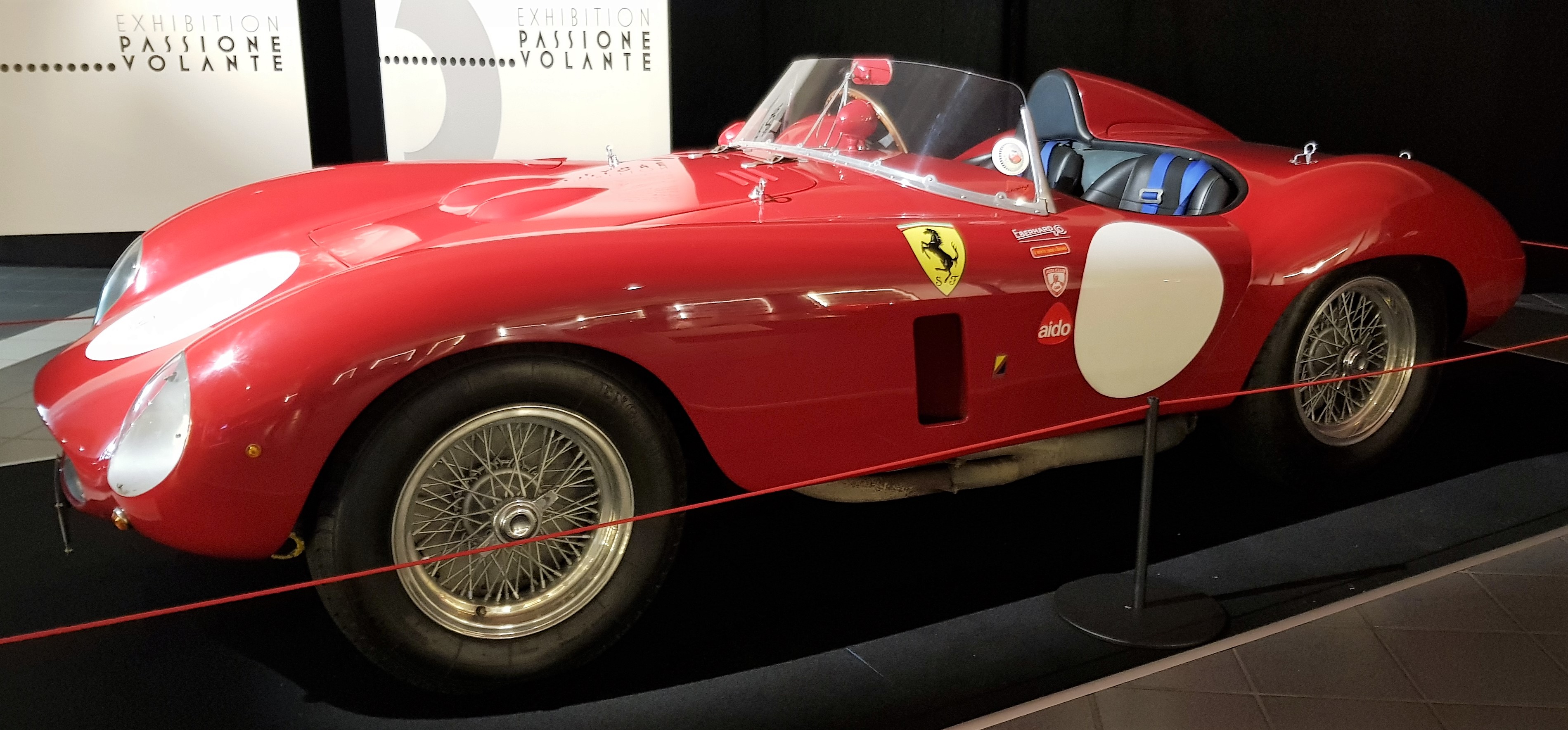
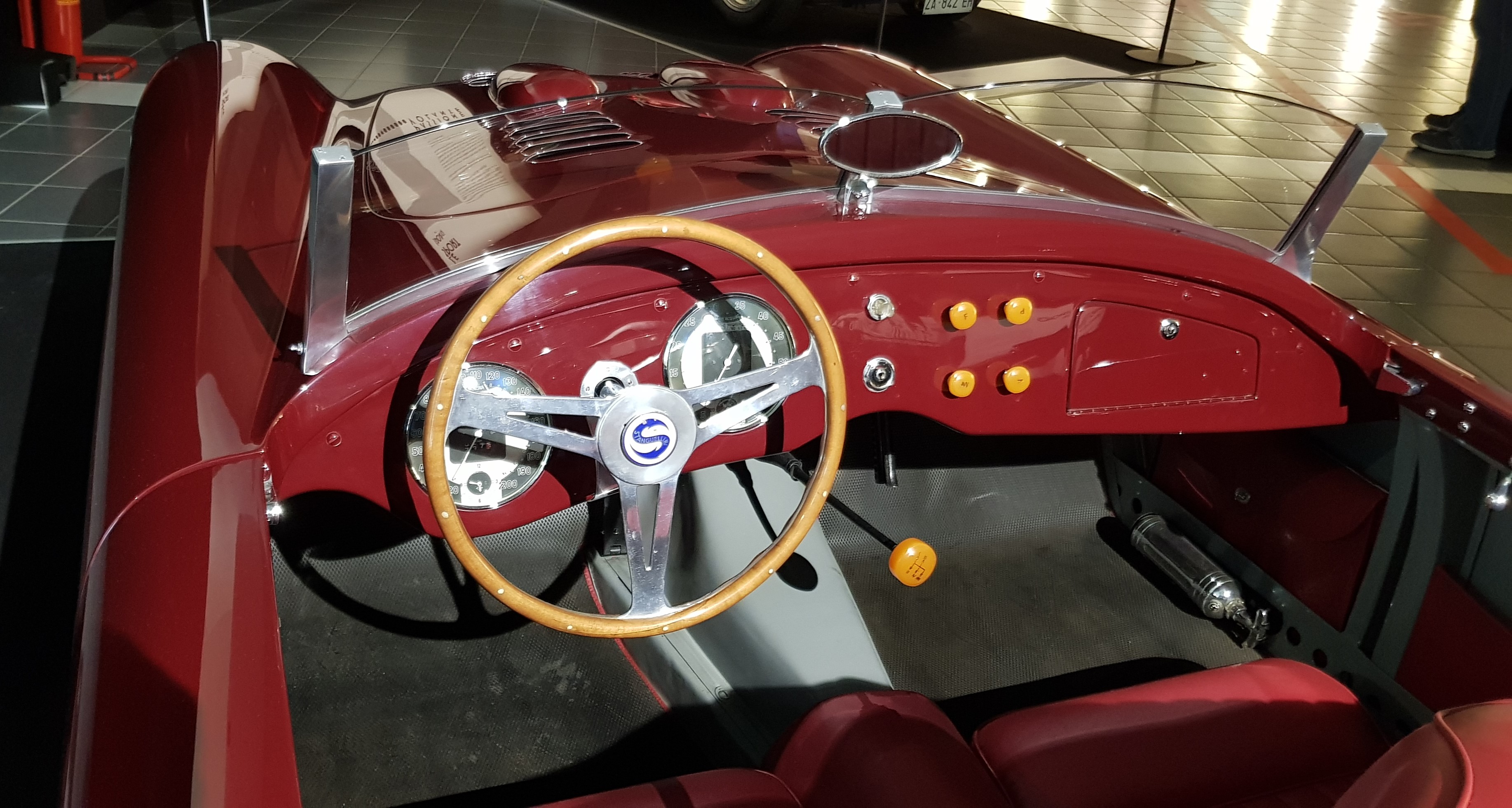
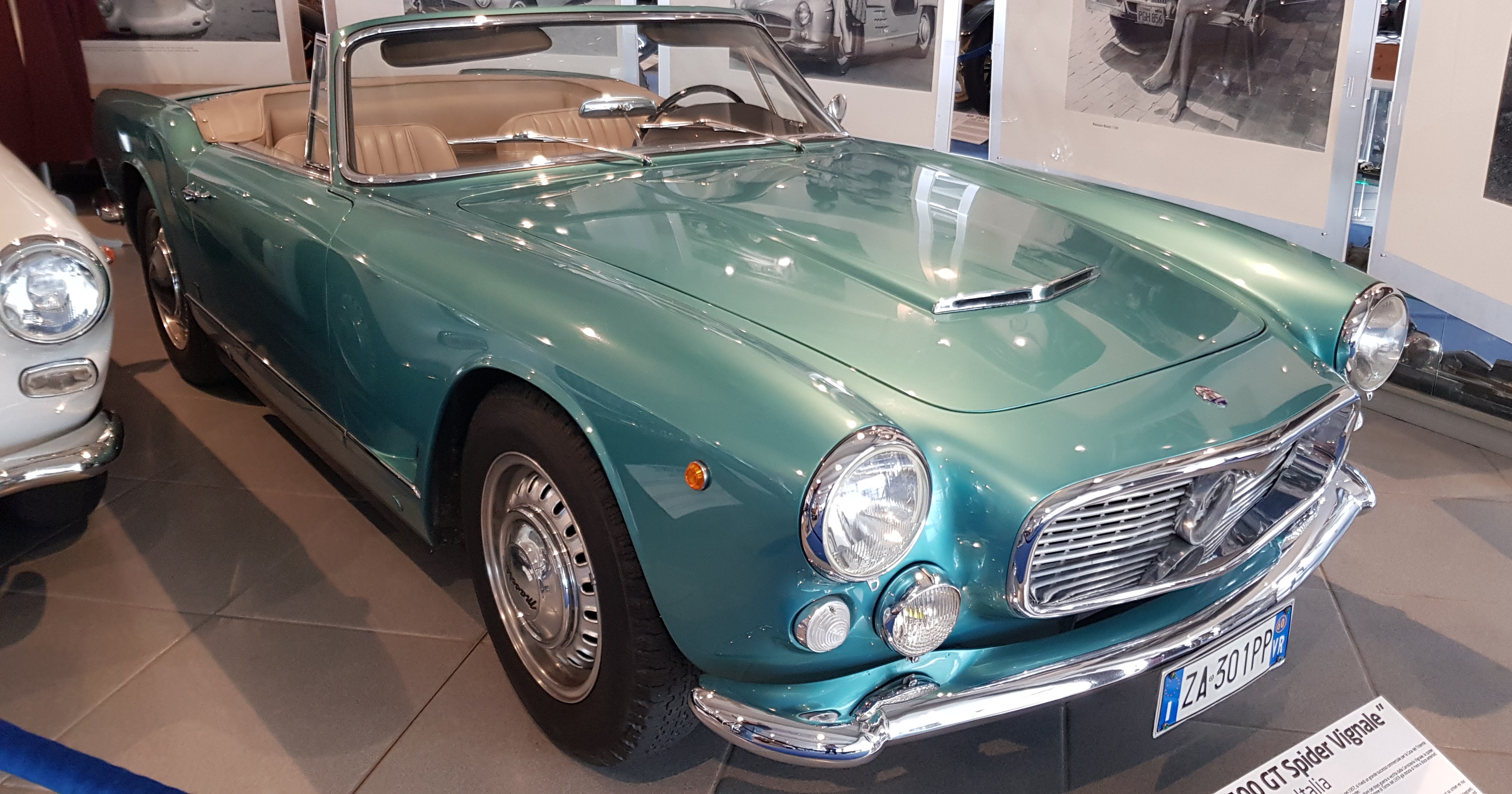
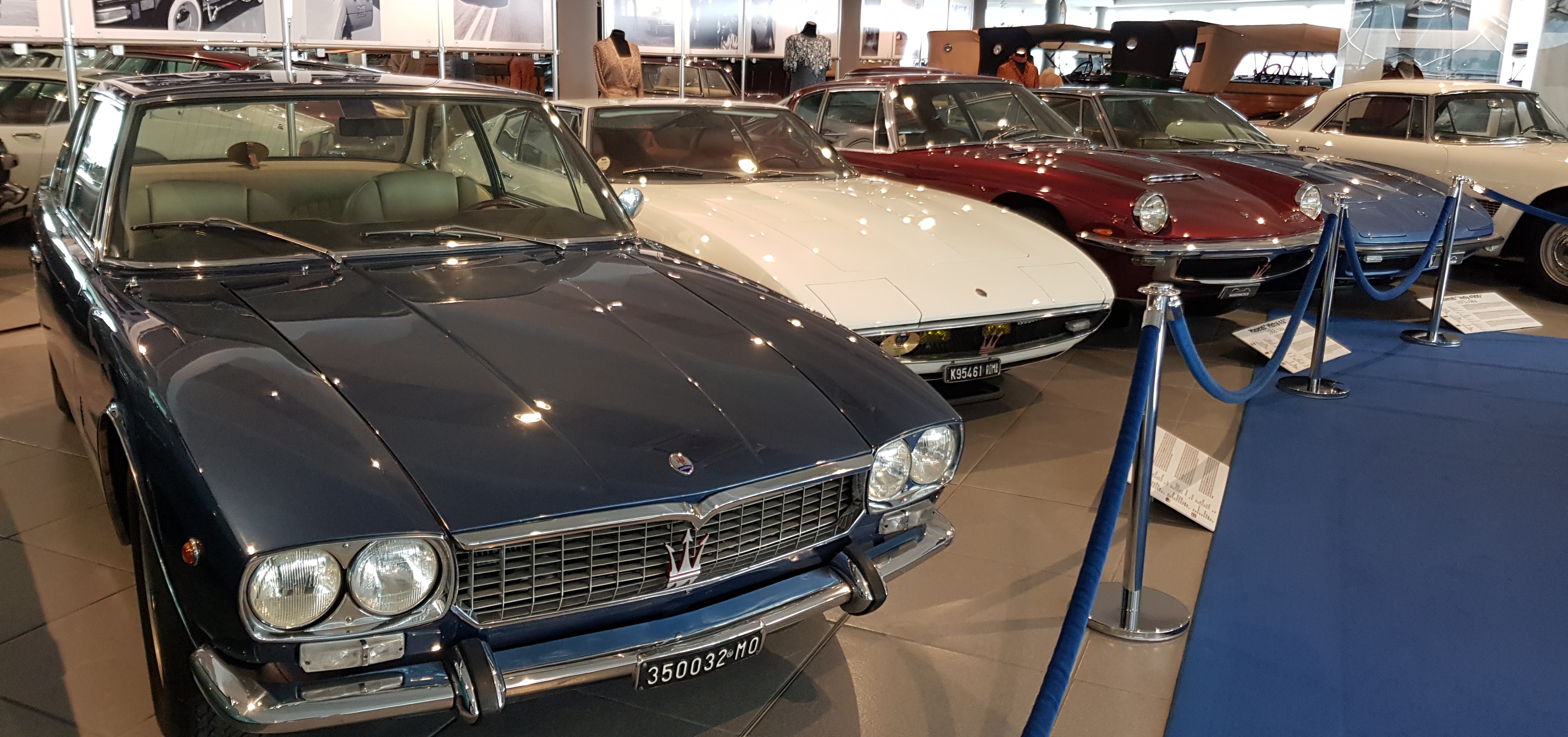
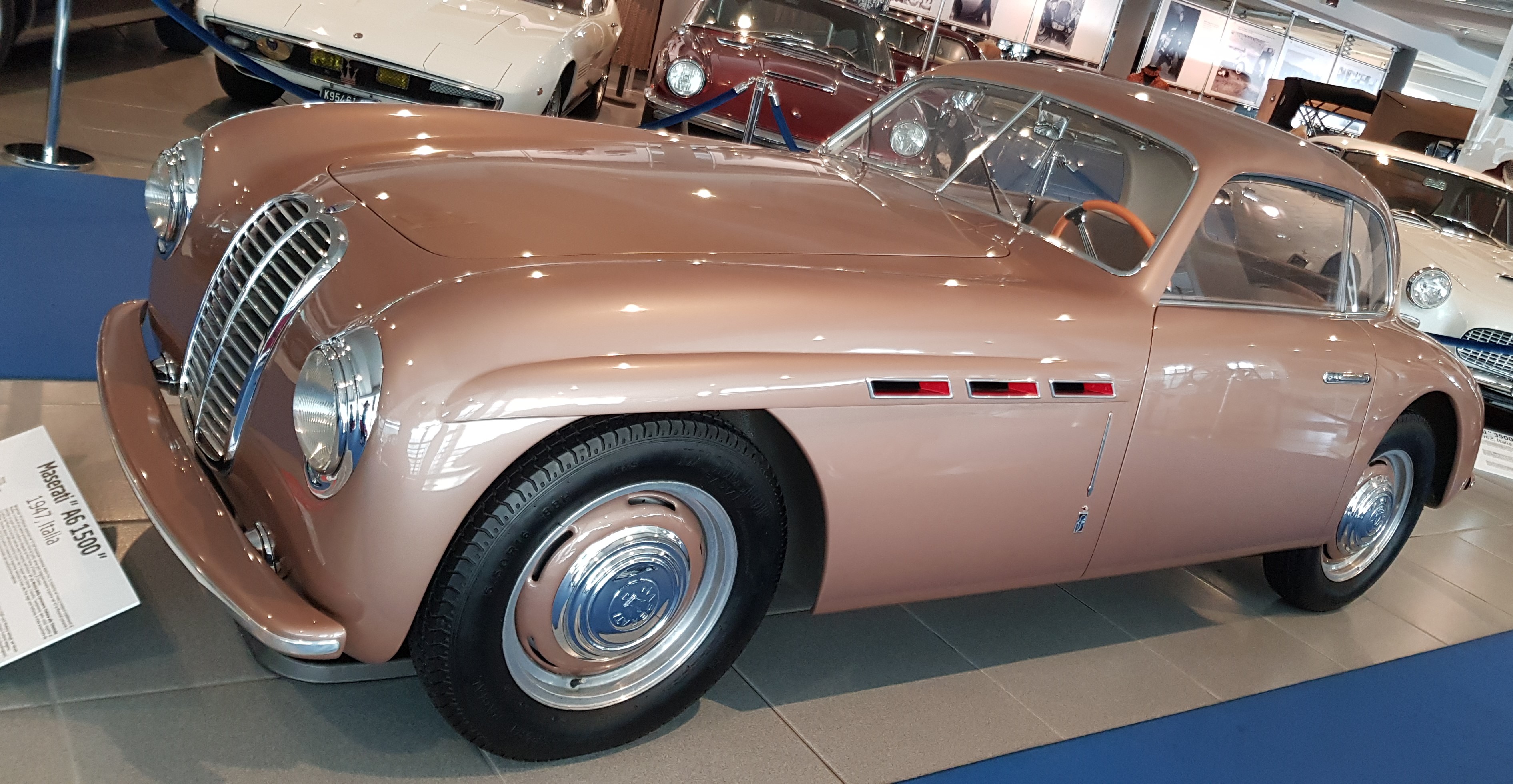
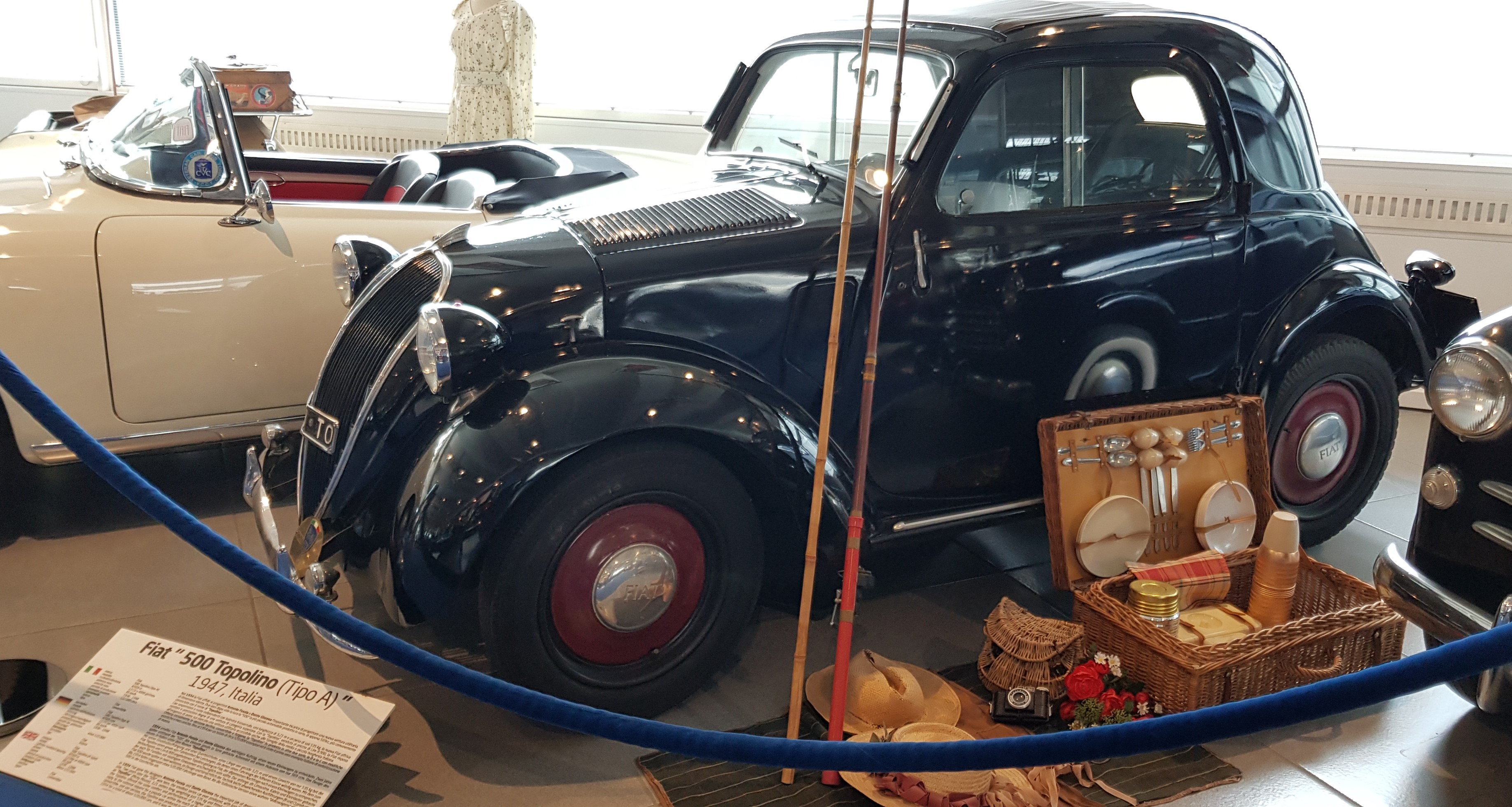
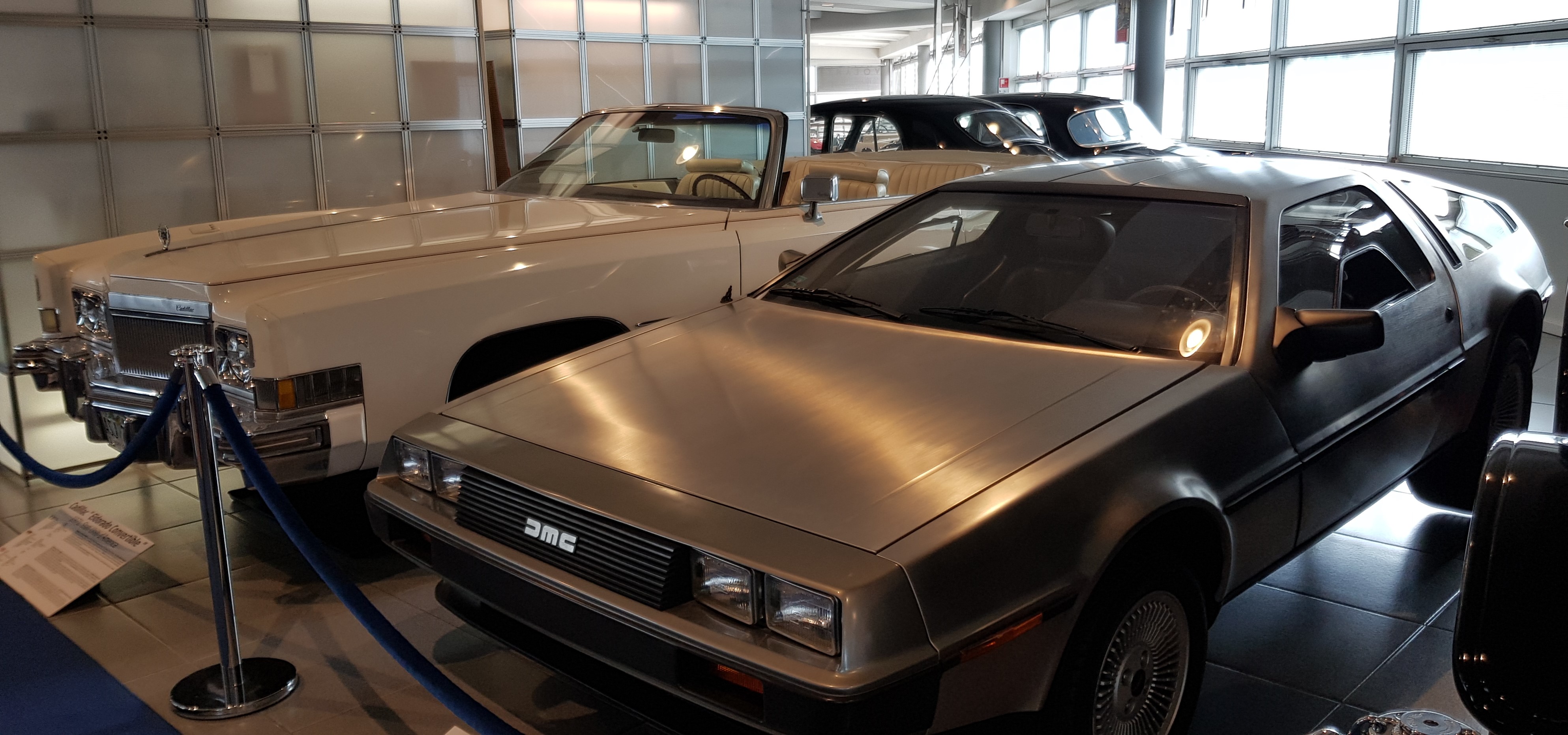
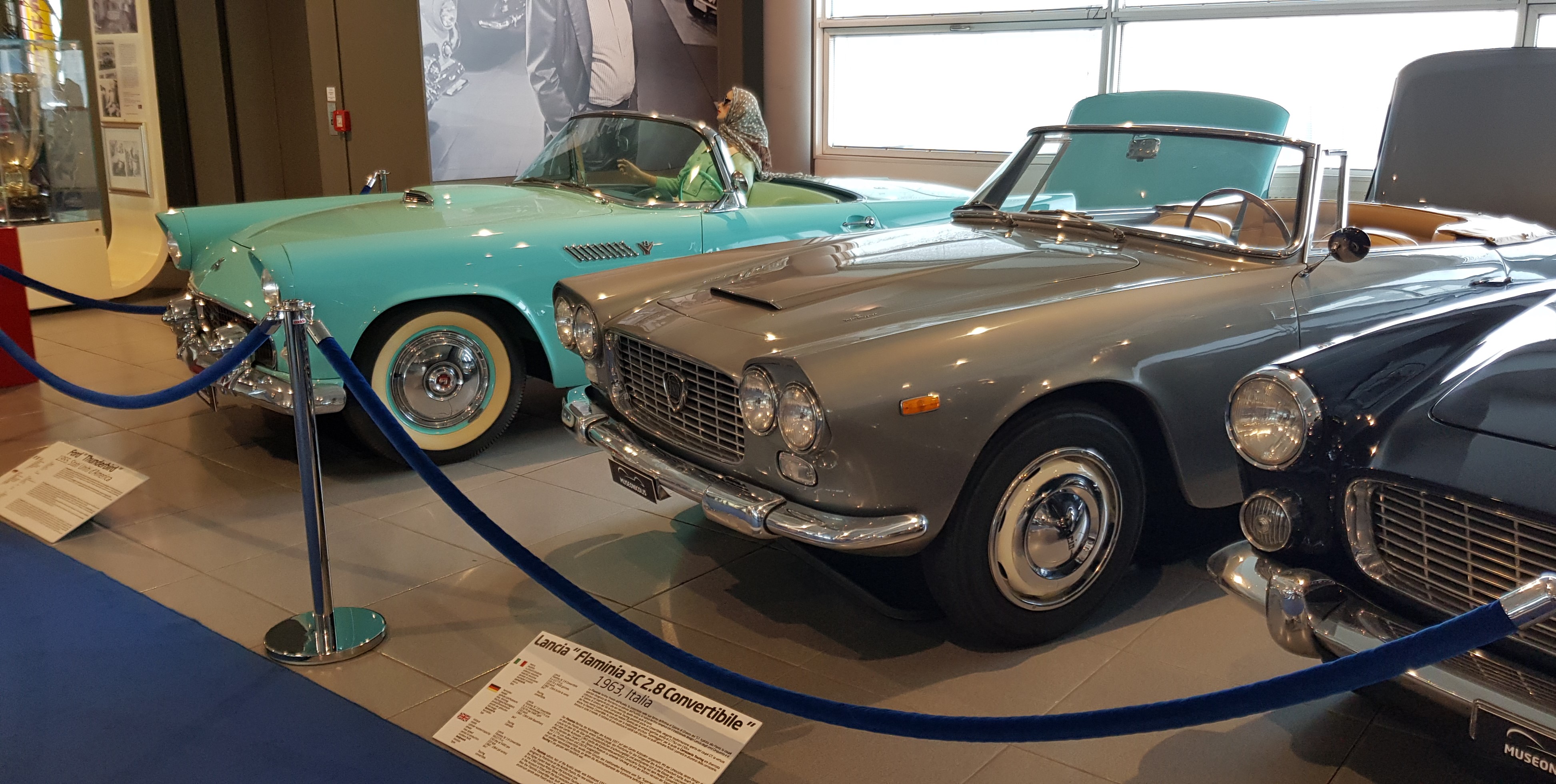
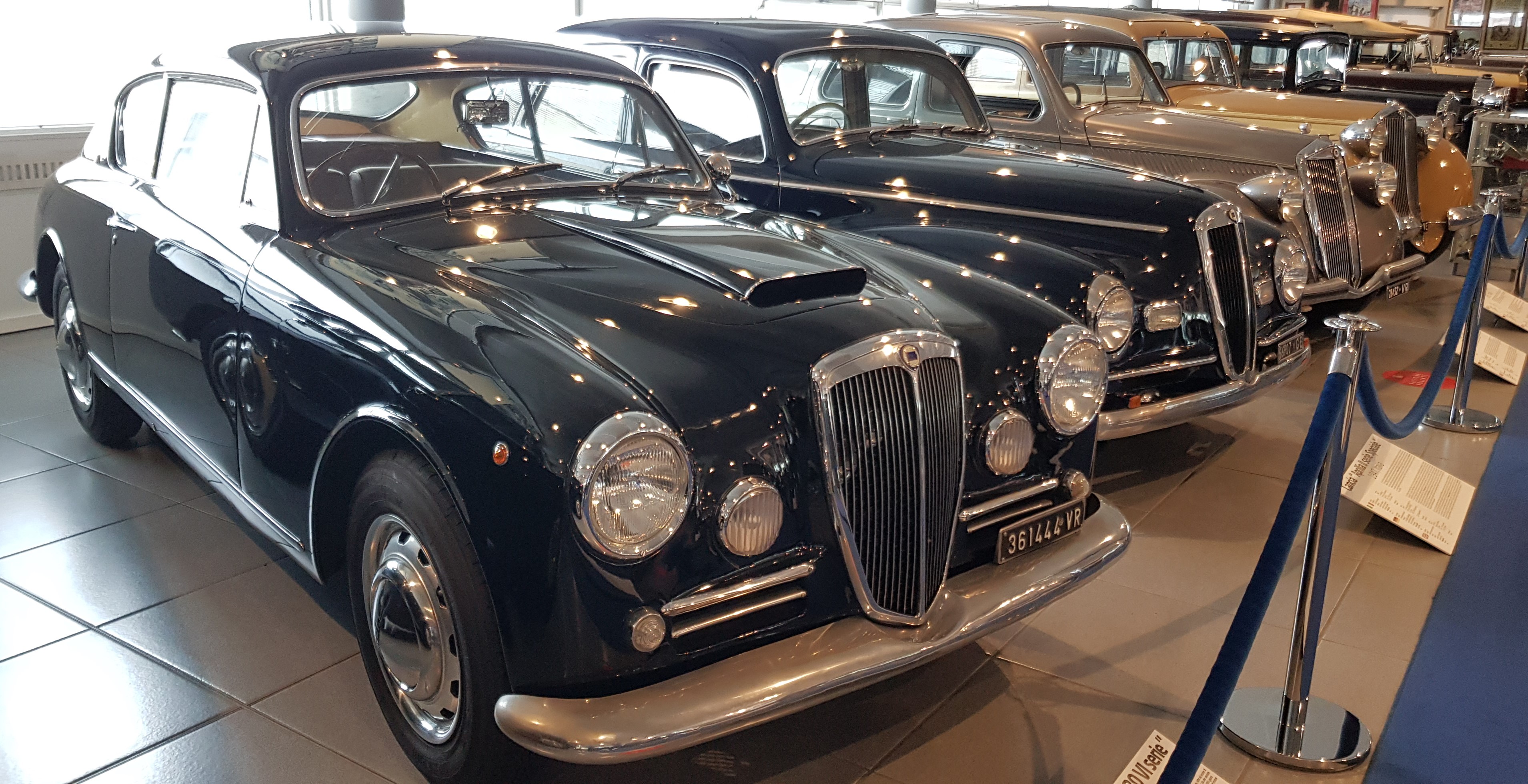
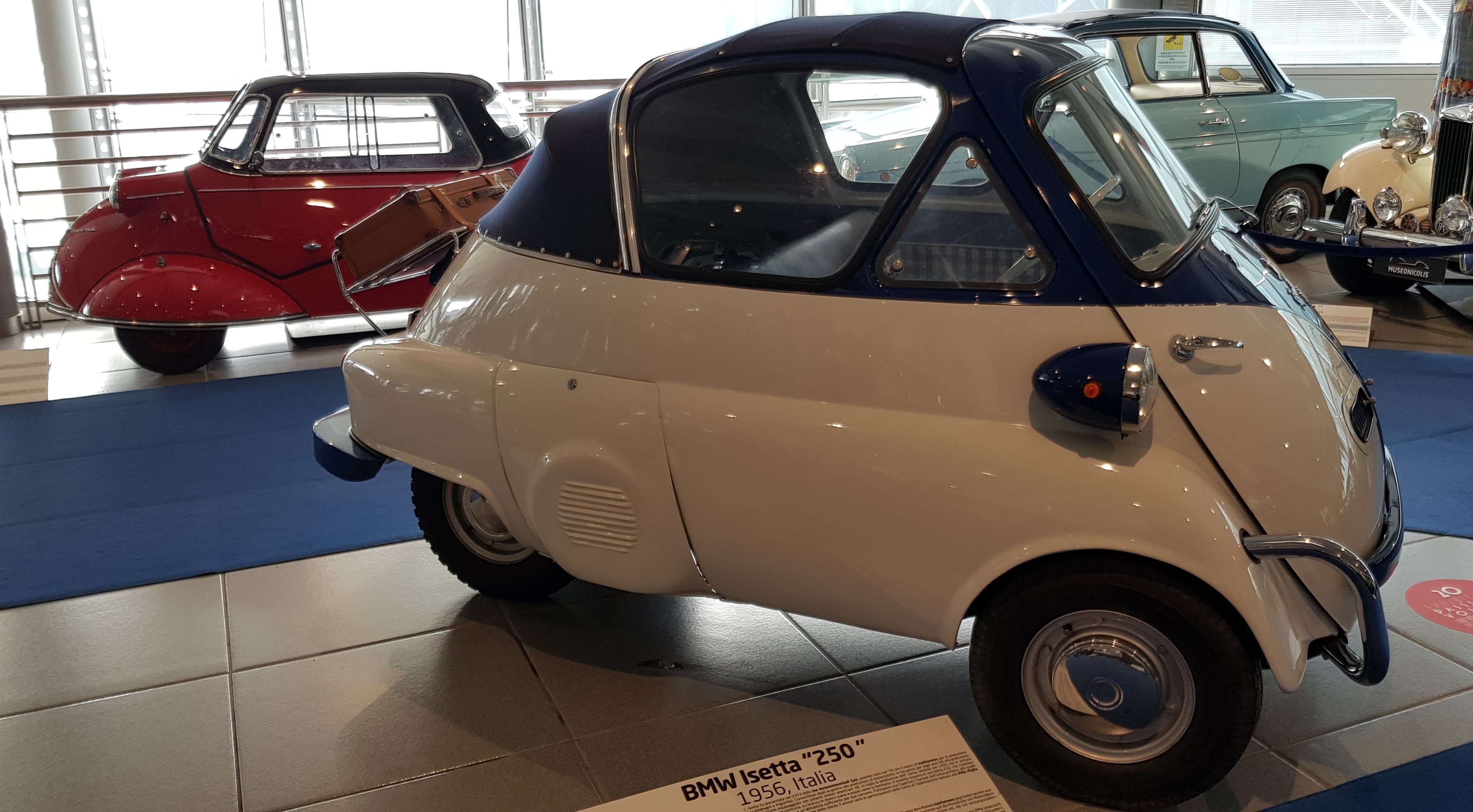
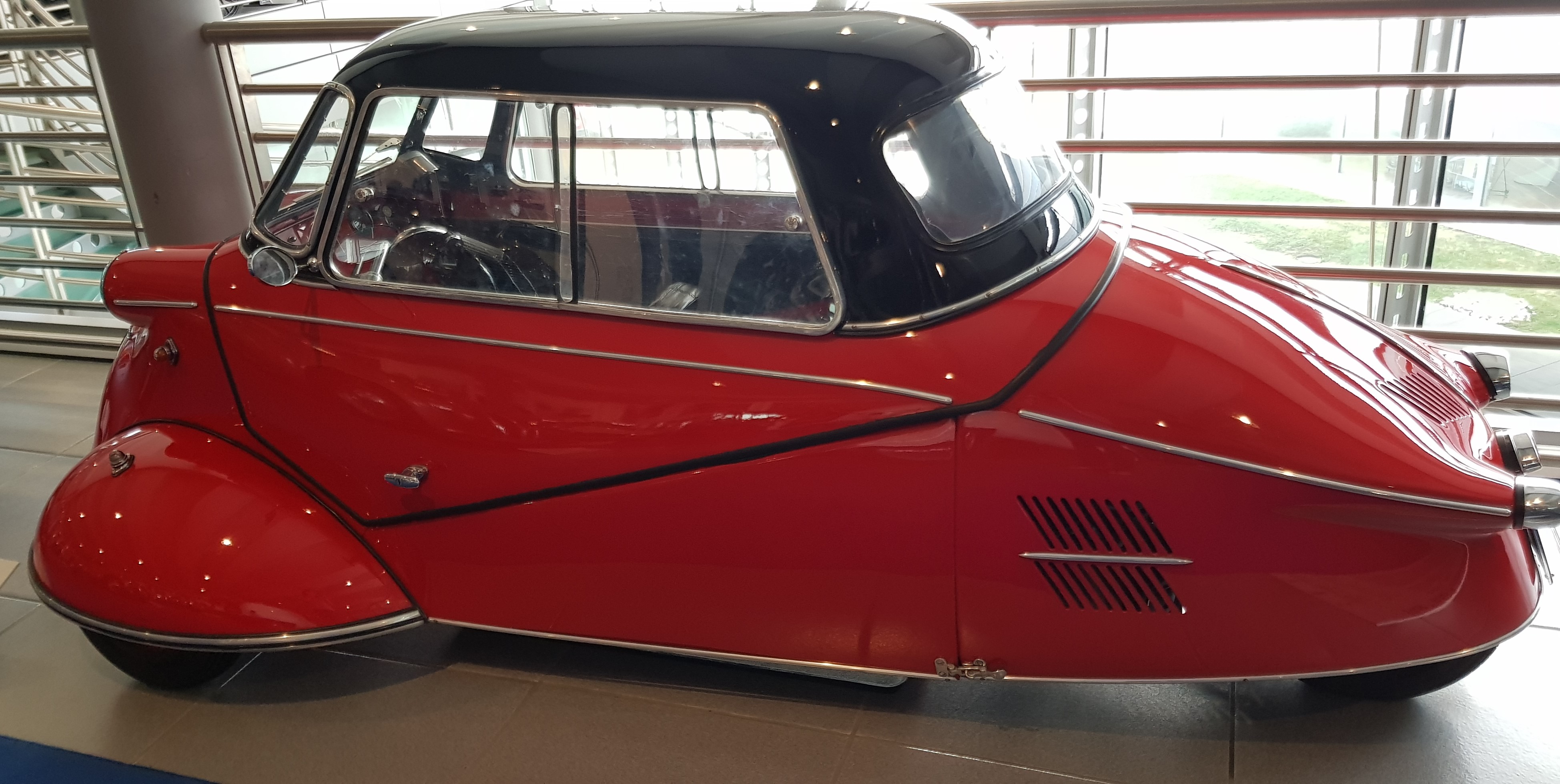
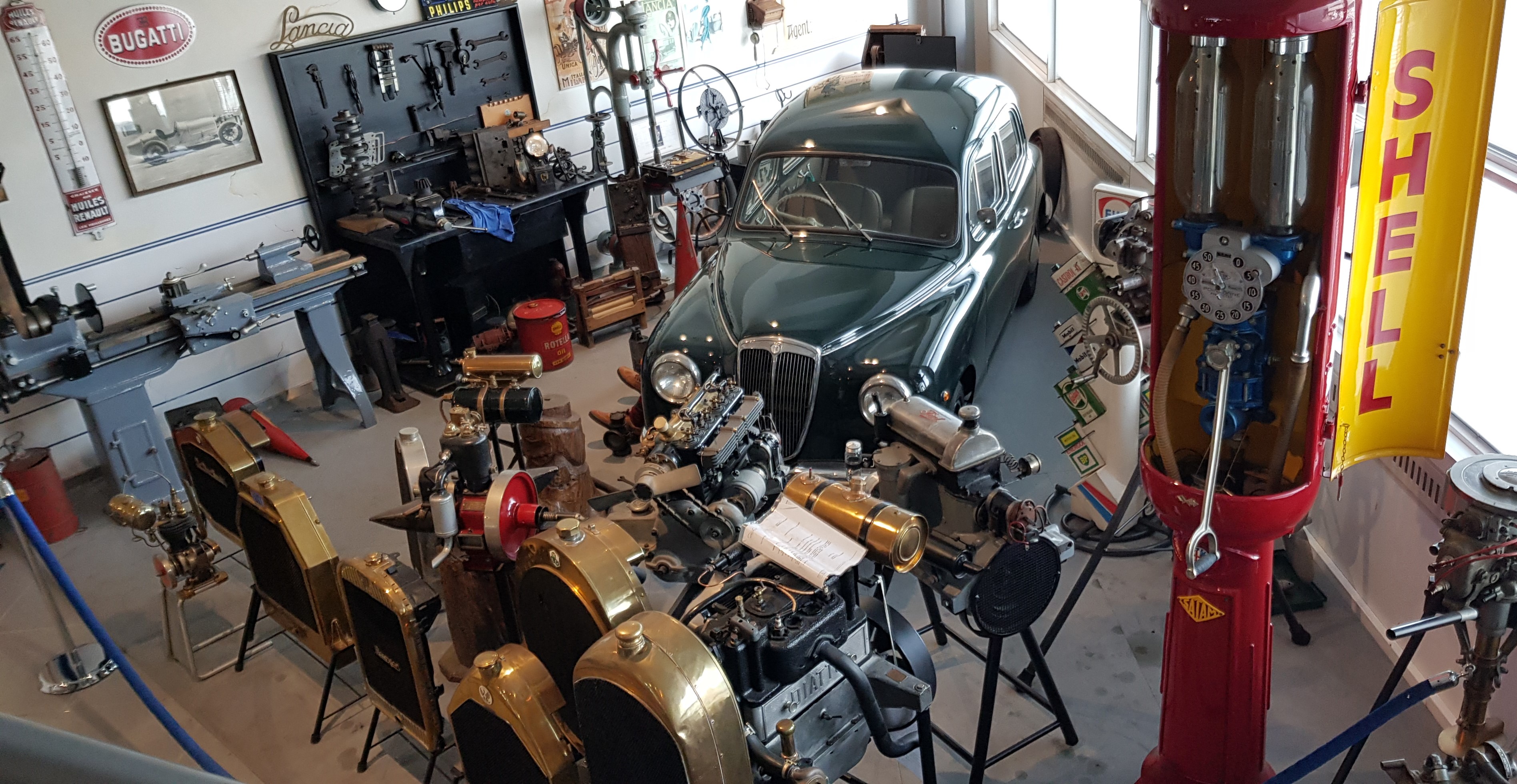
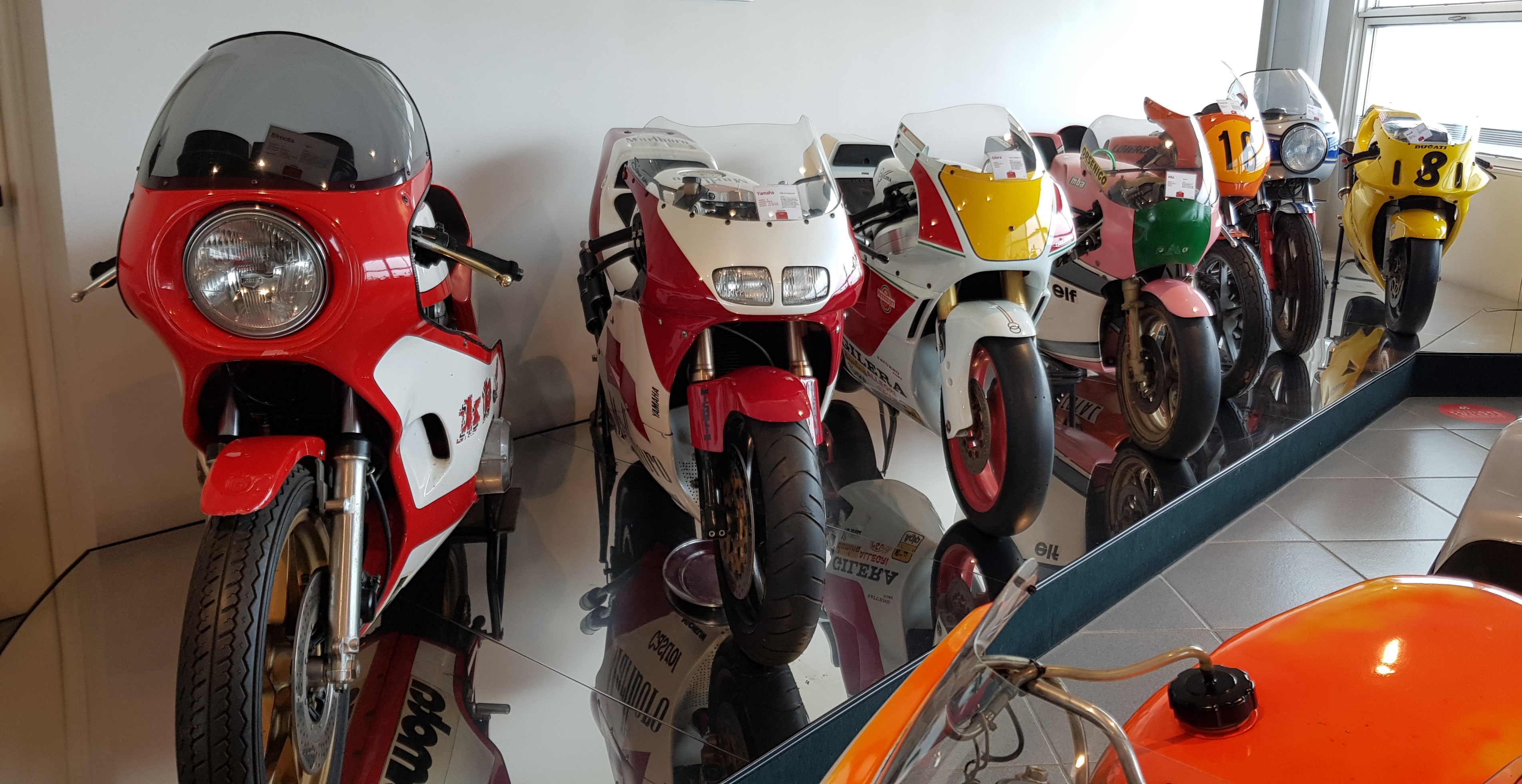
One day we took a drive out towards Verona to look at the most amazing private collection of cars, motorbikes and other memorabilia that we have ever seen. 

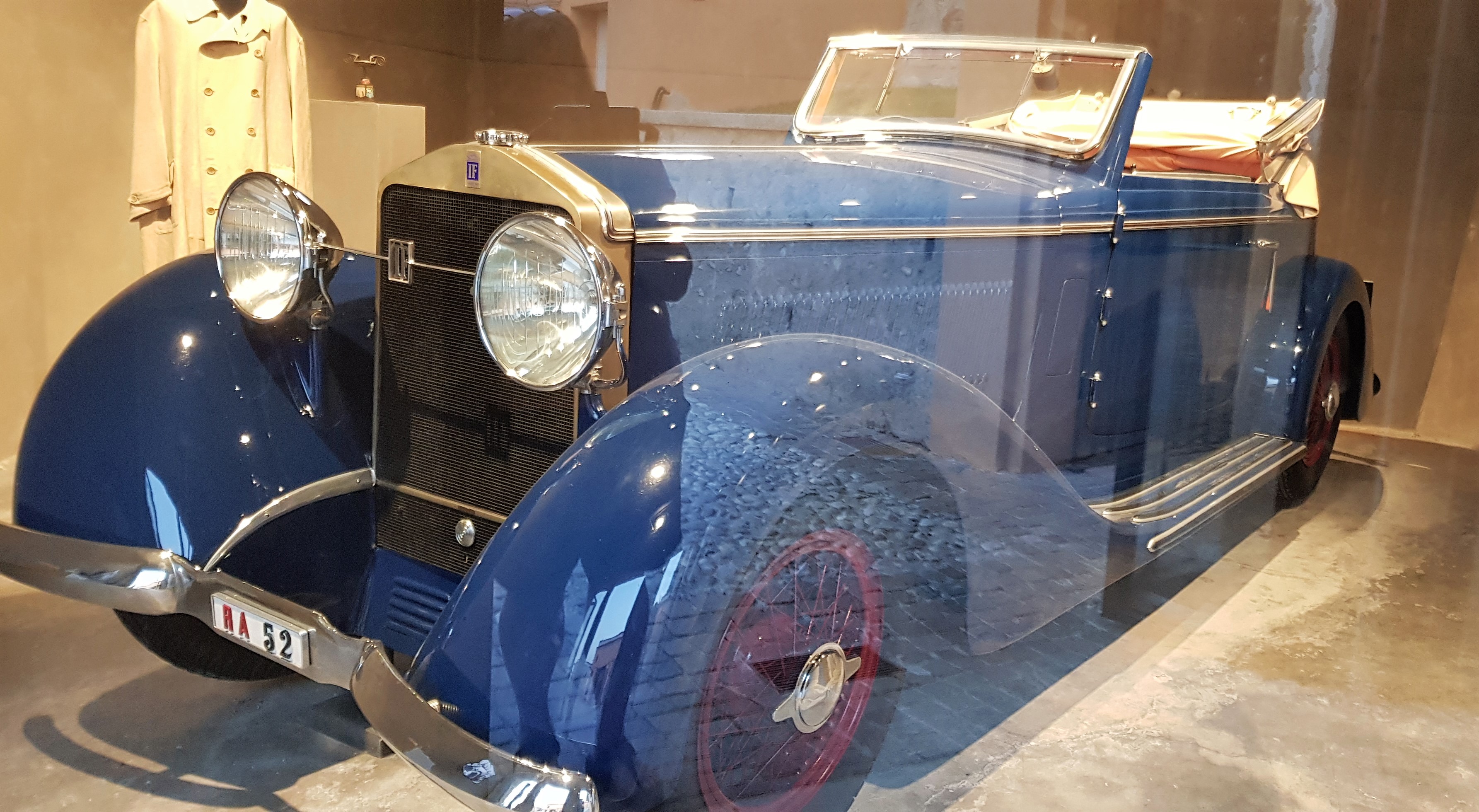
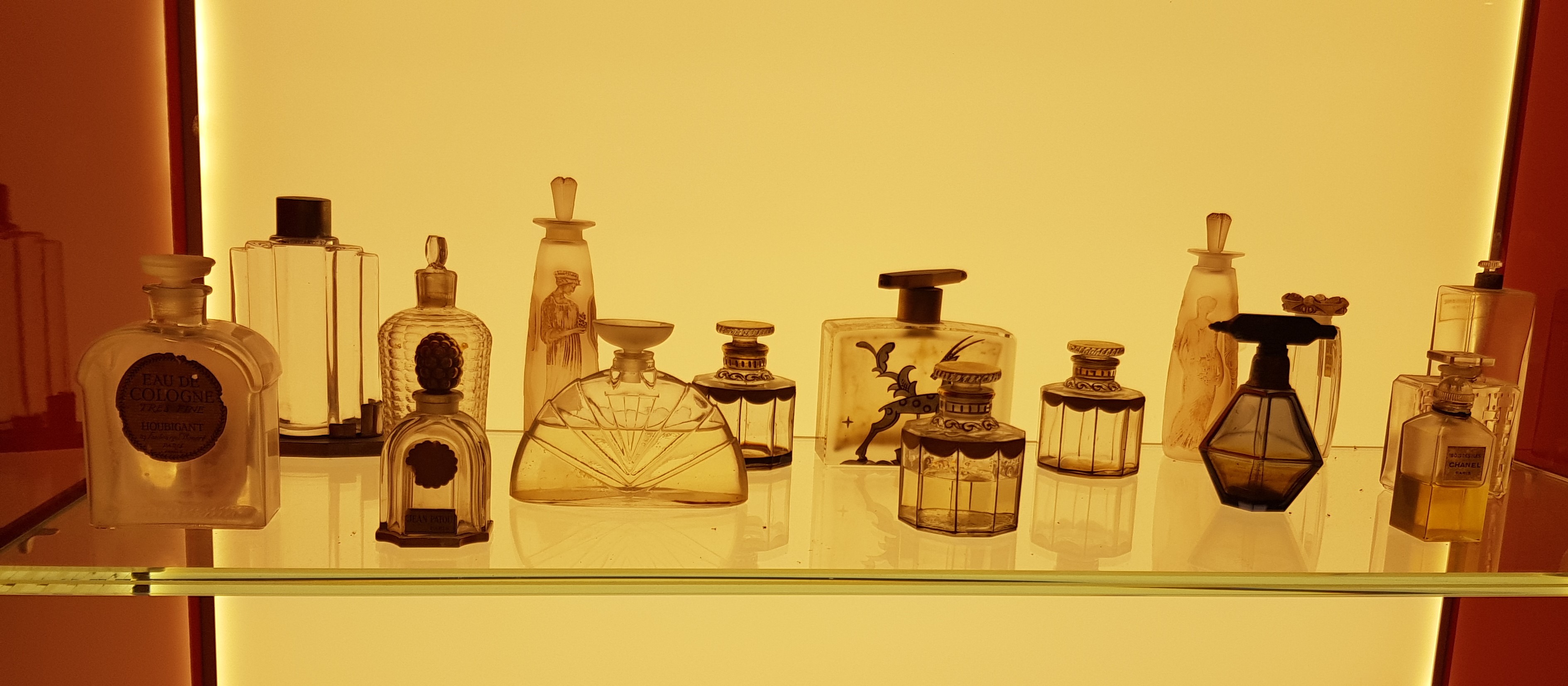
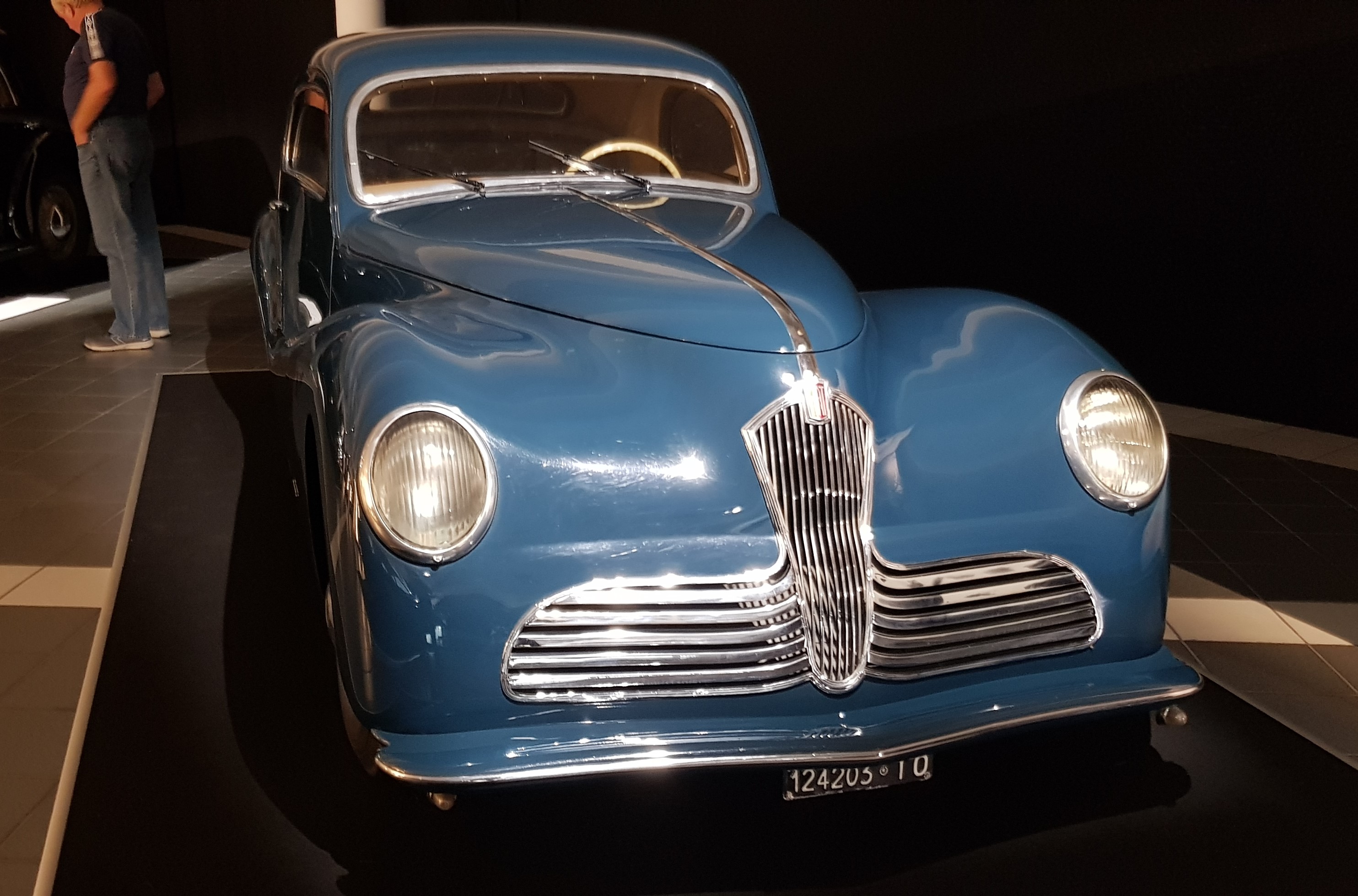
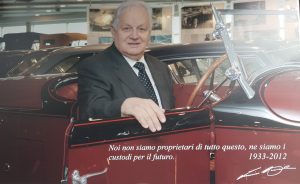
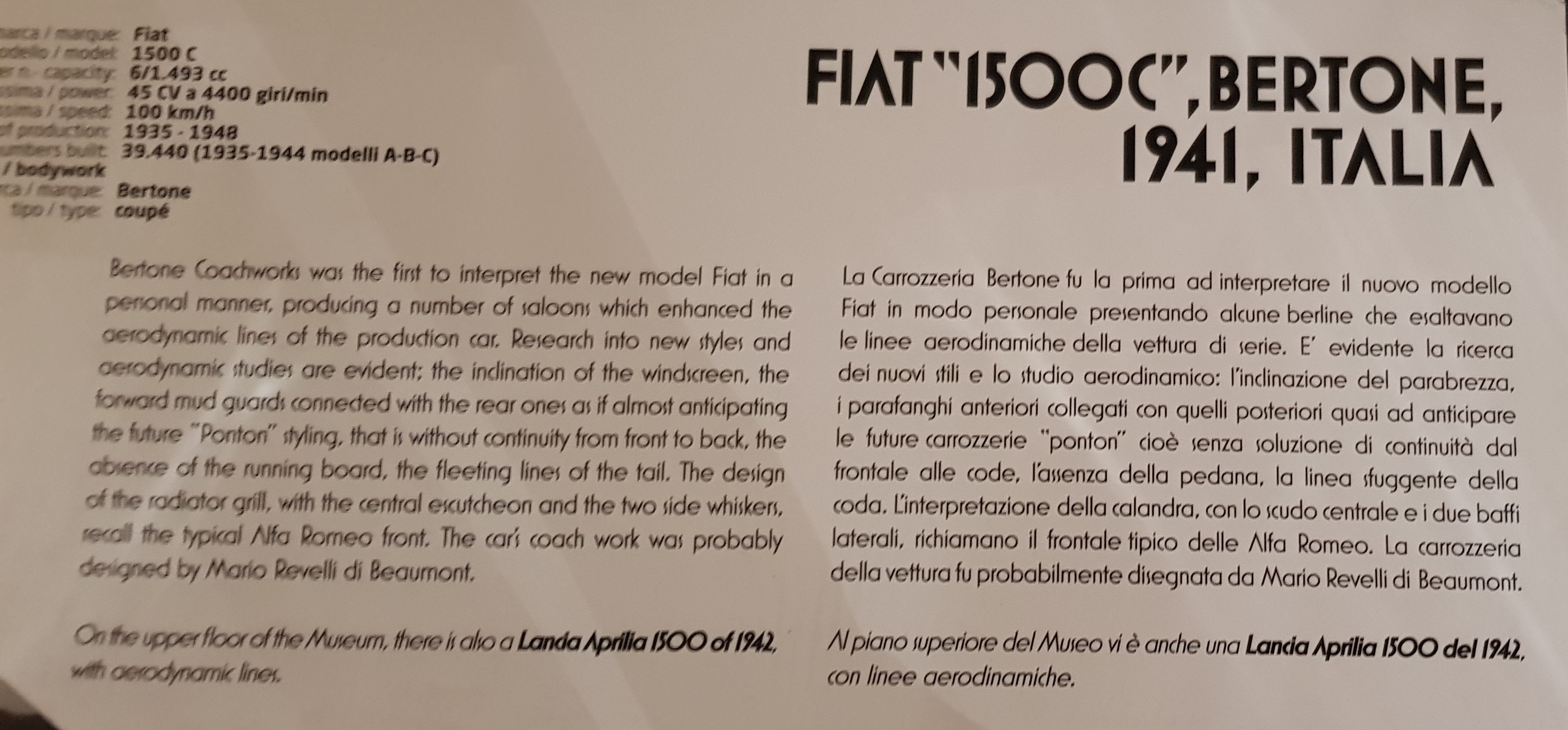
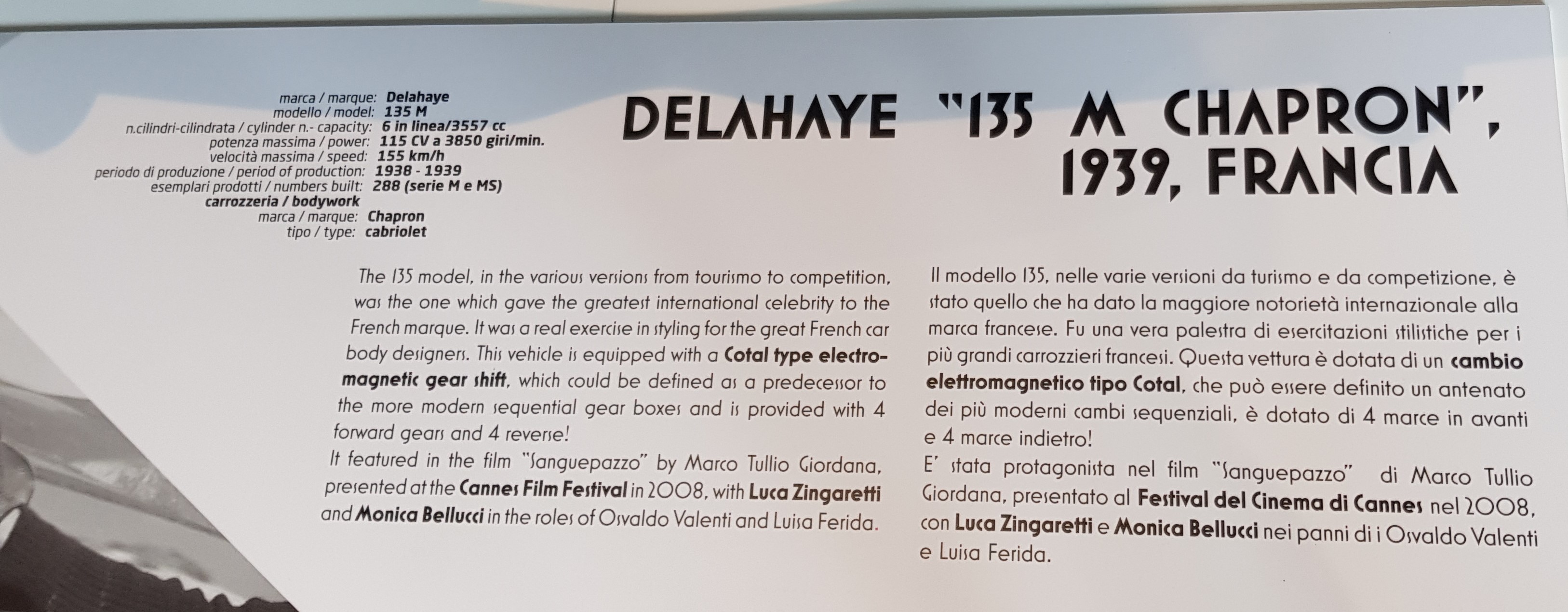
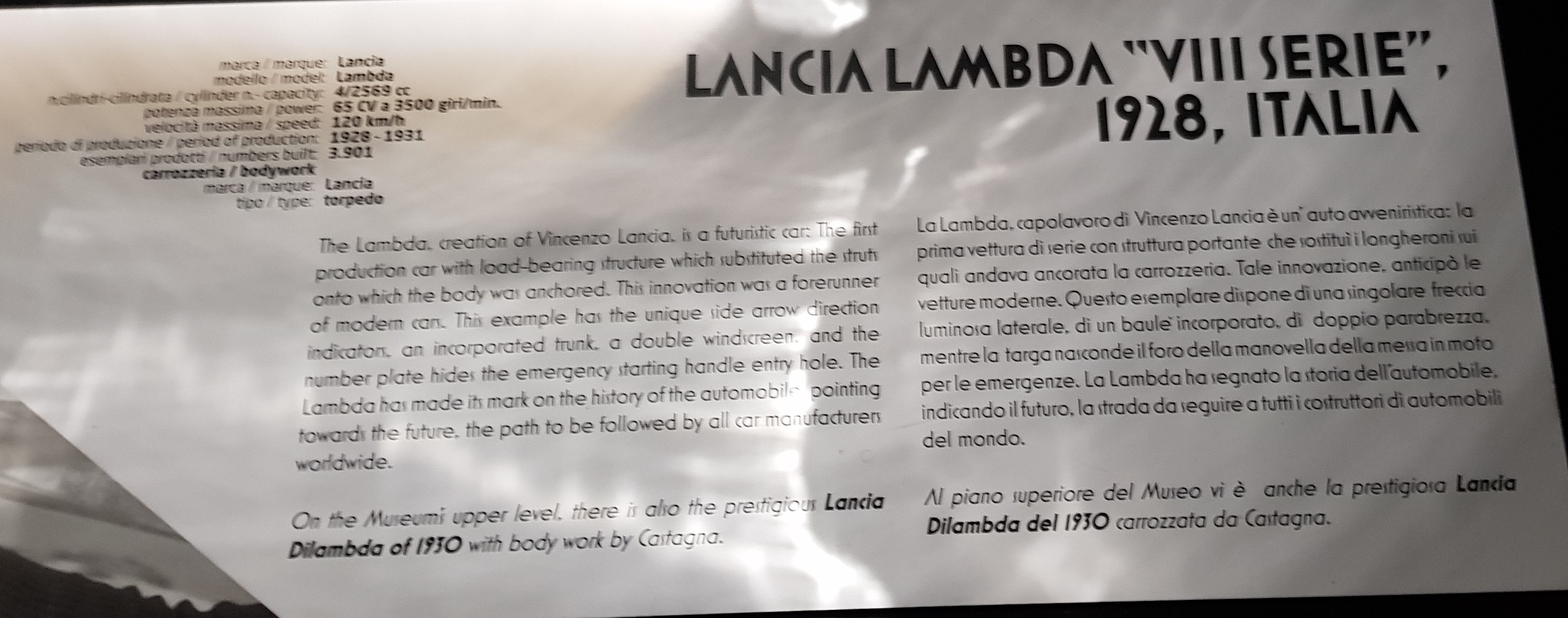
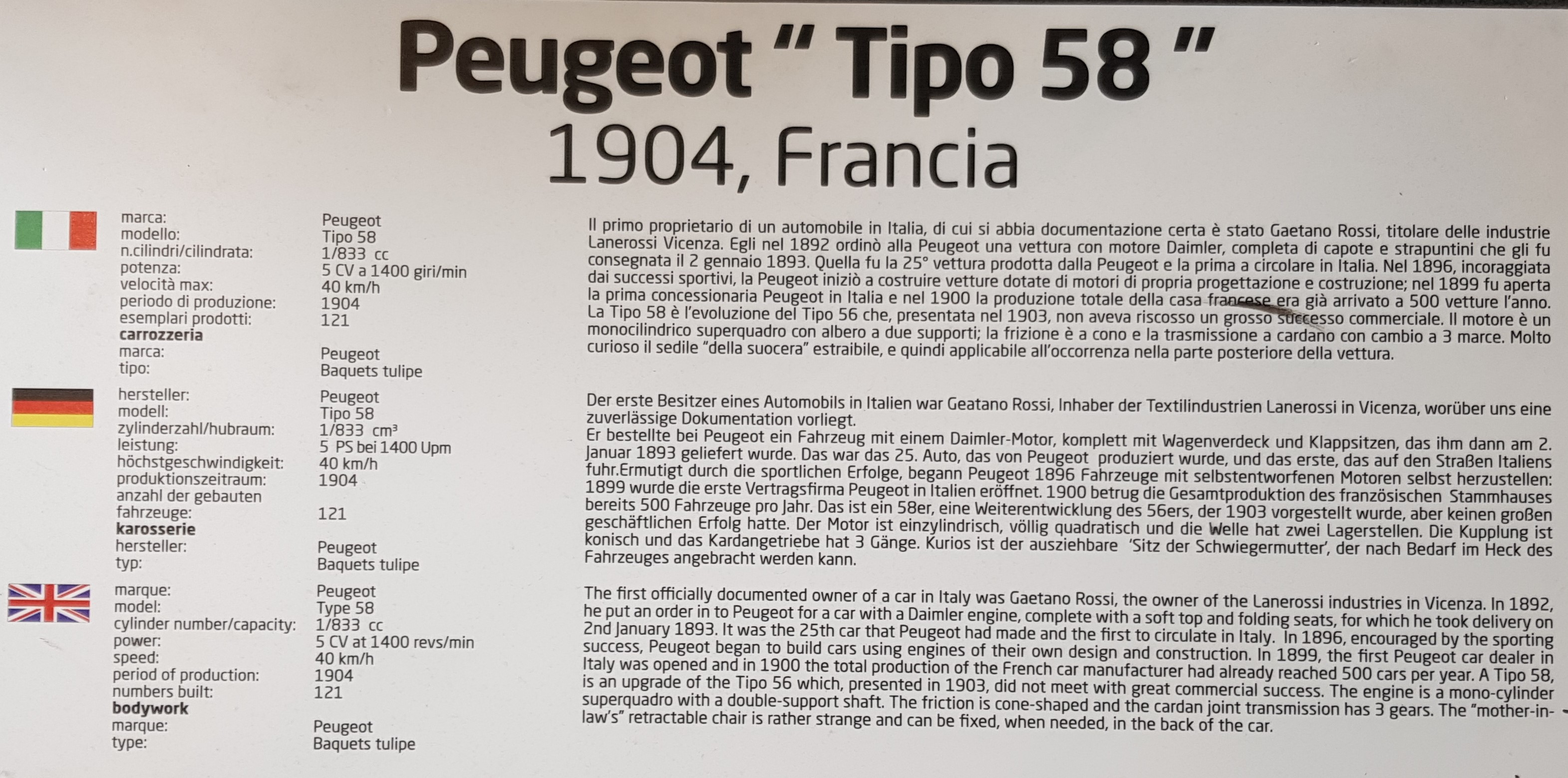
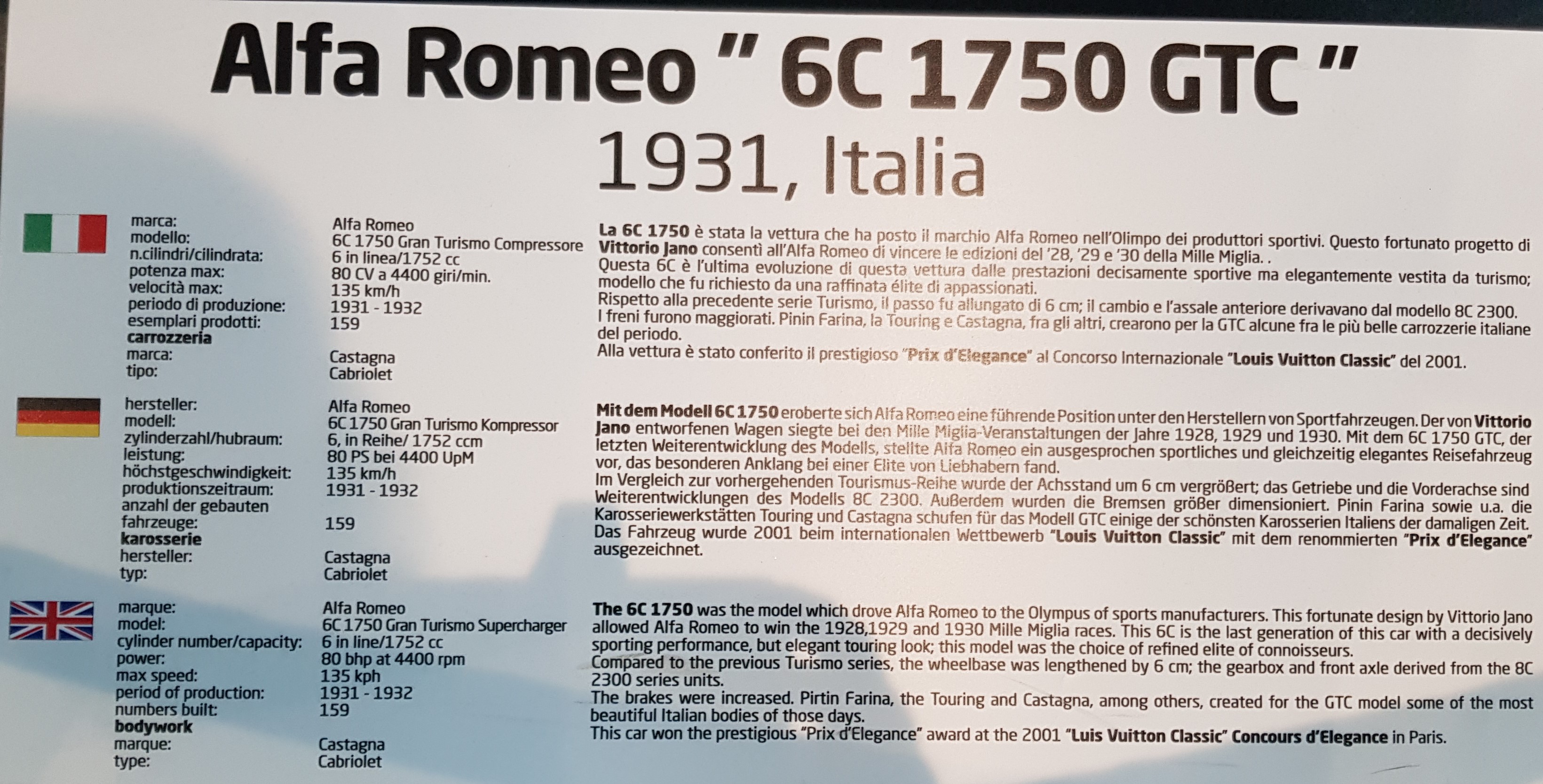
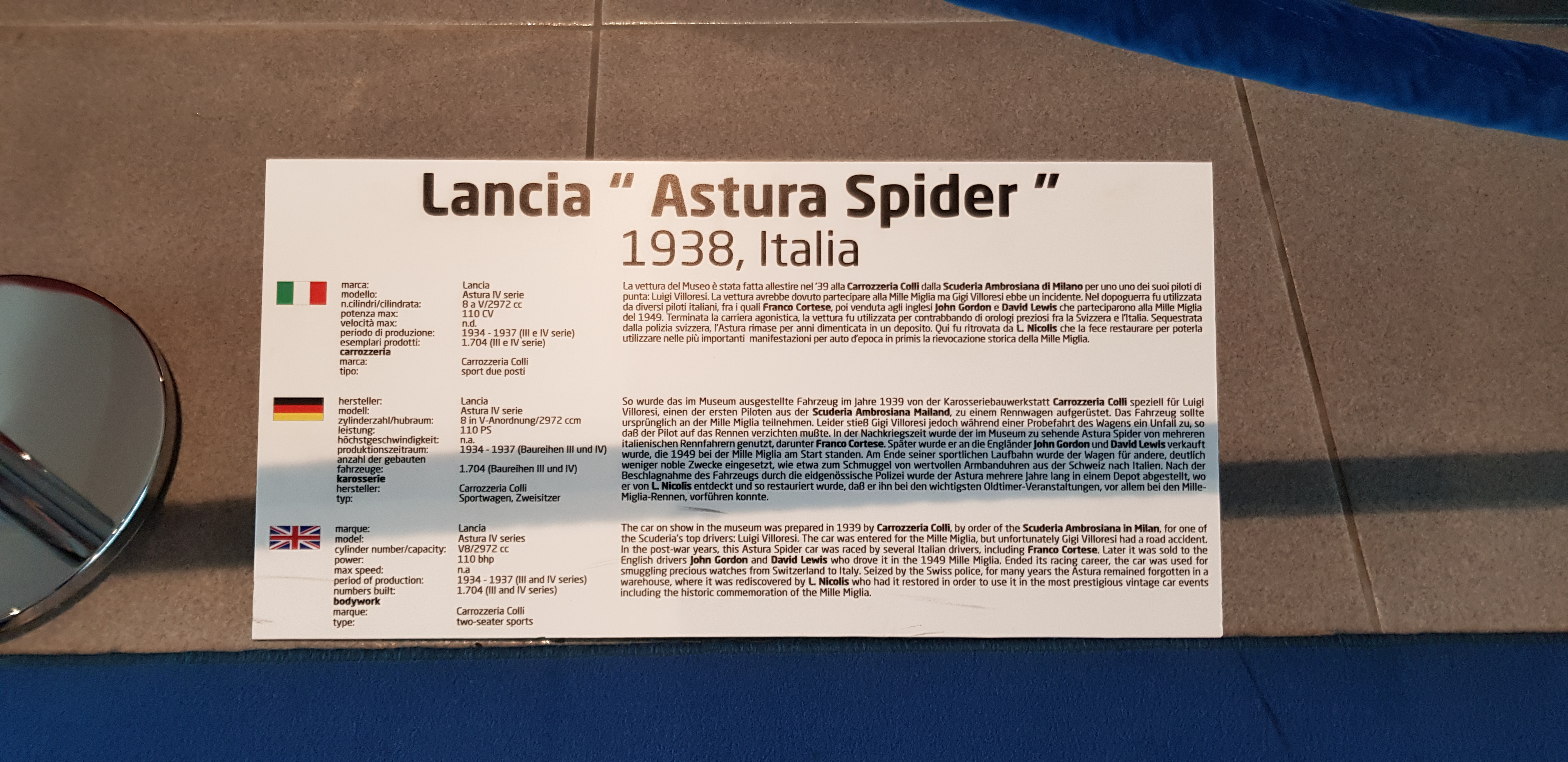
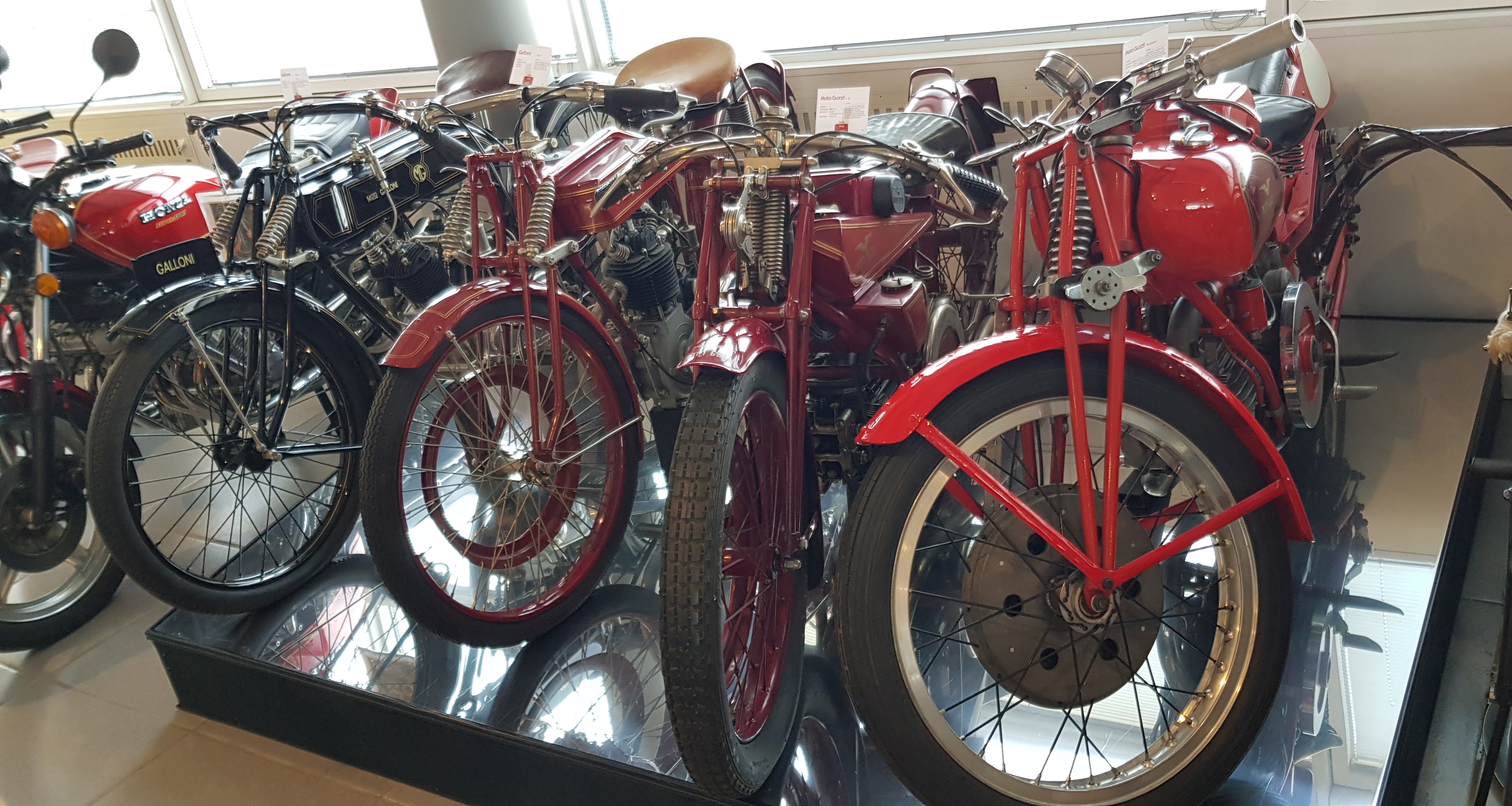
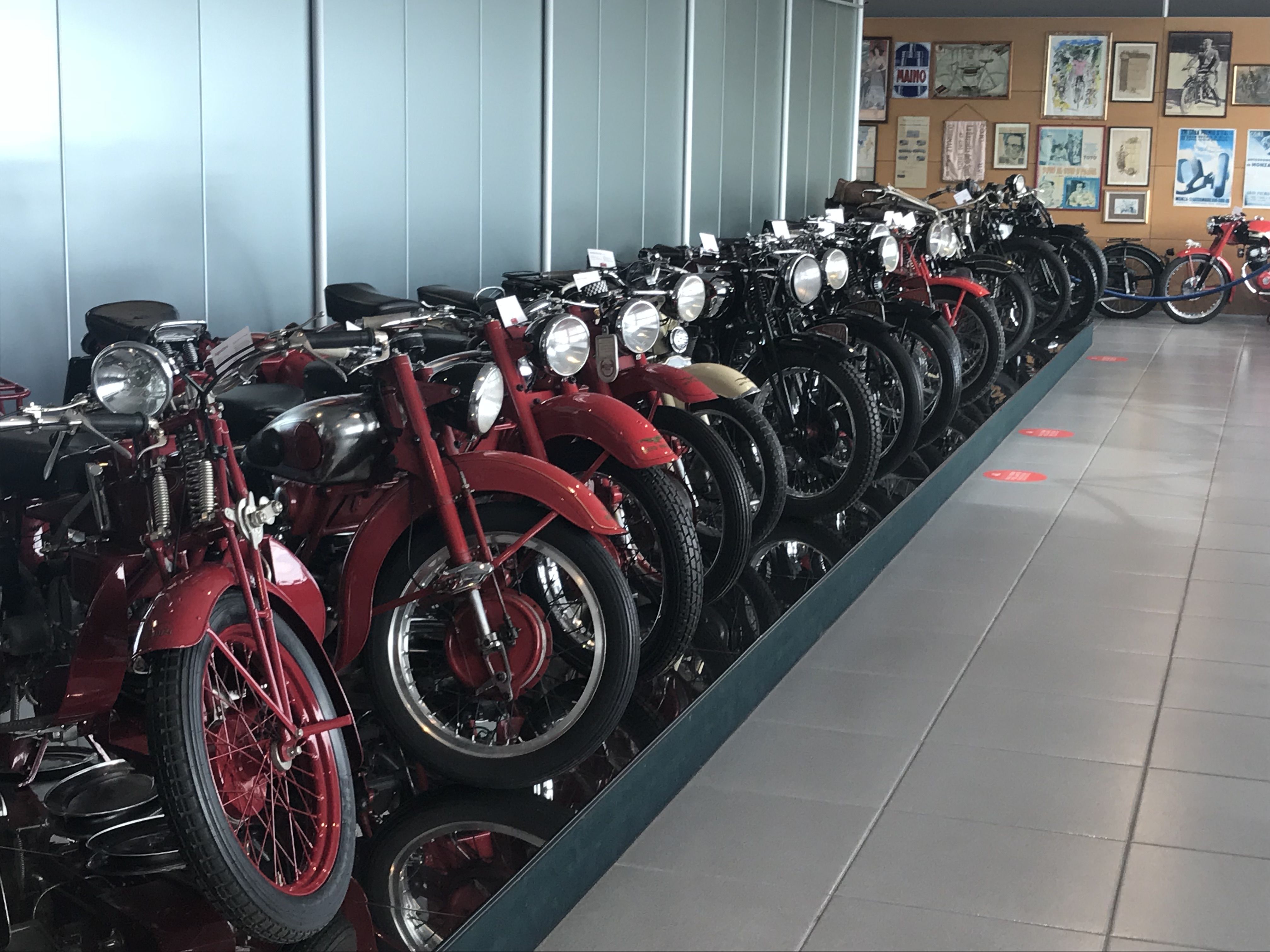
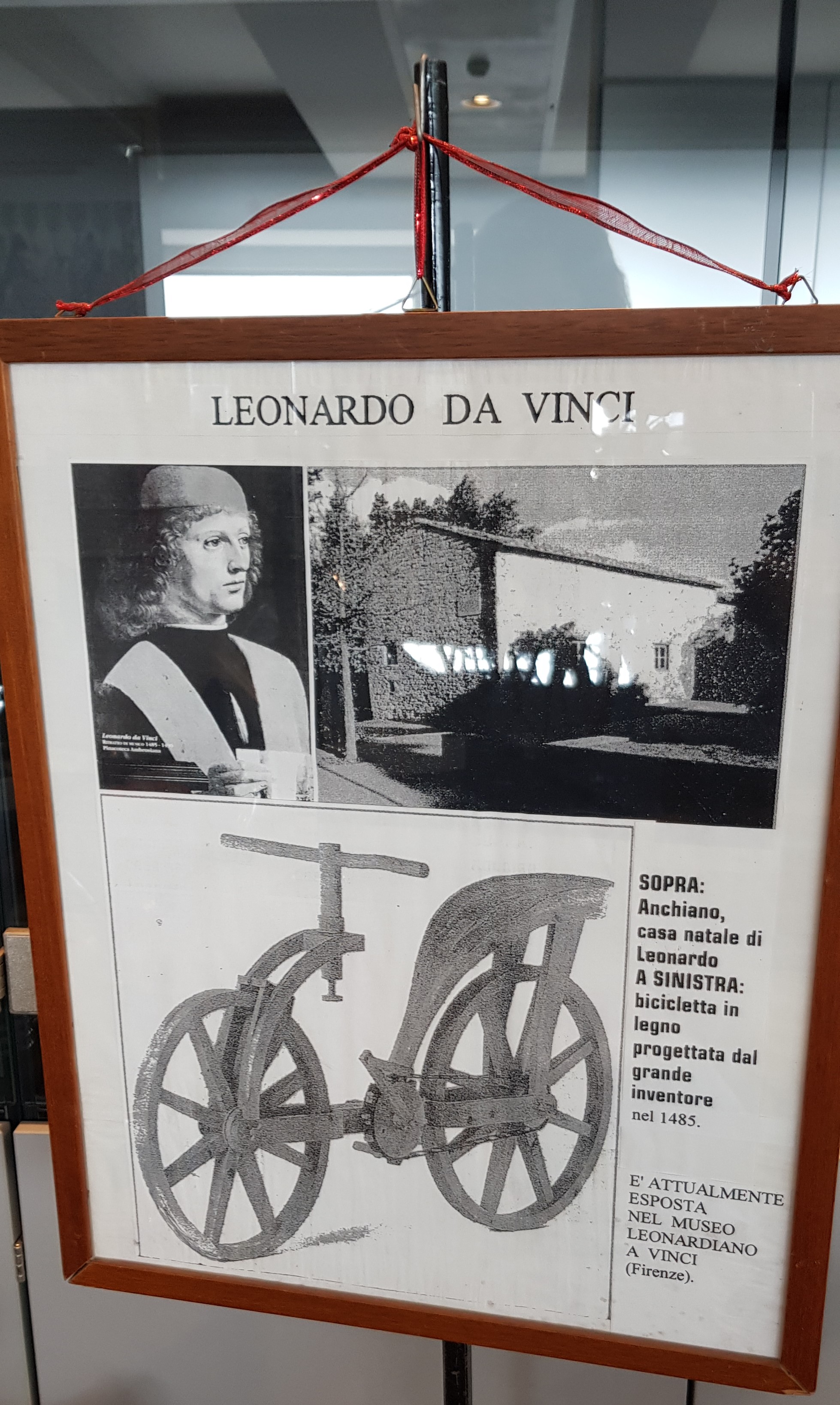
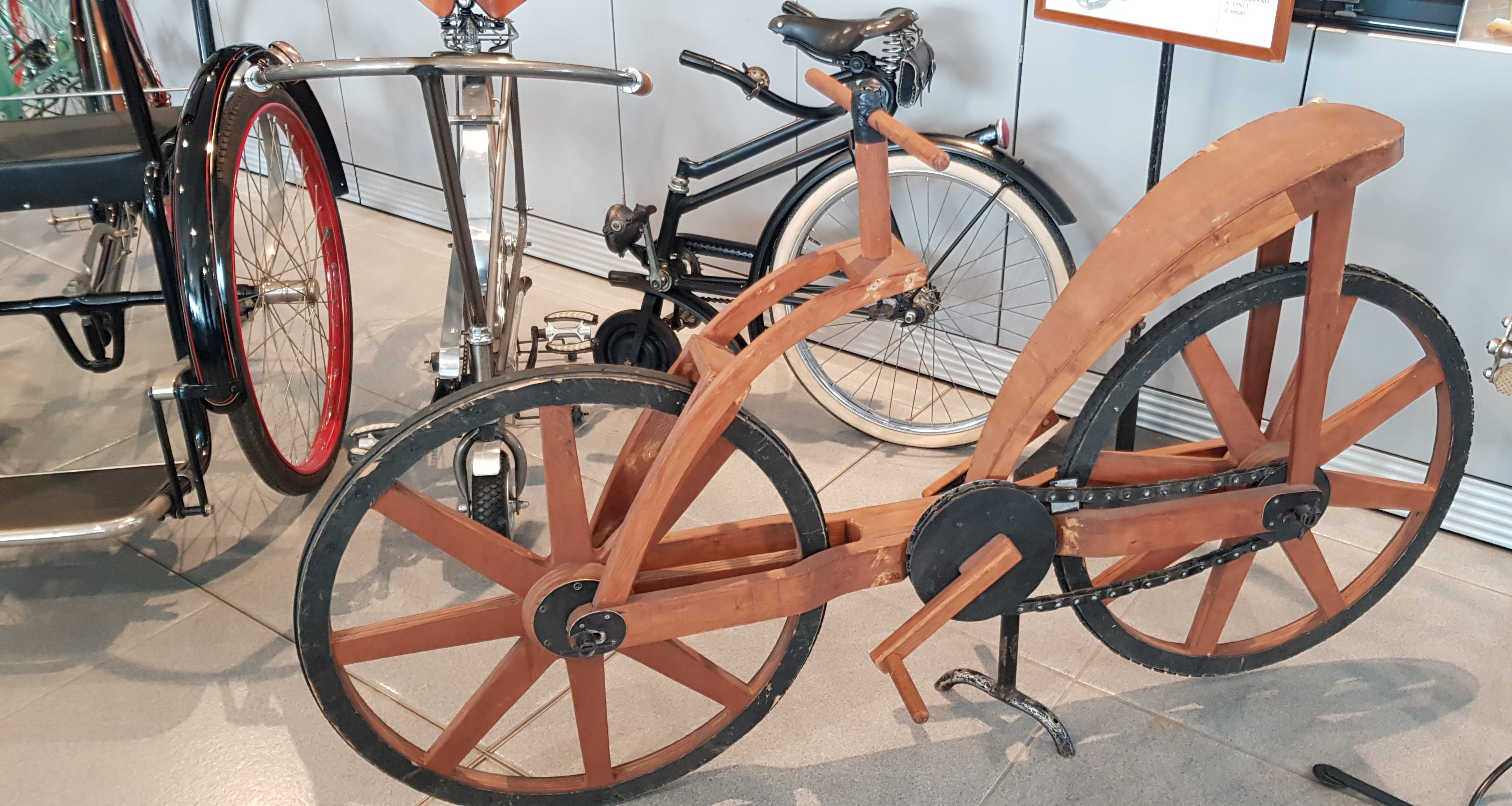
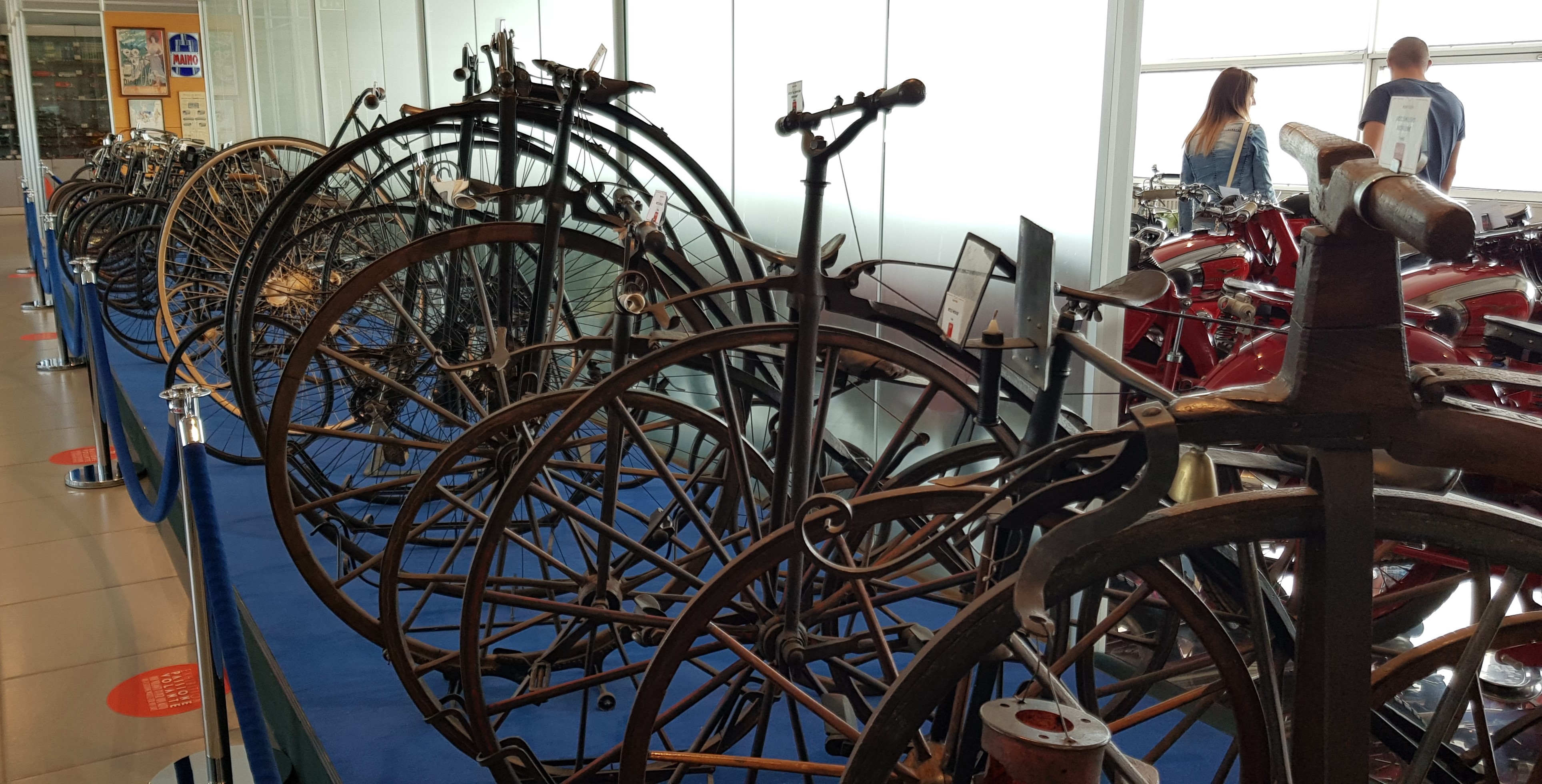
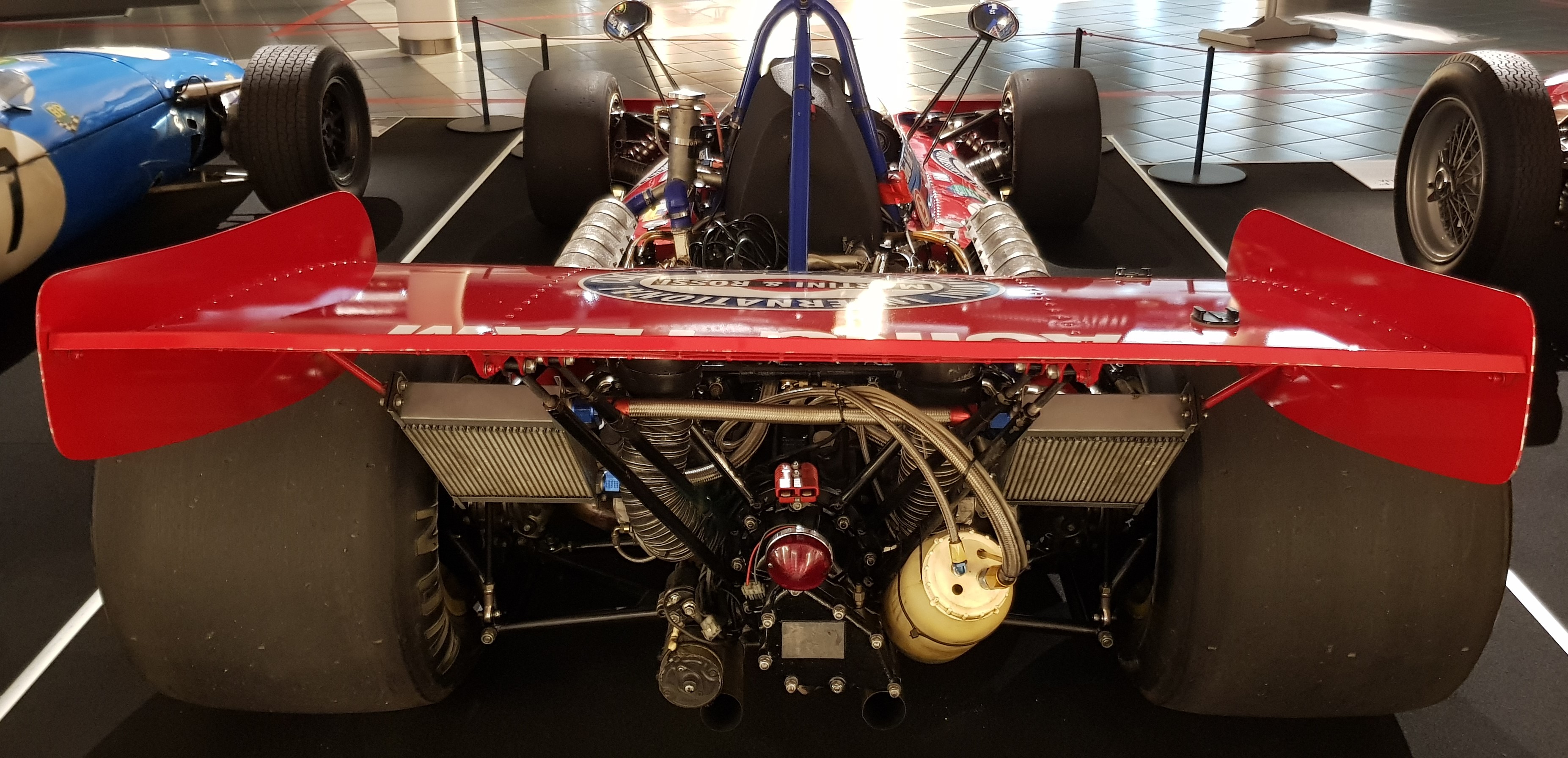
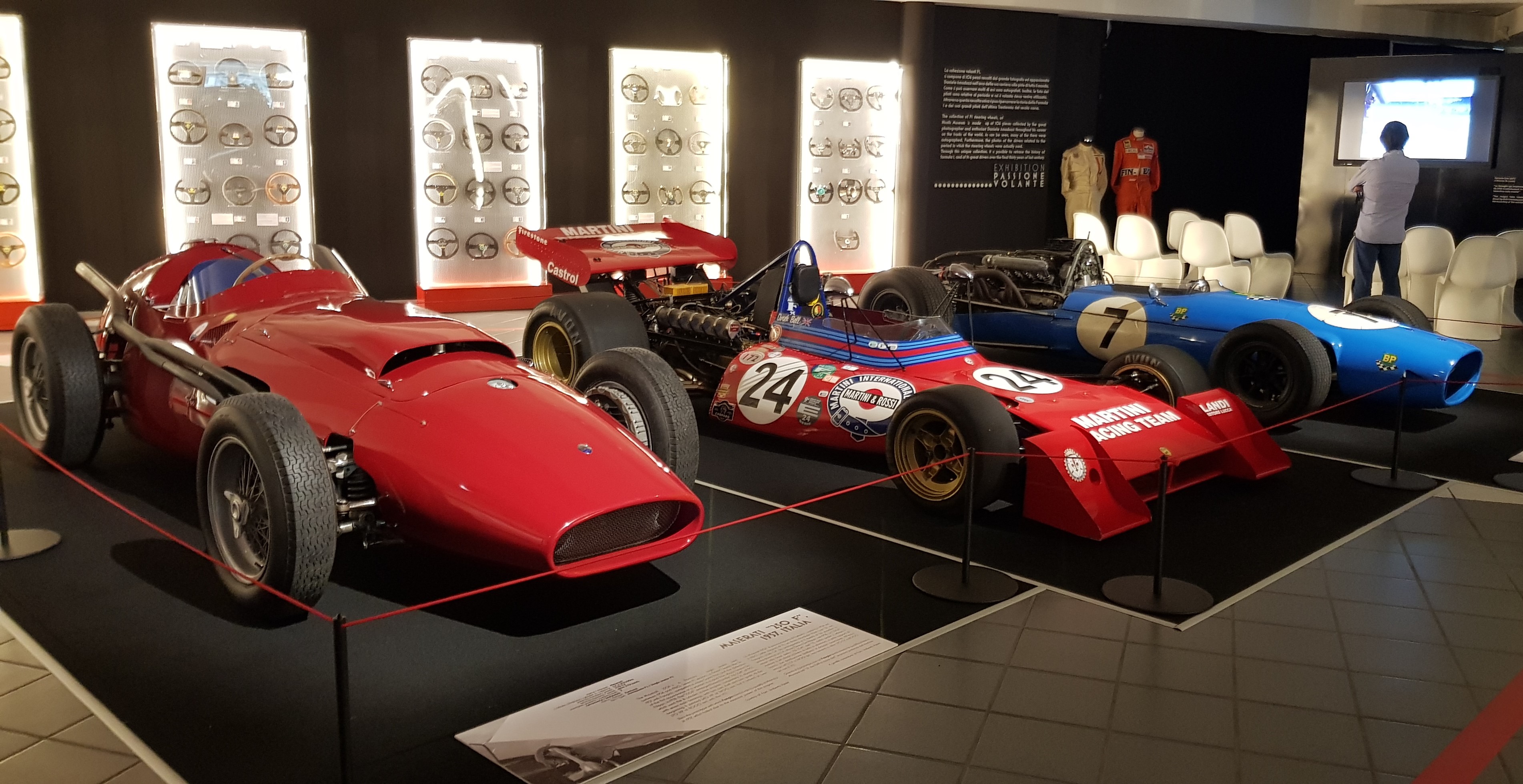
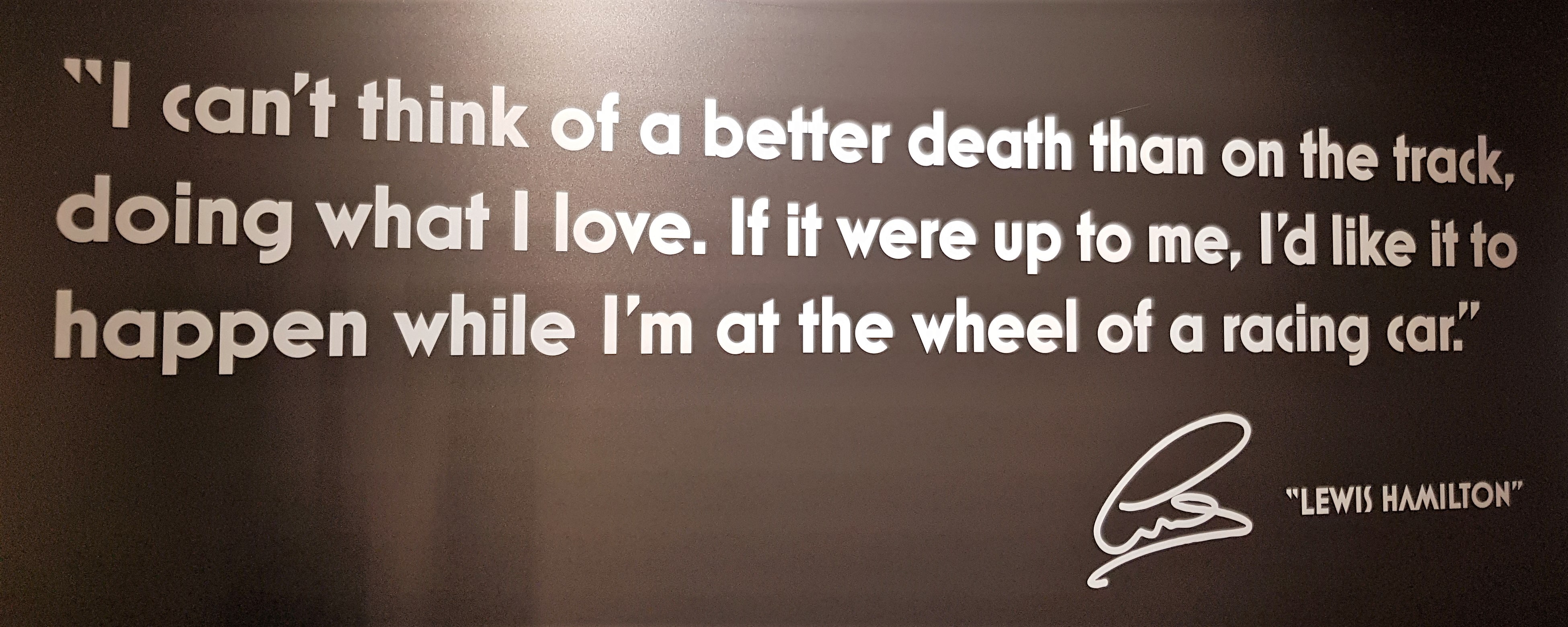
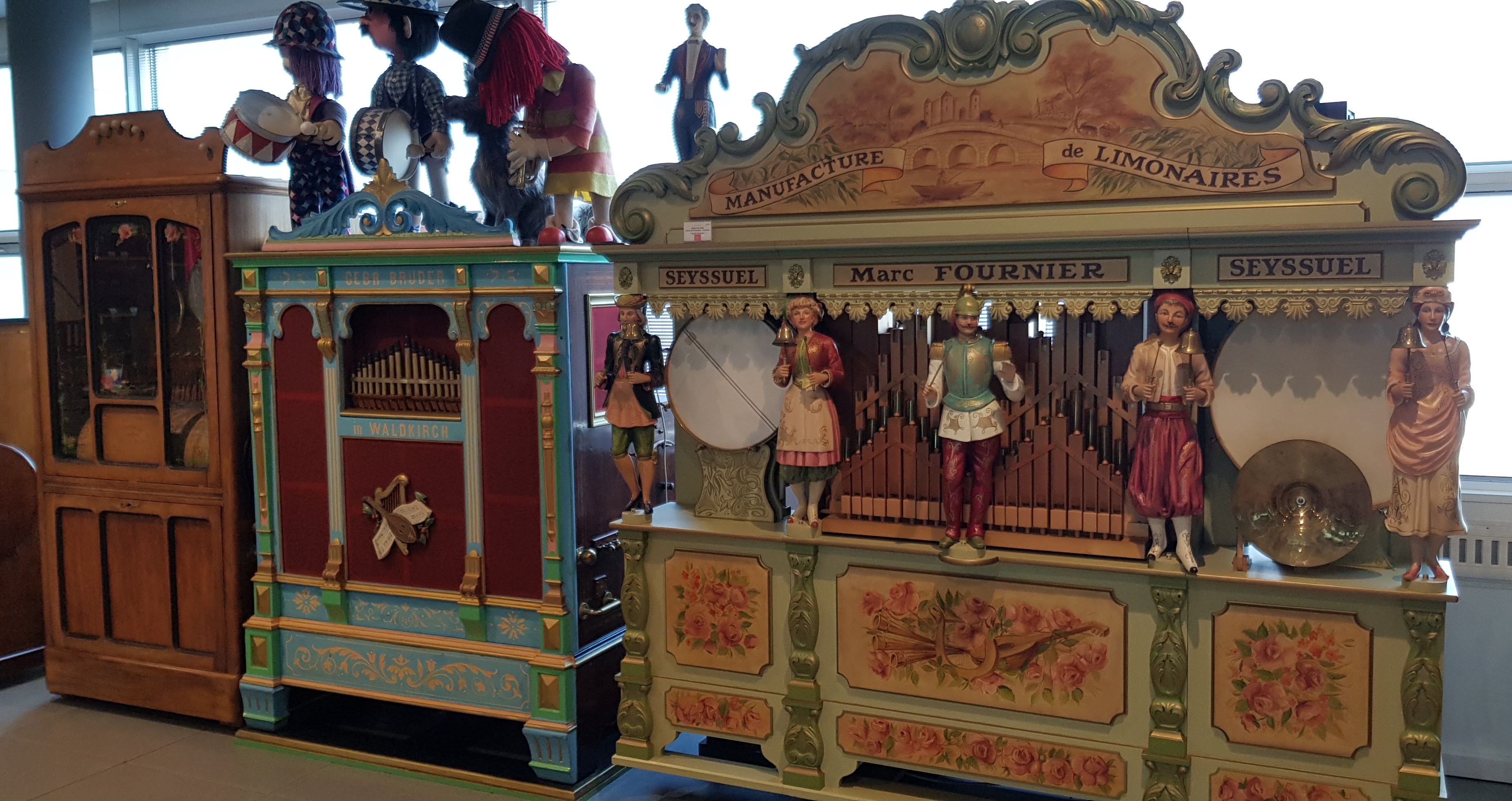
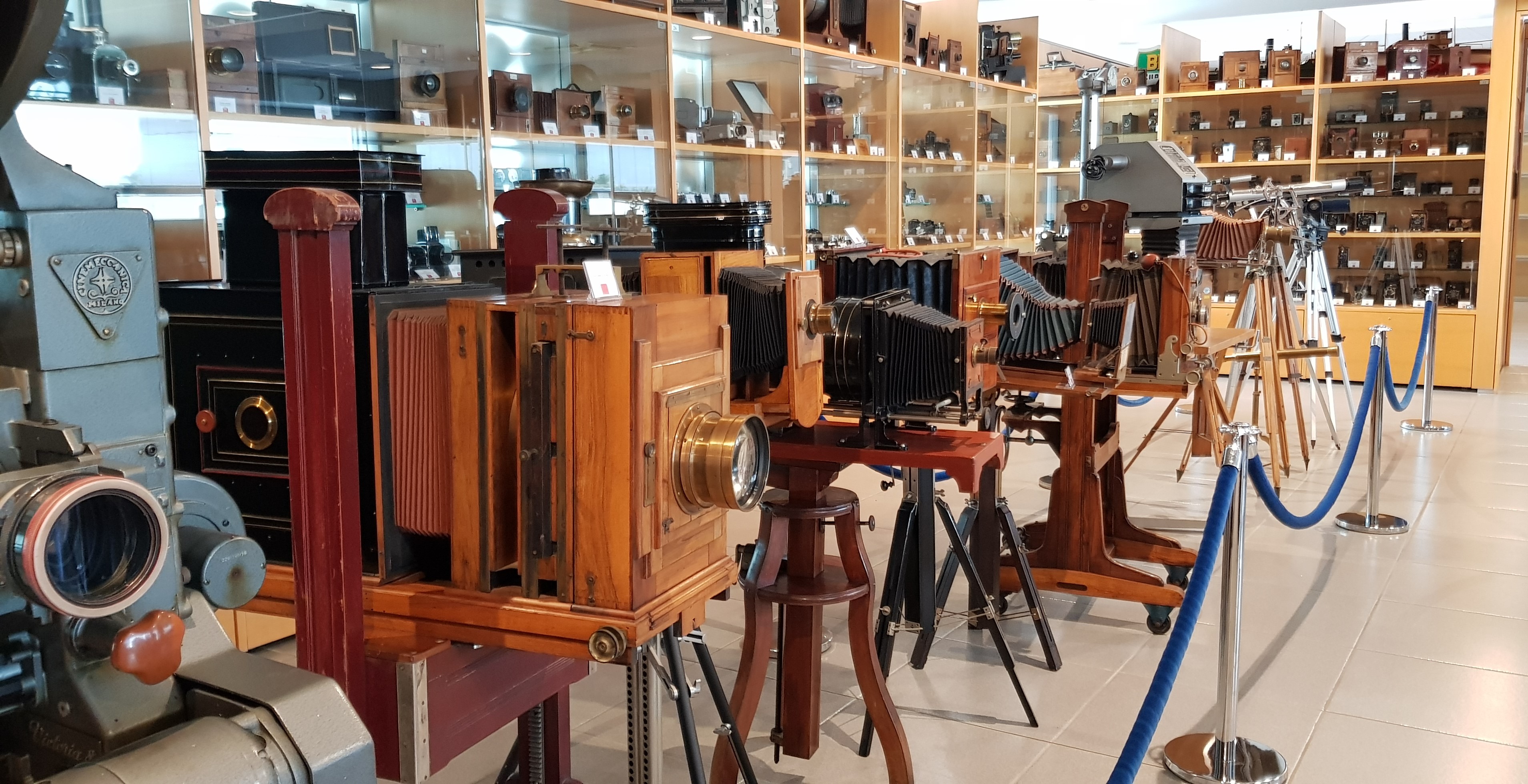
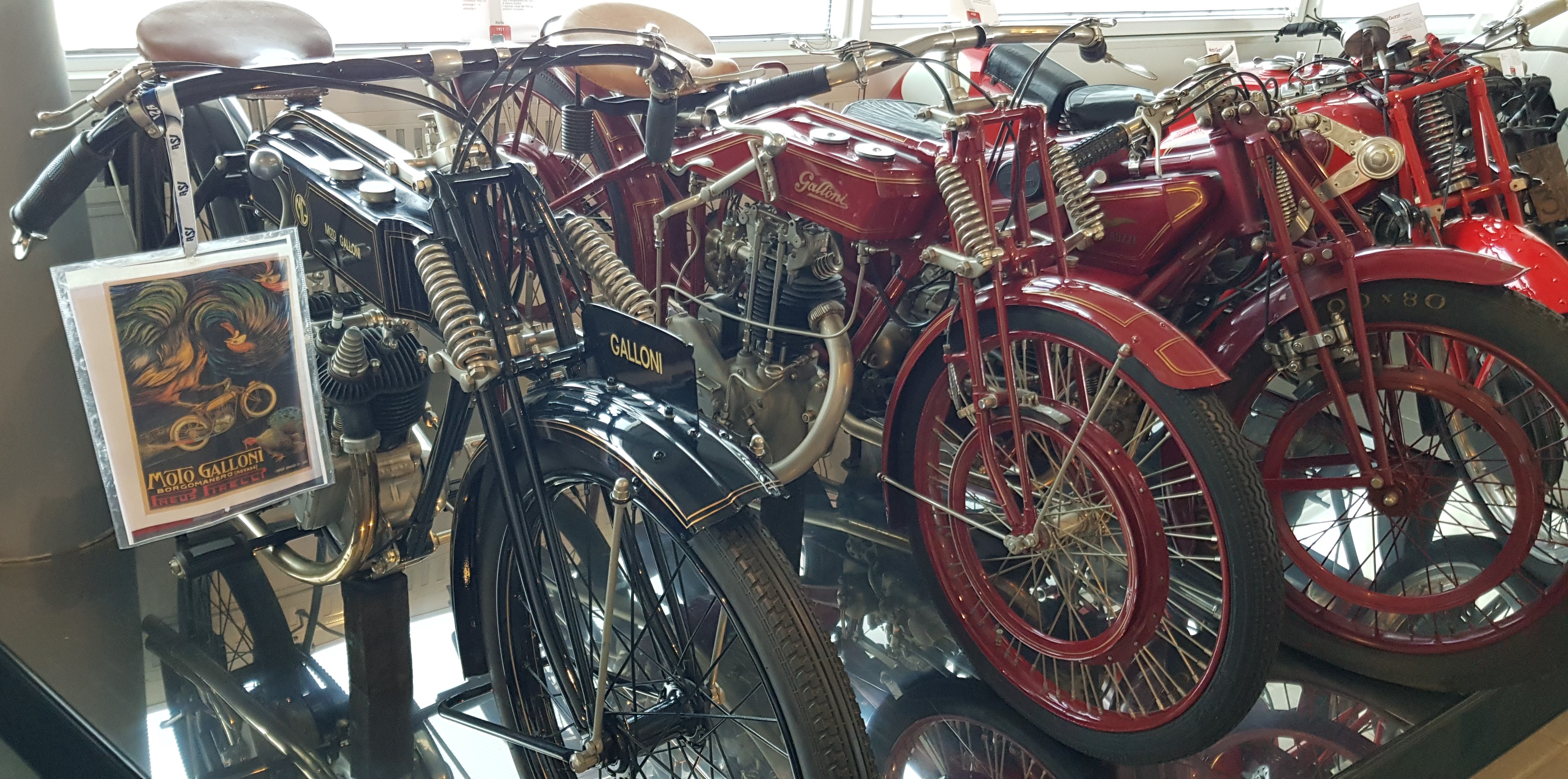
Luciano Nicolis started collecting when he was a boy in the 1930s, paper for recycling, and in 2000 opened his “showcase”,  personally overseeing the restoration of all his vehicles, which his daughters now continue following his death.  His collection didn’t stop at vintage cars, he collected motorcycles and bicycles, formula 1 racing cars and over 100 autographed steering wheels from racing cars, cameras and typewriters from the late 1800s and World War 1 and 2 vehicles, uniforms, guns and ammunition and even a few planes!  6000sqm of 8 collections, whose numbers are incredible: 200 cars, 110 bicycles of the great champions, 100 motorbikes, 500 cameras, 100 musical instruments, 100 typewriters, 100 Formula 1 steering wheels but also small airplanes and original works of human talent.  He also has the bike ridden by Leonardo Da Vinci!!!

I hope you enjoy the following photos.

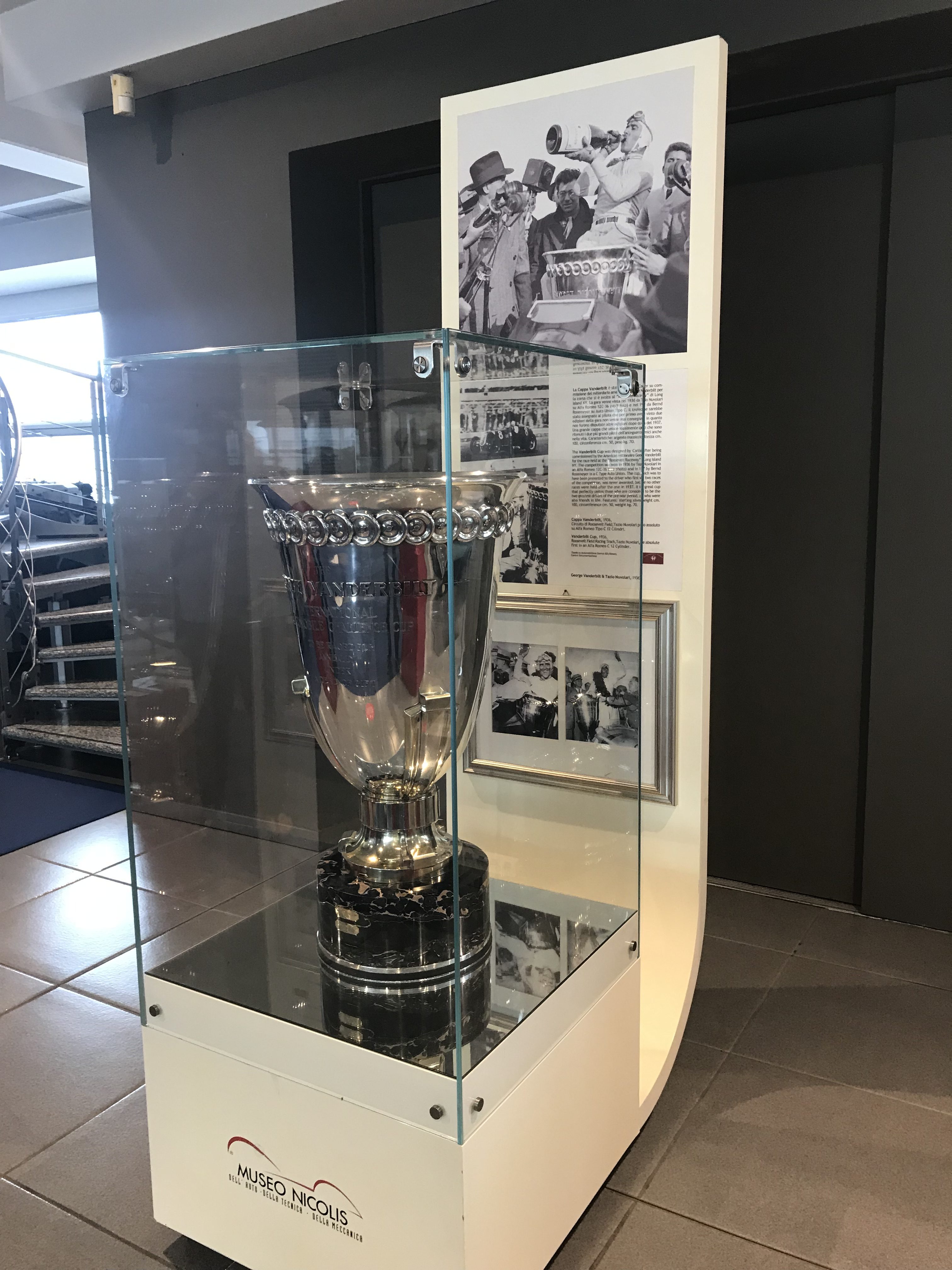
And finally, something other than just cars!

The Vanderbilt Cup from Formula 1 racing.


Romantic Verona & Juliet’s House

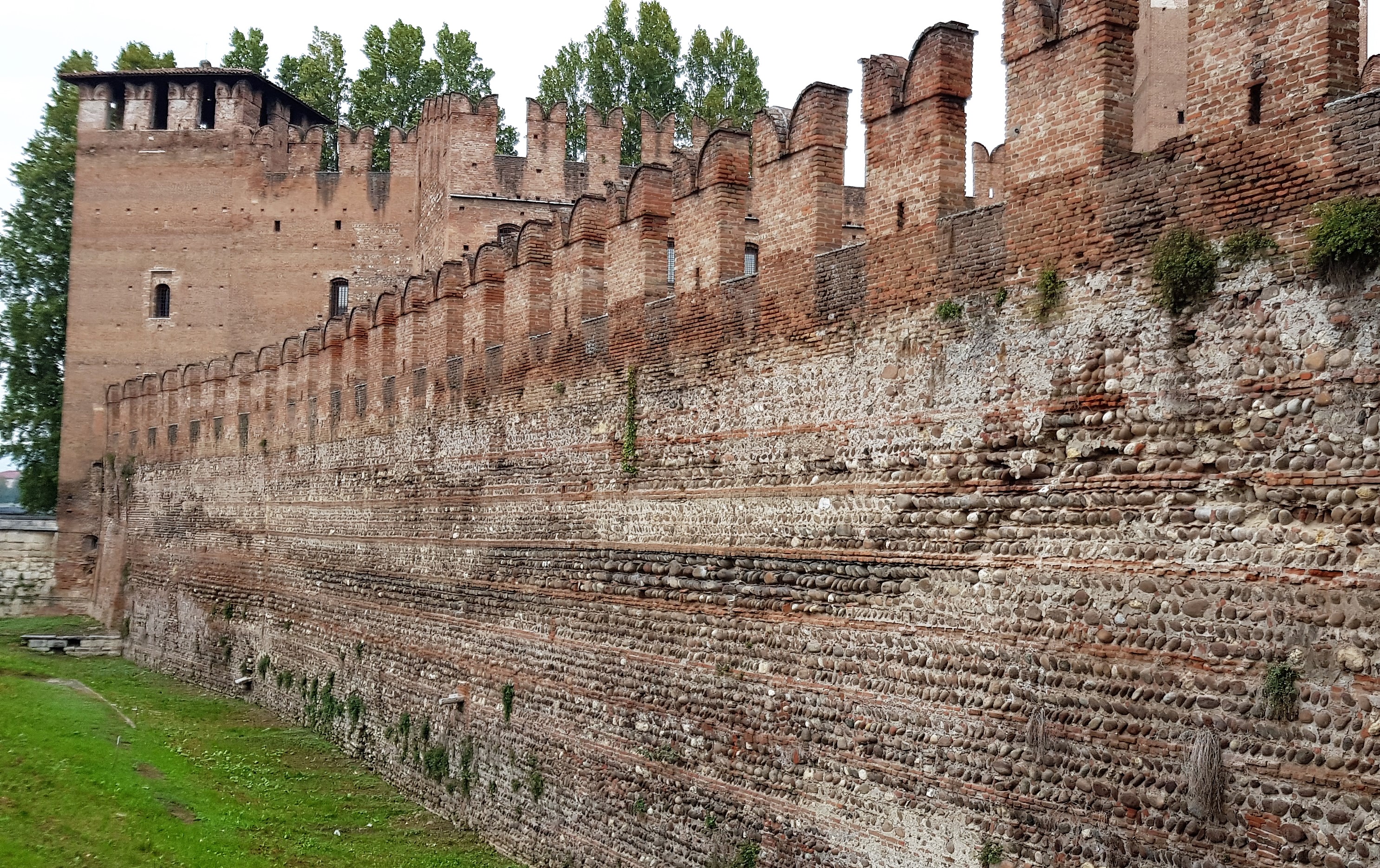
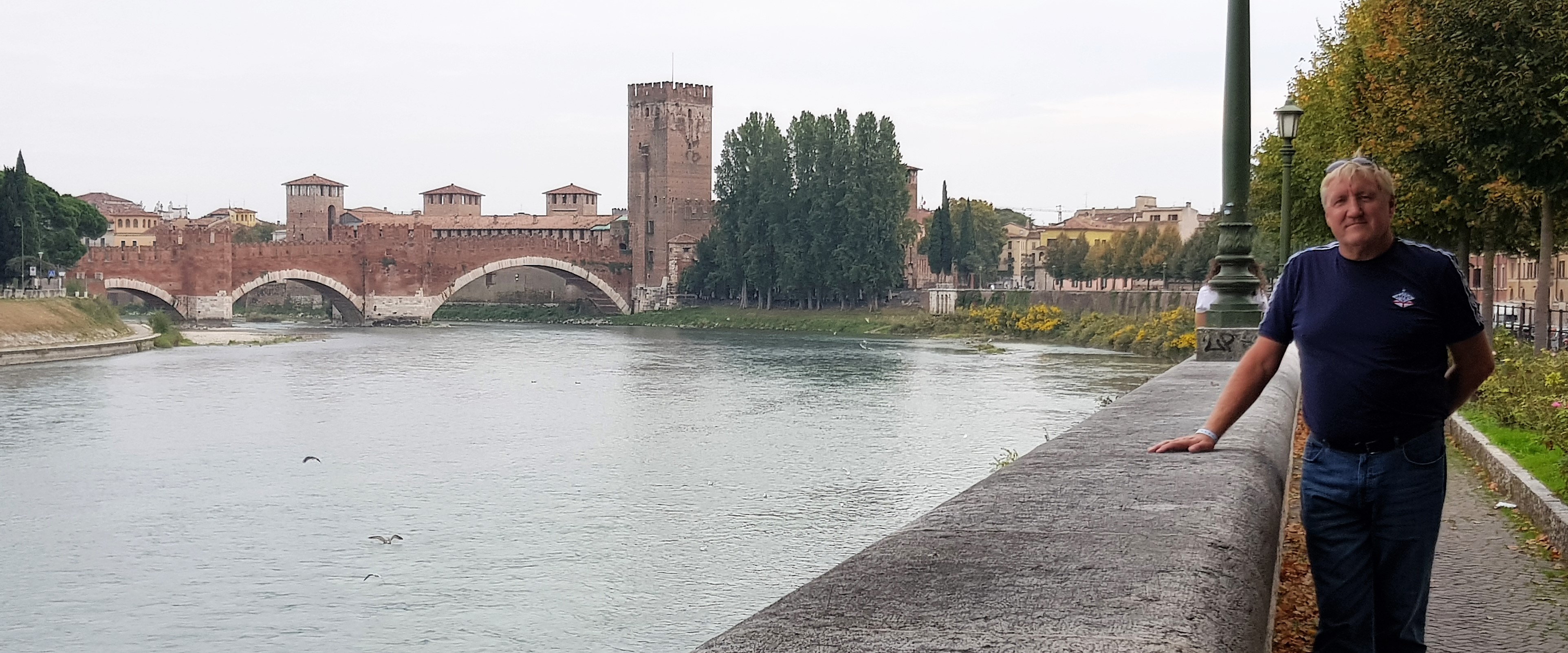
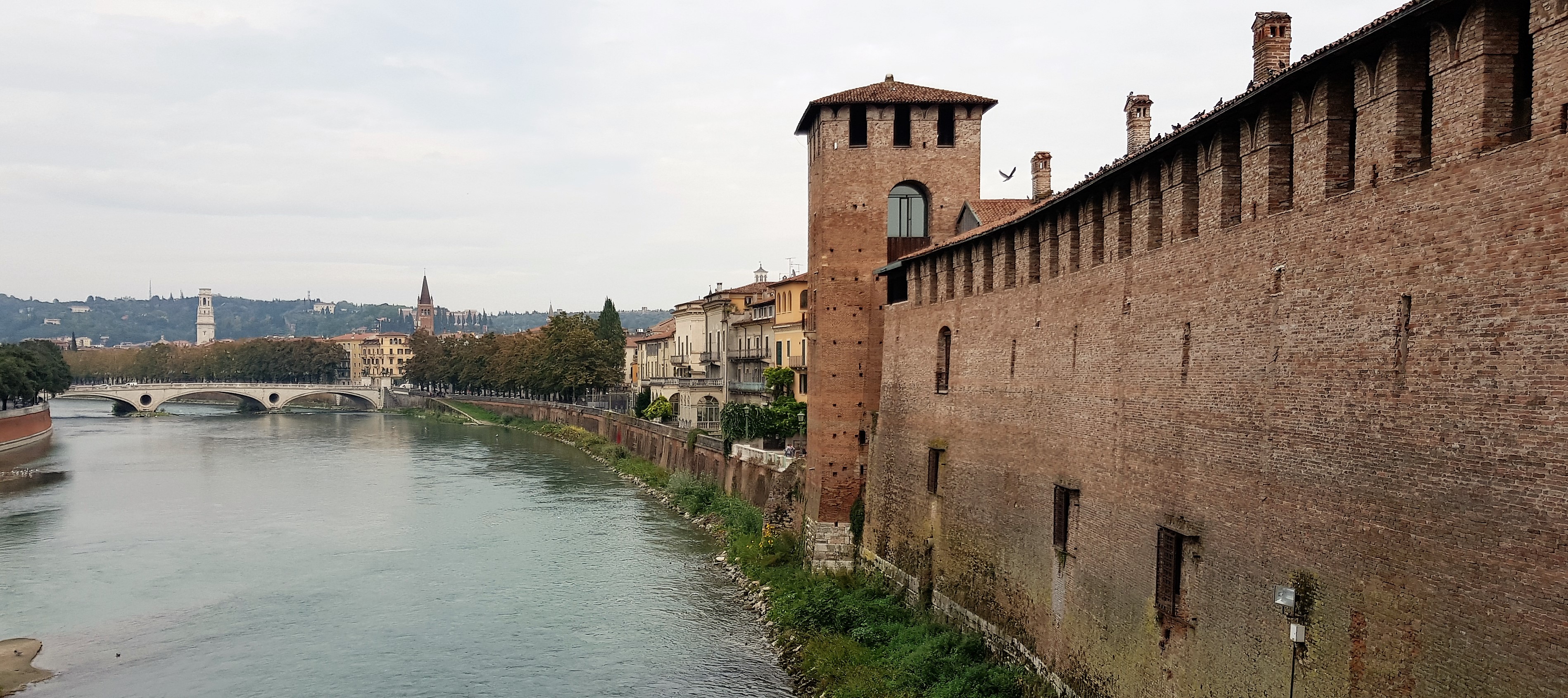
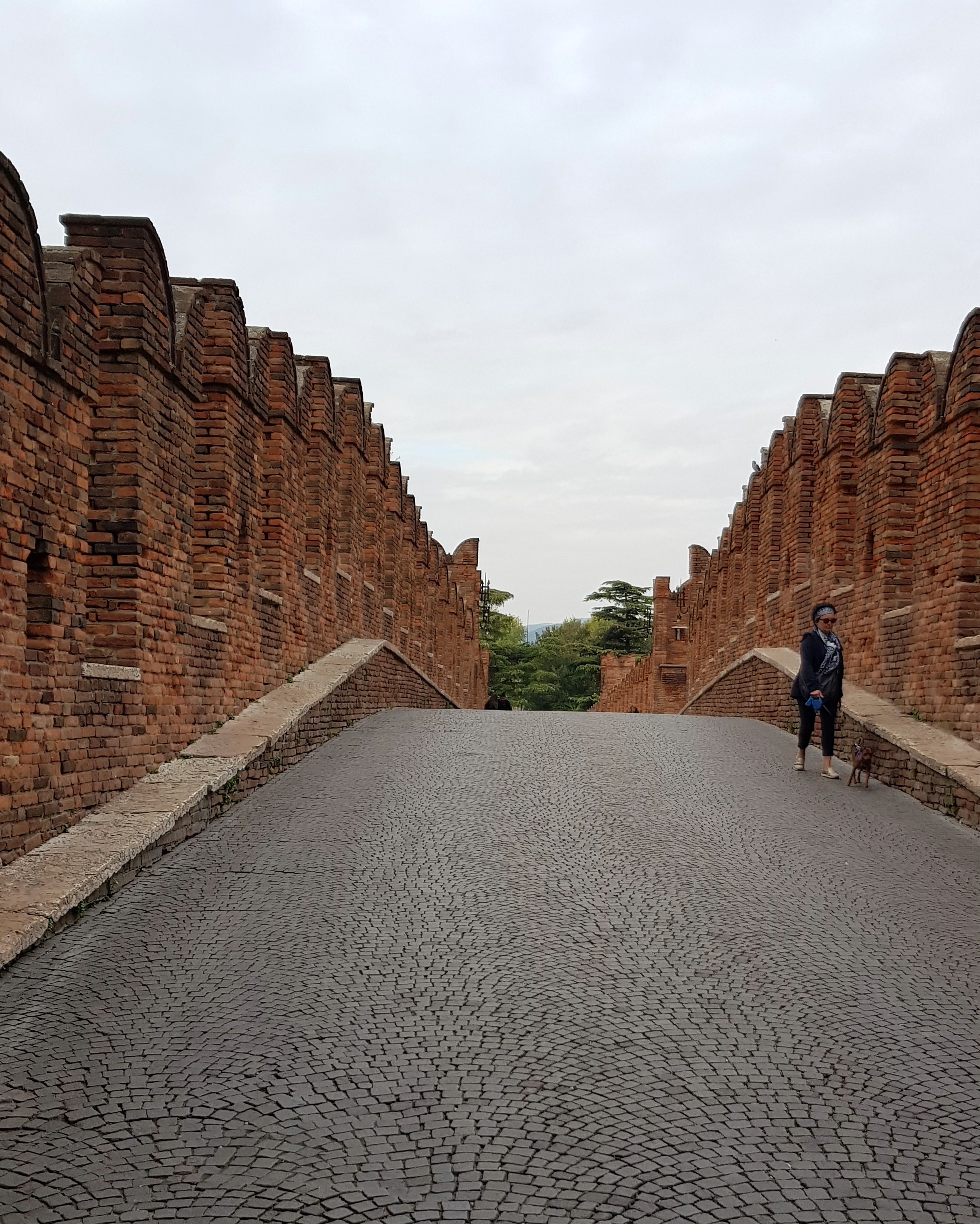
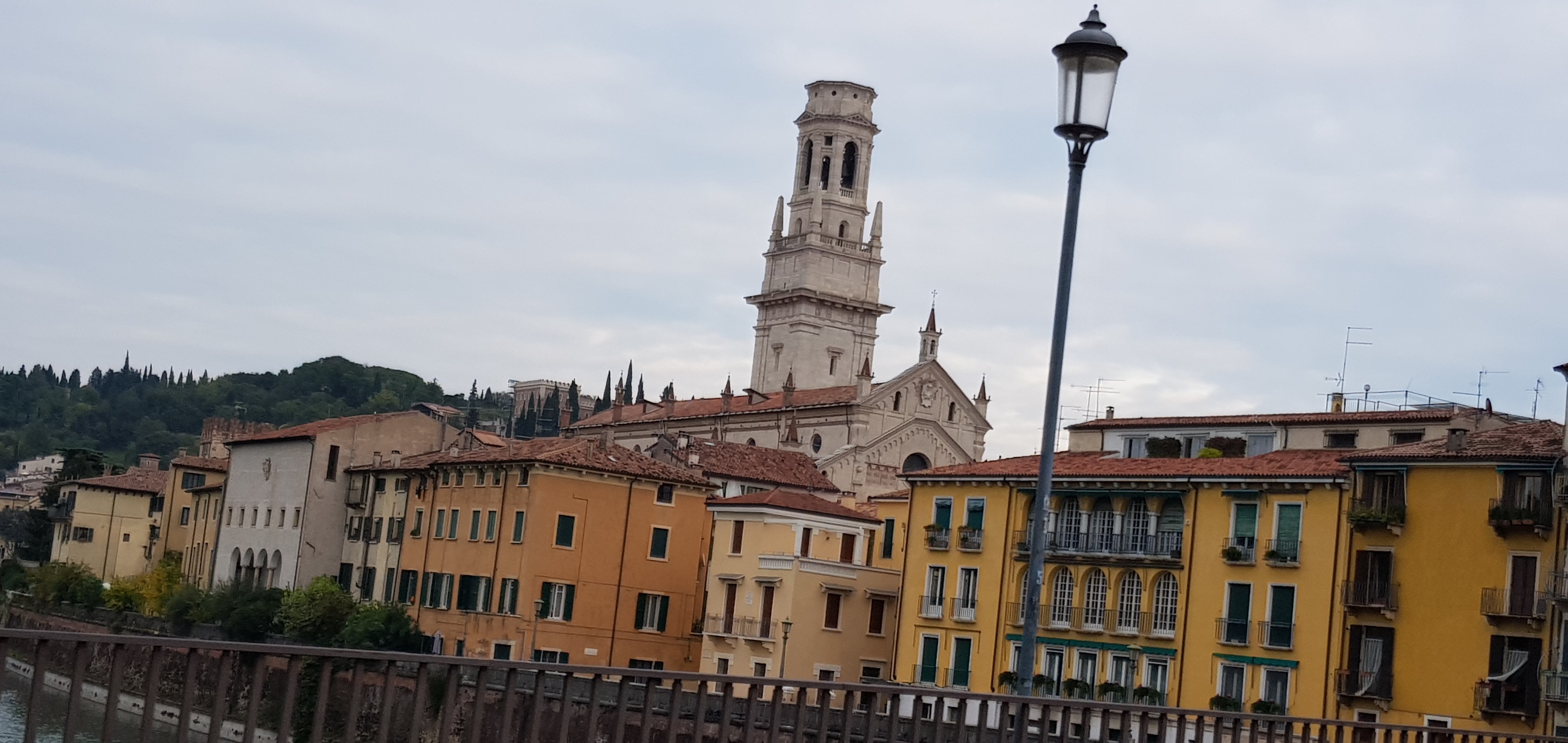
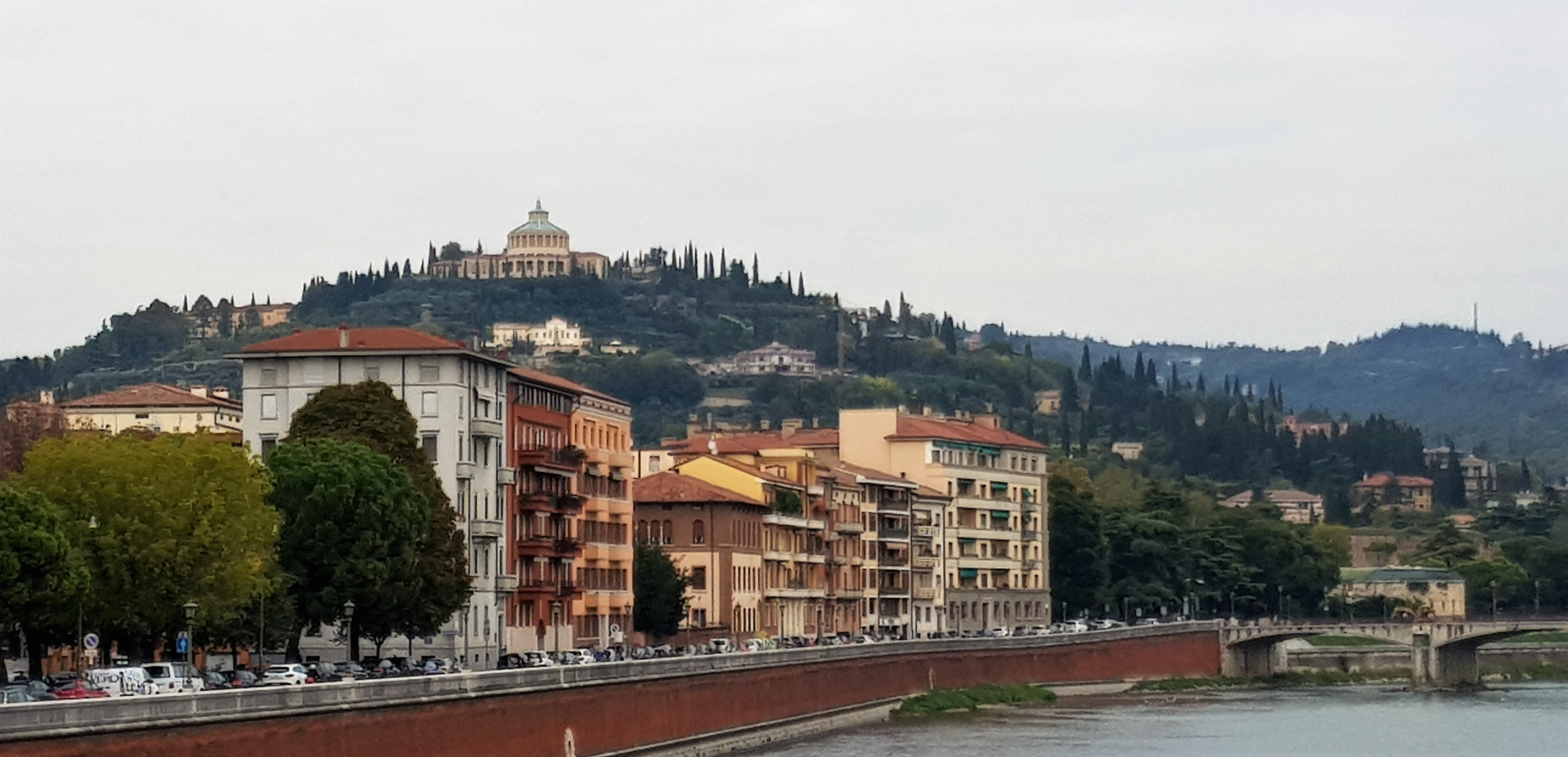
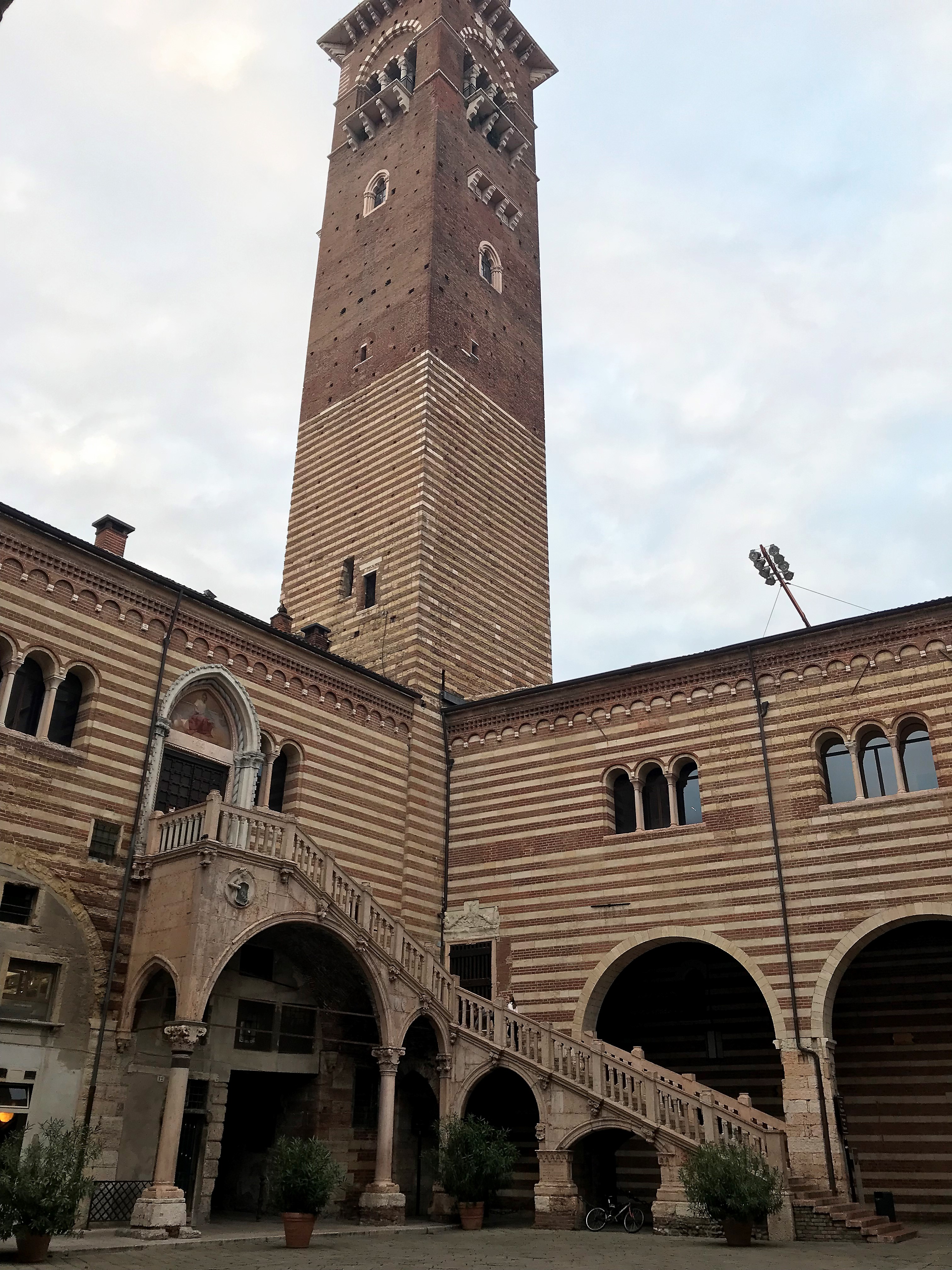
Verona is a beautiful city with a medieval old town built between the meandering Adige River, making it seem like the city is an island.  The architecturally fascinating bridges over the Adige abut the Museo di Castelvecchio were built in the 1350s by Cangrande II.  Severely damaged by Napoleon and WWII bombings, the fortress was reinvented by architect Carlo Scarpa, who reconstructed bridges and created a home to a collection of statues, frescoes, jewellery, medieval artefacts and paintings.

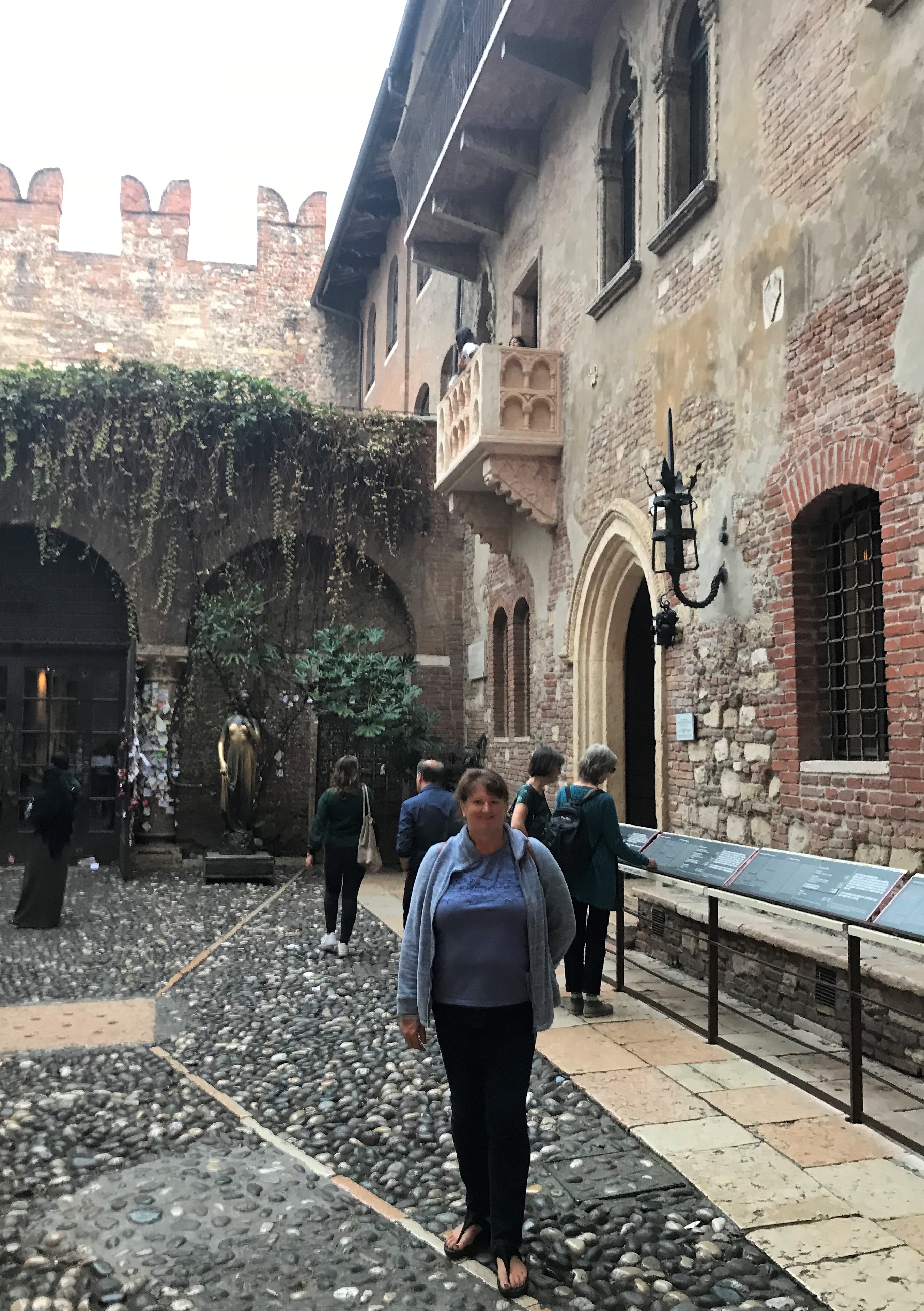
It’s probably more famous for being the setting of Shakespeare’s play “Romeo and Juliet”  and a 14th-century residence with a tiny balcony overlooking a courtyard is said be “Juliet’s House.” We could not visit Verona without visiting this place.

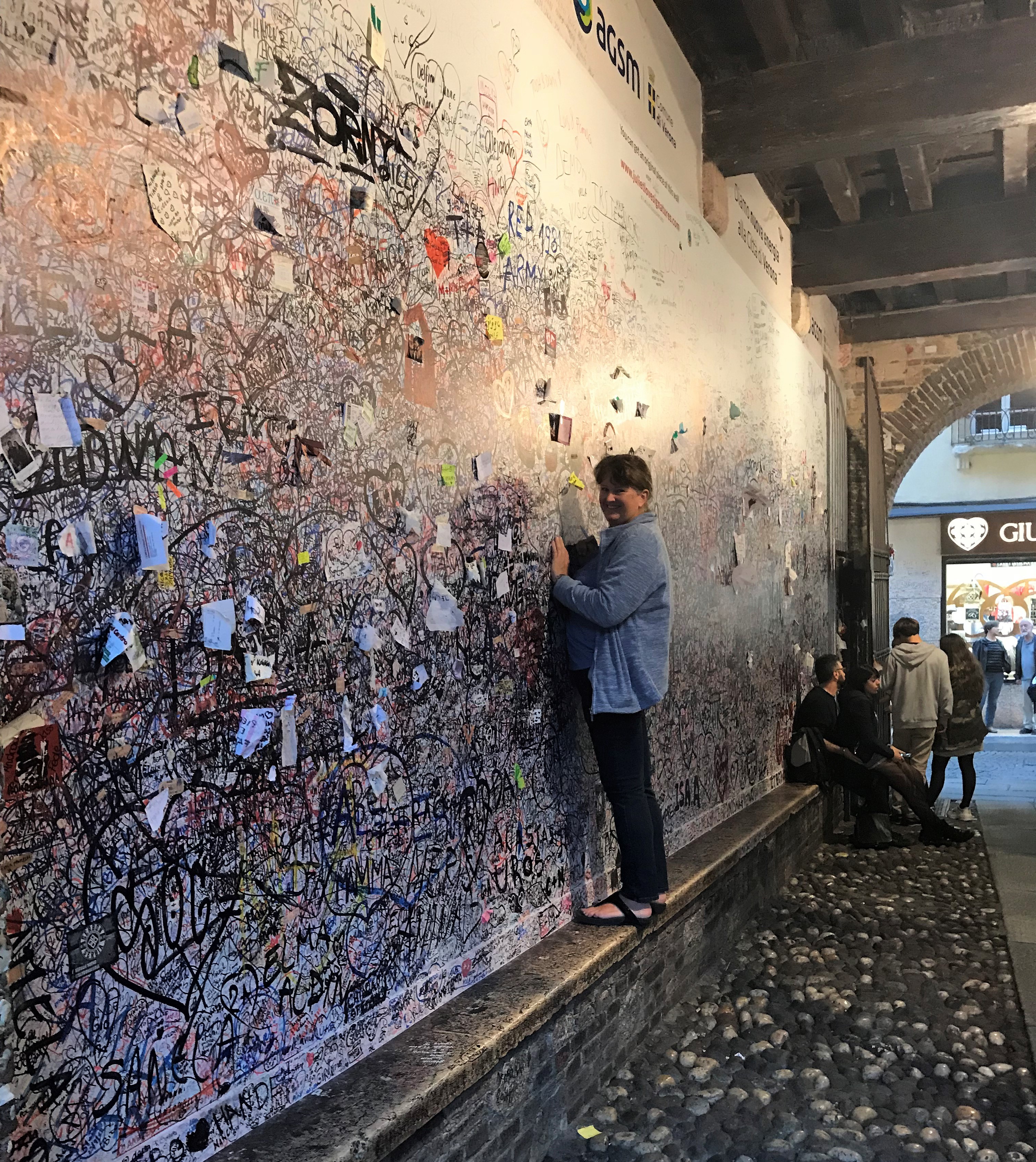
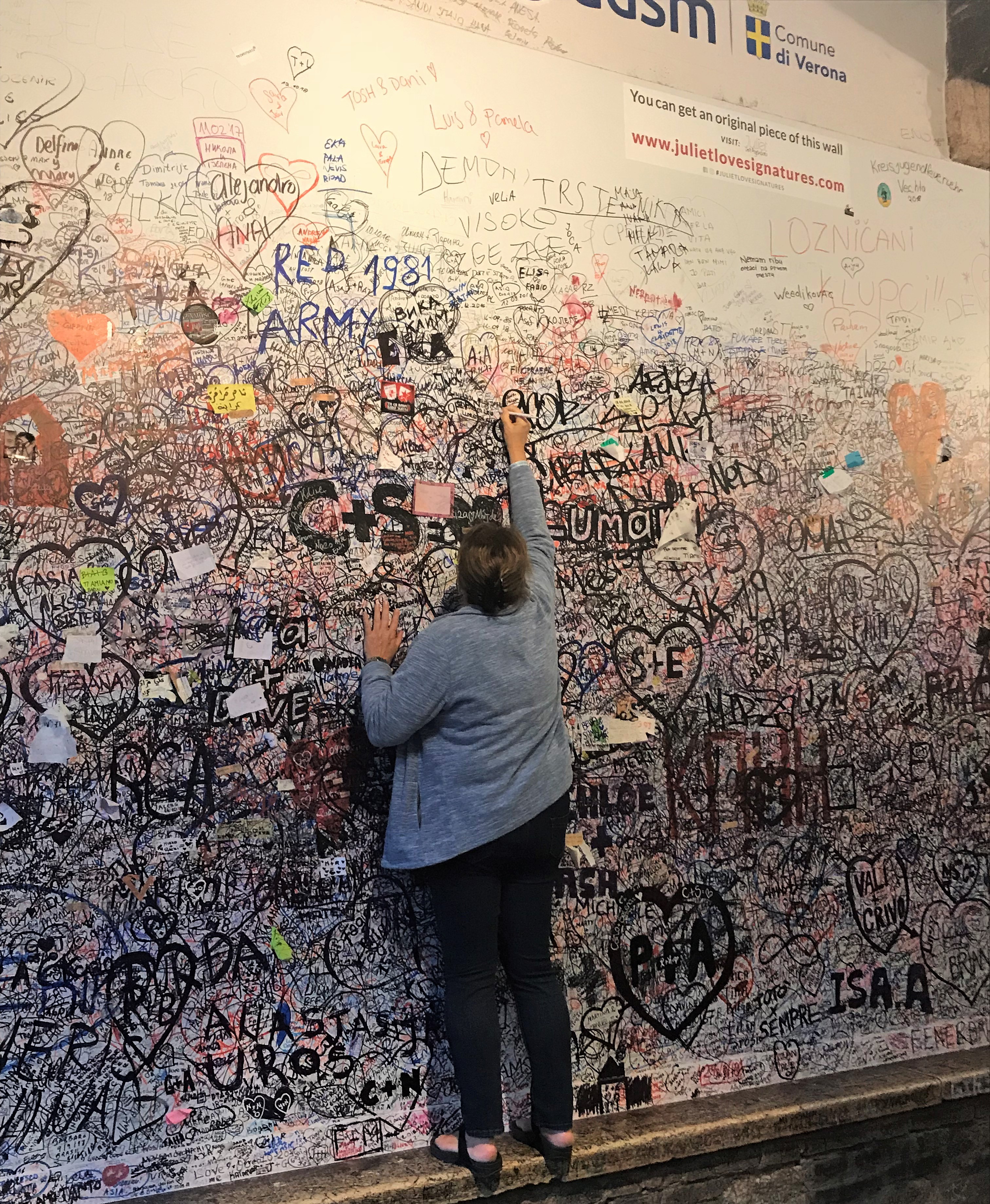
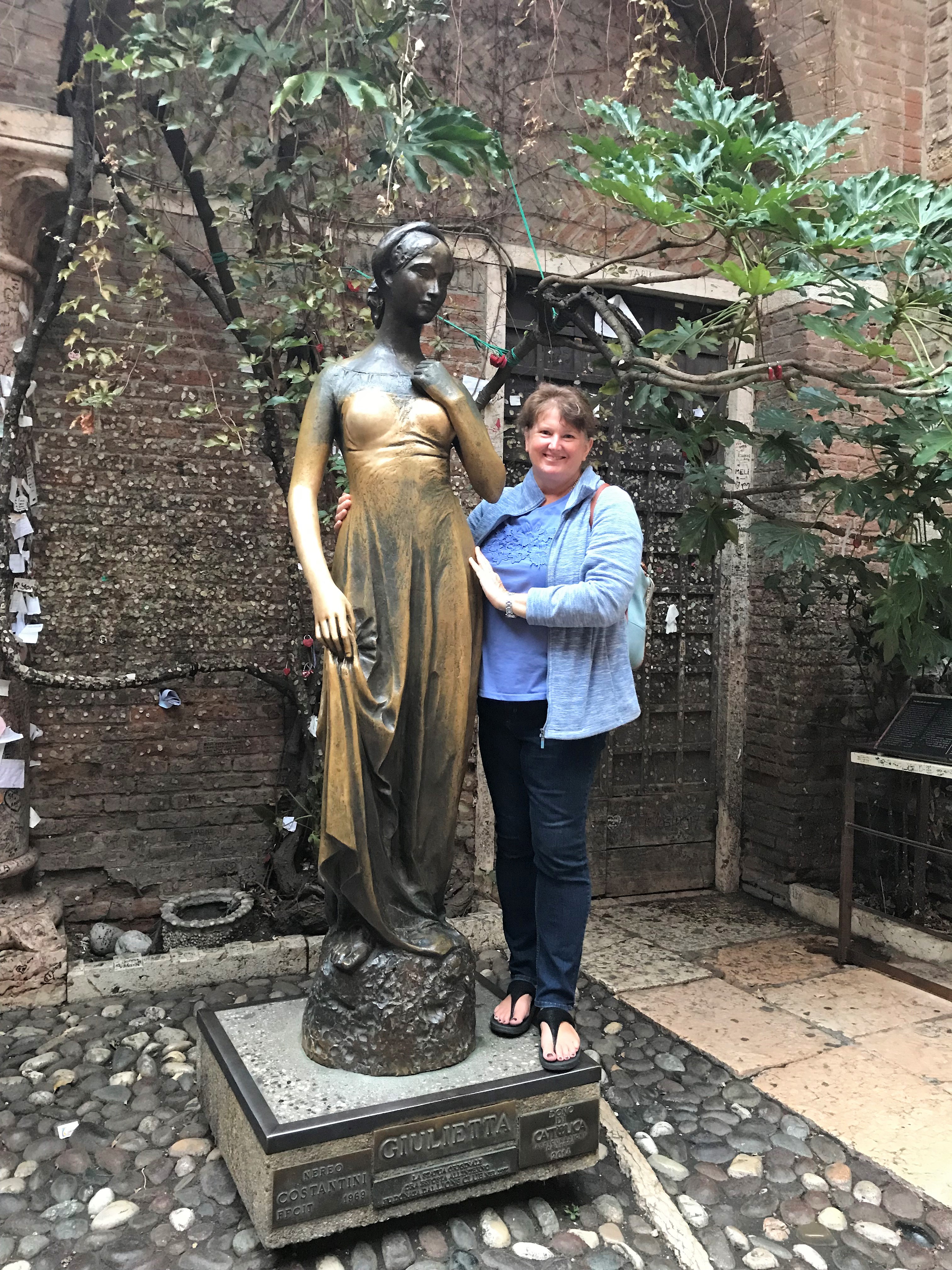
Juliet’s house is truly a spectacle, as you enter a tiny courtyard, the first thing you see is a wall covered in graffitti (names and dates of visitors), the courtyard is full of tourists shouldering each other in the tiny space trying to take selfies with the well-rubbed bronze of Juliet. It seems it’s tradition to rub her breasts!!!   Above you is the famous balcony, tourists taking their turn to have pics taken against the ‘romantic background’.  The tour of the house was a guided one with a waiting list of over 1.5 hours – despite there being any actual evidence of this being “her house”.

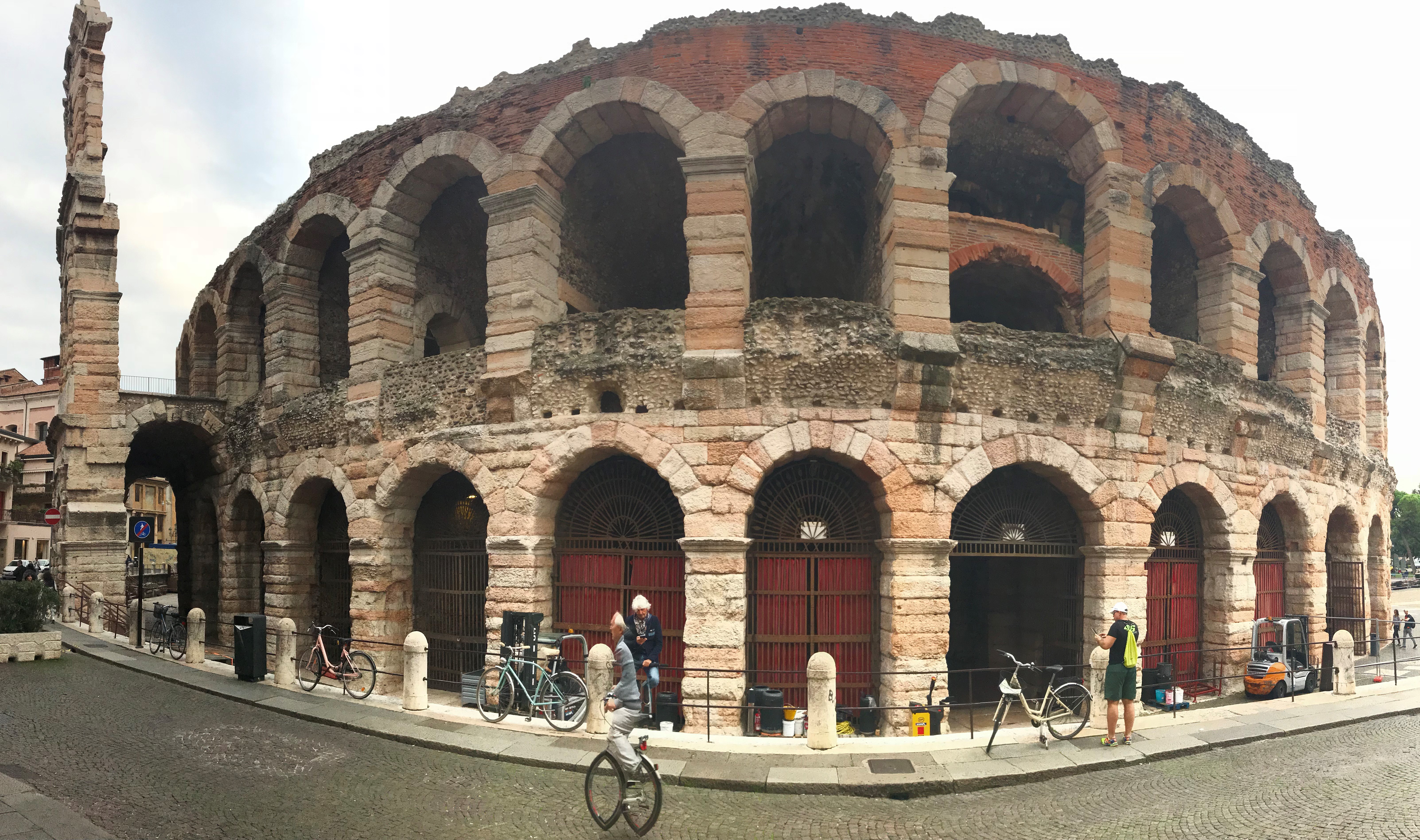
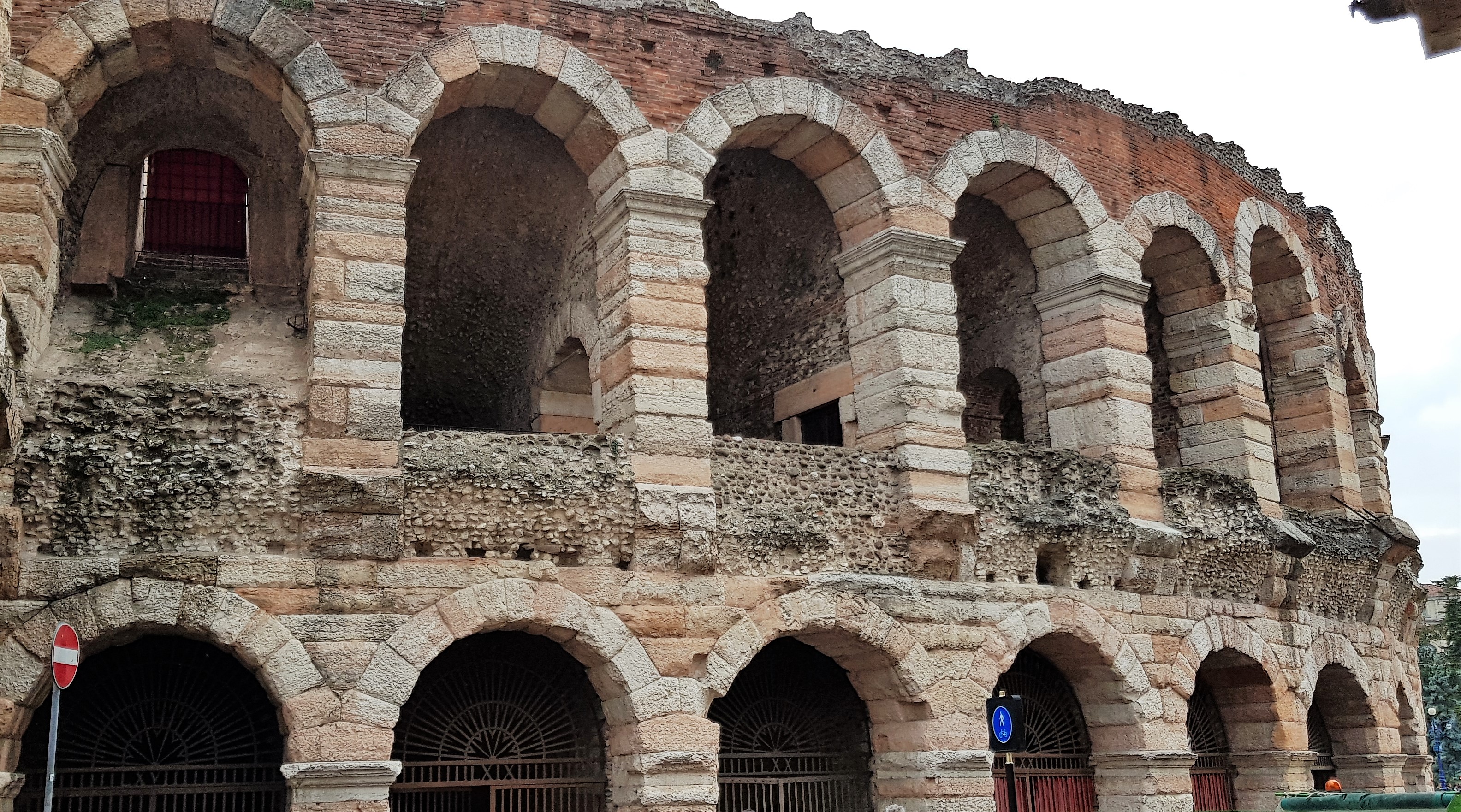
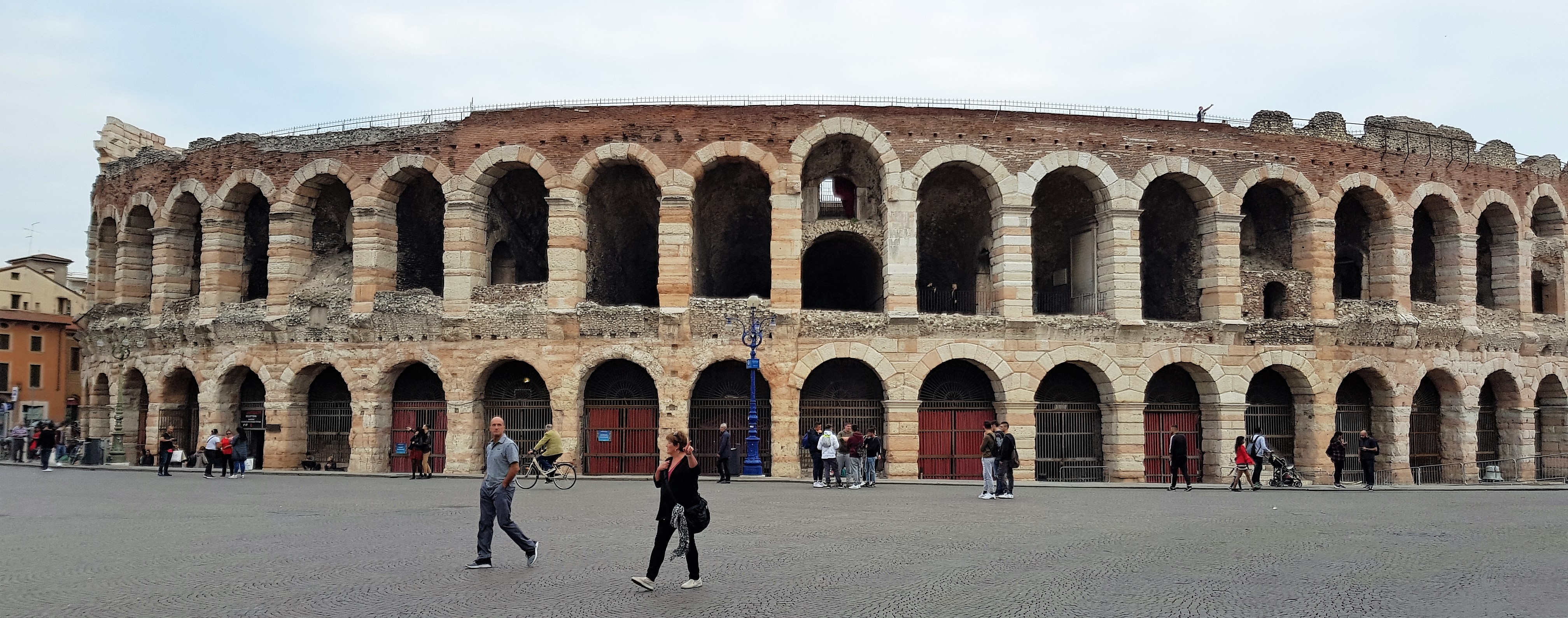
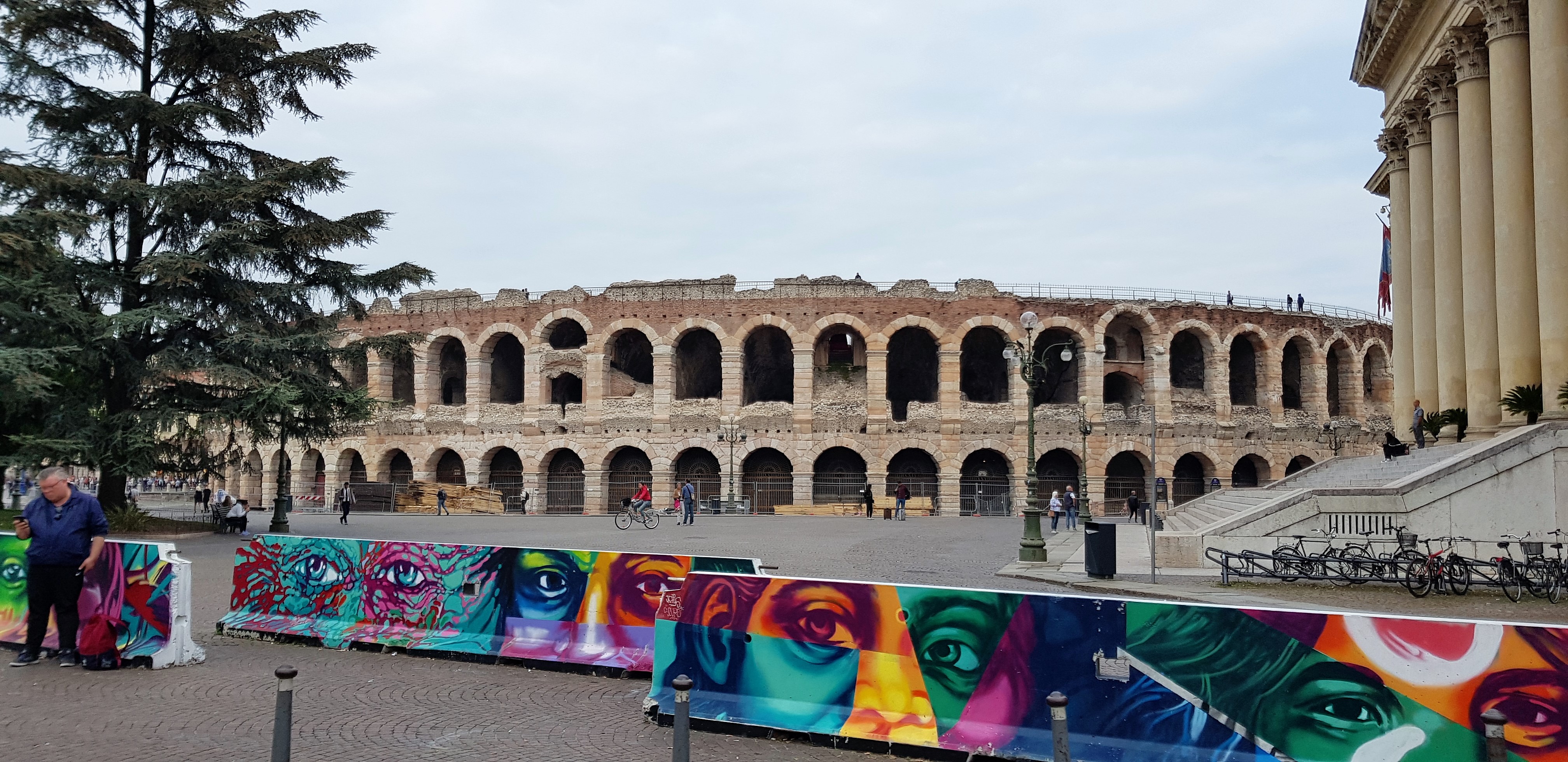
The Verona Arena is a huge Roman amphitheater, which currently hosts concerts and large-scale opera performances with seating for 30,000 people.  Built of pink-tinged marble in the 1st century AD, it survived a 12th-century earthquake to become the city’s legendary open-air opera house, remaining external supports have been retained and are extremely well preserved.

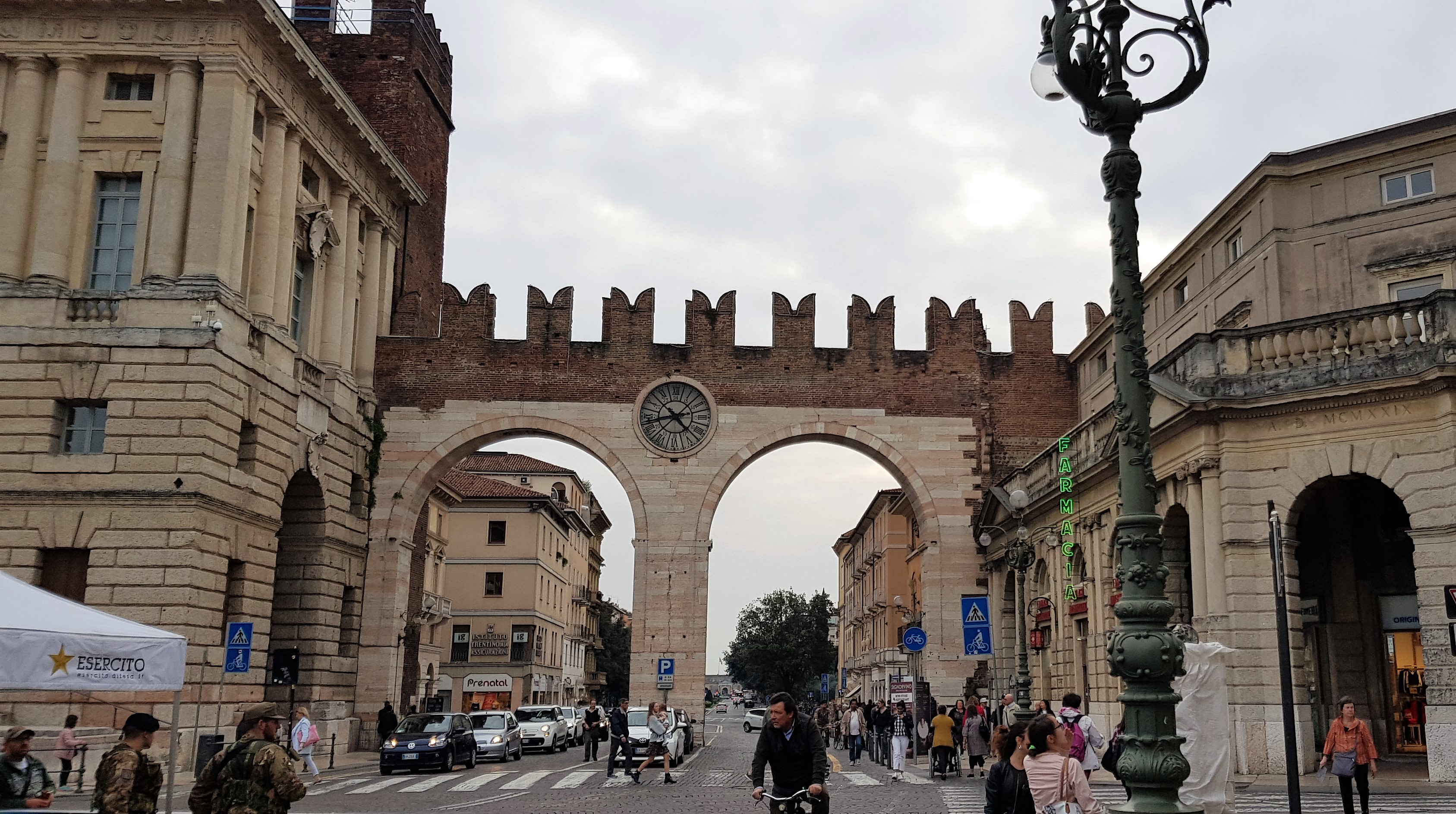
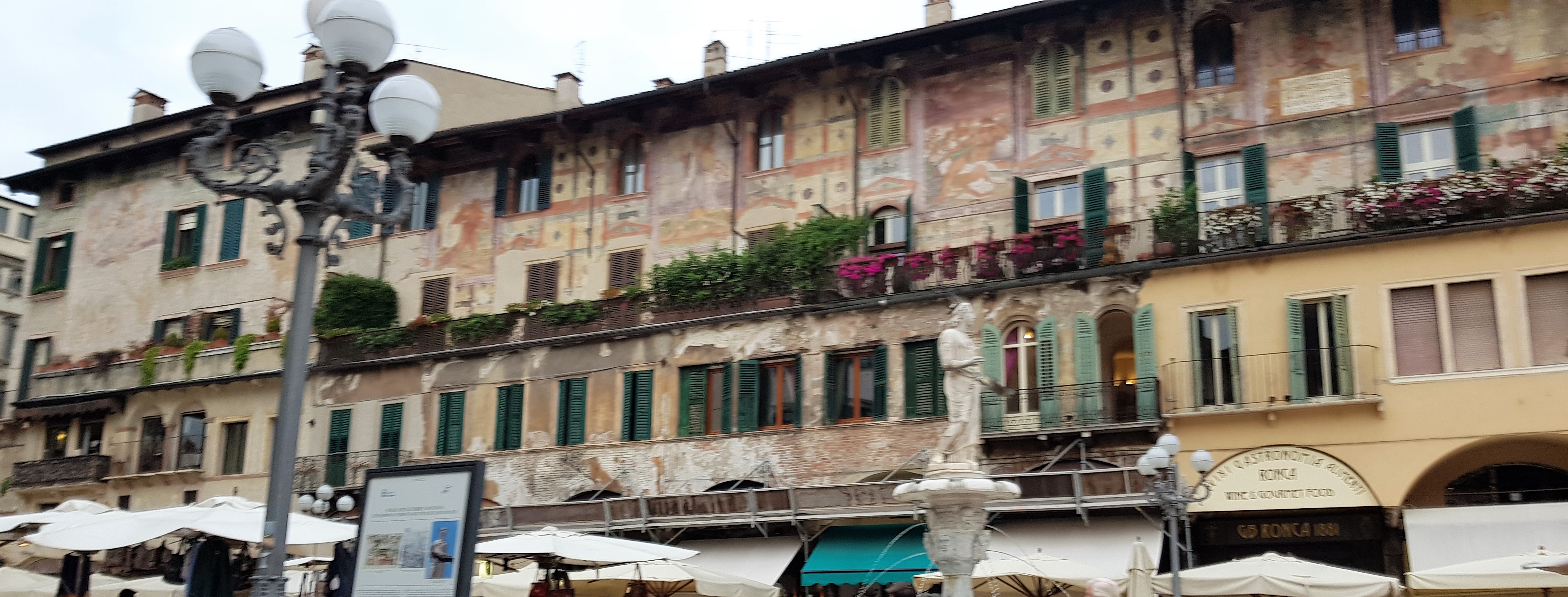
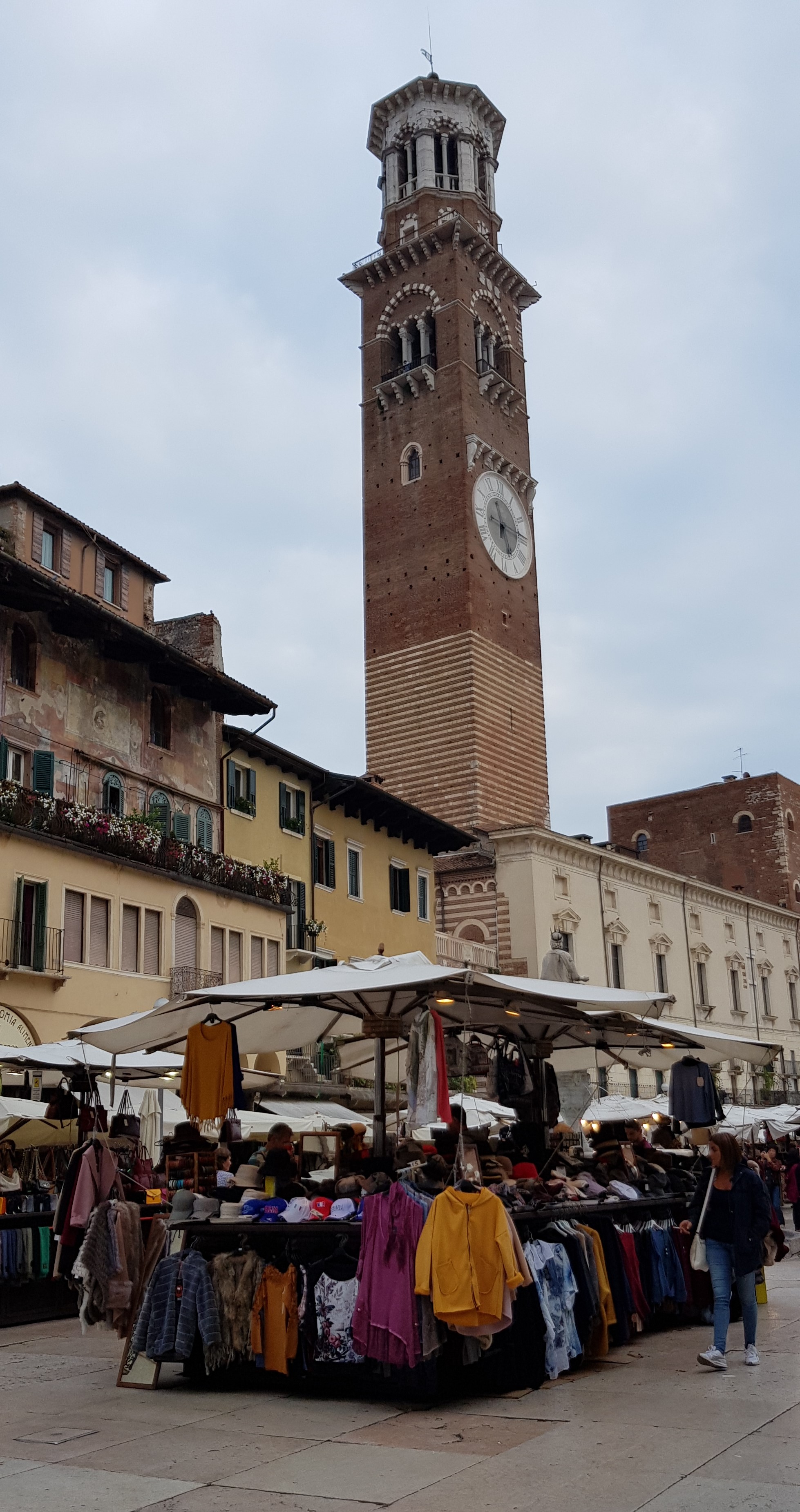
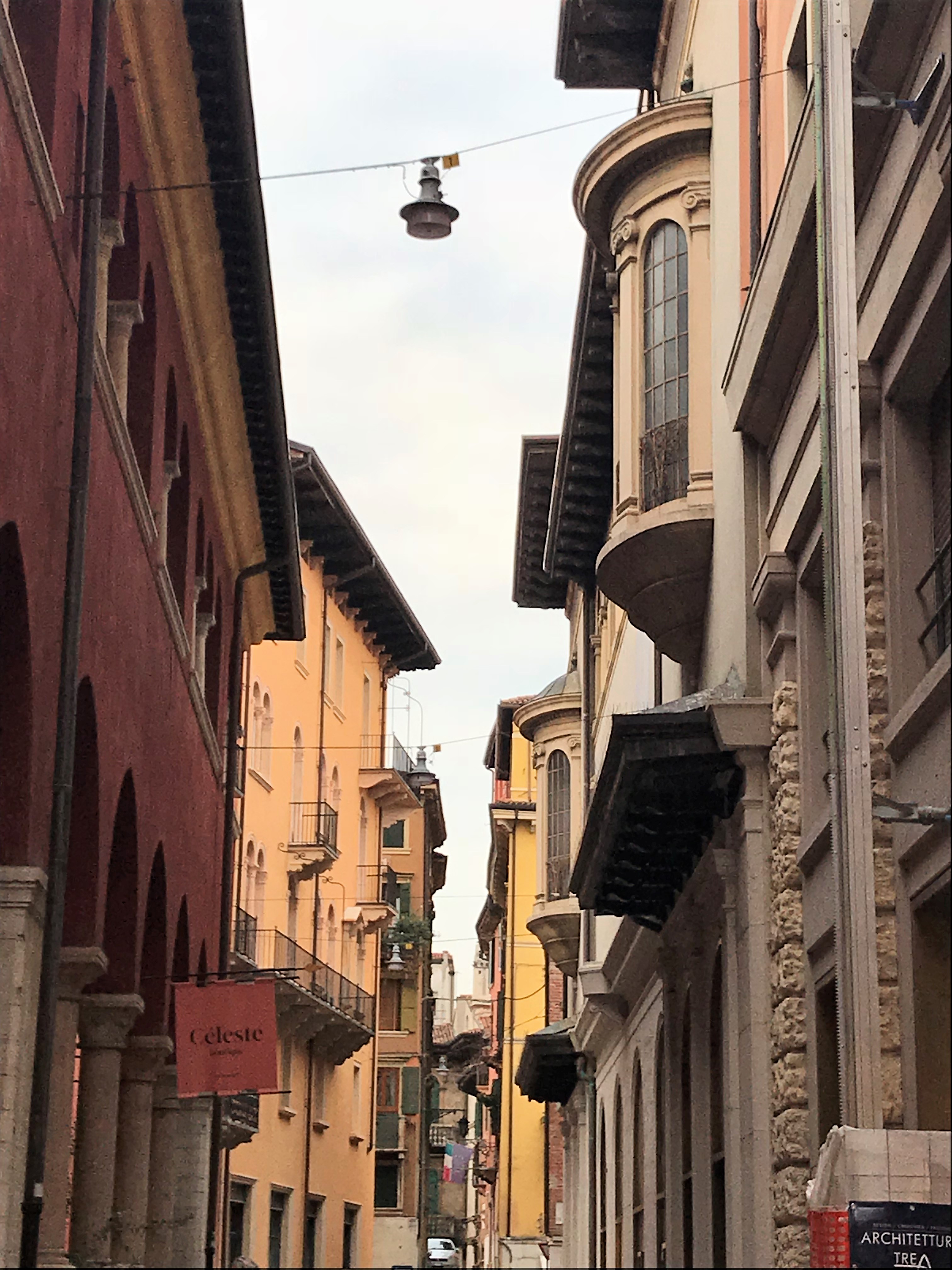
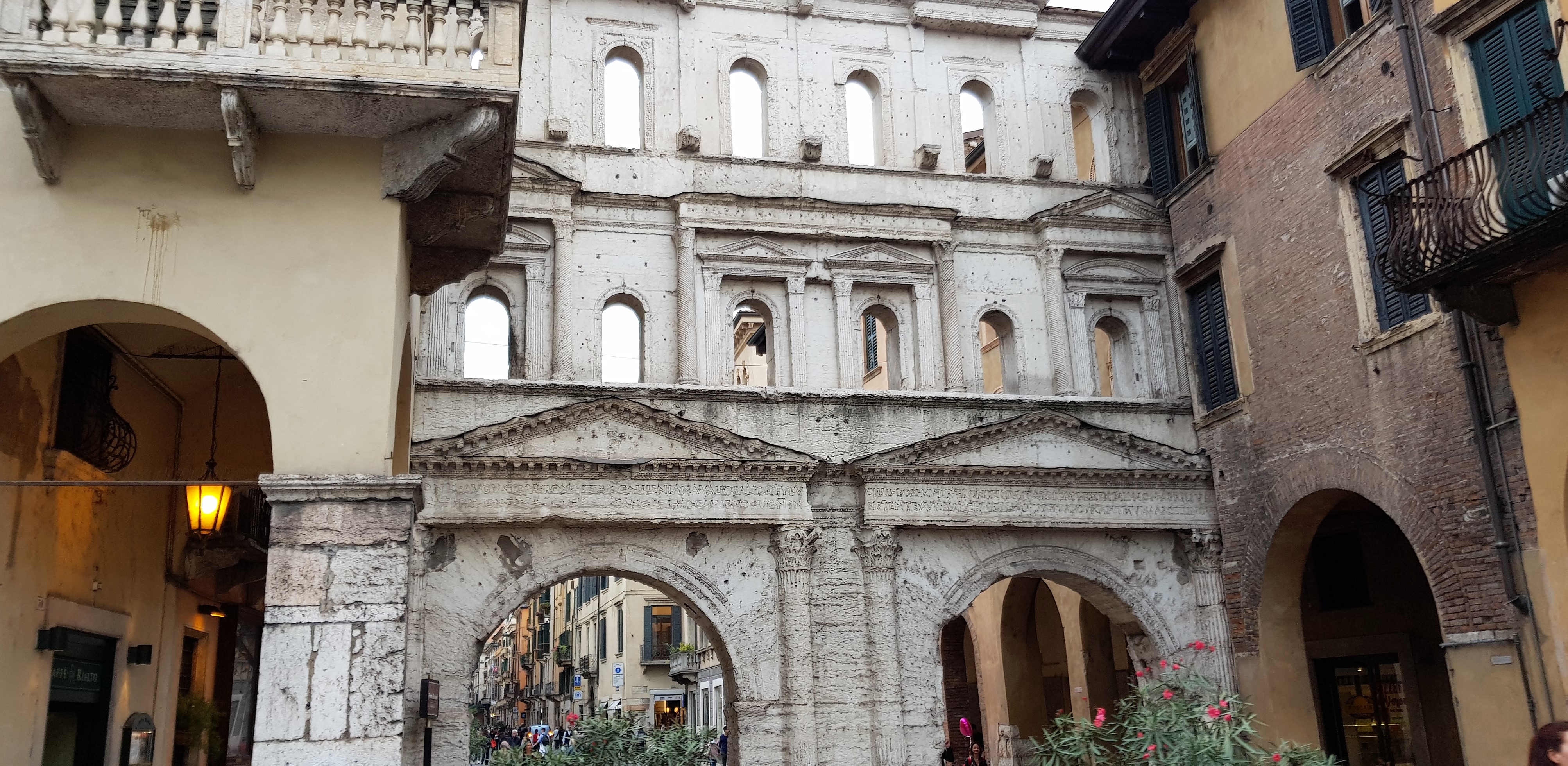
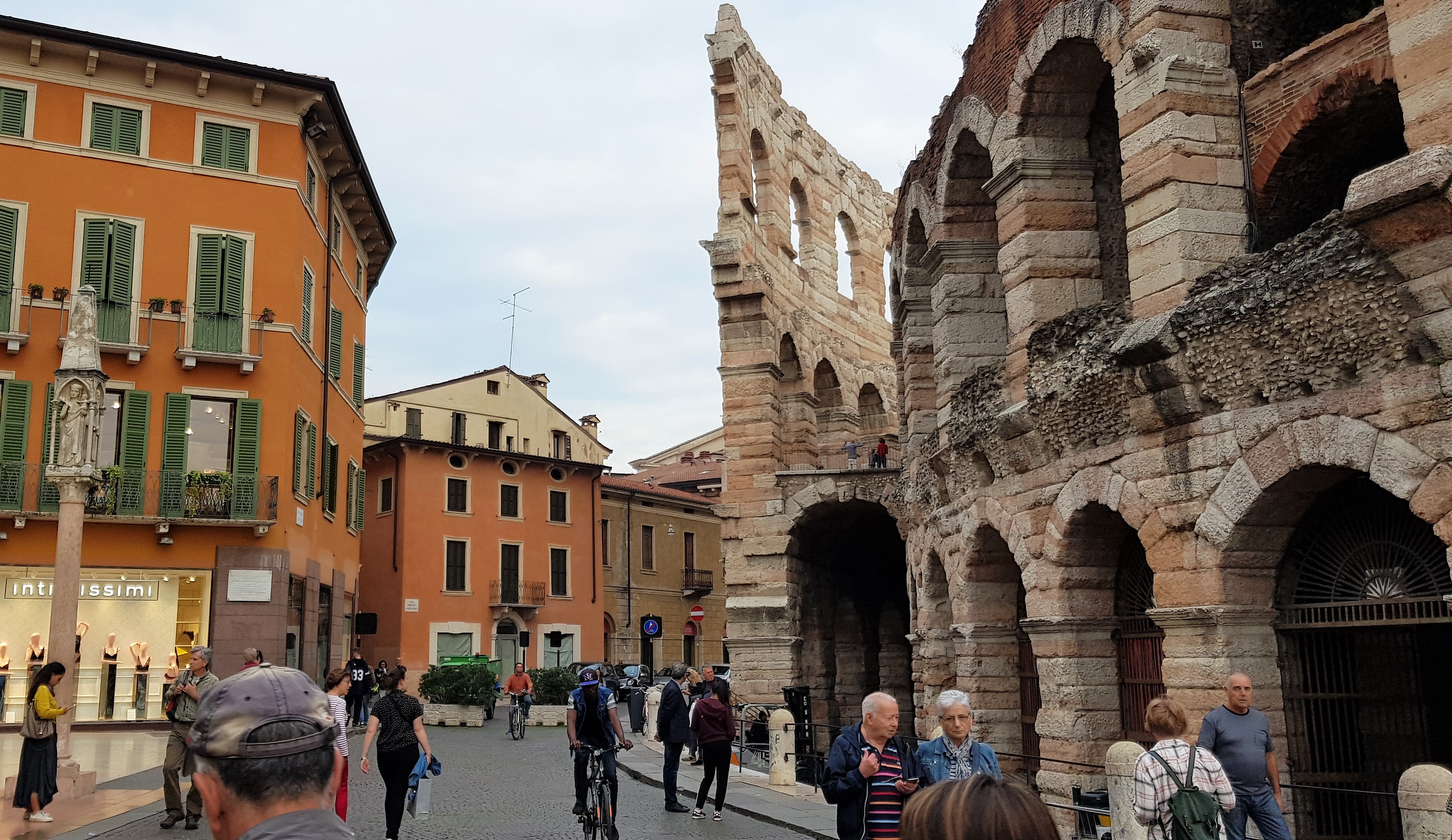
The buildings of the city are in narrow chequered streets and tiny plazas, full of old external decorative artwork and surrounded by Roman walls.  It is a bustling city, market stalls aimed at tourists, antique shops aimed at antiquarians and designer shops aimed at those with large wallets!!

Fortress Walls

The City’s Buildings The Ampitheatre

Juliet’s House

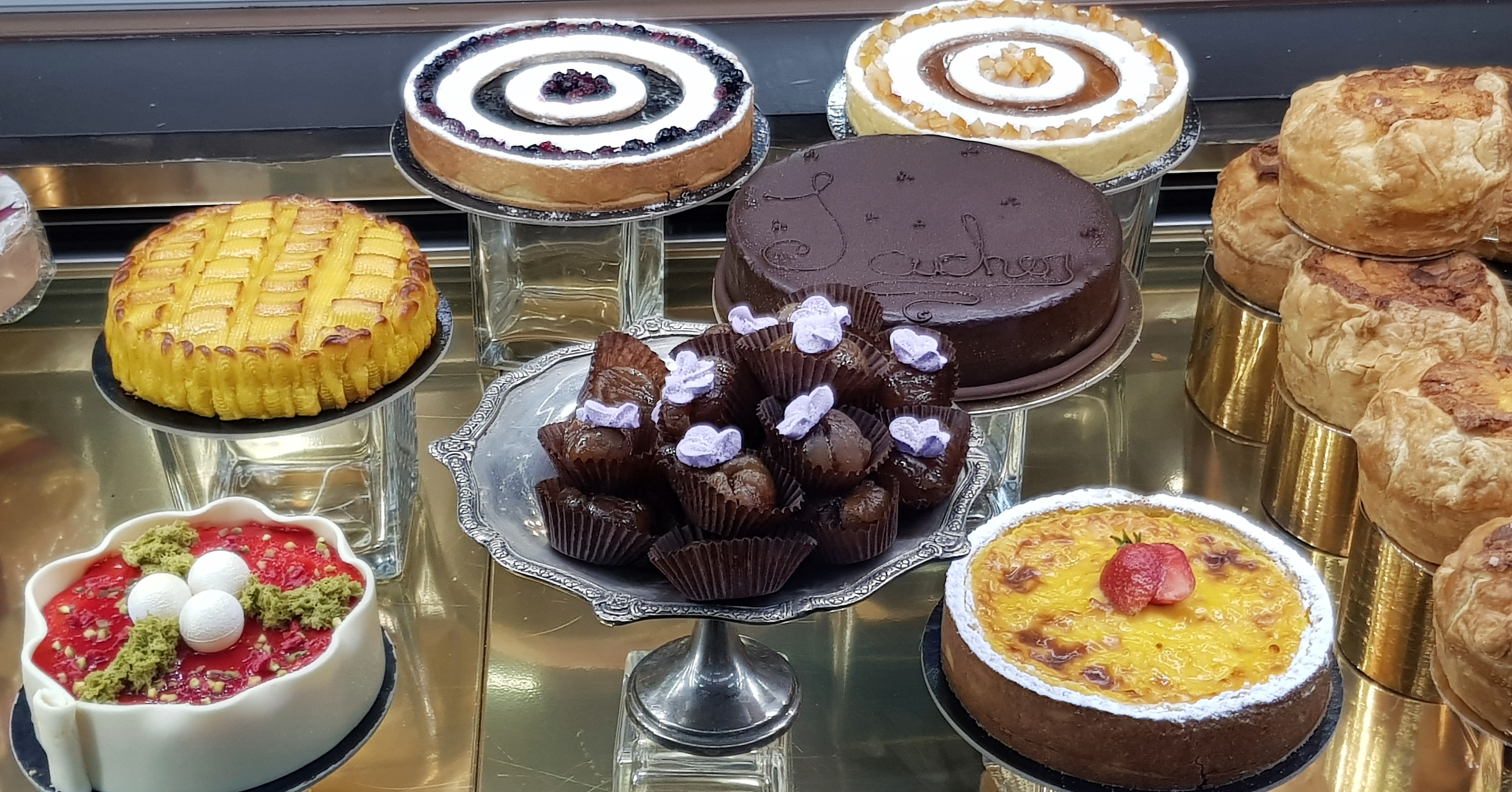
And finally, the most wonderful cake shop ever……….

« Older posts Newer posts »