Travel stories of a caravan duo, plus a 5th Wheel and Isuzu truck in Europe

Category: Food (Page 6 of 8)

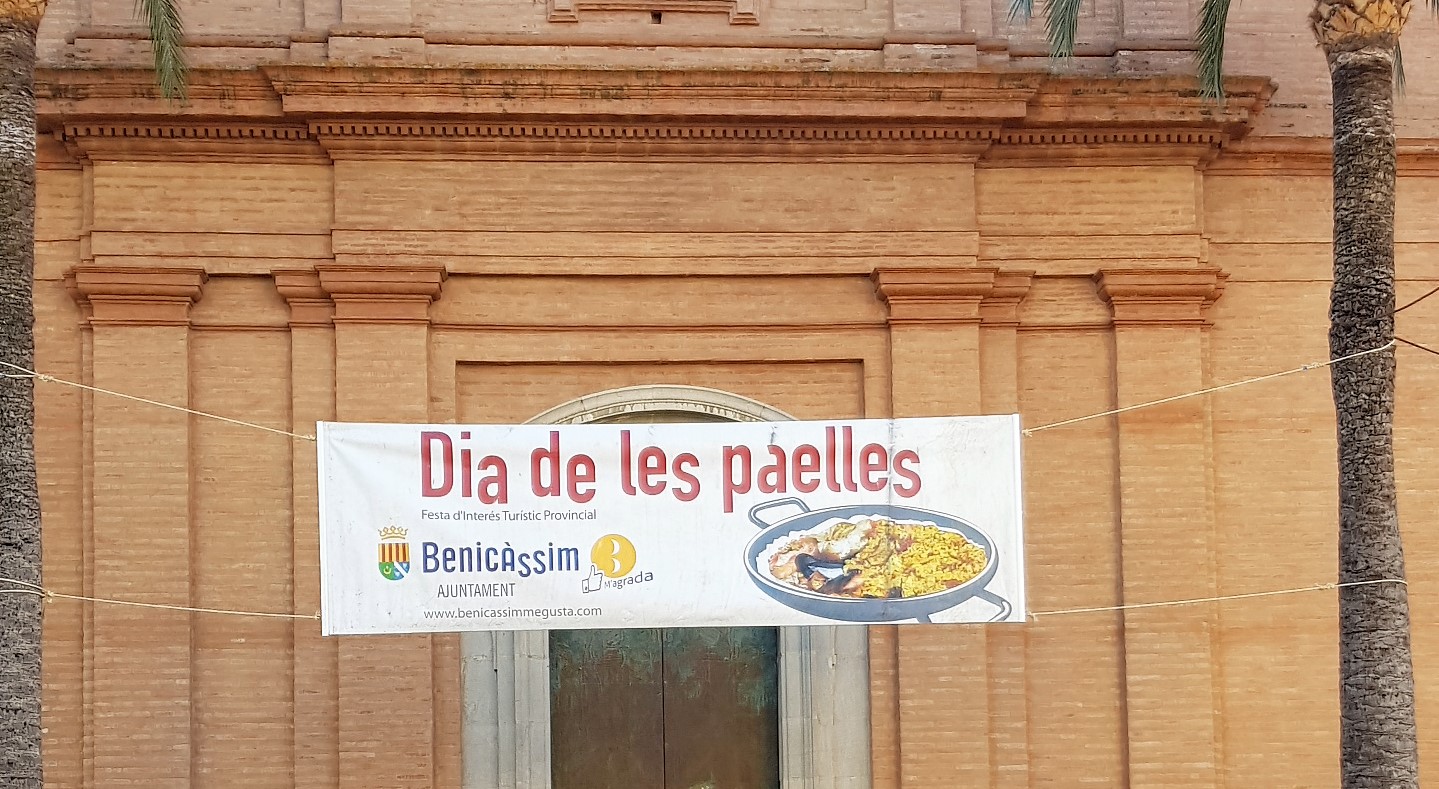
Paella Day & San Abad Festival in Benicassim

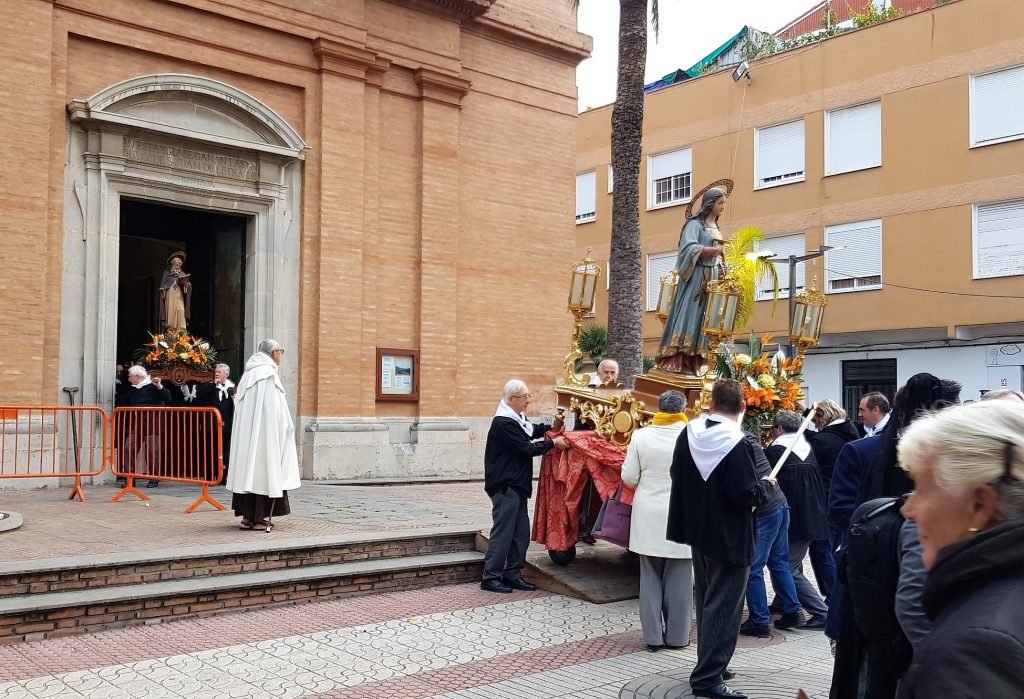
At the end of January each year, and has been the tradition for the past 26 years, Benicassim is invaded by locals from the town itself and from Castellon, to celebrate the end of the San Antonio Abad and Santa Agueda festival, which lasts just over a week. The paellas as primarily “Valencian”, consisting of pork, chicken, rabbit and vegetables but some restaurants offer the seafood paellas, which have to be pre-booked and ordered.
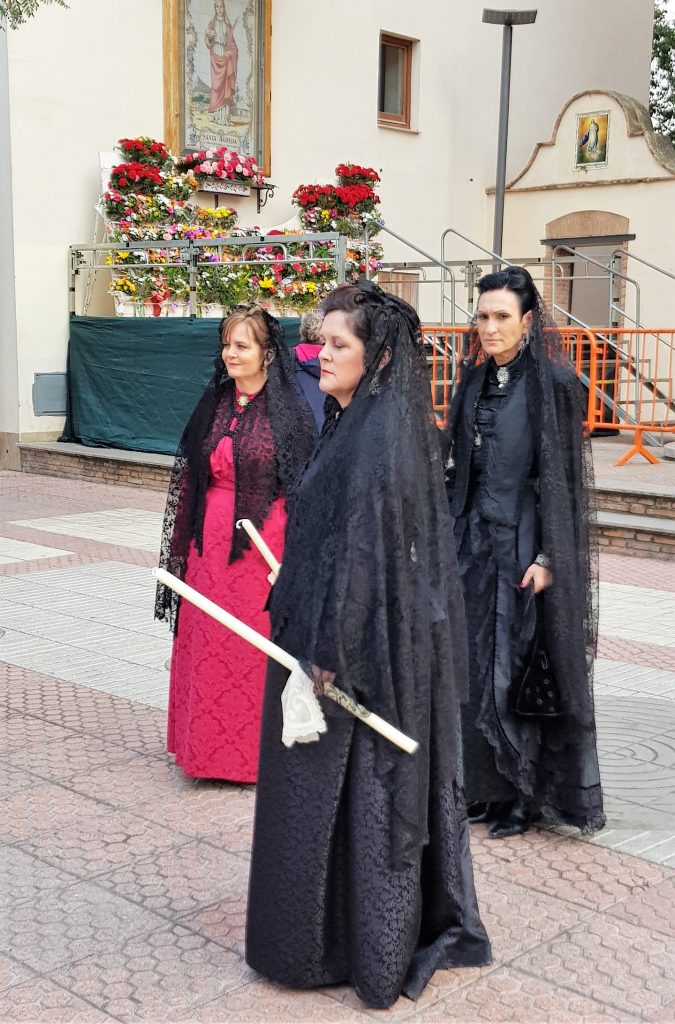
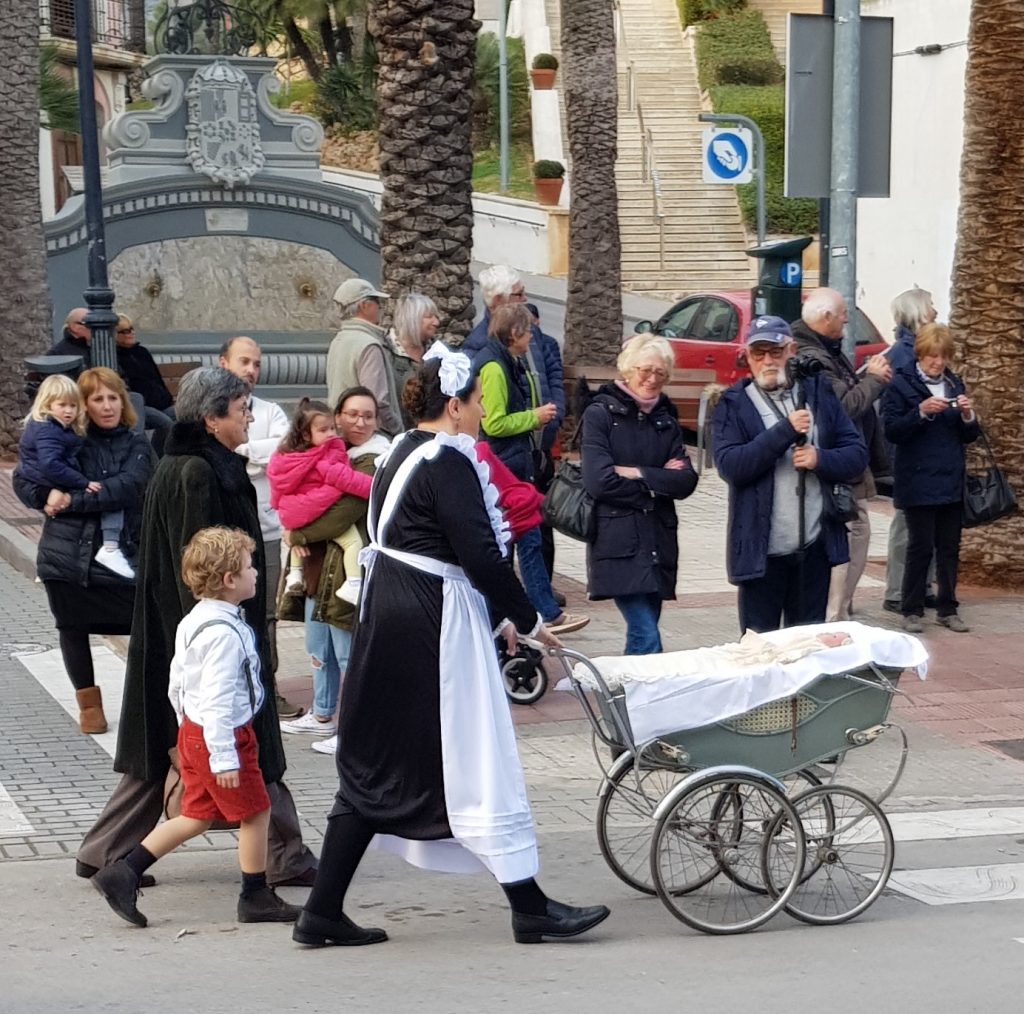
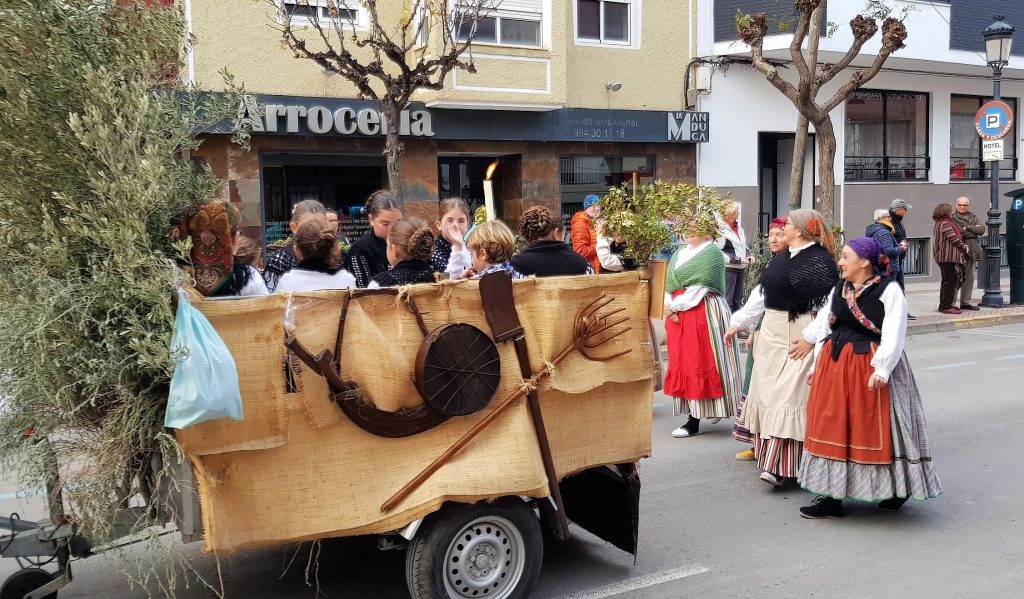
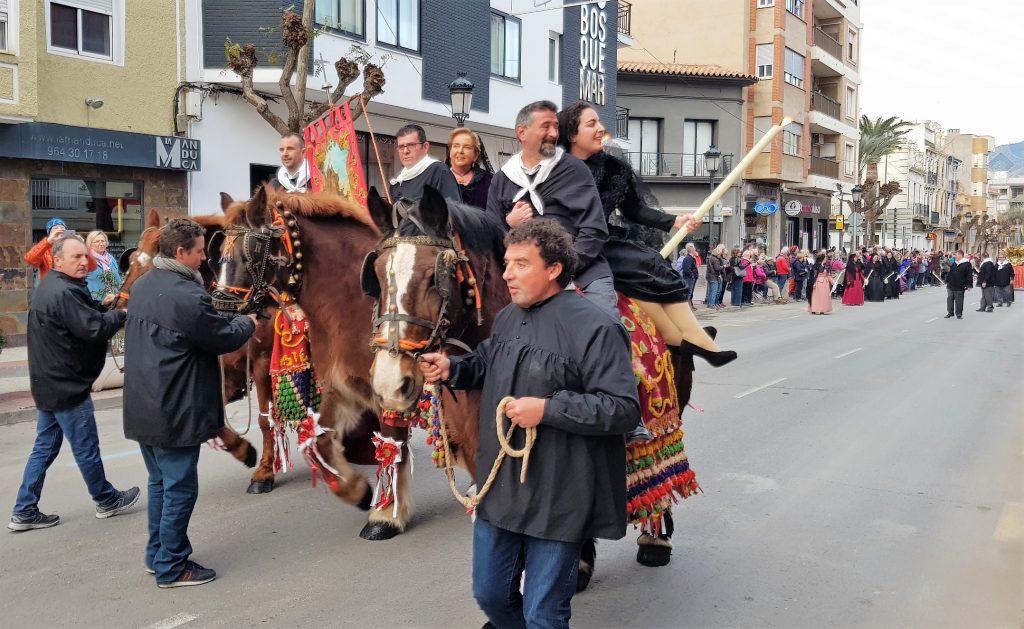
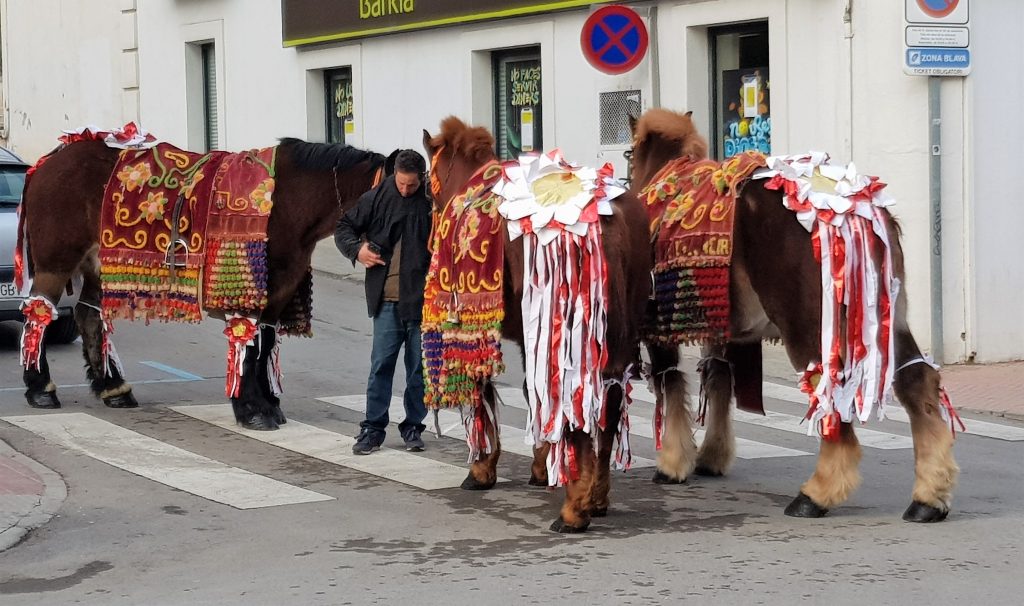
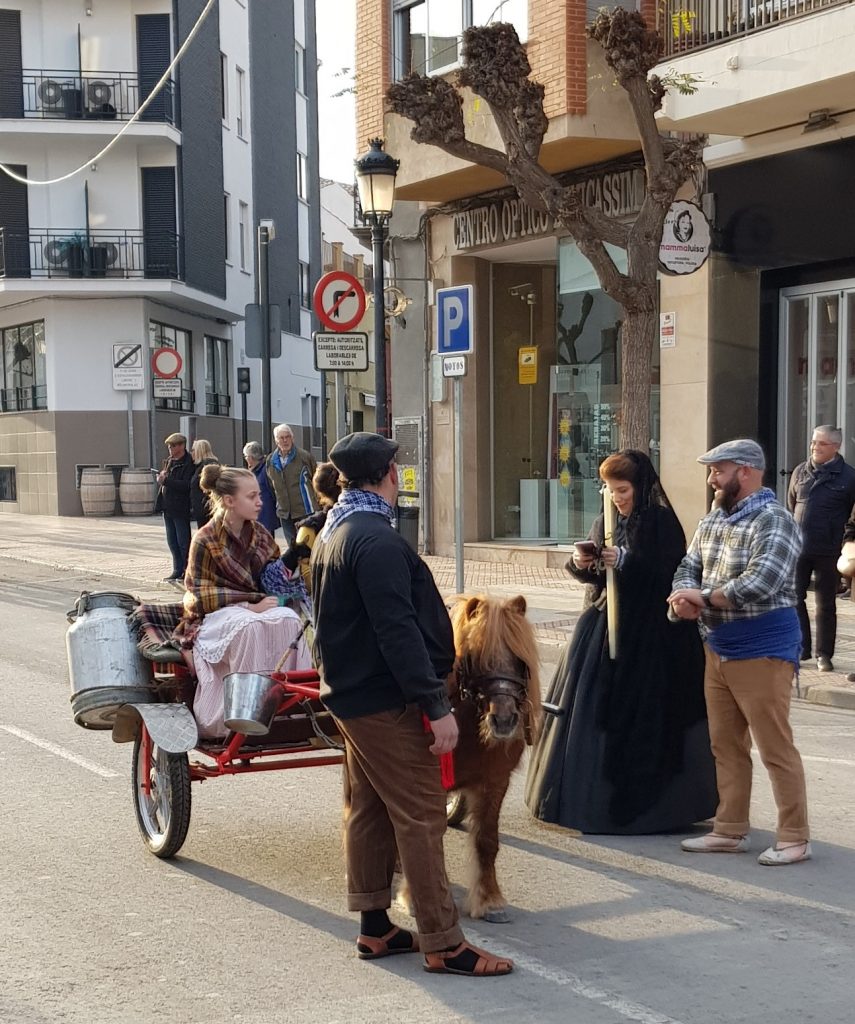
The festival of San Antonio Abad is held in January and has become a major local event and Benicassim continues this Valencian tradition where domestic and farm animals are the main stars.  During the day, a parade of different species of animals is held then the animal’s owners ask for holy protection, which is awarded by the giving of blessed cakes or sweets.  Floats are dressed in traditional “old fashioned” clothing and markets are held showcasing traditional crafts such as jam making, lace work, wrought iron work, woodwork etc.
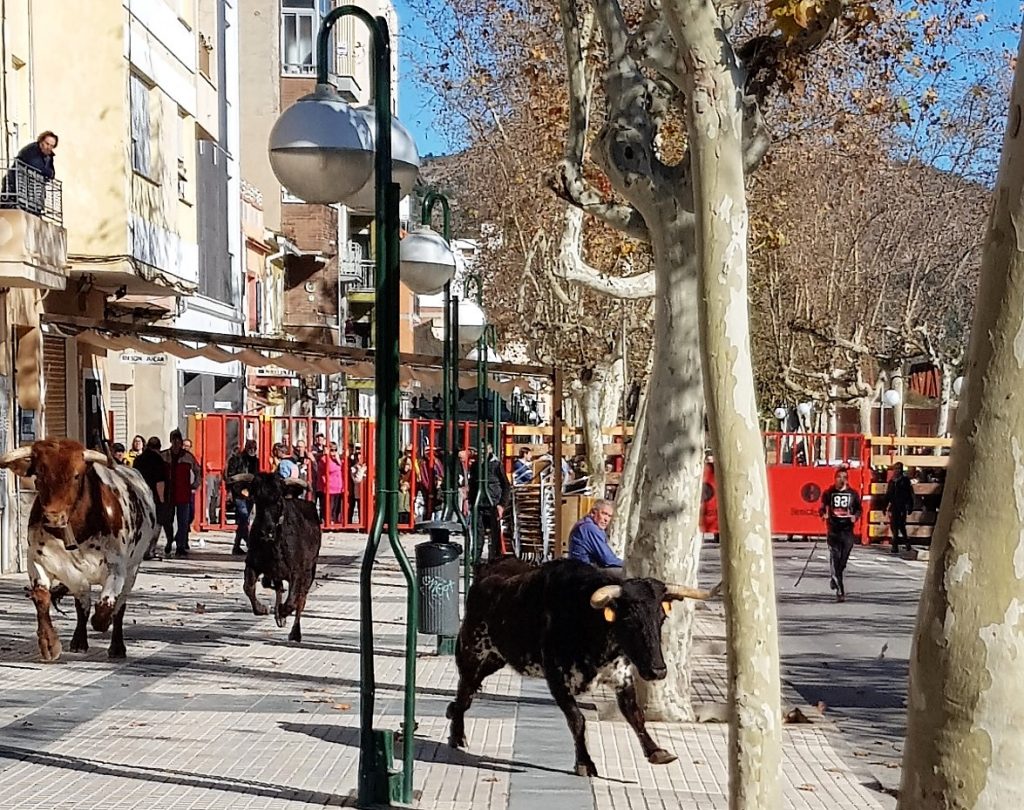
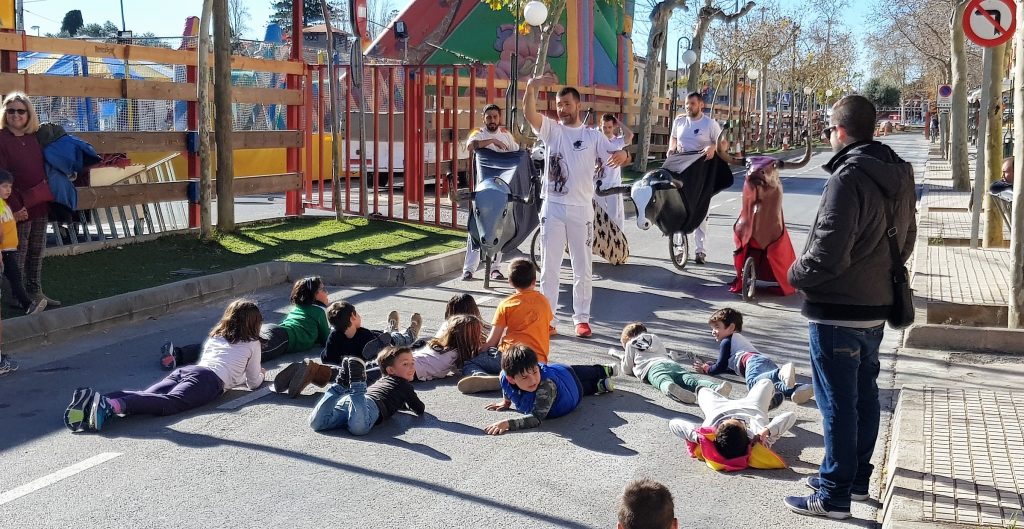
Each day over a week, bulls from local farmers are brought into the town, allowed to run 50 metres from their captive vehicle to a small temporary bull ring, where the owner and matadors show off their bull fighting skills.  Thankfully the animals are not injured or killed, just tired out!  The children are encouraged to partake in mock bull runs, and the Matadors are just youngsters practising their skills.
Fire crackers are let off regularly during the festival, to mark the start of processions to the monastery on the hill, or the start of the bull run at 2.00pm, or the start of a show. 

Music and dance are also in abundance every night, free concerts and sports activities are organised by the Council and are well supported.

Paella Day

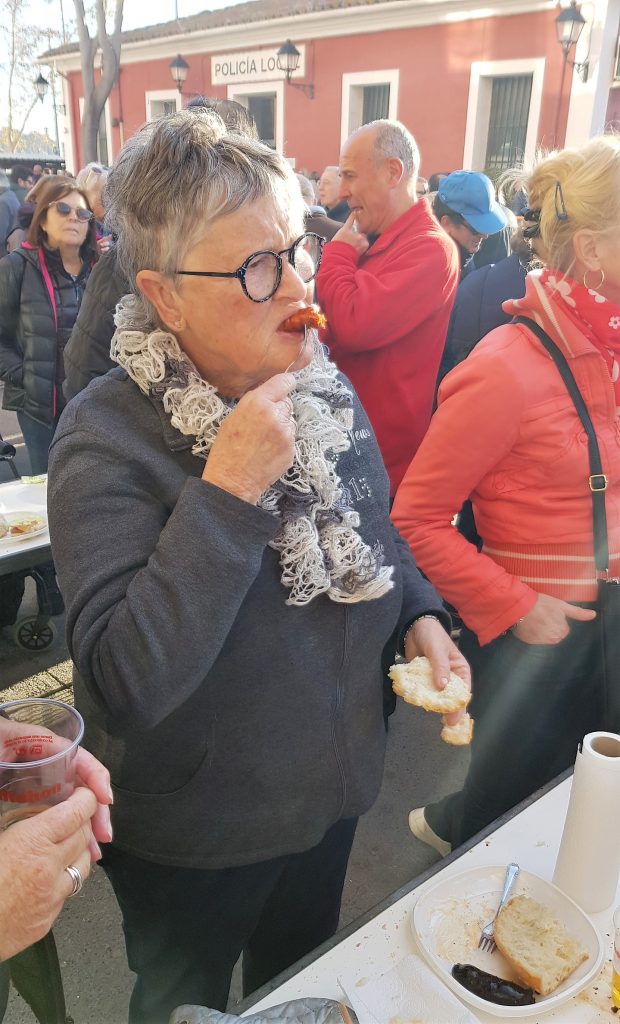
Friday 22nd started at 7am with a 30 minute herald of fireworks, followed by the lighting of large bonfires in a square at the top of town, outside the Police Station!! For the princely sum of €1, you were given a plate with 3 raw sausages, a chunk of bread, a sachet of garlic mayonnaise and a plastic cup, which was for either beer or wine, refillable as long as the supplies lasted. Everyone either took long metal skewers or grill trays to cook their sausages over the fires, and people stood around talking, eating and drinking.
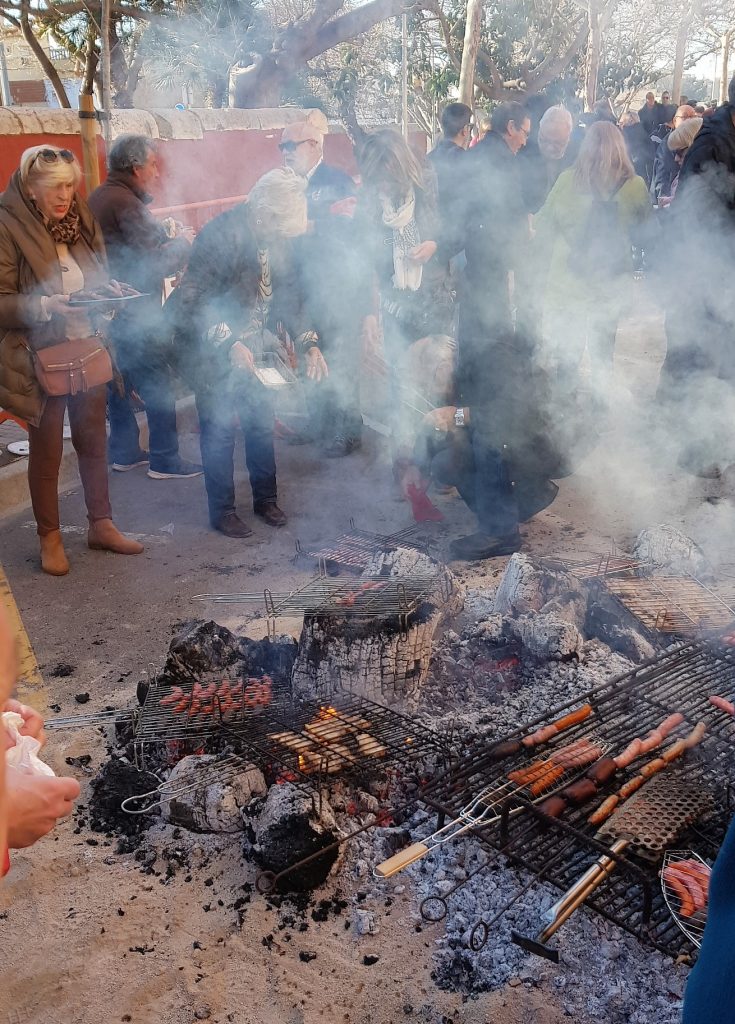
Cooking breakfast
Mary enjoying her sausages.
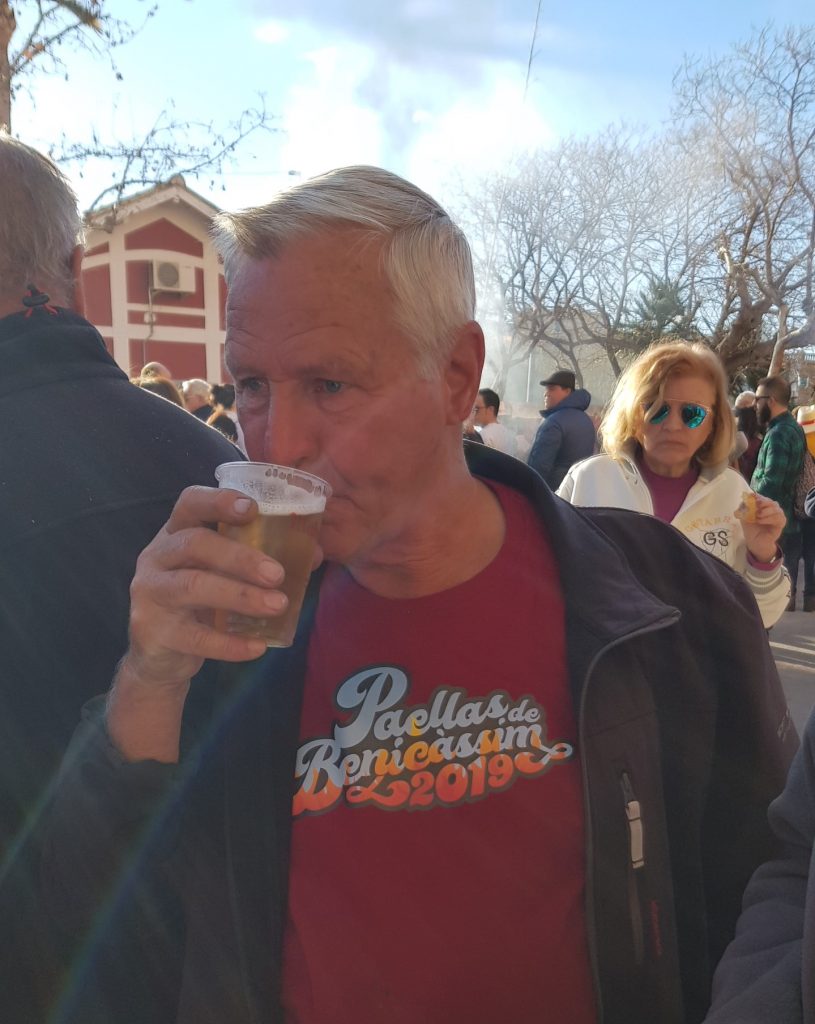
Cees enjoying his beer.
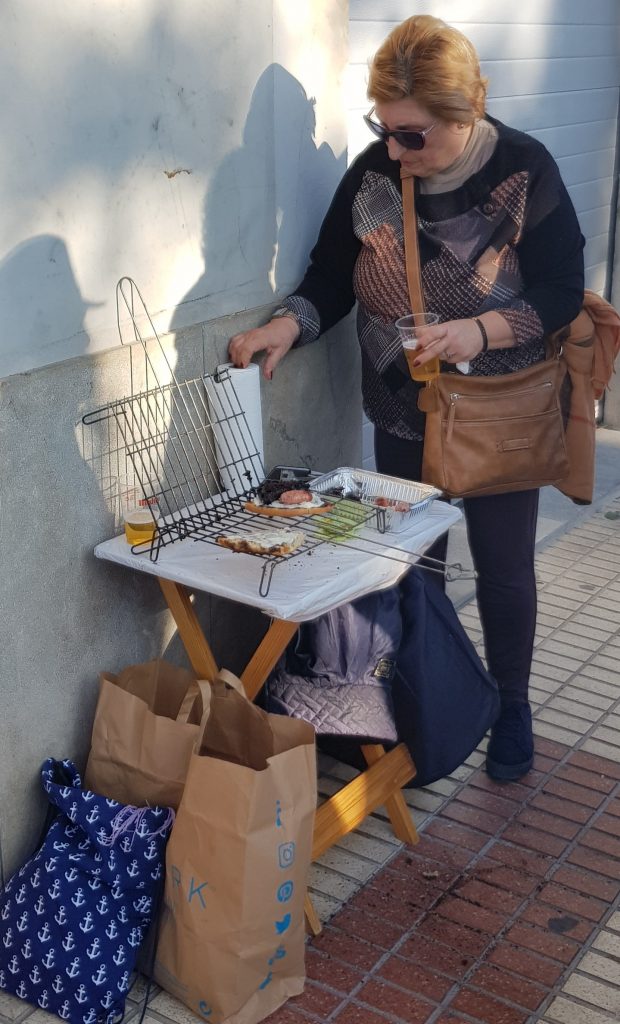
A local, setting up her breakfast baps!

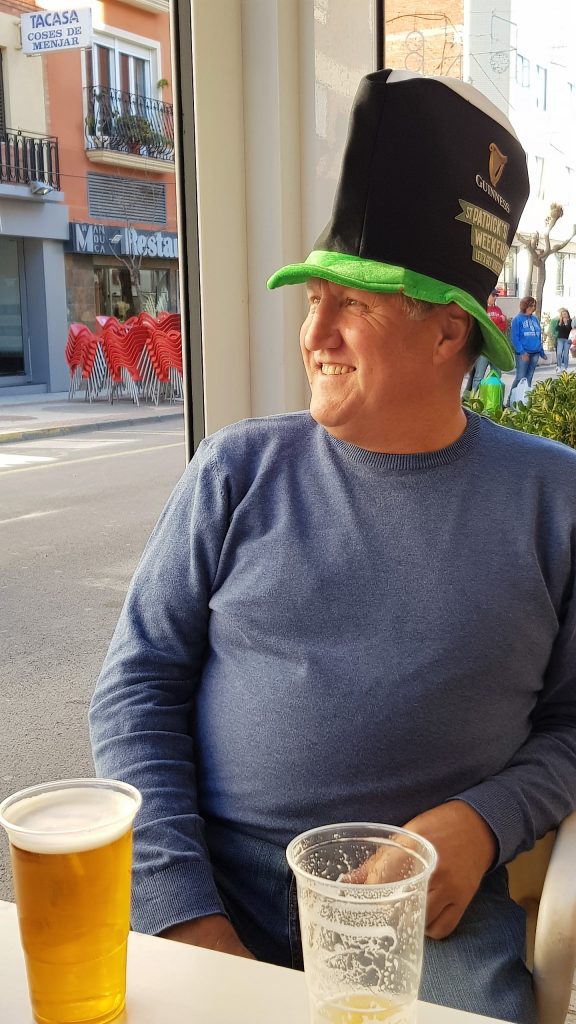
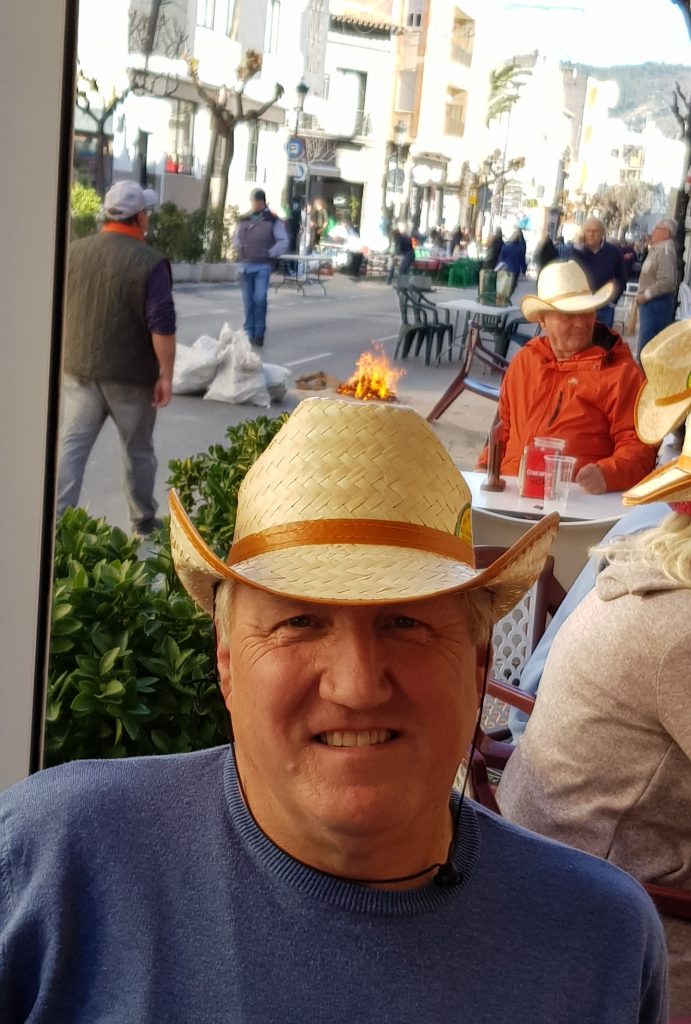
At 11am, a bar on the high street opens and with each beer or wine purchased people are given a party hat.  We were in the opening queue along with a group of others from the campsite, keen to get a decent party hat.
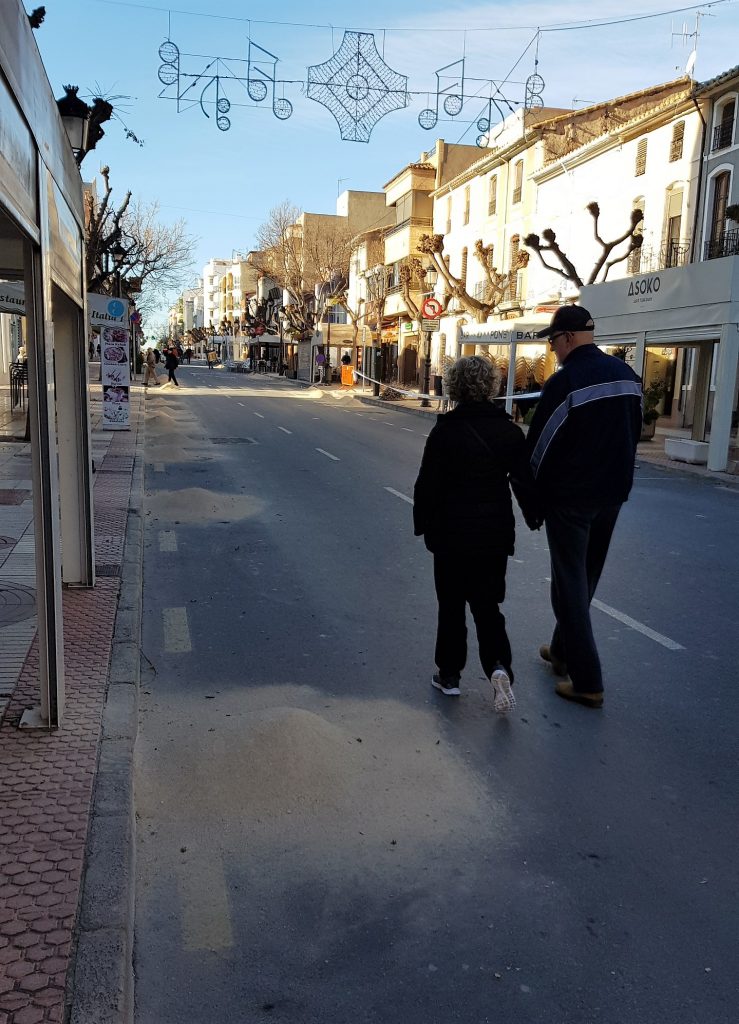
Sand piles delivered by the Council.
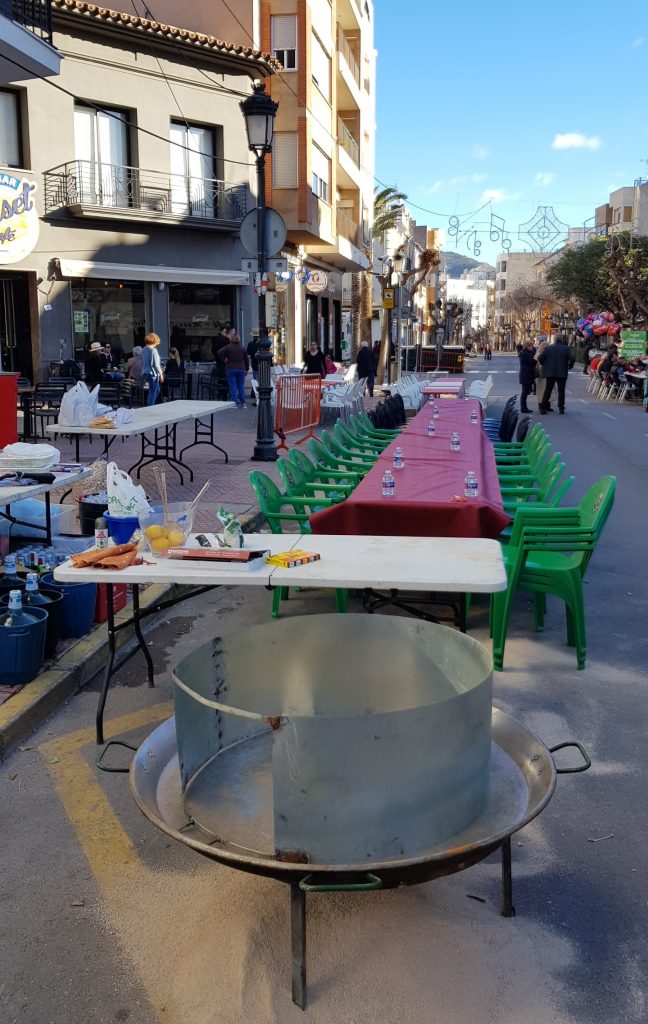
Getting ready for the day.
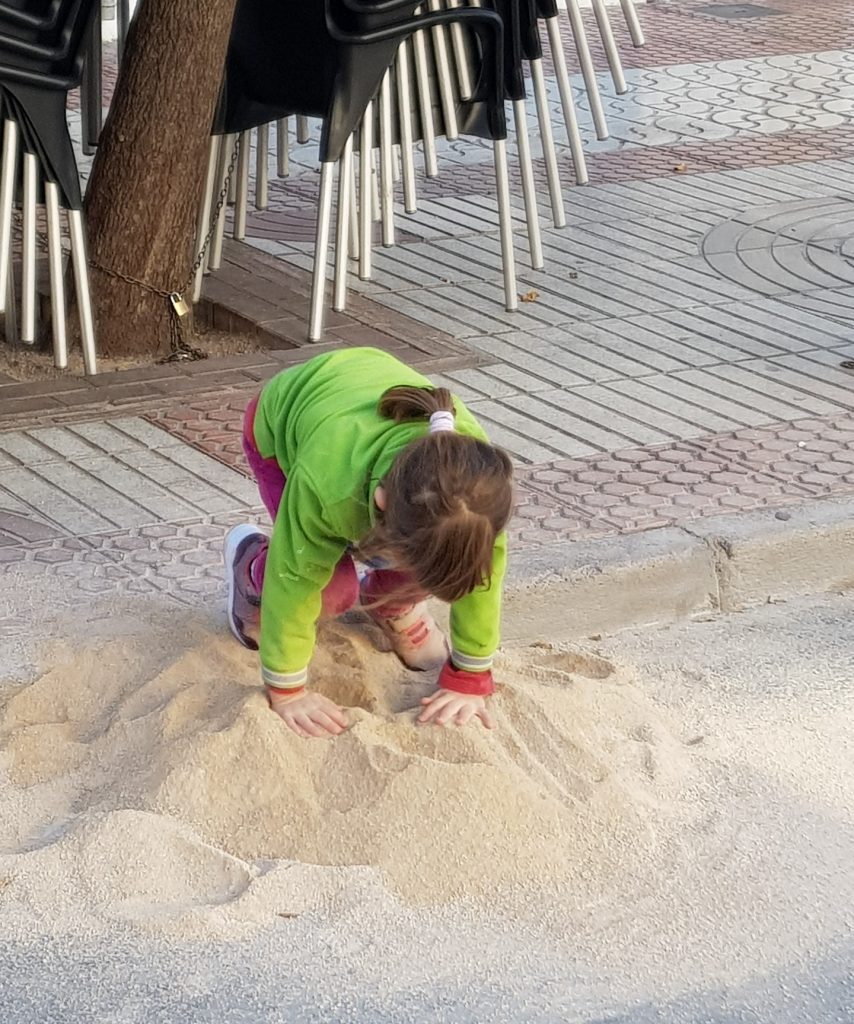
Some just preferred to play in the sand!

Overnight the Council deposited small piles of sand in the streets a metre or two apart, larger piles of sand were placed outside the restaurants and at midday, people can go to set points and collect a sack of wood and a 3 pronged metal stand for their paella dishes. 
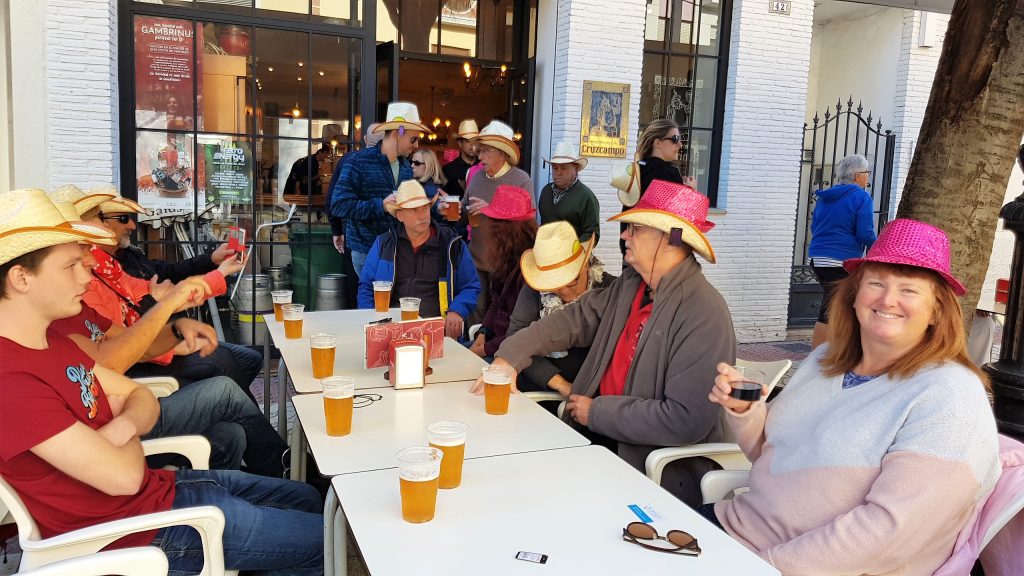
Party hats on display

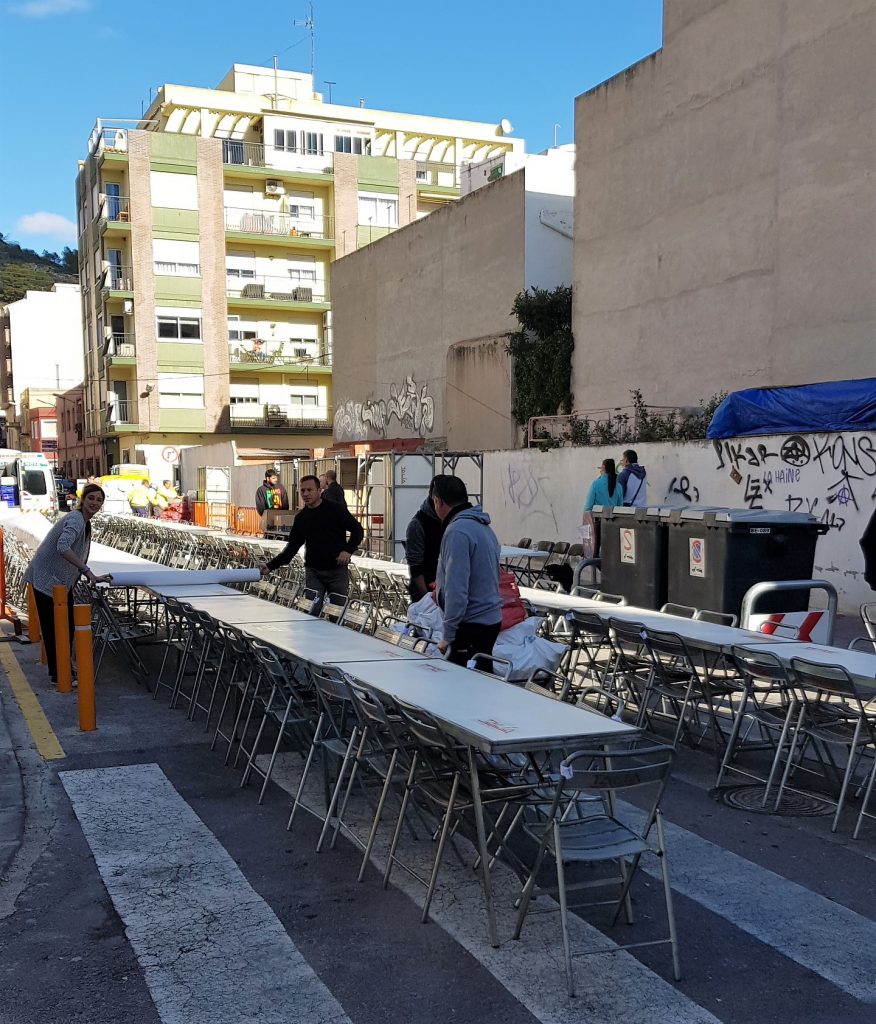
The council also provide a supply of tables and chairs, but some people bring their own, or just plonk their goods on the pavements and park their bums on the floor.

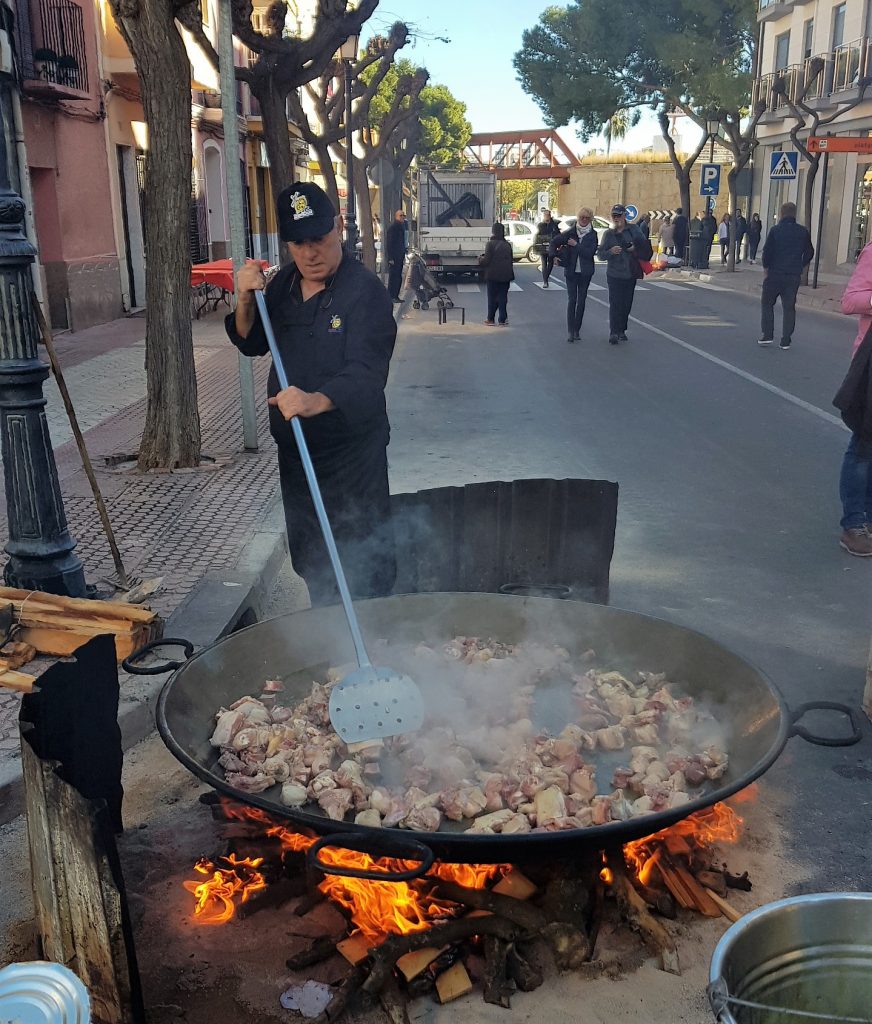
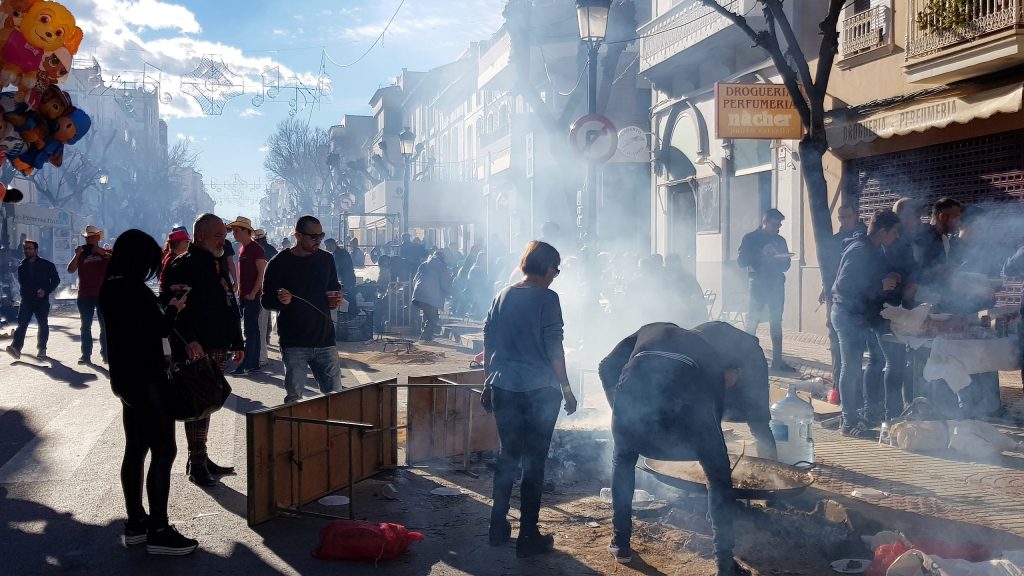
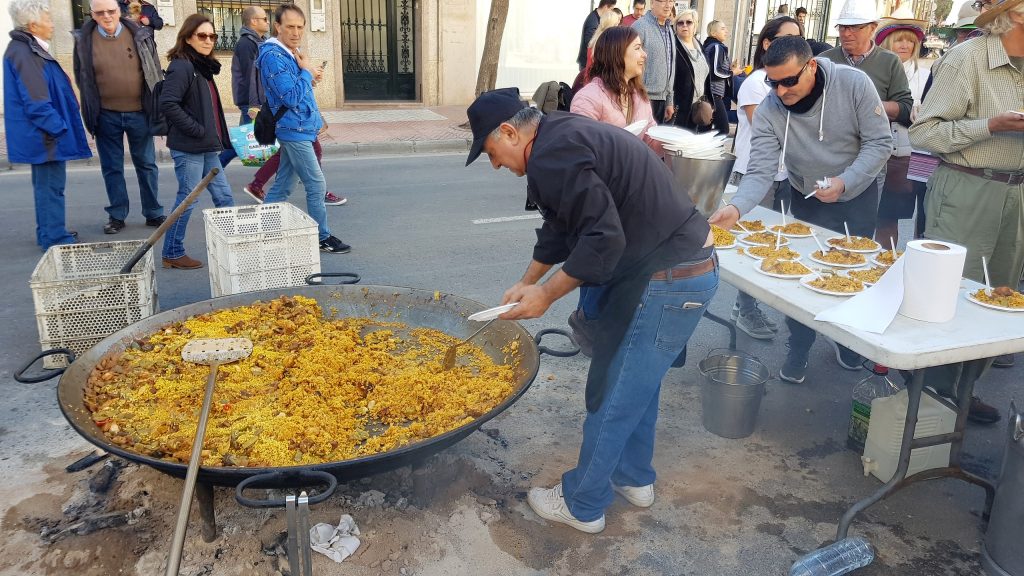
The fires are lit after midday and the streets filled with smoke, but the smells were amazing.  Firstly oil is heated, onion and garlic are added, then meat, then stock by the litres, then rice.  The smells after an hour or so made your mouth water, and the smoke made your eyes water!
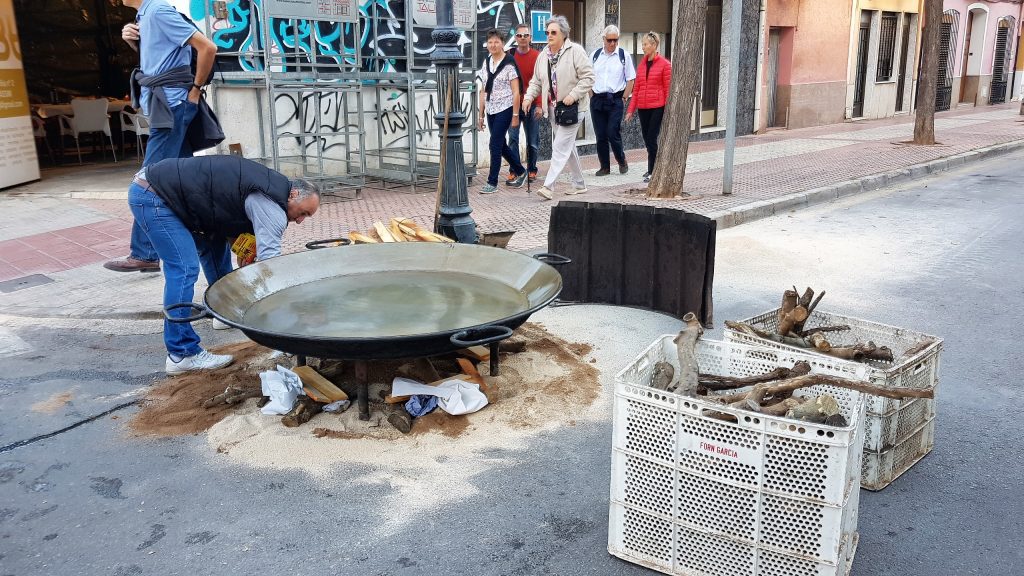
Bonterra Park’s paella dish.
Preparing the tables.
Lets get cooking….
Table for 200 Sir? No problem.

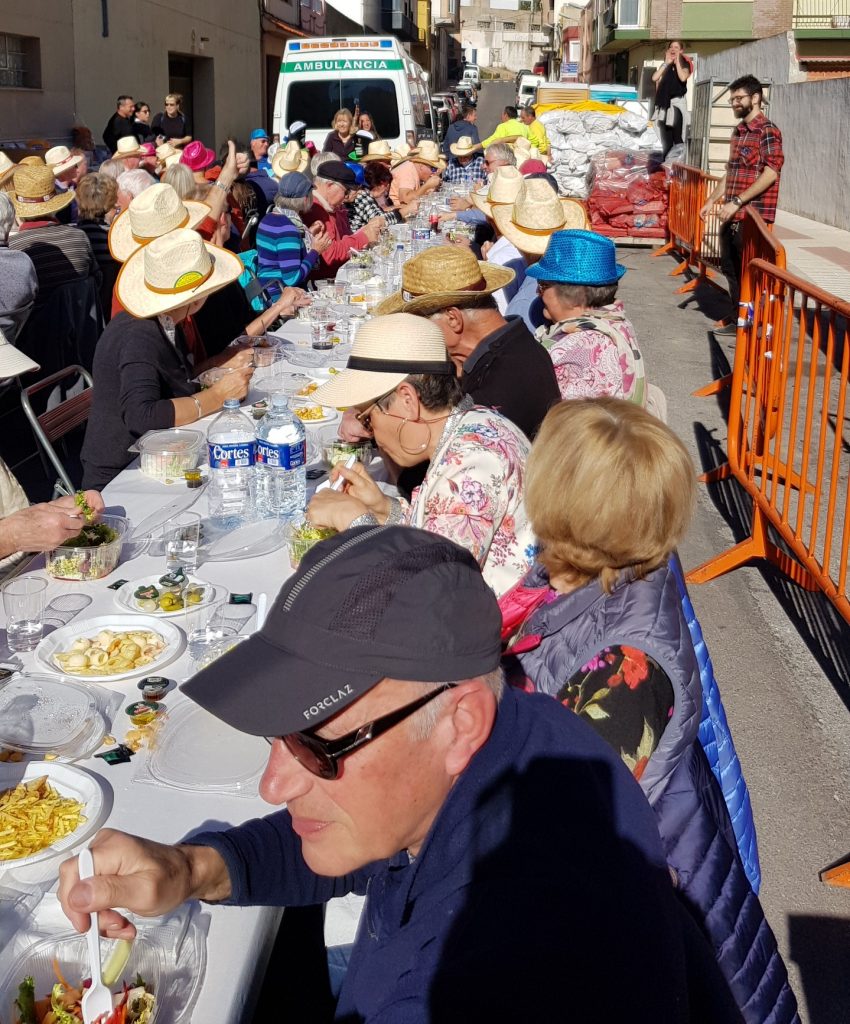
Bonterra Park had organised a street table, 200 people from the camp site, all seated by 2pm!  It was brilliantly orchestrated and such good fun.  We sat down to a bowl of salad each, then a helping of traditional Valencian paella with fresh crusty bread, as much water and wine as you would want, then fresh Valencian oranges for dessert.  The sun shone, people talked across the table and strangers became acquaintences, a great afternoon overall.
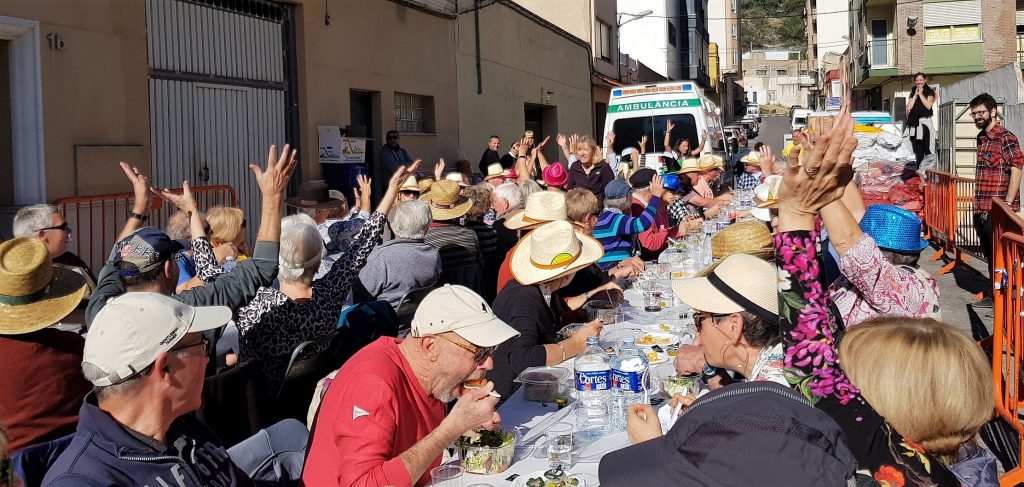
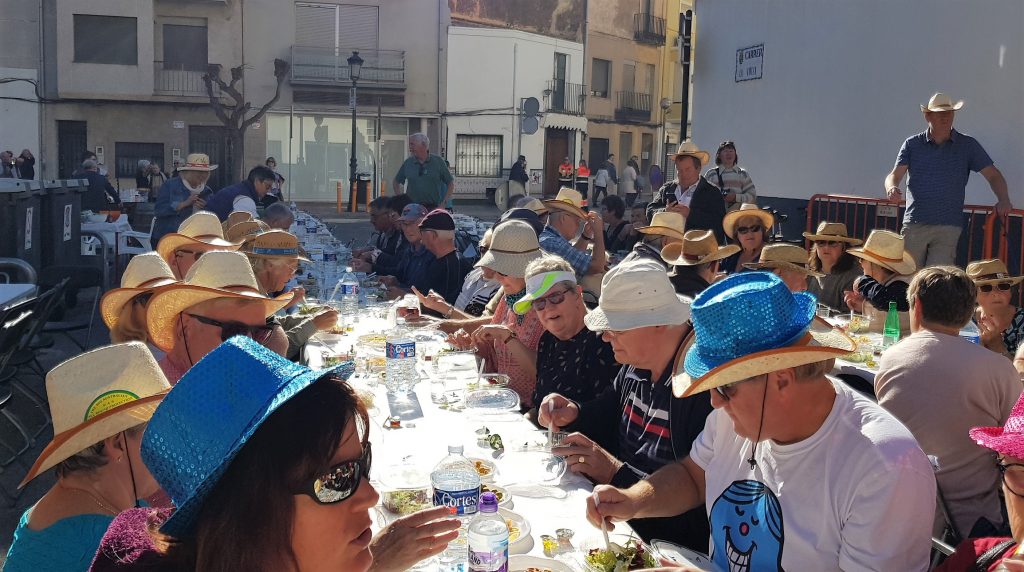
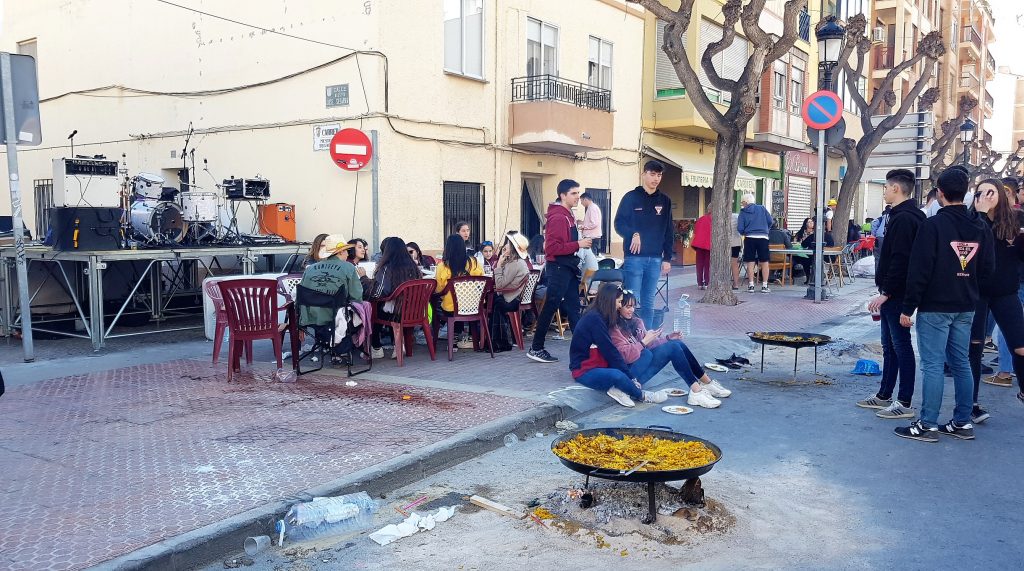
Afterwards, we left the table and wandered up the high street through the town, the number of people either having eaten, still eating, still cooking or starting to cook was unbelieveable!  Some estimate over 1000 paella fires were on the go with 35,000 people in attendance, with entertainment at most street corners, in the form of a singing drag queen, or bands, or music blasting from restaurants.  It wasn’t noisy, it was simply a wonderful form of organised oral chaos!
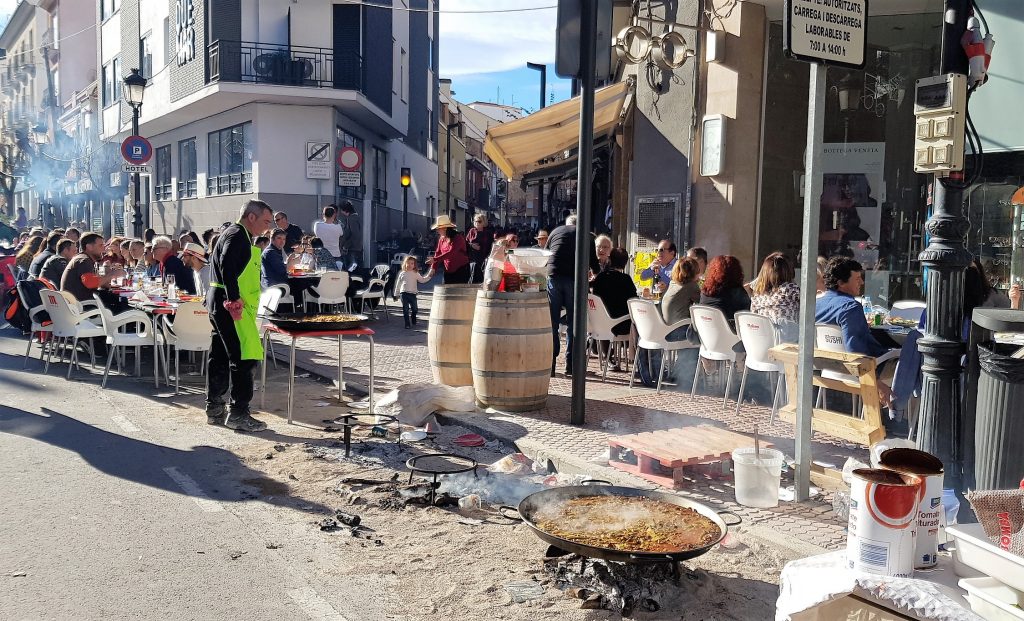
Any street corner will do…

Later, the music filled the streets, the smoke filled your nose and clothes, and everyone was chilled and relaxed.  It was such an interesting event, it had to be experienced to be believed.
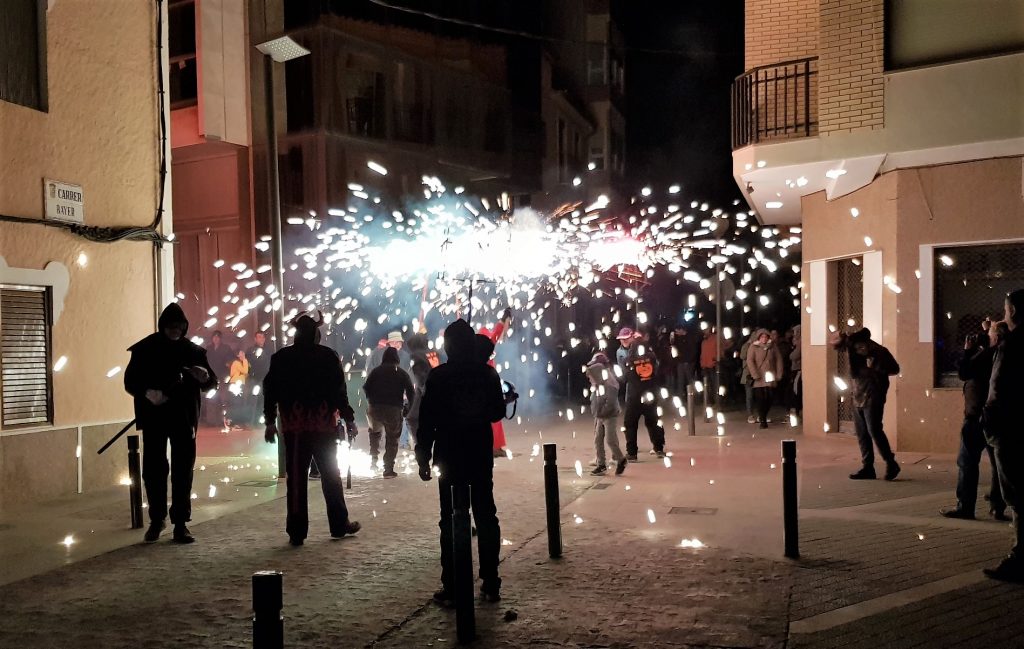
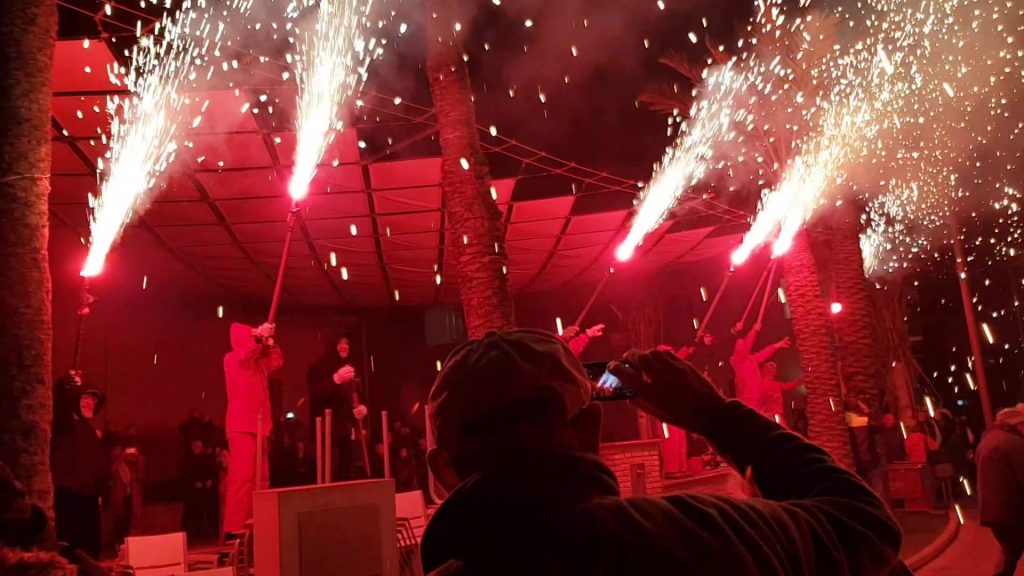
The festival ended on Sunday evening with a group of 20 men dressed as devils, parading through the streets with catherine wheels on their forks and firecrackers going off everywhere.  The men finally stopped at the bottom part of the high street and danced under a shower of fireworks.  Thankfully they all had protective clothing on!

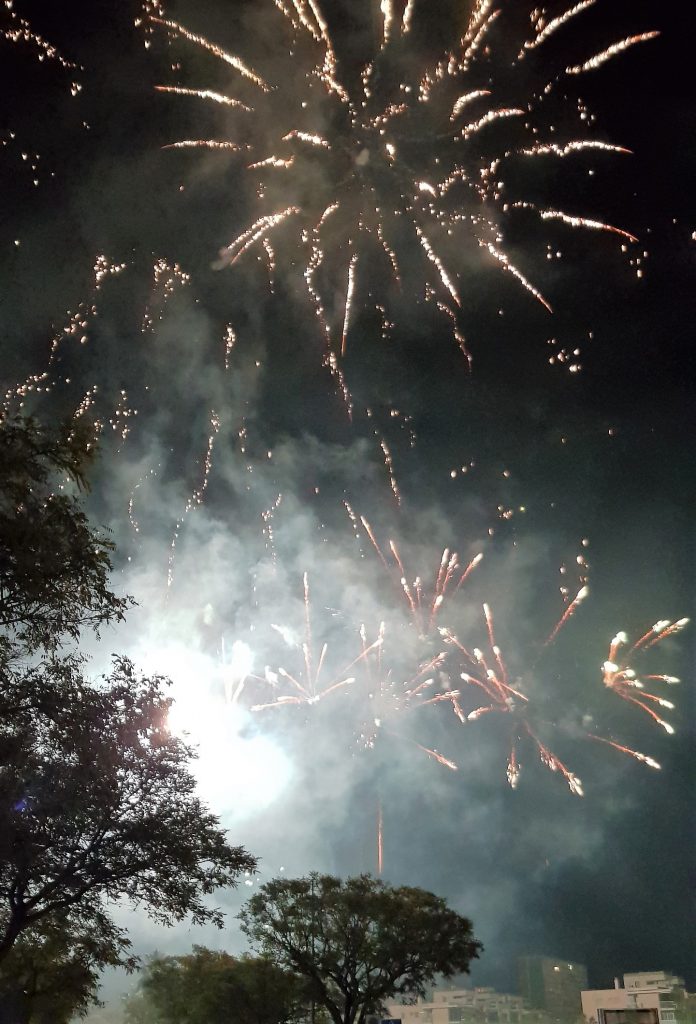
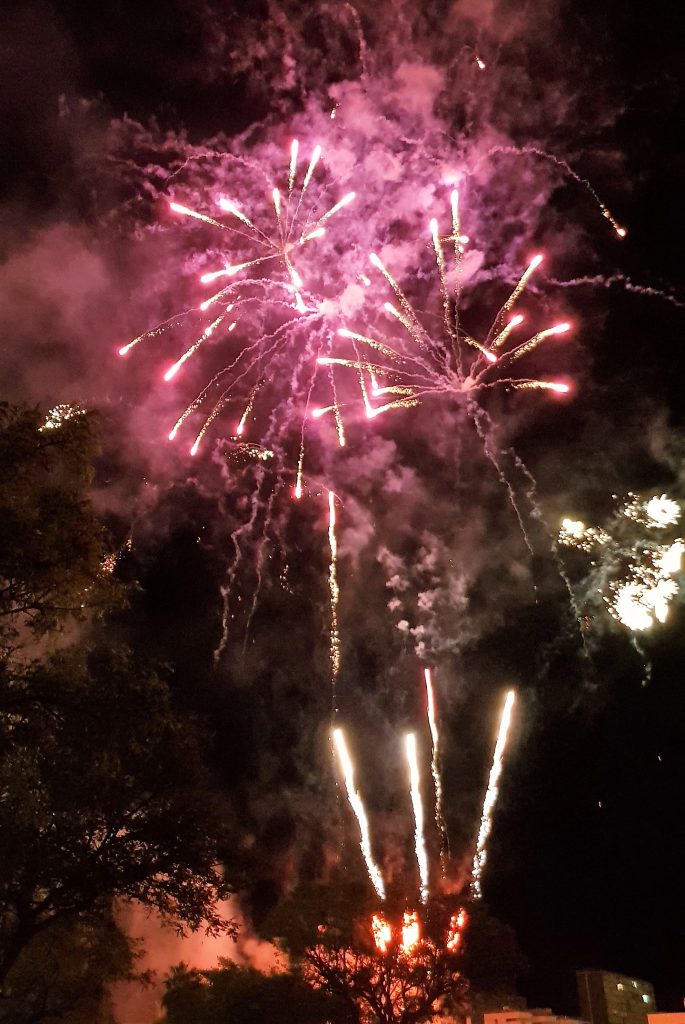
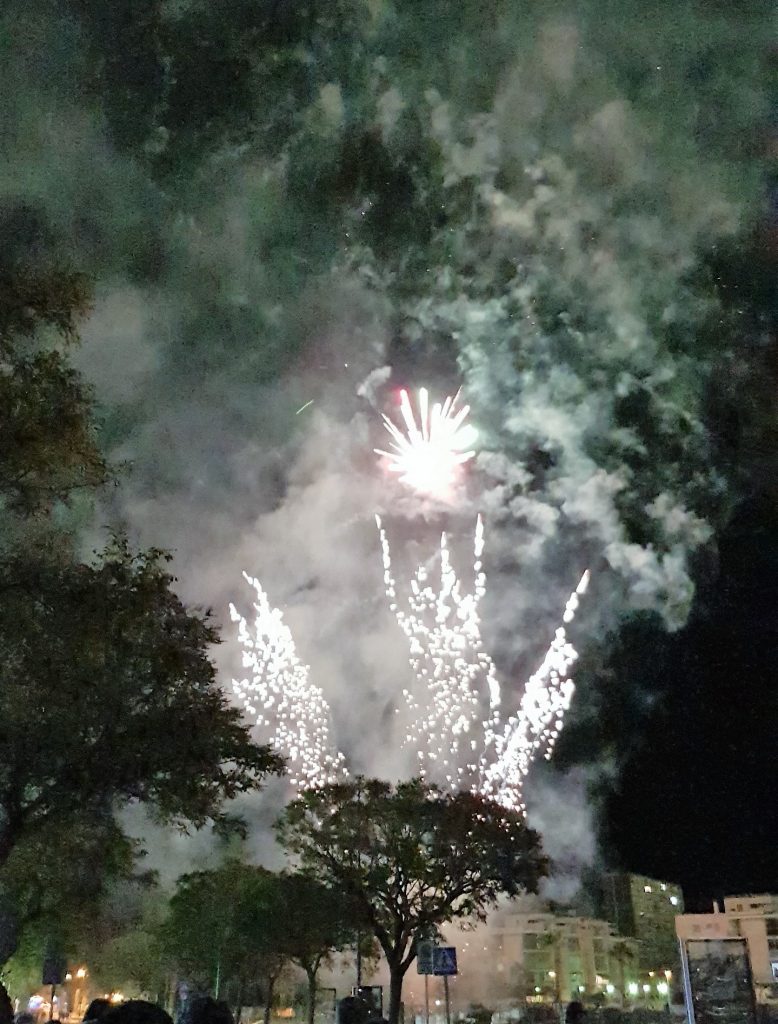
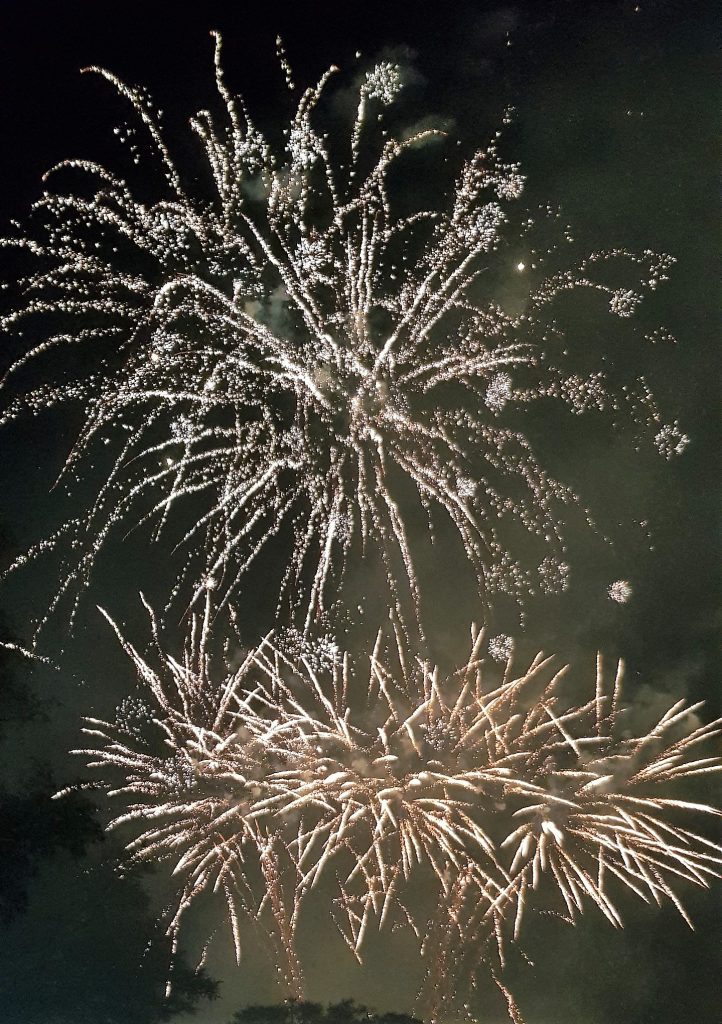
The light, smells and smoke were once again amazing but the finale, was a 20 minute firework display in a car park just outside town. 

Lake Garda Part 2 – Birthday & Anniversary

One reason we wanted to be in Lake Garda at this particular time was for my birthday and for our 30th wedding anniversary; we anticipated that it was a beautiful place and it certainly was.

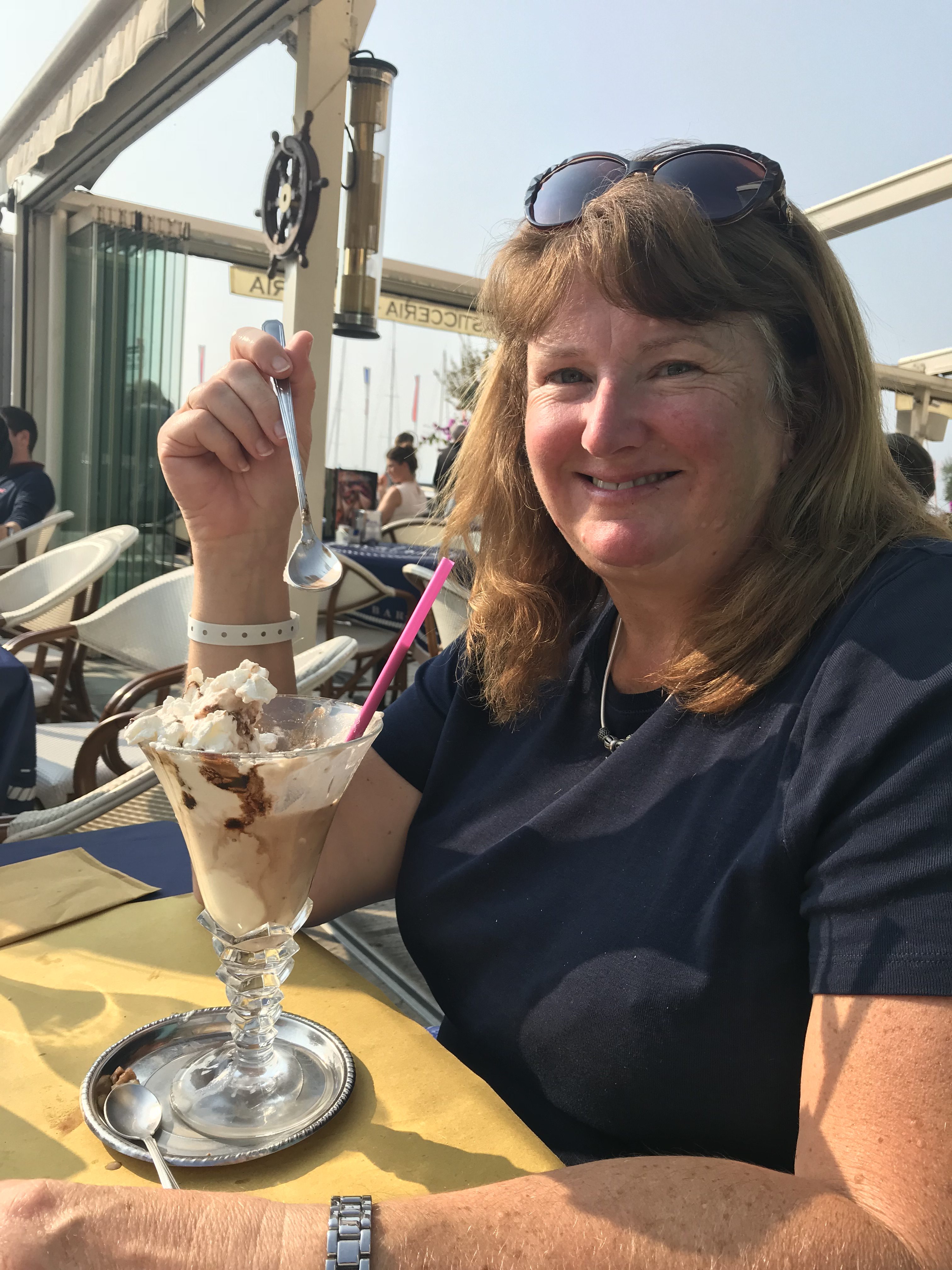
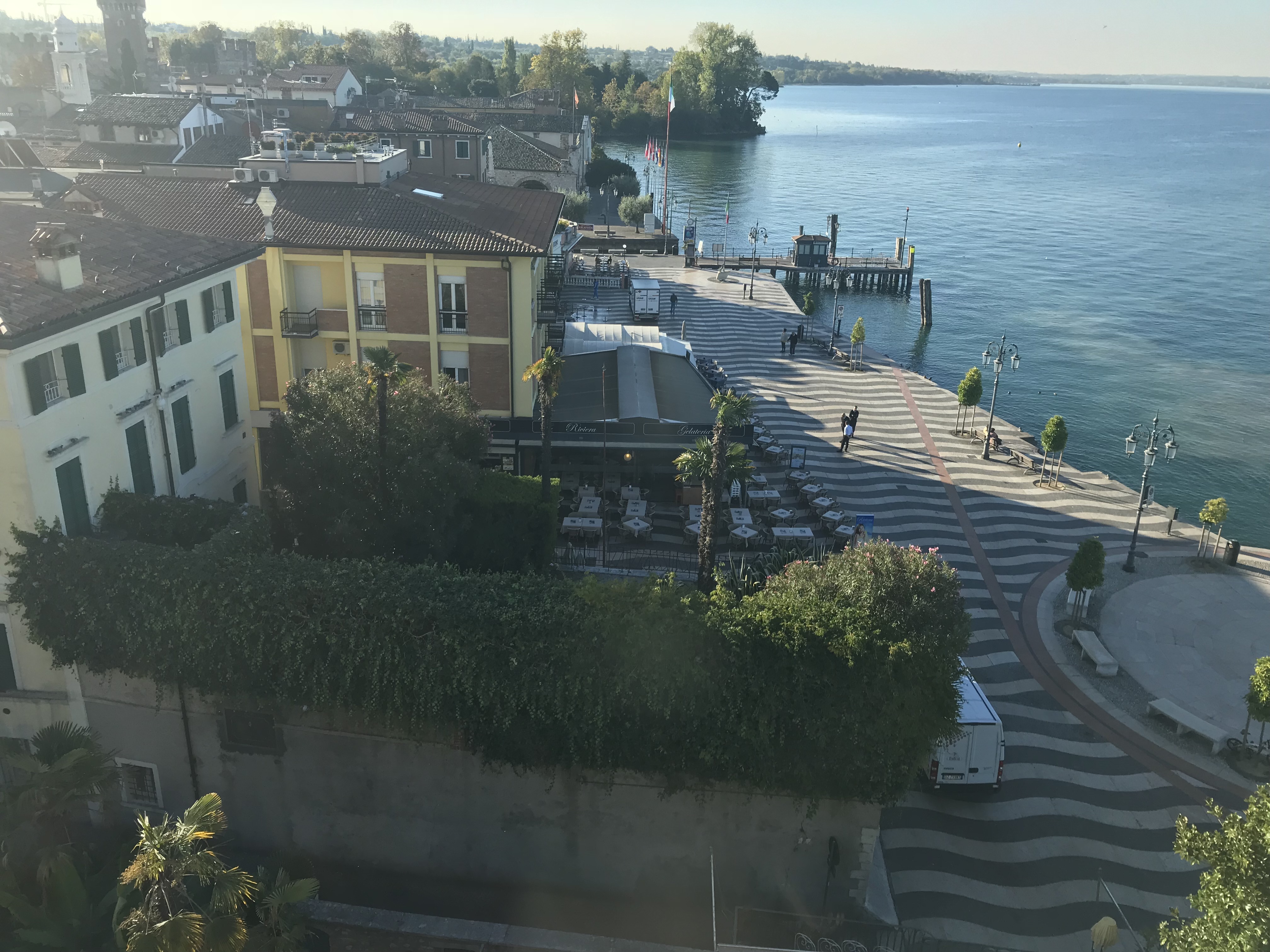
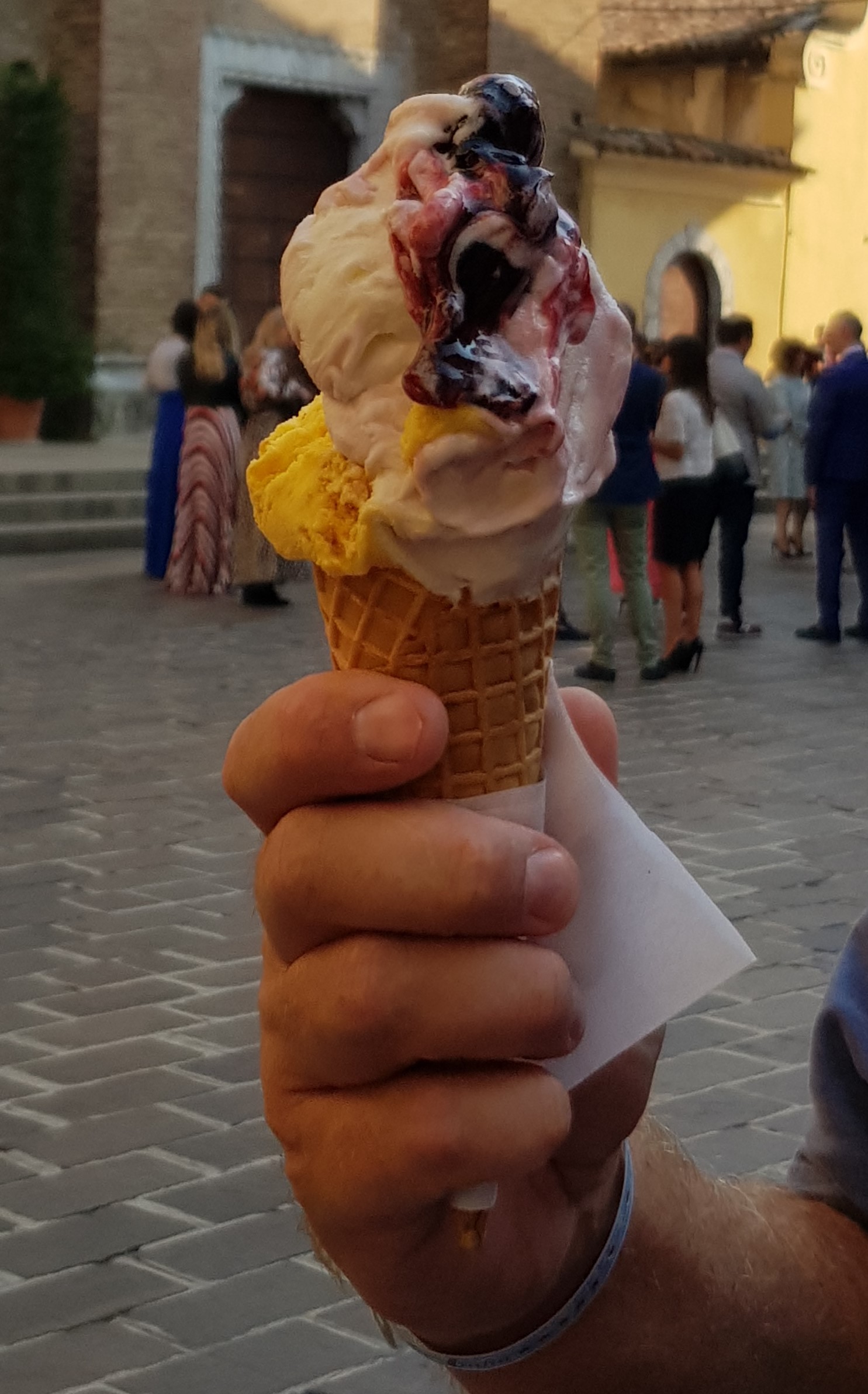
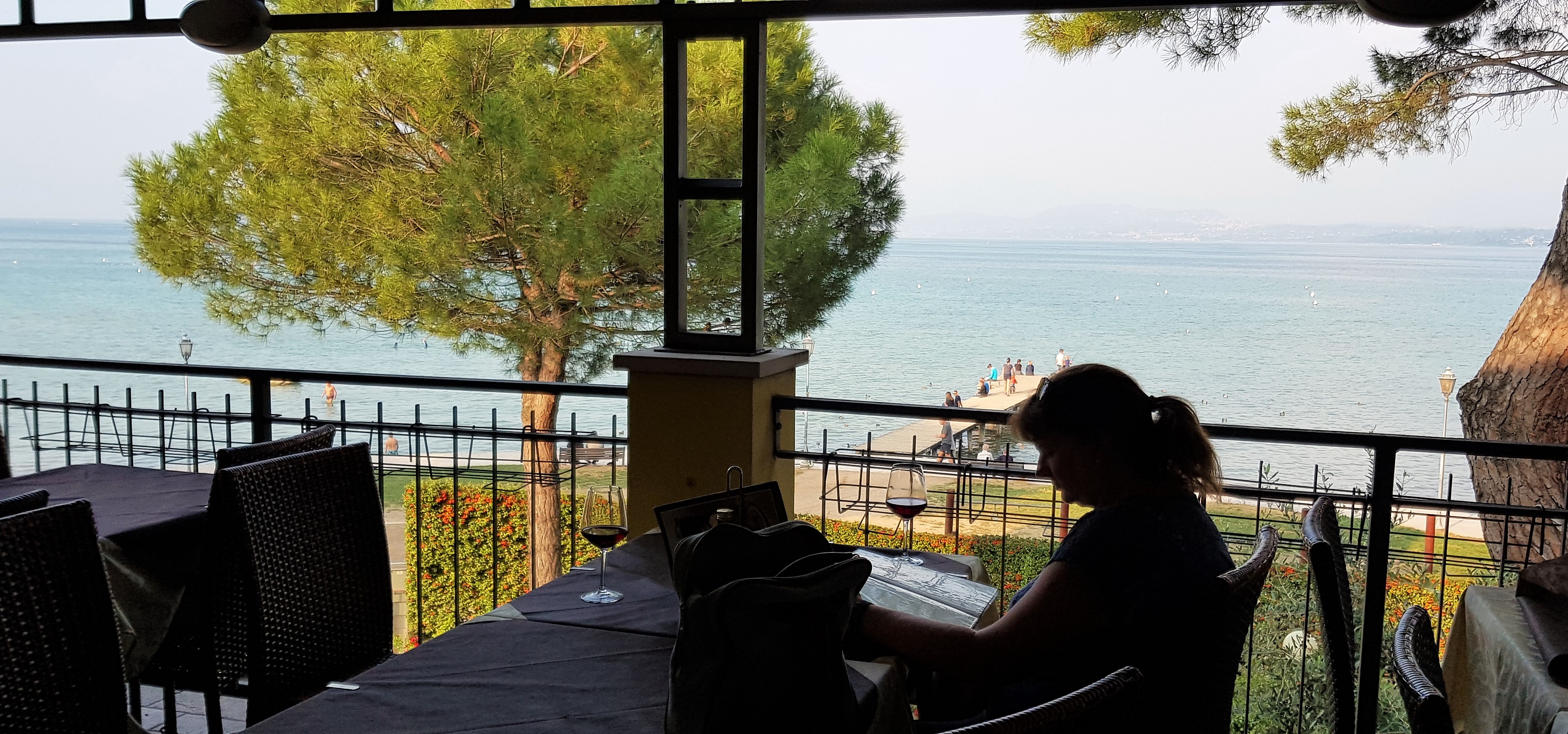
My birthday was on Sunday, a lovely sunny warm day, we took a drive out to Bardolino and Lazise, the towns we seem to like the best, and had a walk along the seafronts of both before settling for lunch in a lake side restaurant.  In Italy, you have to do as the Italians do, and eat pizza and drink wine, which we did! Dessert was a huge ice cream full of amaretto biscuits and Baileys!!!

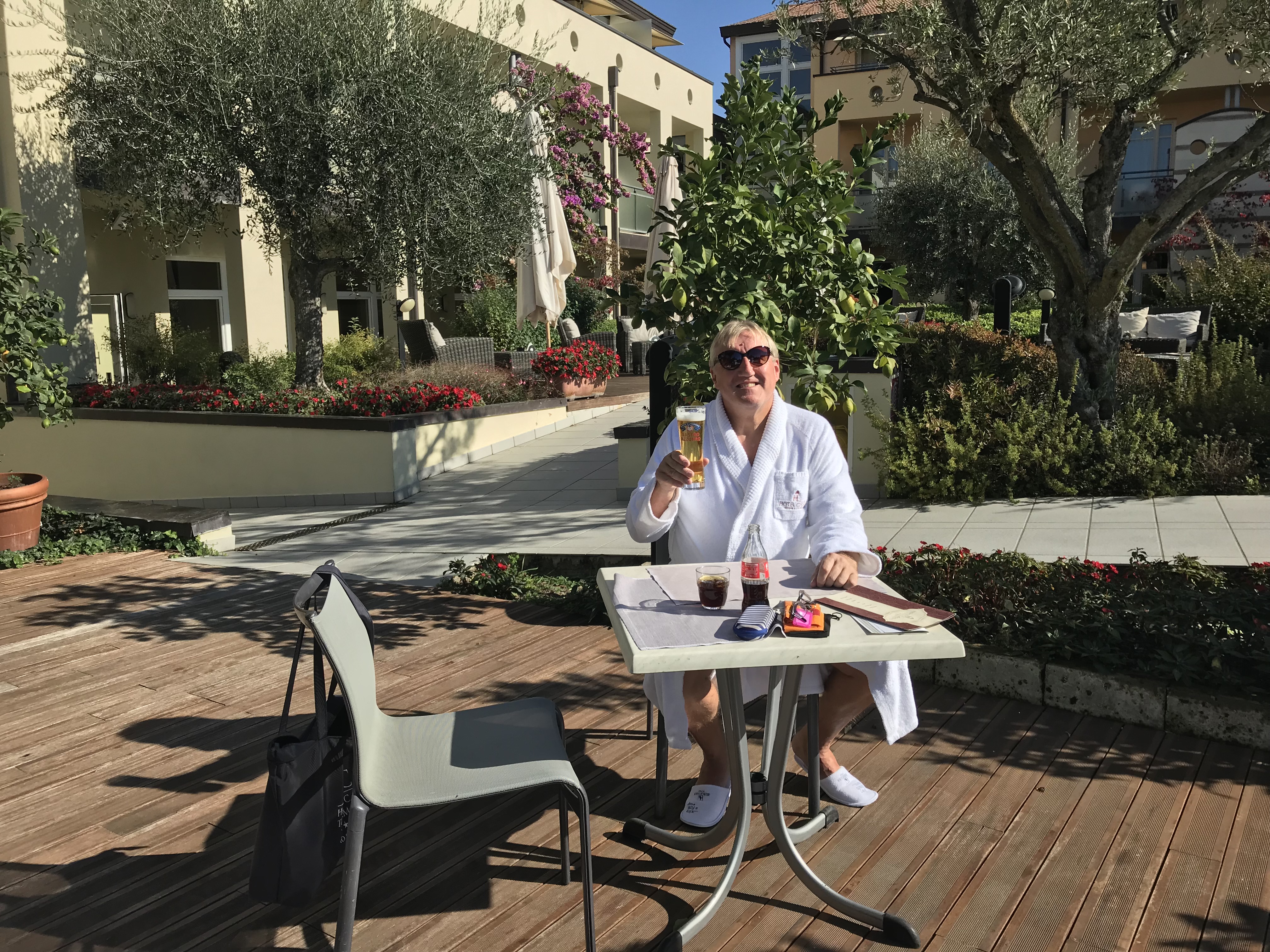
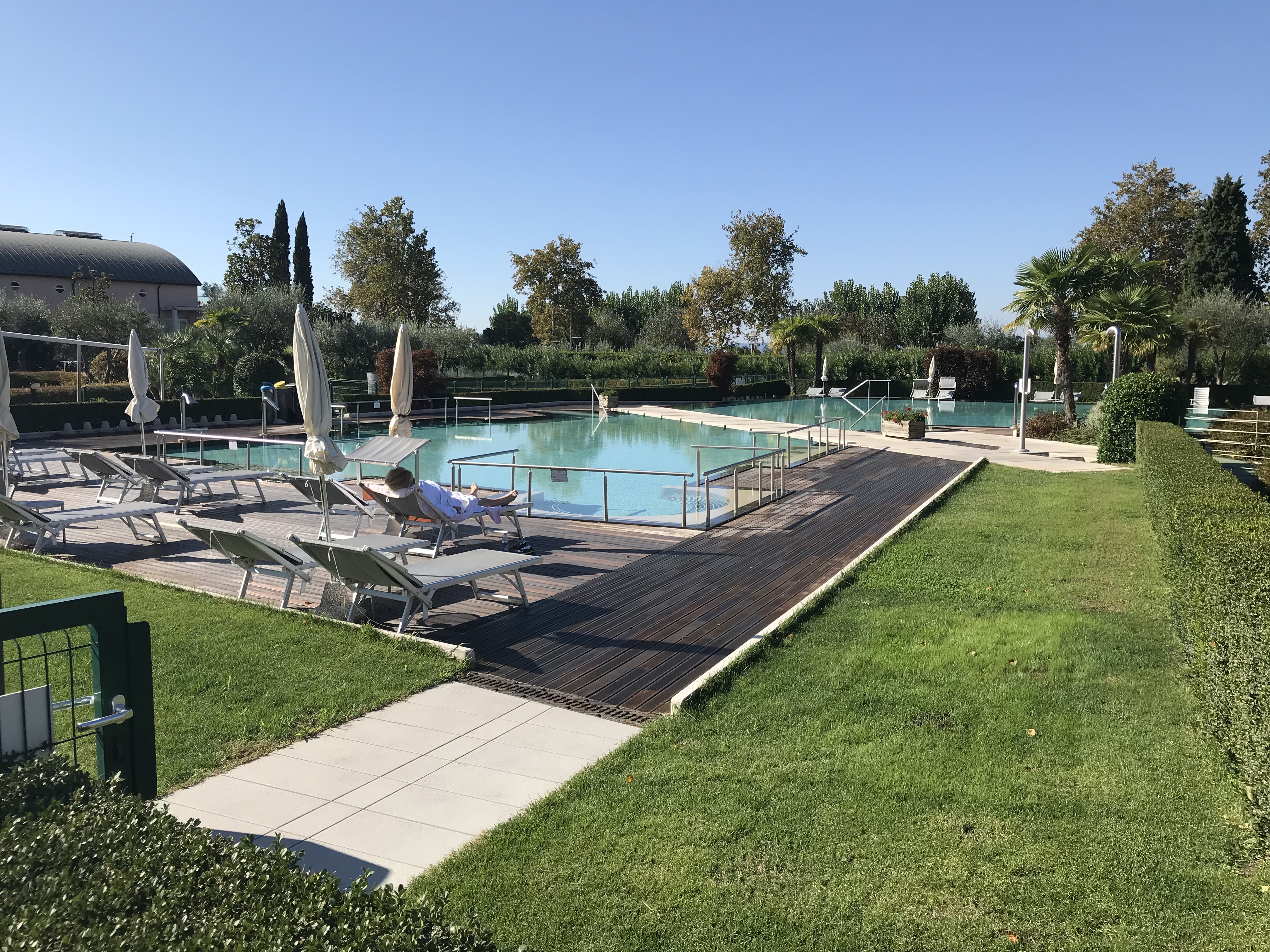
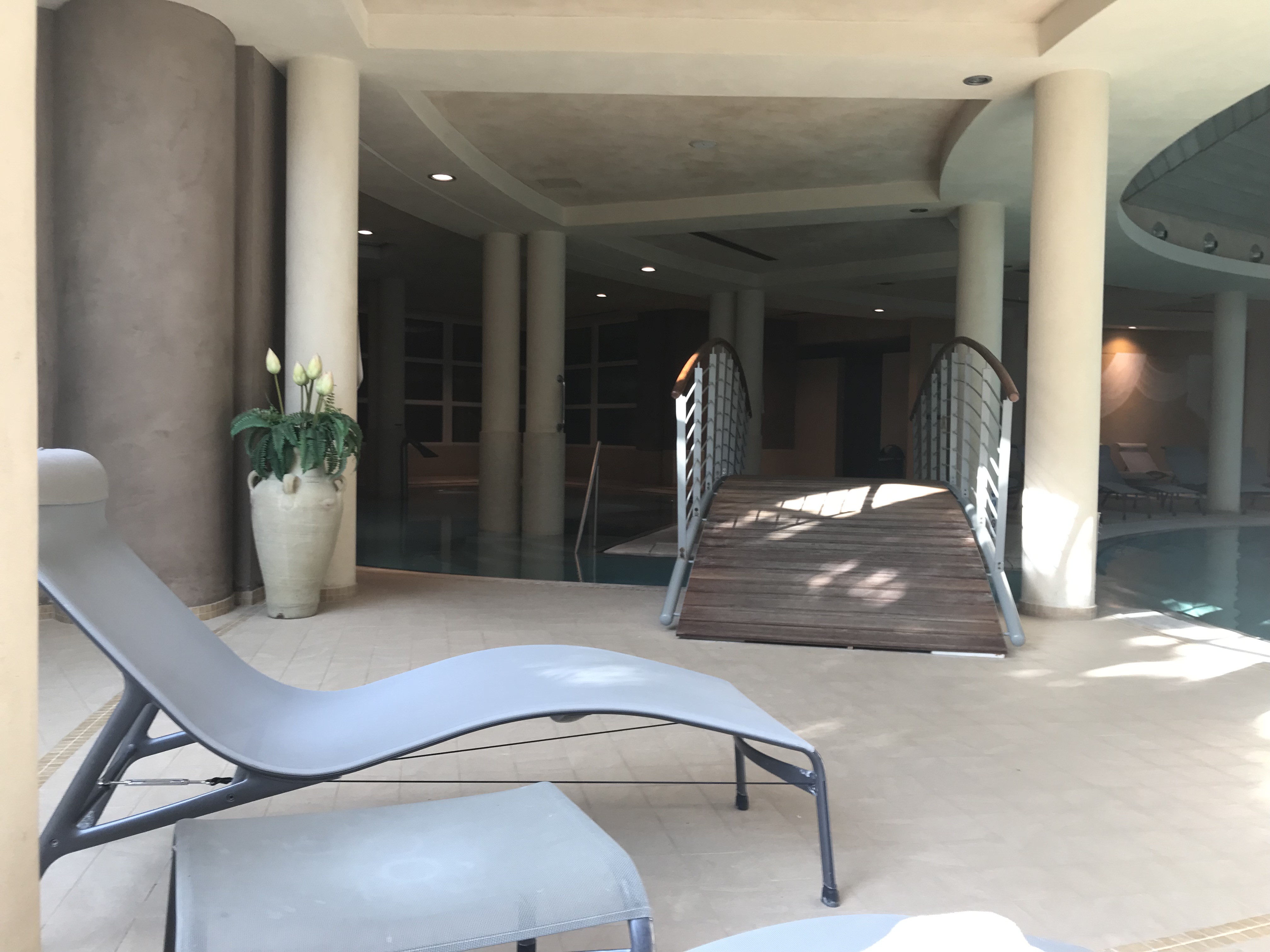
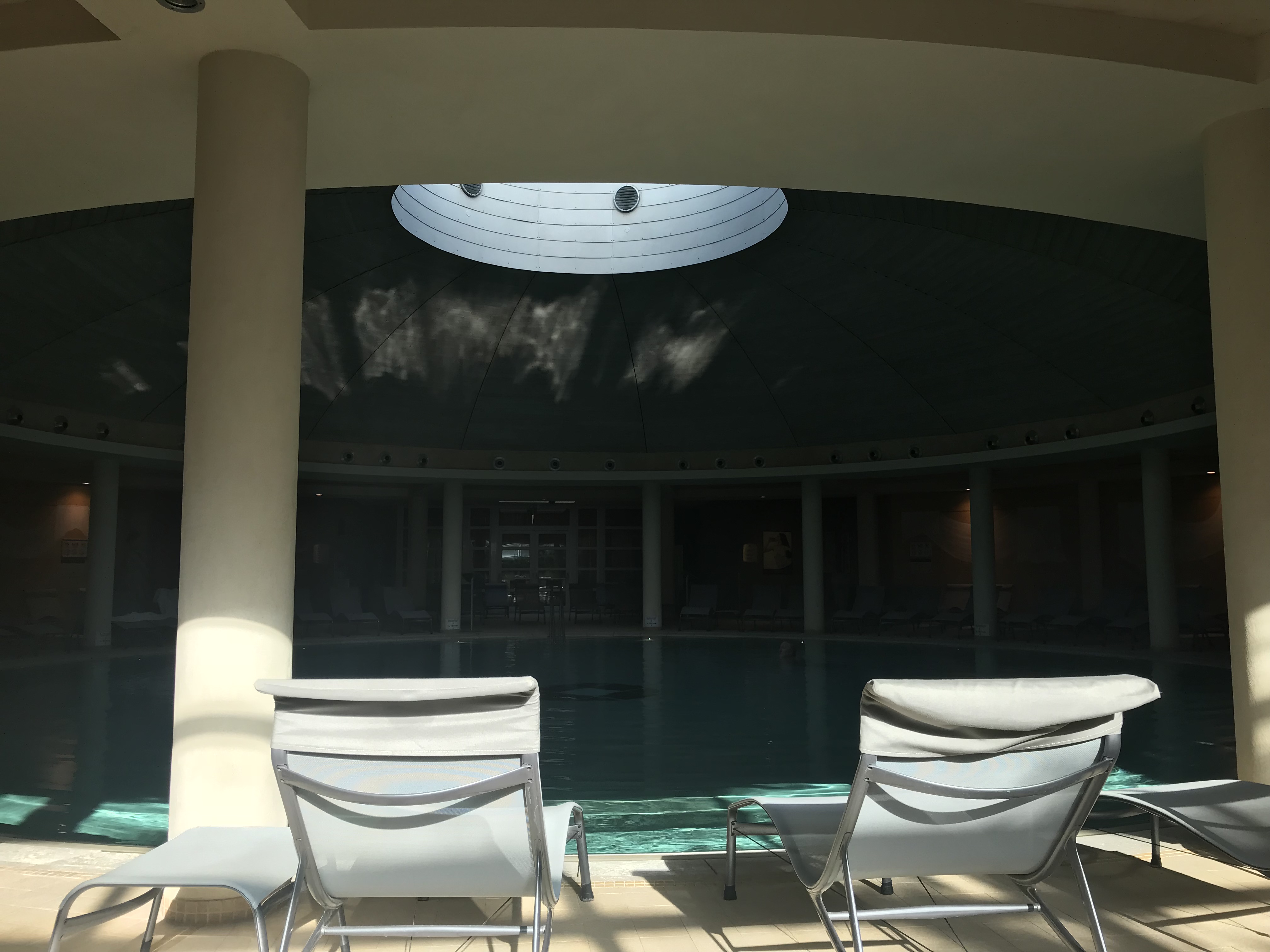
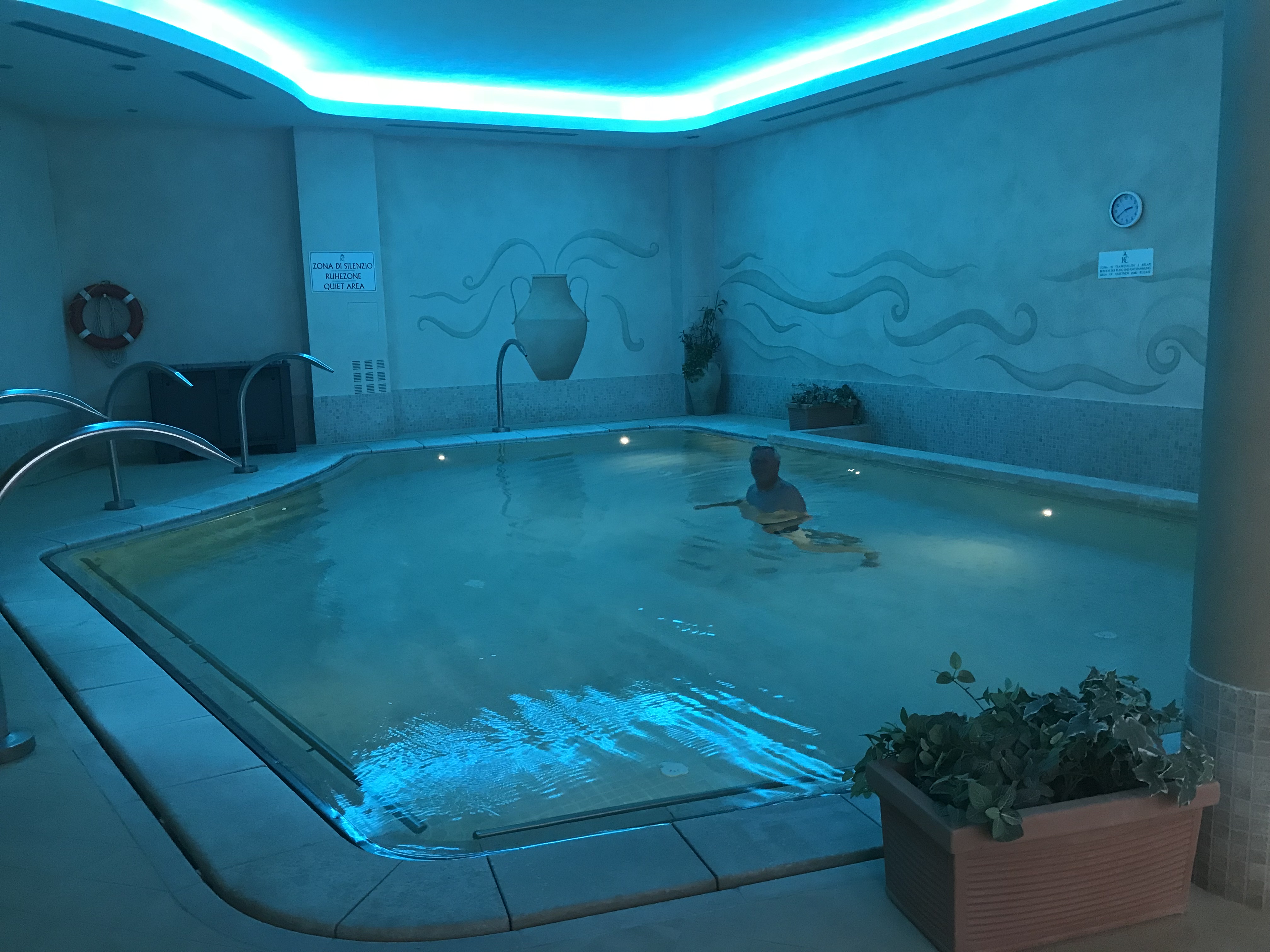
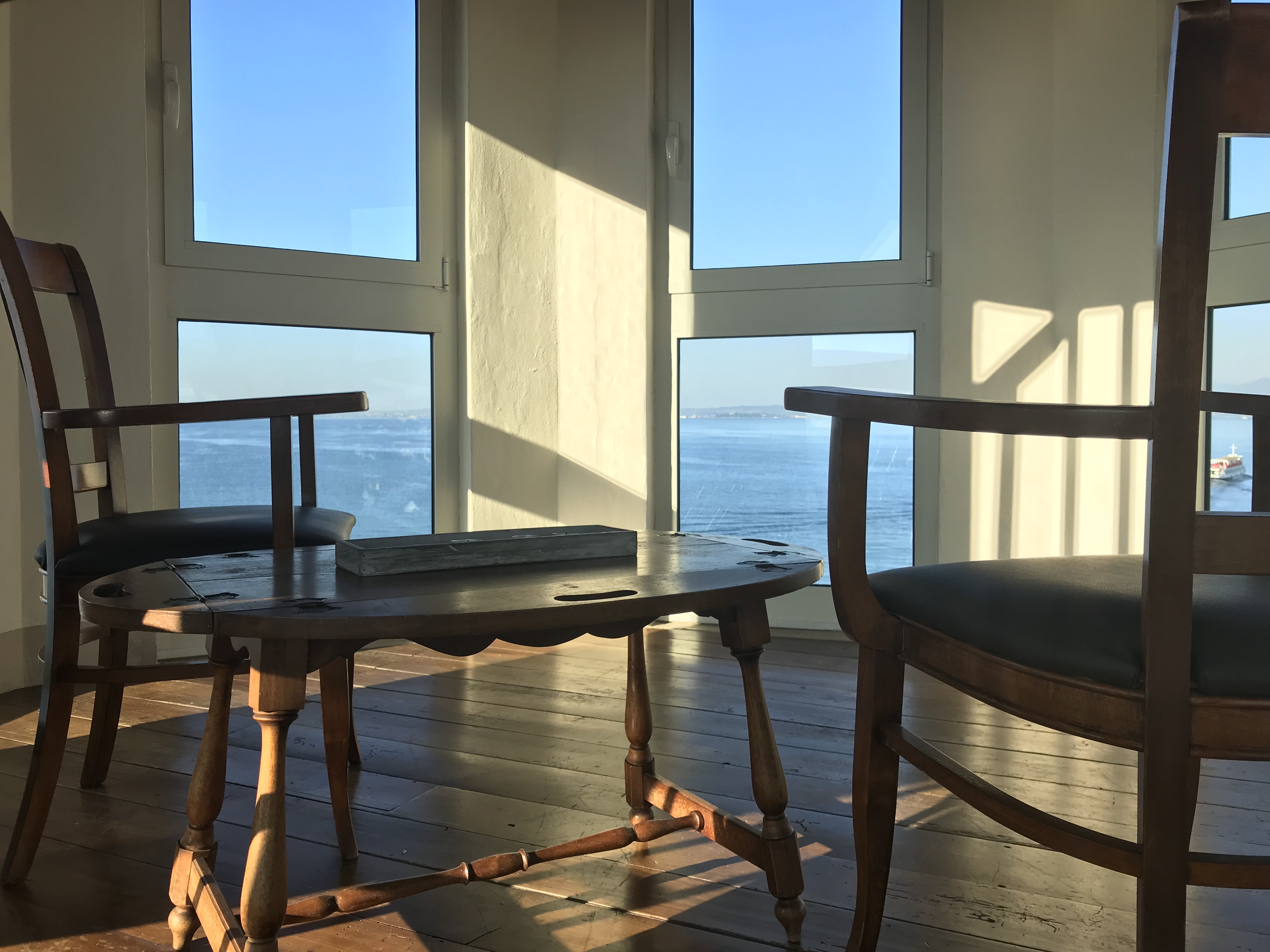
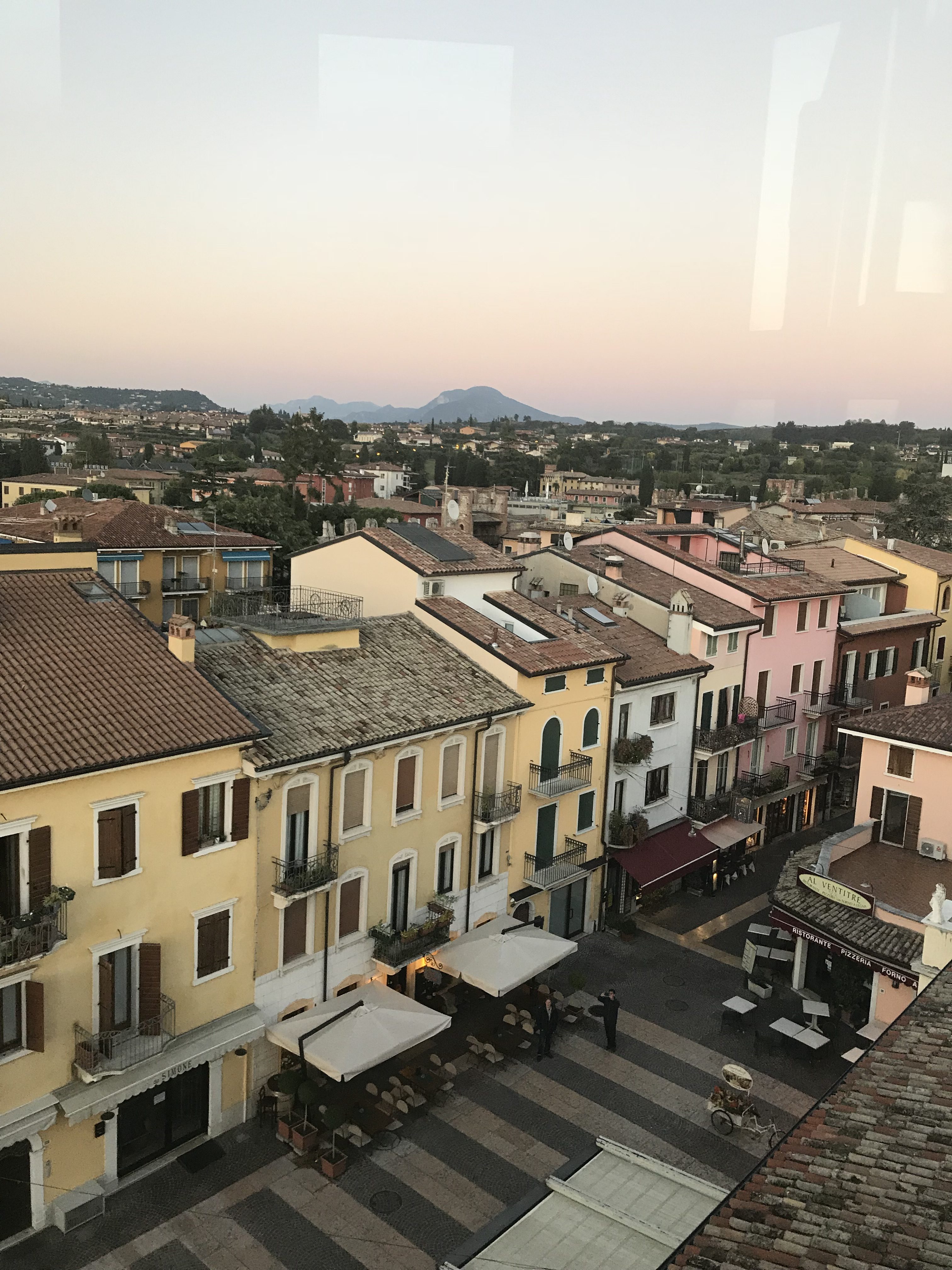
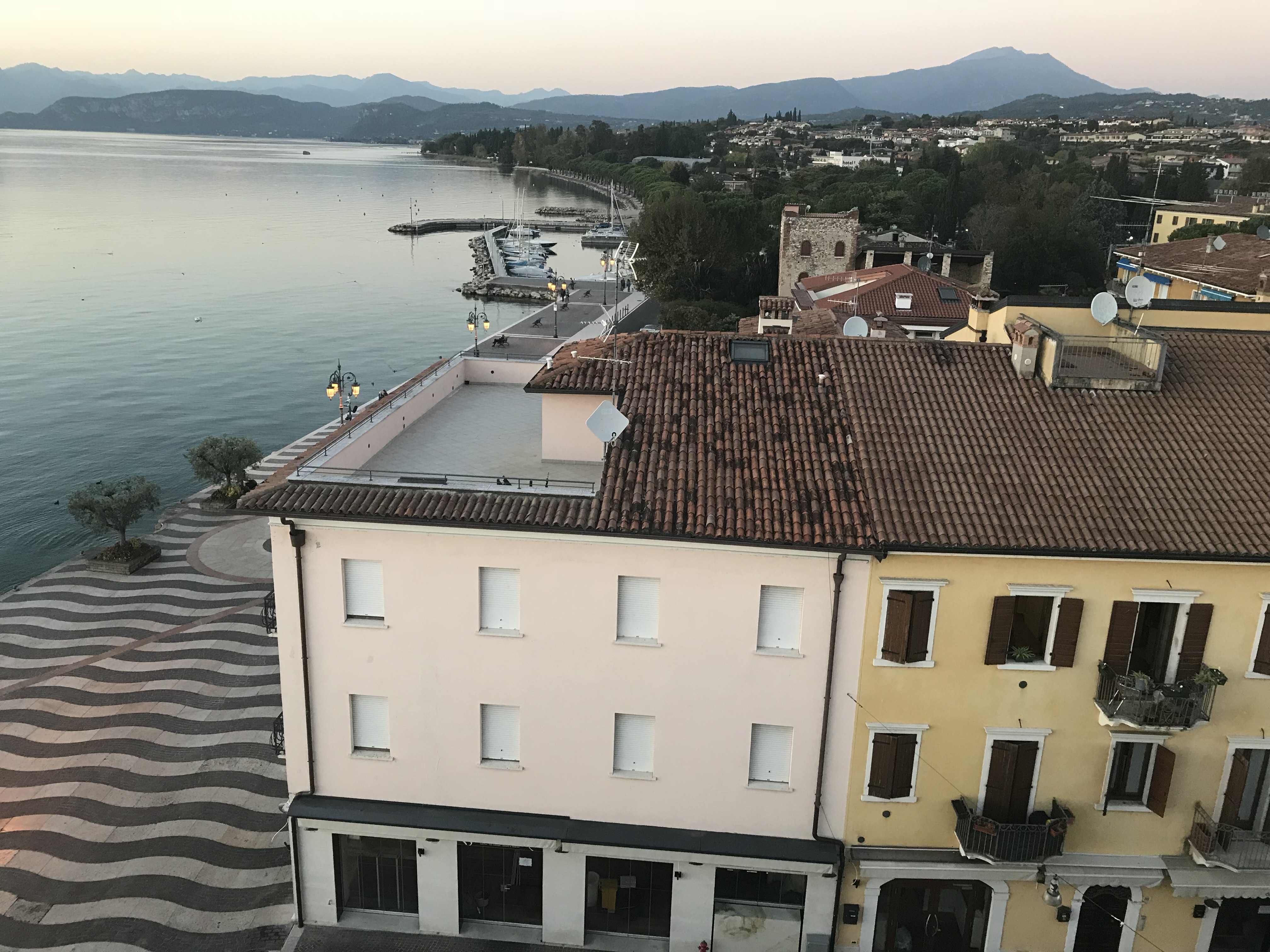
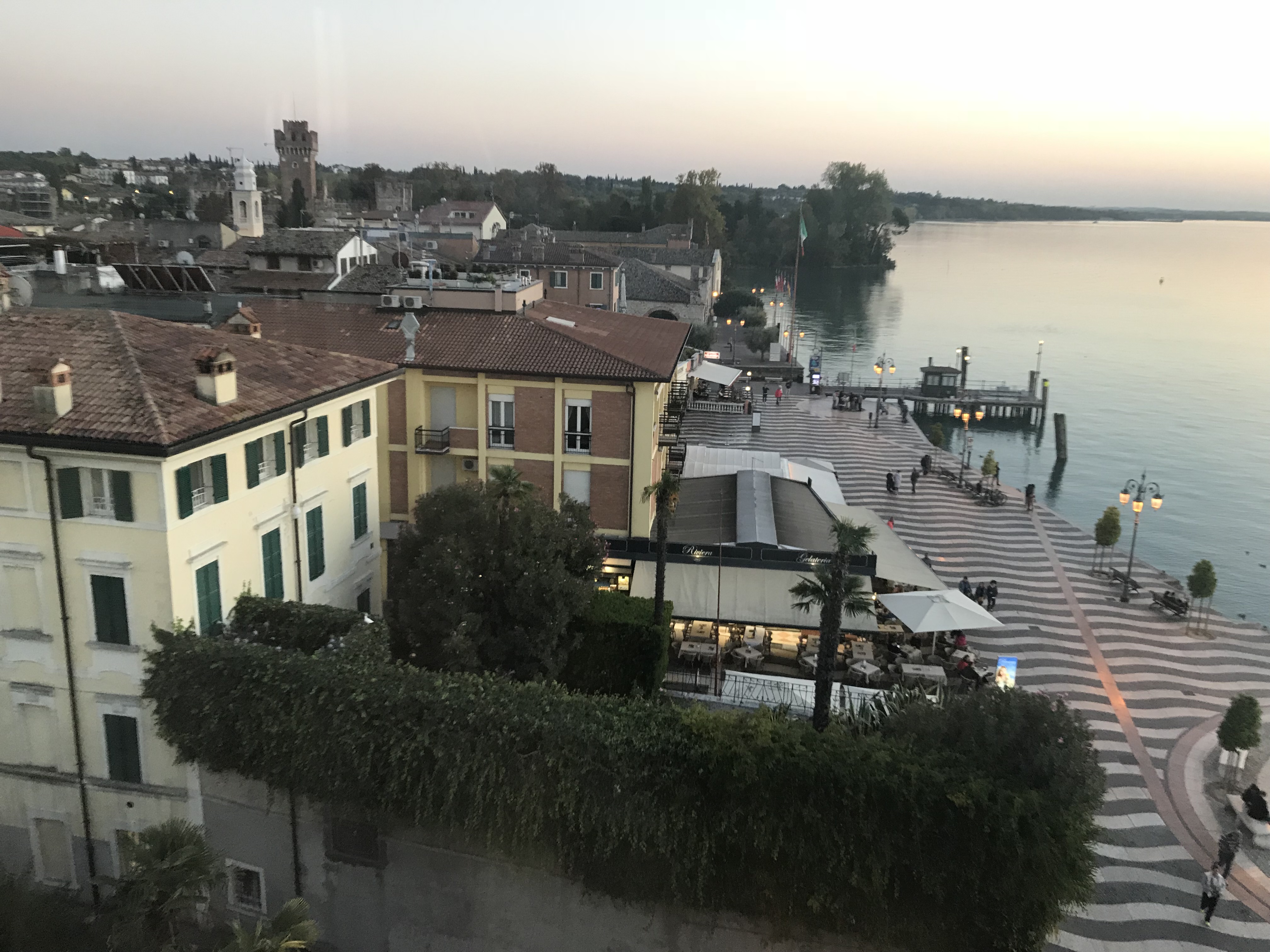
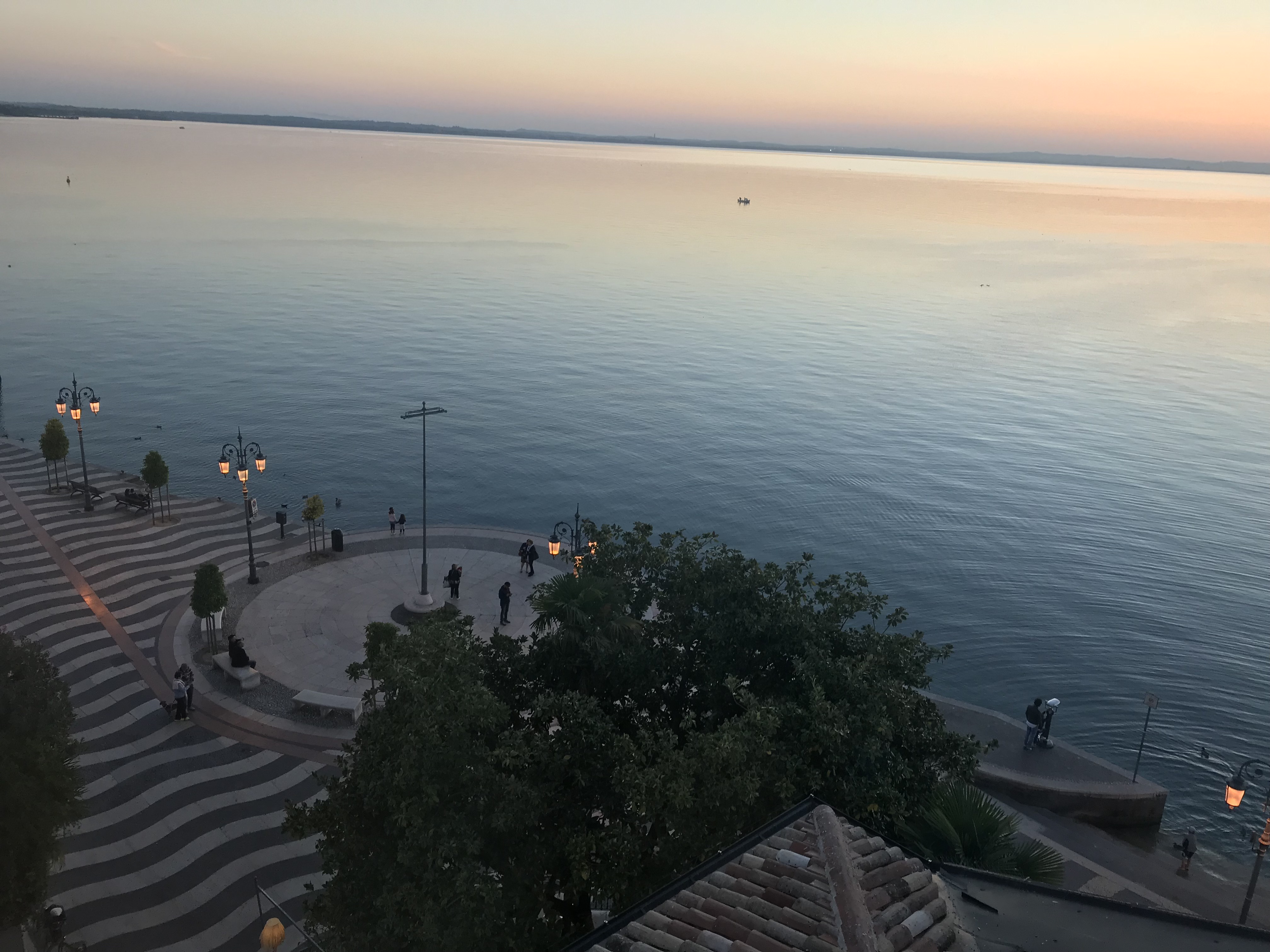
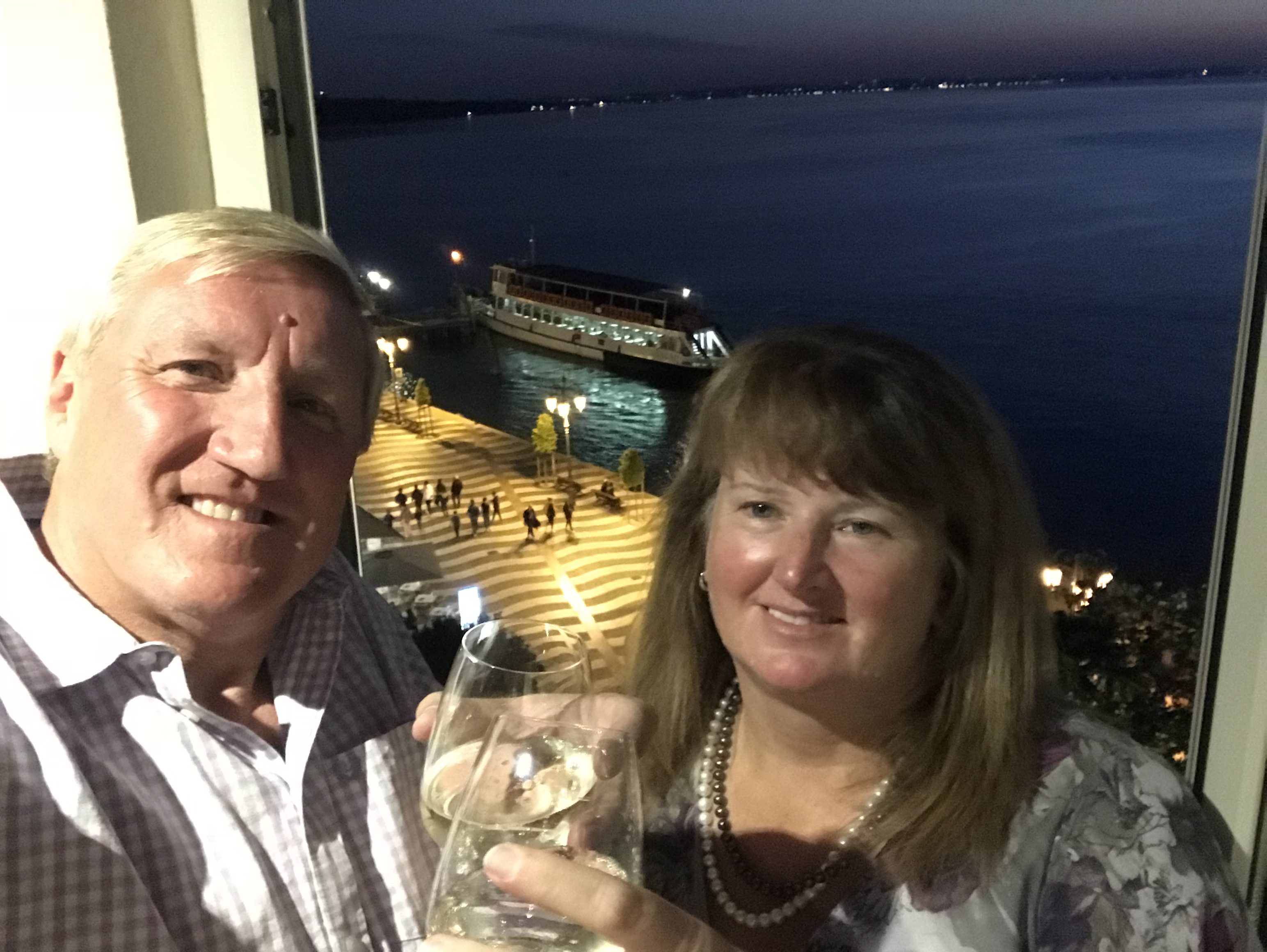
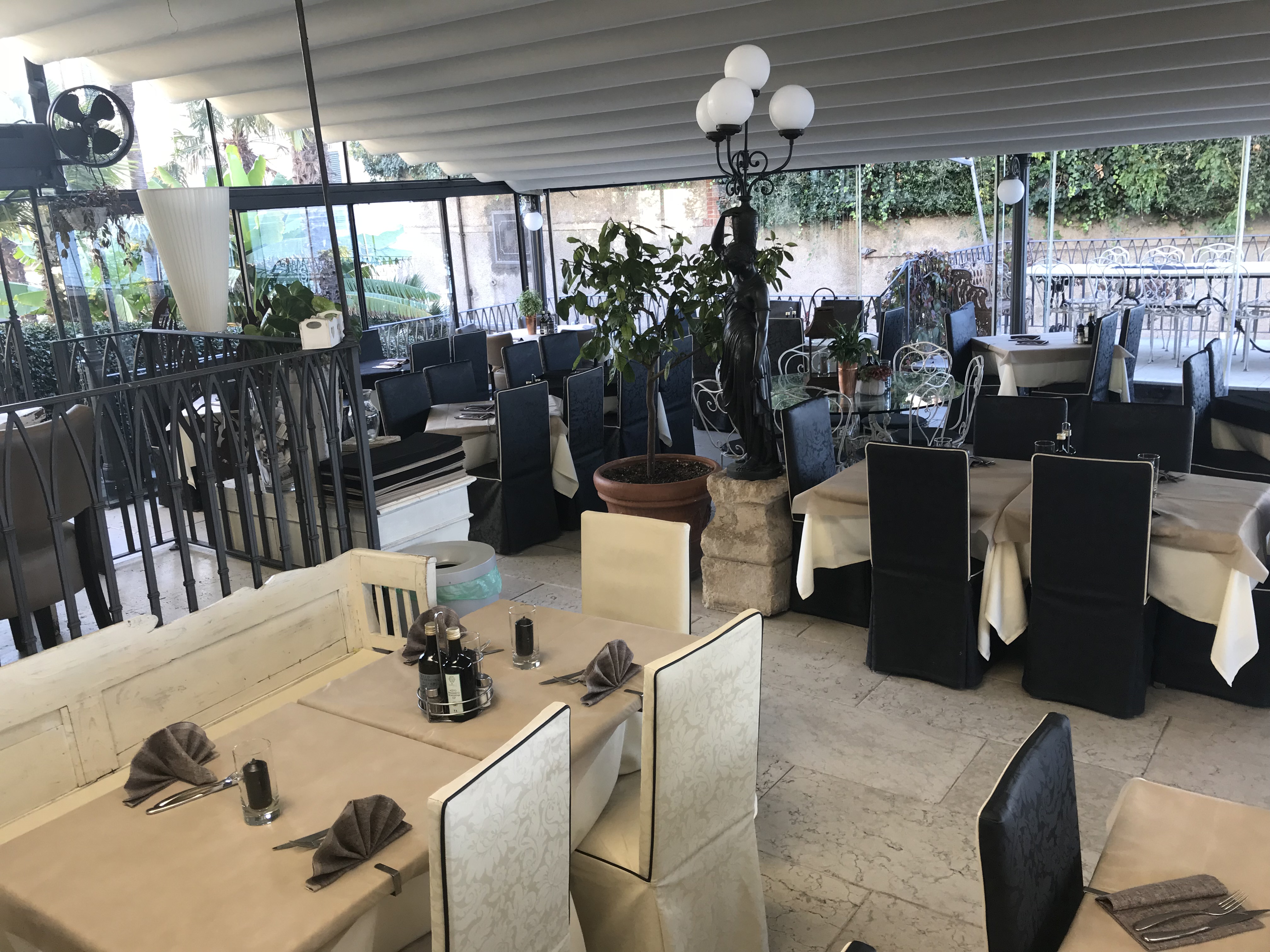
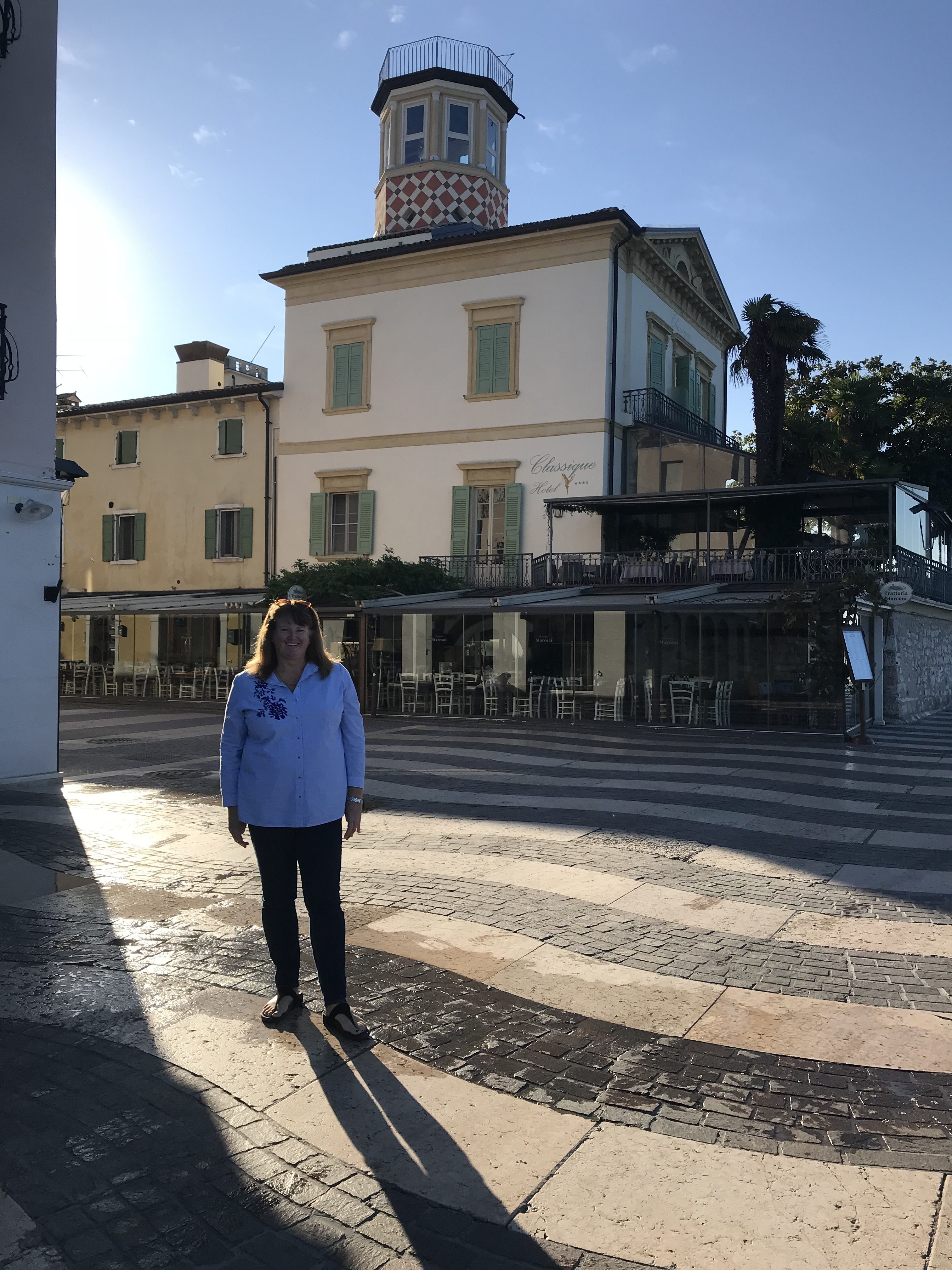
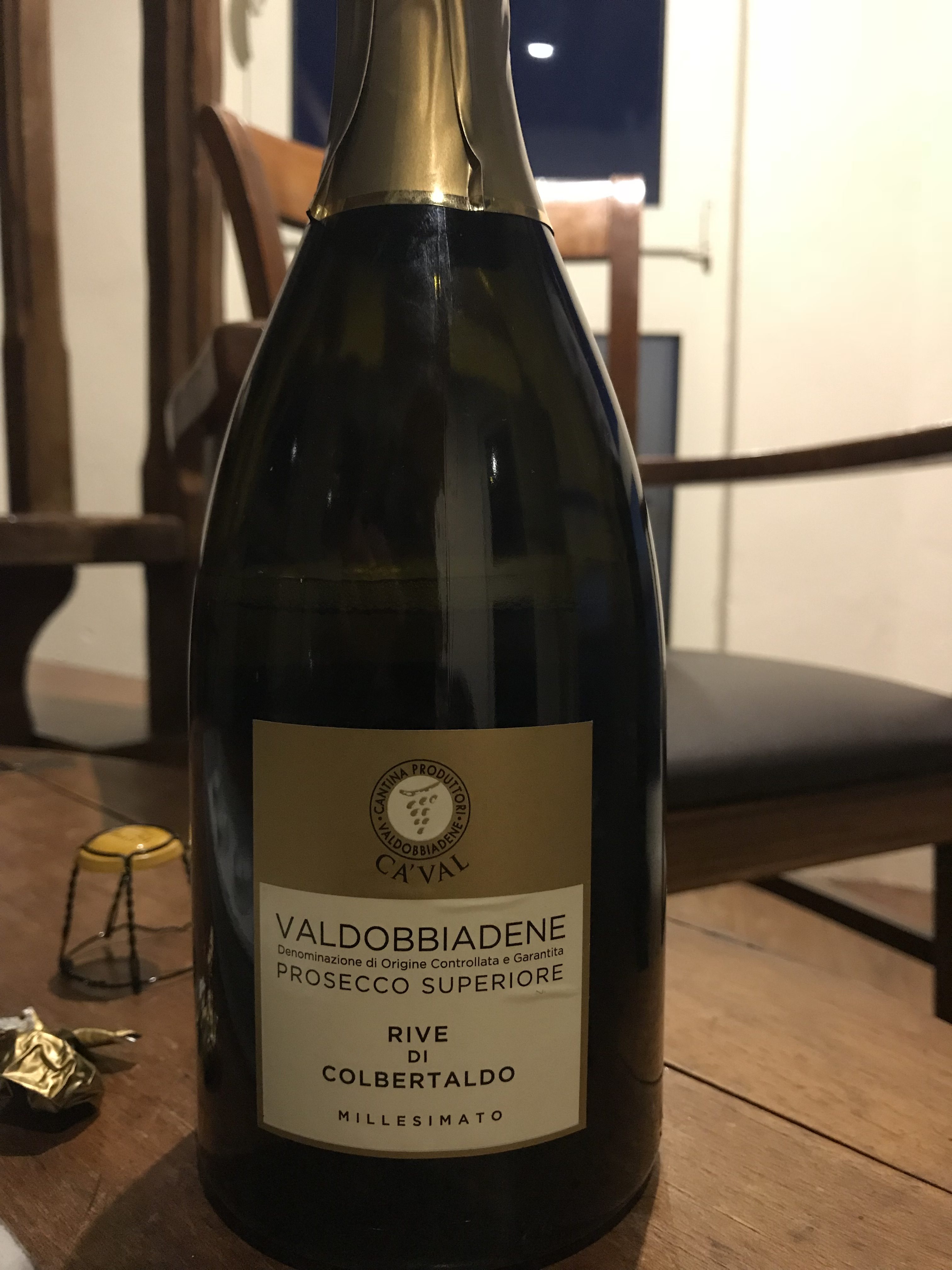
For our anniversary we had booked a “couples day spa” in Lazise before checking into a lake side hotel; David had booked a “Suite”, turns out it was a room in the top floor rafters above the restaurant with its own private look out tower!  Dinner was a lovely meal, topped with a bottle of sparkling wine of course and dessert before coffee and lemoncello (for me) and grappa (for David).

Onto Lazise for dinner

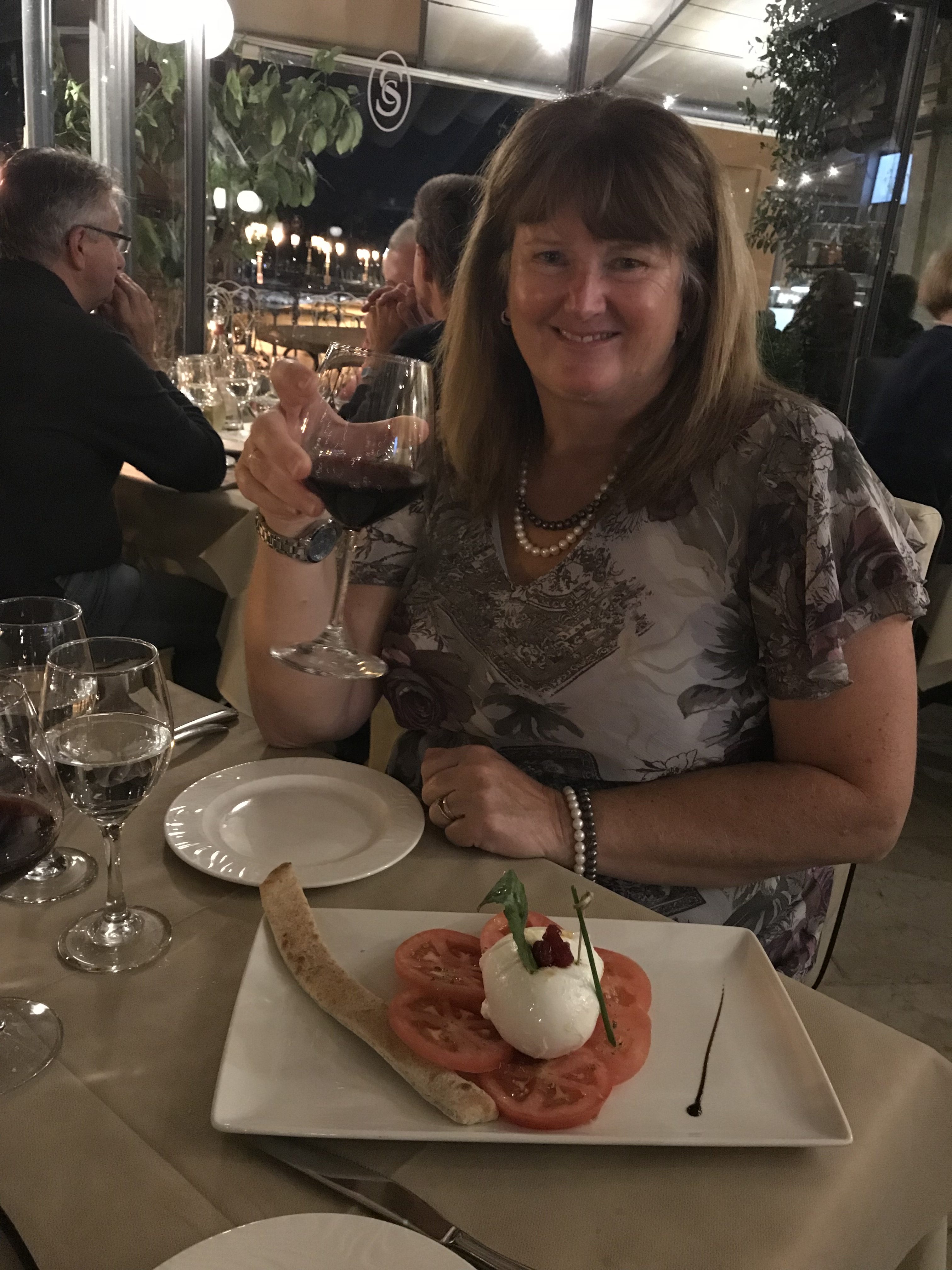
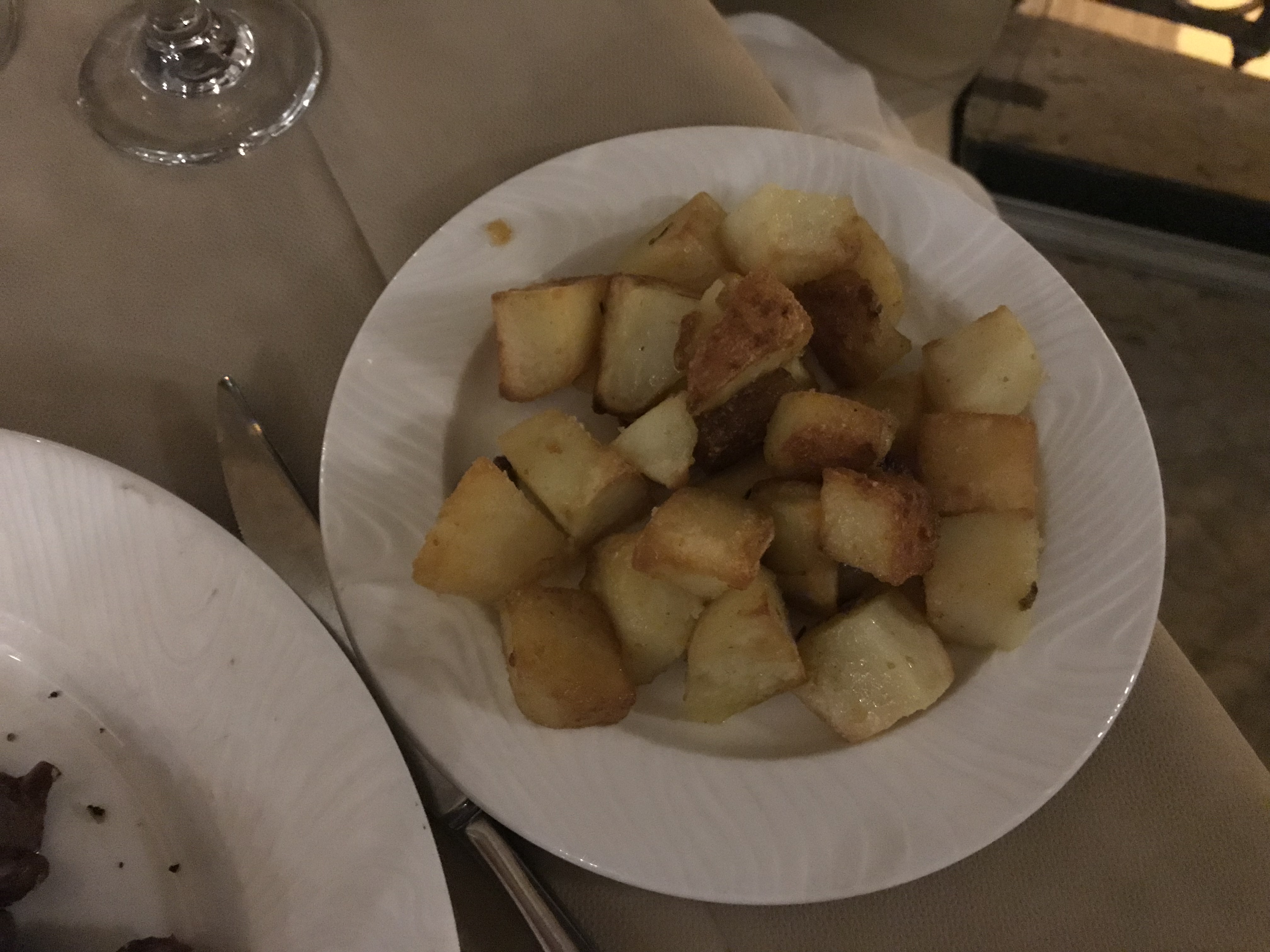
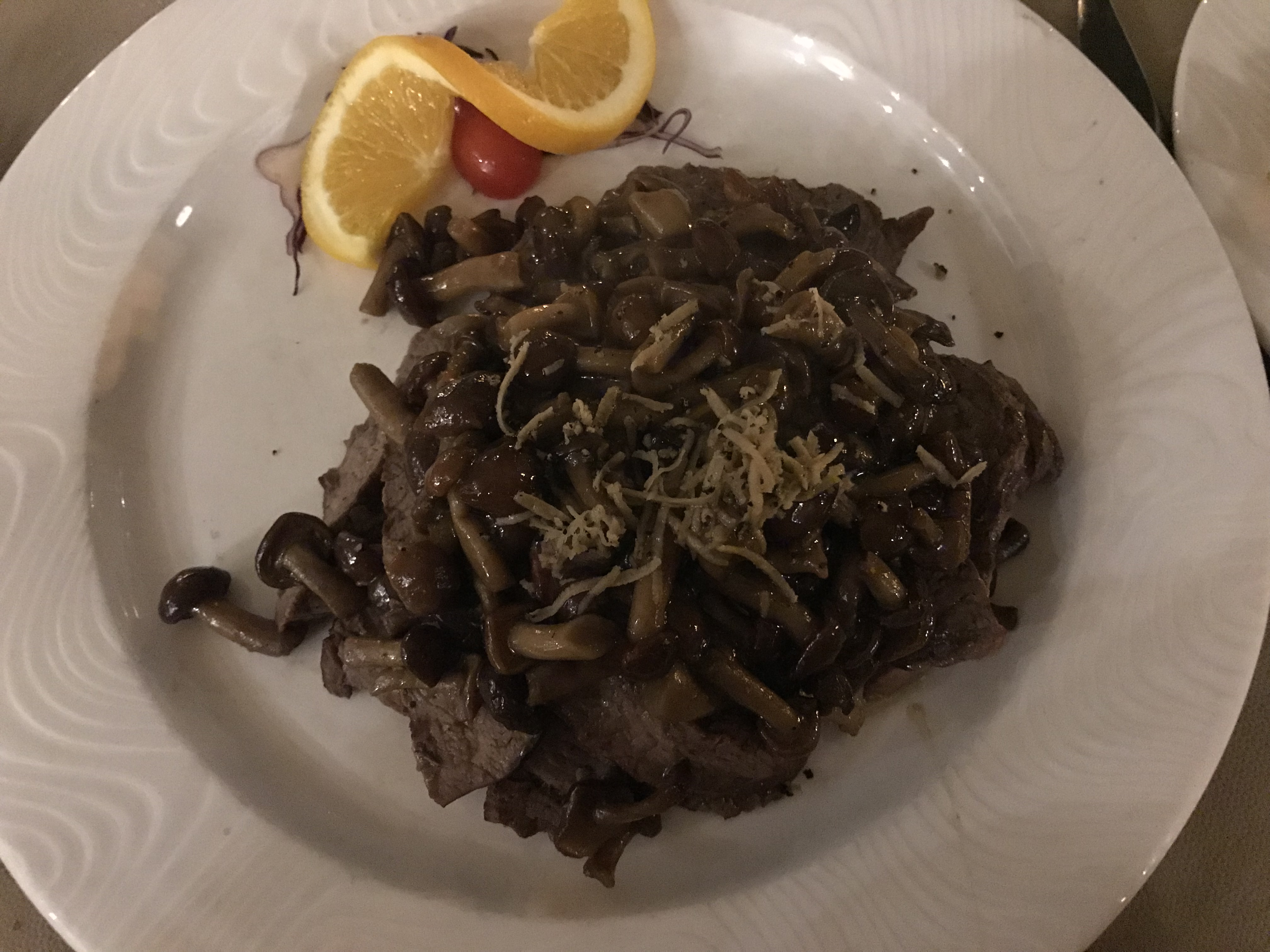
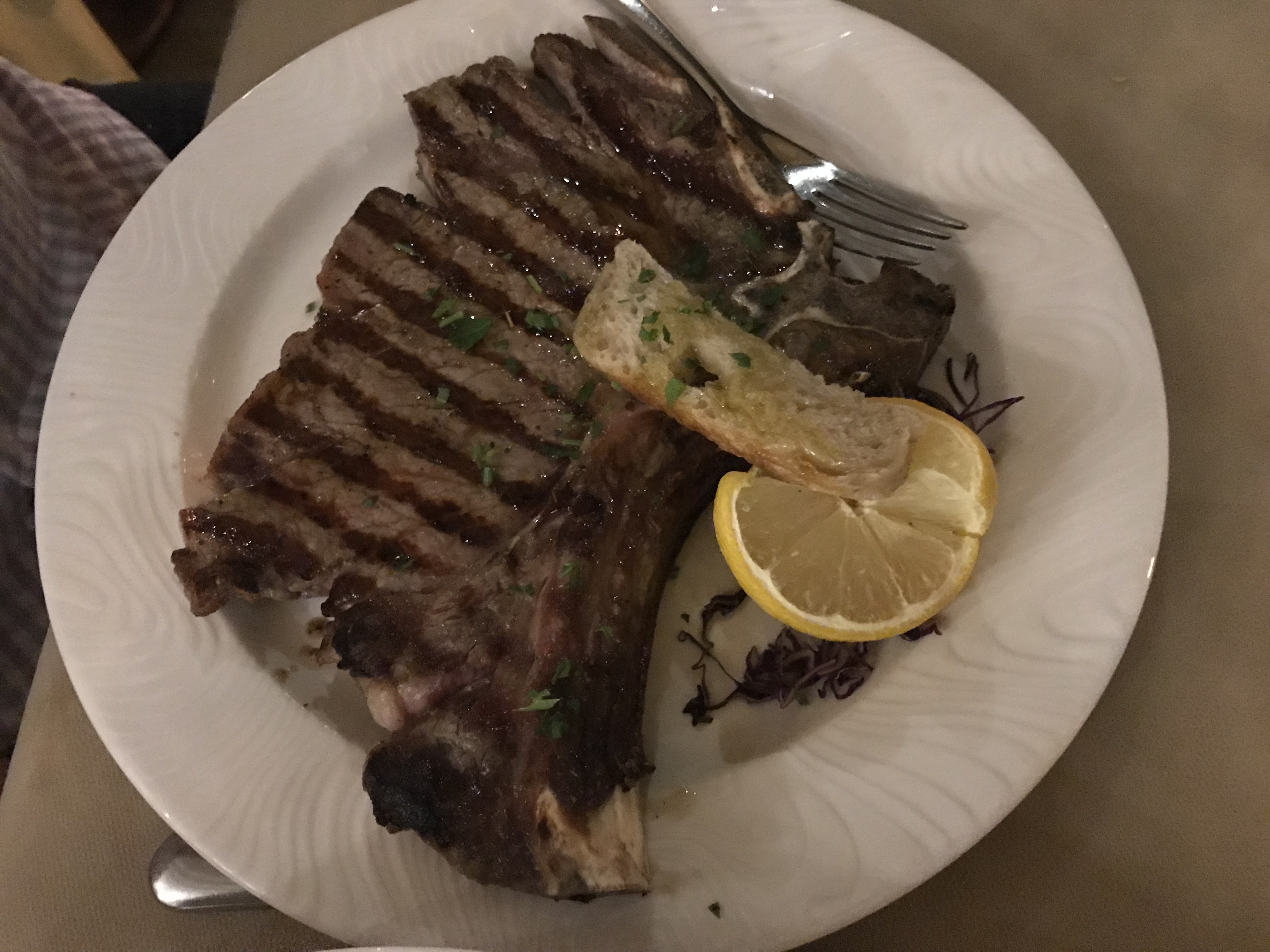
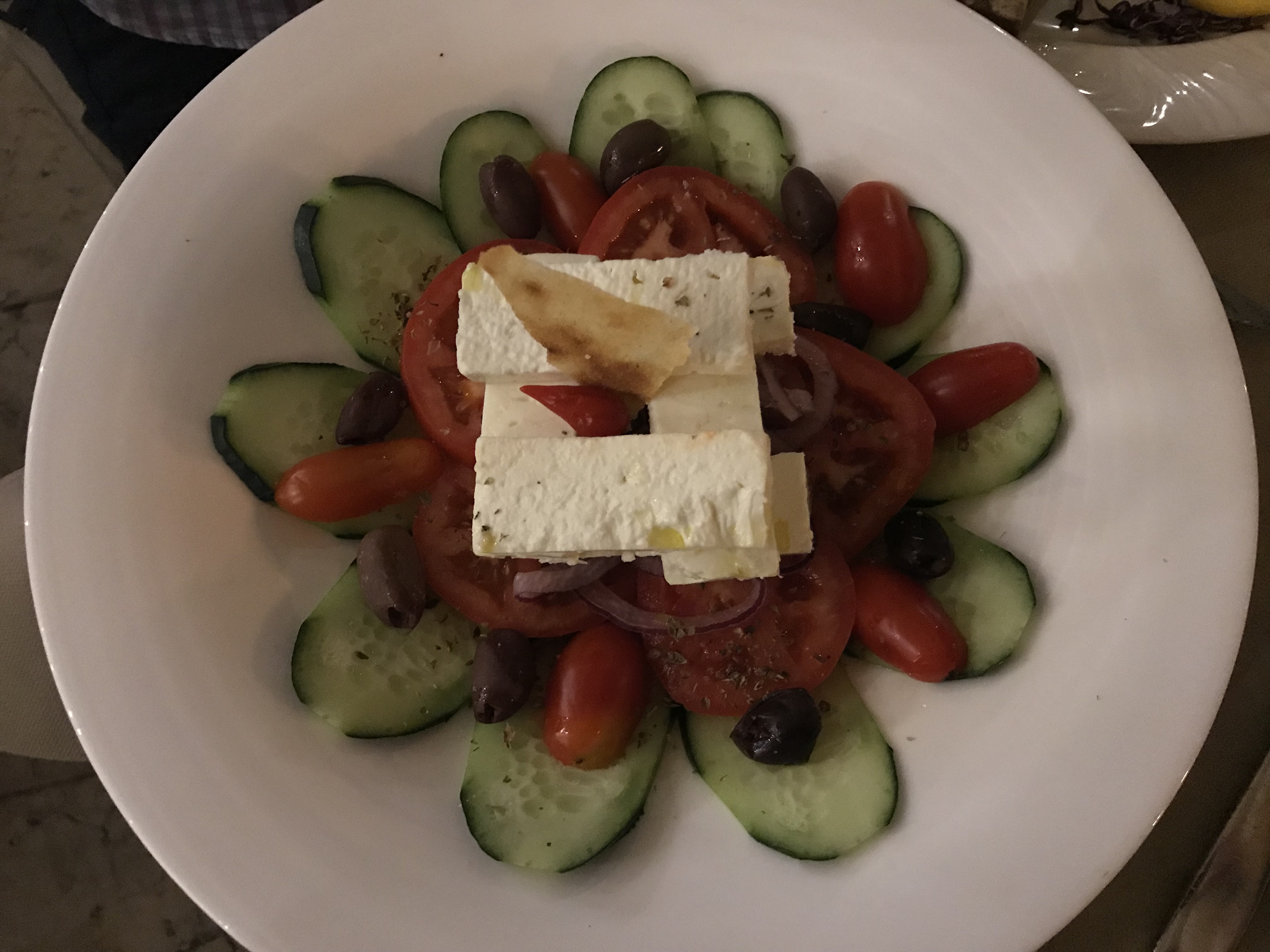
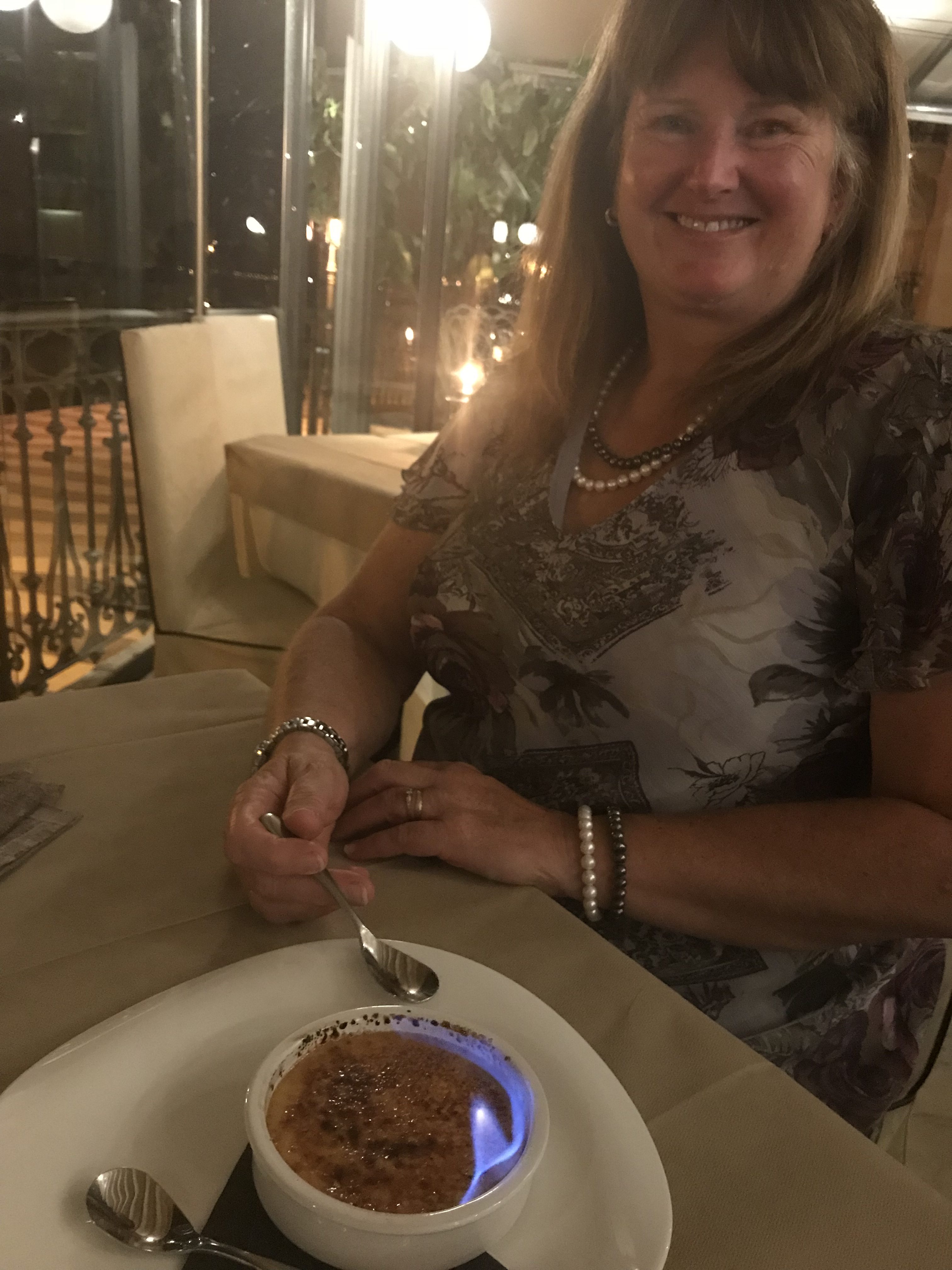
Our dinner was delicious, a sharing Caprese Buffalo Mozarella to start, David had steak and I had a mushroom and steak stir fry, potatoes, salad and a flaming creme catalan to finish.

This was our “private tower” above the restaurant/hotel on Lake Garda.

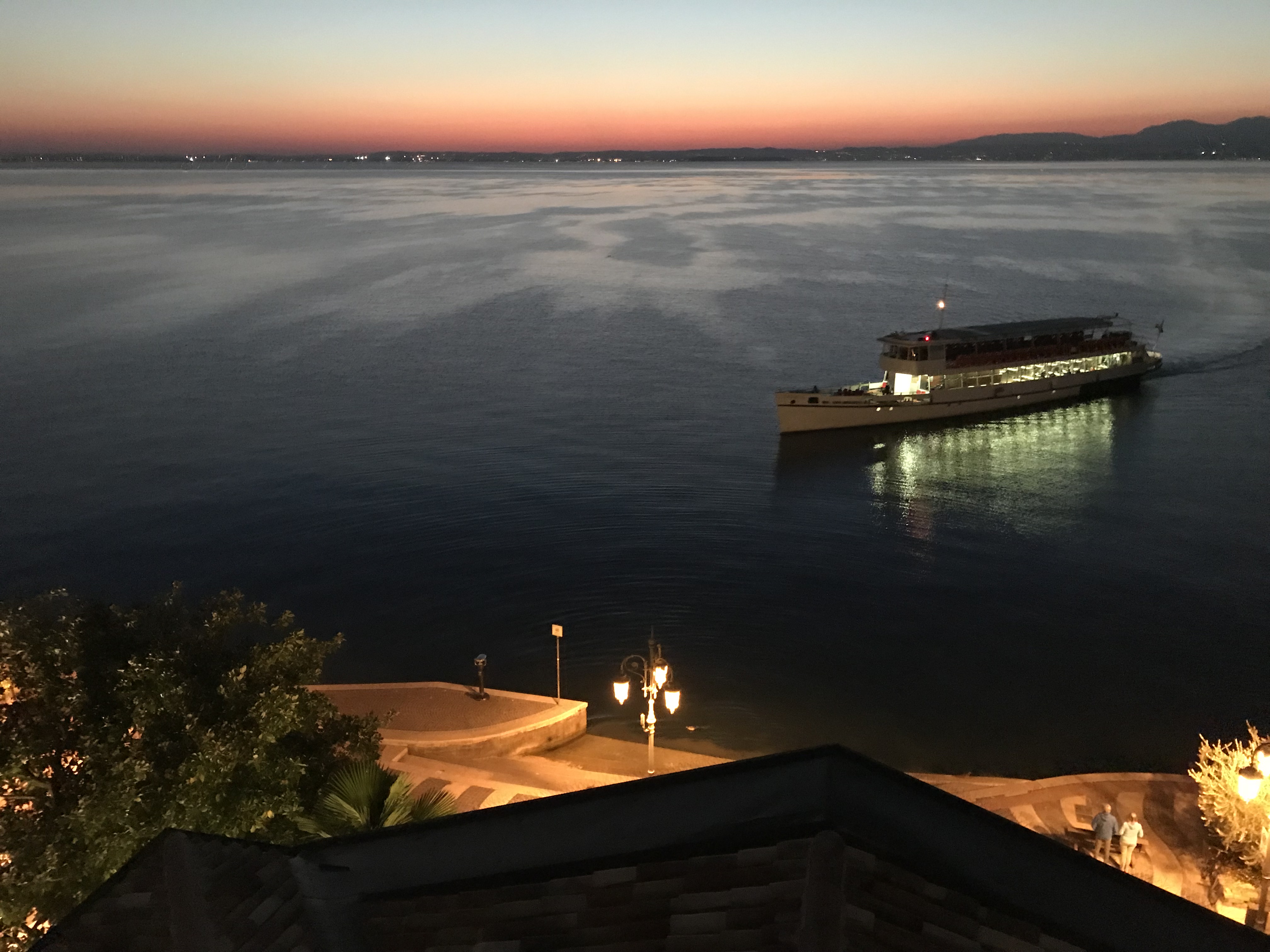
Our morning view.

Romantic Verona & Juliet’s House

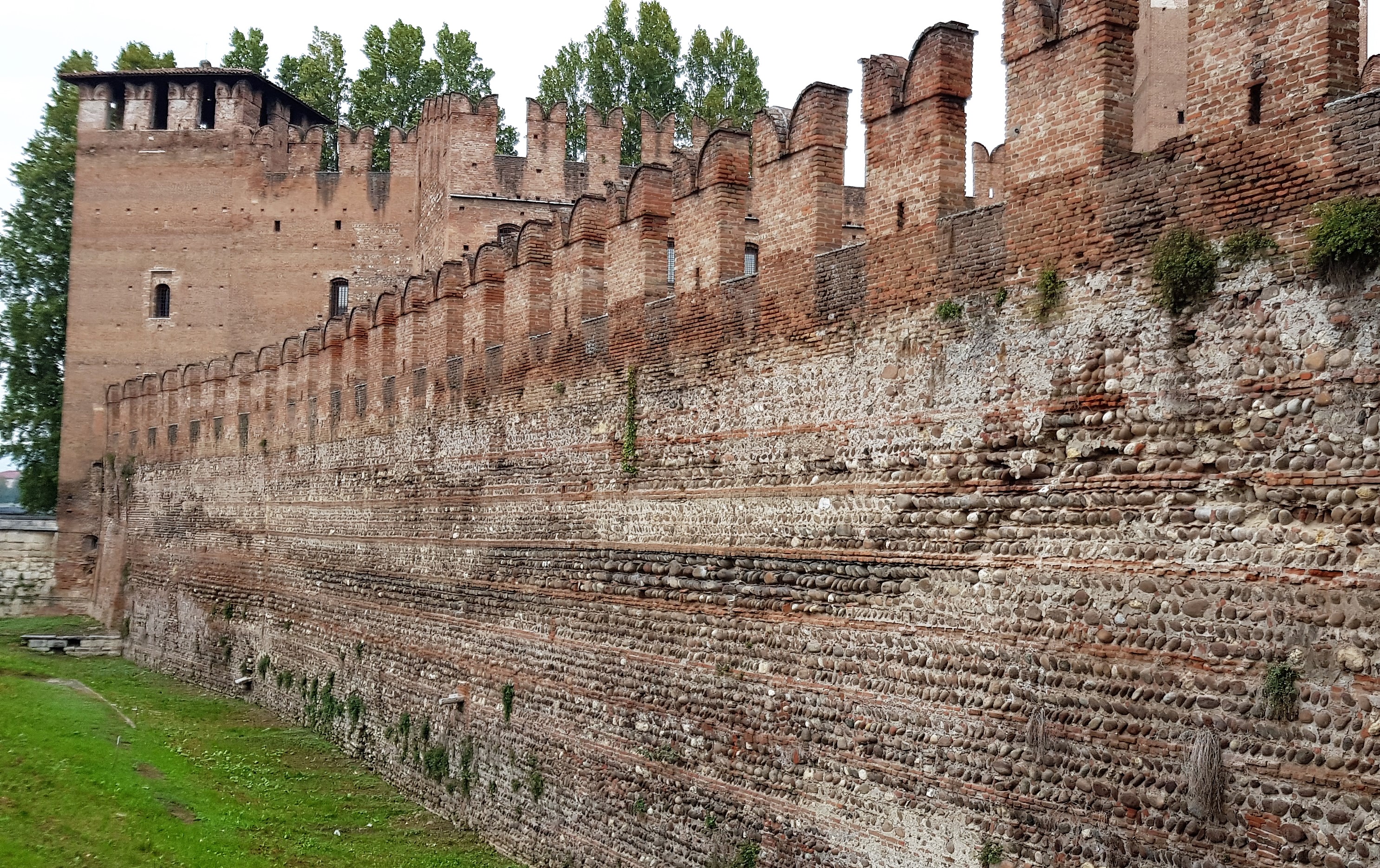
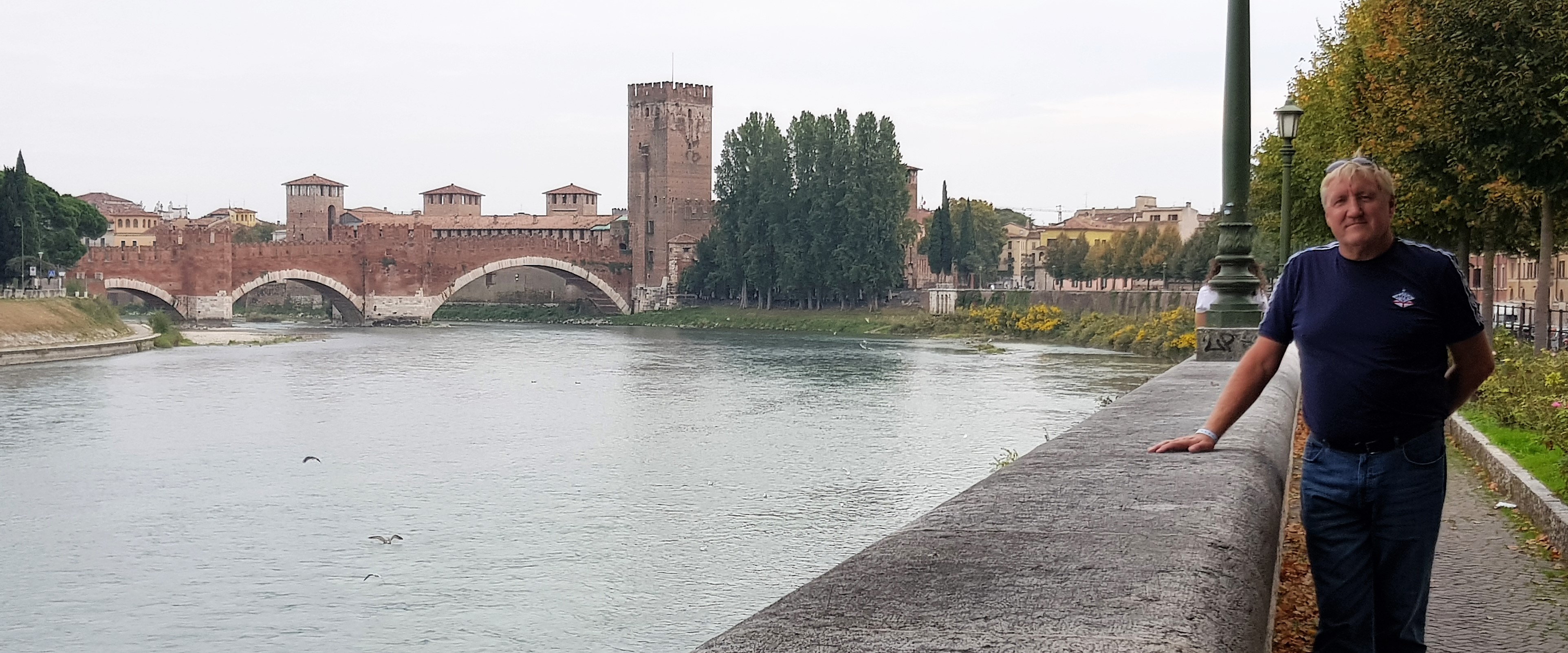
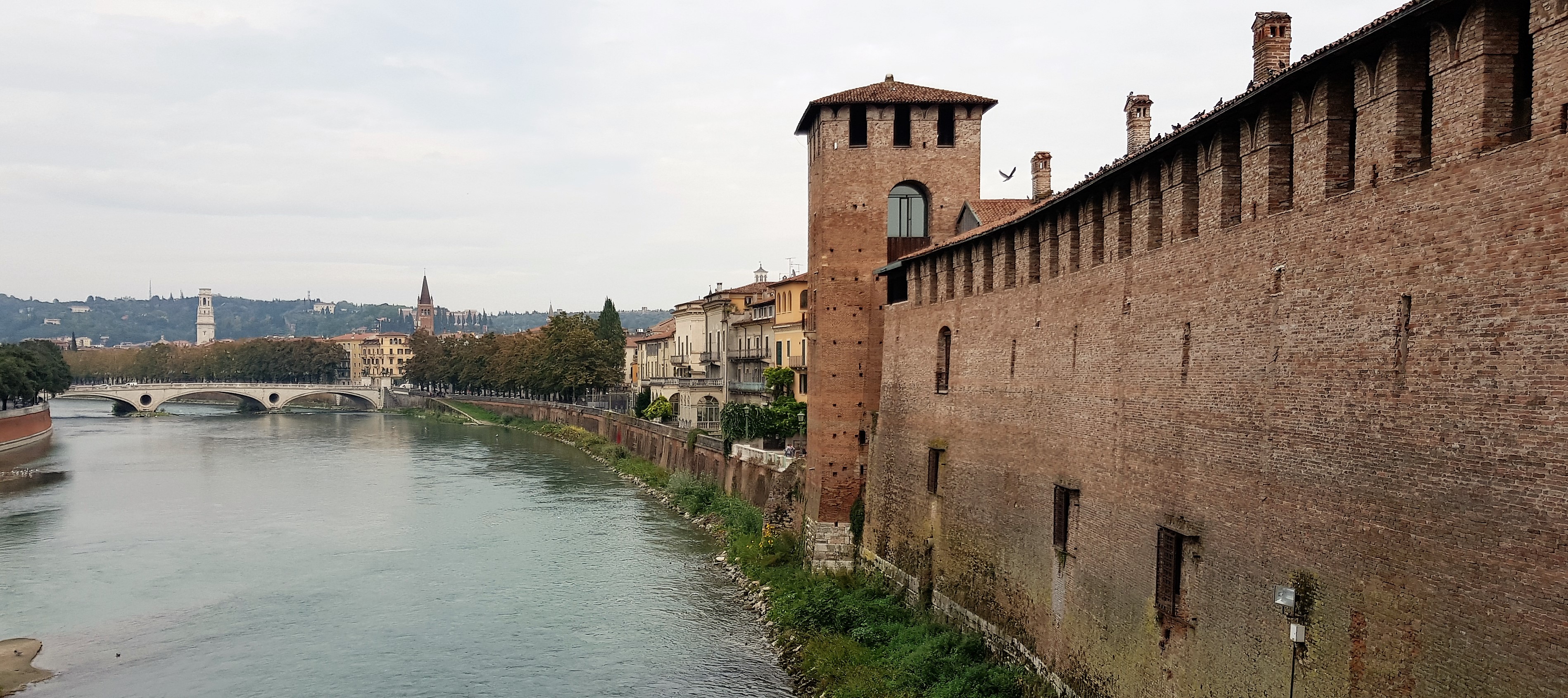
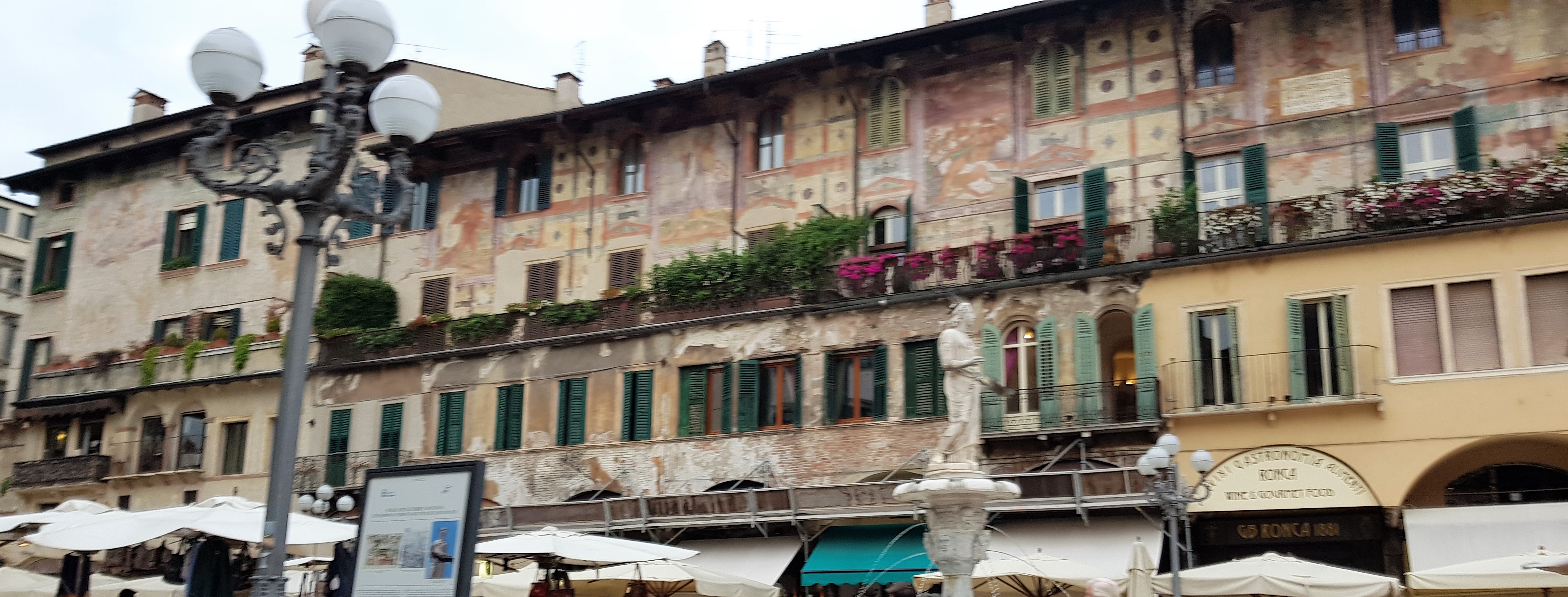
Verona is a beautiful city with a medieval old town built between the meandering Adige River, making it seem like the city is an island.  The architecturally fascinating bridges over the Adige abut the Museo di Castelvecchio were built in the 1350s by Cangrande II.  Severely damaged by Napoleon and WWII bombings, the fortress was reinvented by architect Carlo Scarpa, who reconstructed bridges and created a home to a collection of statues, frescoes, jewellery, medieval artefacts and paintings.

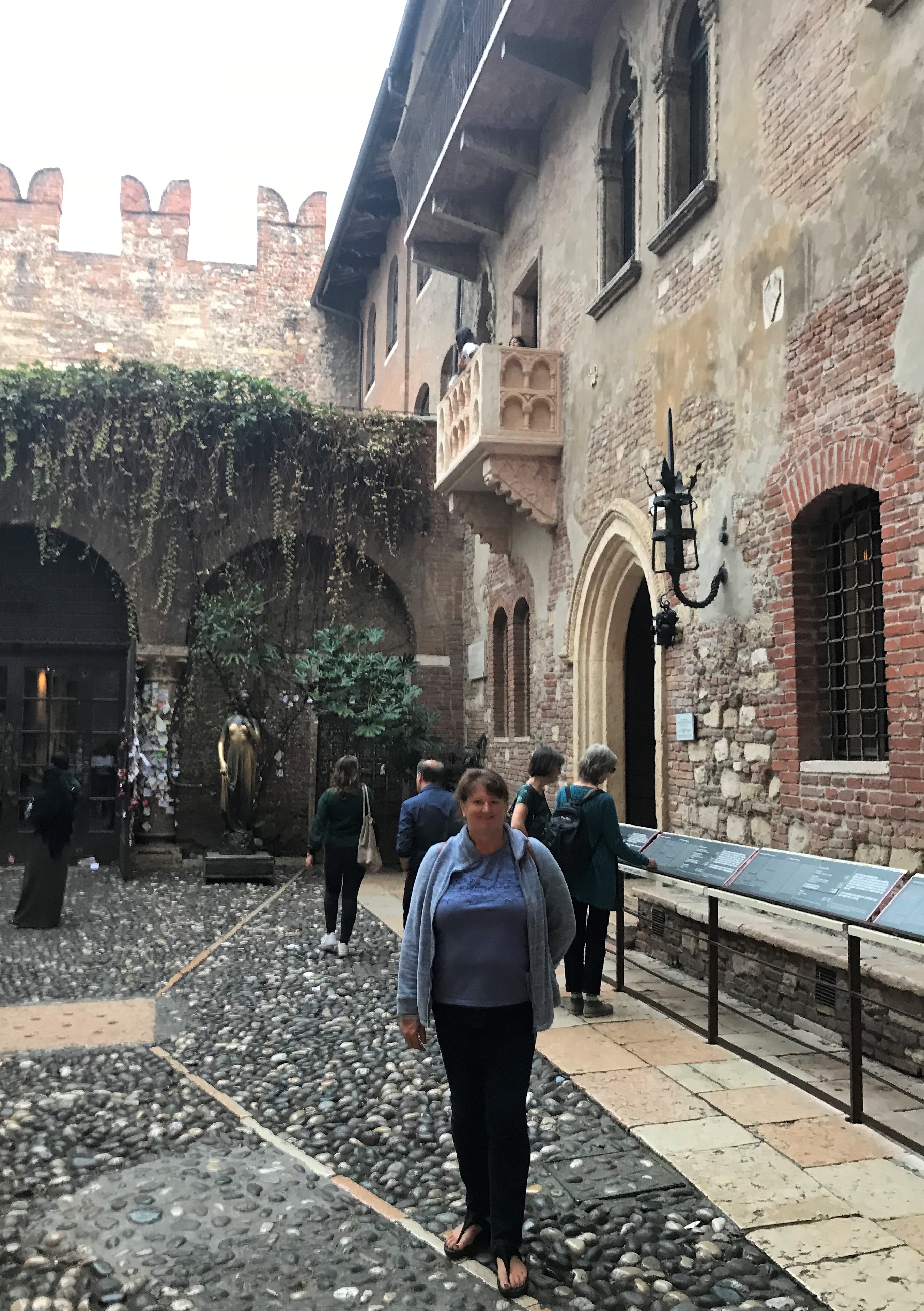
It’s probably more famous for being the setting of Shakespeare’s play “Romeo and Juliet”  and a 14th-century residence with a tiny balcony overlooking a courtyard is said be “Juliet’s House.” We could not visit Verona without visiting this place.

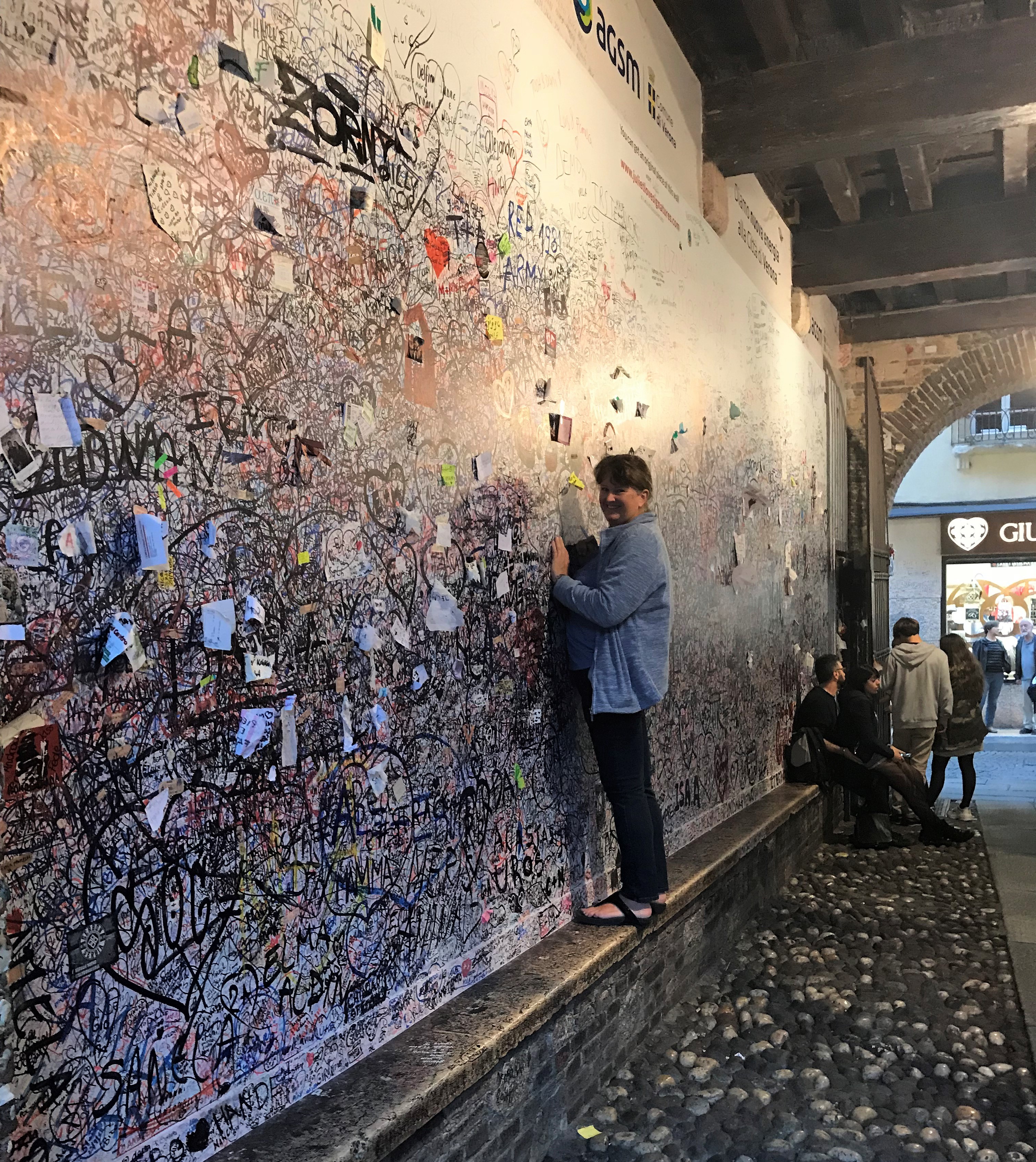
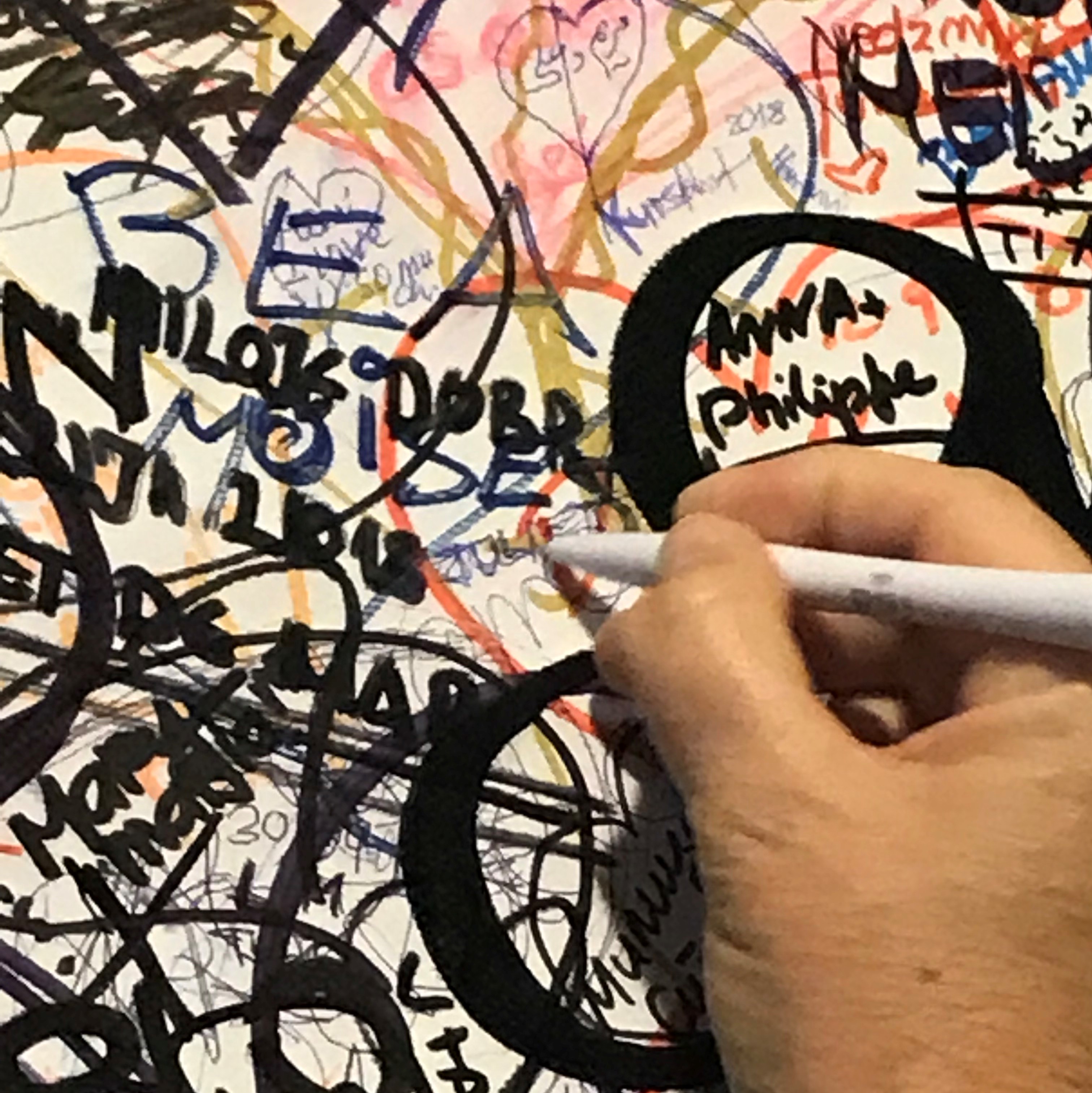
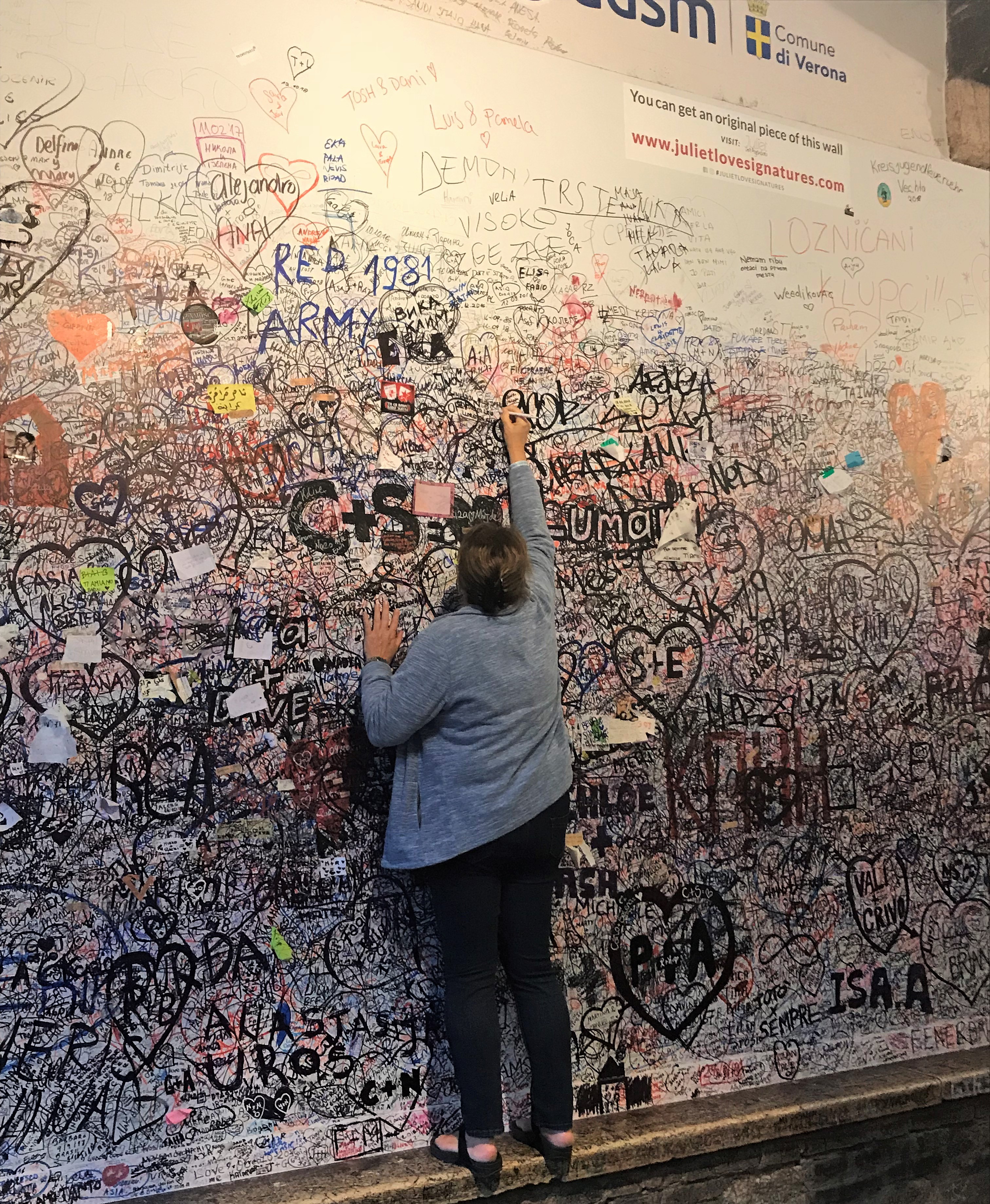
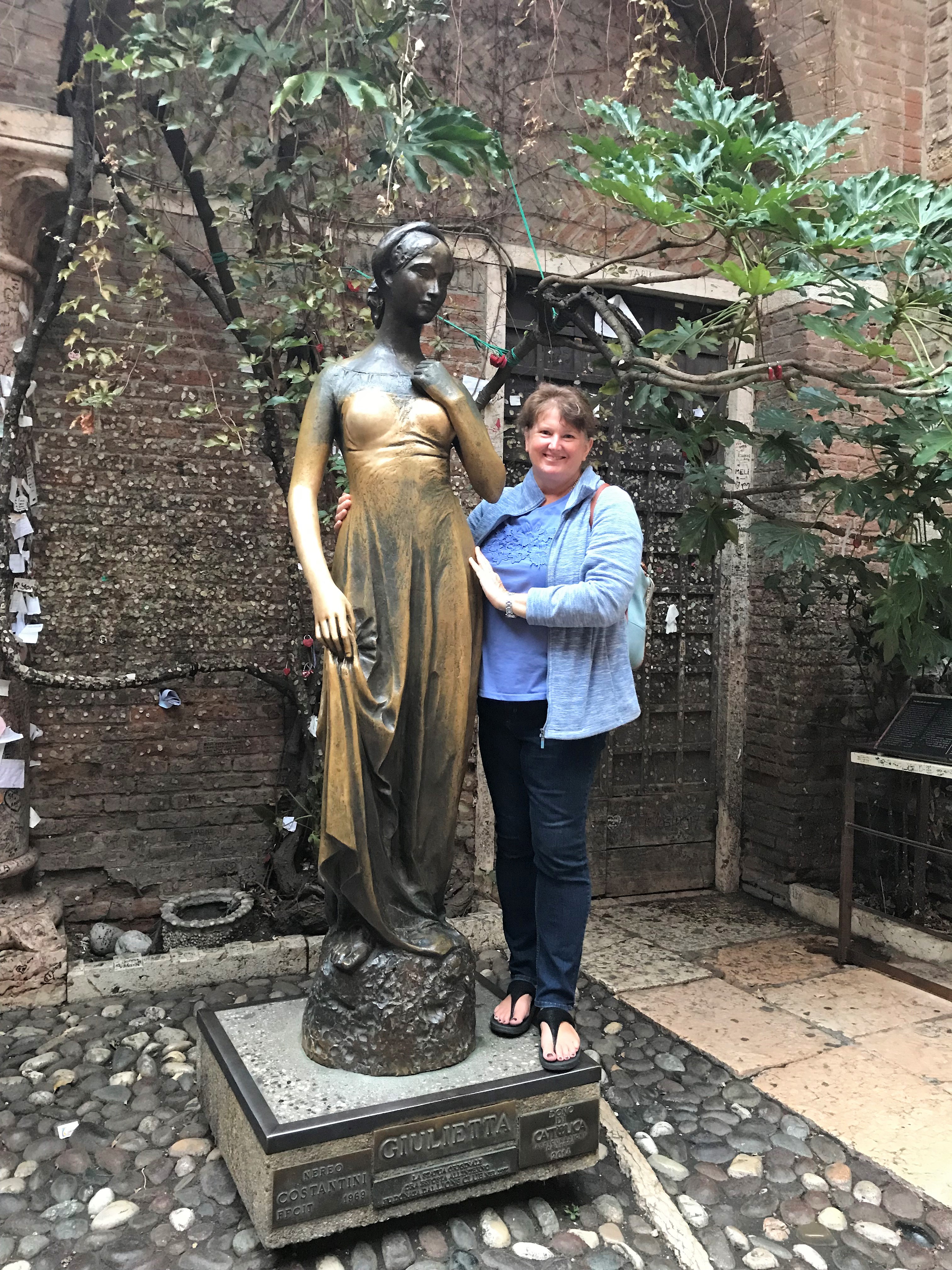
Juliet’s house is truly a spectacle, as you enter a tiny courtyard, the first thing you see is a wall covered in graffitti (names and dates of visitors), the courtyard is full of tourists shouldering each other in the tiny space trying to take selfies with the well-rubbed bronze of Juliet. It seems it’s tradition to rub her breasts!!!   Above you is the famous balcony, tourists taking their turn to have pics taken against the ‘romantic background’.  The tour of the house was a guided one with a waiting list of over 1.5 hours – despite there being any actual evidence of this being “her house”.

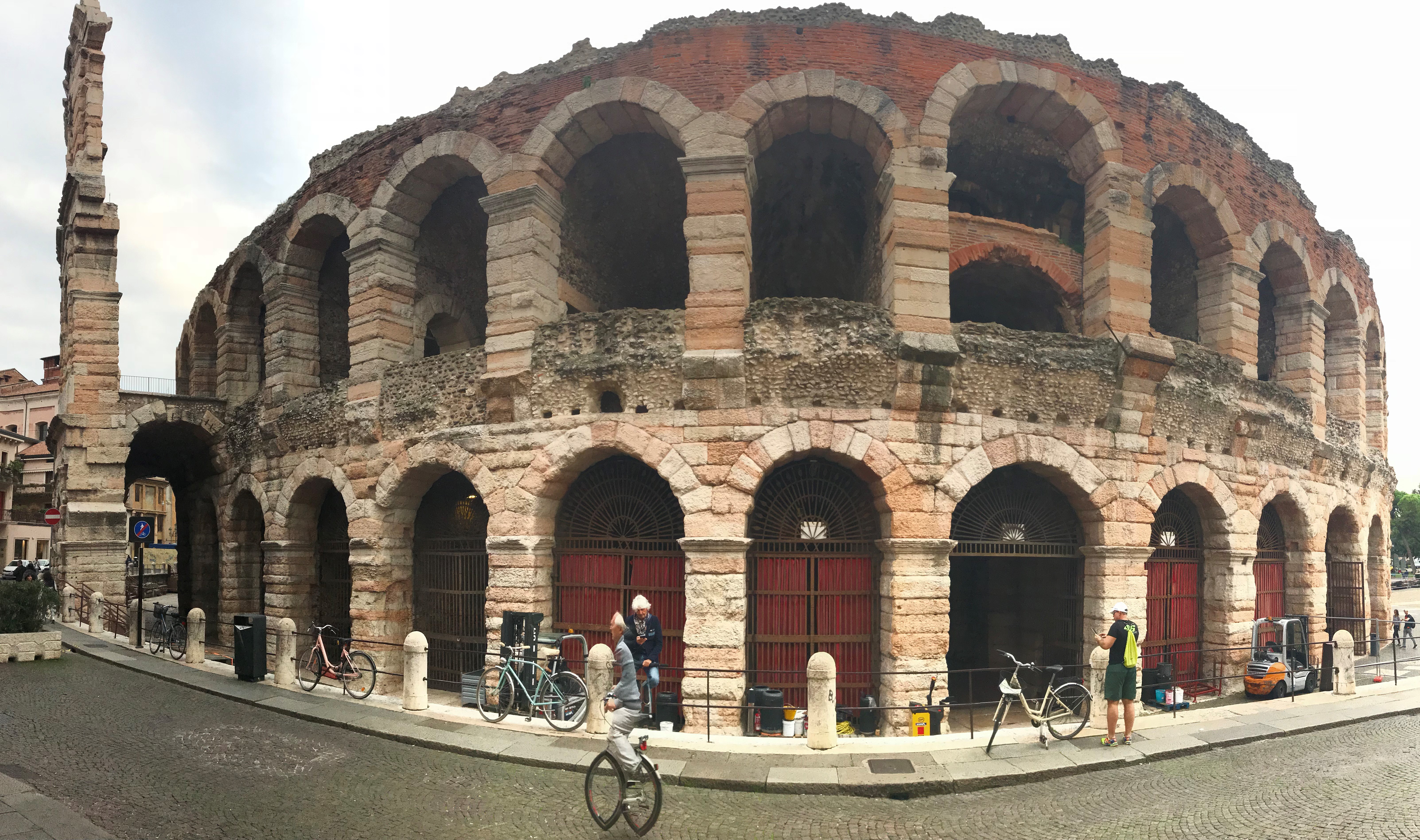
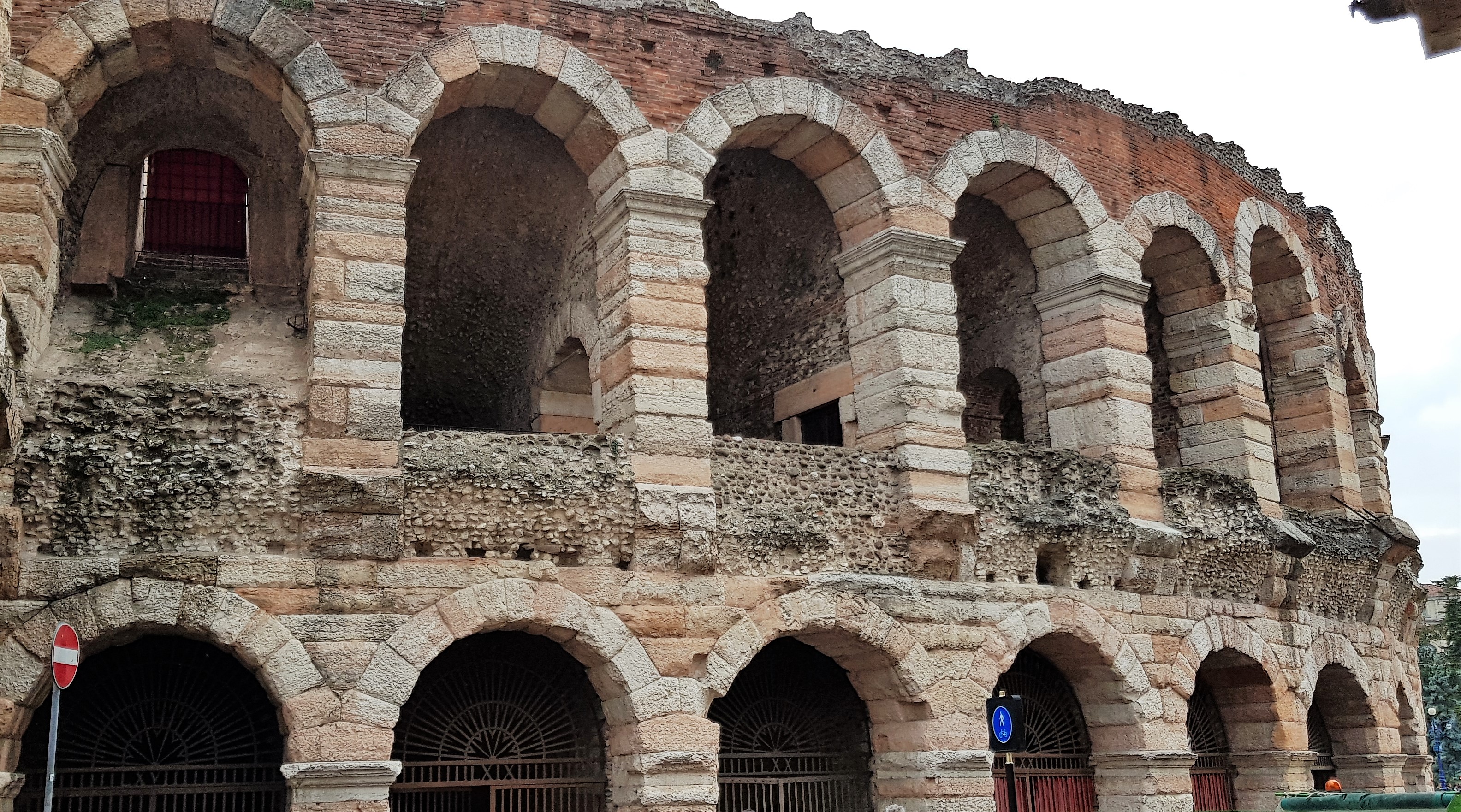
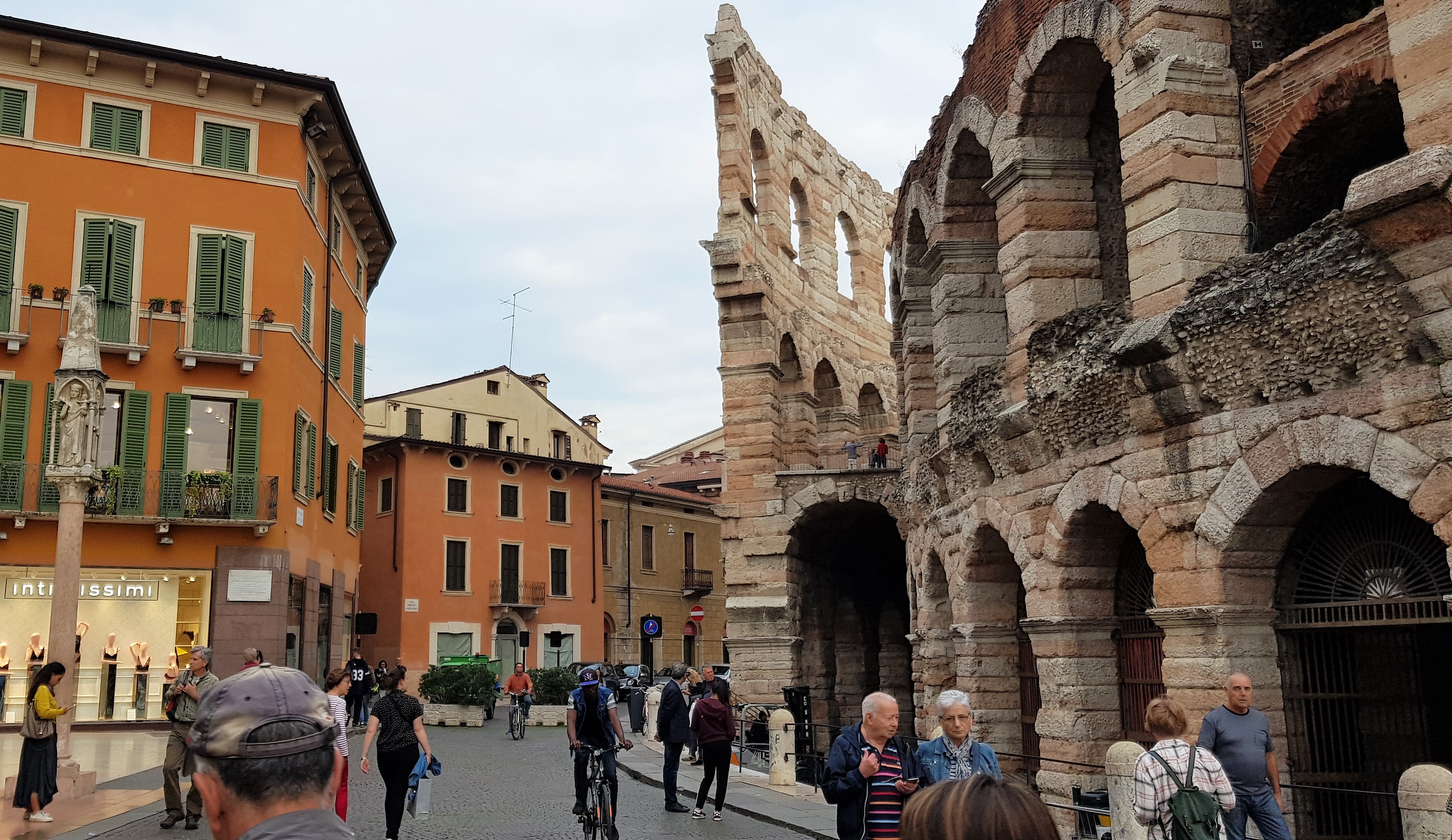
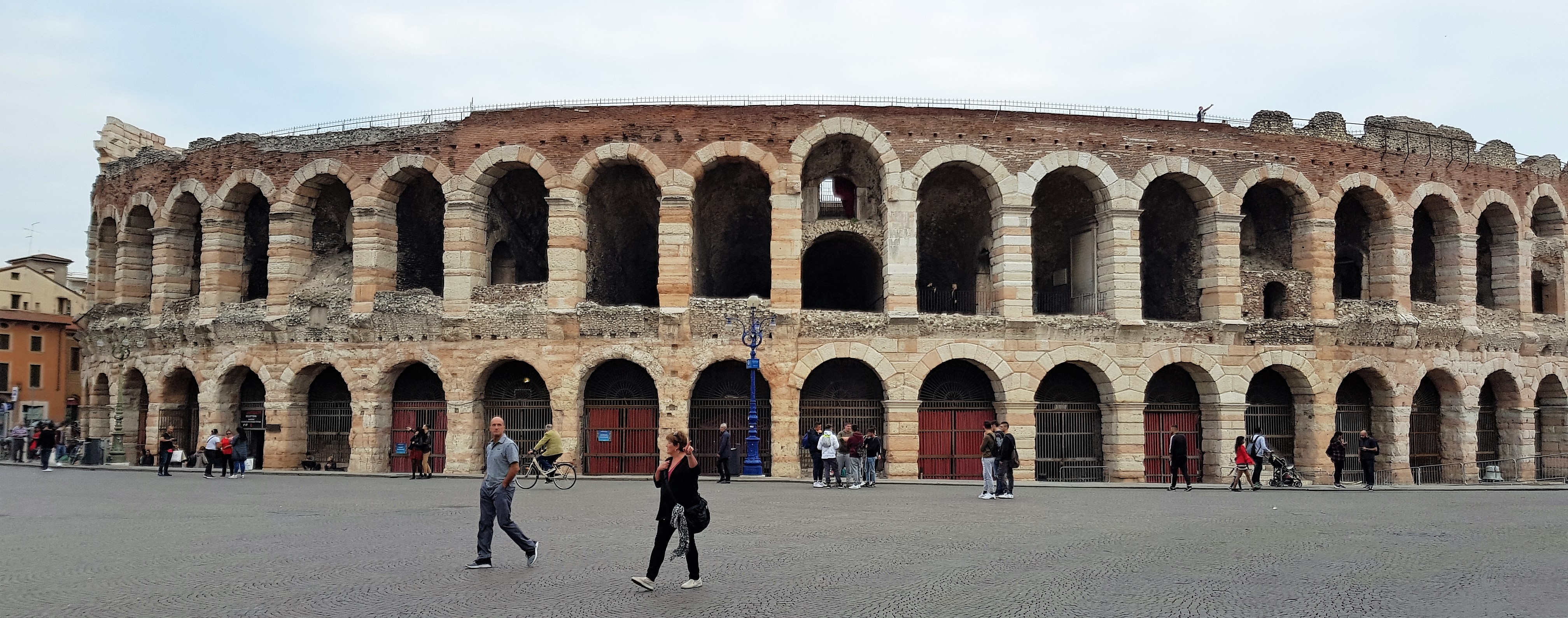
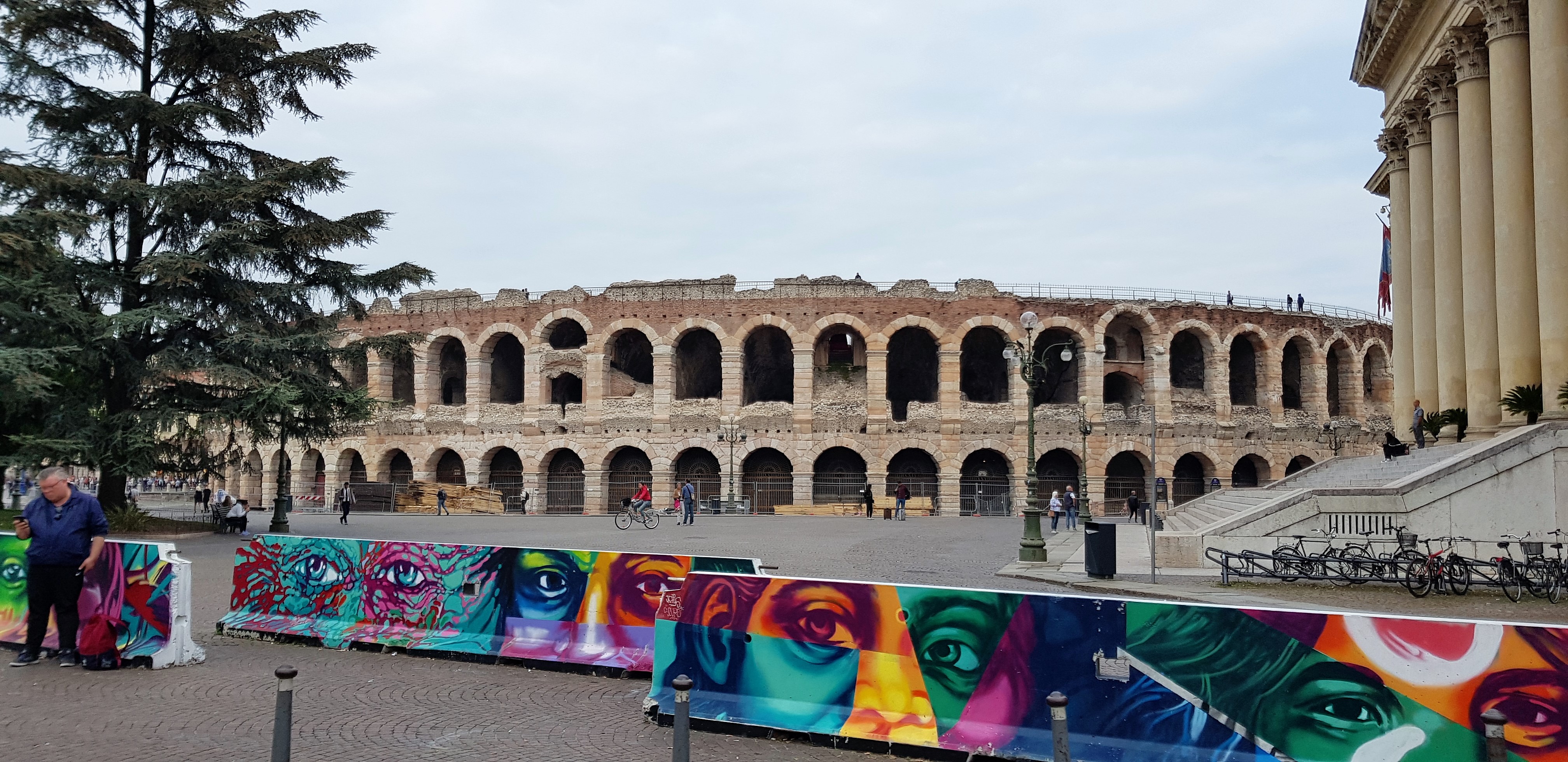
The Verona Arena is a huge Roman amphitheater, which currently hosts concerts and large-scale opera performances with seating for 30,000 people.  Built of pink-tinged marble in the 1st century AD, it survived a 12th-century earthquake to become the city’s legendary open-air opera house, remaining external supports have been retained and are extremely well preserved.

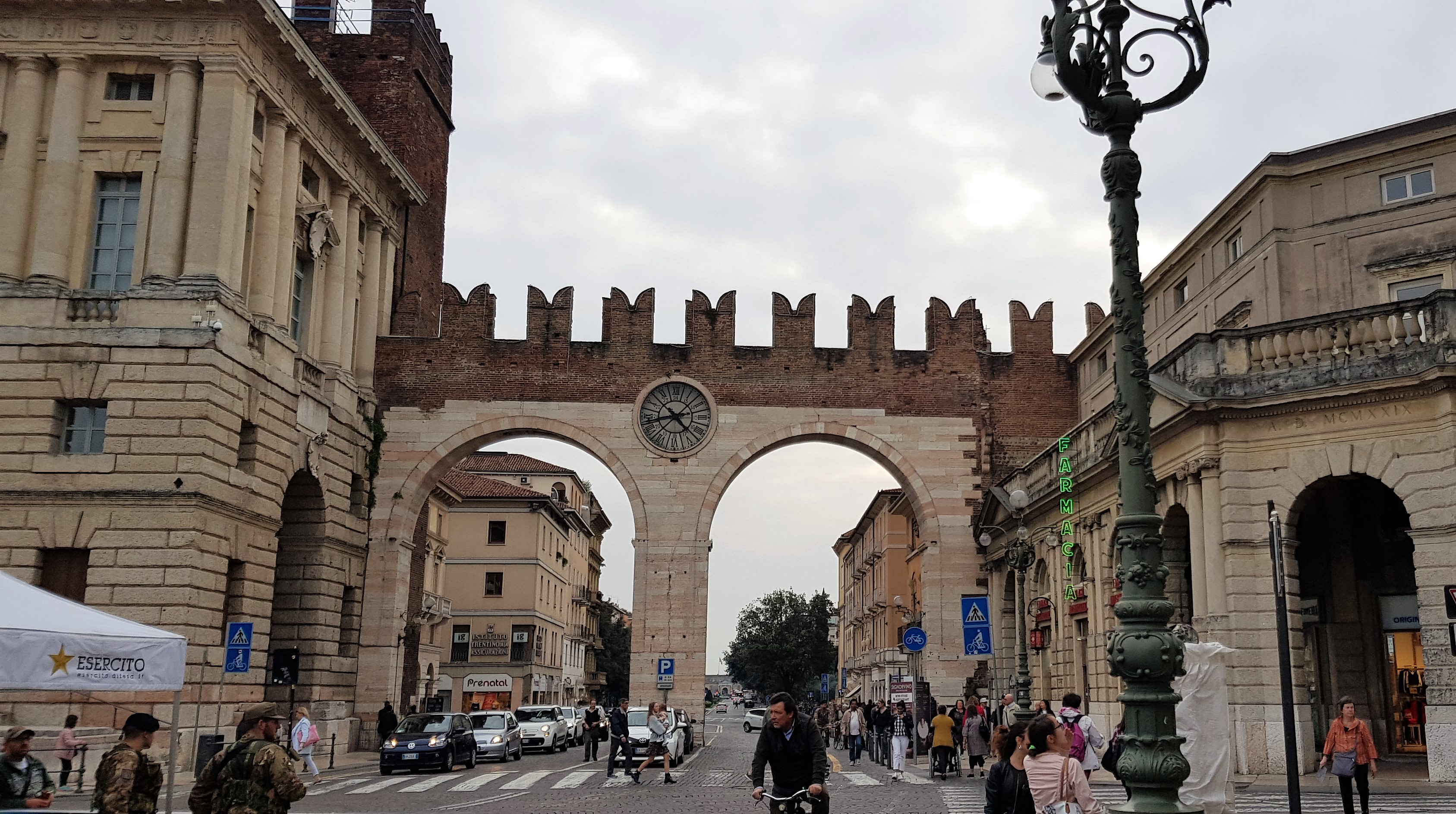
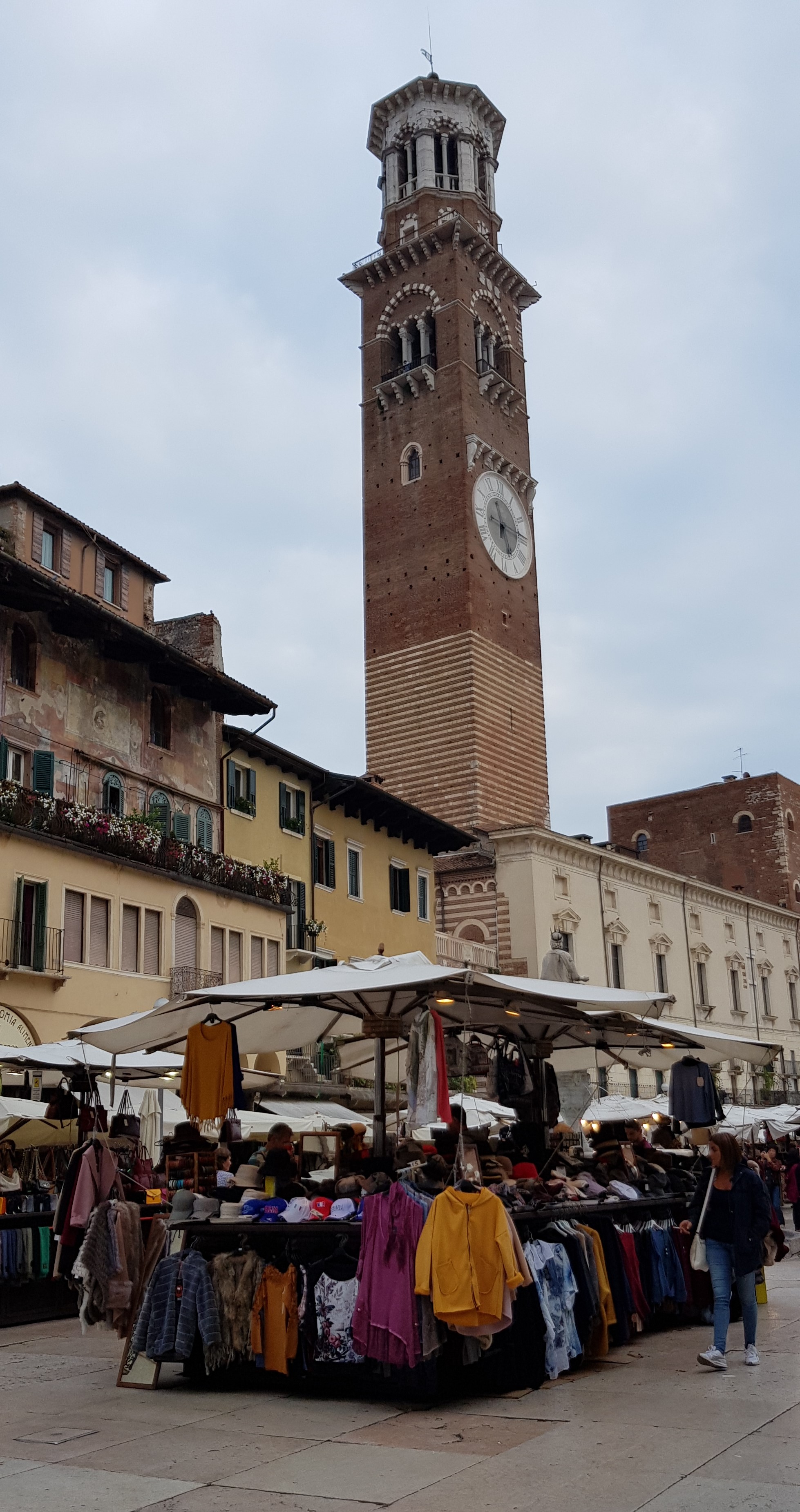
The buildings of the city are in narrow chequered streets and tiny plazas, full of old external decorative artwork and surrounded by Roman walls.  It is a bustling city, market stalls aimed at tourists, antique shops aimed at antiquarians and designer shops aimed at those with large wallets!!

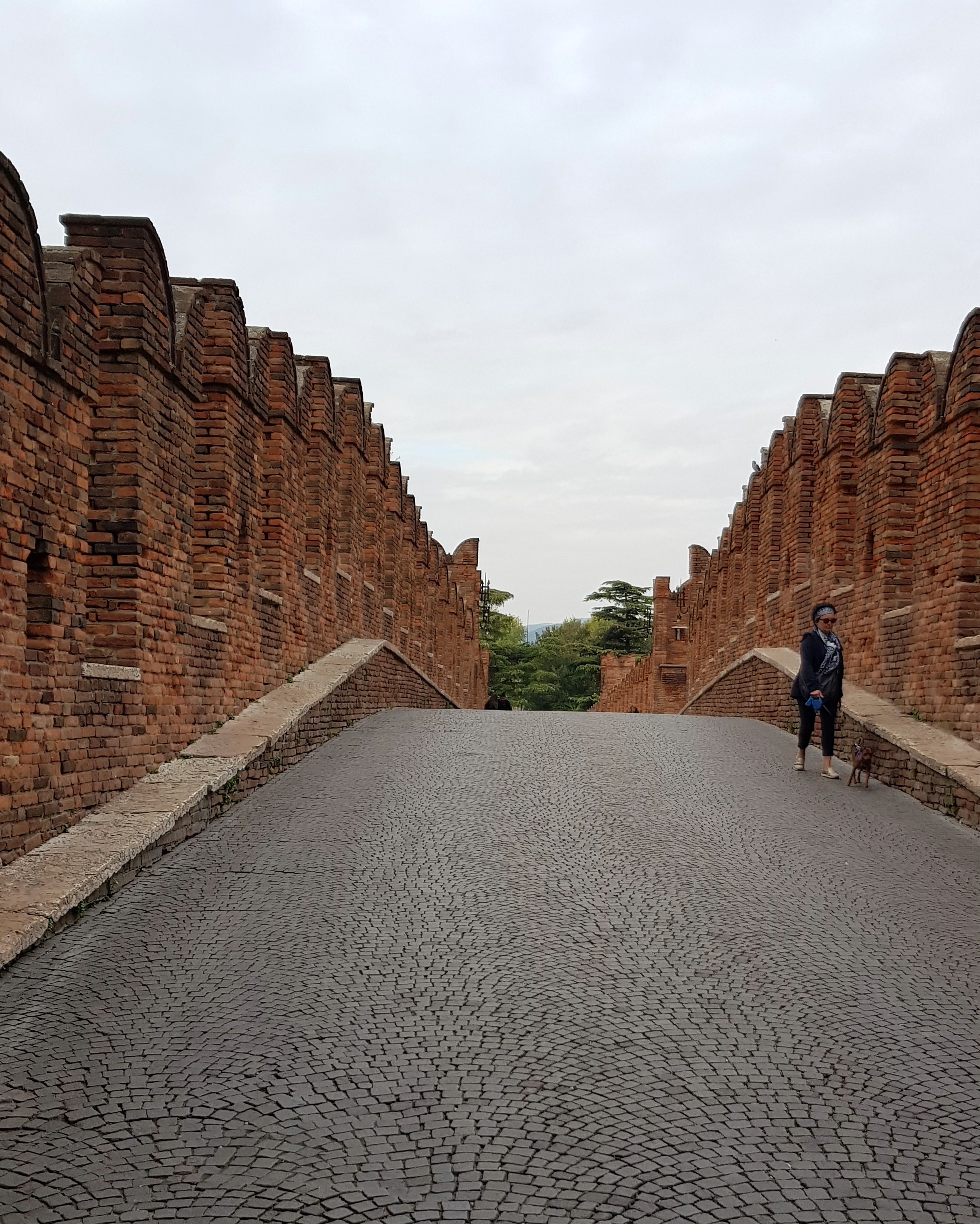
Fortress Walls

The City’s Buildings The Ampitheatre

Juliet’s House

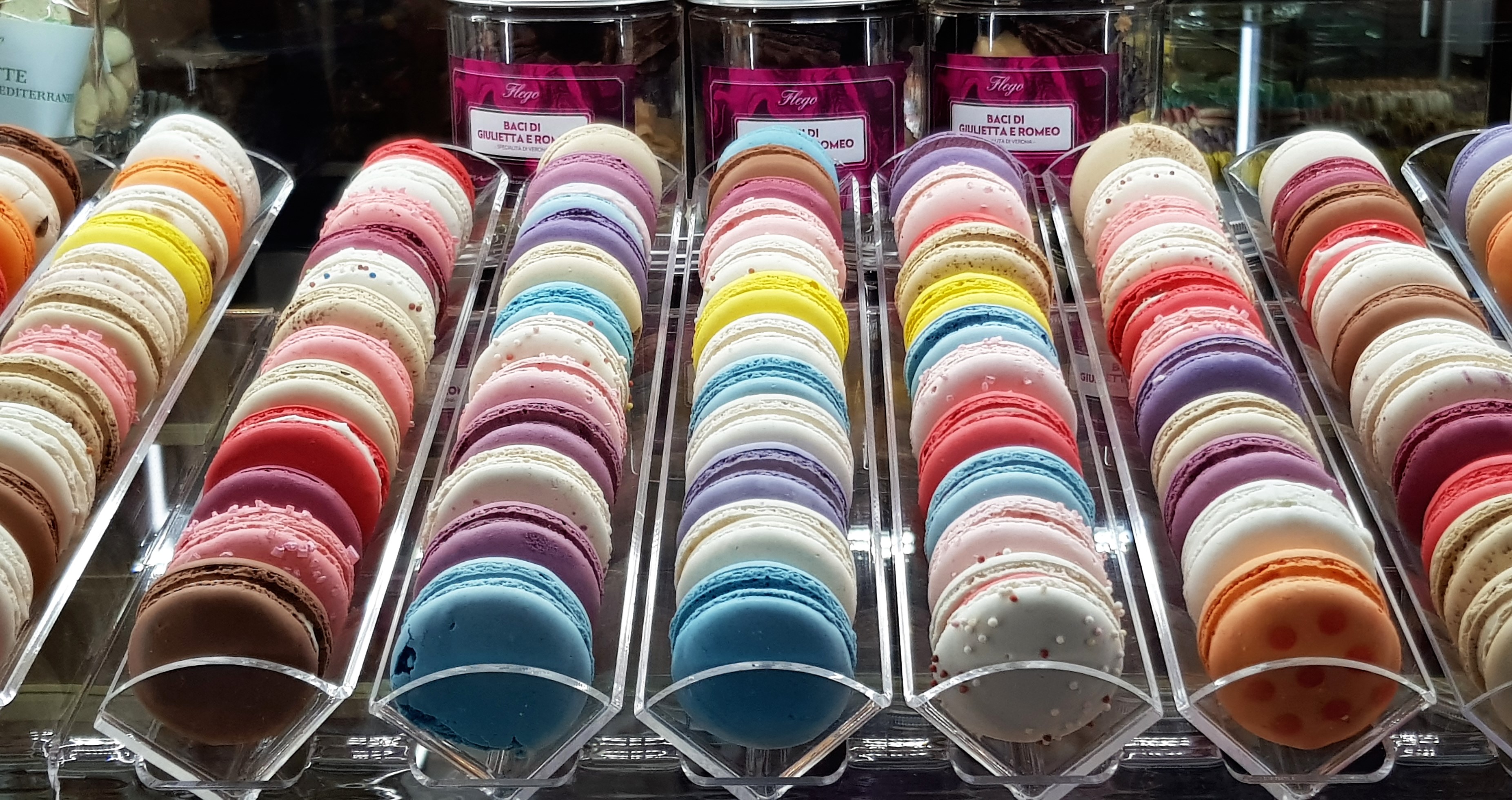
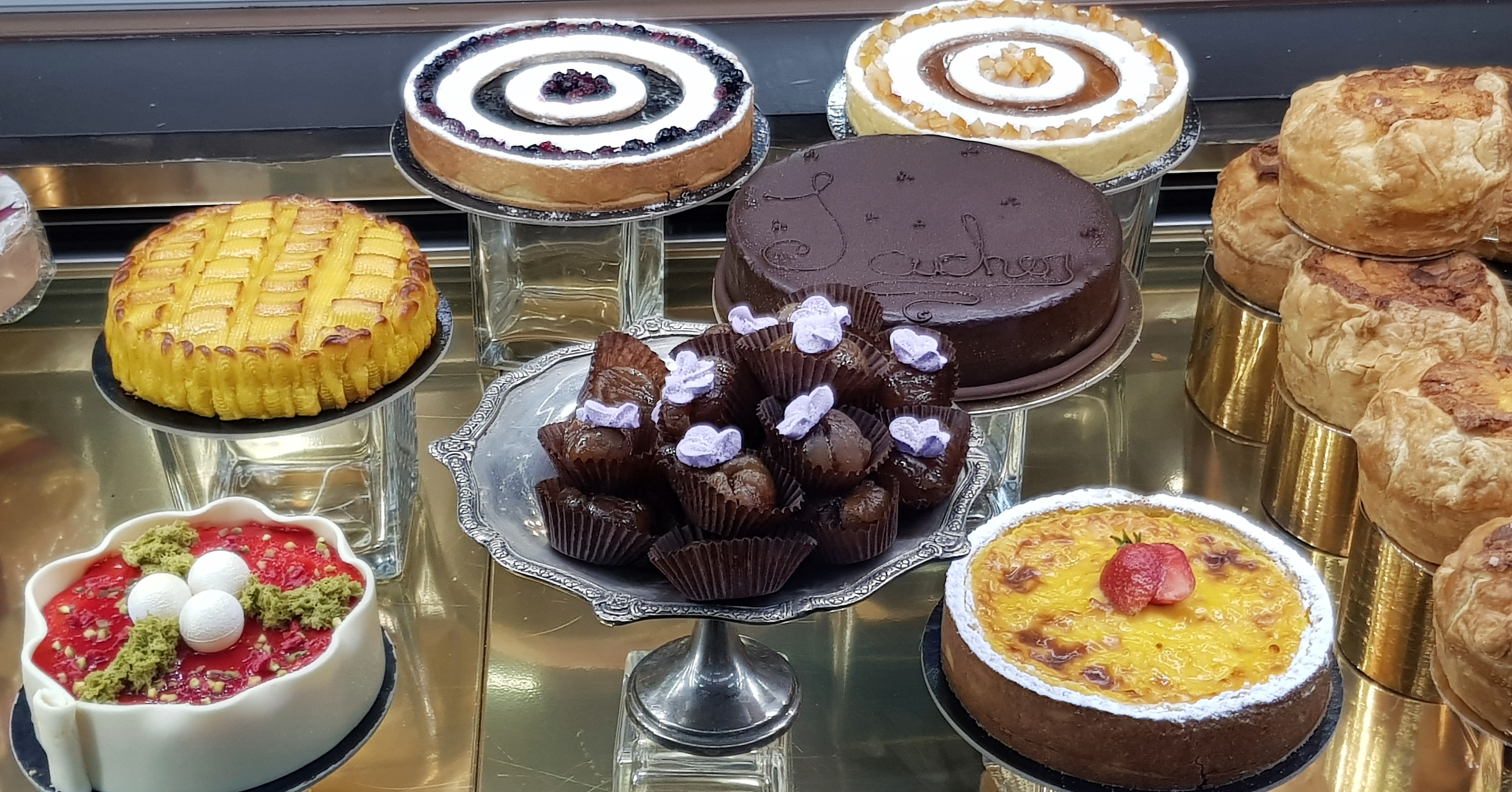
And finally, the most wonderful cake shop ever……….

Lake Garda – Part 1

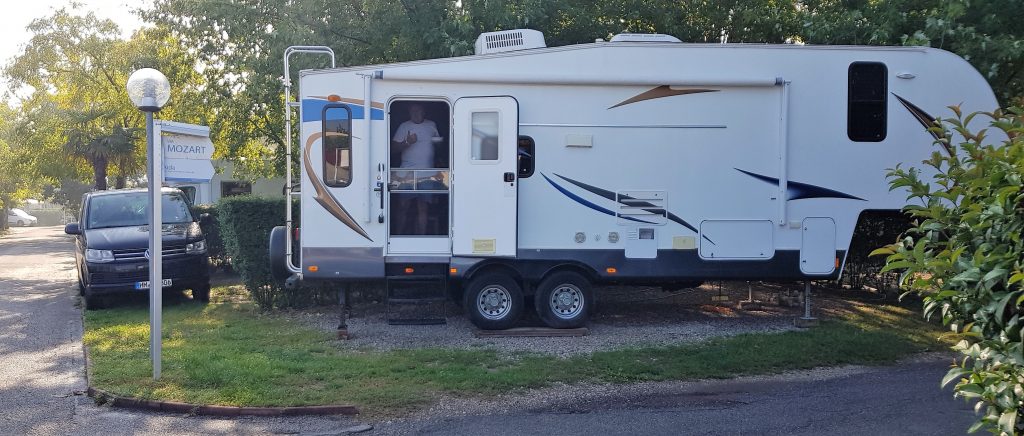
We arrived at our next pre-booked camp site only to found a now familiar “Italian issue” – pitches that are far too small, despite us asking for space that is at least 90 sqm!  We wedged onto this pitch, to the amusement of many and stayed just one night and used to time to find another camp site around the corner which was bigger and better.  We moved the next day to Camping Bella Italia, it’s huge, full of fabulous facilities and right on the edge of the lake.

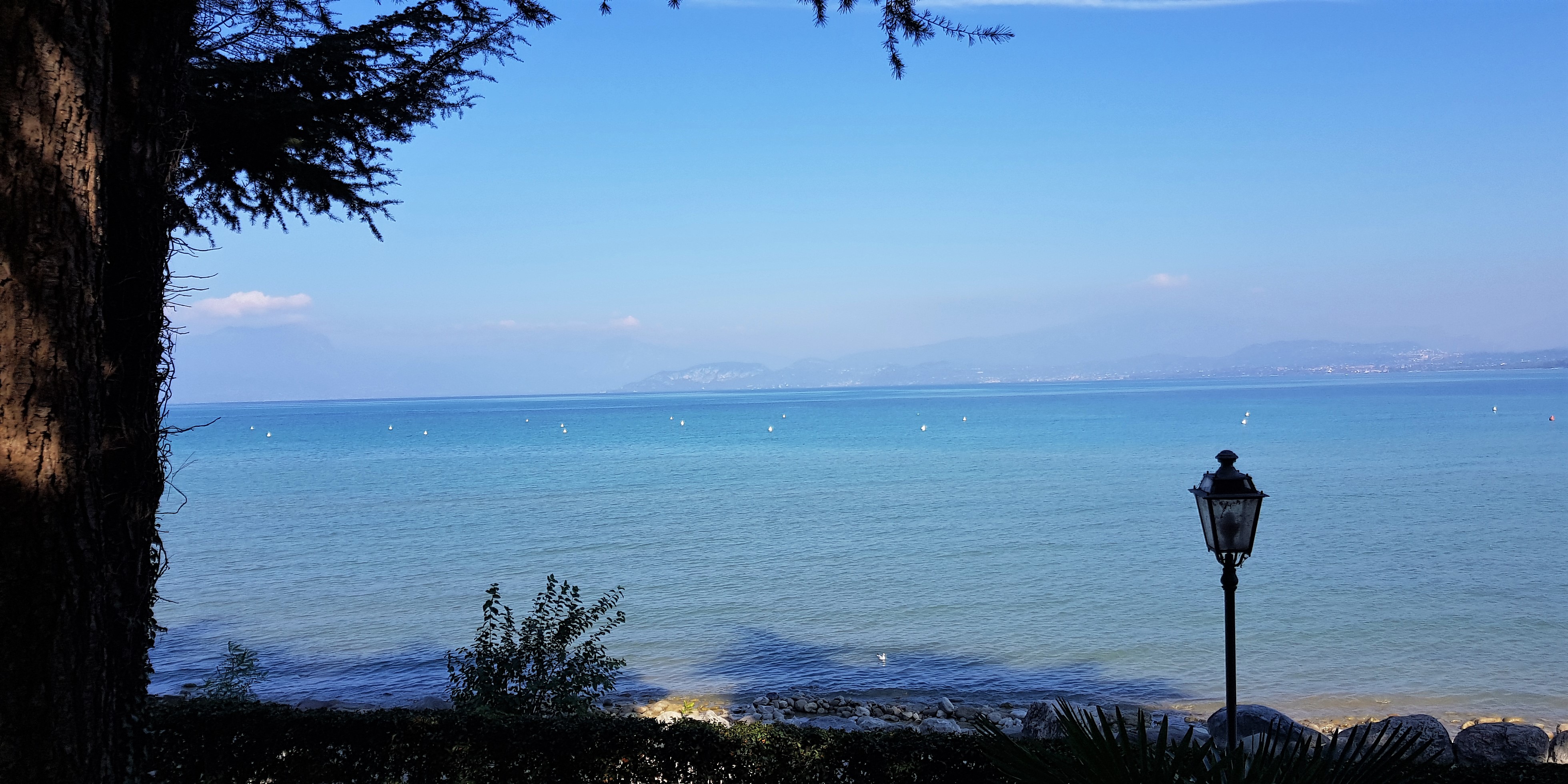
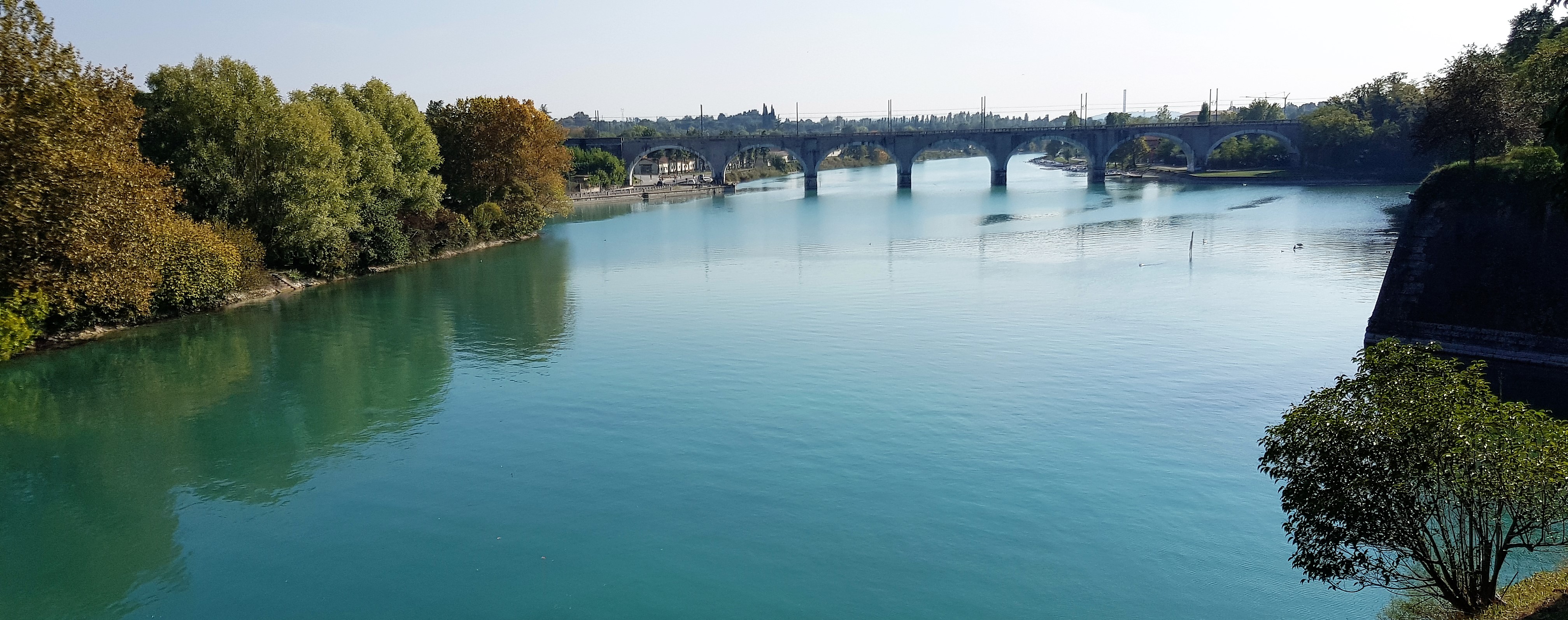
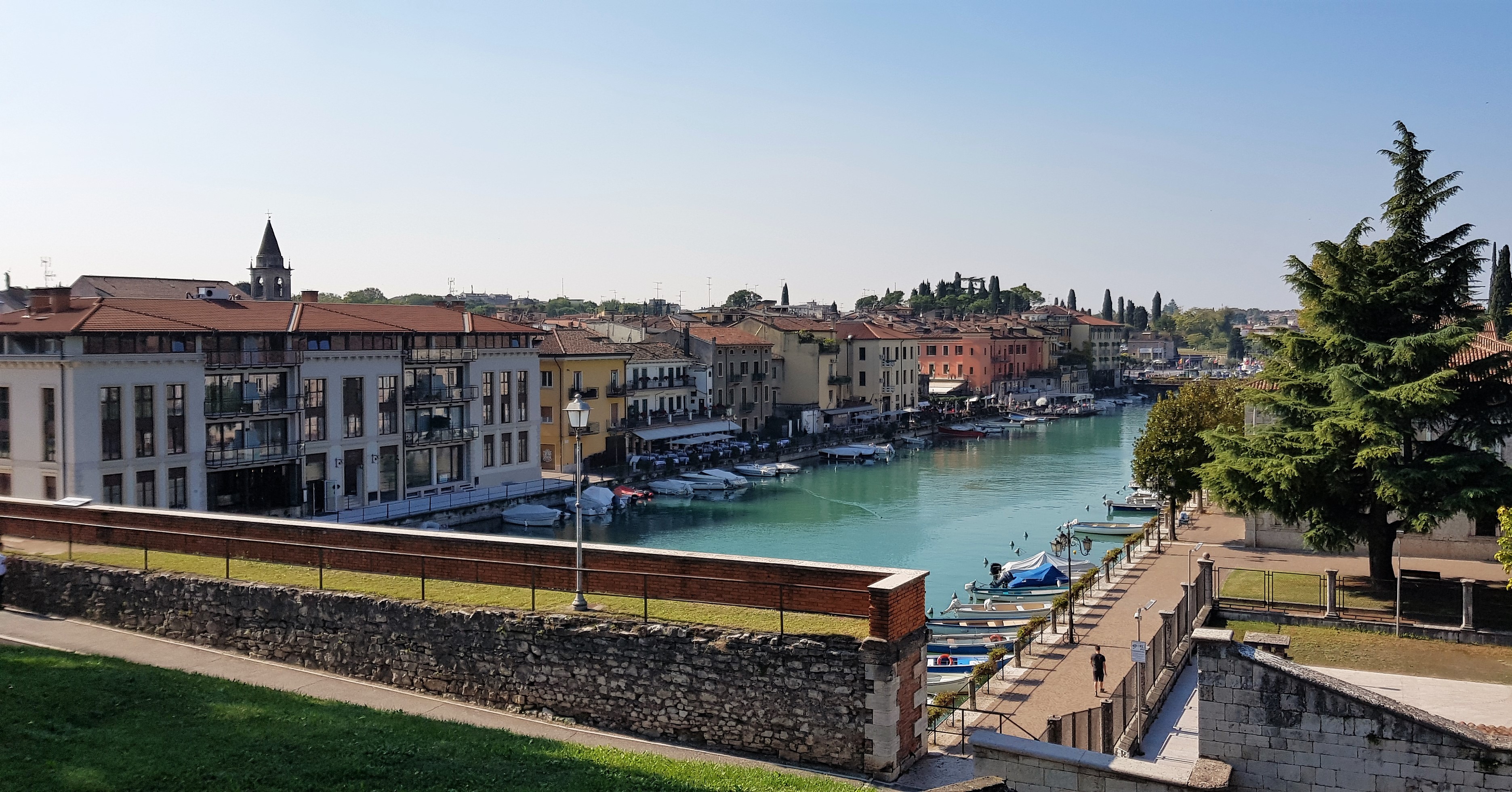
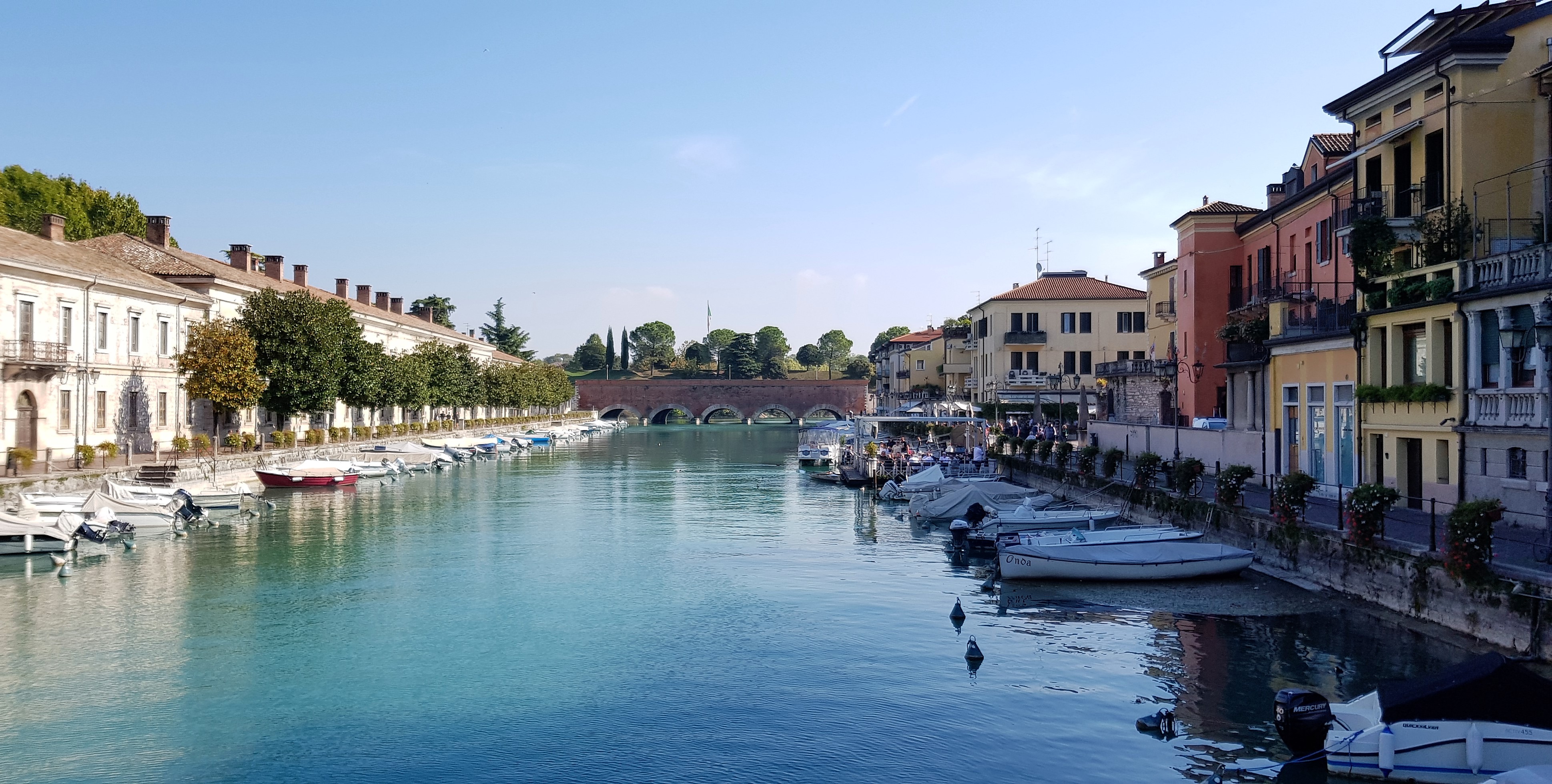
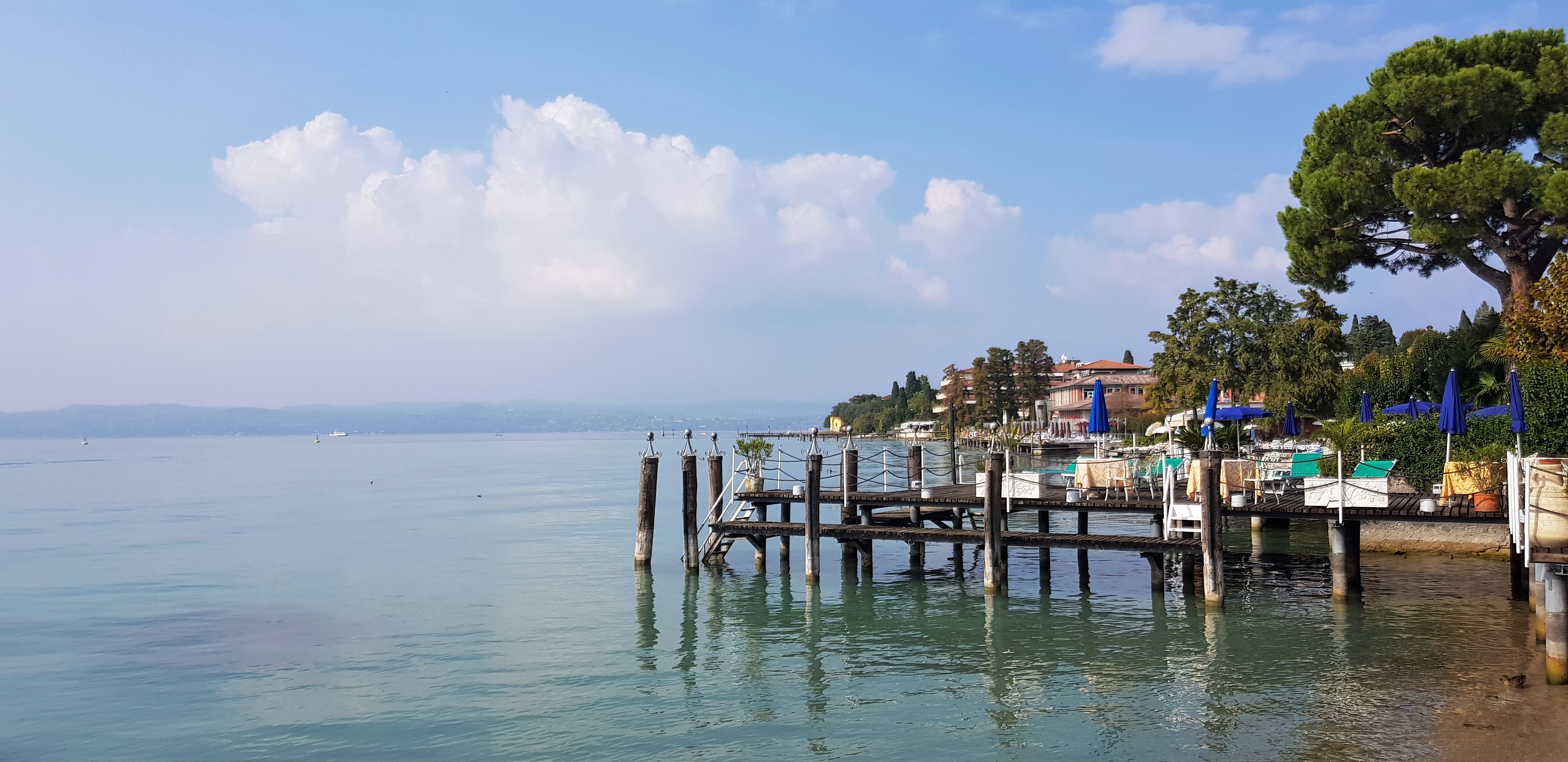
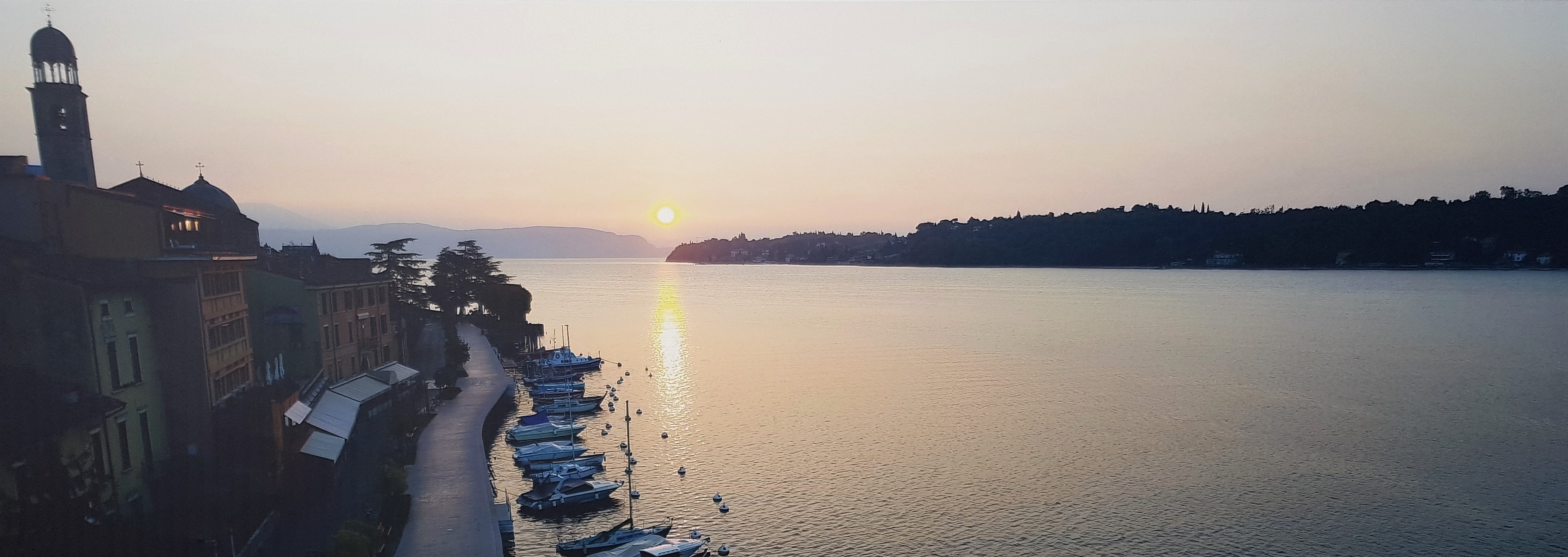
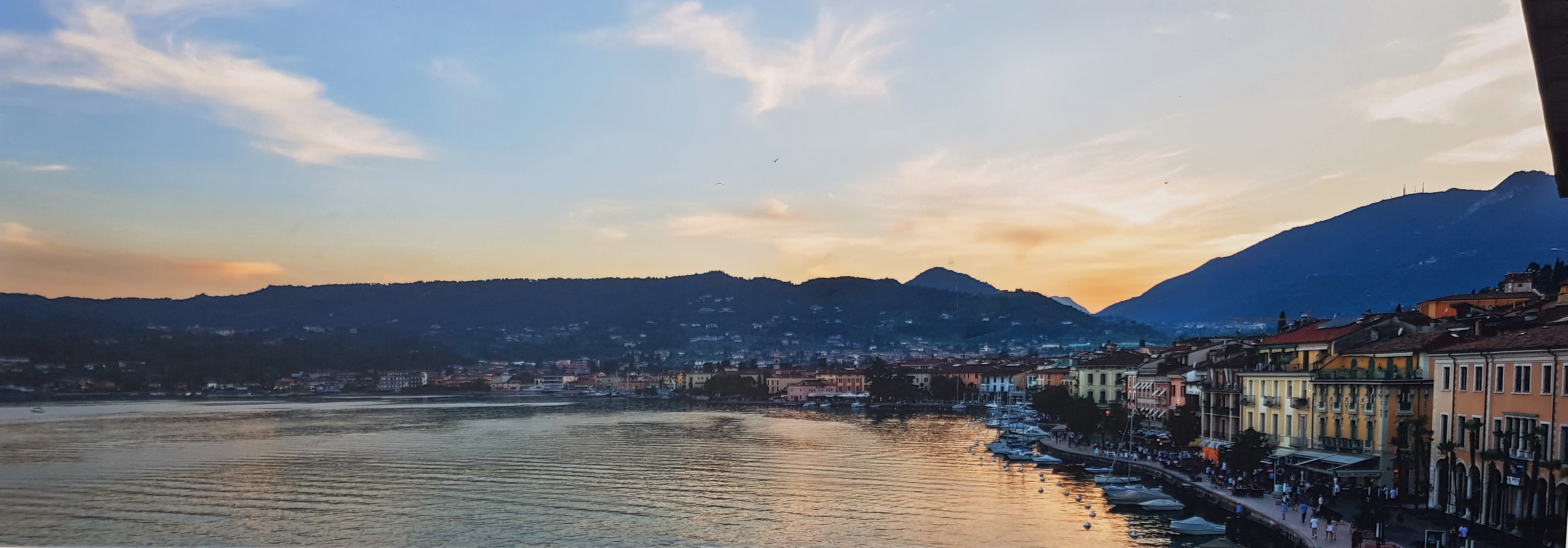
Lake Garda, well, what a sight!  Its huge.  Its beautiful.  Its blue and green at once. Its clean and clear and warm.  Its paradise in disguise.  The small villages are bustling with tourists, even in October, and full of reasonably priced restaurants, stylish villas, museums, hot springs, castles, forts and endless activities.  The water is just a wonderful colour of turquoise and green, azure blue and dark blue.

Lake Garda at its best!

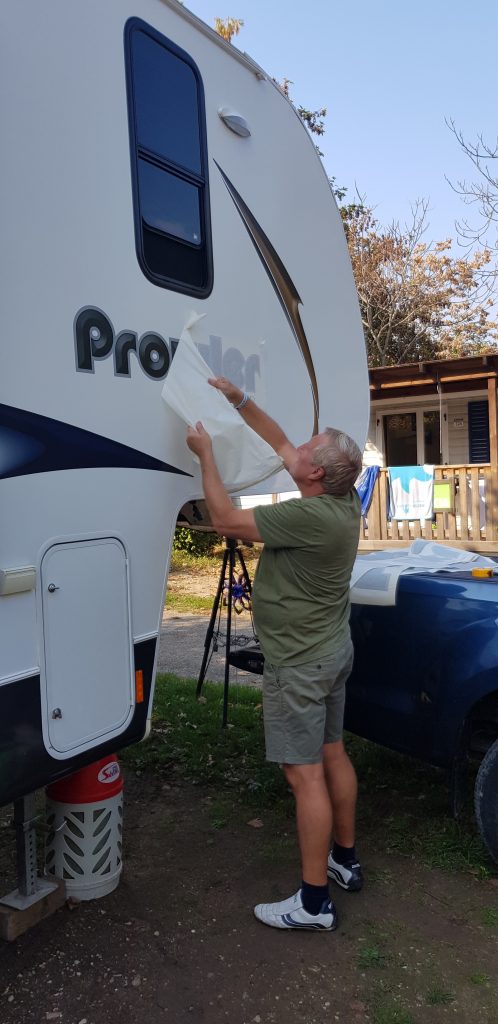
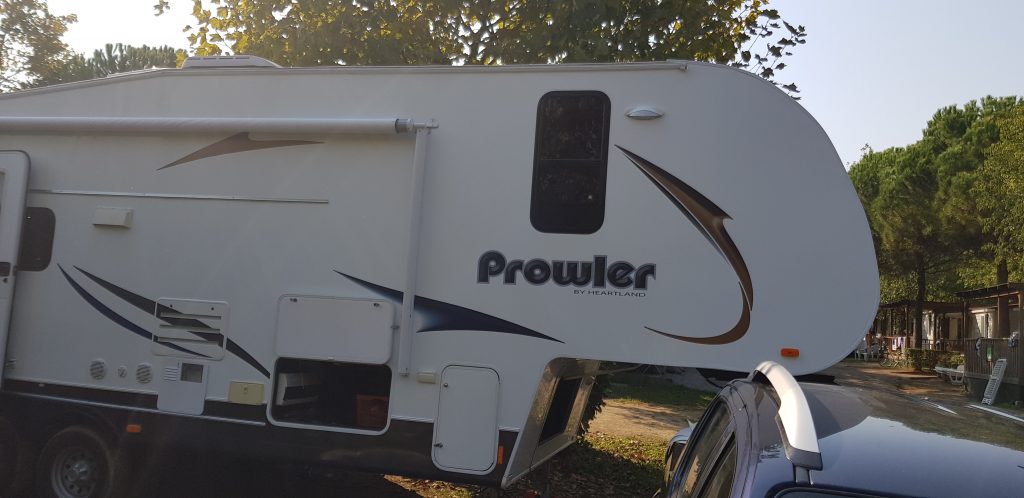
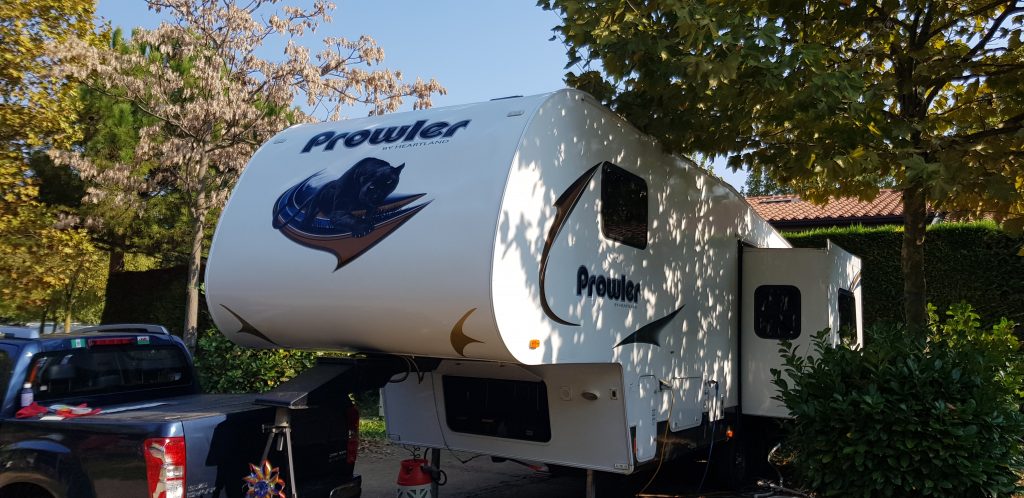
Whilst here, Samson was given a make-over, new decals imported from America.  They are originals that came with the trailer.  It kept the neighbours busy for a few hours, watching us!!

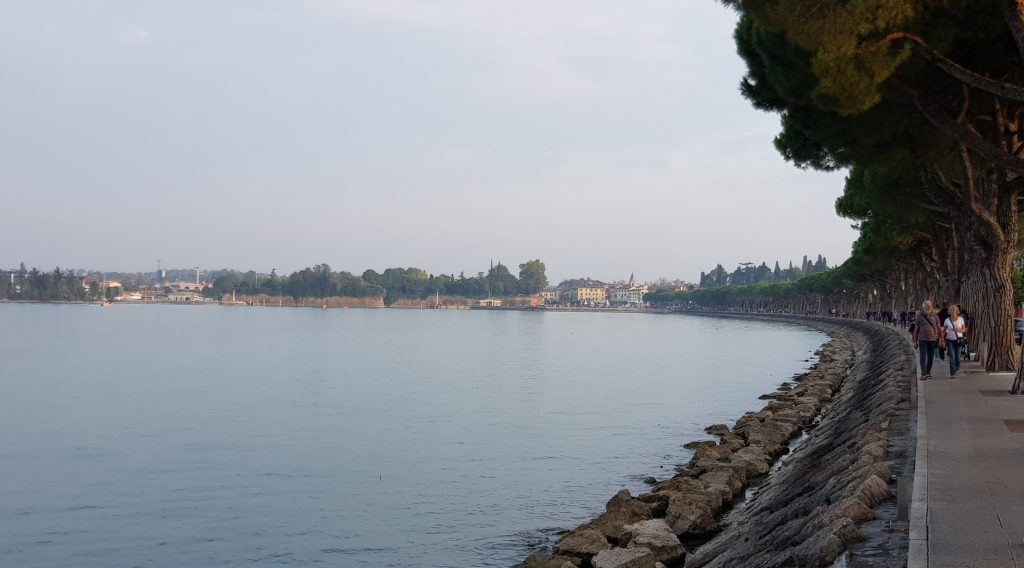
The walkway from our campsite to the town.
Peschiera (south coast of the Lake)

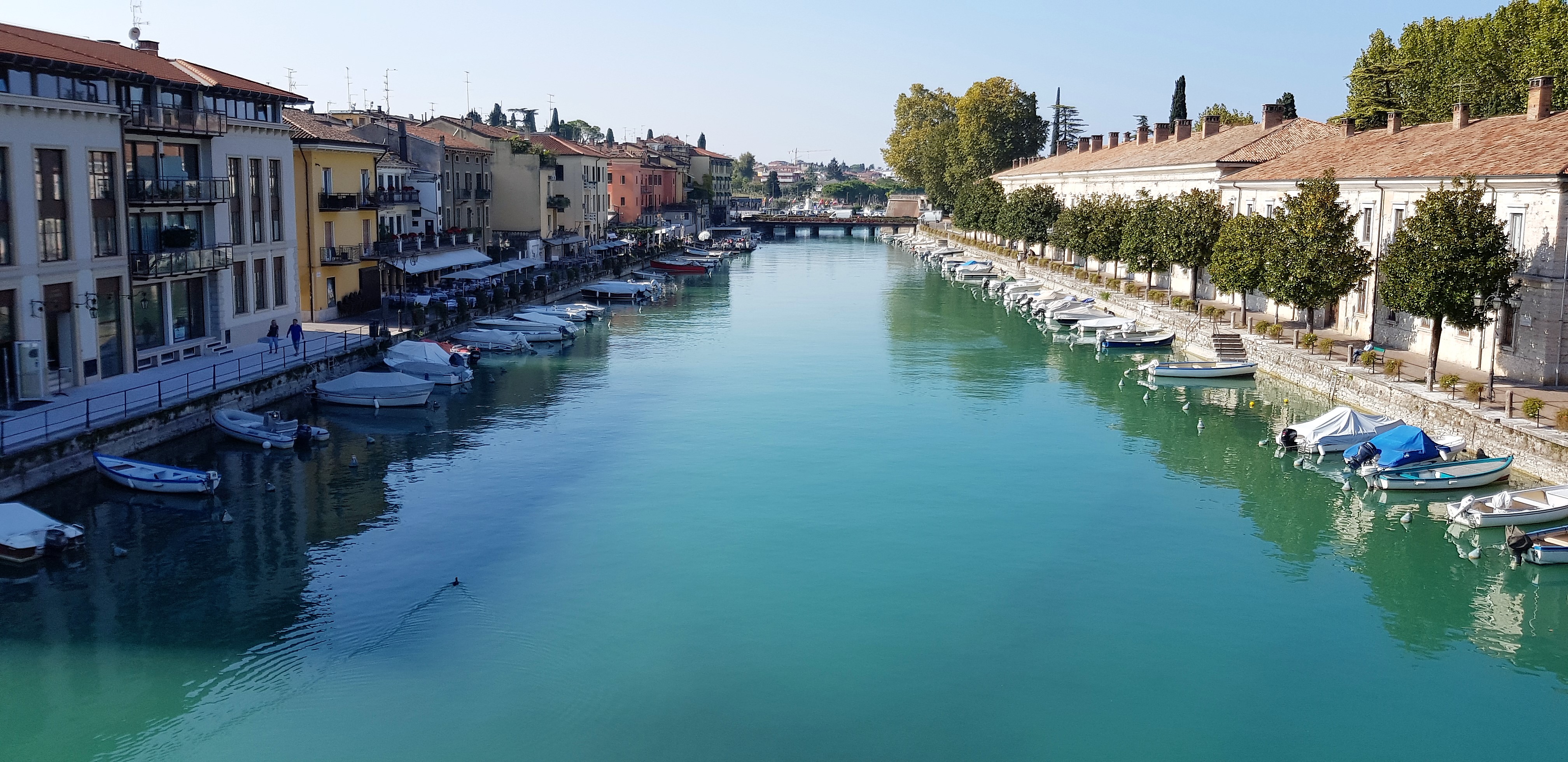
We based ourselves in Peschiera, an old Roman fortified town, divided up by old battlement walls and surrounded by “canals” within the lake.  The military history is evident everywhere, although we could not understand why the town felt the need for this, and who they were defending it from. 

The town also seems to be where you can find the most tourists – past the port on the opposite side of town to us are adventure parks (similar to Disney) and huge funfairs, aquariums and water parks.  Thankfully they were all closed in October and only re-opening for Halloween, as I envisaged me dragging David over there!!  

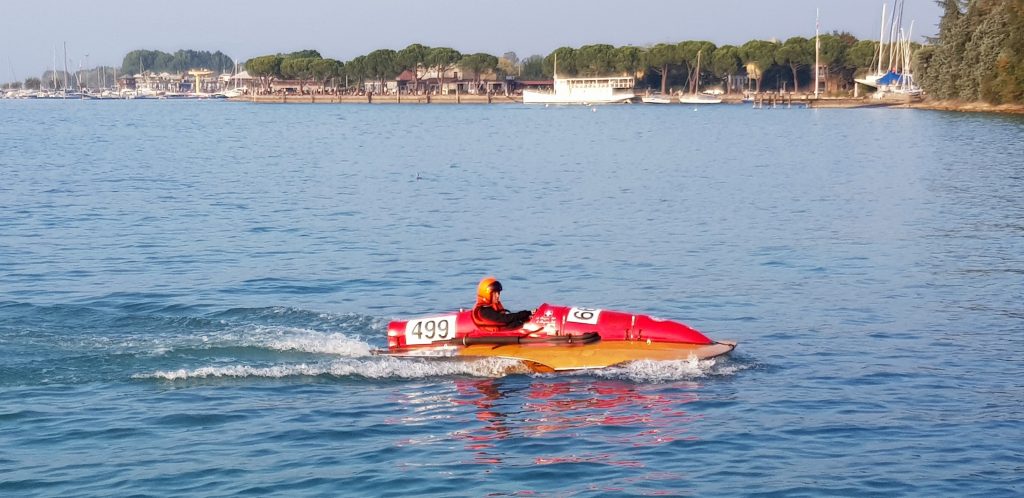
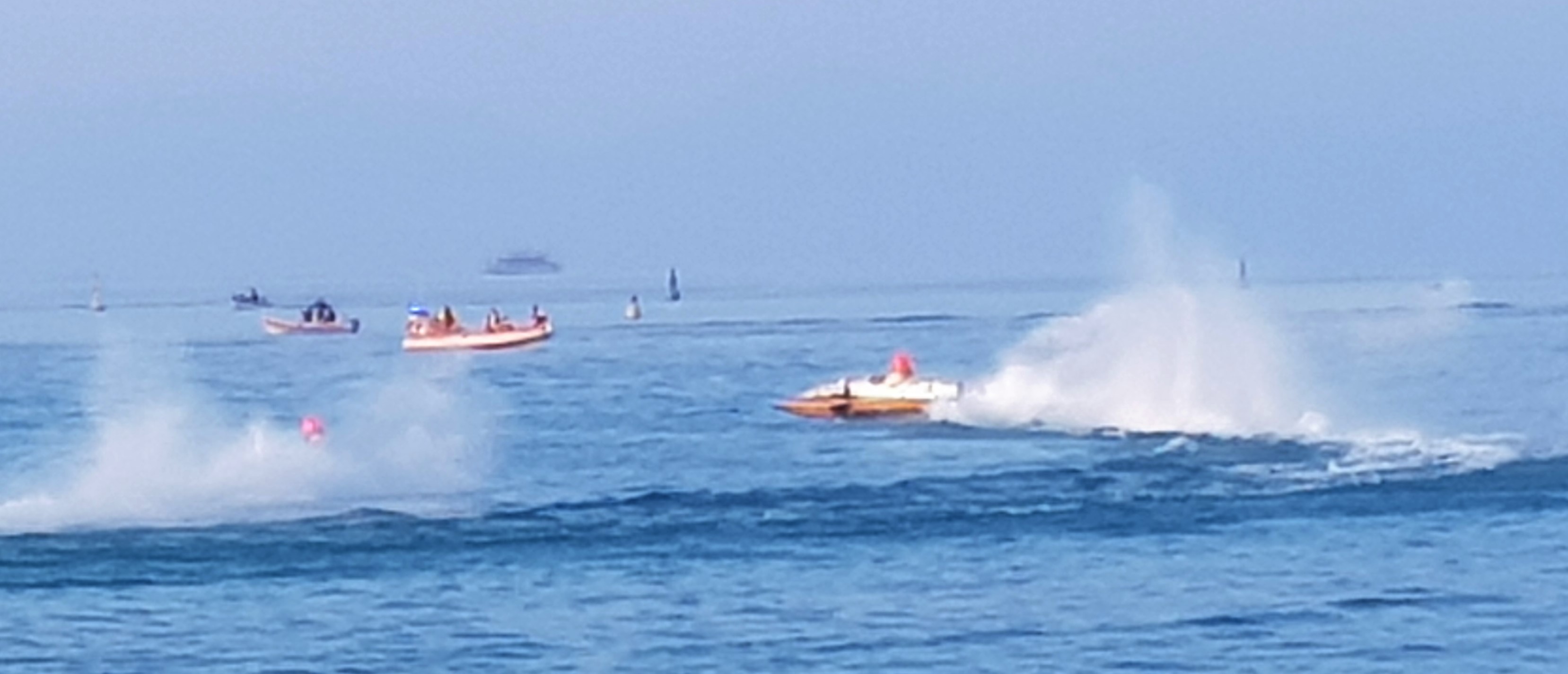
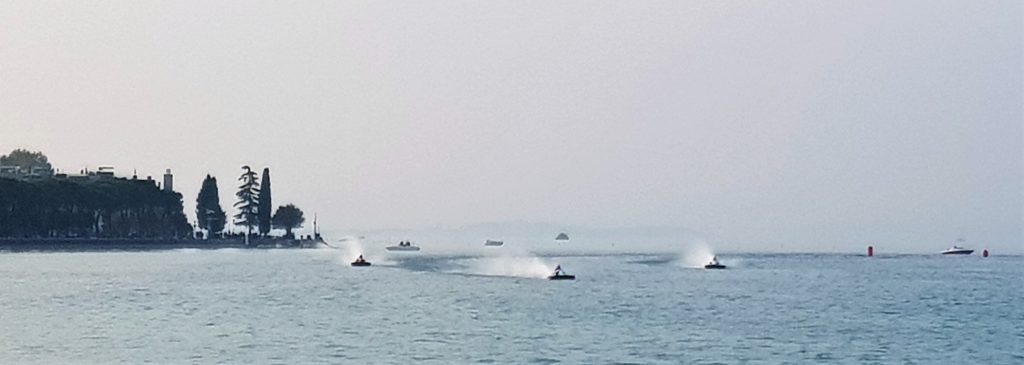
Our first weekend here, we watched a display of 1950 – 1960 racing boats, powered by Alfa Romeo 2 litre twin cam engines.  The dozen boats were craned onto the water in the small marina and took turns to go out onto the lake 5 or 6 at a time and do ten laps of some strategically placed buoys.  Sometimes the boats would not start at all.  The ten laps were sufficient to smell the fumes, watch the water splashing up as they raced through the water, experience the thrills as the drivers battled with heavy steering and then were cheered by the crowds as they came back into the marina.  The smells, sounds and images were truly memorable.

We face timed my Dad when one of the displays were on and he and David both agreed, they sounded as though they were running on 3 cylinders only, ropey!  Nevertheless, it was more about the spectacle than the engines….

Sirmione (south)

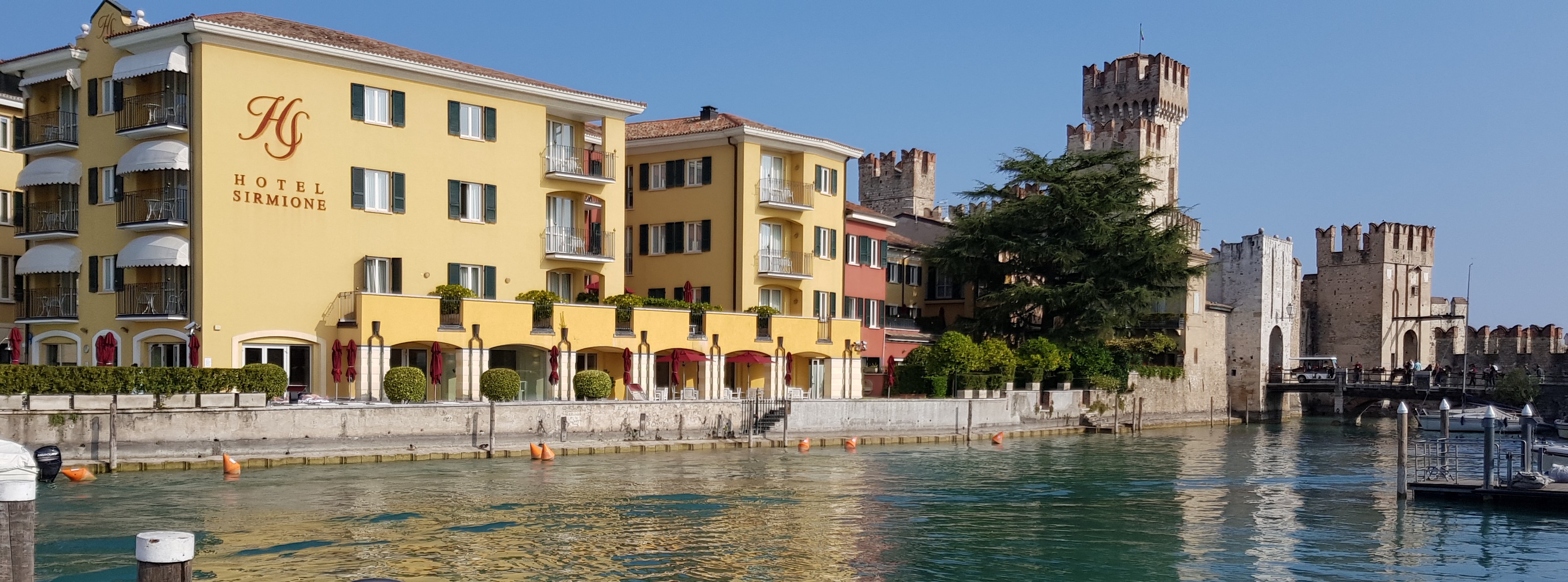
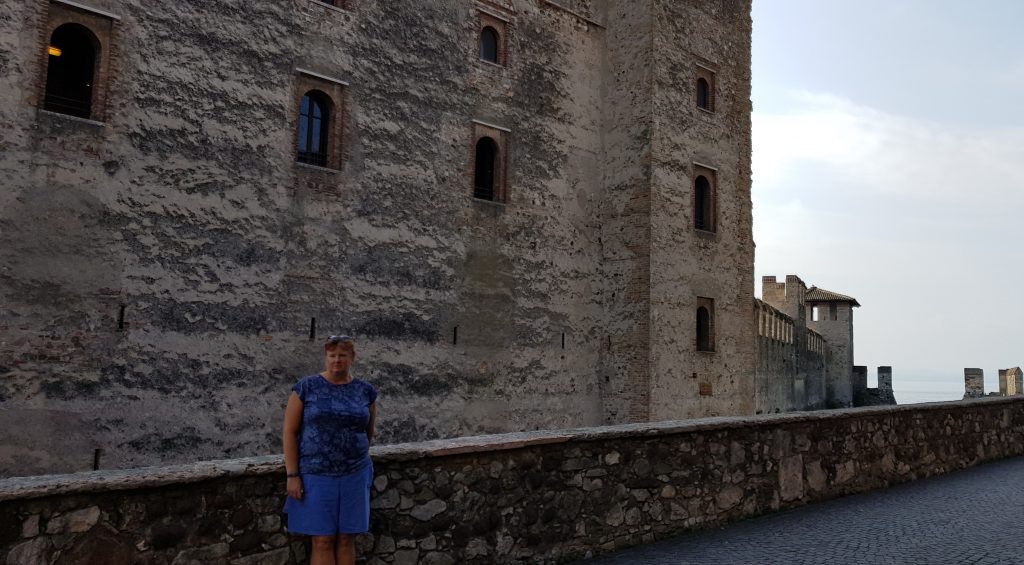
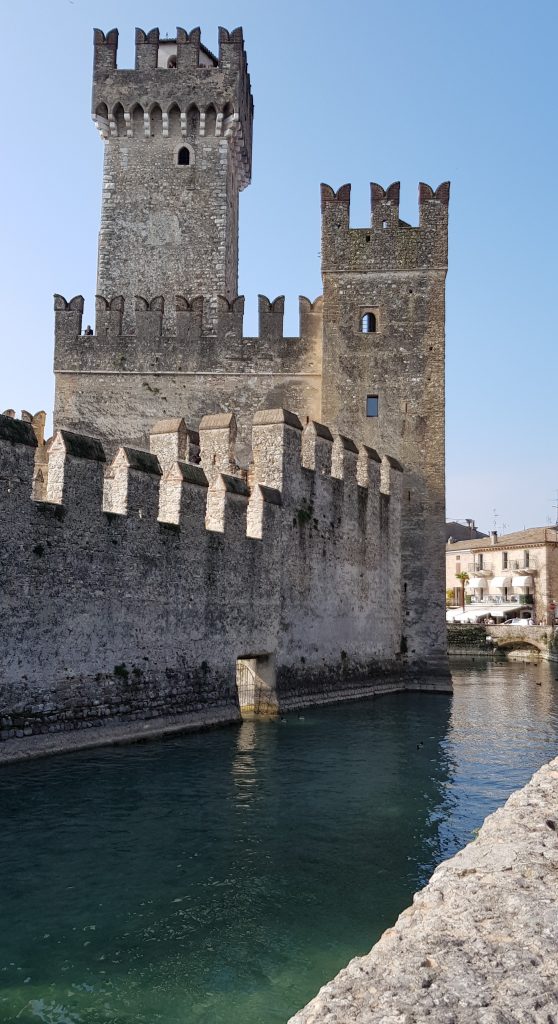
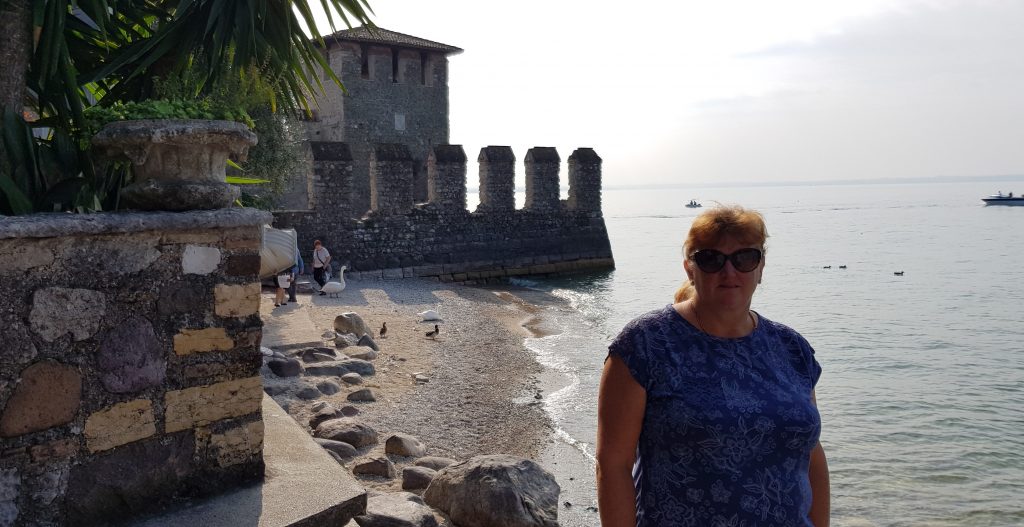
This peninsular shaped town with its gatehouse is an island with one entry point to a fabulous magical place.  The 13th Century castle is a rare example of medieval port fortification with three corner towers built in pebbles alternating with courses of bricks. The walls of the rooms inside were finished with plaster simulating blocks of stone, what we would call ancient graffiti. The castle stands at the entrance to the peninsular, surrounded by a moat and only accessible by two drawbridges.  

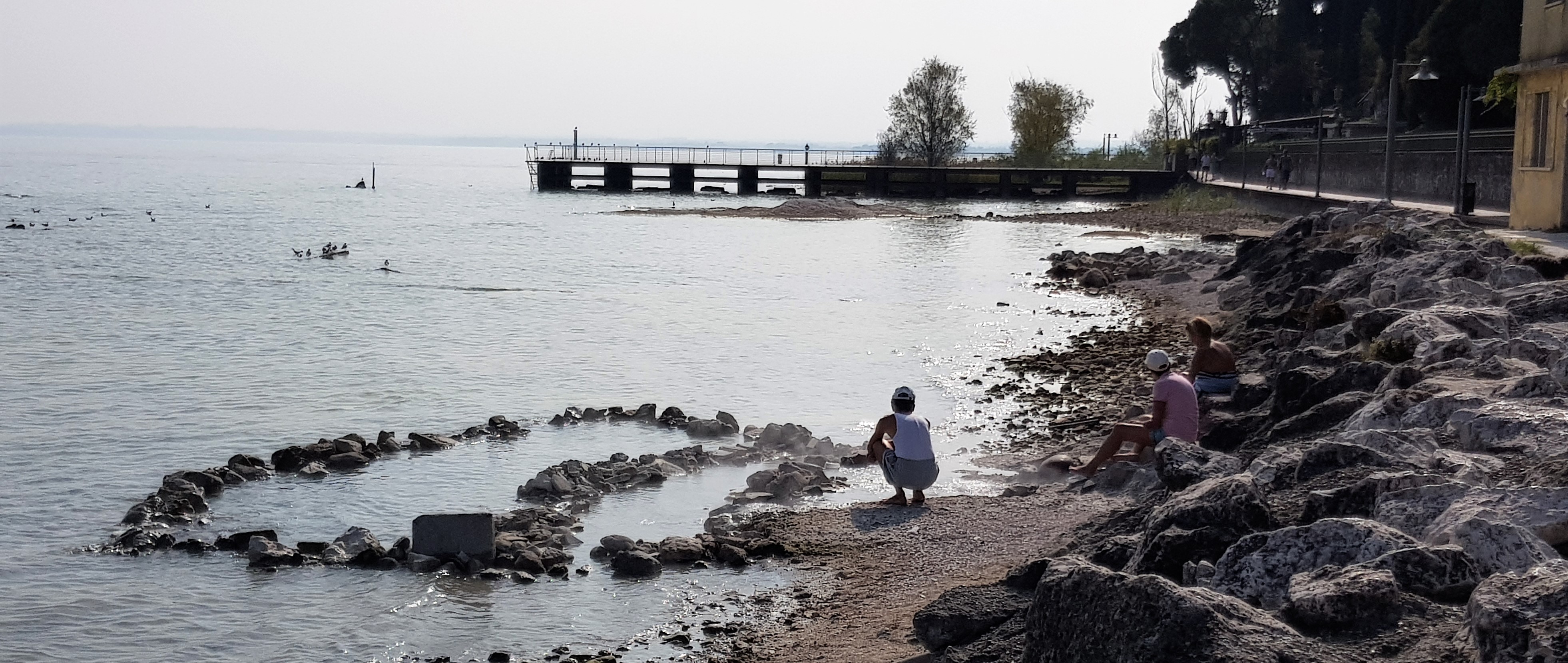
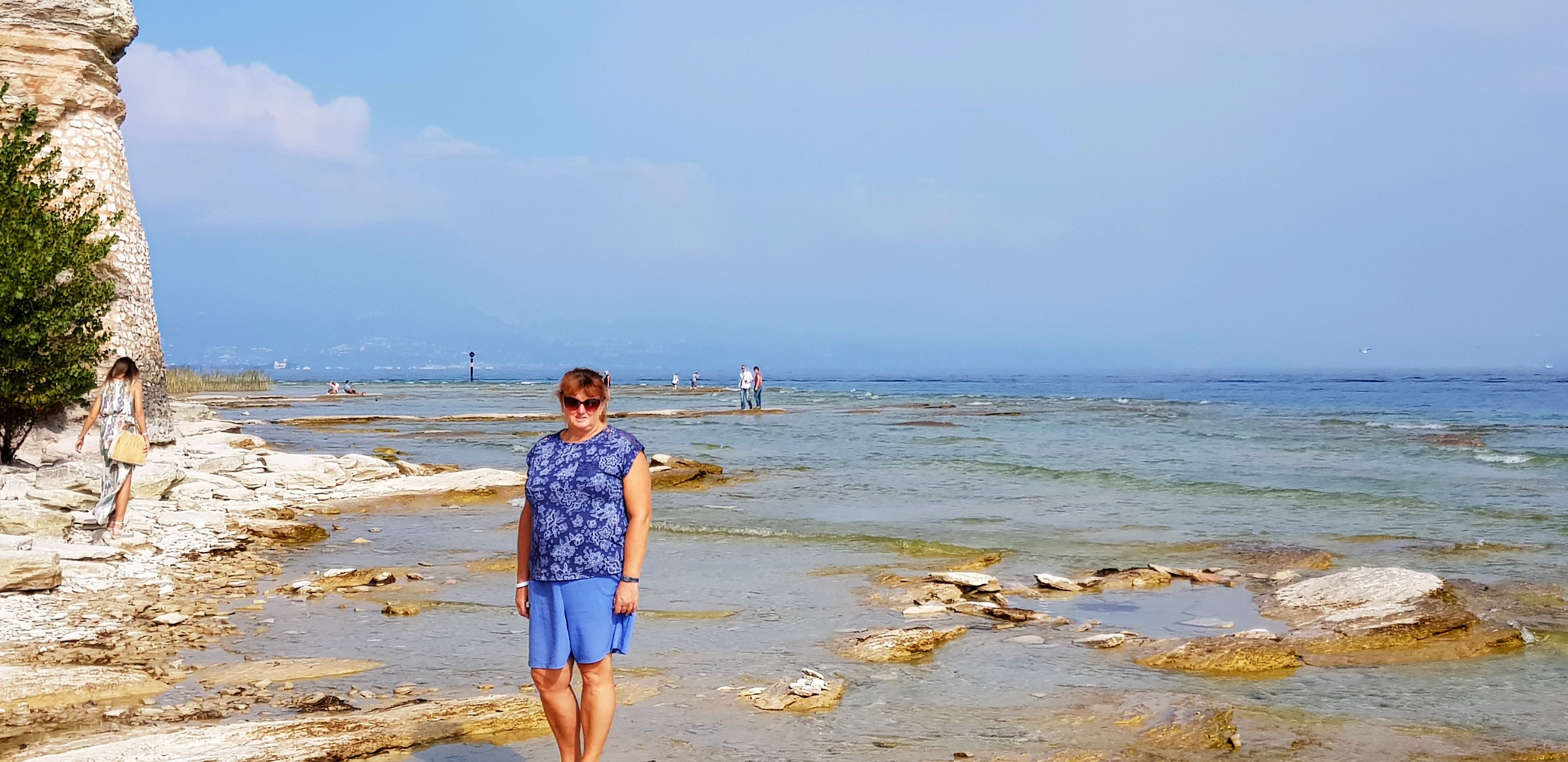
It has several natural hot springs coming out of the rocks, at about 65C, I can vouch for the heat!!  I dipped my feet into it and it was a tad warm!  The sulphuric smell is not too great but acceptable (pic below shows it emerging from the shoreline…)

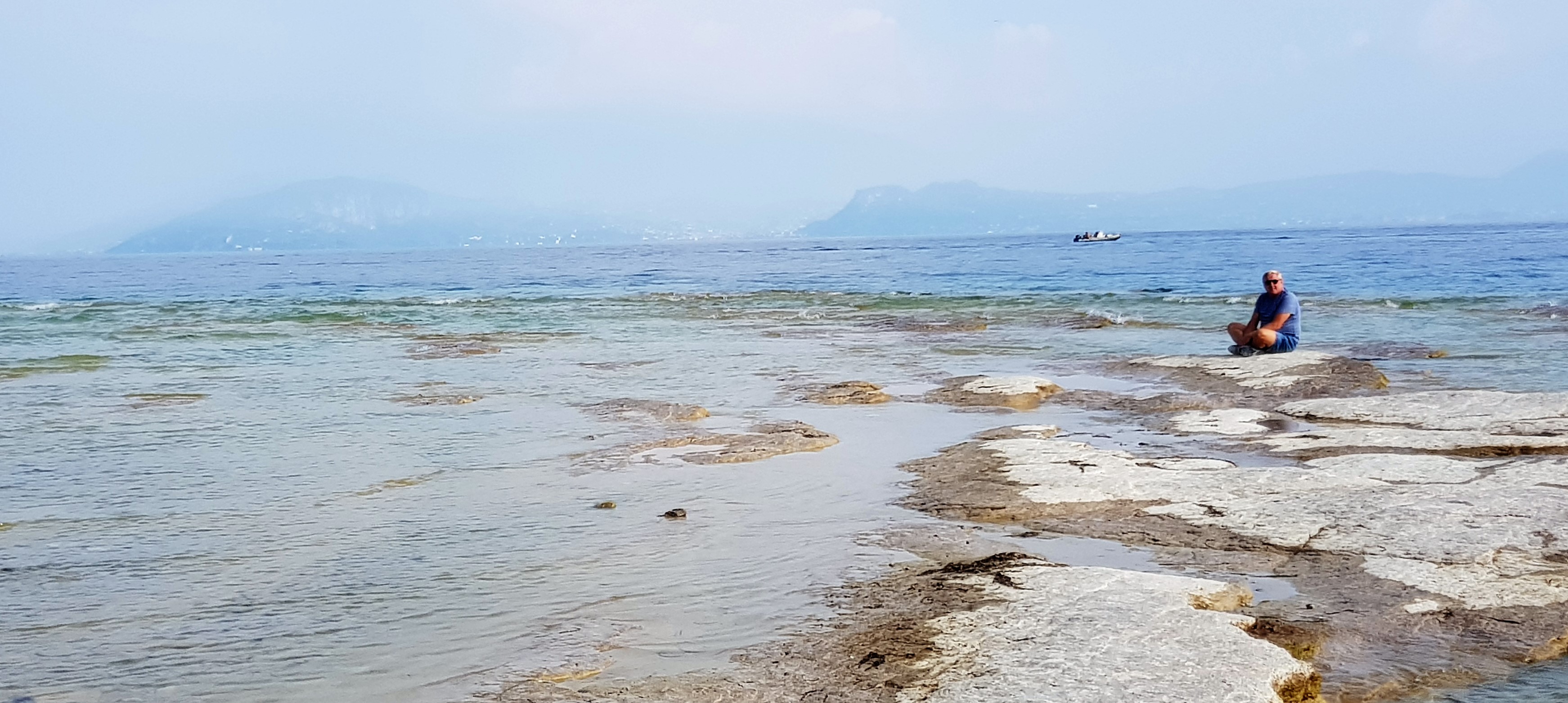
There is walkway all around the coastline and at the very end the soft flat rocks head out onto the lake with just a few inches of water covering them.  The area is called Jamaica Beach, spelled Giamaica!!!

Also at the end of the peninsular are the remains of a Roman Domus, an ancient villa with a cave complex below, closed the day we visited.  The town was also home to the famous opera singer Maria Callas, during her Italian career, picture below.

Lazise (east)

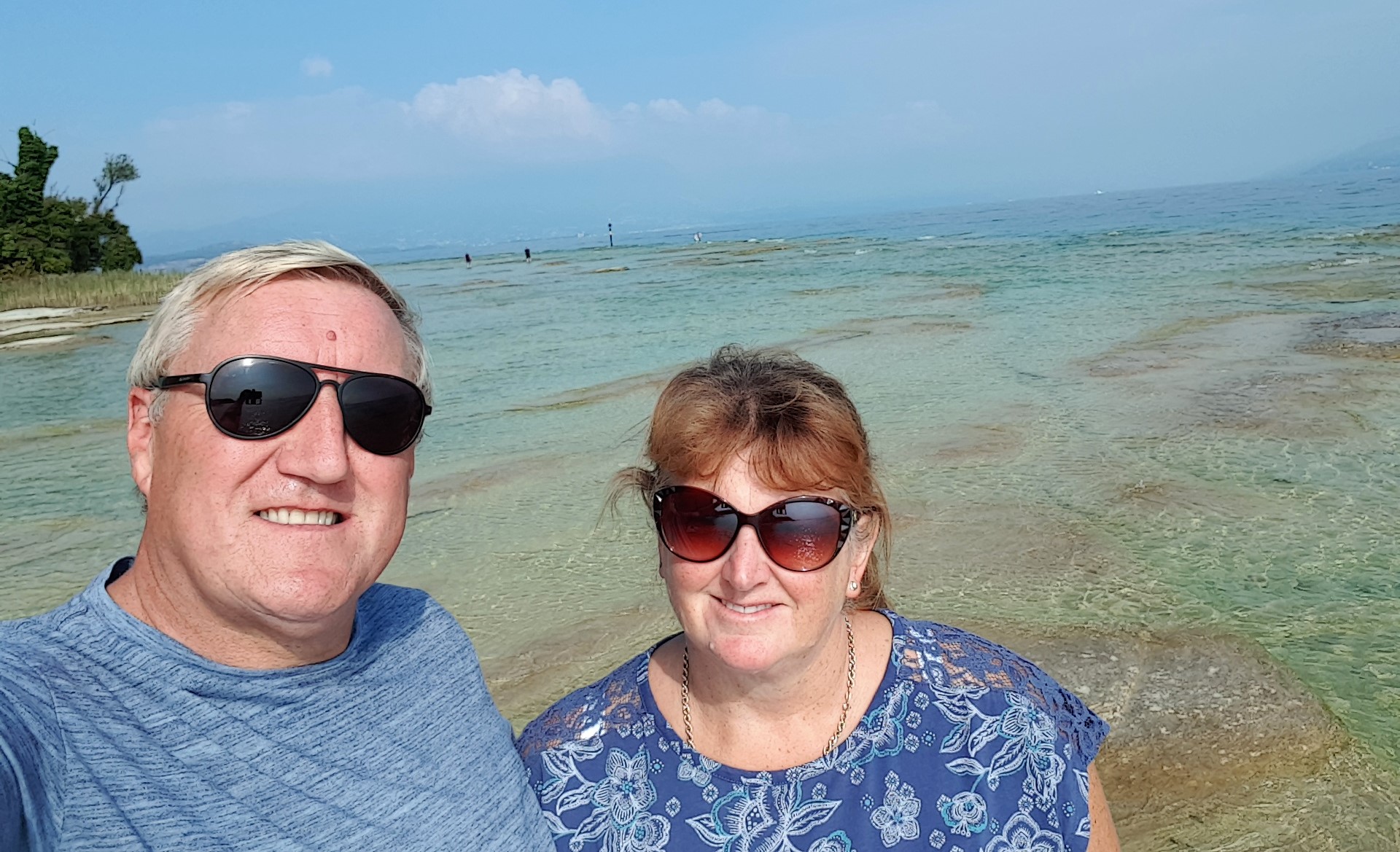
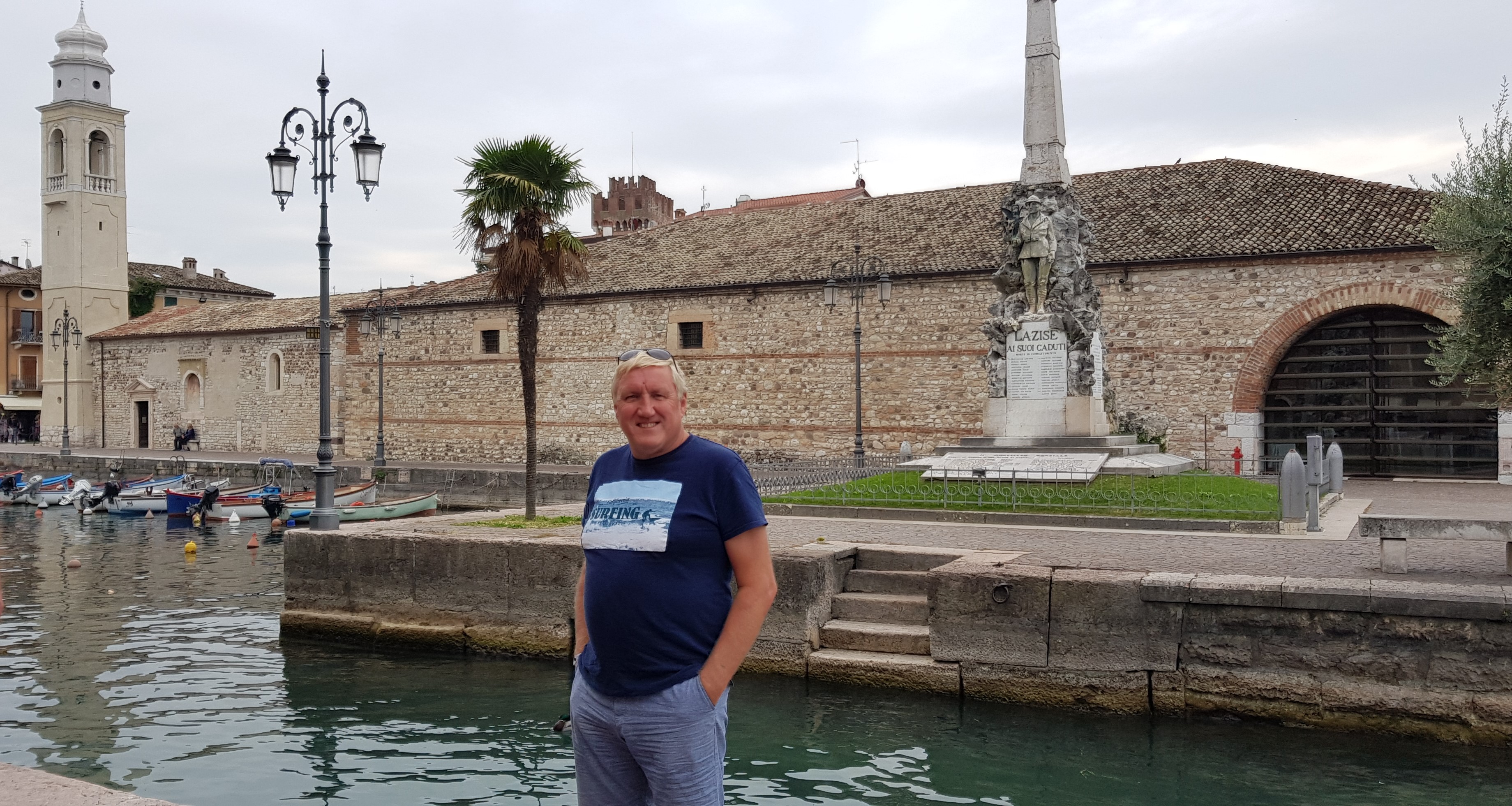
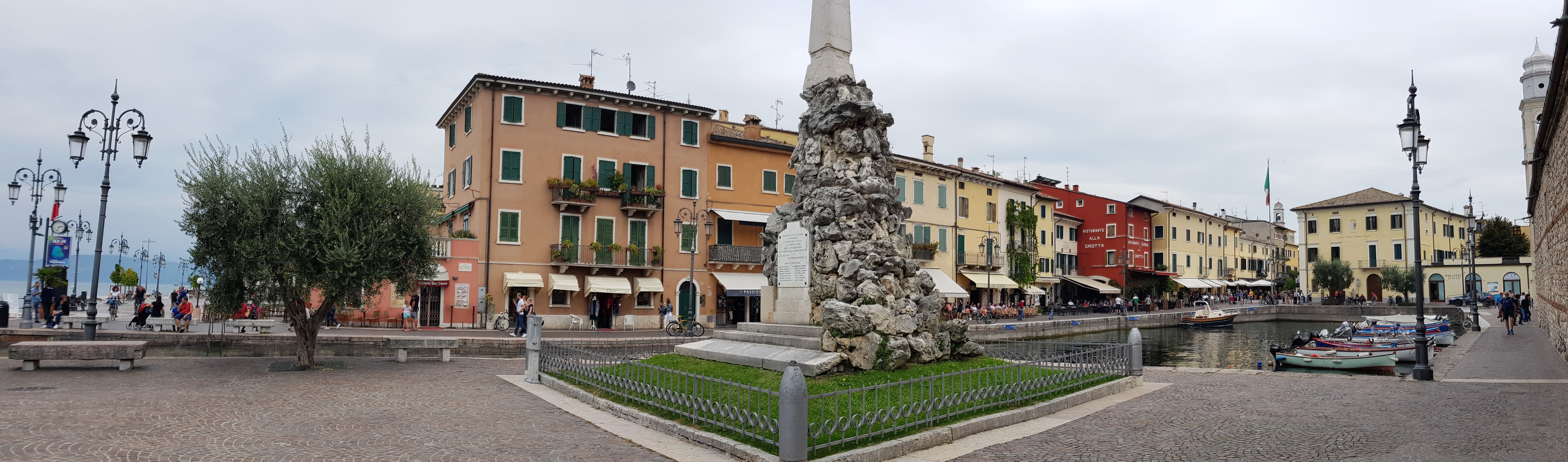
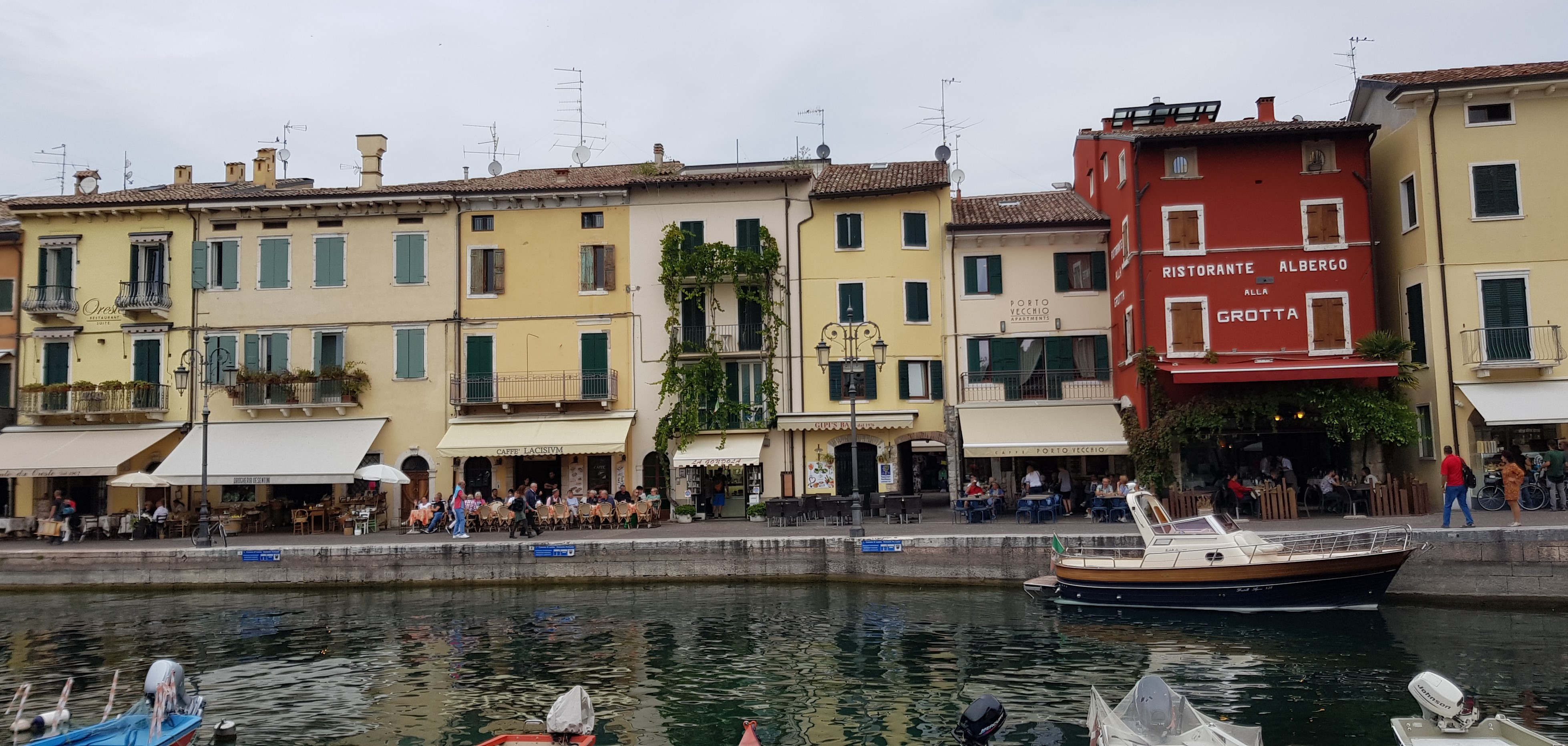
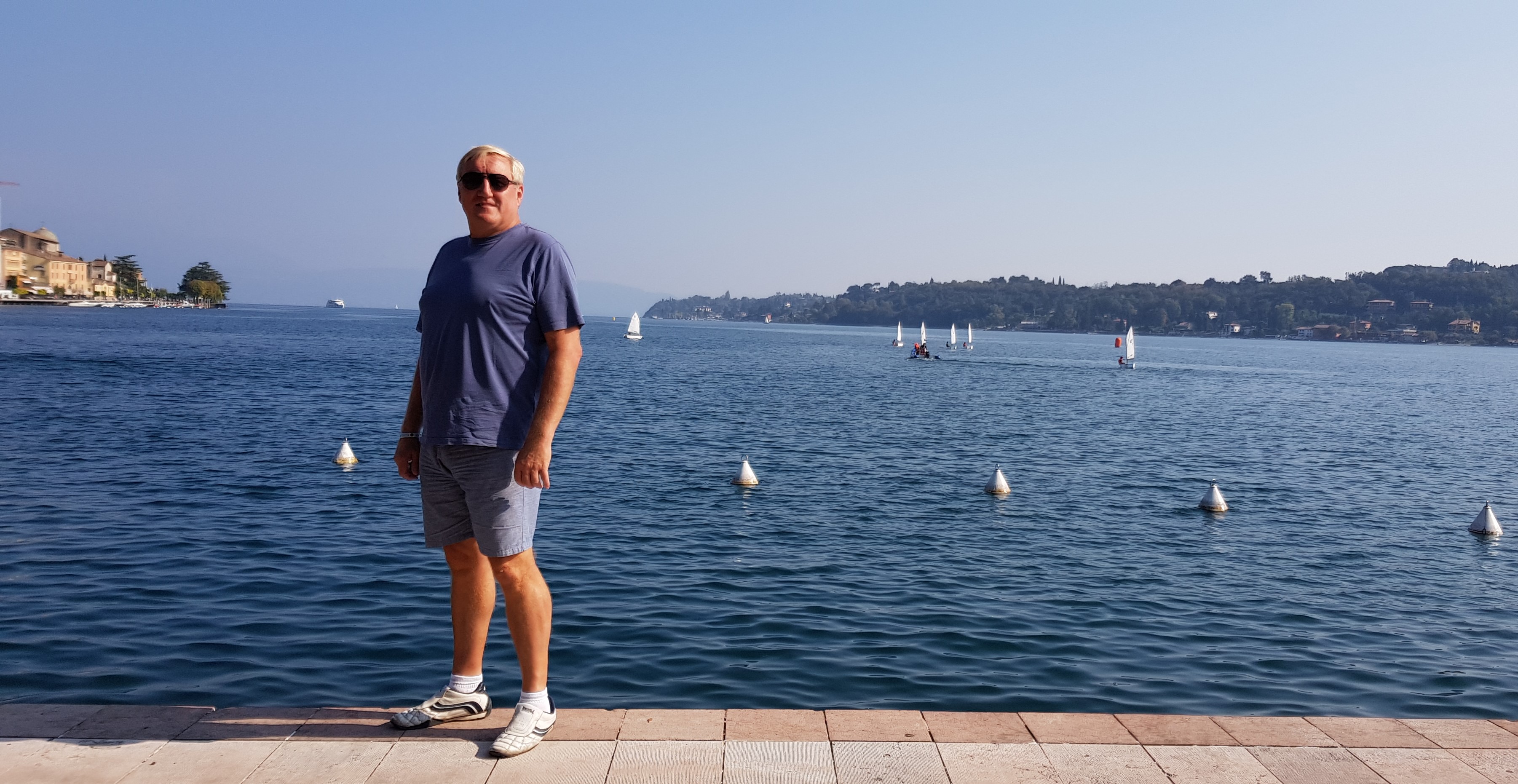
This small fishing port is simply beautiful.  Again an old Roman town, the city walls were built with three portals (doors) all fitted with both gates and drawbridges.  The castle was built by the Scaliger Lords of Verona, and is currently owned and managed by a noble Italian family.  The small church on the quayside (behind David to the left) has frescos on the walls inside dating back to the 14th century but sadly it was being renovated when we visited.


Salo (west)

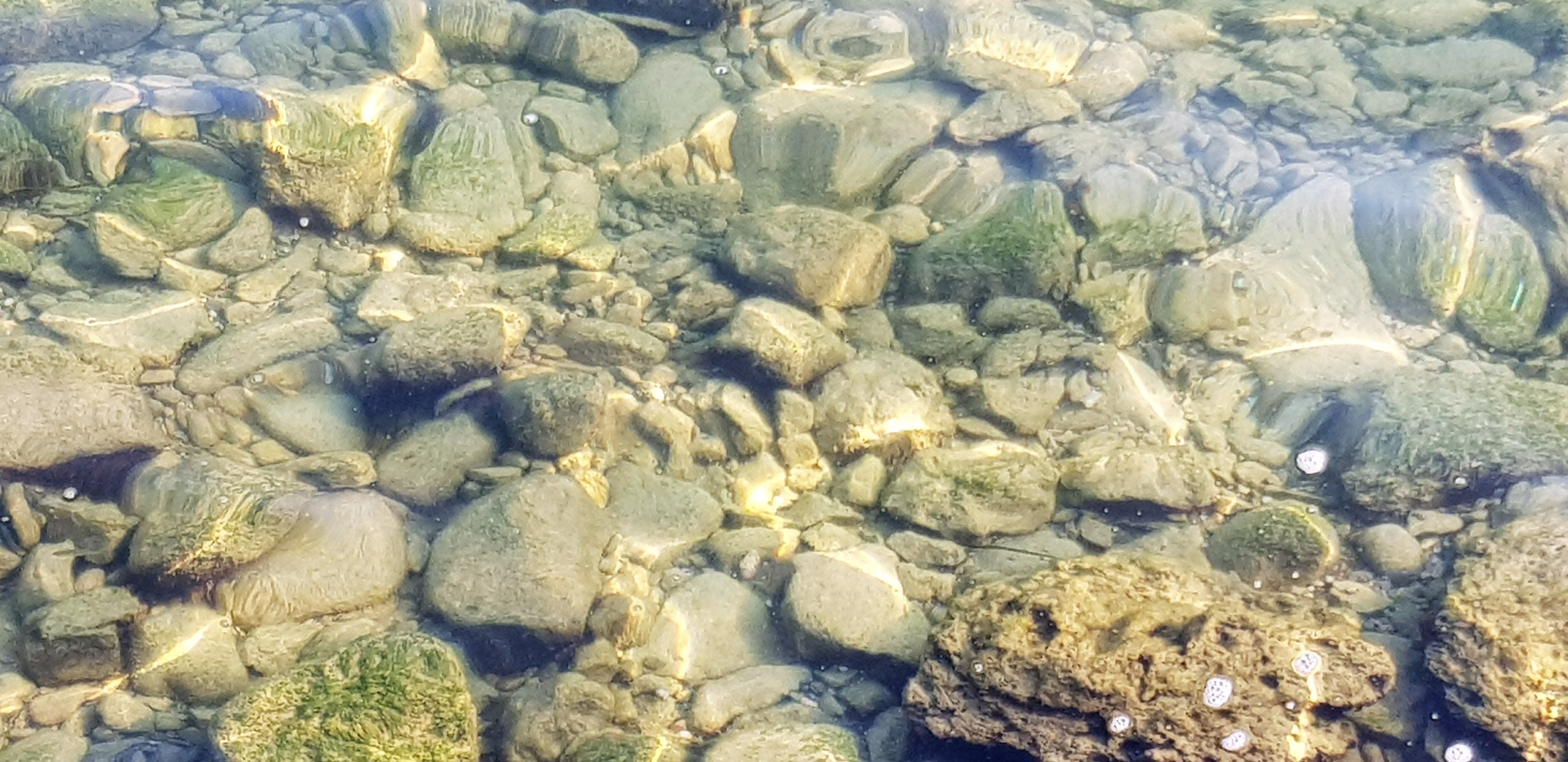
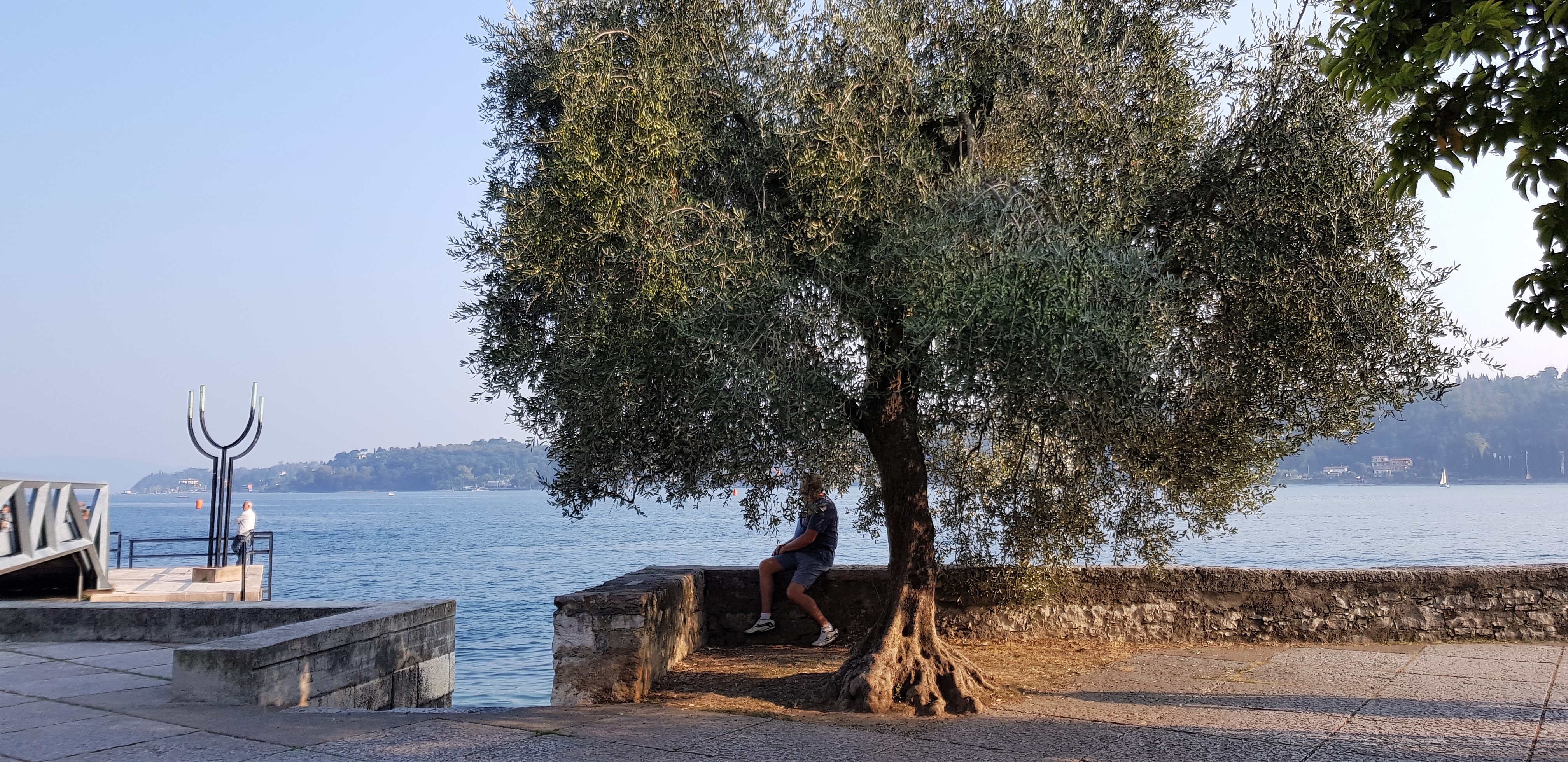
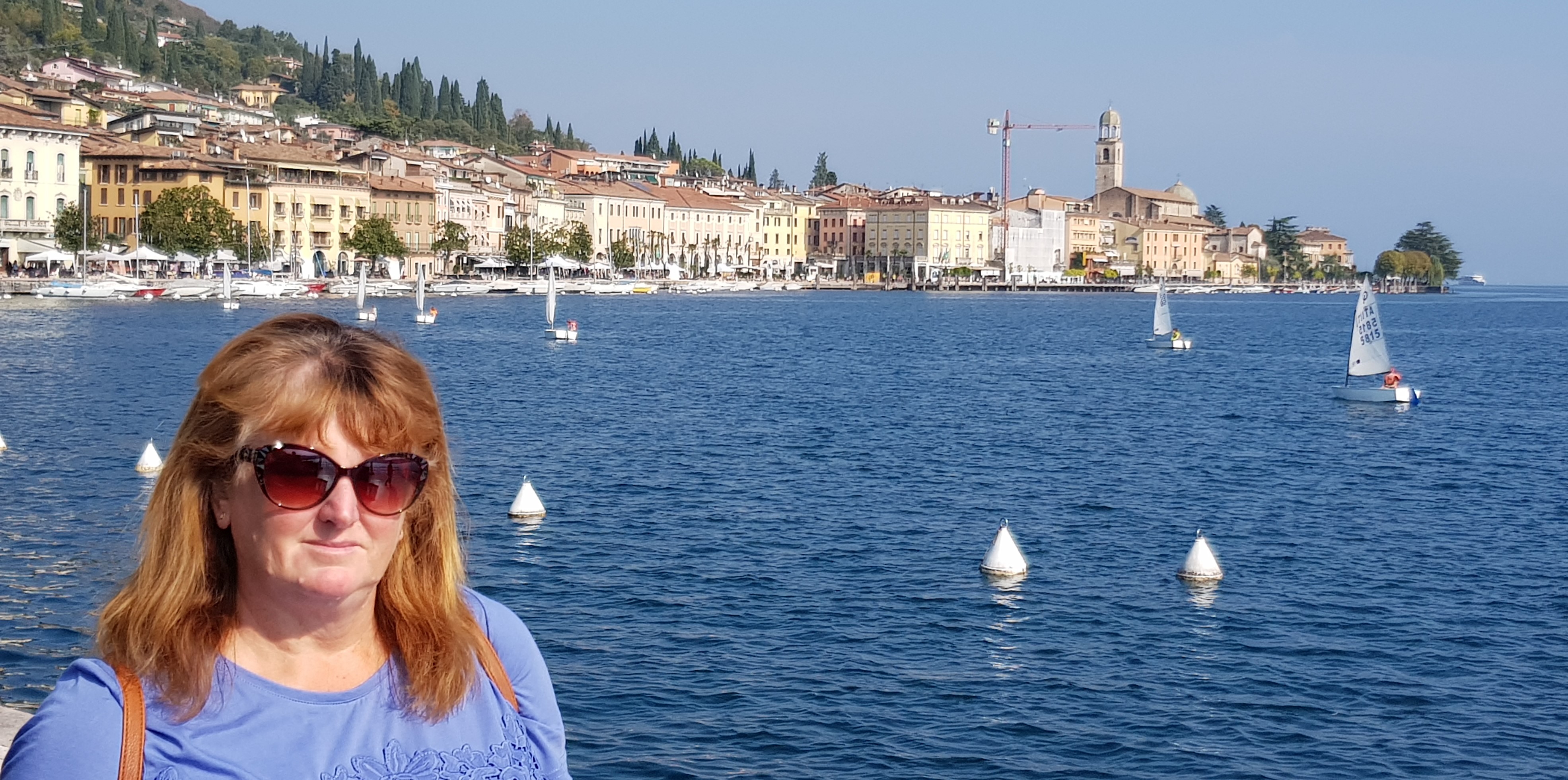
This lakeside town is known for having the longest promenade as the town is in a cove or inlet on the lake.  The day we visited there was a small regatta of 8 man rowing boats taking place in the bay as well as a “vintage” market so we had a lovely mooch around this pretty town which is on the west coast.  The image below shows how clear the water is.

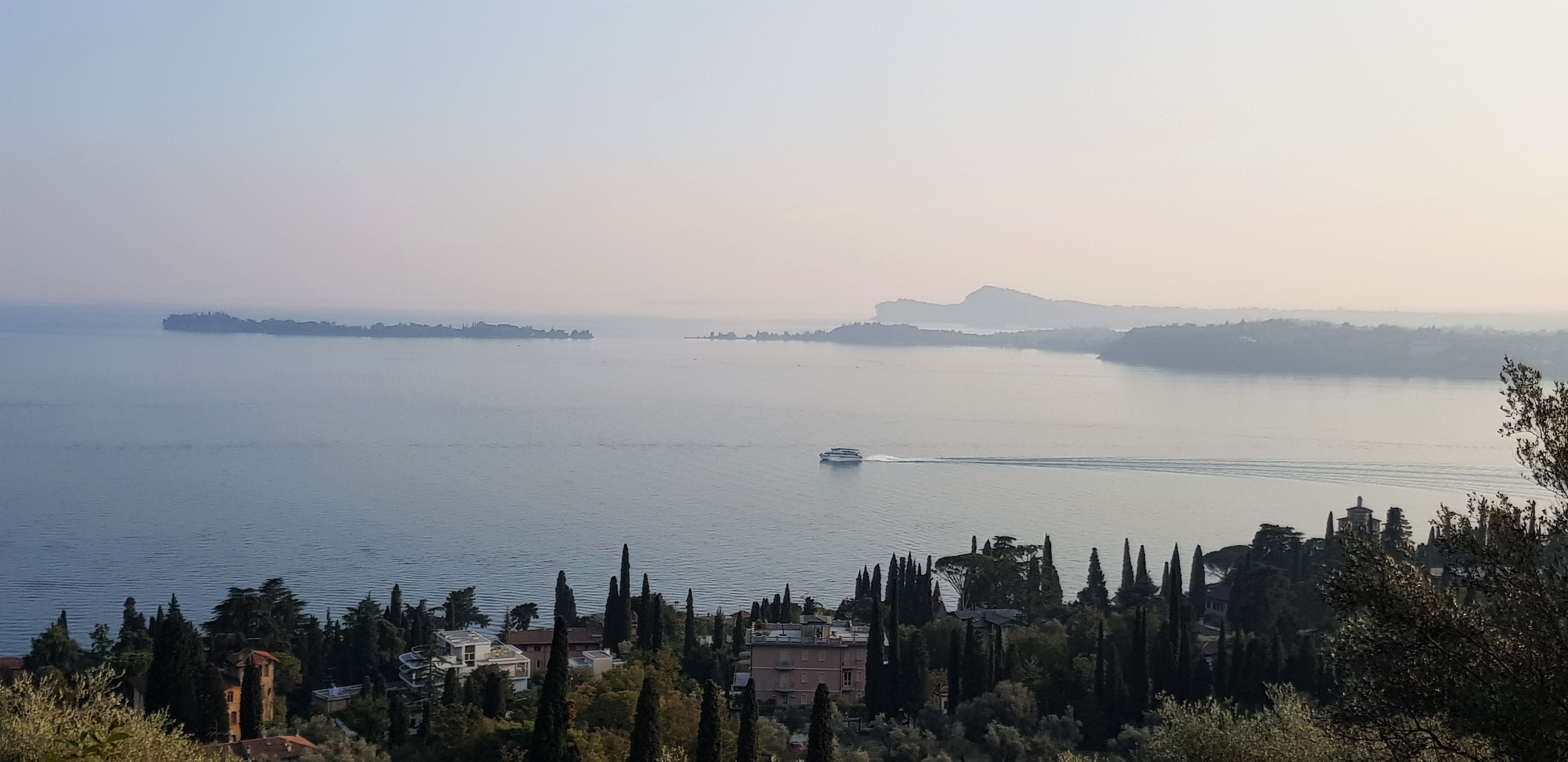
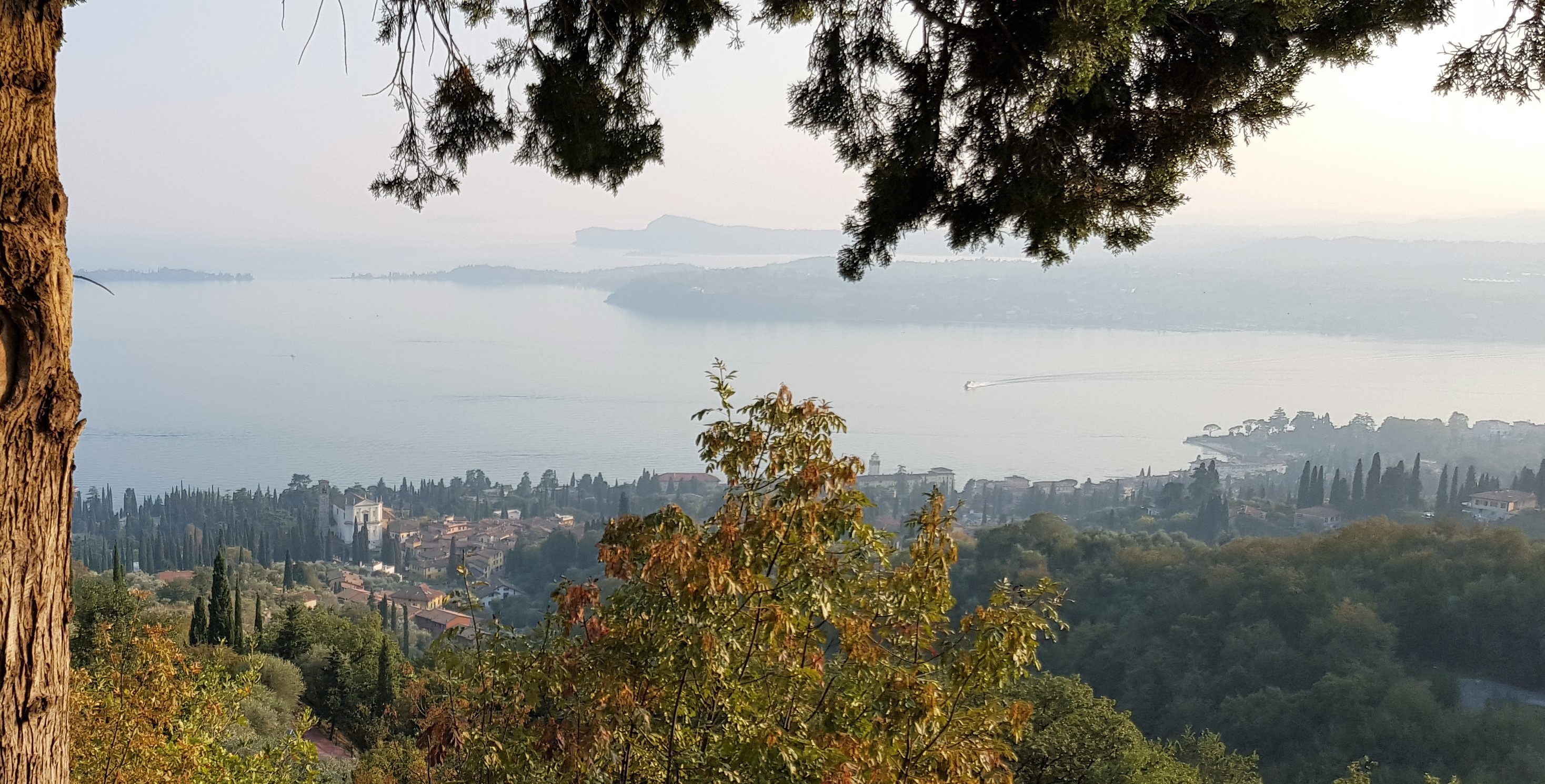
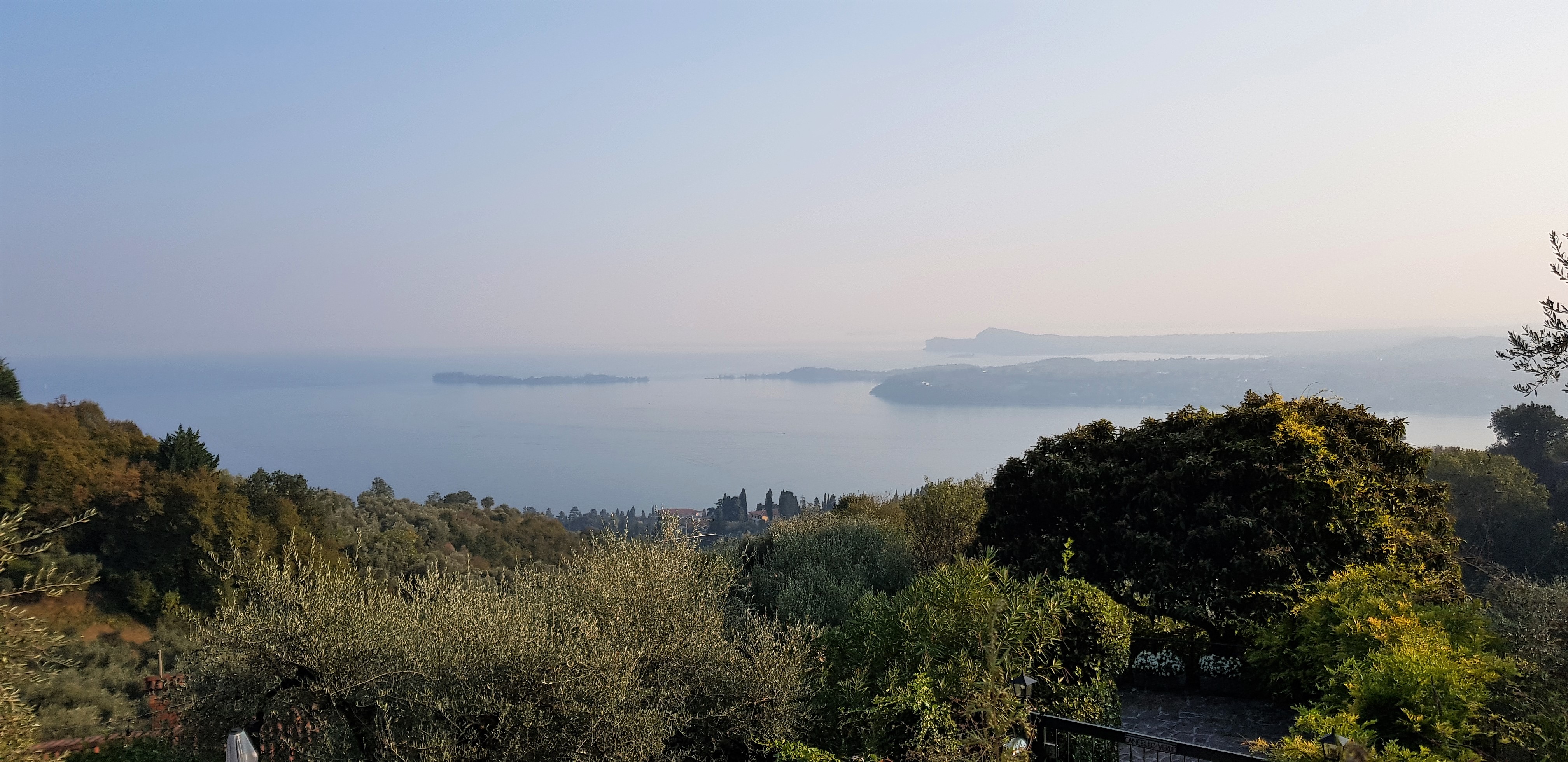
We also found a road that went up a mountainside, called Via Panoramica!  Stopped once or twice to take some scenic photos of Isola del Garda, an island on the Lake.

Bardolino (east)

Bardolino, a Roman fishing village with first recorded activity dating back to 1000, is a comb shaped village, houses are built one behind the other starting on the shoreline.  This was popular with fishing villages, the perpendicularity of the street to the coast offered fishermen easy and safe transportation of the boats in front of houses.

Oil and wine production also flourished and soon the ruby red wine from this area took the same name.  The town is home to a Wine and Oil Museum.

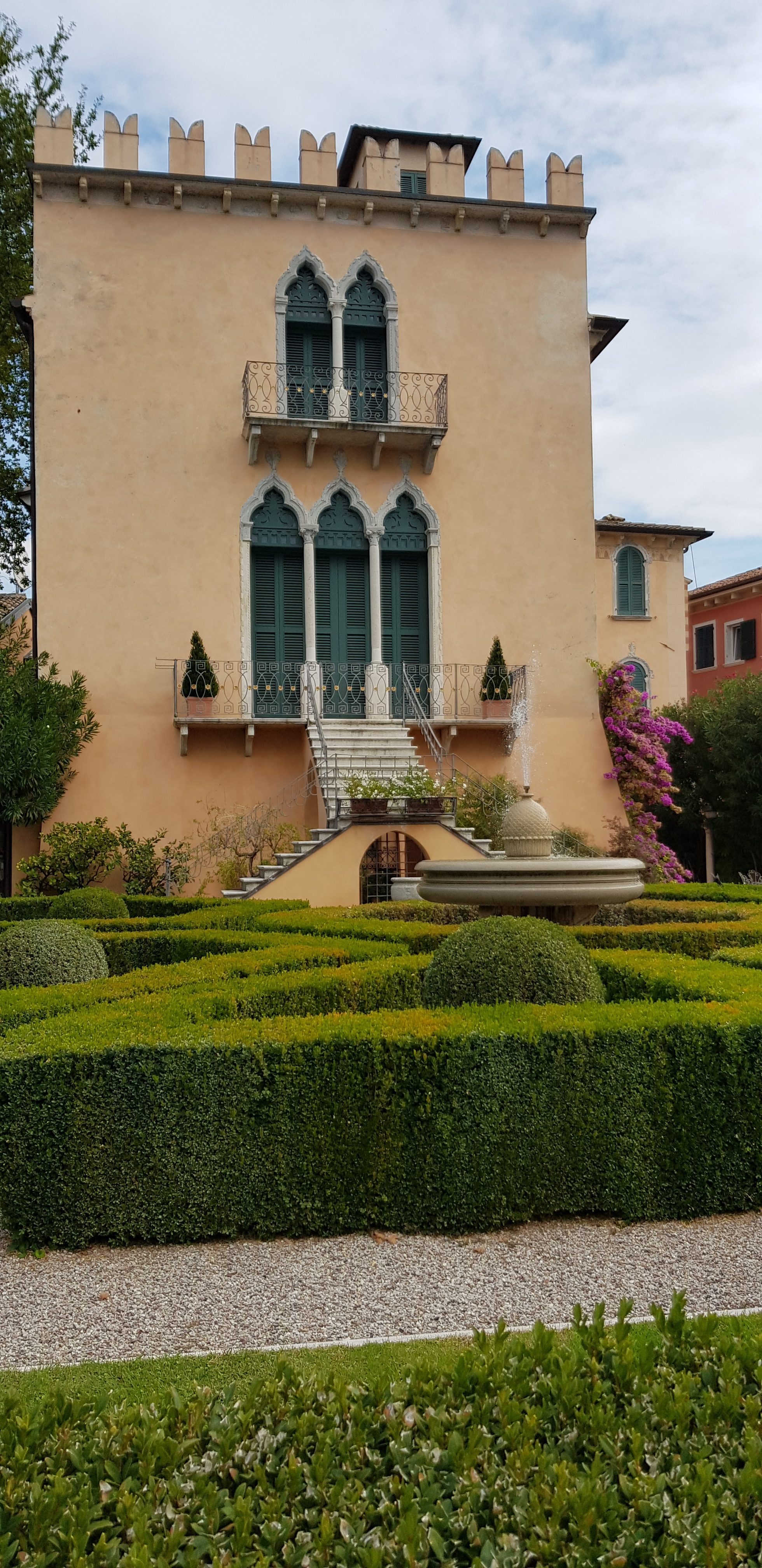
This villa was built by a man from Verona who in 1860, came here on holiday.  He loved the place so much that he spent all his time here building the villa.  After 13 years of being away from home, his wife turned up, only to find he was running the villa as a guest house and was building a second villa next door.  She was so angry that she promptly installed both mothers to run the guest house and she helped the husband in the bigger hotel next door.  The grandmothers gained fame quickly due to their fabulous cooking so they were promoted to chefs at the Hotel next door, hence the Hotel Riviera was created, still a Hotel to this day and run by grandchildren of the same family.


And into Italy we go…….

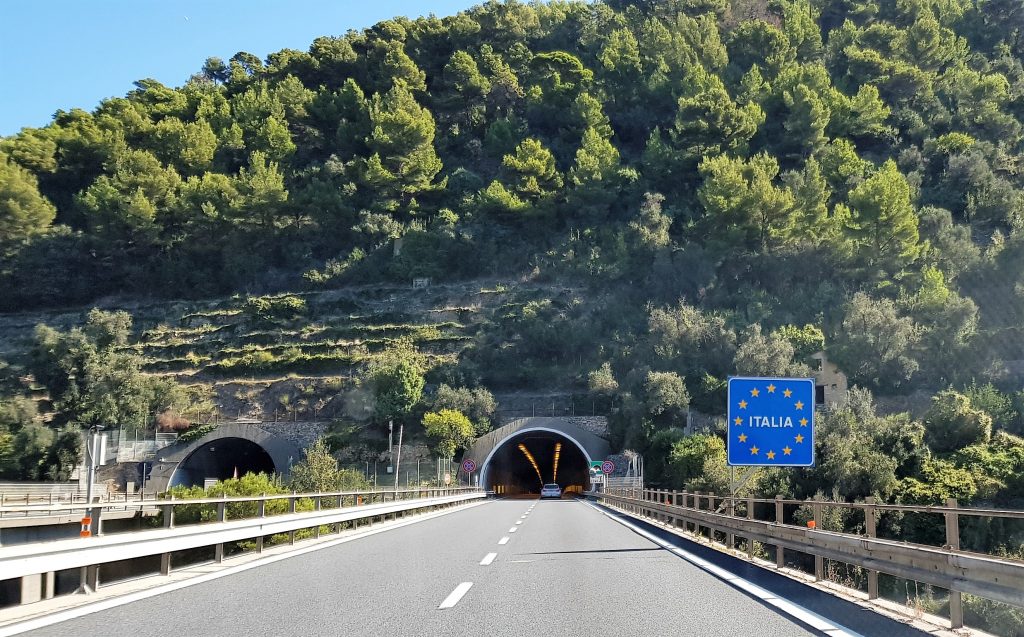
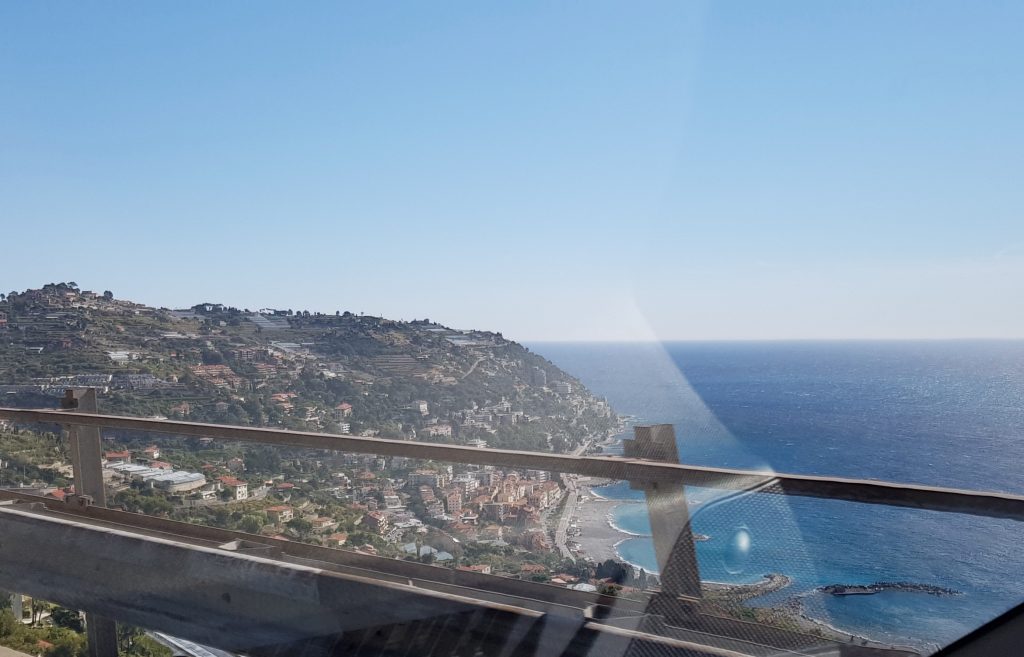
We left France and drove just over 4 hours into Italy to our next stop, along the coastal road before turning inland towards Milan.  The landscape along the coast was as we had imagined, hilly and high up on mountain sides, the road was sometimes dangling above the towns below, lots of tunnels (something like 77) and bridges but as we turned off at Genova, the landscape flattened out to a point where we could have been in Ansterdam, or the fens of Cambridgeshire!!
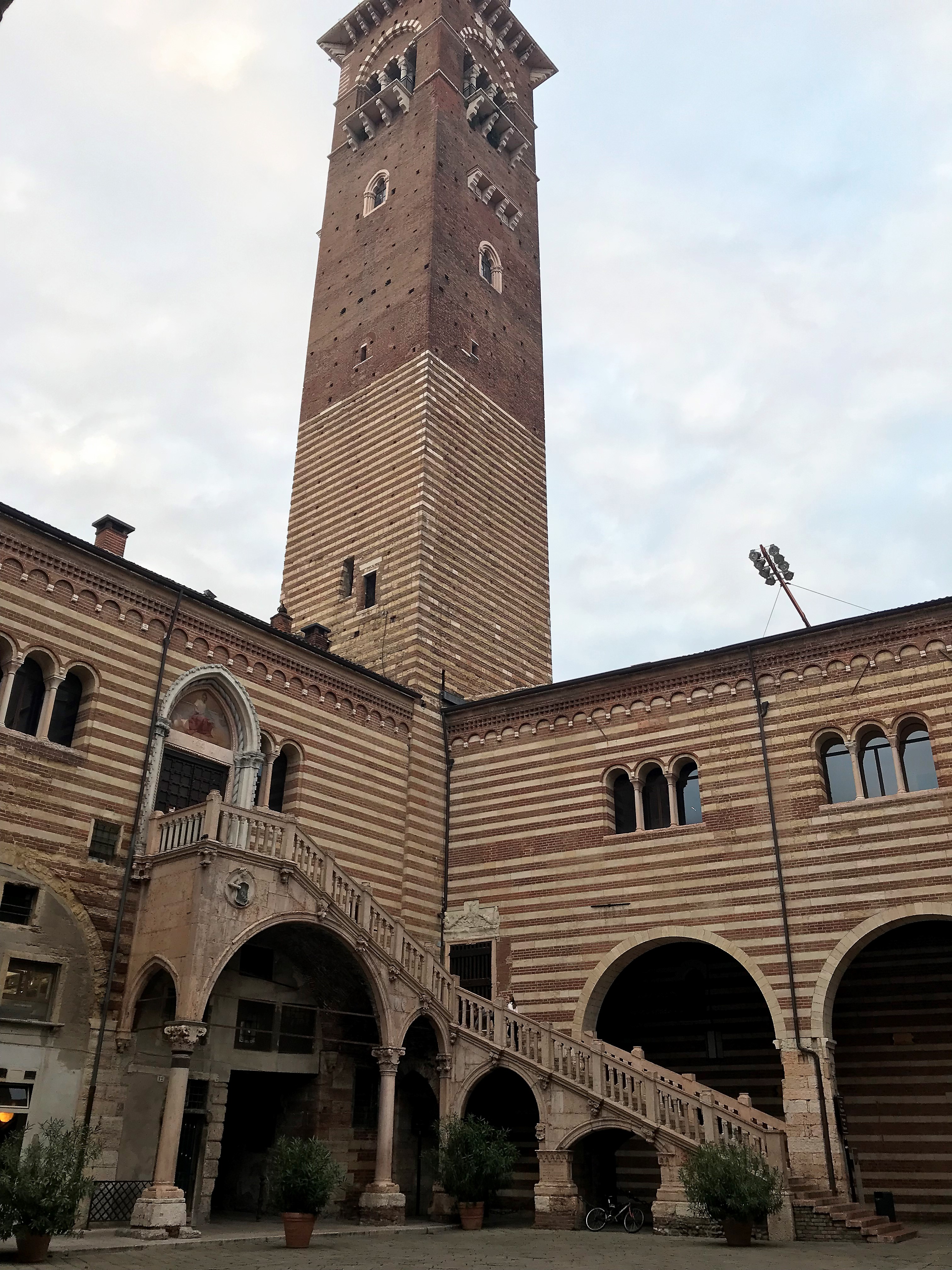
Leaving our French site, a tight exit!

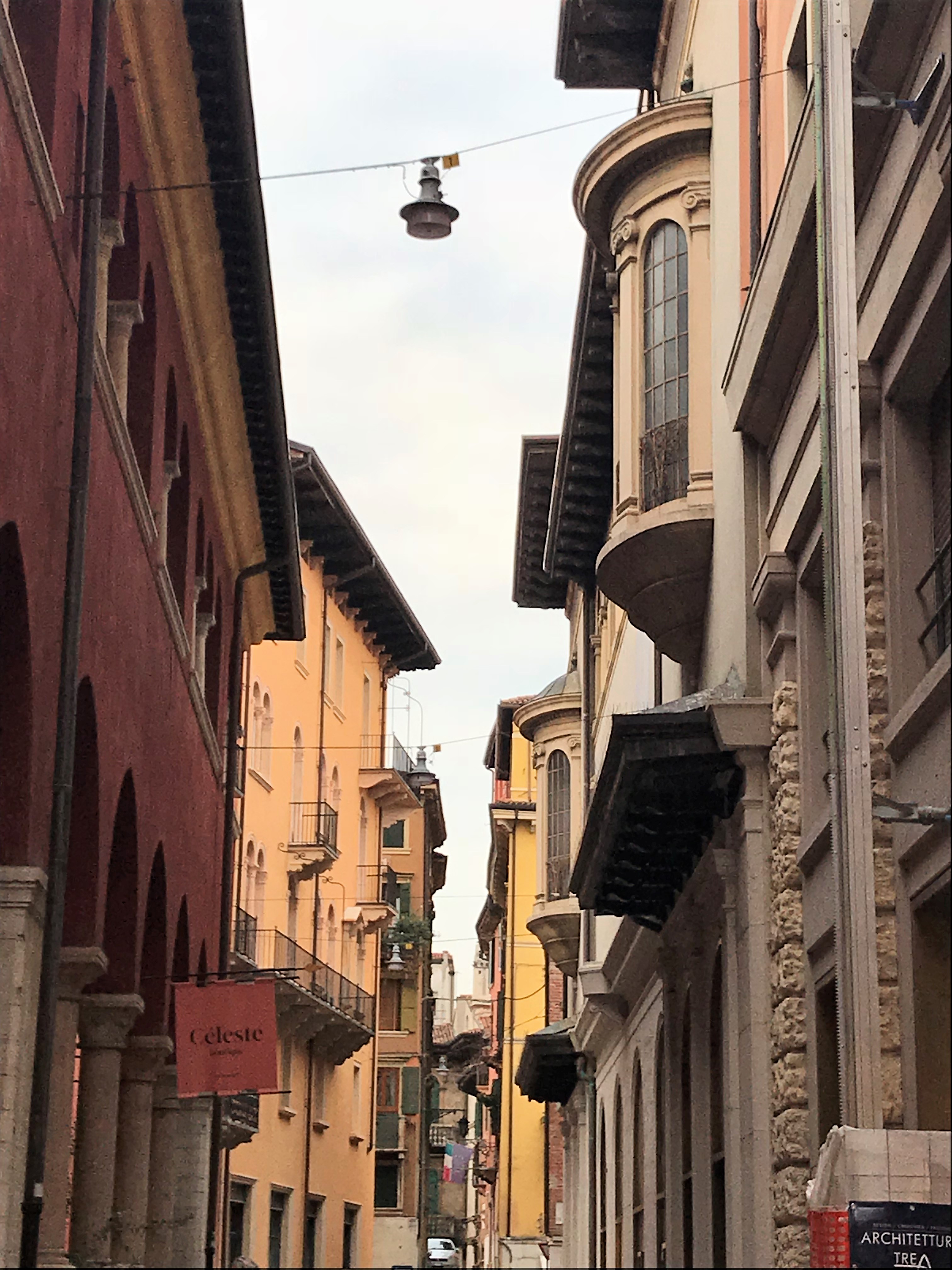
The Italian border.
At one point, our plans to visit Italy were almost put on hold as too many people told us about terrible roads, dangerous drivers and a severe lack of camp sites, but we pushed on though and decided to do a “recce” and spend 4 weeks venturing into Italy before heading back to Spain for the winter.

We plotted a route from the Cannes area up through and over the Maritime Alps mountains to Cuneo (famous for its Barolo wines) then over to Asti and Alba (famous for its fizz) and then over to Lake Garda, but the Jane (our sat nav goddess) said a BIG NO!!!  With a 7 tonnes vehicles that’s 3.5m high, you cannot head over the mountains to Cuneo……unless you go to Asti first then drive back 100kms to Cuneo, then drive back to Asti, so sadly we had to cut out the Cuneo stop.

A view of the drop to the coast along the road from France into Italy.

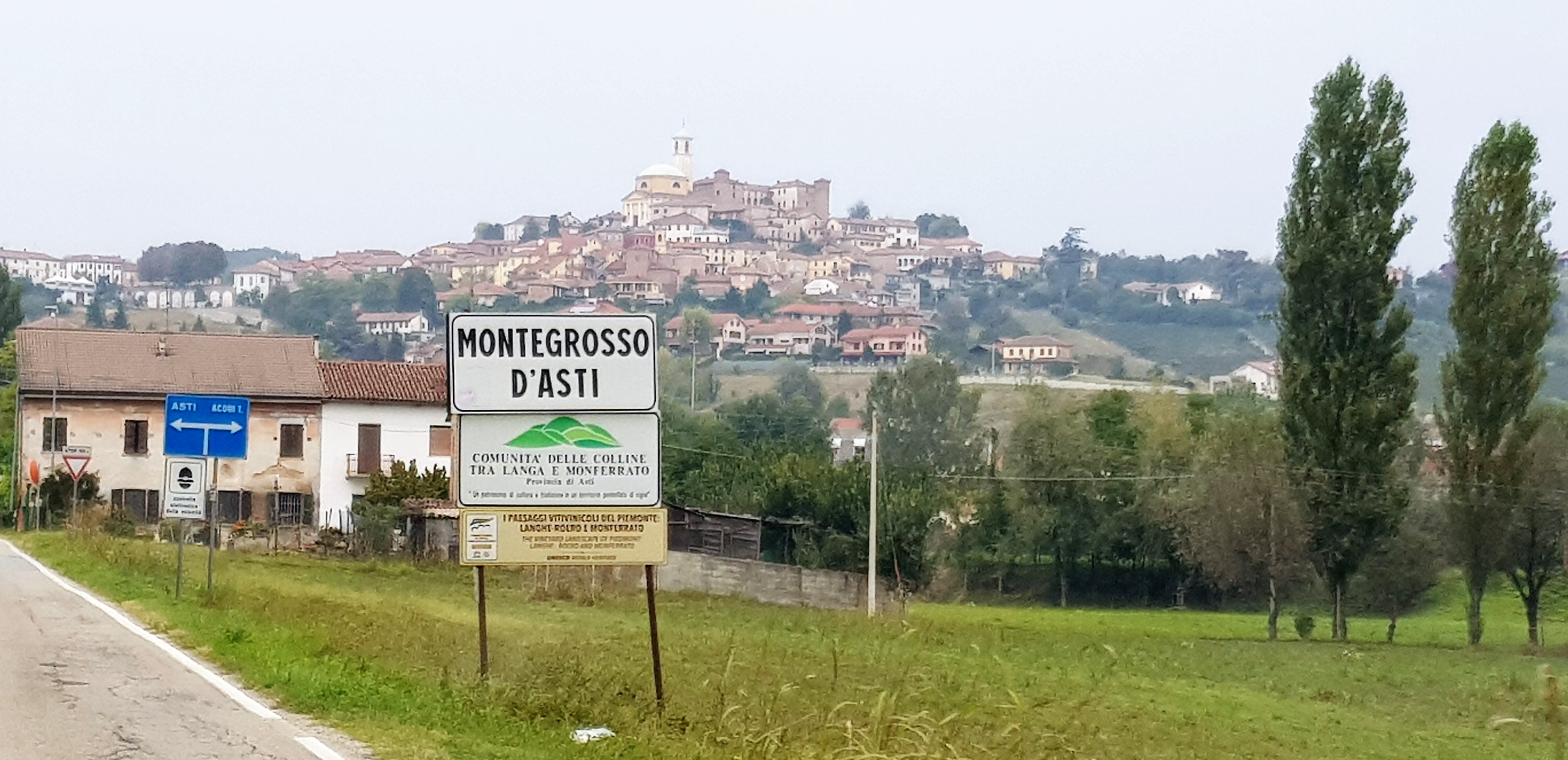
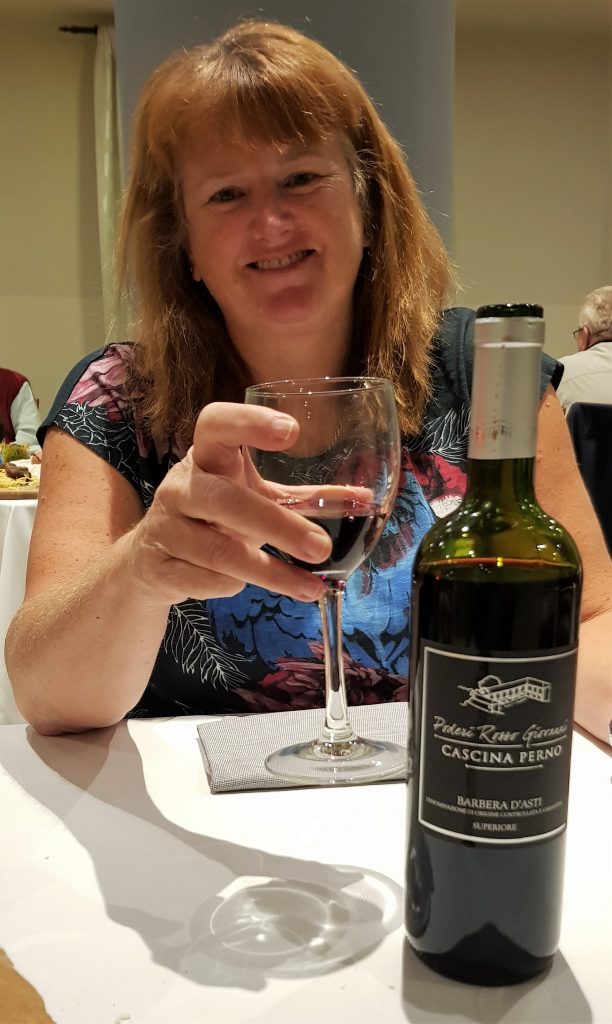
The area between Cuneo and Asti is a huge vineyard as far as the eye can see, rows and rows of vines headed by a rosebush (to announce and protect against grape pests) and/or willows, traditionally used to support young plants.  Reds, whites, sweet and sparkling wines come from this region, with a particular success in ageing red wines, such as Barolo and Barbera, one of which has always been my favourite!!  I was first introduced to Barolo in about 1995, when a contractor took me to dinner at a waterside restaurant in London Bridge and I chose the most expensive red on the menu!!! I had no idea what it was but we fell in love……

A Lesson In Viniculture (wine growing to you and me!)

A bit of technical info – the main grapes grown in the Piedmonte area are:  Barbera (red) and white Moscato (for the Asti Spumante) and Nebiolo (for aged wines such as Barolo and Barberesco).  The Nebiolo grape was first mentioned in 1200 and continued to the 1500s when it was used

Barolo (the Wine of Kings and the King of Wines) is produced by 11 regions in the area, originally it was a sweeter wine but ecological changes made in its production around 1850 by the Marquis Falletti of Barolo, it turned it into a dry deep red – these methods were then adopted by all other growers at that time and are still used today.

Barberesco is a wine with ancient origins, produced in only 4 regions, whose name derives from the wine given to barbarian hordes of Romans that slaughtered Italians before and after the fall of Rome. Professor Domizio Cavazzi, a famous winemaker, described it as “fine, soft, generous” and in 1890 founded a wine co-operative for its exclusive production.
Barbera D’Asti and Barbera of Monferrato are two of the regions wines from the Barbera grape.  The Barbera is amongst the most exported national and international wines from the Piedmonte area of Italy, initially to the American market in 1819 and was much appreciated after the production crisis after the first and second world Wars.
Moscato means “perfumed” and was declared a fine wine variety as far back as 1200 with Canelli and Asti becoming perfect areas for its cultivation, with the city of Canelli being known as an “underground cathedral” because of its immense underground factories that extend under the city. The first sparkling Asti Spumante was made in Canelli in 1860, adapted from the champagne method and includes a second fermentation in the bottle in order to obtain the sweetness.

Grignolino was mentioned in the 16th century as a “claret”, drunk during fish banquets.  In the early 1900s it was described as a “delicate variety” so was mixed with a Barbera and production to this date is decreasing despite its popularity and excellent quality.

The Annual Processes – in Italy, in October, they spread fertiliser between the rows to help it over the snow laden winter; in January to March they prune (but superstition says it’s not to be done on nights when there is a full moon) and April and May is dedicated to “suckering” the baby shoots onto new supports.  End of August is usually when the owner decides the date the grapes will be at their best and harvesting begins during the month of September. Once it begins, it cannot be stopped, to ensure the quality of the grapes remain consistent for that year’s crop.  Italy is the first place where we have been told that they fertilise the soil and also the first place where they look forward to the snow!


Back to our travels…….

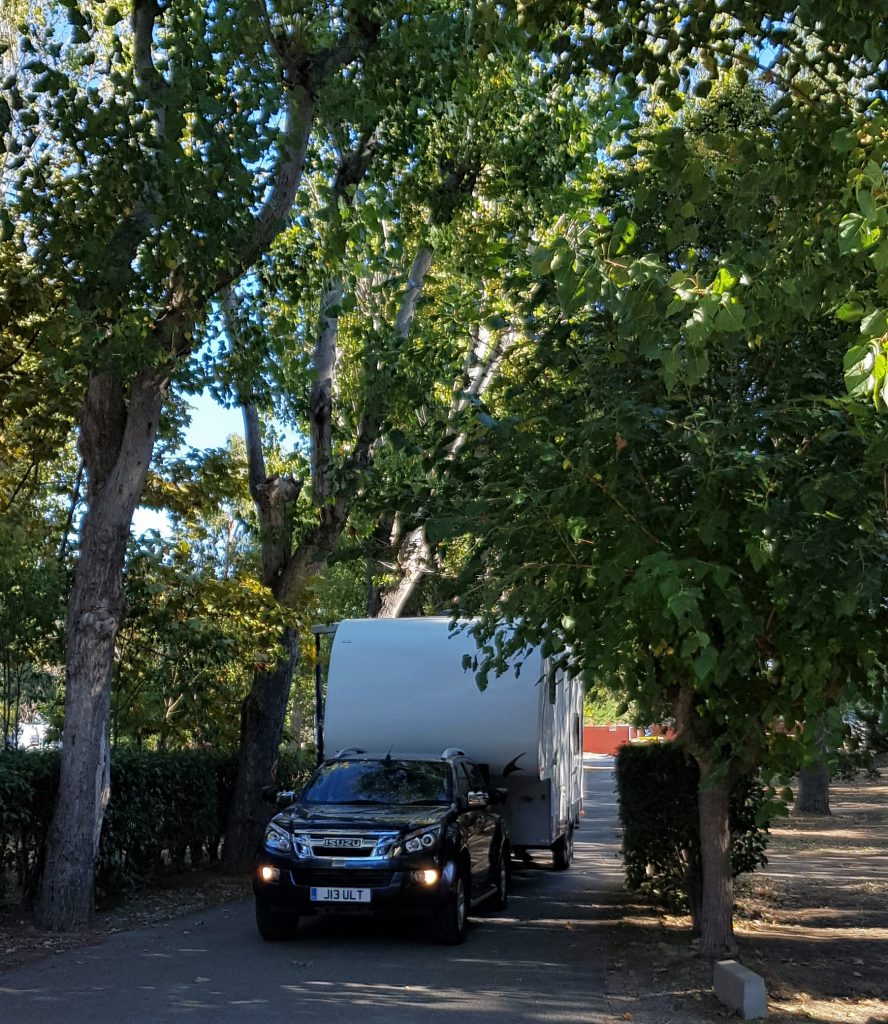
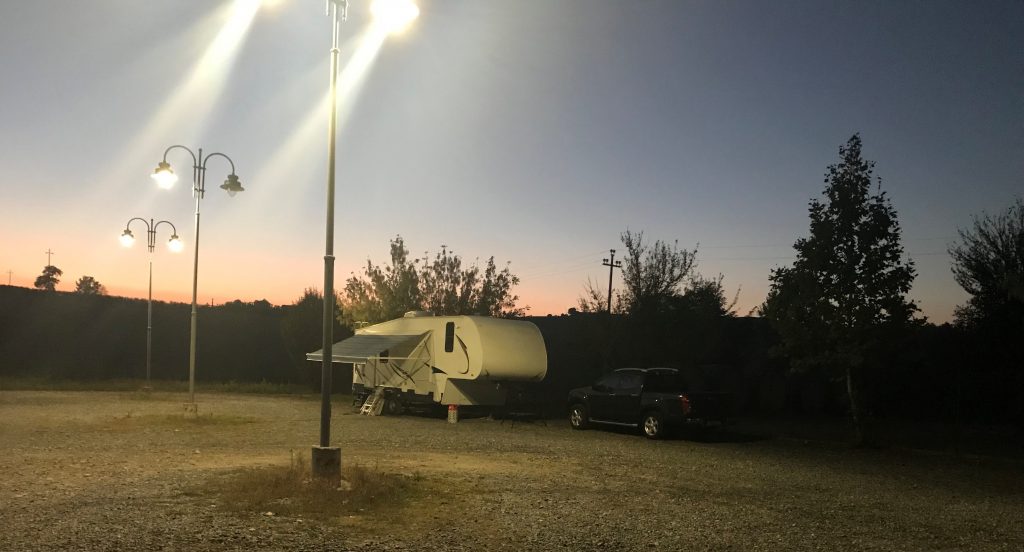
Our first stop was at a small town called Agliano Terme, home to a small natural thermal spring that was only accessible if you have a “recipe from the doctor” in other words “visit by prescription only”.  We spent a day touring the small towns of Asti and Alba whilst Samson was parked in the camp site’s car park; we were too big for their terraced plots despite us emailing ahead, with a picture and dimensions!  This must have been a regular occurrence as the car park with kitted out with a water, power and drain point!  A few nights were fine, we just had to put up with the camp site visitors emptying their bins near us at ungodly hours!!

My parents were very proud that we have experienced our first night ever “camping in a car park”!!

When in Italy………


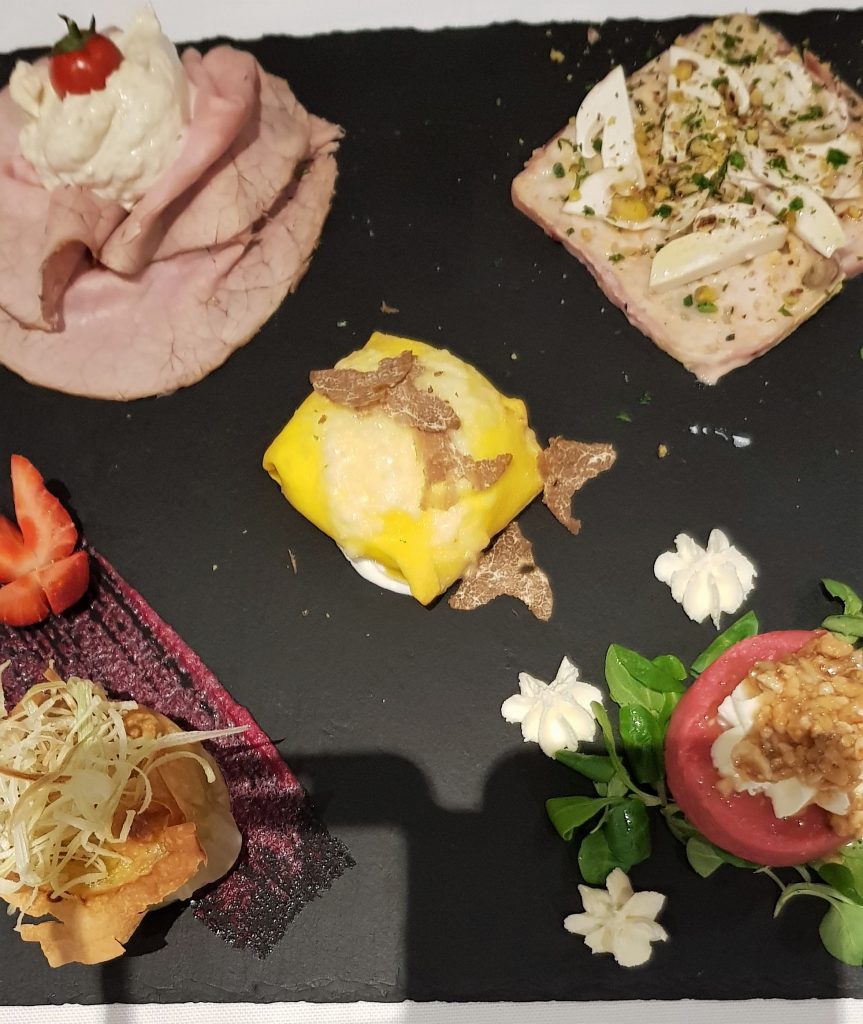
Starters were……. local pork ham with a blue cheese; cooked chicken with another type of cheese; (centre) was a pancake filled with ricotta and topped with grated truffle; beef carpaccio (which I did try) and filo pastry stuffed with a pate concoction!  Delicious….

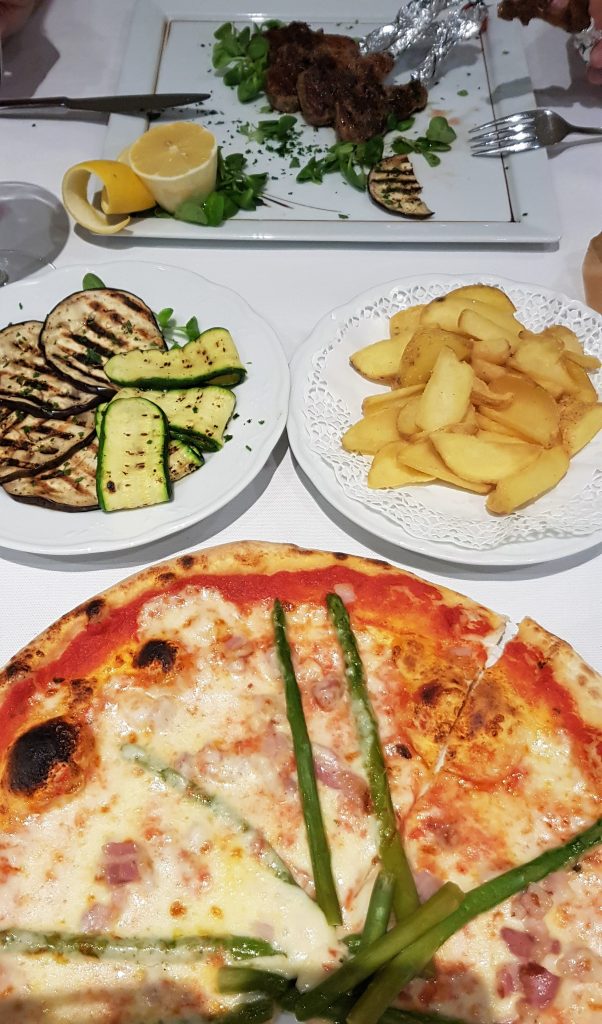
Mains….pizza with asparagus; lamb chops with grilled veg and potatoes.


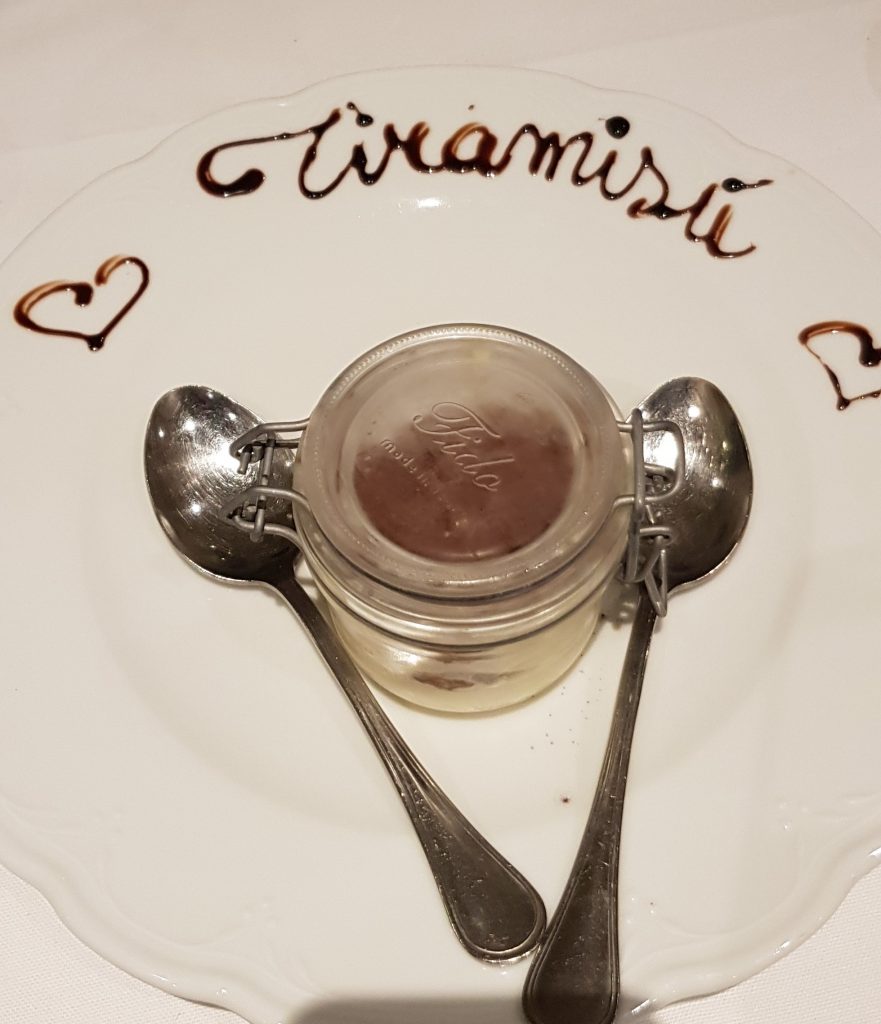
And of course, home made Tiramisu!


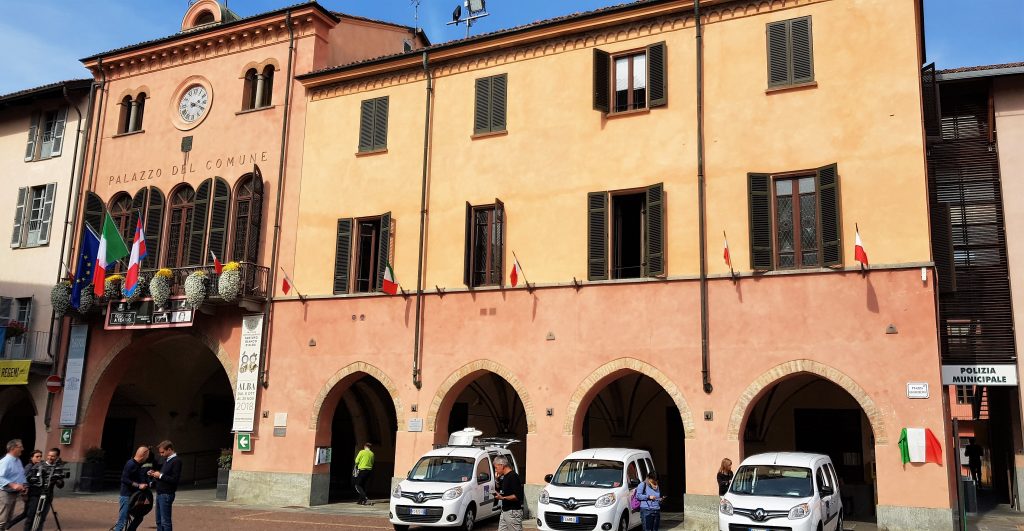
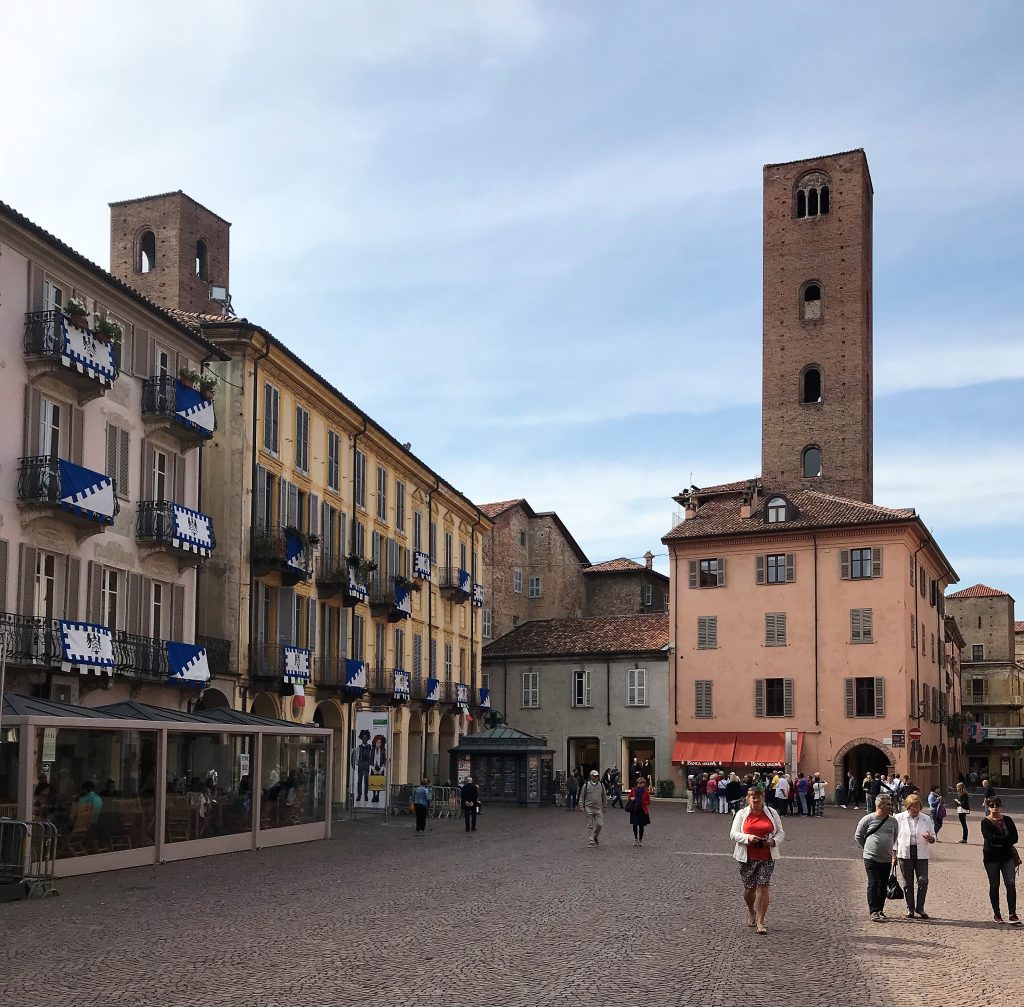
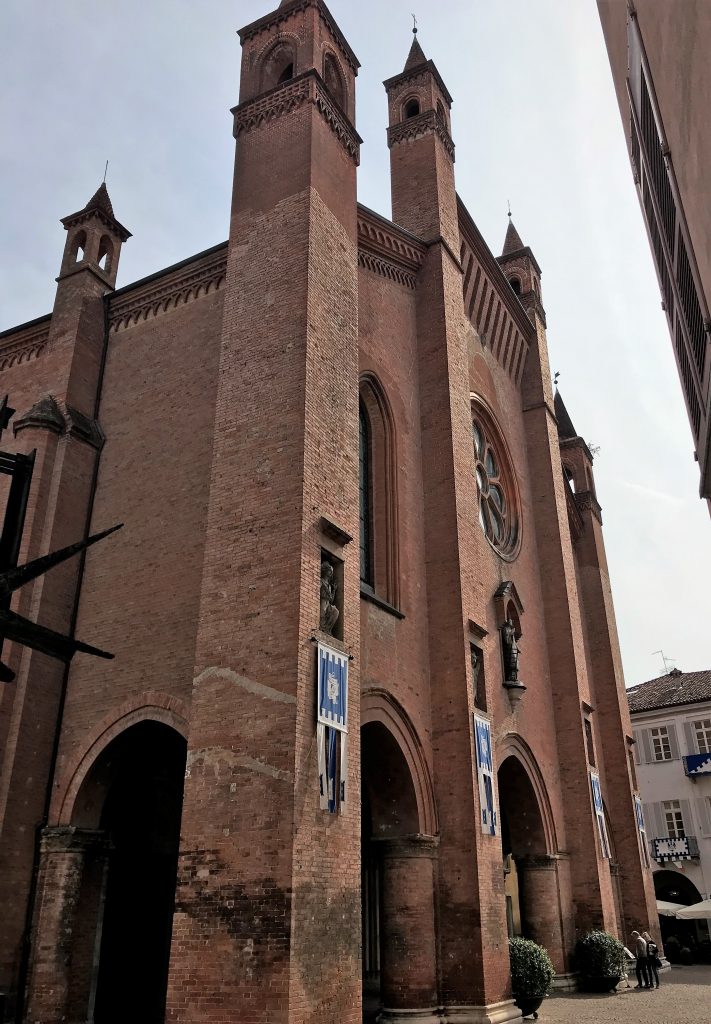
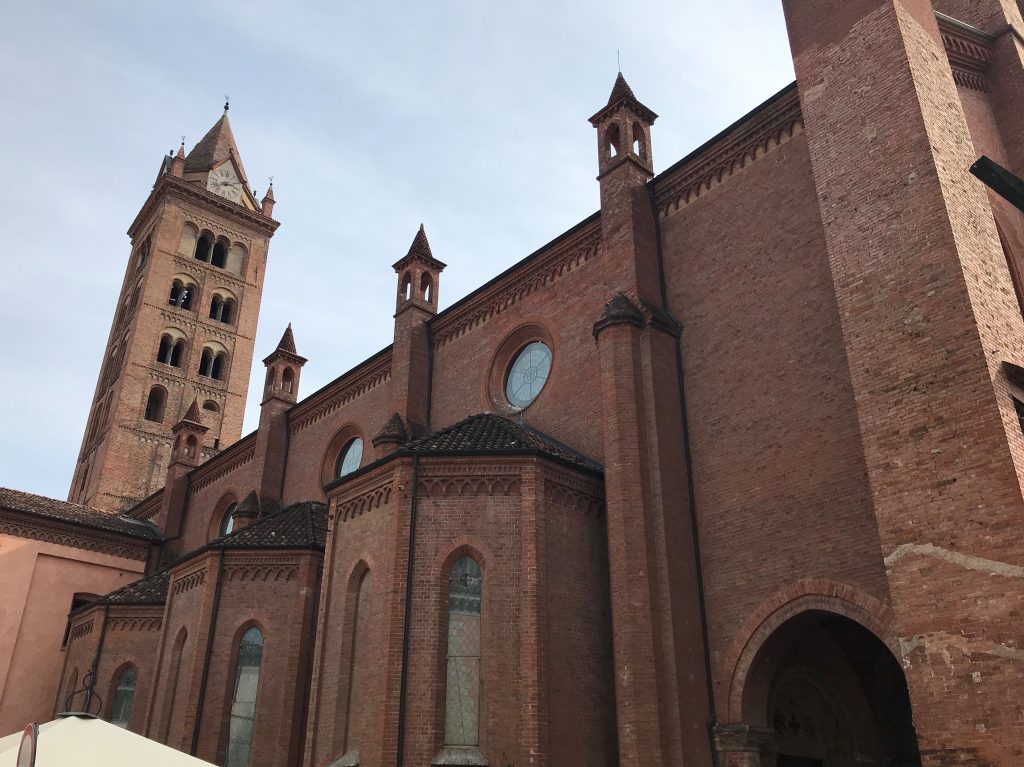
Alba is the second largest town in the area after Cuneo, founded by the Romans in 190BC, sitting on a hill above the banks of the River Tanaro.  The gothic style cathedral was built on the ruins of a Roman temple, it is beside the Town Hall which is attached to old Roman walls. It was known as the city of a hundred towers, only a few remain now as many were lowered to the roof levels or incorporated into buildings. Alba is also home to the white truffle, a festival is held in the truffle’s honour in October, and yes, we did get to try some!  A very strong mushroom flavour…..


The Town Hall in Alba

Alba’s cathedral

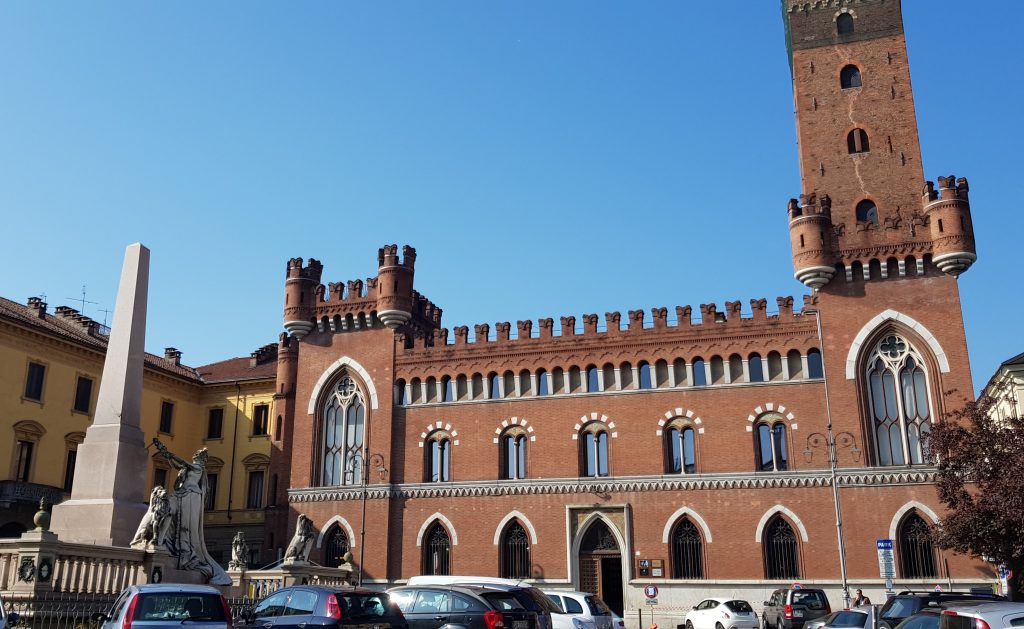
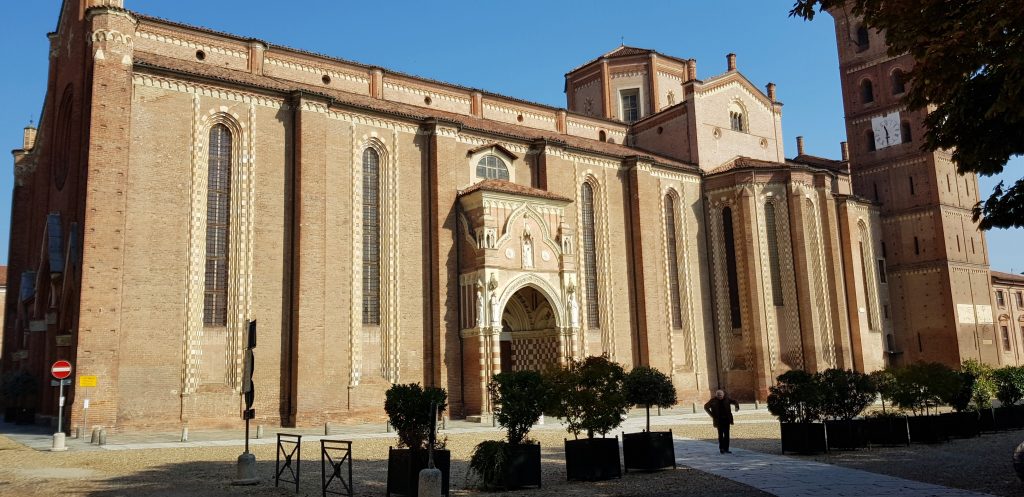
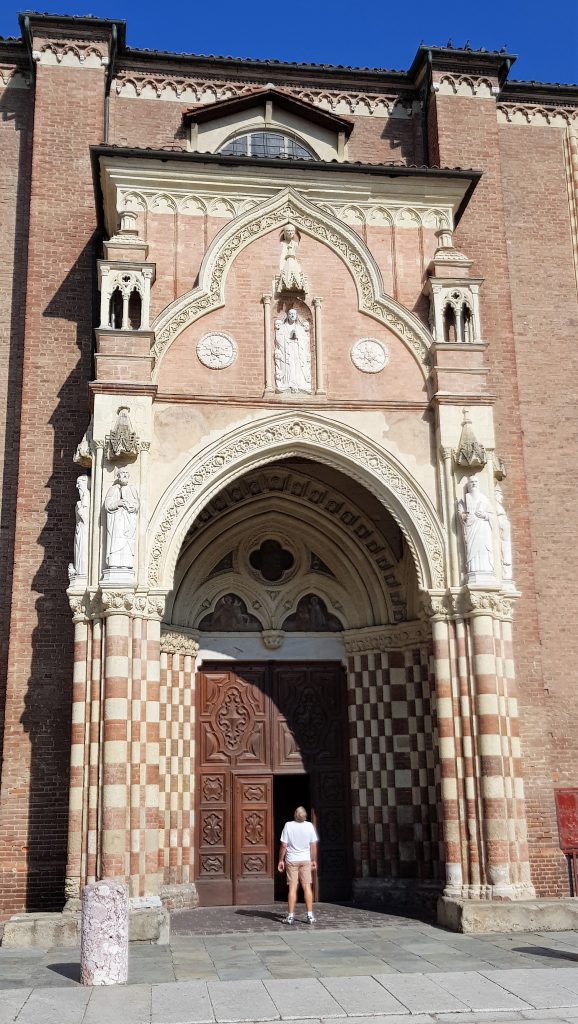
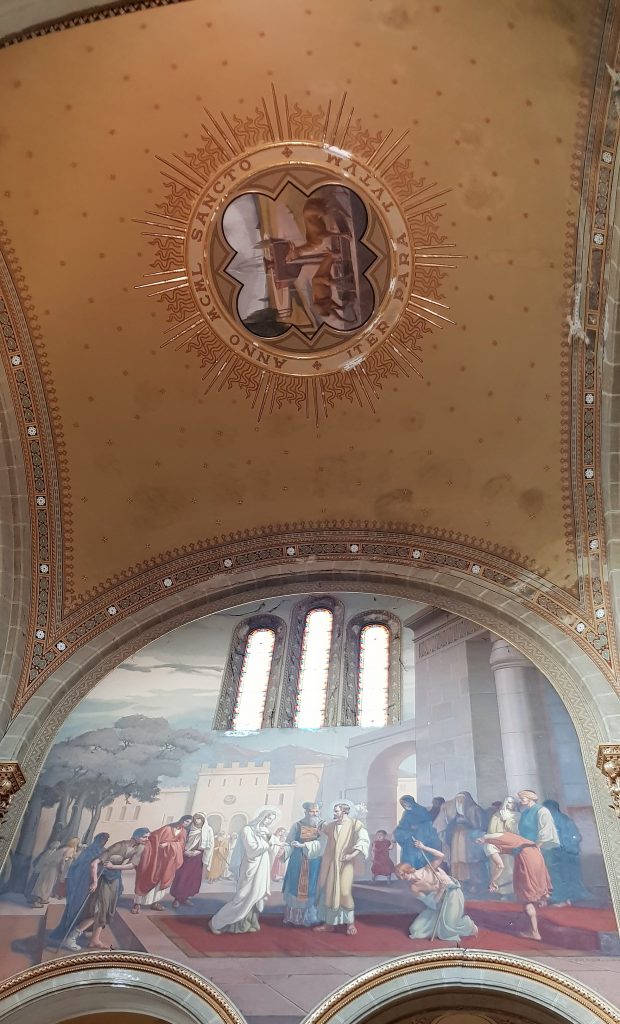
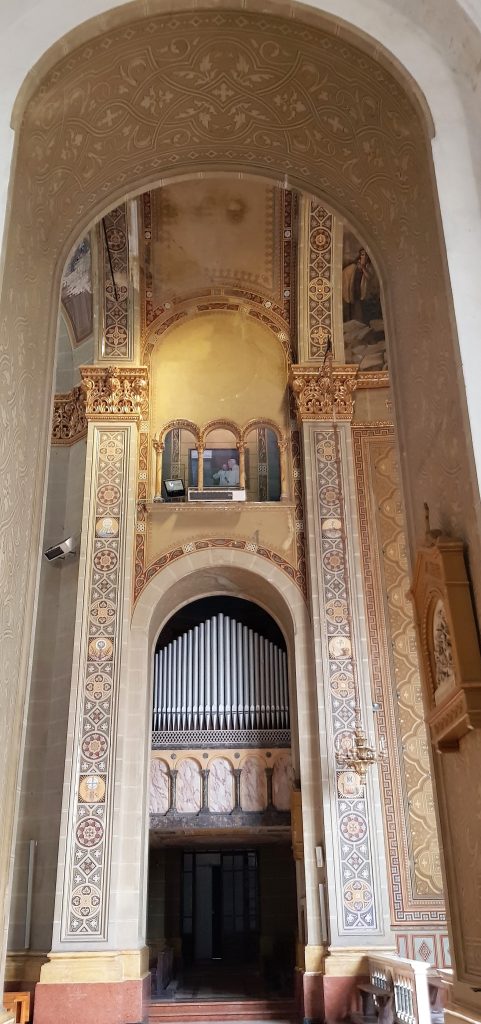
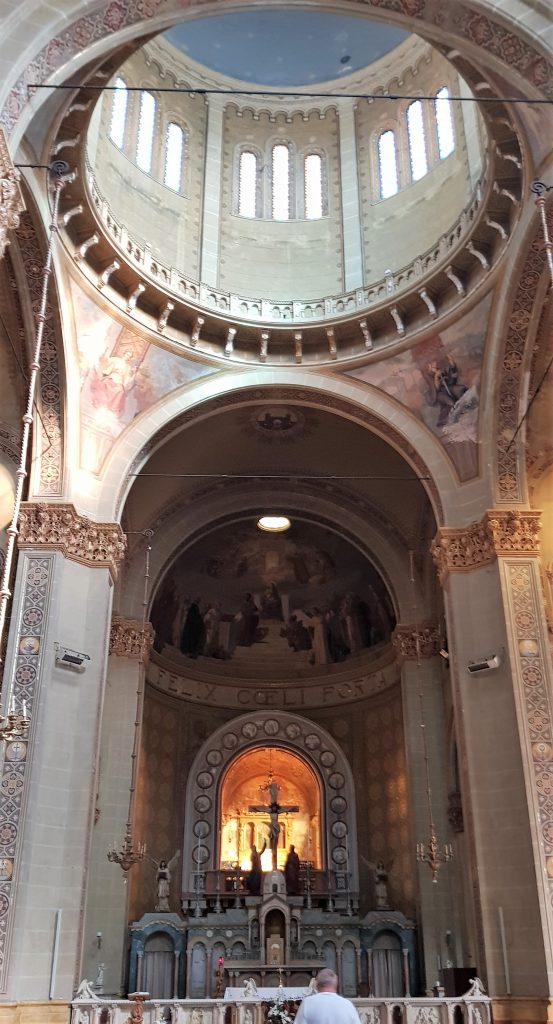
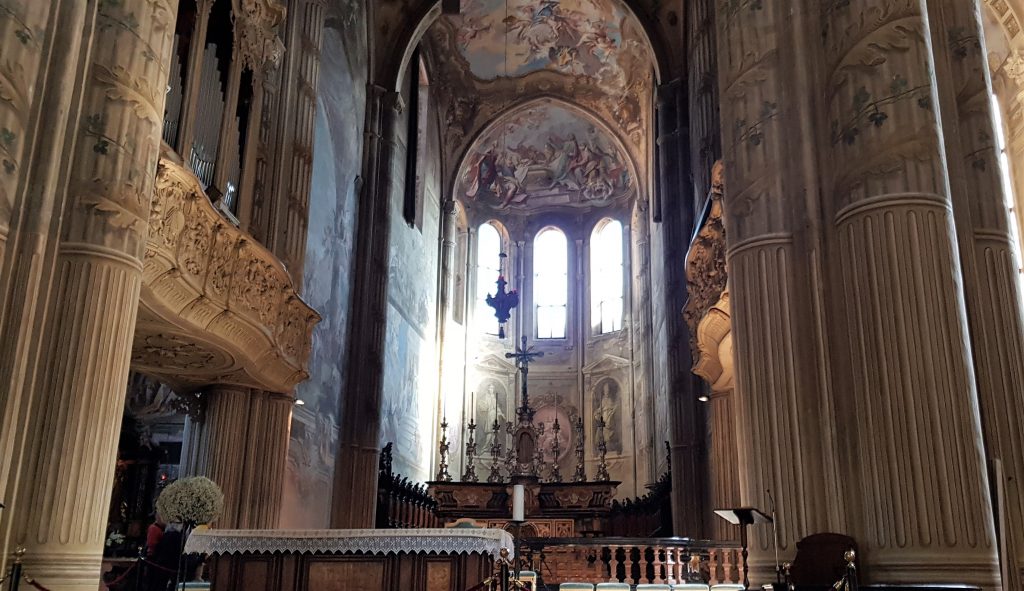
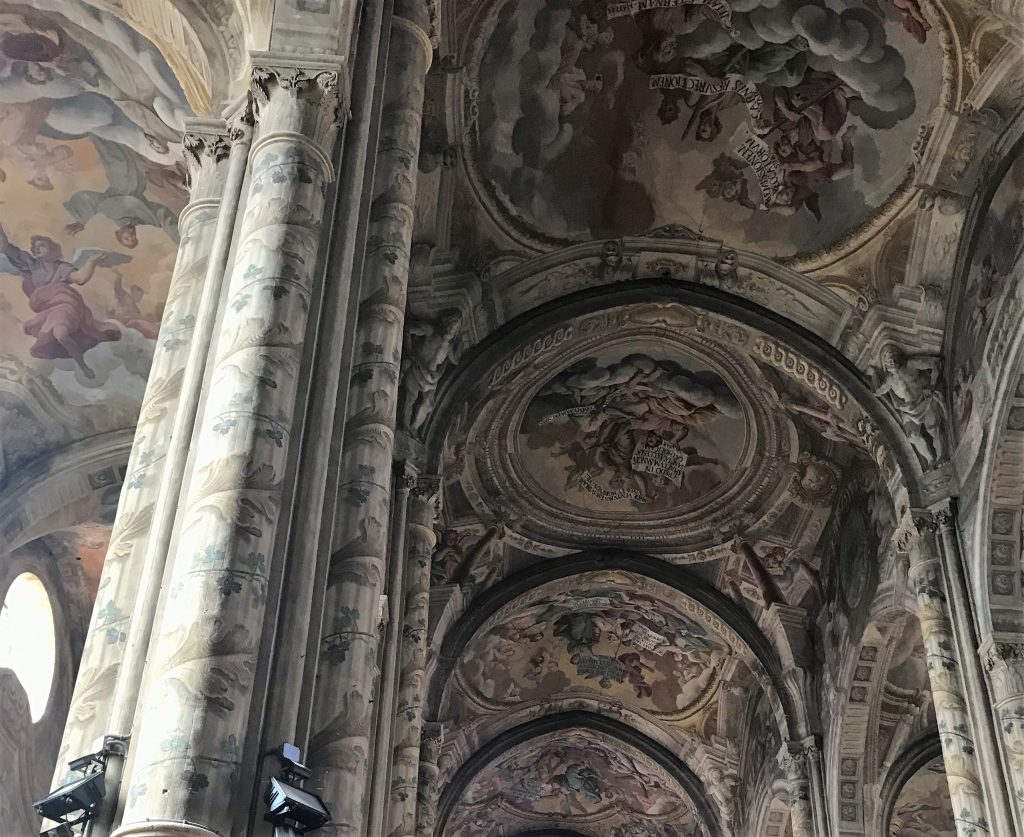
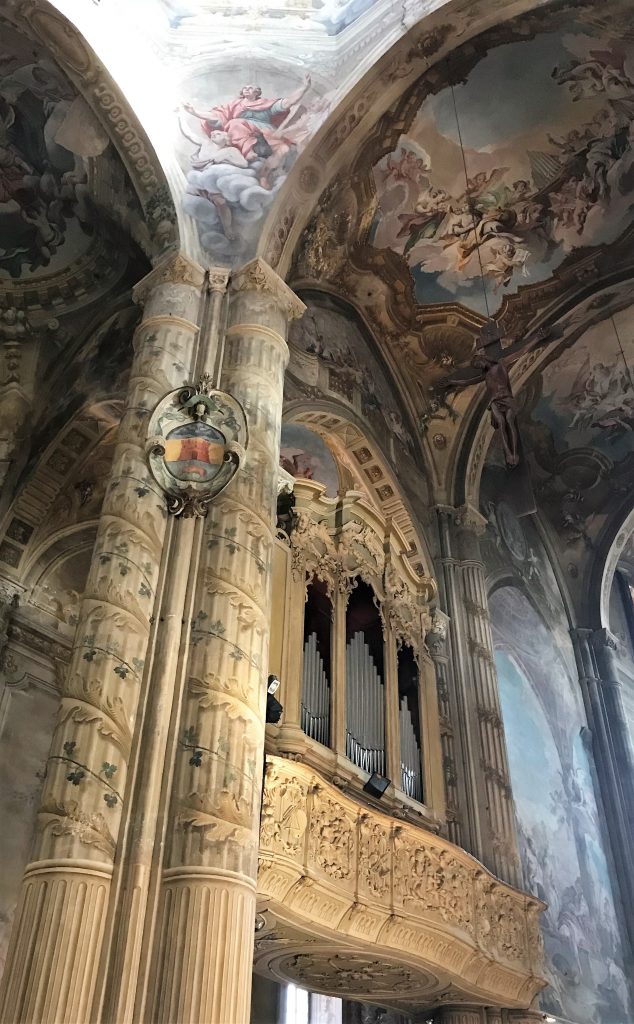
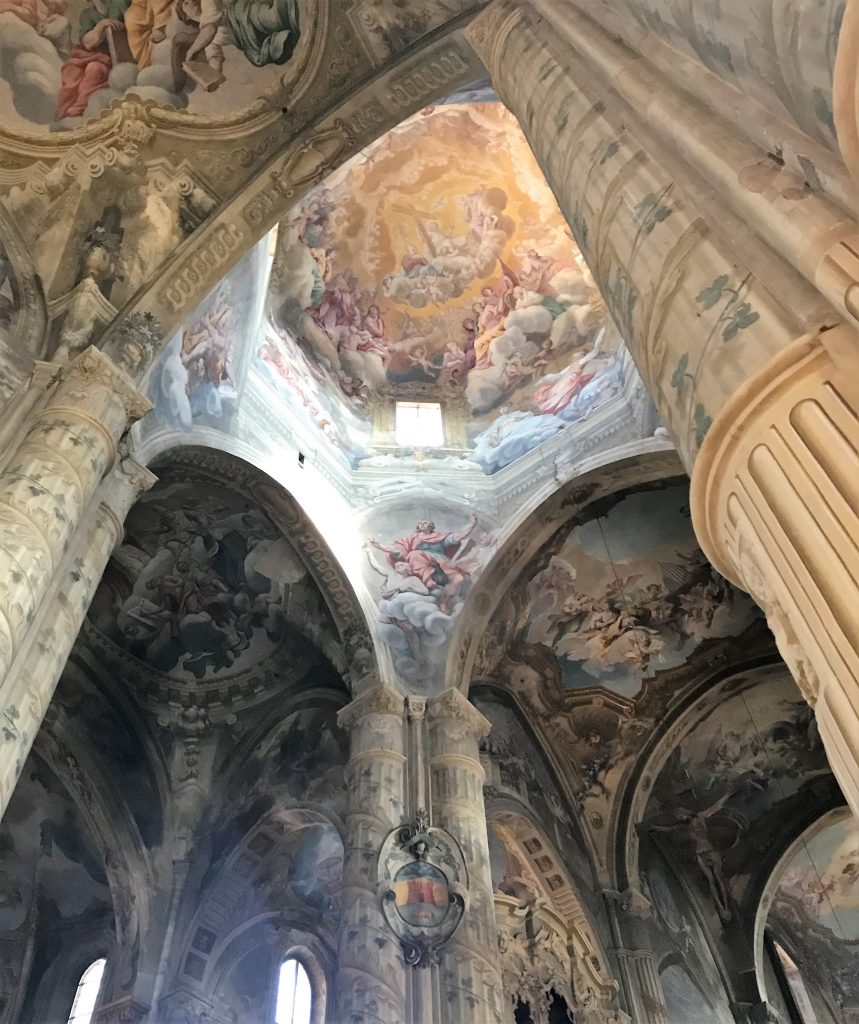
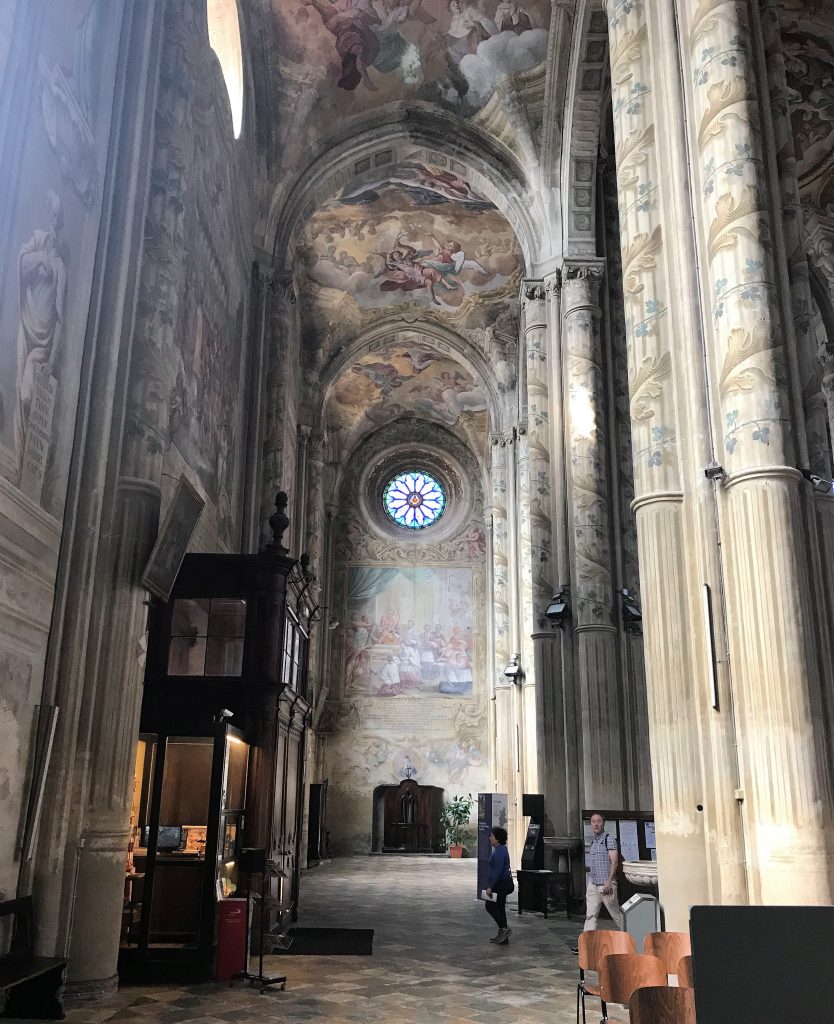
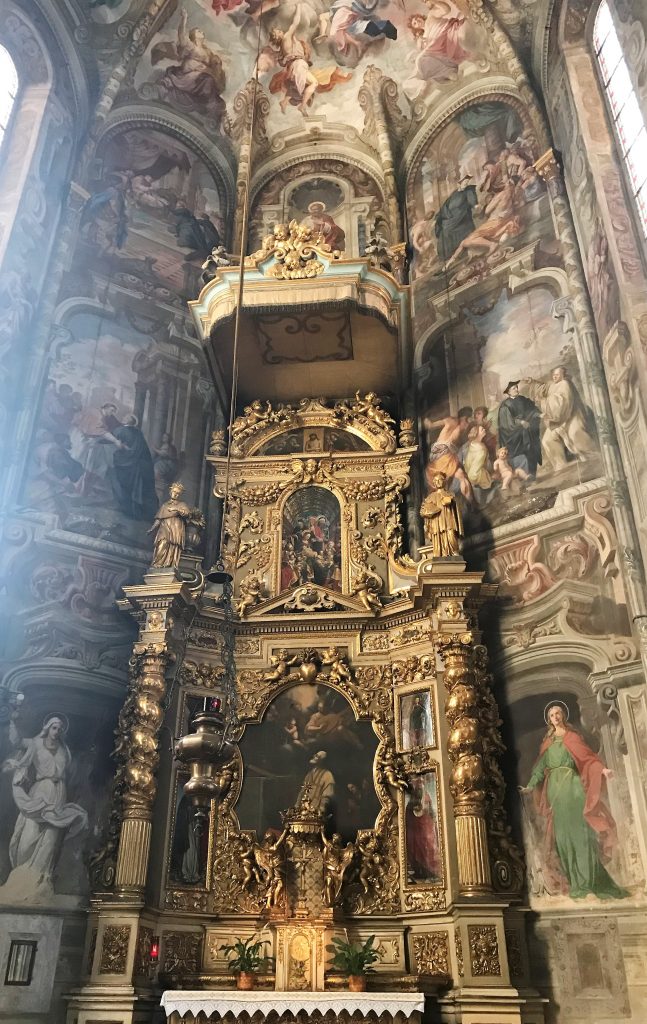
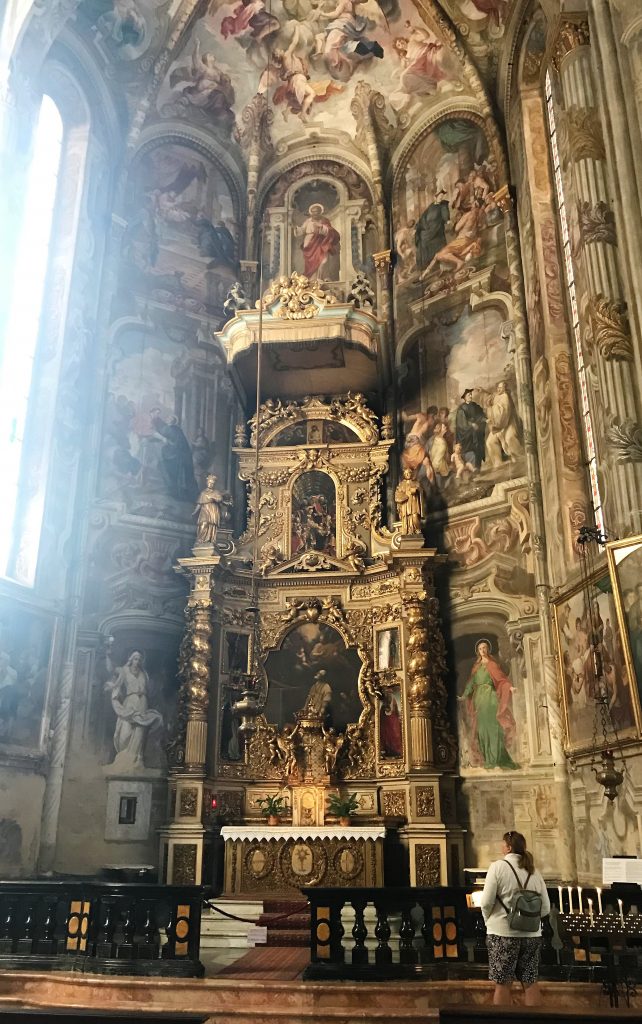
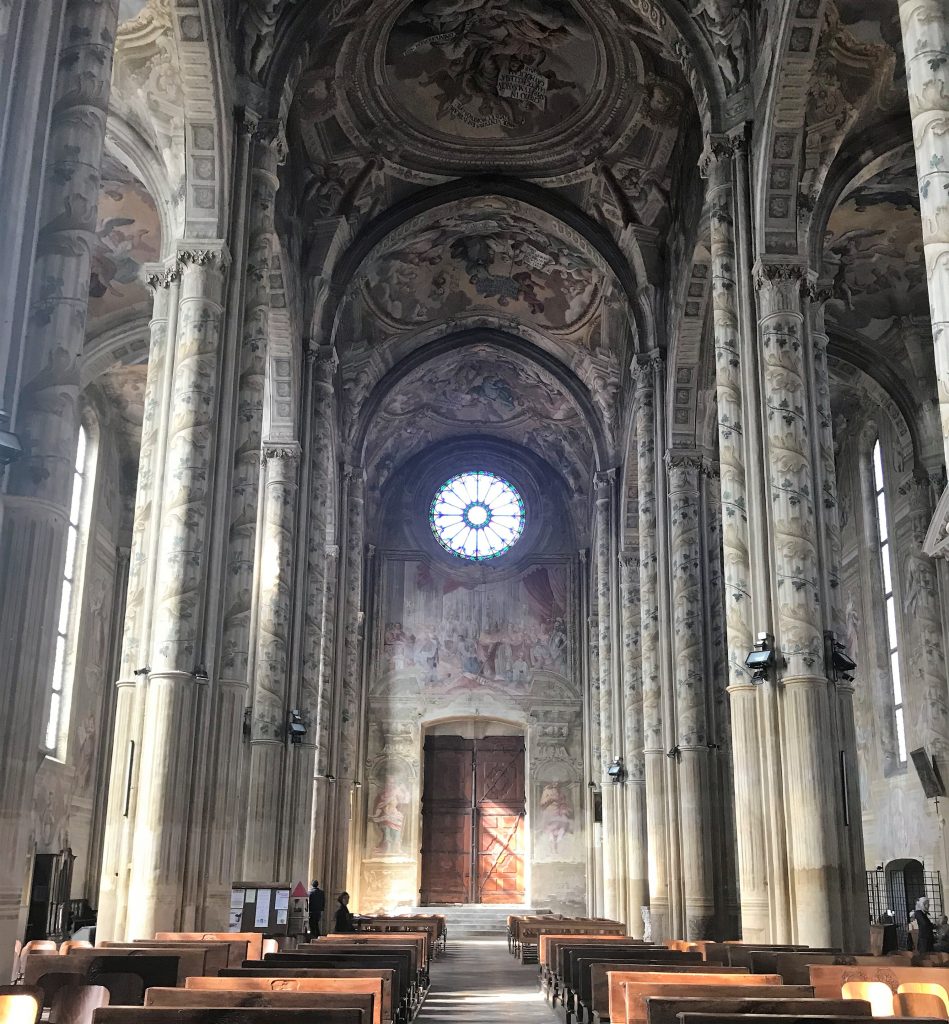
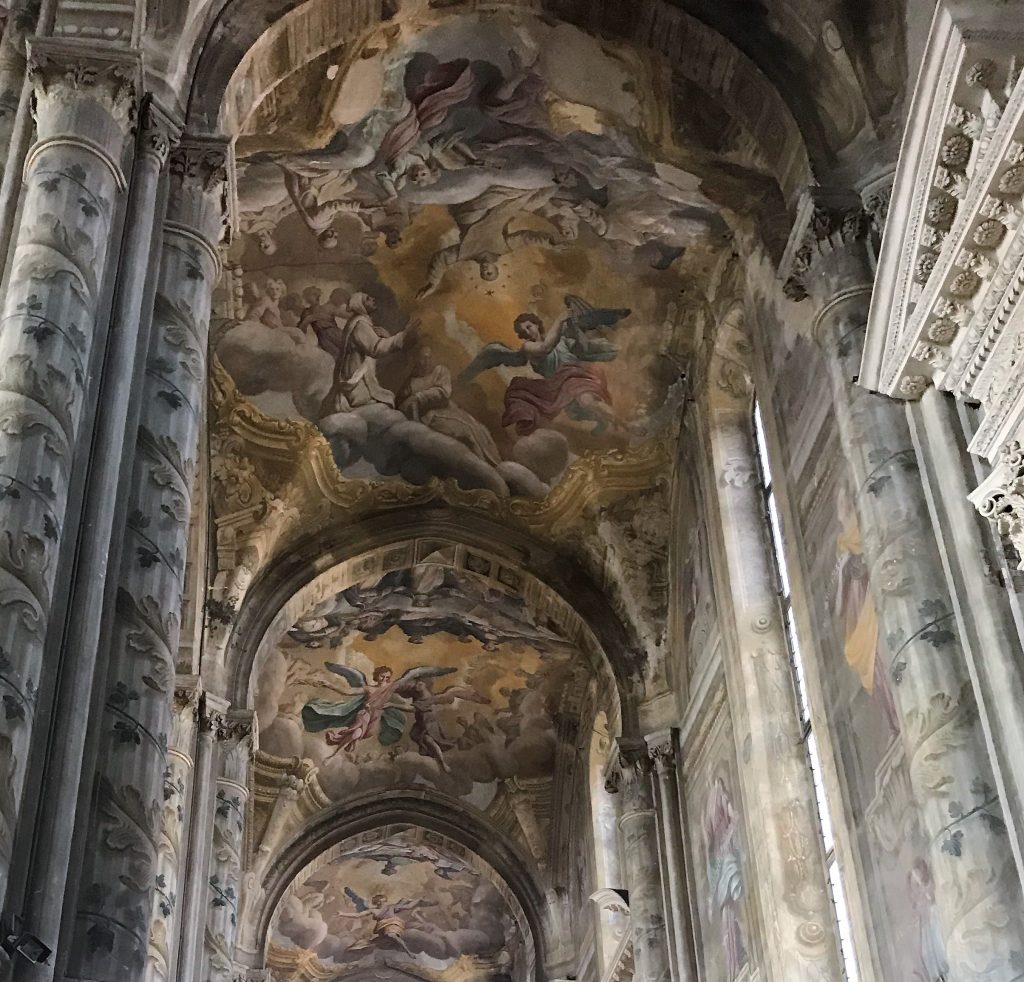
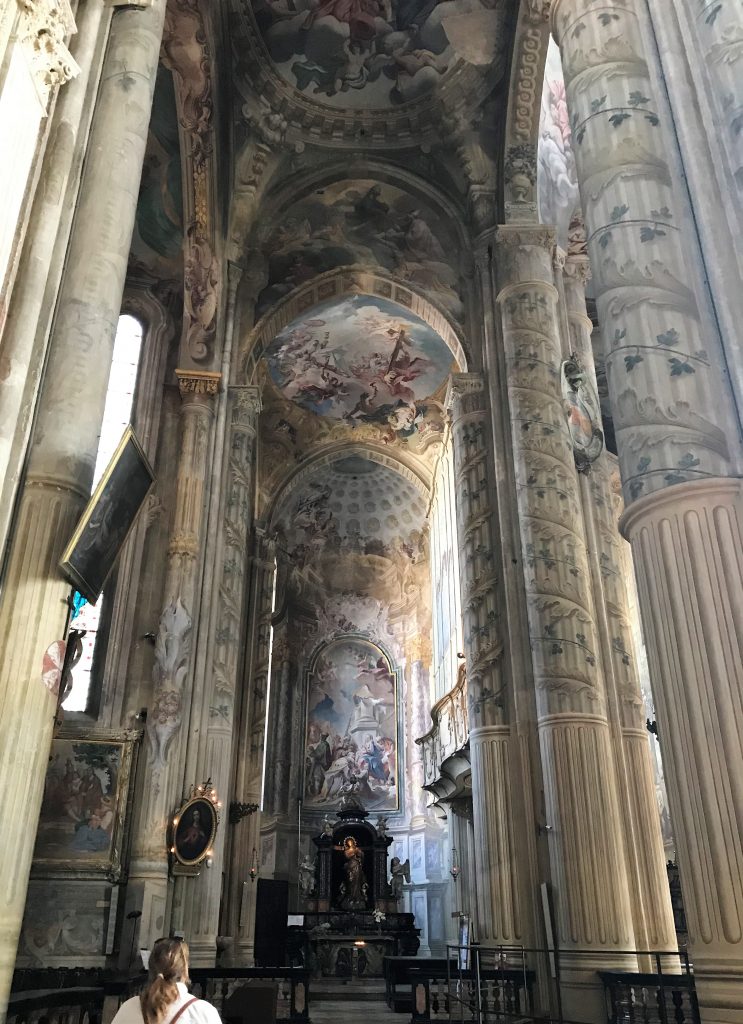
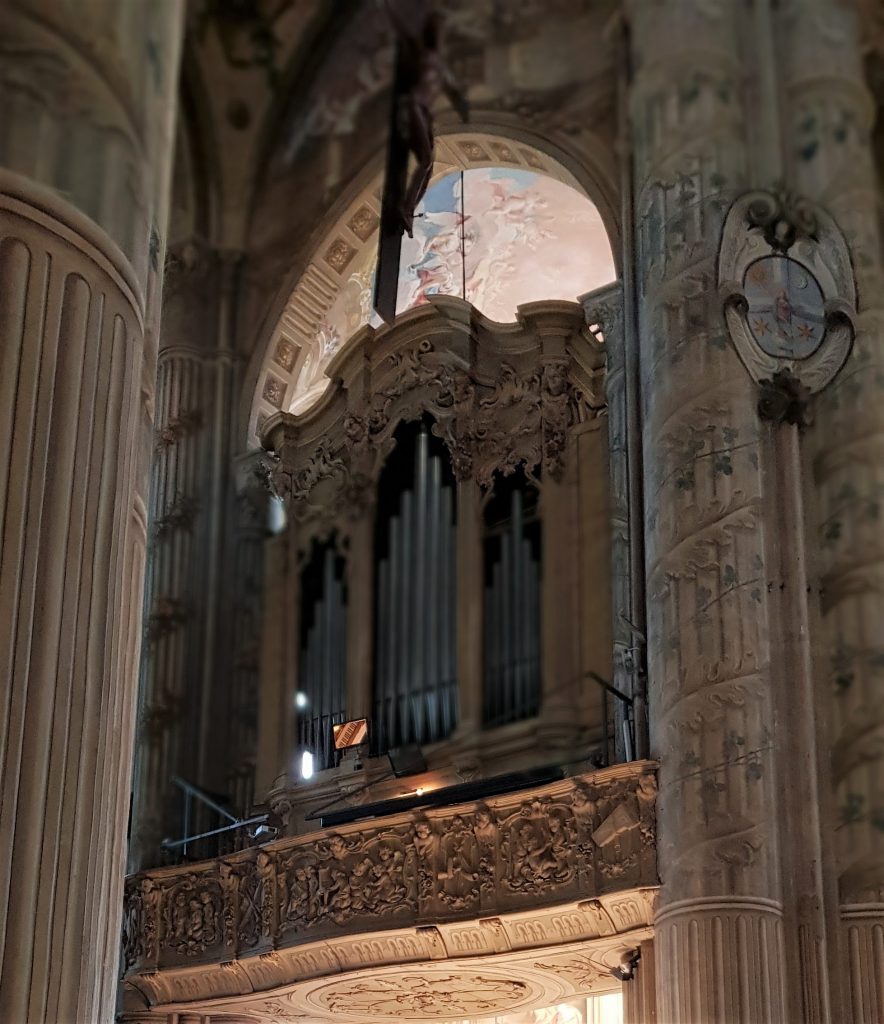
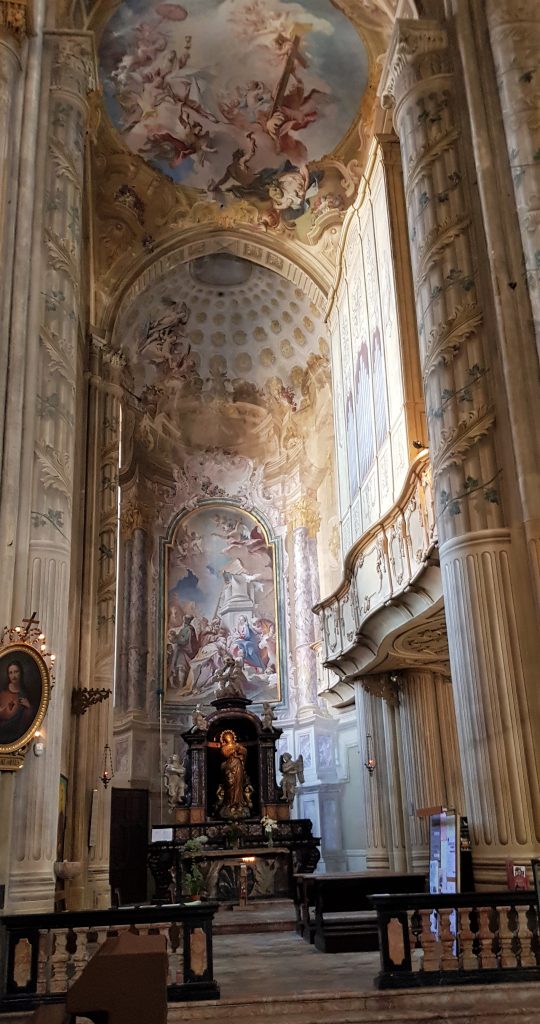
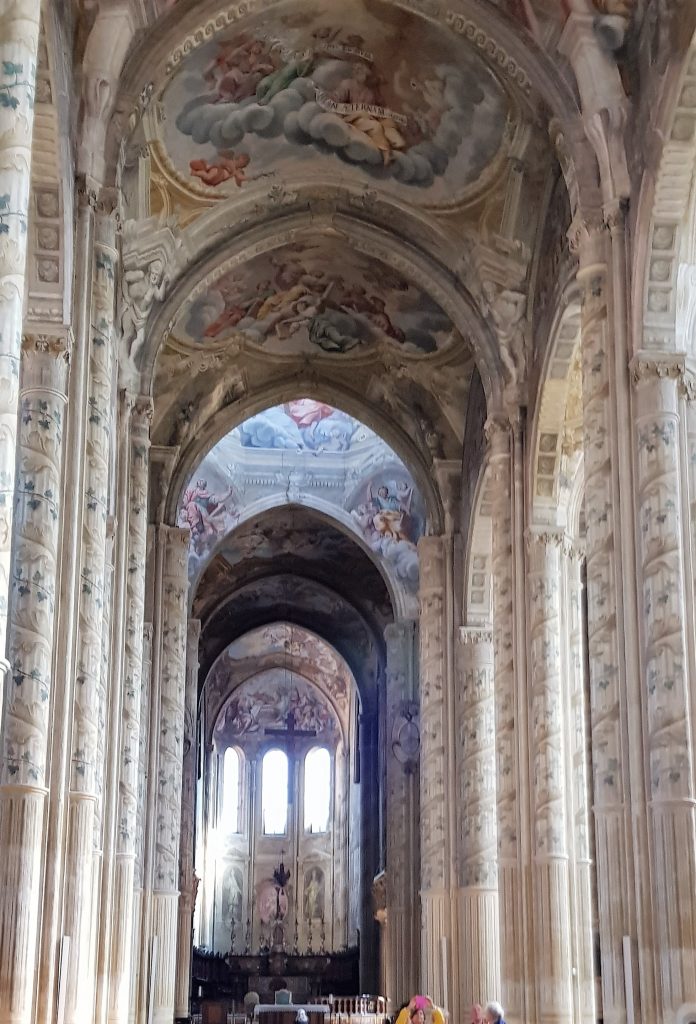
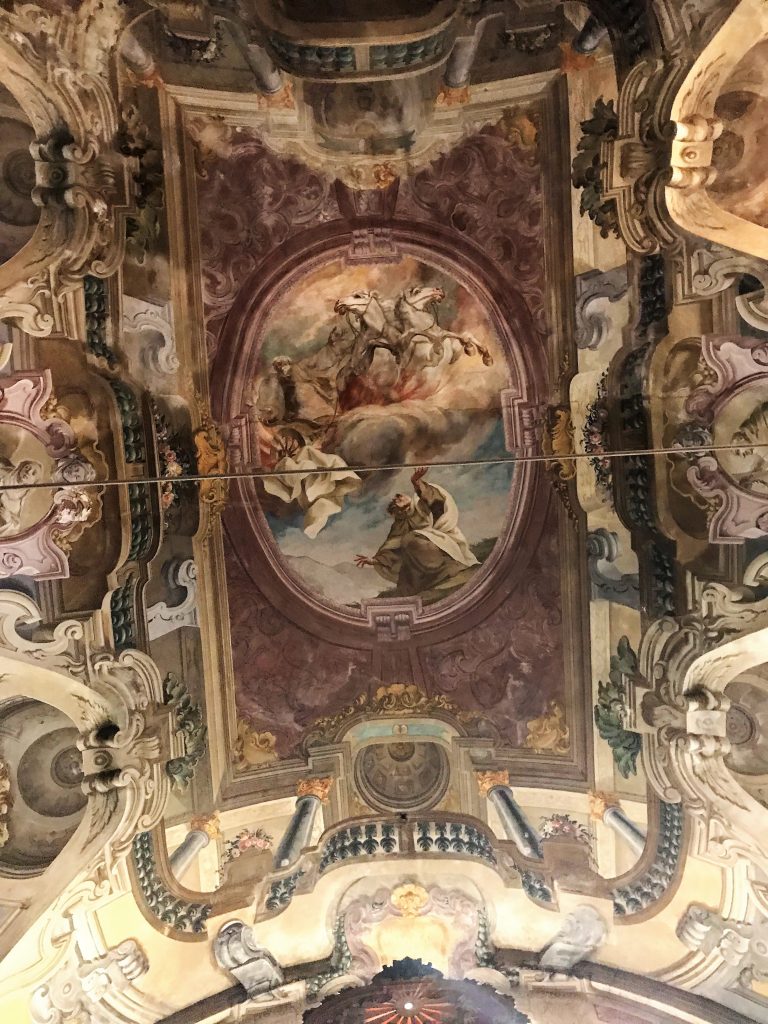
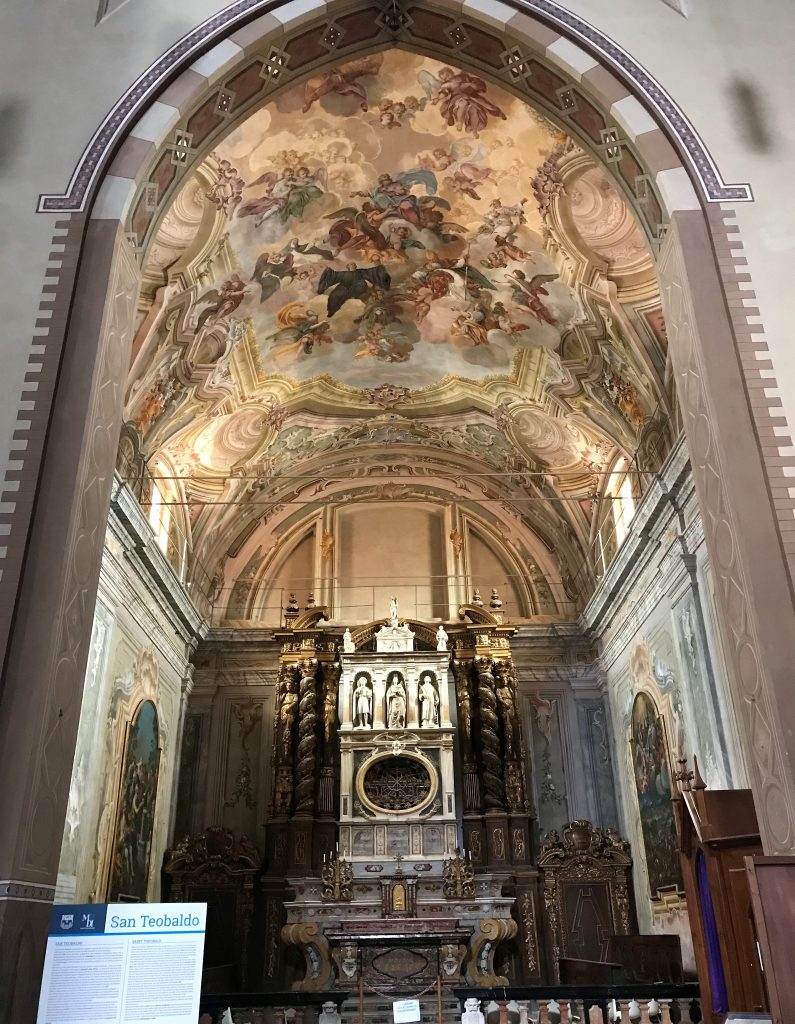
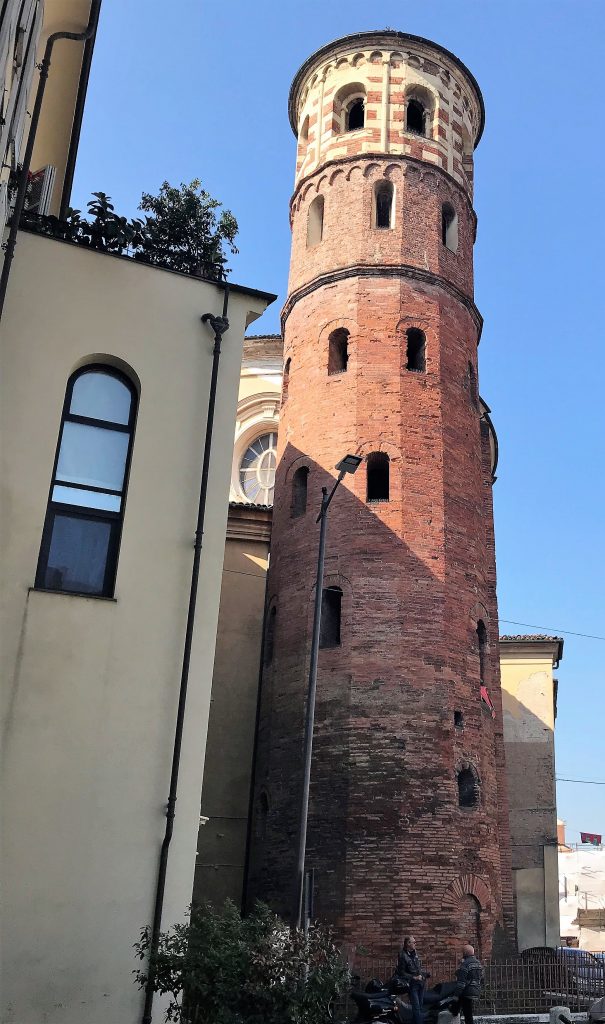
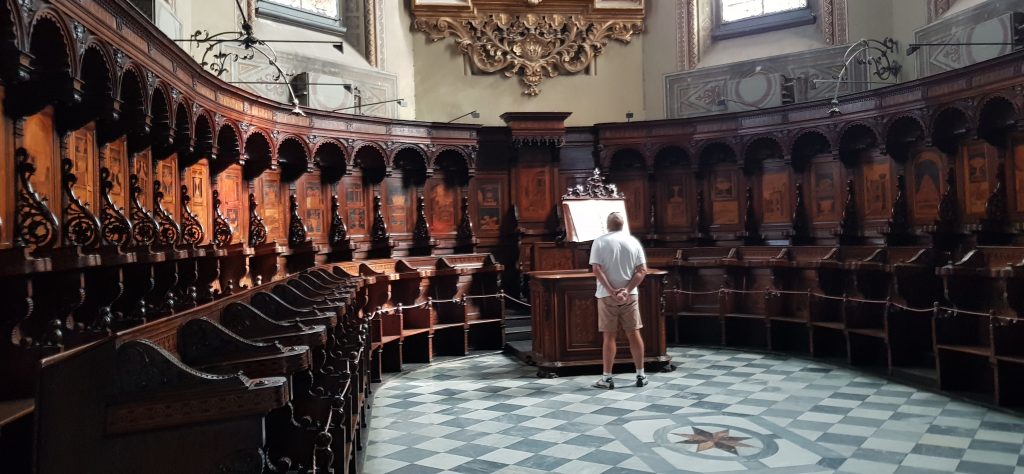
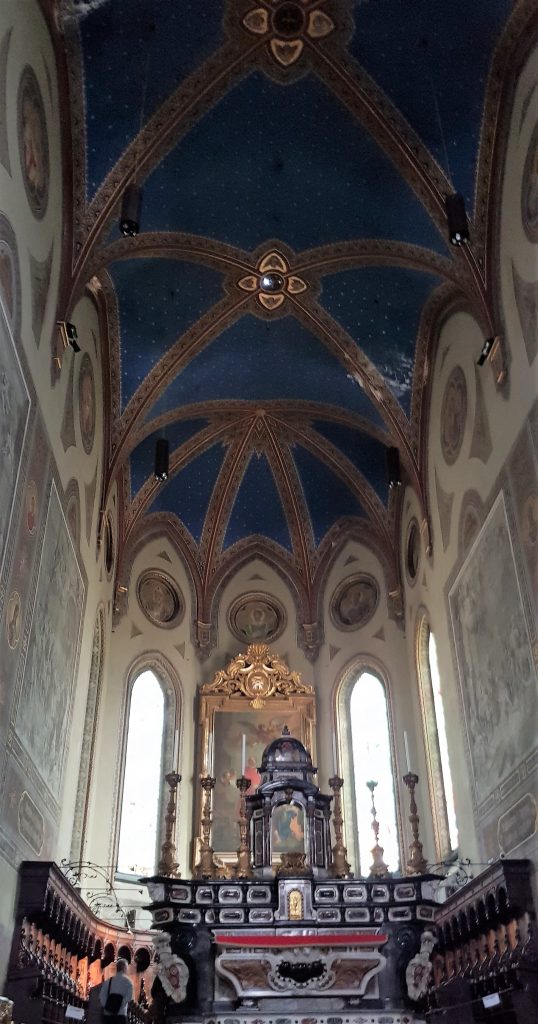
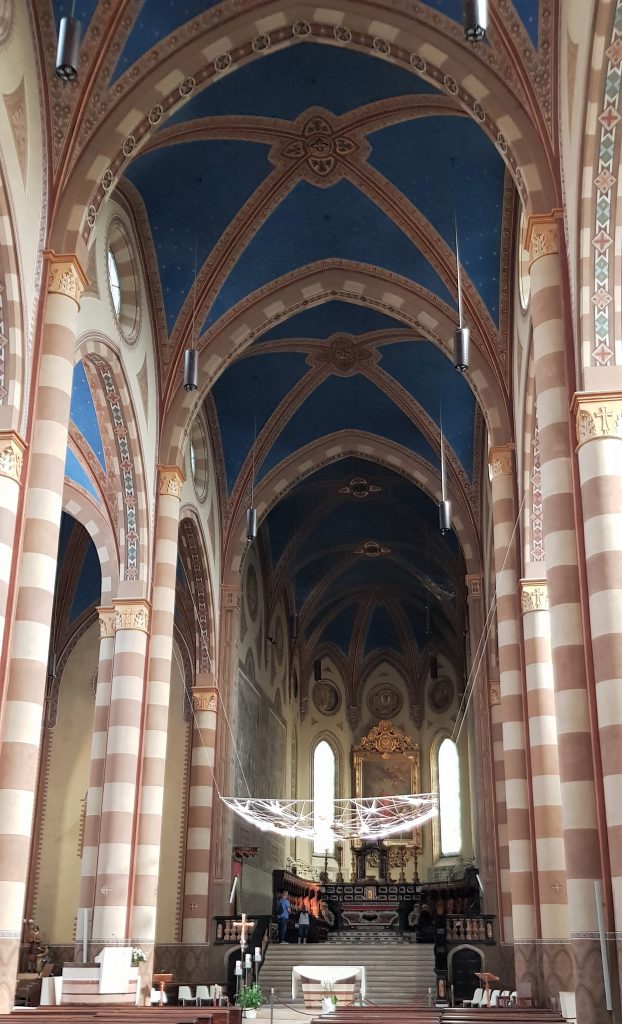
Asti was also built by the Romans, in the middle ages it became a “free town”, one that due to its trade throughout Europe, earned the right to “coin money”.  It is a city rich in red brick towers, palatial houses and crypts under the churches and buildings.  And the churches…….they are so ornate.  Frescos on the ceilings, columns painted to look like they have been carved, and such beautiful colours everywhere.

Asti may be famous for its sparkling wine, but it’s also famous for its “palio” – over several days a display of horsemanship culminating in bareback mounted horse races.   A food and wine festival takes place just before the Palio, in September every year, with over 40 businesses hosting thousands of visitors who want to taste their wares.  Sadly, we missed this!

After three days here we moved onto a totally different area, Lake Garda!


« Older posts Newer posts »