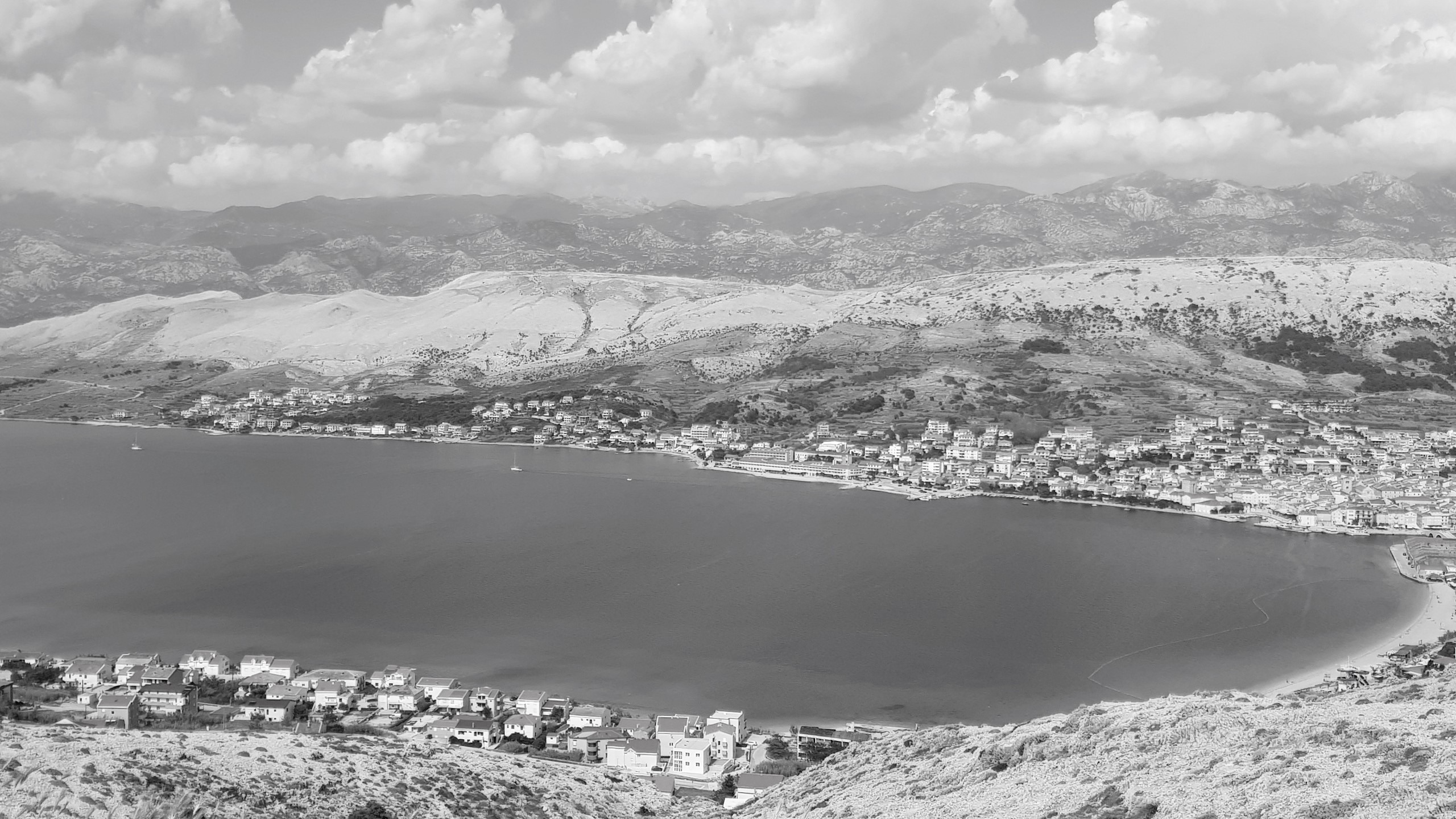
Zadar
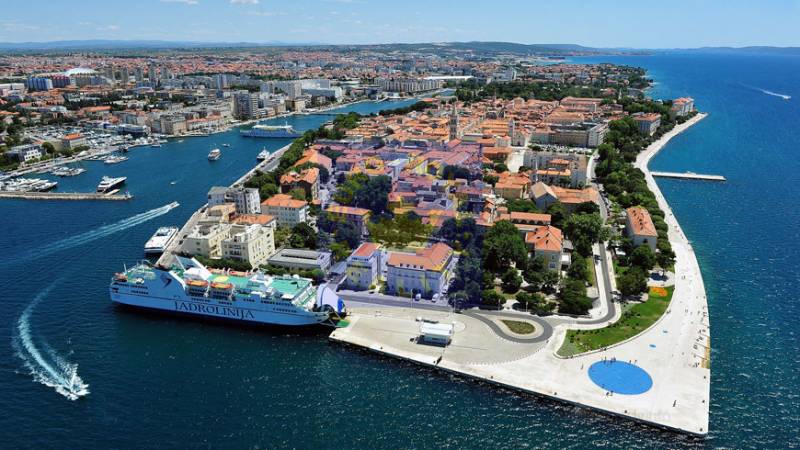
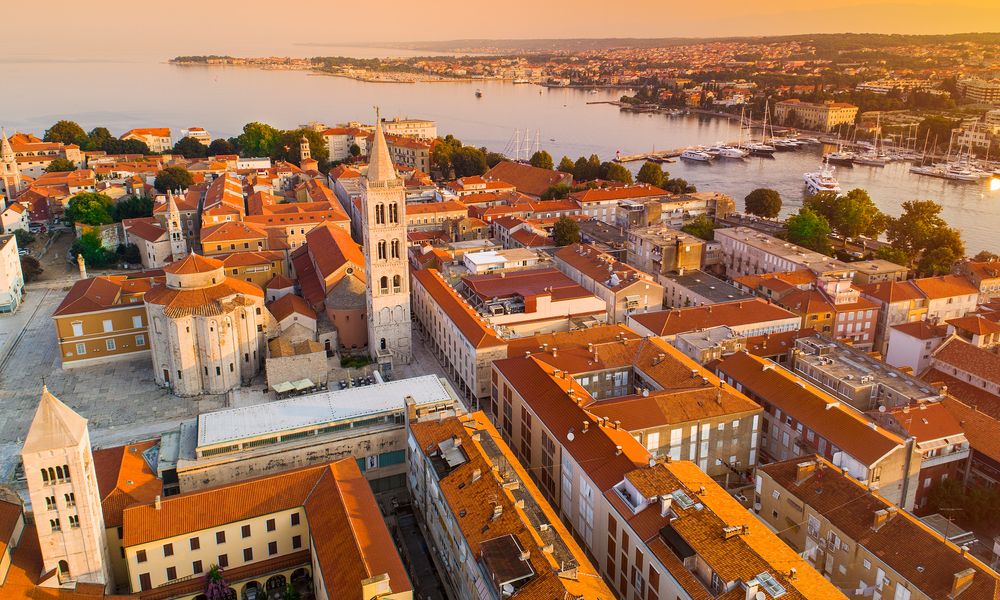
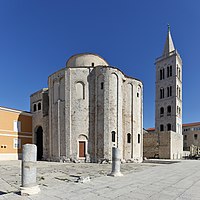
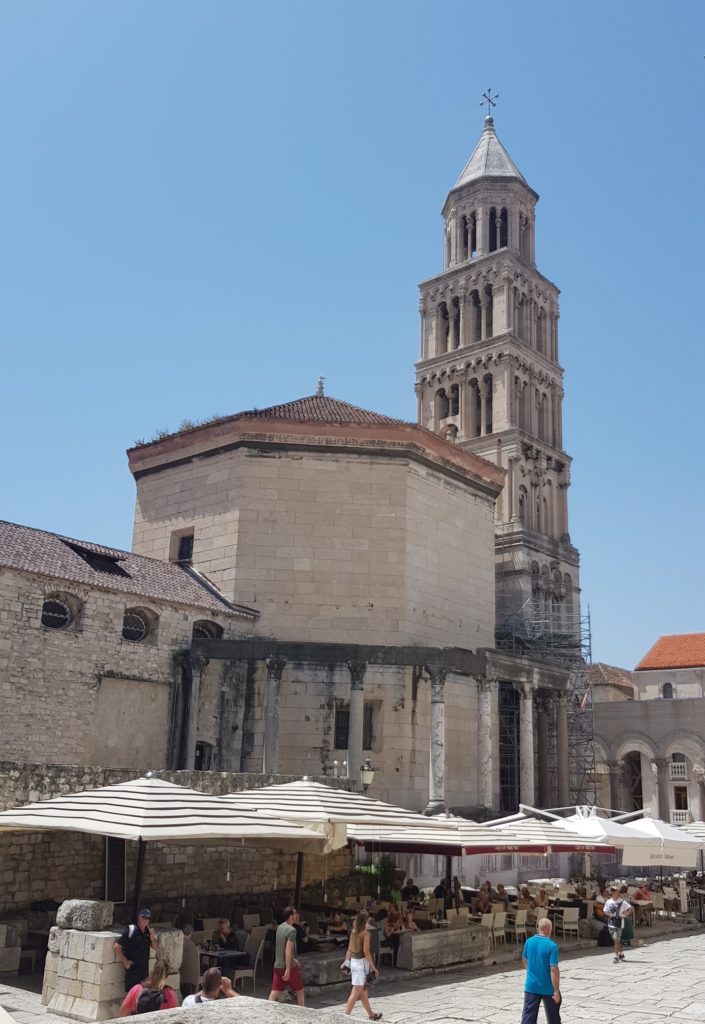
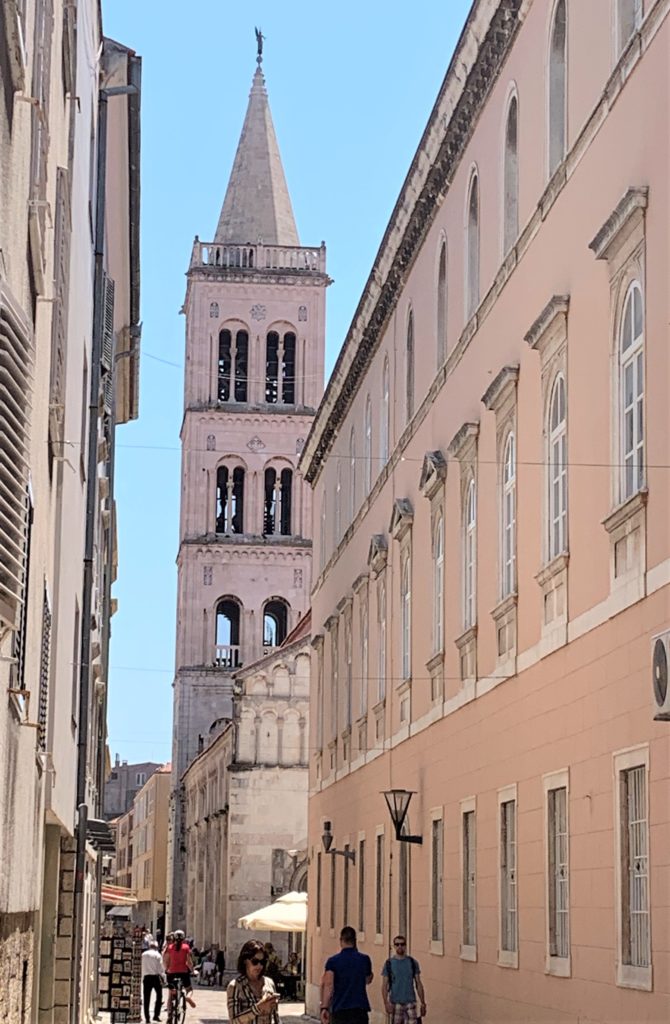
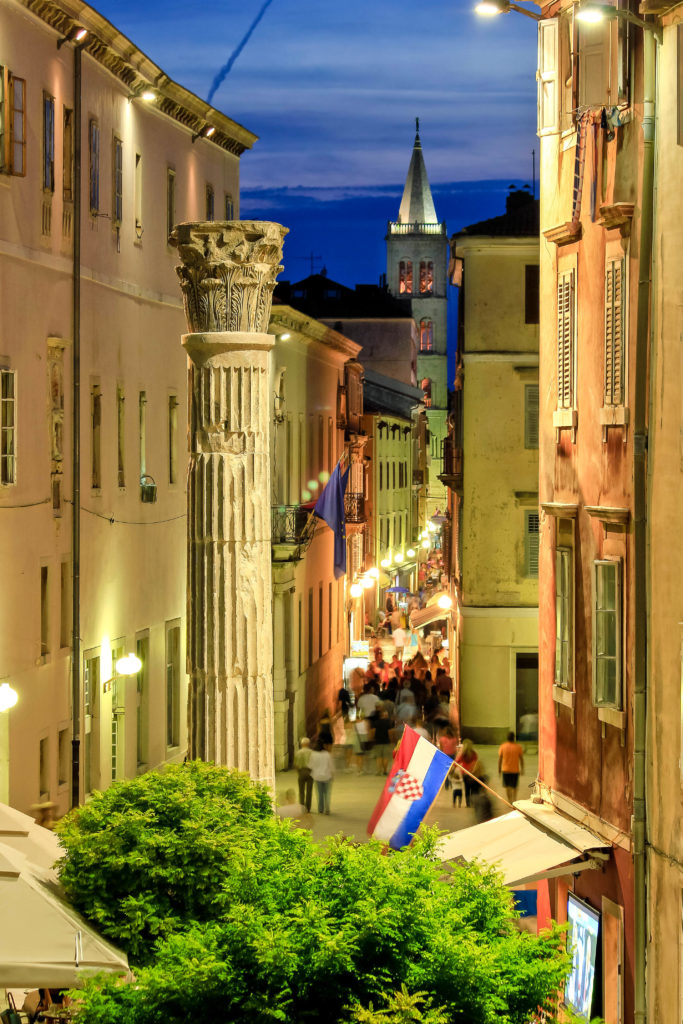
We took a day trip to Zadar, a small peninsular city on the coast. It had become a became a Roman colony in the 2nd century, the Romans brought with them civilisational advances, for example hot air central heating in homes and an aqueduct to and from Vransko lake 40km away. The remains of the old Roman Forum are surrounded by what is left of the walls, churches and other Roman buildings. Very little remains of the original city walls or gates.
Over the centuries, the inhabitants of Zadar focused on shipping, and the city became a naval base to rival Venice. In the 16th century, Turkey invaded Dalmatia, and Zadar retreated behind reinforced walls in the city and, aided by the Venetian colonisers, became the largest city-fortress in the Venetian Republic. It was then ruled by French, Austrians, Italians and then the Germans, until it was liberated by the Allies in 1944 to become part of Tito’s Yugoslavia. Unfortunately, in the process, the Germans bombed 65 percent of the city to ruins.
It was slowly being rebuilt but during the Yugoslavian war of 1991-1995, Zadar was under siege for three months, and bombarded from positions further afield for most of the duration of the war. The population was forced underground, surviving on inadequate supplies of food and water.
The scars of these wars are just visible as rebuilding has taken place in every sense but the city has changed dramatically in the last ten years since the last war ended. It feels modern yet old, as though the Romans had been again, rebuilt the city then left.
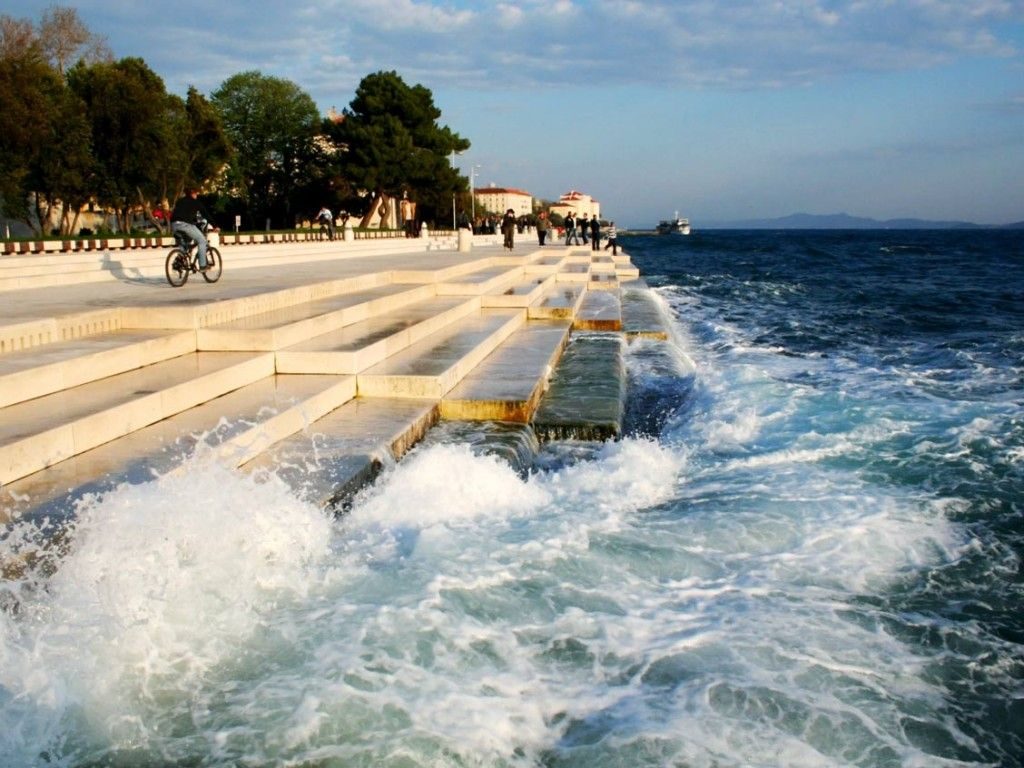
On the seafront, several sculptures reflect the new part of the town, the blue circle in the picture below is a huge globe made of reflective blue glass sections, in the pattern of a compass. Beside it, the stepped promenade had gaps underneath that play an organ type sound caused by the wind. It’s called the Sea Organ, click here for more info and to listen. http://www.oddmusic.com/gallery/om24550.html
Ocean Waves
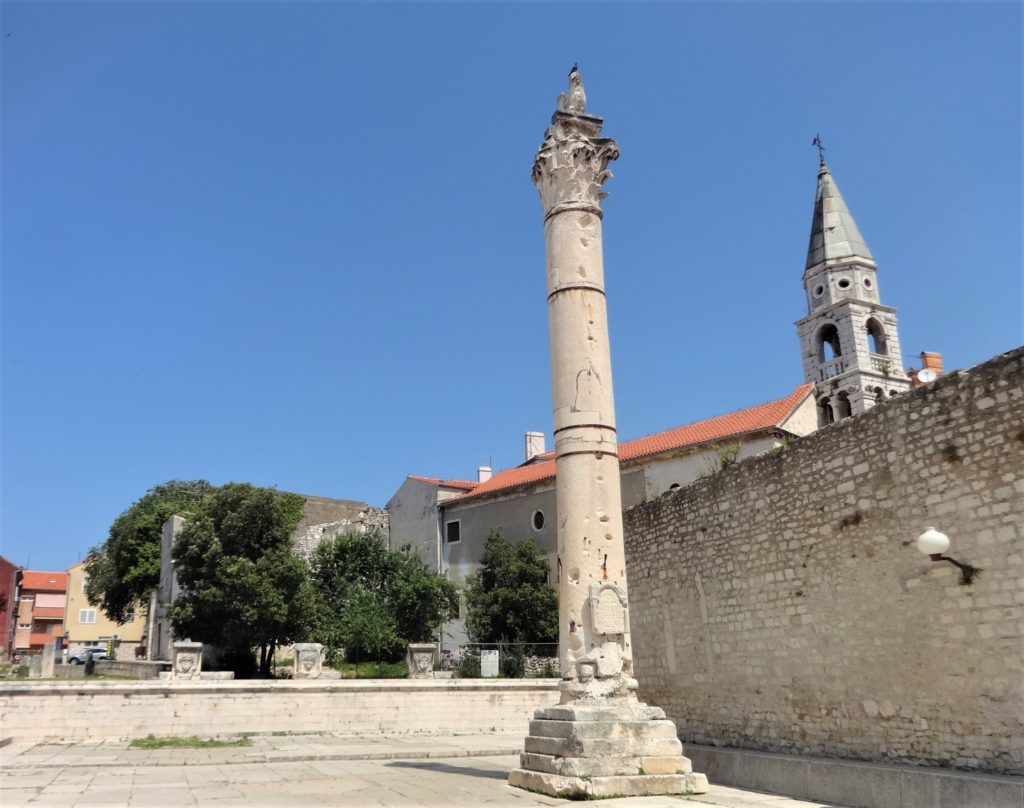
The Tower of Shame 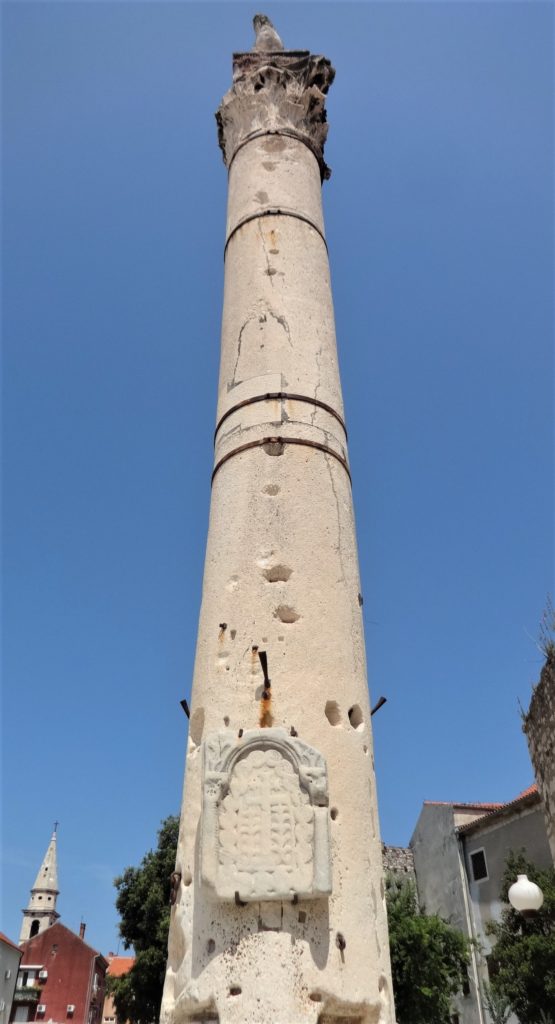
The bullet and shell damage remains 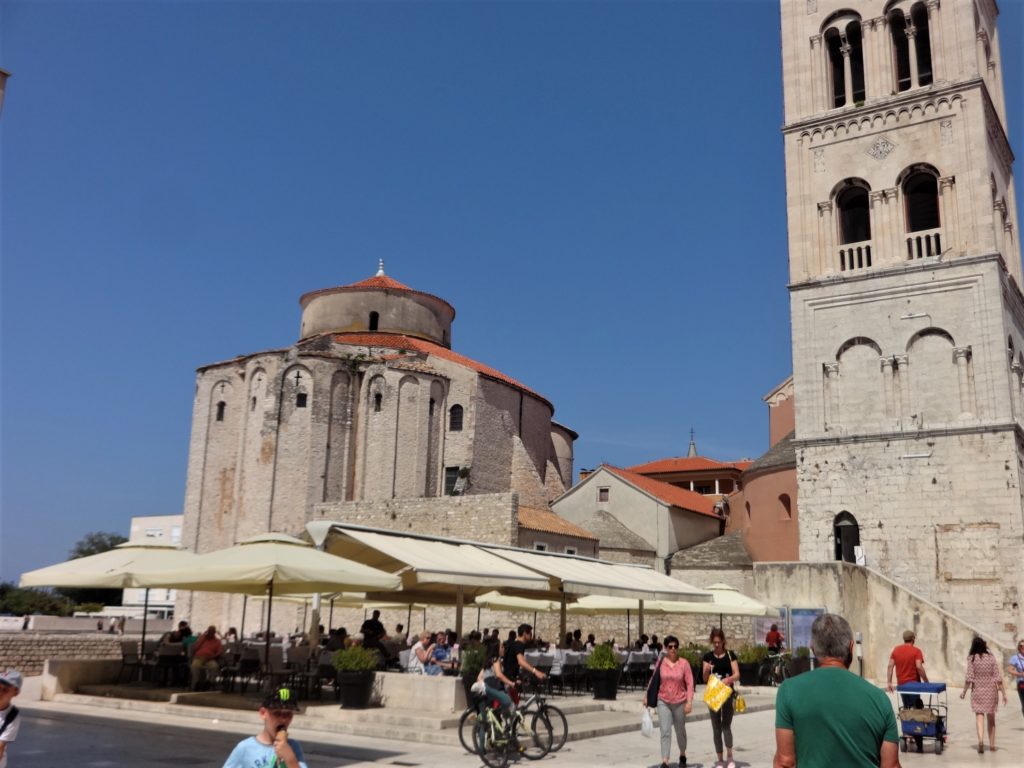
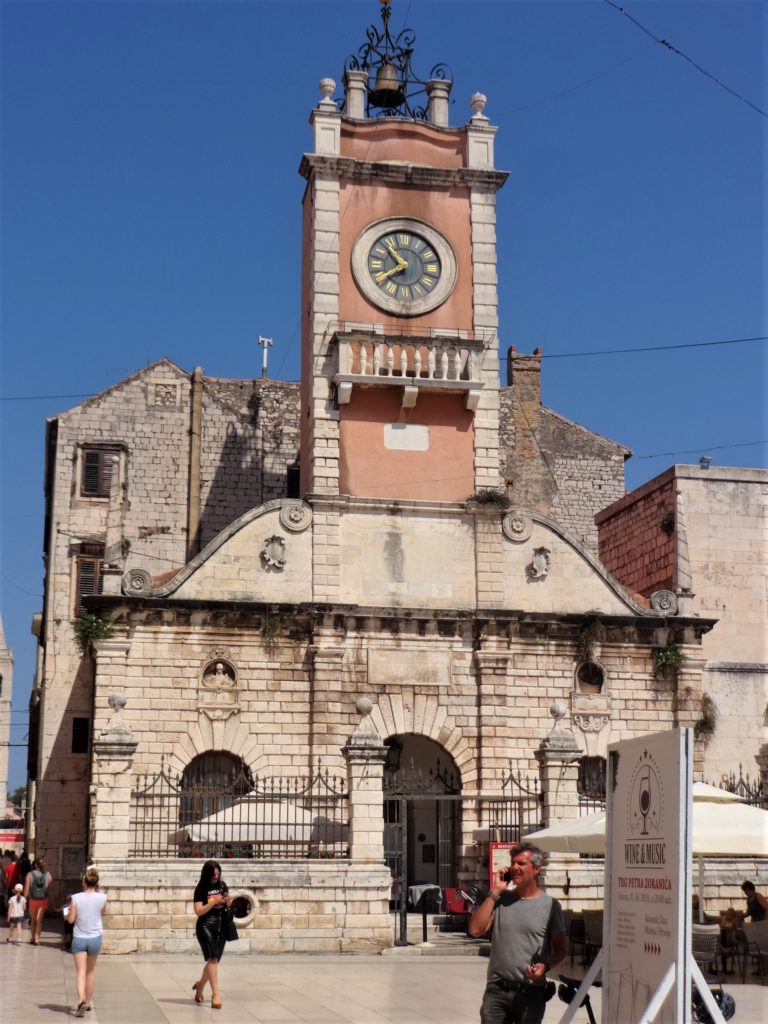
Nin Island
Another day trip was to Nin island, our local town which was just a mile or two away. It is an island aged over 3000 years old, home to drystone walled houses and Roman mozaics, it was the place where the Croatian state was formed and was the permanent seat of national rulers – dukes and kings, right up to the 19th Century.
It is famous for it’s own Sausage called a “Sakol”, a smoky pork chorizo style sausage, which has it’s own Festival in the summer. Pork neck is soaked in sea salt water for a few days, then in boiling red wine for a few hours then seasoning and spices are added, before it is smoked then dried, it tastes very smoky and salty!
It is also famous for having medicinal mud on one of the beaches, called the Queen’s beach. It was said that in 900, one of the area’s kings would bring his wife here to bathe in the medicinal mud, making her look more beautiful after her week’s treatment.
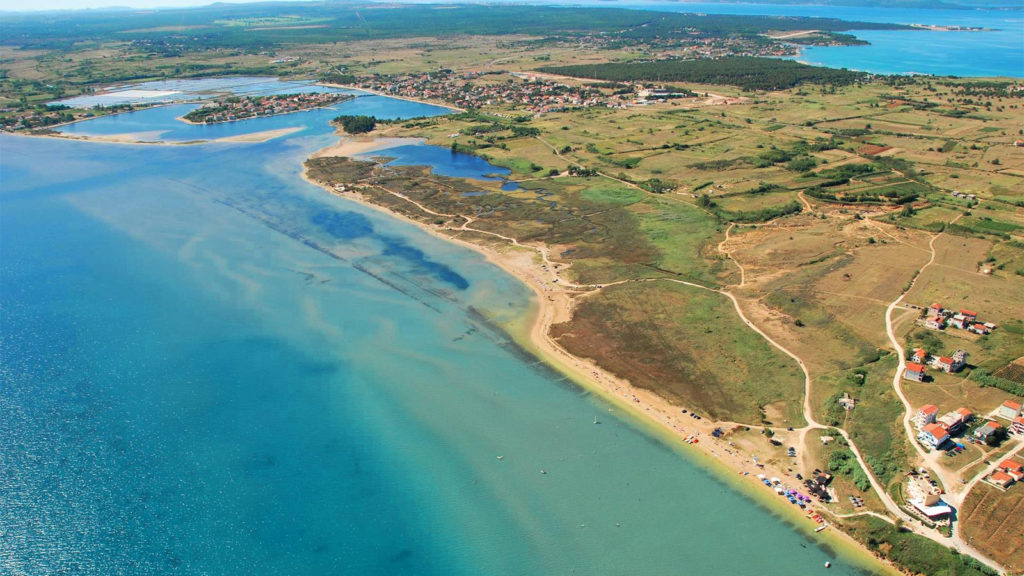
Queens medicinal beach 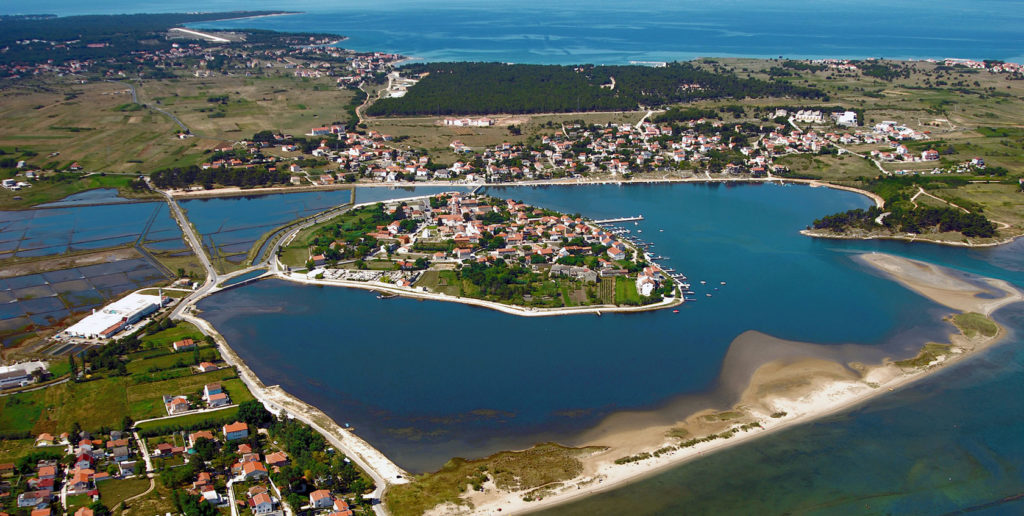
Aerial view of Nin 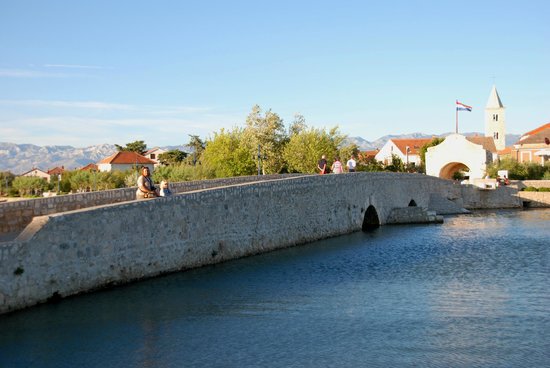
Entrance gateway 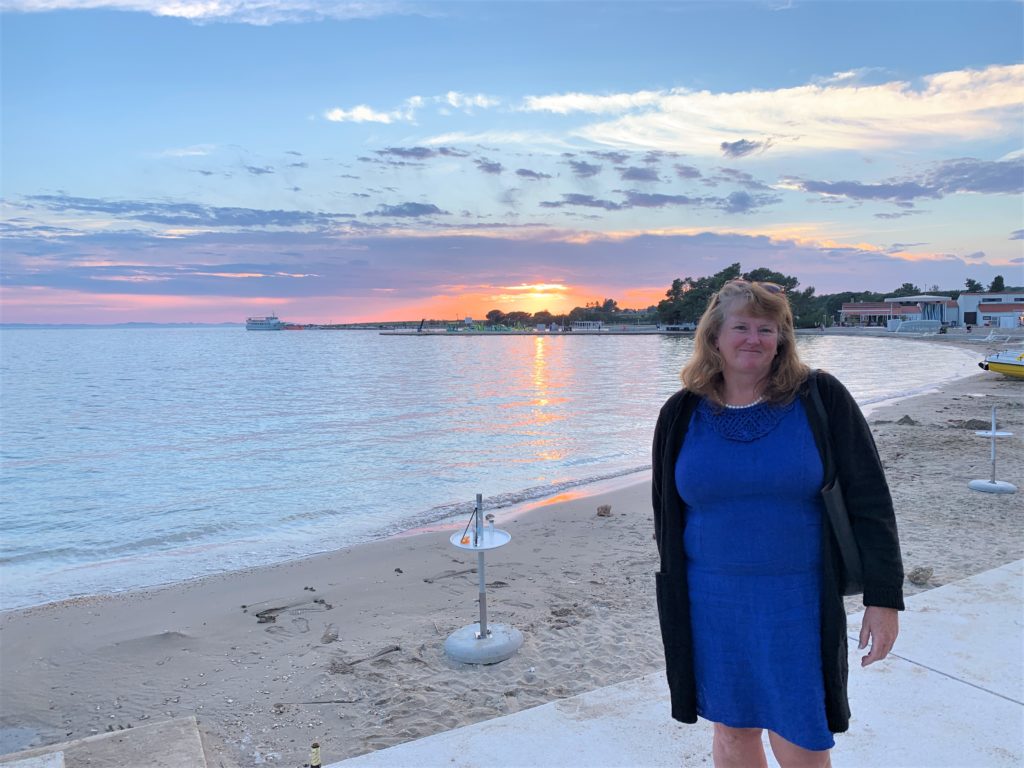
Sunset at Nin
Pag Island
Pag was an hour’s drive away, attached to Nin by a bridge. The island is famous for it’s barren, white moonlike landscape, it’s goats cheese and the production of salt which it harvests by blocking up the sea in a small lagoon and drying it in the sun. Pag salt has a pink colour to it. There are only three towns on Pag, the main town is a typical seaside town, several smaller hotels, restaurants and bars. Further north along the island is another town called Novalja, a nightlife and party town!
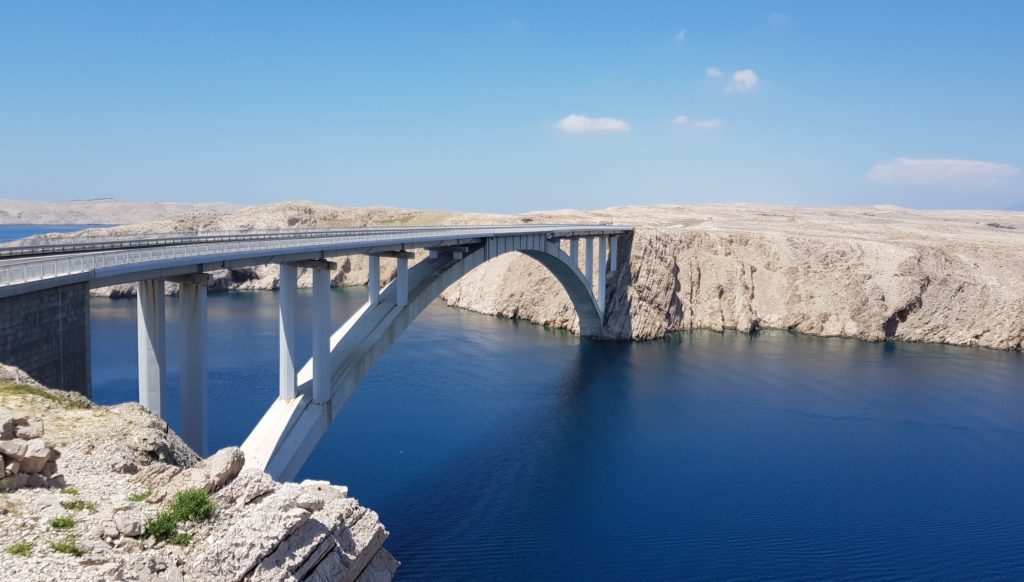
Entrance bridge to Pag 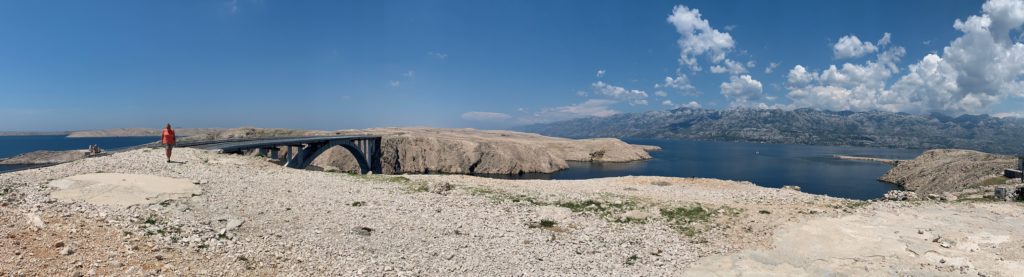
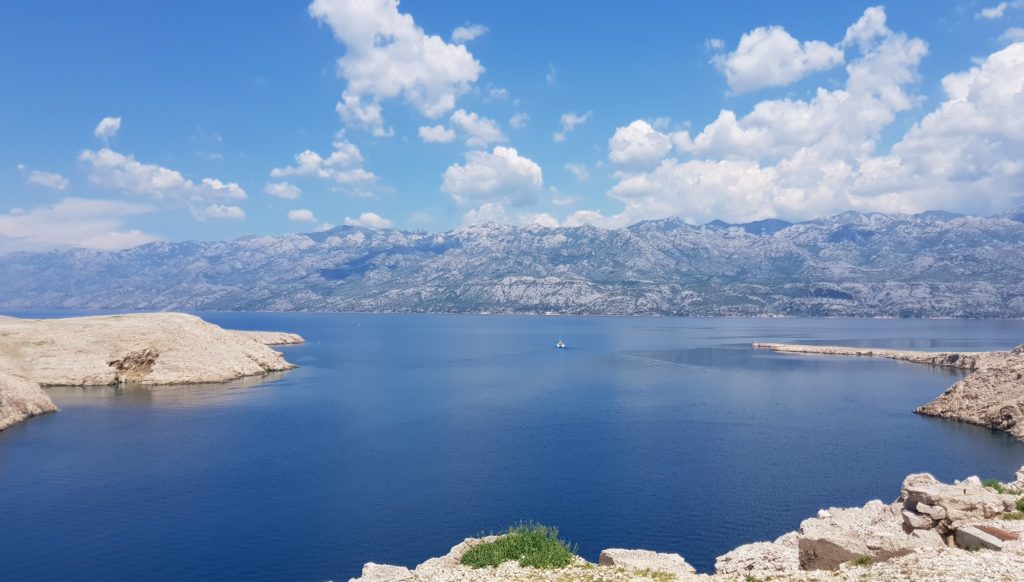
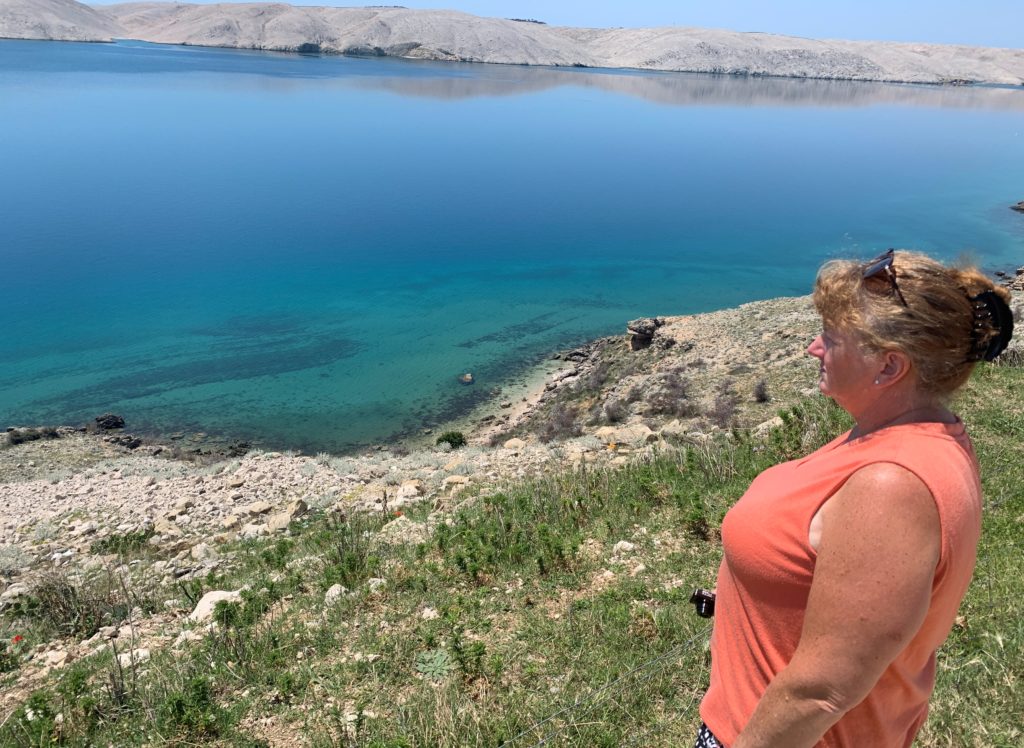
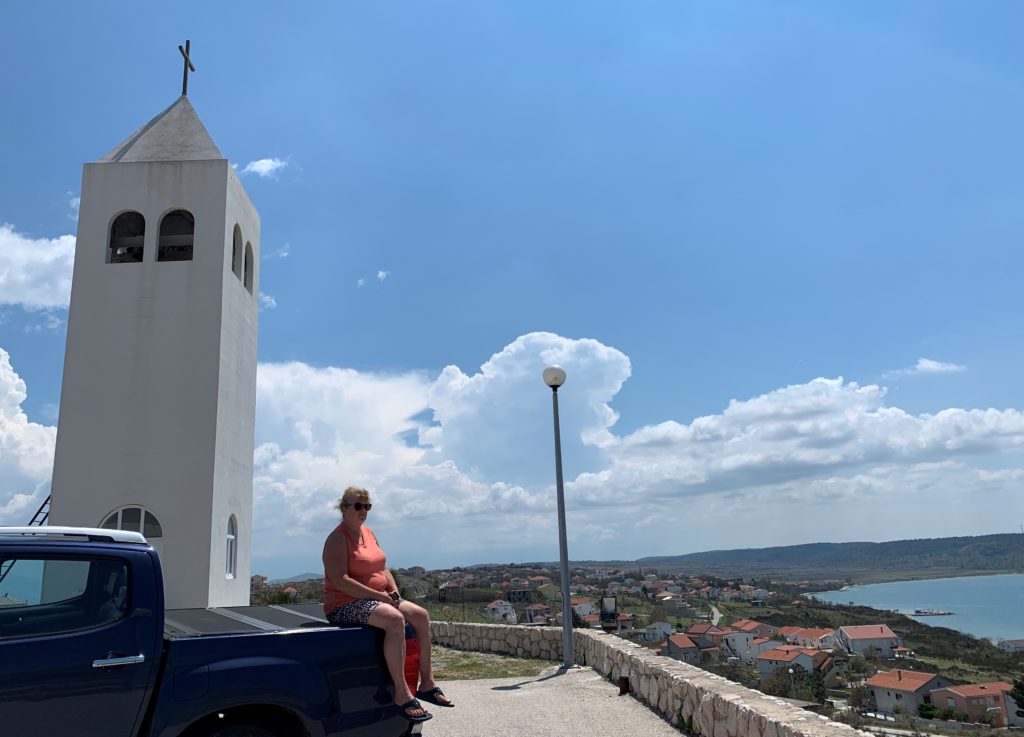
Stopping en route to Pag 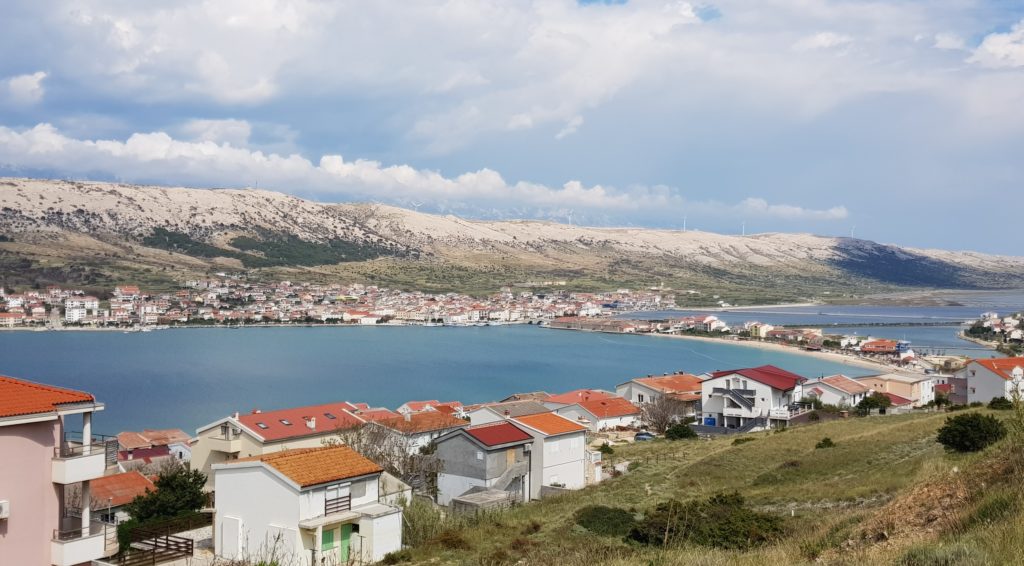
Salt lakes to the right. 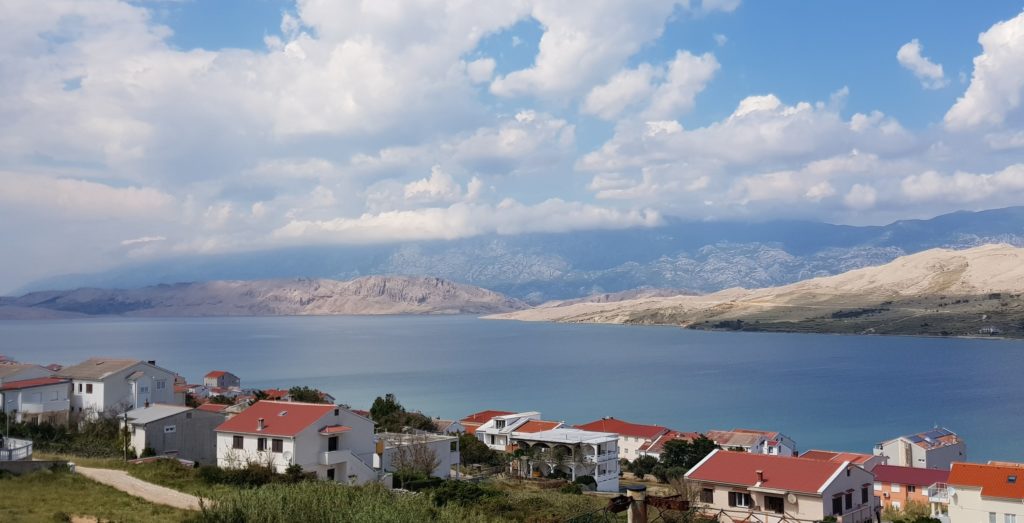
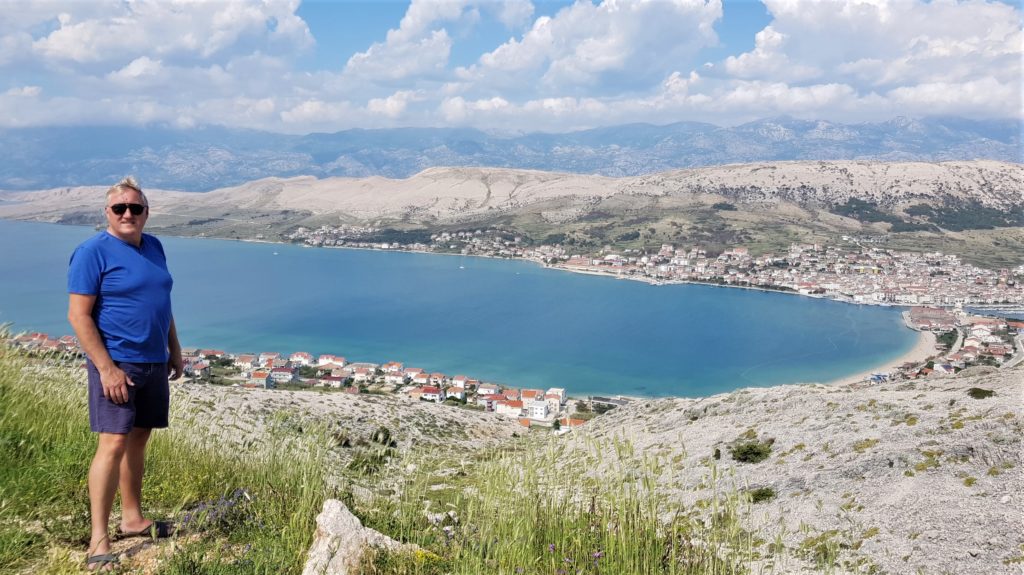
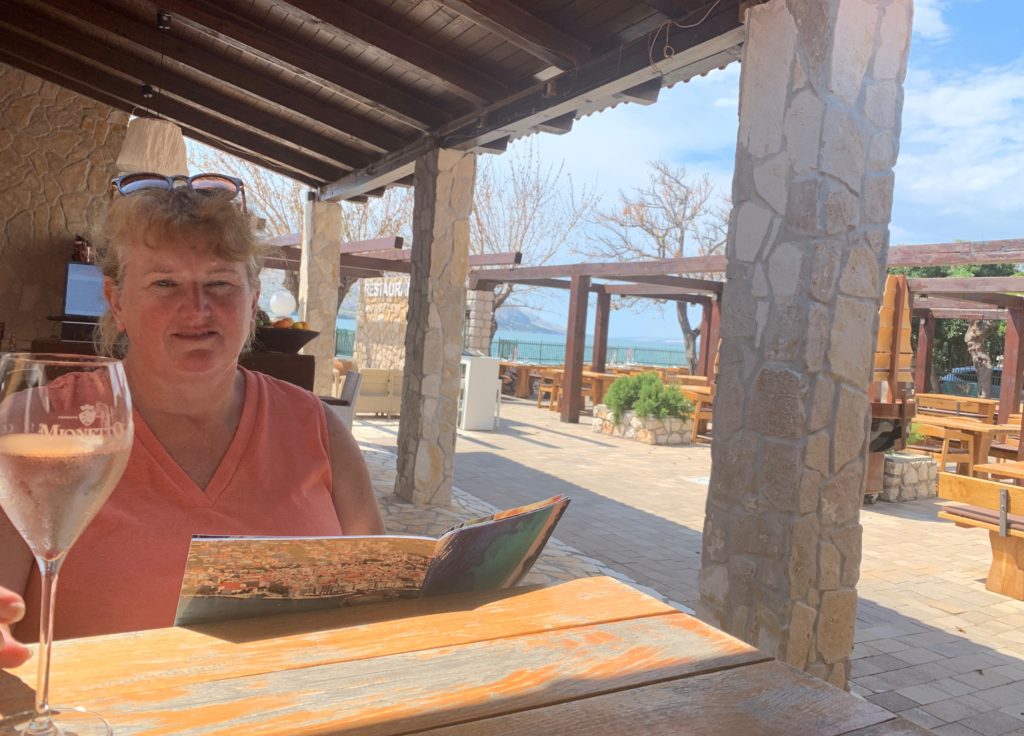
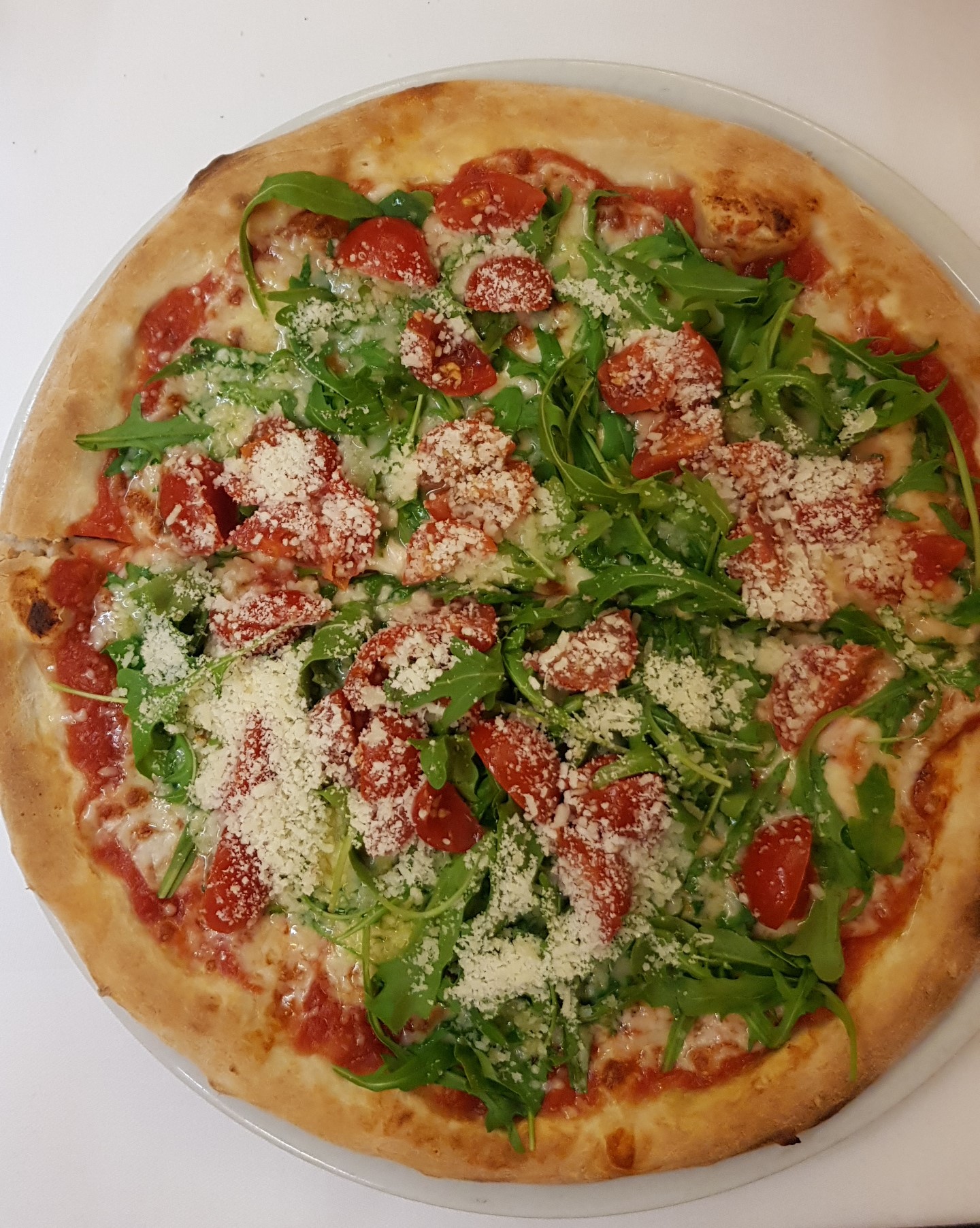
Quick bite at lunch time 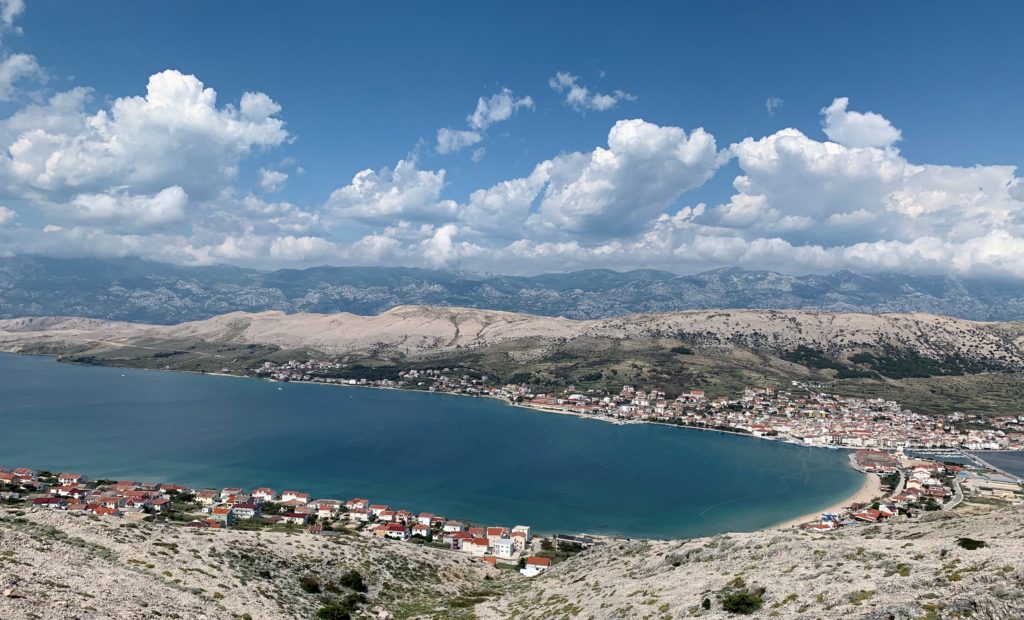
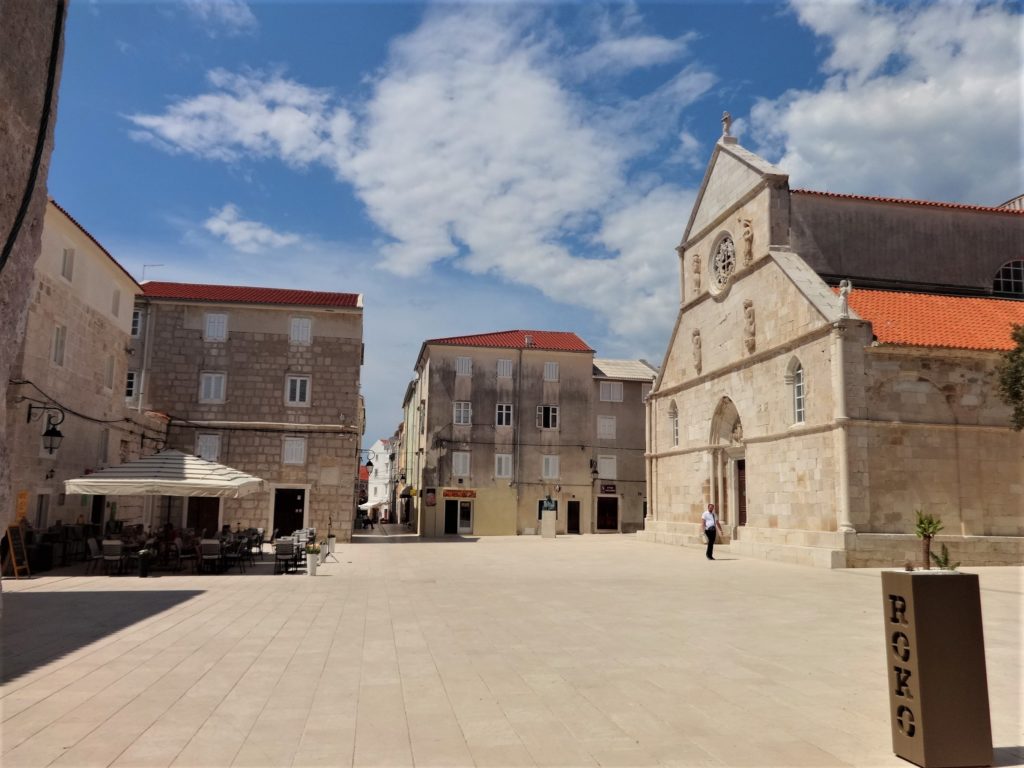
Town square 
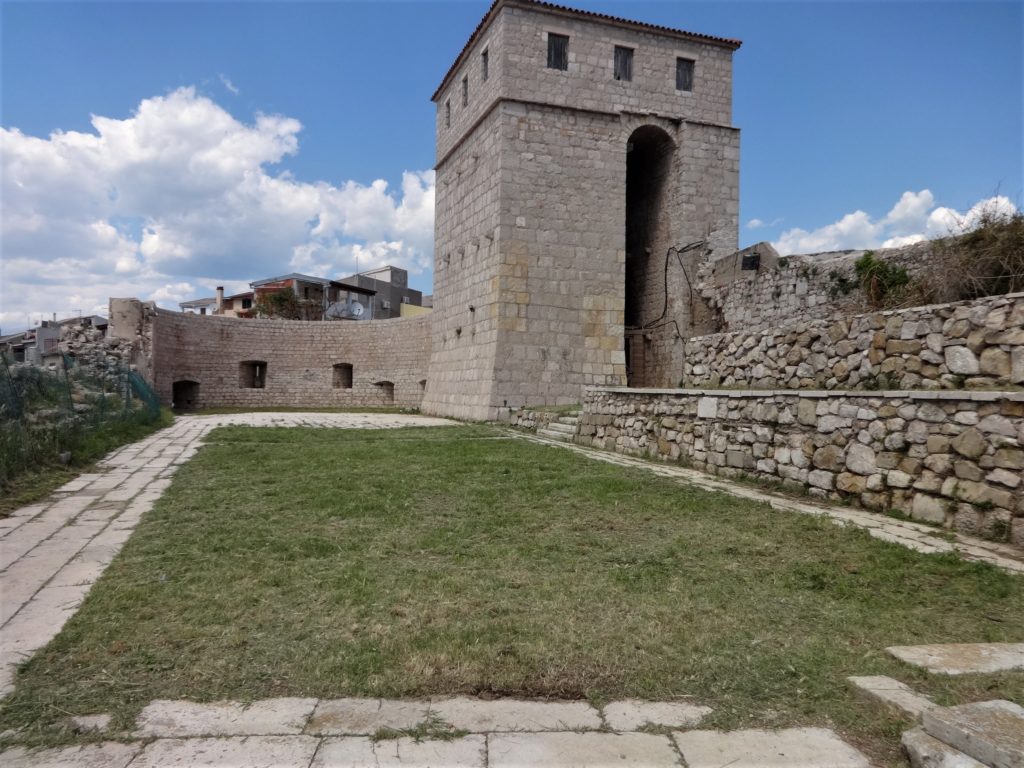
An old fortress 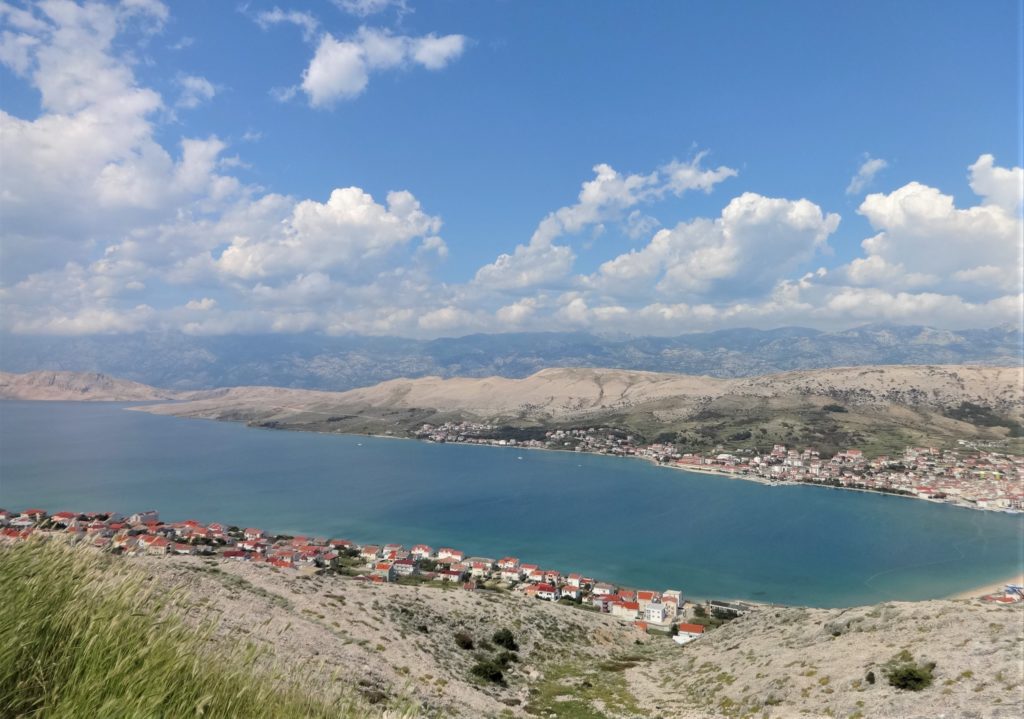


Recent Comments