We left France and drove just over 4 hours into Italy to our next stop, along the coastal road before turning inland towards Milan. The landscape along the coast was as we had imagined, hilly and high up on mountain sides, the road was sometimes dangling above the towns below, lots of tunnels (something like 77) and bridges but as we turned off at Genova, the landscape flattened out to a point where we could have been in Ansterdam, or the fens of Cambridgeshire!!
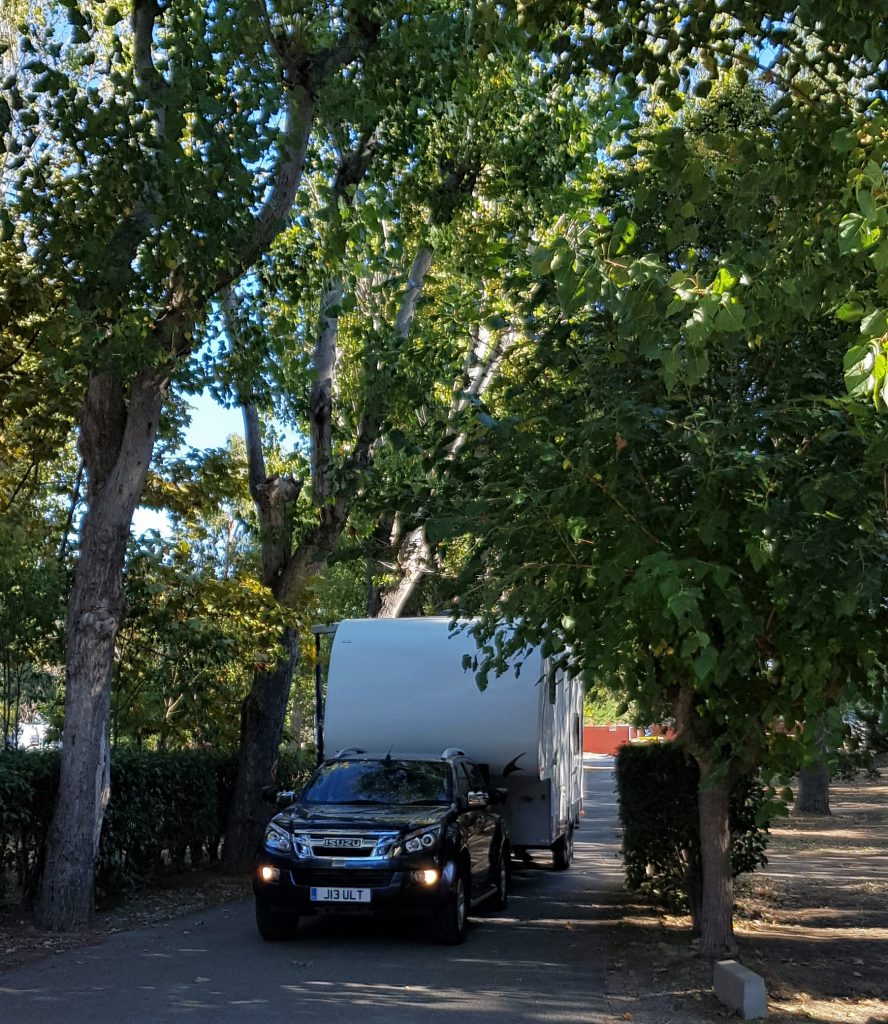
Leaving our French site, a tight exit!
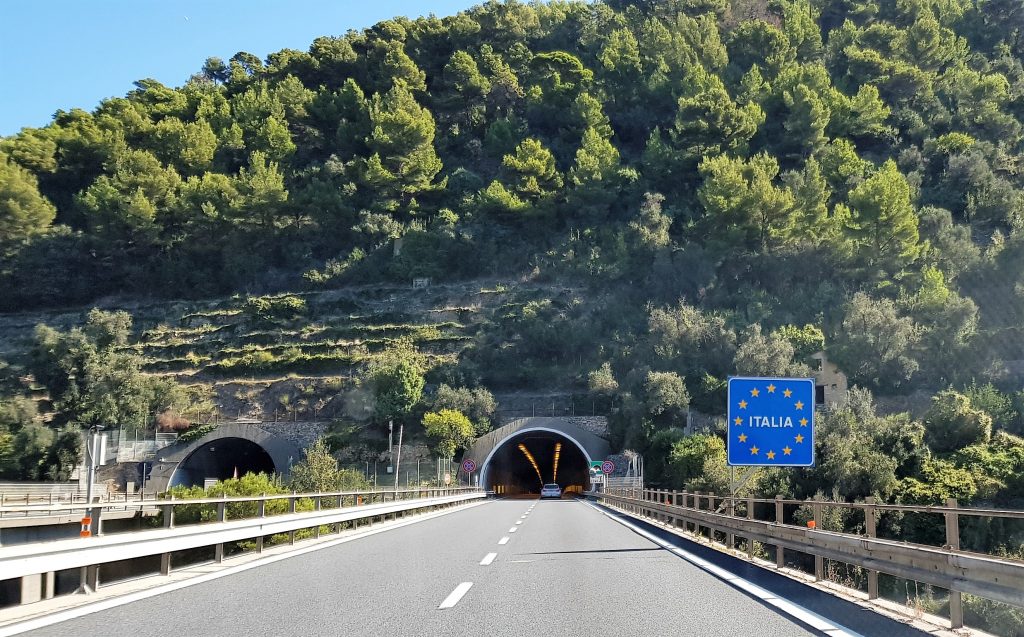
The Italian border.
At one point, our plans to visit Italy were almost put on hold as too many people told us about terrible roads, dangerous drivers and a severe lack of camp sites, but we pushed on though and decided to do a “recce” and spend 4 weeks venturing into Italy before heading back to Spain for the winter.
We plotted a route from the Cannes area up through and over the Maritime Alps mountains to Cuneo (famous for its Barolo wines) then over to Asti and Alba (famous for its fizz) and then over to Lake Garda, but the Jane (our sat nav goddess) said a BIG NO!!! With a 7 tonnes vehicles that’s 3.5m high, you cannot head over the mountains to Cuneo……unless you go to Asti first then drive back 100kms to Cuneo, then drive back to Asti, so sadly we had to cut out the Cuneo stop.
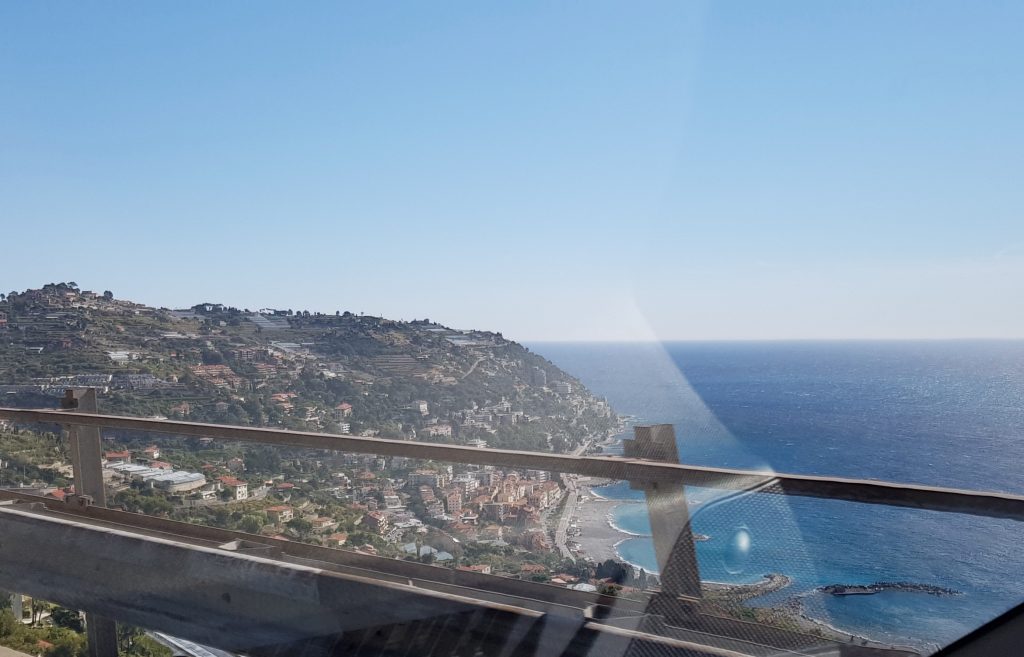
A view of the drop to the coast along the road from France into Italy.
The area between Cuneo and Asti is a huge vineyard as far as the eye can see, rows and rows of vines headed by a rosebush (to announce and protect against grape pests) and/or willows, traditionally used to support young plants. Reds, whites, sweet and sparkling wines come from this region, with a particular success in ageing red wines, such as Barolo and Barbera, one of which has always been my favourite!! I was first introduced to Barolo in about 1995, when a contractor took me to dinner at a waterside restaurant in London Bridge and I chose the most expensive red on the menu!!! I had no idea what it was but we fell in love……
A Lesson In Viniculture (wine growing to you and me!)
A bit of technical info – the main grapes grown in the Piedmonte area are: Barbera (red) and white Moscato (for the Asti Spumante) and Nebiolo (for aged wines such as Barolo and Barberesco). The Nebiolo grape was first mentioned in 1200 and continued to the 1500s when it was used
Barolo (the Wine of Kings and the King of Wines) is produced by 11 regions in the area, originally it was a sweeter wine but ecological changes made in its production around 1850 by the Marquis Falletti of Barolo, it turned it into a dry deep red – these methods were then adopted by all other growers at that time and are still used today.
Barberesco is a wine with ancient origins, produced in only 4 regions, whose name derives from the wine given to barbarian hordes of Romans that slaughtered Italians before and after the fall of Rome. Professor Domizio Cavazzi, a famous winemaker, described it as “fine, soft, generous” and in 1890 founded a wine co-operative for its exclusive production.
Barbera D’Asti and Barbera of Monferrato are two of the regions wines from the Barbera grape. The Barbera is amongst the most exported national and international wines from the Piedmonte area of Italy, initially to the American market in 1819 and was much appreciated after the production crisis after the first and second world Wars.
Moscato means “perfumed” and was declared a fine wine variety as far back as 1200 with Canelli and Asti becoming perfect areas for its cultivation, with the city of Canelli being known as an “underground cathedral” because of its immense underground factories that extend under the city. The first sparkling Asti Spumante was made in Canelli in 1860, adapted from the champagne method and includes a second fermentation in the bottle in order to obtain the sweetness.
Grignolino was mentioned in the 16th century as a “claret”, drunk during fish banquets. In the early 1900s it was described as a “delicate variety” so was mixed with a Barbera and production to this date is decreasing despite its popularity and excellent quality.
The Annual Processes – in Italy, in October, they spread fertiliser between the rows to help it over the snow laden winter; in January to March they prune (but superstition says it’s not to be done on nights when there is a full moon) and April and May is dedicated to “suckering” the baby shoots onto new supports. End of August is usually when the owner decides the date the grapes will be at their best and harvesting begins during the month of September. Once it begins, it cannot be stopped, to ensure the quality of the grapes remain consistent for that year’s crop. Italy is the first place where we have been told that they fertilise the soil and also the first place where they look forward to the snow!
Back to our travels…….
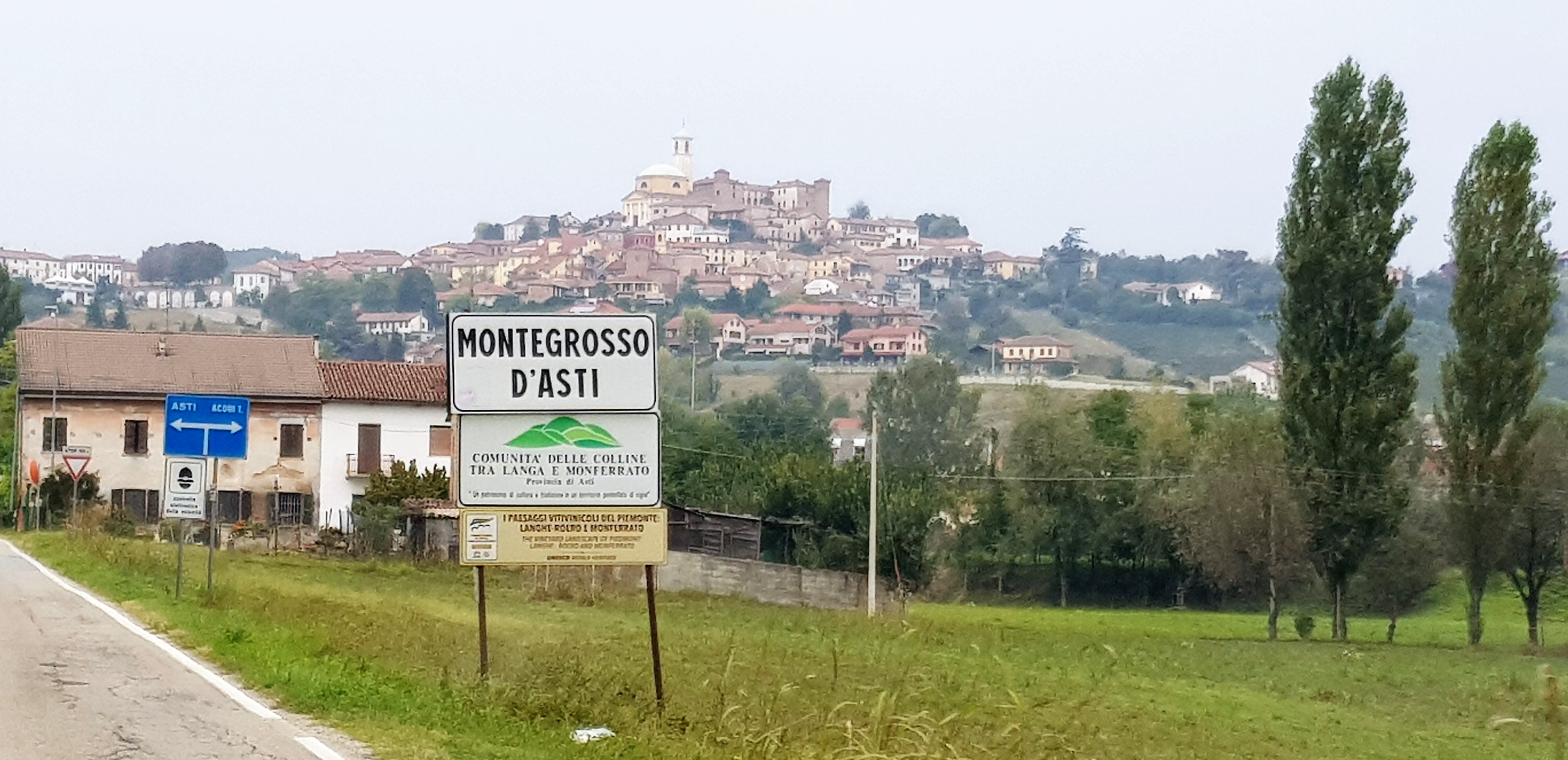
Our first stop was at a small town called Agliano Terme, home to a small natural thermal spring that was only accessible if you have a “recipe from the doctor” in other words “visit by prescription only”. We spent a day touring the small towns of Asti and Alba whilst Samson was parked in the camp site’s car park; we were too big for their terraced plots despite us emailing ahead, with a picture and dimensions! This must have been a regular occurrence as the car park with kitted out with a water, power and drain point! A few nights were fine, we just had to put up with the camp site visitors emptying their bins near us at ungodly hours!!
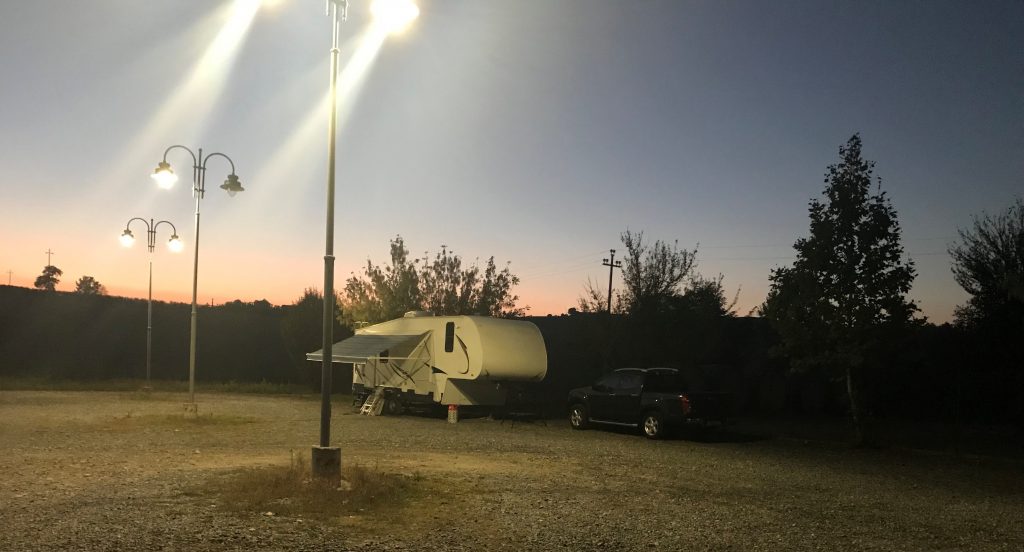
My parents were very proud that we have experienced our first night ever “camping in a car park”!!
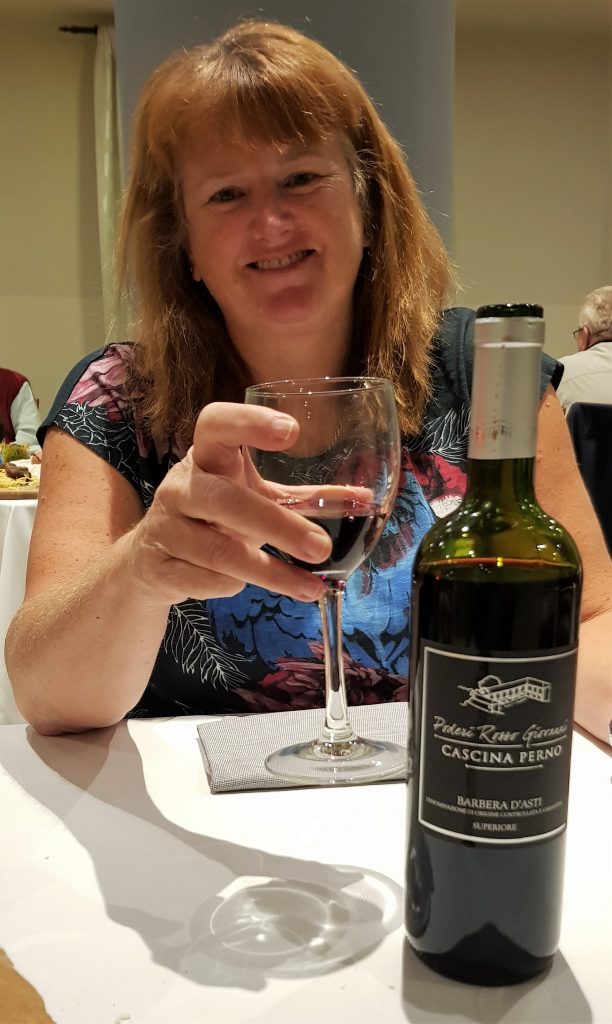
 When in Italy………
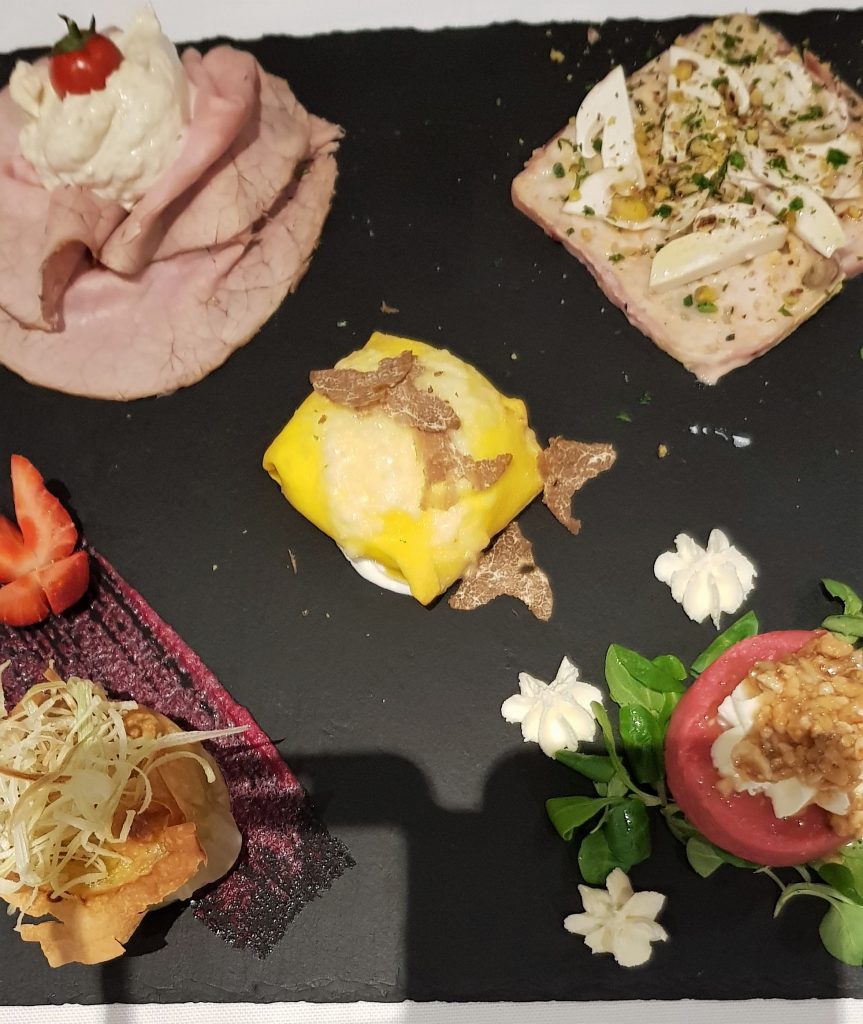
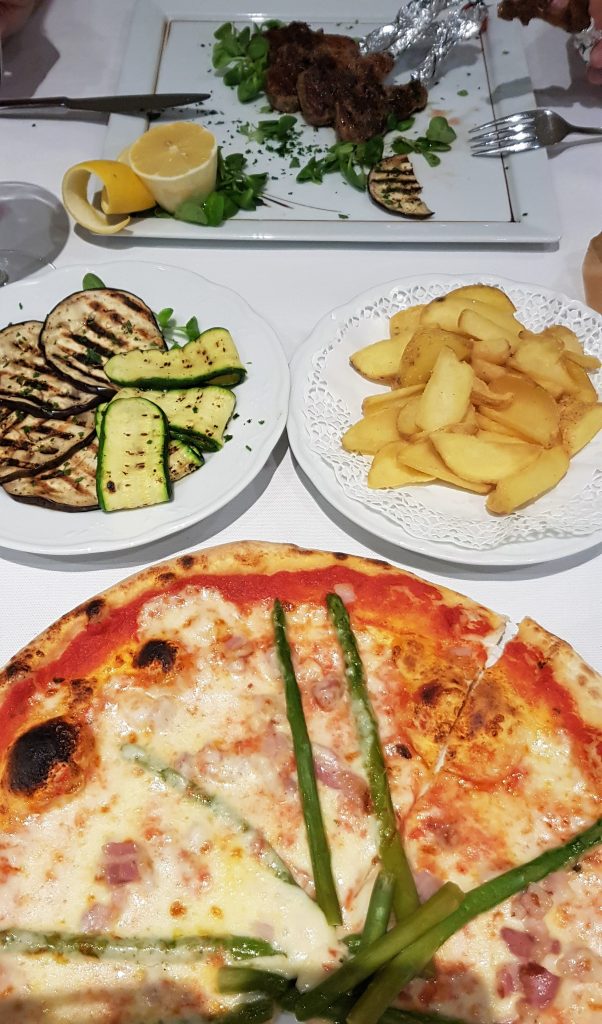
Mains….pizza with asparagus; lamb chops with grilled veg and potatoes.
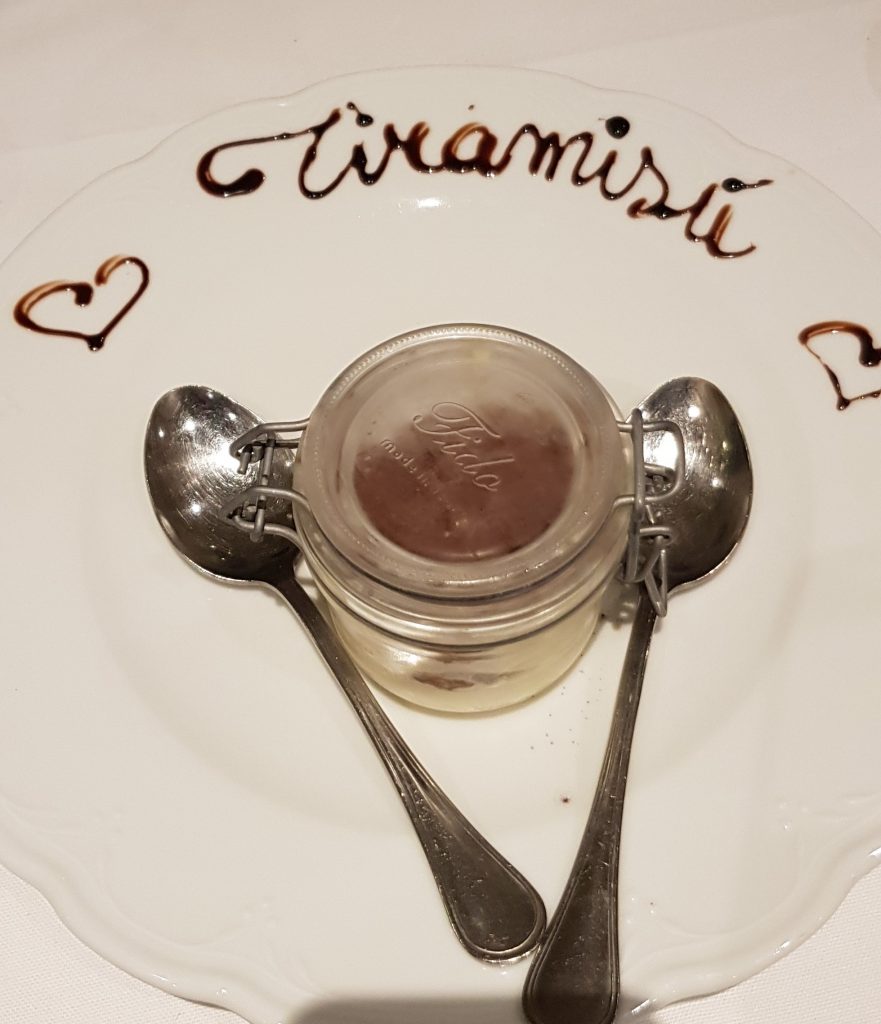
And of course, home made Tiramisu!
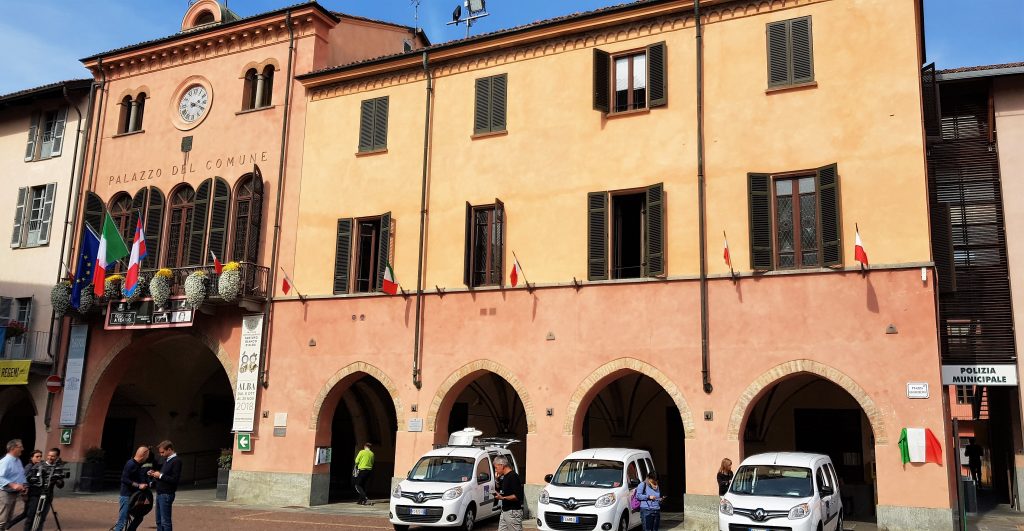
Alba is the second largest town in the area after Cuneo, founded by the Romans in 190BC, sitting on a hill above the banks of the River Tanaro. The gothic style cathedral was built on the ruins of a Roman temple, it is beside the Town Hall which is attached to old Roman walls. It was known as the city of a hundred towers, only a few remain now as many were lowered to the roof levels or incorporated into buildings. Alba is also home to the white truffle, a festival is held in the truffle’s honour in October, and yes, we did get to try some! A very strong mushroom flavour…..
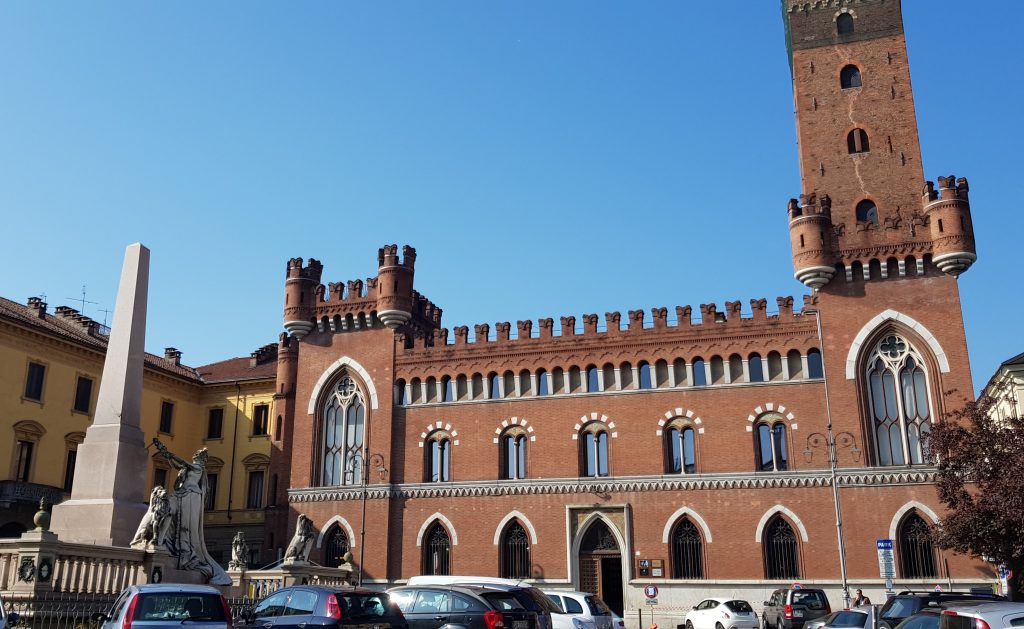
The Town Hall in Alba
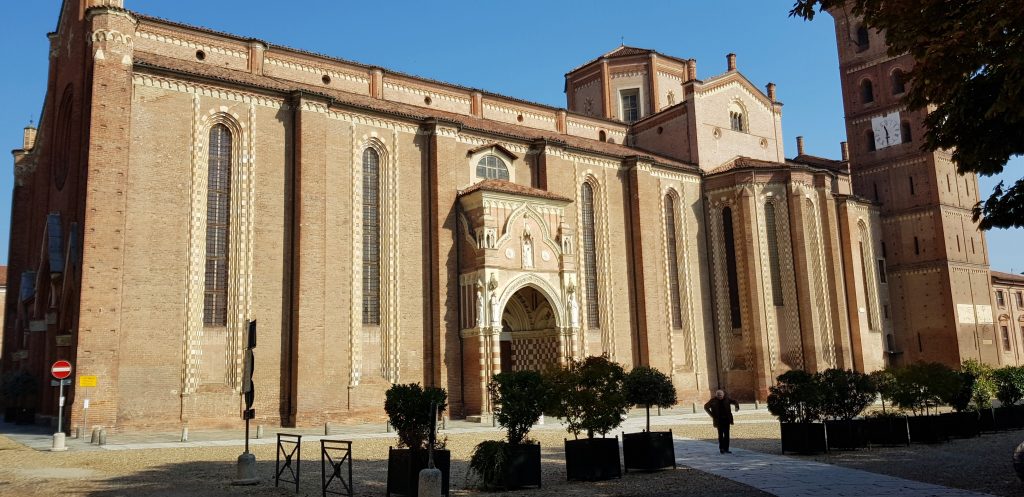
Alba’s cathedral
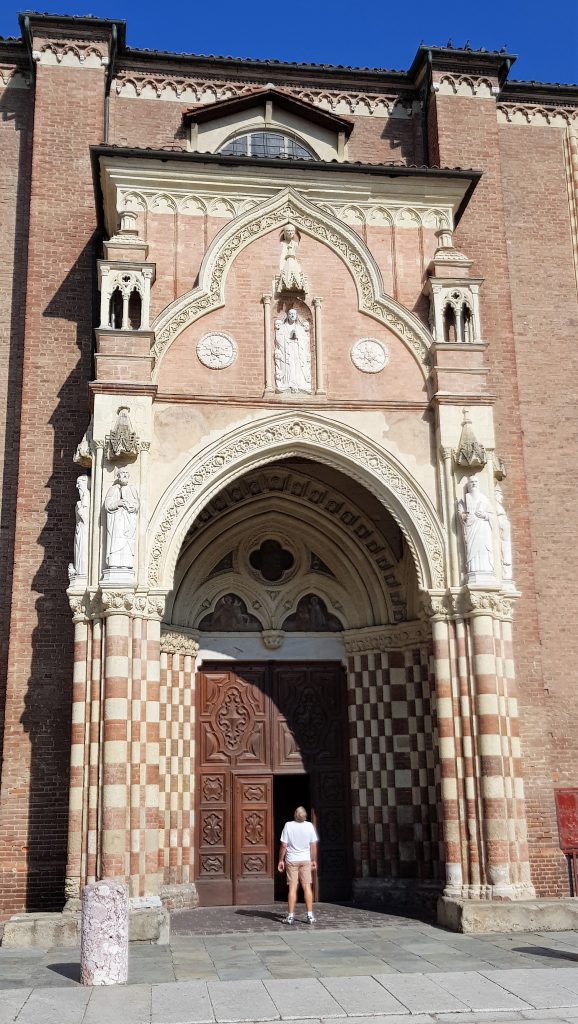
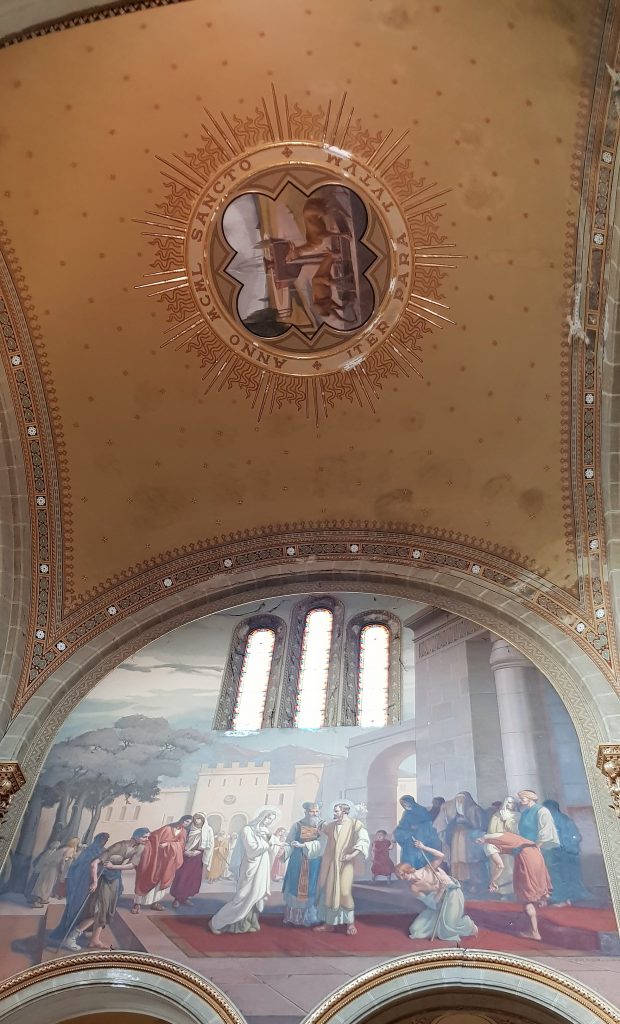
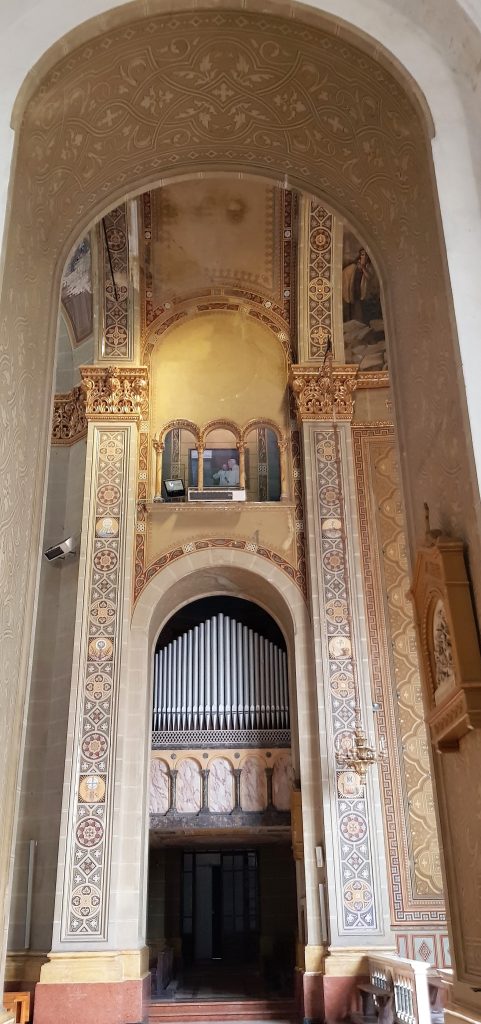
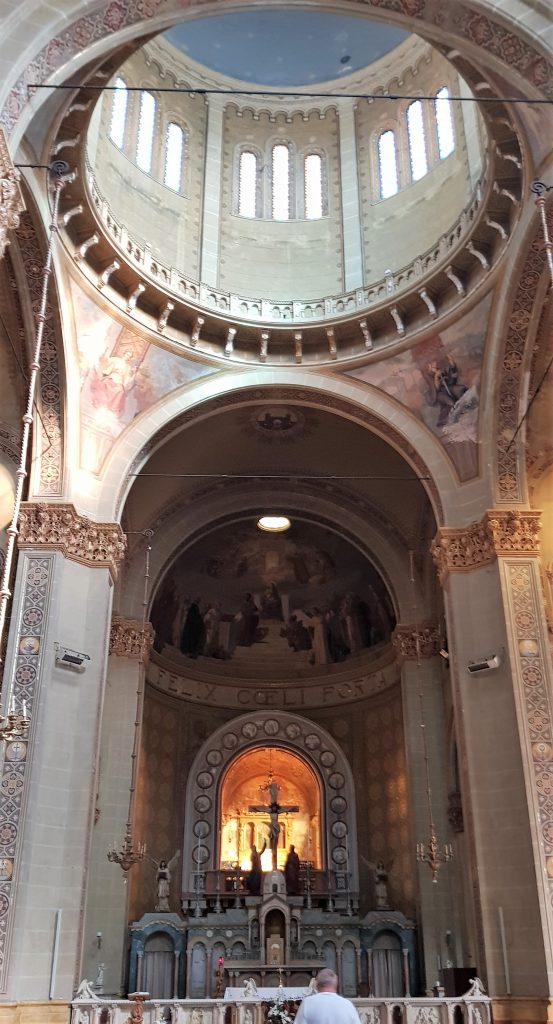
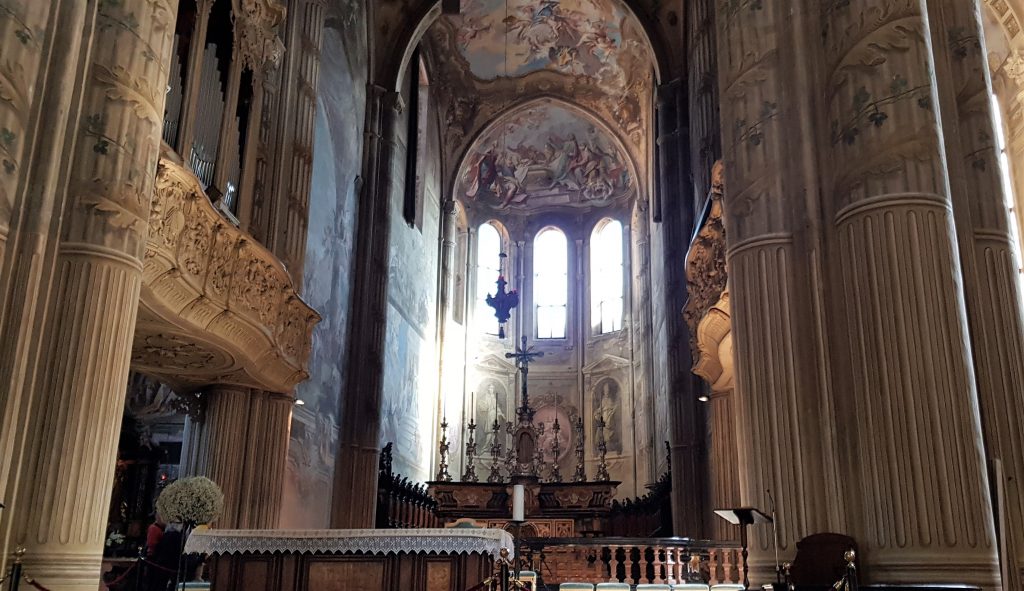
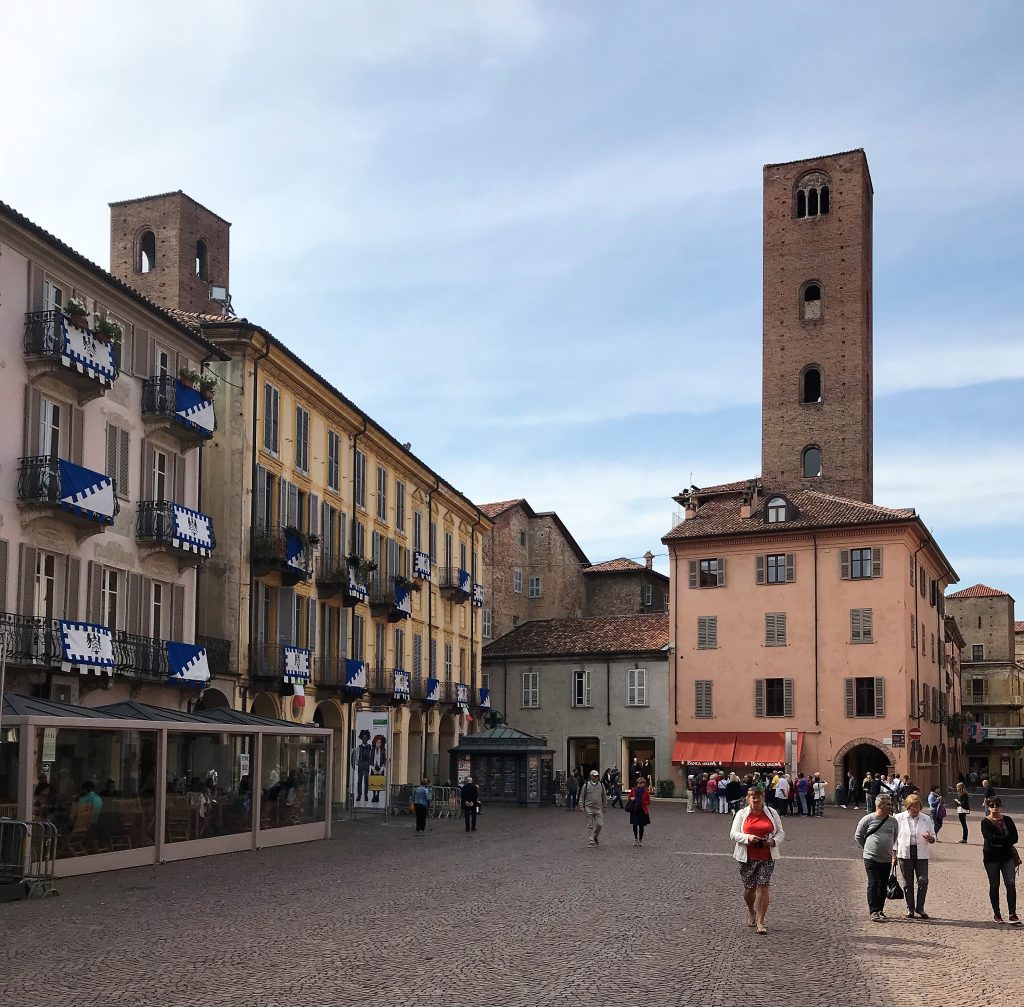
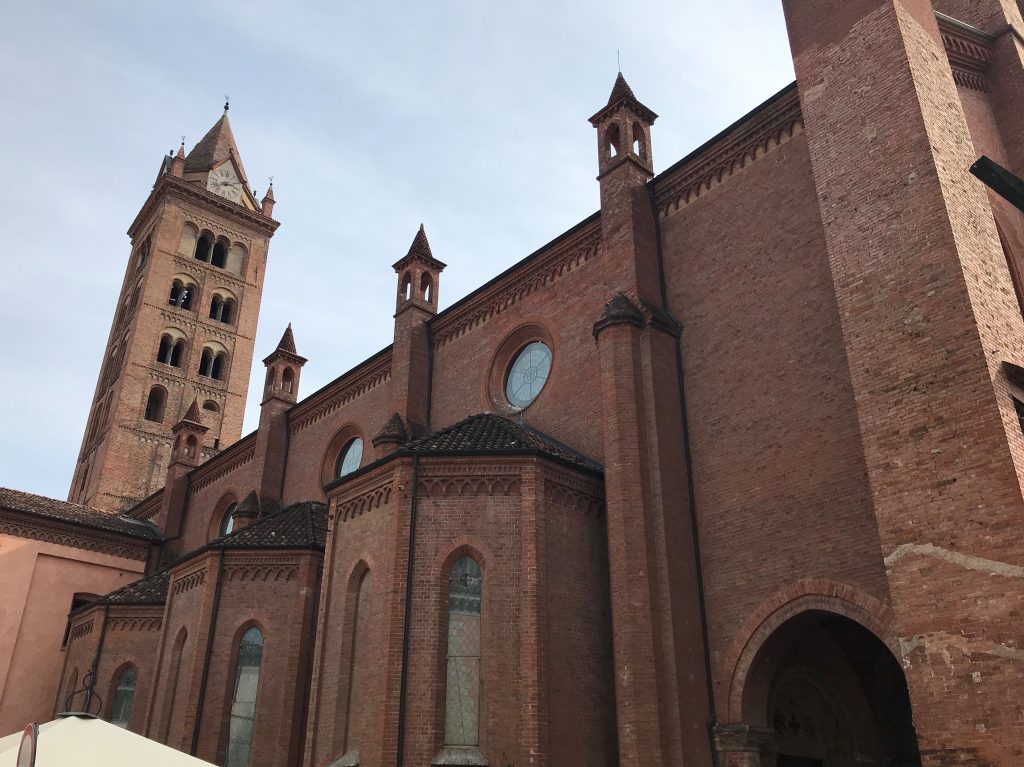
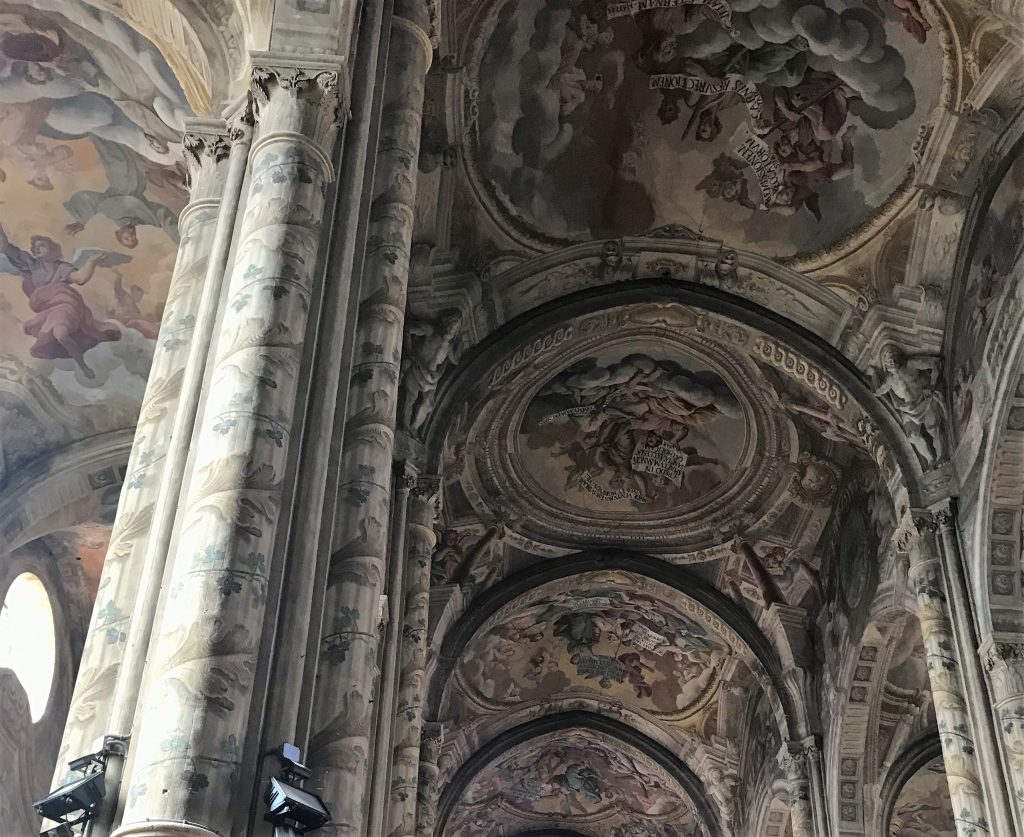
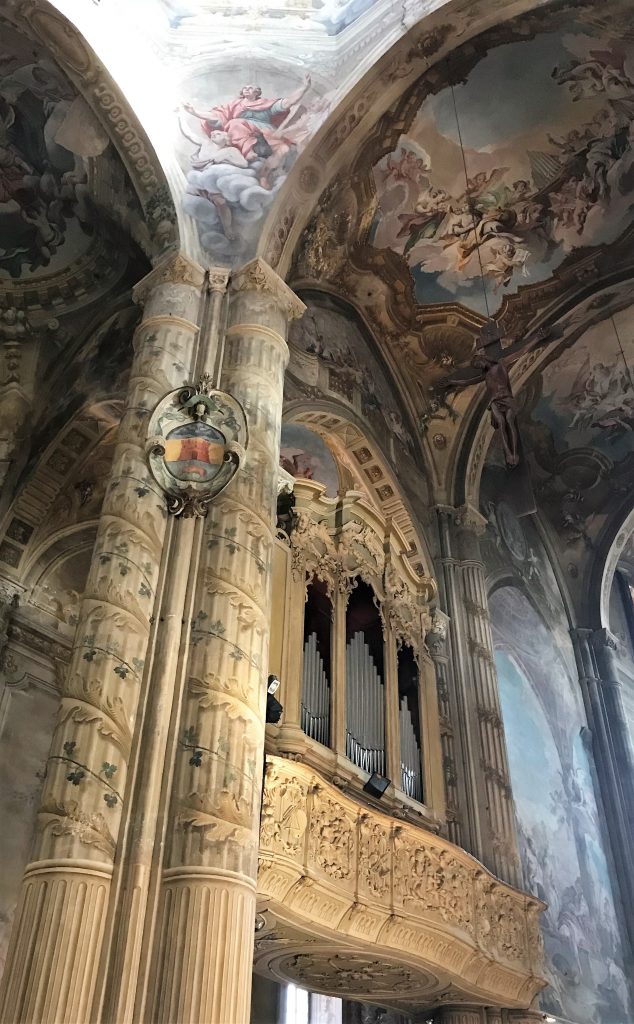
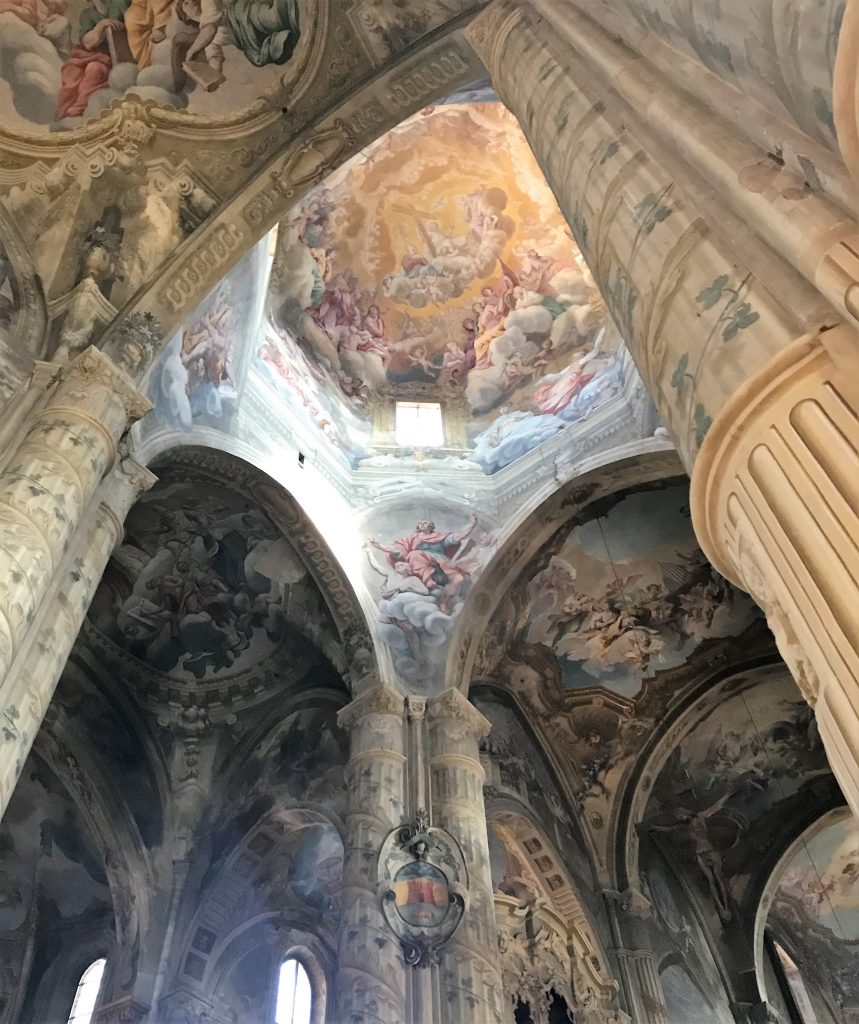
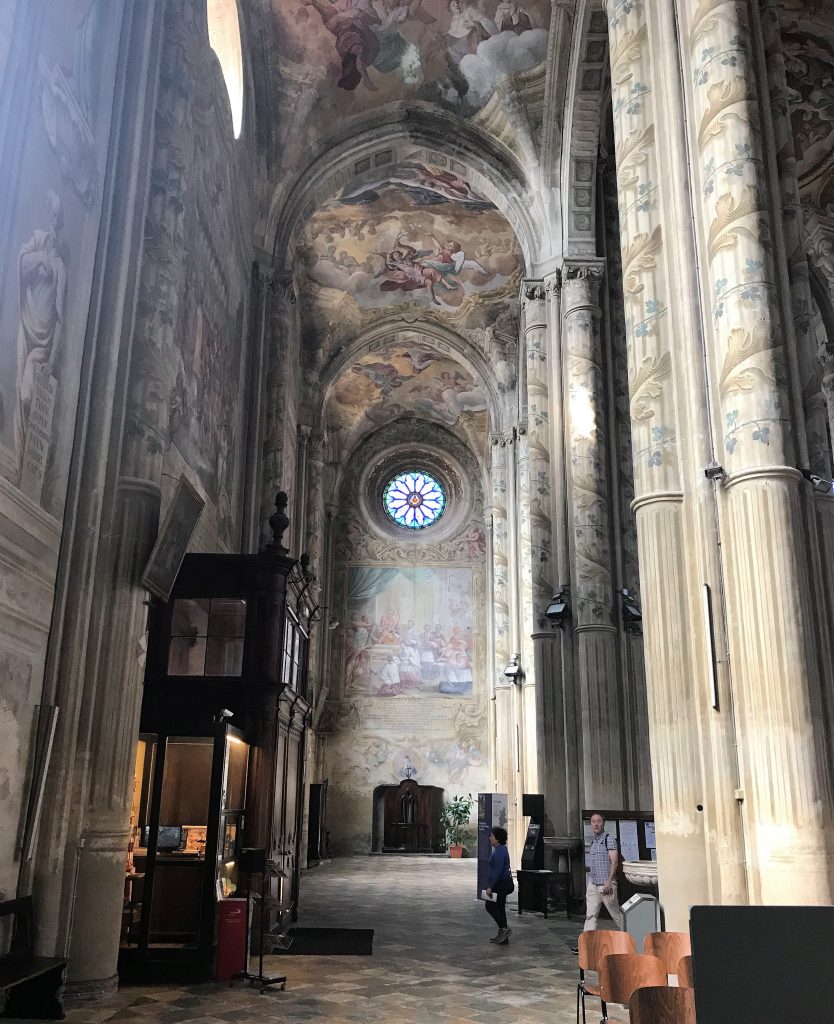
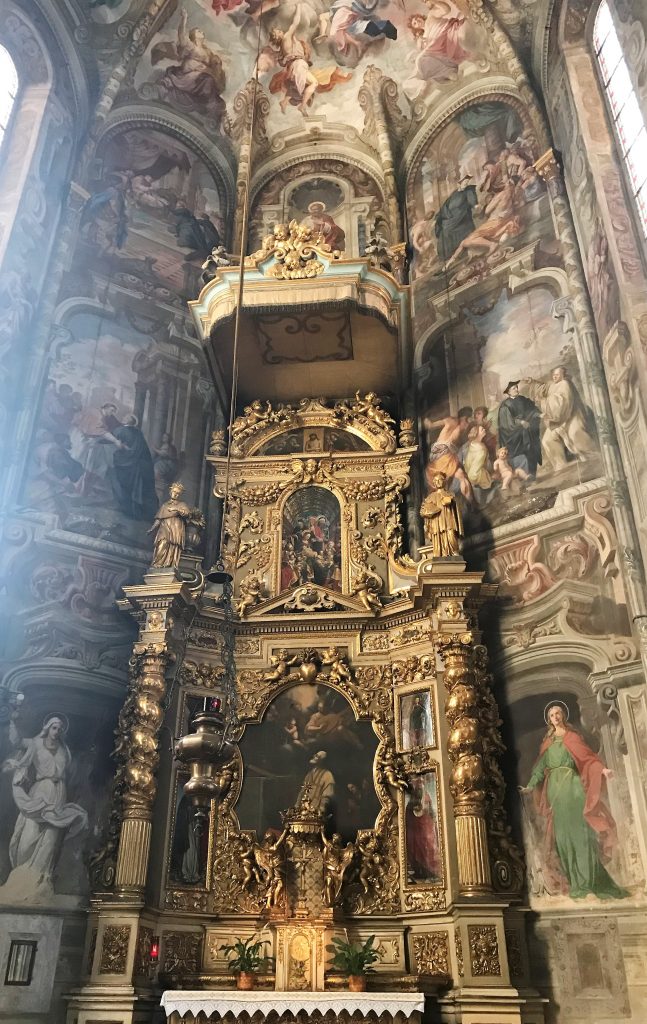
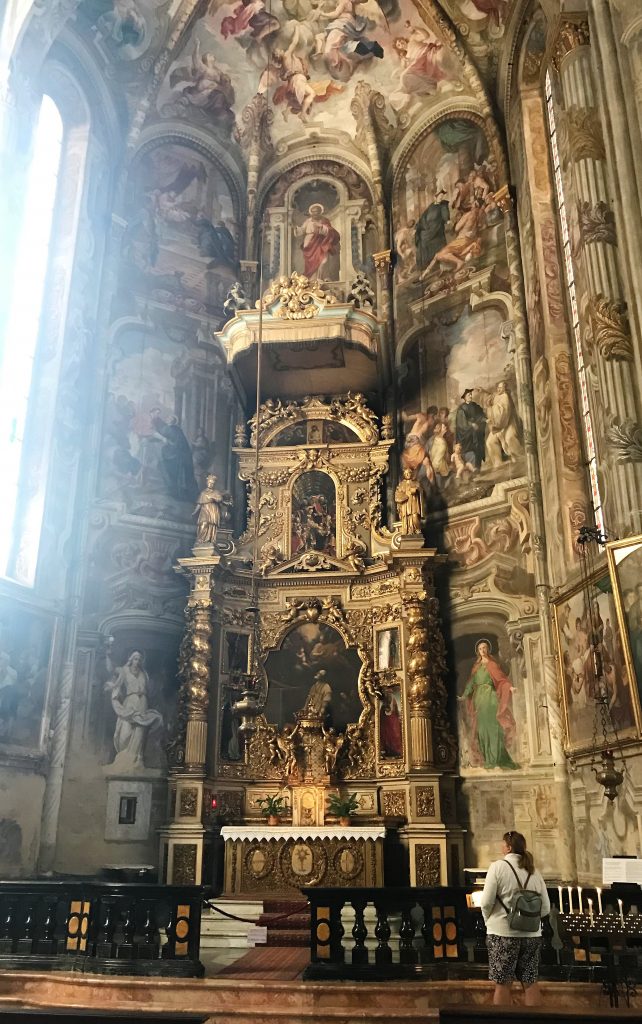
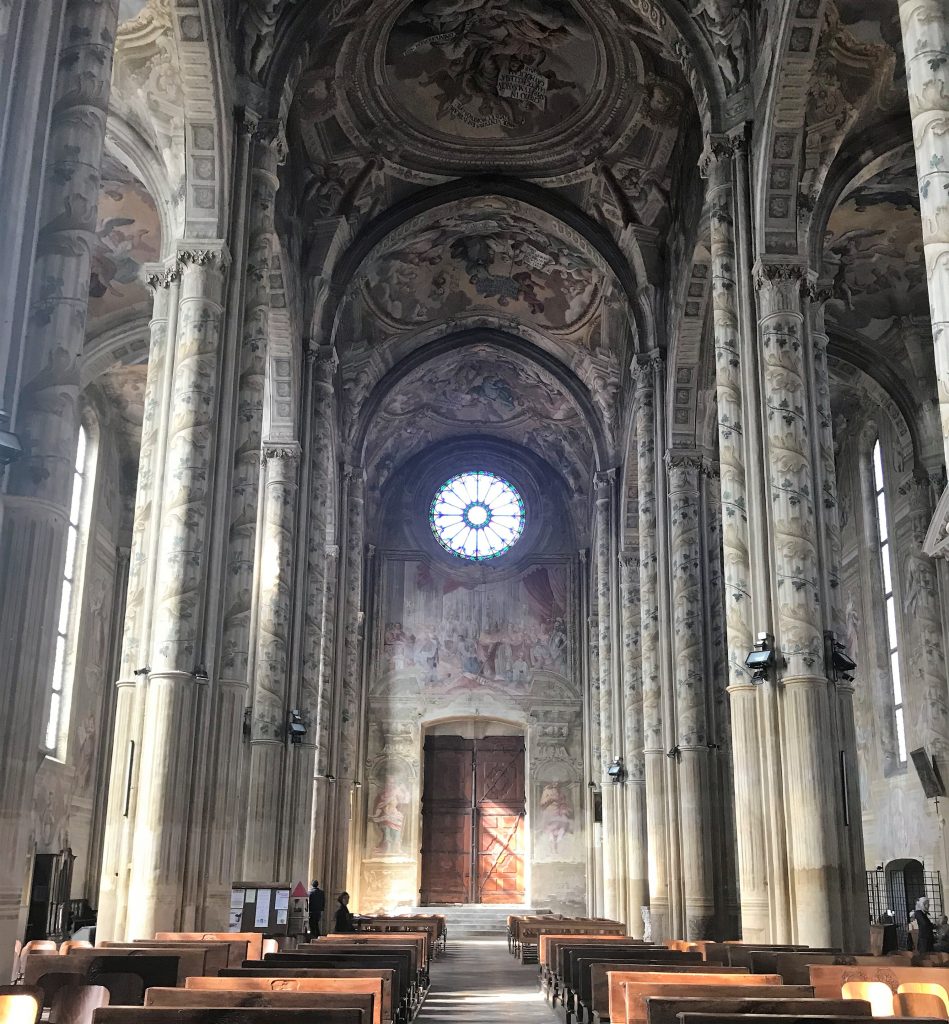
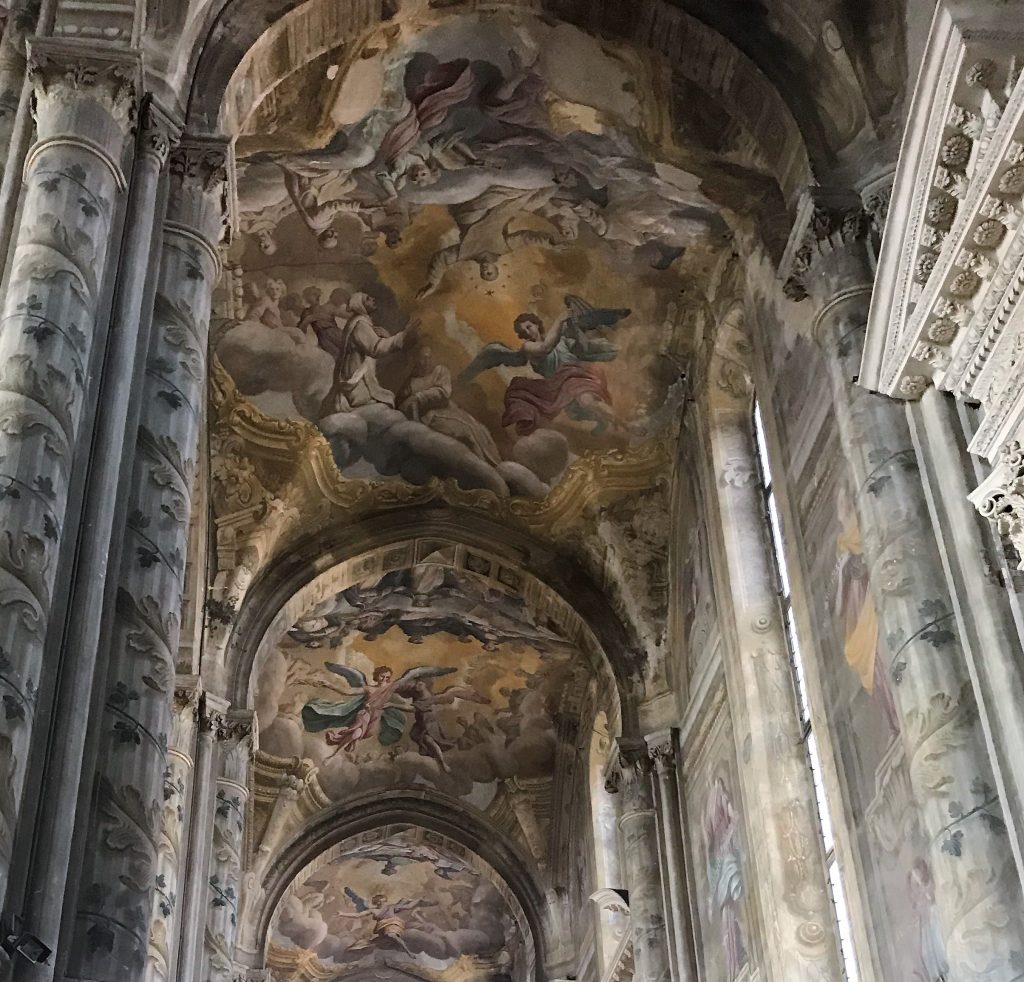
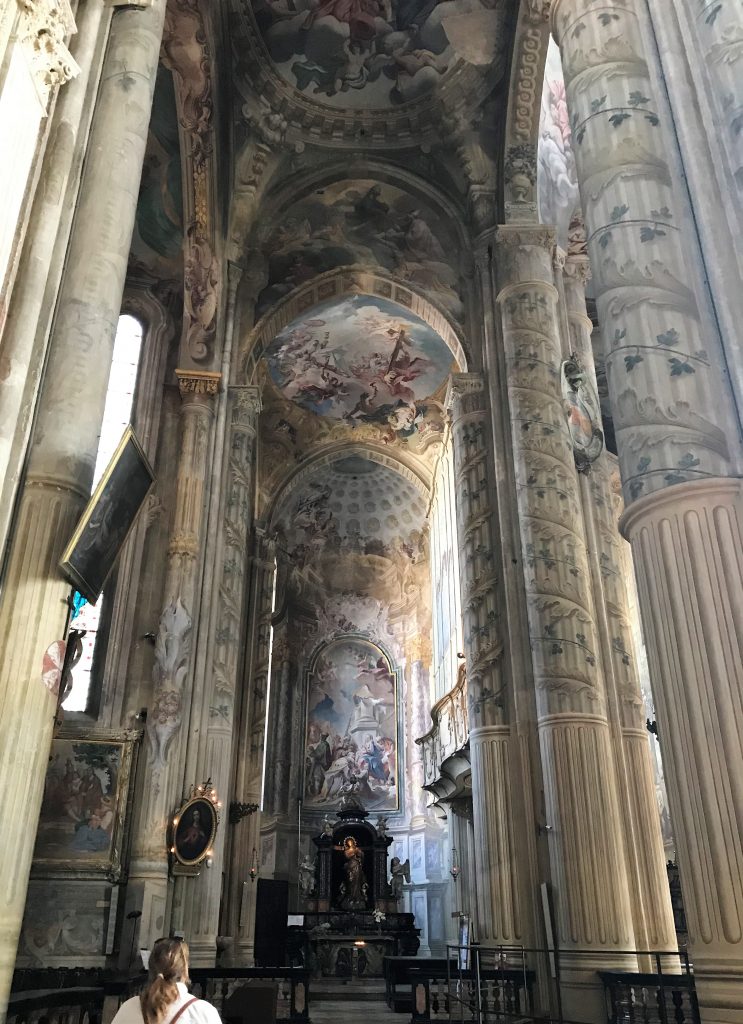
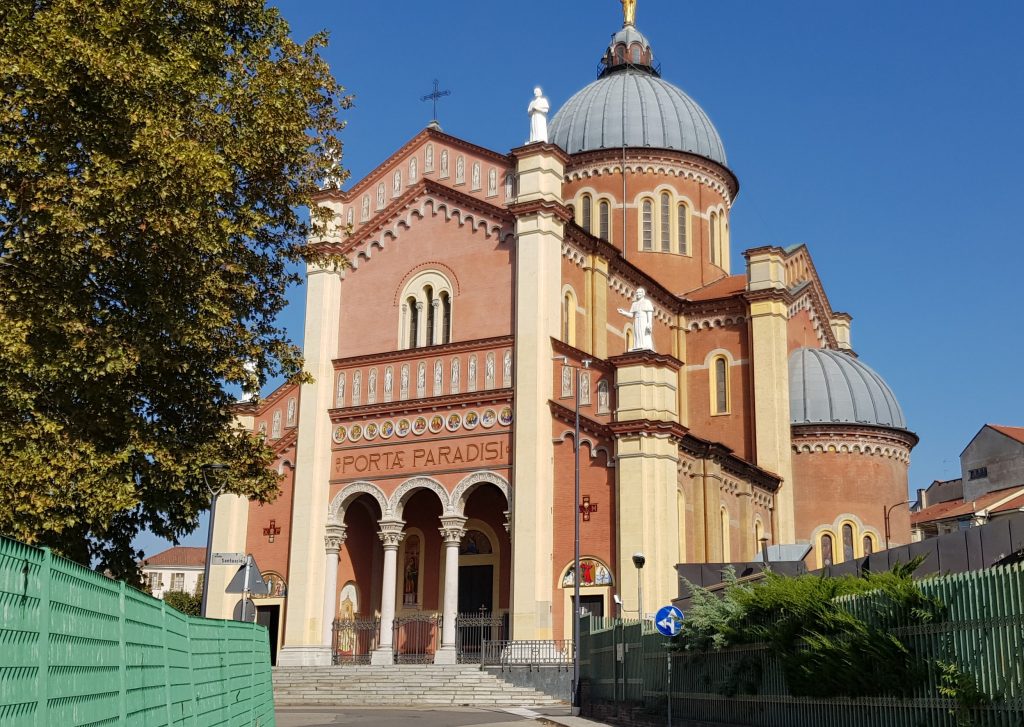
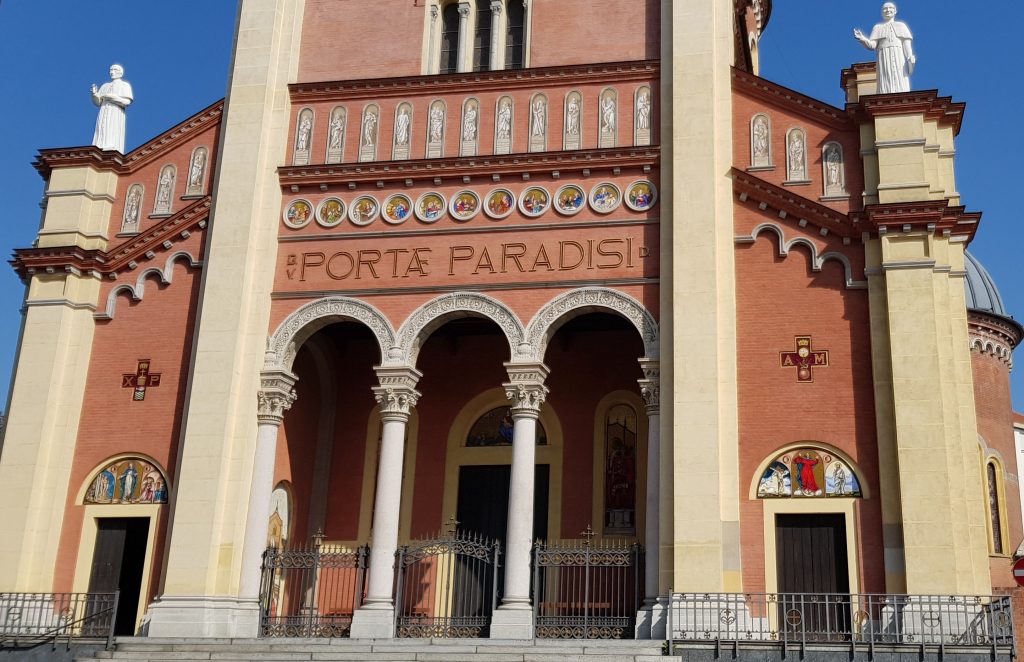
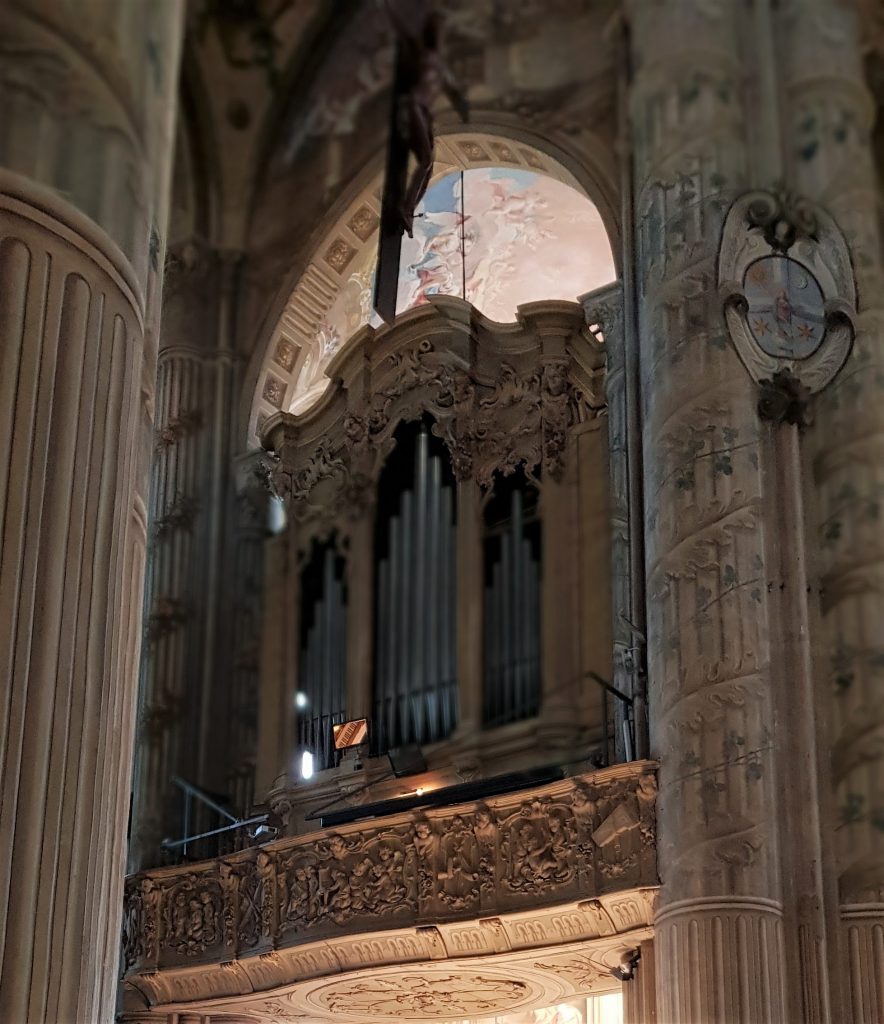
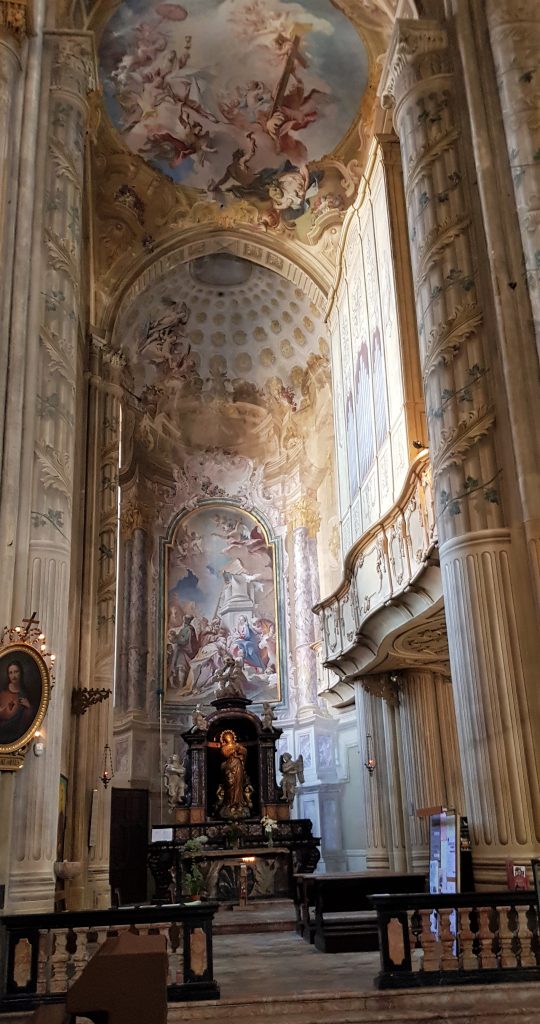
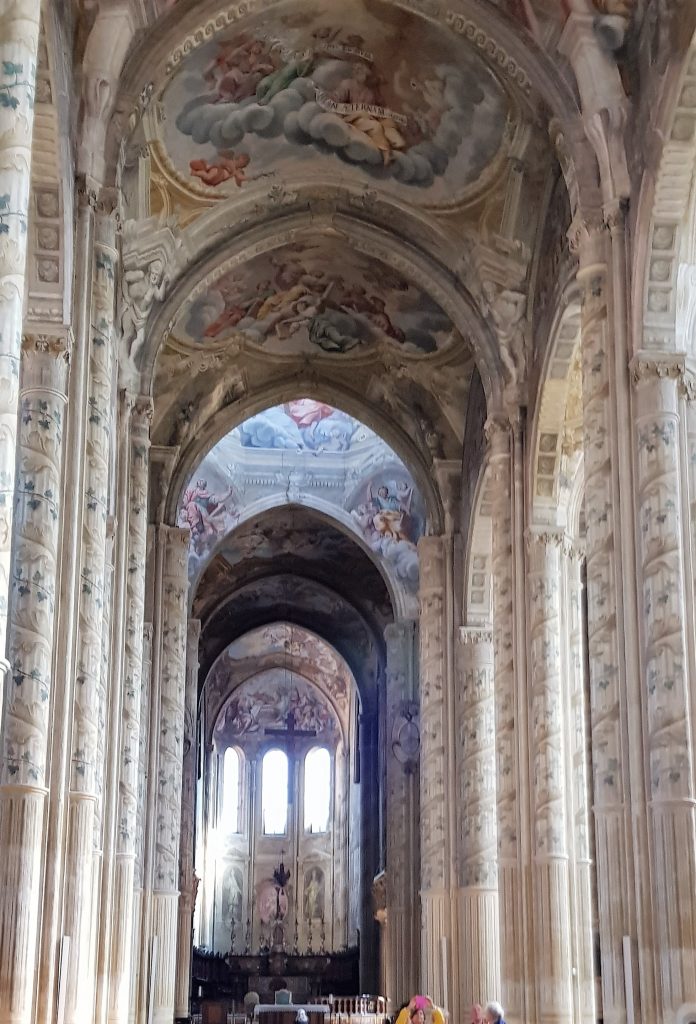
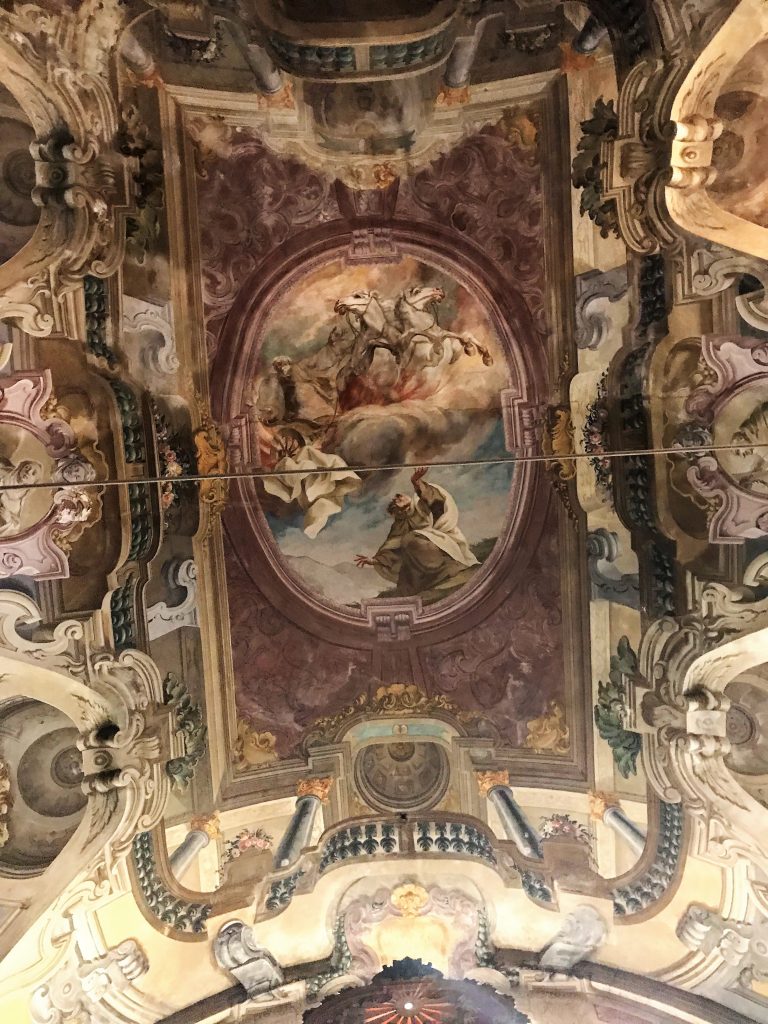
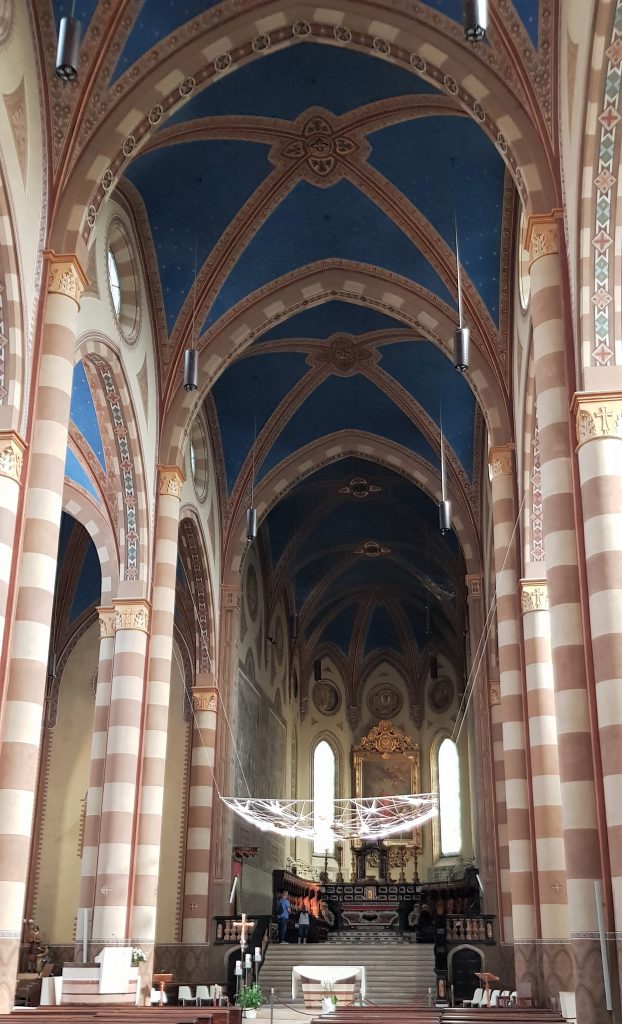
Asti was also built by the Romans, in the middle ages it became a “free town”, one that due to its trade throughout Europe, earned the right to “coin money”. It is a city rich in red brick towers, palatial houses and crypts under the churches and buildings. And the churches…….they are so ornate. Frescos on the ceilings, columns painted to look like they have been carved, and such beautiful colours everywhere.
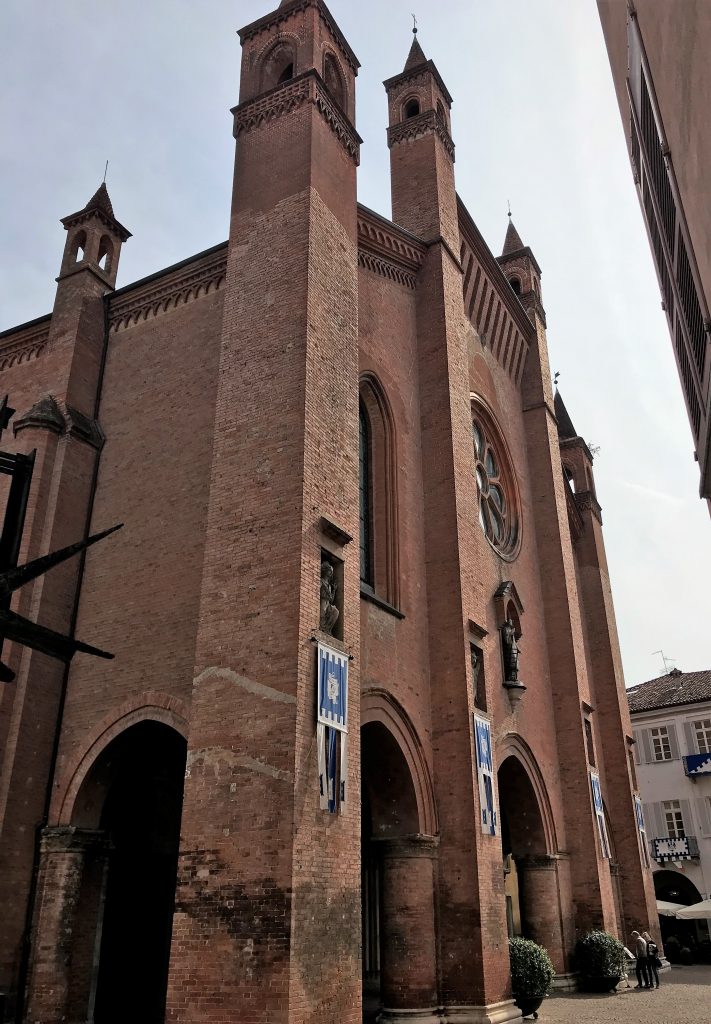
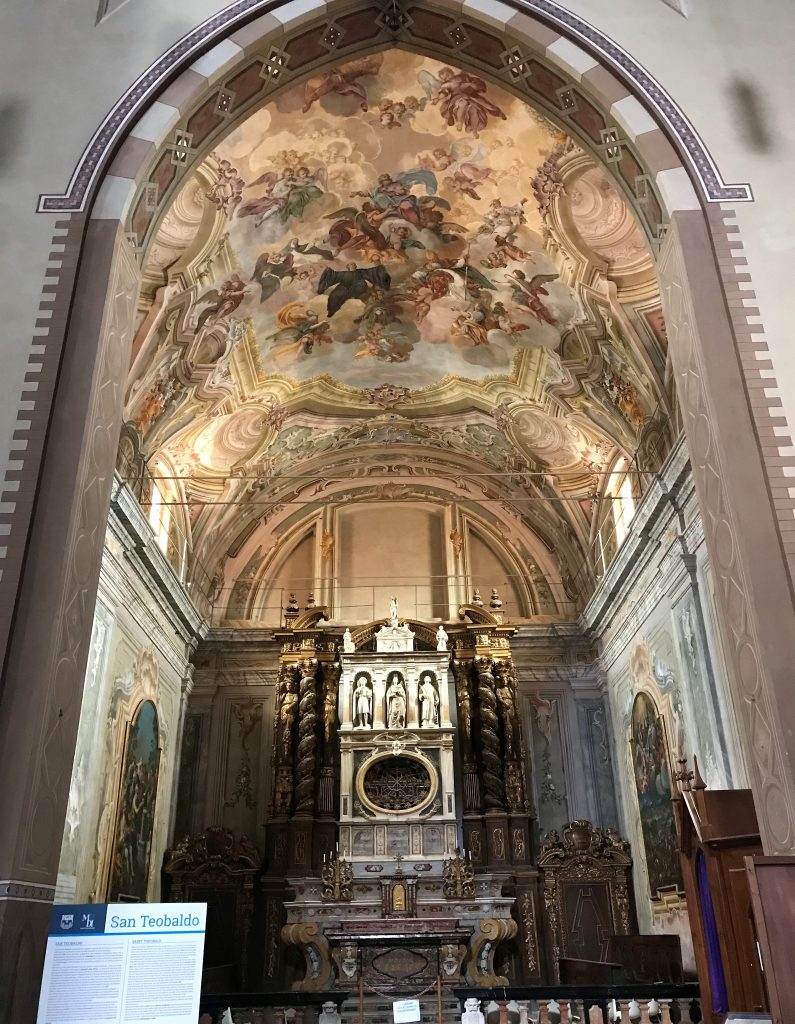
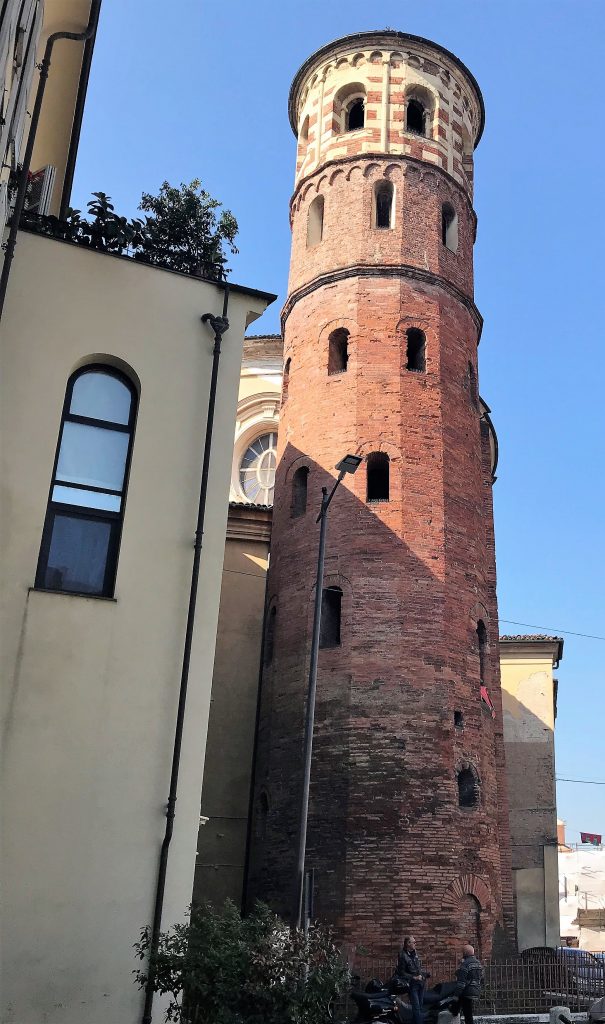
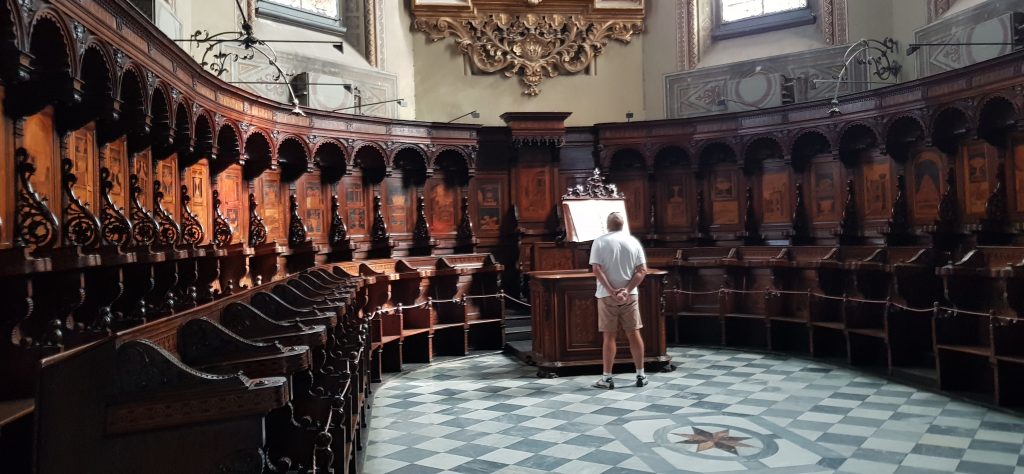
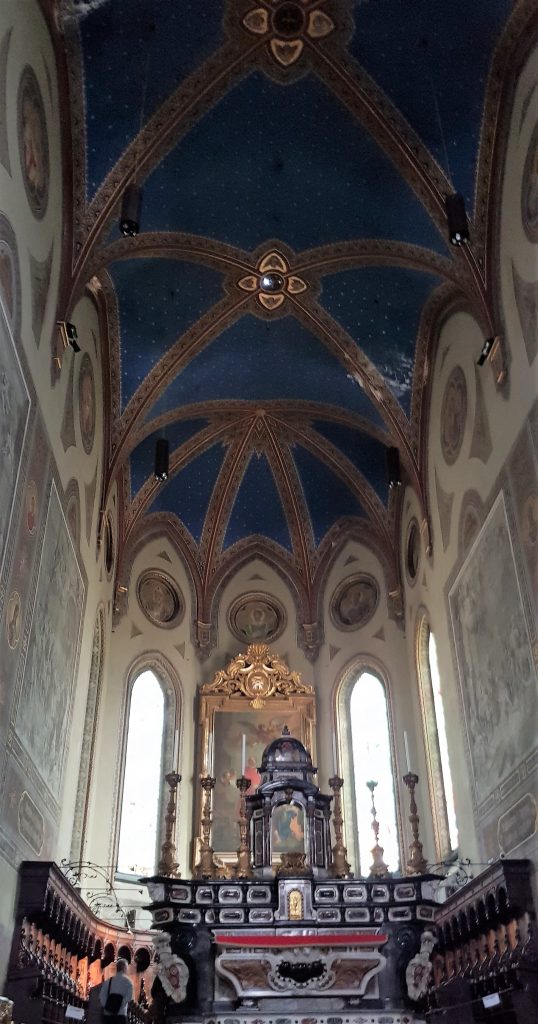
Asti may be famous for its sparkling wine, but it’s also famous for its “palio” – over several days a display of horsemanship culminating in bareback mounted horse races. A food and wine festival takes place just before the Palio, in September every year, with over 40 businesses hosting thousands of visitors who want to taste their wares. Sadly, we missed this!
After three days here we moved onto a totally different area, Lake Garda!


 ‘,
‘,


Recent Comments