Holy Thursday night into Good Friday morning is “A Thing” in Spain, called Madruga. I’d like to call it Mad Thursday. The Night of Jesus or Longest Night is where the parades finish at 2 or 3am and people hang around afterwards drinking and eating! And I really don’t know why.
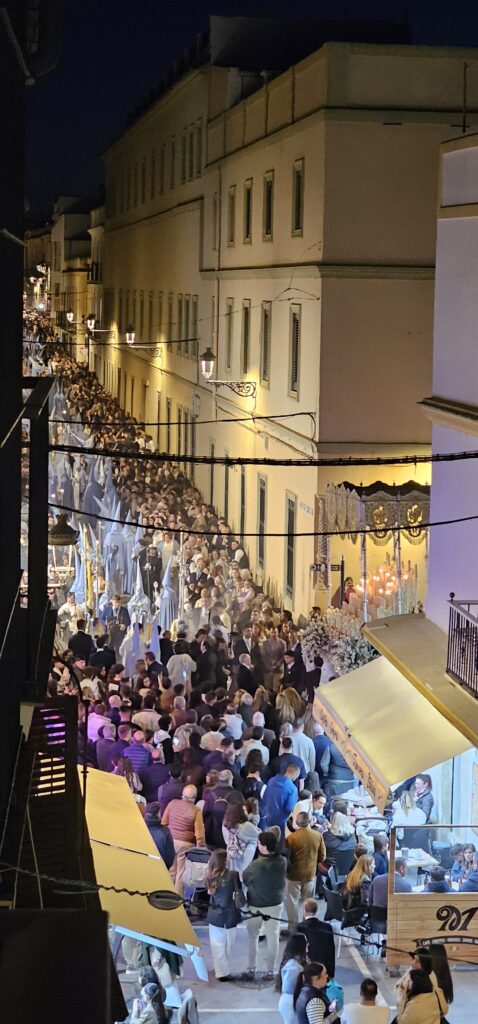
I only know this because David took Arthur to the airport Friday morning and left the apartment at 3.30am for a 6.30am flight. David returned with stories of families with children still running about, bars and restaurants still open and lots of people about. I was then woken at 3.45am by noise, so much shouting and singing in the streets so I got up and made coffee, my airport run was at 9am. By that time, the town was deadly quiet and deserted!
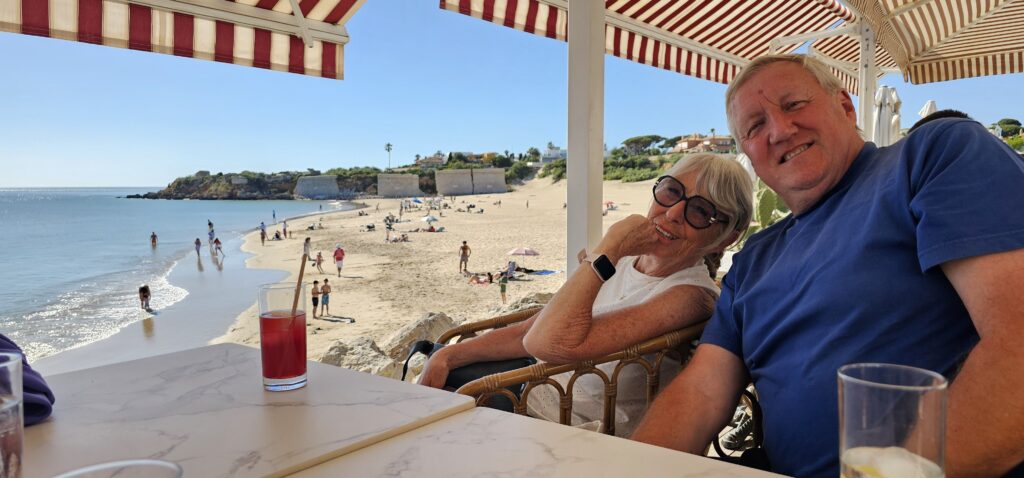
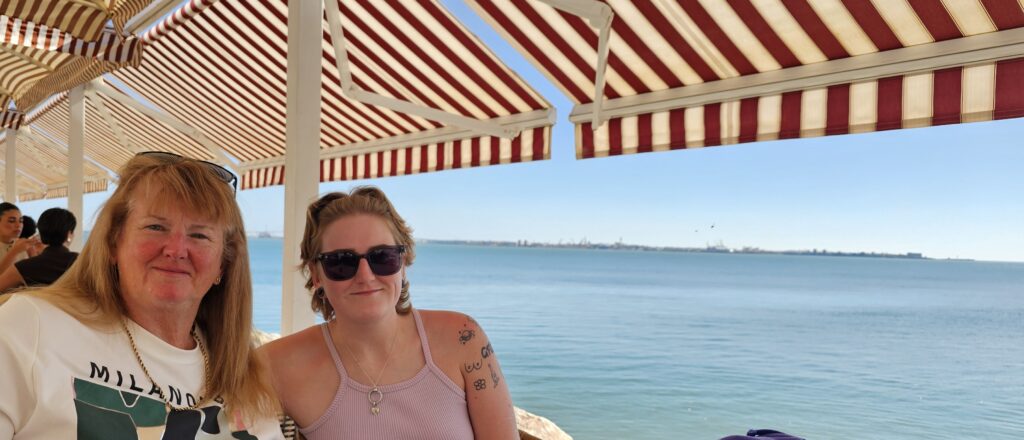
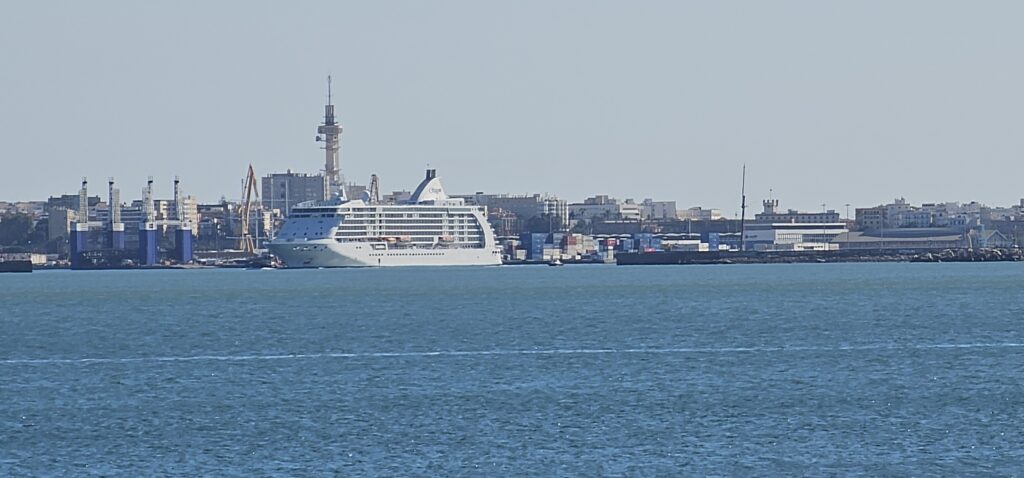
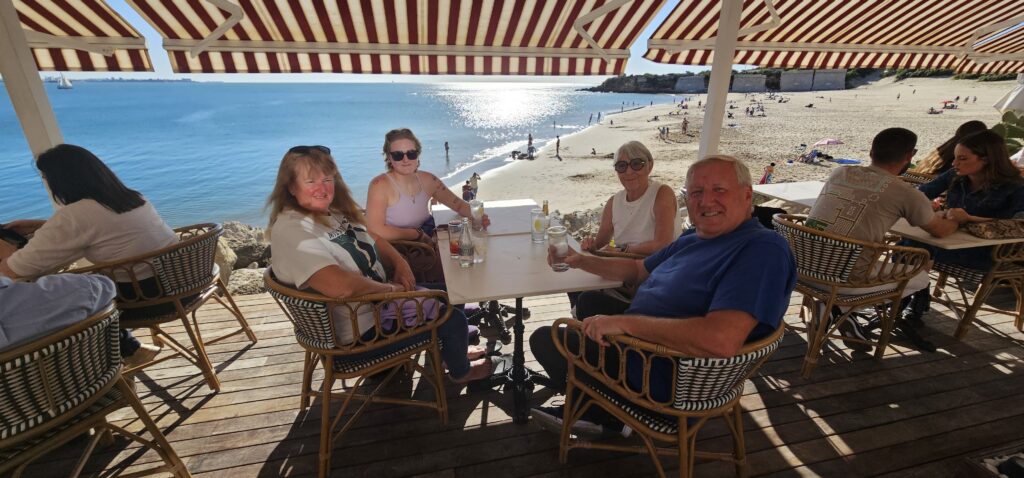
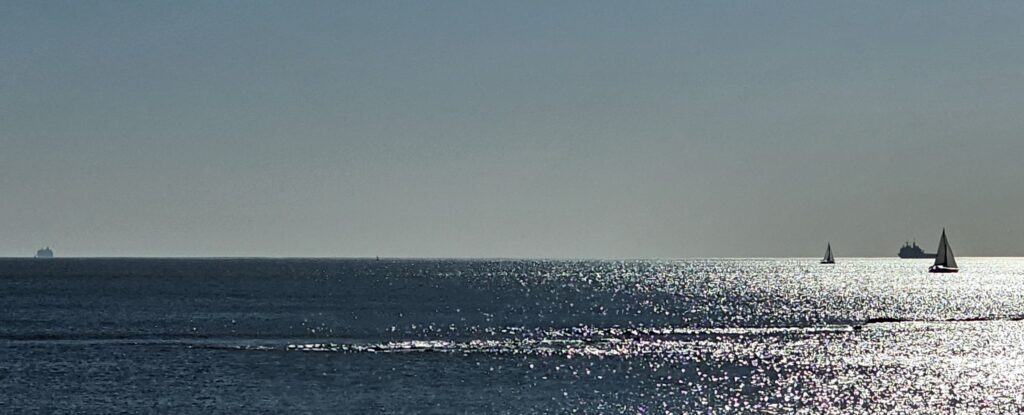
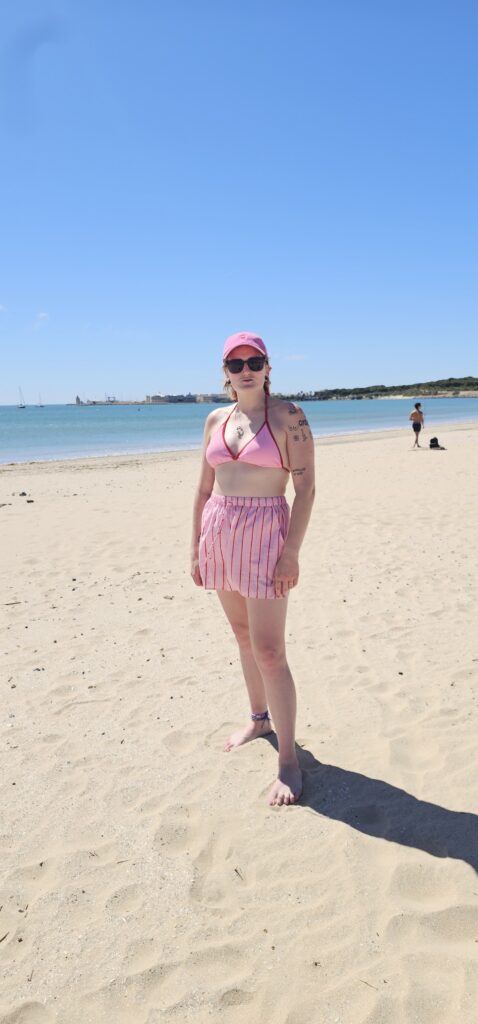
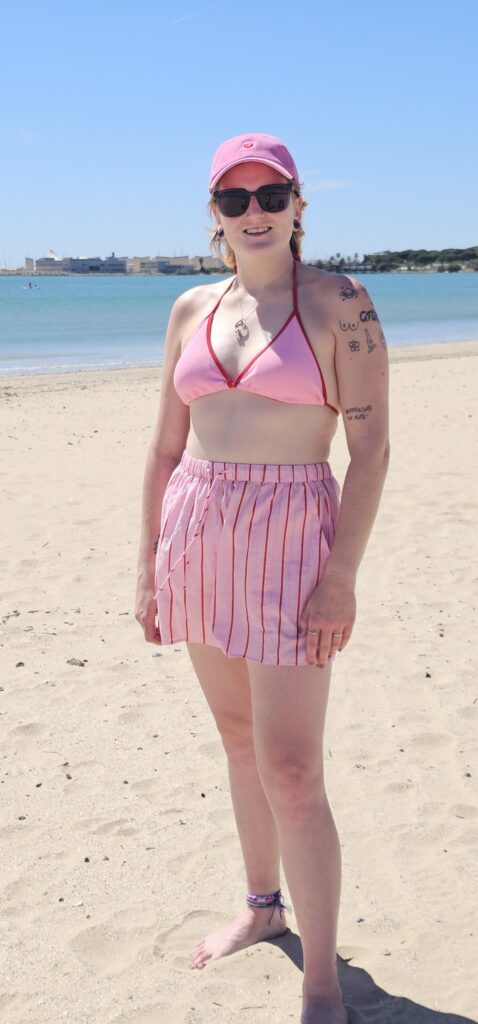
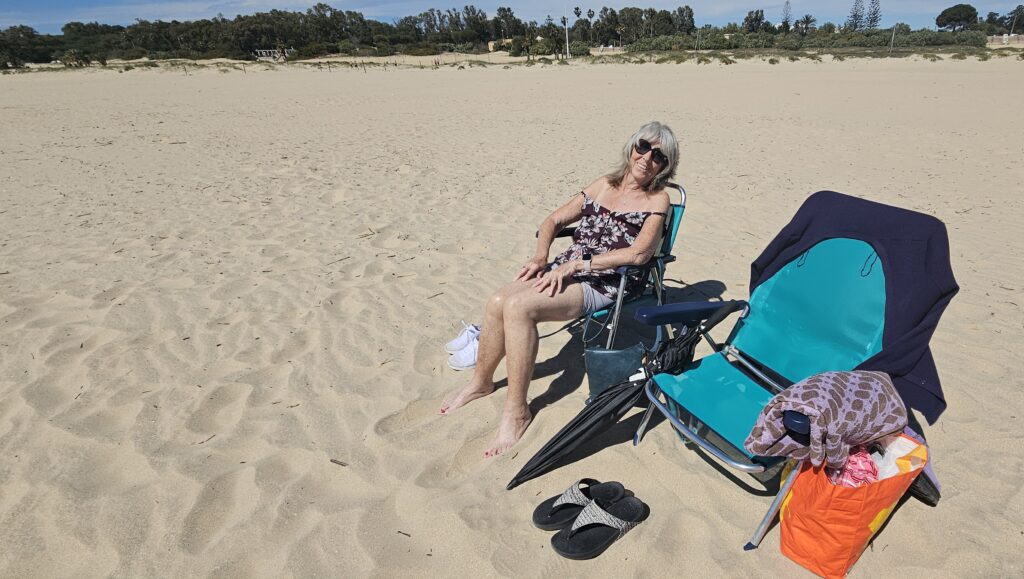
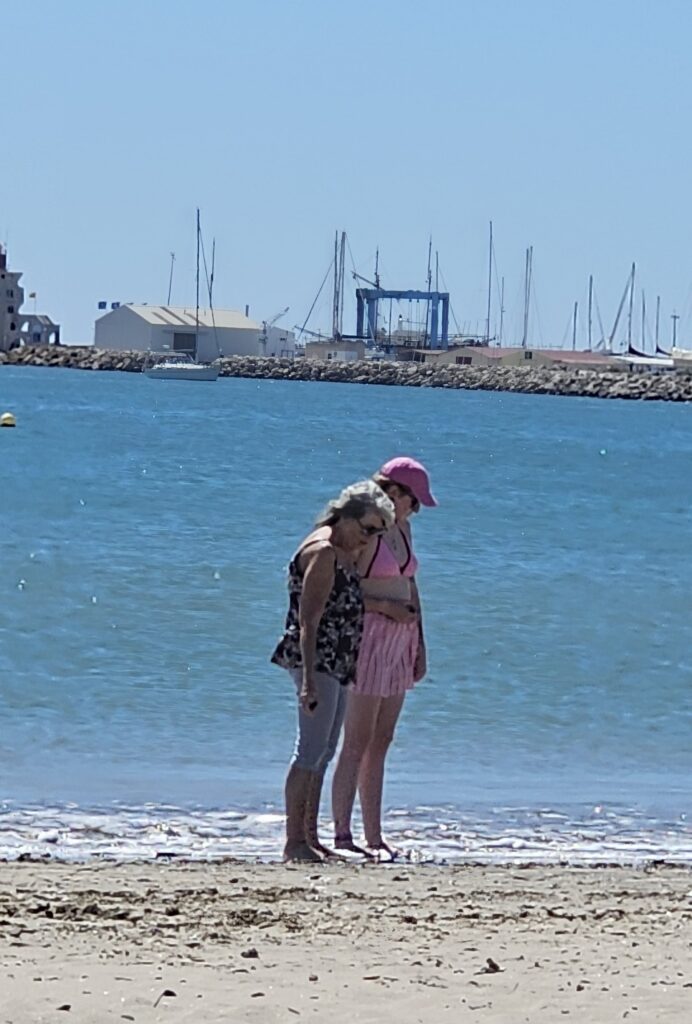
Thursday was our guests last evening so we had a few hours at the local beach to catch some dun before they head back to the cold gloomy UK. On Wednesday we took them to our favourite sunset bar, just past the Marina and with views of cruise ships leaving Cadiz and naval ships leaving Rota, as well as sailing boats slowly going by. And had a drink whilst chilling 😌
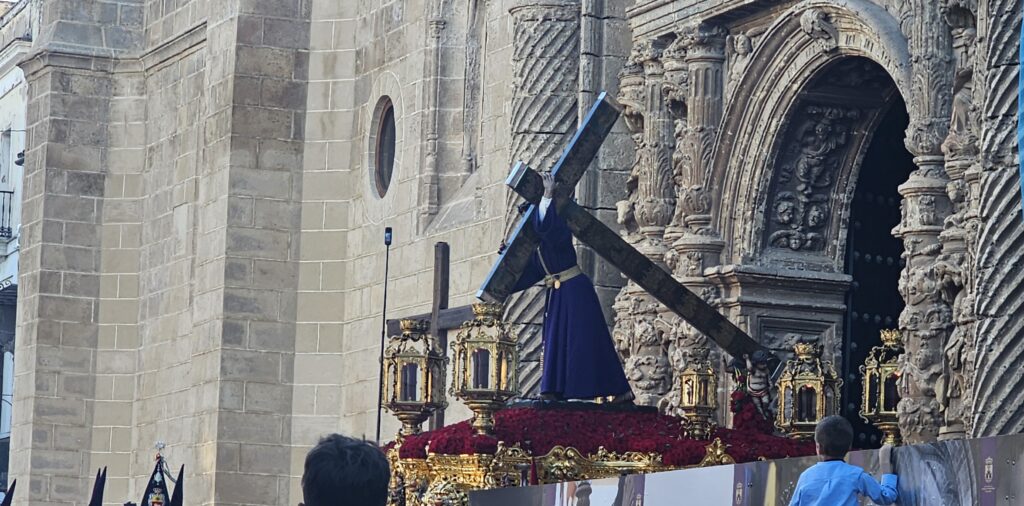
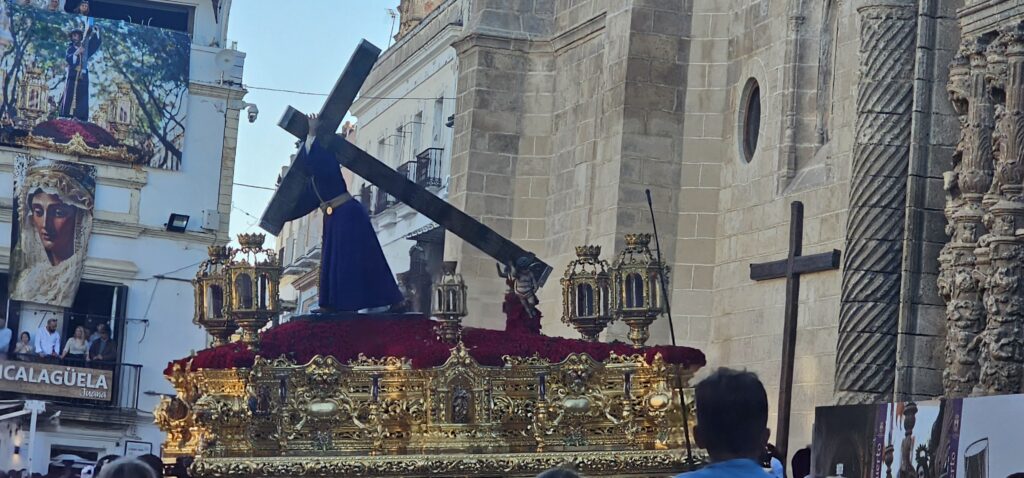
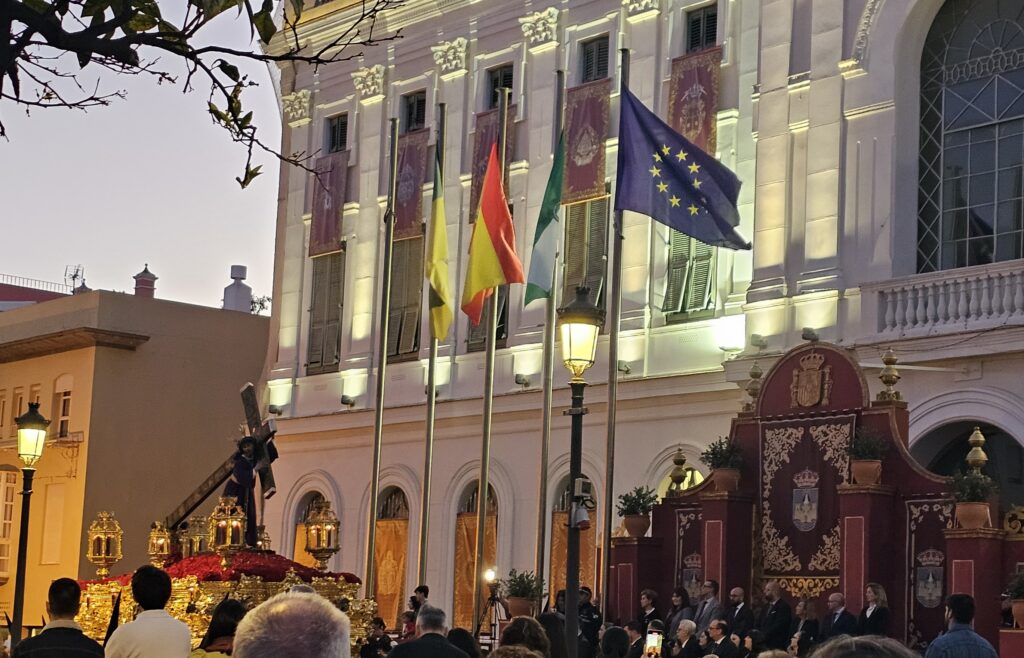
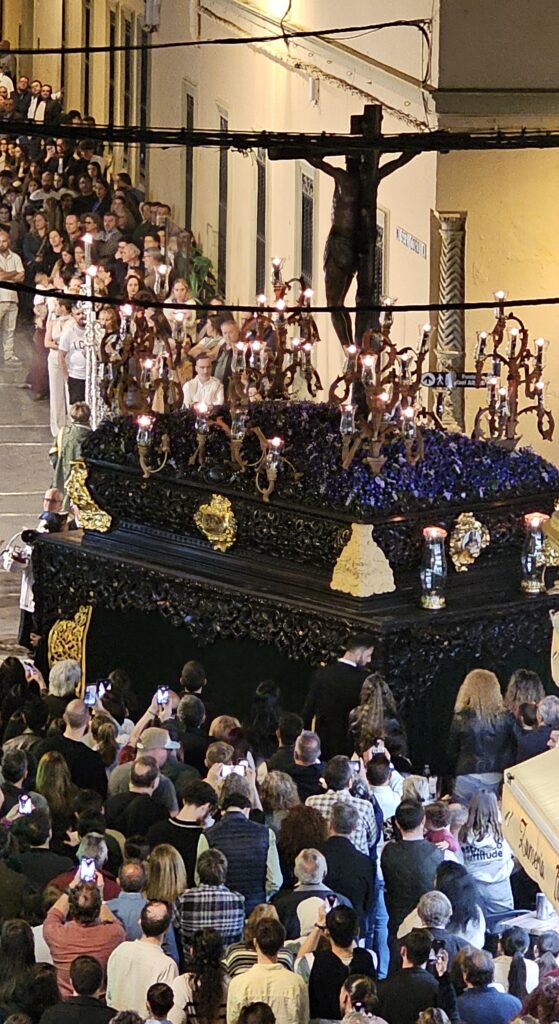
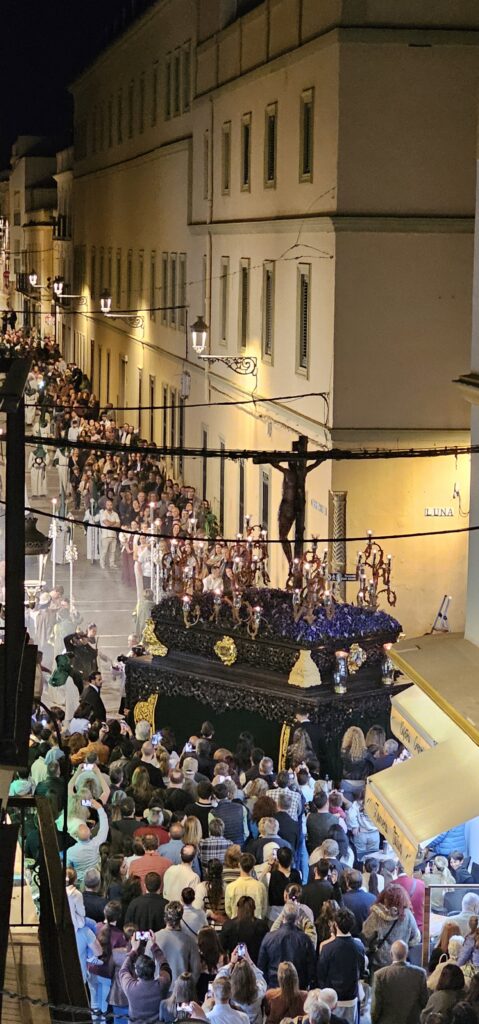
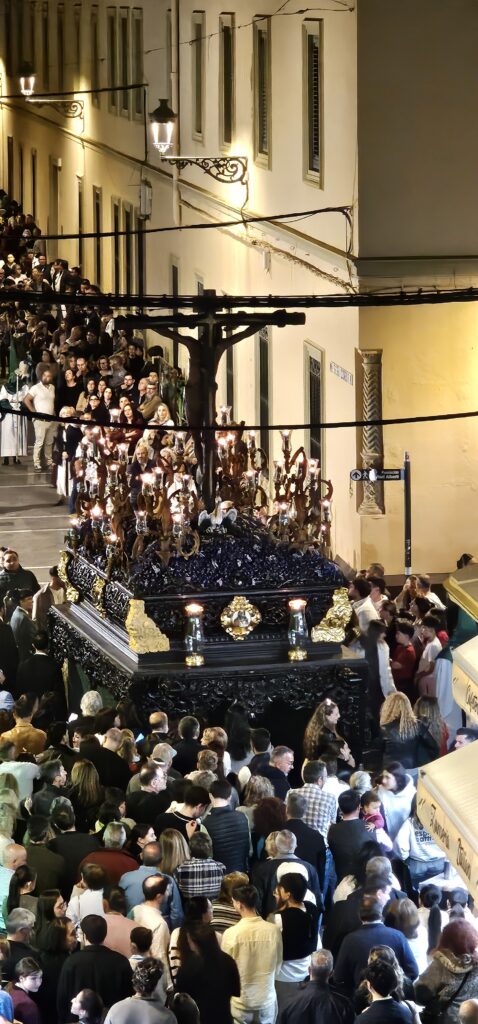
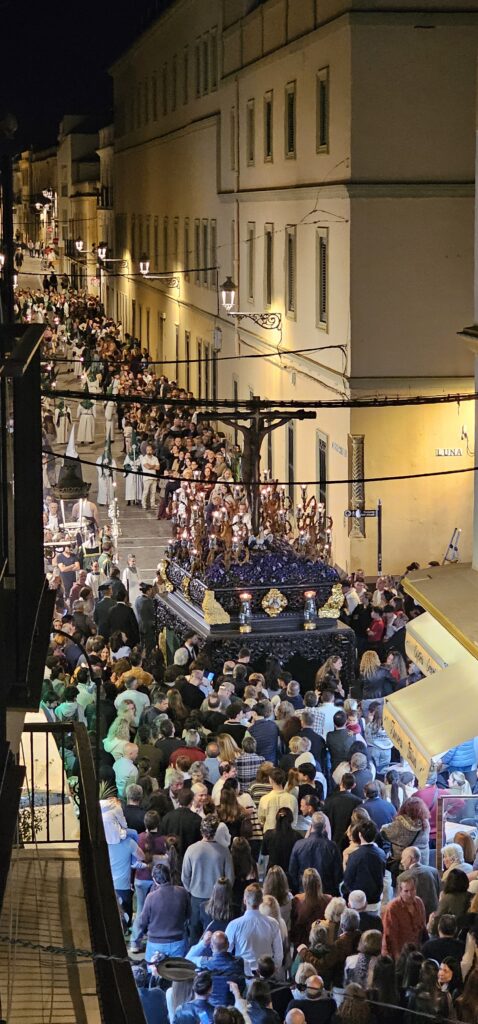
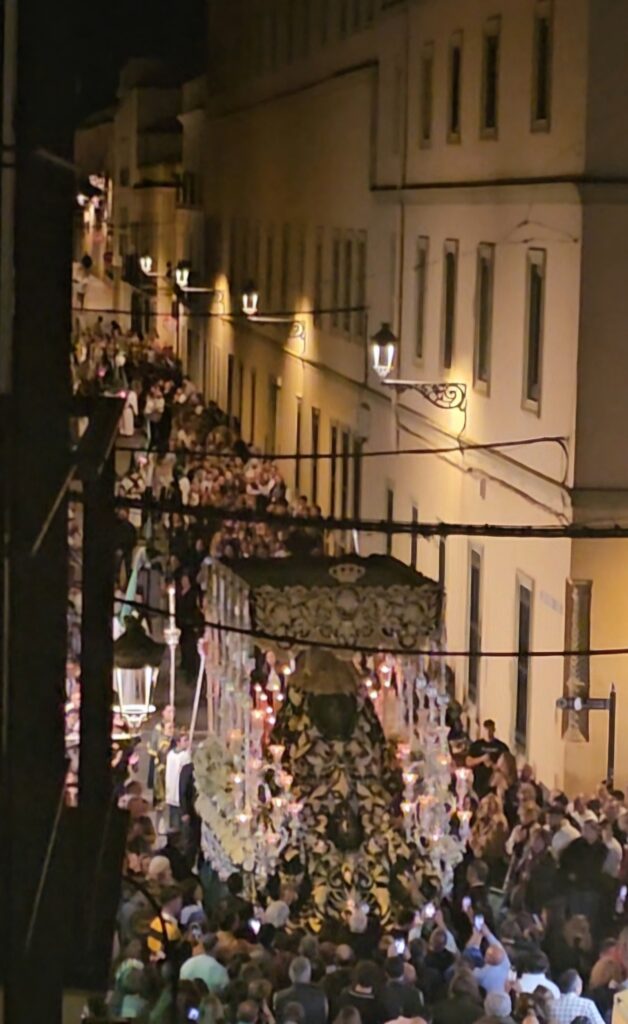
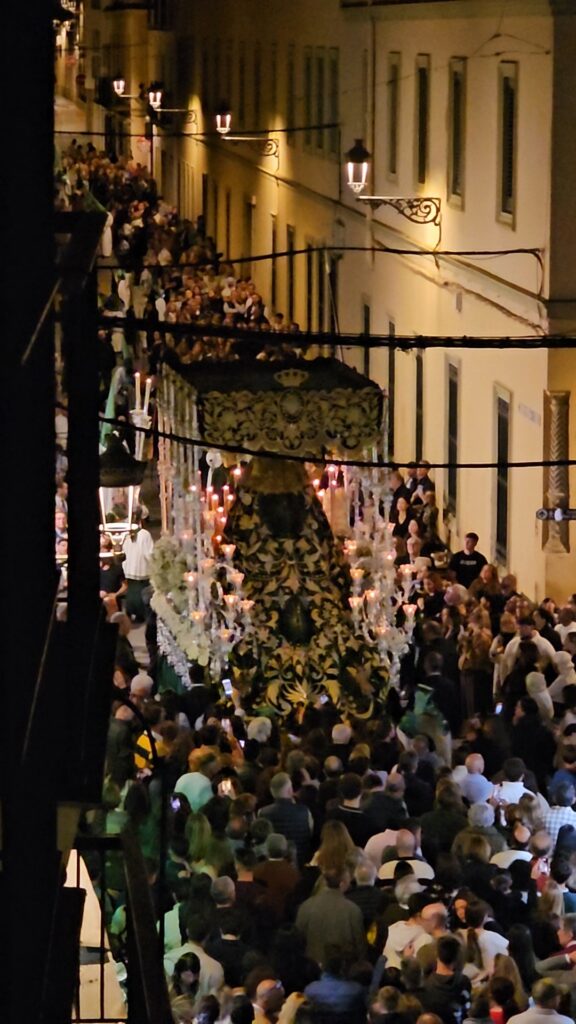
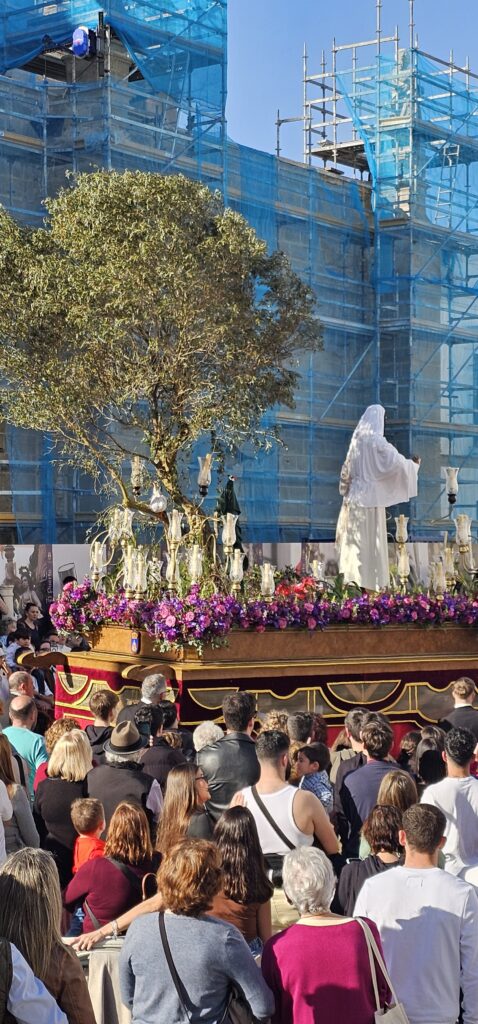
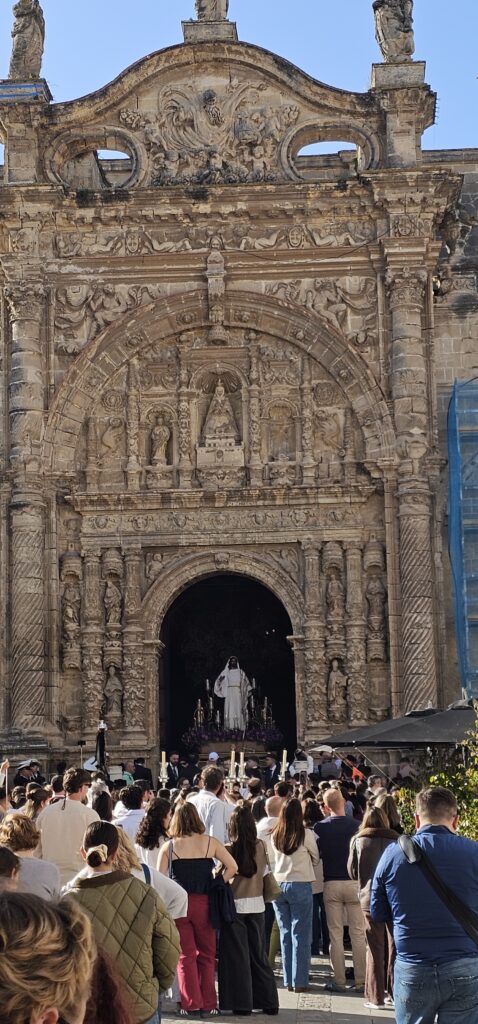
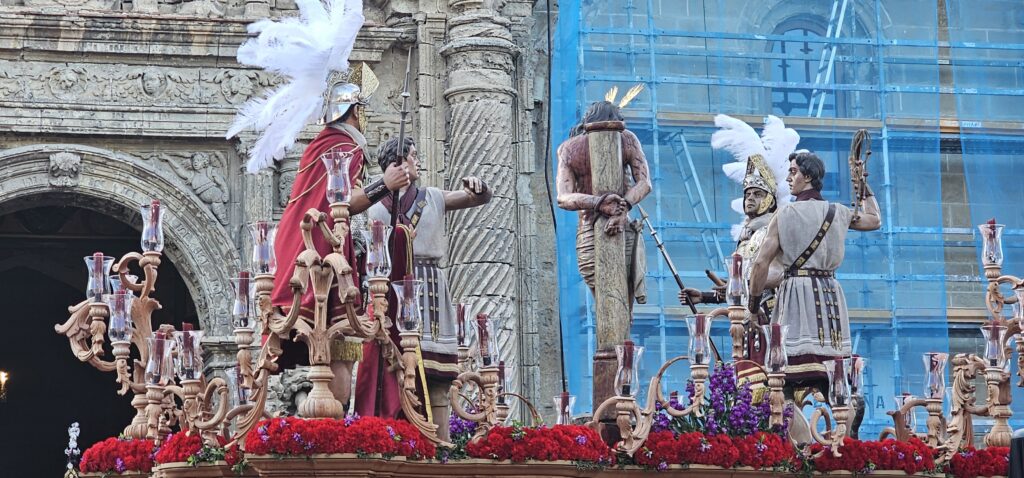
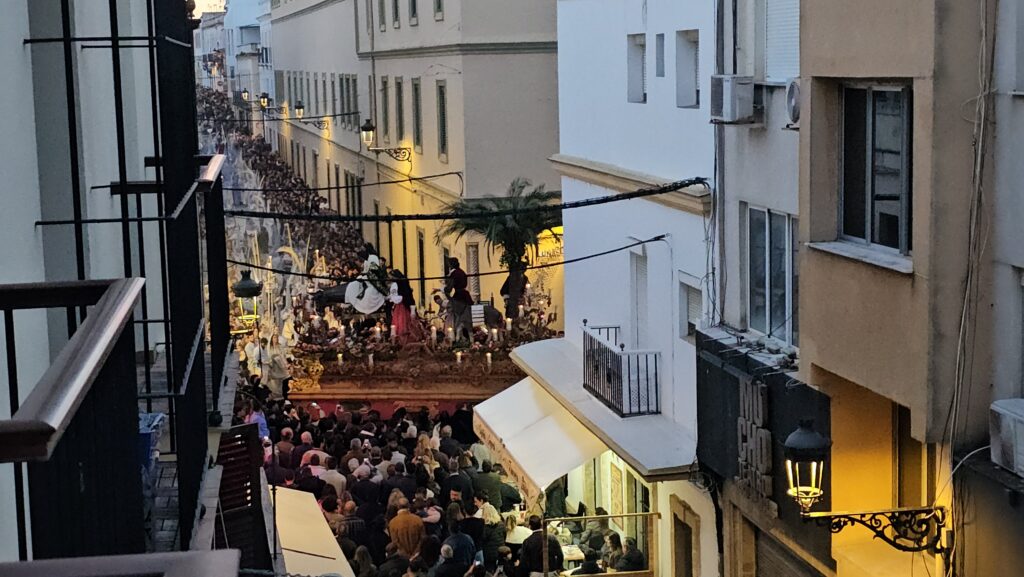
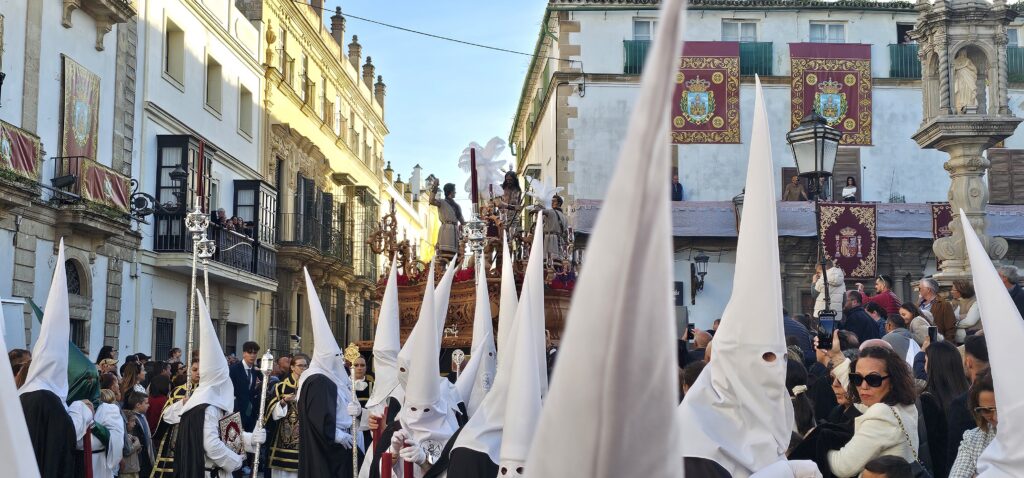
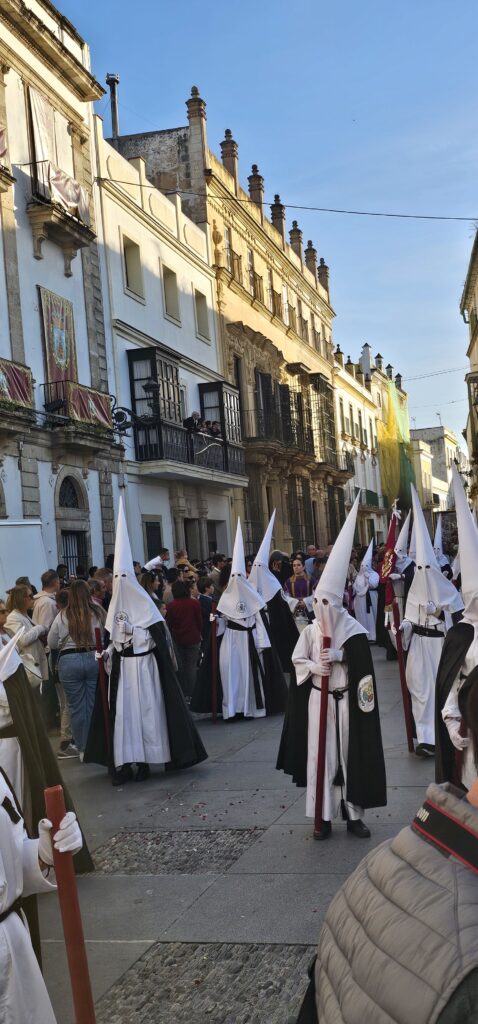
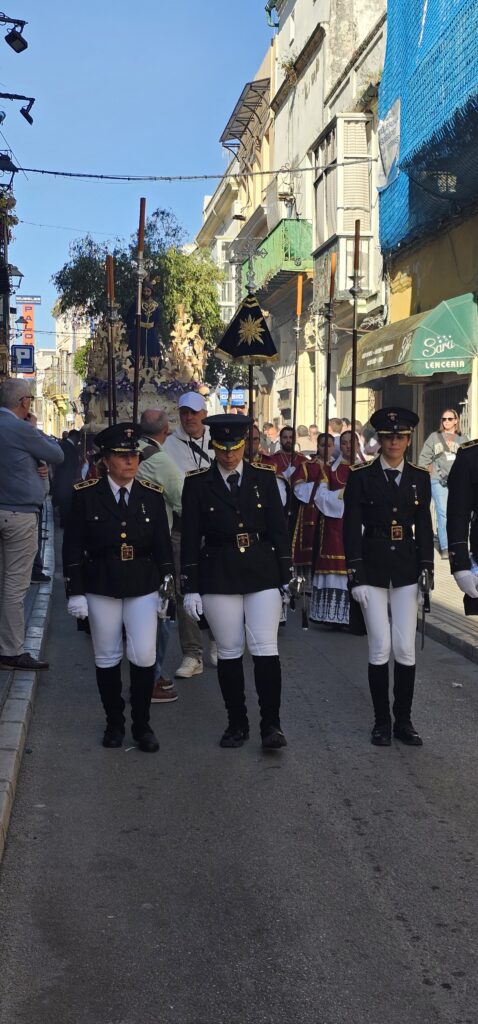
Thursday evening’s parade was morose, impressive and muted colours and so many people! In the past I’ve been able to get to the front or second row, but this time, the 4th row with obscured views was the closest I was getting. We tried to turn back, or get ahead of the front of the parade but simply couldn’t get through the hoards. We gave up, sat on a wall for half an hour until it passed then went home.
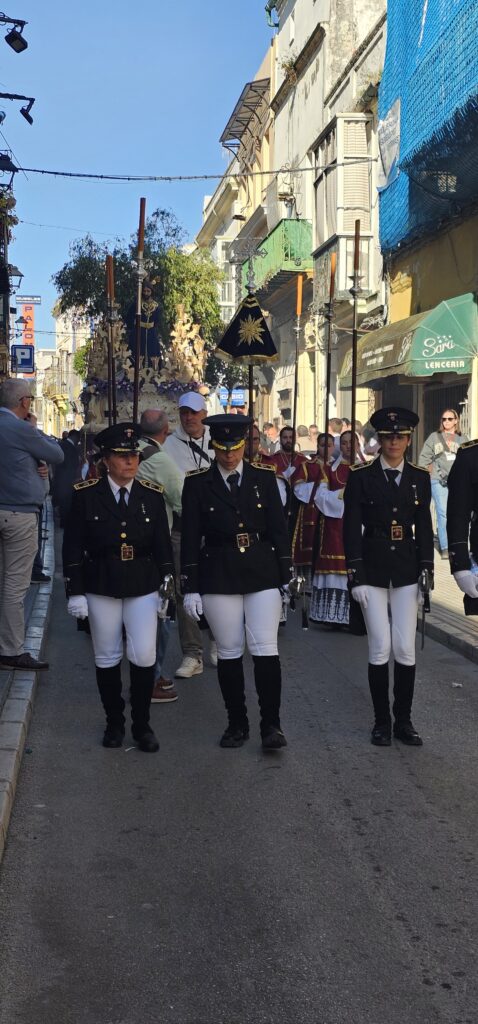
Sombre ThursdayParade going past a municipal building
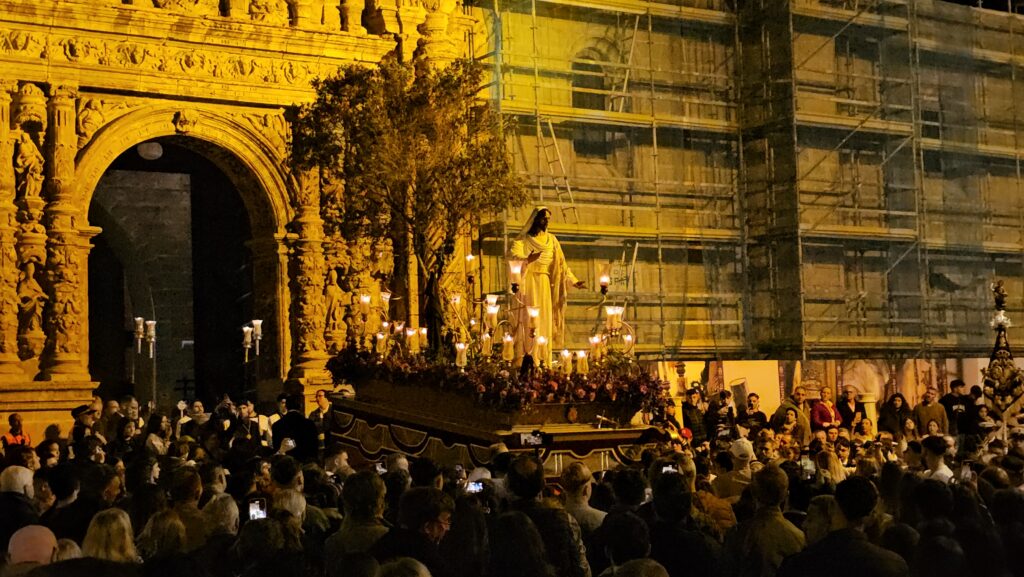
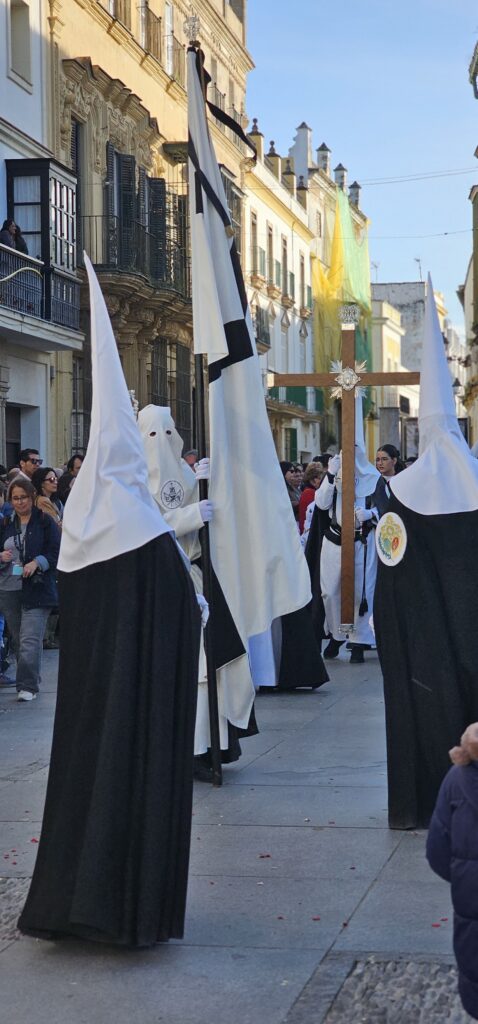
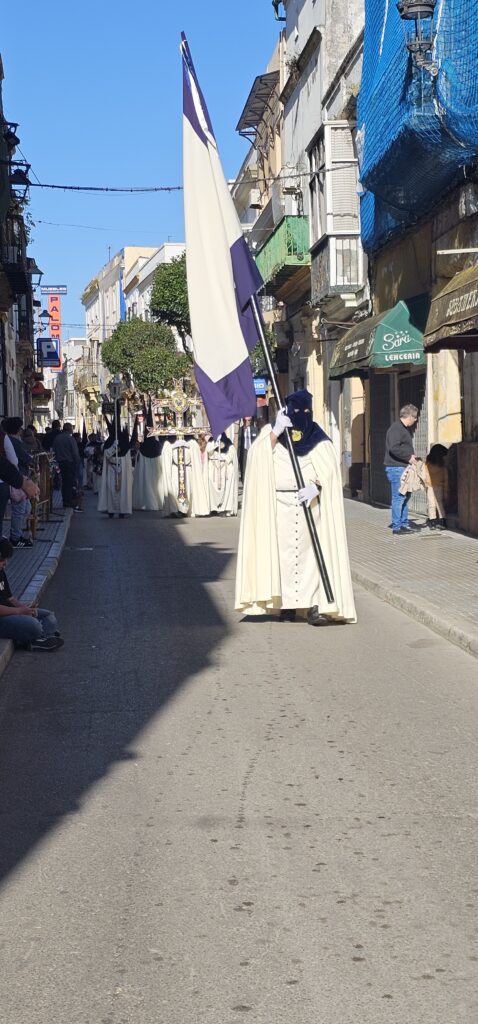
Friday’s parades were equally impressive albeit quieter, one had no musical accompaniment which made a lovely change as my ears are constantly “hearing” drums now 😀
Our apartment is now quiet, until we leave next week. We are off to Cadiz on Sunday to watch the last parade in a different city, hopefully I can get close to the Cathedral.
In Spain, and most Catholic countries, Friday 27th March began the start of Santa Semana, (Holy Week) and one of the reasons we are in Cadiz. The other being Sherry!
To try to tell someone about the spectacle, ambiance, atmosphere, noise, quiet, crowds, smells and views is quite difficult (but I will try) until you experience it in person. We’ve been lucky enough to witness it up close, and from a distance, in the throng of crowds and right up in the front row so I hope this explanation helps you understand what we’ve seen so far.
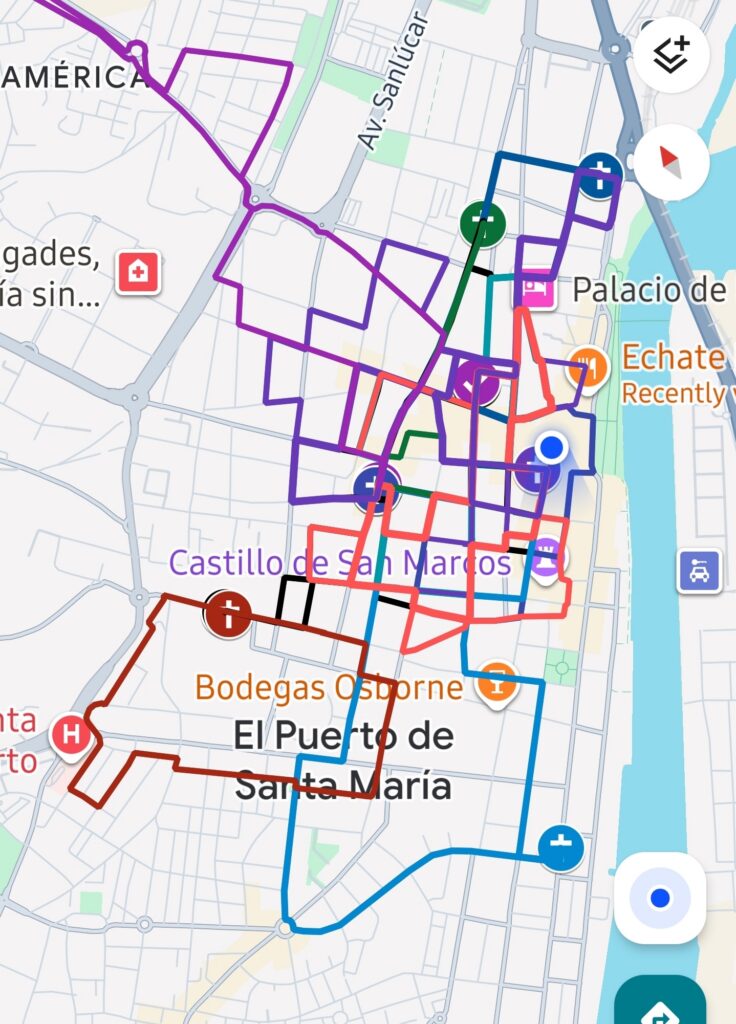
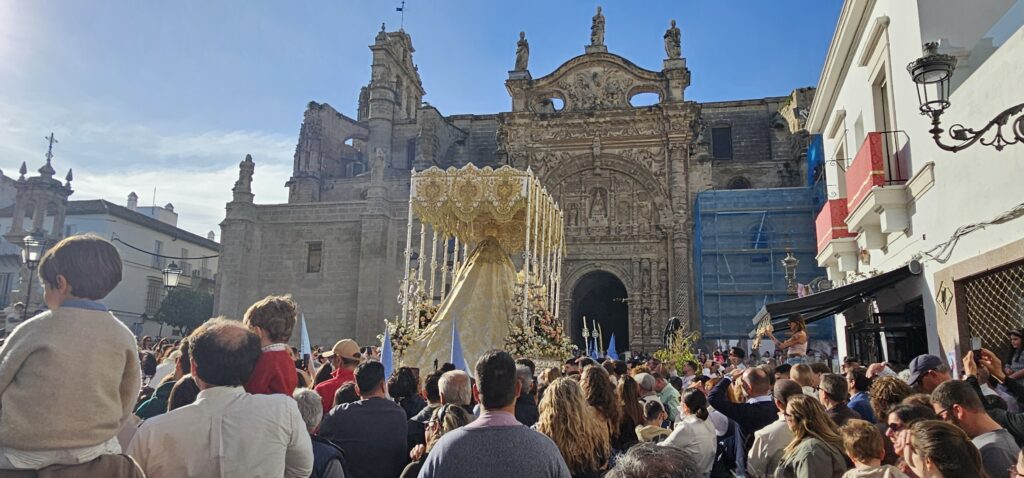
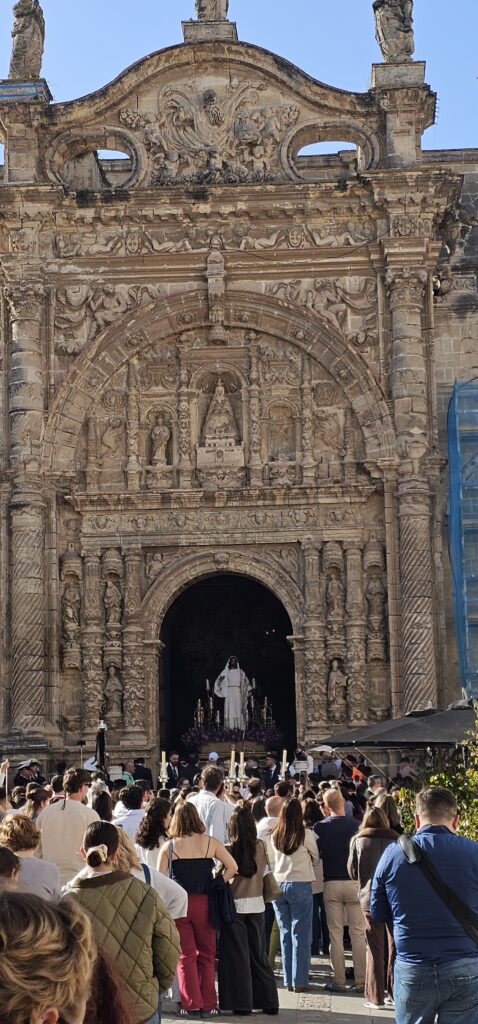
First, a little history as I understand it. Spain is a Catholic country and within El Puerto de Santa Maria there are more than a dozen churches, each church is known as a Brotherhood. During Holy week, each brotherhood is invited to process from their church through the town to the main Basilica with its men carrying its “float/throne or Tronos” with its flock following on behind. They enter the Basilica, are blessed (sins forgiven) and return to their church base. The route can take up to 12 hours, depending on the location of their church and distance to the Basilica.
This image shows the routes around the town taken by the brotherhoods, the blue dot is our location and the Basilica (where all routes stop) is a 5 minute walk away.
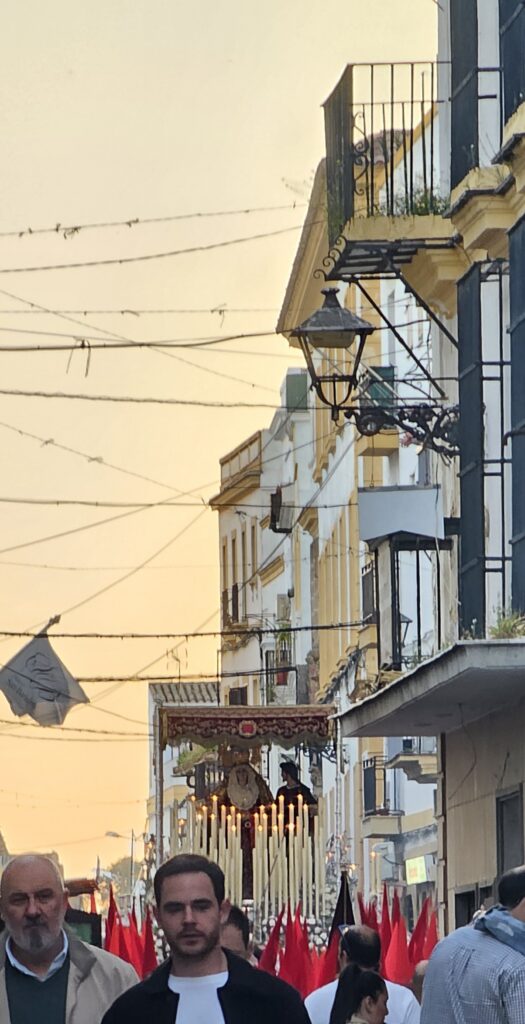
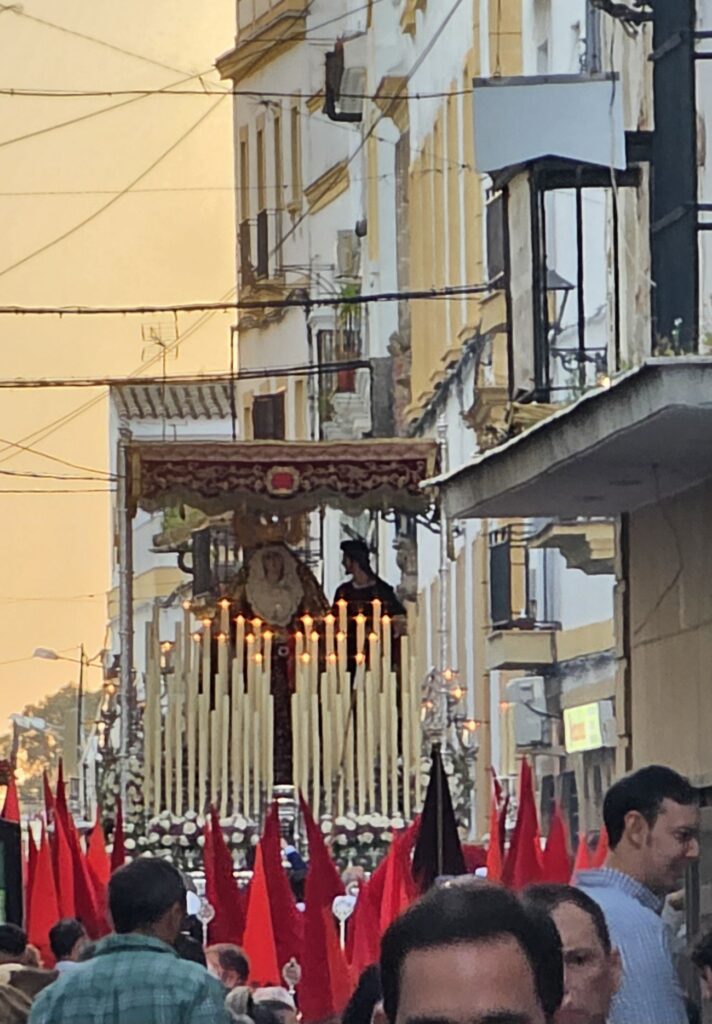
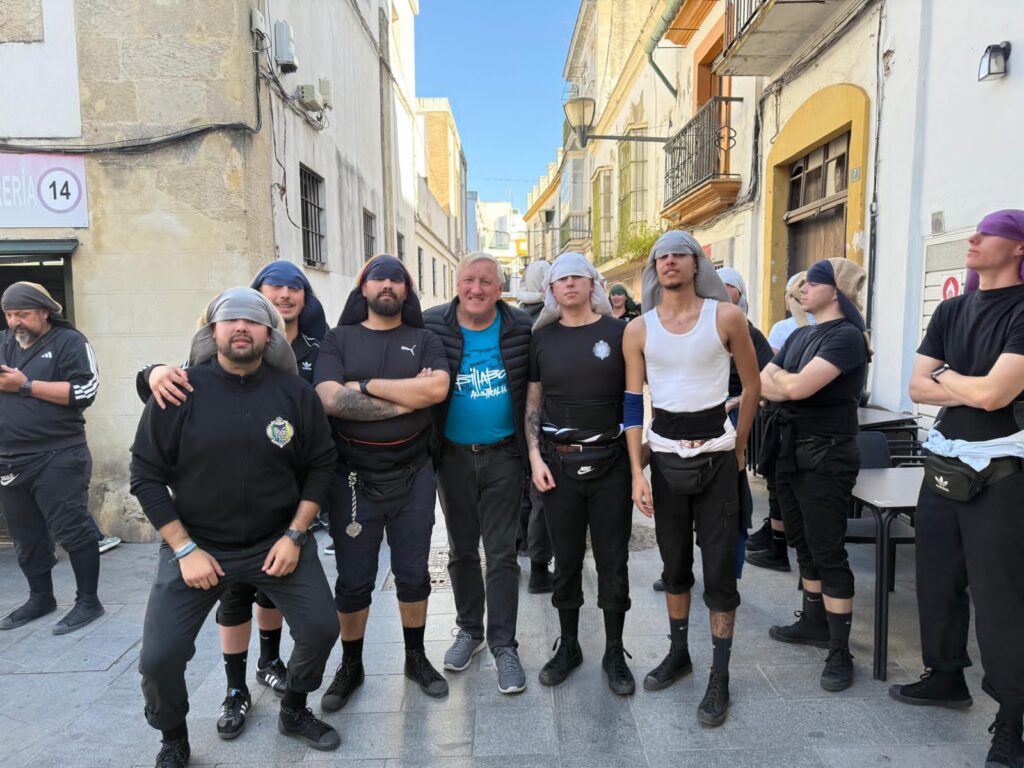
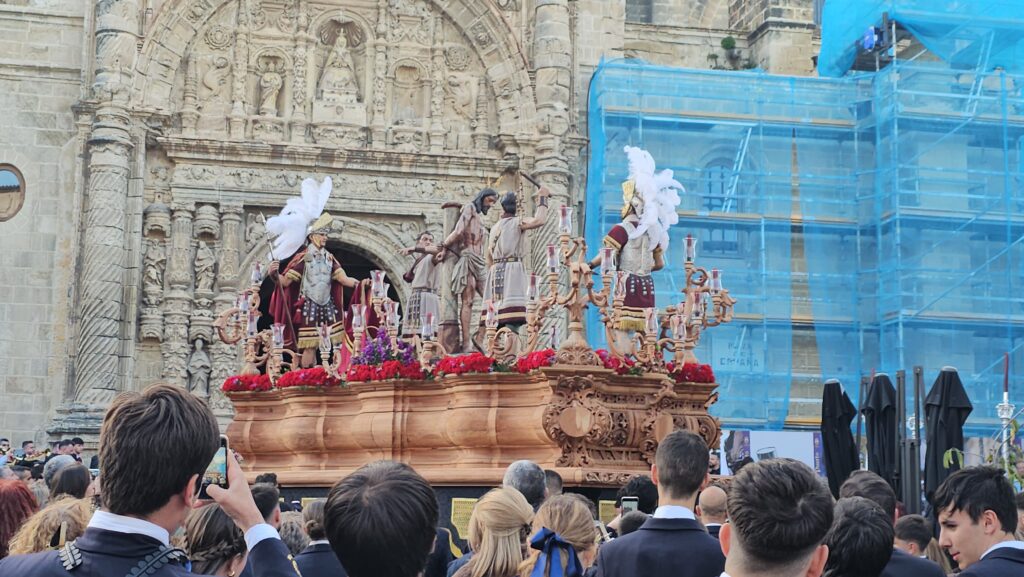
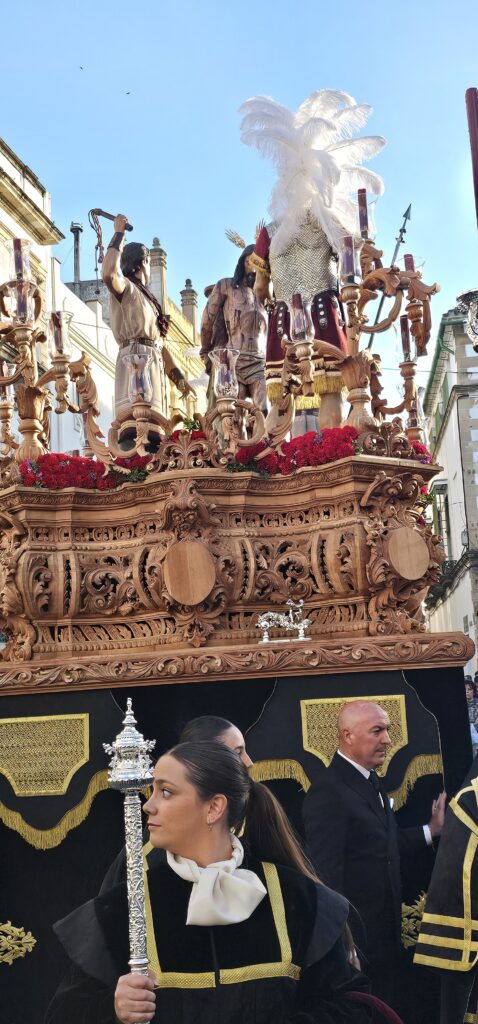
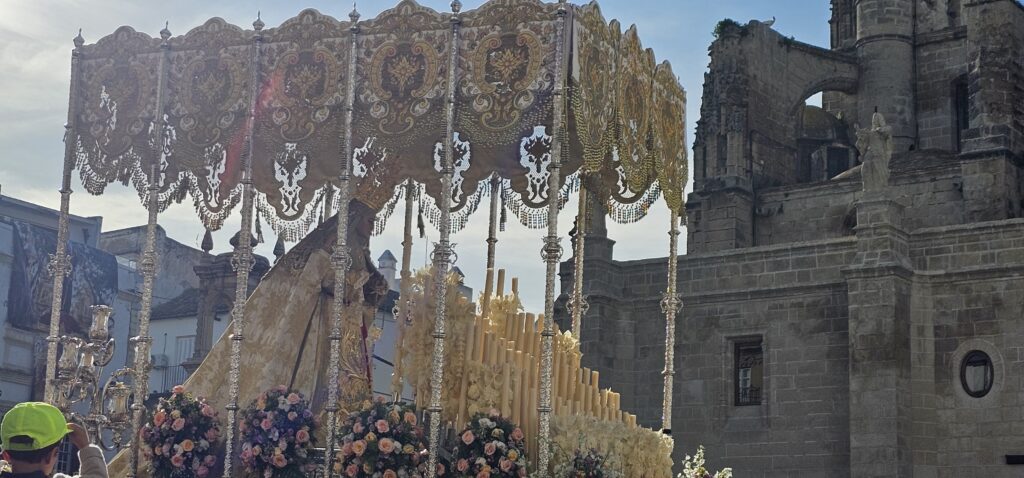
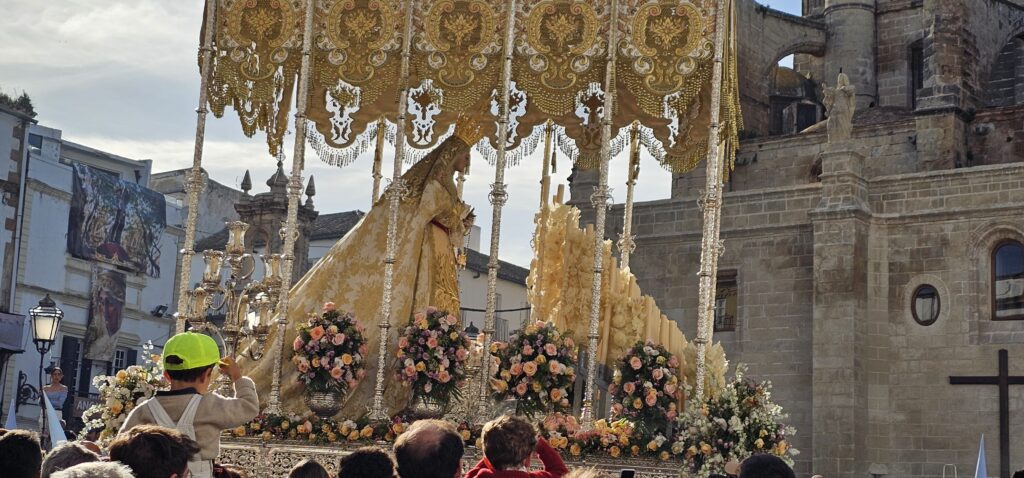
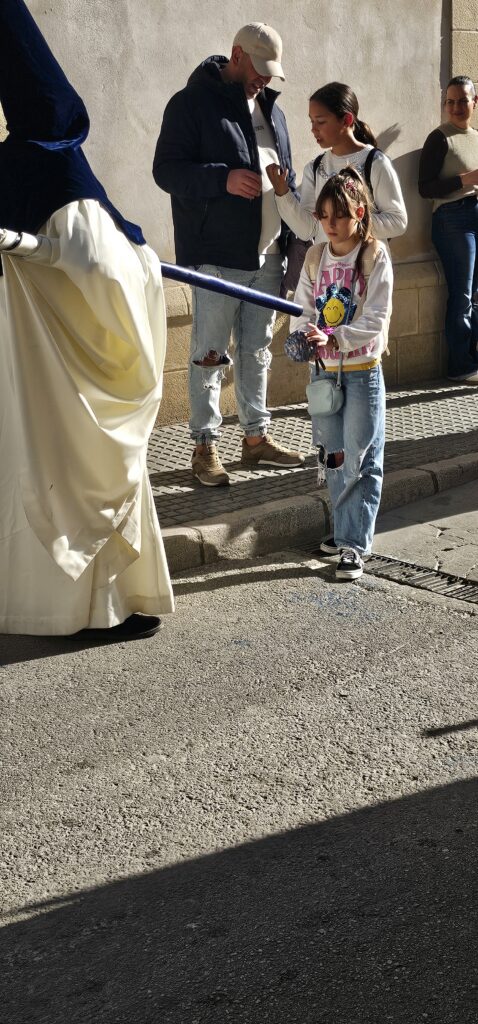
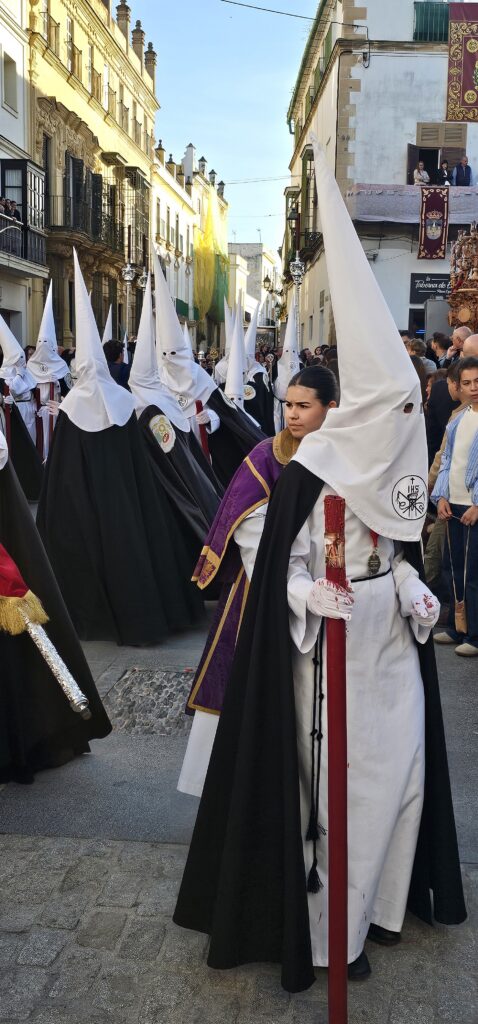
The Trono is carried by men of the church whilst the women, children and older men dress in cloaks in the Brotherhood’s colours to give them anonymity. To carry the Tronos is considered a rite of passage, something every young man must do at least once. The Trono is large (5 metres long by 2.5m wide minimum) made of wood (weighing several tonnes), and decorated with scenes or statues that are highly decorated with material, flowers, candles and lights. There are a minimum of 35 men carrying it at one time, with spare men walking alongside ready to swap over carrying duties as some become tired. I learned this by chatting to one sweaty young carrier who was preparing to take over!
The different parades relate to different holy days, Friday and Saturday were simply Holy days…..Sunday was joyous Palm Sunday when Jesus enters Jerusalem…..Monday was quieter but celebrated the union of Christ and Lazarus. Tuesday is usually a solemn quiet procession with the followers carrying the crosses. Wednesday represents the day Judas betrays Jesus and becomes serious and sombre, Maundy Thursday commemorates foot washing and Jesus’s last supper with his disciples and Good Friday’s processions are usually carried out in silence to mourn the crucifixion and death of Christ. Saturday marks the burial and Easter Sunday celebrates the day of resurrection.
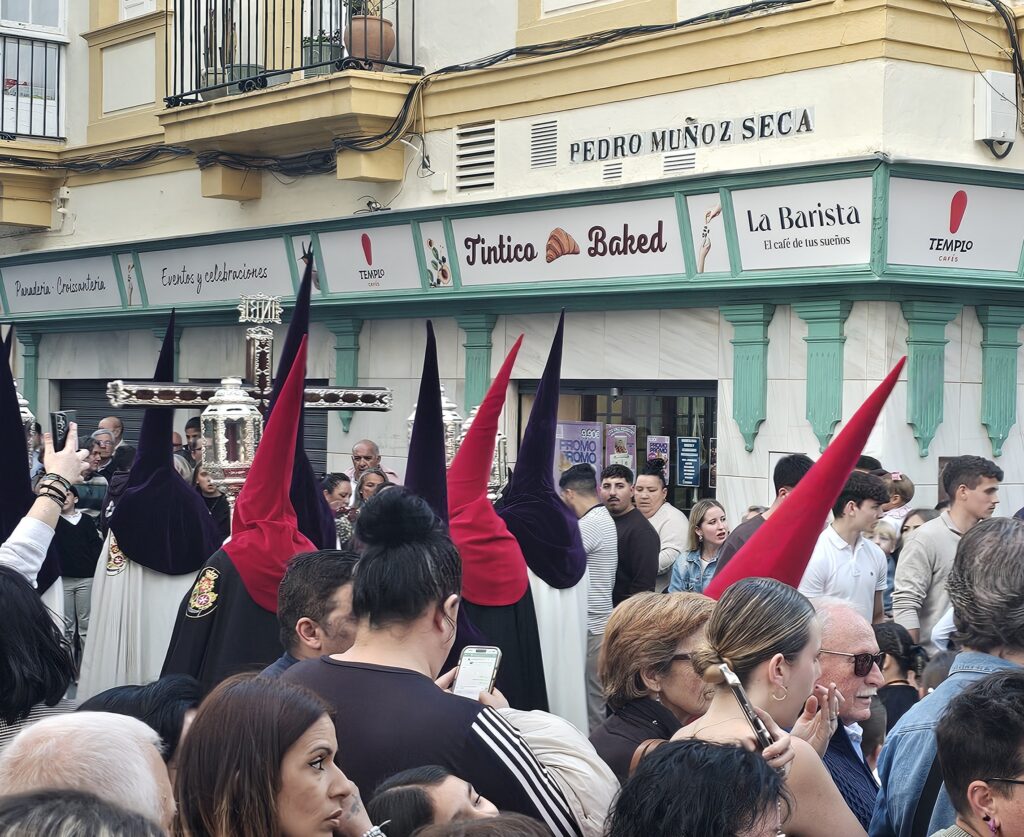
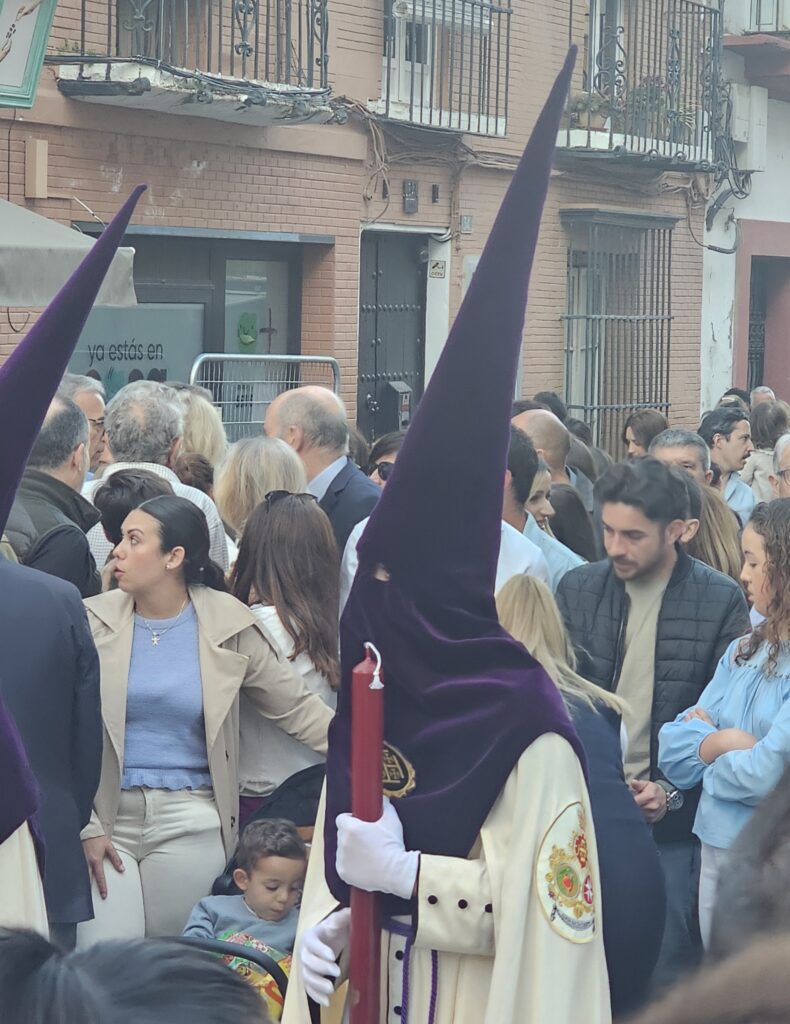
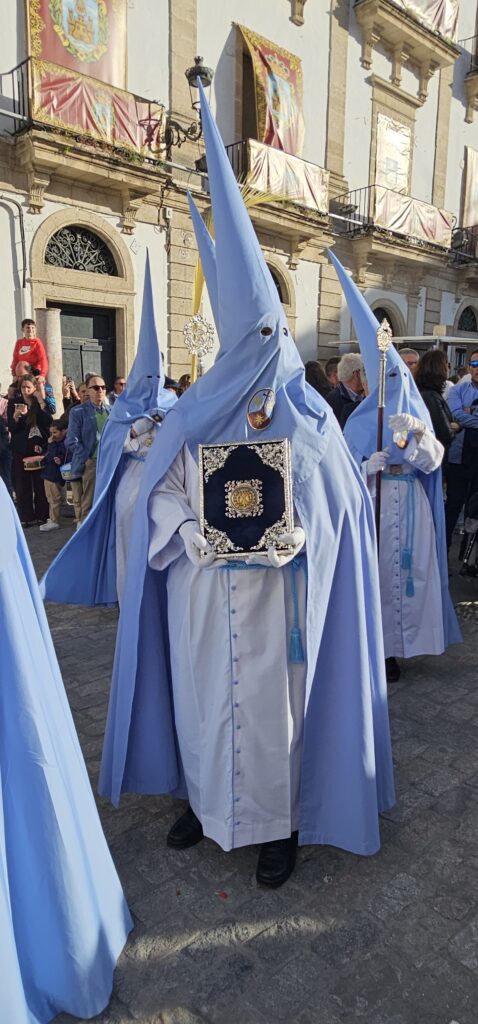
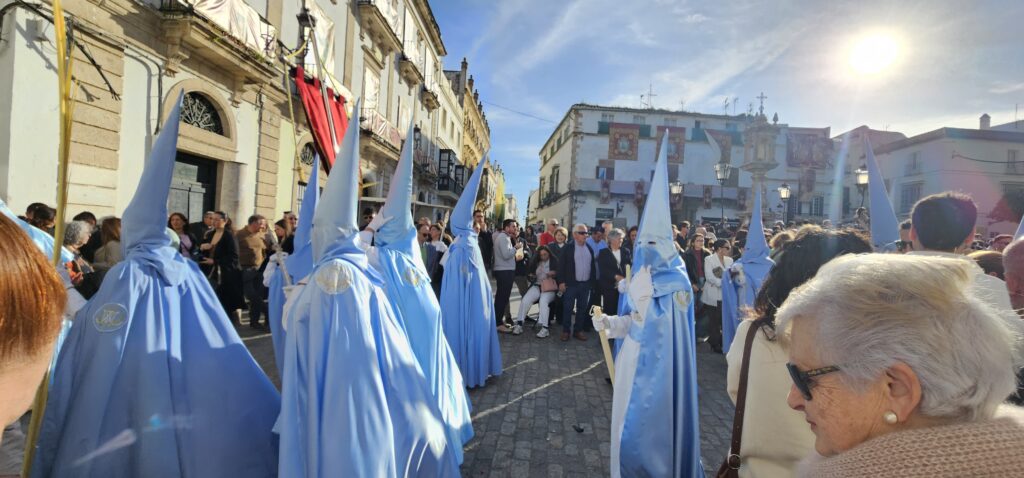
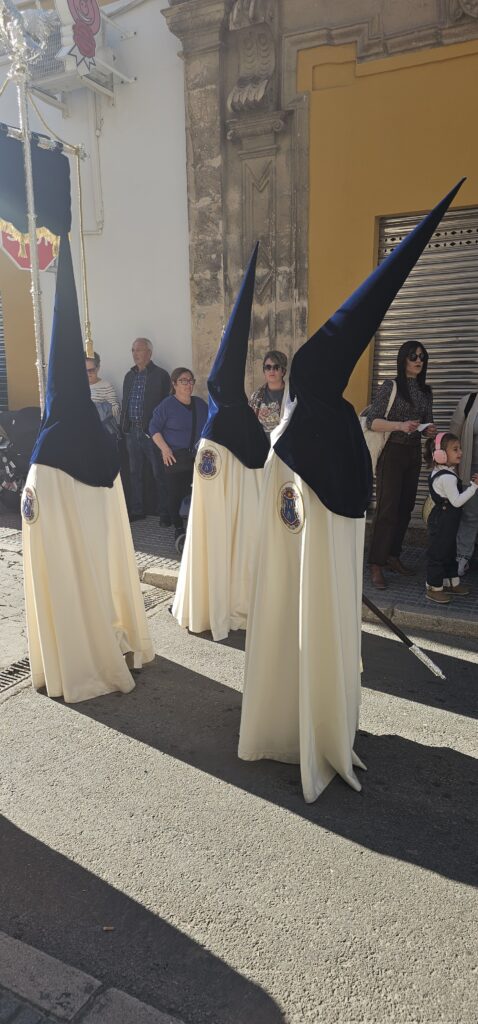
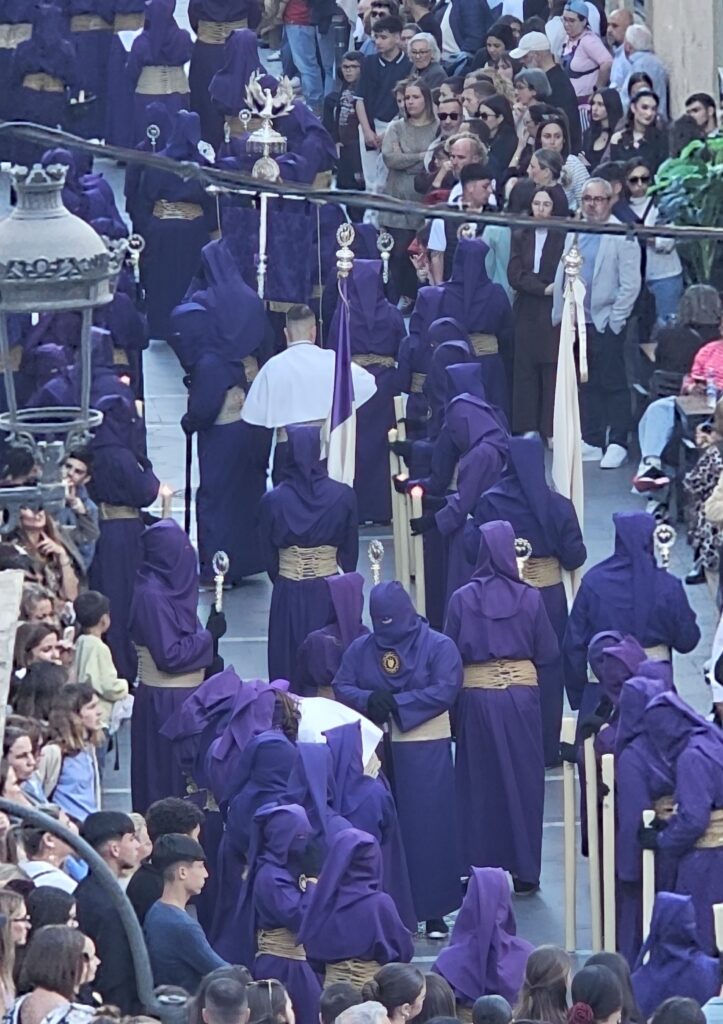
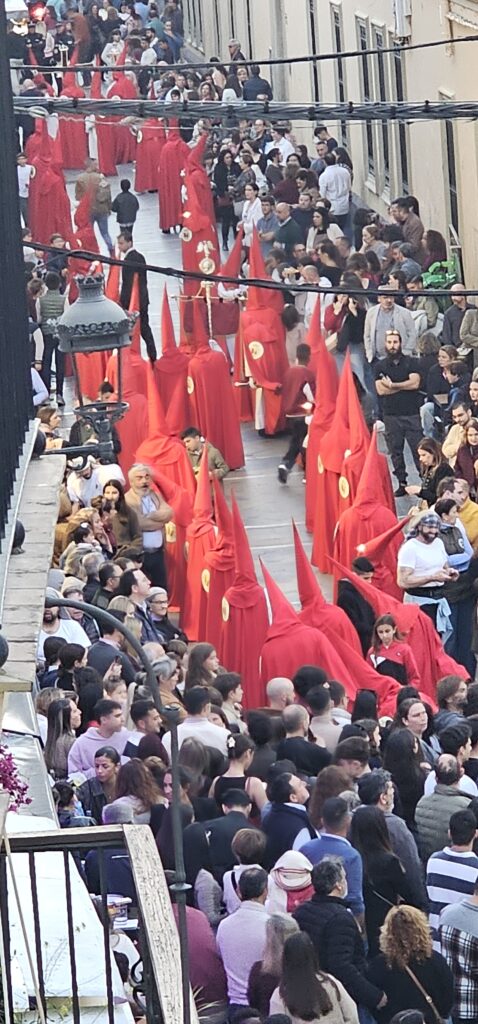
Now for the cloaks and hats….they pre-date the KKK, in the 15th century during the Spanish Inquisition, people were made to wear the hats as a sign of public shame. In the 16th century the Catholic brotherhoods adopted the hats voluntarily and turned the hats of shame into hats of penance and devotion. The hood covers the wearer’s face so they can repent anonymously making everyone equal in God’s eyes, and they point upwards to direct prayers to heaven. White cloaks symbolise purity and peace, purple for sorrow, black for mourning.
The noise is deafening, as the brass bands pass by, the beat of the drums can be felt in your chest. People talking normally right up to the moment the first hooded person passes by then they hush, as the Tronos is lifted they applaud, as a flamenco singer serenades the float, they go quiet but as the last of the band passes they spark up conversations again, and the noise level raises back up.
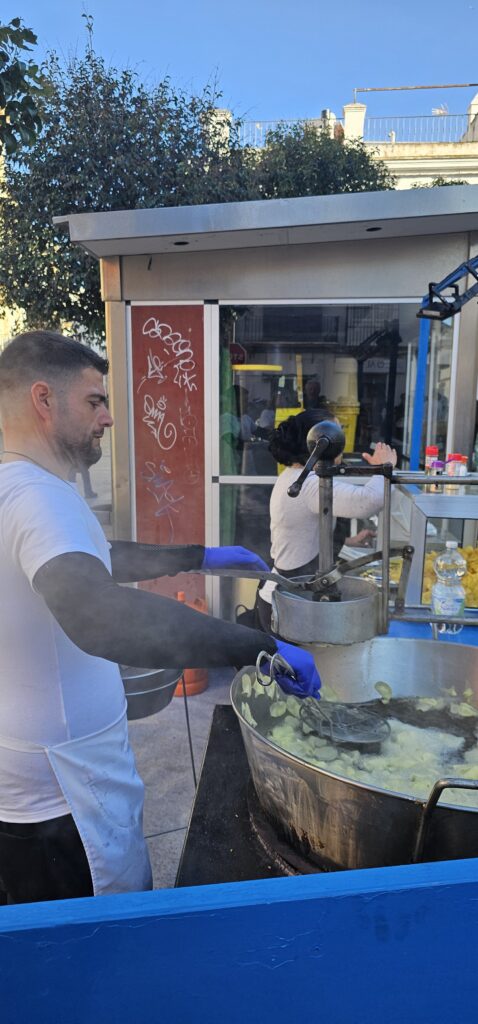
The smells are memorable too, the dank musty smell of incense mixes with melted candle wax, cigarette smoke, Sherry, freshly cooking crisps and food especially fish all wafting together, not a constant overpowering aroma but one that catches the nose occasionally and frequently.
This event is something that stirs emotions, something that the Spanish are very proud of, regardless of whether they are religious or not and something that you could never imagine seeing in the UK, the relaxed atmosphere and committment and pride could never be matched or recreated and we feel so very honoured to be able to witness it, experience it and share it.
Recent Comments