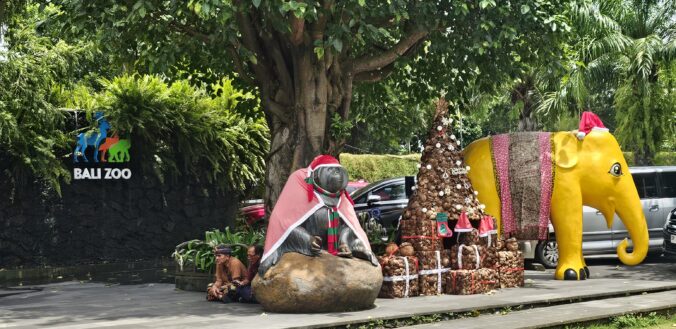
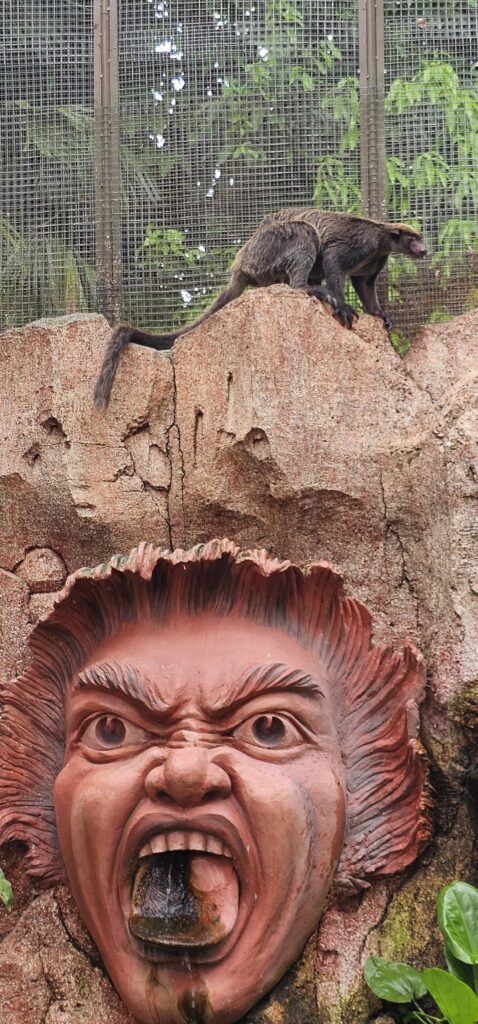
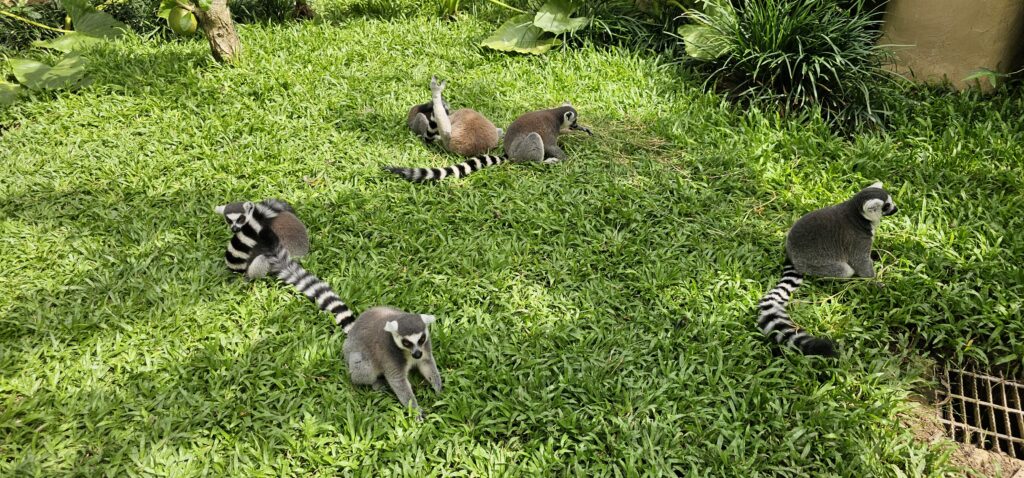
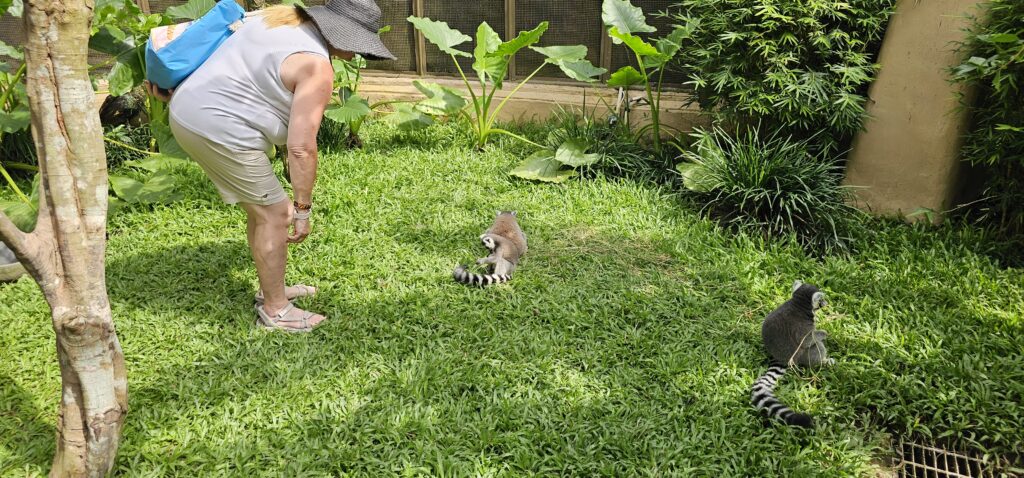
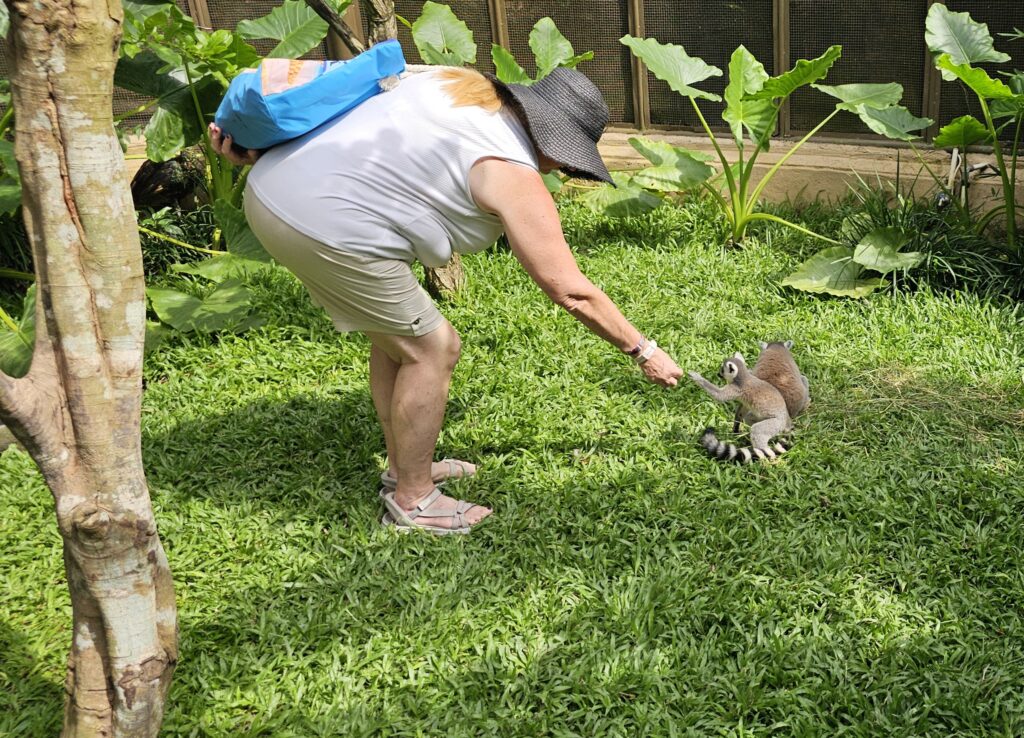
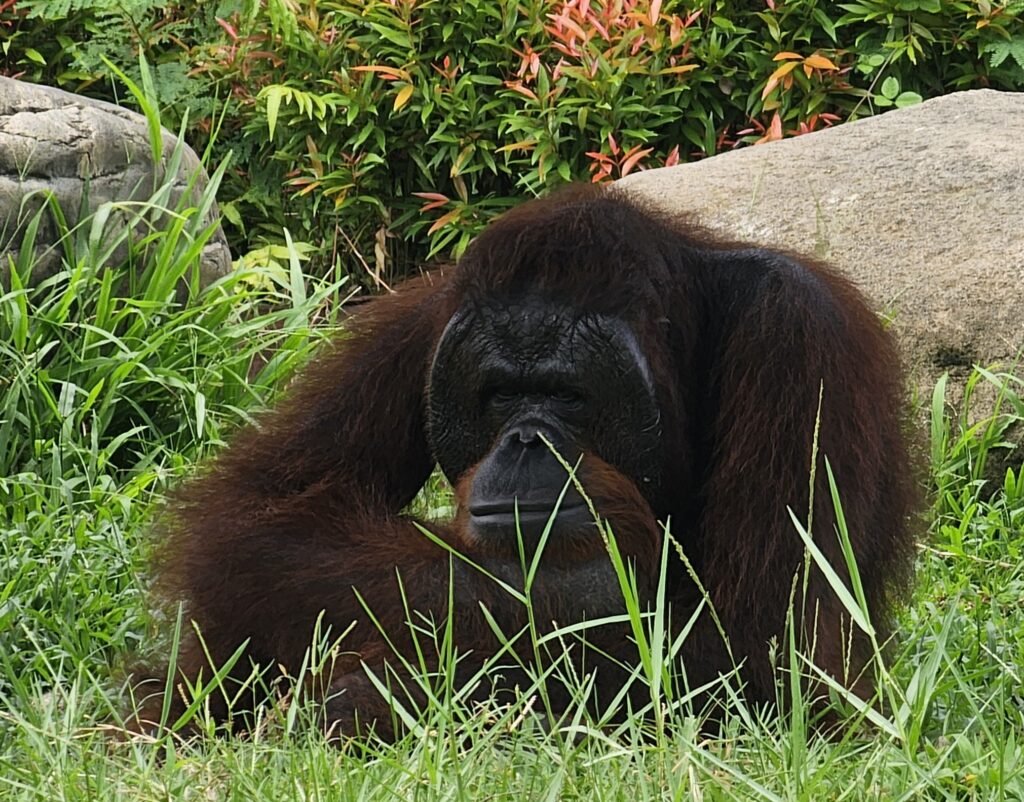
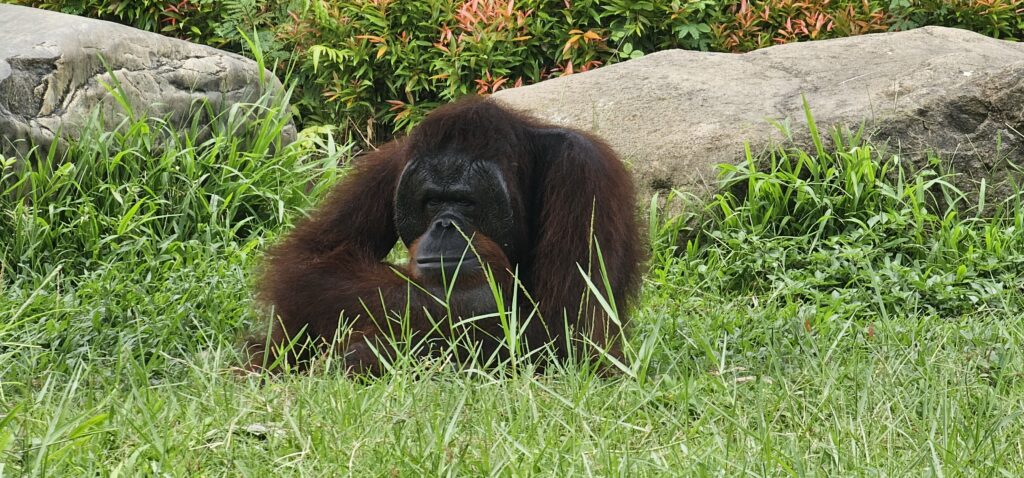
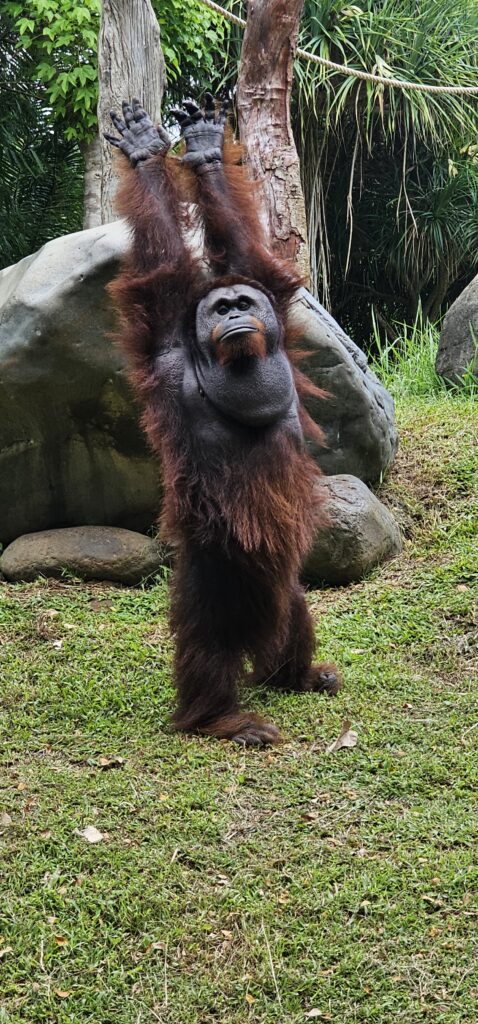
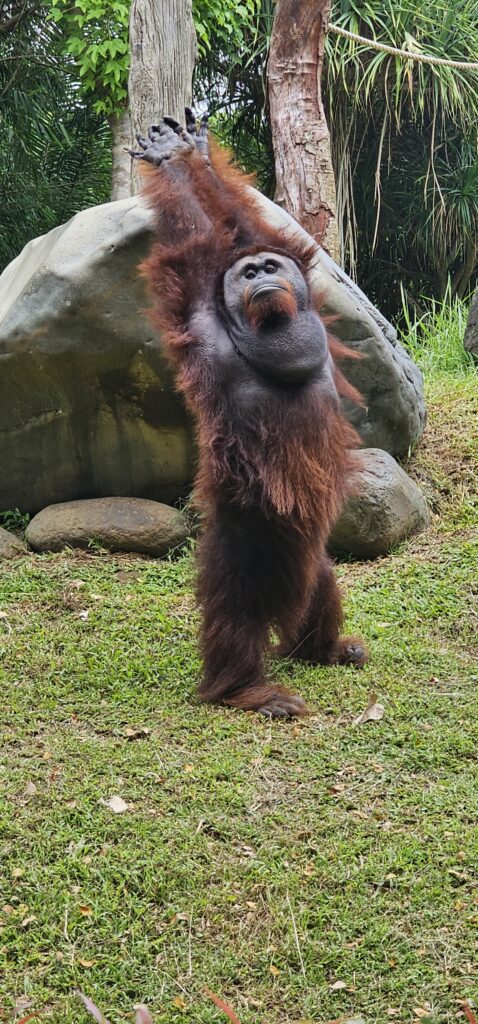
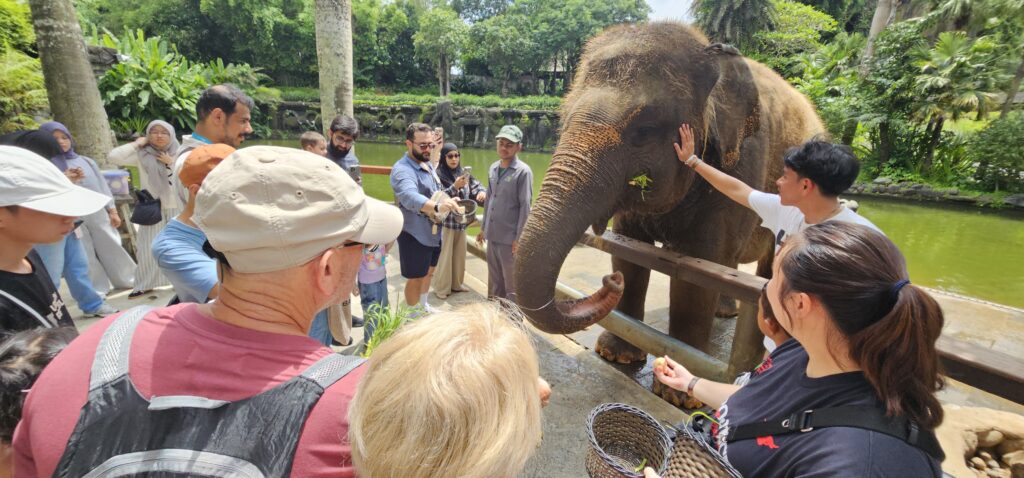
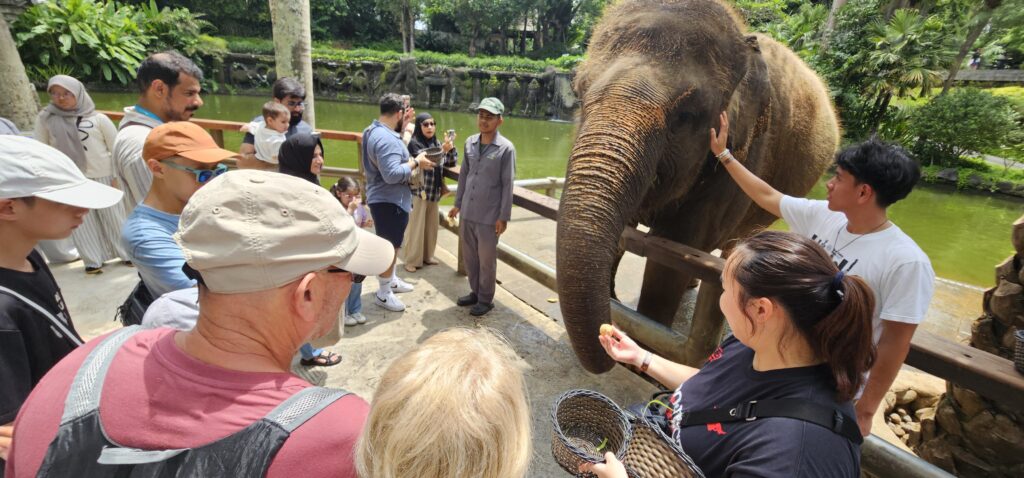
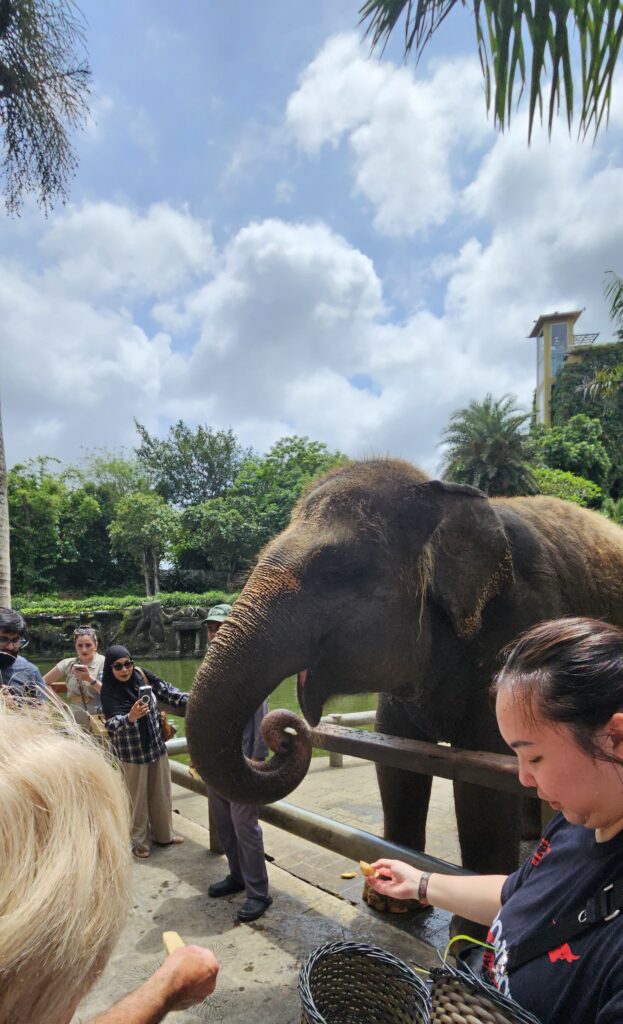
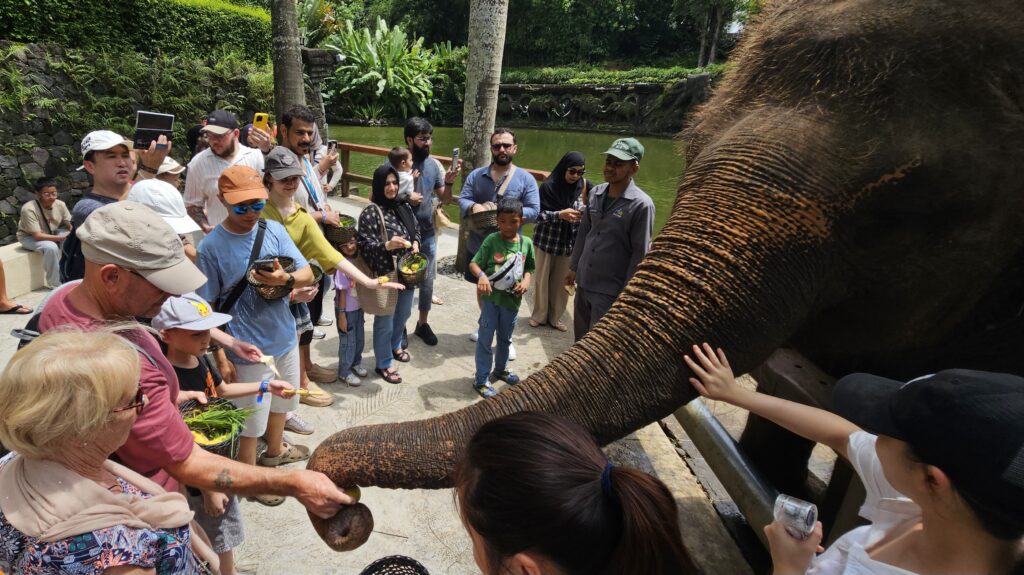
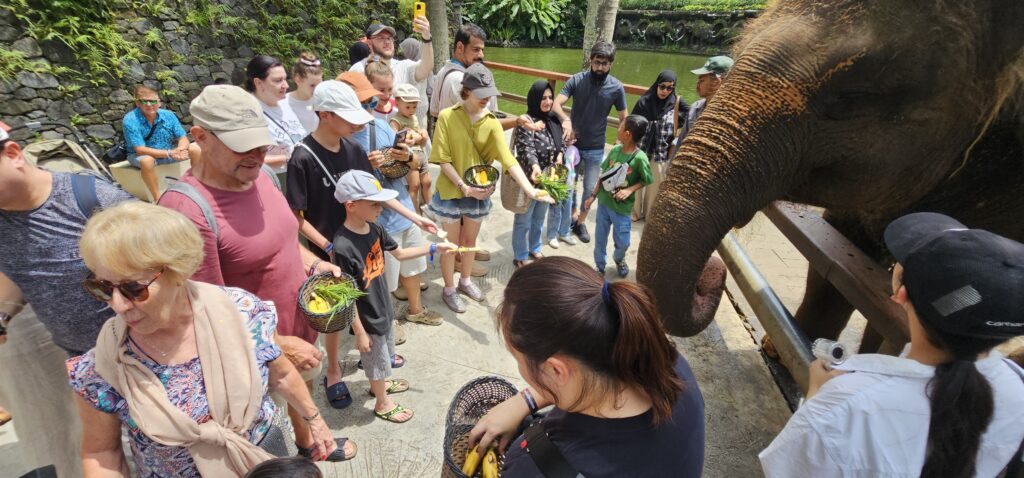
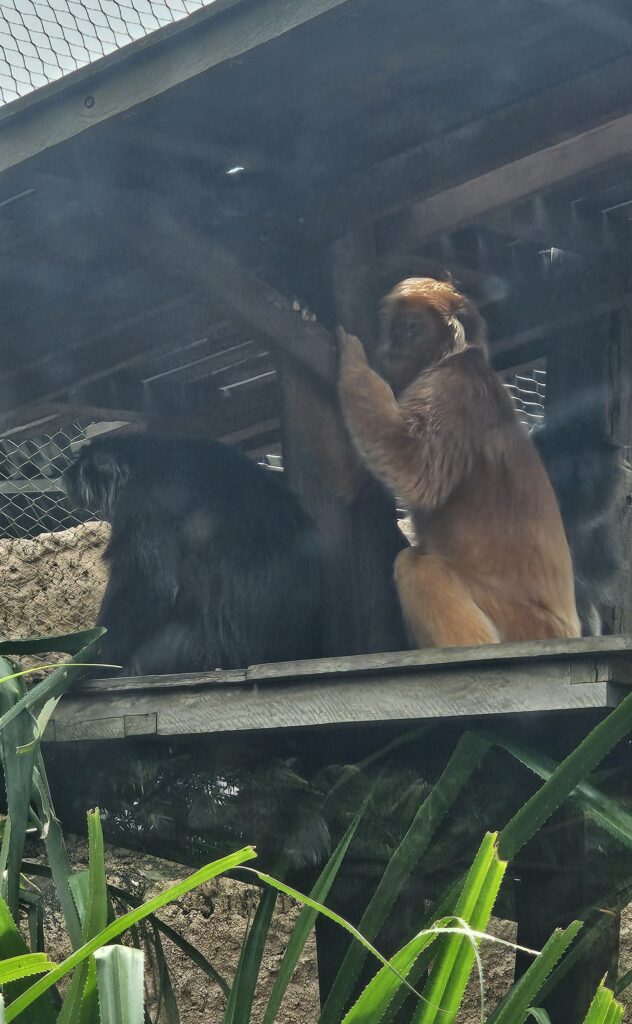
All kids need a day at the Zoo during their holidays, and this day out was just right for the Wright and Stratton kids, lots of different animals in a well maintained enclosure in a clean and comfortable environment. Graham and Diane got to feed an elephant, I fed a marmoset monkey and David did a bit of aerobics with an orangutan!
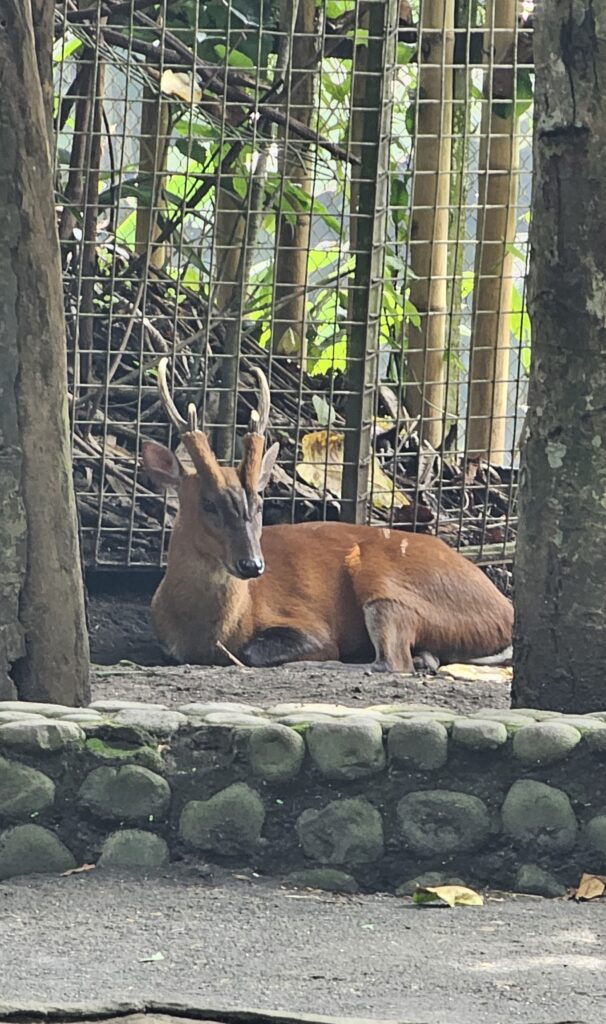
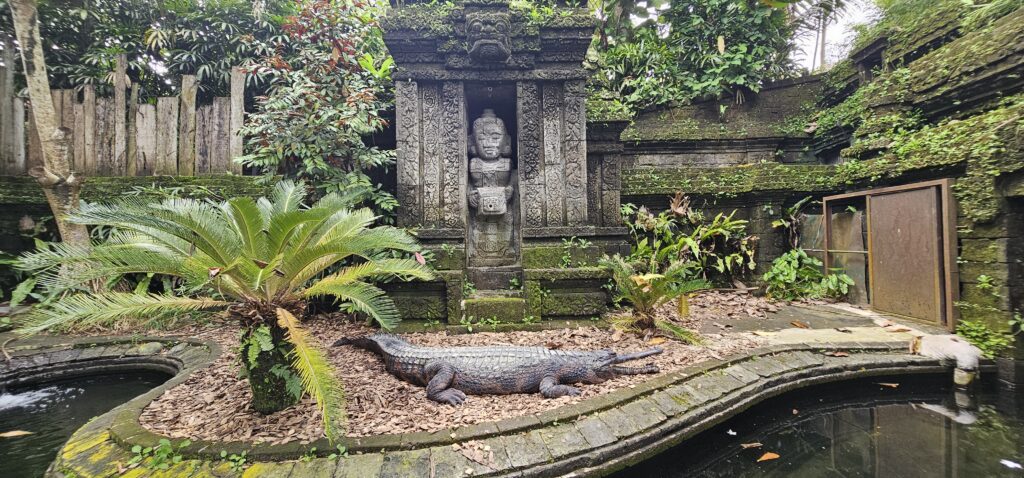
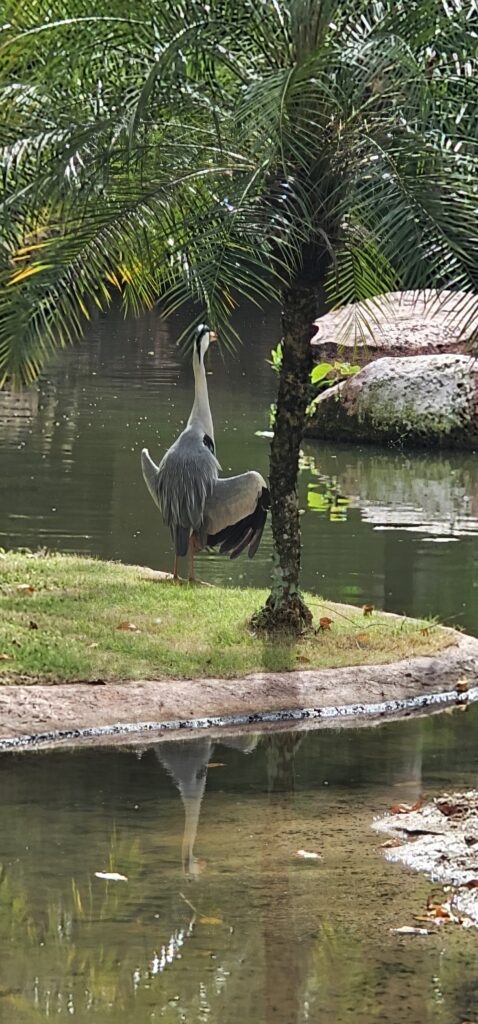
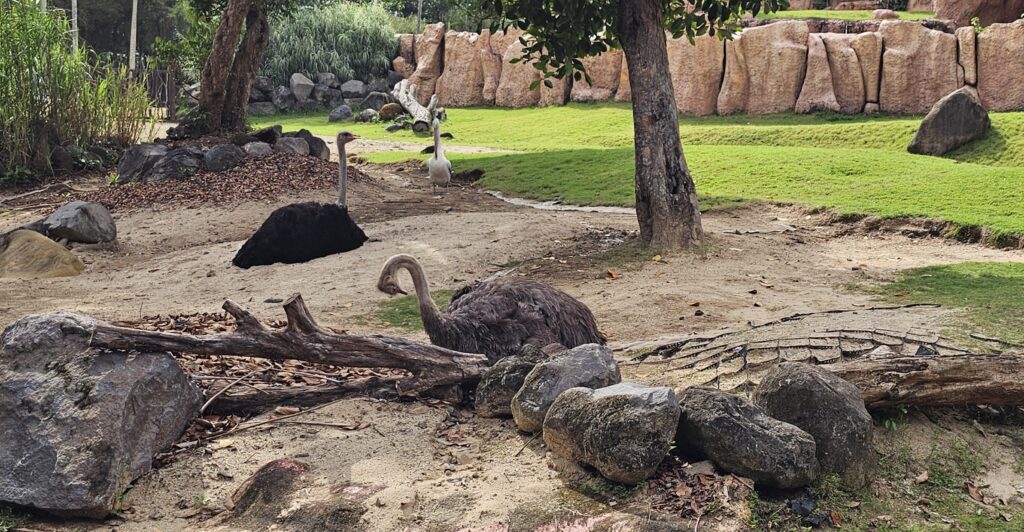
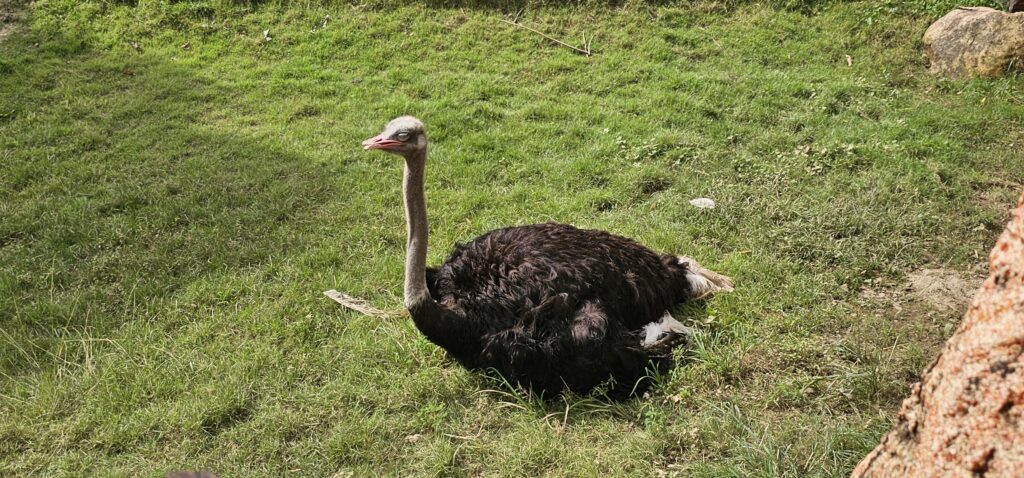
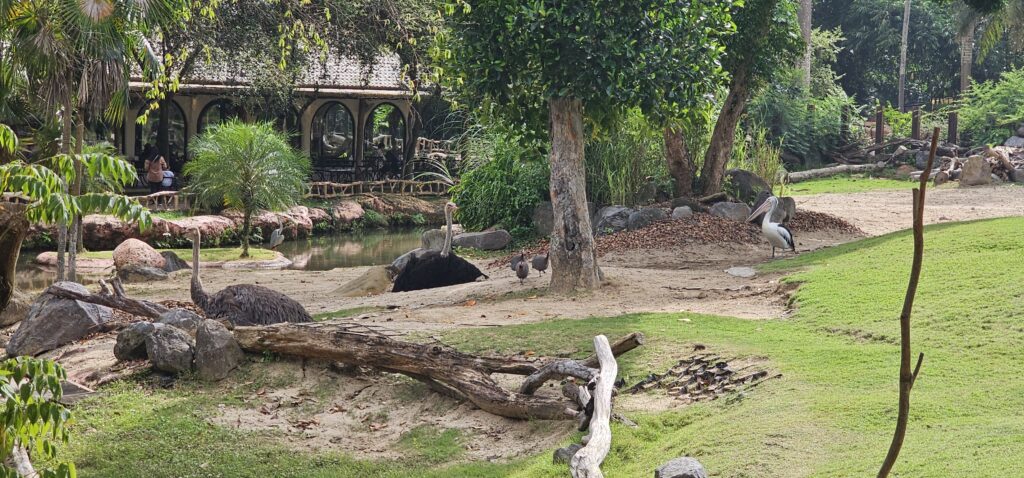
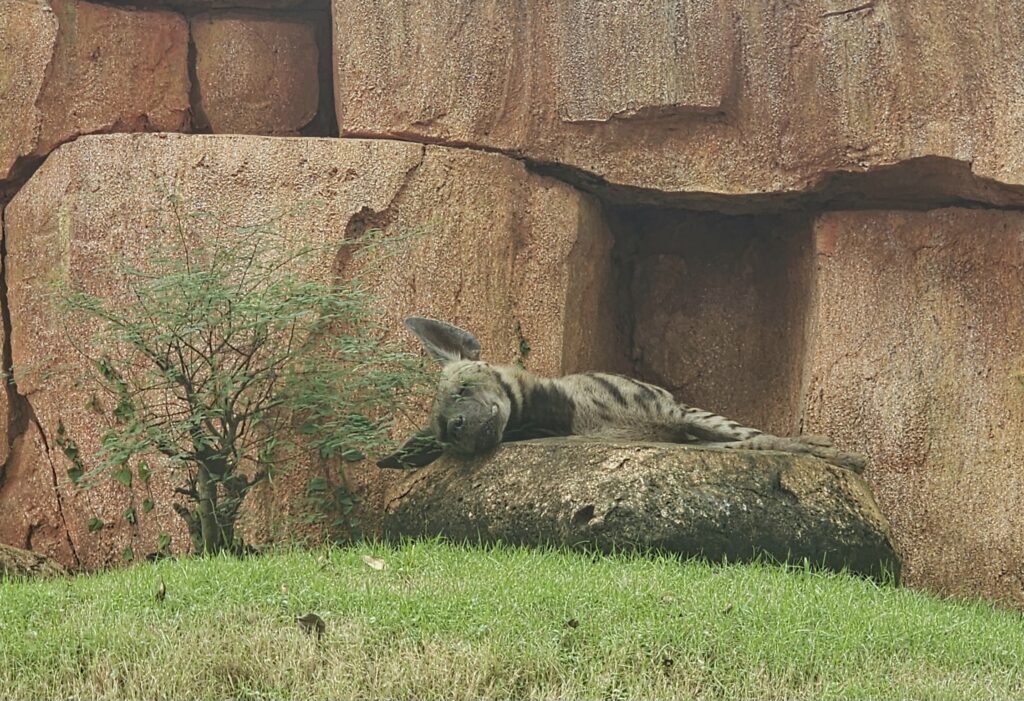
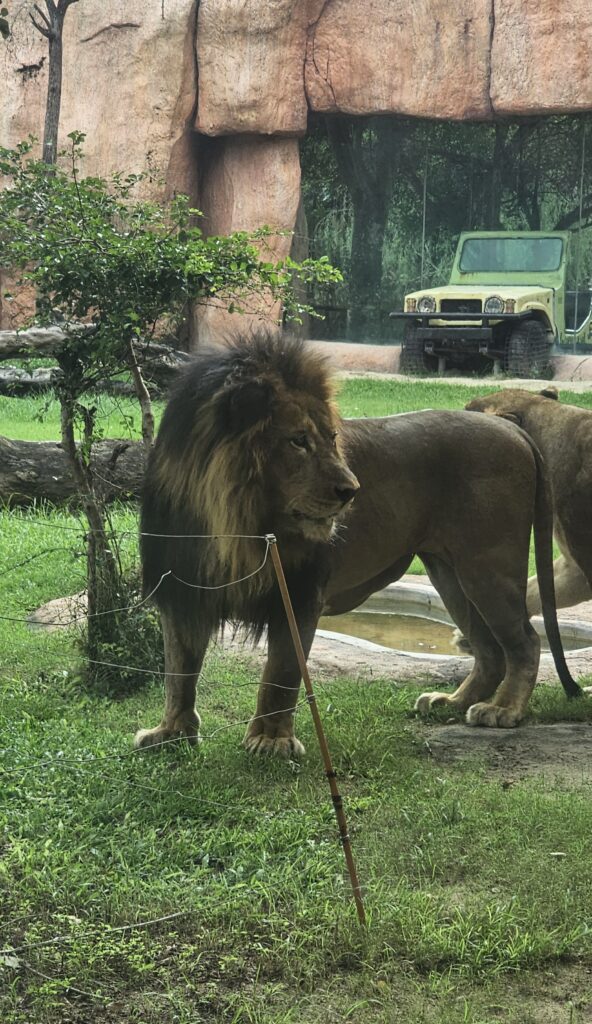
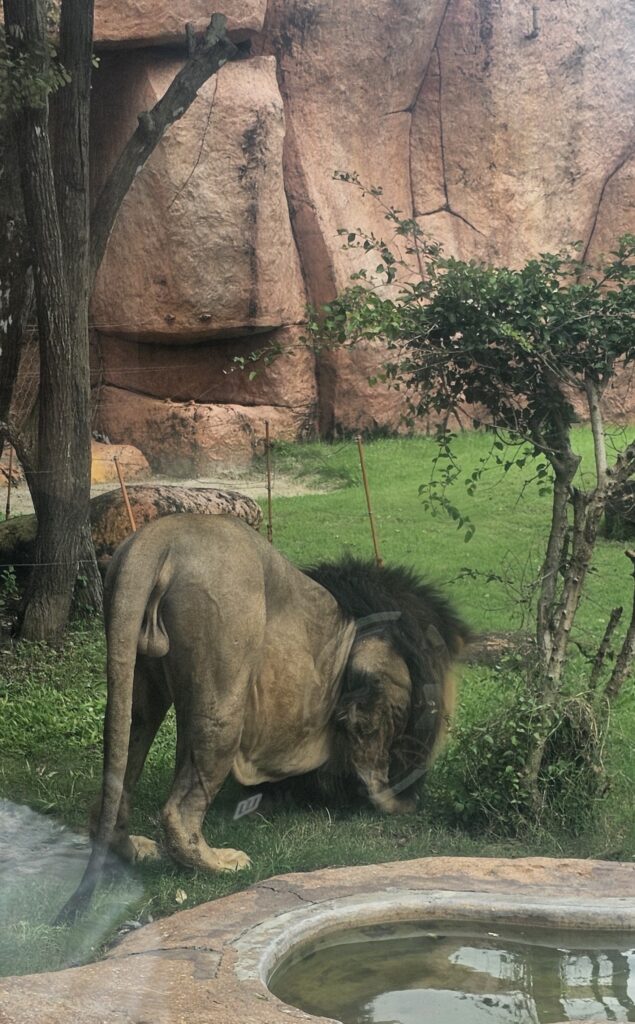
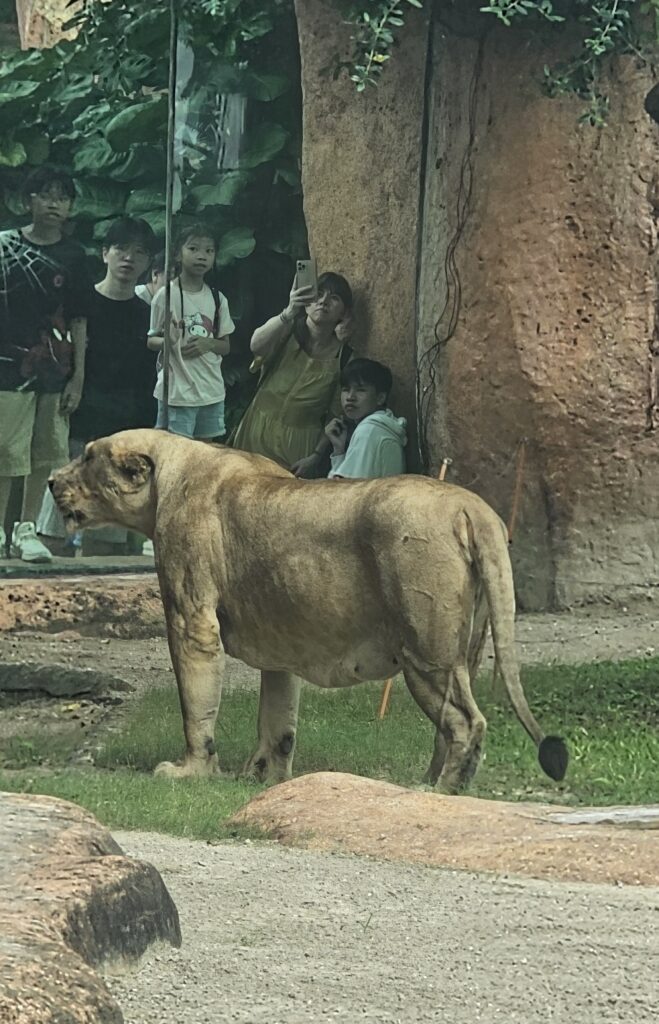
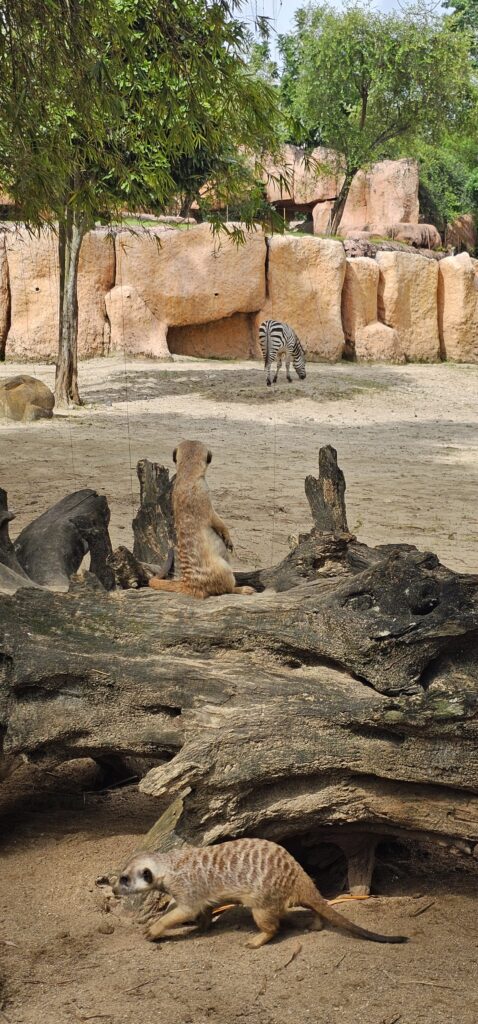
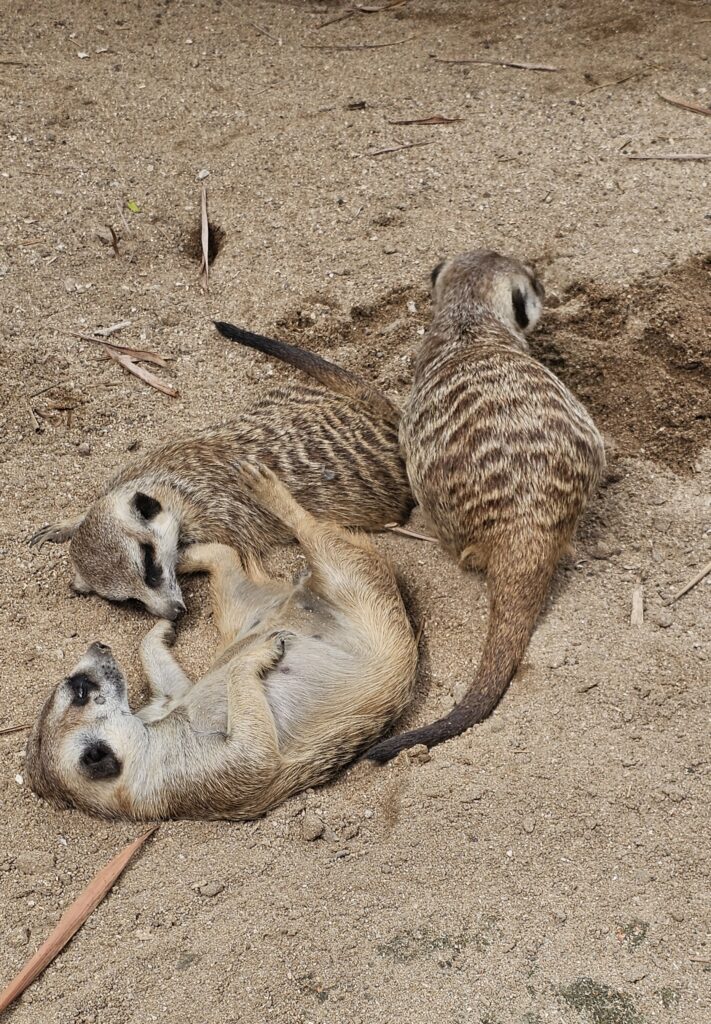
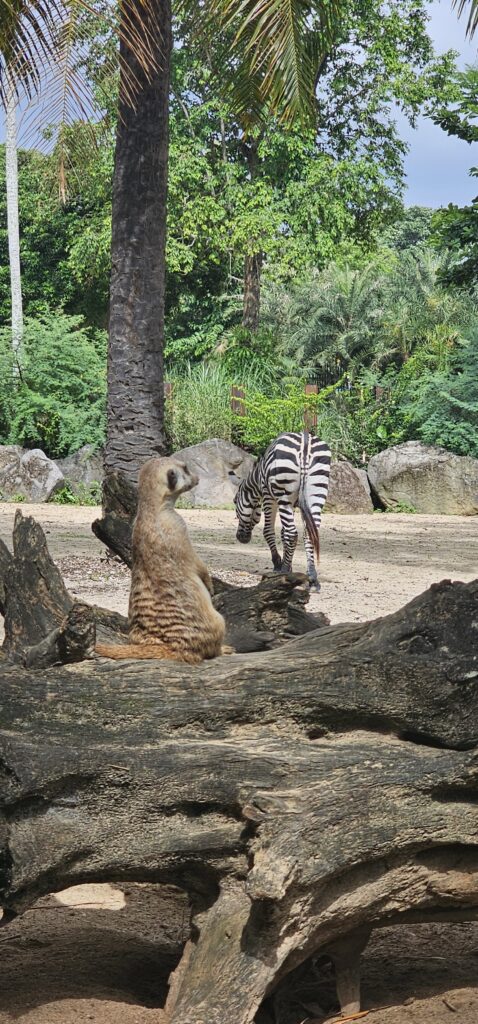
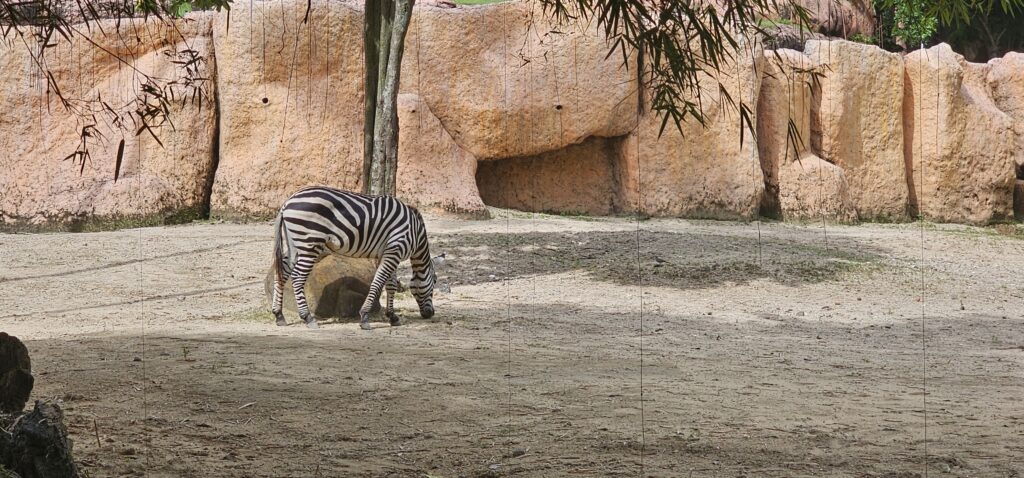
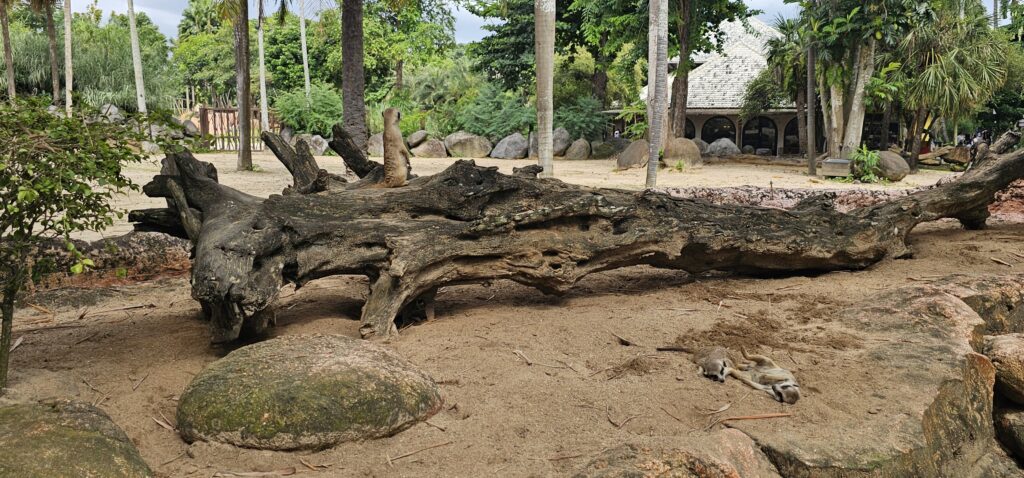
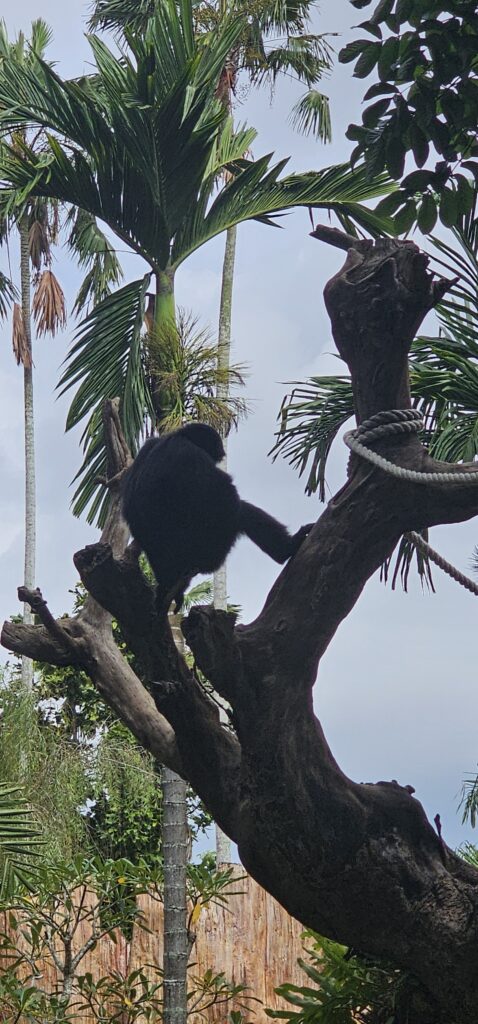
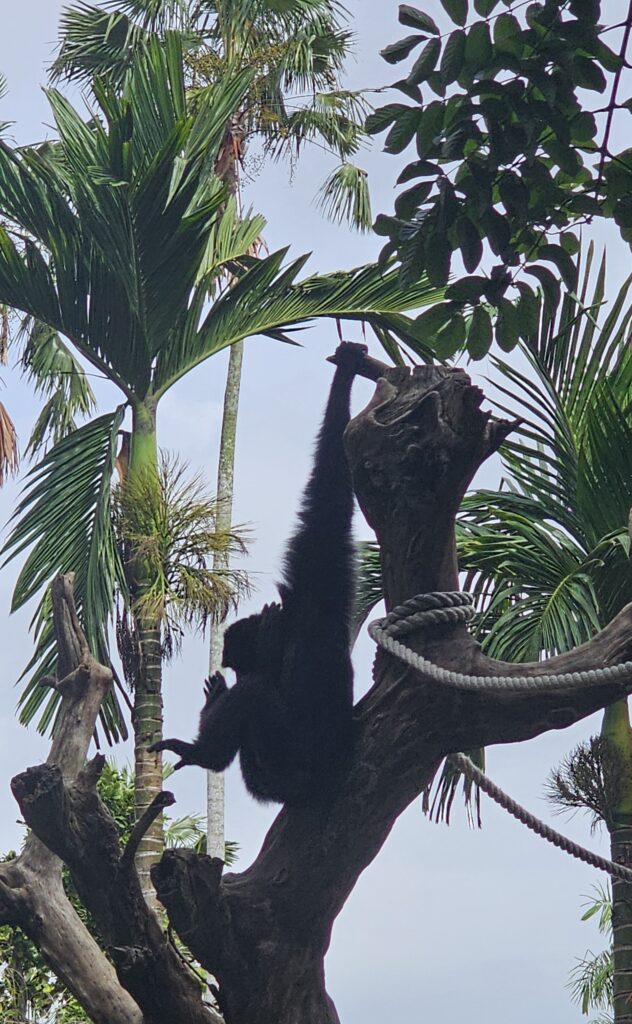
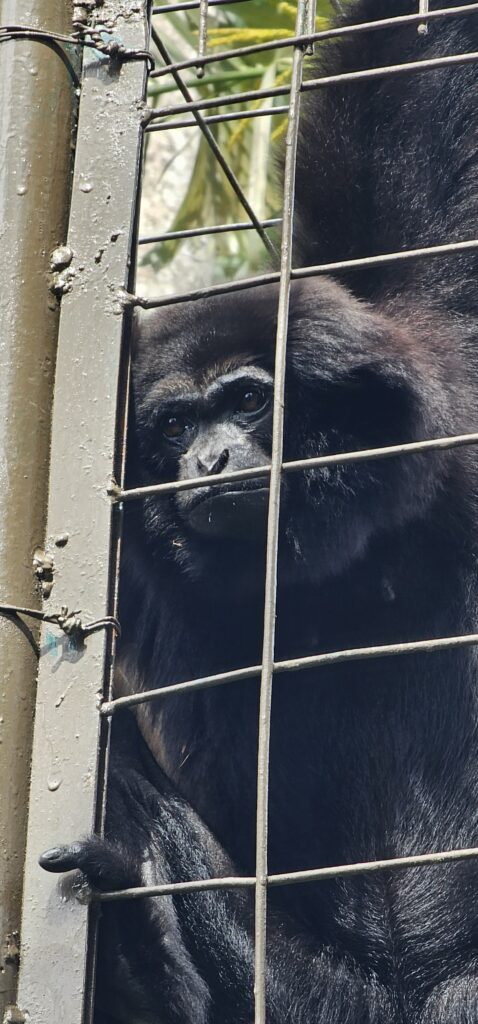
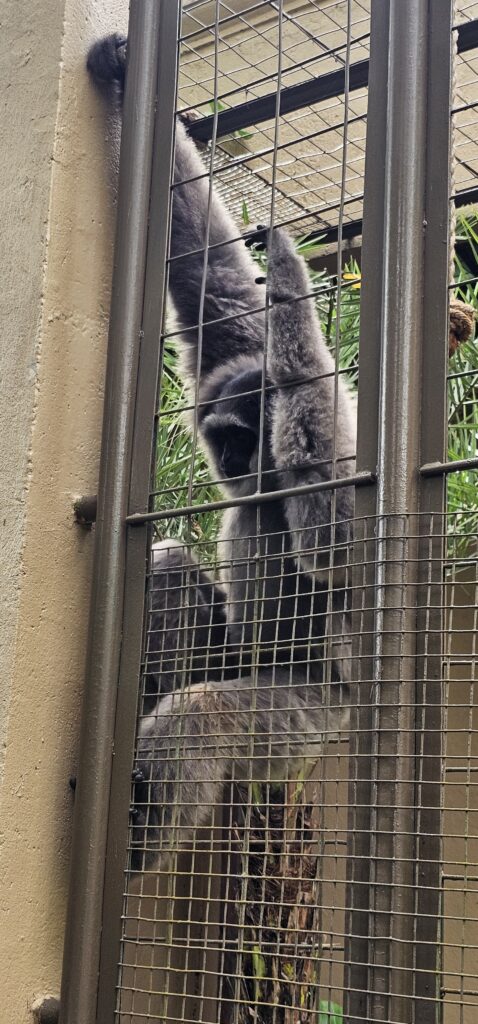
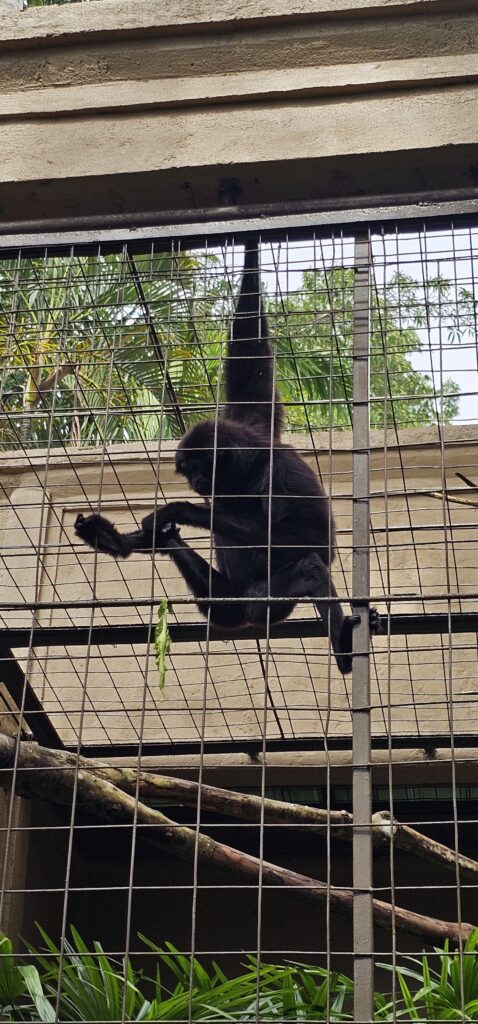
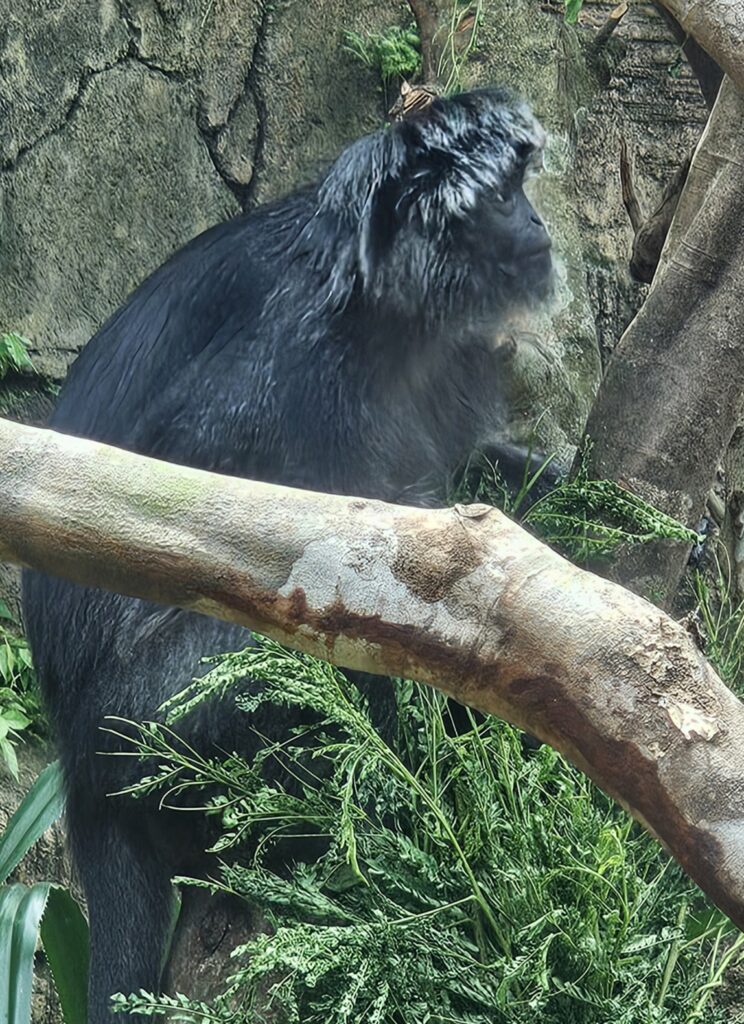
A red deerCrocodilloOstrich and heronA sleeping hyenaBeautiful lionAnd the lionessMeerkat Watch!Feeling playfulZebra Alert! A black gibbon
Despite the animal enclosures being small, it was clear that each animal had water, food, shade and space to move about and play.
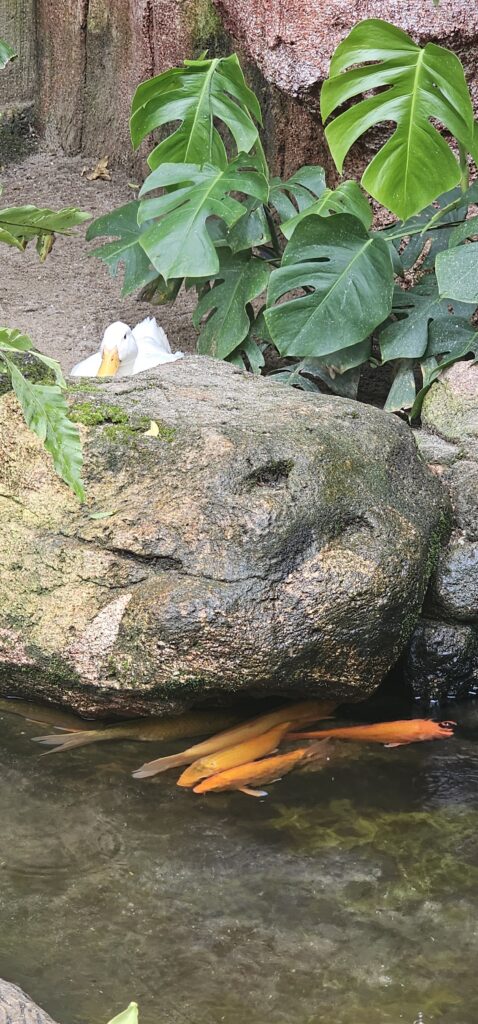
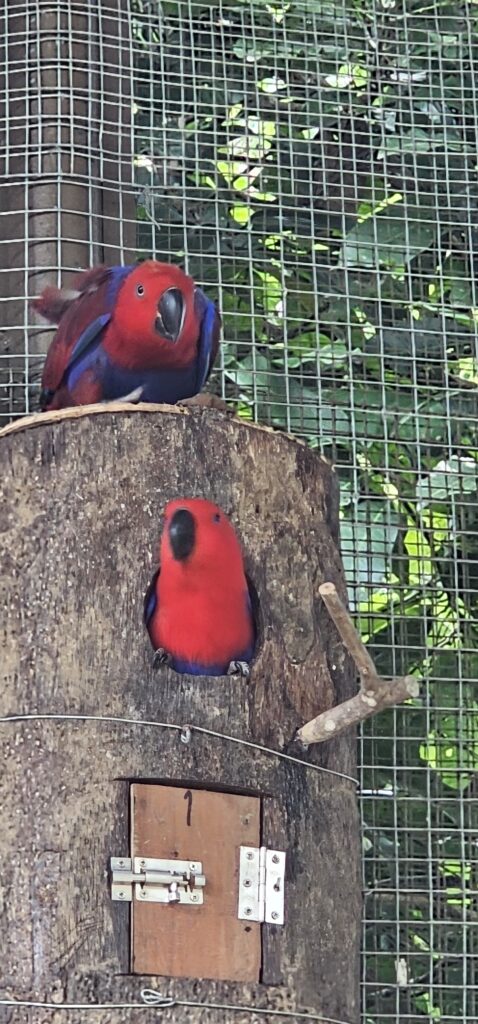
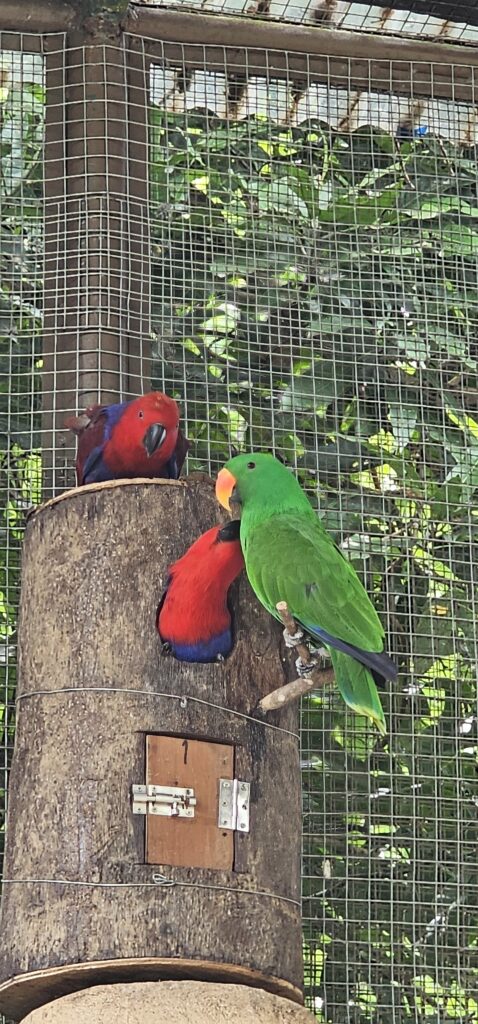
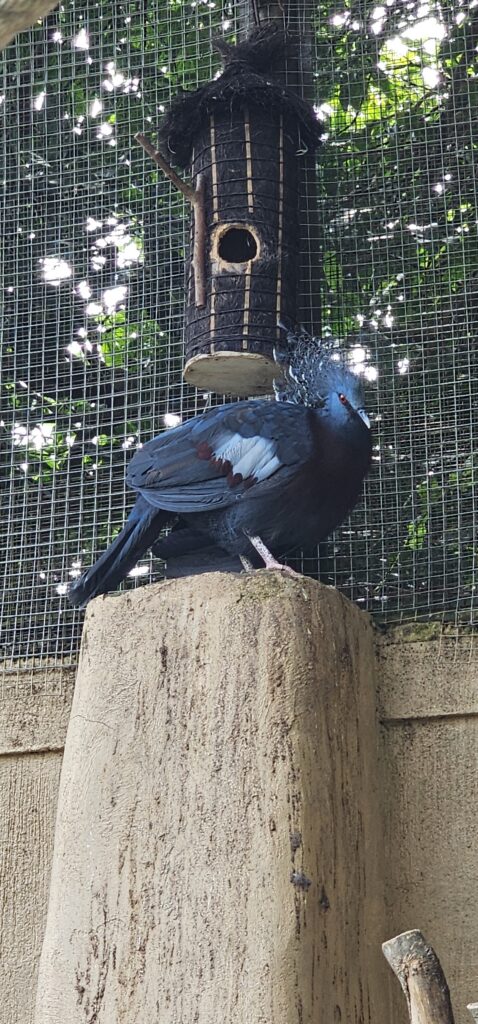
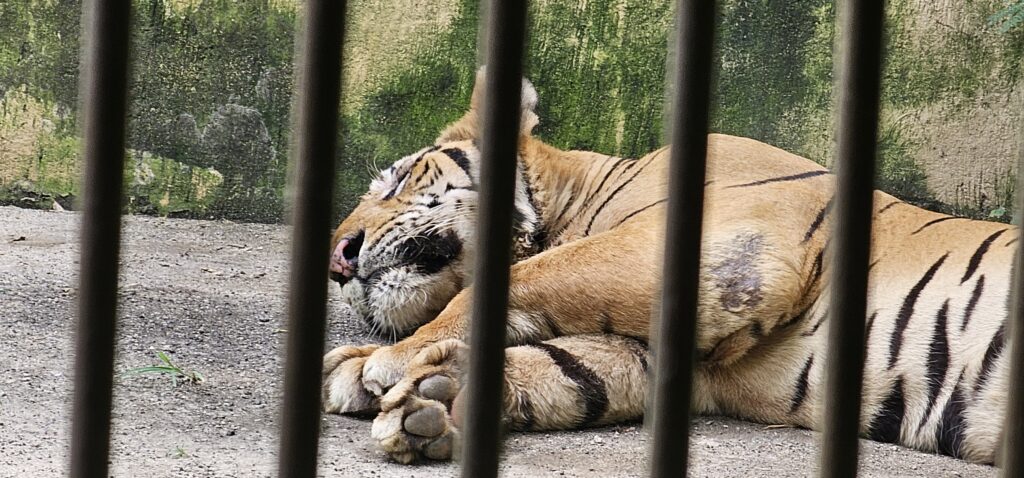
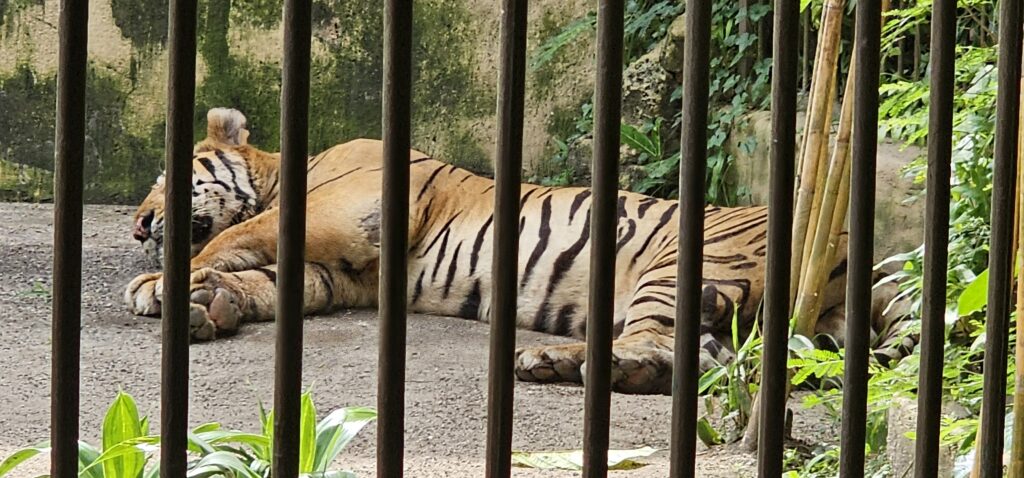
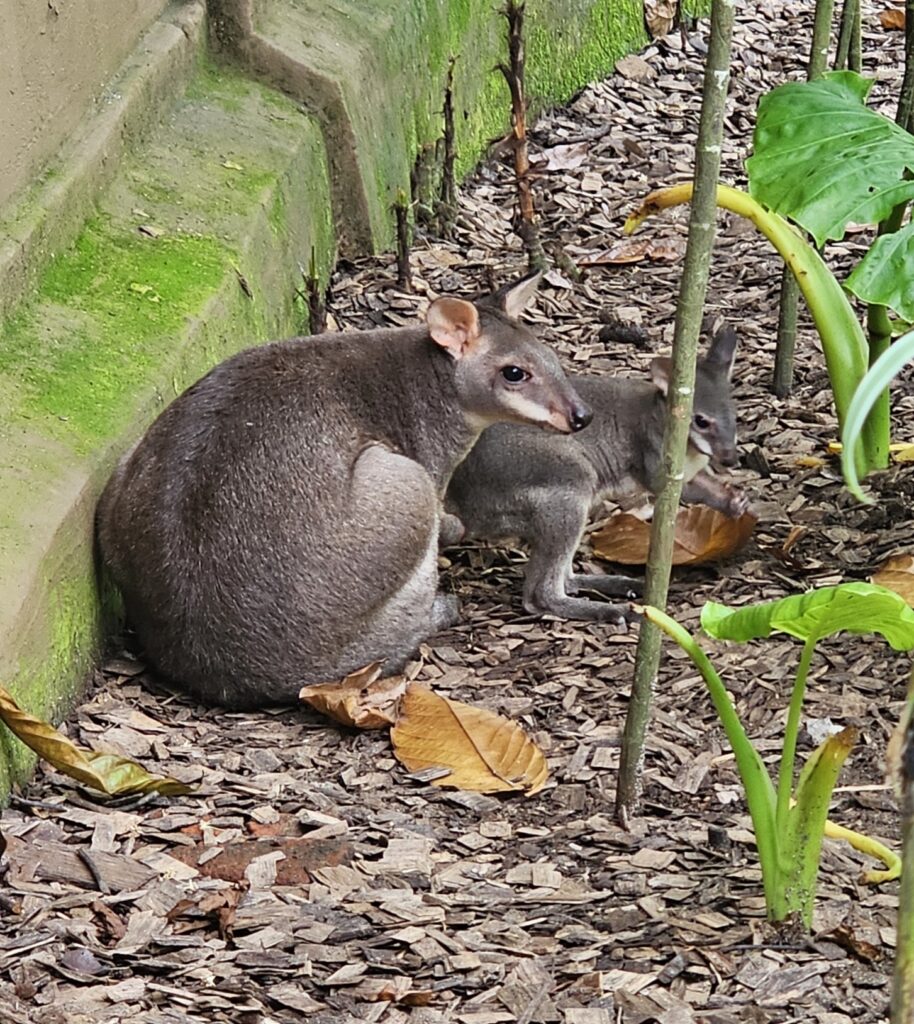
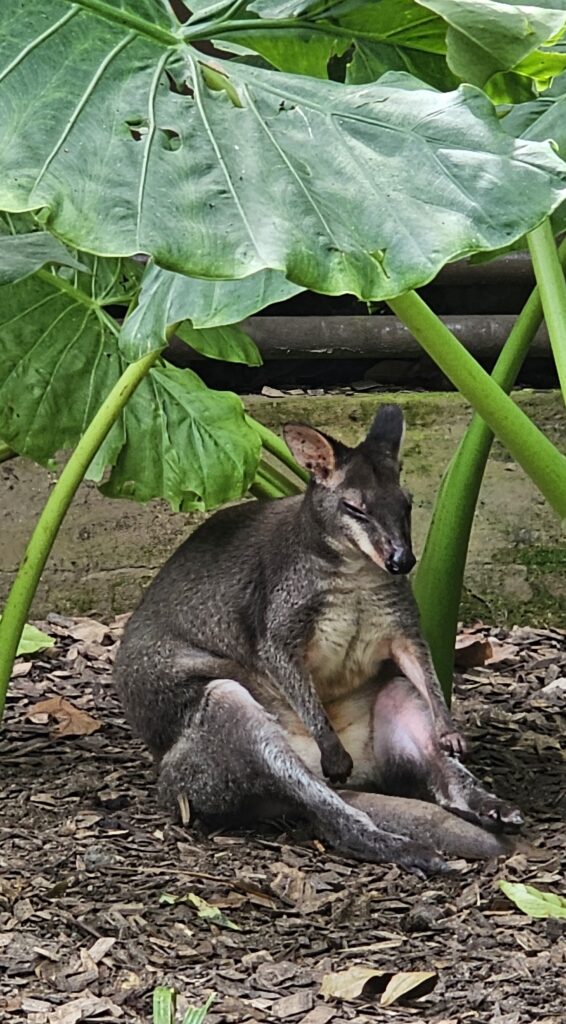
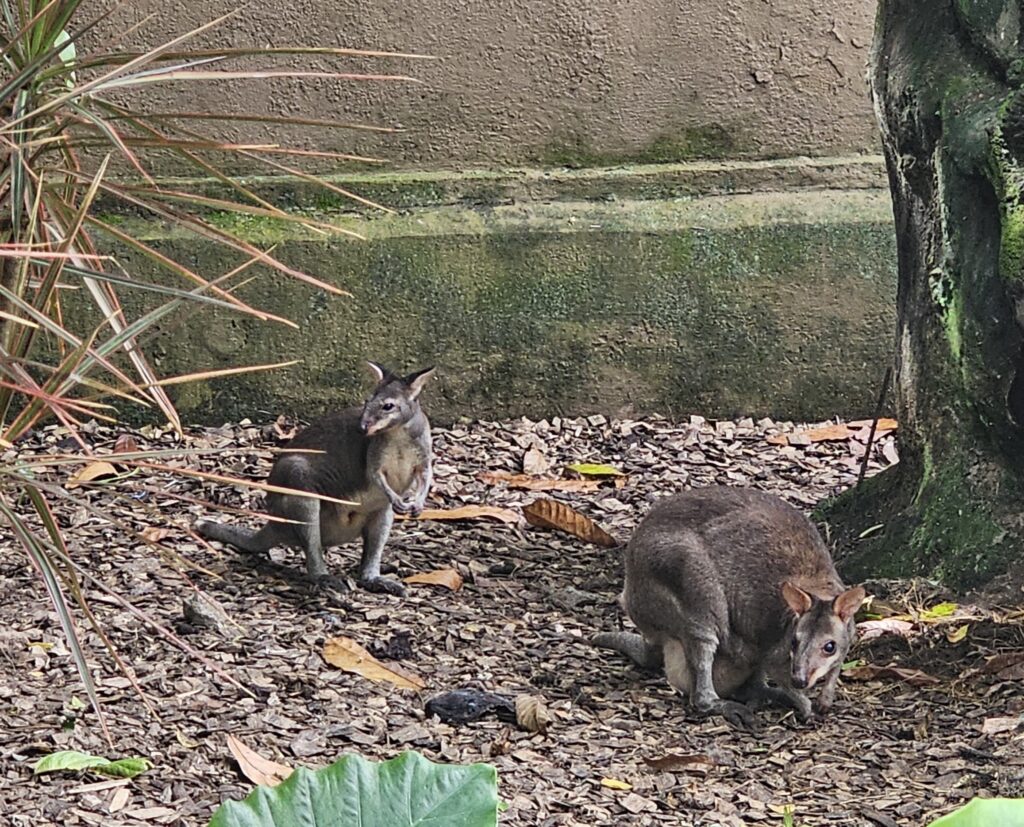
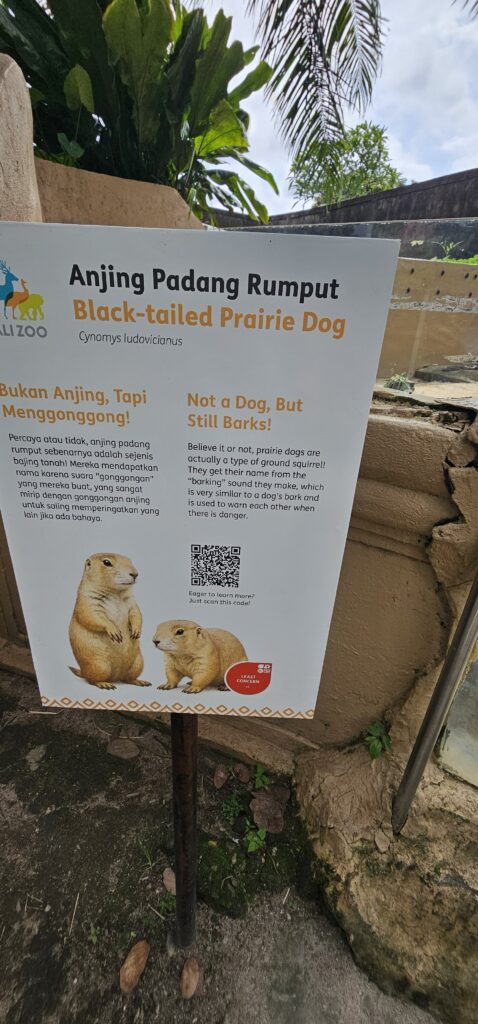
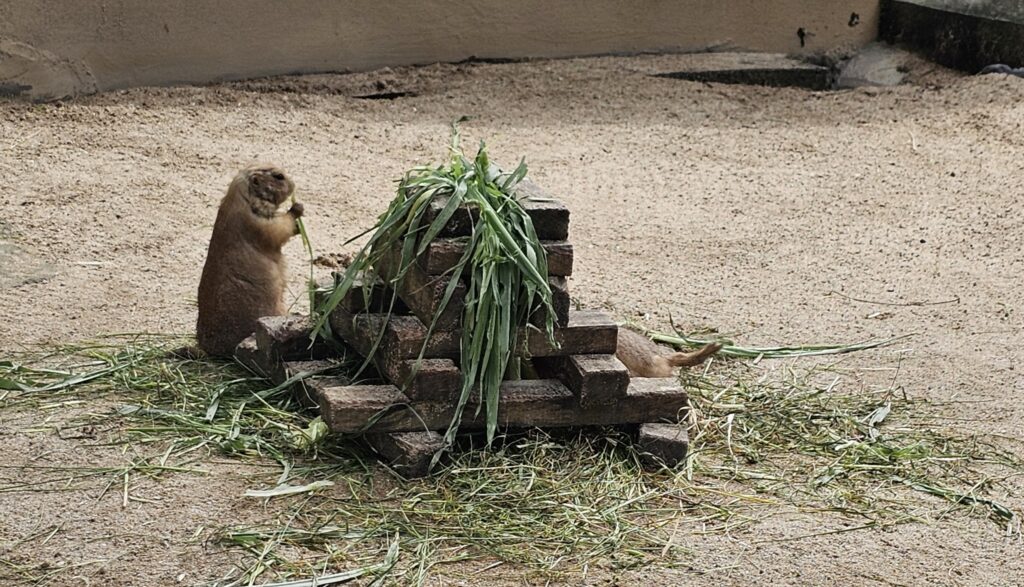
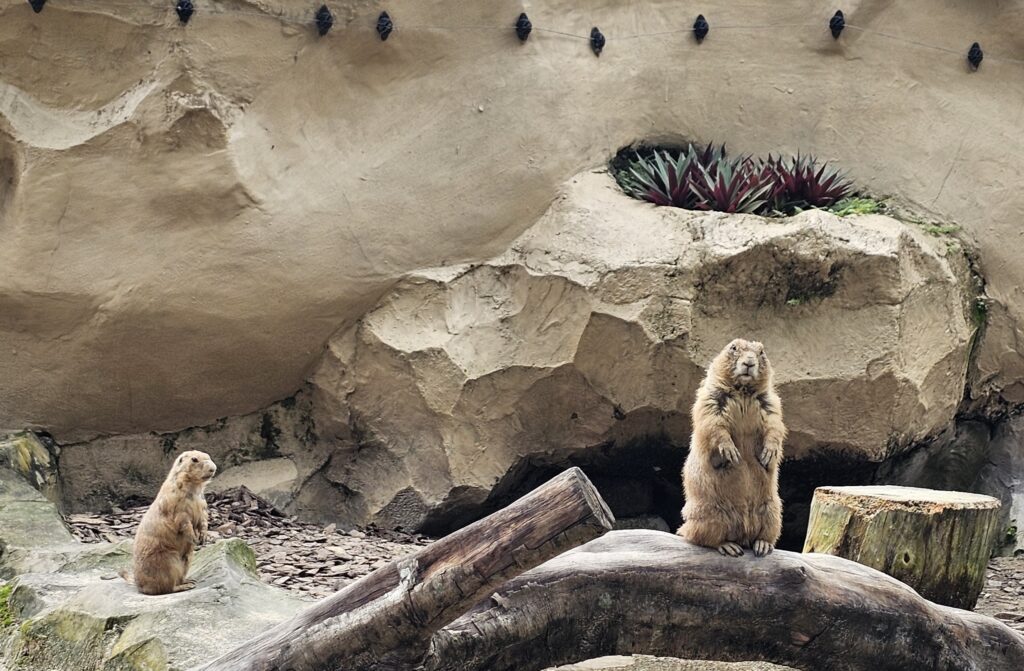
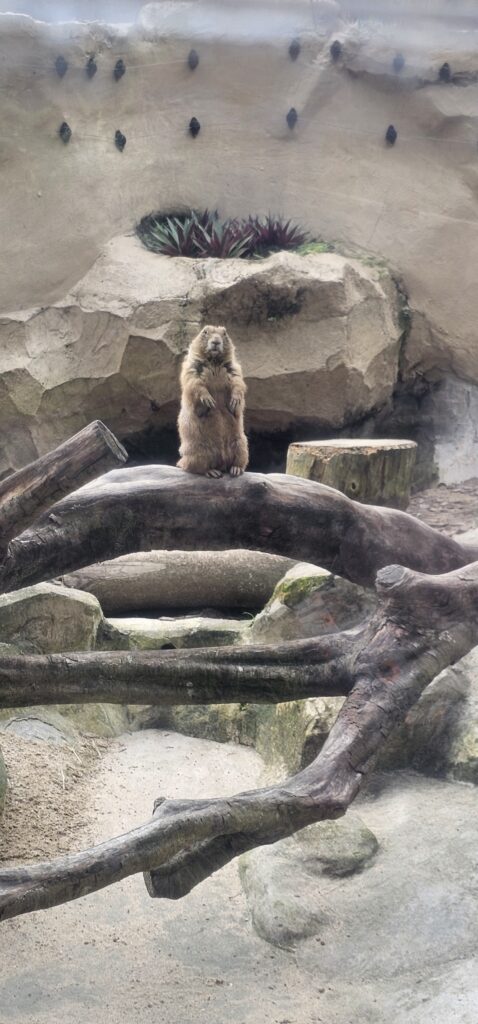
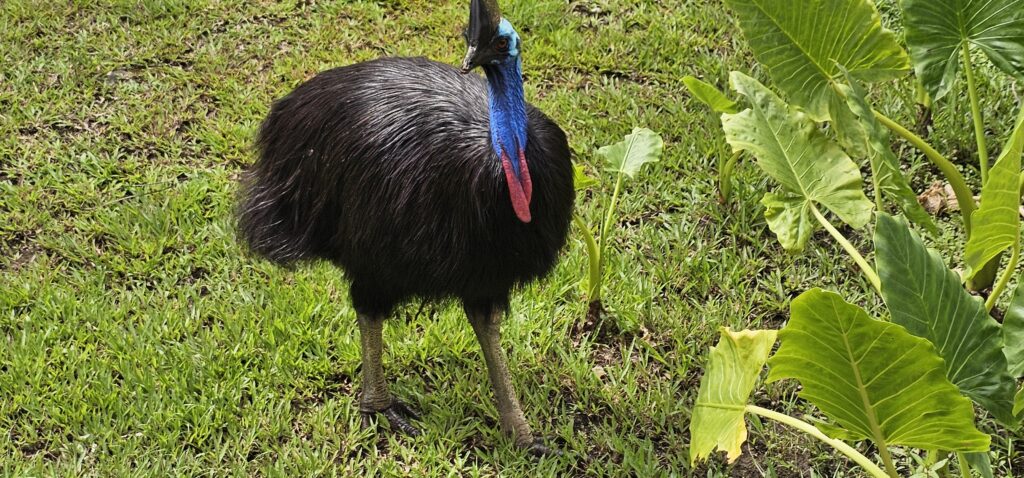
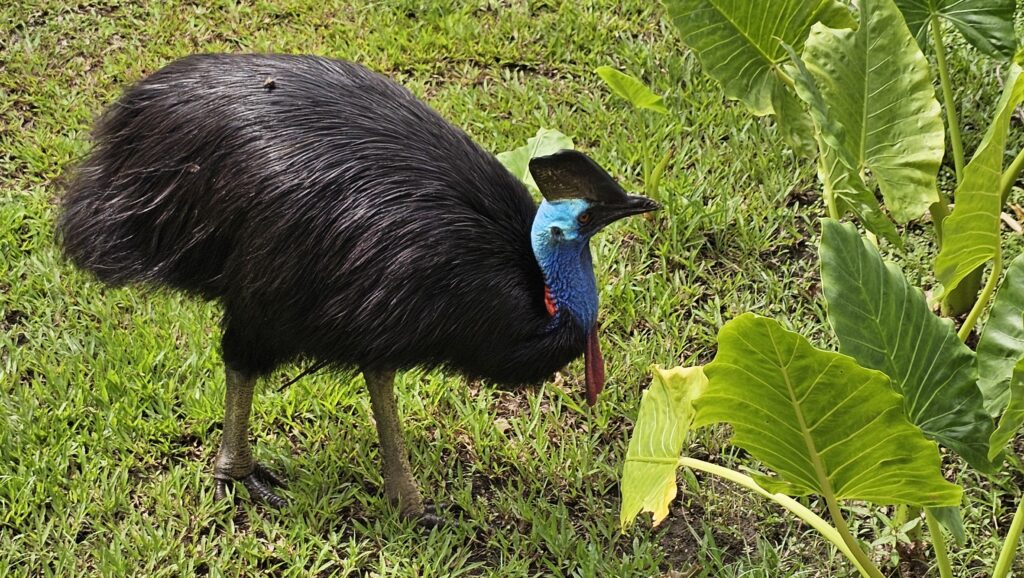
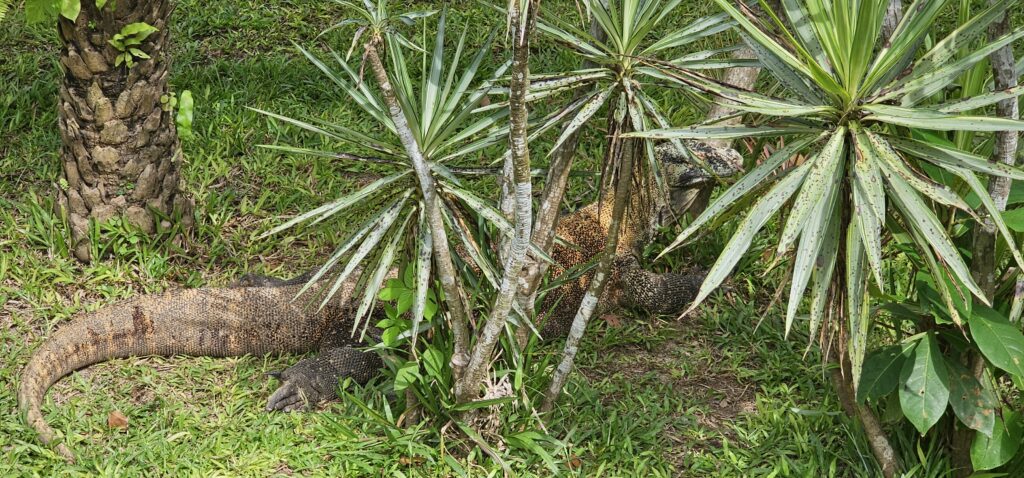
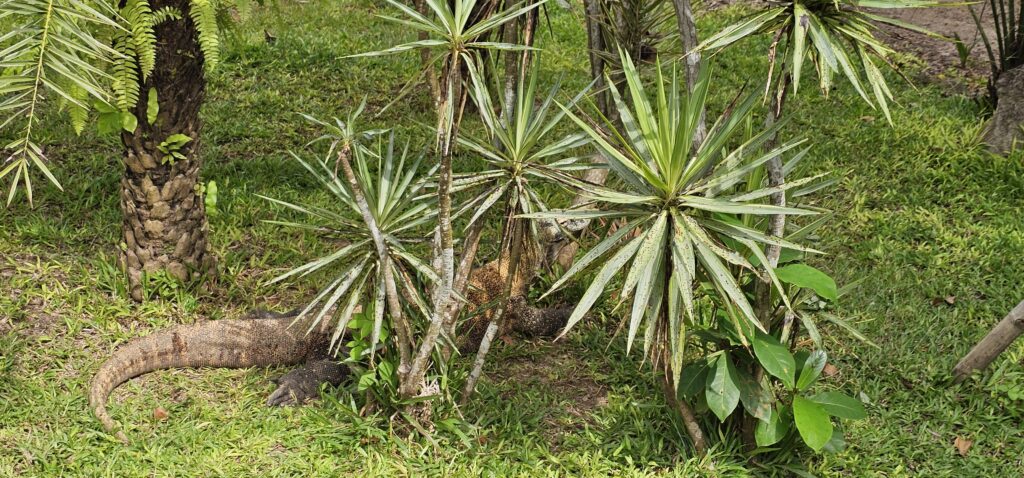
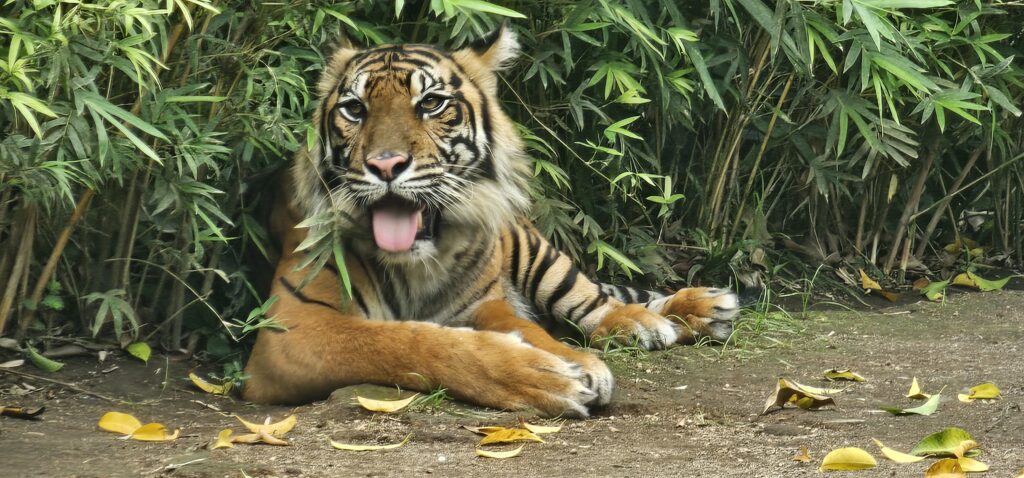
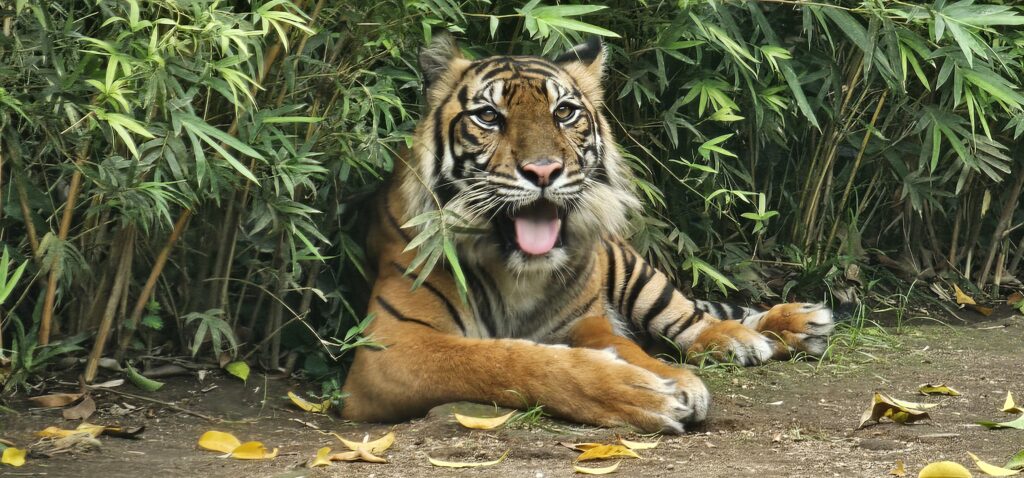
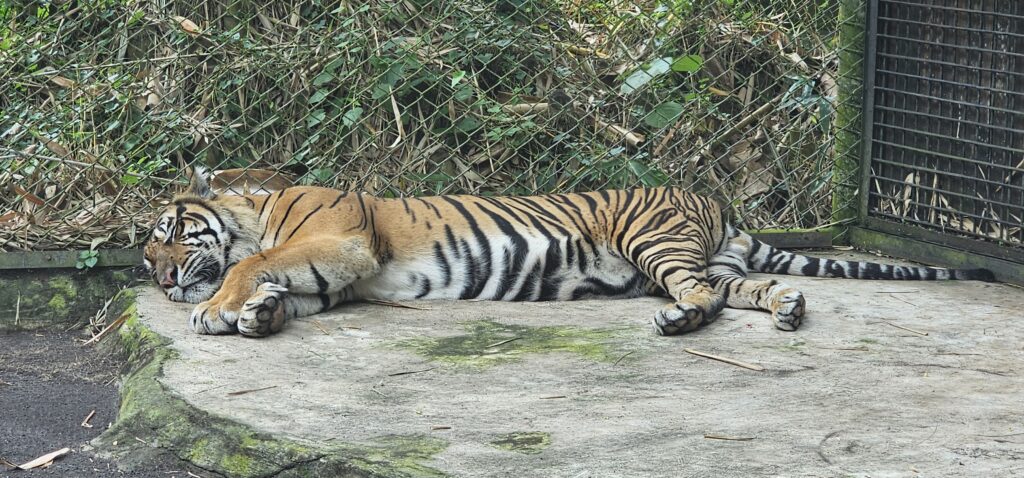
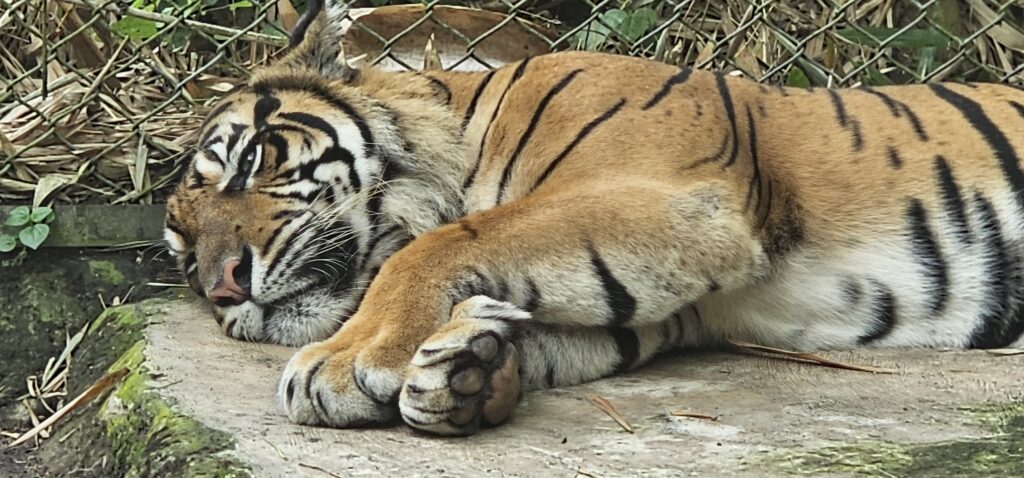
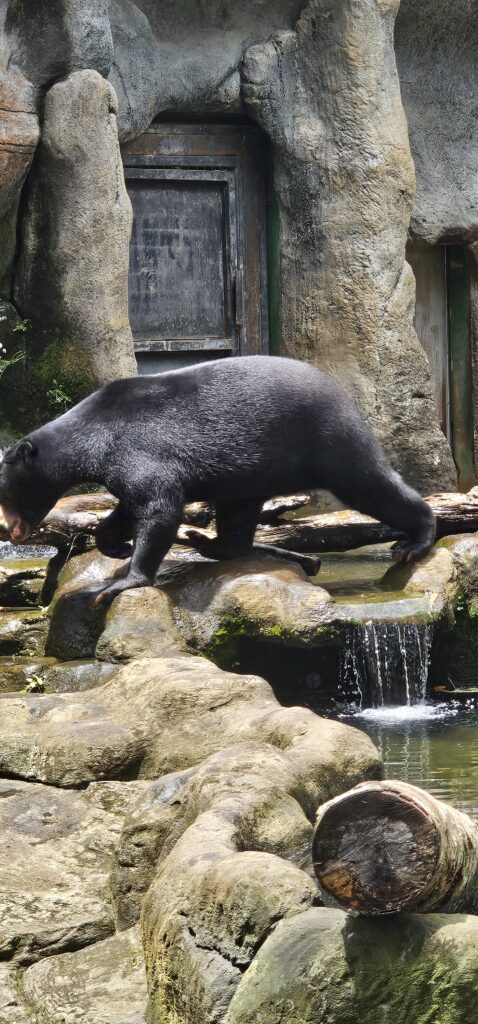
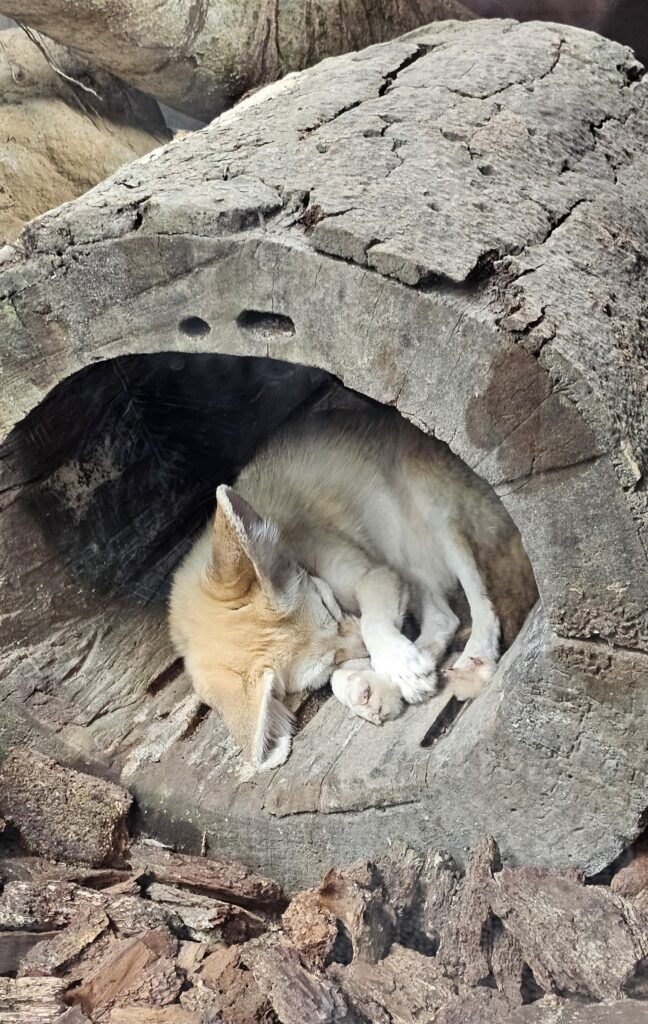
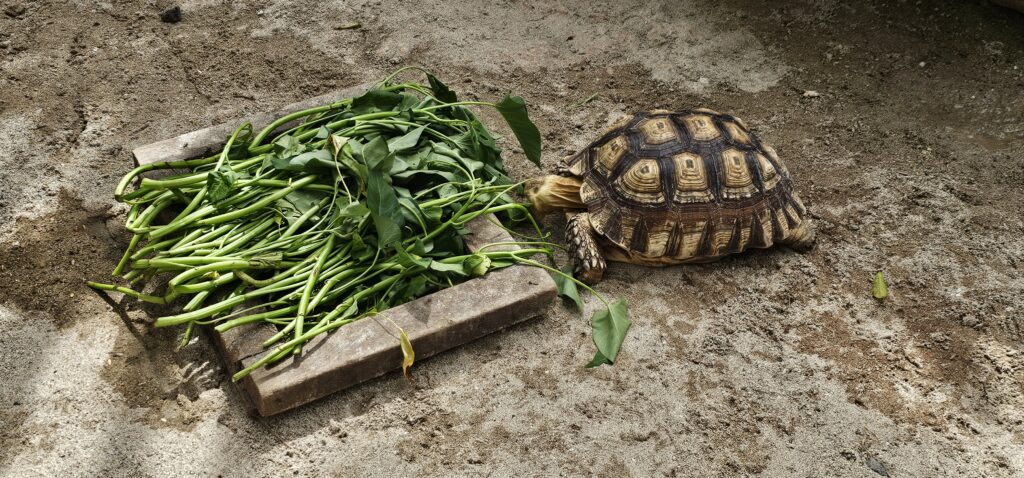
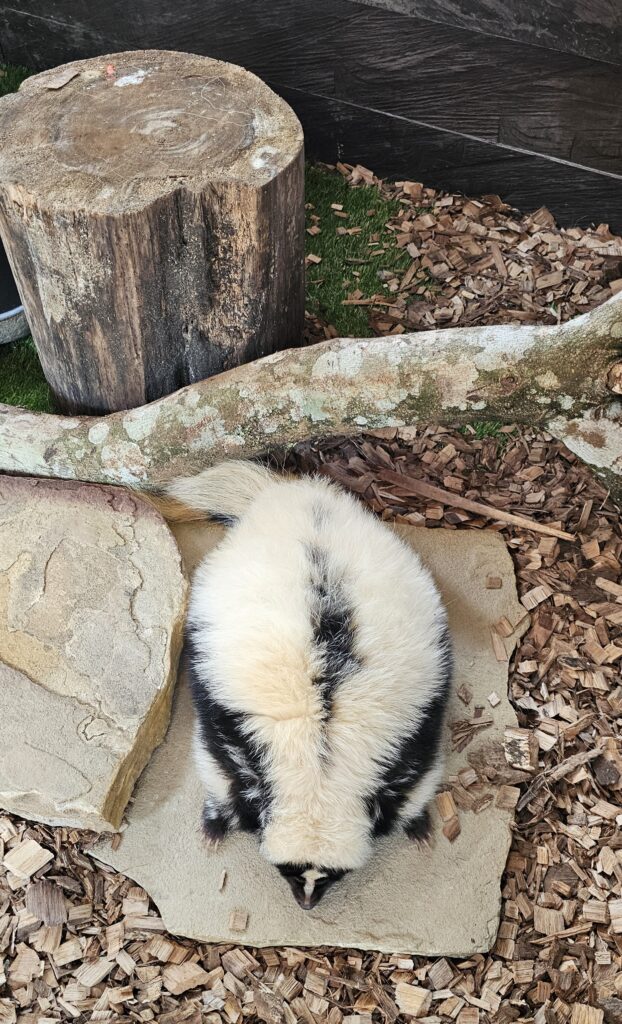
A duck pretending not to be a duck!Two’s okayThree’s better apparentlyBeautiful blue bird, unsure of its nameSiberian tigerWallaby mum and babyDad proudly showing off his beer belly!Very strange Prairie dogsA cassowary A comodo dragon hiding in the treesA black bearThe old man 😄He’s not happyCos she’s doing aerobics with David Graham and Di get to feed an Asian elephantShe clearly doesn’t like bananasA very cute sleepy Fennec FoxGiant tortoisesAnd finally, a skunk!
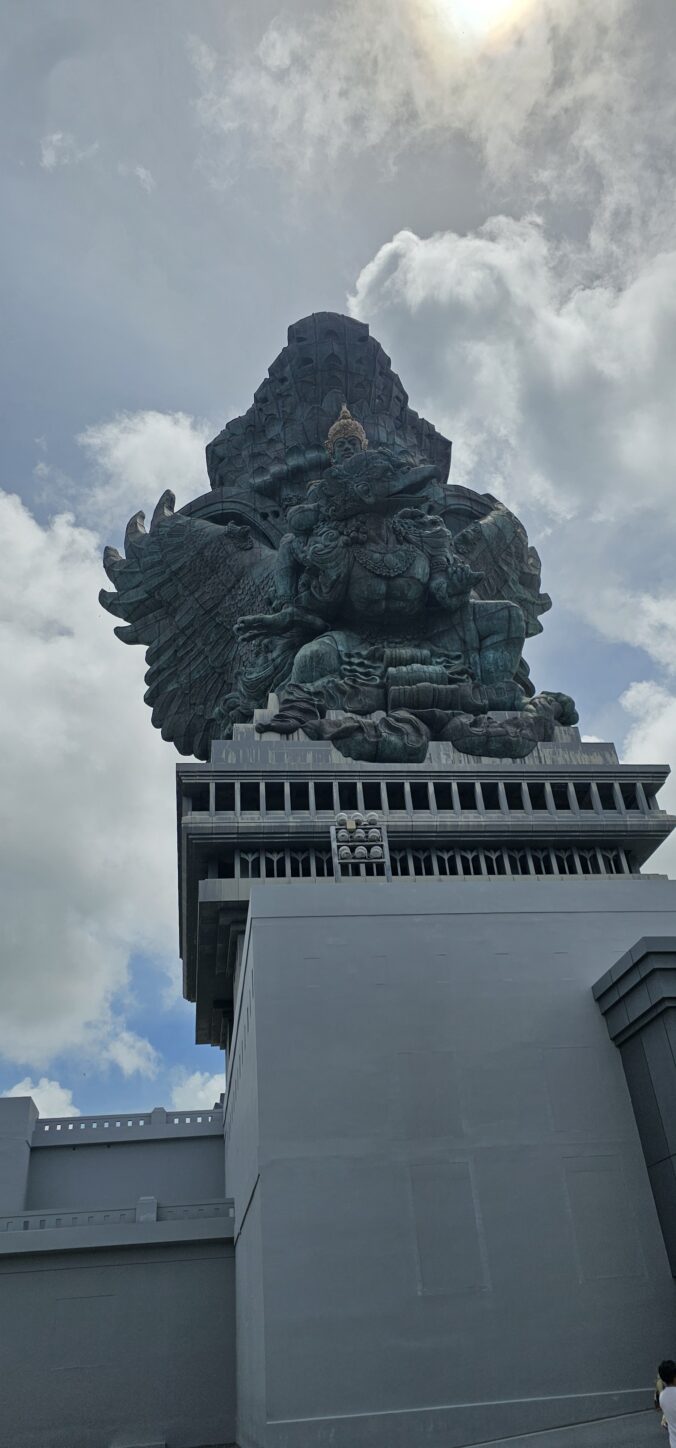
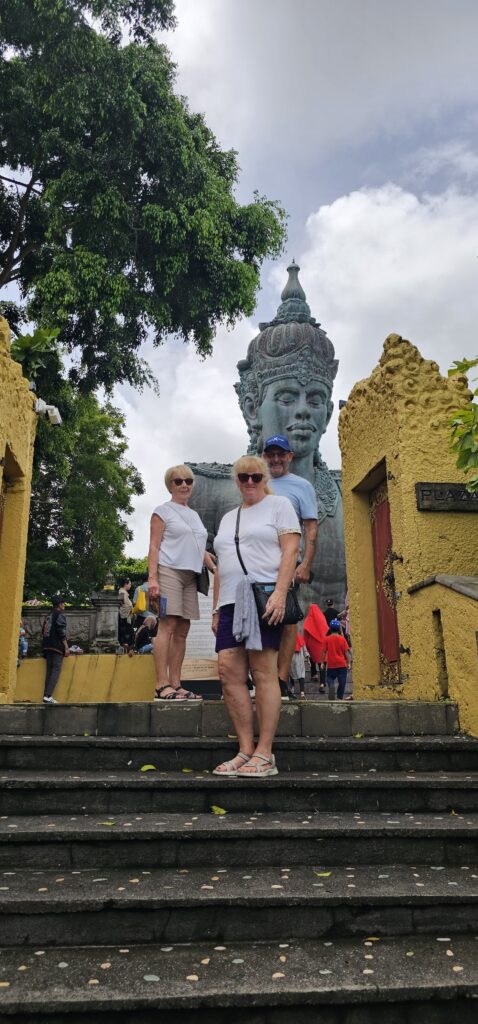
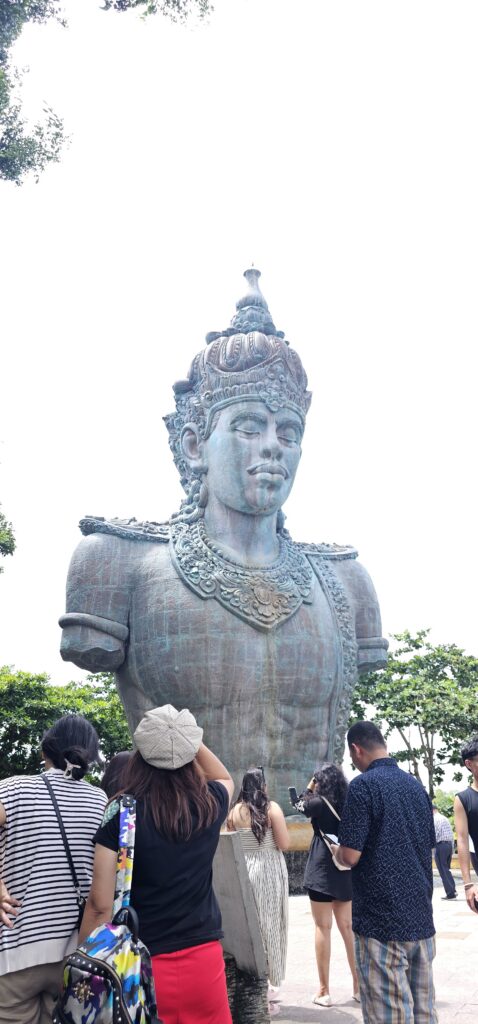
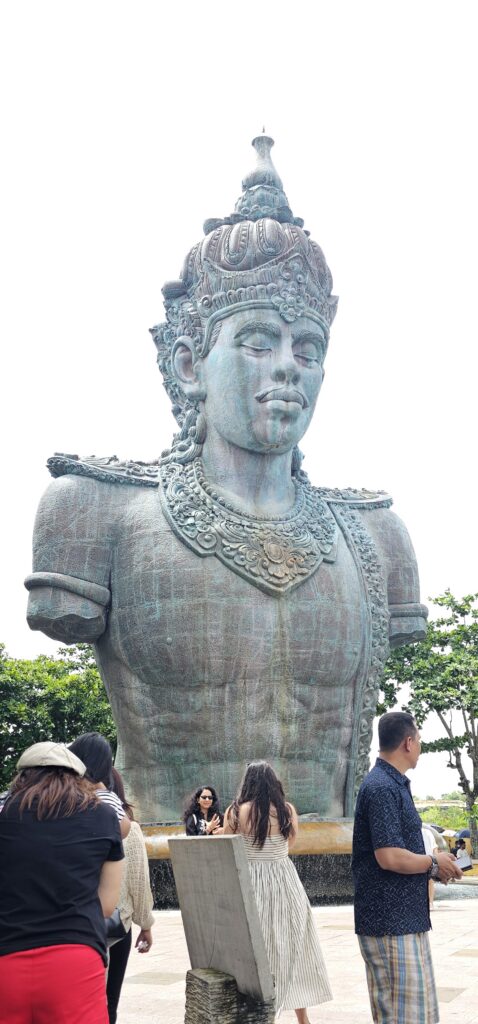
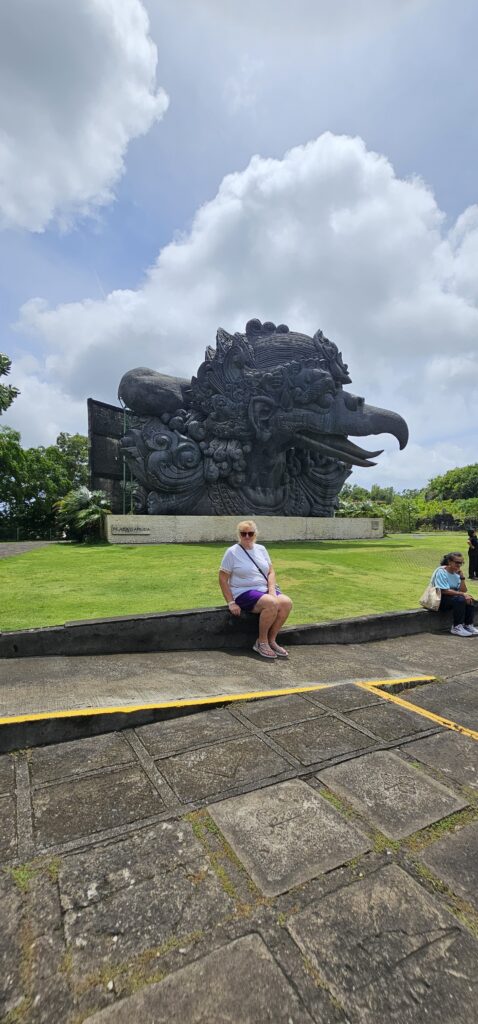
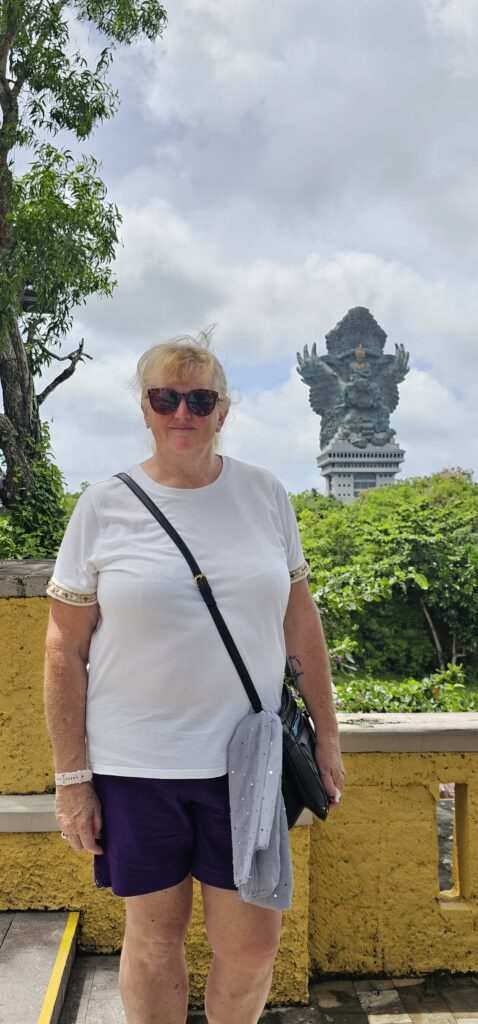
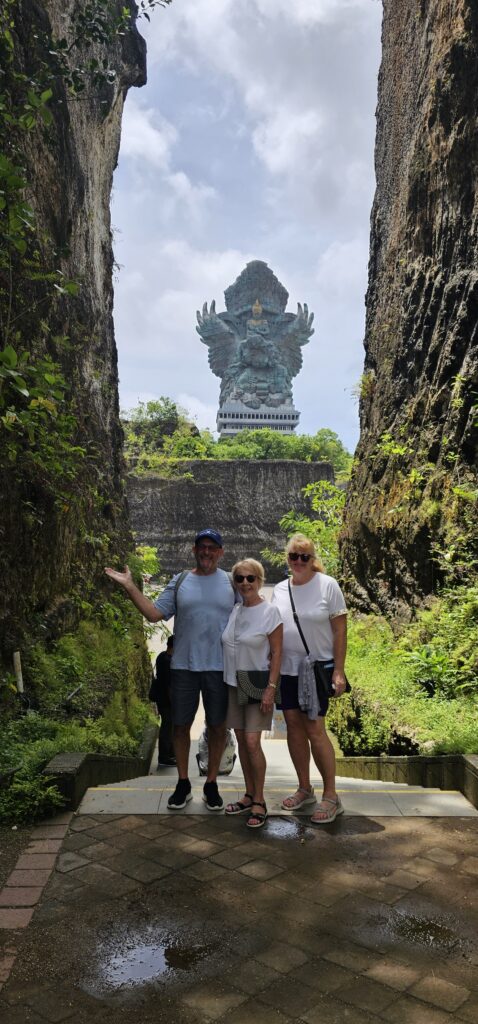
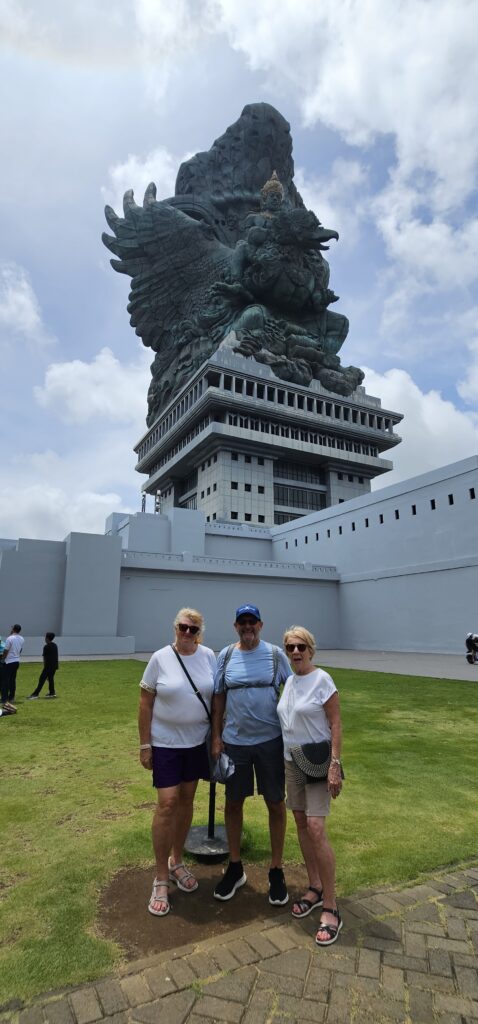
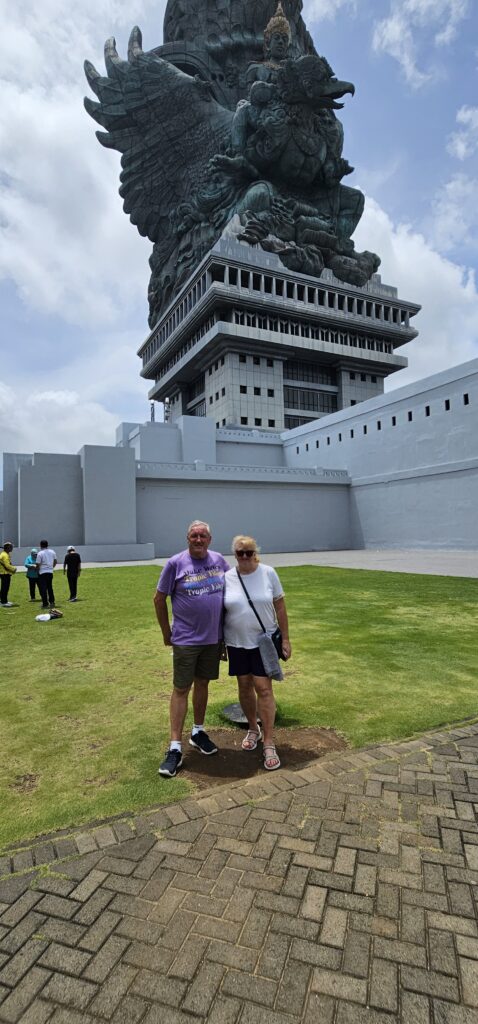
On arrival in Benoa Port and when you arrive into Bali by plane, the most prominent monument visible on the skyline is known as GWK. Garuda Wisnu Kencana is the correct name for a huge monument built in the grounds of a country park which we visited one hot and humid day.
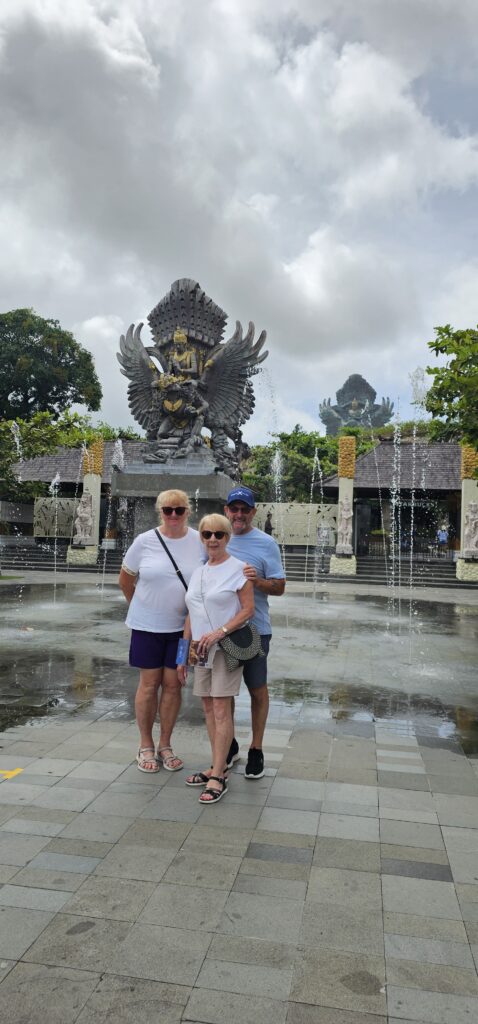
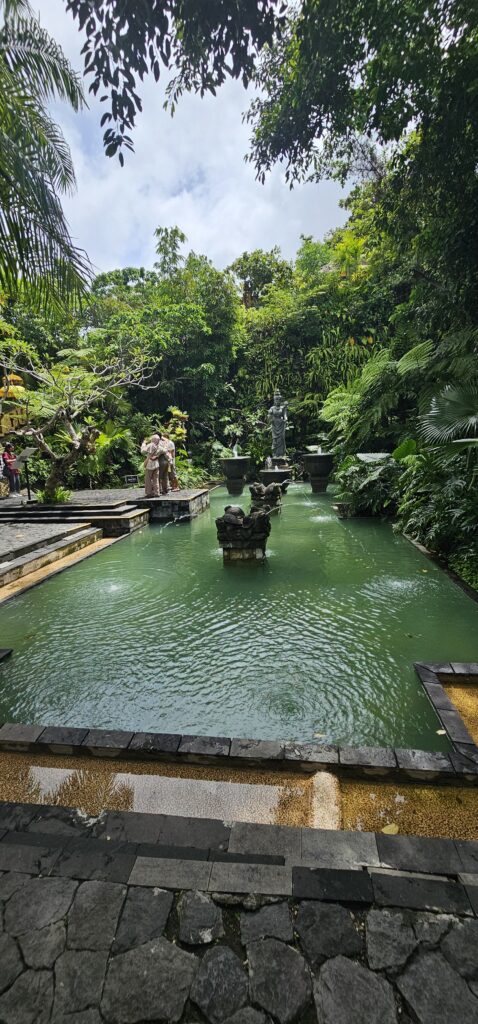
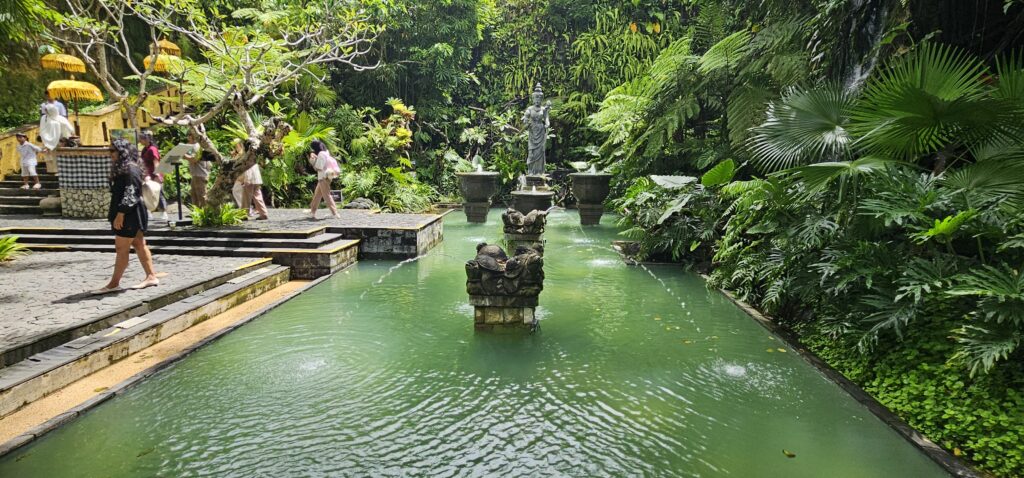
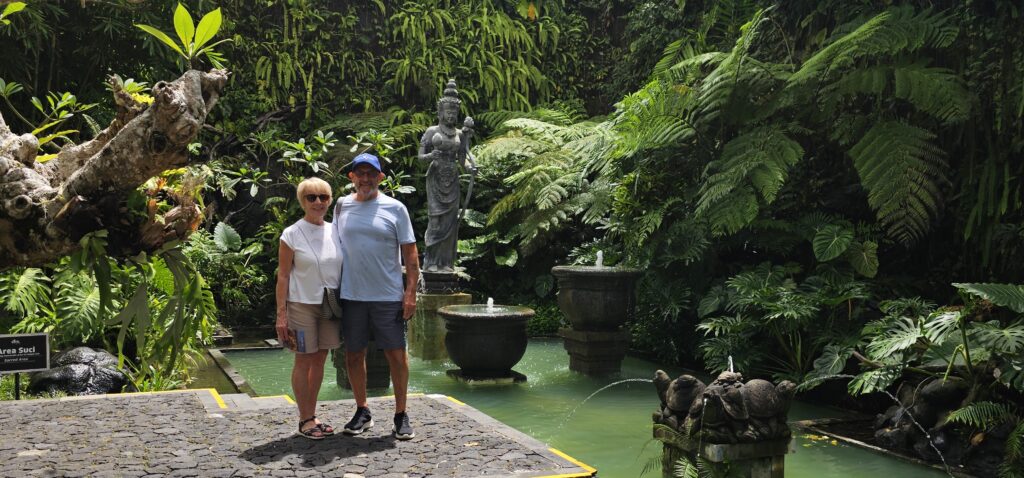
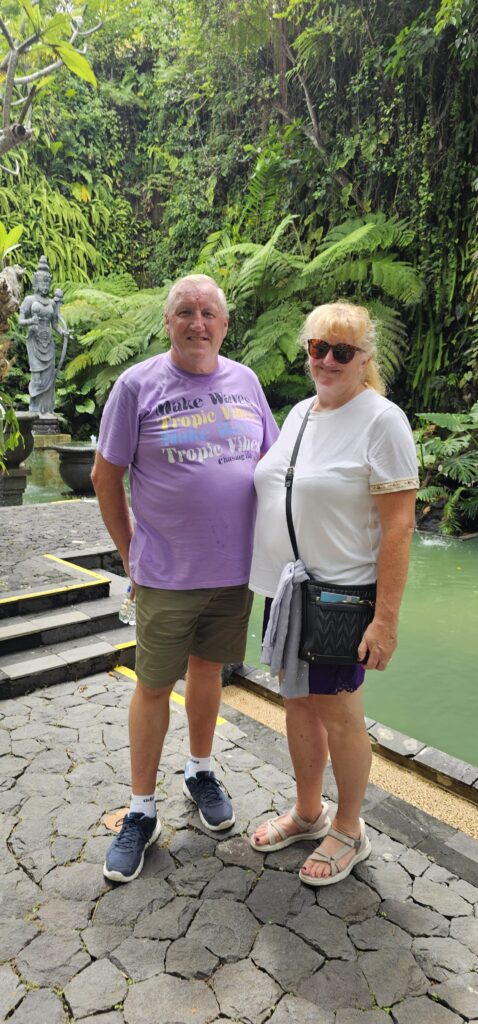
We boarded a shuttle bus from the car park to the entrance, once through the gates you enter a calming water plaza thats home to a statue of Lakshmi with everyone posing in front of her. Lakshmi in Hindu belief, is the mother of the universe, Goddess of prosperity, happiness and wellbeing and is the Consort of Vishnu the Protector.
We follow a carefully planned path around and next up is a massive statue of Vishna, surrounded by water. Here Graham was inundated by facts from a tour guide who took a liking to him.
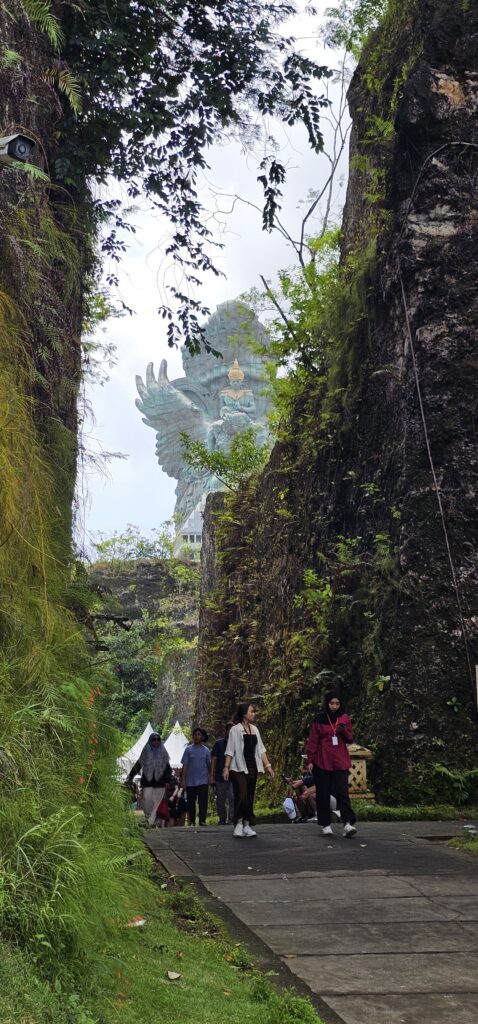
Eagle like Garuda is mounted into a hillside, the 18 metre high statue of Vishna’s mount is made of metal and copper, we wound our way through impressive gardens and alleys cut out of colossal limestone pillars, an area used for concerts and events.
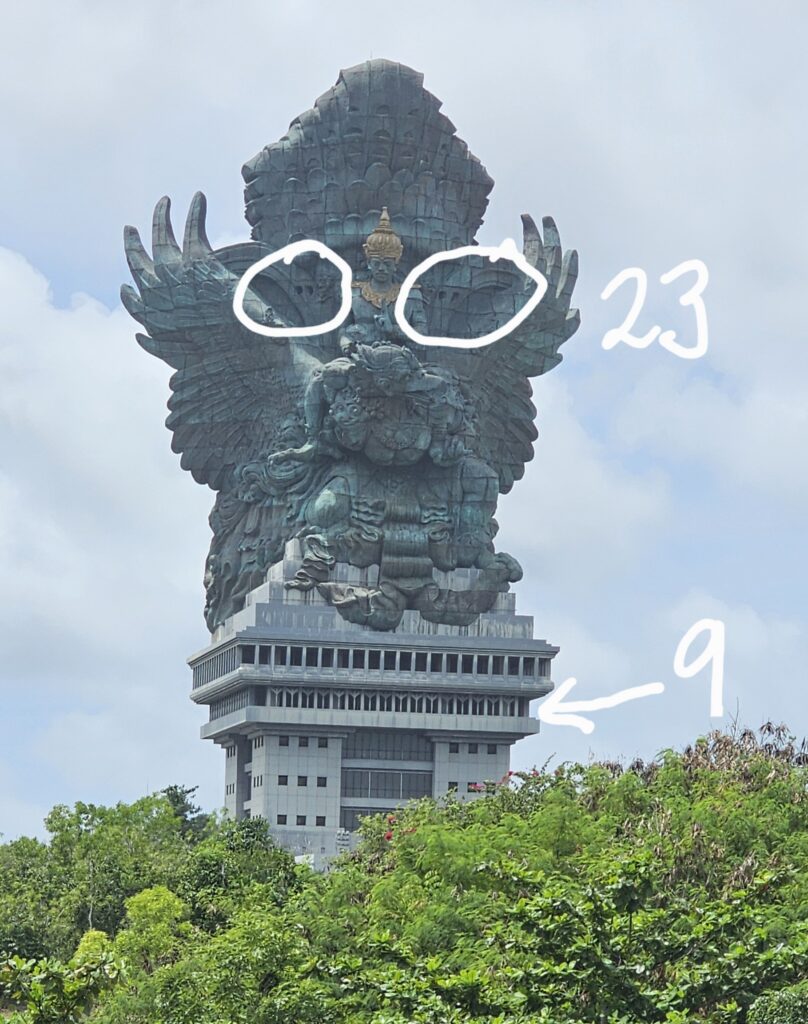
Finally we get to the summit and wait in the queue inside to take a guided tour to the 9th floor then the 23rd floor. Its size is unimaginable until you are at the base of the statue then you see how tall it is – its the tallest statue in Indonesia and the 4th tallest in the world!
Taking 4 and a half years to build, starting in July 2014, it originally began as a community project but a company took over the build, using over 1000 workers (with a Zero accident rate) to build this copper plated steel and concrete structure, testing its wind strength in the UK and officially opening in 2019. The information given on the tour was overwhelming, but fascinating if you were an engineer!
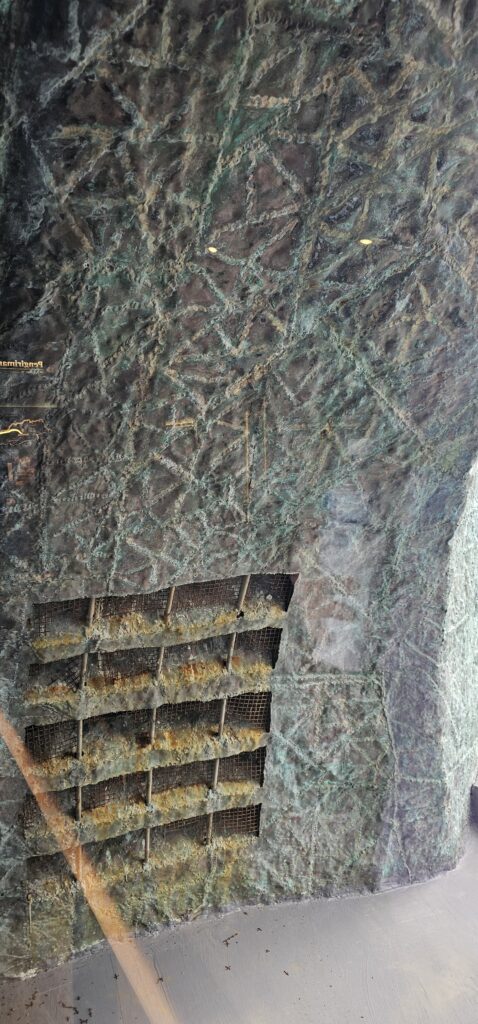
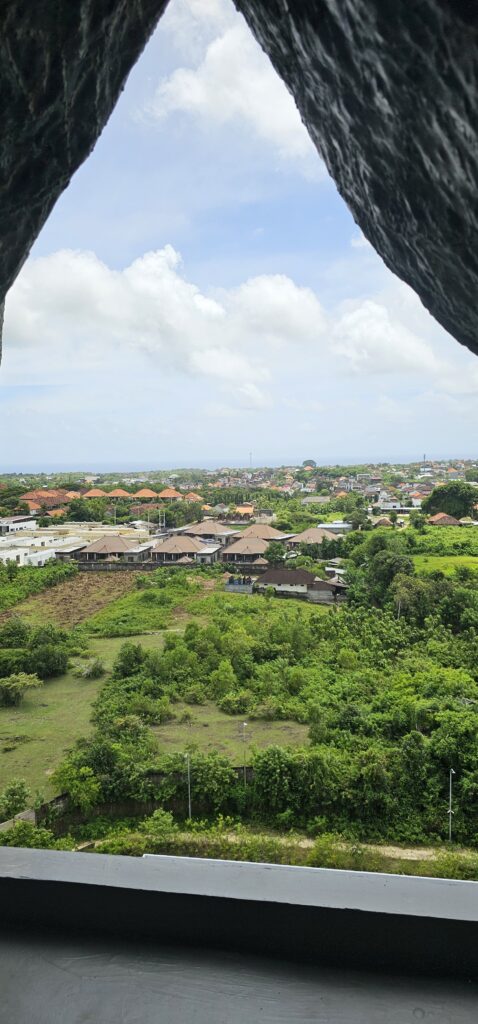
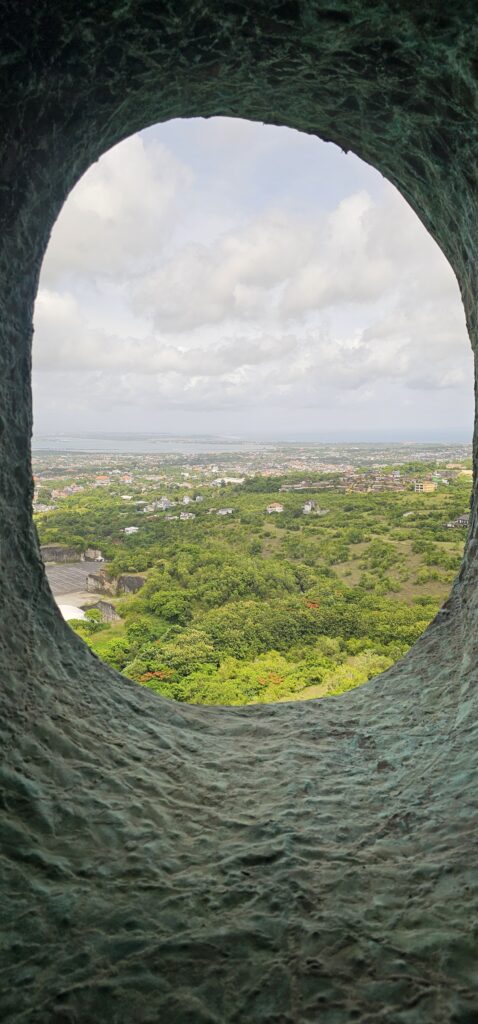
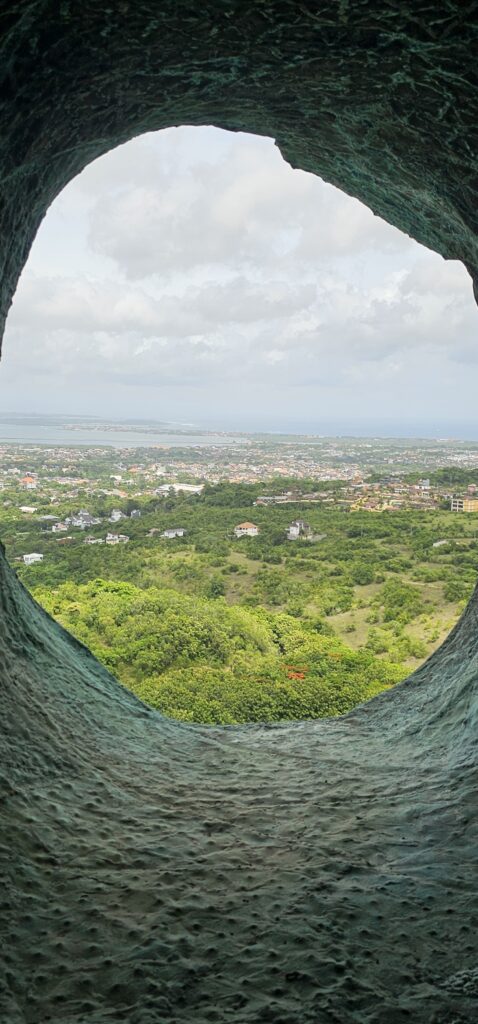
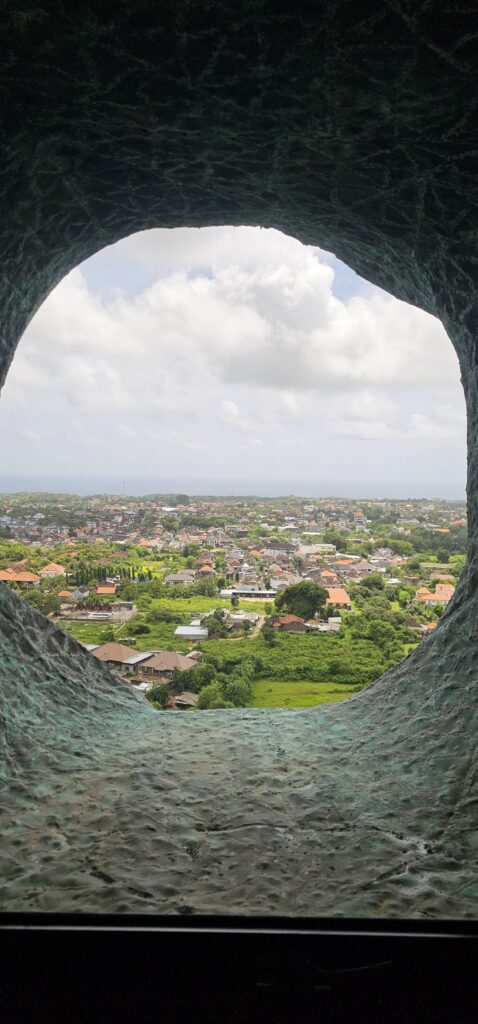
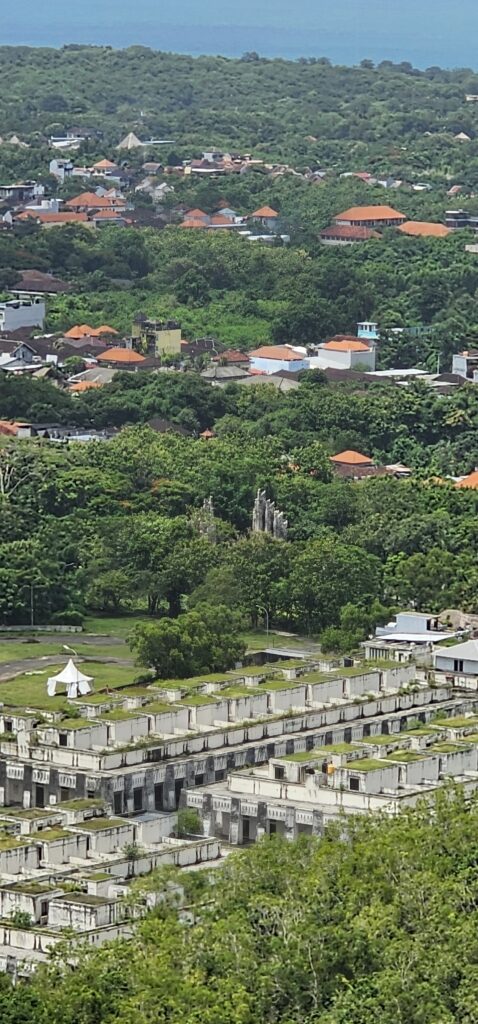
You get to see the inside of the structure, all steel frames and panels, and then at the 23rd floor is a viewing platform out through some eye shaped windows, with amazing views over the countryside. There is also aviewing platform at this point that’s glass floored, looking down through the structure to the base at the 9th floor.
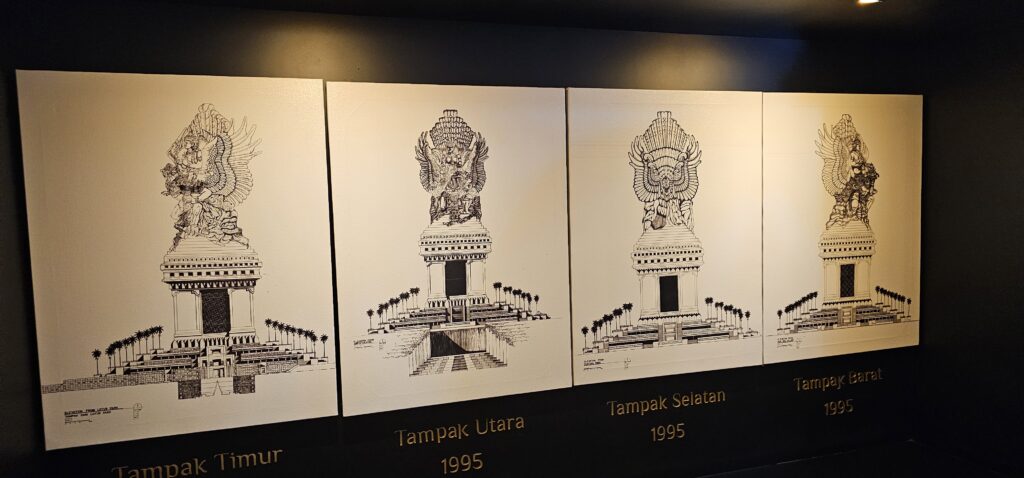
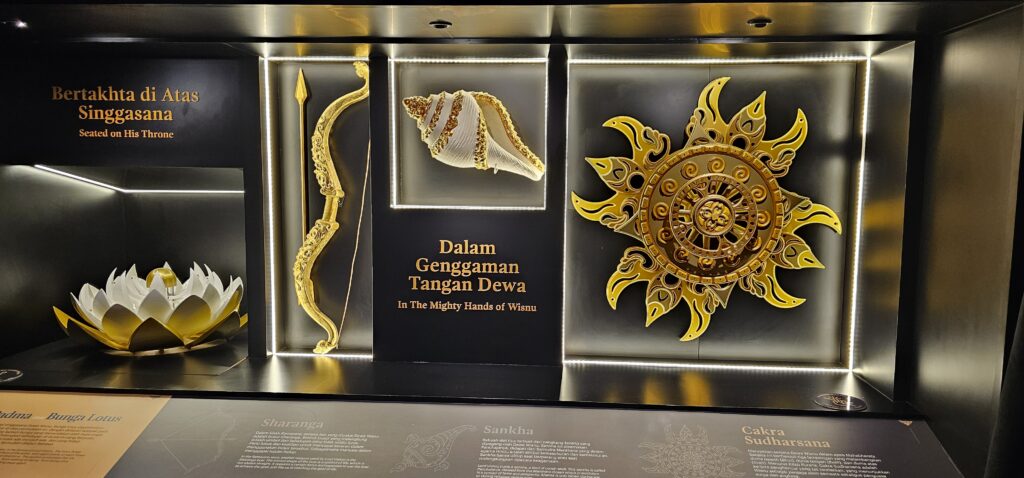
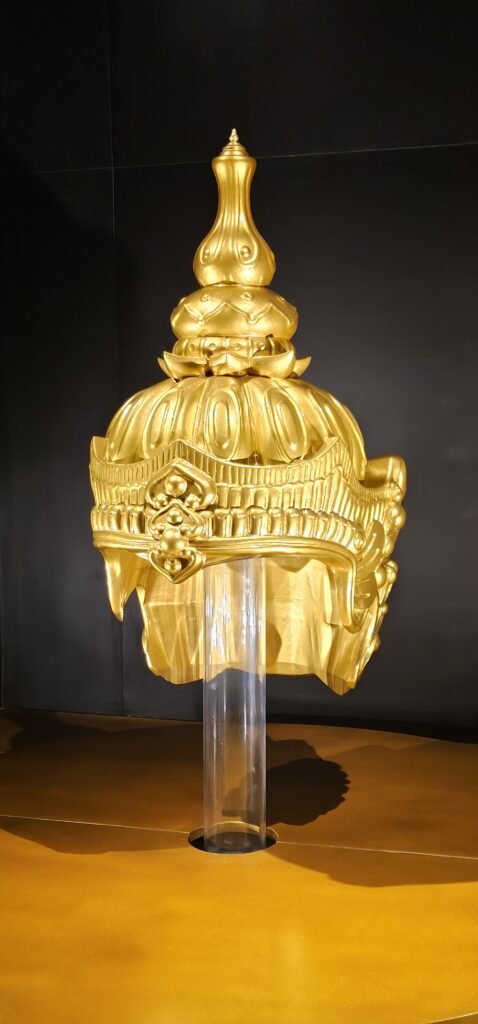
Drawings of the 4 sides ofthe buildingIts internal compositionView from the 9th floorMeanings of the iconsModel of the crownViews from the 23rd floor
We meandered back through the gardens and headed back to the car for a sandwich lunch and to chill in the aircon!
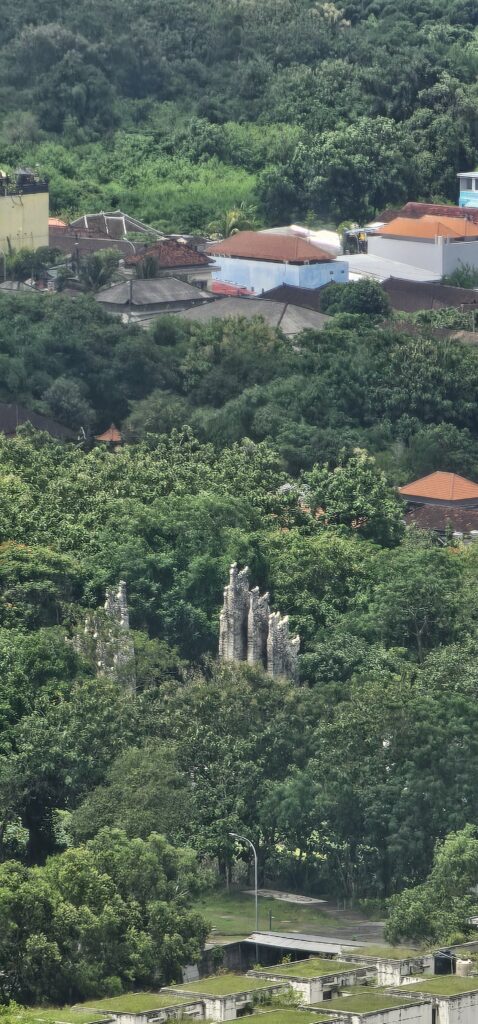
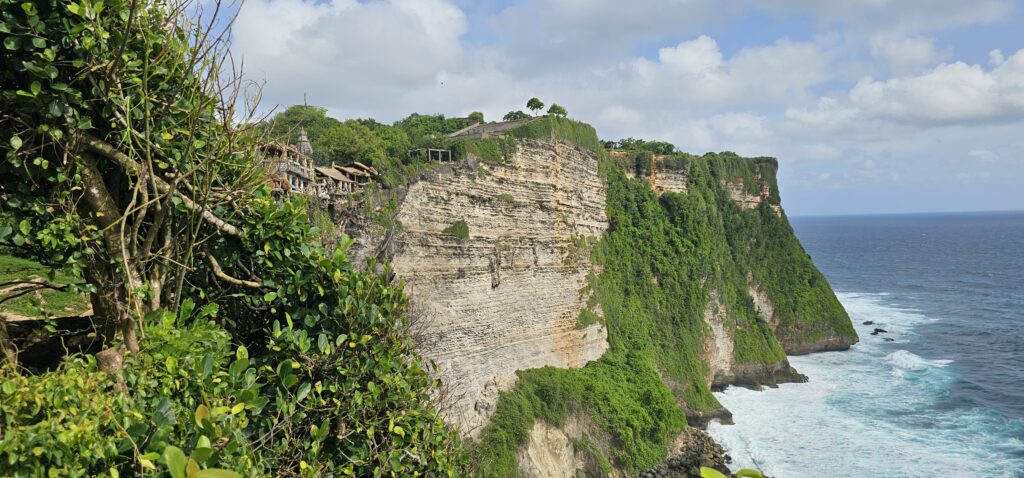
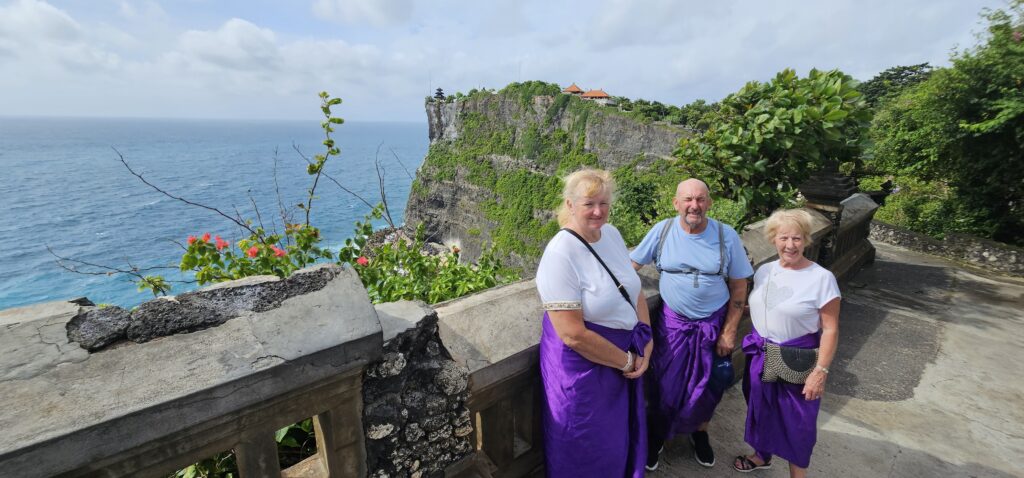
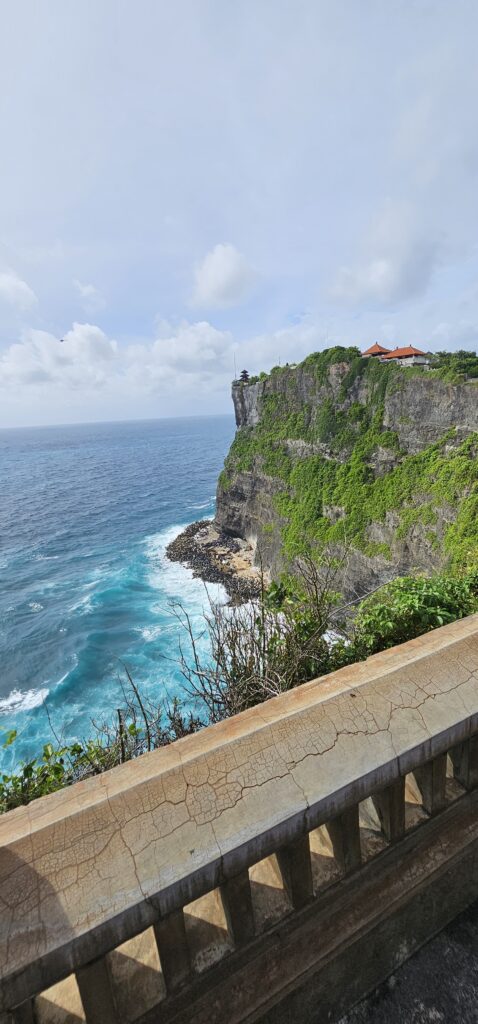
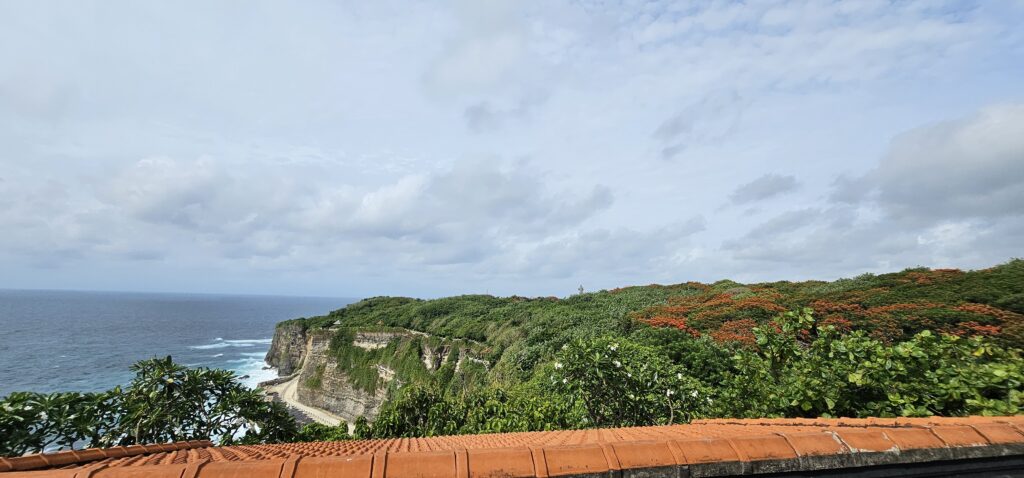
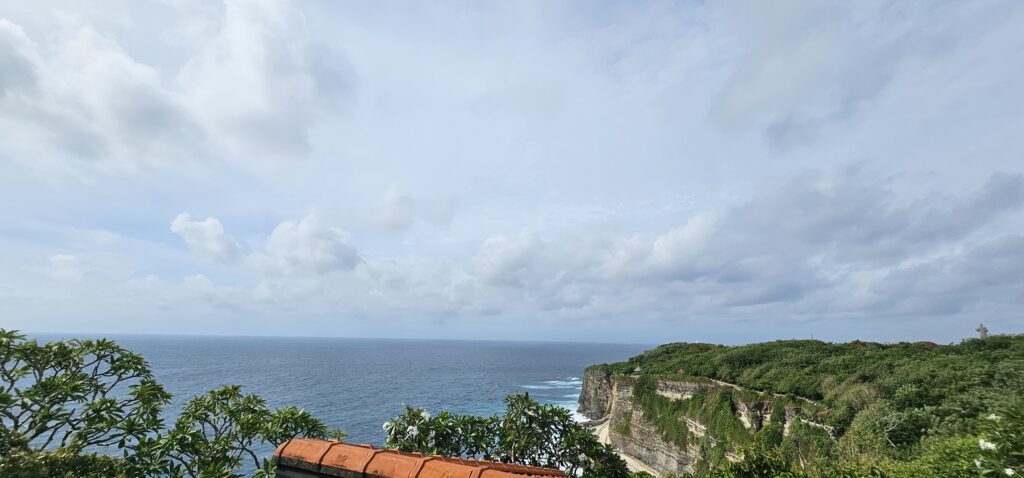
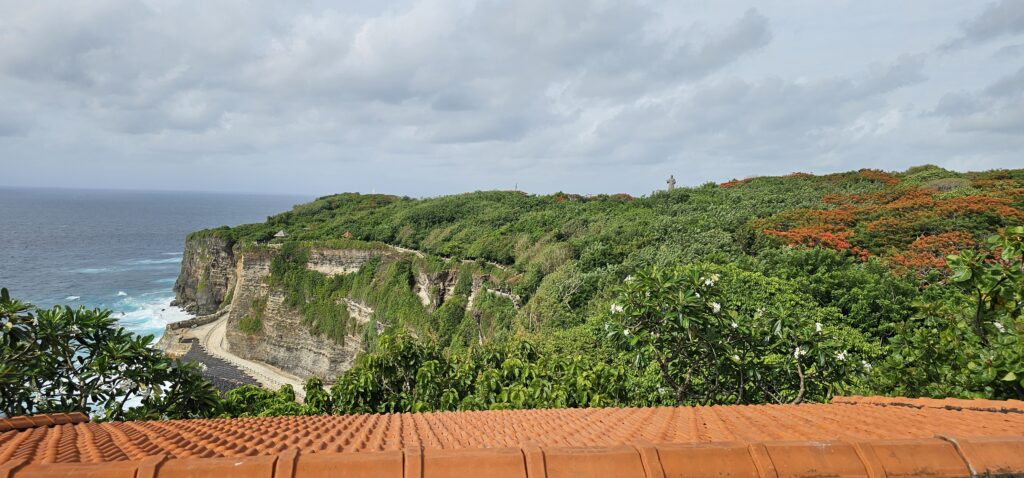
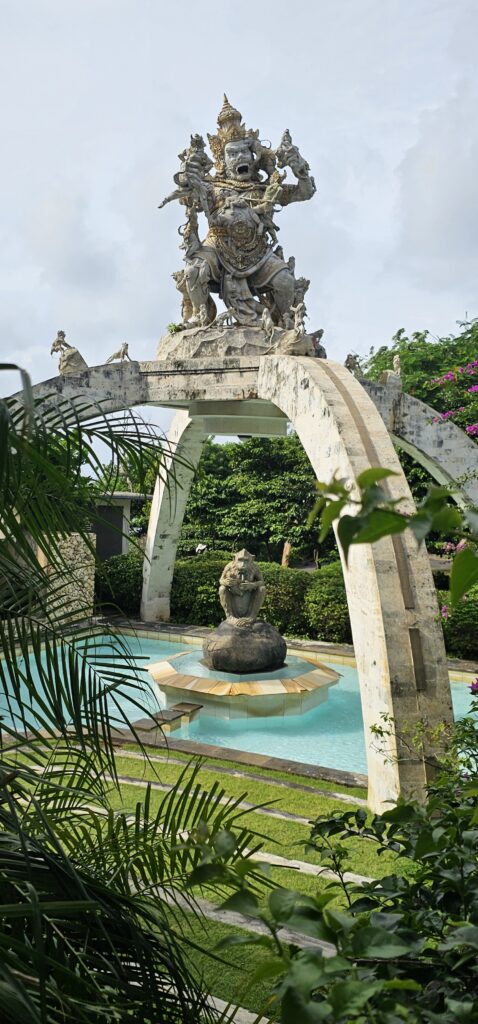
Next stop was a hillside temple at a place called Uluwatu, right on the coast. Records suggest it dates back to the 9th century, built as a sea Temple to protect Balinese people from the negative spirit forces of the ocean. Balinese temples are recognised as sea temples, village or mountain temples, Uluwatu is one of 6 strategically placed temples on the island, offering protection for the southwest coast and is dedicated to Shiva Rudra, the manifestation of Lord Shiva as the god of transformation and dissolution.
Cliff side location
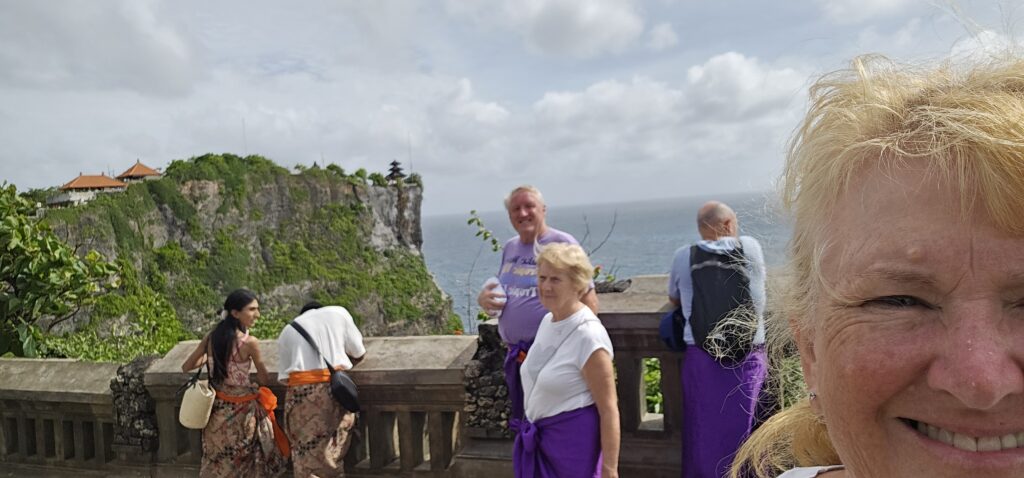
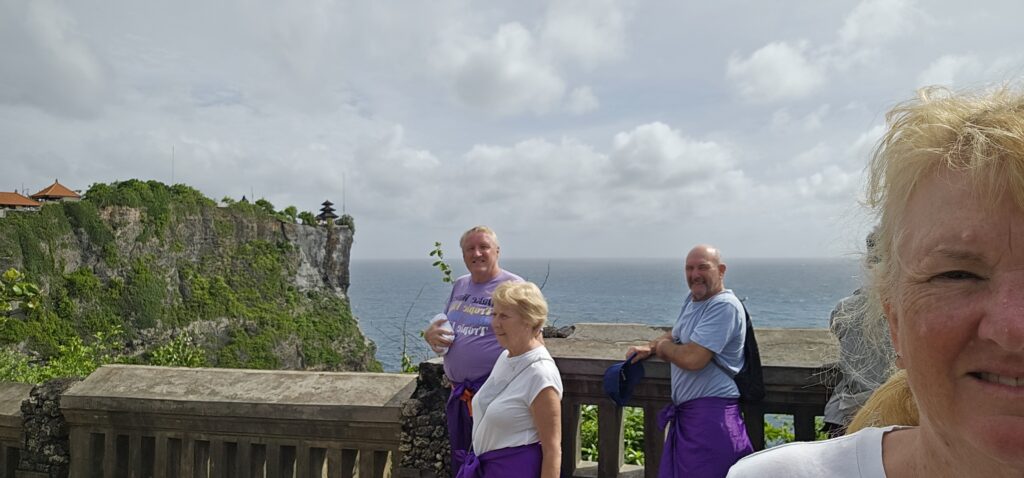
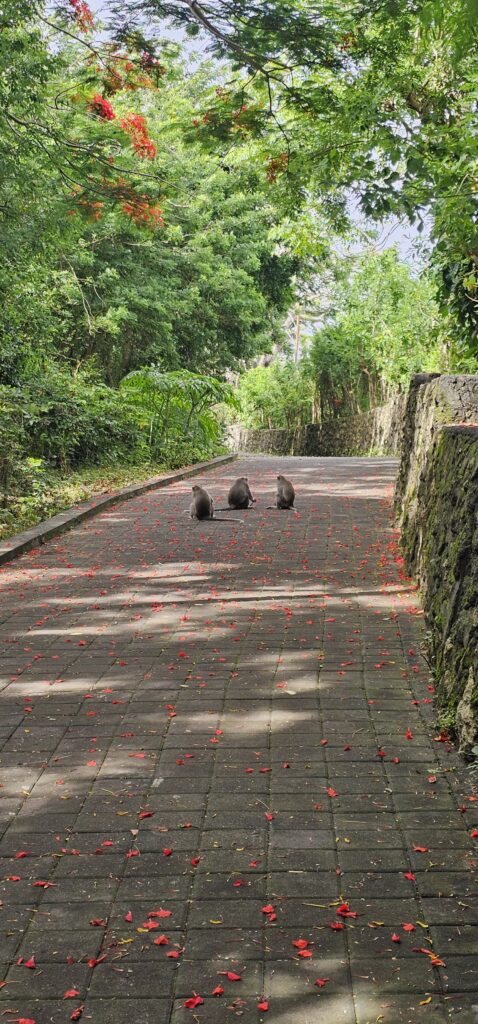
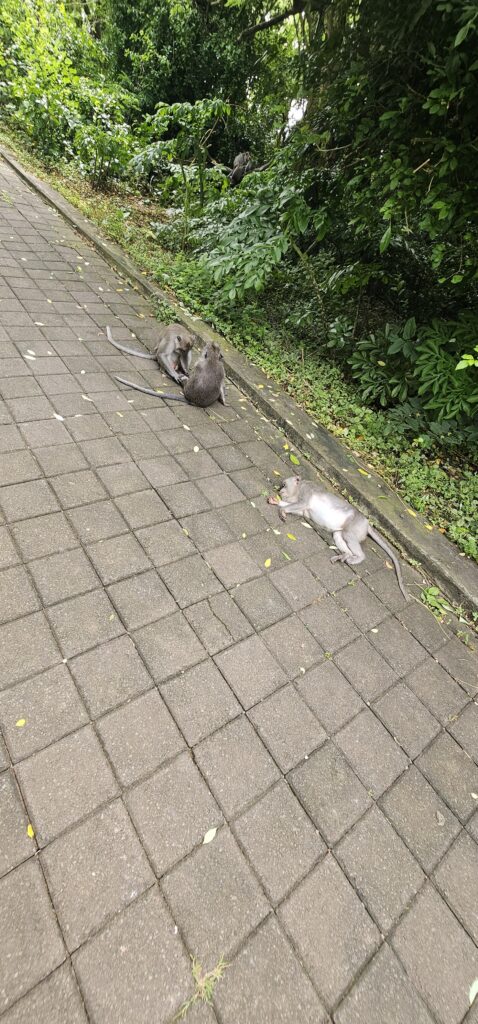
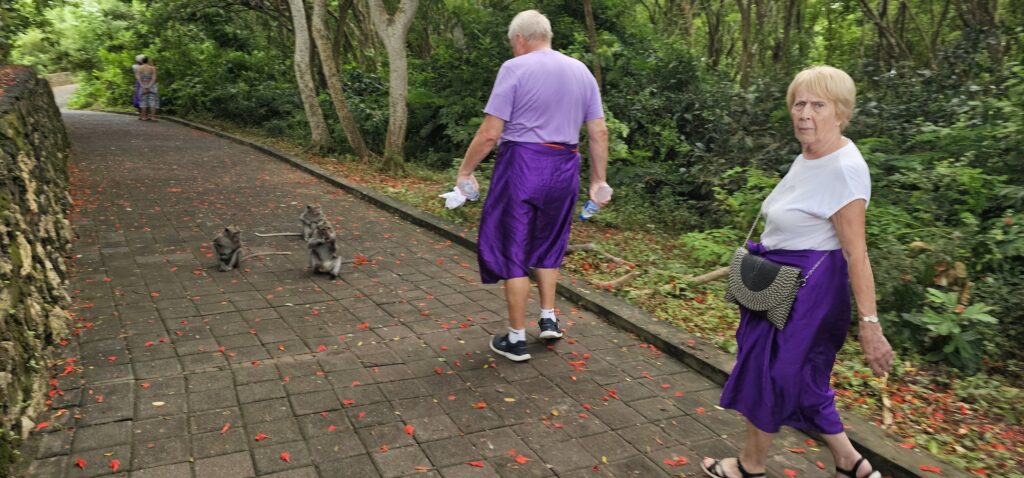
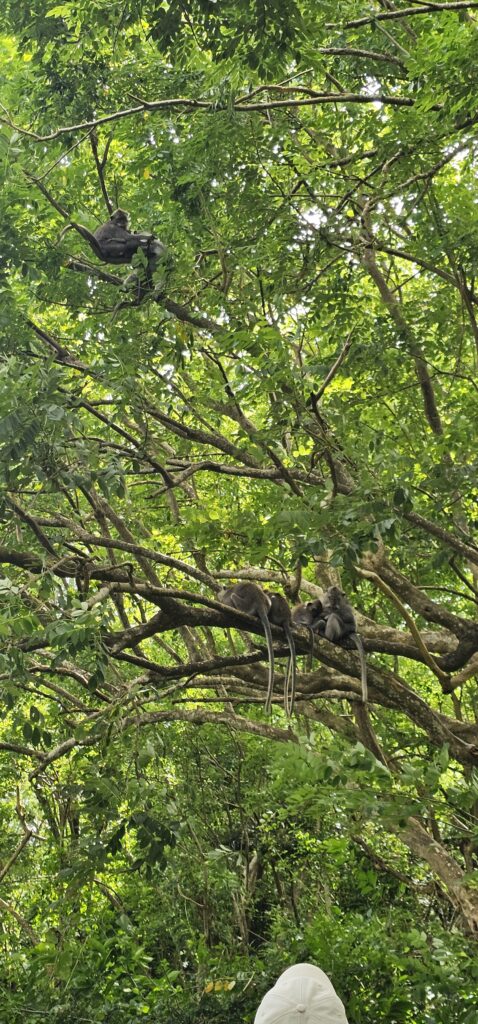
It was far too hot to explore the whole temple grounds, especially as we had to cover our knees in a tasteful mauve nylon skirt so we climbed bits of the external walls before heading back to the air con in the car! However, the monkey kept us entertained and on our toes, all on the lookout for the thieving blighters who take a liking to sunglasses, food, handbag contents and anything they can grab 😀
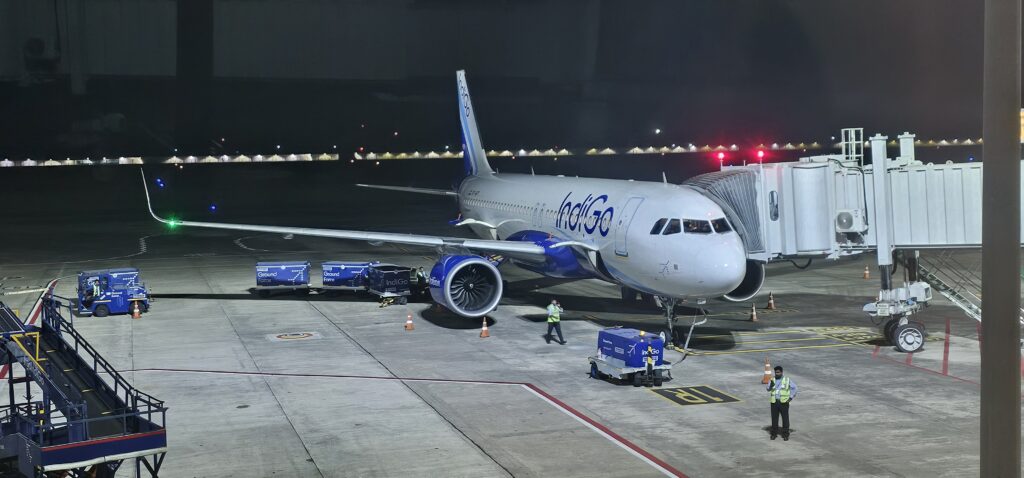
On a Monday evening we caught a short internal flight from Goa south to Cochin for a prebooked escorted trip around some of the sights in Kerala.
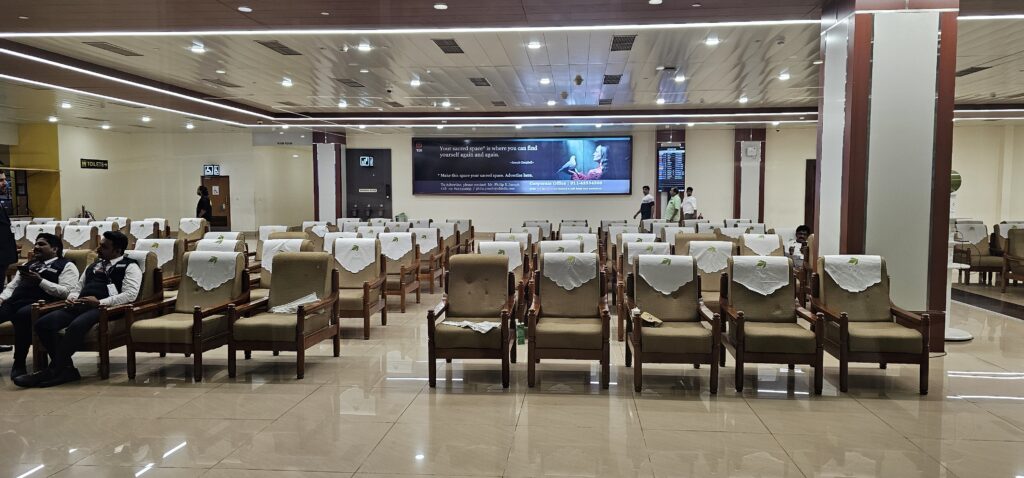
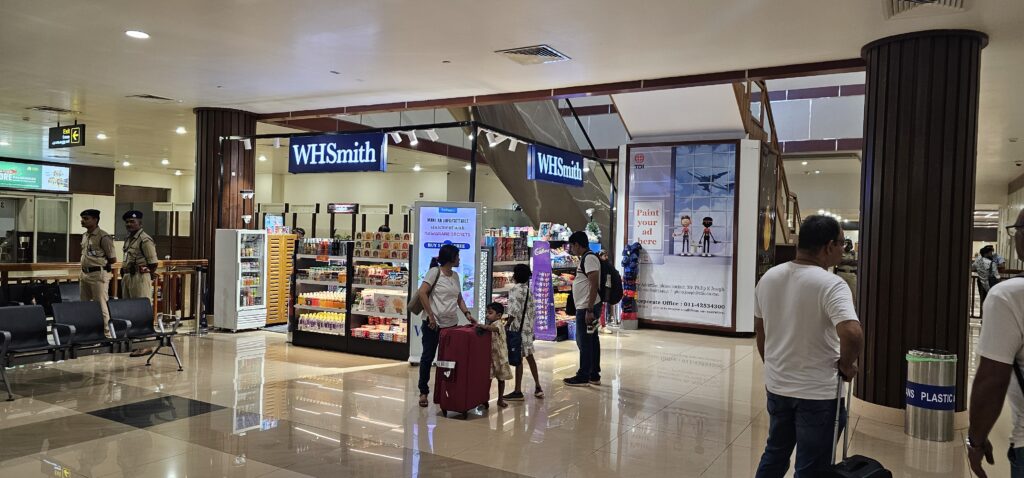
Airport loungeEven found a WH Smiths!
We were “upgraded” on the flight from row 32 at the back to the Emergency Row seats in row 12, with 6 seats between the 4 of us, nice and spacious!
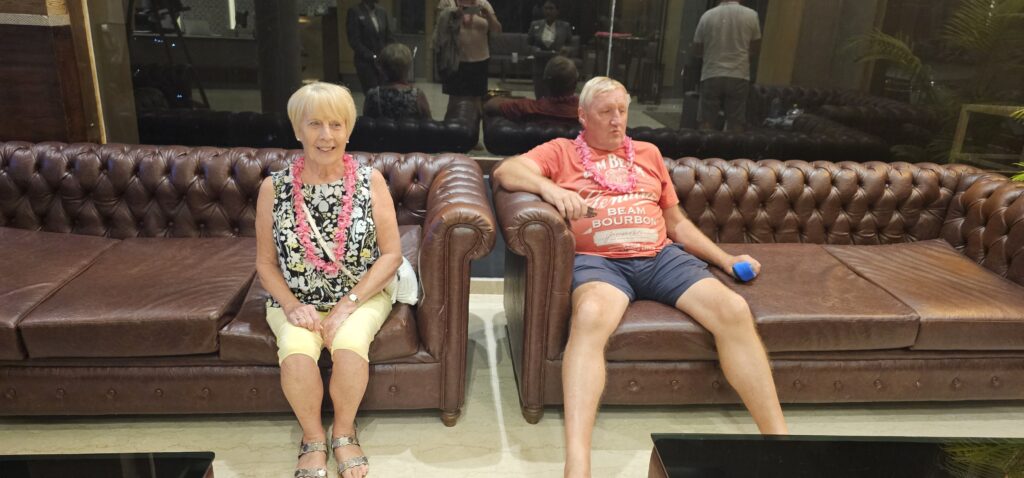
On arrival in Cochin, we were shocked and surprised at the comfortable lounge seating, clean polished marble floors, clean toilets and posh airport, totally unexpected! On exiting, we were met by a gentleman who directed us to a car and we were whisked off to the Airlink Hotel for the night.
First impressions were: its much cleaner than Goa, much more greenery and less animals! The hotel was fine, although David was upset that the bar had closed at 10.30, we arrived at 10.45!! Hot and tired, we headed to bed, sleep evaded us because it was hot and we had noisy fans, the beeping traffic started about 4am and it got light at 6am! We were the first ones to arrive for breakfast at 7.30, a curry buffet or toast and jam 😀
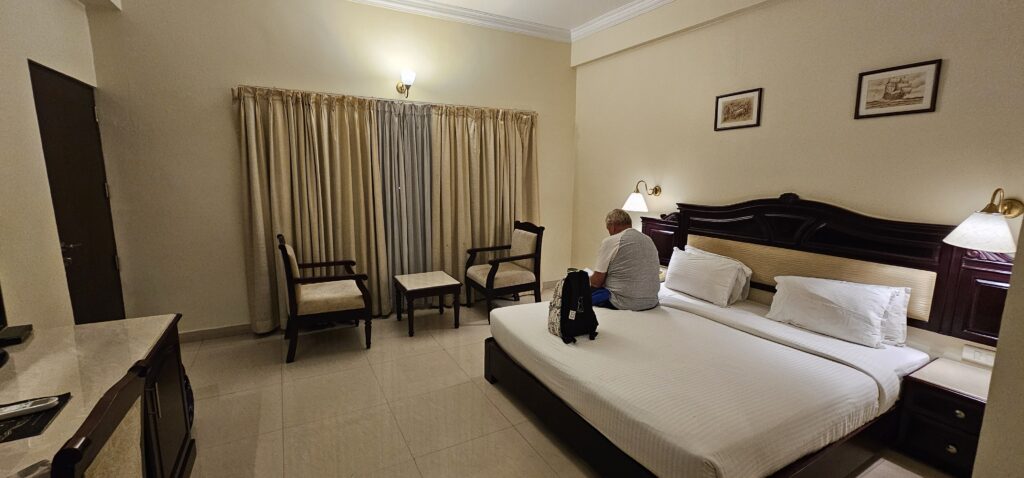
Our bedrooms, lots of Indian wood furniture.
On Tuesday morning, a driver called Jo met us after breakfast and we headed out on the long drive to our first stop at Munnar, a hilltop station (a mountain top town). Jo was a local who spoke fairly good English. We told him we loved to get involved and explore local life so immediately he started mentioning his village and his family, and how we can stop off at his home town….so we agreed!
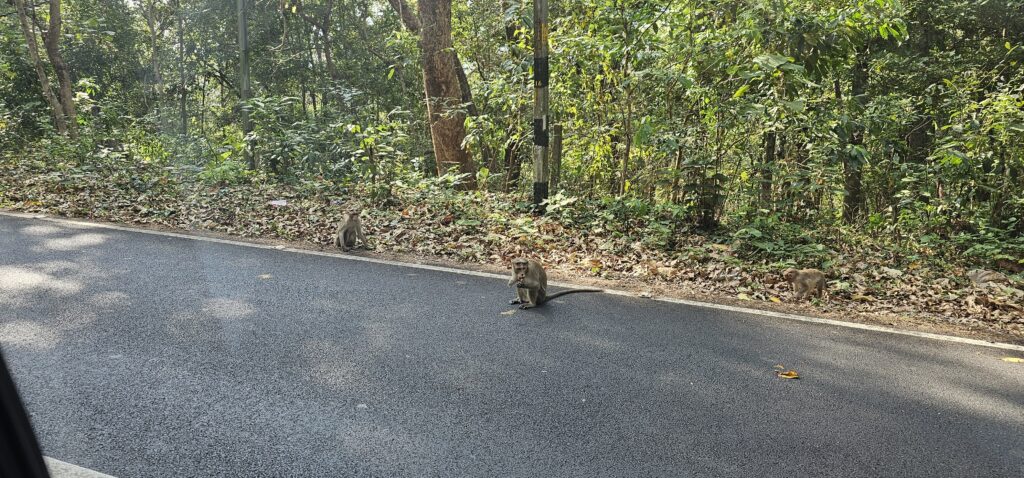
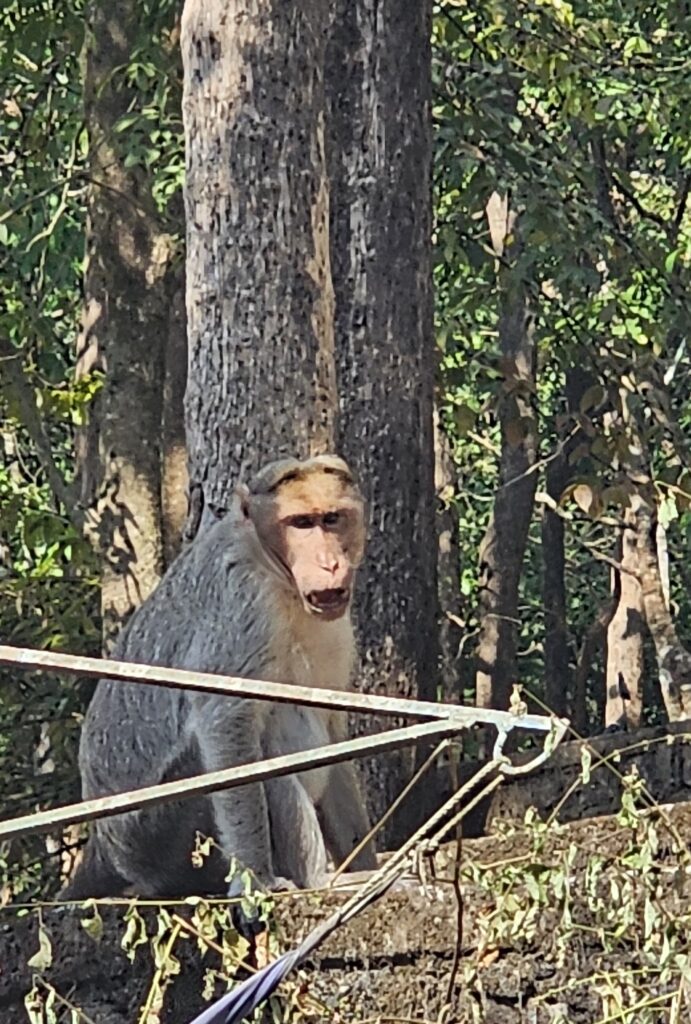
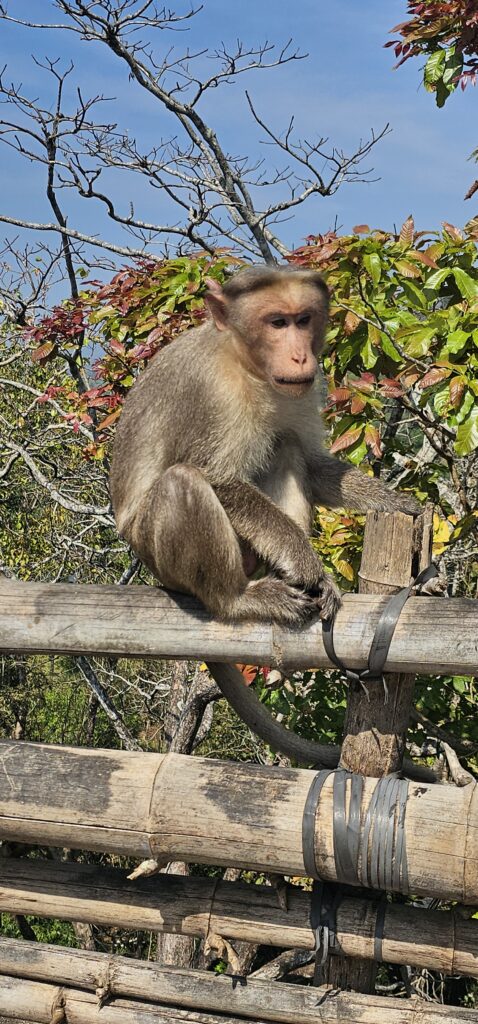
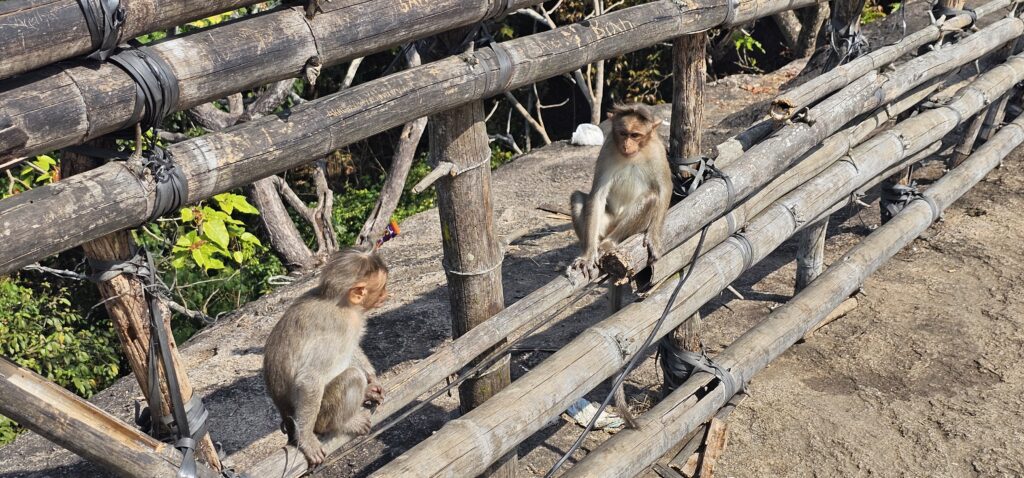
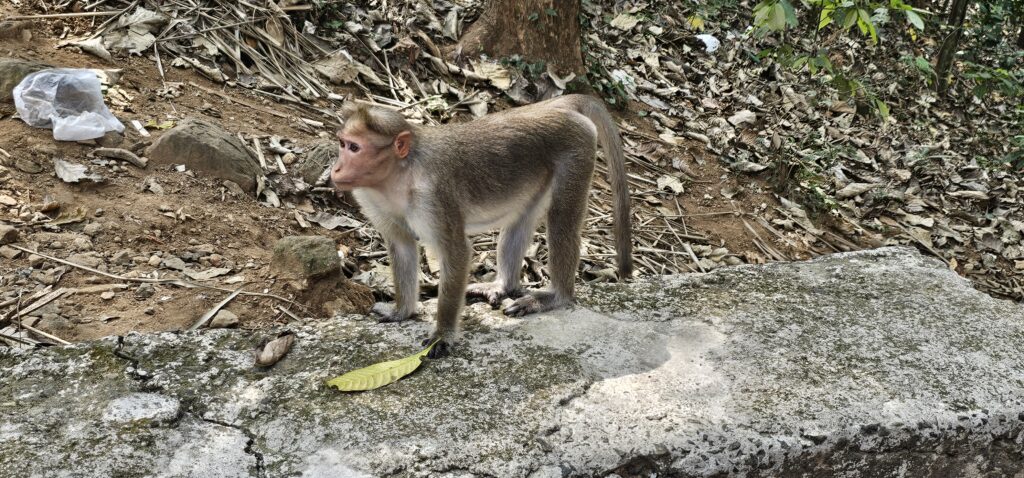
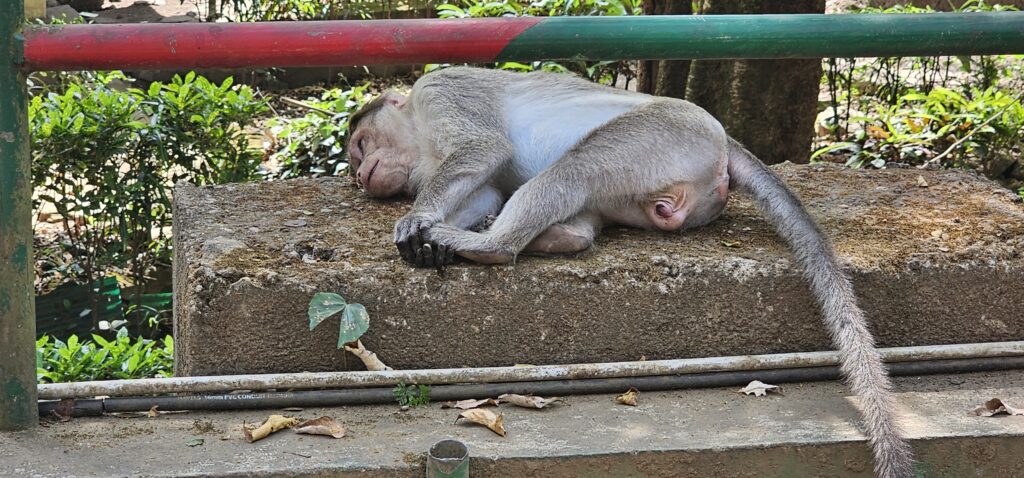
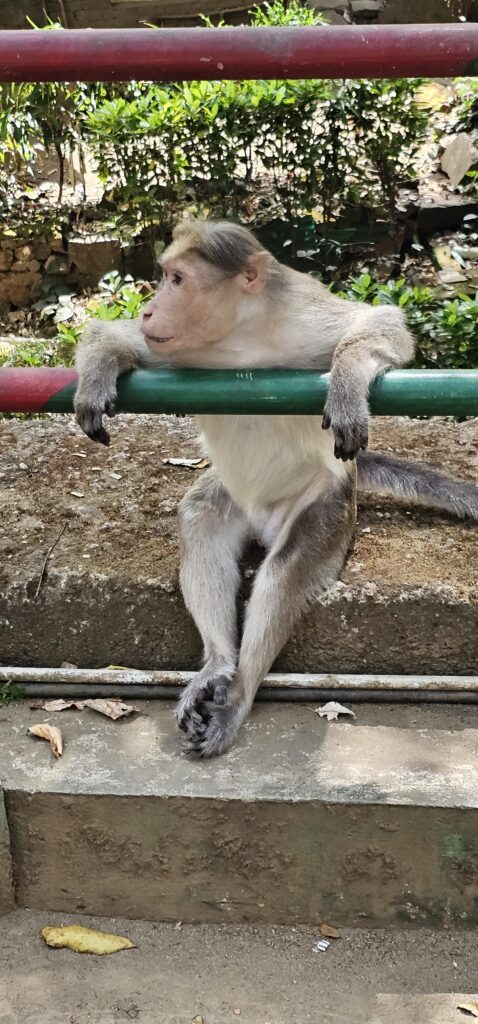
Our first encounter with monkeys was just outside Cochin city, a troupe of monkeys were playing on the roadside.
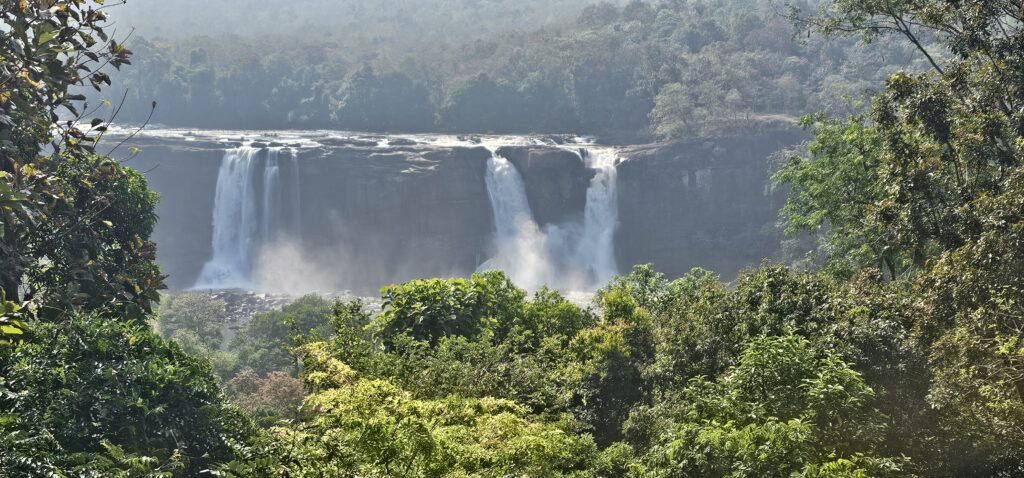
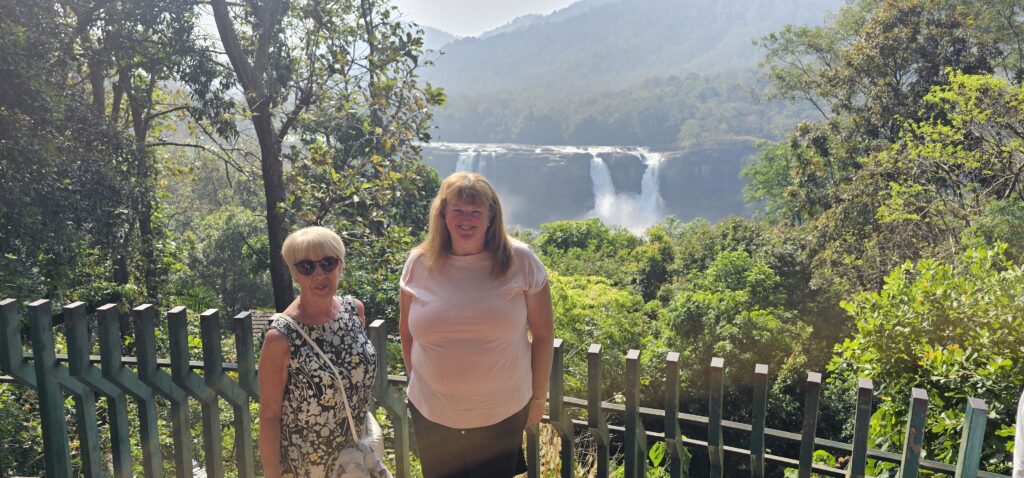
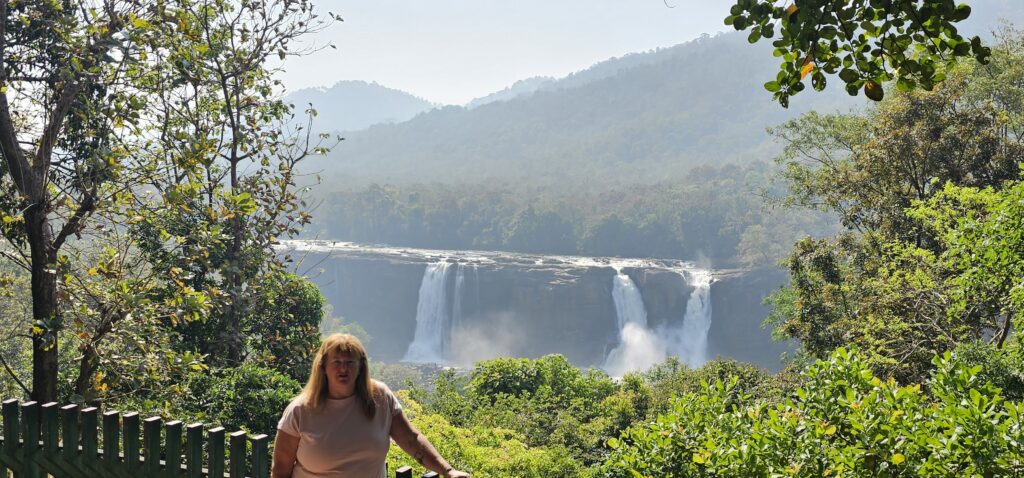
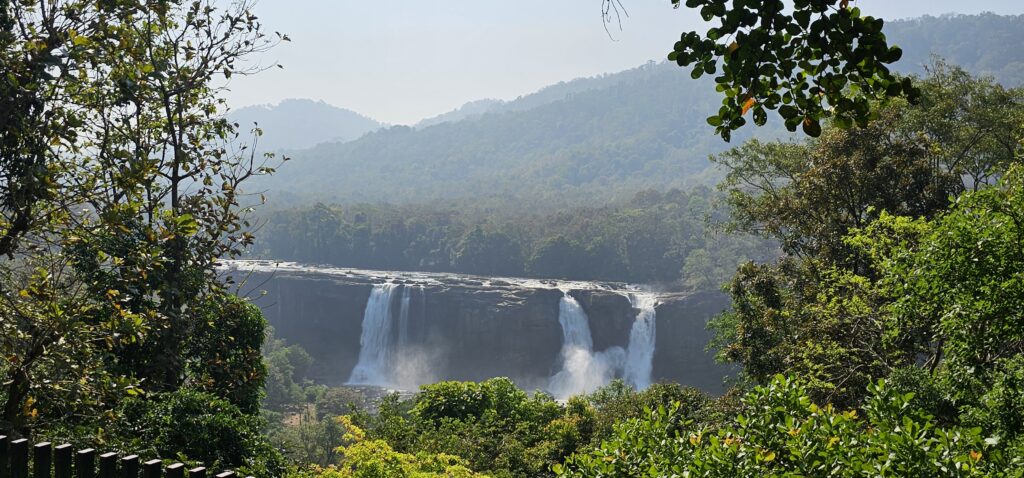
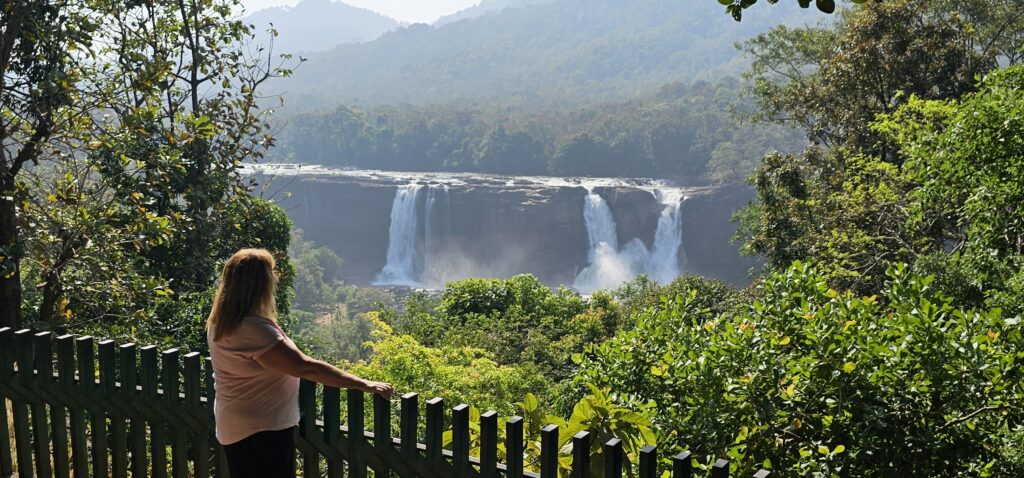
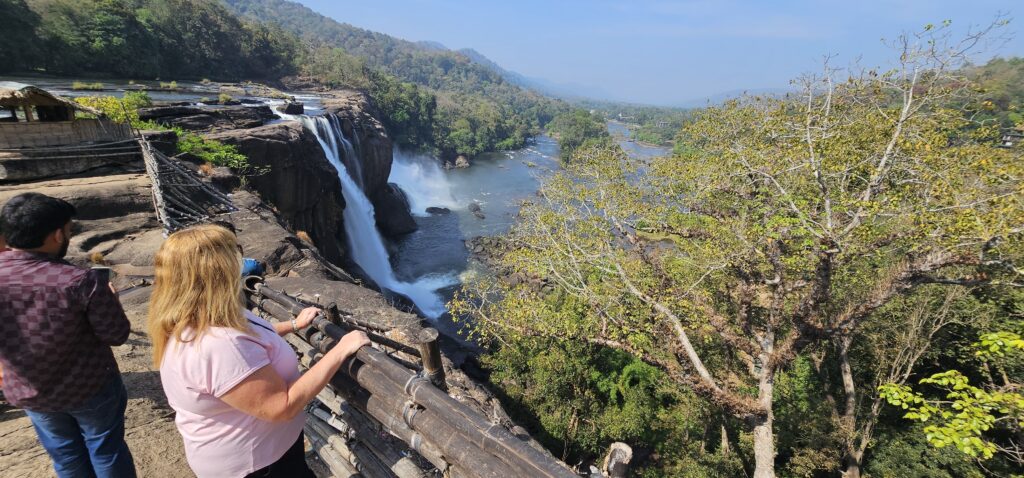
We headed into Athirappilli National Park and stopped to admire its waterfalls, which, after Monsoon season, are known as India’s Niagara Falls.
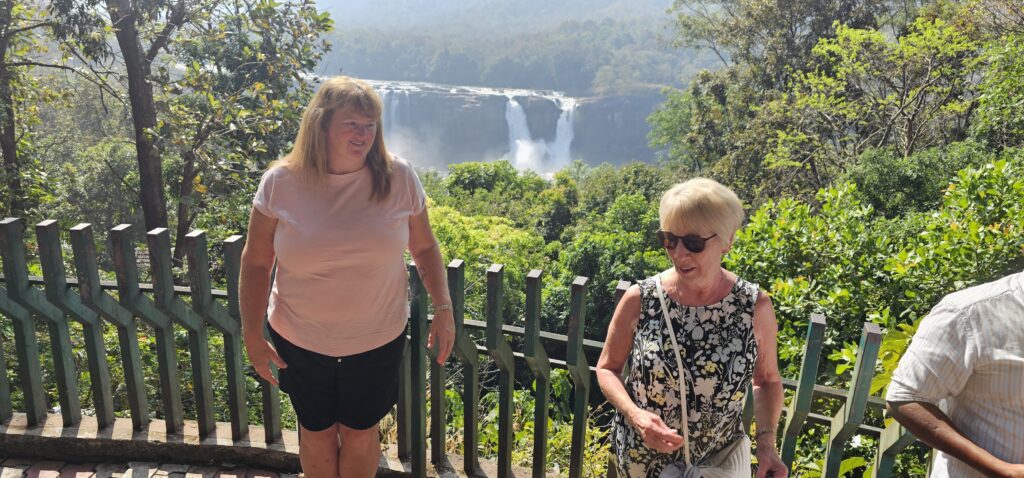
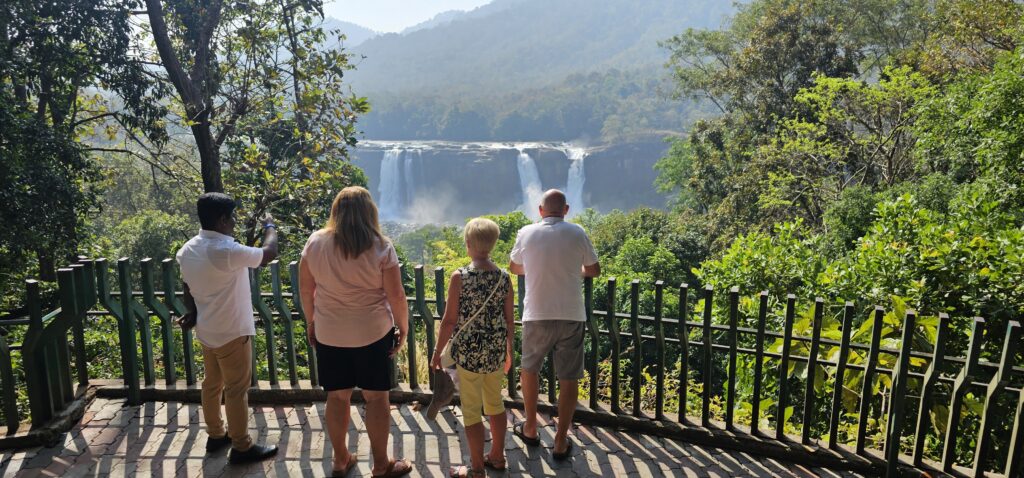
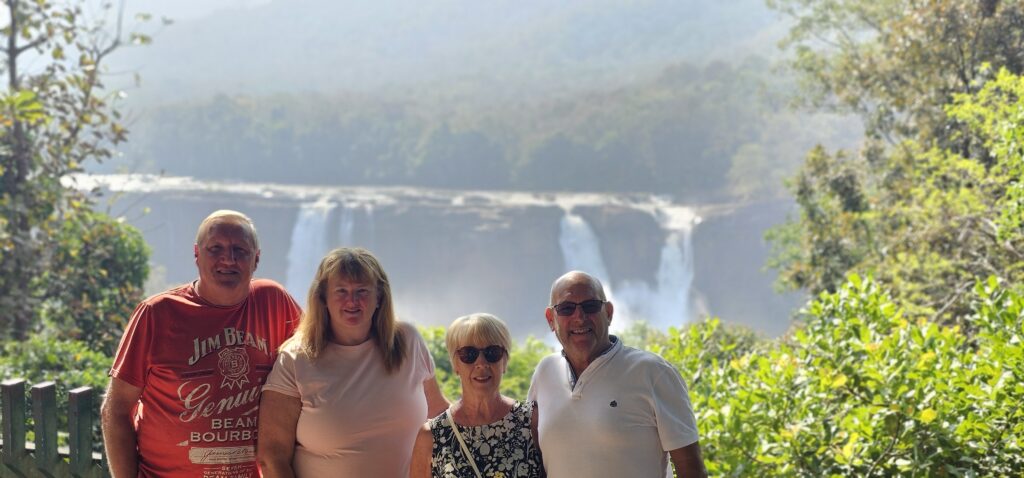
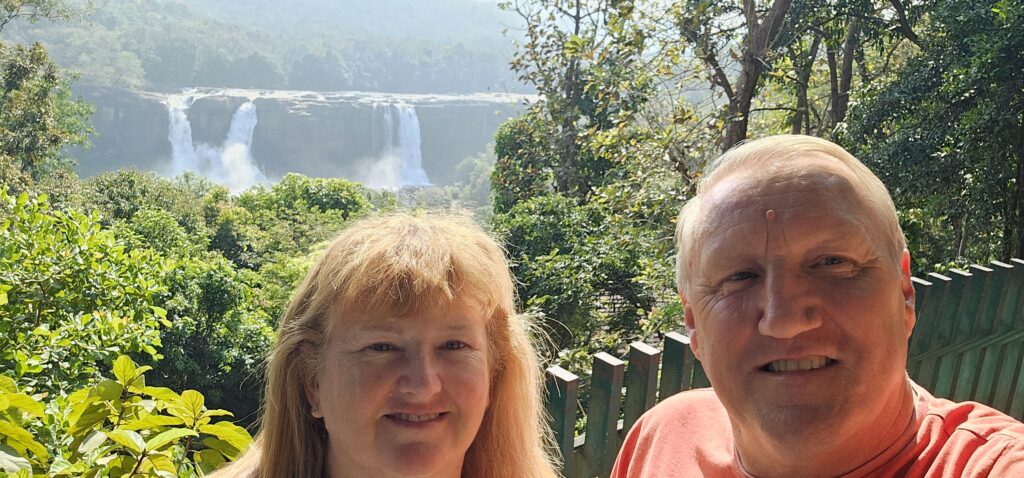
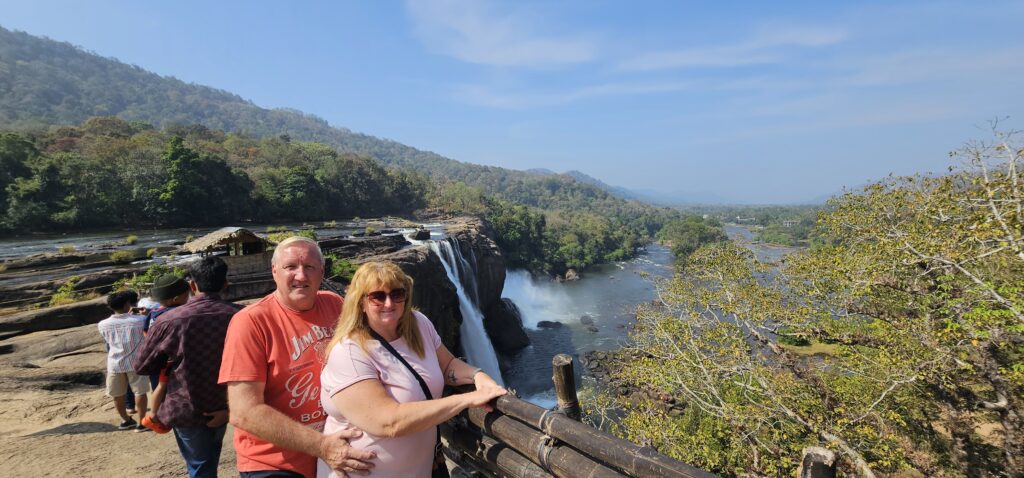
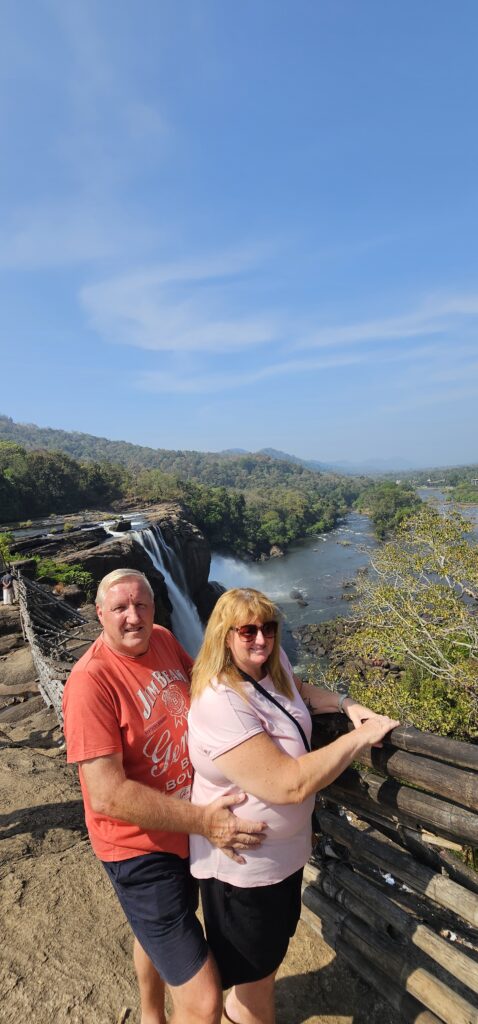
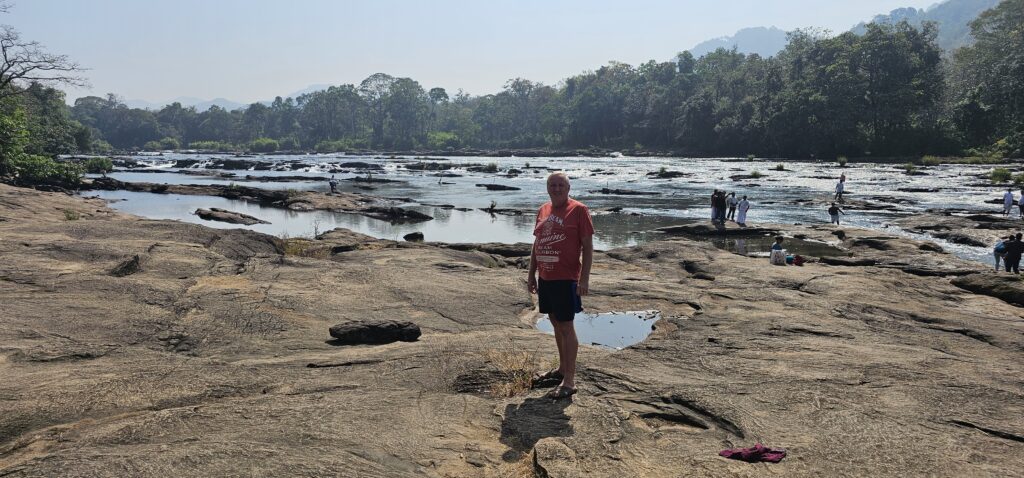
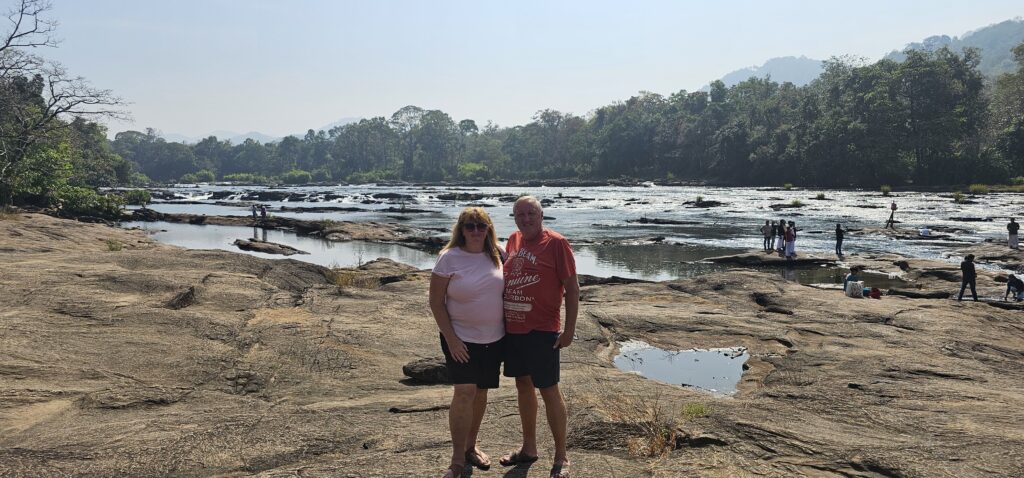
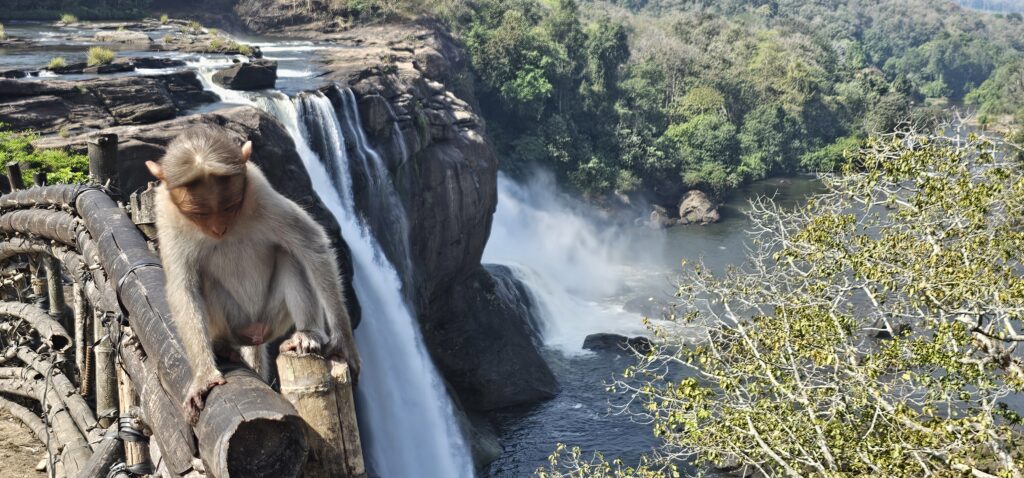
A short drive further upriver and another set of waterfalls on the same River, much more spectacular and a popular tourist attraction.
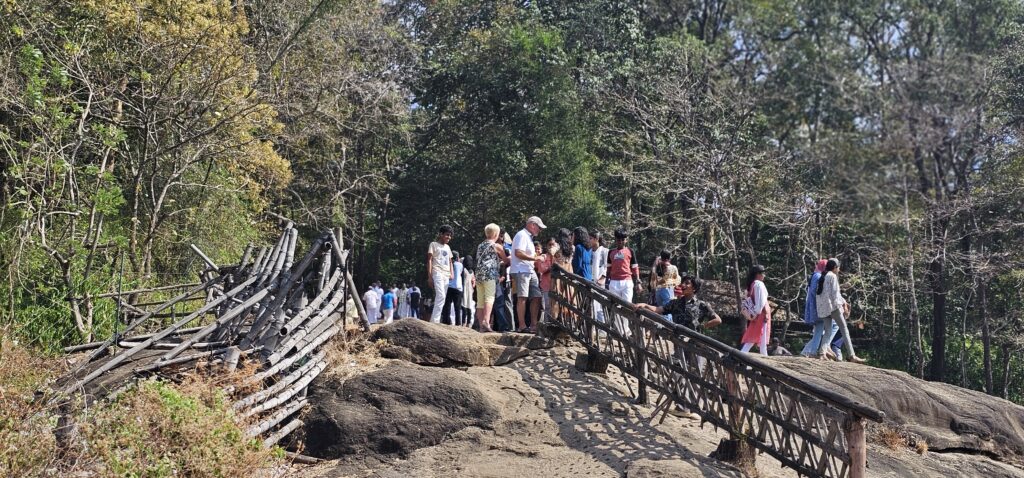
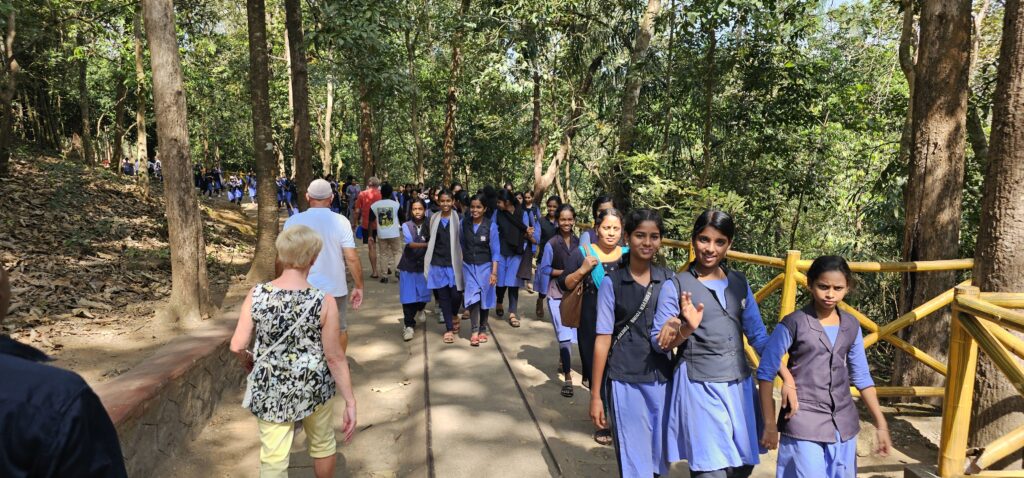
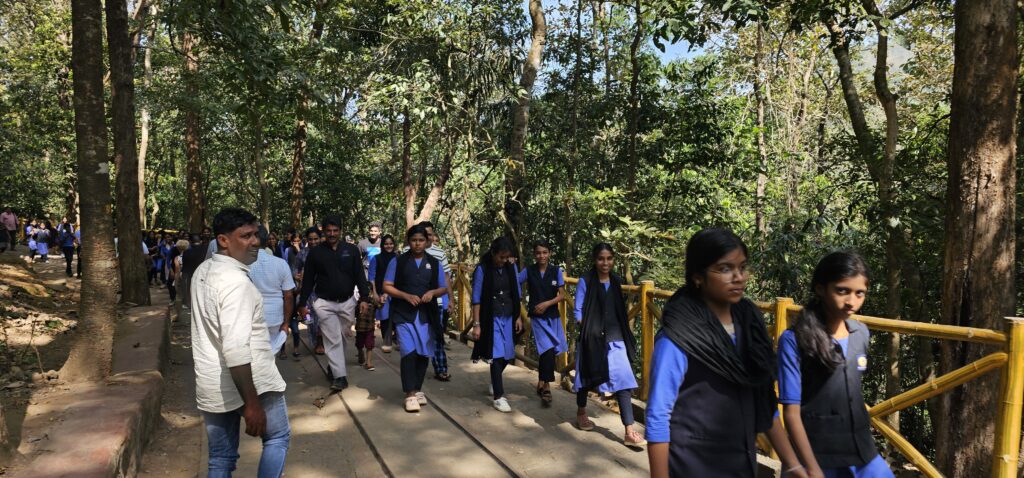
As we walked along a pathway to a fabulous viewing area, we were all mobbed by men, women and school children who asked for photos with us! We could get used to this celebrity status!!
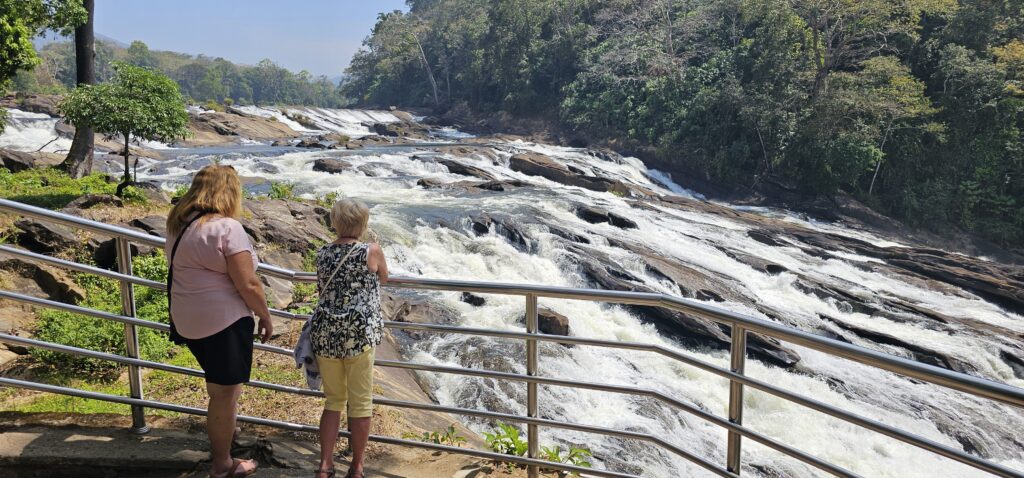
The water was roaring despite the water levels being so low, I’d hate to imagine the noise when it was in full flow!
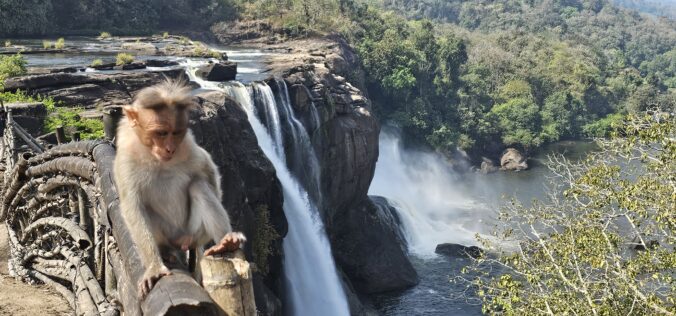
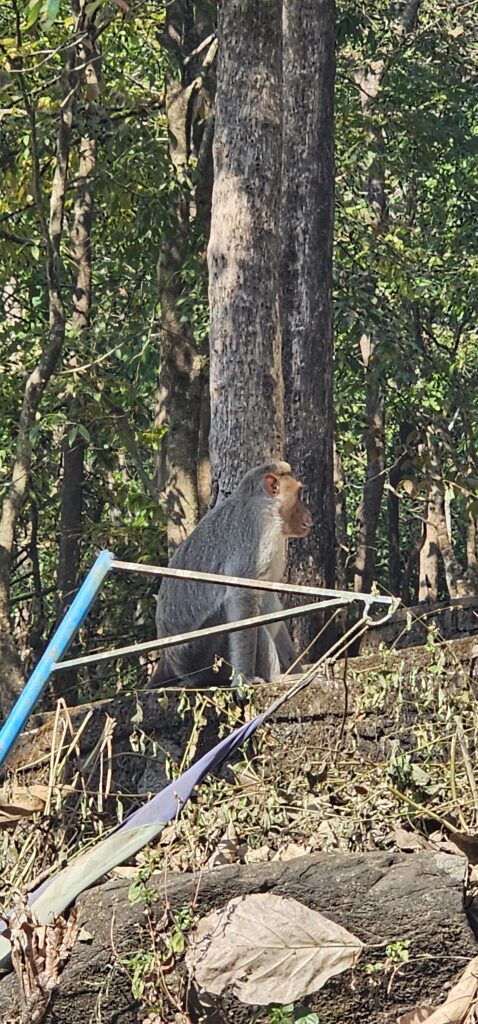
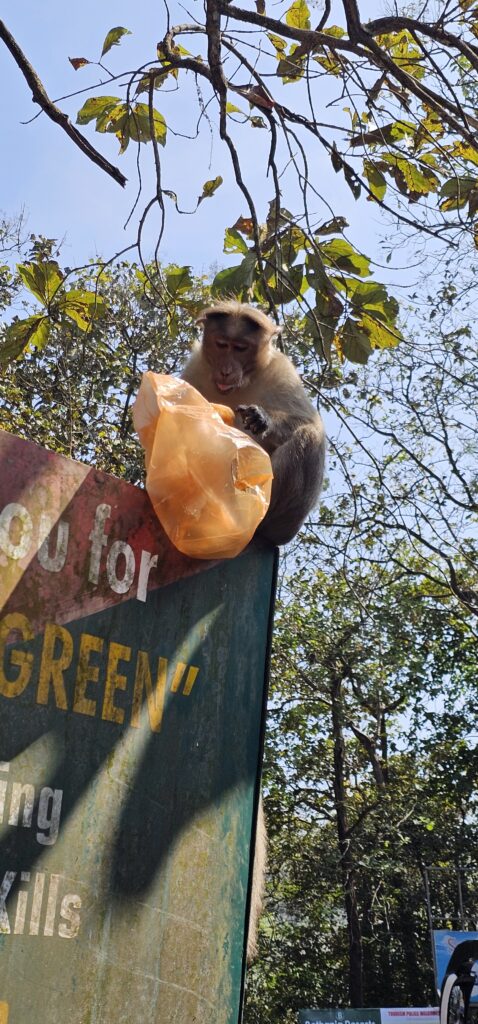
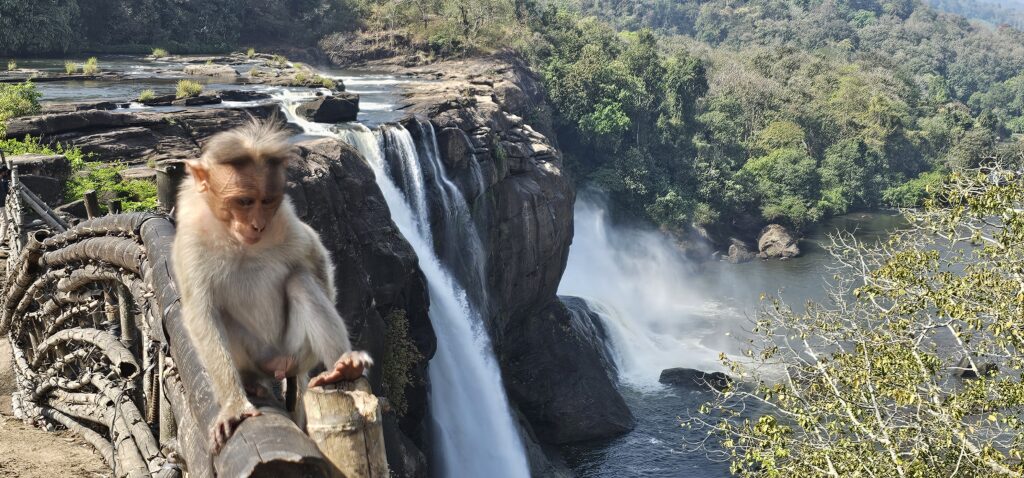
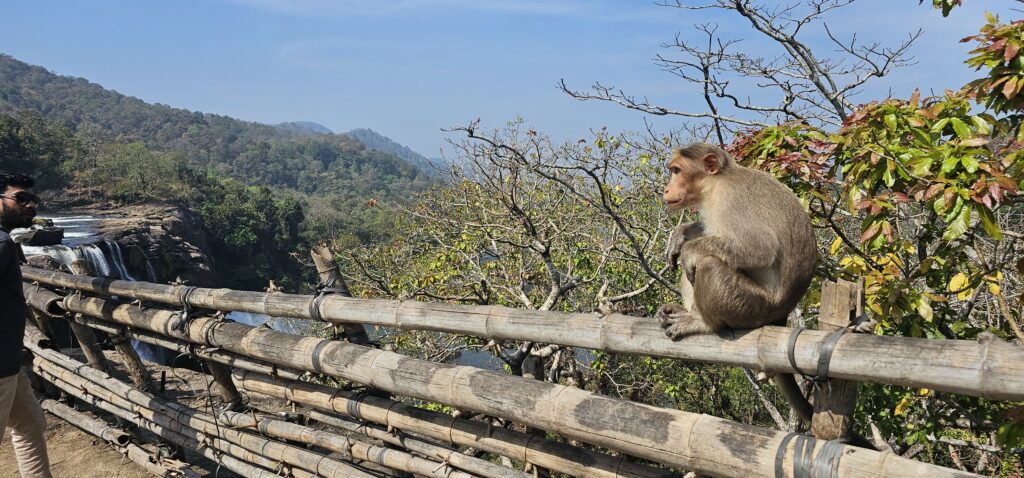
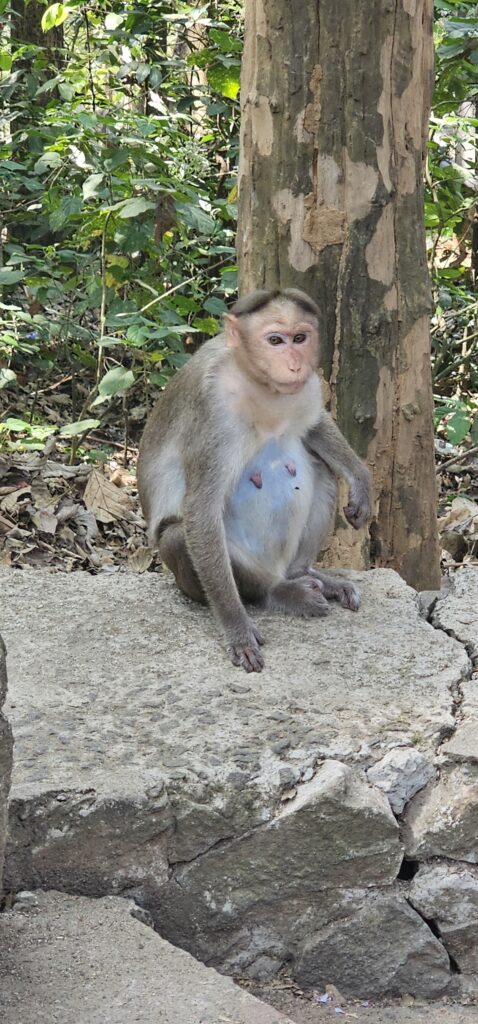
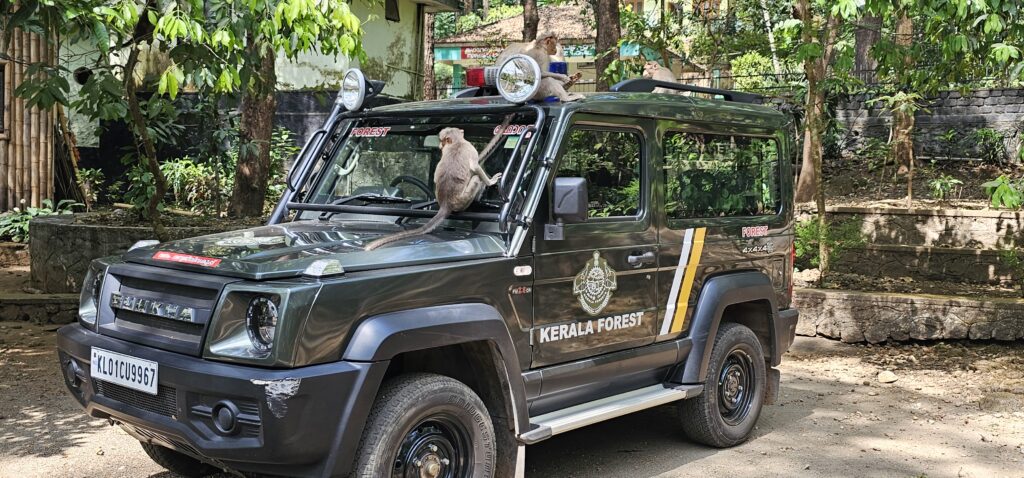
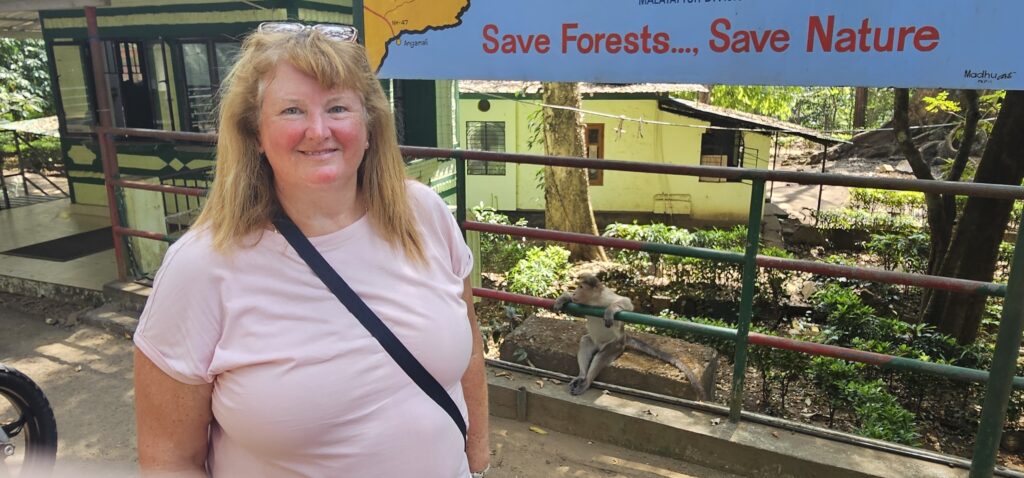
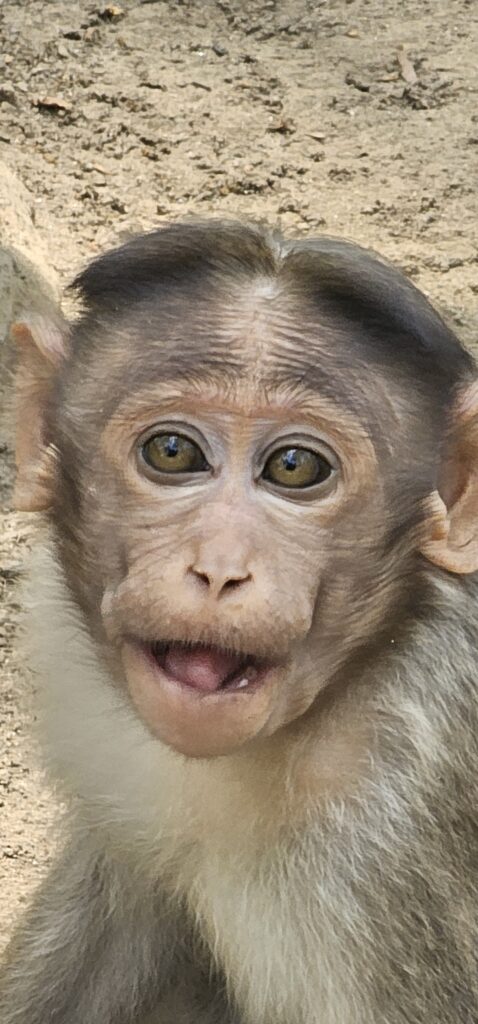
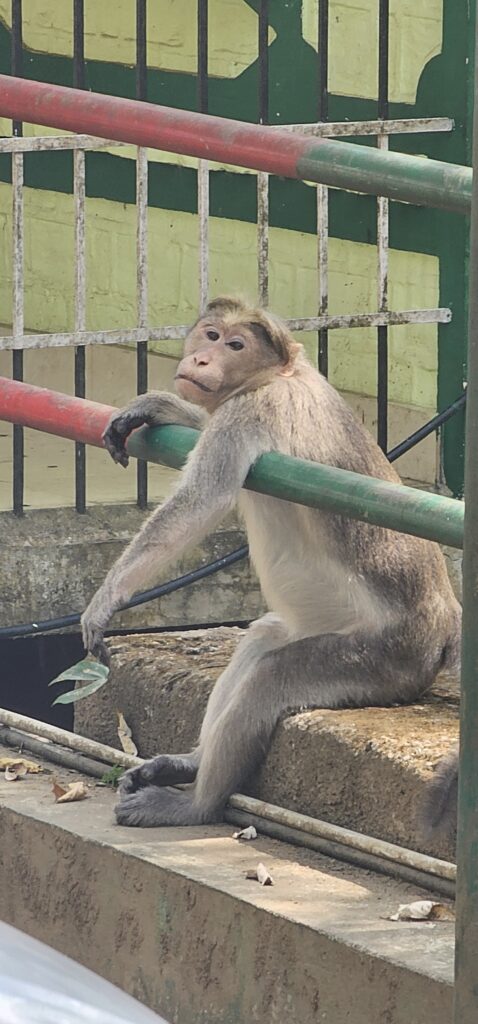
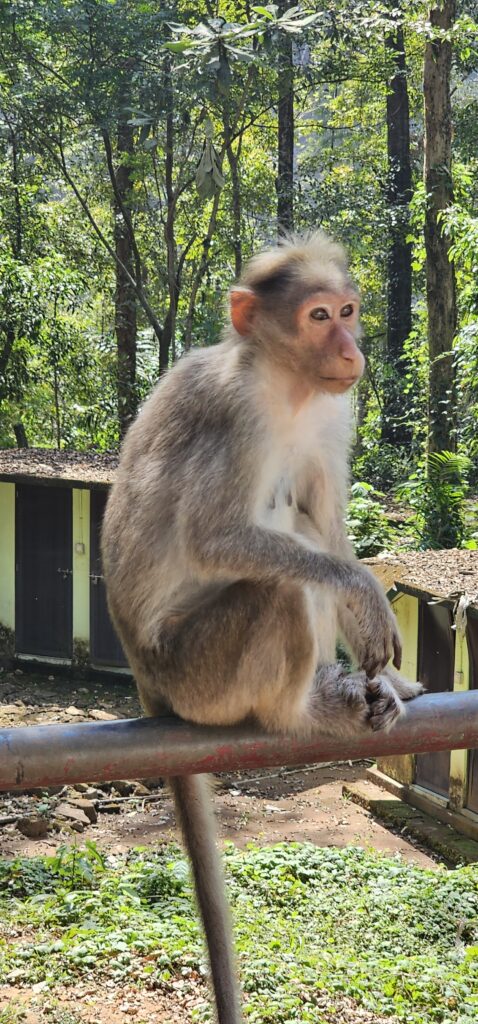
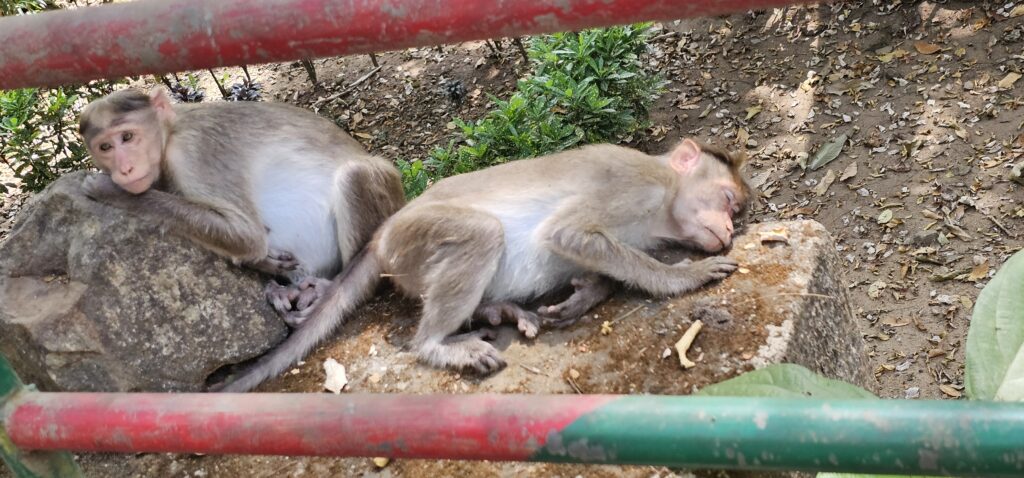
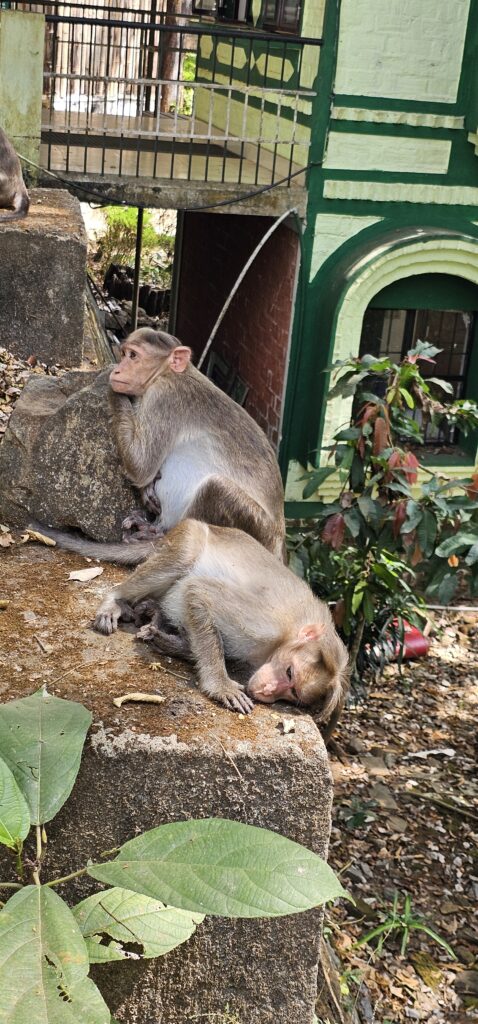
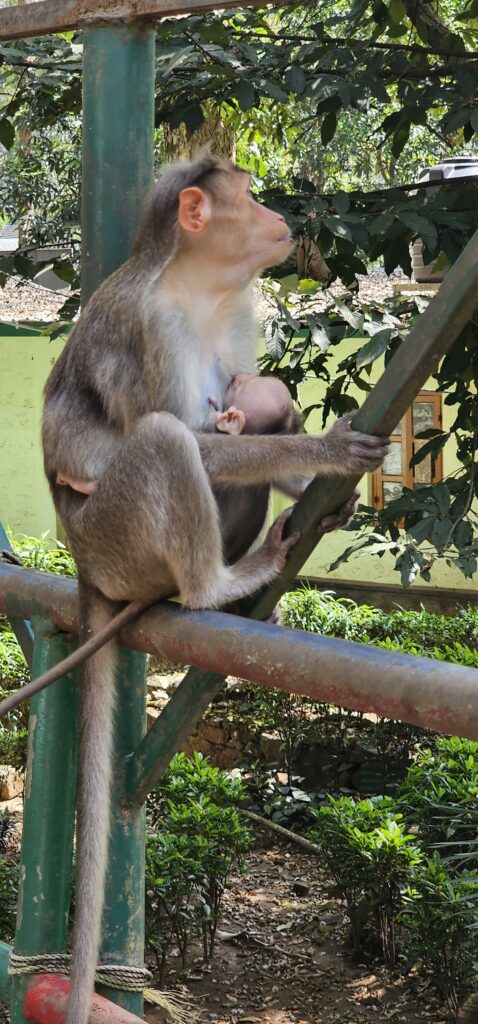
Monkeys were all around us again, some were pregnant, some new mothers and some youngsters, all inquisitive and yet natural and gentle and so funny.
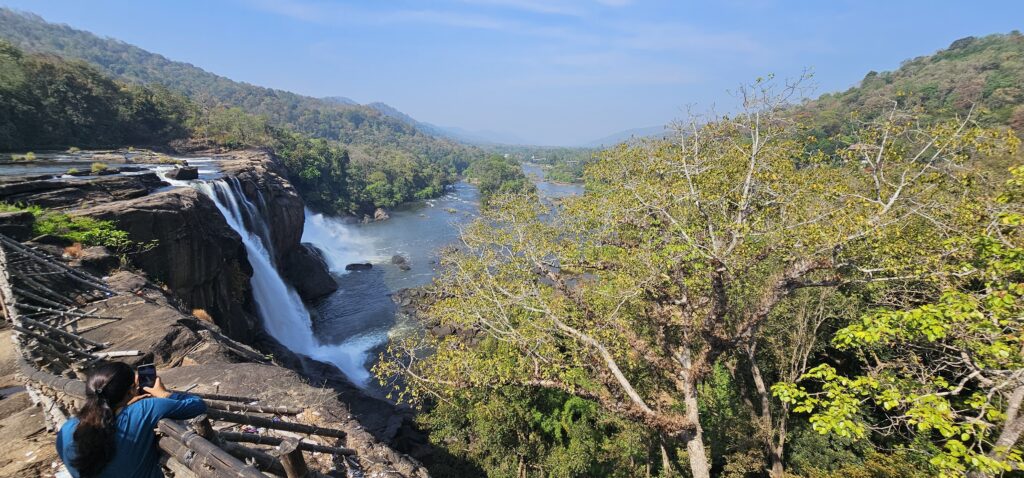
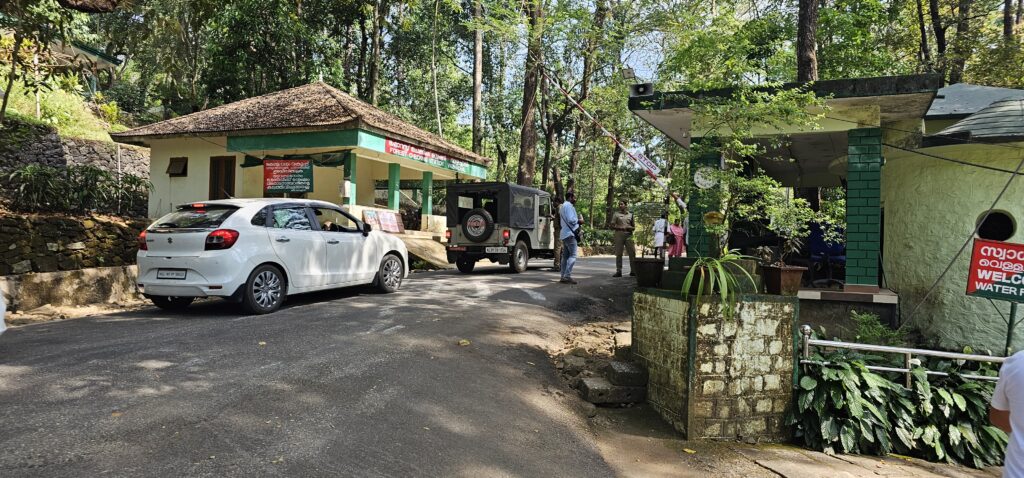
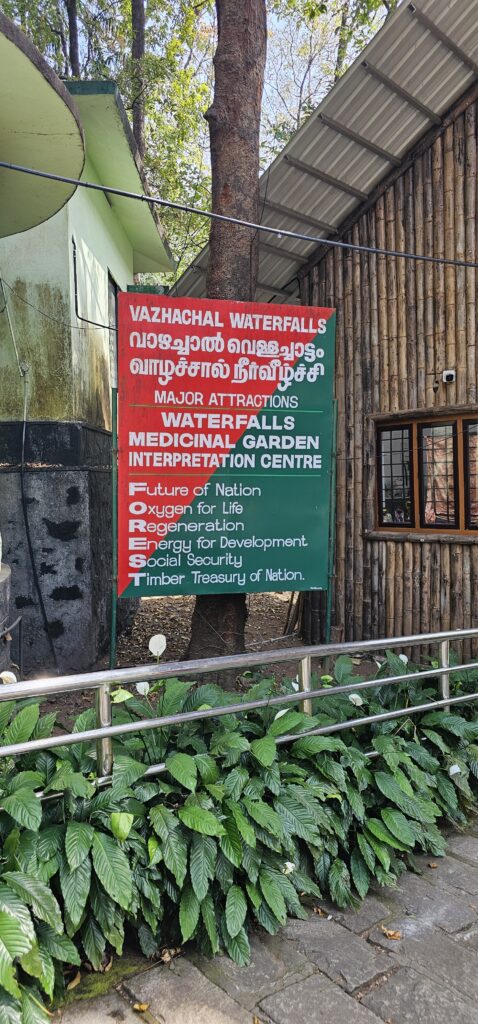
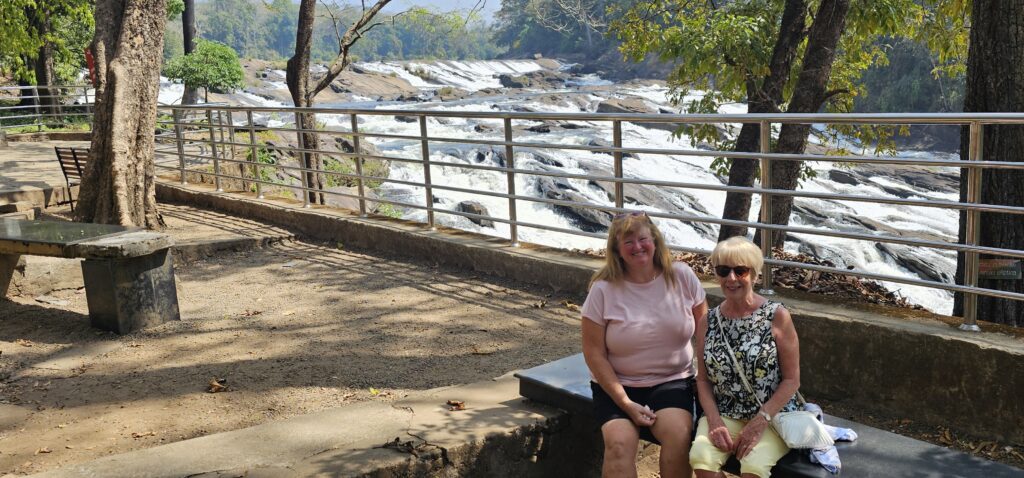
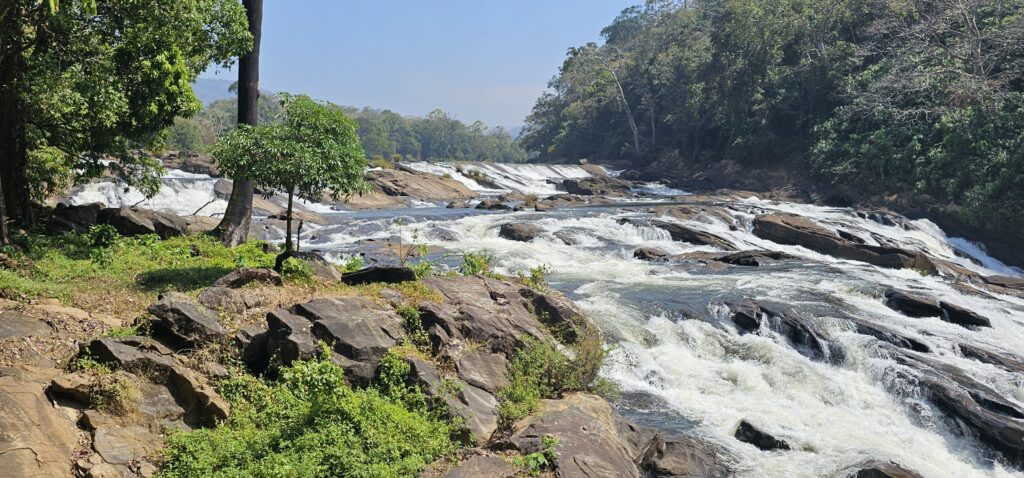
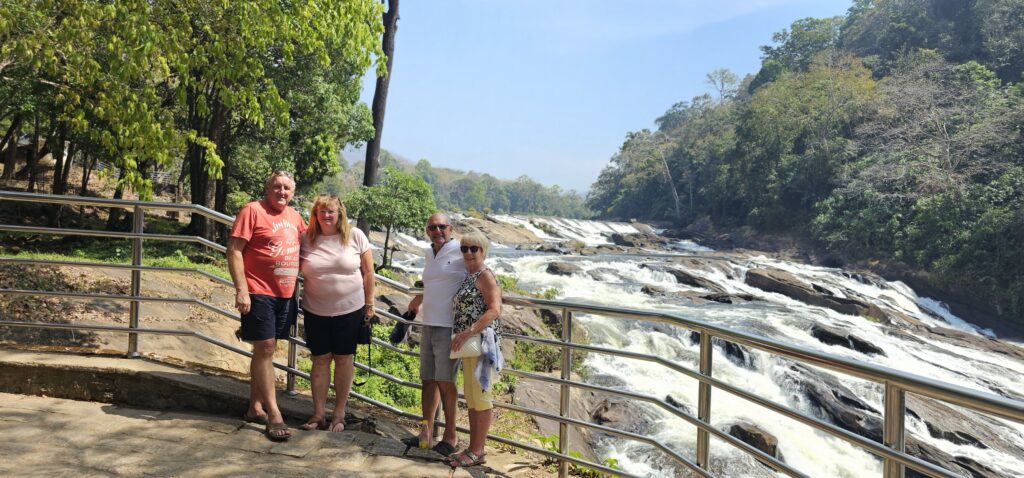
We drove further to Vazhachal Forest border point with Tamil Nadu and stopped again for a different view of the waterfalls.
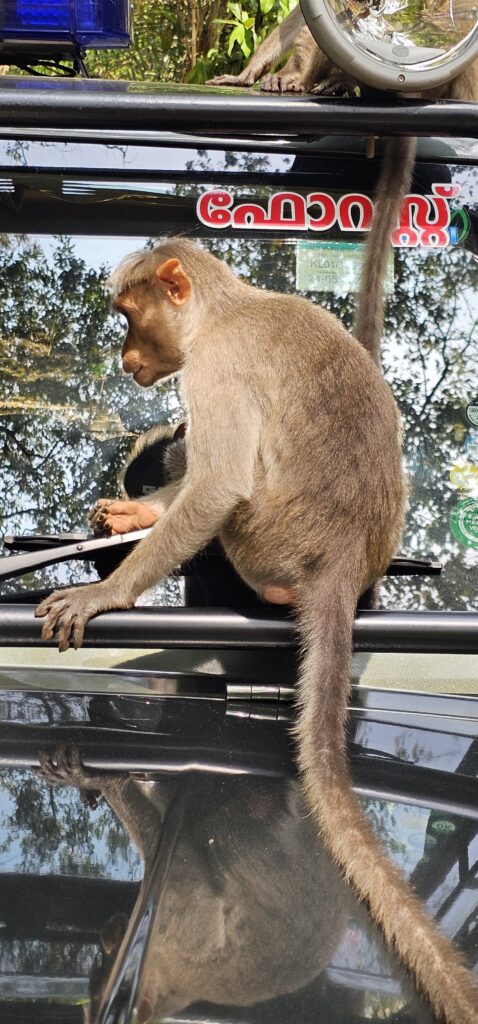
Fierce, swirling and fast water created so much noise and yet it was also calming and beautiful. Here we found another troupe of monkeys all happy to be admired, filmed and photographed, they were interesting, funny, playful and real posers!!
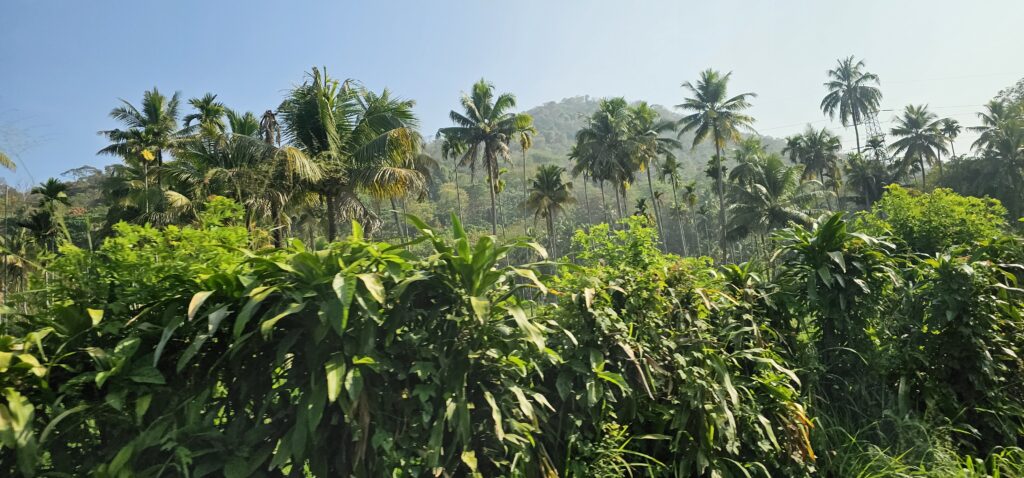
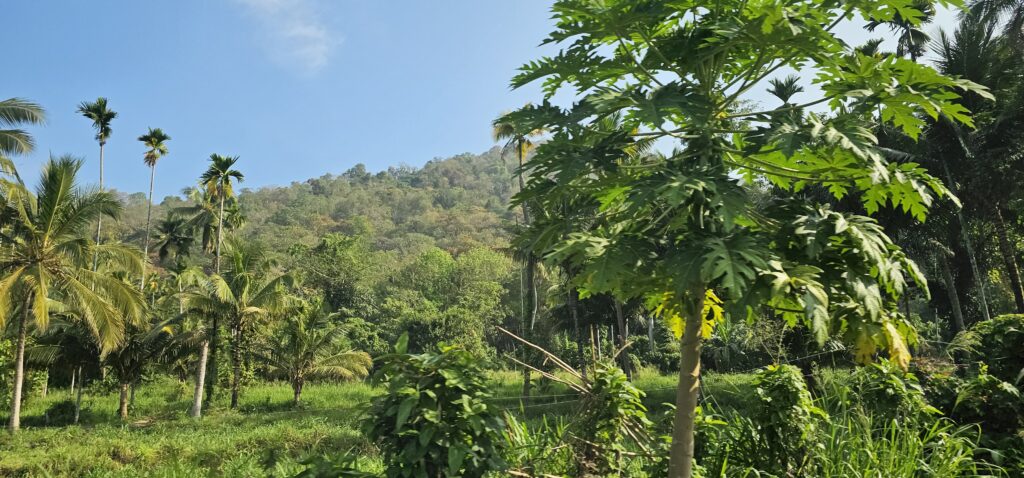
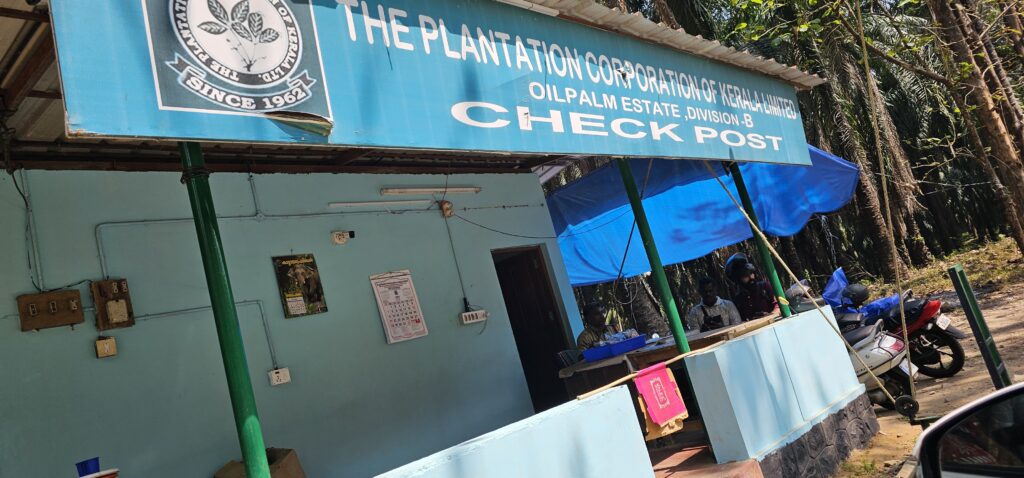
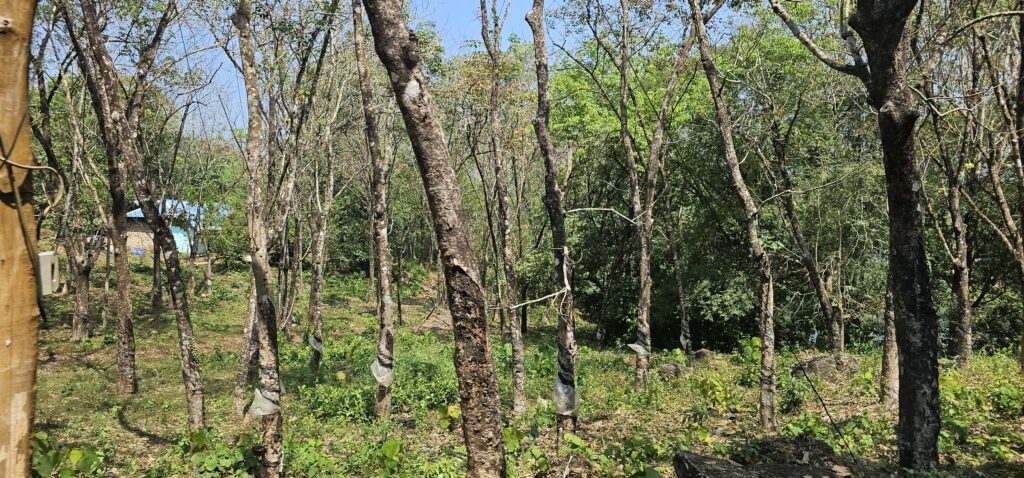
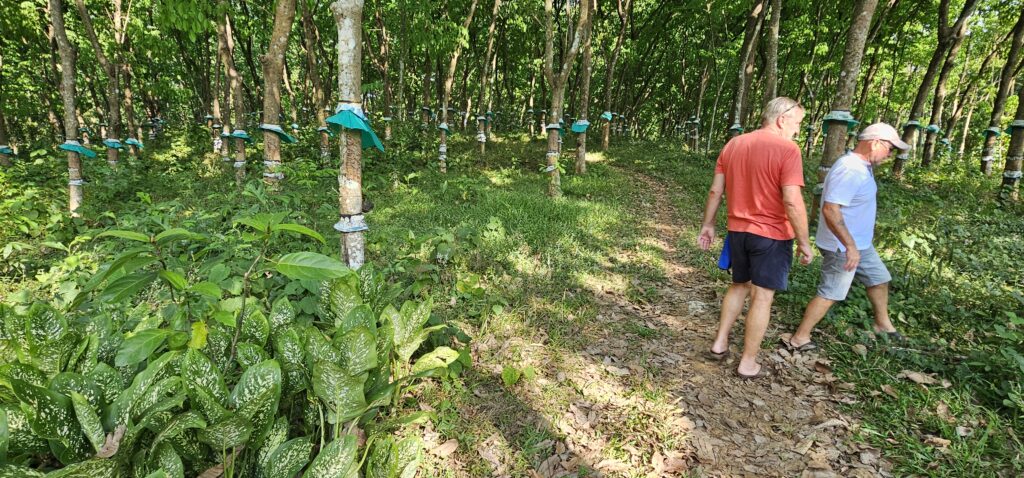
We headed into a palm oil plantation (plantations are usually thousands of acres in size) to cut across country to Jo’s village which was enroute to Munnar. He pointed out the rows and rows of palm trees and rubber trees, which were endless.
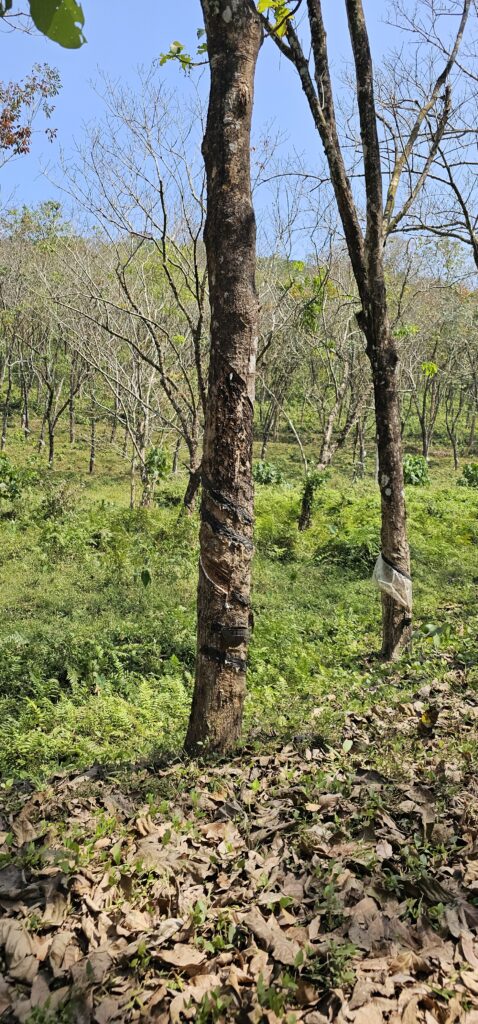
A rubber tree that has been cut to bleed rubber.
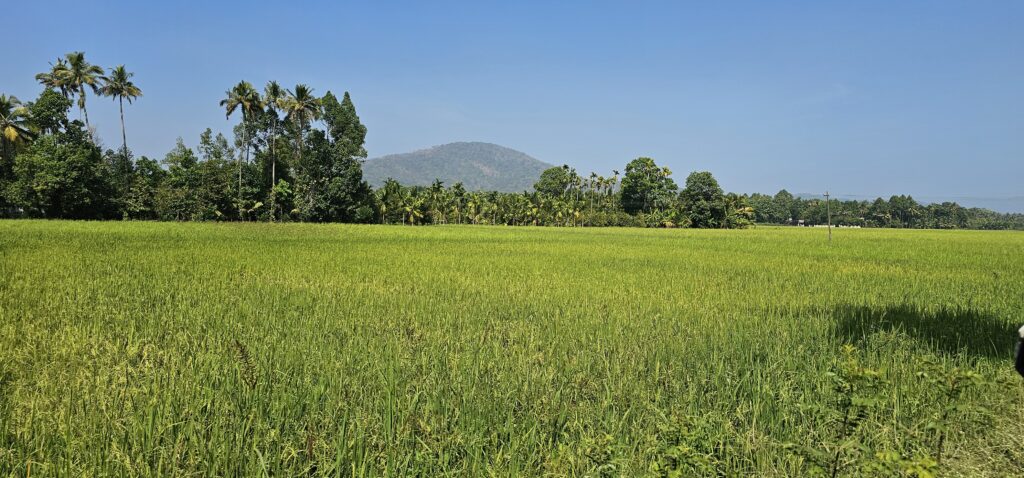
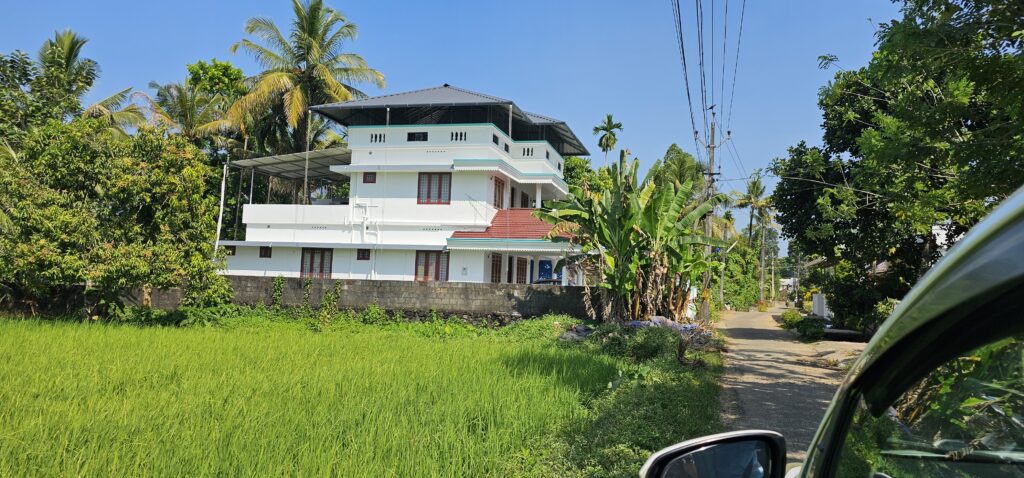
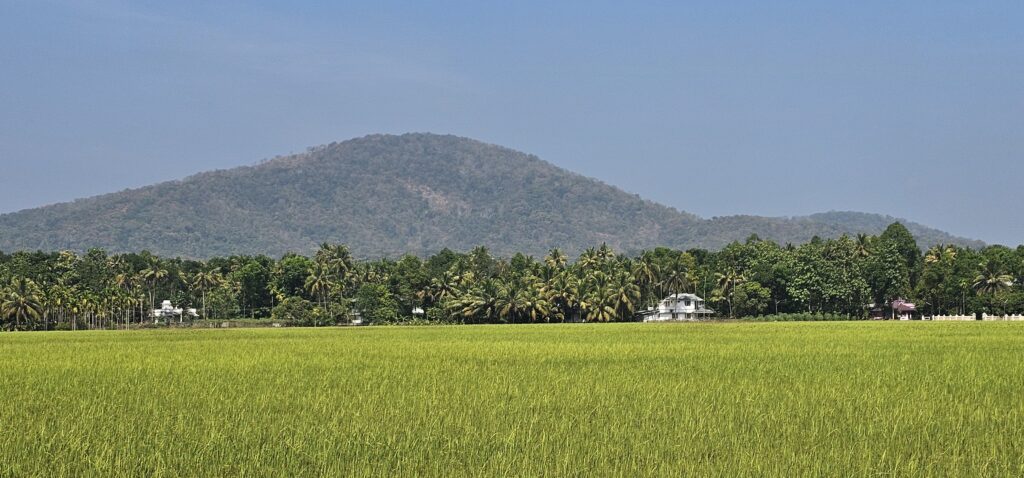
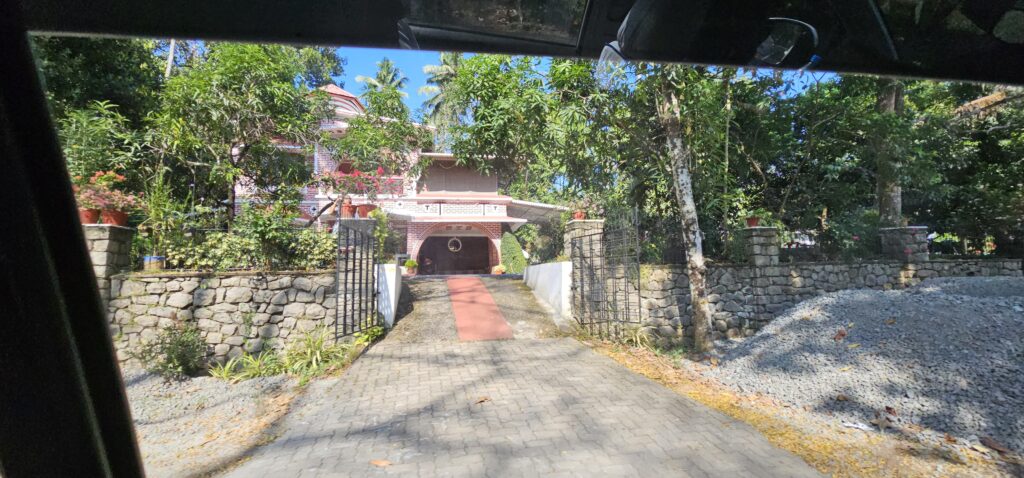
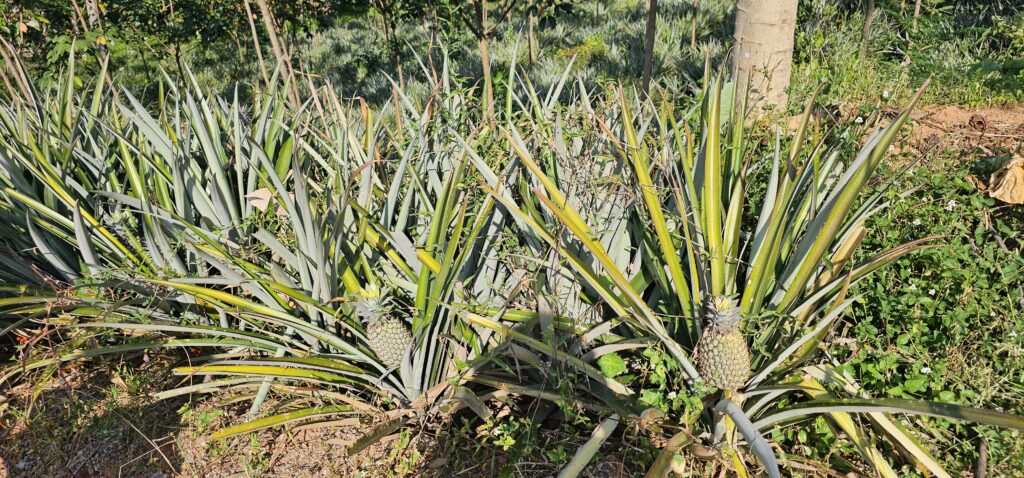
Arriving in Jo’s village we saw lush green paddy fields, beautiful houses and stunning scenery. We were quickly introduced to some of his family before arriving at a neighbour’s small pineapple farm, where he showed us 10 acres of pineapples, papaya and other fruits growing around a sprawling new house. We met the owner who showed us his honey bees, so tiny you could hardly spot them going in and out of the hives!
Paddy fieldsTraditional housePineapples growingBees nestsPineapple plantation owner’s house
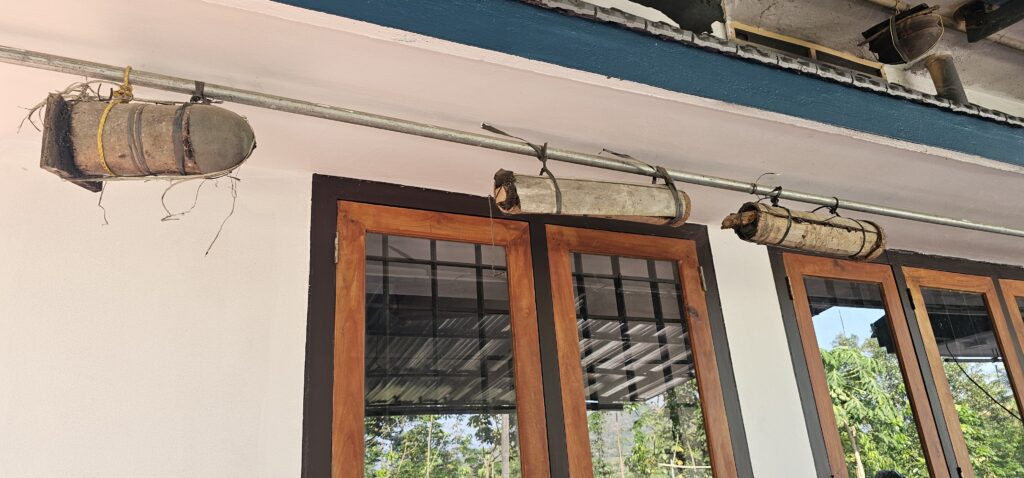
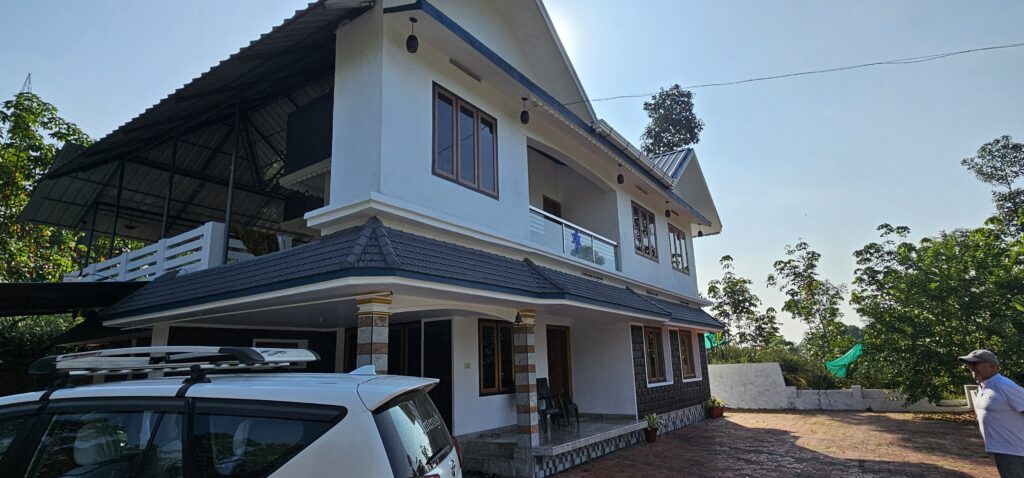
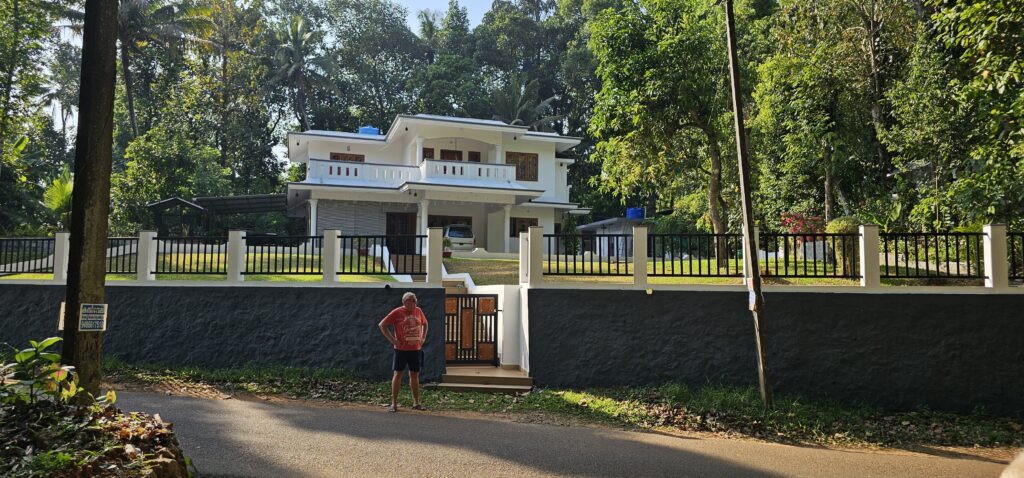
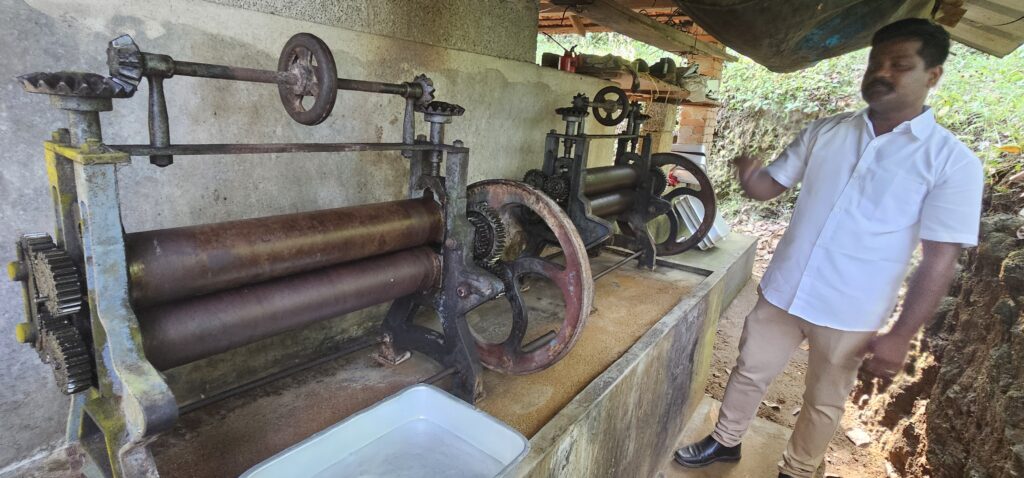
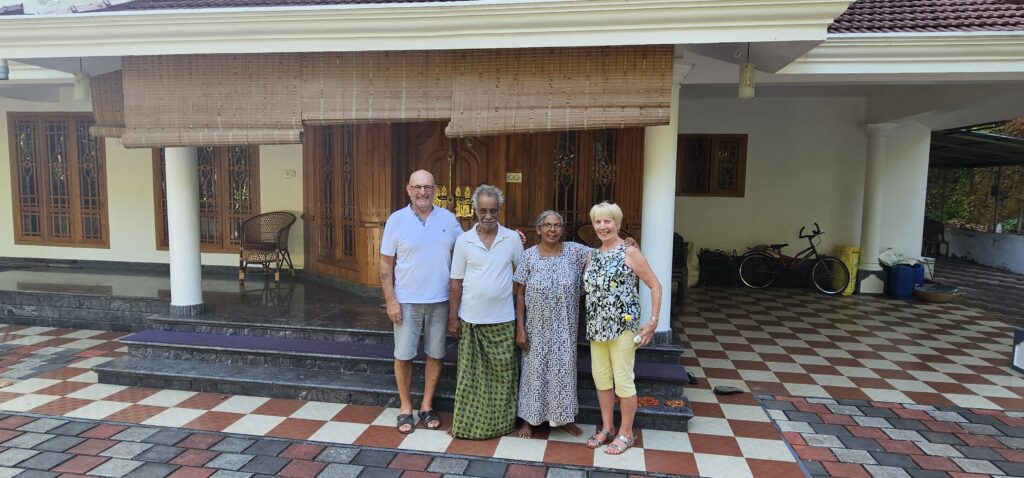
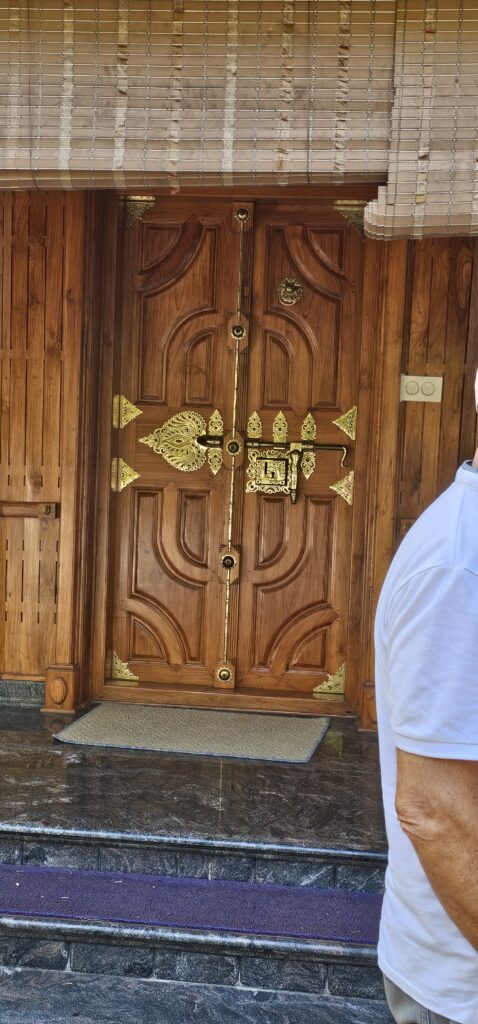
Next stop, another neighbour, who’s land had thousands of rubber trees on. Their small processing plant was still in their old house, a large new modern house had been built for them next door at a cost of 1.5 million rupees, about £140,000. Check out the beautiful wooden doors and windows, all teak wood from surrounding forests!
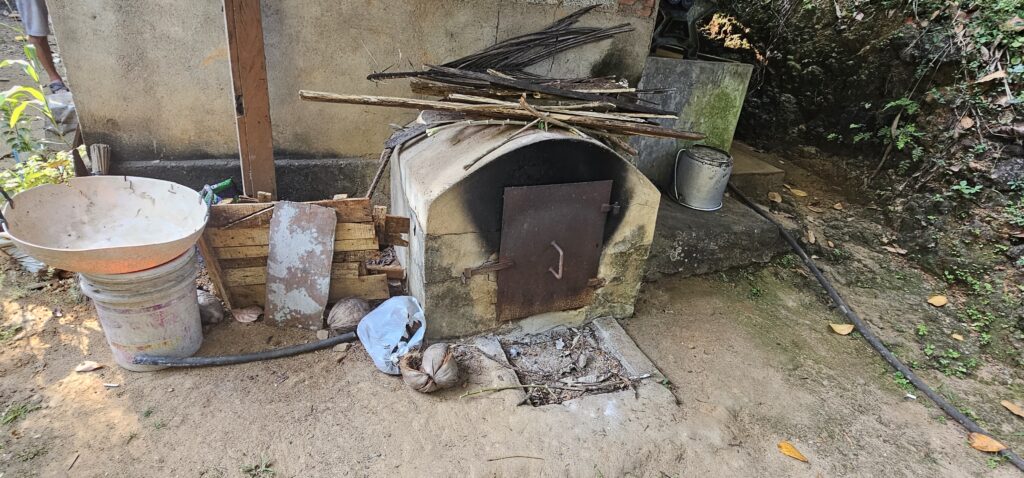
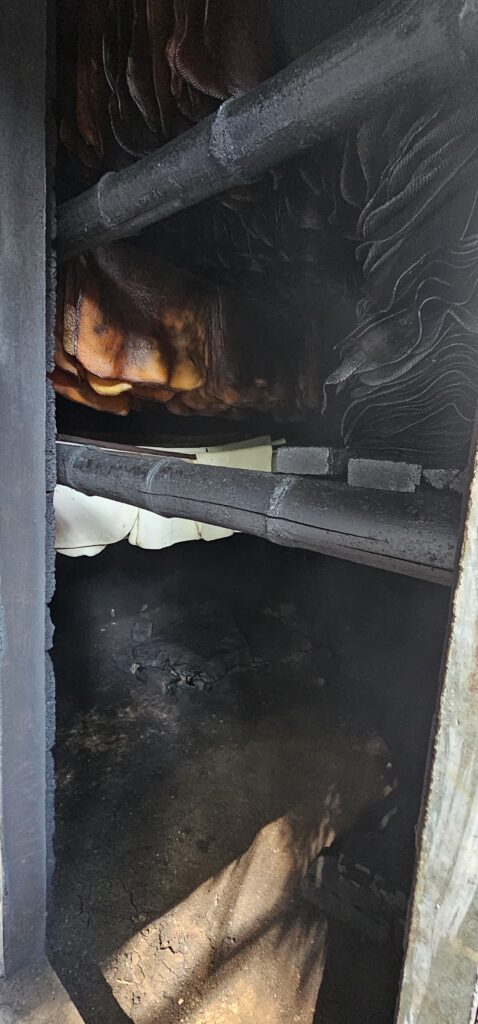
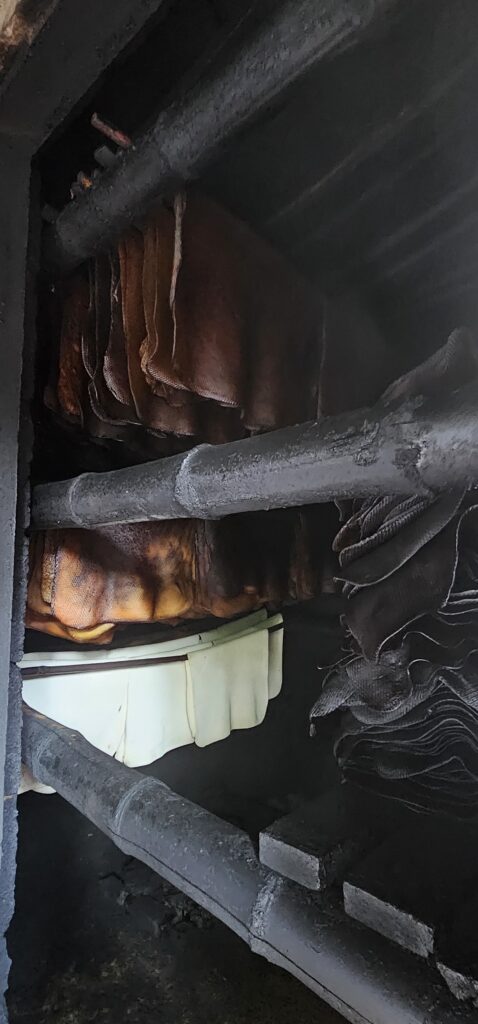
Jo showed us how the bark is removed so the trees “bleed” rubber, the liquid is caught in a cup tied to the tree, collected and put through two mangles to flatten it before it is dried in a wood fired oven for 3 days. The resulting black strips of rubber latex are sold to make vehicle tyres and other items. Around the area were much larger scale processing plants, it’s a real big business in this area!
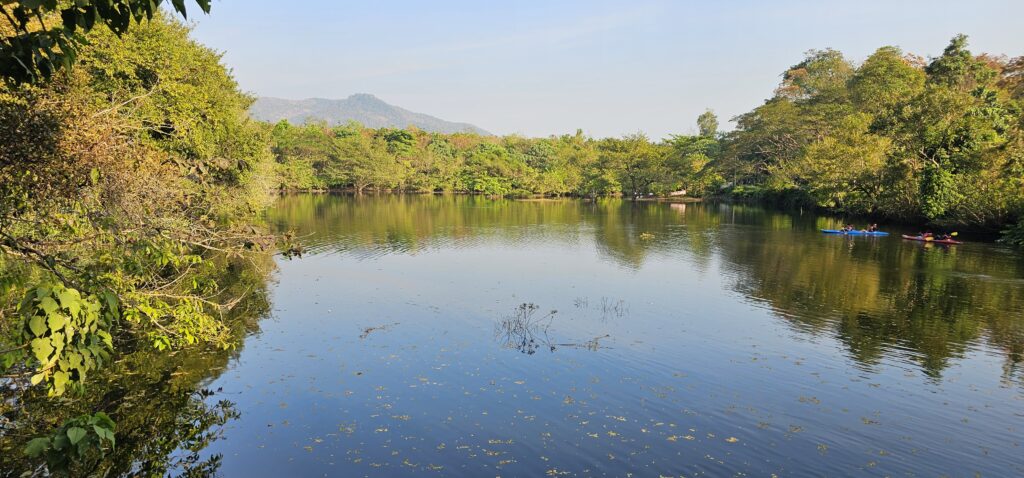
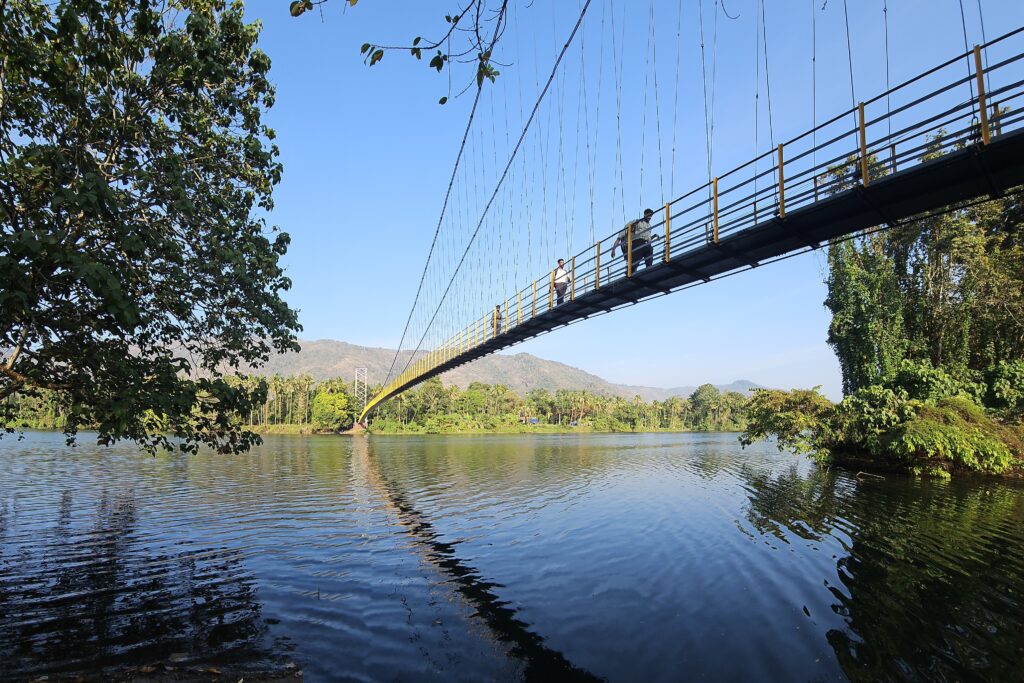
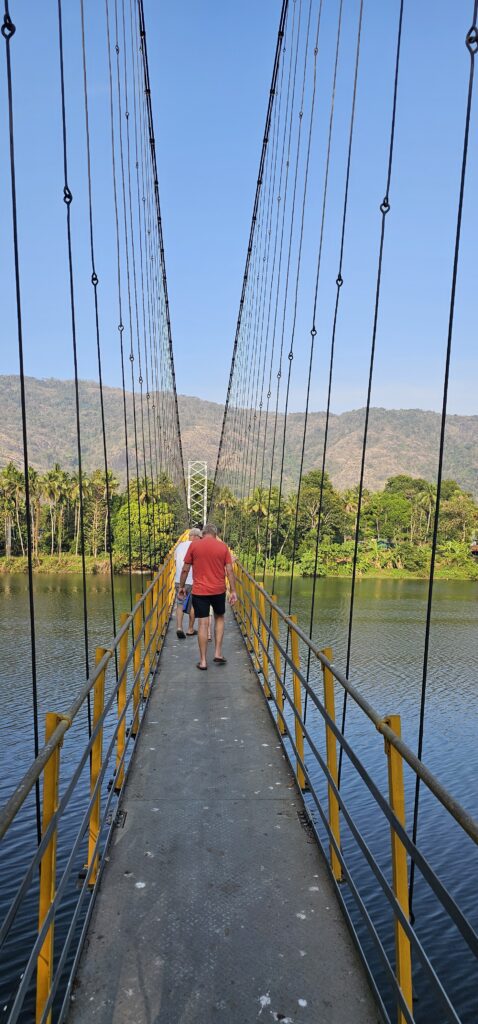
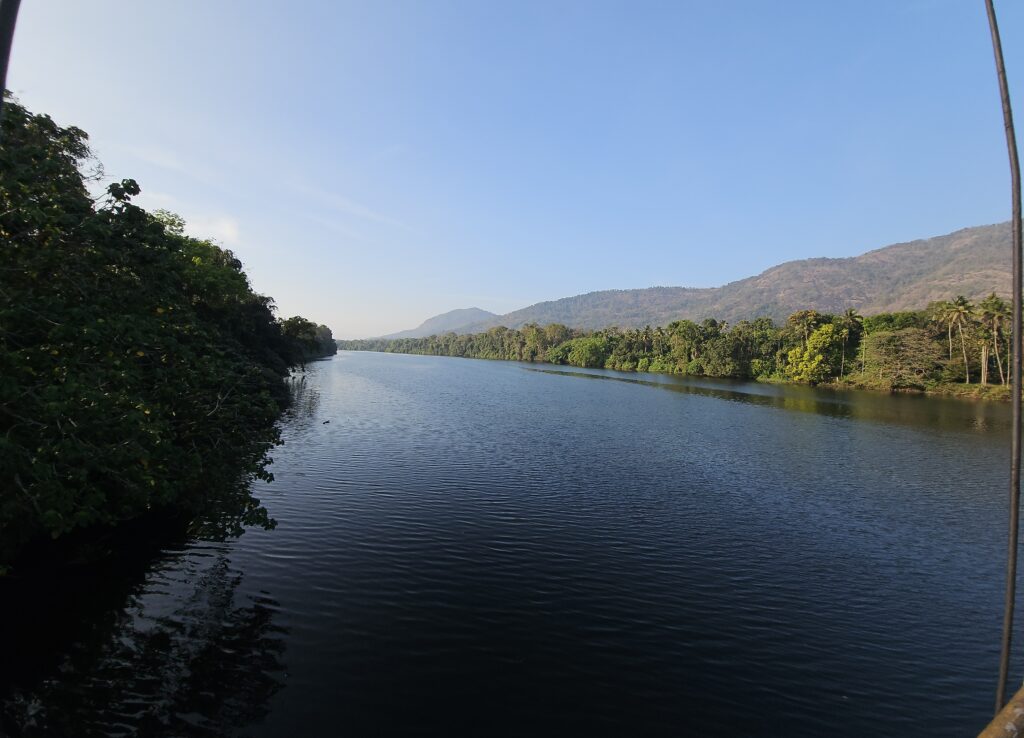
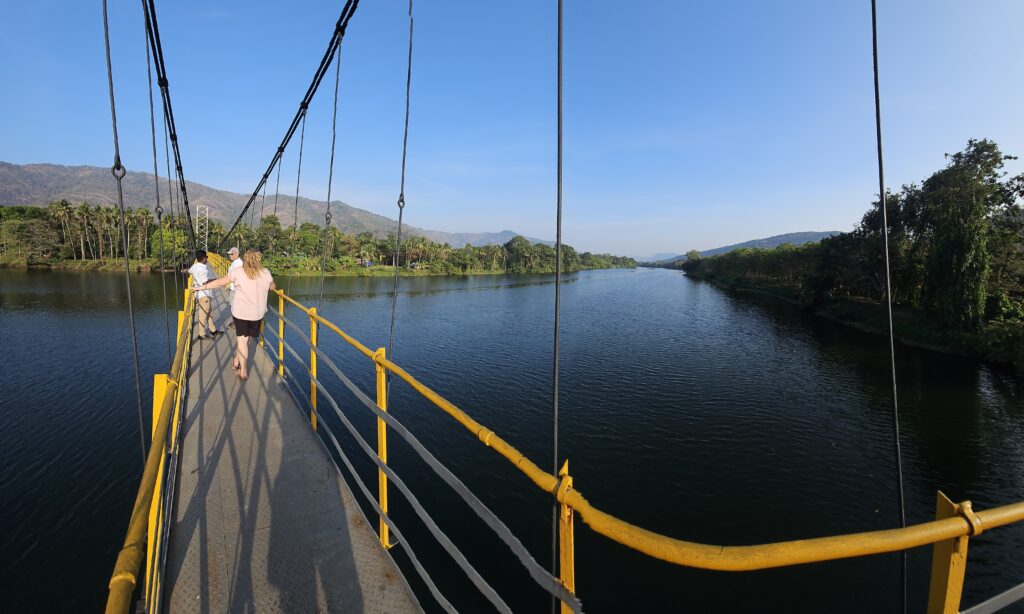
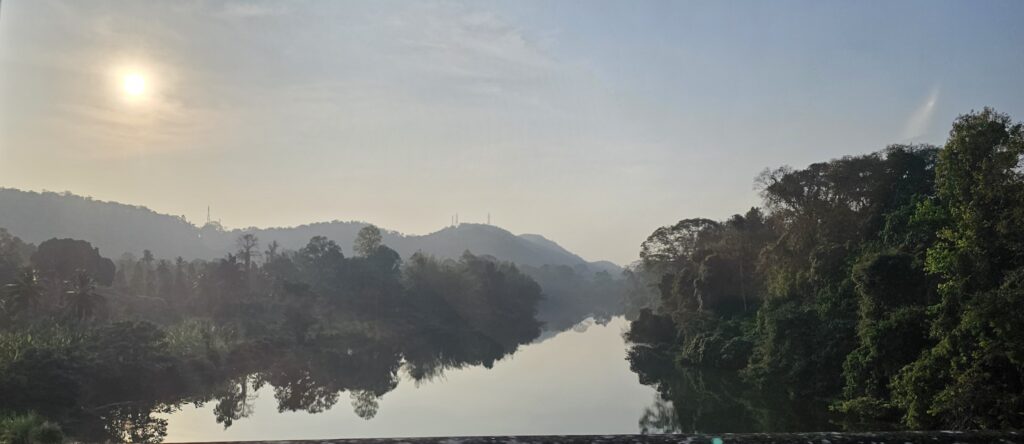
We took a walk to a dam, and strolled along a wobbling suspension bridge that connects people on one side of the river to the other, to drive around was a good 10 mile trip. It was a daunting but interesting walk but well worth it for the amazing scenery.
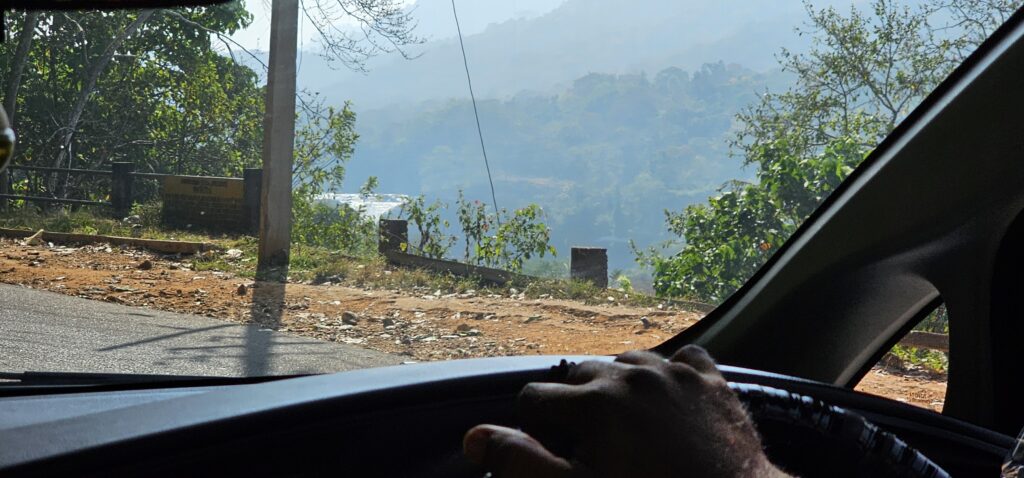
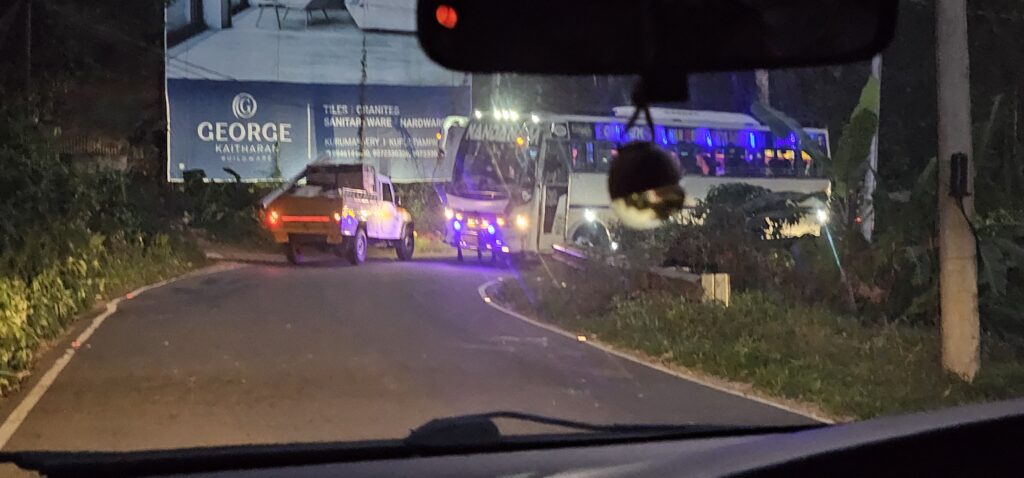
Another few hours later and we arrived at our hotel in the Western Ghats in Munnar, it was a twisty hairpin bend slow drive on a busy narrow road that is meant to be a Nstional Highway! Trucks overtaking busses, cars and motorbikes, scooters and tuktuks all fighting to get by each other, on tight bends made it a very long hard journey, but we finally arrived after 11 hours being on the road!
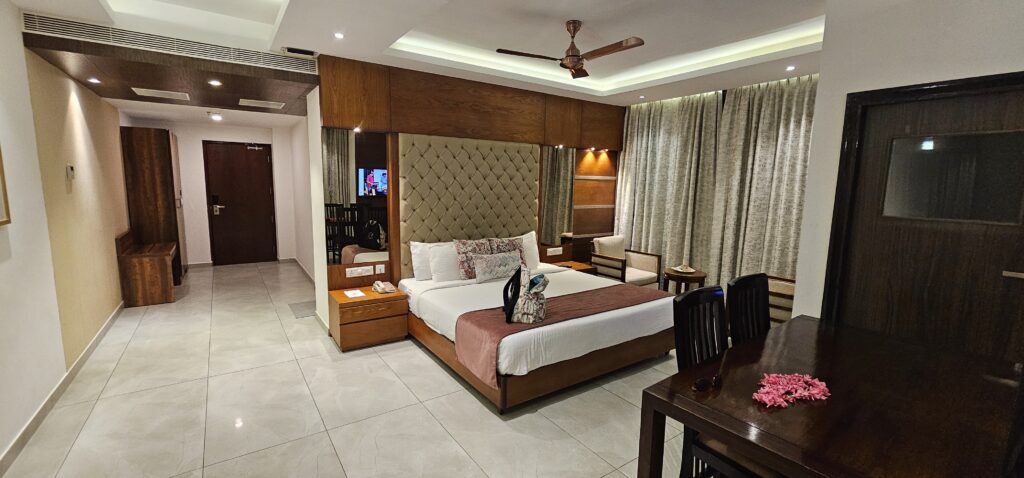
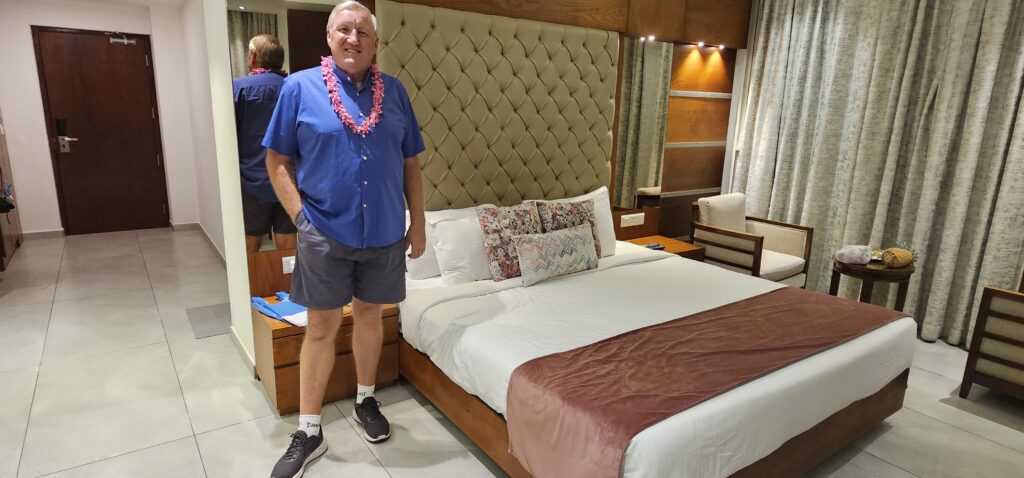
Road traffic on tight bendsKnackered!!!Our spacious rooms
Recent Comments