Travel stories of a caravan duo, plus a 5th Wheel and Isuzu truck in Europe

Tag: Lake

Bessy’s in the Lake District!

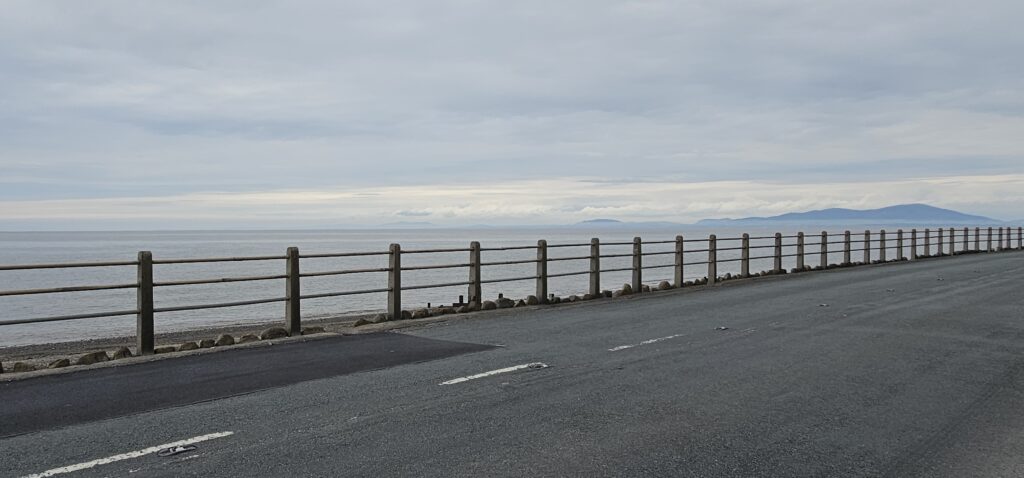
After a few hectic weeks in Liverpool, Bessy decided she needed some fresh air and a change of scenery so a trip away to the Lake District was arranged. Driver David wound his way through hours of nose to tail traffic on the M6, Navigator Juliet said “turn left” at Penrith and we headed towards the little known town of Maryport, looking out over the Irish channel towards the hills of South West Scotland.
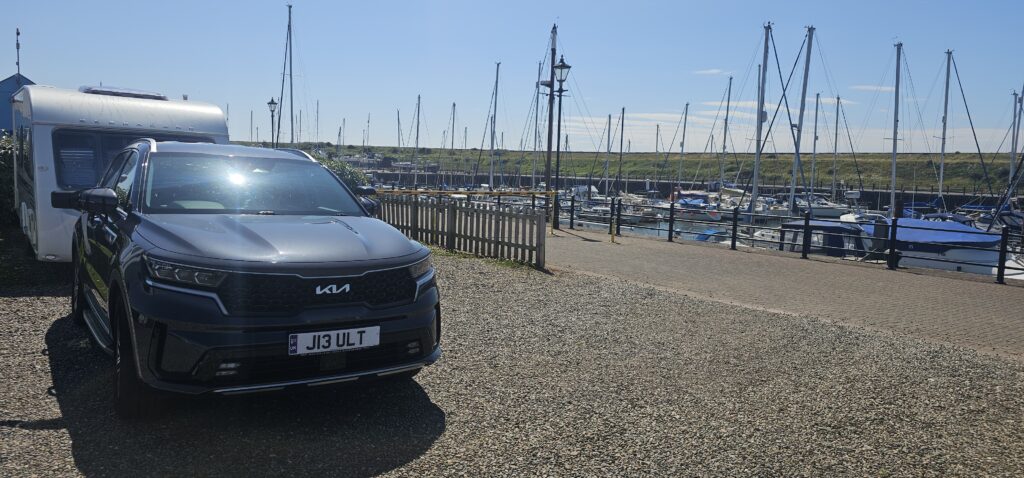
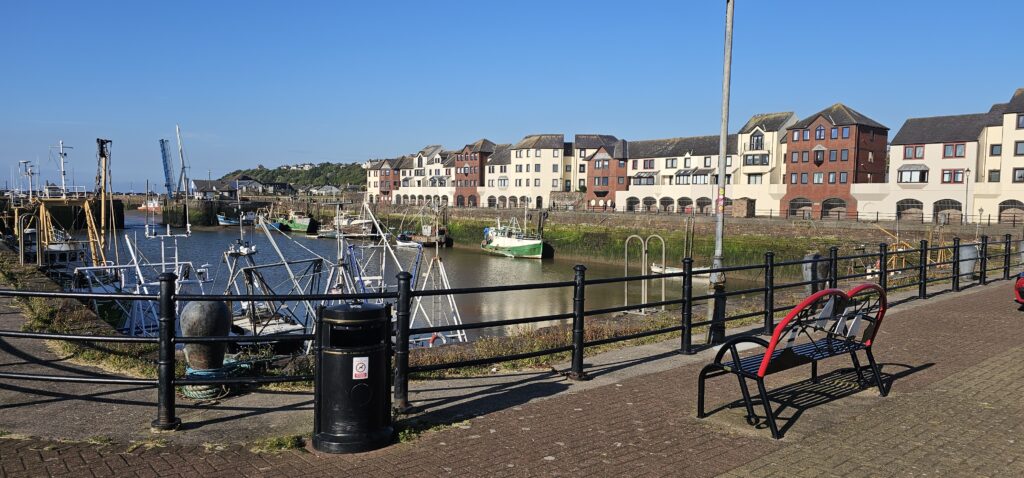
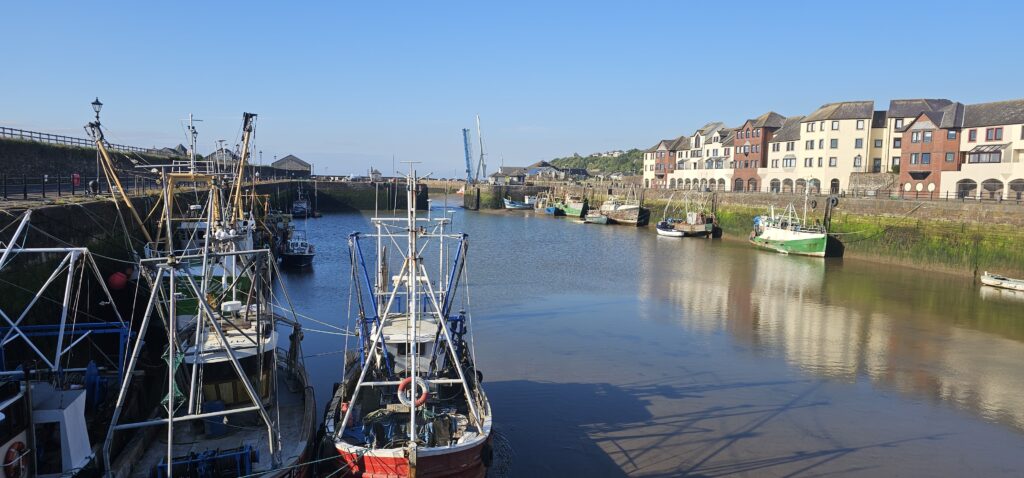
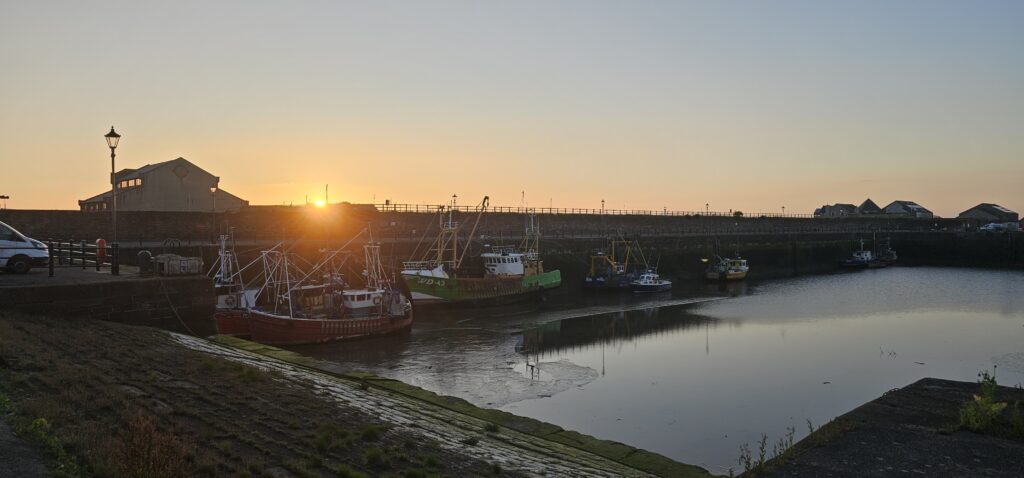
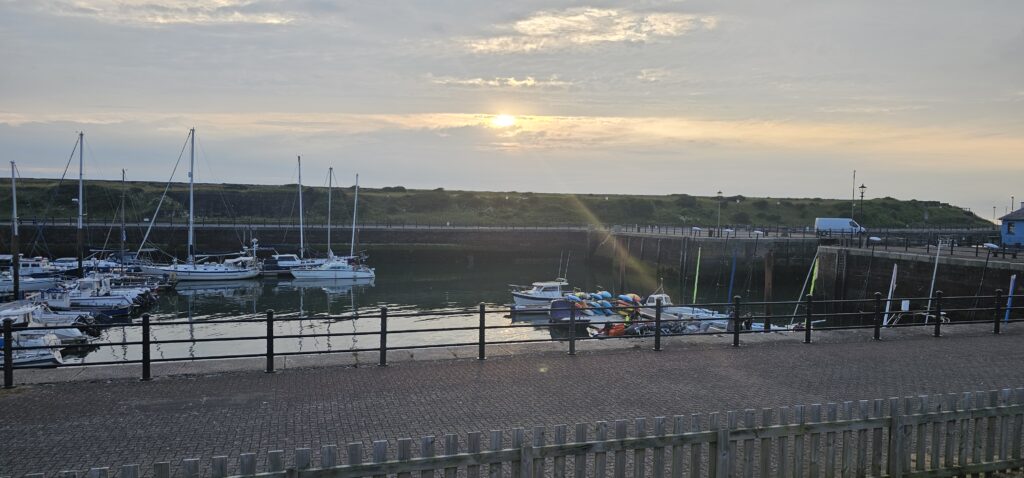
Arriving at Maryport Marina

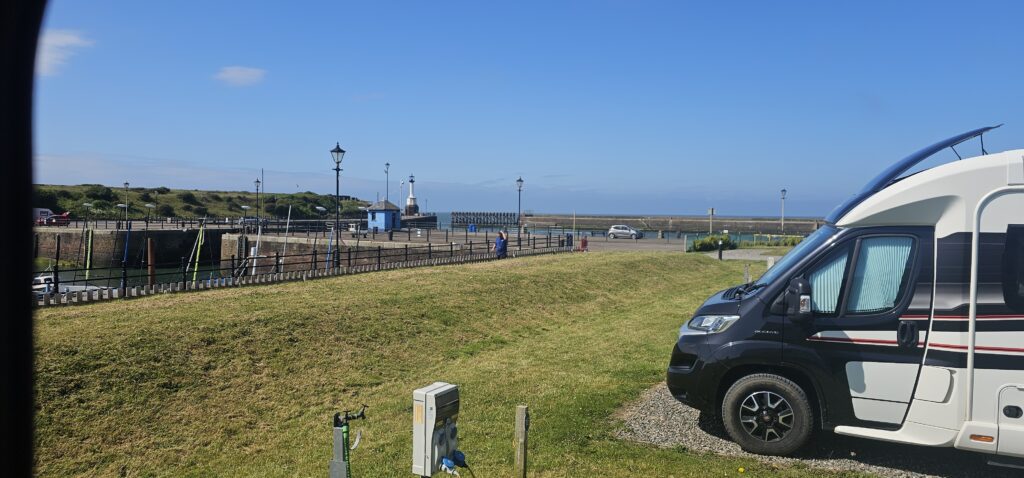
Bessy settled down nicely on a grassy pitch overlooking the small Marina, nestled between other caravans and motorhomes of all shapes and sizes. Only thing that was different was that Bessy was minus a dog or two, which everyone else had. David and Juliet decided to explore……
Their first job was to rate the pubs/eateries within walking distance, so a relaxing chilled pint was downed firstly in the Lifeboat Inn before heading to the Captain Nelson pub, sadly all full of cobwebs and forlornly closed. Fortunately right next door was Maryport’s “award winning” Tandoori restaurant, so in they went! The menu selections, rated at a 2.5 out of 5, turned out to be an expensive and disappointing meal, not to be repeated, lesson learned! Not sure how they won any awards for all three dishes being the same colour, taste and mild strength so I’m guessing its 🏡 cooking from now on!

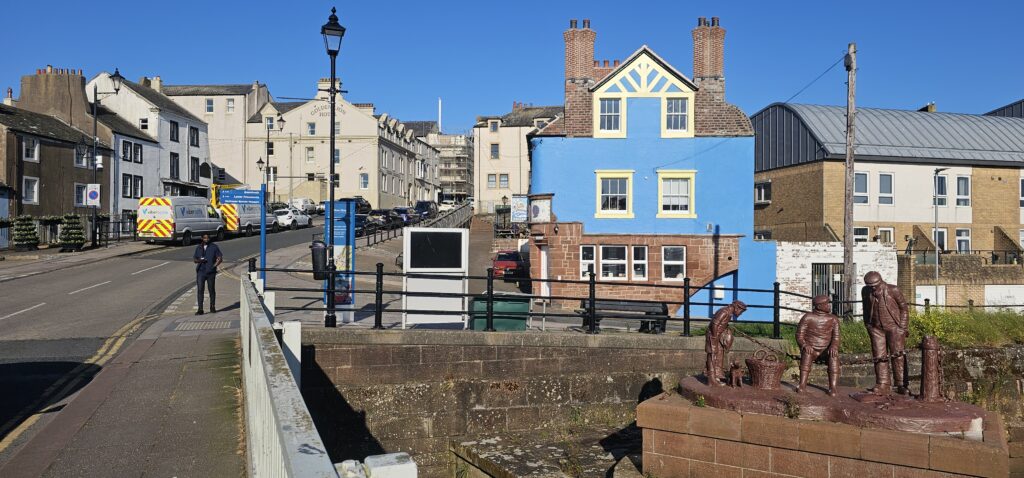
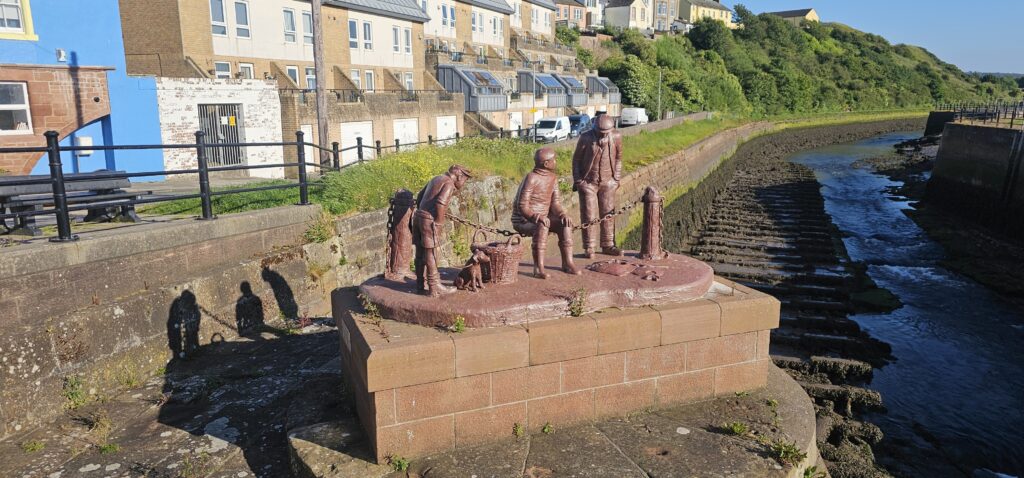
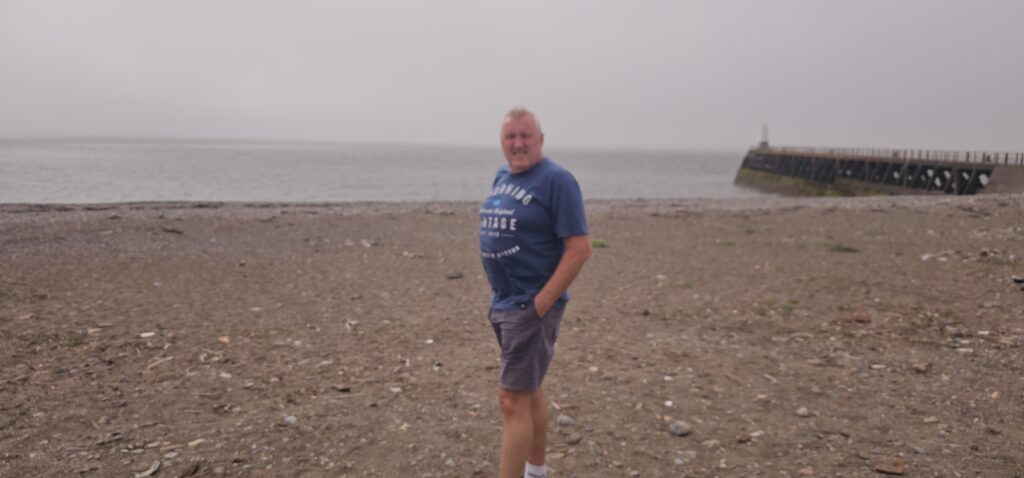
Not sure exactly what Maryport has going for it, apart from it being famous for being at the end of Hadrian’s Wall and it has a few Roman ruins otherwise its a small ex-fishing northern village with an awful Indian restaurant. However, sunsets are pretty, when the mist clears.
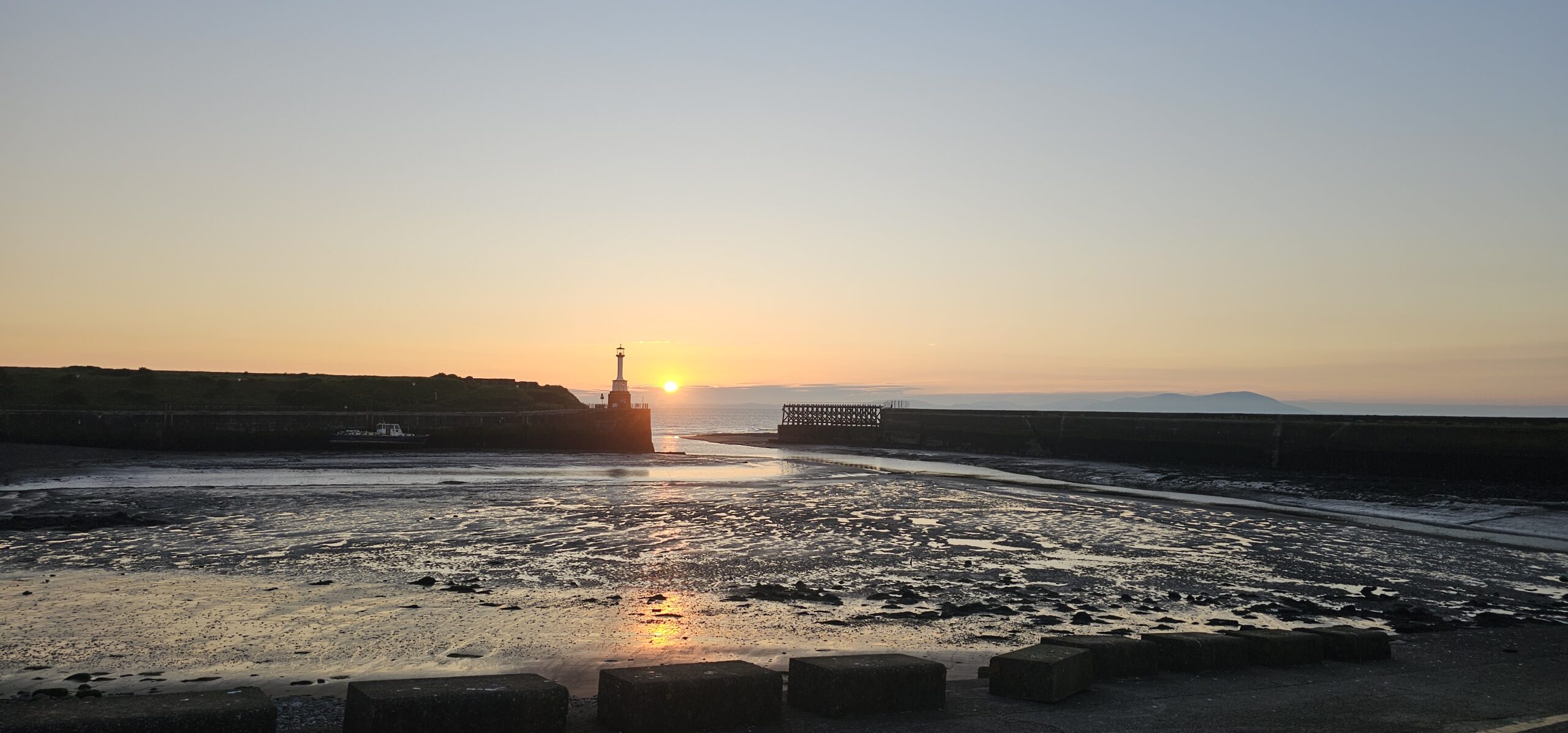
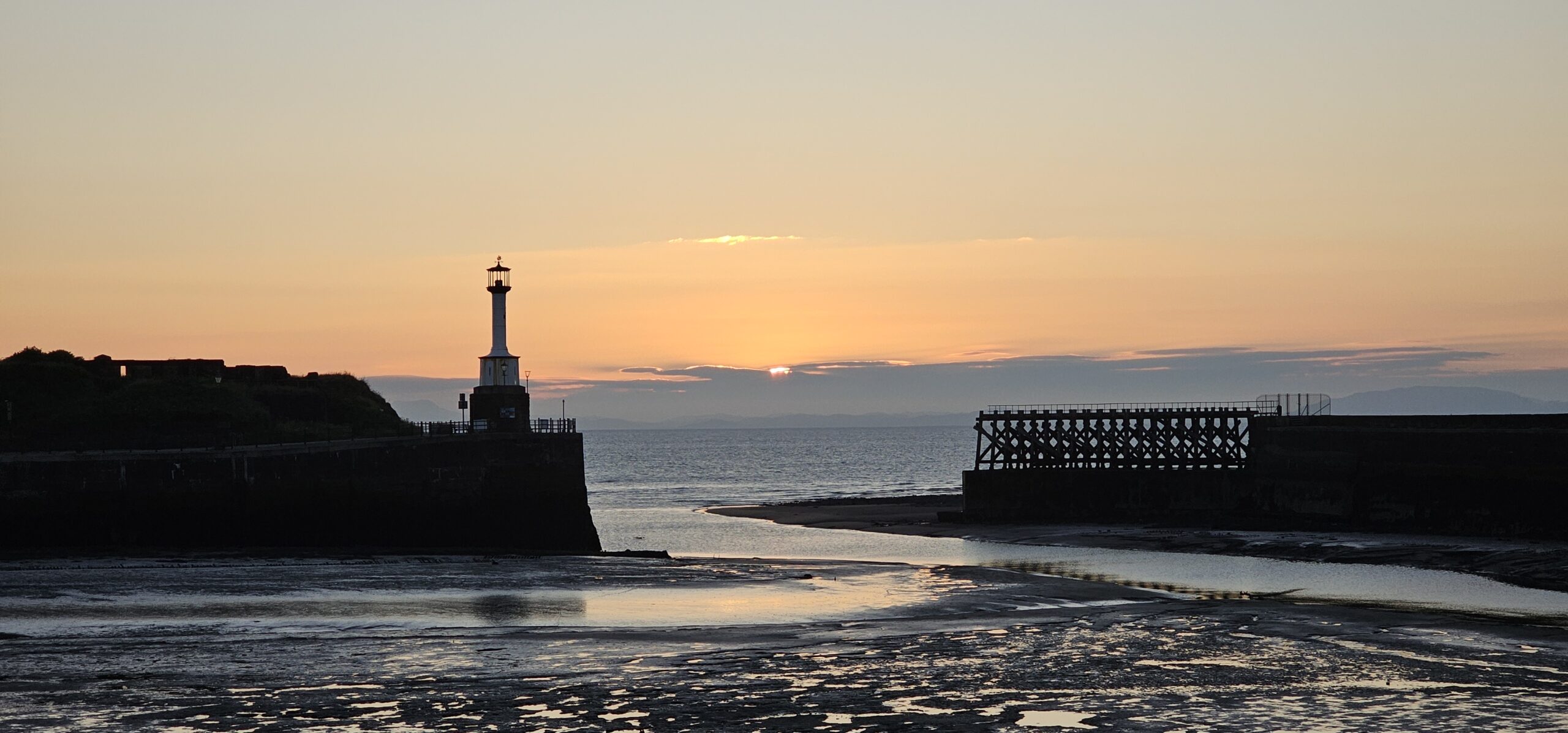
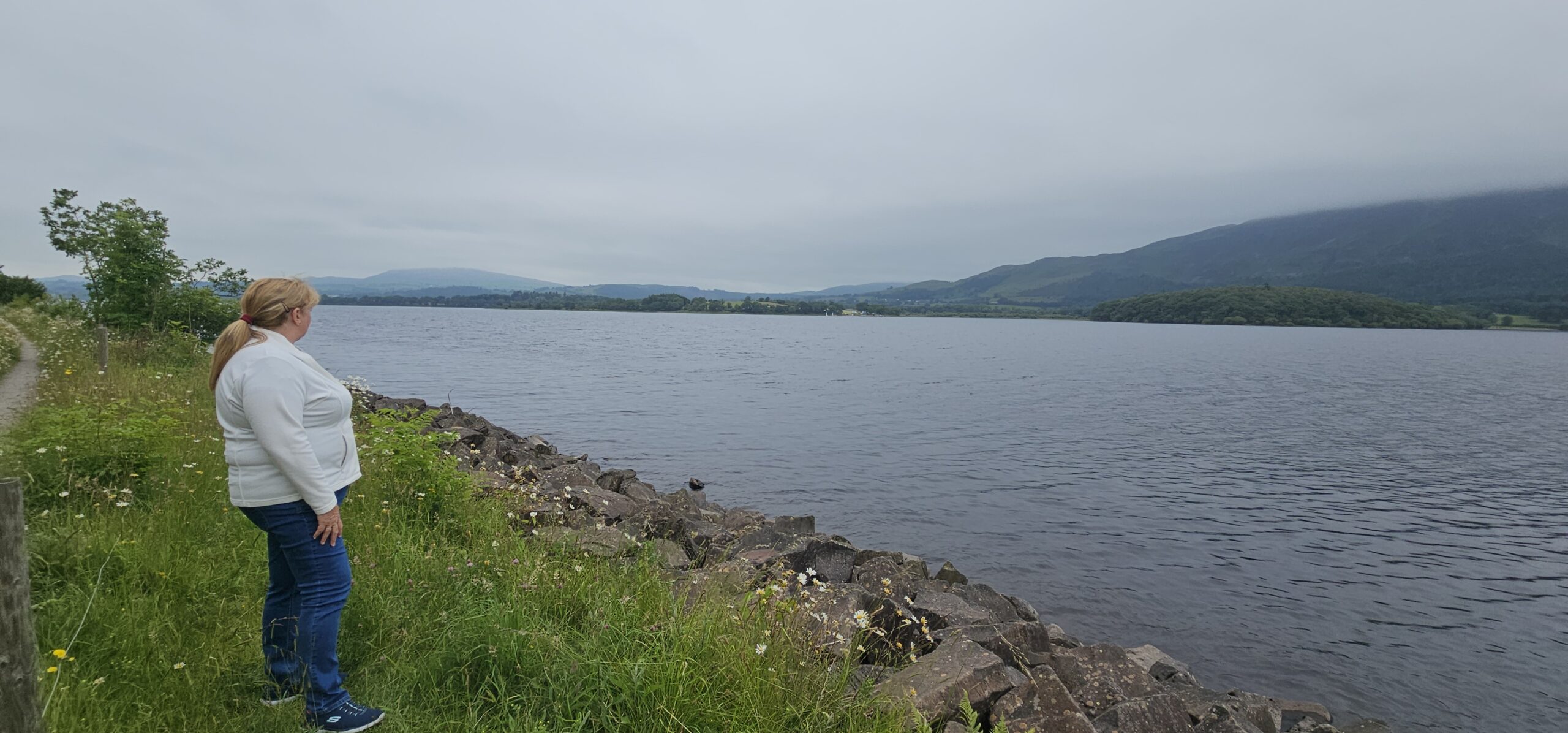
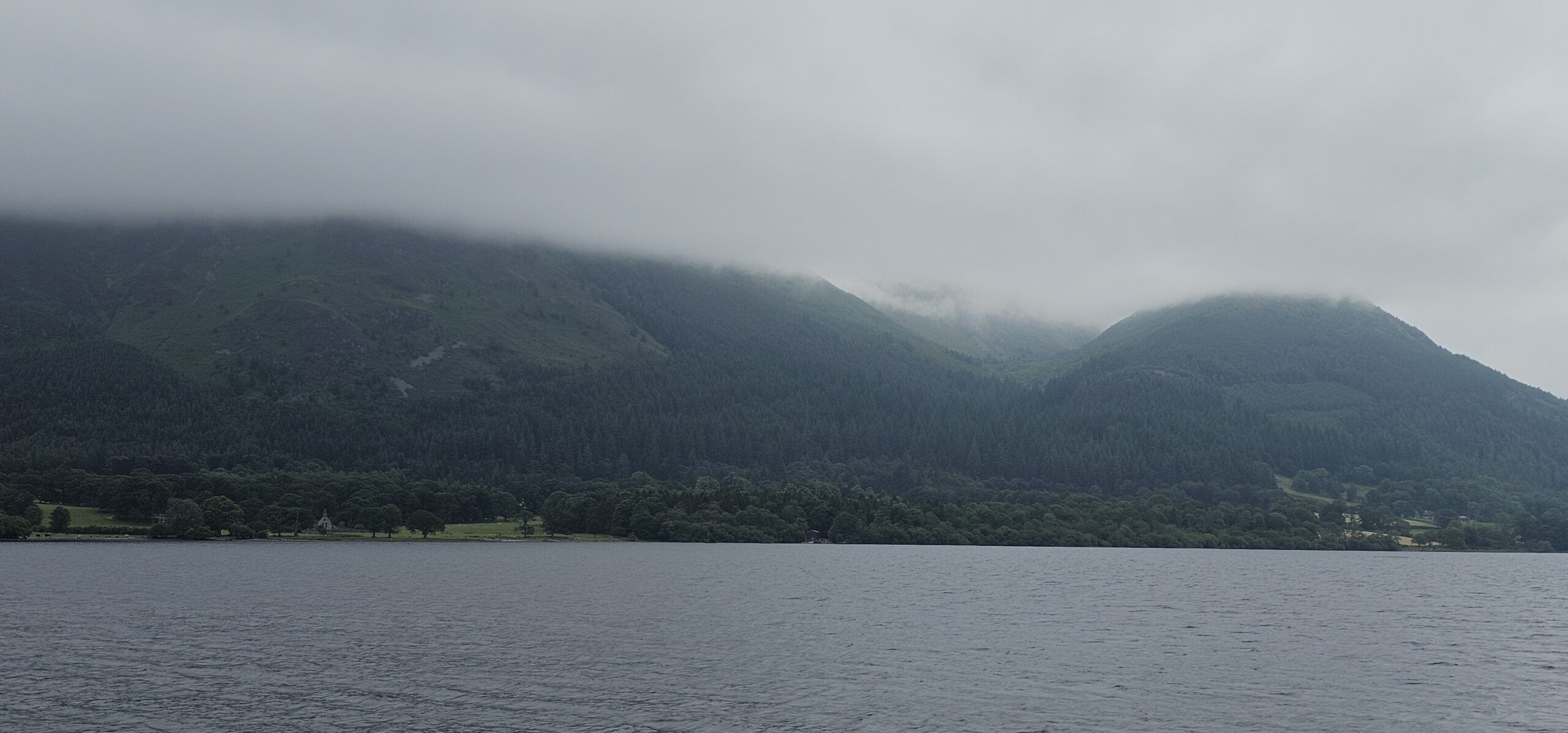
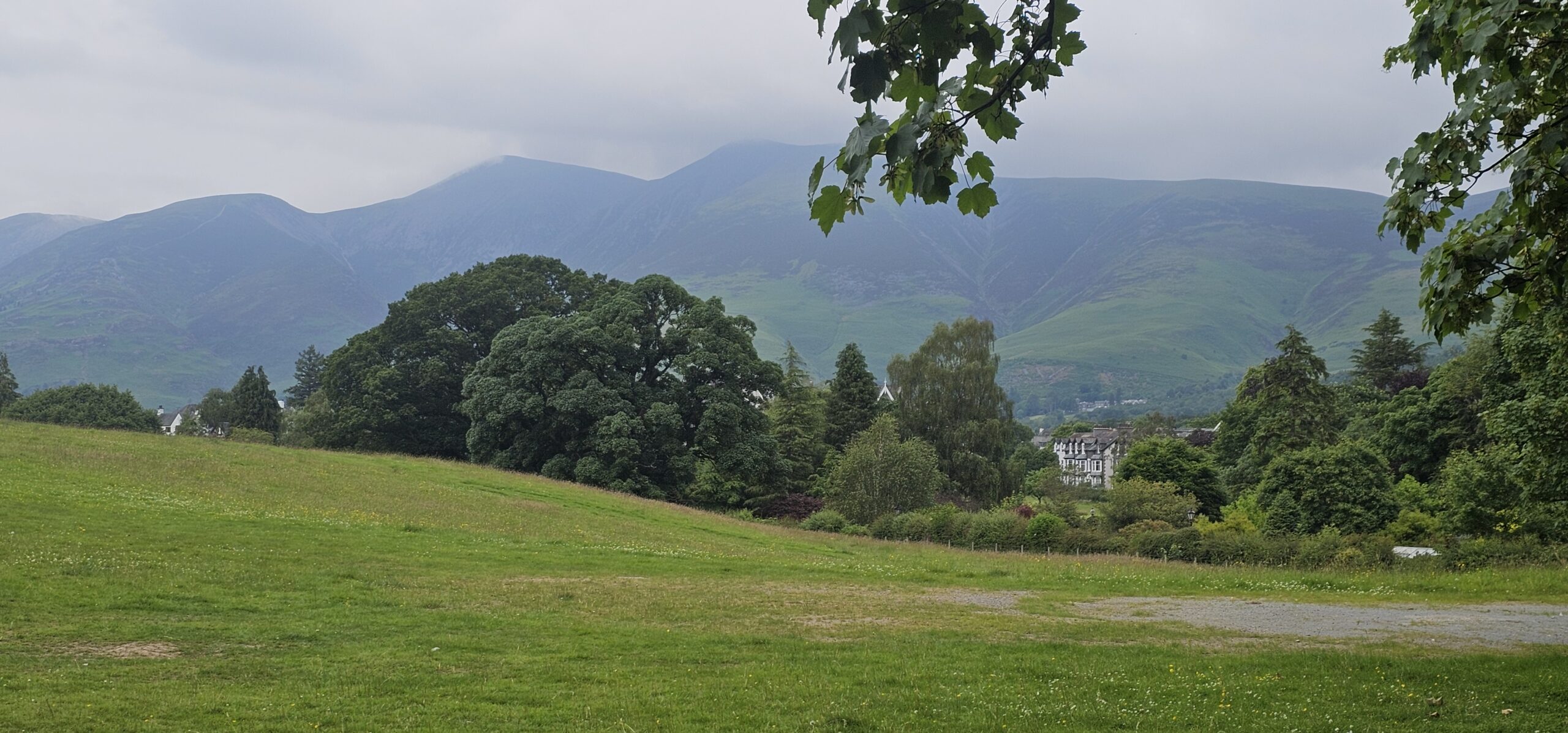
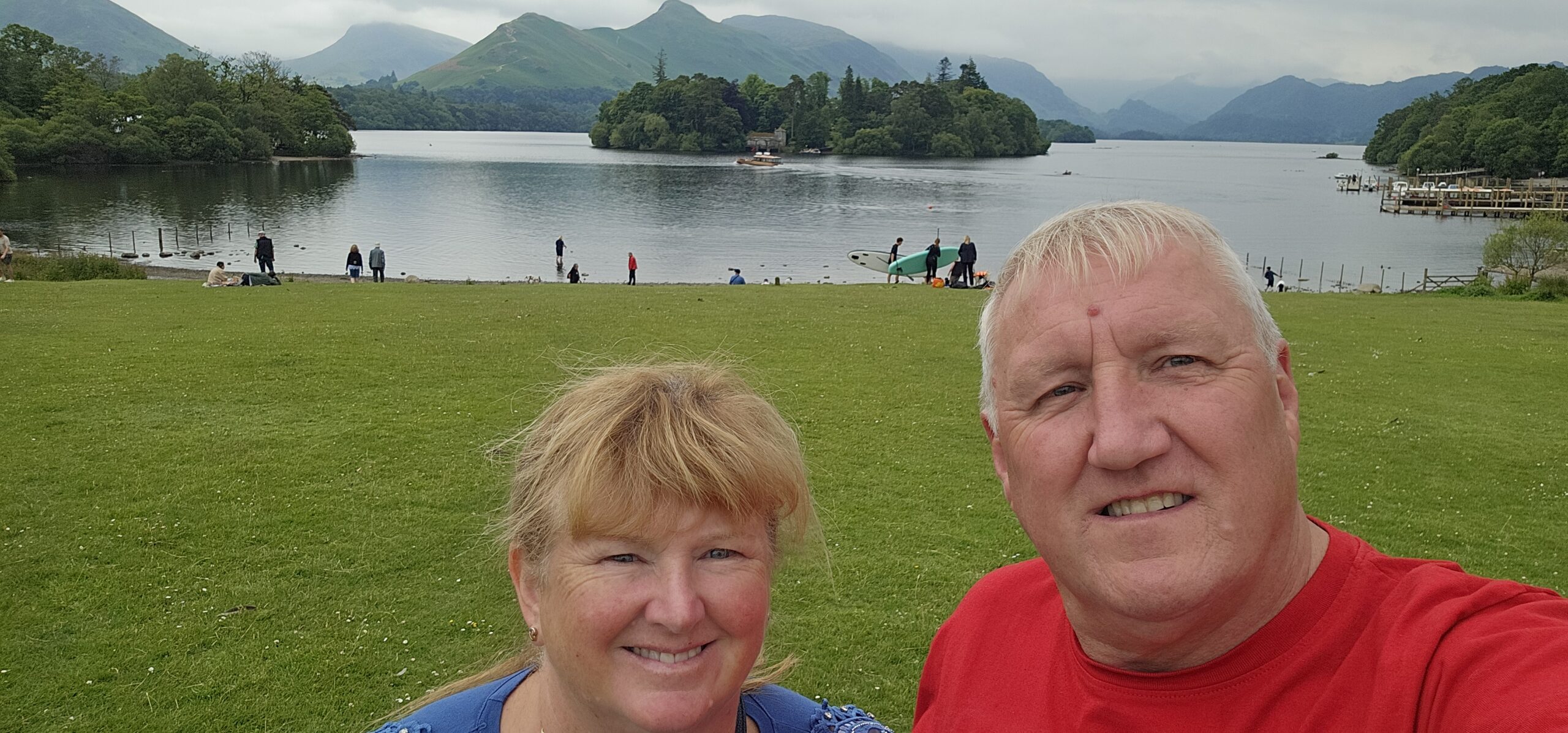
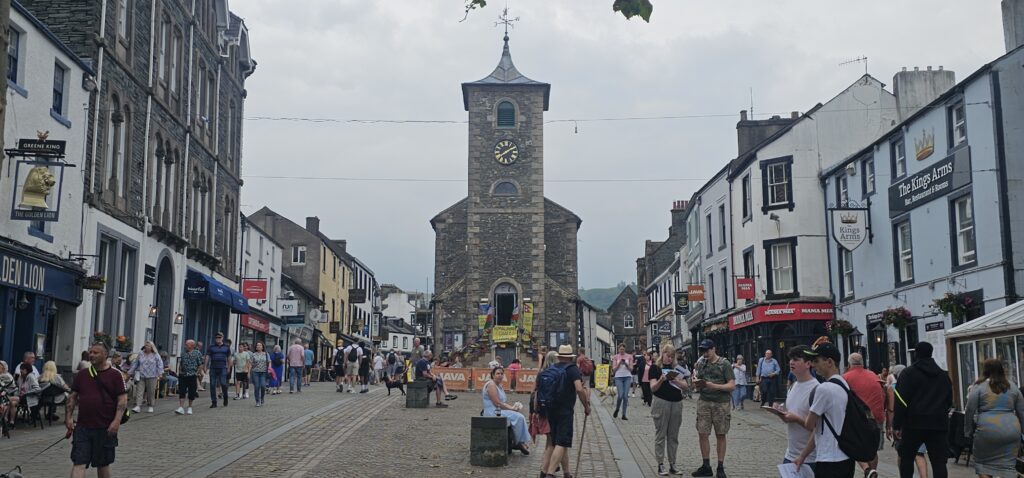
Day 1 – Another chilly misty day, while the rest of the UK is having a heatwave!!! David and Juliet left Bessy safely parked up and took a drive to nearby Keswick and one or two Lakes, firstly Bassenthwaite then down to Derwent Water. Bit of information for you…..Bassenthwaite is the only true Lake of the 16 lakes in the Lake District, the others are Waters or Meres.
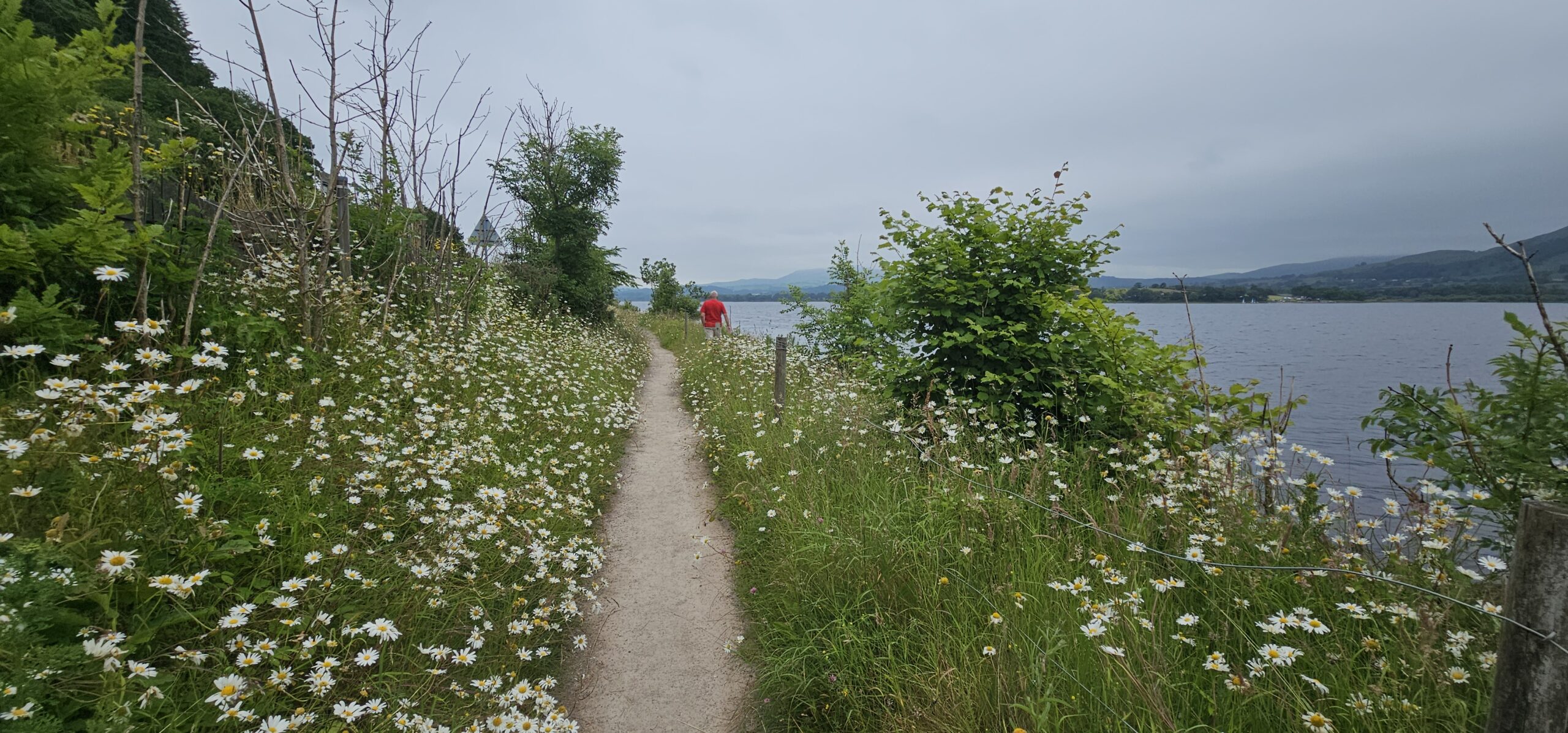
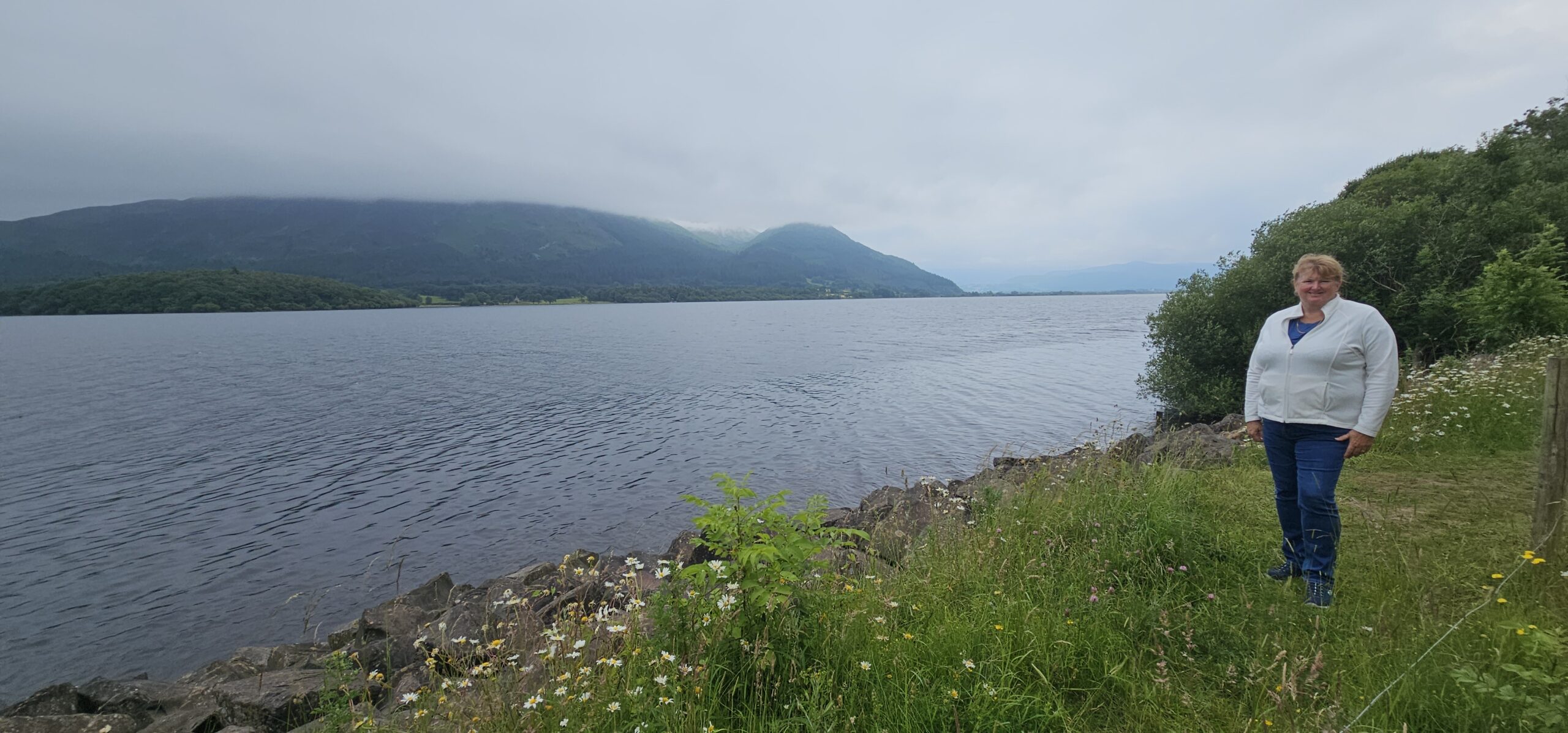
We parked in Keswick and mooched about the town, perfect place if you are a hiker, mountaineerer, or fell walker – every other shop was aimed at the outdoor types, or food shops with the odd art gallery thrown in.
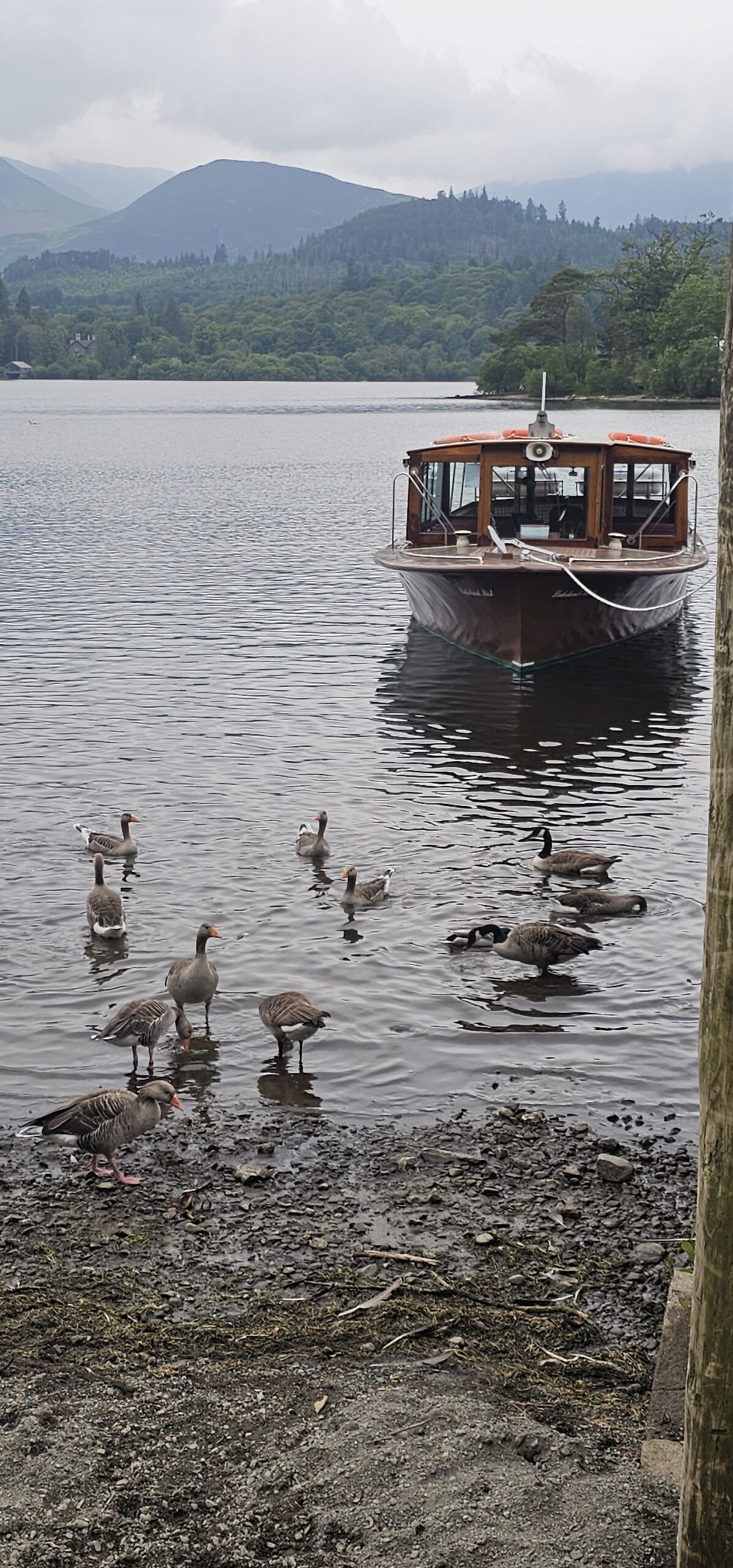
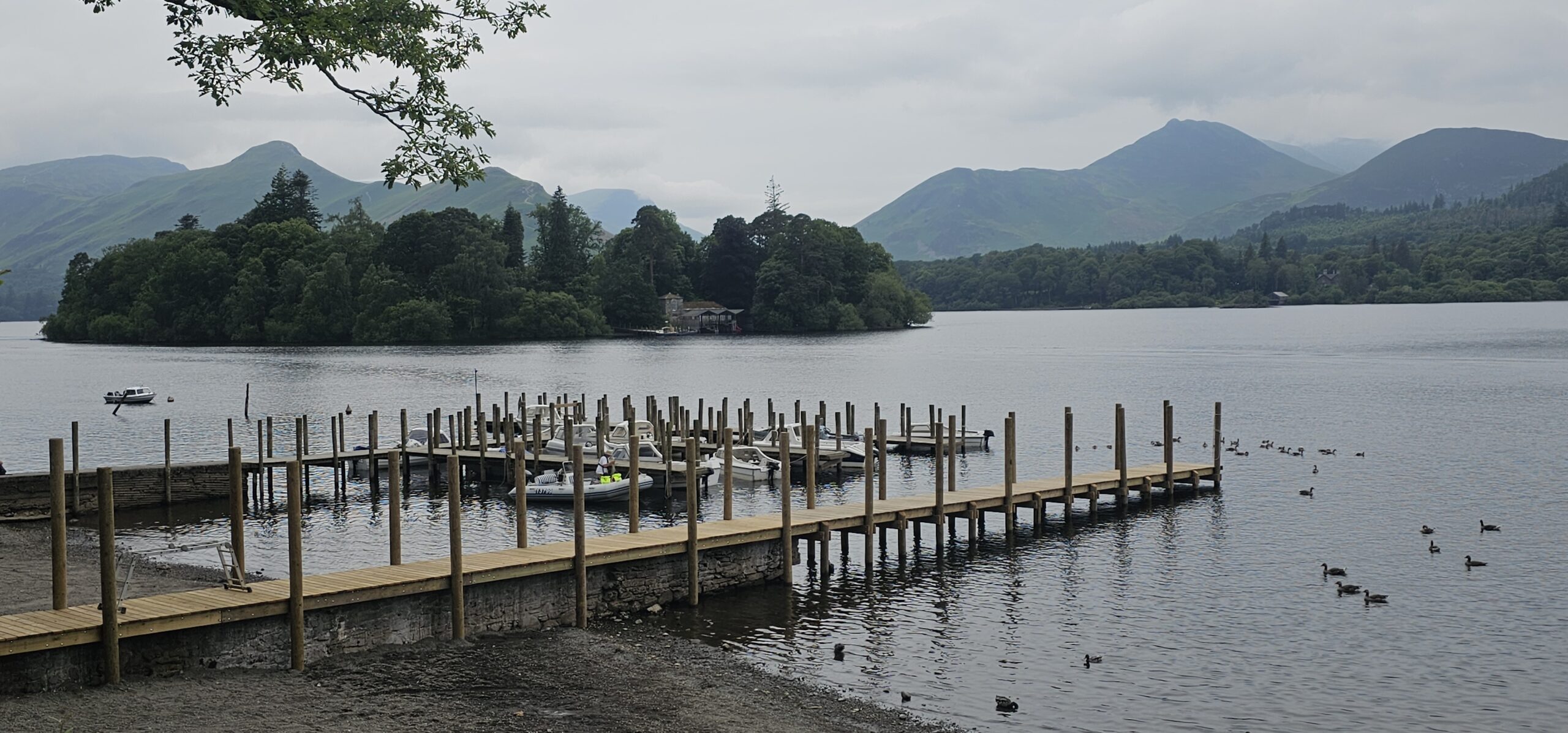
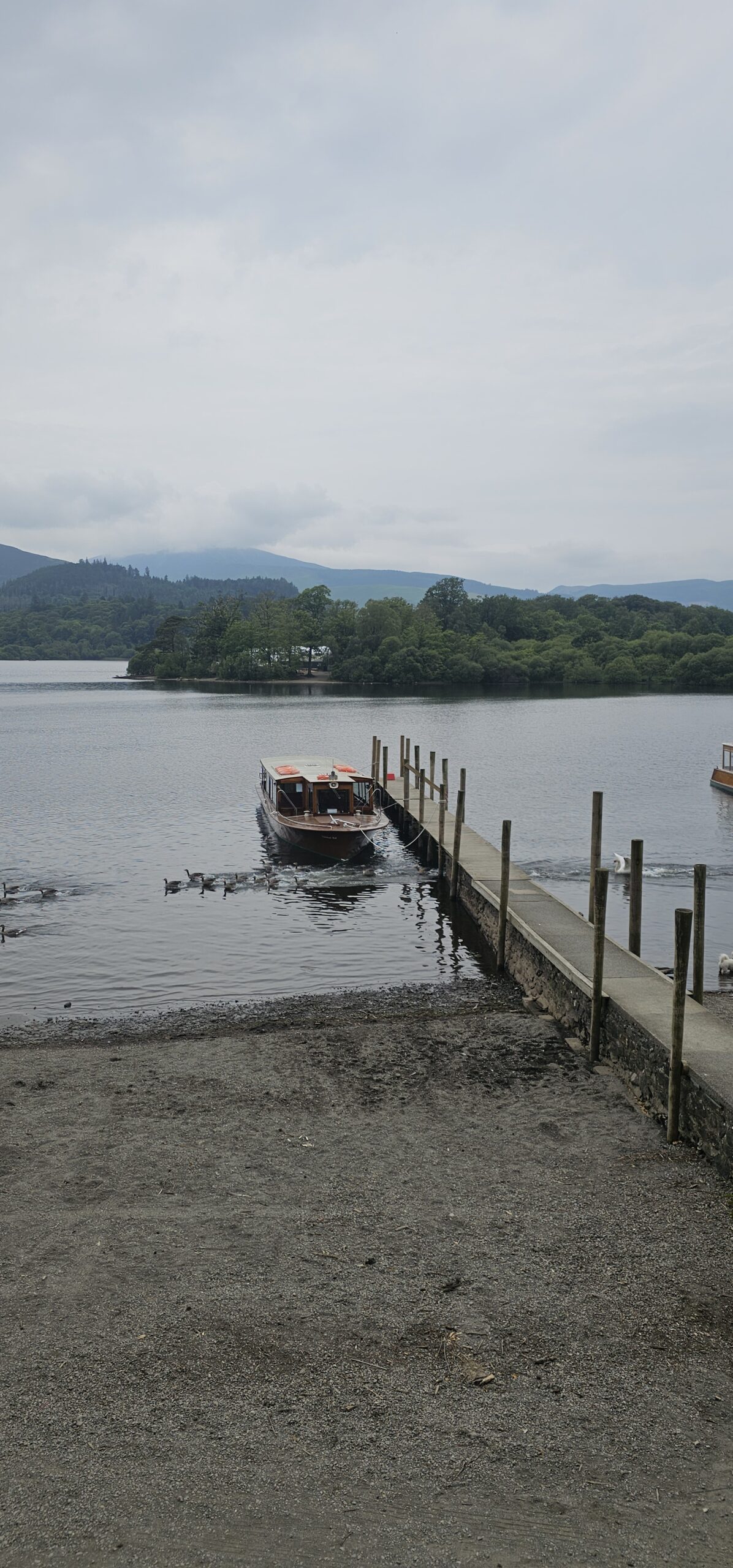
We walked down to Derwent Water, got ripped off buying a sausage roll, meat pie (for dinner) and a bottle of drink for £20 and that was to take away from the lakeside cafe!! We admired the quiet and calmness of the lake and imagined how chaotic it would be in the height of summer, madness I’m sure!
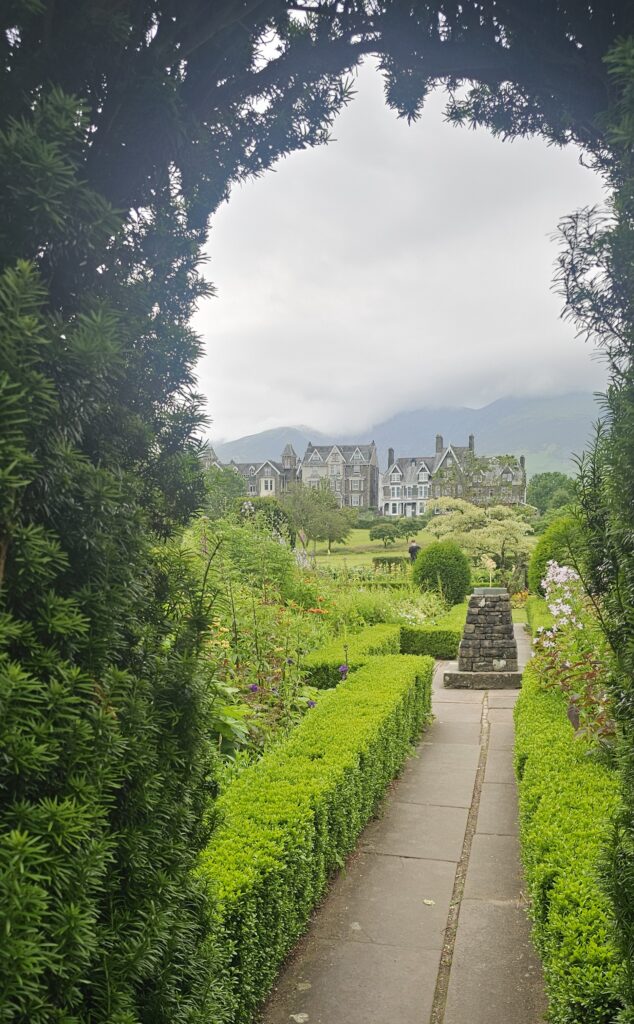
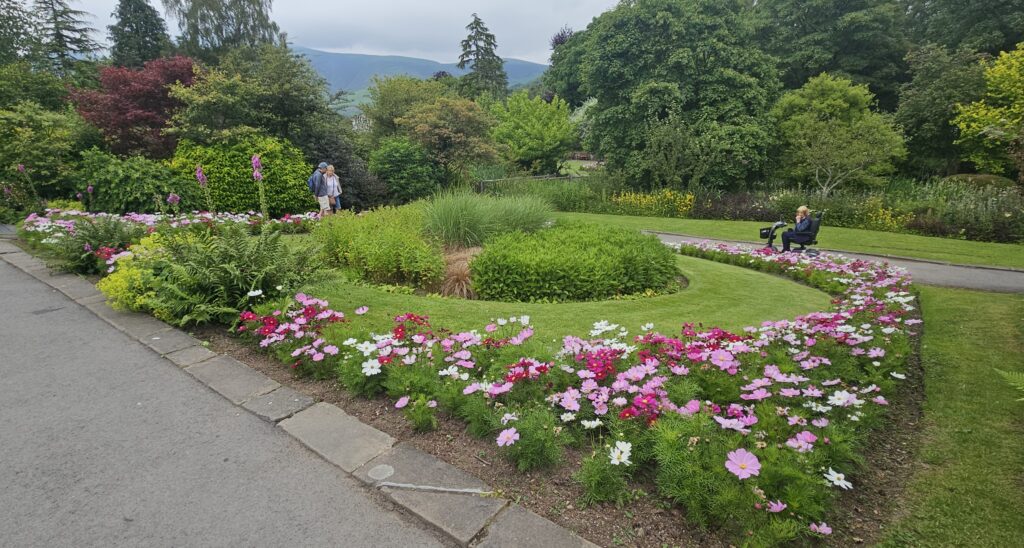
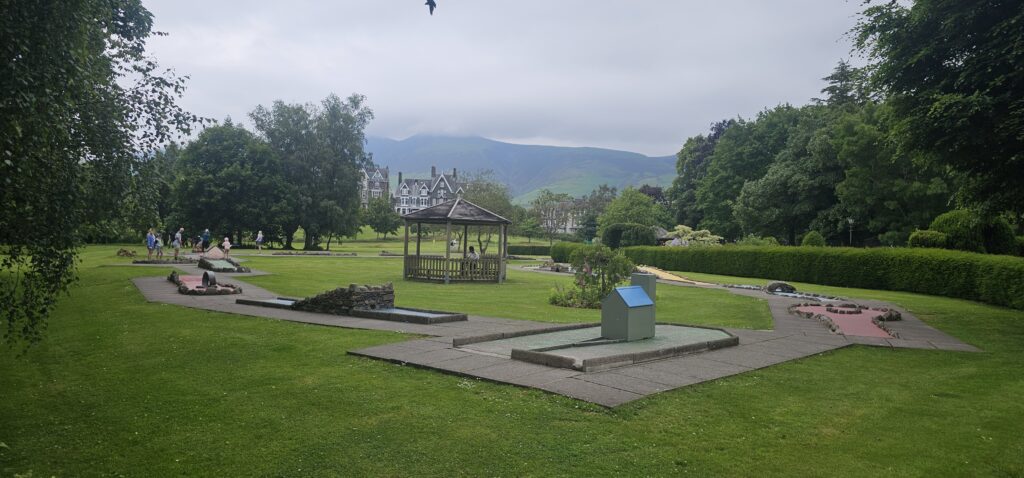
We noted how well cared for the whole town was, including the town’s park, it was bursting with colour, scent and activities.
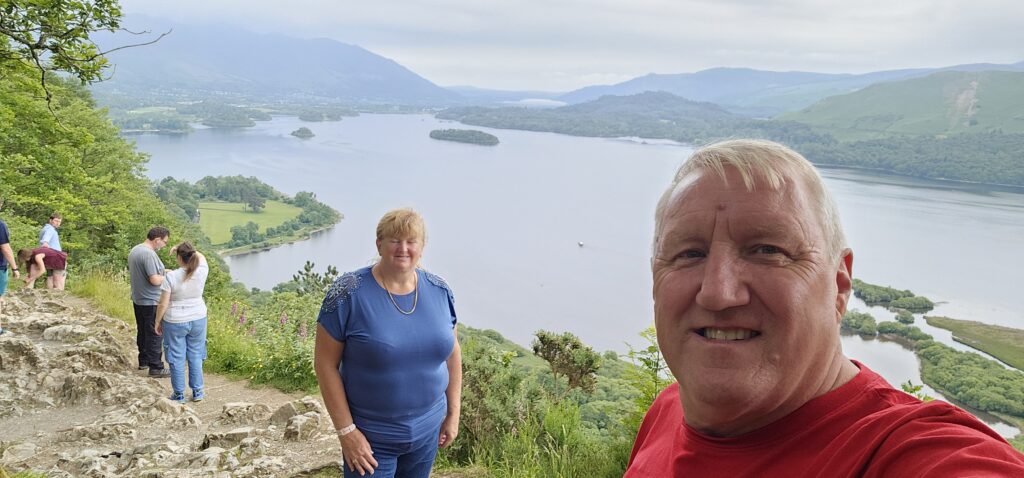
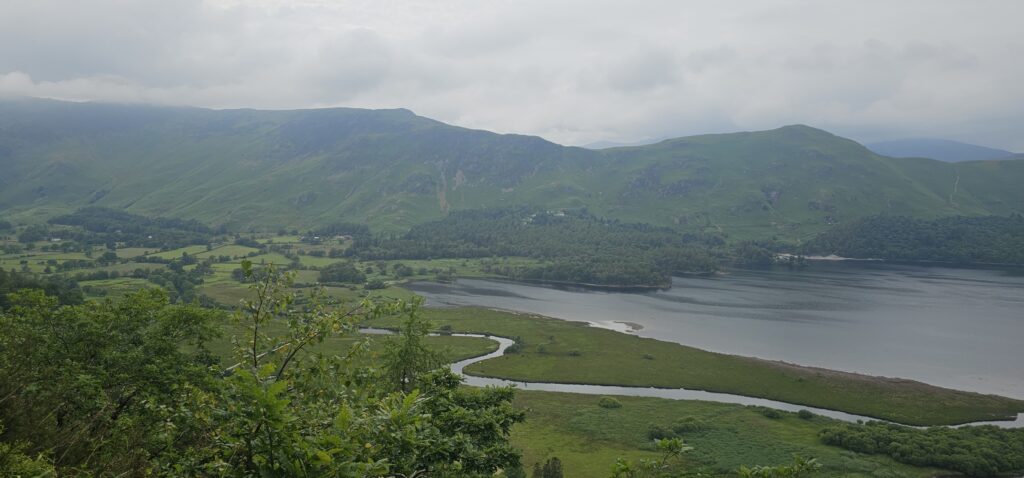
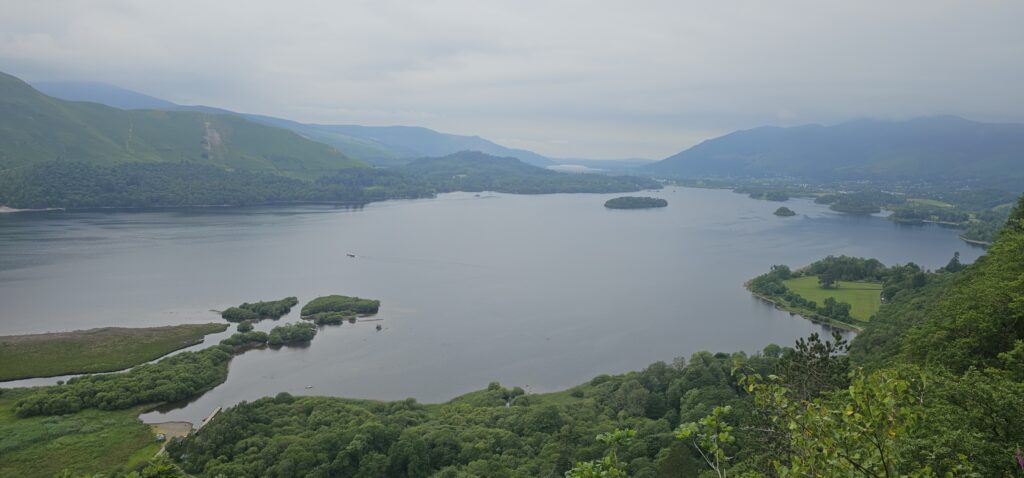
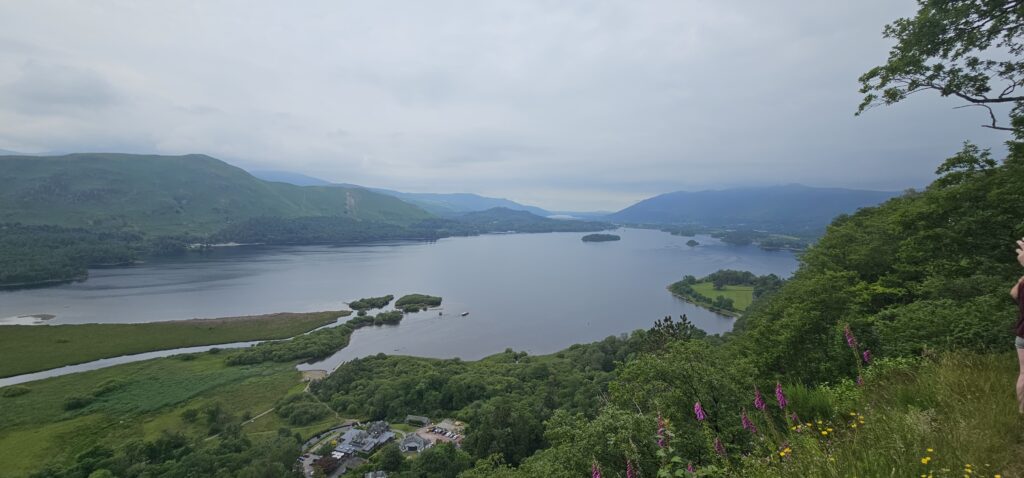
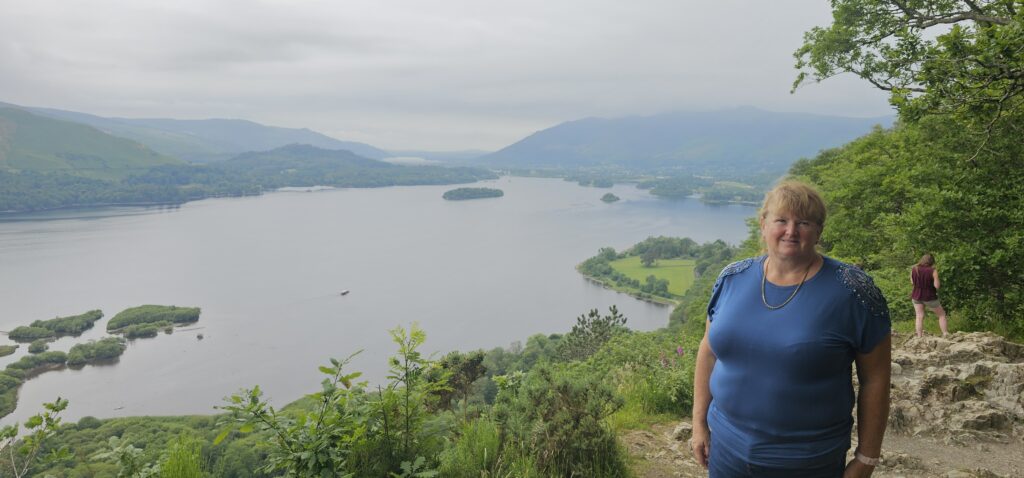
We decided to take a different route home but also took a short detour off the main road to a viewpoint, and what a view! It was at the other end of Derwent Water to where we had been in Keswick and we could see Bassenthwaite in the distance.
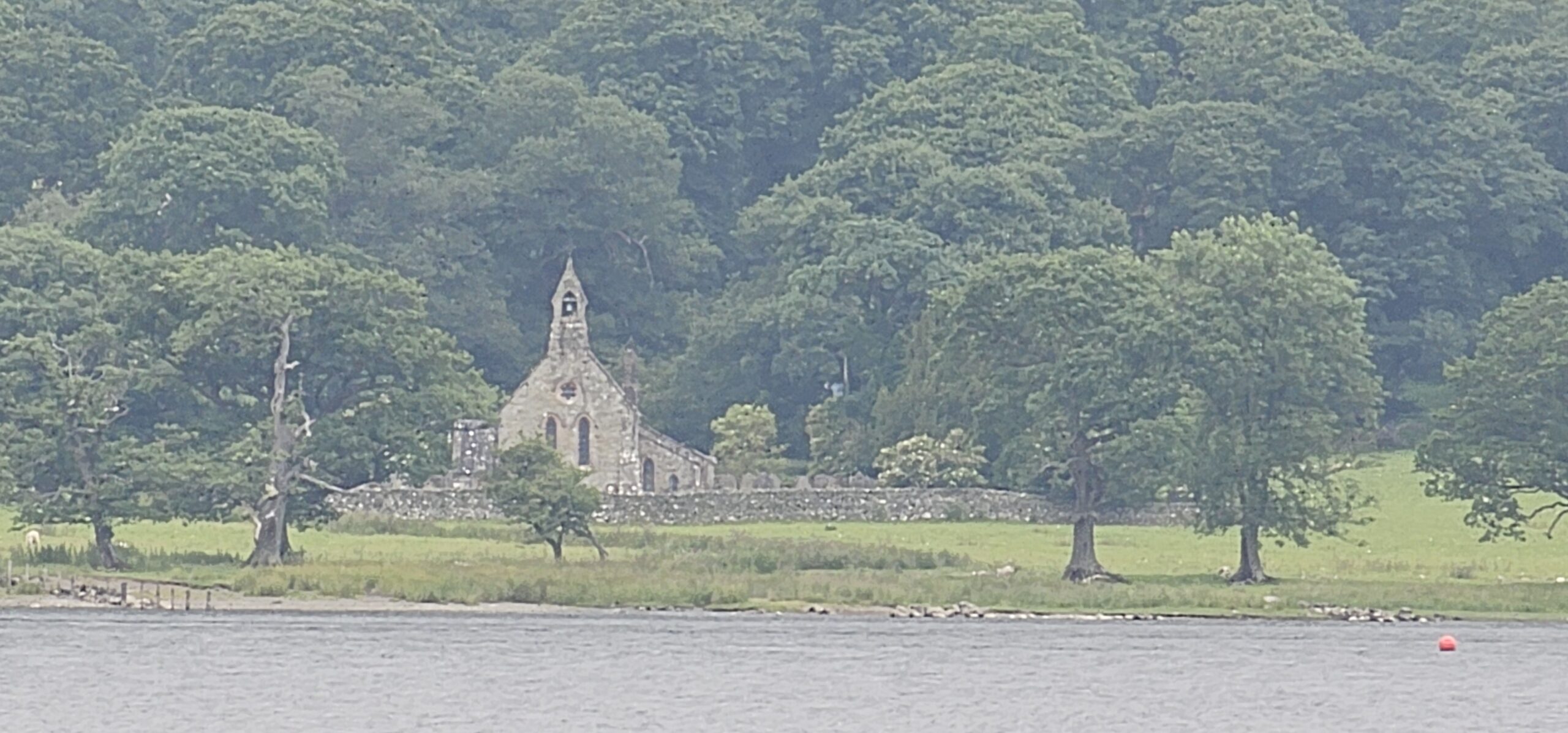
We then took a loop back to the coast to look at Allonby beach, the only exciting thing we saw was an beautiful converted church with an unusual turreted clock tower. The day ended with another colourful sunset!
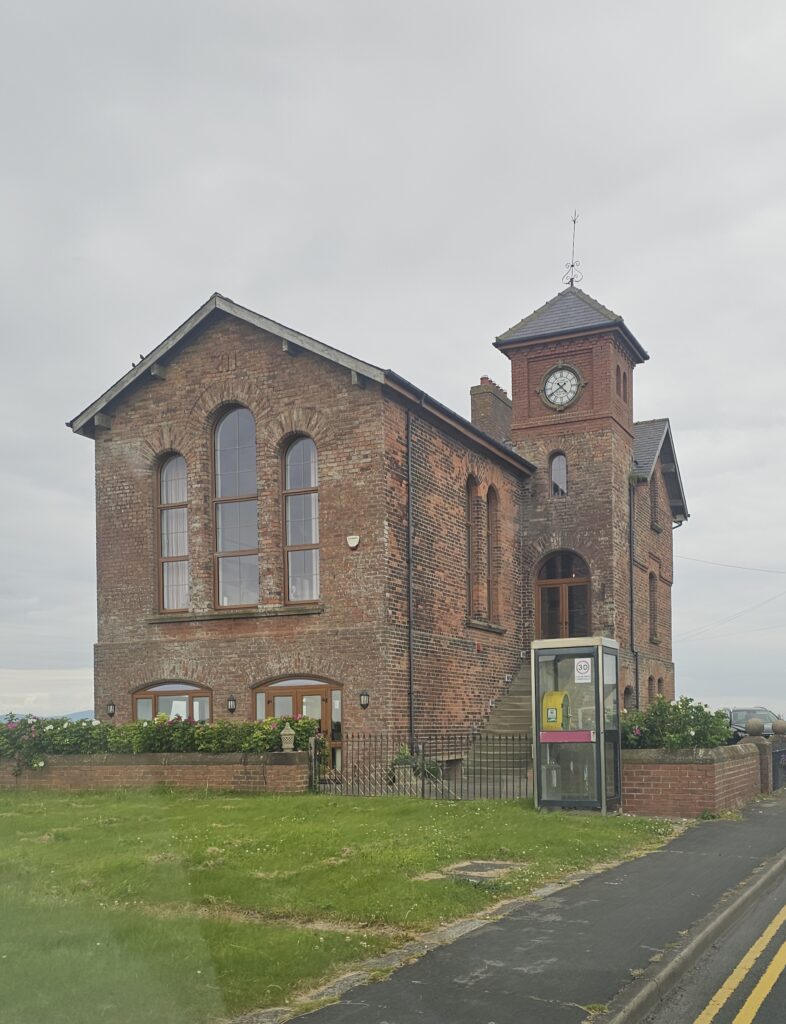
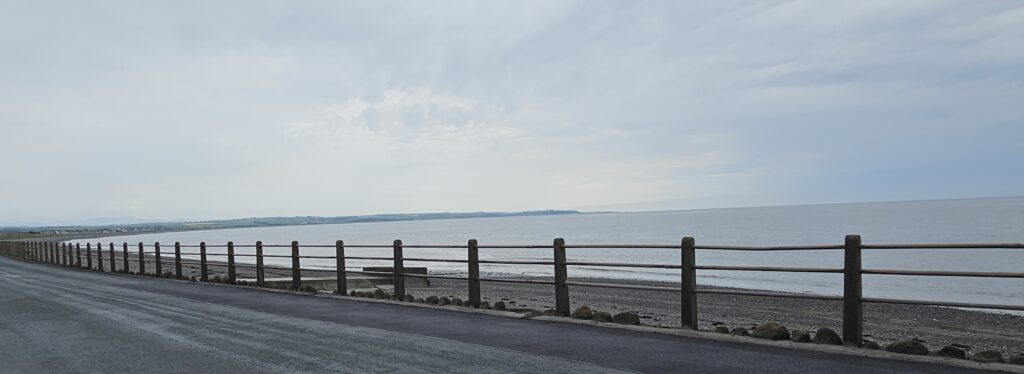
Allonby – a little bit of history.

Allonby originally started life centuries ago as a tiny community scattered around four farms but over many years it grew into a small fishing port, with the main catch being herring which were salted or smoked to preserve them for transport to market. In 1703 the Religious Society of Friends, otherwise known as Quakers, converted a cottage in the village into a Meeting House and the Quakers became a large and influential section of the local community.

The Quaker’s influence created several larger properties in the village, a congregational chapel built in 1844, a Meeting House and the Reading Room built on what had been the site of a factory school with a large weaving room and tithe barn. Designed by a Quaker architect from Manchester and opened in 1862 the reading rooms and a library originally stood over an open Italian-style piazza where people could shelter from bad weather; eventually though the open colonnade was bricked in and the space converted into a billiard and games room. The reading rooms served the people of Allonby for more than a hundred years and at one point became home to a collection of natural history specimens. During WW2 they were used by the WVS (Womens Voluntary Services) for the preparation of camouflage netting for the armed forces, and during the 1951 Festival of Britain they served as the venue for a ‘Festival of Antiques’. Unfortunately usage had declined by the early 1970s and maintenance was a problem so the building was sold, with the proceeds being used to upgrade the village hall. The new owner was a local businessman who proposed to turn the building into a motorbike museum but his plans were turned down by the local authority and the place stood empty for thirty years. Gradually the building began to deteriorate and after a severe storm part of the roof collapsed, bringing the gable end down with it. Finally, in 2005 the local council agreed to a partial demolition and conversion to residential use, and after the work was hampered by delays and ever-increasing costs the new owners eventually took up residence in 2013.

And all this history in such a small village!!
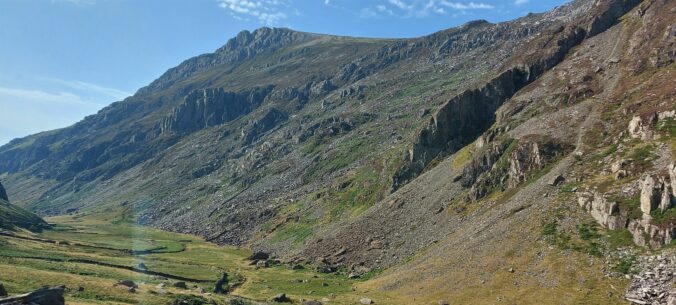
Benny says “Bora Da”

We decided to give Bessy and Benny some Welsh air and try to learn bit of Welsh language so we booked them into a campsite in Rhos on Sea, just outside Llandudno.

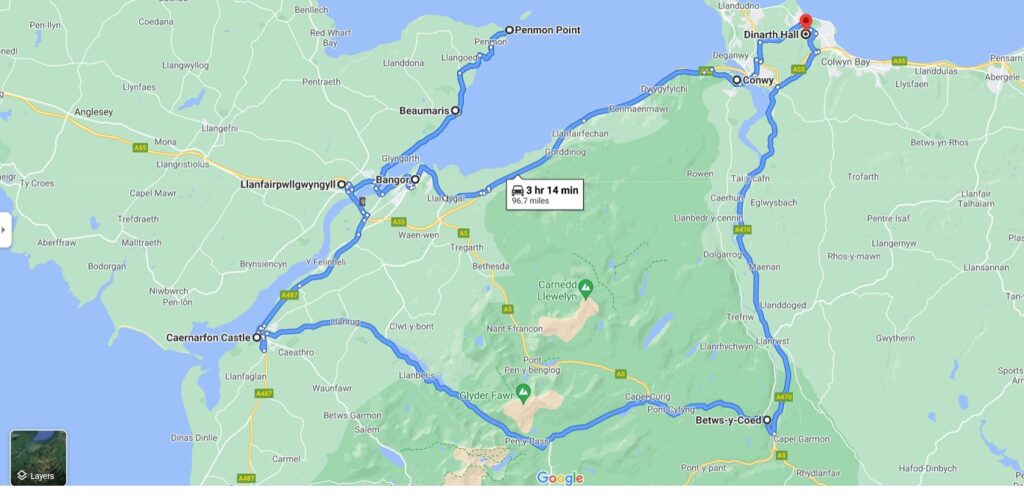
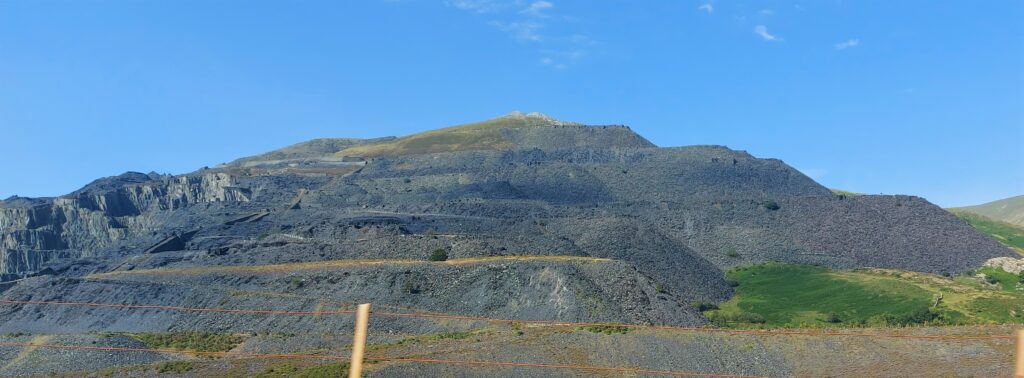
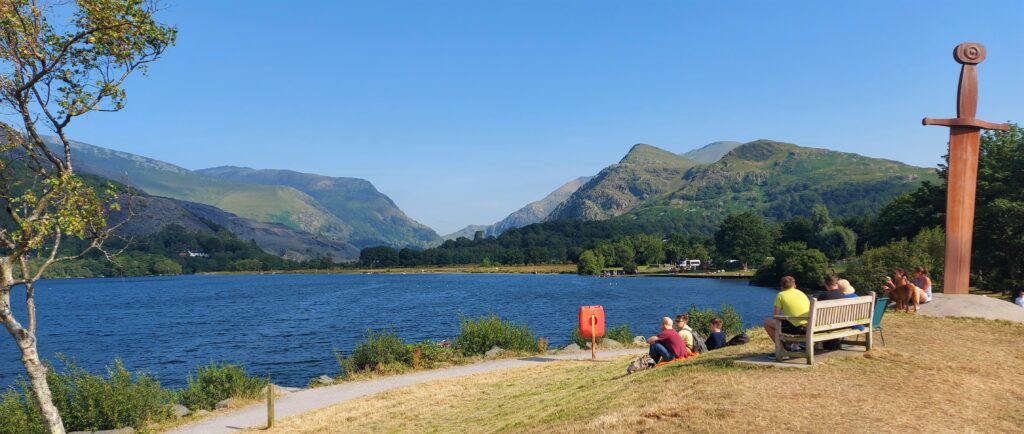
I say a campsite, but it was just a field on a working farm, but a great base to start touring. We had a day out with Benny and visited a few castles and Snowdonia National Park, 100 miles round trip with the top down was amazing on a lovely sunny day.

Another day out was a little further afield to Porthmadog for a surprise meeting with family and then to Portmeirion for an afternoon wandering the Italianate gardens, a paddle in the seawater pools then another beautiful drive back through the Welsh Mountains.

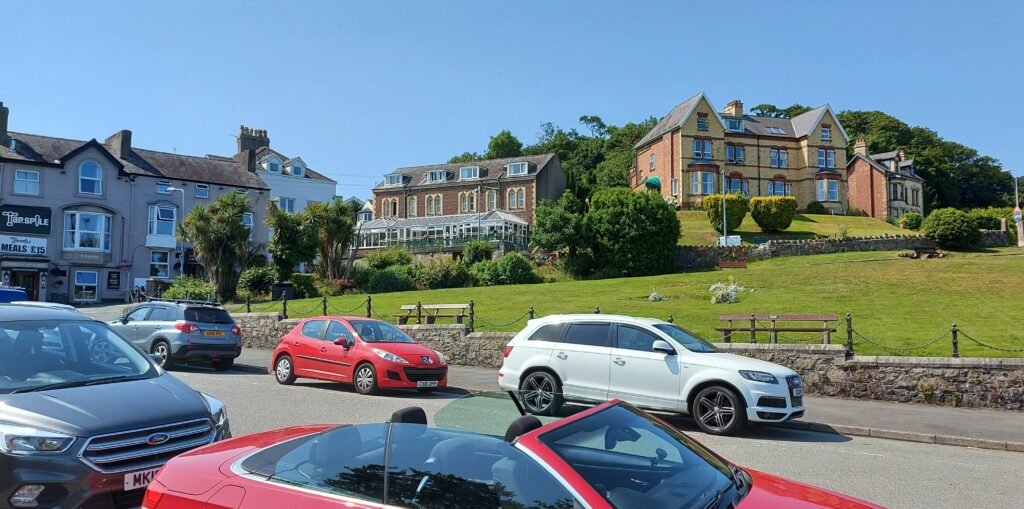
We’ve also spent some time in Llandudno itself, a pretty coastal resort with a long long pier!

Our Castle Day – Conwy

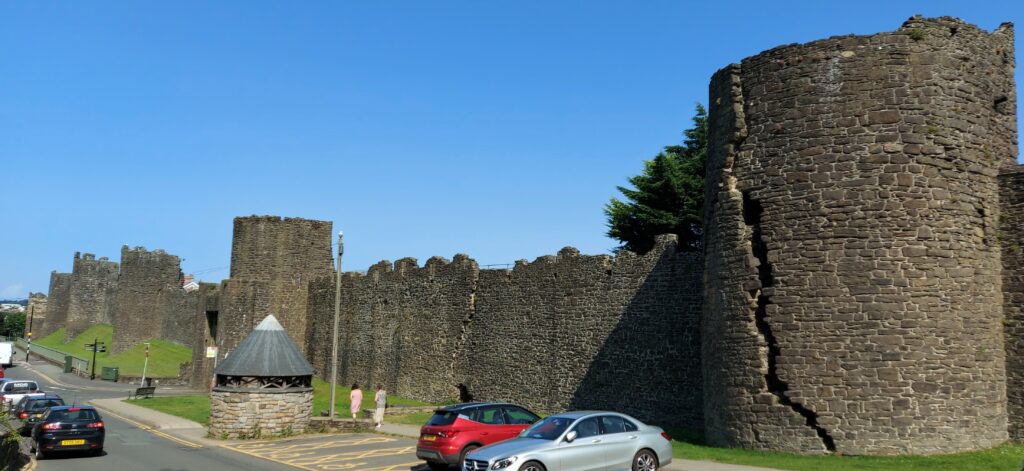
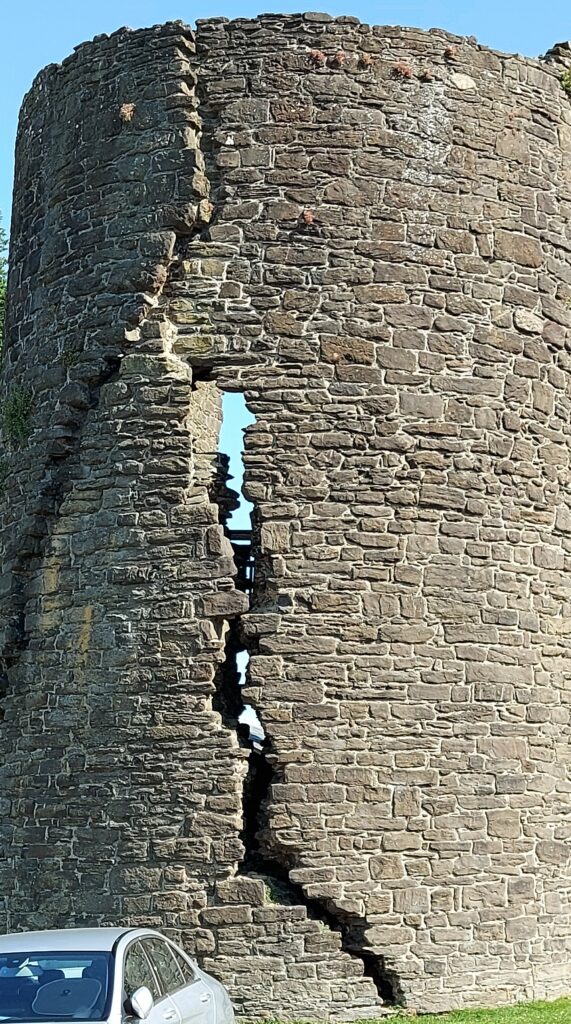
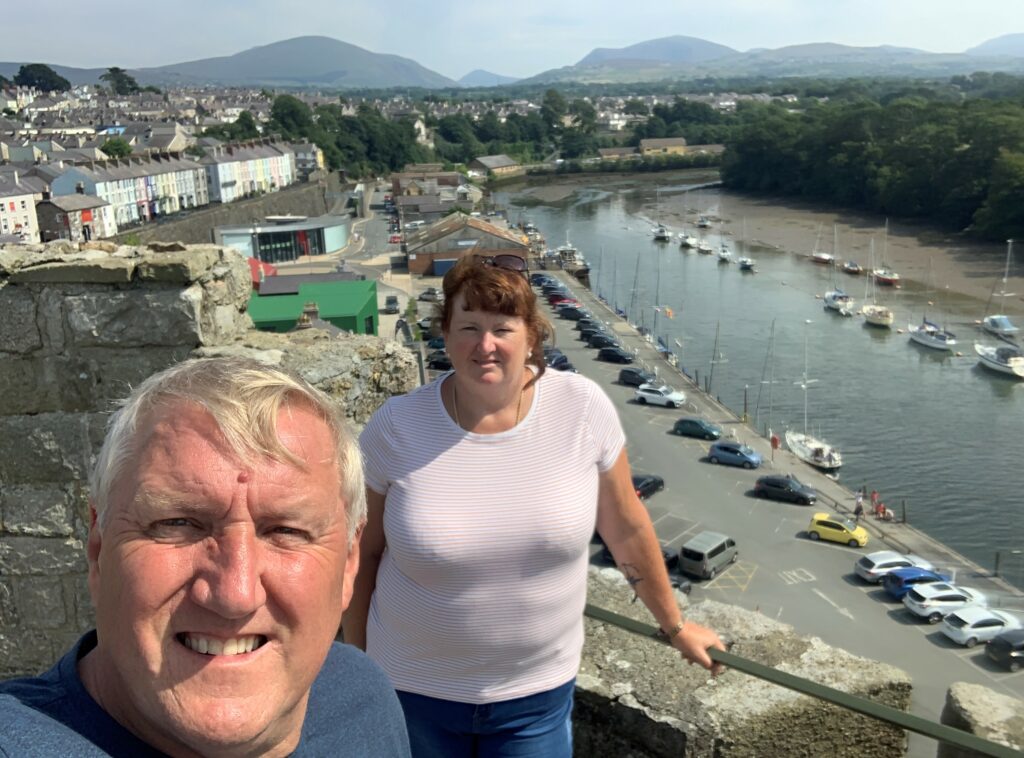
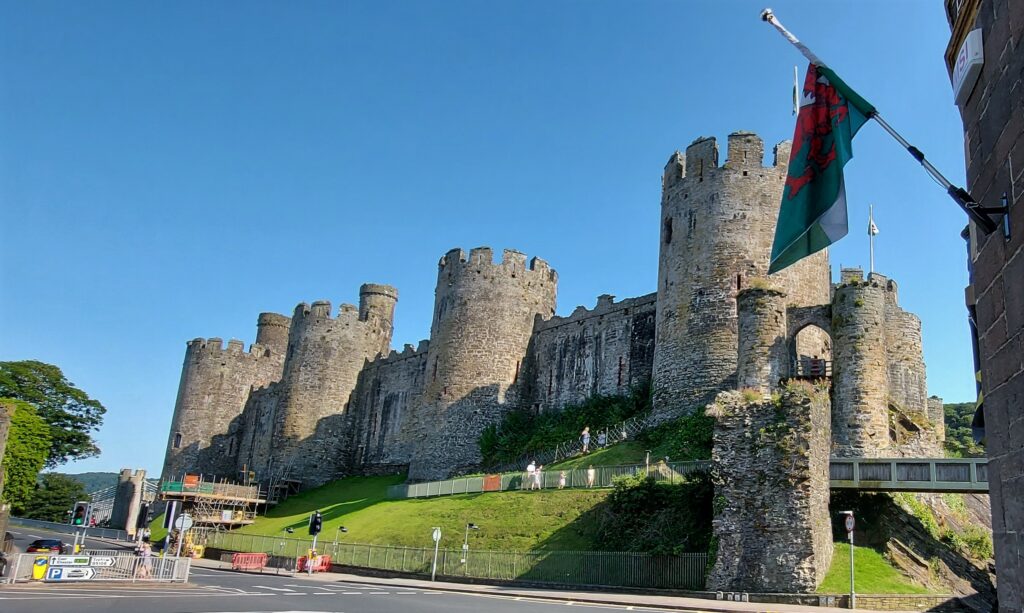
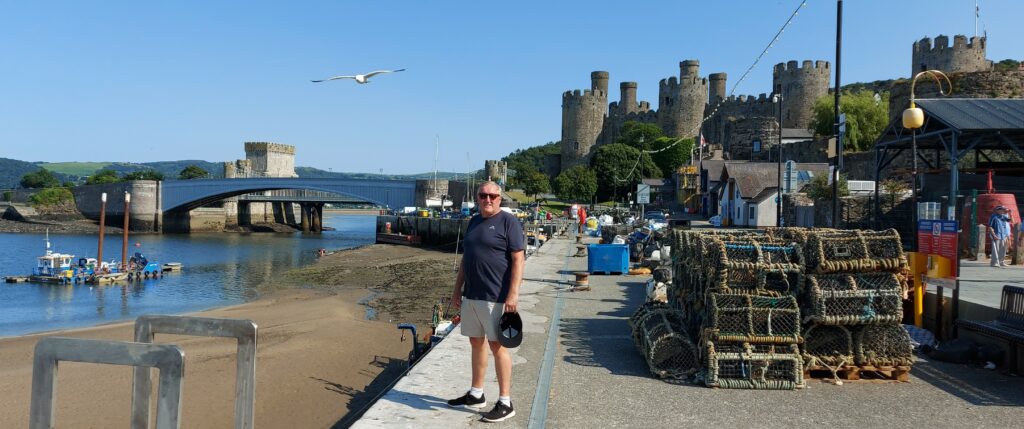
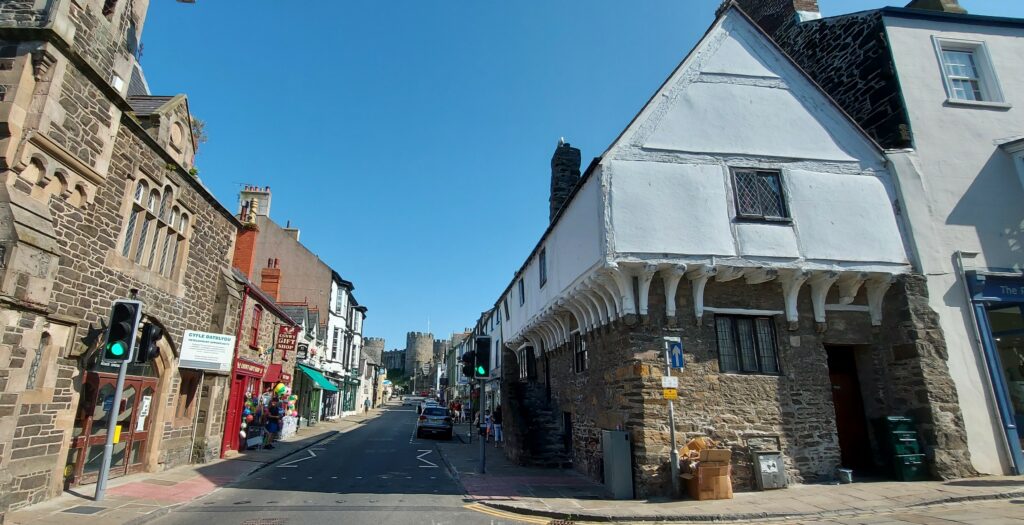
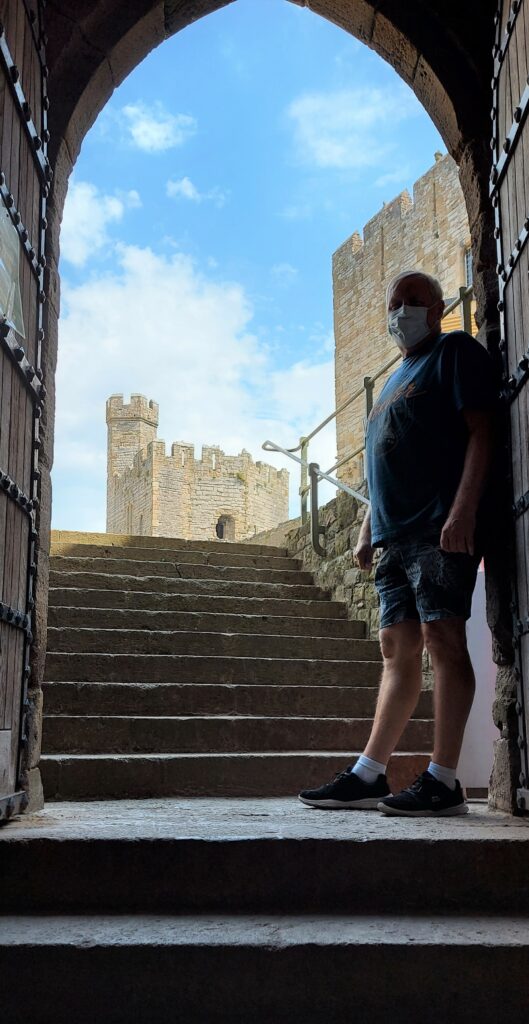
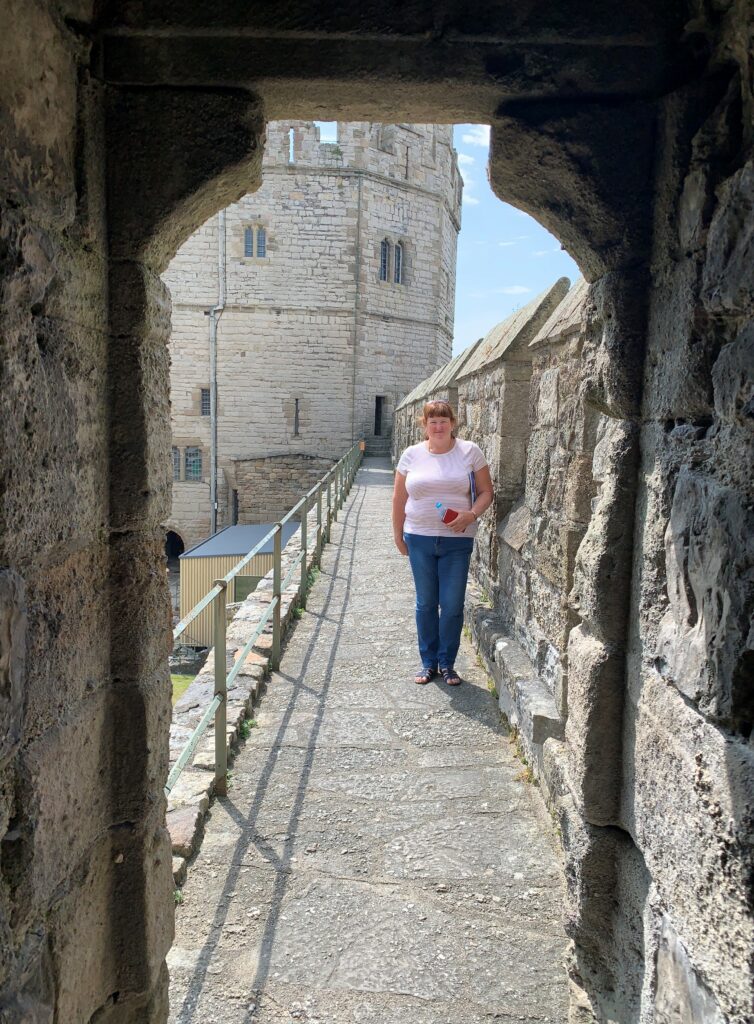
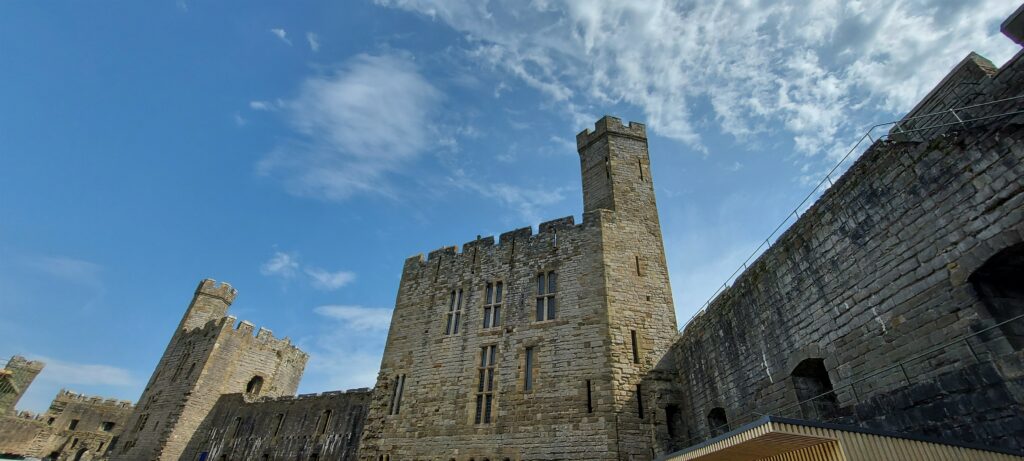
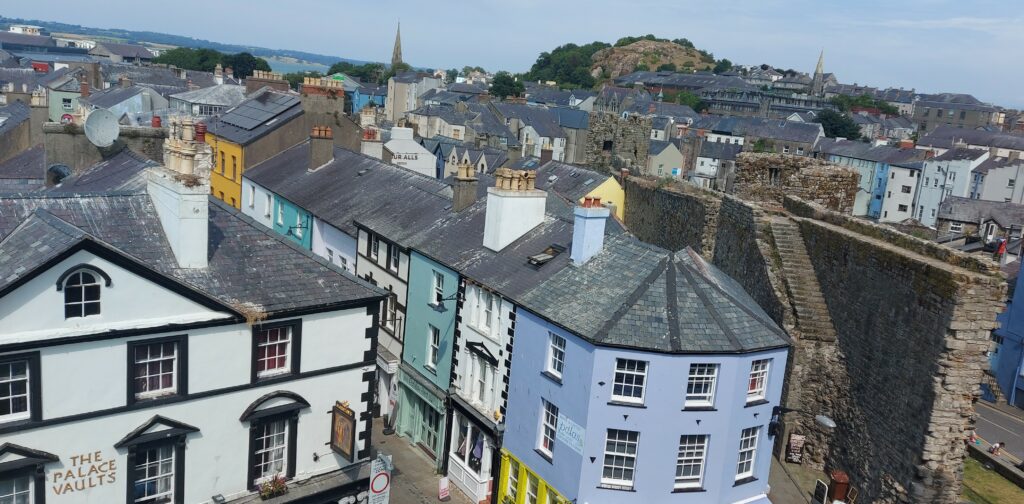
First stop was Conwy Castle, a complete walled city within the Castle walls. We walked around the inner streets, and had a quick look at the walls (which needed some attention in places!!) but it was far too hot to do the complete walk around the walls.

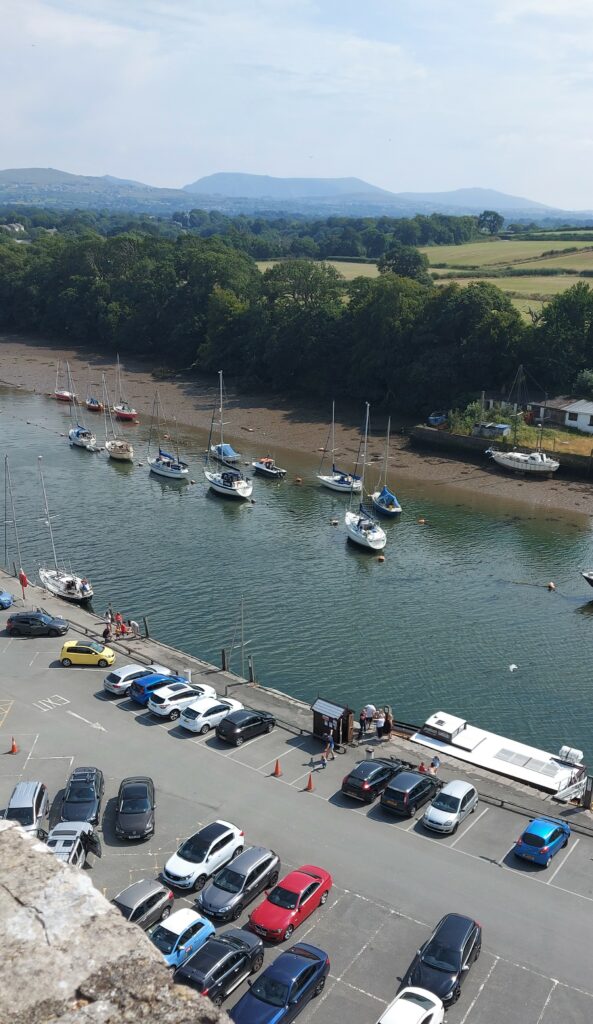
Its considered a fortress, built by King Edward I and his architect Master James of St George who built both castle and walls in a barely believable four years between 1283 and 1287. In the distance rise the craggy mountains of Snowdonia and spread out below are the small harbour and narrow streets of Conwy – still protected by an unbroken 1,400-yard (1.3km) ring of town walls. It has World Heritage status, along with 3 other castle in Wales.

Next Stop Bangor

This small cathedral city is known for so many things:

  1. being the oldest city in Wales
  2. it has the longest (retail) High Street in Wales at 1.265 km (0.79 mile)
  3. in 2021 has the world’s first non-binary (elected) Mayor – and at 23 years old, was the youngest Welsh Mayor ever elected.
  4. has the second longest pier in Wales, 460 metres.
  5. In 1967, the Beatles were in Bangor meeting the Maharishi Mahesh Yogi when they learned of the death of their manager Brian Epstein.
  6. Singer Duffy was born here in 1984.
  7. The town is mentioned in the Fiddler’s Dram 1979 hit single “Day Trip to Bangor”.

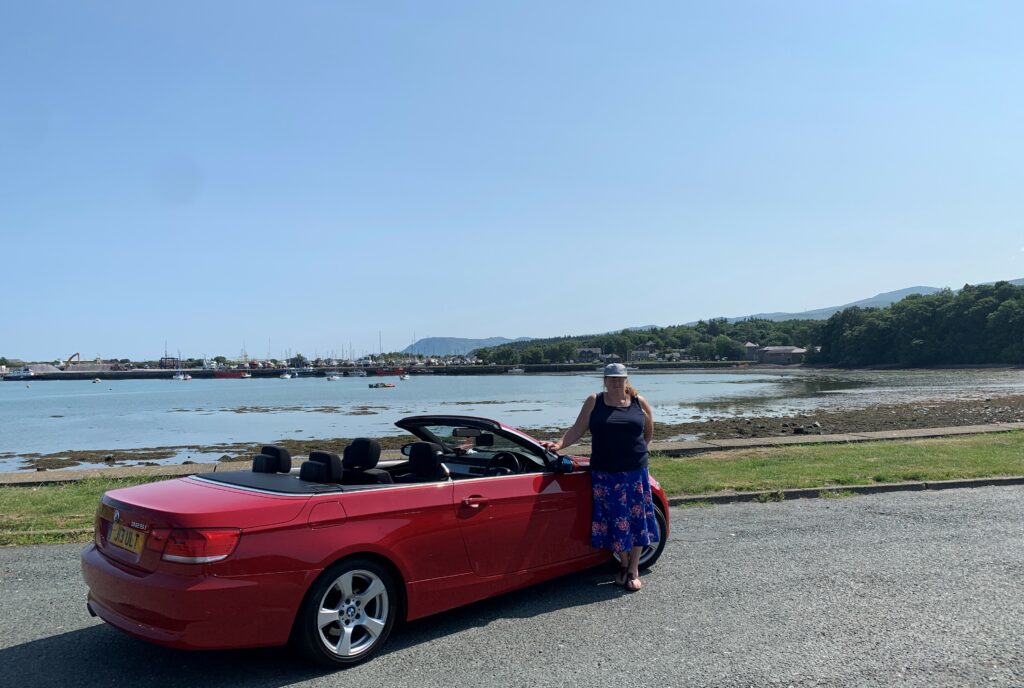
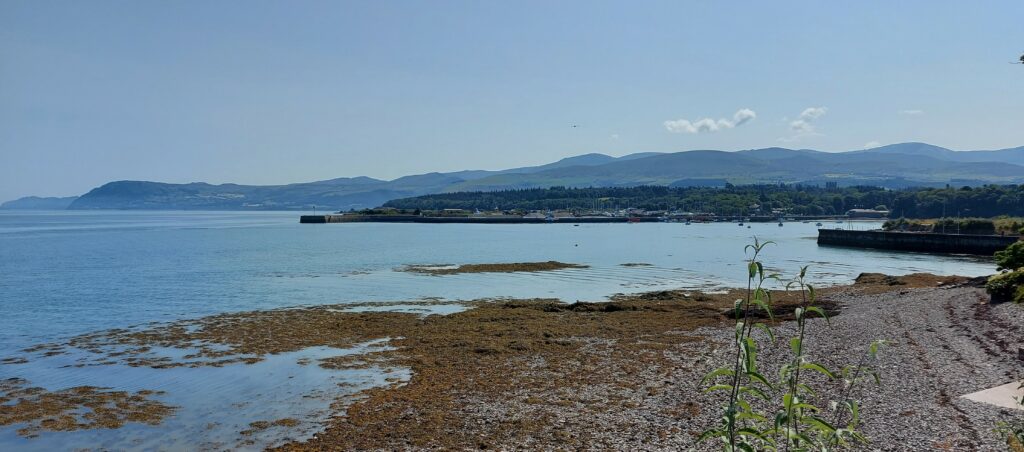
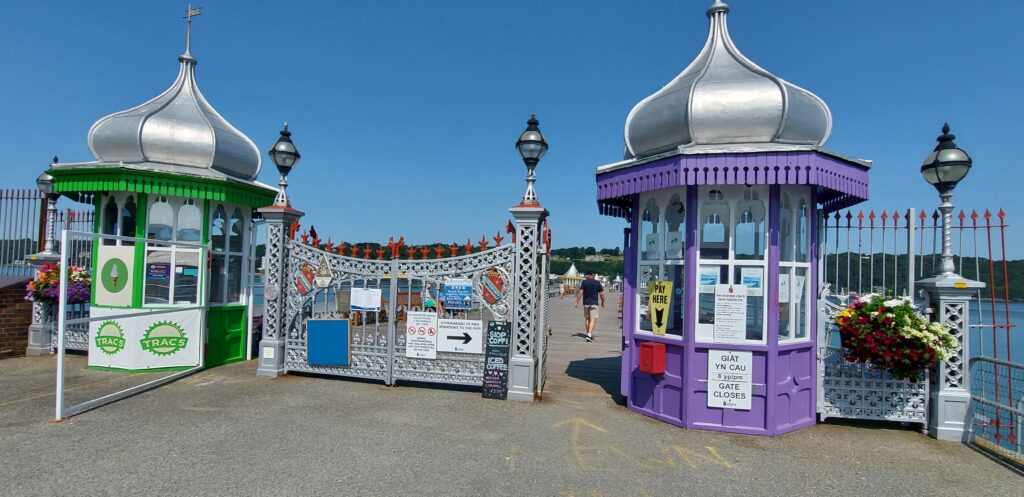
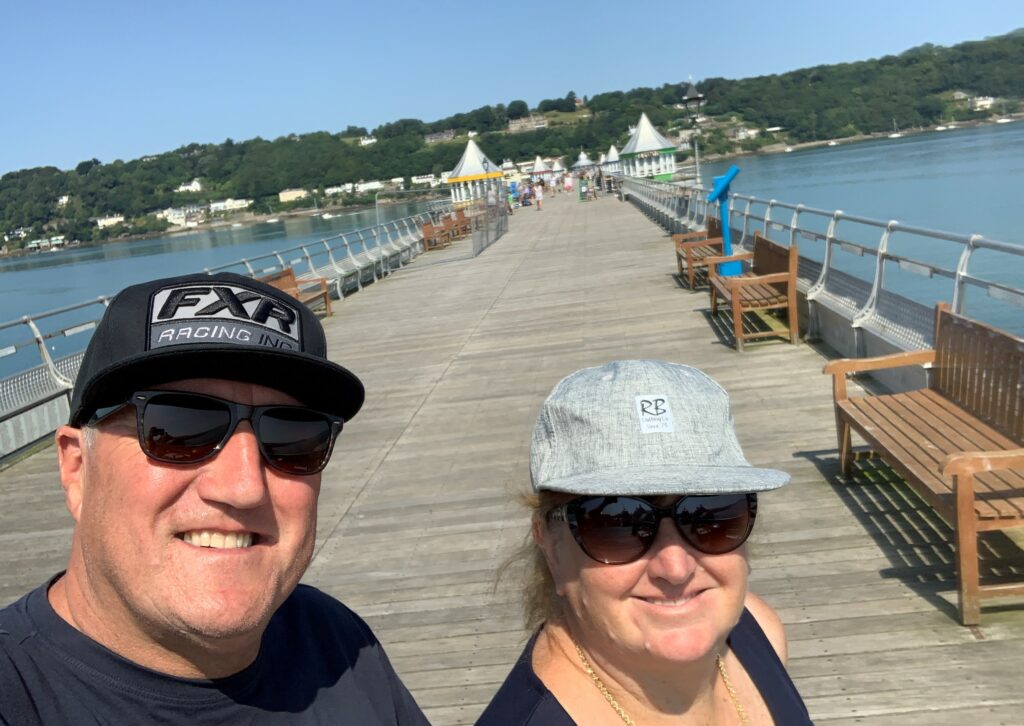
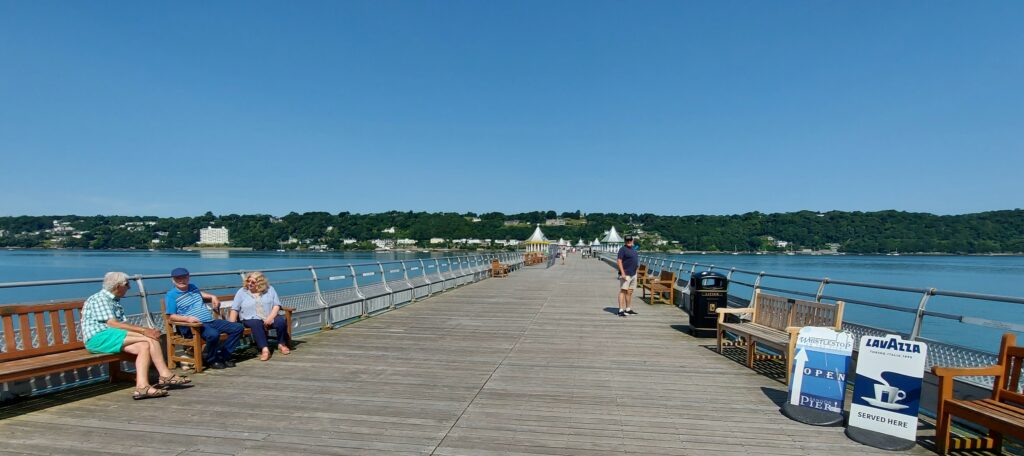
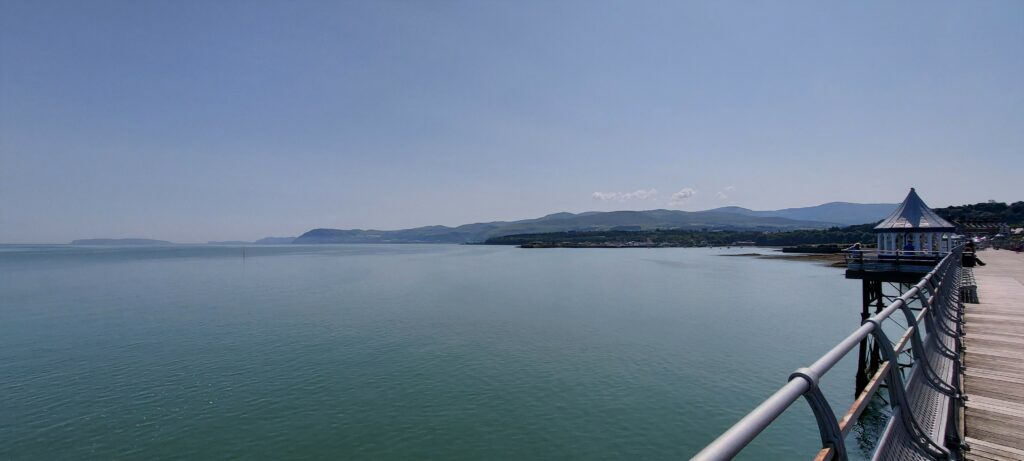
We headed down to the pier which looks across the Menai Strait towards Anglesey and admired the scenery. The pier was opened in 1893 and after several closures, mainly due to expensive repair costs, it was sold to the County Council in 1974, who gave it a Grade II Listed building status and secured its future. The British Listed Buildings inspector considered it to be “the best in Britain of the older type of pier without a large pavilion at the landward end”. Restoration work took place over several years, and the pier was re-opened to the public on 7 May 1988, however it’s now in need of more work……

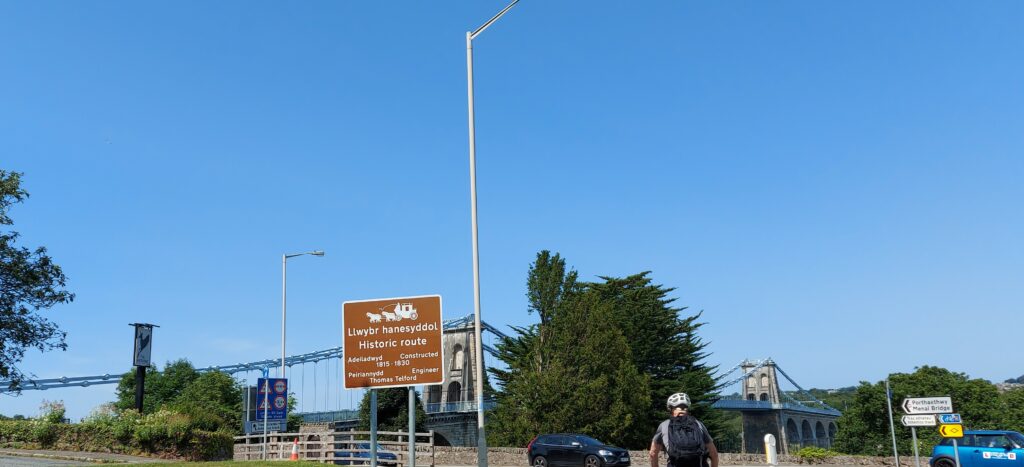
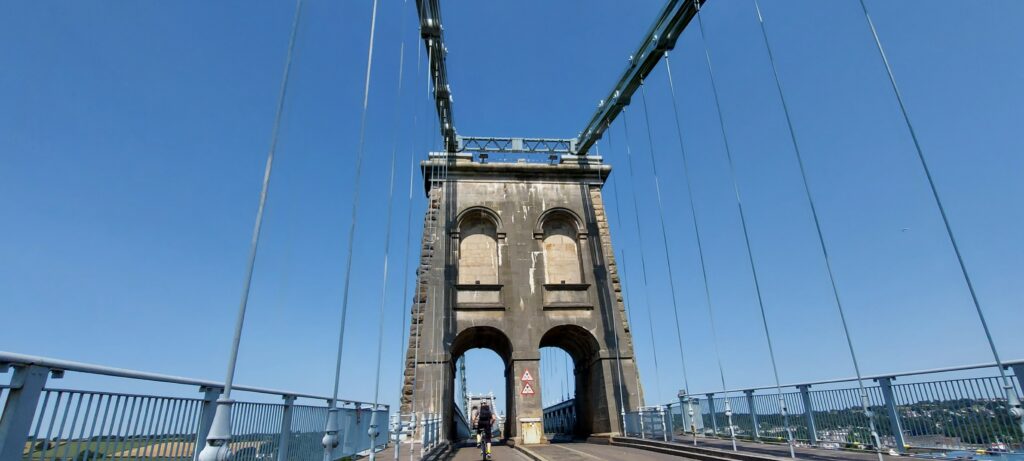
We crossed the Menai Bridge into Anglesey

Anglesey – Beaumaris and Penmon Point

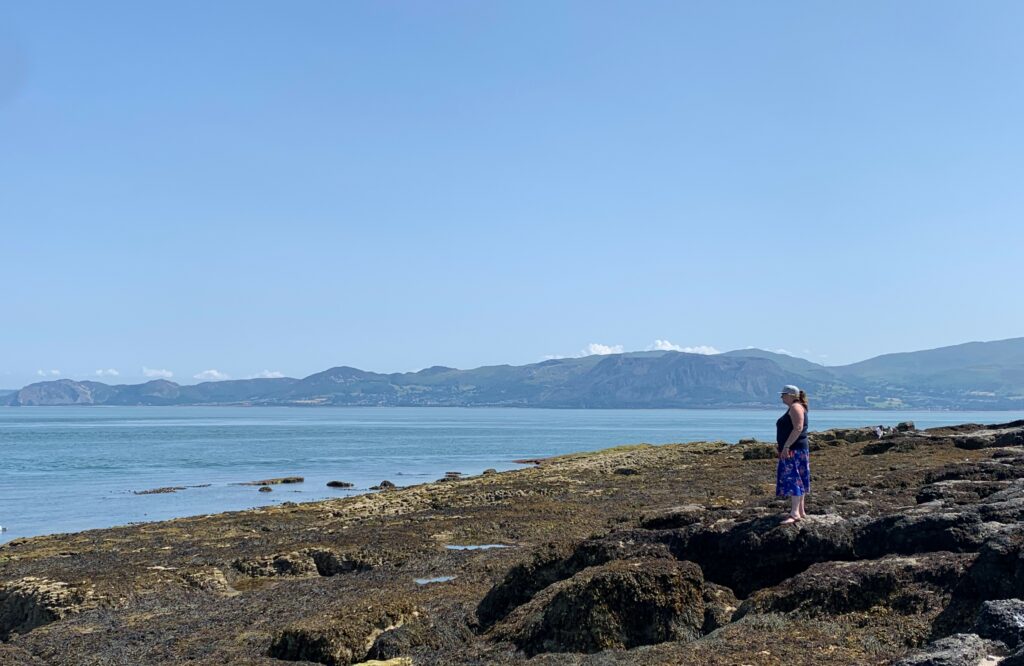
We landed in Anglesey and turned right, towards the Eastern point of the Island.

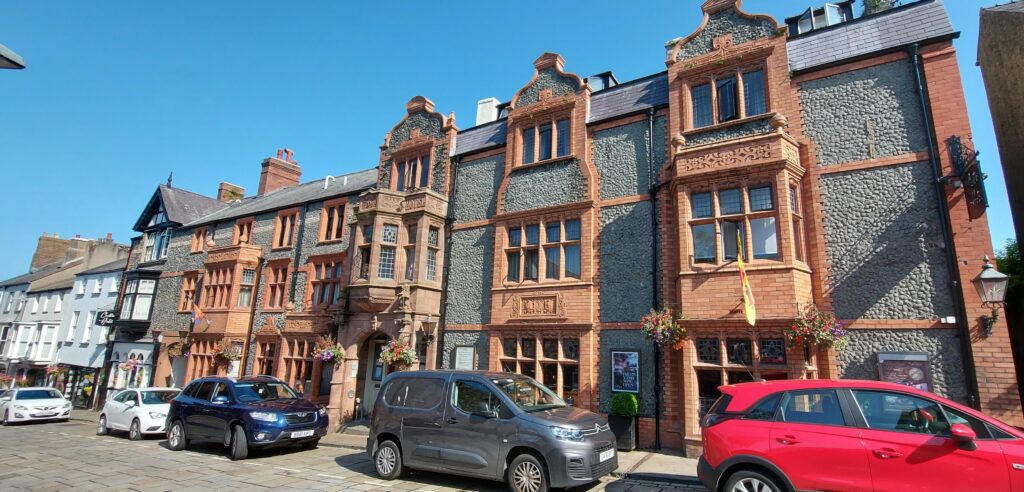
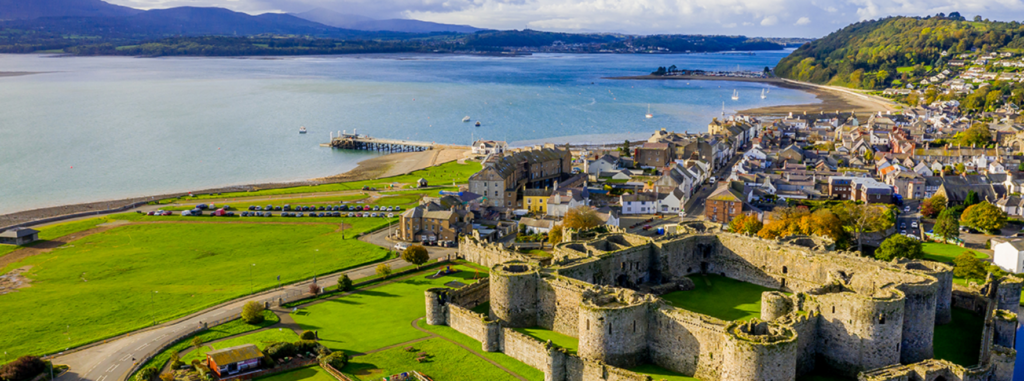
Beaumaris is a small seaside town full of cafes, restaurants and take aways, all catering for the visitors to the castle.

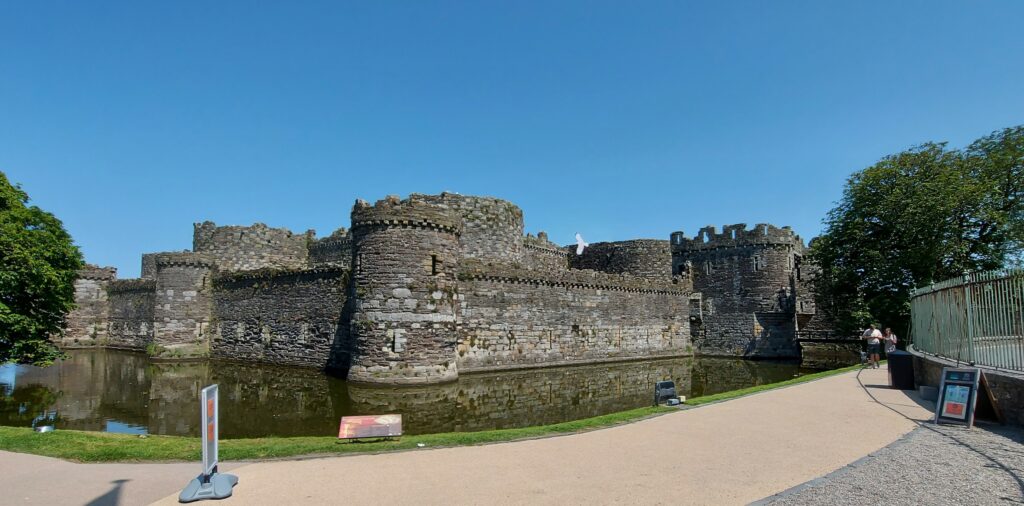
Beaumaris Castle is famous as the “greatest castle never built” . It was the last of the royal strongholds created by Edward I in Wales – and perhaps his masterpiece.

Here Edward and his architect James of St George took full advantage of a blank canvas: the ‘beau mareys’ or ‘beautiful marsh’ beside the Menai Strait. By now they’d already constructed the great castles of Conwy, Caernarfon and Harlech. This was to be their crowning glory, the castle to end all castles.

The result was a fortress of immense size and near-perfect symmetry. No fewer than four concentric rings of formidable defences included a water-filled moat with its very own dock. The outer walls alone bristled with 300 arrow loops.

But lack of money and trouble brewing in Scotland meant building work had petered out by the 1320s. The south gatehouse and the six great towers in the inner ward never reached their intended height. The Llanfaes gate was barely started before being abandoned.

So the distinctive squat shape of Beaumaris tells of a dream that never quite came true. Still it takes its rightful place on the global stage as part of the Castles and Town Walls of Edward I World Heritage Site.

Because this castle is special – both for the scale of its ambition and beauty of its proportions. Gloriously incomplete Beaumaris is perhaps the supreme achievement of the greatest military architect of the age.

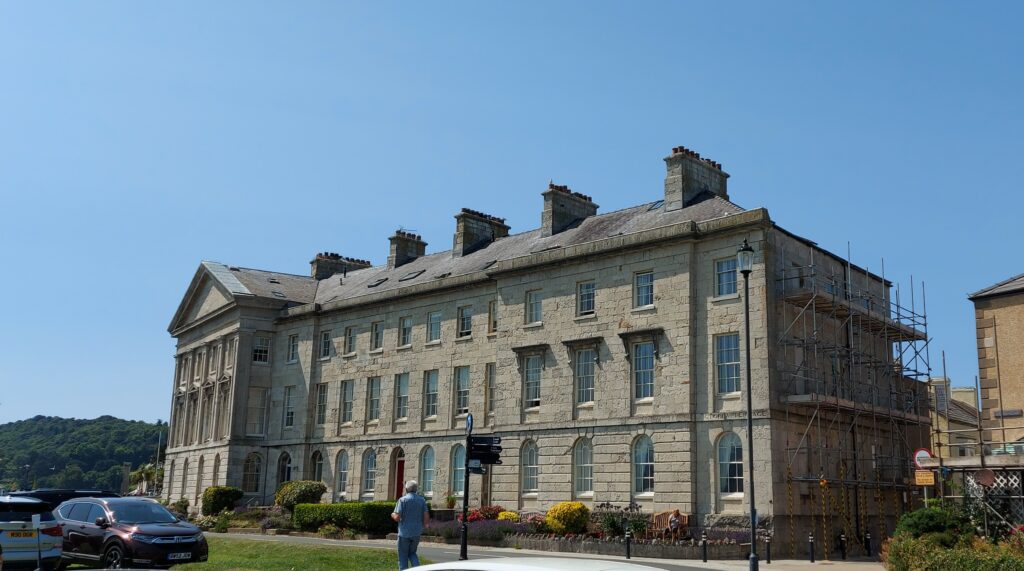
A huge imposing building, looking out onto the Estuary was built by Joseph Hansom and Edward Welch, architects of York, and completed in 1833, for the Corporation of Beaumaris. The terrace was the centrepiece of a plan to regenerate the declining port of Beaumaris by creating a fashionable resort. Now it is a Grade 1 Listed Georgian property with several large residential “town houses” and holiday accommodation.

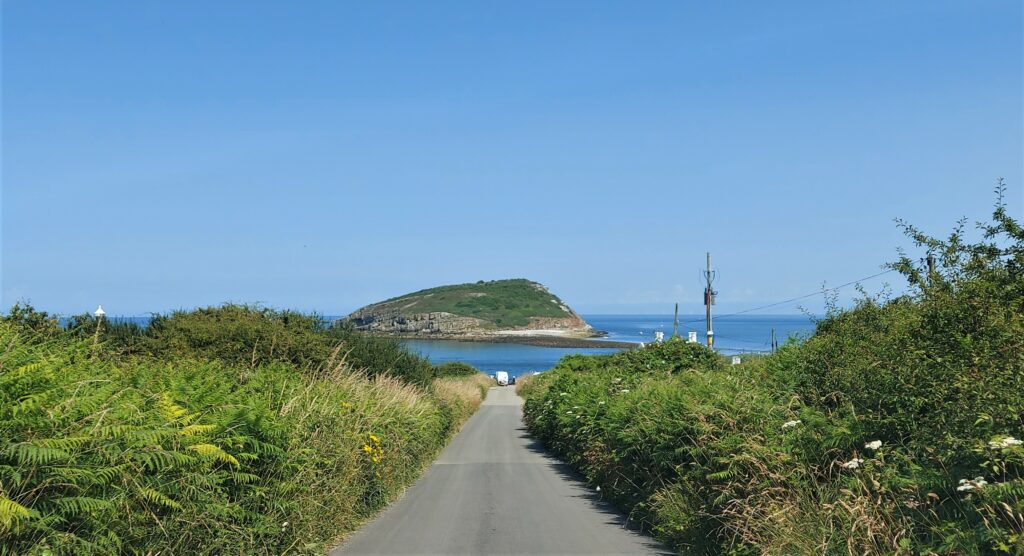
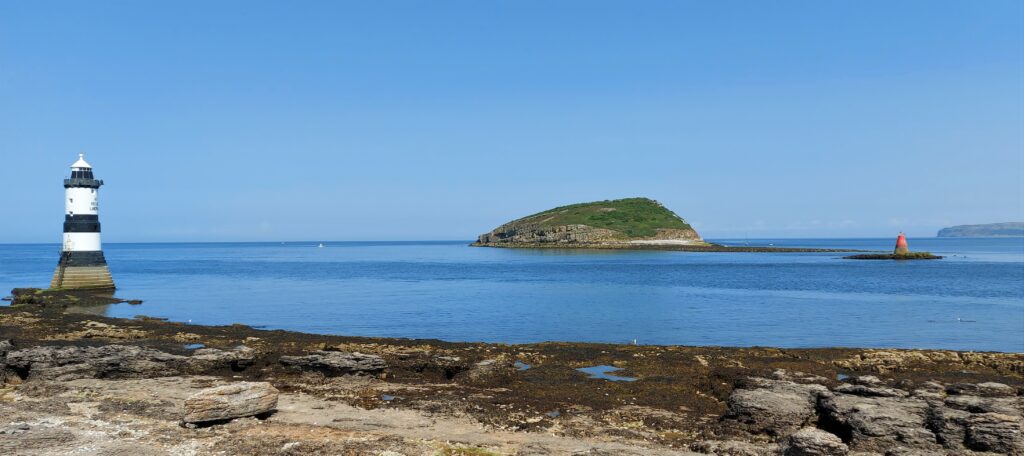
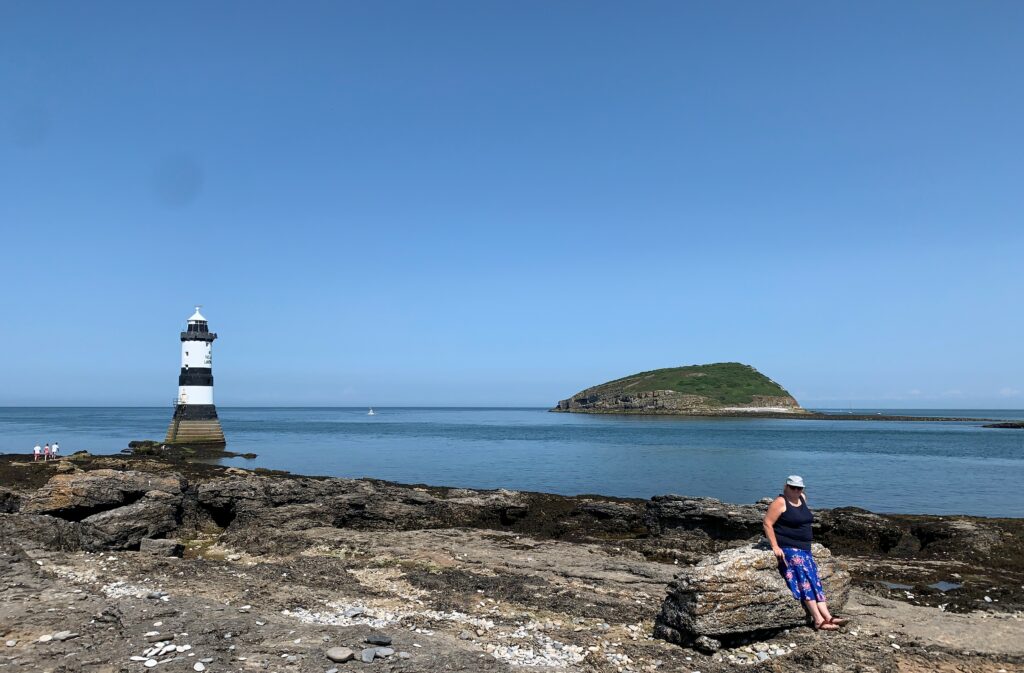
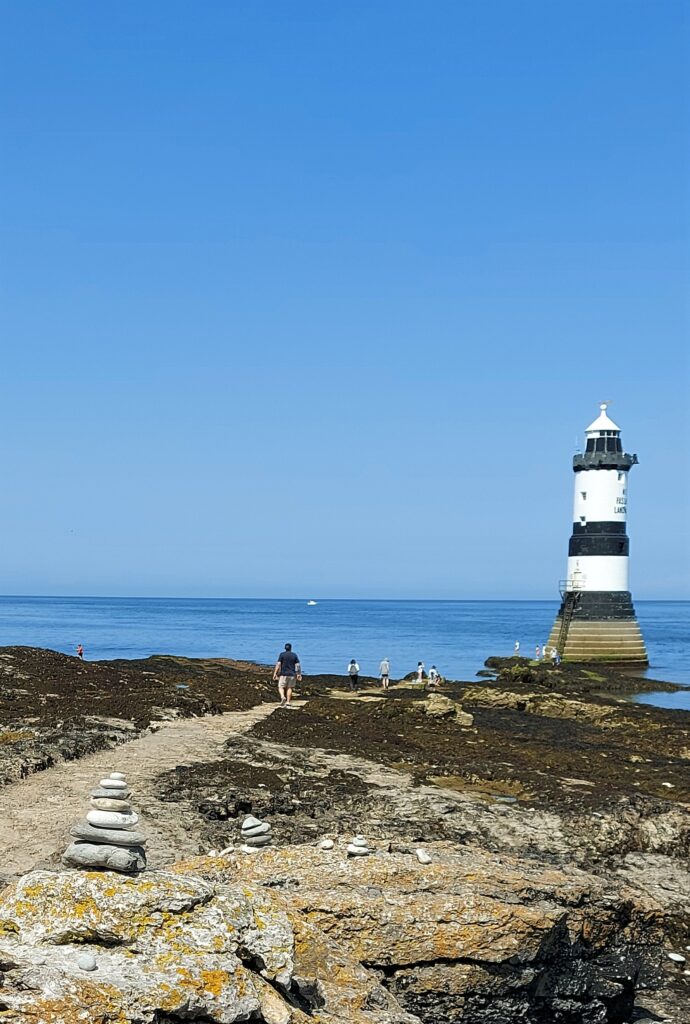
Traditional fish and chip lunch over, we headed out to Penmon Point, the most Easterly point of Anglesey. Locally known as Black Point, it is home to one of Anglesey’s 5 lighthouses and Puffin Island, in the 6th century the island was home to a monastery, now it is just a bird and animal sanctuary.

Llanfairpwll…….. OK I give up!

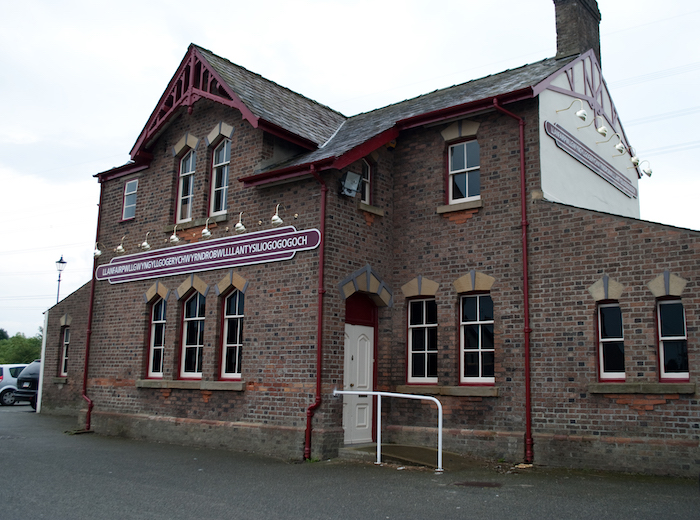
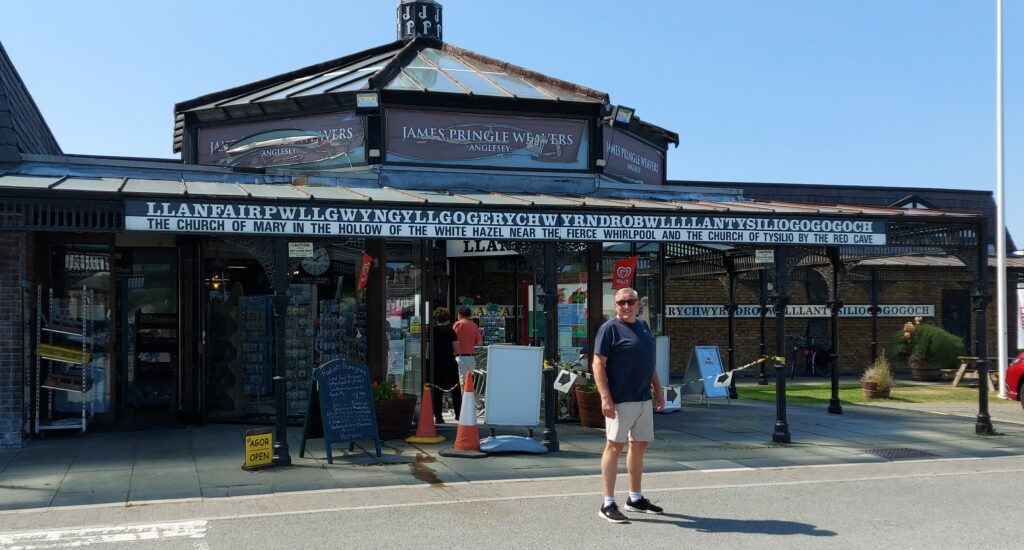
We doubled back through Beaumaris and went to the town with the longest name in the world – 58 charachters!!

The full name is Llanfairpwllgwyngyllgogerychwyrndrobwllllantysiliogogogoch, which was created so its railway station would have the longest sign in the country—in the mid 1800s. It means “St. Mary’s Church in the hollow of white hazel near a rapid whirlpool and the Church of St. Tysilio near the red cave.”

Been there!

Caernarfon Castle

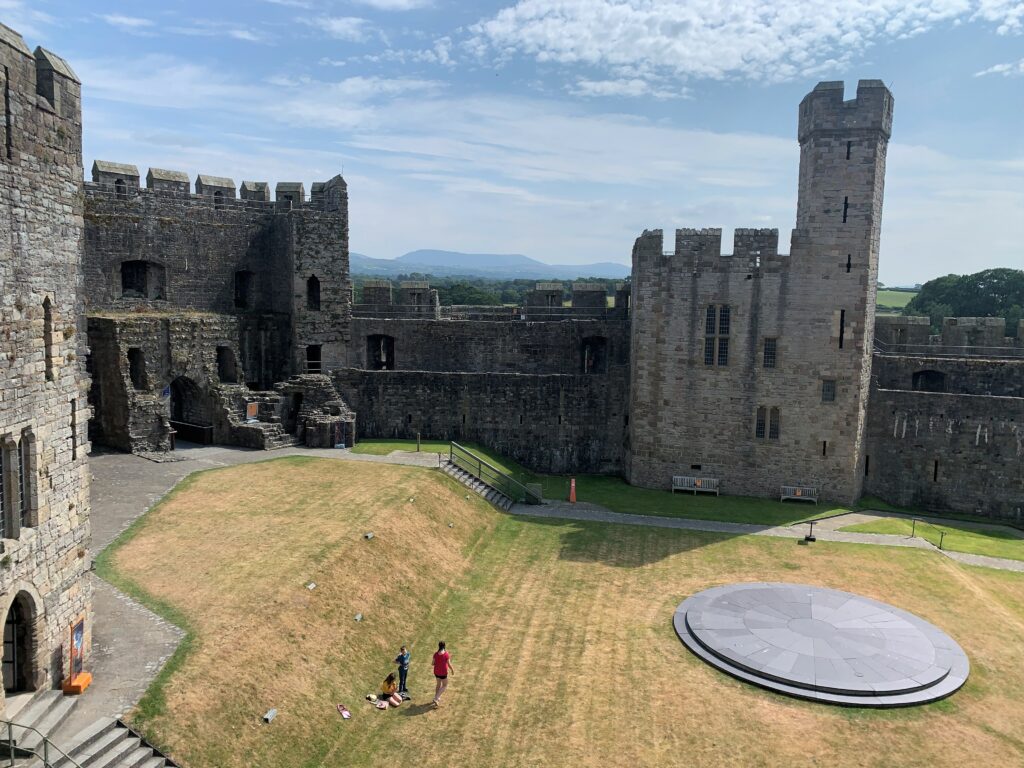
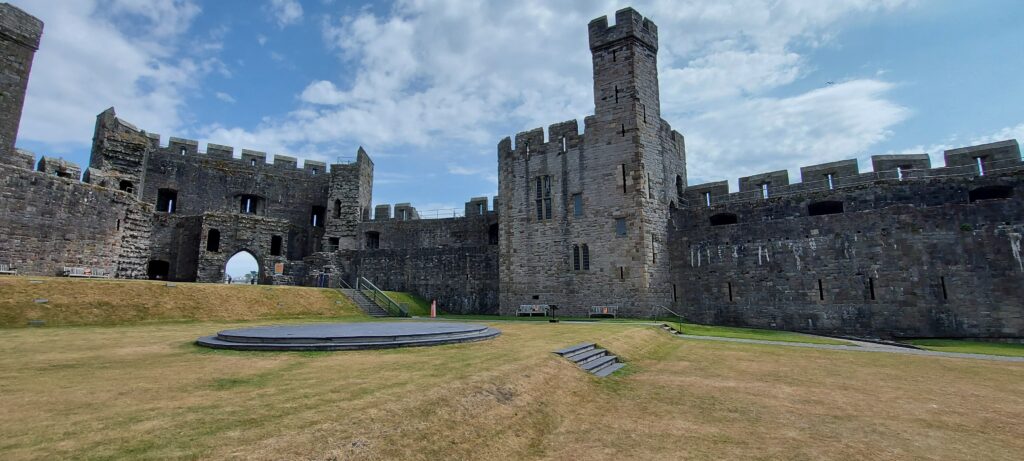
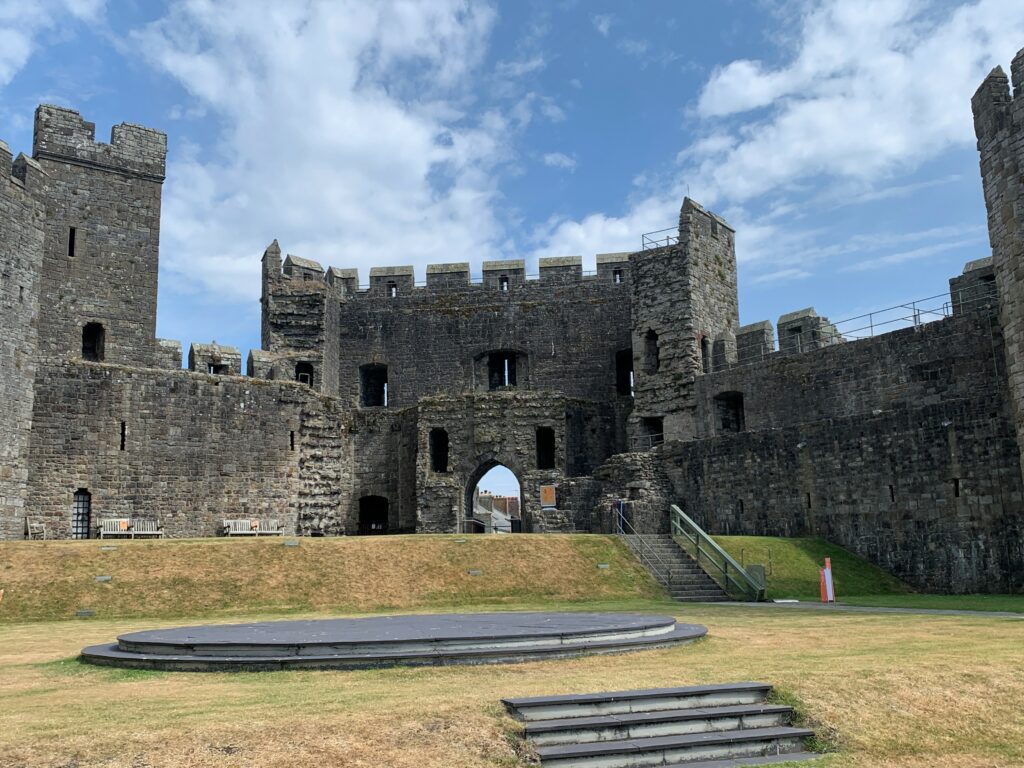
We returned to the mainland and turned right, heading to Caernarfon Castle. Being the place where Prince Charles was inaugurated in 1969, we thought we would book the tour of the castle, expecting it to be full of historic artifacts. We were disappointed, it’s an outline of the building, with only a museum for the Welsh Fusiliers.

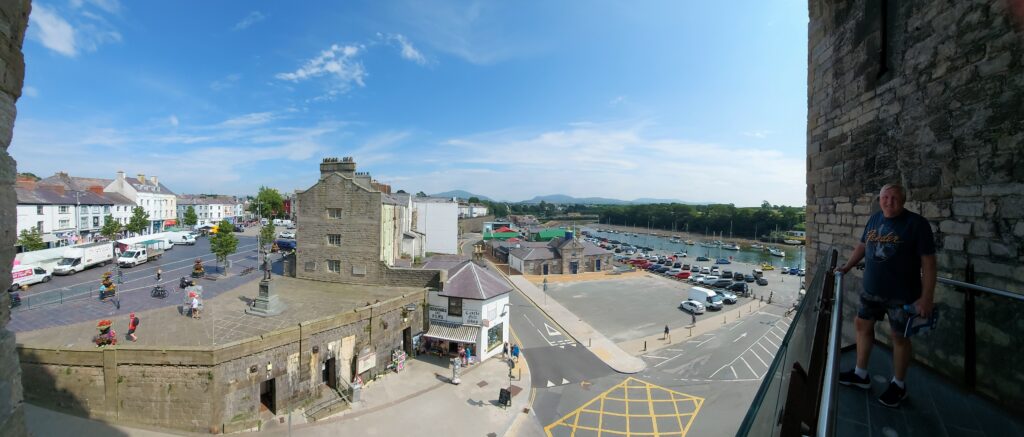
The small market town was also disappointing, very run down with lots of charity shops. However, it’s one ticked off the list, Caernarvon Castle.

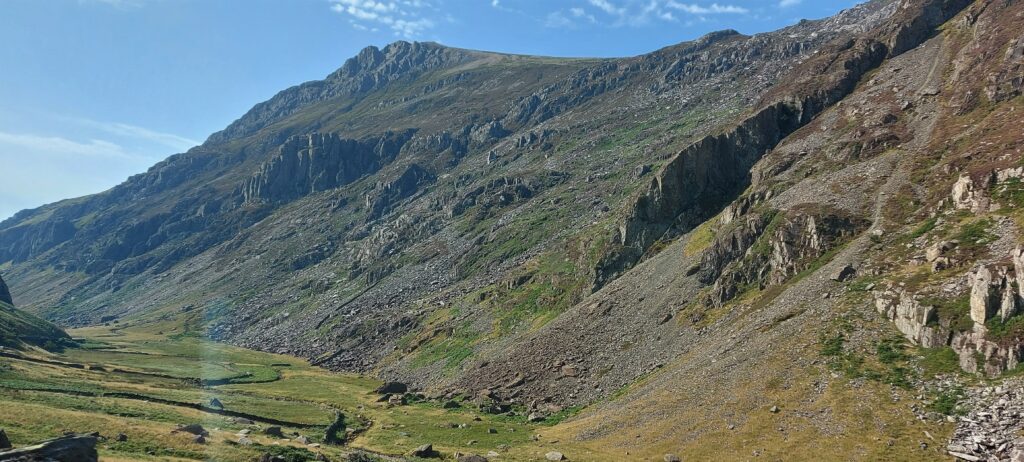
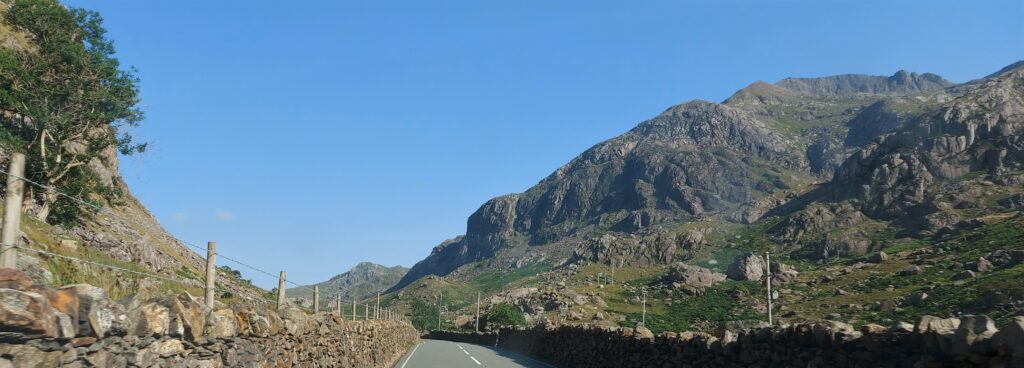
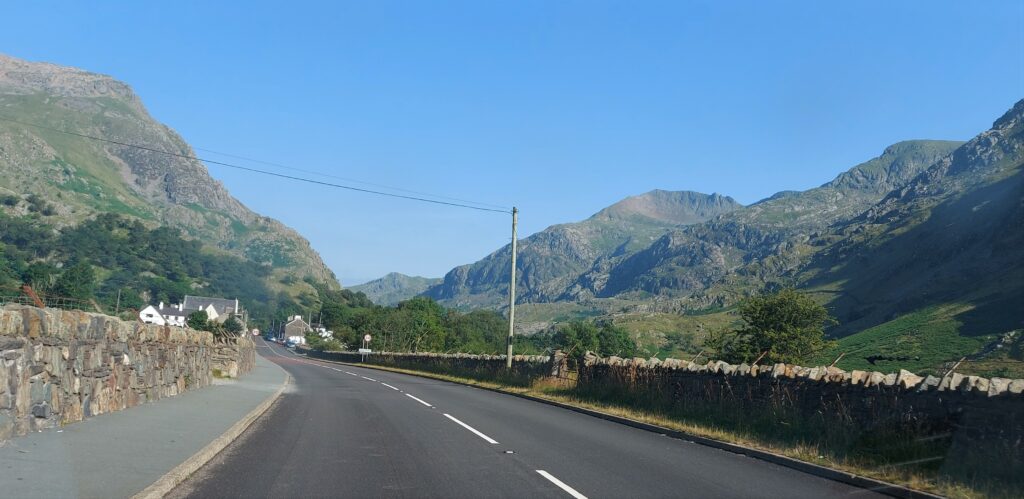
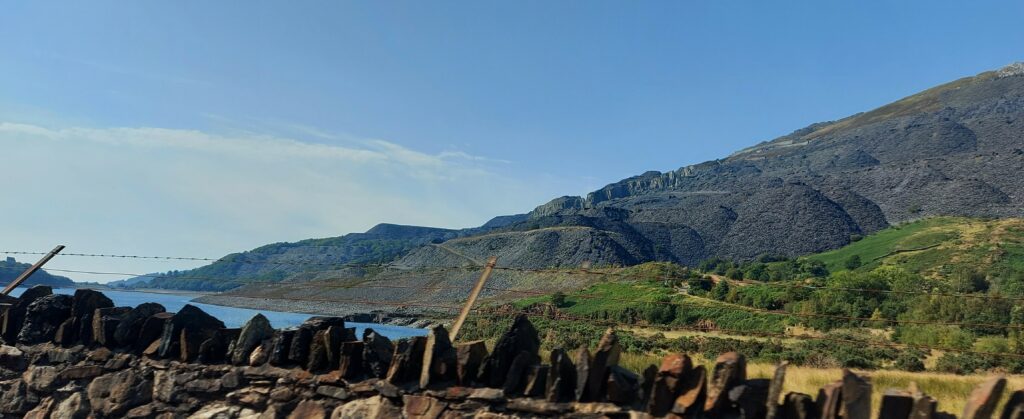
We then took a slow drive thrugh the Snowdonia National Park and realised why we loved living in Wales, it’s green, lush, sparkling, colourful, beautiful!

After a long day out, we returned back at Bessy tired but in awe of the Welsh beauty!

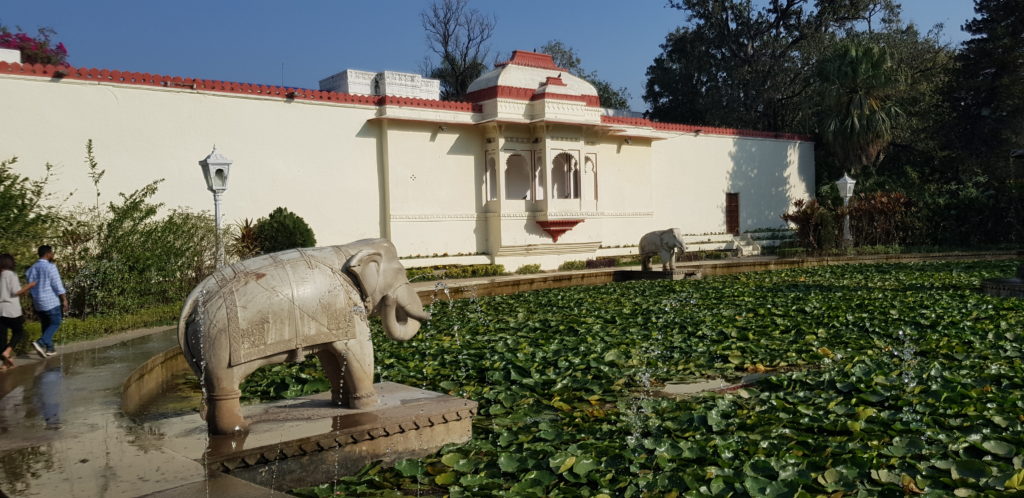
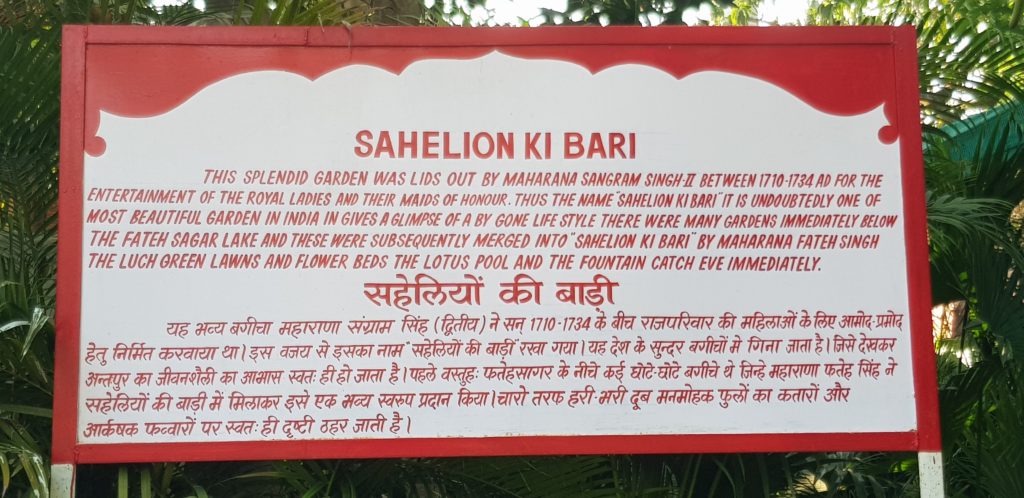
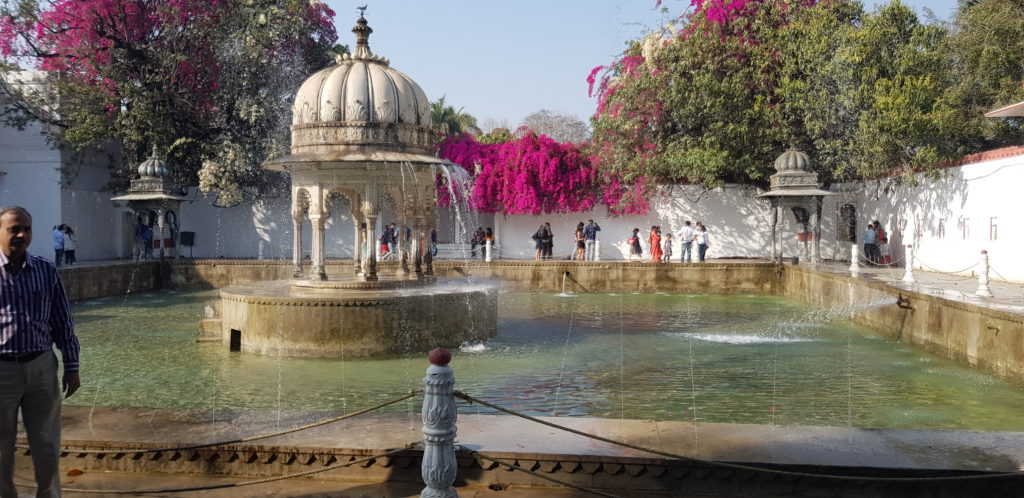
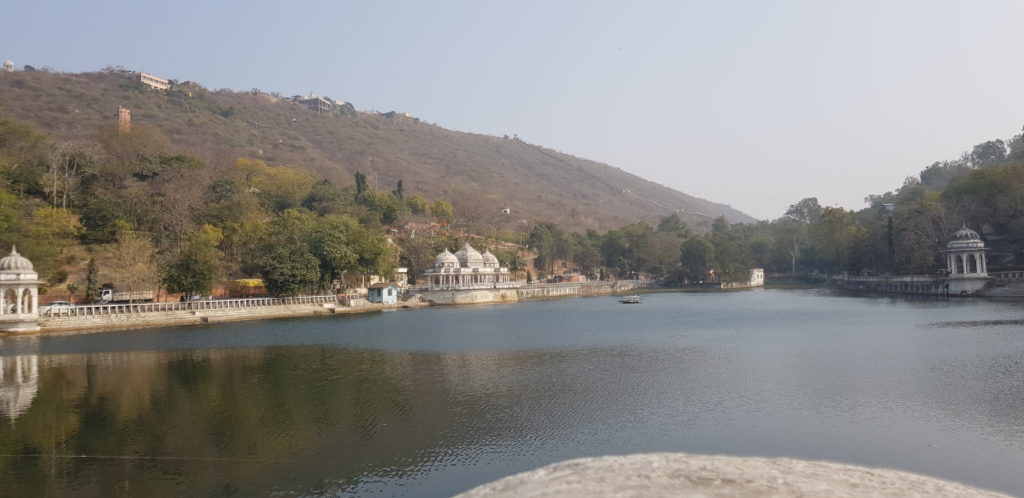
Udaipur – City of Lakes

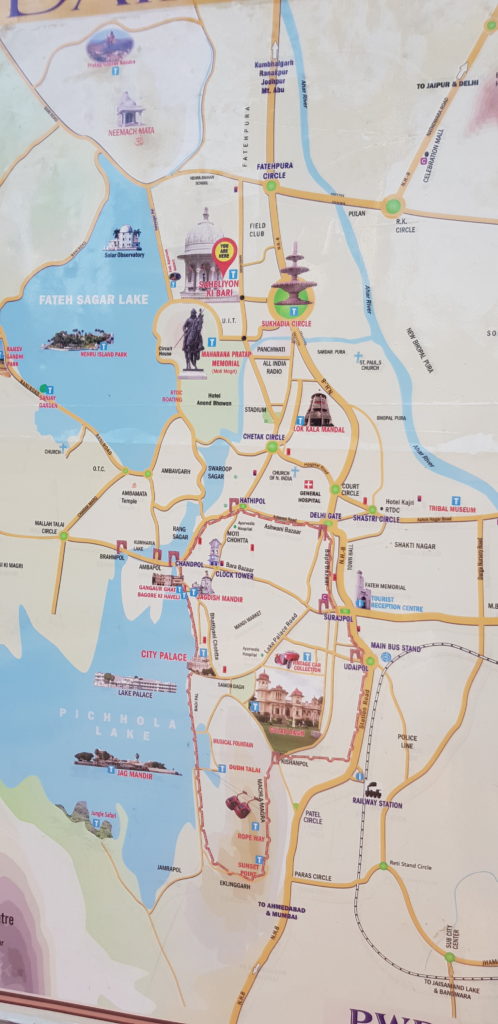
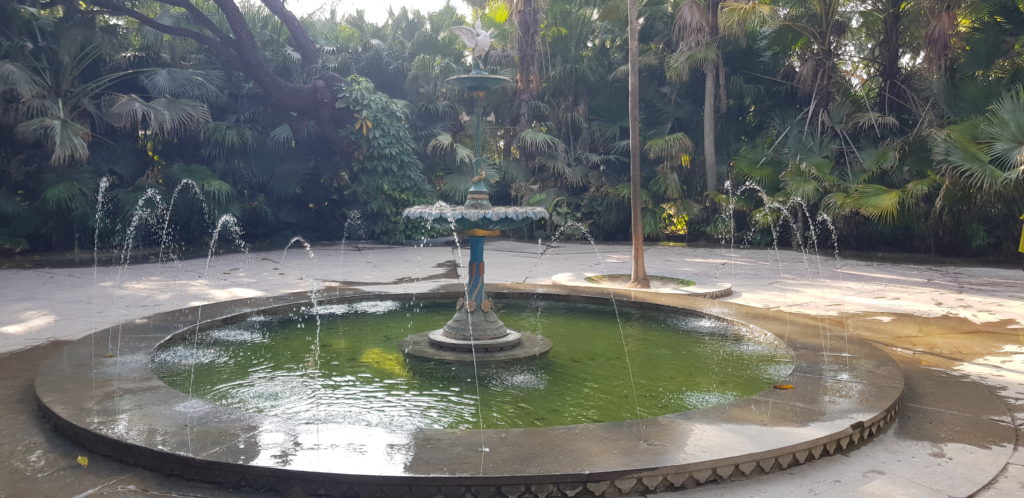
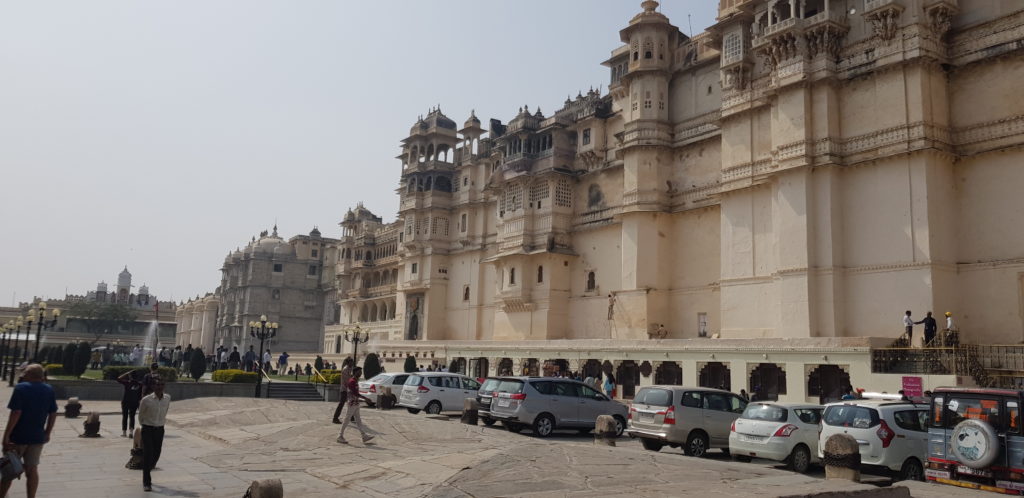
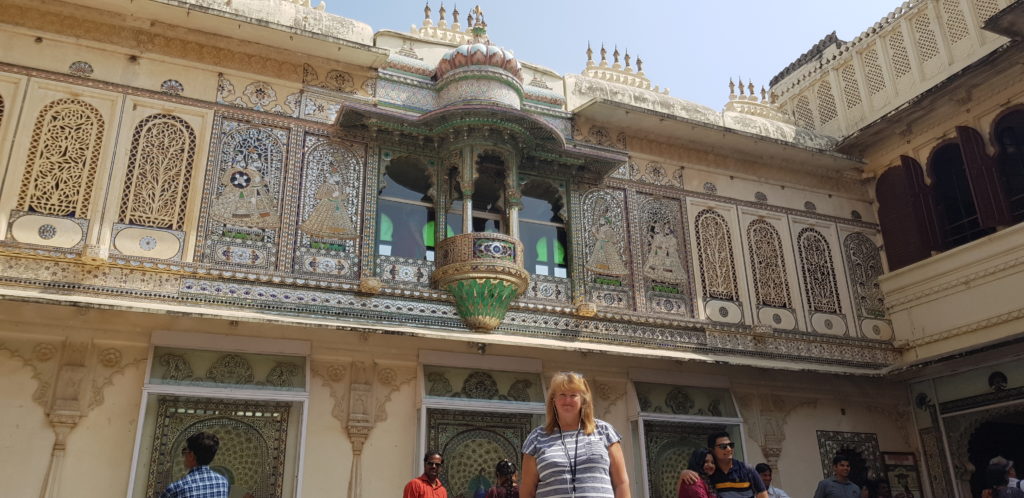
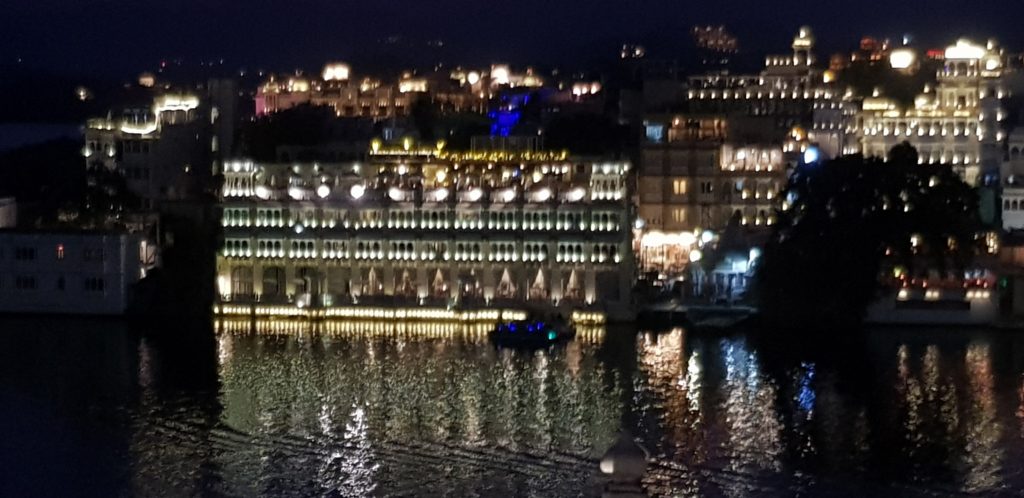
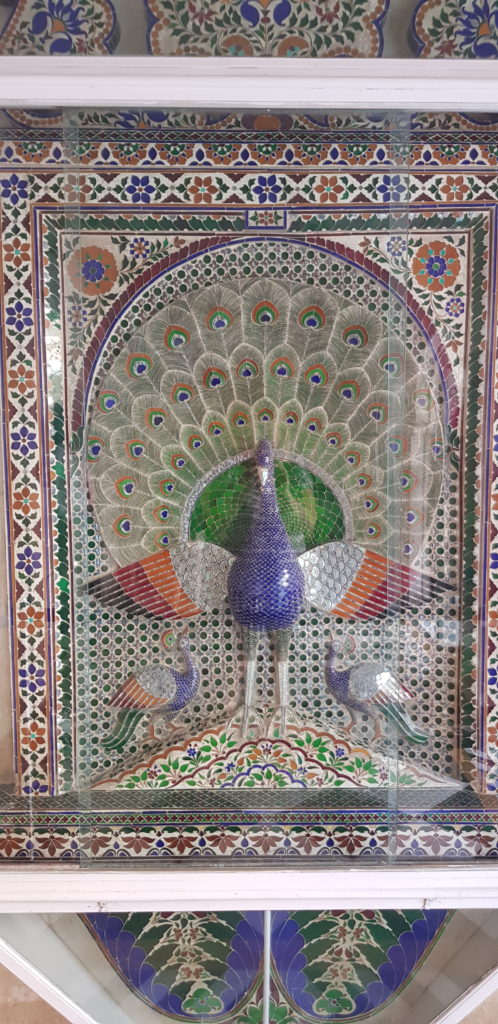
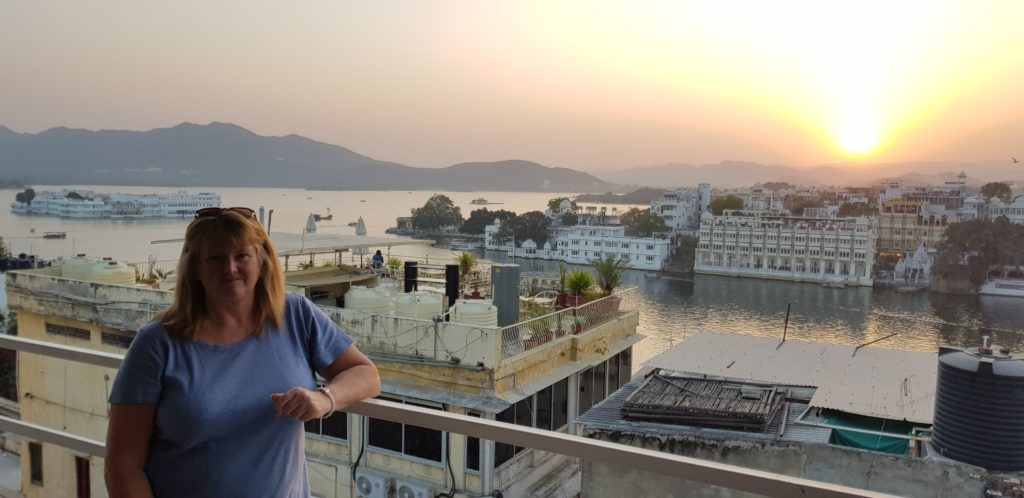
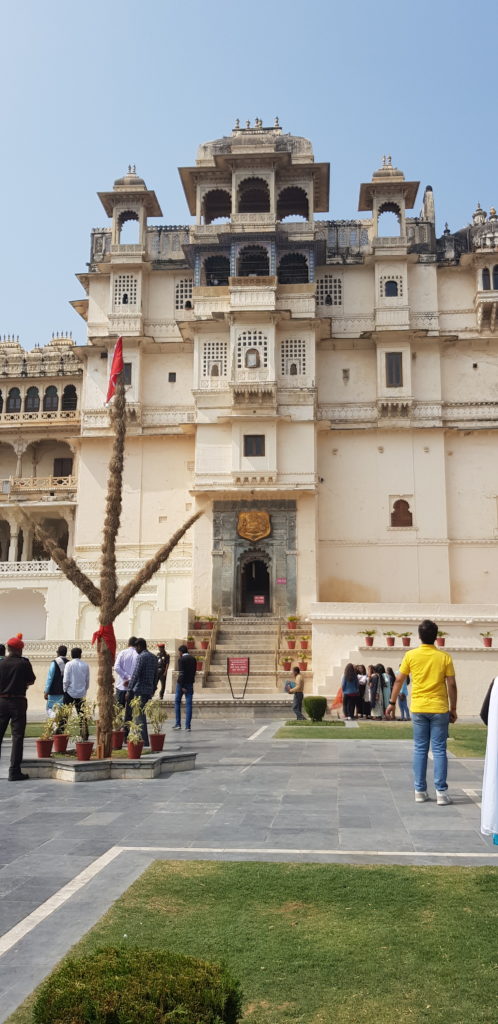
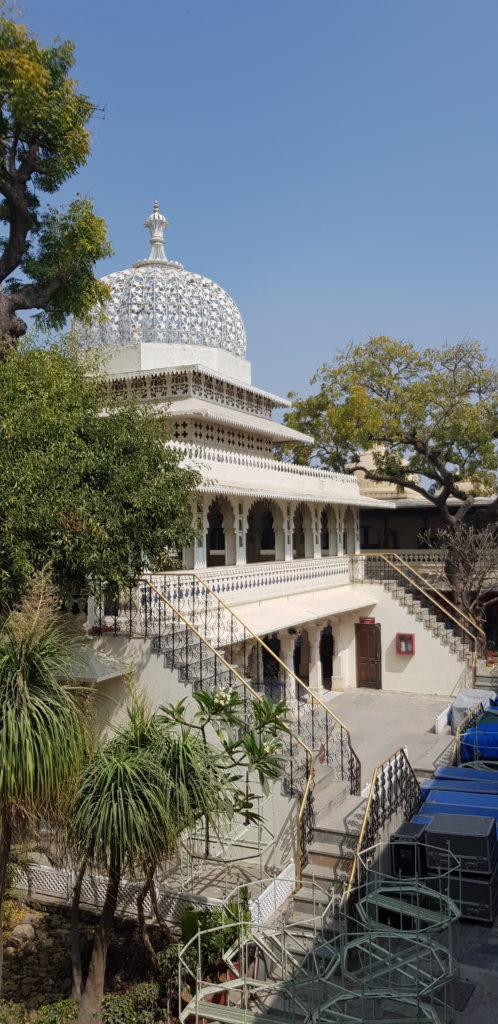
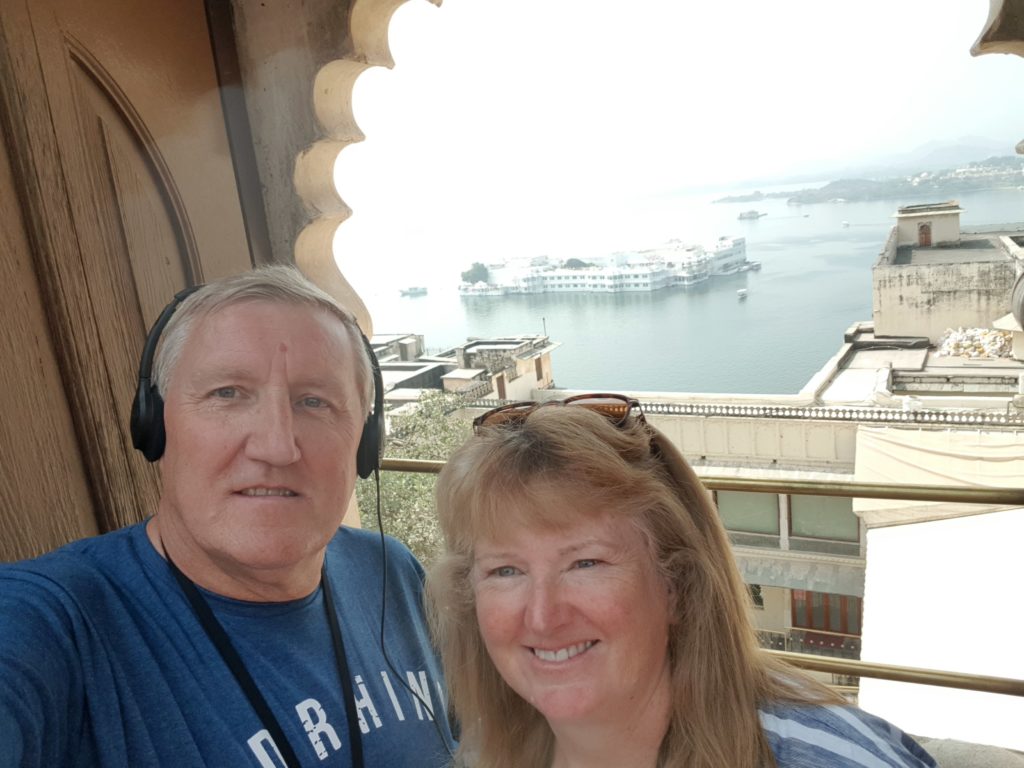
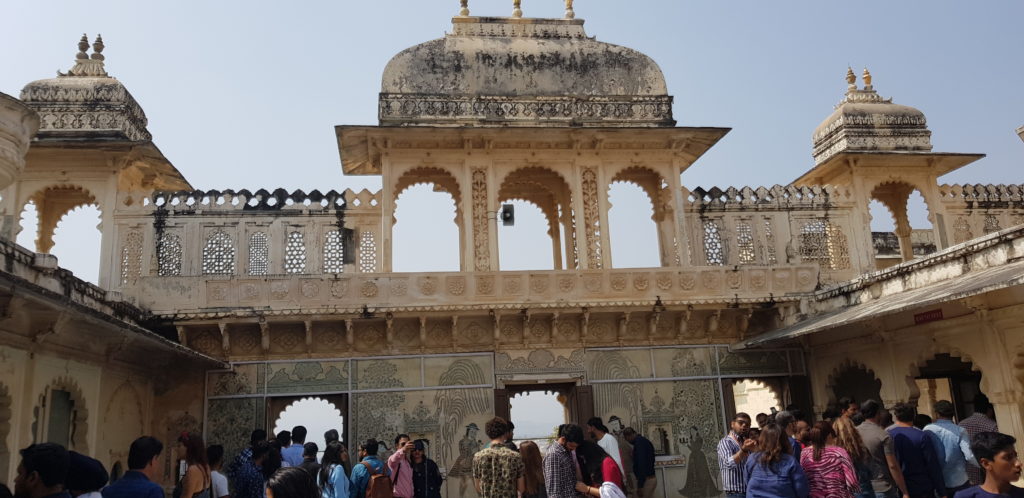
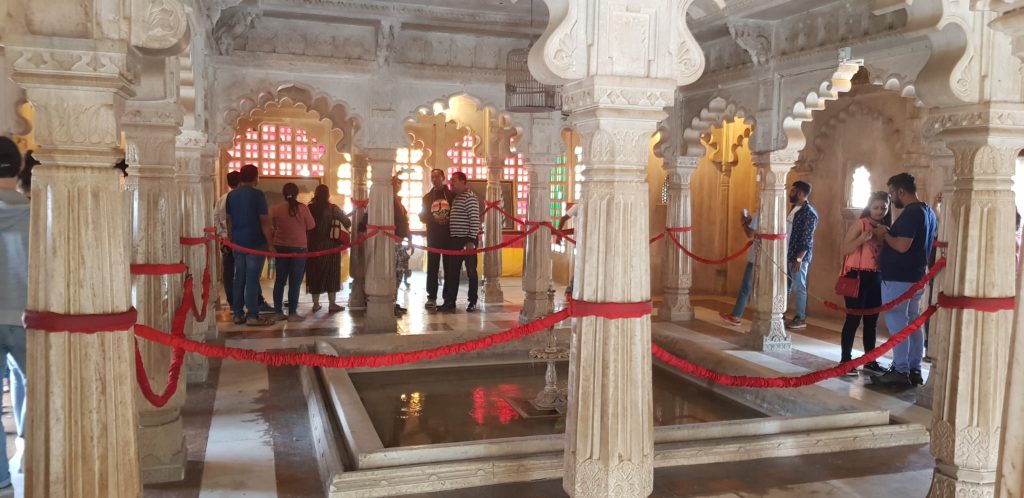
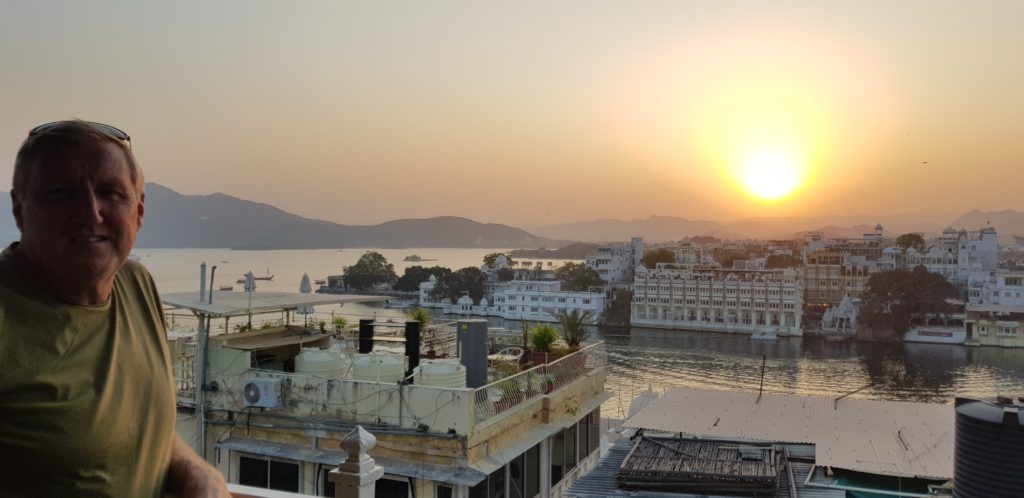
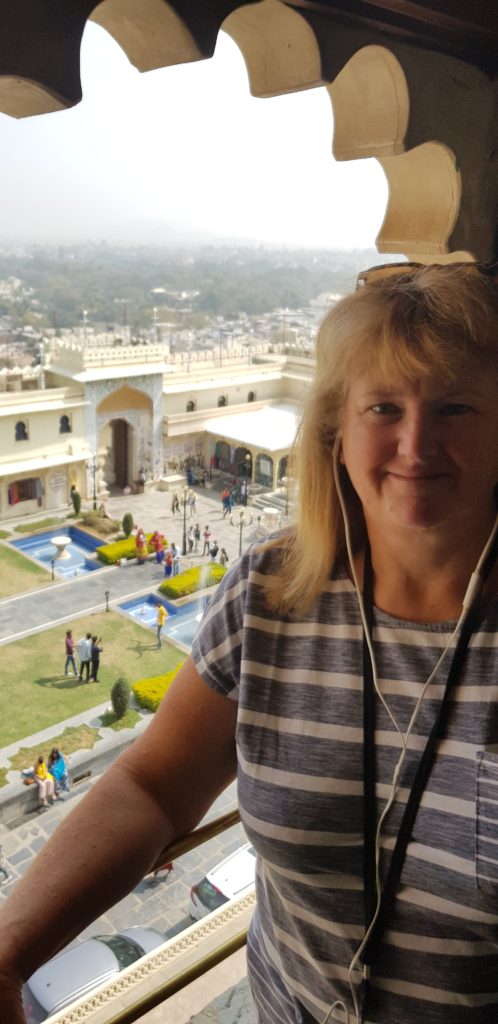
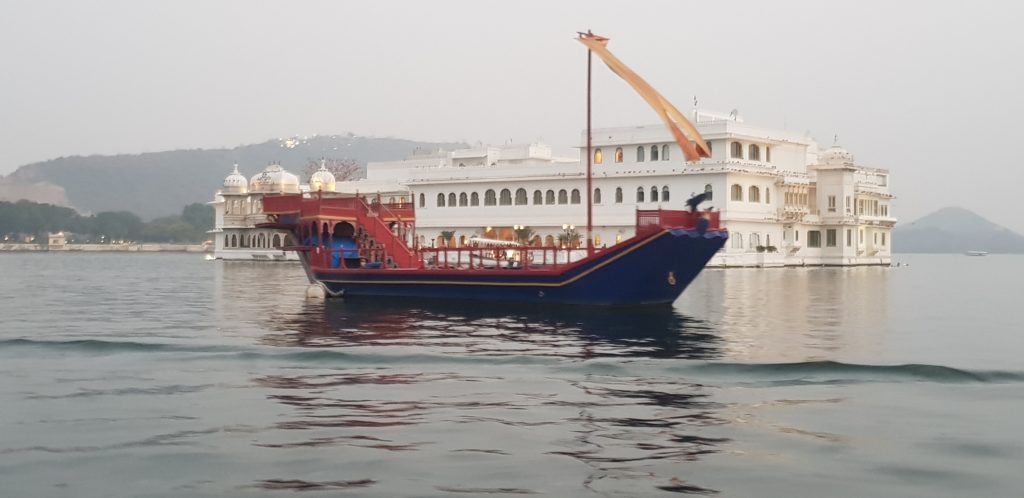
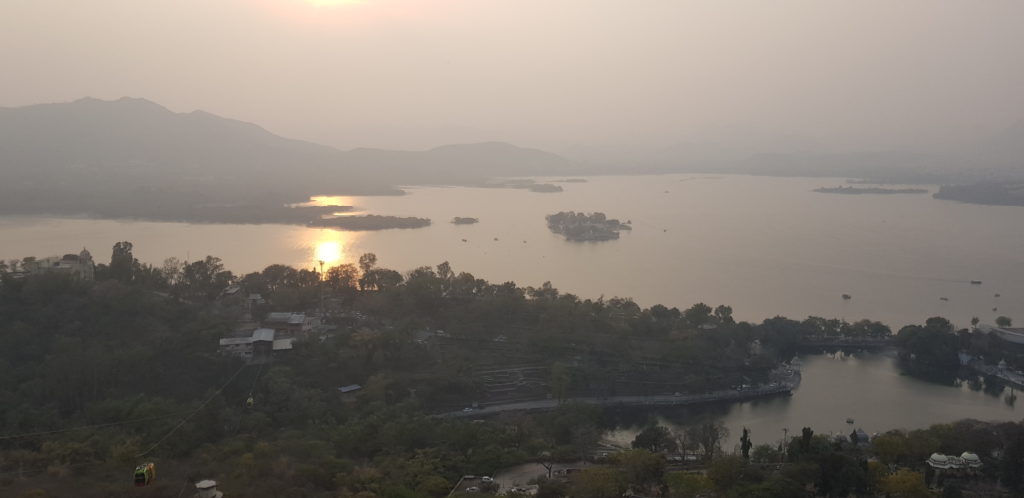
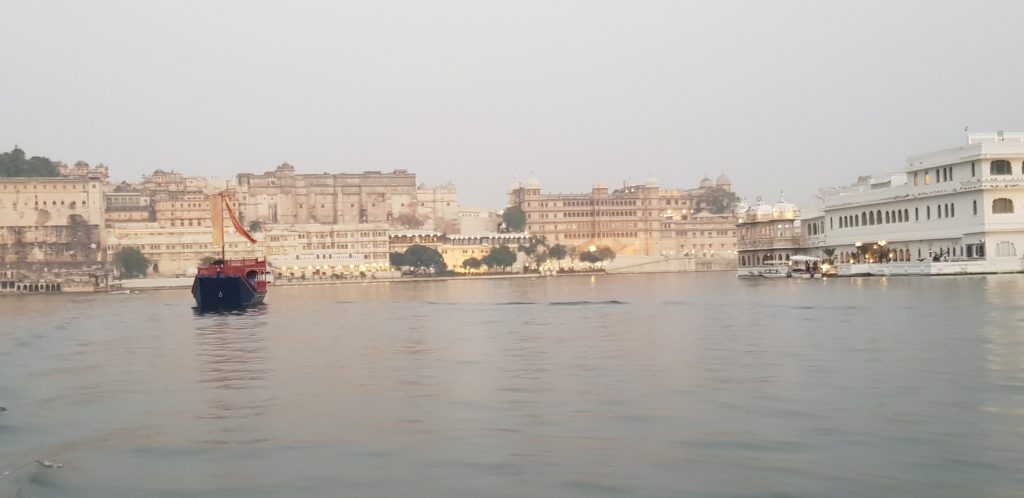
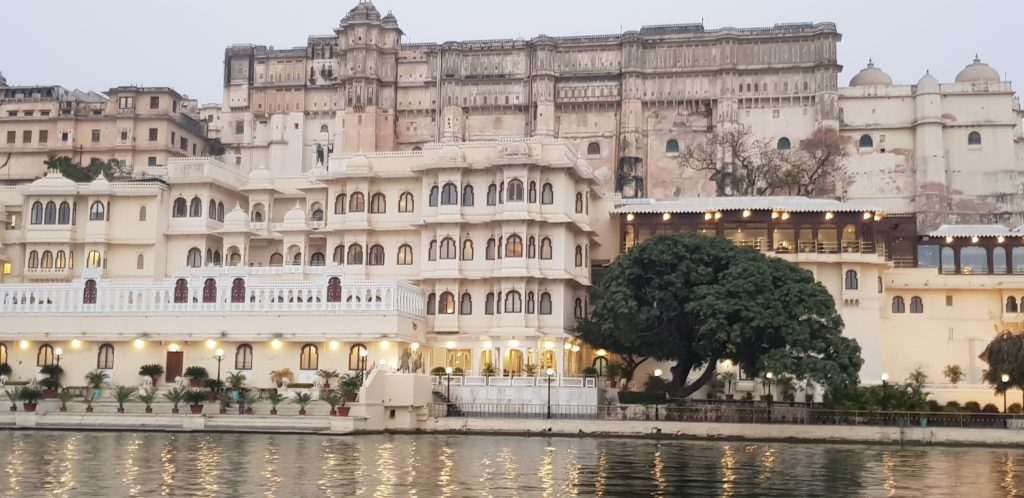
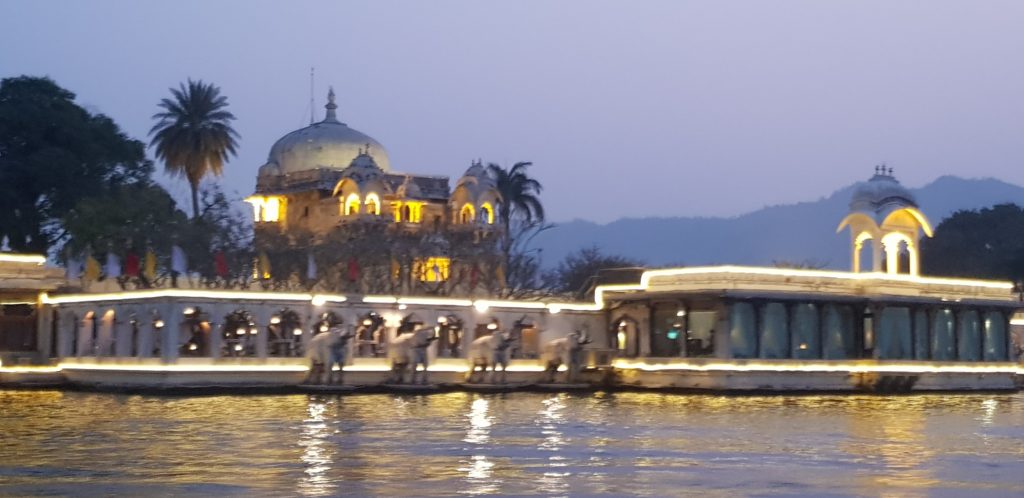
Udaipur is a city in the western Indian state of Rajasthan. Founded by Maharana Udai Singh II in 1559, it’s set around a series of artificial lakes that were created to supply water to nearby villages after flooding a small valley in 1362 and is known for its lavish royal residences. City Palace, overlooking Lake Pichola, is a monumental complex of 11 palaces, courtyards and gardens, famed for its intricate peacock mosaics. The Lake has been known to almost dry up in drought years where the old town of Pichola is sometimes visible. Jag Niwas Island is home to the Royal’s Lake Palace, and Jag Mandir island is now the Taj Palace Hotel, where a basic room might set you back £550 a night!

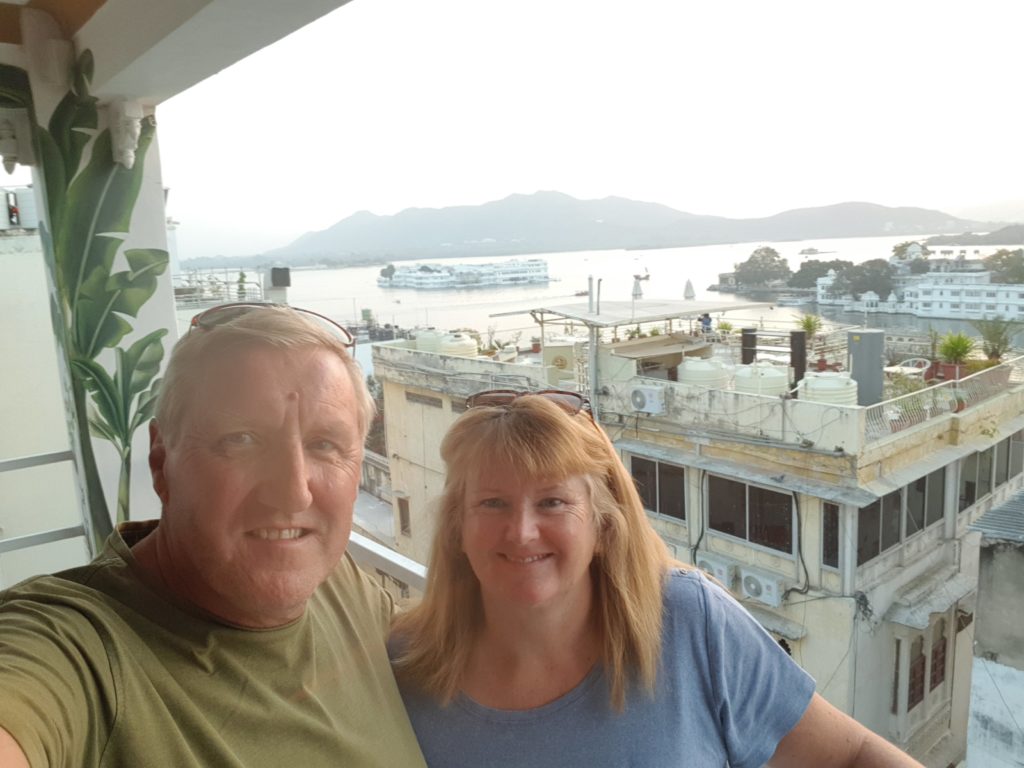
It’s very calm and serene and full of hotels and havelis on the lakeside, behind this are hectic narrow streets (not wide enough for cars) humming with markets, shops, restaurants and businesses.

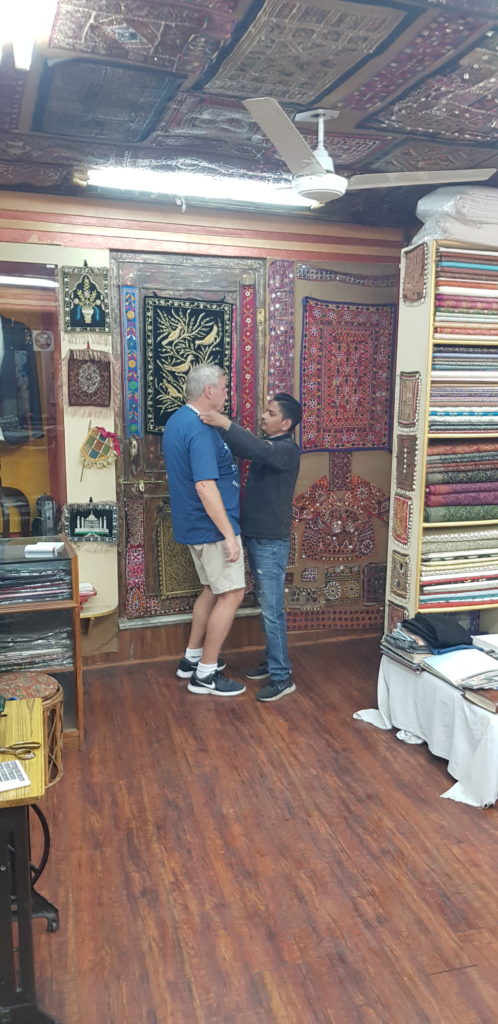
Its also home to a big hand made clothing scene, linen, silk, cotton, wool mix, for trousers, shirts, jackets, waistcoats or dresses and saris. David ordered 2 pairs of good quality linen trousers and 2 short sleeved shirts, made to fit, in 24 hours for about £45. In the meantime, I went next door and signed up for a wonderful massage, I was scrubbed with herbs and essential oils, masaged from head to foot and had a pedicure. I left 2.5 hours later, cleaner, lighter and looser, all for £25. The Indian head massage was simply heaven!!!

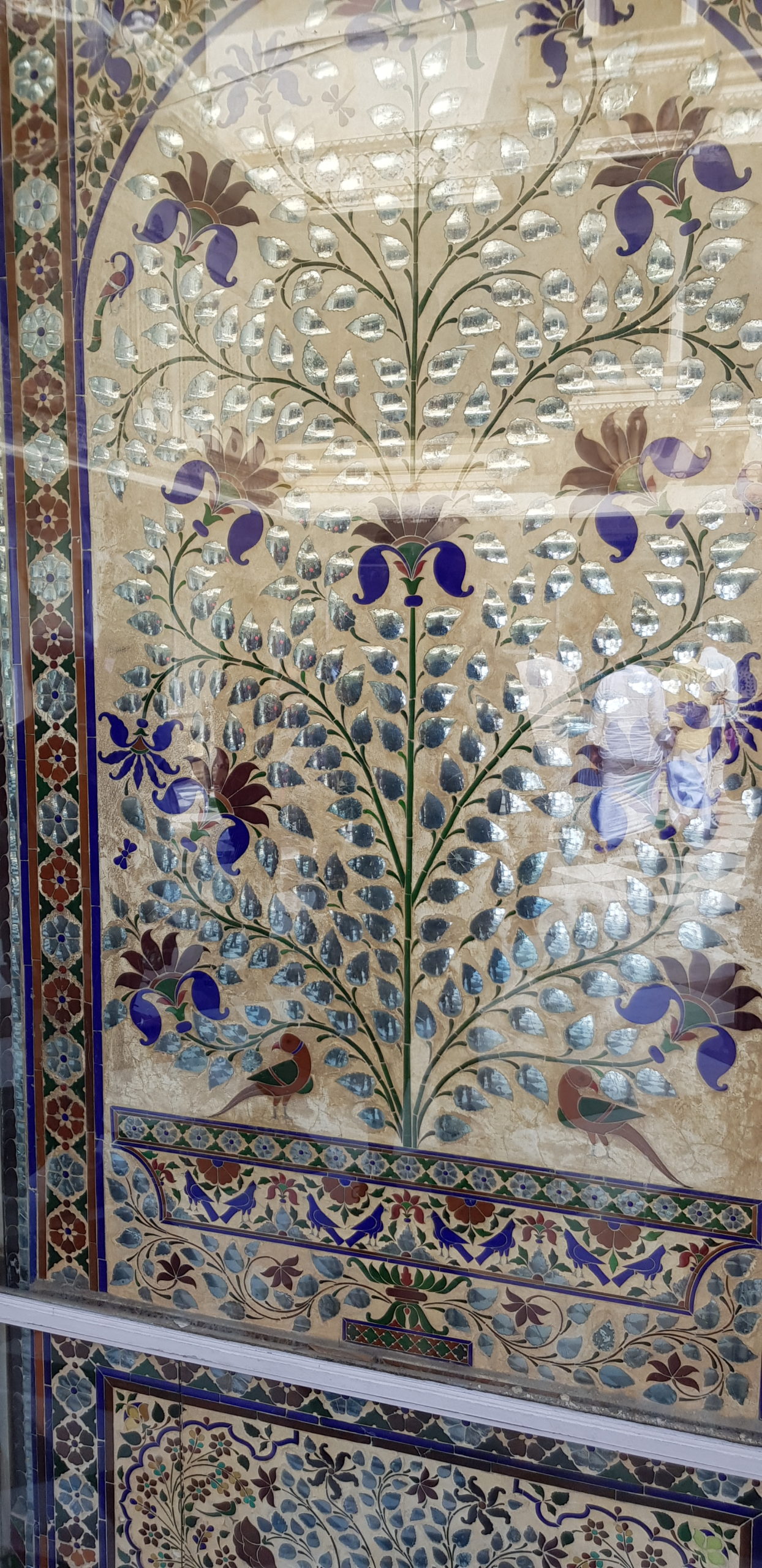
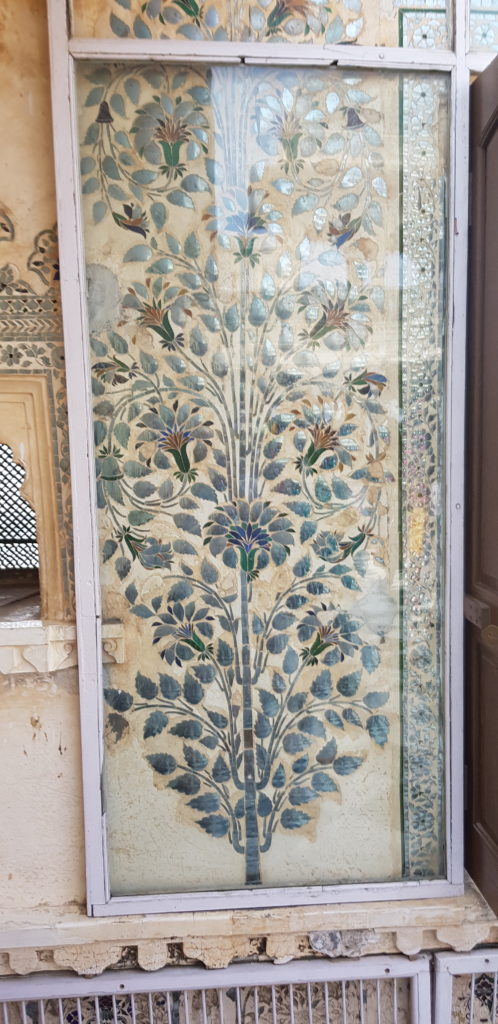
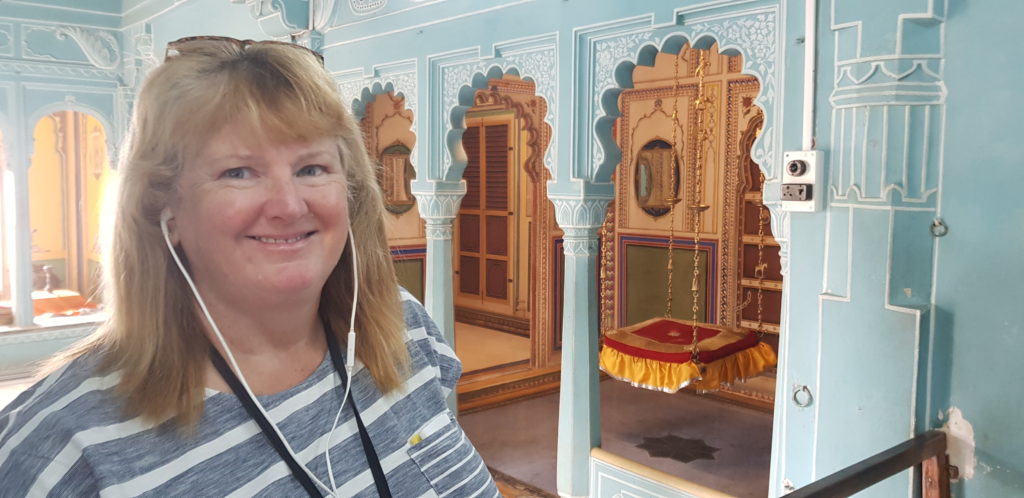
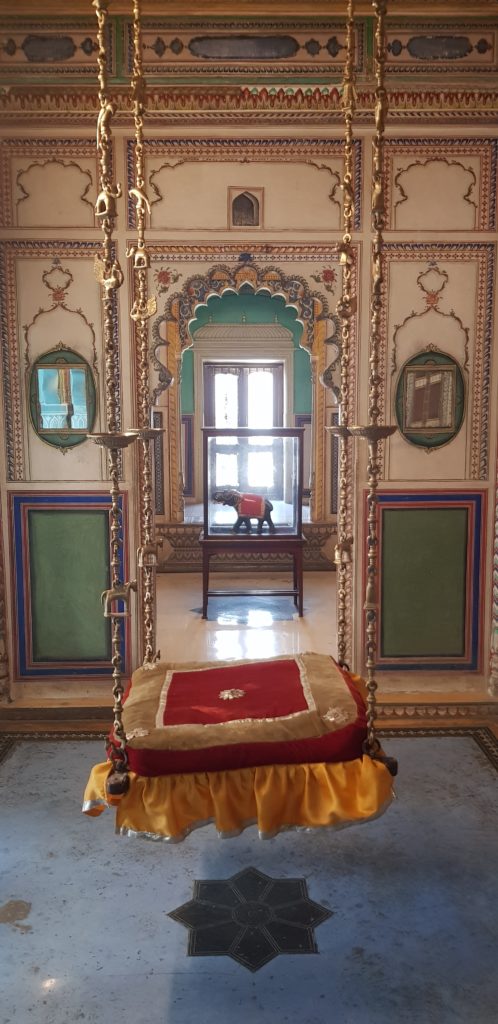
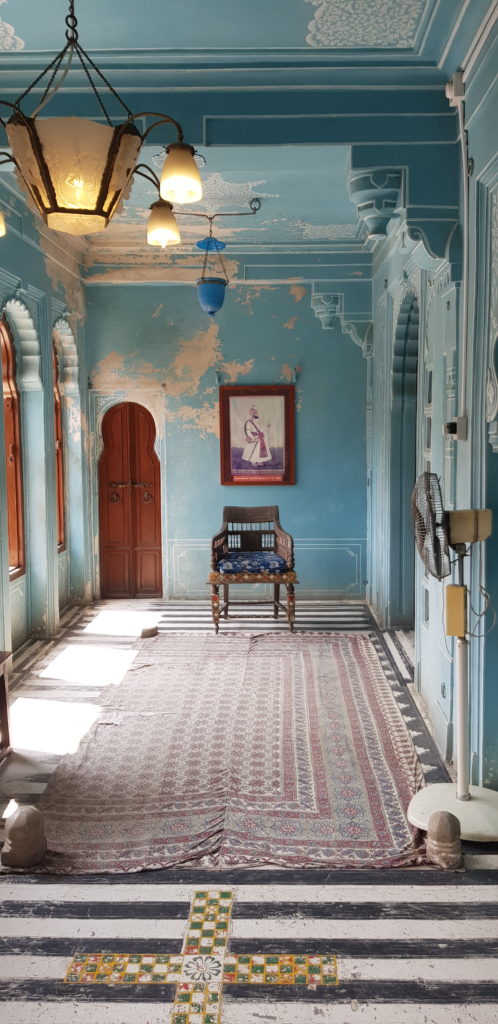
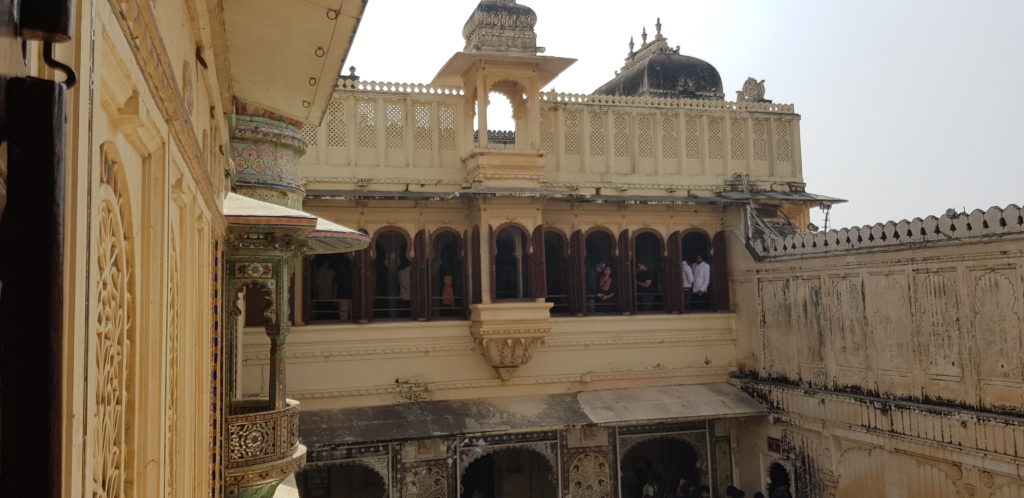
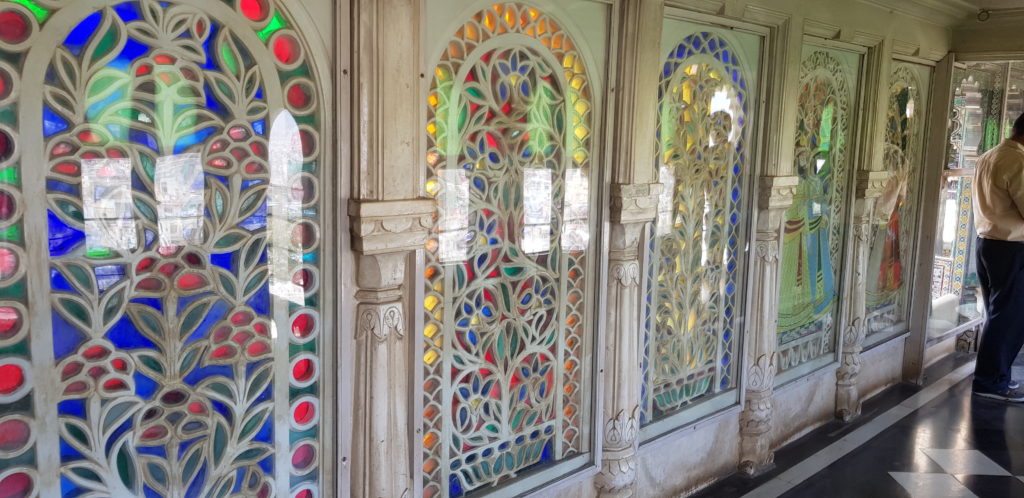
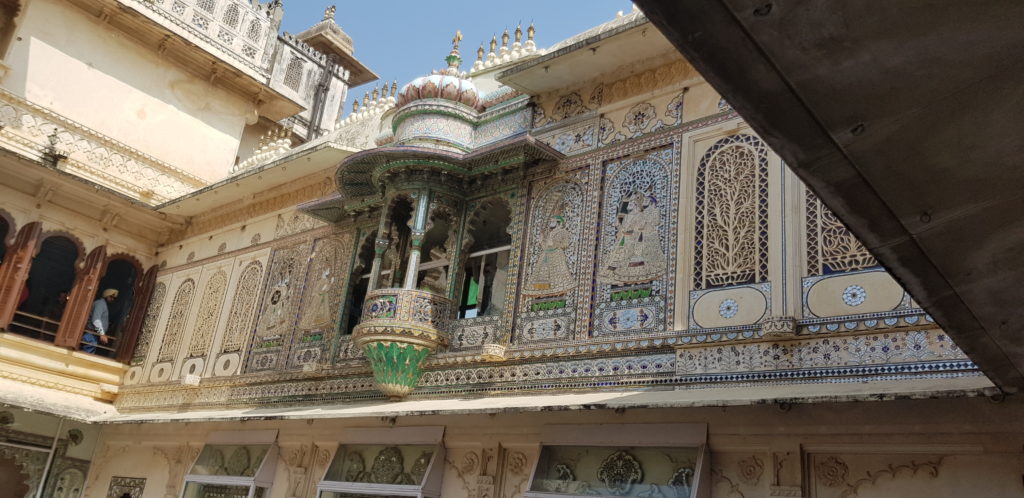
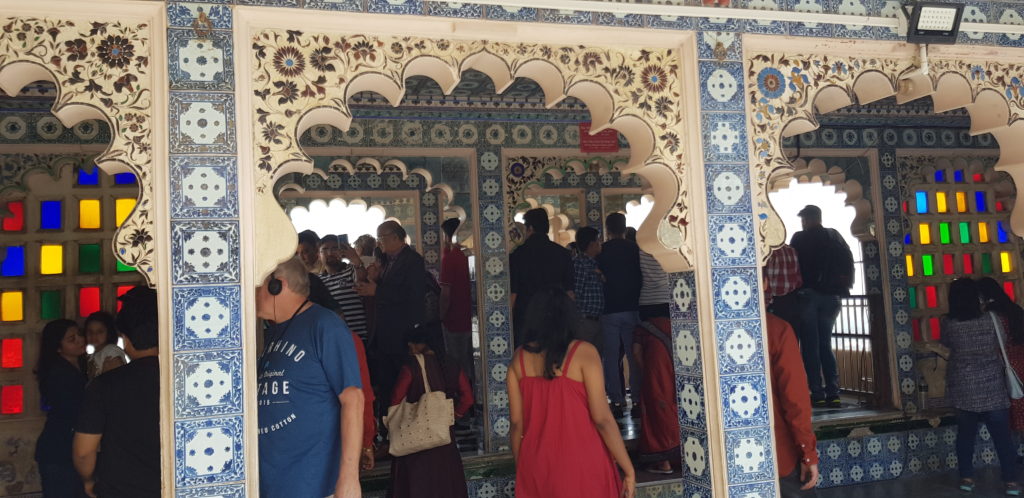
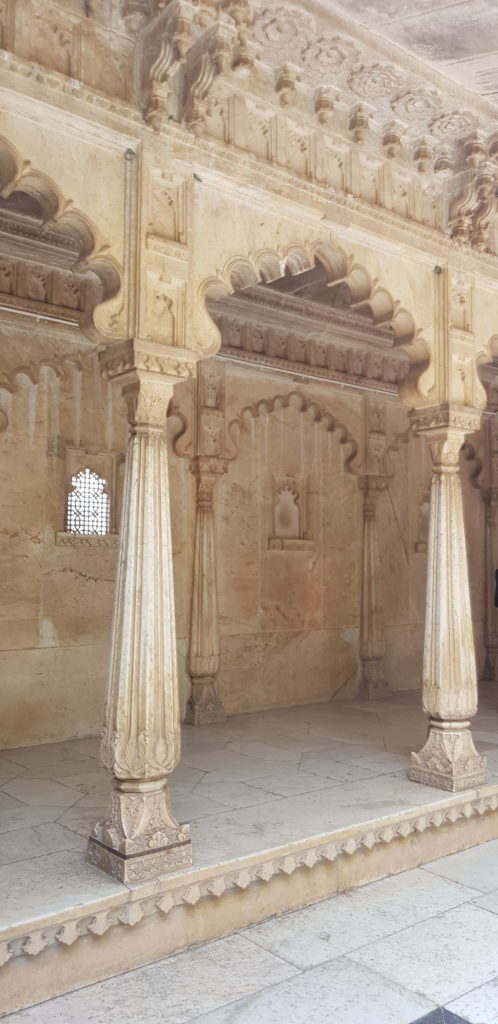
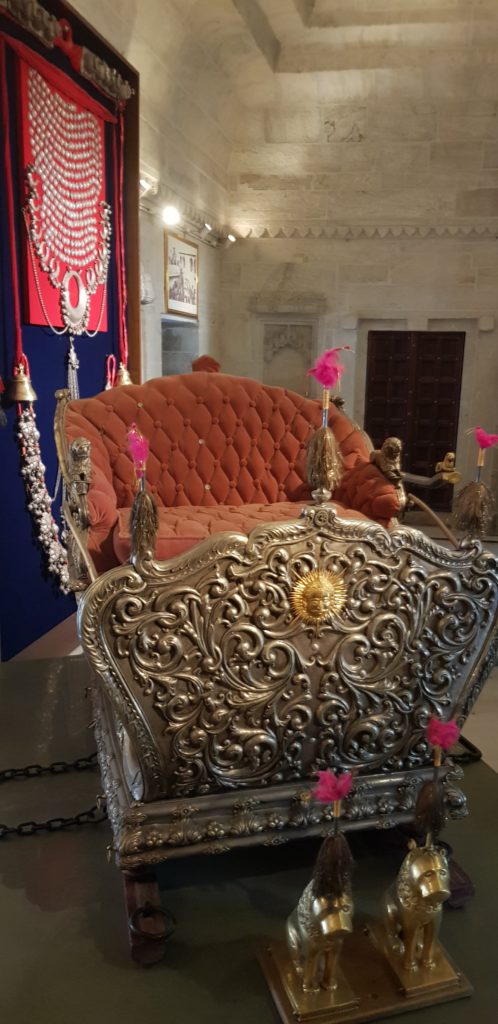
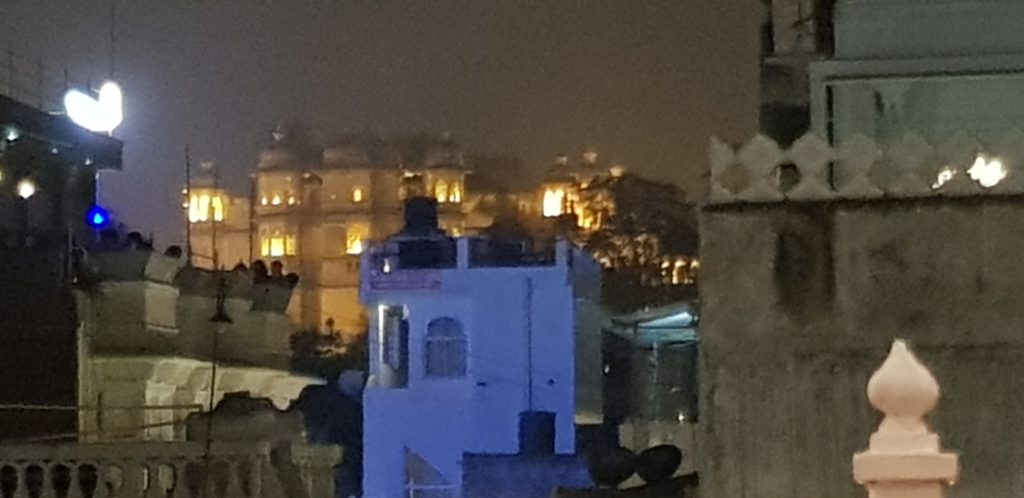
We spent our one full day here at the City Palace, the hugest place we have seen so far, its a mix of 11 palaces, all added and extended over time, blended with gardens and courtyards. It’s decorative, informative and full of historical exhibits, including old carriages and clothing used and worn over the centuries. The Palaces also have several blue and white “areas”, decorated with Portuguese tiles, depicting the national bird, the Peacock.

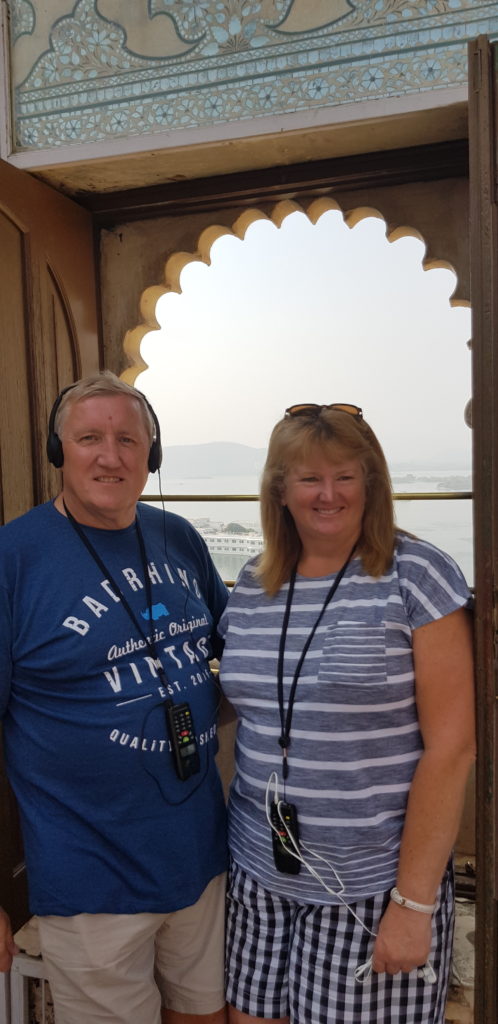
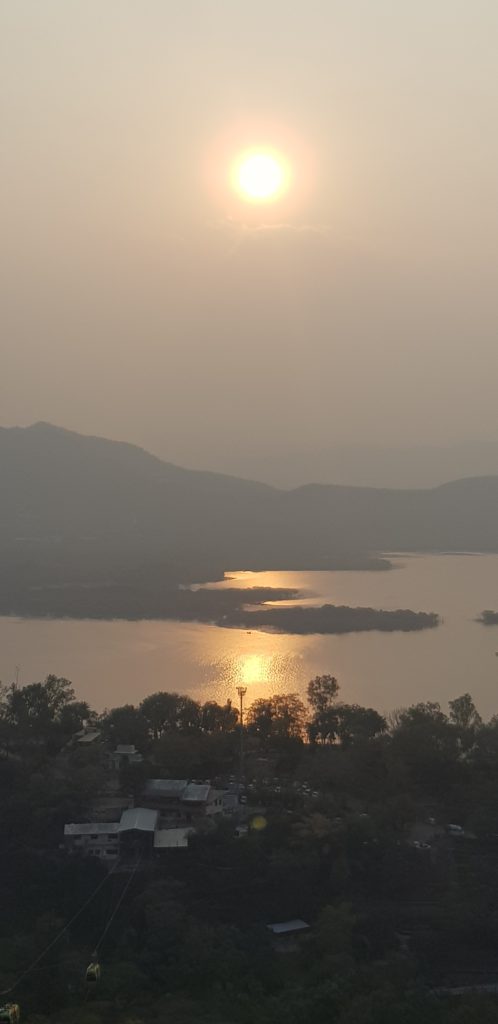
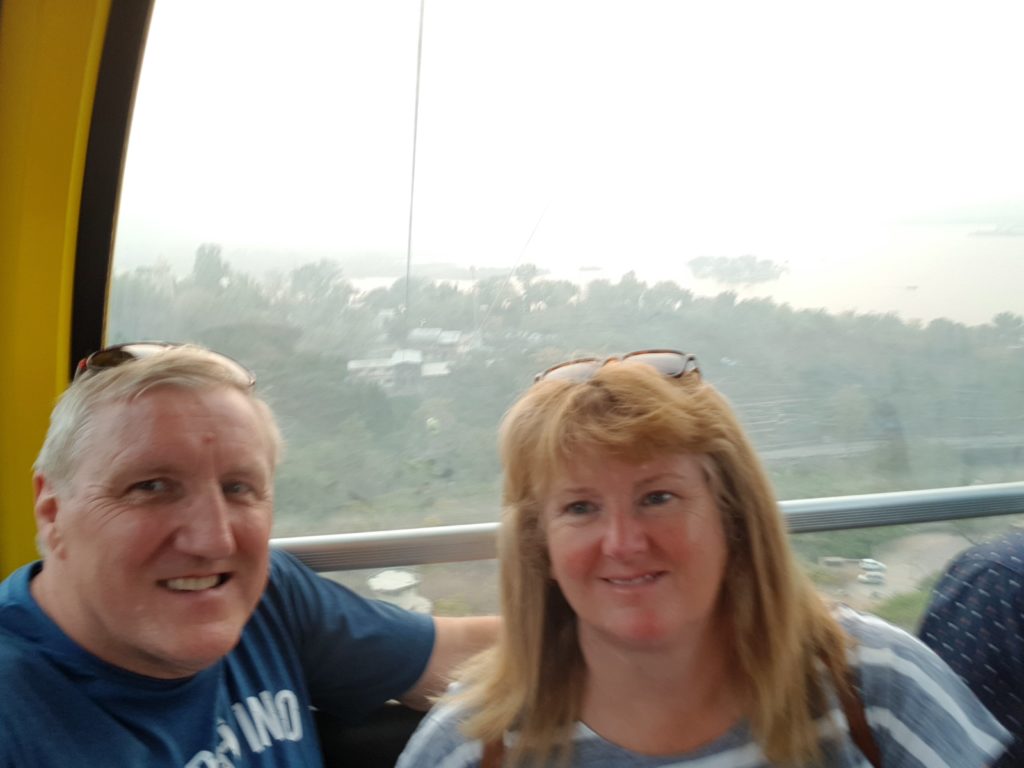
We left the Palace and walked around the Lake to a “skyride” to the top of the small mountain behind the city. This facility is fairly new and Indians are in awe of it! The views are over the lake, it was another humid day when we were there so views were a little hazy.

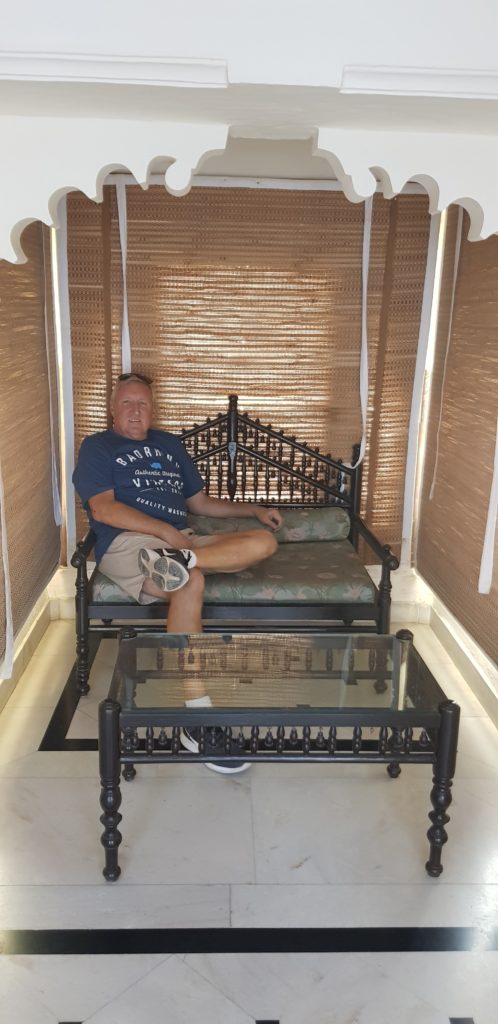
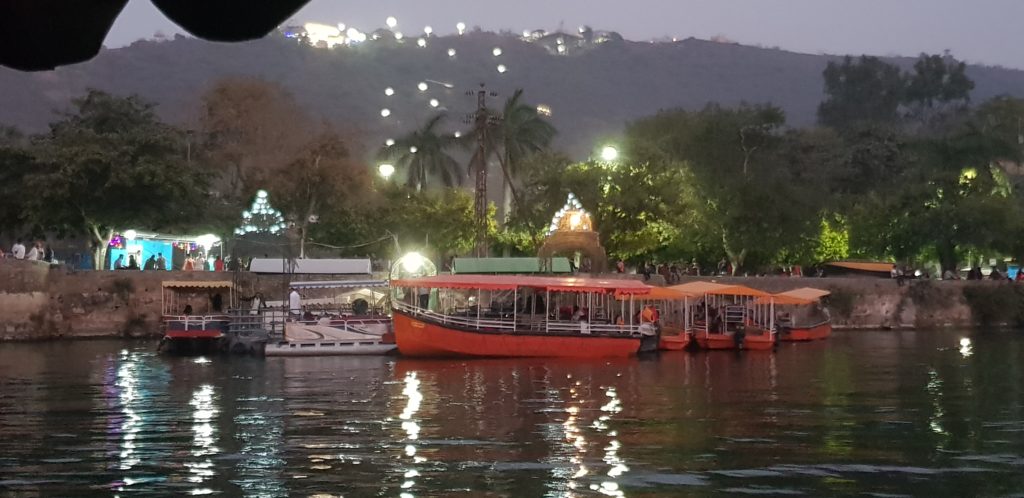
From the skyride, we took a boat ride around the main features of Lake Pichola, gawped at the Palace and the Taj Hotel before heading back to our own hotel for dinner in the roof top restaurant. All in all, a lovely relaxing city full of gentle, stress free people.

France – North Coast to Mid France

We left Dover early on a Tuesday morning at the beginning of September on a ferry to Calais and made our first stop a few hours south near Saint Quentin, just north of Paris.  Samson was, and still is, in full working order and it is lovely to get back on the road!

Seraucourt Le Grand

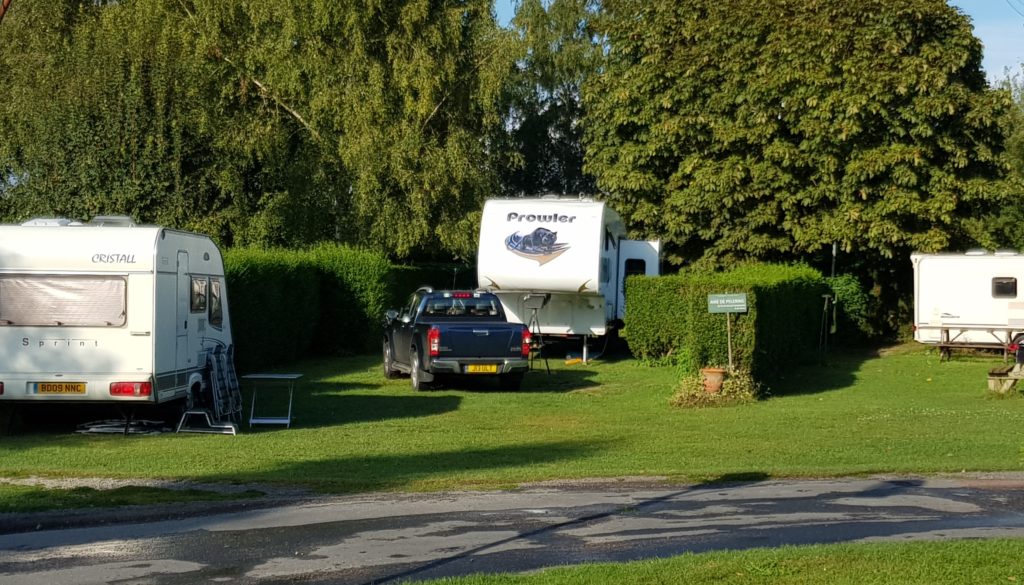
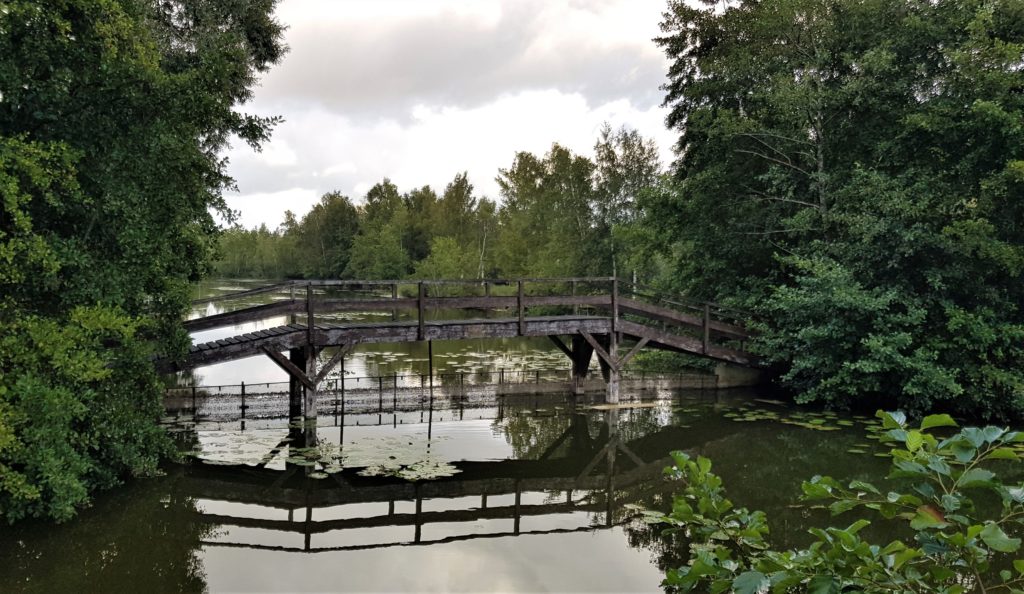
The site itself was surrounded by and on the edge of several tranquil and pretty lakes full of carp, lilies and dragon flies –  the site was full of British couples in their dotage, their pitches full of deck chairs, sun loungers, pot plants and gnomes!  We had a grassy double pitch with easy access and we used the few days here to settle back into our gypsy style life again. We caught up on booking ahead for our next few stops and some shopping, as well as enjoying the peace and quiet that comes with the return of school term – no noisy children!

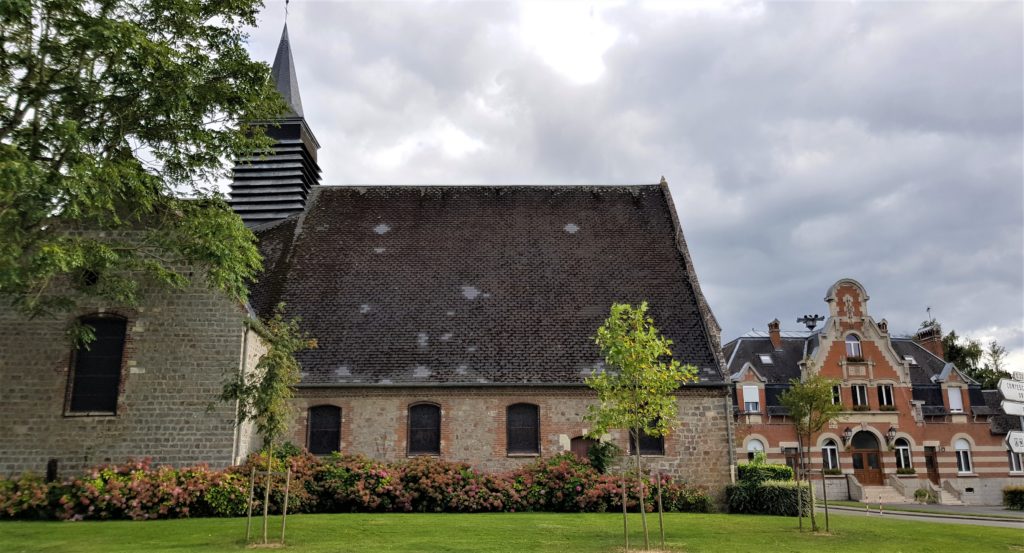
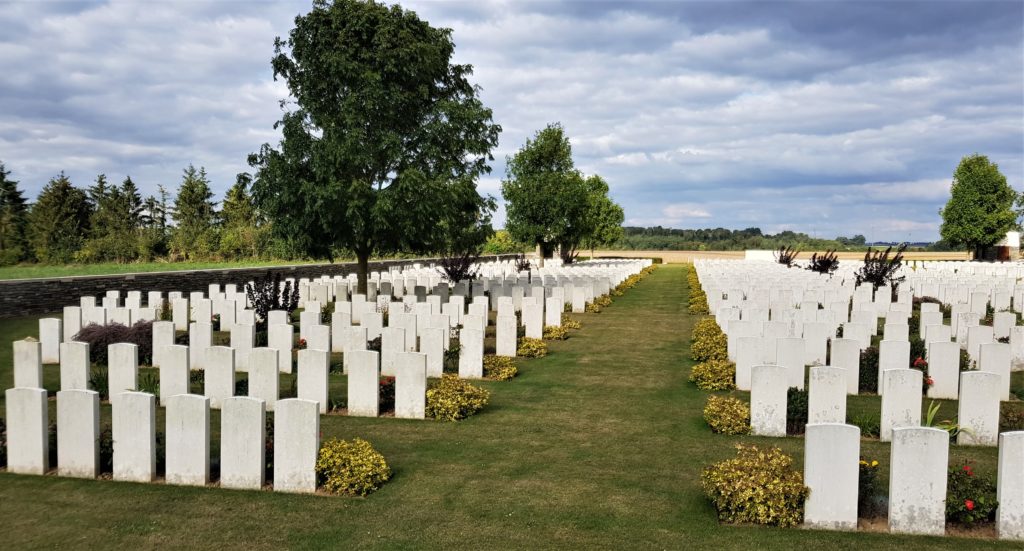
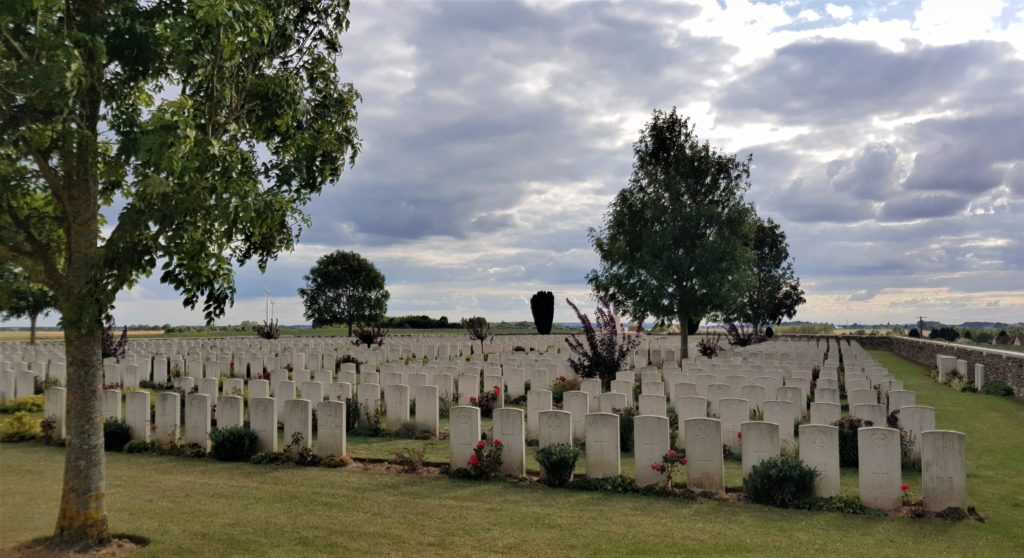
We discovered that the actual village we were in, called Seraucourt Le Grand, had a cemetery full of First World War soldiers that had died in the surrounding areas and whose graves had been relocated here as a gesture of remembrance.  It was a beautiful setting on the top of a quiet, flat hill, surrounded by fields of corn and hay, with beautifully well maintained flowers and shrubs dotted amongst the 1830 headstones.  The majority of the graves were of riflemen, cavalry or airmen, the average age at death was early 20’s and lots were from the north of England, they were in regiments from Lancashire, Yorkshire and Scotland.

Troyes

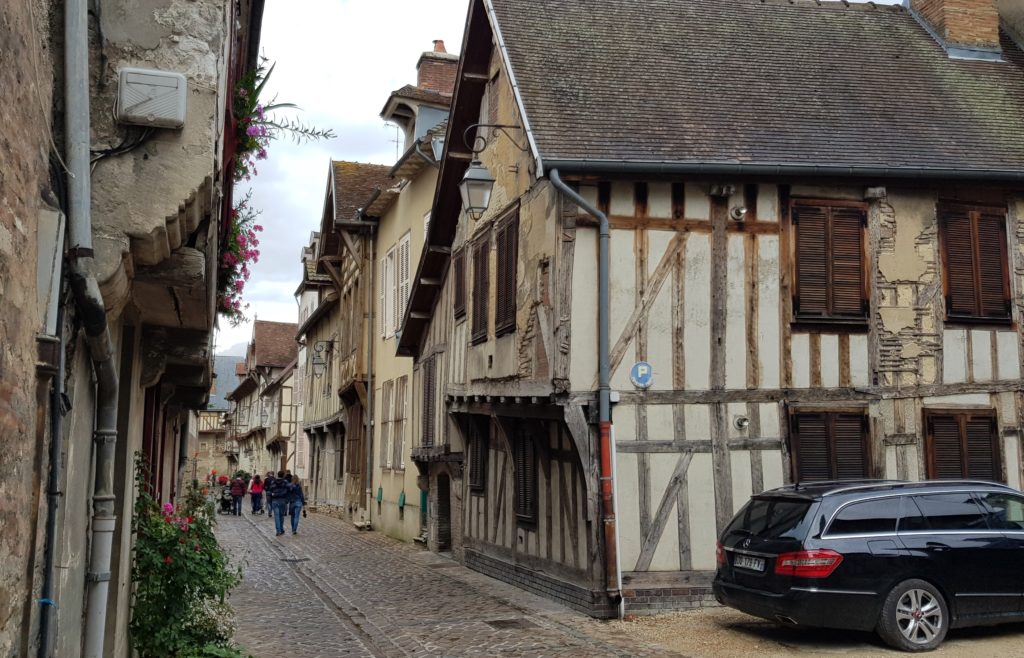
We headed further south to Troyes, a beautiful medieval town that we have stopped at last year, and an odd thing happened – David adamantly denied ever having been there before!!  Last year when we returned to the UK to MOT the truck, we stopped here overnight (on a Saturday night as Sunday morning was an issue finding a café open for breakfast!) in a small guest house at one end of the town, this time we booked into a campsite at the opposite end of town.  And, another odd thing…..it rained! Only for the day!!
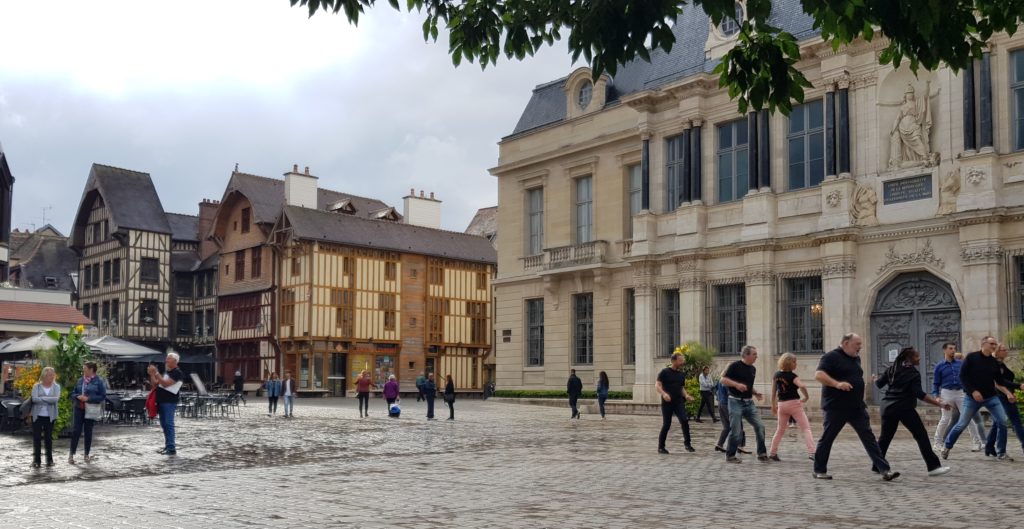
When we walked from the municipal campsite into the old part of the city, we came across the Cathedral first, which was closed when we visited last year.  I clearly remembered the square, but he didn’t.  I remembered a fascinating old wine shop on the corner of the square, which was closed last year, he didn’t.  I showed him the cathedral gardens where we watched a young girl wearing no shoes playing in the fountains with a big Alsatian dog, he didn’t.  It wasn’t until I took him to the restaurant that we had dinner in, and then into the main square with the Town Hall, that he remembered!  I was beginning to doubt myself at one point!!
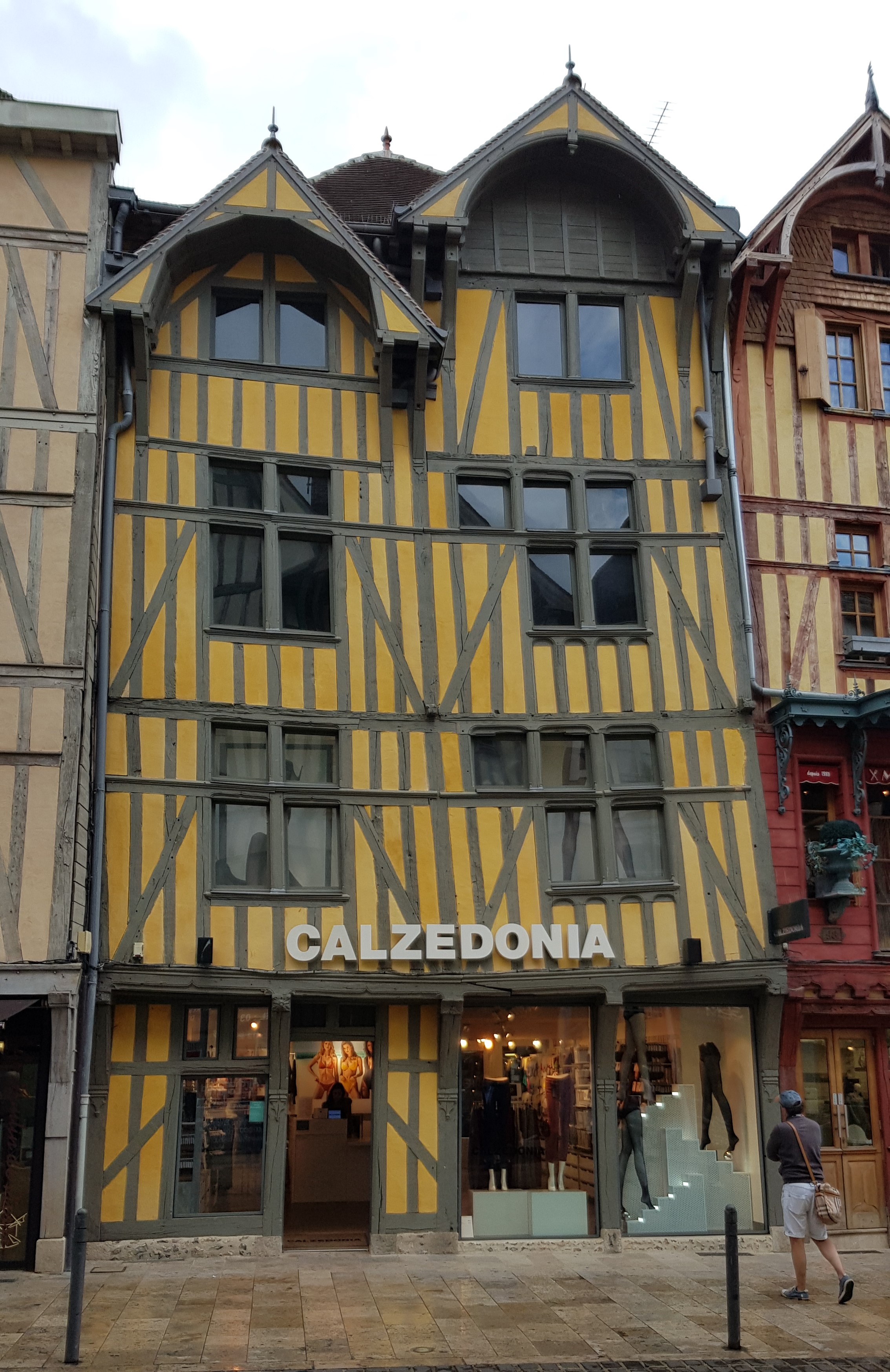
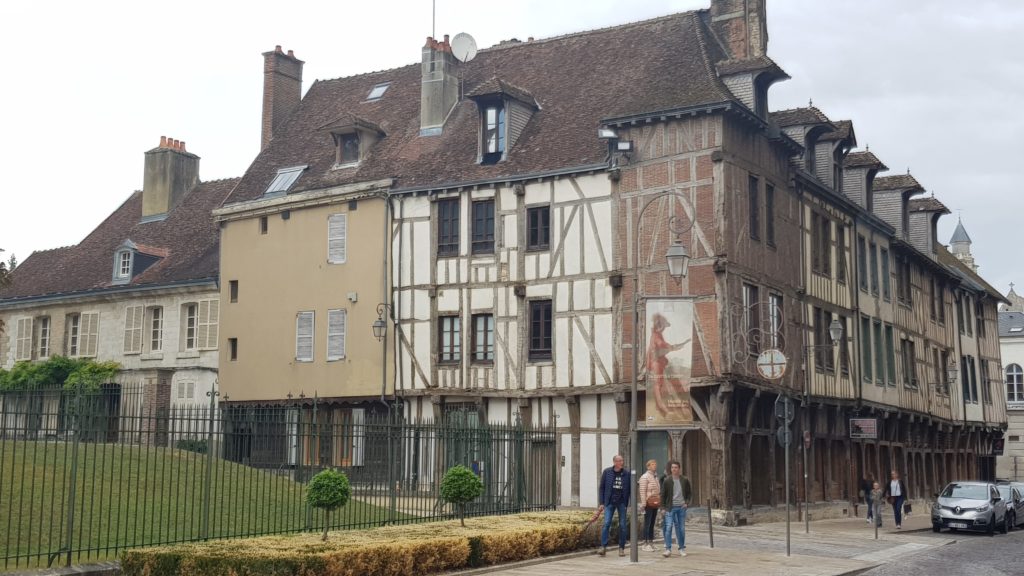
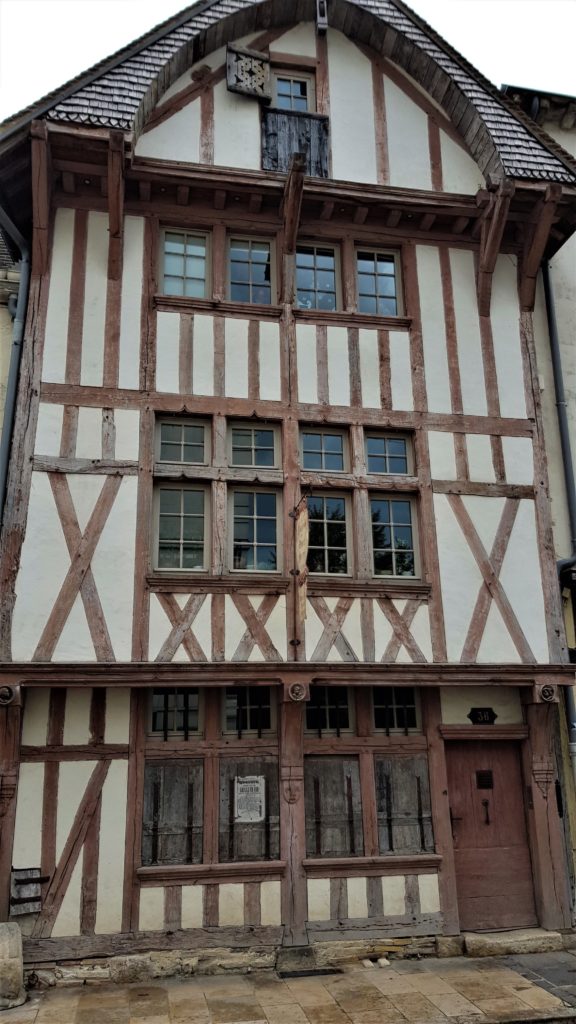
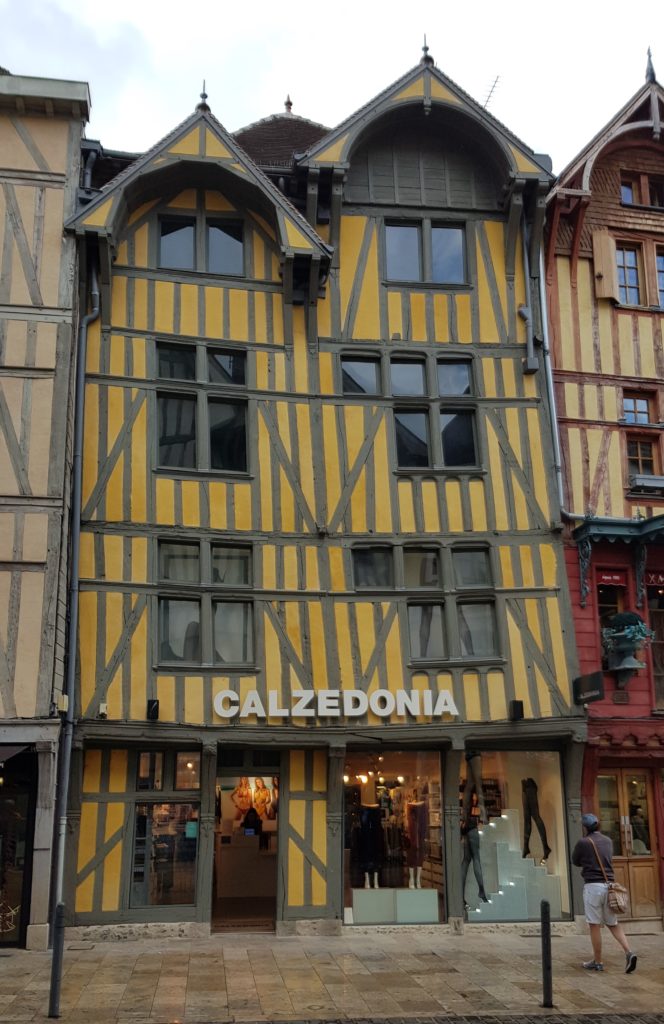
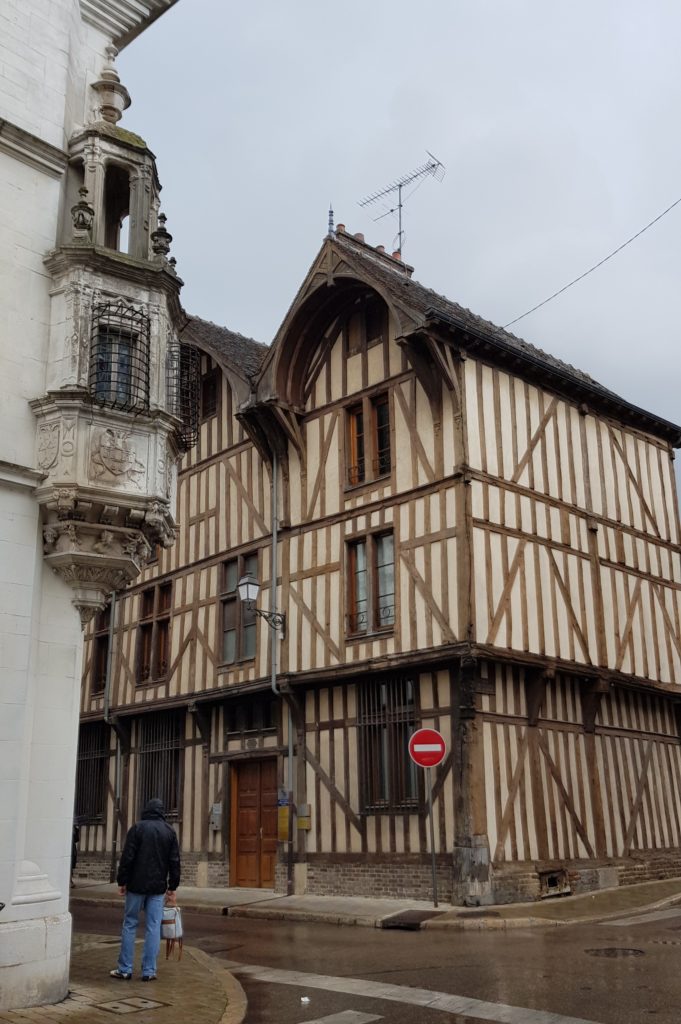
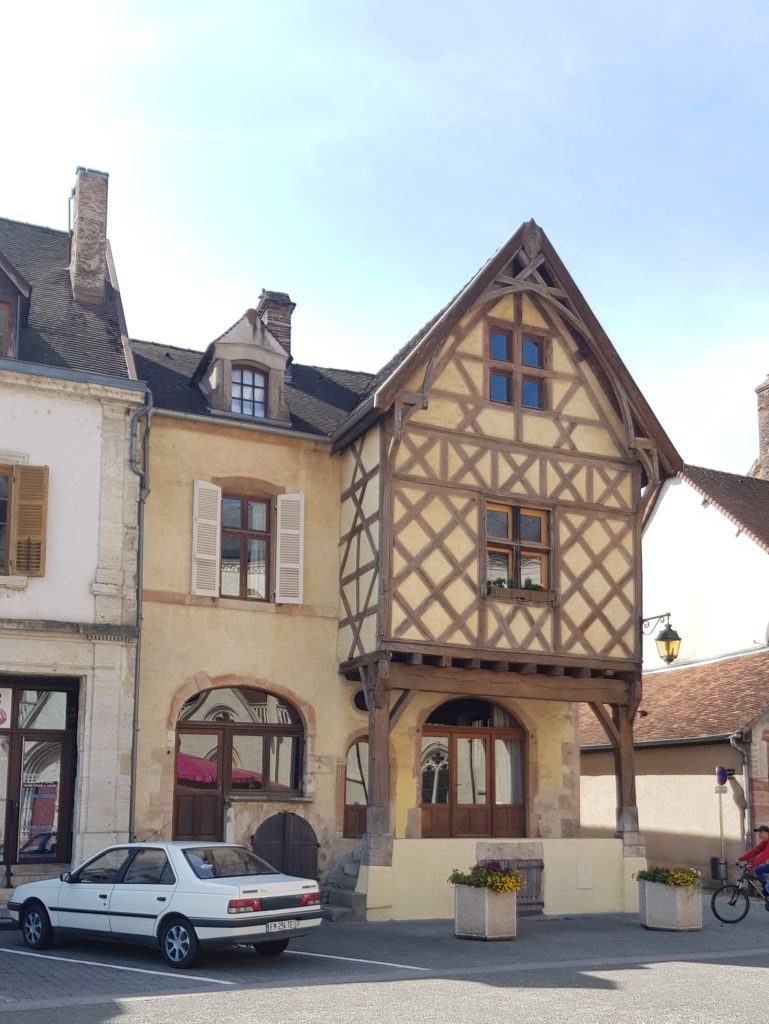
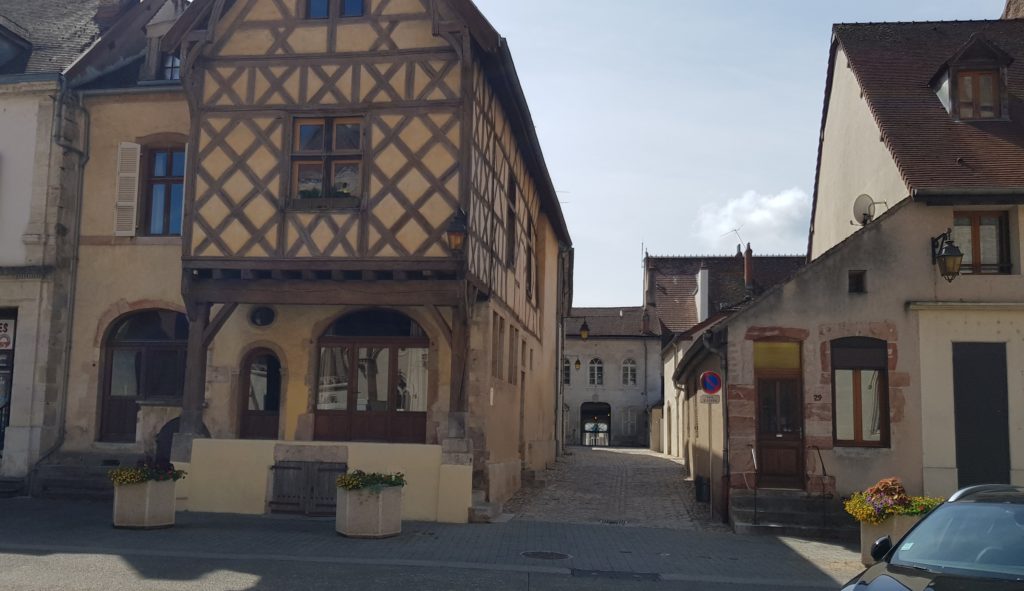
We walked around the town, discovering more tiny passageways between the tall wooden houses, admiring the partly wooden properties that are leaning away or bowing over, fascinated at how they have survived time, weather and woodworm!
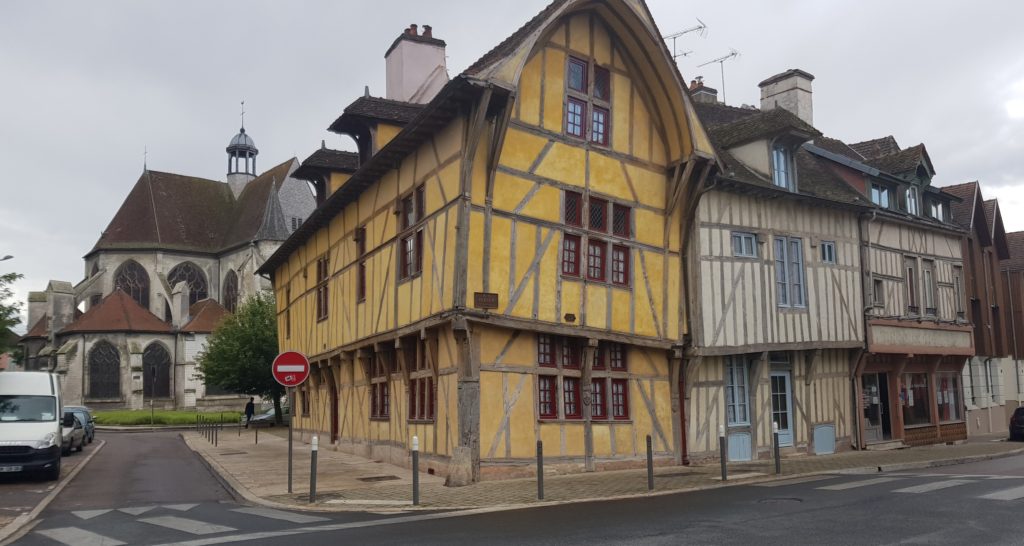
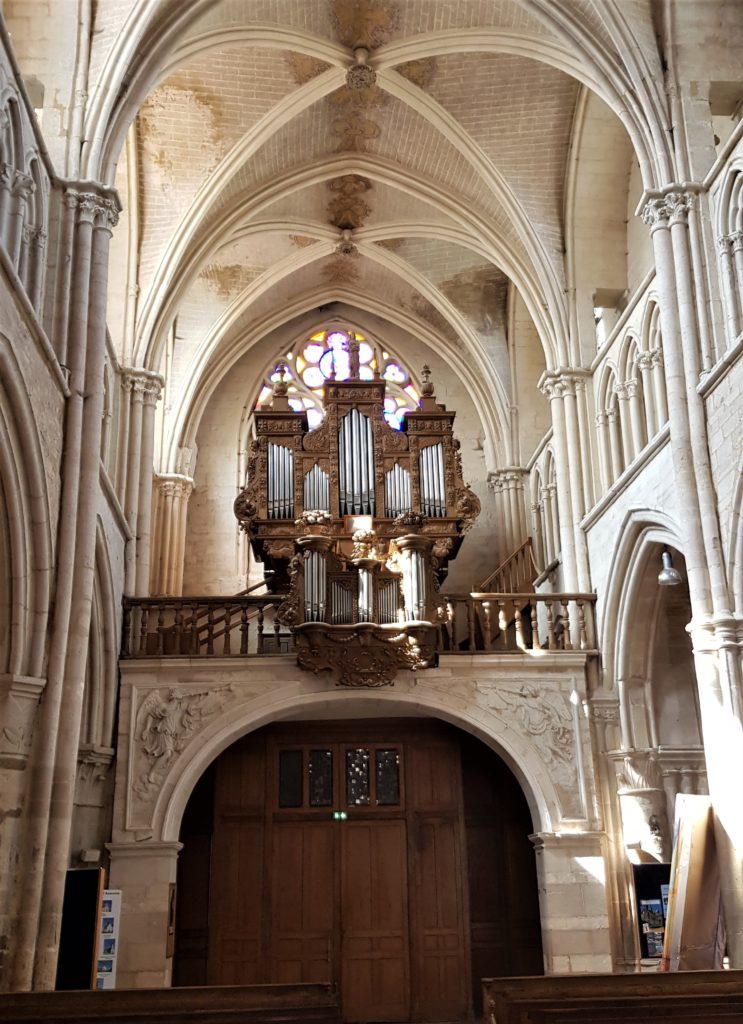
We visited the Saint Pierre Cathedral and went into Saint Madeleine church, and marveled at the ornate wooden organs in both.  Saint Madeleine is unique with its gothic internal bridge,

Auxonne & Dole (near Dijon)

We arrived at our next site late on Sunday morning, a riverside park that is under new ownership and certainly needing a bit of TLC.  However, we had a huge area all to ourselves (apart from 2 tents, we were the only ones here!) with full water and drainage and despite the fact that none of the new owners spoke English, we found a good sunny area and settled in for 2 nights.

In the afternoon we took a drive 15kms away to Dole, to escape the noise of a triathlon that was being held in the town, the cyclists and their supporters took over the one way streets and police blocked off routes into the town so we headed out away from the hustle.

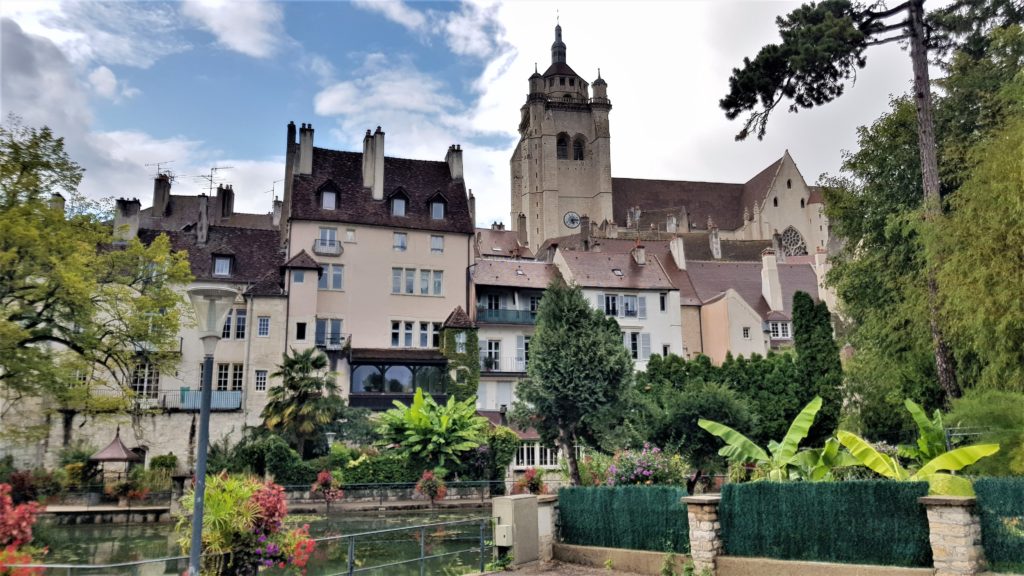
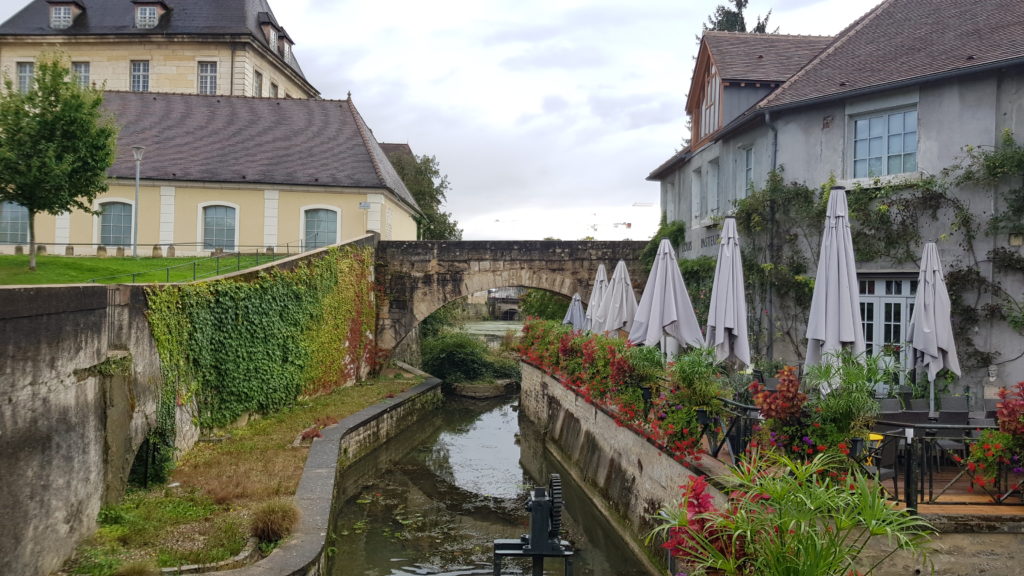
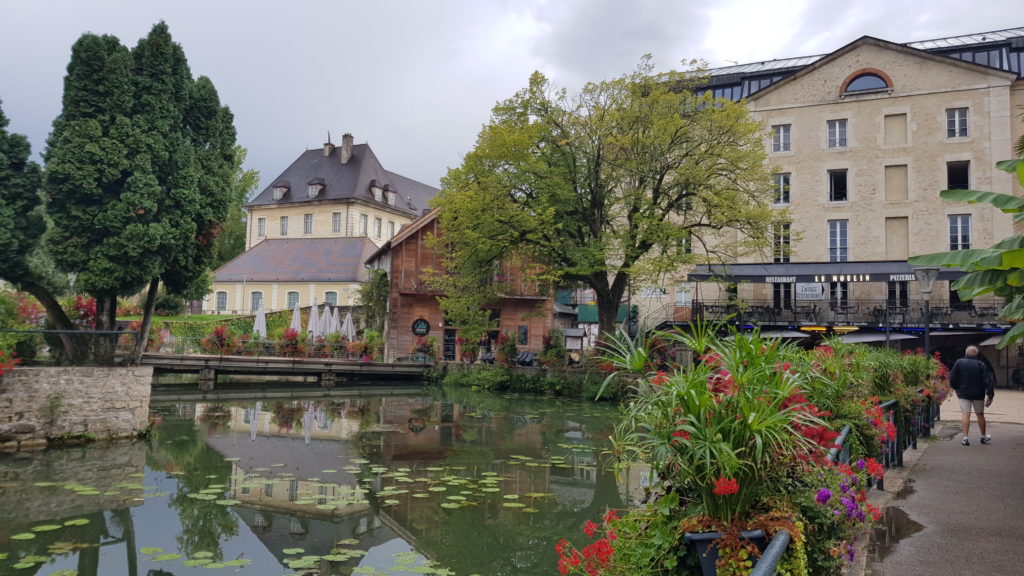
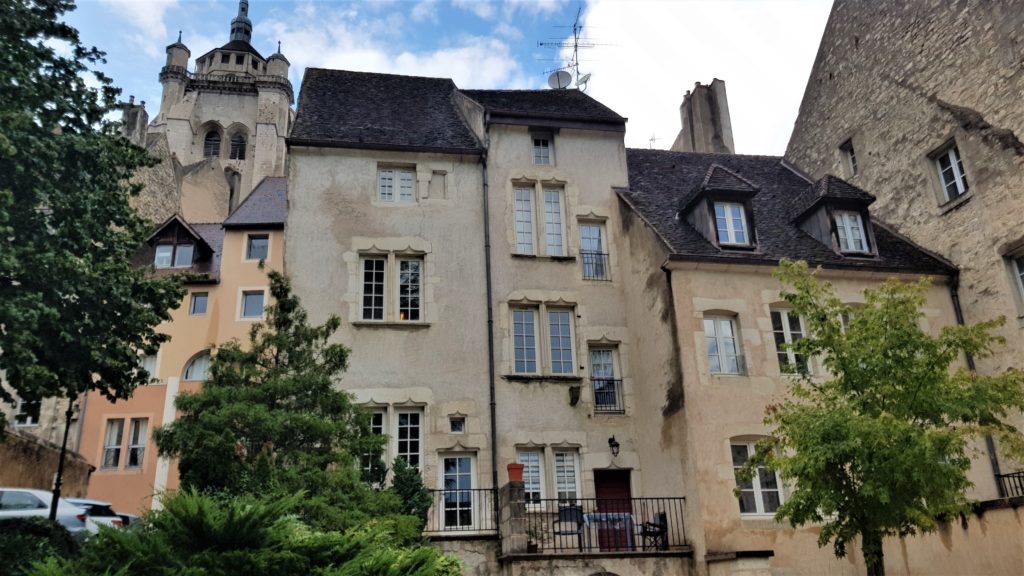
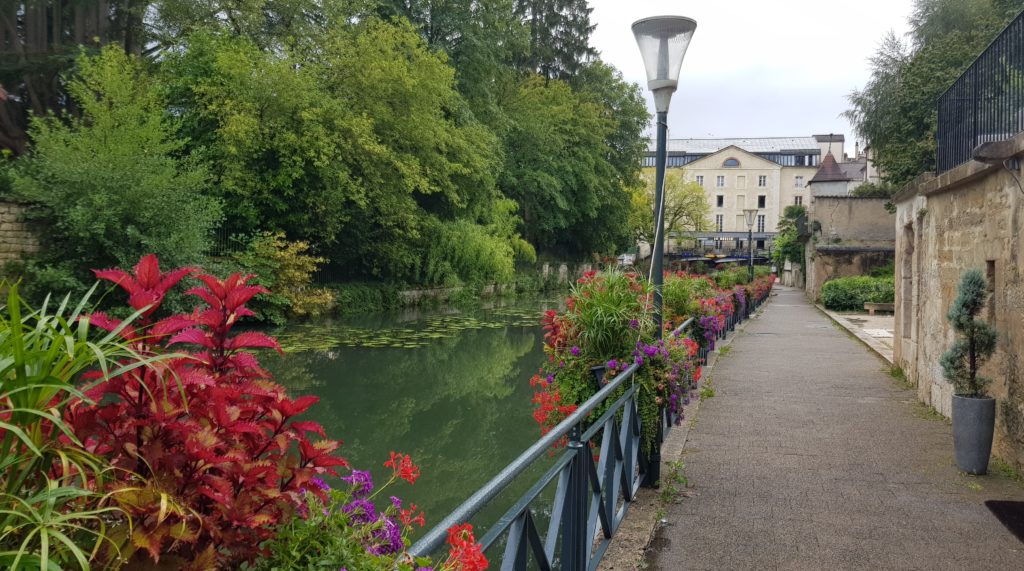
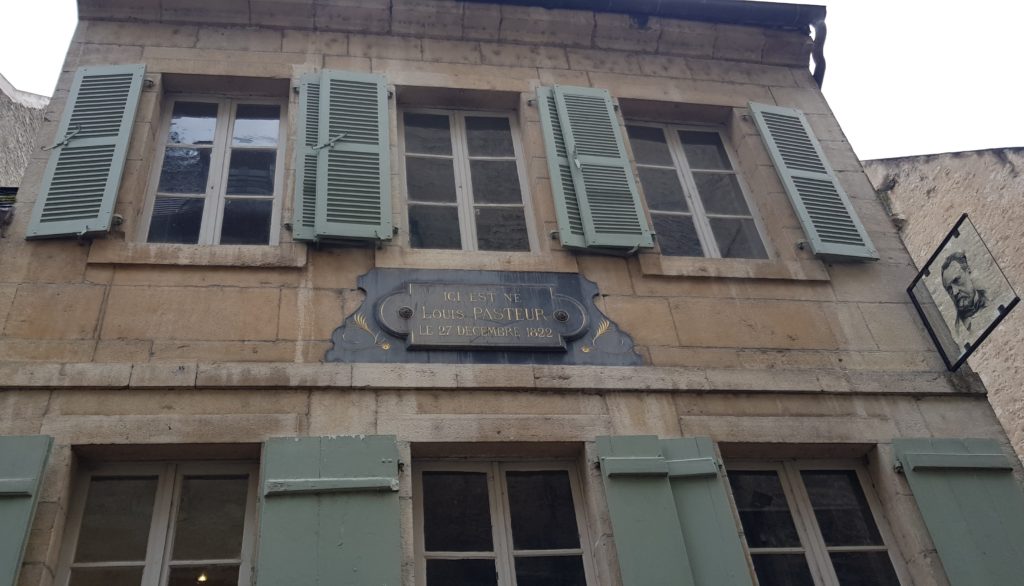
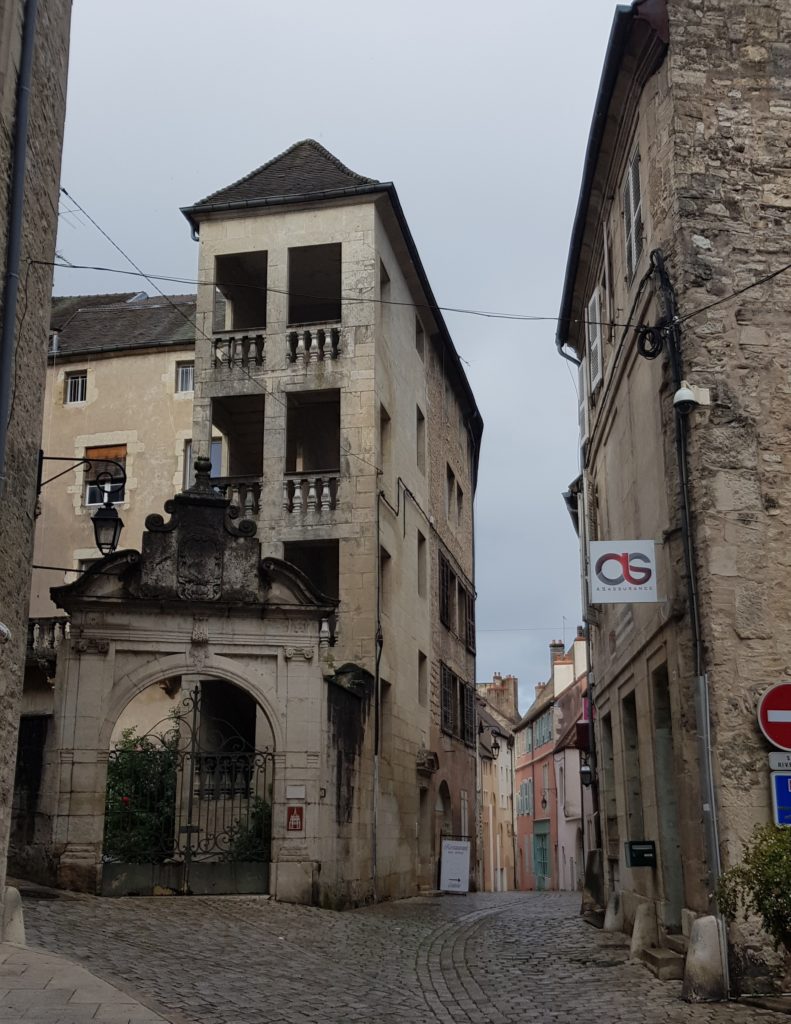
Dole was a lovely town on a limestone ridge beside the River Doubs, home to Holy Emperors and several Counts of Burgundy.  A mix of one way circular roads led up to the Basilica and the market hall and the nearby attraction of Louis Pasteur house of birth, born in 1822.  His father run a tannery beside the Canal du Rhone an Rhin which also dissects the town and his home as well as the tannery now form a museum on the street named after him.  The town is full of tall stone properties dating back to the 16th century, either heading up to the cathedral or down to the canal and river mixed in with tight jumbled stairways, passages, underground fountains and narrow roads.

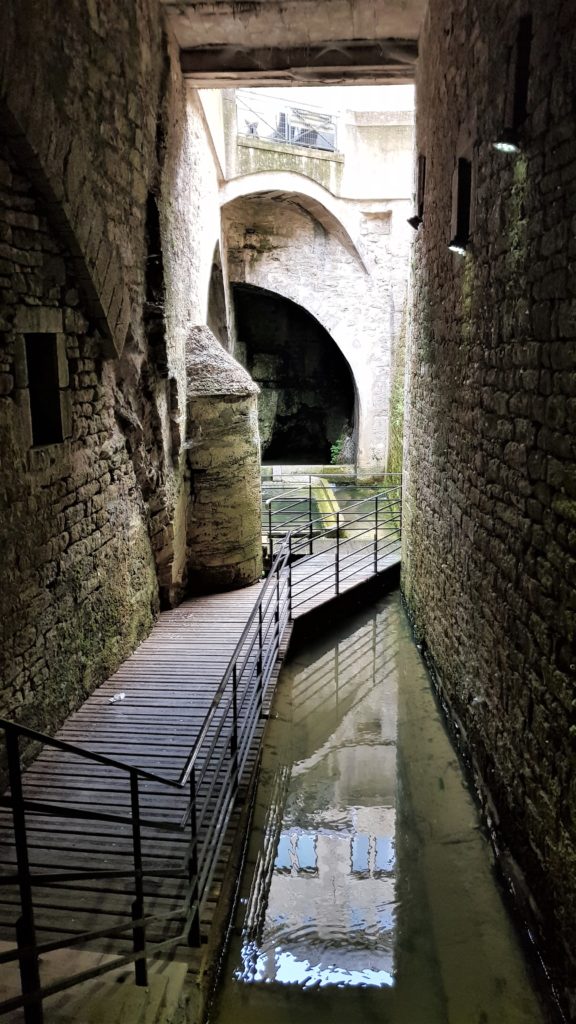
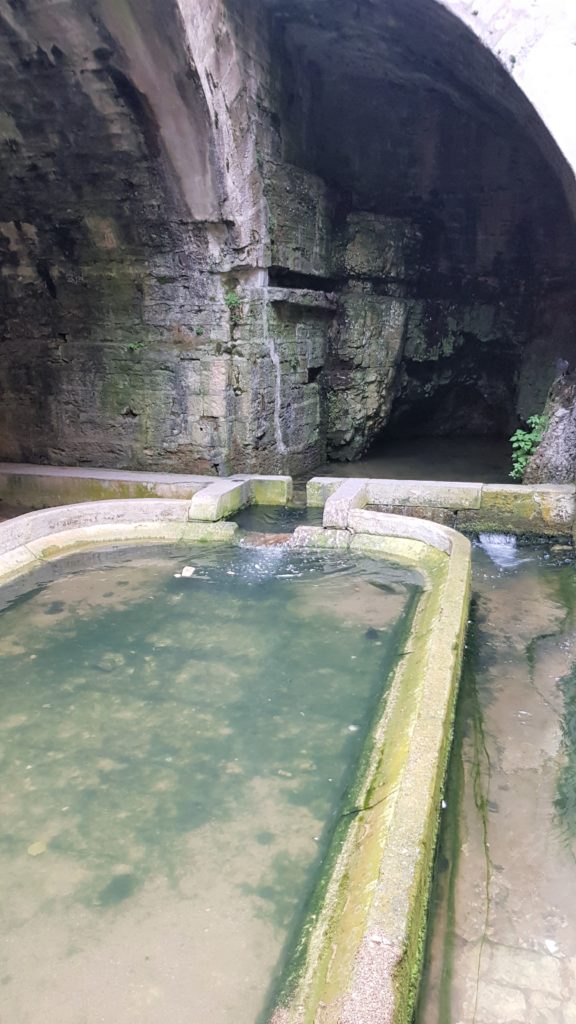
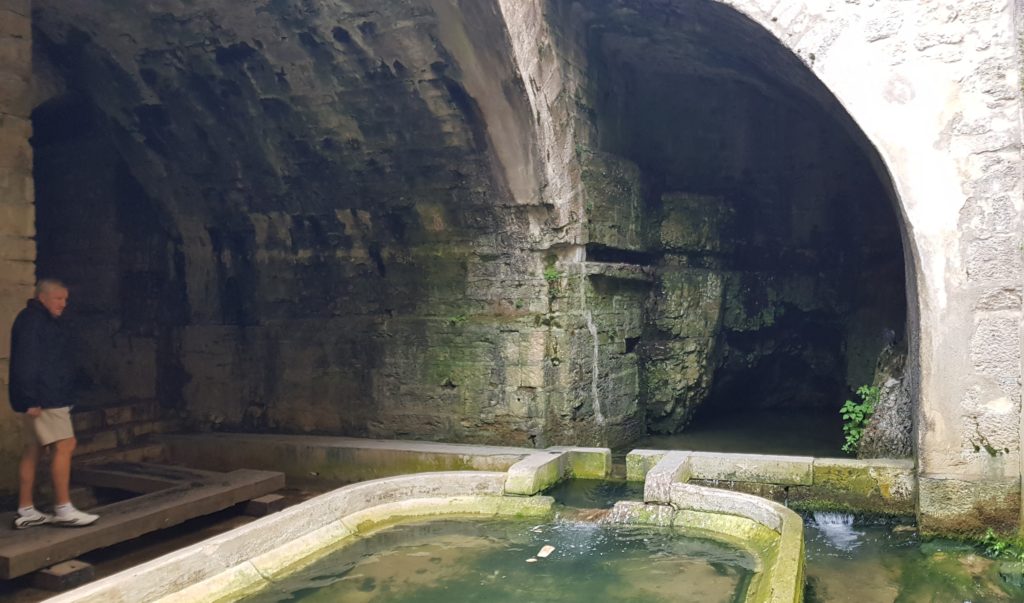
We also found a natural spring originating from under the rocky cathedral supports, harvested in a trough dating back to 1274 or possibly earlier, it is called the Fontaine aux Lepreux and it was found off Rue Pasteur. The water used to be drunk by locals who thought it had healing qualities, whilst the lepers were refused entry into the city, a leprosy hospital was founded beside its source some miles away. In the 1600s it was used by local washer women to do their laundry, until they were fined for polluting the water.

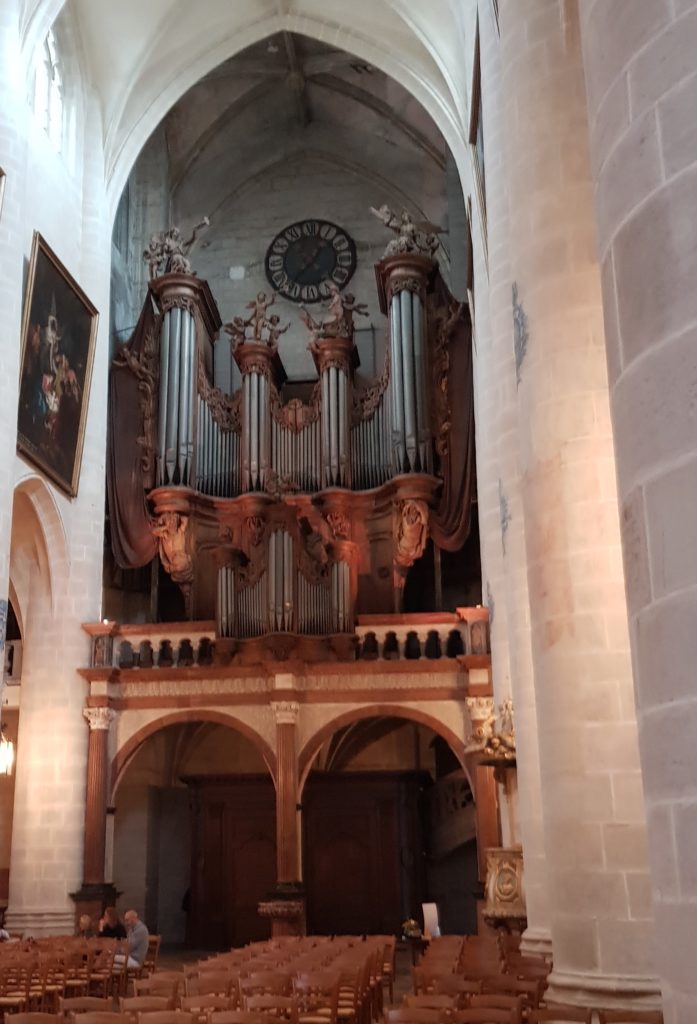
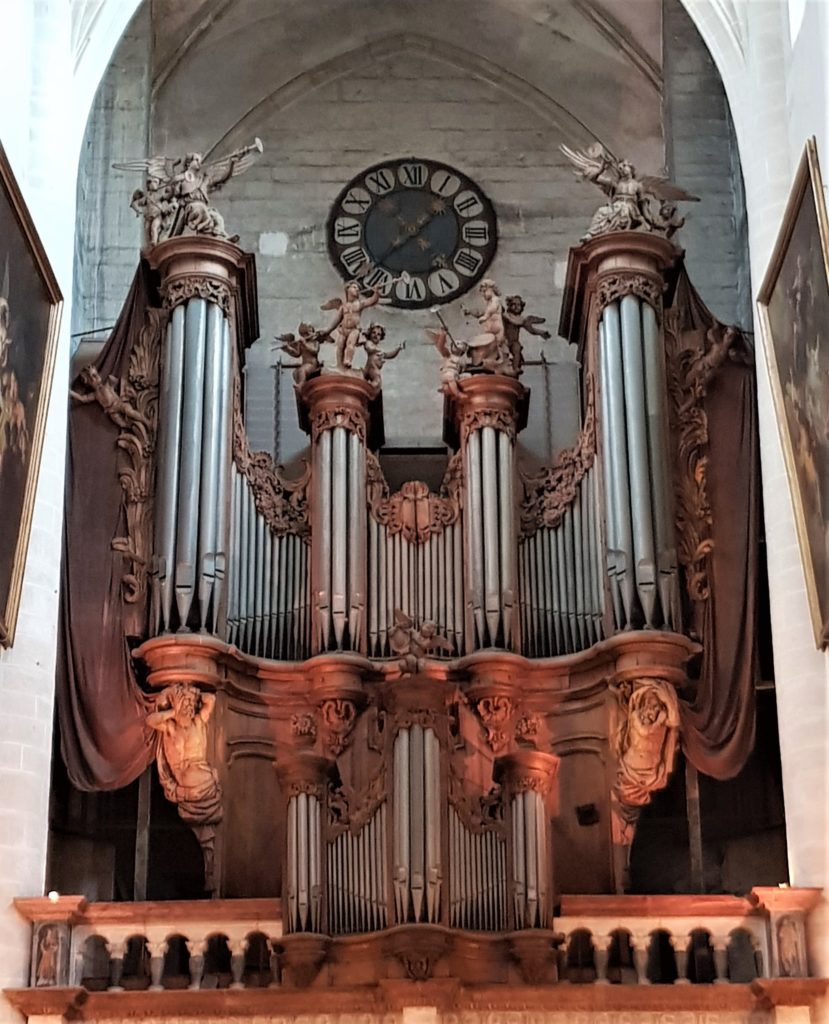
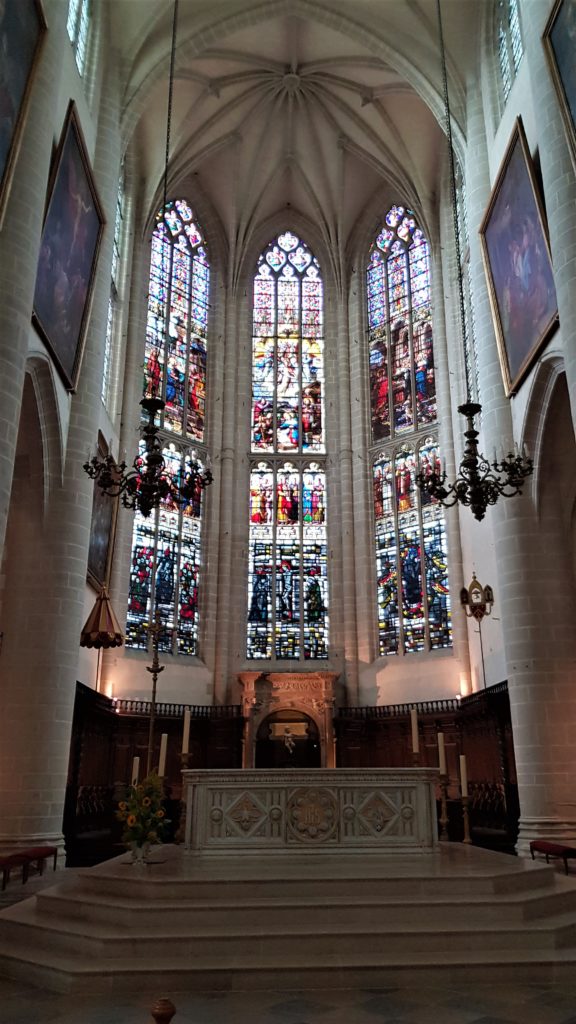
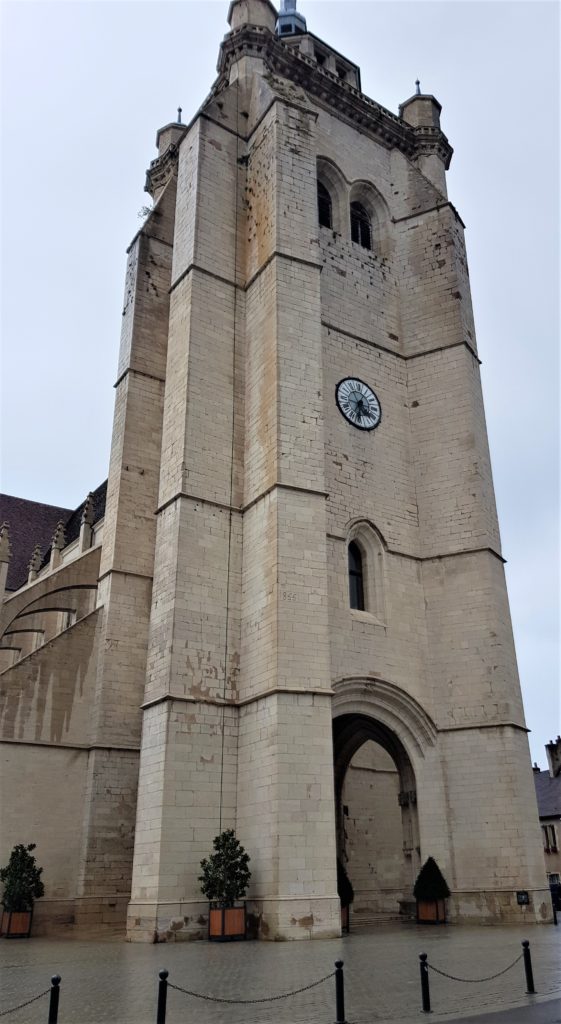
We admired the Notre Dame Collegiate, built in the 1500s and a blend of Gothic and Renaissance style, and at the time no expense was spared on the rich interior.   It was built as a Church and became a Basilica in 1951 and has the highest church Tower in the region, 73m high, the Bell Ringer used to live in the top of the Tower.  Several areas were restored in 2009 including plasterwork, paintings and the stained glass windows.  We admired its organ, which was built in 1754, with 3500 pipes!! 

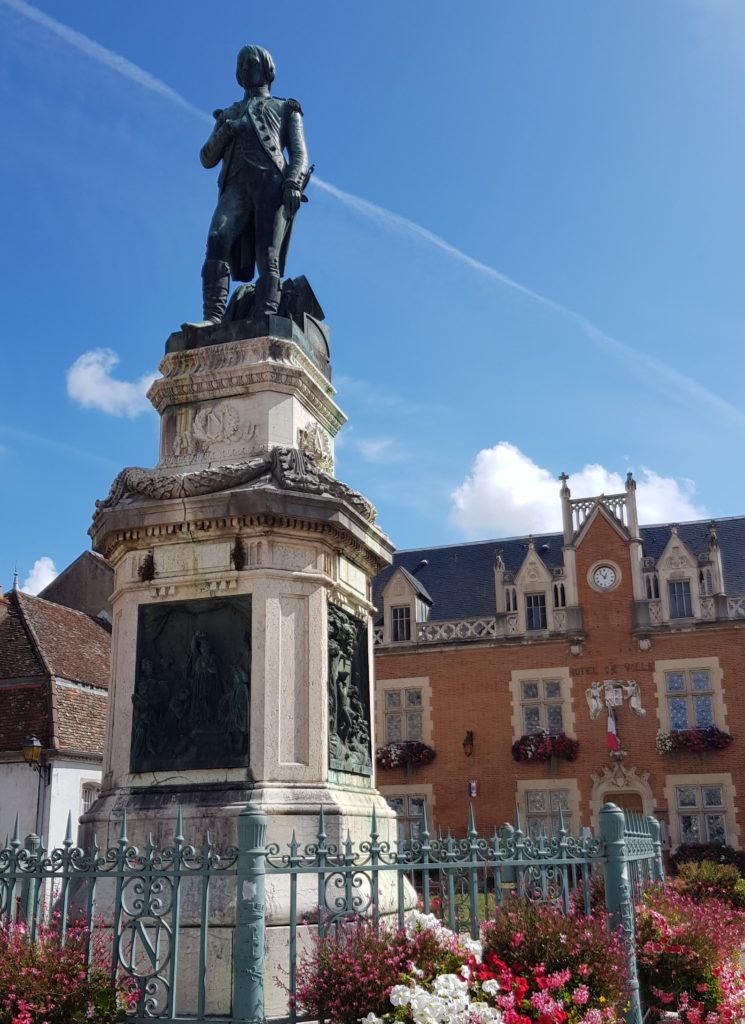
Auxonne is a town on the River Saone where Napoleon Bonaparte was a student at the artillery school, he then returned again to stay whilst he was a 2nd Lieutenant in the Regiment de la Fere from 1788 to 1791. A statue of Bonaparte stands in the main square outside the Notre Dame Church. 

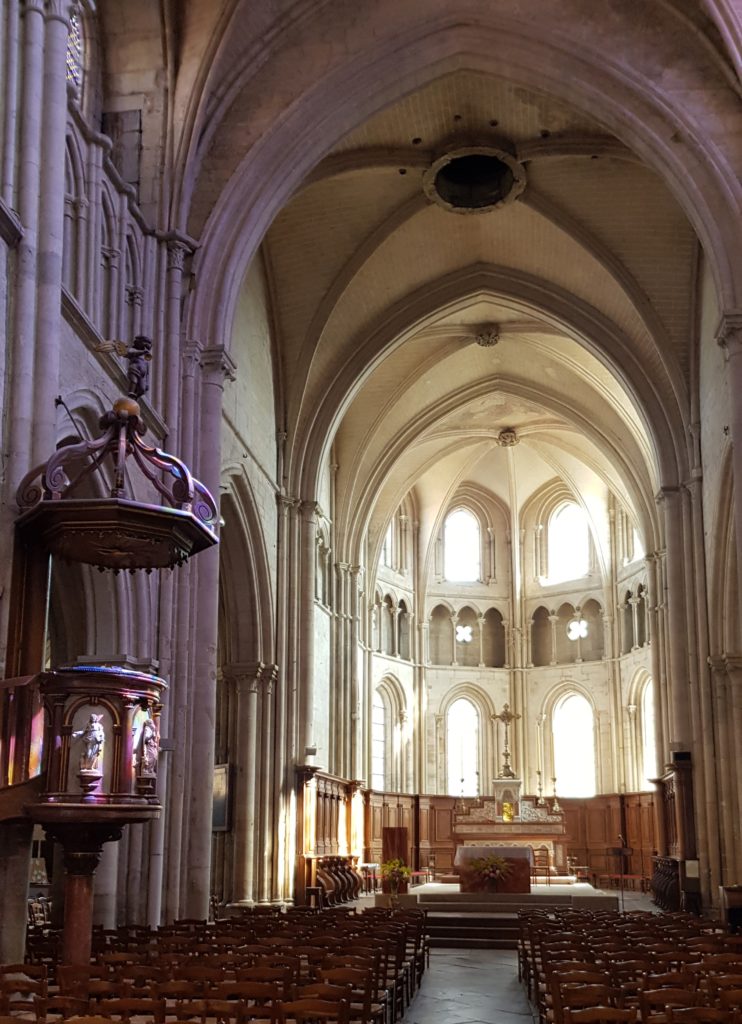
Once again, the church is a Gothic stone building but with a twisted spire, something very unusual in this part of the world!  The original church was built at the end of the 12th century, extended in the 13th and 14th centuries and an ornate porch was added in 1516 – 1520. The spire was added in 1843 and is 33m high but the weathervane is at a height of 70m!

The wooden organ was built in 1629, and its decorative external casing (flowerpots, cherubs and decorated panels) was added in 1789. It was completely renovated at the end of the 20th century but not touched since then.

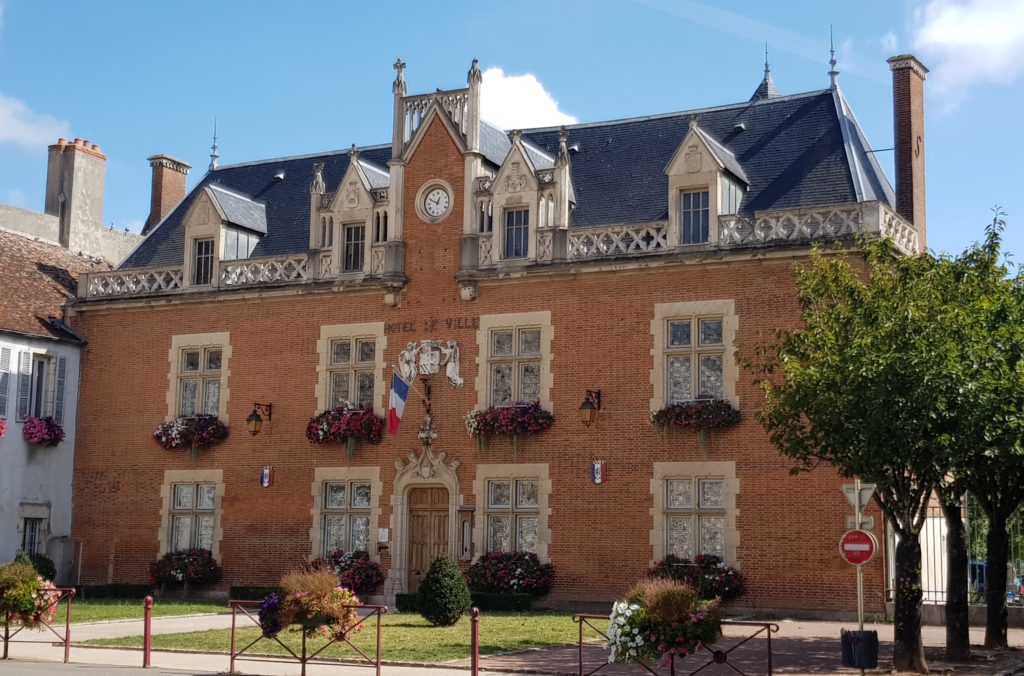
Several other wooden buildings around the square and town date back to the 1500s when this type of architecture was common.  The Town Hall (above) was originally home to the Dukes of Burgundy dating back to the 15th century, and a Mansion built as the Bailiwick Court in the 15th C which became the Bankruptcy Court in the 18th C is now the Hotel de Ville, full of wooden staircases and twisted balustrades overlooking a stone courtyard.

The Public Library contains a “reading room” dating back to 1850 as well as a collection of books that were confiscated during the French Revolution.

Krka National Park

Yesterday was a day to chill out, as the temperatures reached 35C! So off we headed to Krka National Park, hoping it would be a bit cooler in the shade!!!

Unlike the UK, in Croatia you have to pay to enter a National Park, sometimes quite a hefty fee! Plitvice National Park (inland) was 180KN, equivalent to £25 but Krka Park, which was only an hour’s drive from Split, was only 100KN, almost half price.

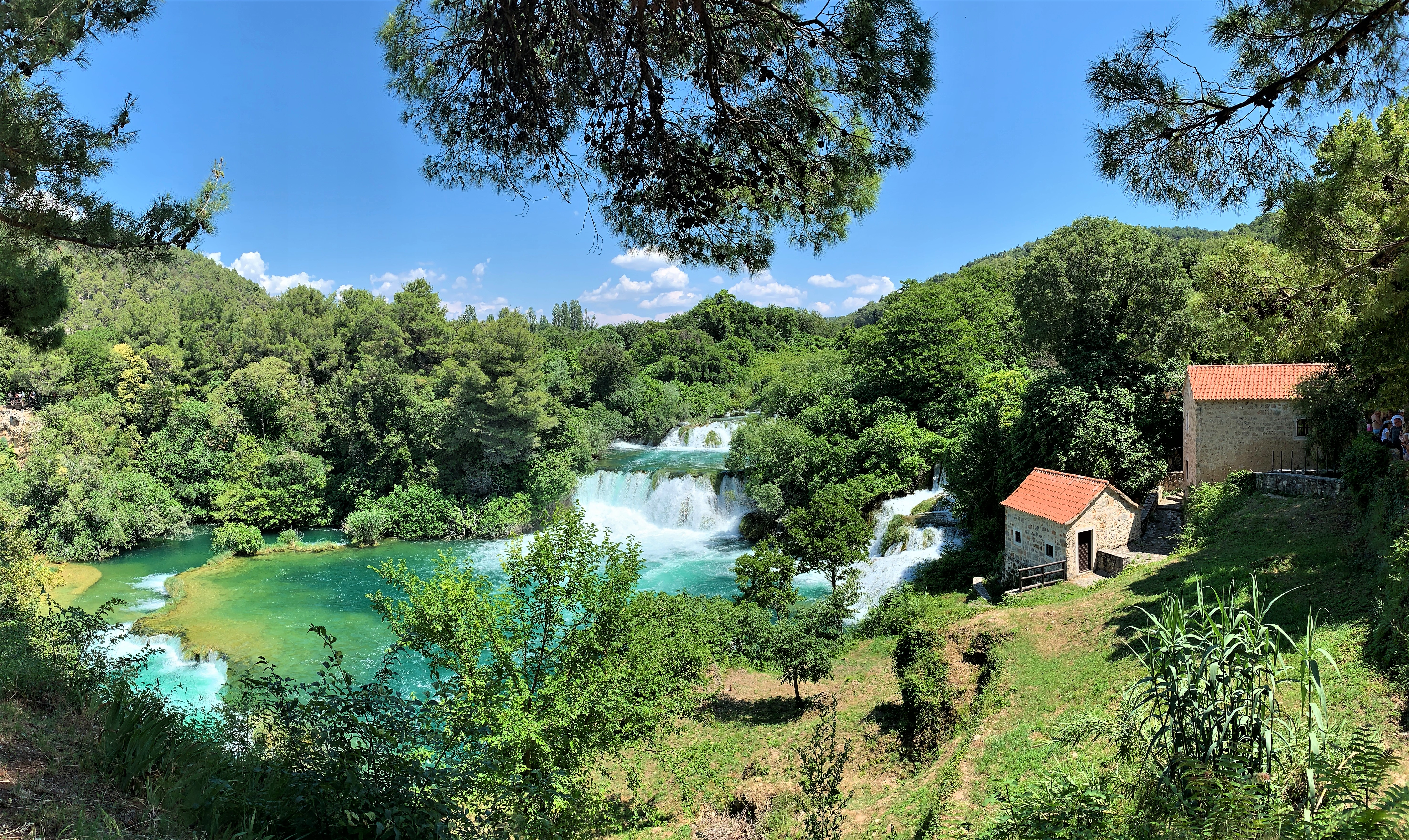
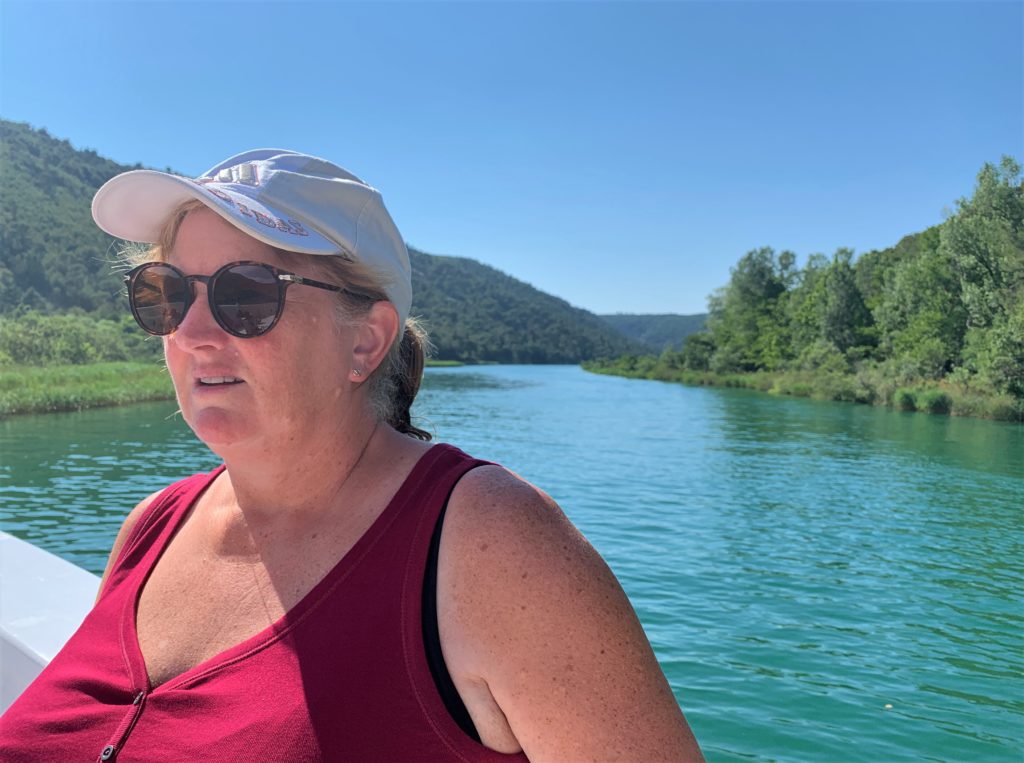
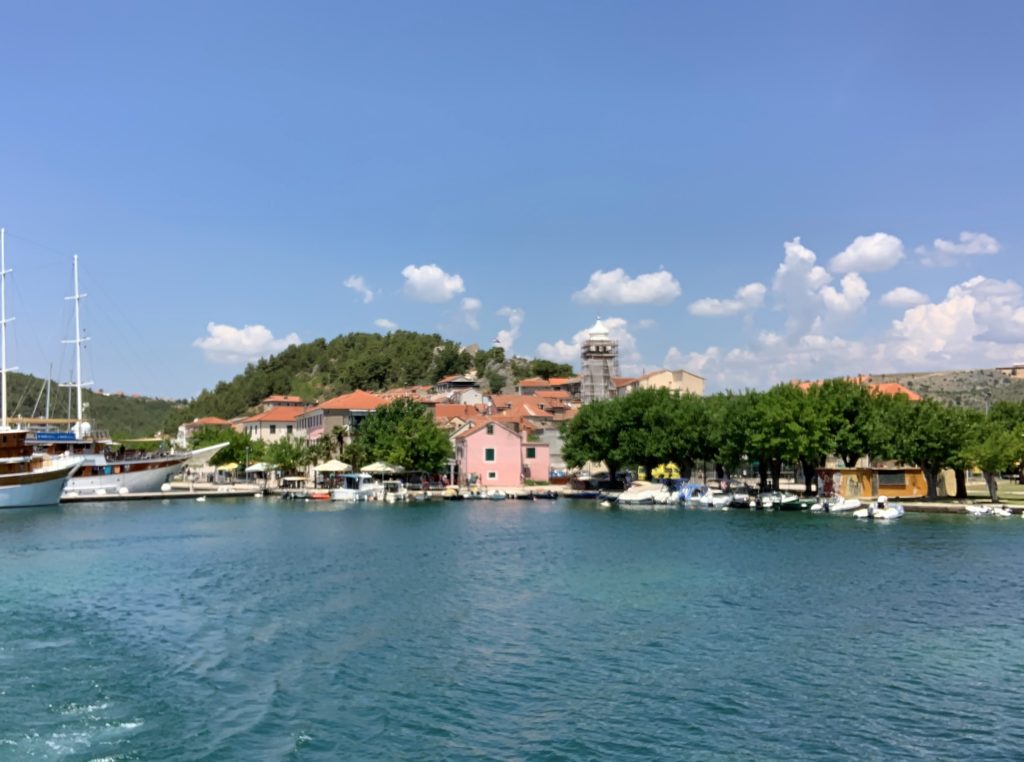
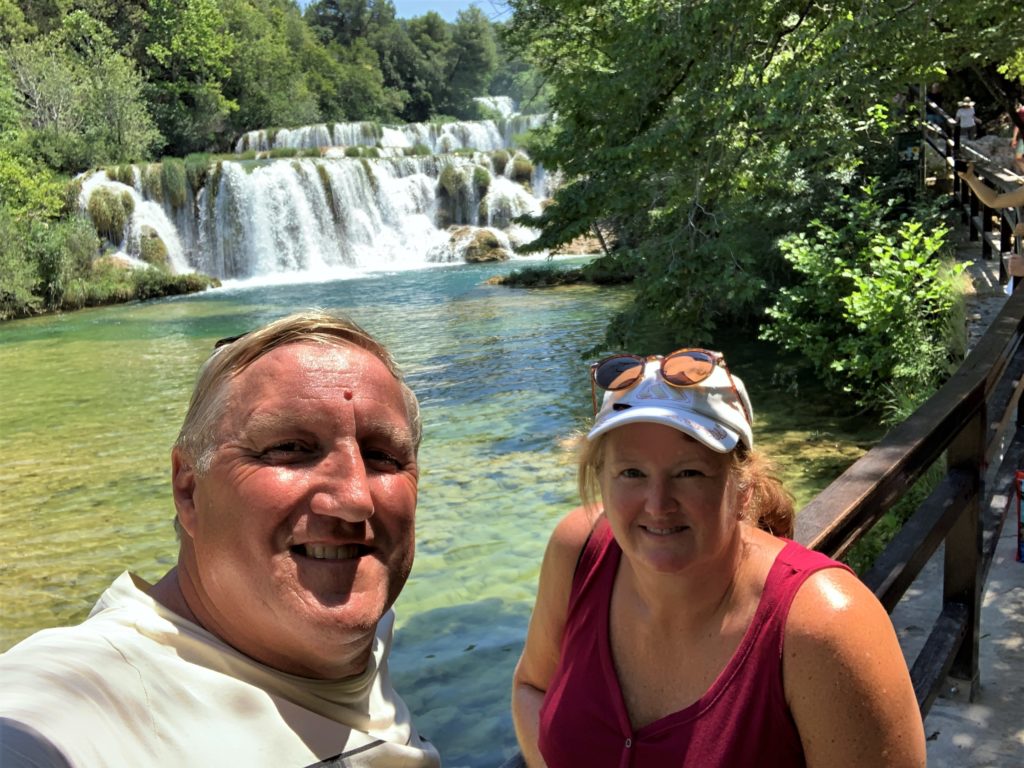
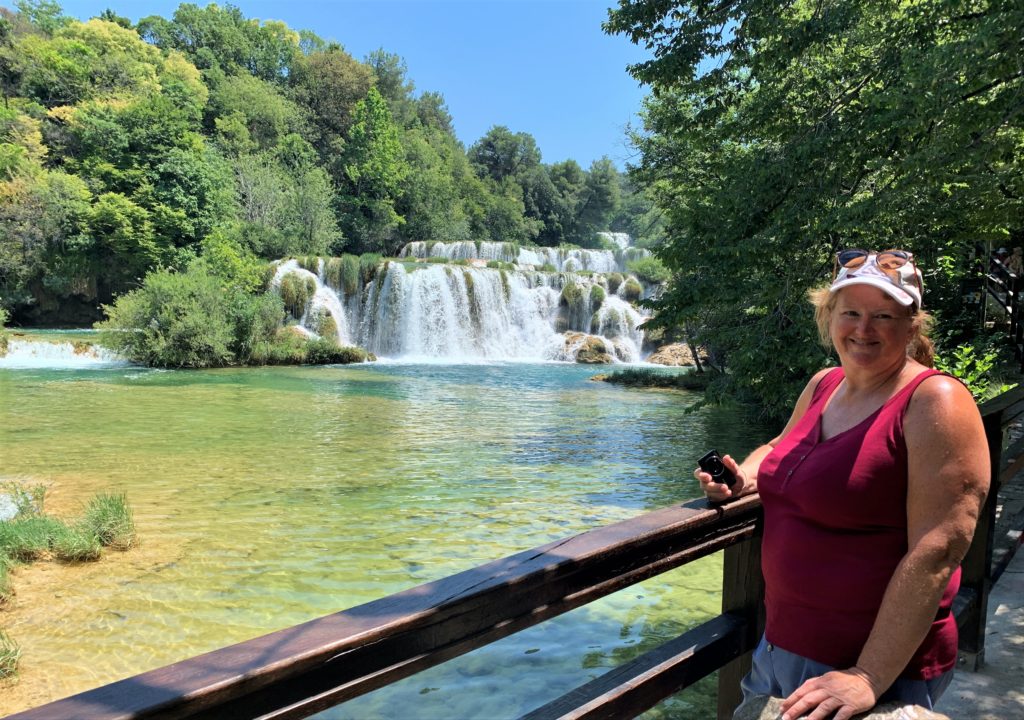
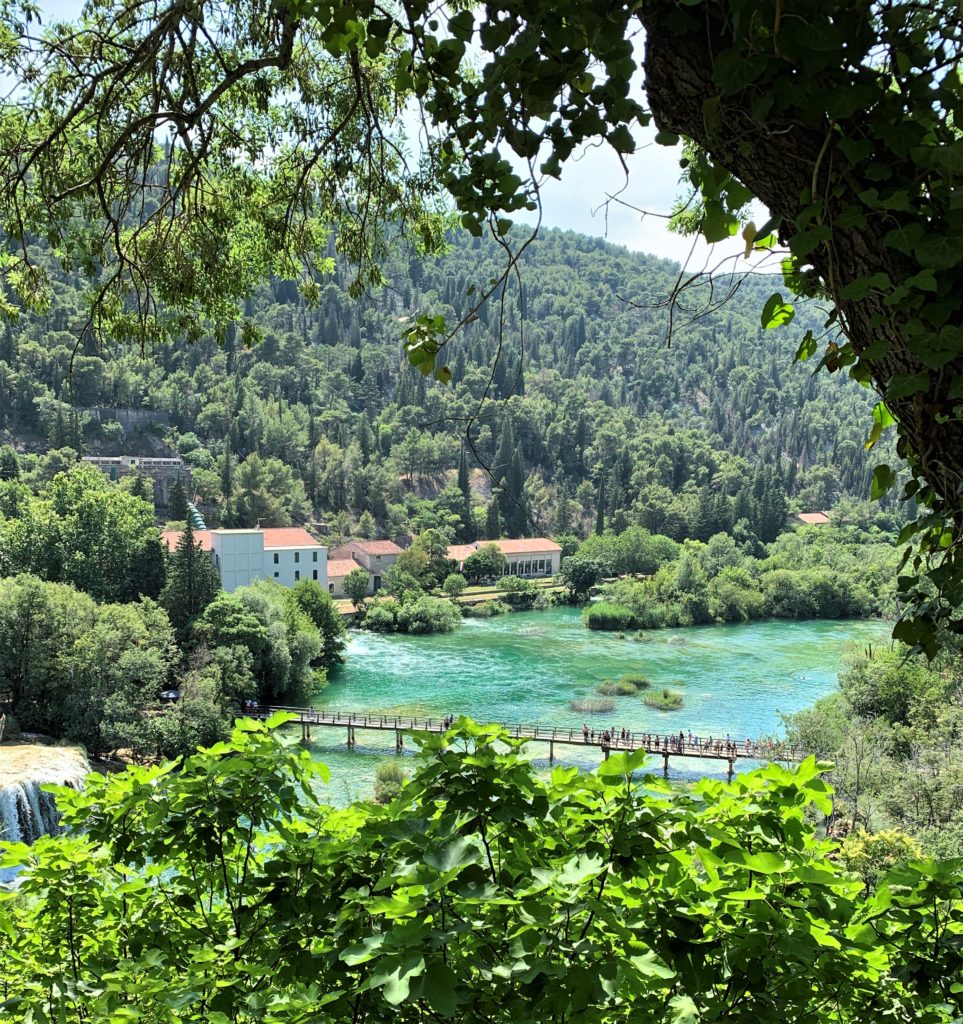
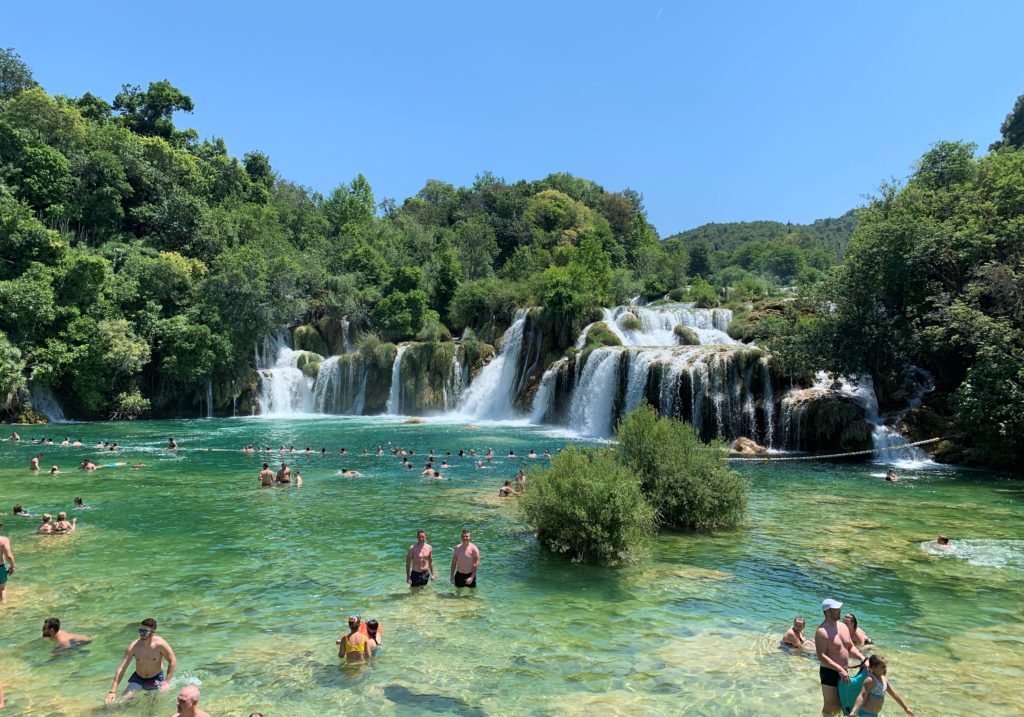
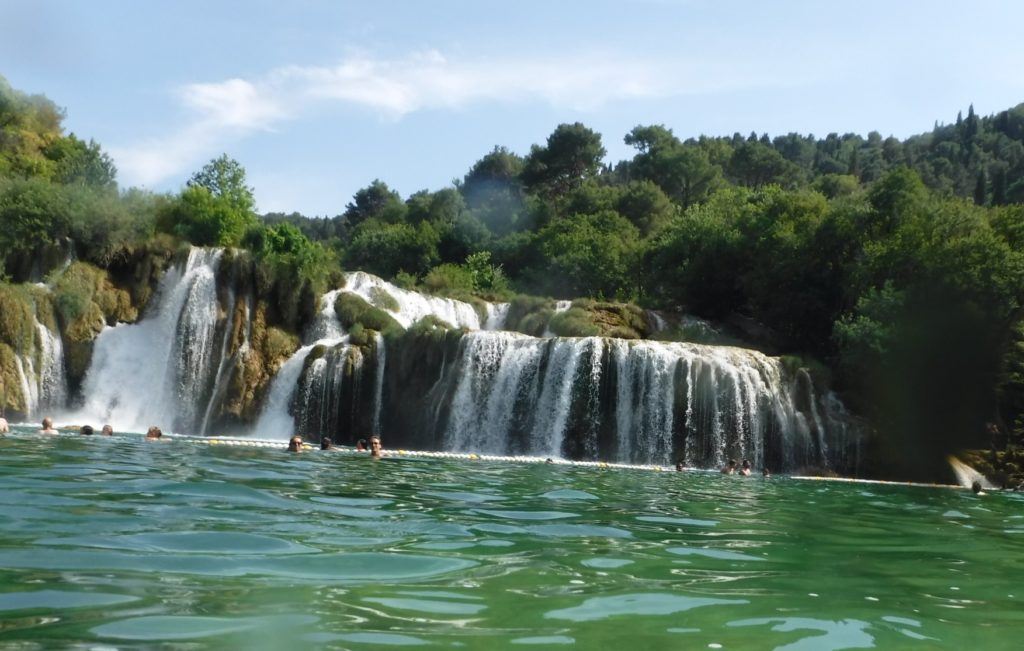
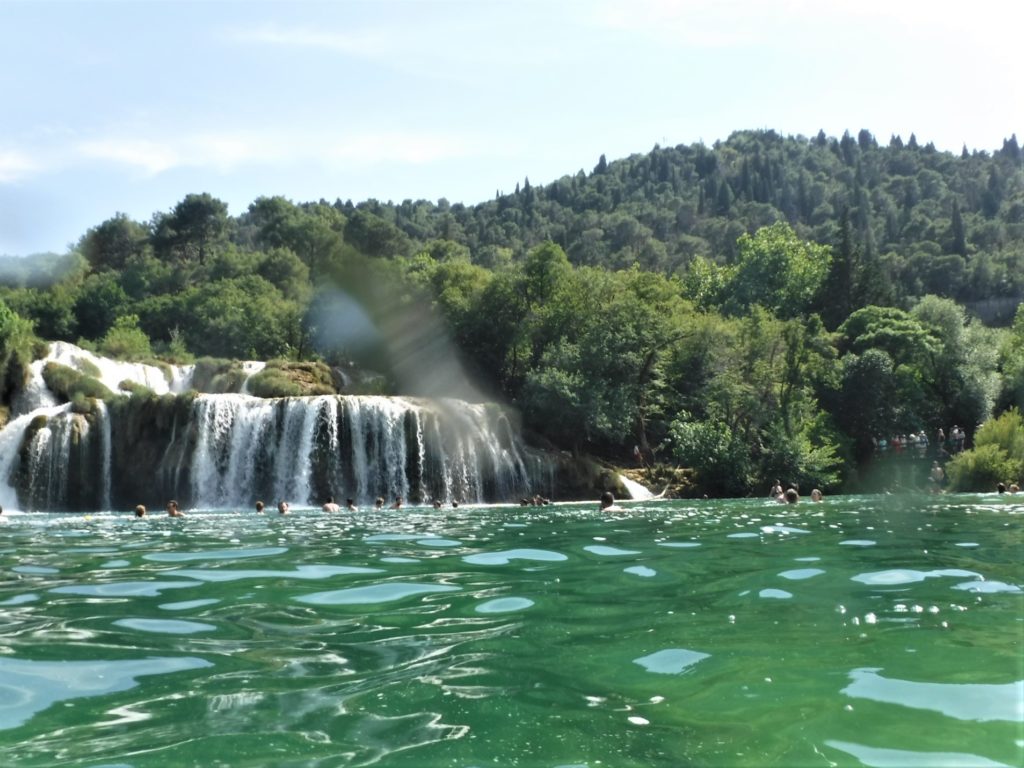
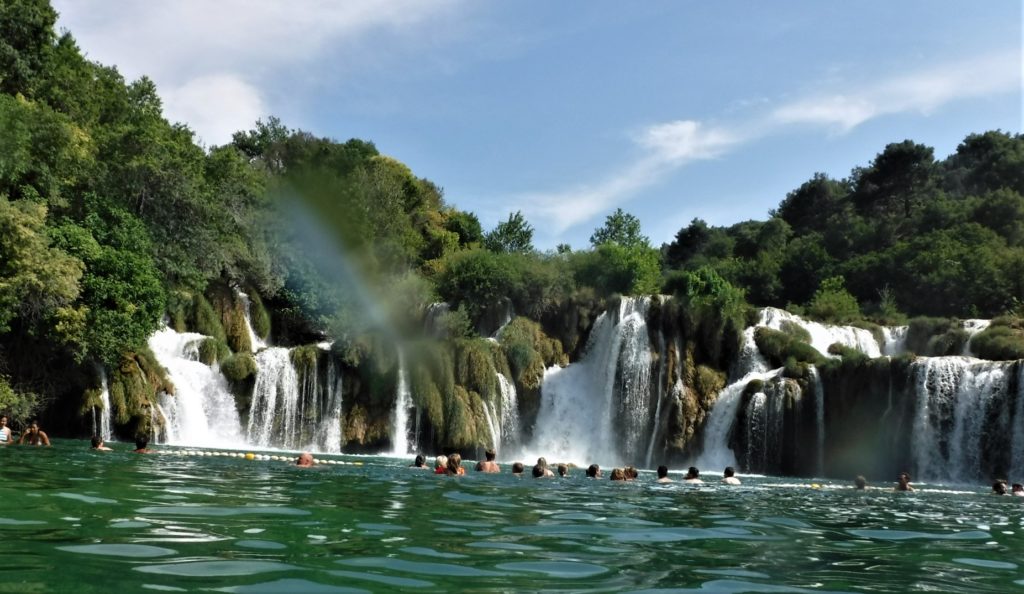
We arrived about 10.30am and had brunch at a cafe in the local town, caught the 11.30 ferry for the 20 minute journey up the river to the first set of falls. The lakes are split into 3 separate areas, and if we wanted to do all 3, we would have to spend about 9 hours there! However, the most popular site was the first, where there is also a large area for people to swim. Further up the river are more archeological sites, old water mills, monasteries and other old buildings as well as spectacular high waterfalls.

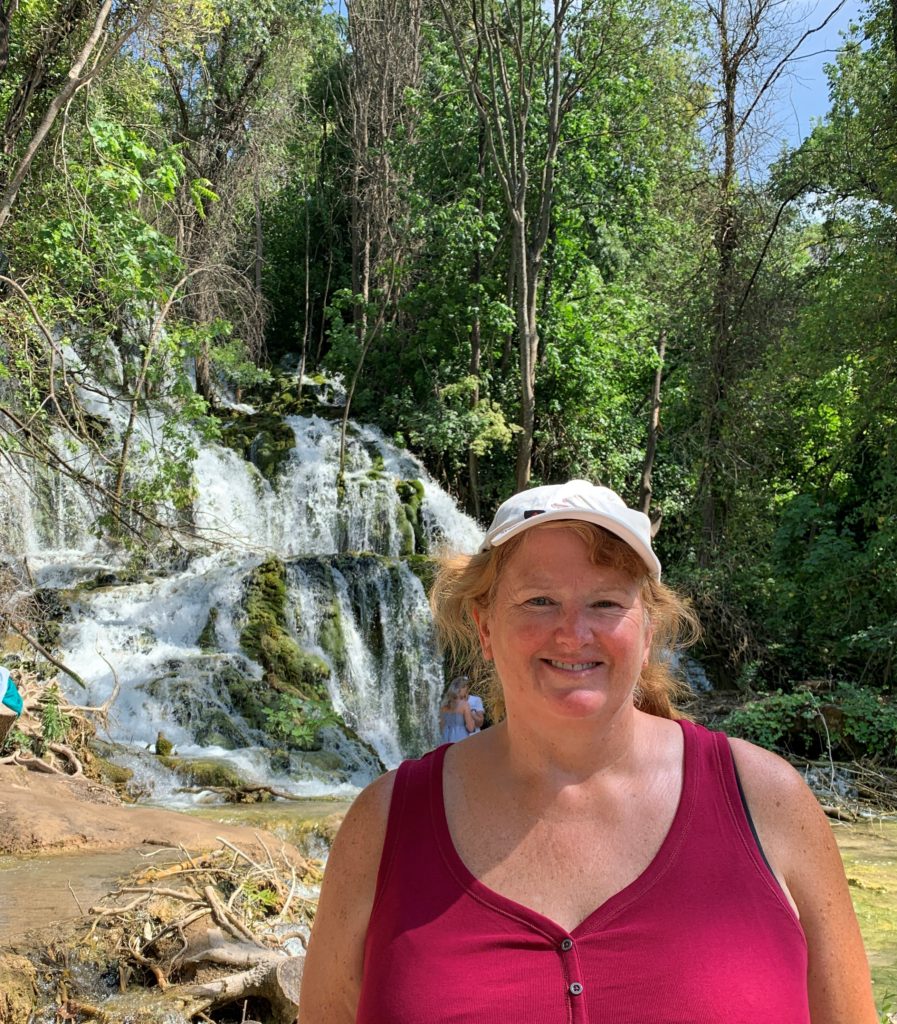
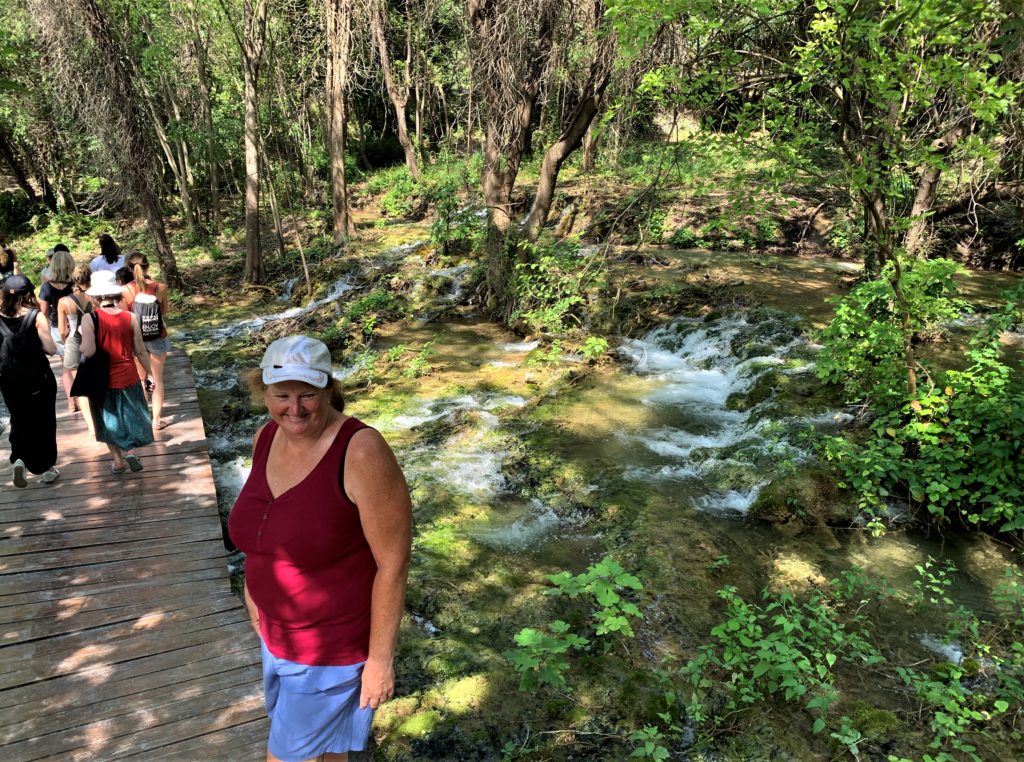
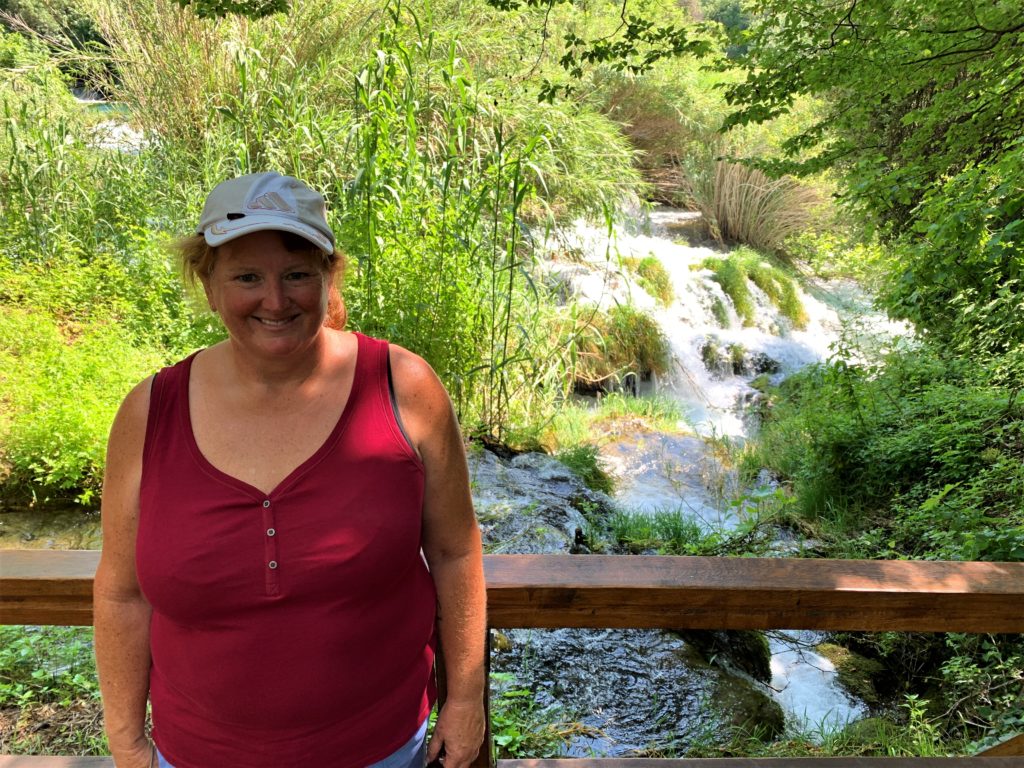
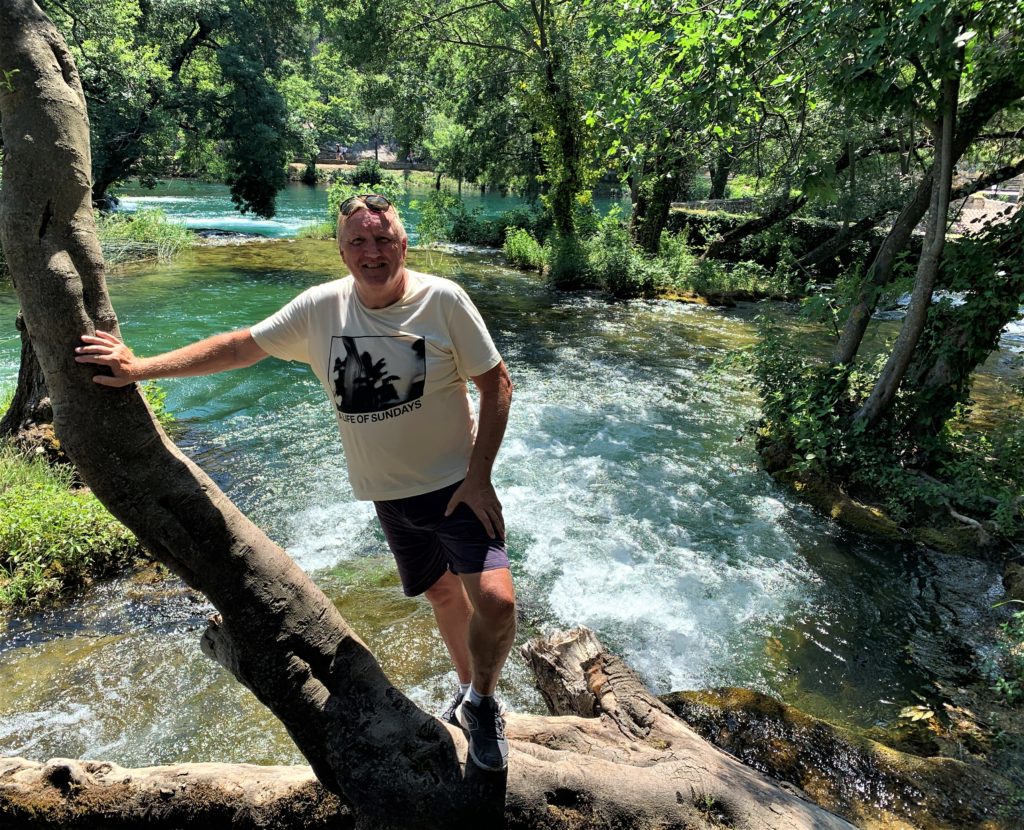
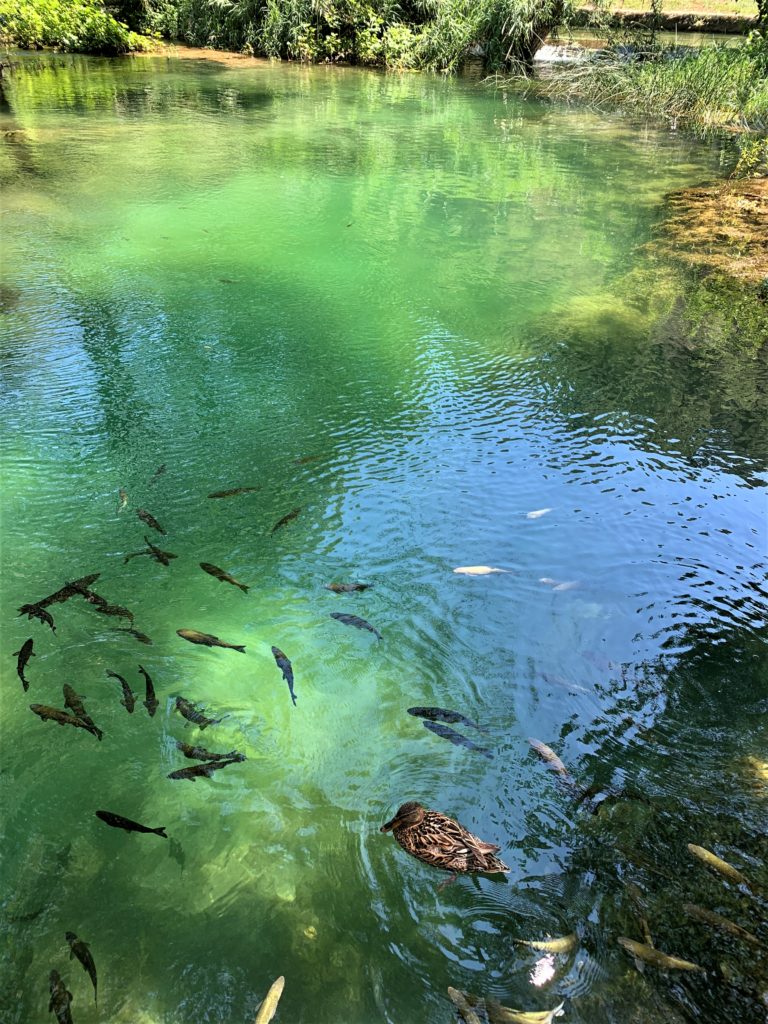
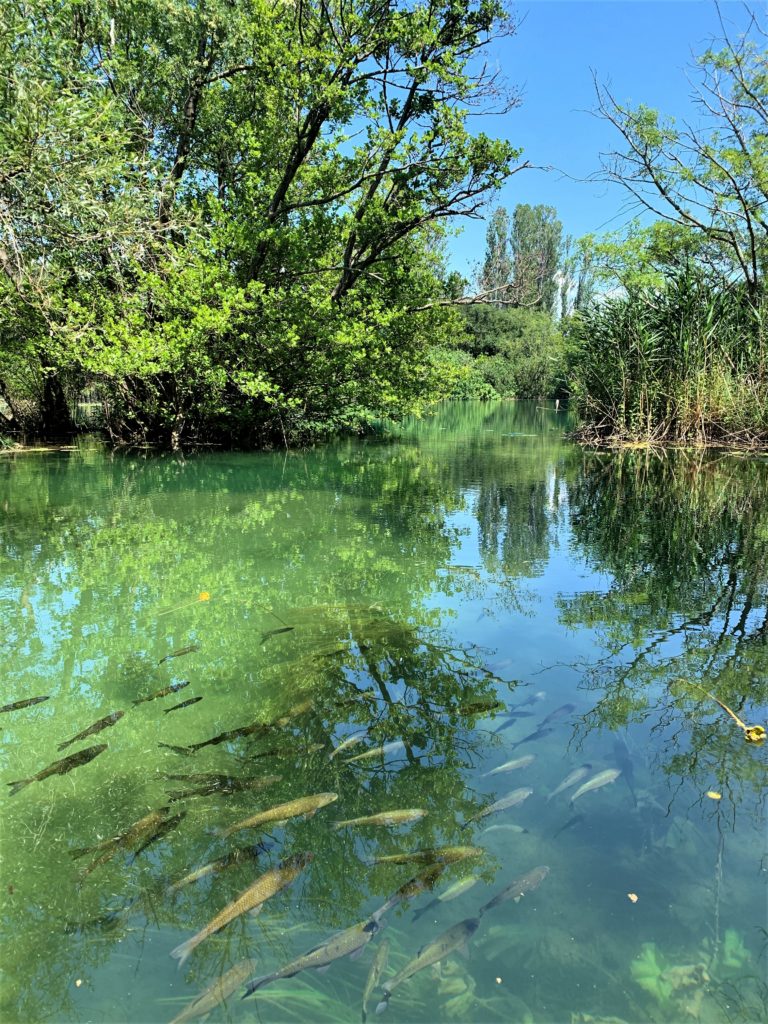
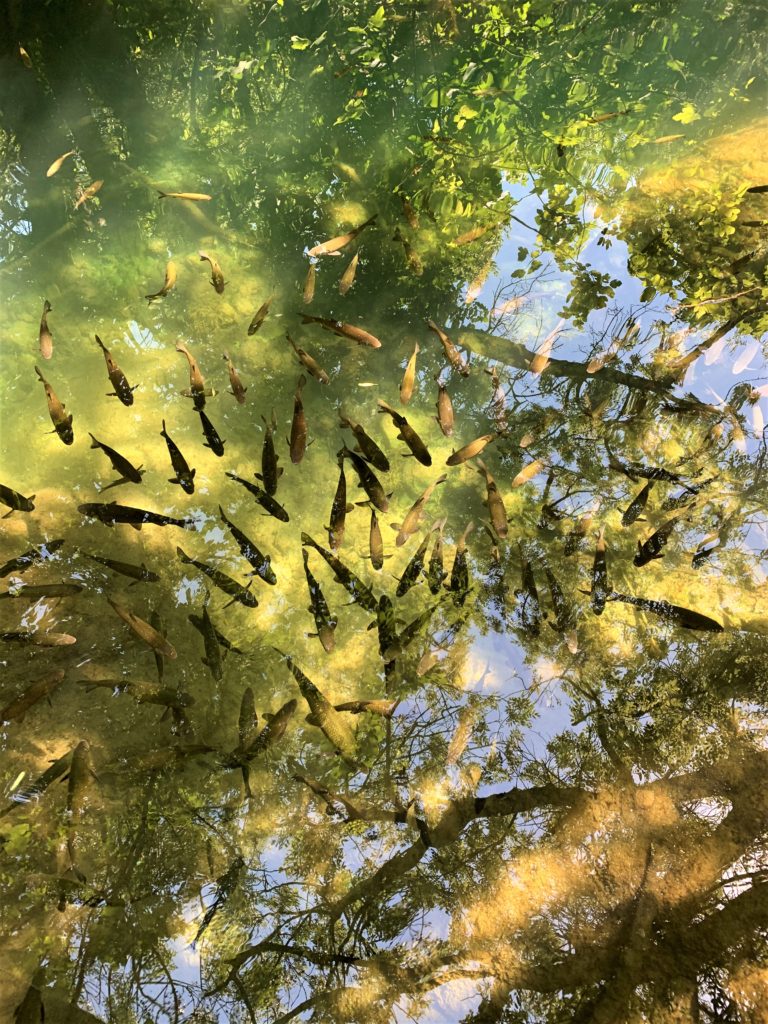
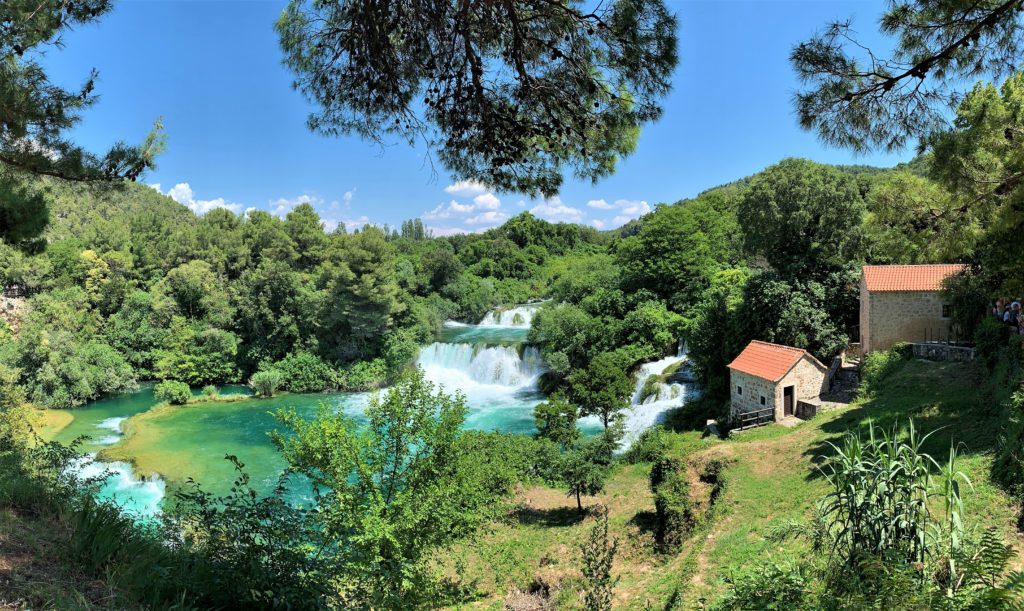
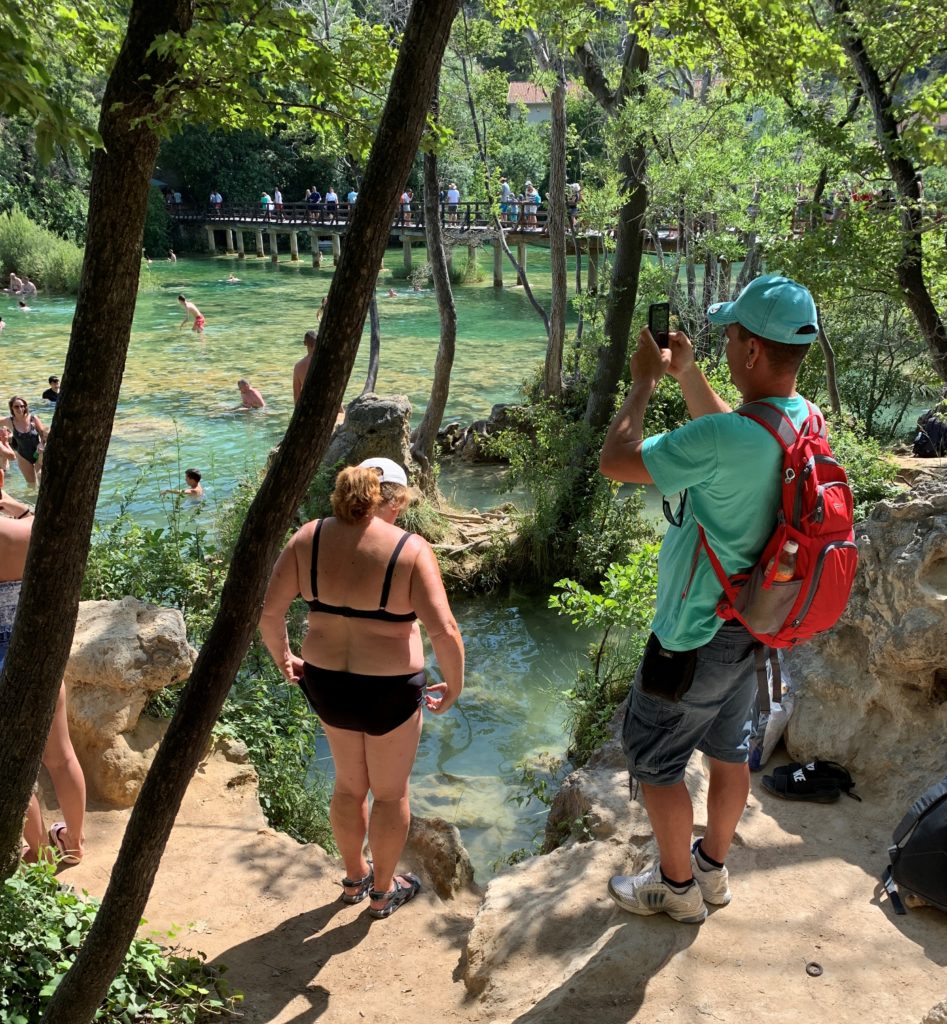
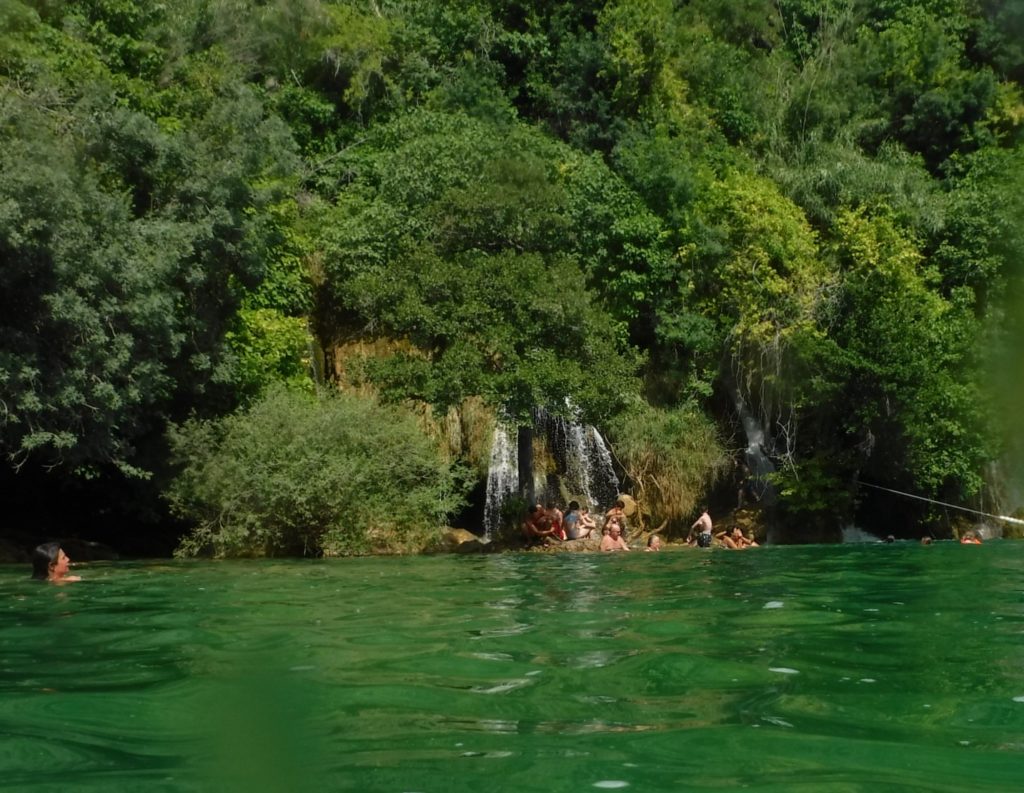
It was fairly peaceful despite it being full of coach loads of visitors. The small river tributaries run into pools and ponds, there was clean clear water everywhere. The walkways around the lakes were about 2km long and offered lots of scenic stops to admire the views.

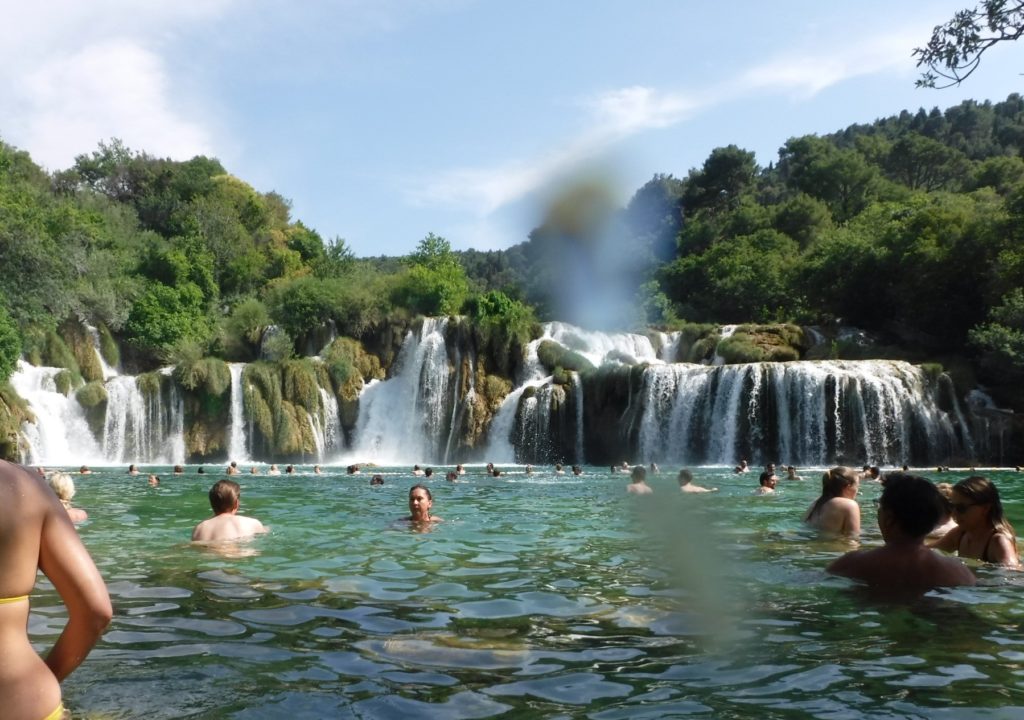
I was brave and did venture into the swimming area, David was on bag monitoring duties, and I came out feeling cool, refreshed and chilled. The water was clean, smelled clean and was icy cold at first, then cooling once you got in!

On the Boat

In the Park, Water Everywhere!

Scenic Views

Swimming!

A beautiful place, well worth visiting.