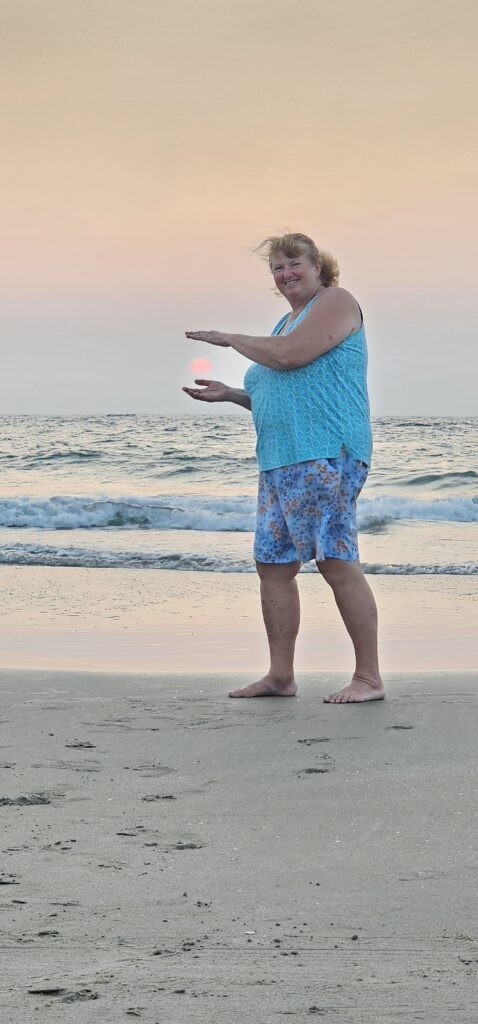
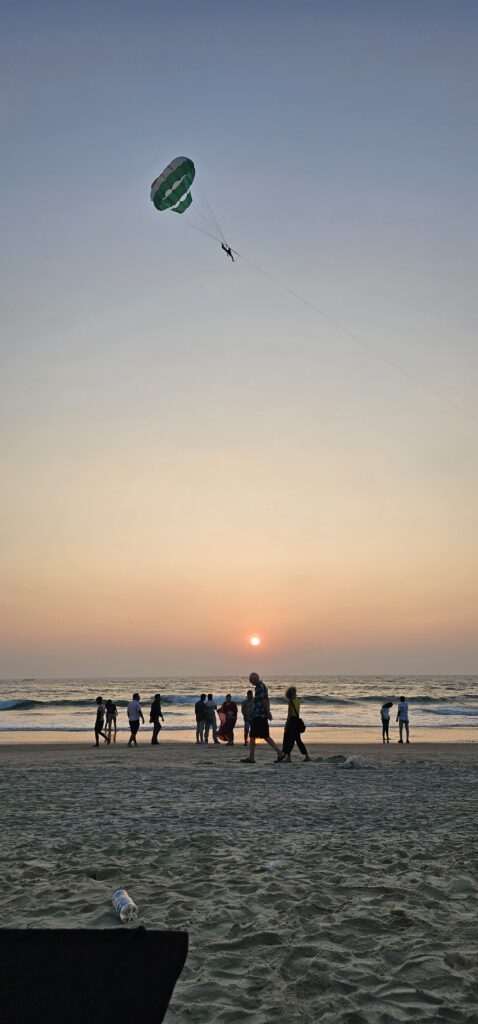
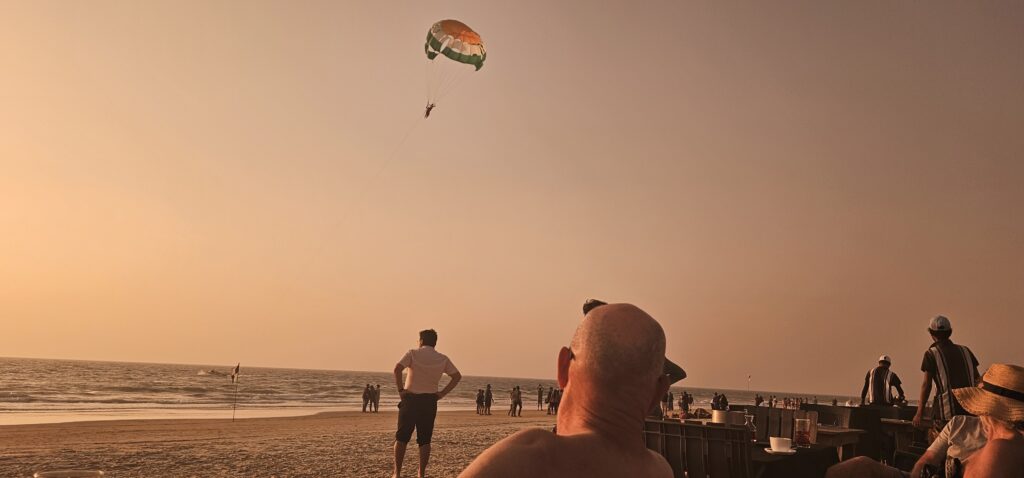
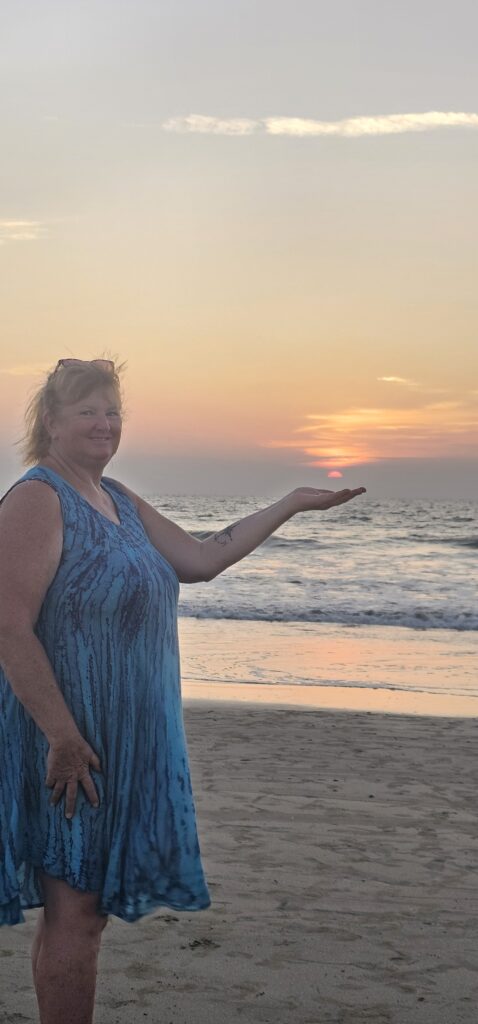
A few long days out exploring and being a tourist have been balanced against chilled and relaxing days around the pool and down at the beach.
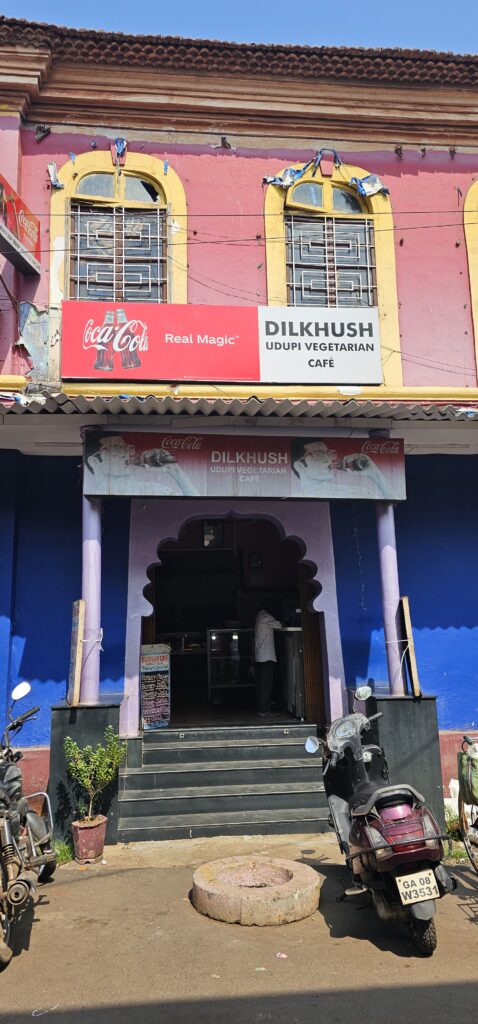
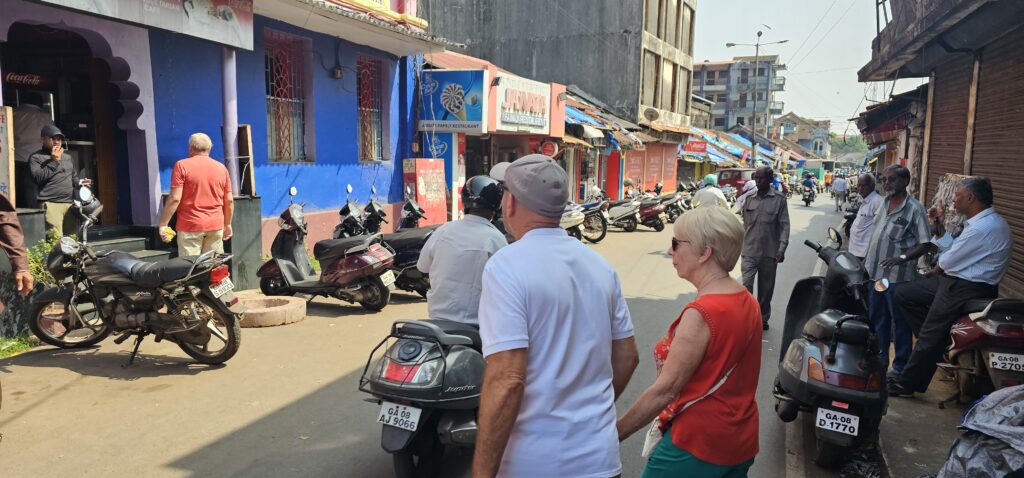
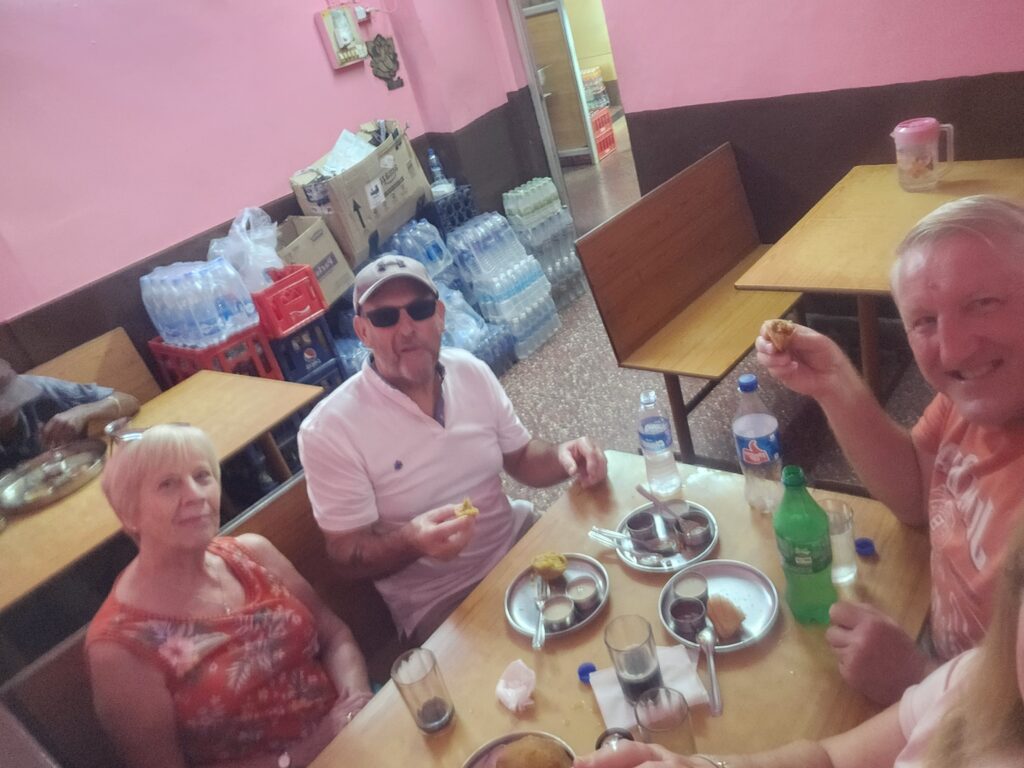
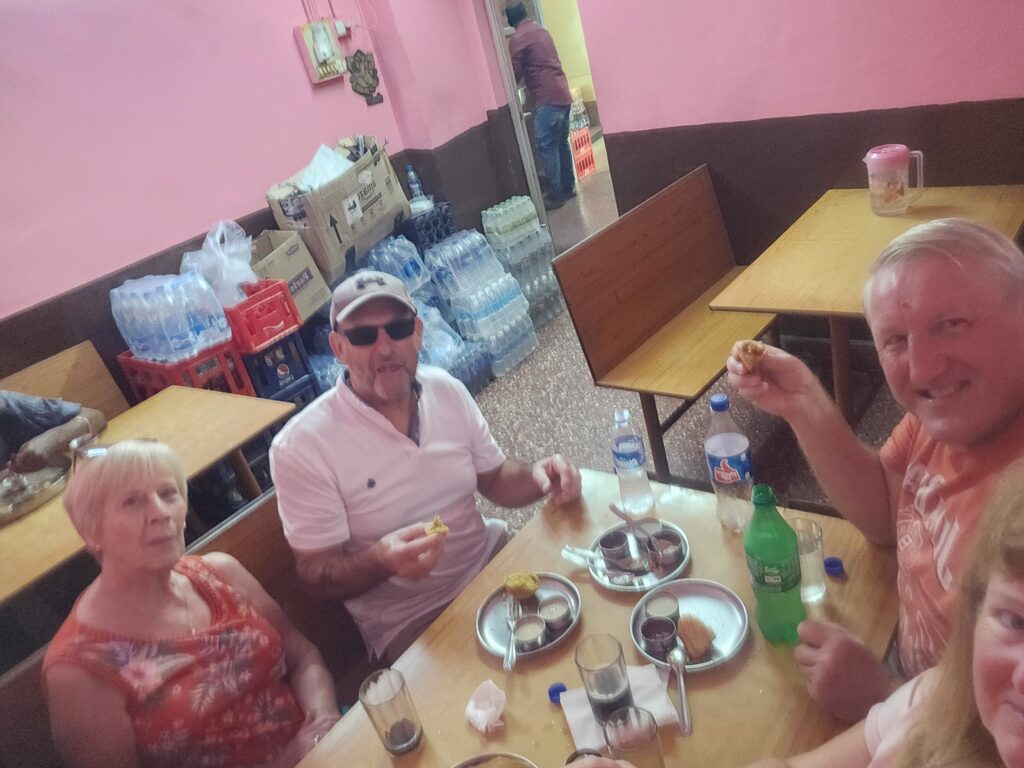
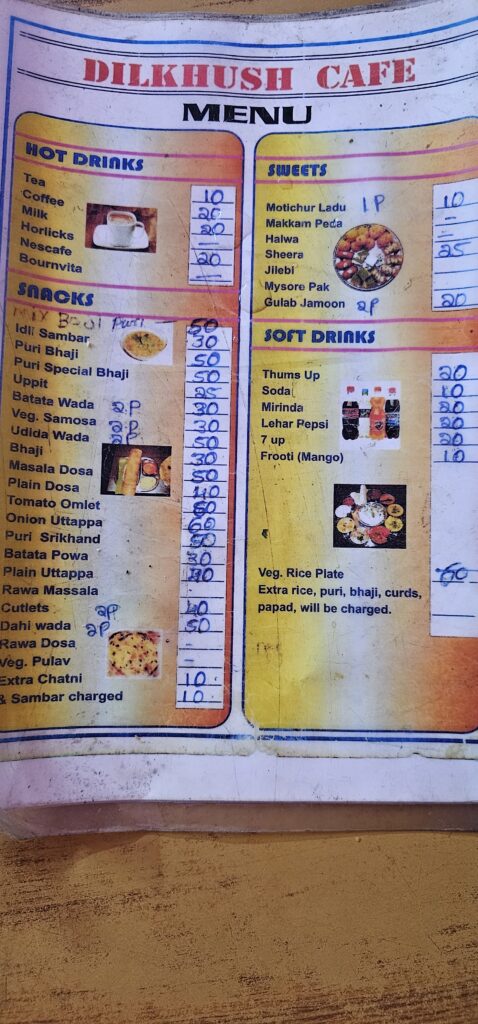
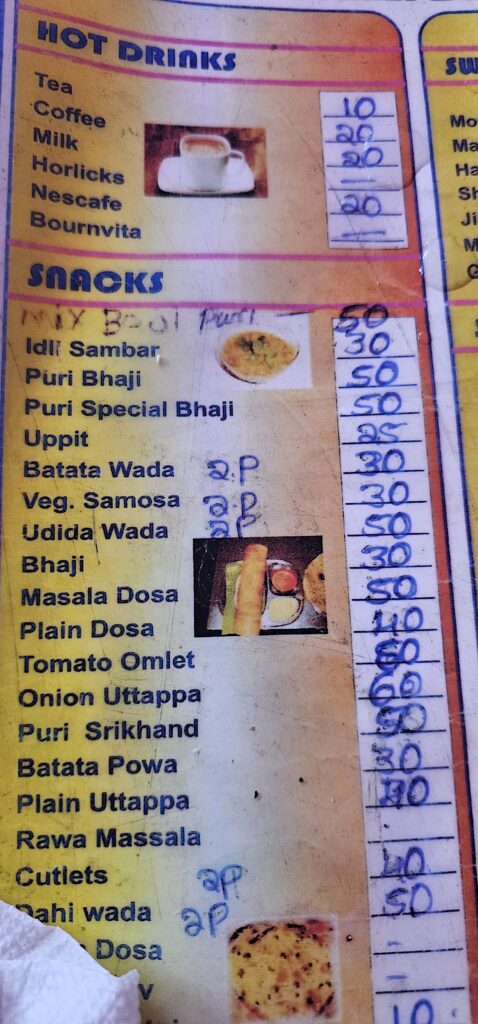
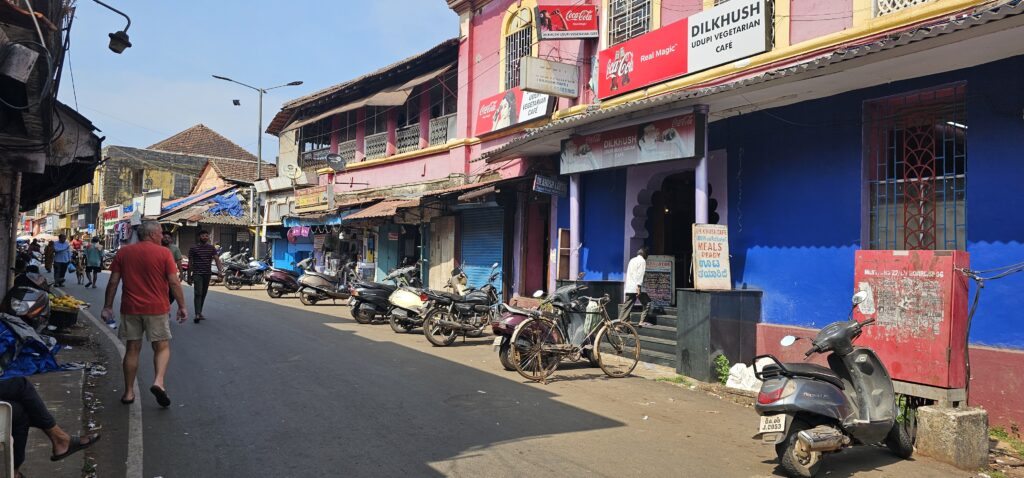
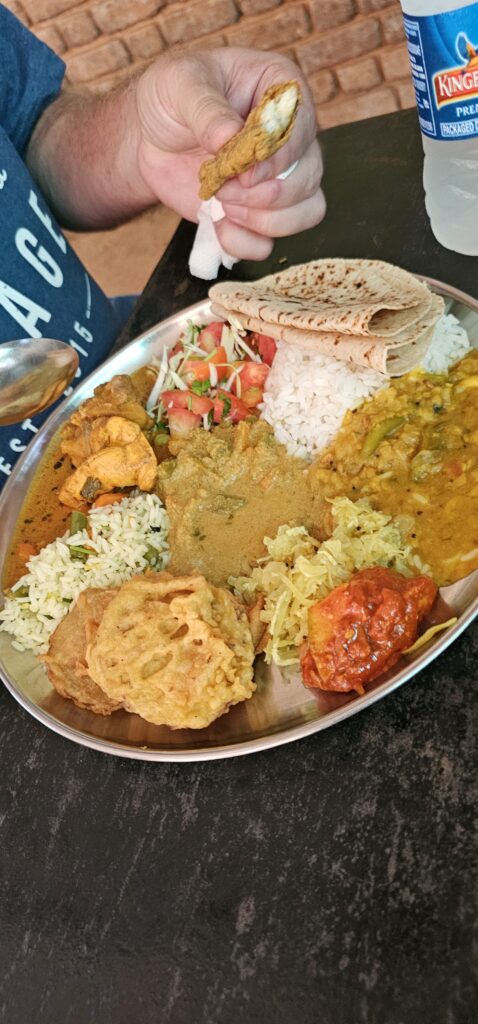
One morning we drove into our nearest town Margao to visit the Market, we’ve had a rodent visitor and was hoping to find a mouse trap, no such luck. Instead we found a truly authentic cafe for lunch, 4 samosas, 4 potato patties and a few dips, 2 banana cakes, several drinks and bottles of water later = a whopping bill of £2.60!!!! Graham was sooo pleased, it was his turn to pay!!! 😁😁
Explanation = 10 rupees = 10p, 100 rupees is about a £, so 150R = £1.50 etc.
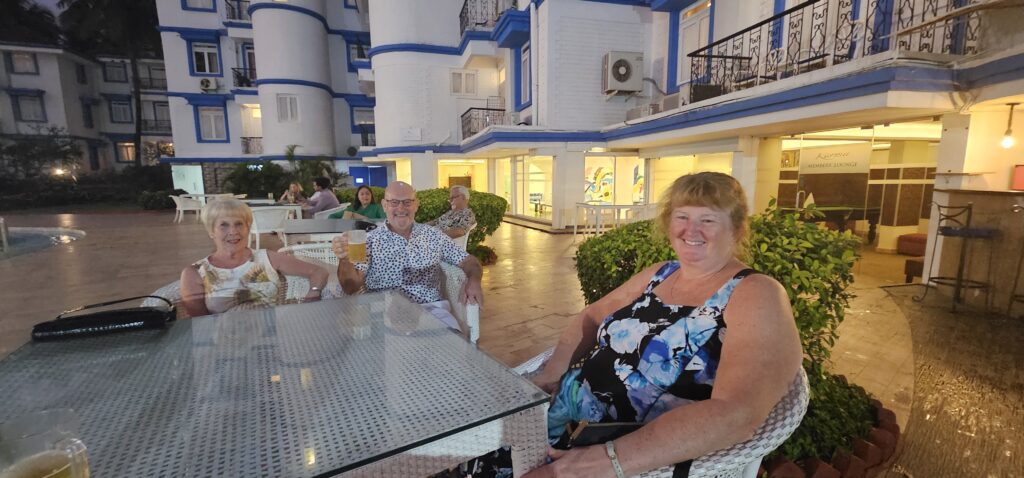
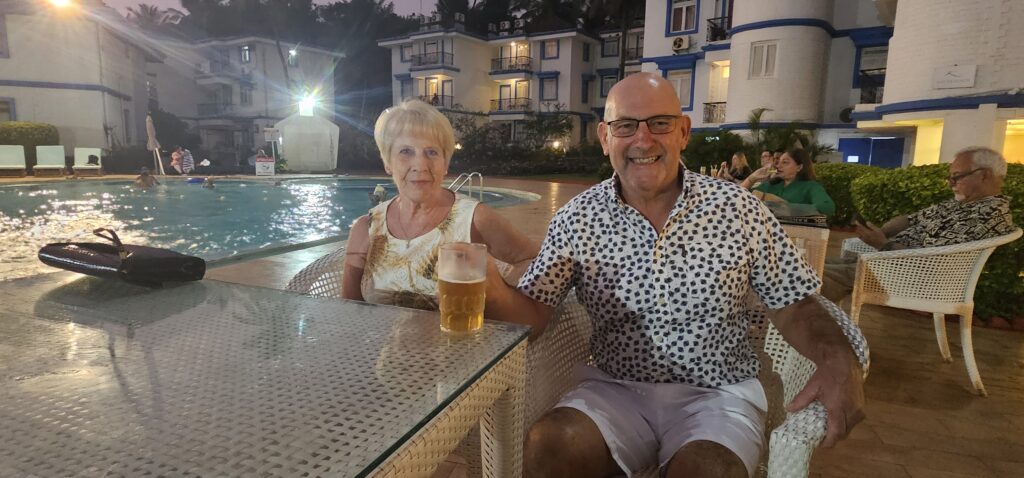
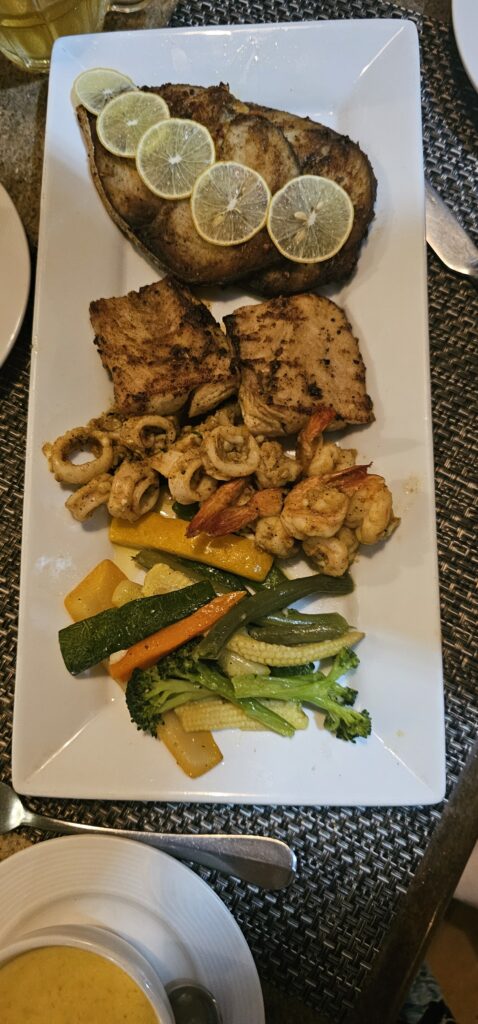
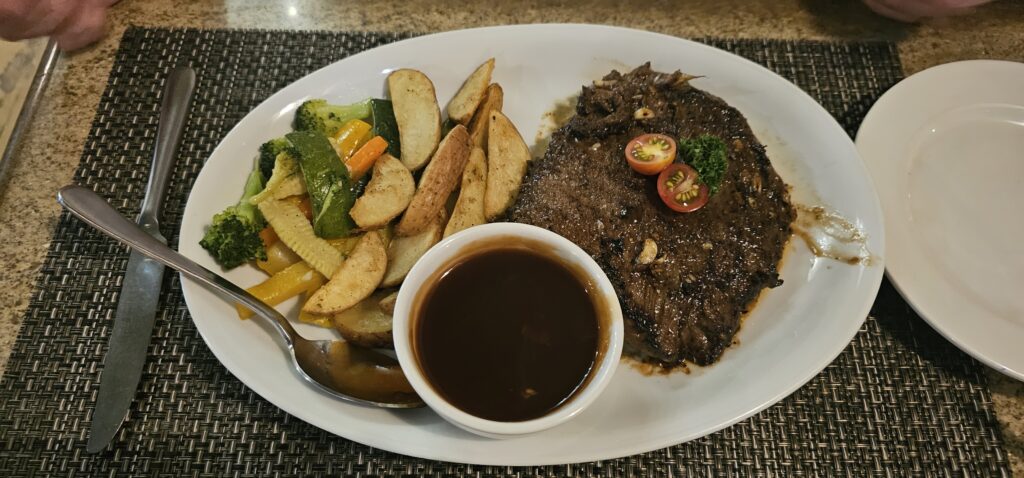
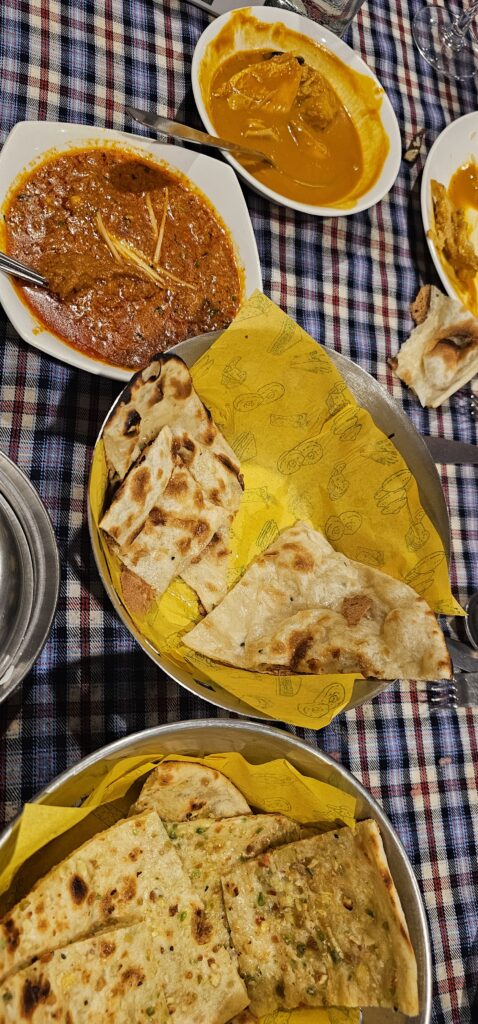
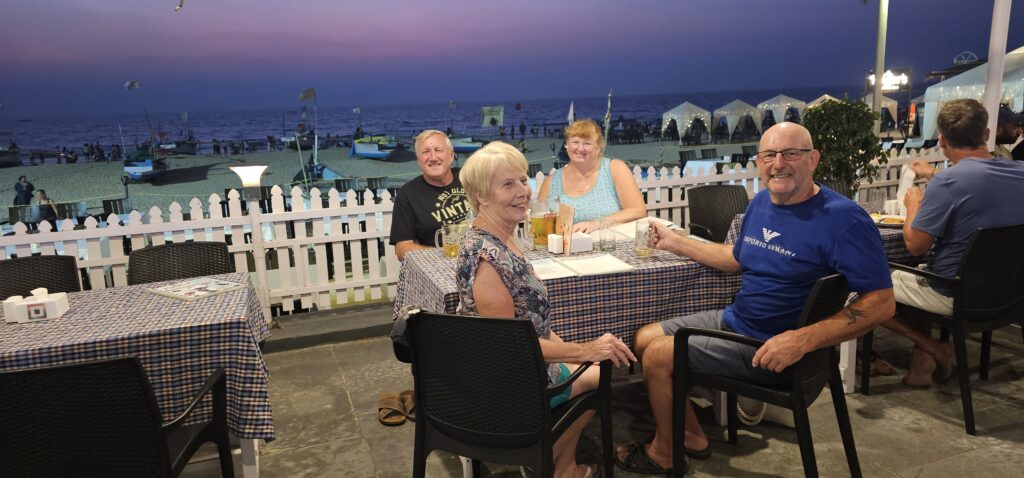
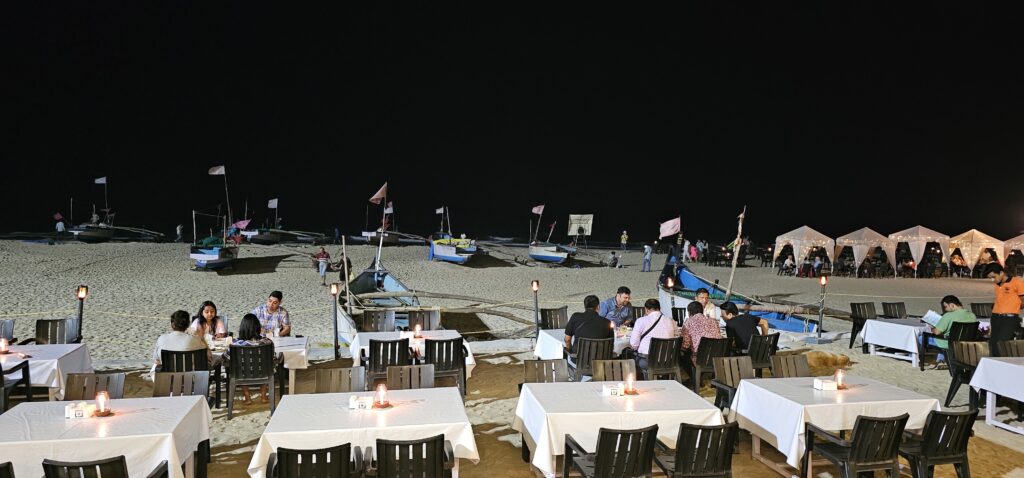
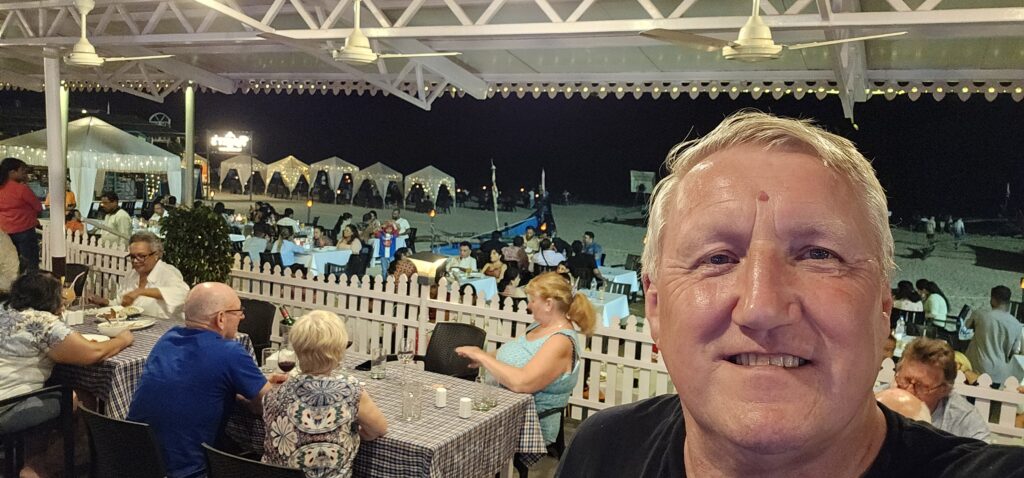
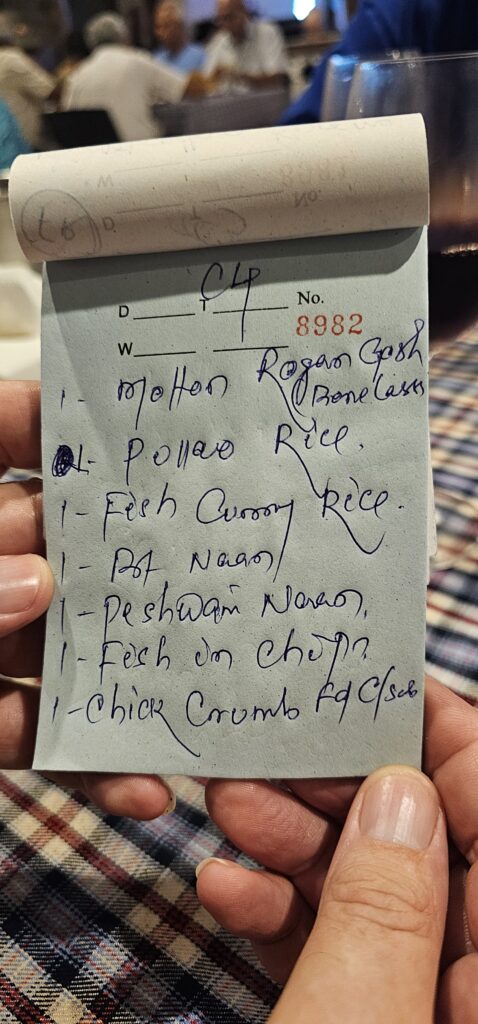
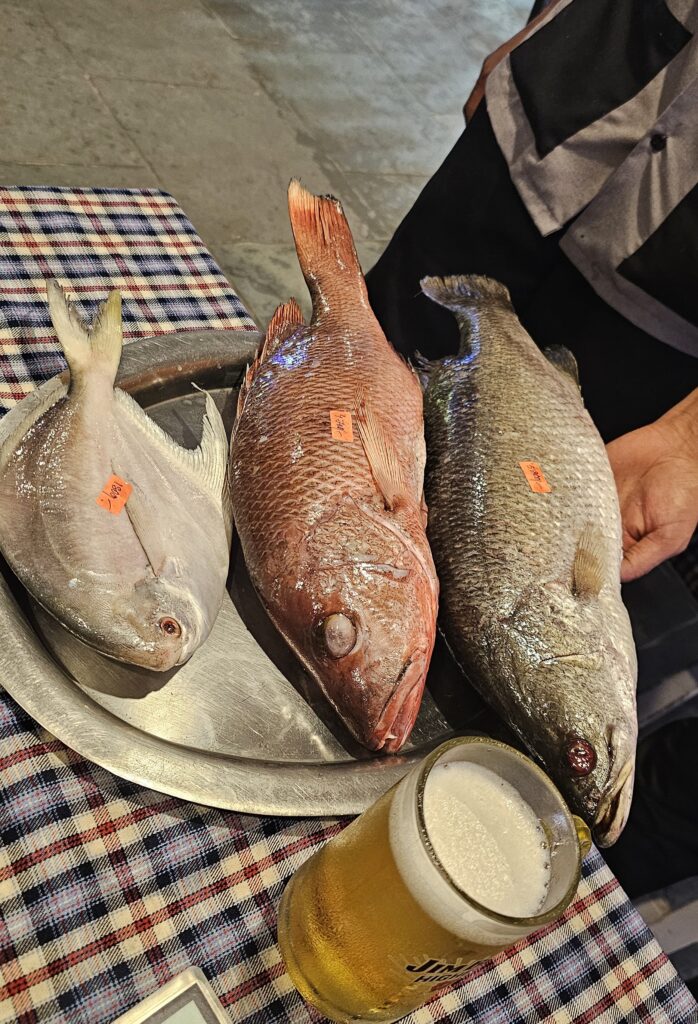
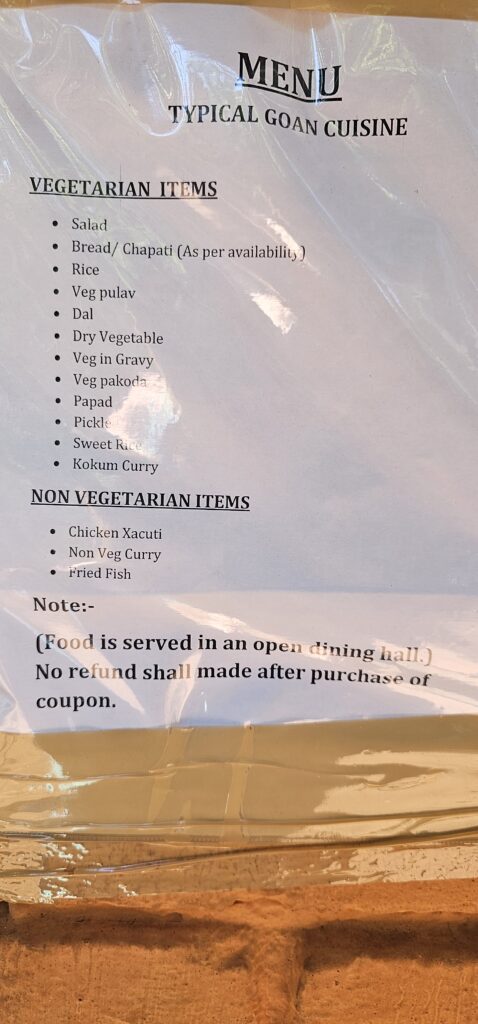
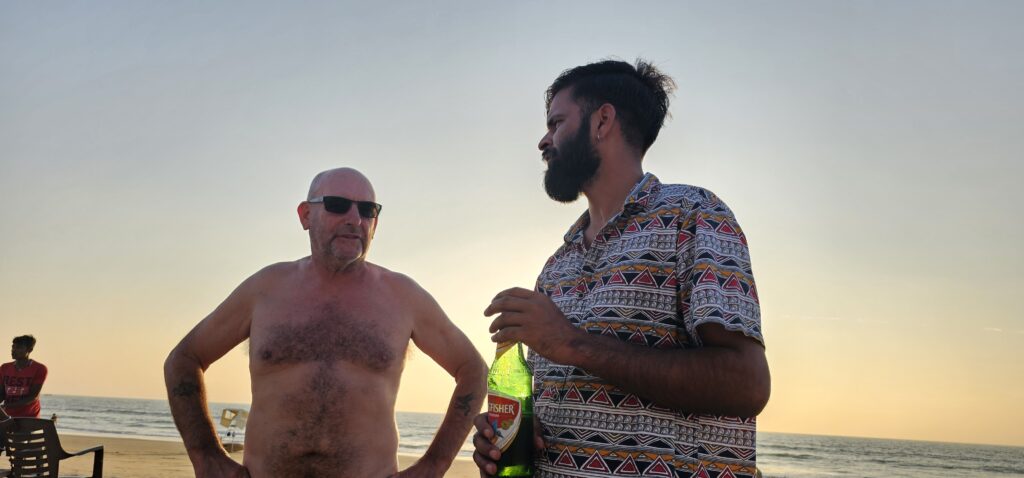
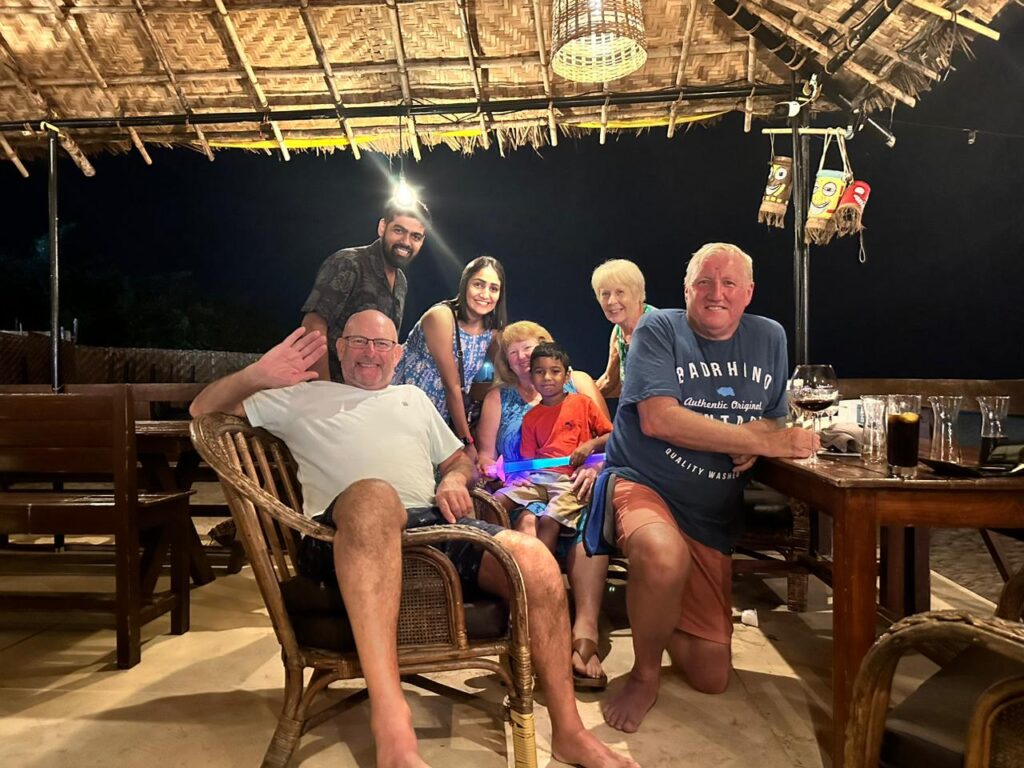
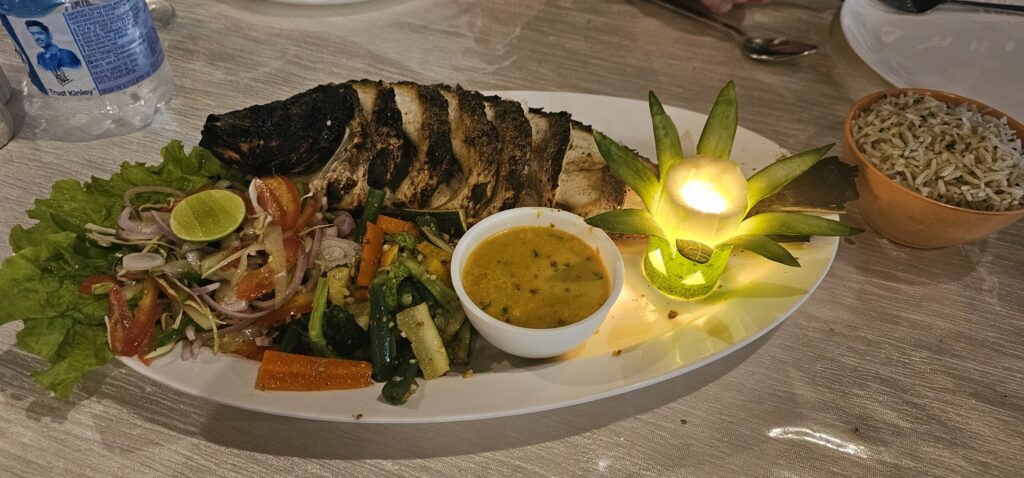
We’ve eaten in a few restaurants around us, mostly intercontinental foods on offer (Indian, goan, Chinese, Italian and steak dishes) and we are still amazed at the prices, 2 or 3 course dinner for 4 is usually about £20, unless the boys order a kilo of giant prawns (costing approx £30), or a massive seabass (£20) 😁. We’ve also stayed in and cooked, enjoying 650ml bottles of Kingfisher beer for £1 and gin or vodka at £3 a bottle!
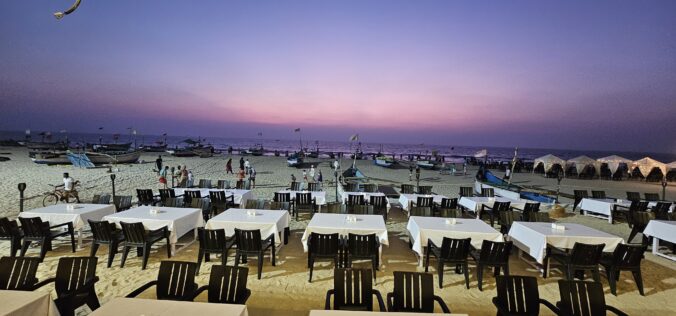
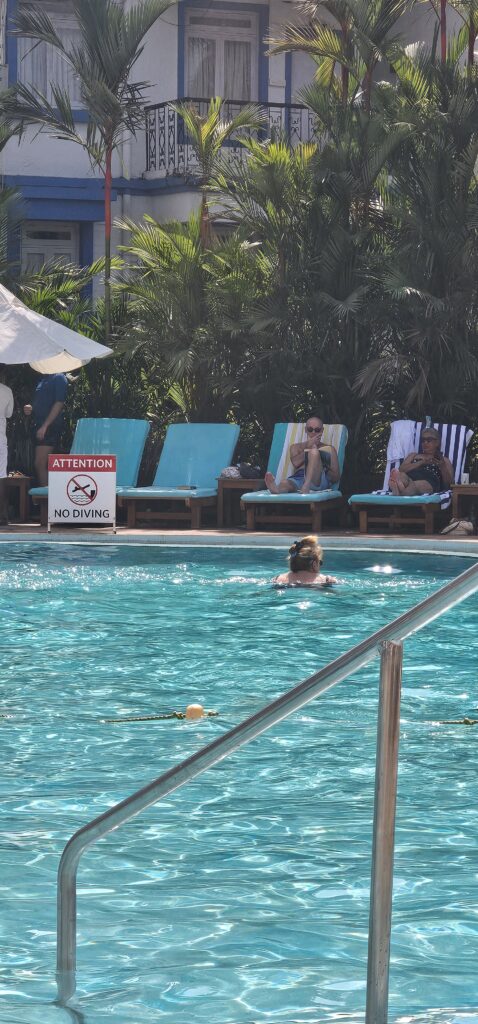
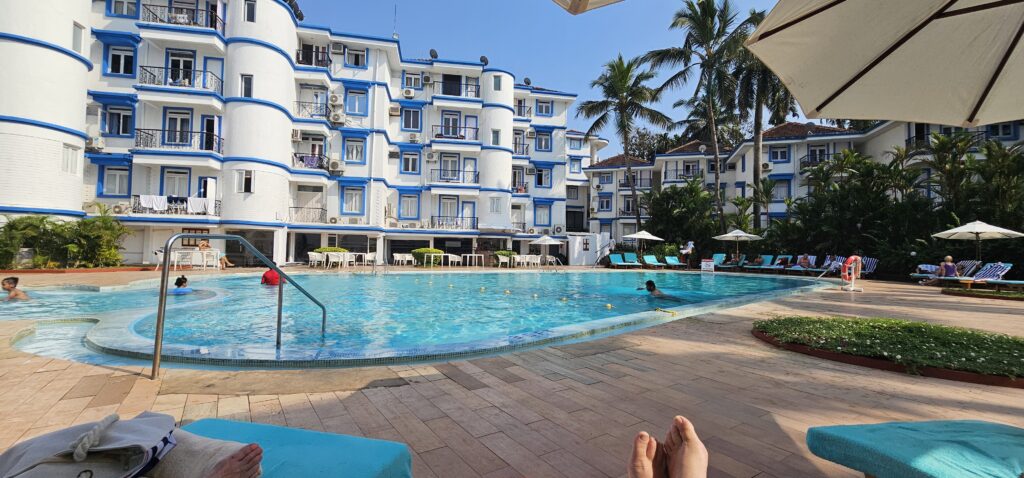
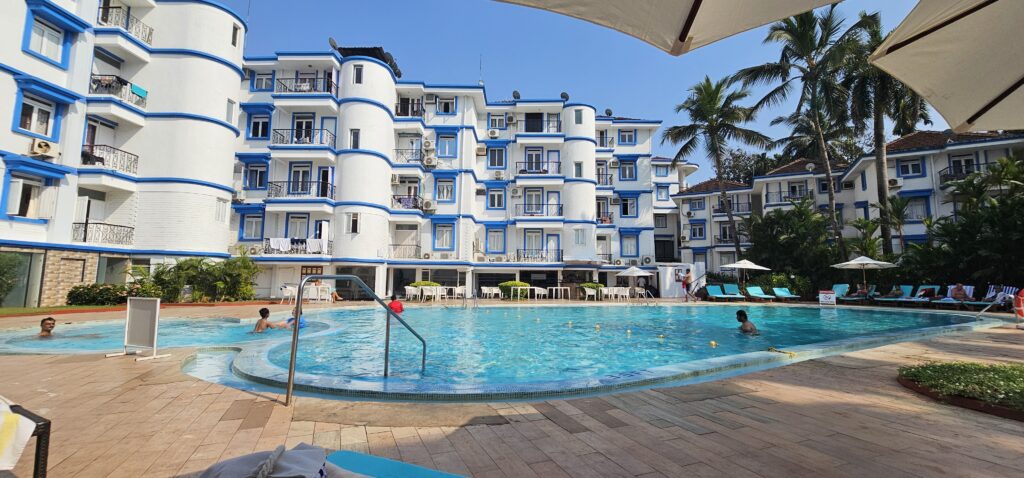
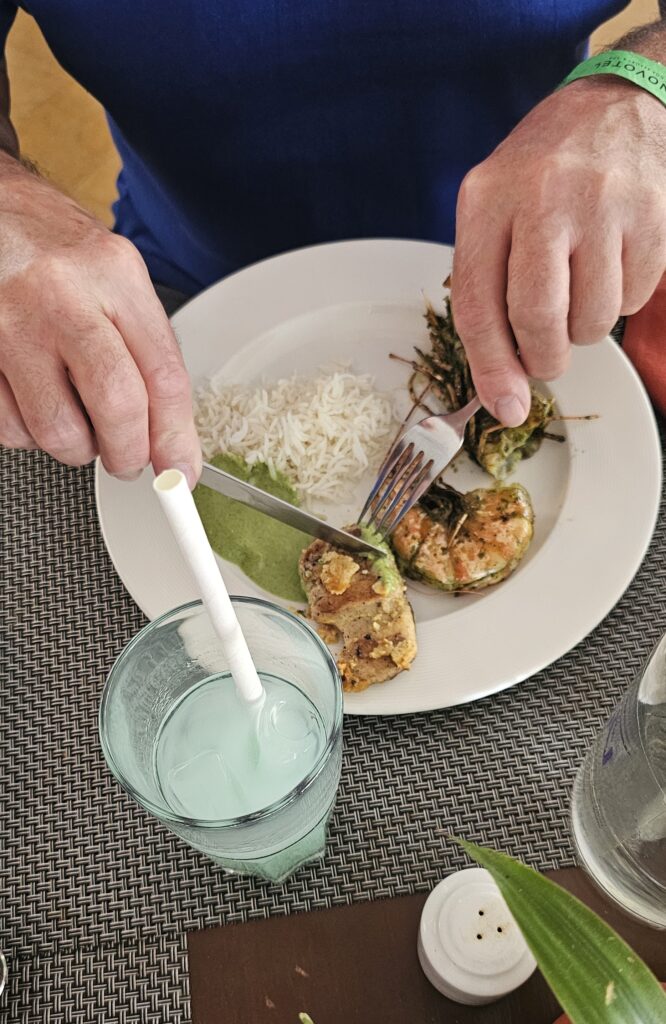
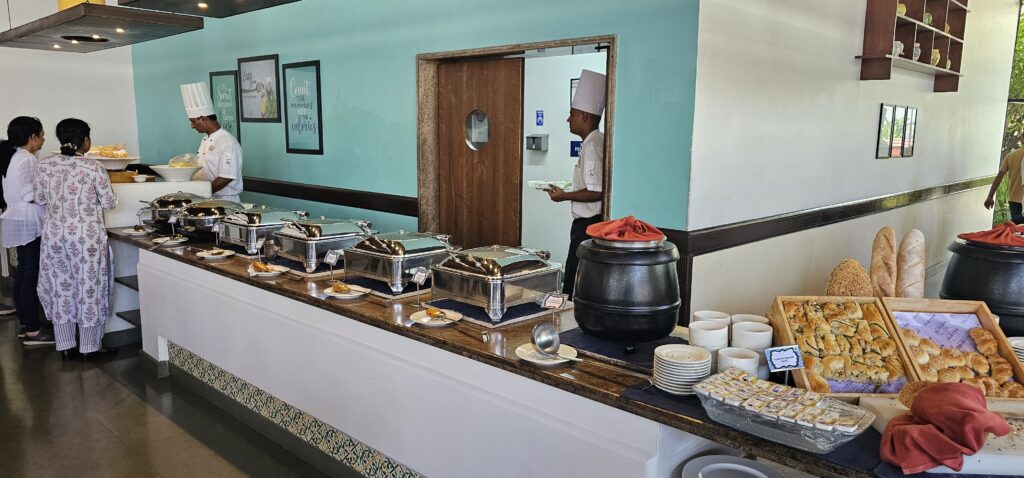
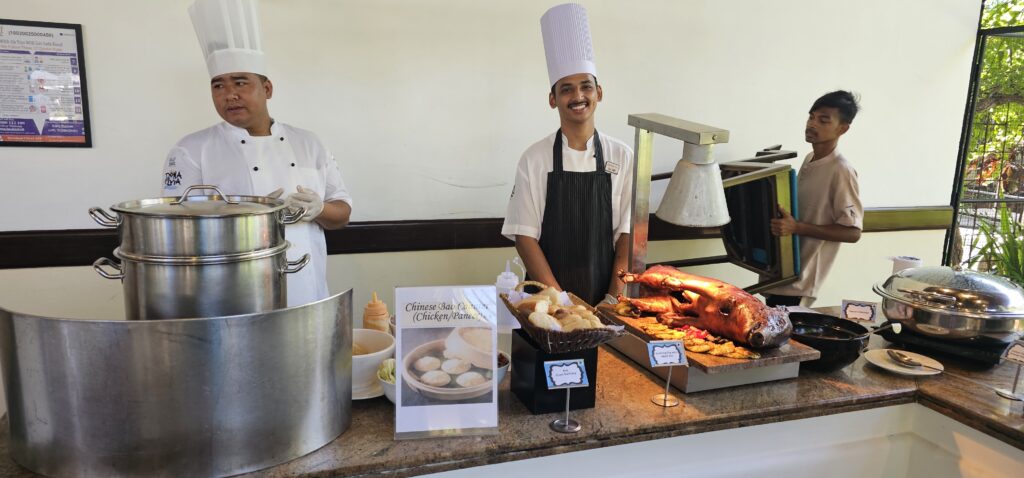
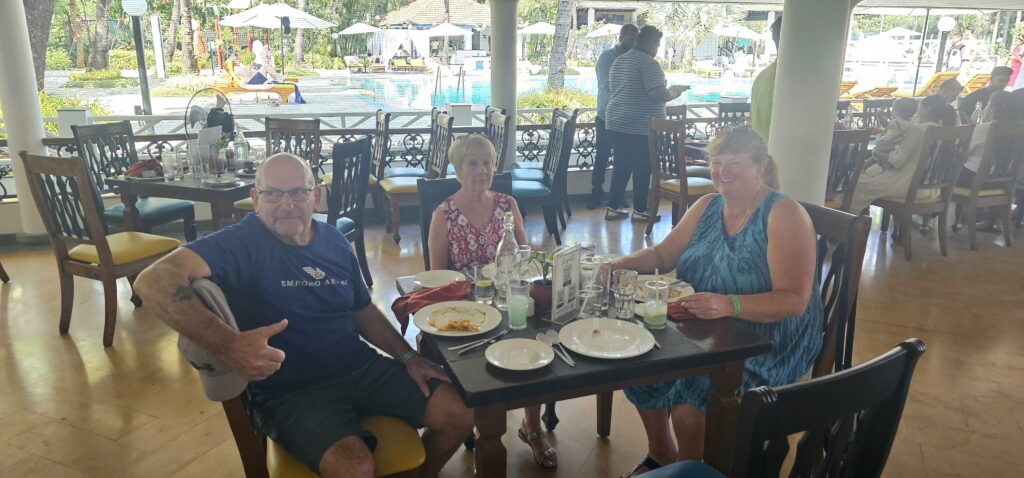
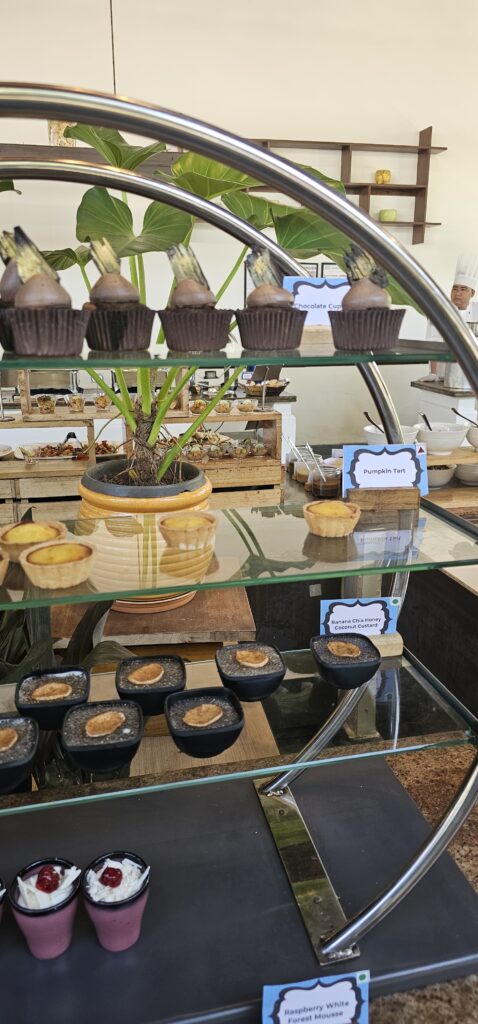
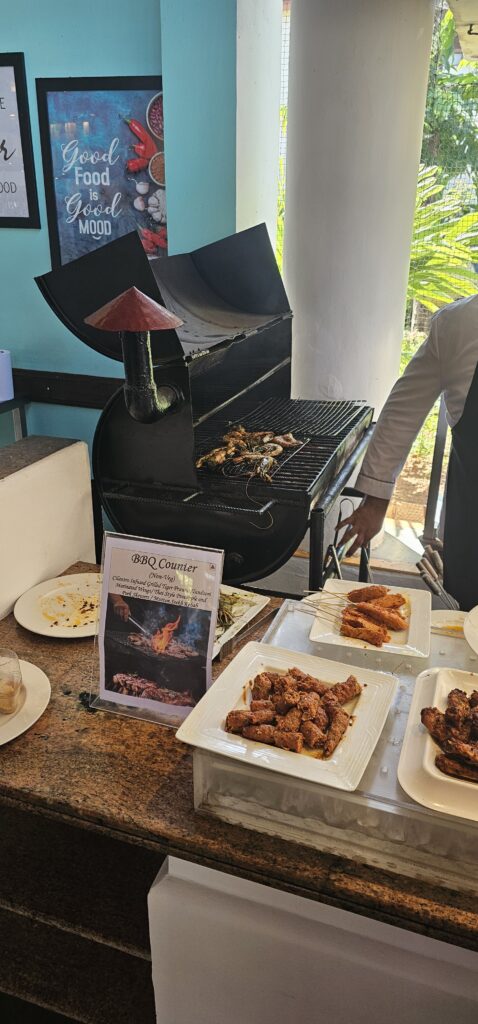
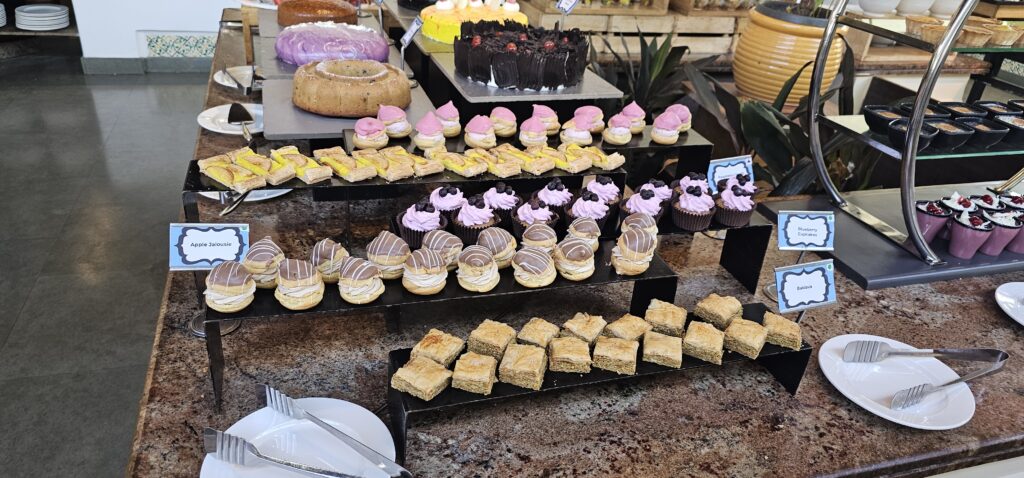
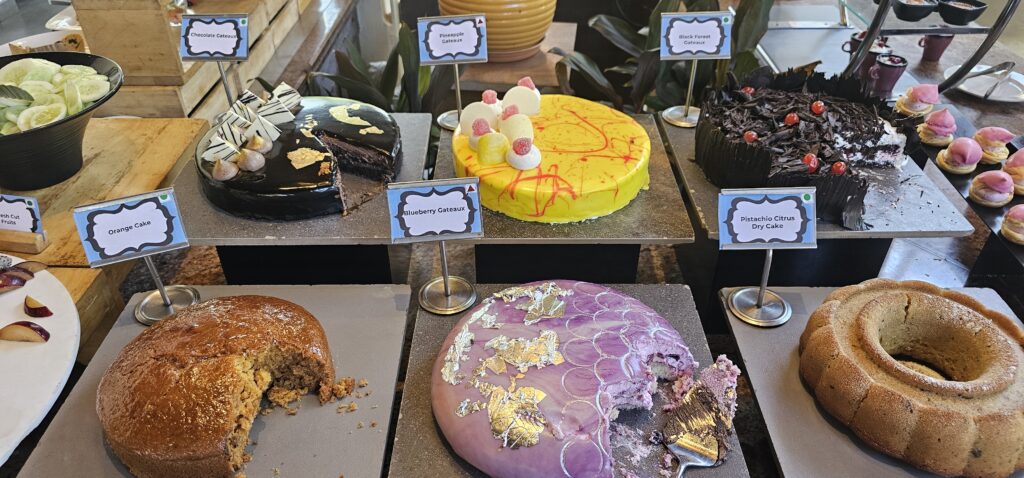
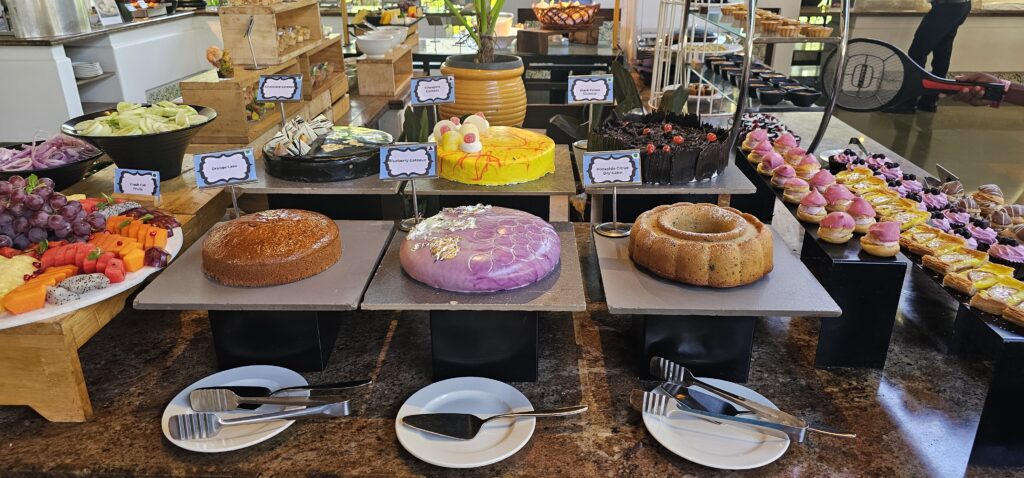
On Sunday we took advantage of a Sunday brunch offer at the local Novotel, 3 hours of all you can eat food and drinks plus lazing about by their pool, all for £15. Graham enjoyed more giant bbq’d prawns!
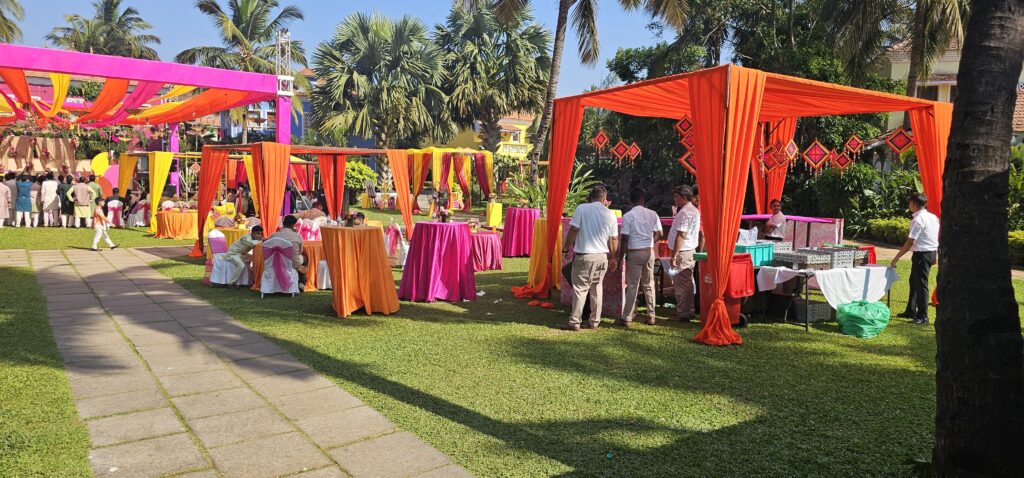
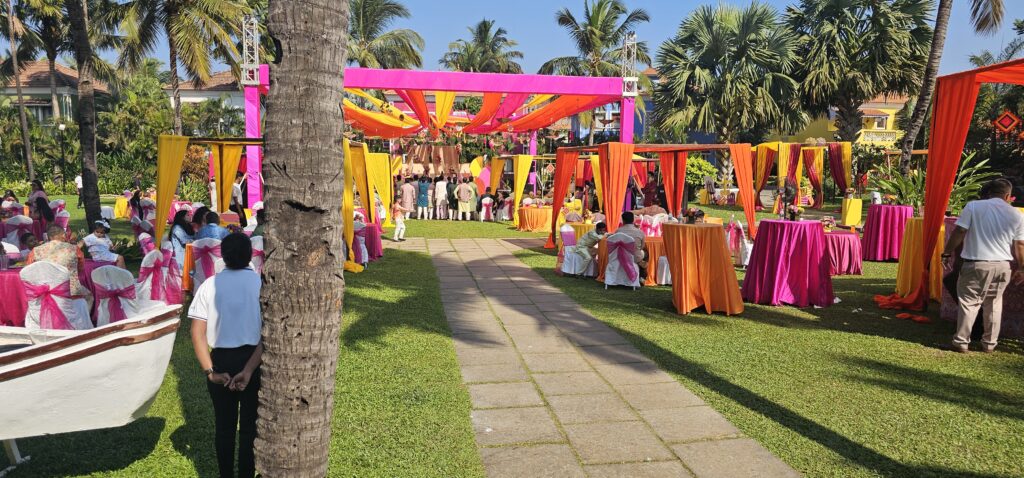
Whilst at the Novotel, a very loud but colourful Indian wedding was taking place, we sneaked a peek…..
Fresh bread is delivered by men on bicycles, fruit and veg are bought off fruit and veg stalls and taste how “real food” should and are so cheap. Rather than give you small change, you are given another piece of fruit, or some lemons, or in a supermarket, you are given a boiled sweet as change. No one bothers, no one argues, we just enjoy the way of life.
Crossroads are a sight to see, the rule is whoever gets there first has right of way and it doesn’t matter if people pull in front of you or drive the wrong way up a road or even just lay down on the road, in the shade, for a snooze, you just drive round them!!!
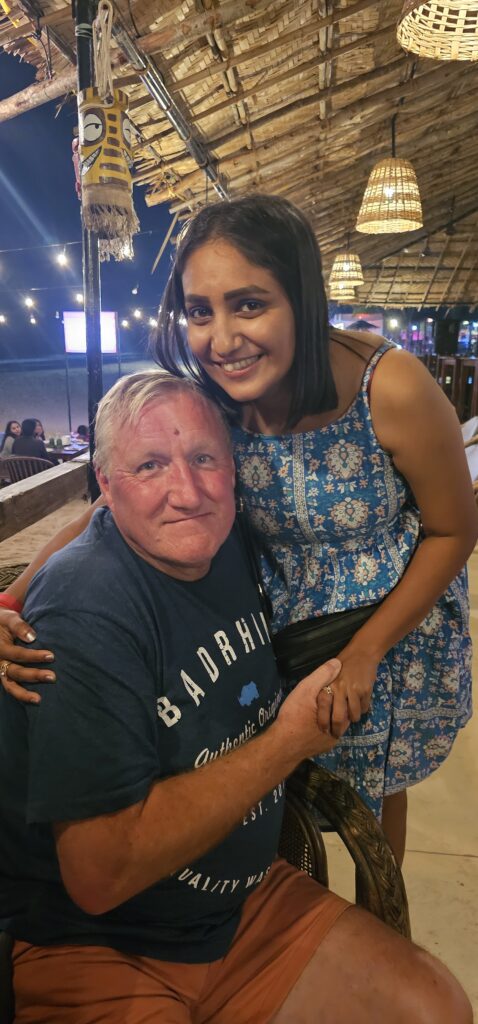
Out in the villages or at tourist spots, we (the white european) are often asked for selfies!!! Indian people want photos taken with us, so we must be amazingly good looking 😉😁. We’ve also had so many genuine invites to the homes of Indian people we’ve met, offers made after we’ve danced with them or simply chatted. The inclusive culture here is simply heart warming and very old fashioned.
Following a short travel hiatus, we are on the move again, just us two and Benny the car. Bessy will be enjoying a sunny holiday in storage in Torrevieja until the summer.
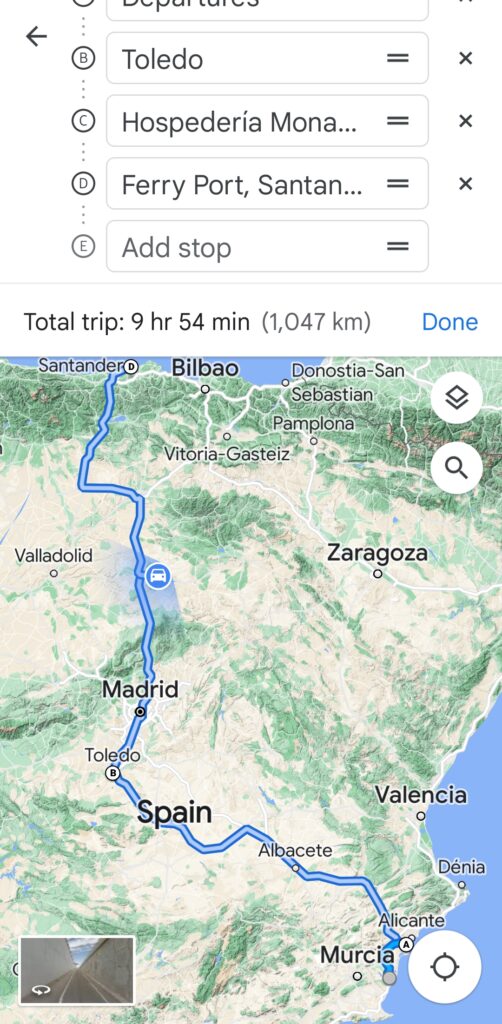
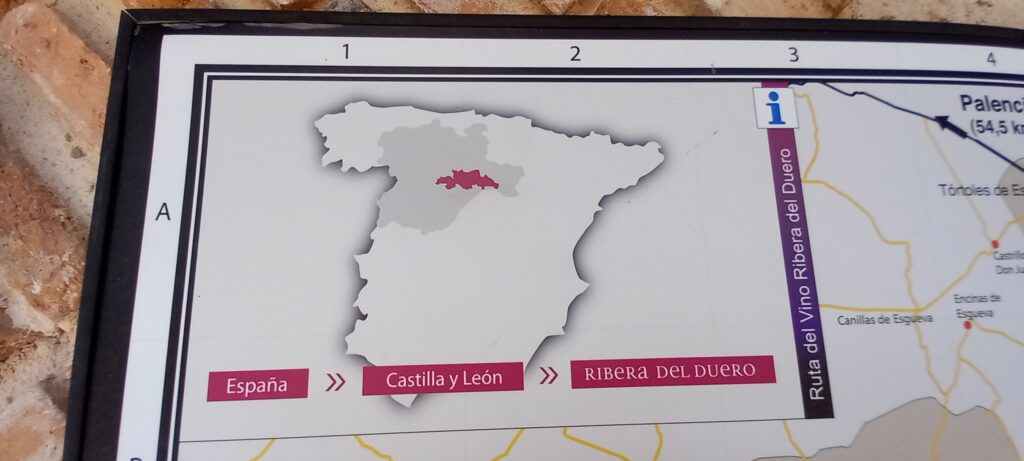
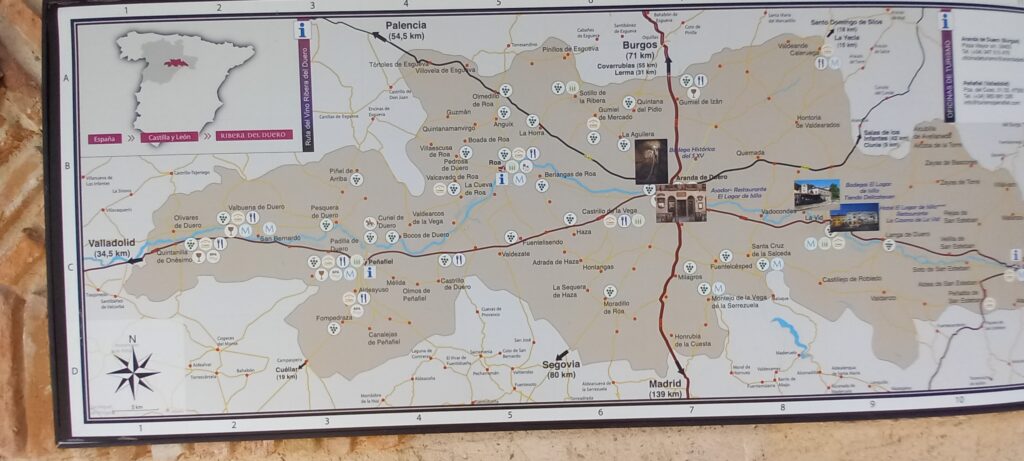
David and I have left Torrevieja for a few months to relight our travelling wanderlust, starting with a return to the UK for essential services, Doctor, MOT, dentist etc. Our route up to the ferry has taken us from the Alicante area, north through the La Mancha wine region to Toledo, north through Madrid to the Duero wine area then up to Santander. This post is a diary of our journey. Our next post should be from Dubai or Vietnam, fingers crossed 🤞.
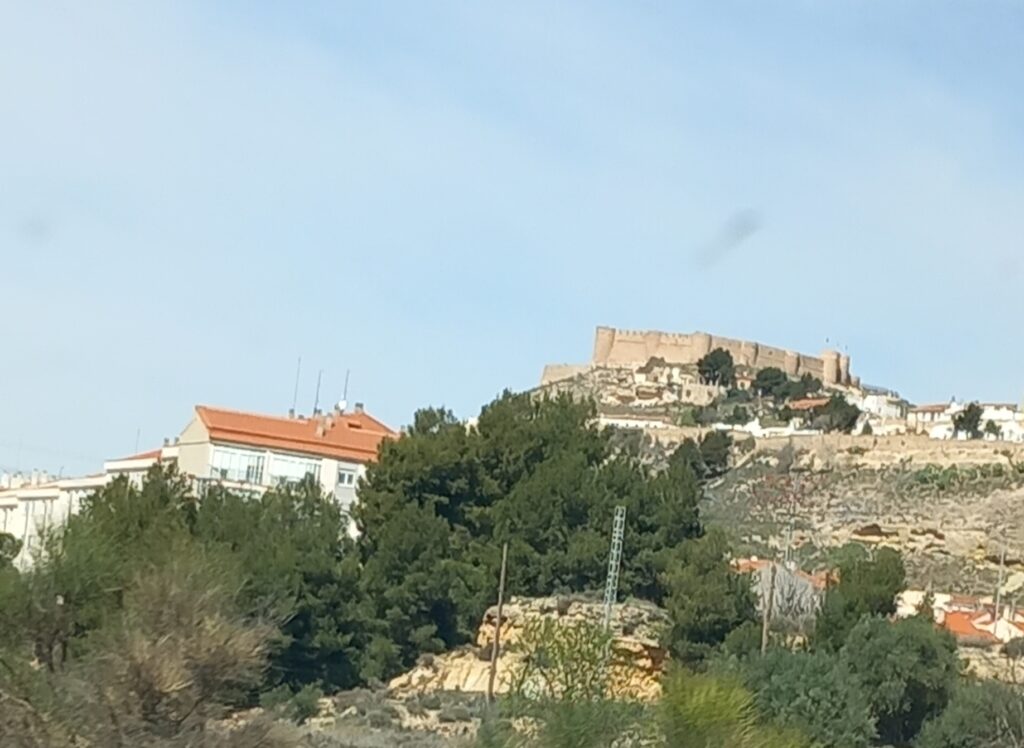
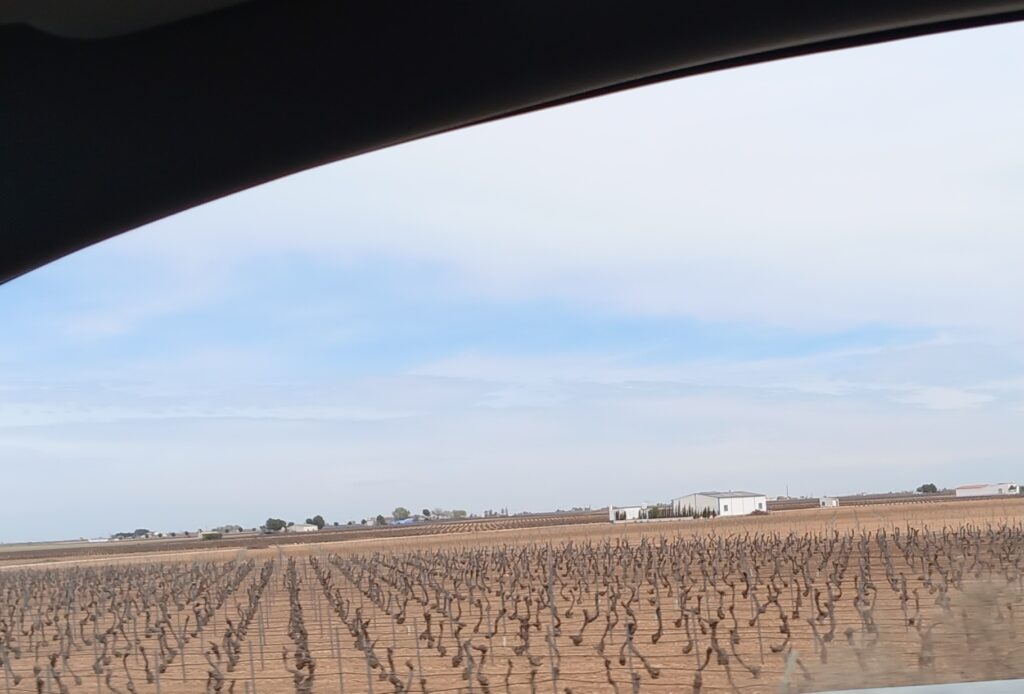
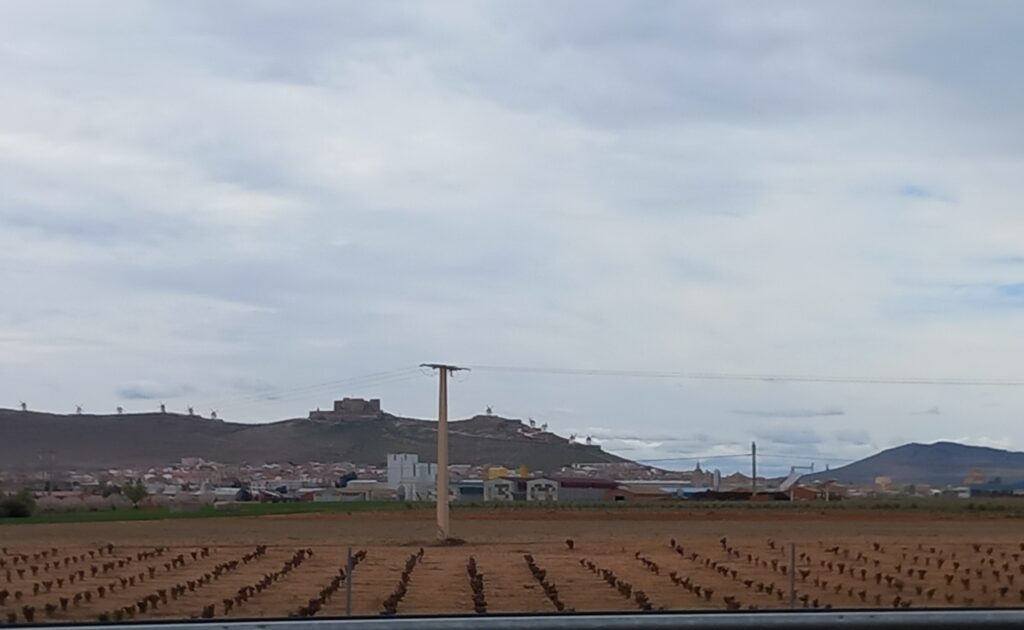
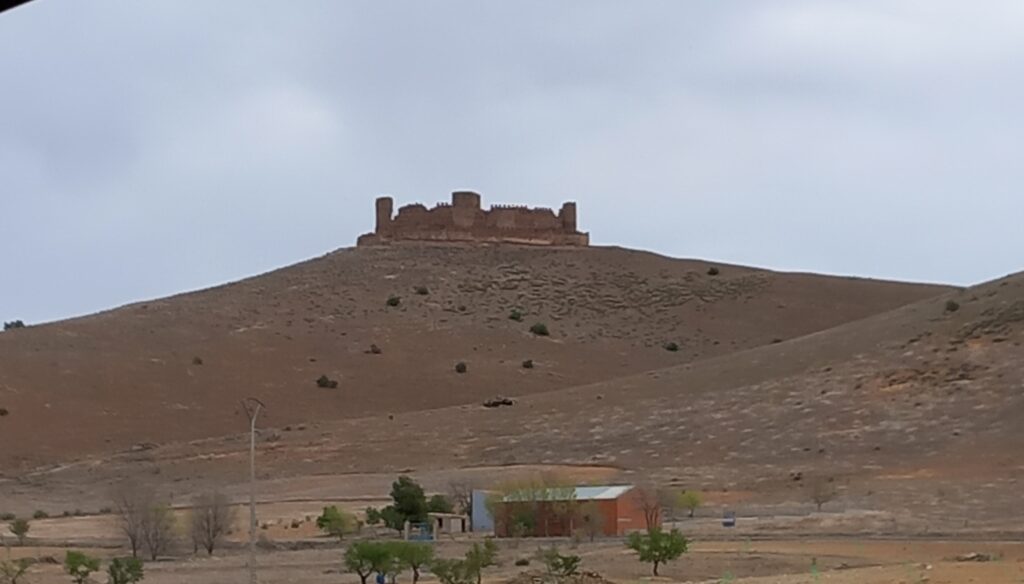
Driving up from Alicante towards Albacete, we were surprised by the number of roadside castles and forts, all stunningly perched on hilltops, surrounded by rows of heavily trimmed grape vines, pink blossoming almond trees and white blossom cherry trees. Some castles were surrounded by windmills perched on the crest of the hills.
Our route north
TOLEDO – World Heritage Site
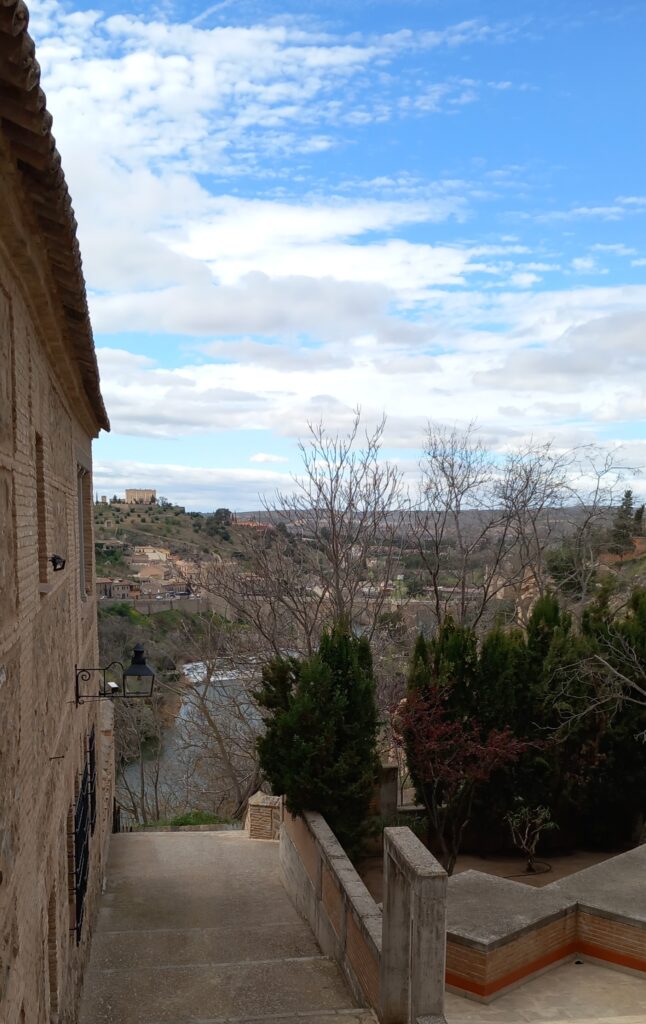
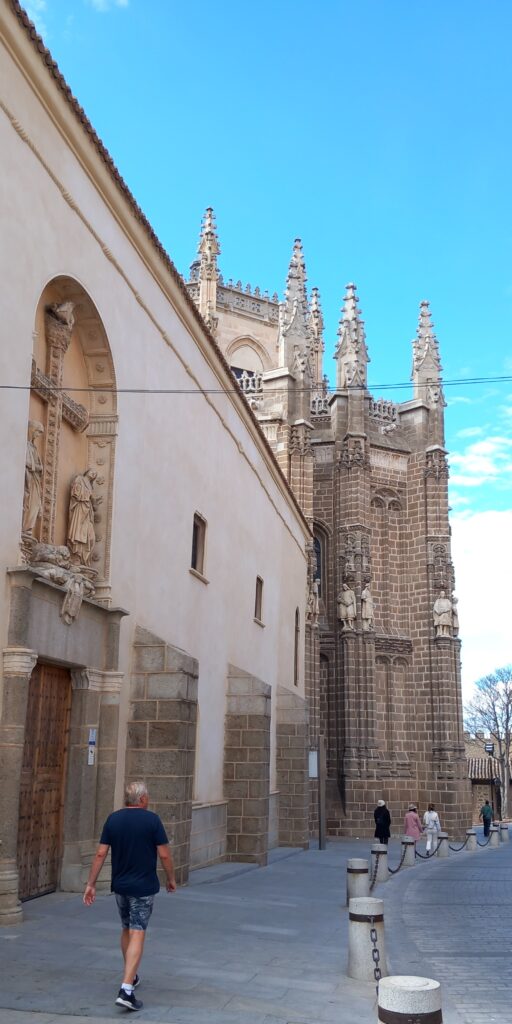
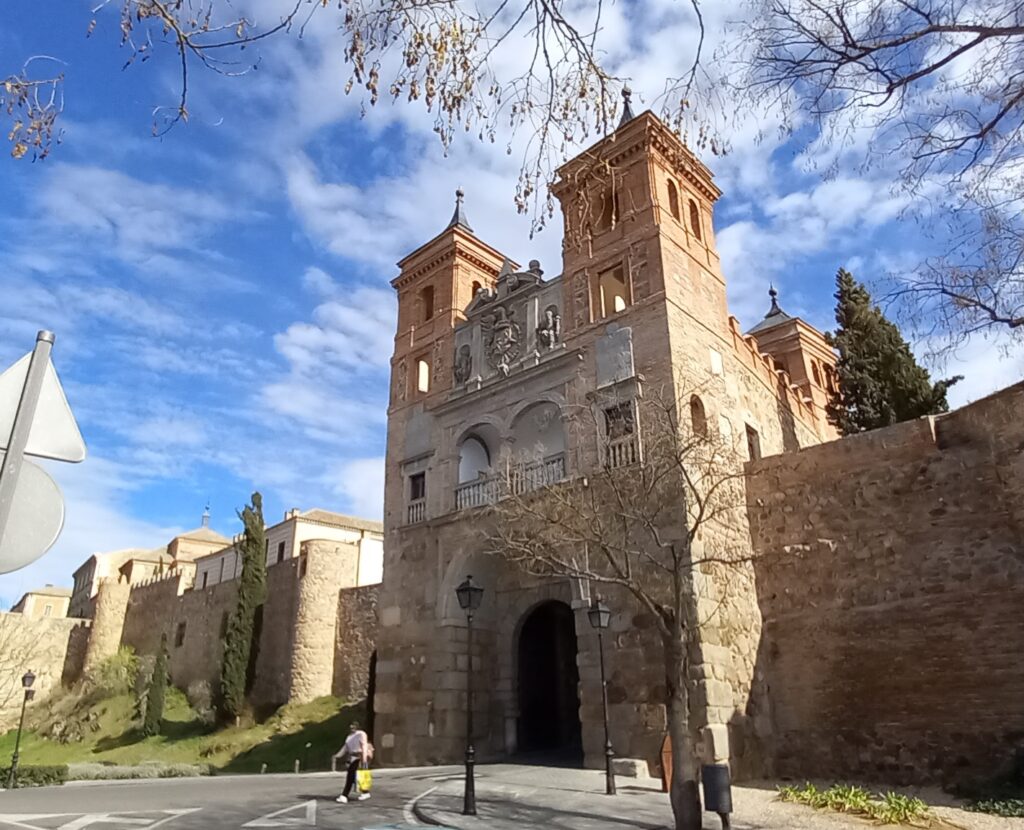
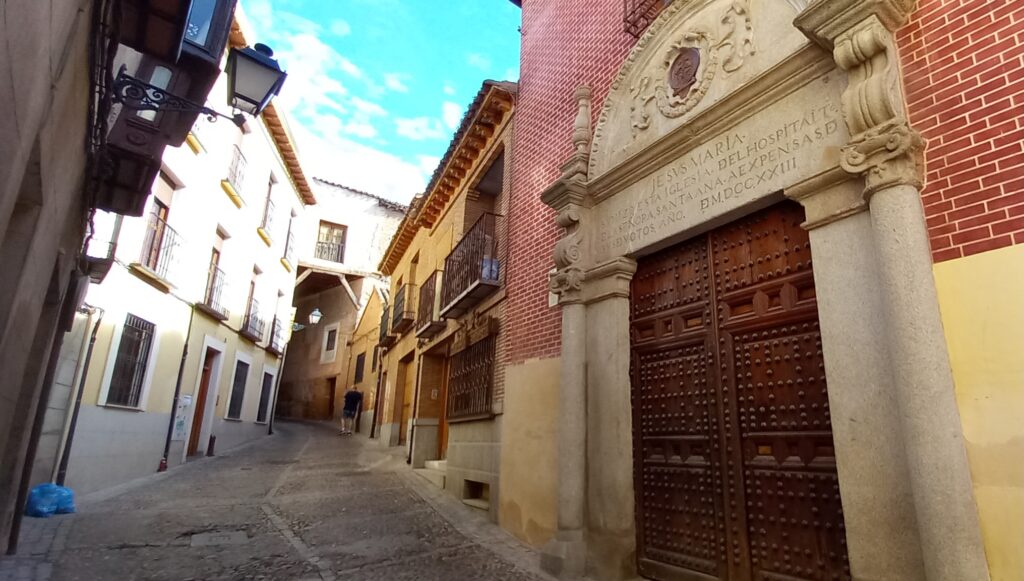
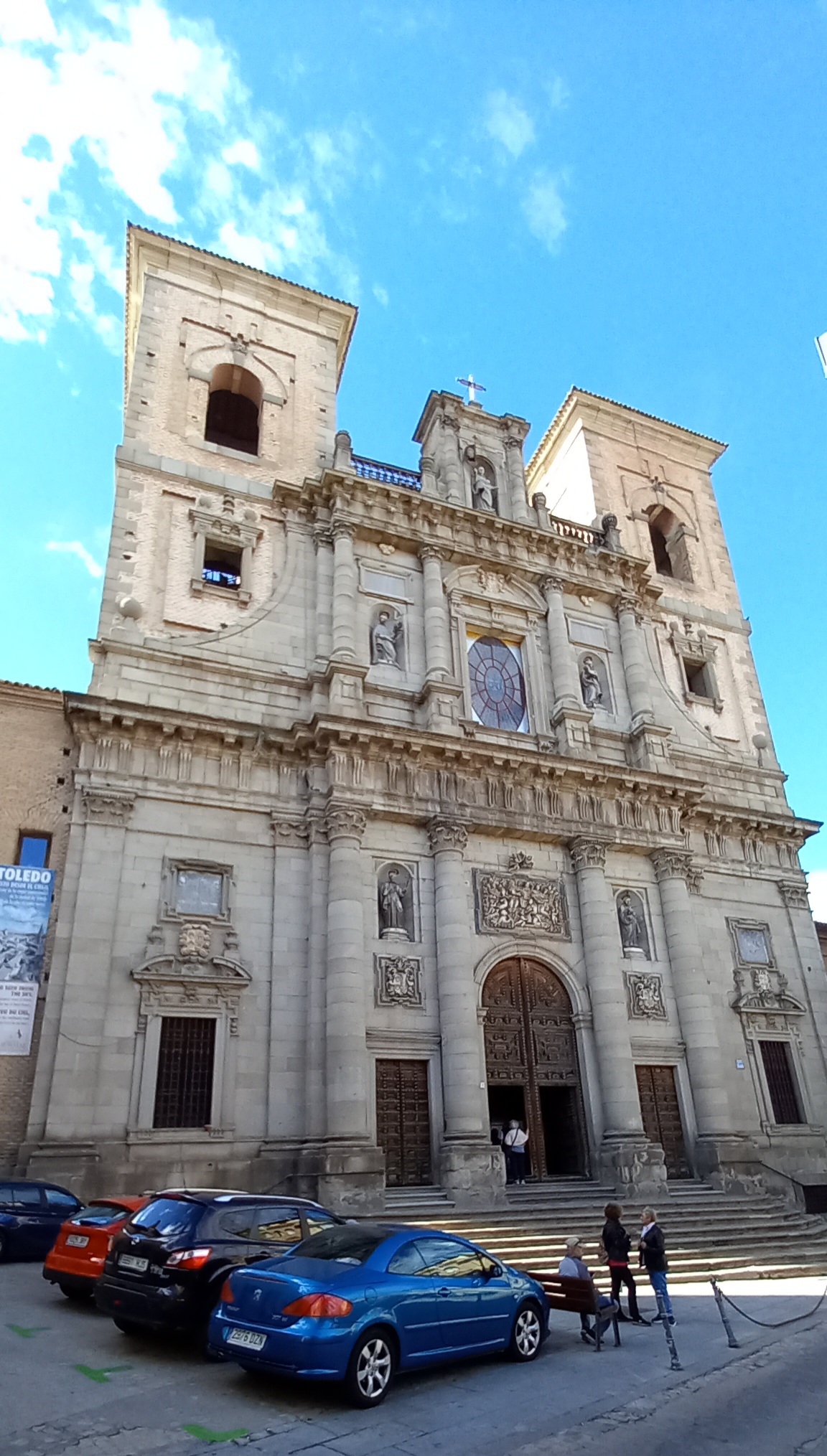
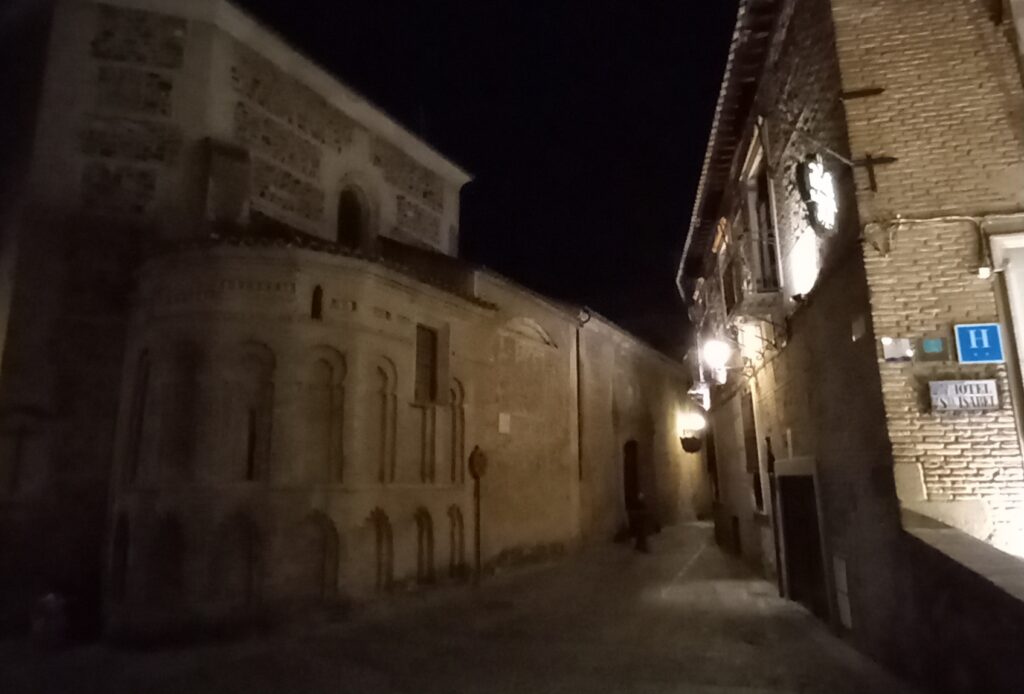
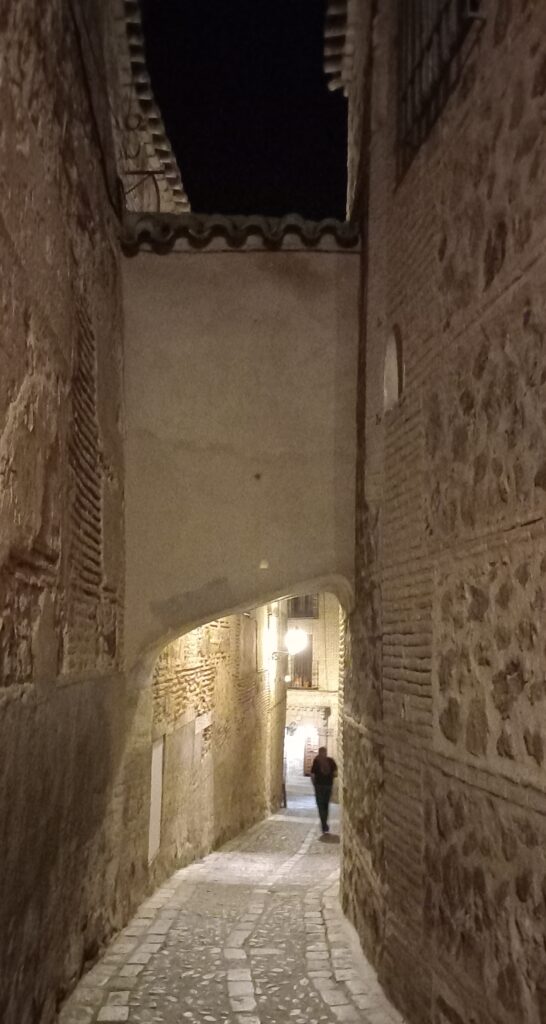
Fact: there are over 20 churches, chapels and synagogs, one Cathedral and one Mosque as well as several convents in Toledo, thanks to its Christian, Islamic and Judaism roots and more recently Catholic influence, that’s almost one on every street corner. This partly walled medieval city is heaving with tiny cobbled streets, steep hills and ancient buildings, dating back to Roman times (128BC) and the old areas still exist within this modern looking clean city. The Jewish Quarter is full of dusty workshops with monacled men in waistcoats tapping away at silver jewellery and tea sets, as well as the famous Toledo steel knives. Toledo is also famous for its silk and the hand made roof tiles found throughout the City, AND, its very narrow streets!
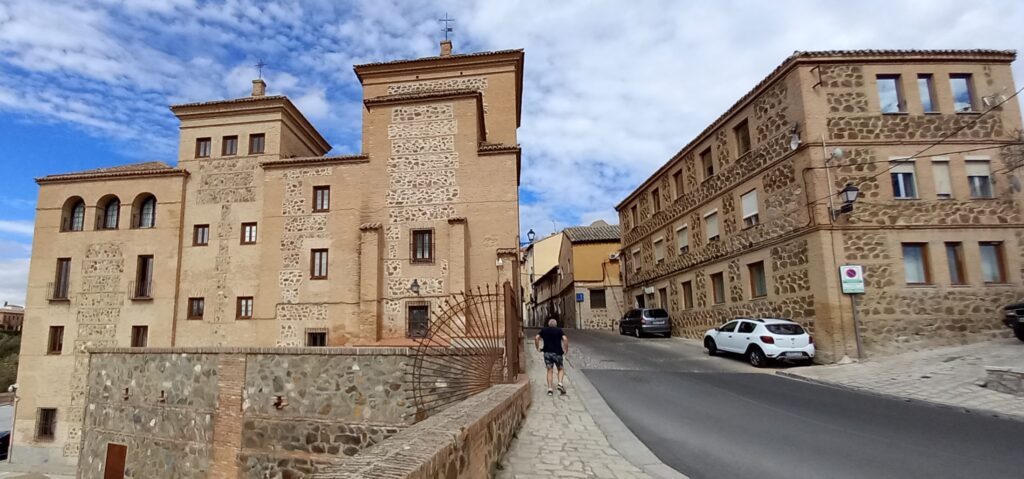
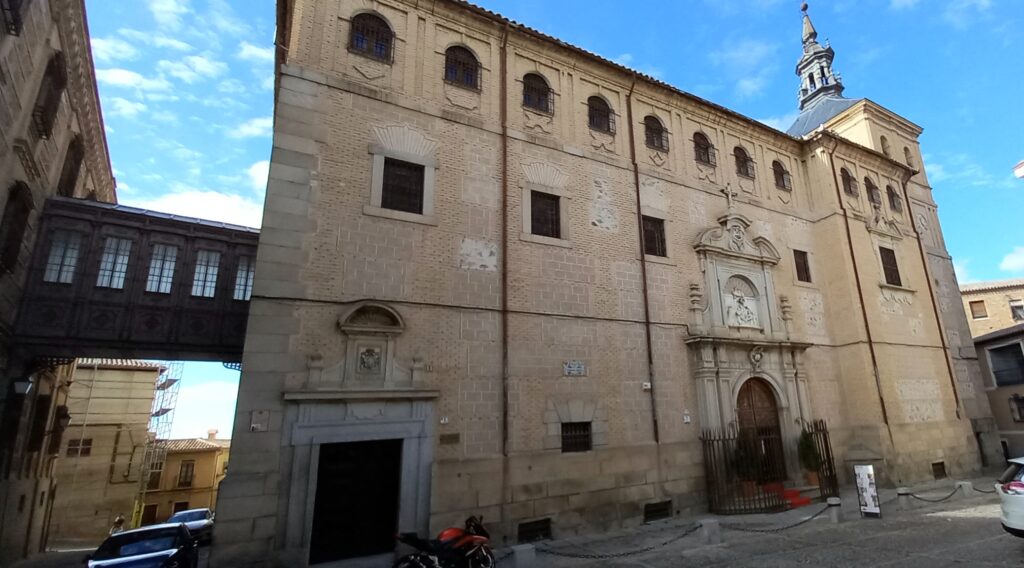
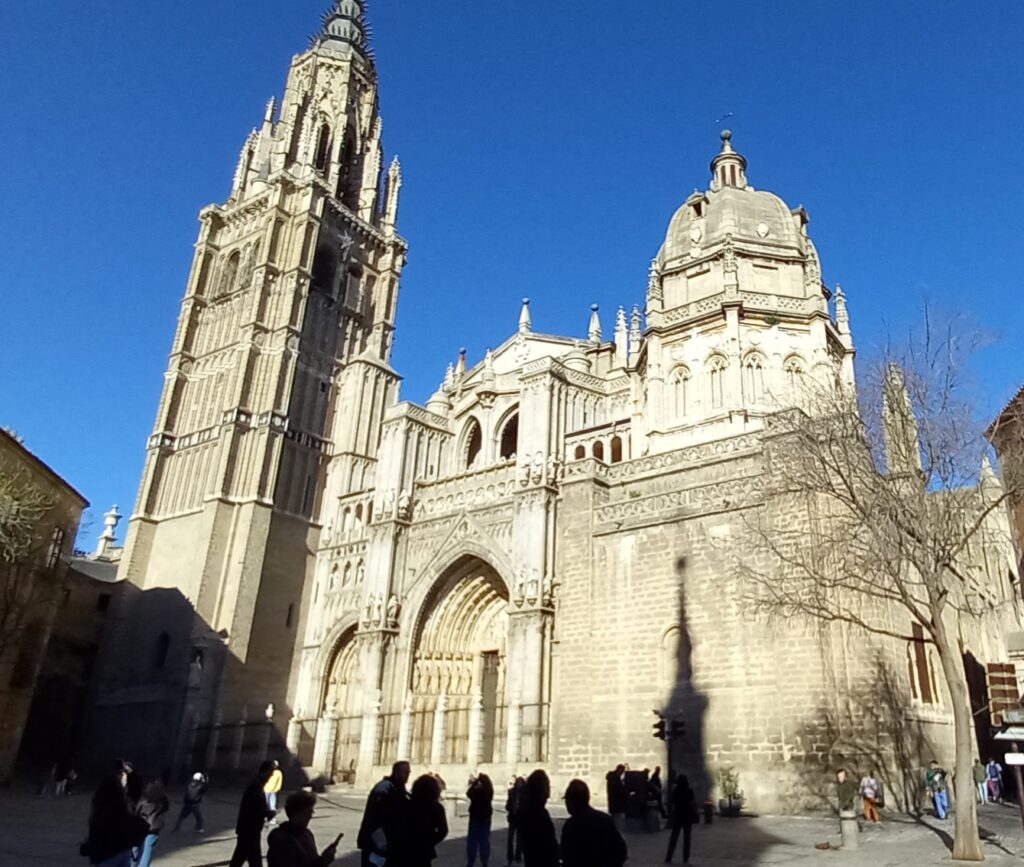
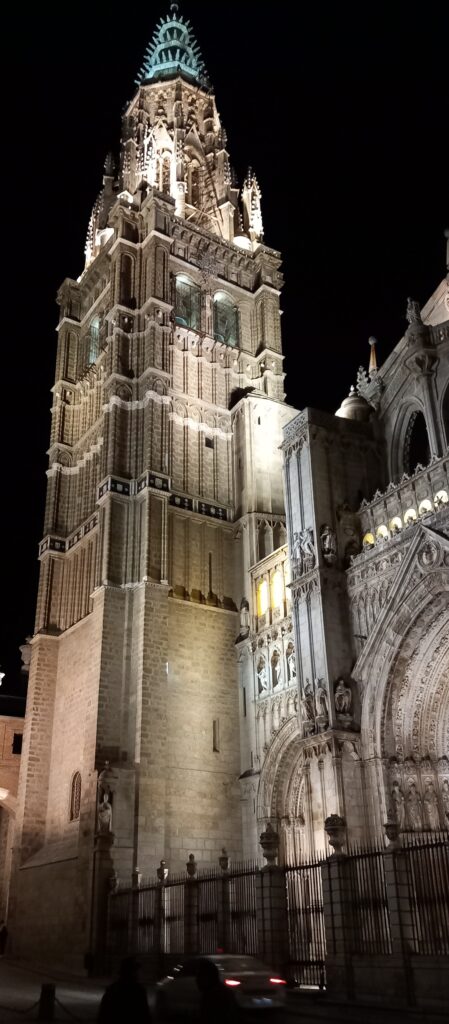
The centre is dominated by a huge Gothic cathedral, a large college and so many architecturally stunning buildings all accessed through streets so narrow that locals have permanent scrapes on the rear wheel arches of their cars. Taxis whizz around the streets, buzzing through strolling tourists without any problems, at night the traffic can only be described as manic until 9pm, when locals are jam packed in restaurants and the streets become the opposite – deadly quiet. The only constant noise is the rushing of the Tagus river.
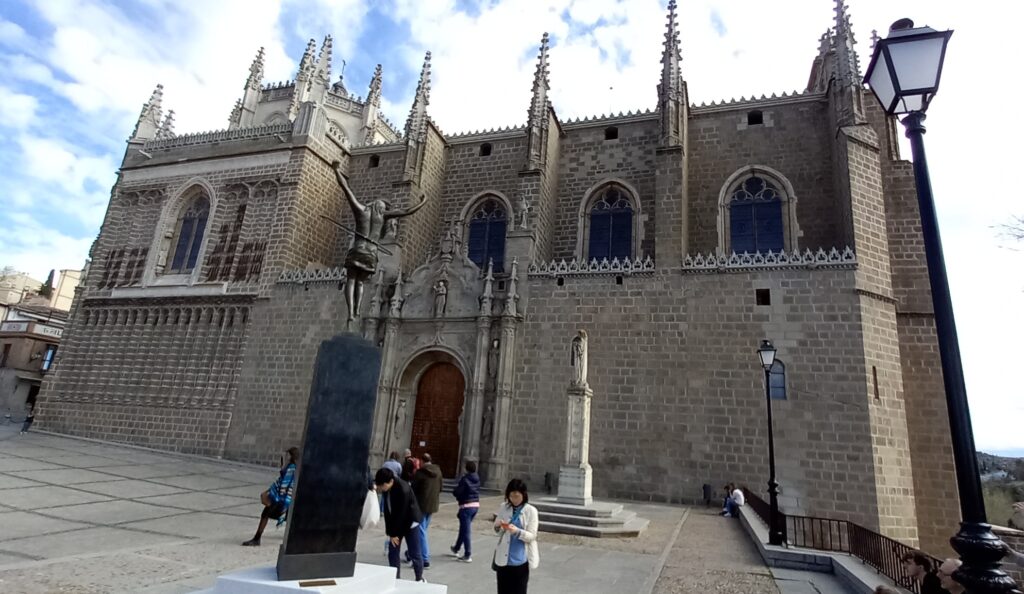
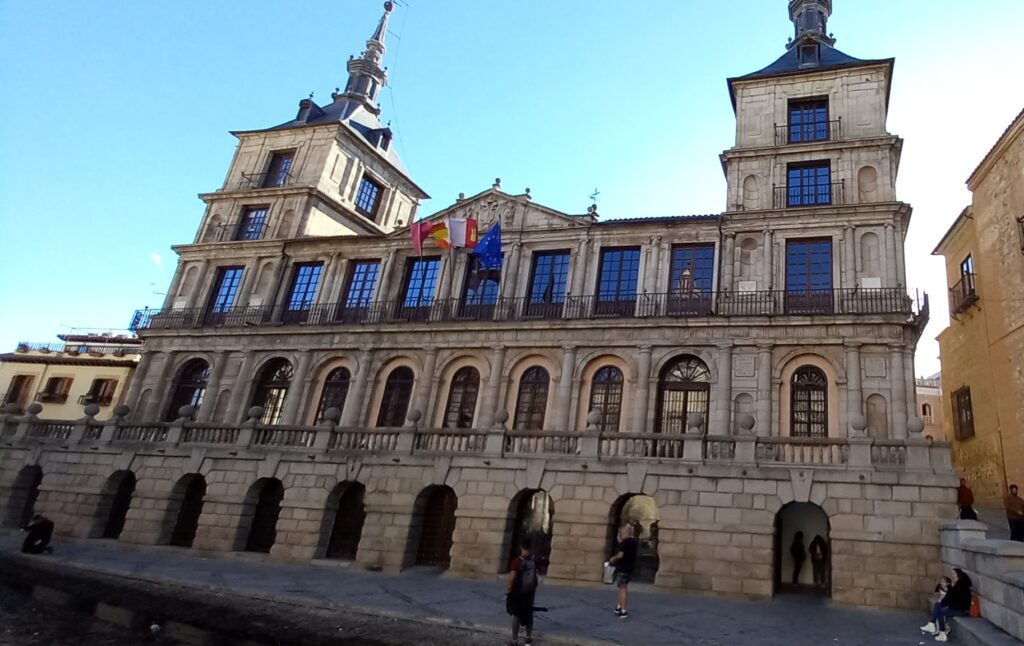
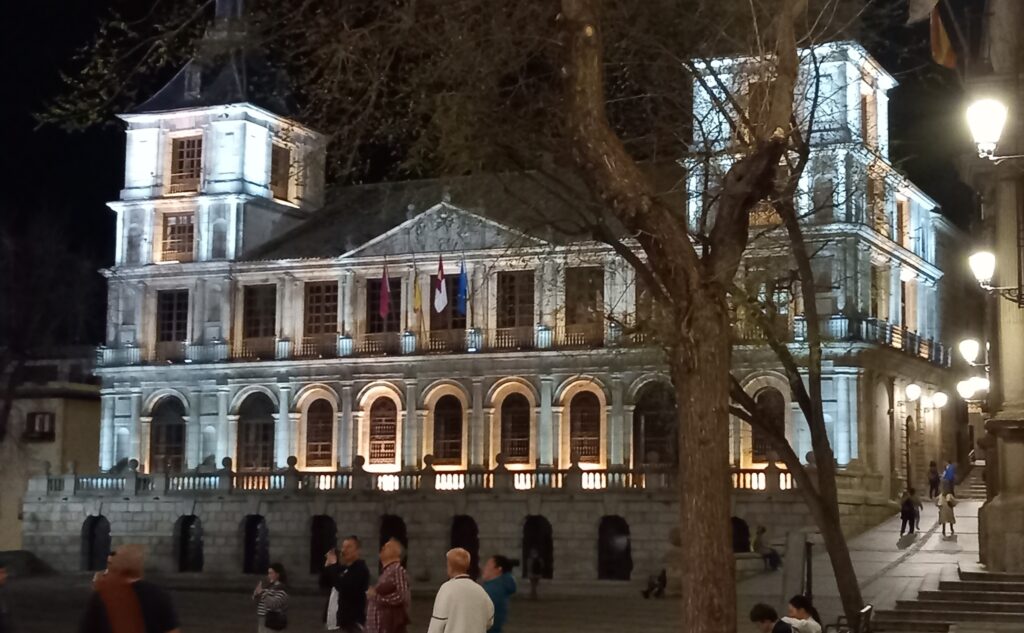
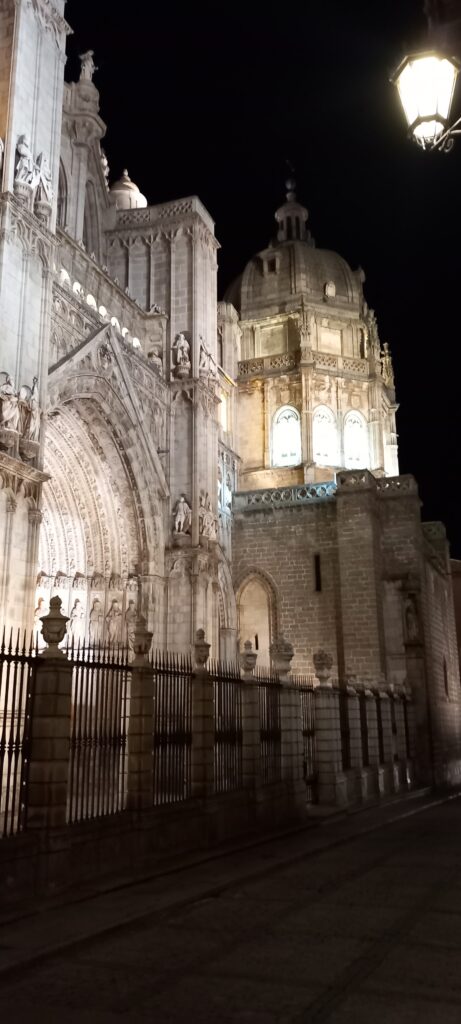
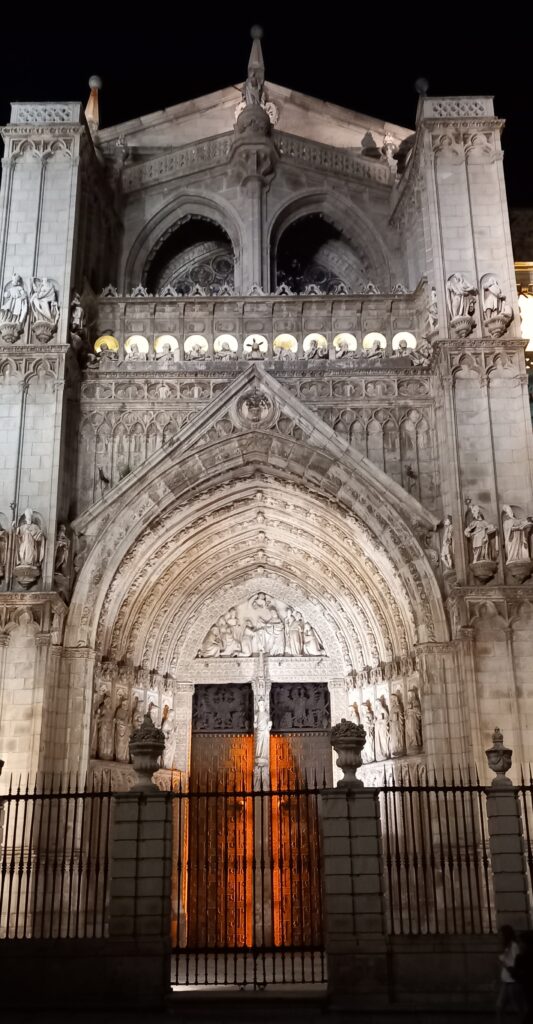
Entering the Jewish QuarterOne of the city wall’s GatesNaval college buildingThe town hallToledo Cathedral
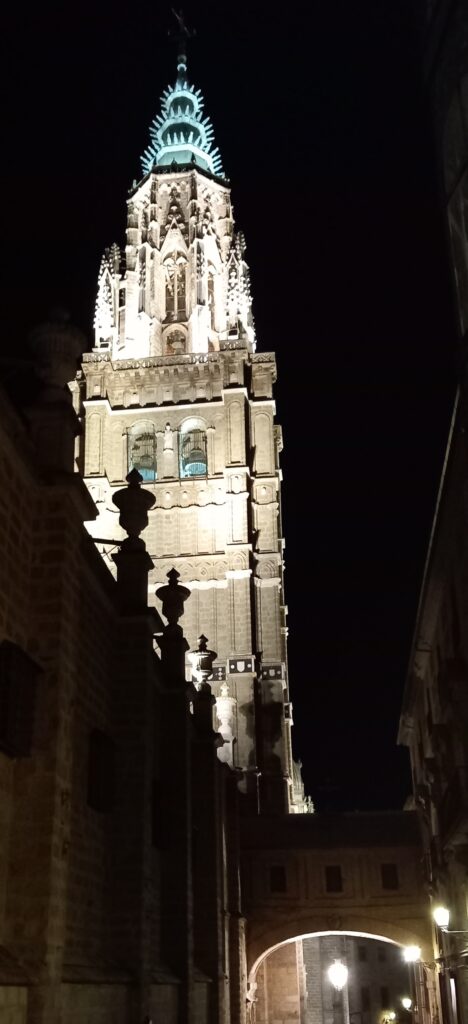
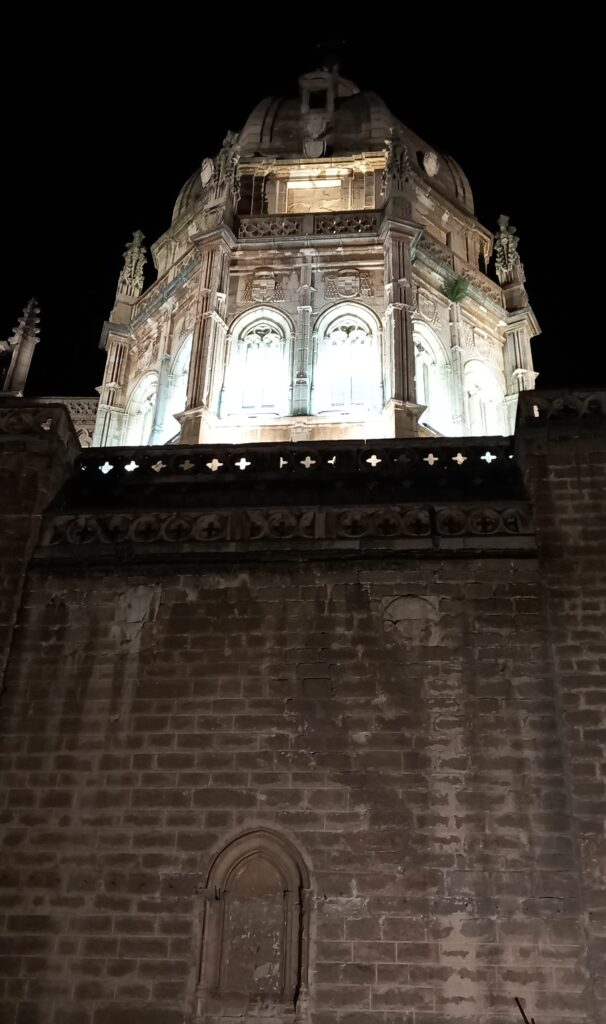
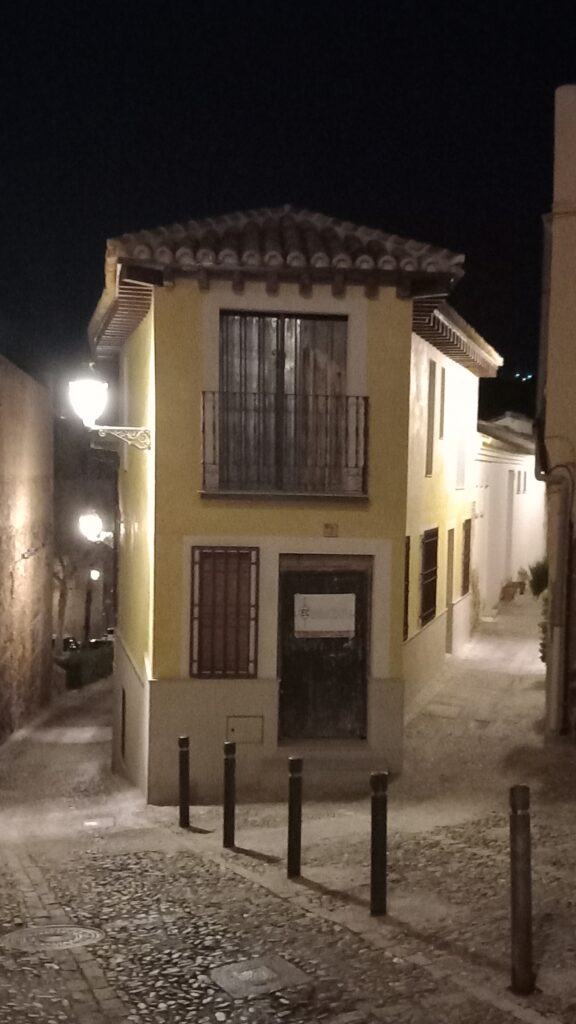
At night the buildings took on an ethereal look, cool and calming yet bright and invitingly stunning.
Cathedral Tower at night
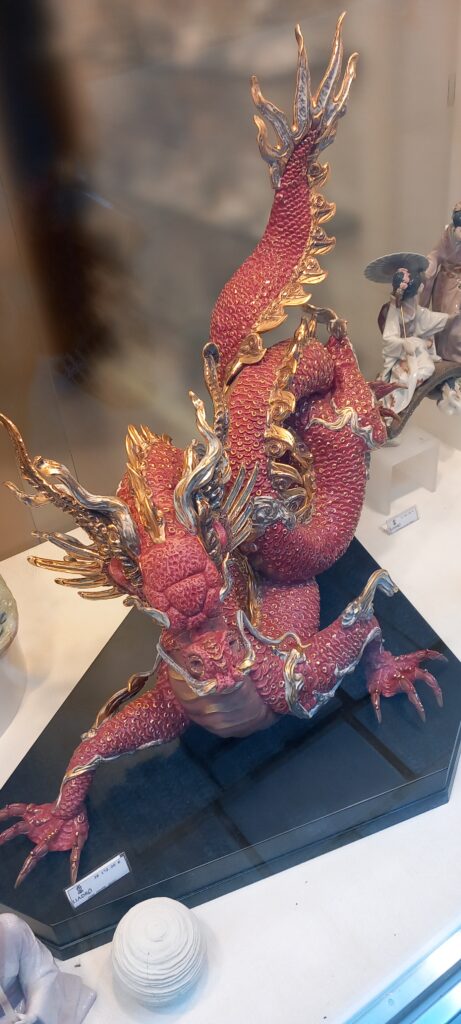
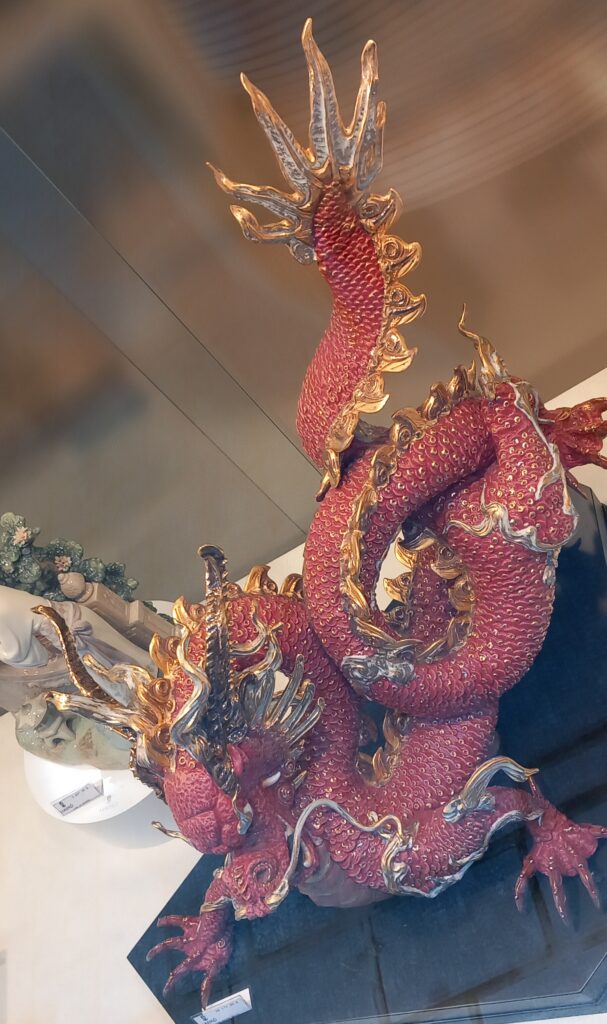
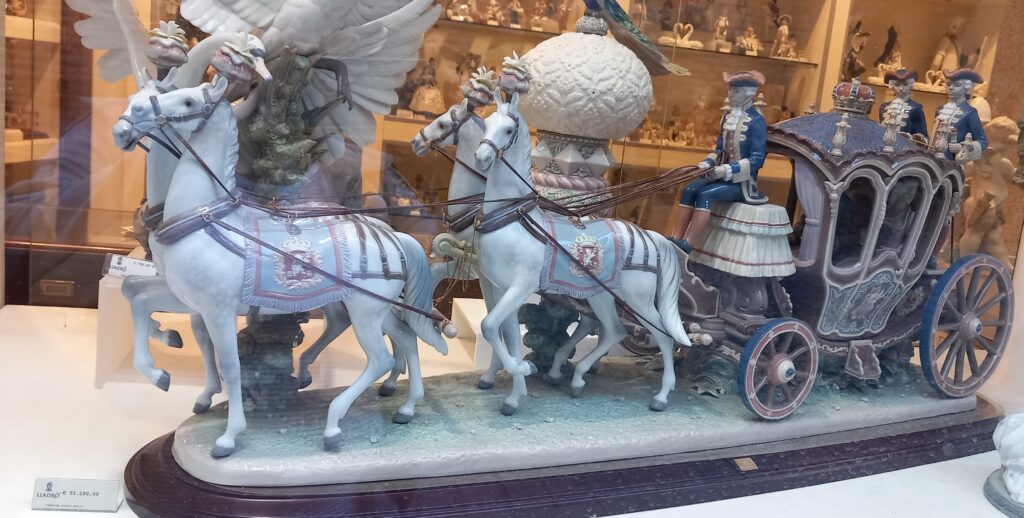
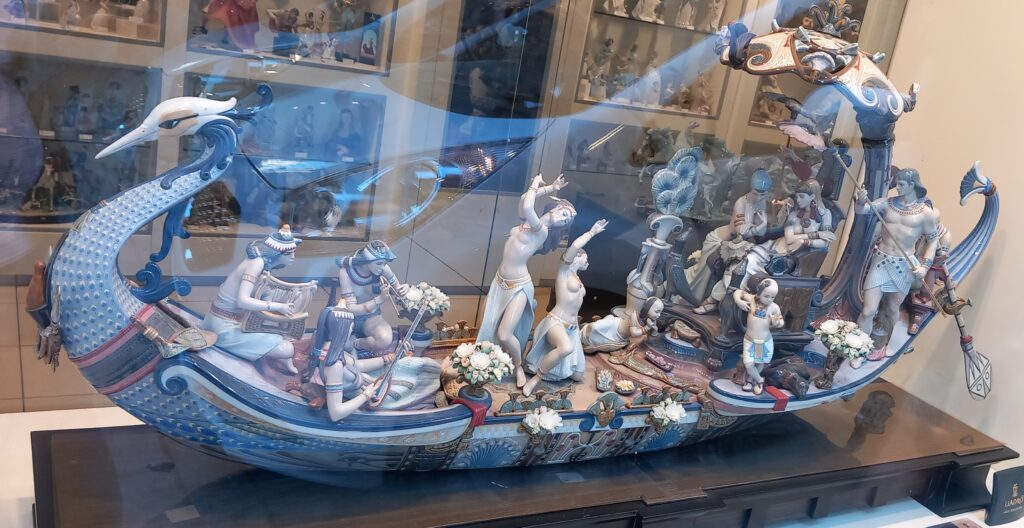
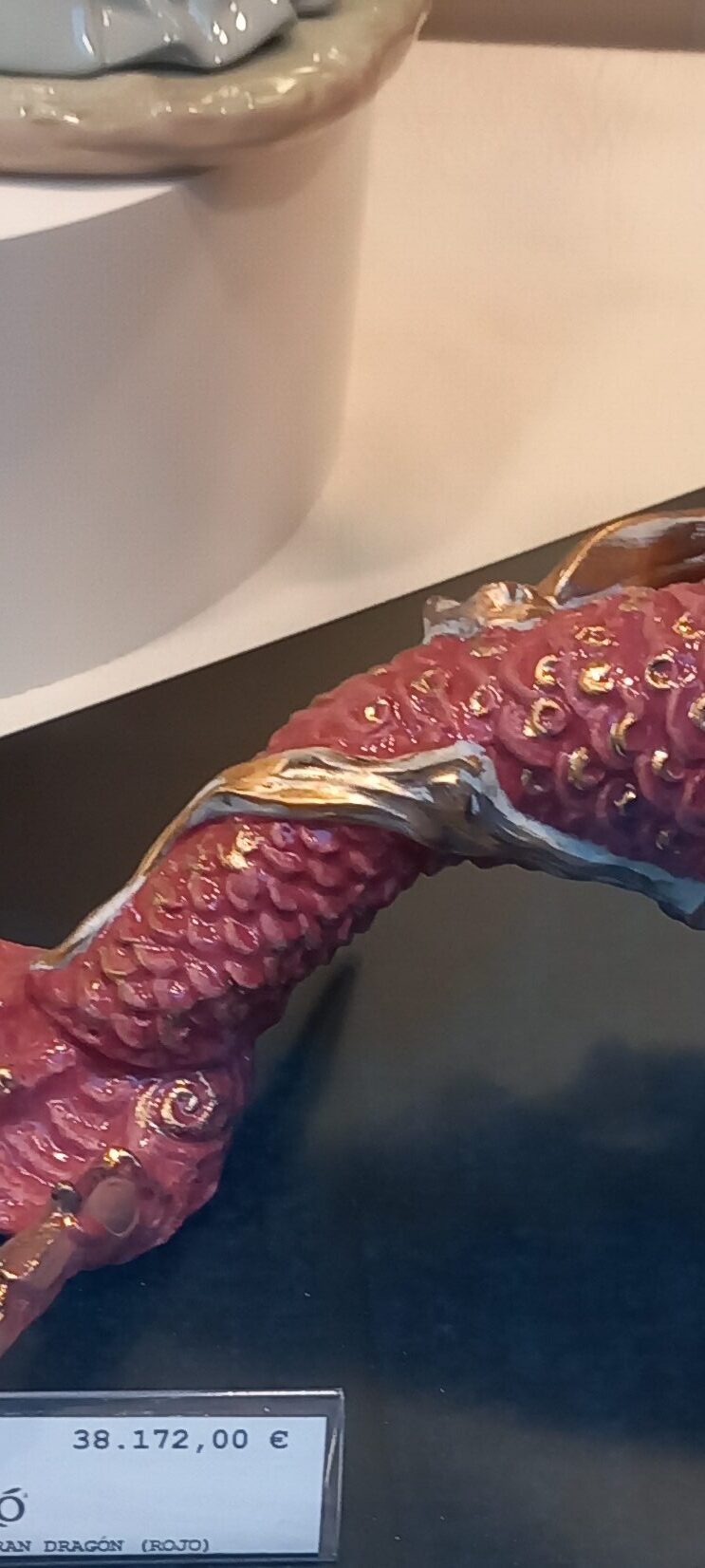
Here’s one for the ladies, a snapshot of several exquisite Llaudro ornaments!
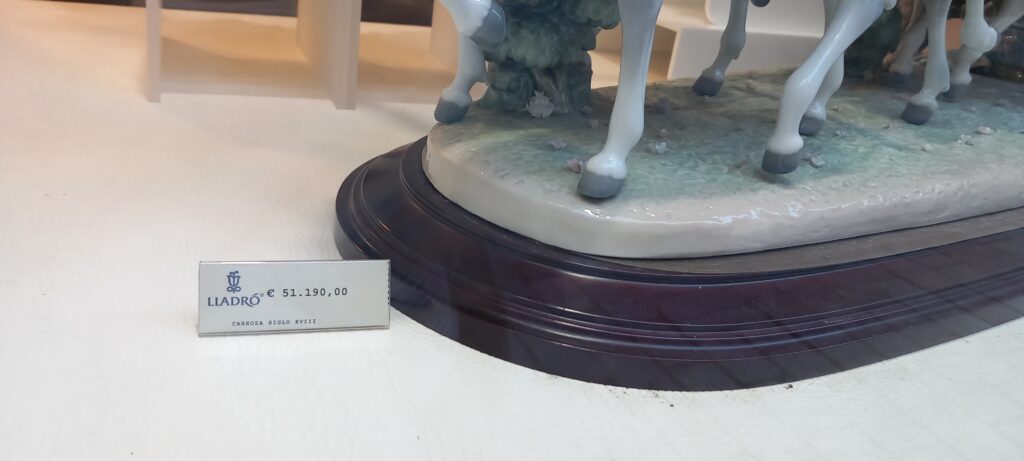
Price tags, a tad over €25,000!!!
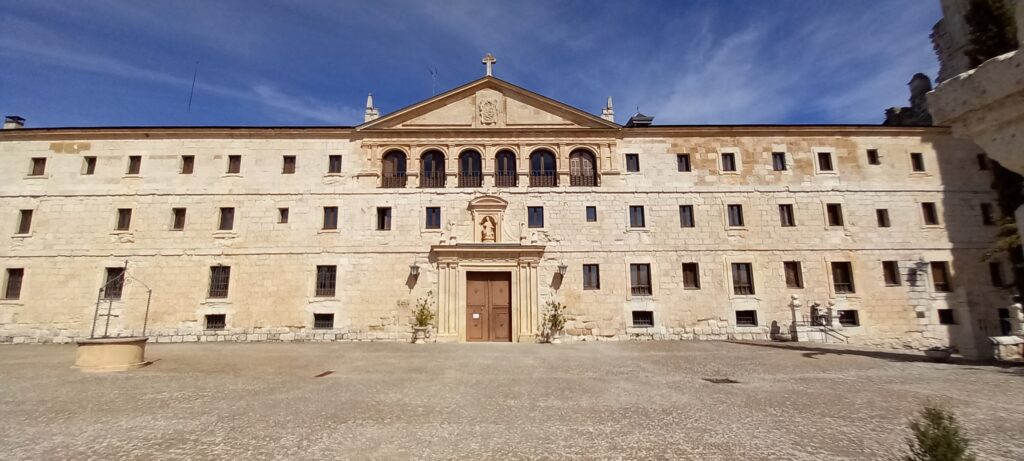
SANTA MARIA DE LA VID MONASTERY
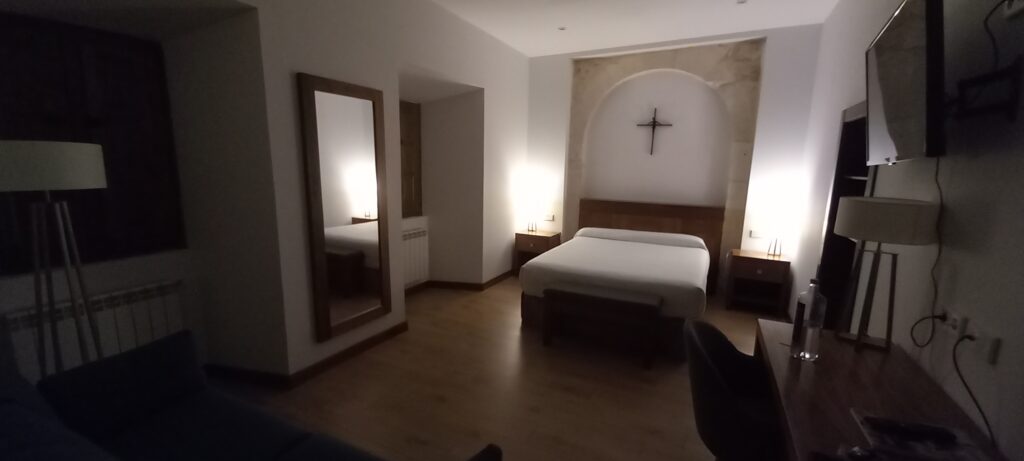
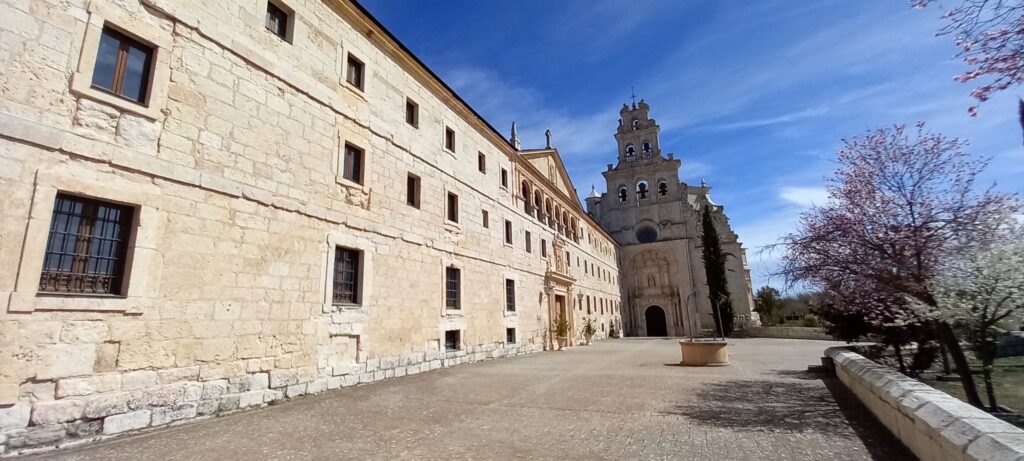
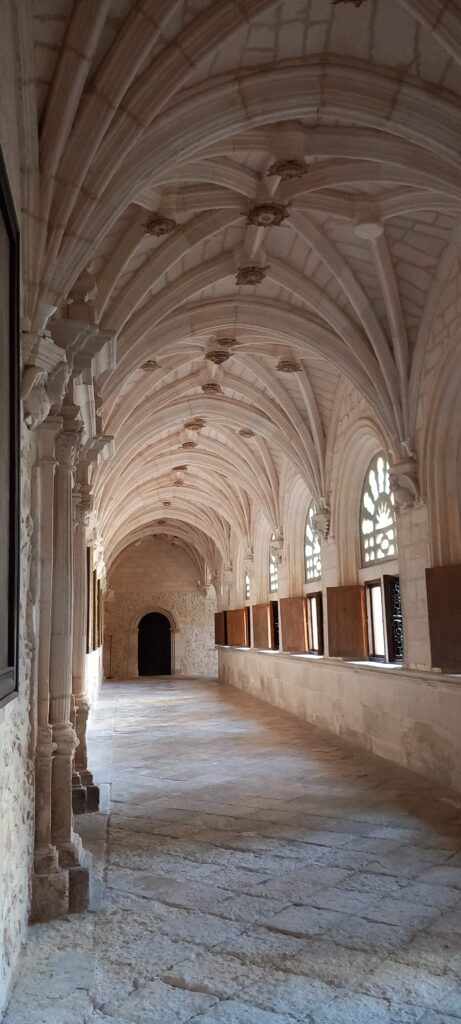
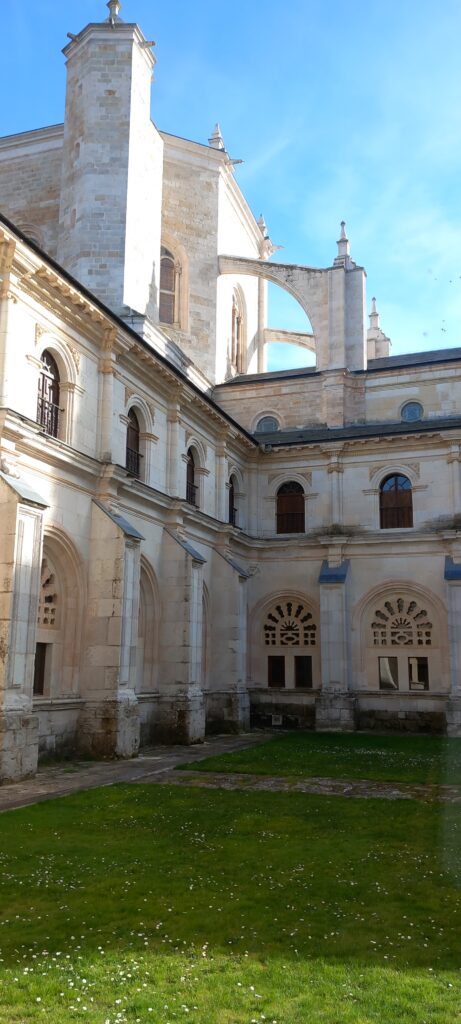
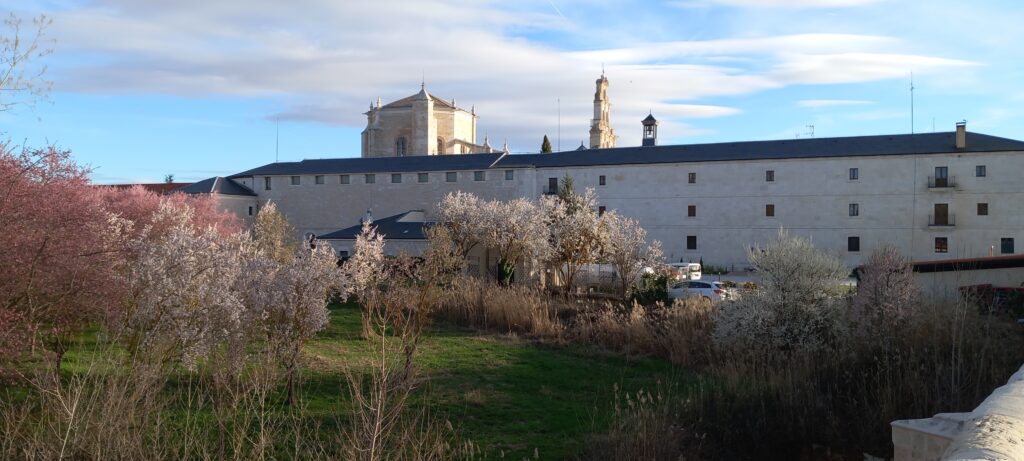
It was recommended to us that we stop halfway between Madrid and Burgos on our way to the Ferry Port, and what a lovely stop it was. After a long day walking the streets of Toledo, we experienced relaxation and quiet at this ex Monastery Hotel, in a little village way off the beaten track.
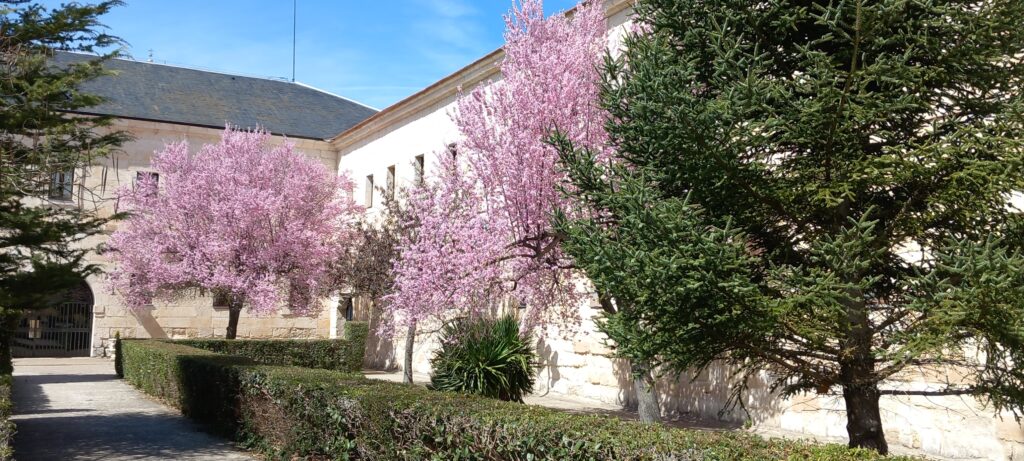
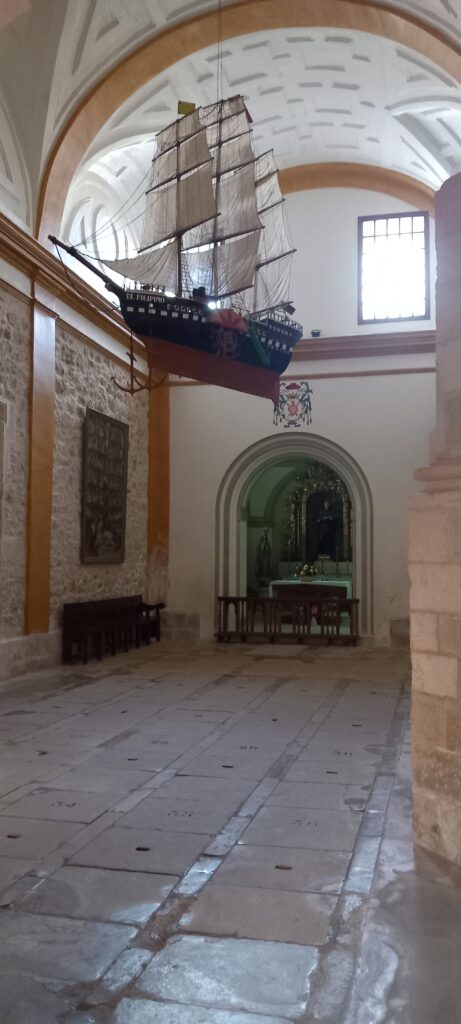
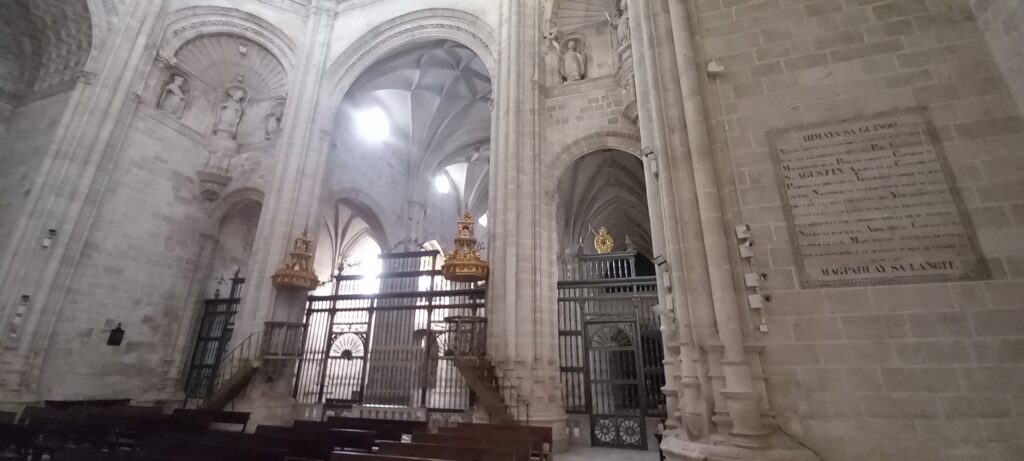
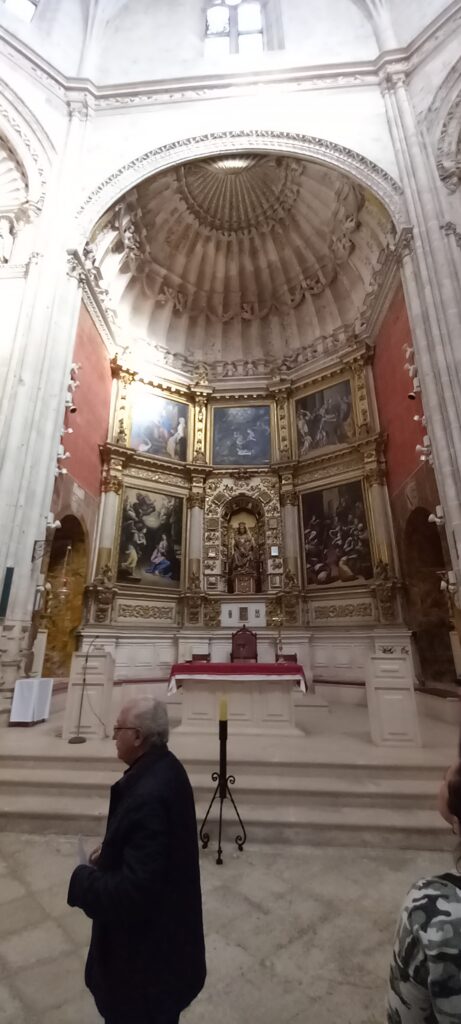
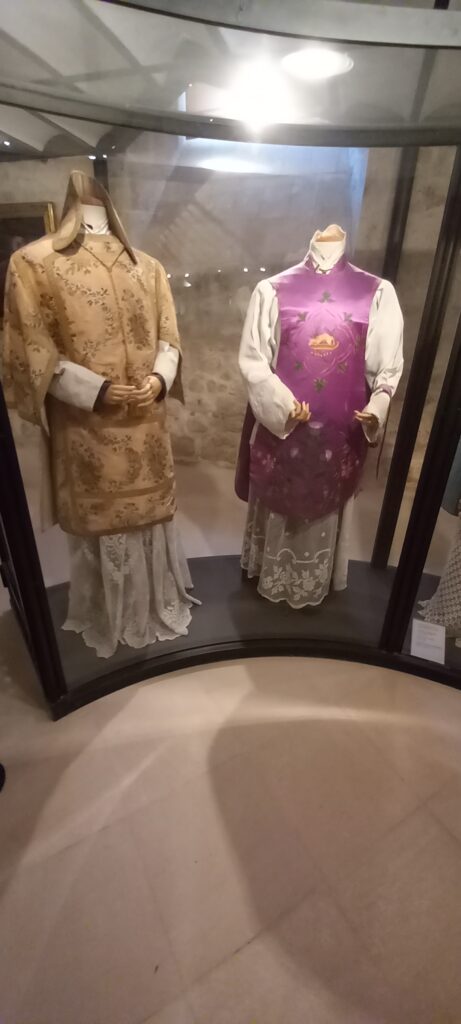
In the Duero valley, right on the Duero River, the monastery was originally founded in 1152 and was run by a Dominican Order until the mid 1800s when it closed for a few decades. Opening again by the Order of St Augustine it was run until 1991, closing with plans to change its use to a hostelry and conference centre, retaining the working church and various museums which are open to the public.
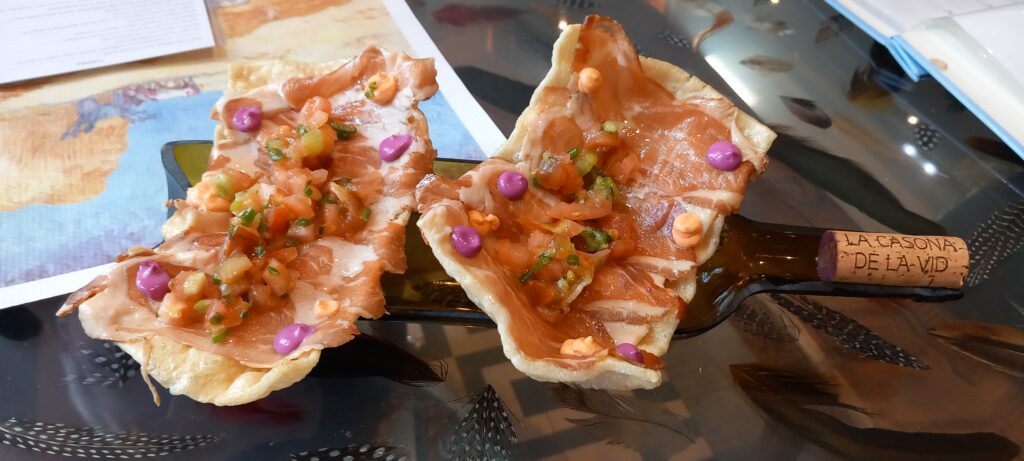
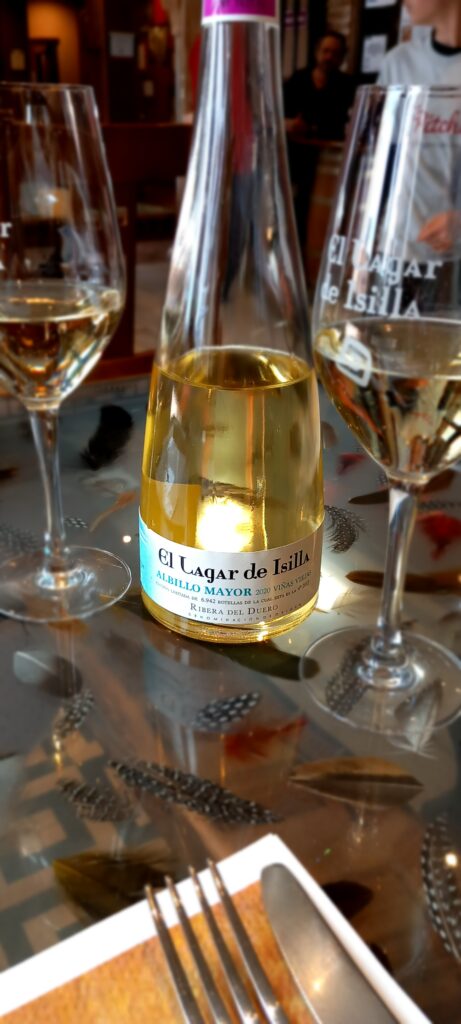
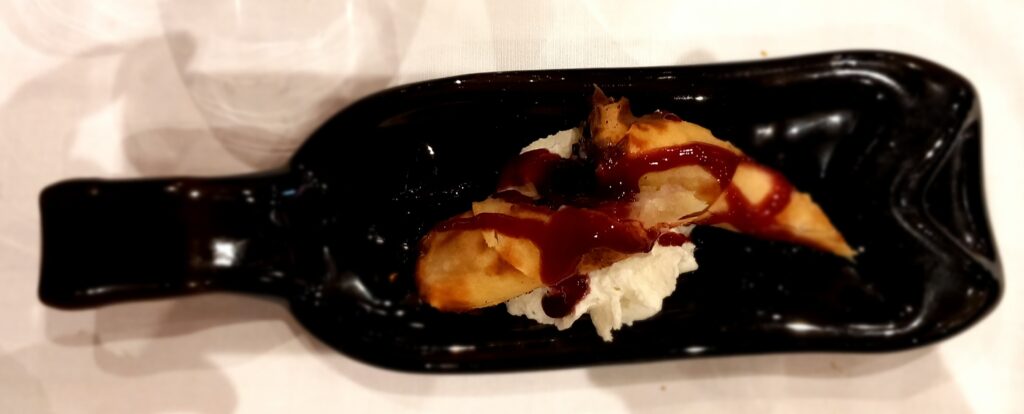
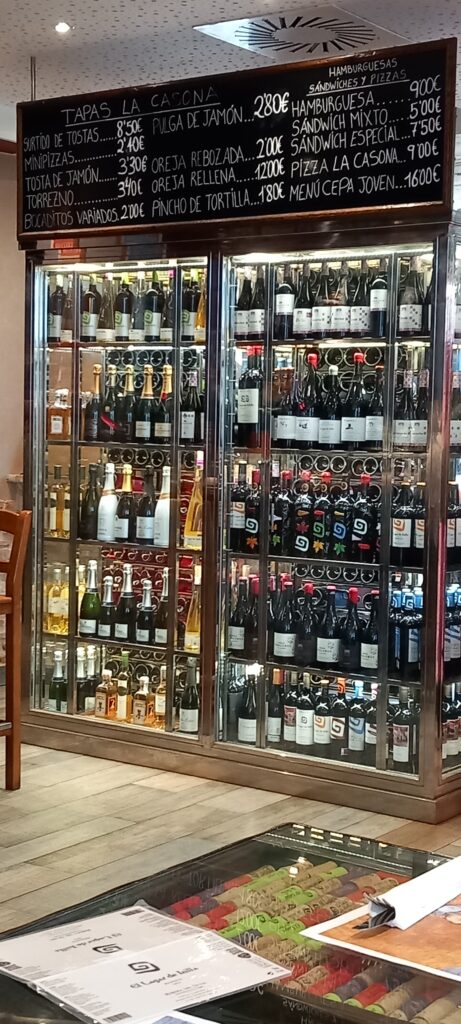
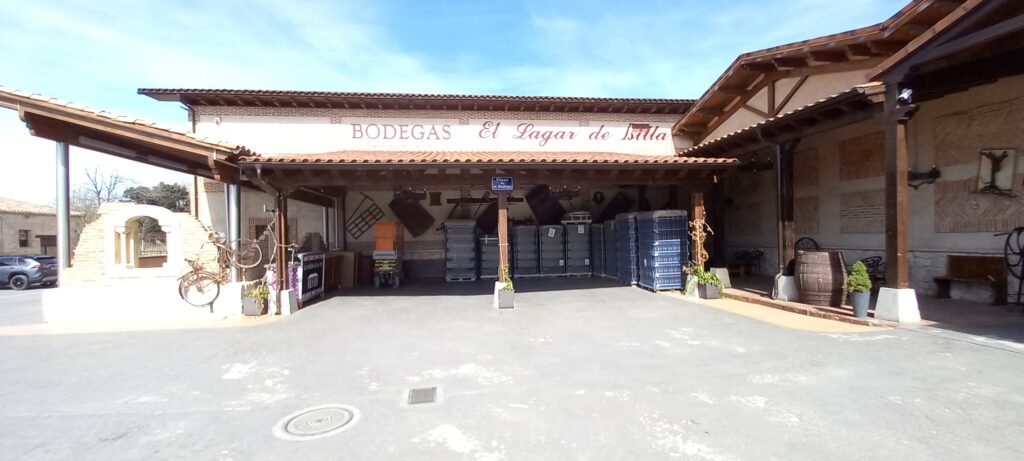
To top it off, next door was a Bodega and restaurant offering the most amazing wine and food! We stopped there during the area’s Tapas Route, this was their contribution, a crispbake with the lightest ever jamon topped with a fresh salsa and violet mayonnaise……simply heaven!
In the late afternoon, the Monastery was open for a tour, despite it being fully in Spanish, I thoroughly enjoyed the peace, tranquility and splendour of the building.
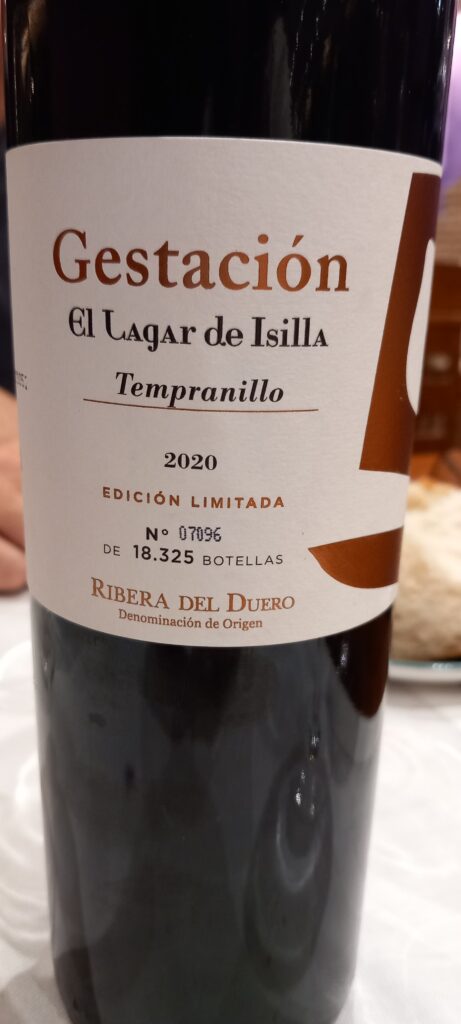
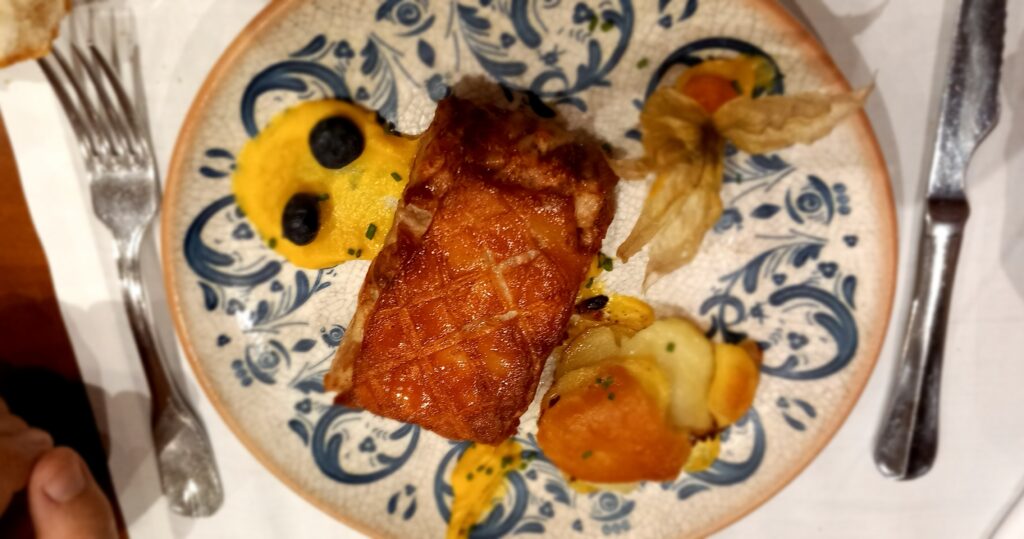
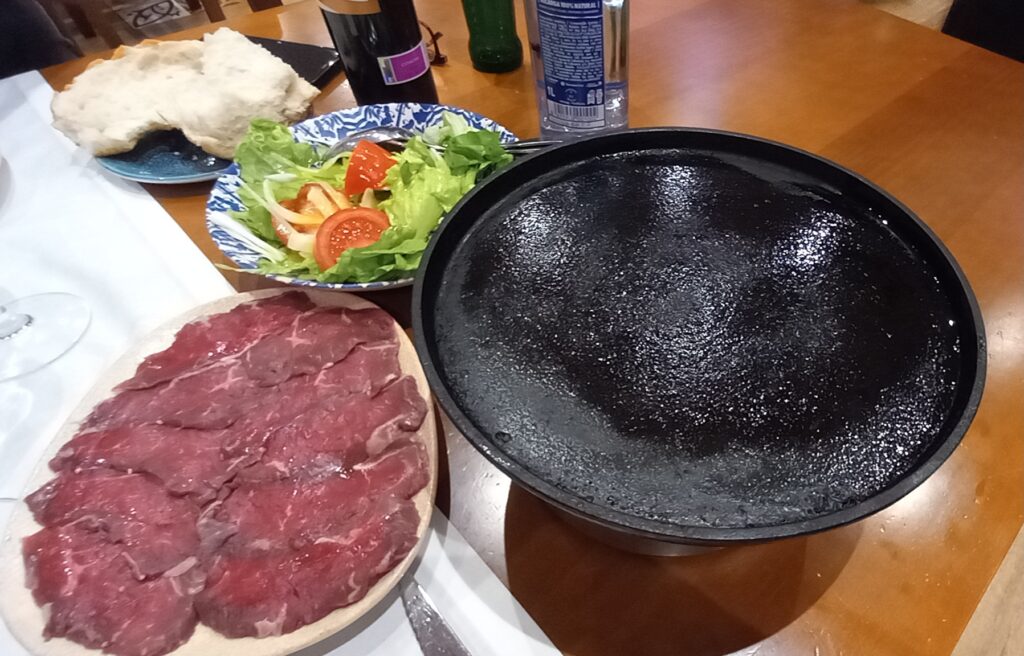
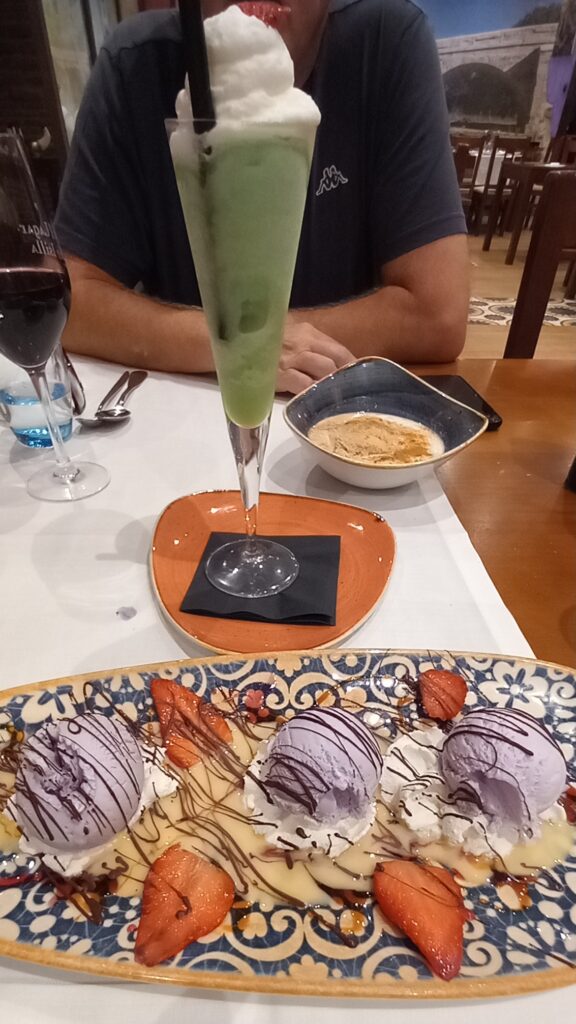
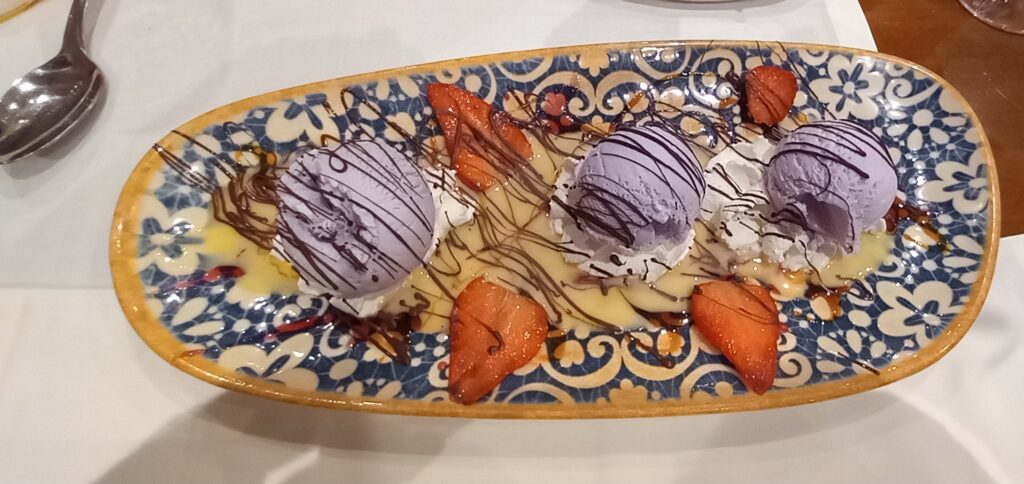
Dinner that night was outstanding, cheese pancake to start, cook your own steak…. but Dessert was the highlight. I couldn’t decide between Green Apple sorbet with a coconut foam or Violet ice cream so we ordered both!!
Firstly, Croatia is a very diverse country. Rich and poor, rough and ready. It is amazingly beautiful, sunny and so clean and people are very warm hearted, always ready to help and sell their wares to you. If ever there was a place that could be considered “paradise” this could be it, but in a few years’ or decades time!
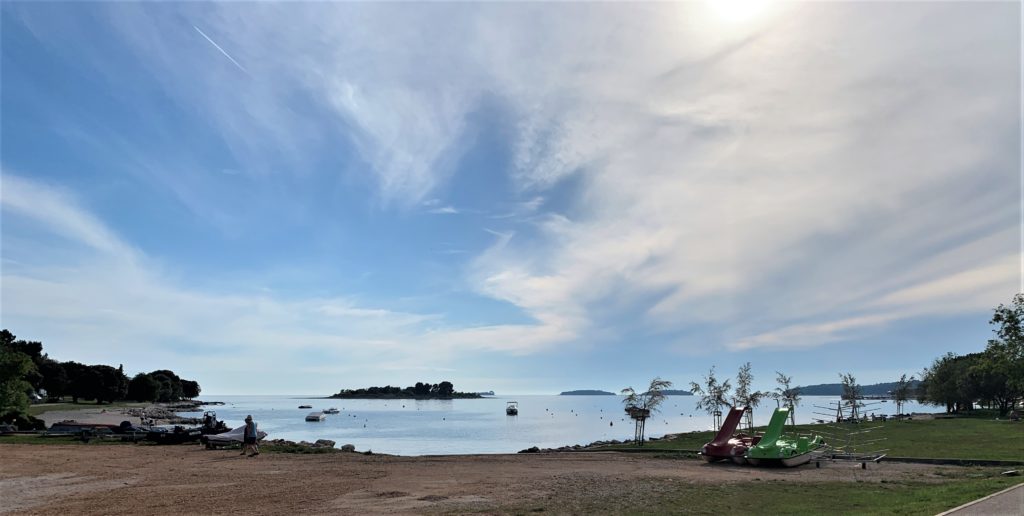
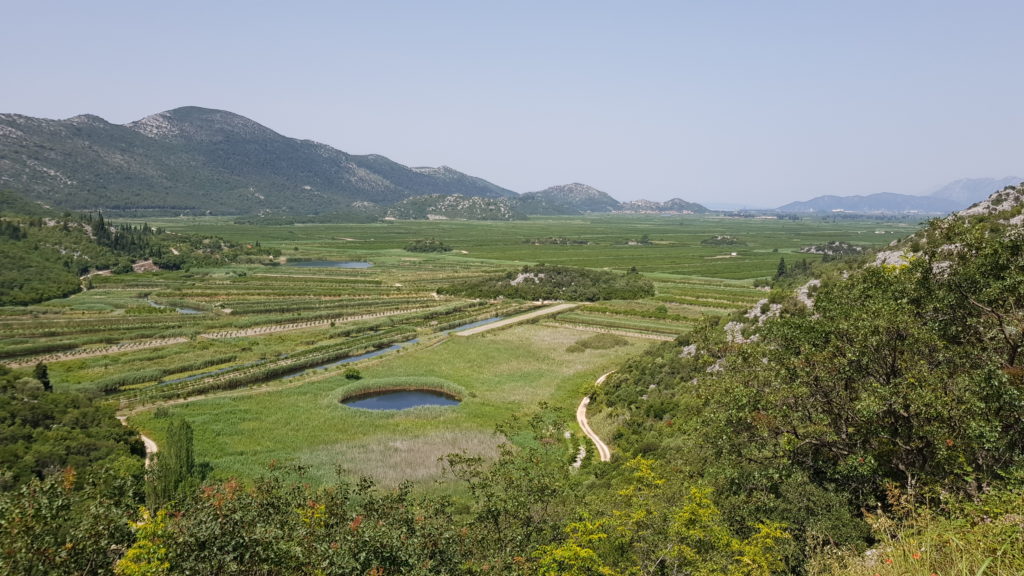
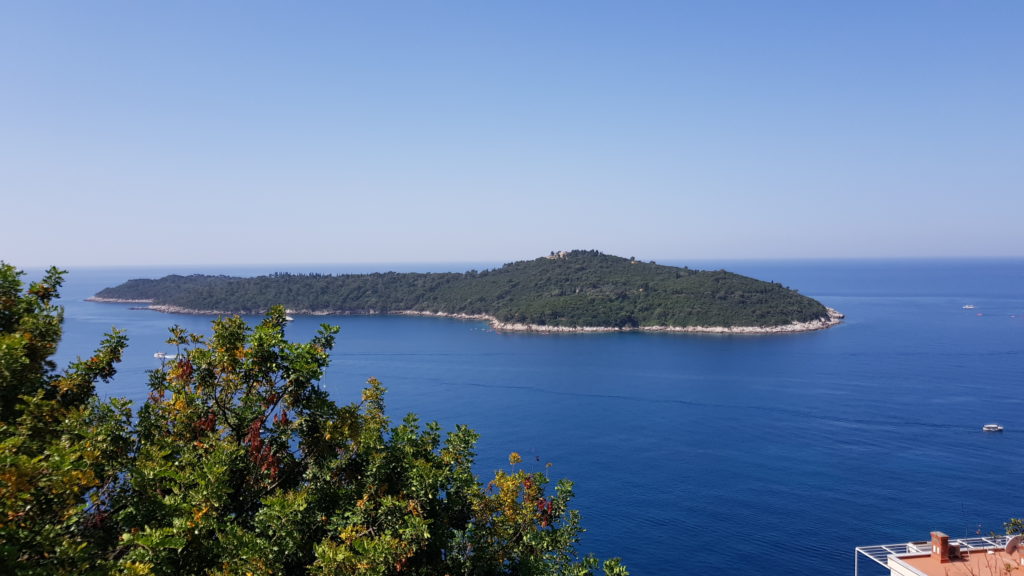
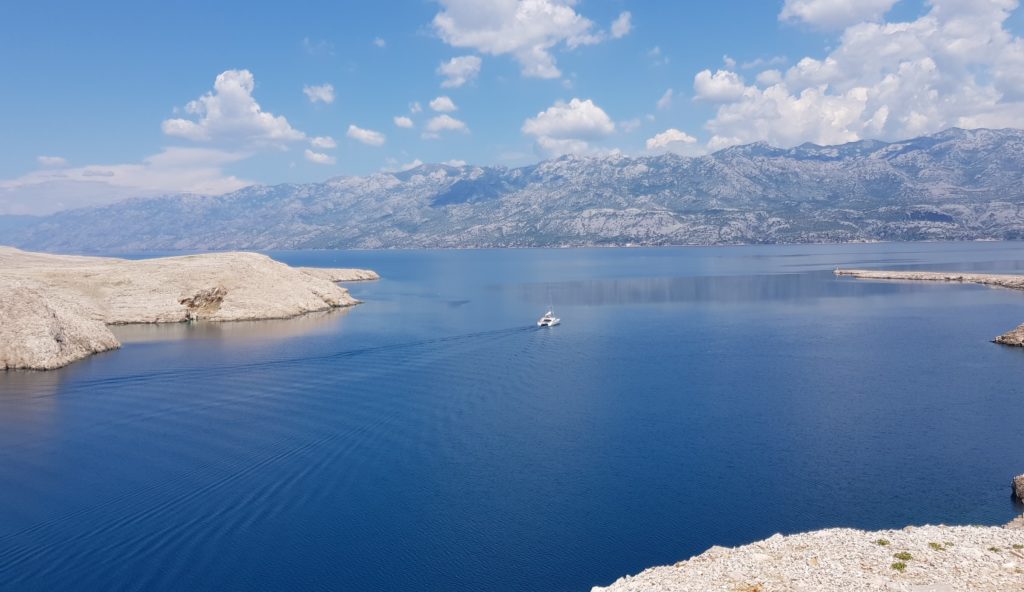
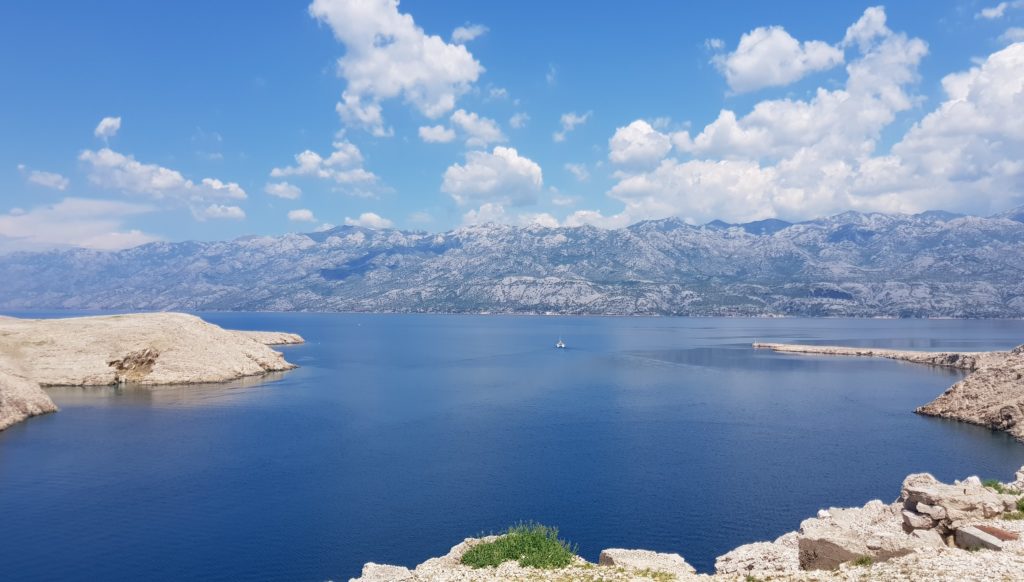
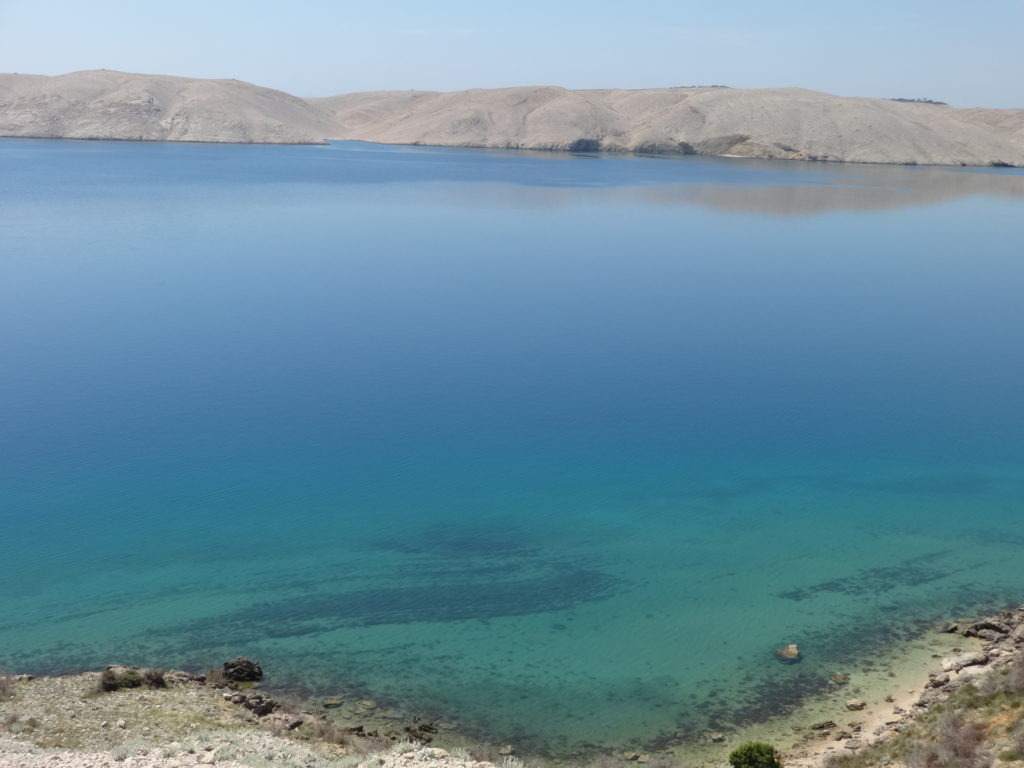
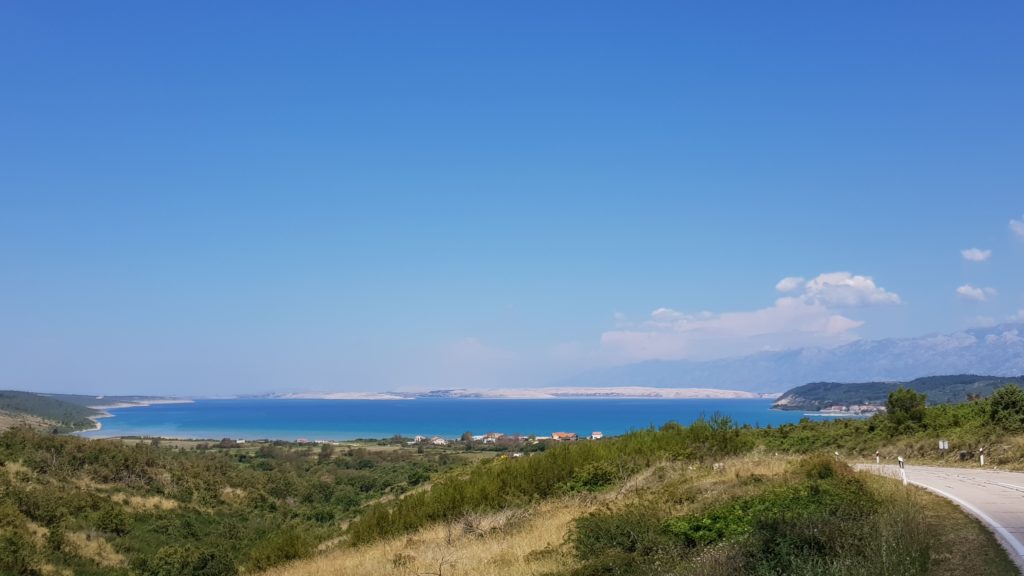
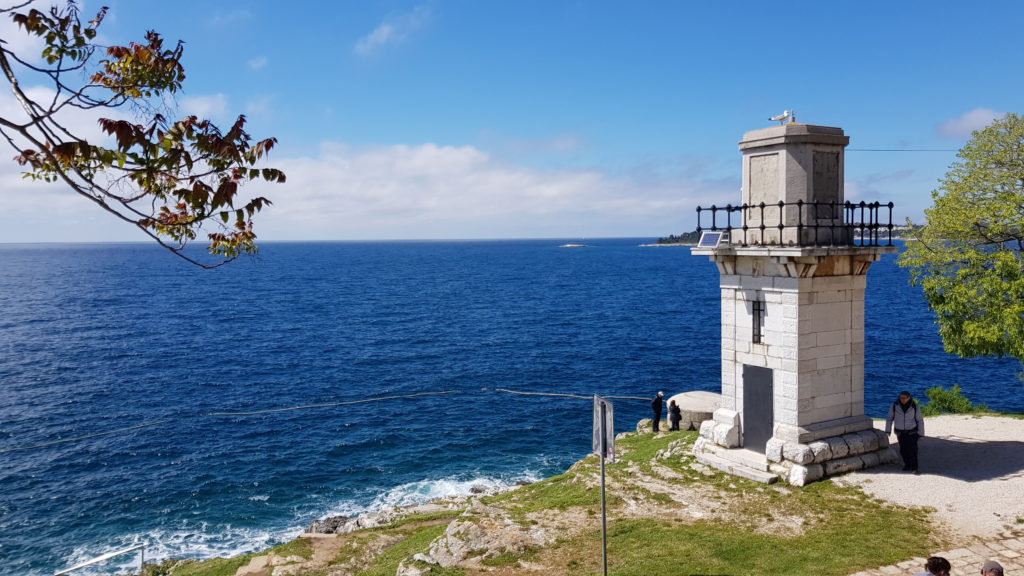
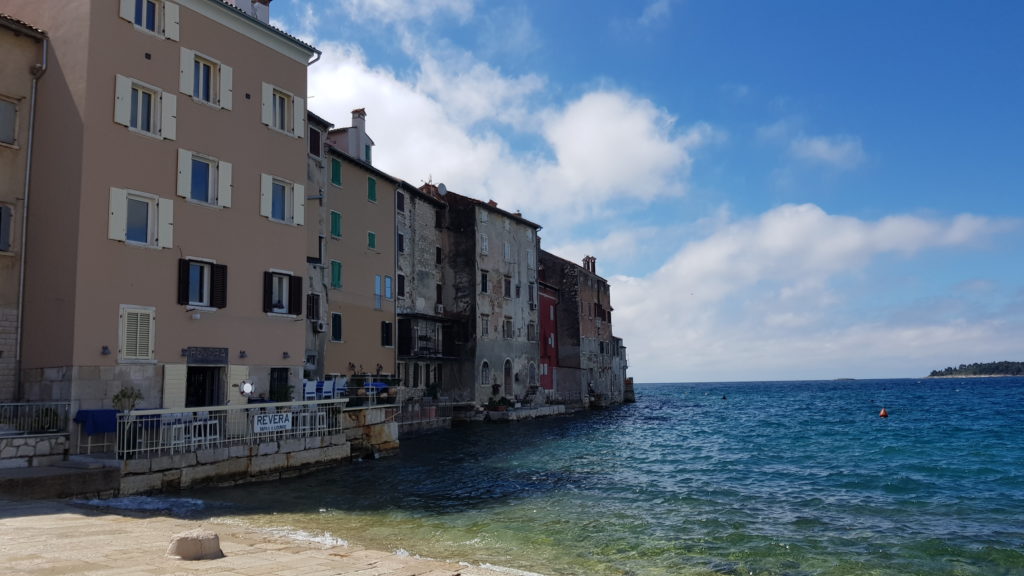
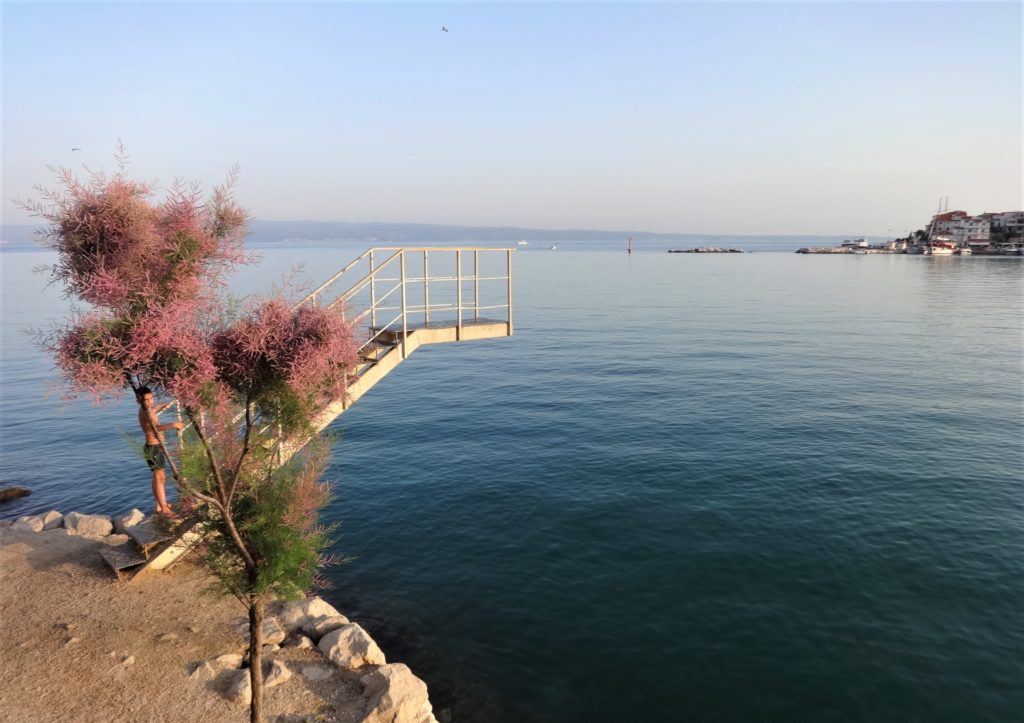
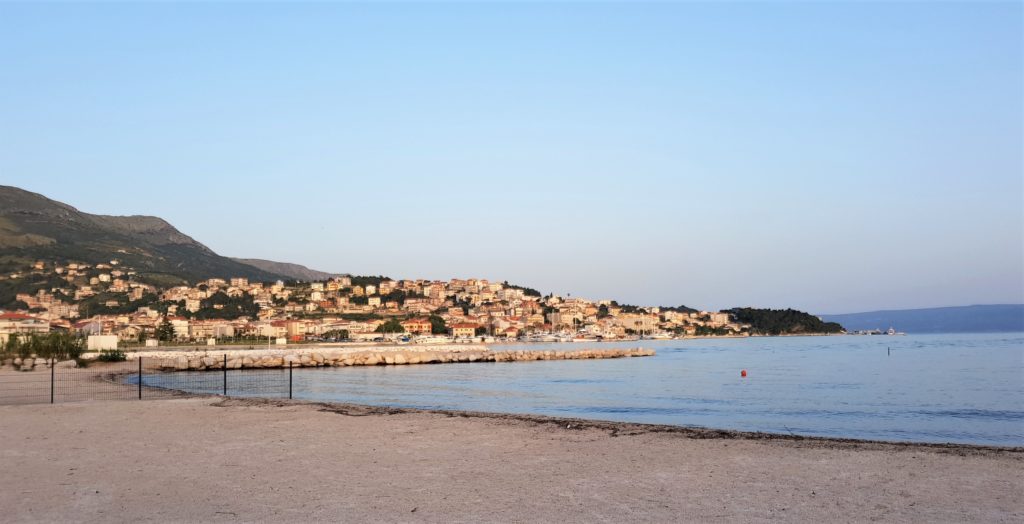
The coastline is simply stunning – rocky with sheer cliffs and tiny perfect white beaches, azure blue crystal clear waters, very little sand and small sailing boats everywhere. It’s a very long coastline and we have driven most of it now. Dual carriageway motorways take you 2/3 of the way down the country then you meander on a single track road down to Dubrovnik, through the mountains, passing islands and inlets, passing 15kms through Bosnia & Herzogovenia and out again to a small strip that actually has a lot of land attached! The islands are numerous, and all are different; some are purely national botanical and animal parks, some are uninhabited and accessible by boat only; some are homes to many, some homes to a few villages only.
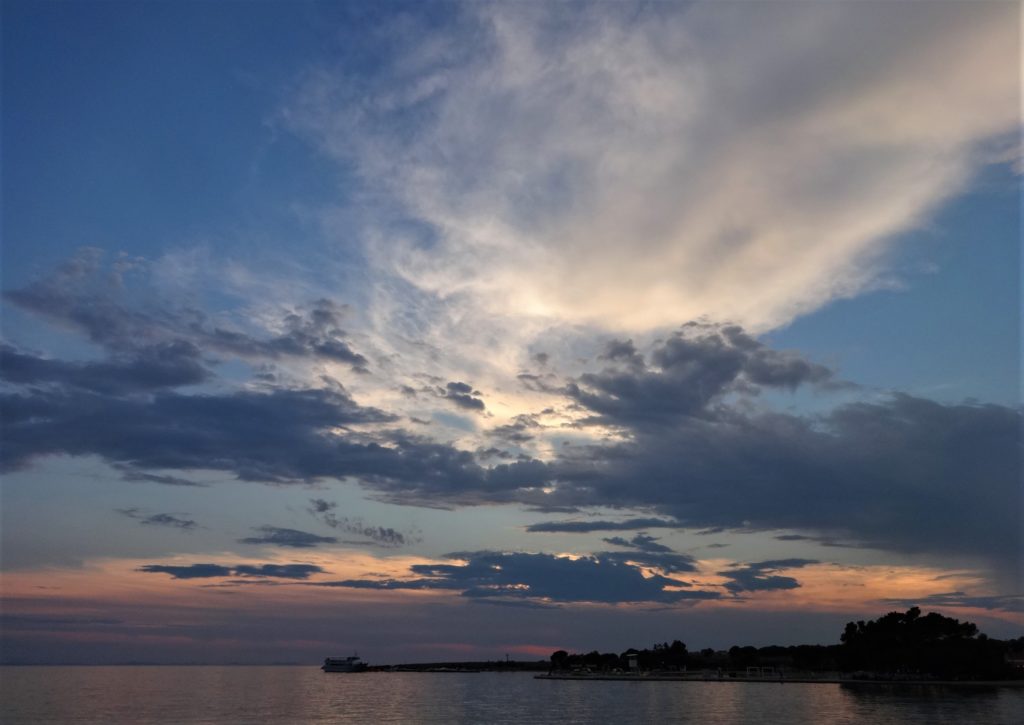
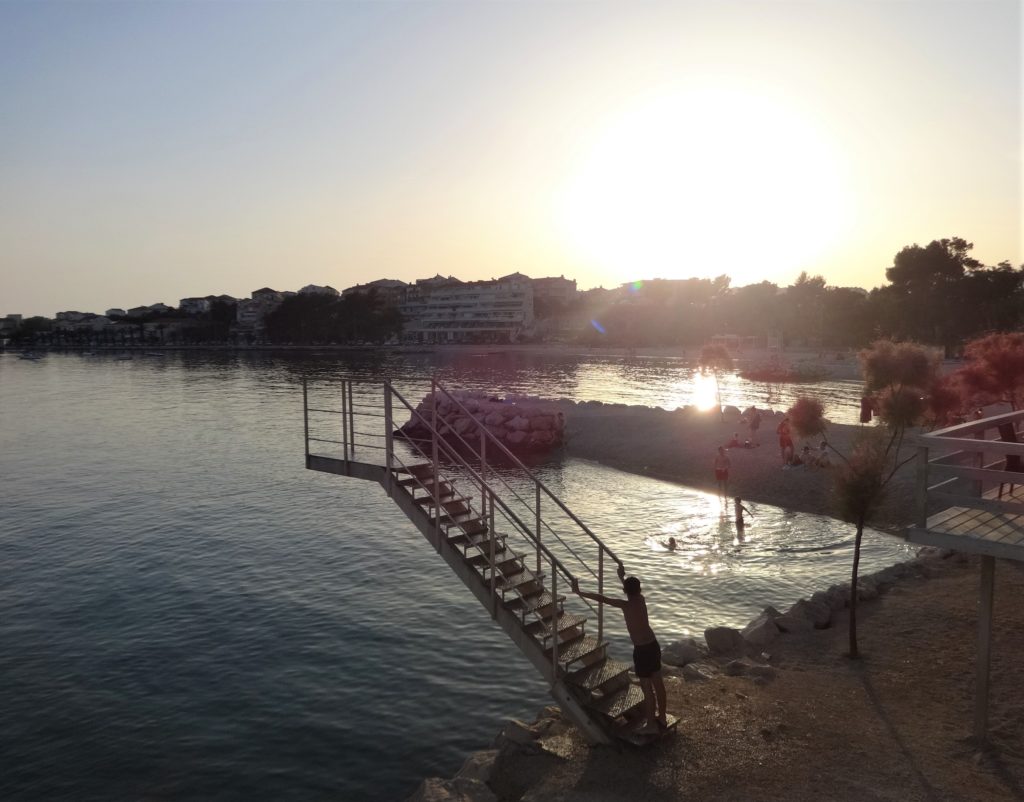
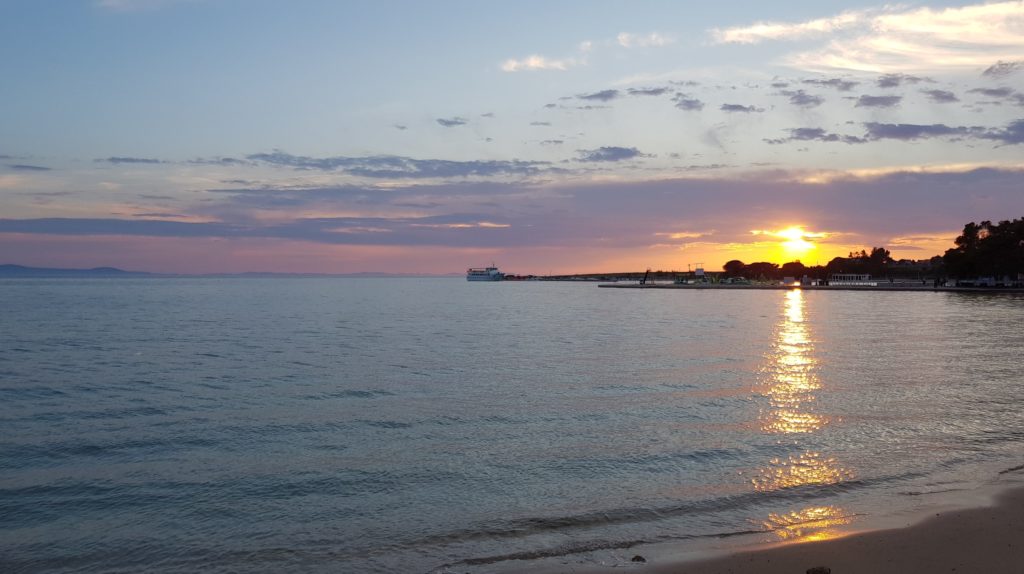
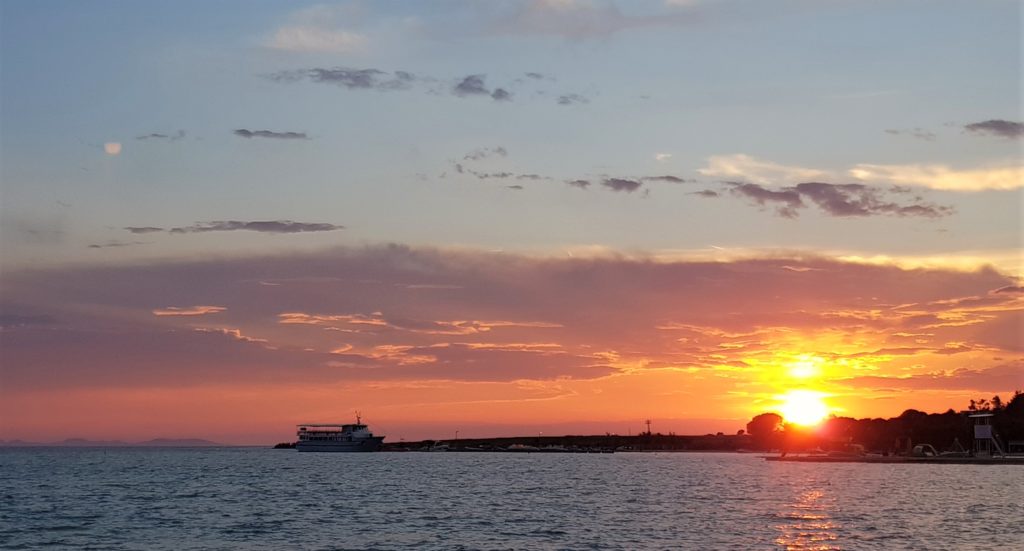
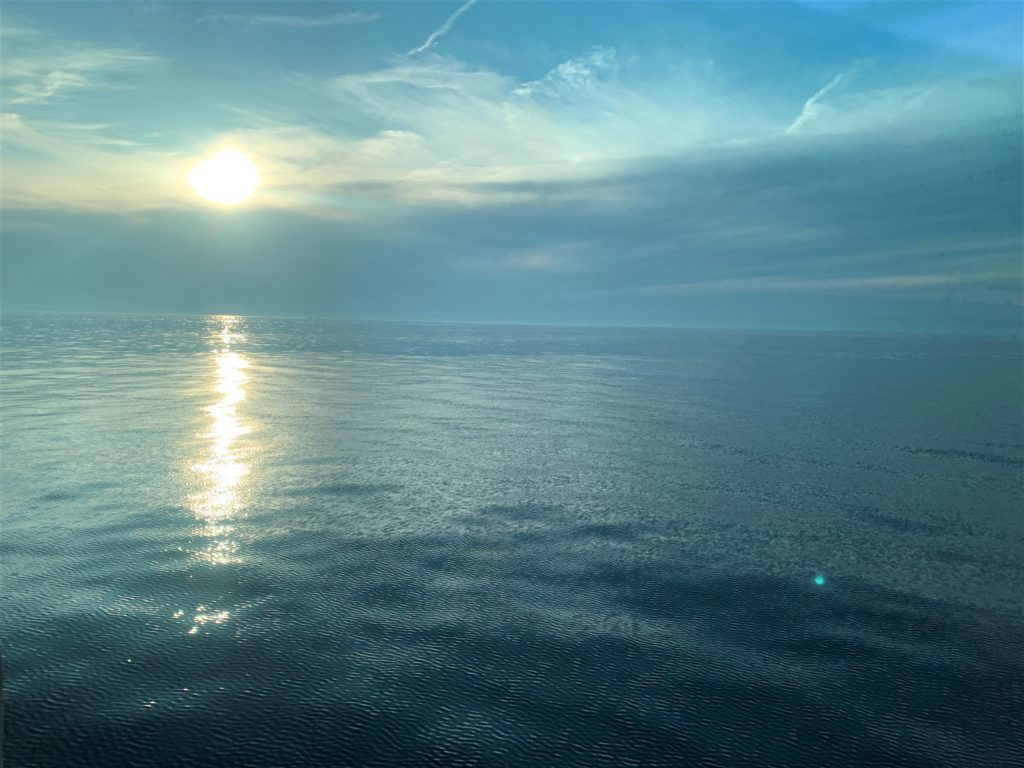
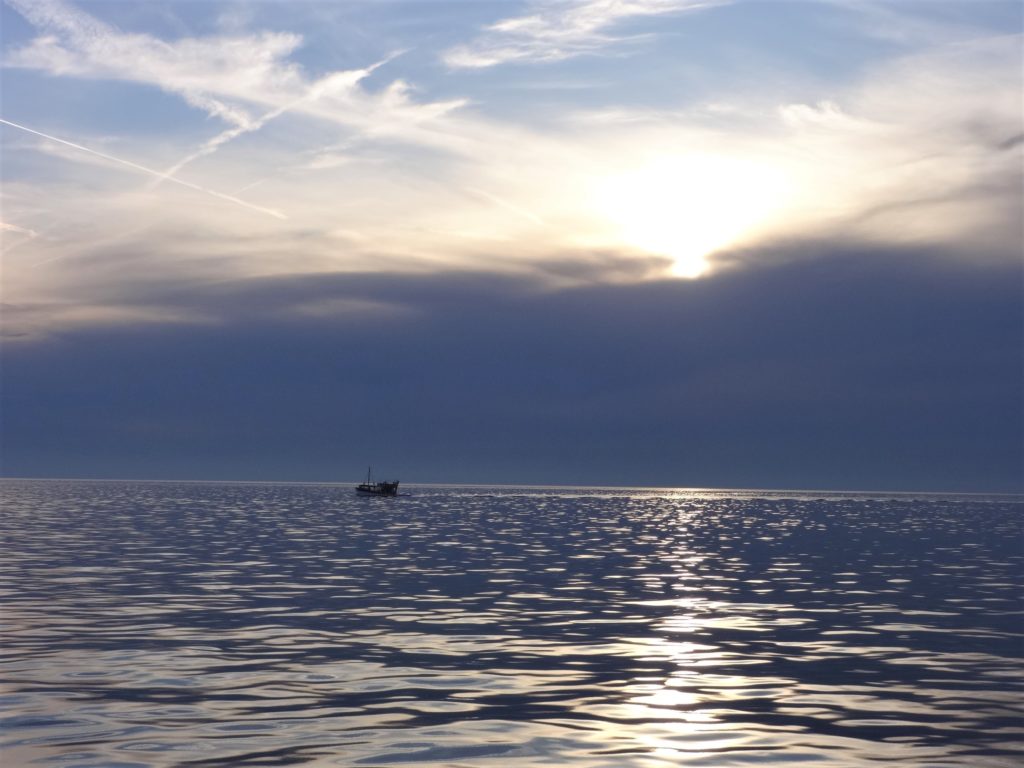
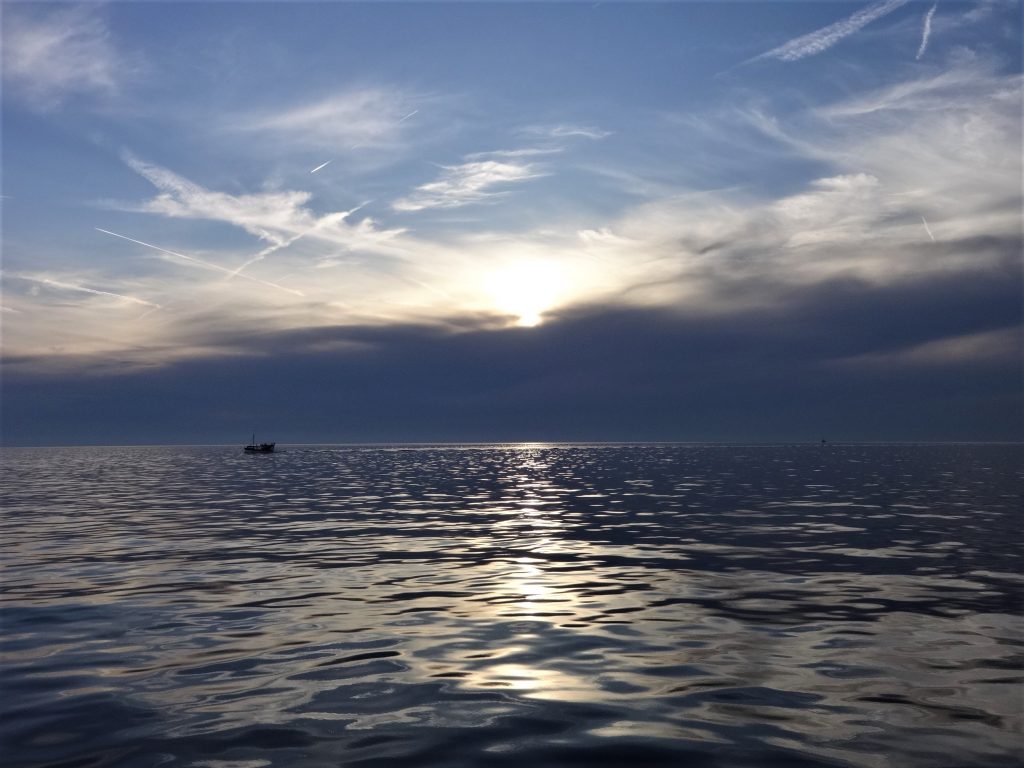
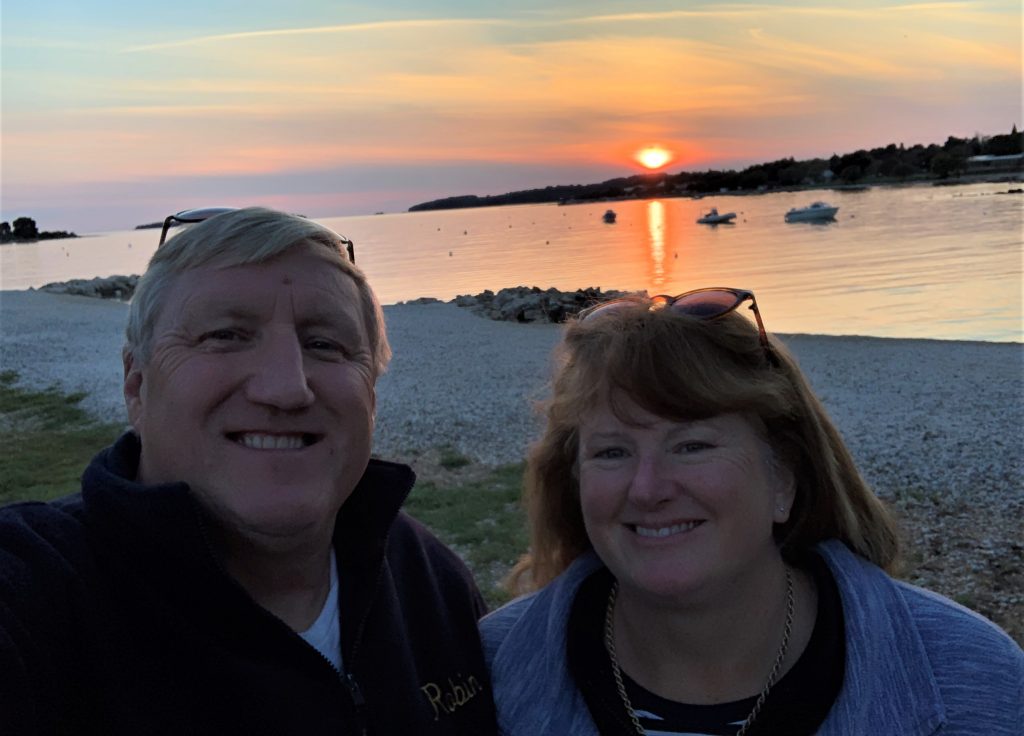
Amazing Sunsets
Community
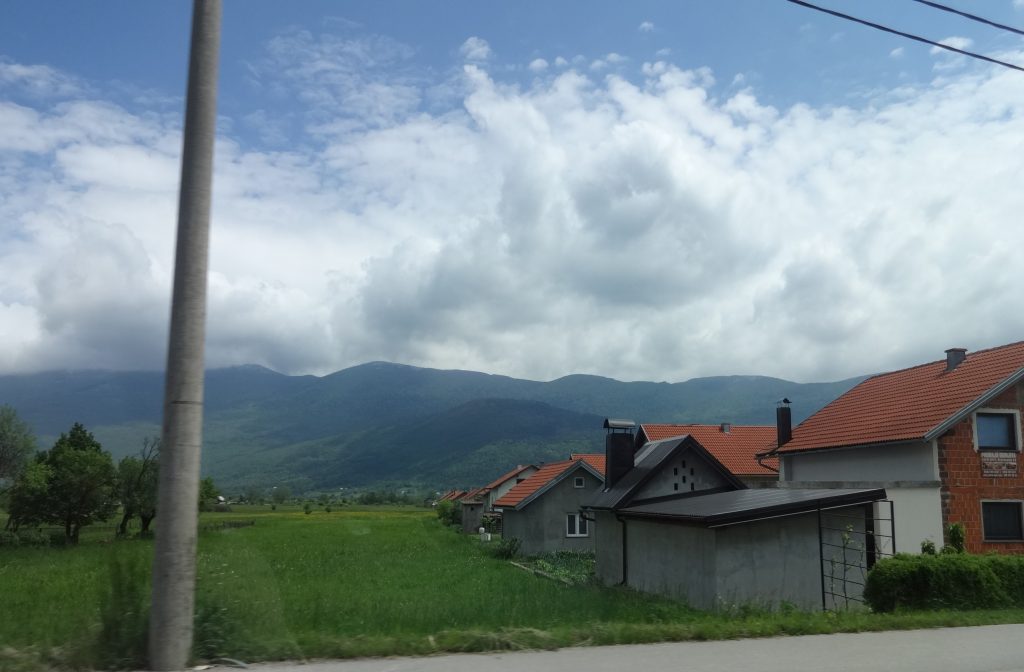
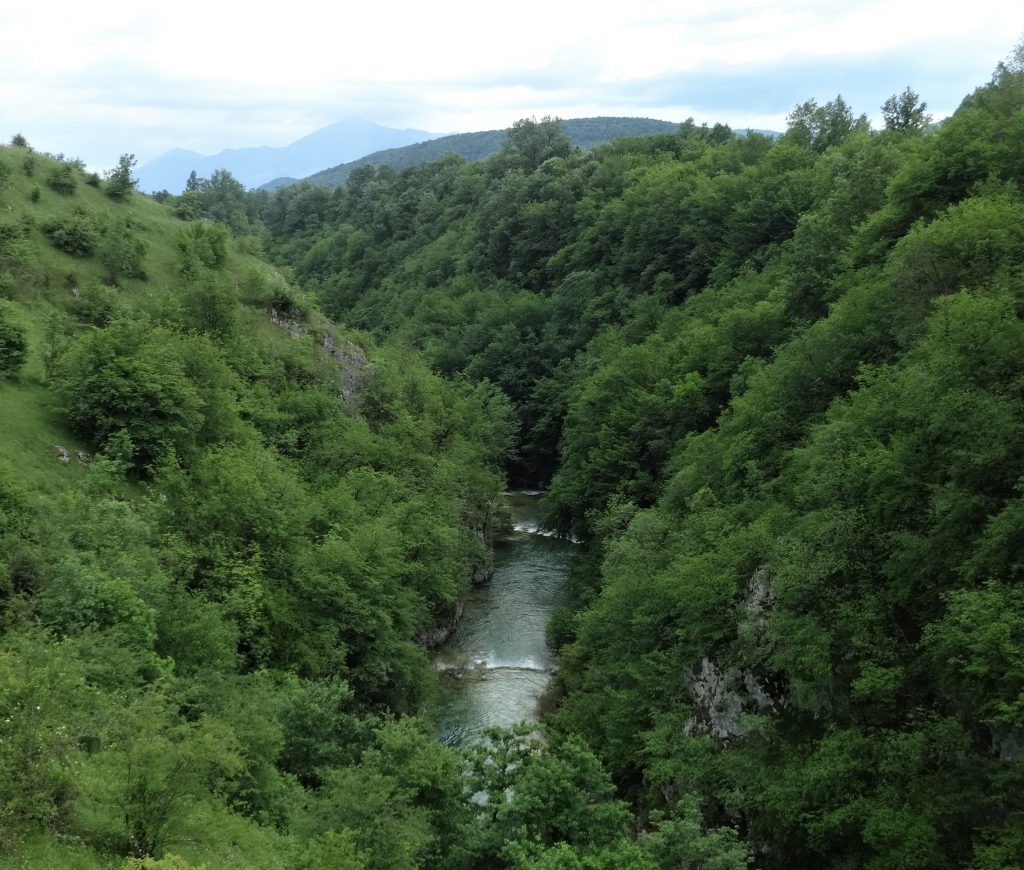
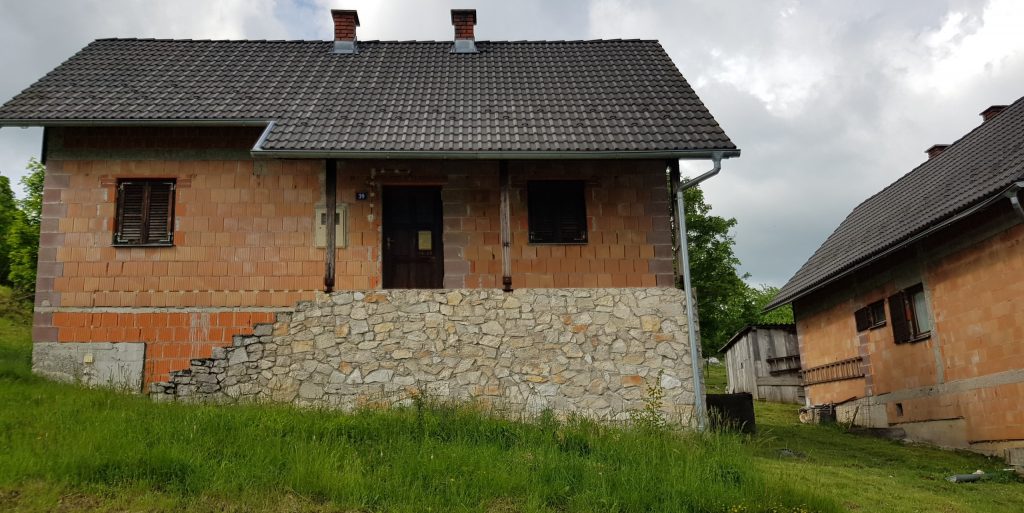
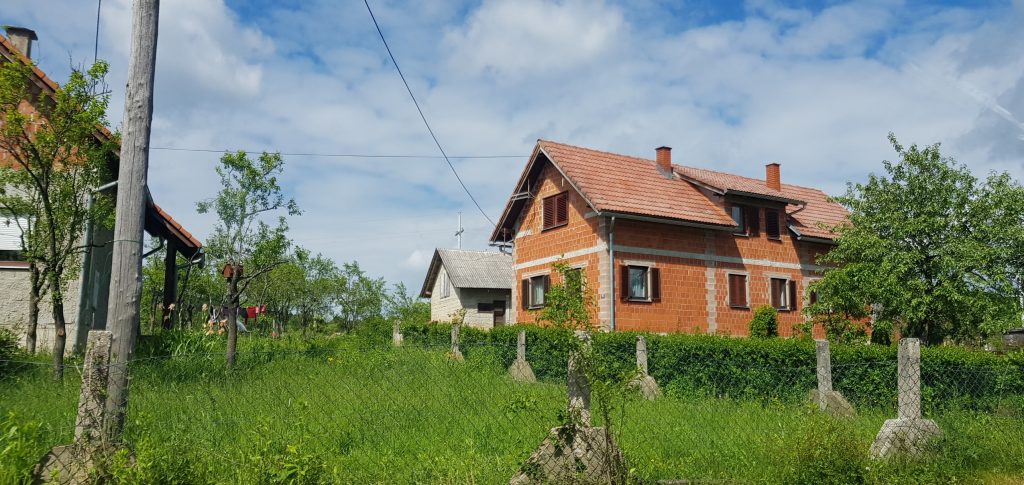
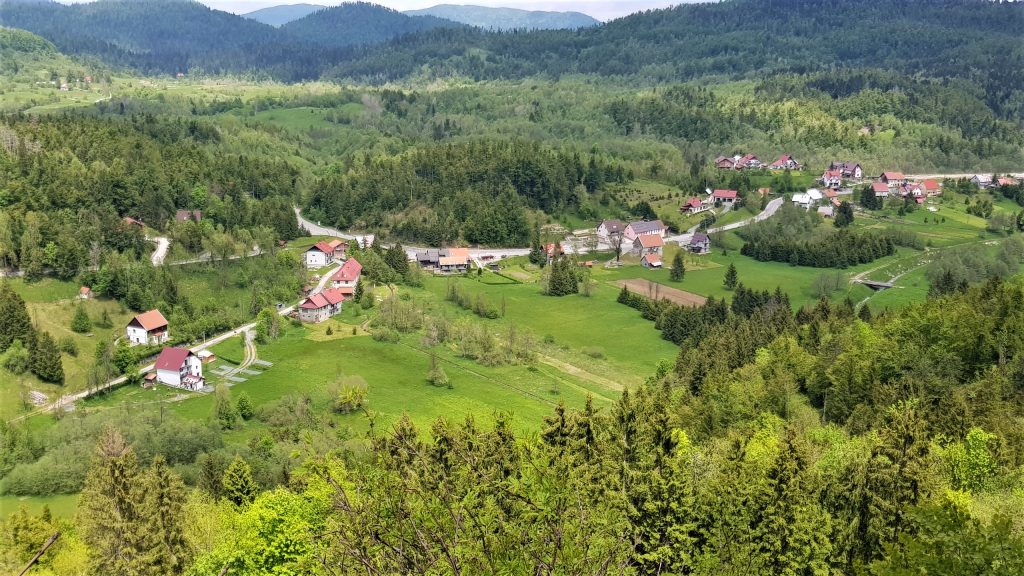
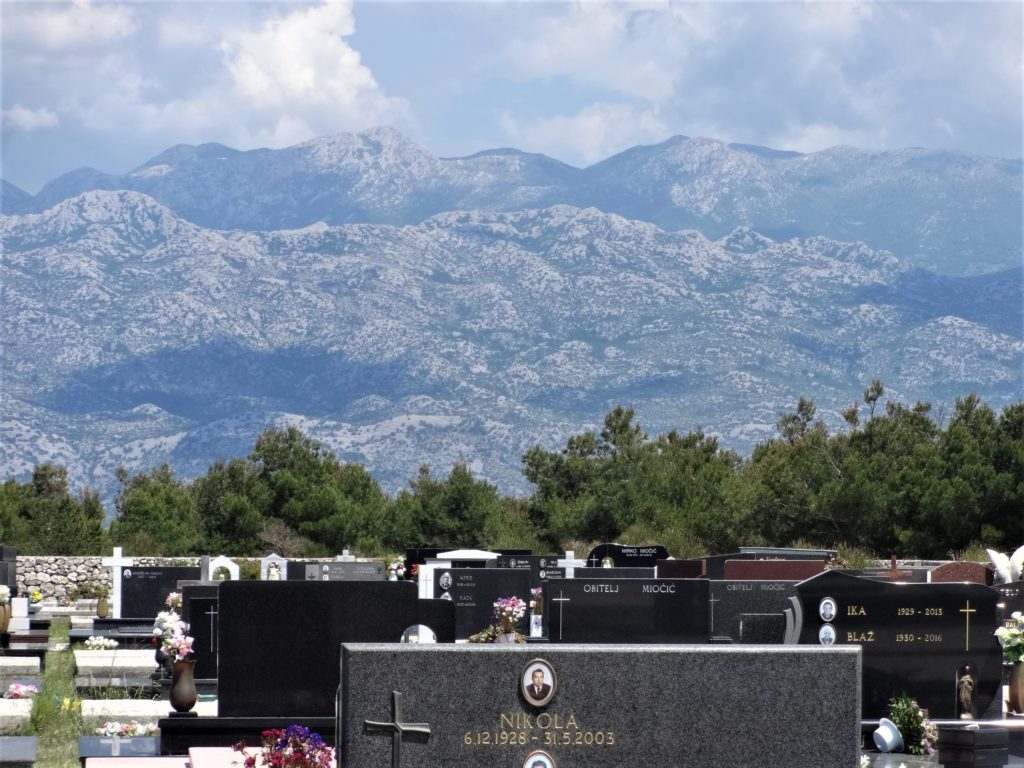
Inland, the mountain ranges are full of lush forests, white rocky outcrops and jagged steep hilltops and everywhere is full of terracotta topped cream and peach coloured small towns and villas. The hillsides are full of expansive pine forests, sparsely populated and uncultivated. Houses in villages are numbered only, no road names, signposts show the following information in, for example, a village called Zeton – “Zeton No 2, Family Johanssen”; Zeton No 17, Family Schmidt – Rooms, Zimmer, Chambres”
Towns are mainly small gatherings of hillside villages, buildings are well maintained and stand up to 5 or 6 storeys high, overflowing with signs of “Rooms to Let” or “Restaurant” or similar. Larger cities like Split are very different. Split has an old walled city, now a thriving cafe and restaurant hub, but is surrounded by huge old, 70’s style tower blocks, rundown, full of graffitti and a multitude of torn colooured exterior blinds to protect from the heat and sun.
Many cities have walled towns that have been converted into tourist hubs, food, drinks, accommodation, tourist tat shops etc. We have seen very few actual “palaces, castles or forts” where locals live or it has been retained as a monument or place of historical interest.
Infrastructure
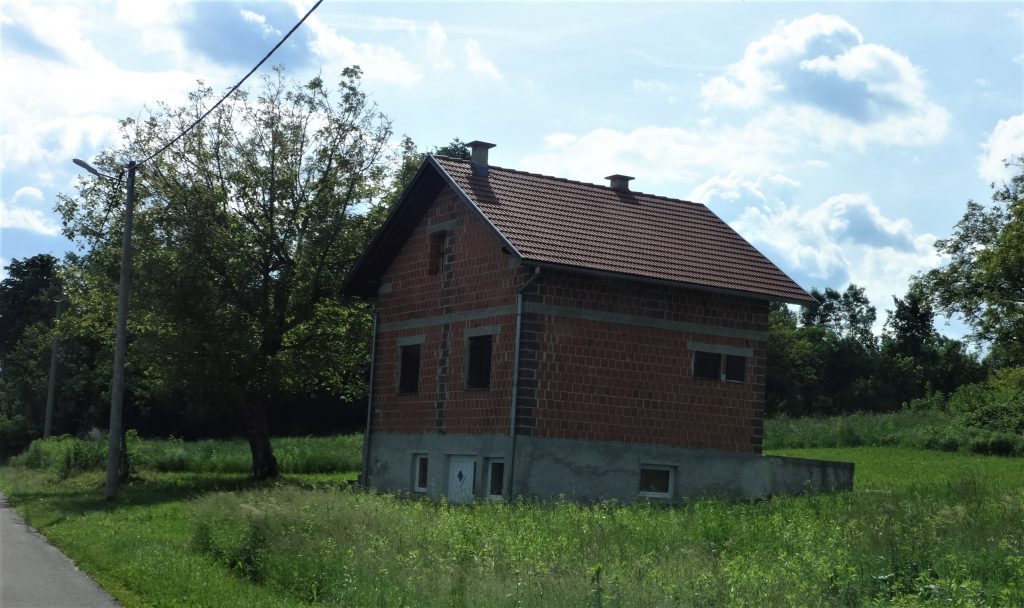
The infrastructure is brilliant where the main attractions can be found, dual carriageways, bridges and entrance roads to cities are excellent condition. Outside of this, it’s the opposite! Dirt roads, people living in half built houses, no road signs…….and we have not found out why.
Main roads have had EU money spent on them but sometimes we have found a local road, which is only numbered (eg 63006), with no signposts, is a stoney dirt track! Does not stop Croatian drivers being loonies, wanting to overtake any car in front of them, despite the road having a single white line in the middle, a sharp blind bend in front and a queue of cars behind the oncoming coach!
We have also established that EU money is still being spent on creating this “new country”, providing students with the opportunity to attend college and Universities FREE, yes you did read that correctly, and all HEALTHCARE is FREE!!!
Tourism
Additionally, it is more expensive than we expected, we thought it would be really cheap here, even on a par with Spain, but it’s not. We have learned that people and businesses are heavily taxed and therefore prices are more on a par with Italy. Some things are cheap, a beer or glass of wine equivalent to €2, but a main meal in a restaurant is never less than €10, more like €15. Tolls are cheap, fuel is cheap, but campsites are pricey. The bigger the City’s attraction to tourists, the higher the prices! In Split, we pay €3.50 for wine, €3.00 for a pint. In Dubrovnik, €7 for a glass of wine and a beer!! €12 for a burger and chips, €20 for lasagne!
Campsites, well they are an eye opener! We have been on 5 different sites, in the northern Istrian peninsular, inland at Plitcive Lakes, out to the coast at Zadar and two further down in Split. Luckily most take European discount cards that us travellers use!
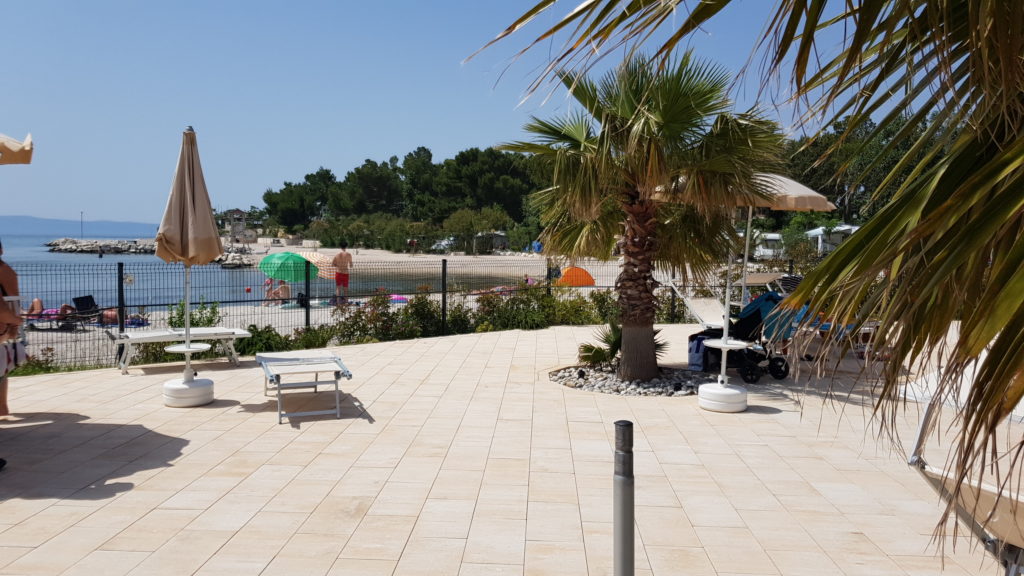
Split campsite
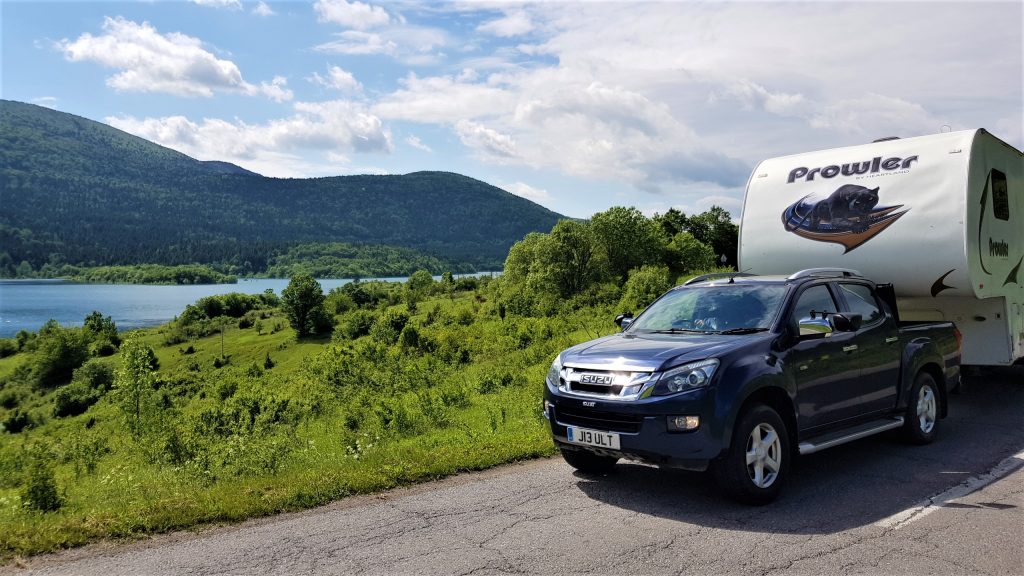
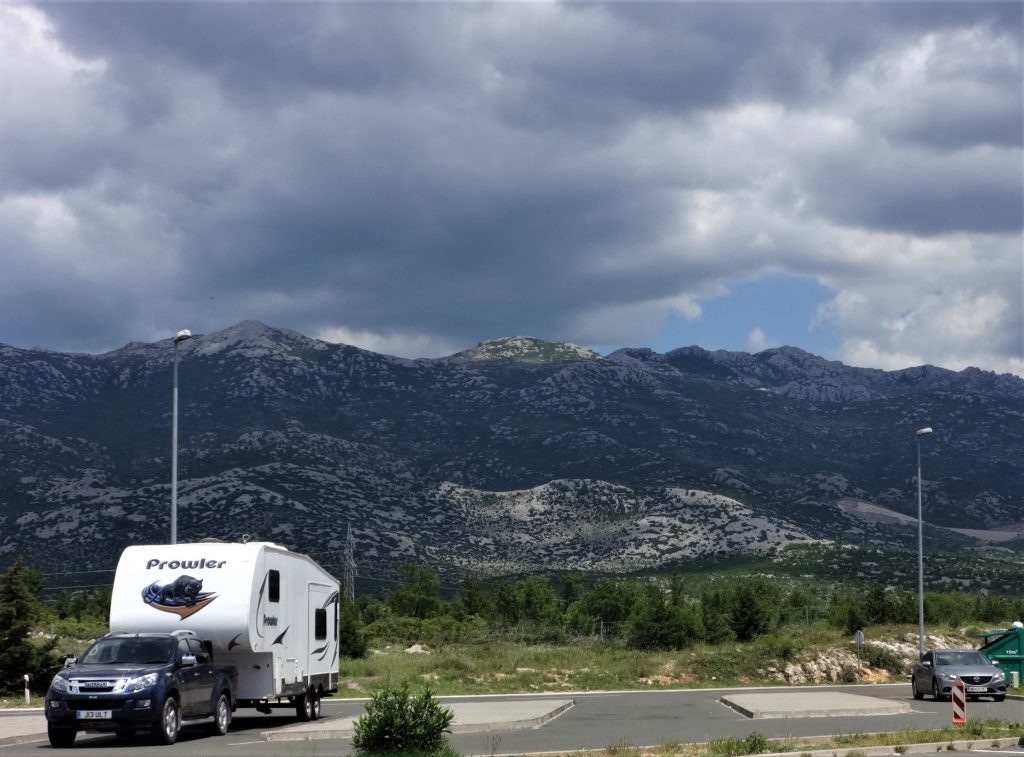
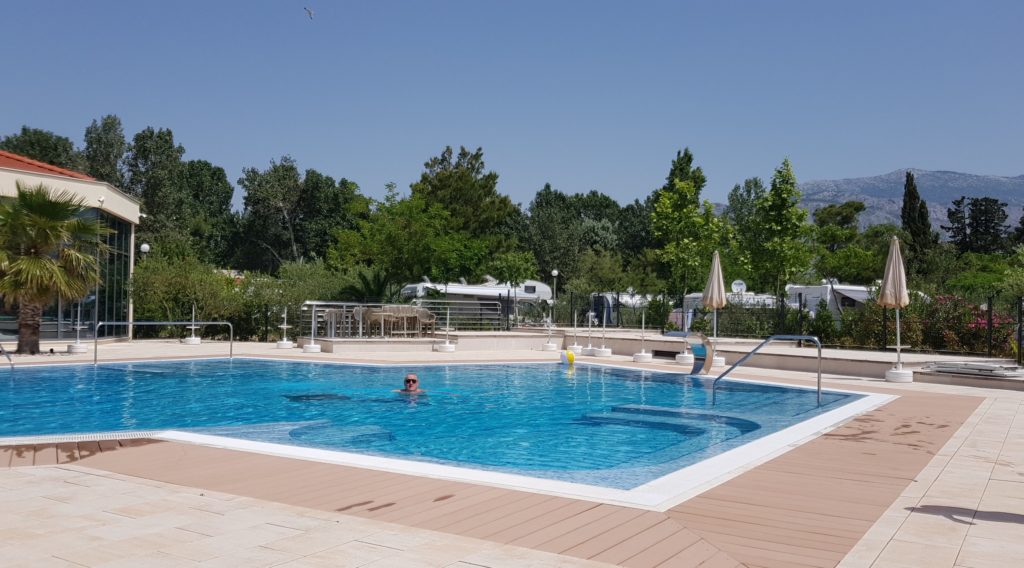
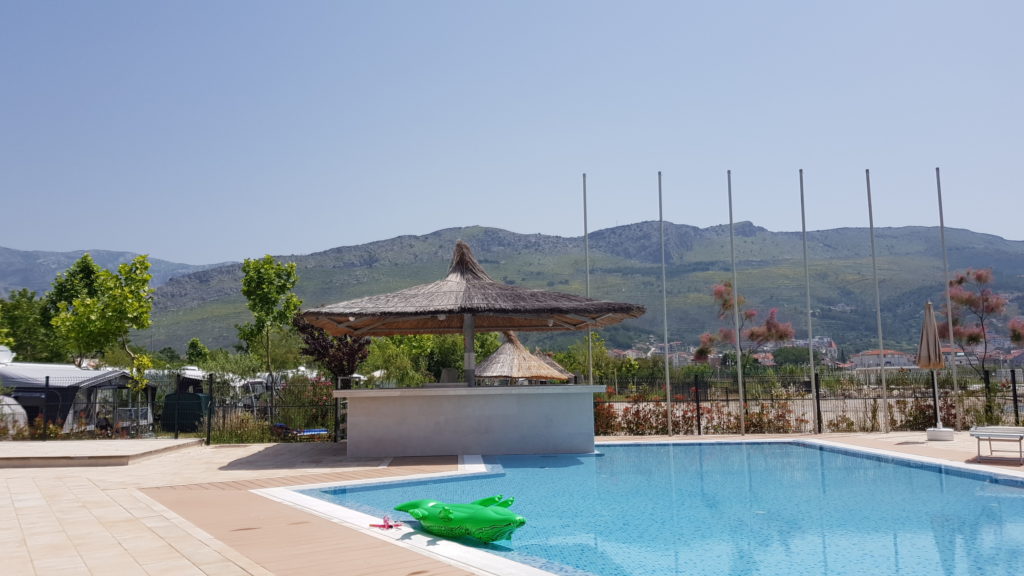
Again, where the travelling tourists are, they have had a lot of money spent on the Campsites (calling them Resorts) bringing them up to European standards, most are huge – well spaced out, well cared for and do everything possible to make you feel welcome, comfortable and relaxed. We have had no problem on Croatian campsites with the 5th wheel and no issue finding pitches, 90% are fully serviced and all sites have a several restaurants, several bars, water parks, and loads of outdoor activities. The bigger the site, the more facilities. And, there is water everywhere!! Further down the coast they have introduced “Kamper Stops”, a large area for motorhomes to stop overnight only.
They cater for Germans! Very few Dutch or Italians here, next to no English! Thankfully they all speak English! They are taught it in school from an early age, so language is not an issue, apparently the Croatian language is one of the hardest to learn!
Food is similar to Italy – excellent pizza and pasta but with more emphasis on grilled dishes and meat and salads are excellent quality. Local delicacies can be found, Istrian sausages, Pag sheep cheese, truffle cheese and wine from each region.
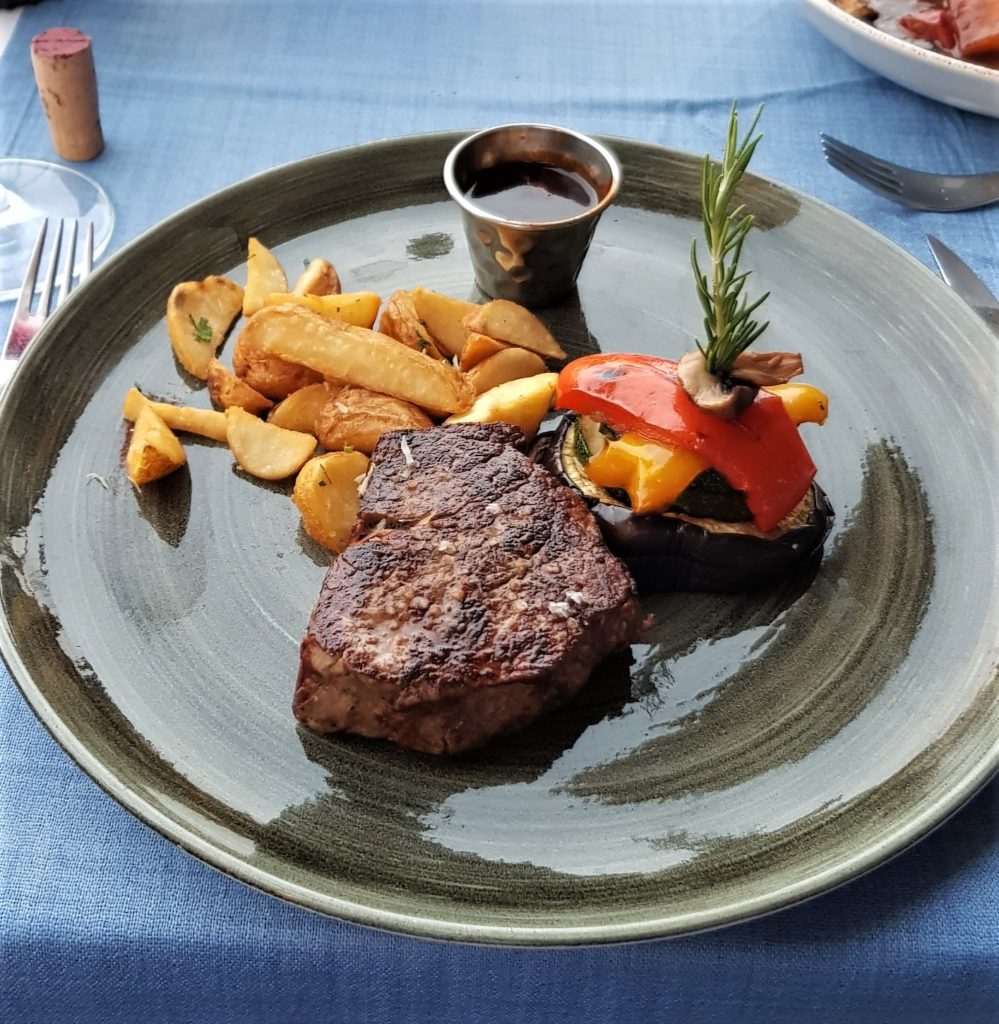
Beef steak
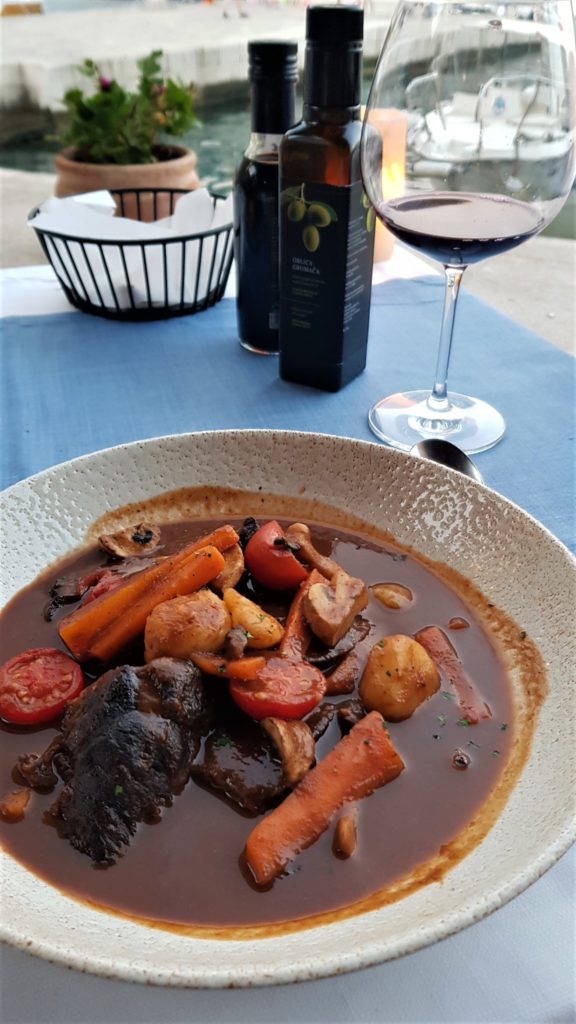
Beef cheek bourgignon
History lesson coming up now!!
In the past century, this country has been “owned” by lots of different people but Croatia originally began in the 3rd Century in Nin. Before then it was part of the Roman Empire and afterwards, Byzantines, Venetians, Hungarians, Bosnians and Austrians before it finally settled as the Kingdom of Yugoslavia in 1918. in 1941, during WW2 it was handed back to the Italians but in 1945, The Federal People’s Republic of Yugoslavia was declared and the King was deposed, and a President was elected in 1953.
When the dictator Tito died in 1980, the next Presidents were from Bosnia, Slovenia, Serbia, Montenegro, Macedonia and Kosovar until war broke out in 1990. This internal war was all about territory with roads being blocked, ships being sunk, civilians being killed and displaced, until the end of 1995 when a Treaty was agreed establishing Bosnia and Herzegovina as a seperate entity, as well as guaranteeing Serbia and Slovenia rights under the same titles as Croatia, splitting Yugoslavia to make new territories.
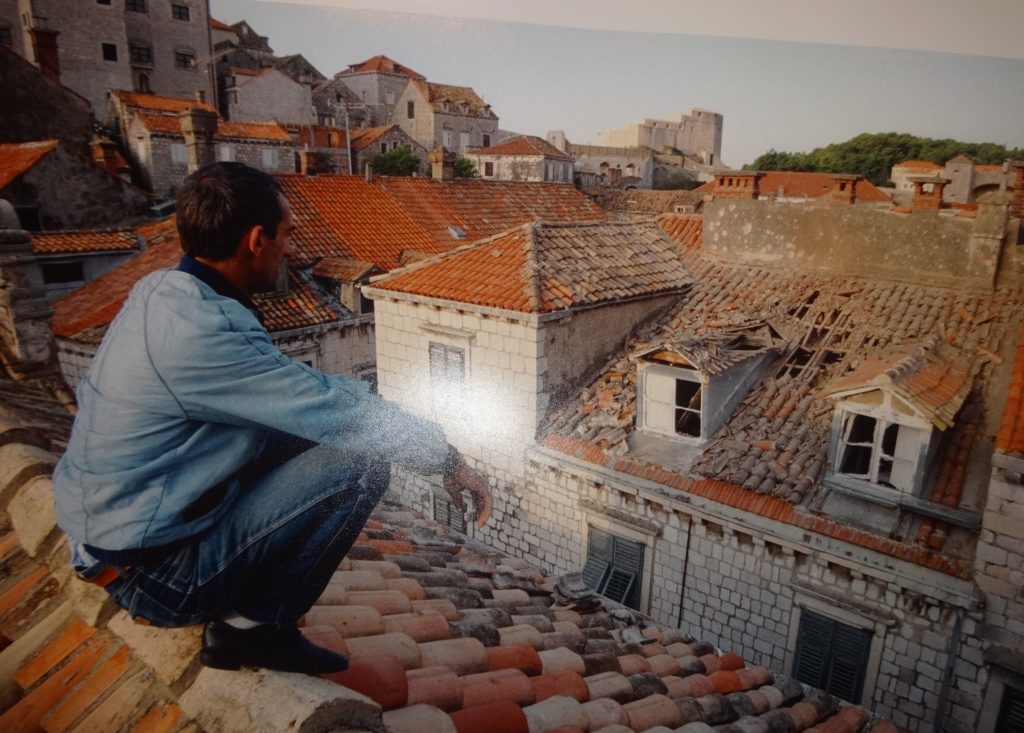
During this war, bombs hit every city, Dubrovnik for example had 50% of it’s buildings and roofs hit, all roads leading to it were damaged, surrounding airports were flattened and domestic services were cut, water was withheld from Dubrovnik for 3 months!
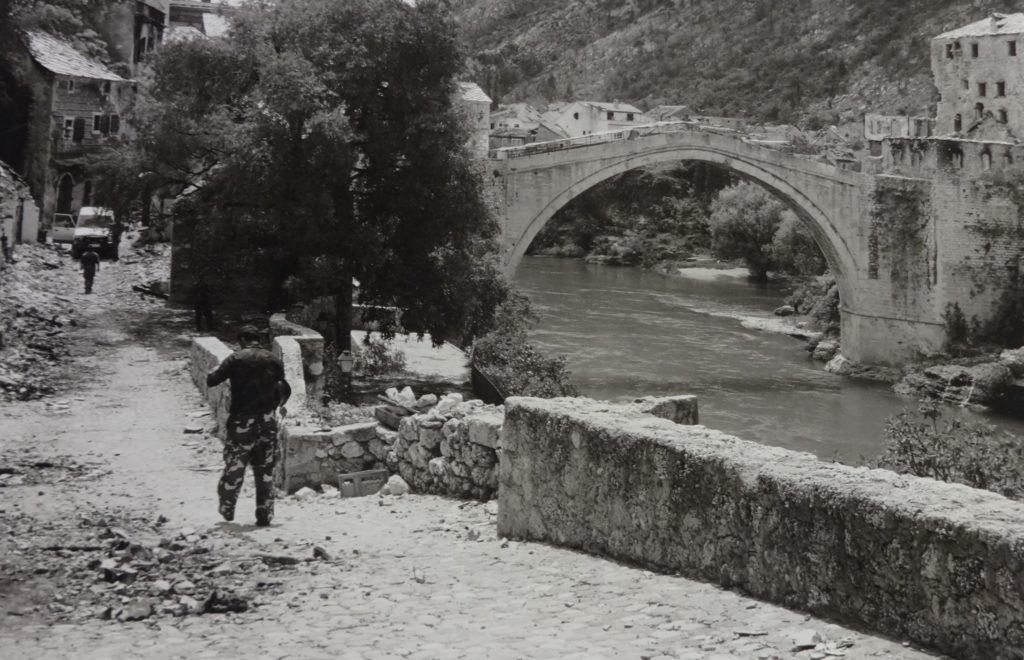
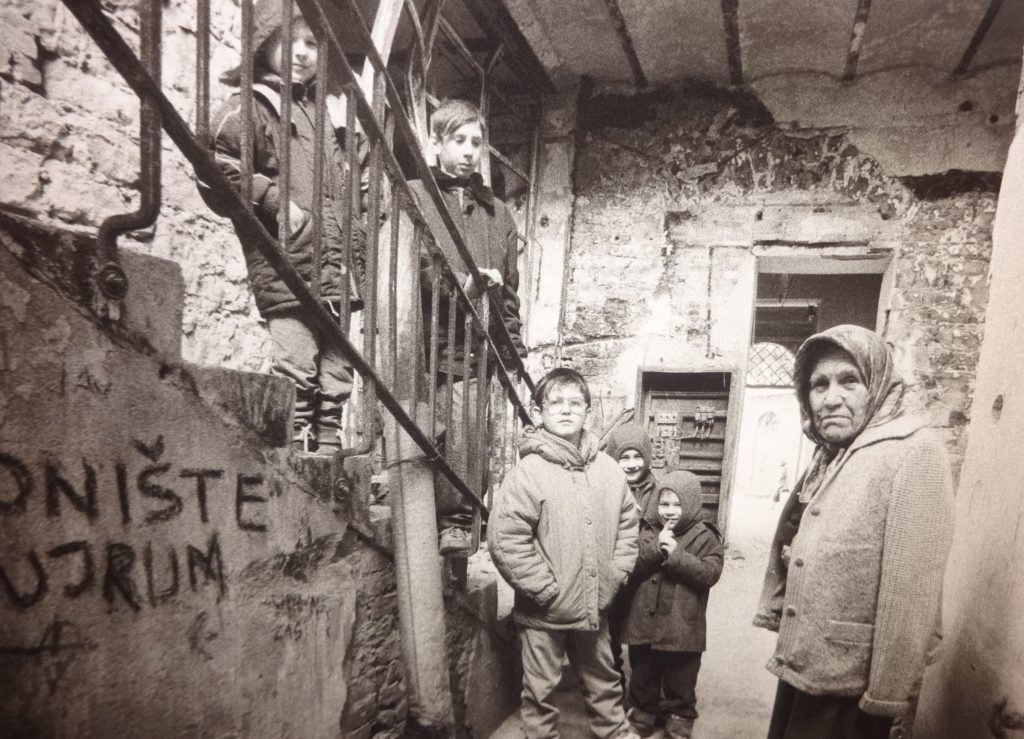
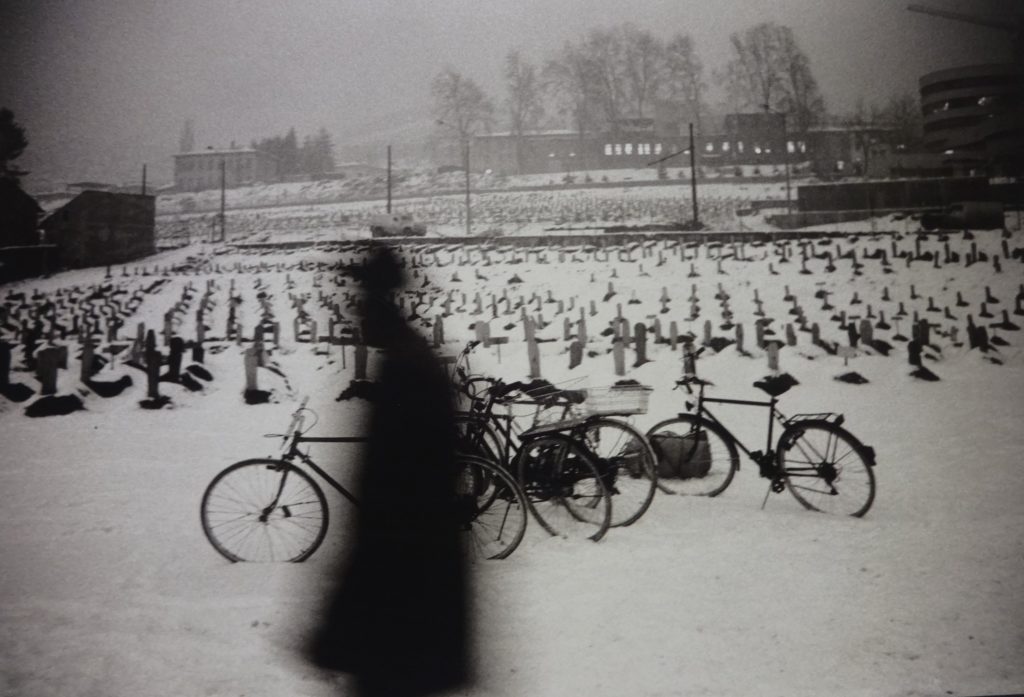
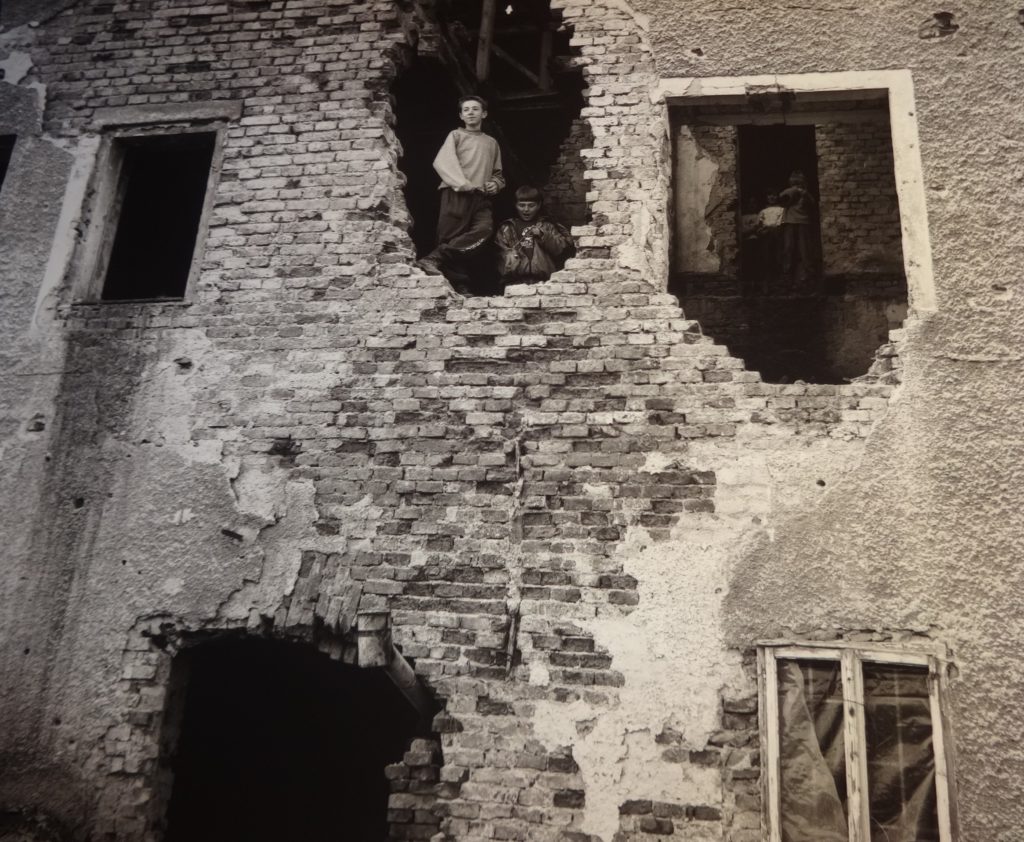
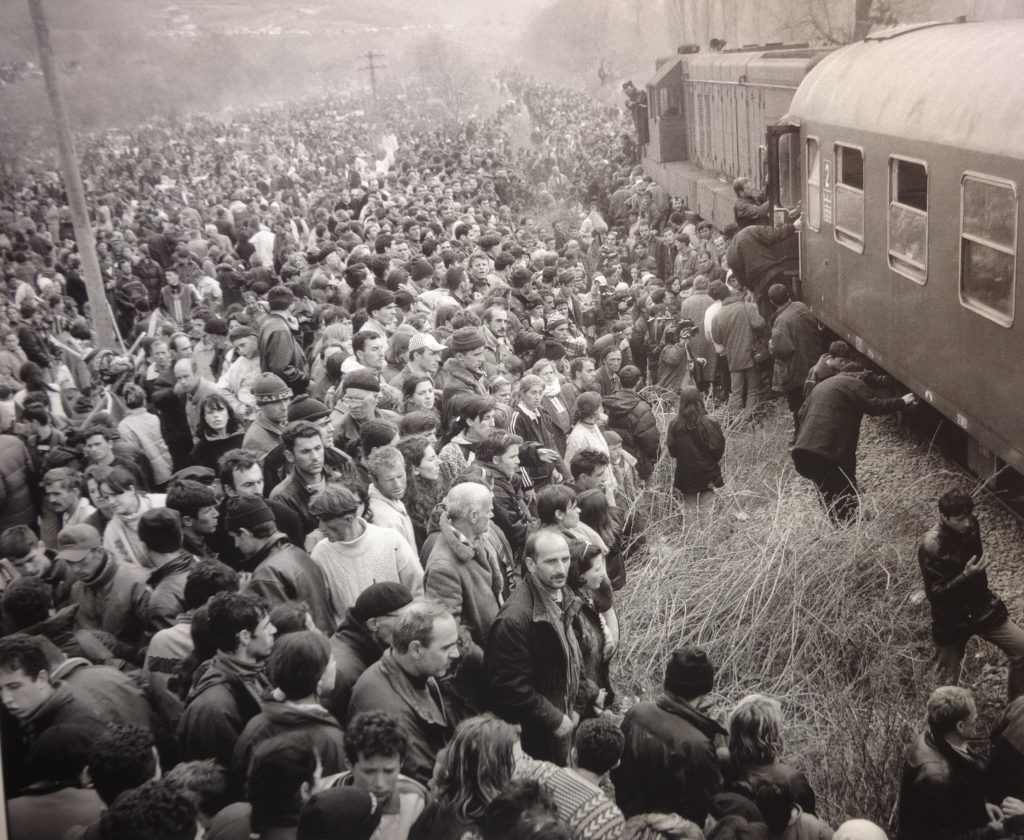
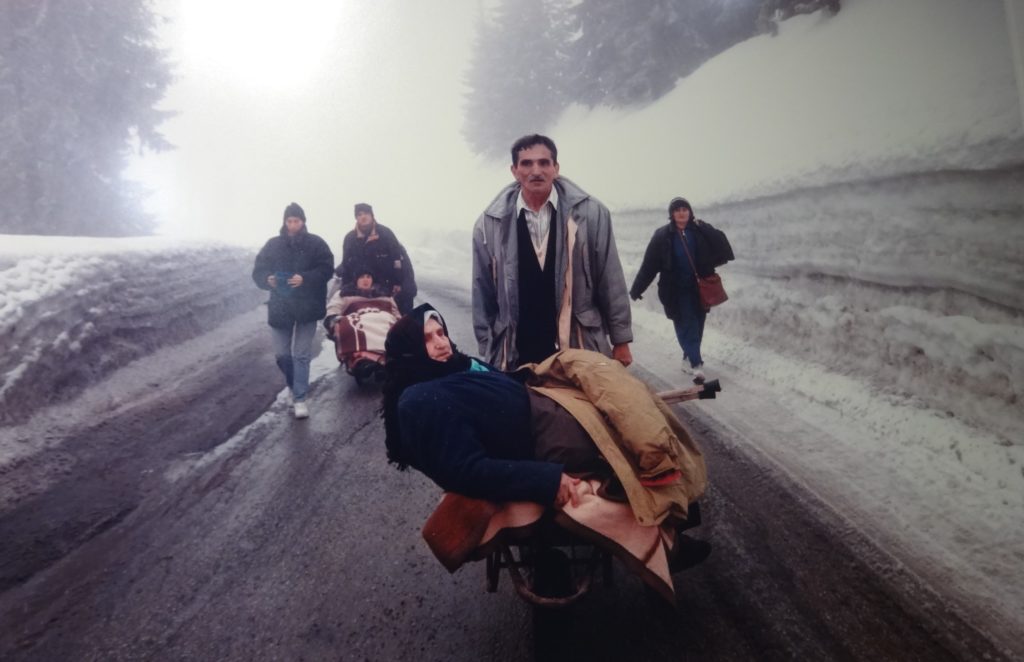
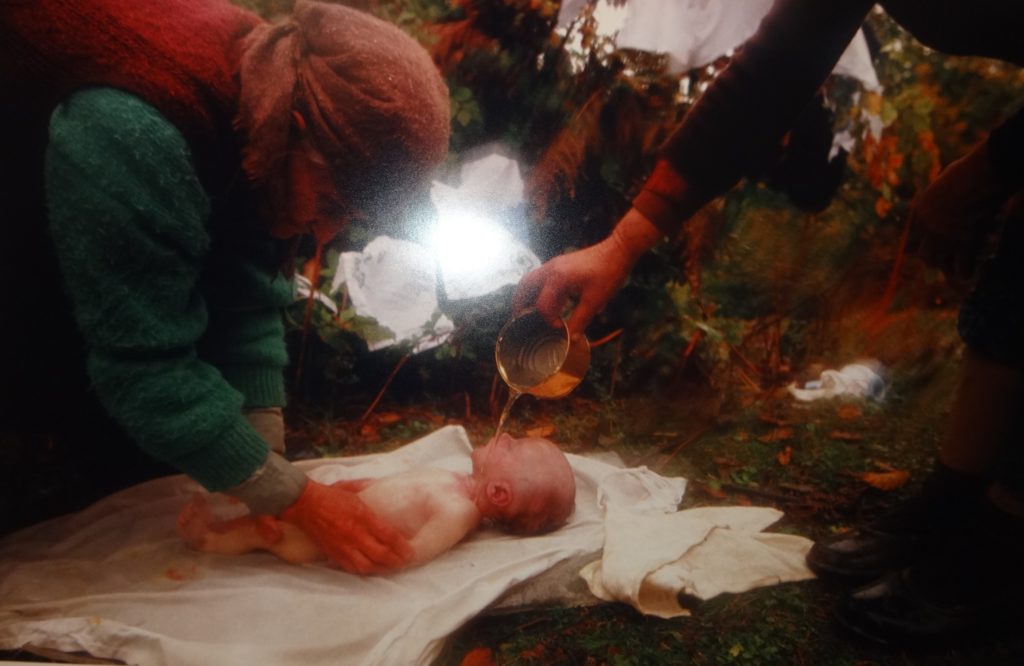
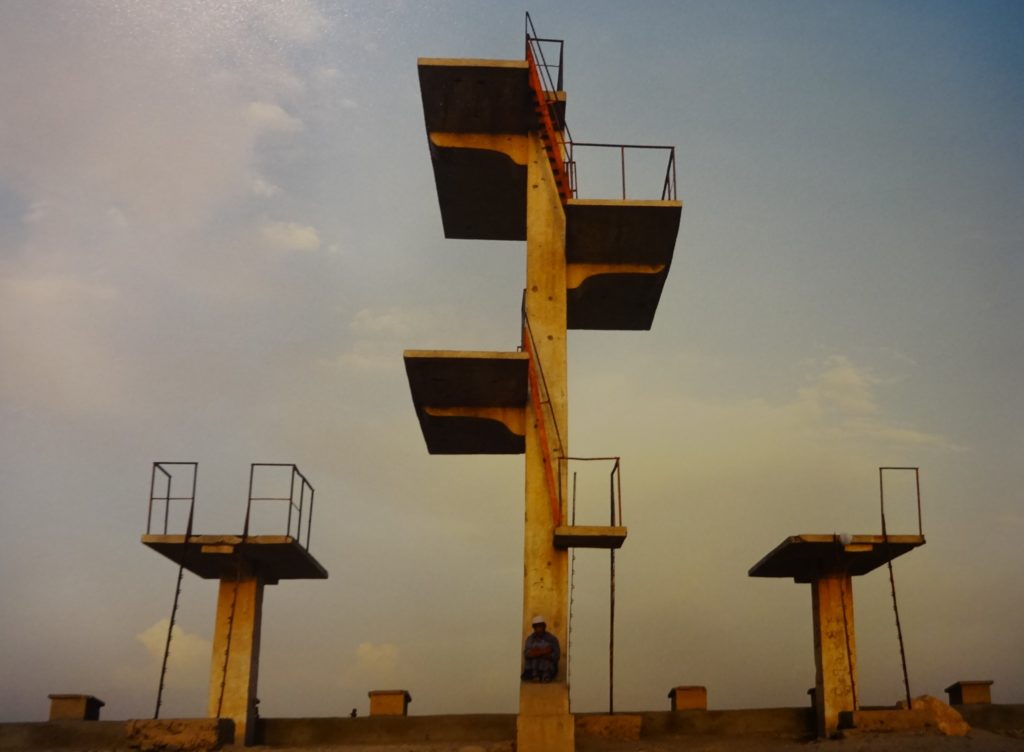
Images of the Civil War
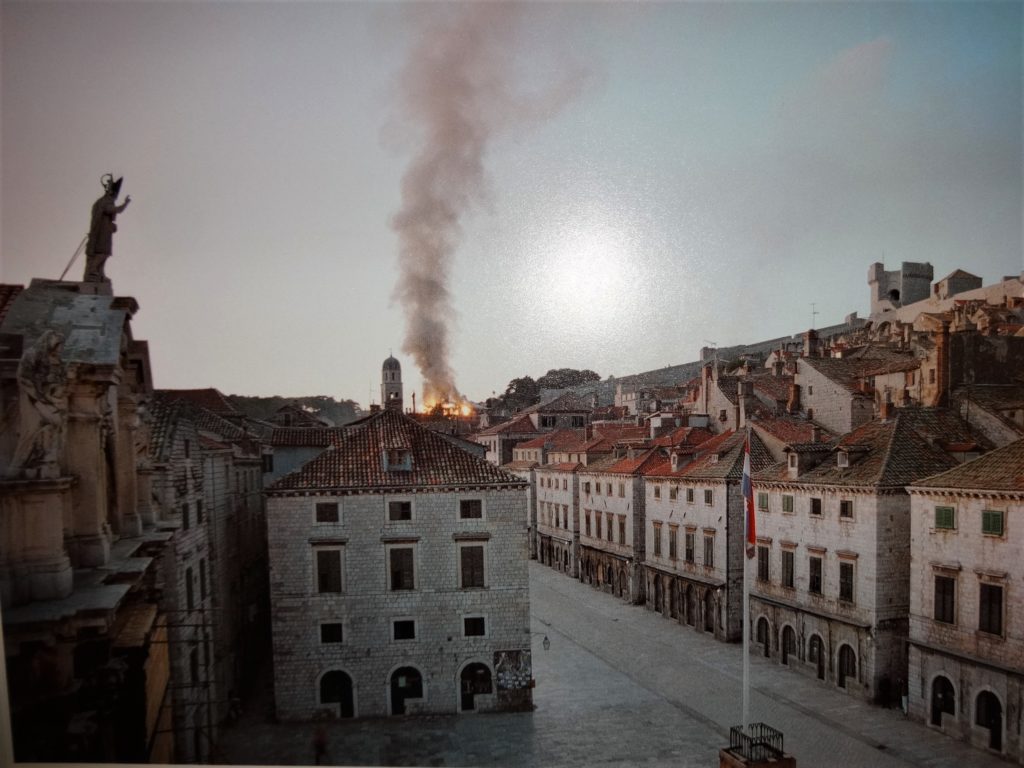
Watching Dubrovnik roofs collapsing
Mostar bridge in Serbia following bombing
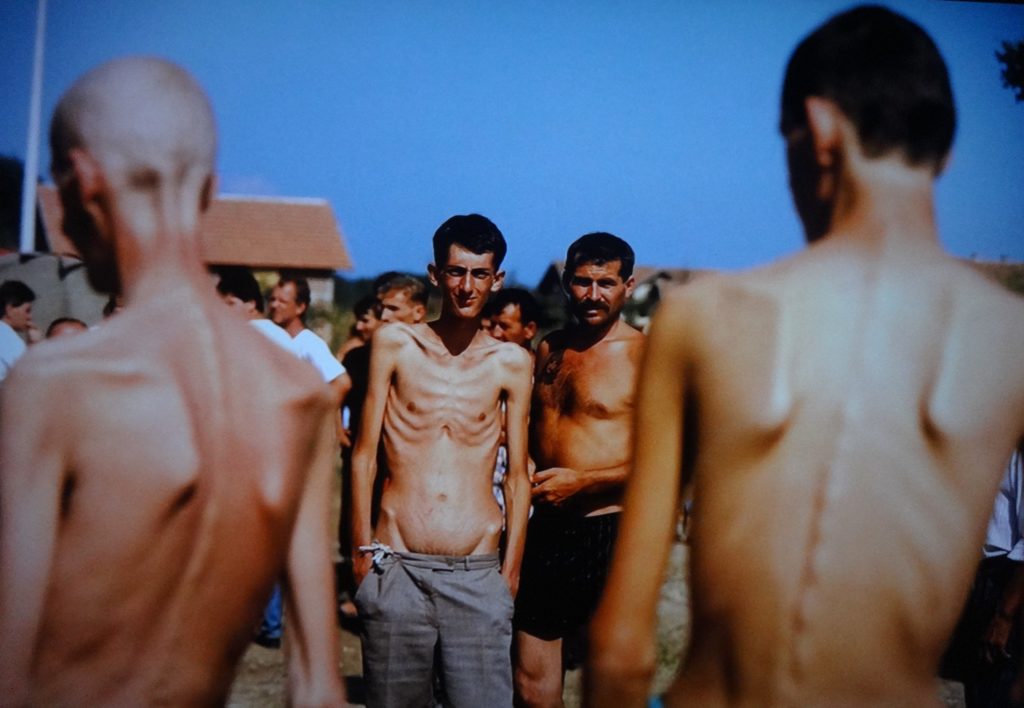
Refugees
Areas around Sarajevo Olympic stadium became a Crematorium in the winter
Refugees trying to flee
Annointing a stillborn child before burial, born on the roadside whilst the mother was fleeing
Sarajevo Olympic pool became a playground during the war
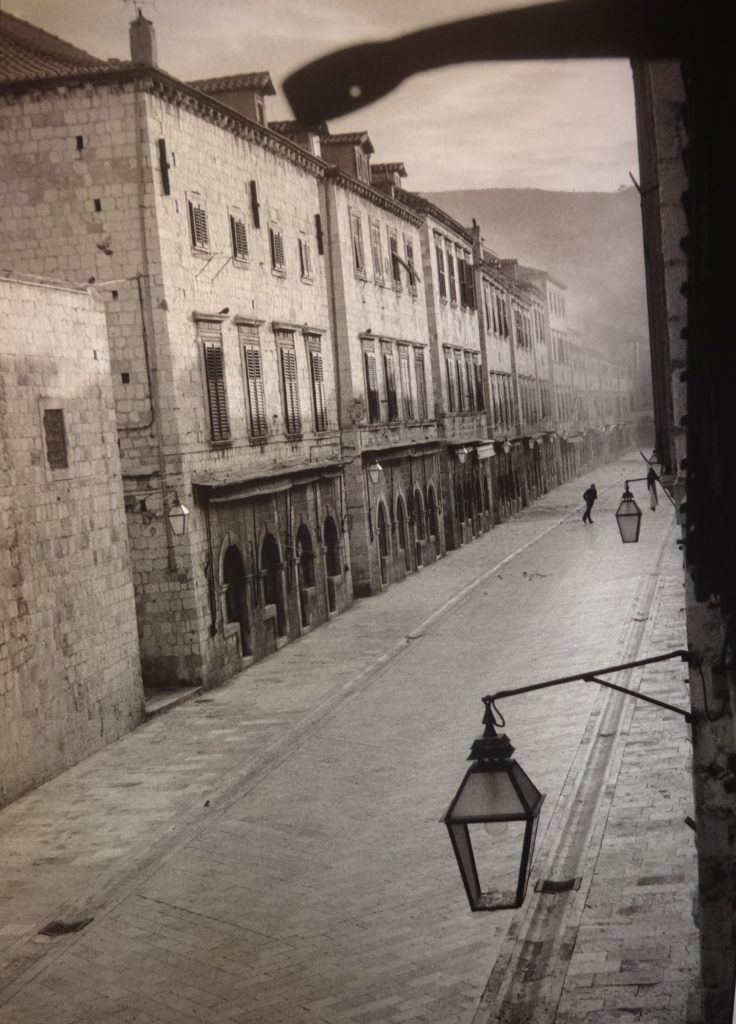
An empty Stradum (High Street, Dubrovnik) during bombing
The bombing and burning of a Hotel in Gruz docks
Thanks to this war, the country begged for money from the EU which it was duly given, to rebuild. And rebuild they have, sympathetically and carefully reconstructing buildings, roofs, roads and infrastructure, to a good standard. Hence the need for the Government to heavily tax businesses and locals, to reclaim the monies owing to the EU!! Some locals are working round it by selling their own products from their driveway or roadside chalets, honey, olive oils, olives, wine, chillies and fruit. All cash payments of course!
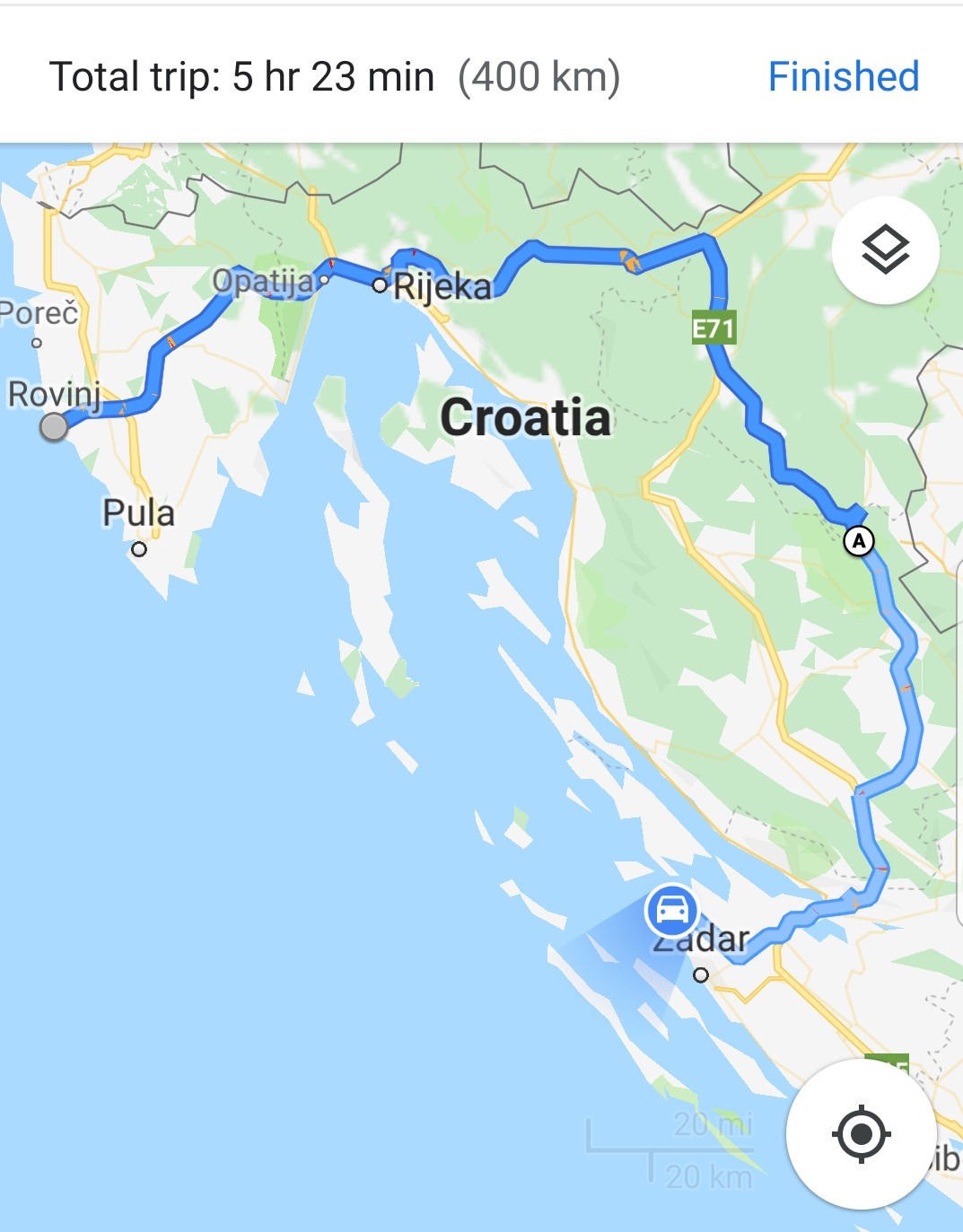
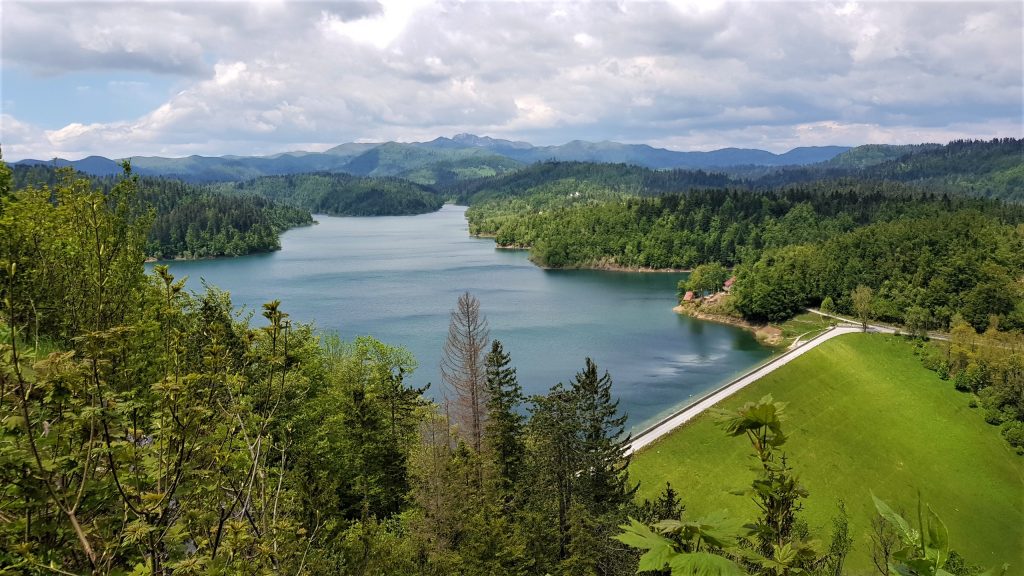
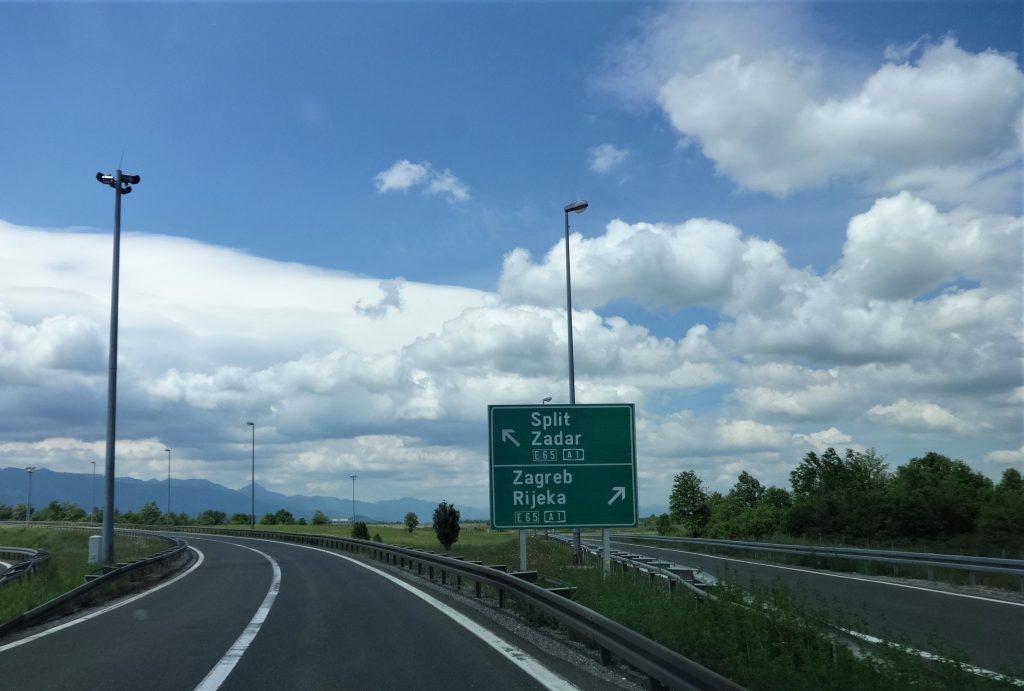
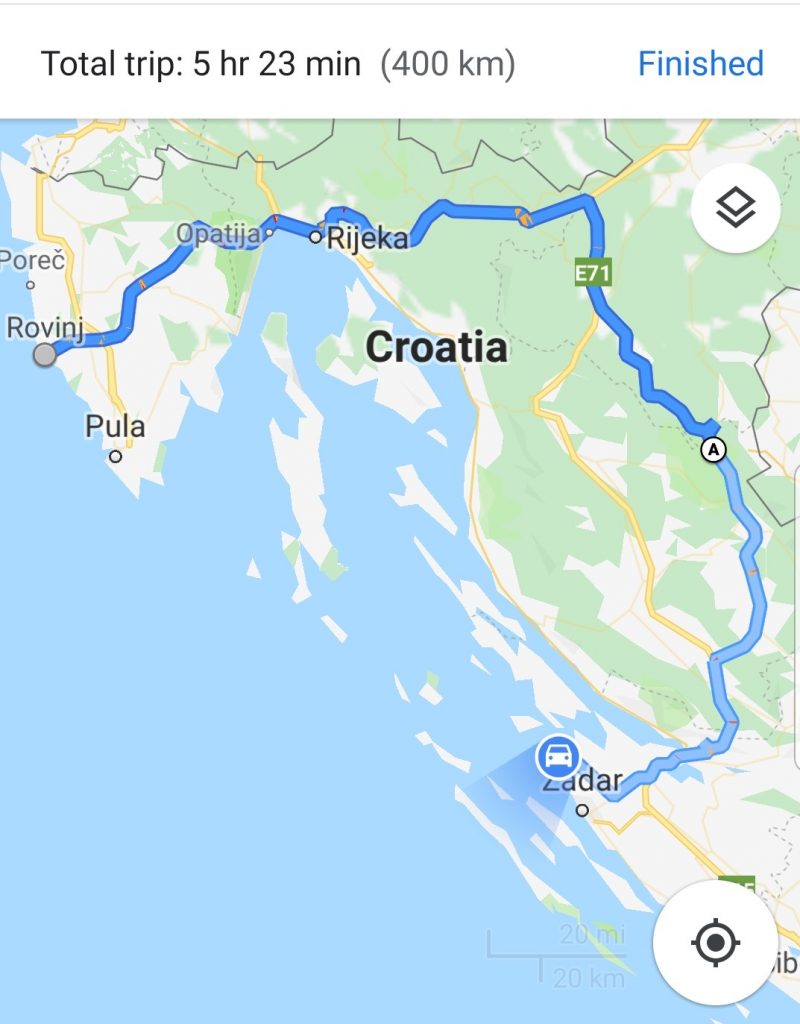
Our journey from Rovinj (Istria) inland to Plitvice Lakes then back out to Zadar (Dalmatia coast)

Recent Comments