Benny & Bessy's Travels from 2021 and Samson & Suzi's European Travels 2016-2020...... (as named by Jack Spencer)

Travel stories of a caravan duo, plus a 5th Wheel and Isuzu truck in Europe

Page 23 of 39

Visit by Caity in January

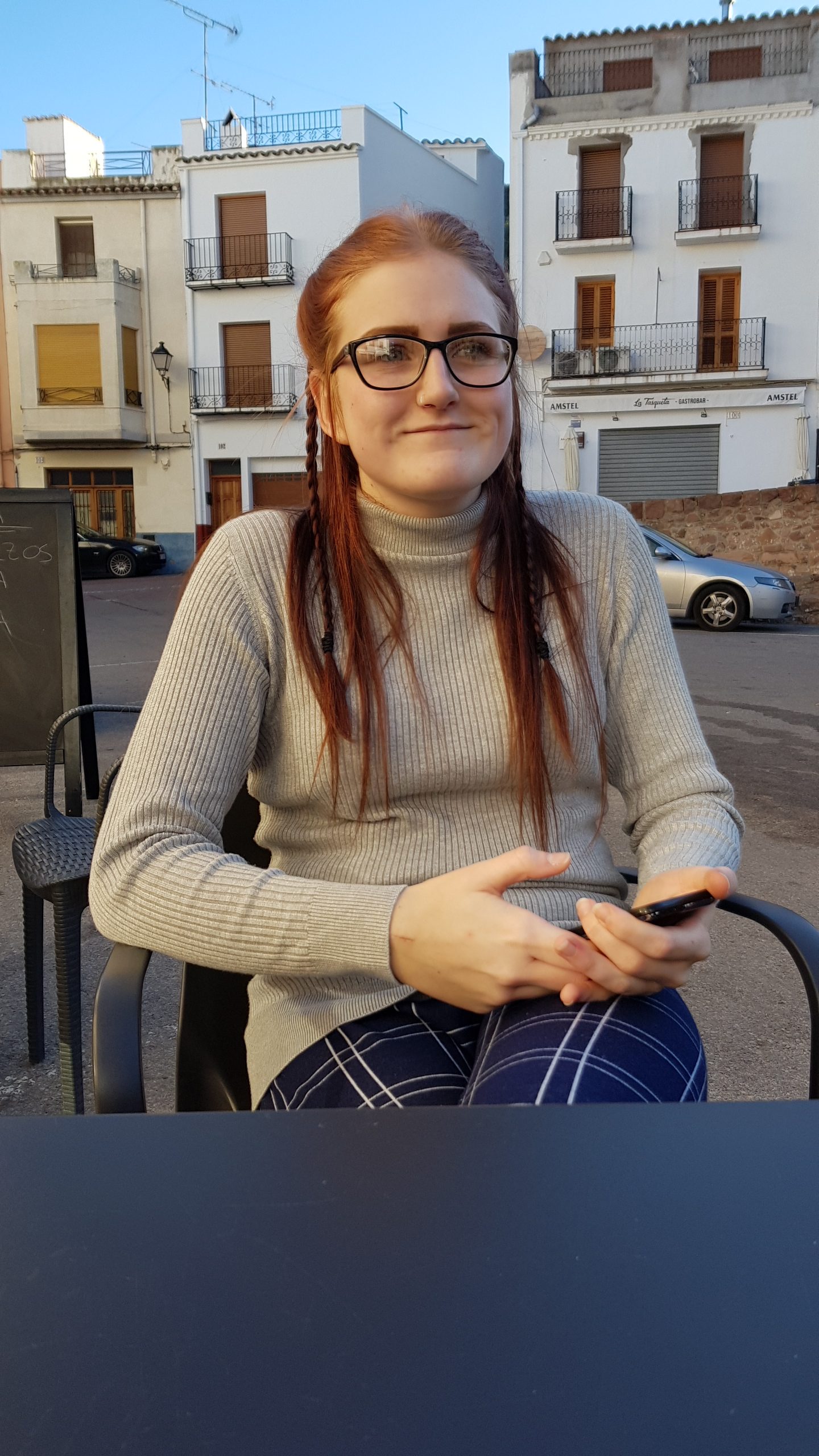
In January, Caity came to visit us for a week. We rented an apartment in the town to use as a base and for her to spread her junk about!  Not enough space for her in the trailer at this time of year, plus we didn’t want to pass on our germs.

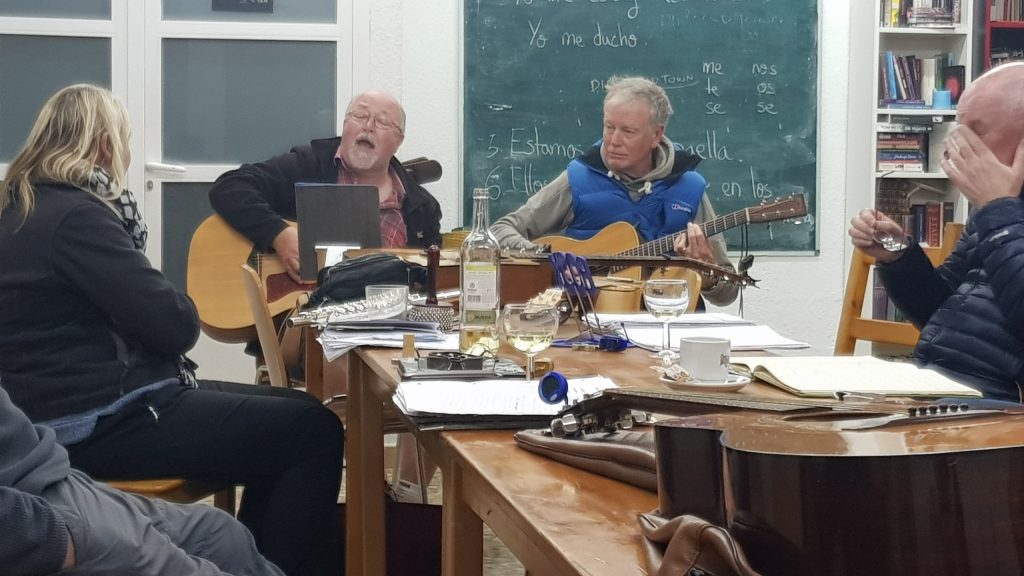
We introduced her to our lifestyle, fairly slow and full of late mornings and late nights!  On Fridays we participate in a “jam session” with musicians on site, this often leads to dinner in the restaurant.  On Saturday there was a visiting band who performed a tribute to the Beatles, we got her up dancing and she was singing along!  She also experienced Spanish vodkas, 3 times the size of British ones!! Wednesday we take part in a quiz night where she was able to help out with a few answers.

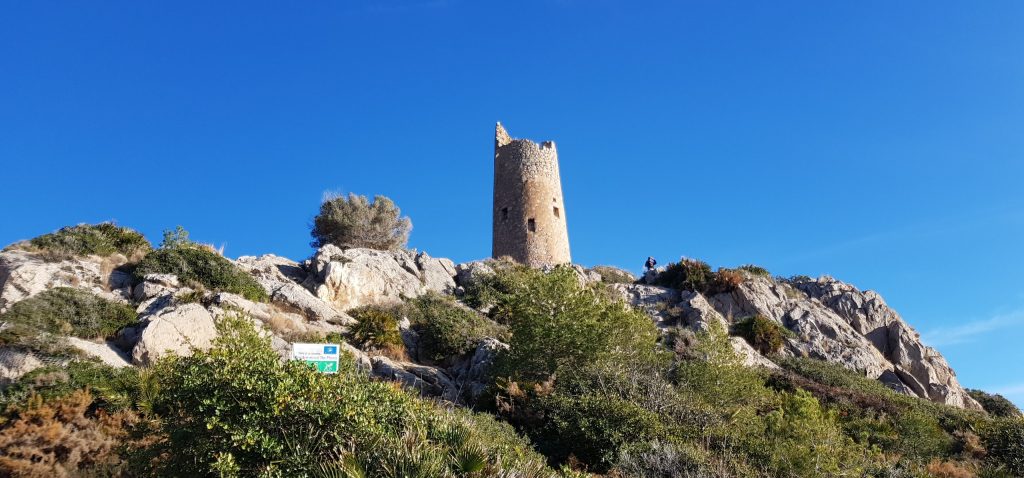
A tower on the way to Oropesa.
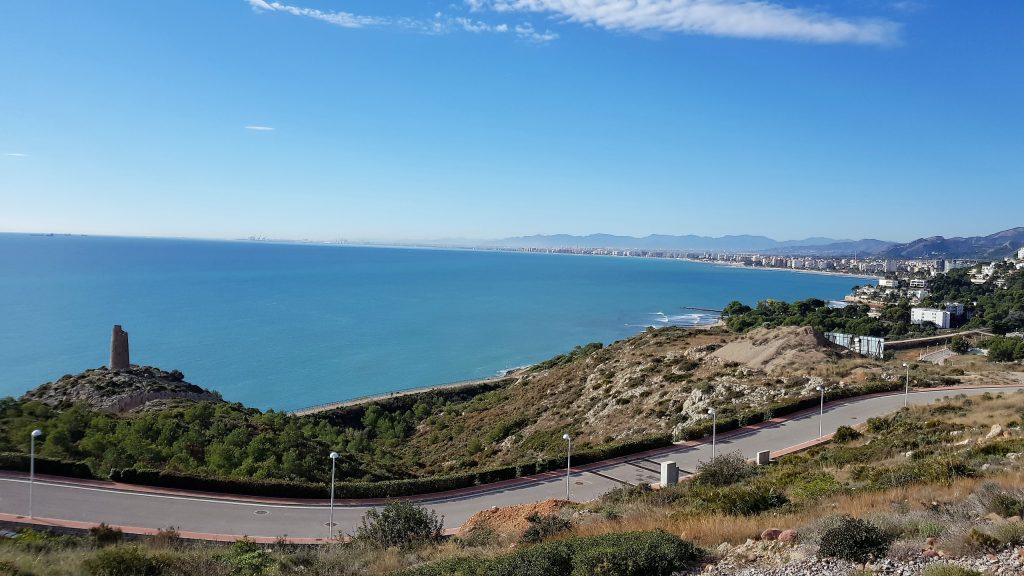
The view of Benicassim town from the Oropesa road.
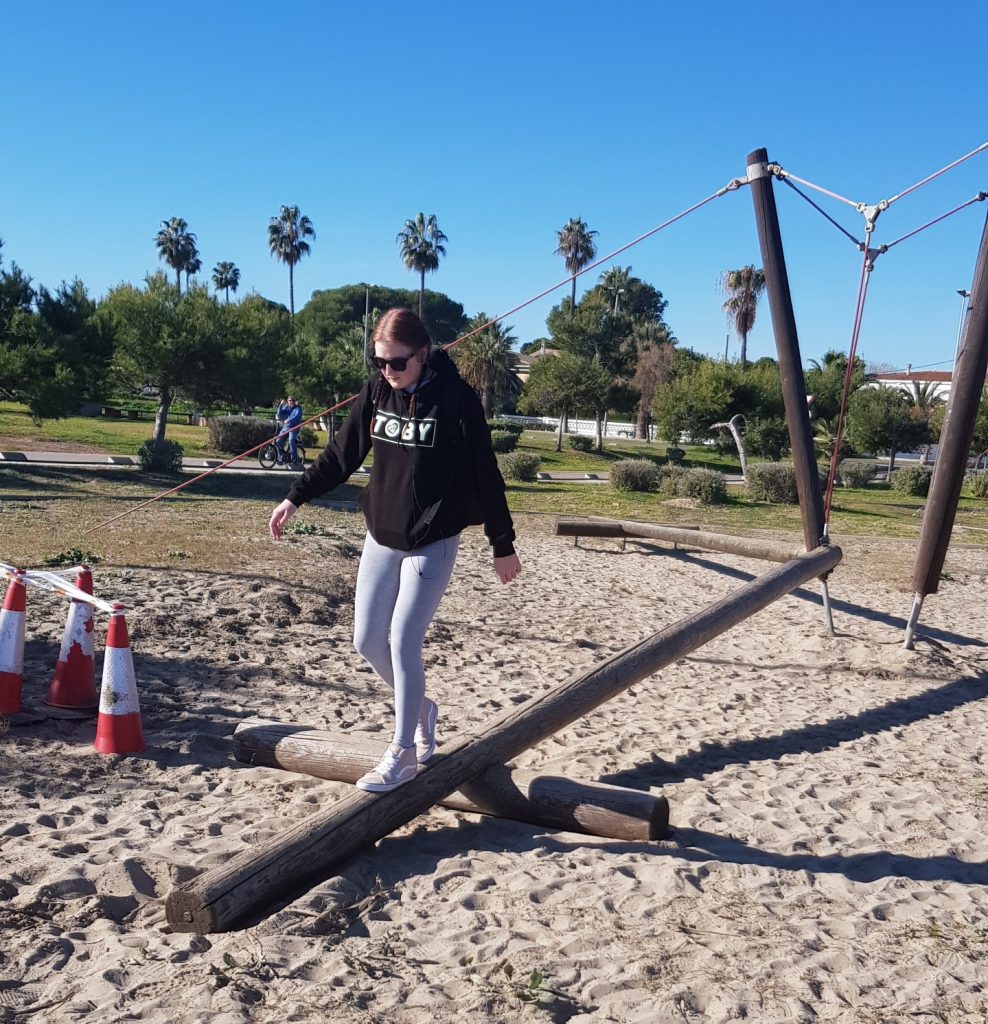
Exercising on the way to Grau.

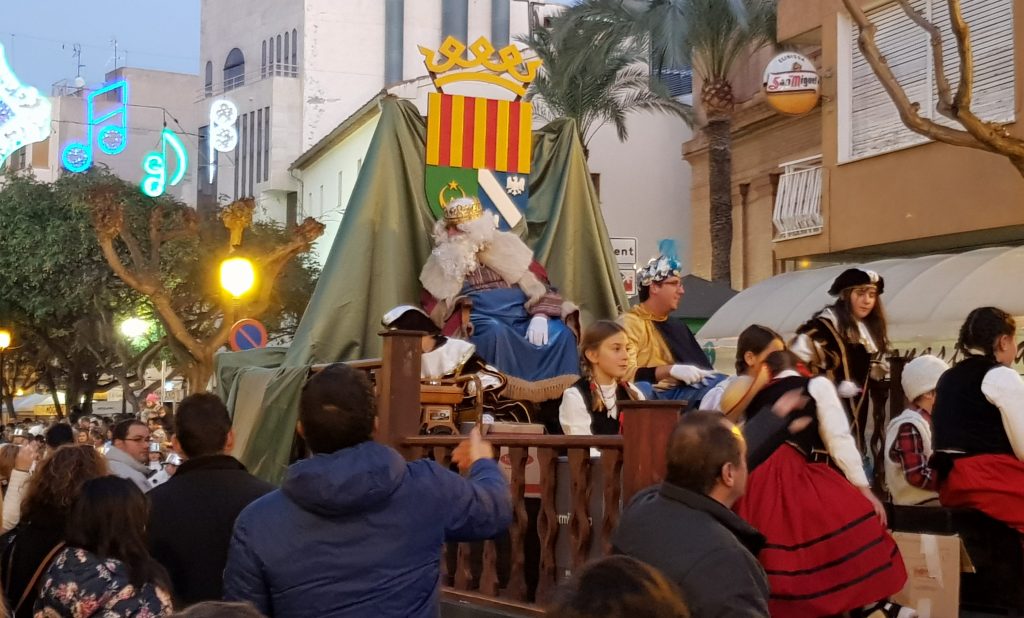
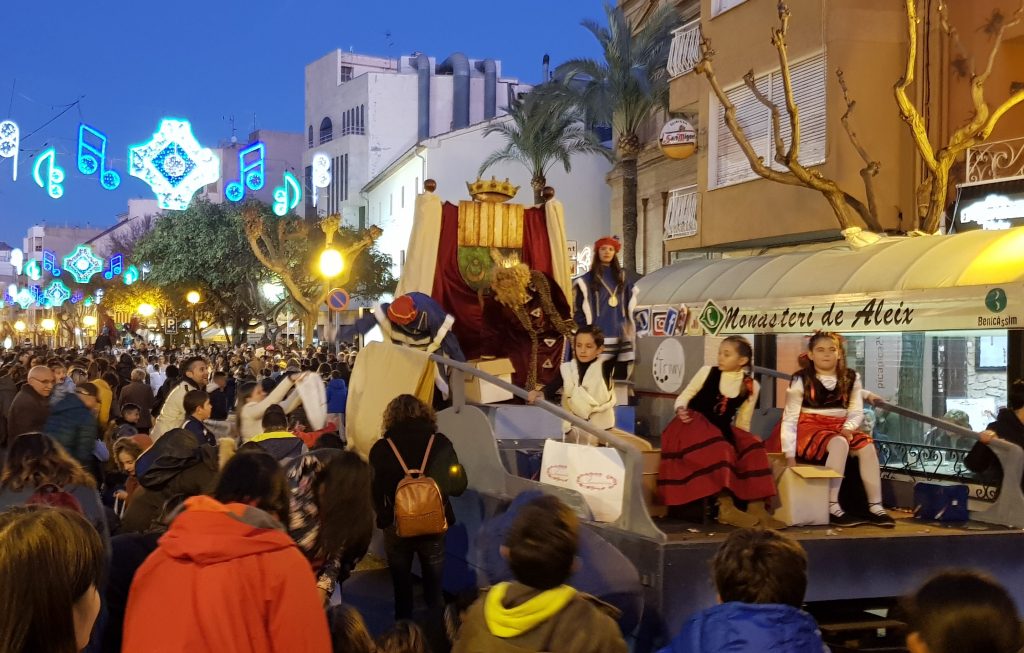
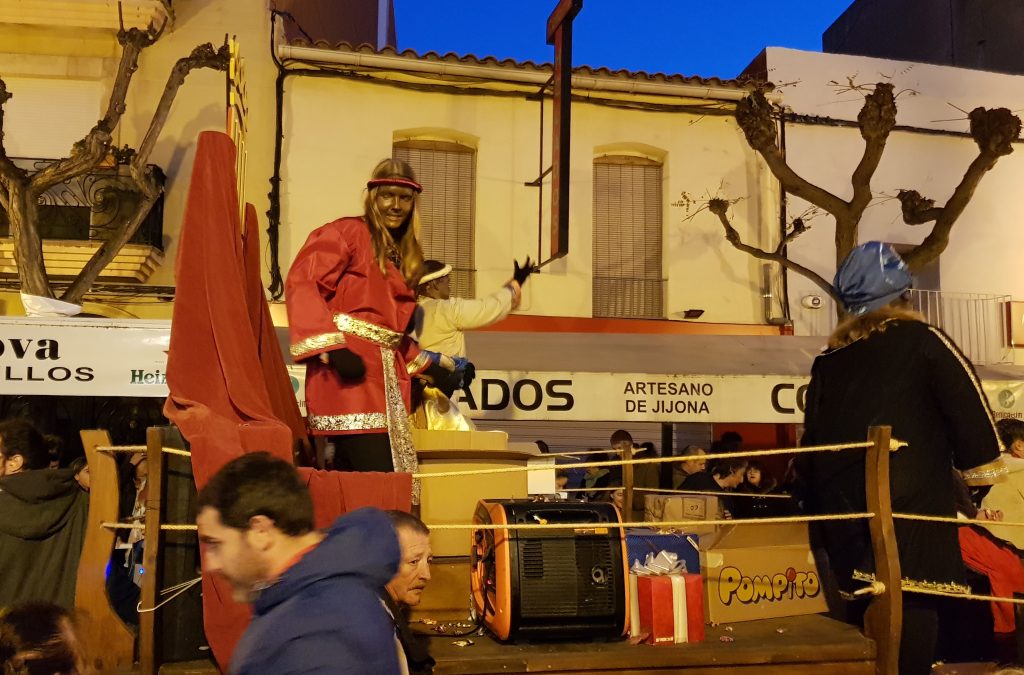
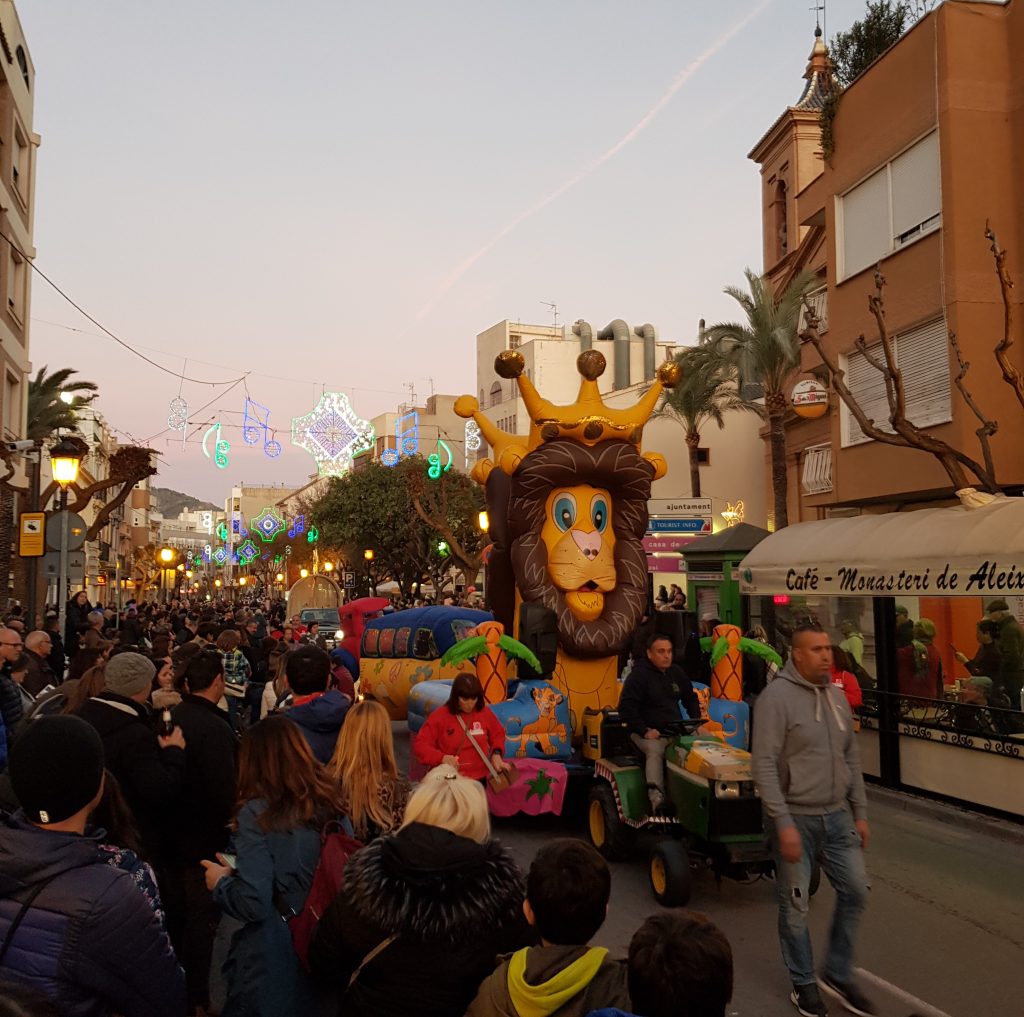
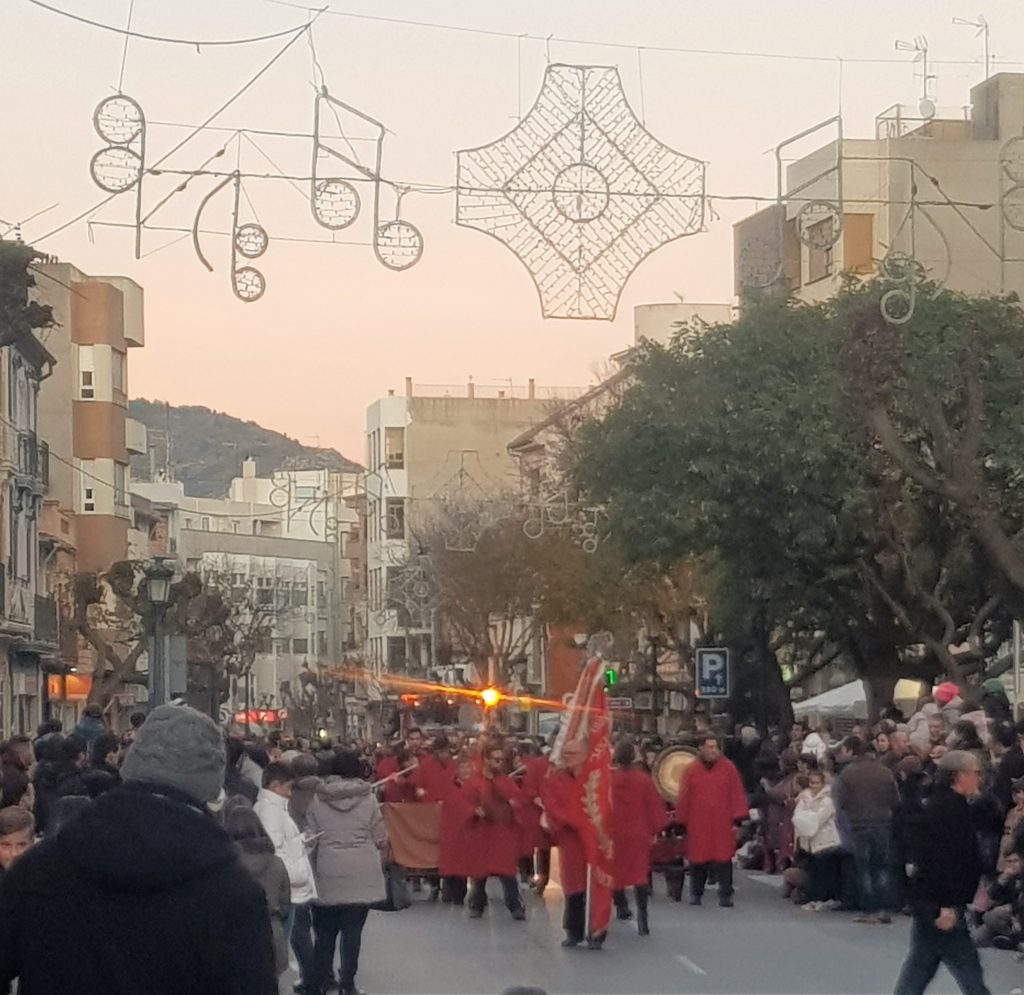
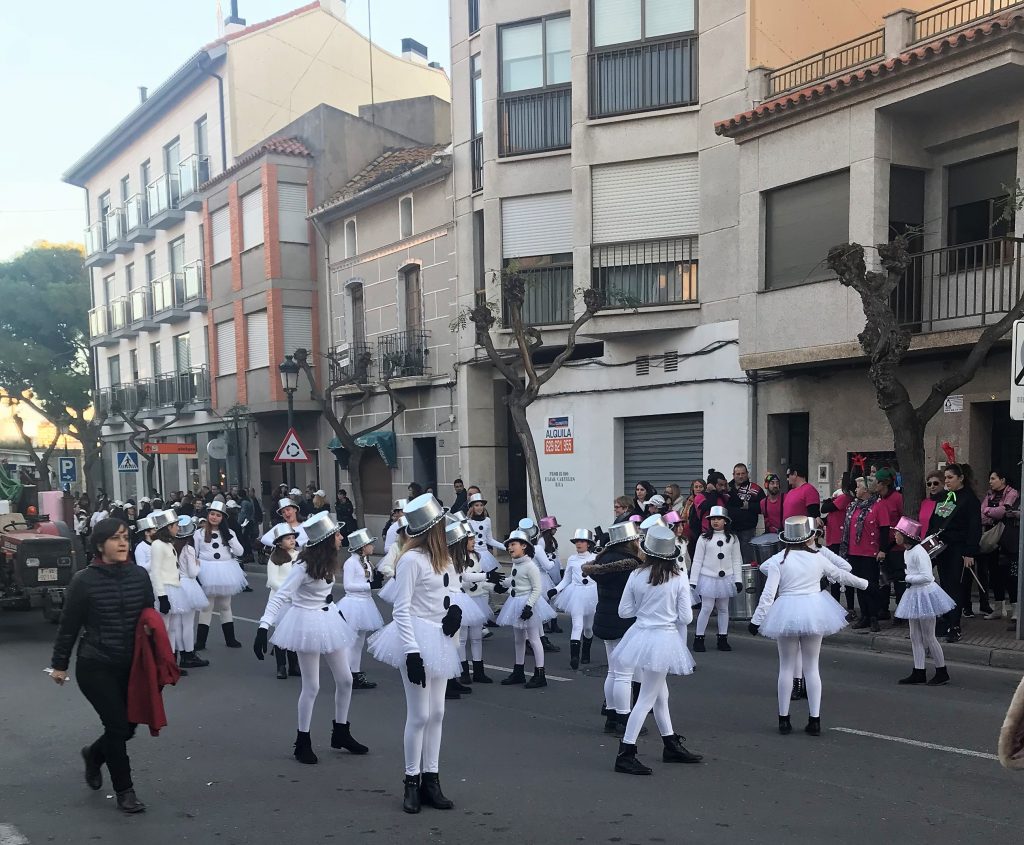
She witnessed “Three Kings Day” here in Benicassim, it’s a day where the three kings are paraded around the town and give out sweets to the children by throwing them from the floats. That evening children receive their Christmas gifts, which is January 6th not 25th December as it is in the Christian calendar.

One King.
King No 2.
And King No 3.
Other floats in the parade.
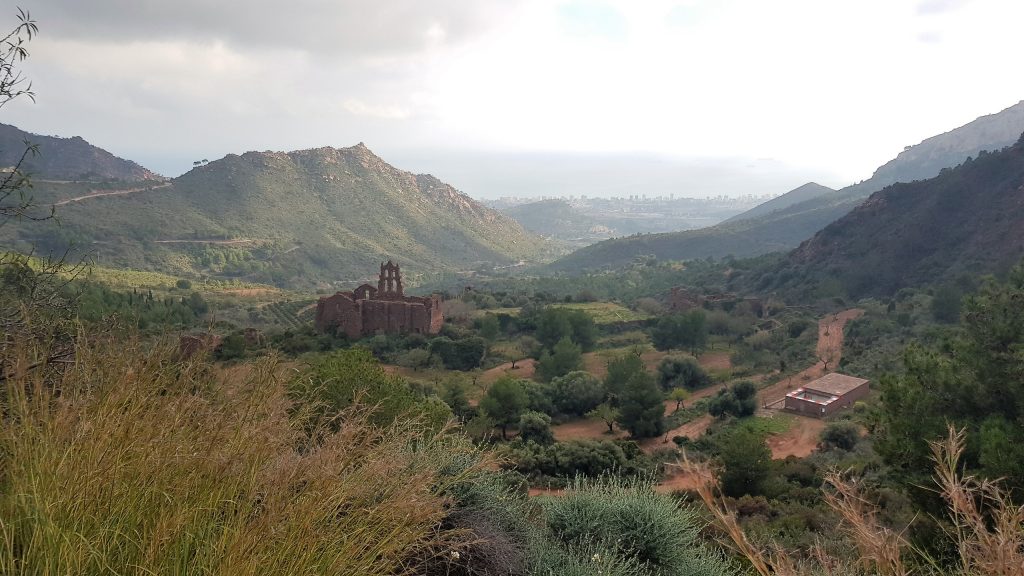
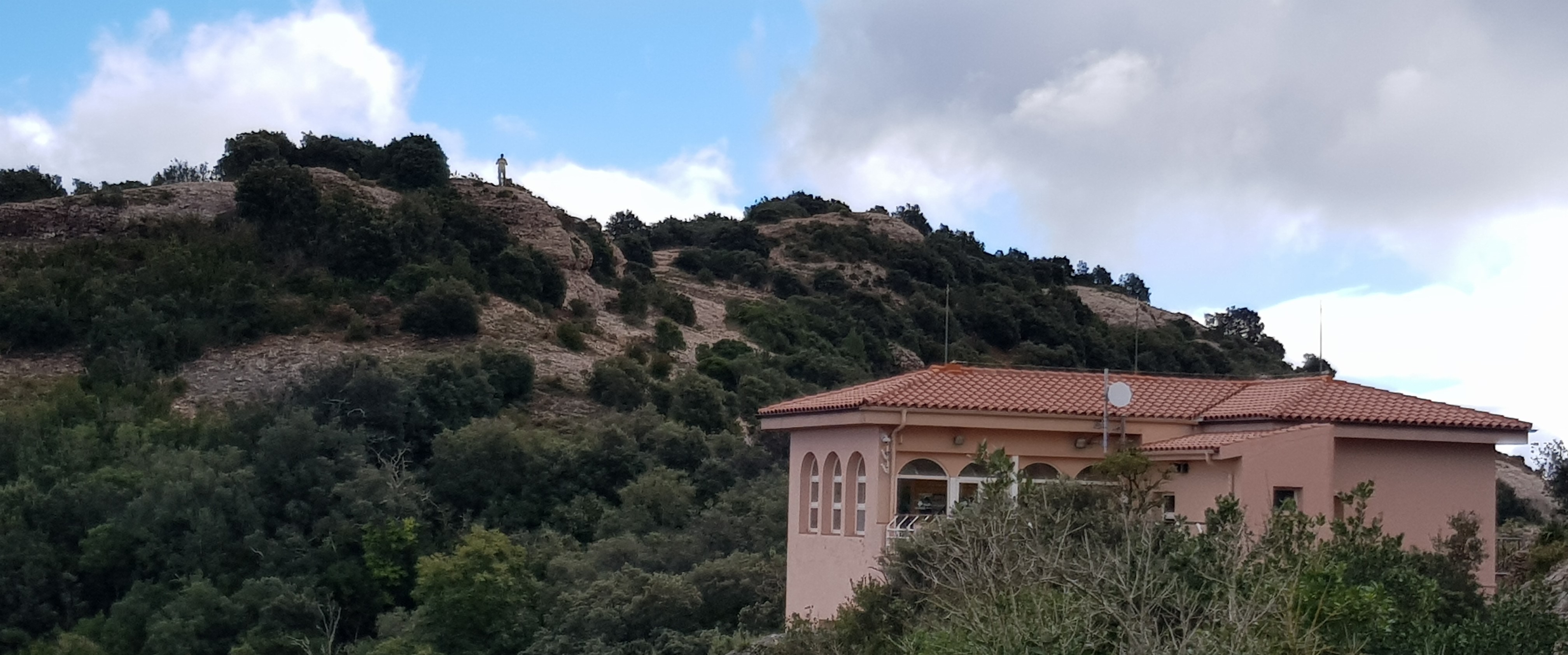
View of the monastery remains in the hills behind the campsite.

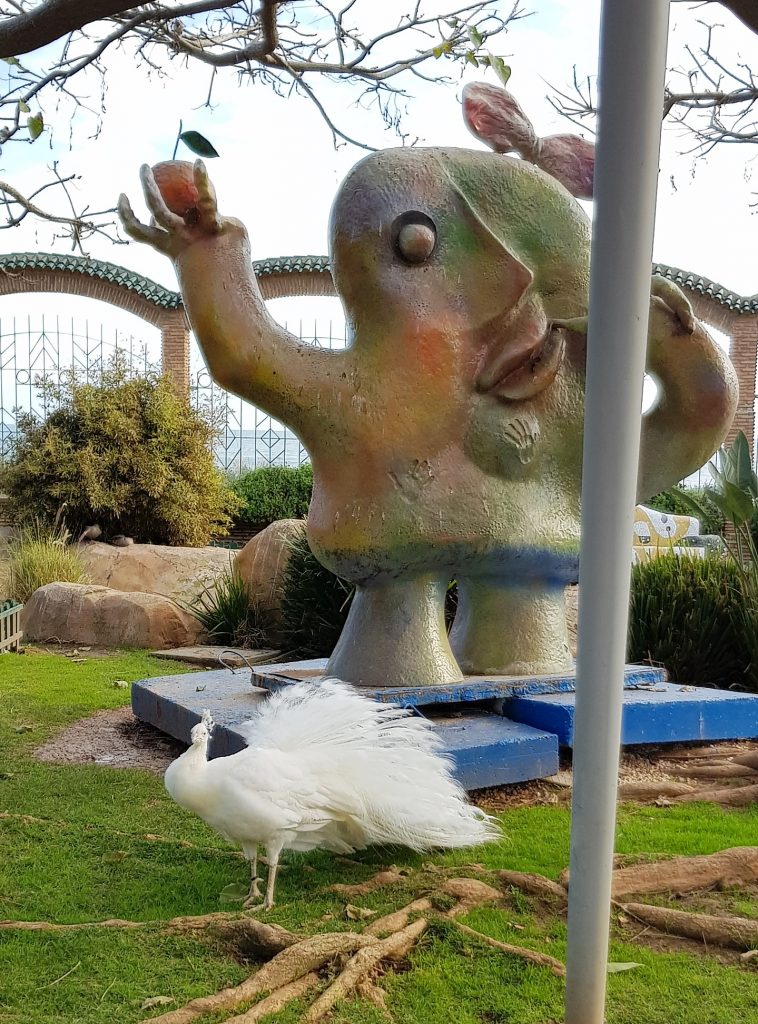
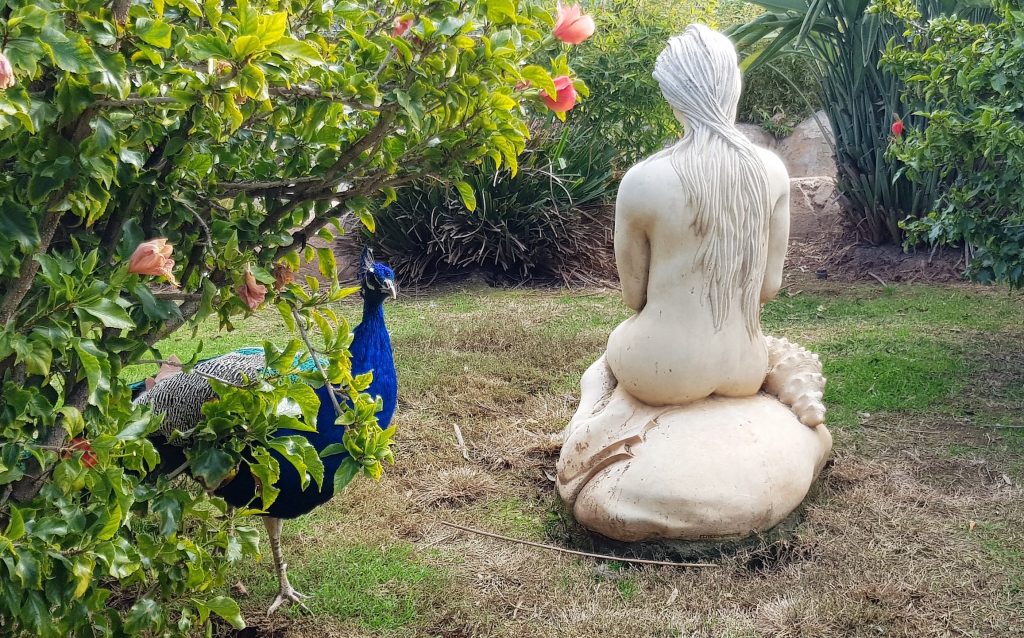
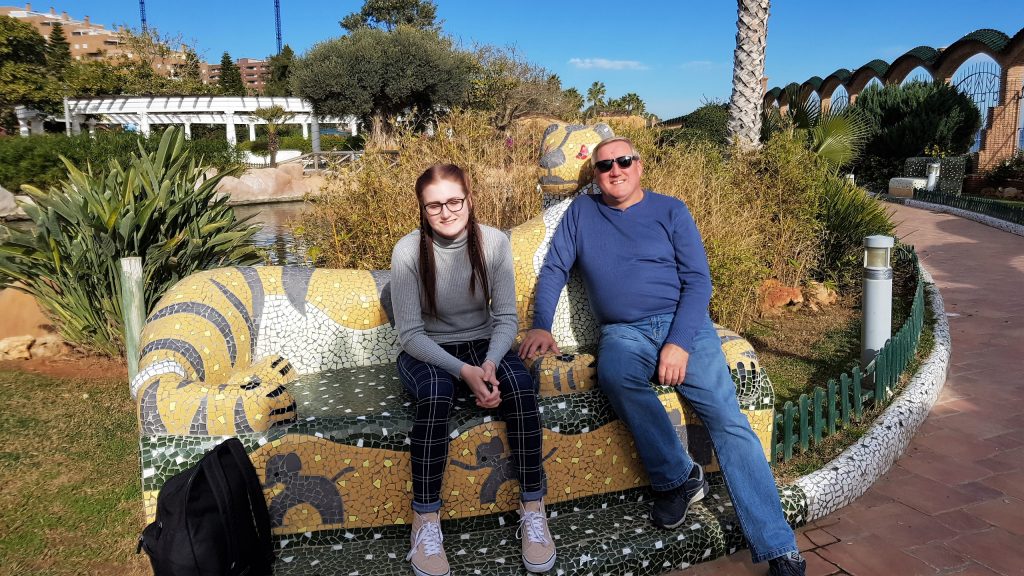
We showed her Castellon and it’s markets, town square and El Corte Ingles Super department store; we visited Oropesa (next town along) and went onto Marina D’Or, a huge self contained holiday complex that has a Gaudi style park full of fish, birds and peacocks. 

A white peacock at Marina D’Or park.

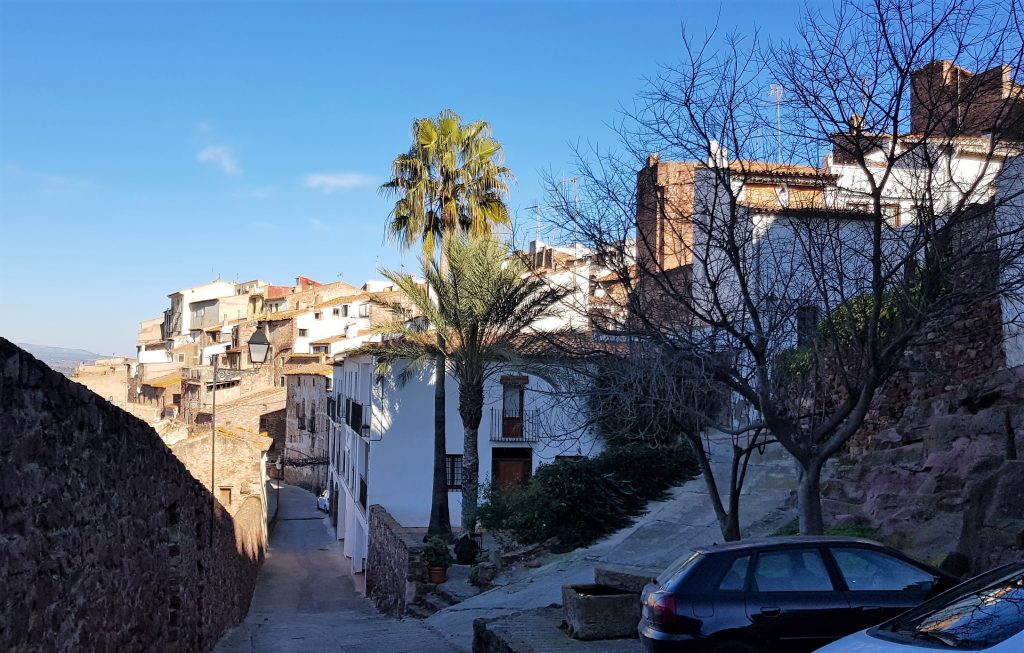
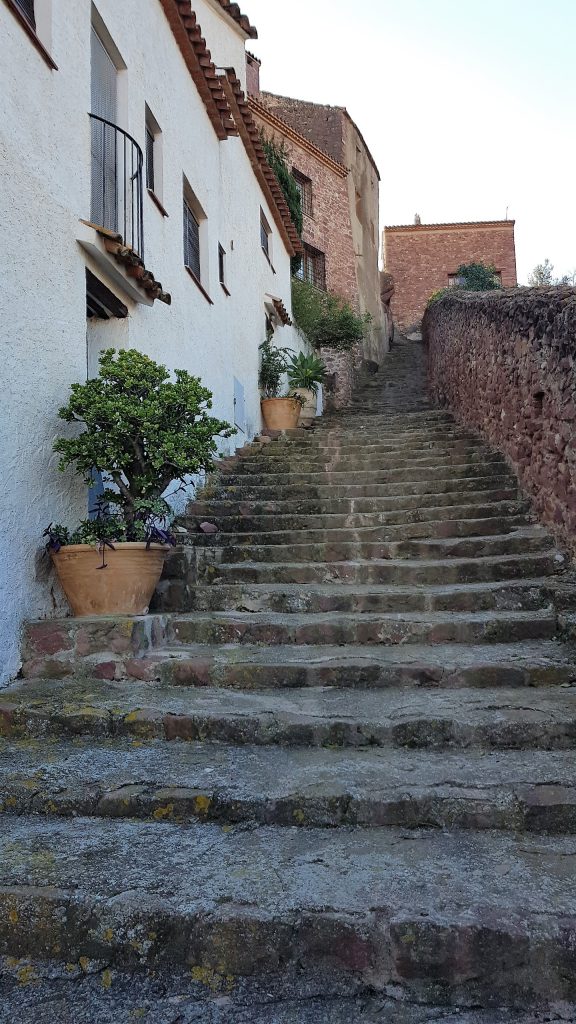
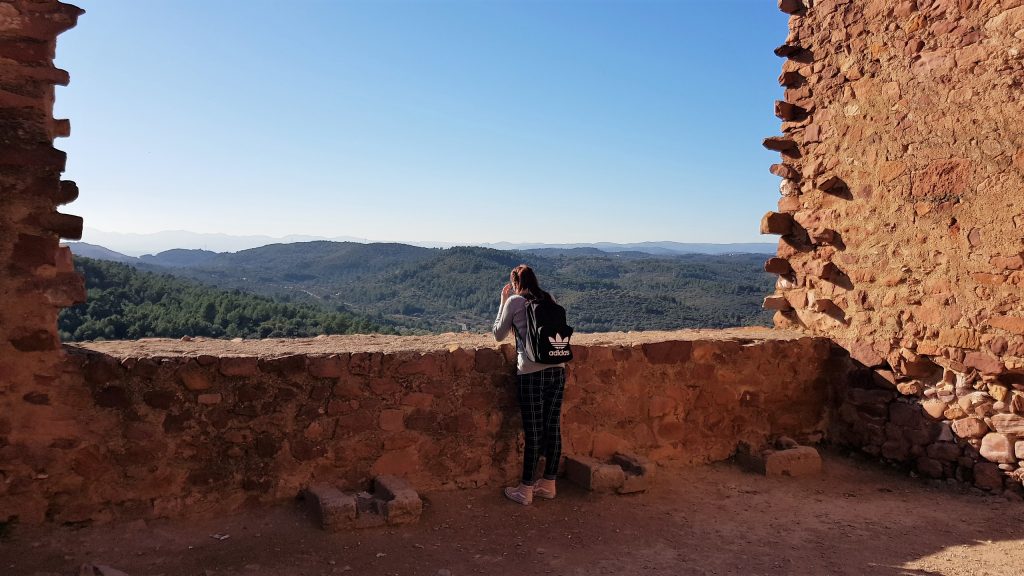
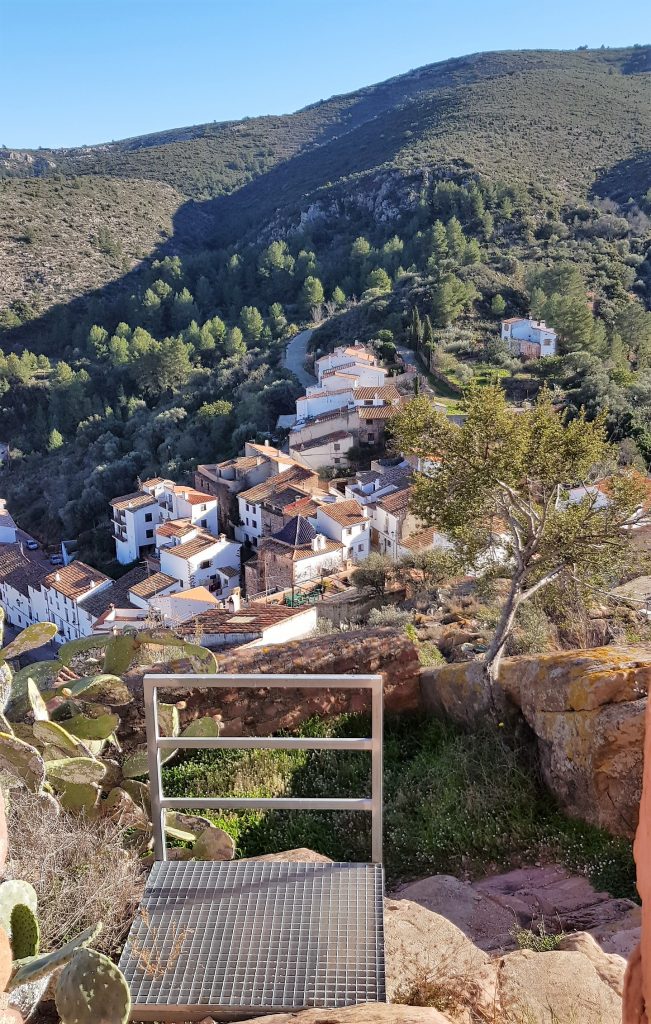
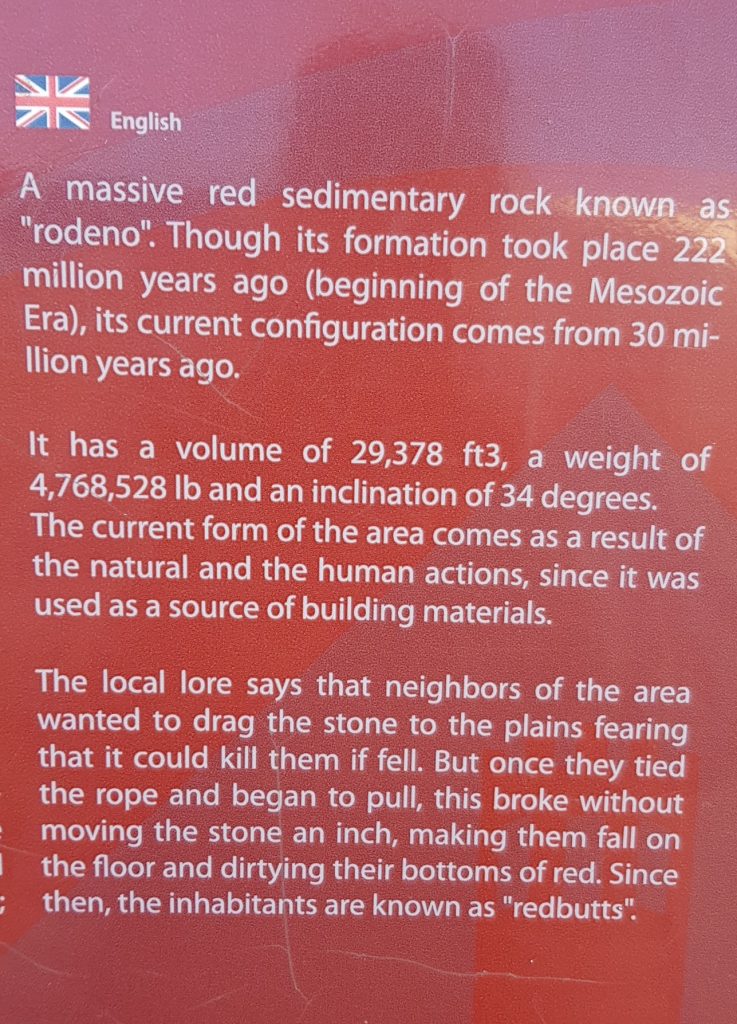
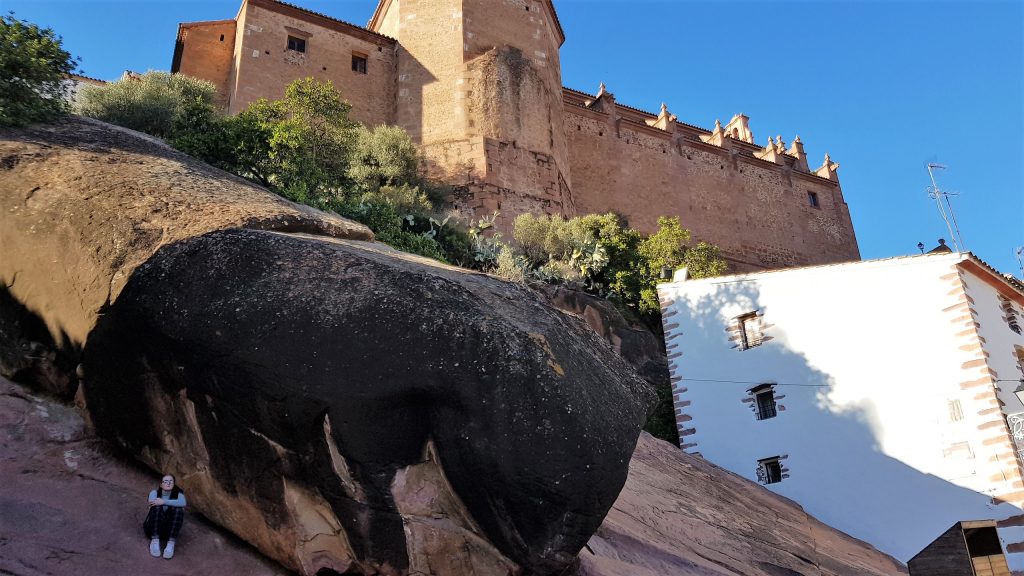
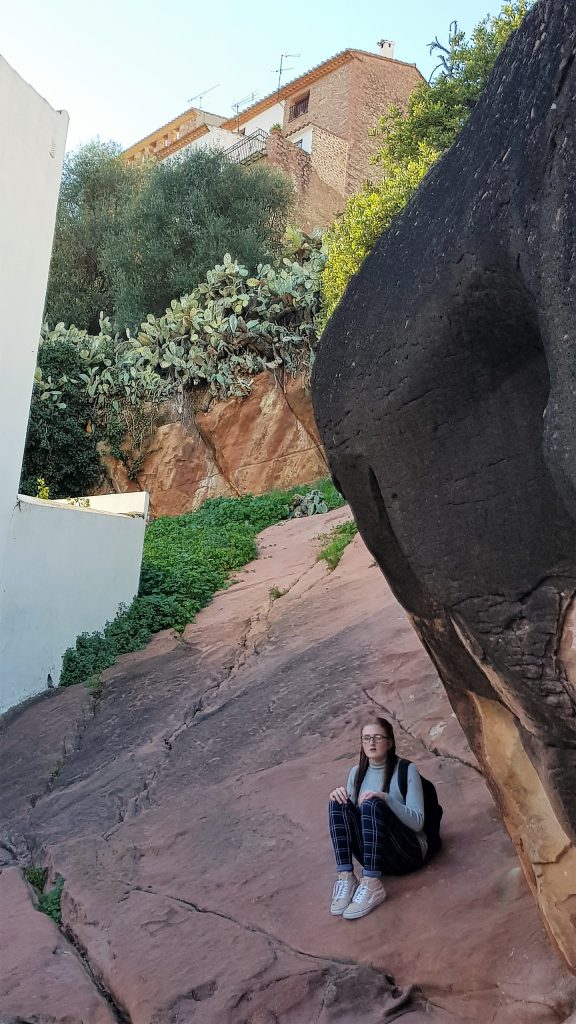
We then went over the mountains and hiked to the top of Vilafames, another hilltop town just behind us.  We walked past a huge natural sliding/stable rock before stopping in the village square for refreshments.

Steep route to the top of Vilafames.
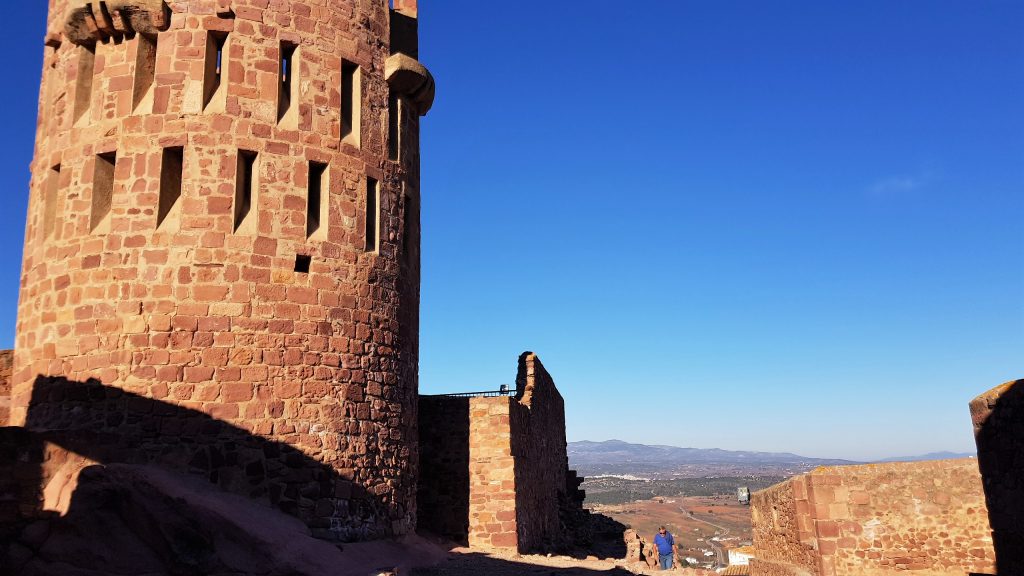
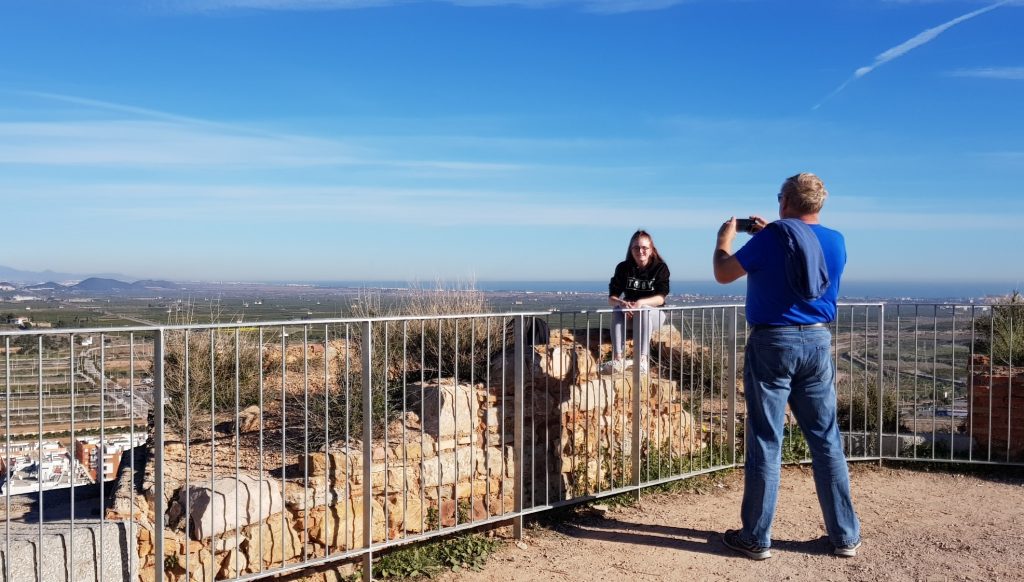
Caity peering down from Vilafames castle.
View of Vilafames town from the castle.
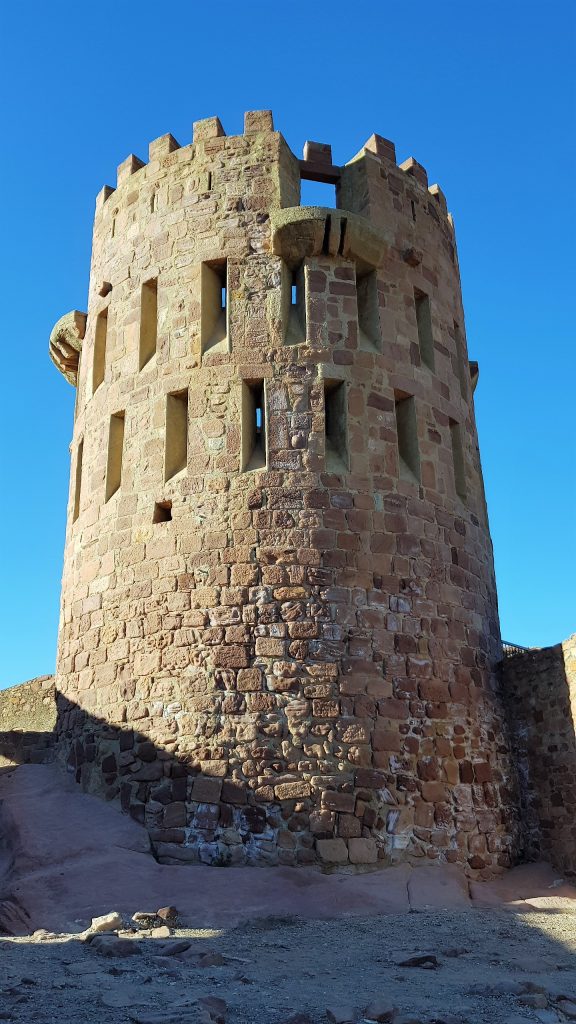
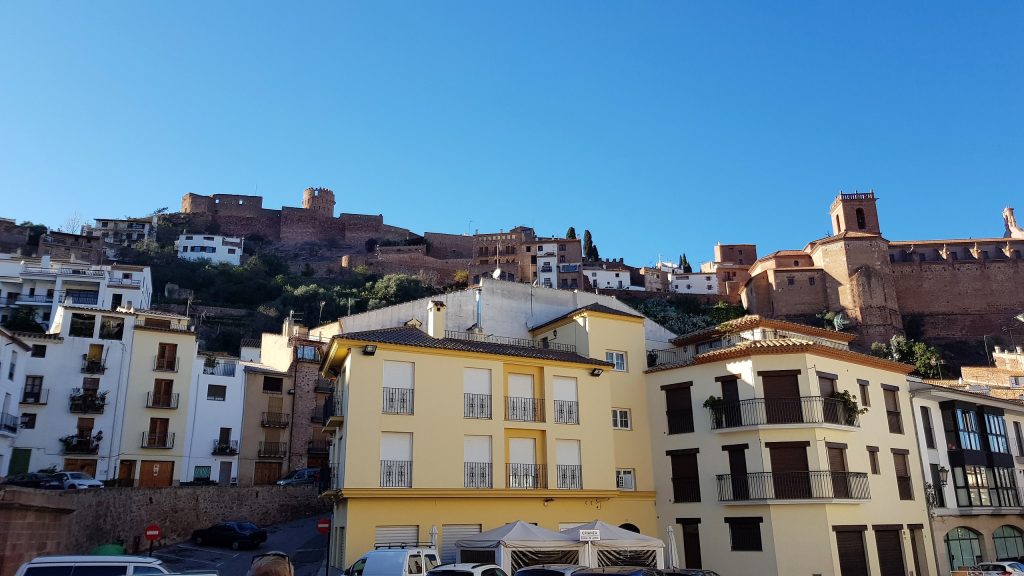
Looking up at Vilafames castle.

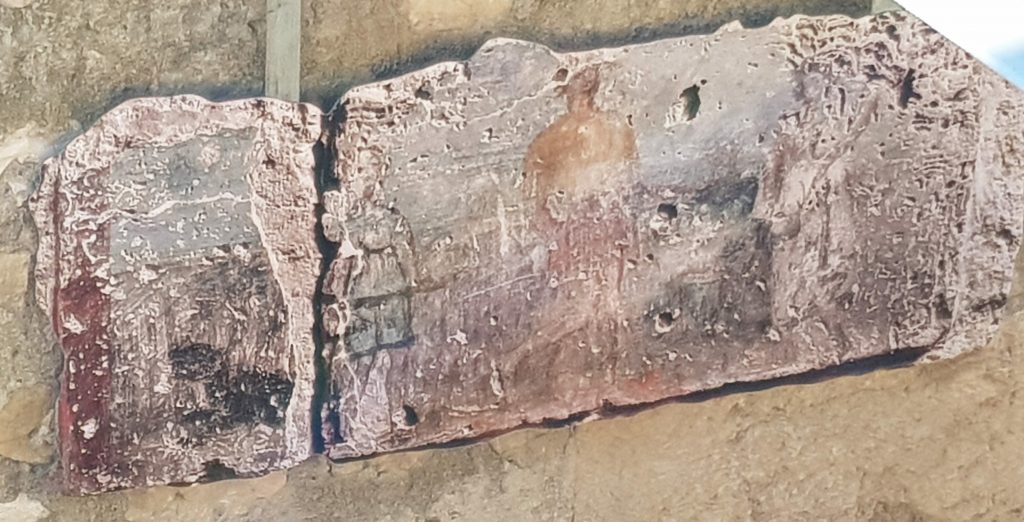
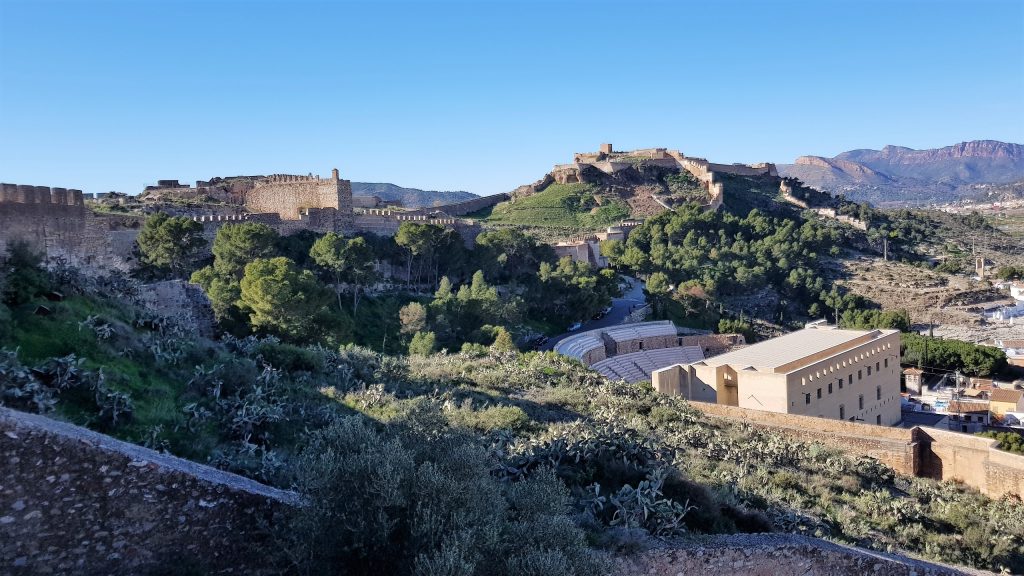
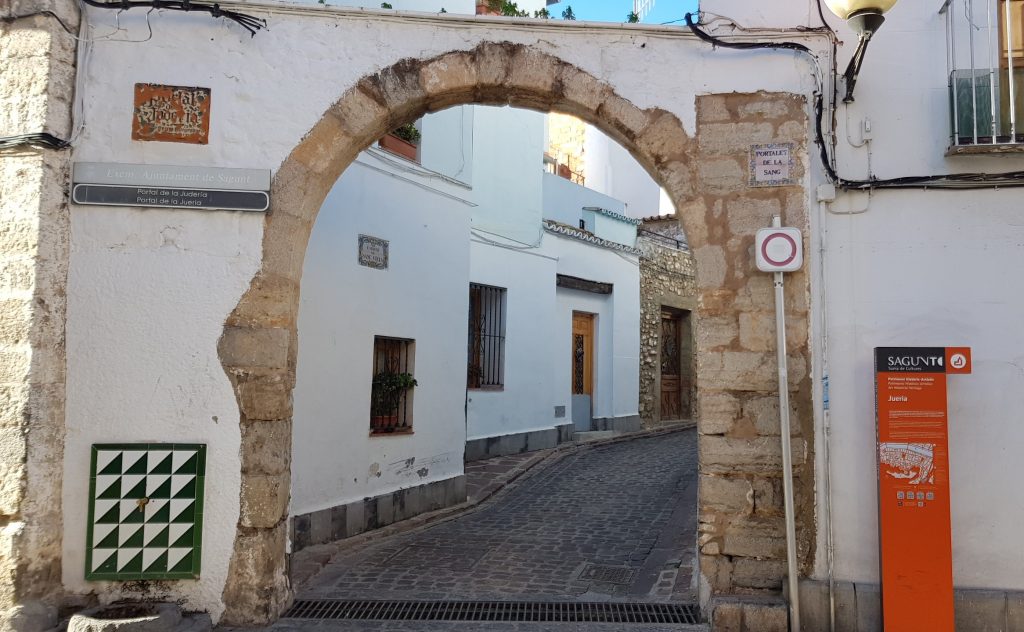
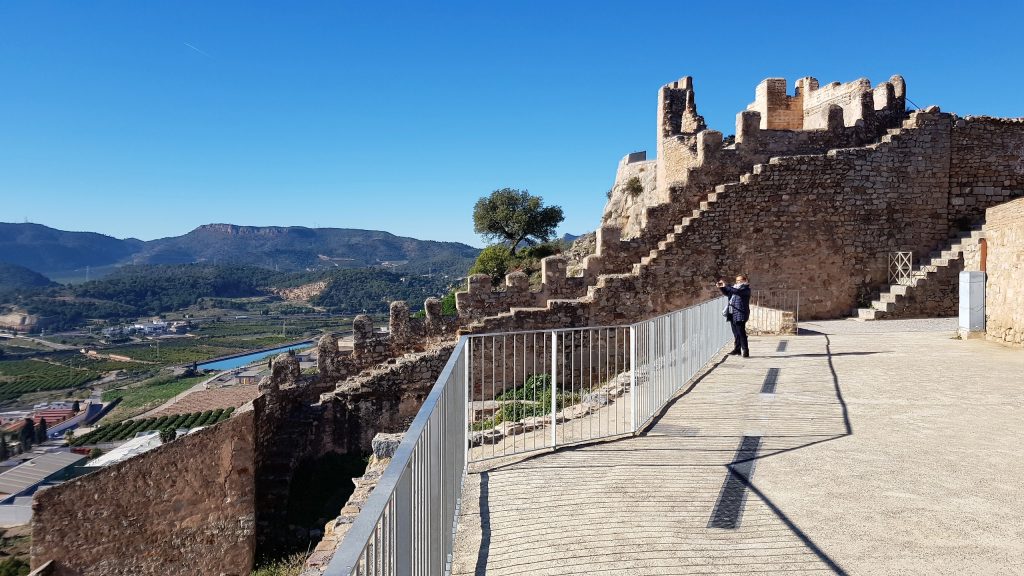
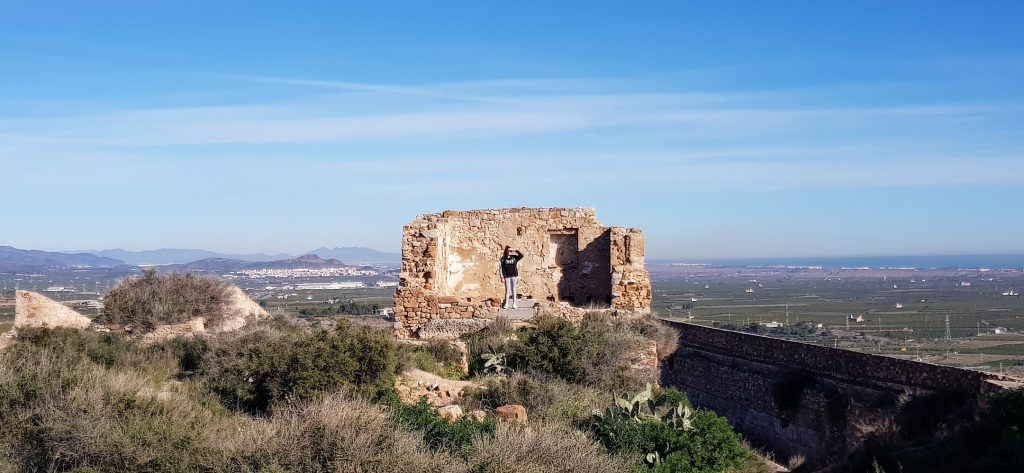
We also explored Sagunto, a Roman hilltop town, now in ruins, but still very interesting.  The old Forum square is still visible, as are some marking etched into rocks, as well as remains of the town itself.  We completed our visit with a walk through the local market, Caity found herself a few items of clothing to take back to the UK, so was pleased with herself.

Sagunto ruins.

Another day we hired electric bikes and cycled about 45kms from Benicassim to Grau, the port of Castellon, back along the cycle path to Benicassim then further along in the other direction to Oropesa, along the old railway track that has been converted to a cycle path.  Finally, as my battery (both in my body and on my bike!!) was running down very low, we returned to Benicassim, exhausted and ready for dinner.

The Magic Mountain in Barcelona!

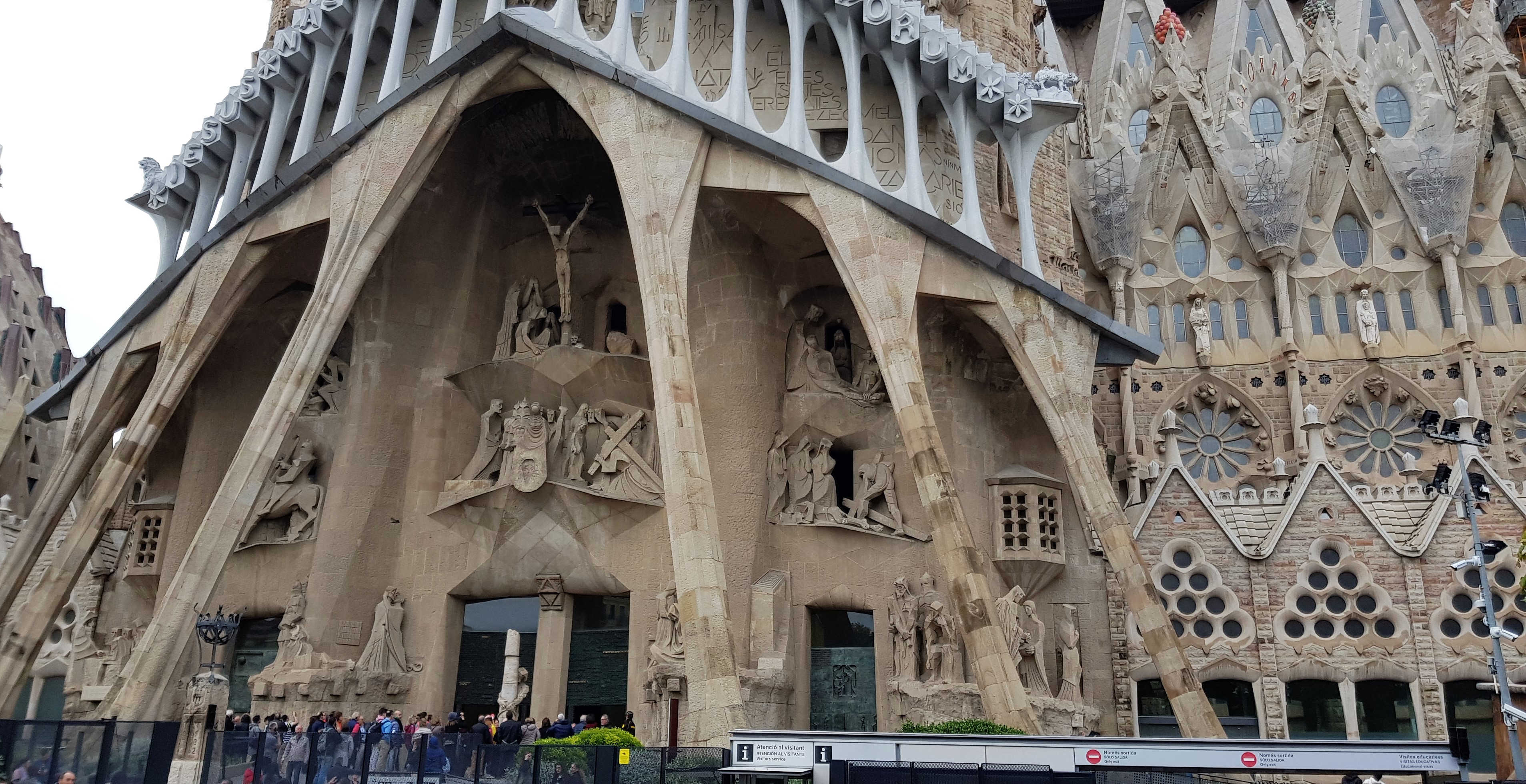
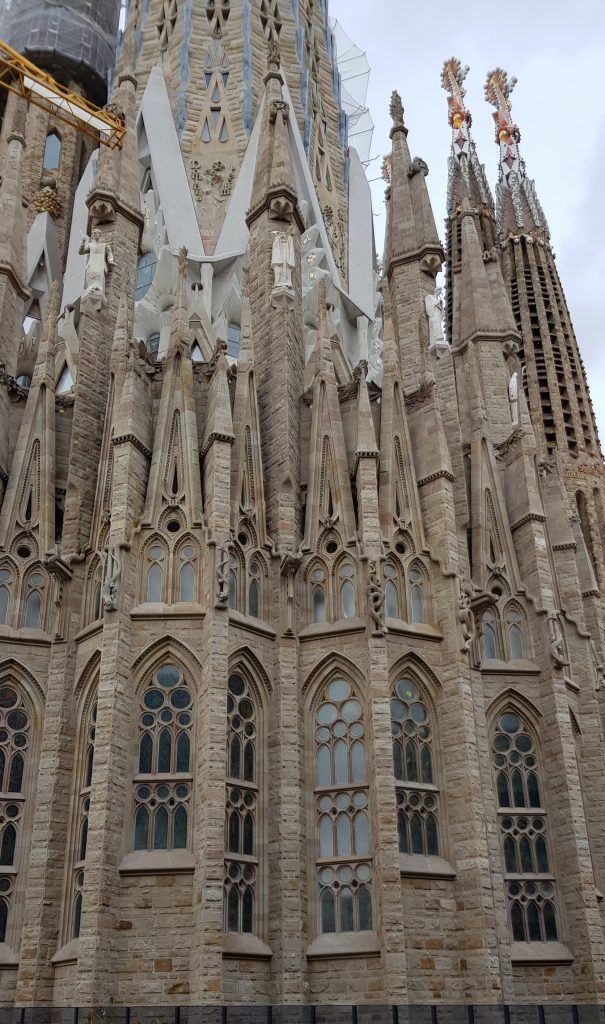
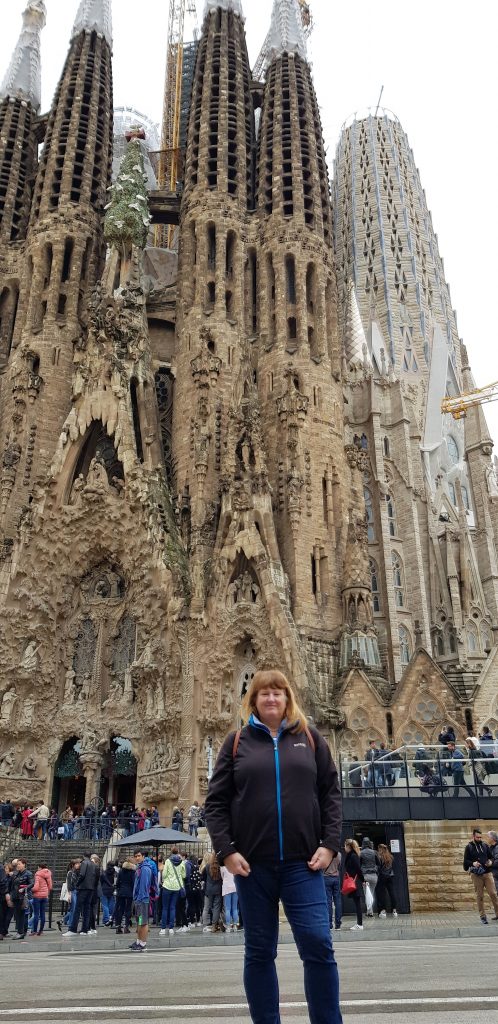
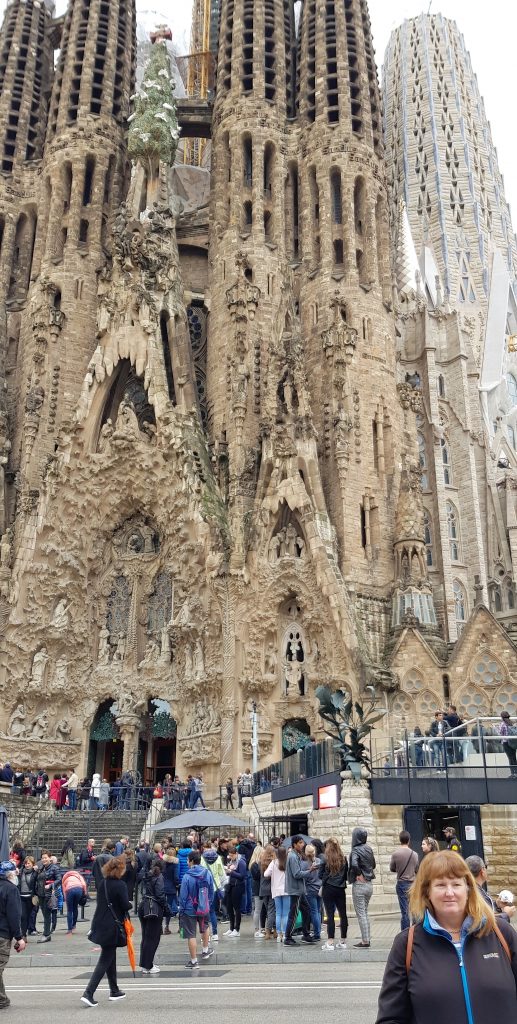
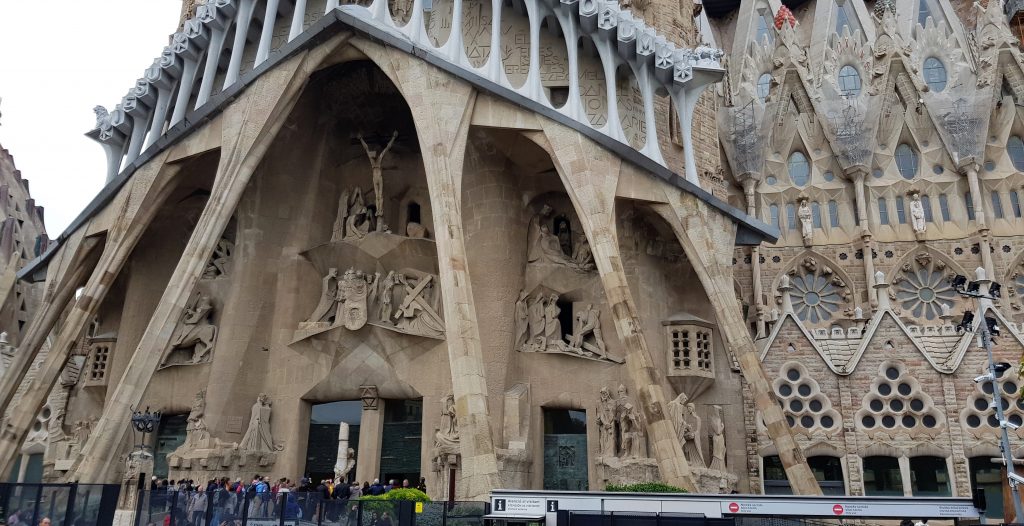
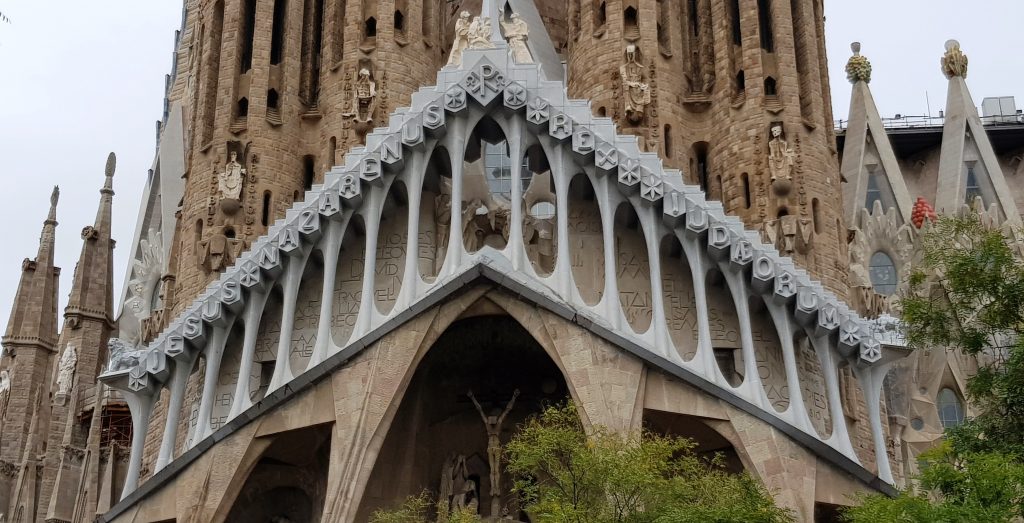
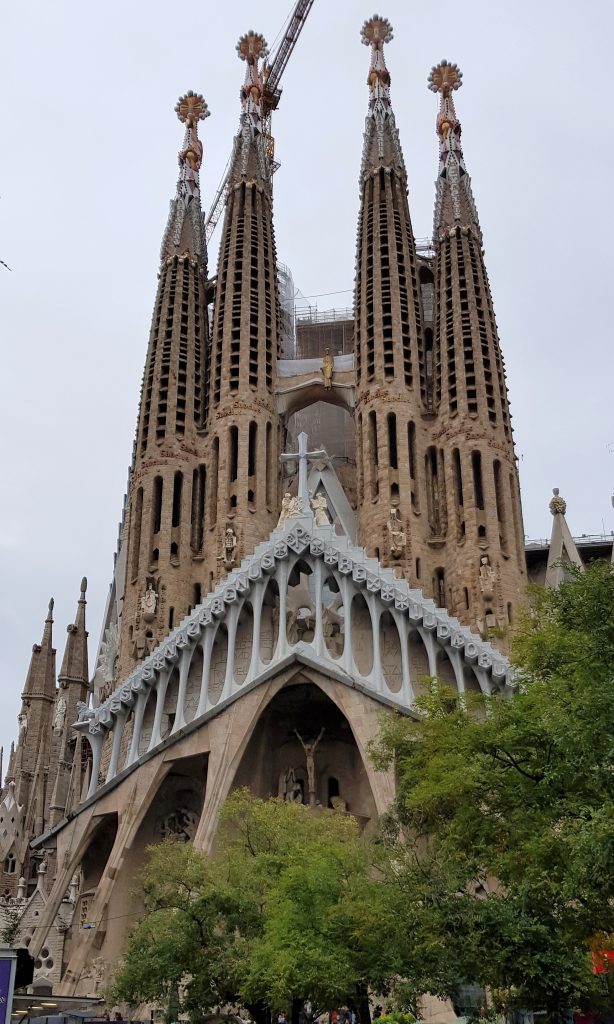
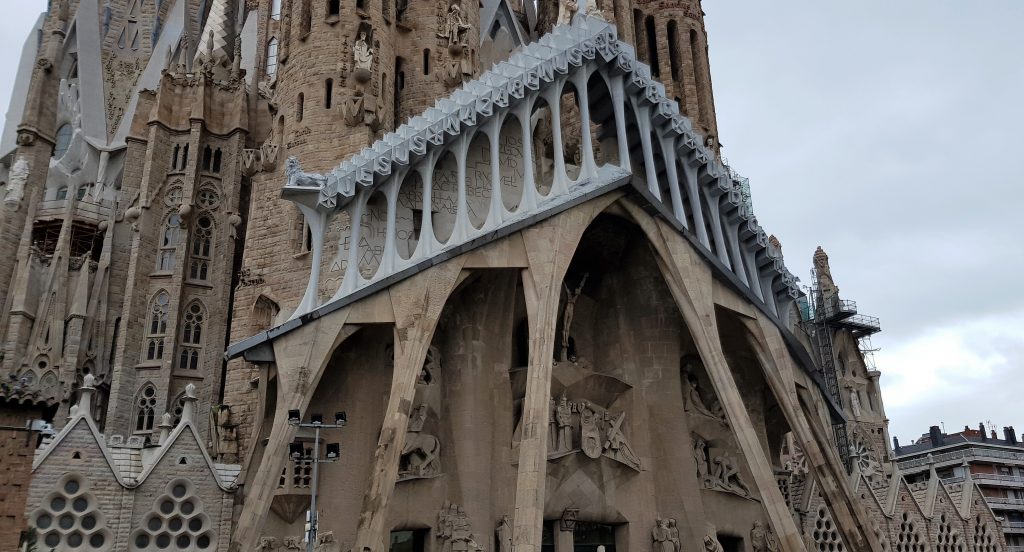
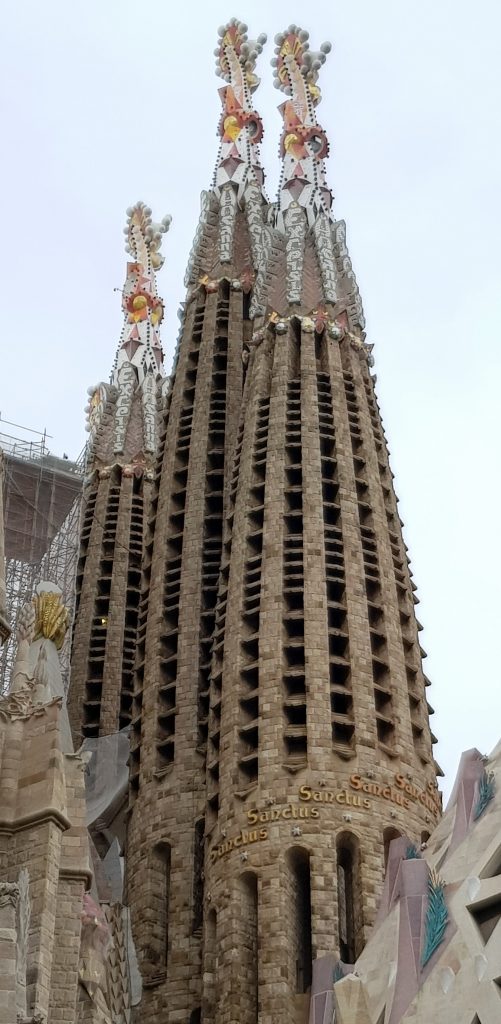
The day we decided to visit Barcelona, it rained!  It became cloudy, overcast and very cold but that didn’t stop us.  What did stop us was the fact that all tickets that day, for entrance to the Sagrada Familia cathedral, were sold out! We just wandered around it, gawping just like a proper tourist!  I will return one day to see inside….

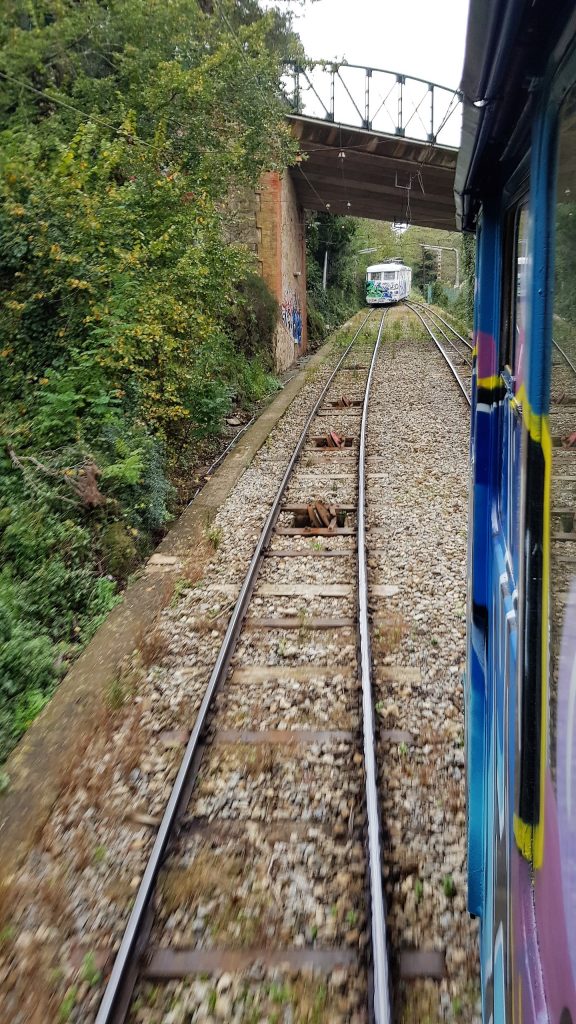
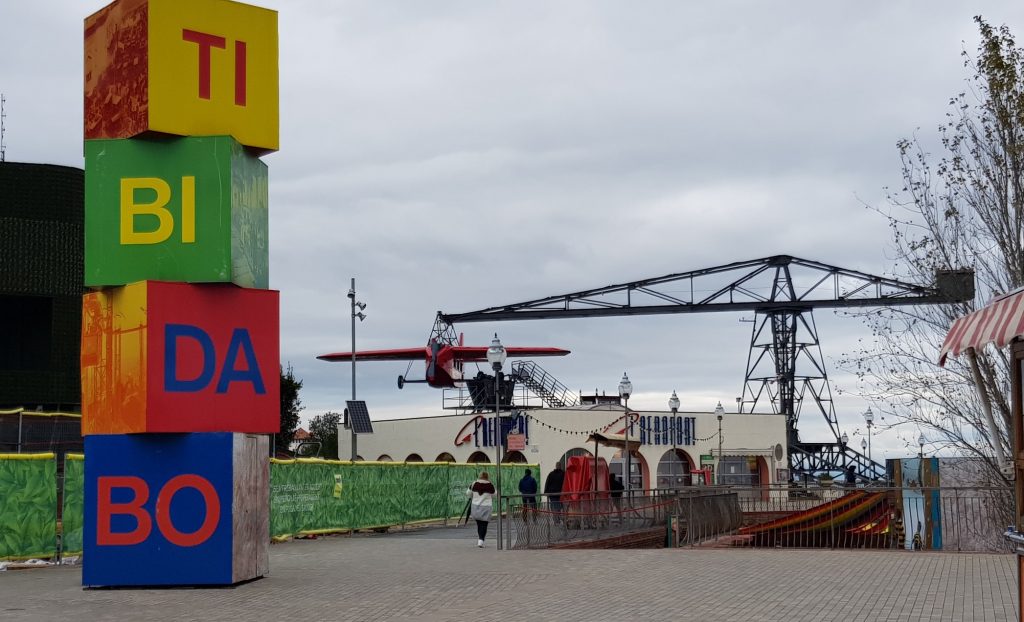
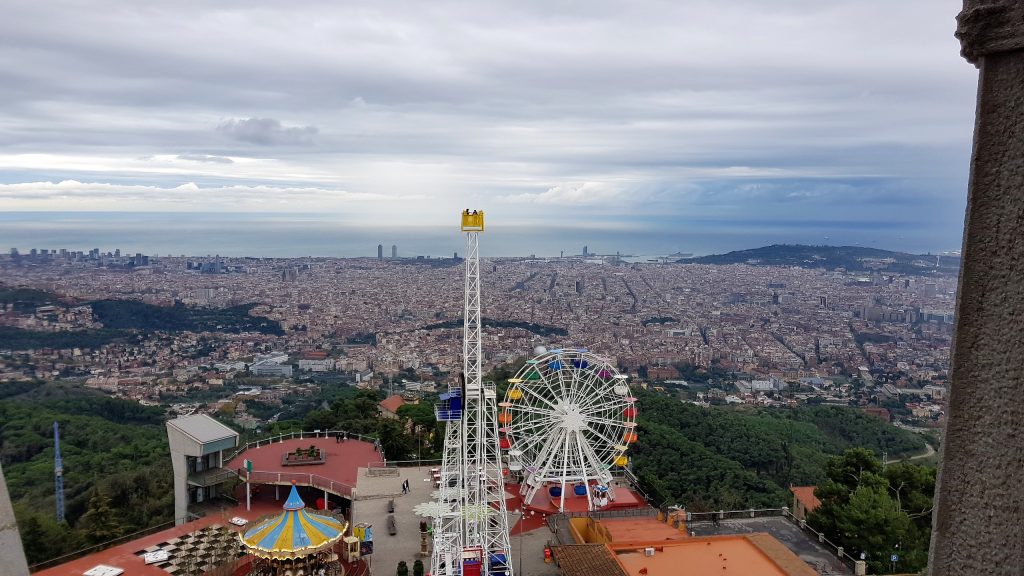
So we decided instead to explore Mount Tibidabo, a mountain just behind Barcelona, which at 515m above sea level is the tallest in the range of mountains surrounding the city.  The funicular train is the oldest in Spain, dating back to 1901, and although the journey itself takes no more than 10 minutes and you feel like you are travelling miles, vertically you travel only 1km! The funfair at the top gives it it’s name of Magic Mountain.

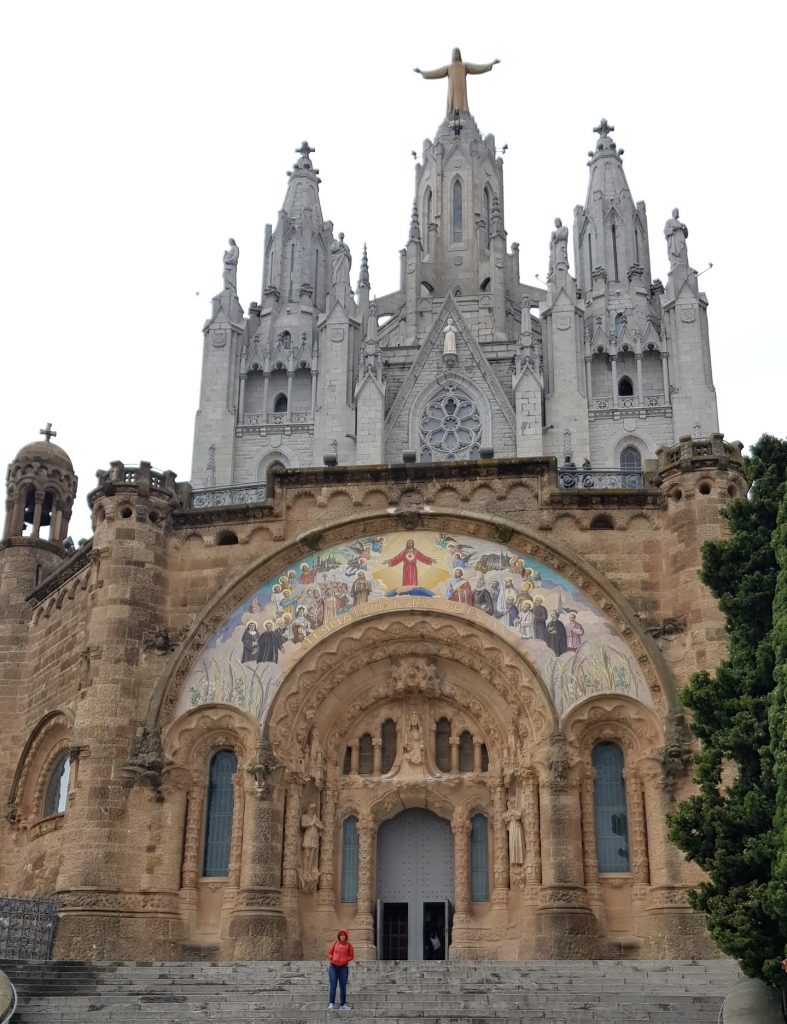
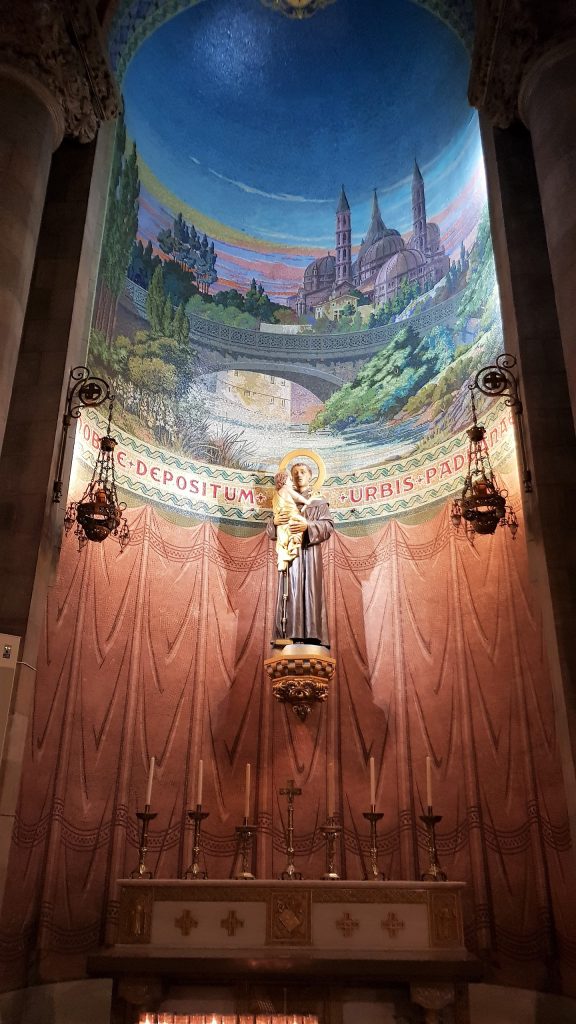
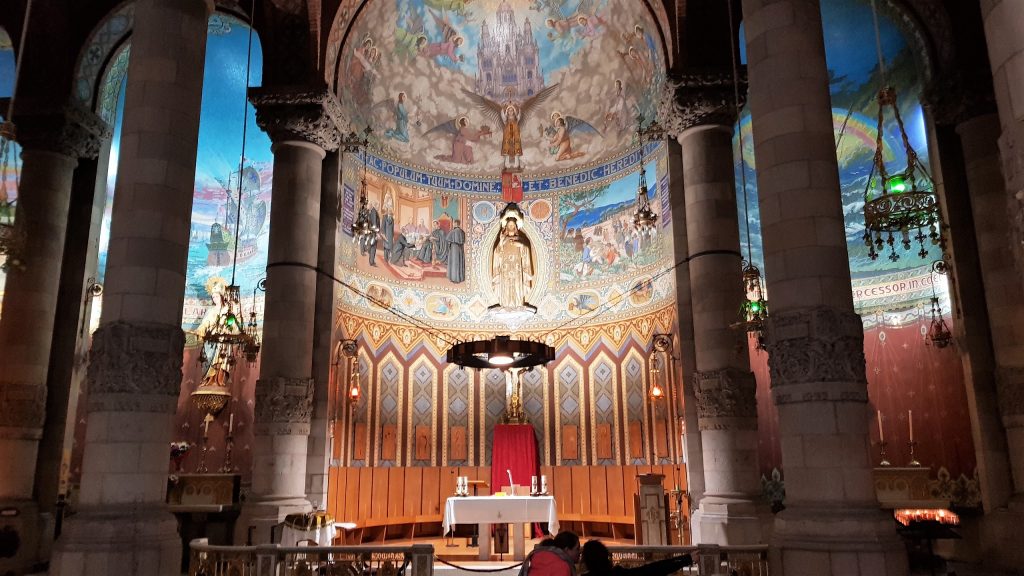
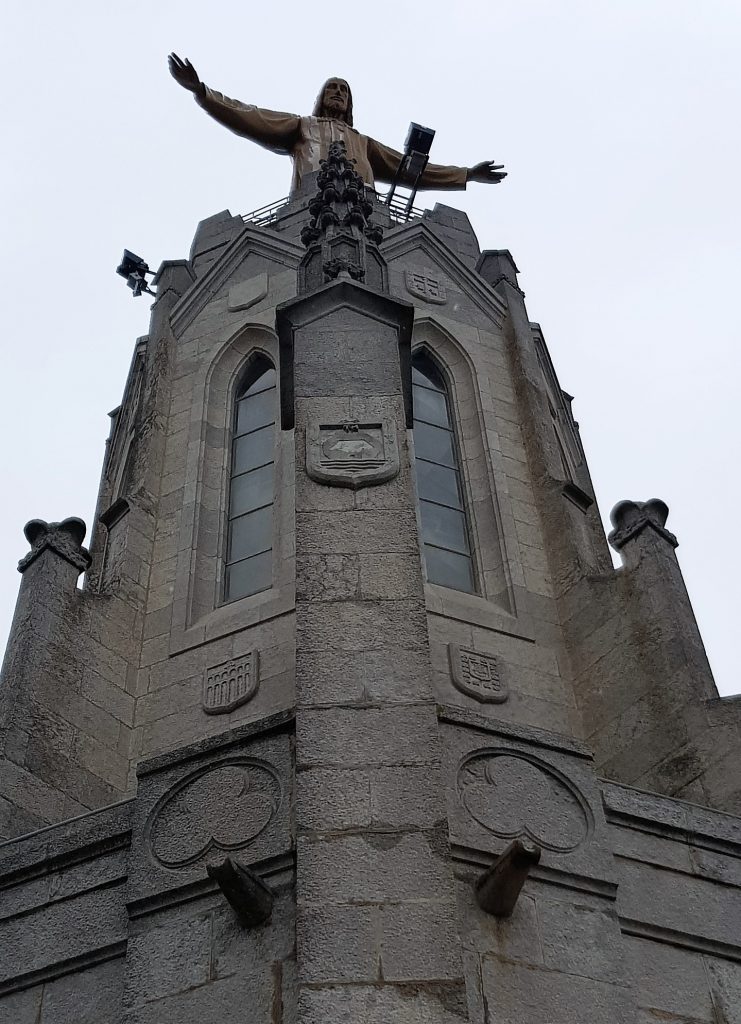
At the top is the fun fair, only certain rides were open on this particular day. Behind the fun fair is the Romanesque fortress (or crypt) topped with a fairly new (in church terms) catholic church and minor basilica called the Temple del Sagrat Cor, a Gothic cathedral started in 1902 and completed in 1961 on several levels with foot access to the towers, the highest being 575m above sea level.  The crypt consists of 5 naves decorated by beautiful and colourful mosaics. 

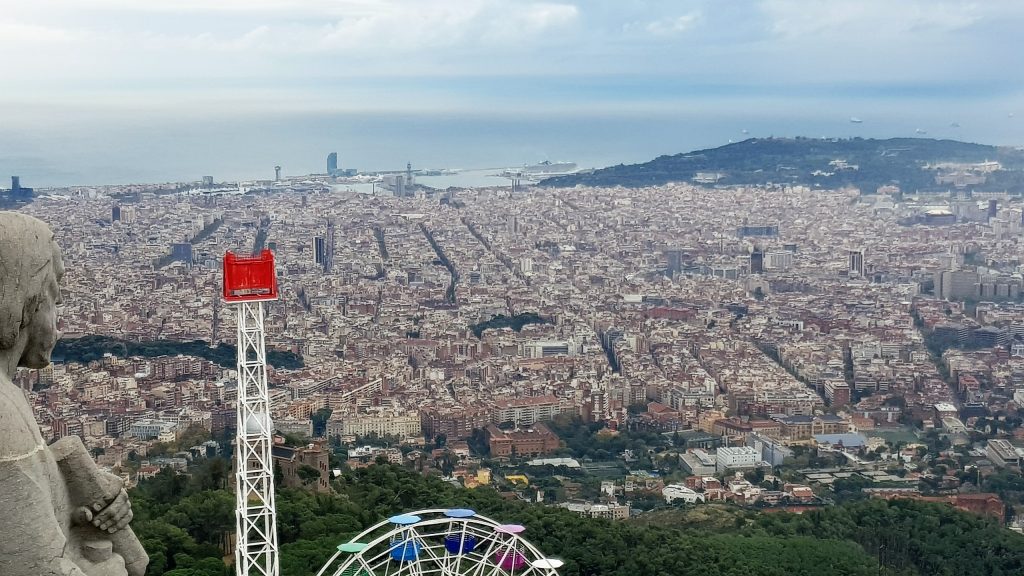
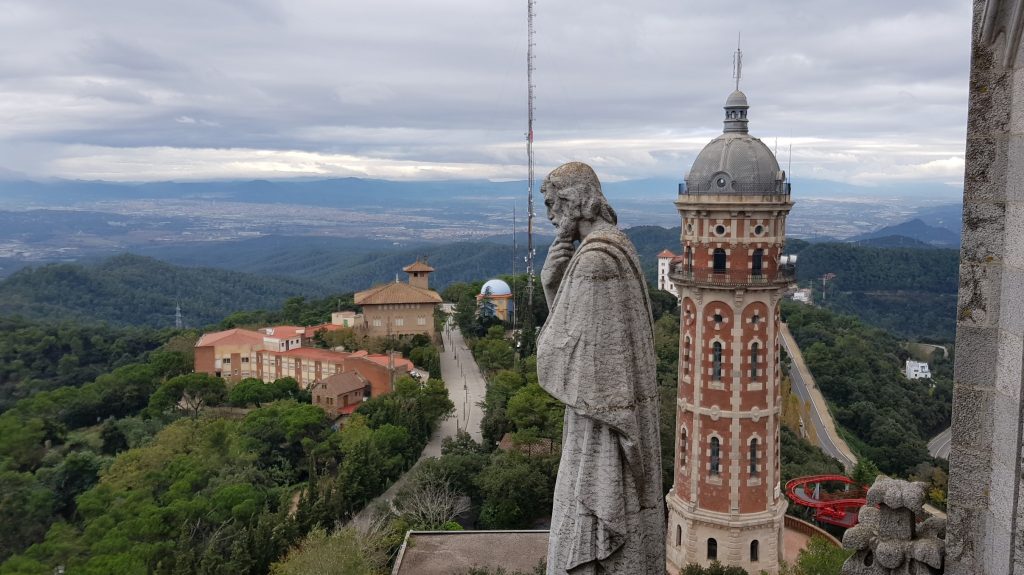
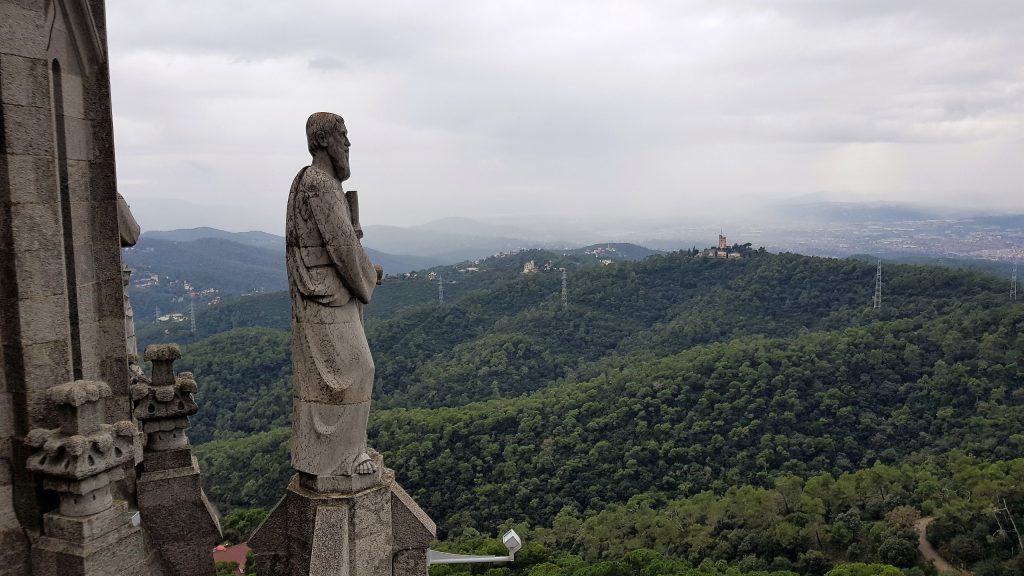
We took a lift up to the viewing platform, through the main church, then we walked the remaining 150 steps to the very top of the tower, coming out underneath the bronze statue of the Sacred Heart and surrounded by the 12 apostles!  It was blowing a hoolie, freezing cold and occasionally spitting with rain, so although we took panoramic photos we didn’t stay there long!

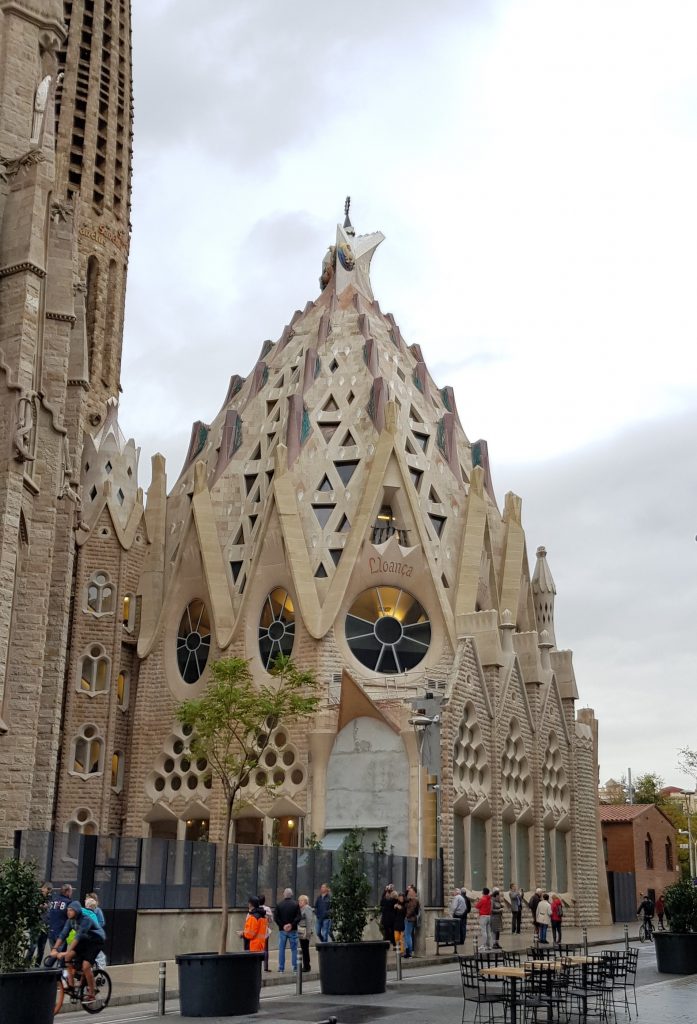
External images of Sagrada Familia

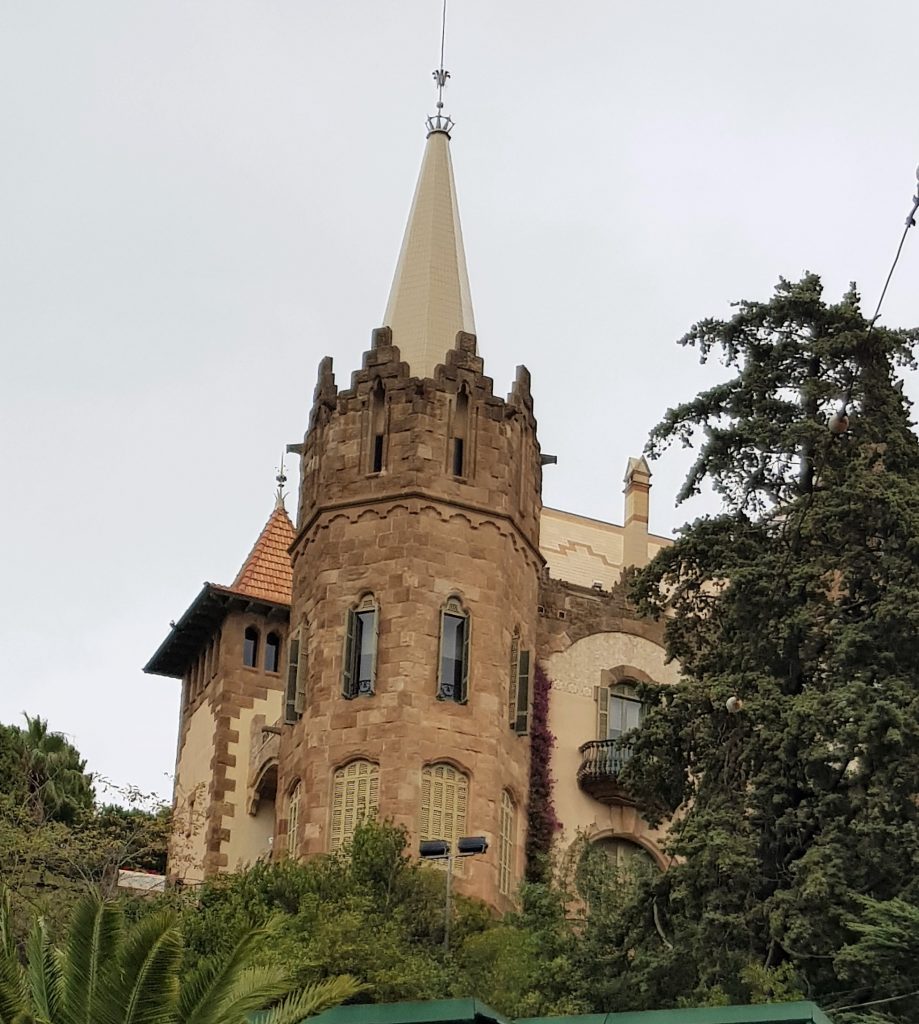
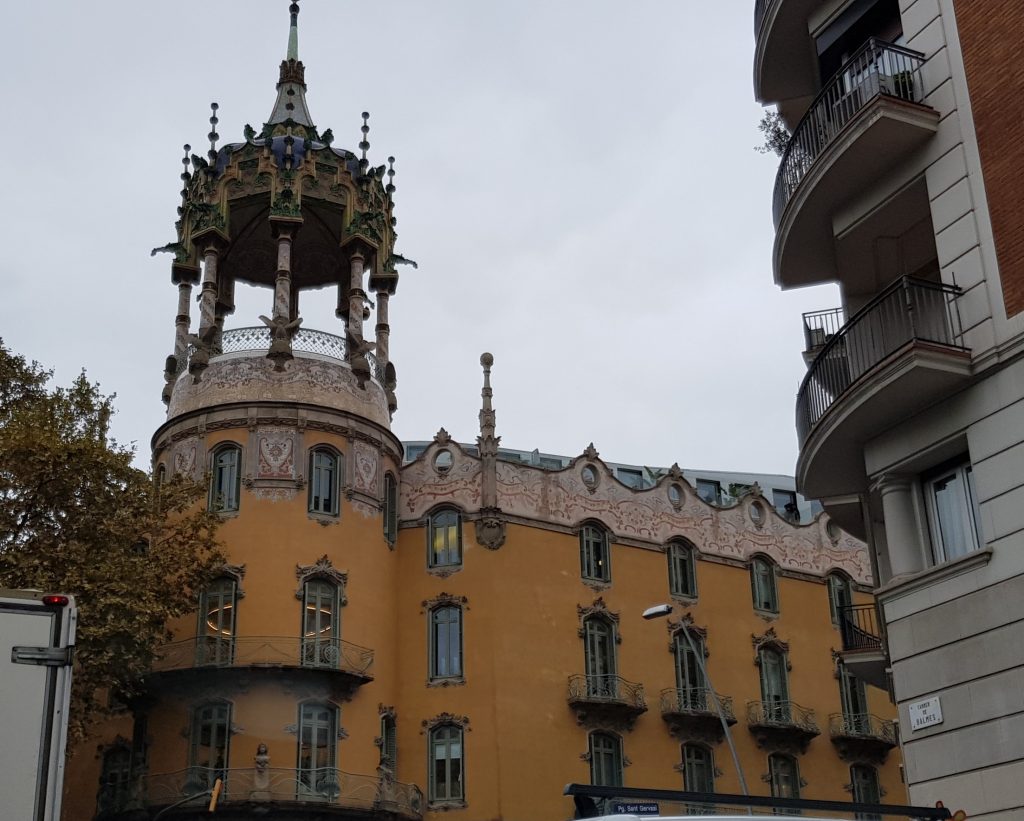
Unusual Buildings in Barcelona

Tibidabo Funicular, Crypt & Fun Fair

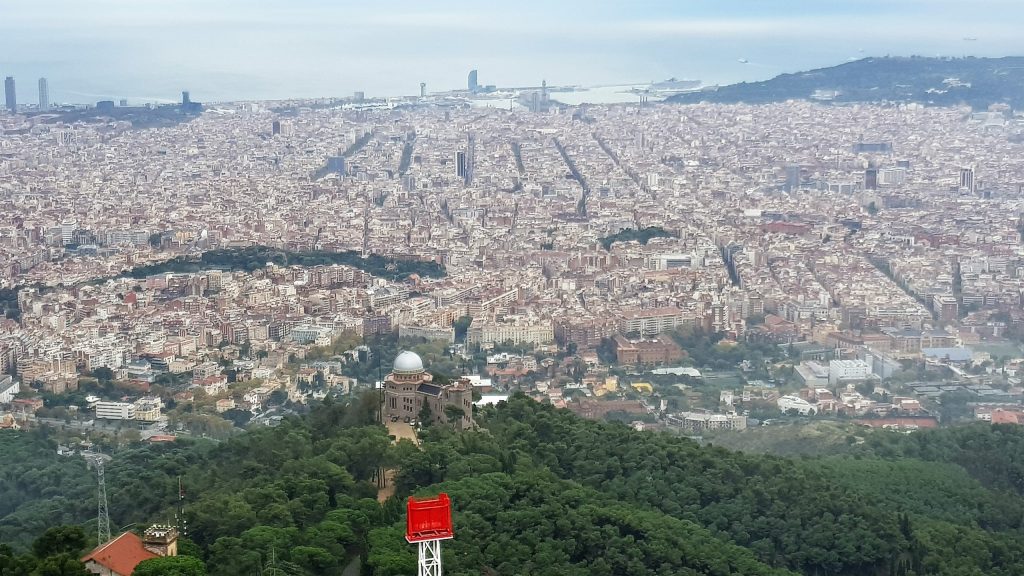
Views from the Viewing platform half way up…..

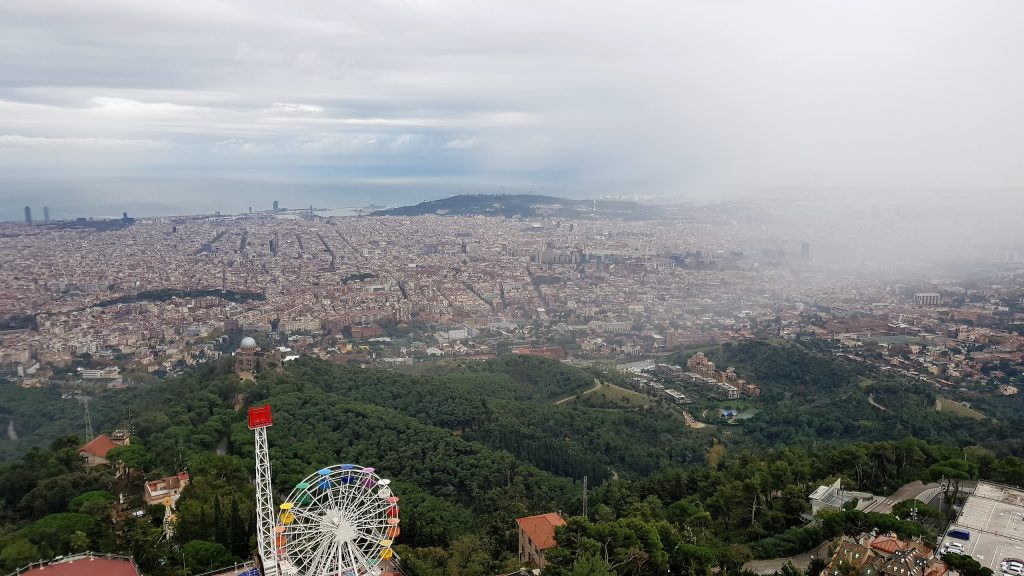
Going up higher and watching clouds roll in…….

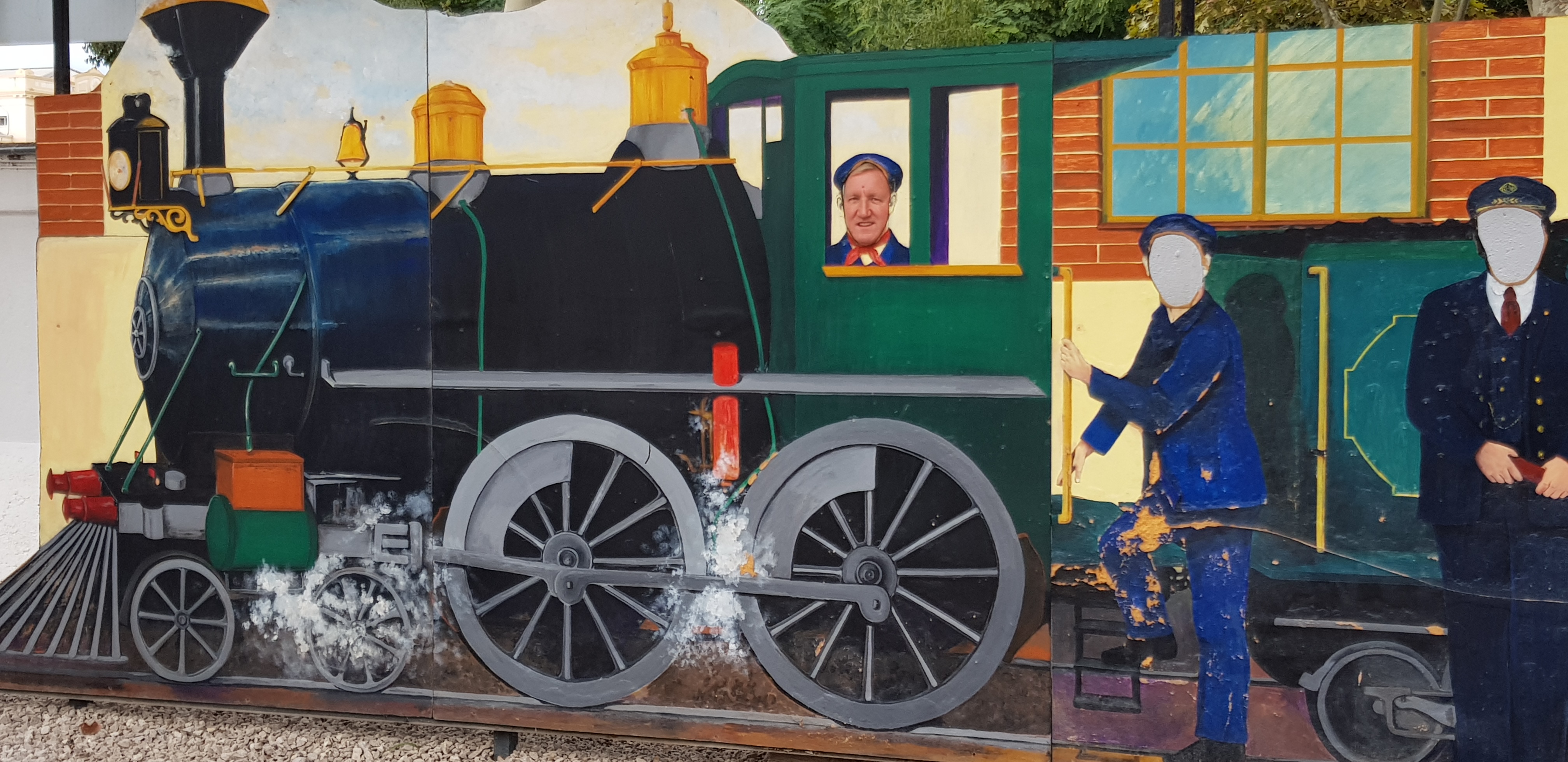
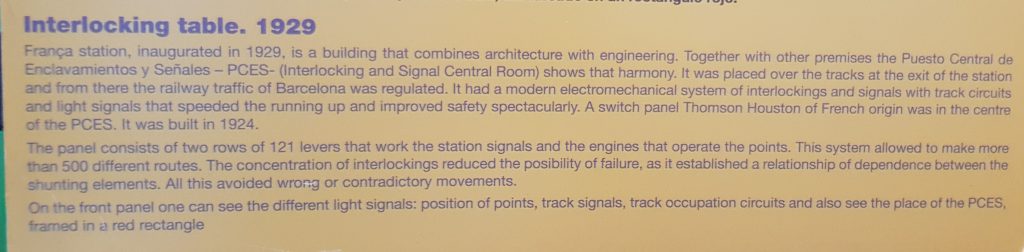
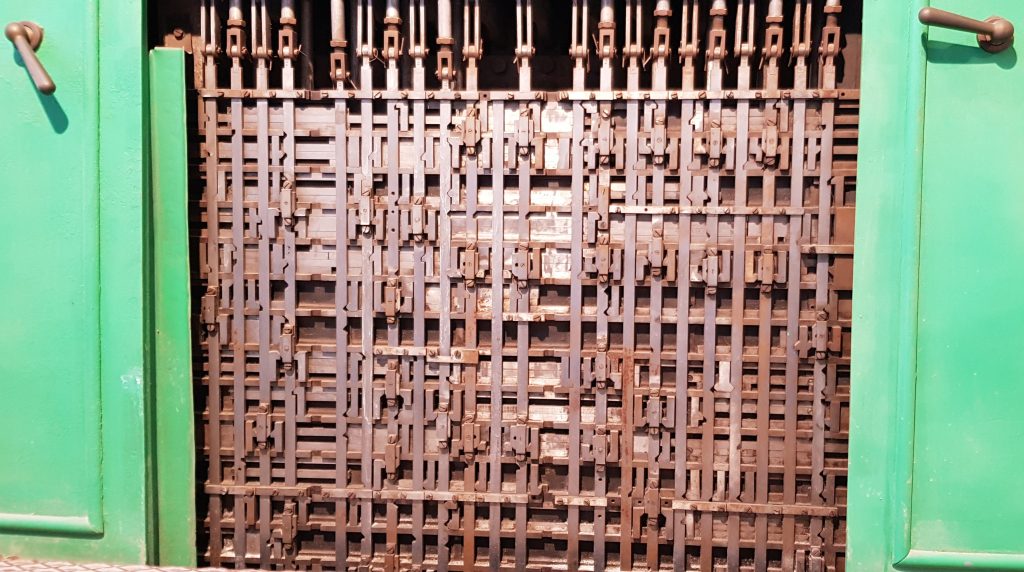
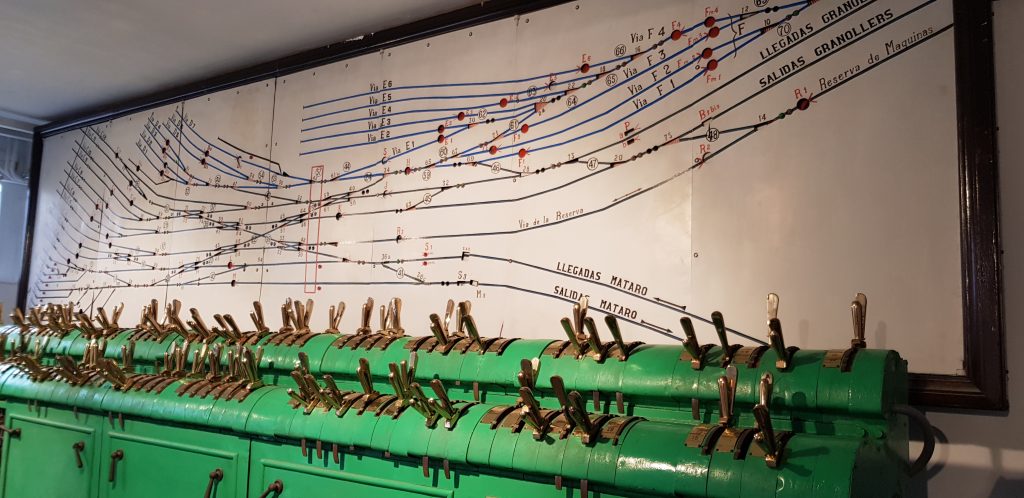
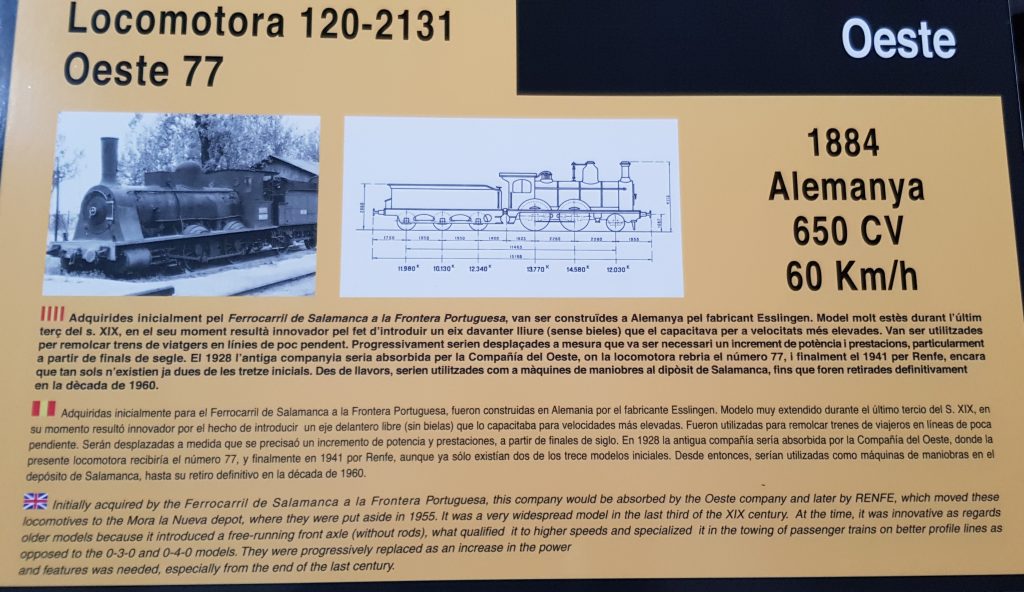
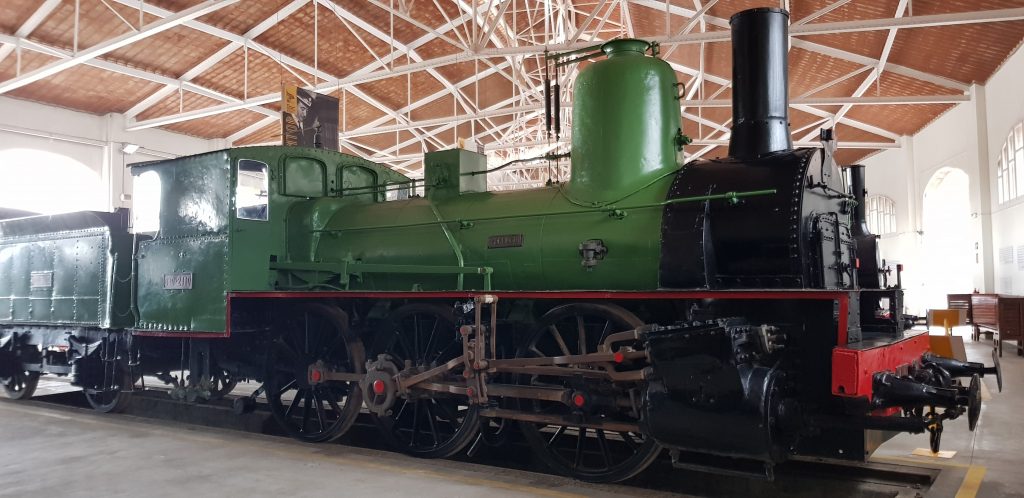
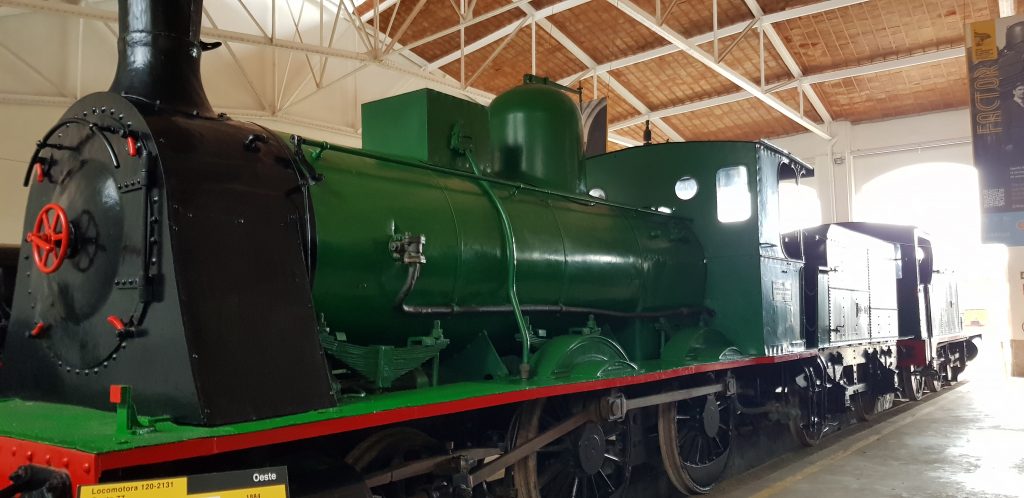
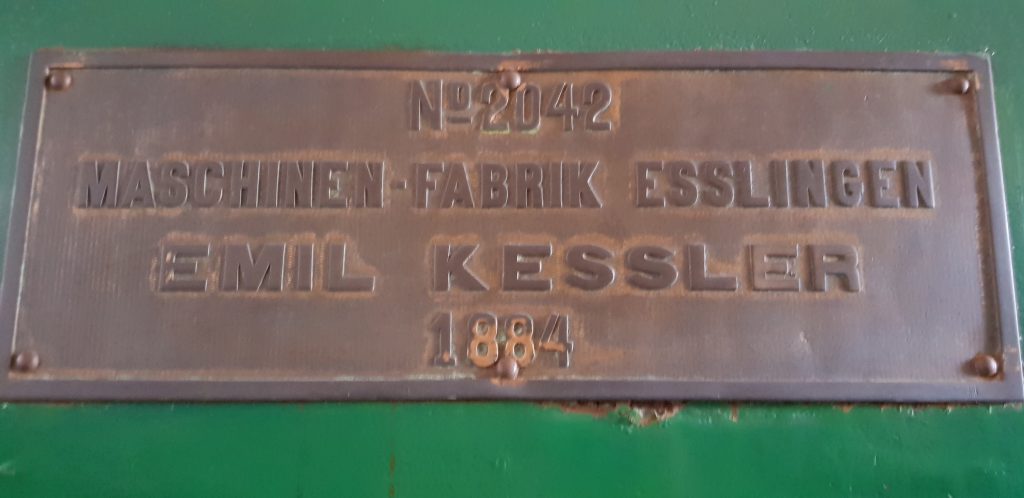
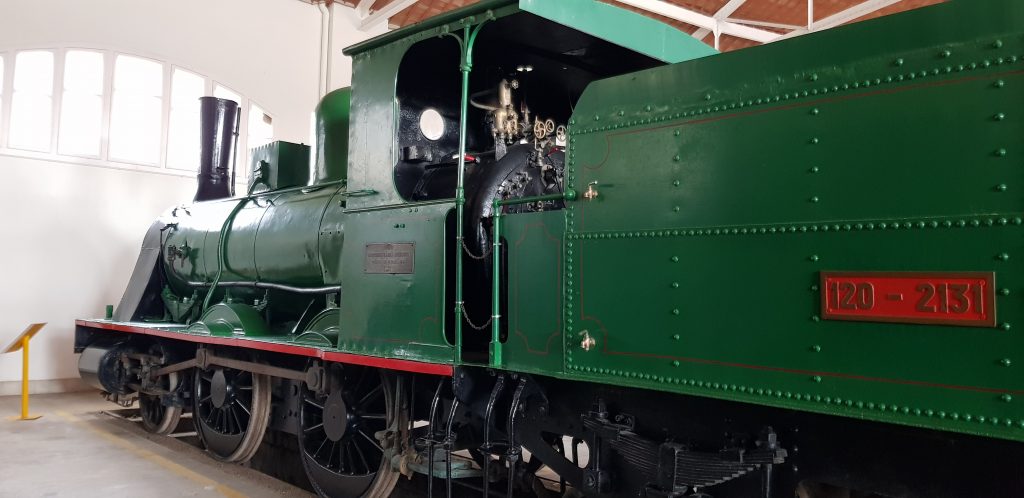
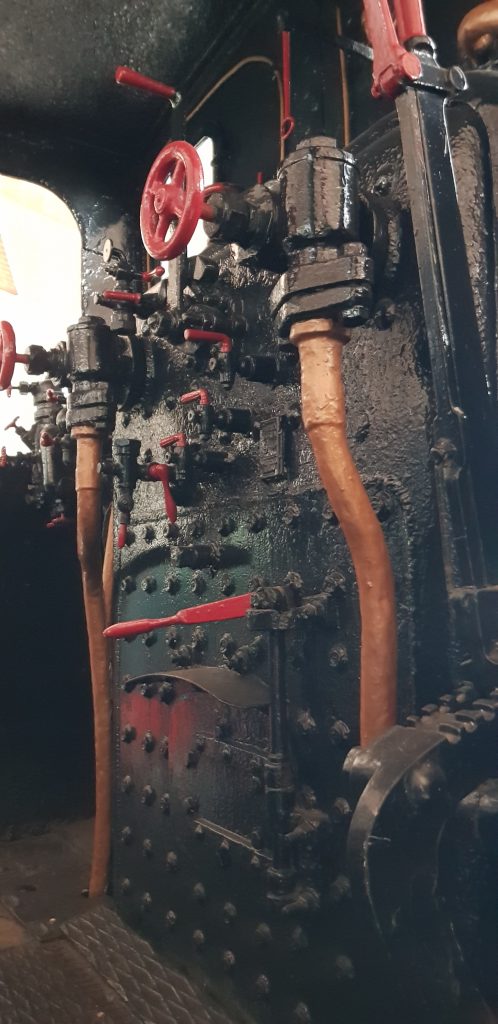
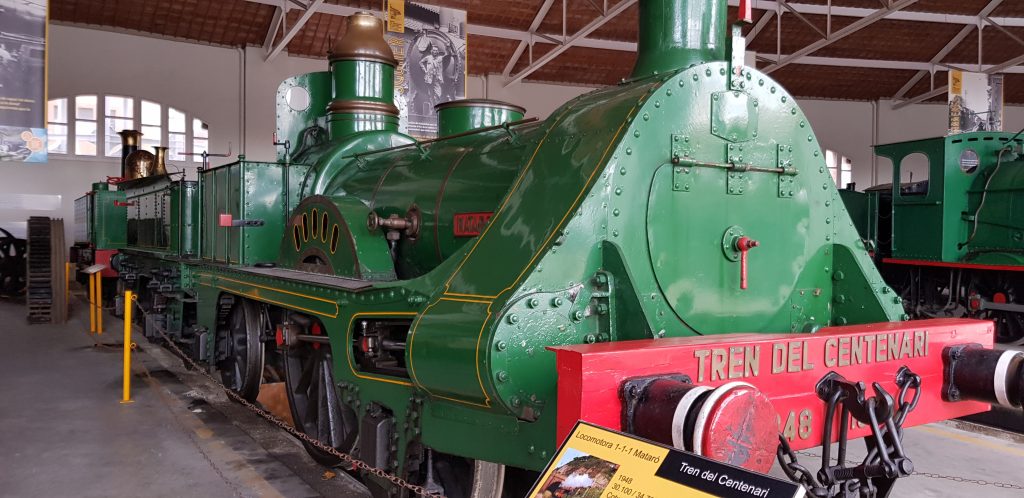
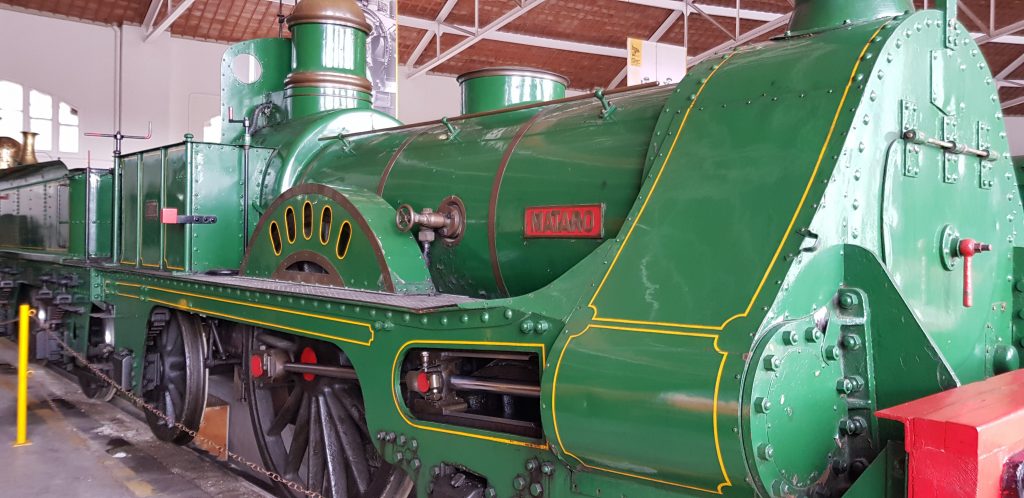
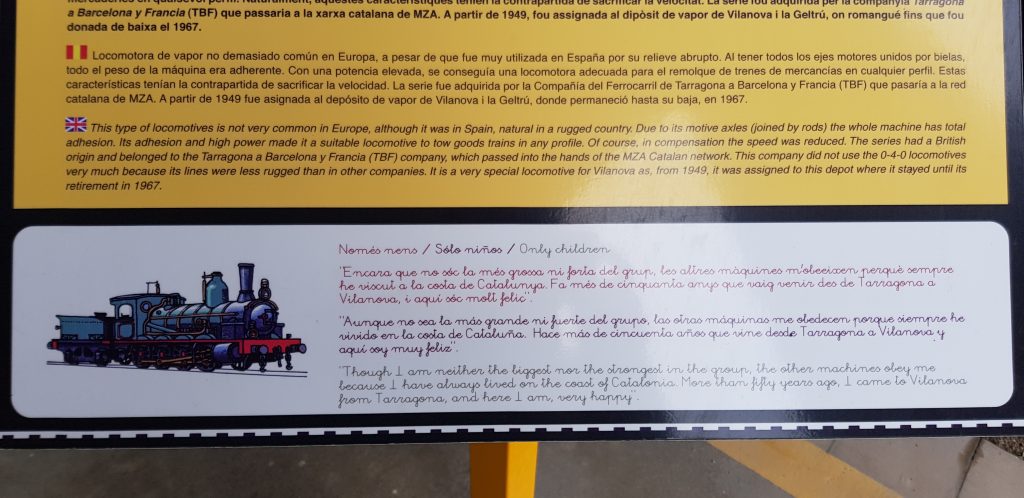
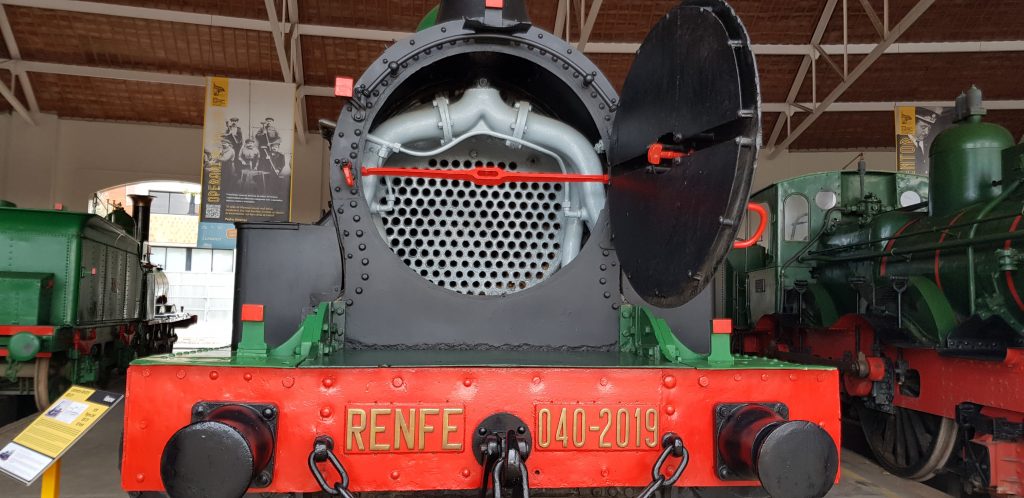
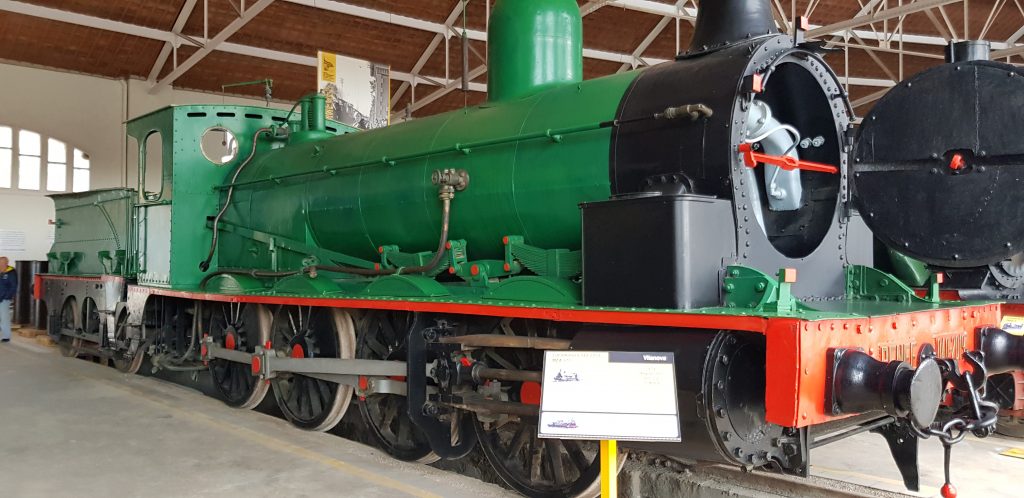
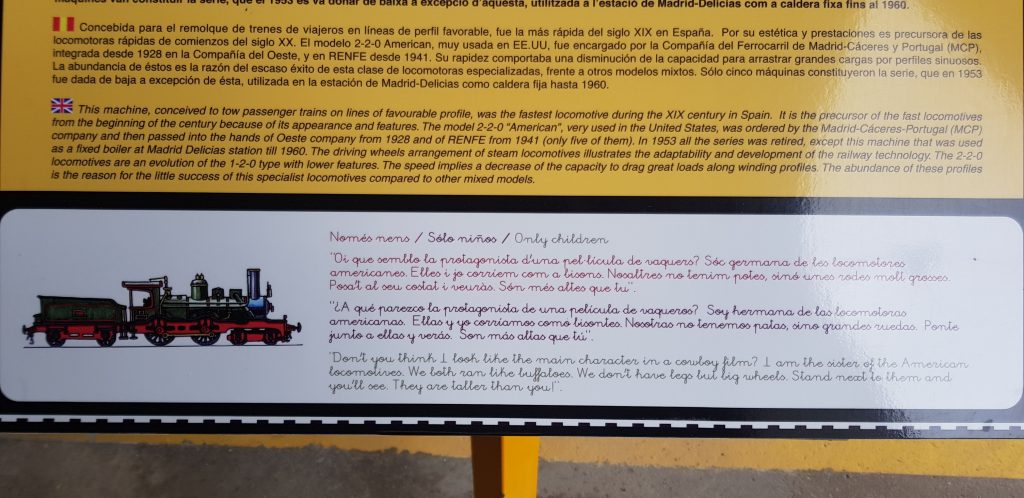
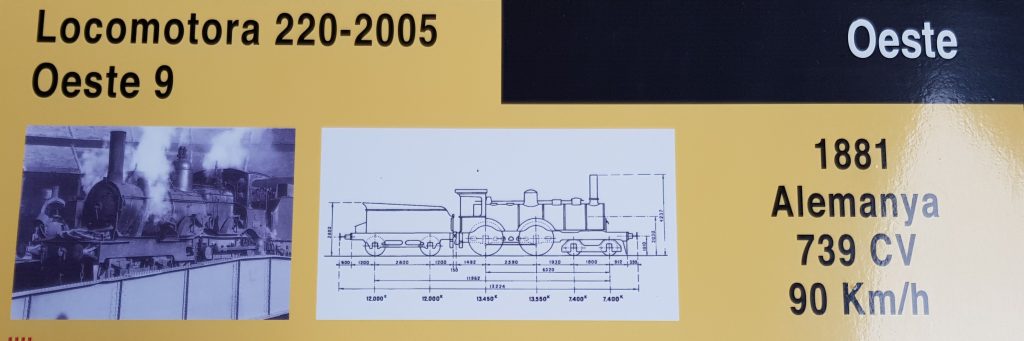
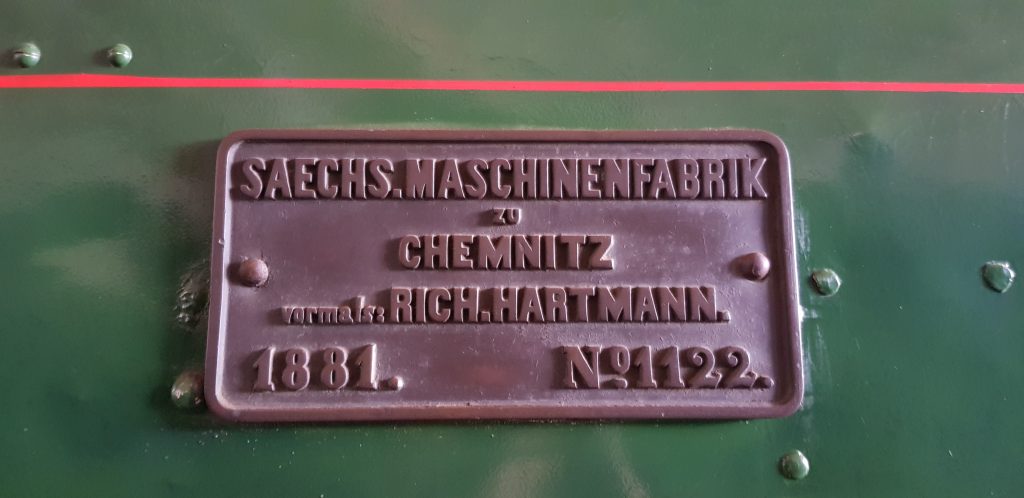
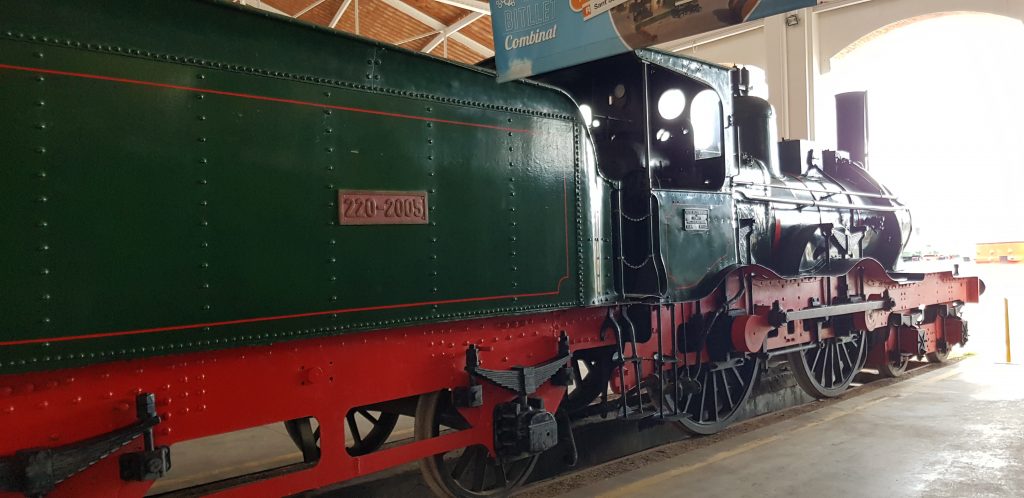
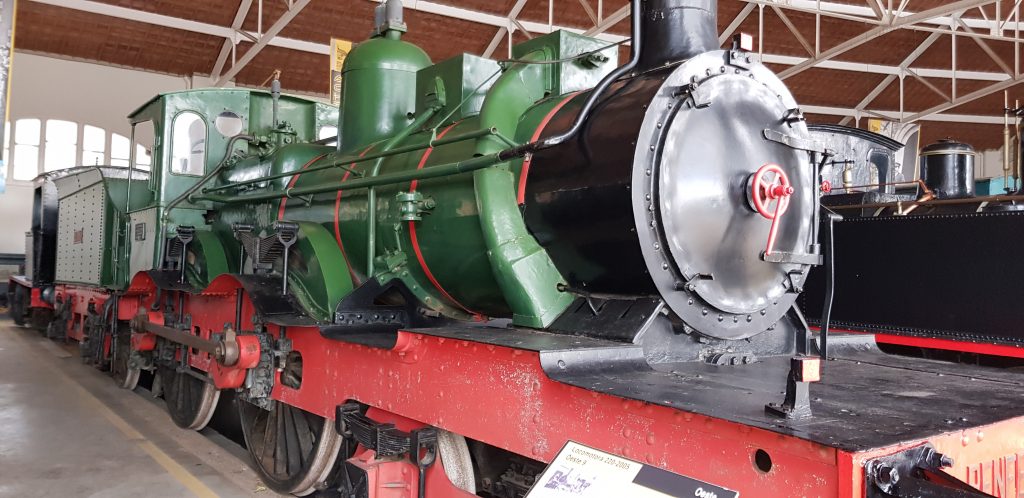
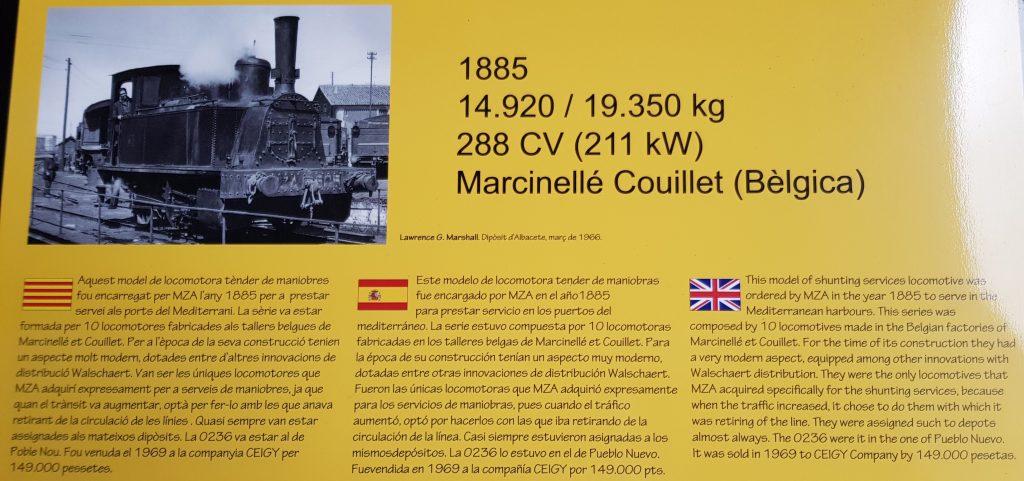
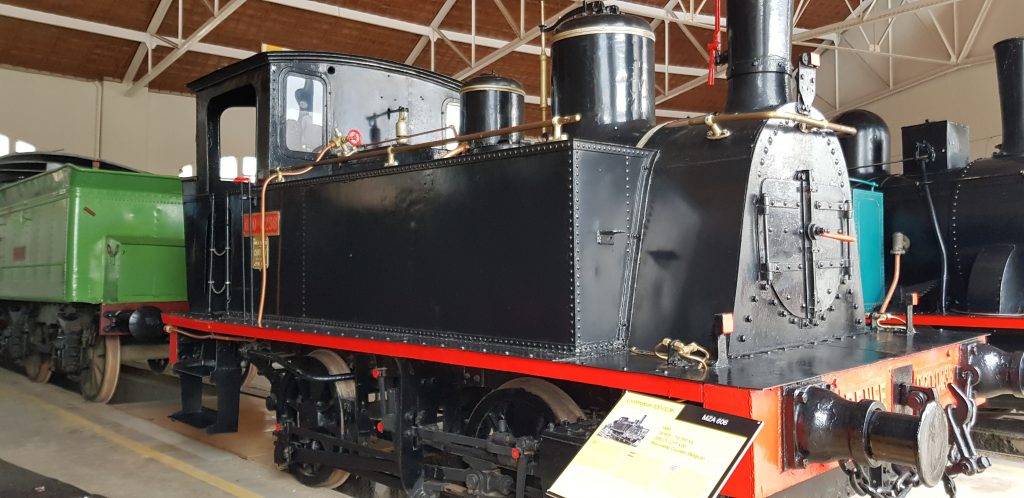
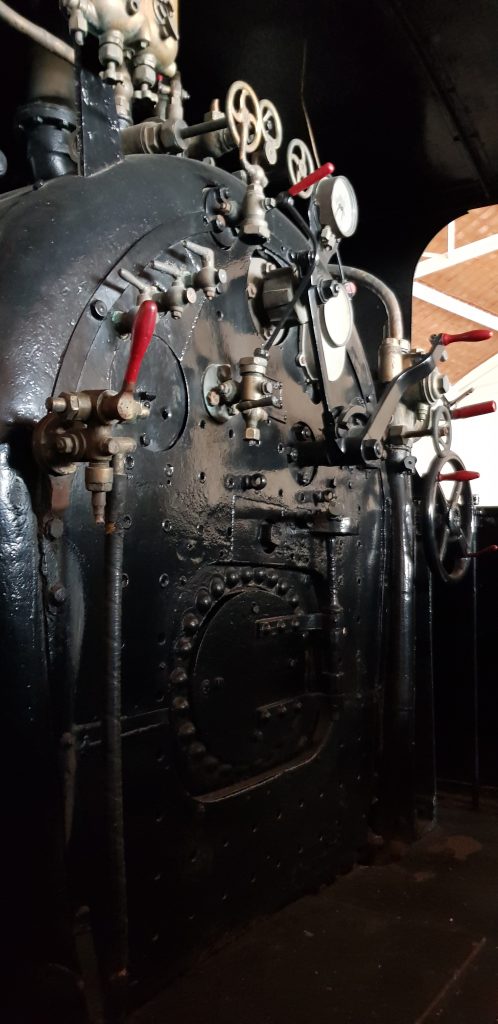
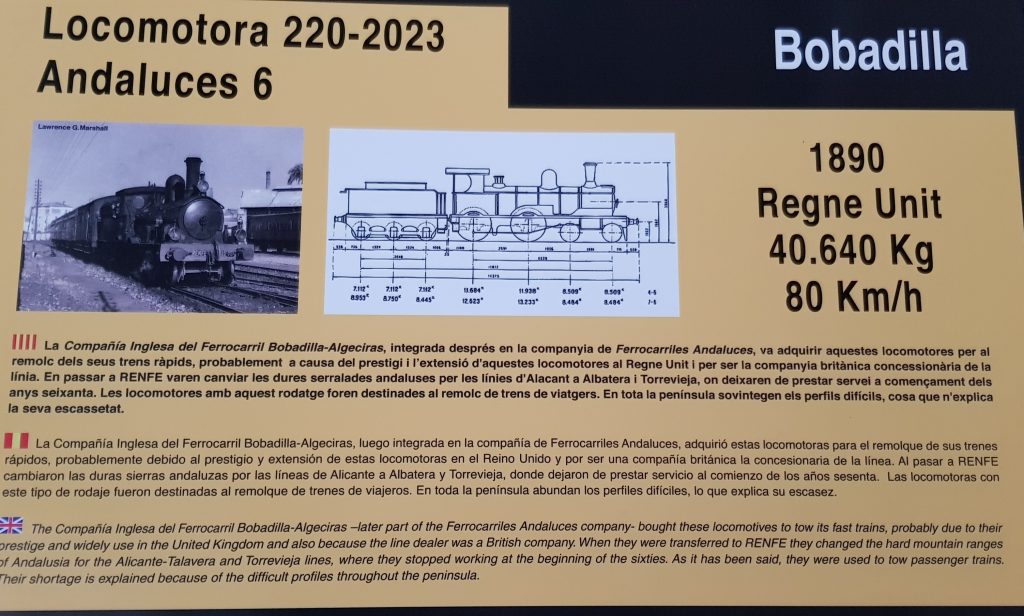
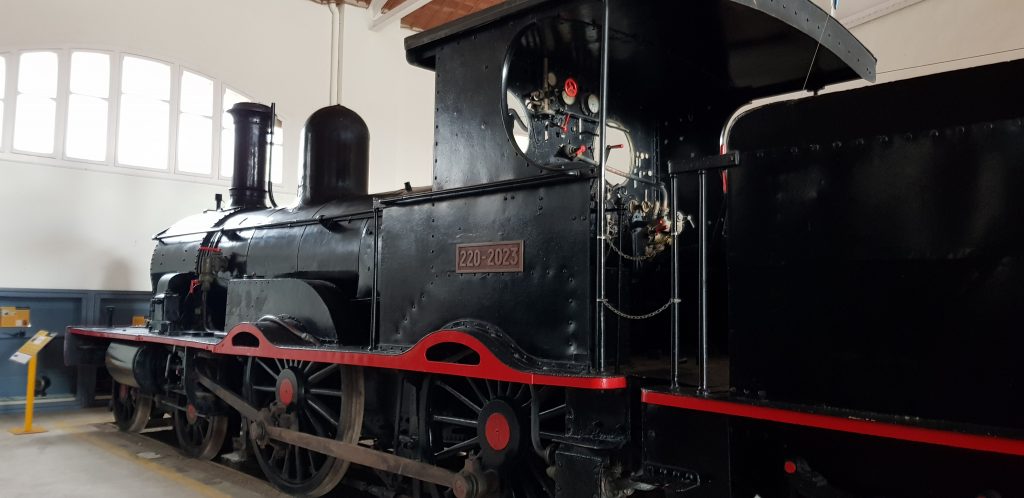
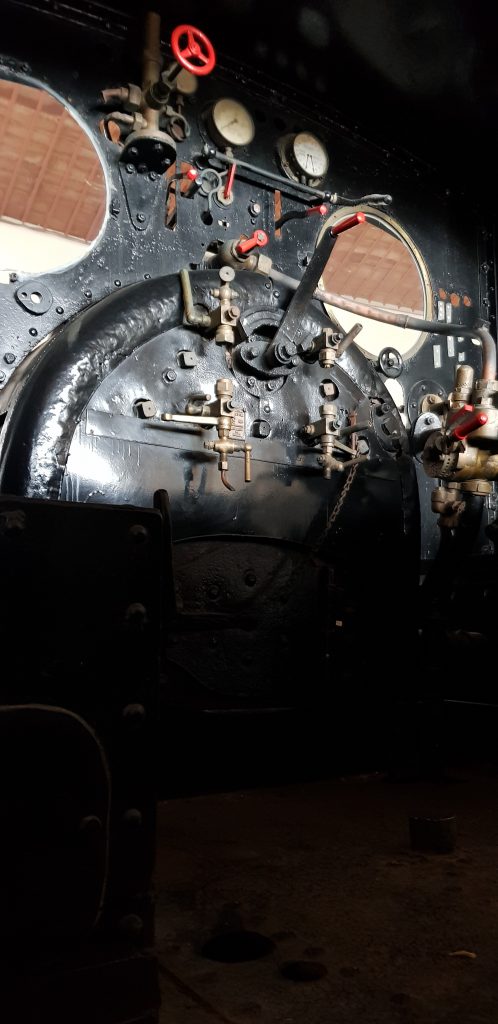
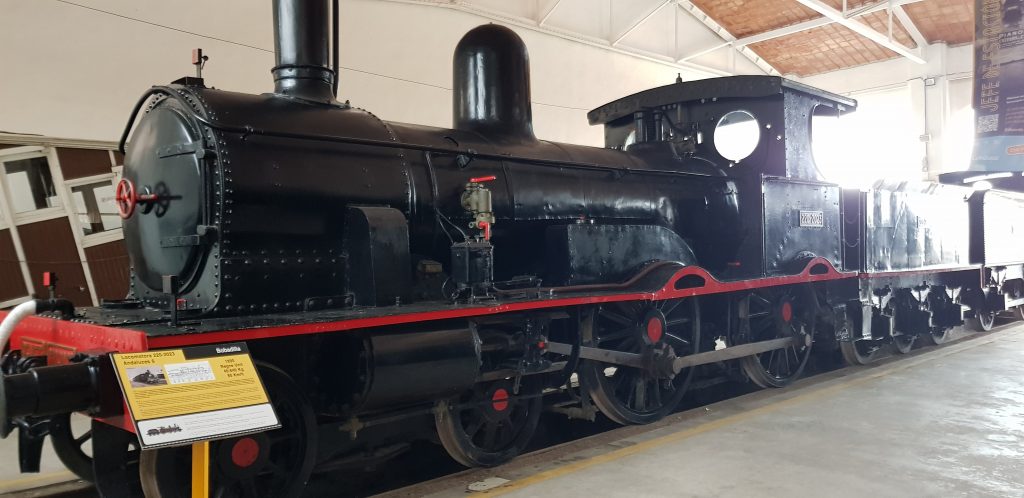
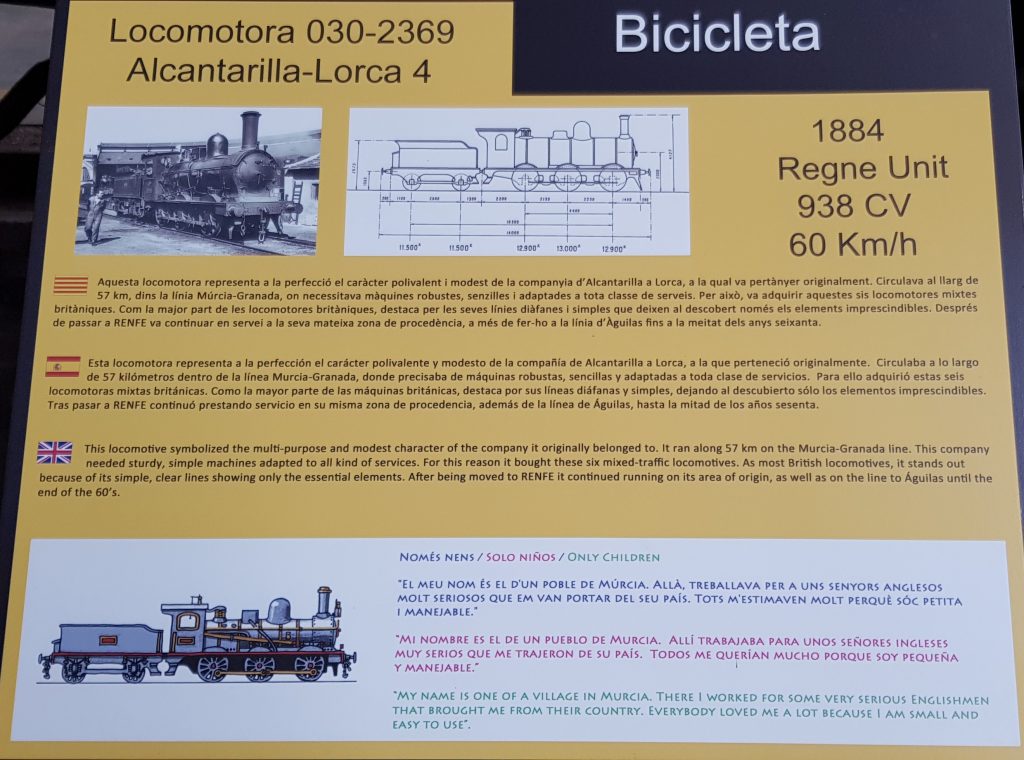
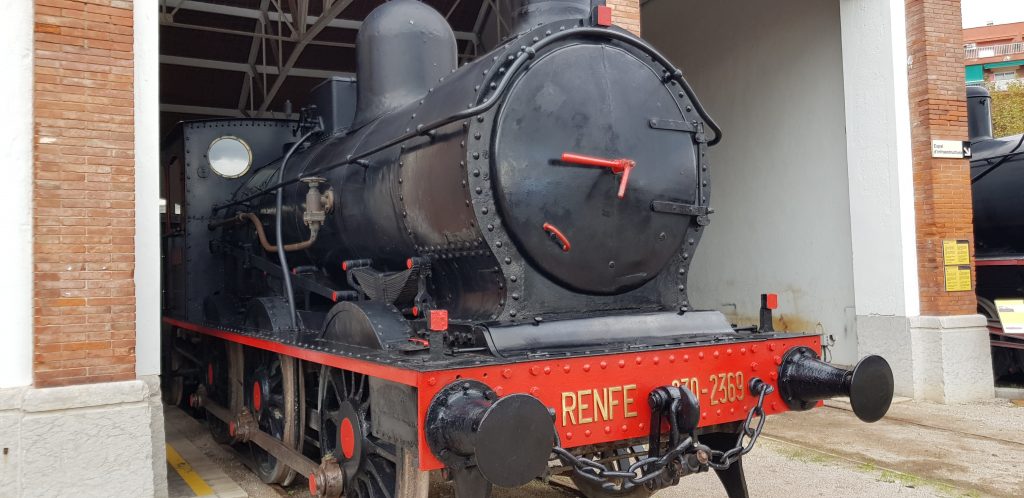
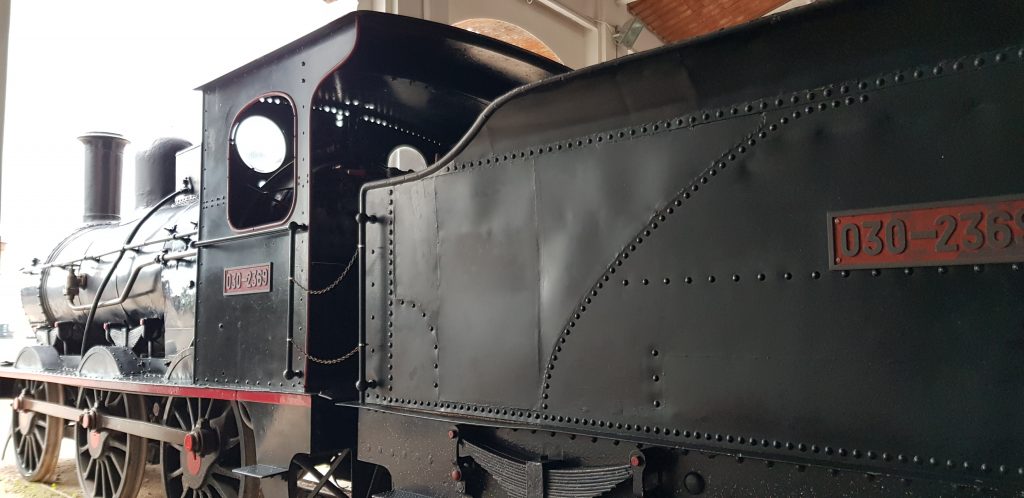
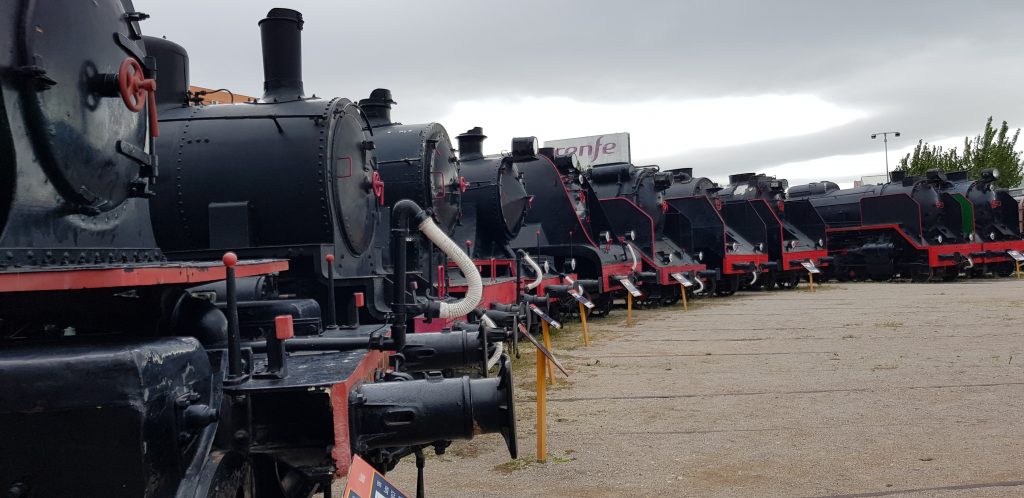
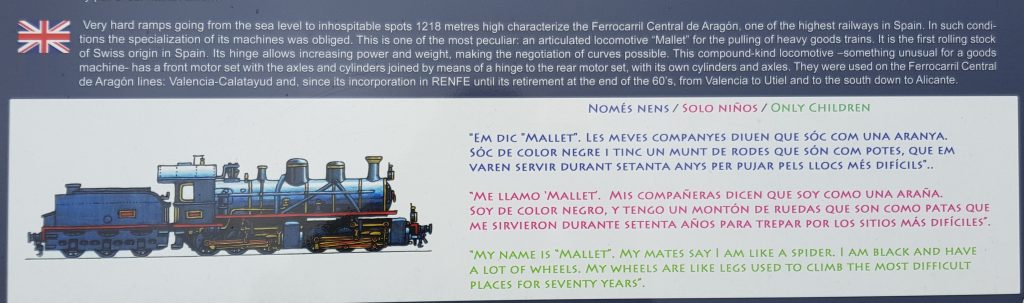
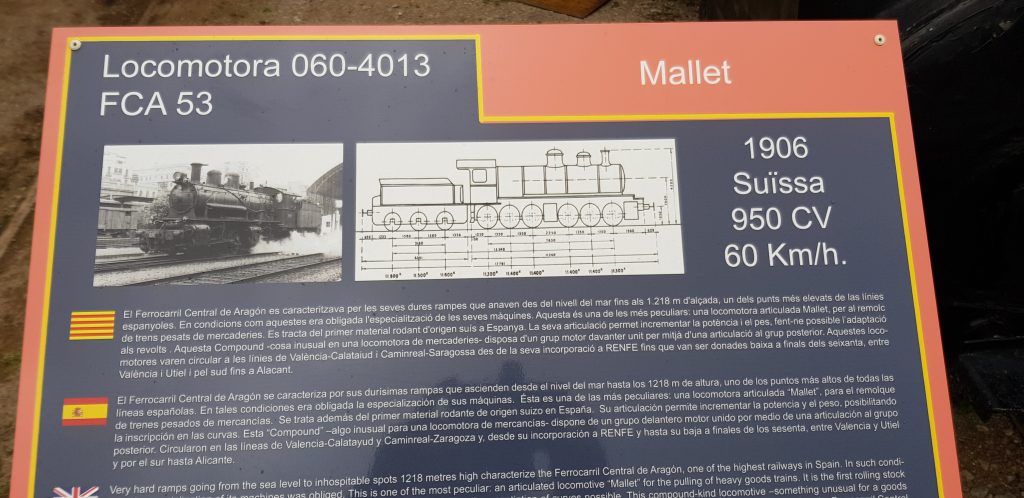
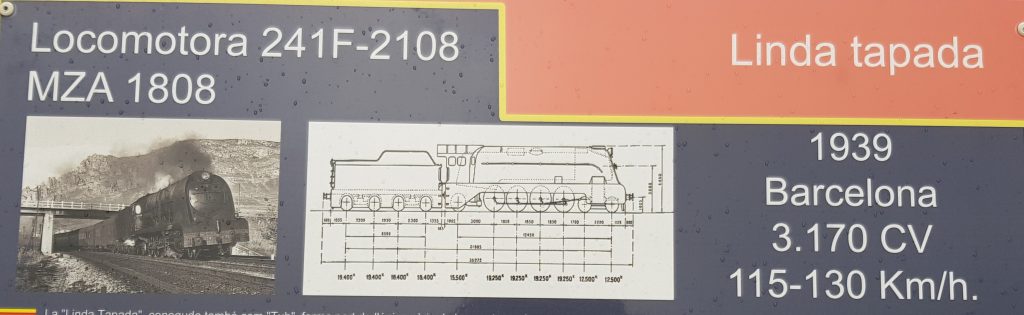
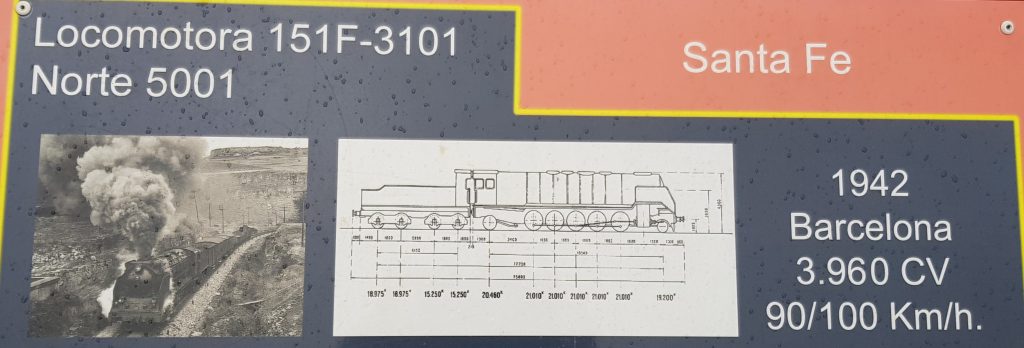
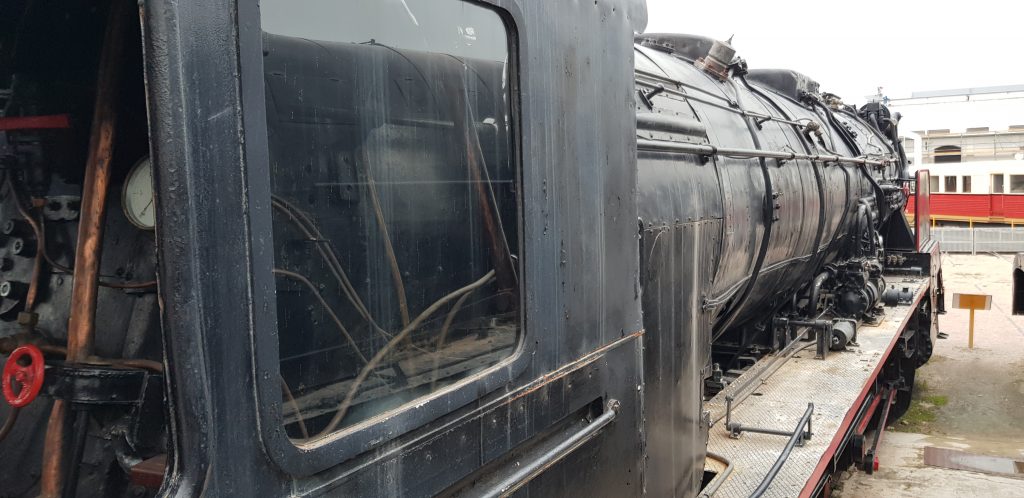
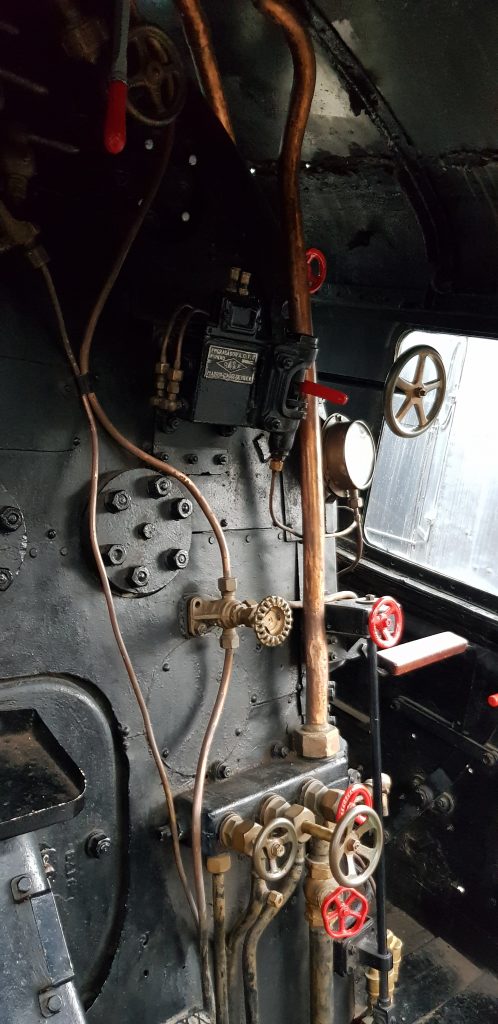
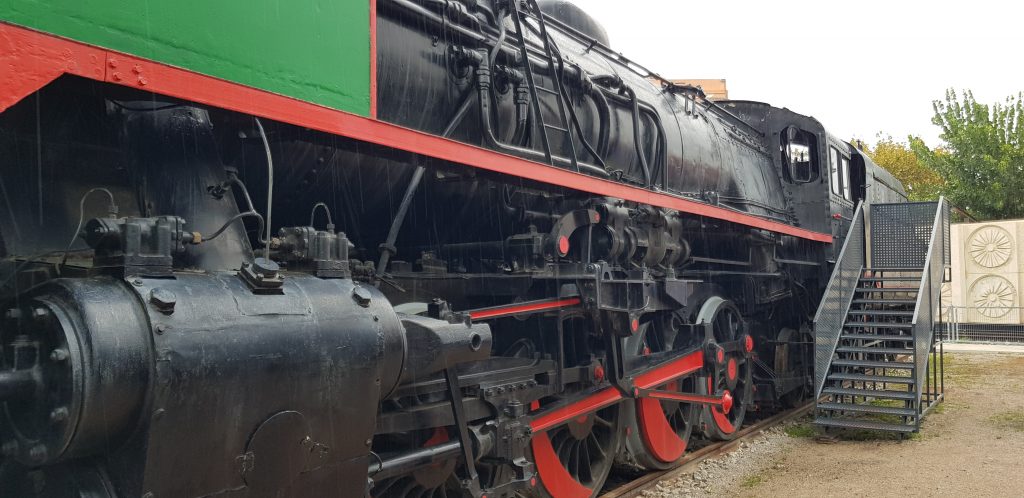
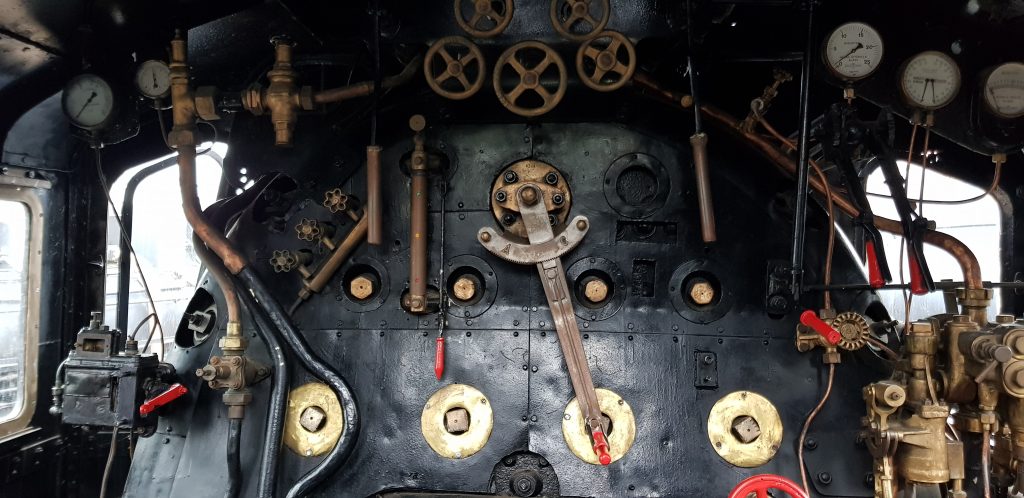
Catalonia Steam Train Museum

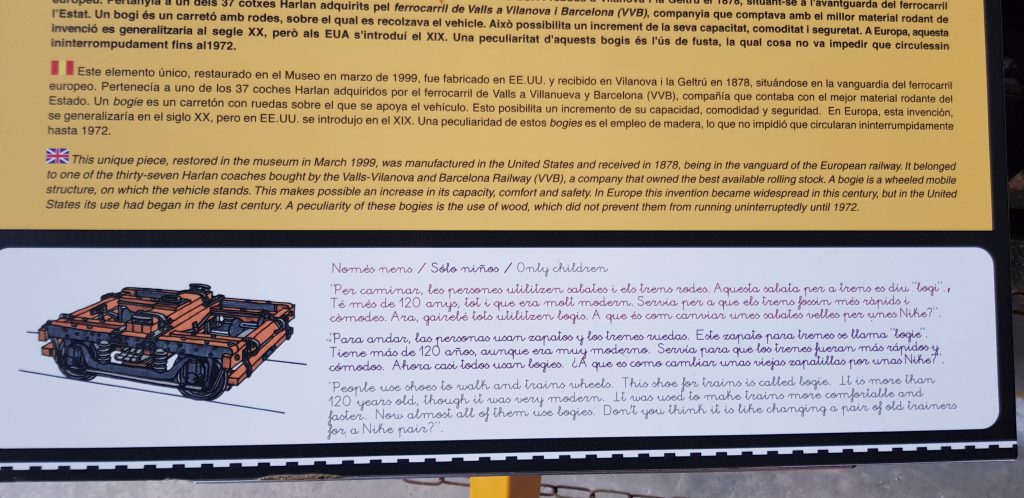
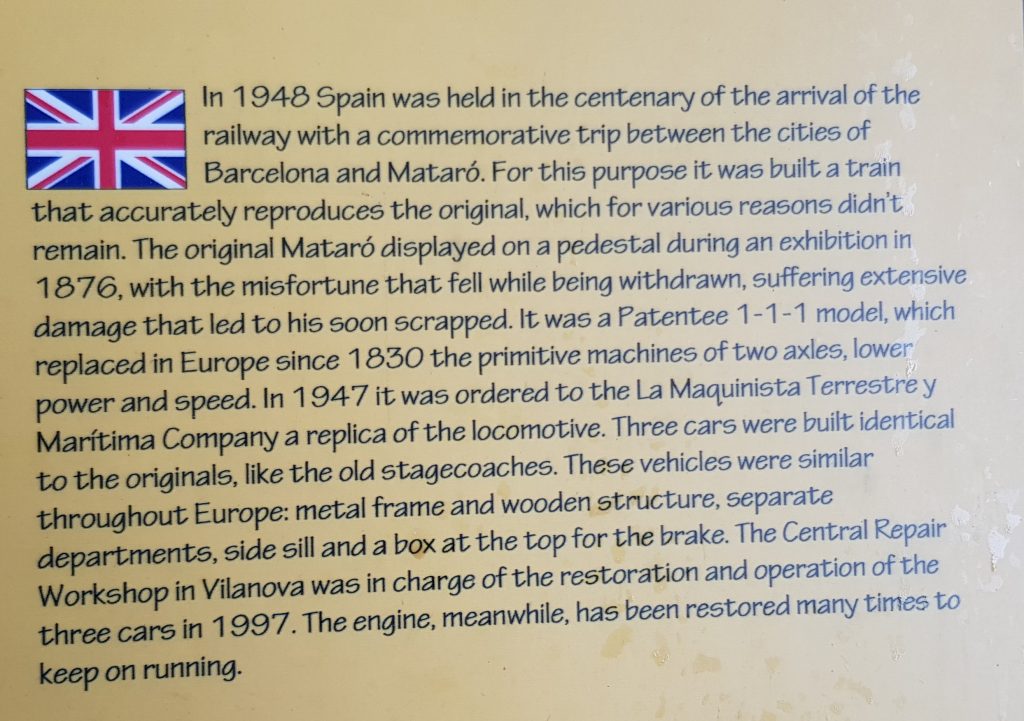
We spent a few hours at this amazing place in Vilanova iLa Geltru, just south of Barcelona.  It tells of the history of steam trains around Spain.  Sadly we had to leave quickly as it started raining heavily, otherwise we would also have photos of the old electric trains imported from Americ and used until more recently.

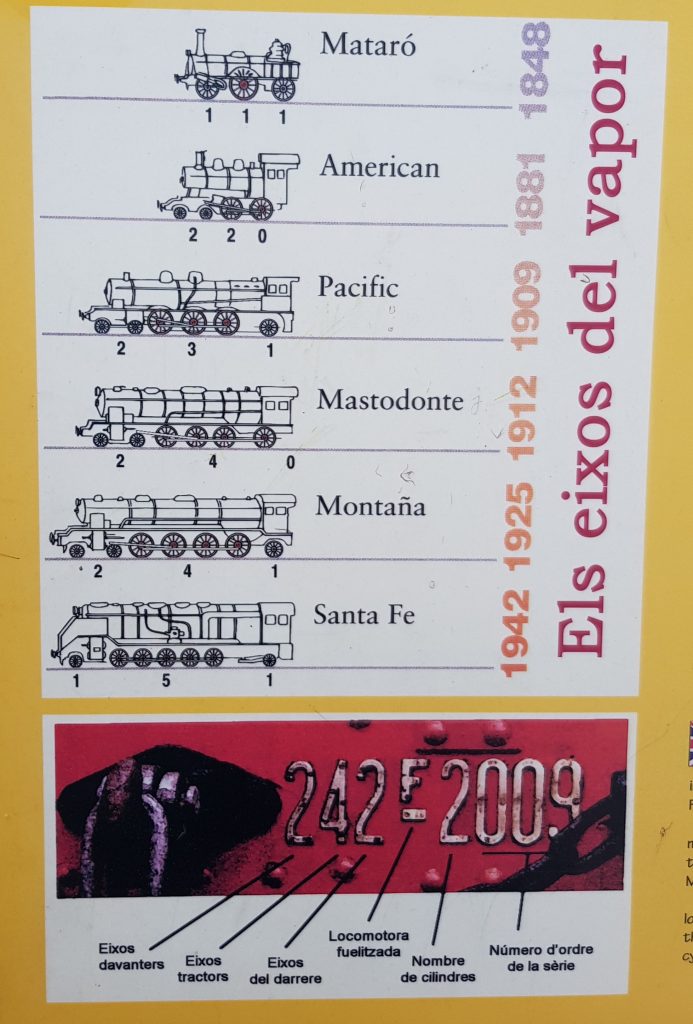
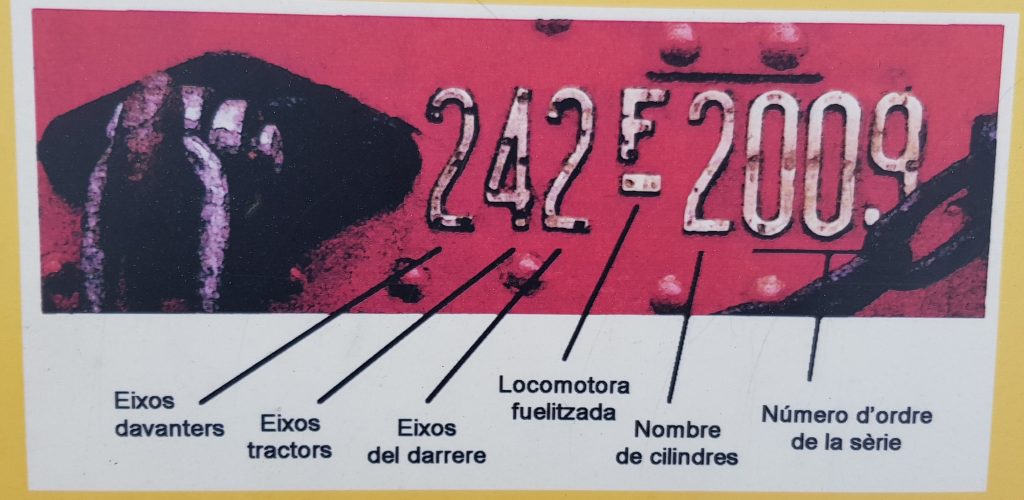
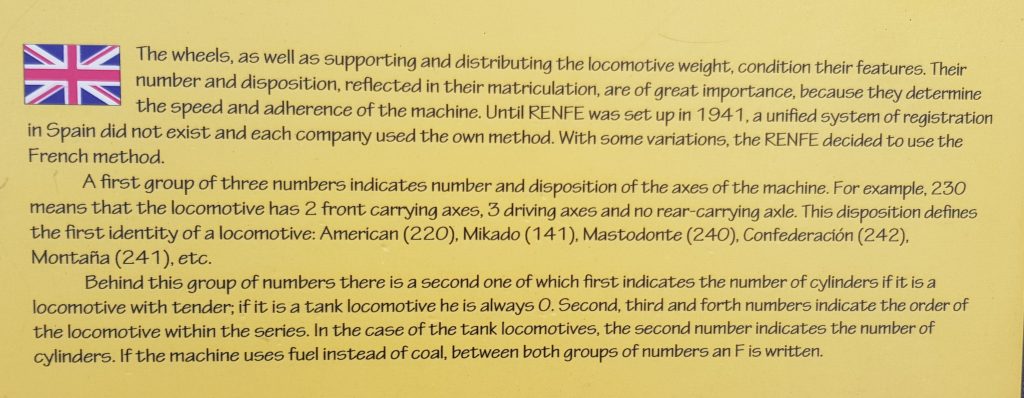
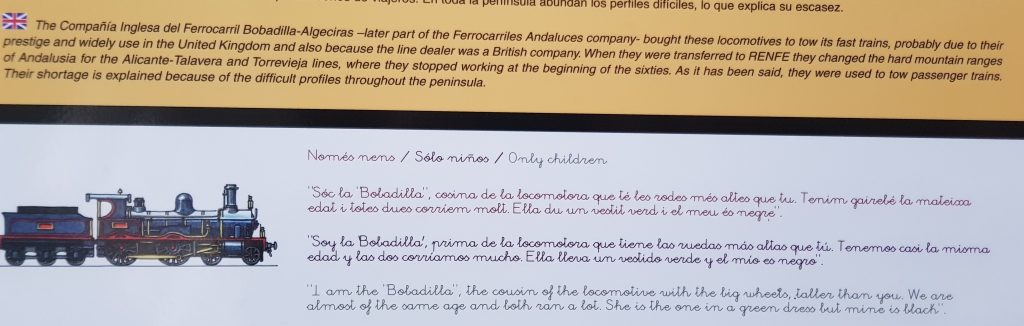
An explanation of the wheel sizes throughout the years….

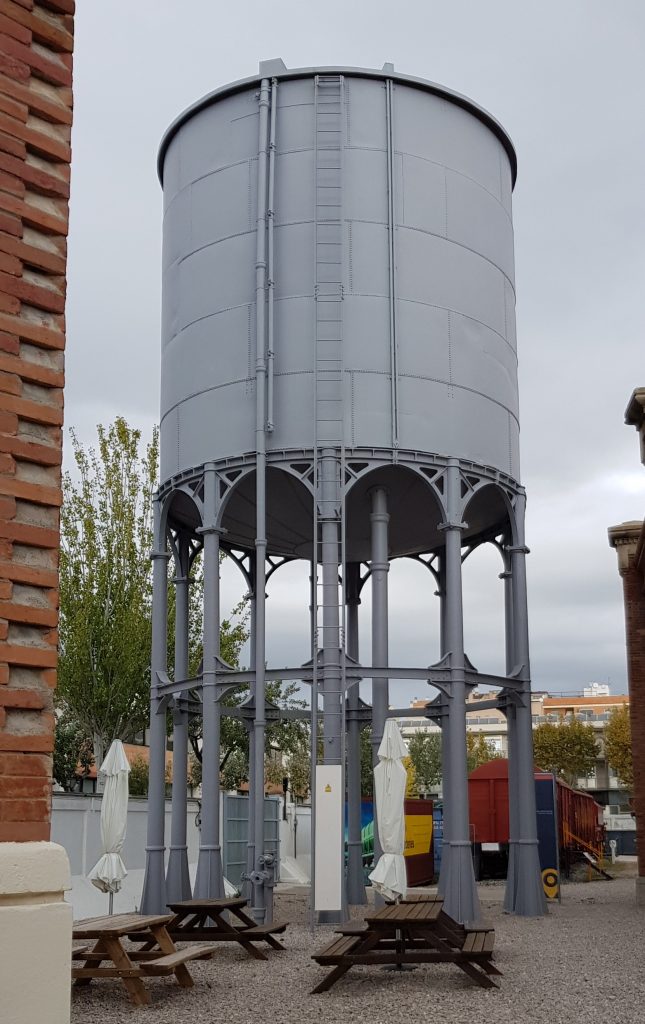
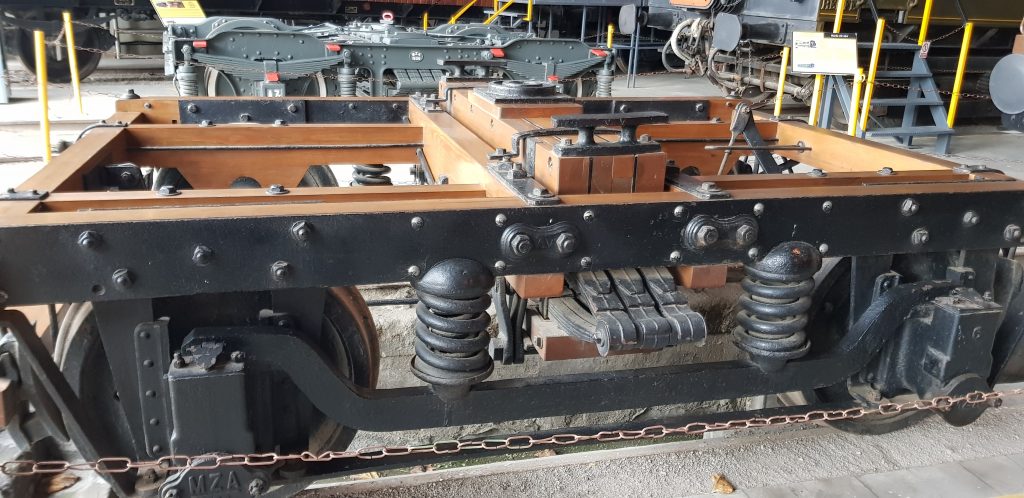
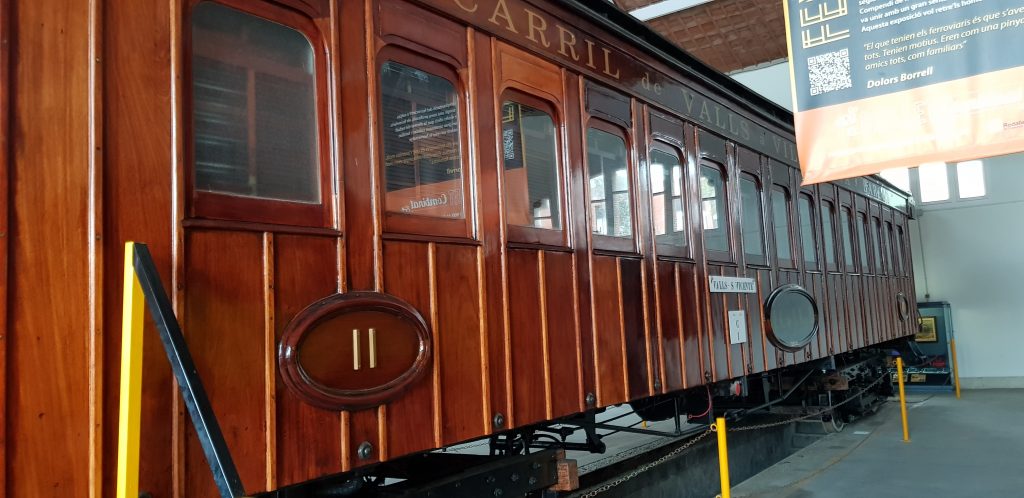
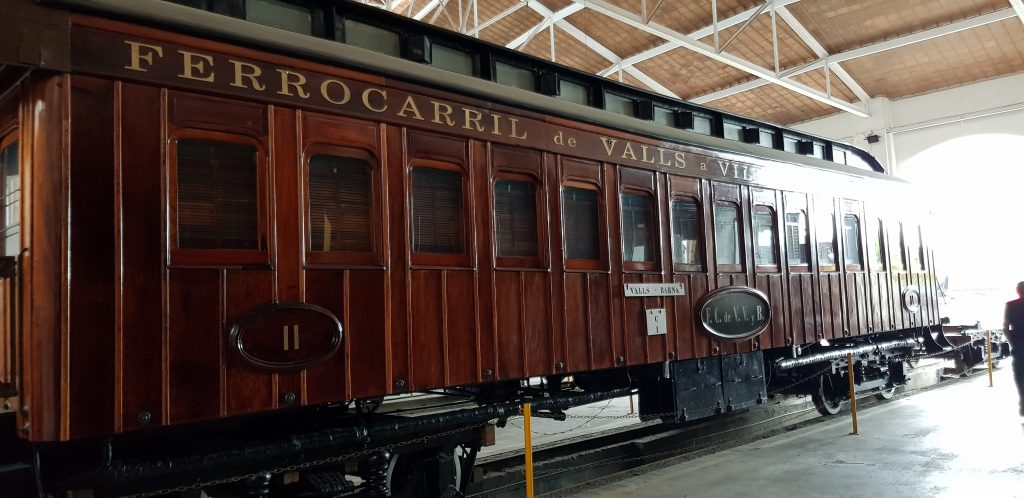
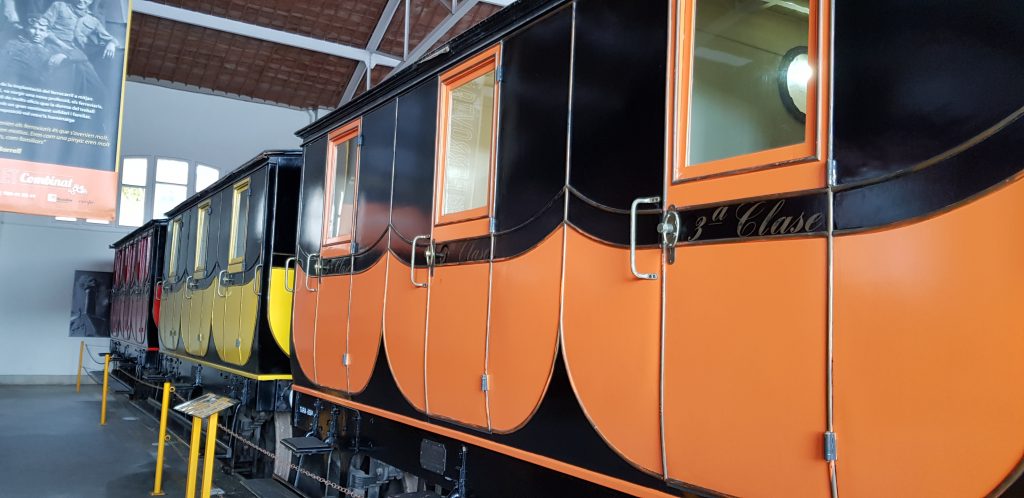
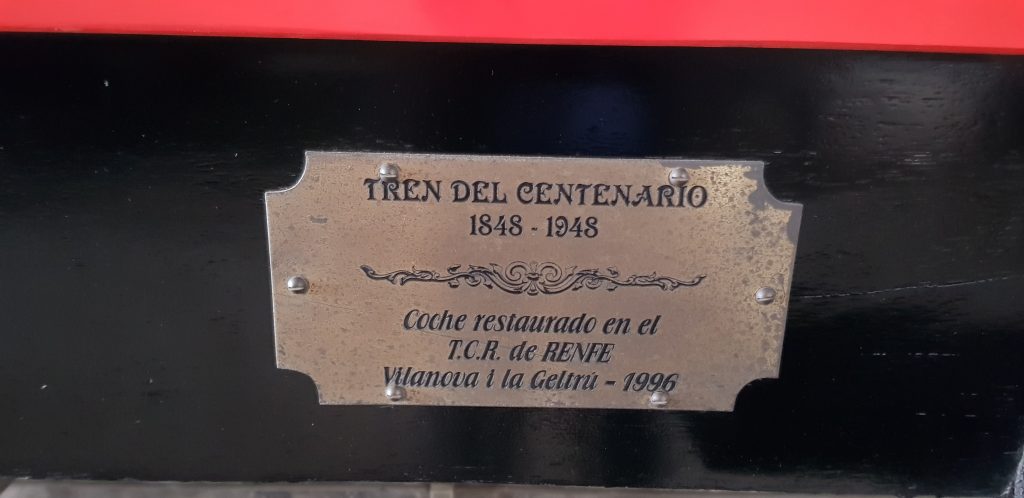
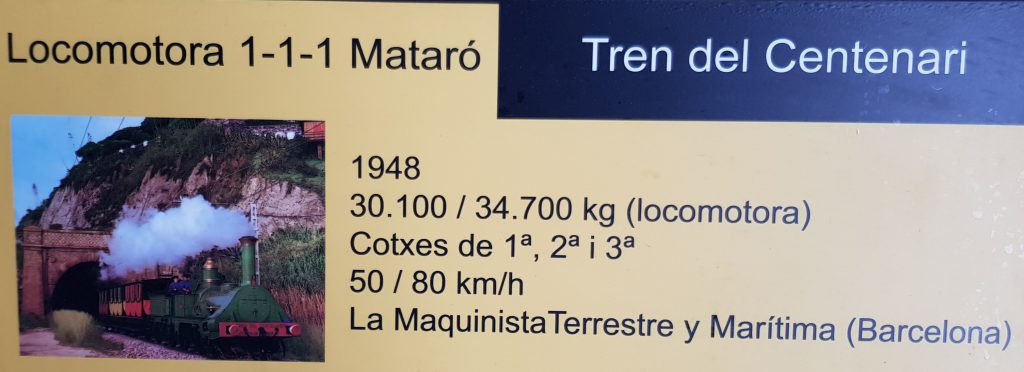
One of the old water towers. Some original wooden passenger carriages.


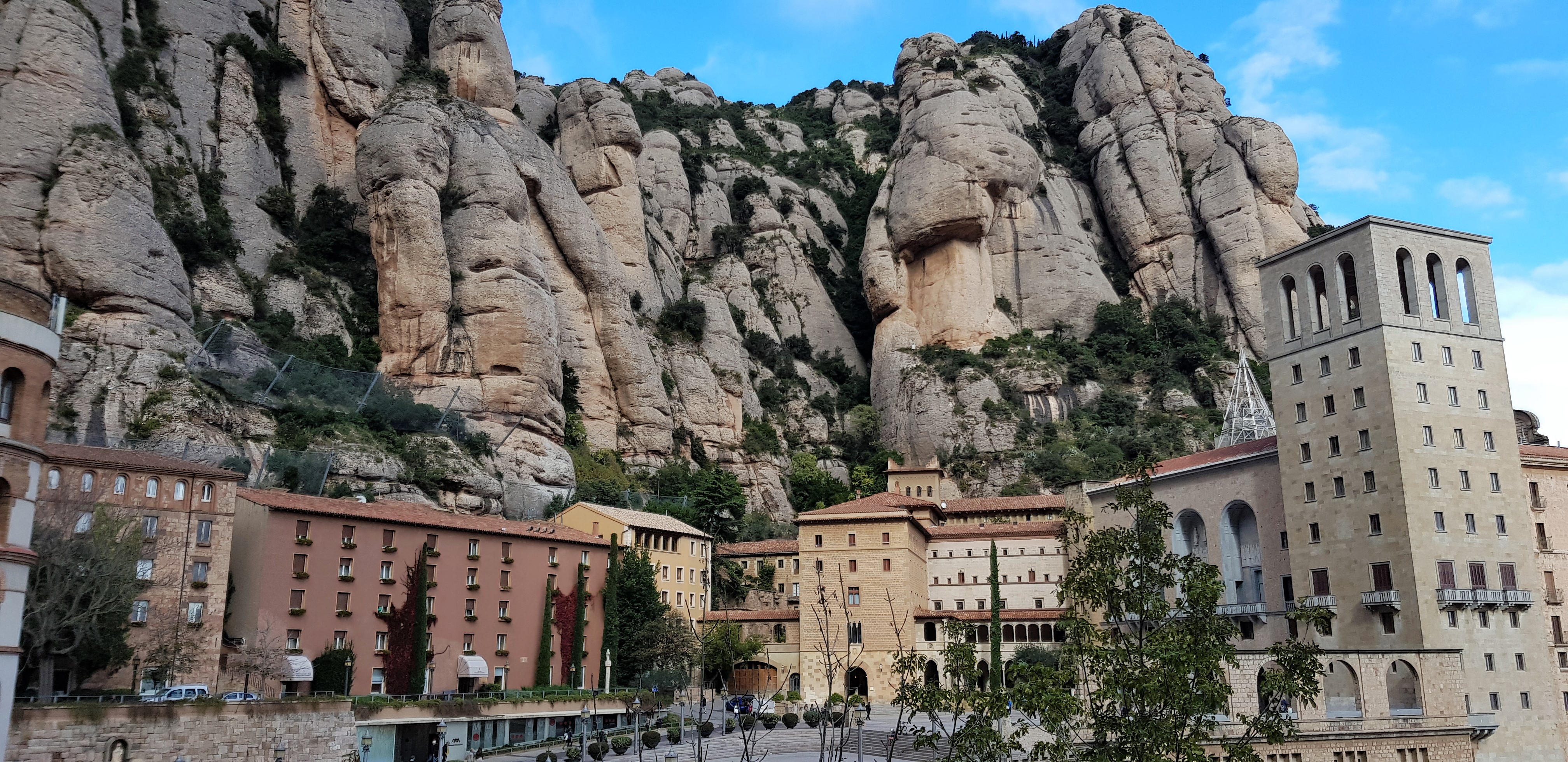
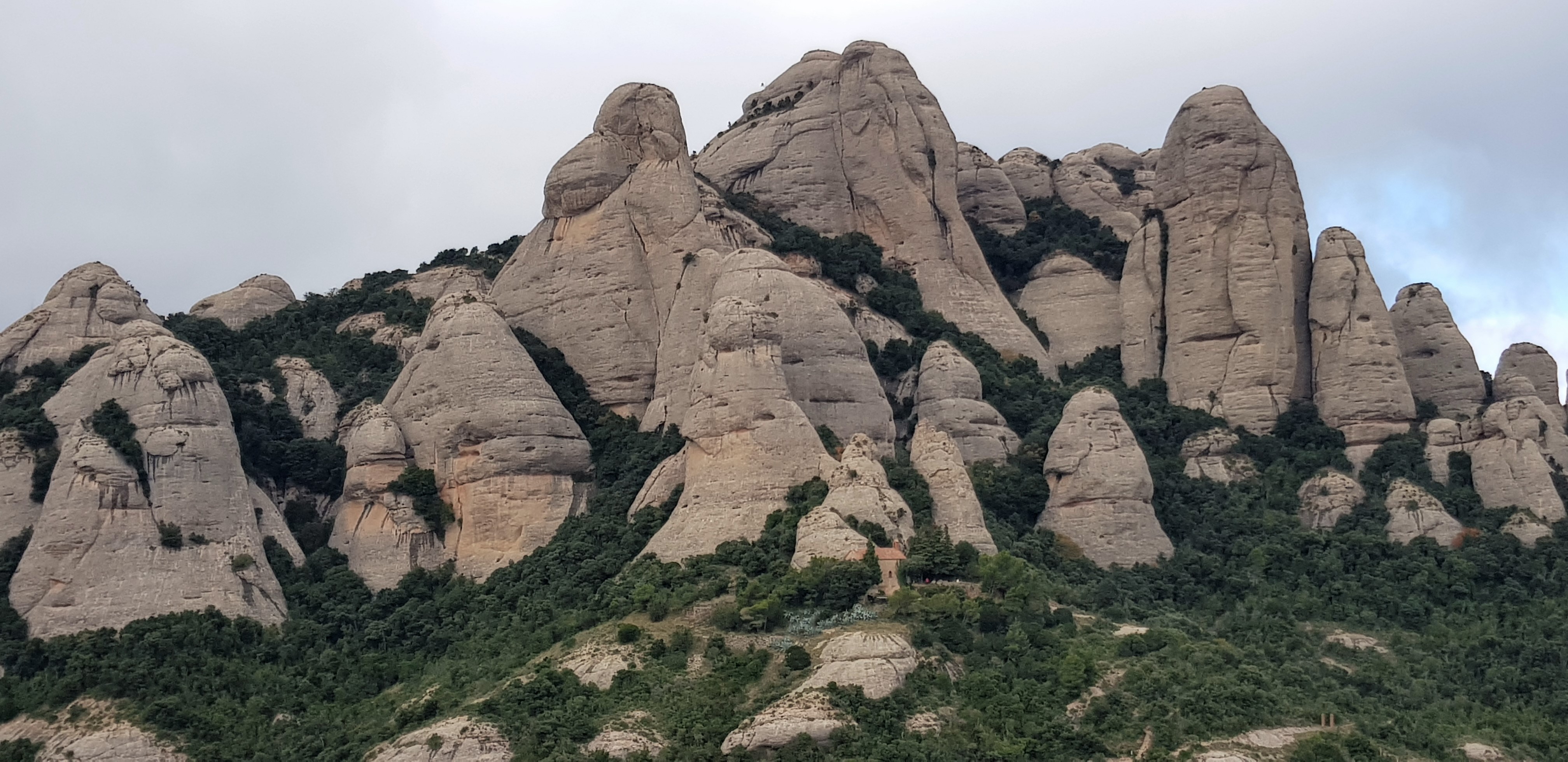
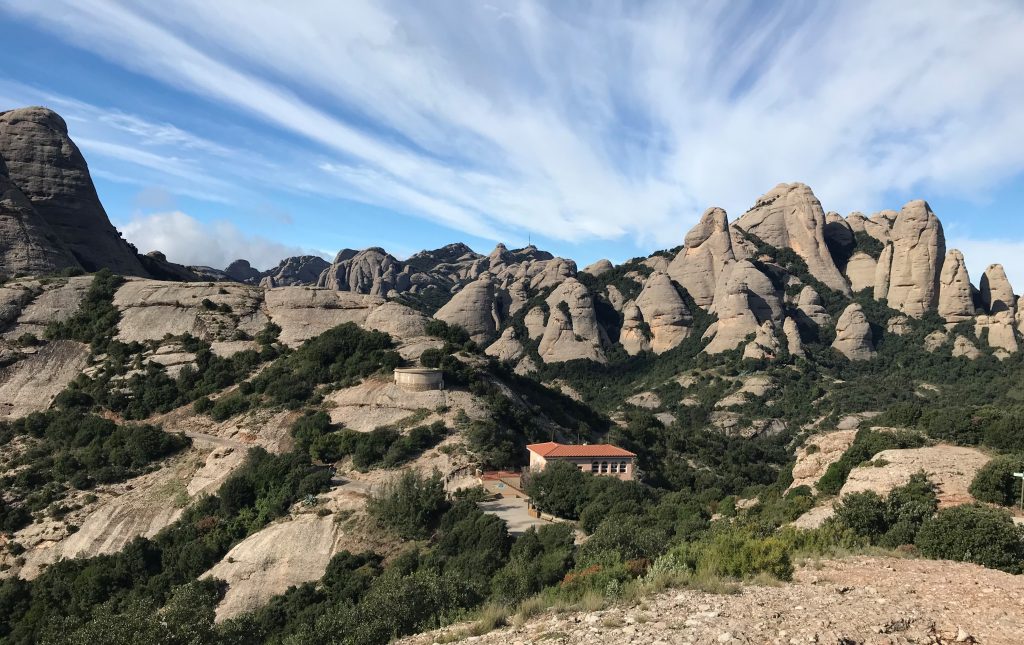
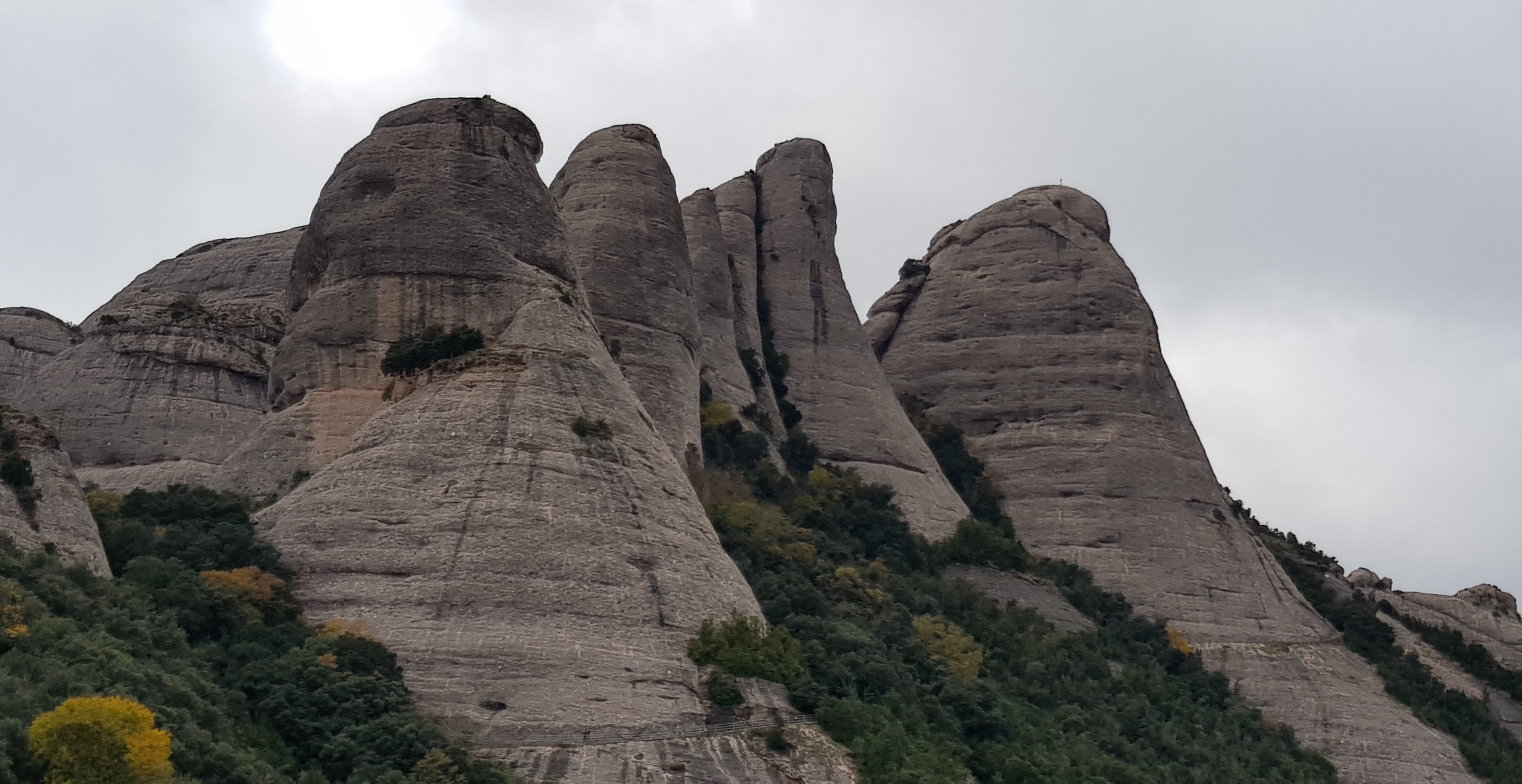
Magnificent Montserrat

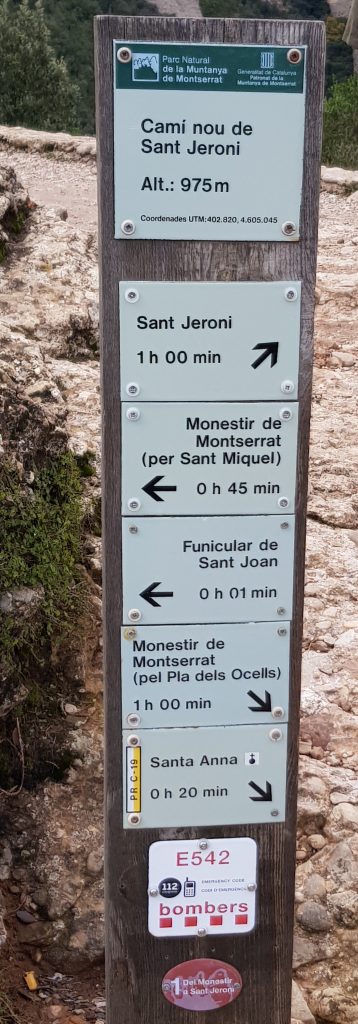
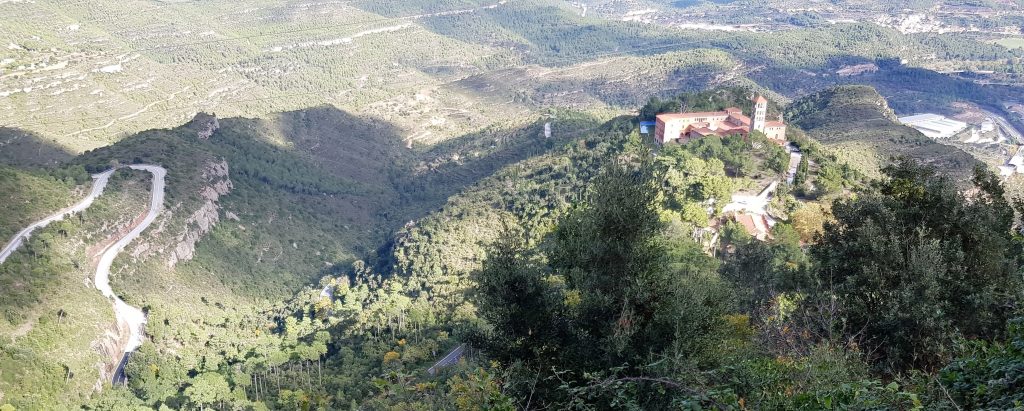
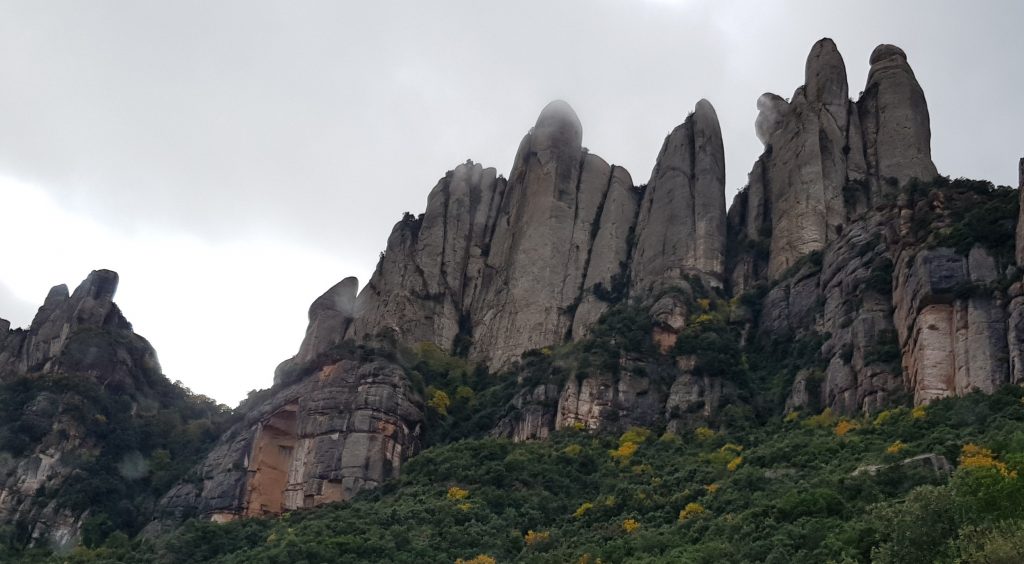
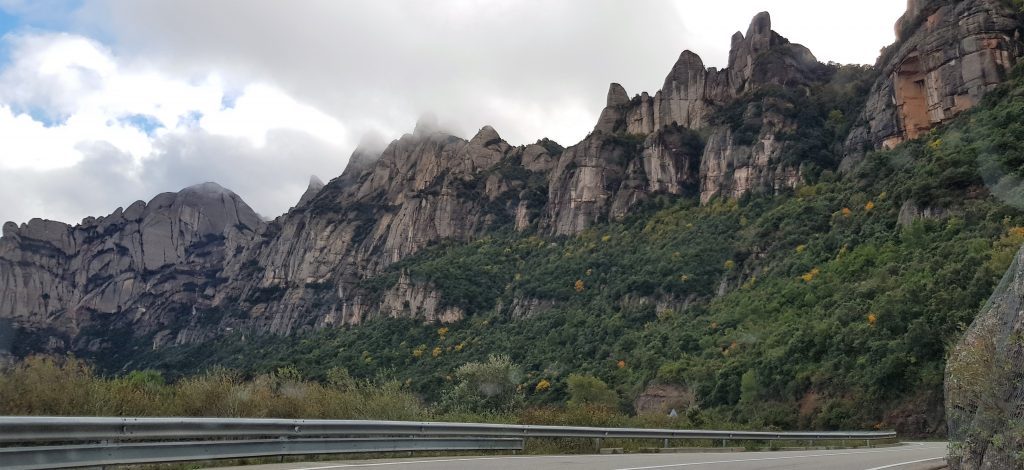
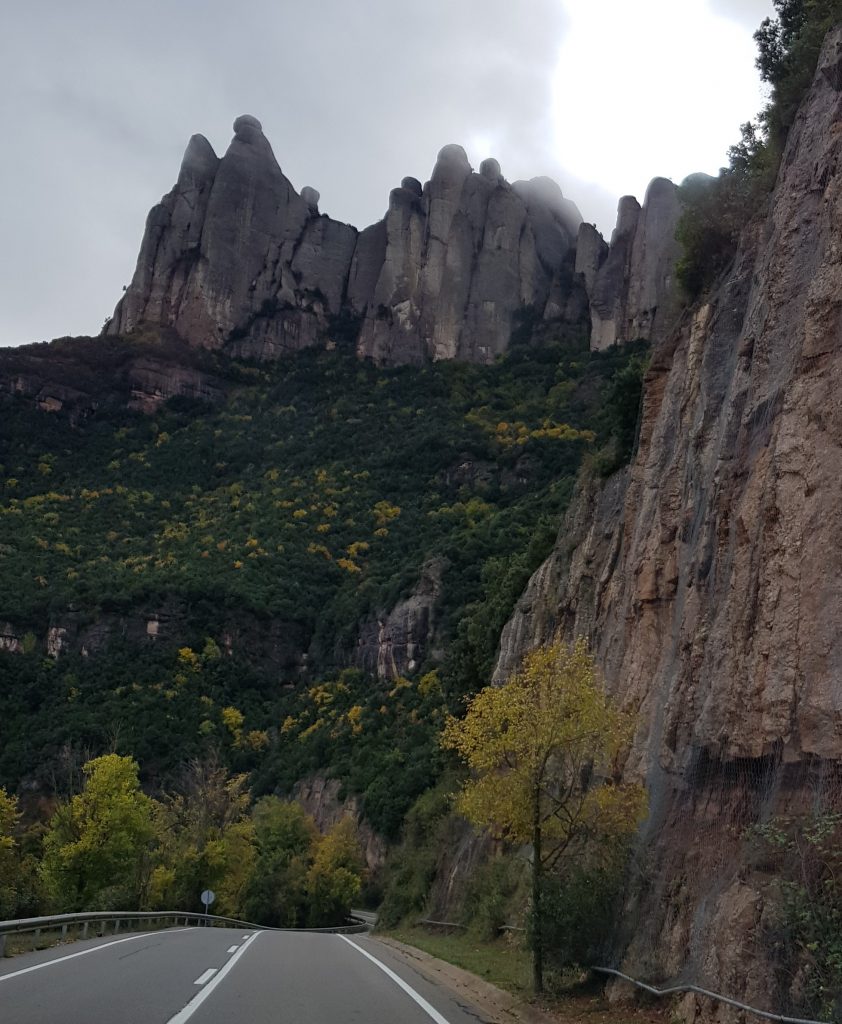
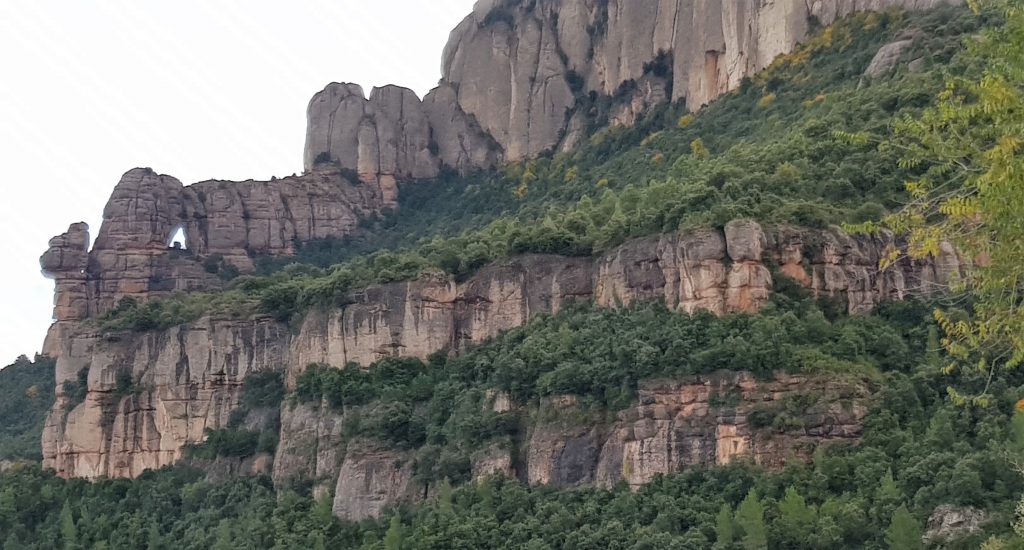
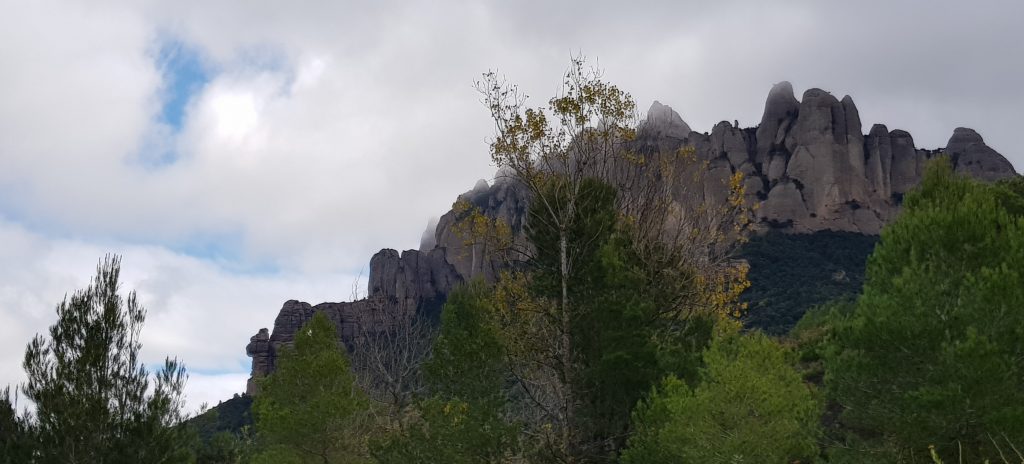
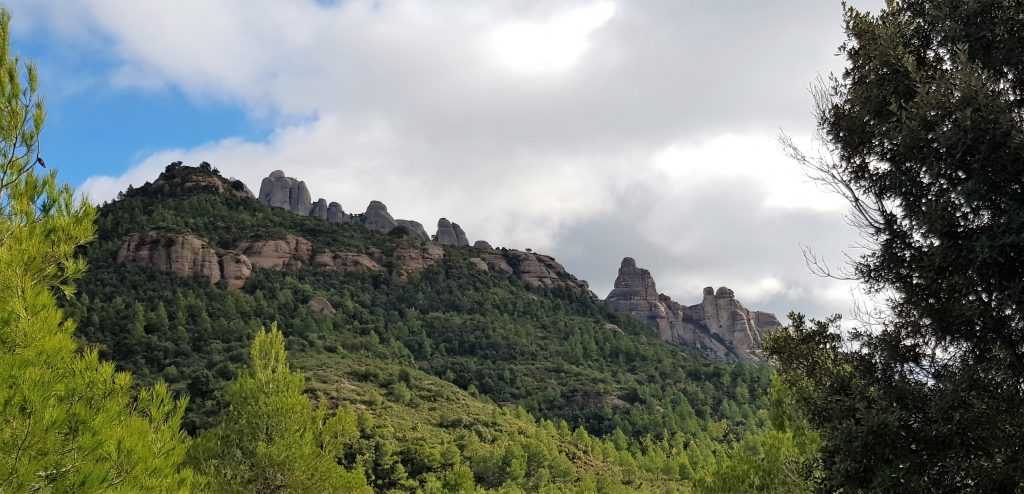
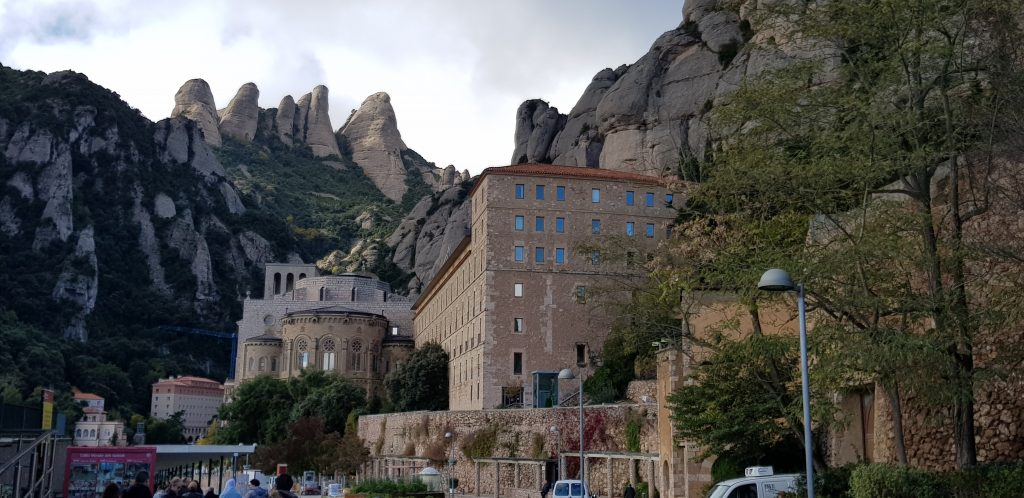
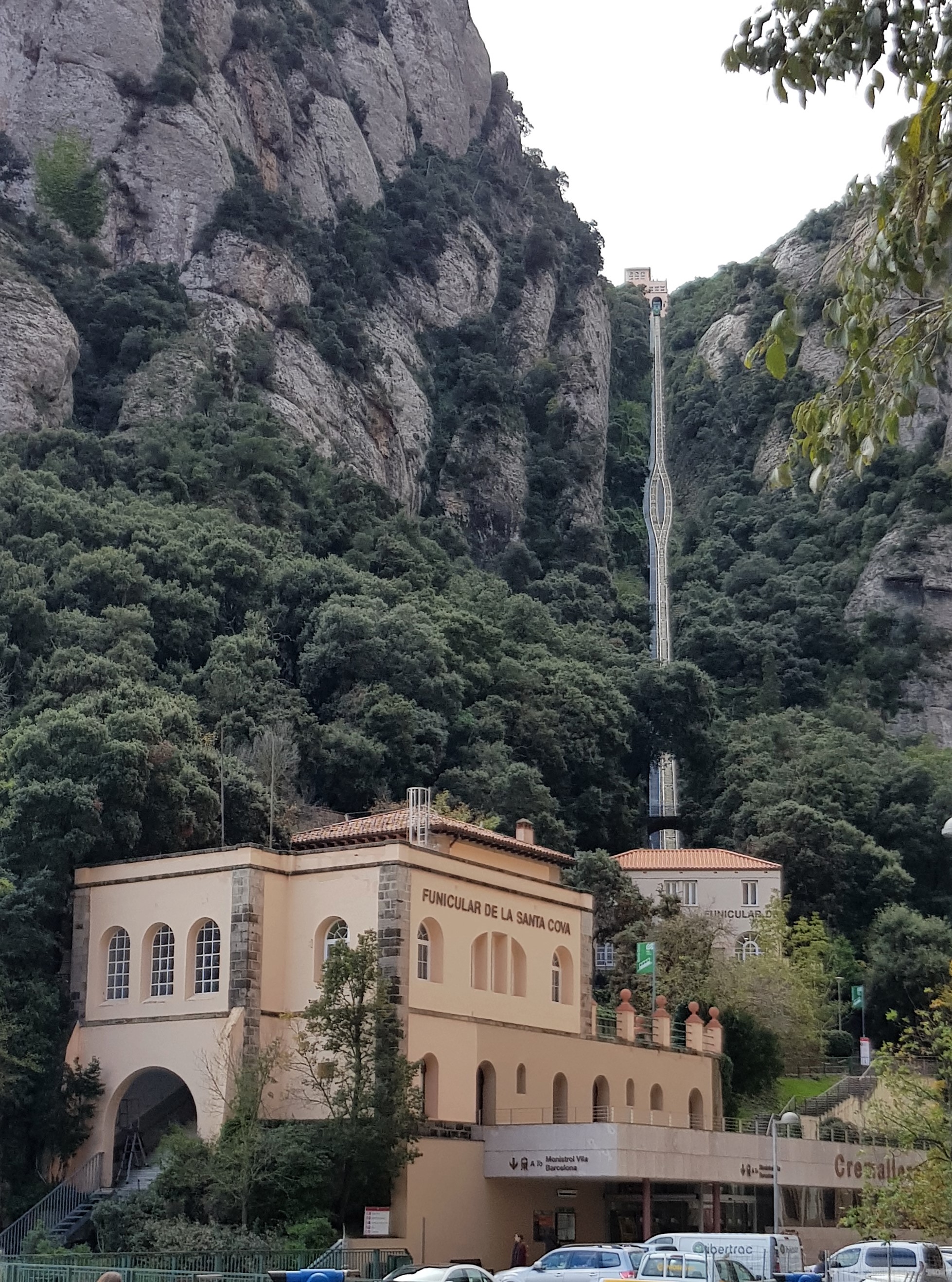
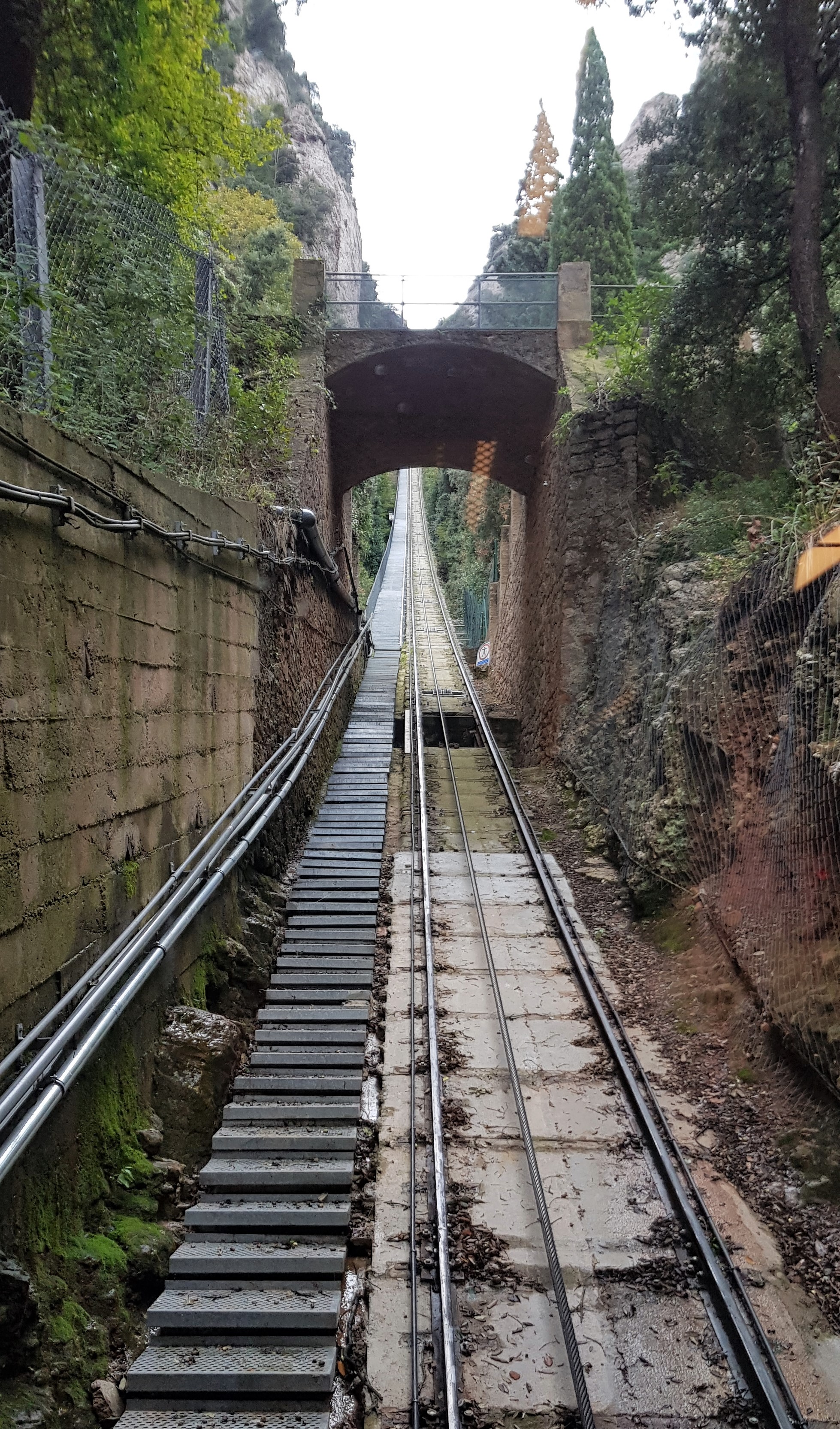
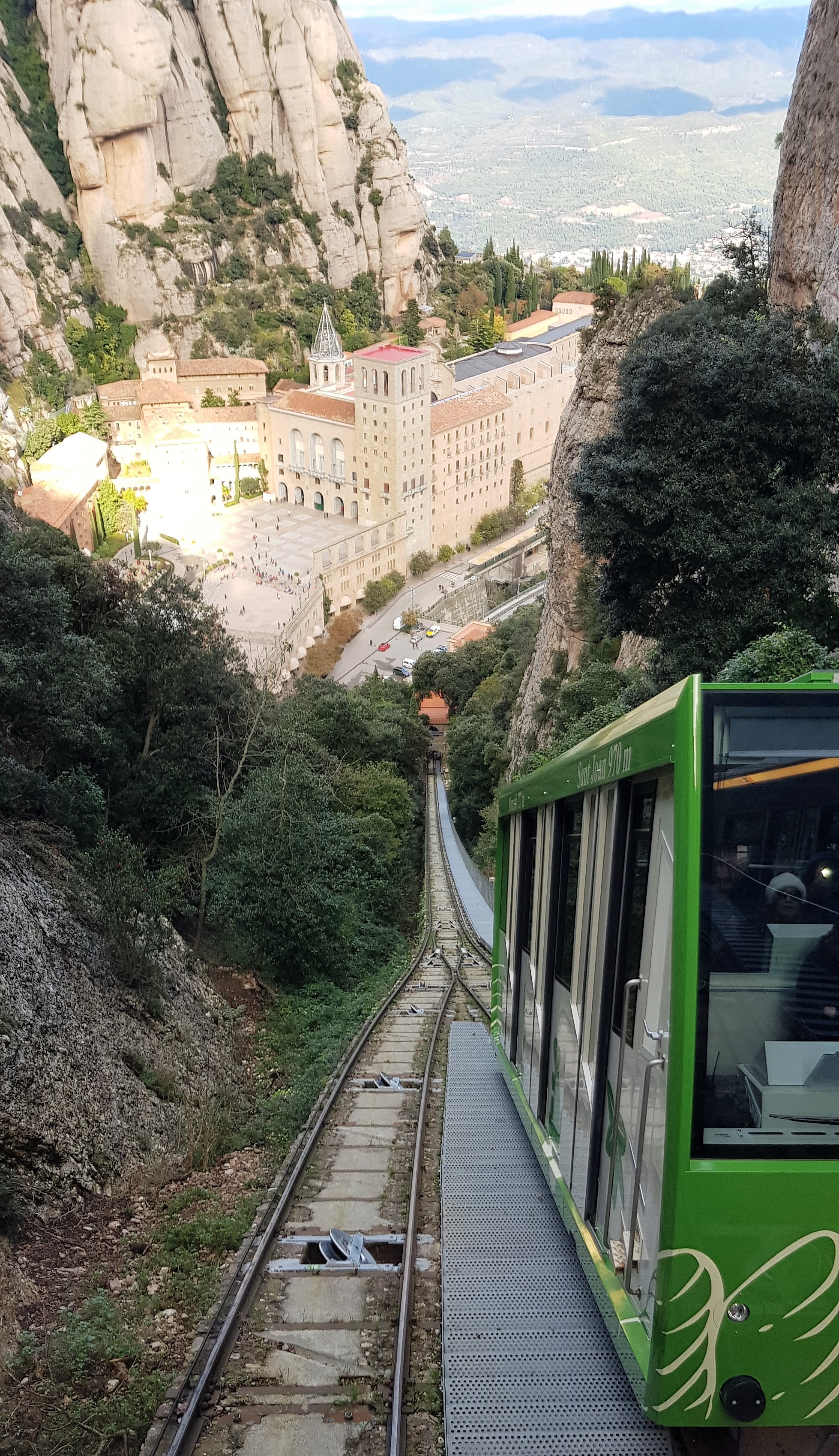
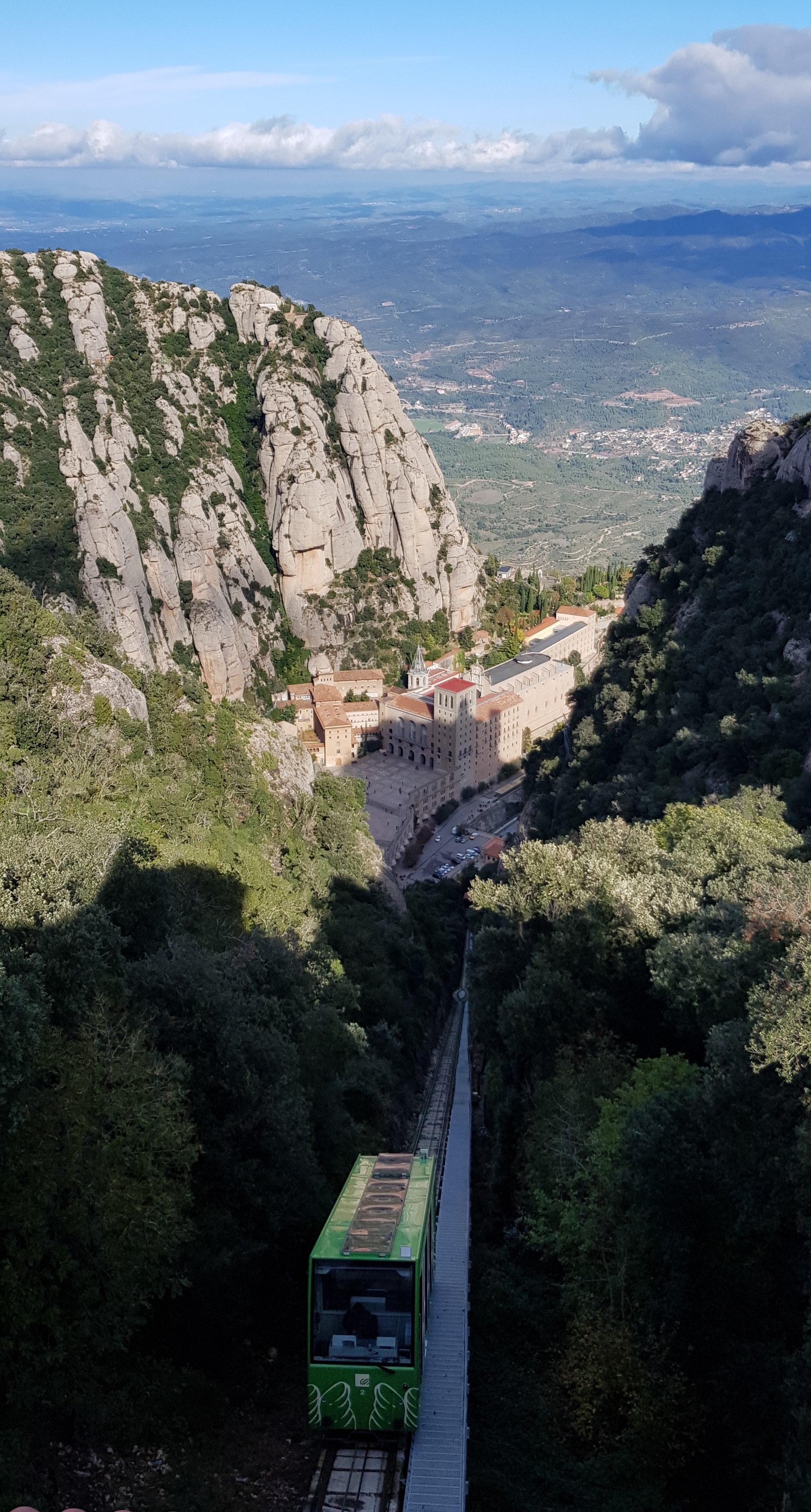
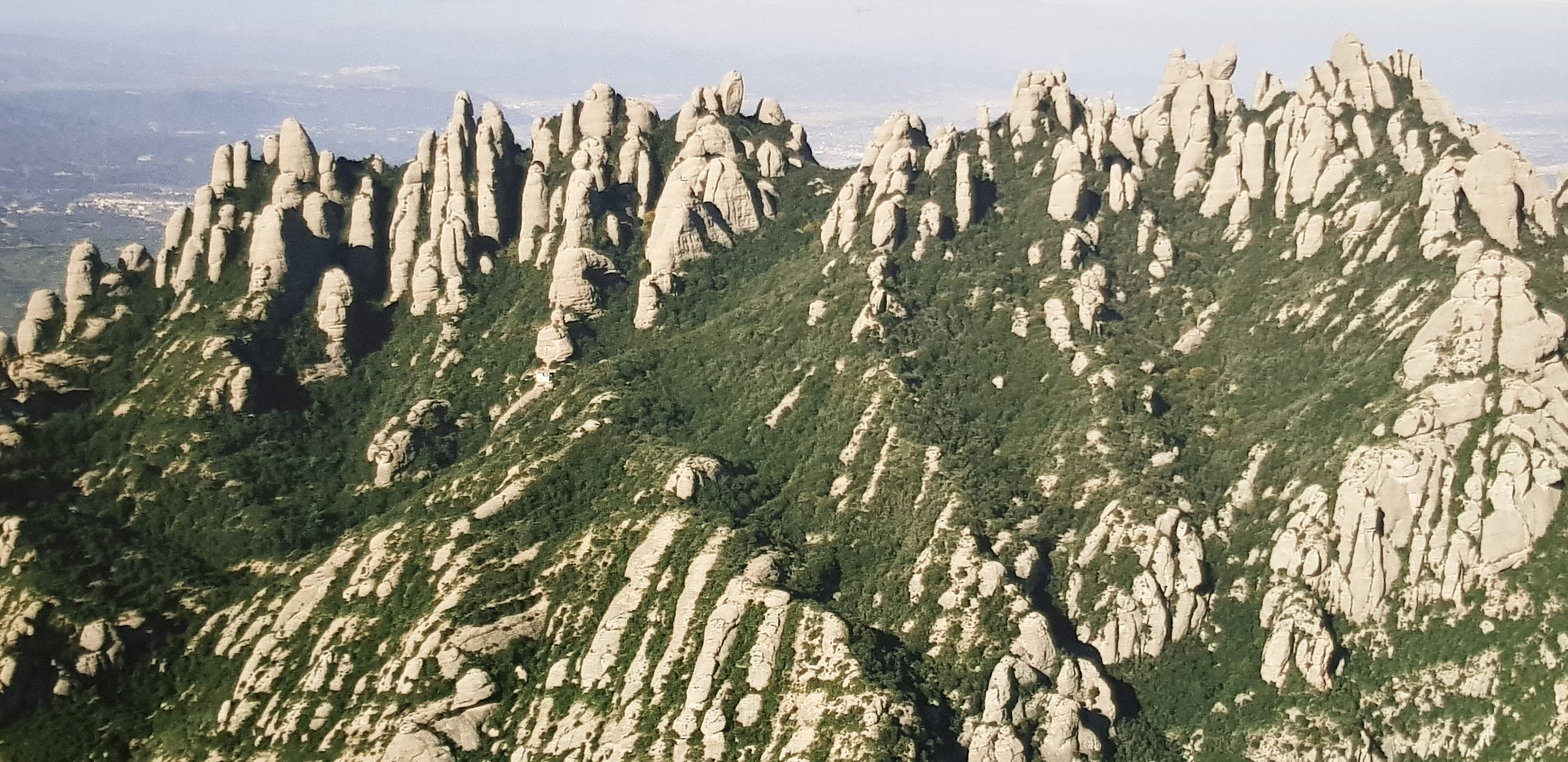
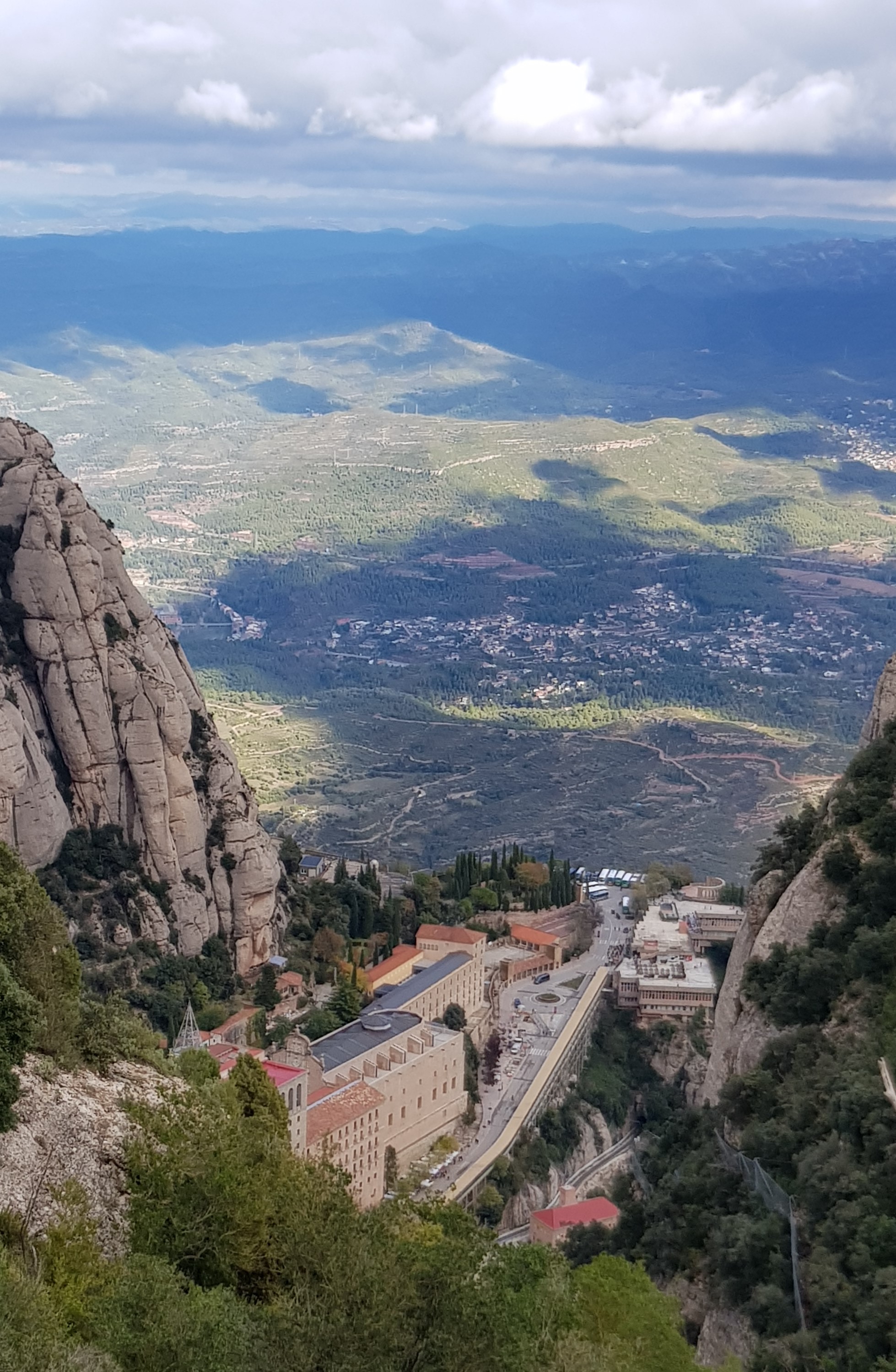
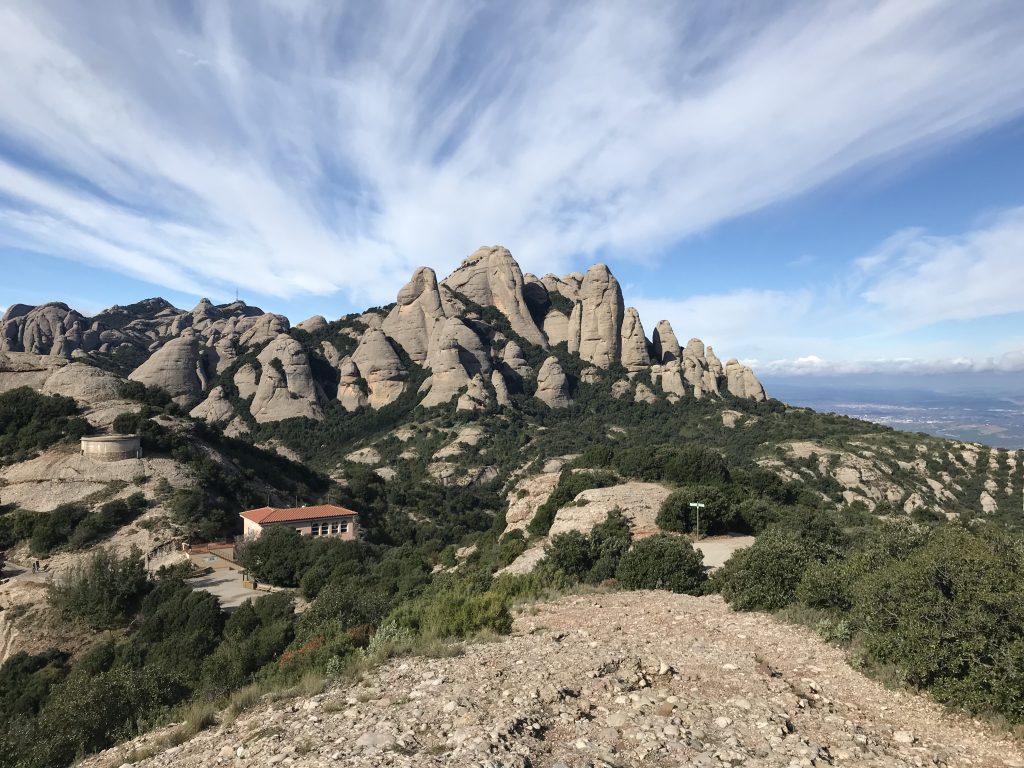
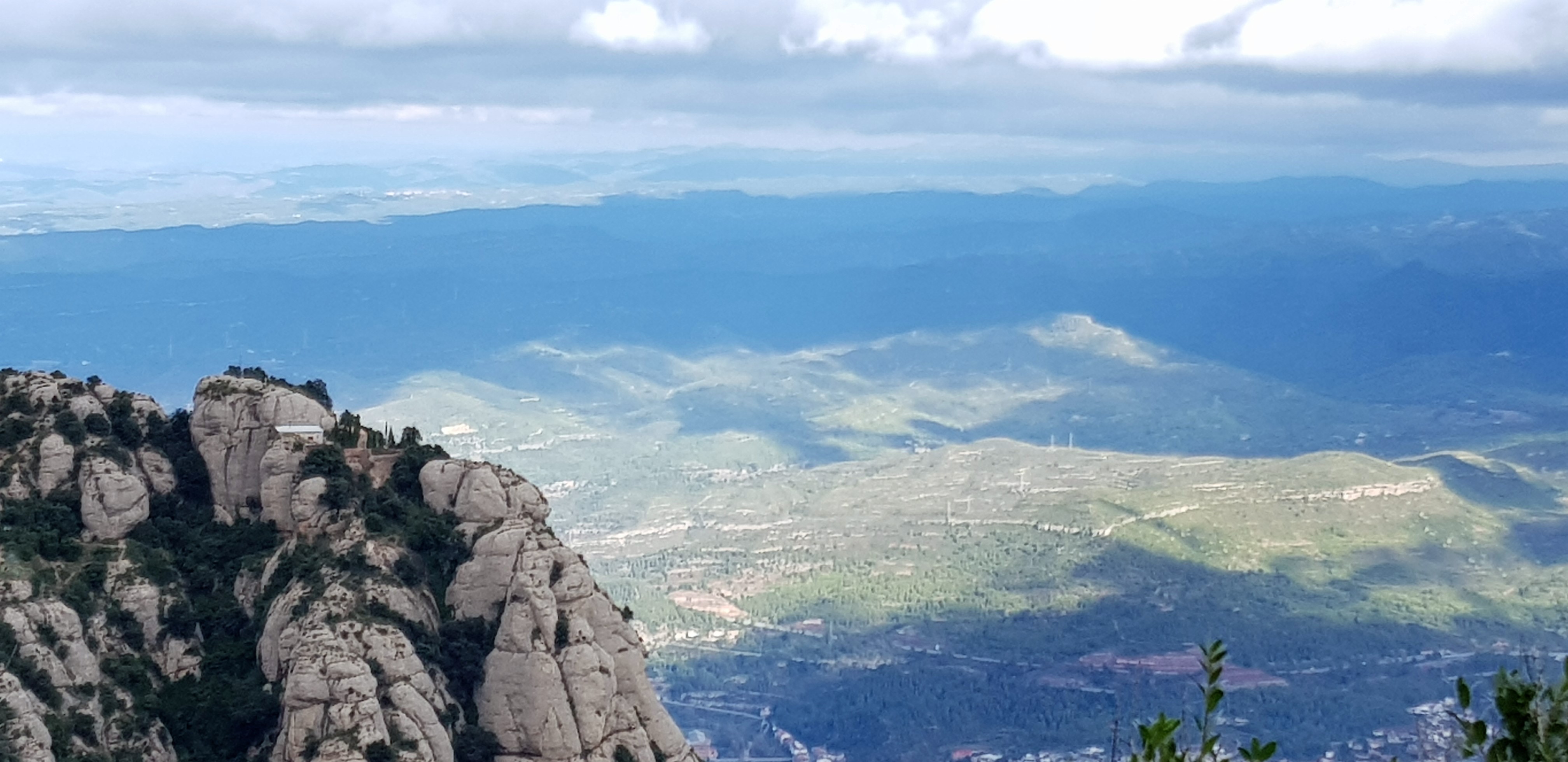
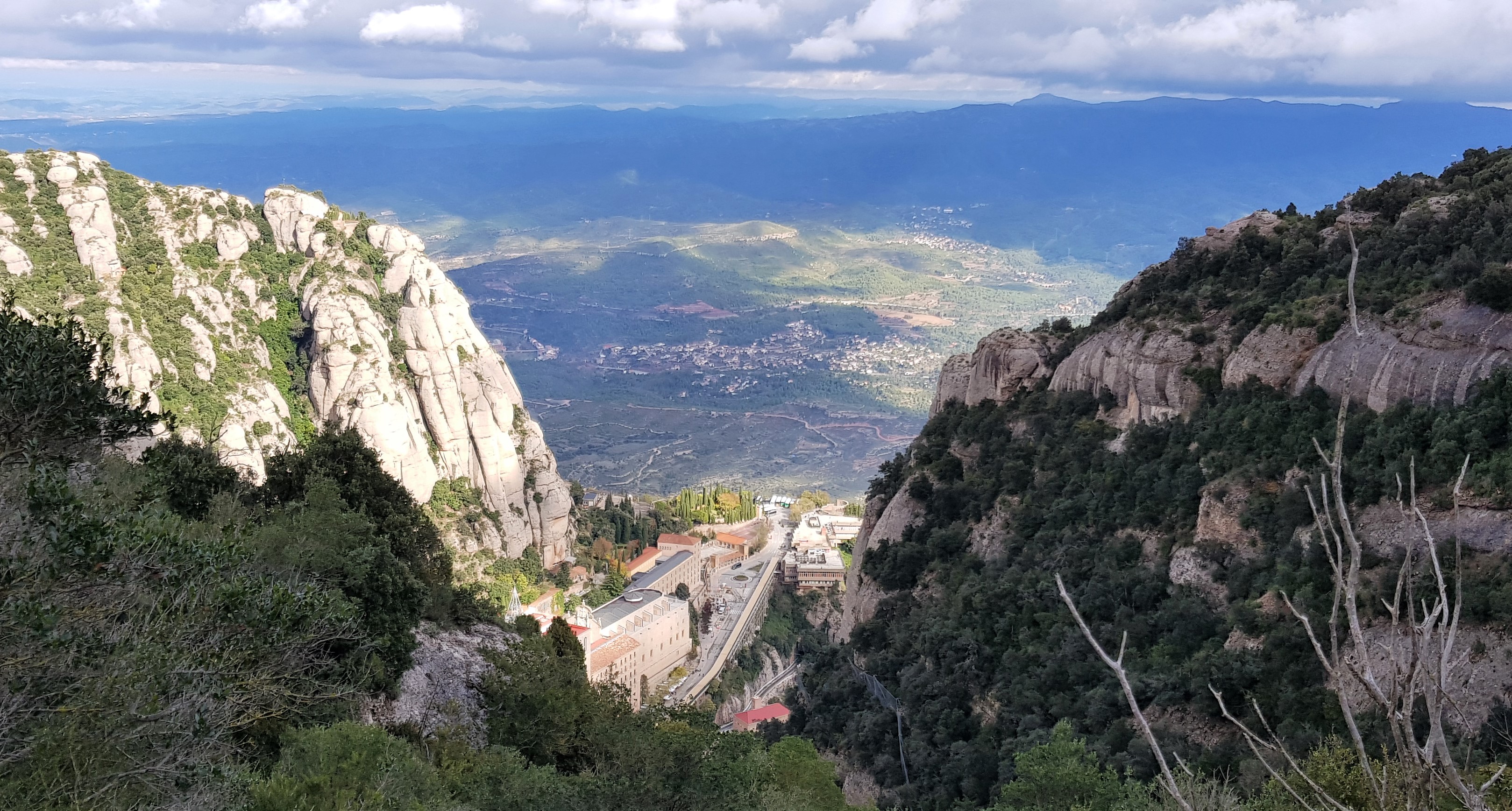
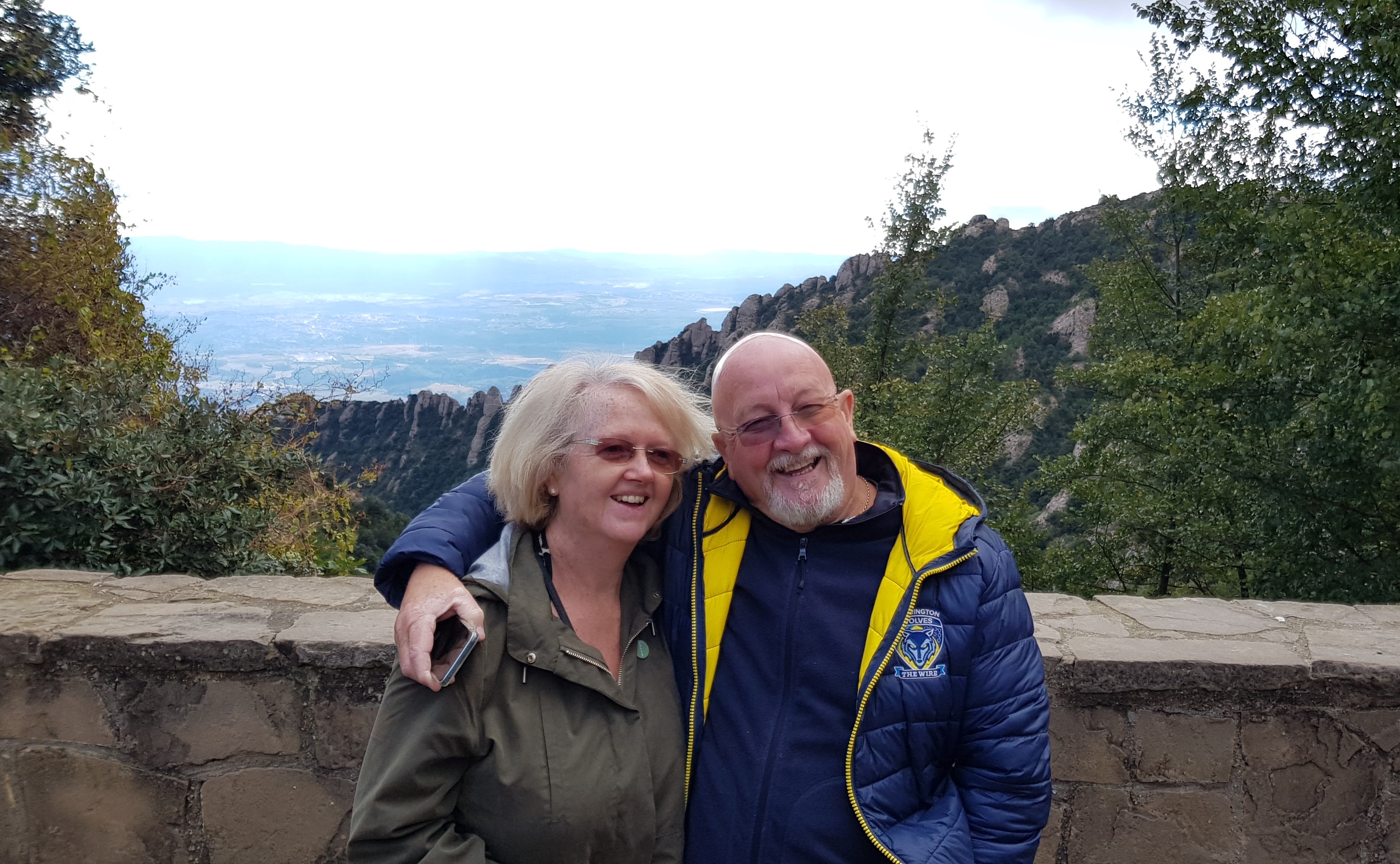
One grey cold morning in November, we set off to see one of the best monasteries in the Catalan area.   Montserrat is a spectacularly beautiful Benedictine monk mountain retreat about an hour outside Barcelona.  Not only is Montserrat Monastery of significant religious importance but the natural beauty surrounding the monastery is simply breathtaking and is surrounded by some of the most unusual rock formations in the whole of Catalonia.   We were with Mike and Brenda and took the funicular to the top of the mountain, from this point people can follow a number of different walks to different buildings cut into the rocks, all with amazing views.  As it was cold (at 11am it was 7c and 1200m above sea level) and we were not prepared, we refrained from the walks……well, that our excuse!

The history of Montserrat is fascinating and started in 880 when a small group of shepherd children saw a bright light descending from the sky in the Montserrat mountains,as well as hearing angels singing and the music filled their hearts with a radiant joy.

Overwhelmed by the experience the children ran home to frantically recall the experience to their parents. The parents were sceptical but knew their children were trustworthy and honest and so they went to where the children had experienced the visions to see if they could see what all the fuss was about.  For the whole month following the first visitation the parents were also witness to the same heavenly experiences and were left with only one conclusion. The visions were considered to be a sign from God.  A local vicar was brought to the scene and witnessed the same experiences as the children and parents. The visions occurred in the same location in a cave on Montserrat mountain. When this cave was explored by the religious elders of the community they found an image of the Virgin Mary. And from that moment on the cave became a holy sanctuary for religious pilgrims.  The cave became a Holy Grotto which has since been ordained as a holy place and is visited by pilgrims and curious onlookers from all over the world.  At least once in their lifetime, Catalonians do an overnight pilgrimage from their homes to Montserrat to witness the morning sunrise in a spiritual setting.

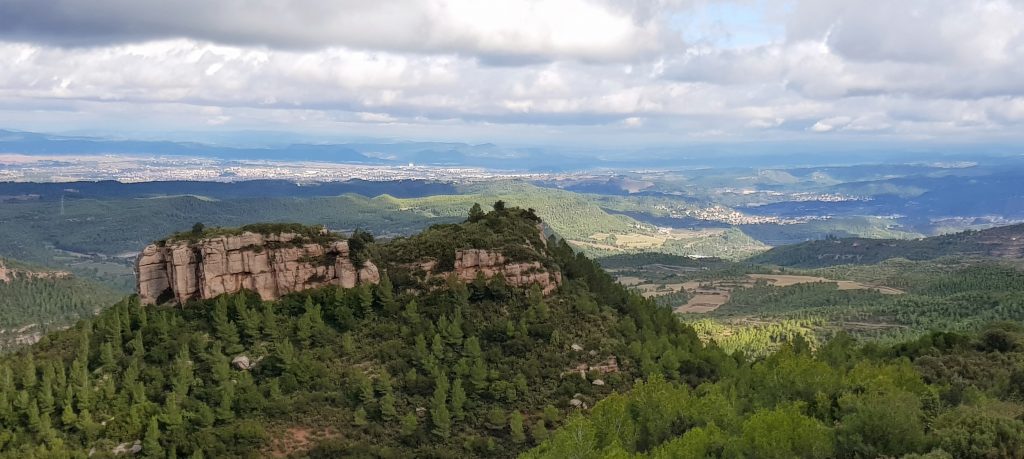
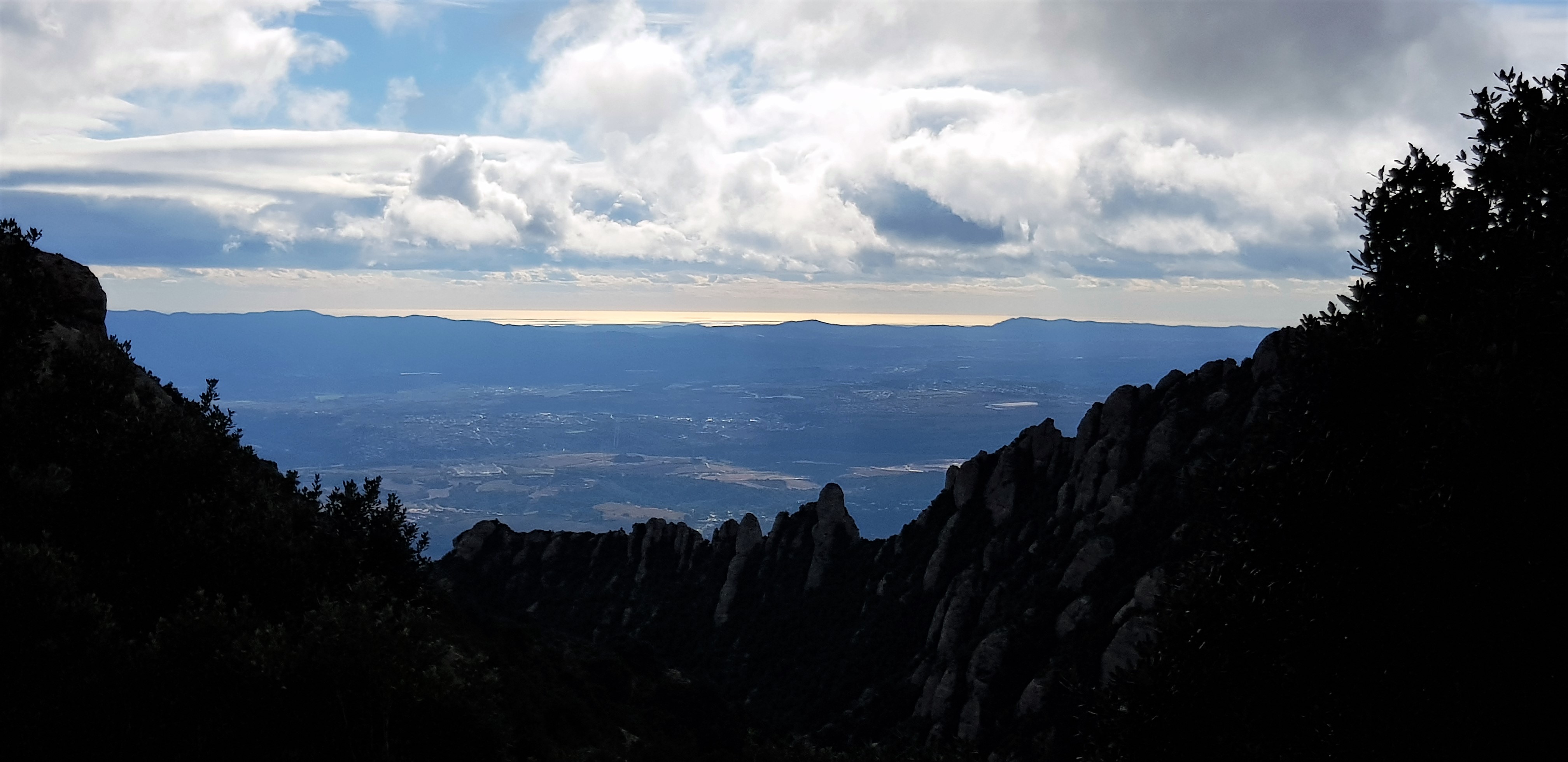
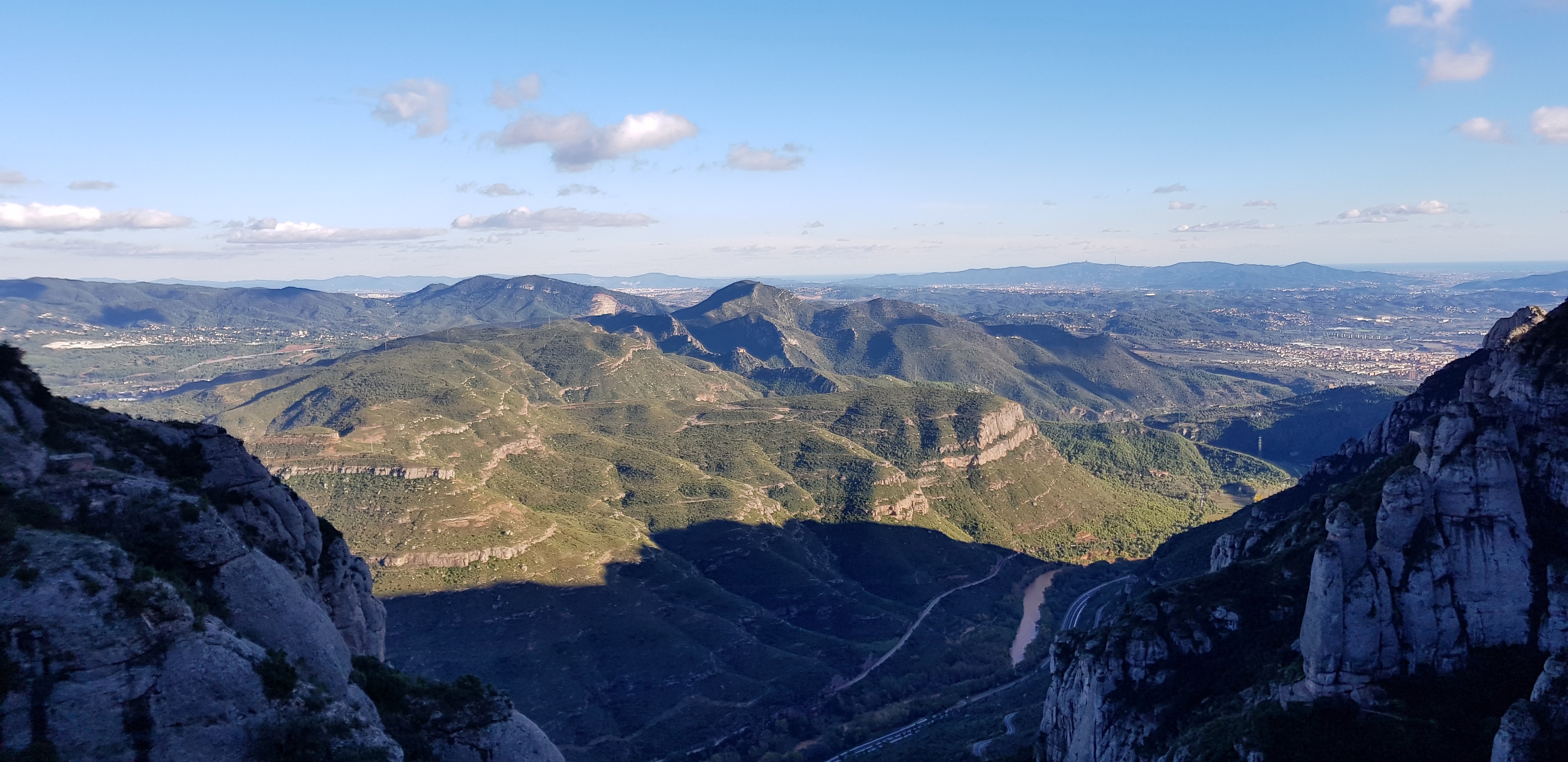
Views Approaching the Monastery

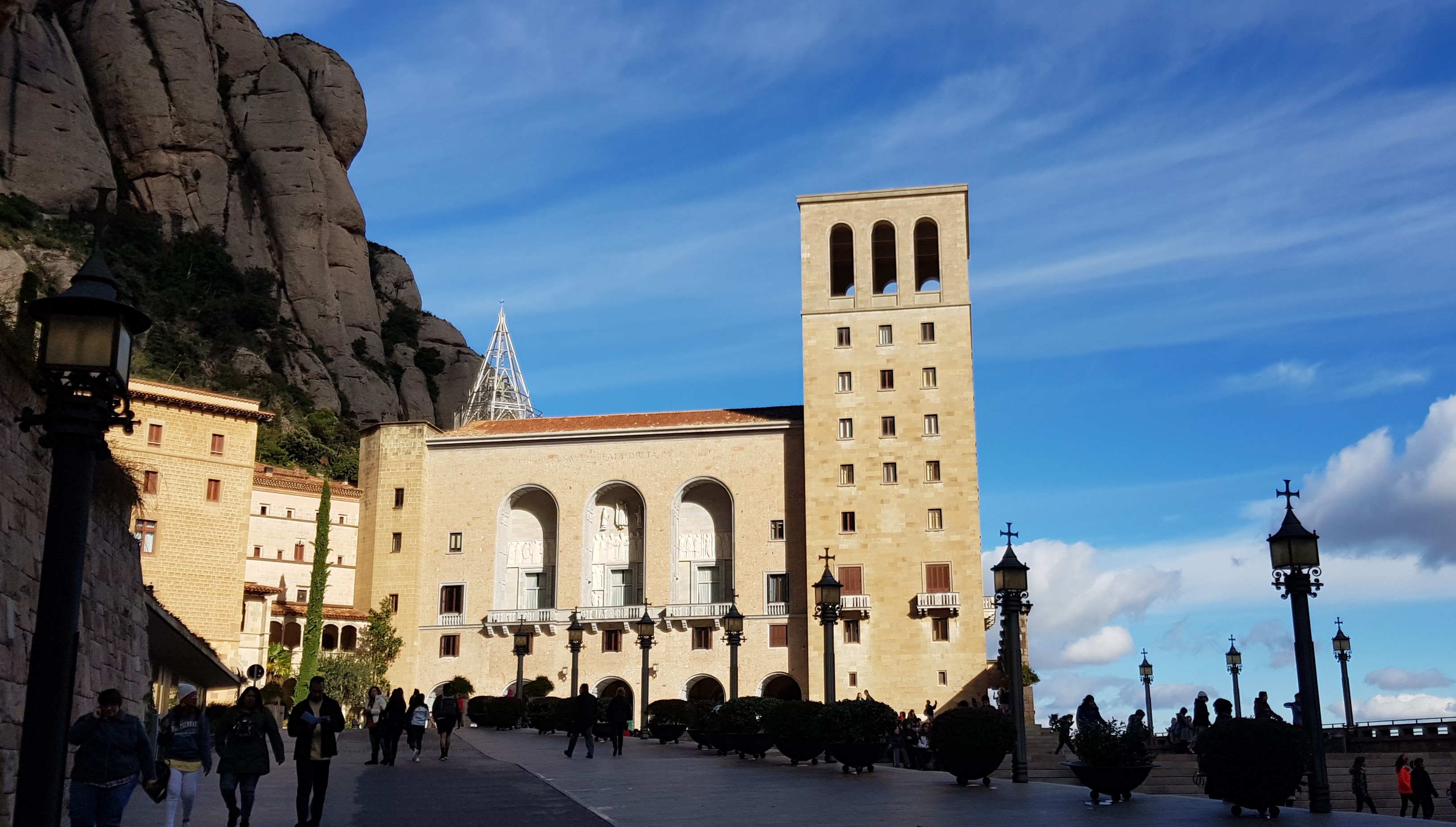
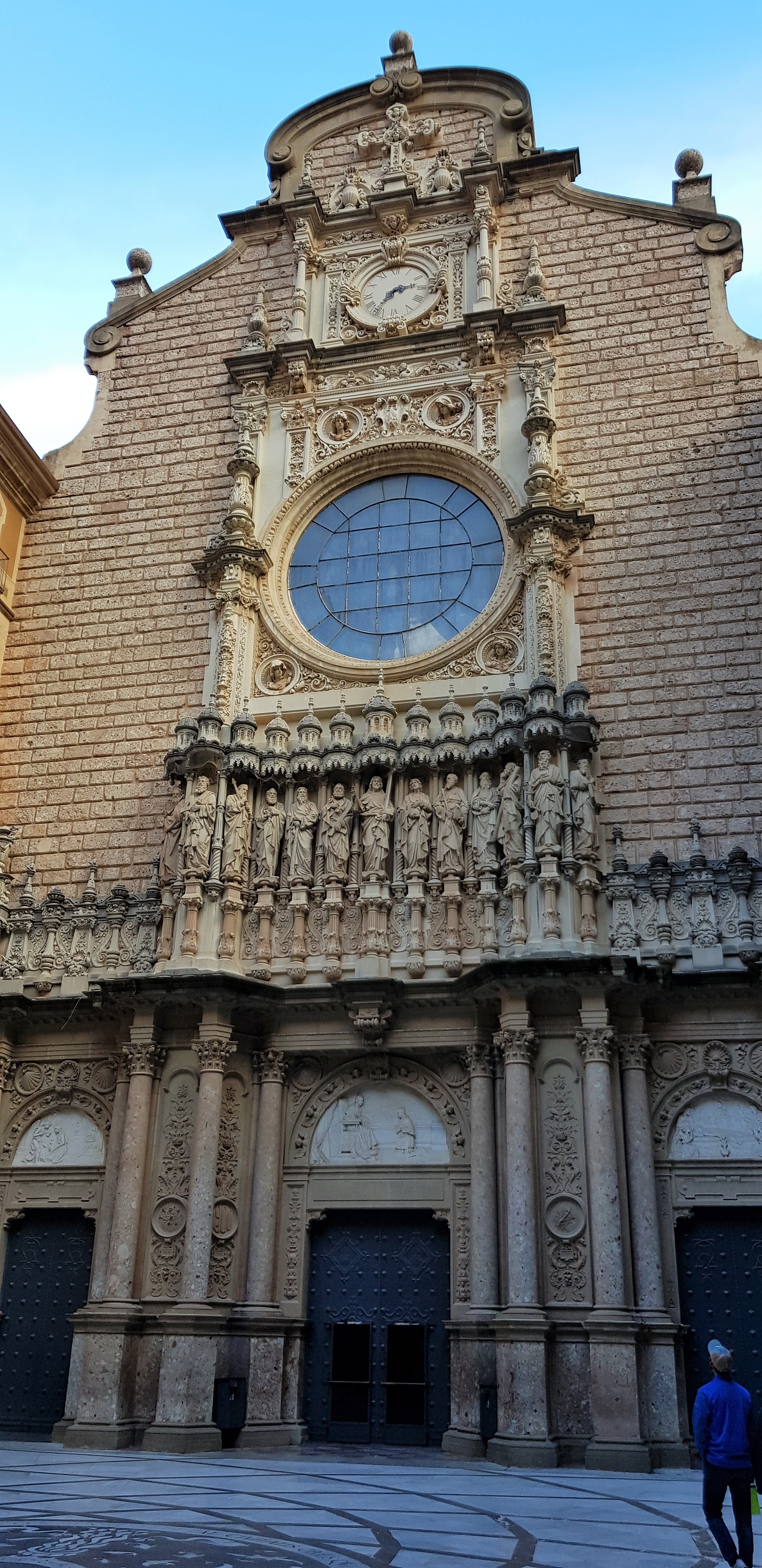
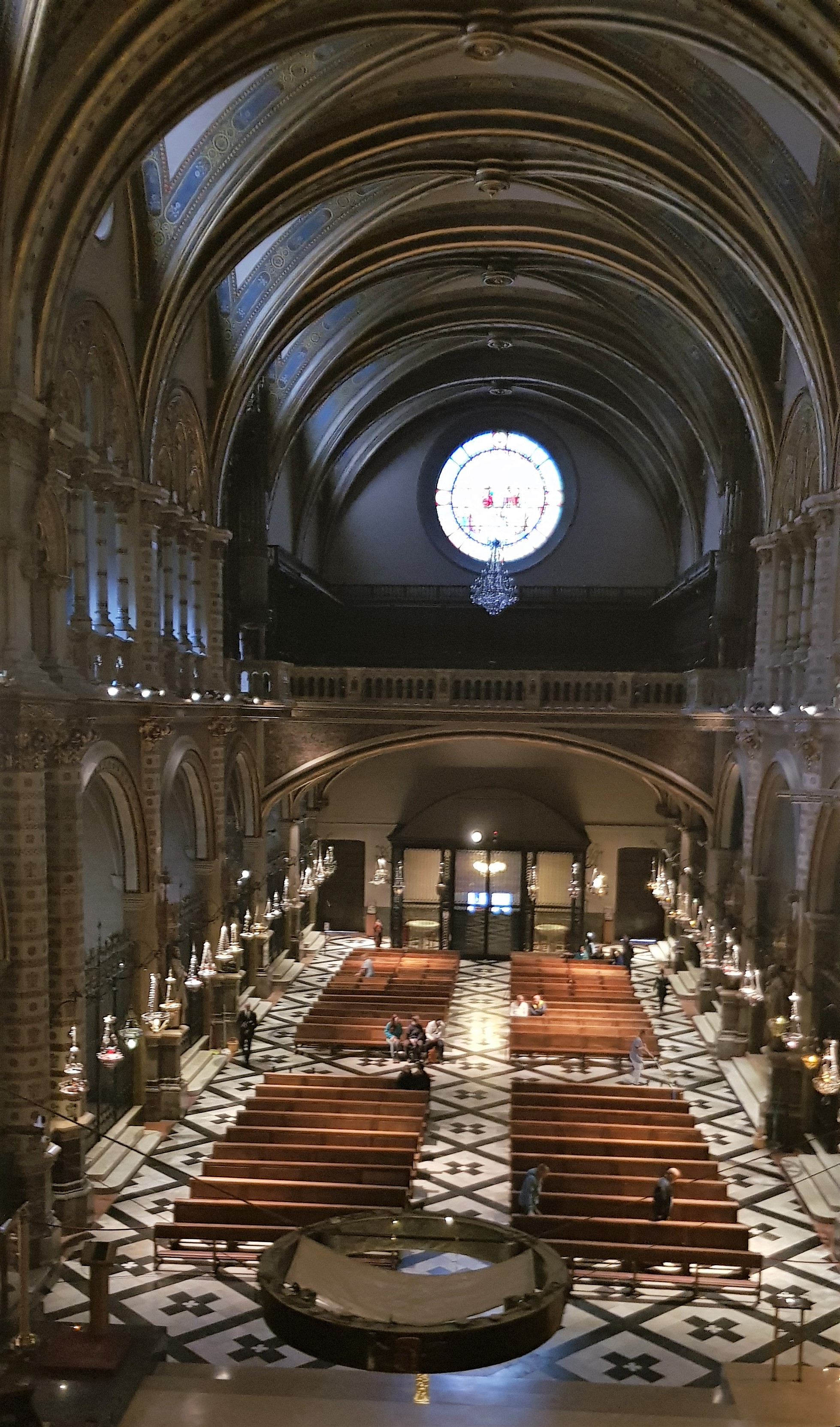
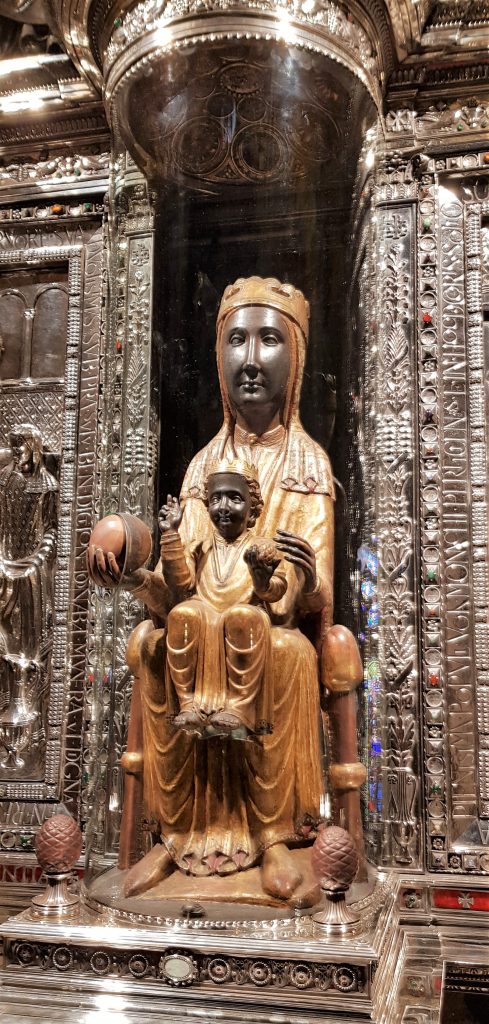
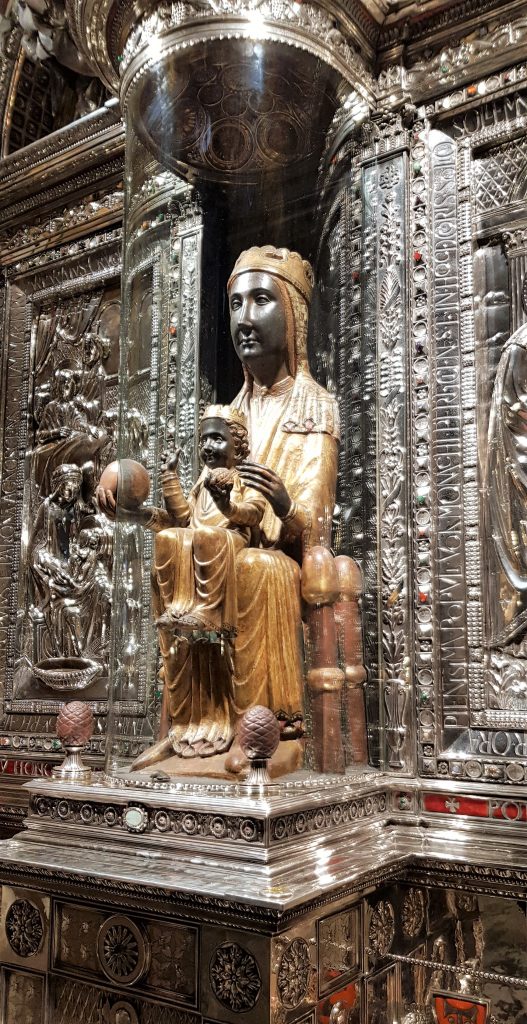
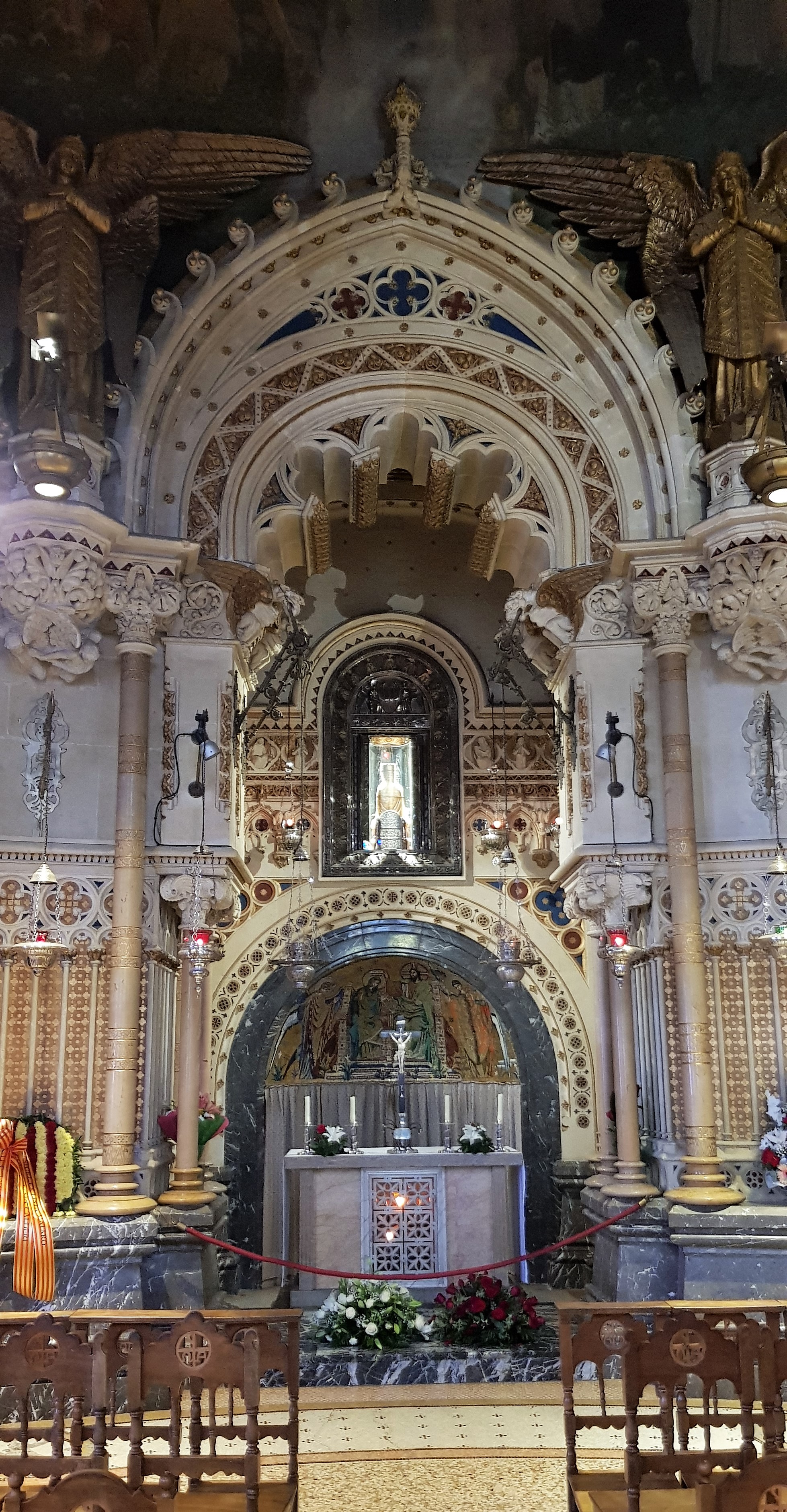
The Monastery & The Black Virgin

Santa Maria de Montserrat is the Benedictine abbey which hosts the Virgin of Montserrat, the Publicacions de l’Abadia de Montserrat (a publishing house with the oldest press in the world, still running, with the first book published in 1499) and is home to the Escolania, a boys’ choir of sopranos and altos.

The Virgin of Montserrat is a statue of the Virgin Mary and infant Christ, it is one of the black Madonnas of Europe, hence its familiar Catalan name, la Moreneta (“The little dark-skinned one”). Believed by some to have been carved in Jerusalem in the early days of the church, it is a Romanesque sculpture in wood from the late 12th century. Legend has it that the Benedictine monks could not move the statue to construct their monastery, choosing to instead build around it. The statue’s sanctuary is located at the rear of the main chapel, where an altar of gold surrounds the icon.  People stream past it to tough the globe held in her hand……

Fun on the Funicular & Views at the Top


Roman Tarragona

Tarragona

It is said that Tarragona is the first Roman city of Spain.

This port city is heaving with Roman ruins, having been founded in 218BC and originally called “Tarraco” by the Phoenicians. Its history may be older but cannot be verified. The Romans fortified the city, becoming the capital of the province named after it, Hispania Tarraconensis. Augustus was a regular visitor to the city.

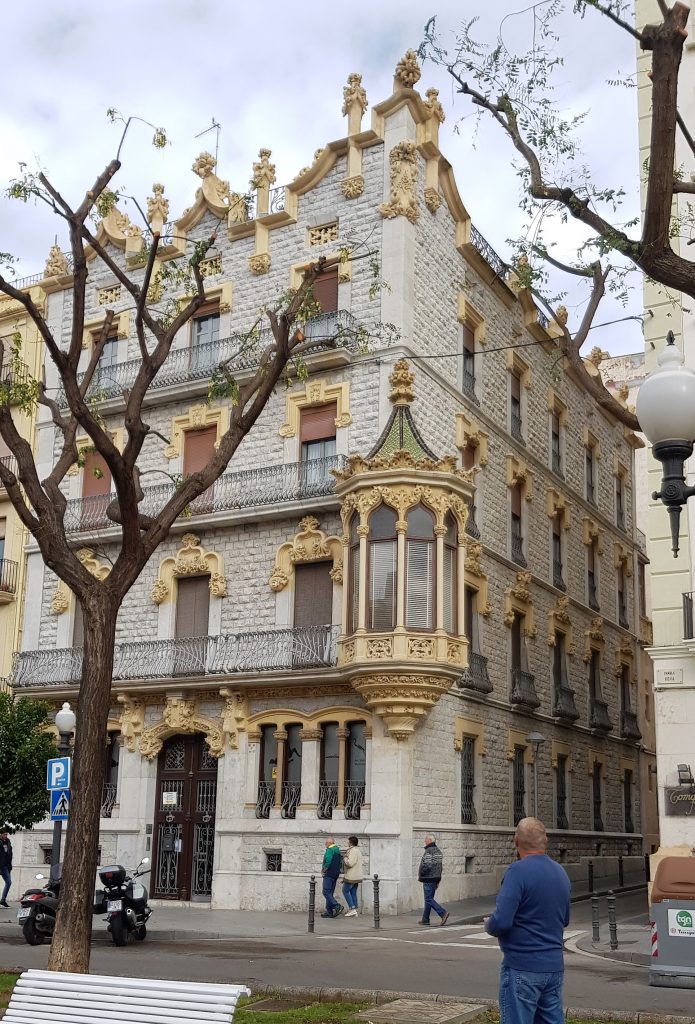
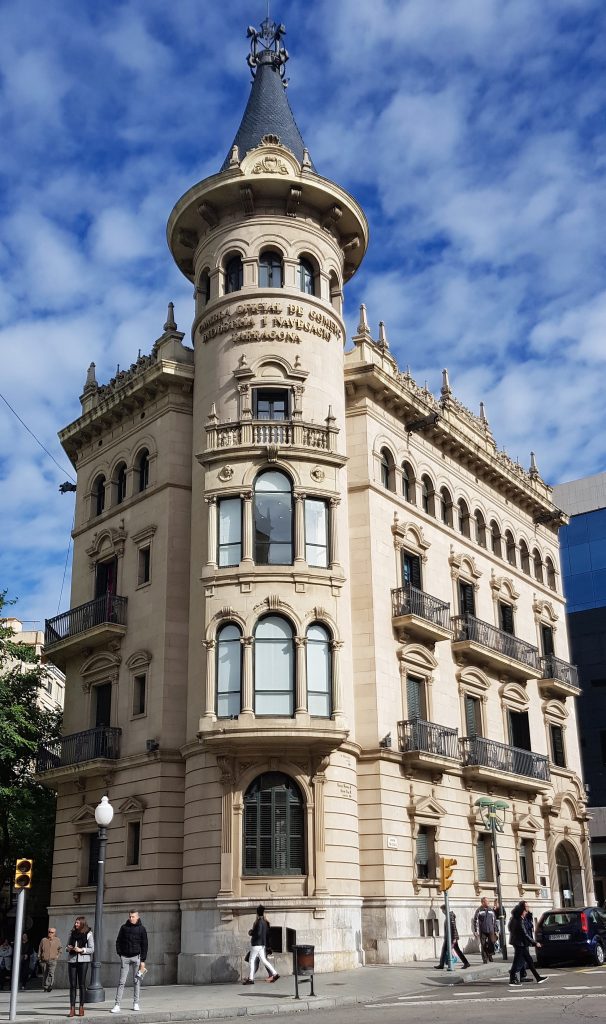
It was known to be the richest town on the coast, fertile plains produced good wine and wheat and a sunny climate protected wintering ships. After the demise of the Romans, it was ruled by (amongst many others) the Visigoths (ended 714), the Almoravids (1100s), the Kingdom of Aragon (1160 – 1400) and finally the Spanish Empire in 1516. During the Catalan Revolt it was captured by Spanish troops and ruled by them until 1713, the French ruled until 1813, then the Spanish took control again during the Spanish Civil War until 1939. It remains a Catalan city to this day, architecturally beautiful.
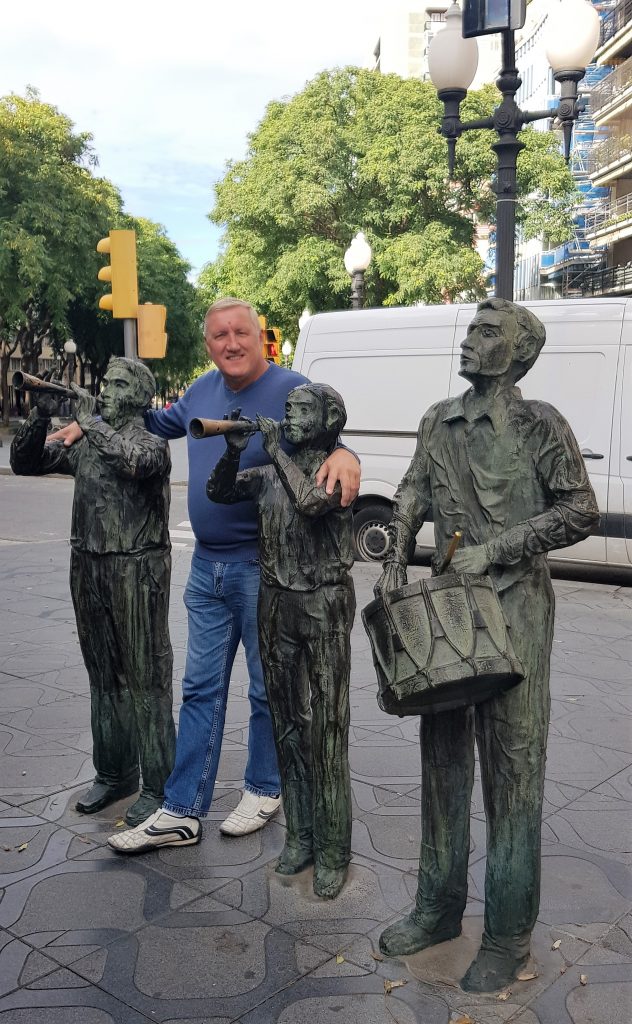
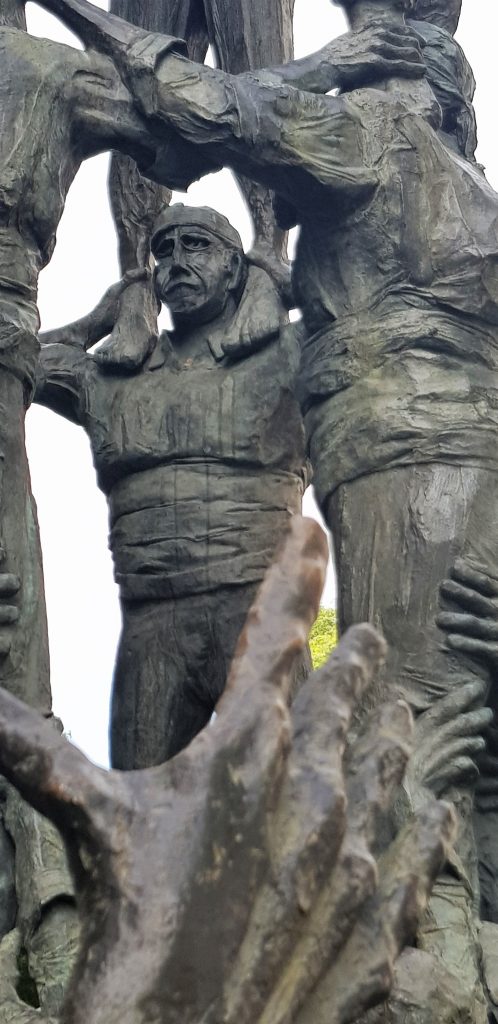
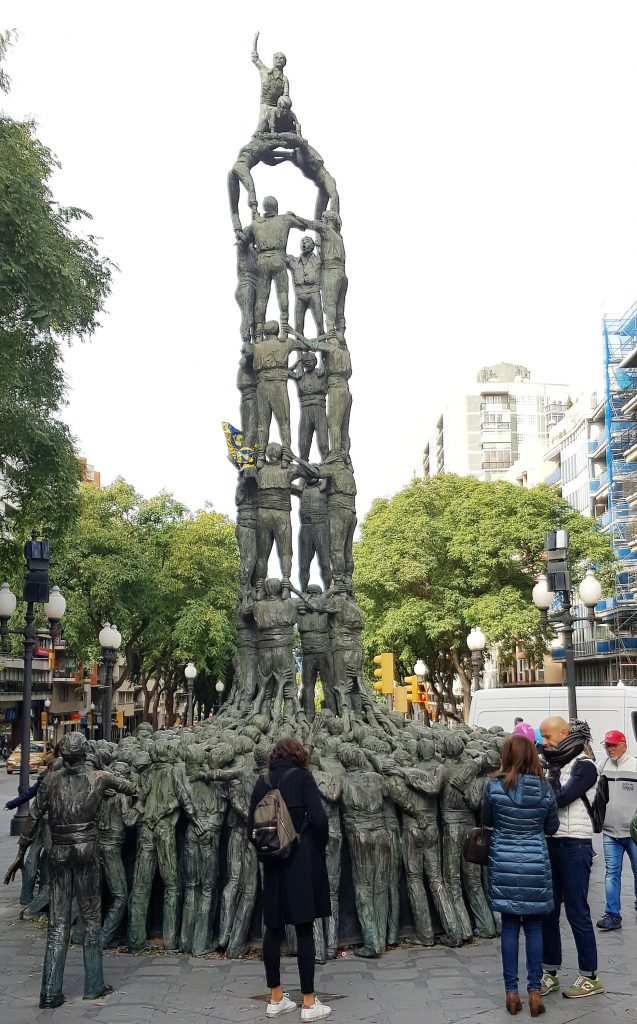
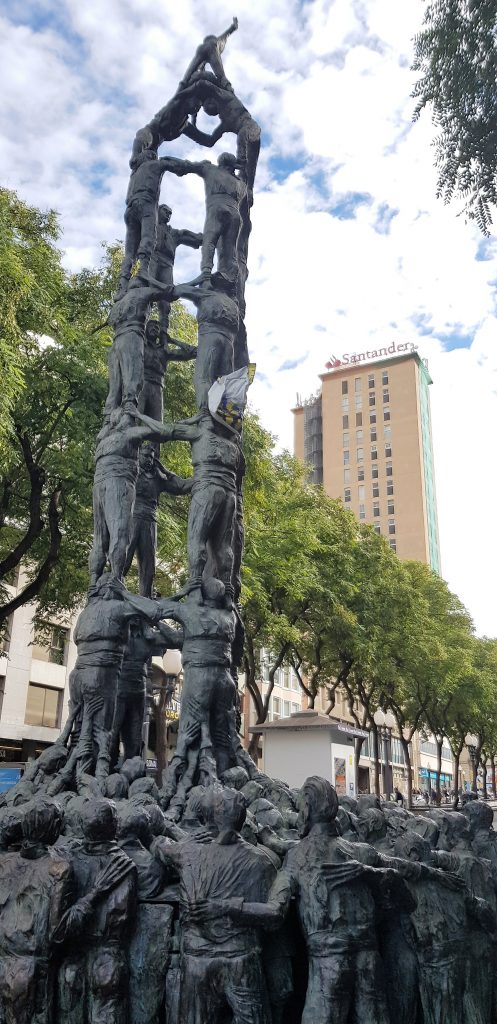
Economically, the city’s wealth comes from the port (an export hub for the Spanish motor industry) and chemical industries in the surrounding industrial areas. Heritage wise, its known for its “human tower” spectacles, where acrobatically trained men and children form human towers, participating in the annual Santa Tecla Festival of music, dance, short farcical displays and which has been held since 1321. Its also home to the Dixieland Festival – a major musical event in Catalonia! Its a jazz festival, started in 1994, and offers a large number of bands and over 100 concerts in the week before Easter.
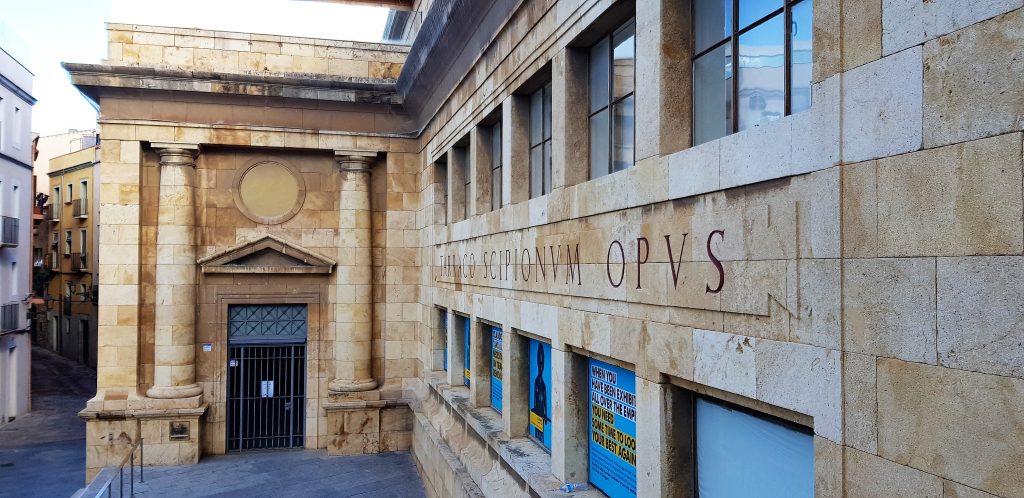
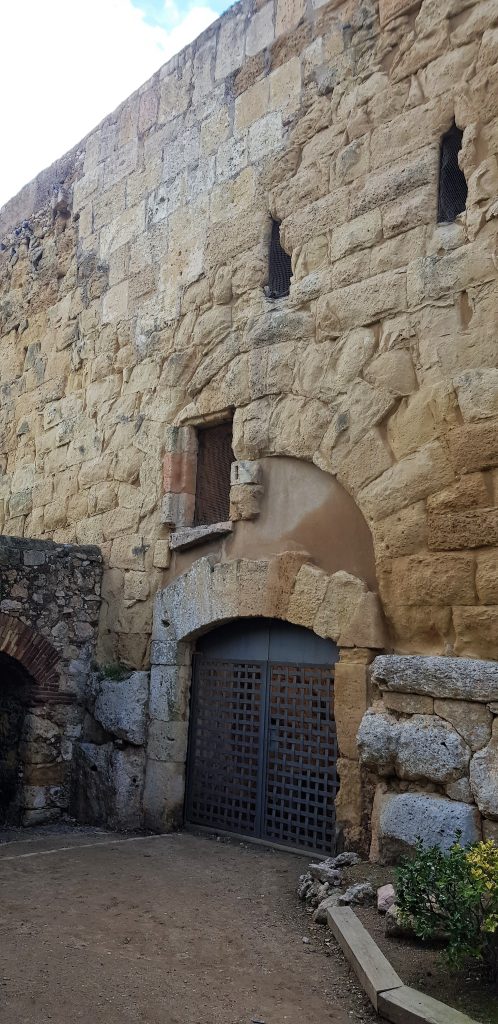
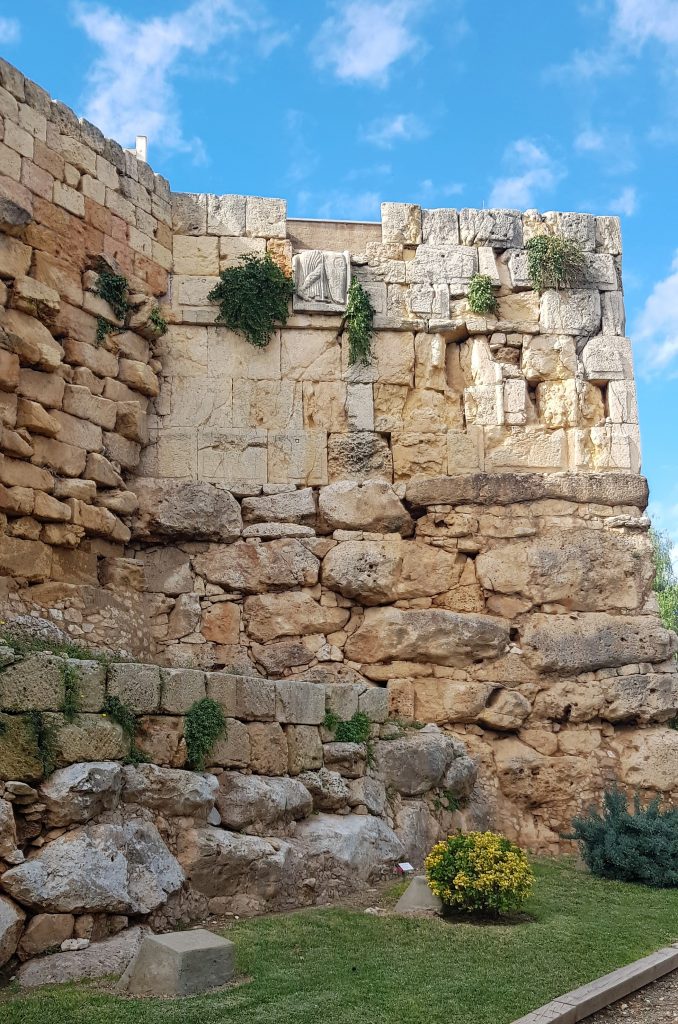
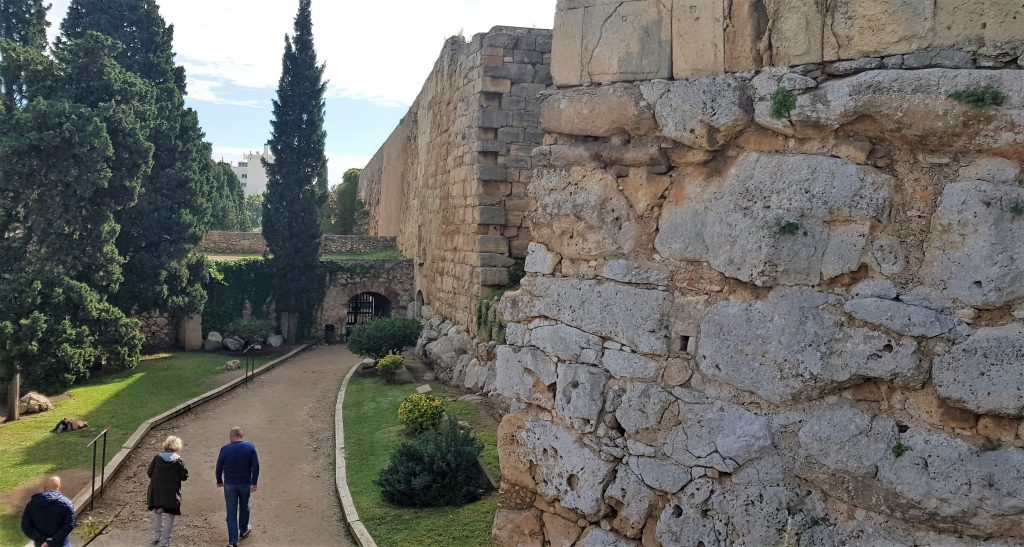
The ancient remains are a UNESCO World Heritage Site, there are remains of walls throughout the city, Augustus’s palace was a prison up to the 19th century, the ampitheatre has been retained, a circus and forum are still visible, a Roman built aquaduct (sadly not visited) still stands outside the city (700 feet long, 85ft high), a citadel is within the city as well as numerous monuments with scriptures chiselled into them. The cathedral is within the old city walls, as is a convent.

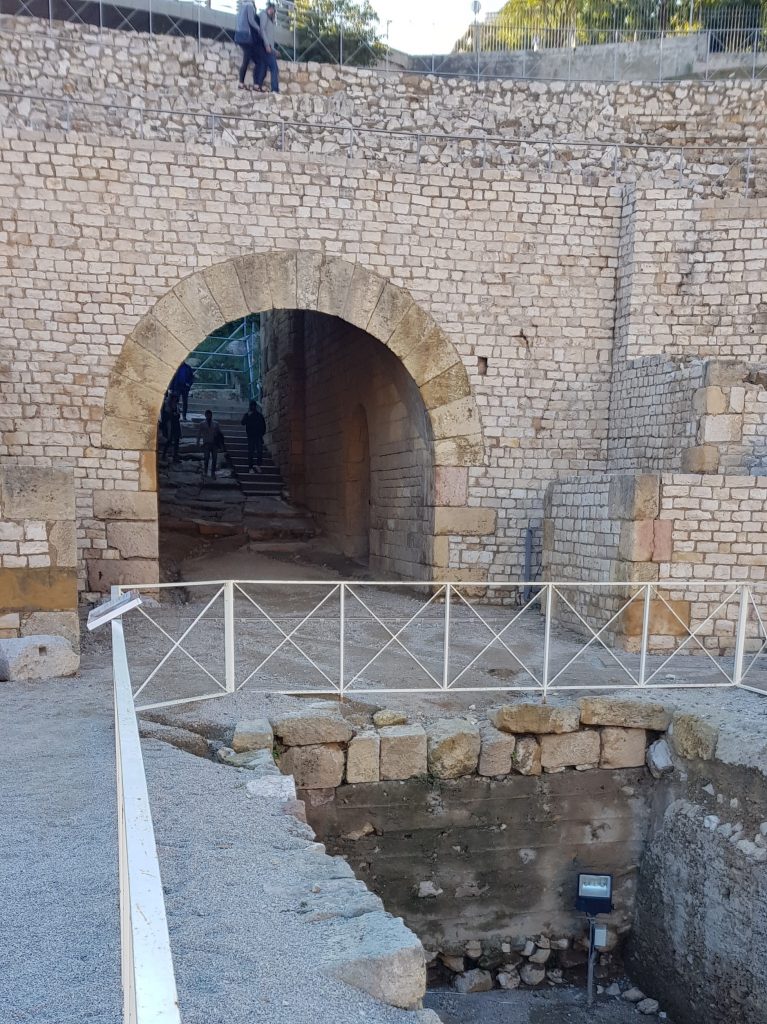
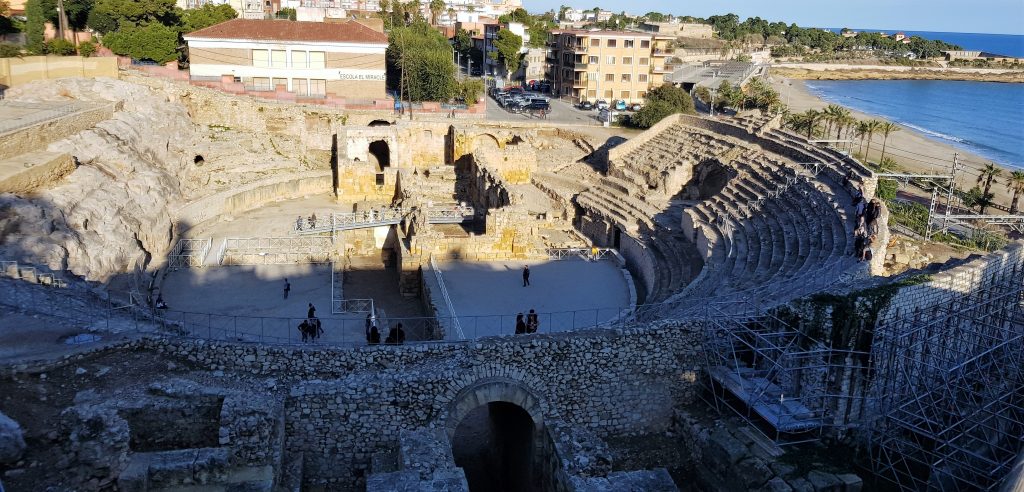
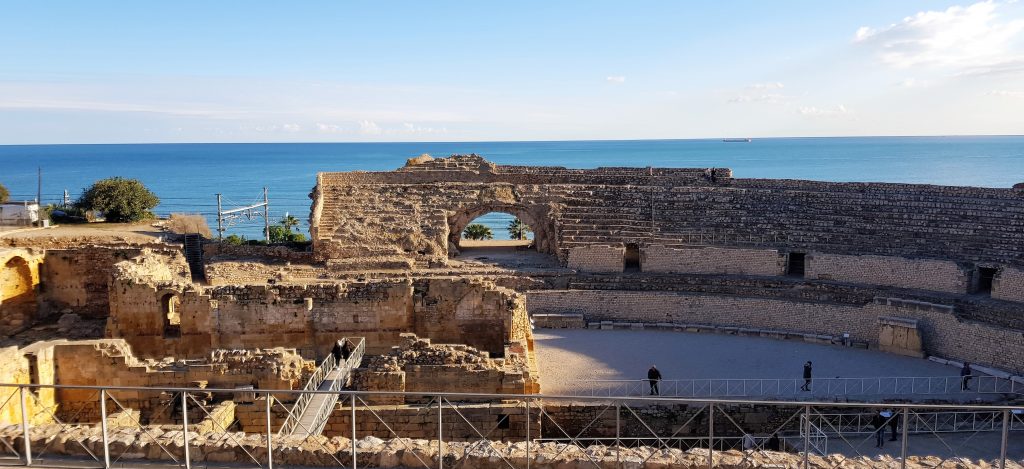
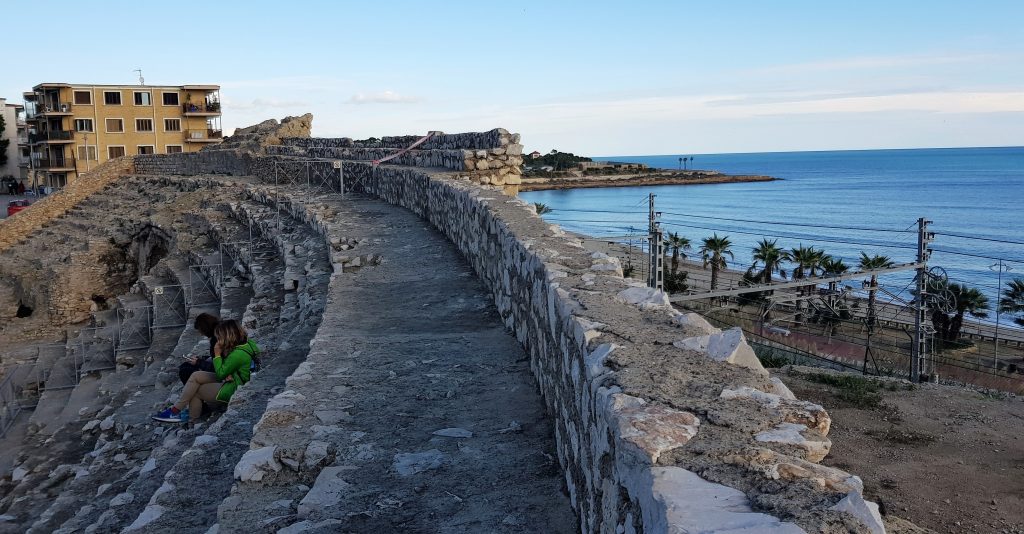
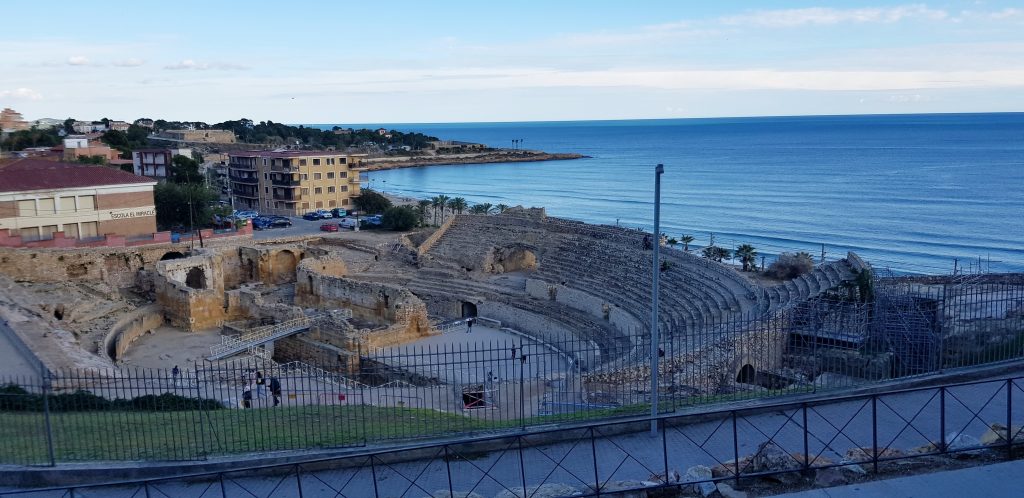
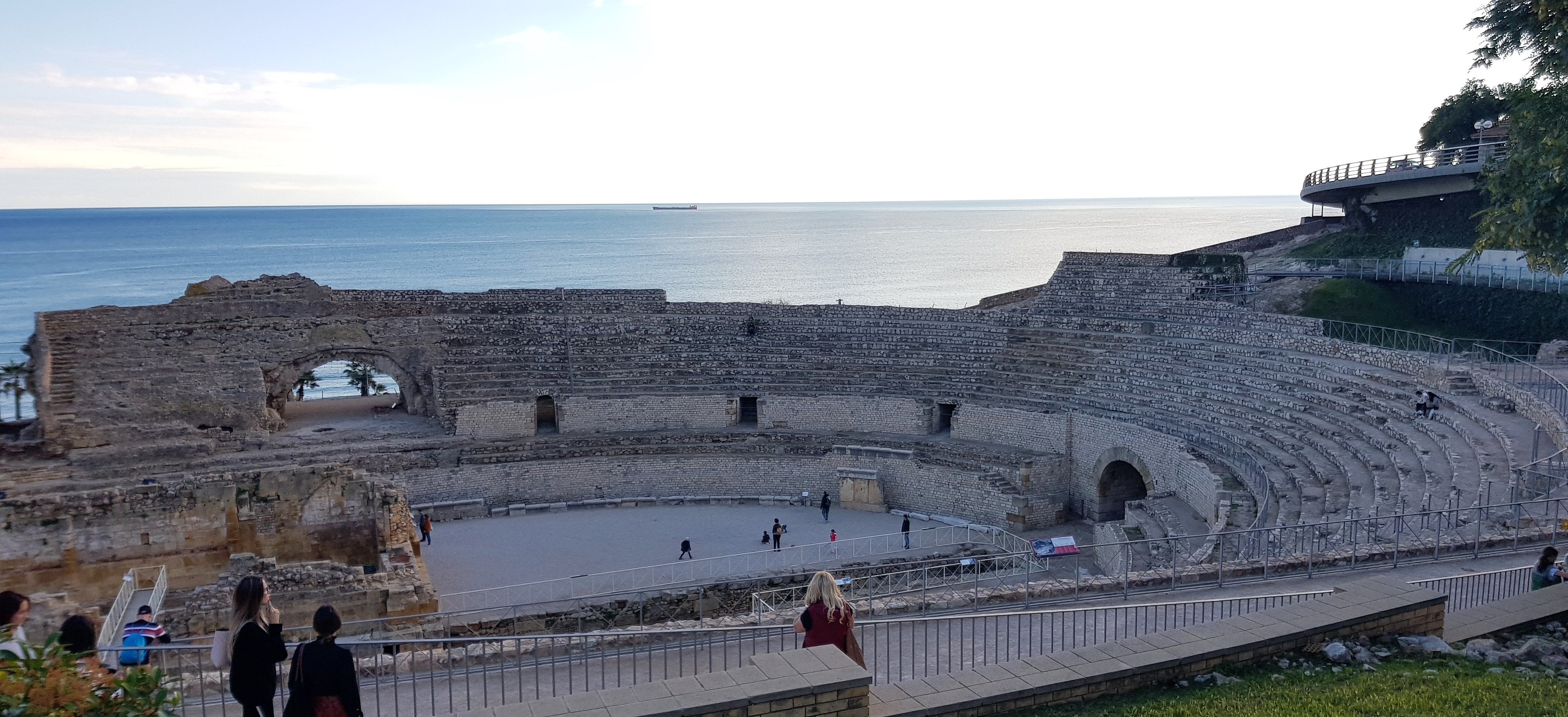
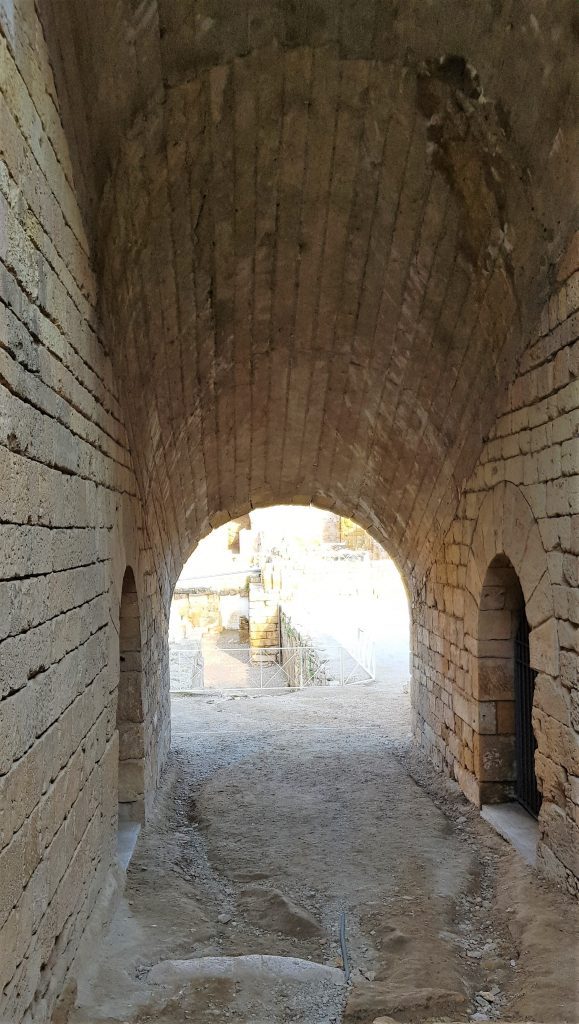
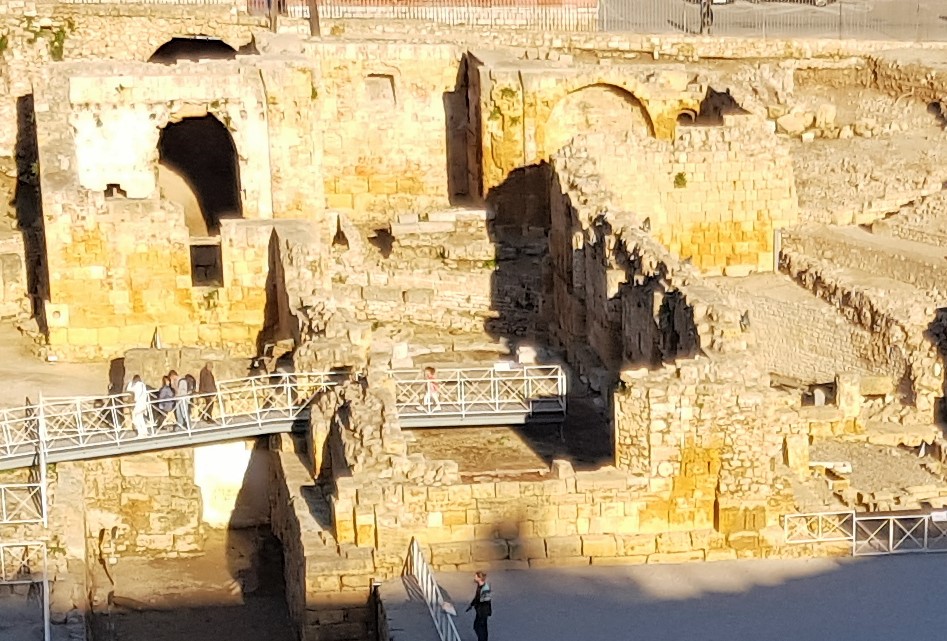
The most amazing site was the oval ampitheatre. Overlooking the blue Mediterranean sea, it was built 109m x 86m wide, on a base of huge stone blocks, with tunnels, drains, service doors and monumental entrances and even a pulley system to lift animals or fighters from the cellars below to the floor of the arena. The walls were made from rock, posts and lintels, concrete archways and concrete walls, as well as solid boxes with rubble infil.
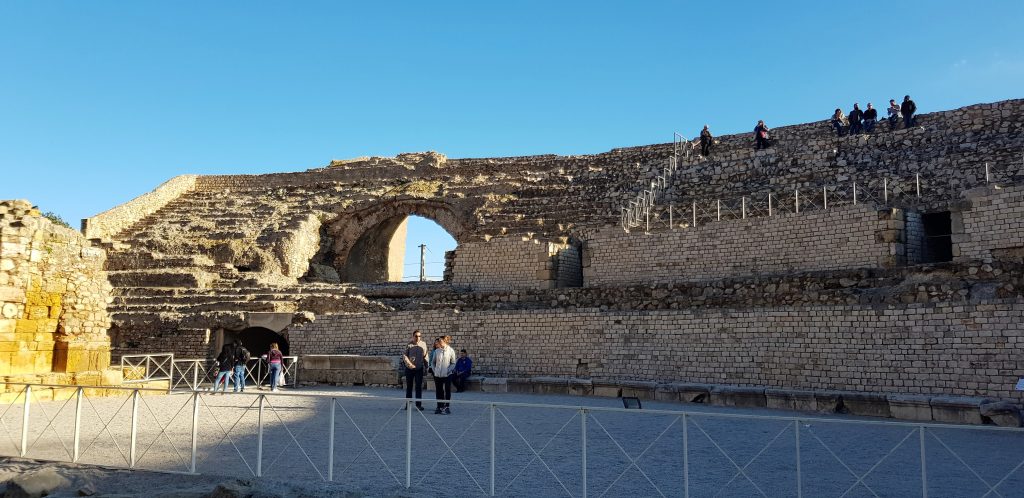
The three distinct levels were ordered by hierarchy, nearest to the arena were more comfortable seats, which the upper level was standing room only. The underground service passages are totally preserved as is a private sanctuary for the workers. The rainwater was channeled to the middle where a gutter passes under the stands to drain the water into the sea. The buildings maximum capacity was estimated at 12,750 people when the arena was fully circular. This was worked out by dividing lines cut into the stones at 40cm spaces.

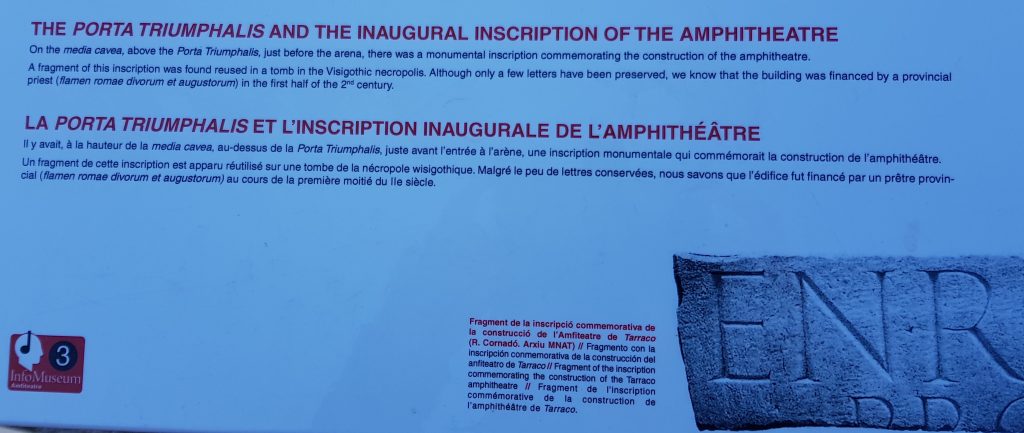
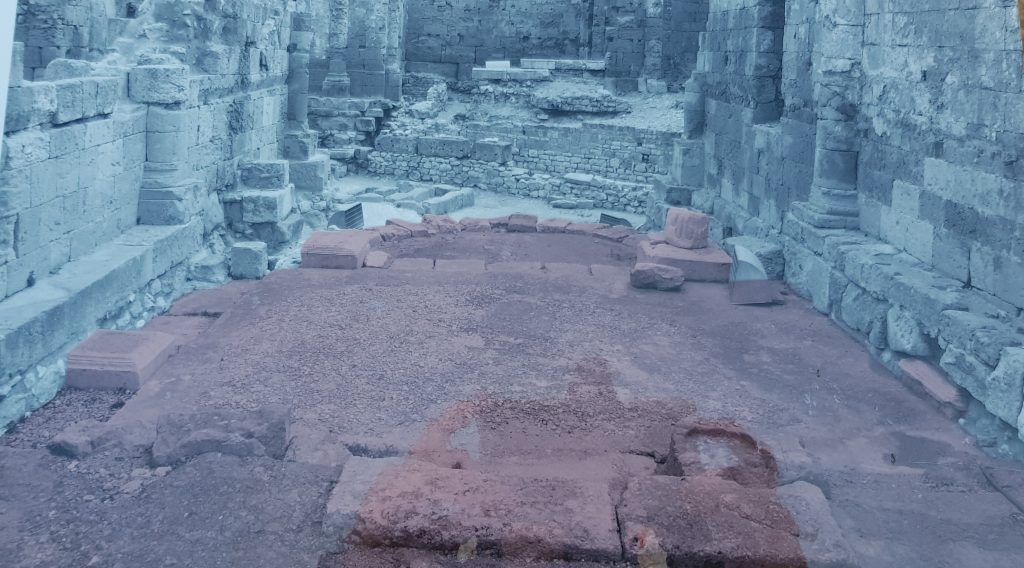
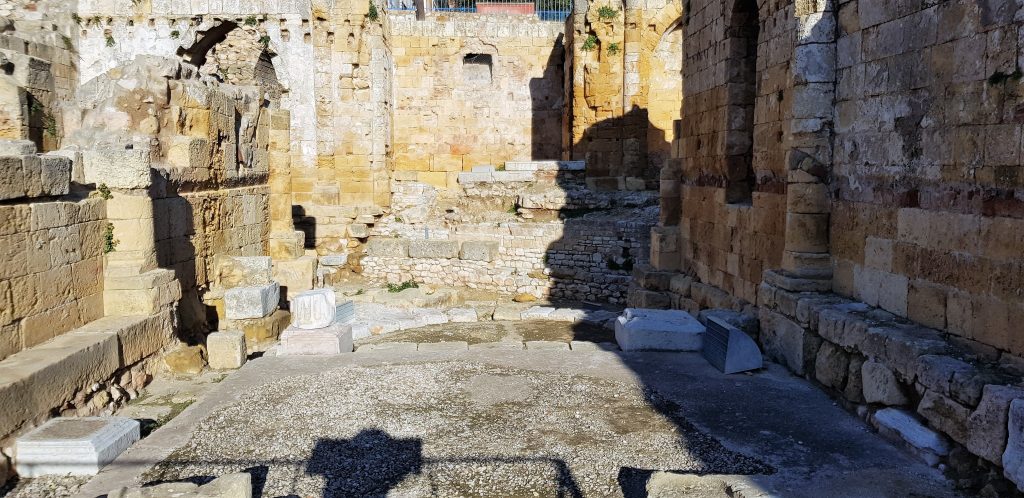
There are documents that confirm that on Friday 21st January 259, Bishop Fructuosus and his two Deacons, Augurius and Eulogius, were burned to death in the Ampitheatre’s arena, deigned by Emperor Valerian during the days of Christian persecution. It was used for gladiator games or fights, athletic displays, and where death sentences were carried out. During the 6th Century a basilica was built within the grounds of the arena to commemorate the martyrdom of Bishop Fructuosus, it was 13m wide, 22.7m long with a horseshoe apse as well as a small annex which was used for baptism and funeral services. After Christianity became the official religion for the area, the Basilica and arena was not used as much and fell into disrepair; when the Islamic invasion of Spain started in the 12th century another church was built over the remains of the Basilica, in Romanesque style, demolished in 1915. The floors of both buildings remain visible. The church and nearby buildings were eventually used as a convent then in 1780 it became a prison for prisoners constructing the port. After closing, it was abandoned until the mid 20th century when work began on its preservation.

The ampitheatre is linked to the Forum and Circus in the main city by means of cobbled roads, still visible today. The Circus held grand horse and chariot races, and this is often seen in shop fronts, doorway details and archways where stores have been built on top of vaults. The Forum no longer exists but the square which was its base, is now home to a placa (or square) full of cafes and restaurants where people still gather and discuss their days.

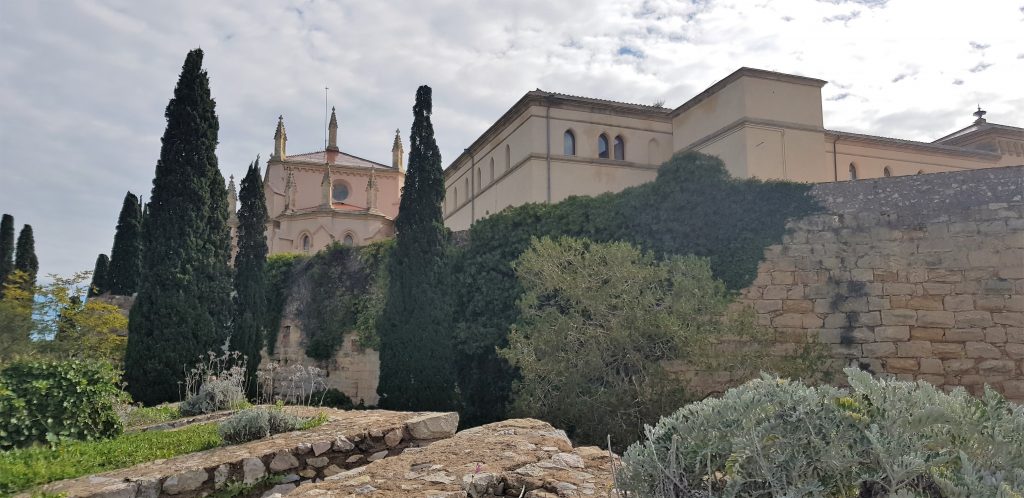
The Cathedral is built on the grounds of a former Roman temple, from its tower you can clearly see the city walls and other remaining Roman structures and ruins.
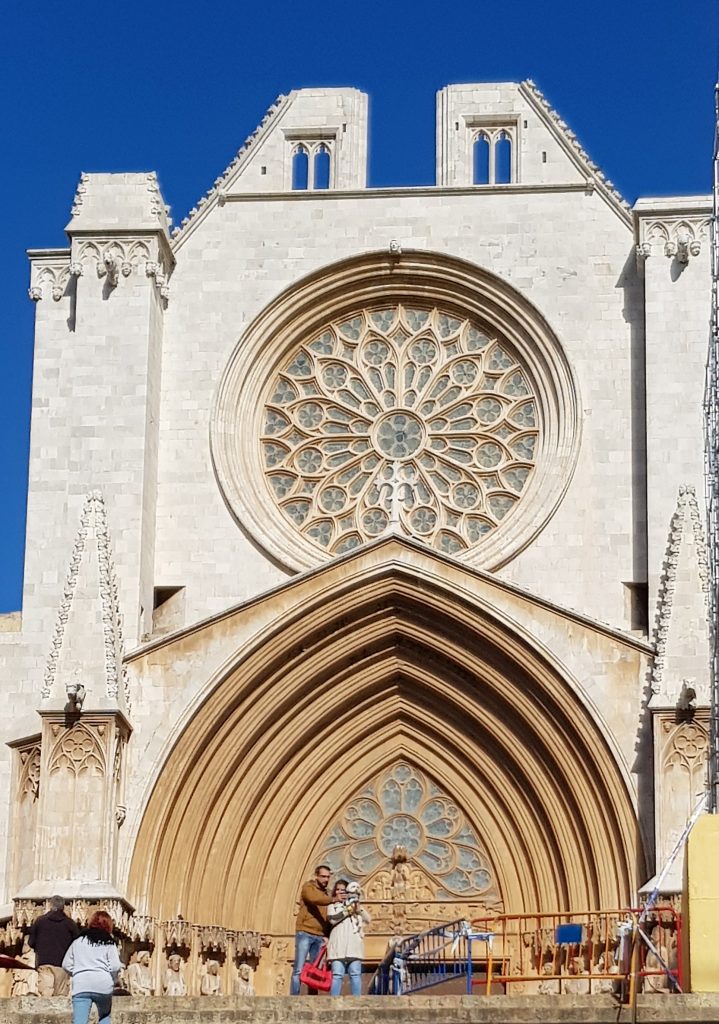
The Cathedral.
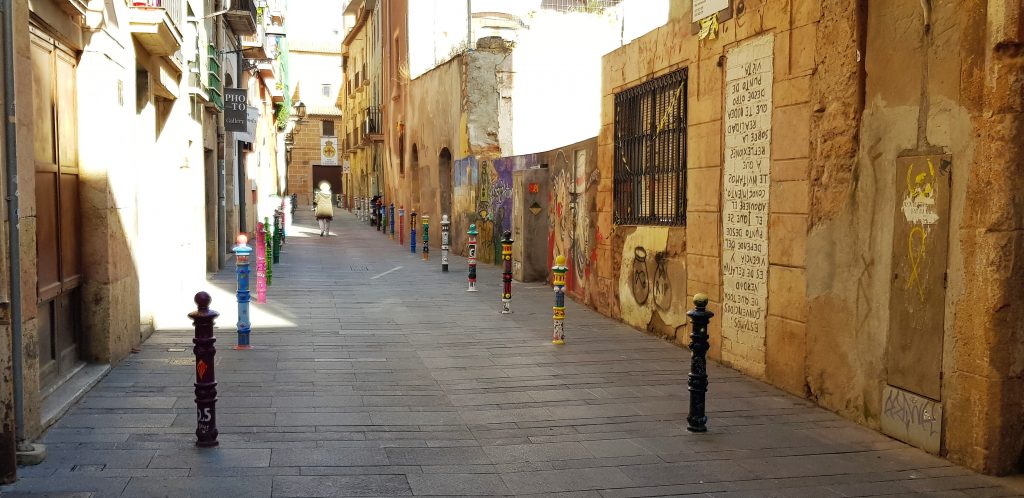
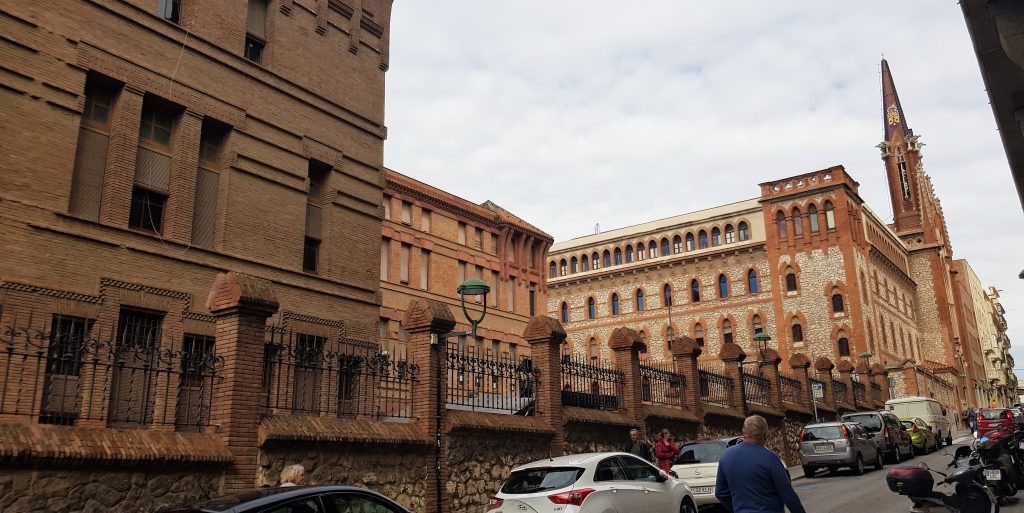
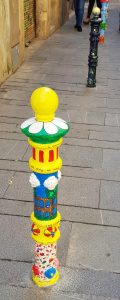
A quirky street, and below, it’s street “furniture”!


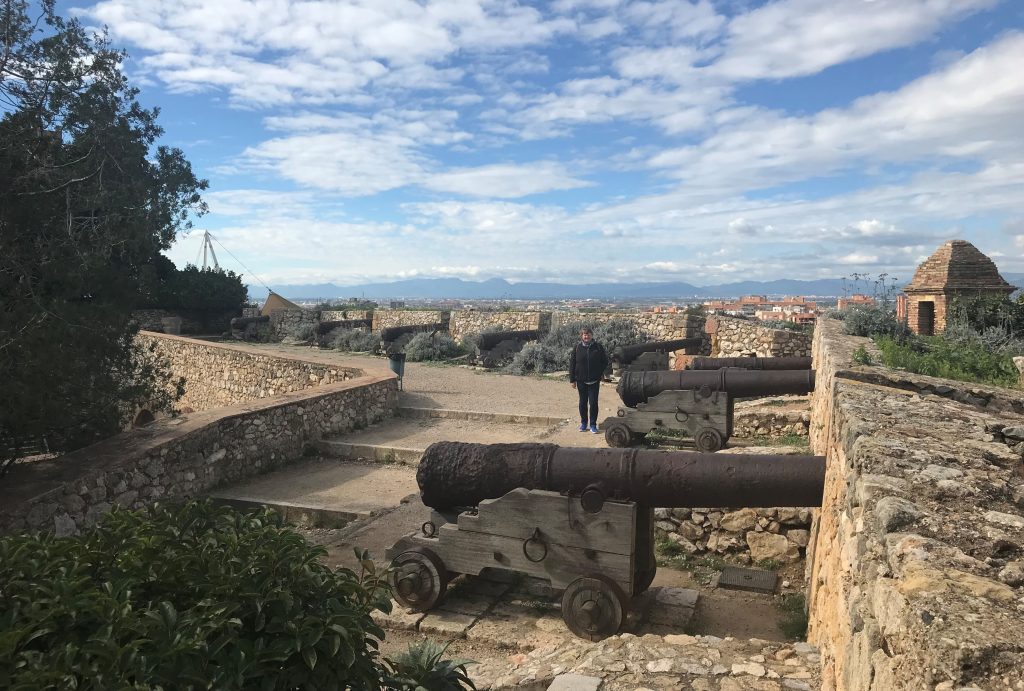
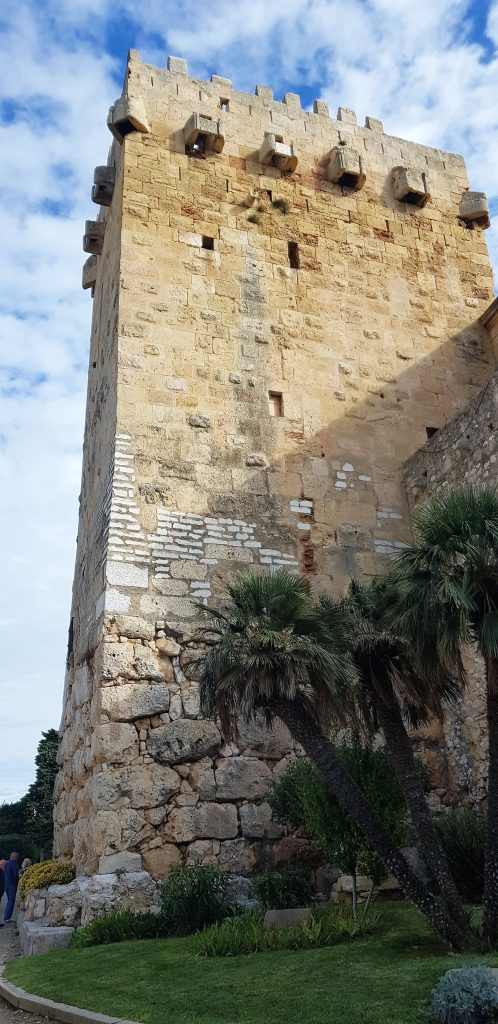
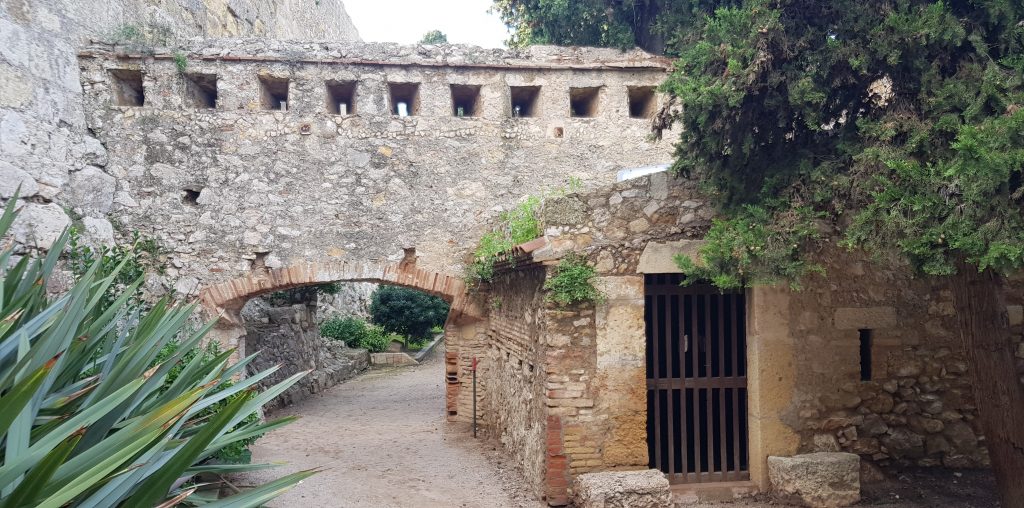
Some views of the city walls.

The Ampitheatre

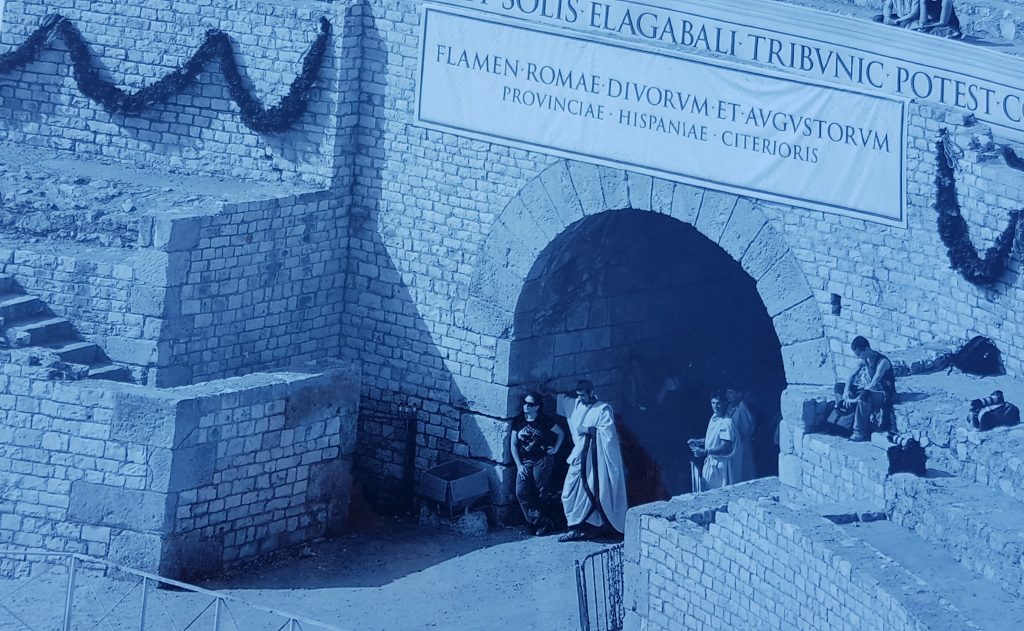
The entrance tunnel
The two different floor layouts, the Basilica in pink, the church in blue, and in reality , below.
 

« Older posts Newer posts »