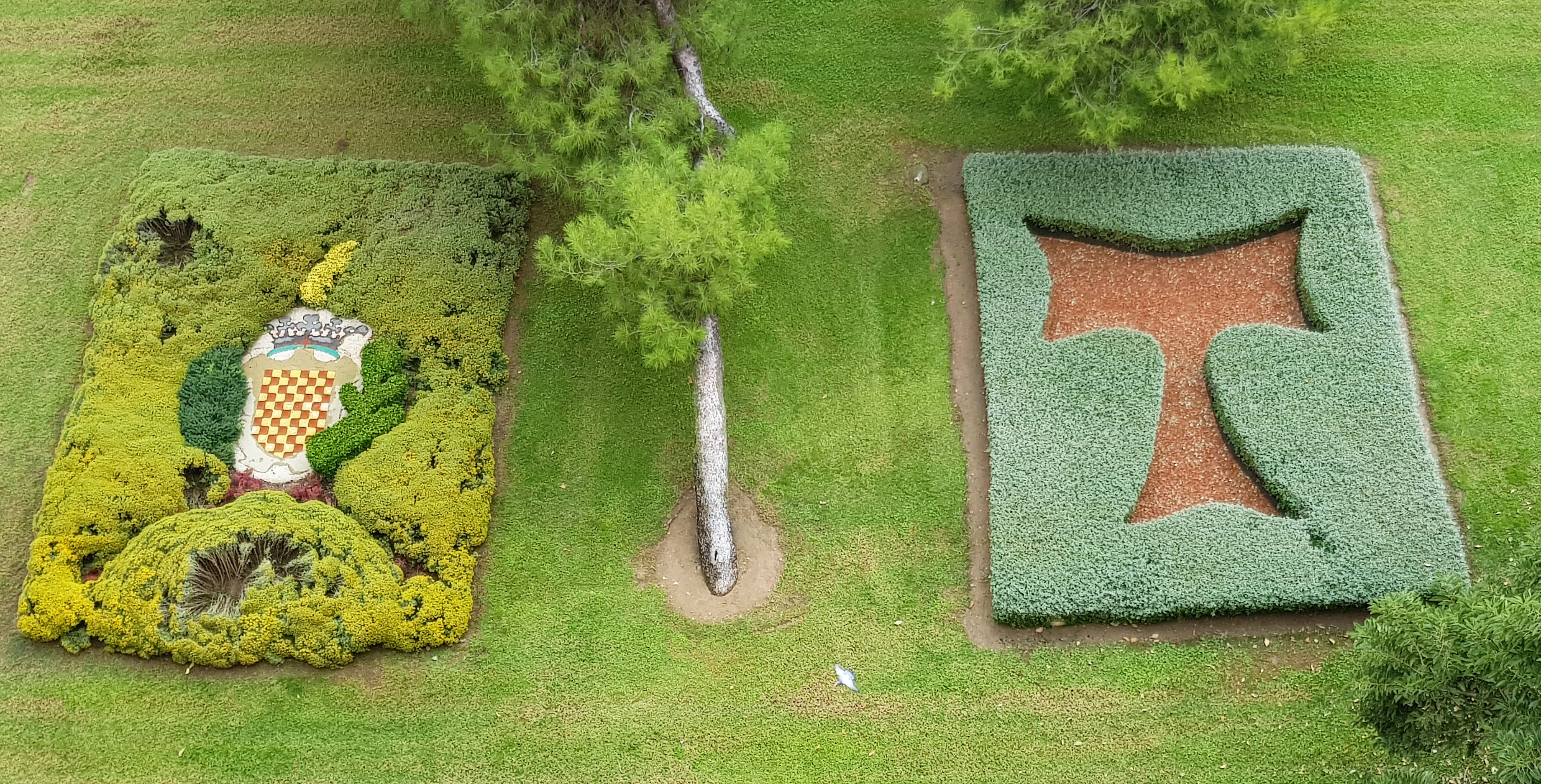
Tarragona
It is said that Tarragona is the first Roman city of Spain.
This port city is heaving with Roman ruins, having been founded in 218BC and originally called “Tarraco” by the Phoenicians. Its history may be older but cannot be verified. The Romans fortified the city, becoming the capital of the province named after it, Hispania Tarraconensis. Augustus was a regular visitor to the city.
It was known to be the richest town on the coast, fertile plains produced good wine and wheat and a sunny climate protected wintering ships. After the demise of the Romans, it was ruled by (amongst many others) the Visigoths (ended 714), the Almoravids (1100s), the Kingdom of Aragon (1160 – 1400) and finally the Spanish Empire in 1516. During the Catalan Revolt it was captured by Spanish troops and ruled by them until 1713, the French ruled until 1813, then the Spanish took control again during the Spanish Civil War until 1939. It remains a Catalan city to this day, architecturally beautiful.
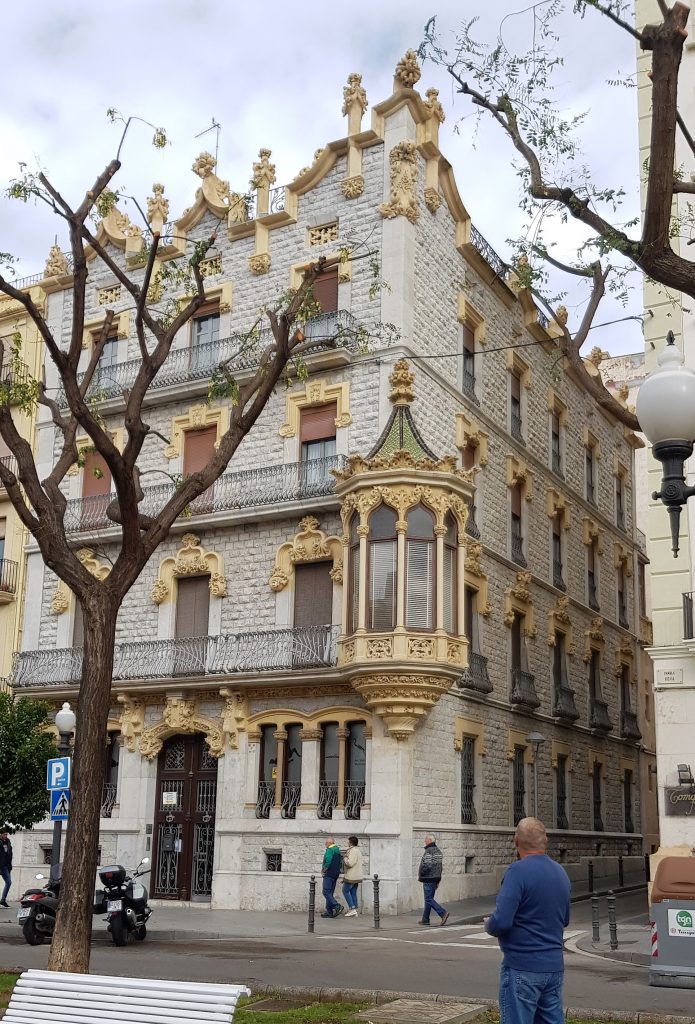
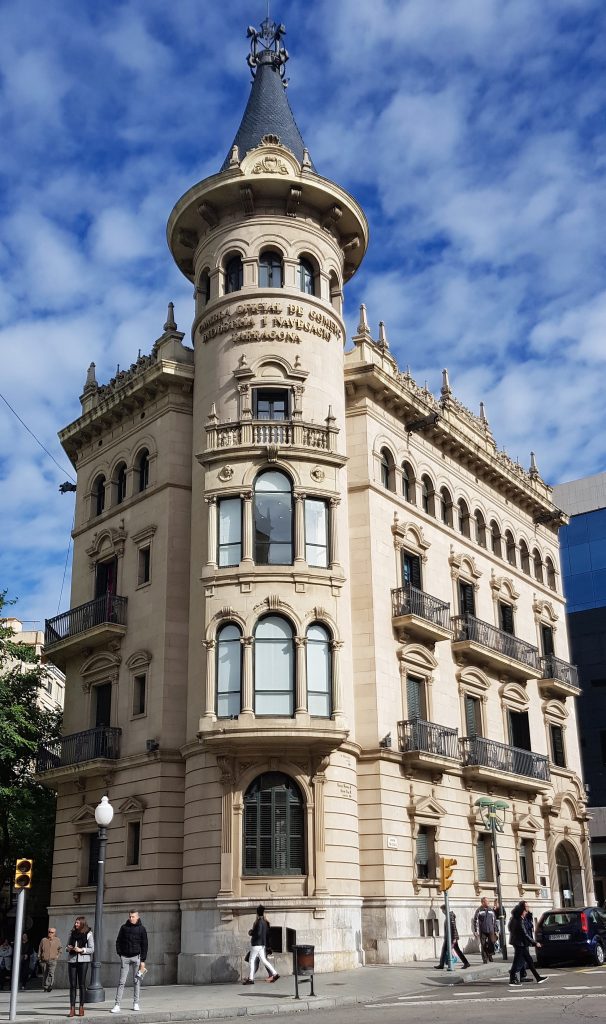
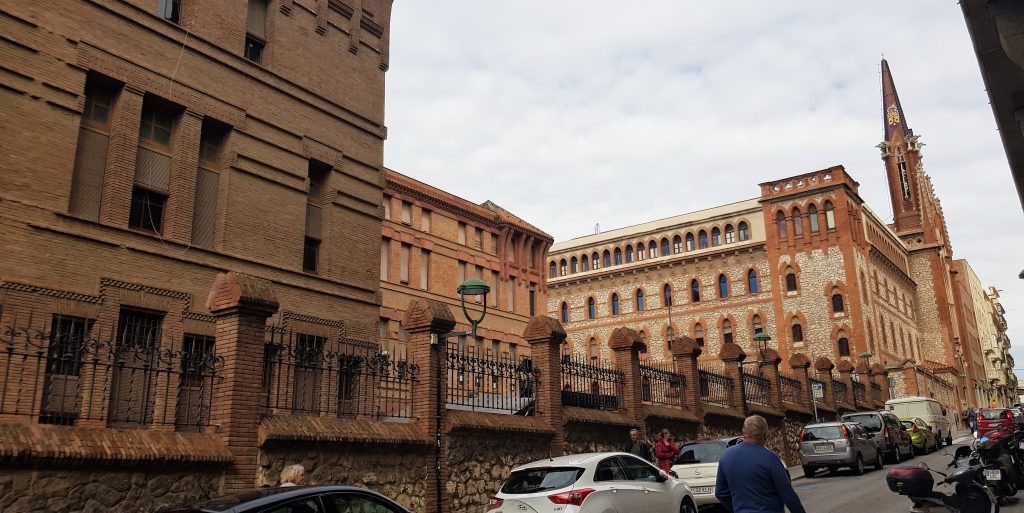
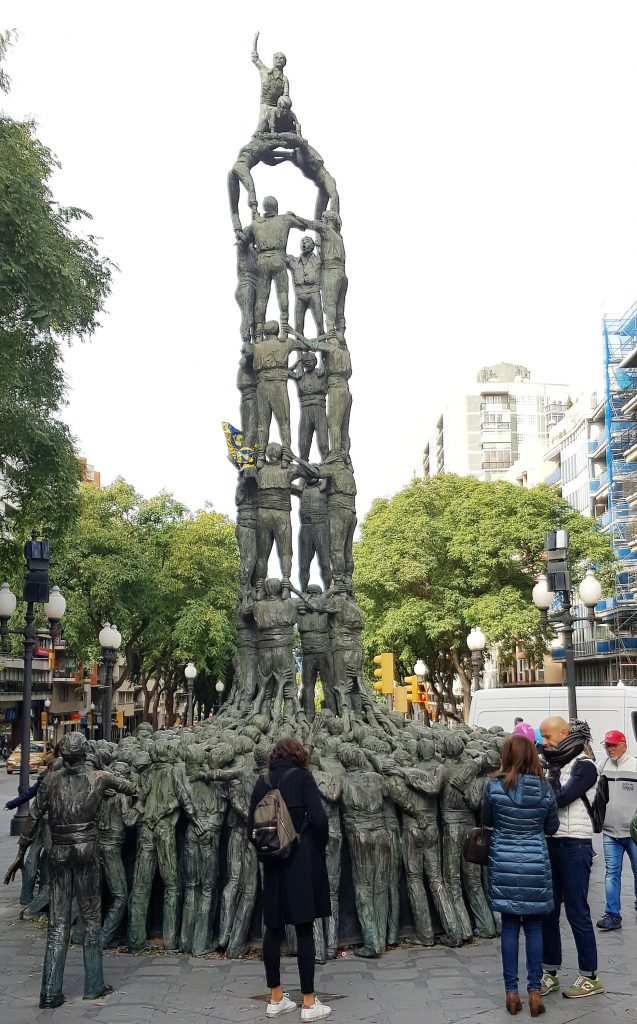
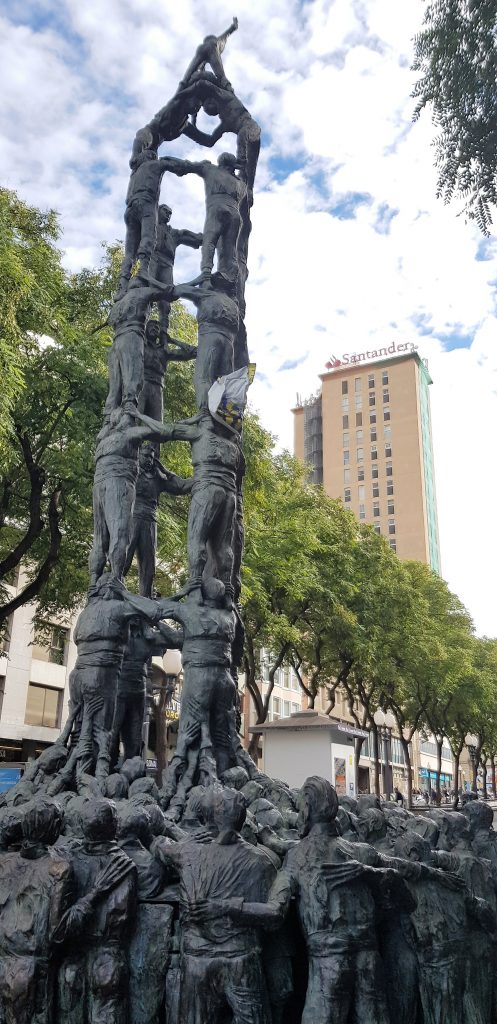
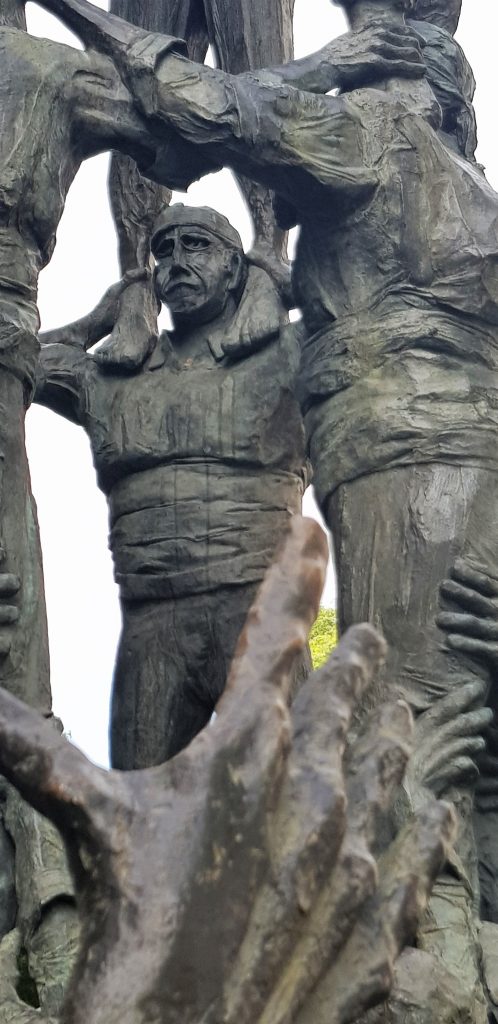
Economically, the city’s wealth comes from the port (an export hub for the Spanish motor industry) and chemical industries in the surrounding industrial areas. Heritage wise, its known for its “human tower” spectacles, where acrobatically trained men and children form human towers, participating in the annual Santa Tecla Festival of music, dance, short farcical displays and which has been held since 1321. Its also home to the Dixieland Festival – a major musical event in Catalonia! Its a jazz festival, started in 1994, and offers a large number of bands and over 100 concerts in the week before Easter.
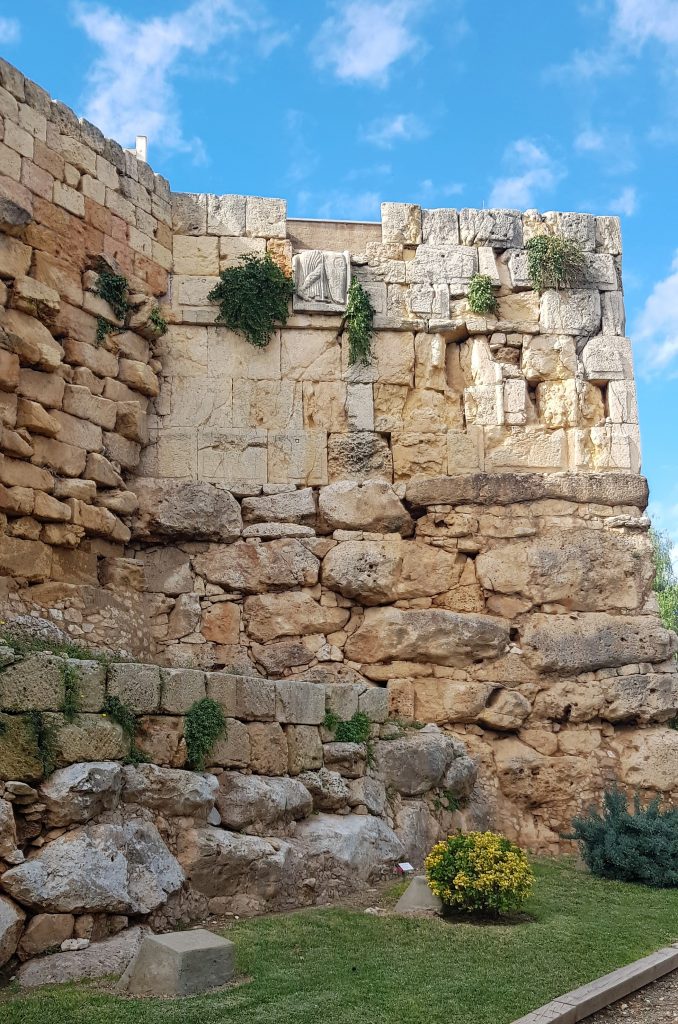
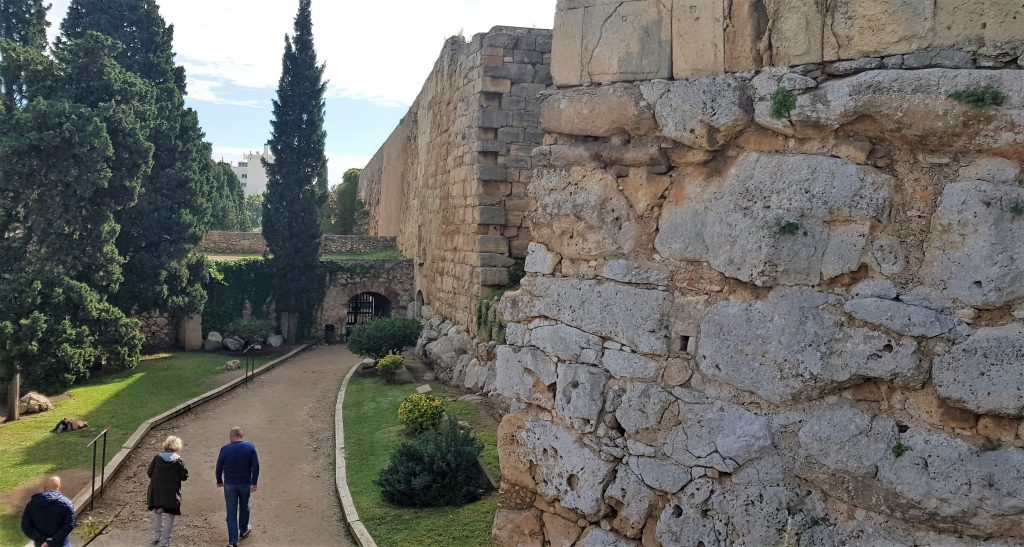
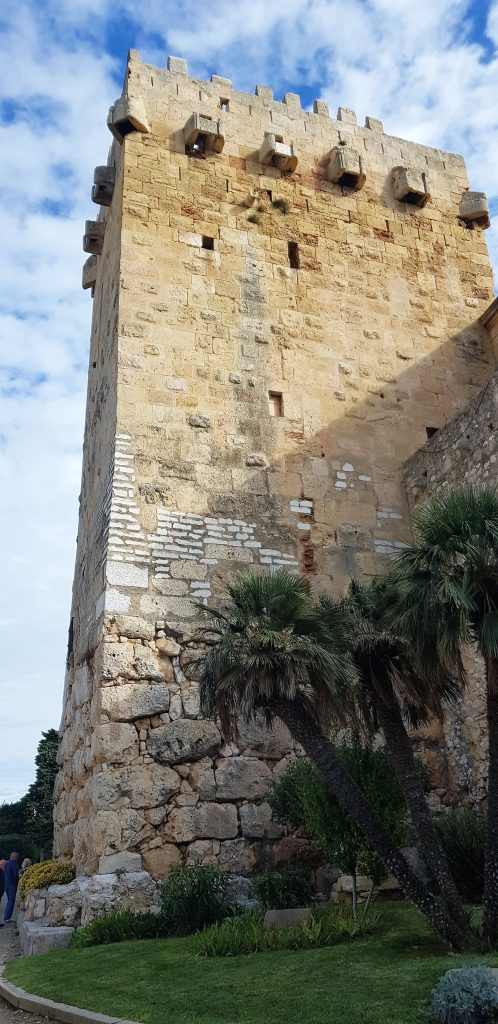
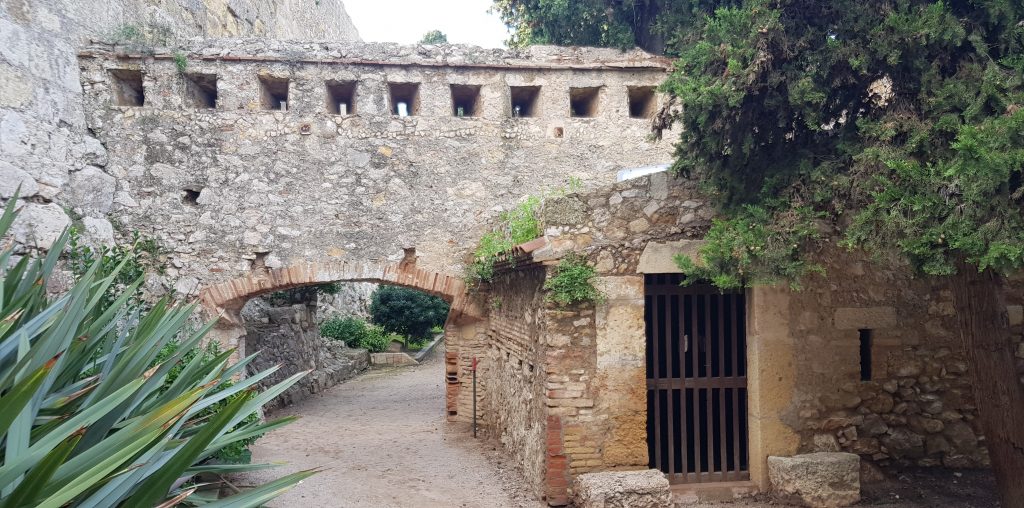
The ancient remains are a UNESCO World Heritage Site, there are remains of walls throughout the city, Augustus’s palace was a prison up to the 19th century, the ampitheatre has been retained, a circus and forum are still visible, a Roman built aquaduct (sadly not visited) still stands outside the city (700 feet long, 85ft high), a citadel is within the city as well as numerous monuments with scriptures chiselled into them. The cathedral is within the old city walls, as is a convent.
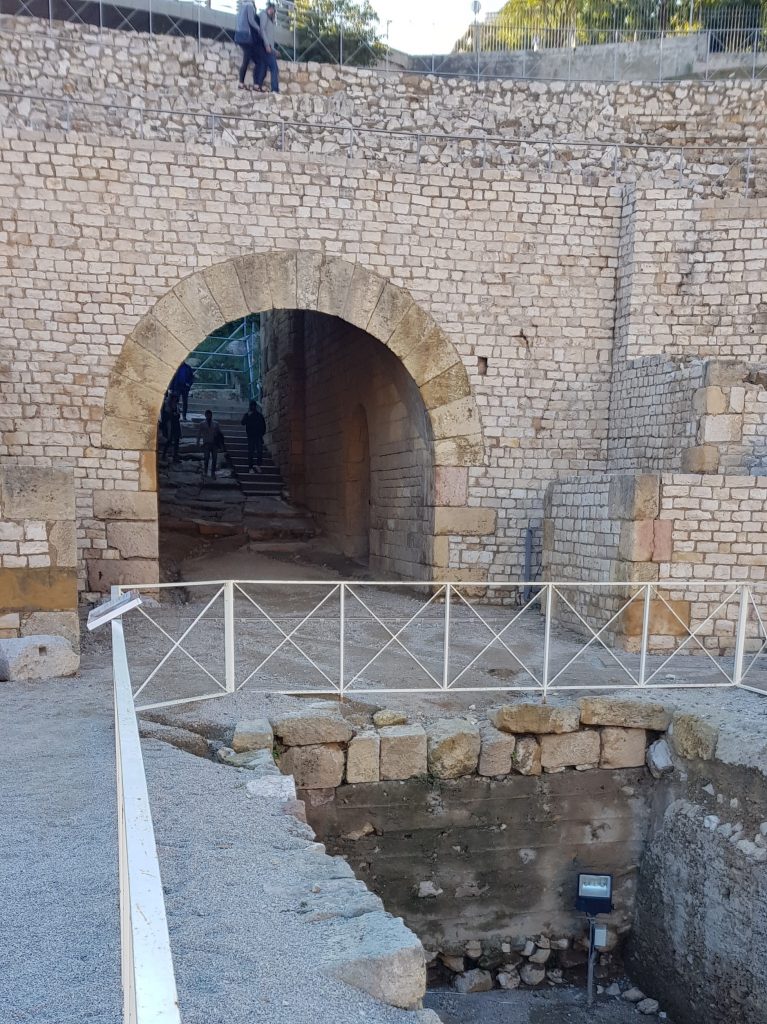
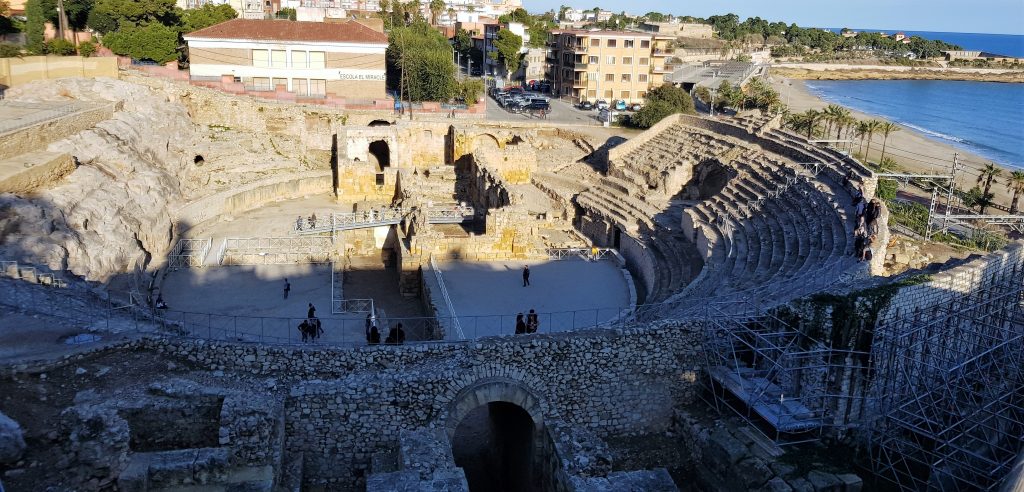
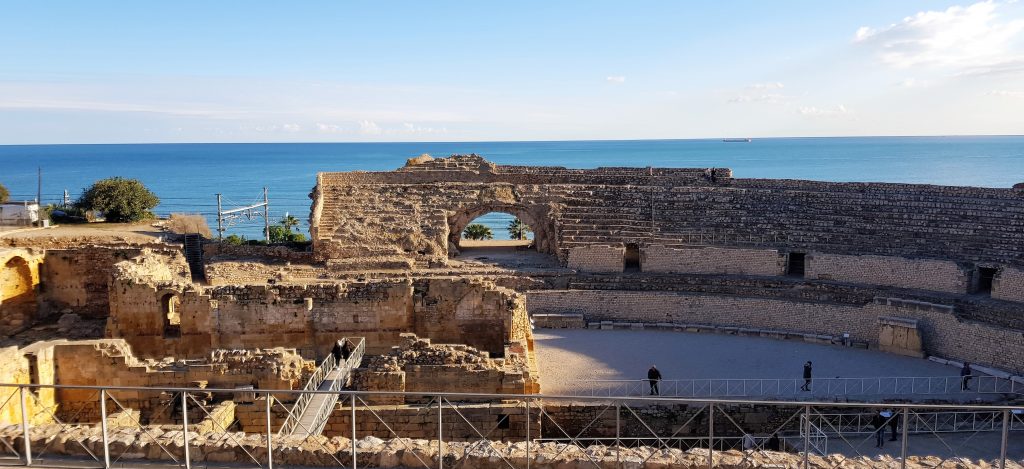
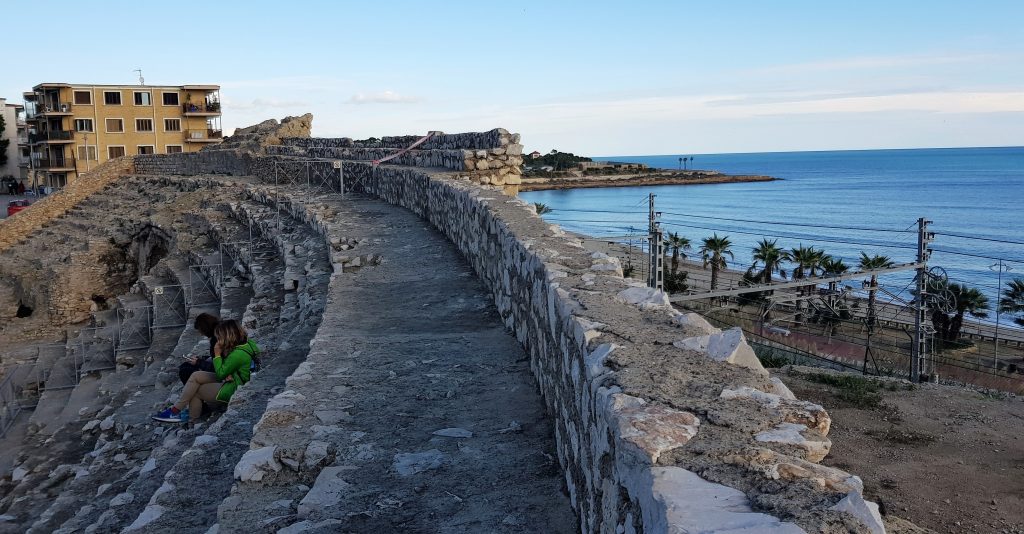
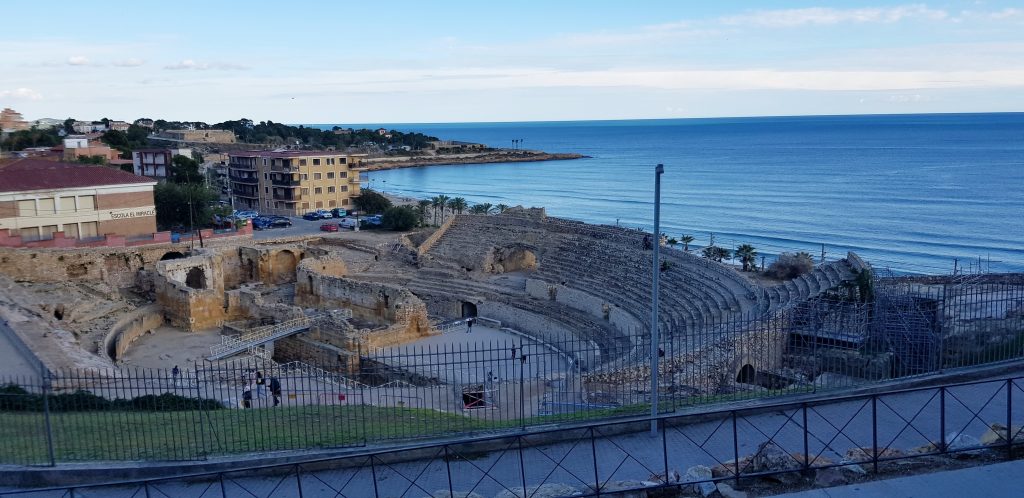
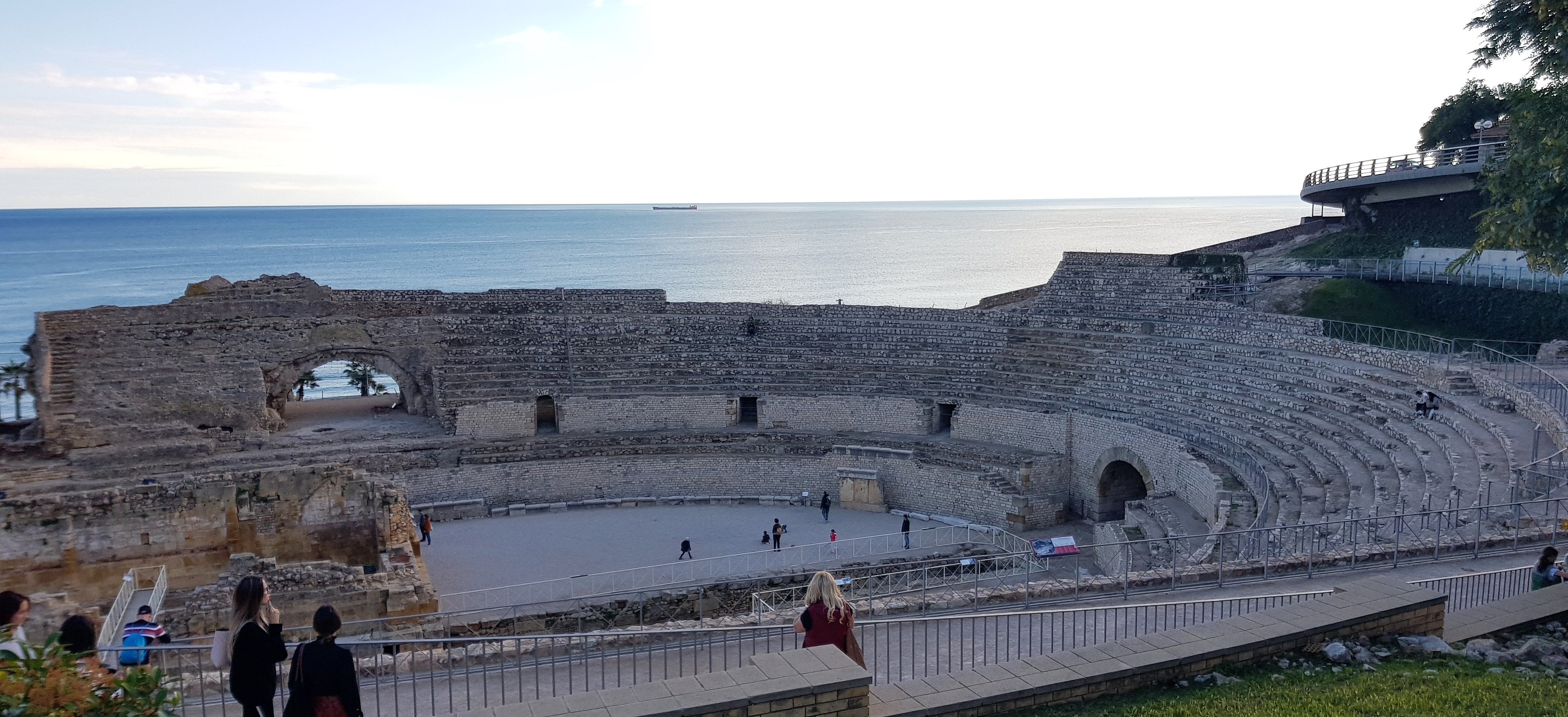
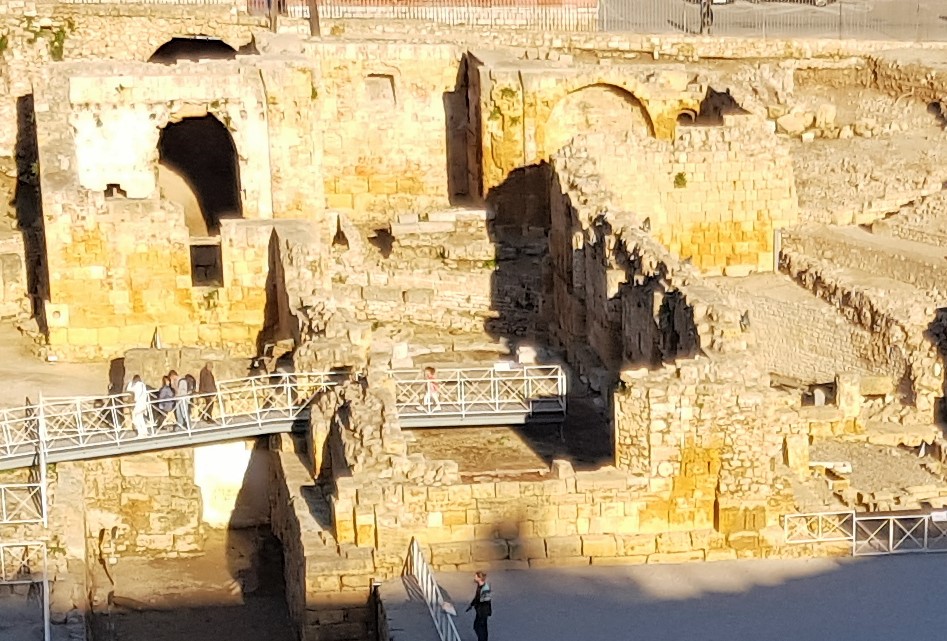
The most amazing site was the oval ampitheatre. Overlooking the blue Mediterranean sea, it was built 109m x 86m wide, on a base of huge stone blocks, with tunnels, drains, service doors and monumental entrances and even a pulley system to lift animals or fighters from the cellars below to the floor of the arena. The walls were made from rock, posts and lintels, concrete archways and concrete walls, as well as solid boxes with rubble infil.
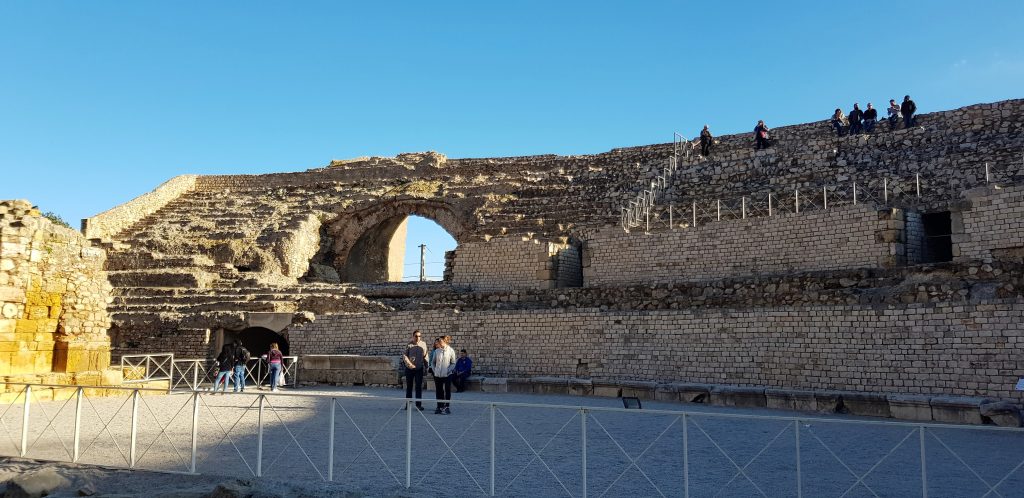
The three distinct levels were ordered by hierarchy, nearest to the arena were more comfortable seats, which the upper level was standing room only. The underground service passages are totally preserved as is a private sanctuary for the workers. The rainwater was channeled to the middle where a gutter passes under the stands to drain the water into the sea. The buildings maximum capacity was estimated at 12,750 people when the arena was fully circular. This was worked out by dividing lines cut into the stones at 40cm spaces.
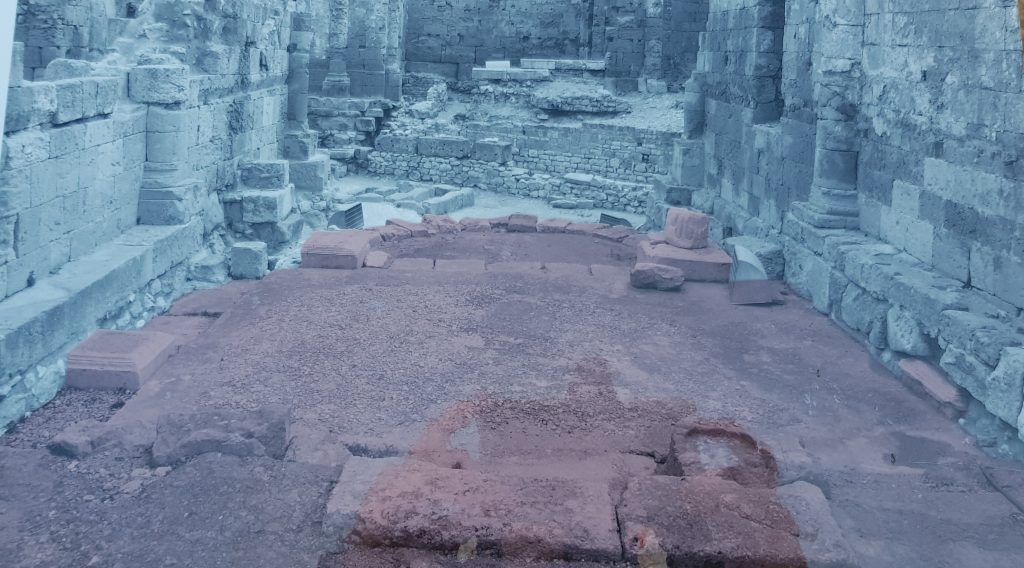
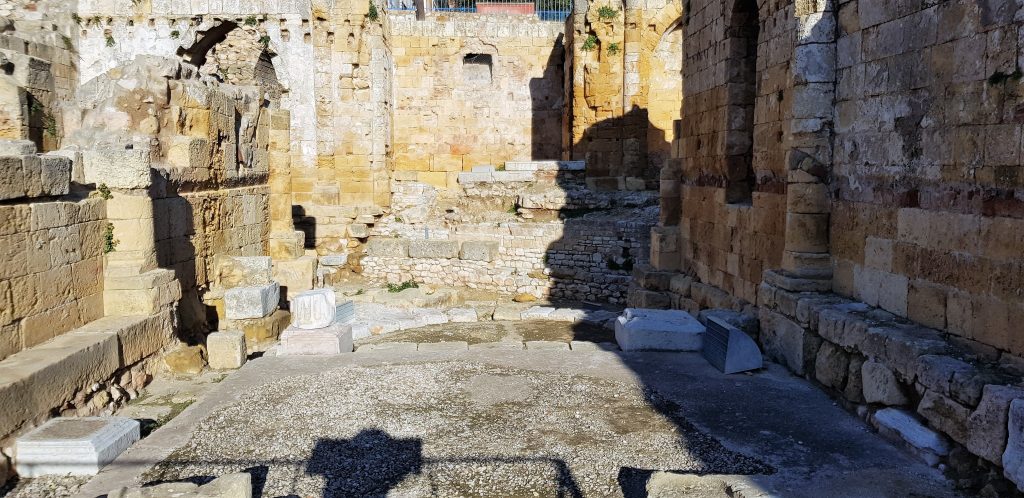
There are documents that confirm that on Friday 21st January 259, Bishop Fructuosus and his two Deacons, Augurius and Eulogius, were burned to death in the Ampitheatre’s arena, deigned by Emperor Valerian during the days of Christian persecution. It was used for gladiator games or fights, athletic displays, and where death sentences were carried out. During the 6th Century a basilica was built within the grounds of the arena to commemorate the martyrdom of Bishop Fructuosus, it was 13m wide, 22.7m long with a horseshoe apse as well as a small annex which was used for baptism and funeral services. After Christianity became the official religion for the area, the Basilica and arena was not used as much and fell into disrepair; when the Islamic invasion of Spain started in the 12th century another church was built over the remains of the Basilica, in Romanesque style, demolished in 1915. The floors of both buildings remain visible. The church and nearby buildings were eventually used as a convent then in 1780 it became a prison for prisoners constructing the port. After closing, it was abandoned until the mid 20th century when work began on its preservation.
The ampitheatre is linked to the Forum and Circus in the main city by means of cobbled roads, still visible today. The Circus held grand horse and chariot races, and this is often seen in shop fronts, doorway details and archways where stores have been built on top of vaults. The Forum no longer exists but the square which was its base, is now home to a placa (or square) full of cafes and restaurants where people still gather and discuss their days.
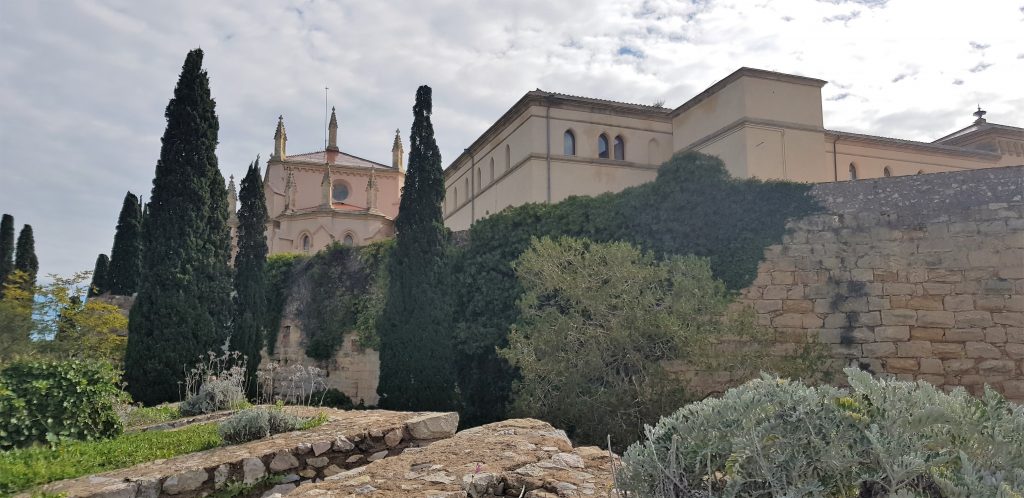
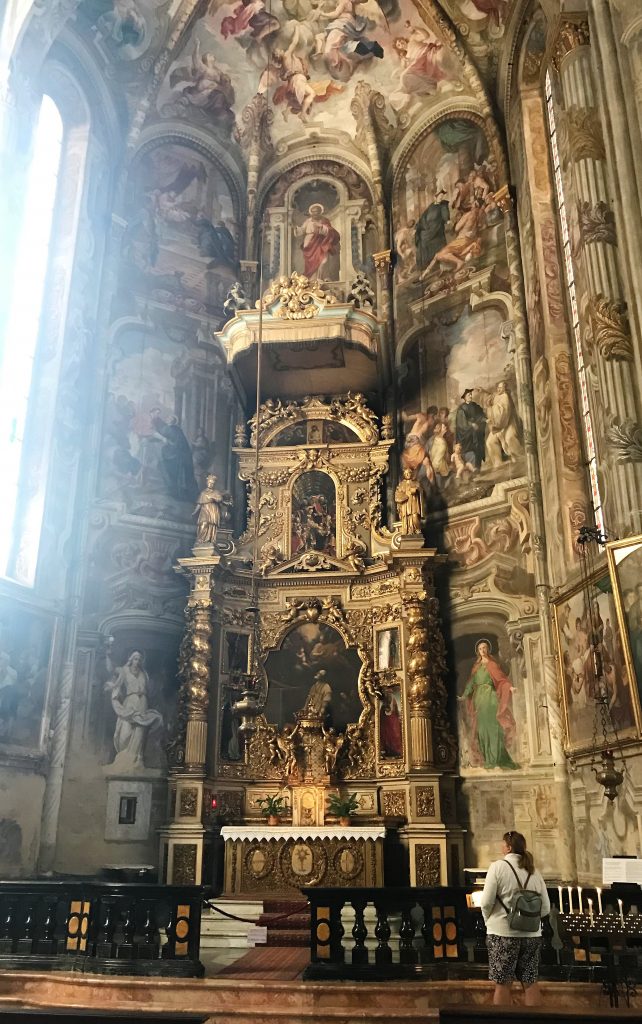
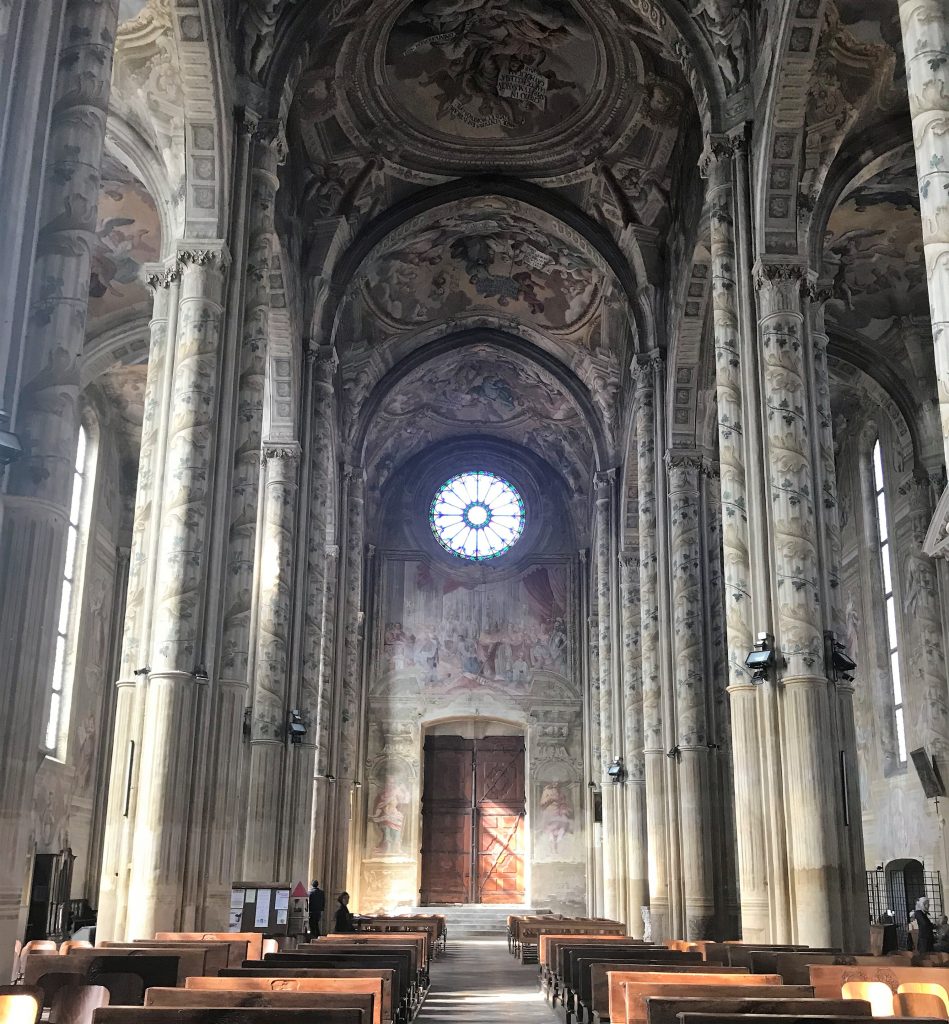
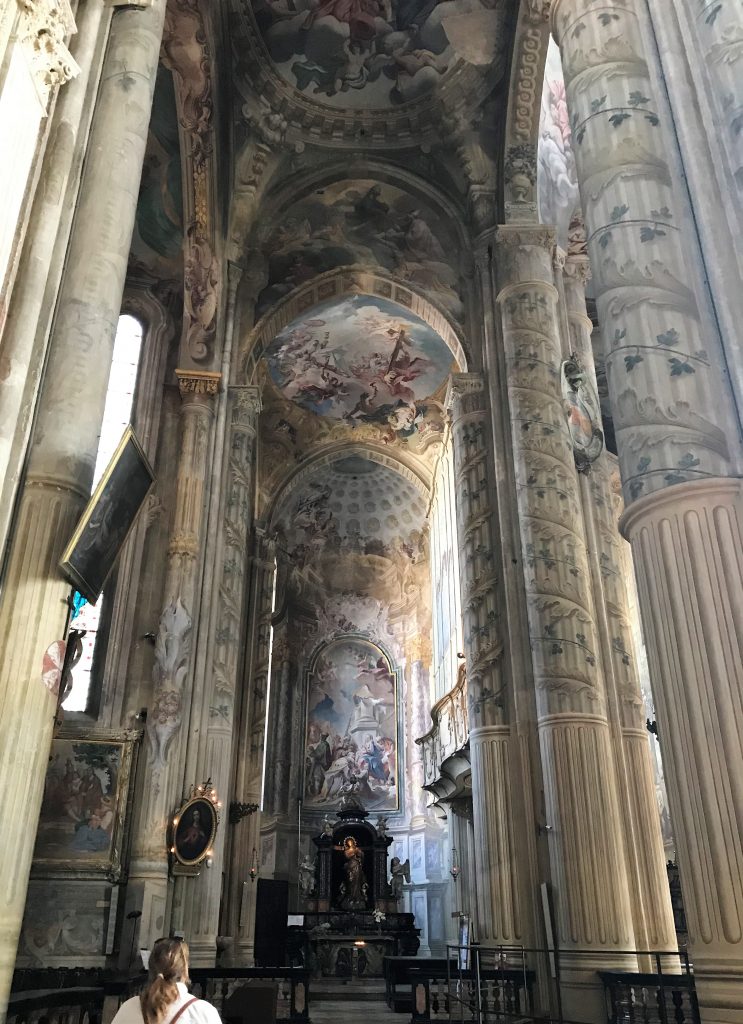
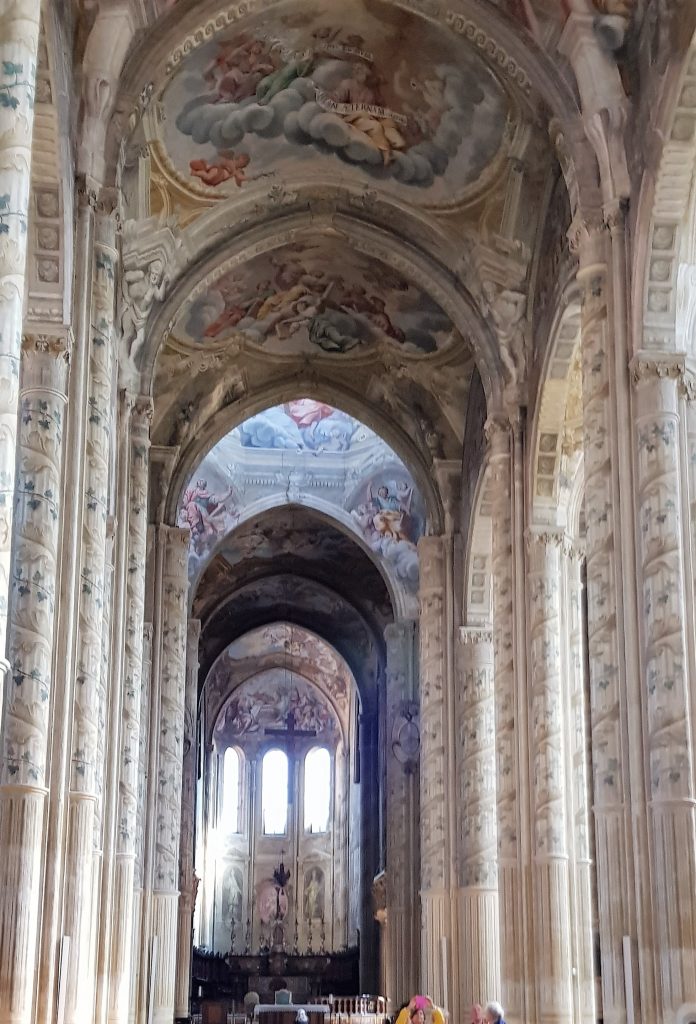
The Cathedral is built on the grounds of a former Roman temple, from its tower you can clearly see the city walls and other remaining Roman structures and ruins.
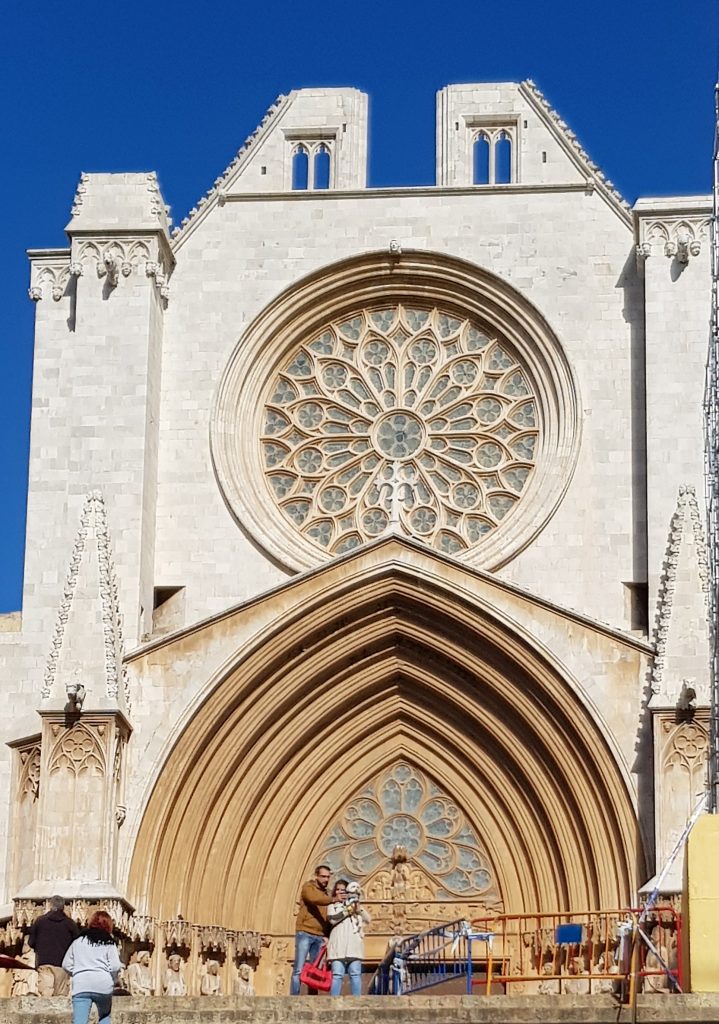
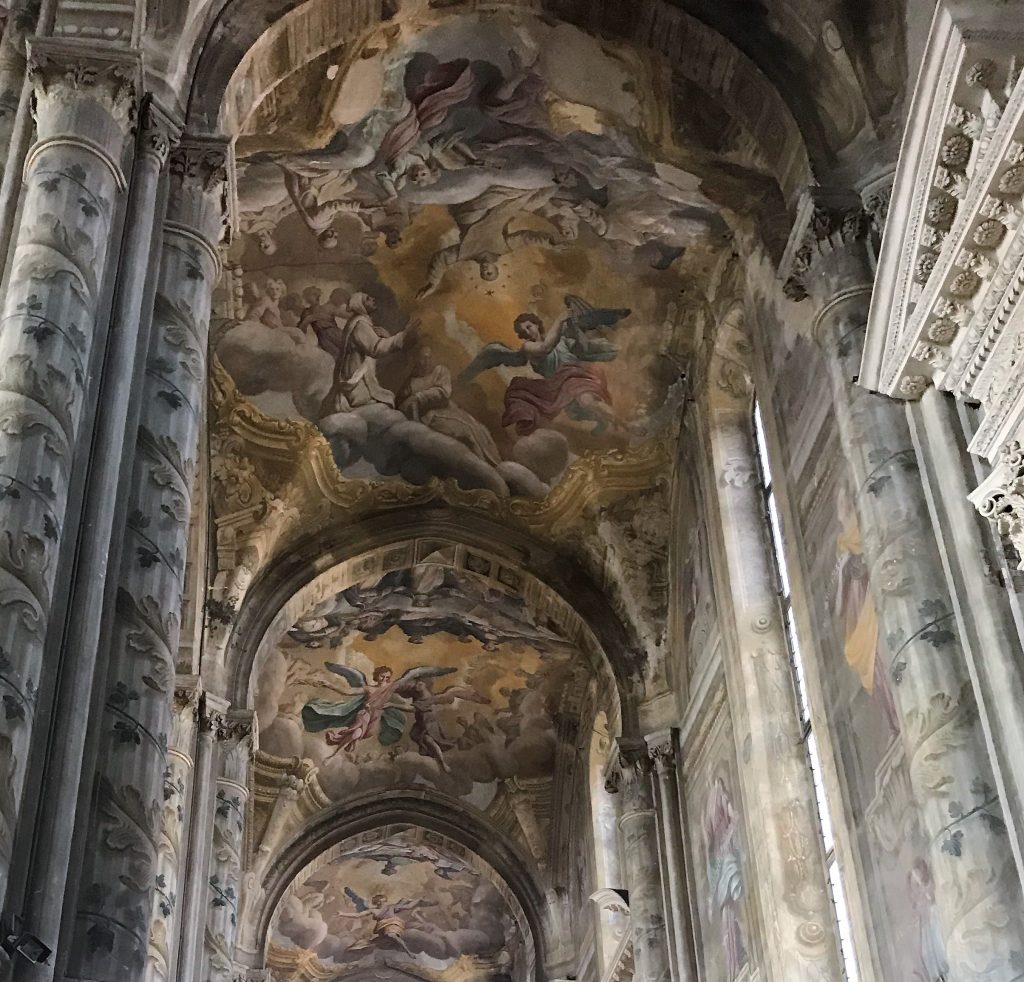
The Cathedral.
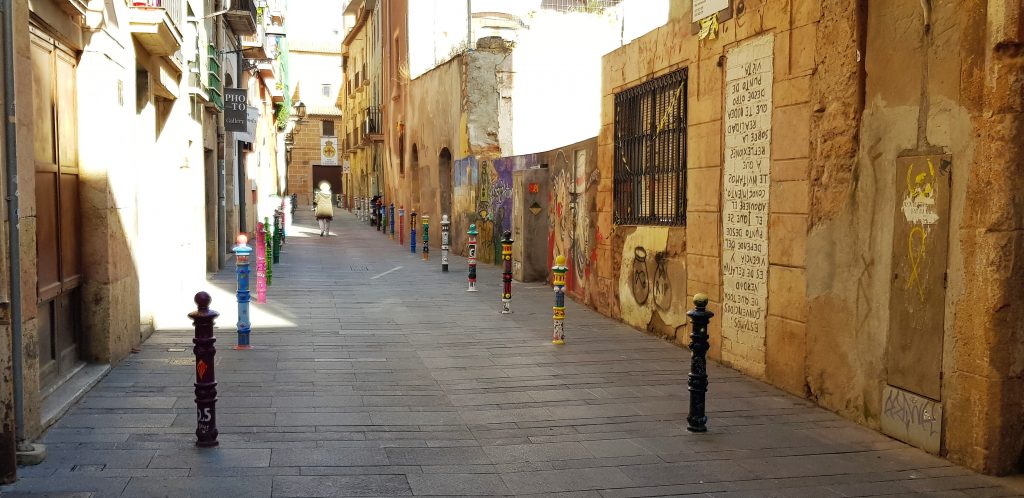
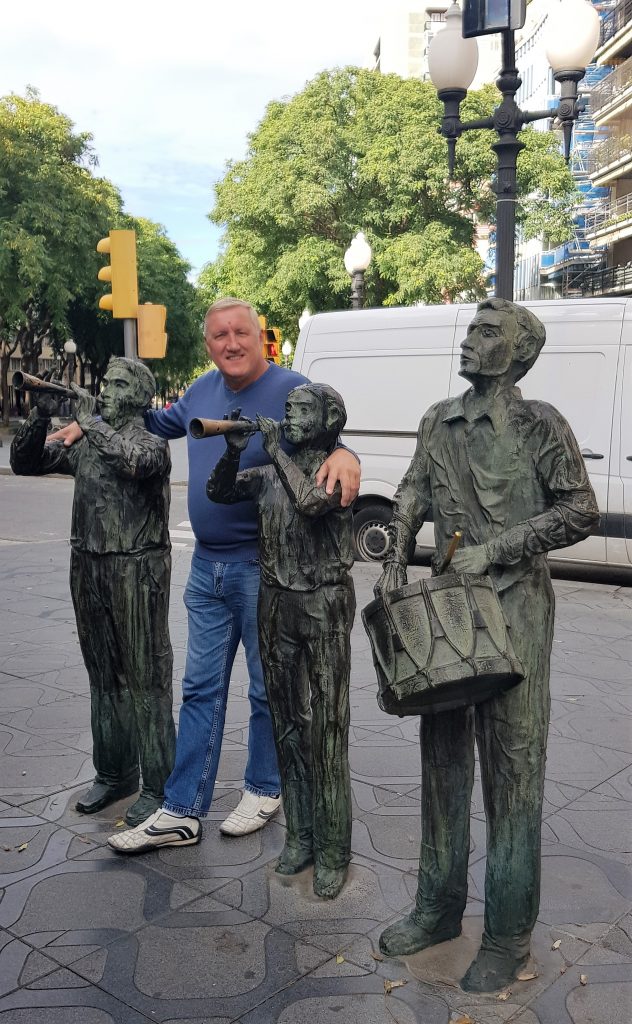
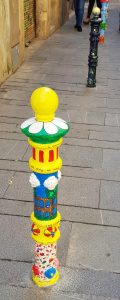
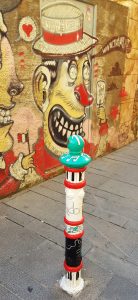
A quirky street, and below, it’s street “furniture”!
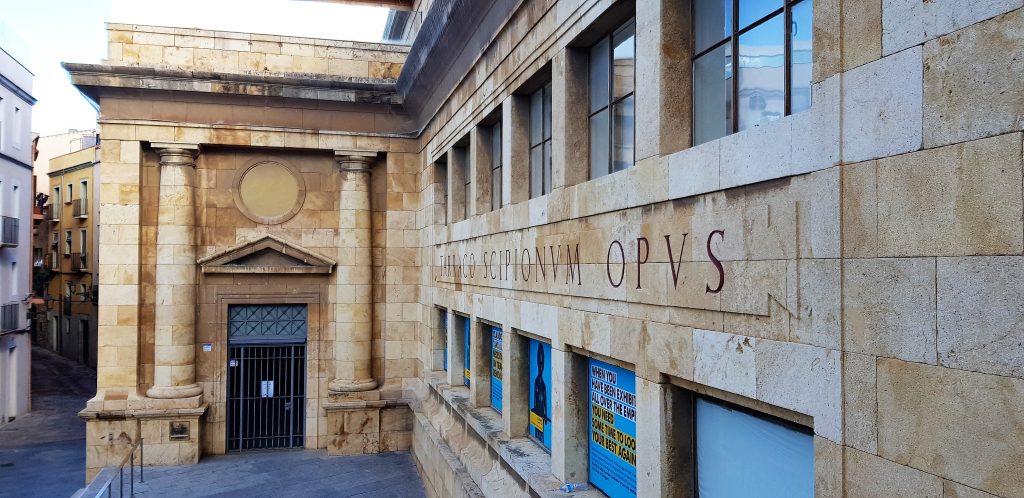
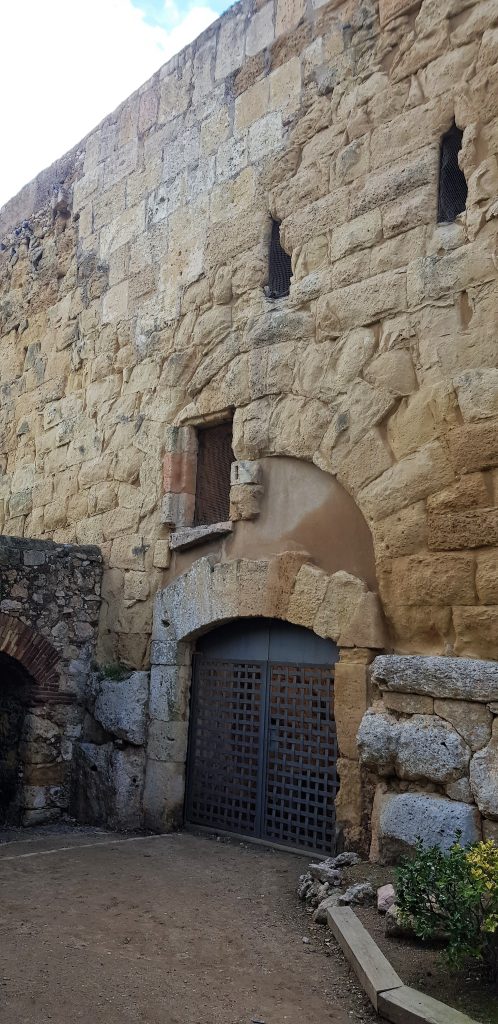
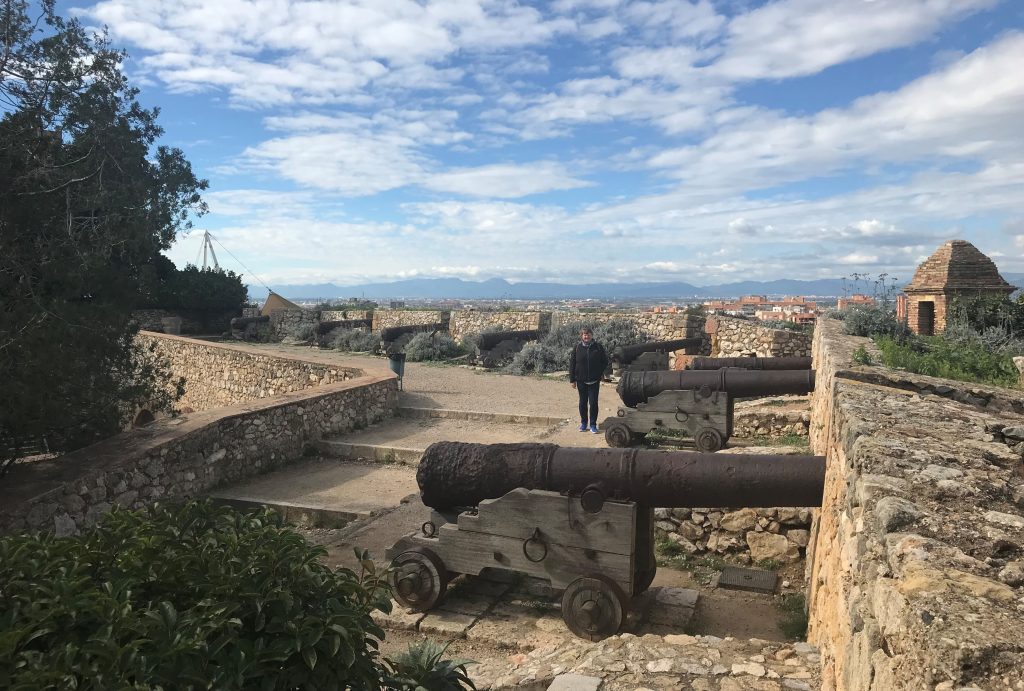
Some views of the city walls.


The Ampitheatre
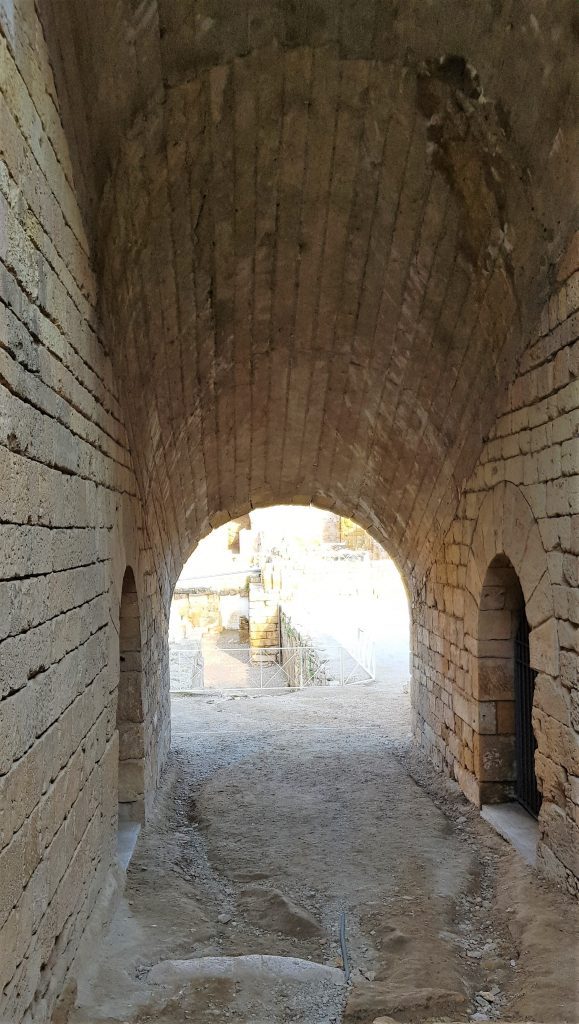
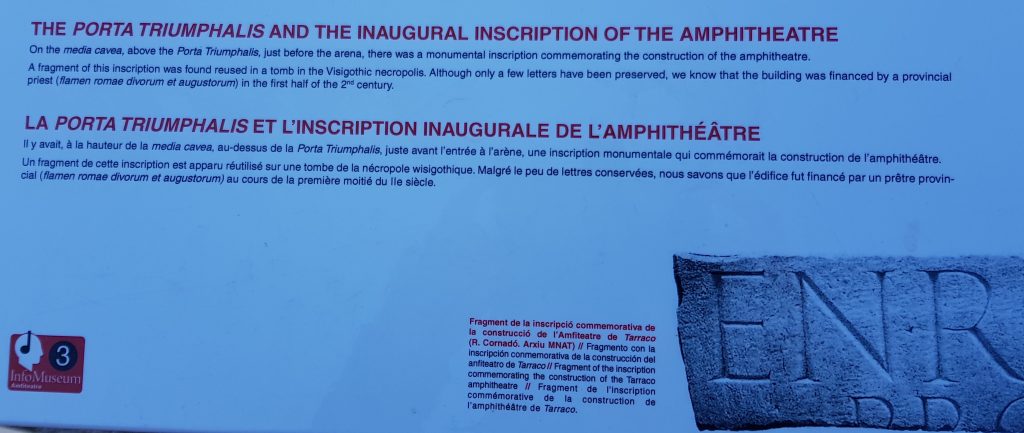
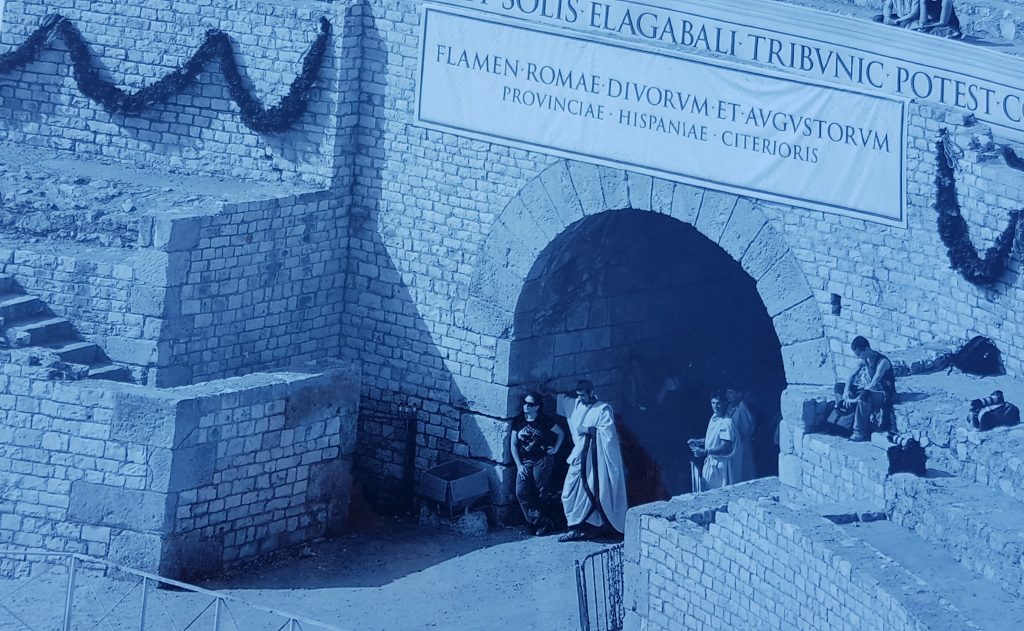
The entrance tunnel

The two different floor layouts, the Basilica in pink, the church in blue, and in reality , below.





Recent Comments