Travel stories of a caravan duo, plus a 5th Wheel and Isuzu truck in Europe

Category: Churches (Page 5 of 7)

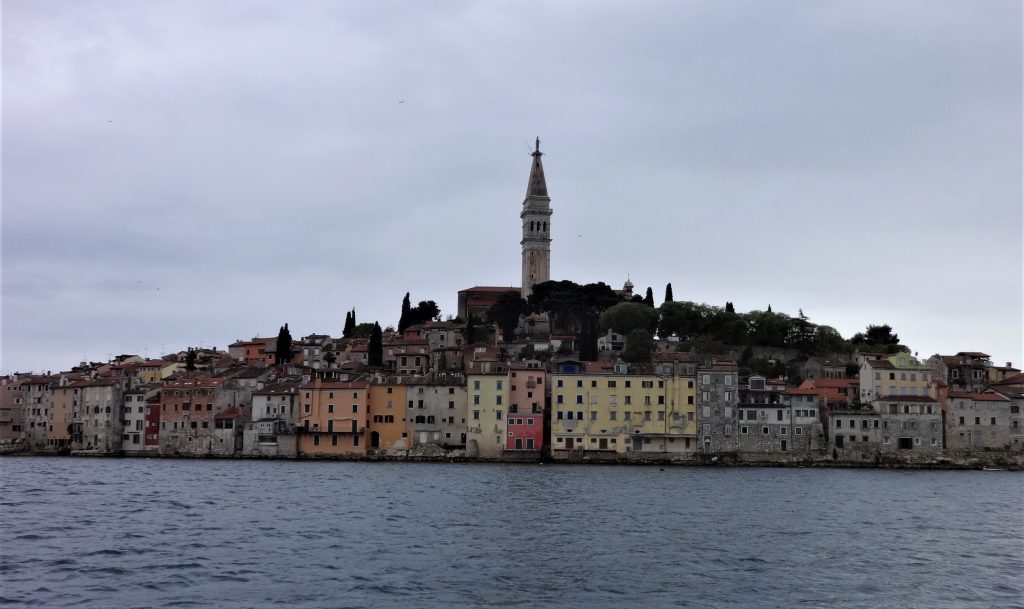
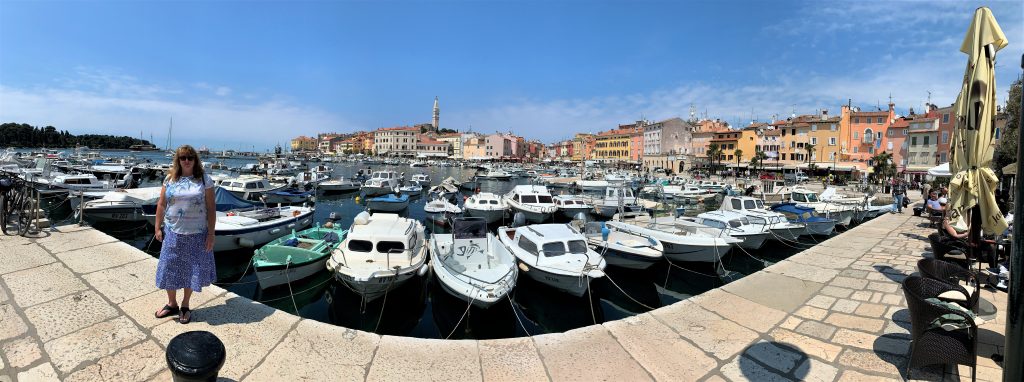
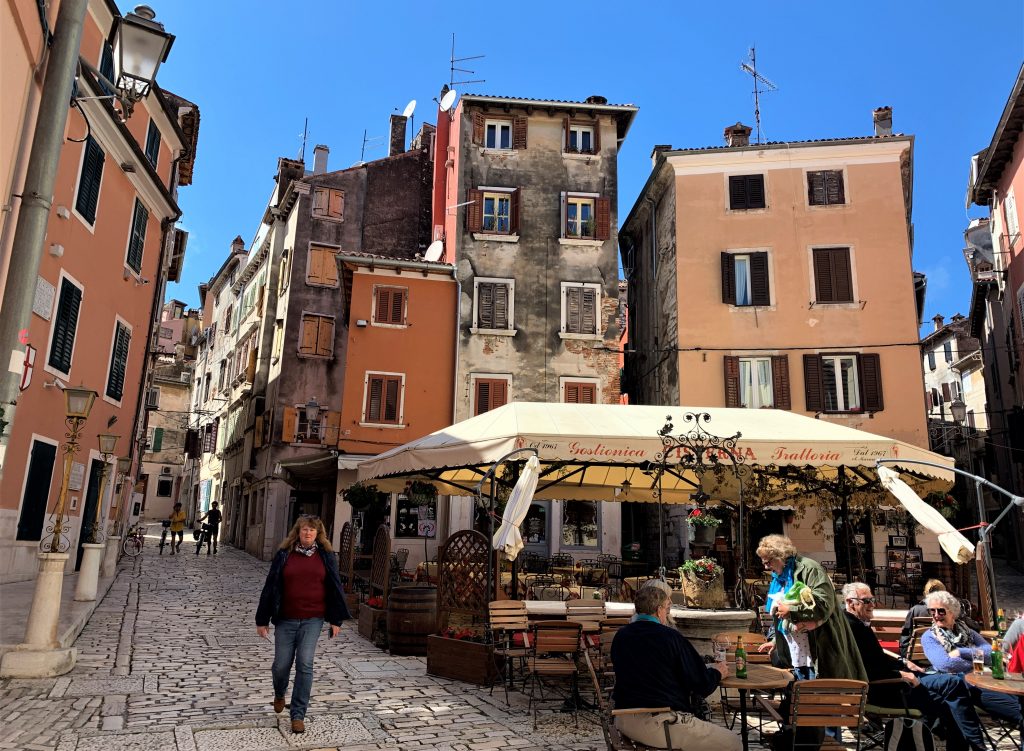
Croatia – First Stop Rovinj

We left Trieste and headed over the border from Italy, drove 20kms through Slovenia, and into Croatia. At the border of Slovenia and Croatia, we were actually stopped and asked to show our passports!
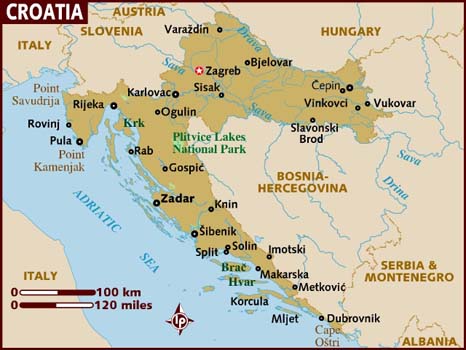
Our stops will be Rovinj, Zadar, Split, Dubrovnik, Zagreb.

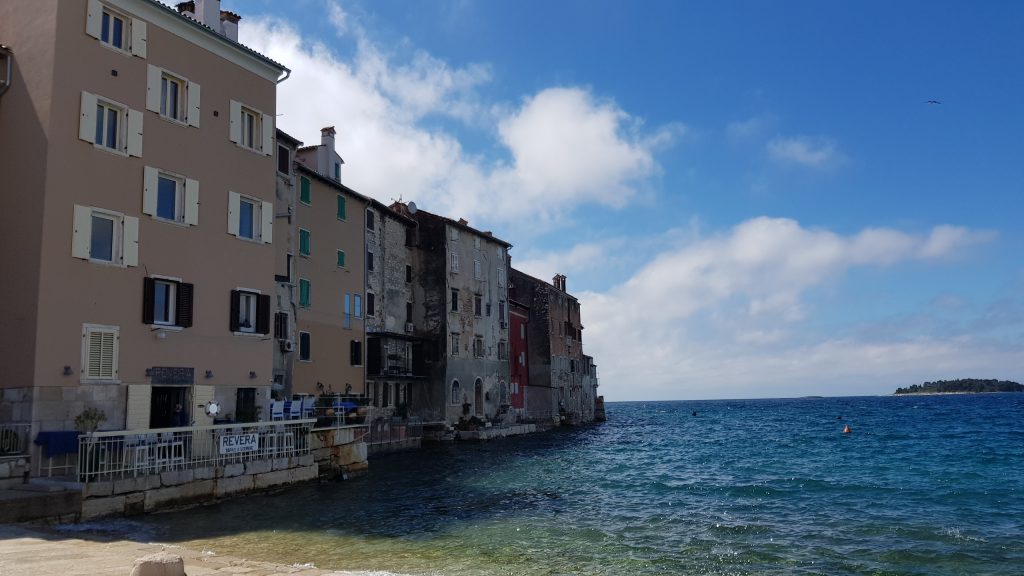
The local town is called Rovinj (pronounced Rovine) and was once an island, fortified in the middle ages, and as the narrow channel separating it from the mainland filled with soil and sand, so it became a peninsular with the “old town” and the harbour and newer town behind it.  It was, and still is, a major fishing port, then a major ferry port, connecting people to Venice and other parts of Italy and Croatia.
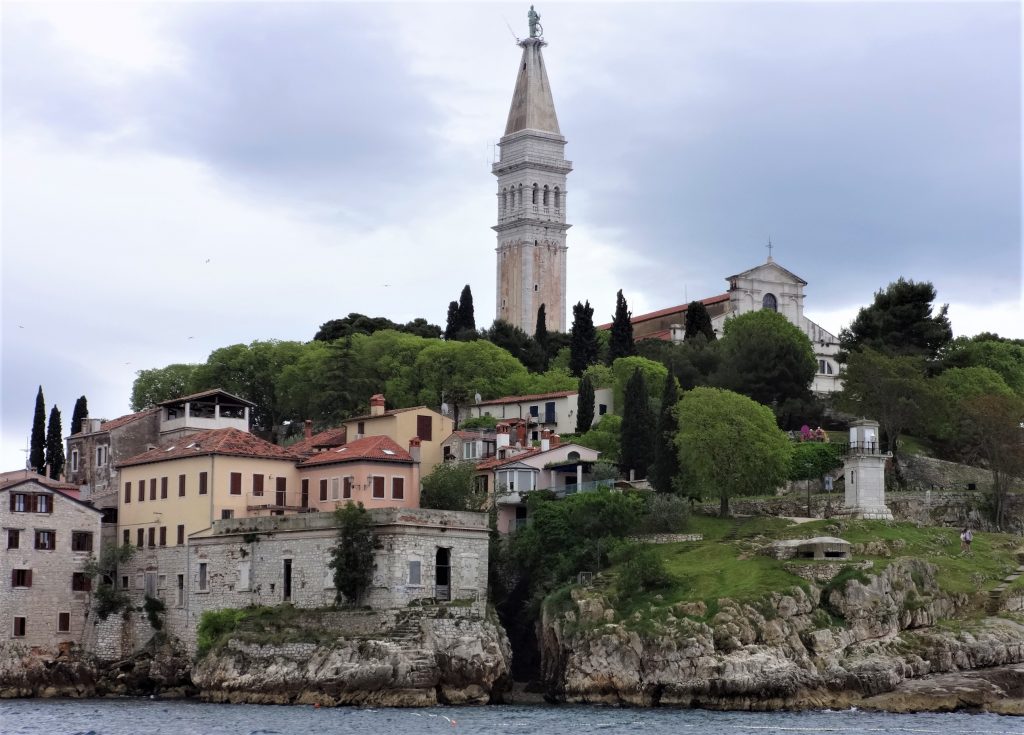
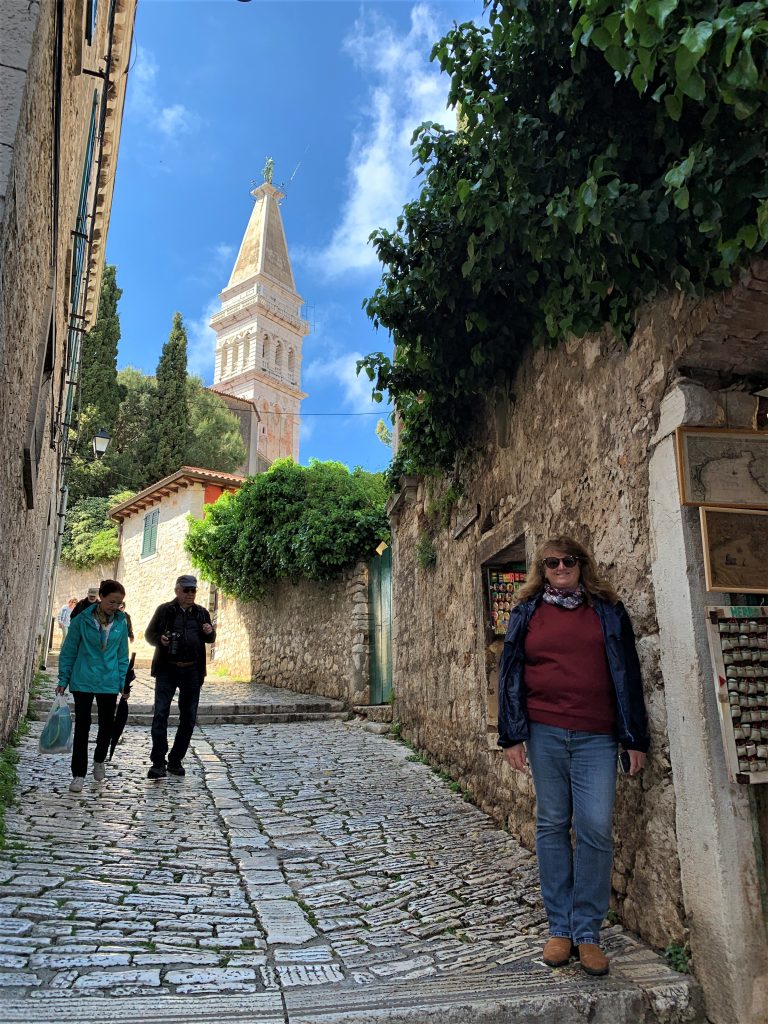
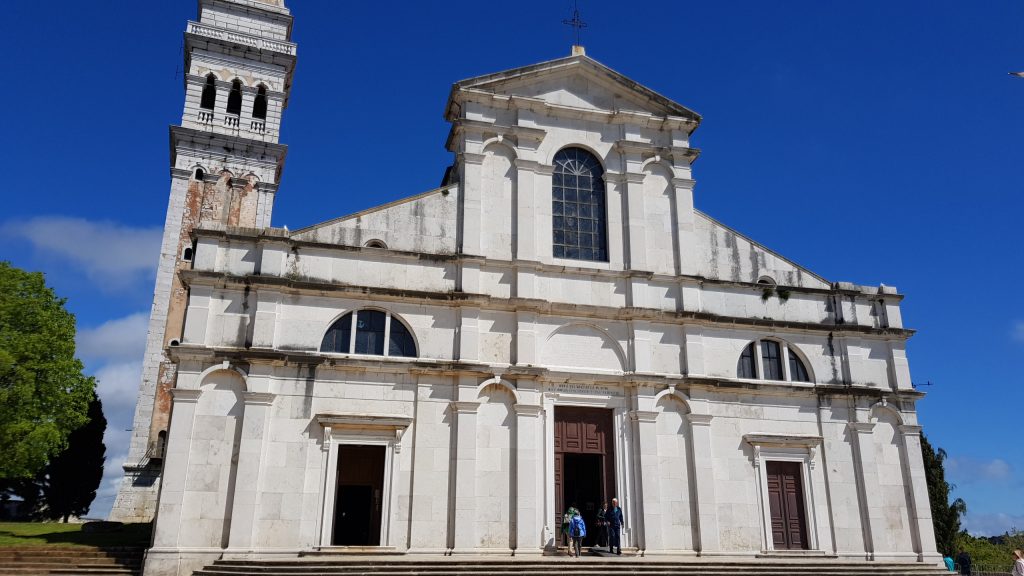
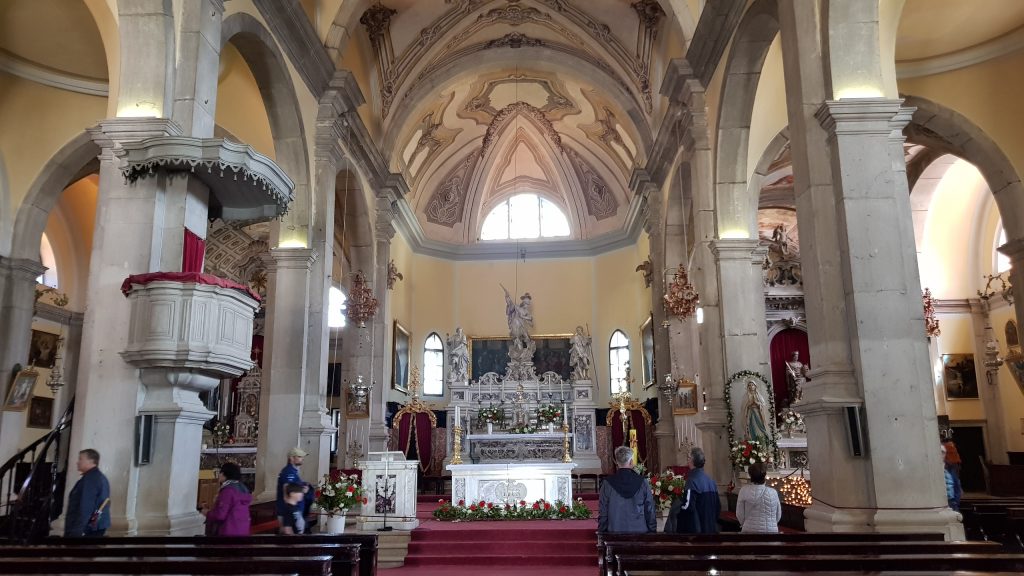
St Euphemia Cathedral

The town has been “owned” by lots of people, whose influence is still clearly visible, it started as part of the Byzantine Empire in 6th century, then part of the Frankish Empire, it became part of the Republic of Venice up to 1797, then Napoleonic then Austrian. According to the last Austrian census in 1911,  97.8% of the population were Italian speaking.  It was then Italian from 1918 to 1947, then Yugoslavia, until 1991 when Croatia declared independence and it became the 3rd largest town in Istria, the region in the north of the country.

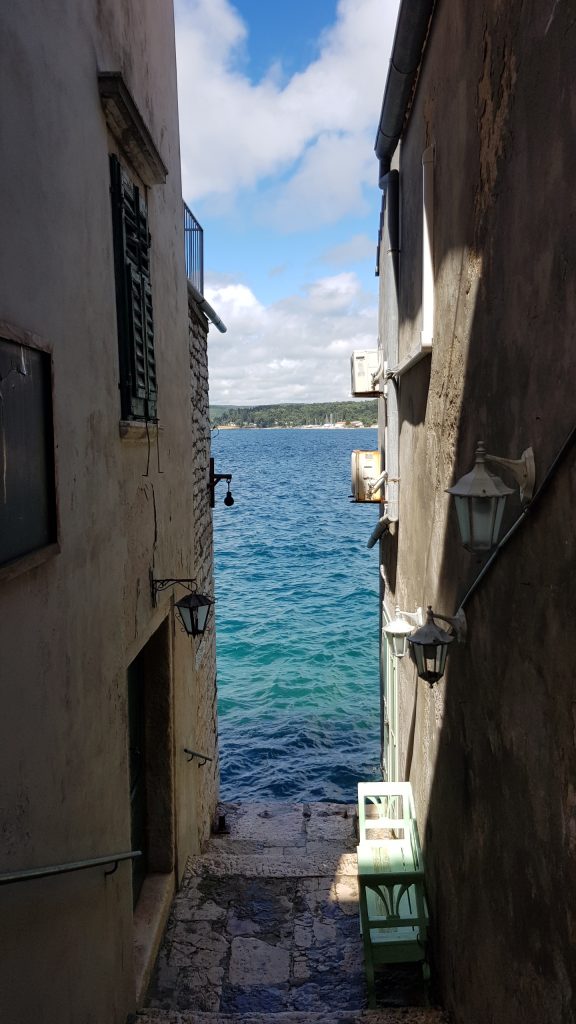
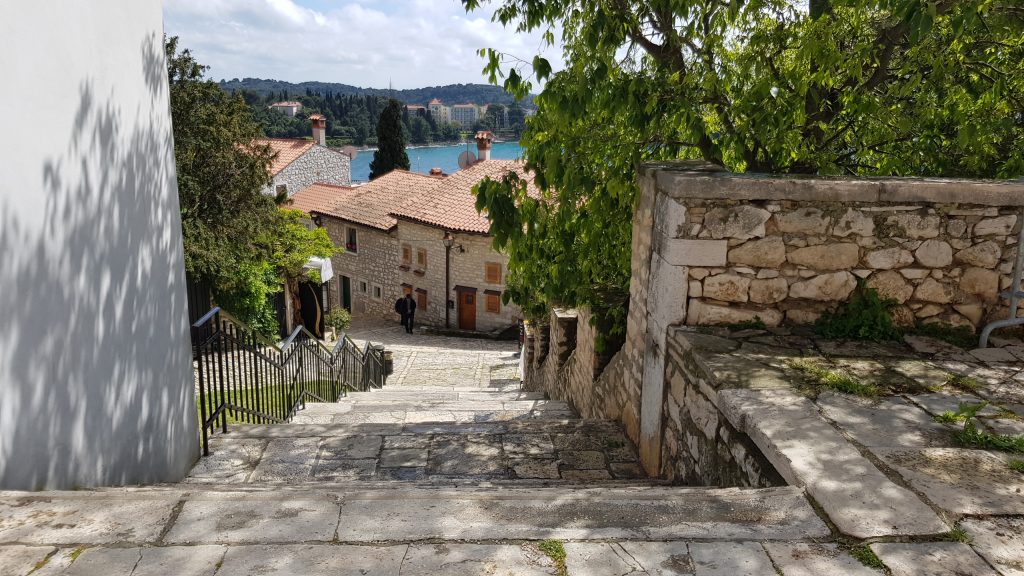
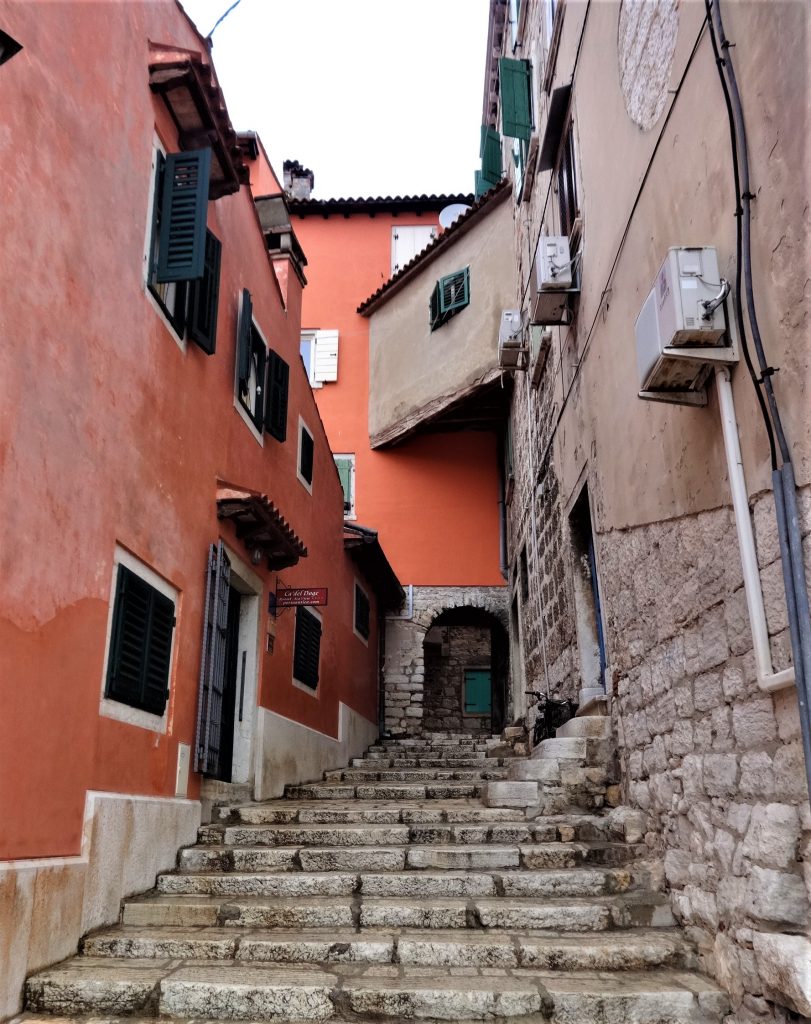
The old town is dominated by the Cathedral of St Euphemia, accessed via cobbled narrow streets that wind to the top of the hill; the cathedral houses a sarcophagus holding the remains of Saint Euphemia, who died in 312AD, and who’s coffin floated out to sea before being washed ashore here in Rovinj in 800AD.
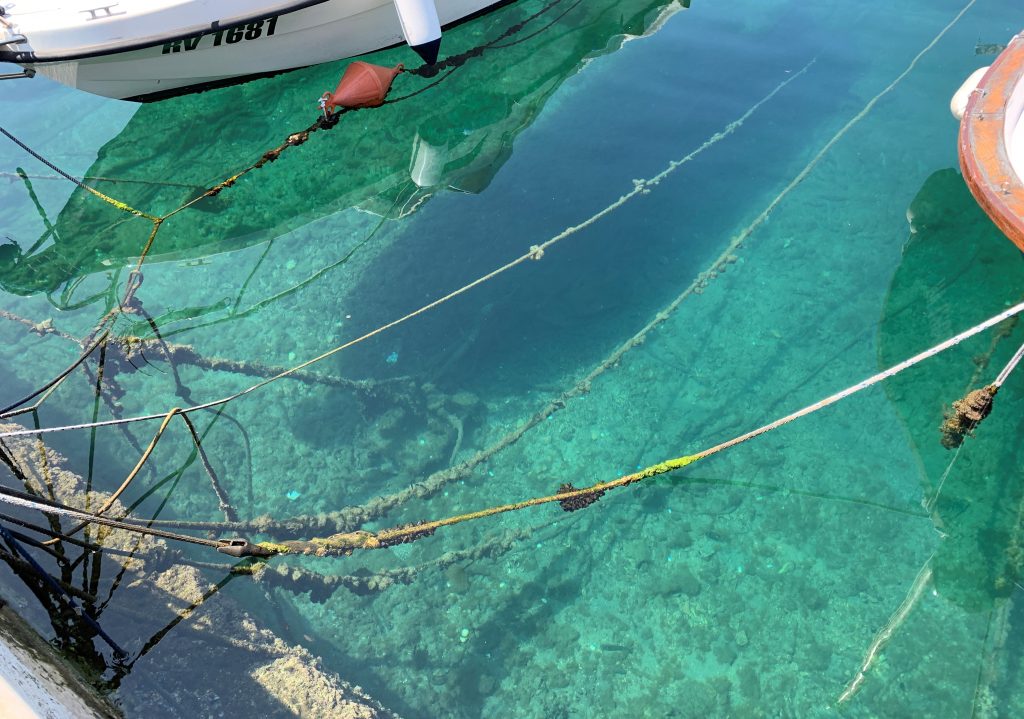
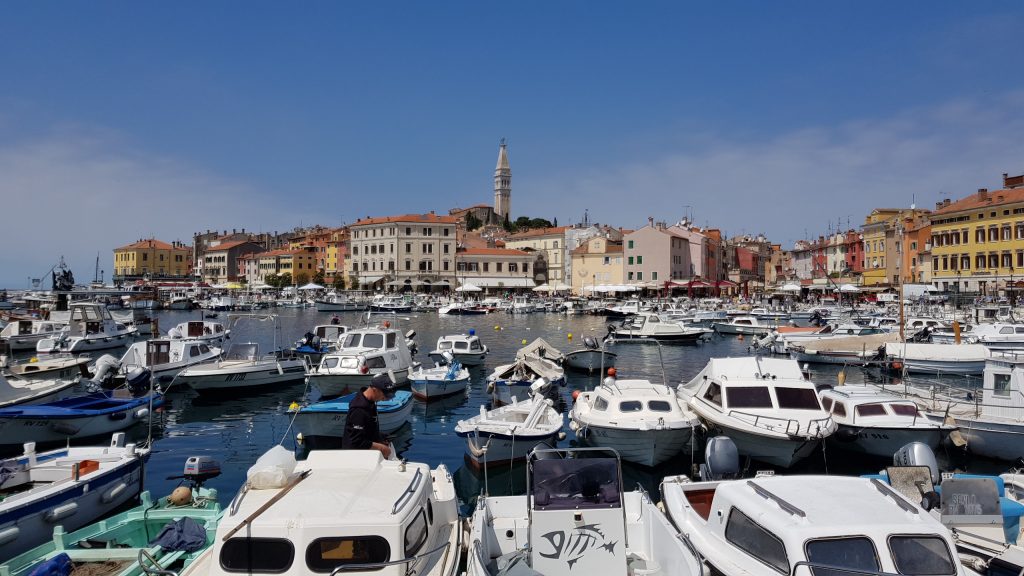
The harbour is popular as a place to sit and admire the comings and goings of locals, boats and people staying on the neighbouring island’s hotels.  There are 2 islands within 15 minutes boat ride that have just hotels on them, access to the island, hotel and it’s beaches is open to everyone.

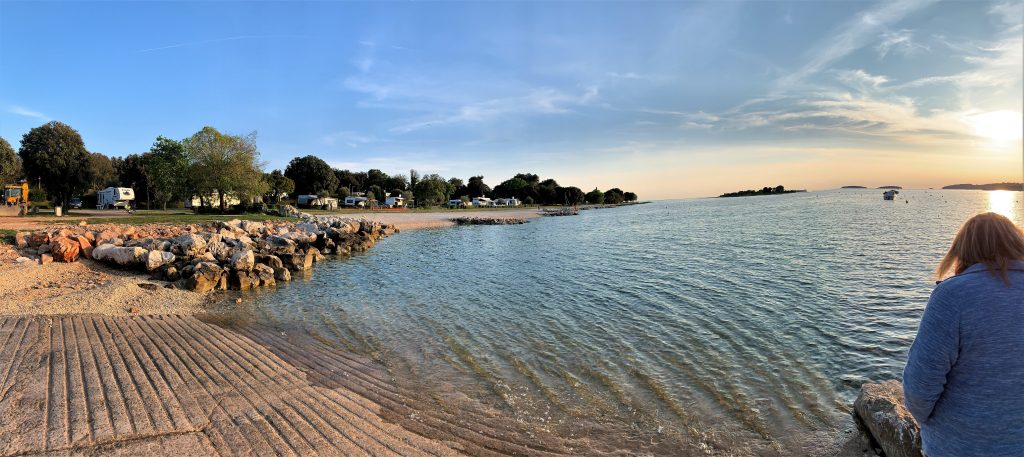
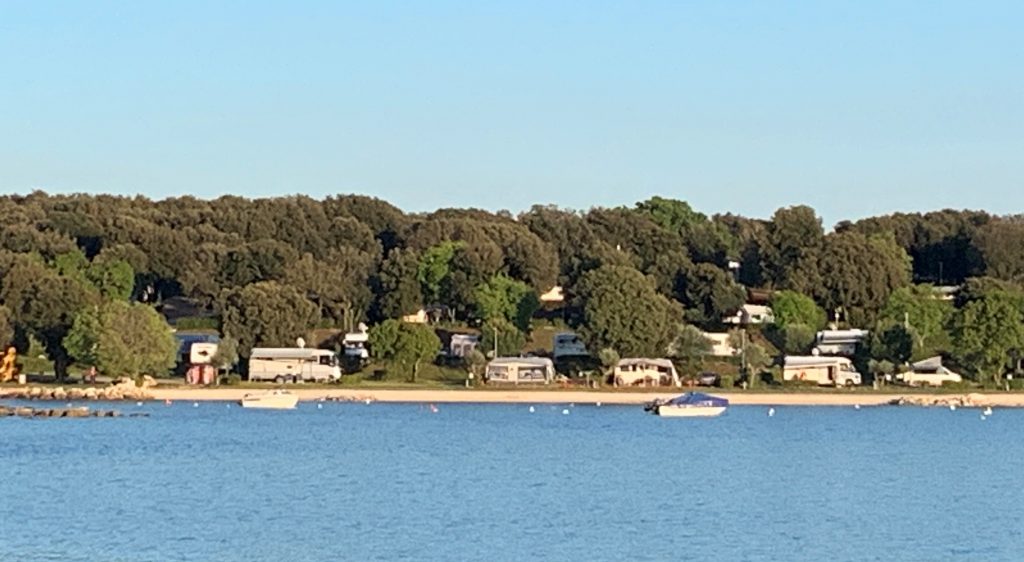
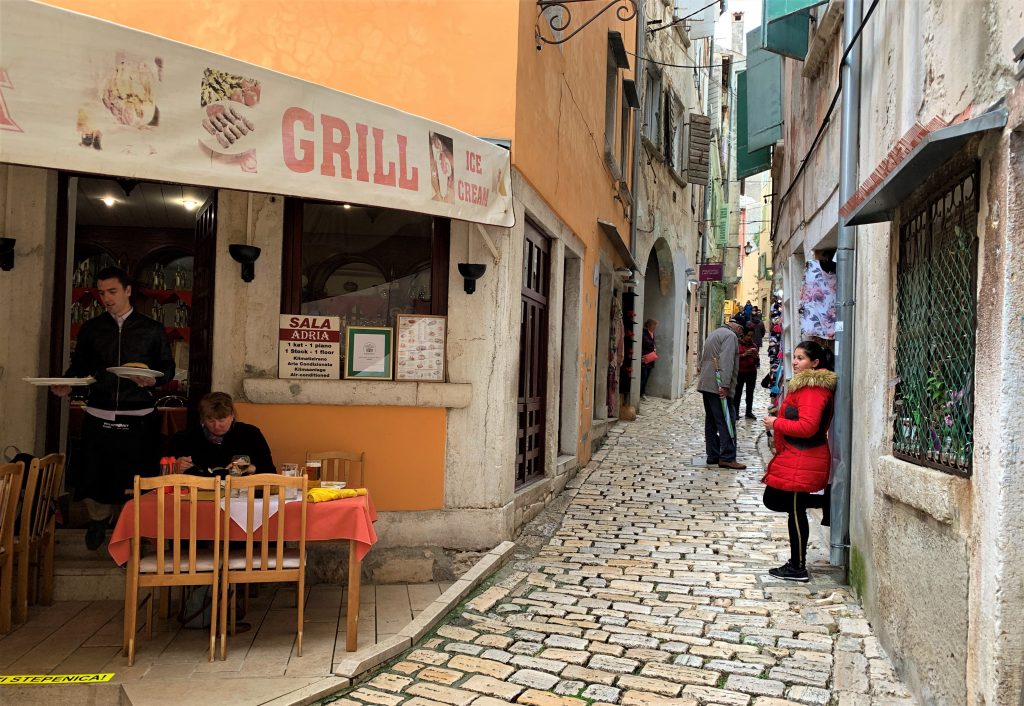
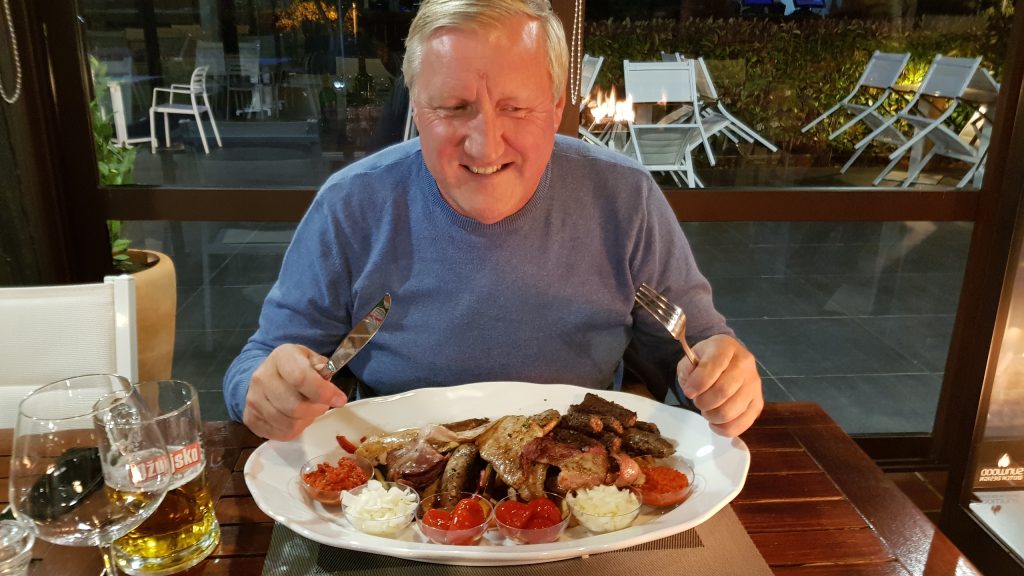
Our camp site is on the edge of the coast, our pitch is just set back off the front row, all the front pitches were taken when we arrived!  The site is large, certain bits are being modernised and is to a good standard, several pools, kids play areas, shops, supermarkets, sports hire, and several restaurants and bars.  In the restaurants on site and in the town, popular dishes are “meat or fish platters for 2” – although I challenged David to eat one by himself, he did admit it was far too much and even though we shared it, and enjoyed it, it was too much for us!!

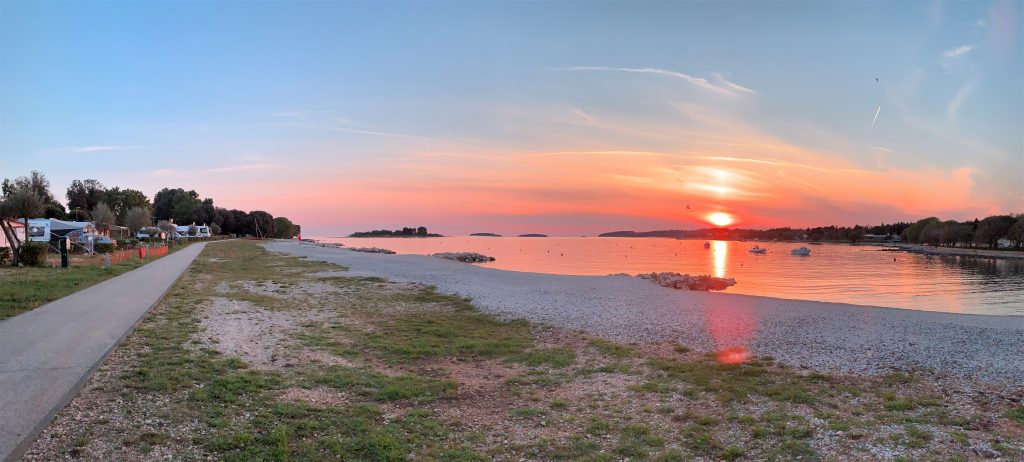
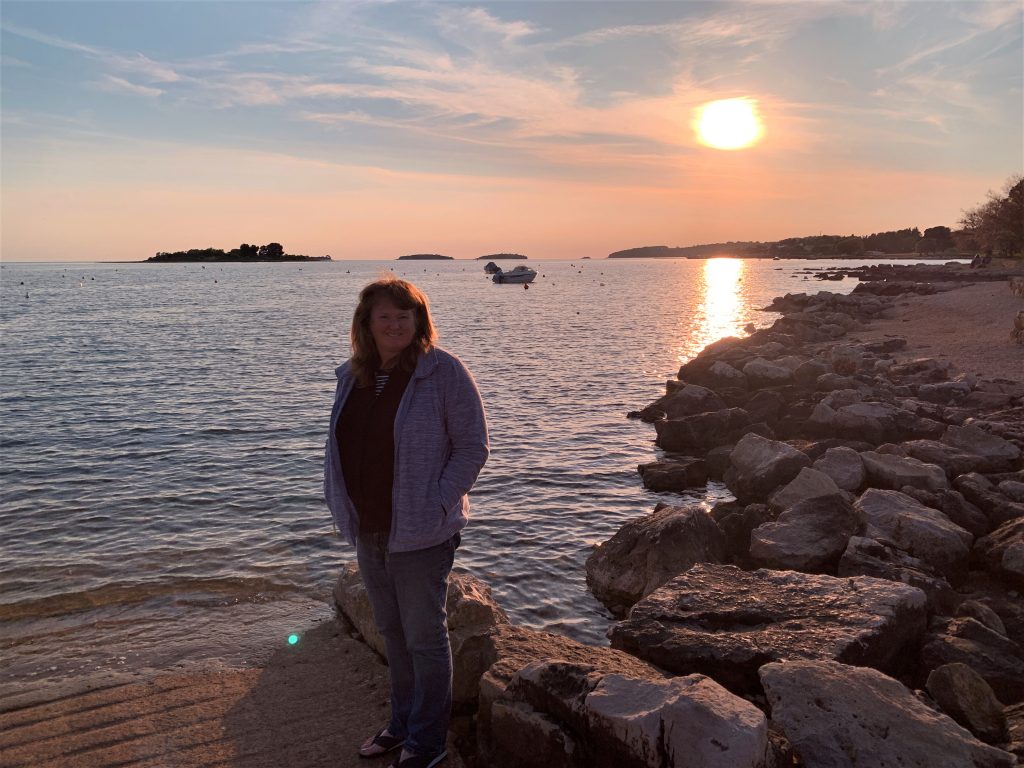
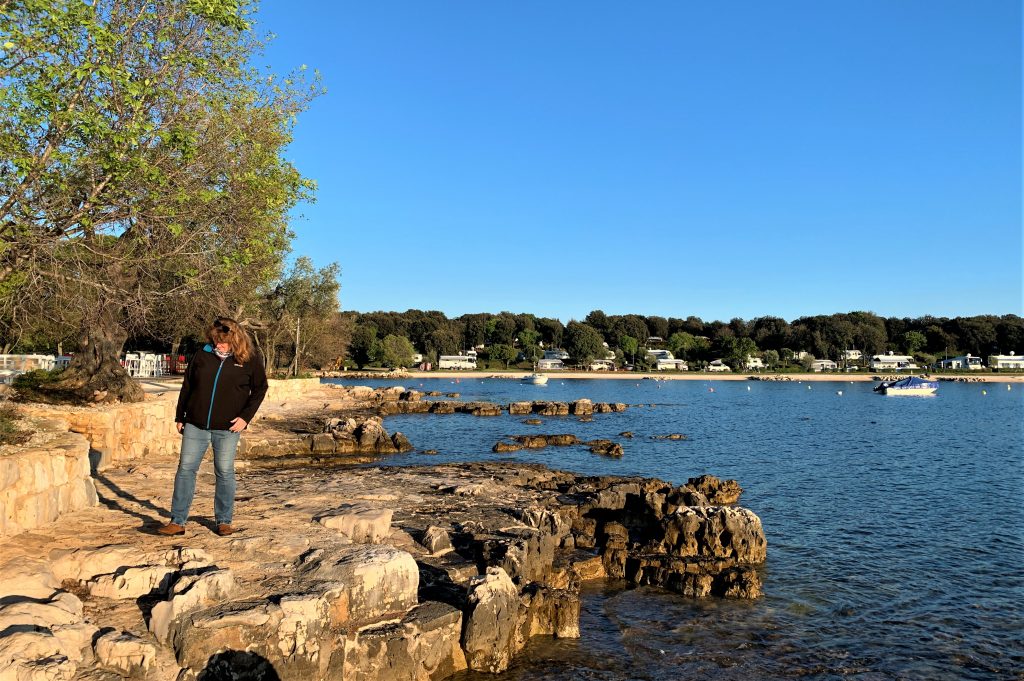
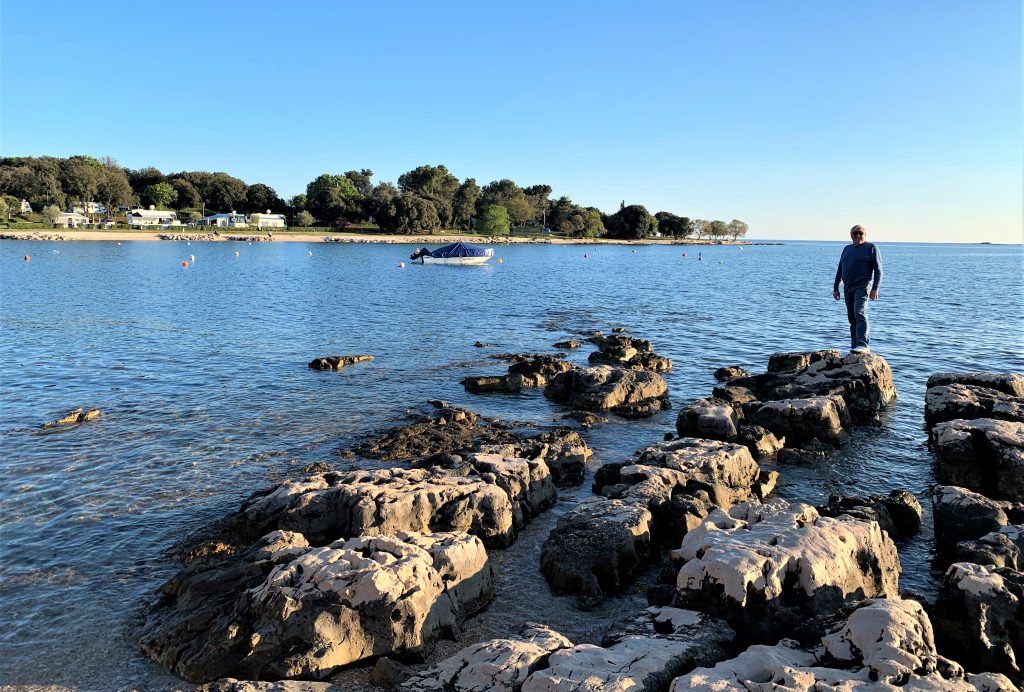
The location is amazing, we have a walkway into Rovinj, 5kms away, along the coastline, through pine forests and night time brings amazing sunsets on the sea.
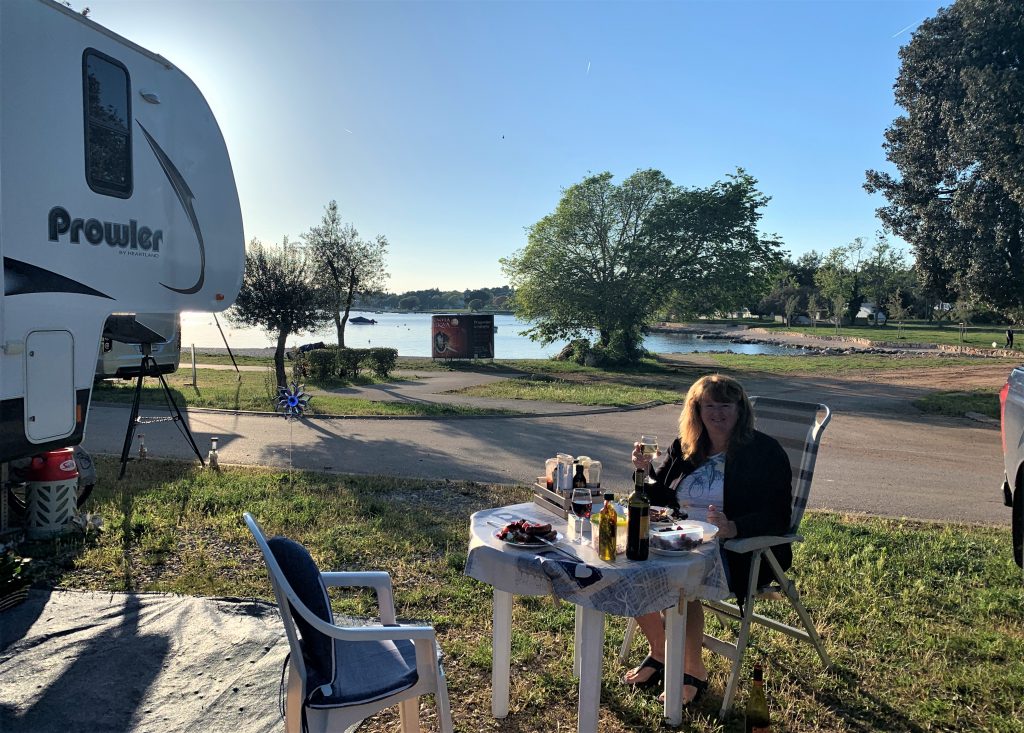
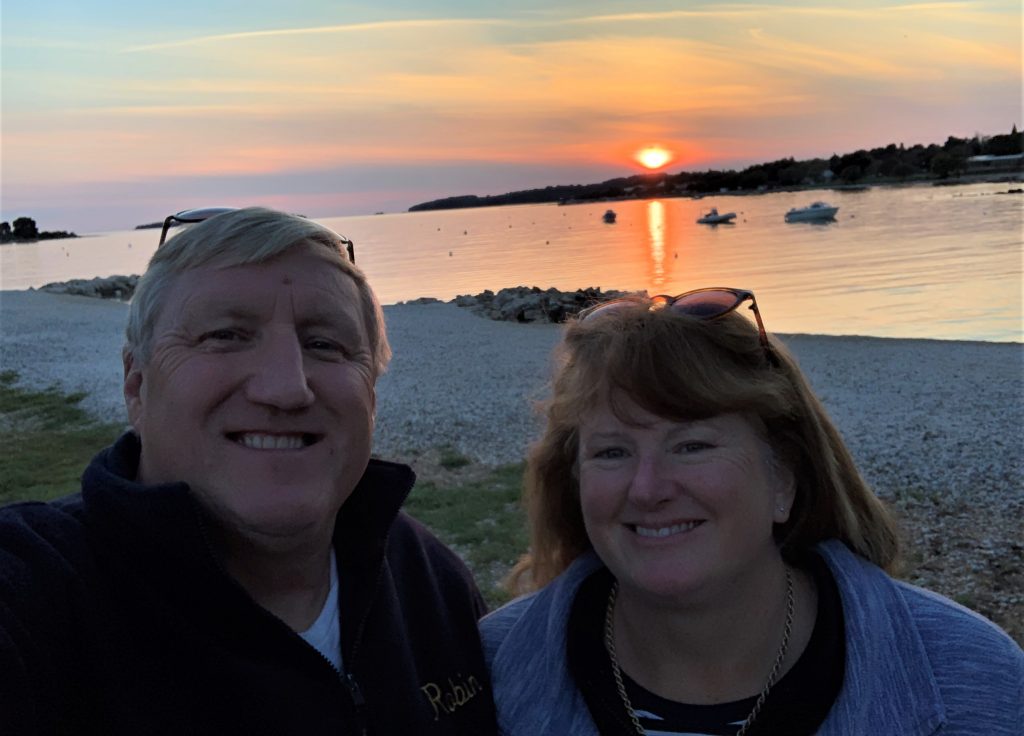
Can you spot Samson on the left??
Lunch in a local grill.
Platter for piglets!!
Rovinj in the sun.

Venice Part 3 – Murano & Burano

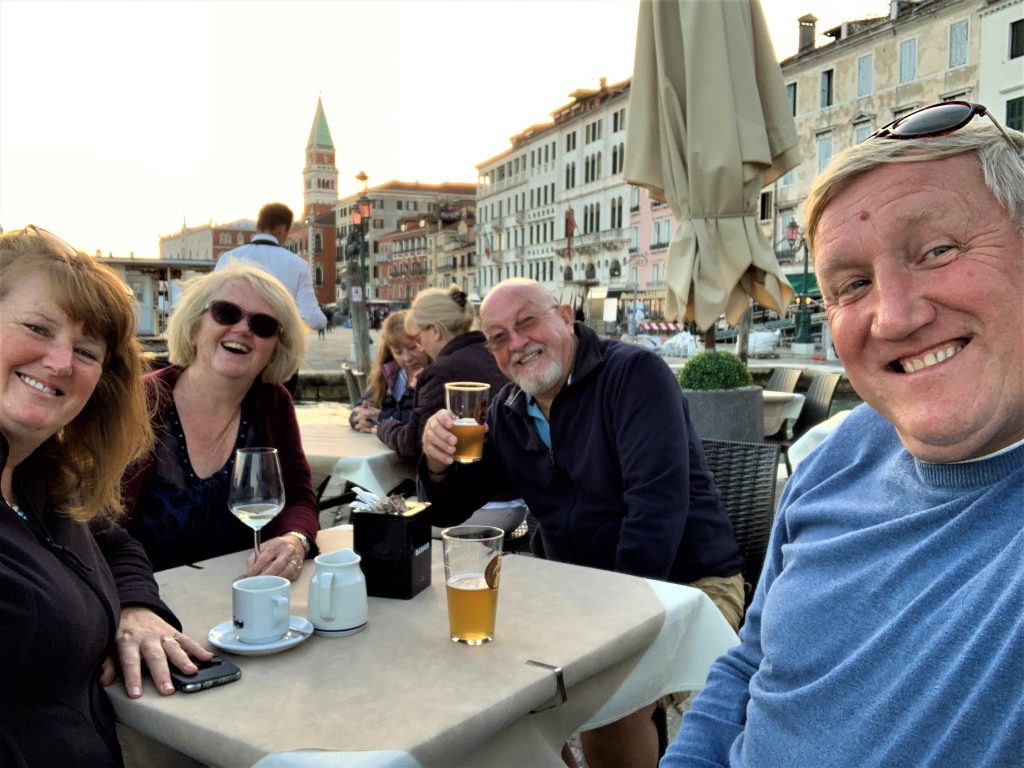
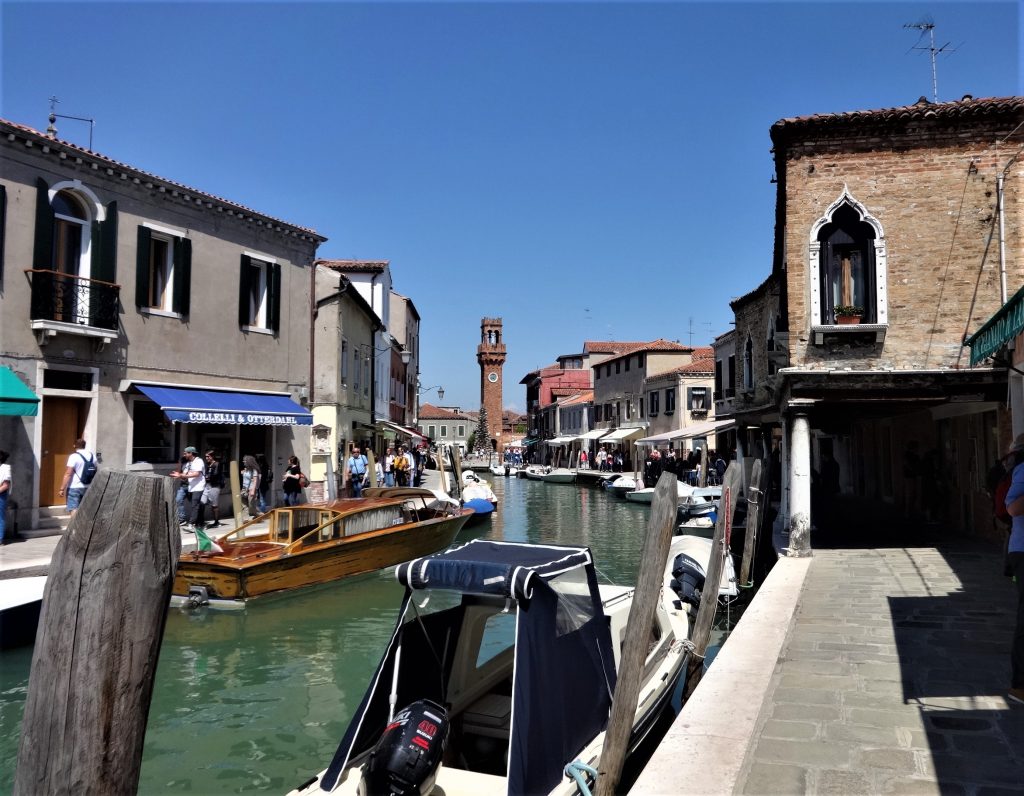
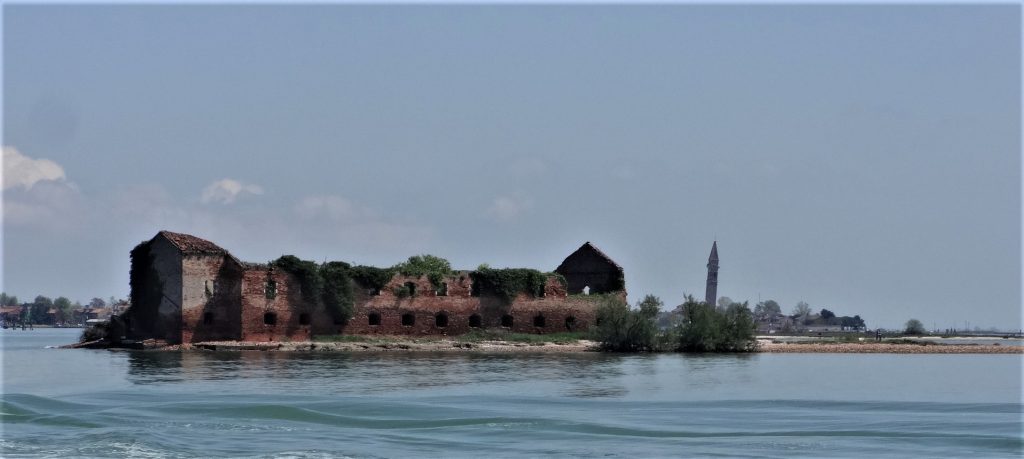
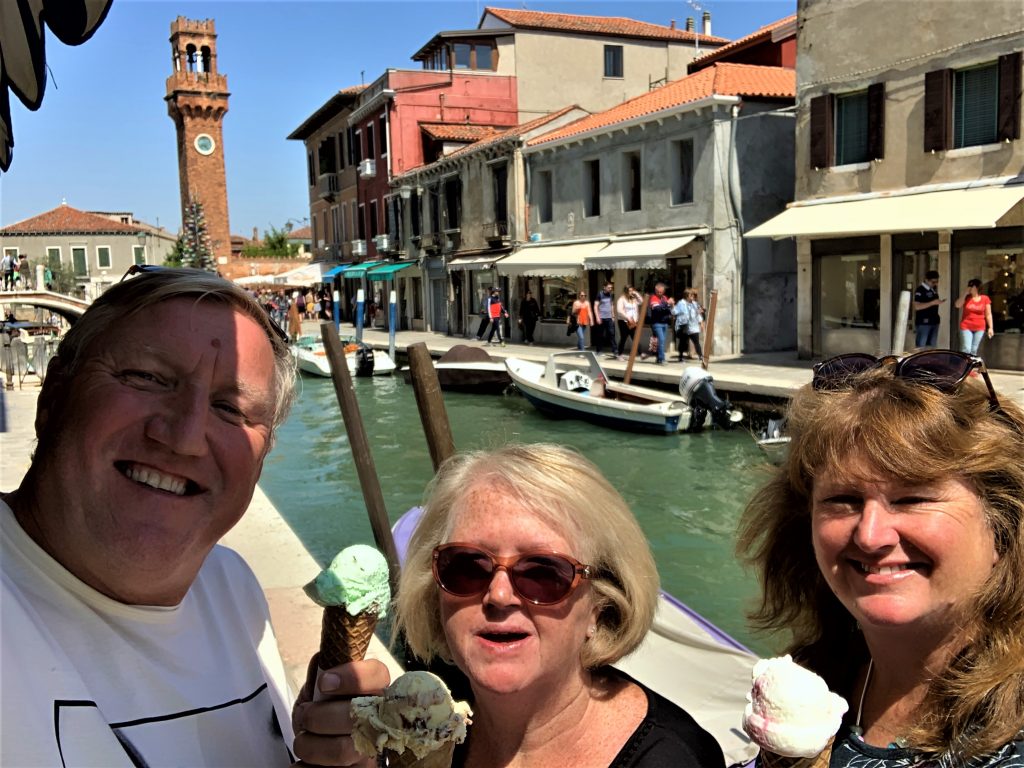
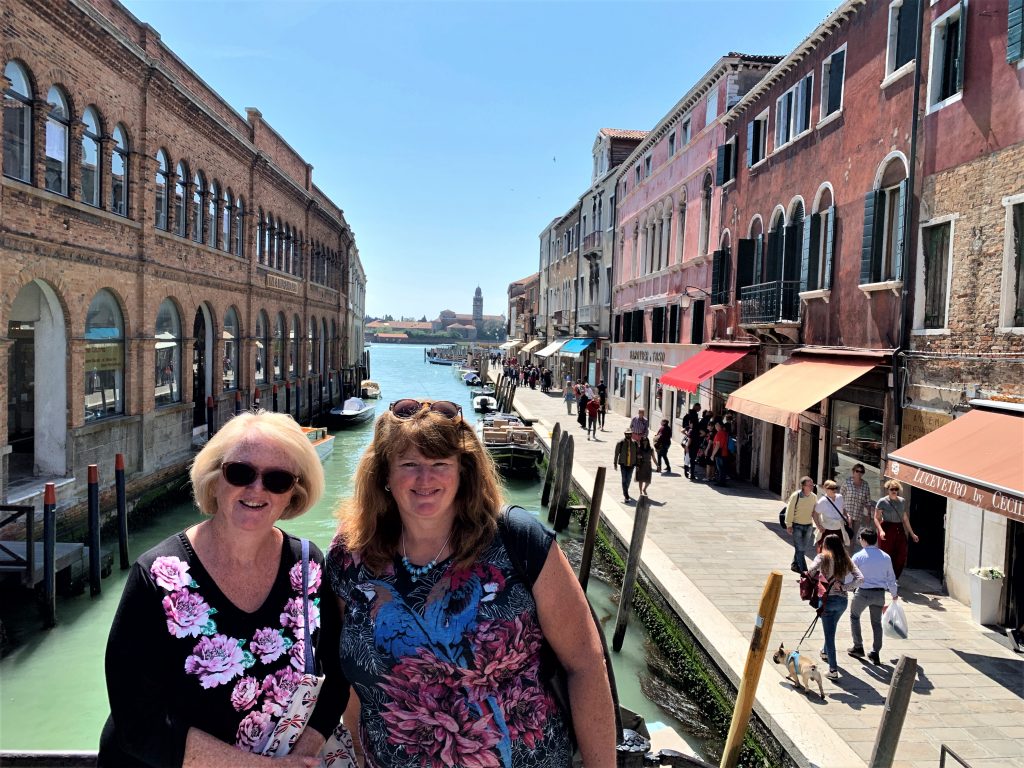
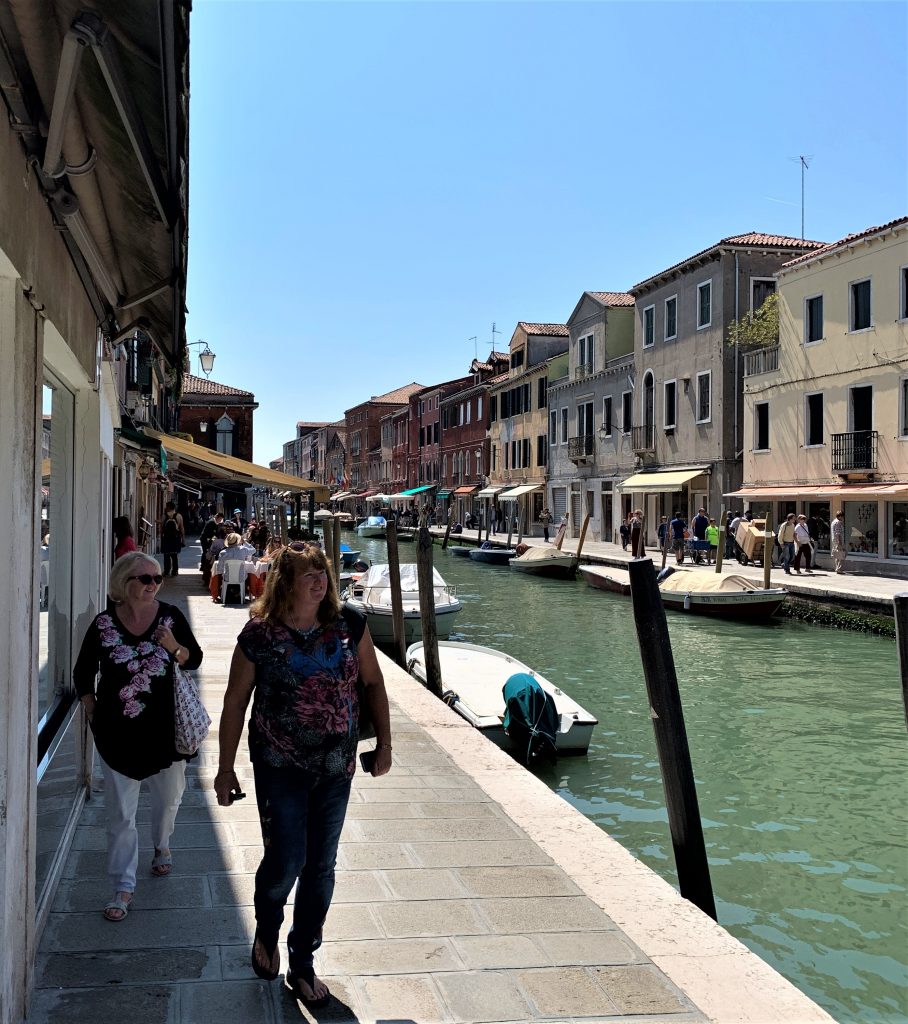
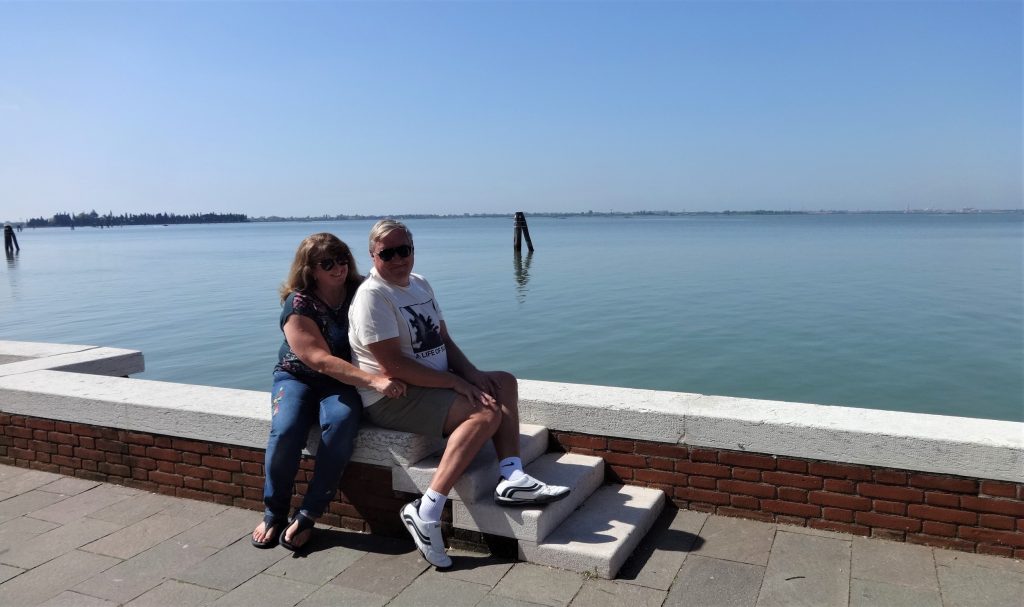
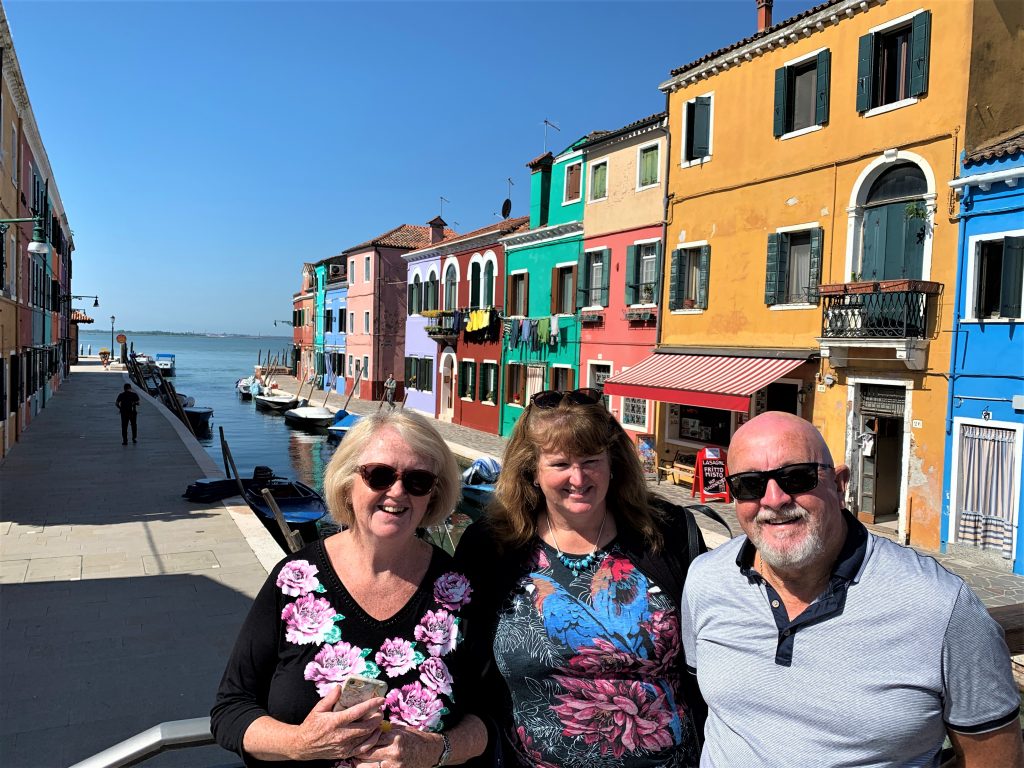
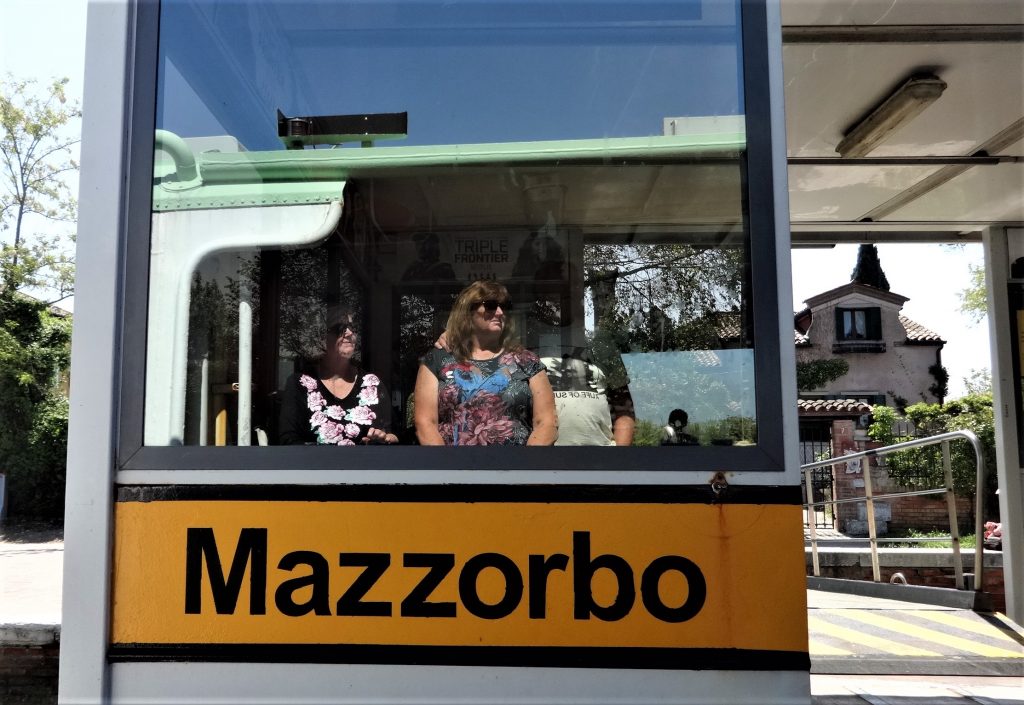
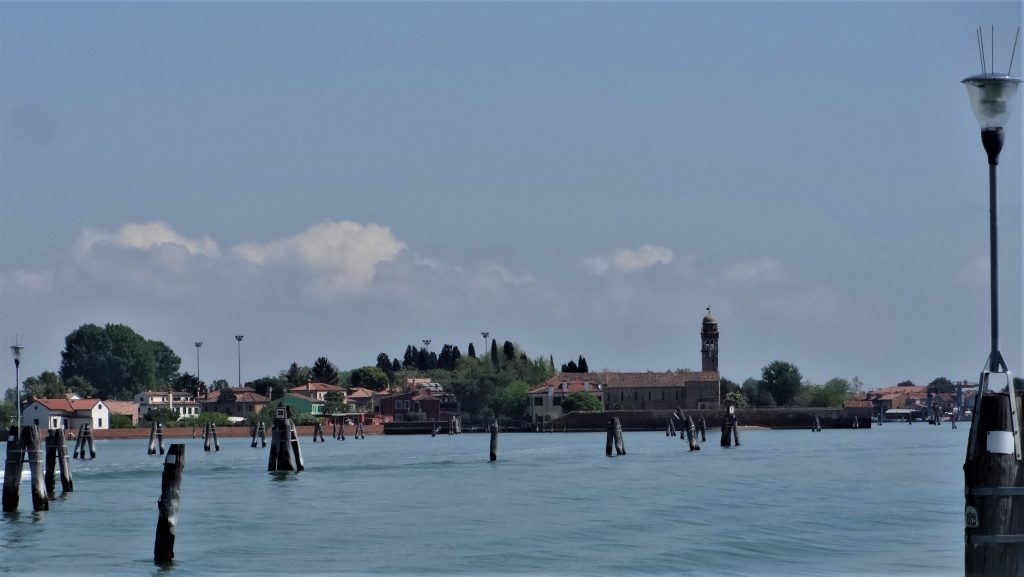
We spent yet another day in this beautiful city with our friends Mike and Brenda, as well as visiting two of the Lagoon’s islands of Murano, and Burano with our 24 hour travel cards. 

Drinks on Venice front.

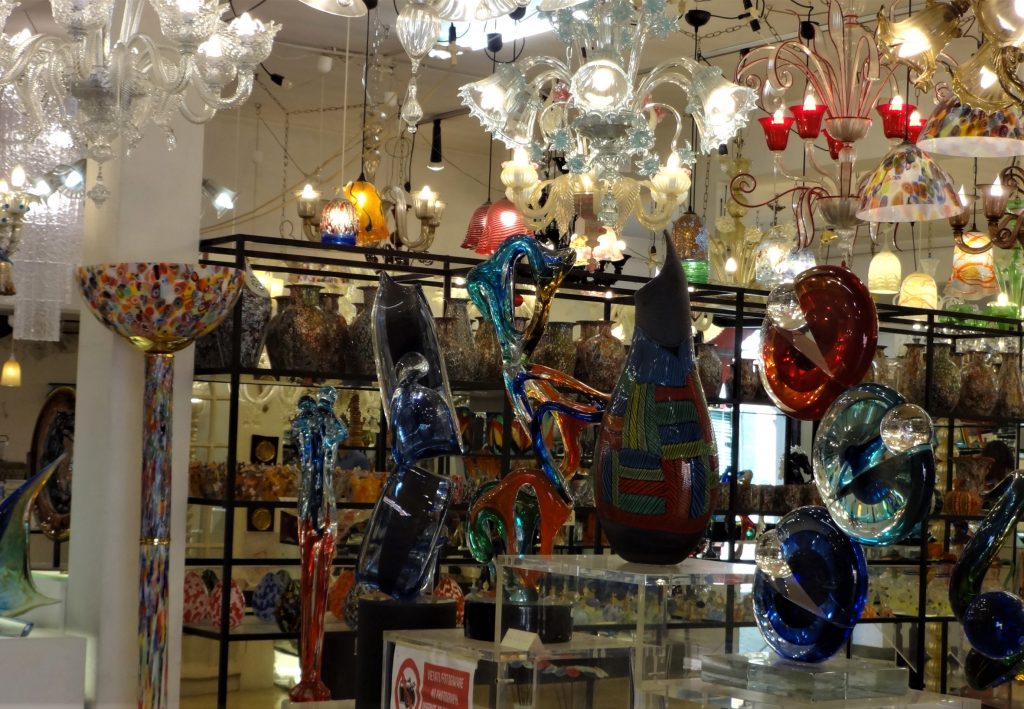
Murano

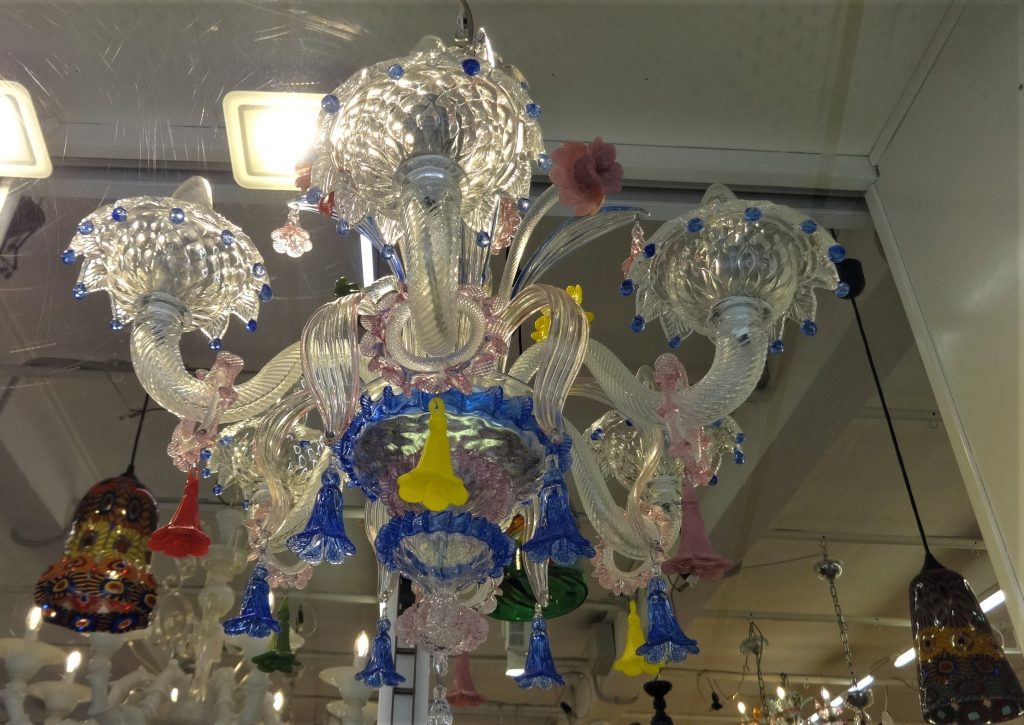
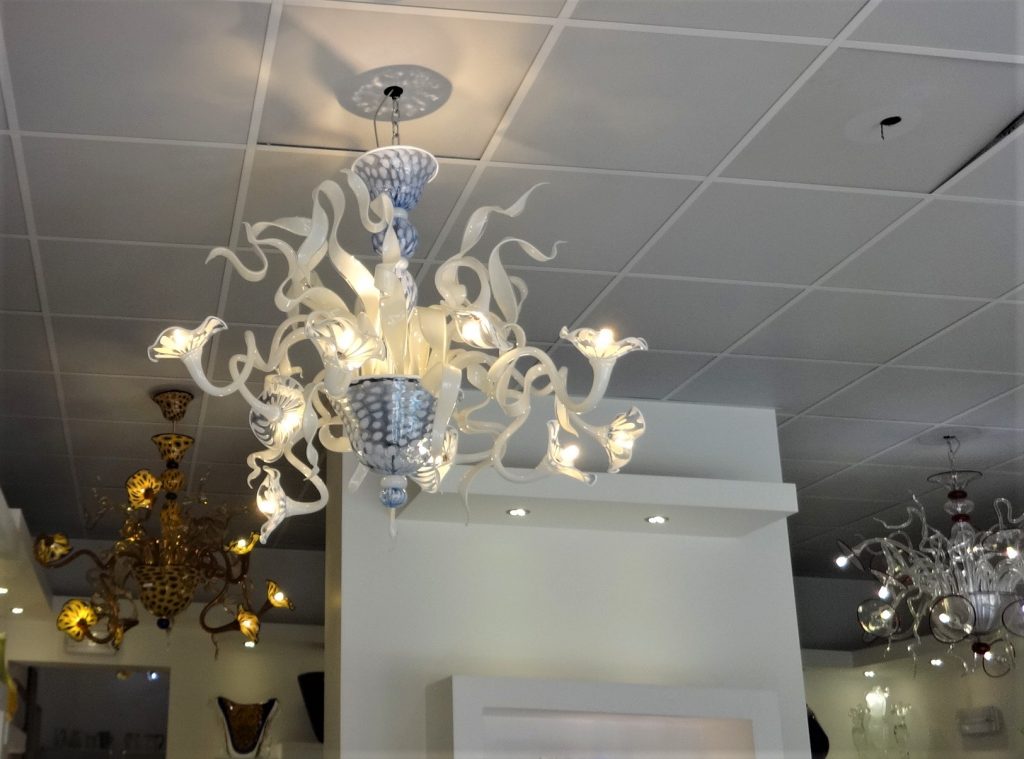
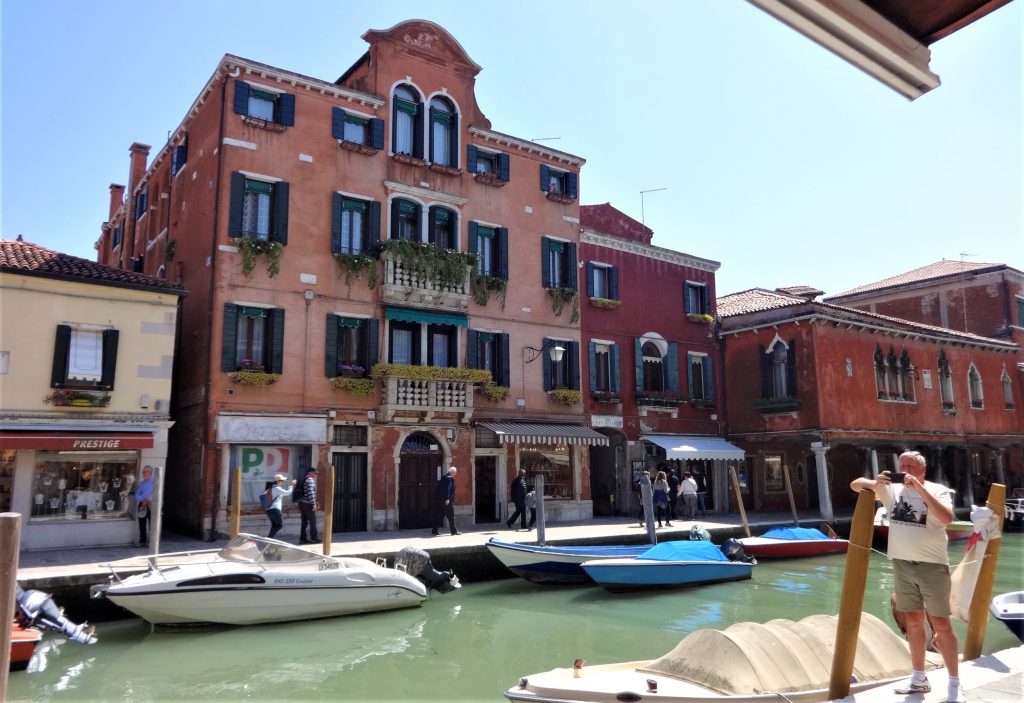
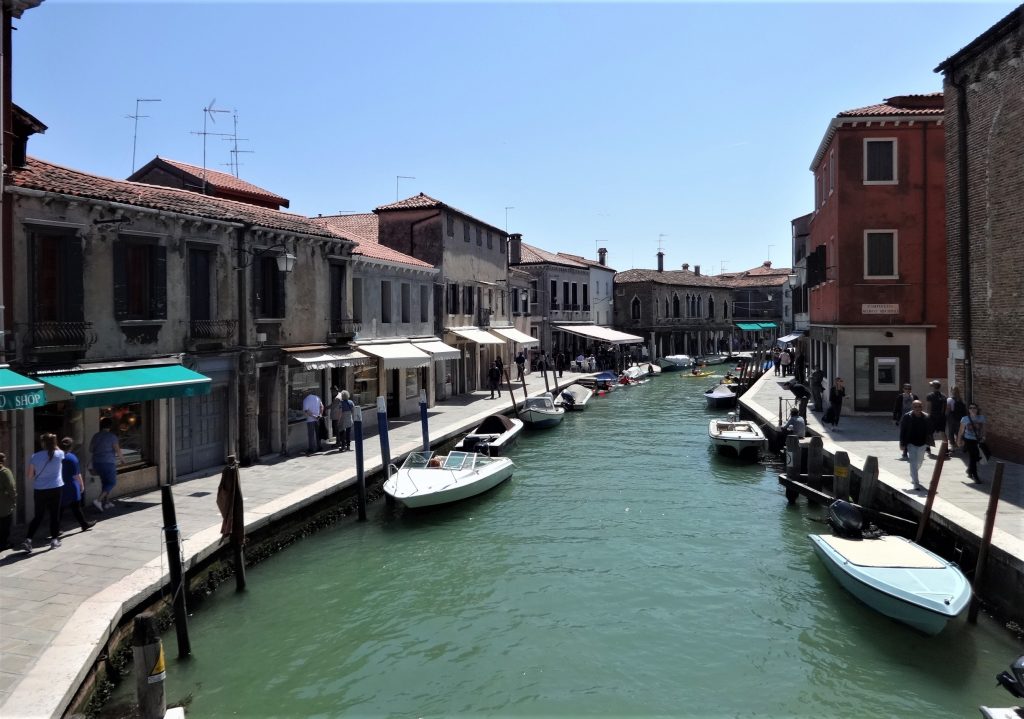
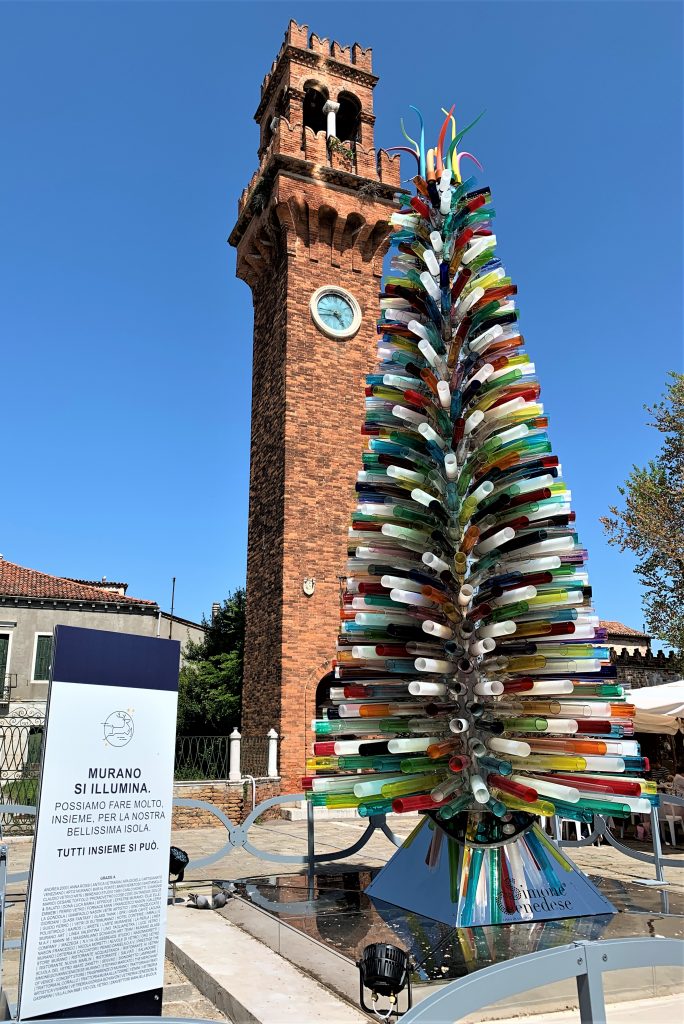
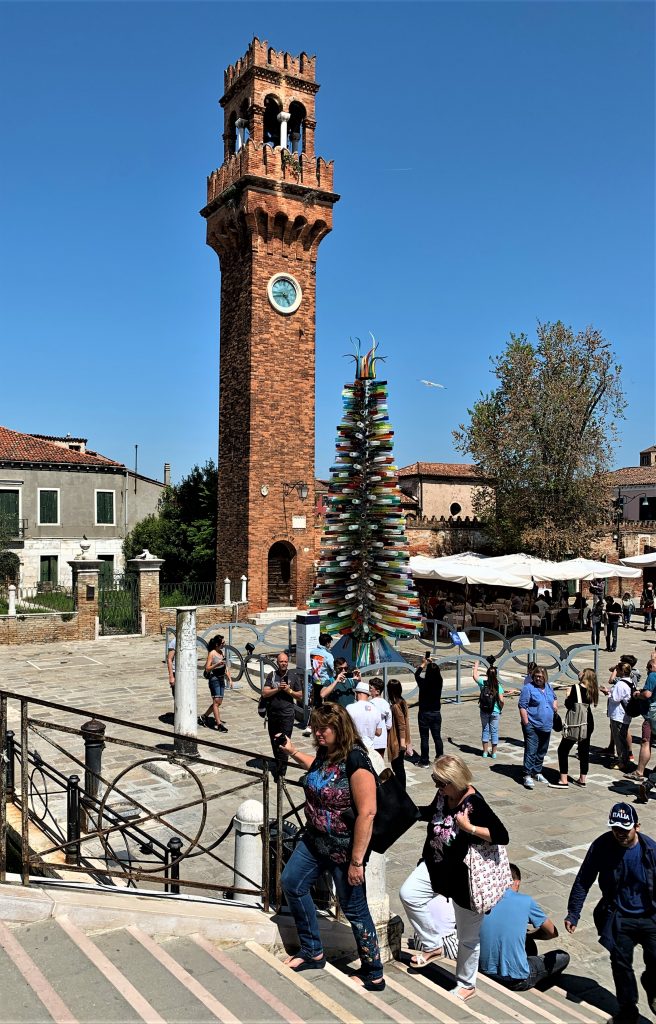
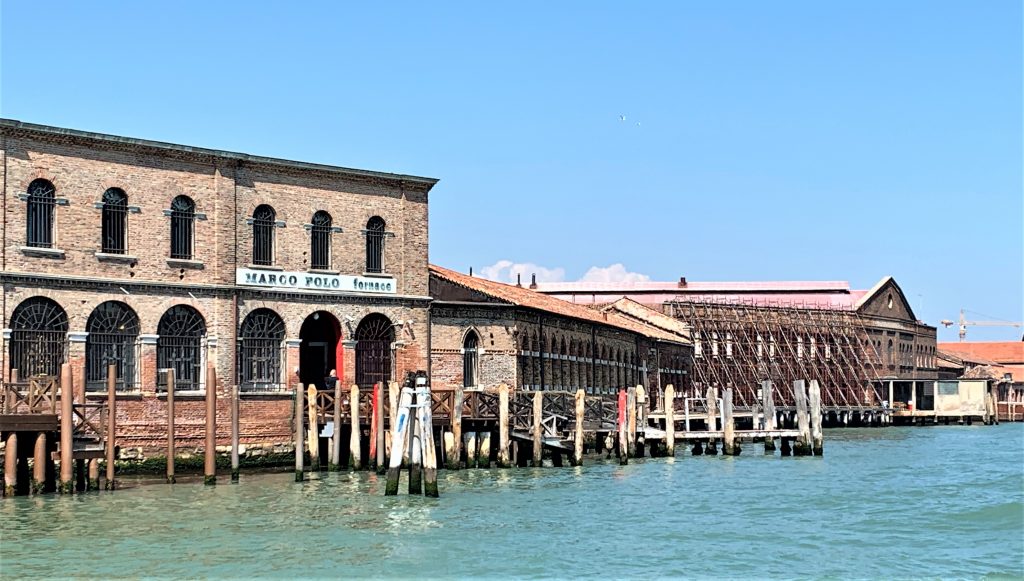
Murano is famous for its glass factories which produce such fabulous creations as chandeliers, glass vases and bowls, and drinking glass and decanter sets, all hand blown.  The colours and designs were outstanding, some traditional, some modern. The small island was heaving with tourists and we had a disappointing lunch of dry tasteless pizza, a first in the whole time we have been here in Italy.

Burano

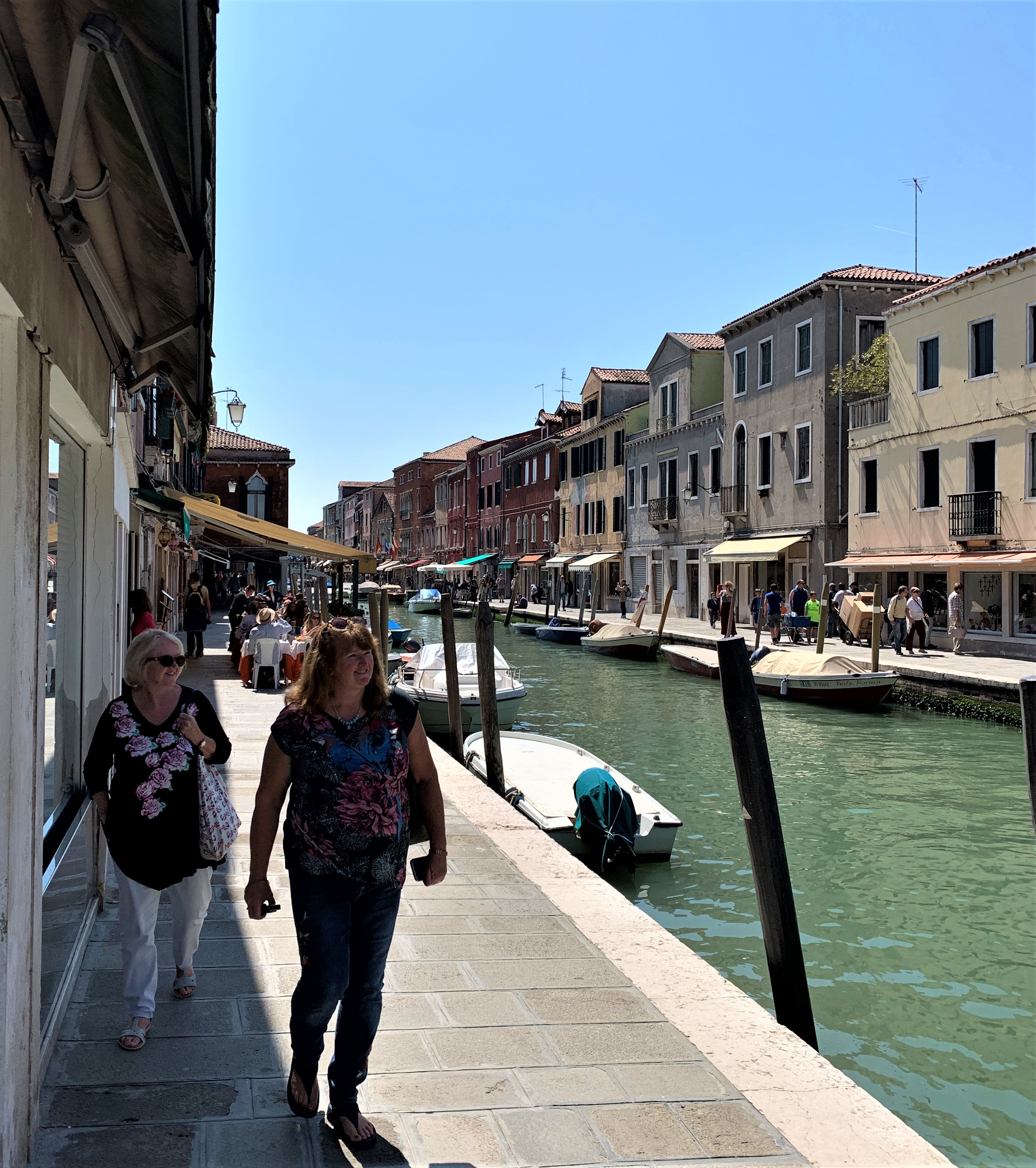
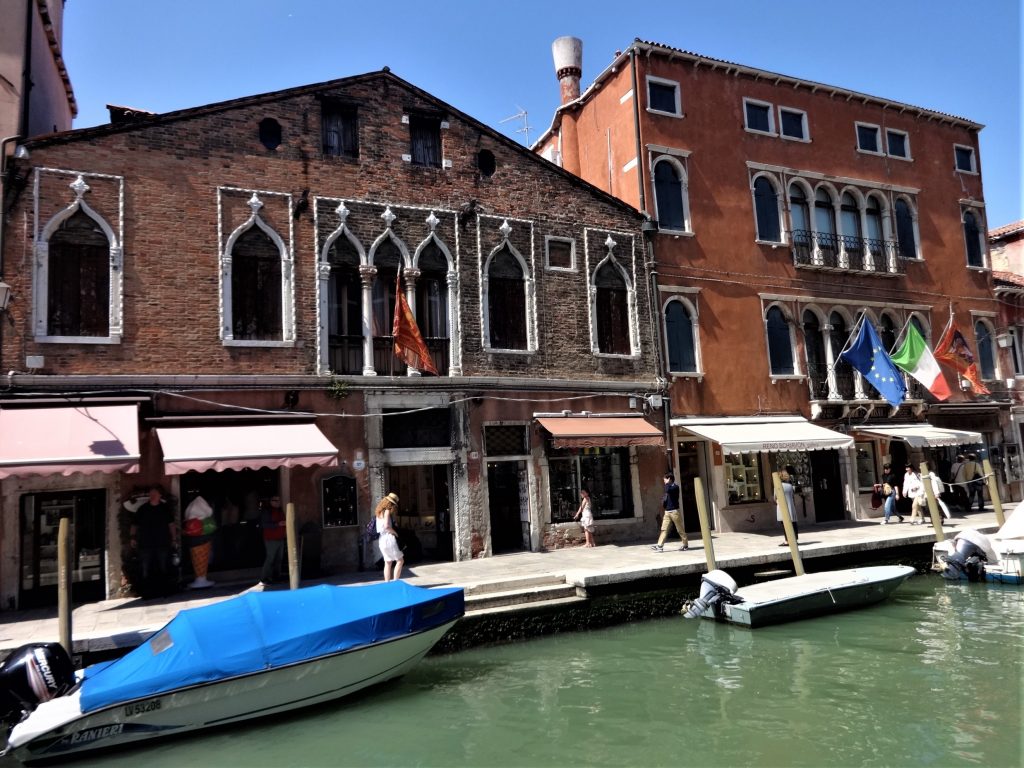
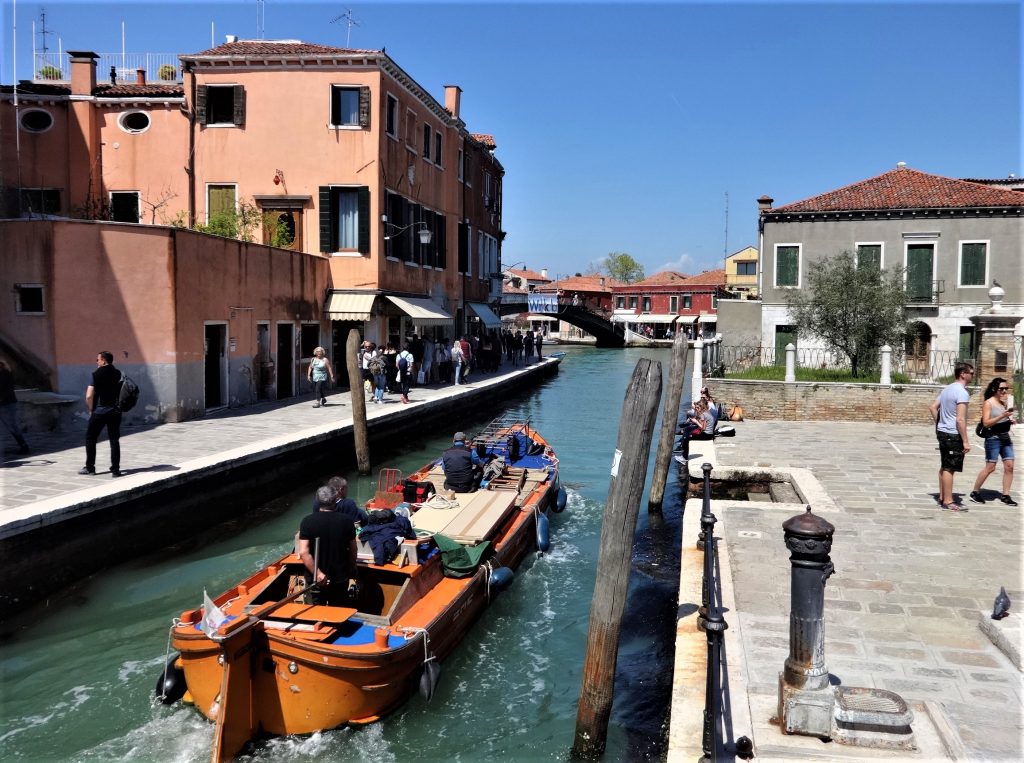
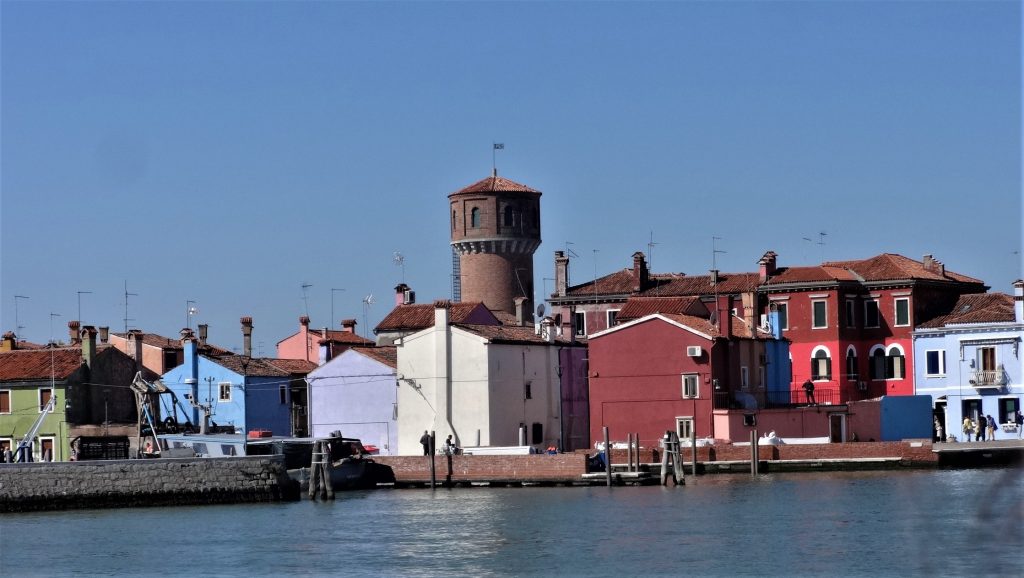
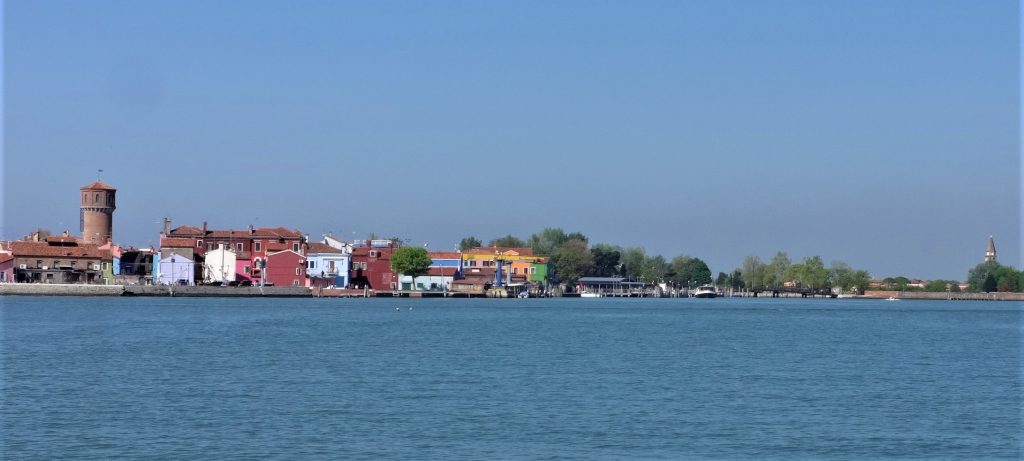
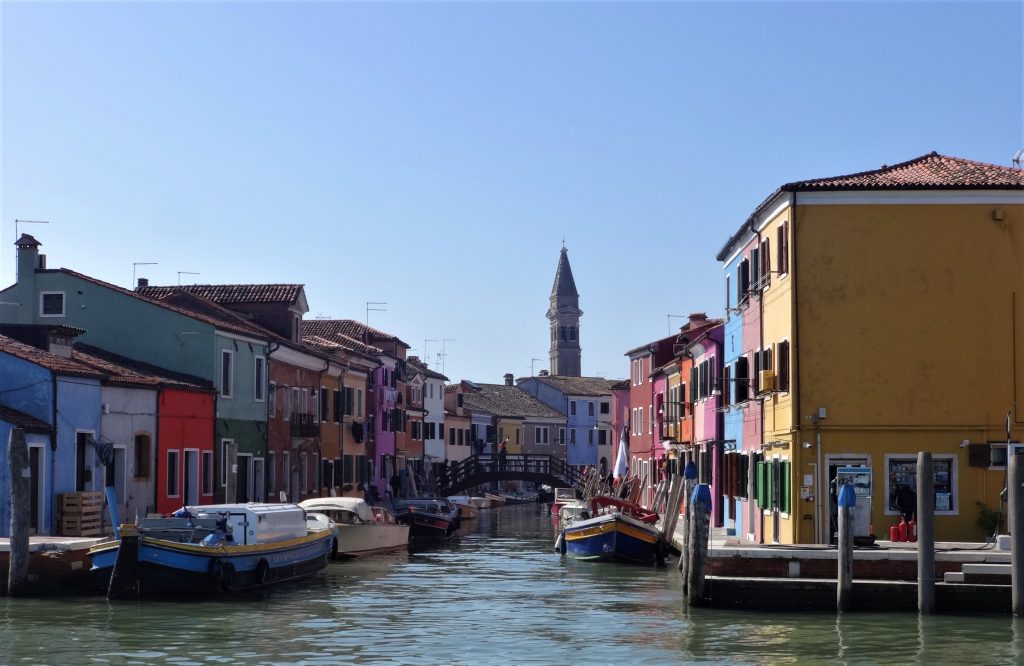
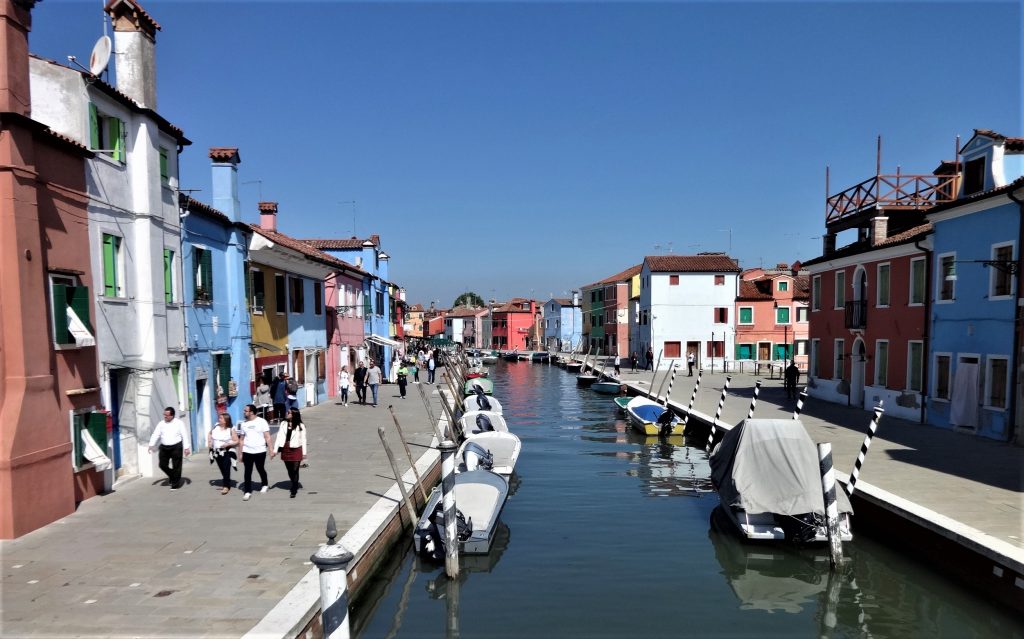
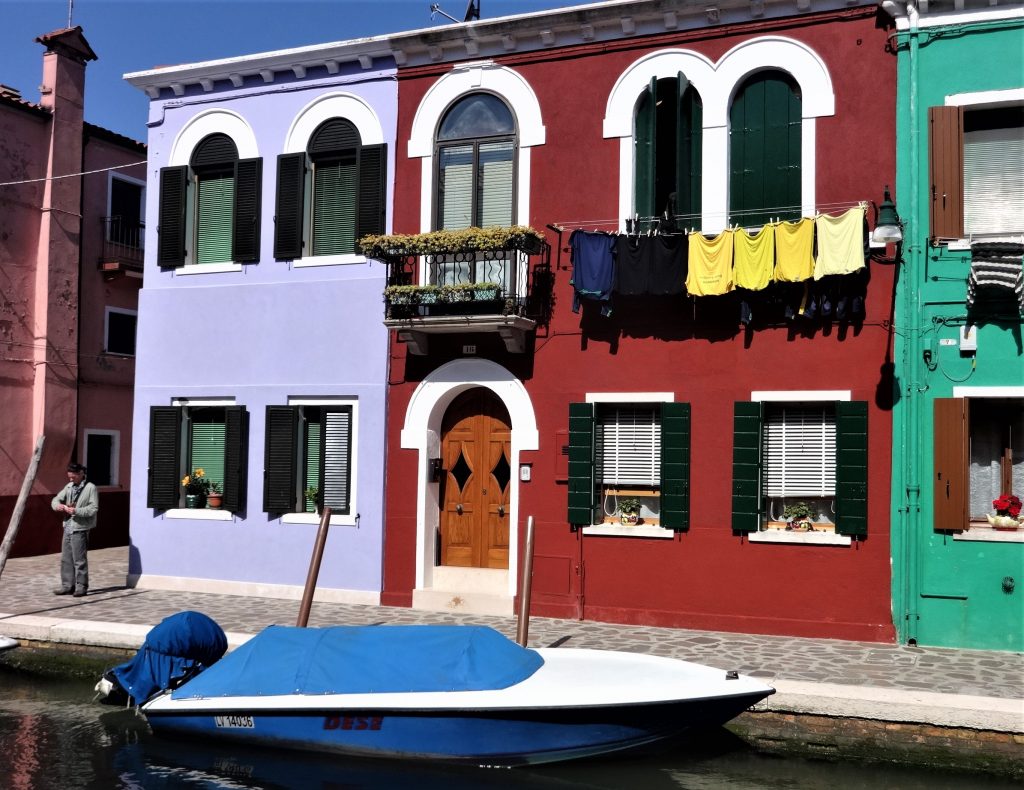
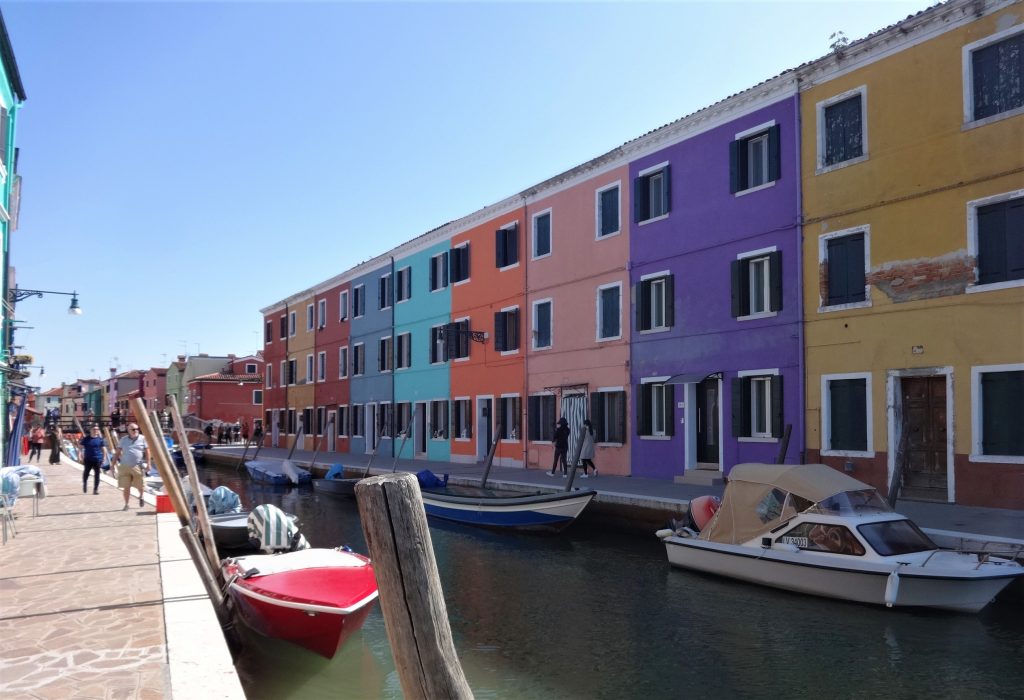
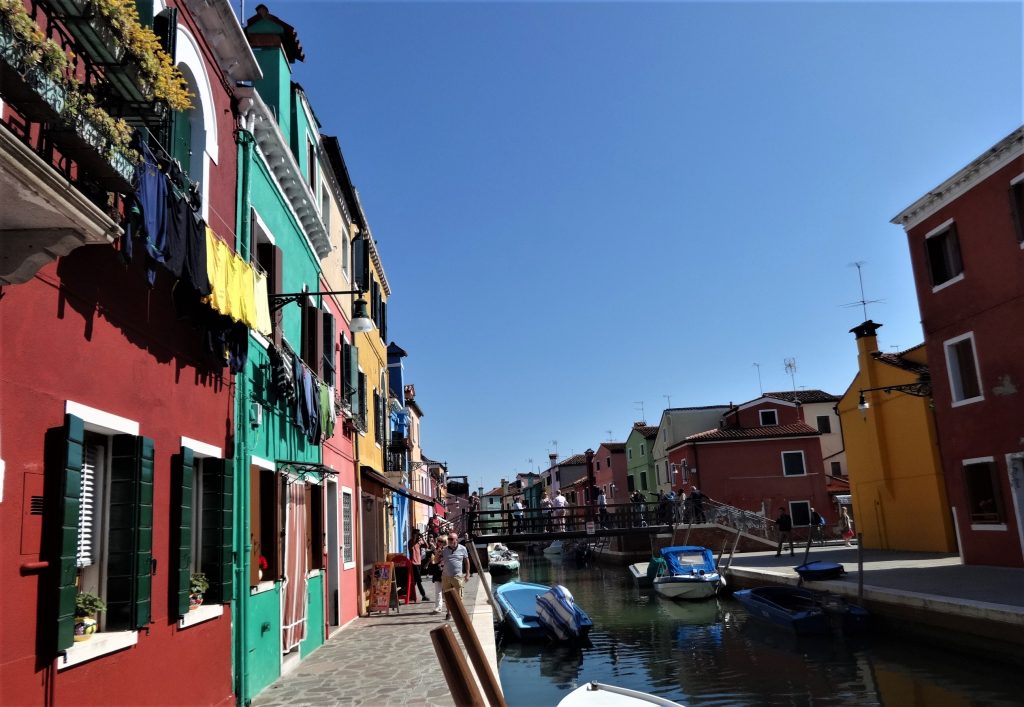
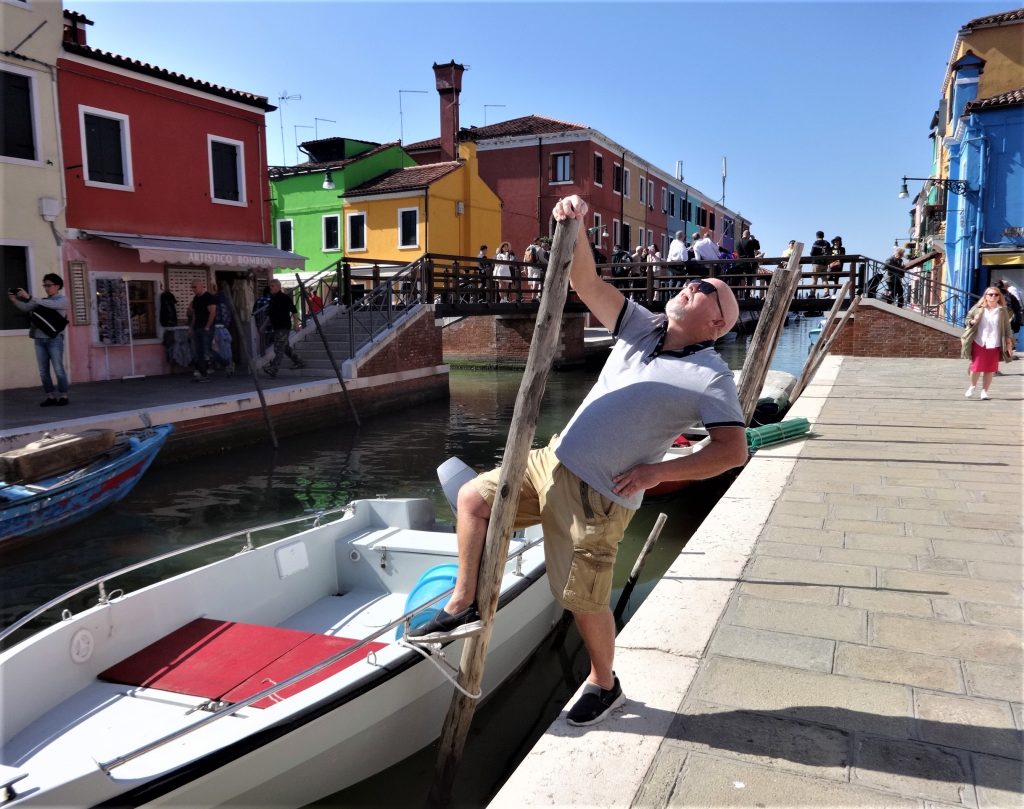
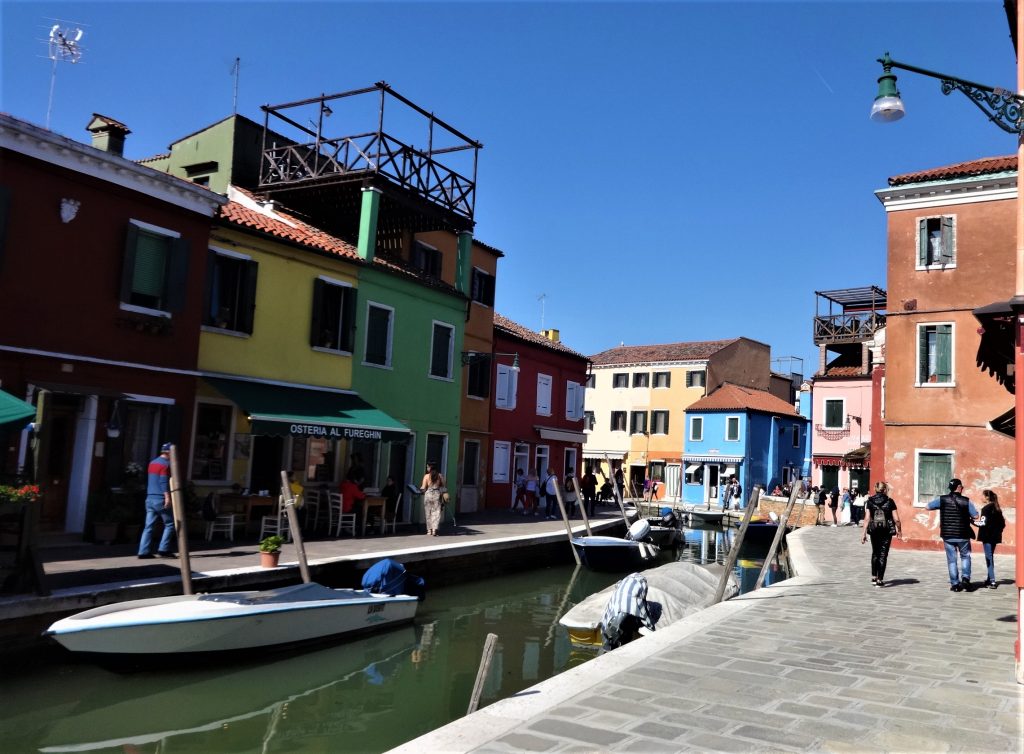
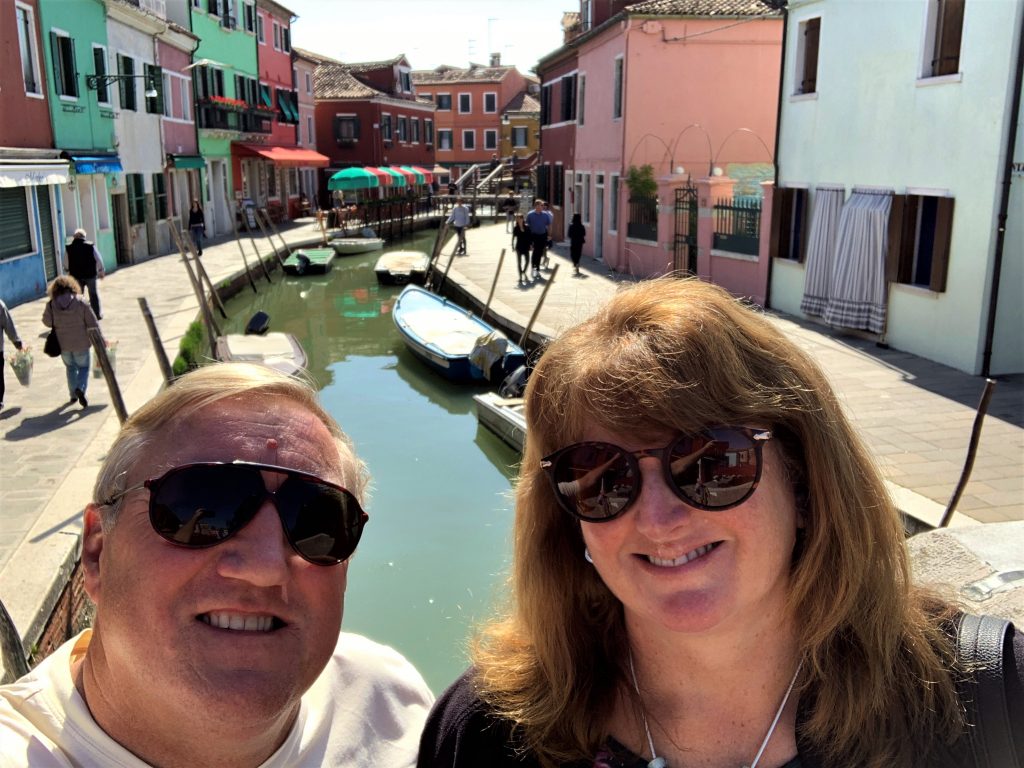
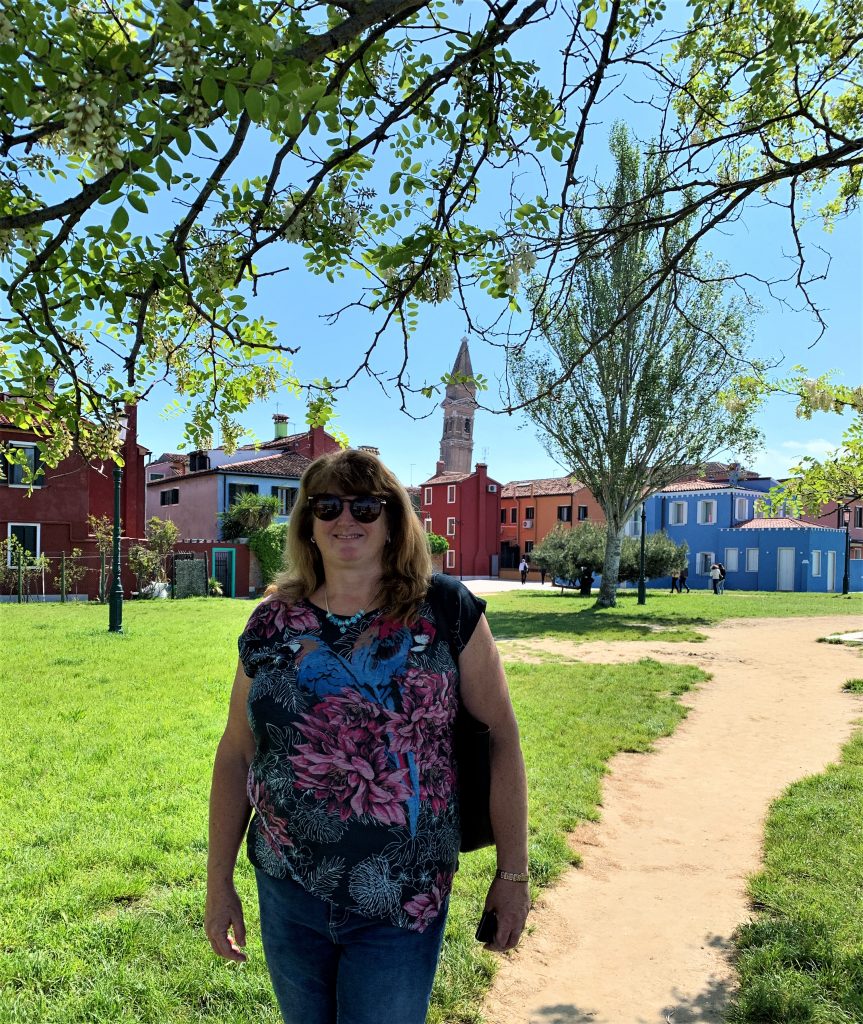
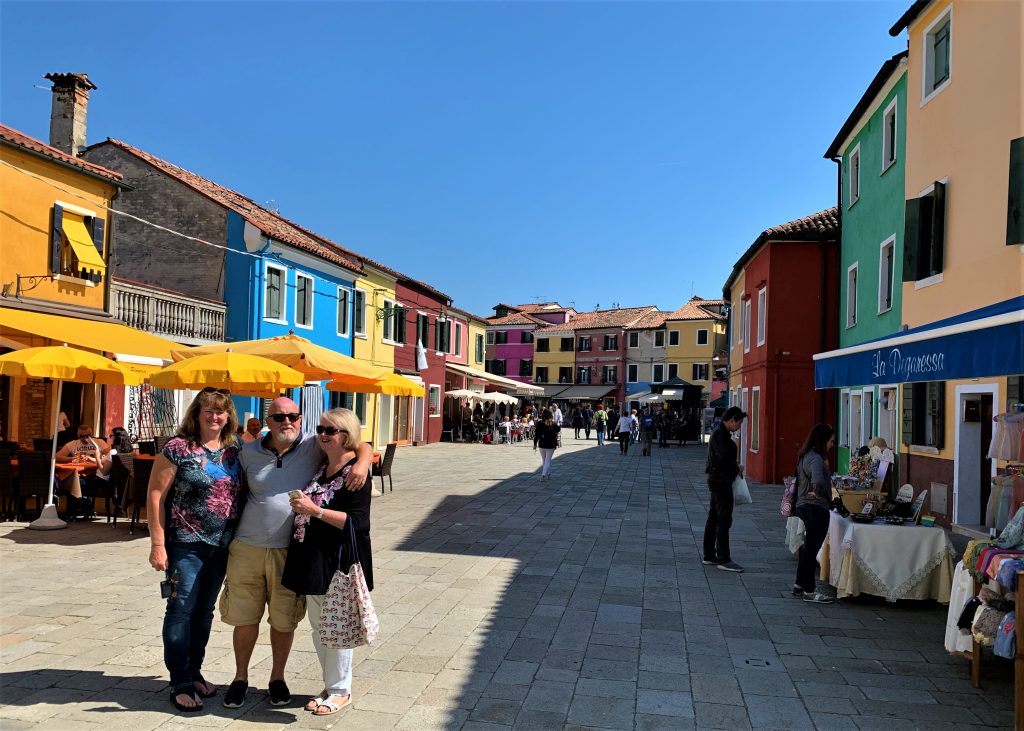
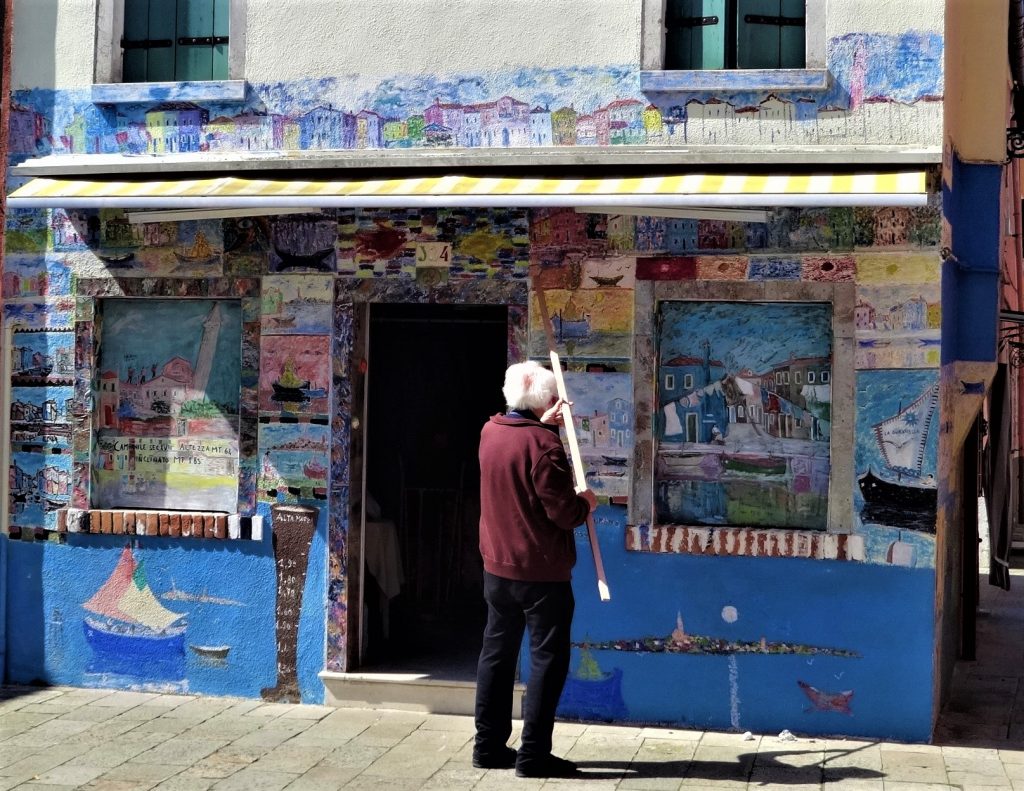
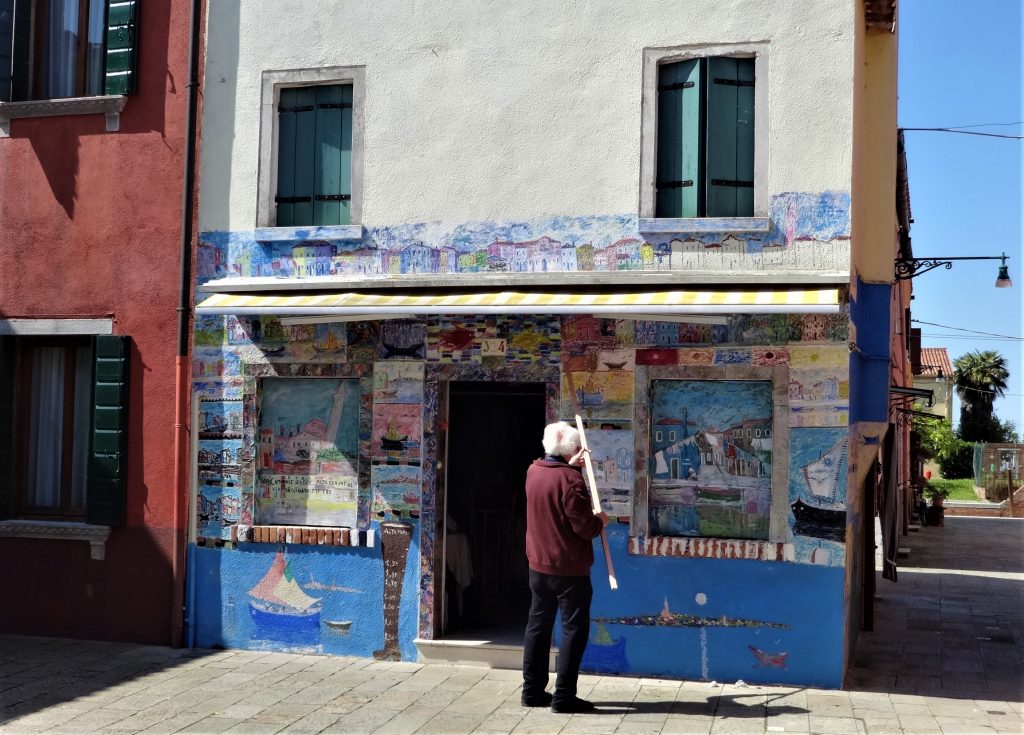
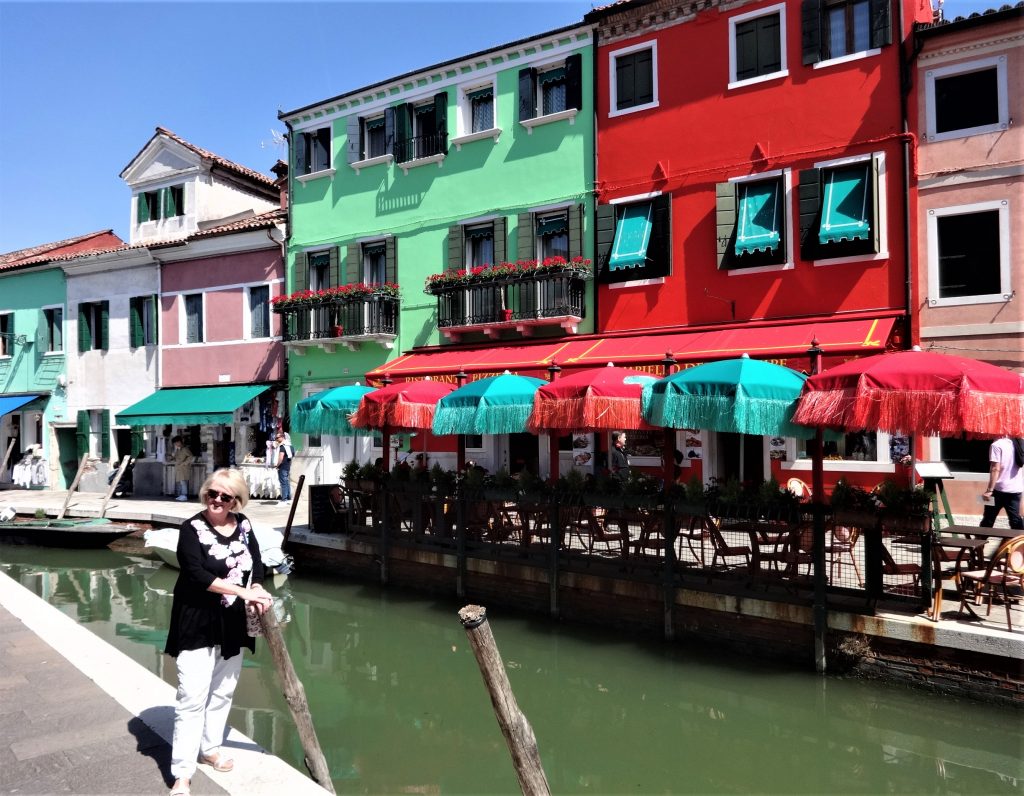
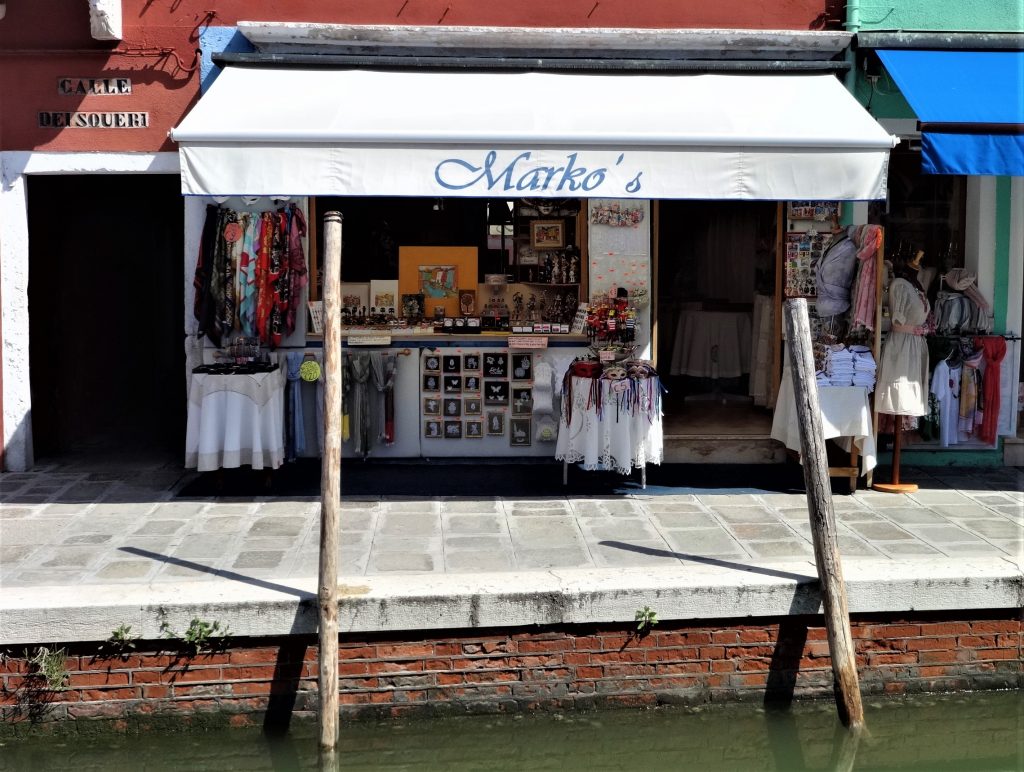
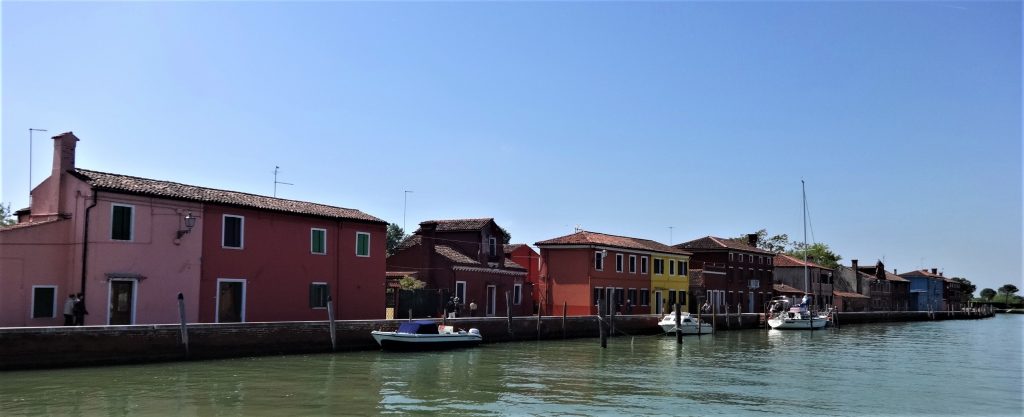
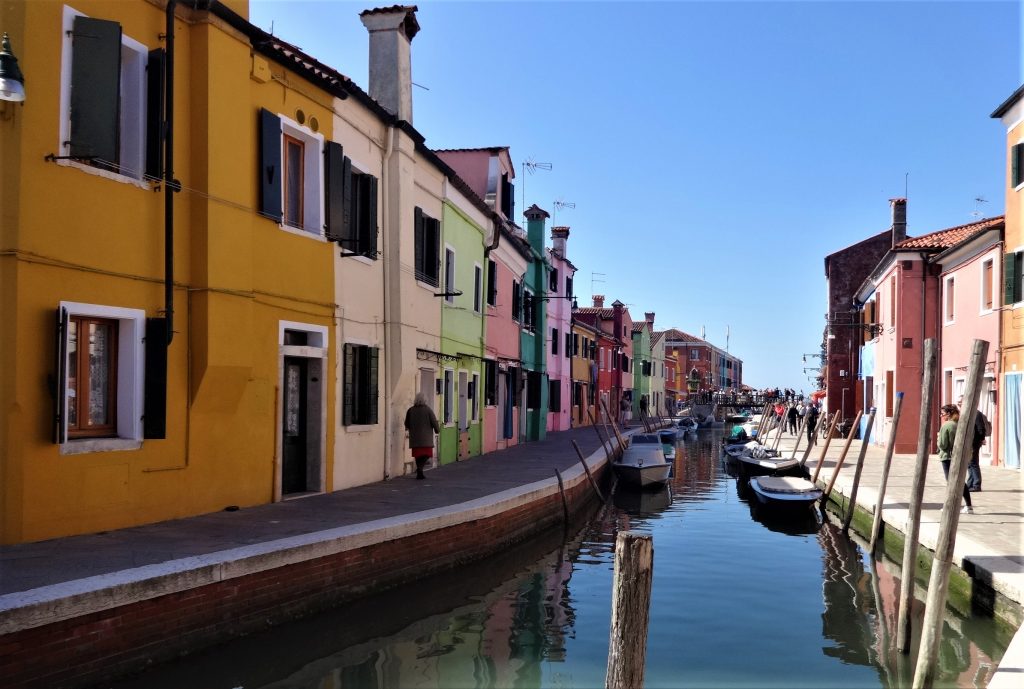
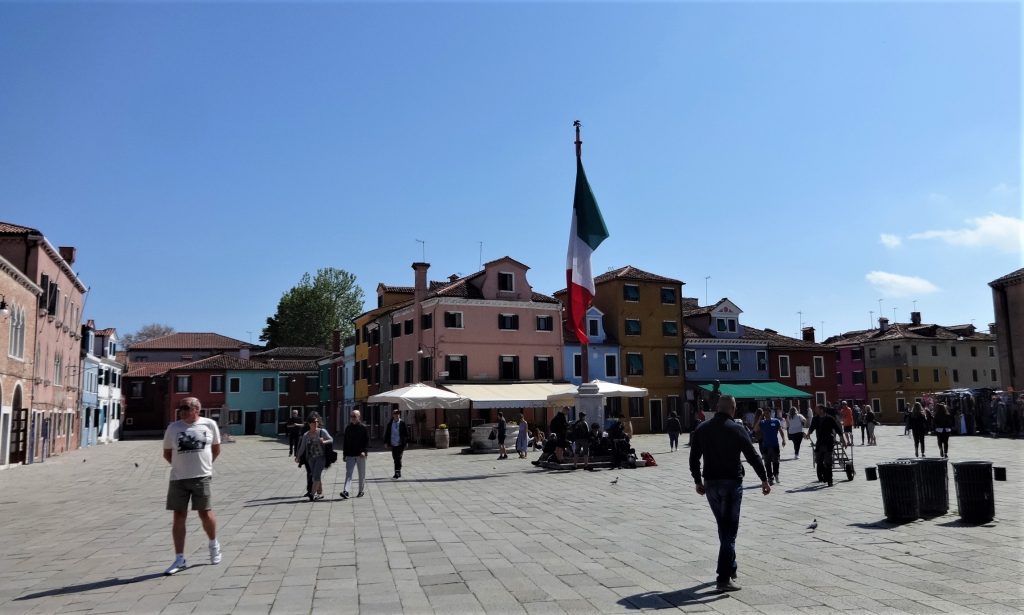
Burano can only be described as a rainbow of colours!!! It is a small fishing village, where each house is painted in a bright colour different to it’s neighbour and is the home of hand made lace products.  The canal that flows through the middle of the island showcases the bars and restaurants that make the most of the green colour of the water and the different colours of the houses edging it. It’s also where you will find traditional British Pole dancers!!!

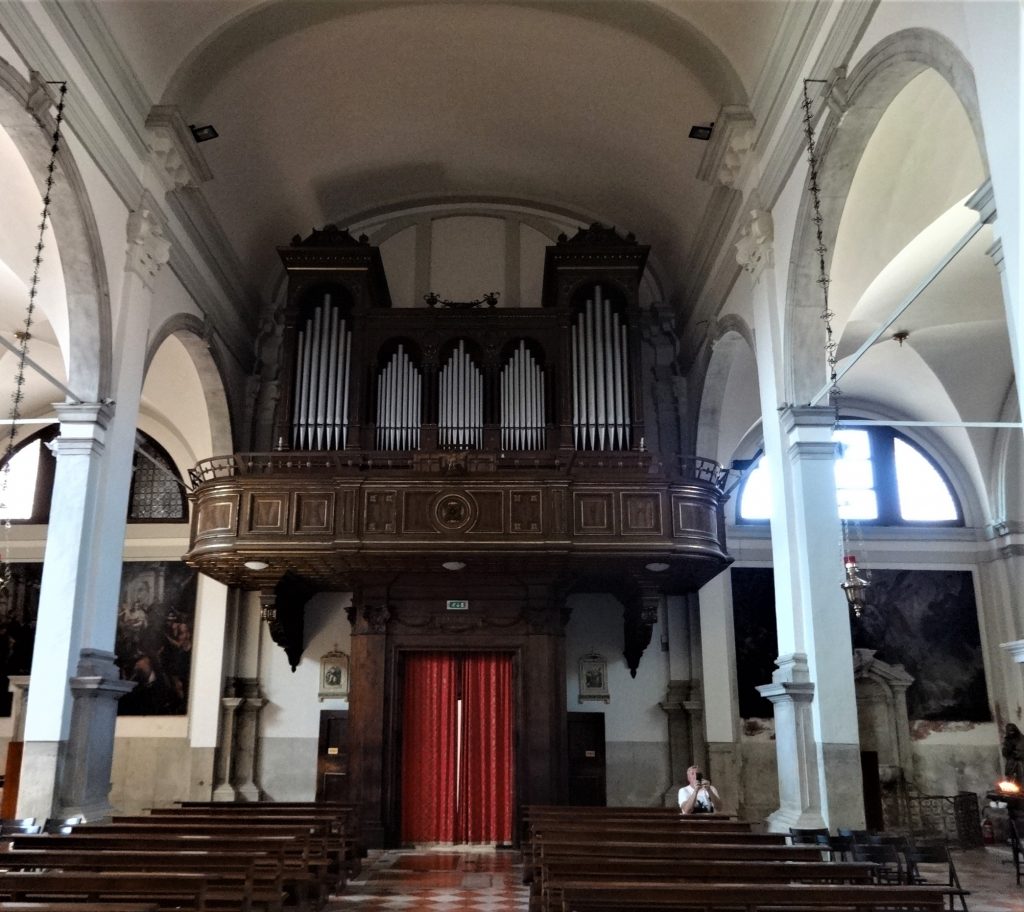
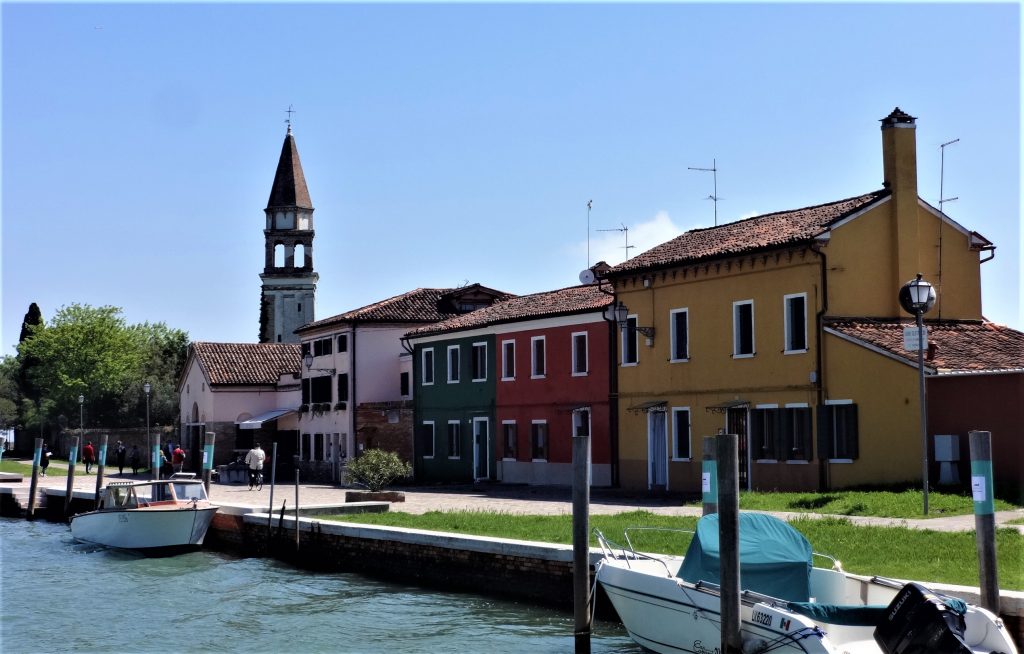
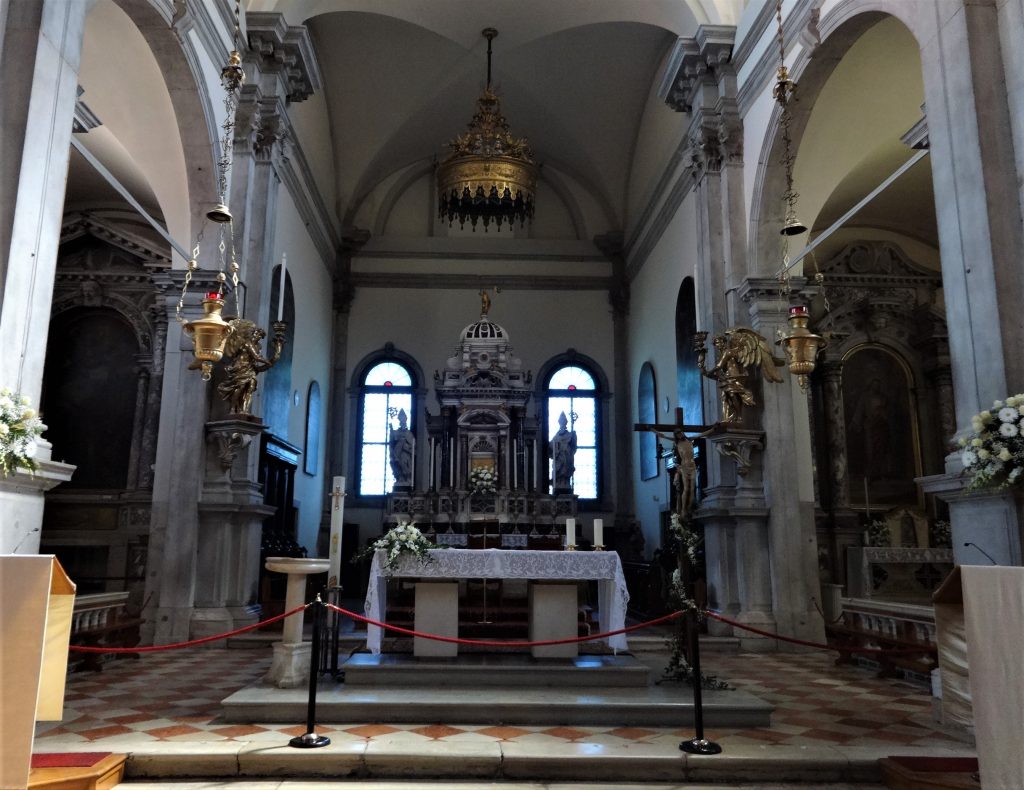
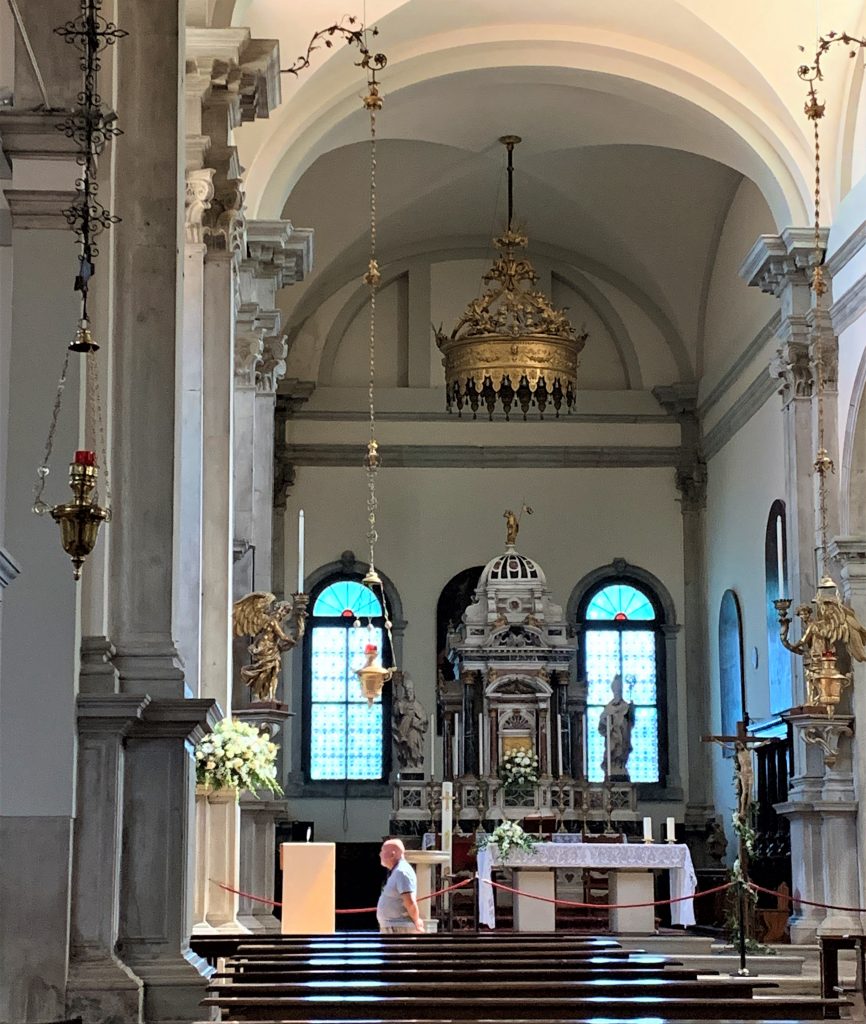
The village square and church

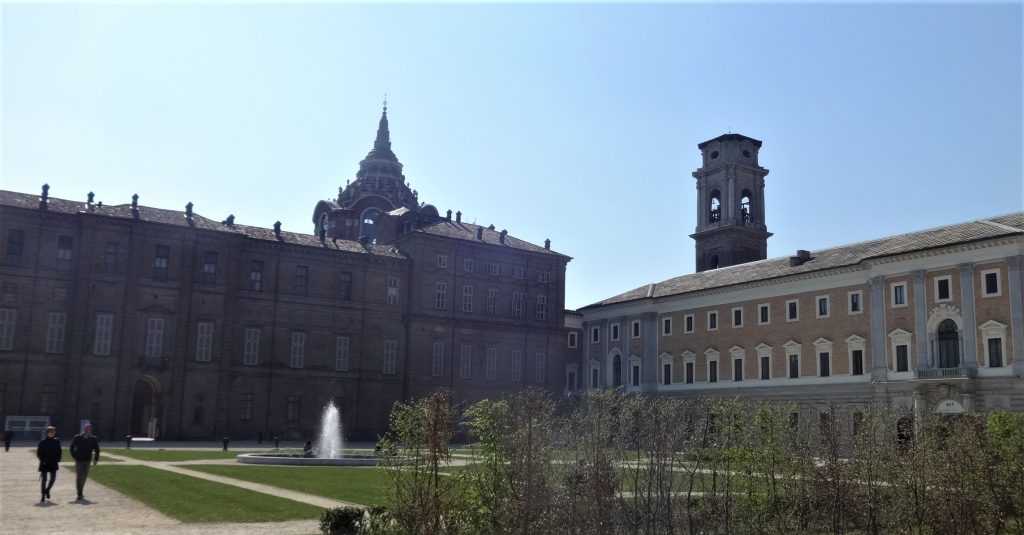
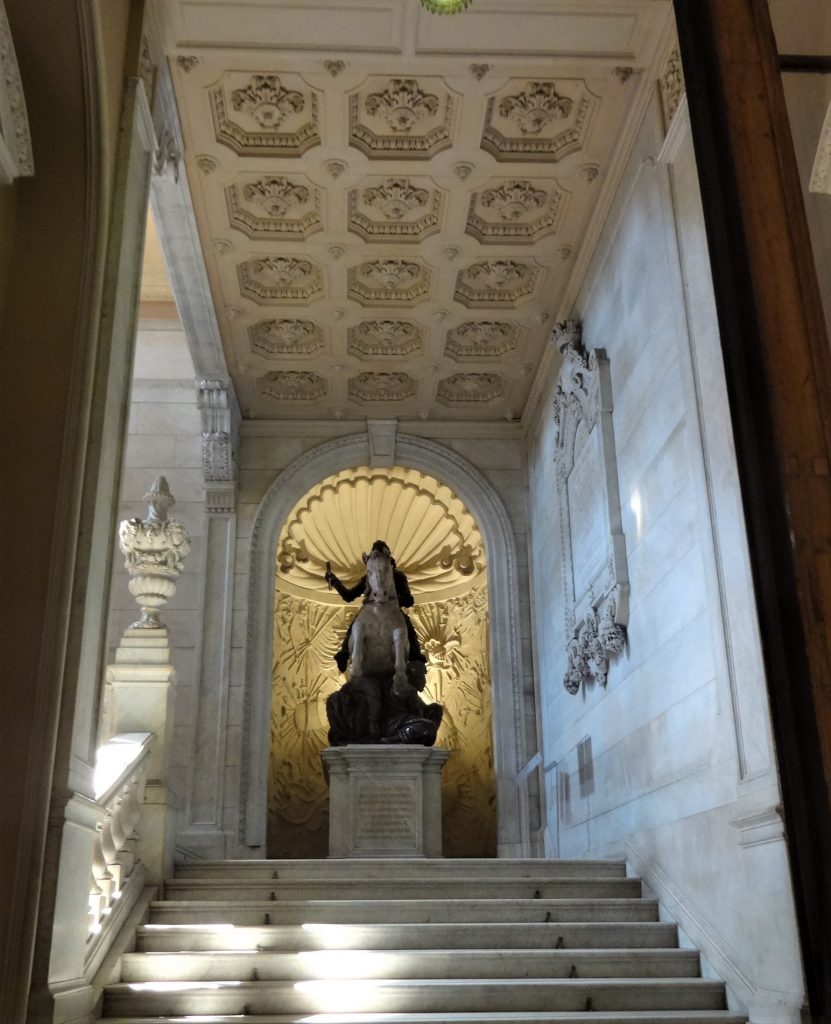
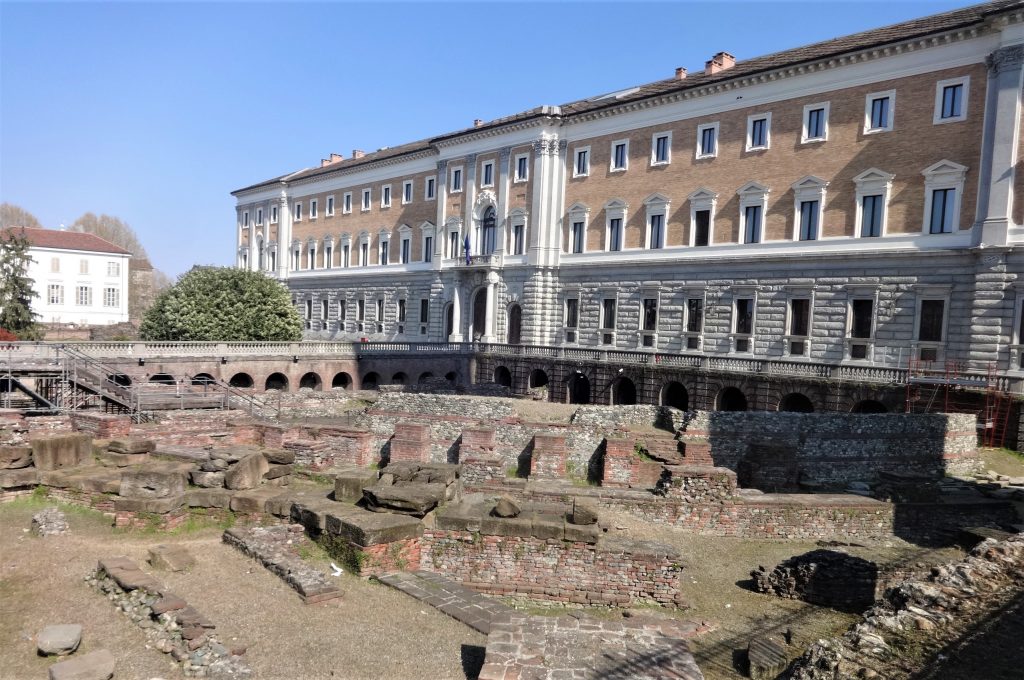
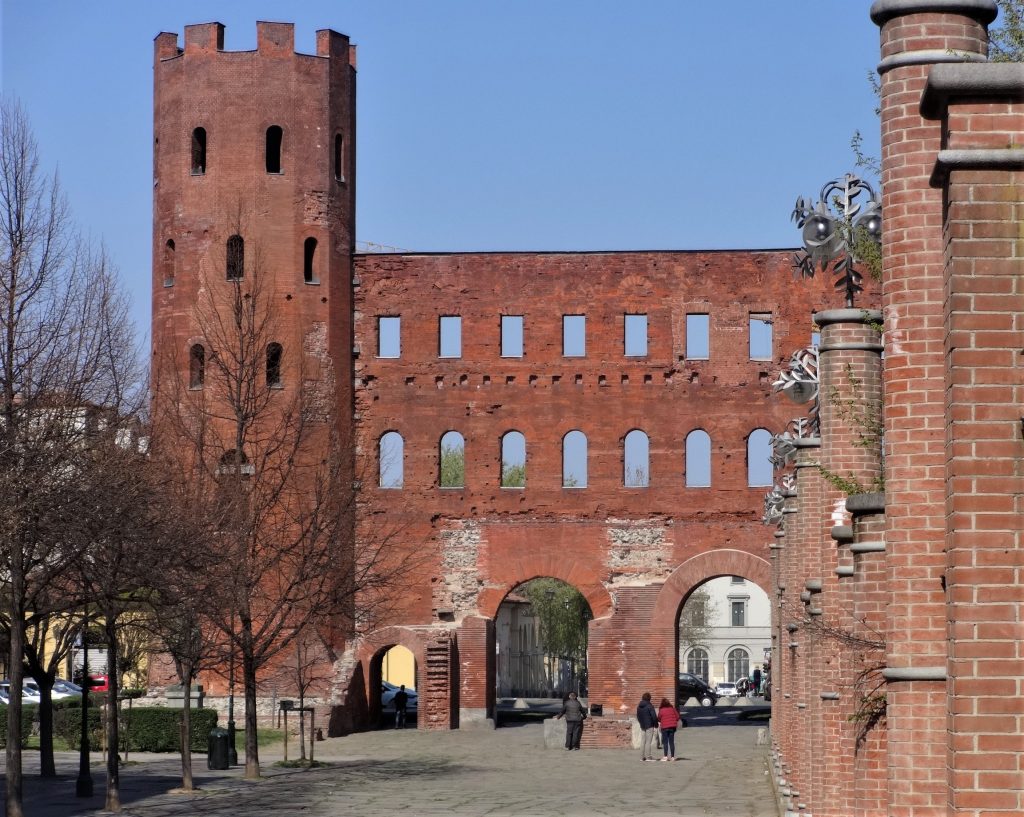
Romantic Turin

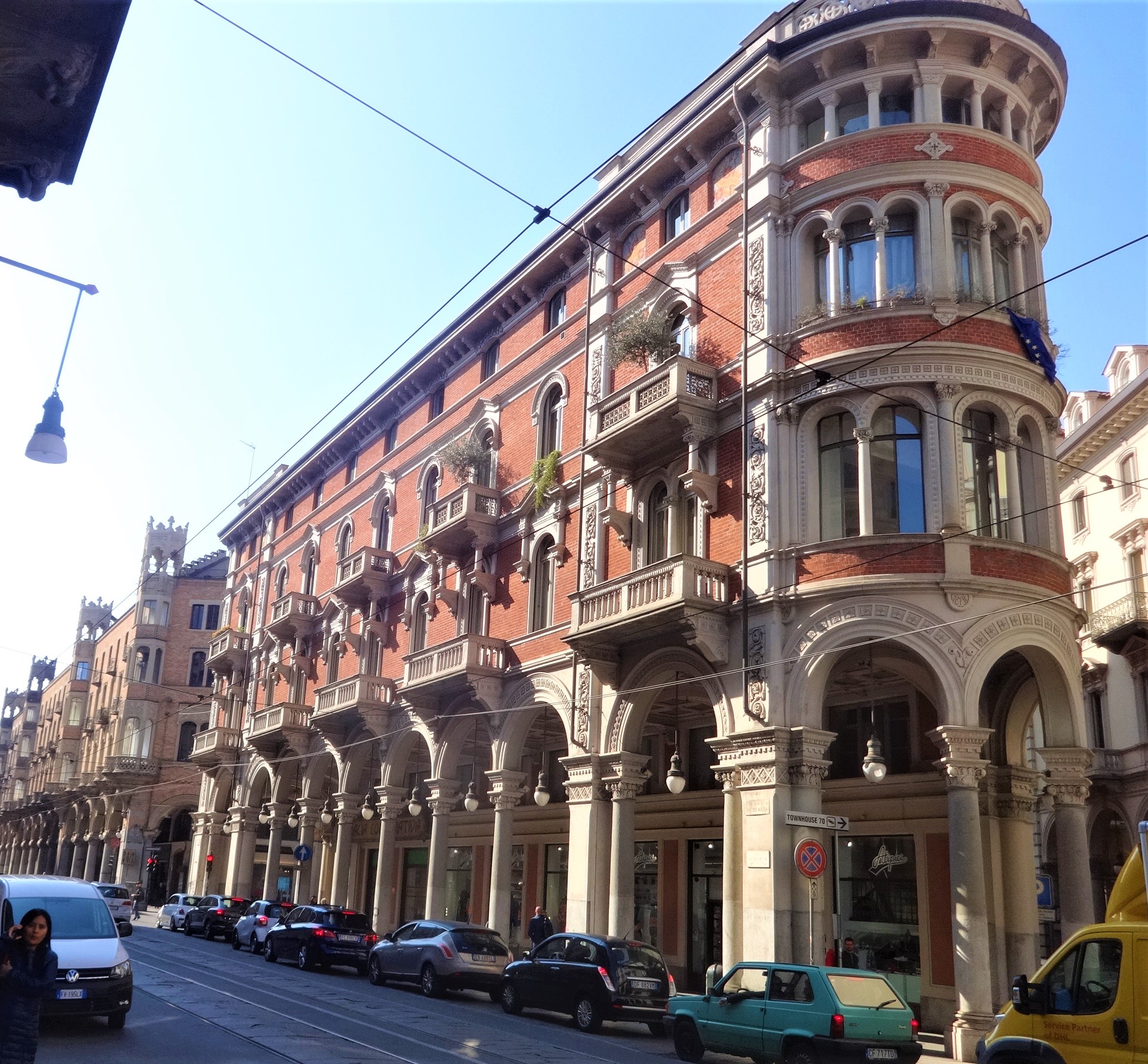
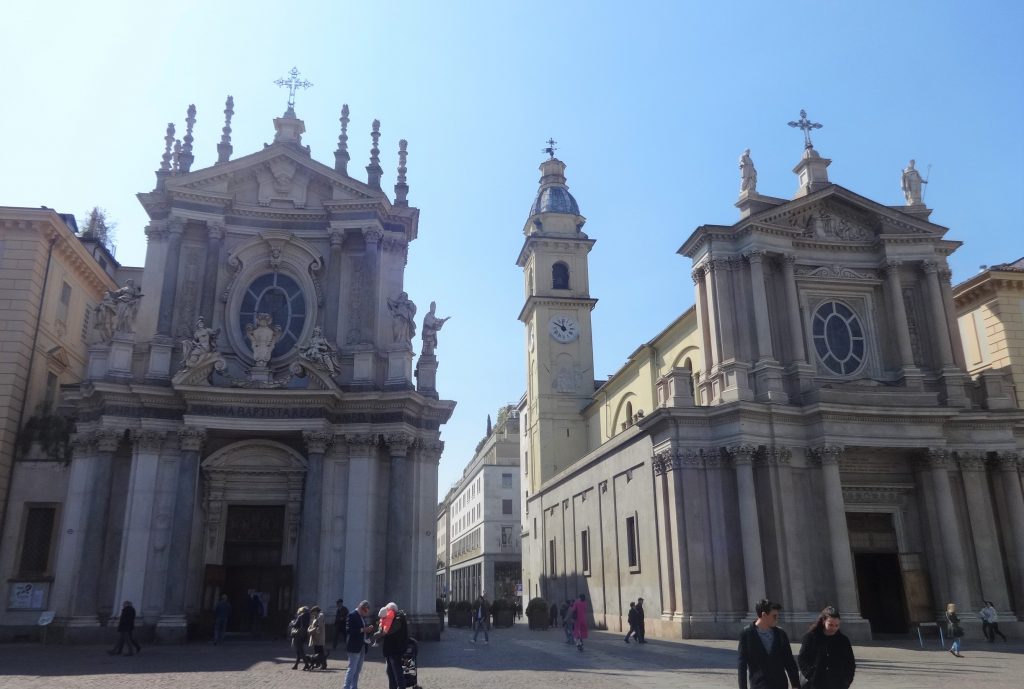
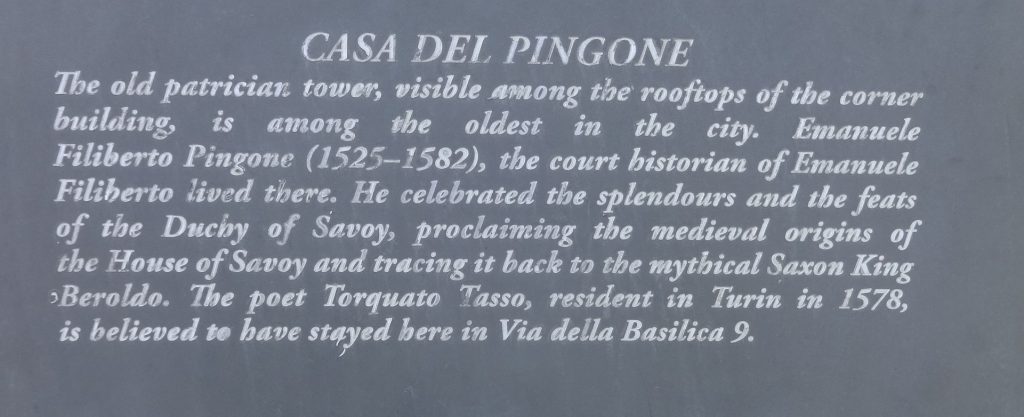
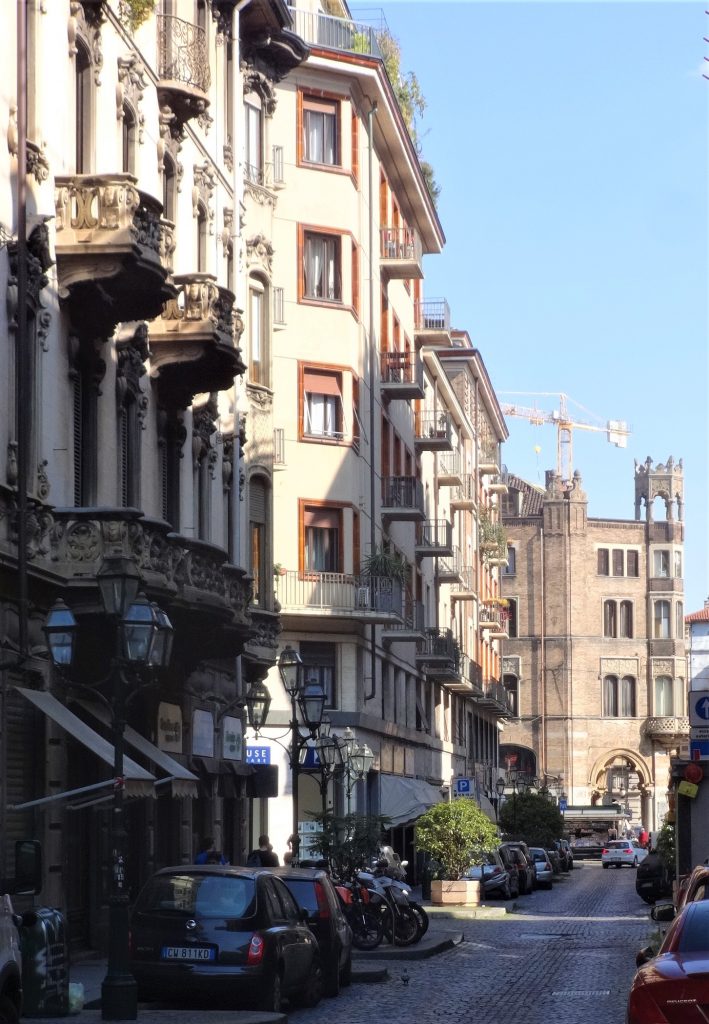
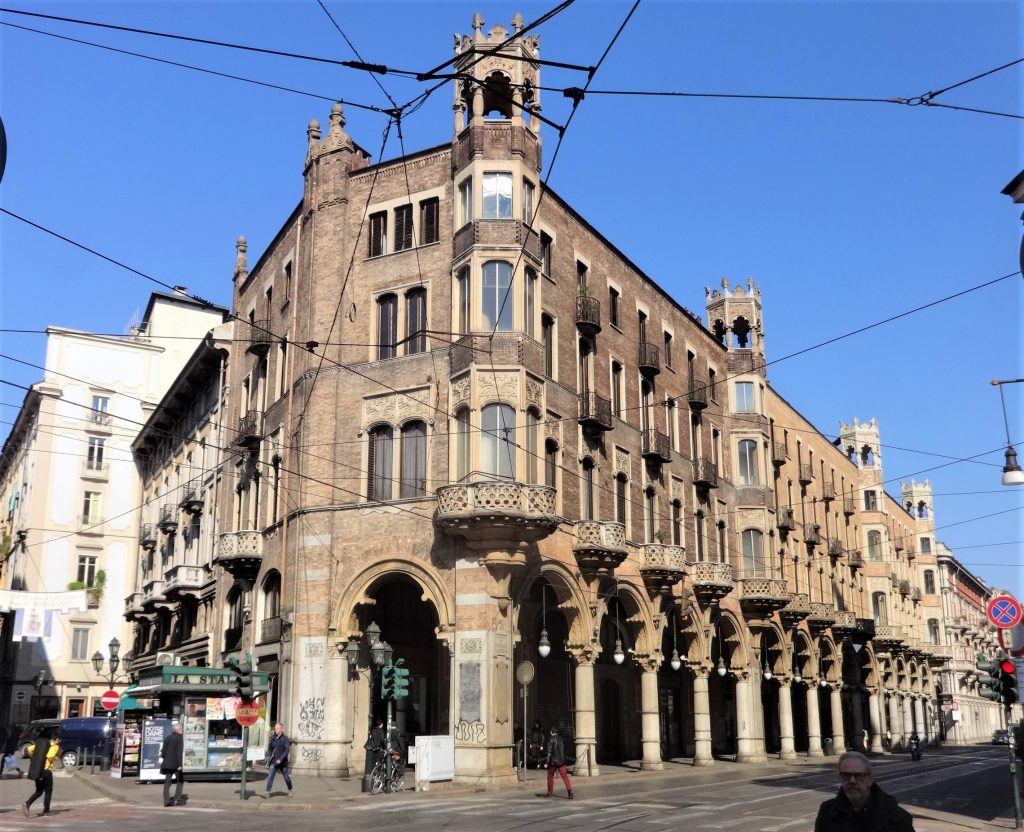
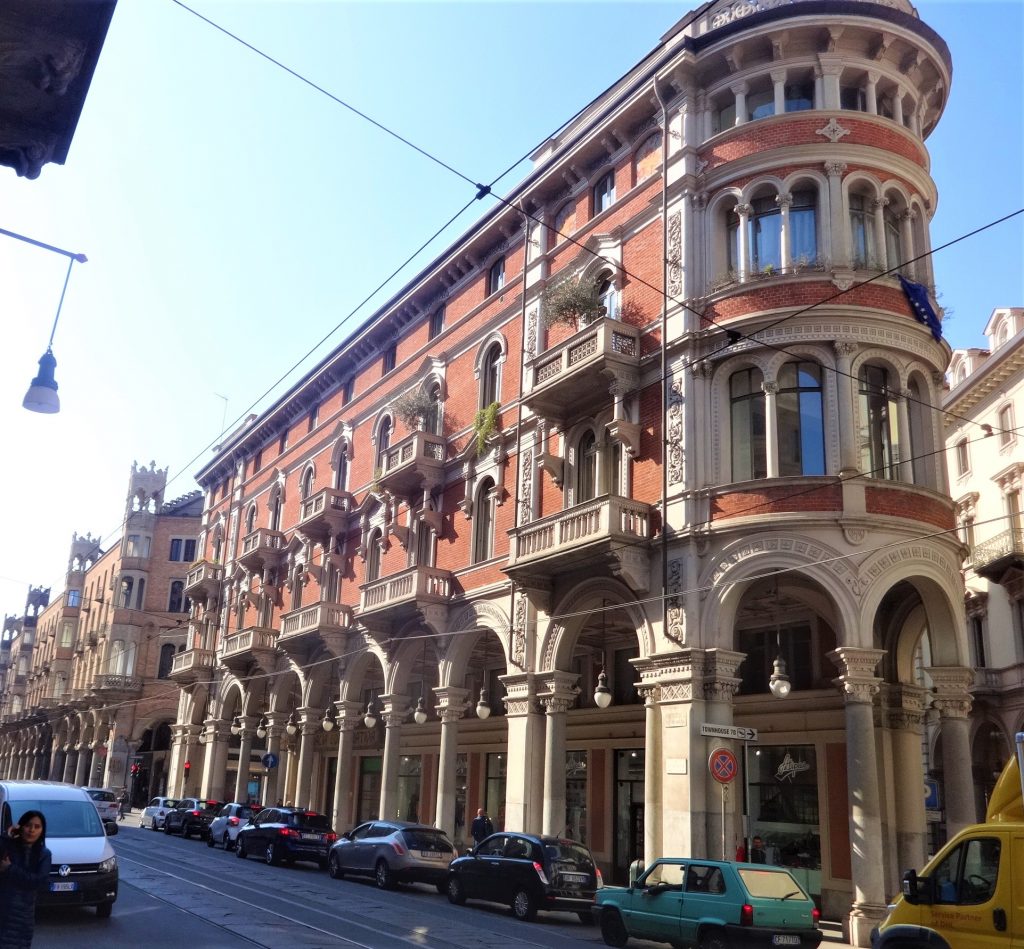
We took a train from Asti to Turin, stopping right in the centre of the city.  This is an unusually romantic place, lots of tall baroque buildings with ornate iron arcades that looks like they are still in the 1920s and where everyone wanders, there is no hurrying, very few tourists, lots of local Italians, dressed up to the nines, supping Martinis in swag covered bars.  There are so many cafes here, full of silver service waiters serving Madames and their handbag dogs a smidgeon of amaretto biscuit with their tiny espresso.

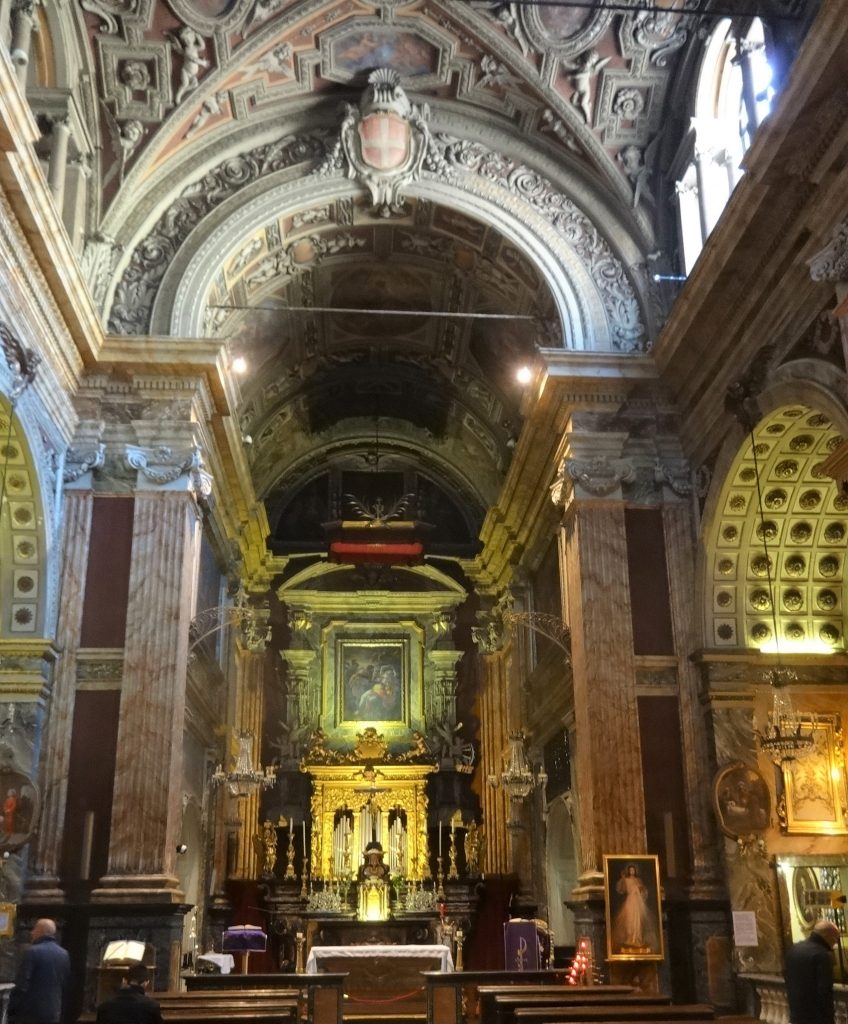
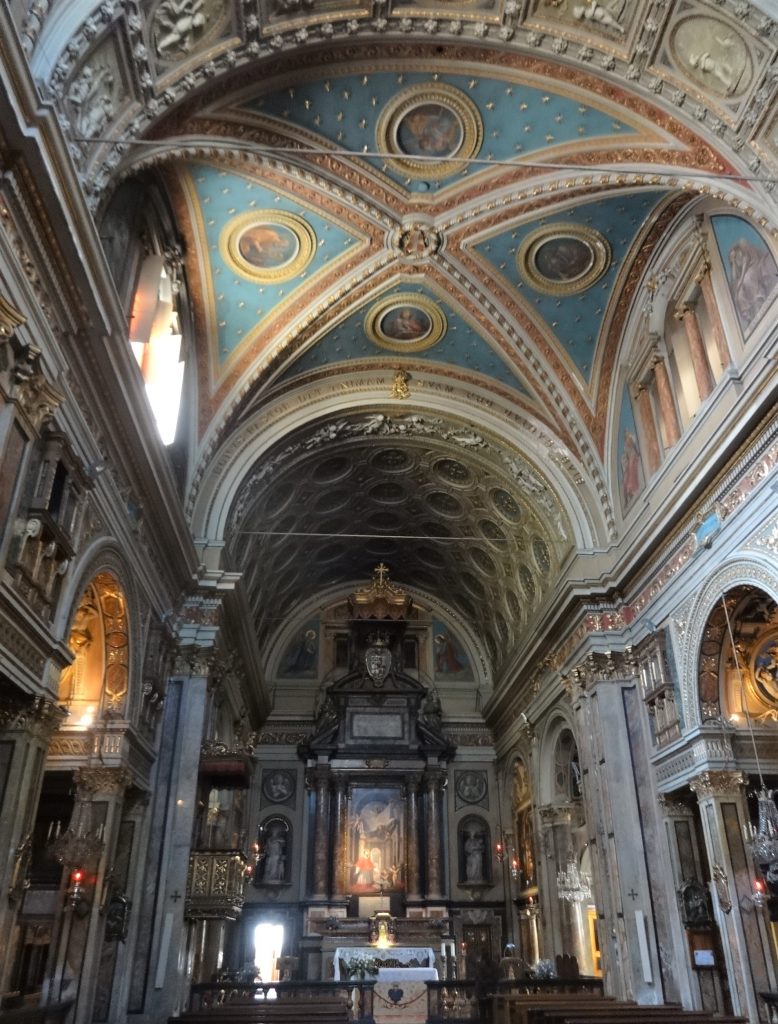
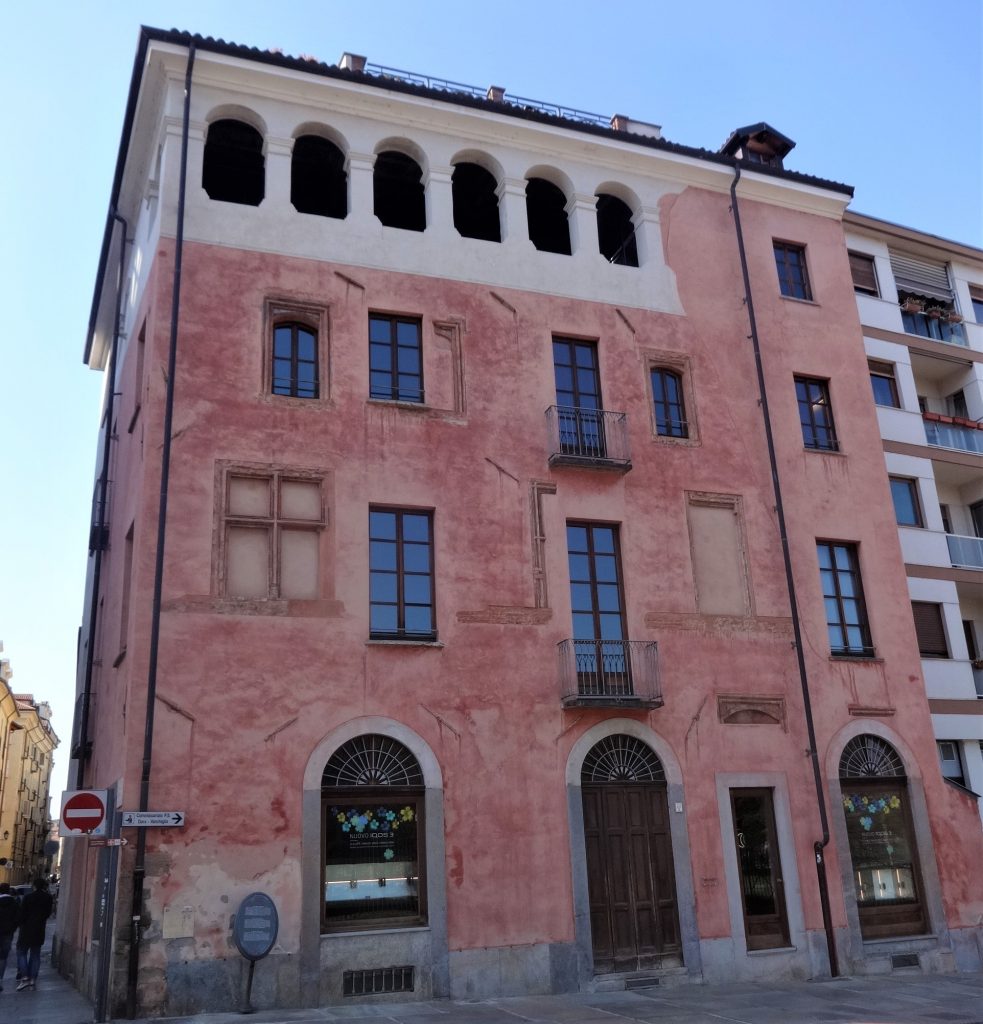
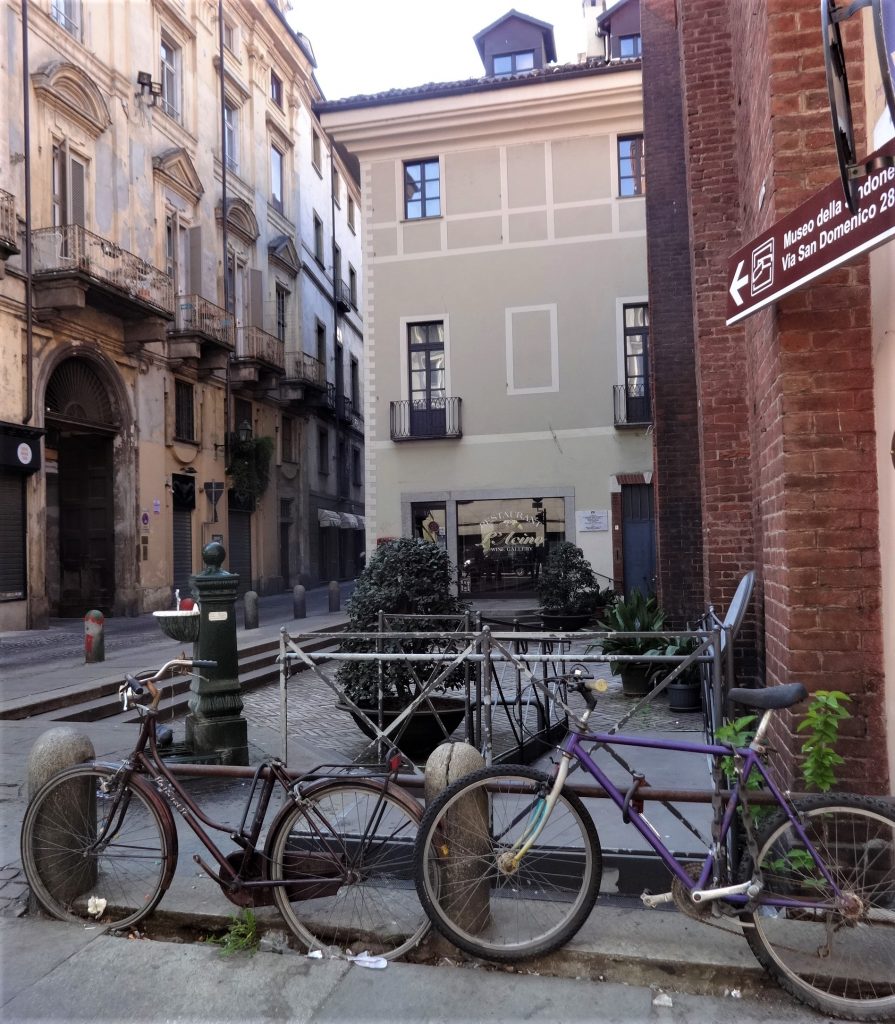
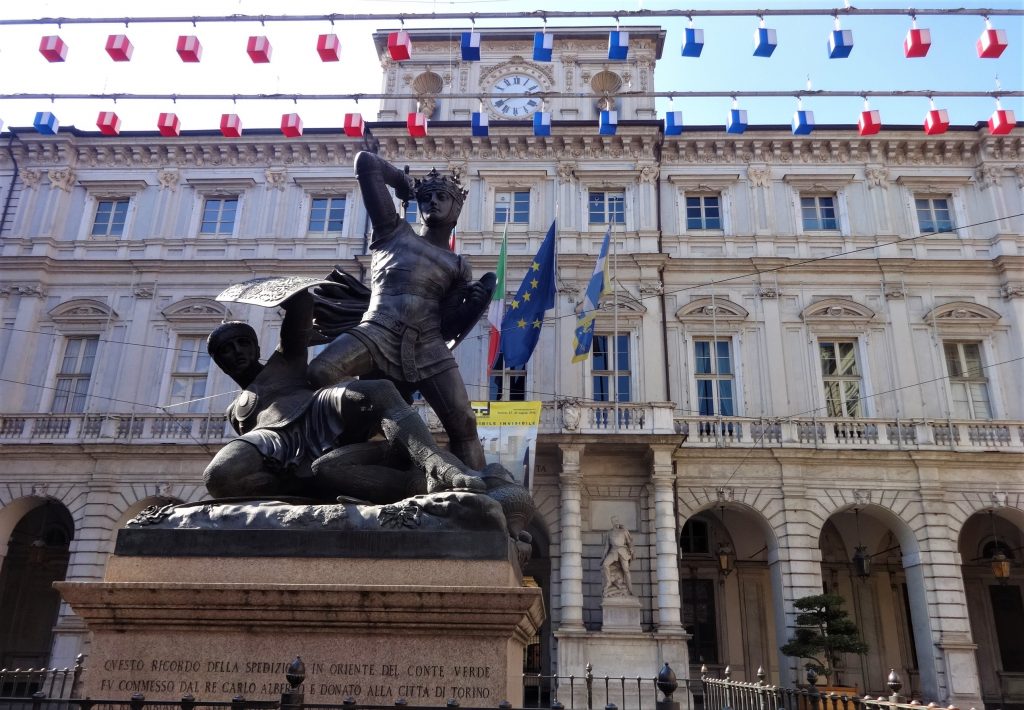
In the “old quarter” buildings rise up in tight blocks forming dark narrow walkways, all similar in design to the next but with a splendour that comes with age.   One part of the town was demolished 100 years ago to do away with the slums, and rebuilt in the same style so it’s very hard to tell what age these buildings are.  So many historic buildings dating back to the Savoy Family (equivalent to the Royal family) are now museums, 26 that we could count, as well as 10 churches and basilicas, and 16 theatres! 

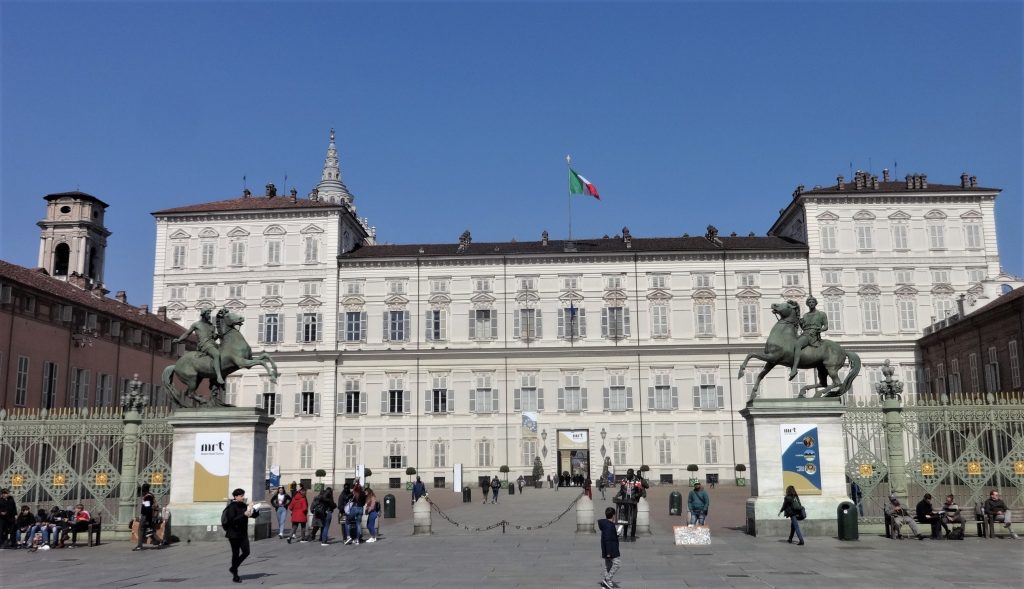
The Royal Palace is now a large museum, originally built in the 16th century and modernised in the 17th century and includes a chapel which was built to hold the Turin Shroud. It has a huge armoury but we didn’t have time to do the guided tour, supposedly 2.5 hours.

We did view a private Egyptian exhibition, the dig in the Nile area started in the early 1900 by an Italian archaeologist and continued by his team and his legacy until the late 1990s. We saw interesting items found in whole burial areas, complete mummies and the items they were buried with, the mummies dated back by 4000 years.

We also found one of the roads that The Italian Job was filmed on, Galleria San Federico, but was sadly disappointed to learn that although the Fiat factory rooftop race track does still exist, the old factory is now a large modern shopping centre with the track on the rooftop and is accessible at a price.  There is no reference to this iconic film in the city, not even in the National Museum of Cinema, based in Turin’s Mole Antonelliana, a building originally built as a mosque but now home to yet another museum.

Turin is a slow moving, beautiful, romantic city on the banks of the River Po, and we can highly recommend it as a relaxing and informative city break location.  Just don’t take your wallet (beware of the endless designer shops) and make sure you love coffee, and eating!

The Palace

The Magic Mountain in Barcelona!

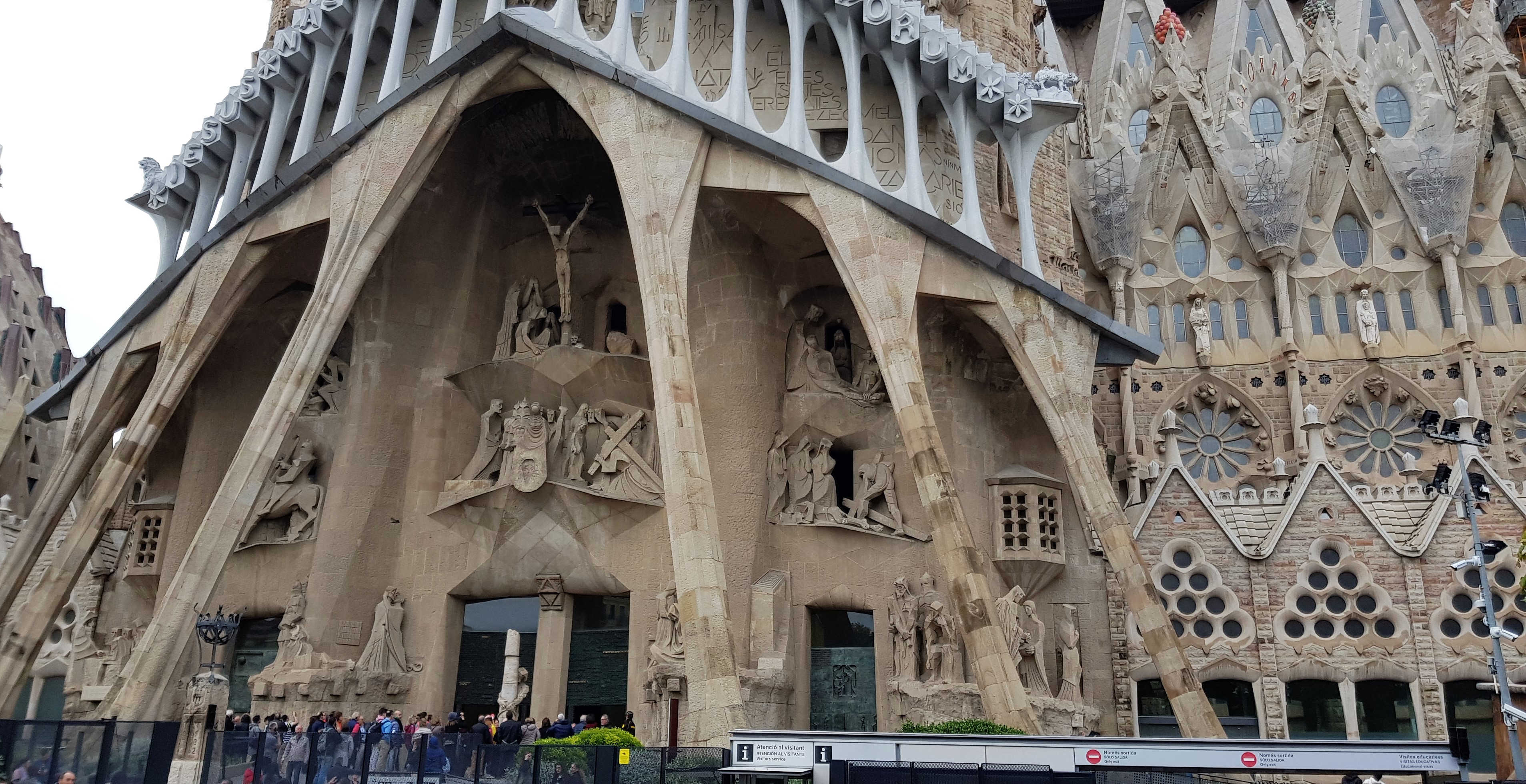
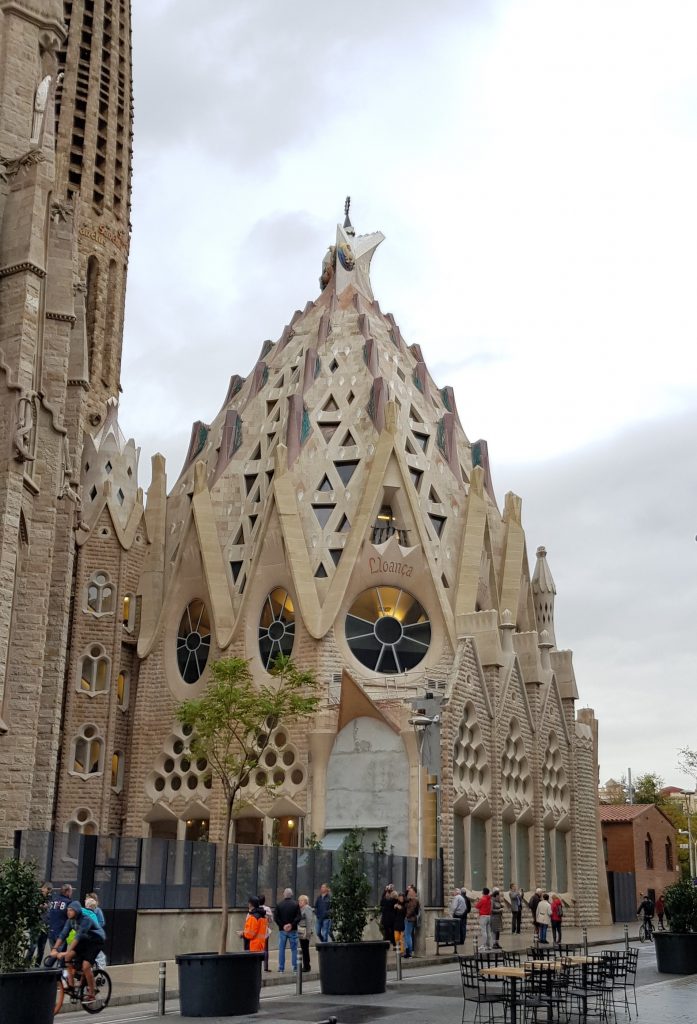
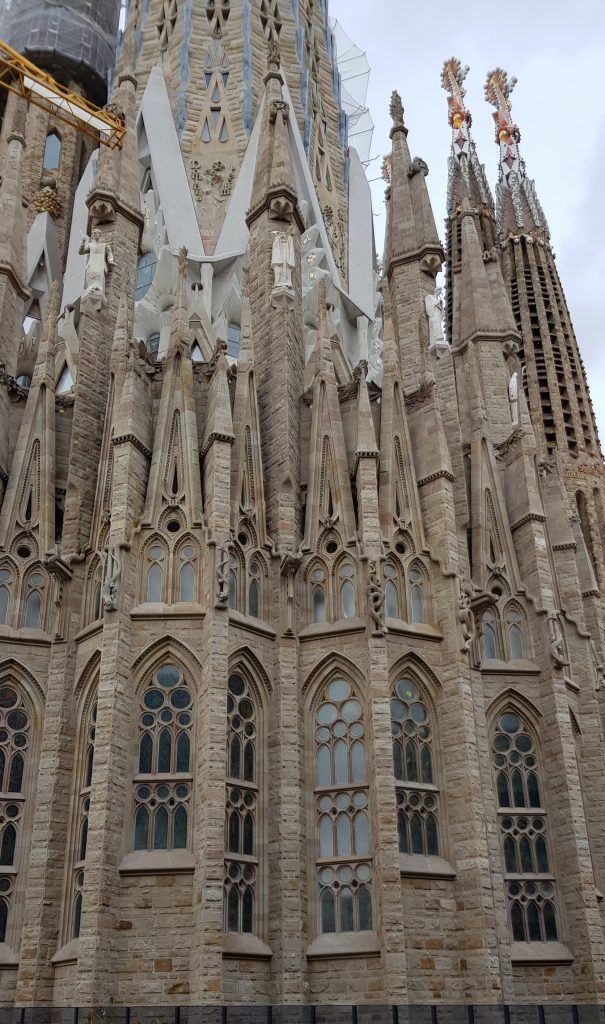
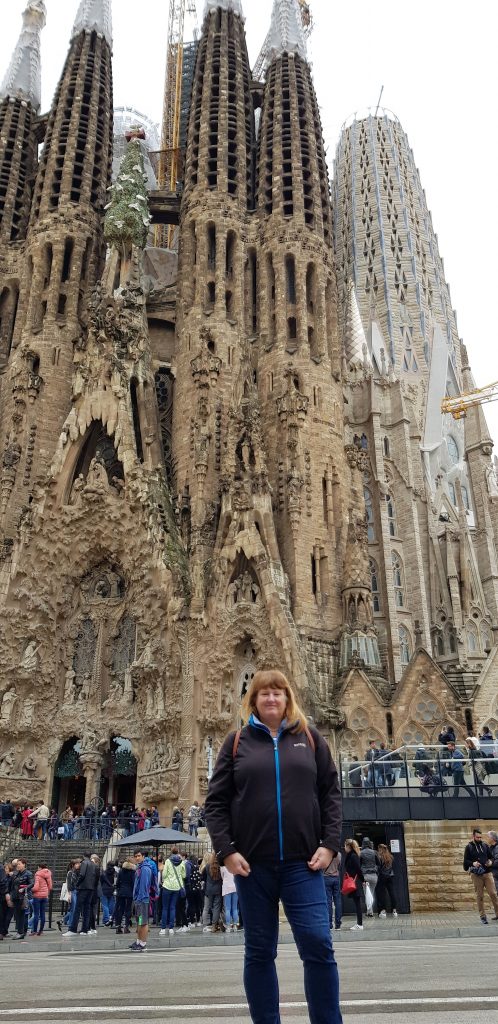
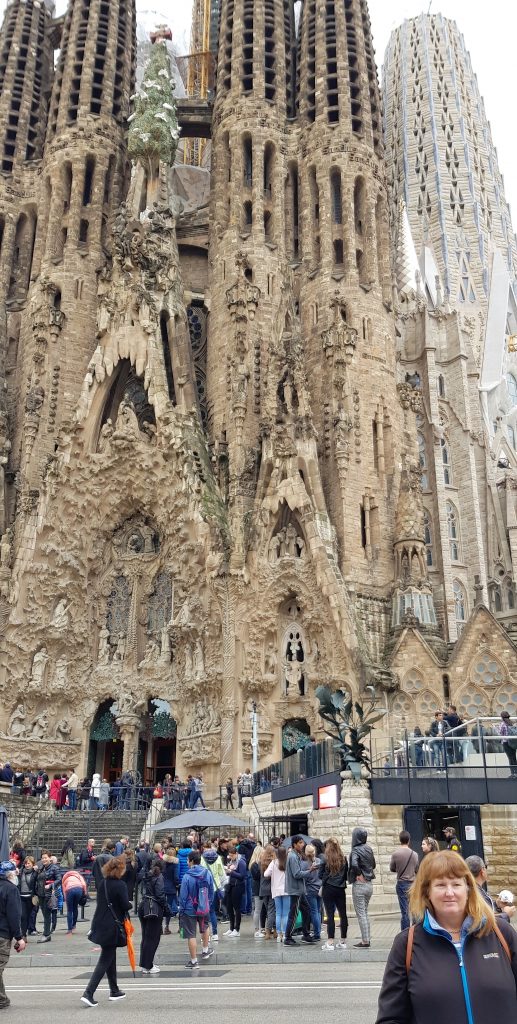
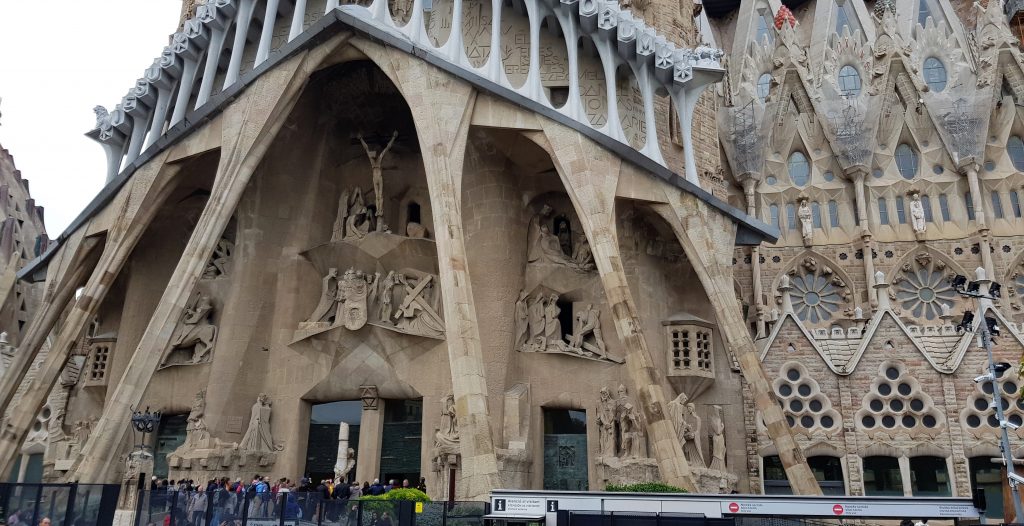
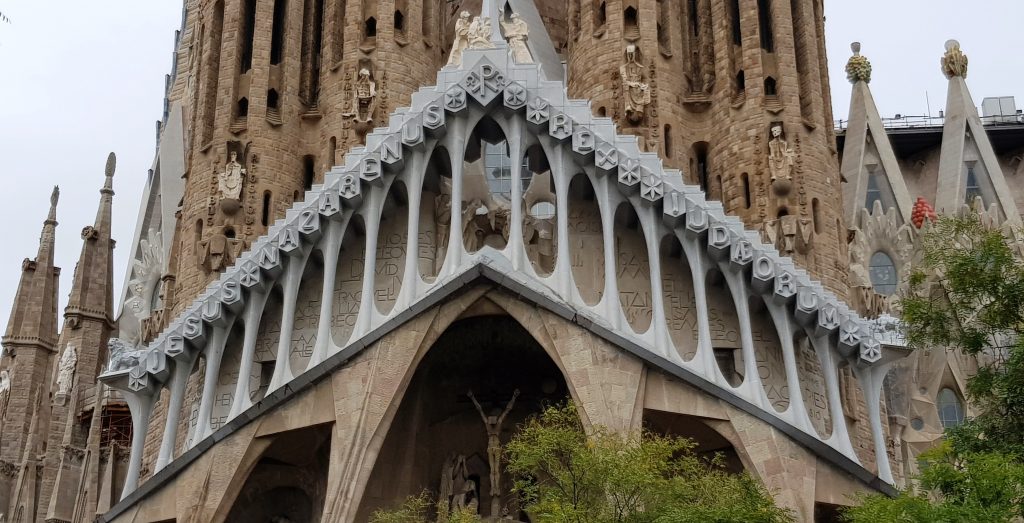
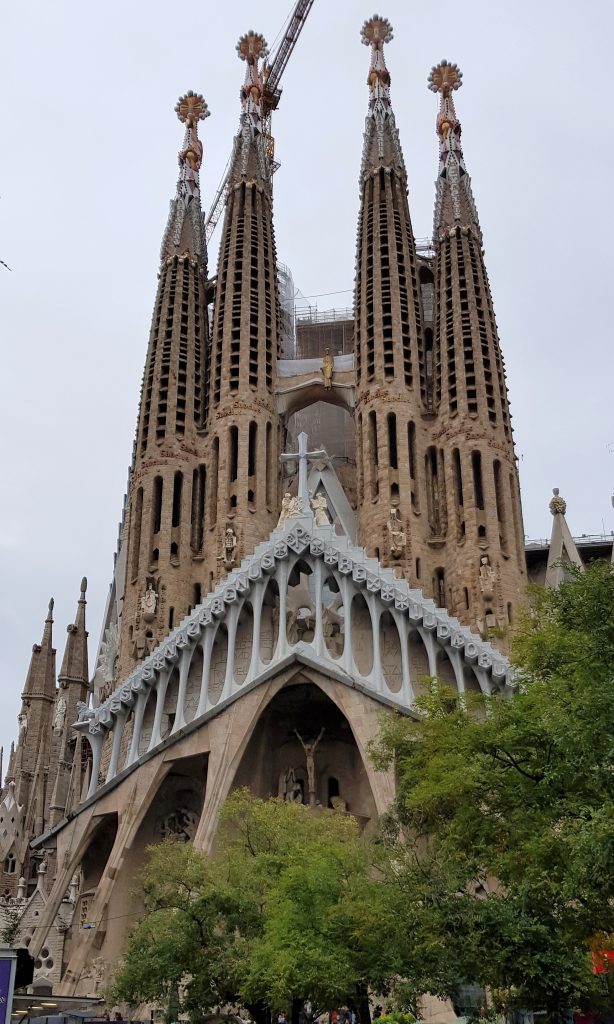
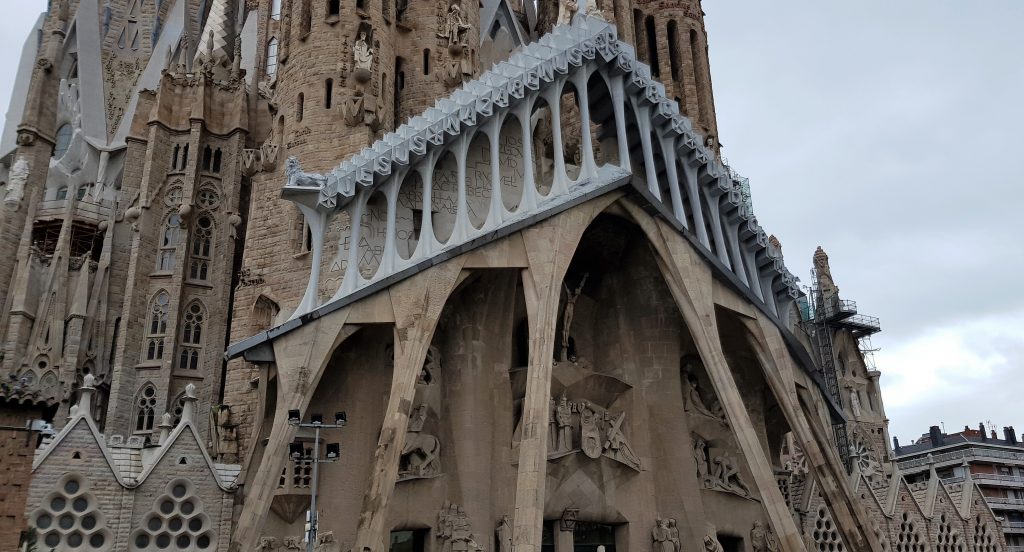
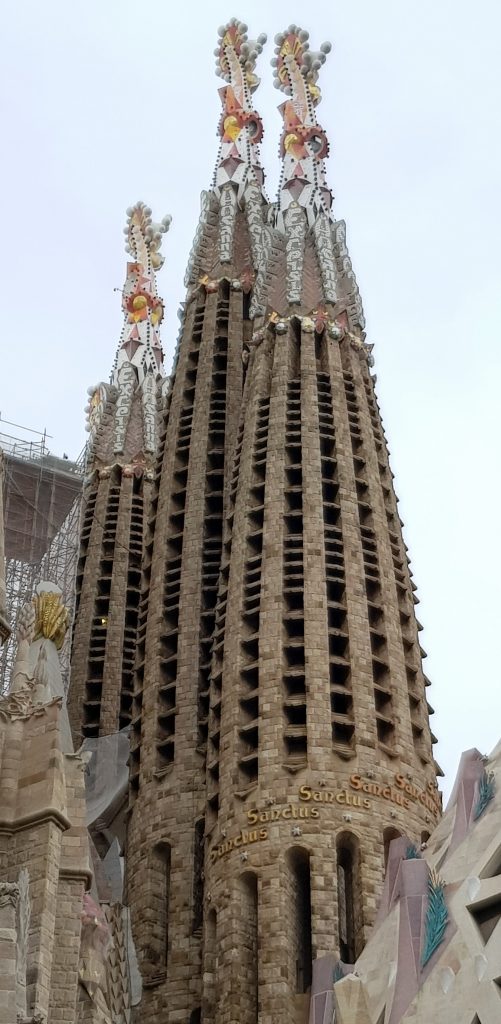
The day we decided to visit Barcelona, it rained!  It became cloudy, overcast and very cold but that didn’t stop us.  What did stop us was the fact that all tickets that day, for entrance to the Sagrada Familia cathedral, were sold out! We just wandered around it, gawping just like a proper tourist!  I will return one day to see inside….

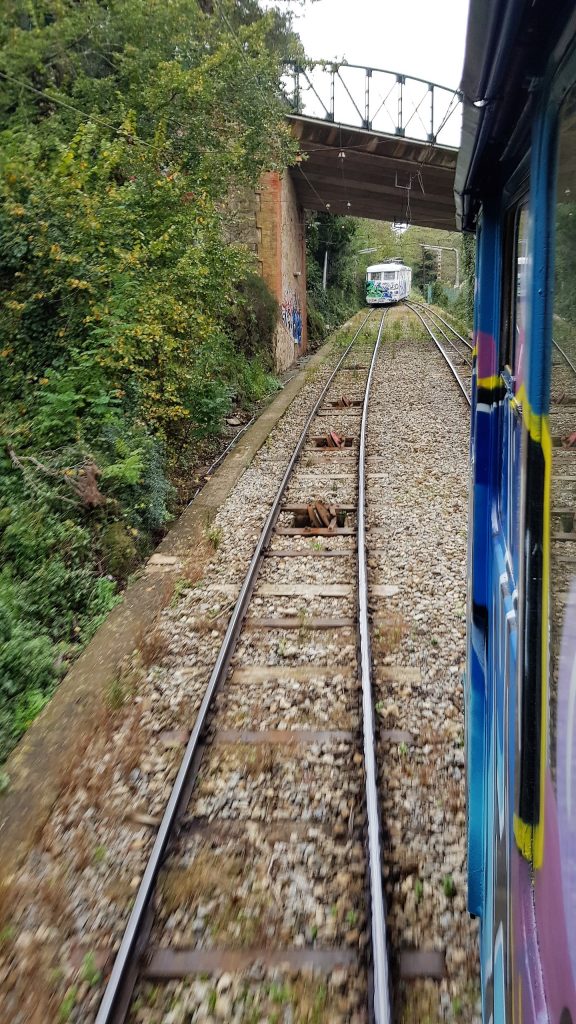
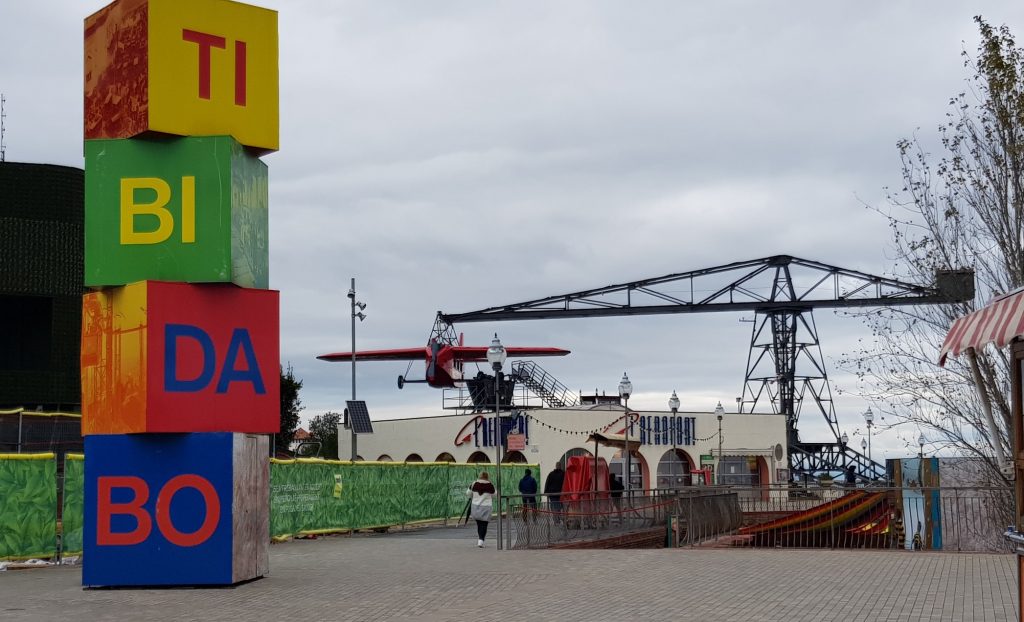
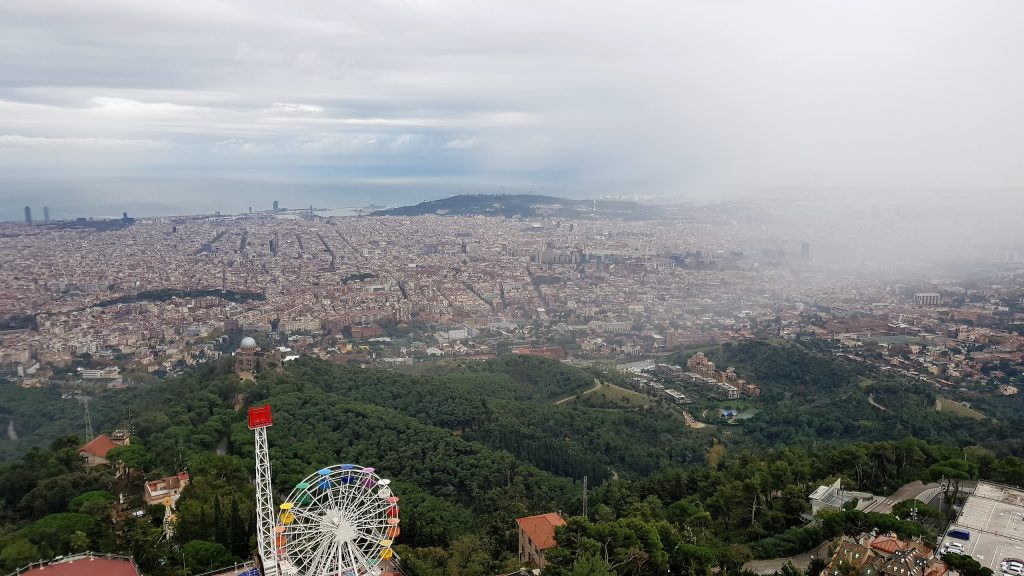
So we decided instead to explore Mount Tibidabo, a mountain just behind Barcelona, which at 515m above sea level is the tallest in the range of mountains surrounding the city.  The funicular train is the oldest in Spain, dating back to 1901, and although the journey itself takes no more than 10 minutes and you feel like you are travelling miles, vertically you travel only 1km! The funfair at the top gives it it’s name of Magic Mountain.

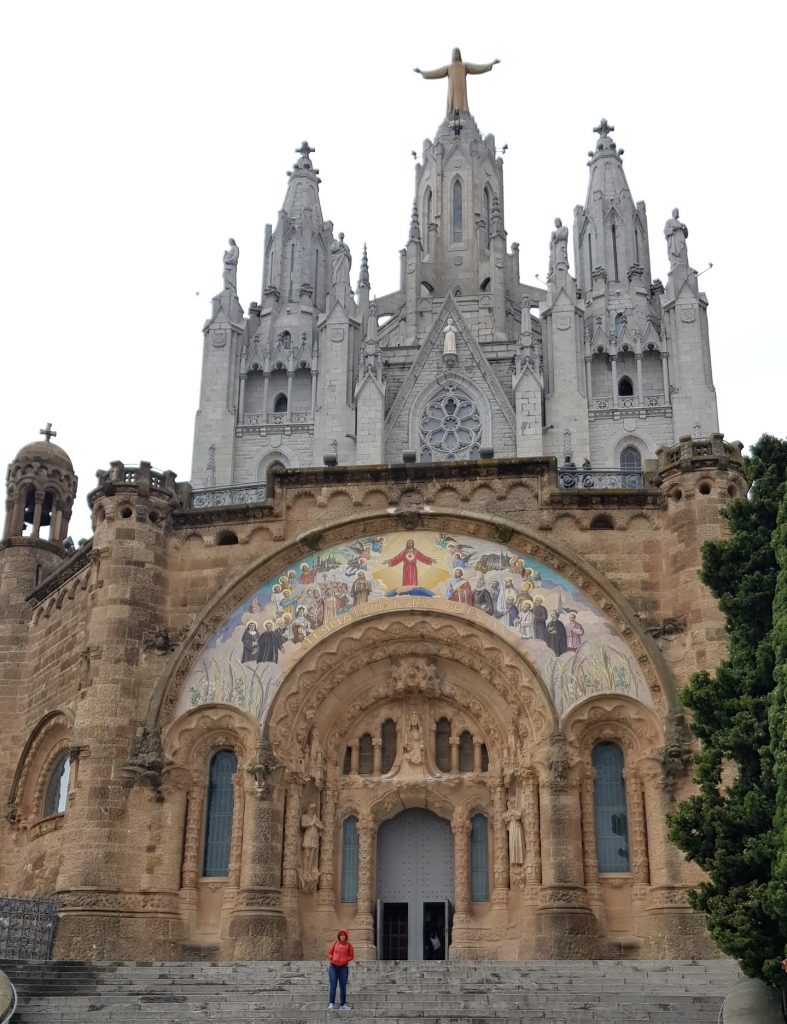
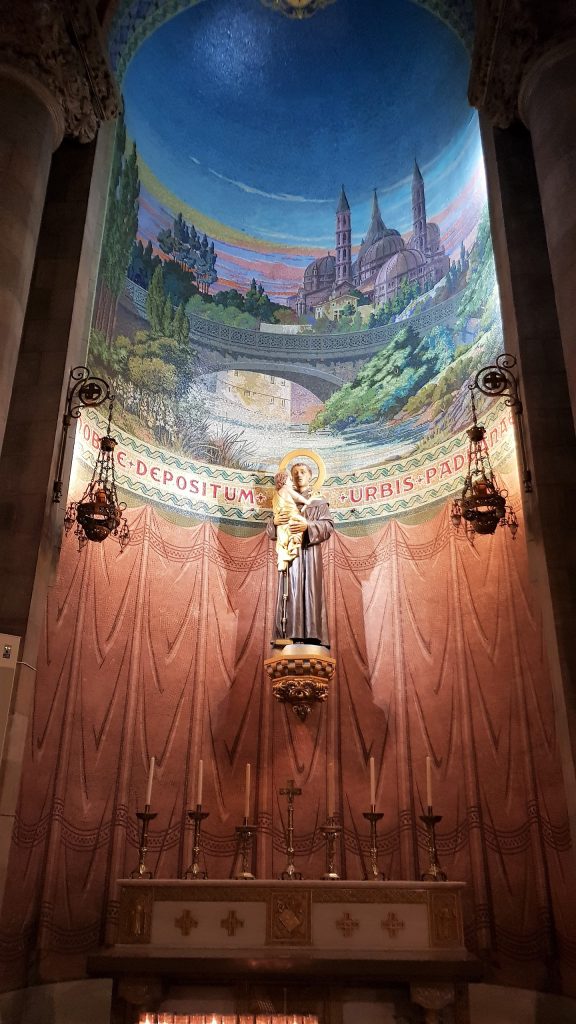
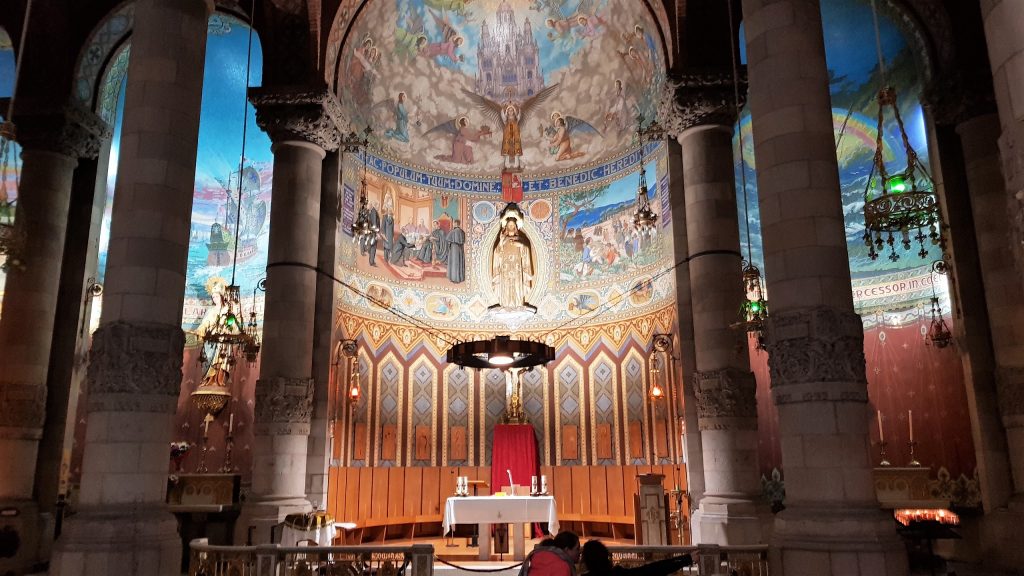
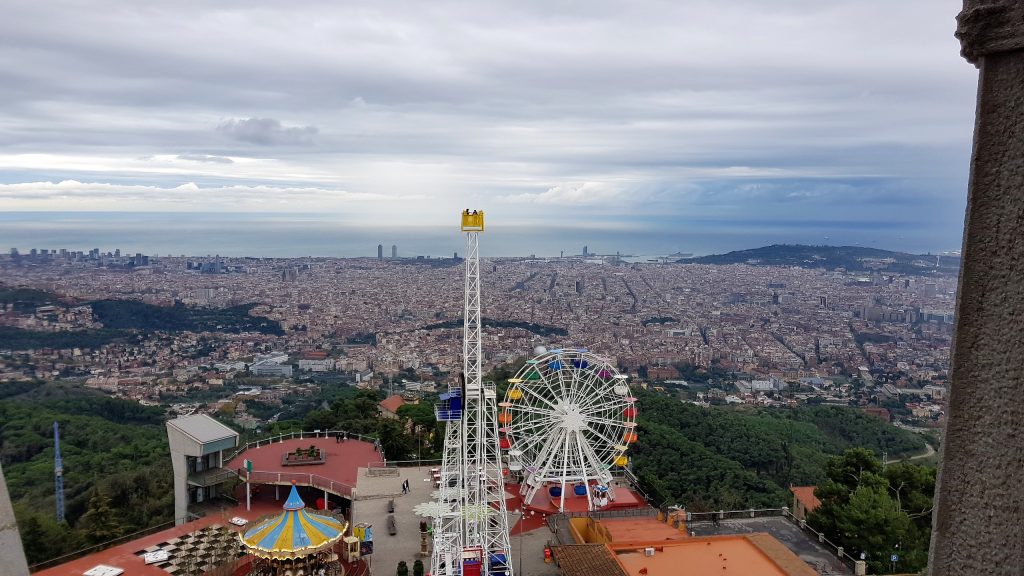
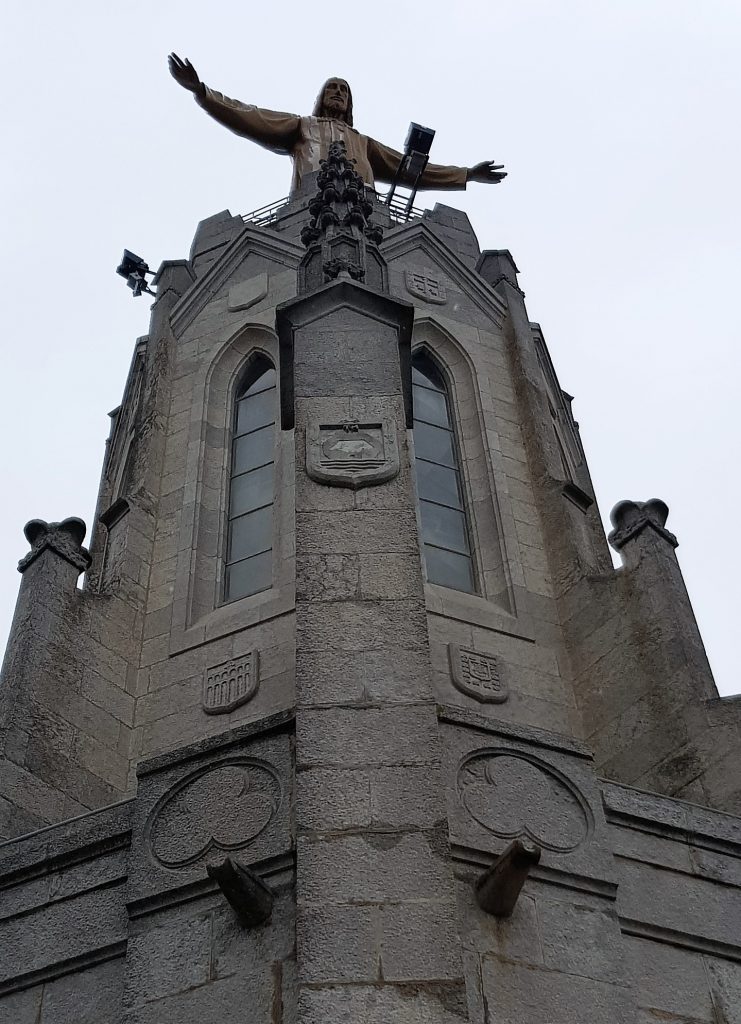
At the top is the fun fair, only certain rides were open on this particular day. Behind the fun fair is the Romanesque fortress (or crypt) topped with a fairly new (in church terms) catholic church and minor basilica called the Temple del Sagrat Cor, a Gothic cathedral started in 1902 and completed in 1961 on several levels with foot access to the towers, the highest being 575m above sea level.  The crypt consists of 5 naves decorated by beautiful and colourful mosaics. 
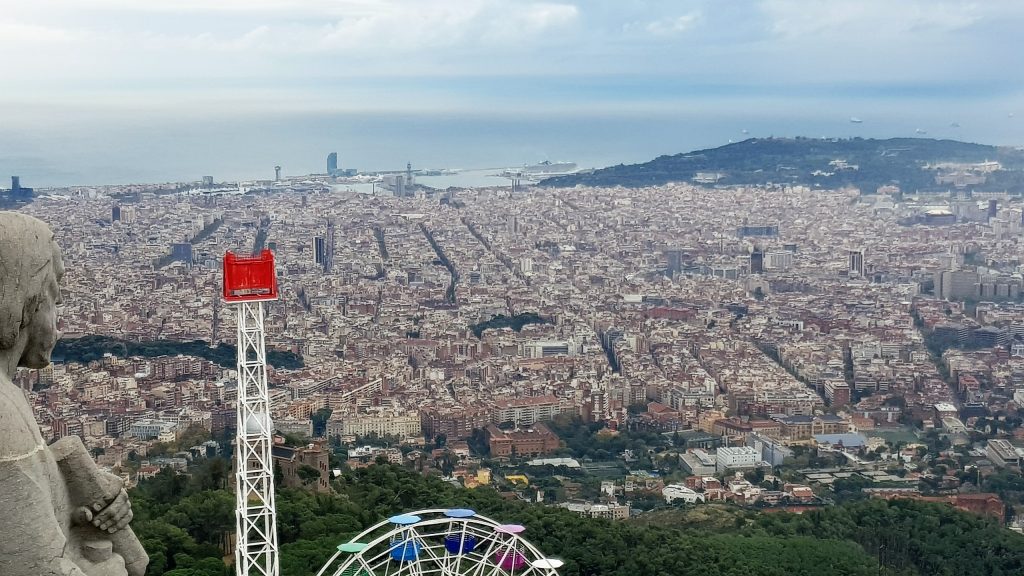
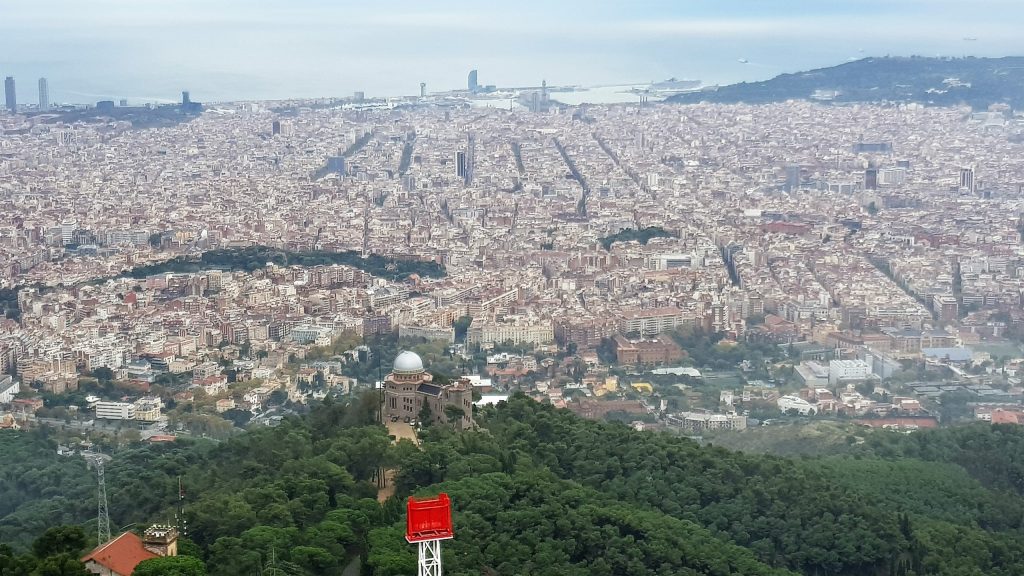
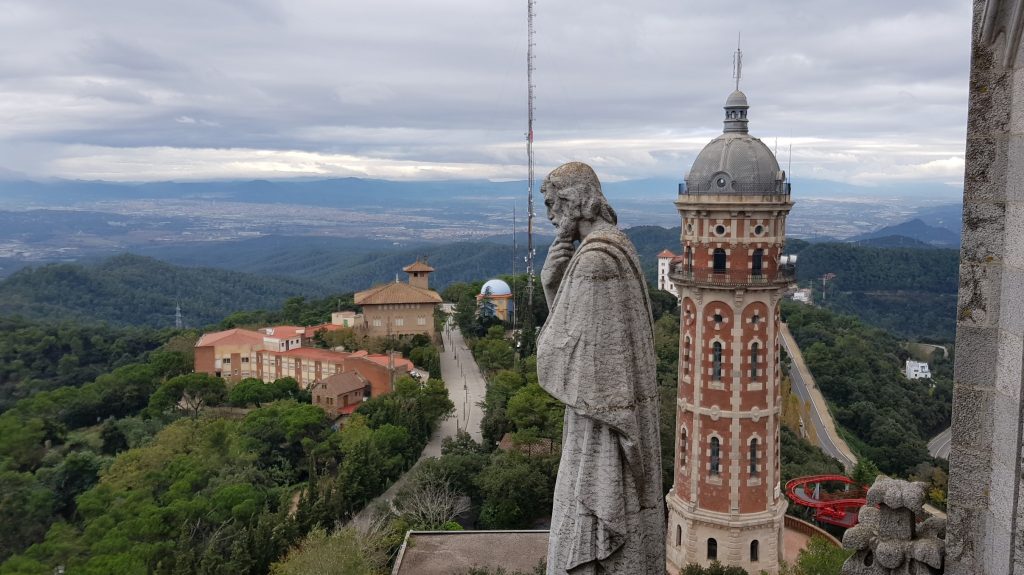
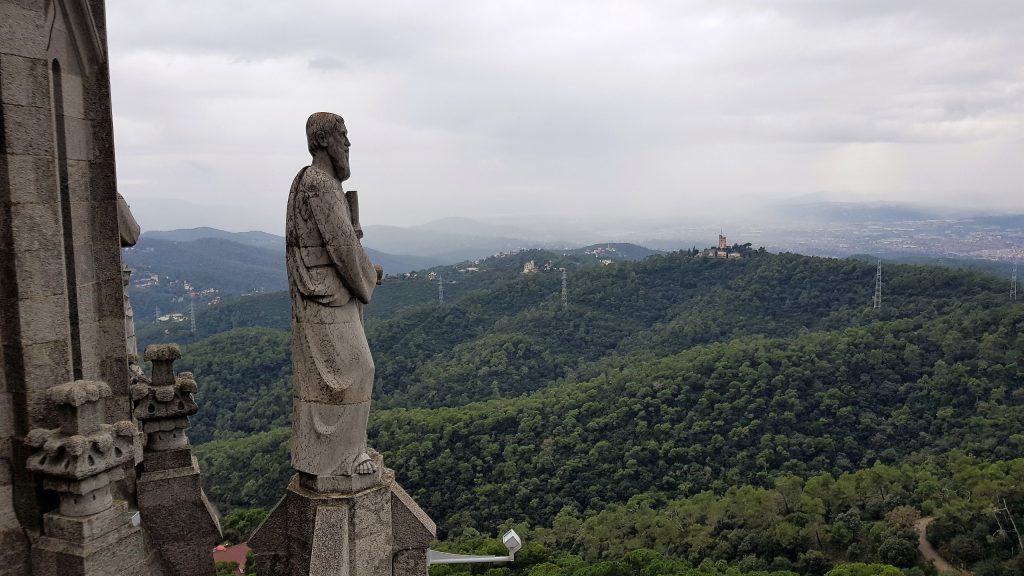
We took a lift up to the viewing platform, through the main church, then we walked the remaining 150 steps to the very top of the tower, coming out underneath the bronze statue of the Sacred Heart and surrounded by the 12 apostles!  It was blowing a hoolie, freezing cold and occasionally spitting with rain, so although we took panoramic photos we didn’t stay there long!

External images of Sagrada Familia
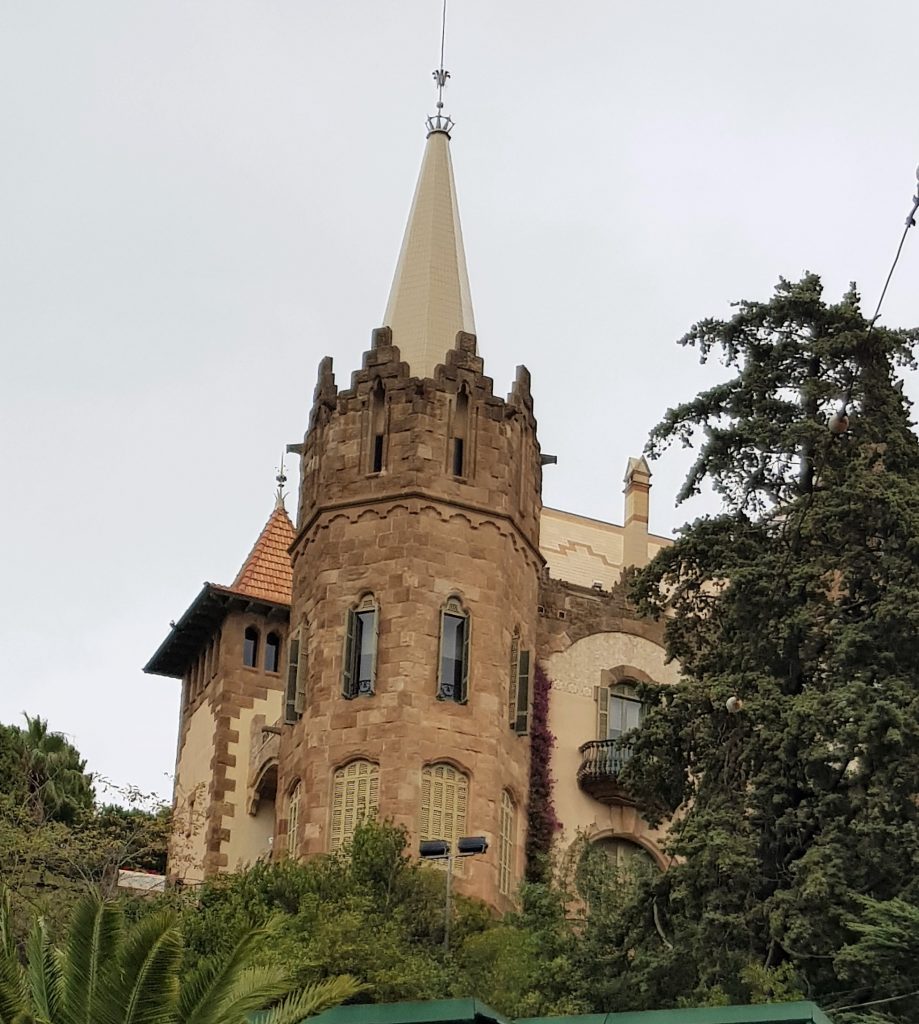
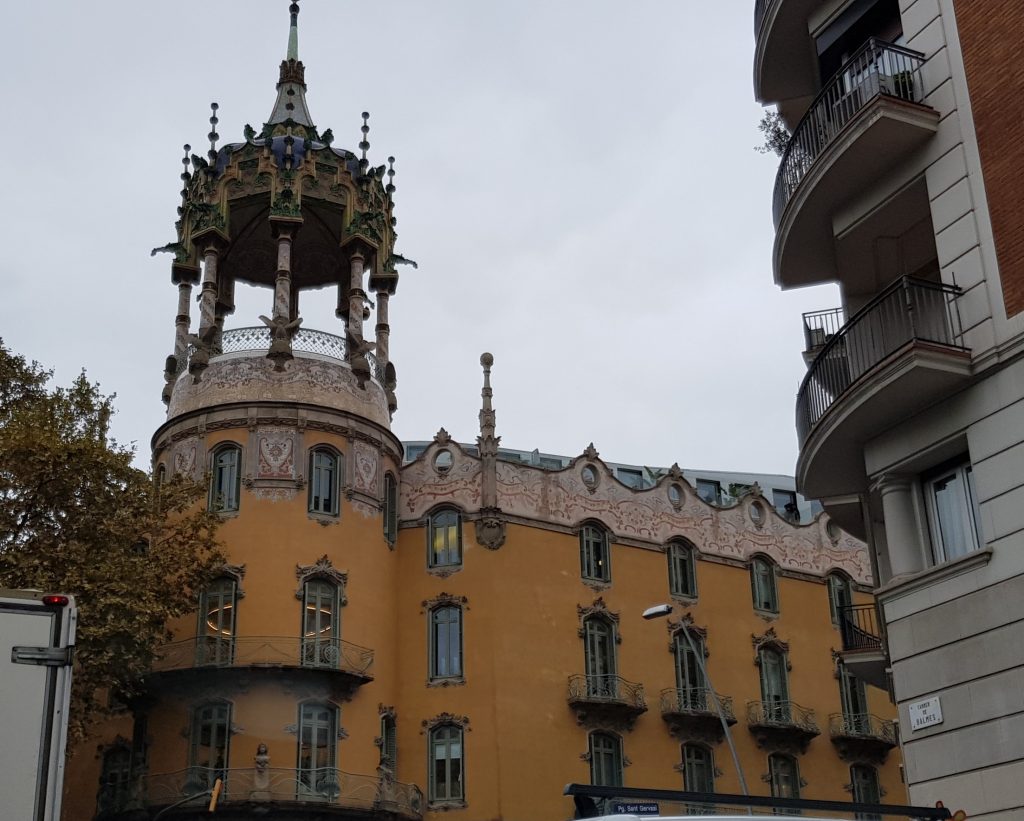
Unusual Buildings in Barcelona
Tibidabo Funicular, Crypt & Fun Fair

Views from the Viewing platform half way up…..

Going up higher and watching clouds roll in…….

Magnificent Montserrat

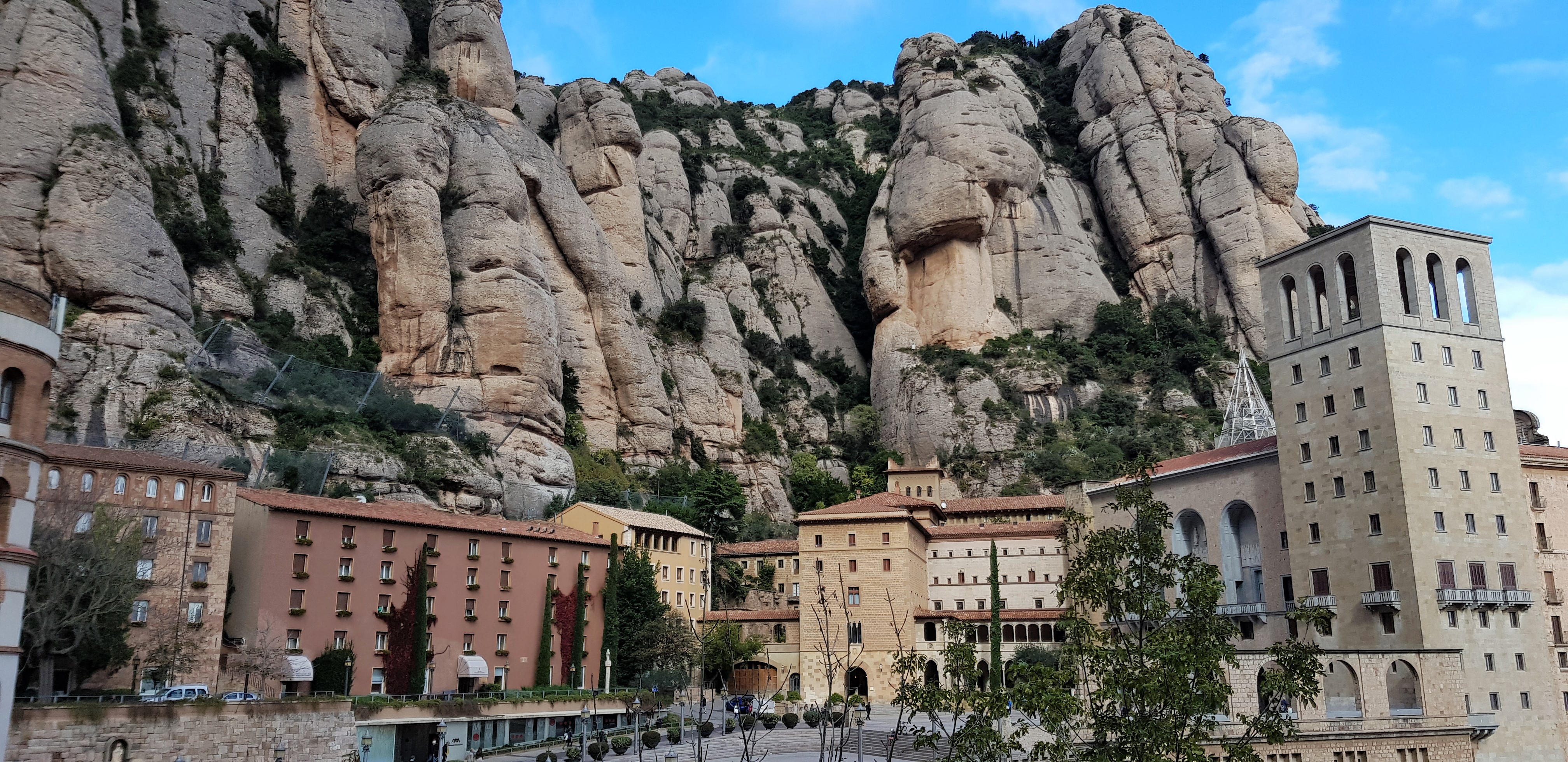
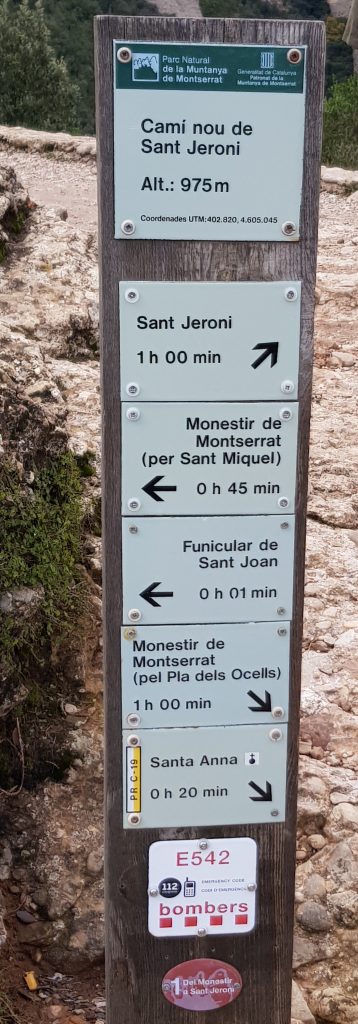
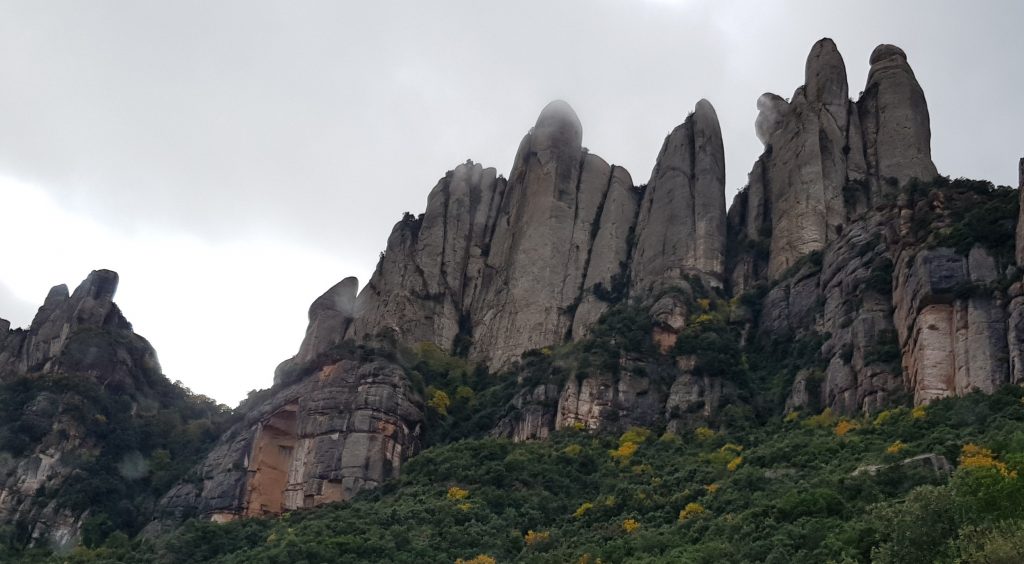
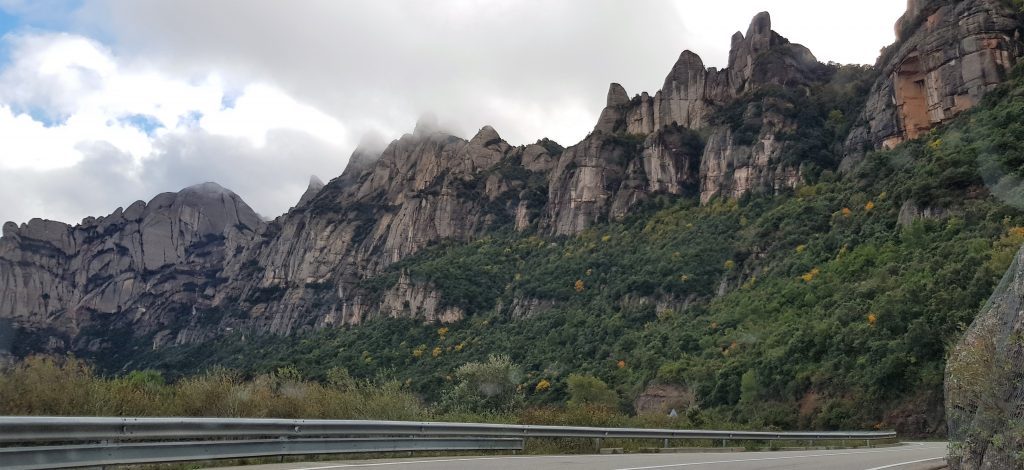
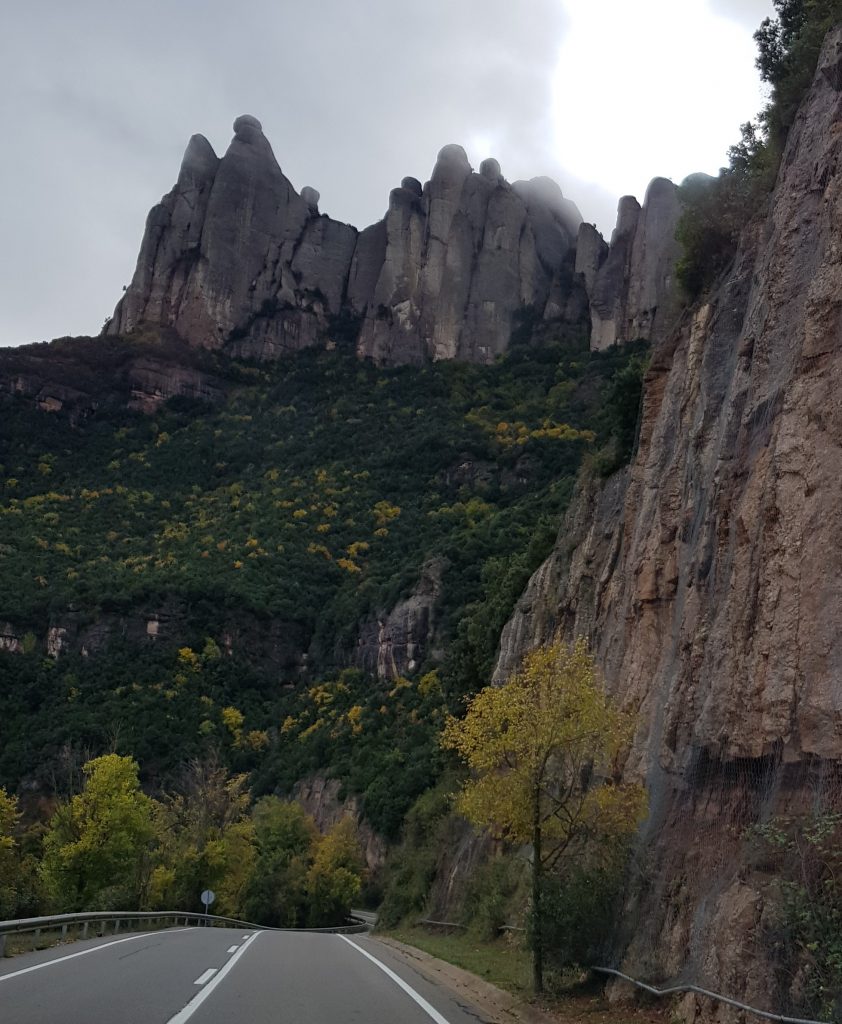
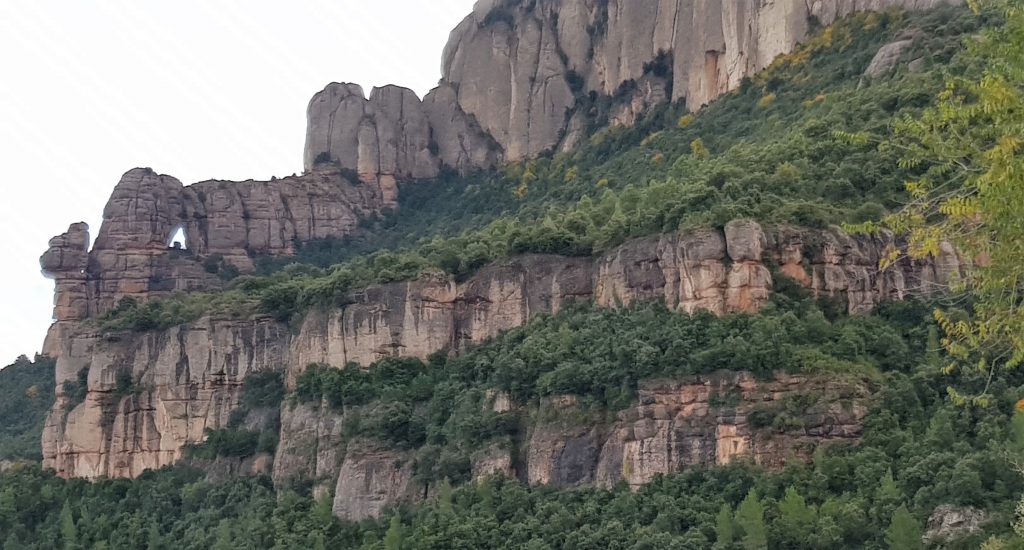
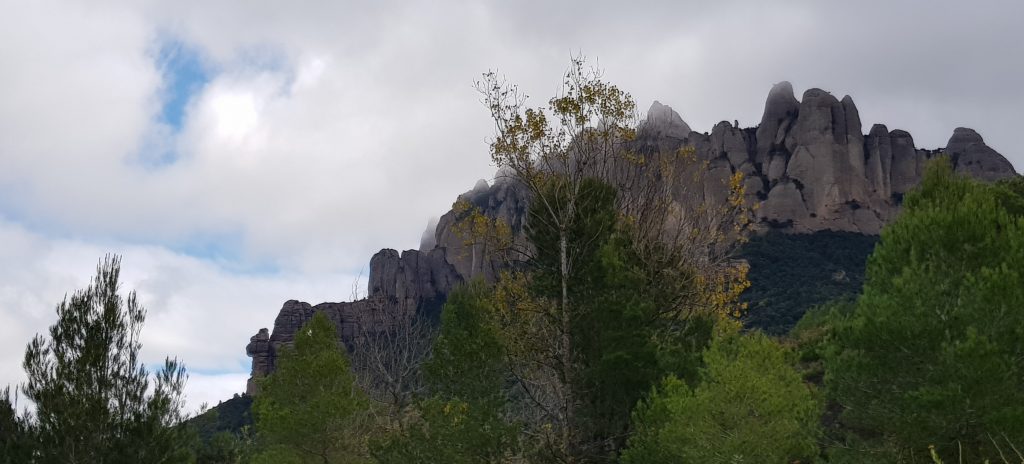
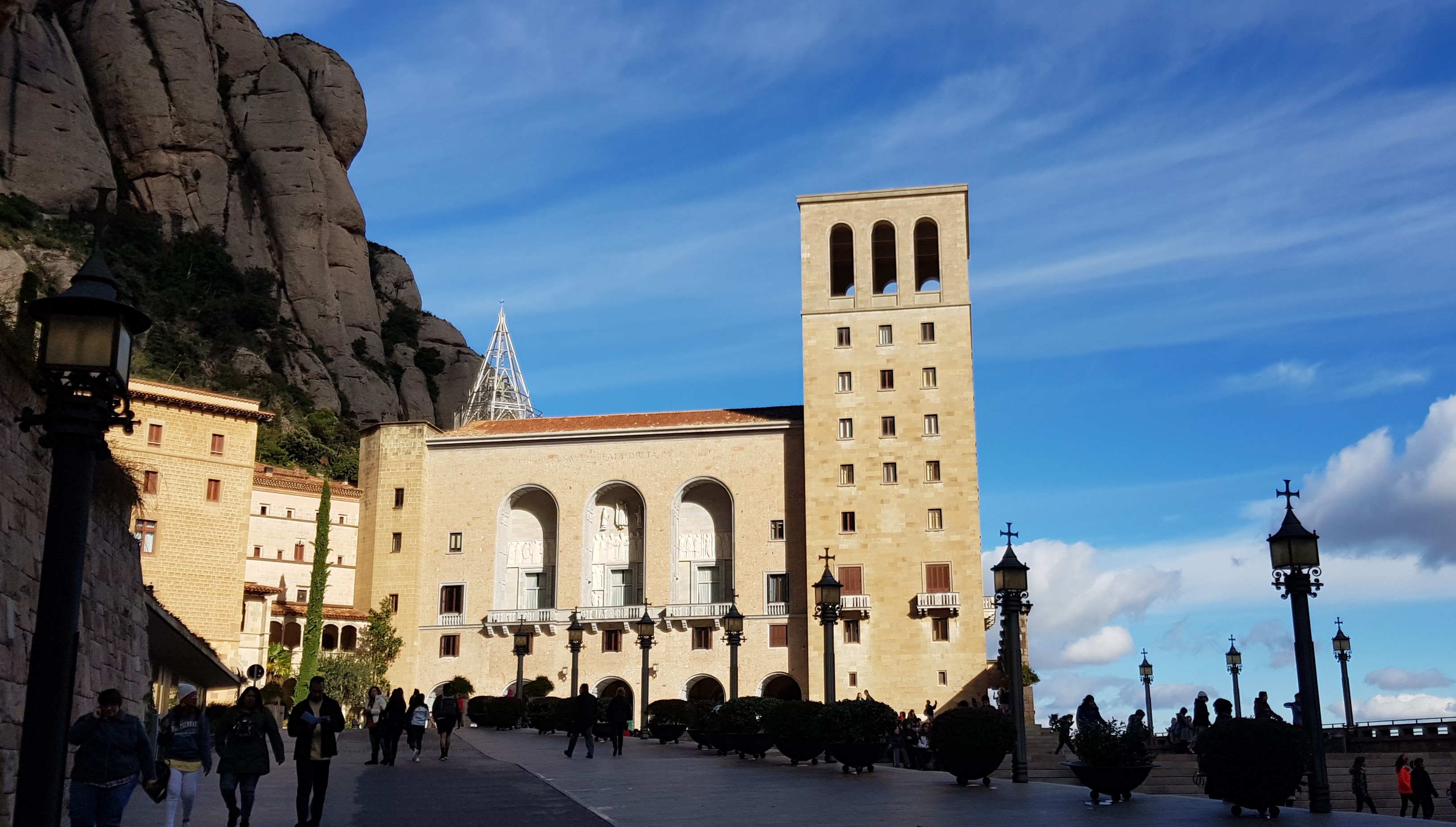
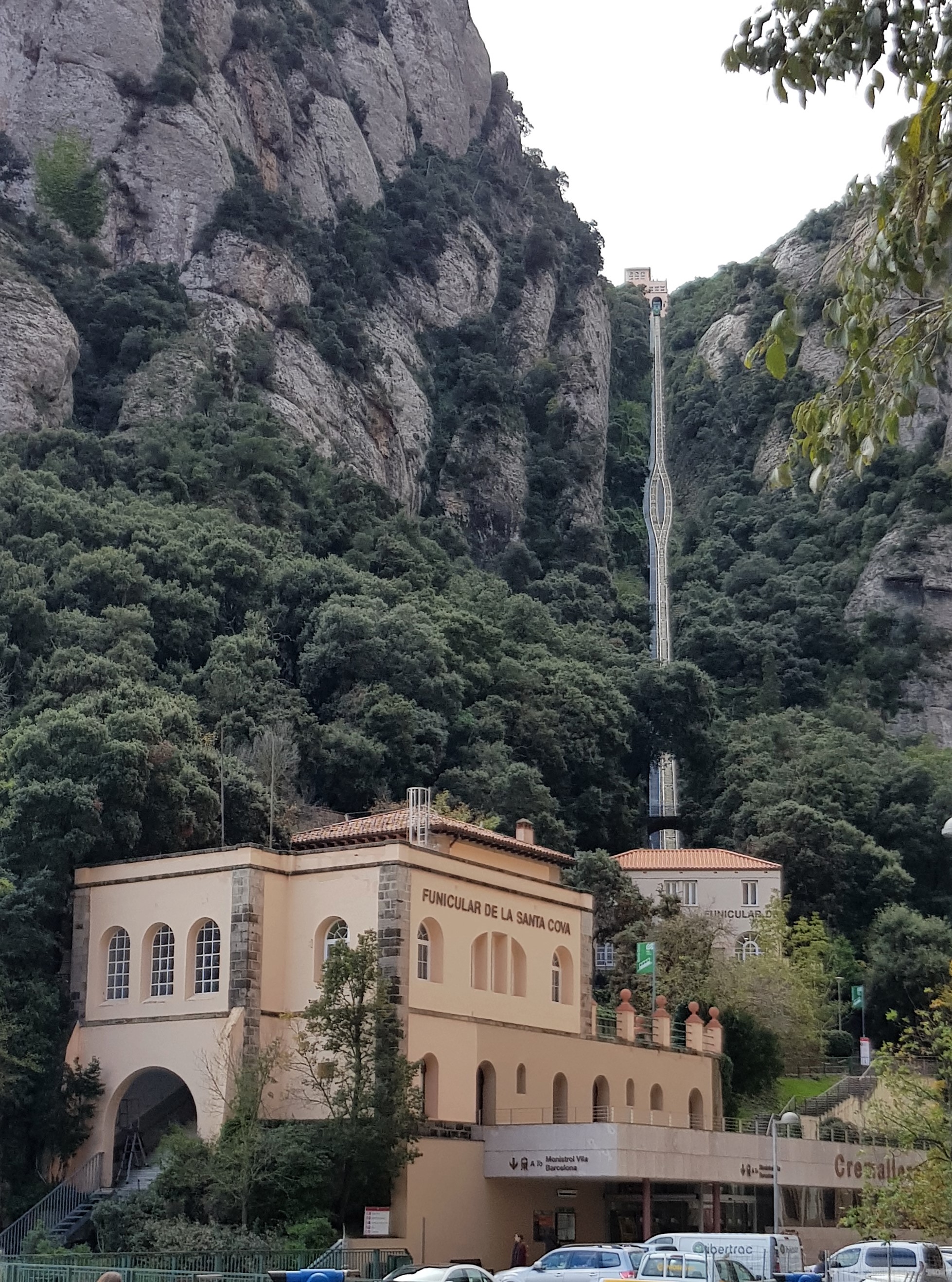
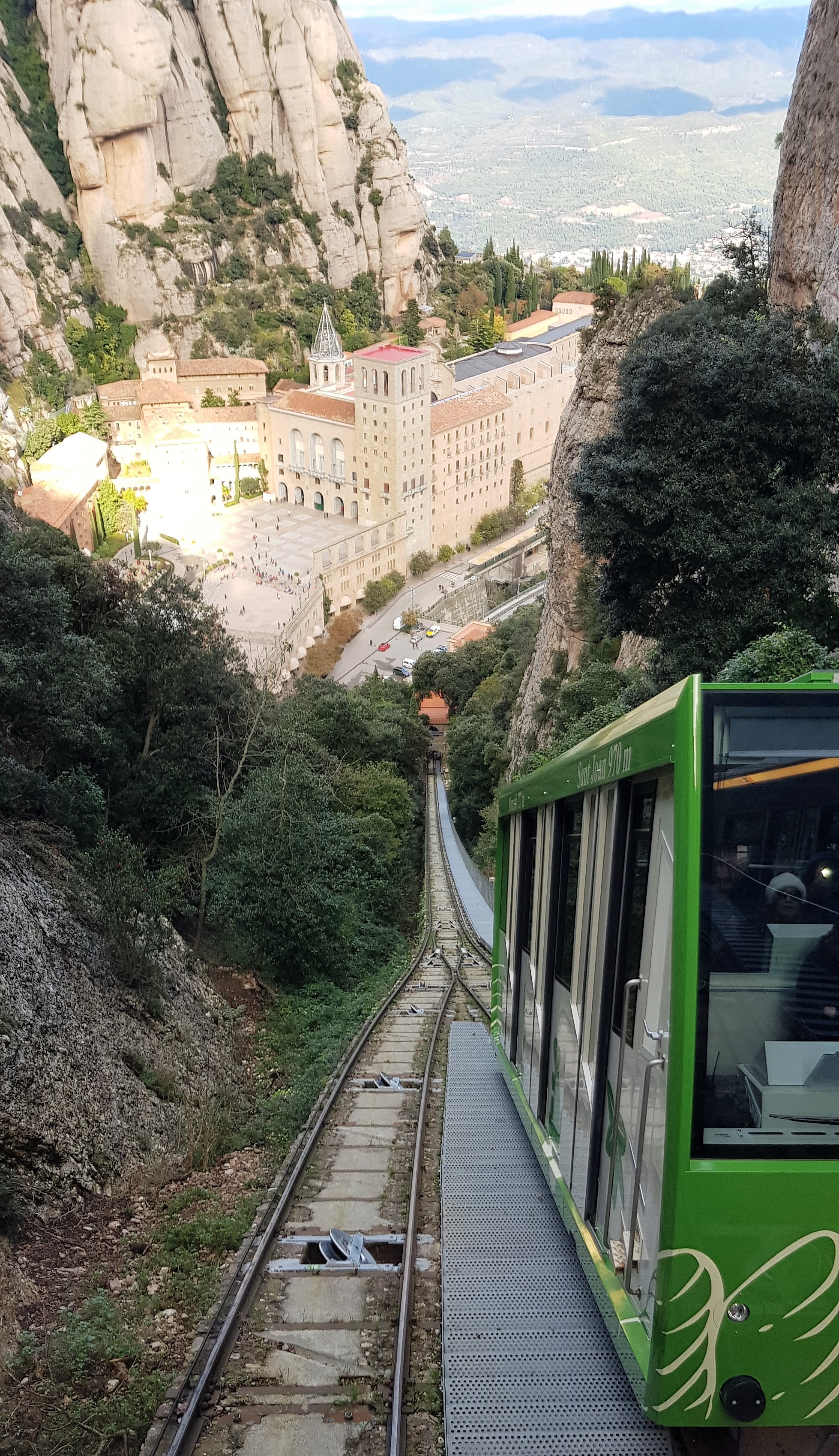
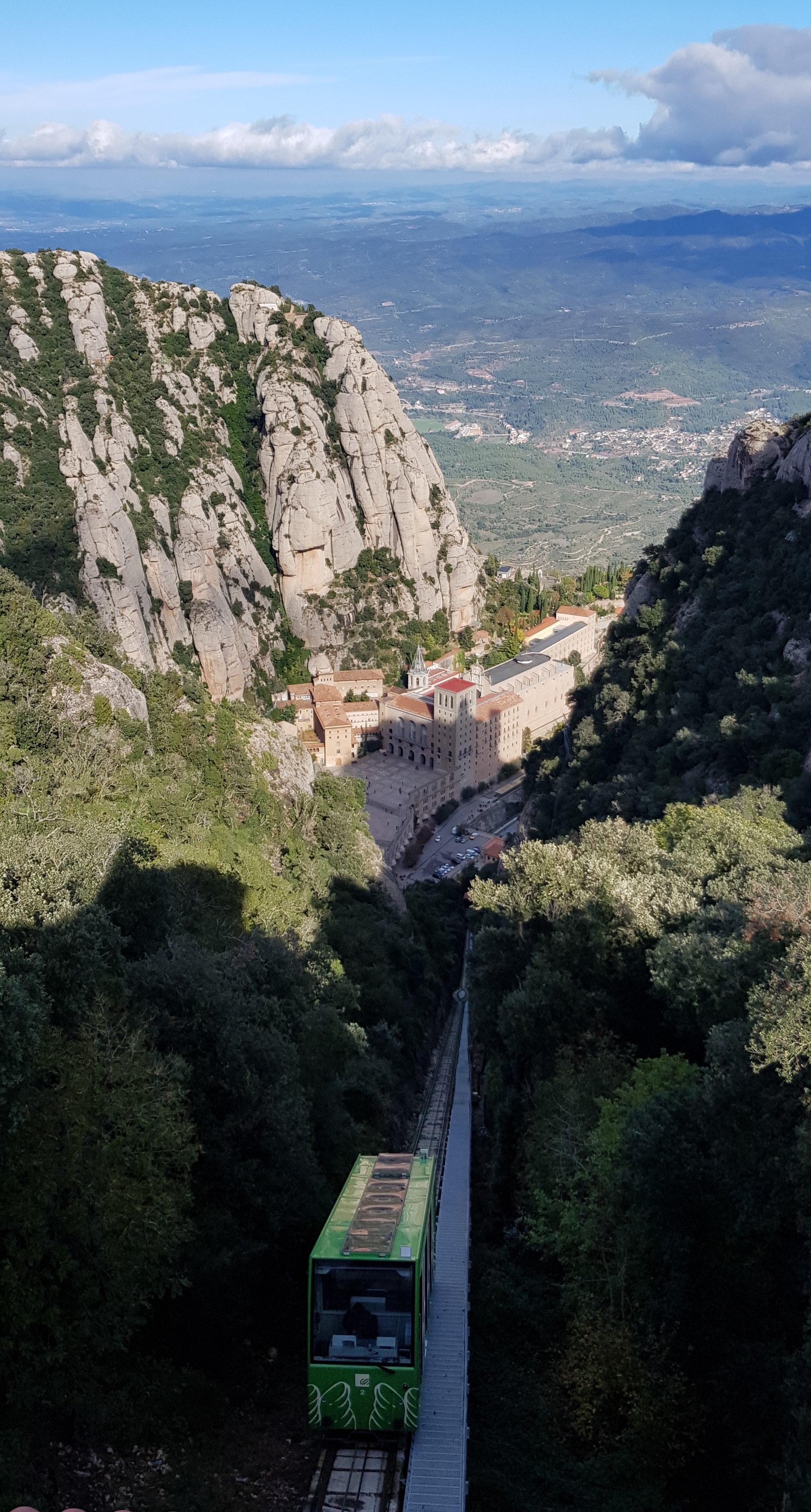
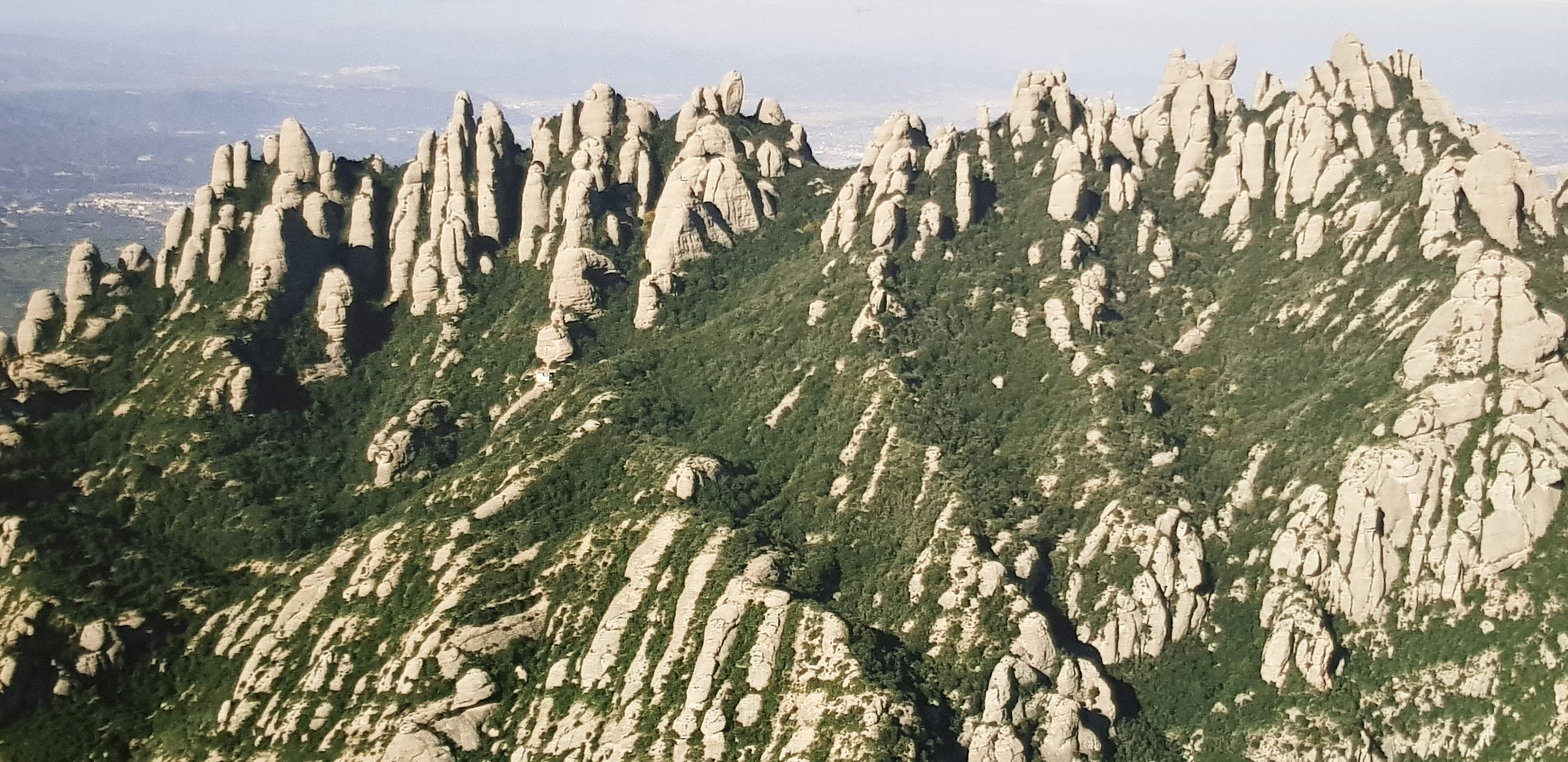
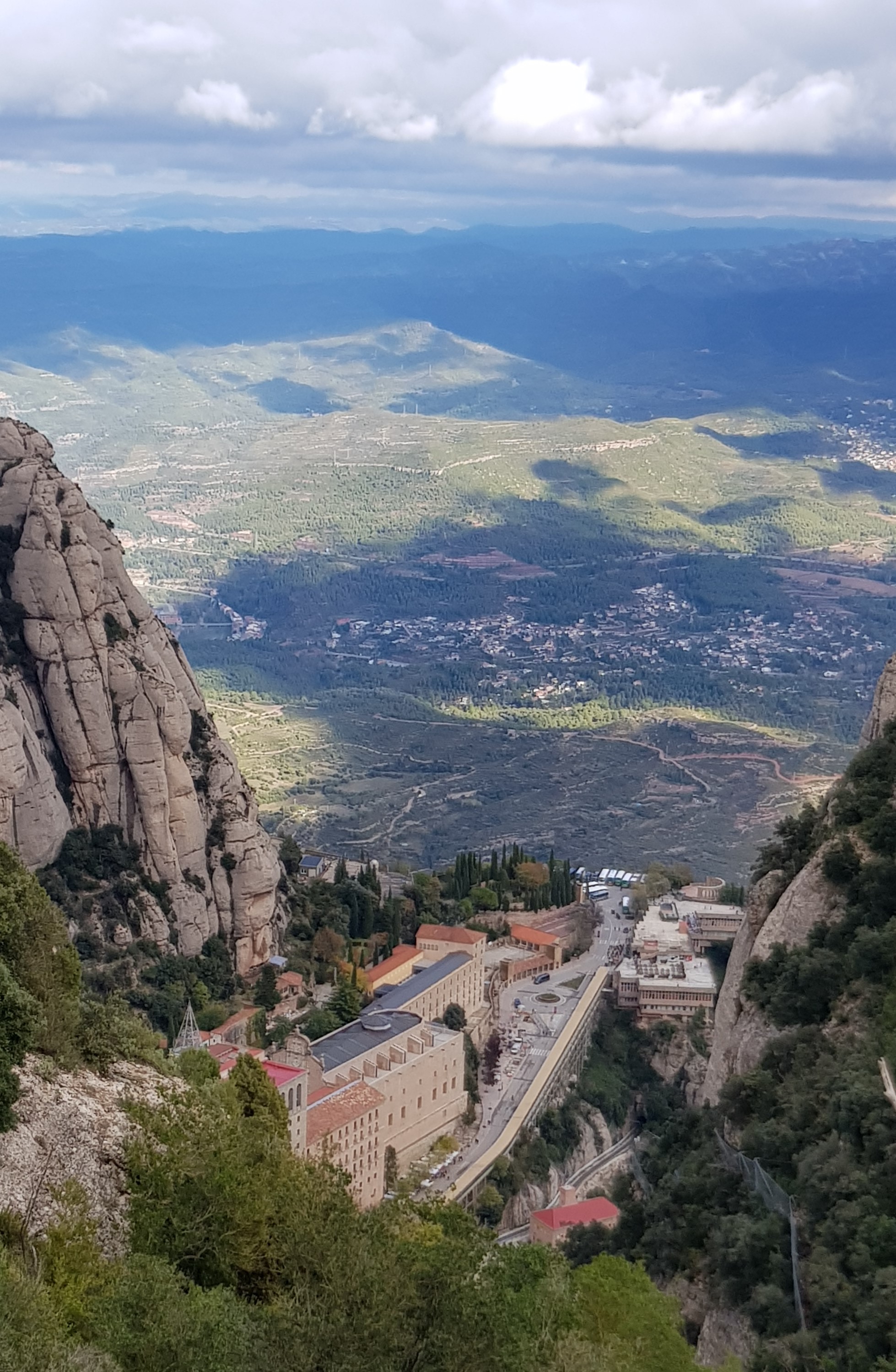
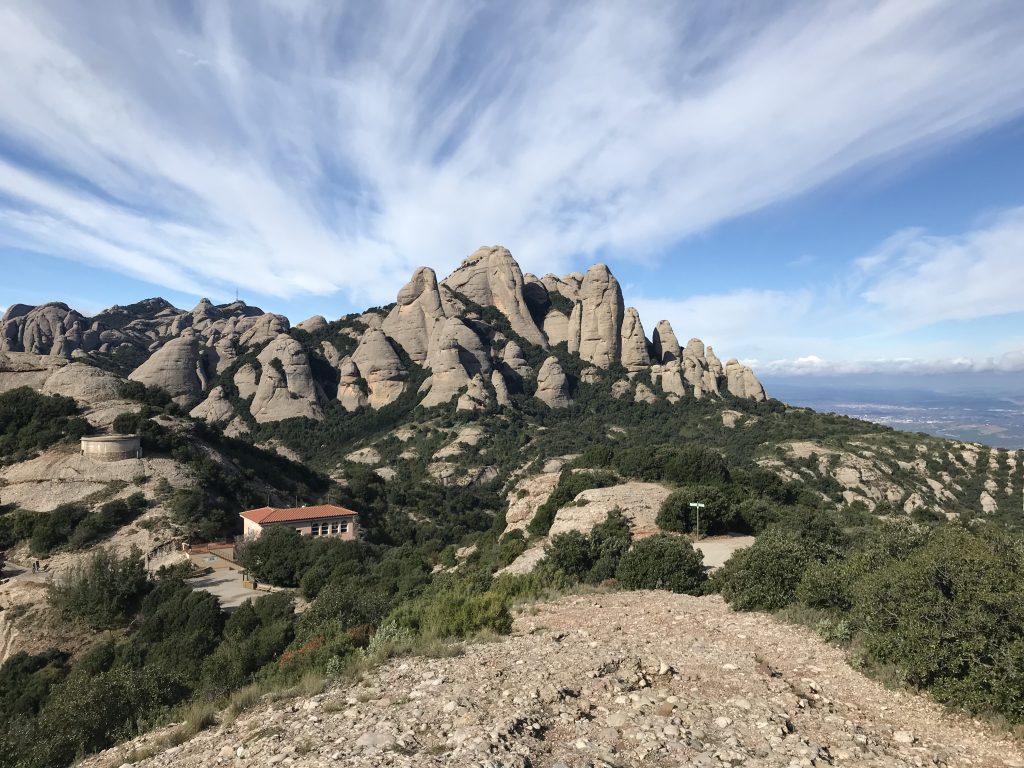
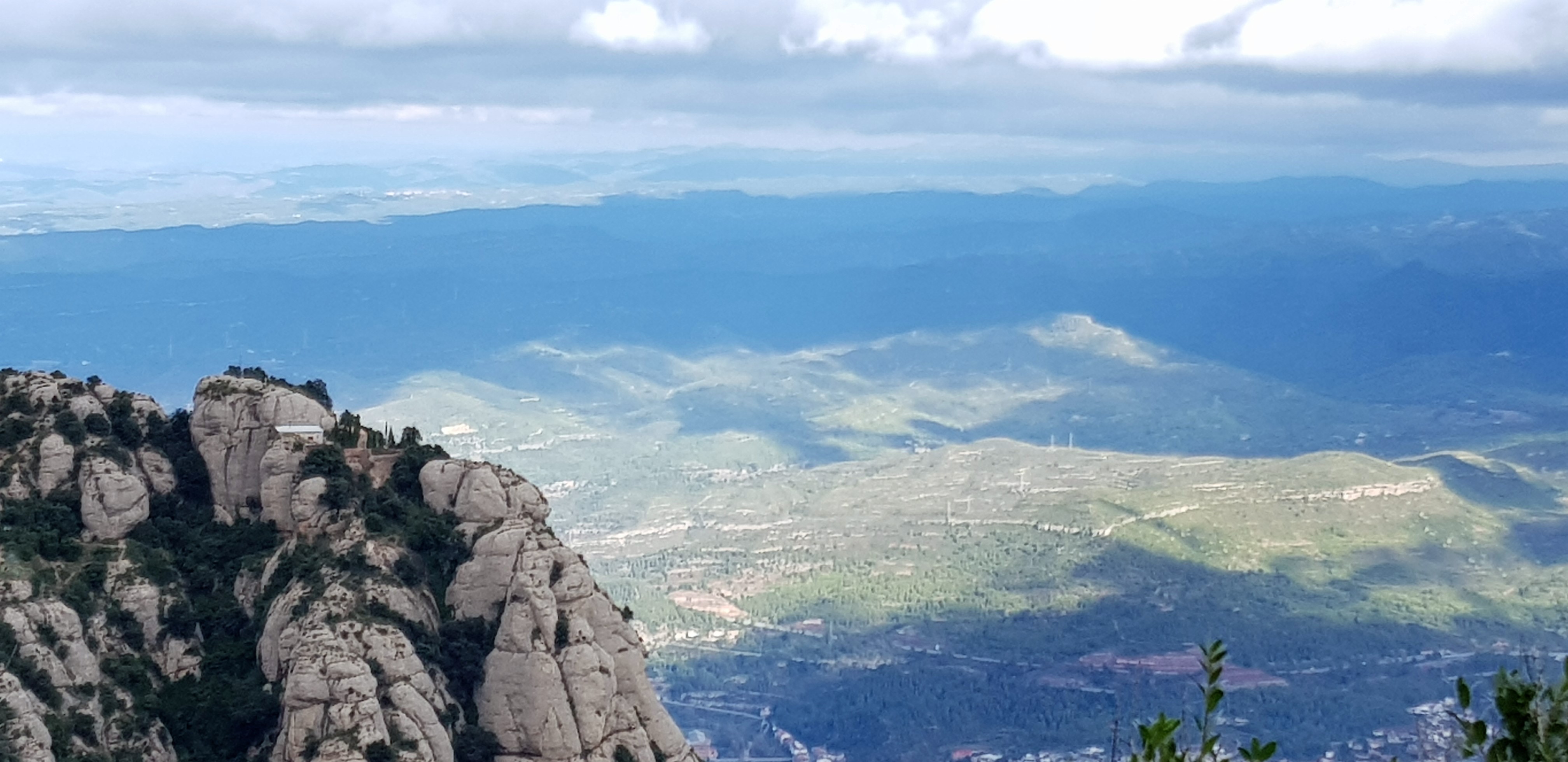
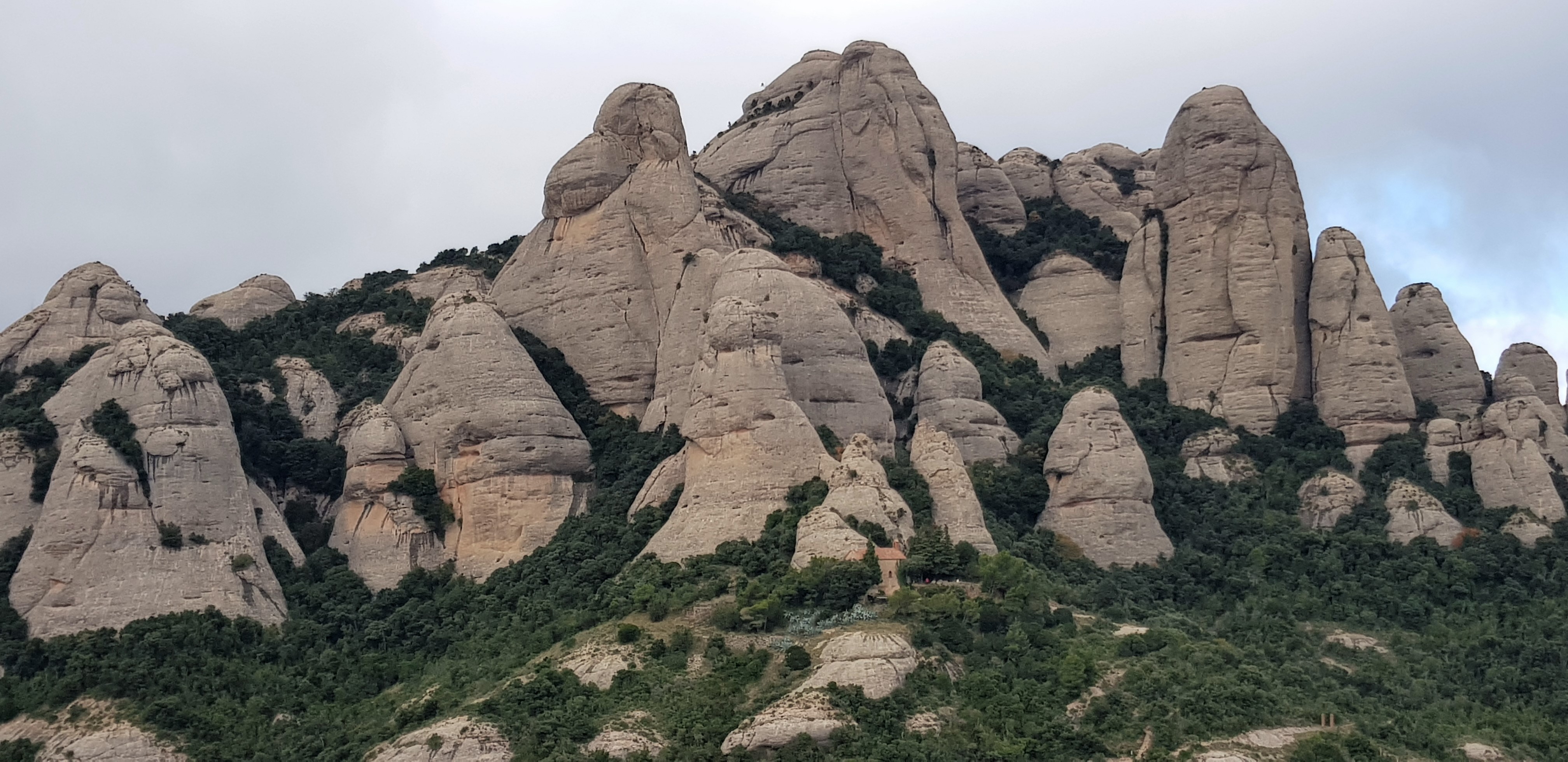
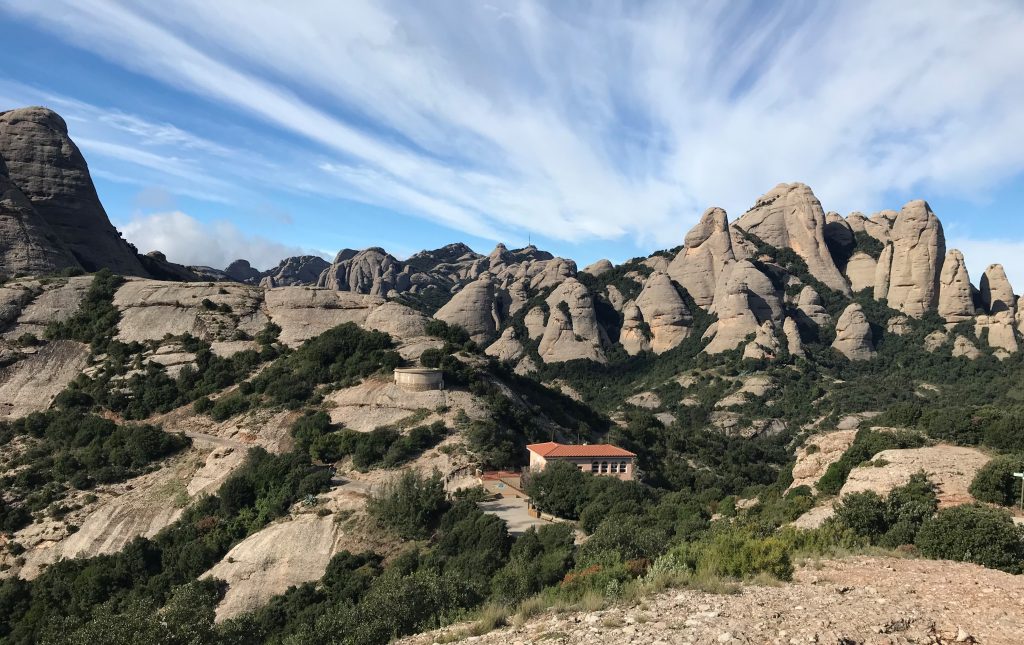
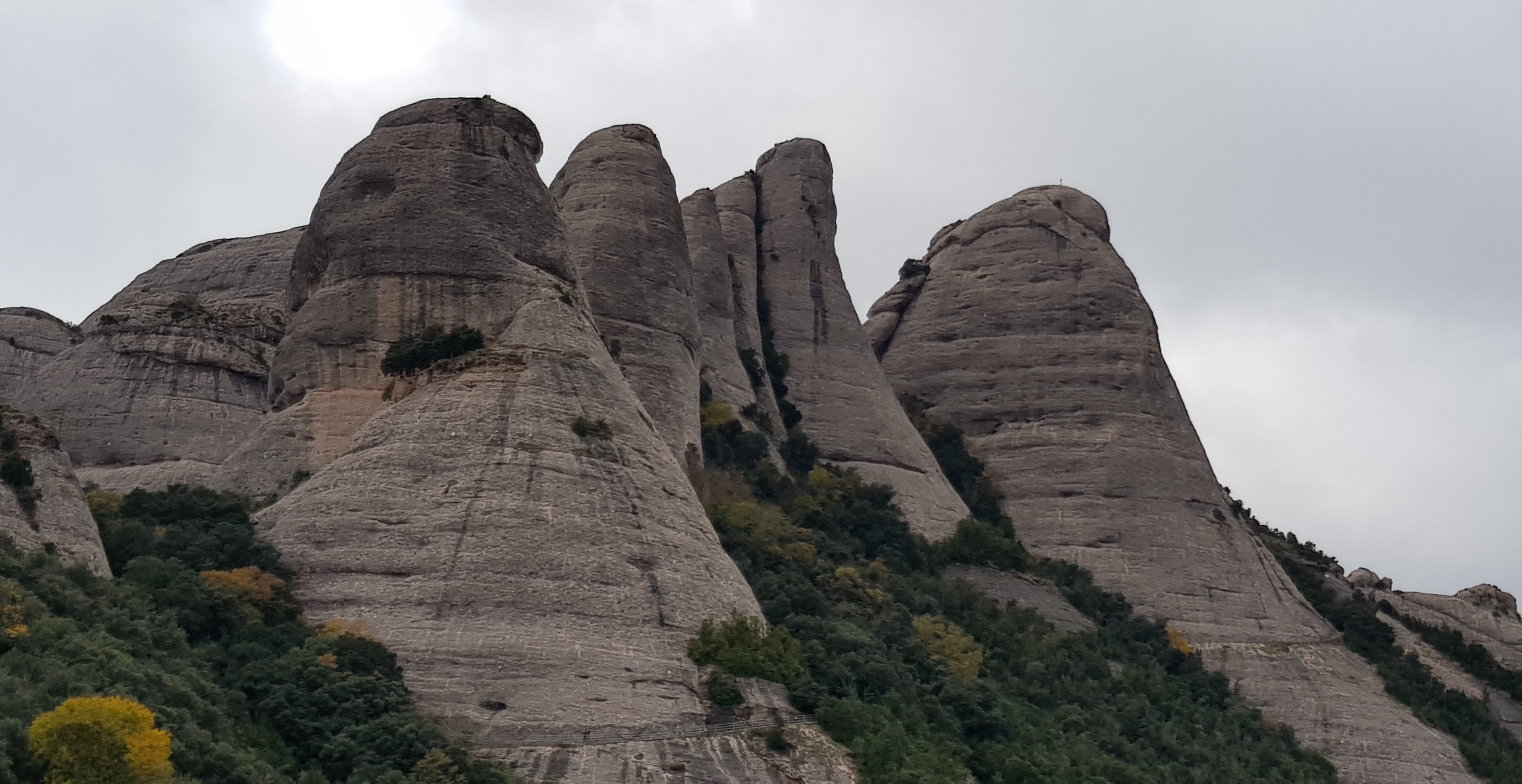
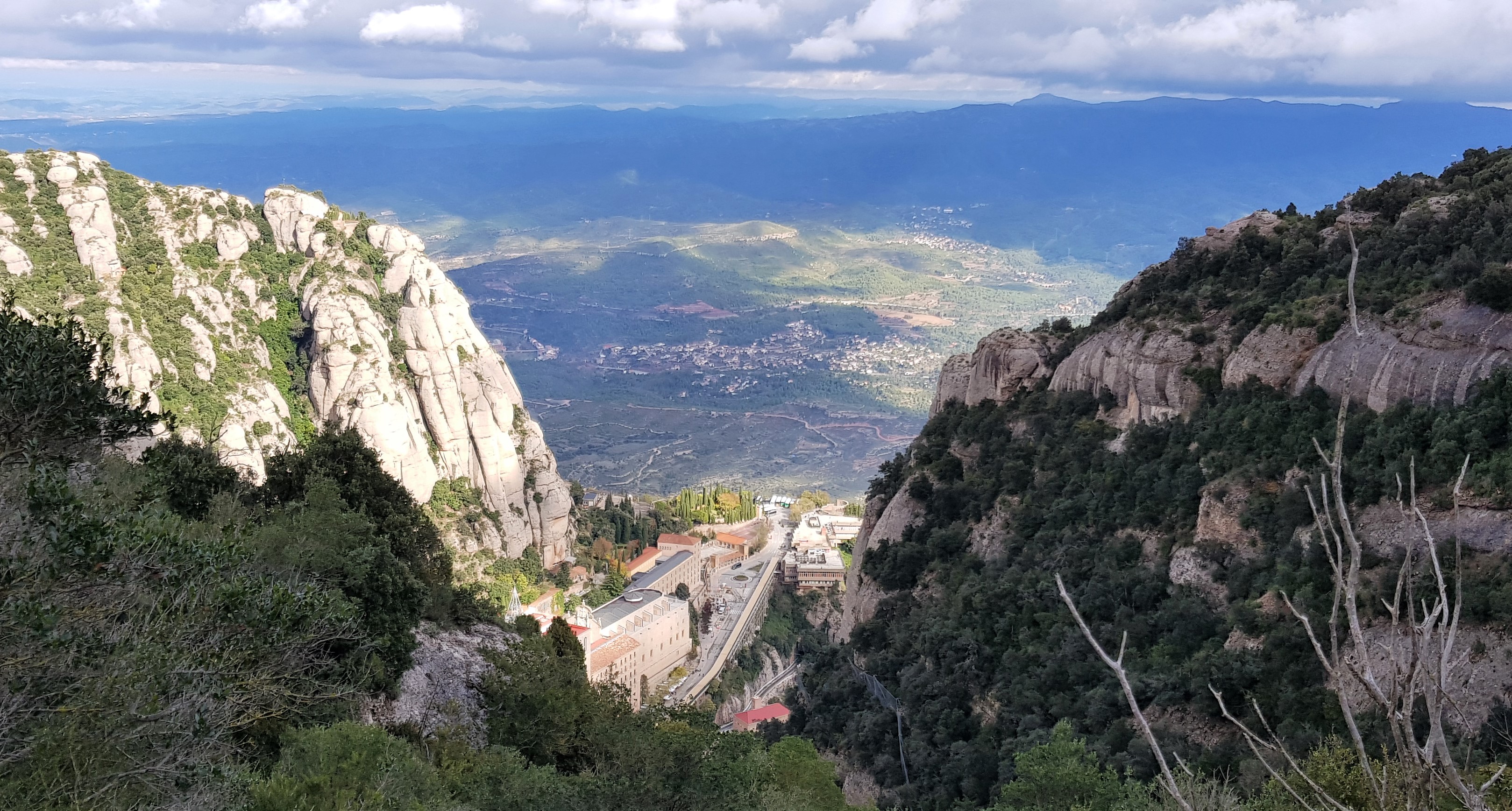
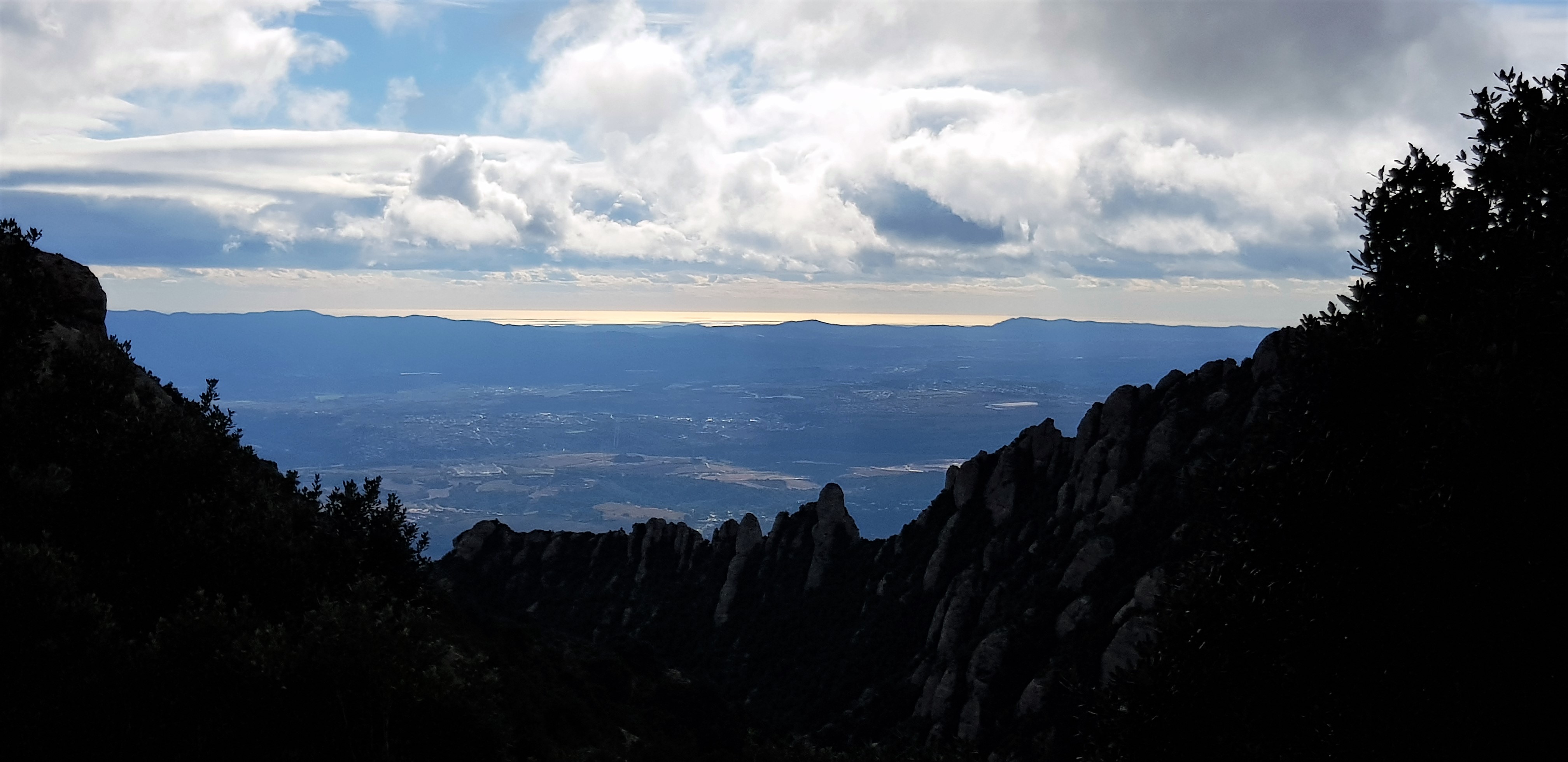
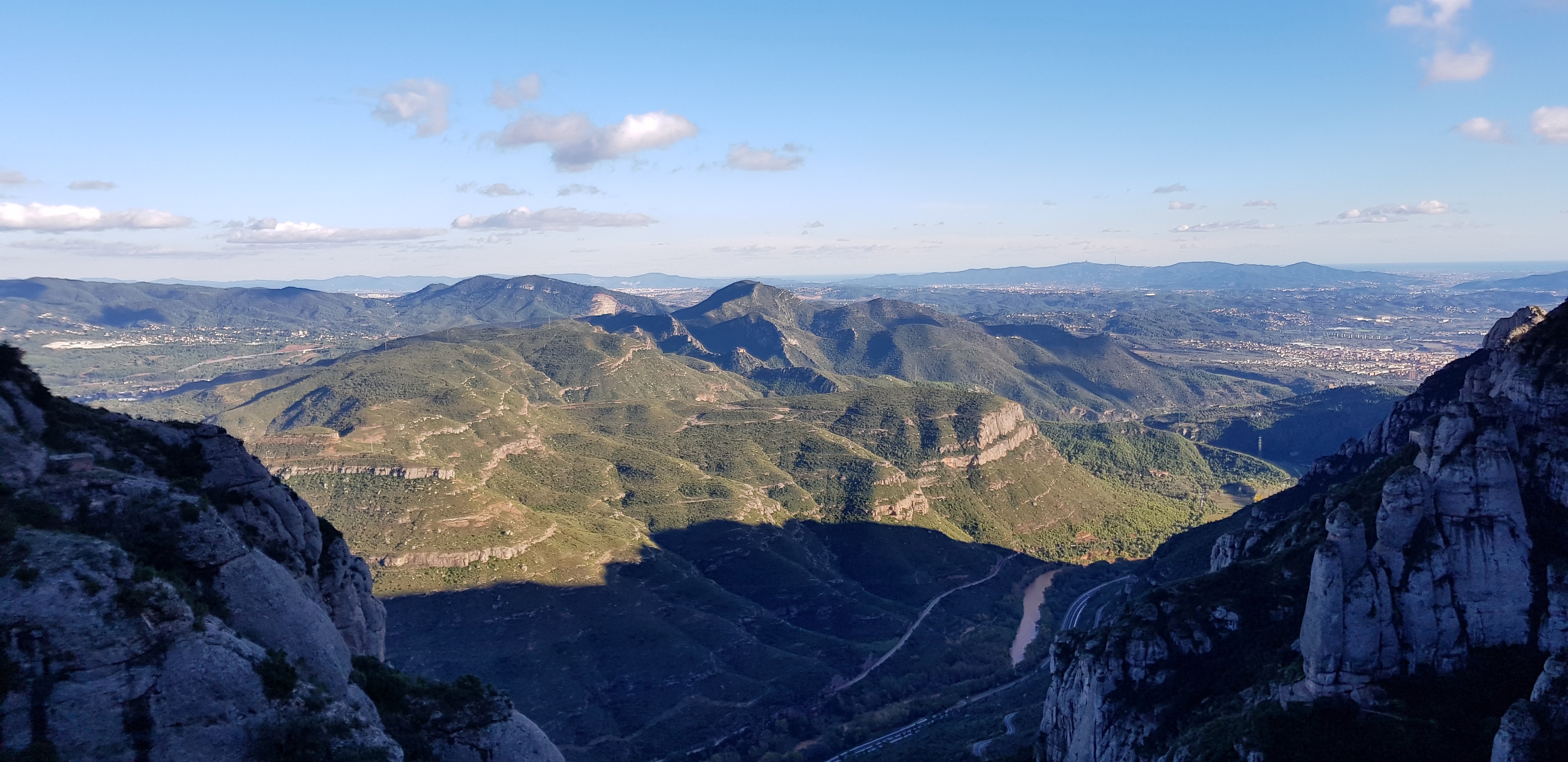
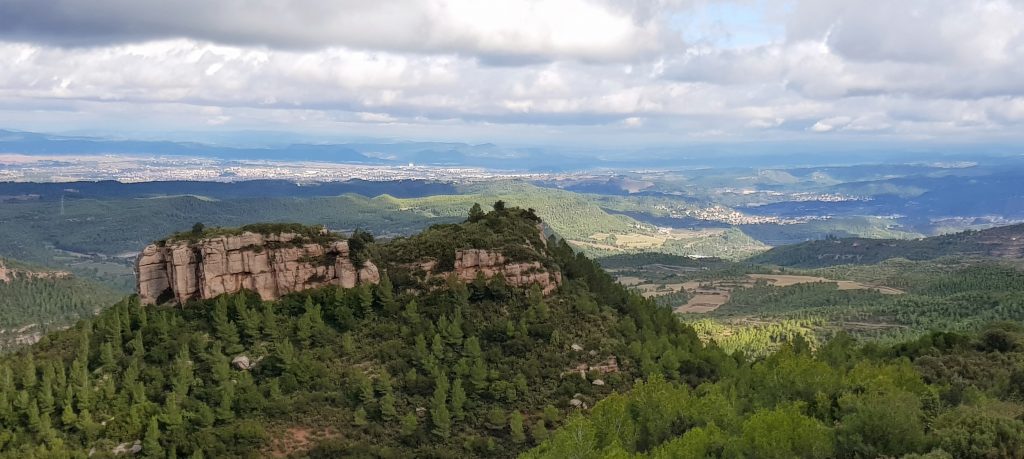
One grey cold morning in November, we set off to see one of the best monasteries in the Catalan area.   Montserrat is a spectacularly beautiful Benedictine monk mountain retreat about an hour outside Barcelona.  Not only is Montserrat Monastery of significant religious importance but the natural beauty surrounding the monastery is simply breathtaking and is surrounded by some of the most unusual rock formations in the whole of Catalonia.   We were with Mike and Brenda and took the funicular to the top of the mountain, from this point people can follow a number of different walks to different buildings cut into the rocks, all with amazing views.  As it was cold (at 11am it was 7c and 1200m above sea level) and we were not prepared, we refrained from the walks……well, that our excuse!
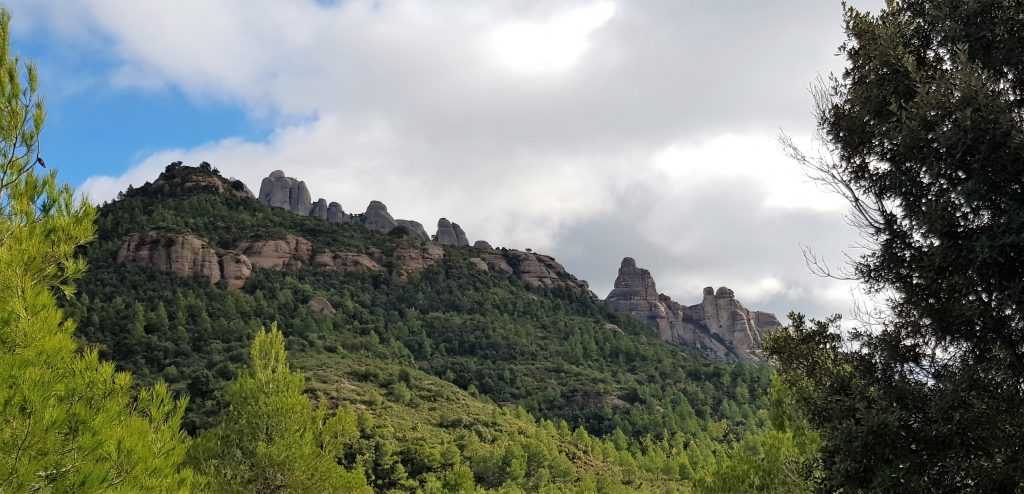
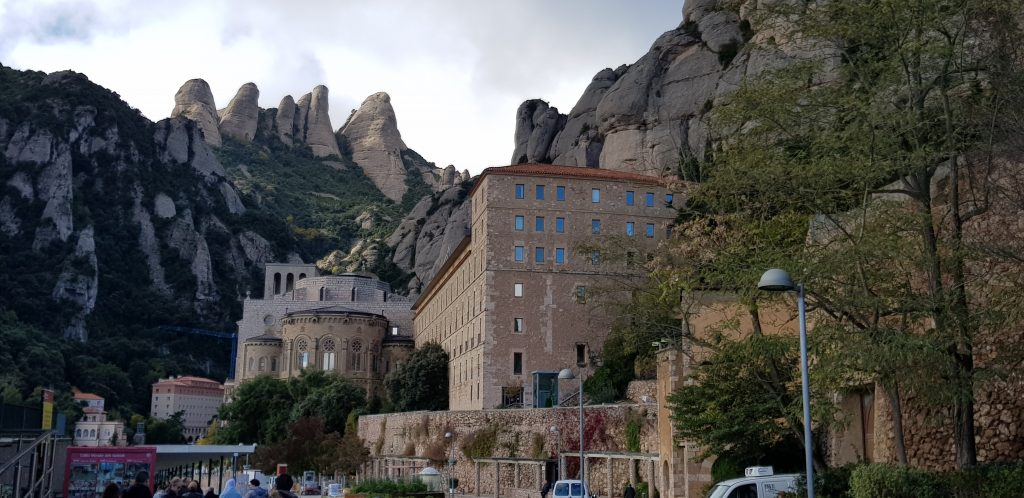
The history of Montserrat is fascinating and started in 880 when a small group of shepherd children saw a bright light descending from the sky in the Montserrat mountains,as well as hearing angels singing and the music filled their hearts with a radiant joy.

Overwhelmed by the experience the children ran home to frantically recall the experience to their parents. The parents were sceptical but knew their children were trustworthy and honest and so they went to where the children had experienced the visions to see if they could see what all the fuss was about.  For the whole month following the first visitation the parents were also witness to the same heavenly experiences and were left with only one conclusion. The visions were considered to be a sign from God.  A local vicar was brought to the scene and witnessed the same experiences as the children and parents. The visions occurred in the same location in a cave on Montserrat mountain. When this cave was explored by the religious elders of the community they found an image of the Virgin Mary. And from that moment on the cave became a holy sanctuary for religious pilgrims.  The cave became a Holy Grotto which has since been ordained as a holy place and is visited by pilgrims and curious onlookers from all over the world.  At least once in their lifetime, Catalonians do an overnight pilgrimage from their homes to Montserrat to witness the morning sunrise in a spiritual setting.

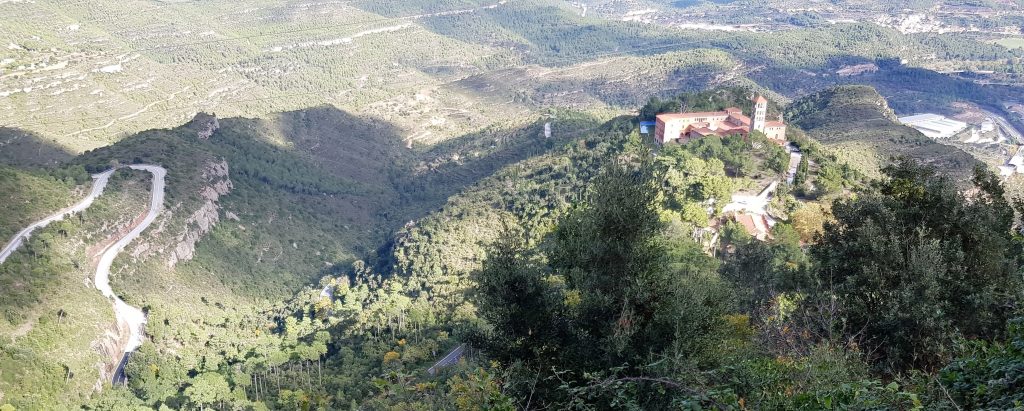
Views Approaching the Monastery

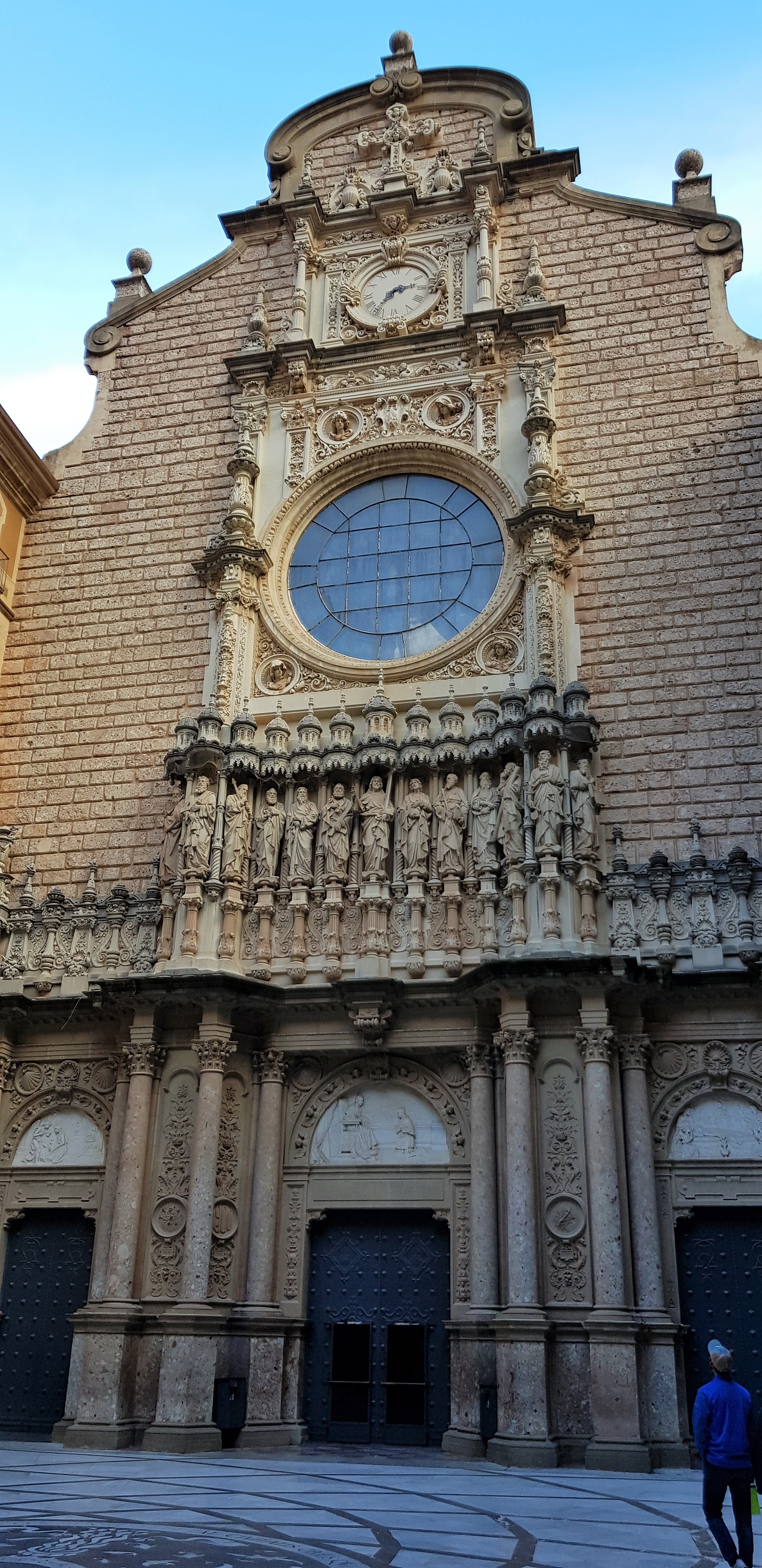
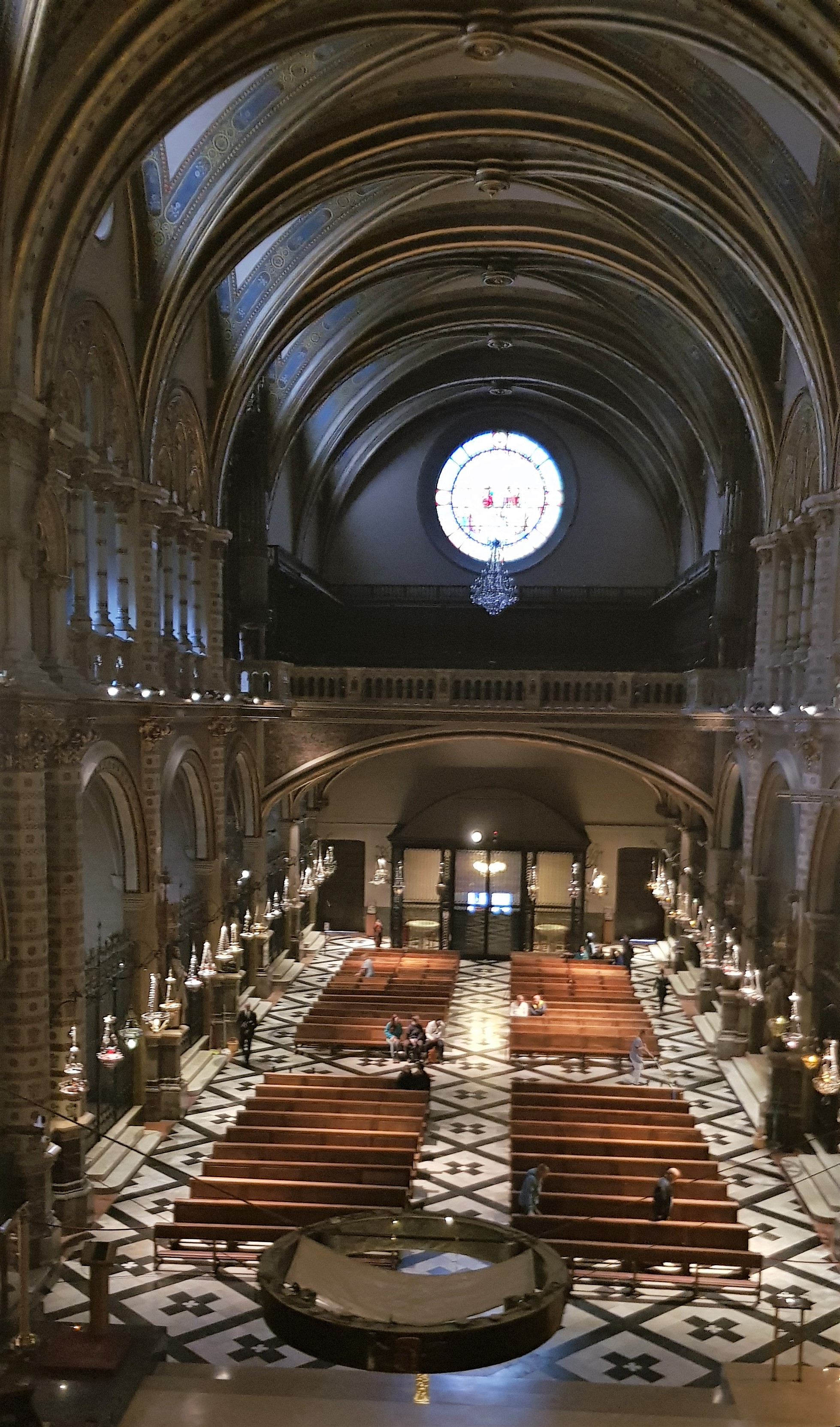
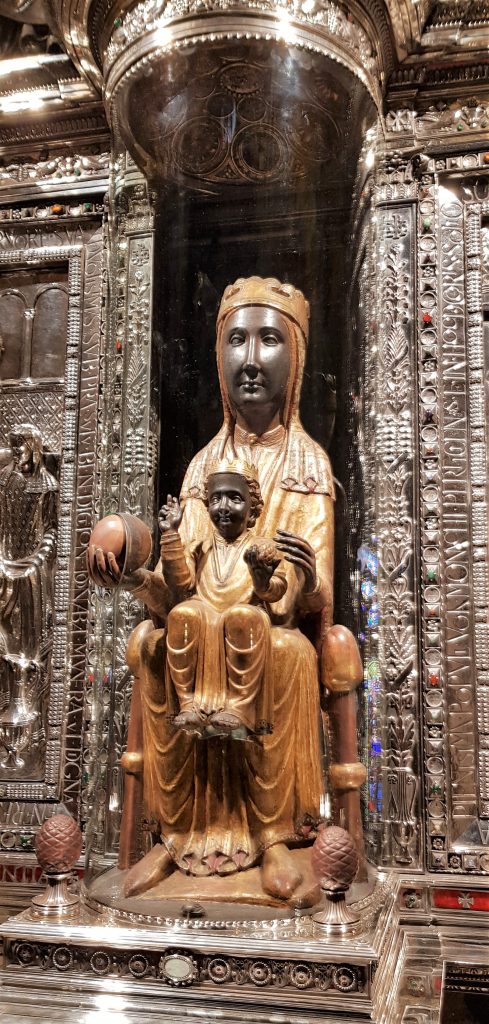
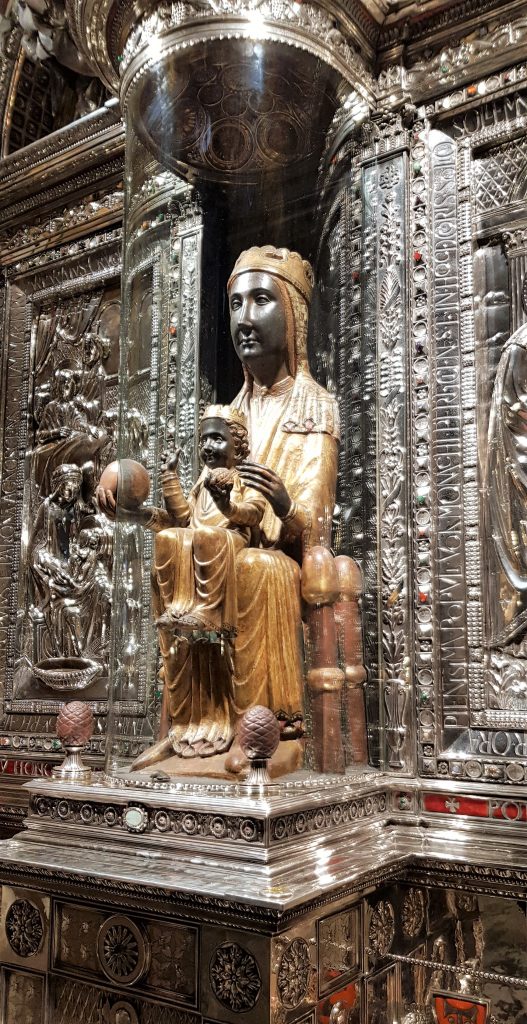
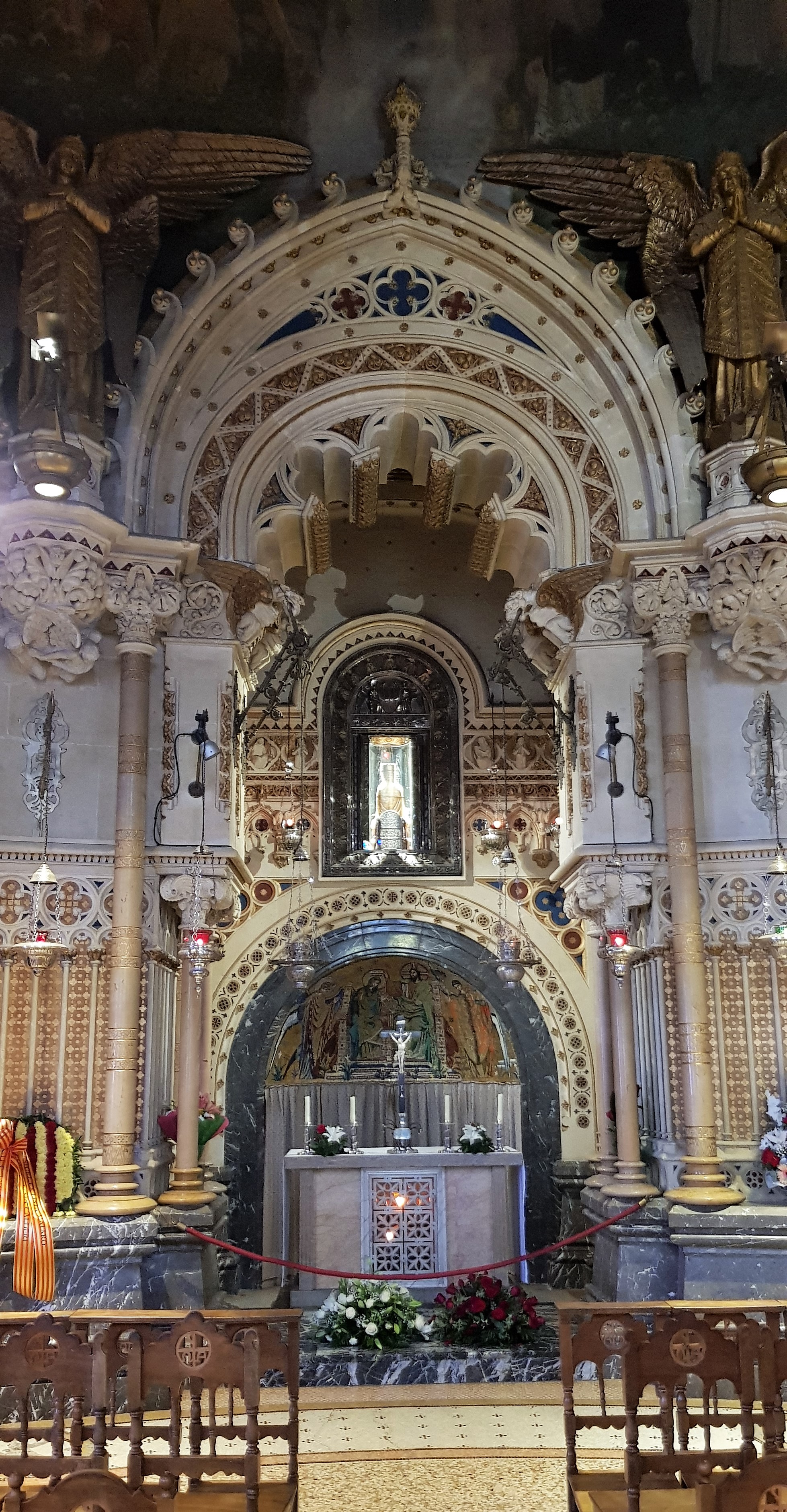
The Monastery & The Black Virgin

Santa Maria de Montserrat is the Benedictine abbey which hosts the Virgin of Montserrat, the Publicacions de l’Abadia de Montserrat (a publishing house with the oldest press in the world, still running, with the first book published in 1499) and is home to the Escolania, a boys’ choir of sopranos and altos.

The Virgin of Montserrat is a statue of the Virgin Mary and infant Christ, it is one of the black Madonnas of Europe, hence its familiar Catalan name, la Moreneta (“The little dark-skinned one”). Believed by some to have been carved in Jerusalem in the early days of the church, it is a Romanesque sculpture in wood from the late 12th century. Legend has it that the Benedictine monks could not move the statue to construct their monastery, choosing to instead build around it. The statue’s sanctuary is located at the rear of the main chapel, where an altar of gold surrounds the icon.  People stream past it to tough the globe held in her hand……

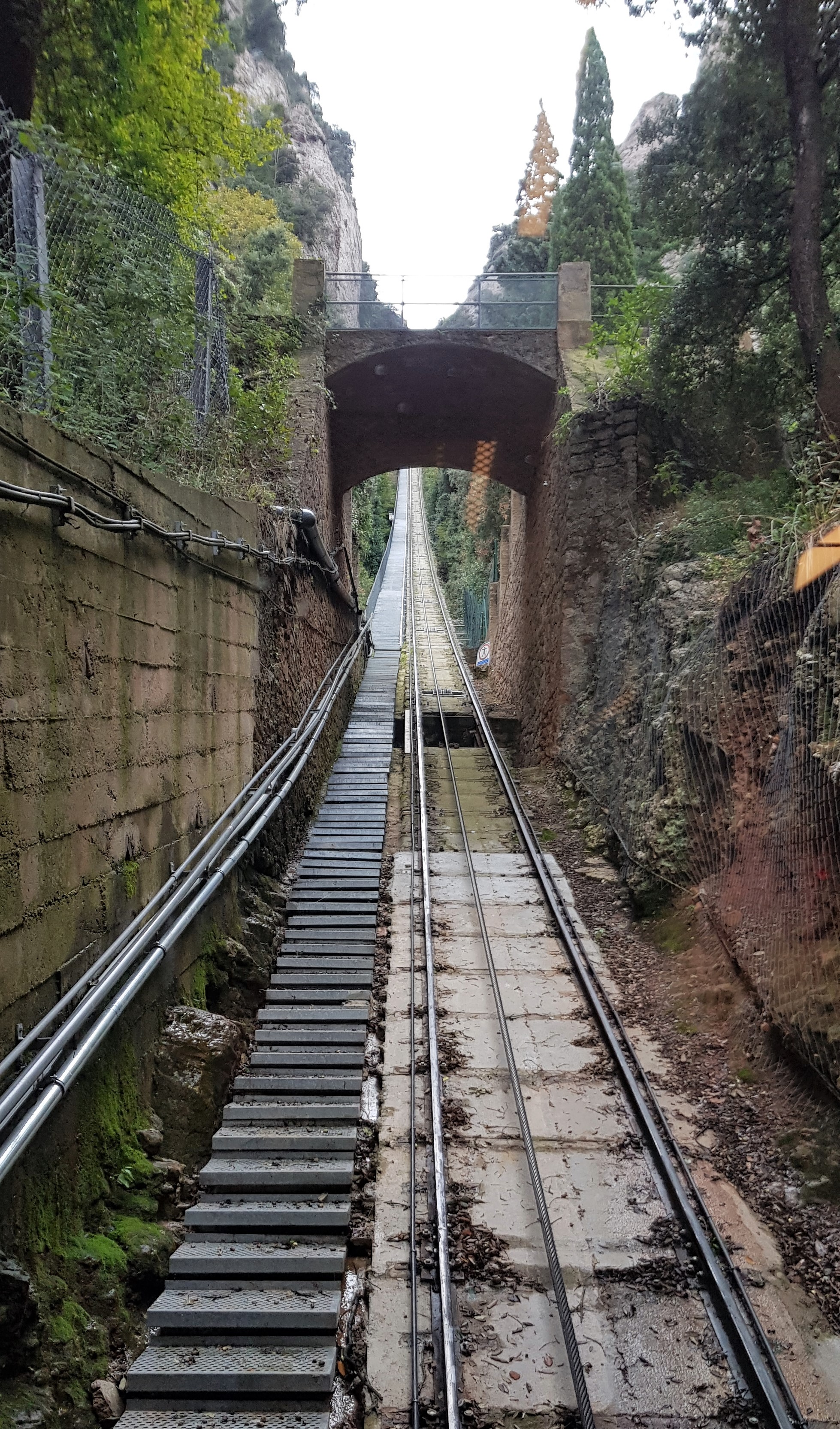
Fun on the Funicular & Views at the Top


« Older posts Newer posts »