Travel stories of a caravan duo, plus a 5th Wheel and Isuzu truck in Europe

Category: History (Page 9 of 20)

UK Summer Adventures

Whilst we were waiting for Samson to be repaired, we did have some fun!

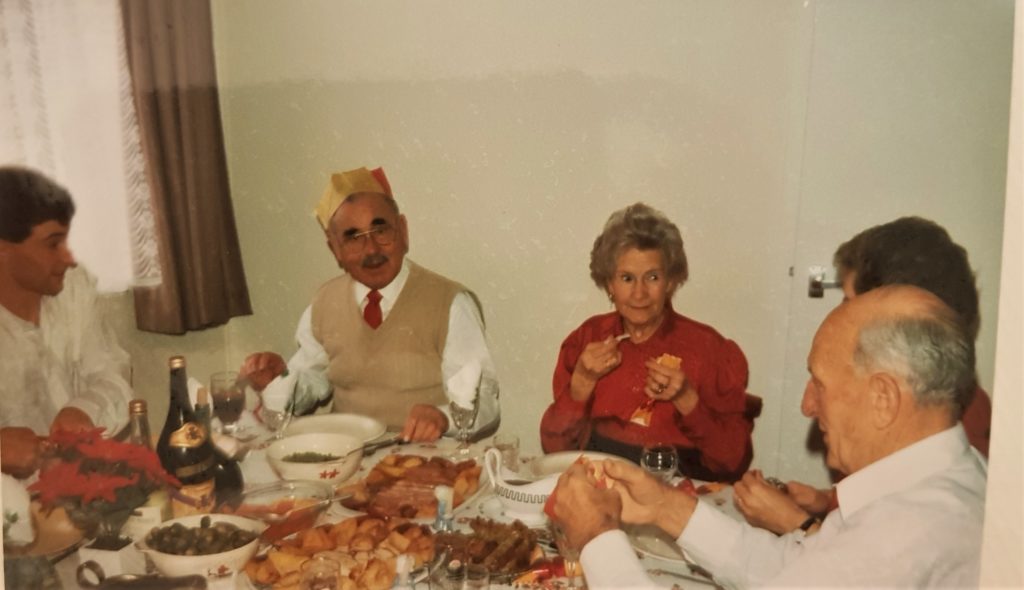
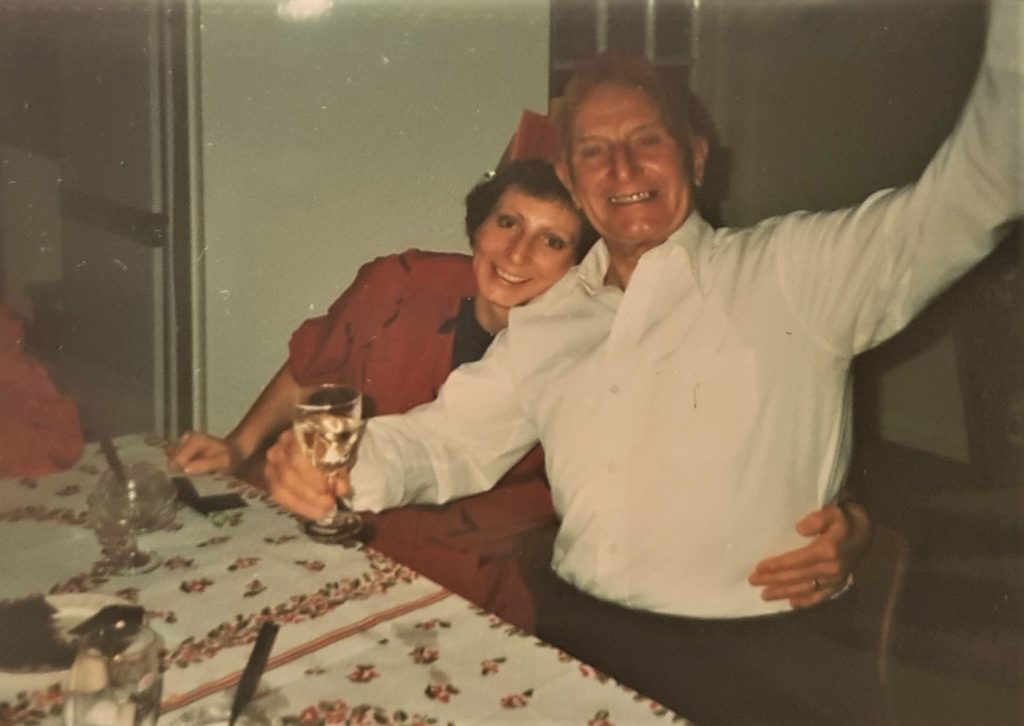
One evening, going through my parents old photo albums, I came across some lovely pictures of my grandparents, which brought back some lovely memories of Christmas dinners.  Granddad Jim was always after any leftovers to take home for a late supper, called them “buckshees”! 
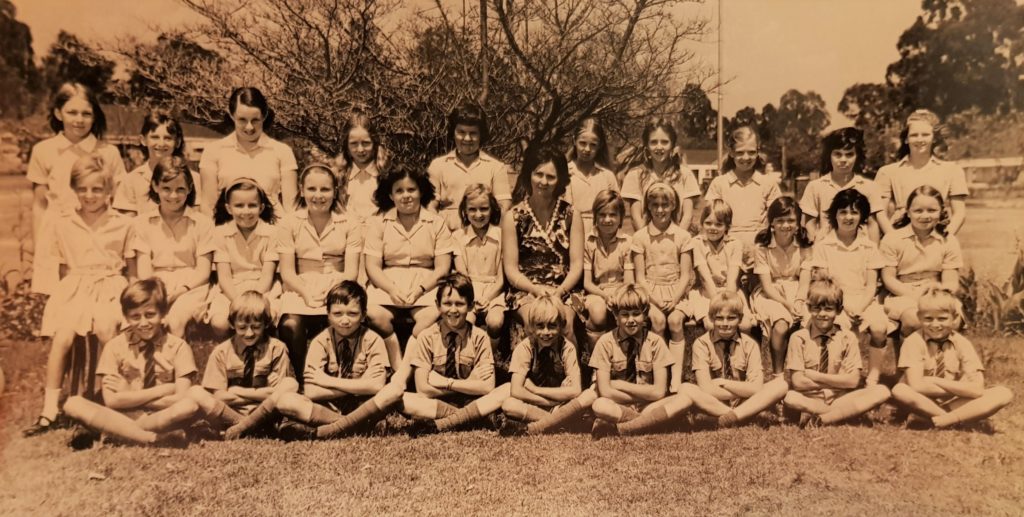
I also found an old school photo, which made me cringe!  It was taken in Year 3 of primary school, so I was 9 or 10, and I do remember being one of the tallest in the class, and being made to kneel on a bench so reduce my height for this photo.  (I’m top row, far right, top ponytail!) With the help of Facebook friends, and the connection to old school friends, I can now name most of the people on this photo!
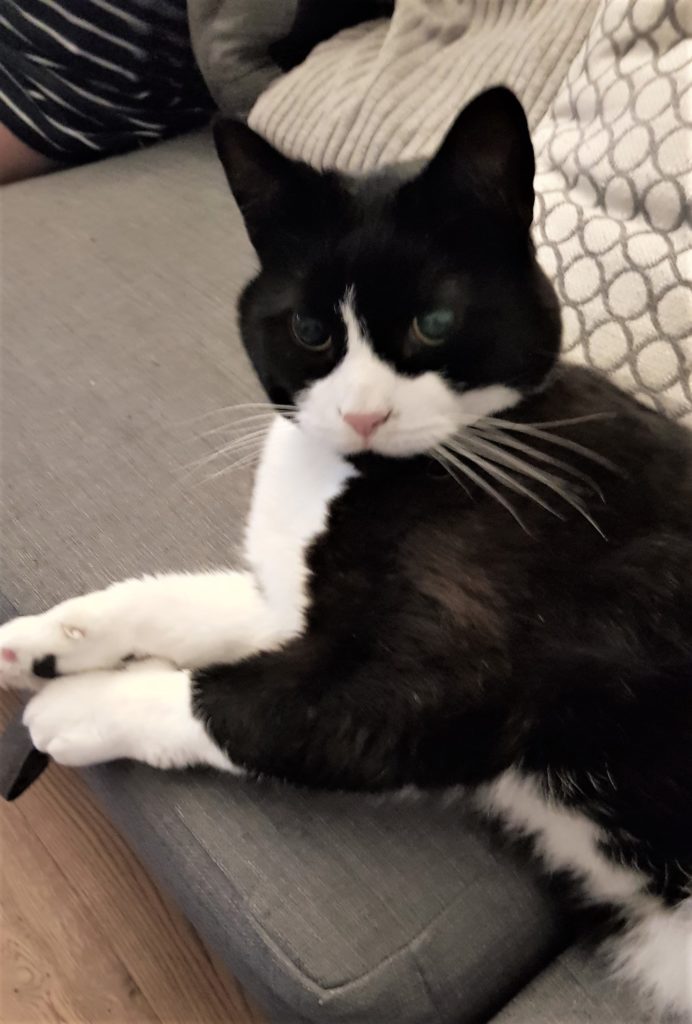
We had several cuddles with Nelson, who is still going strong at aged 14 and loves living with Robin and Charlotte. He remembers us as soon as we walk through the door and call his name!
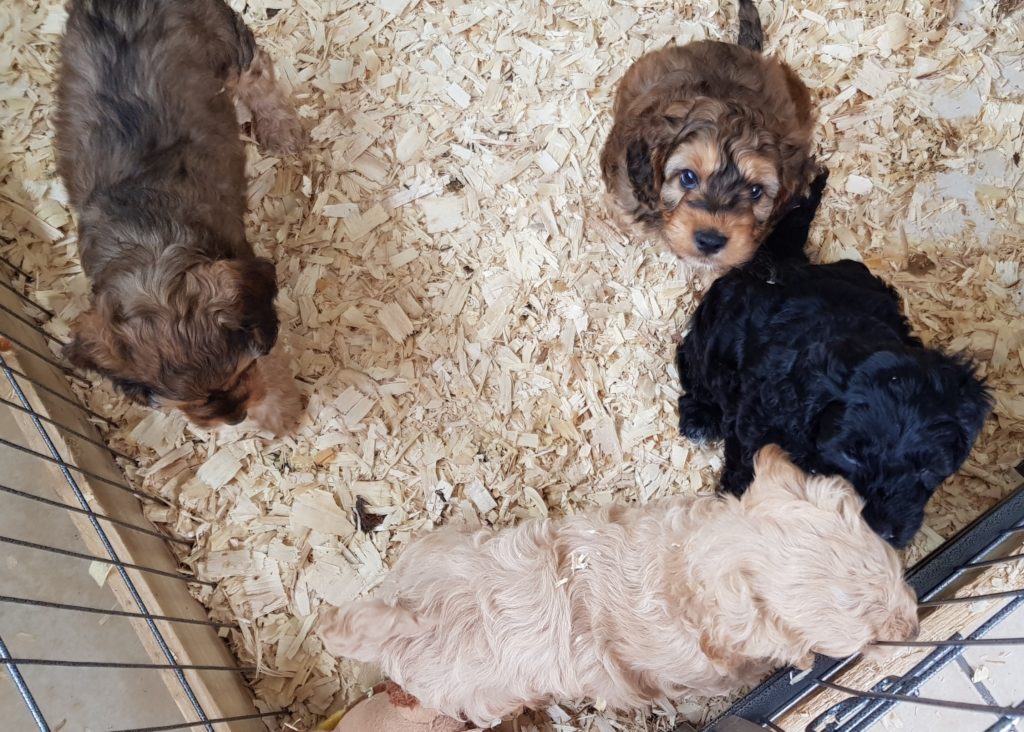
A visit to my Aunt provided me with lots of cuddles and nips from a litter of beautiful Spaniel pups, if only I could have taken at least one of them home……
But then Caity’s cat Luna, who she had only had for a month, produced her own litter of 5 cute kitties, so I have had tonnes of cuddles with them too.

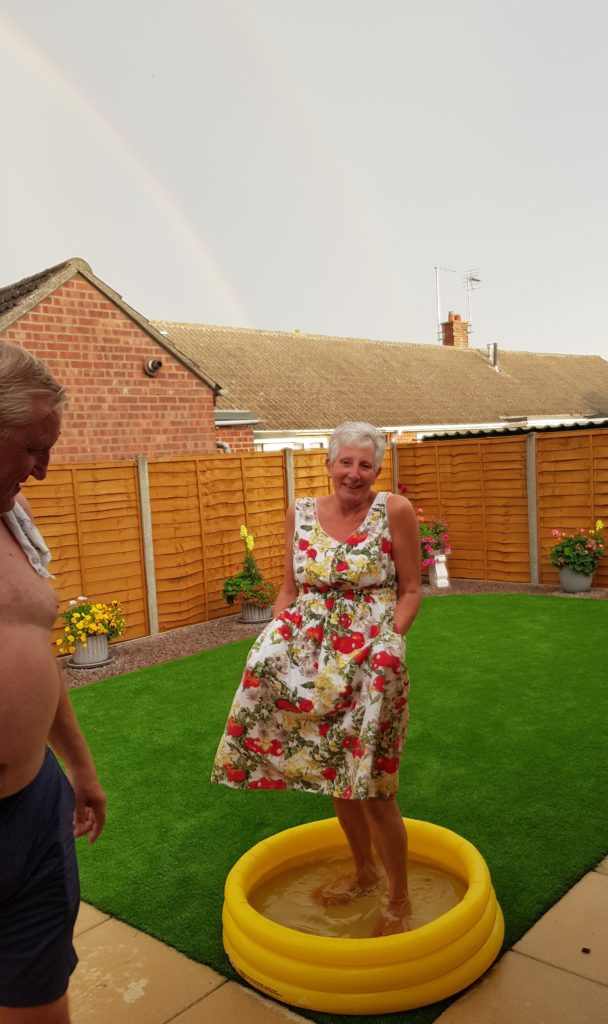
During the “British heatwave” we bought a paddling pool, put it up in Mum’s garden and cooled our feet, just before the rains came!
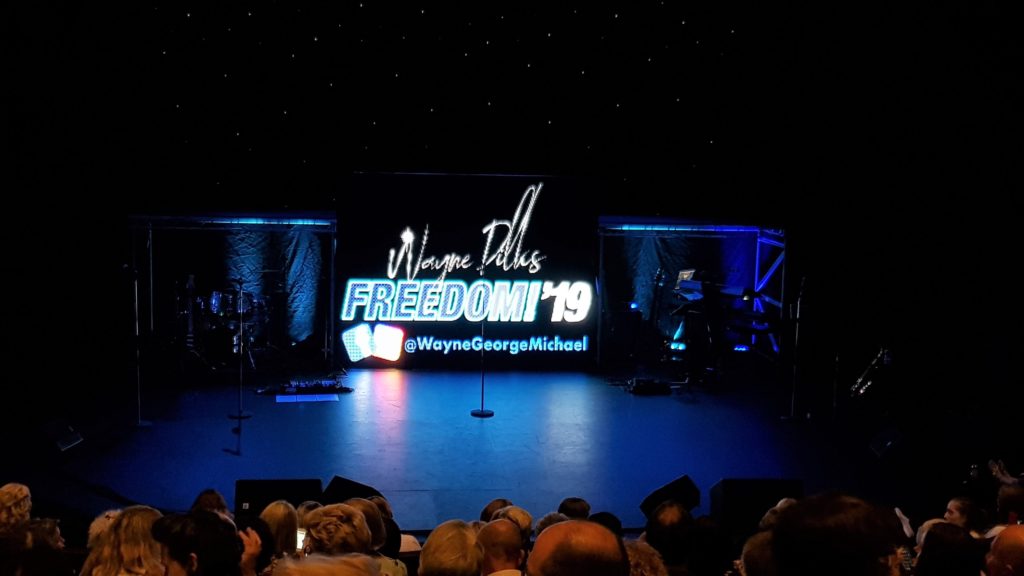
I spent an evening with friends and family going to see a George Michael and Wham tribute band, not quite the same, but it was a fun evening!!
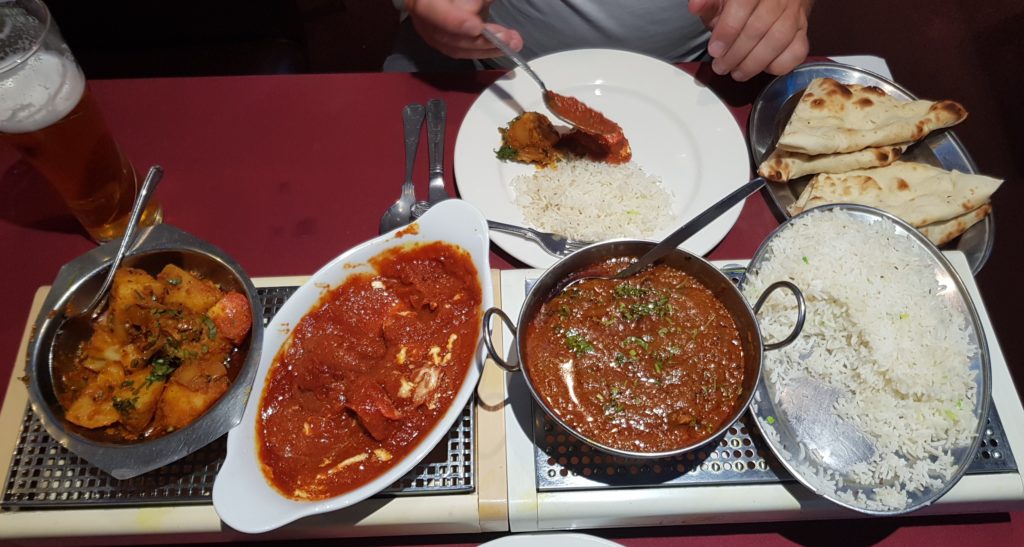
Several times, we indulged in our love for curries, having missed a decent curry abroad!
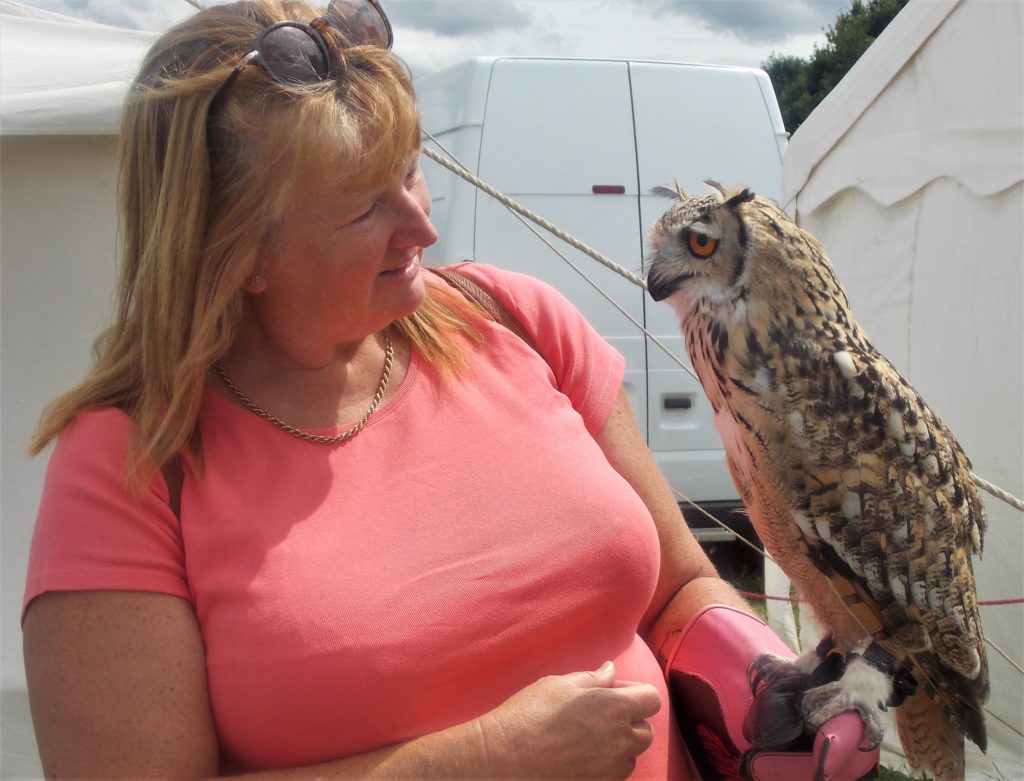
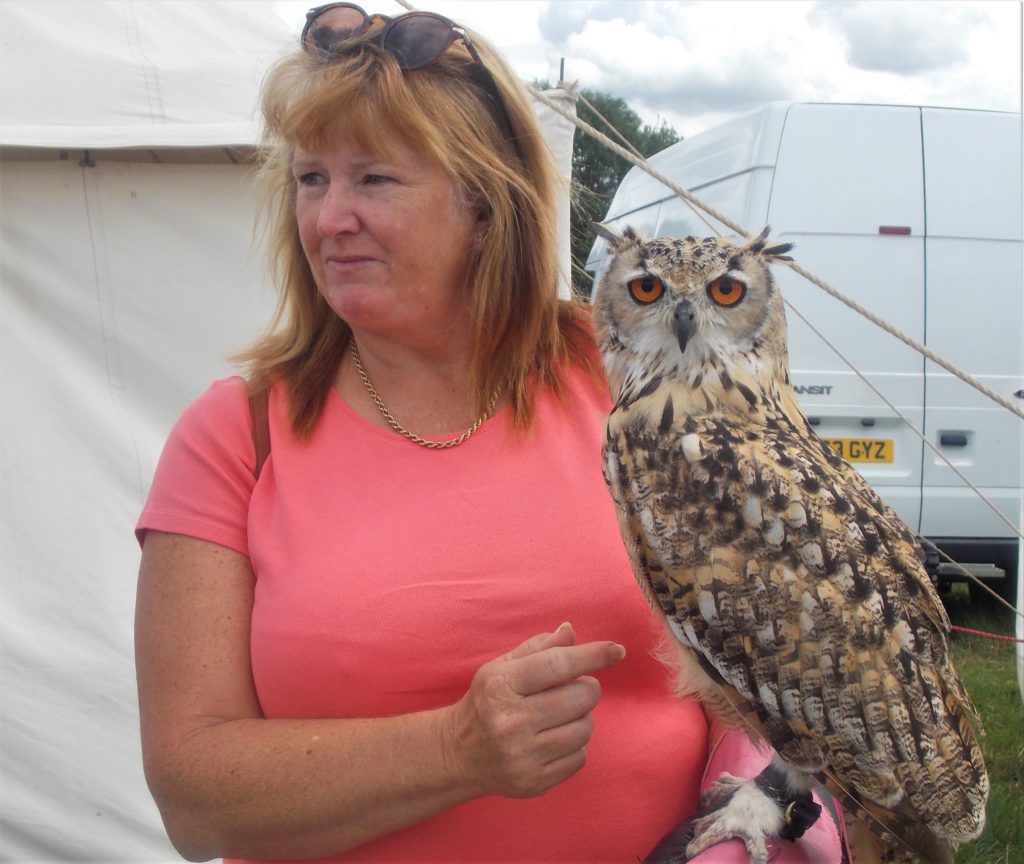
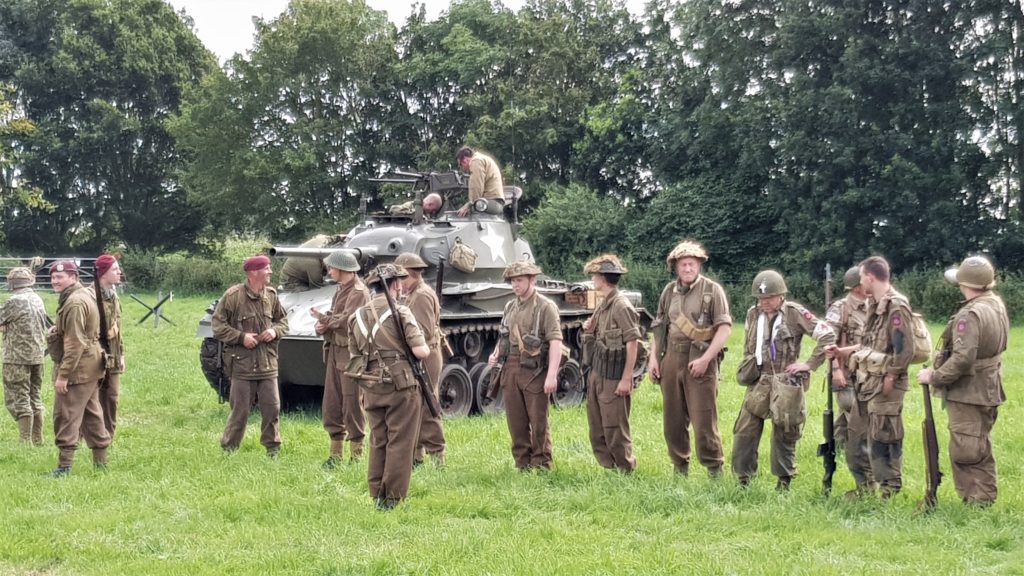
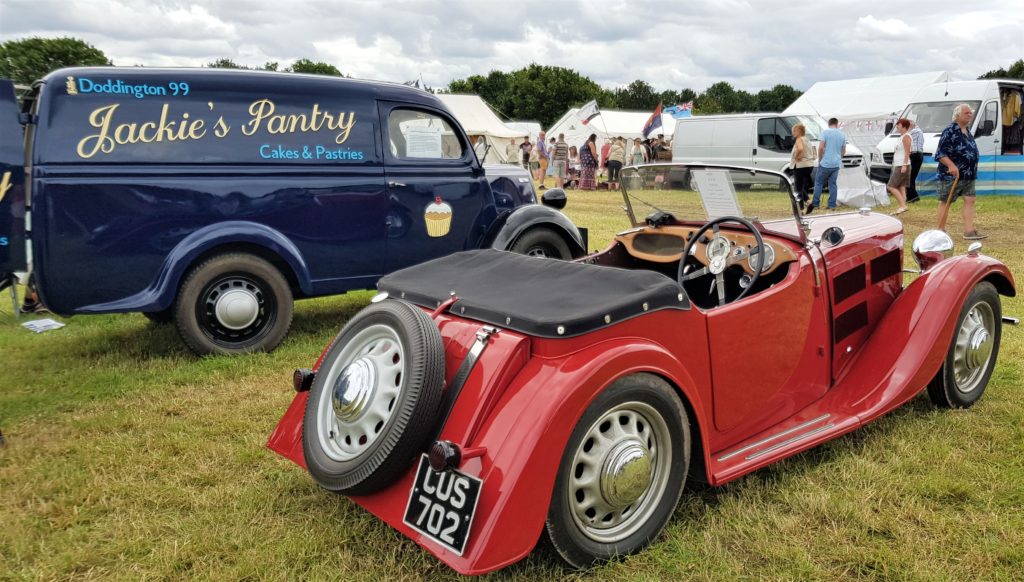
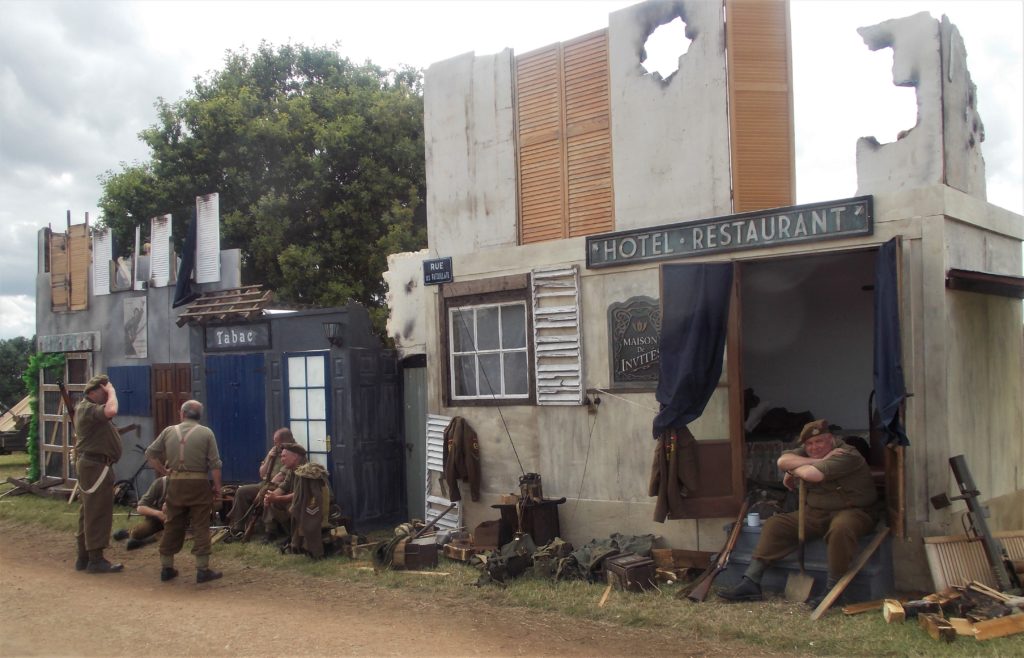
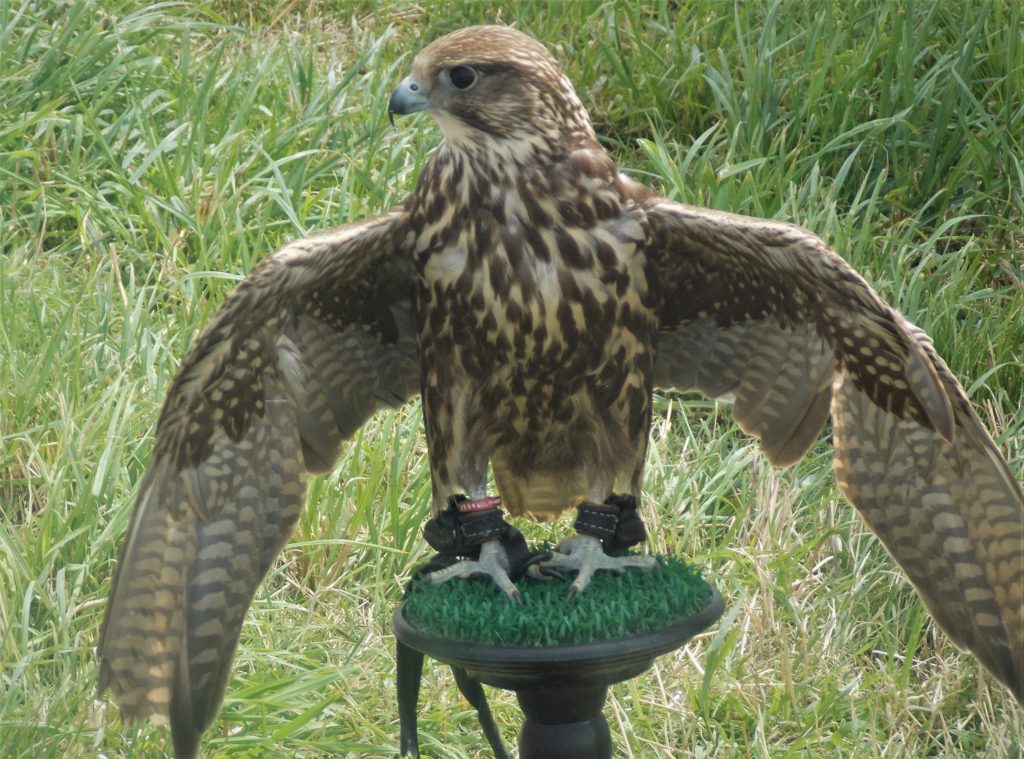
One weekend we went to a 1940’s re-enactment, very impressive display of old cars, age related clothing and even a wild bird display.
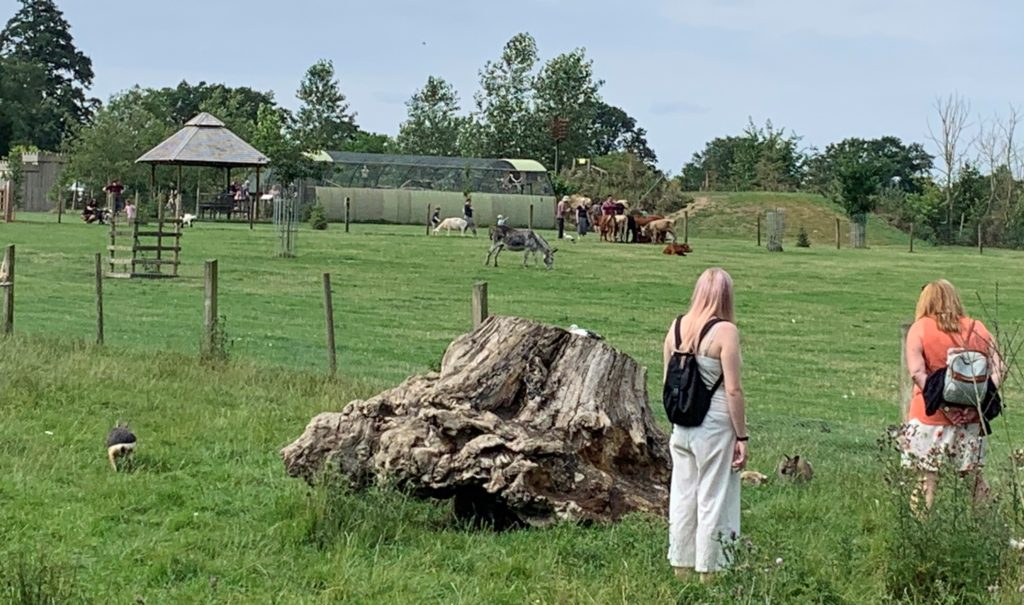
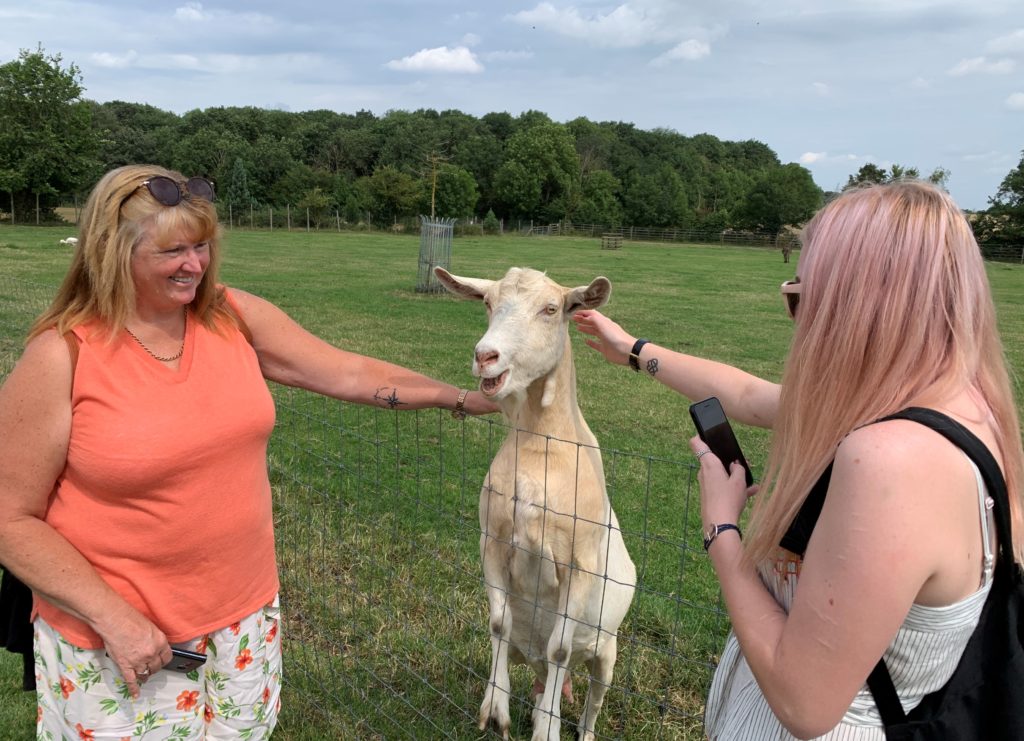
An afternoon at a local farm with Caity meant more animal antics.
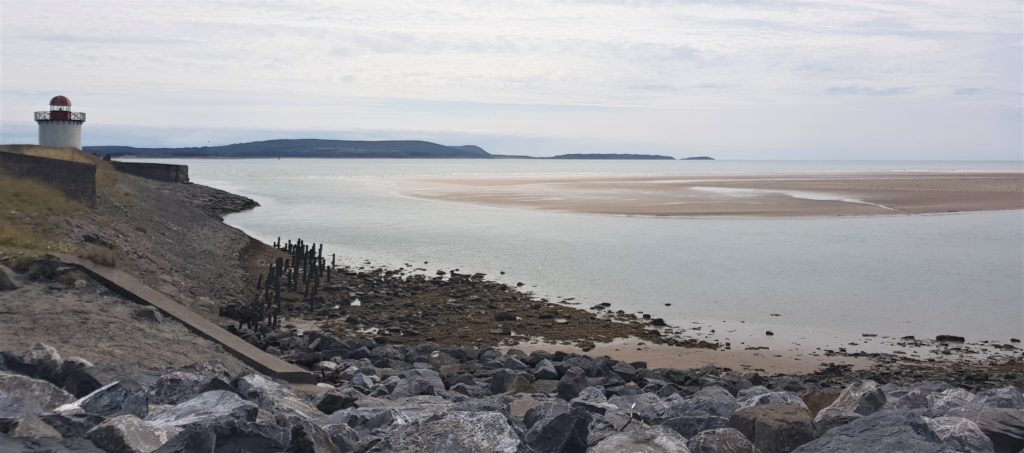
We took a trip to South Wales to see Mother-in-law and took her out for a trip to admire Burry Port’s views of the Gower peninsular.
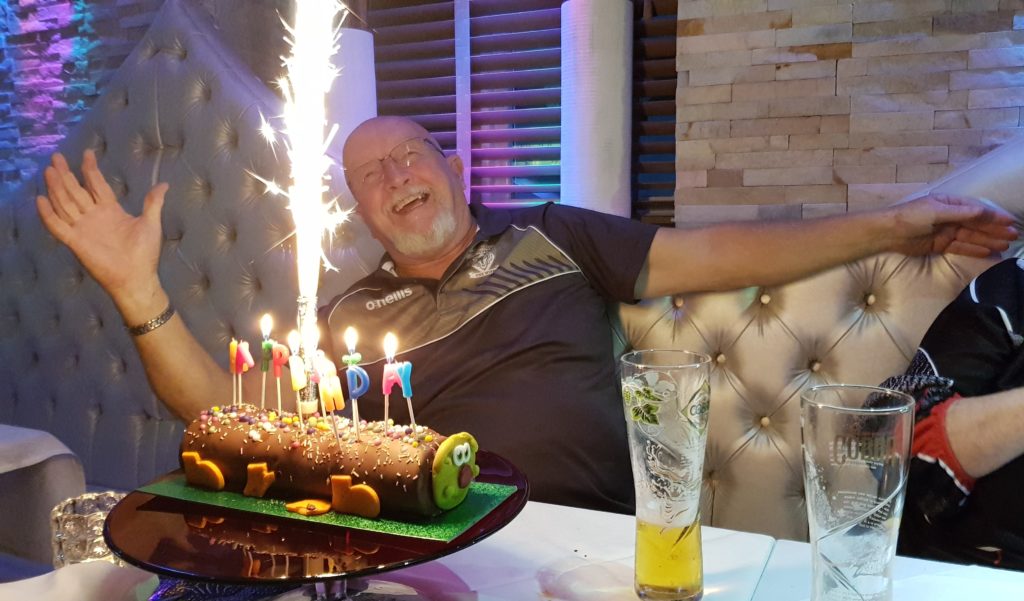
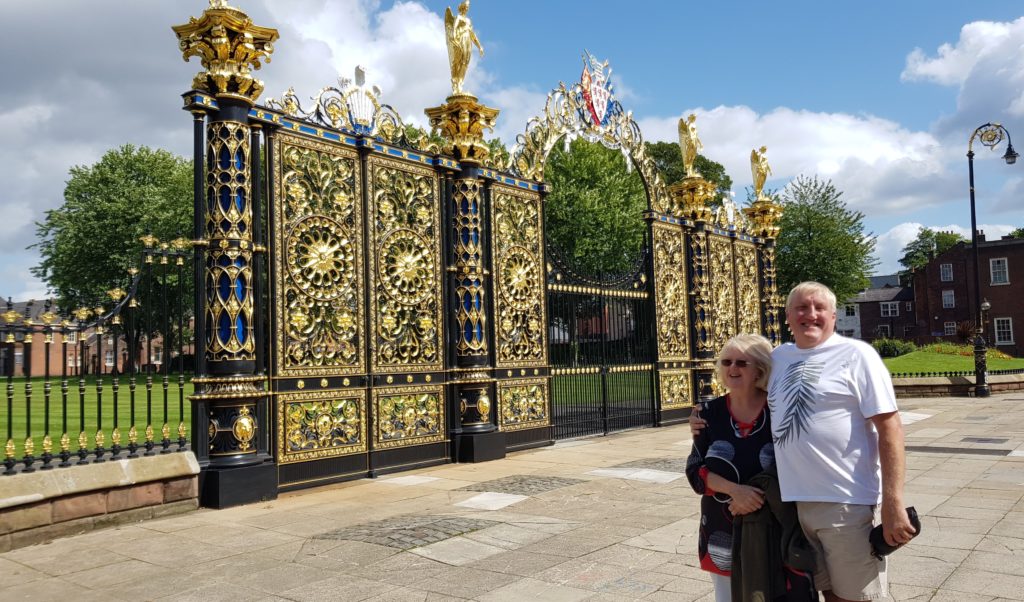
We headed up north and spent a few days with our friends Mike and Brenda, it was Mike’s birthday one evening so another delicious curry was devoured.  Mike showed us the highlights of his home town, Warrington, two Wetherspoons pubs and some Golden Gates that were originally destined for Sandringham!
One evening we attended an ABBA tribute band, dressed up for the occasion, only to find it was an “AA” night, no Benny or Bjorn in sight!!
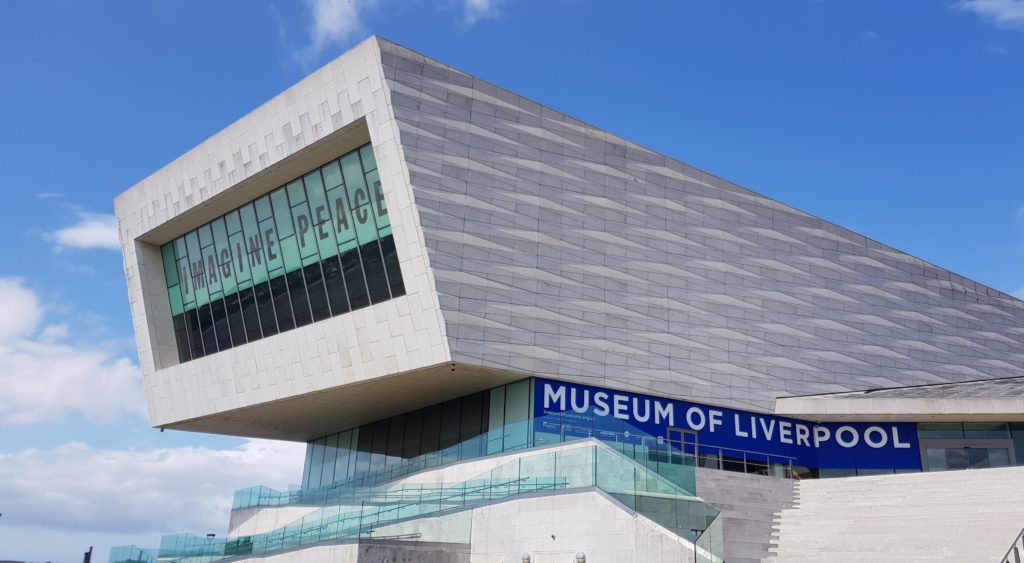
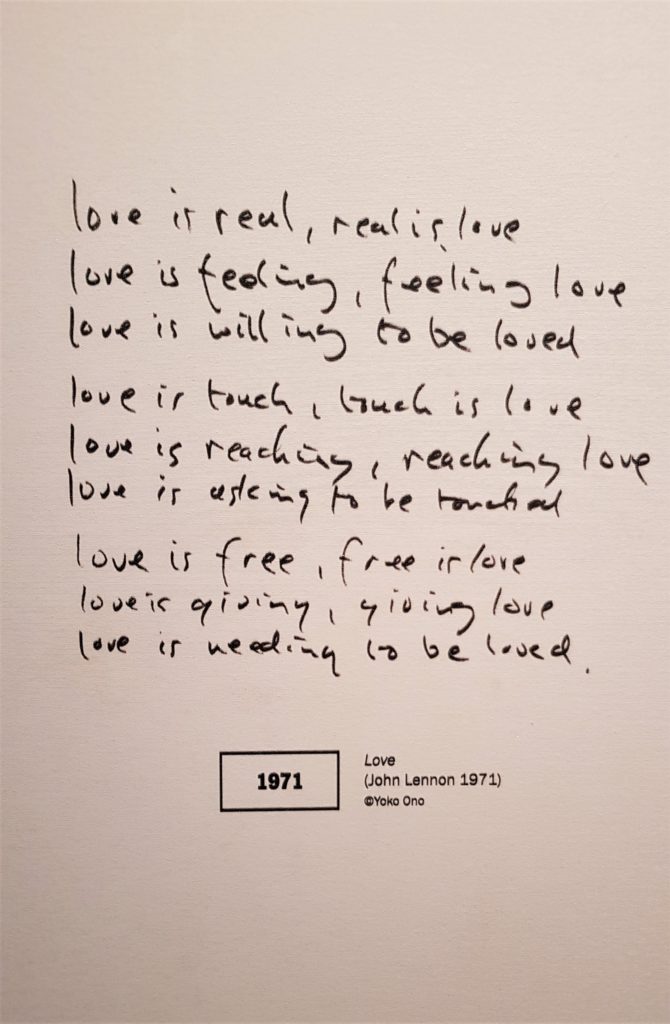
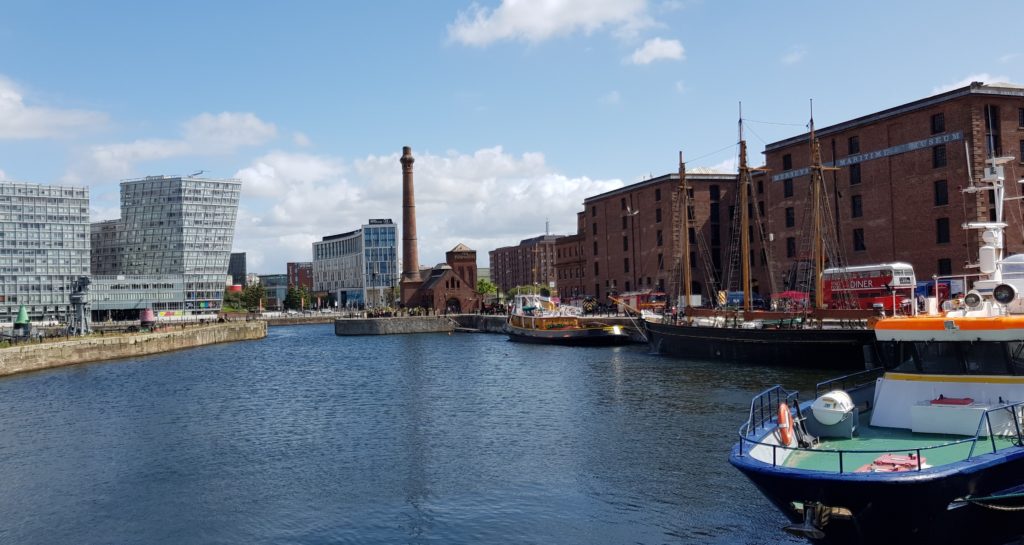
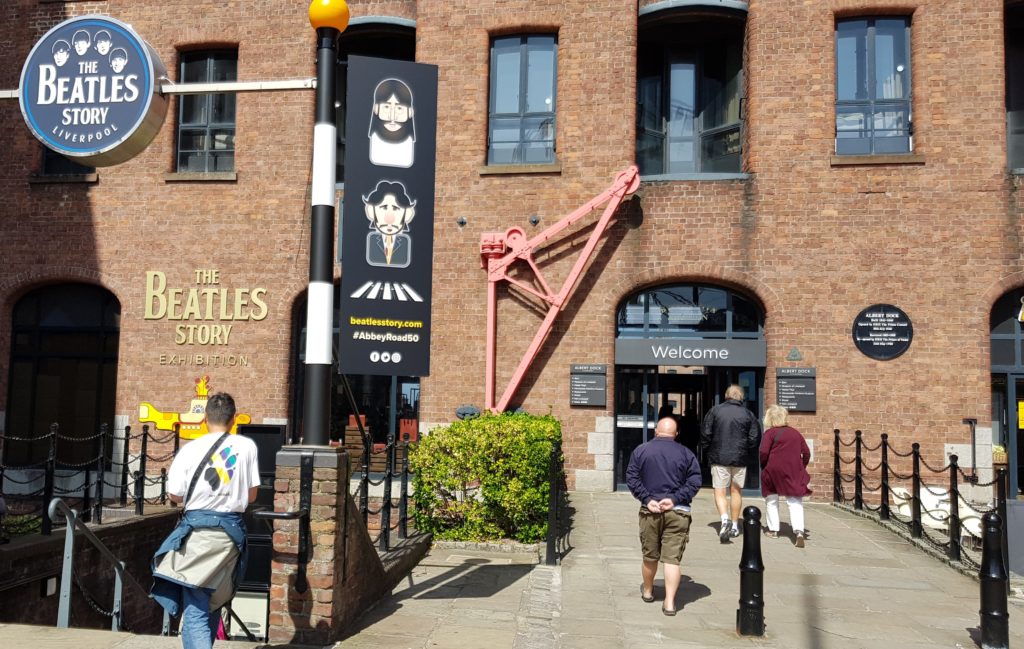
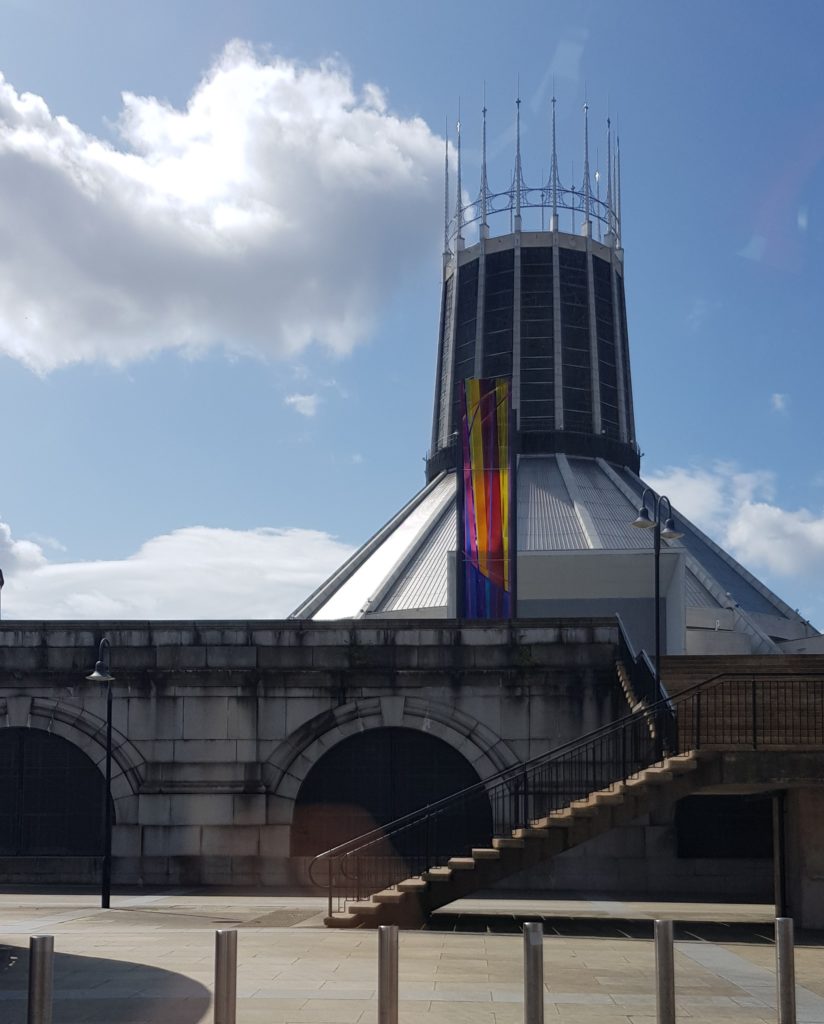
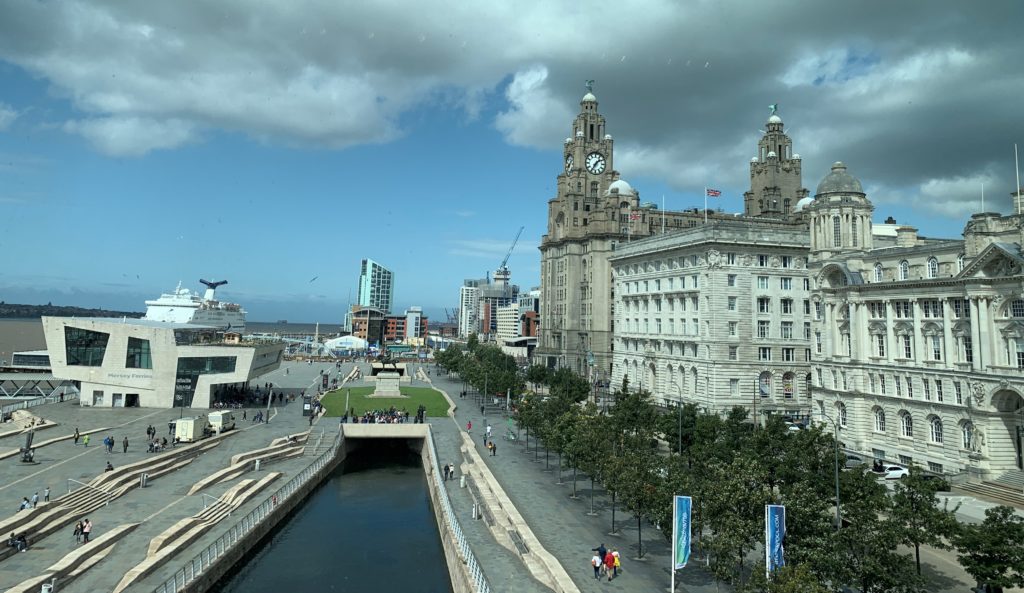
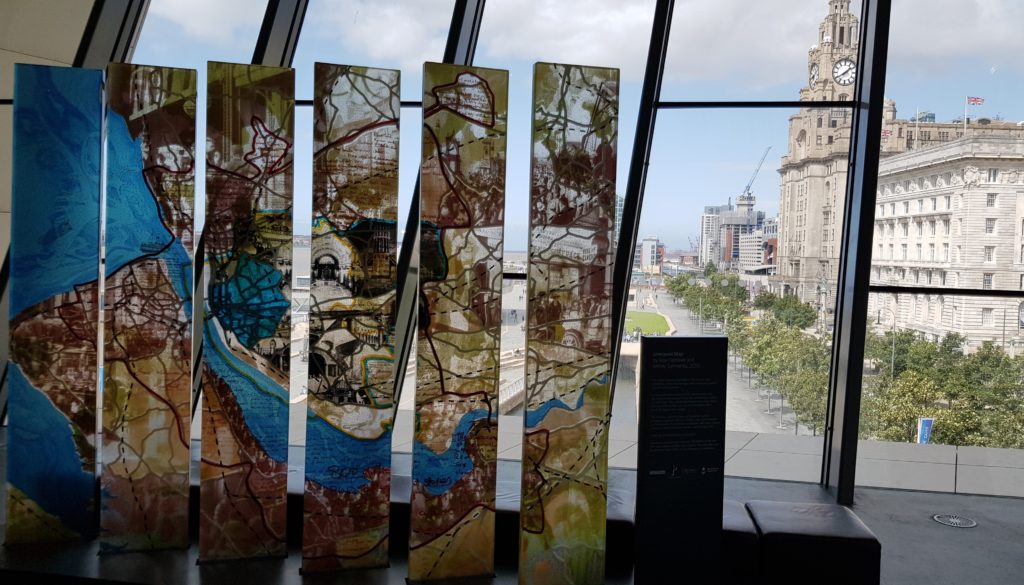
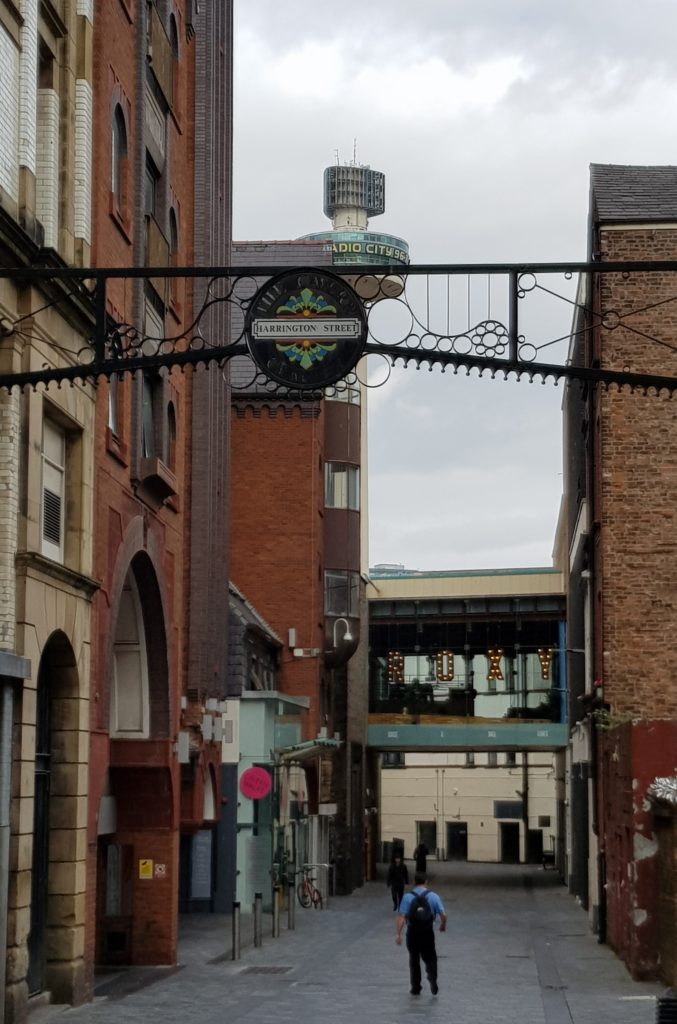
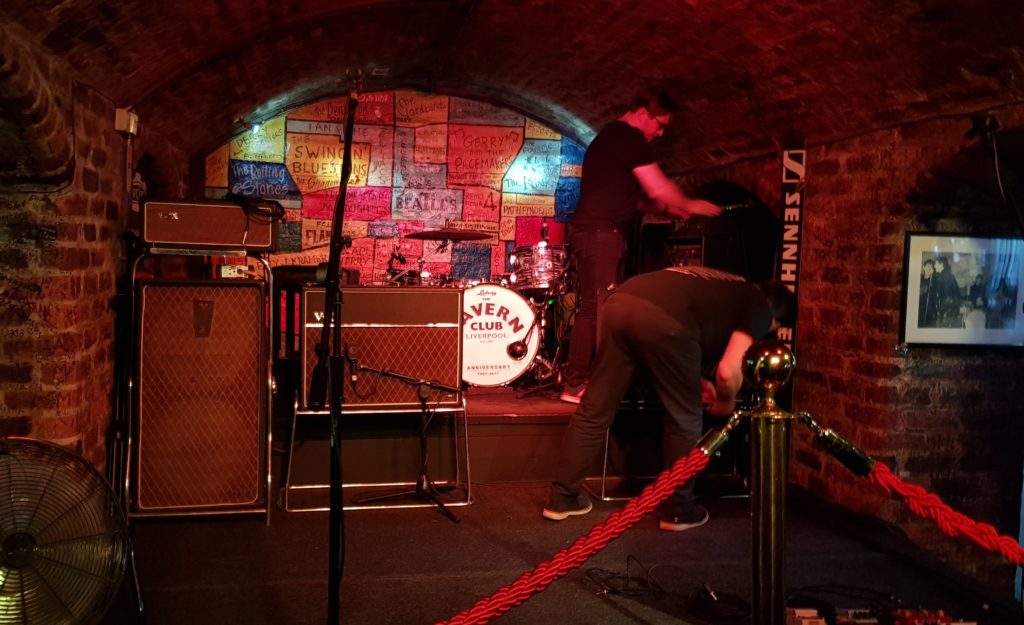
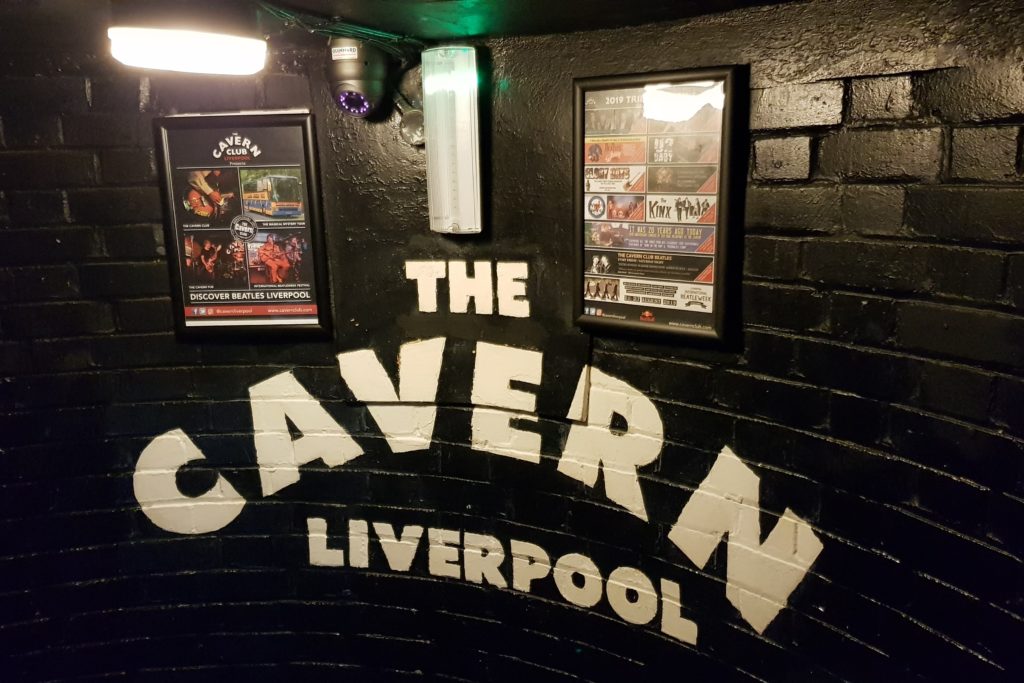
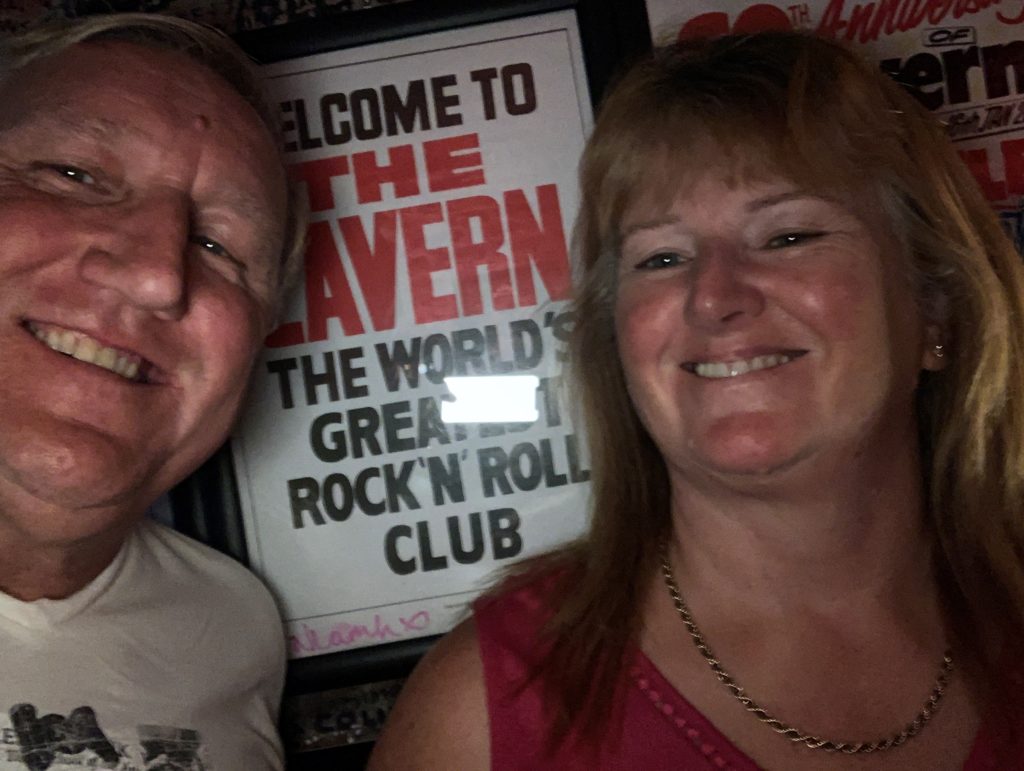
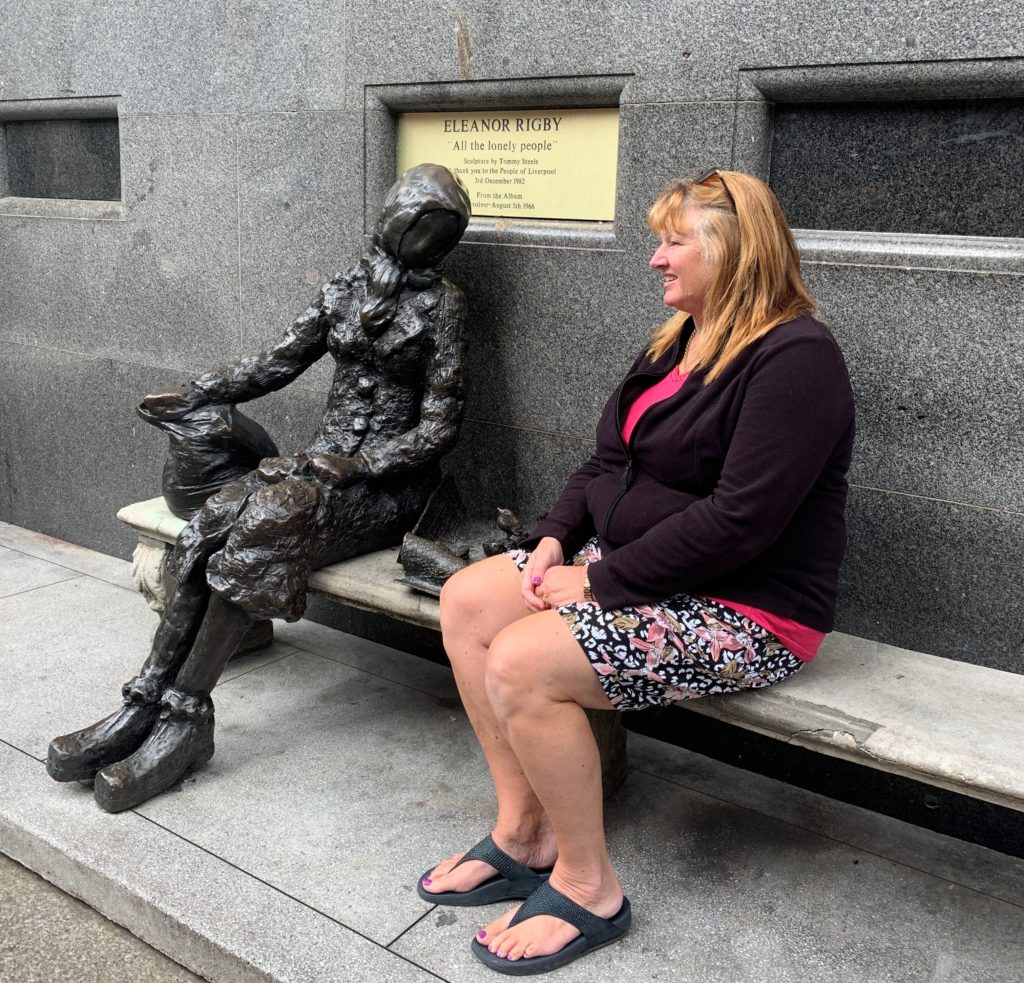
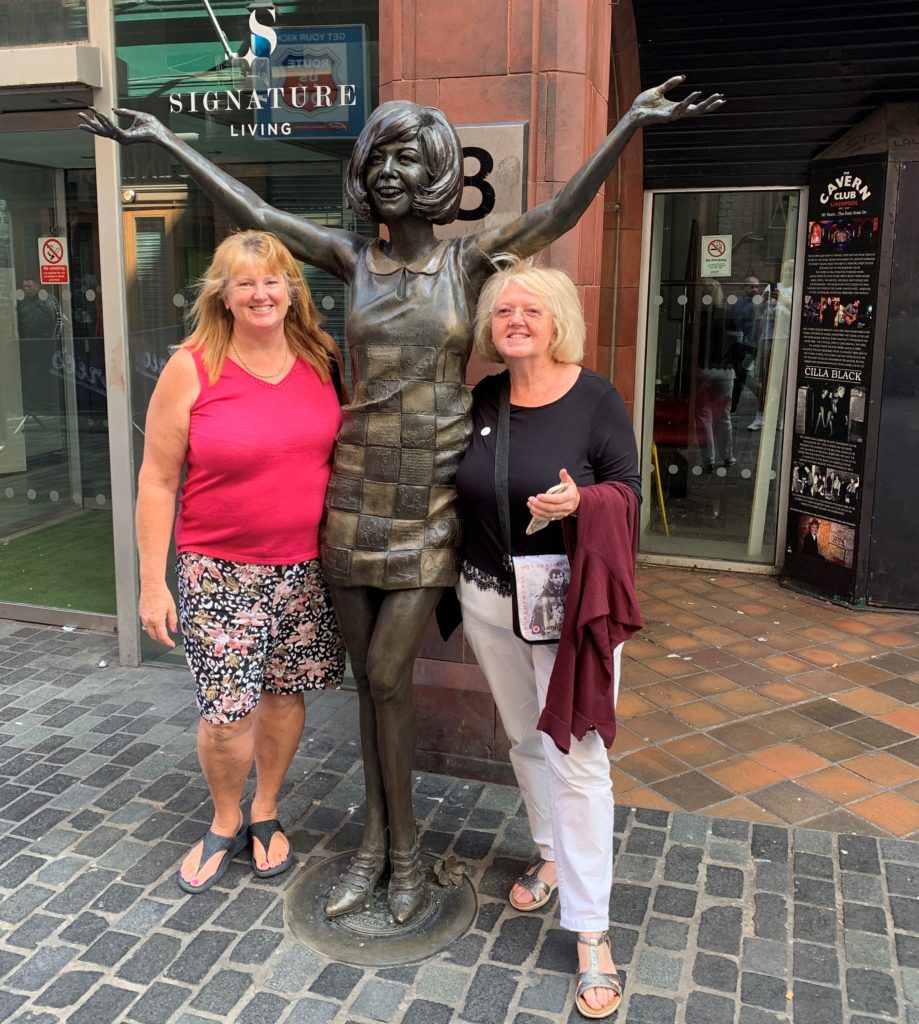
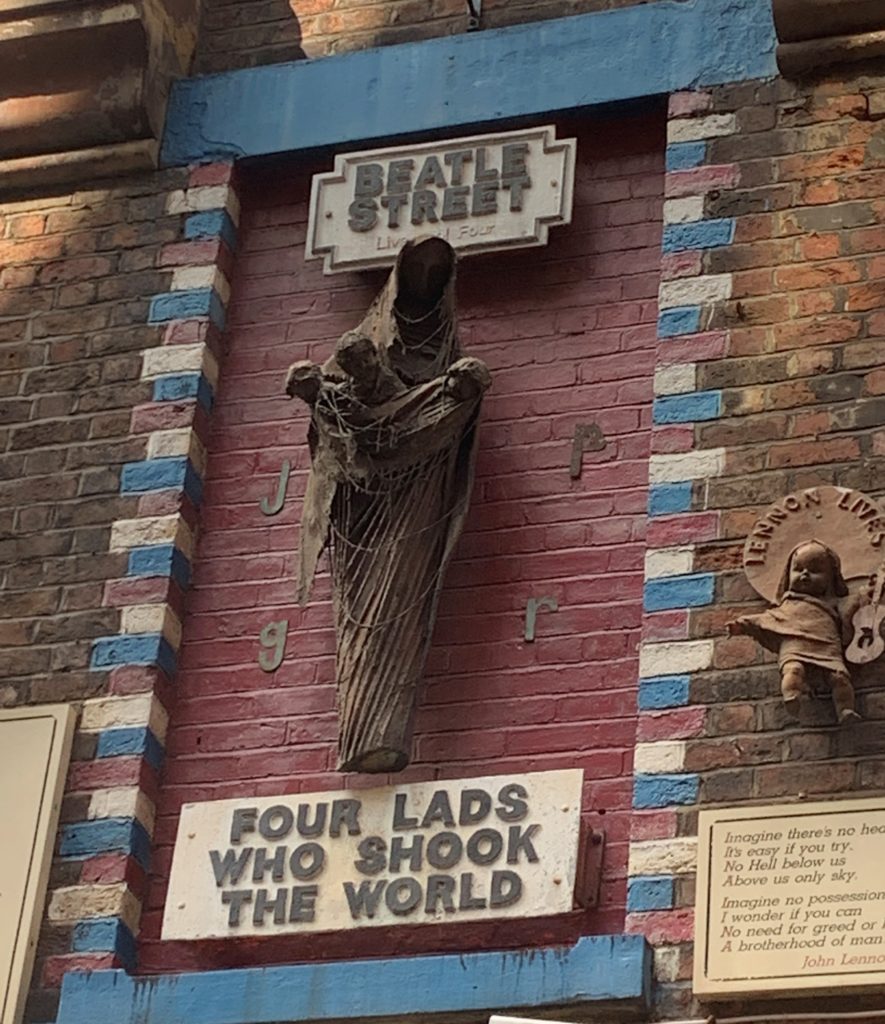
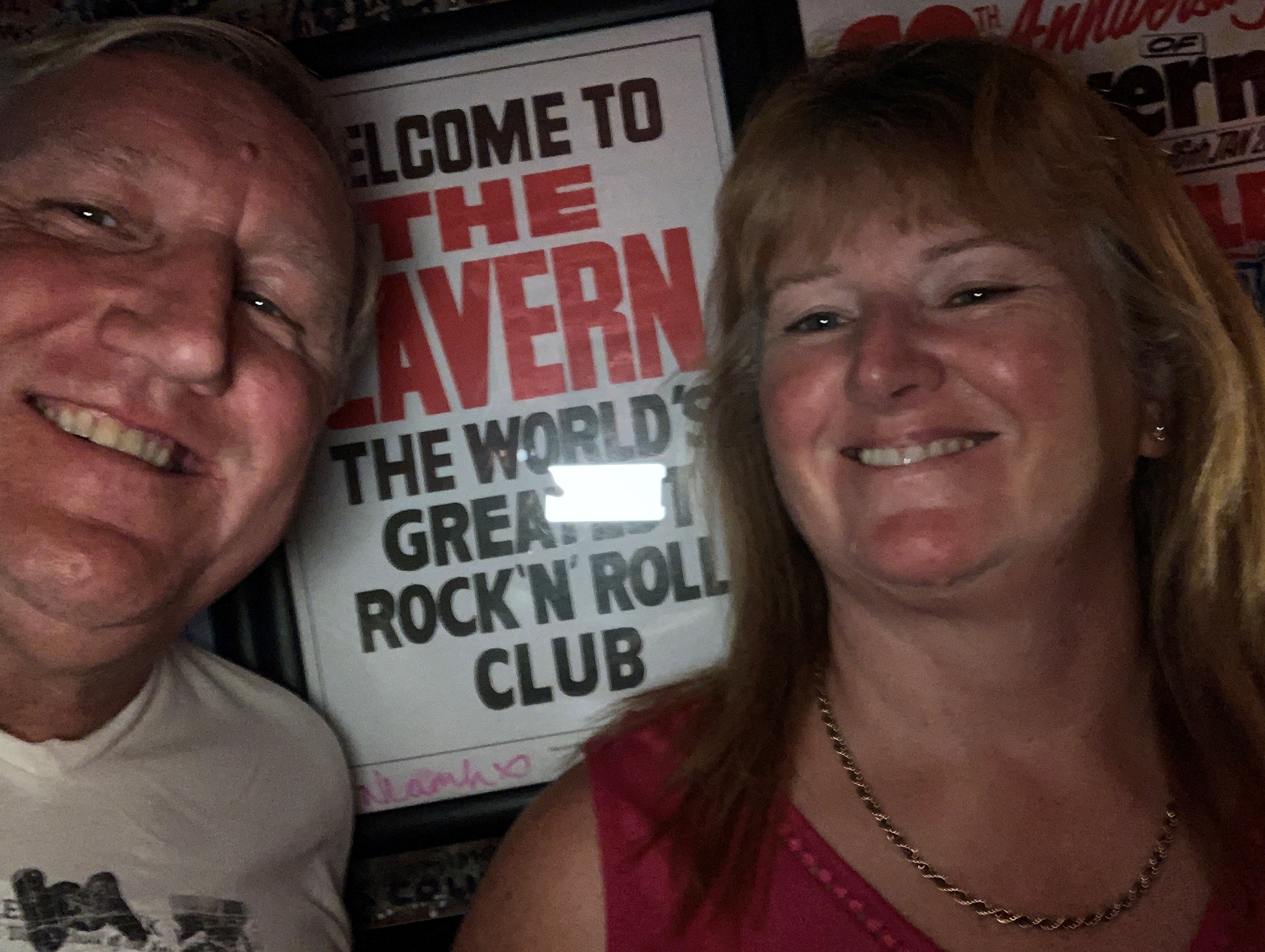
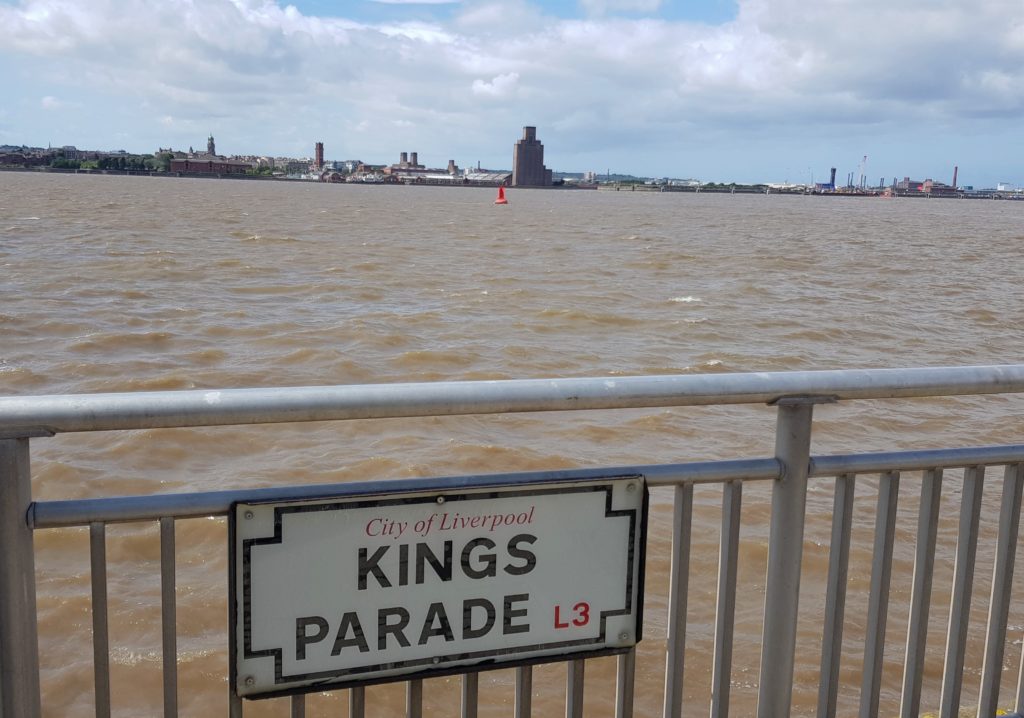
We took a drive to Liverpool, and did the whole “Beatles experience”, walked down Petticoat Lane, around the Albert Docks and went into the Cavern, listened to a band singing Beatles songs, and spent some time looking at a John Lennon and Yoko Ono exhibition in the Liverpool museum, very interesting.
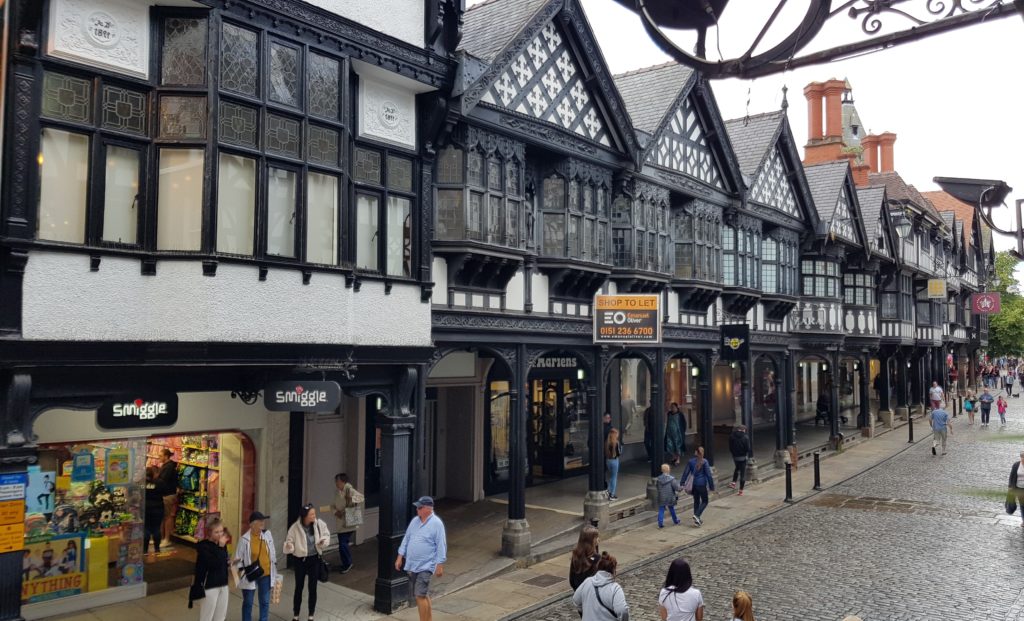
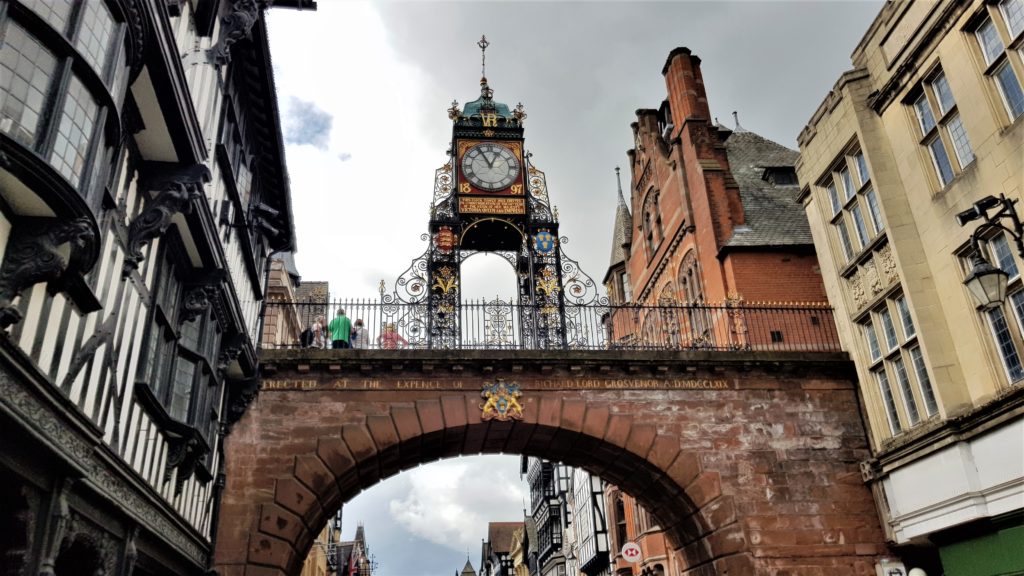
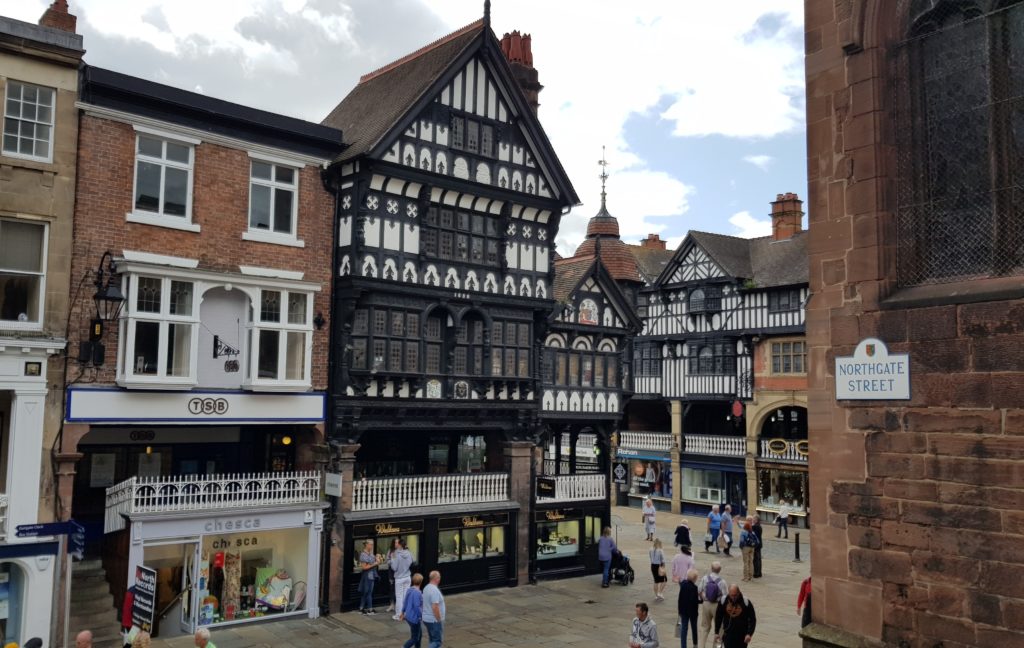
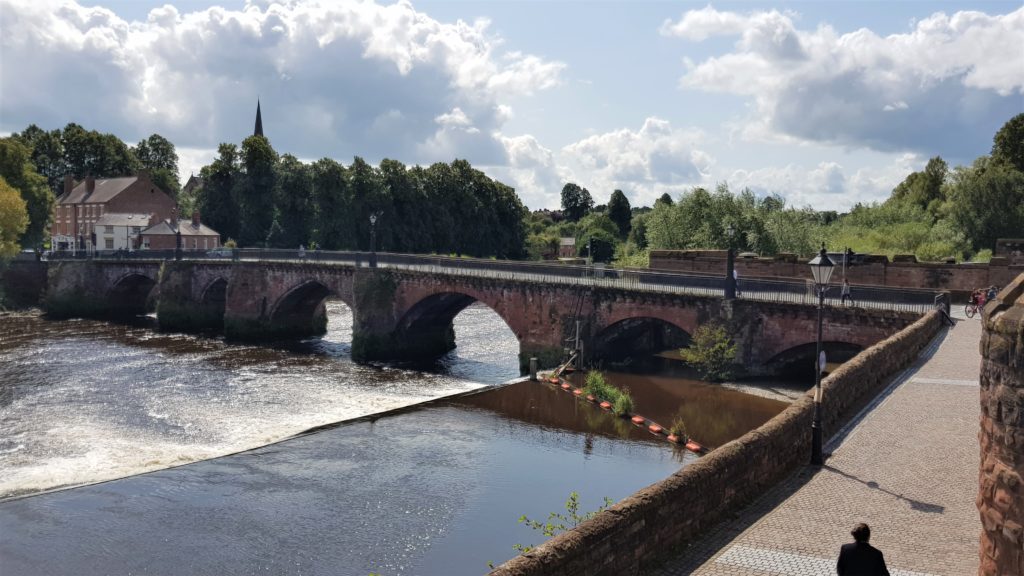
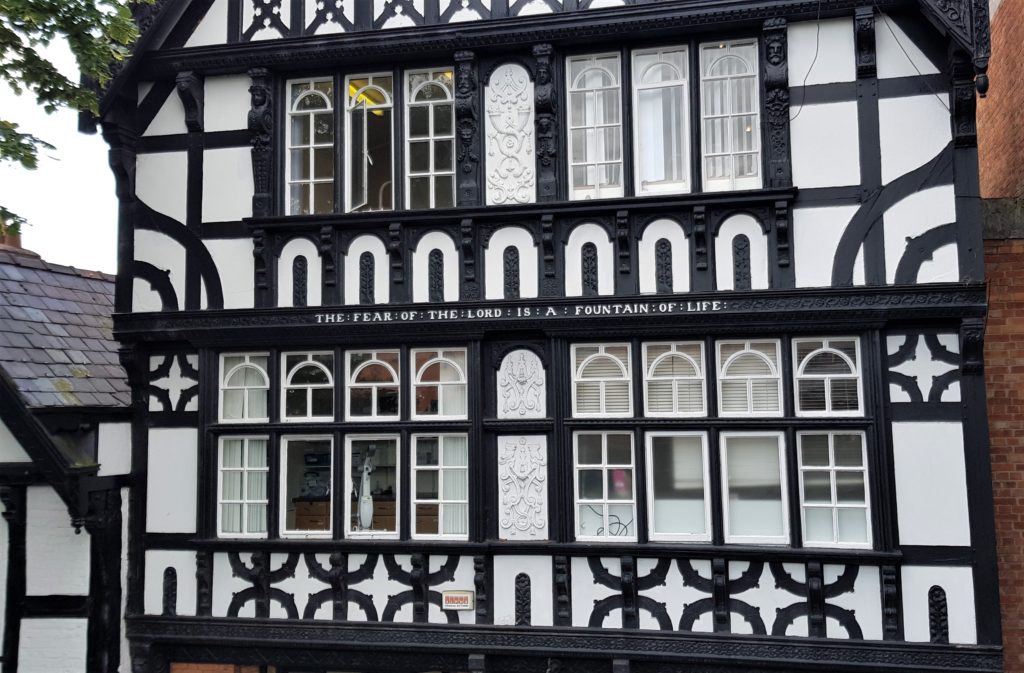
We spent a day in the walled city of Chester, and would highly recommend it, reminding me of the old buildings in Ross-on-Wye and Hereford.   A very old town, heaving with black wooden buildings, upper walkways and beautiful architecture, all surrounded by a walkable stone wall.
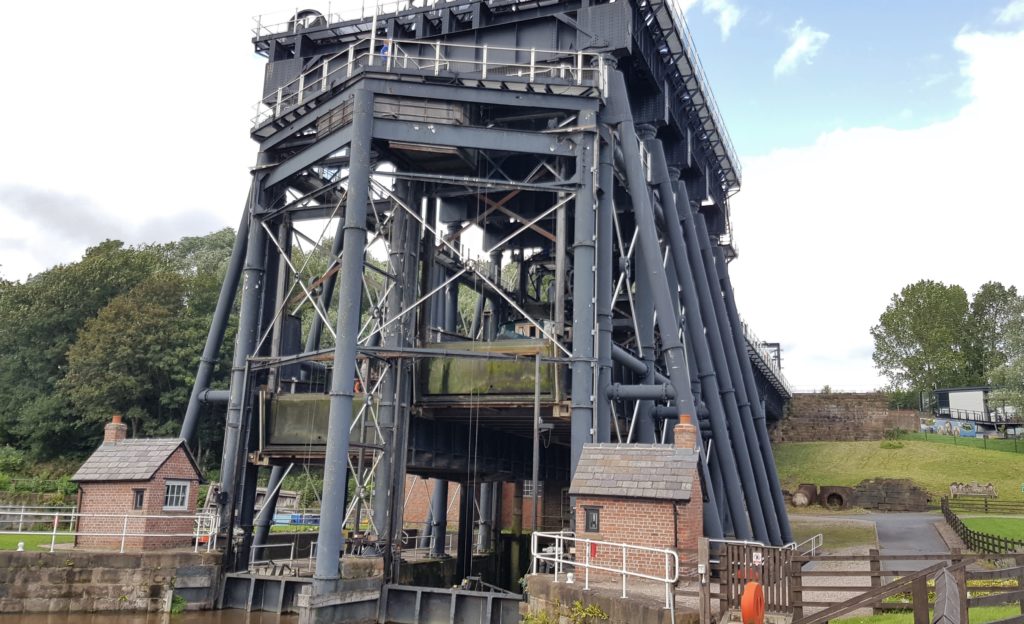
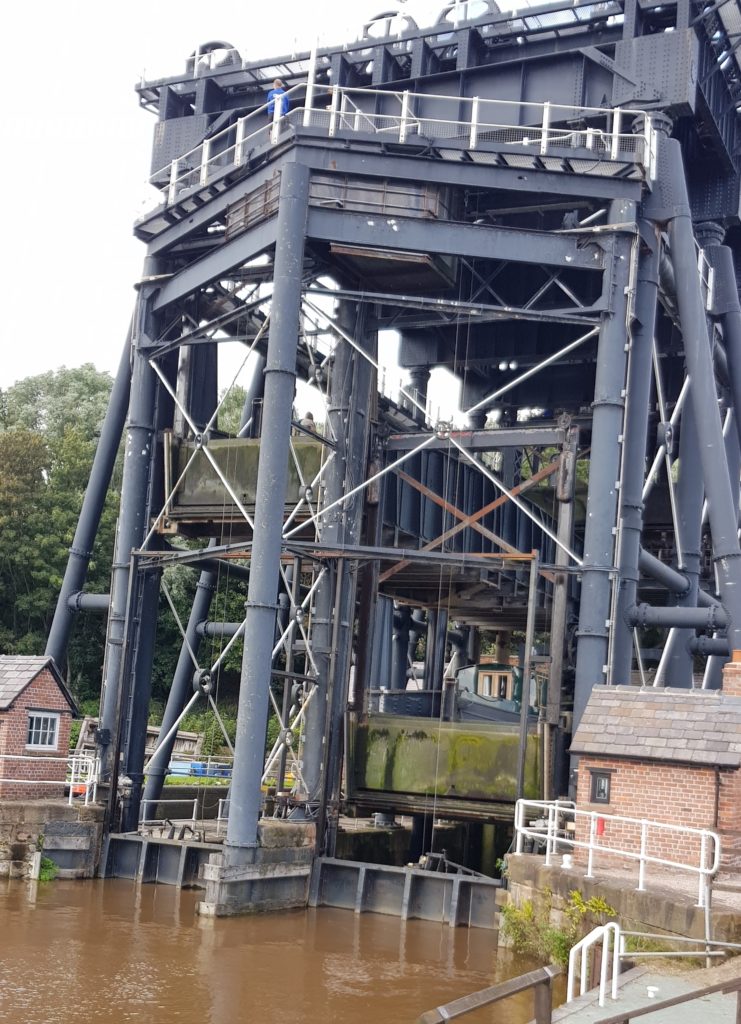
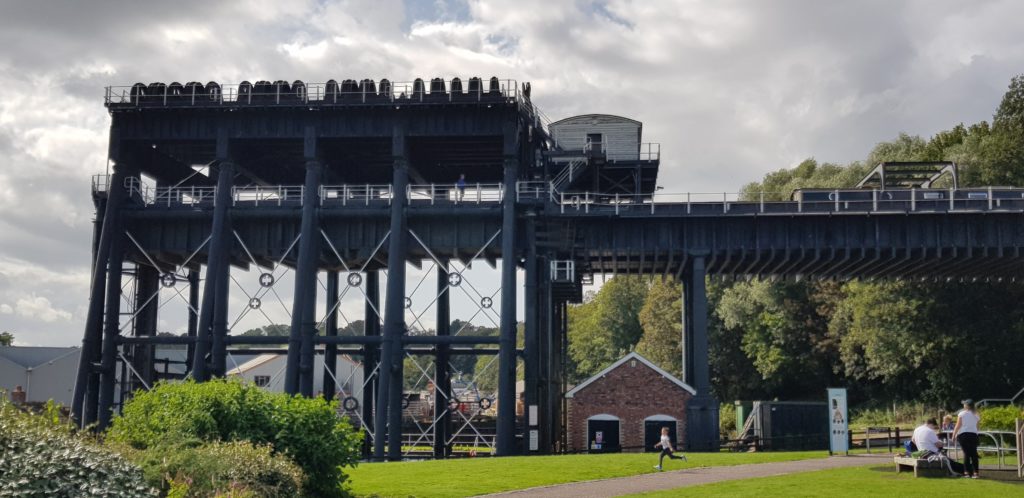
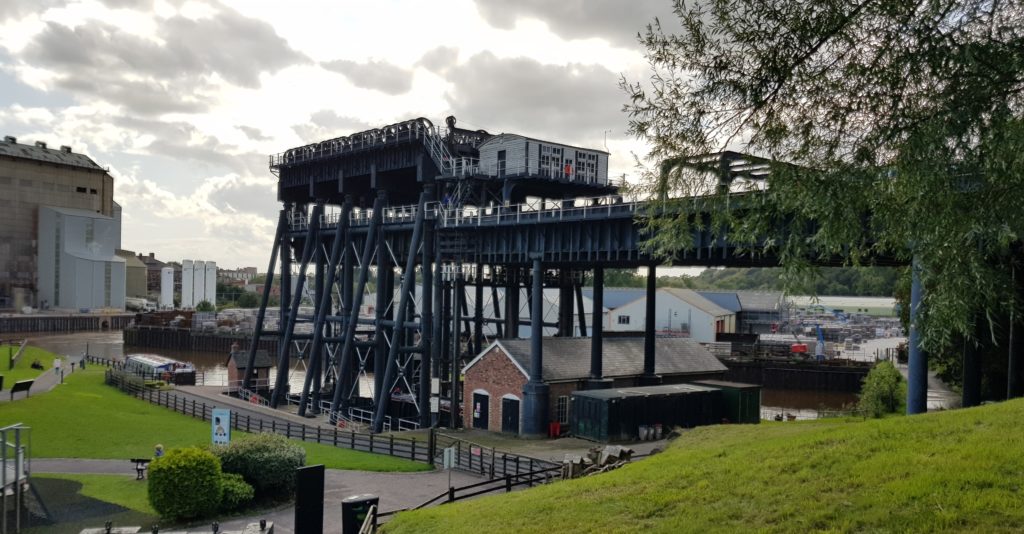
We also visited an amazing work of art, a canal boat lift! It’s called the Anderton Boat lift and works off two secure “tubs” of water which contain the canal boats, balancing each other out to make one lift and one drops! Quite a feat, lifting boats 50 feet from the River Weaver to the Trent and Mersey Canal, or vice versa, built in 1875.
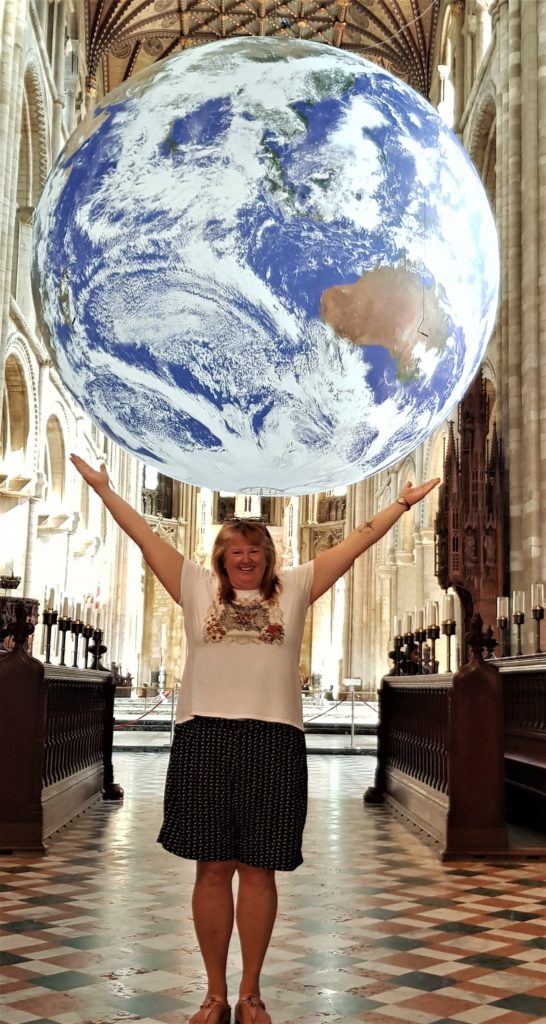
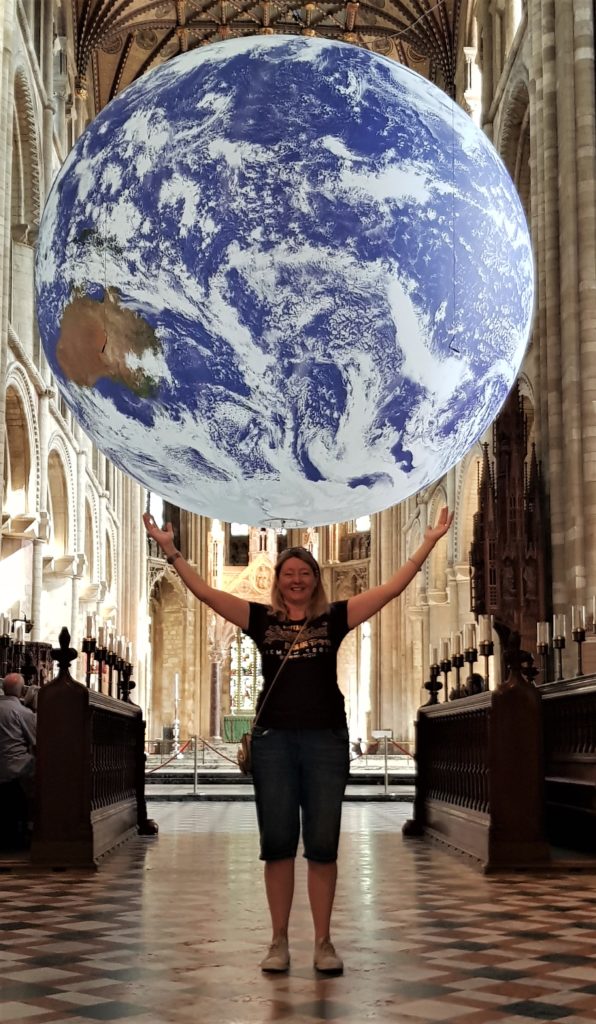
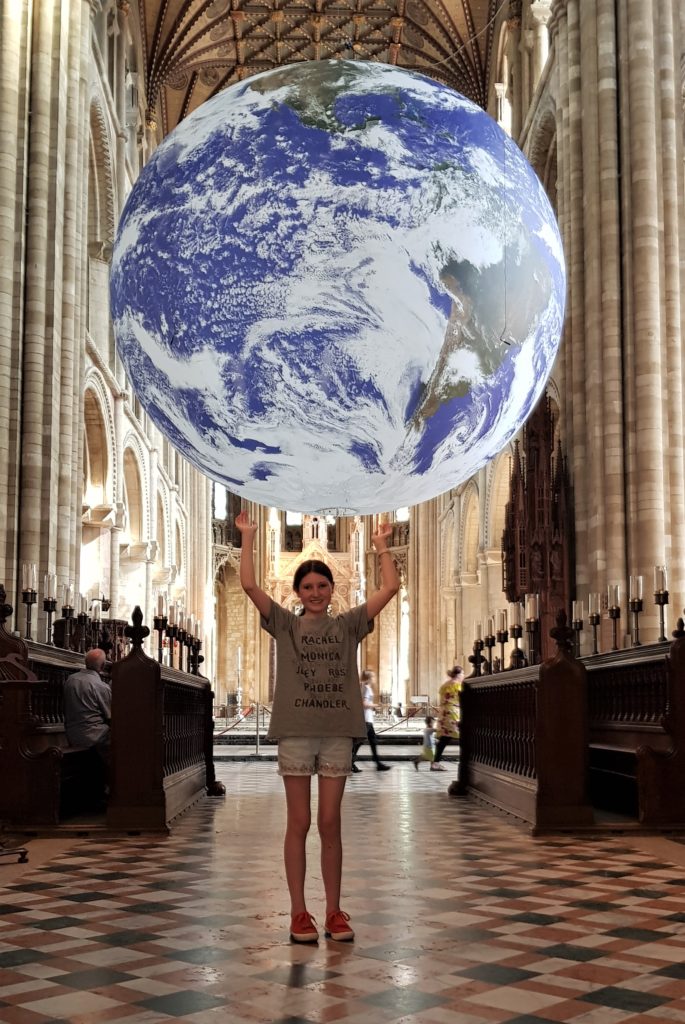
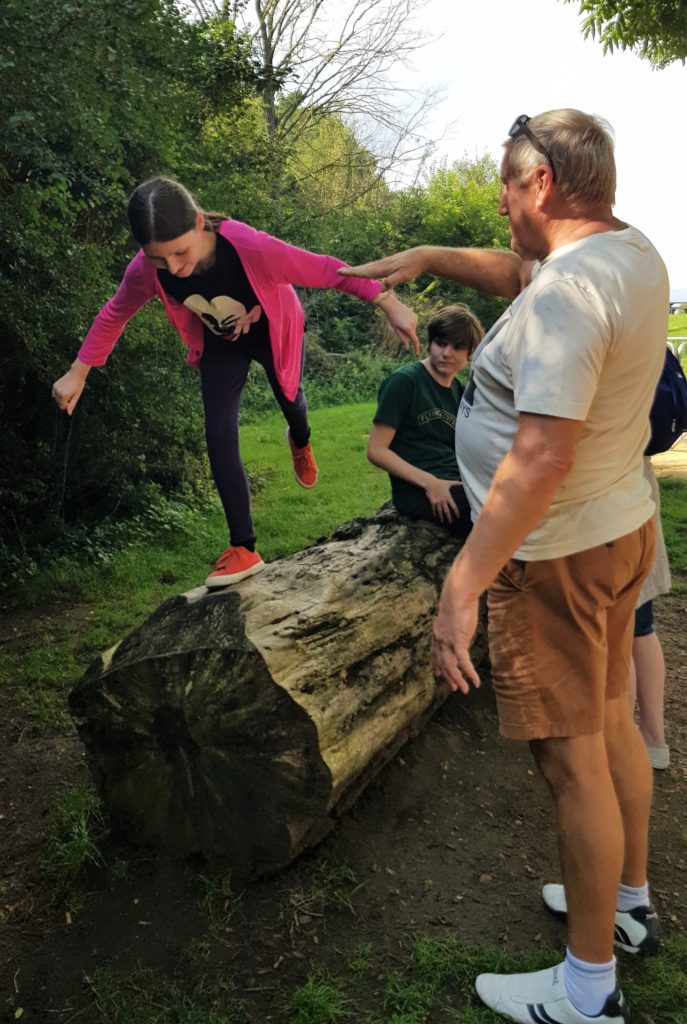
In Peterborough, an exhibition of a whole Earth was held in the Cathedral to raise awareness of global warming, we had a job holding it up but we managed! My niece and her children came to stay for a few days, they survived camping during a heavy thunderstorm, so they can survive anything now!  A long walk and climb around Nene Park tired us all out!
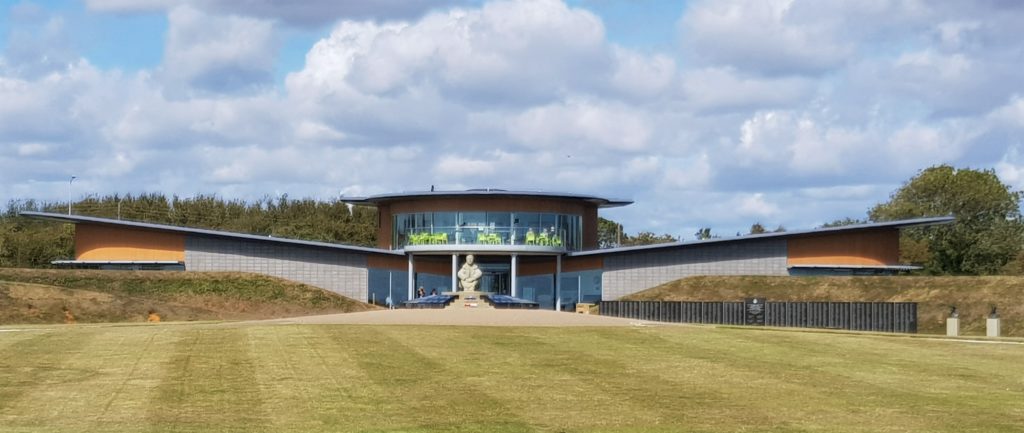
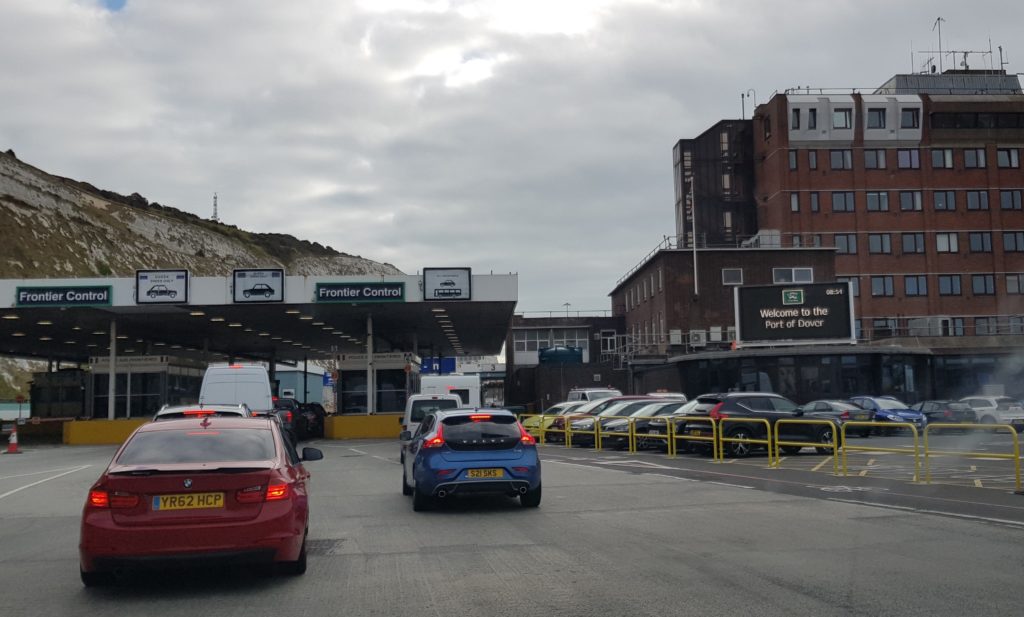
We left Peterborough and stayed overnight in Folkestone, took a wander out to a War Memorial up the road, before catching the ferry from Dover the next morning.
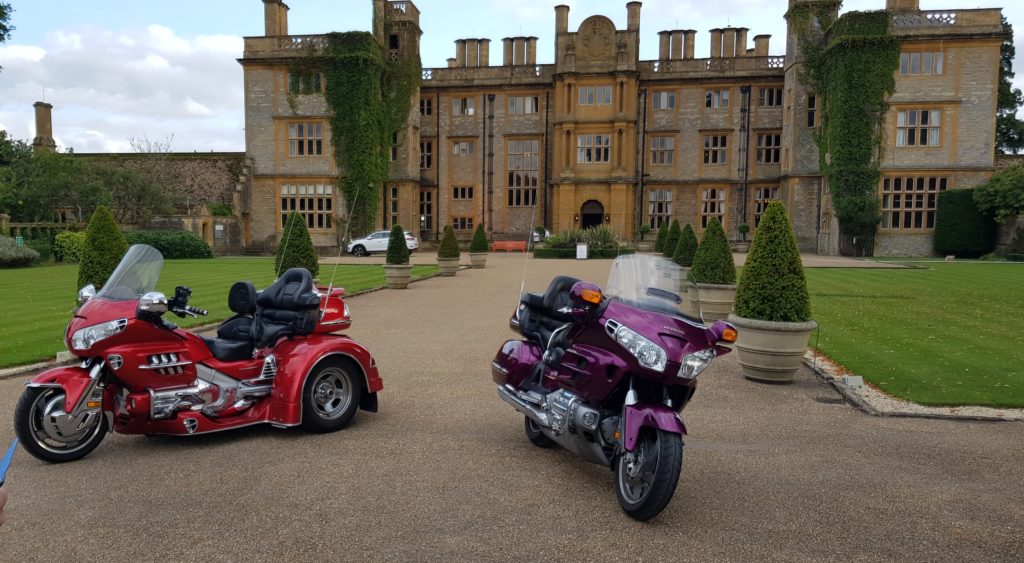
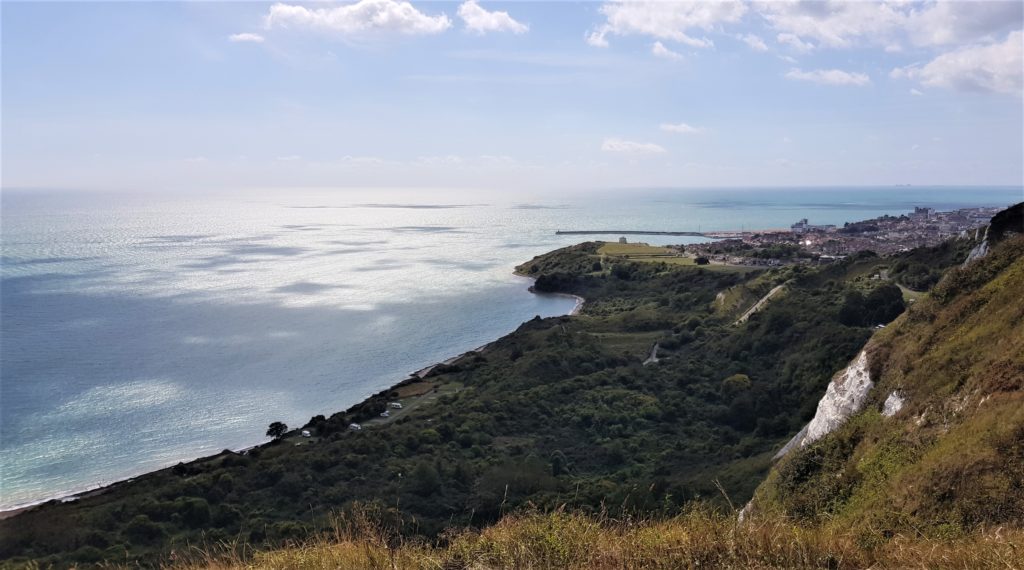
Had an overnight stay before collecting Samson, and met two Swiss couples travelling on these beauties! Yes, I was jealous!!

Croatia – a consideration for Paradise? Certainly.

Diversity Abounds.

Firstly, Croatia is a very diverse country. Rich and poor, rough and ready. It is amazingly beautiful, sunny and so clean and people are very warm hearted, always ready to help and sell their wares to you. If ever there was a place that could be considered “paradise” this could be it, but in a few years’ or decades time!

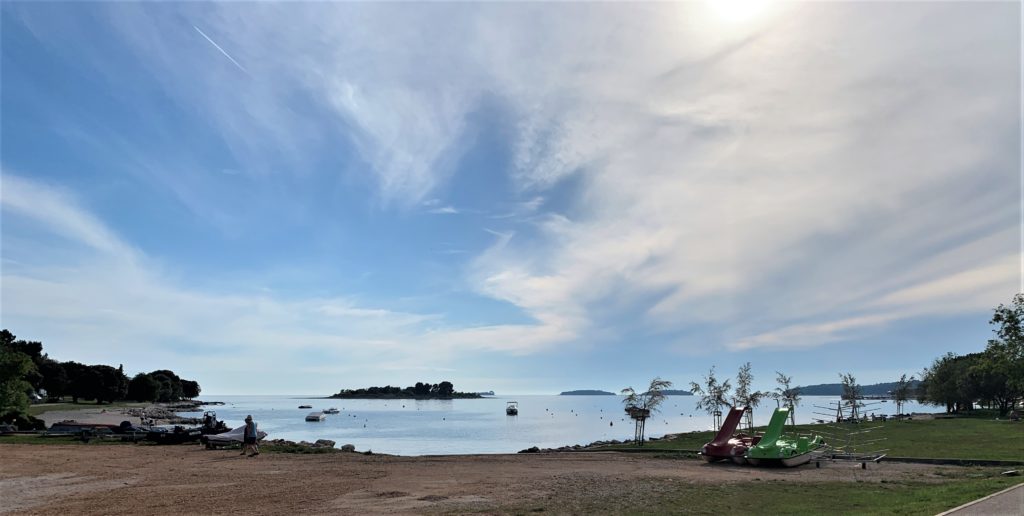
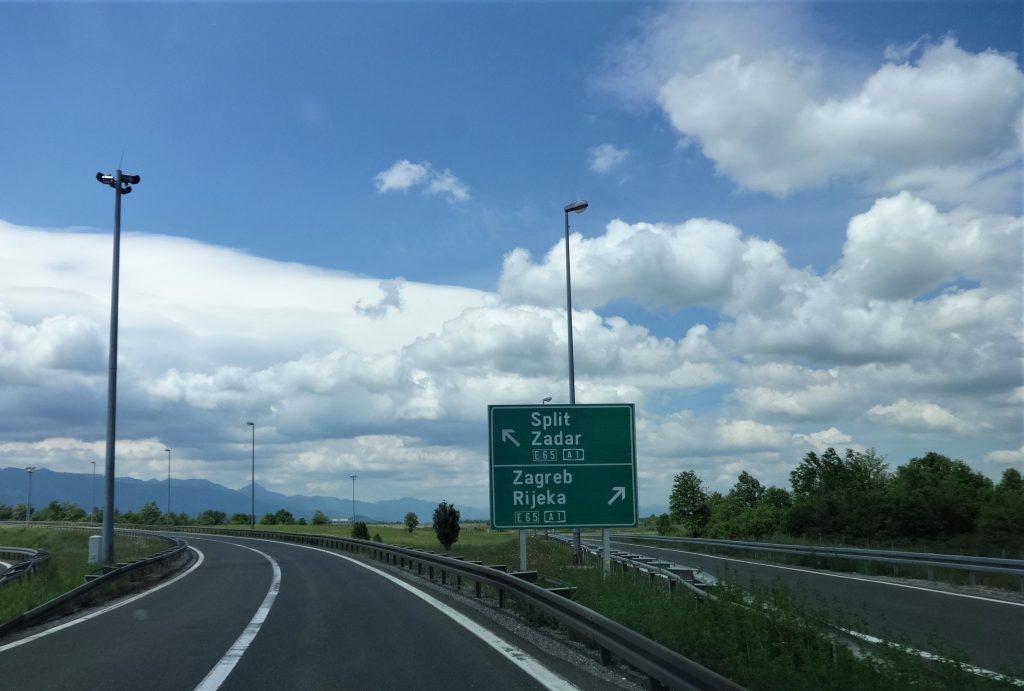
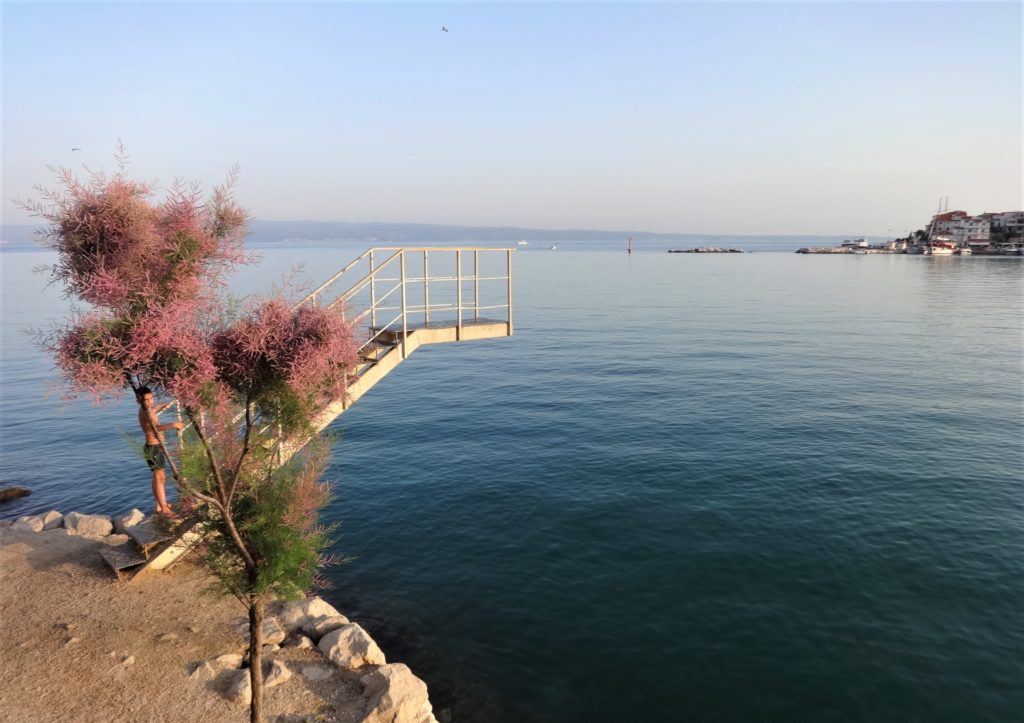
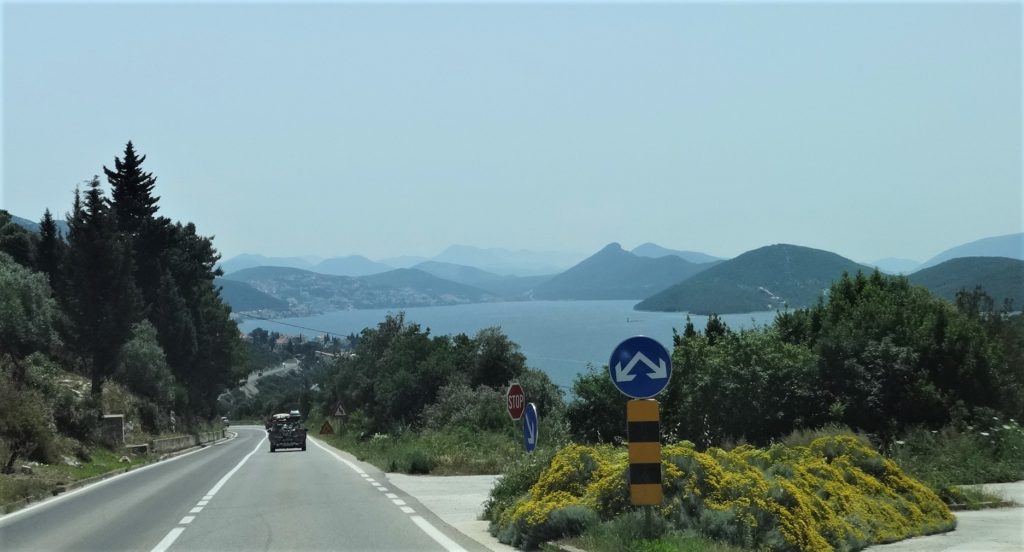
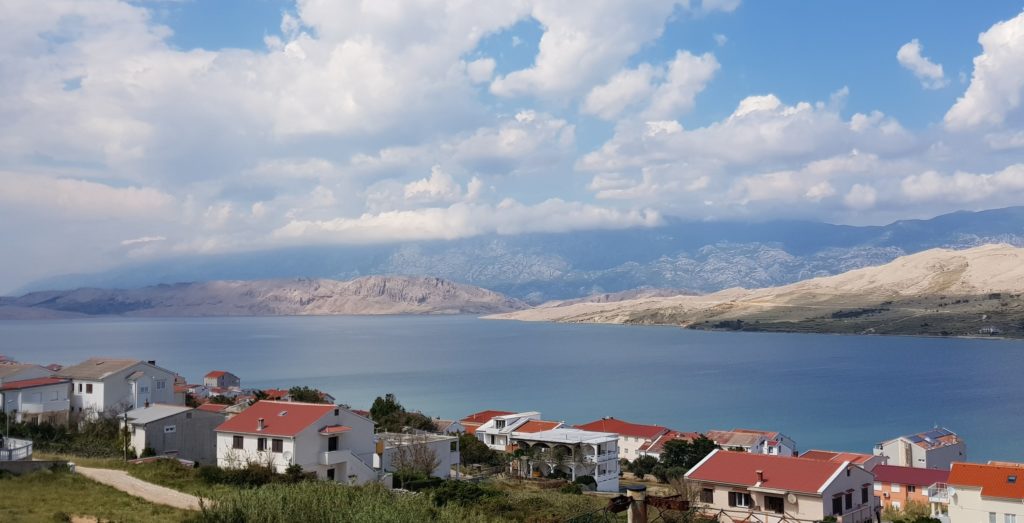
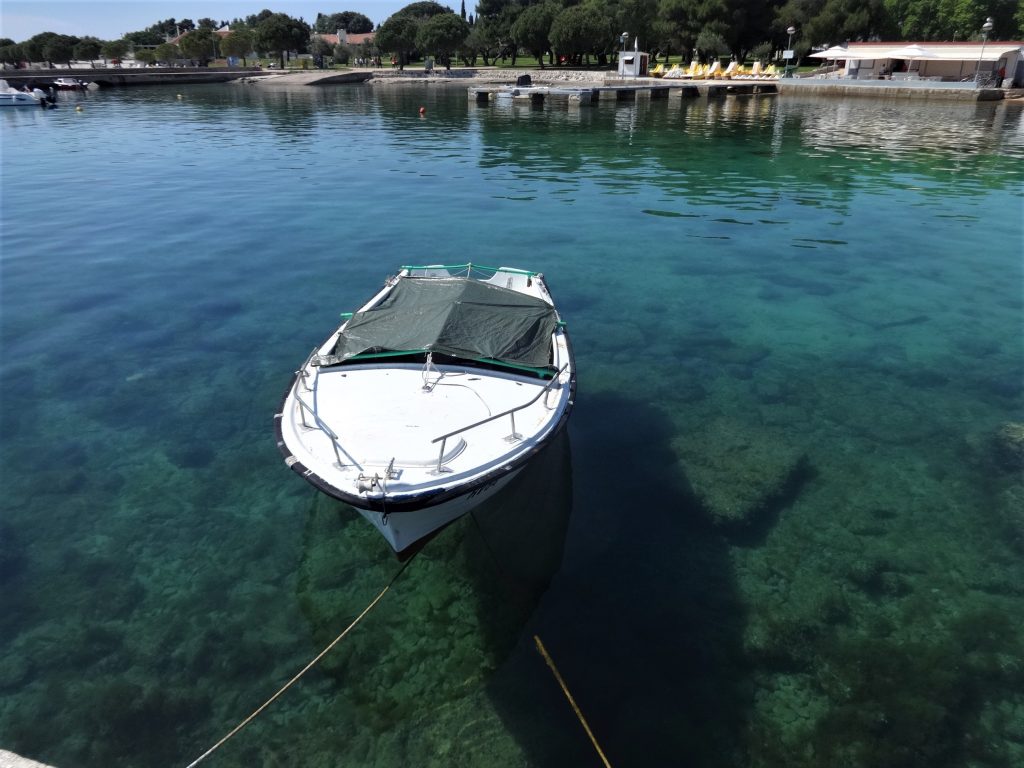
The coastline is simply stunning – rocky with sheer cliffs and tiny perfect white beaches, azure blue crystal clear waters, very little sand and small sailing boats everywhere. It’s a very long coastline and we have driven most of it now. Dual carriageway motorways take you 2/3 of the way down the country then you meander on a single track road down to Dubrovnik, through the mountains, passing islands and inlets, passing 15kms through Bosnia & Herzogovenia and out again to a small strip that actually has a lot of land attached! The islands are numerous, and all are different; some are purely national botanical and animal parks, some are uninhabited and accessible by boat only; some are homes to many, some homes to a few villages only.

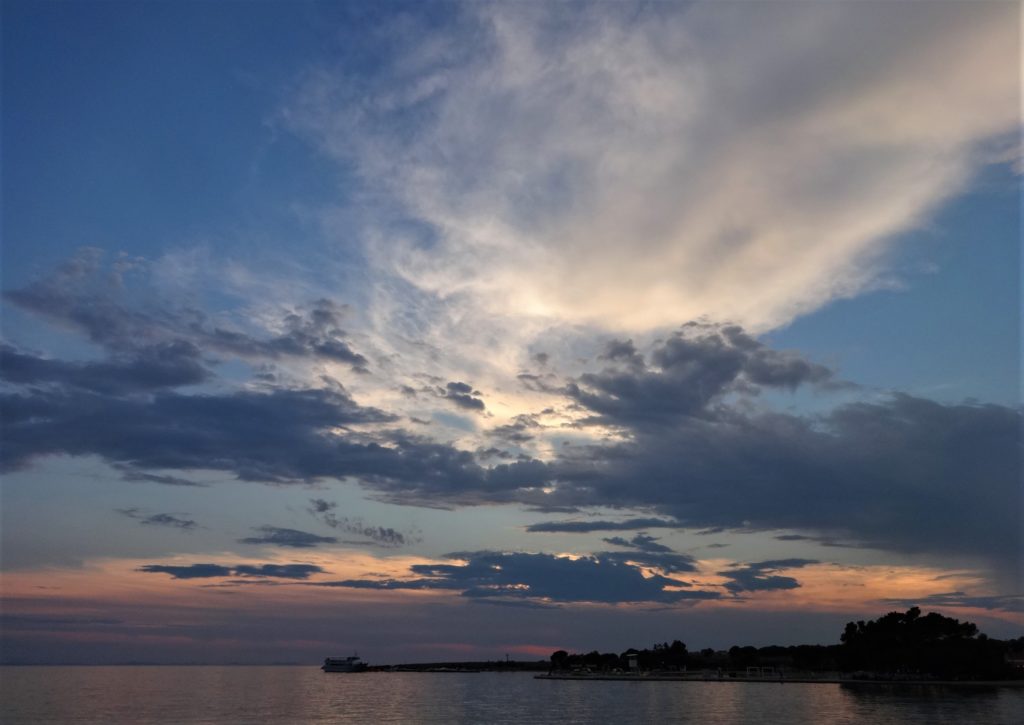
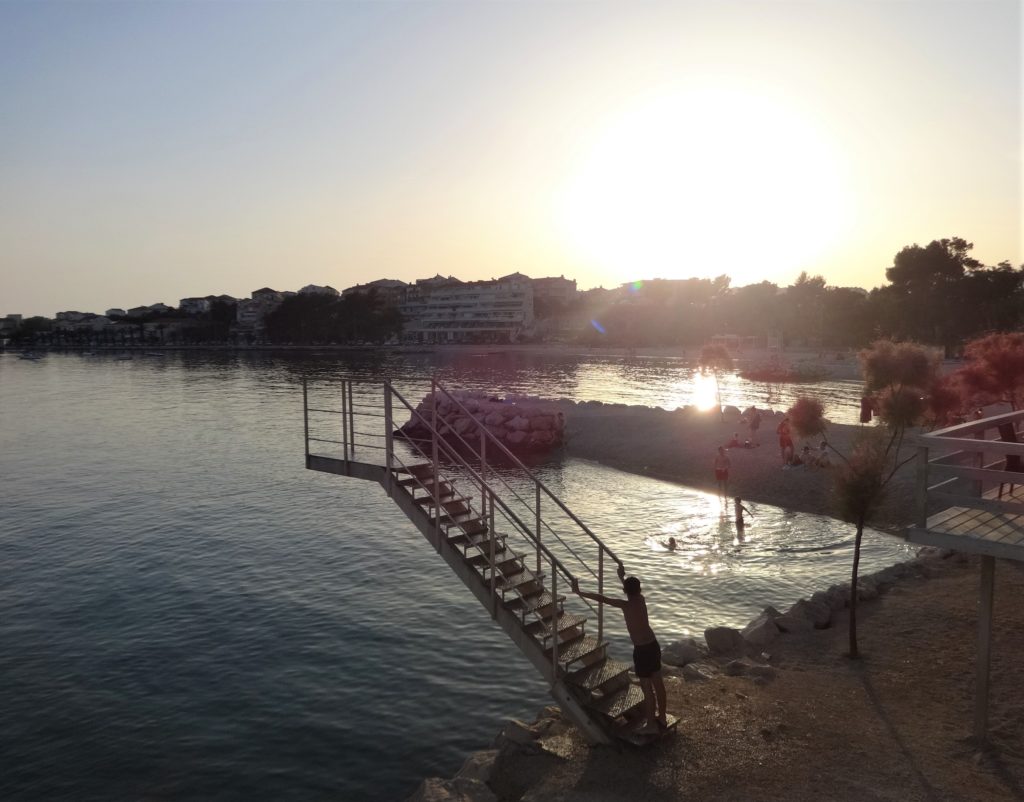
Amazing Sunsets

Community

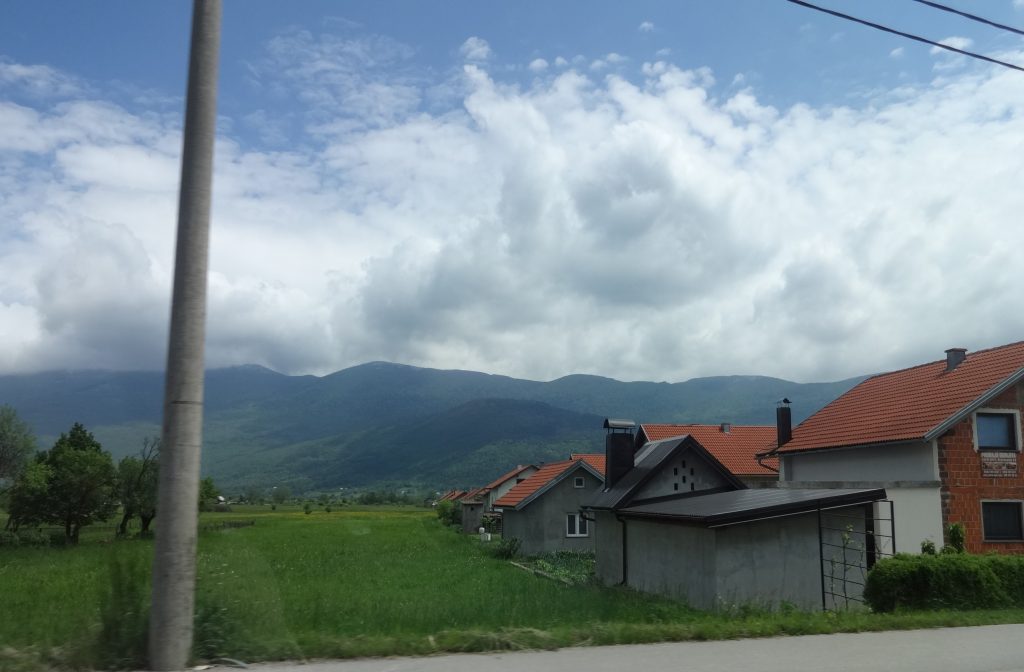
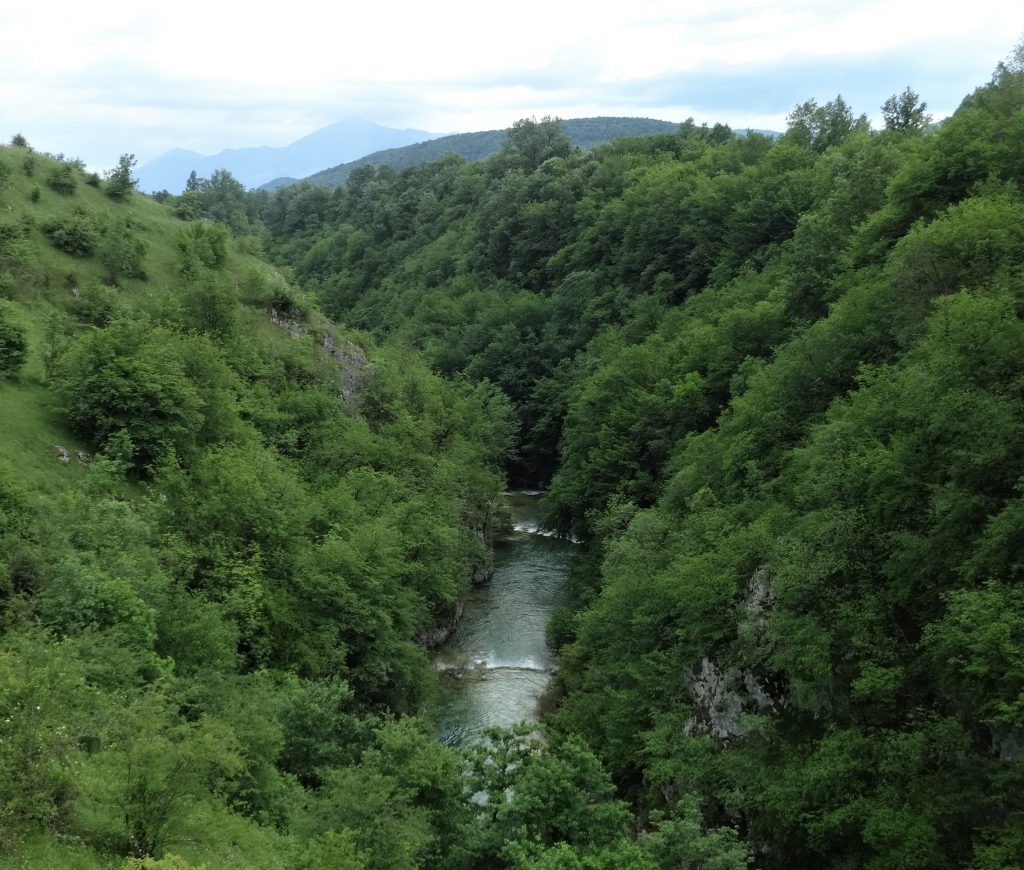
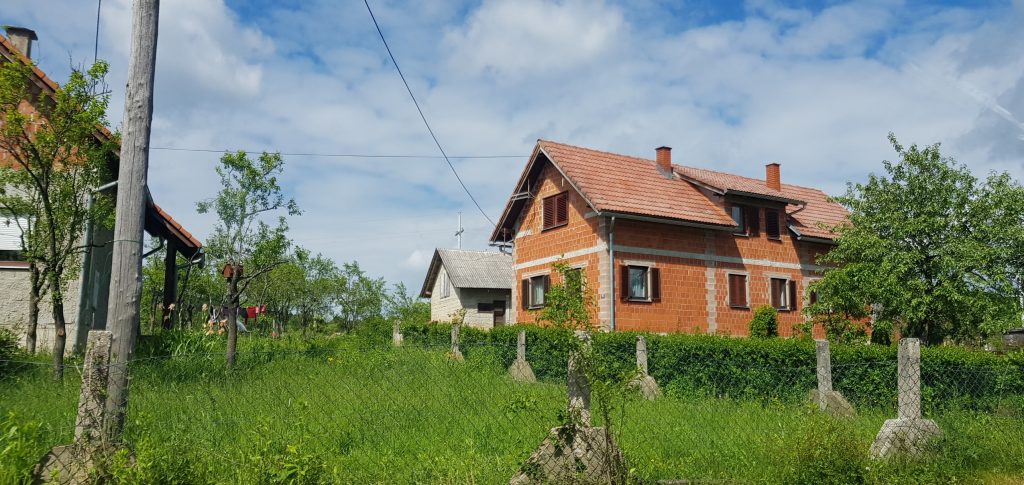
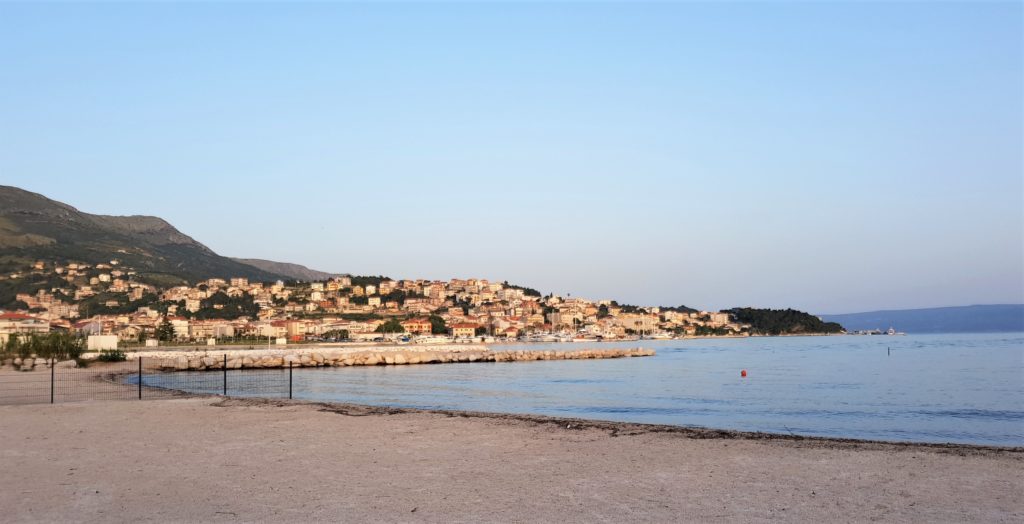
Inland, the mountain ranges are full of lush forests, white rocky outcrops and jagged steep hilltops and everywhere is full of terracotta topped cream and peach coloured small towns and villas. The hillsides are full of expansive pine forests, sparsely populated and uncultivated. Houses in villages are numbered only, no road names, signposts show the following information in, for example, a village called Zeton – “Zeton No 2, Family Johanssen”; Zeton No 17, Family Schmidt – Rooms, Zimmer, Chambres”

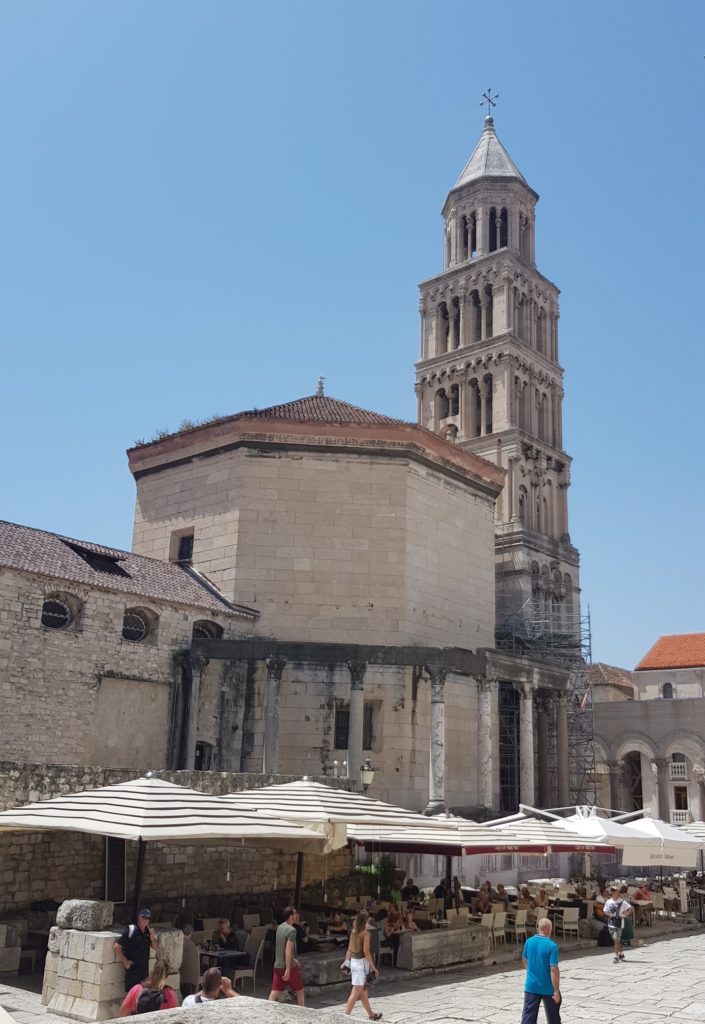
Towns are mainly small gatherings of hillside villages, buildings are well maintained and stand up to 5 or 6 storeys high, overflowing with signs of “Rooms to Let” or “Restaurant” or similar. Larger cities like Split are very different. Split has an old walled city, now a thriving cafe and restaurant hub, but is surrounded by huge old, 70’s style tower blocks, rundown, full of graffitti and a multitude of torn colooured exterior blinds to protect from the heat and sun.

Many cities have walled towns that have been converted into tourist hubs, food, drinks, accommodation, tourist tat shops etc. We have seen very few actual “palaces, castles or forts” where locals live or it has been retained as a monument or place of historical interest.

Infrastructure

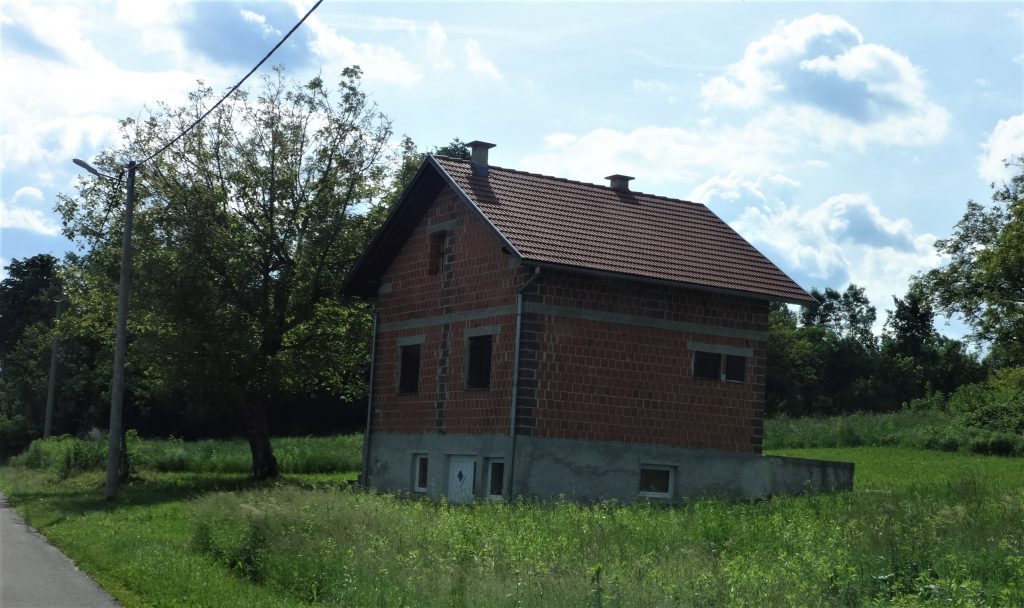
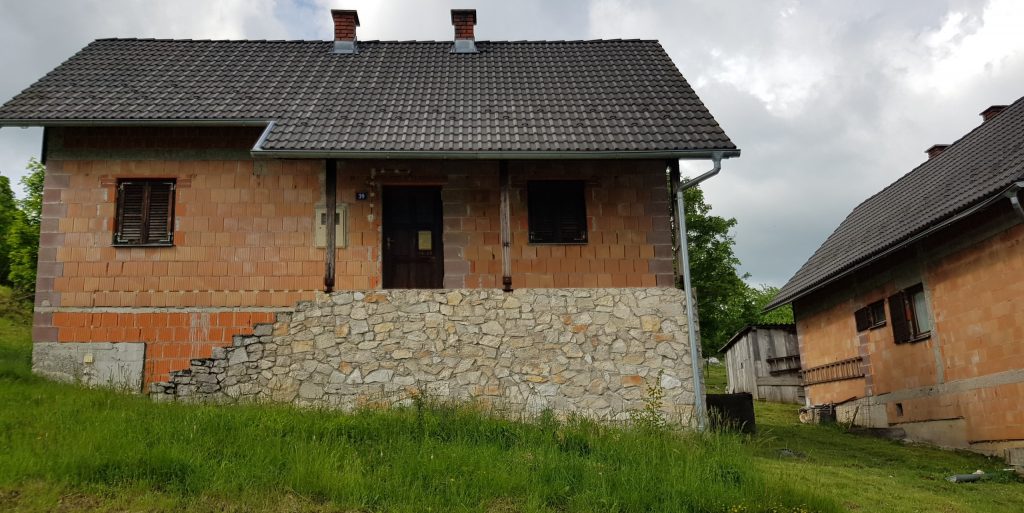
The infrastructure is brilliant where the main attractions can be found, dual carriageways, bridges and entrance roads to cities are excellent condition. Outside of this, it’s the opposite! Dirt roads, people living in half built houses, no road signs…….and we have not found out why.

Main roads have had EU money spent on them but sometimes we have found a local road, which is only numbered (eg 63006), with no signposts, is a stoney dirt track! Does not stop Croatian drivers being loonies, wanting to overtake any car in front of them, despite the road having a single white line in the middle, a sharp blind bend in front and a queue of cars behind the oncoming coach!

We have also established that EU money is still being spent on creating this “new country”, providing students with the opportunity to attend college and Universities FREE, yes you did read that correctly, and all HEALTHCARE is FREE!!!

Tourism

Additionally, it is more expensive than we expected, we thought it would be really cheap here, even on a par with Spain, but it’s not.  We have learned that people and businesses are heavily taxed and therefore prices are more on a par with Italy.  Some things are cheap, a beer or glass of wine equivalent to €2, but a main meal in a restaurant is never less than €10, more like €15. Tolls are cheap, fuel is cheap, but campsites are pricey.  The bigger the City’s attraction to tourists, the higher the prices! In Split, we pay €3.50 for wine, €3.00 for a pint. In Dubrovnik, €7 for a glass of wine and a beer!! €12 for a burger and chips, €20 for lasagne!

Campsites, well they are an eye opener!  We have been on 5 different sites, in the northern Istrian peninsular, inland at Plitcive Lakes, out to the coast at Zadar and two further down in Split. Luckily most take European discount cards that us travellers use!

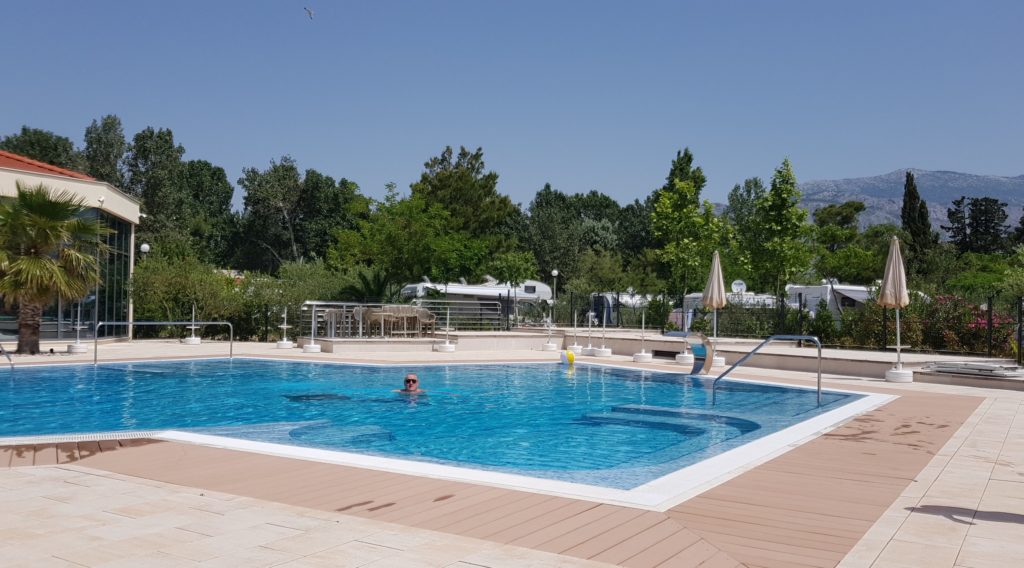
Split campsite

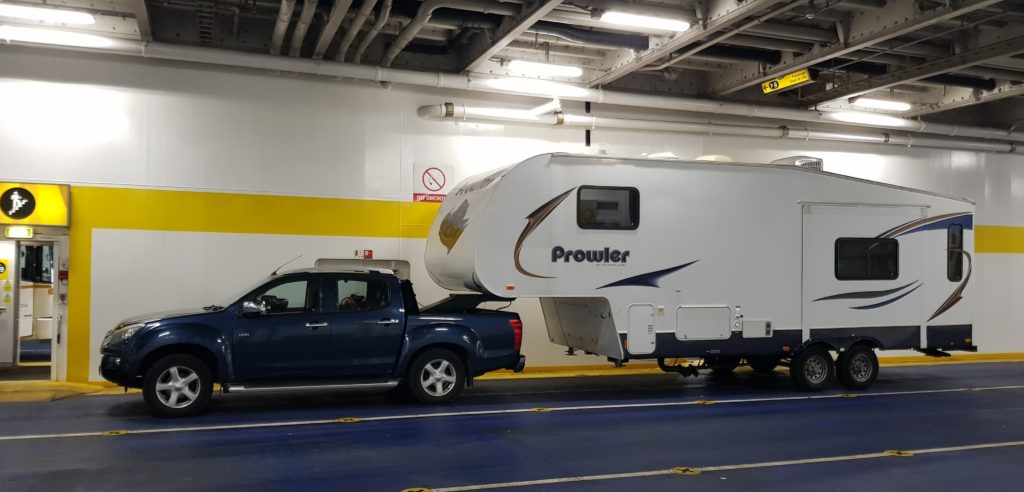
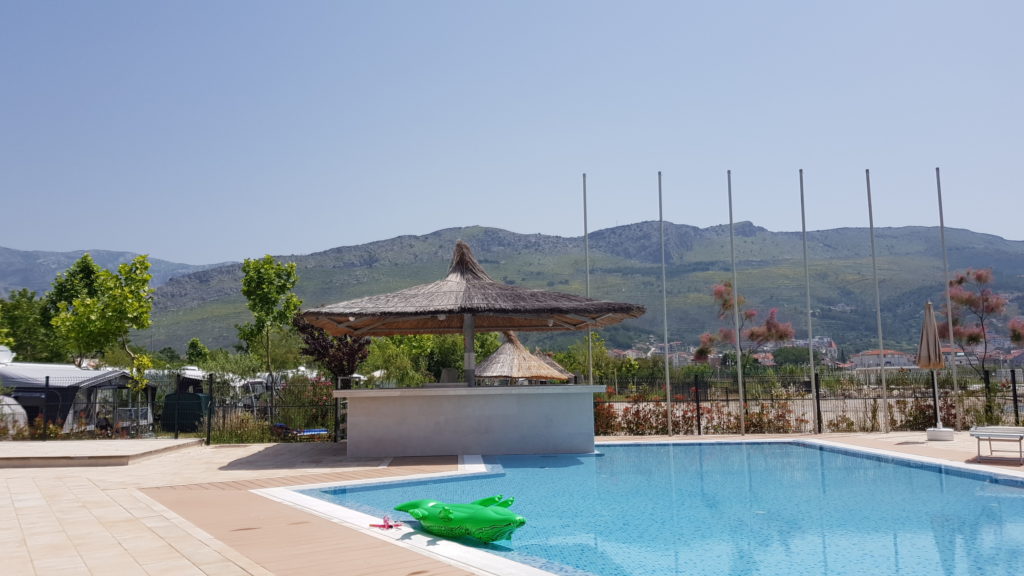
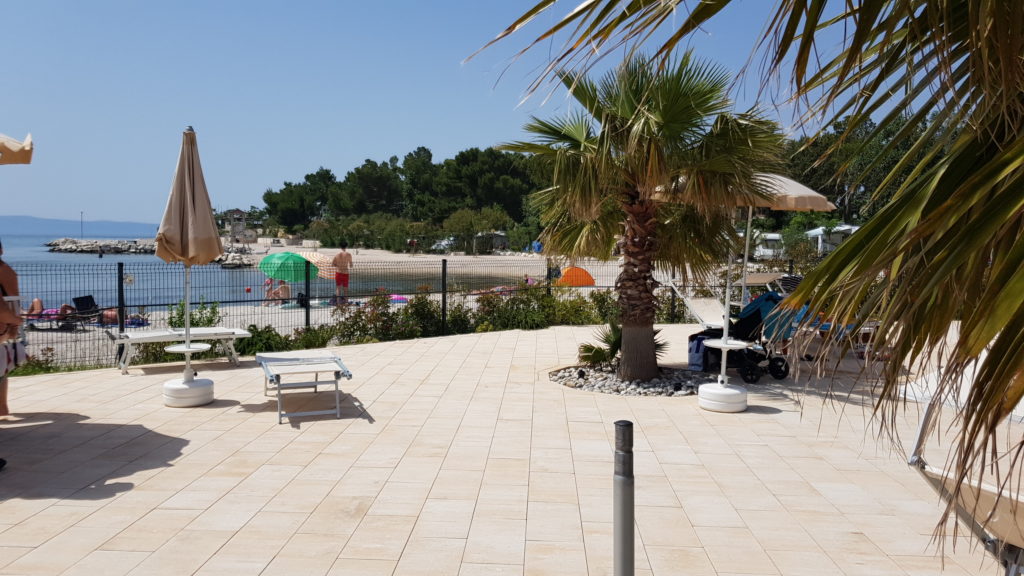
Again, where the travelling tourists are, they have had a lot of money spent on the Campsites (calling them Resorts) bringing them up to European standards, most are huge – well spaced out, well cared for and do everything possible to make you feel welcome, comfortable and relaxed.  We have had no problem on Croatian campsites with the 5th wheel and no issue finding pitches, 90% are fully serviced and all sites have a several restaurants, several bars, water parks, and loads of outdoor activities. The bigger the site, the more facilities. And, there is water everywhere!! Further down the coast they have introduced “Kamper Stops”, a large area for motorhomes to stop overnight only.

They cater for Germans!  Very few Dutch or Italians here, next to no English! Thankfully they all speak English!  They are taught it in school from an early age, so language is not an issue, apparently the Croatian language is one of the hardest to learn!
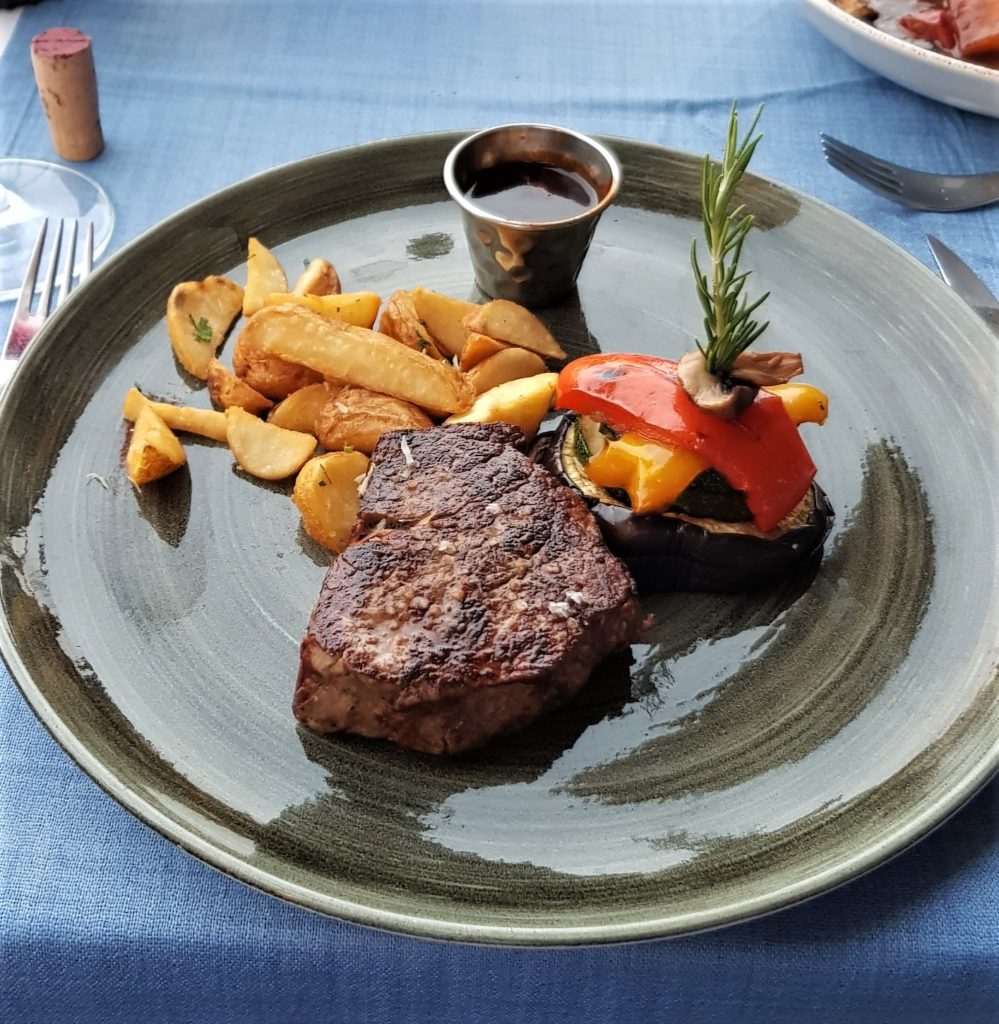
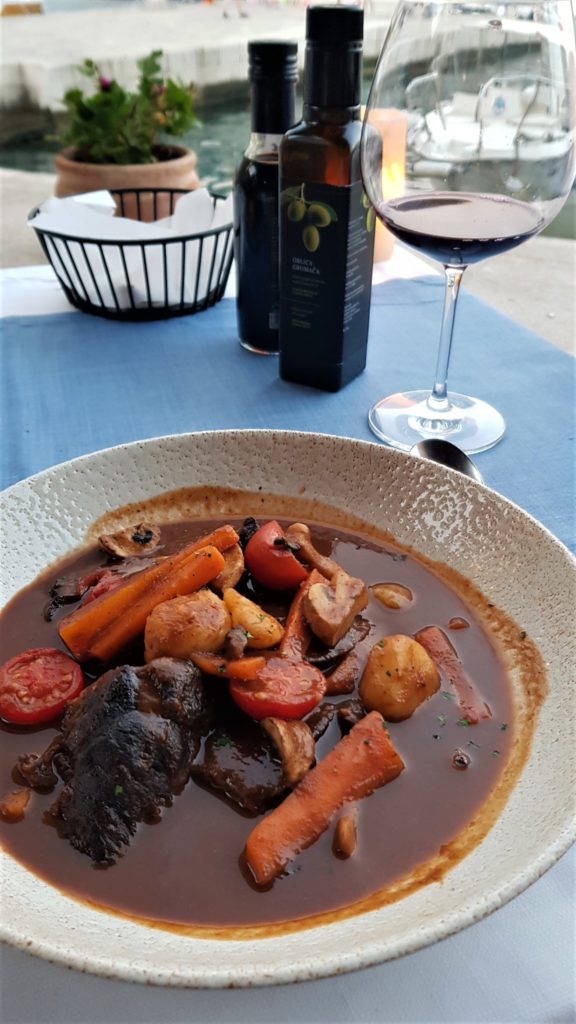
Food is similar to Italy – excellent pizza and pasta but with more emphasis on grilled dishes and meat and salads are excellent quality.  Local delicacies can be found, Istrian sausages, Pag sheep cheese, truffle cheese and wine from each region.

History lesson coming up now!!
In the past century, this country has been “owned” by lots of different people but Croatia originally began in the 3rd Century in Nin. Before then it was part of the Roman Empire and afterwards, Byzantines, Venetians, Hungarians, Bosnians and Austrians before it finally settled as the Kingdom of Yugoslavia in 1918. in 1941, during WW2 it was handed back to the Italians but in 1945, The Federal People’s Republic of Yugoslavia was declared and the King was deposed, and a President was elected in 1953.

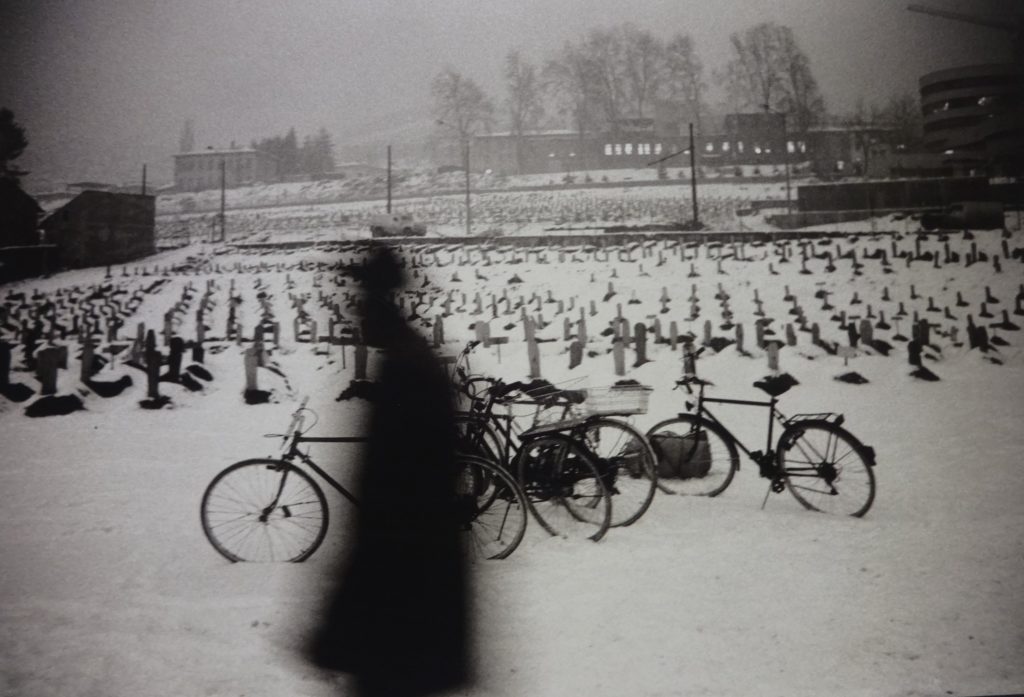
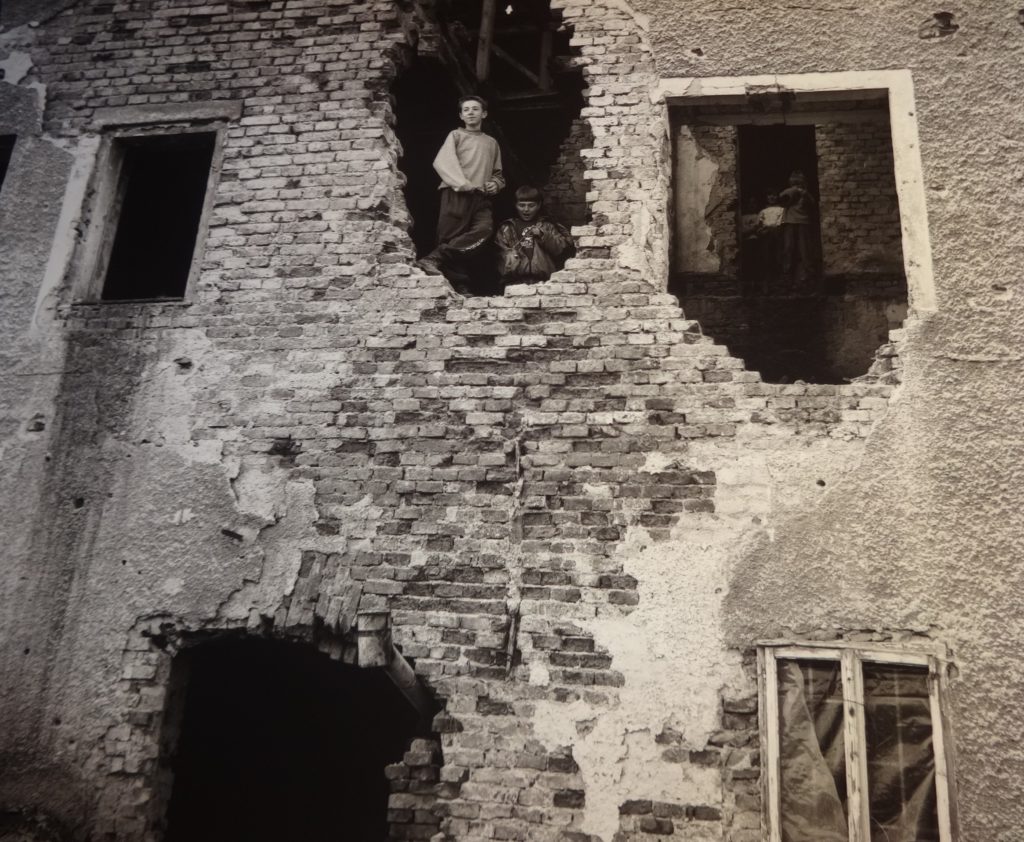
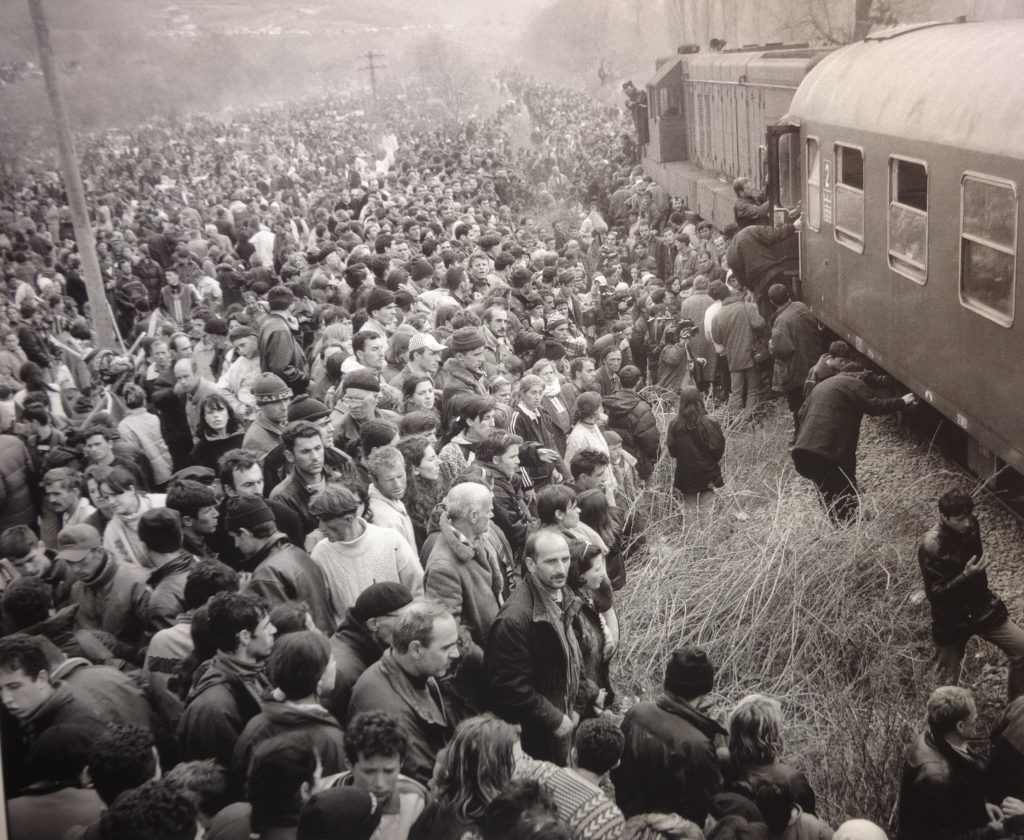
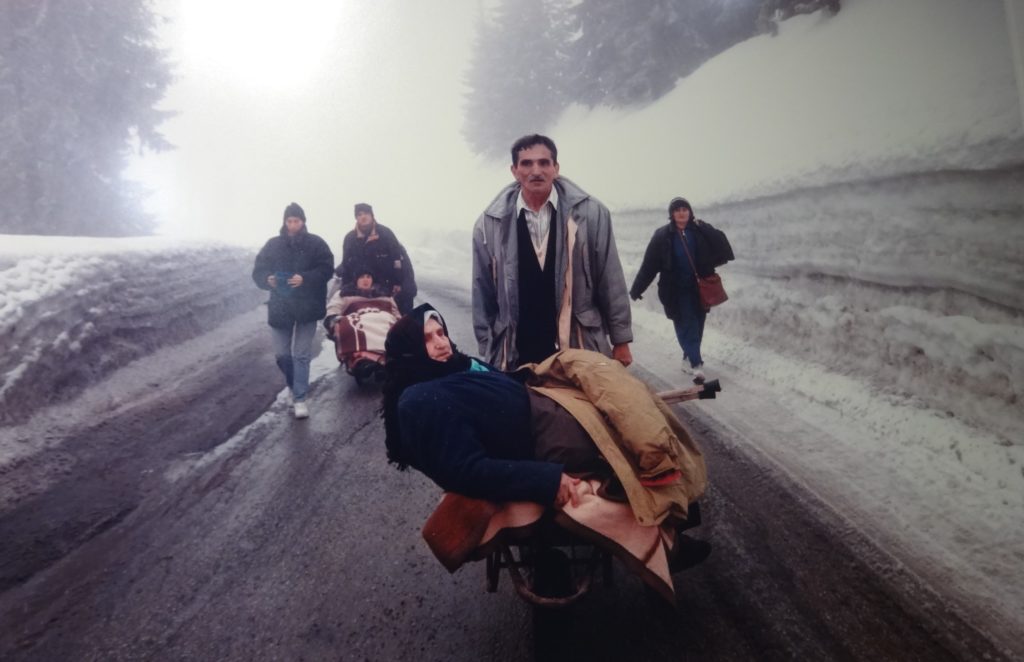
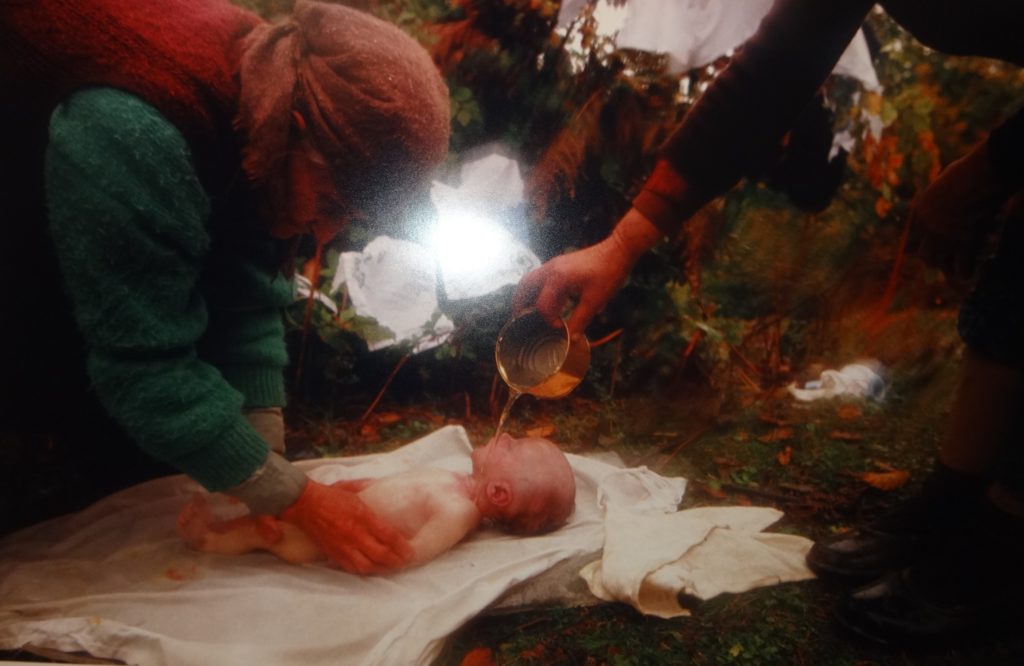
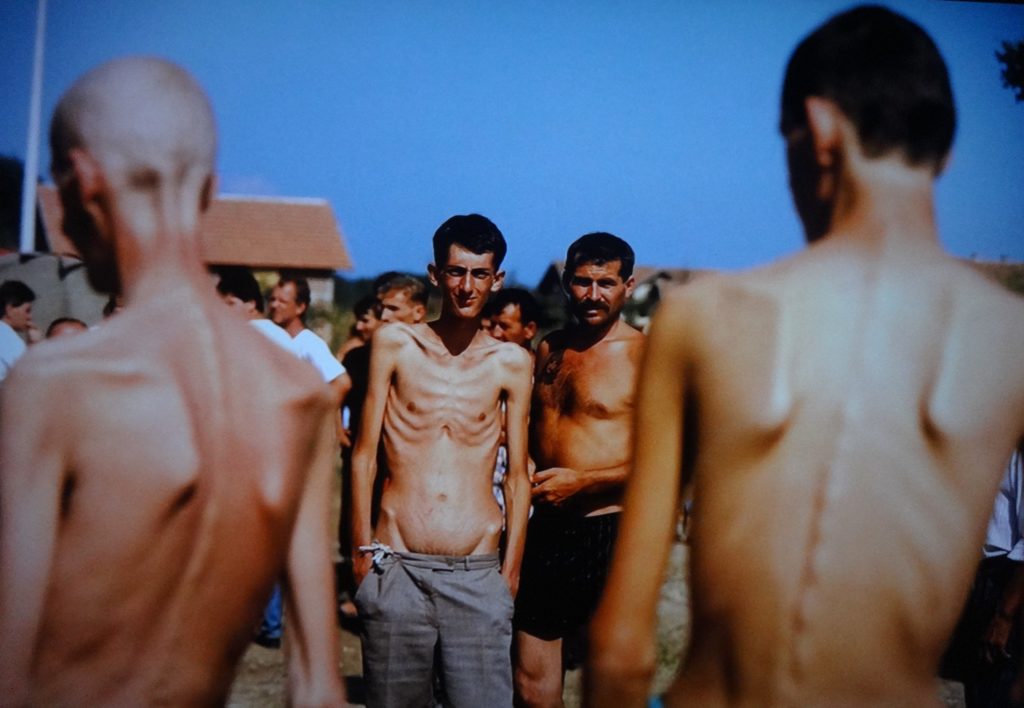
When the dictator Tito died in 1980, the next Presidents were from Bosnia, Slovenia, Serbia, Montenegro, Macedonia and Kosovar until war broke out in 1990. This internal war was all about territory with roads being blocked, ships being sunk, civilians being killed and displaced, until the end of 1995 when a Treaty was agreed establishing Bosnia and Herzegovina as a seperate entity, as well as guaranteeing Serbia and Slovenia rights under the same titles as Croatia, splitting Yugoslavia to make new territories.

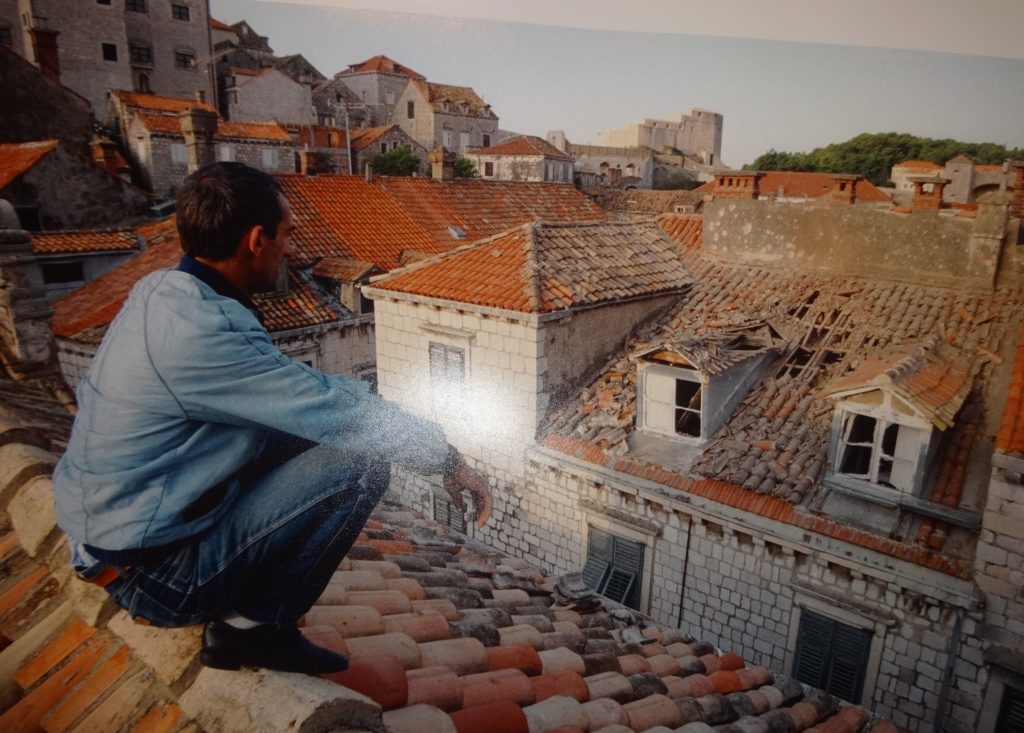
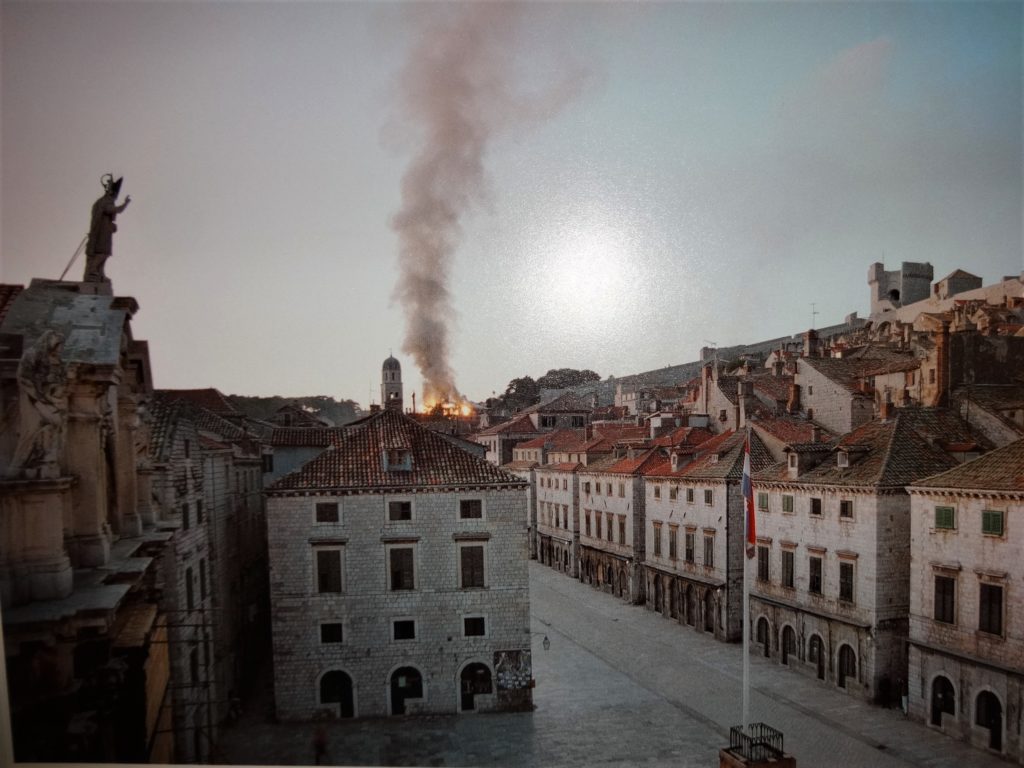
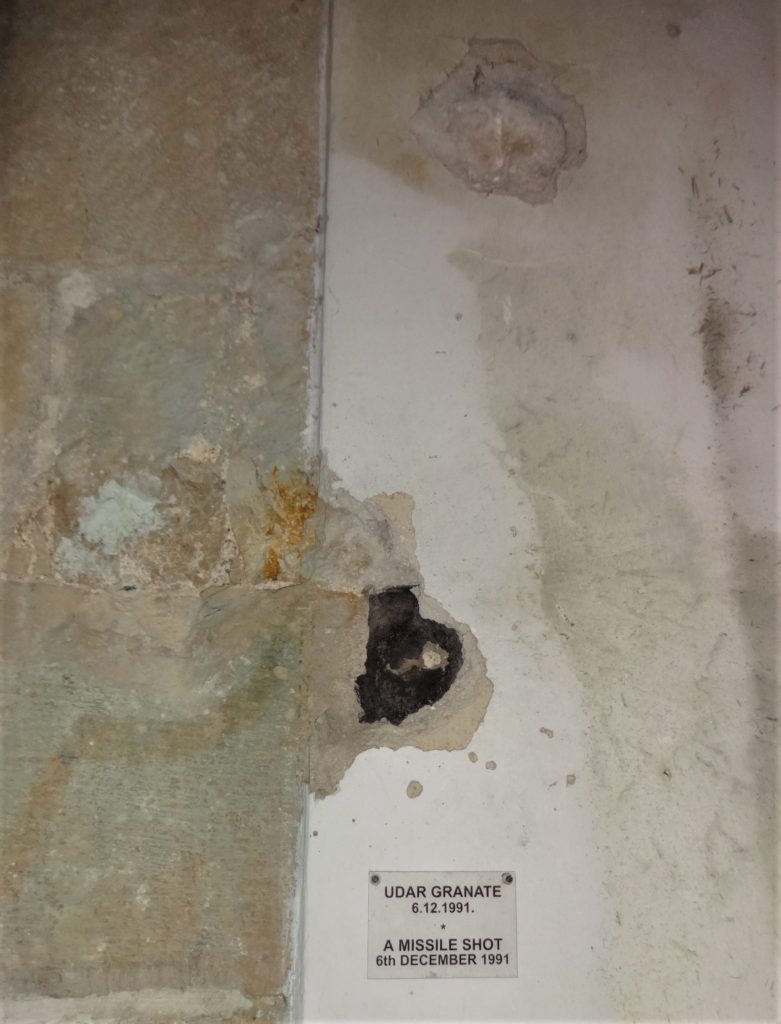
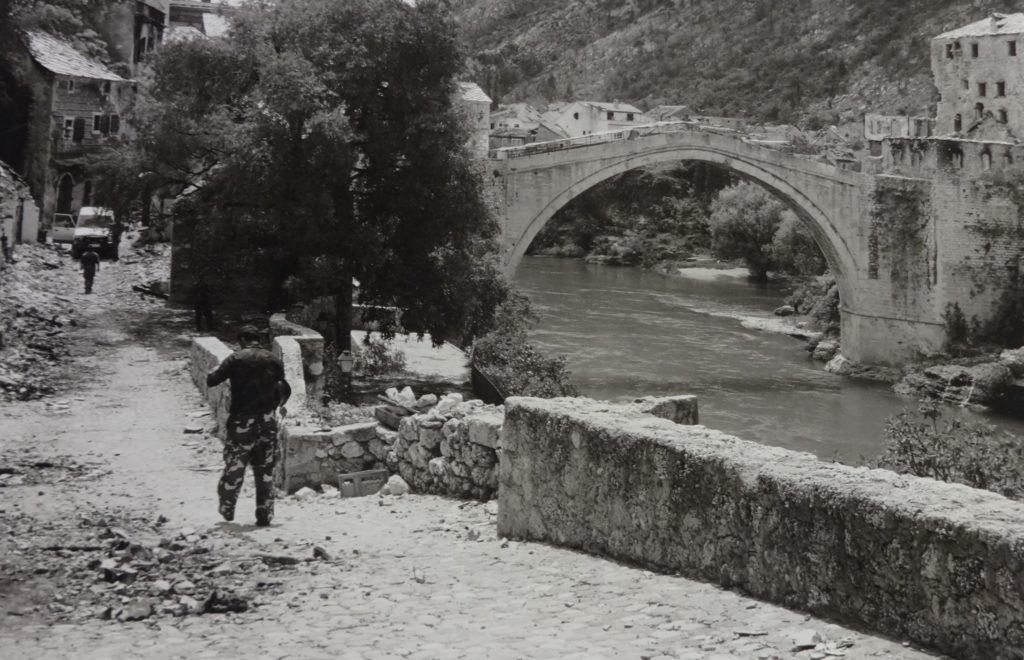
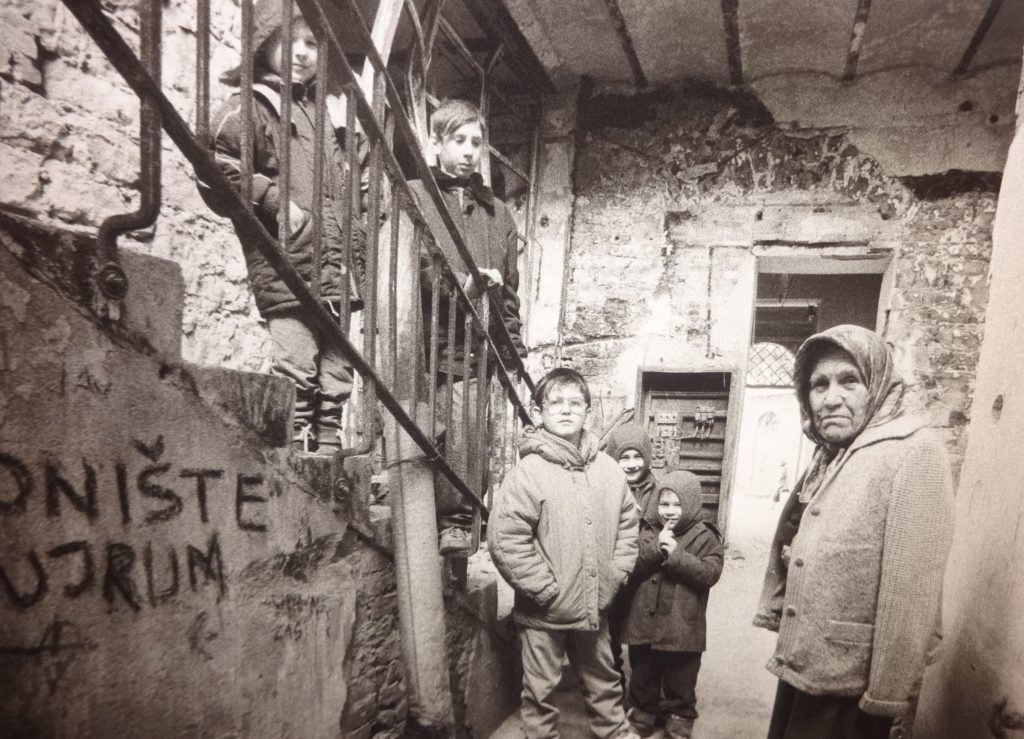
During this war, bombs hit every city, Dubrovnik for example had 50% of it’s buildings and roofs hit, all roads leading to it were damaged, surrounding airports were flattened and domestic services were cut, water was withheld from Dubrovnik for 3 months!

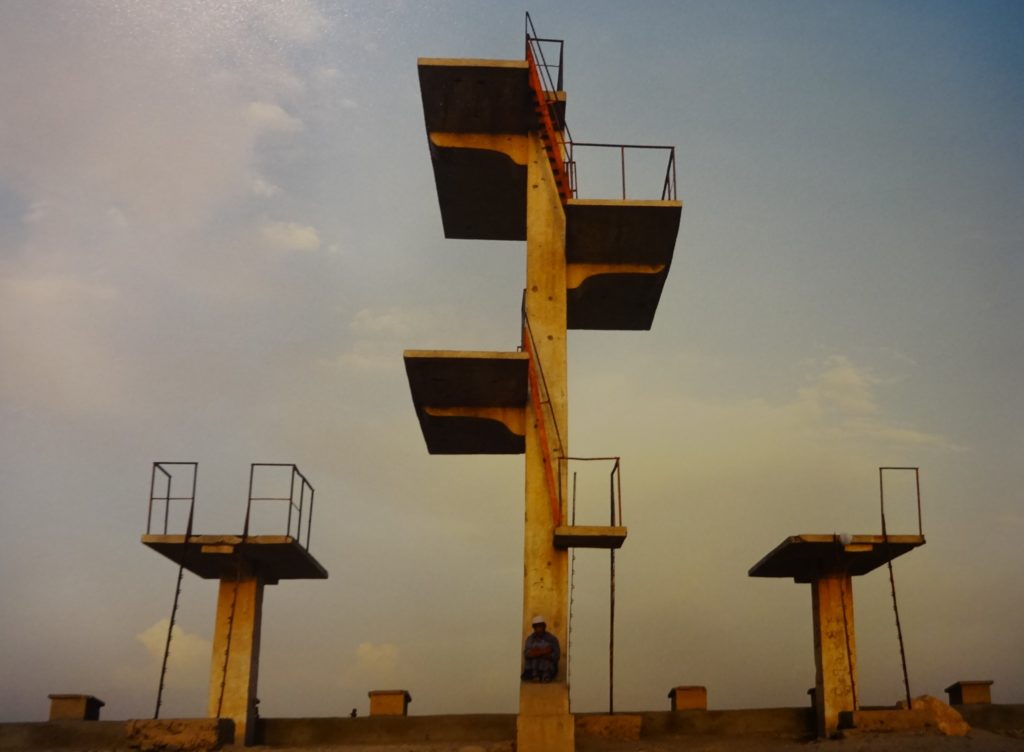
Images of the Civil War

Thanks to this war, the country begged for money from the EU which it was duly given, to rebuild. And rebuild they have, sympathetically and carefully reconstructing buildings, roofs, roads and infrastructure, to a good standard. Hence the need for the Government to heavily tax businesses and locals, to reclaim the monies owing to the EU!! Some locals are working round it by selling their own products from their driveway or roadside chalets, honey, olive oils, olives, wine, chillies and fruit. All cash payments of course!

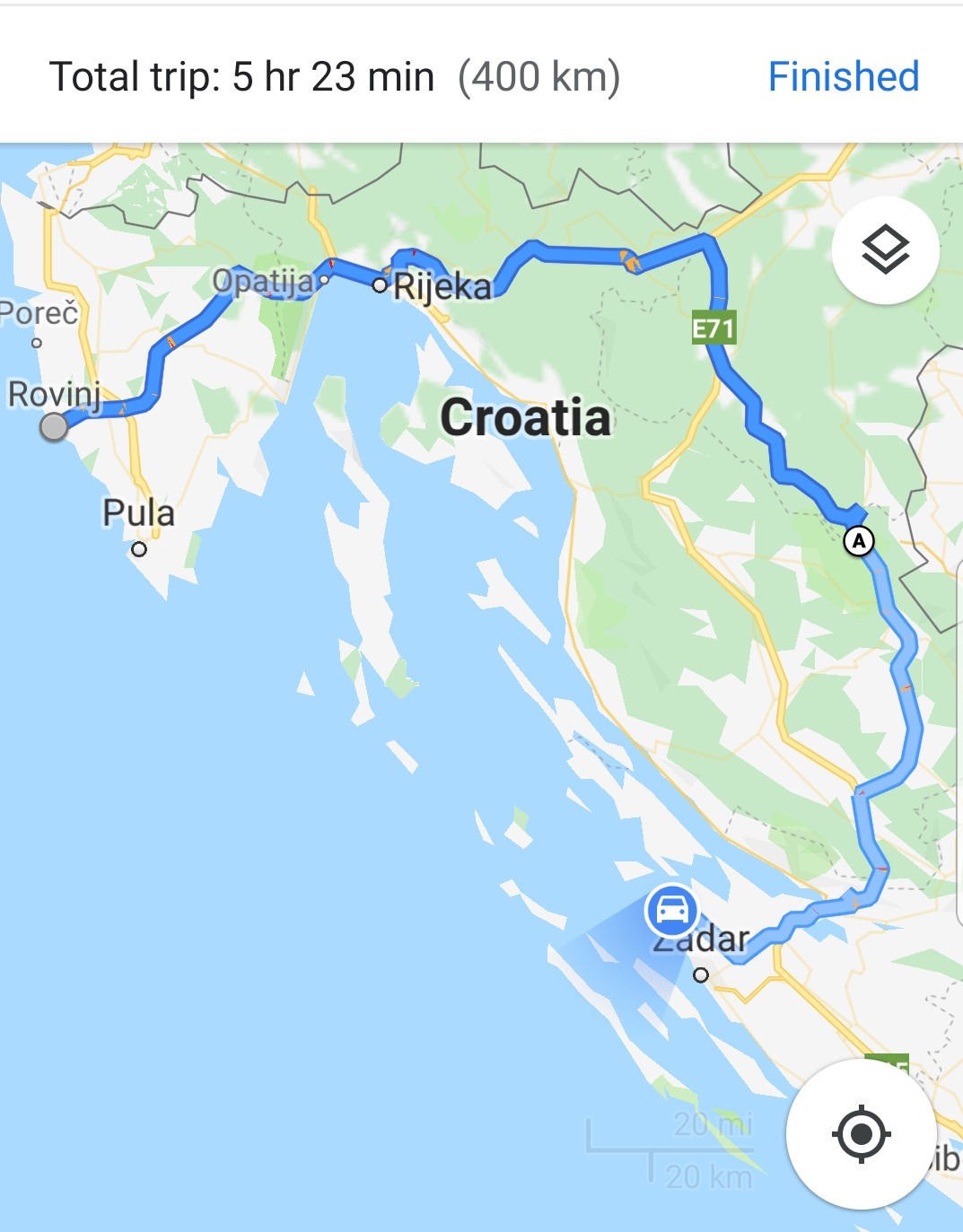
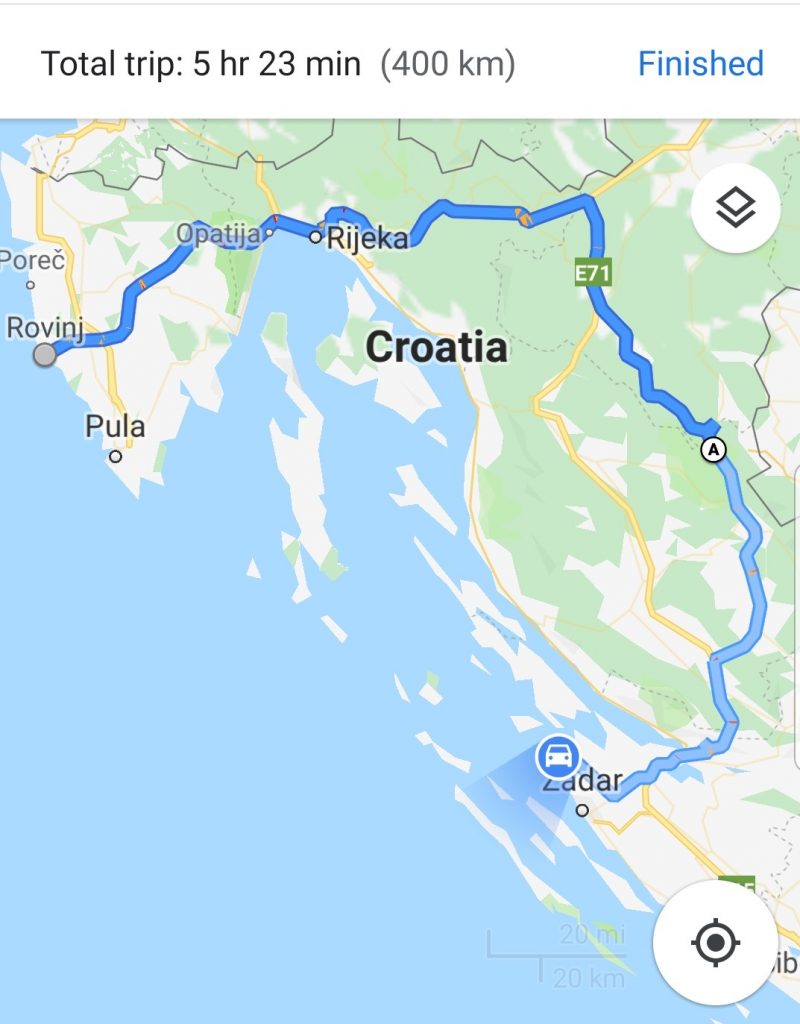
Our journey from Rovinj (Istria) inland to Plitvice Lakes then back out to Zadar (Dalmatia coast)

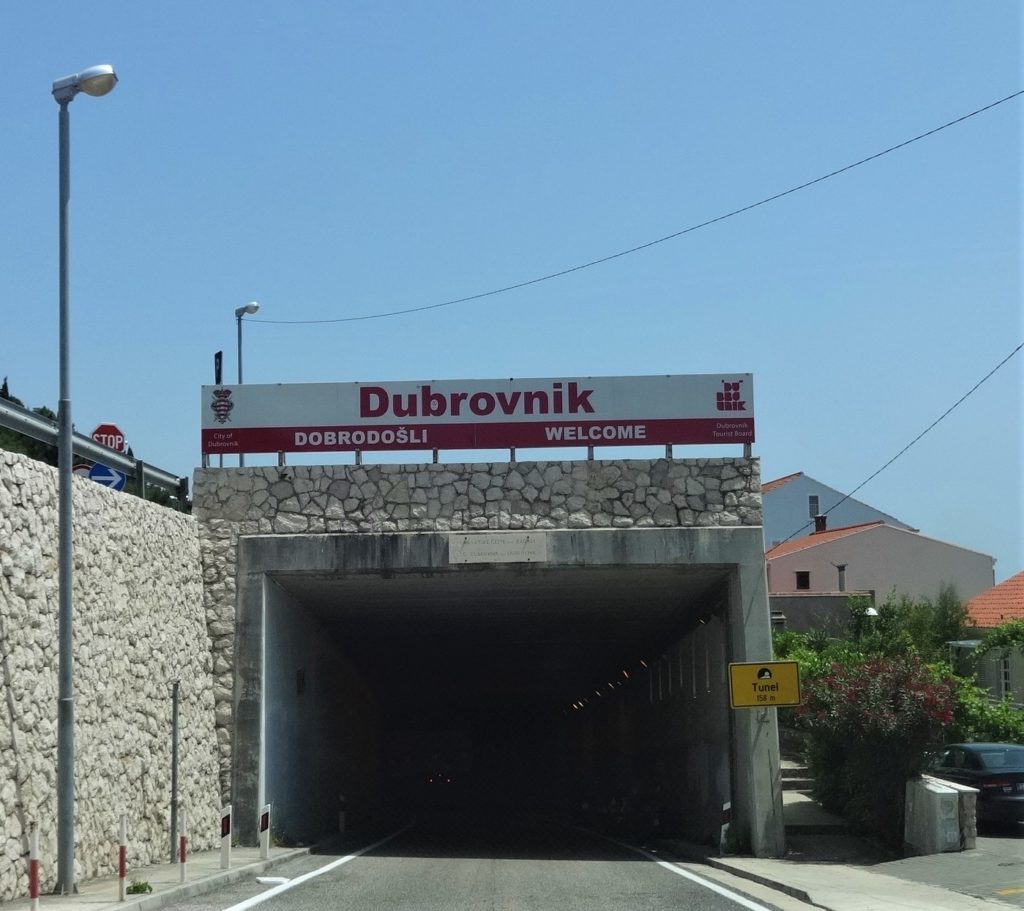
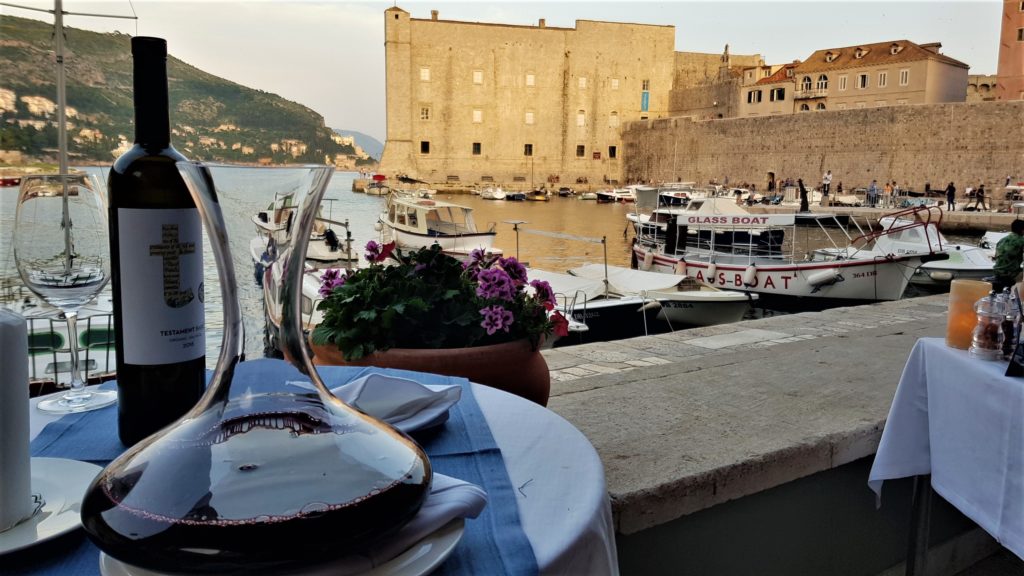
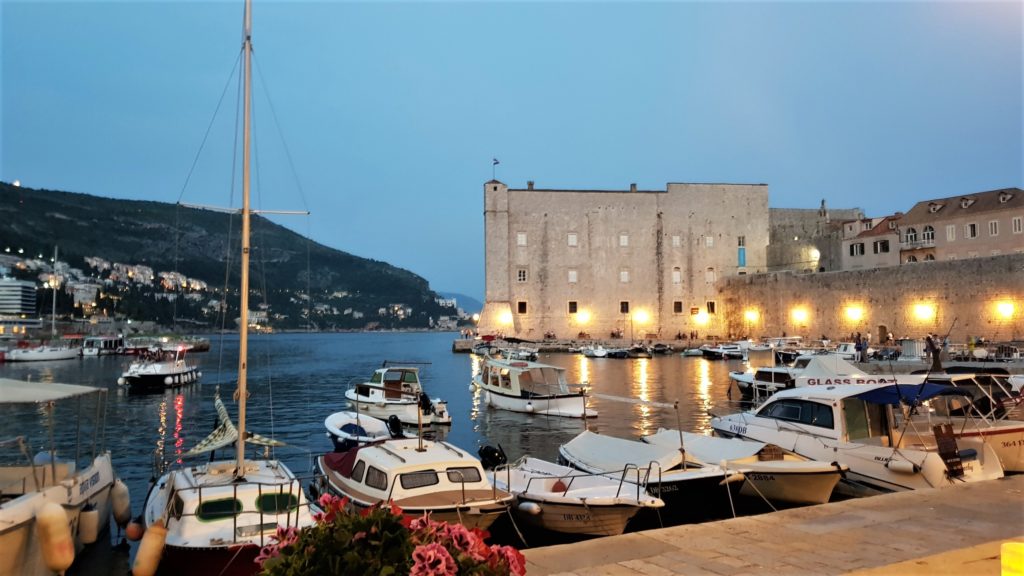
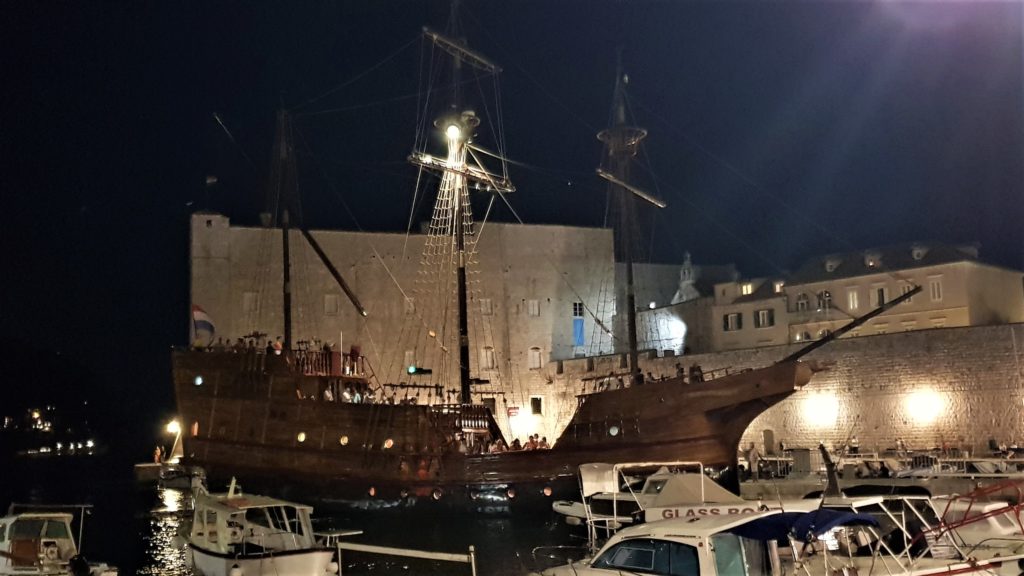
Dubrovnik

We have never watched Game of Thrones, which was filmed here and in Split, so let’s get that over and done with!

We drove from Split down to Dubrovnik as it turns out that the only car ferries departs at 7am but not in the summer, and there are no trains from Split! The train line in Croatia runs inland to Zagreb from Split but not down the coast, which is such a shame as it would make a stunning journey. 

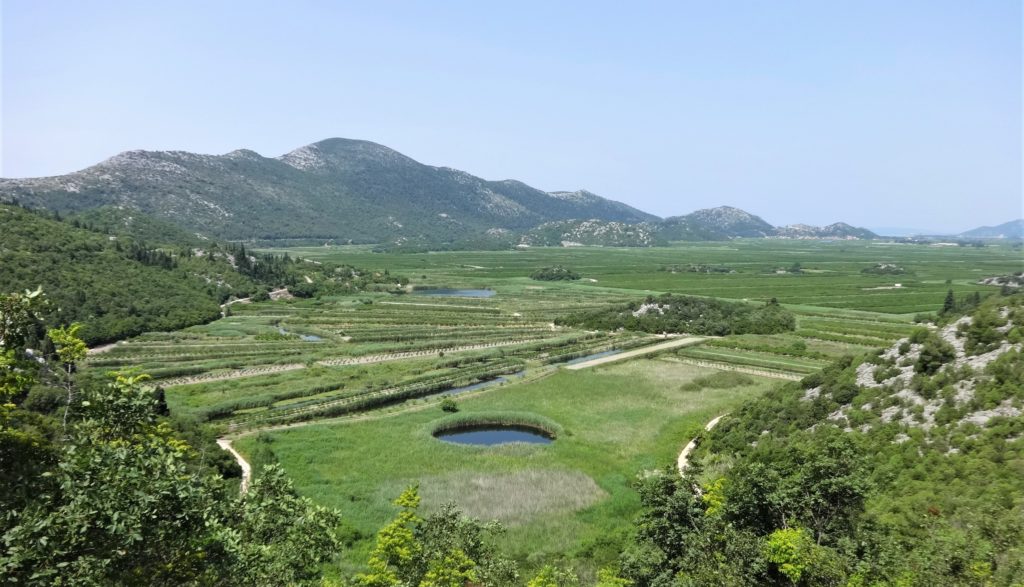
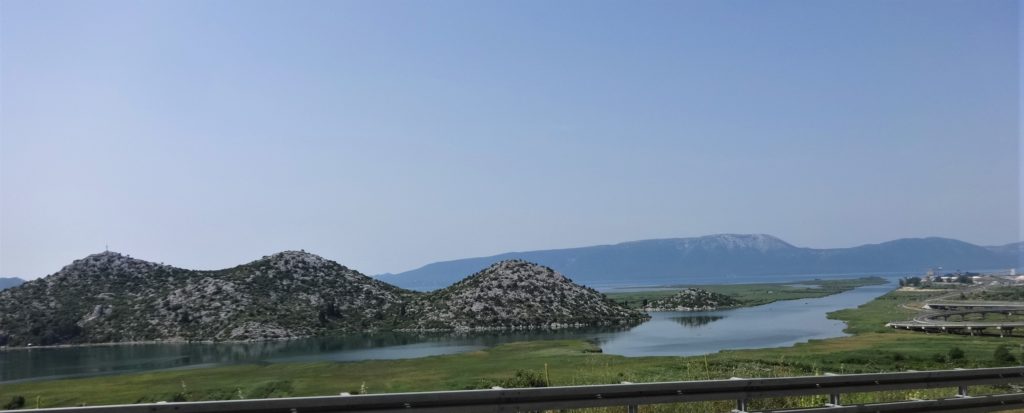
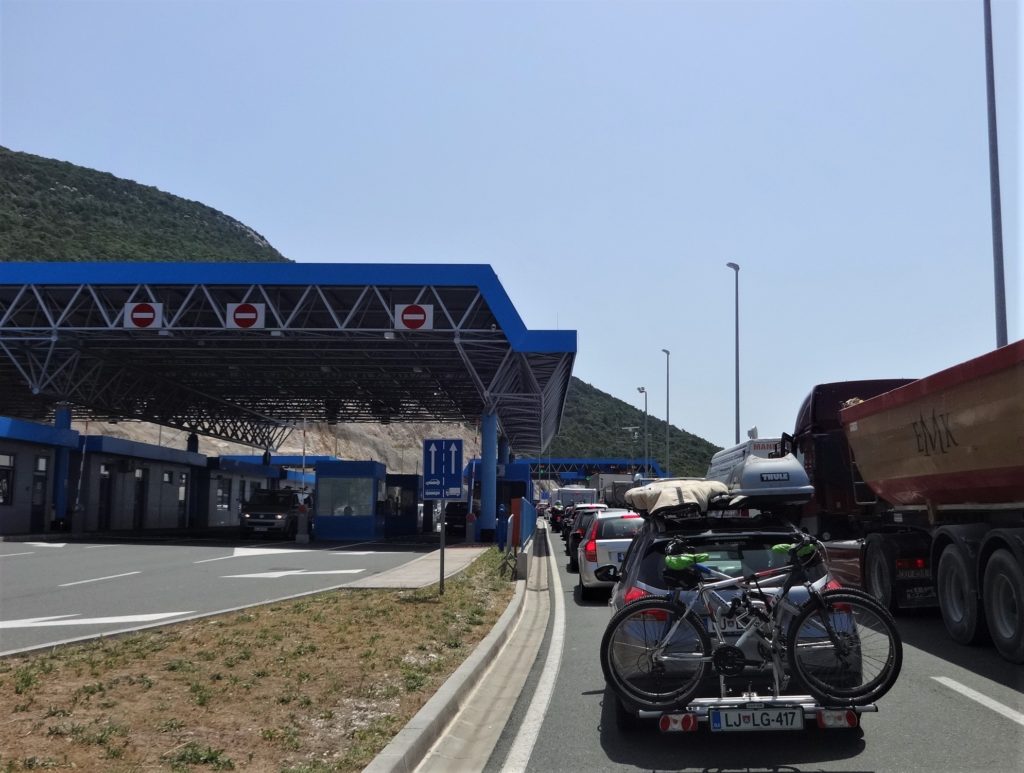
Half the road is dual carriageway, then you follow the coastline on a hillside single lane road.  The route took us through mountains and pine forests, through flat green plains full of fruit and olive trees, and through several small villages.  We also had to cross the border into Bosnia and Herzegovina, show our passports, and drive for 15kms before showing passports again to return into Croatia.

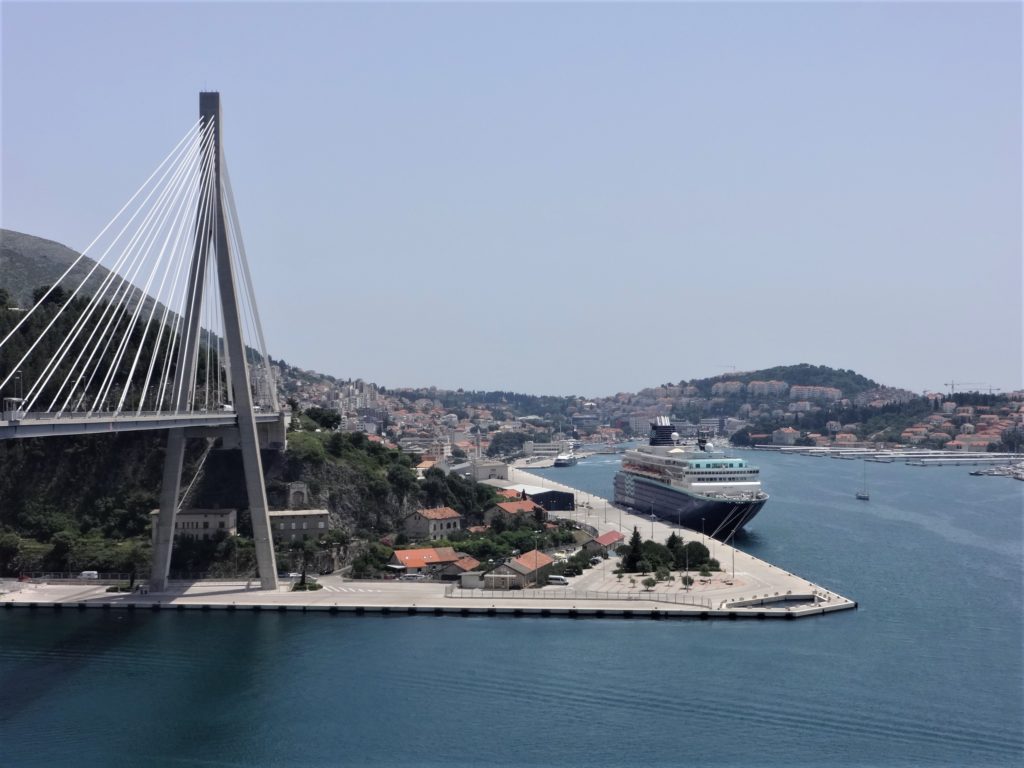
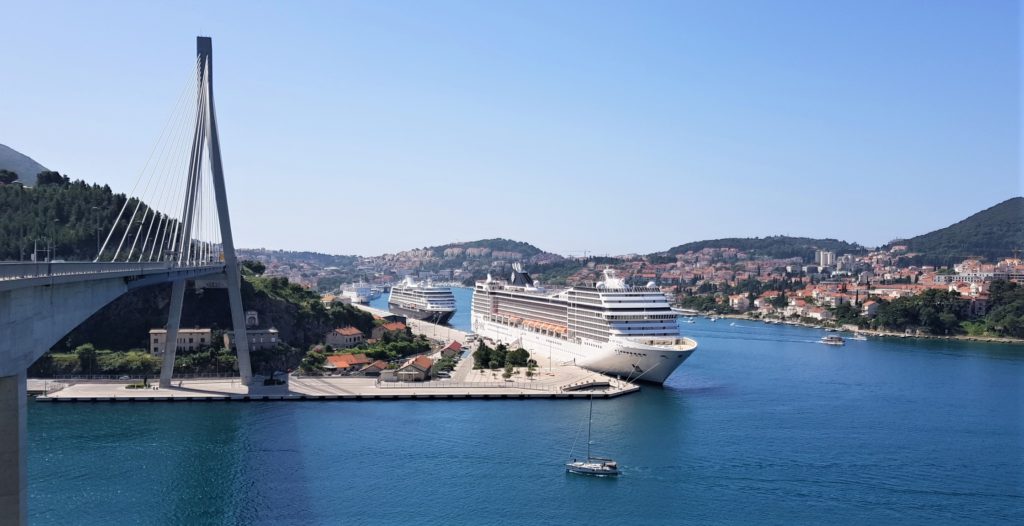
The route approaches the City from the north, it crosses over a river and goes behind Gruz Harbour where the original old docks berth the new modern cruise ships.  Cruise passengers are then ferried by coach the few miles into the city.

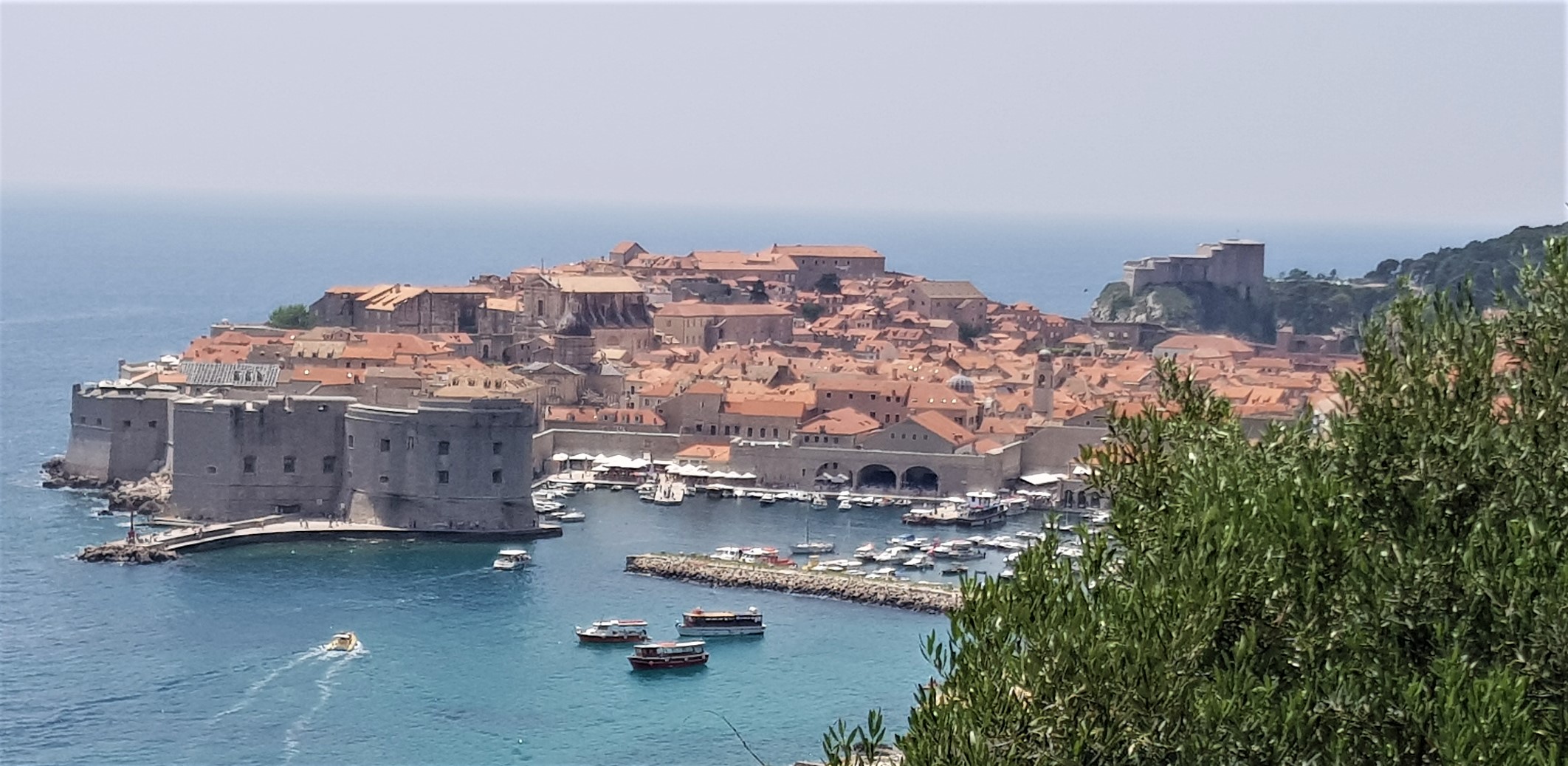
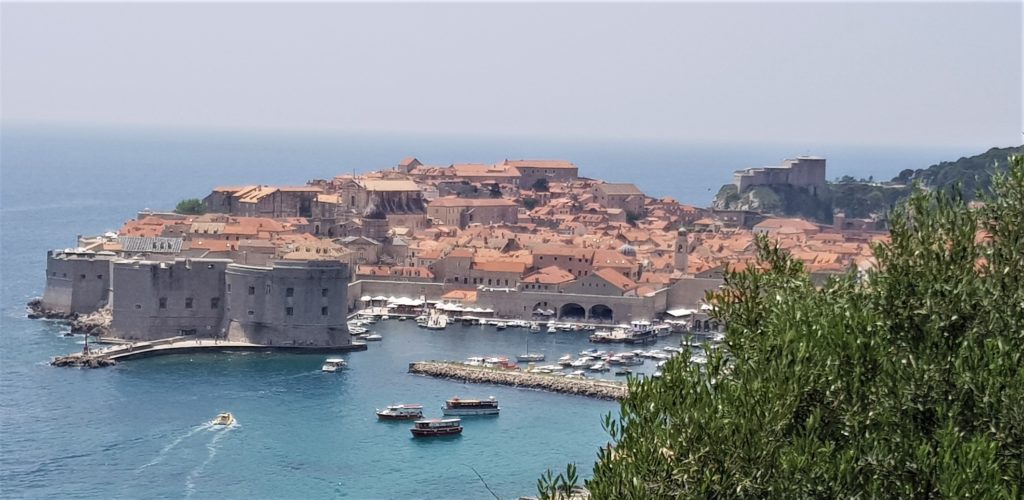
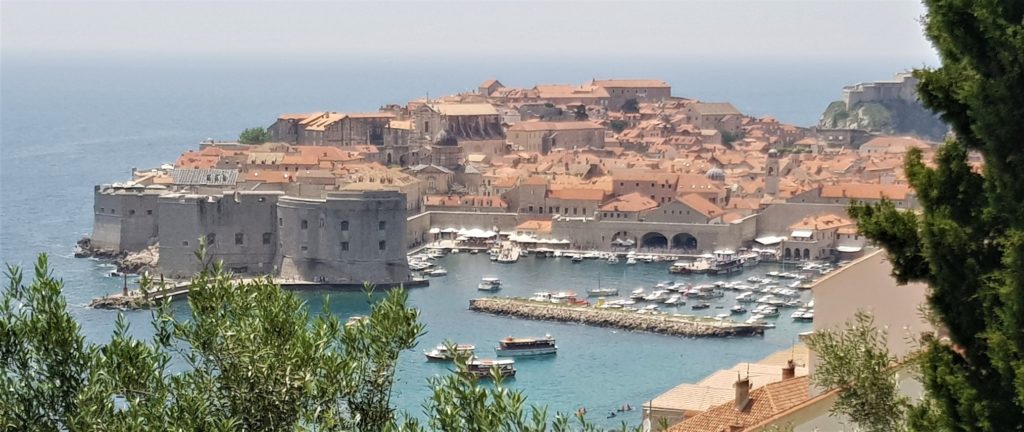
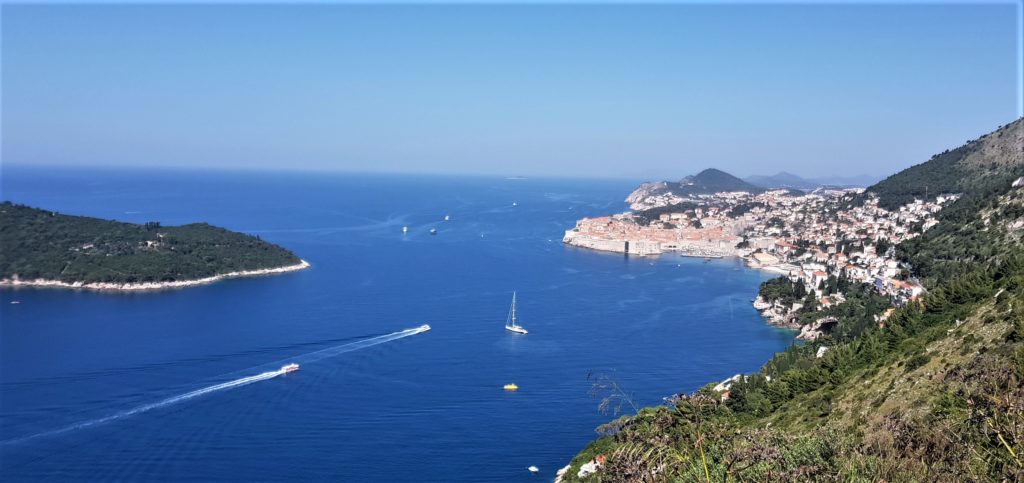
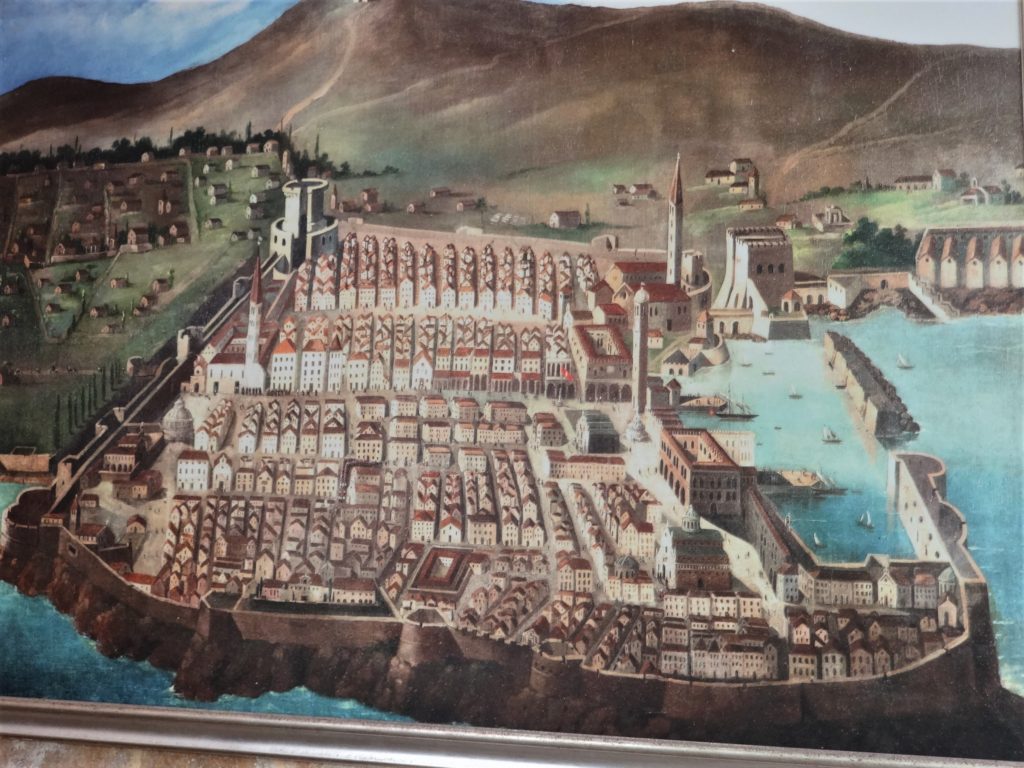
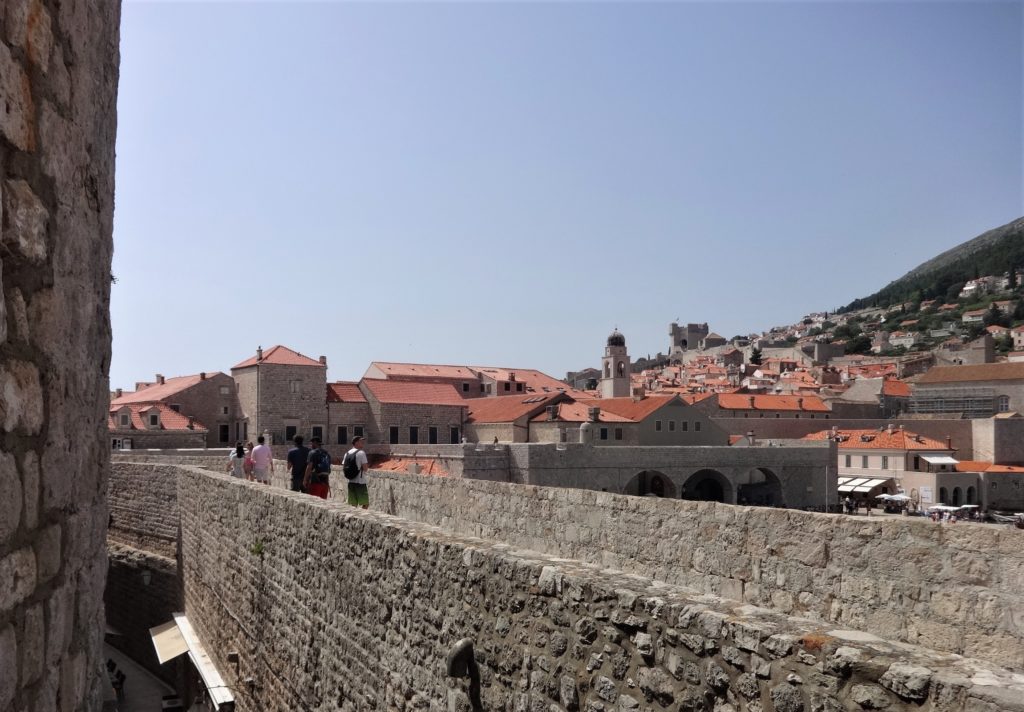
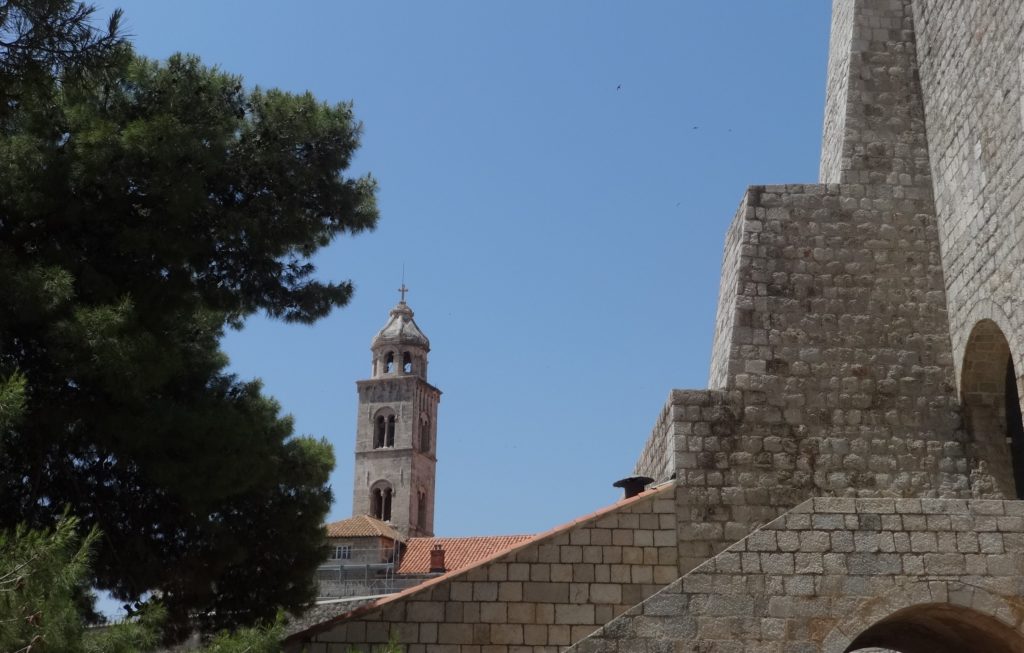
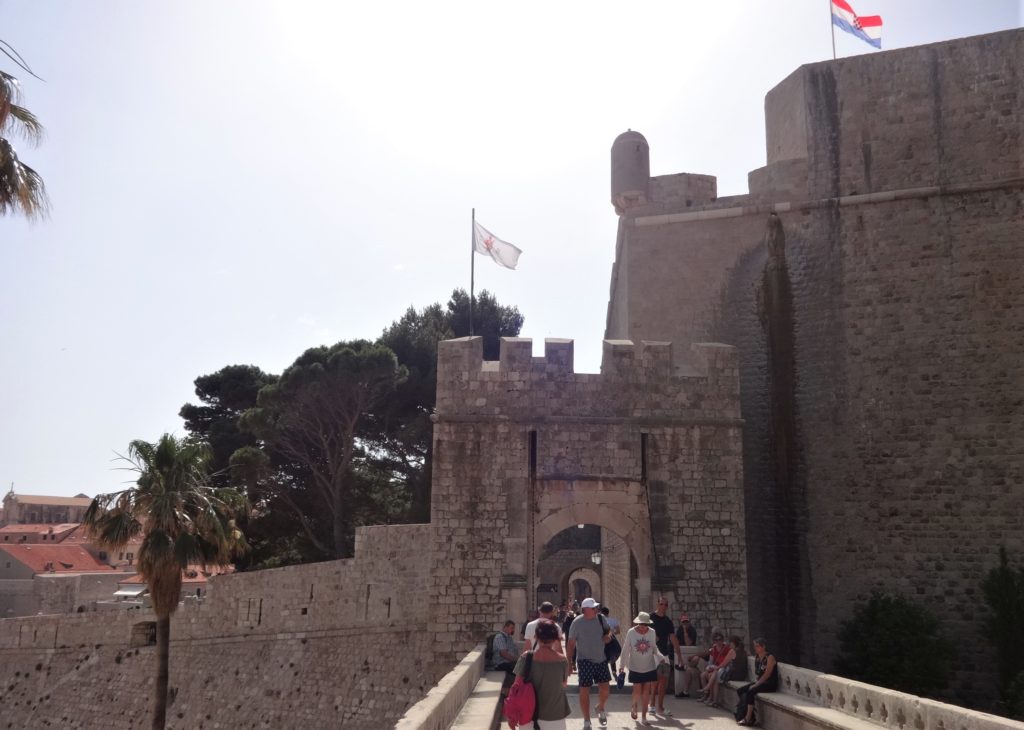
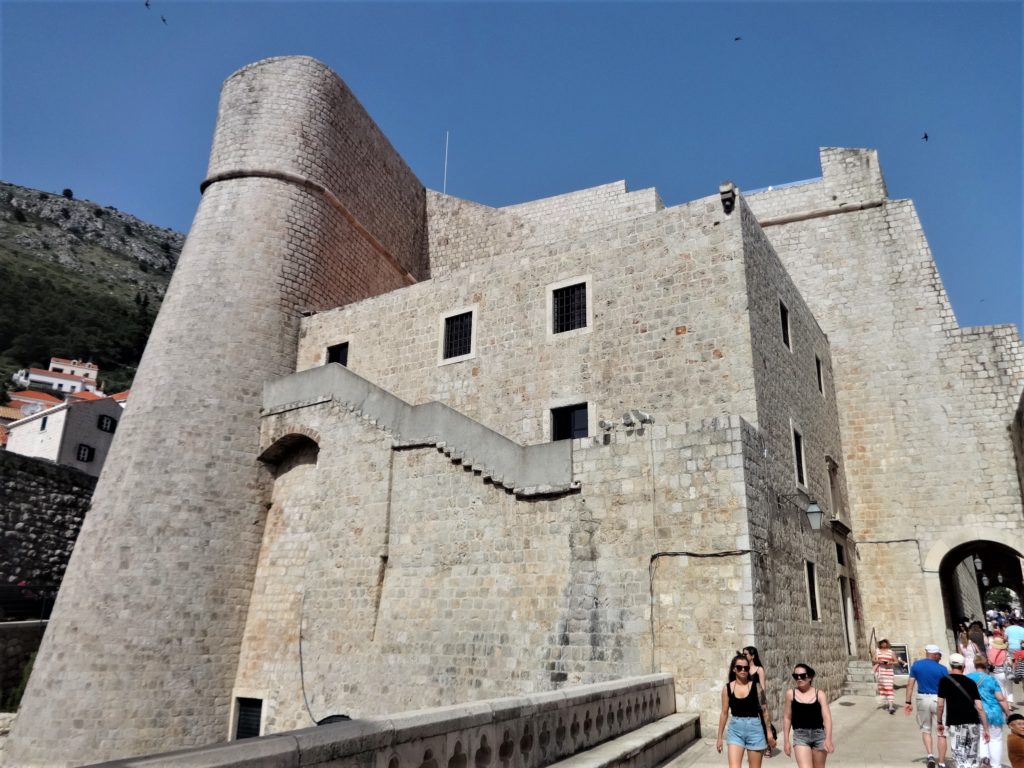
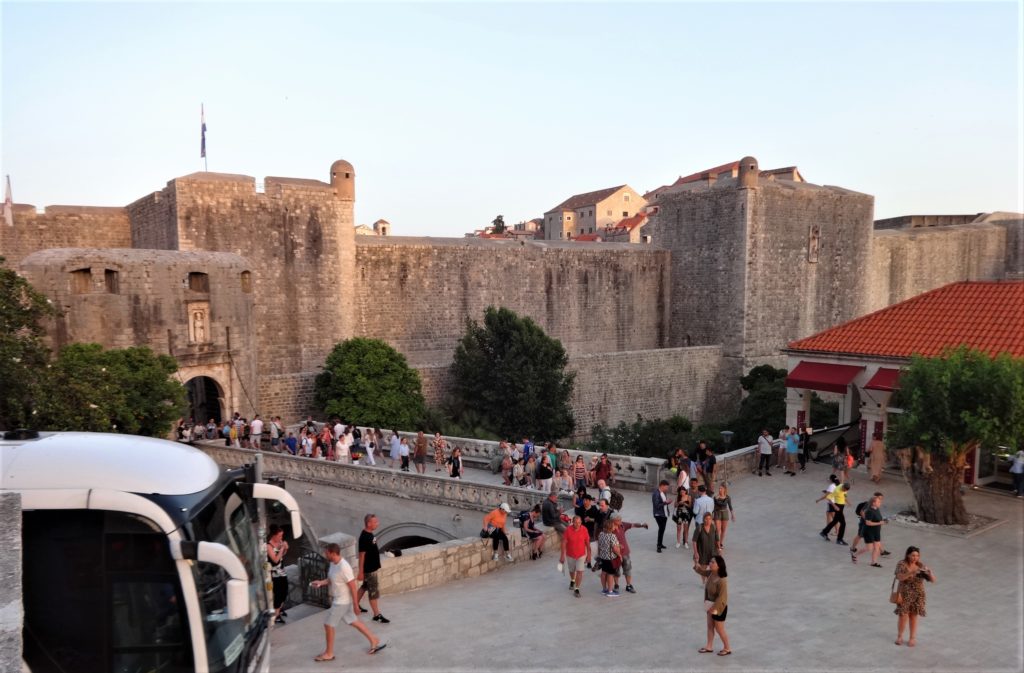
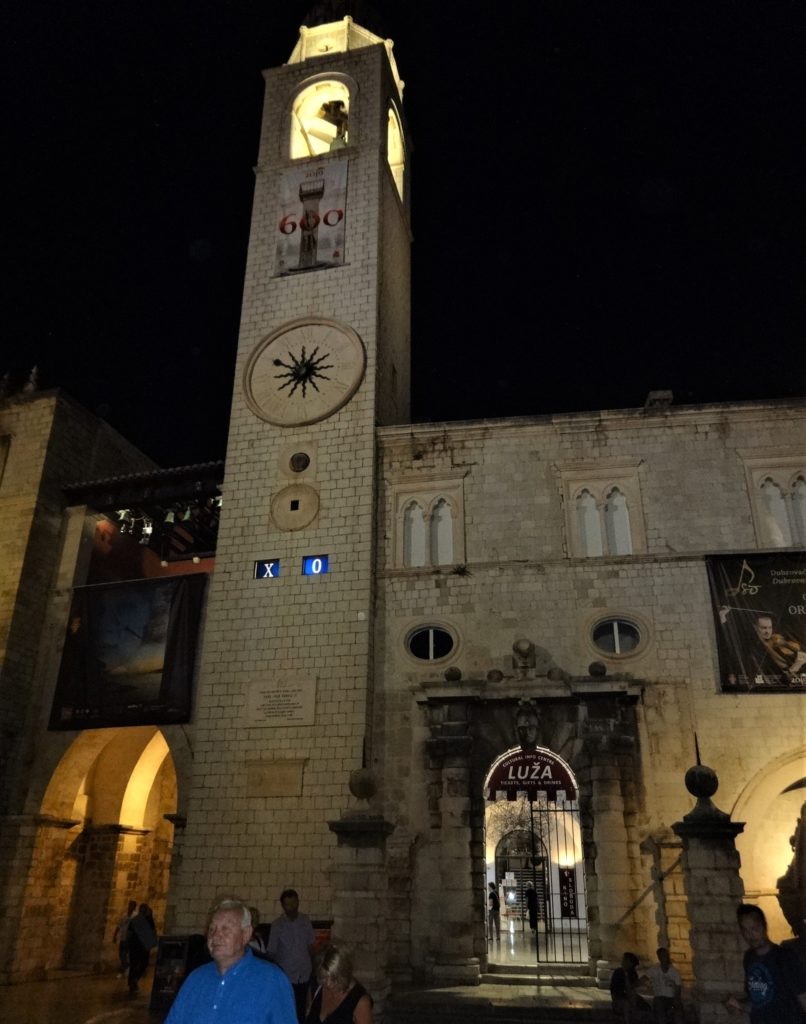
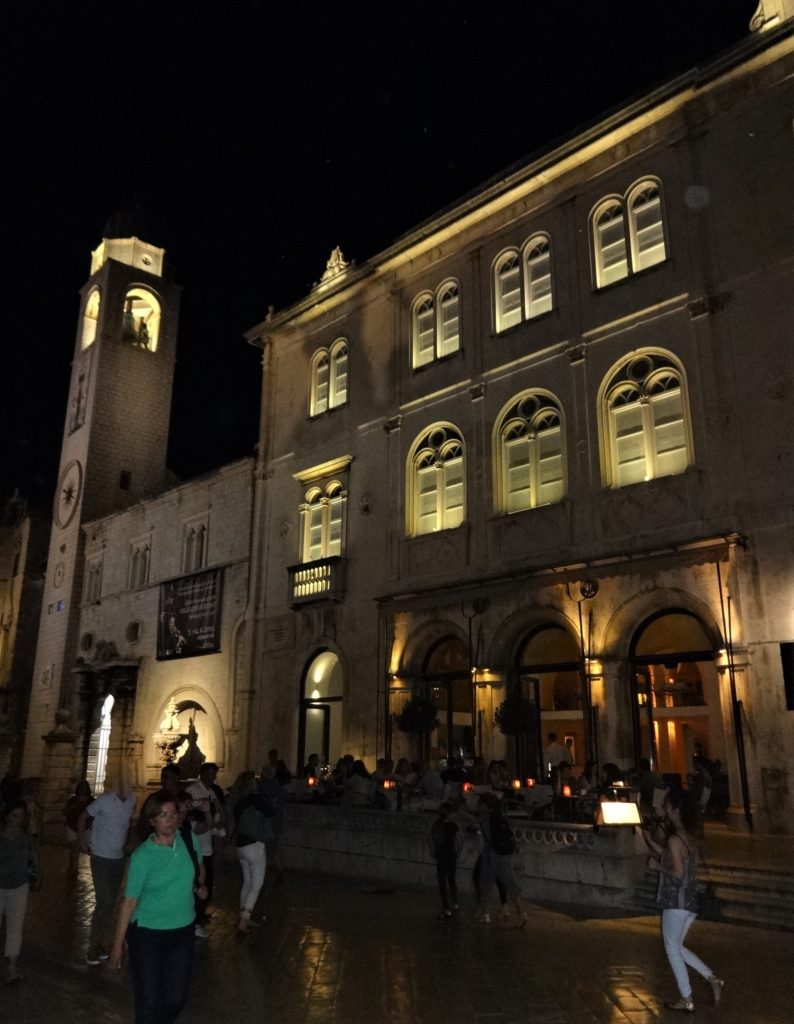
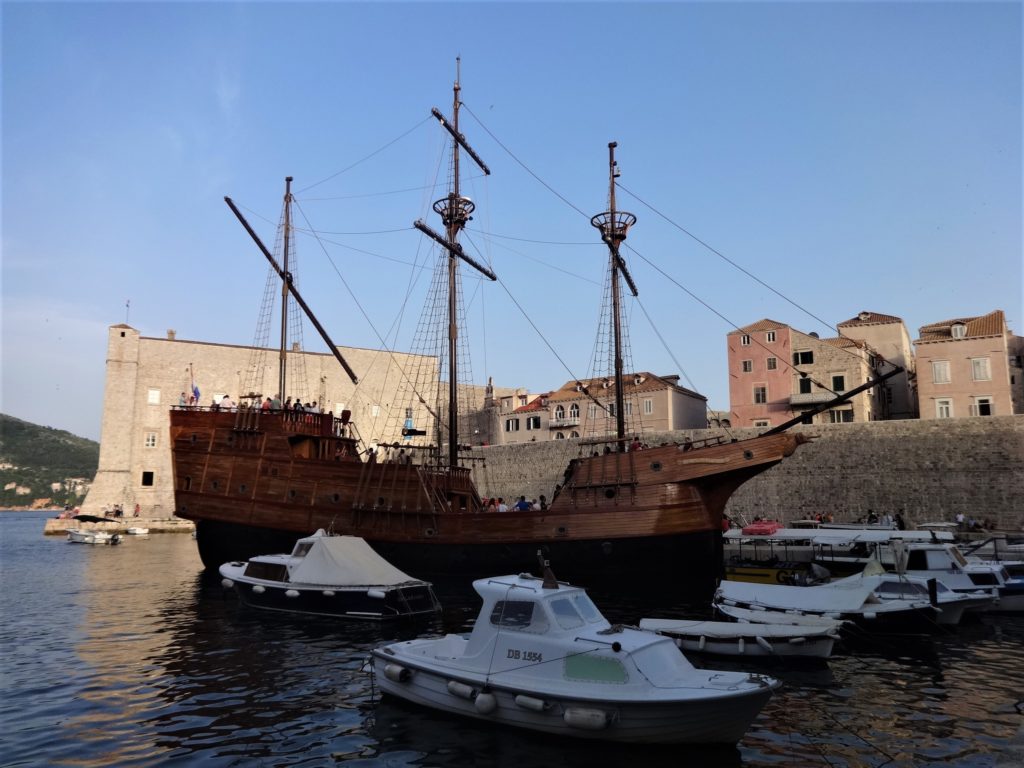
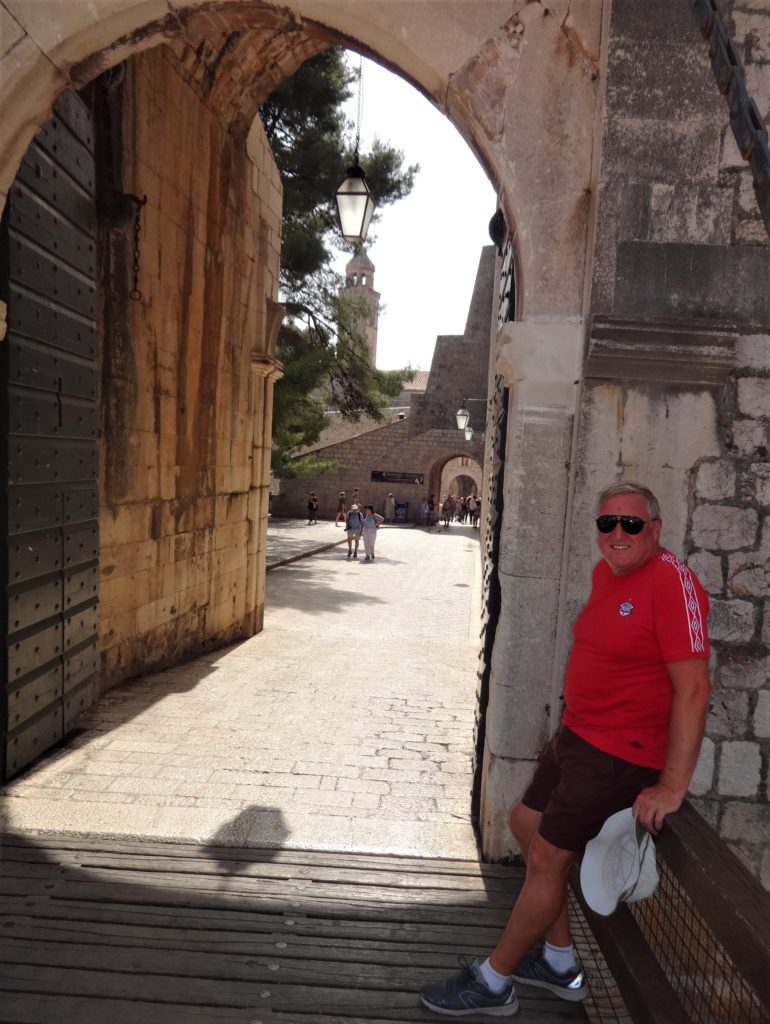
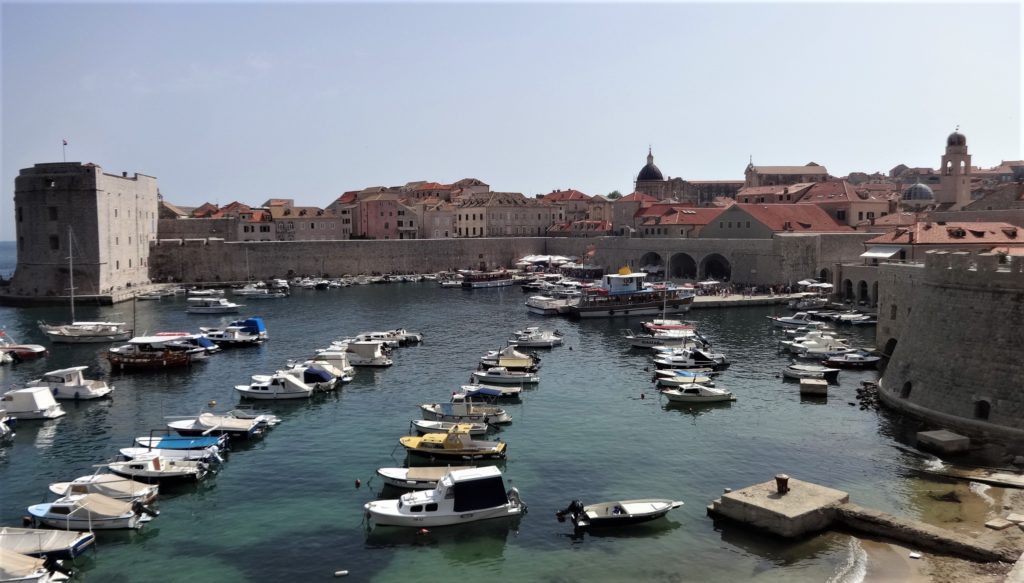
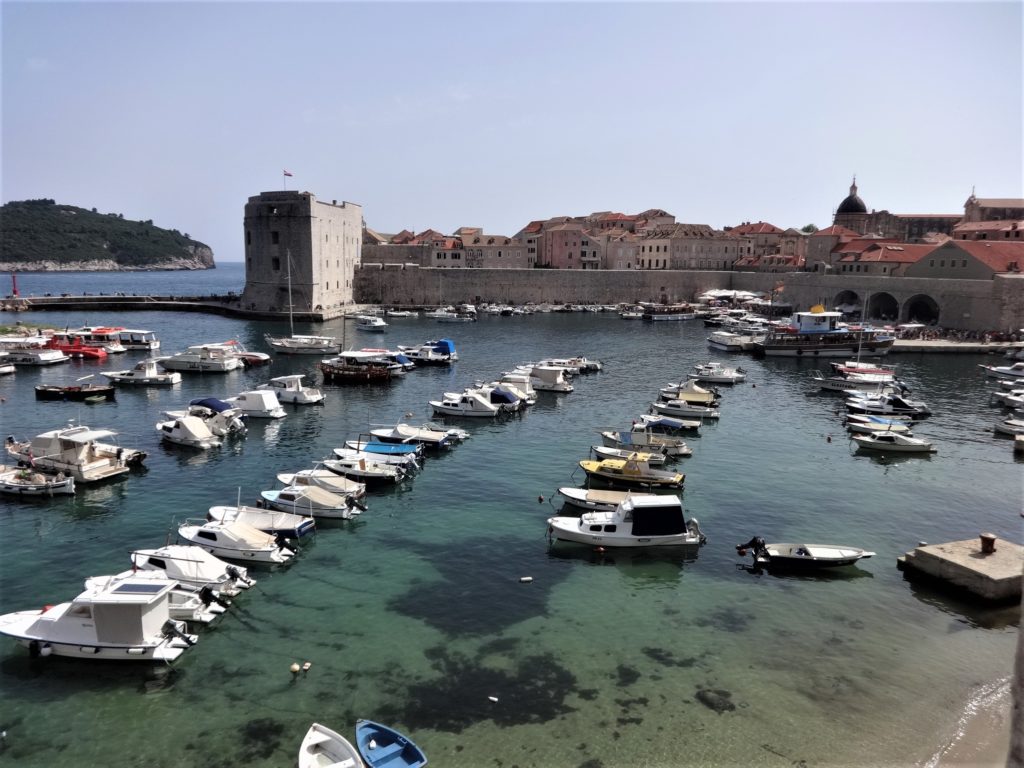
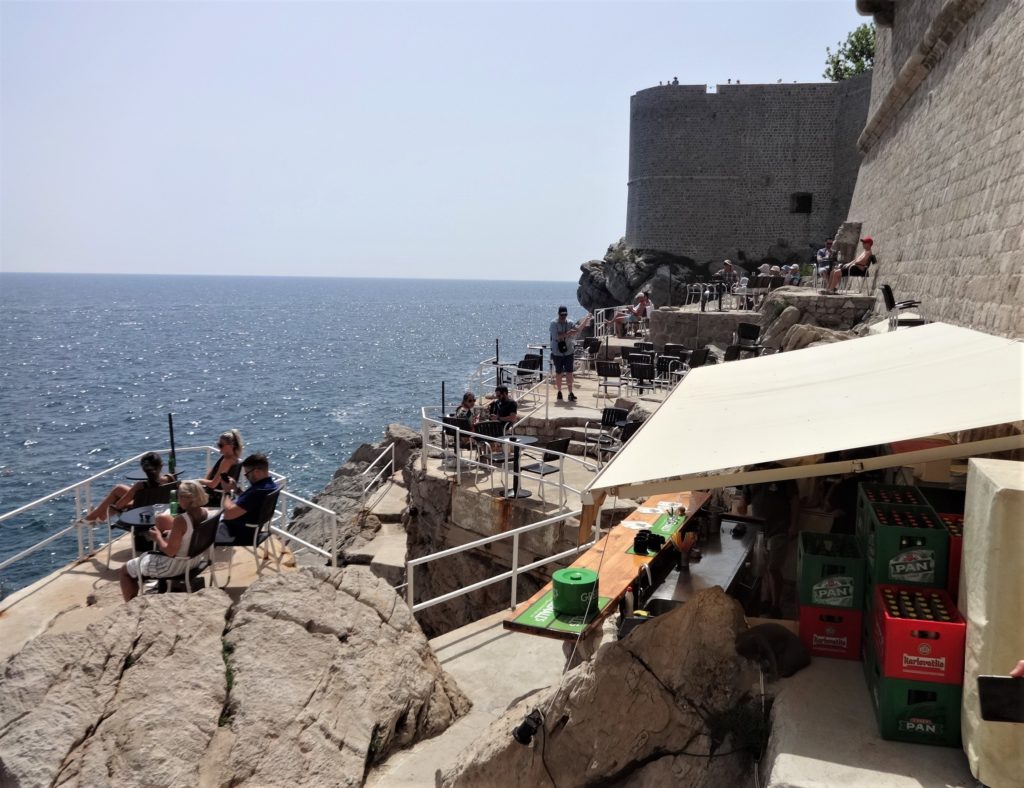
Dubrovnik is a walled city with three gates, surrounded by several other fortresses and towers on all sides with an external harbour.  The wall is 1.5 miles long, and can be up to 6m wide in some places. From a distance it is stunning!

Views of Dubrovnik walls and City

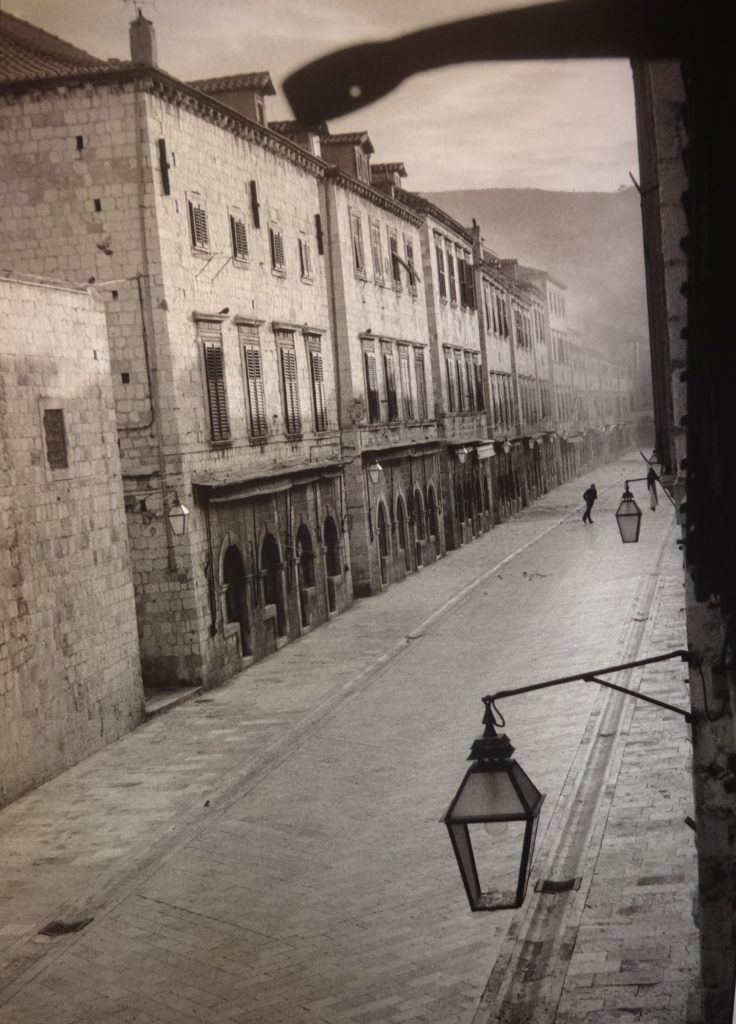
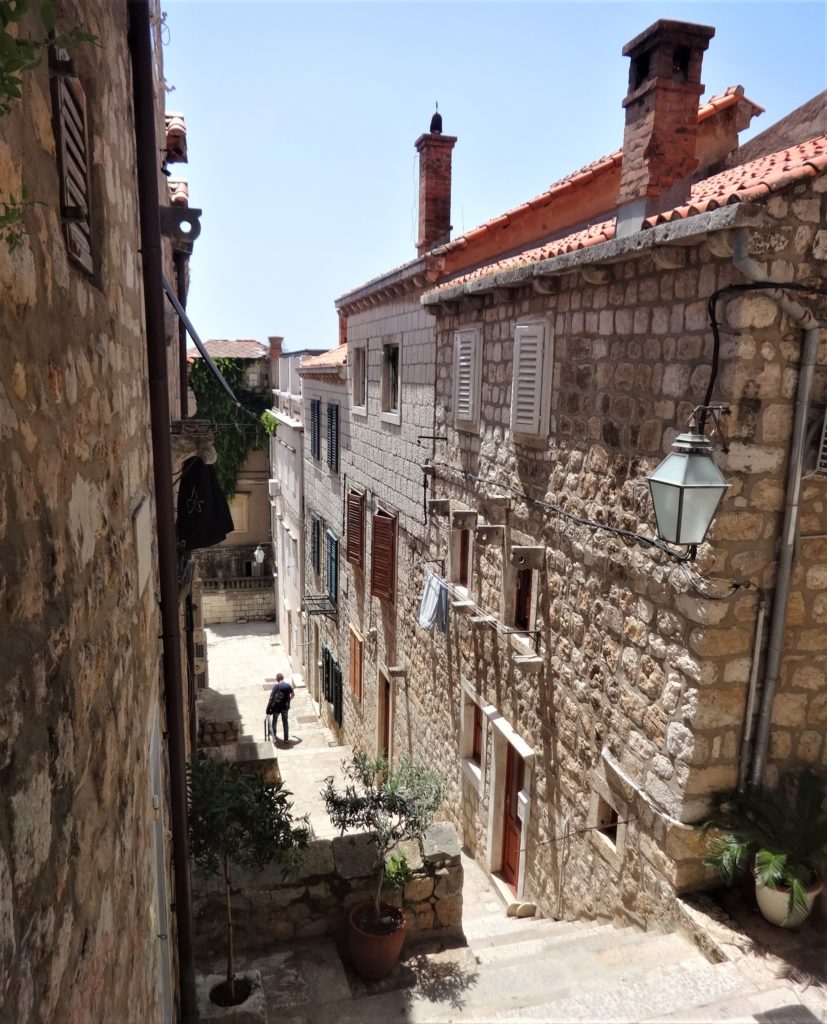
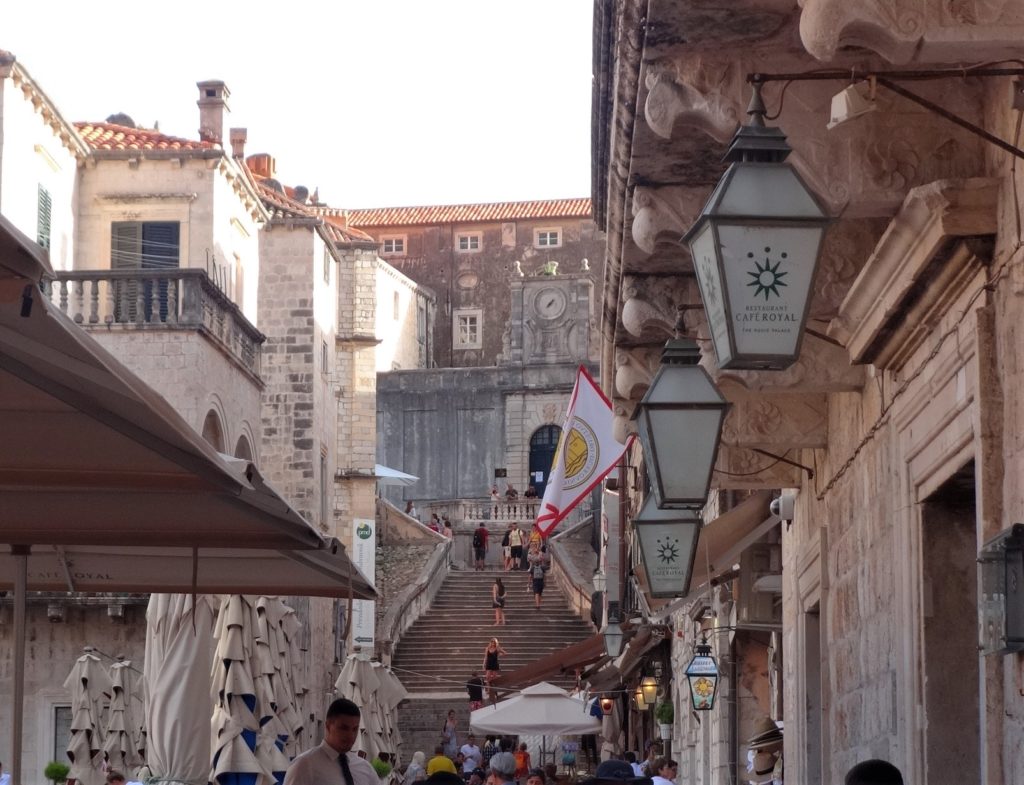
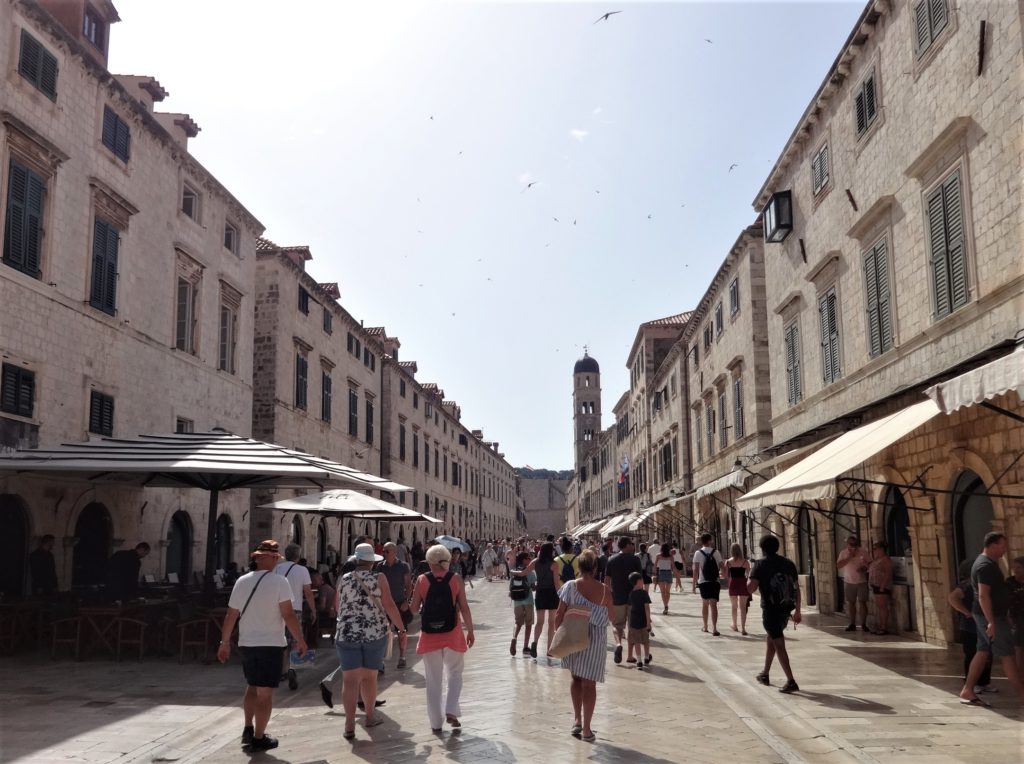
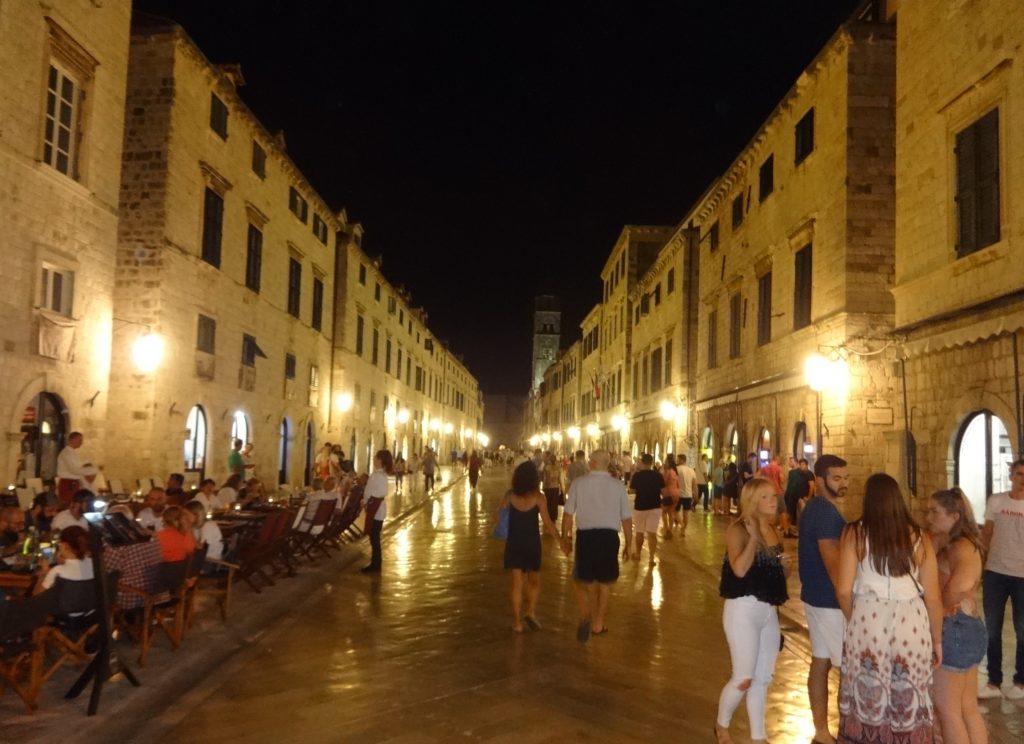
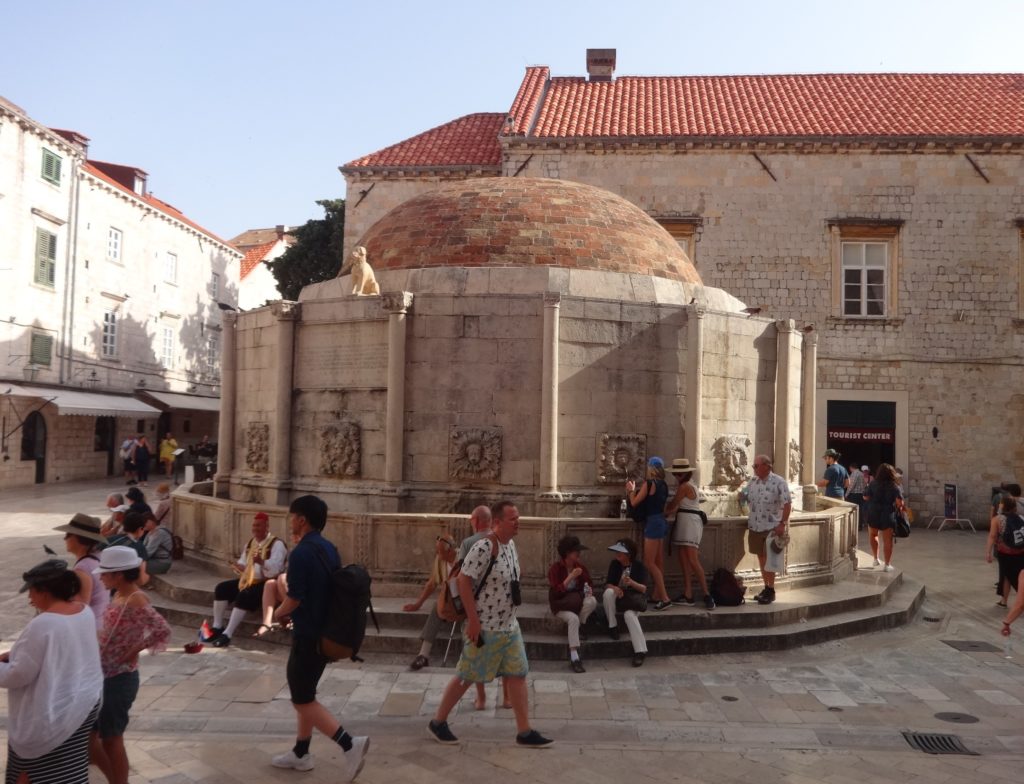
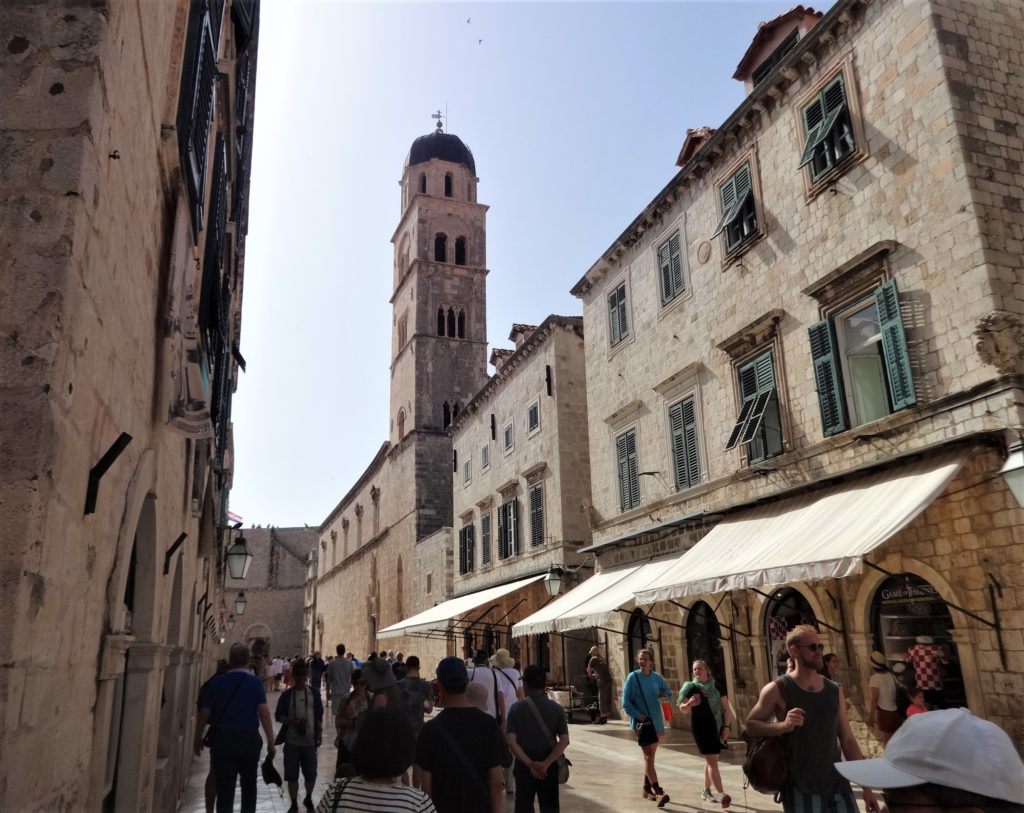
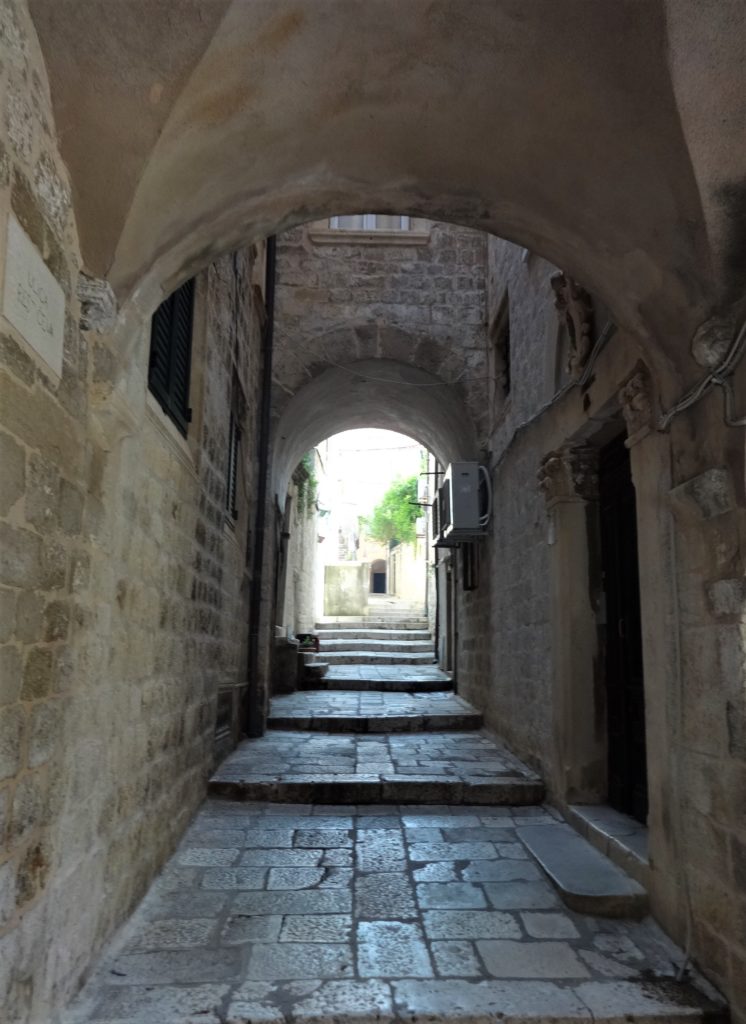
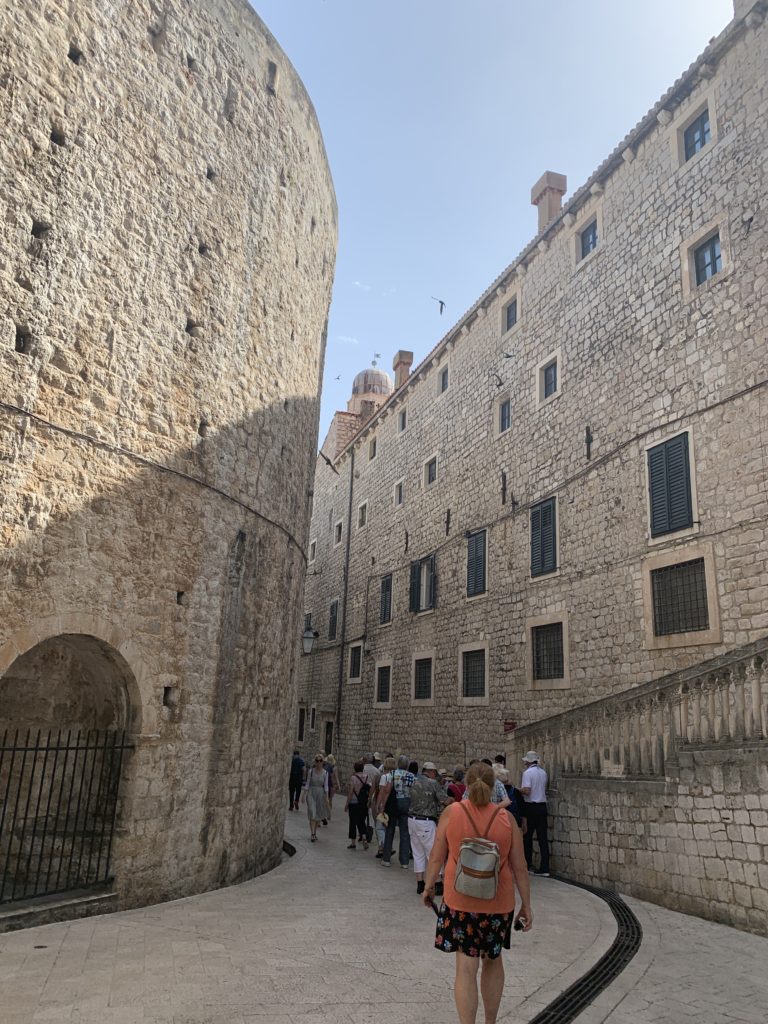
First impressions are, its clean, smart, tidy and perfect.  Lots of marble stone pavements and drains, tall uniform buildings and perfectly restored walls and décor.  No signposts, no street markings, no advertising boards for businesses and hotels or restaurants.  Then you realise….something is not right, it’s too clean and perfect.  And we soon established why. 

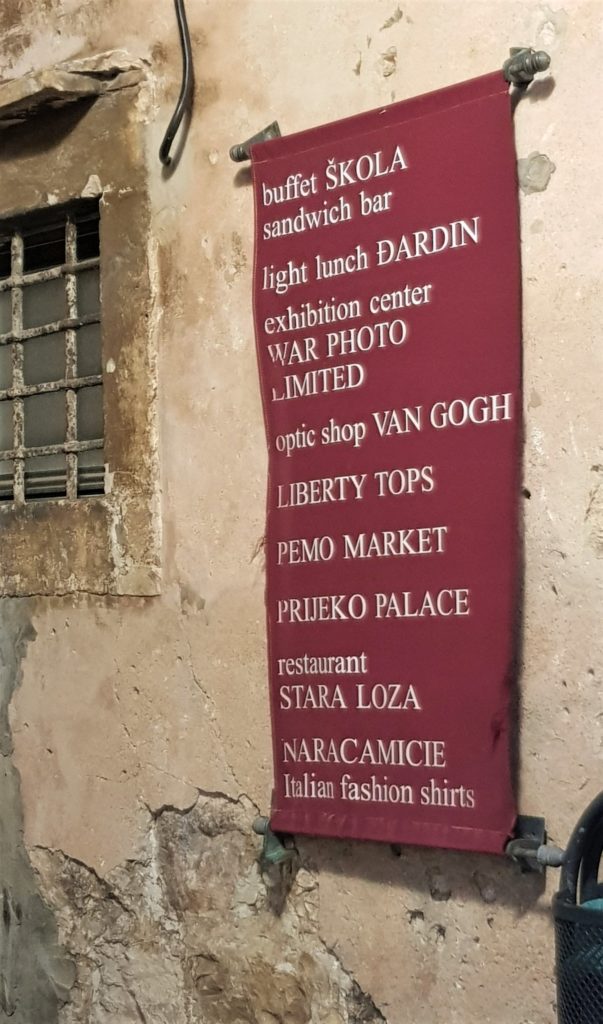
The only advertising in the City

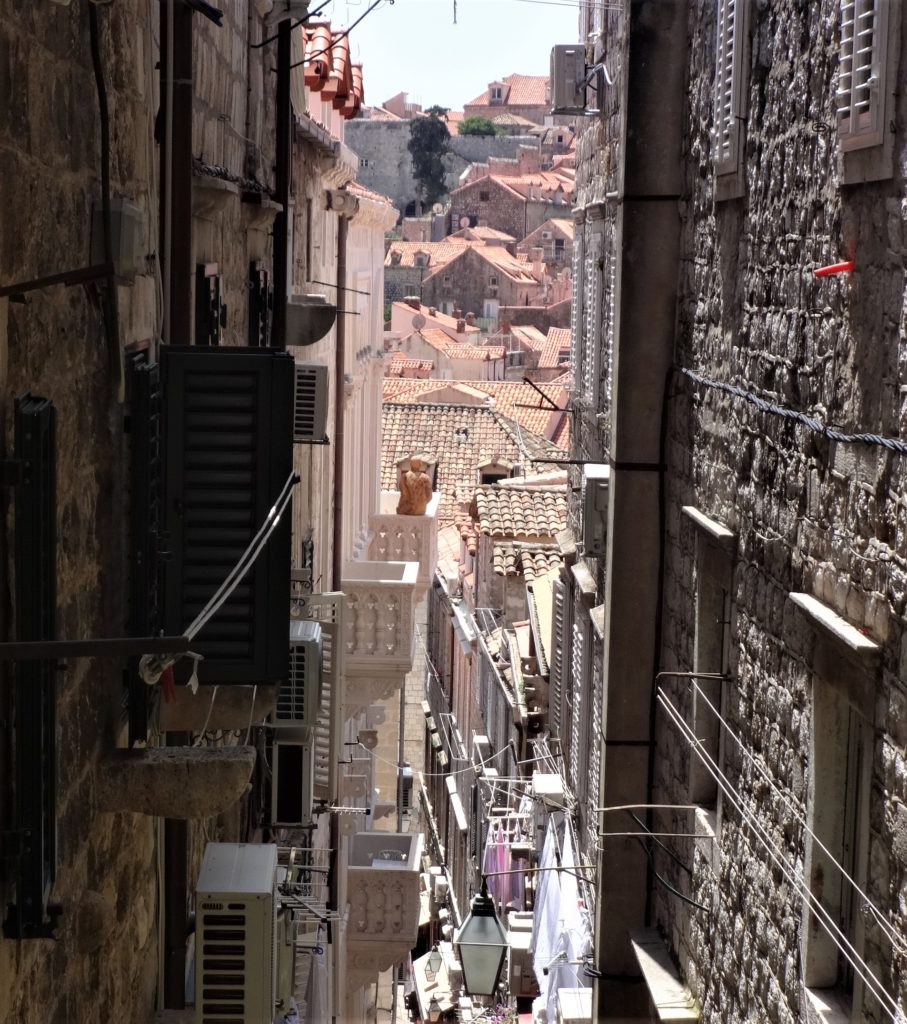
Interior scenes

In 1986 the city suffered an earthquake which rocked the foundations, then in the Civil War of 1990- 1995 over half of the city was bombed by the Serbs and others fighting for the territory. At the end of the war, the Government asked for money from the EU and the USA, and was given it, to rebuild the city as it is now.  Handmade terracotta roof tiles were made to replace the damaged ones, local stone was brought in to rebuild the walls and stone window lintels and cobbled stone streets were replaced with marble. The narrow steep streets do look charming with the old style lamps and polished streets, and you can imagine that it looked like that 100 or 200 years ago but it comes at a cost.

To claw back some of the monies owed, they charged and still do charge extortionate amounts of money to tourists.

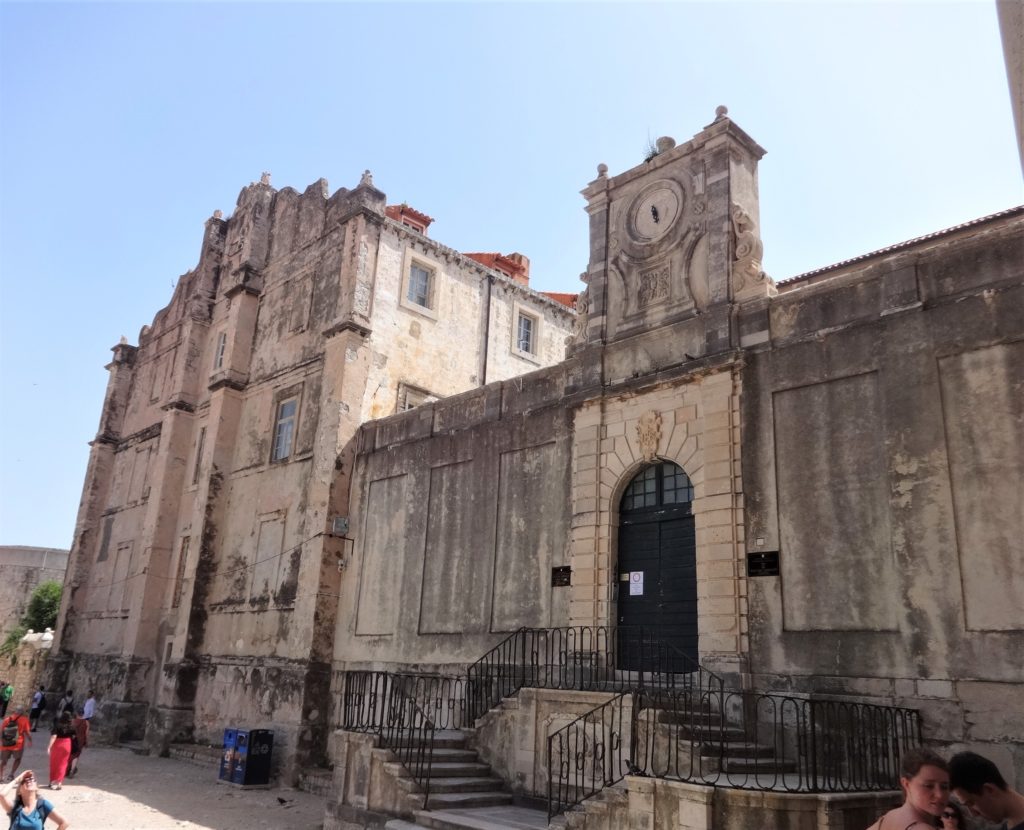
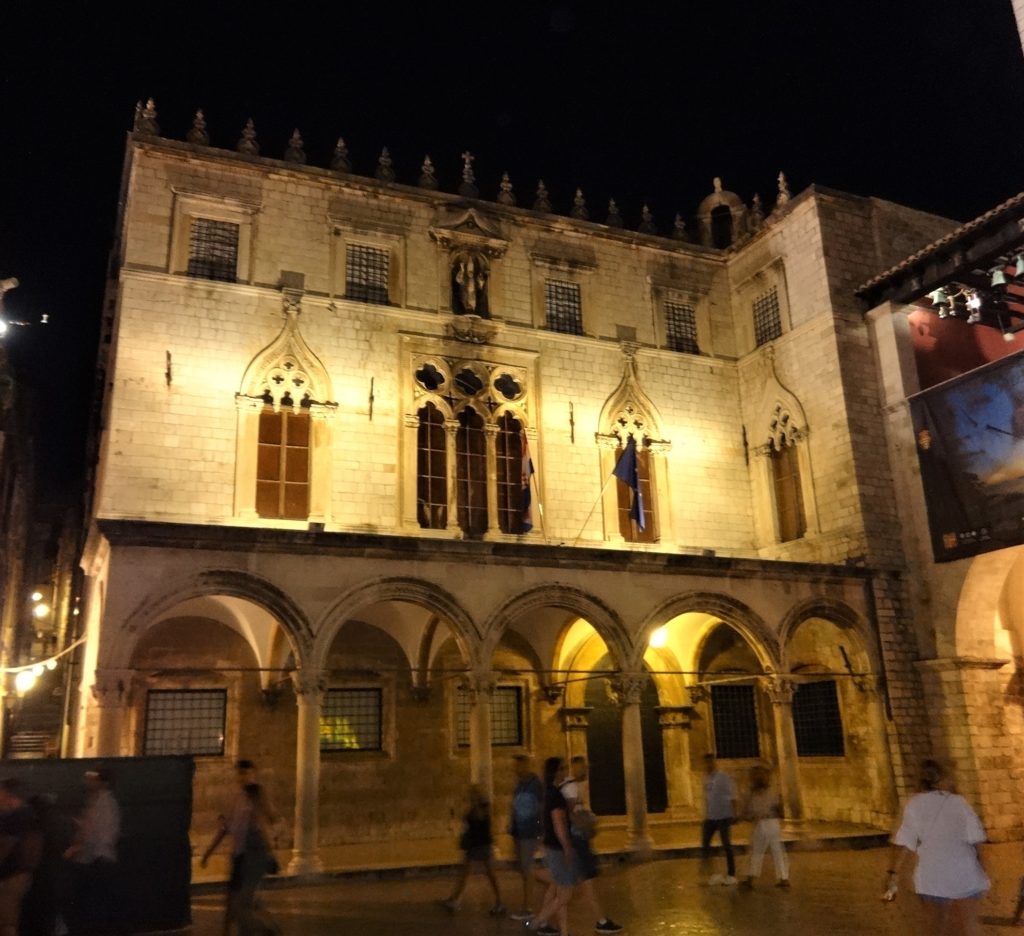
The local council have cracked “tourism” but not fully.  All the old buildings are still called castles, Palaces and forts or Arsenals or military buildings, but are in fact hotels, restaurants, cafes or designer shops.  The Rector’s Palace is an art gallery.  The Arsenal is a restaurant and the old fort is now a maritime museum while the old port buildings house an Aquarium.  No information boards anywhere, no prices in shops and tourist operators trying to sell you boat trips or coach trips simply call themselves Tourist Offices and dish out a street map, a very unclear one! 

No street signposts or prices on anything do not add to the attraction but do encourage the Koreans, Japanese and Chinese inside where they will splash cash.  We were told that in the past 10 years, tourism has increased by 70% from those 3 countries alone, followed by Americans. Personally, we thought we were being ripped off.

To walk the City walls, all 1.5 miles, would cost €30 PER PERSON.  To do a guided walking historical tour of the city would set you back €25, if it involved Game of Thrones sites, it would be more.  A 1 hour 20 minute boat ride to look at two offshore islands was €35 and a 2 hour boatride into the sunset with a small finger buffet was €55.  A pint of lager was €7 but a glass of wine was the same.  A bottle of house wine (supposedly their cheapest) in a burger bar would have set us back €35, so we asked for 2 glasses of wine instead.  The home made burgers were €14 each, nothing special! They know how to con tourists here.  The main street through the Old Town was heaving with fast food outlets aimed at time limited visitors, “Burger Tiger”, “Pasta Lab”, “The Irish Pub The Gaffe” and others…..

Finally to cap it all, we wanted to take the funicular ride to the top of the mountain behind, it was closed. Two tourist offices claim it was a technical issue, and no opening date was known but when we left we actually walked past the entrance to the funicular where there was a sign saying something along the lines of: “Dear Visitor to Dubrovnik, we are sorry we are not able to offer you a ride in our panoramic cable car, but it would appear that the company who owns it have not complied with a petty financial and legal regulation laid out by the council, who have decided to close this facility indefinitely.”  We think this says it all………

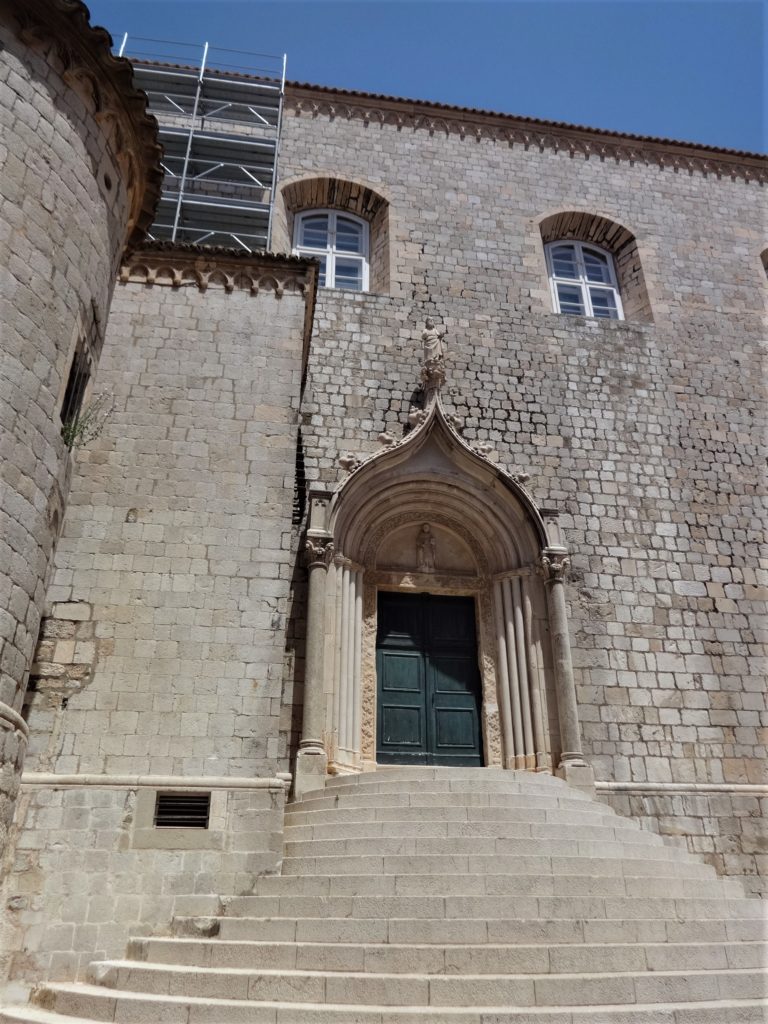
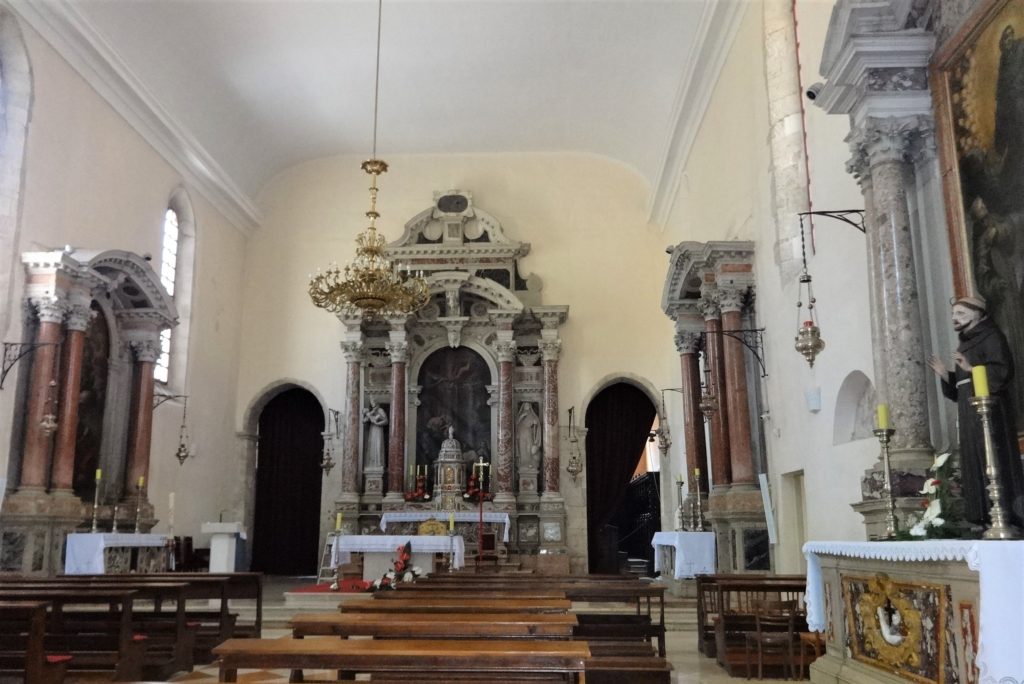
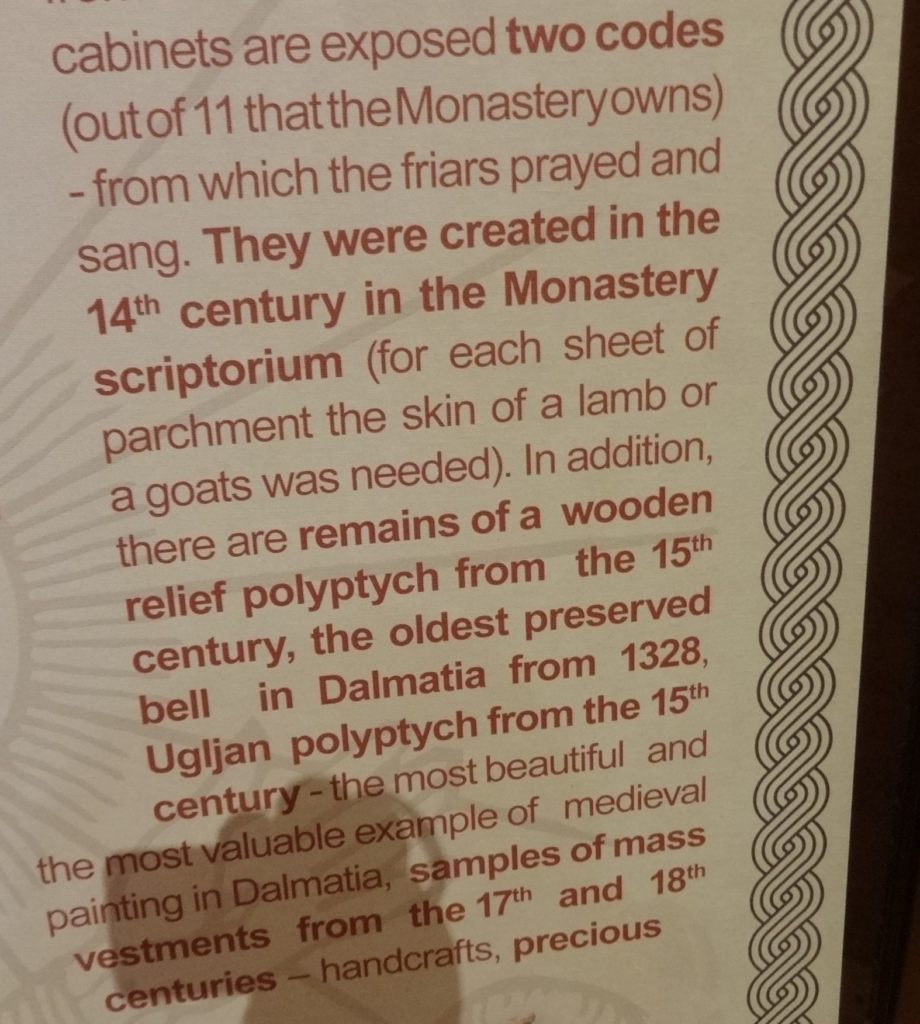
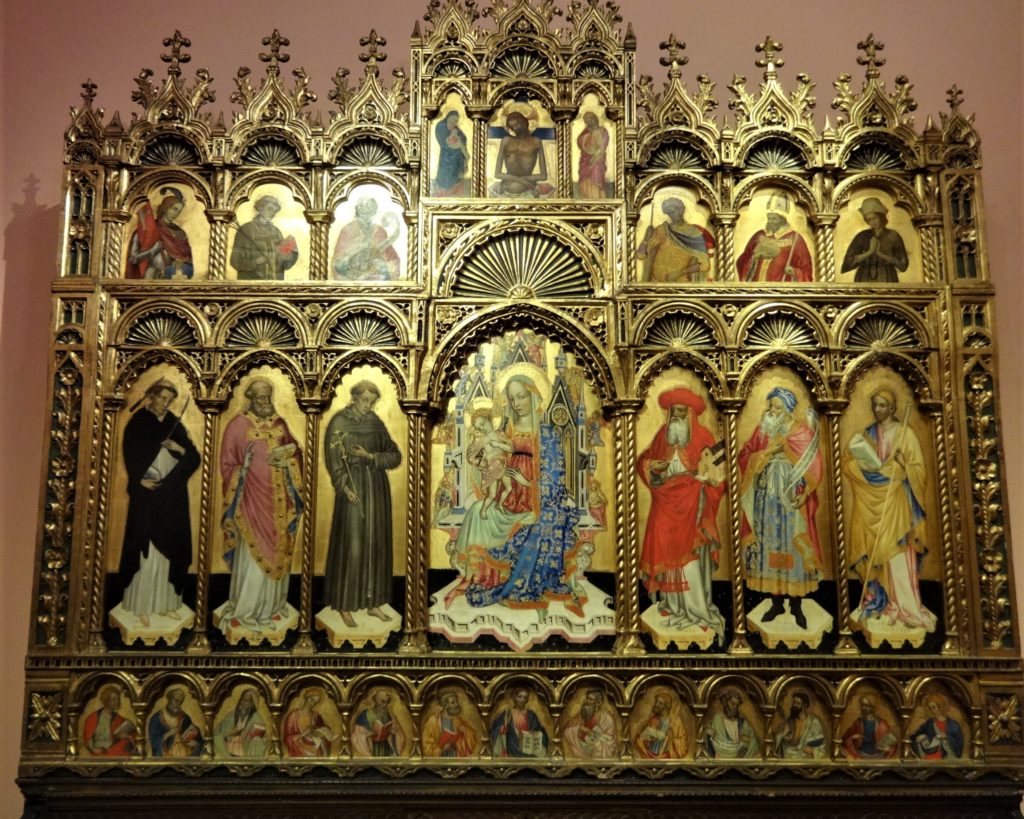
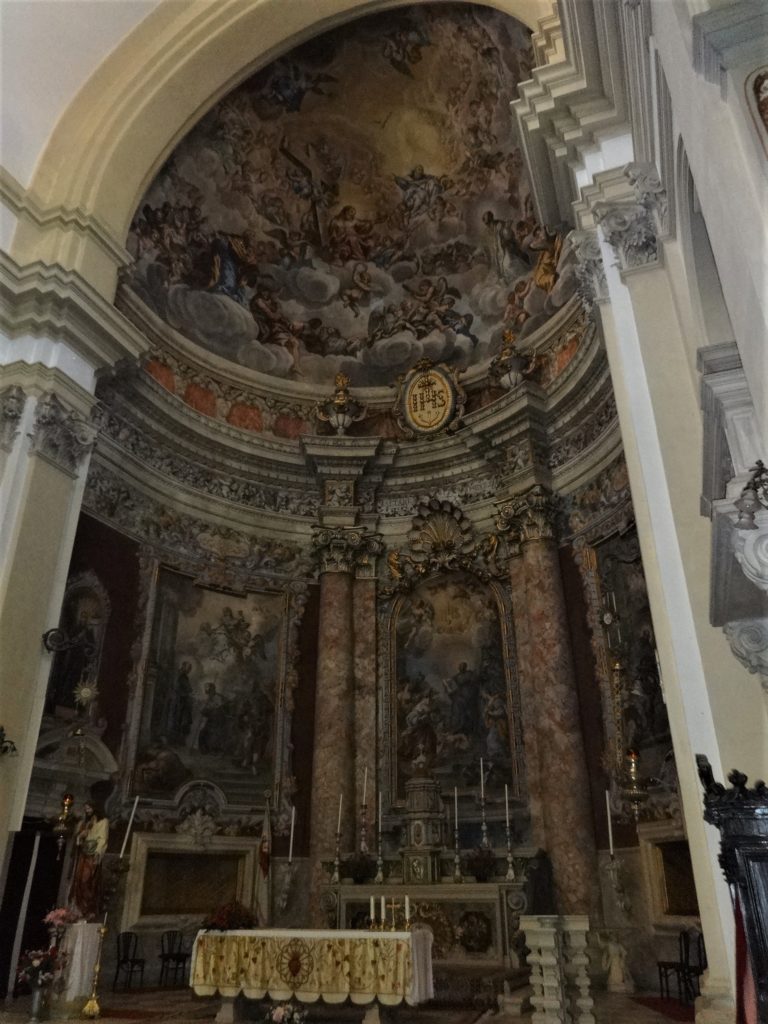
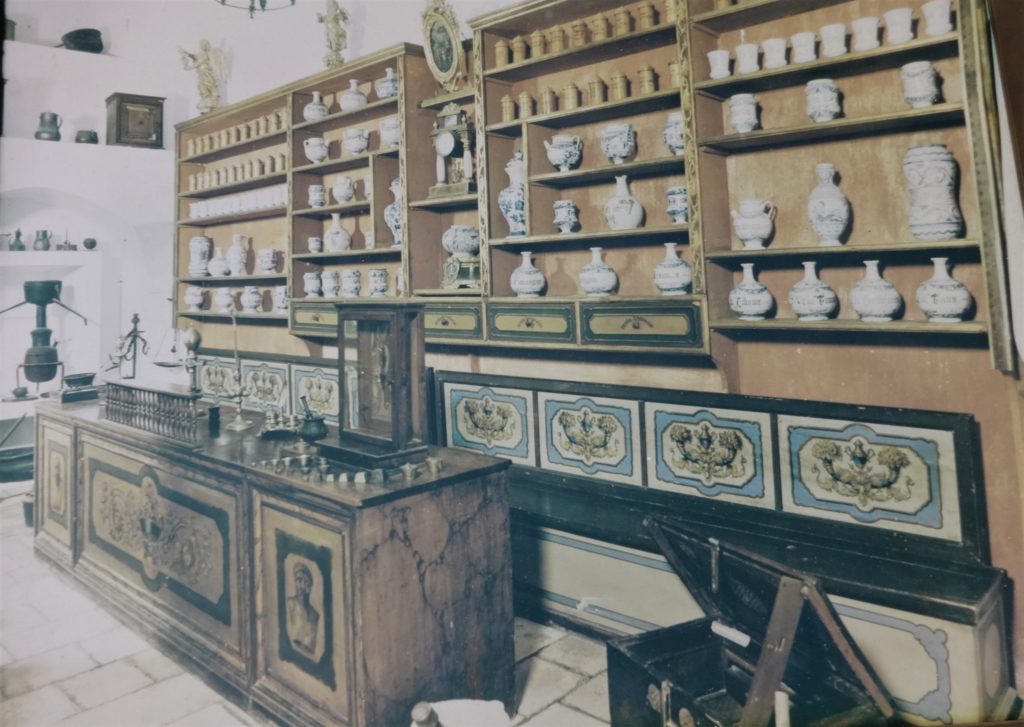
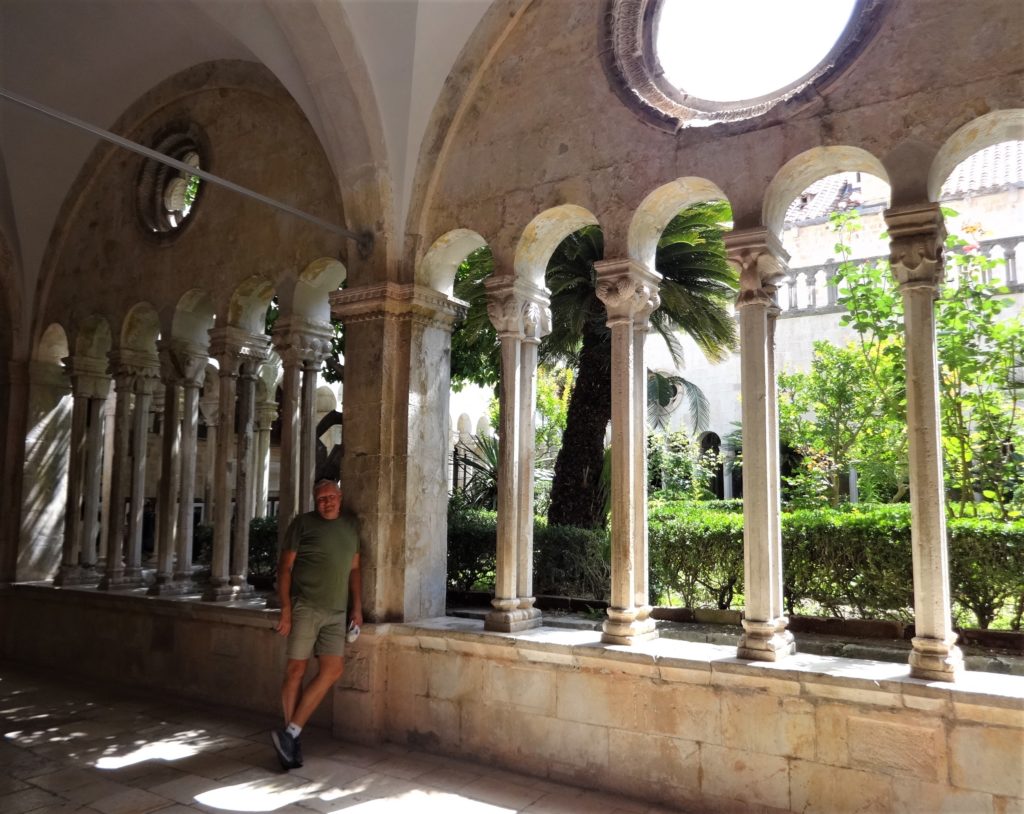
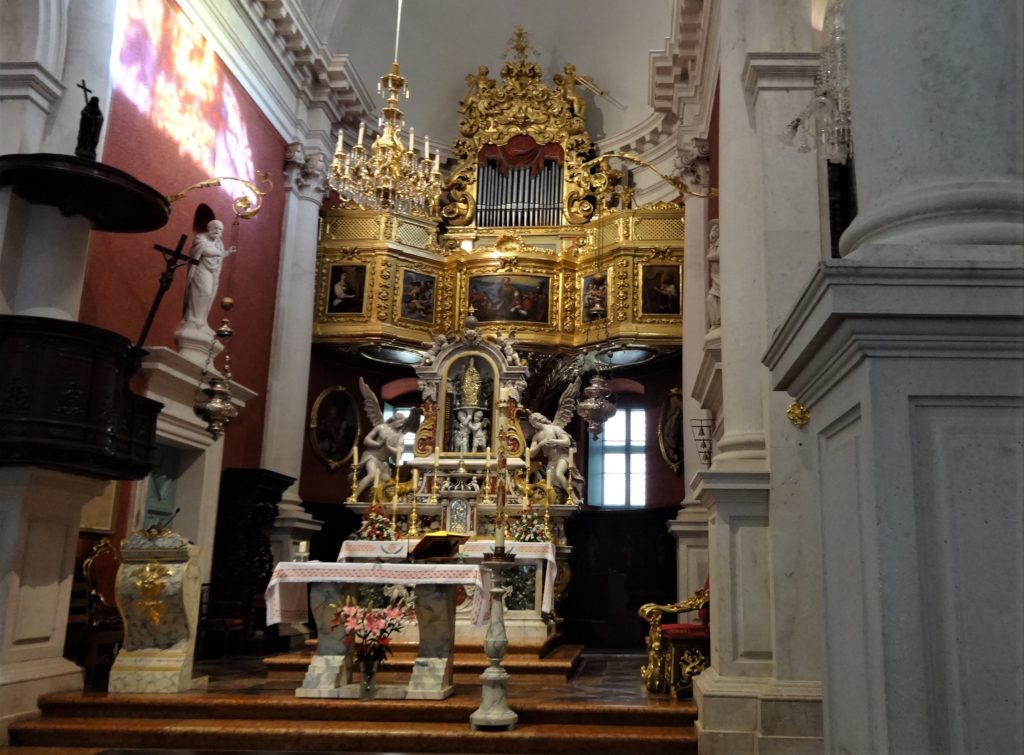
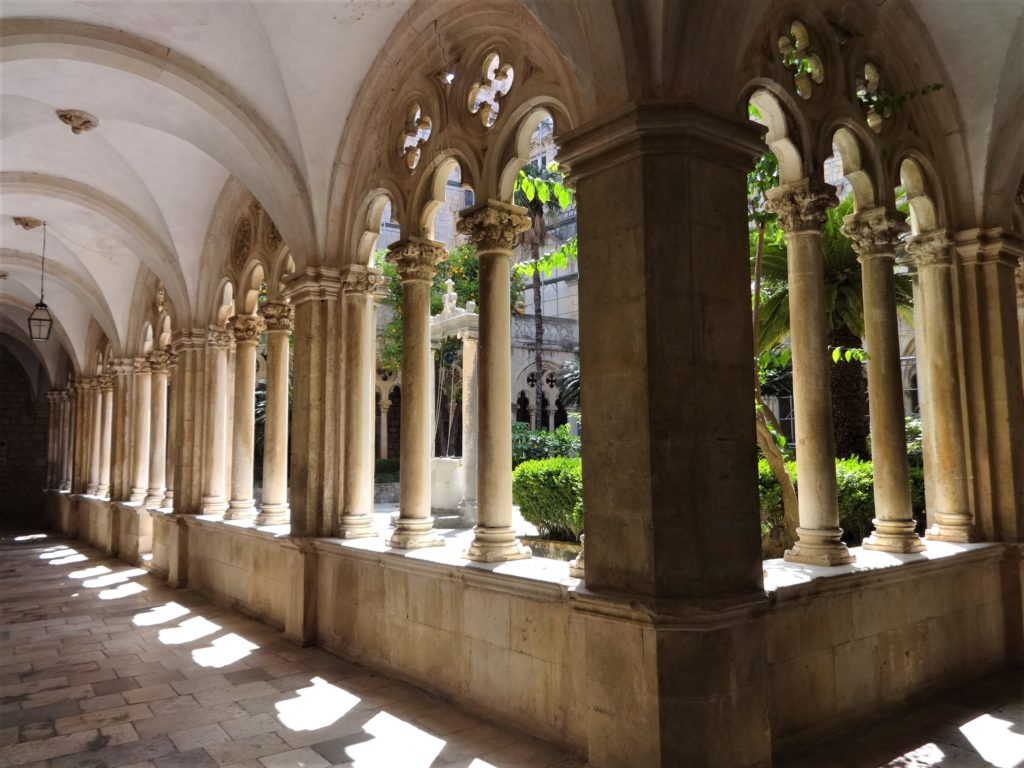
The few things that we did visit were surprisingly empty, I guess when you are on a time limited day trip from the cruise ship, wandering around a monastery is not top of your list of things to do, so we made the most of it.  We visited two monasteries, a Dominican and Franciscan monastery, each very different, but so peaceful and calm and cool.  The Franciscan Monastery contains an old Pharmacy that has been dispensing concoctions since 1391, it’s the 3rd oldest Pharmacy in Europe whilst the other monastery houses an old originally penned Bible, in Latin and in colour.

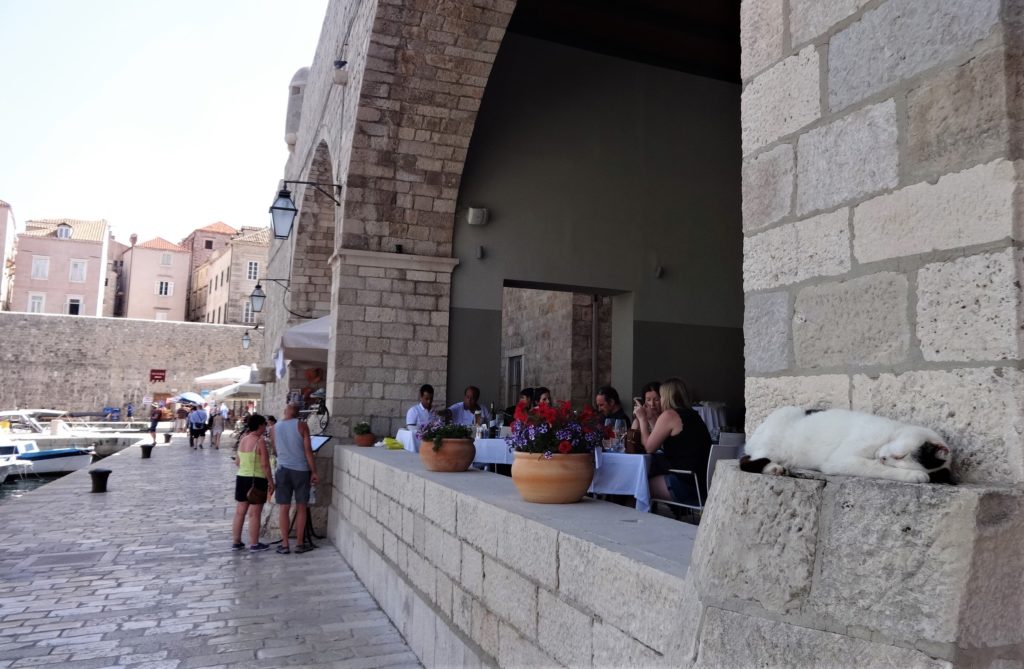
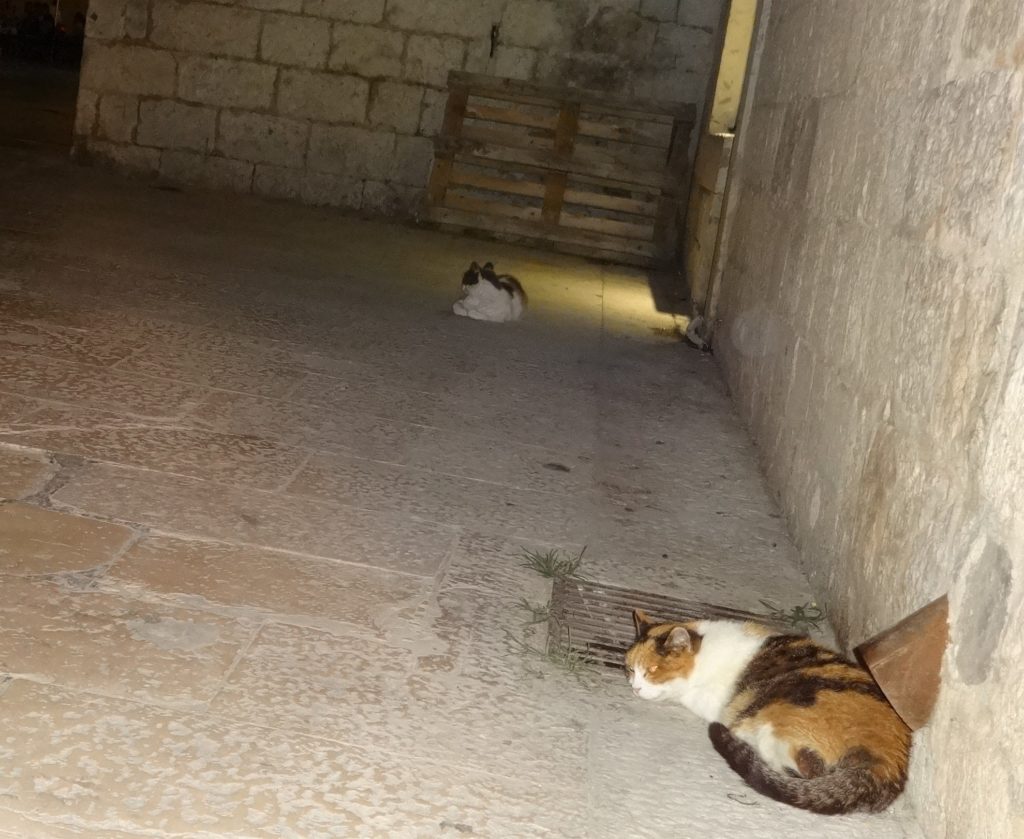
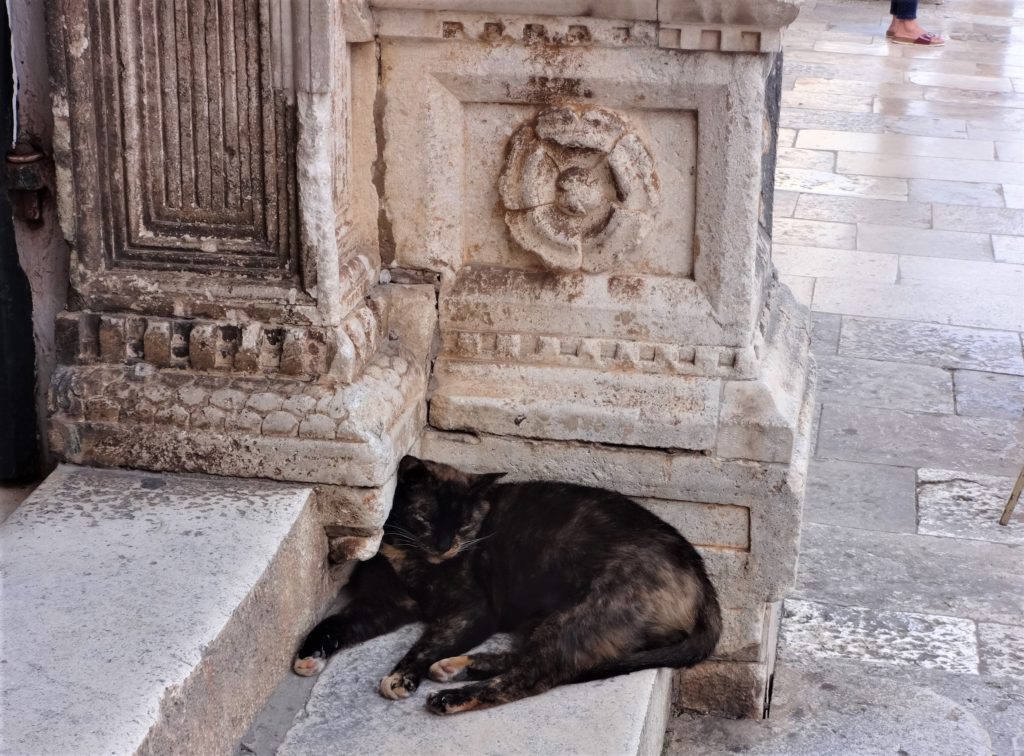
And finally, the cats of Dubrovnik……

Dalmatian Coast – Zadar, Nin & Pag Islands

Zadar

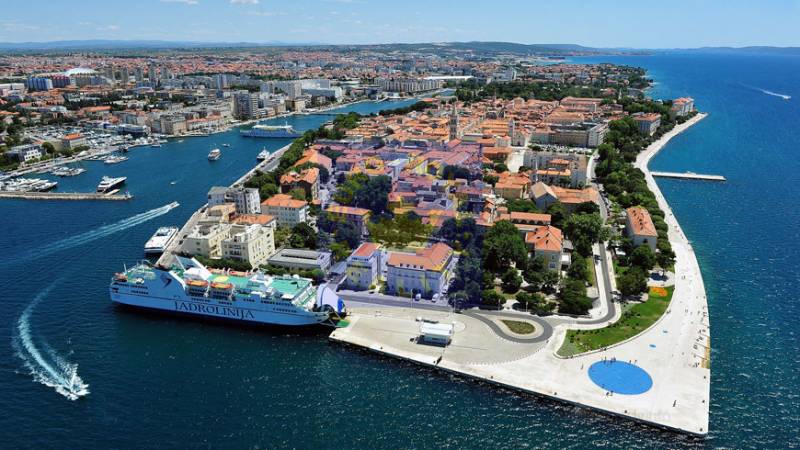
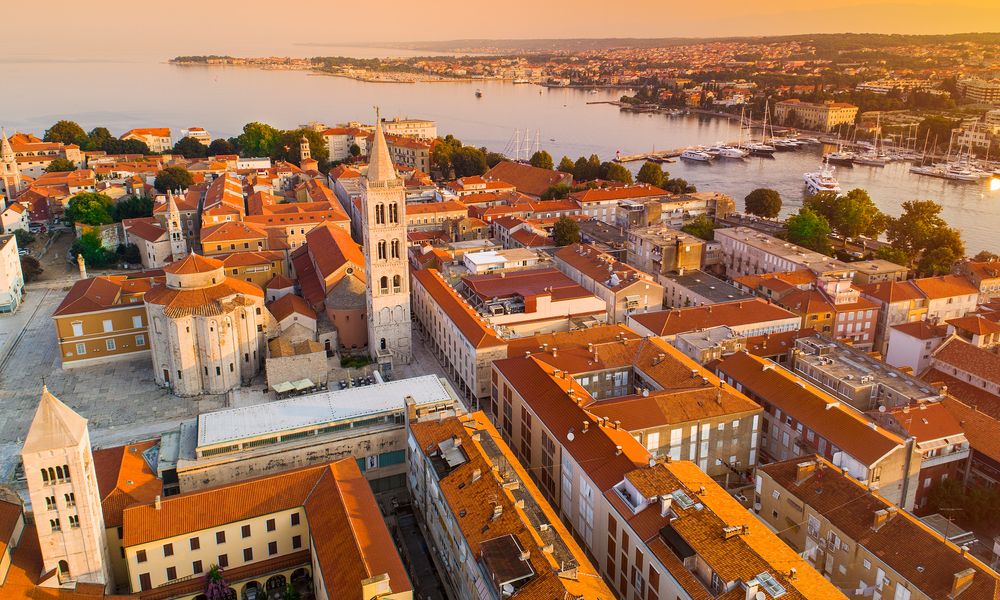
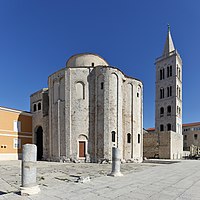
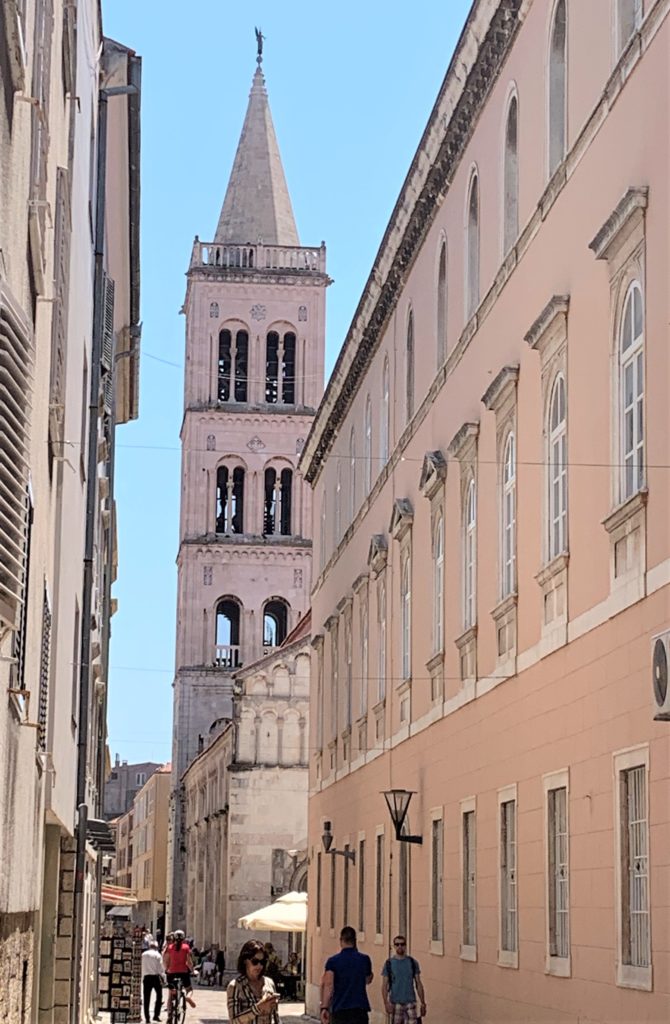
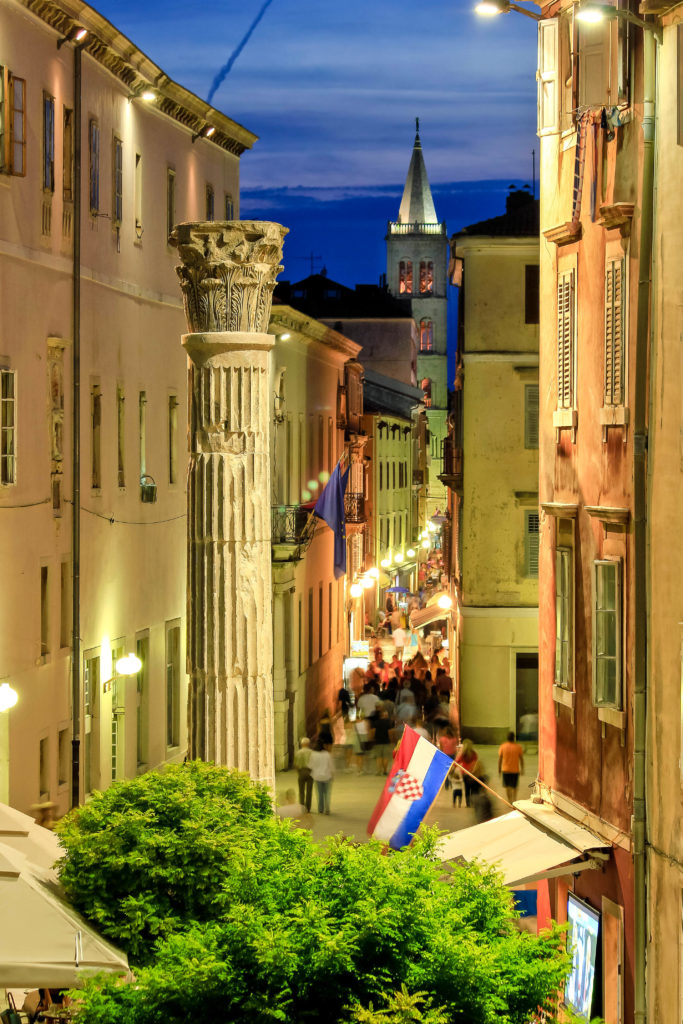
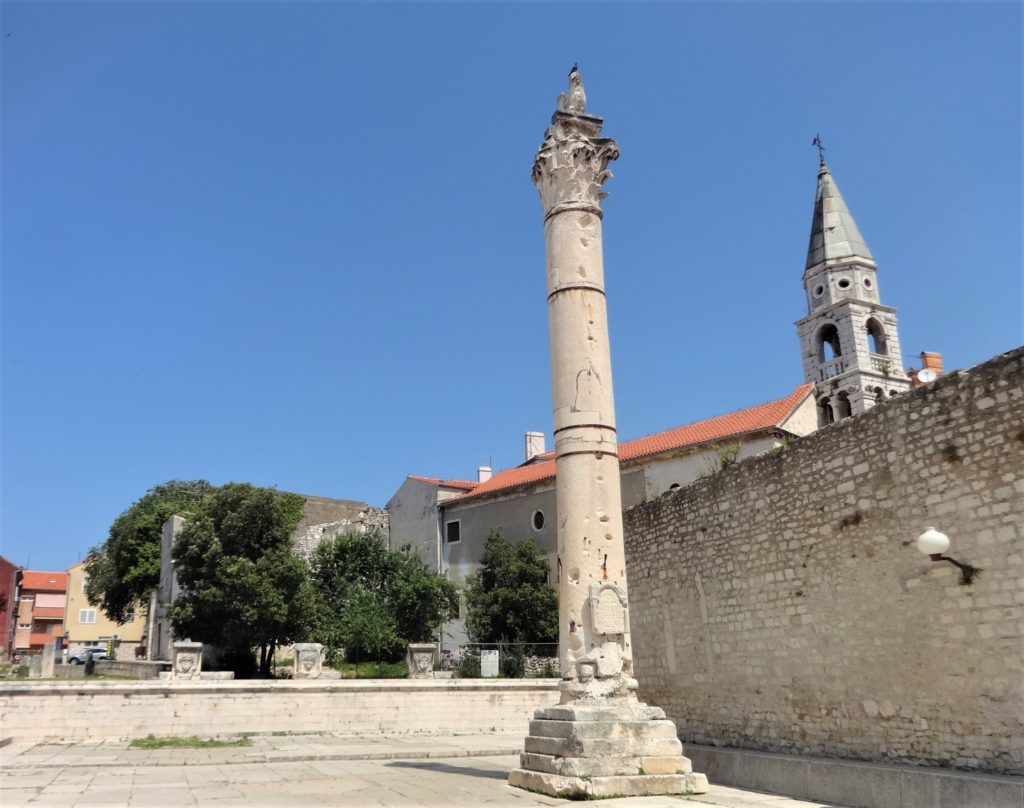
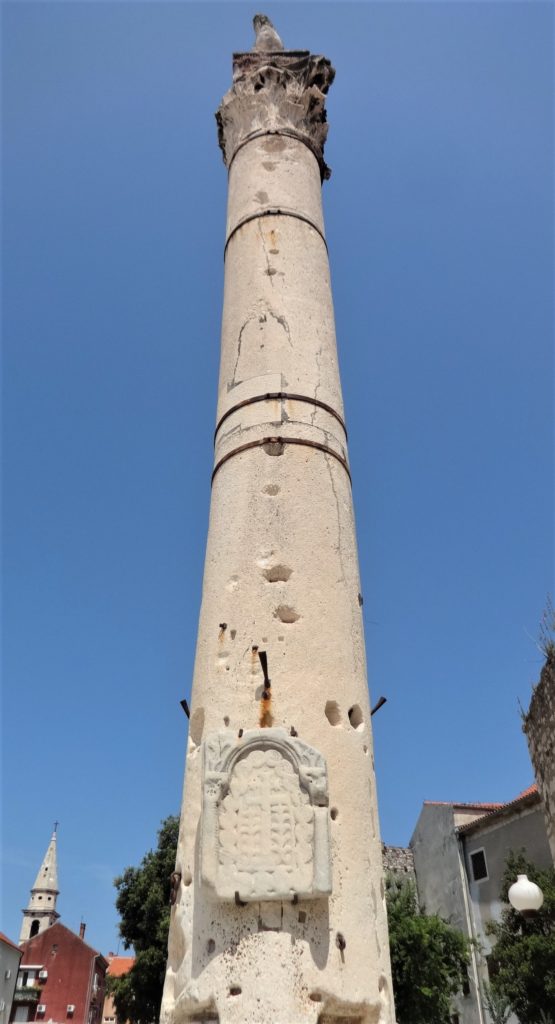
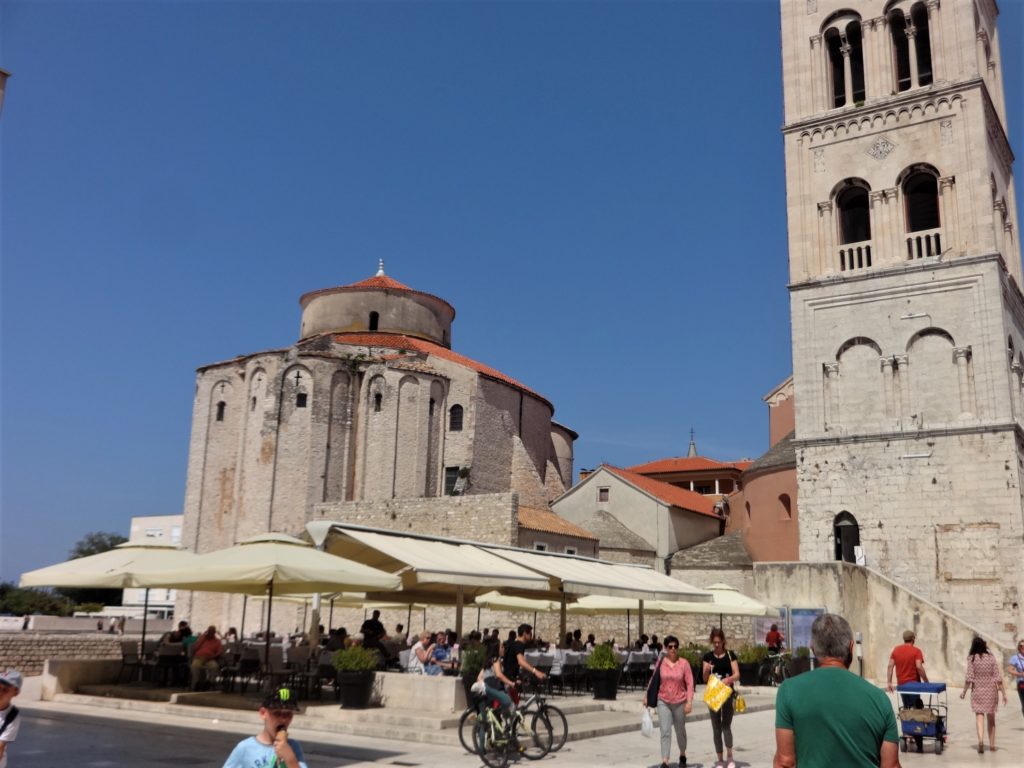
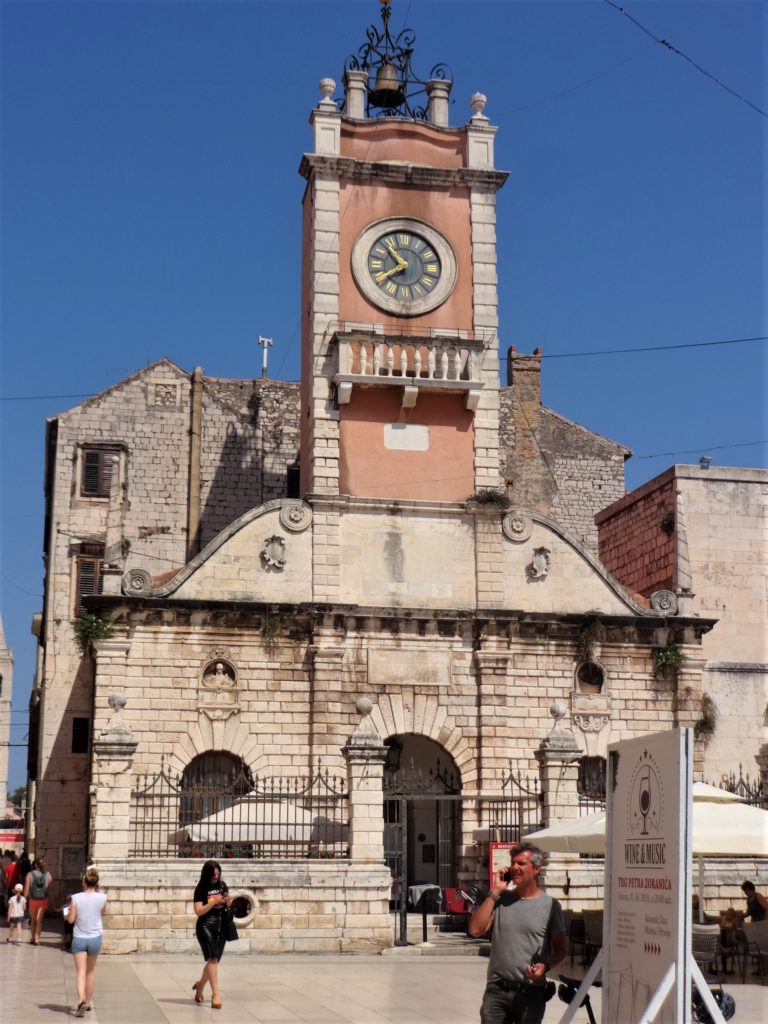
We took a day trip to Zadar, a small peninsular city on the coast. It had become a became a Roman colony in the 2nd century, the Romans brought with them civilisational advances, for example hot air central heating in homes and an aqueduct to and from Vransko lake 40km away. The remains of the old Roman Forum are surrounded by what is left of the walls, churches and other Roman buildings. Very little remains of the original city walls or gates.

Over the centuries, the inhabitants of Zadar focused on shipping, and the city became a naval base to rival Venice. In the 16th century, Turkey invaded Dalmatia, and Zadar retreated behind reinforced walls in the city and, aided by the Venetian colonisers, became the largest city-fortress in the Venetian Republic. It was then ruled by French, Austrians, Italians and then the Germans, until it was liberated by the Allies in 1944 to become part of Tito’s Yugoslavia. Unfortunately, in the process, the Germans bombed 65 percent of the city to ruins.

It was slowly being rebuilt but during the Yugoslavian war of 1991-1995, Zadar was under siege for three months, and bombarded from positions further afield for most of the duration of the war. The population was forced underground, surviving on inadequate supplies of food and water.

The scars of these wars are just visible as rebuilding has taken place in every sense but the city has changed dramatically in the last ten years since the last war ended. It feels modern yet old, as though the Romans had been again, rebuilt the city then left.

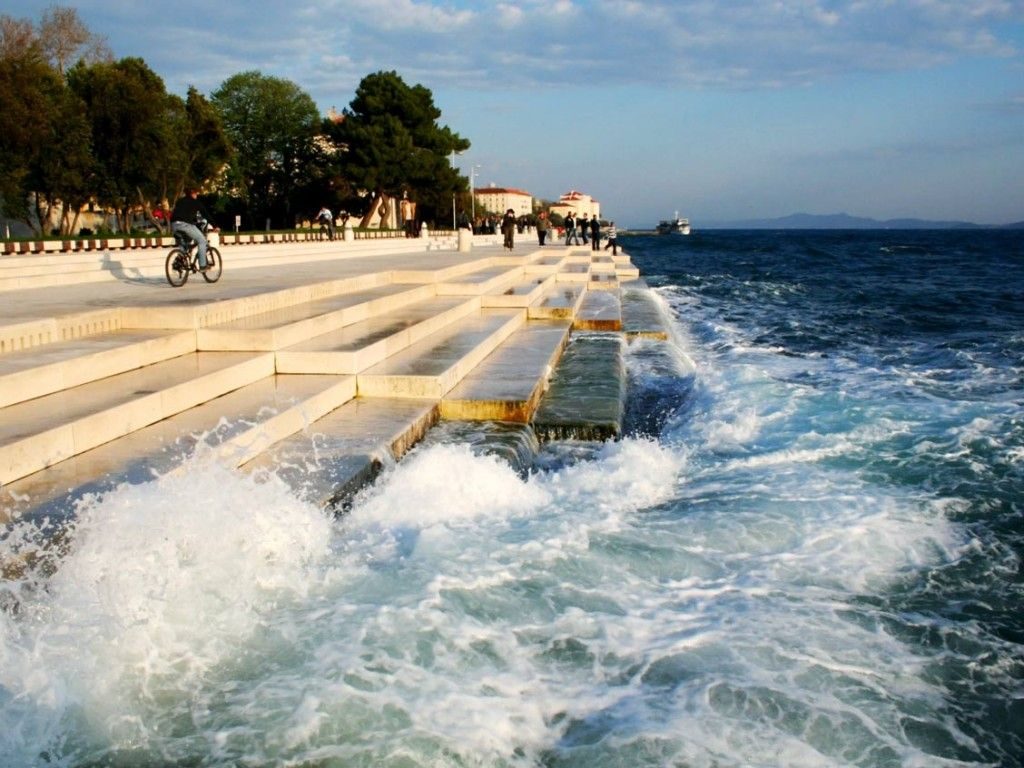
On the seafront, several sculptures reflect the new part of the town, the blue circle in the picture below is a huge globe made of reflective blue glass sections, in the pattern of a compass. Beside it, the stepped promenade had gaps underneath that play an organ type sound caused by the wind. It’s called the Sea Organ, click here for more info and to listen. http://www.oddmusic.com/gallery/om24550.html

Nin Island

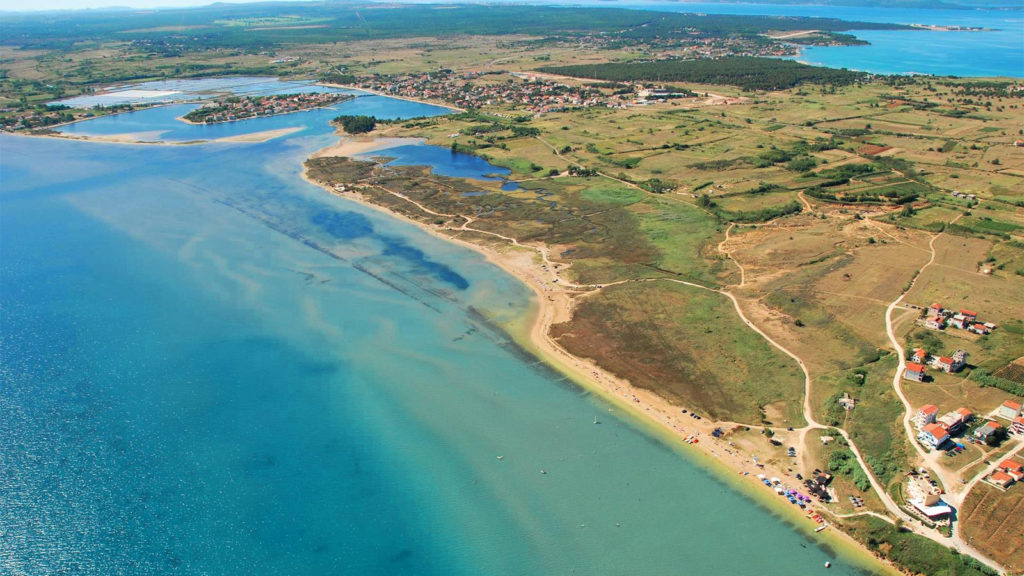
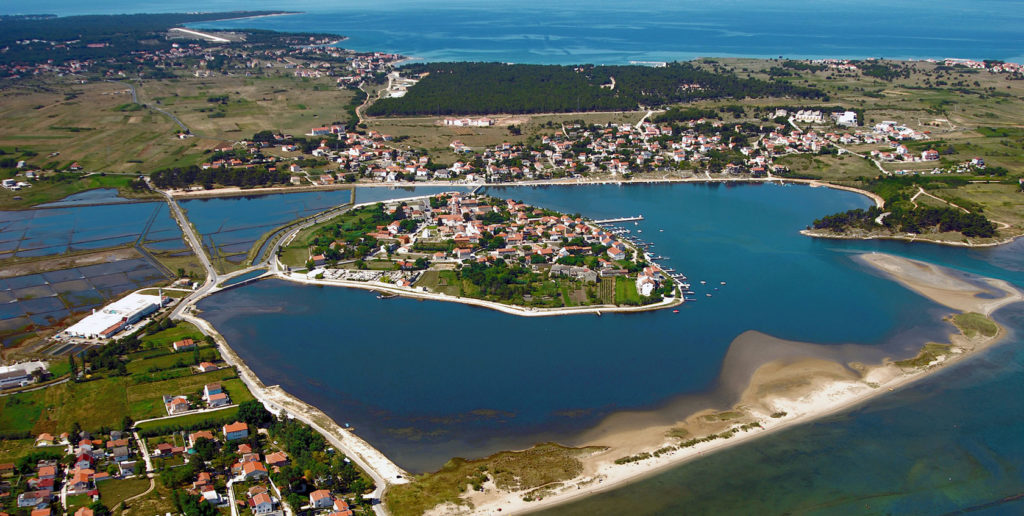
Another day trip was to Nin island, our local town which was just a mile or two away. It is an island aged over 3000 years old, home to drystone walled houses and Roman mozaics, it was the place where the Croatian state was formed and was the permanent seat of national rulers – dukes and kings, right up to the 19th Century.

It is famous for it’s own Sausage called a “Sakol”, a smoky pork chorizo style sausage, which has it’s own Festival in the summer. Pork neck is soaked in sea salt water for a few days, then in boiling red wine for a few hours then seasoning and spices are added, before it is smoked then dried, it tastes very smoky and salty!

It is also famous for having medicinal mud on one of the beaches, called the Queen’s beach. It was said that in 900, one of the area’s kings would bring his wife here to bathe in the medicinal mud, making her look more beautiful after her week’s treatment.

Pag Island

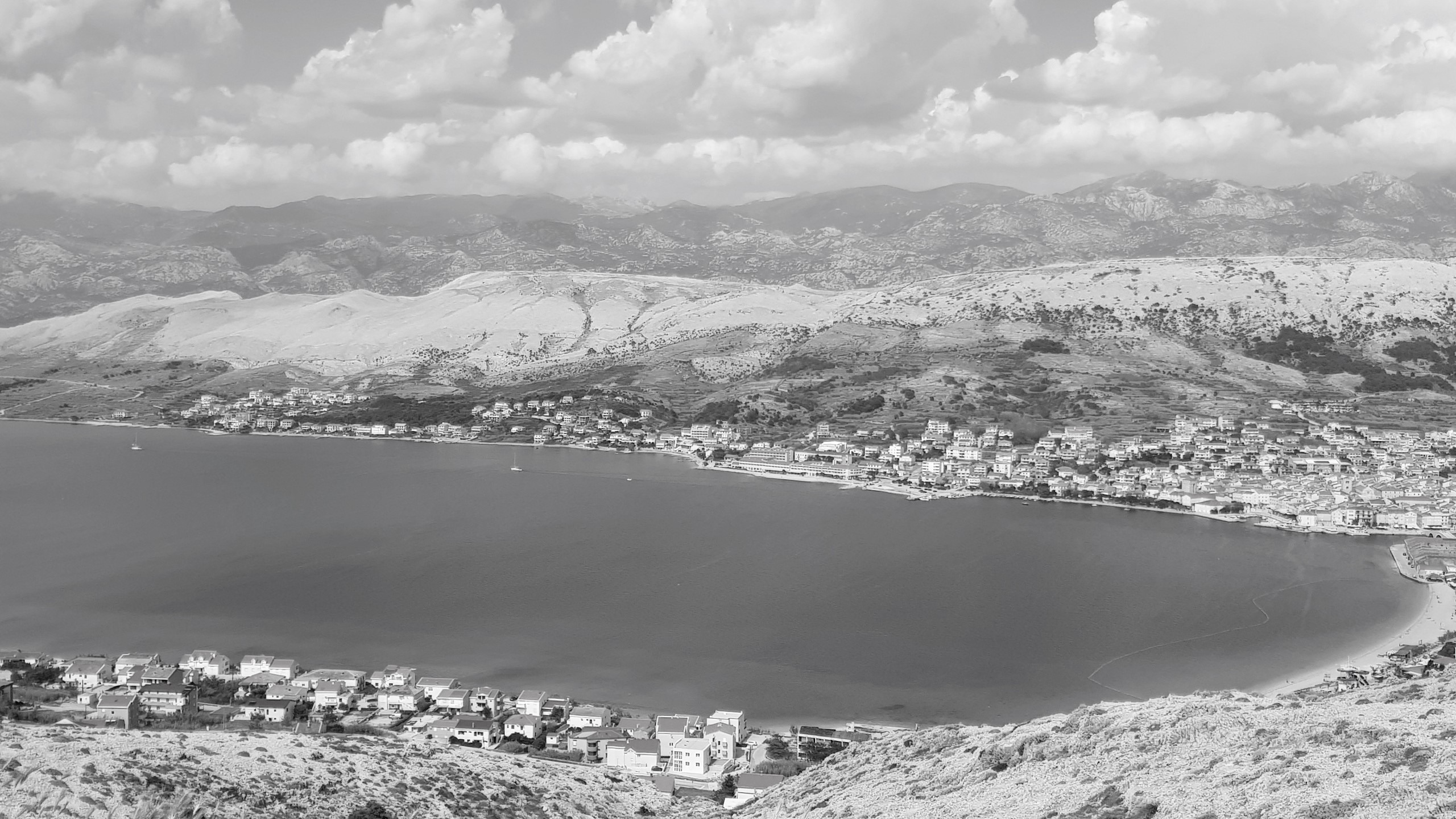
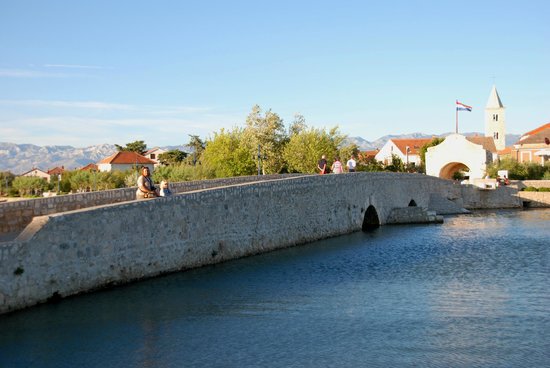
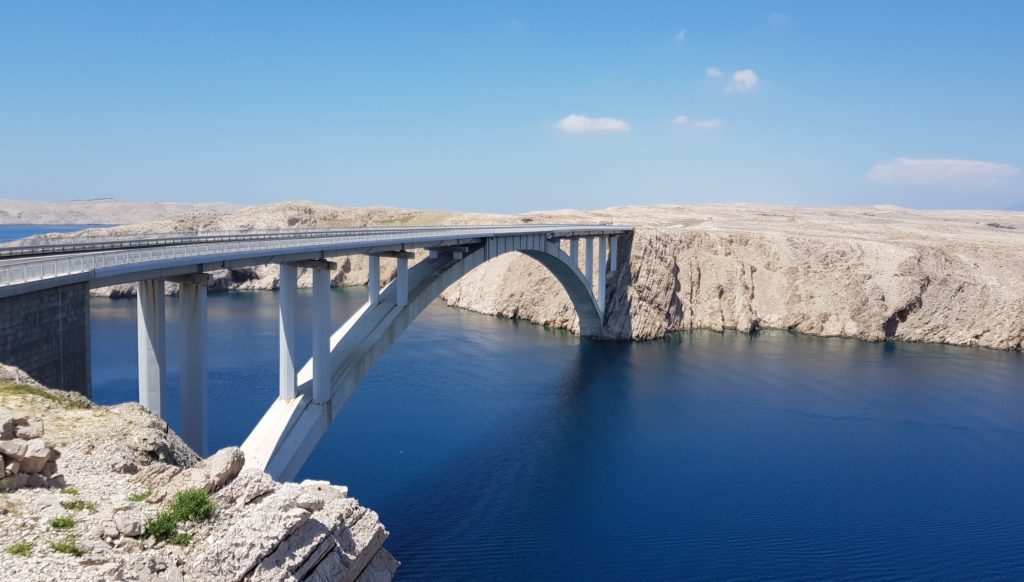
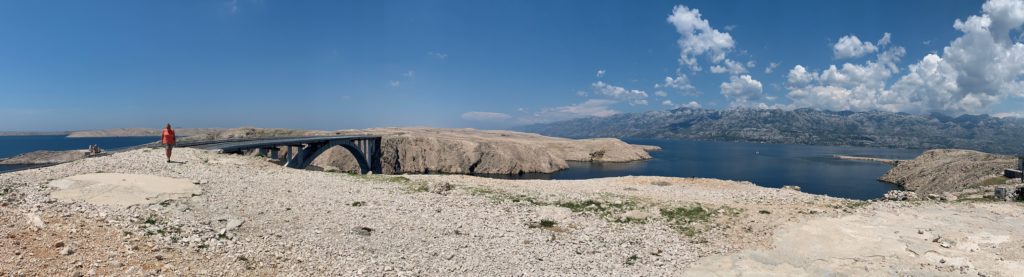
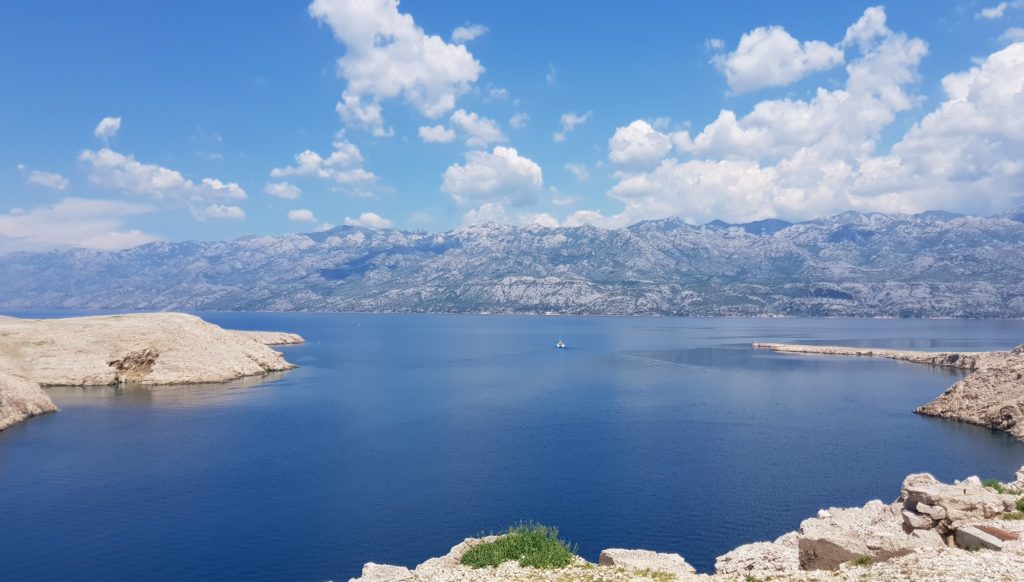
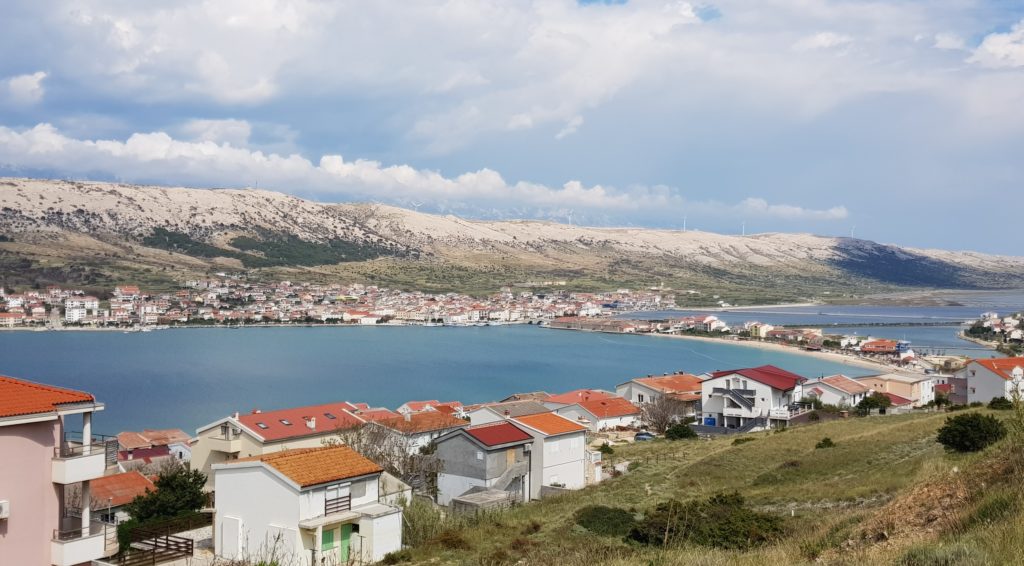
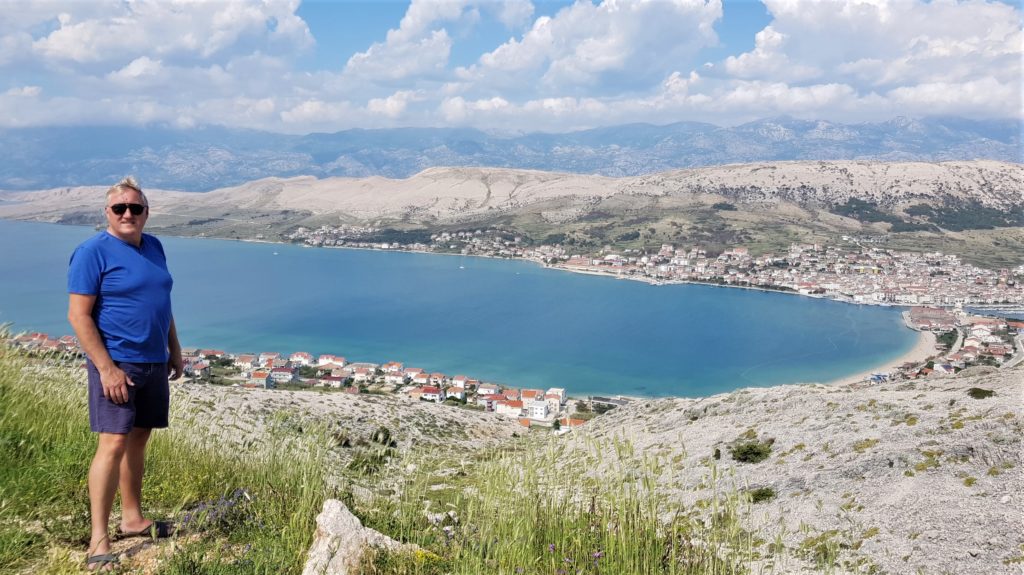
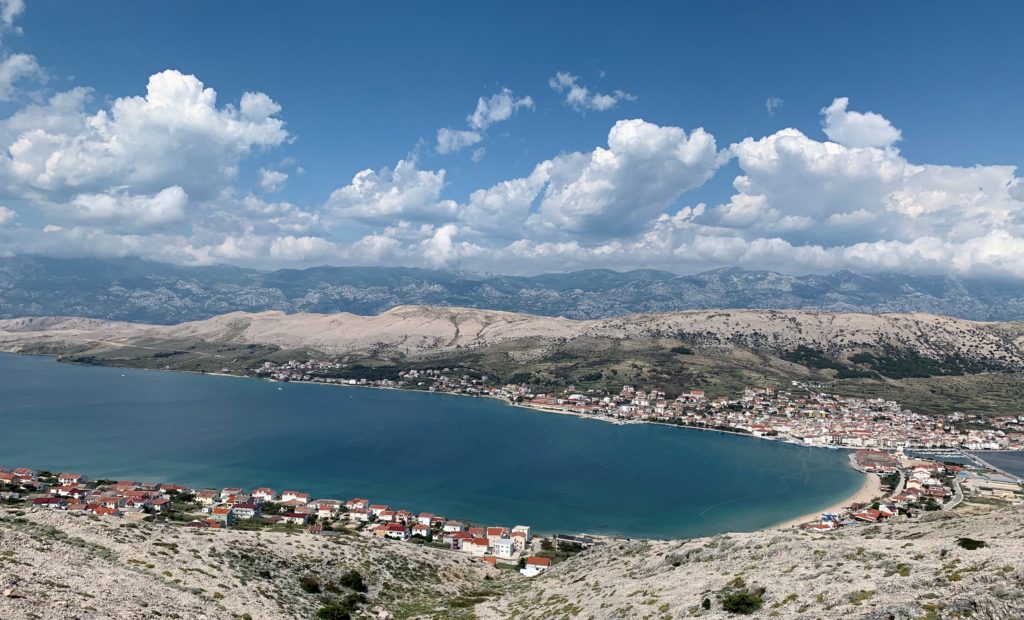
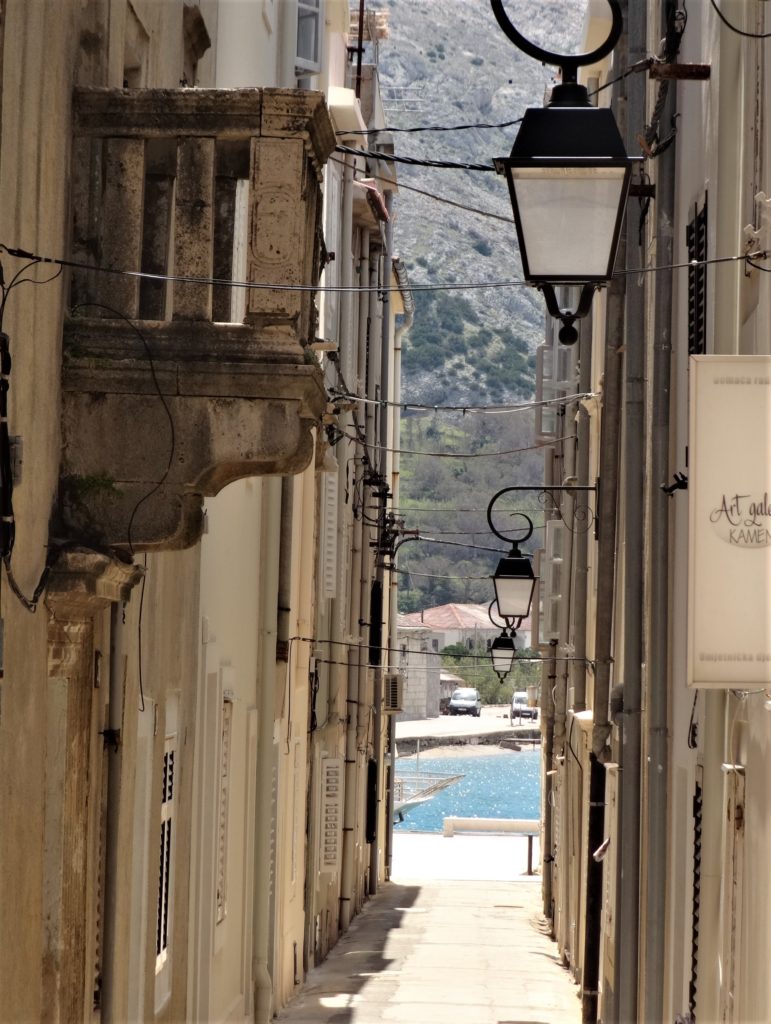
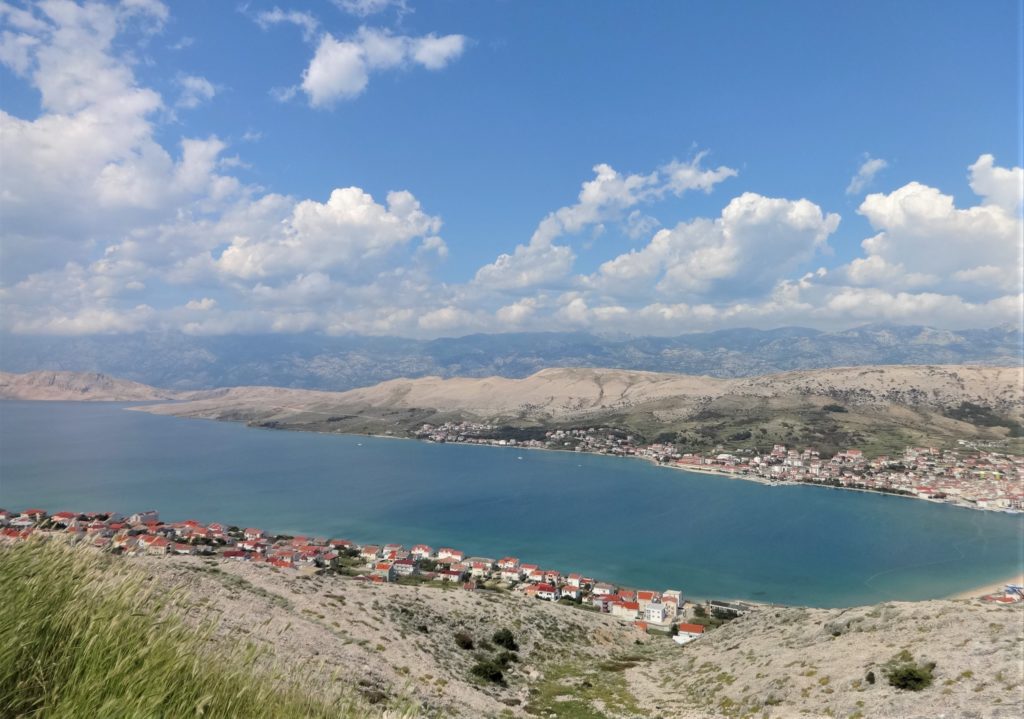
Pag was an hour’s drive away, attached to Nin by a bridge. The island is famous for it’s barren, white moonlike landscape, it’s goats cheese and the production of salt which it harvests by blocking up the sea in a small lagoon and drying it in the sun. Pag salt has a pink colour to it. There are only three towns on Pag, the main town is a typical seaside town, several smaller hotels, restaurants and bars. Further north along the island is another town called Novalja, a nightlife and party town!
Being a Tour Guide in Croatia 2

Part 2 Caity & Alex

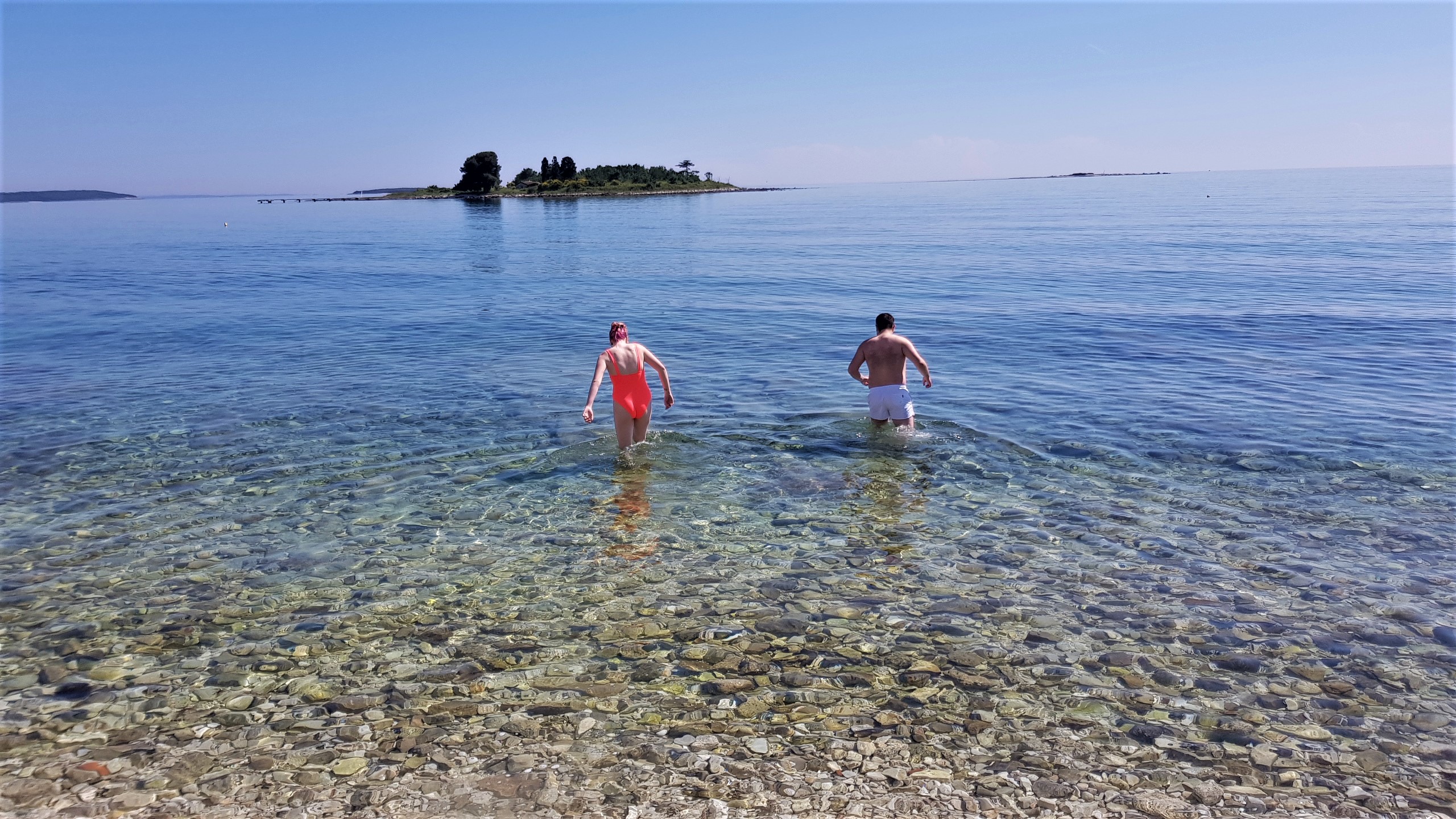
When Caity and her friend Alex stayed at the end of May, they had slightly better weather which improved throughout the week – several times they had the chance to sunbathe and tried to resemble lobsters!  They also ventured into the sea, despite it being freezing cold!
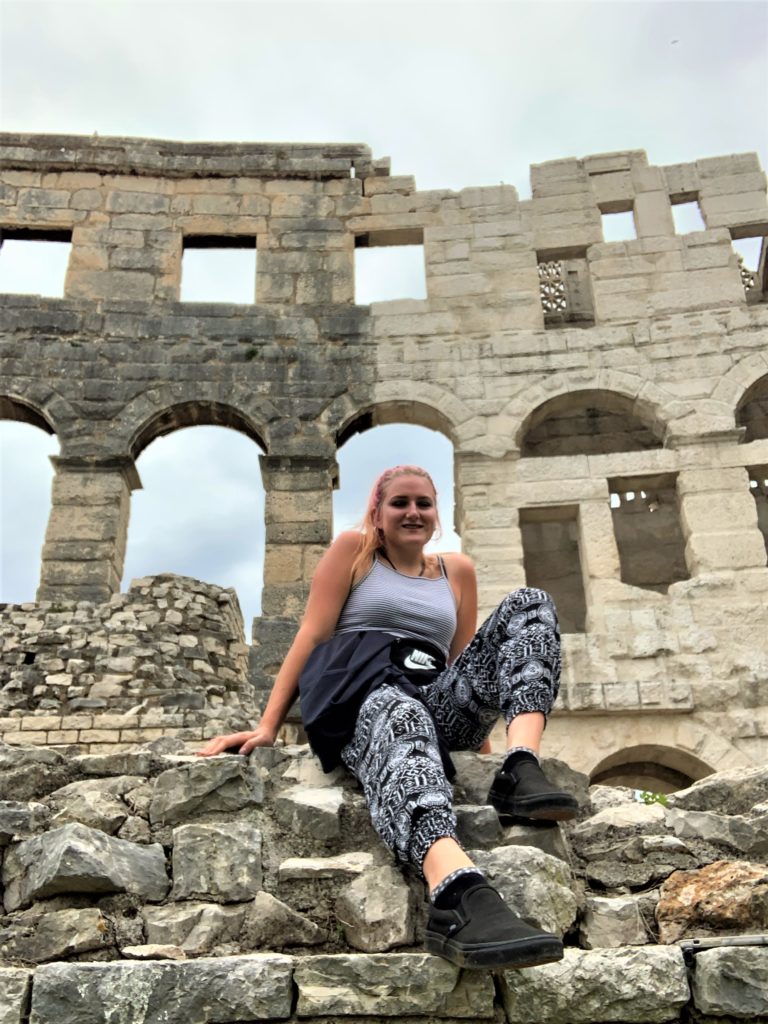
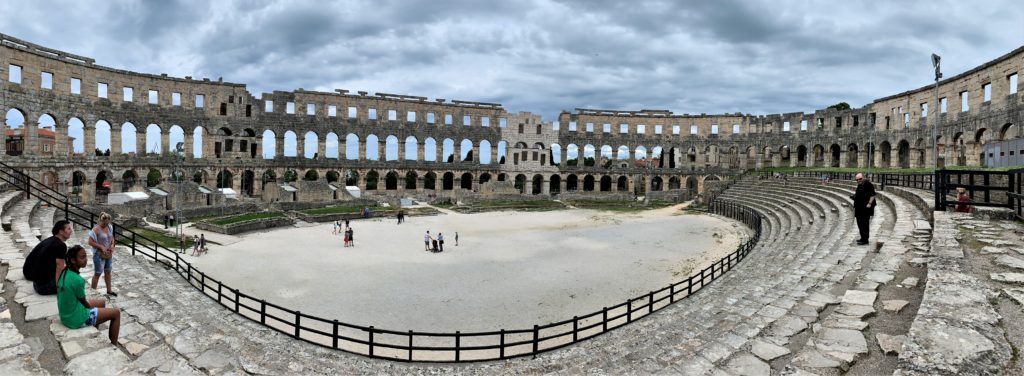
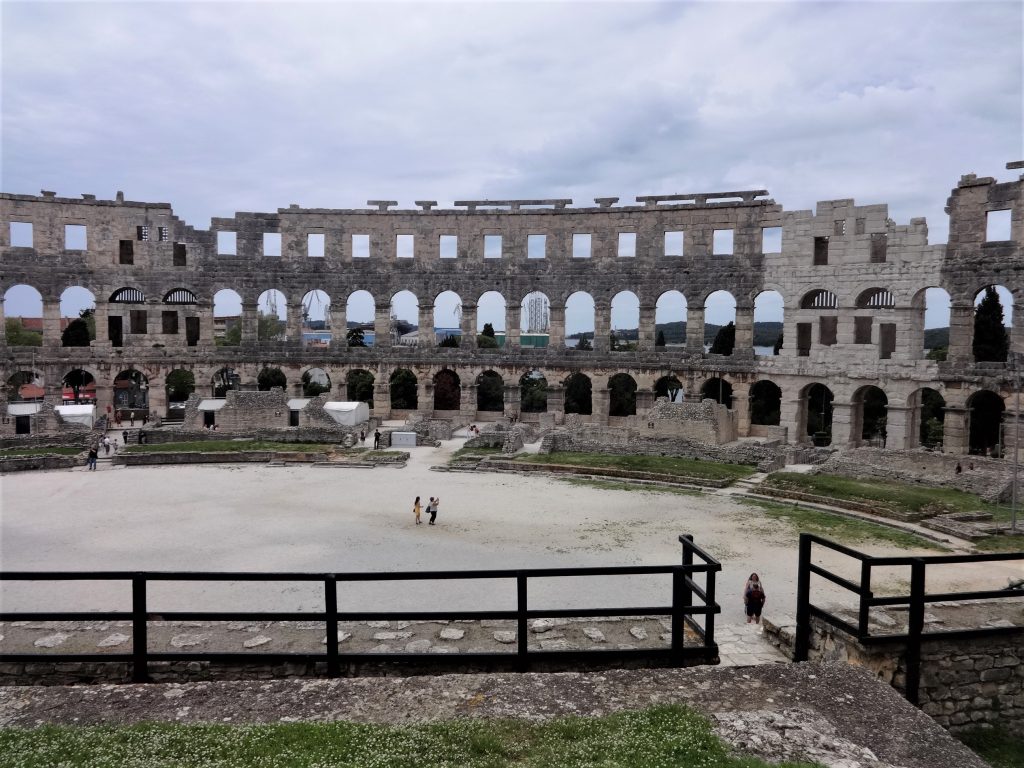
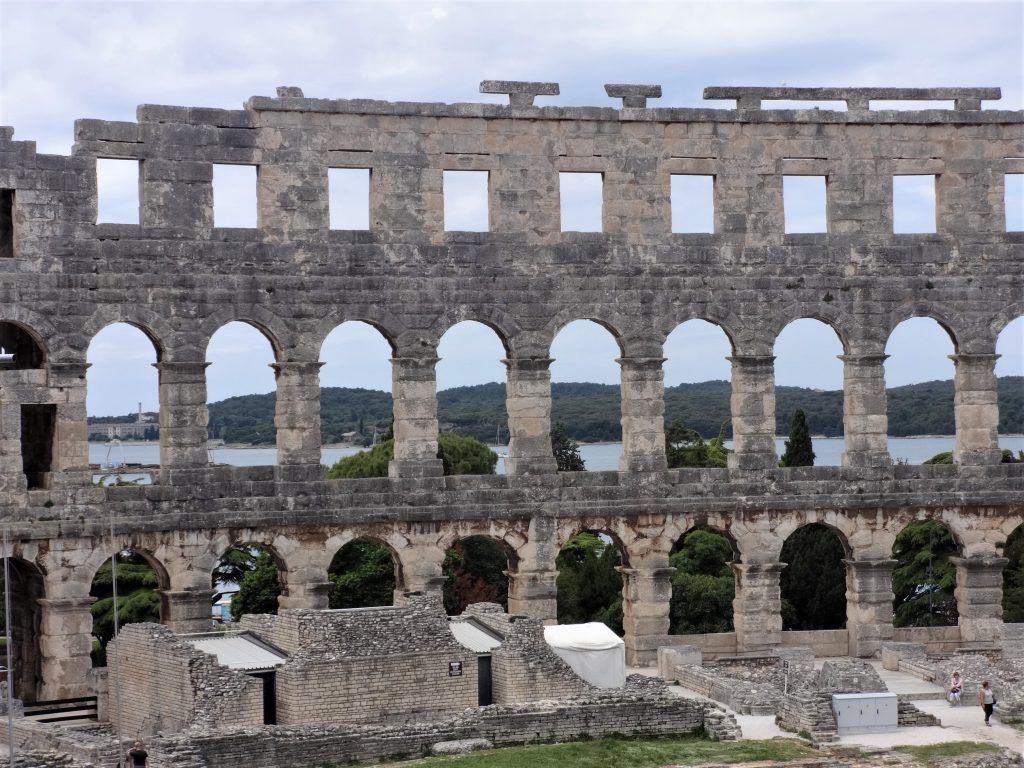
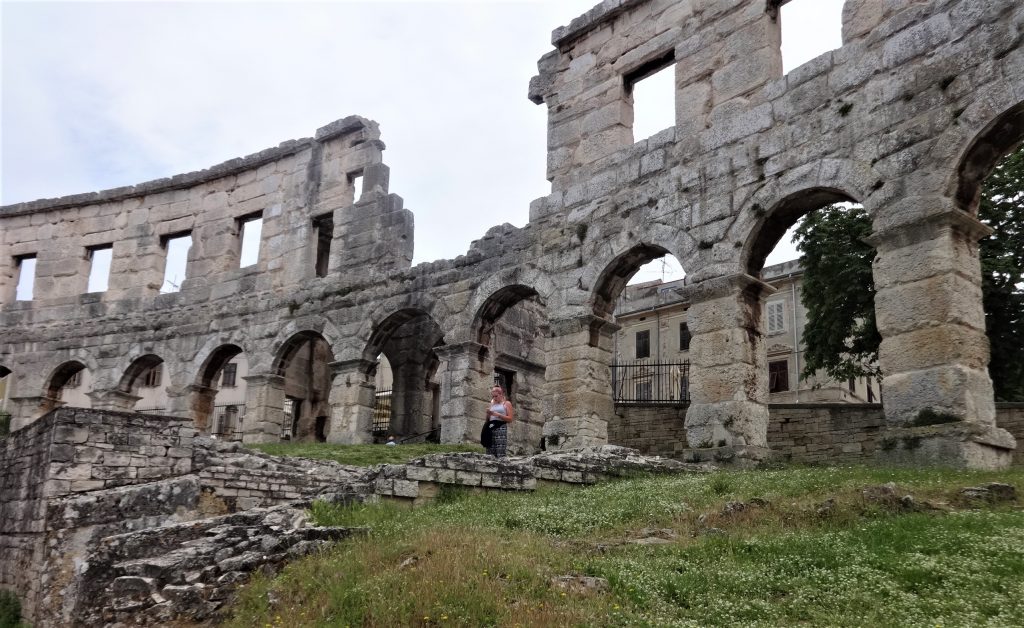
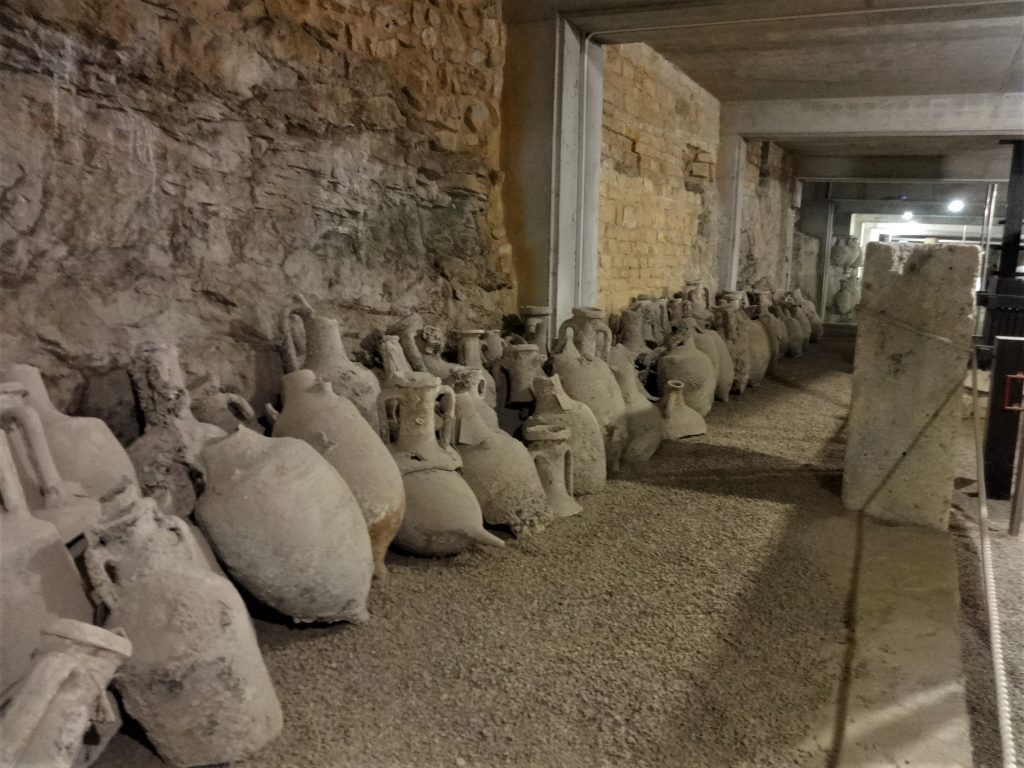
Second time round when we went into Pula, with Caity and Alex, we did get into the Ampitheatre Arena to admire the structure and it was amazing.  It is the 6th largest remaining Roman amphitheatre in the world and is still used to hold concerts, operas and shows during the summer.  It dates back to the 1st Century AD, was built to hold 20,000 spectators and the underground chambers that once held animals and fighting equipment below the fighting ring, now display information about the structure and its history, including a display of original pottery containers called Ampules.

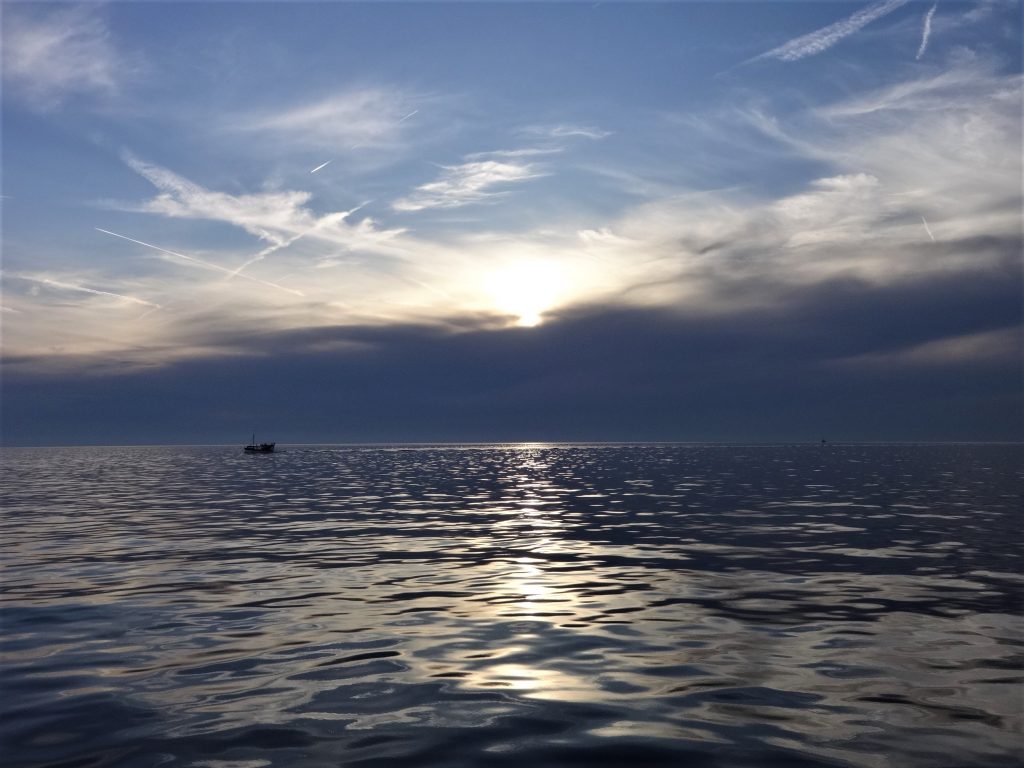
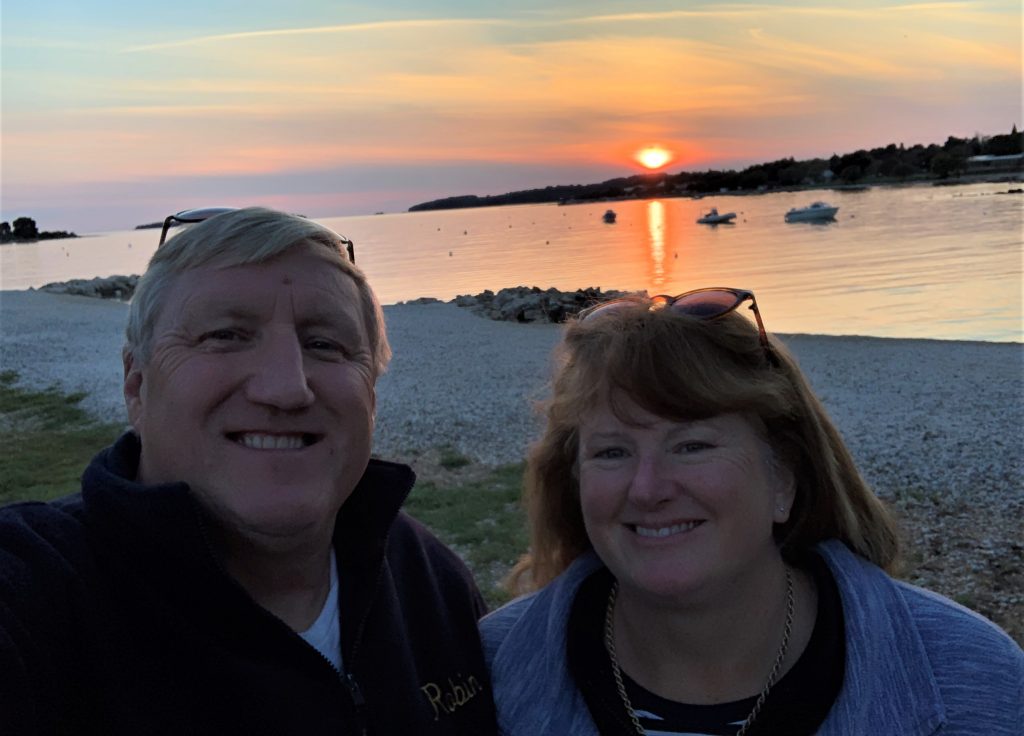
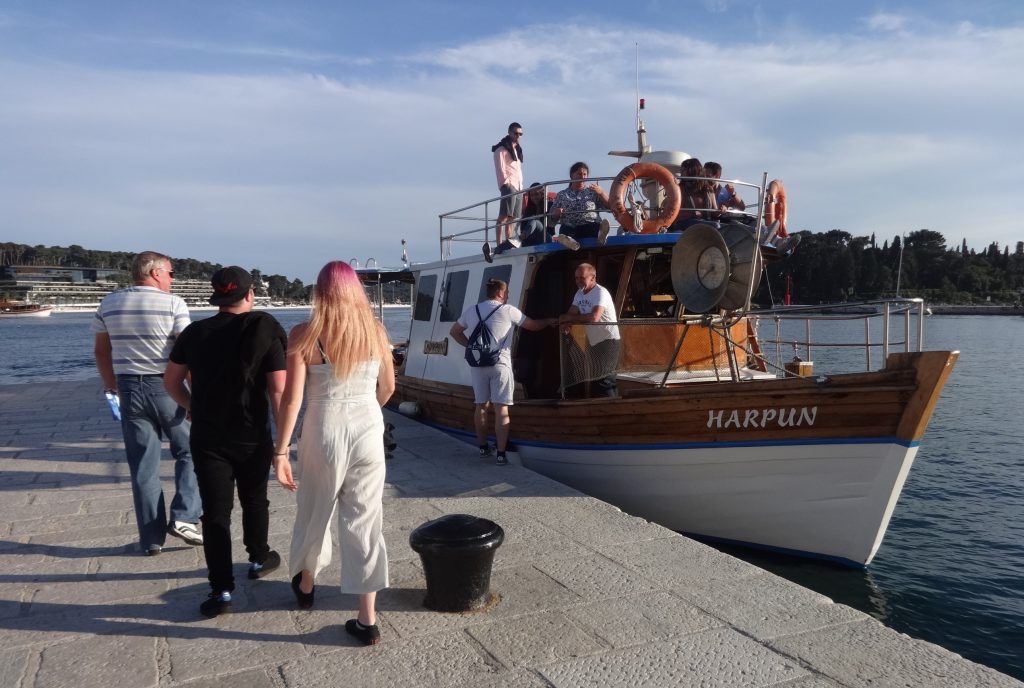
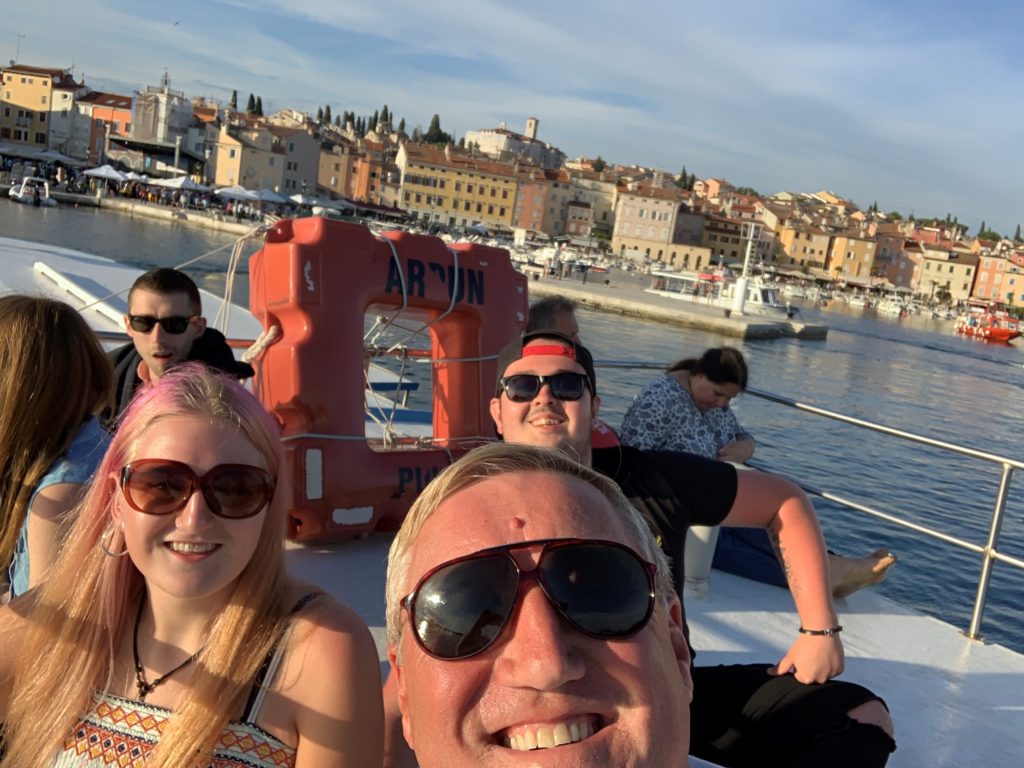
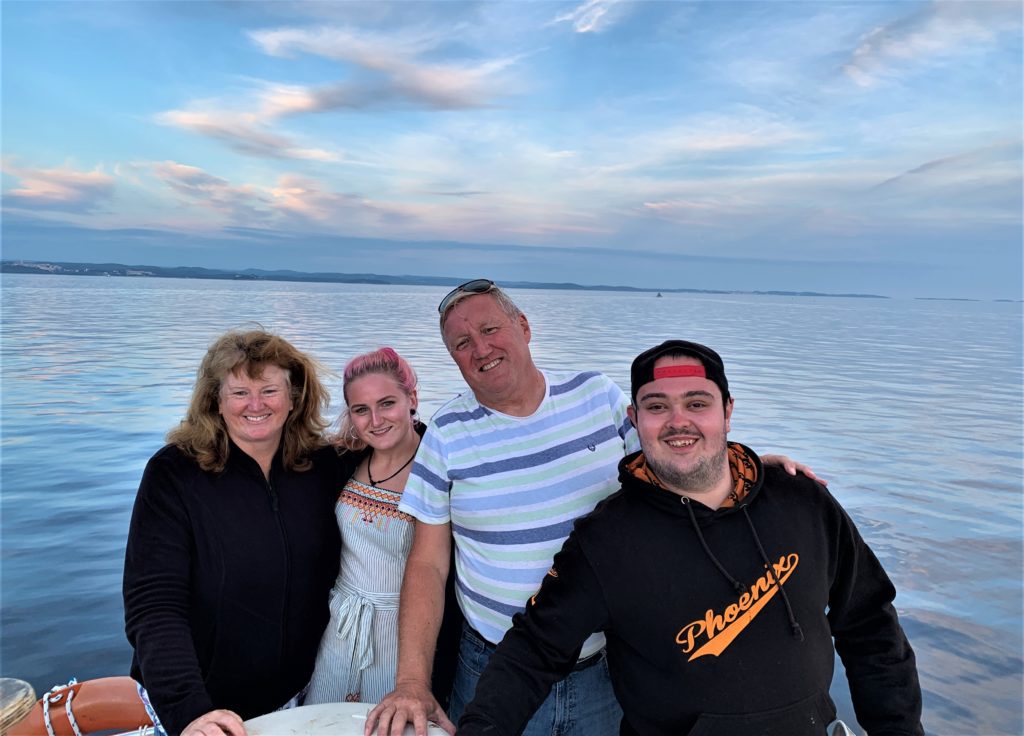
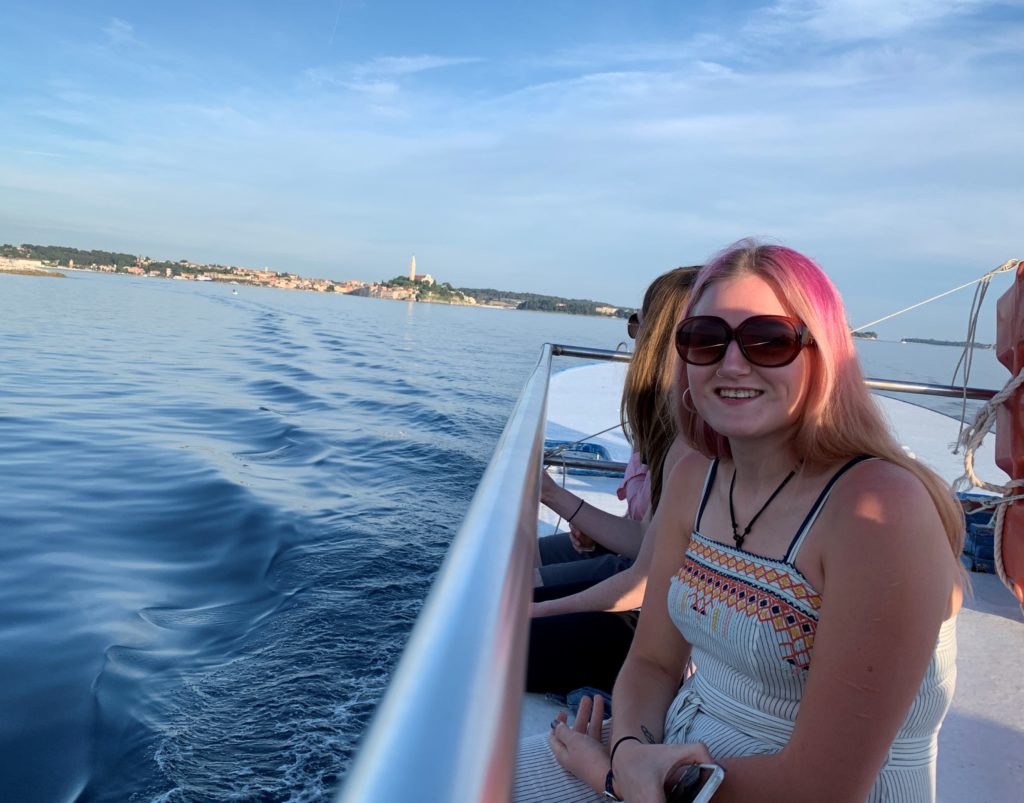
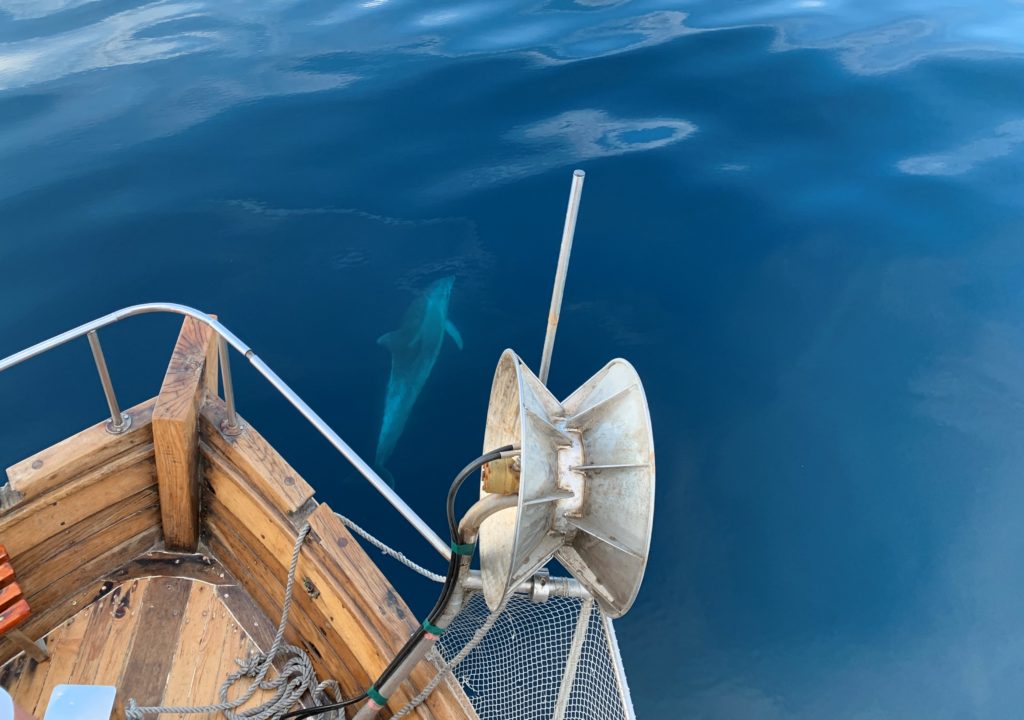
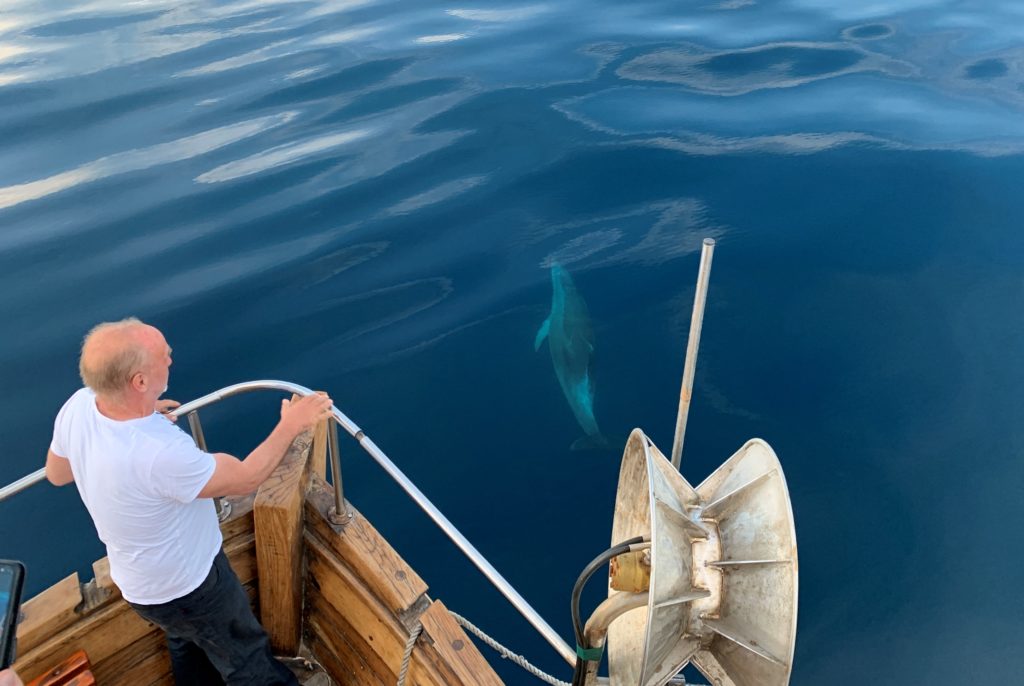
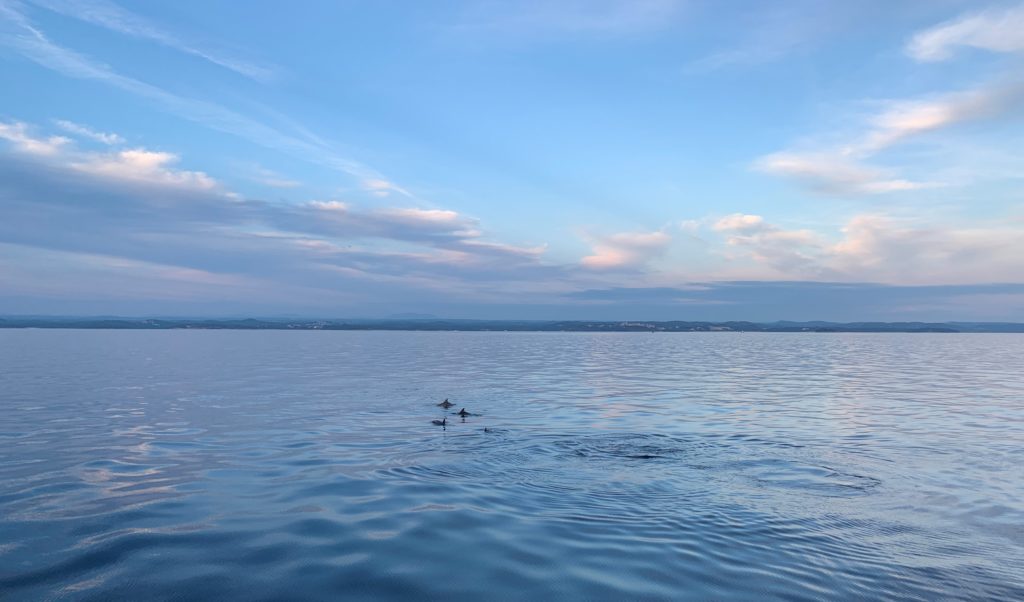
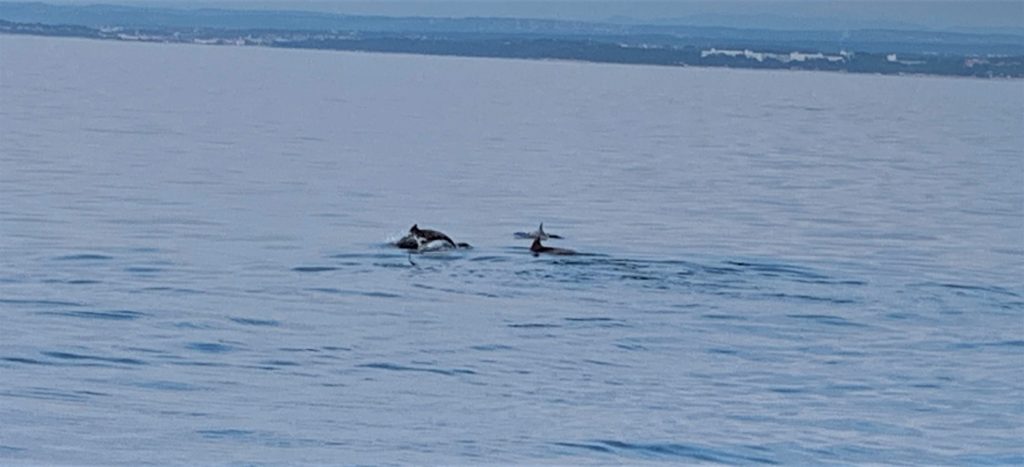
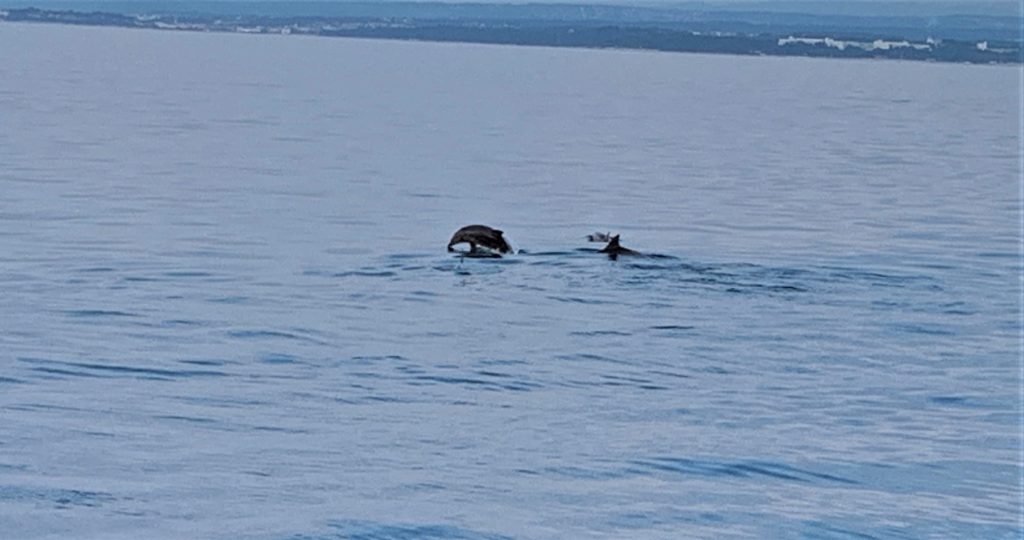
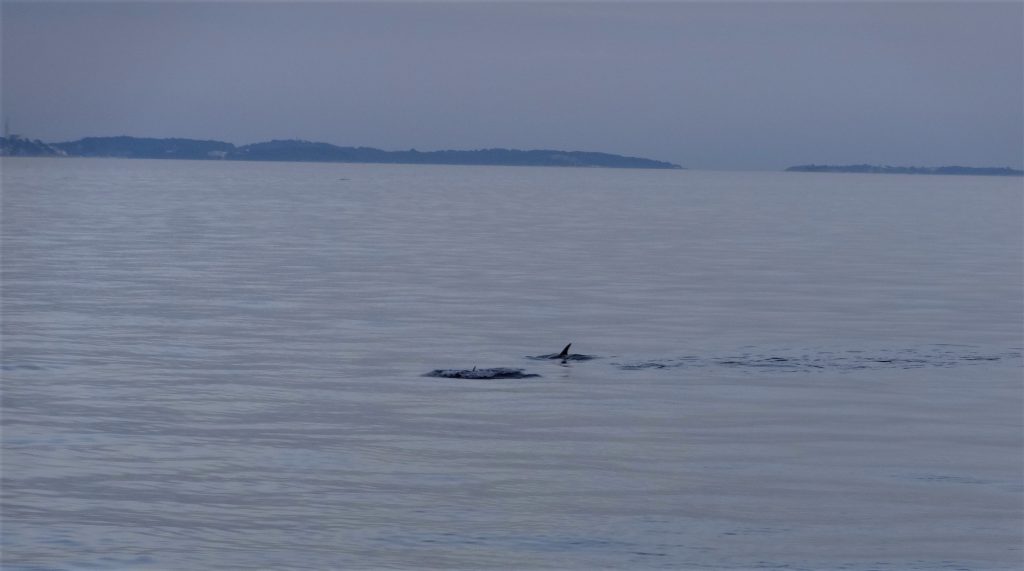
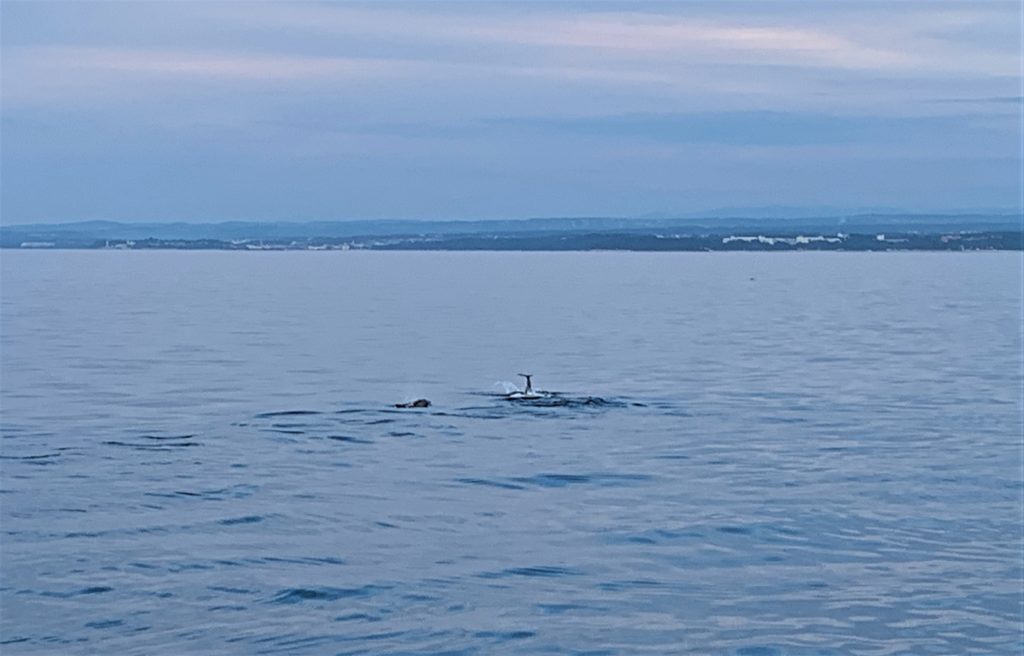
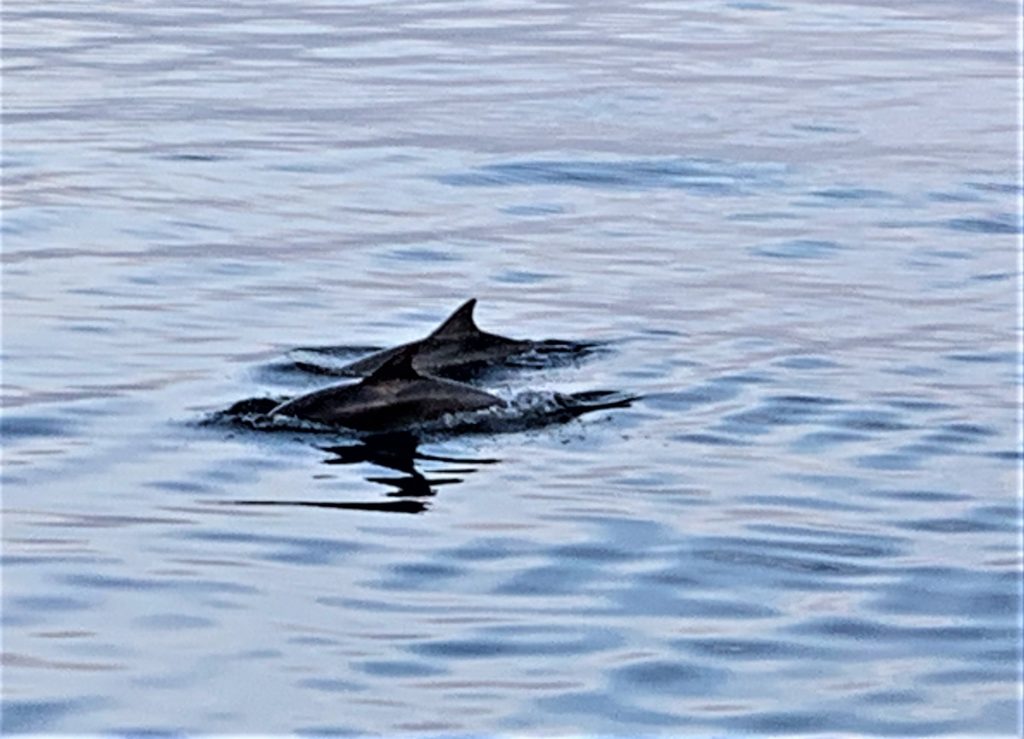
One evening, we went out on a boat to view the local coastline, which is stunning, but also to find dolphins in their natural habitat.  We found them, about 10 in the pod, and they leapt around us for well over half an hour, showing off their diving and jumping skills.  It was amazingly beautiful and mesmerising to watch their beautiful animals, some only babies, having fun in the sea under a wonderfully colourful sunset.

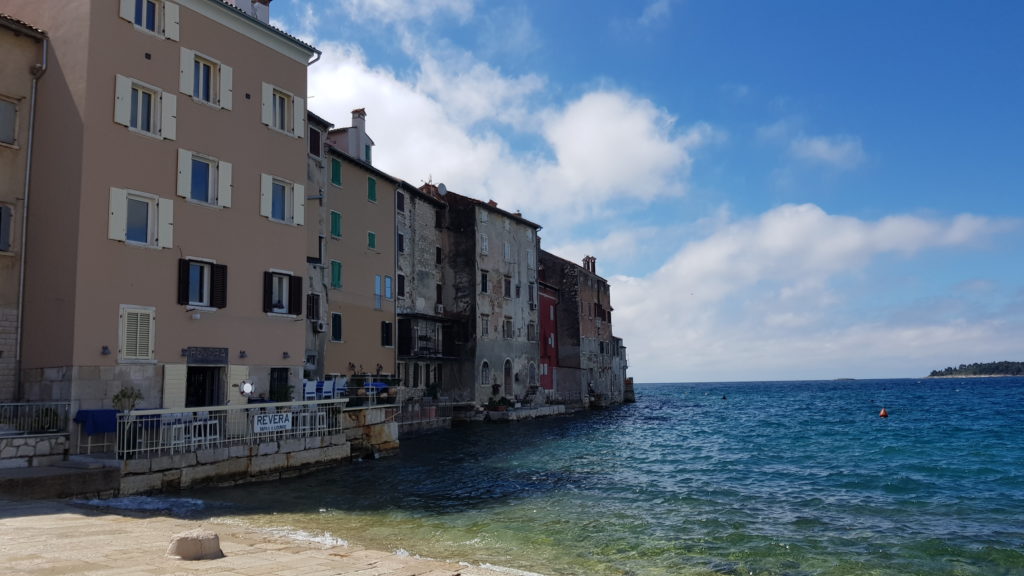
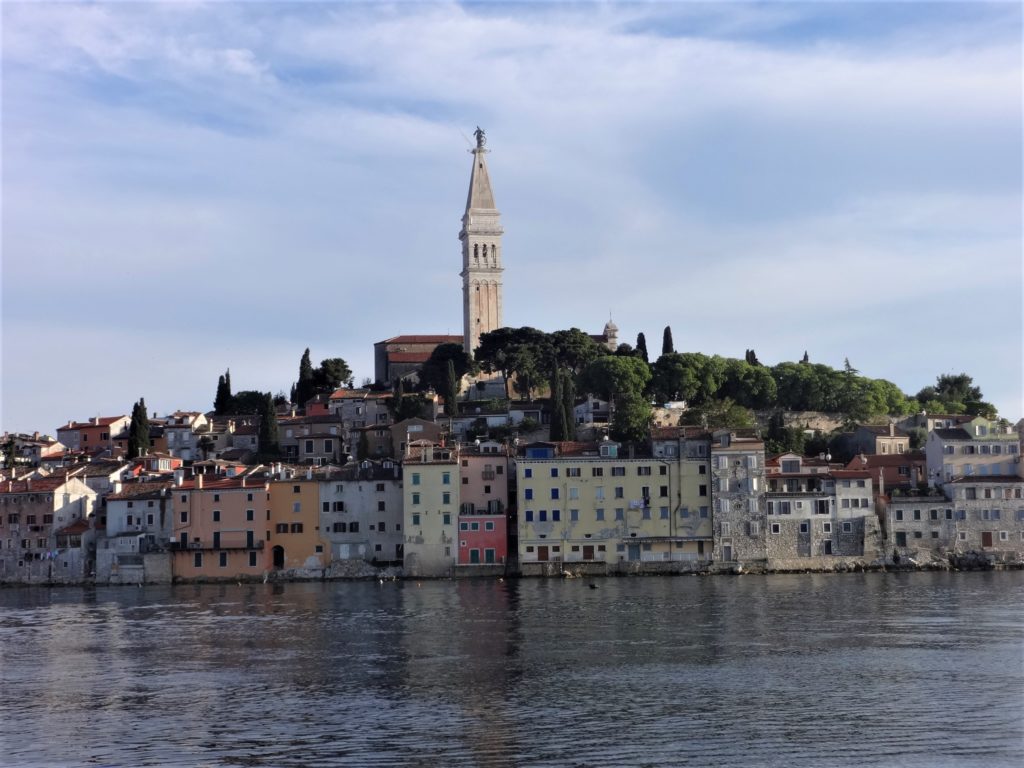
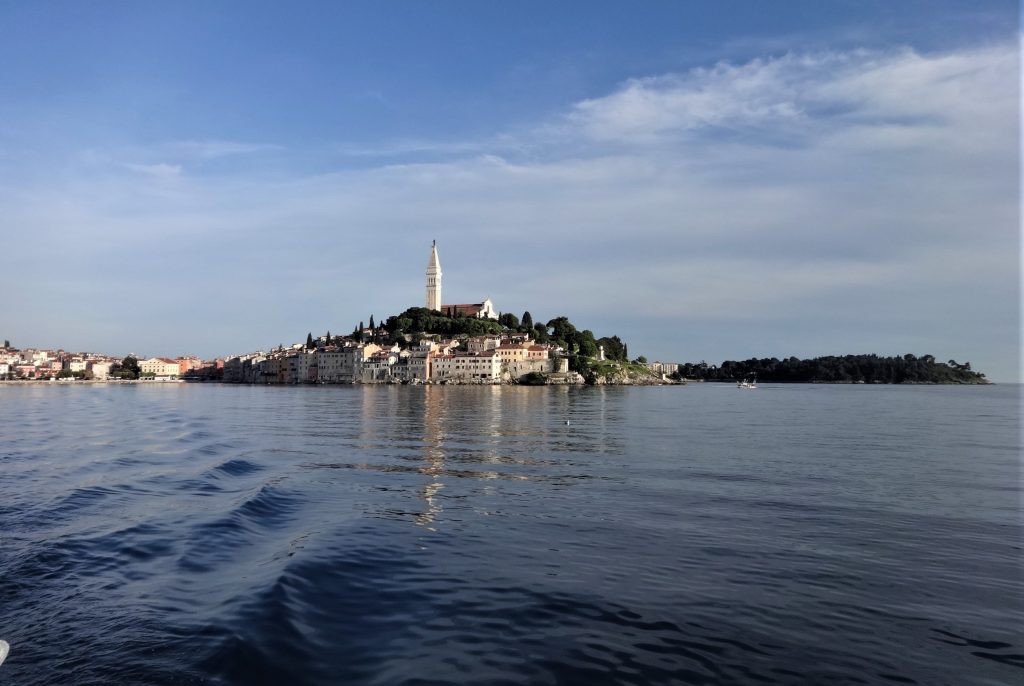
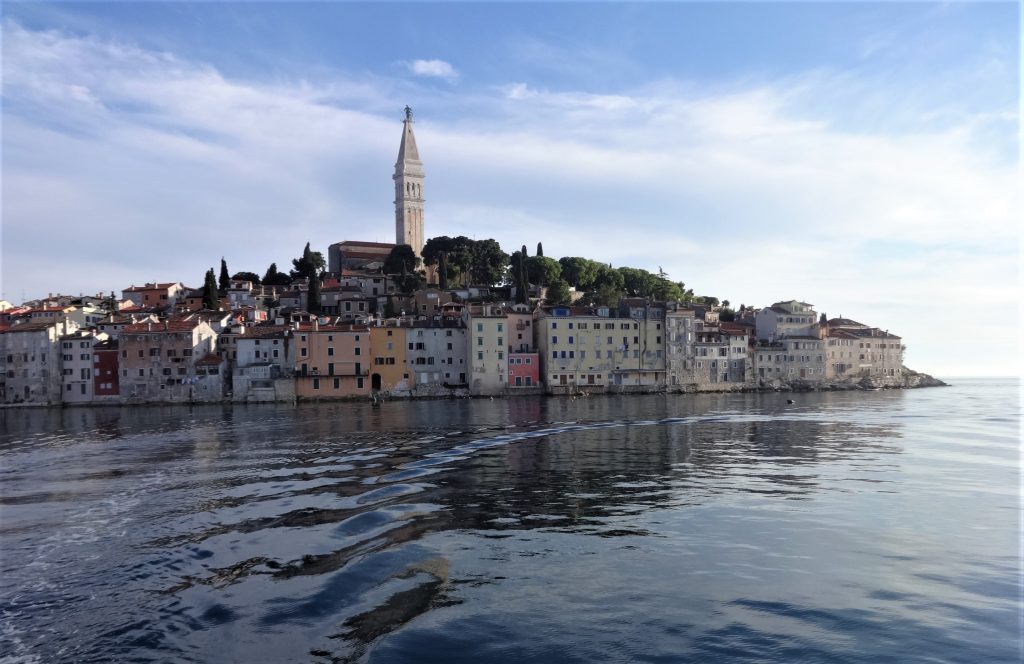
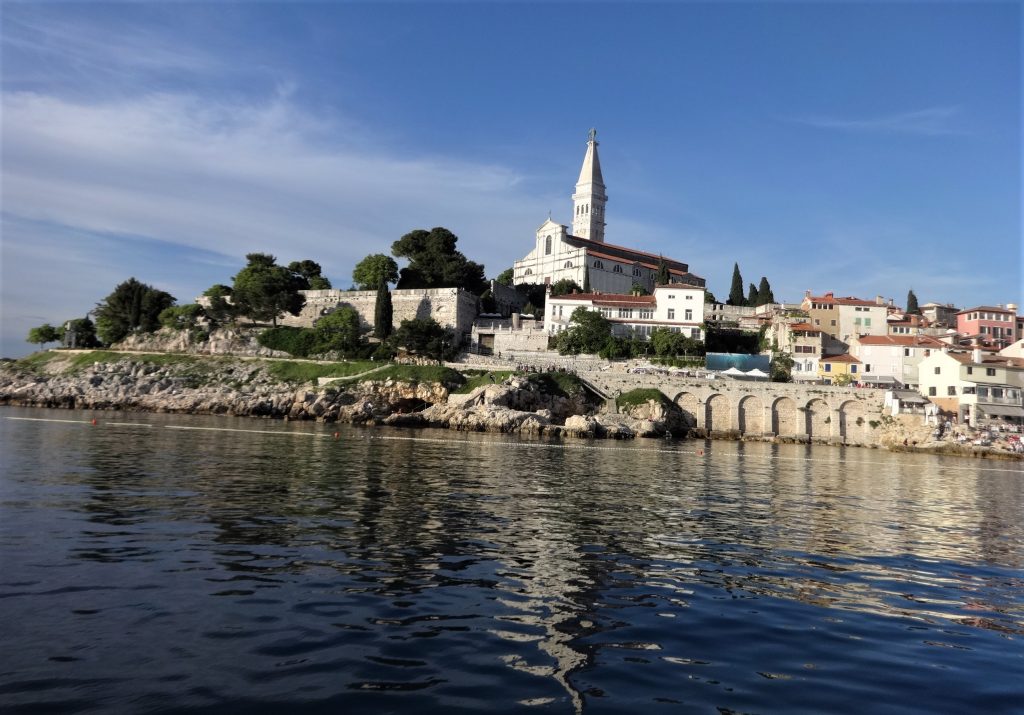
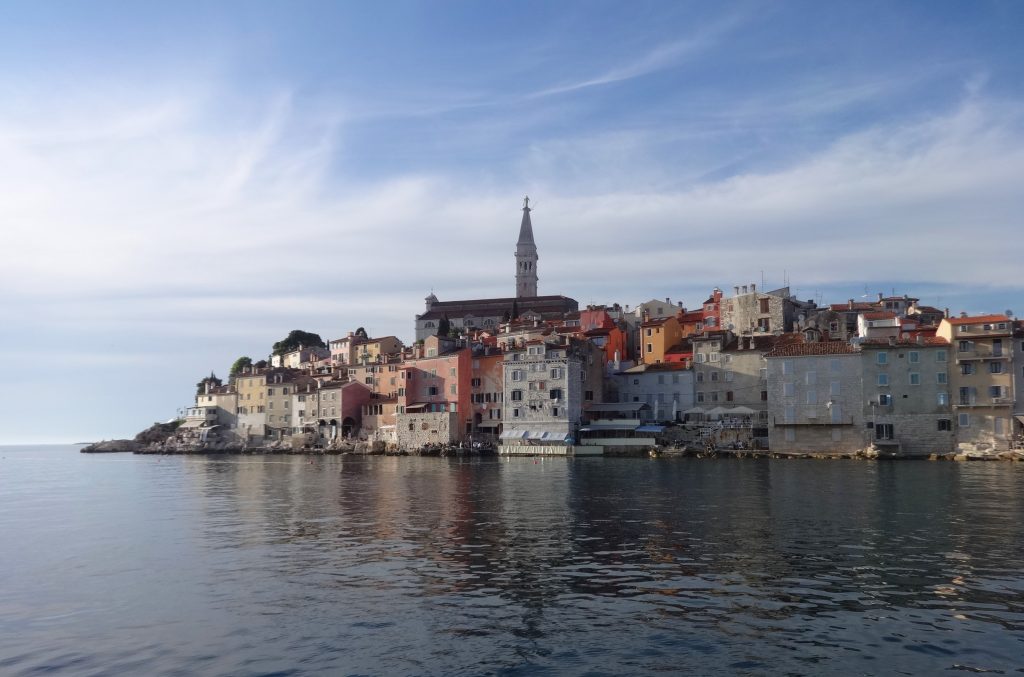
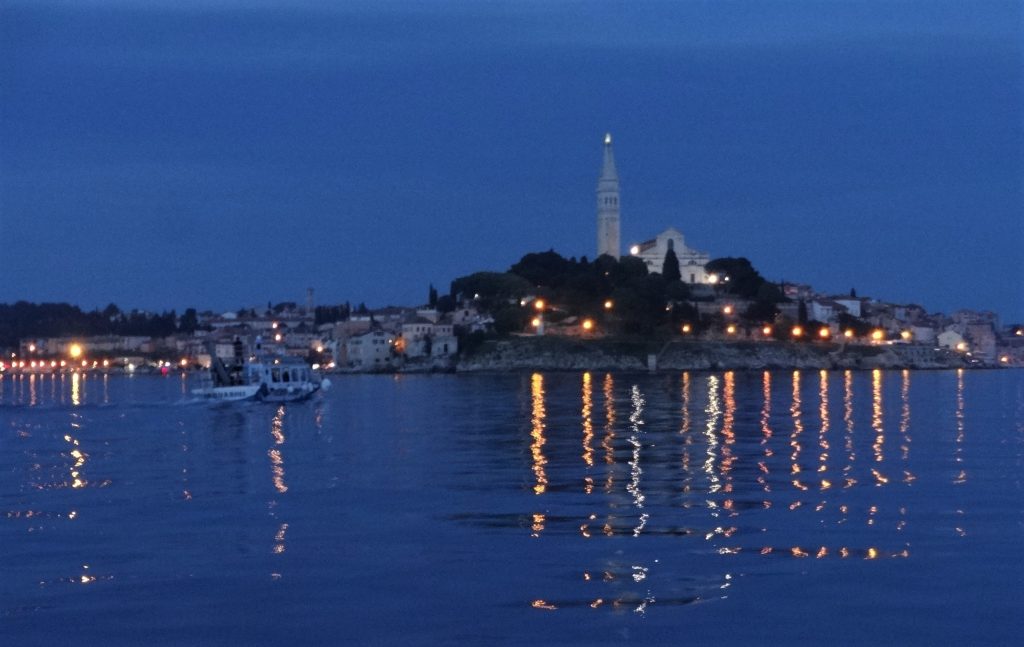
The coastal view of Rovinj was also worth seeing, the coastline of full of higgledy piggeldy olde worlde houses that support the stone walls of the old city, some houses being 5 or 6 levels high, then to the right of the old town and harbour is a modern side, a huge hotel and modern marina that blend into the hillside.  Tourism is the main source of income and industry here and everything is geared towards making people feel welcome, relaxed and part of the community.

Rovinj from the Sea.

« Older posts Newer posts »