Travel stories of a caravan duo, plus a 5th Wheel and Isuzu truck in Europe

Category: History (Page 5 of 20)

It’s been a hard day!

We’ve had an afternoon out to two Goan tourist attractions, not quite the level of the Tower of London, Madame Tussauds or a UK museum but still informative and imaginative, just on a much lower level.
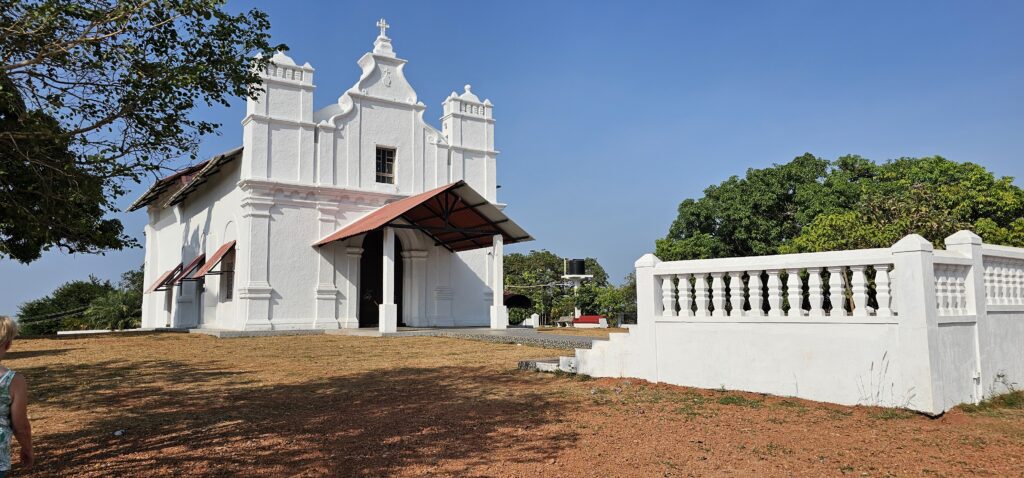
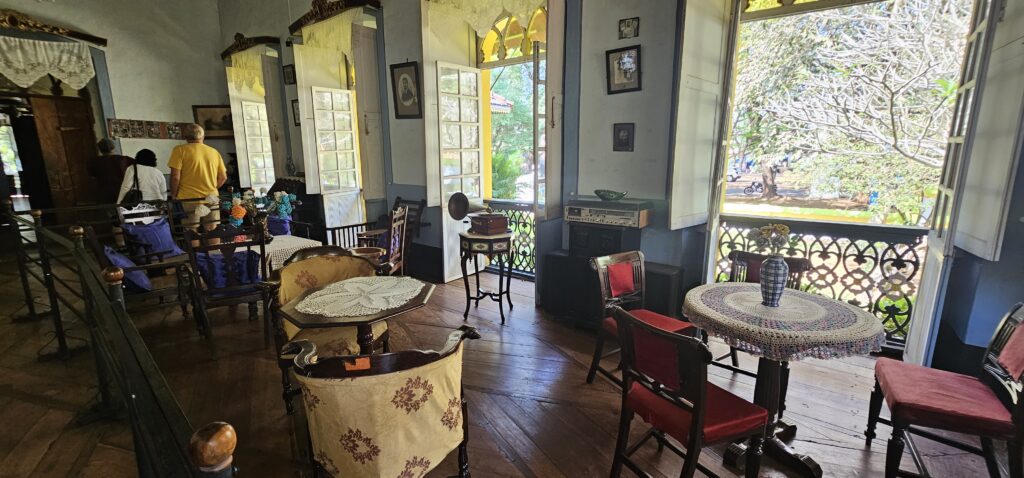
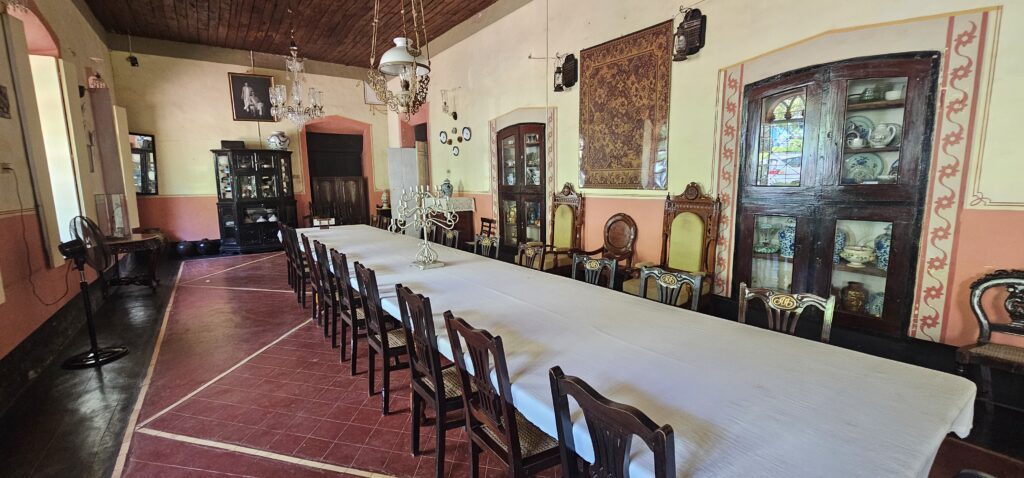
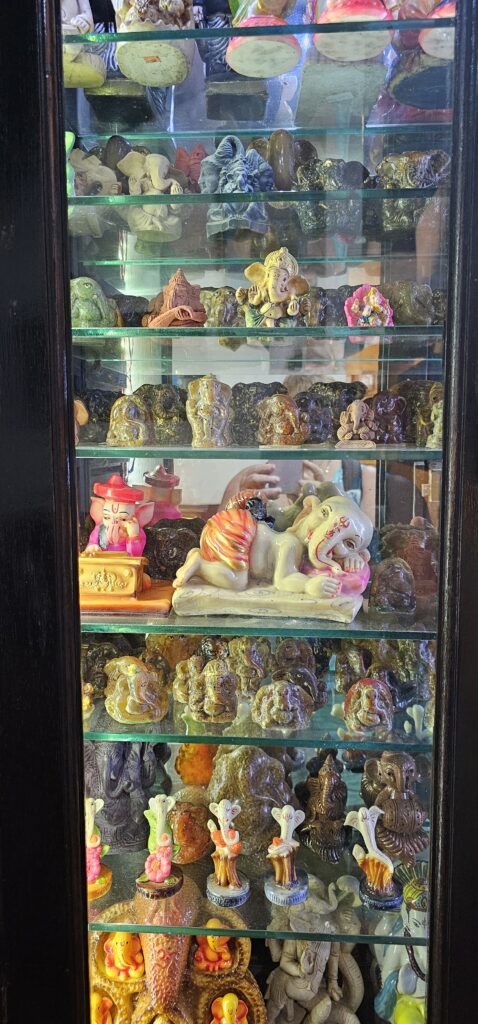
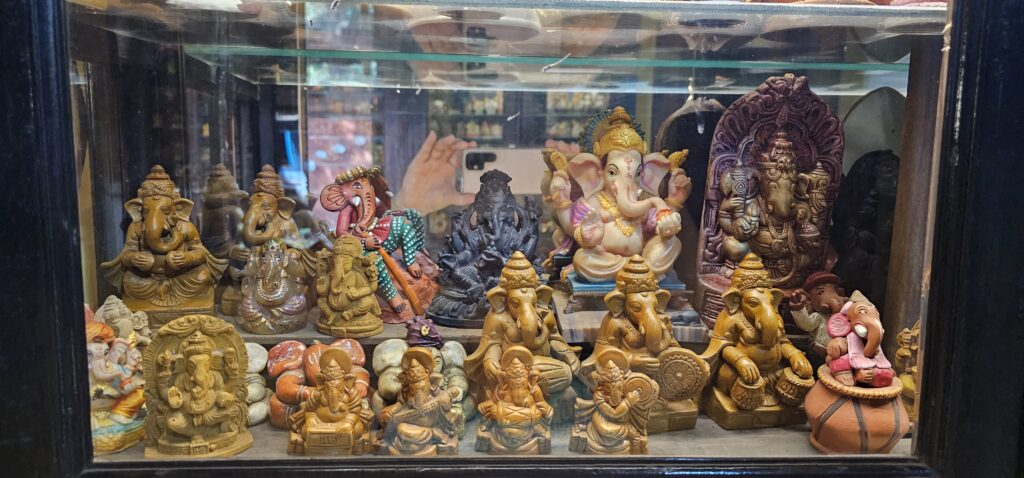
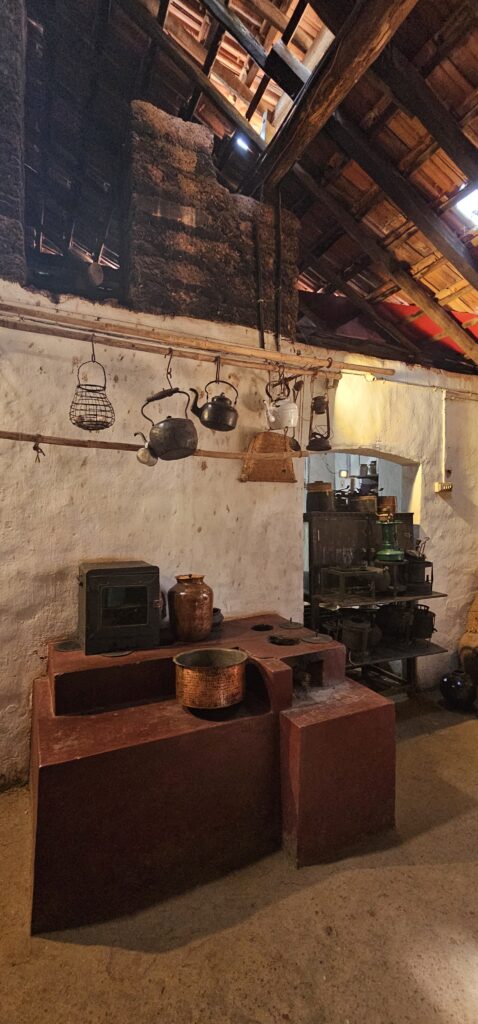
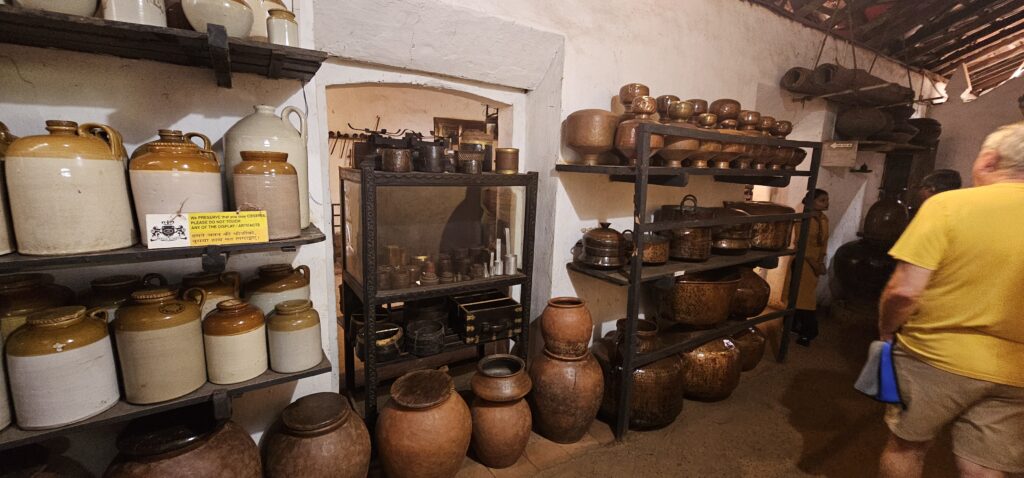
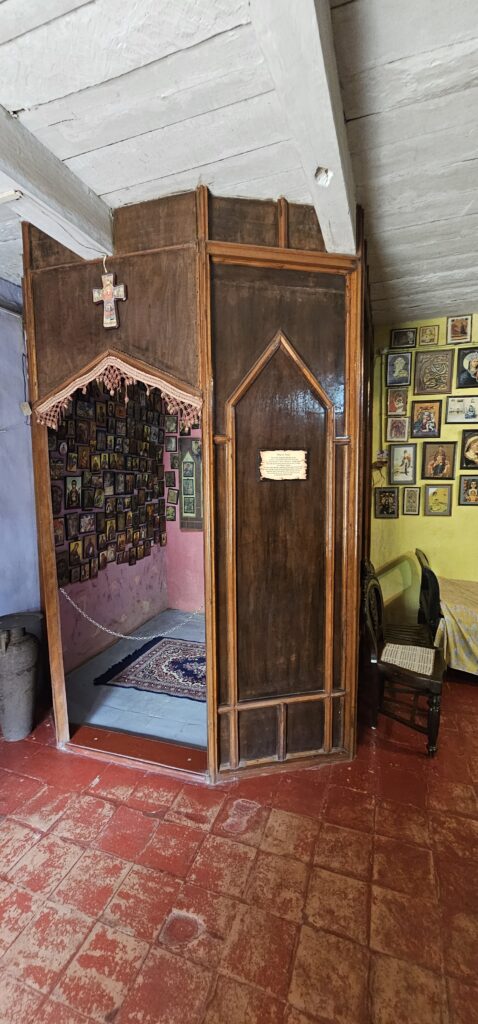
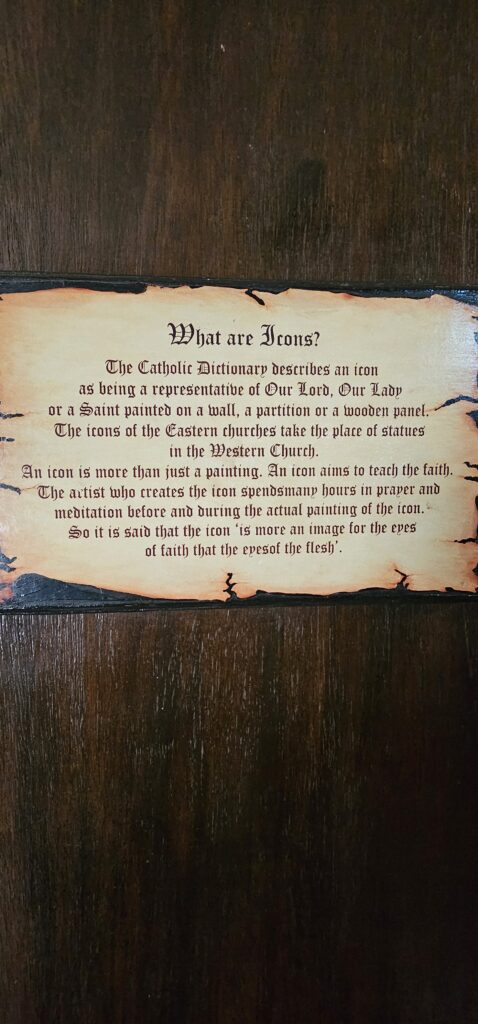
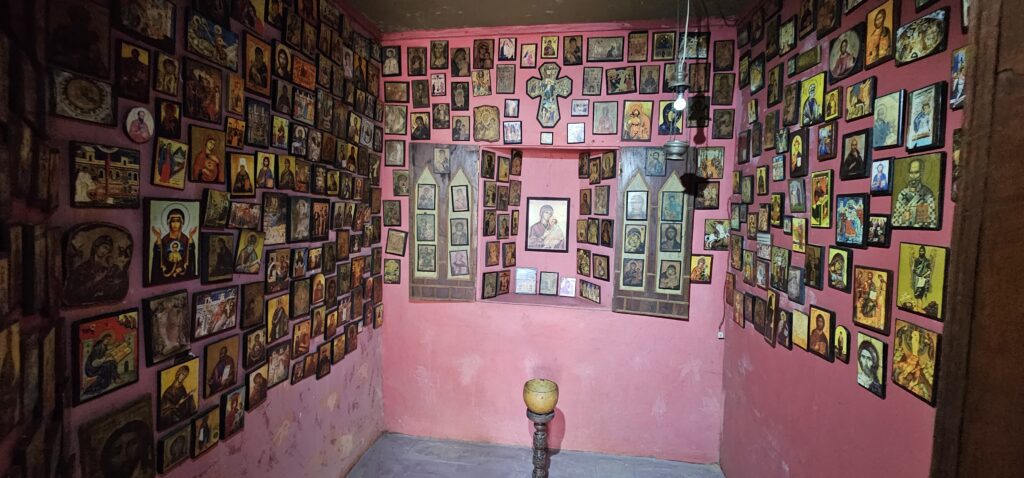
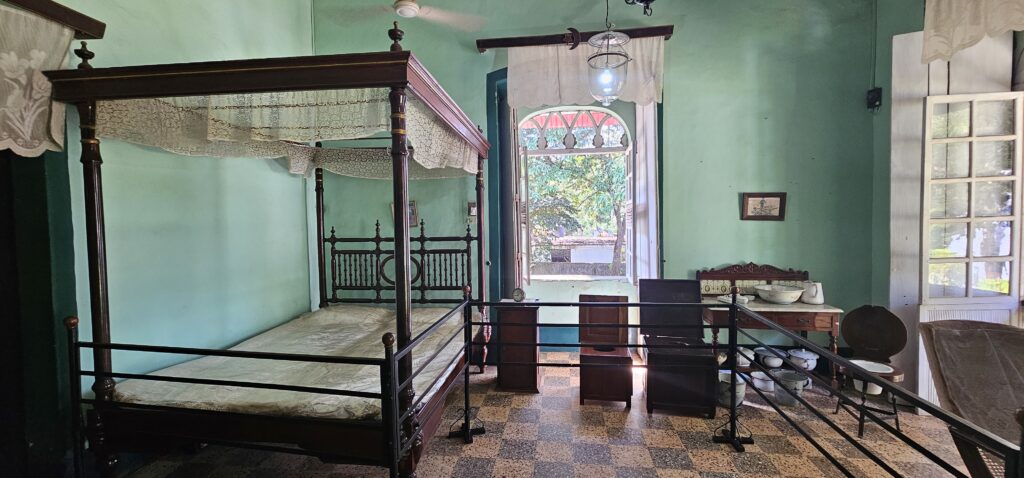
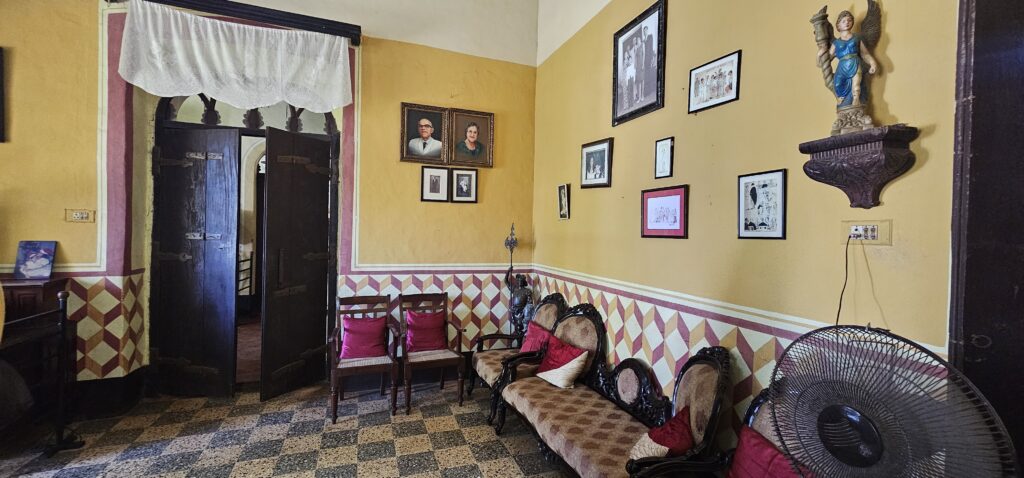
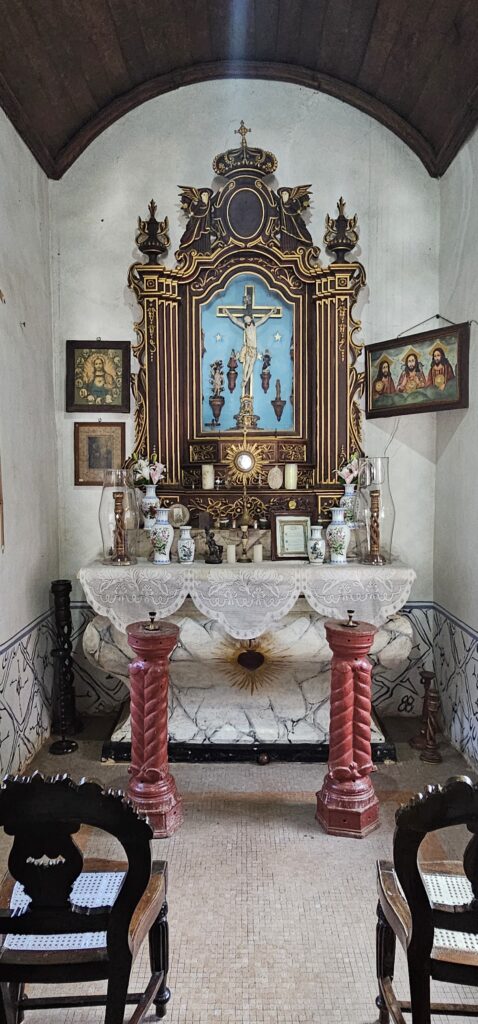
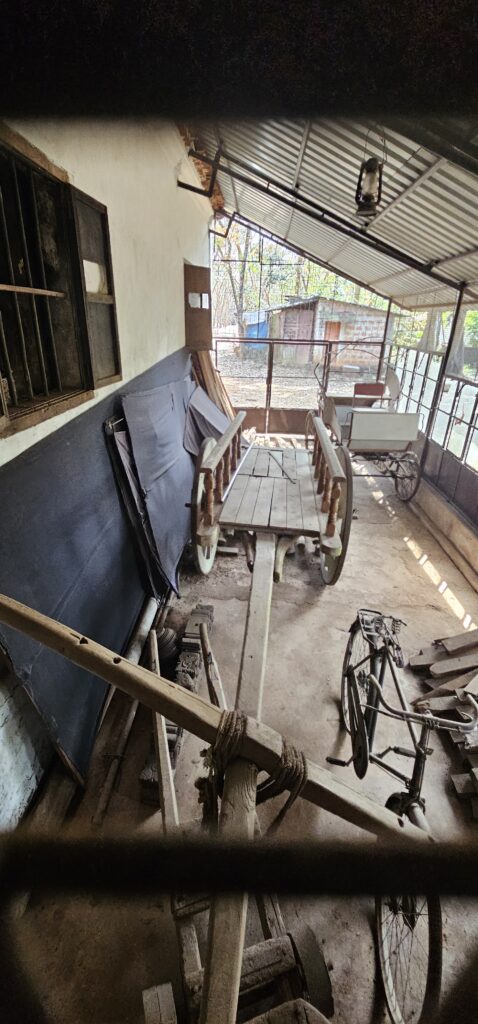
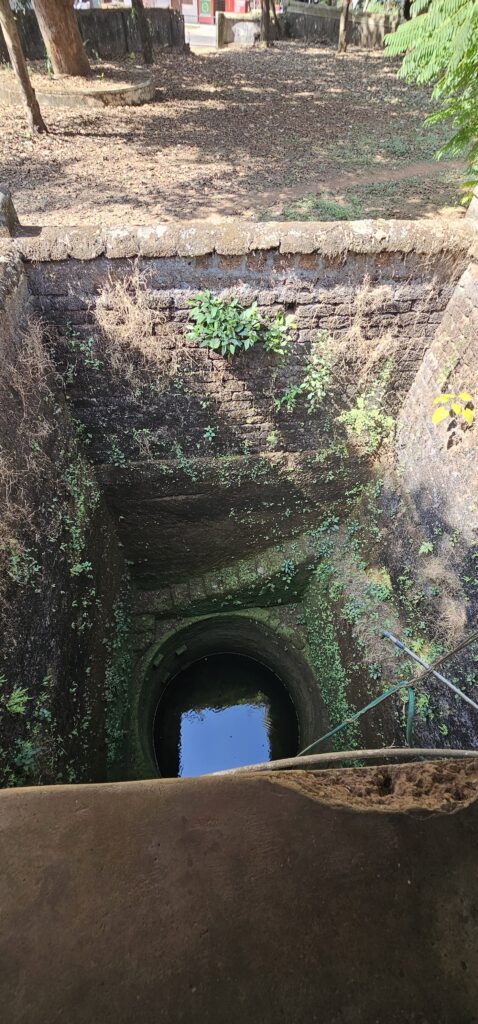
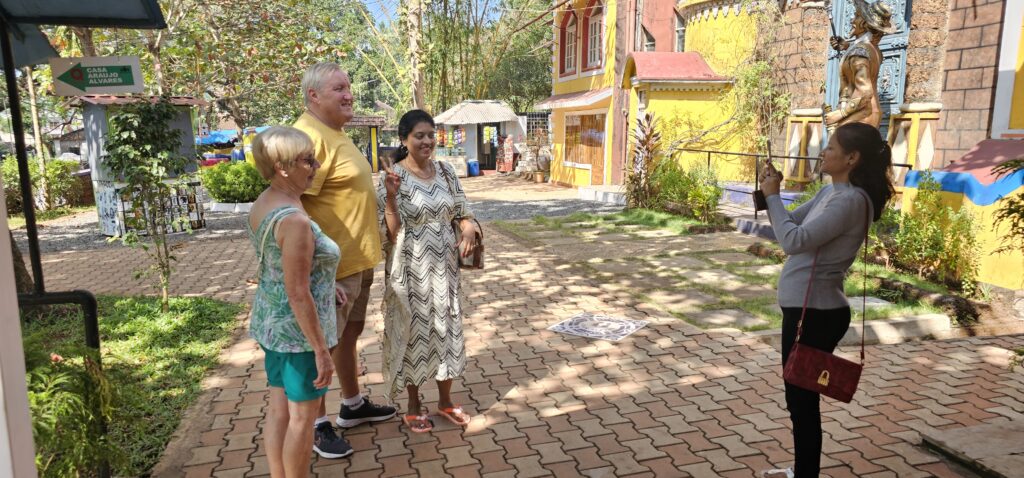
First stop was a guided tour through Casa Alvares, a Portuguese lawyer’s ancestral home built around 250 years ago and lived in until 1960s. It housed several private collections:  2500+ statues of the Lord Ganesh, 500+ icon cards in a private Chapel, a small collection of handmade smoking pipes, old wine bottles as well as a collection of ancient farming implements.
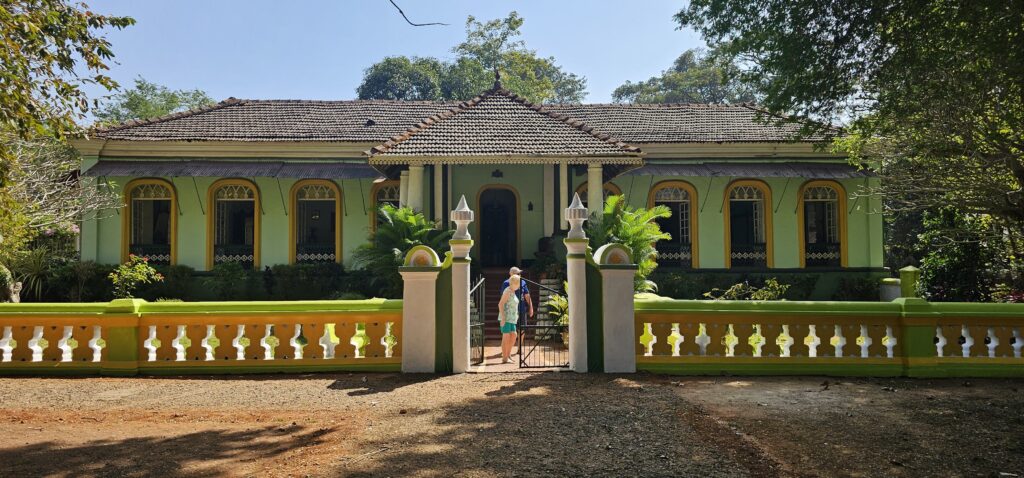
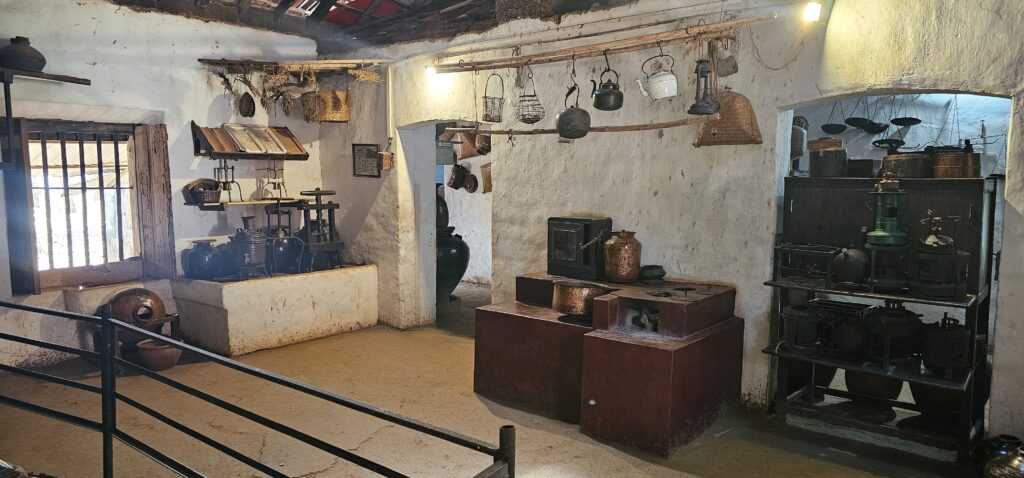
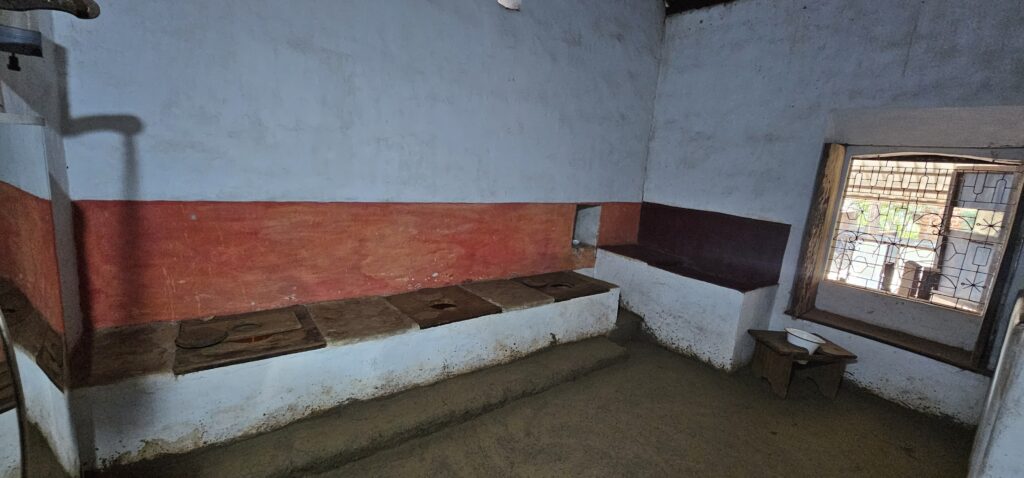
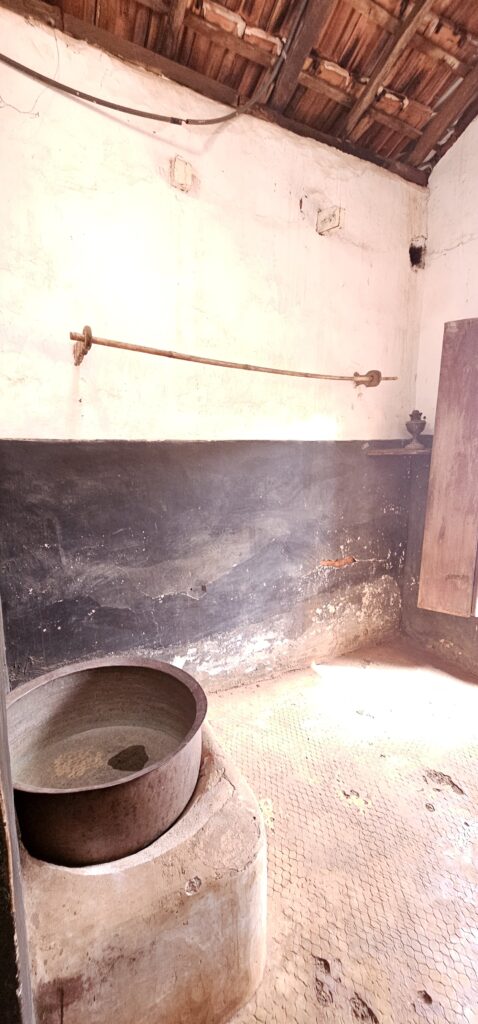
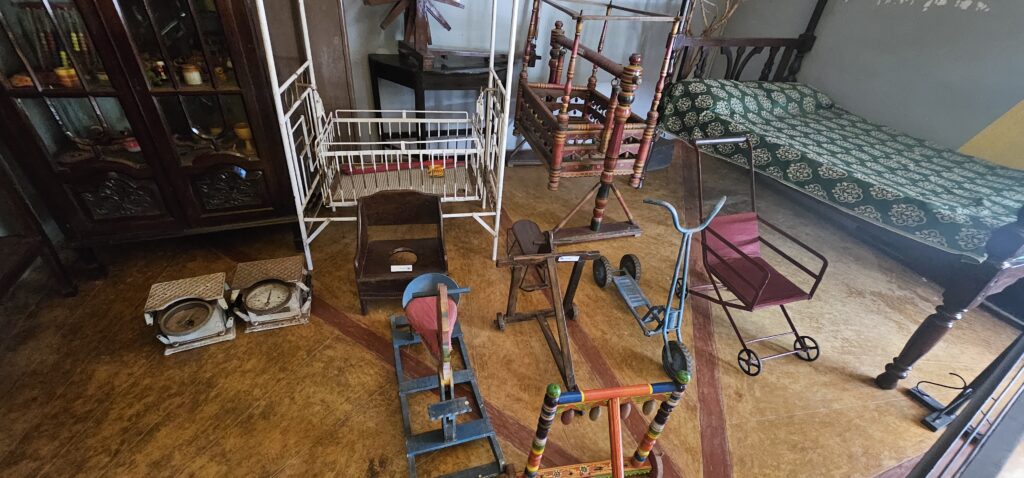
The mansion was traditionally constructed around a cool inner courtyard and had its own chapel in the middle. It was furnished with European antiques and old photos, each room has been preserved as it was centuries ago, including the kitchen filled with traditional implements and a primitive cooking range, water well and inside WC and shower house.
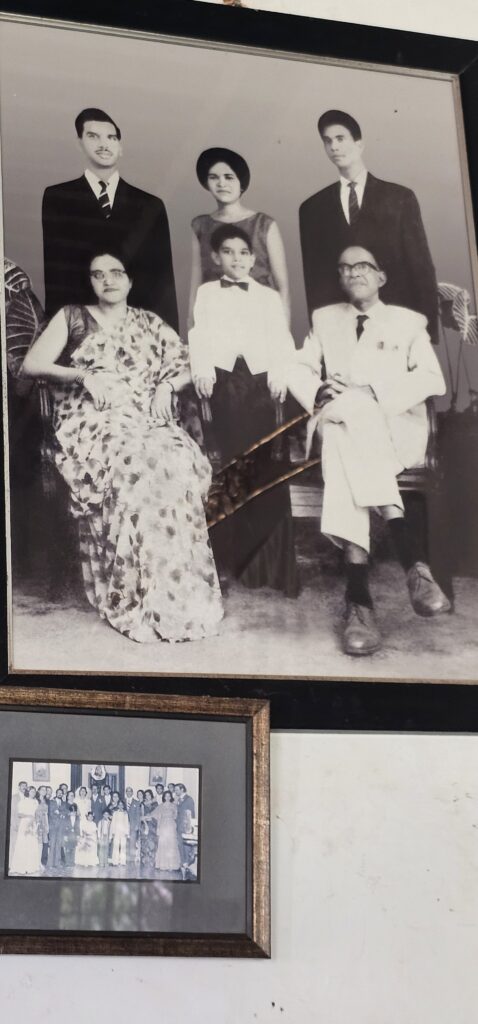
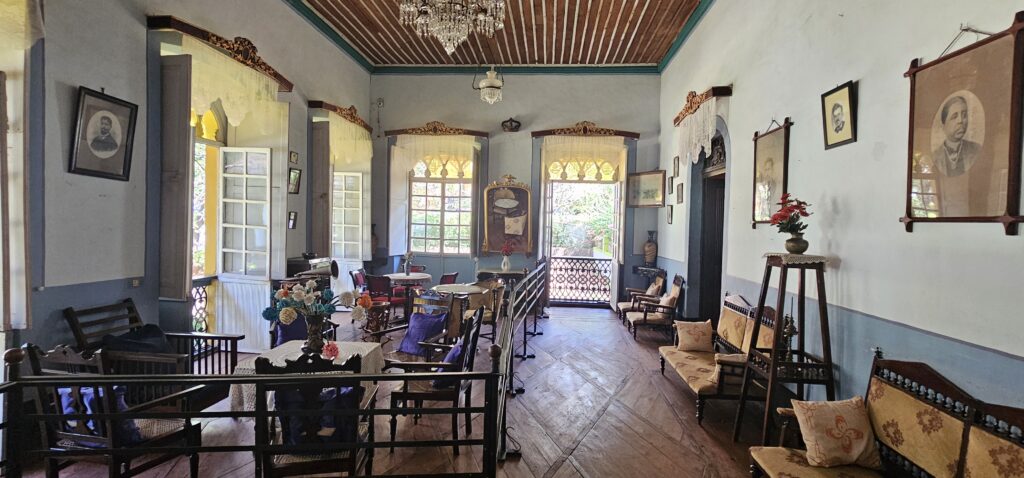
The house was advertised as having a state of the art “light and sound” tour, this equated to a young girl talking (very quickly) and turning on lamps as she went along 😁.  The tour was advertised as being 23 minutes long, no wonder our guide kept saying “hurry along, move along, stand here please……” she was on a timer!!!
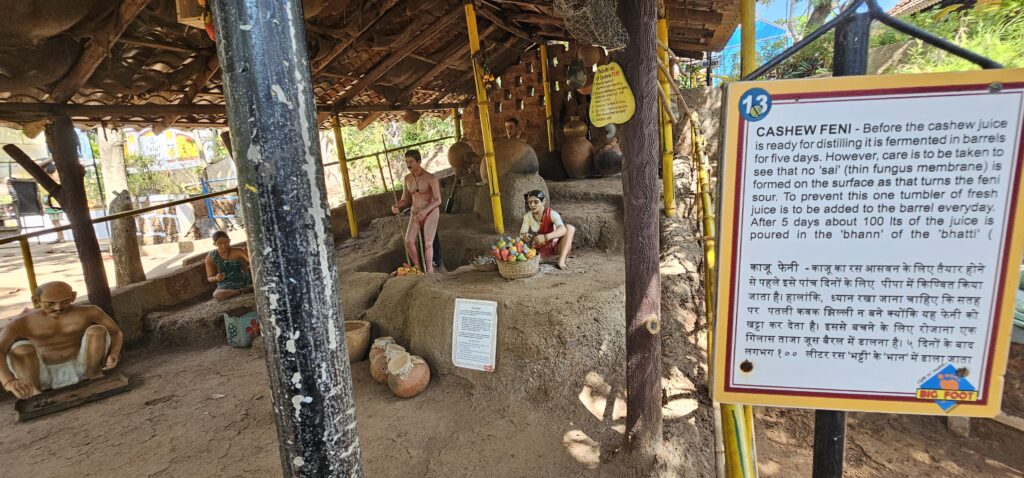
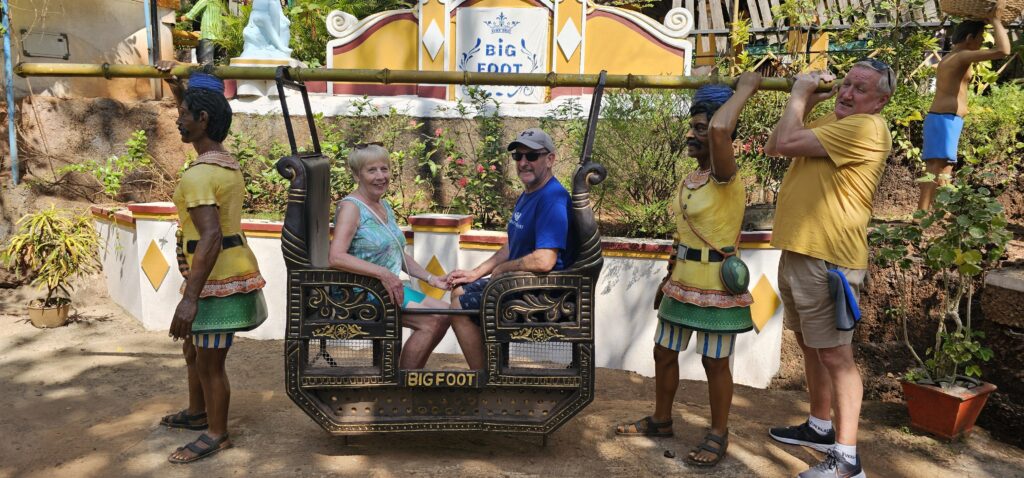
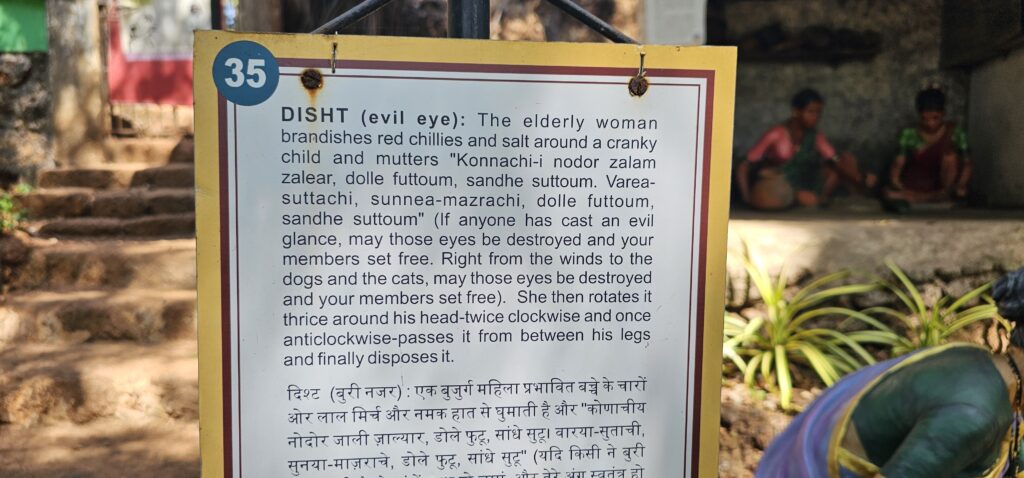
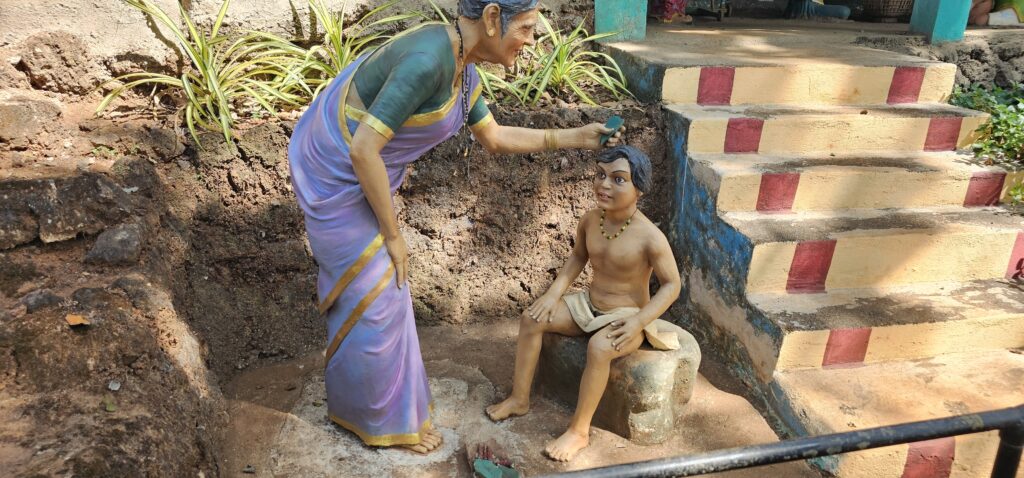
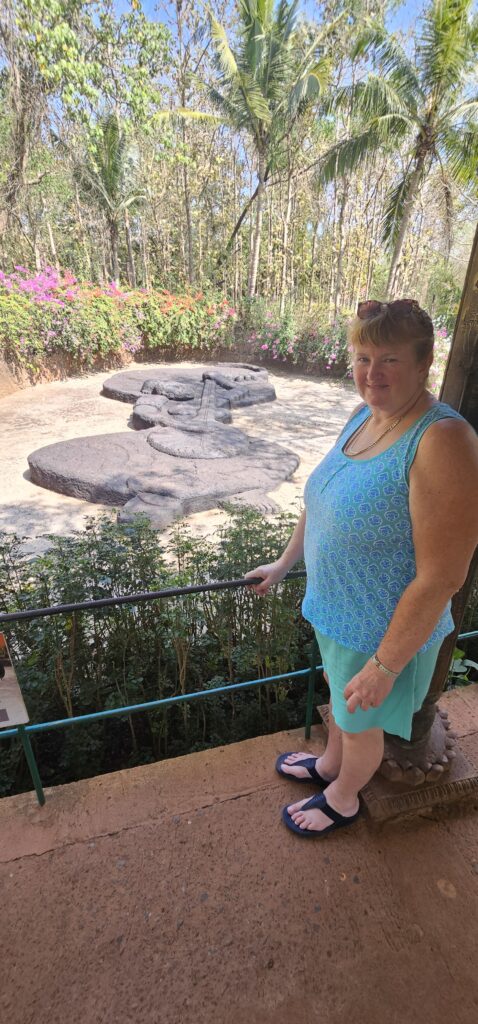
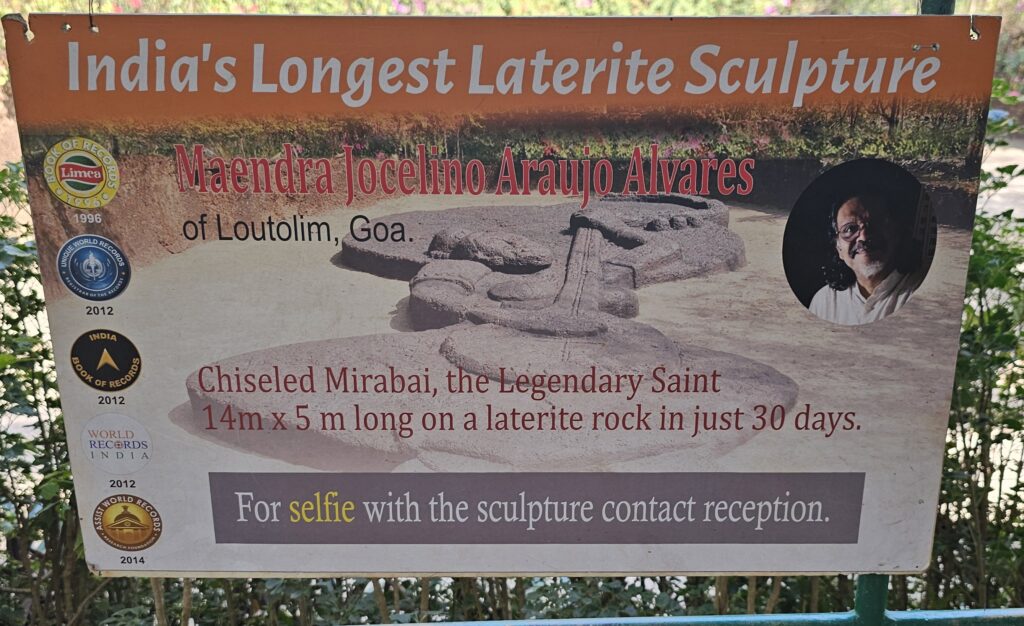
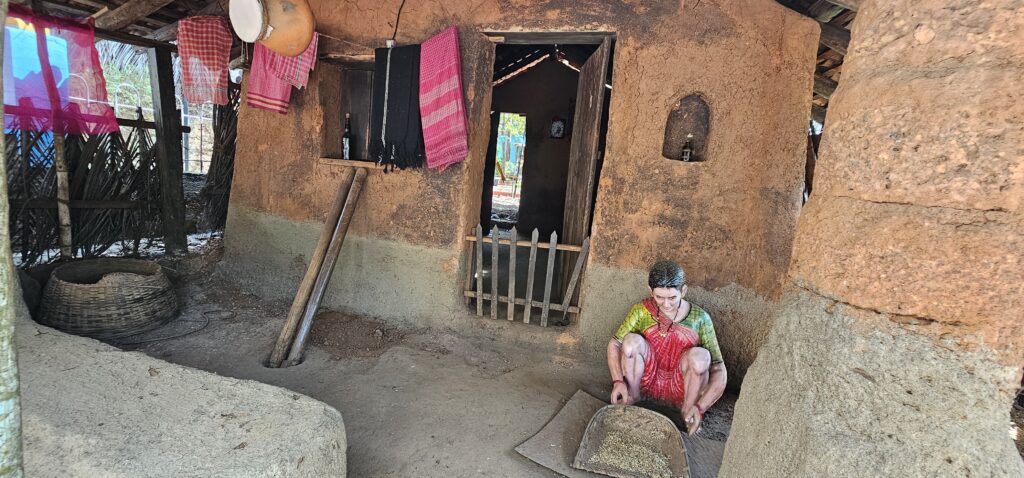
Next stop, Big Foot.  This was an open air model based walk through story about the historical evolution of rural trade and culture in ancient Goa, and the legend behind a large footprint embedded in a rockface.  There was also India’s largest laterite (red clay type rock) sculpture on display and a well cared for bird collection.

 
The story goes…..a wealthy man called Mahadar was so good natured that he was conned into giving away all his wealth, and eventually his house, making him and his wife homeless and living on the streets.  The wife died from sickness and stress, and he still kept on helping others, never losing his faith in God. God eventually  approached him and asked what reward he would like, his reply was simply he wanted a small place to stand and pray for mankind, so God gave him a rock in Goa, where Mahadar stood for years on one leg and prayed.  He left behind only a footprint and those who stand in that same footprint are granted their wishes.
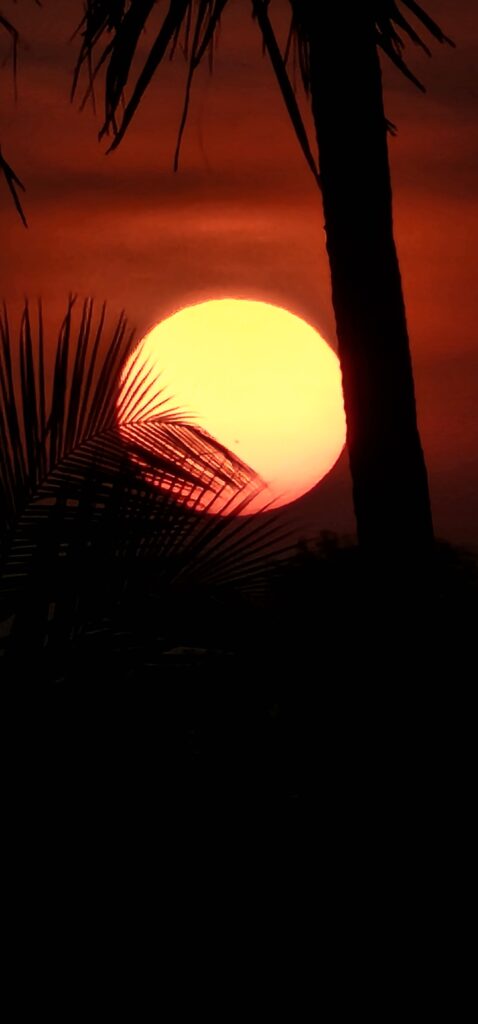
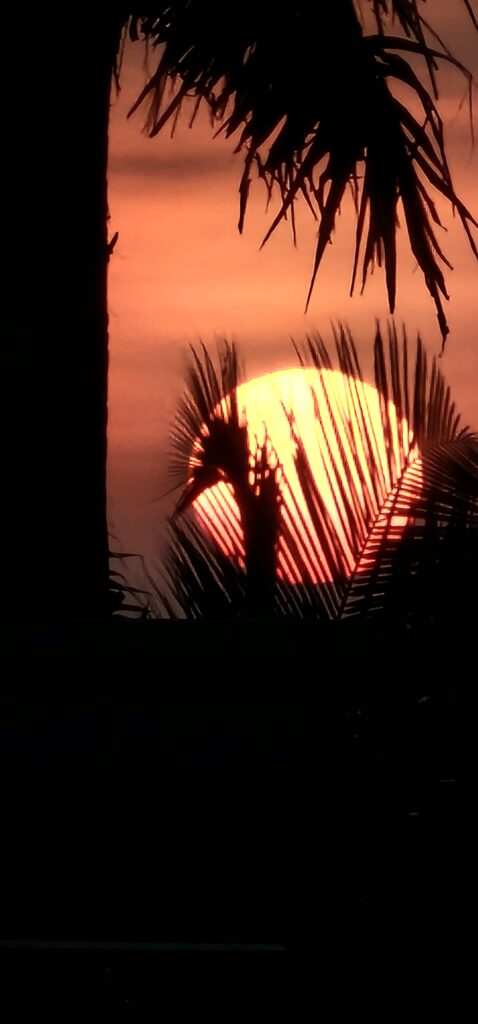
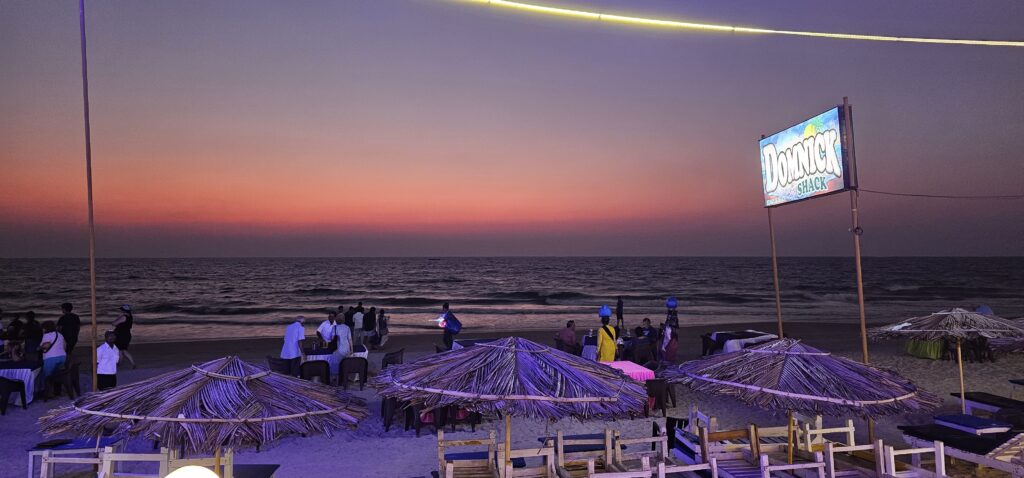
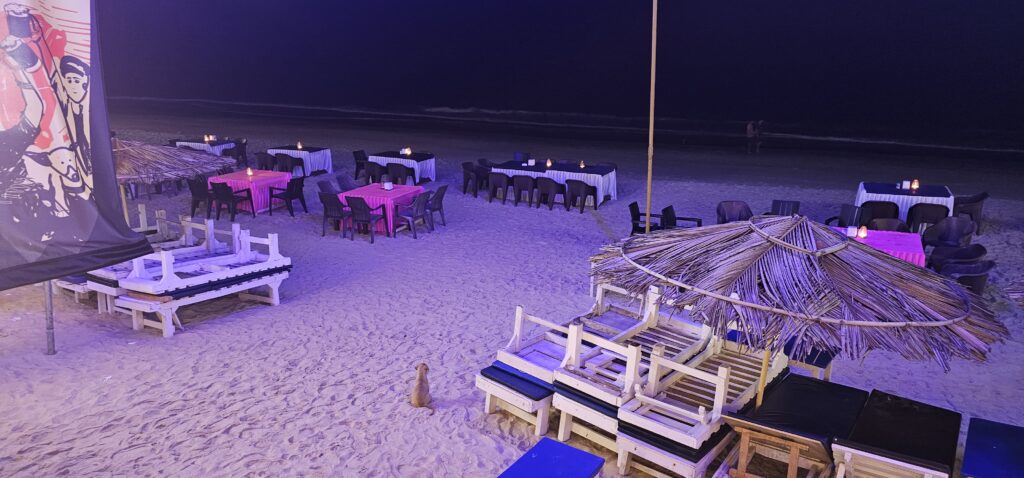
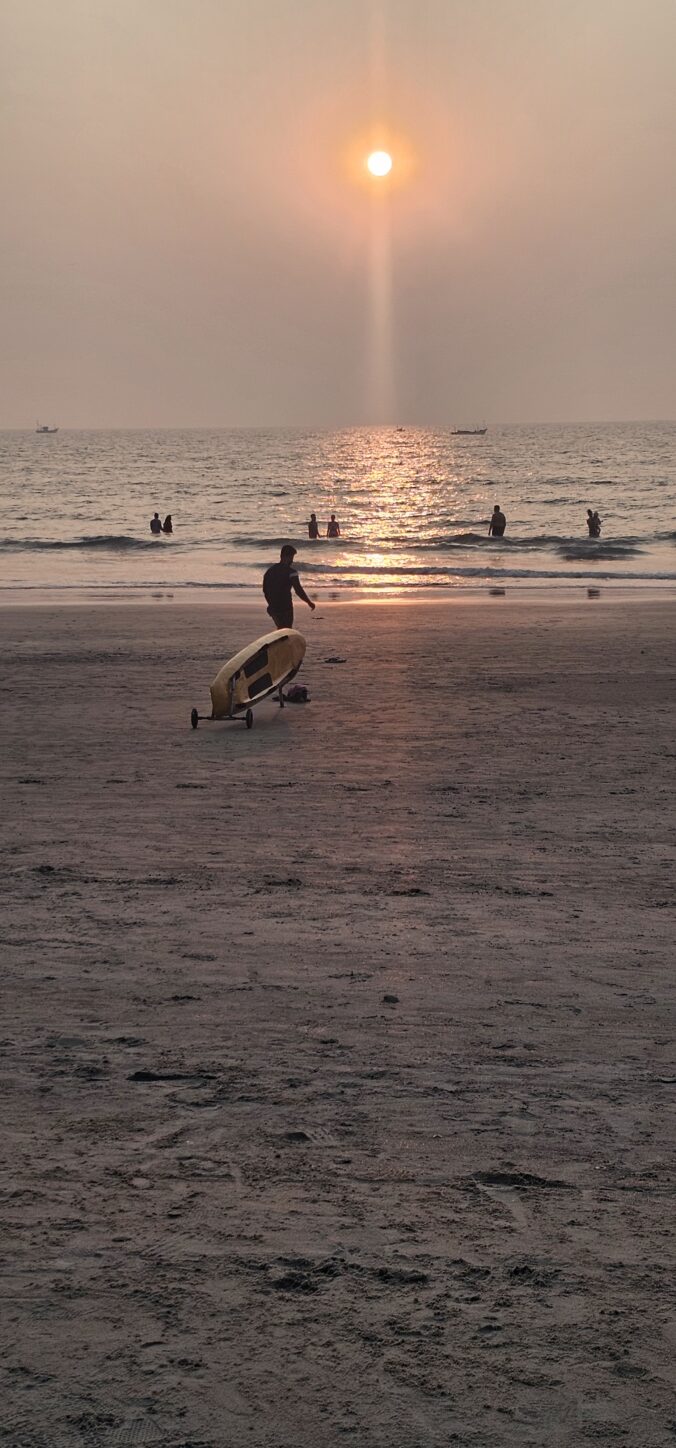
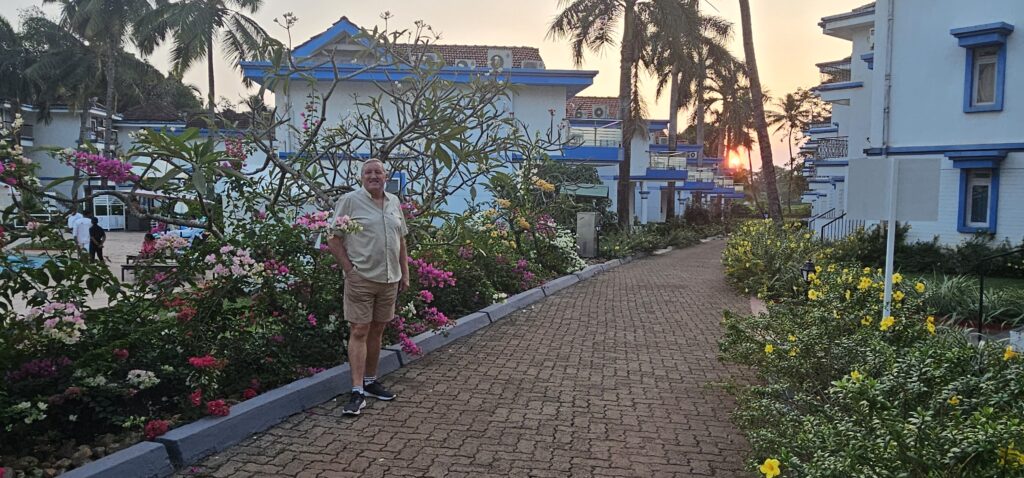
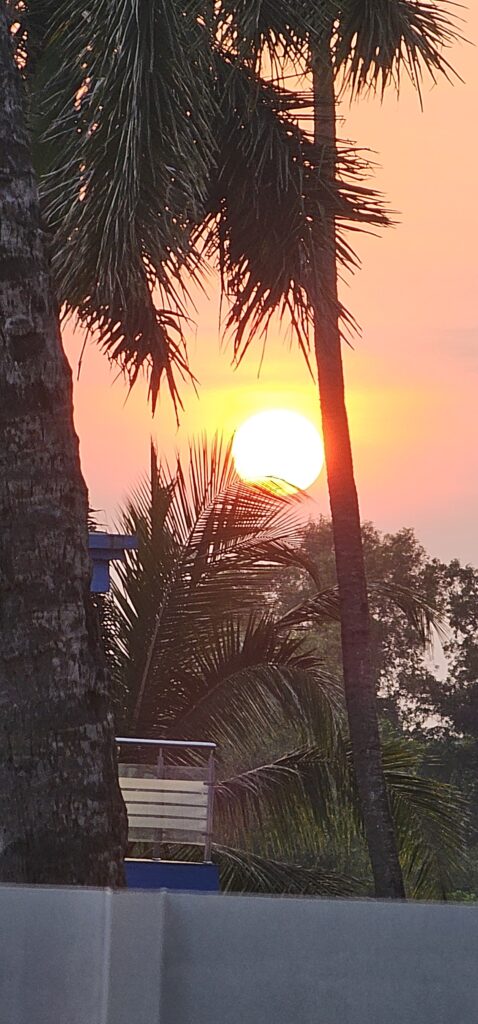
Our day ended with a beach side sundowner, of course, much needed after lots of driving and taking in all that information.
Castles and Cobbles in Spain

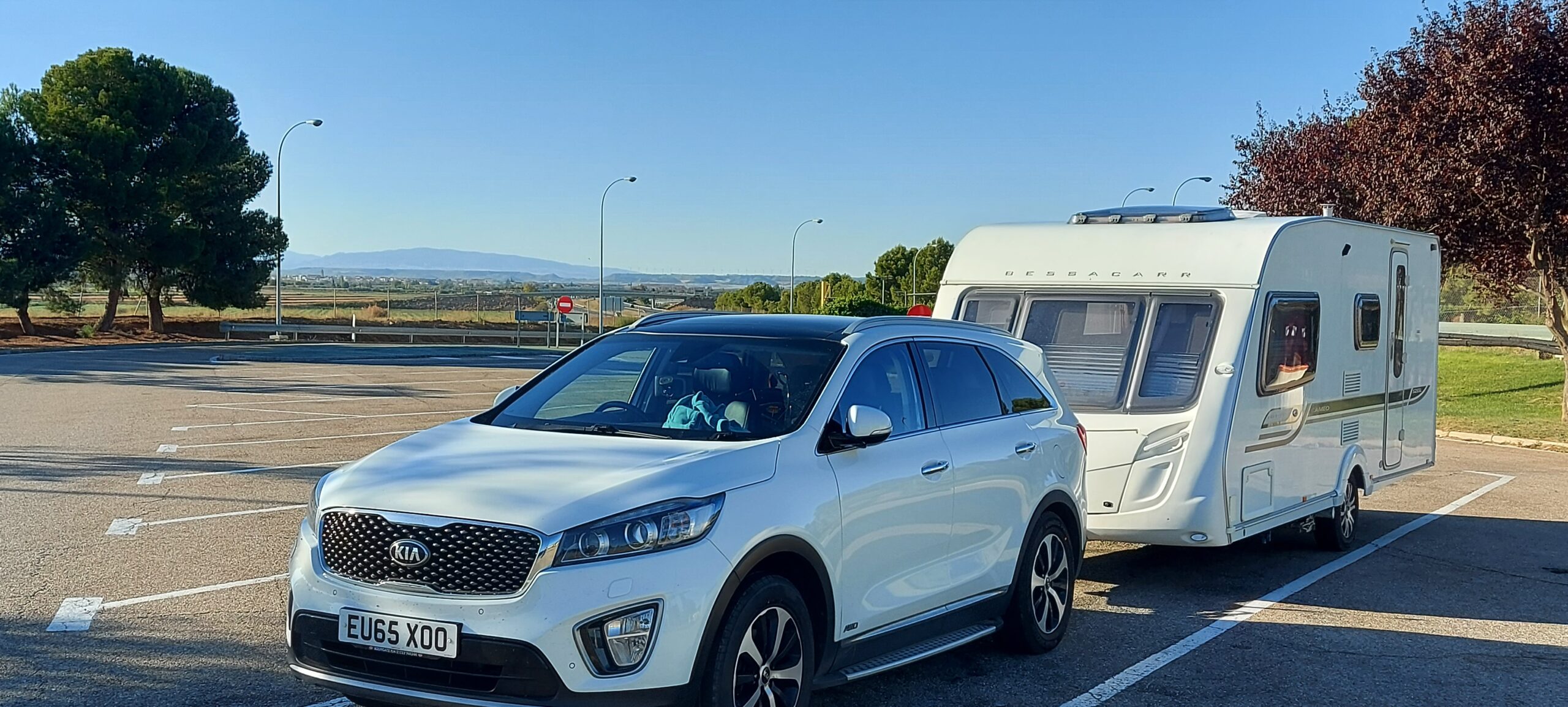
Following a short travel hiatus, we are on the move again, just us two and Benny the car. Bessy will be enjoying a sunny holiday in storage in Torrevieja until the summer.
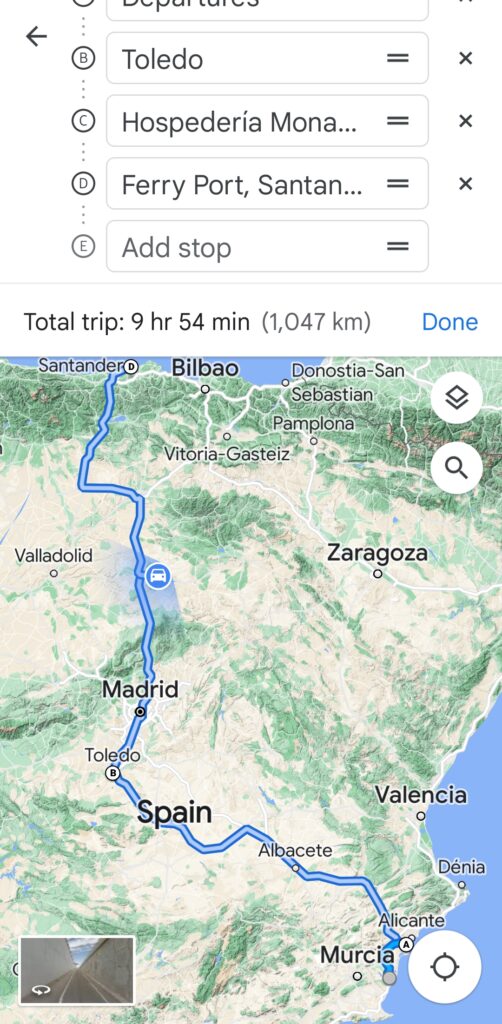
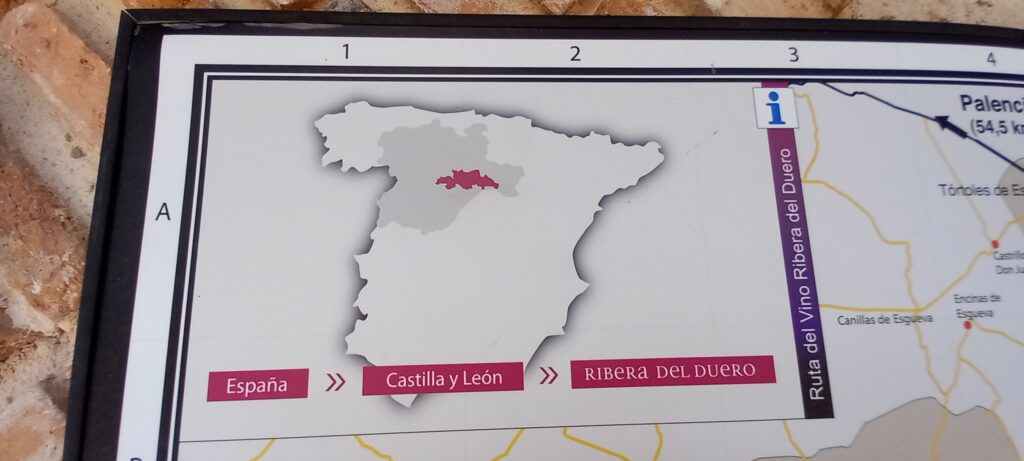
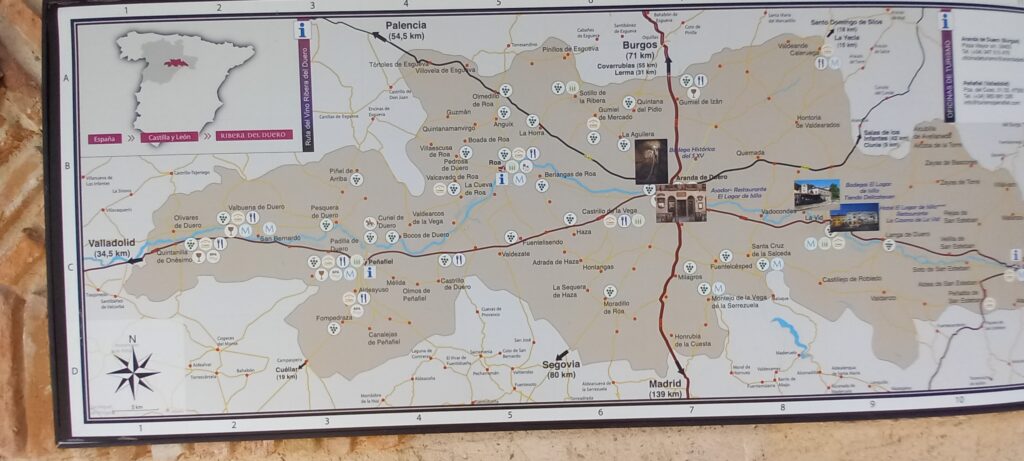
David and I have left Torrevieja for a few months to relight our travelling wanderlust, starting with a return to the UK for essential services, Doctor, MOT, dentist etc. Our route up to the ferry has taken us from the Alicante area, north through the La Mancha wine region to Toledo, north through Madrid to the Duero wine area then up to Santander. This post is a diary of our journey. Our next post should be from Dubai or Vietnam, fingers crossed 🤞.

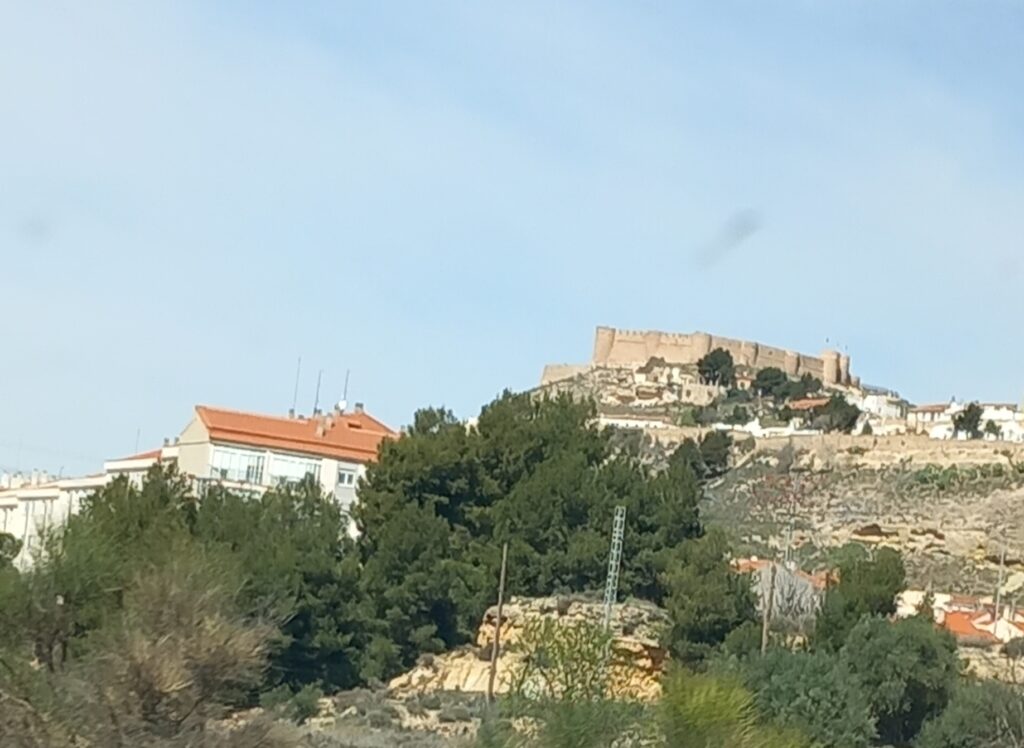
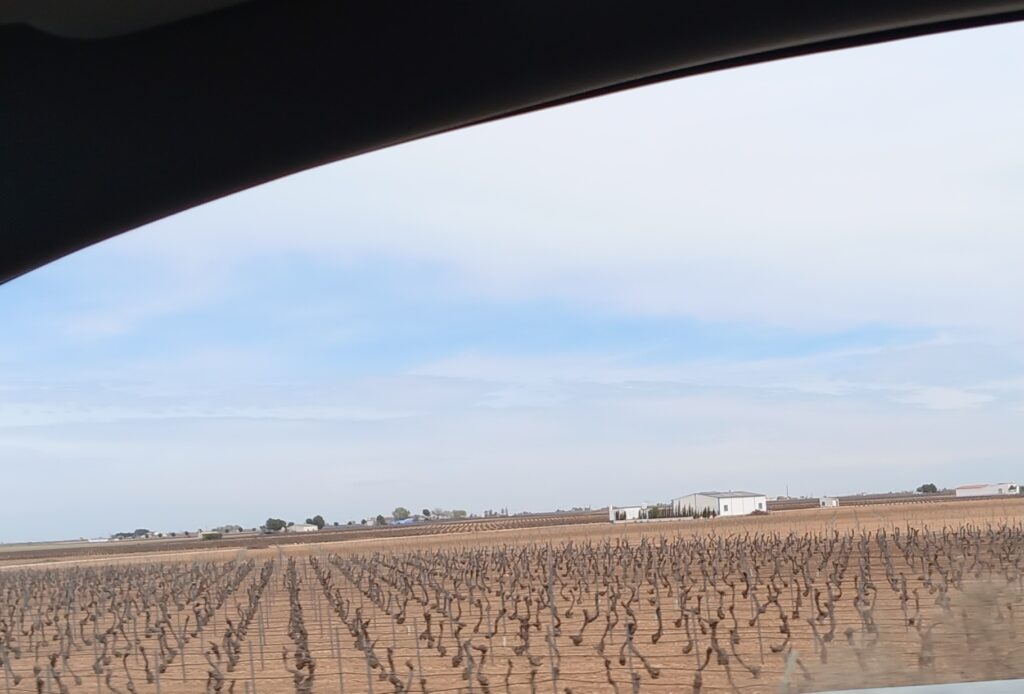
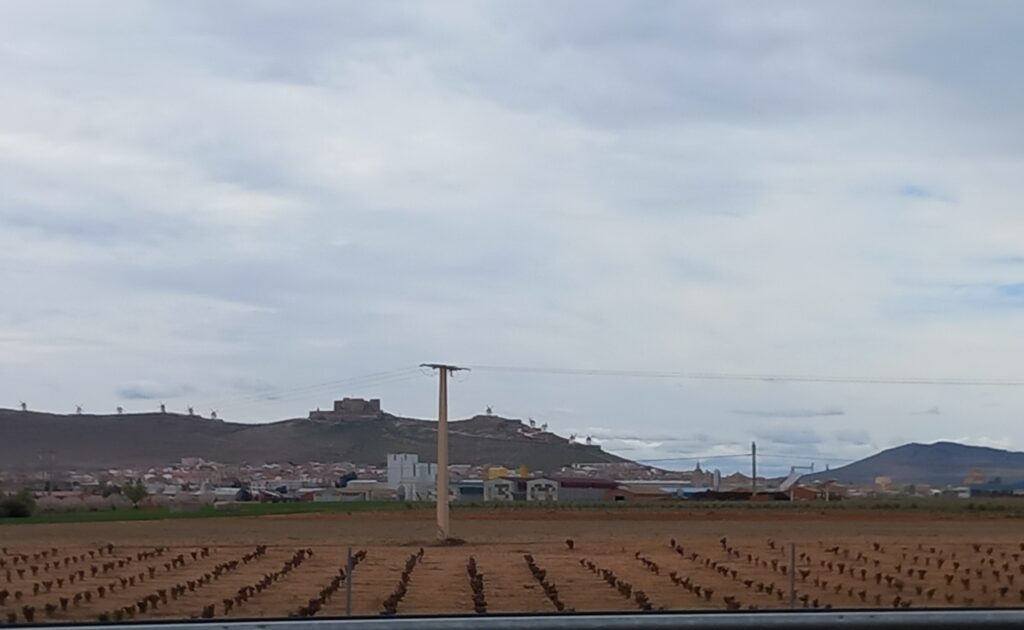
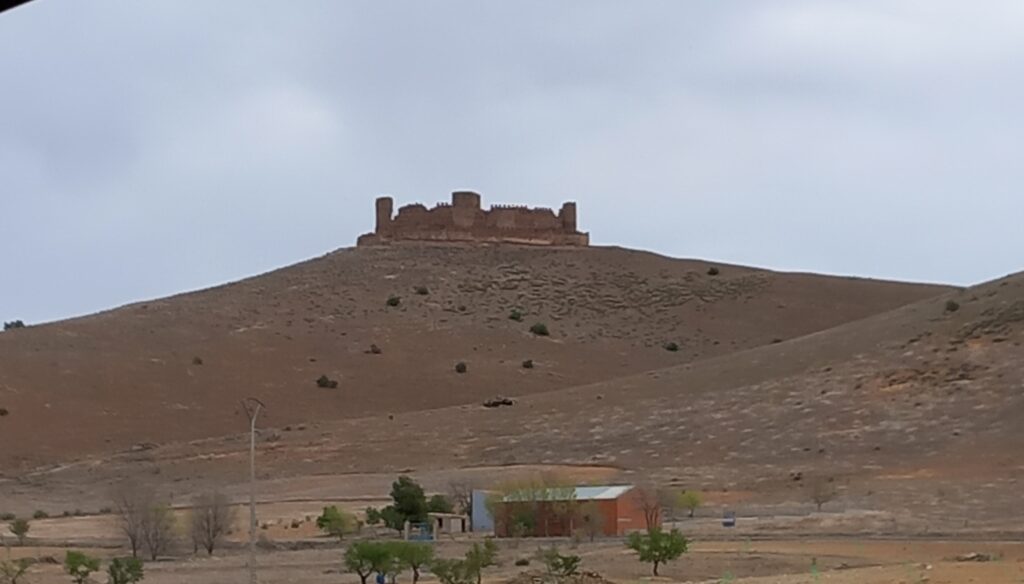
Driving up from Alicante towards Albacete, we were surprised by the number of roadside castles and forts, all stunningly perched on hilltops, surrounded by rows of heavily trimmed grape vines, pink blossoming almond trees and white blossom cherry trees. Some castles were surrounded by windmills perched on the crest of the hills.

Our route north

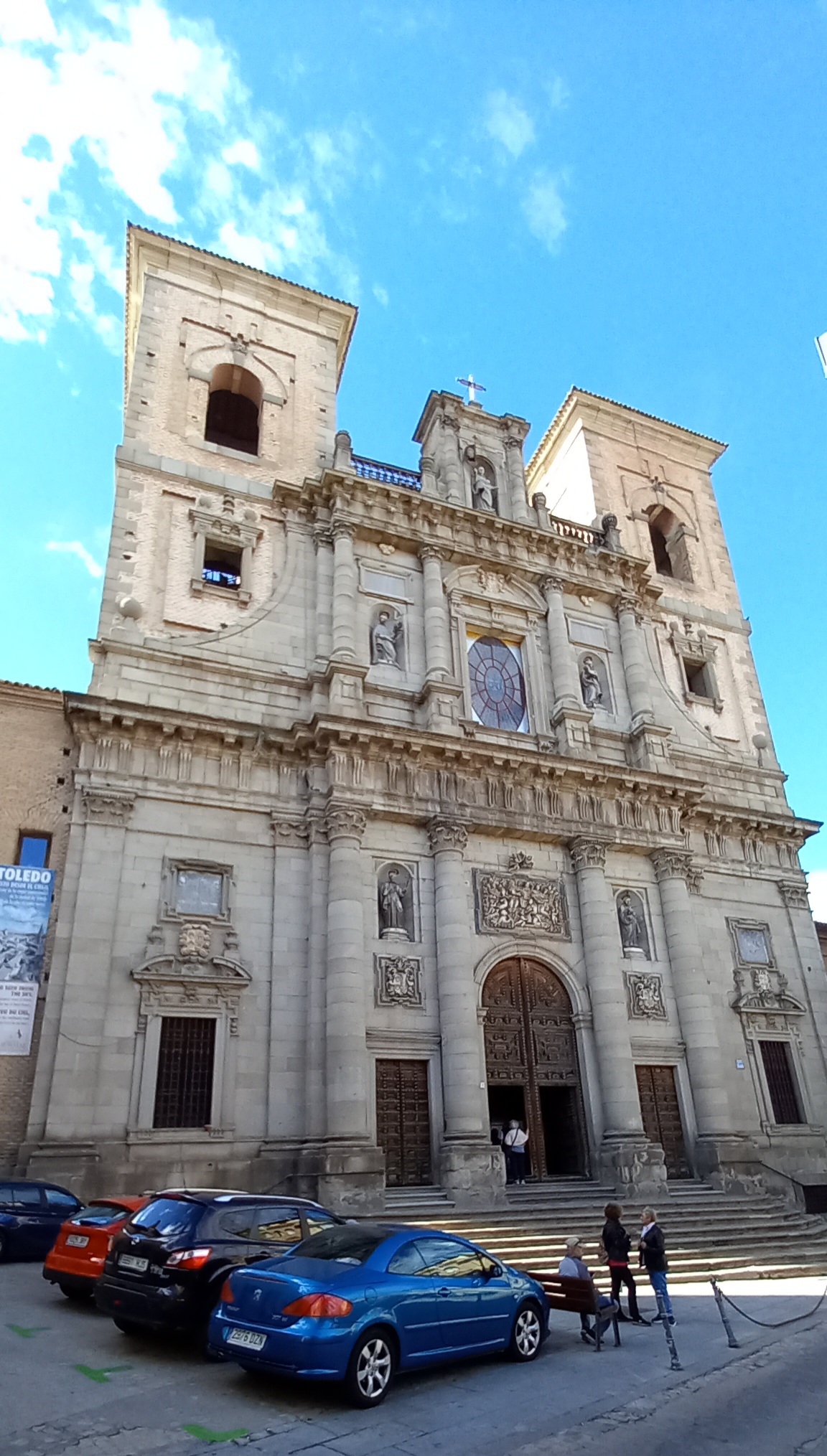
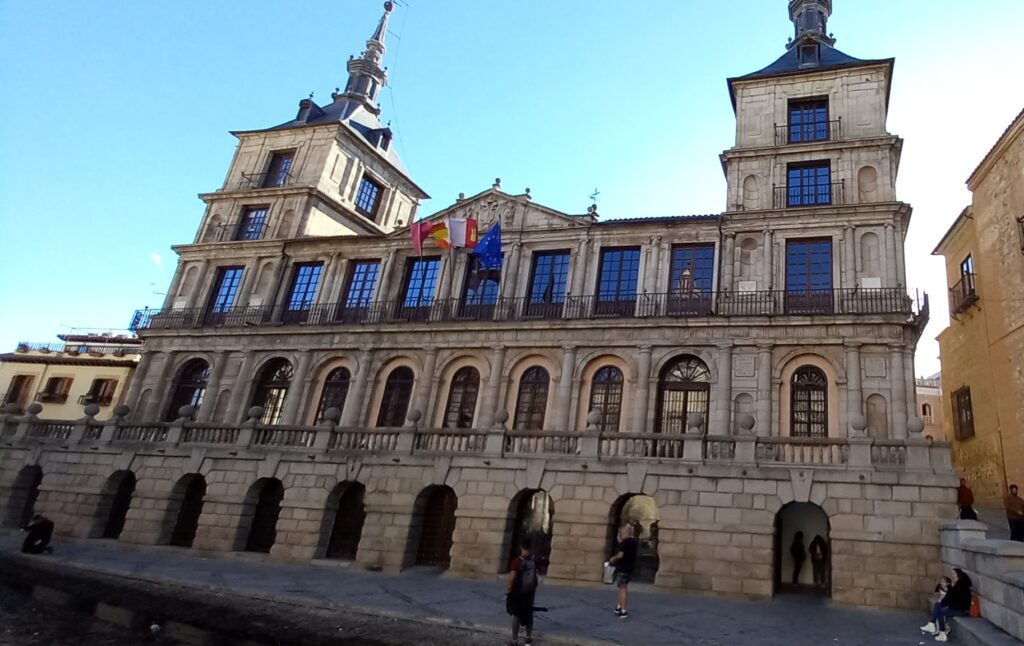
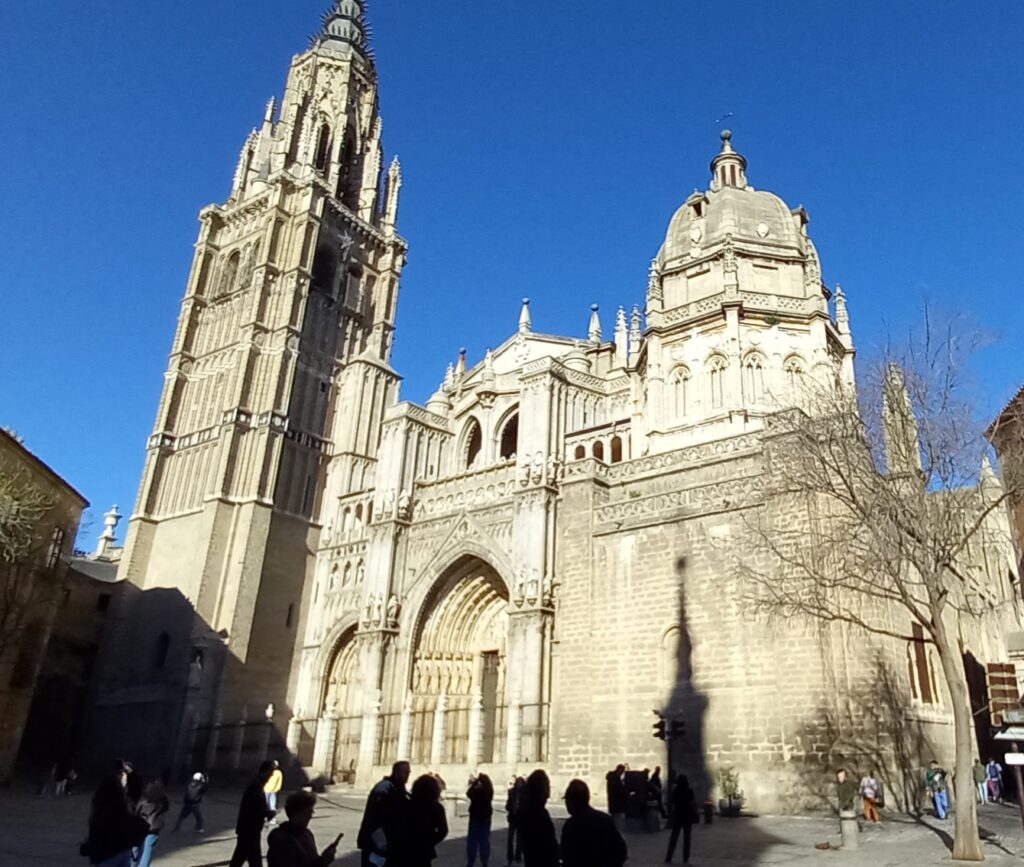
TOLEDO – World Heritage Site

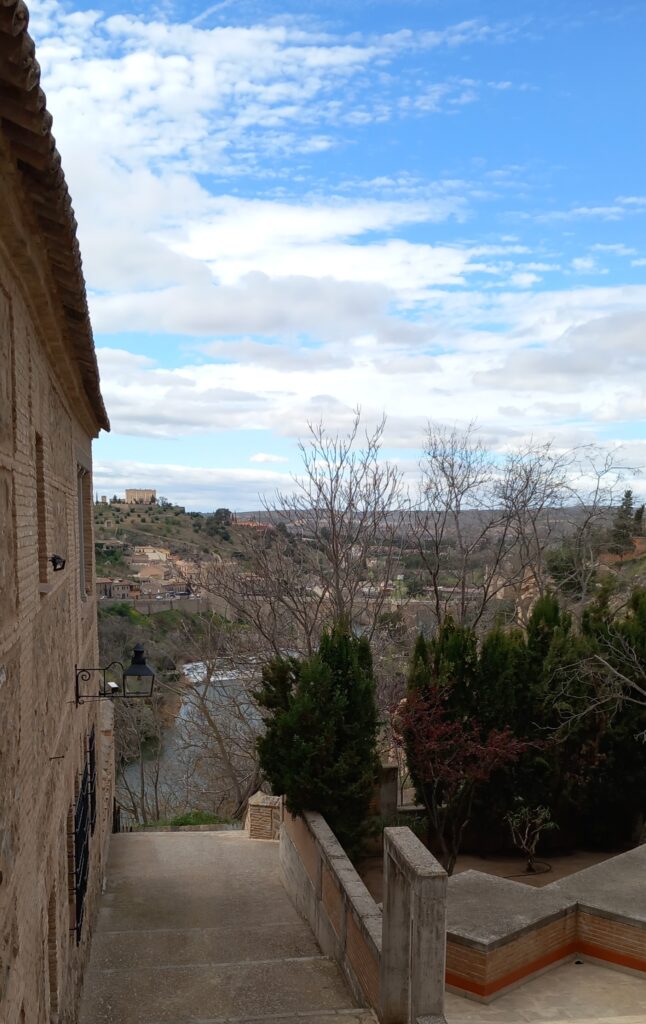
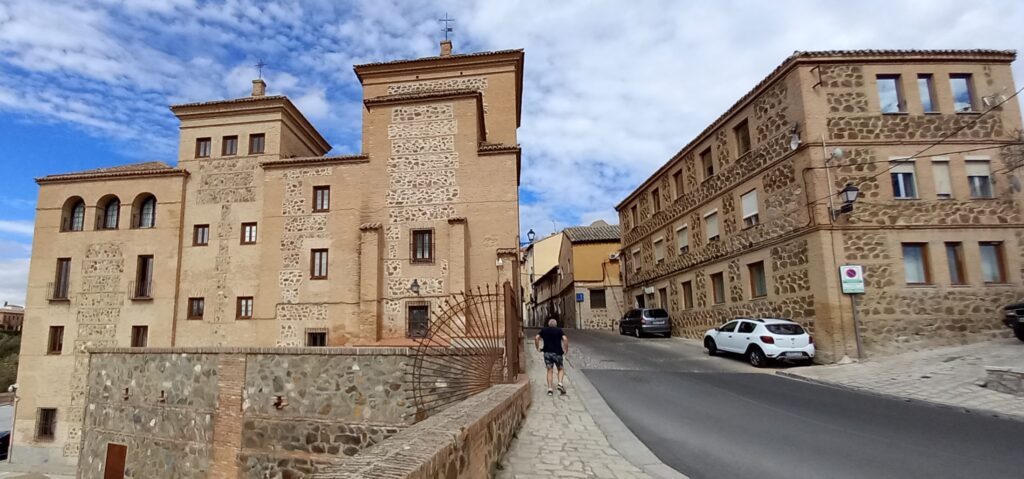
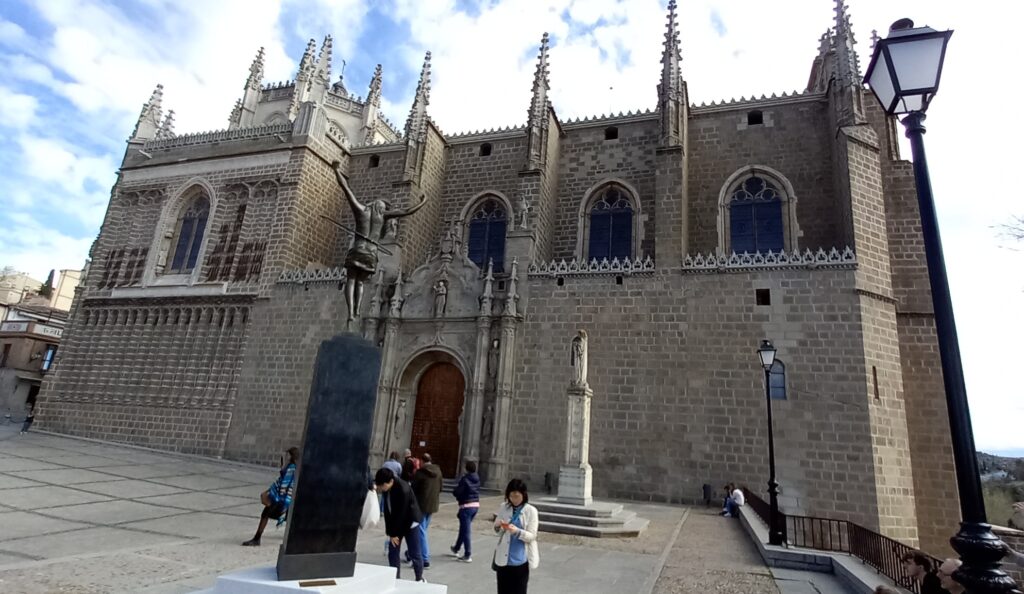
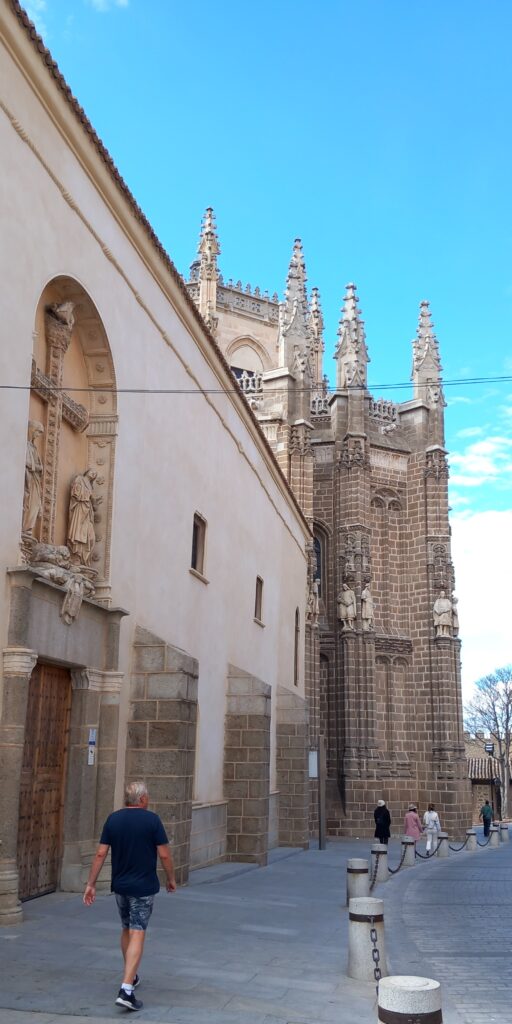
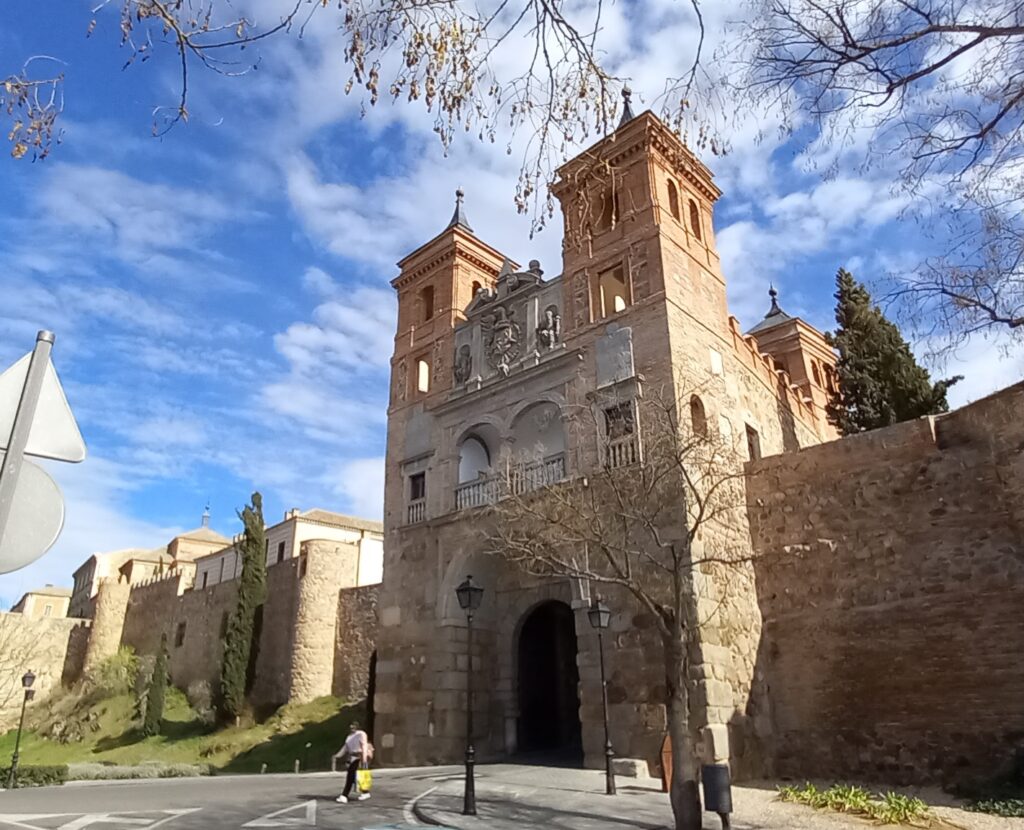
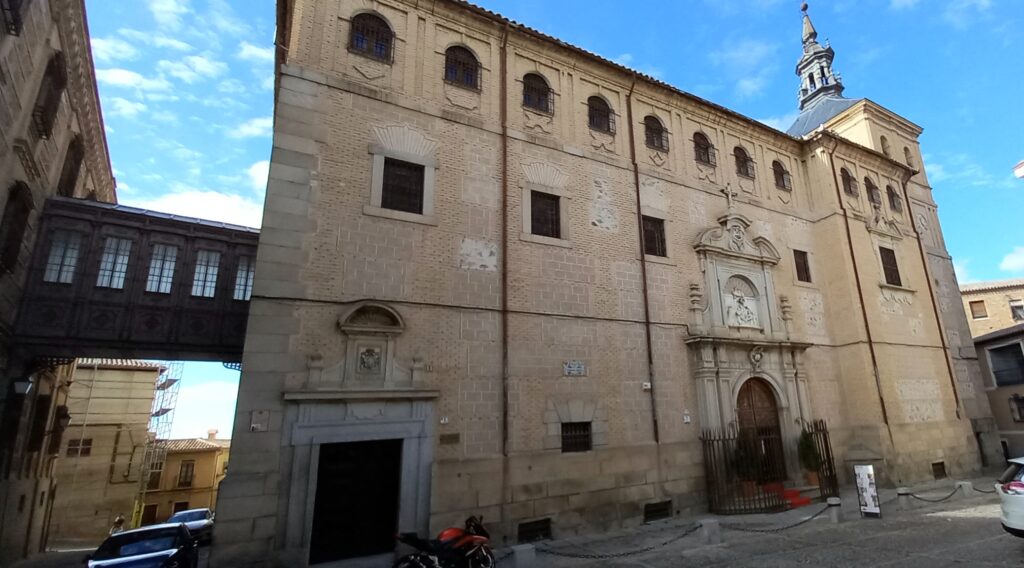
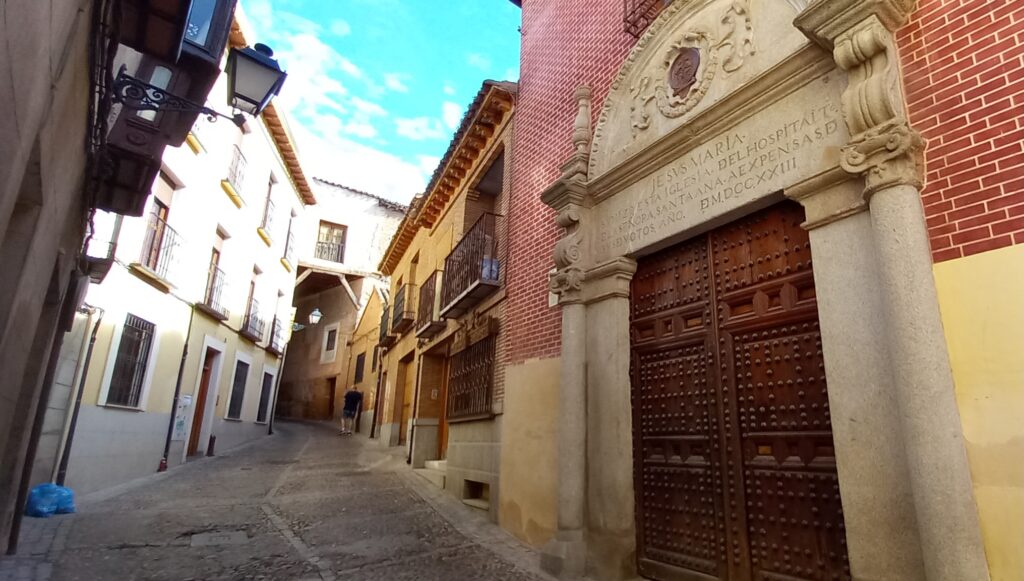
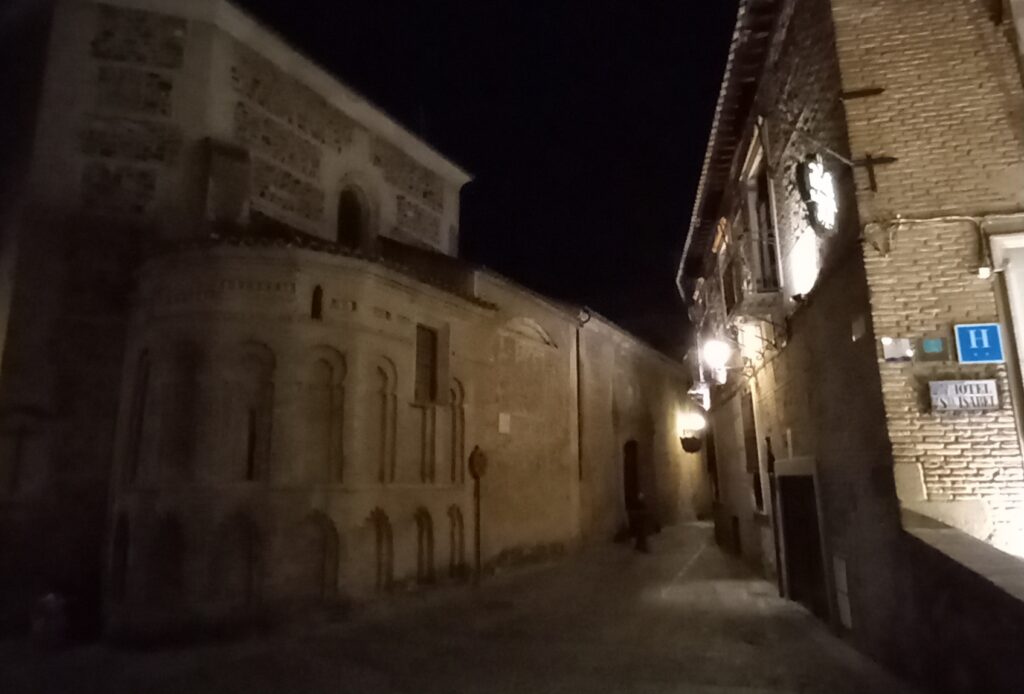
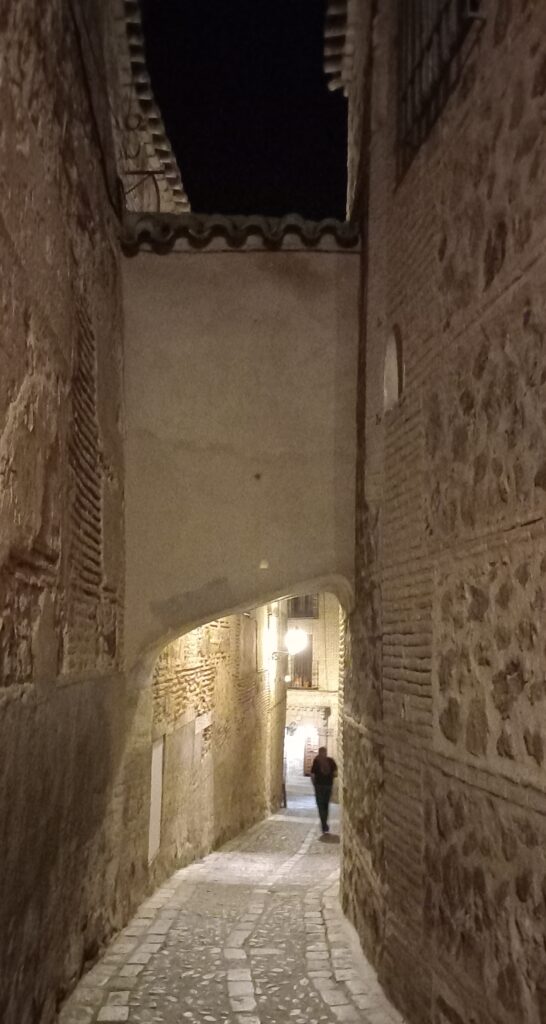
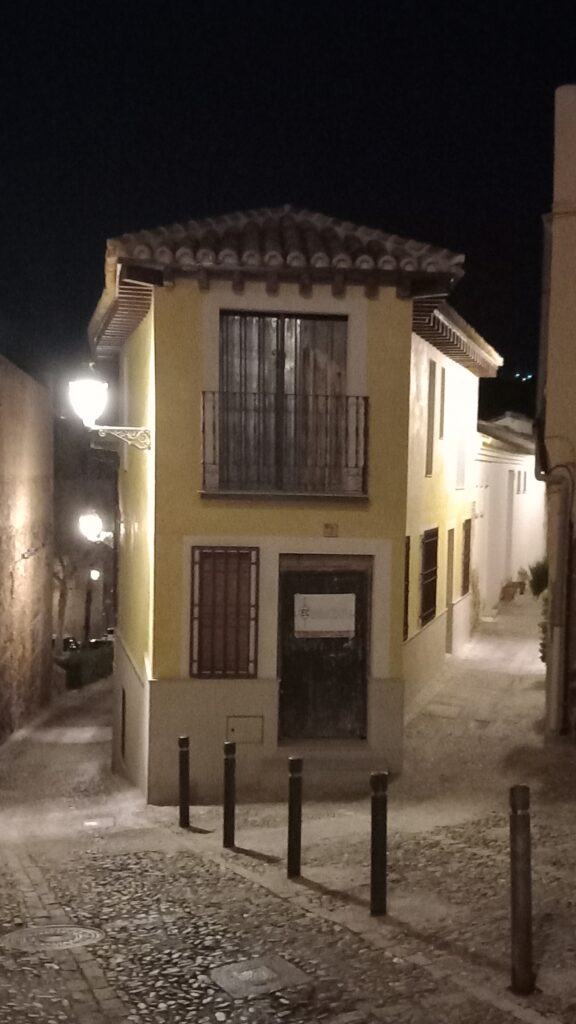
Fact: there are over 20 churches, chapels and synagogs, one Cathedral and one Mosque as well as several convents in Toledo, thanks to its Christian, Islamic and Judaism roots and more recently Catholic influence, that’s almost one on every street corner. This partly walled medieval city is heaving with tiny cobbled streets, steep hills and ancient buildings, dating back to Roman times (128BC) and the old areas still exist within this modern looking clean city. The Jewish Quarter is full of dusty workshops with monacled men in waistcoats tapping away at silver jewellery and tea sets, as well as the famous Toledo steel knives. Toledo is also famous for its silk and the hand made roof tiles found throughout the City, AND, its very narrow streets!

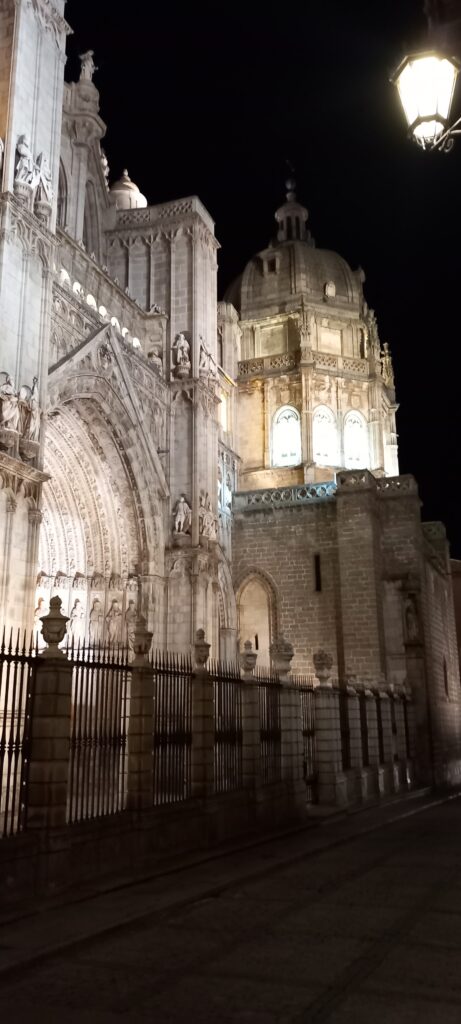
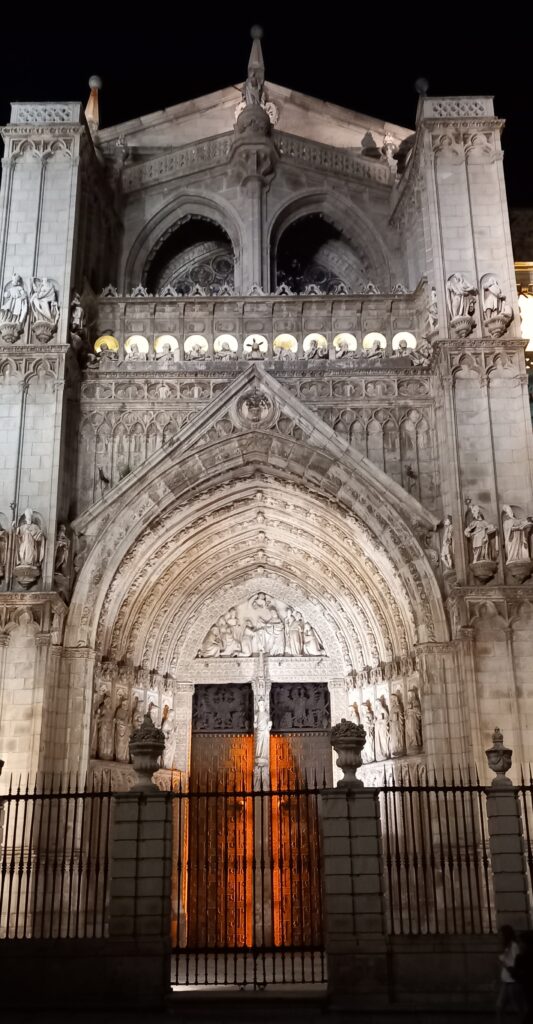
The centre is dominated by a huge Gothic cathedral, a large college and so many architecturally stunning buildings all accessed through streets so narrow that locals have permanent scrapes on the rear wheel arches of their cars. Taxis whizz around the streets, buzzing through strolling tourists without any problems, at night the traffic can only be described as manic until 9pm, when locals are jam packed in restaurants and the streets become the opposite – deadly quiet. The only constant noise is the rushing of the Tagus river.

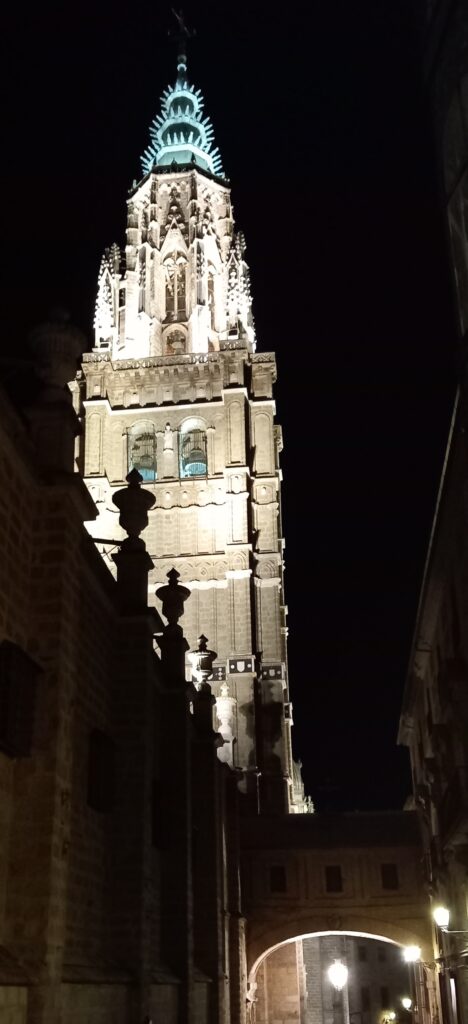
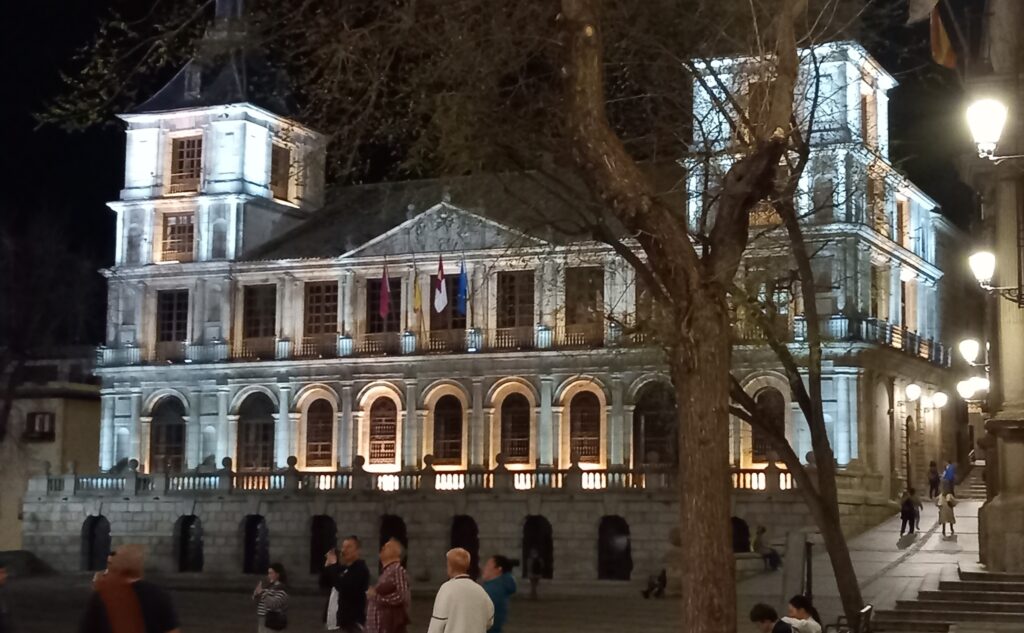
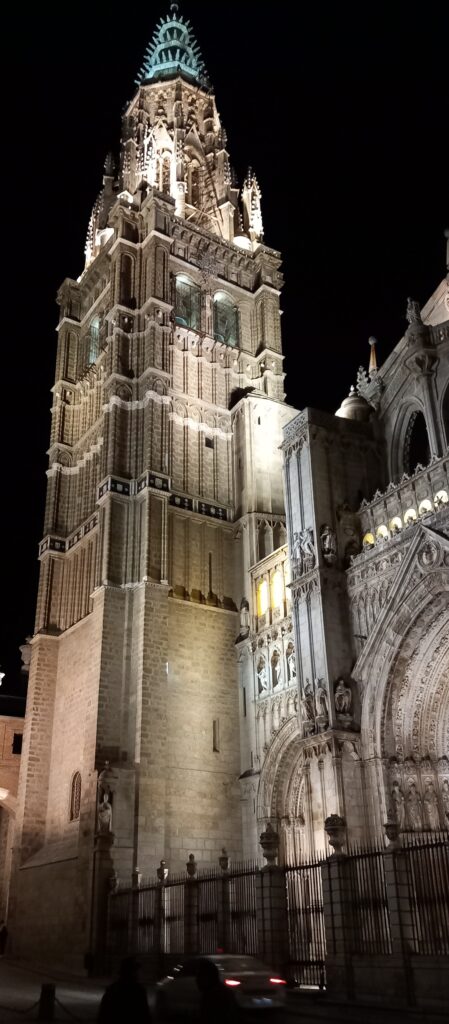
At night the buildings took on an ethereal look, cool and calming yet bright and invitingly stunning.

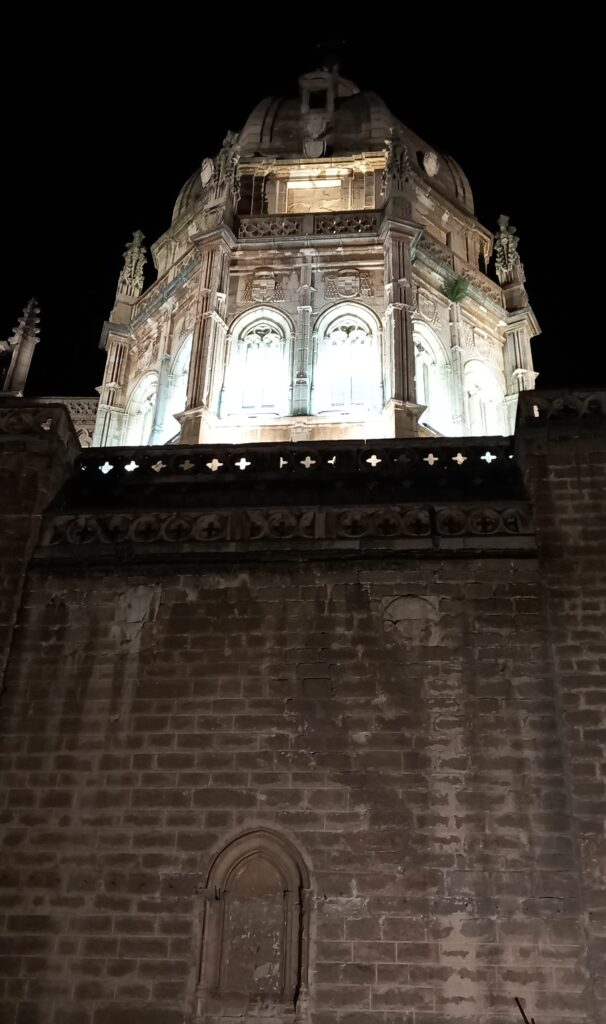
Cathedral Tower at night

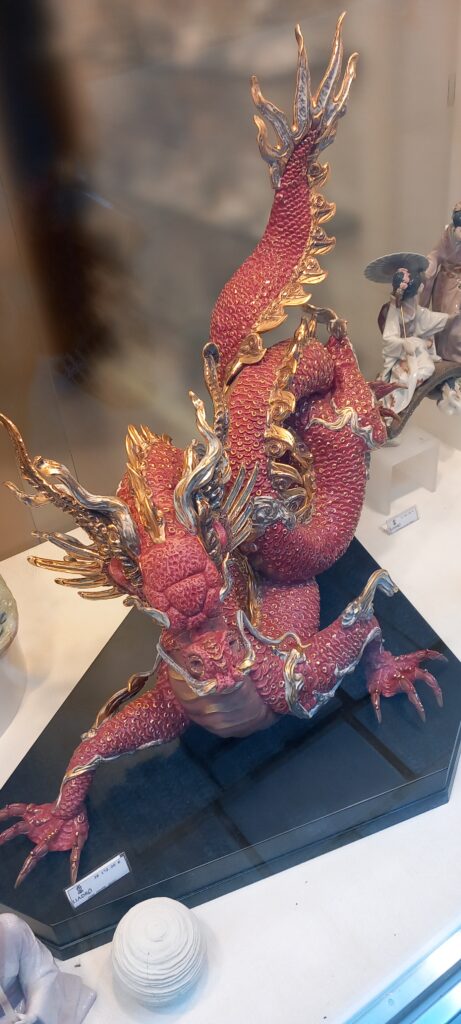
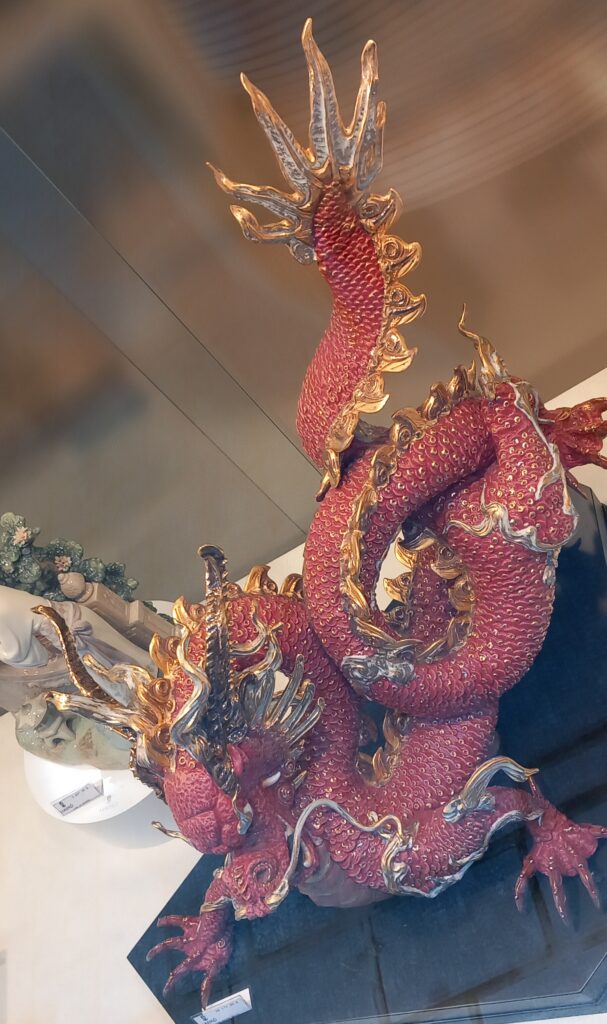
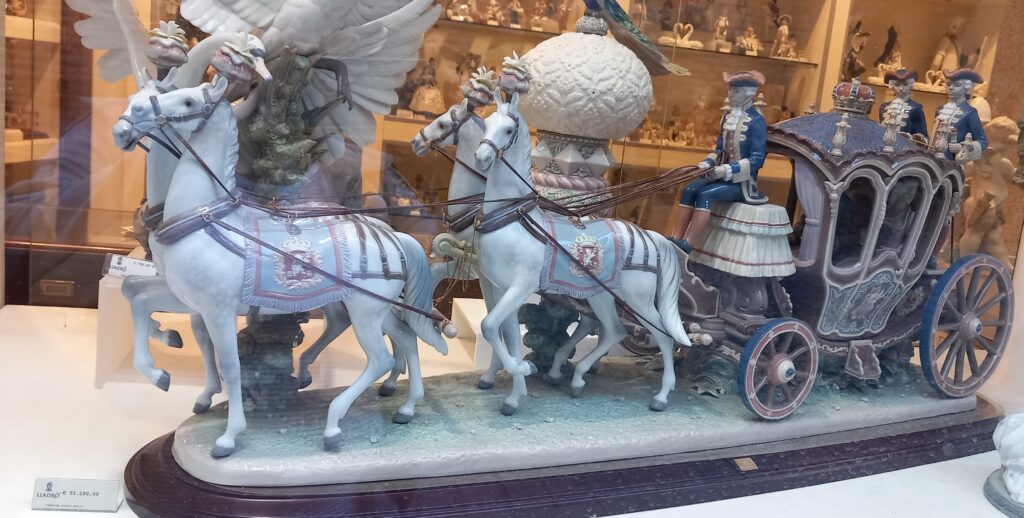
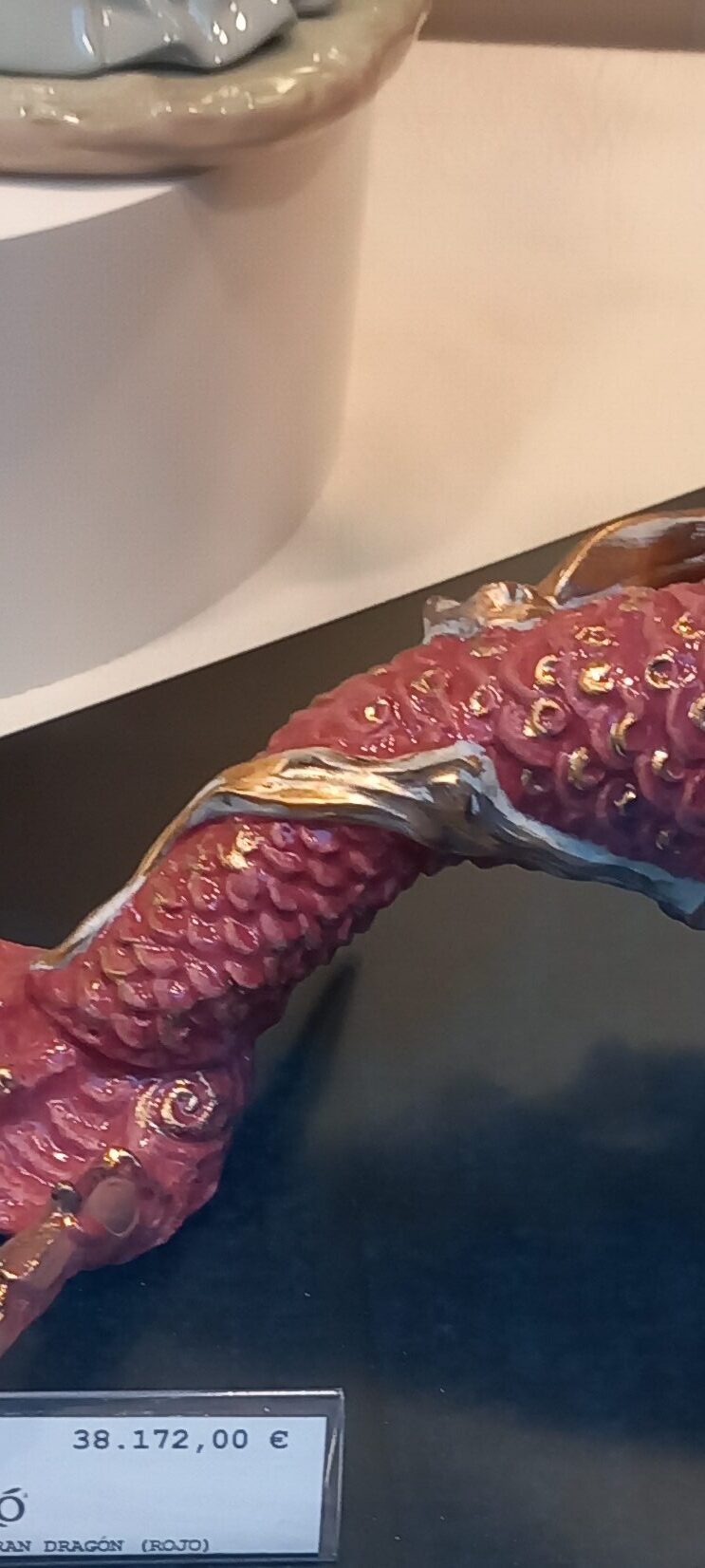
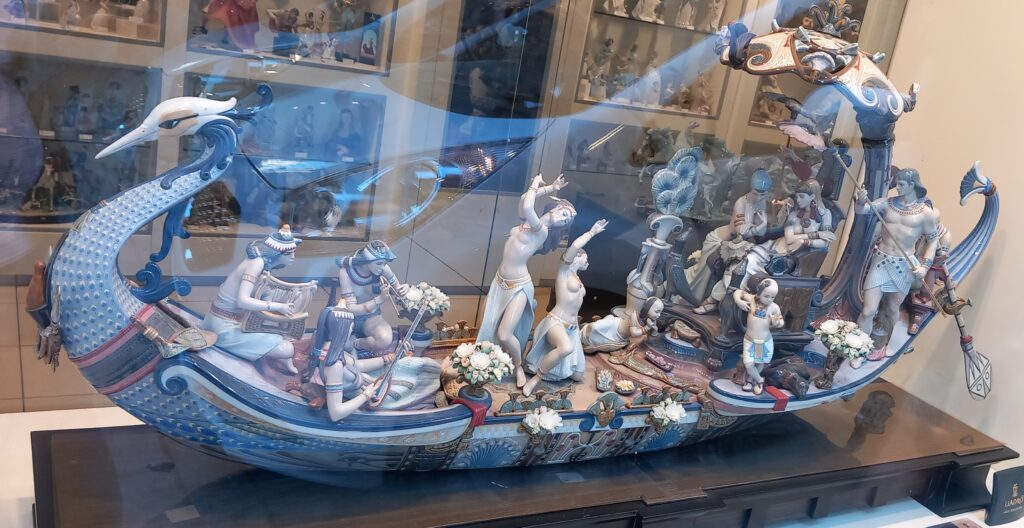
Here’s one for the ladies, a snapshot of several exquisite Llaudro ornaments!

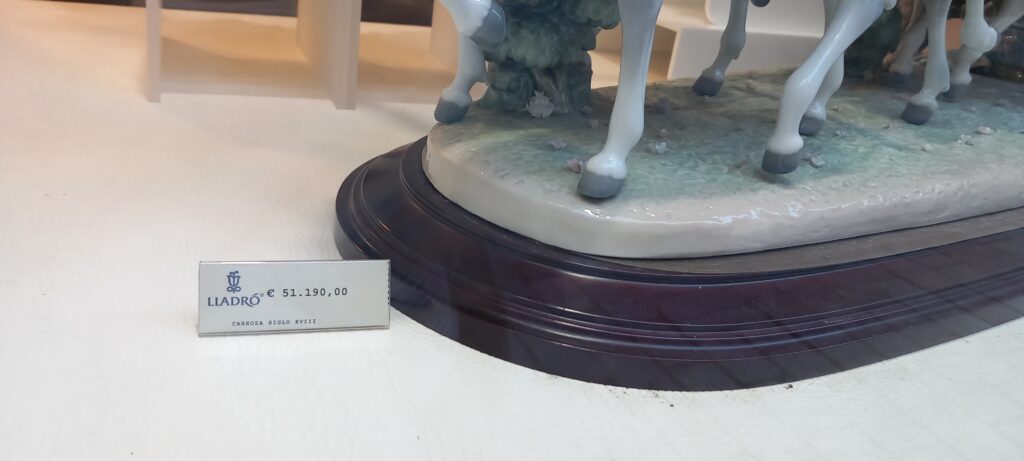
Price tags, a tad over €25,000!!!

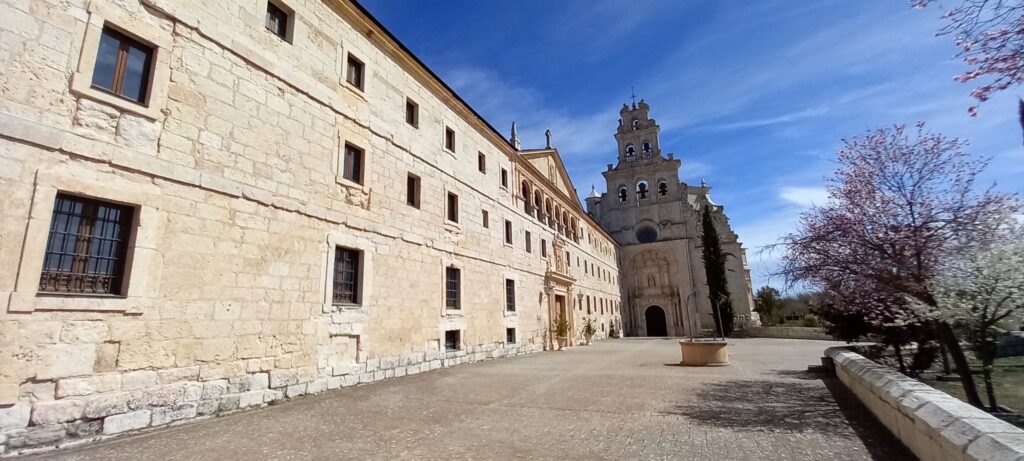
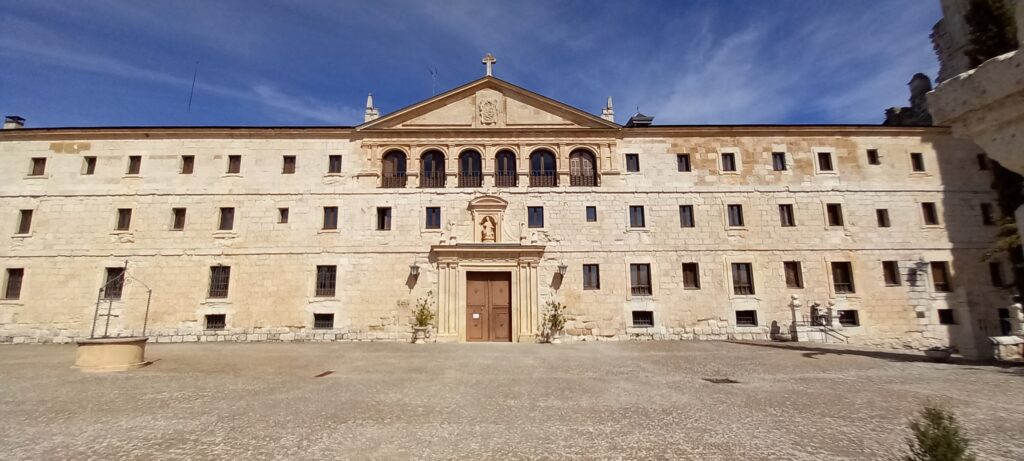
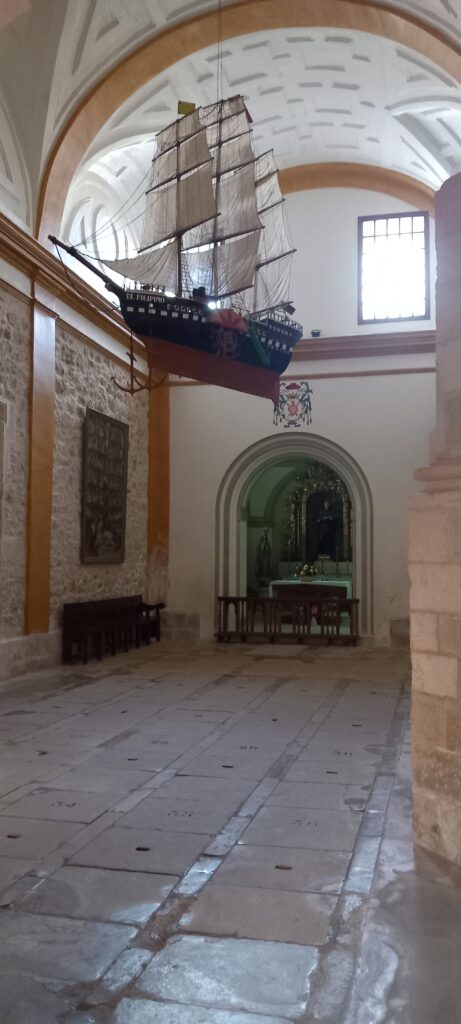
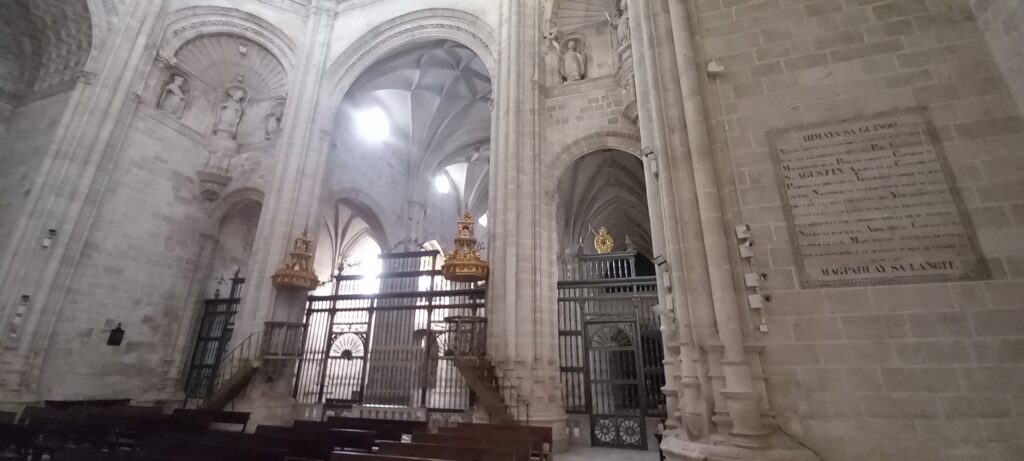
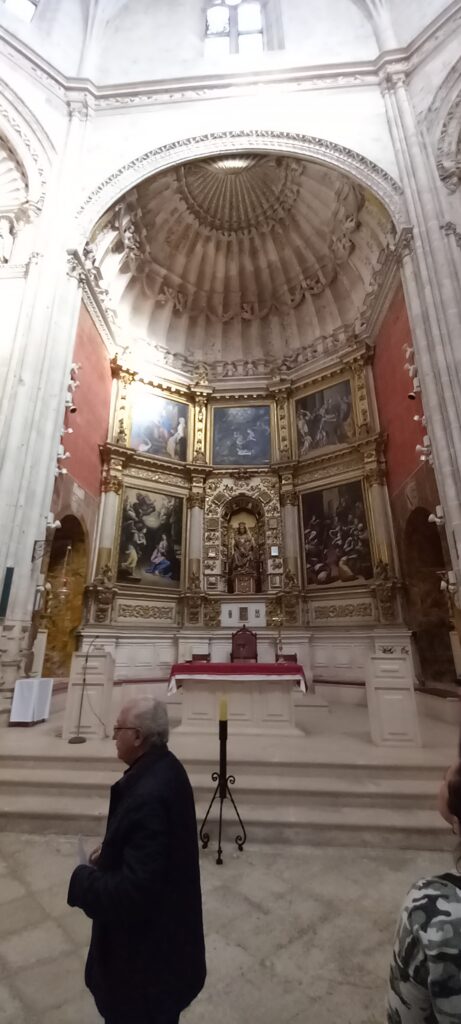
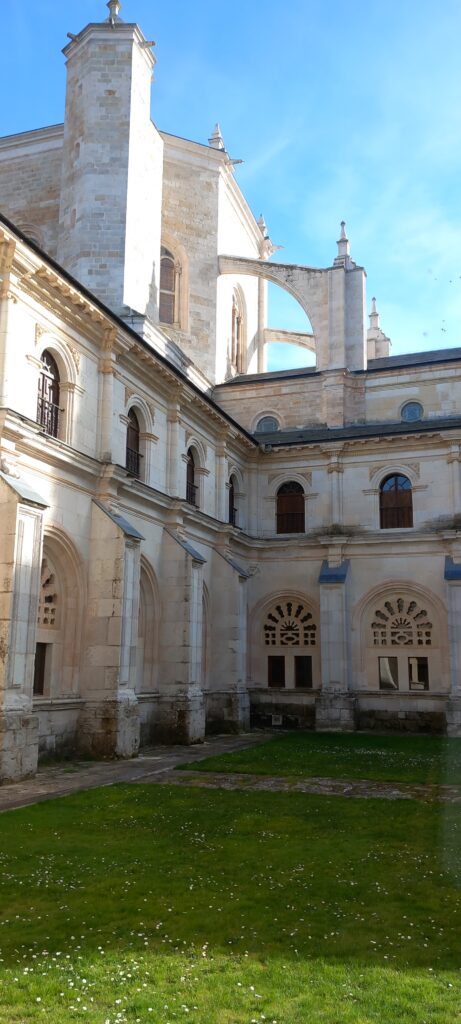
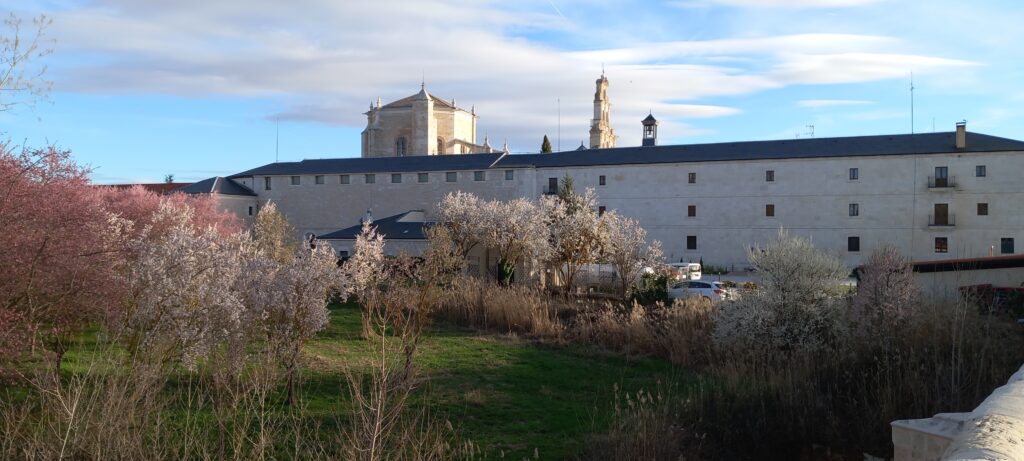
SANTA MARIA DE LA VID MONASTERY

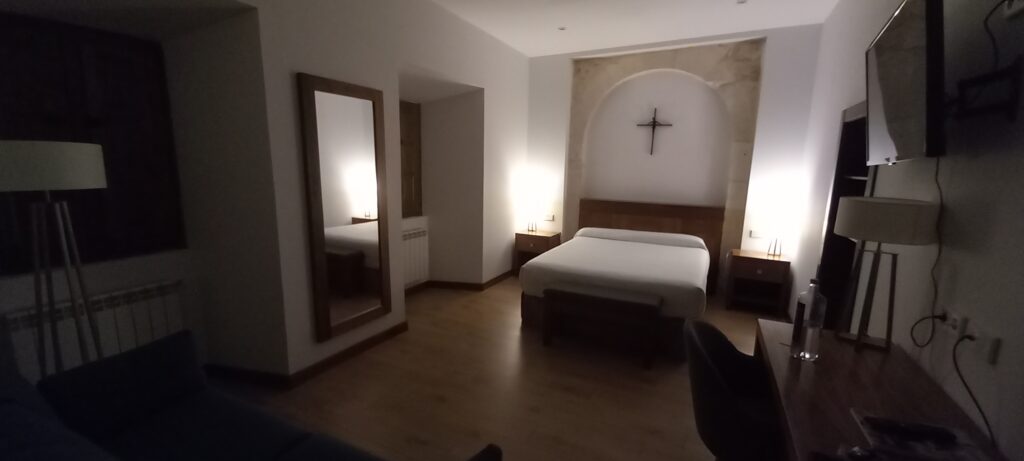
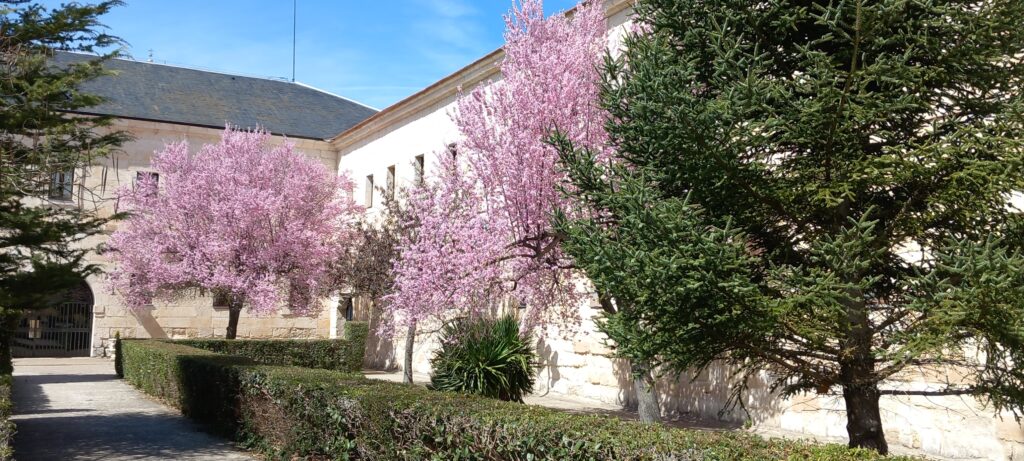
It was recommended to us that we stop halfway between Madrid and Burgos on our way to the Ferry Port, and what a lovely stop it was. After a long day walking the streets of Toledo, we experienced relaxation and quiet at this ex Monastery Hotel, in a little village way off the beaten track.

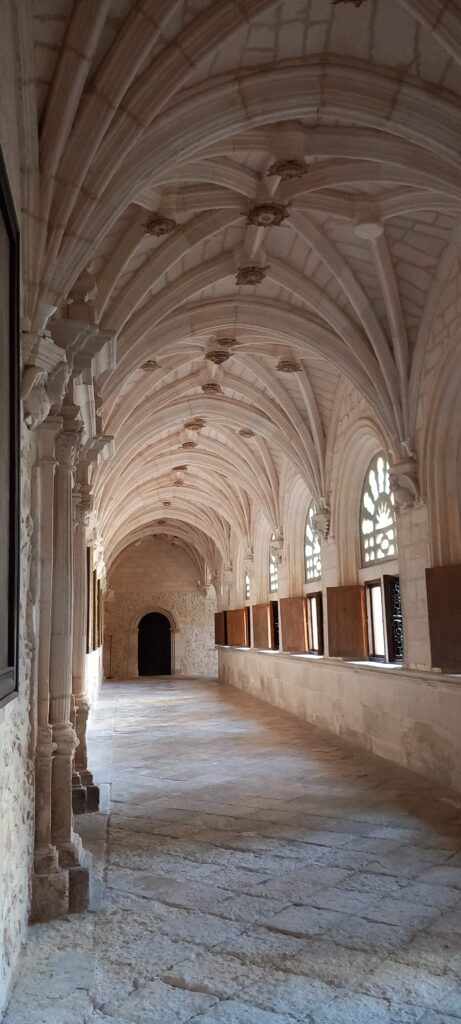
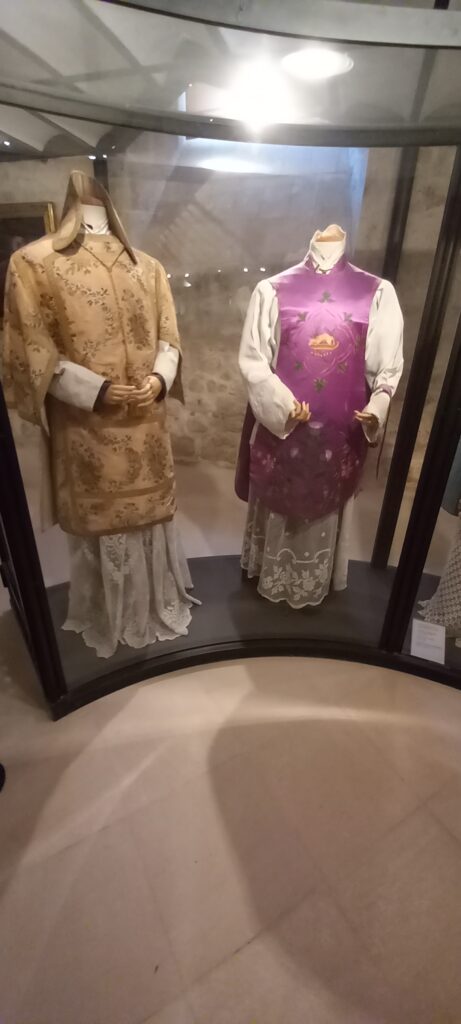
In the Duero valley, right on the Duero River, the monastery was originally founded in 1152 and was run by a Dominican Order until the mid 1800s when it closed for a few decades. Opening again by the Order of St Augustine it was run until 1991, closing with plans to change its use to a hostelry and conference centre, retaining the working church and various museums which are open to the public.

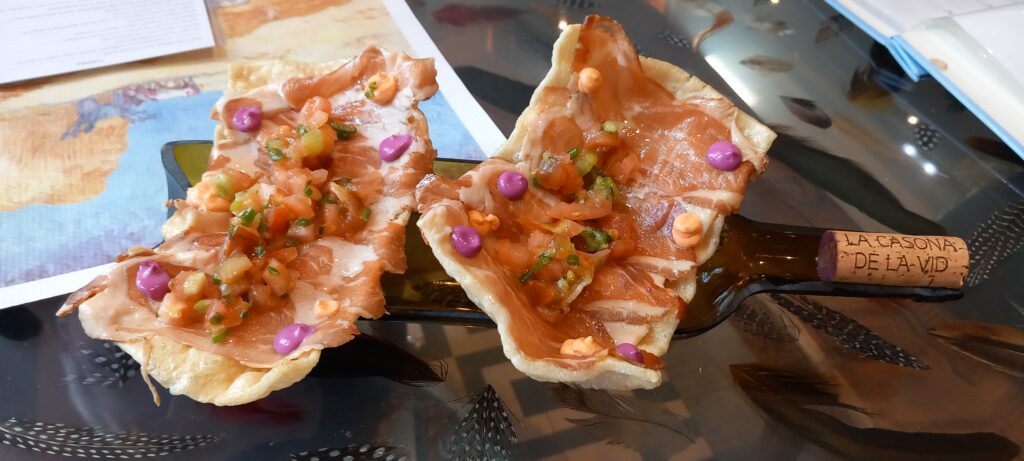
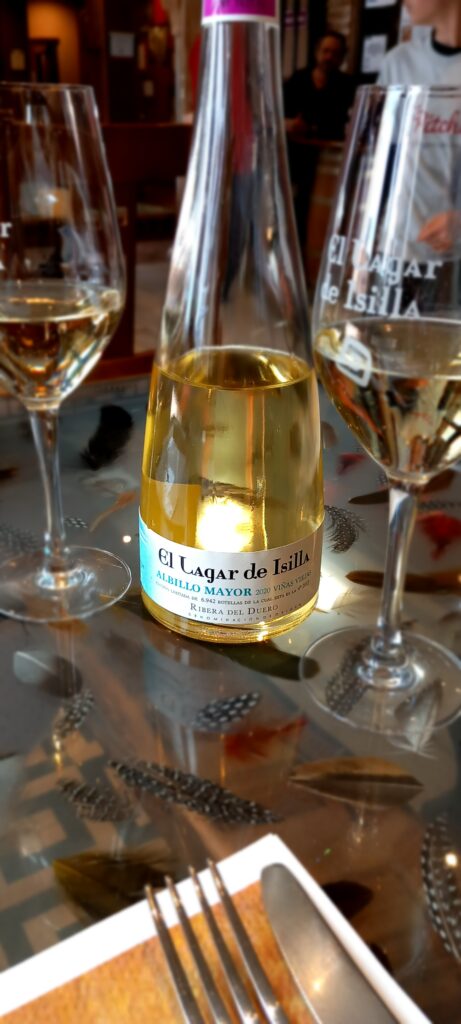
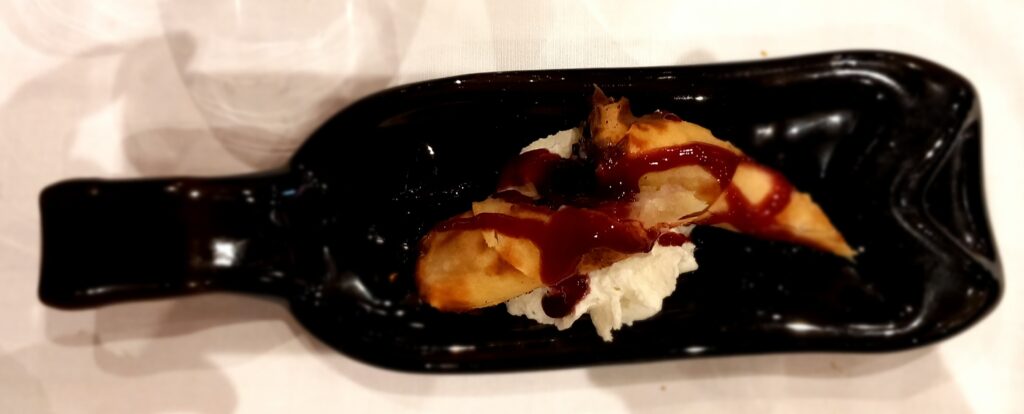
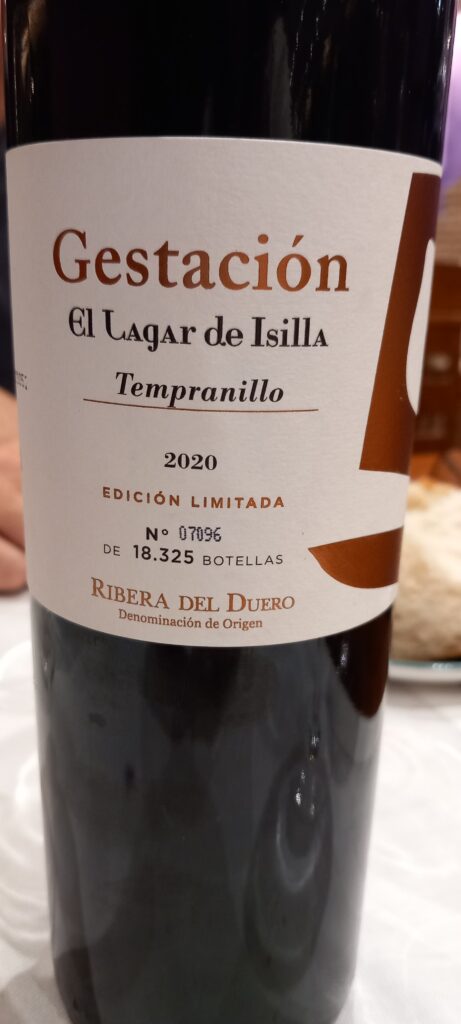
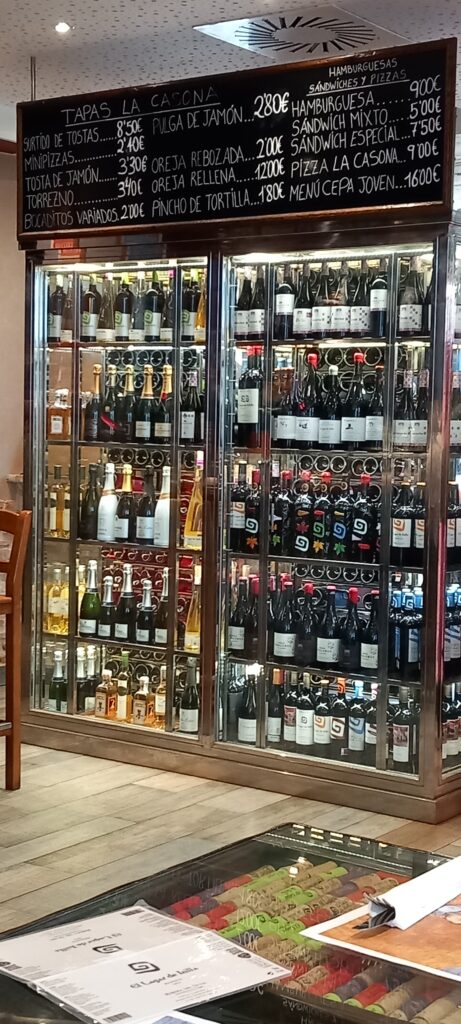
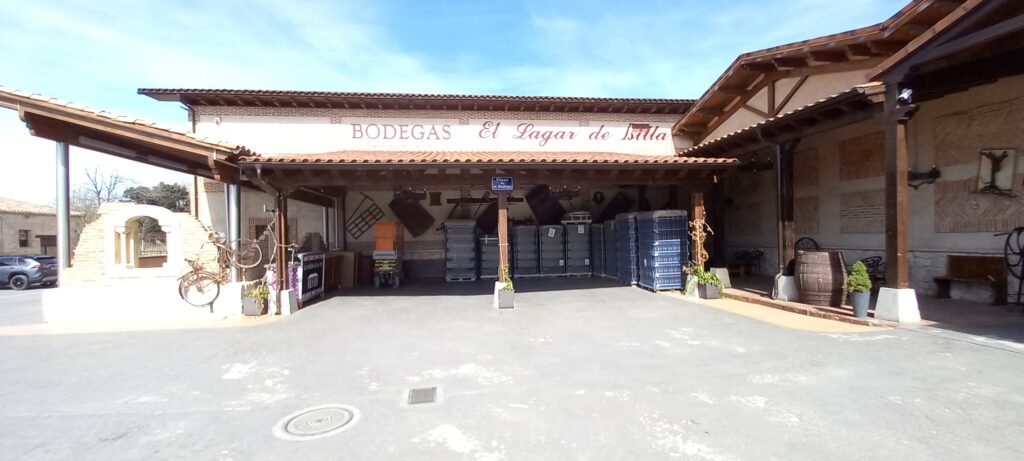
To top it off, next door was a Bodega and restaurant offering the most amazing wine and food! We stopped there during the area’s Tapas Route, this was their contribution, a crispbake with the lightest ever jamon topped with a fresh salsa and violet mayonnaise……simply heaven!

In the late afternoon, the Monastery was open for a tour, despite it being fully in Spanish, I thoroughly enjoyed the peace, tranquility and splendour of the building.

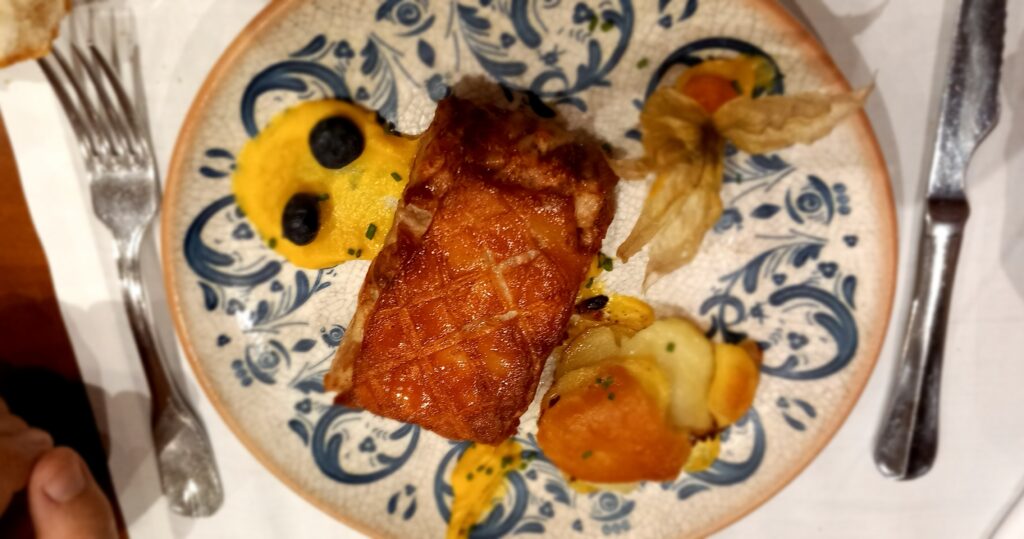
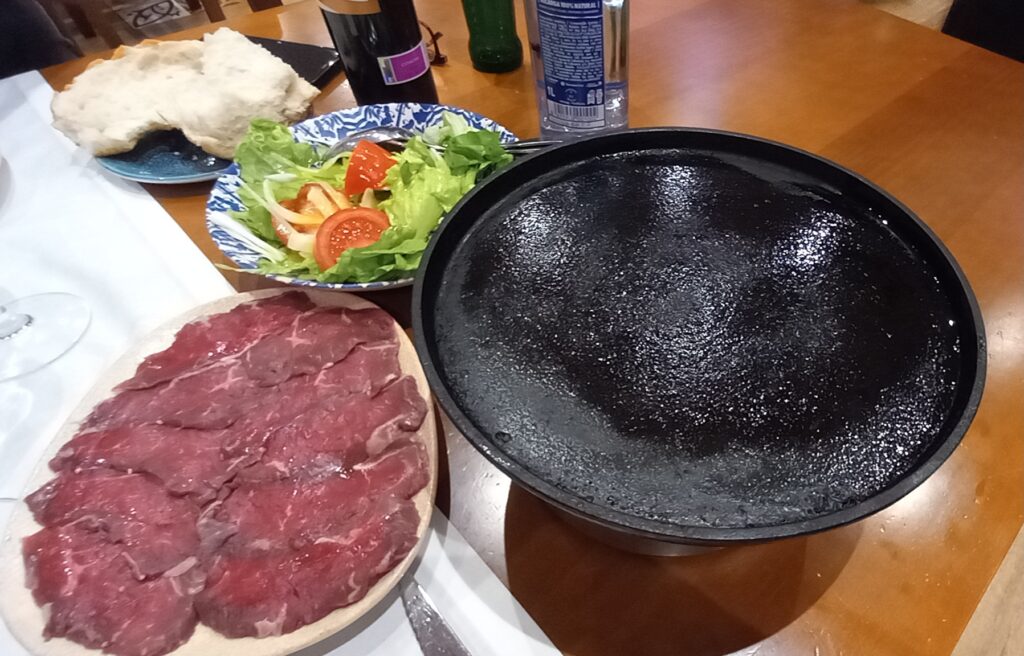
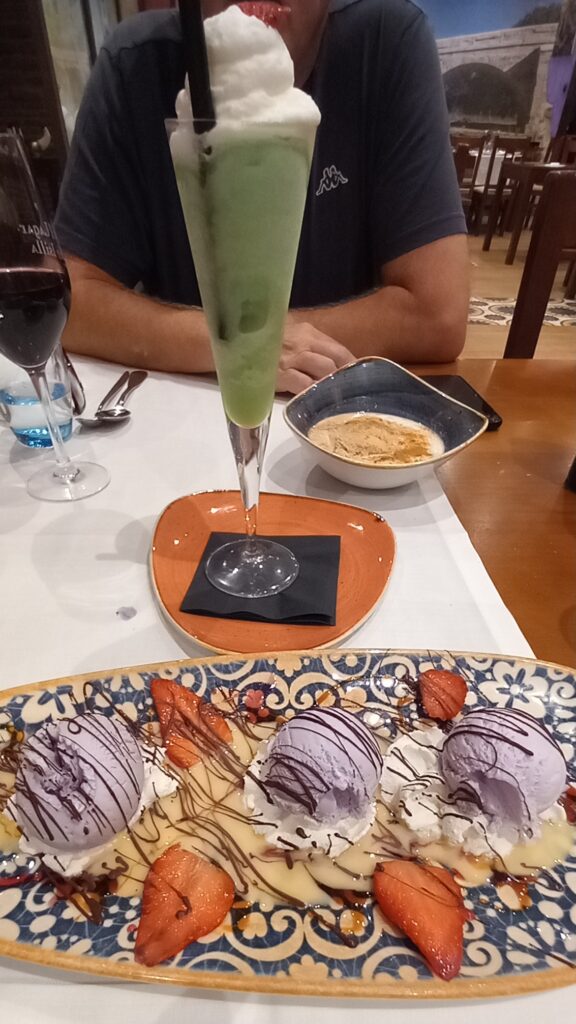
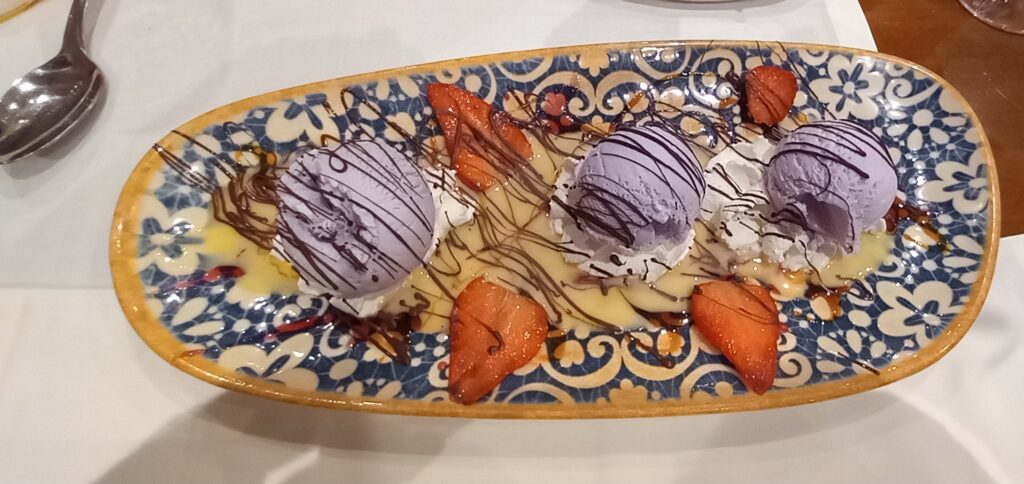
Dinner that night was outstanding, cheese pancake to start, cook your own steak…. but Dessert was the highlight. I couldn’t decide between Green Apple sorbet with a coconut foam or Violet ice cream so we ordered both!!

Next stop, Santander Ferry!!

History in Leek, Buxton & Bakewell Derbyshire

We’ve taken Bessy away from Peterborough for a while, doing a little tour up to Derbyshire and the edge of the Peak District before heading south into the Welsh borders and Ross-on-Wye. During our stay in Derbyshire, one day it was brilliant blue skies and 15c then the next it was -2c and snowing! Typically British!

We stayed in a campsite outside Leek, Blackshaw Moor caravan park was once home to a group of displaced Polish soldiers and their families from 1946 to 1964, the transit camp was originally built in 1943 for the U.S. Army. A strong community developed but by the time the camp closed in March 1964 there were only 50 families left, now living in houses locally.

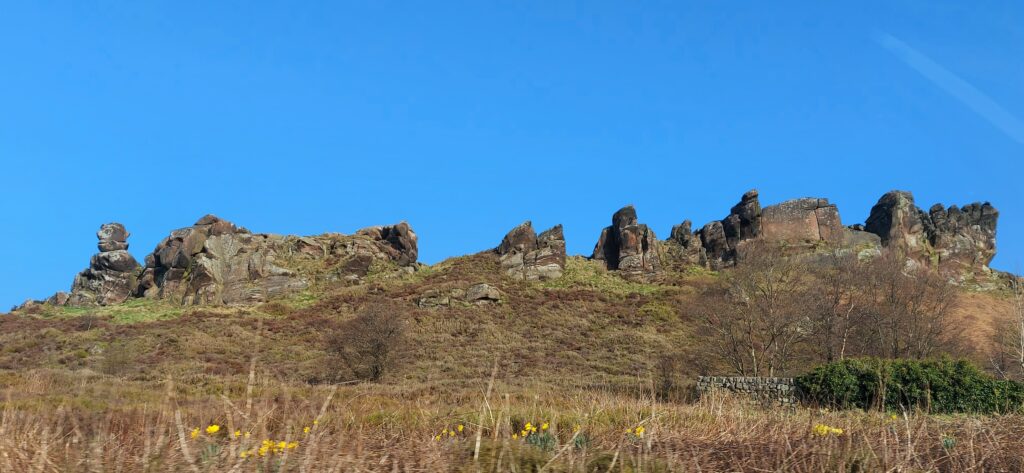
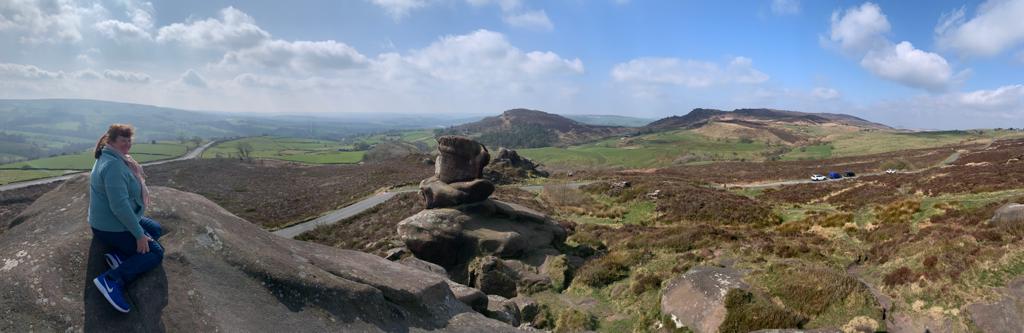
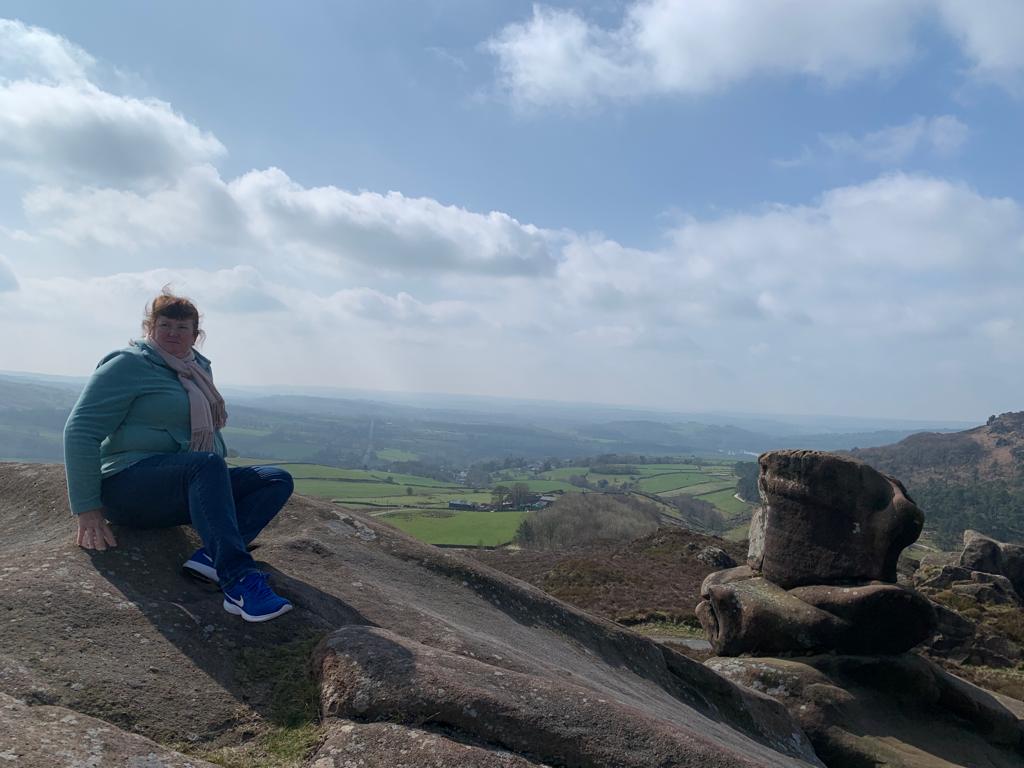
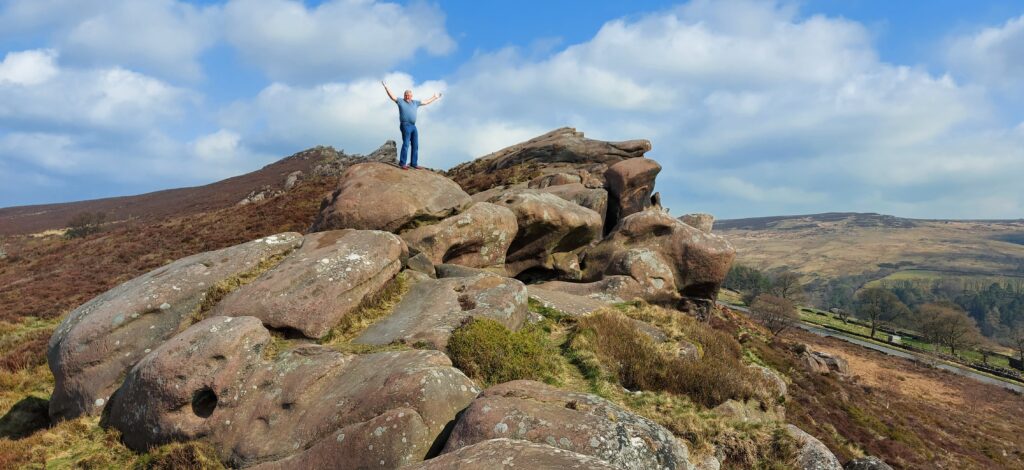
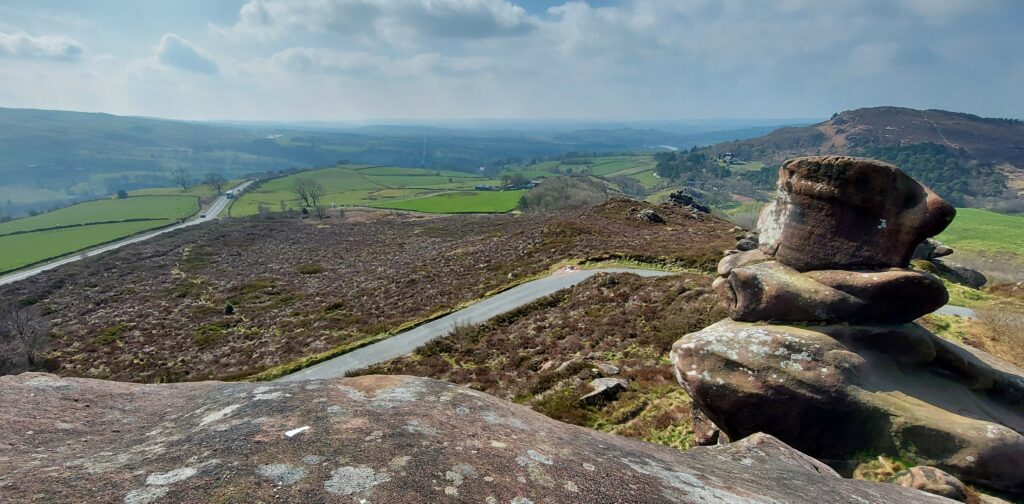
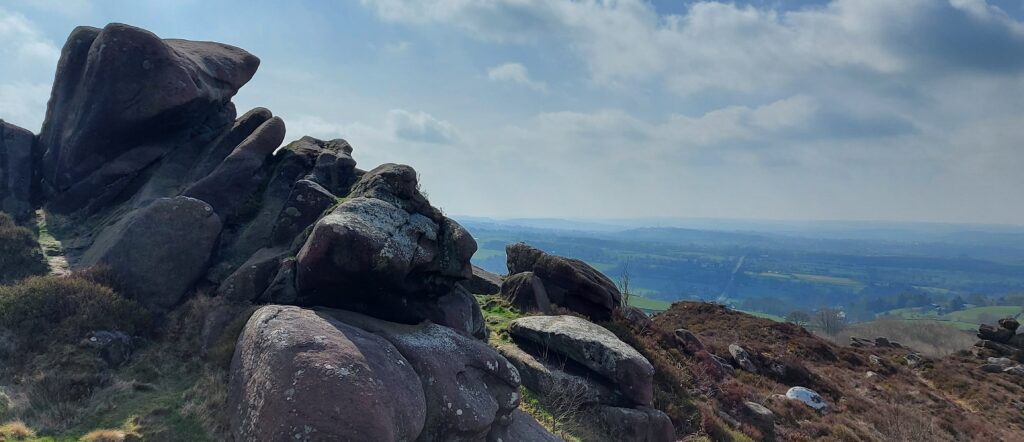
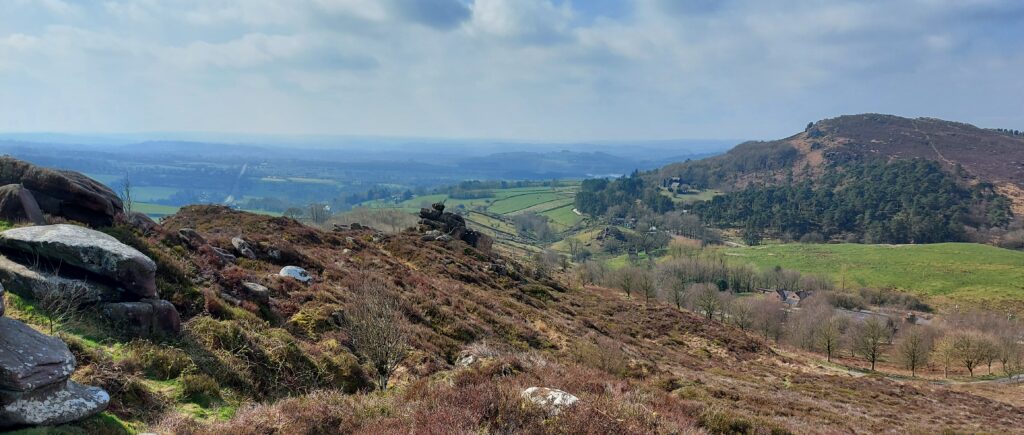
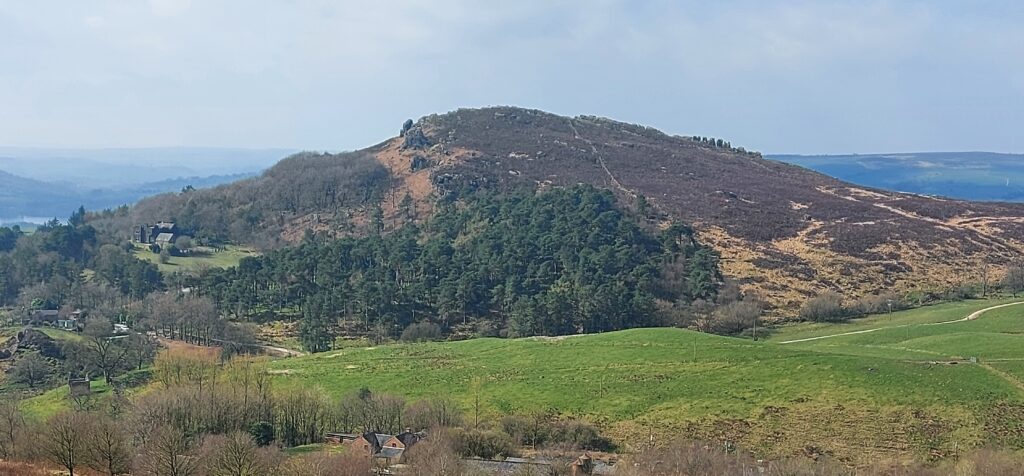
The Roaches (rocky outcrop) were visible from the camp, one clear day we managed to climb to the top!

Unlike David!!!

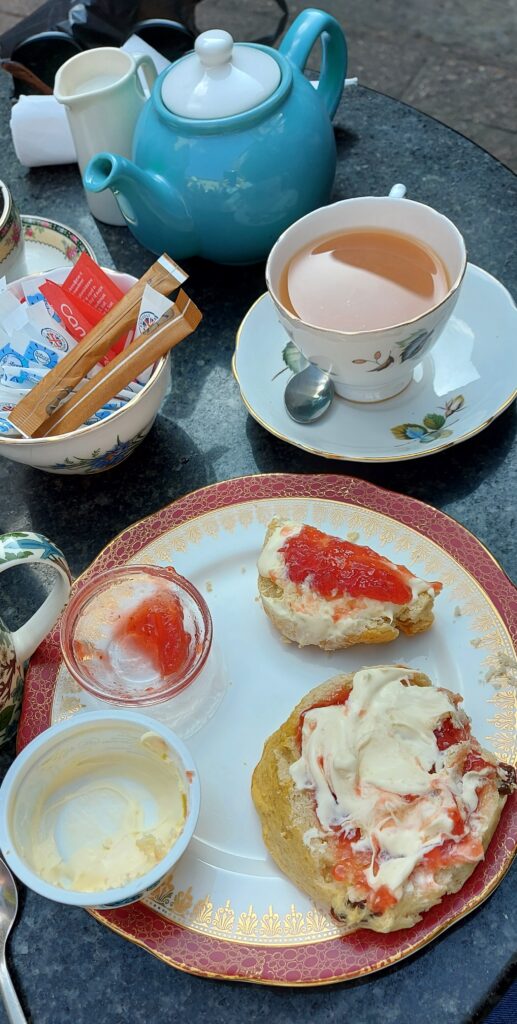
We took a day trip to Bakewell for a traditional afternoon tea! And scrummy it was!! We did purchase a Bakewell Tart but had to eat it at once…….

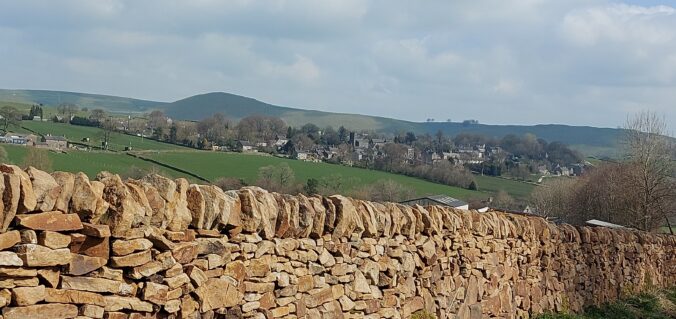
On the way to Bakewell we passed a tiny hillside village called Longnor, the first recorded settlement was in the Middle Ages and it’s mentioned in the Doomsday Book as being an important market town on the roads between Buxton, Leek, Macclesfield and Bakewell.

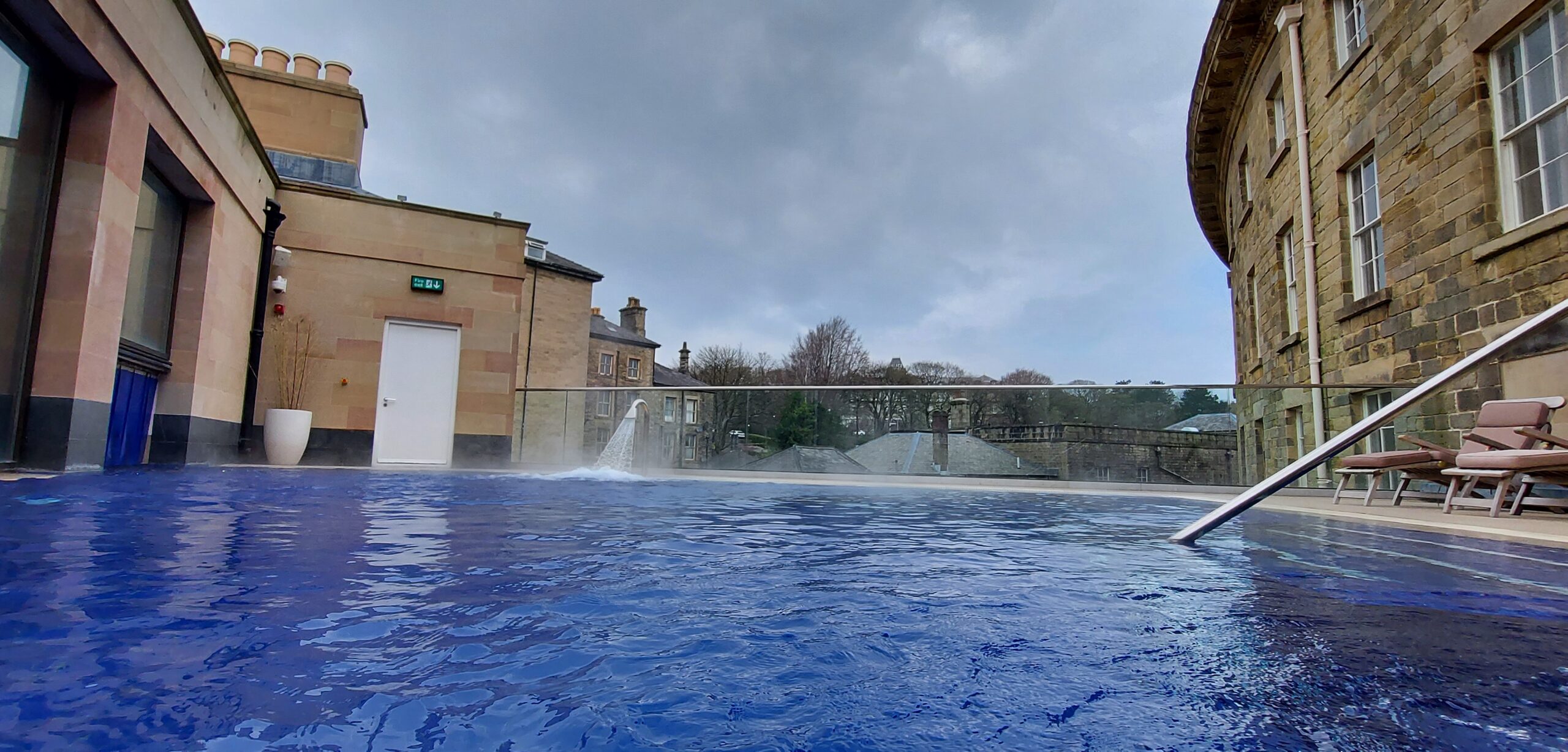
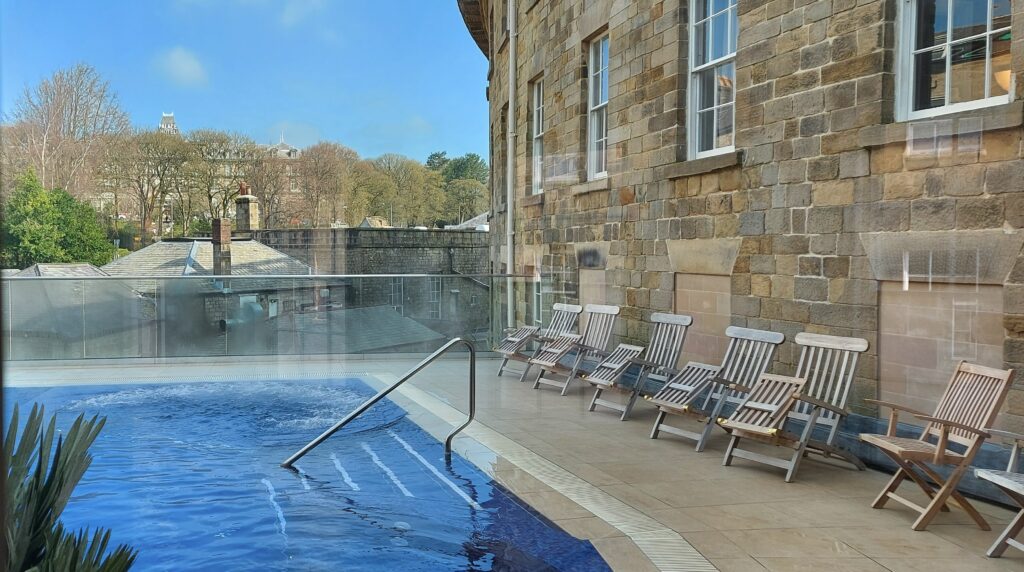
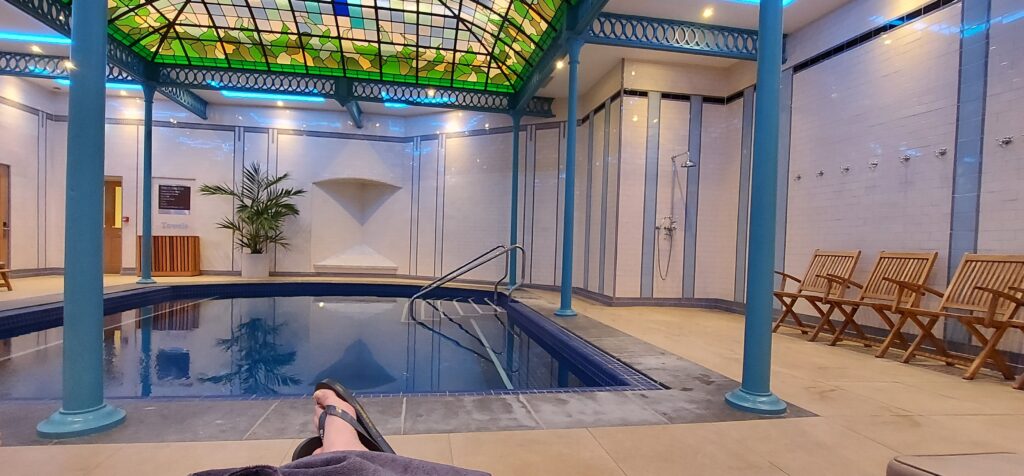
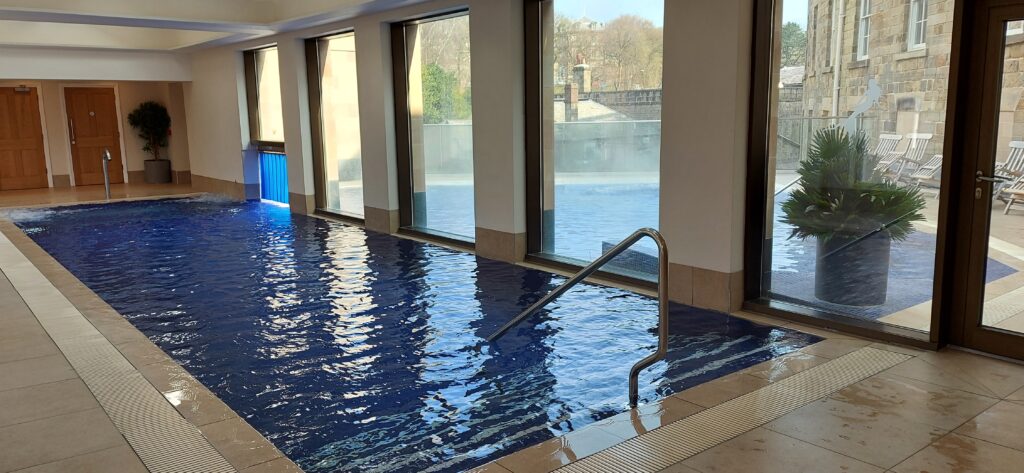
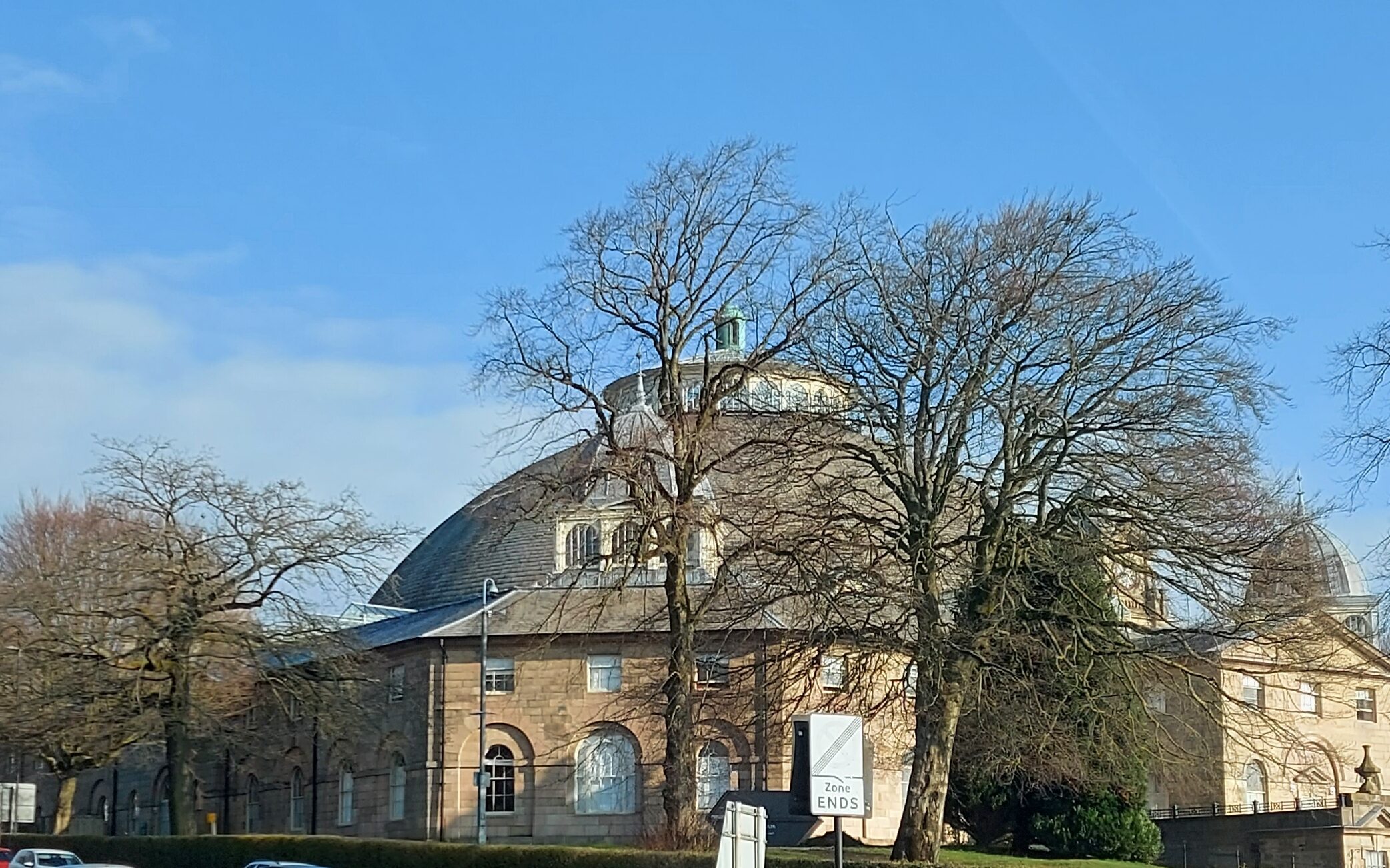
In Buxton, we just had to try the mineral water, a naturally heated warming 27c rediscovered in 2005, and captured in the original Victorian spa baths. SO beautiful and so relaxing!!!

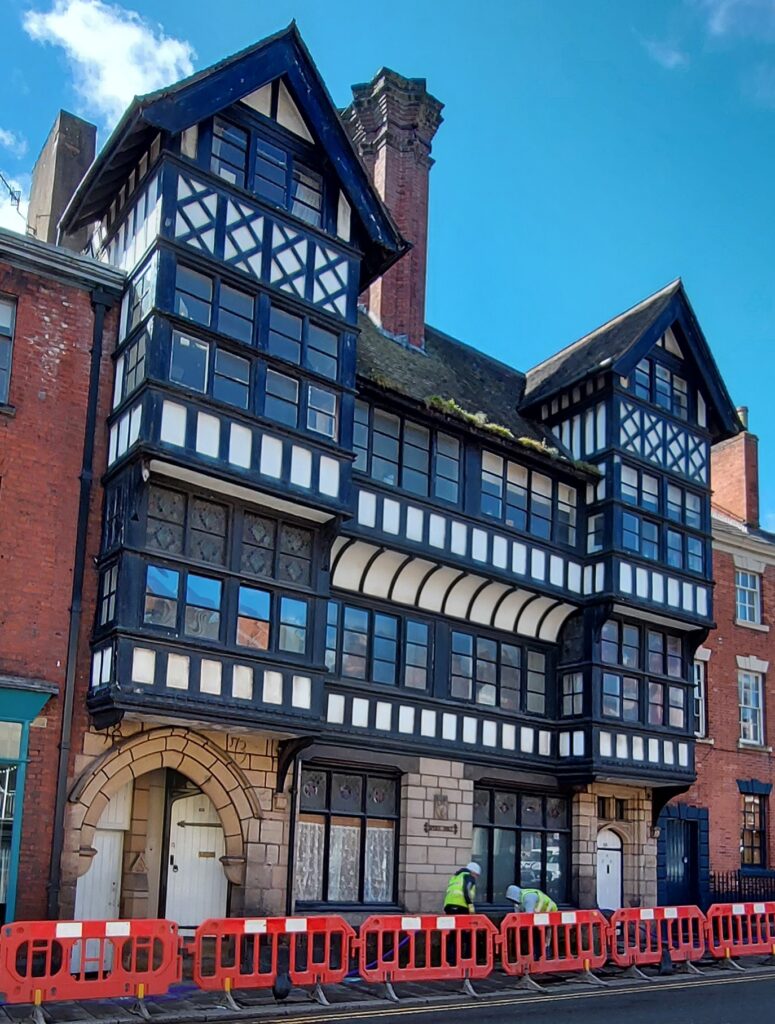
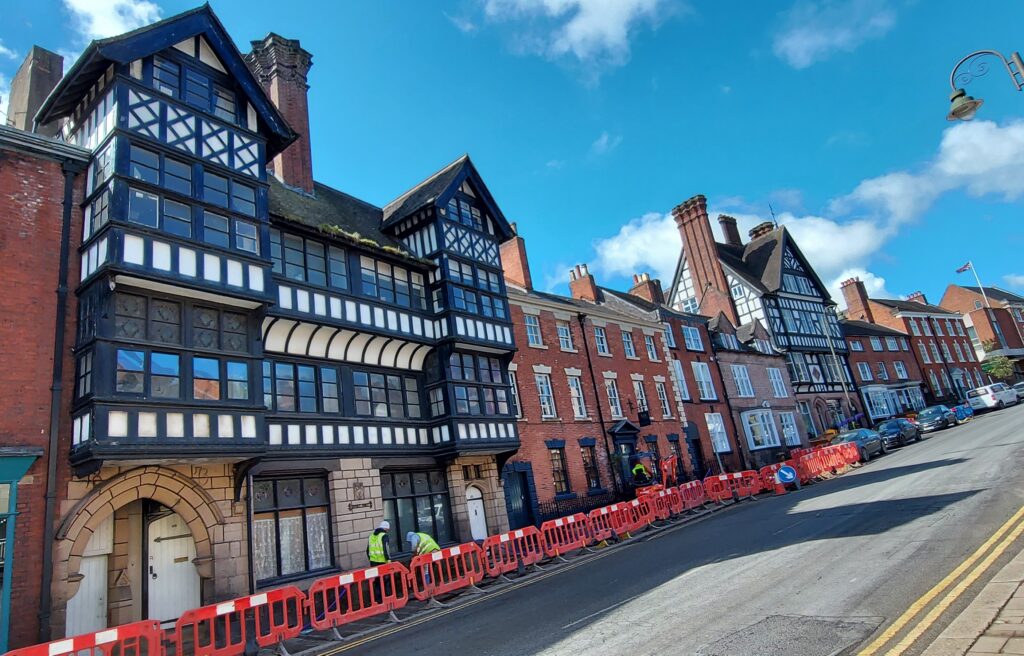
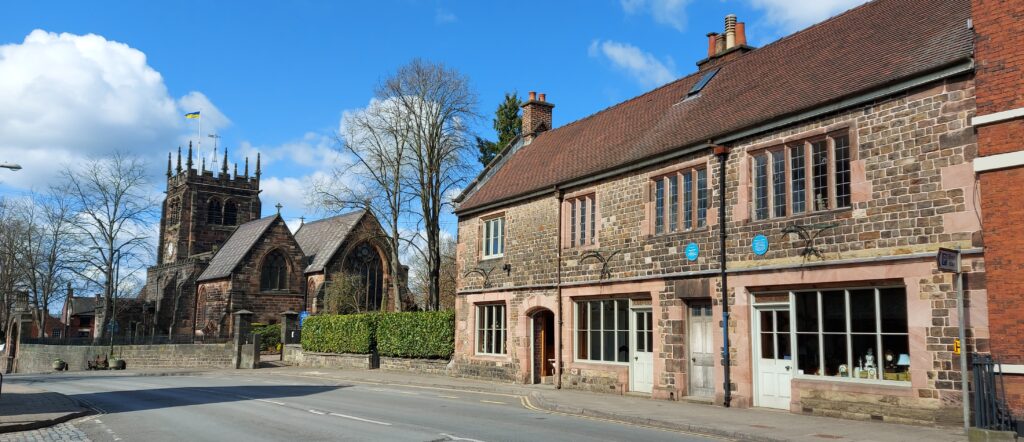
In Leek itself were beautiful old buildings, one (currently an antiques shop) was used by Bonnie Prince Charles in 1745 whilst on his march towards Derby during his efforts to restore the Stuart dynasty to the thrones of England and Scotland. He stopped here twice.

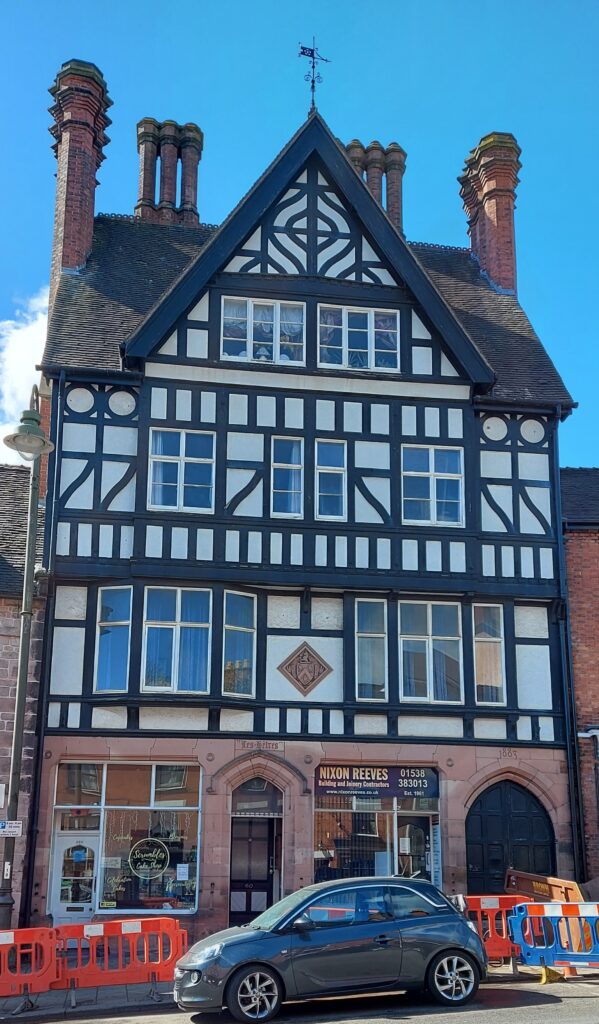
Leek Parish contains 143 Listed buildings, one is Grade 1, the highest listing possible. Several mills were used for spinning, dyeing and weaving silk, now used as a hotel or restaurant.

Next stop, Ross-on-Wye, near the Welsh border.

Our Valencia Visitor

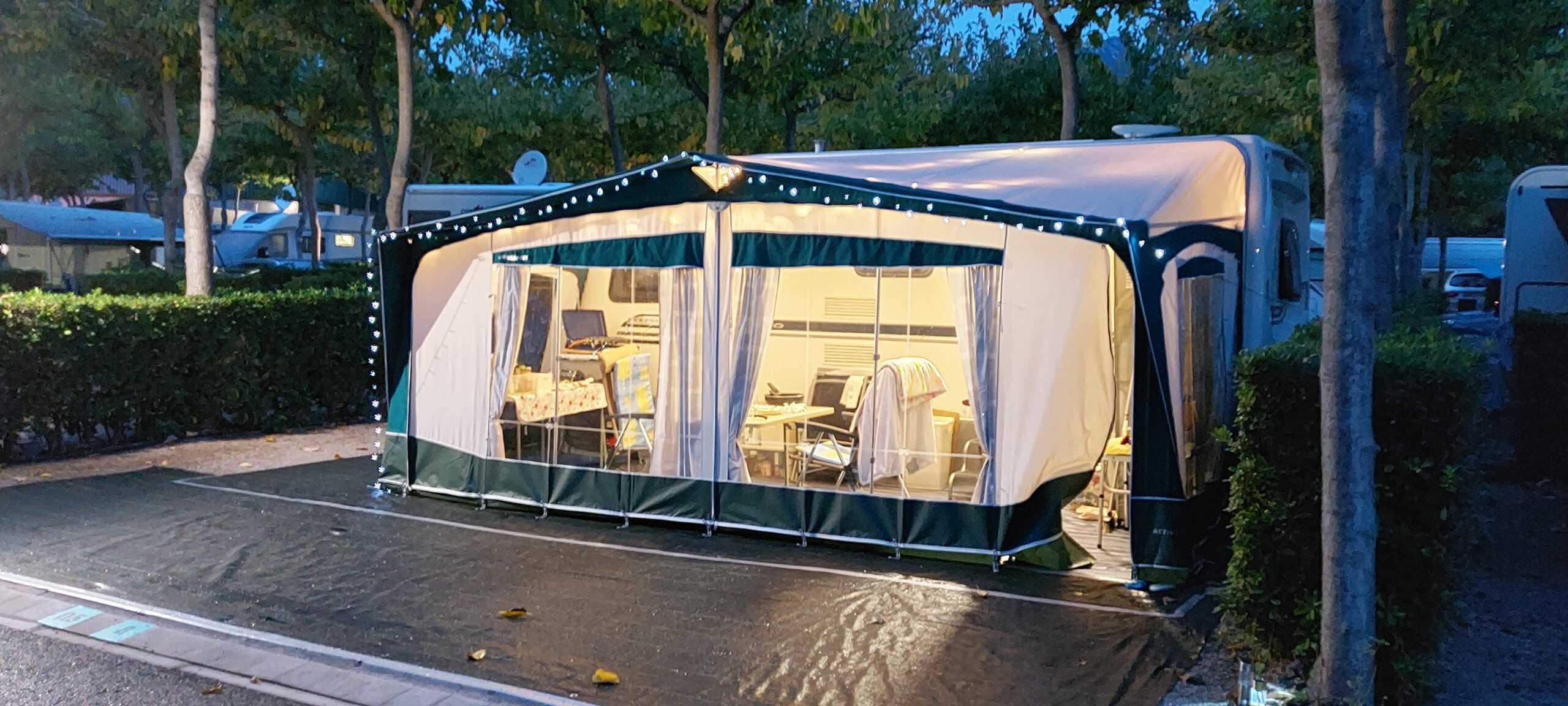
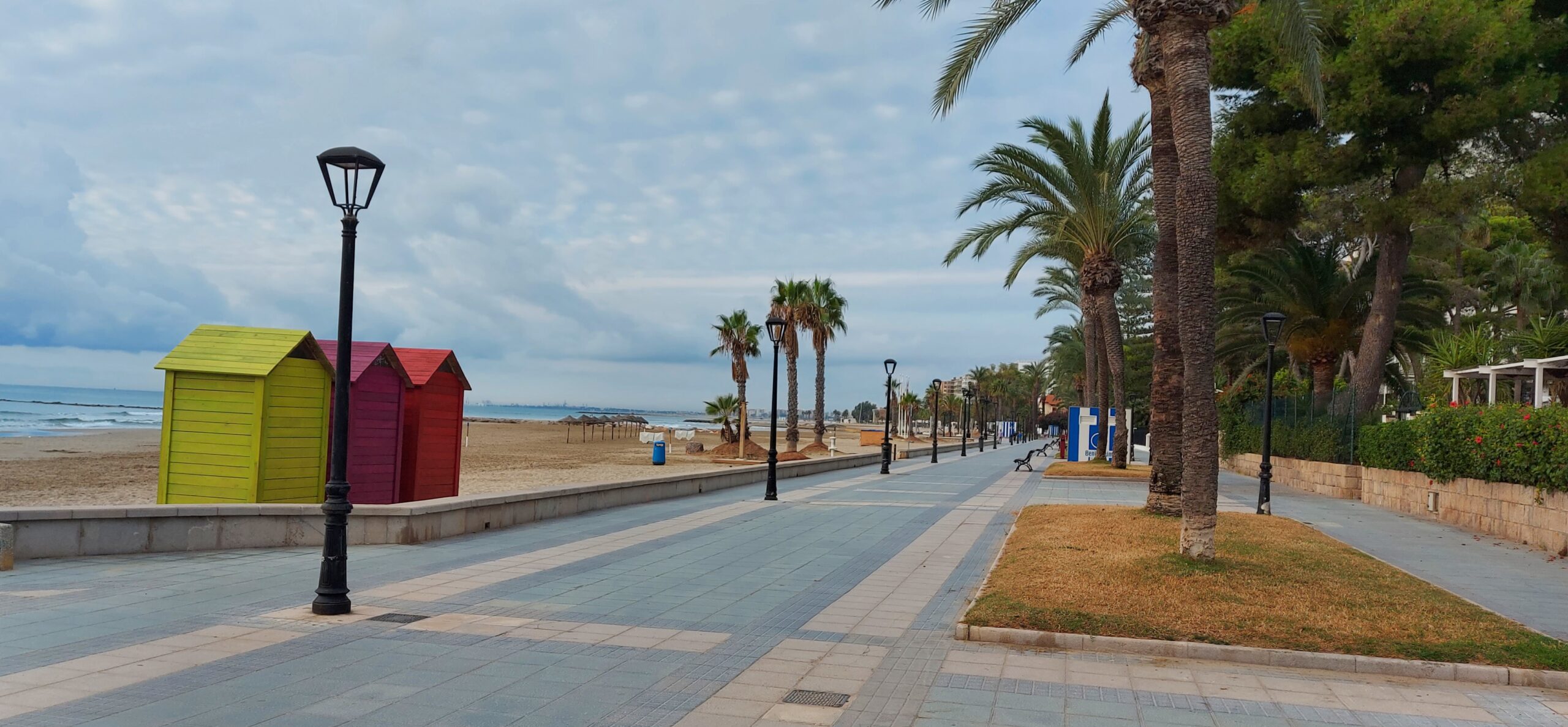
Our 90 days in Spain began sunny and warm. We stoppd in Benicassim, just outside Valencia, returning to the familiarity of Bonterra Park and settled into our new living arrangements (caravan and full awning) comfortably. Several trips to the camping section of Decathlon and the local camping shops enabled us to set up an excellent kitchen and dining area in the awning, easily completed within a week and our chilling afternoons began! David has been able to rediscover his cullinary skills again, the kitchen in the caravan being far too small for him!!

Our daughter Caitlin was able to book a few days off work for a much needed break, thankfully the weather was still warm and we helped her chill out and relax.

Her plane flew into Valencia late Monday night so Tuesday was spent eating and drinking and wandering along the beach.

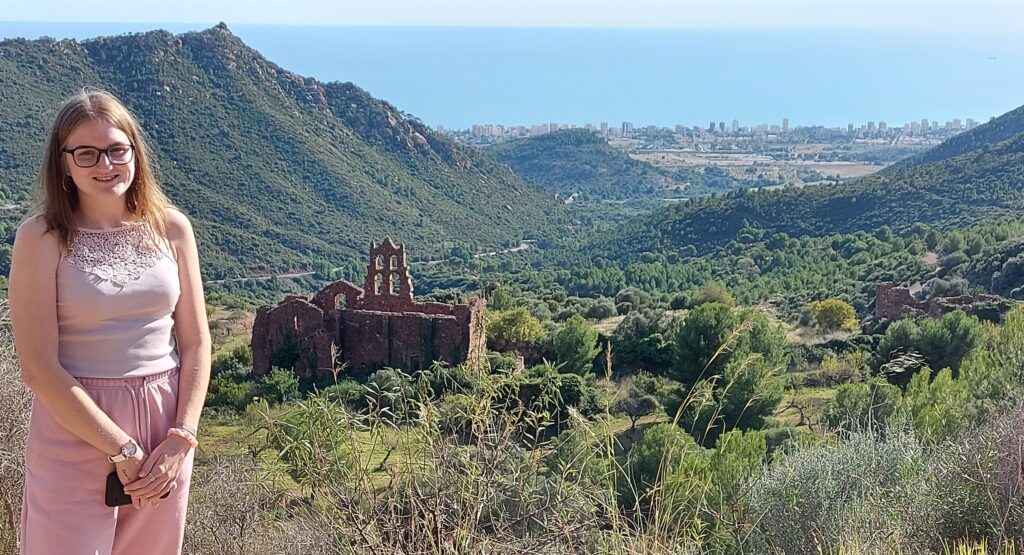
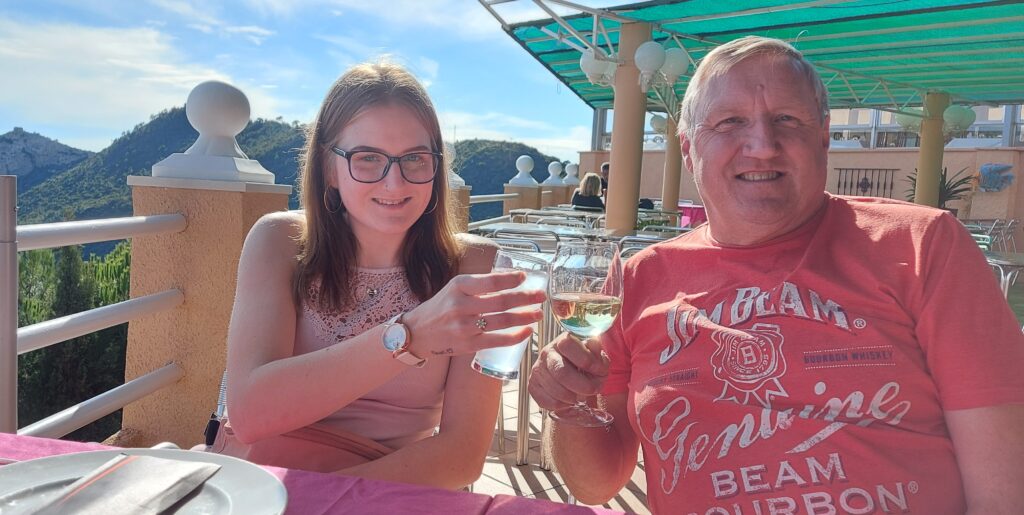
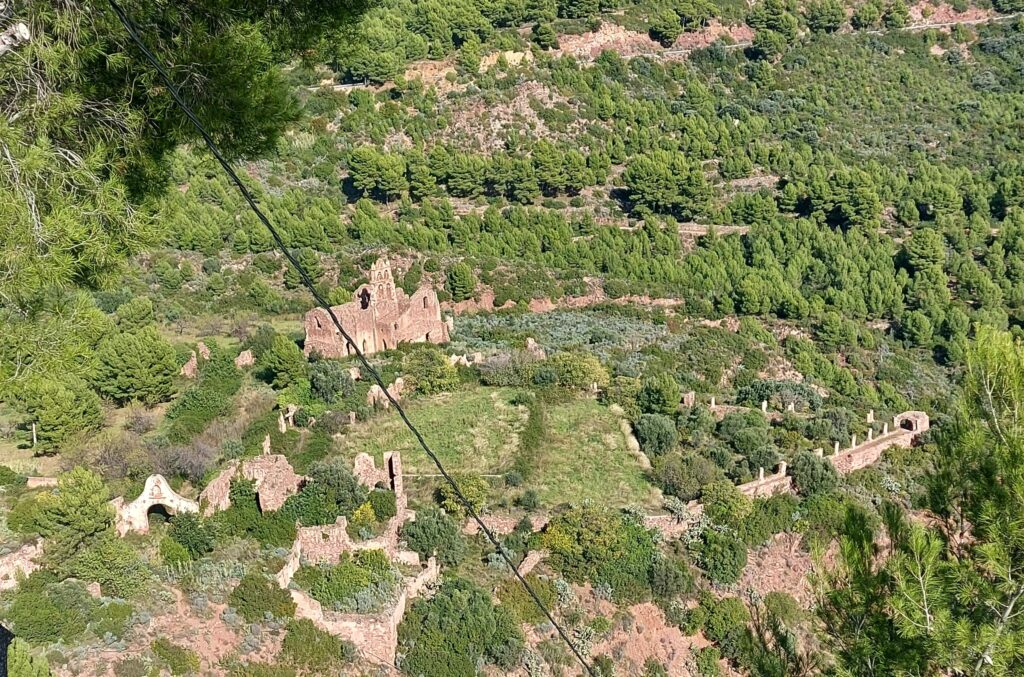
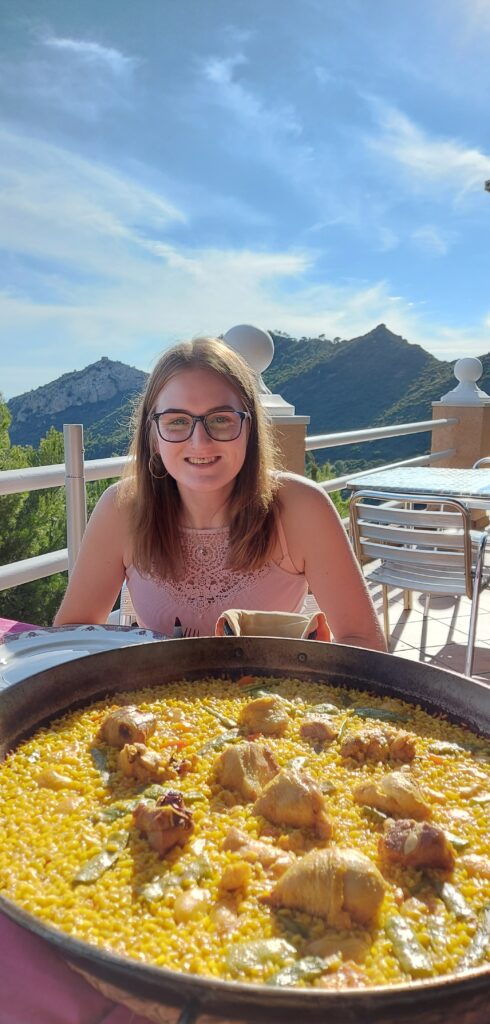
Wednesday we took her up the coast route to Orepesa and across the mountains behind the Desert of the Palms, stopping for a paella lunch at a high mountain top restaurant.

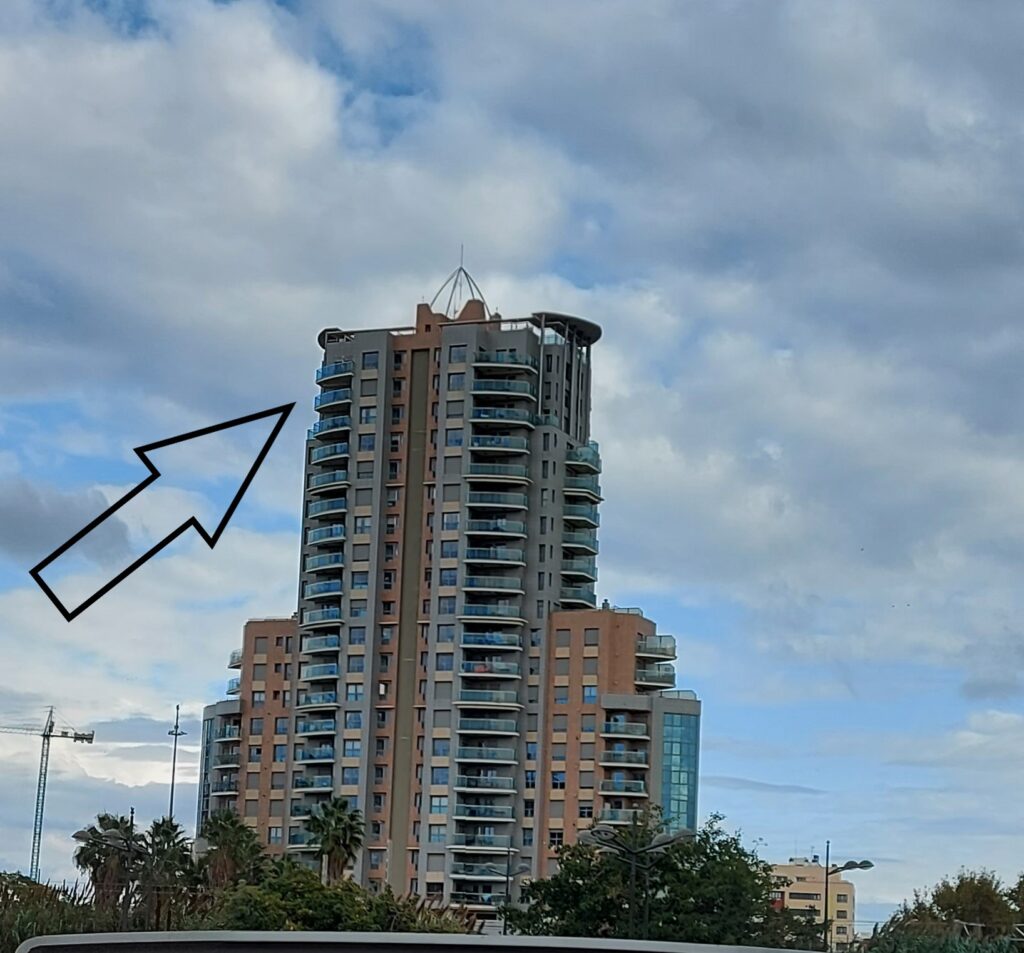
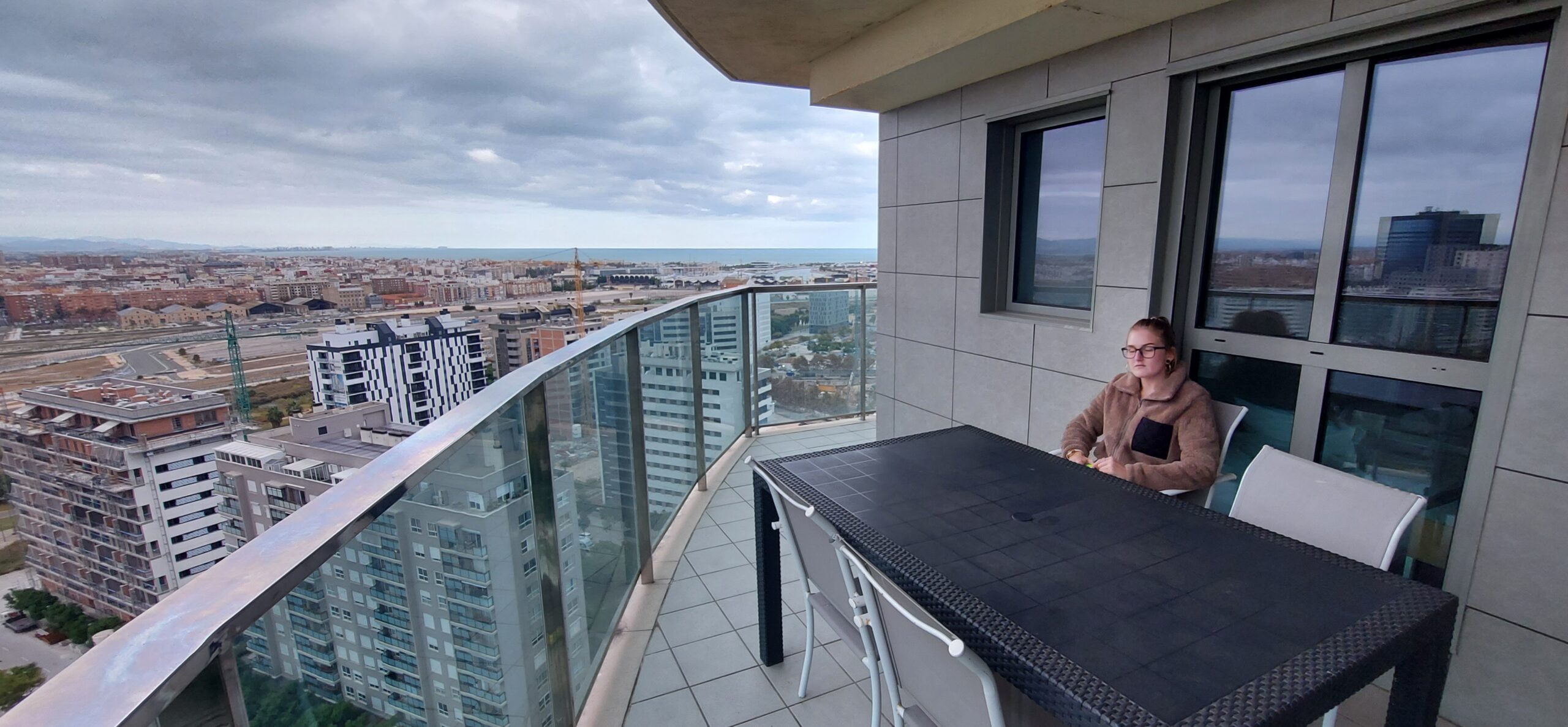
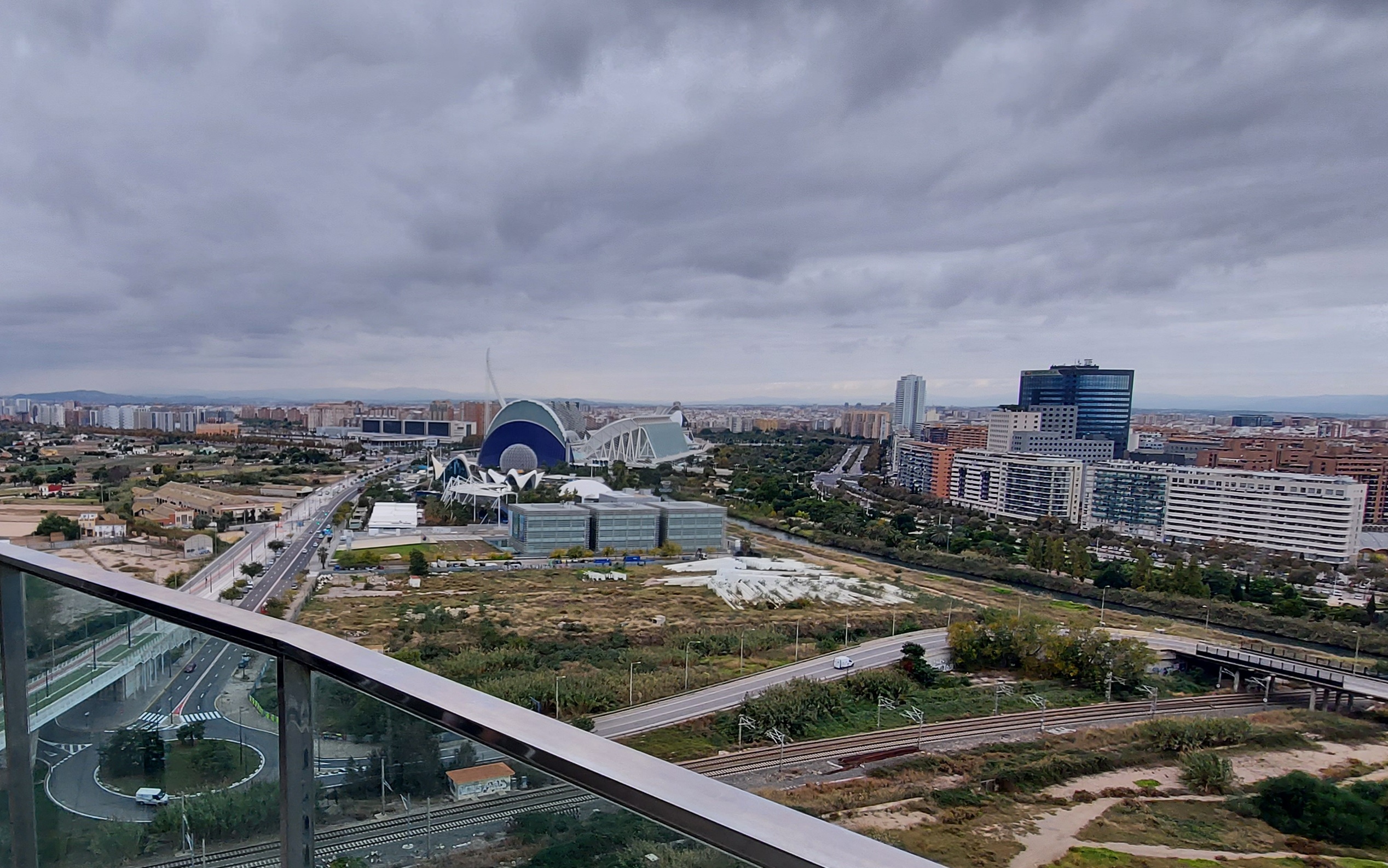
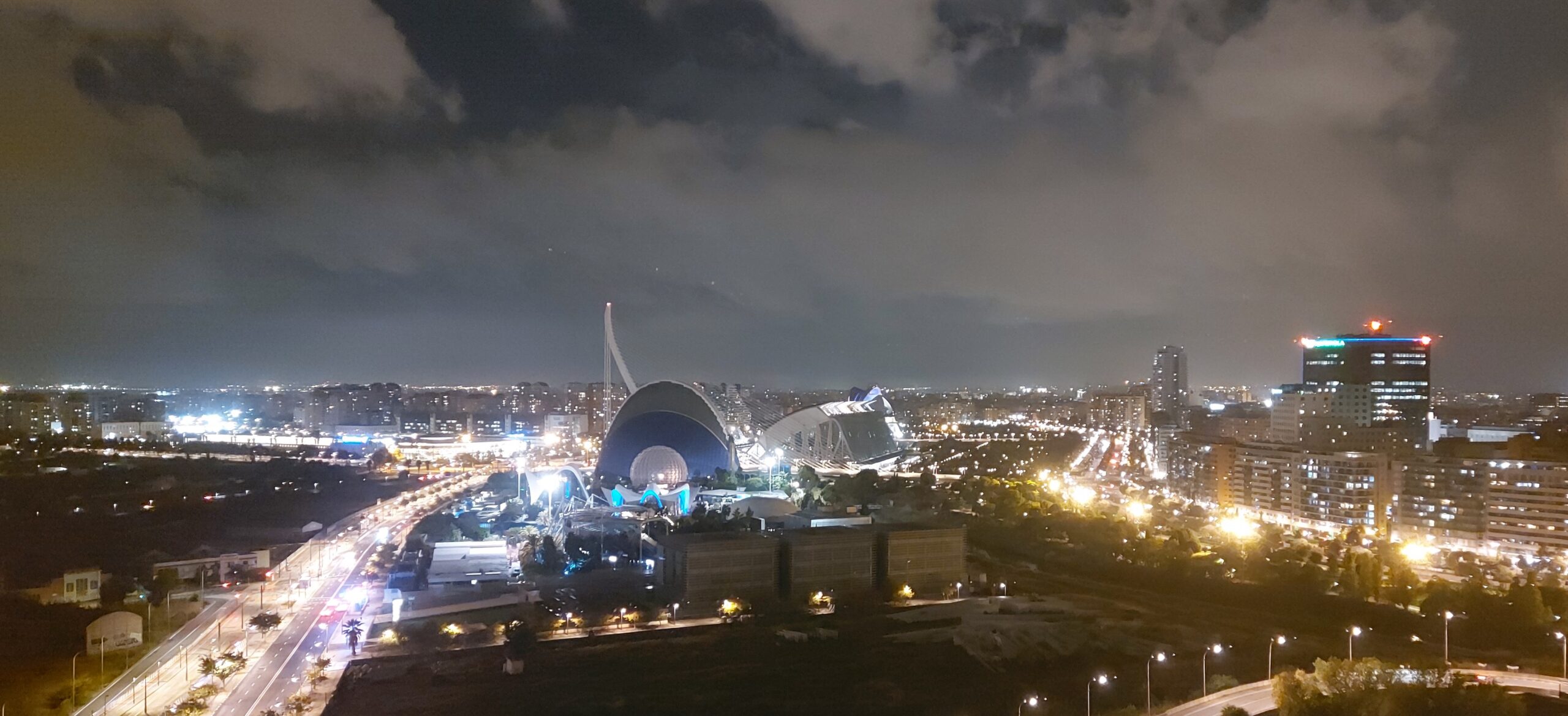
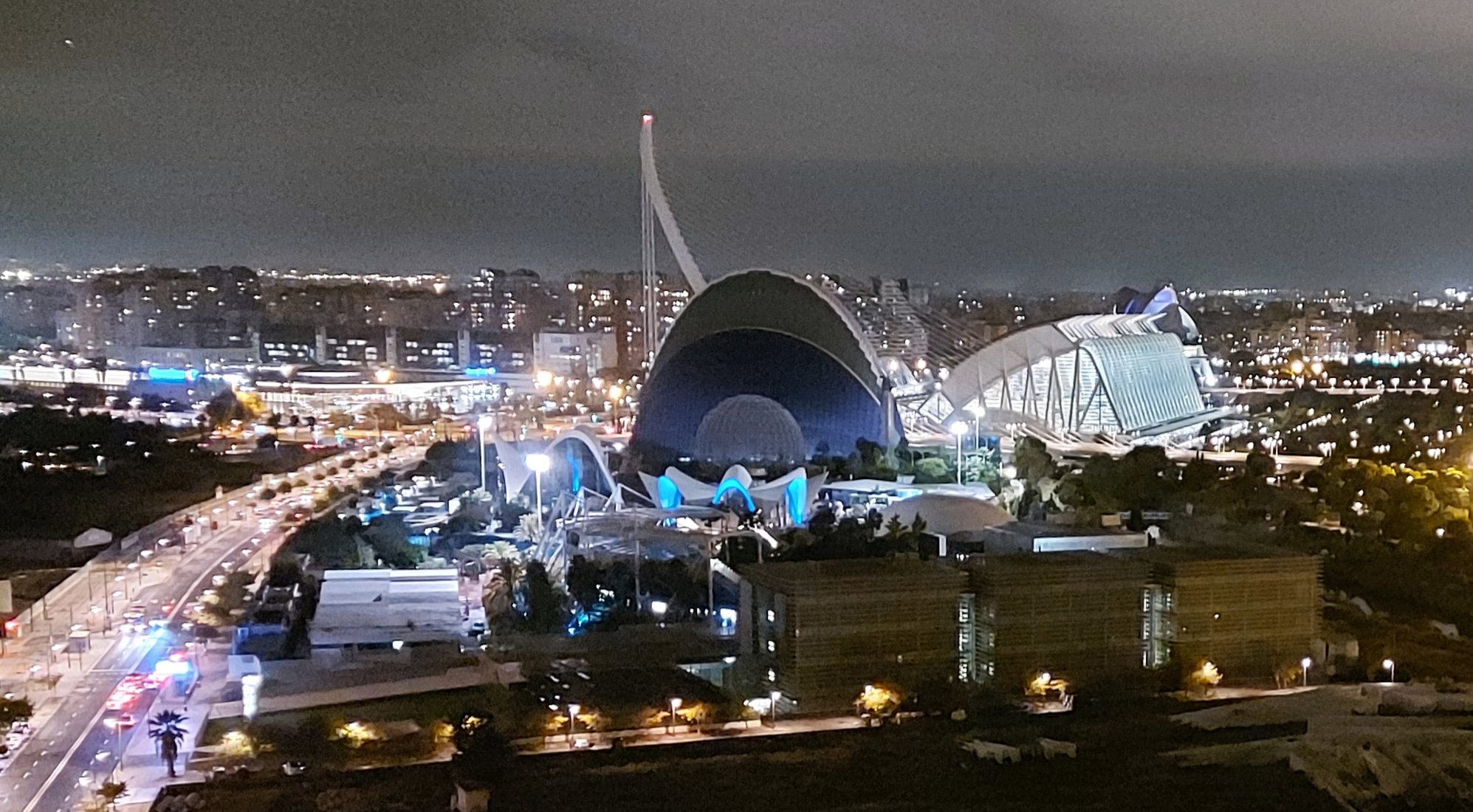
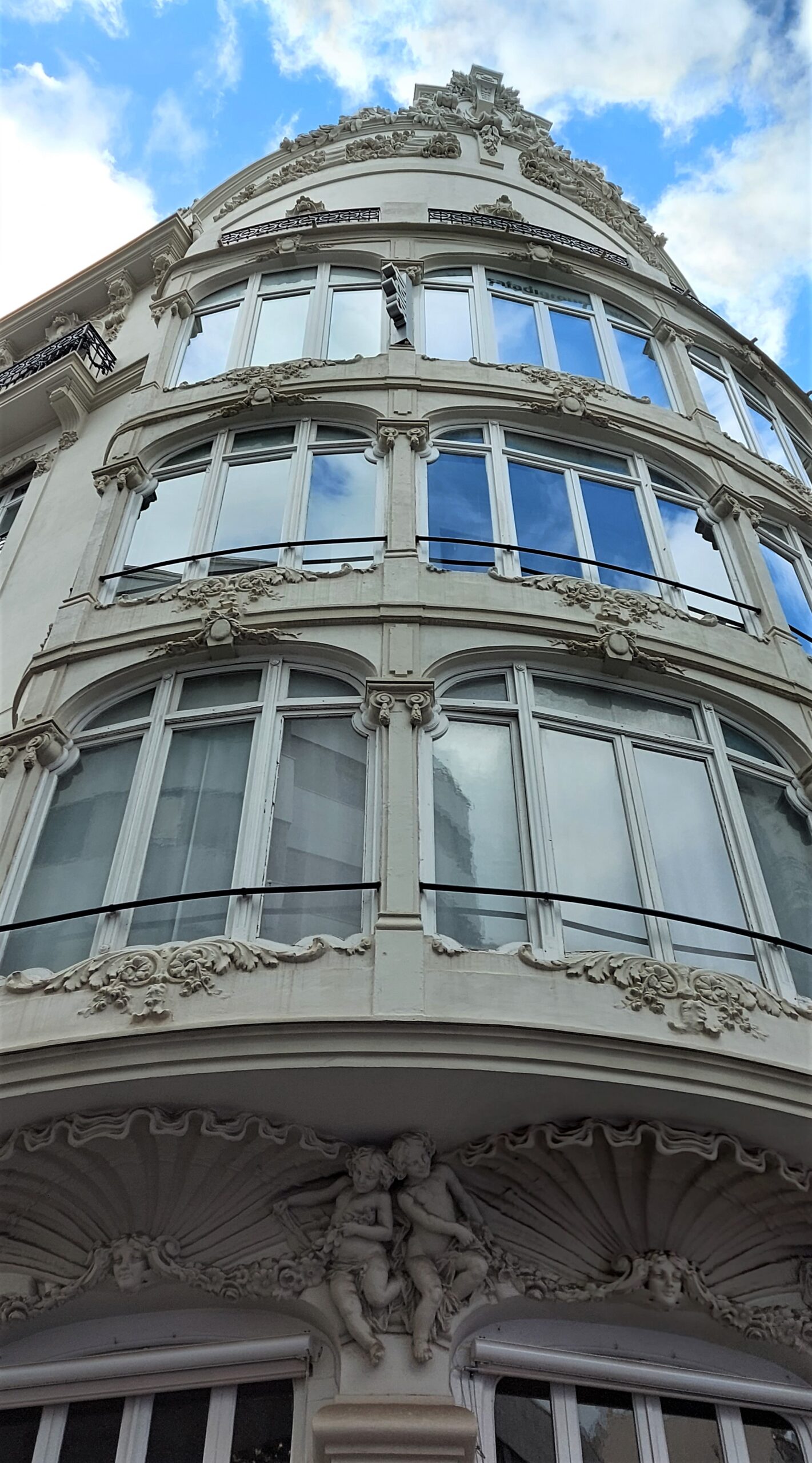
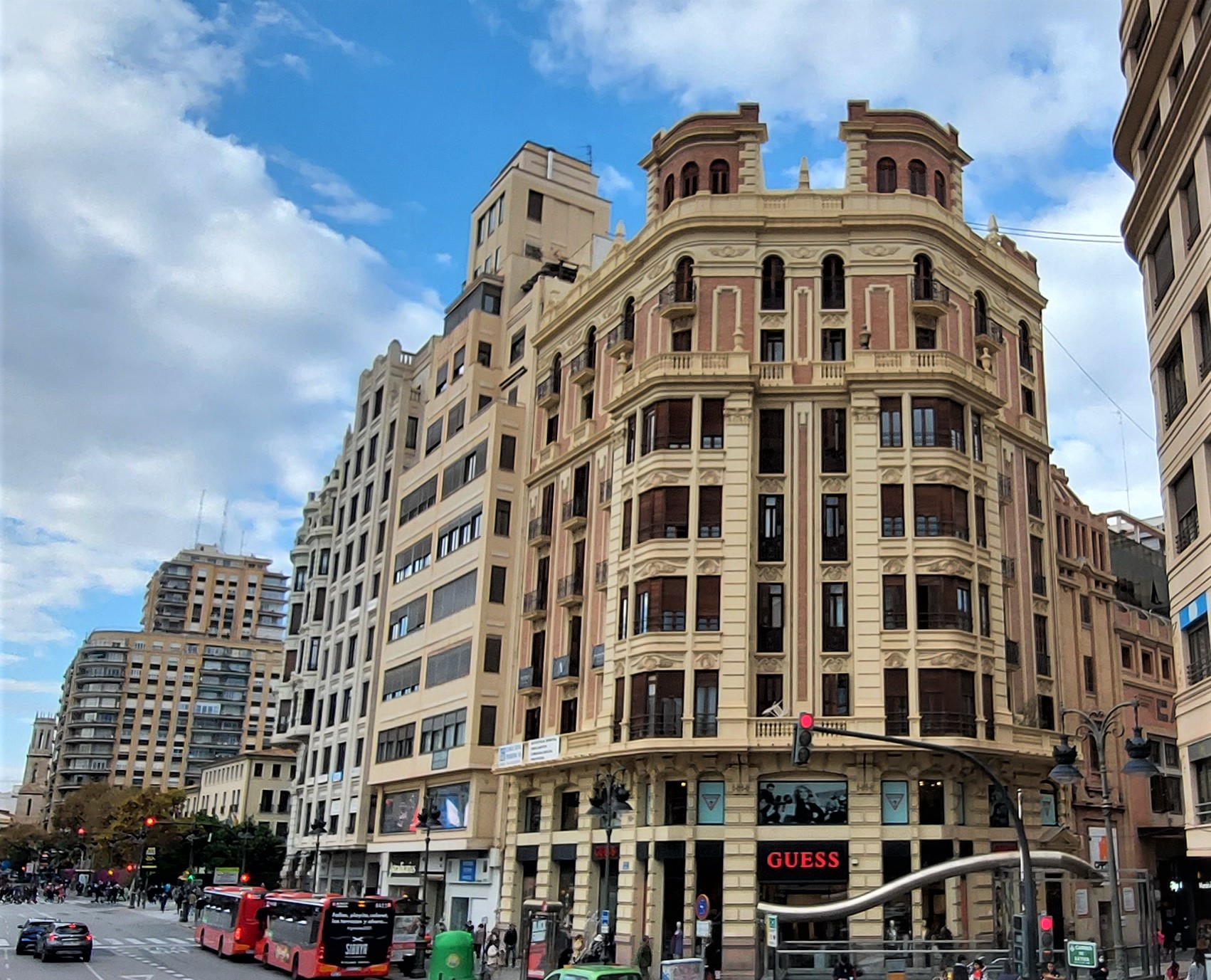
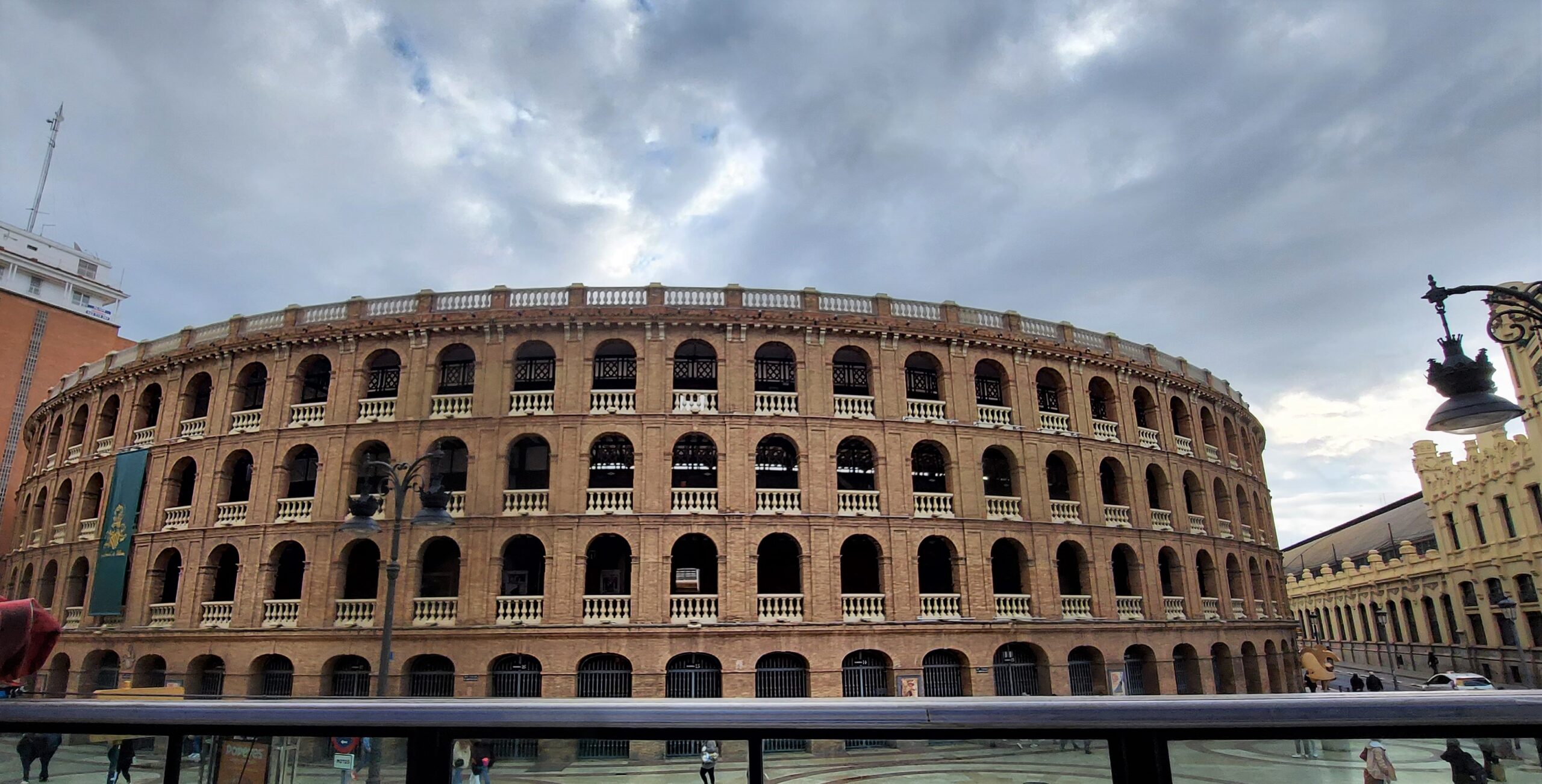
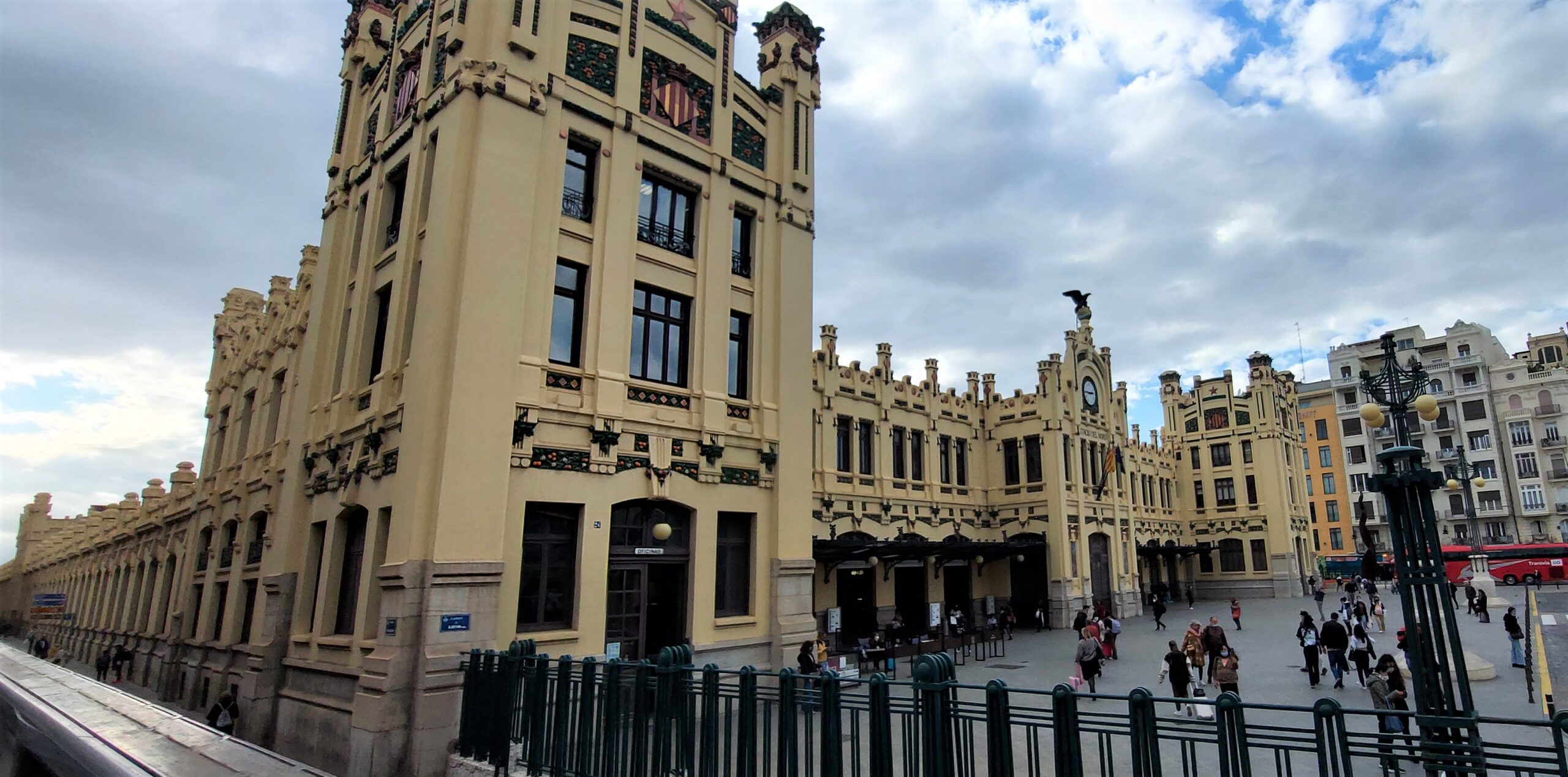
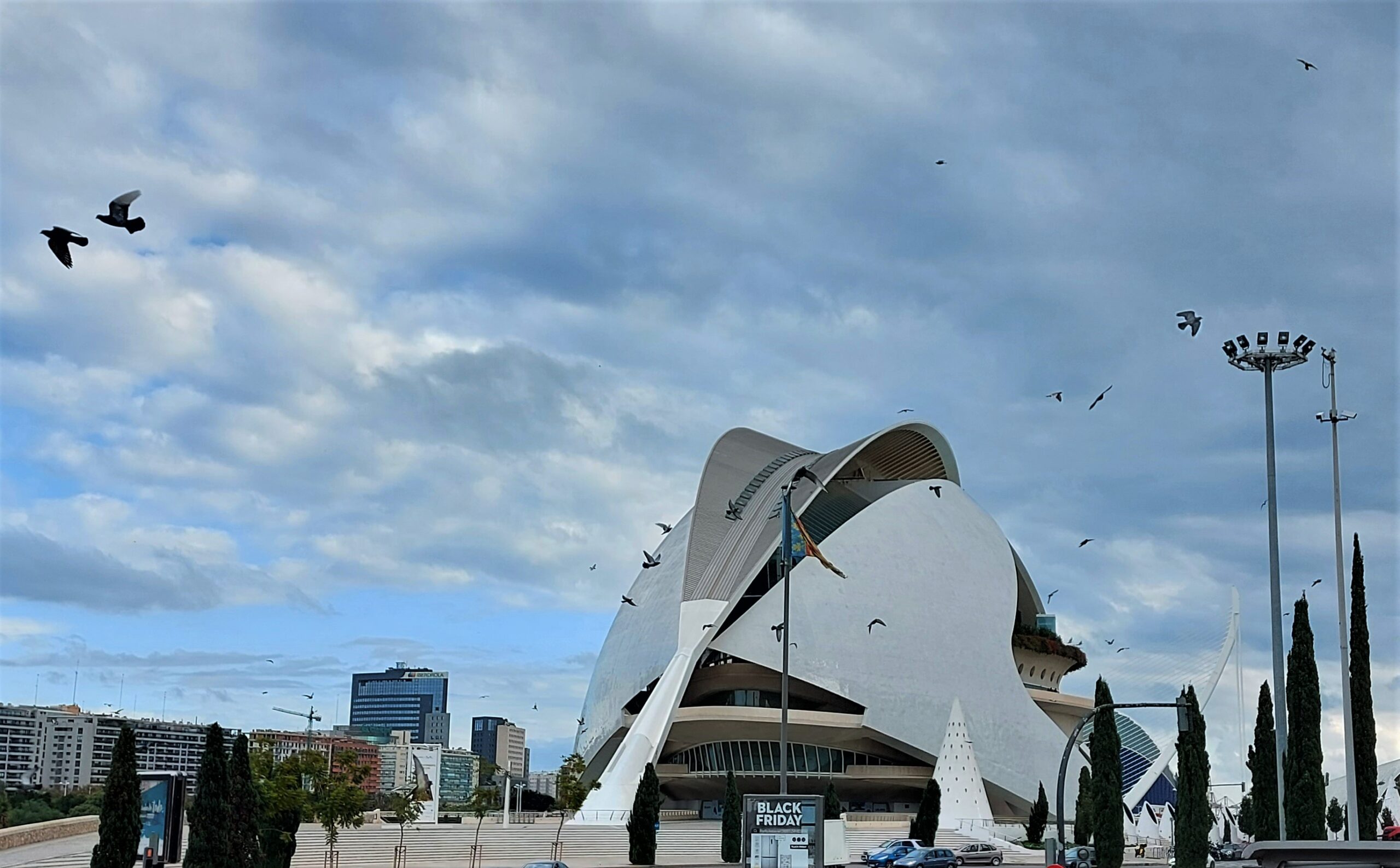
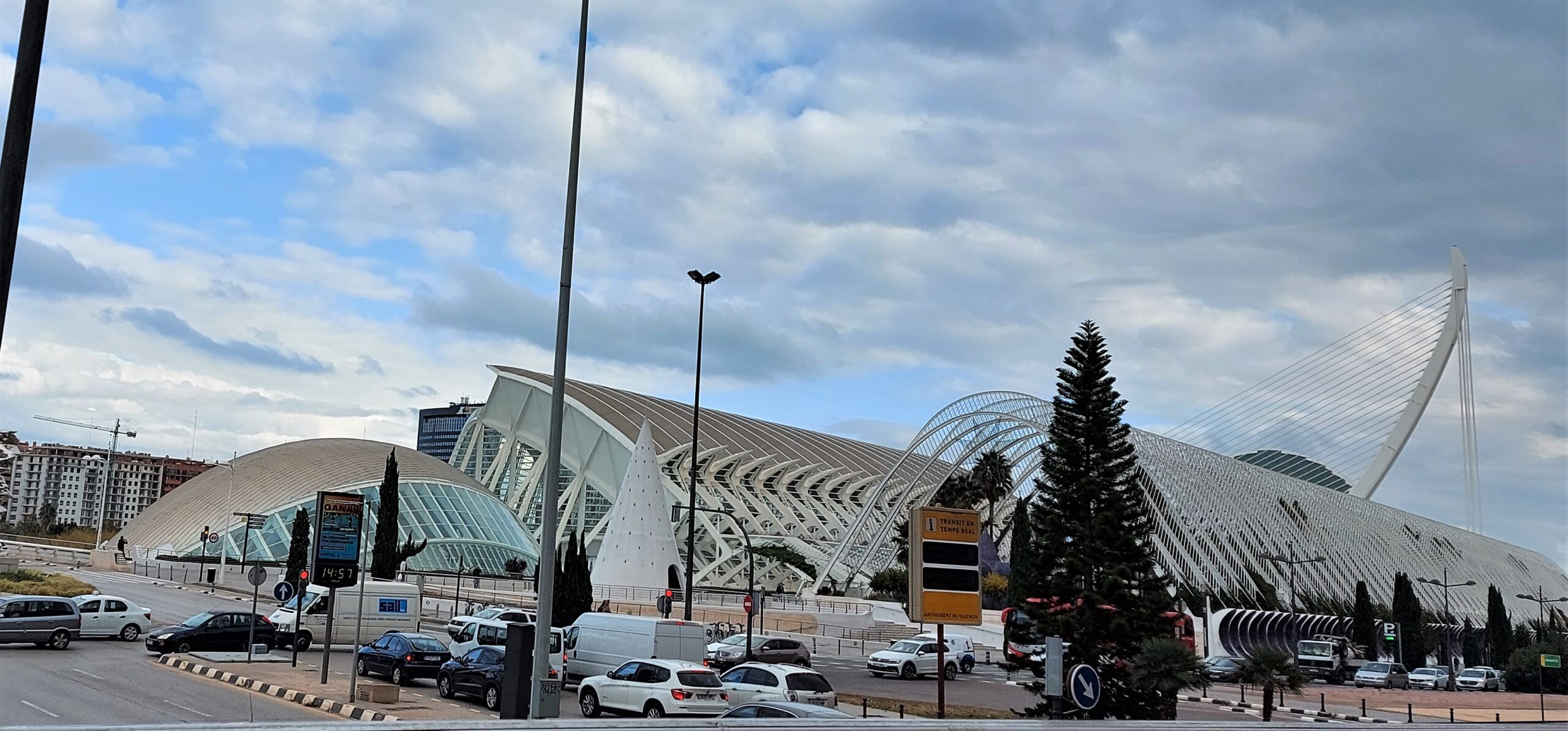
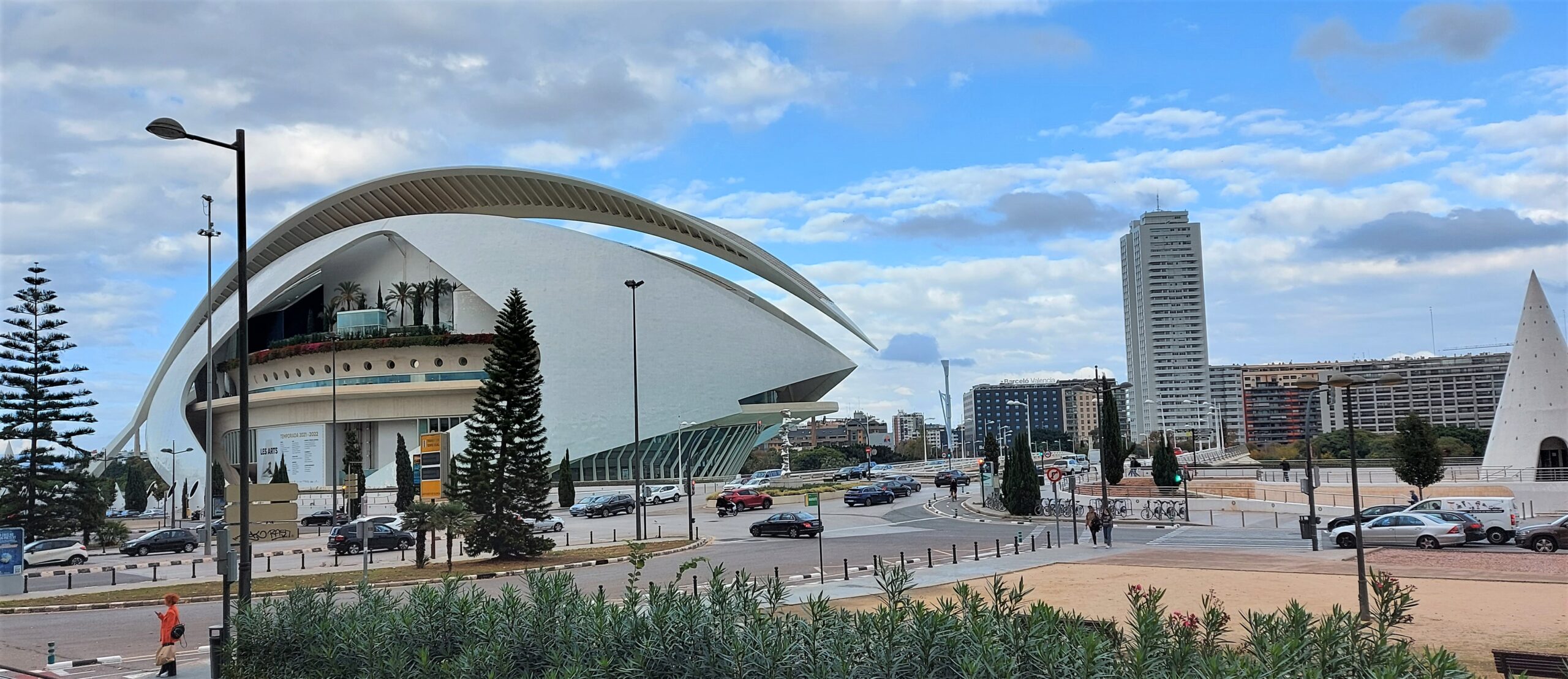
Thursday we drove to Valencia and hired a 19th floor apartment close to the Science and Art Parks, with stunning views over the city and back towards the port. We spent the afternoon and evening exploring the old port town and the sea front before returning her to the airport very early the next morning. David and I decided to spend the day in Valencia and hopped on the Touristico Autobus, a tour of the city took over 3 hours in the midday traffic! Well worth it as we got to see some amazing buildings and sights.

Our Apartment!!

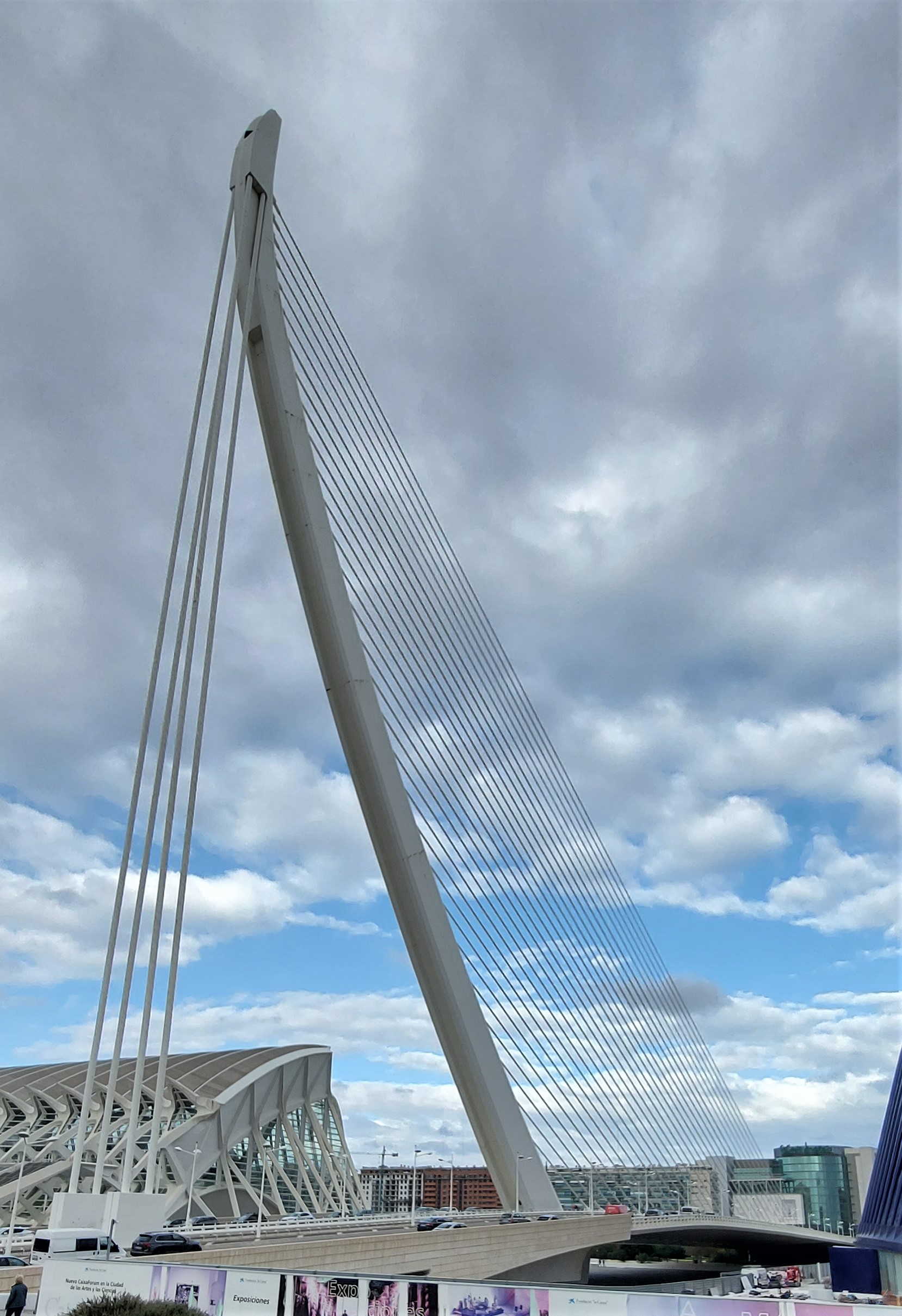
The Assut de l’Or Bridge is a white single-pylon cantilever spar bridge in the City of Arts & Science, crossing the Turia Gardens, built in 2008 by Valencian designer Santiago Calatrava. The name means “Dam of the Gold” and refers to the dam located nearby. The pylon curves backwards, held in place by concrete counterweights in the road. The 29 parallel cables supporting the deck carry 6 lanes for cars, an extra lane for trams and another for pedestrian and cycle traffic.

The Assut de l'Or Bridge in Valencia, Spain

East Coast Tourists

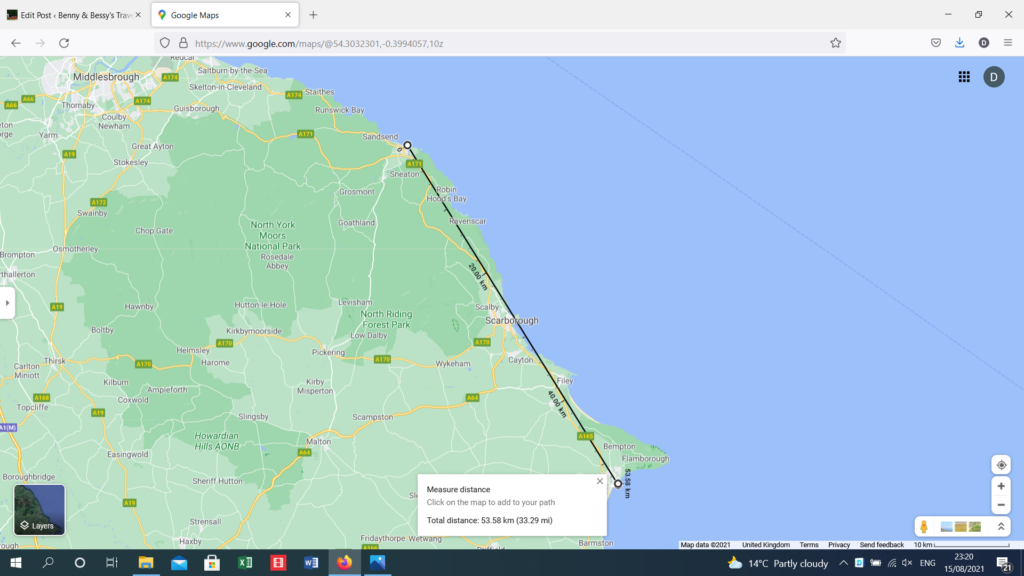
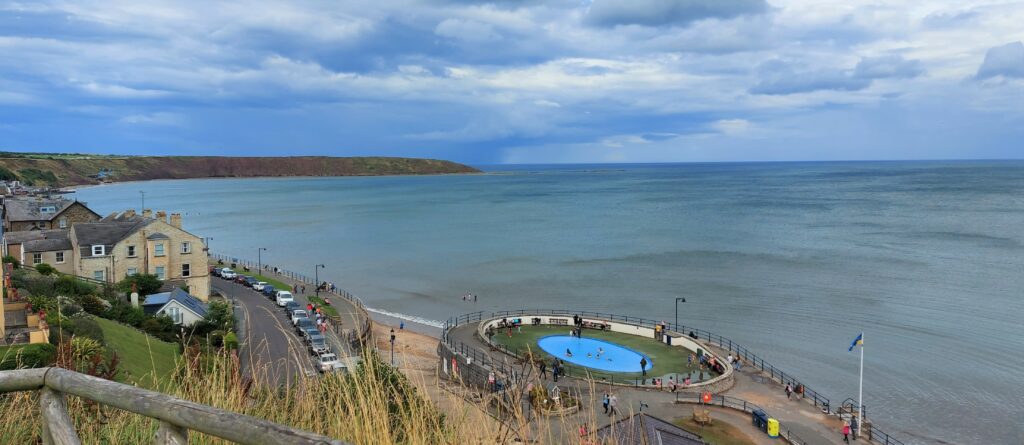
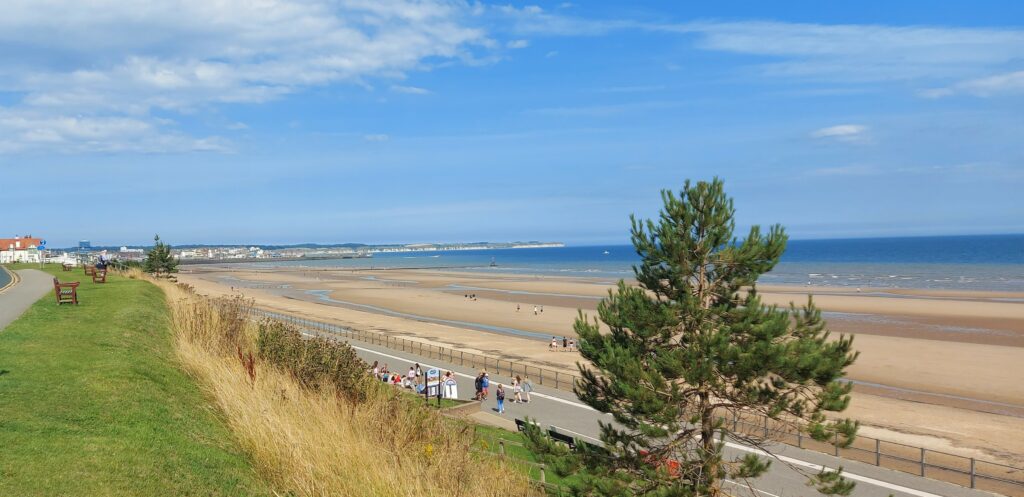
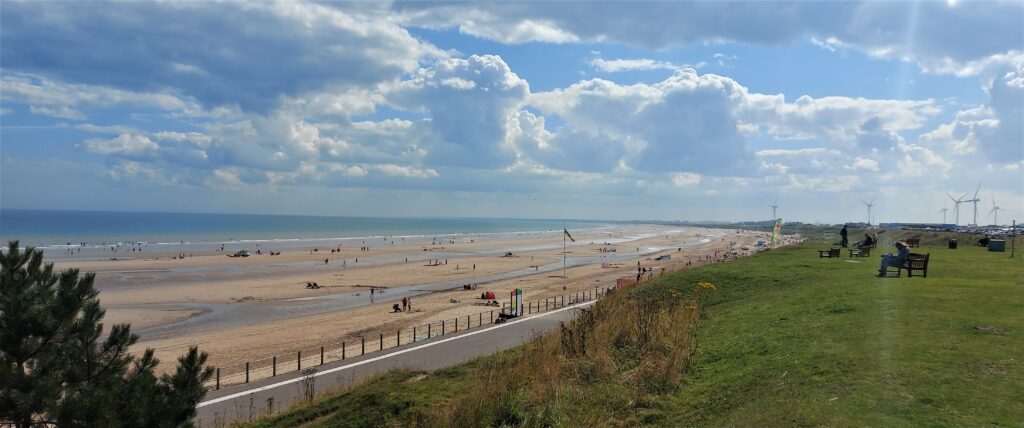
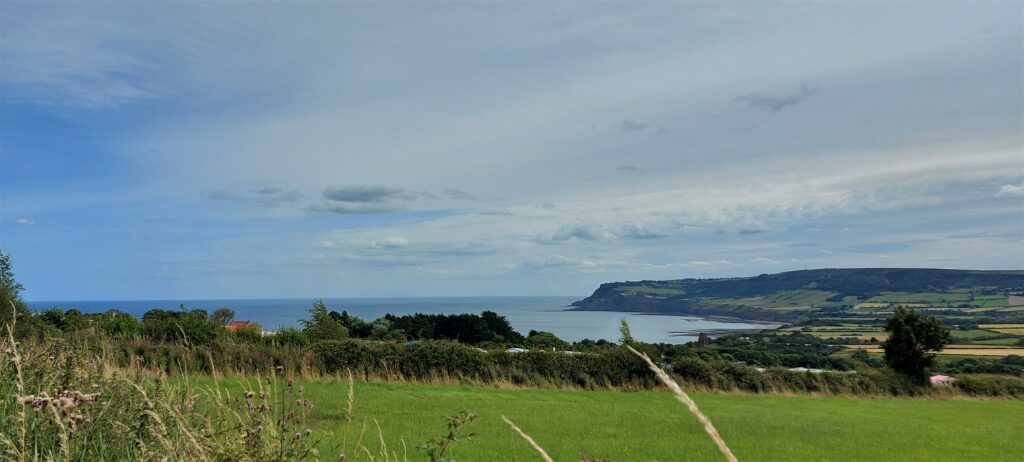
South from our base at Cayton Bay

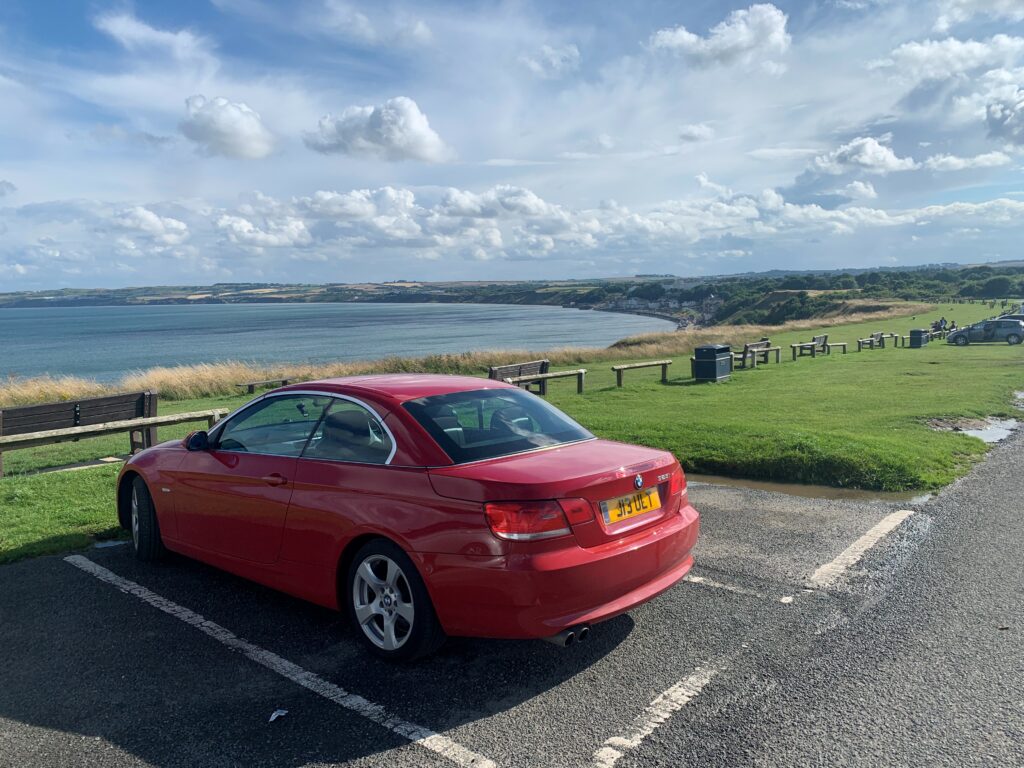
Bessy decided she wanted a trip to the East Coast, to see if the wind off the North sea was any warmer than off the Irish Sea. After a week, there is no clear winner, both are as freezing as the other! Benny was happier, several days were sunny so he was able to put the roof down and cruise the country lanes, some days it was just too windy!!

Filey

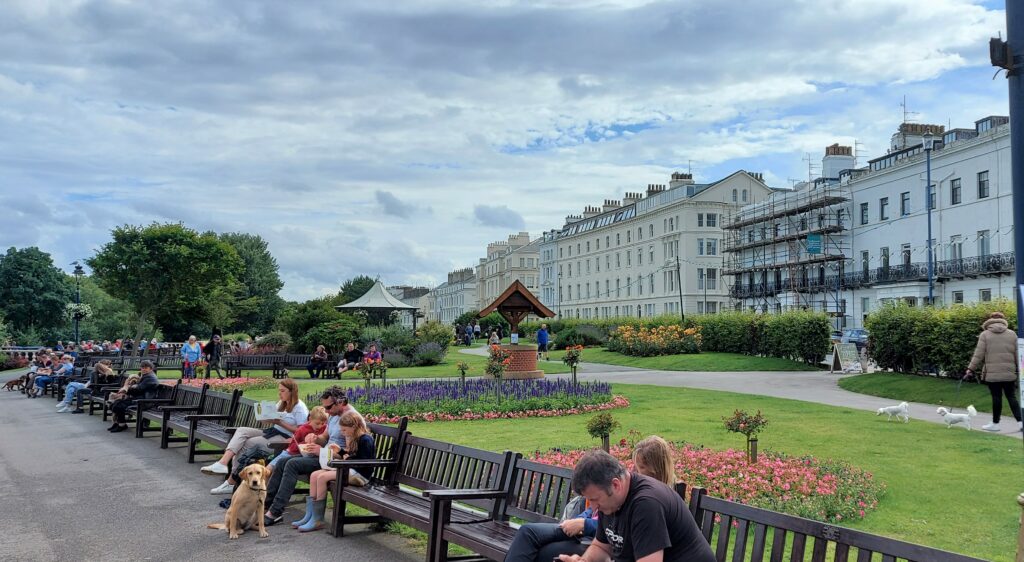
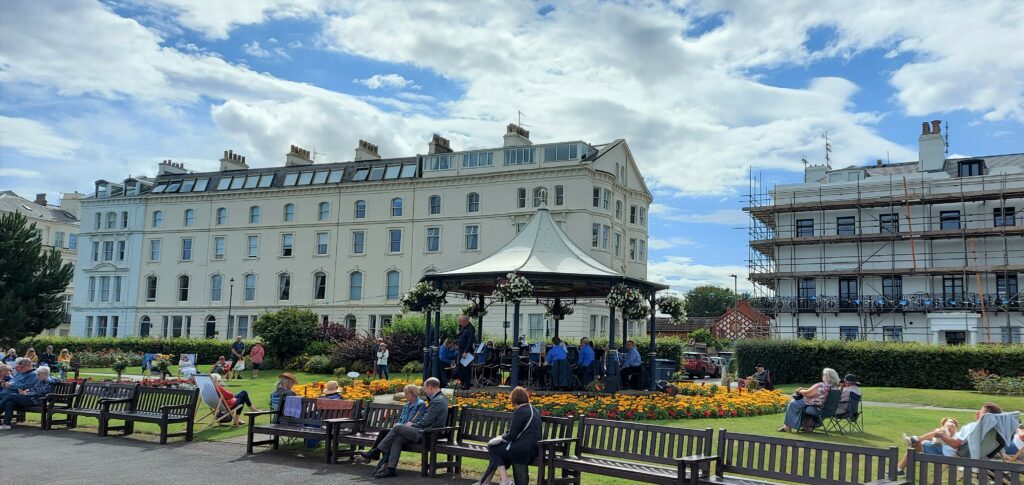
Our first day trip out was south to Filey, a quaint small seaside town, with traditional accommodation on a hillside village, with very little of the hustle and bustle of bigger coastal towns. We visited on a Sunday afternoon when the brass band was performing on the bandstand to a green full of people in deckchairs and on benches. Several coffee shops were open so we had to indulge in tea and cake!

Bridlington

Further down the coast from Filey was this small town, nicknamed the “Lobster Capital of Europe”.

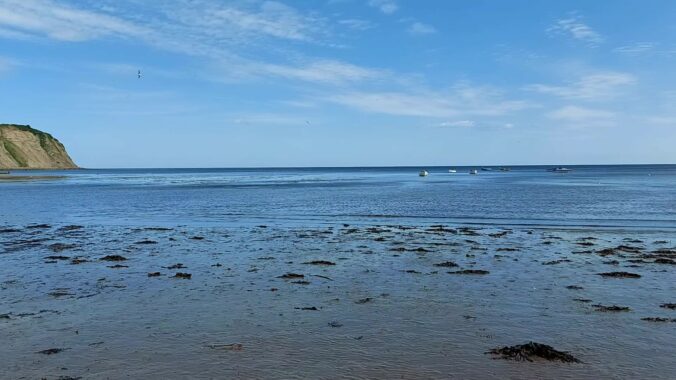
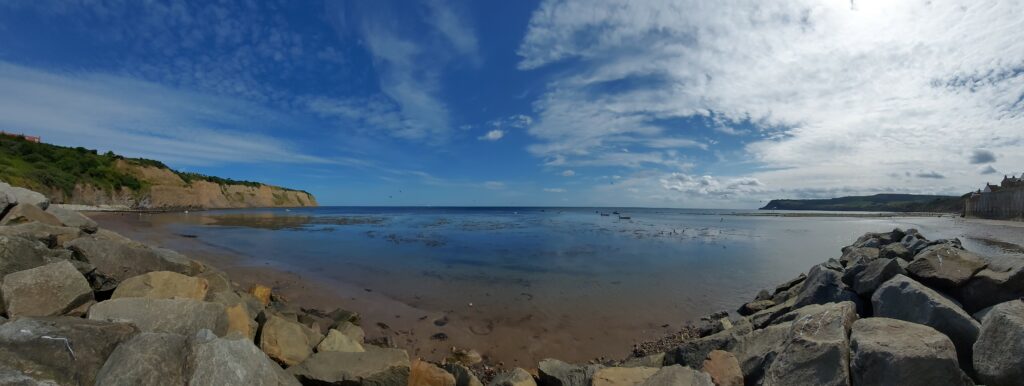
This place is a working fishing village but more famously known for its stunning beaches, child heaven!! We briefly stopped here, just to admire the coastline.

Flamborough Head – Seal Spotting!!

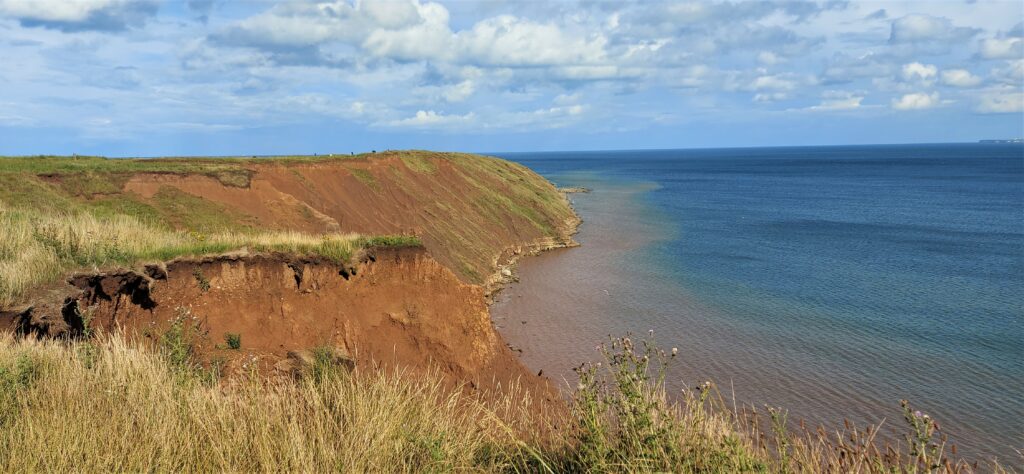
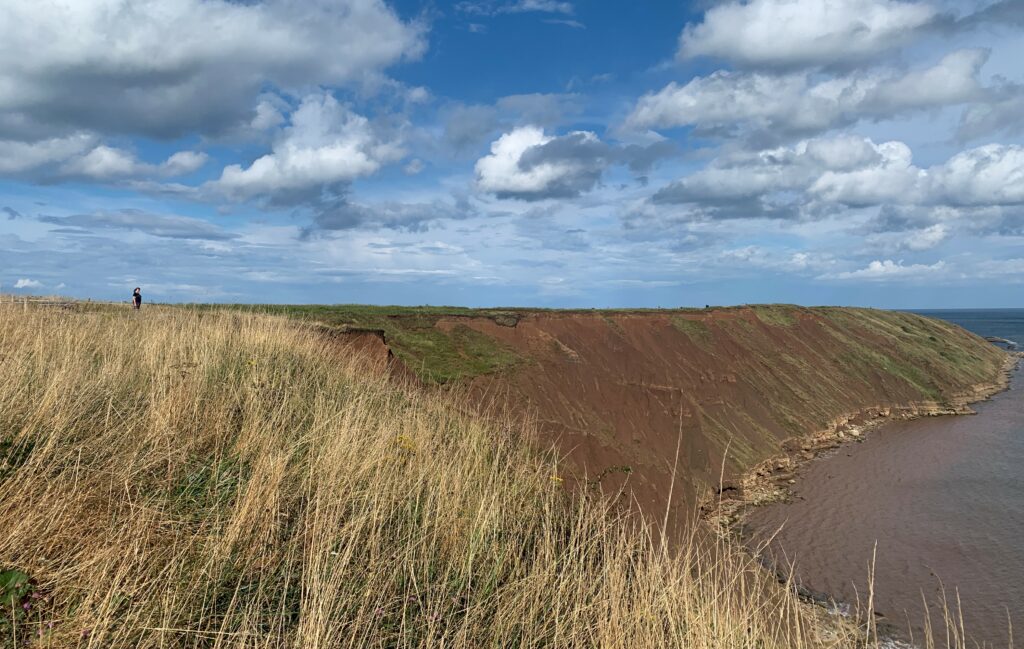
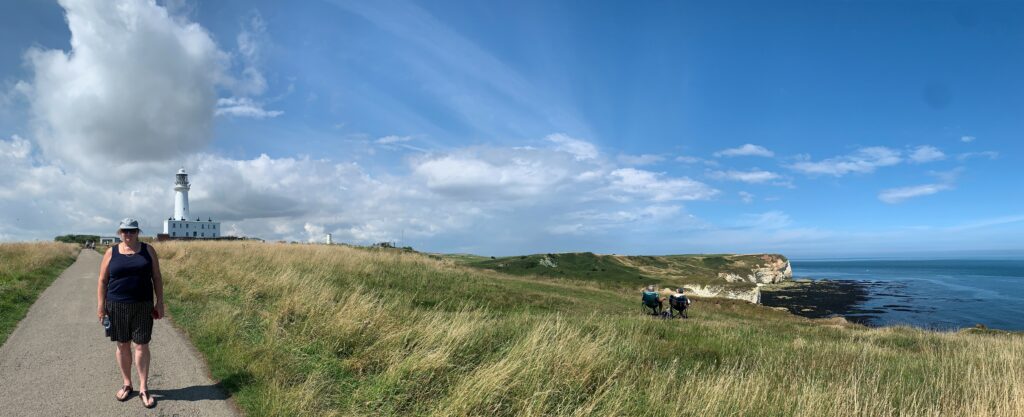
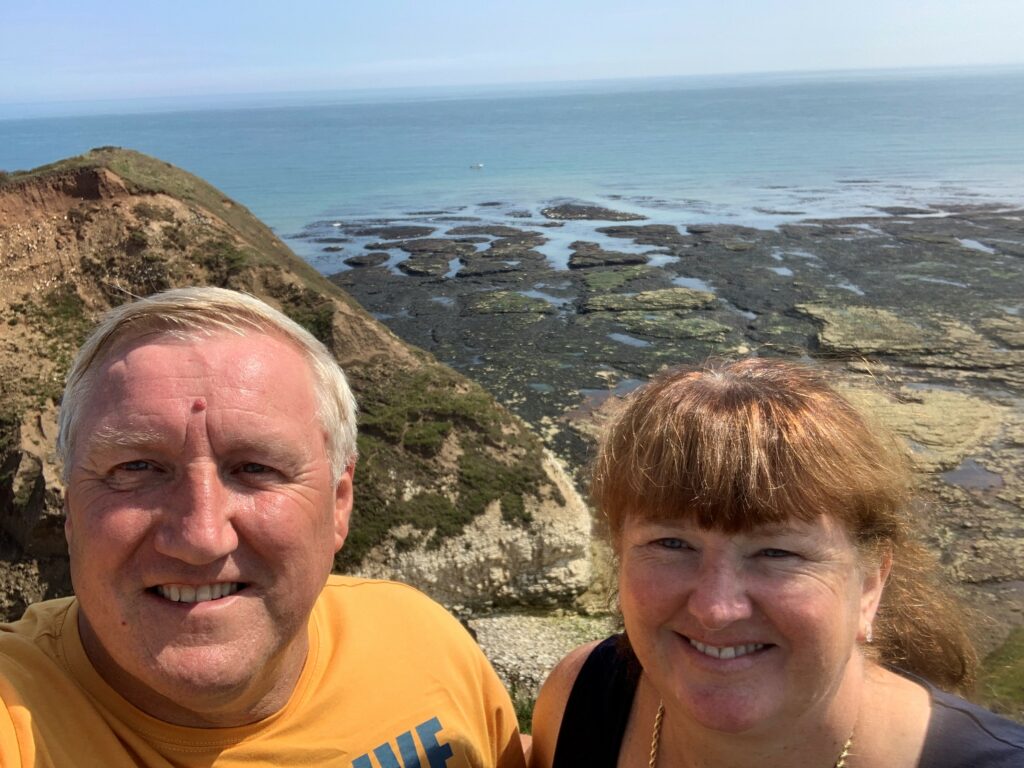
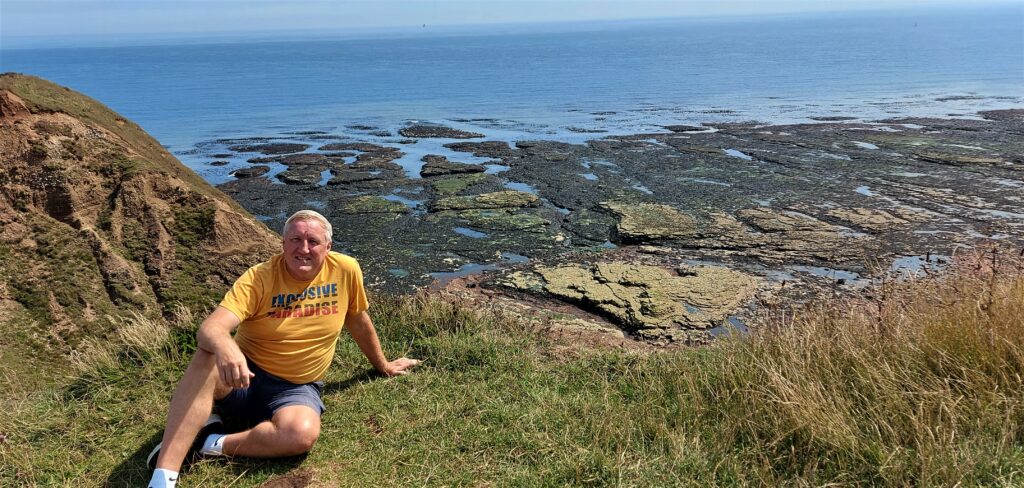
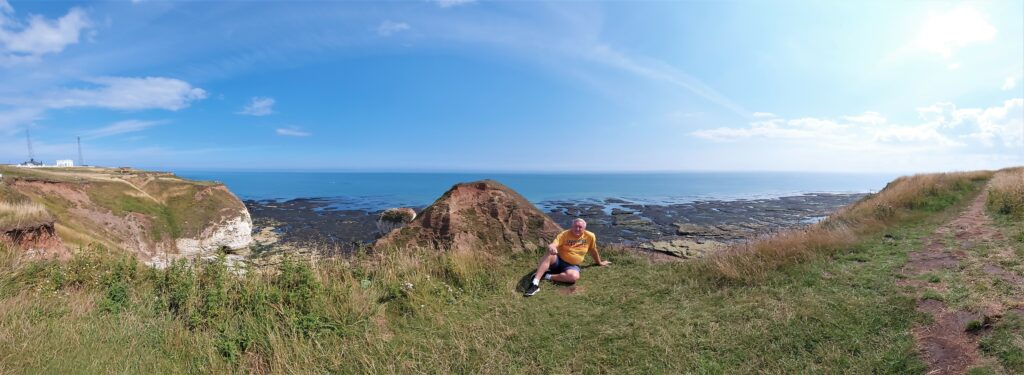
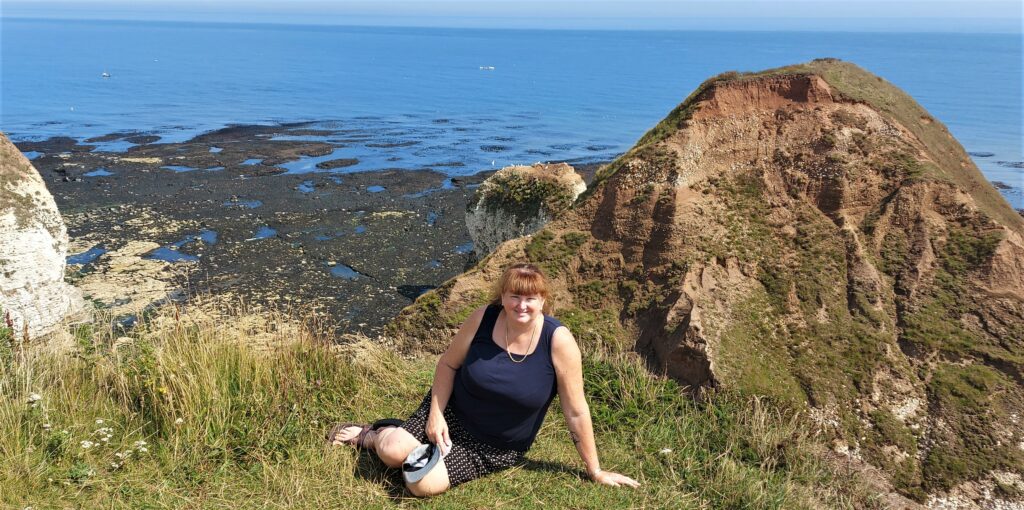
No trip to this side of the coast is complete without a stop at Flamborough Head, well worth the small parking fee to blow away any cobwebs, spot the basking seals and admire the fabulous coastal scenery.

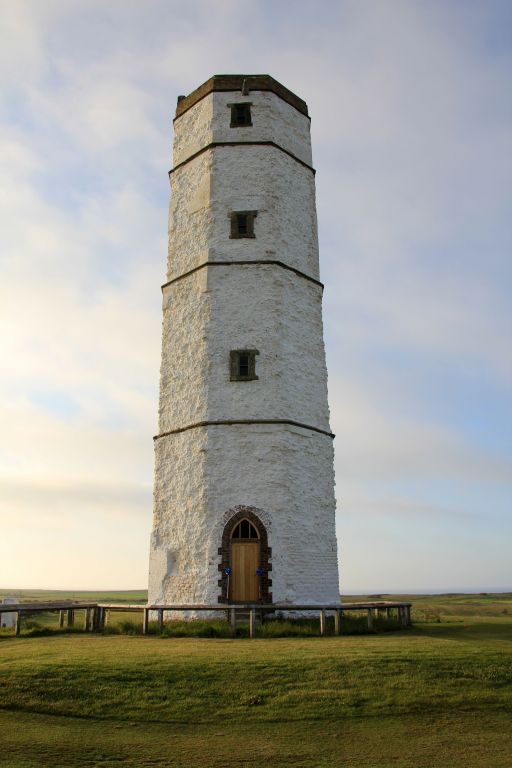
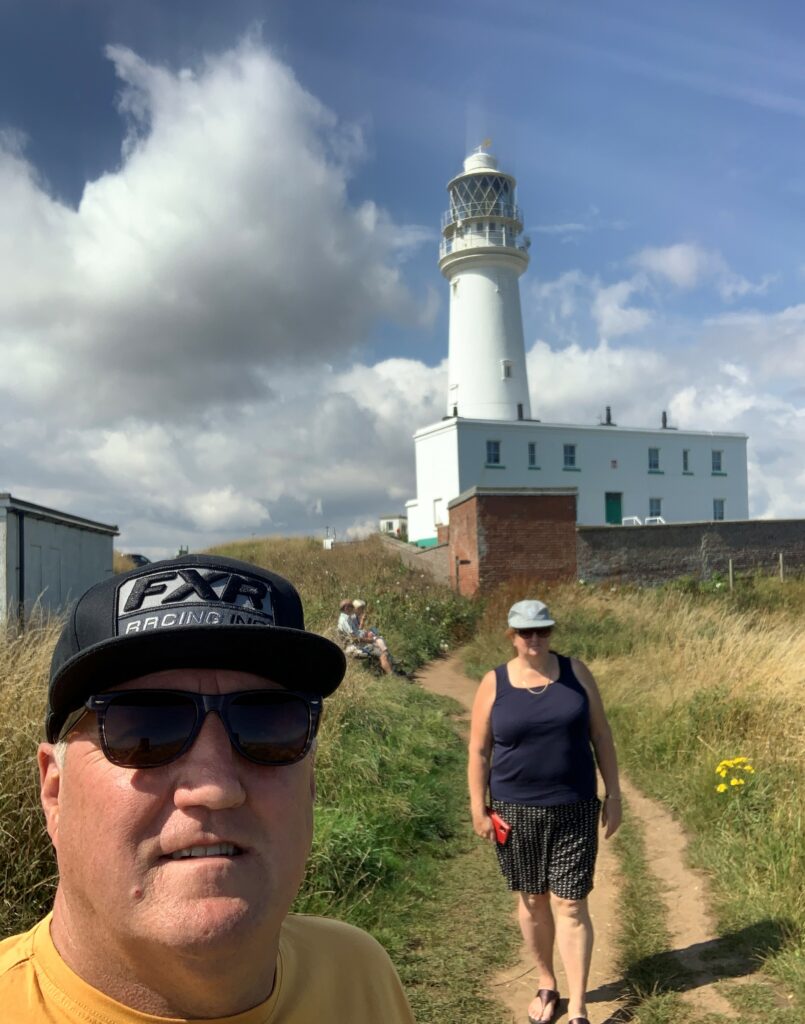
Flamborough Head is a high point of land that juts out into the sea, 8 miles long on the Yorkshire coast, it is a chalk headland with sheer white cliffs. The cliff top has two standing lighthouse towers, the oldest dating from 1669-74, making it the oldest lighthouse in England. It was made from chalk but it was NEVER lit! Flamborough Head Lighthouse (no 2) is a working structure and was finished in 1806. You can still see it working today.

The original chalk lighthouse
The current working lighthouse

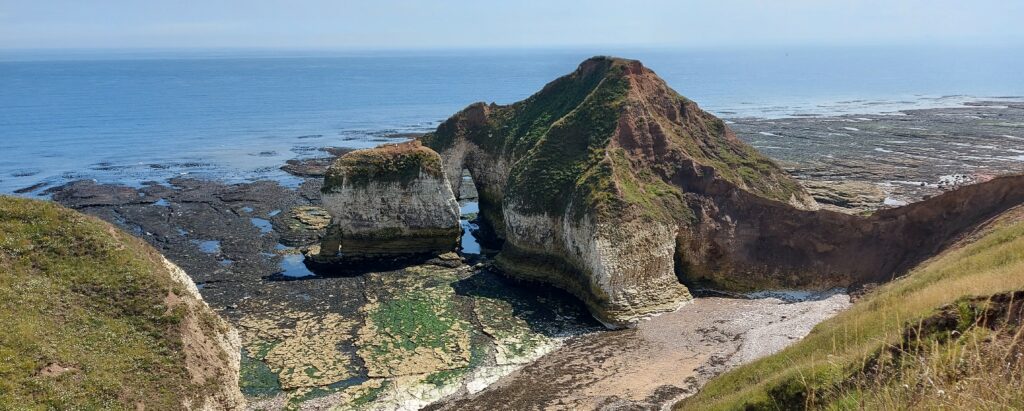
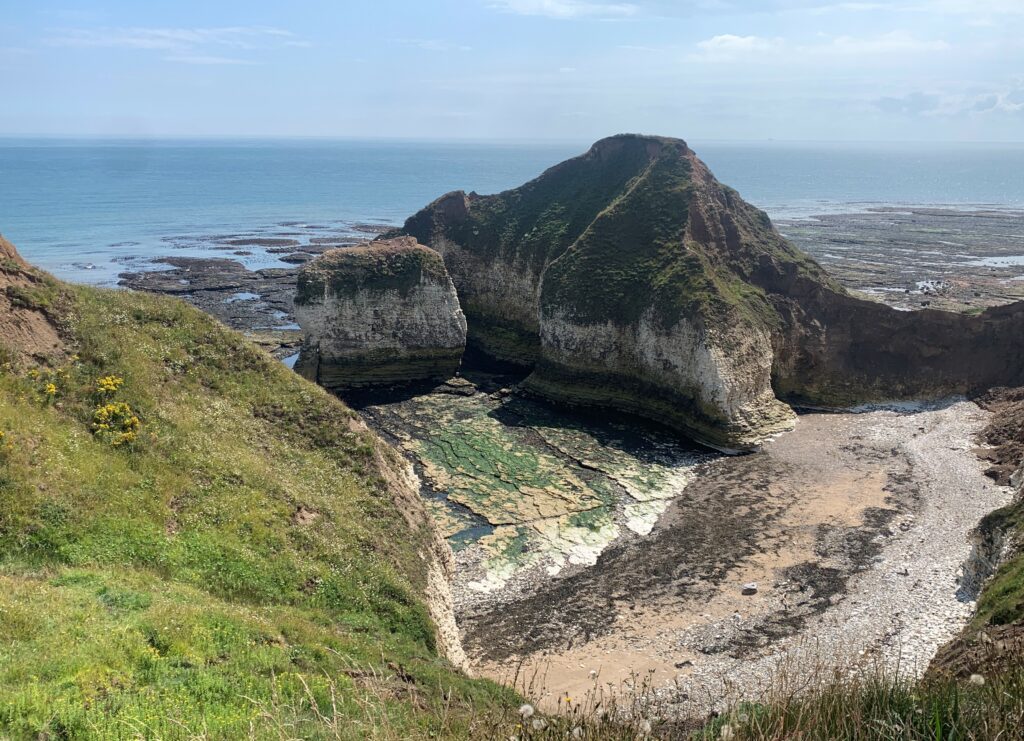
The scenery here was amazing, this formation is called “the drinking dragon” – when the tide is in and at the right angle it looks like a dragon drinking from the sea. Its “tail” has steep paths down to the beach but no-one was heading down there as there were seals nearby!

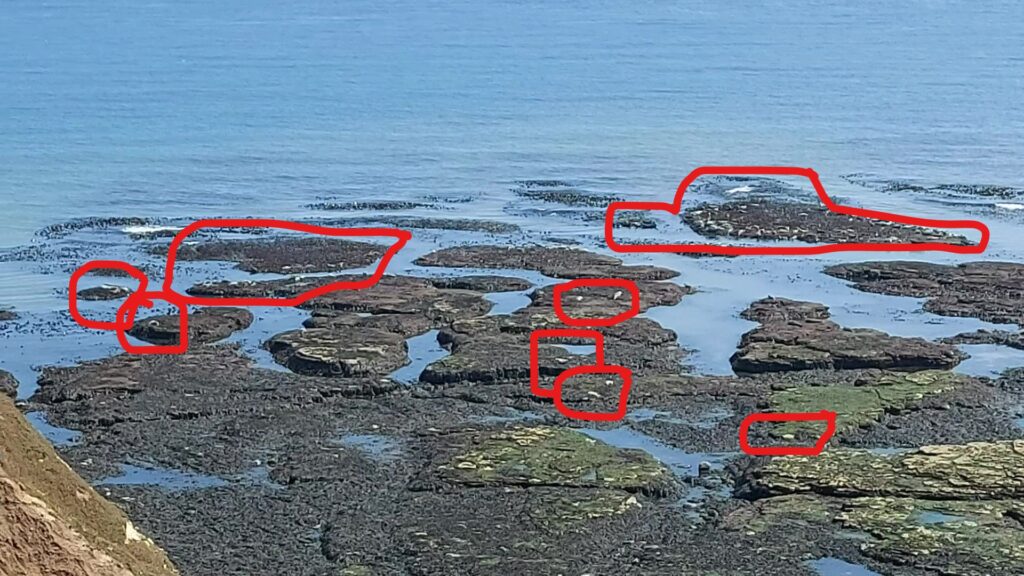
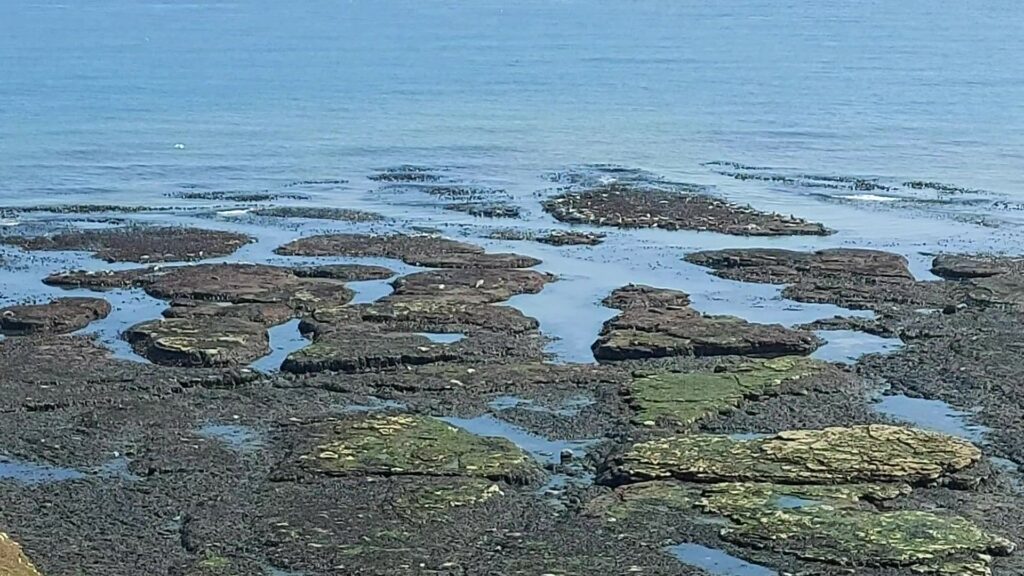
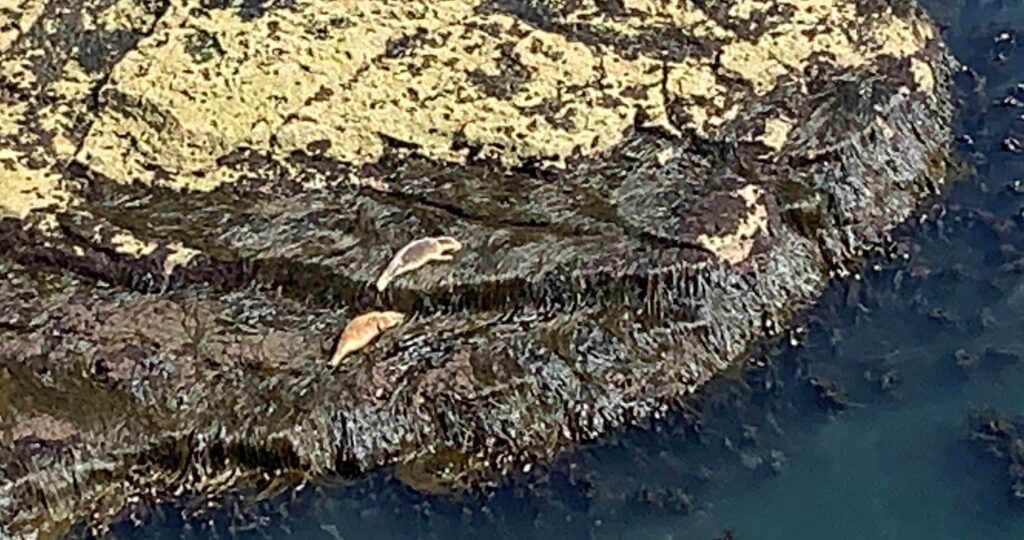
Just beyond the dragon’s spine, we were lucky enough to spot a large “family” of basking seals, some grey babies, mainly adults. A ‘knowledgeable’ man passing by suggested there was a pod of over 100, they come up onto the rocks to digest their food. The odd barking sounds were different to anything we have ever heard before.

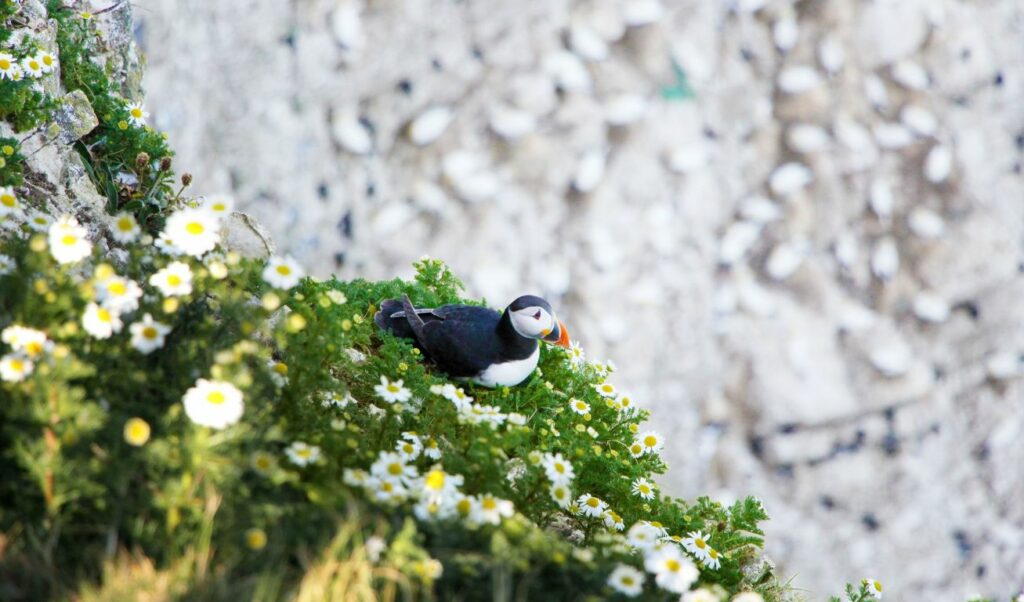
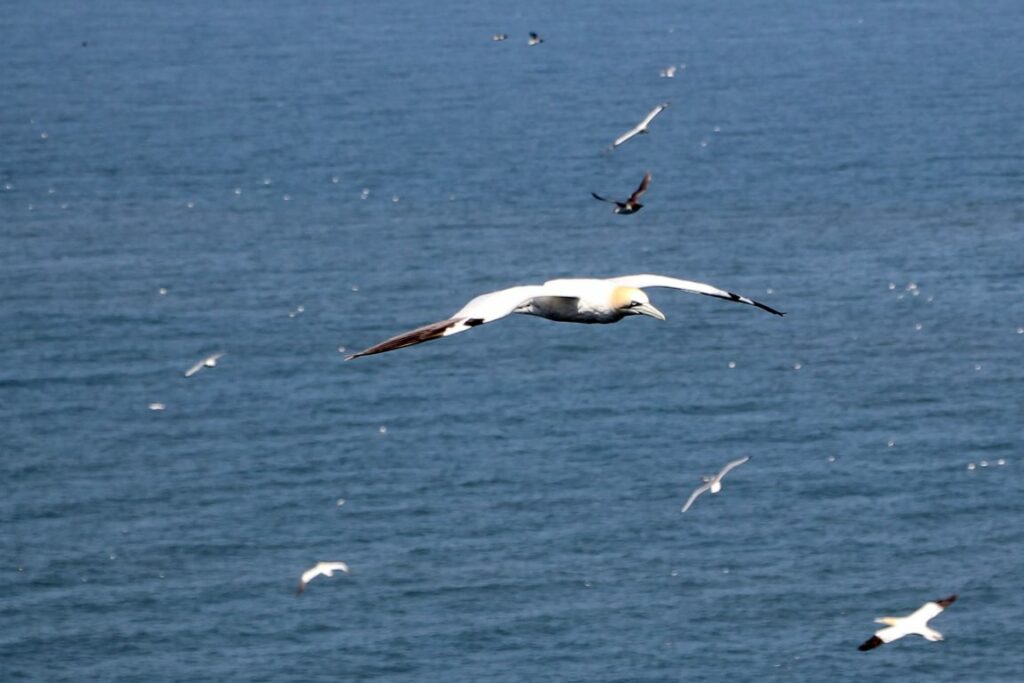
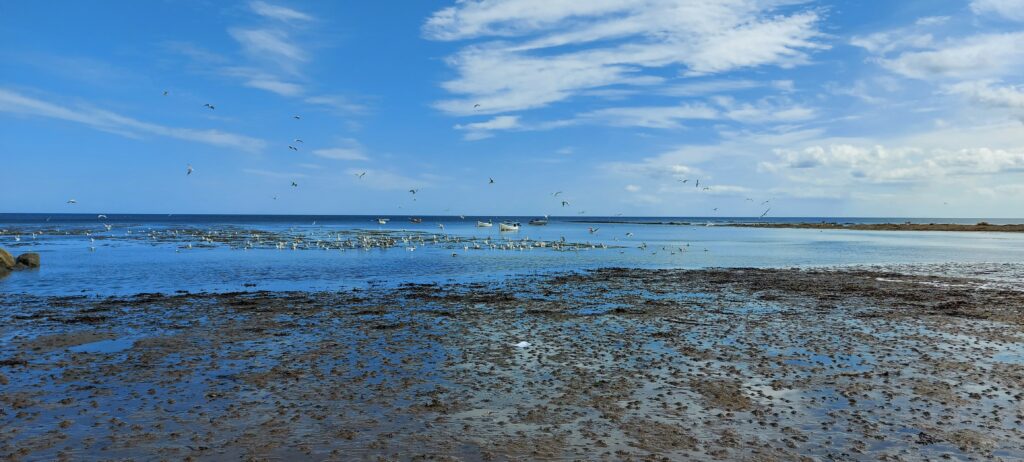
We were lucky enough to see several birds wheeling around, puffins nest here until the end of September and sea terns were diving into the shallow waters to scoop up small fish.

Heading North to Scarborough

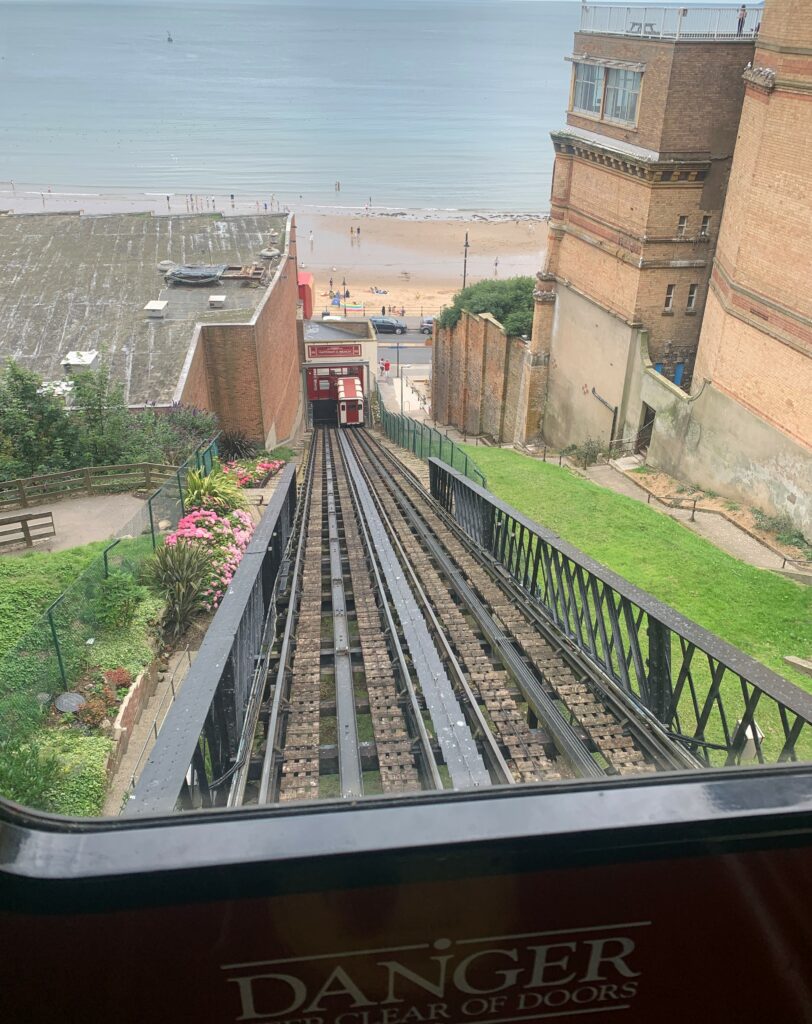
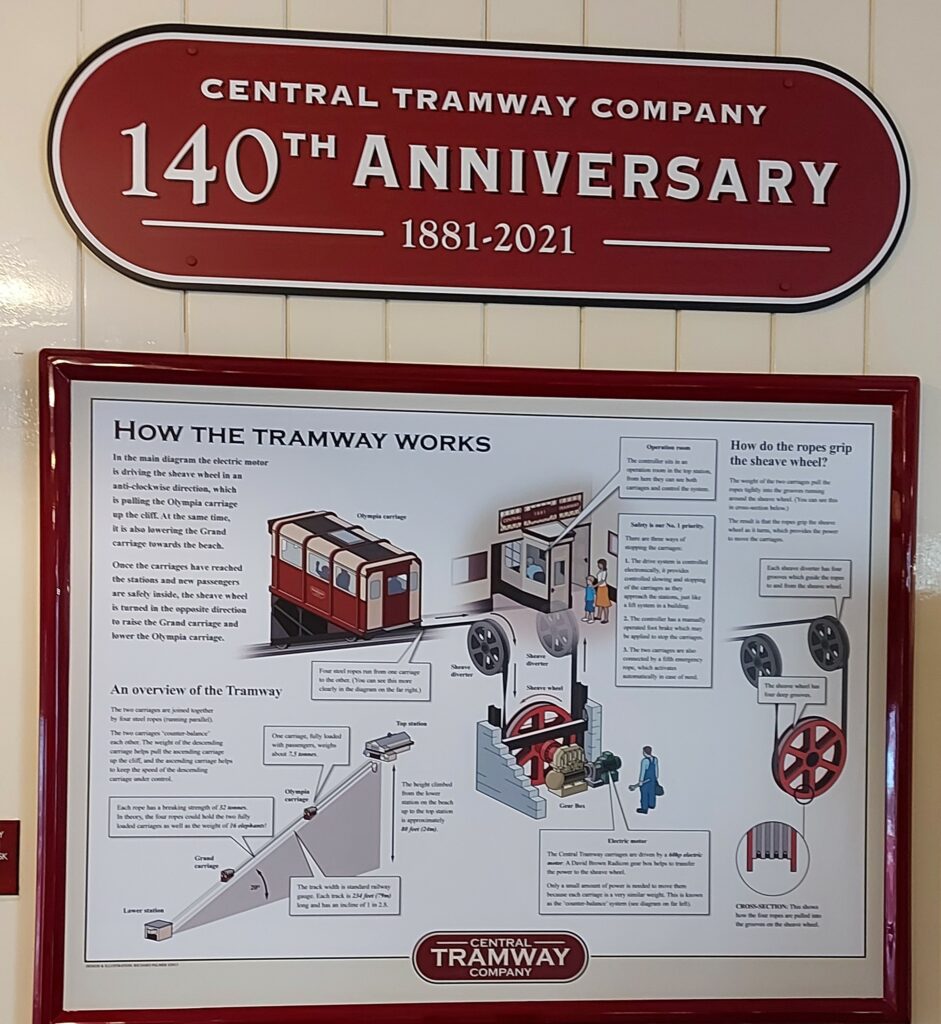
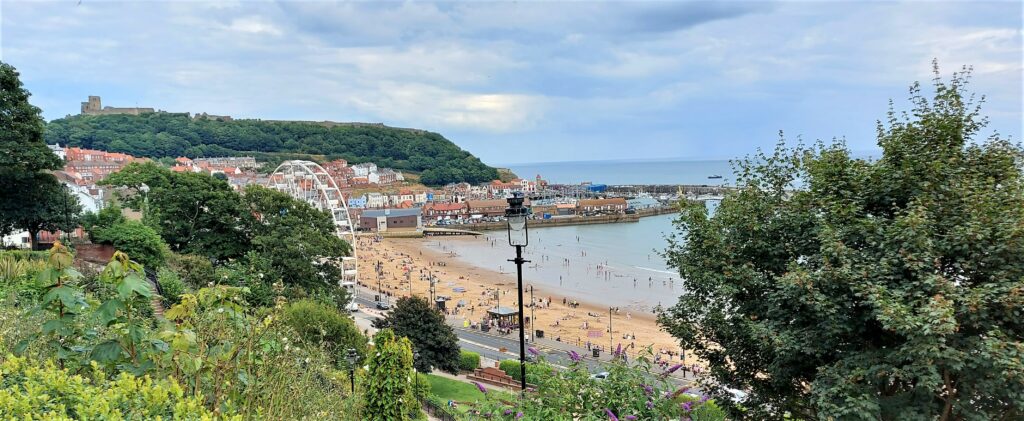
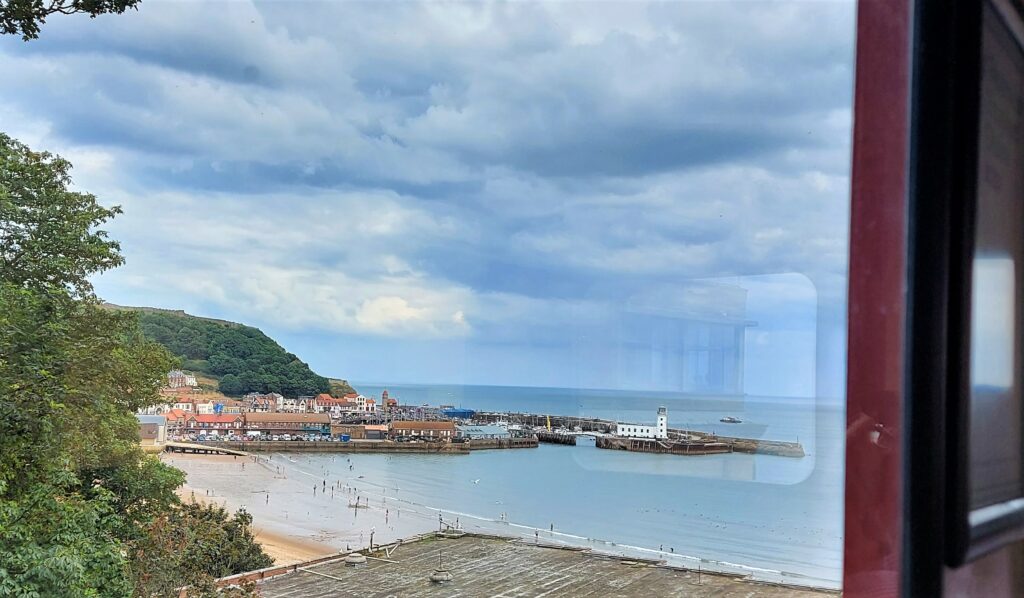
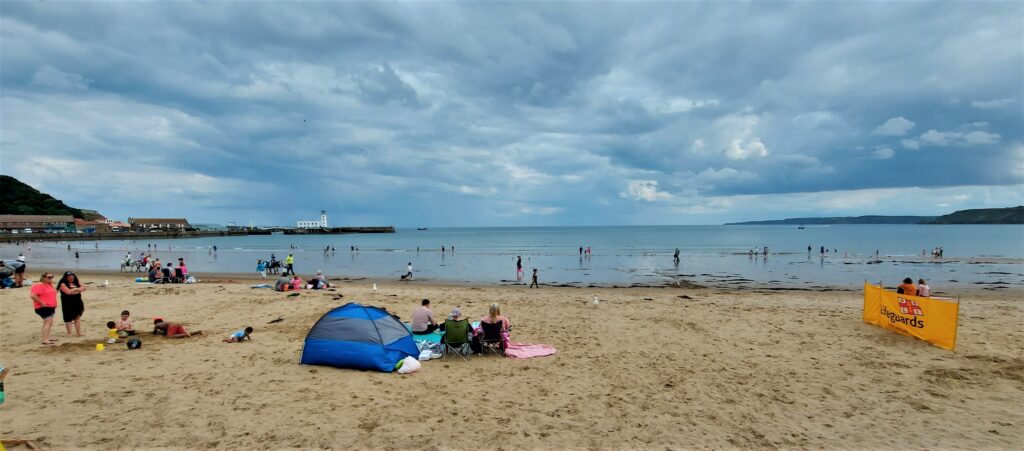
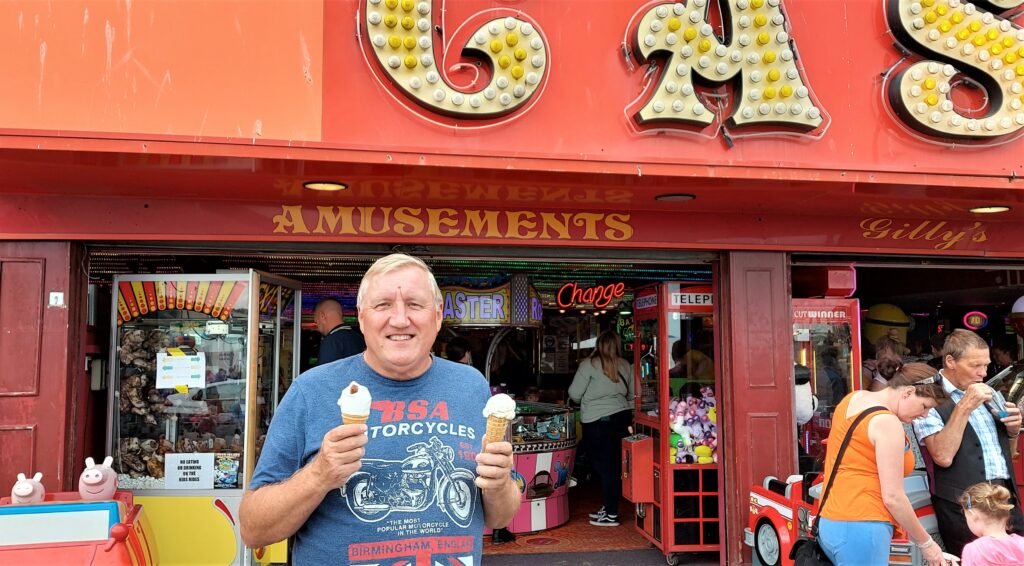
Scarborough is a typical seaside town, an old fishing village that still has a lively daily fish market but also has lots of arcades, takeaway food shops and sweet shops! We walked down to the harbour and got a lift up to the town on the tram railway, all for the sum of £2.20!

We went to the theatre one evening, sadly most of the decent restaurants closed on a Monday and/or Tuesday night so we had to make do with Wetherspoons!

Robin Hood’s Bay

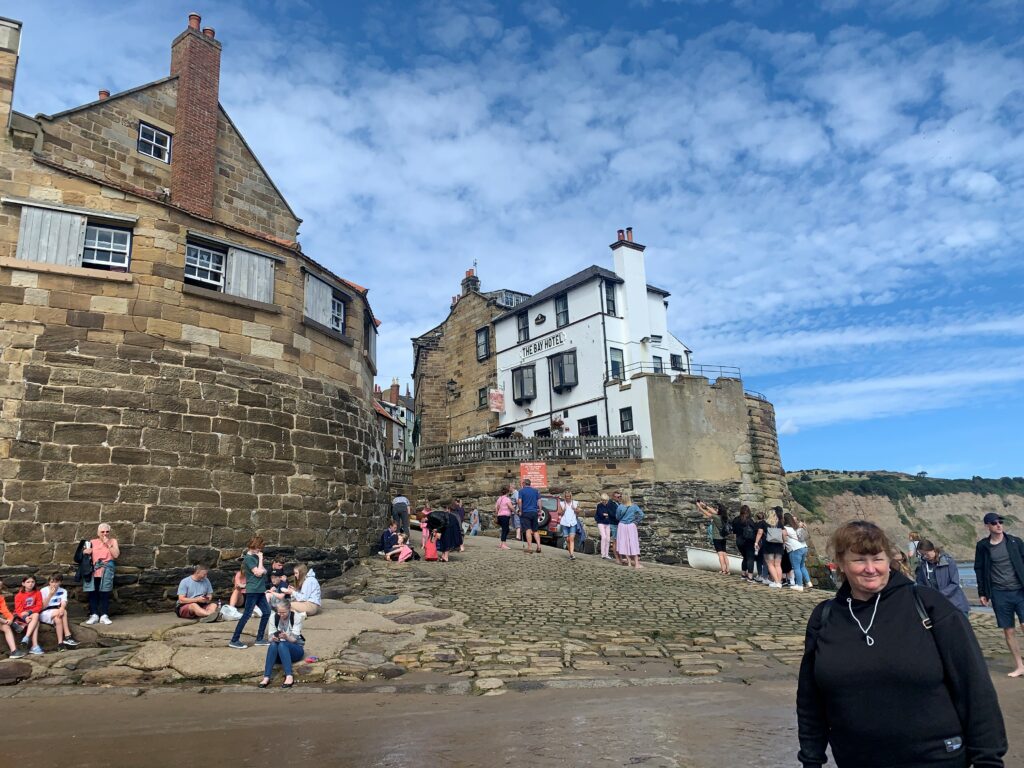
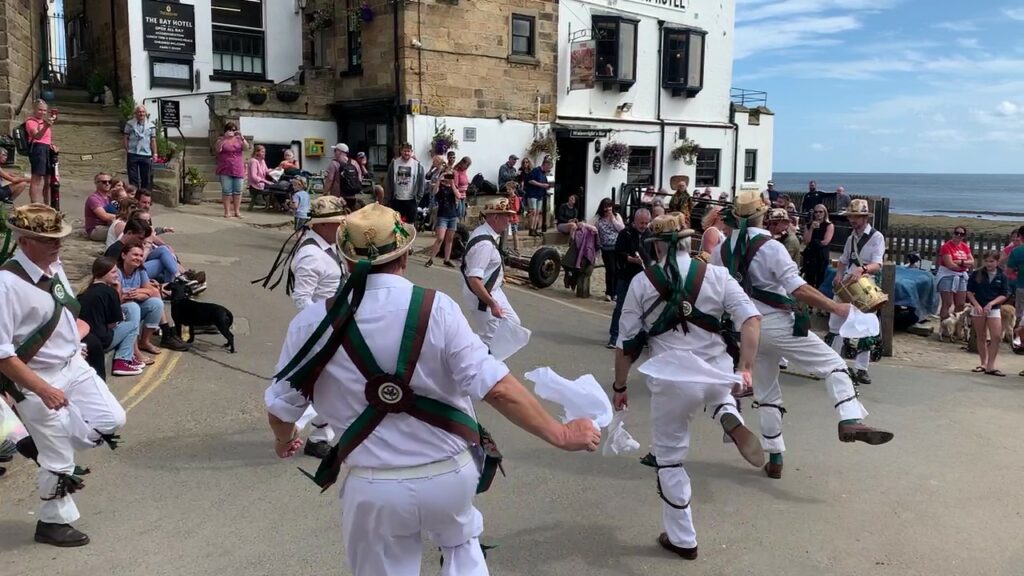
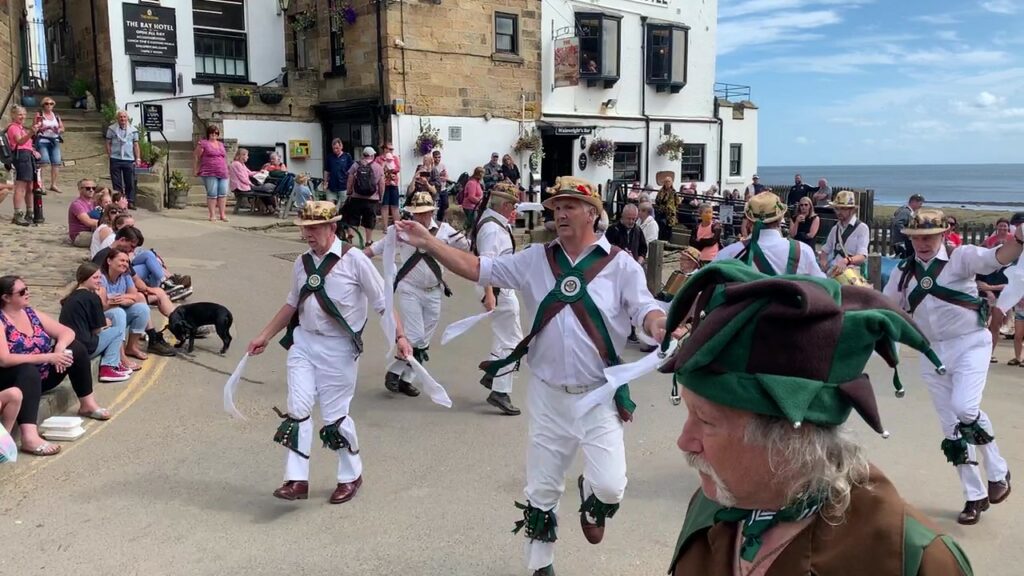
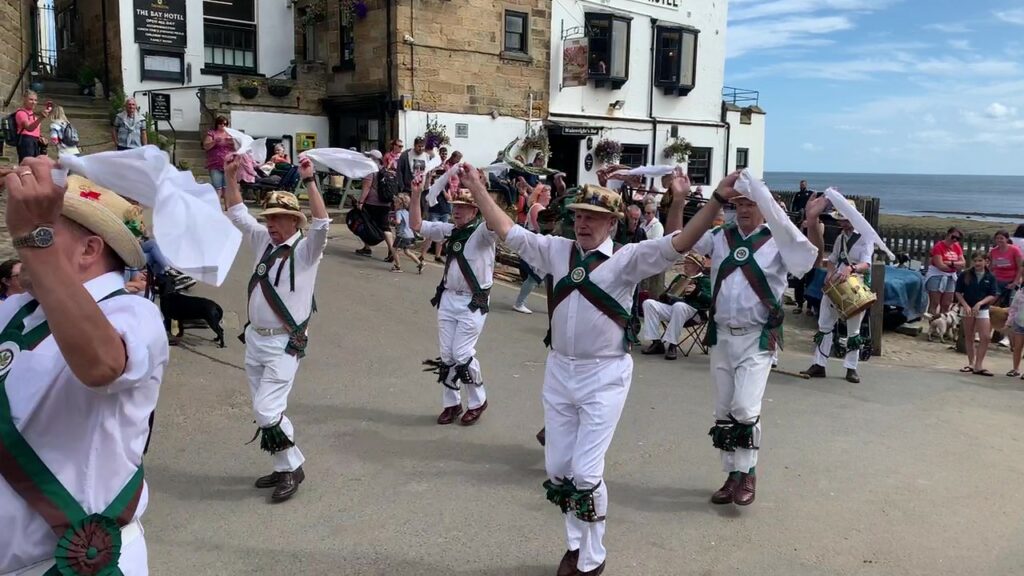
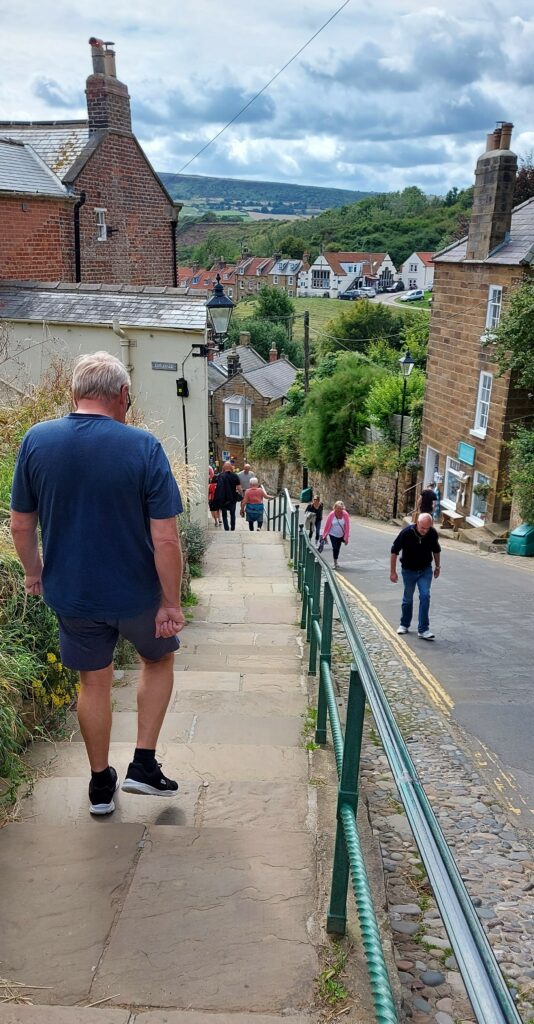
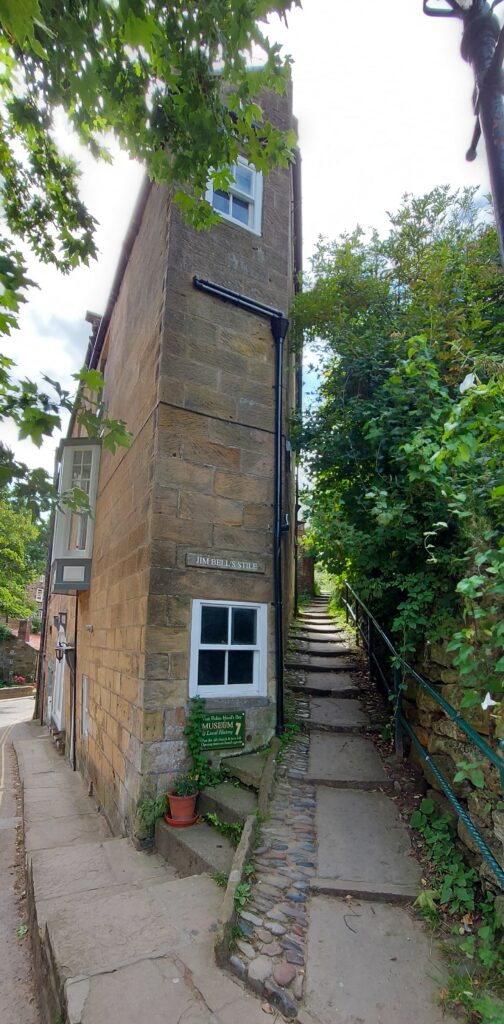
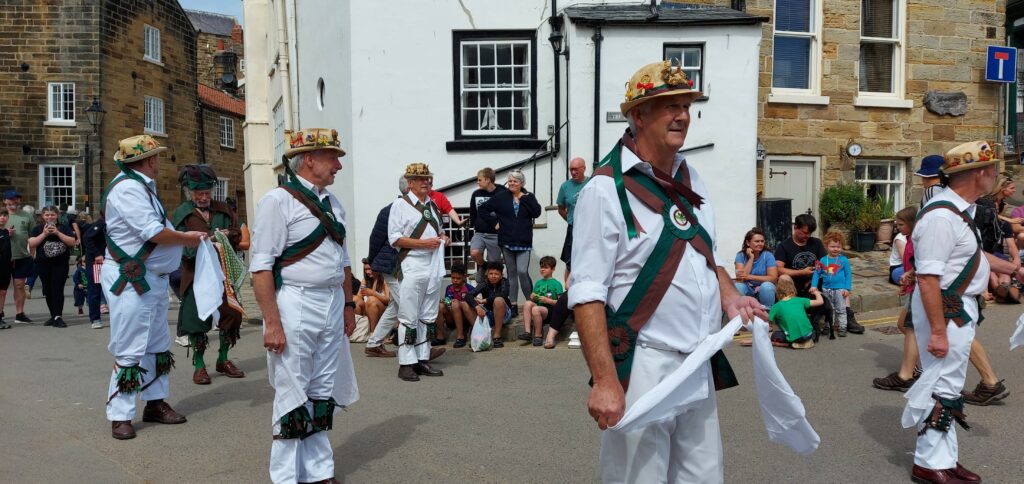
Visited here one chilly Sunday, didn’t realise how steep a road could be! Just as we were about to head into a cafe for lunch, a Morris dance group arrived and performed their first dance for 18 months, you could tell – some of the men were a bit stiff and had forgotten the moves!

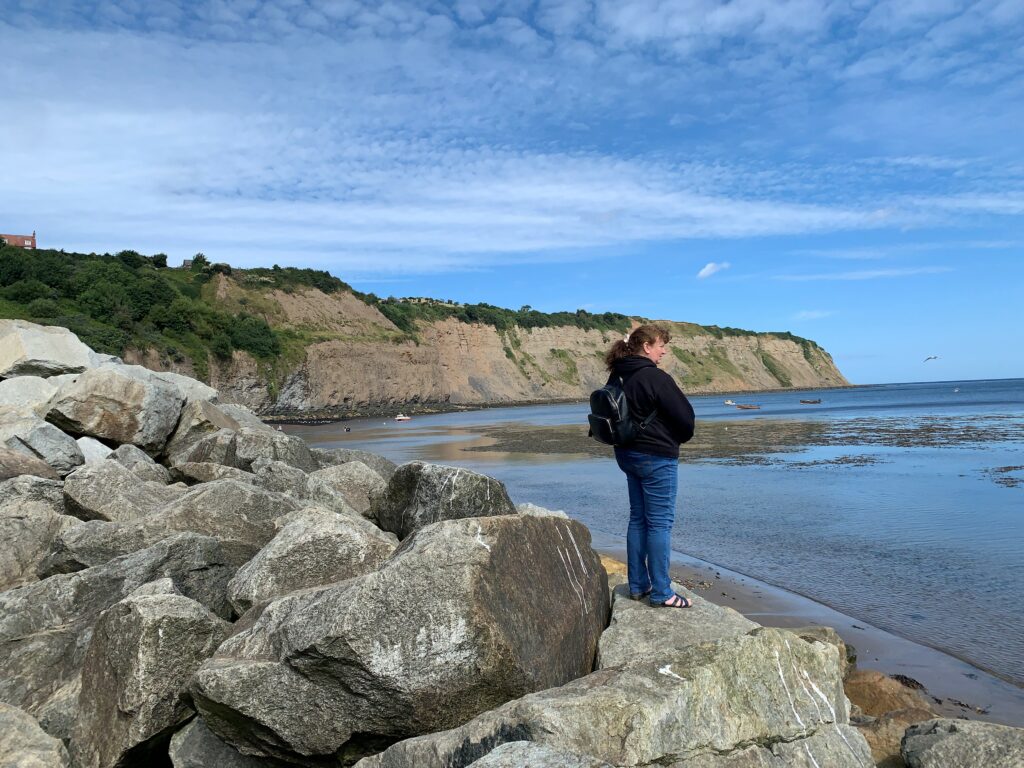
Robin Hood’s Bay is spectacular, amazingly small narrow streets that run up and down a very steep hill, ideal for olde worlde smugglers in years gone by…..would I like to live there? No thanks, far too much pressure on the calf muscles!!

And finally, Whitby!

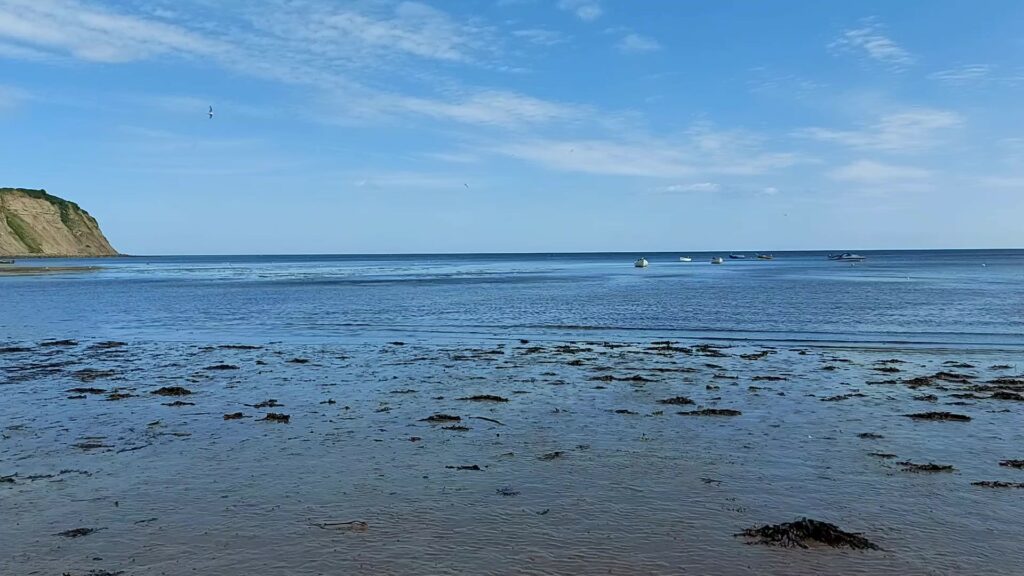
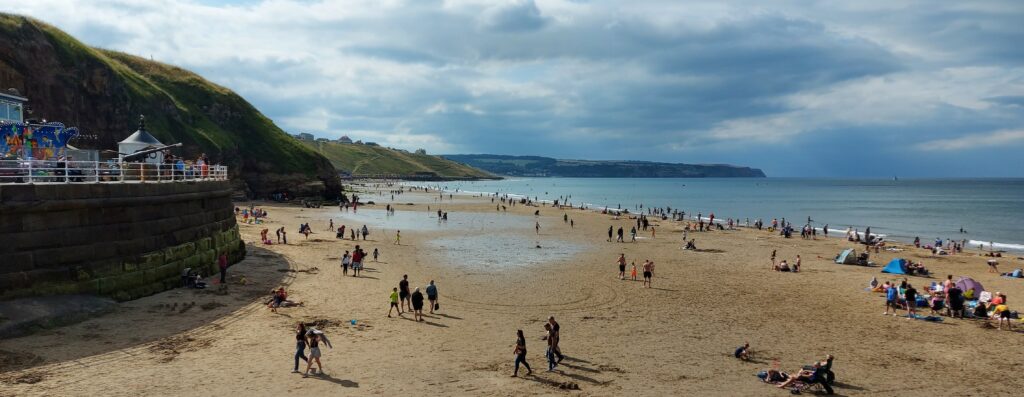
We visited Whitby twice, once to get on a steam train, the second time to do the tourist visit. We were a little disappointed with the beach, grey and full of debris, perhaps the grey weather didn’t help. The narrow streets were heaving with scantily clad people, despite it being chilly that day.

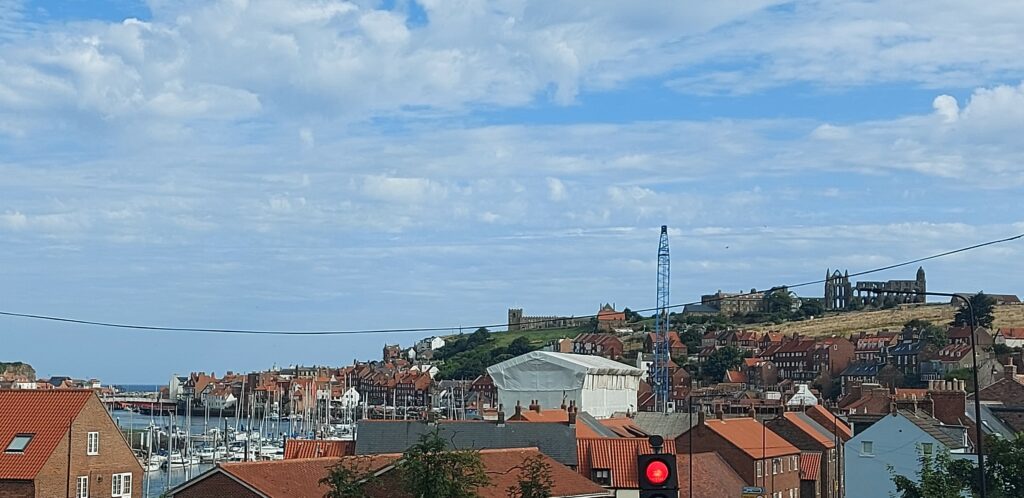
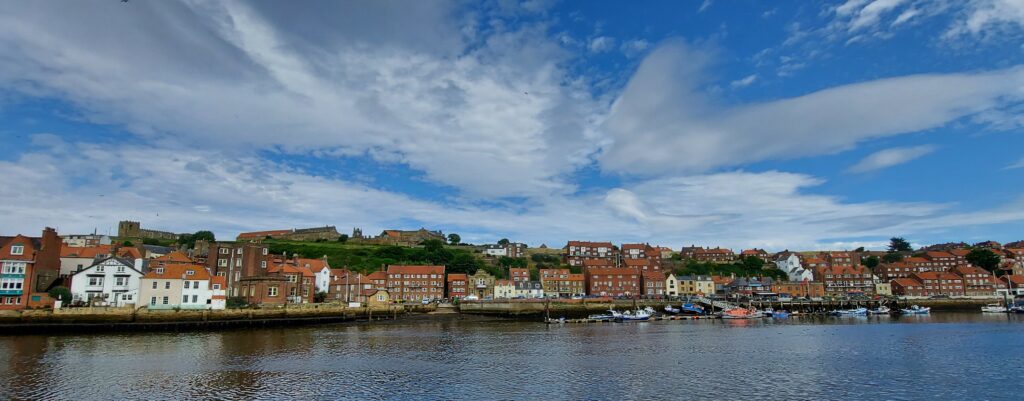
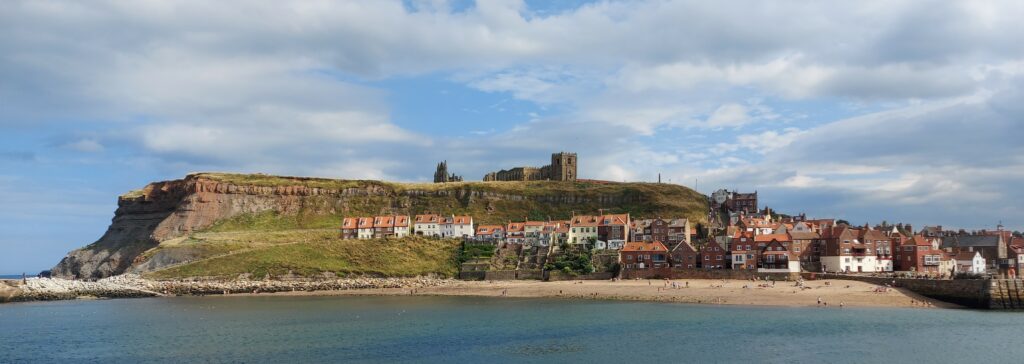
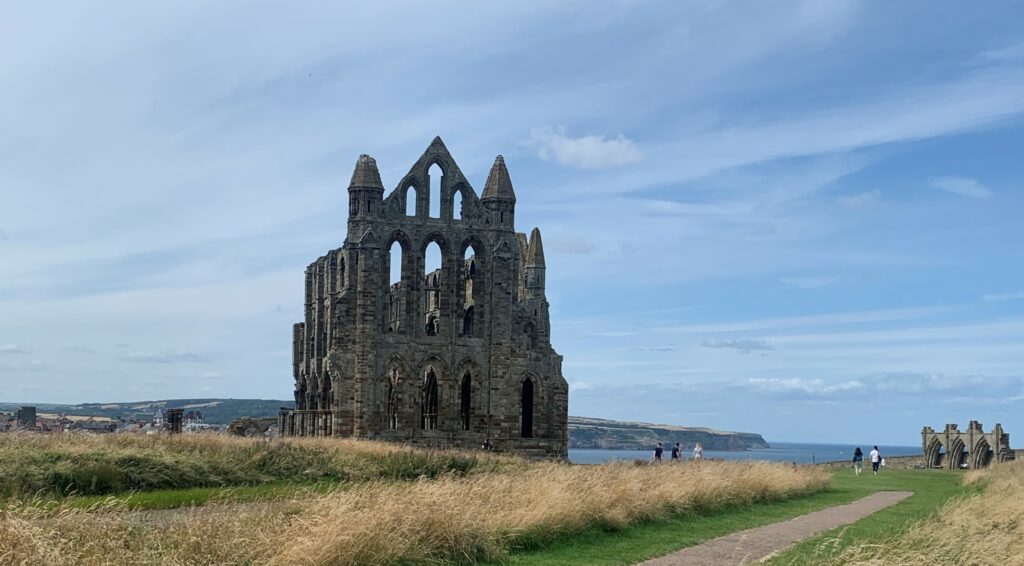
Whitby is another town split by the estuary entrance, one side is the main town, railway station and tourist centre, the other is the Abbey and Whitby House remains with a smaller village below, 199 steps up to the Abbey!

View of the Abbey from the train station
« Older posts Newer posts »