Travel stories of a caravan duo, plus a 5th Wheel and Isuzu truck in Europe

Category: History (Page 11 of 20)

Venice Part 2 – Robin & Charlotte

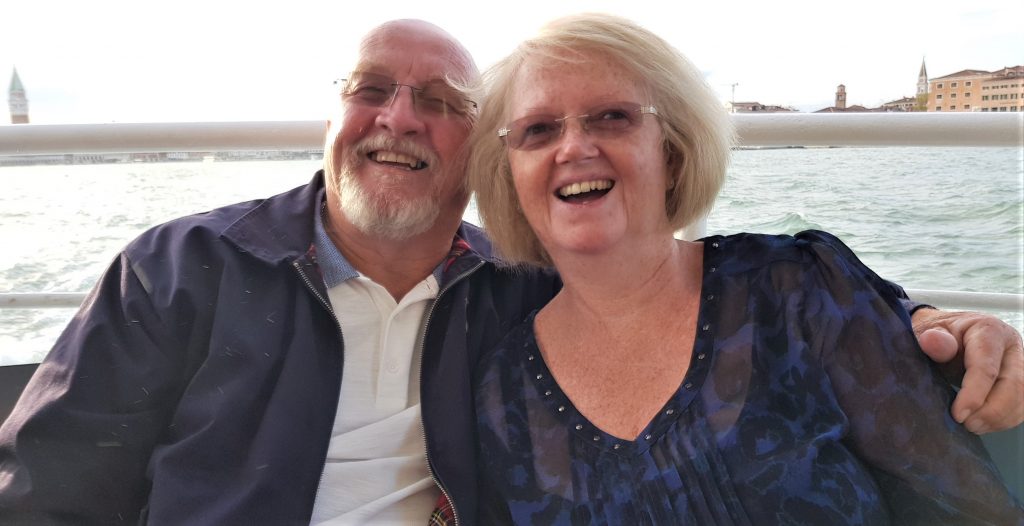
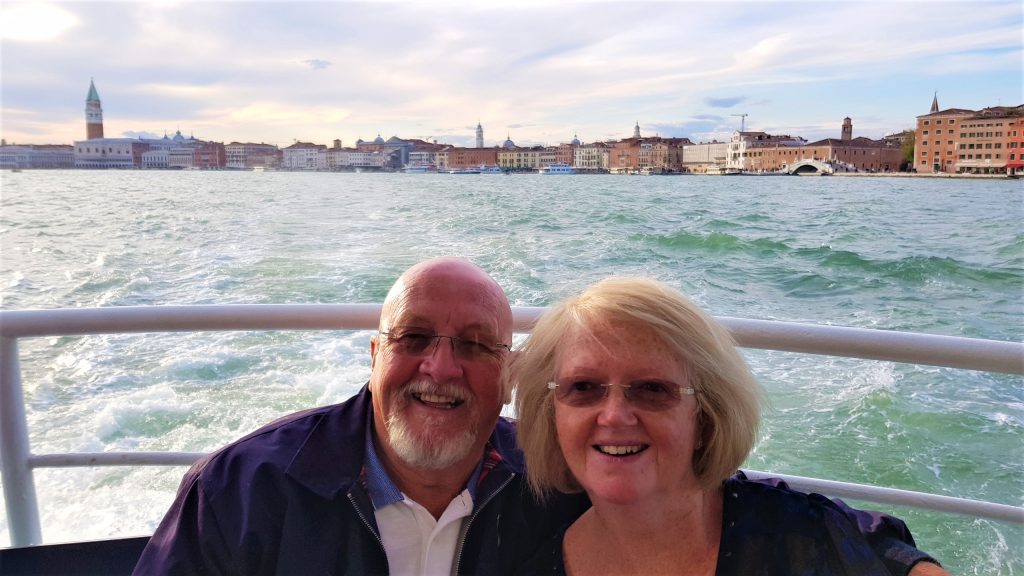
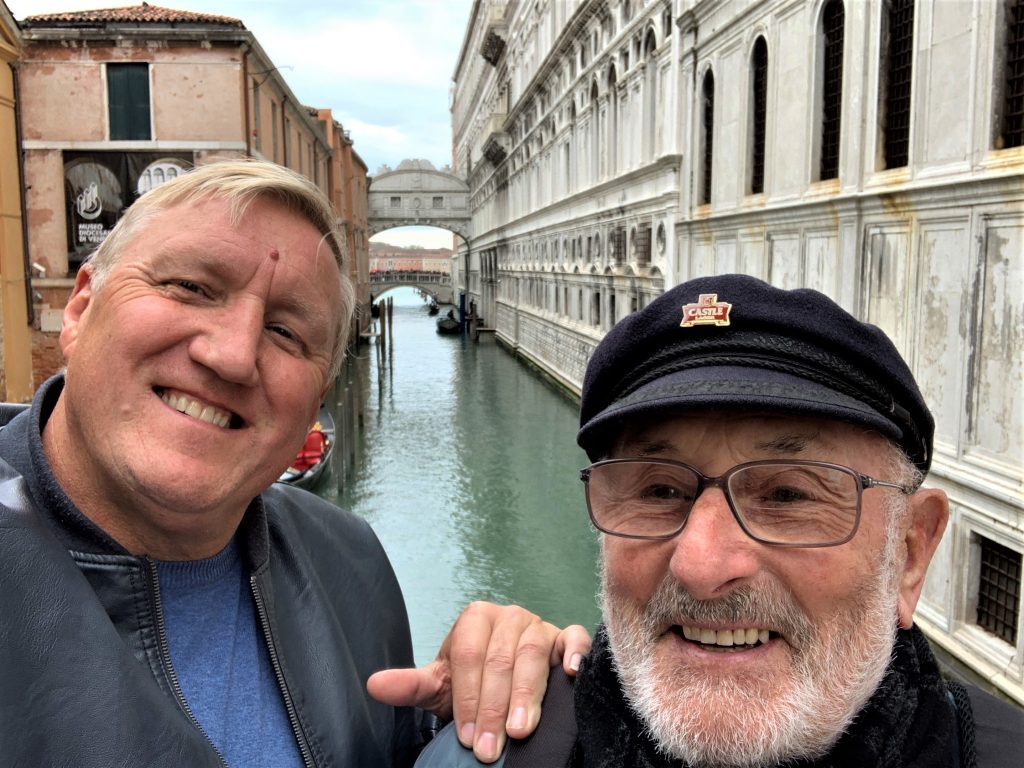
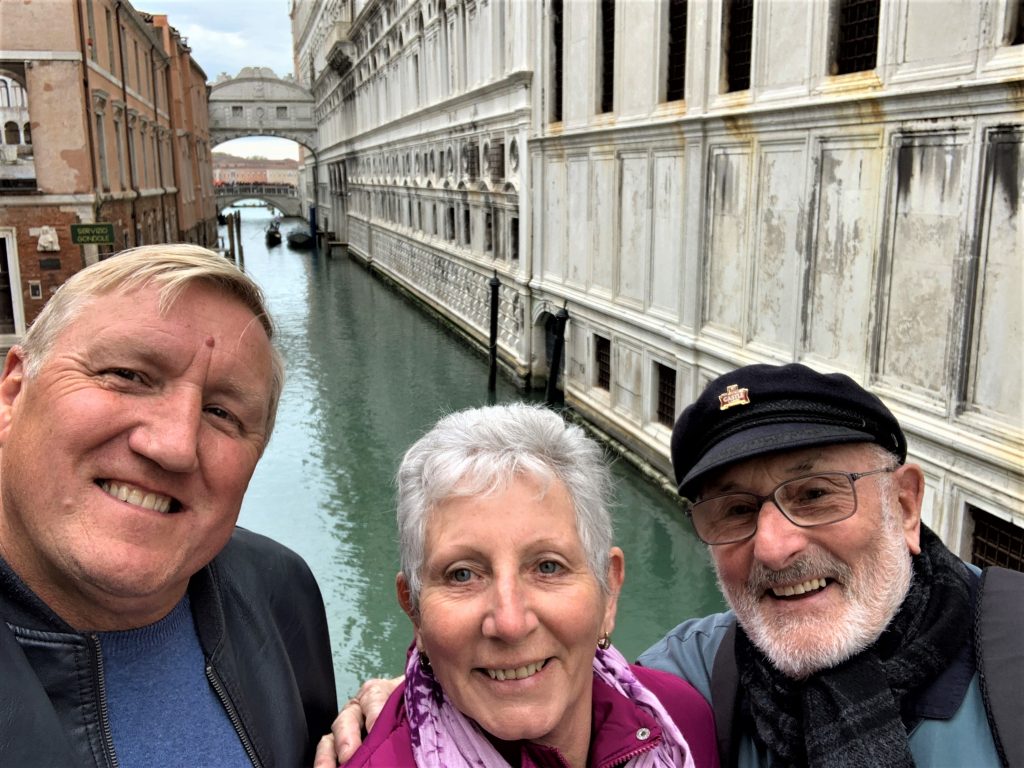
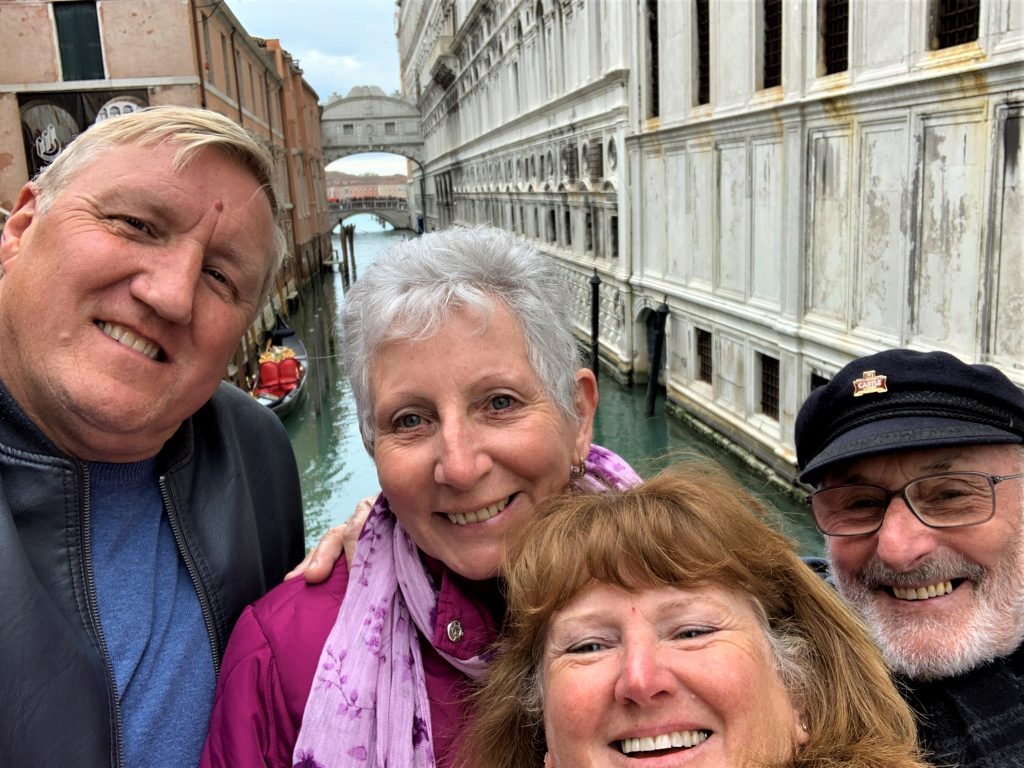
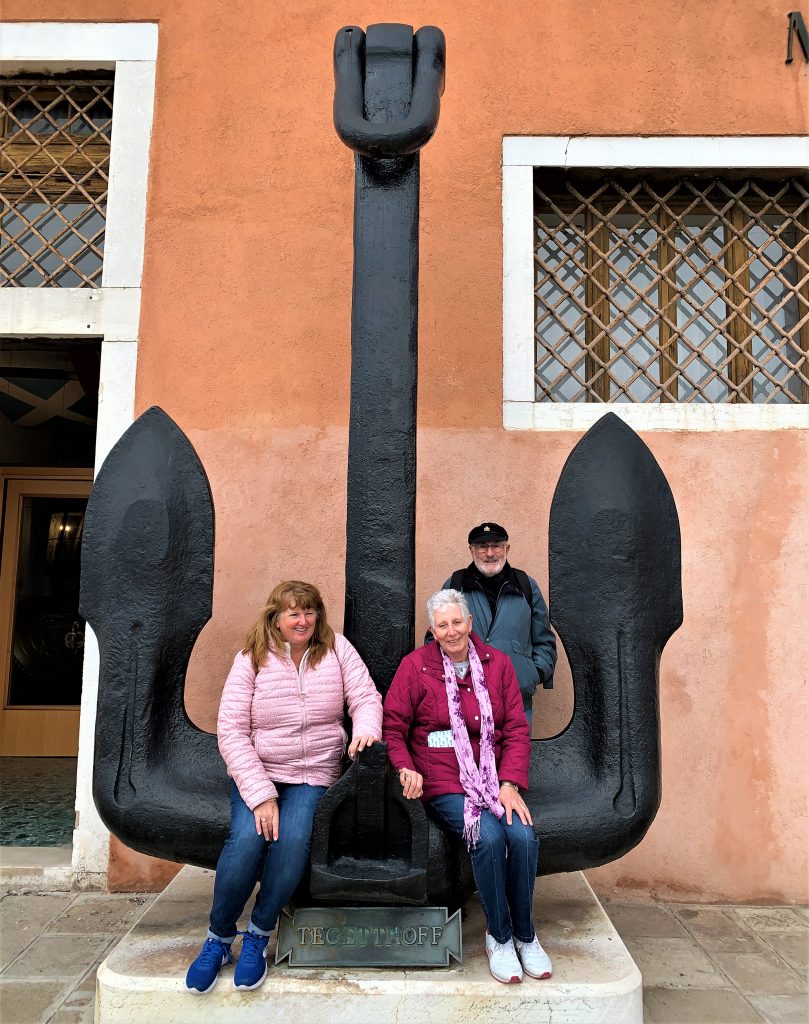
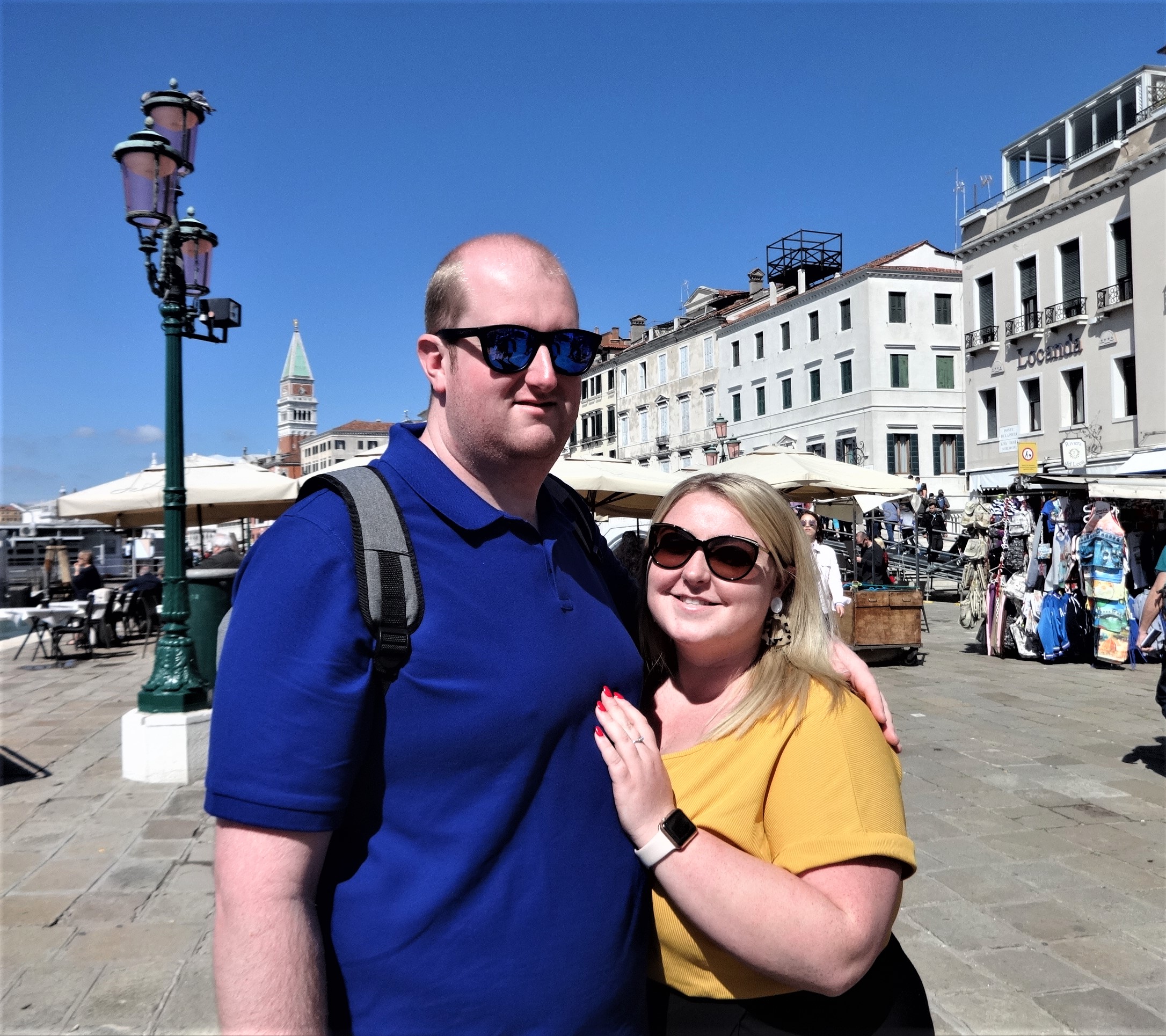
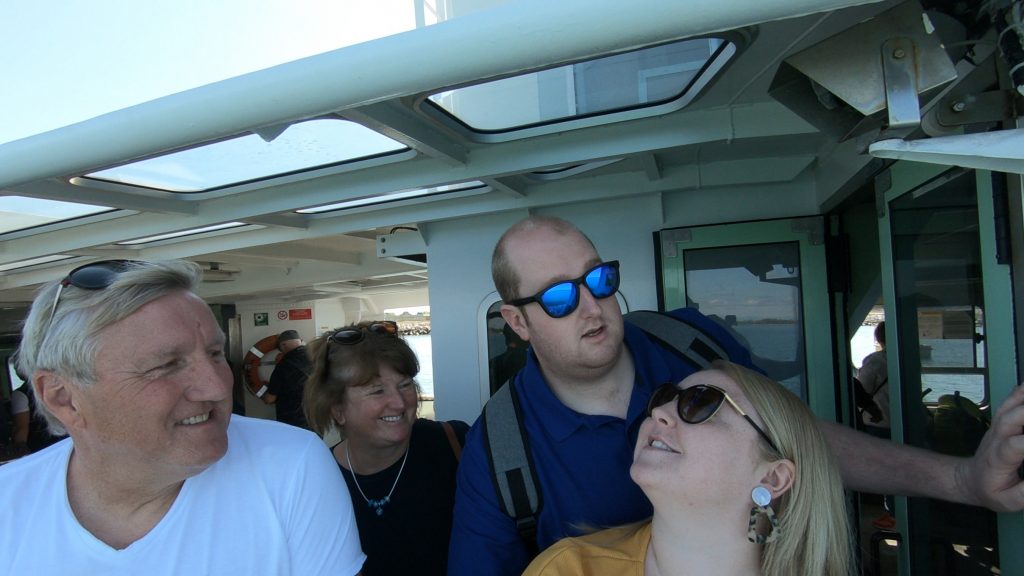
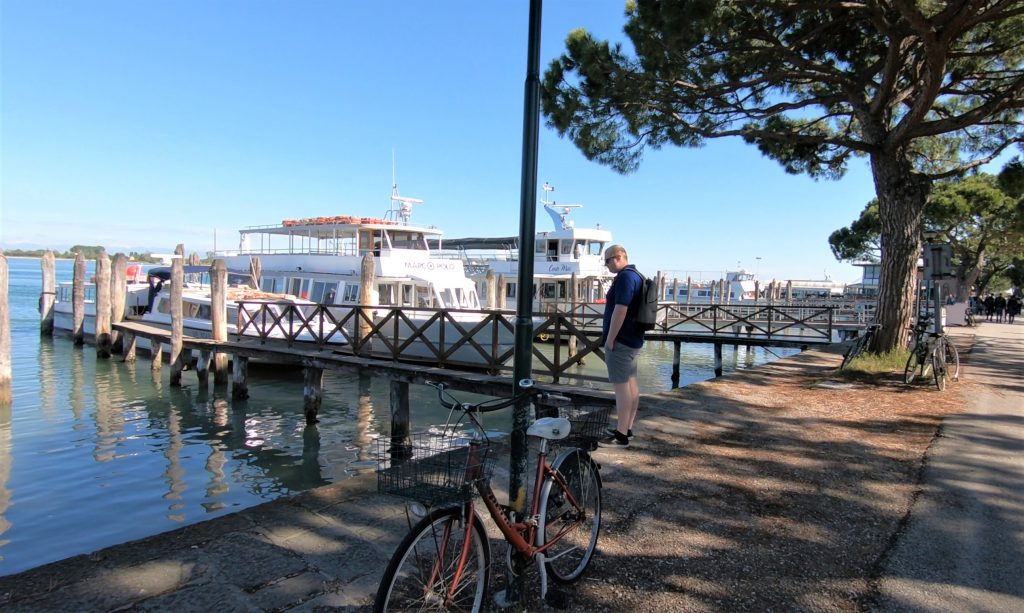
Visit to Venice Part 2 was with Charlotte and Robin, they came to Venice for the weekend, arriving on the Friday in the rain!  Luckily Saturday was sunny and dry and warm, so we were able to do the full tourist thing….

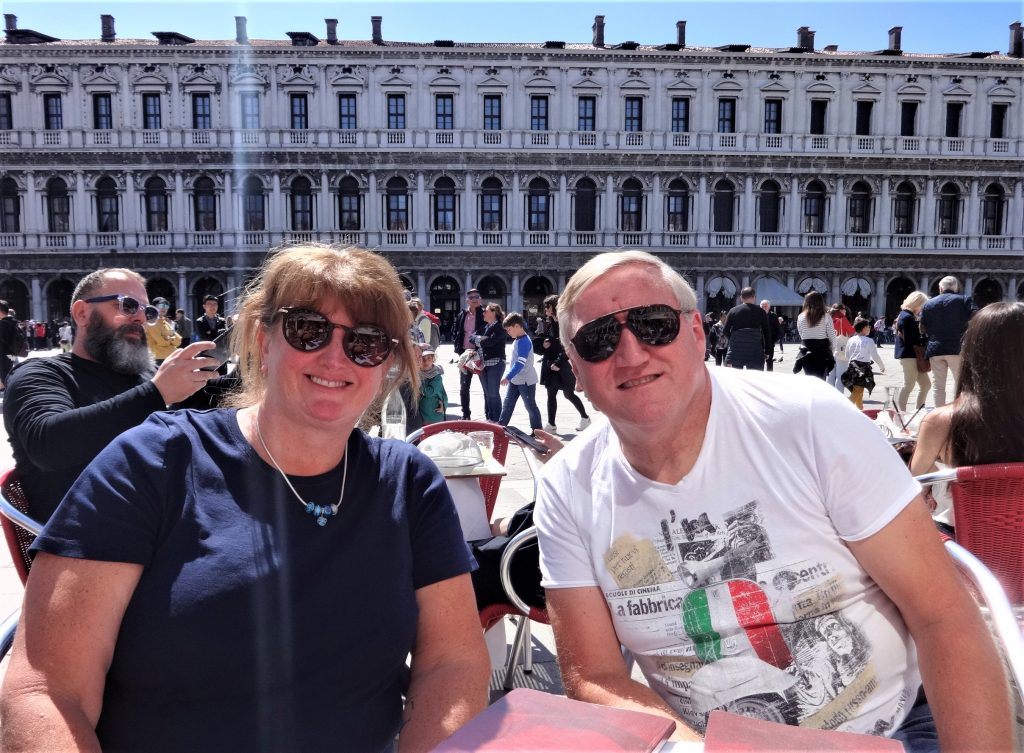
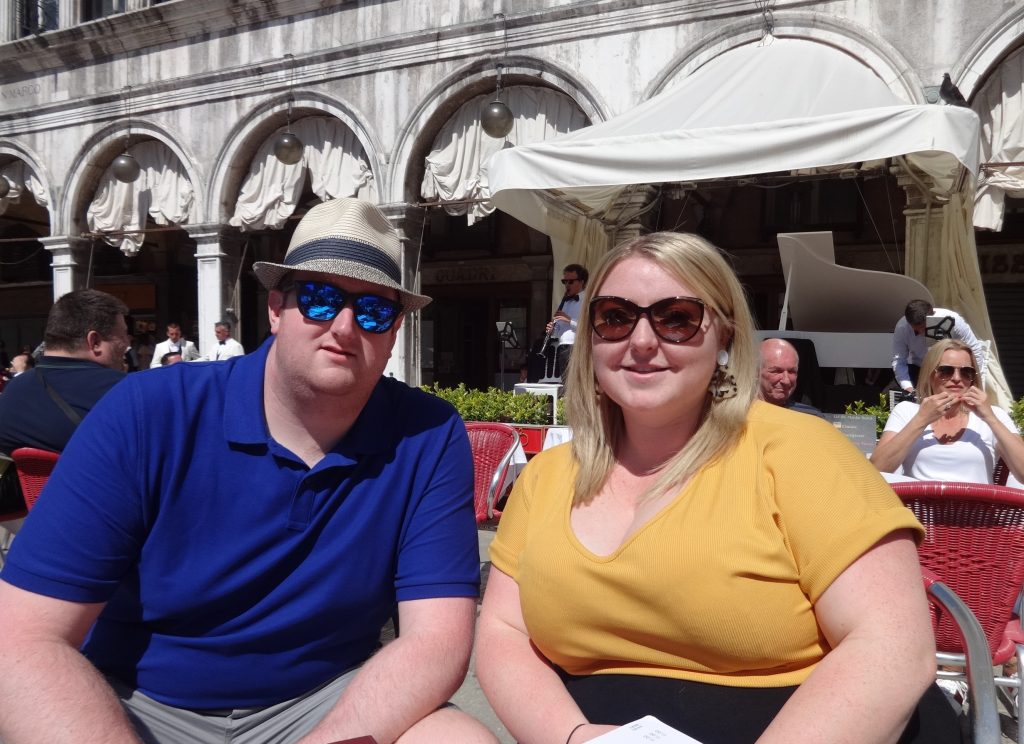
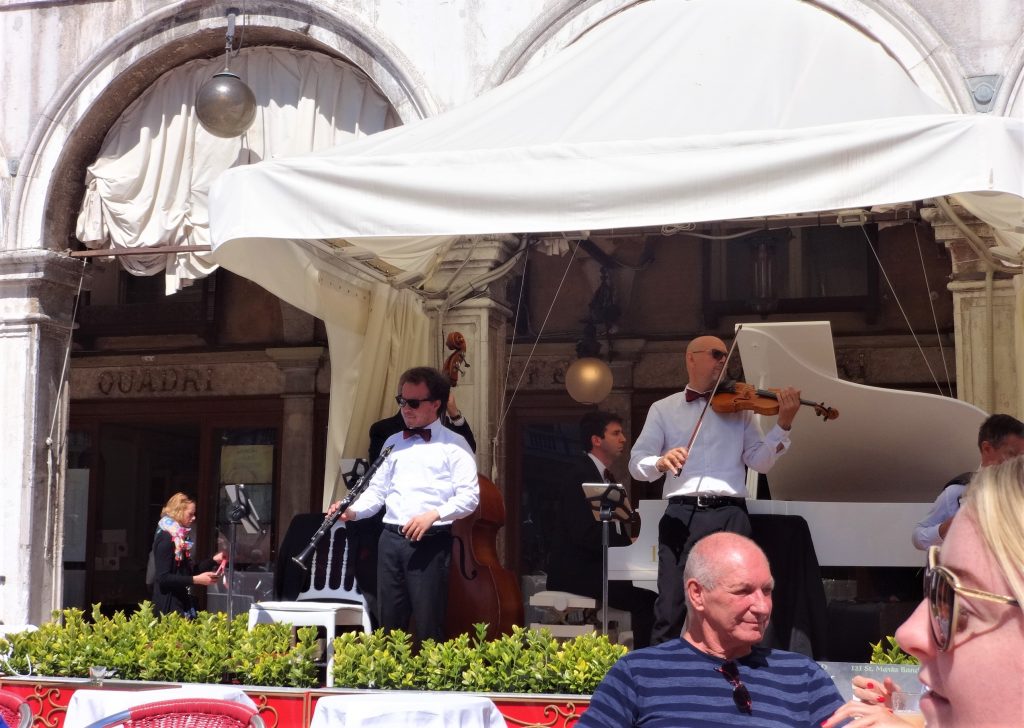
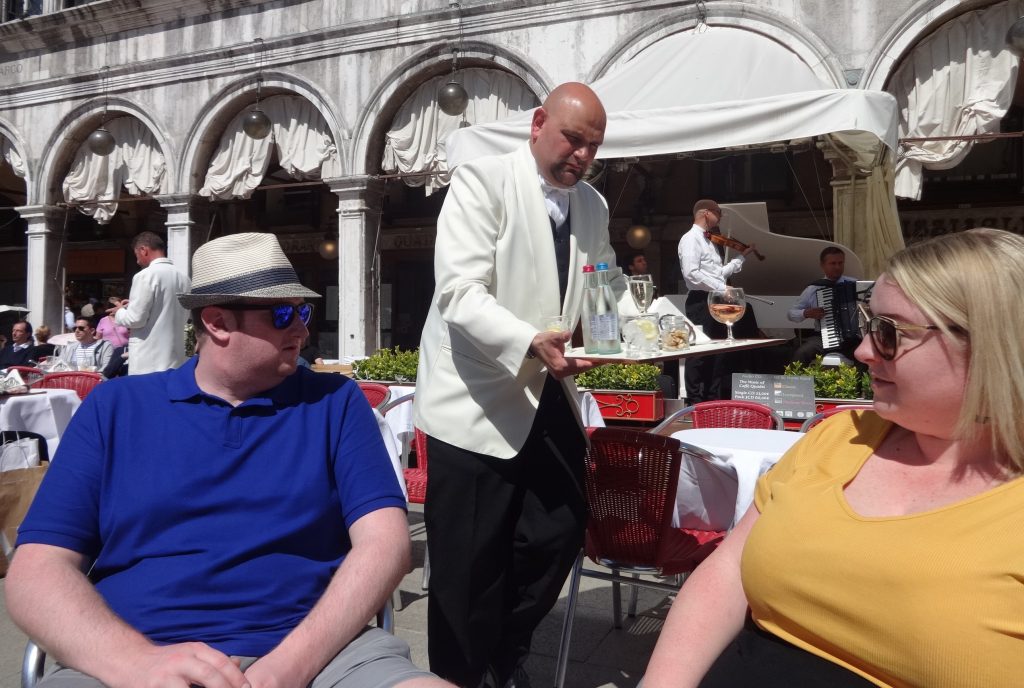
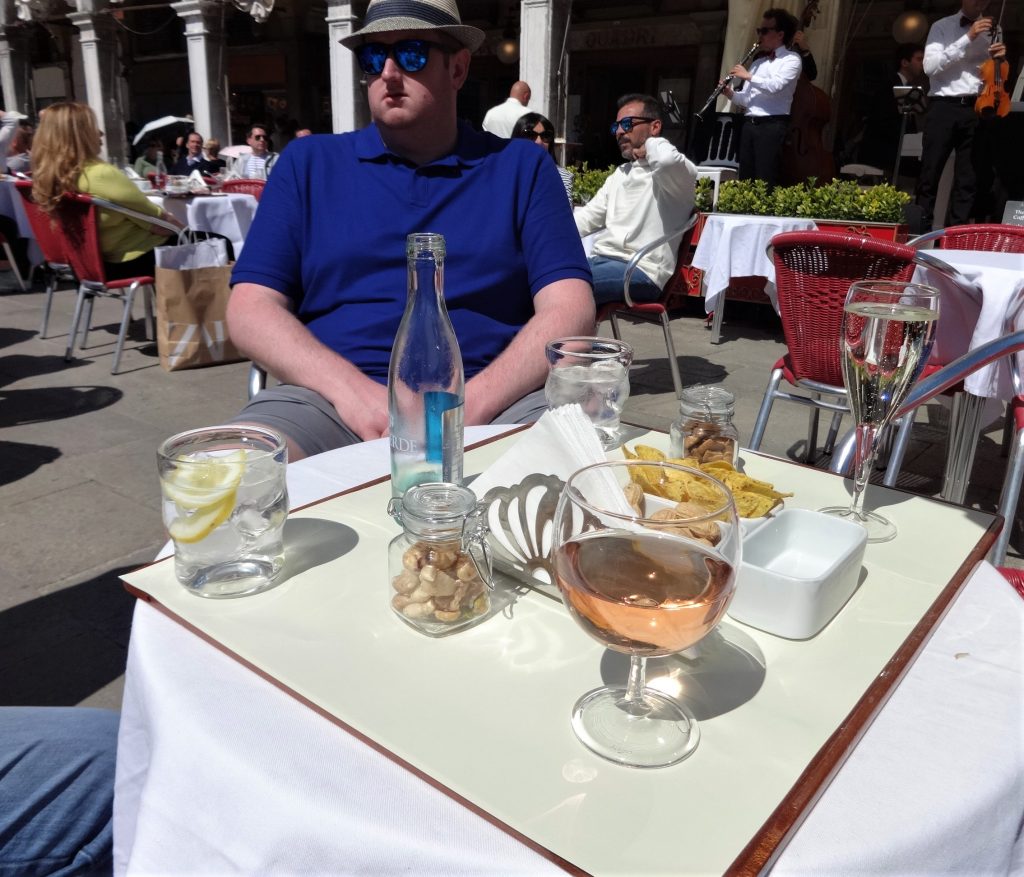
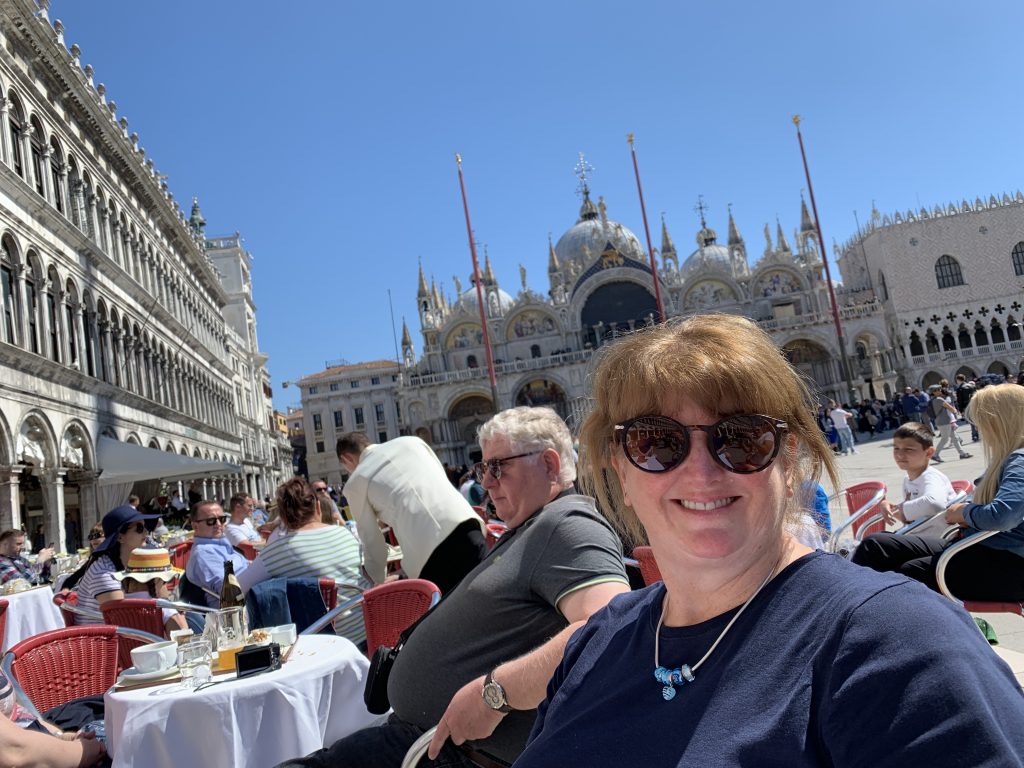
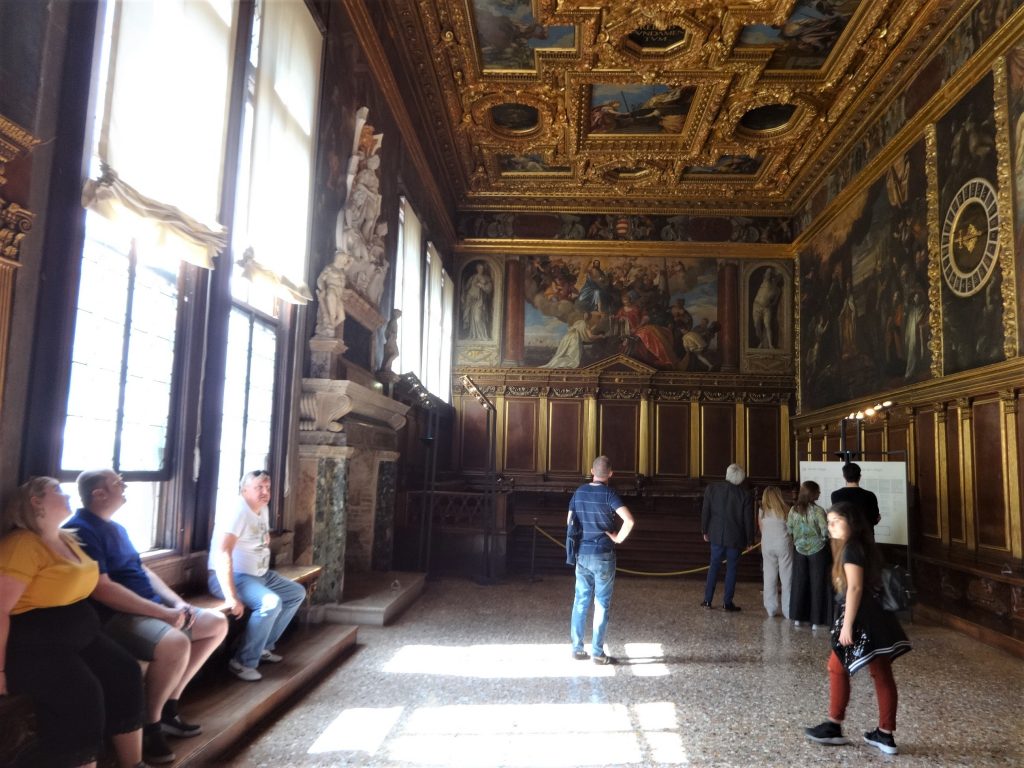
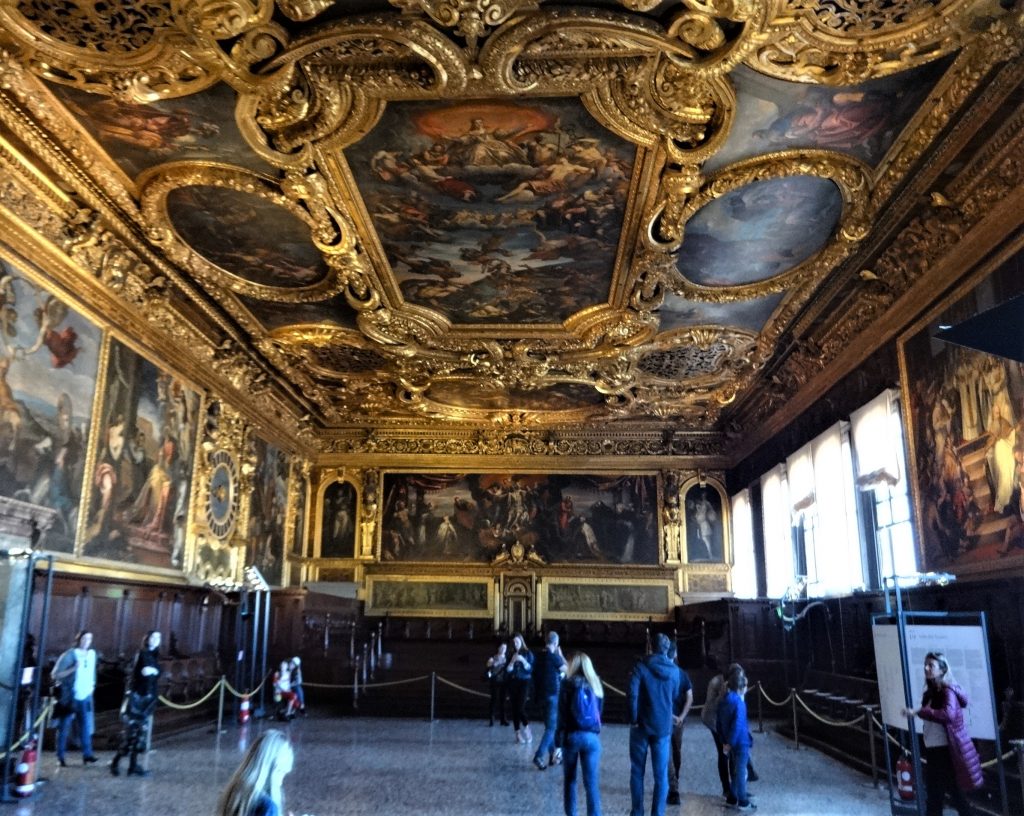
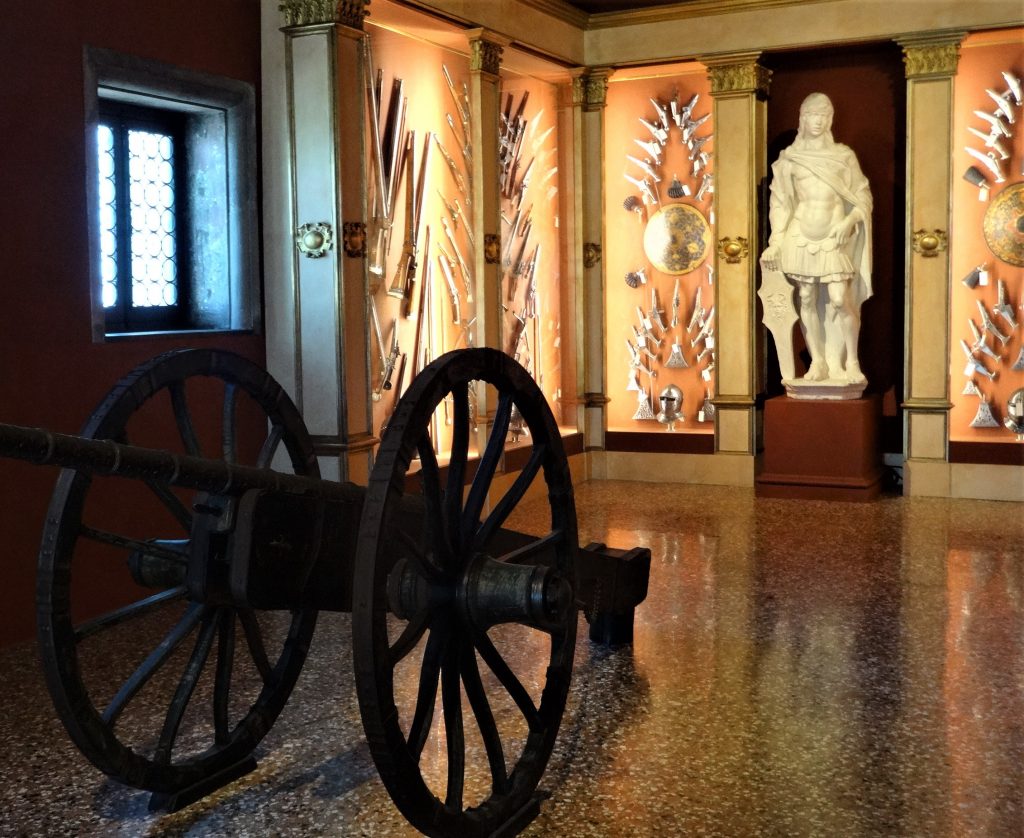
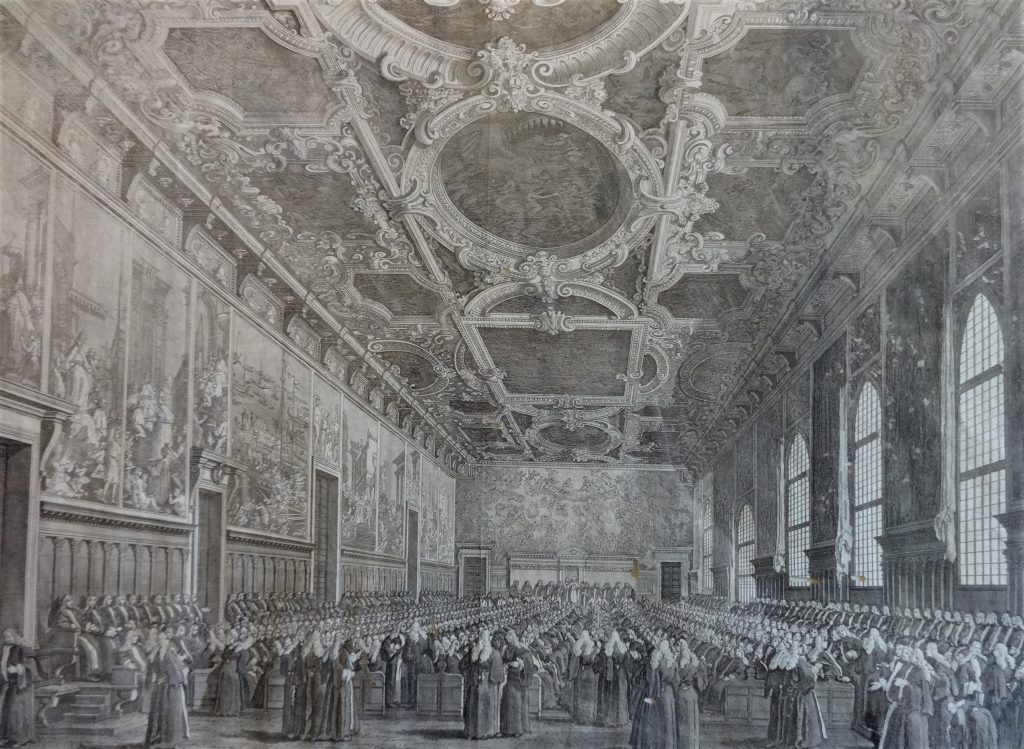
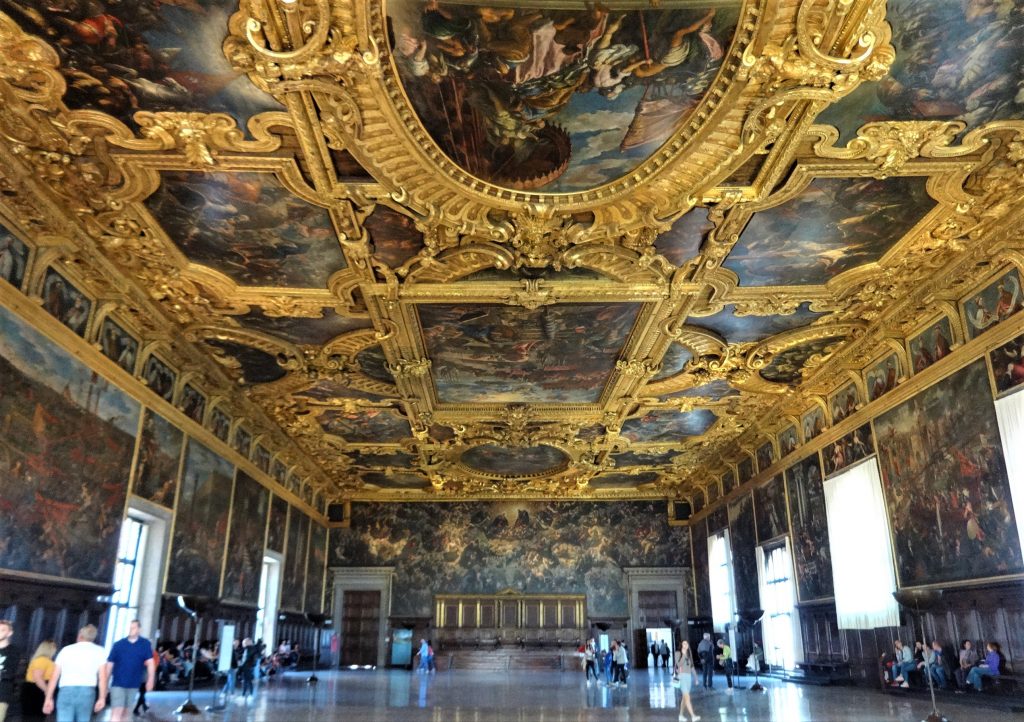
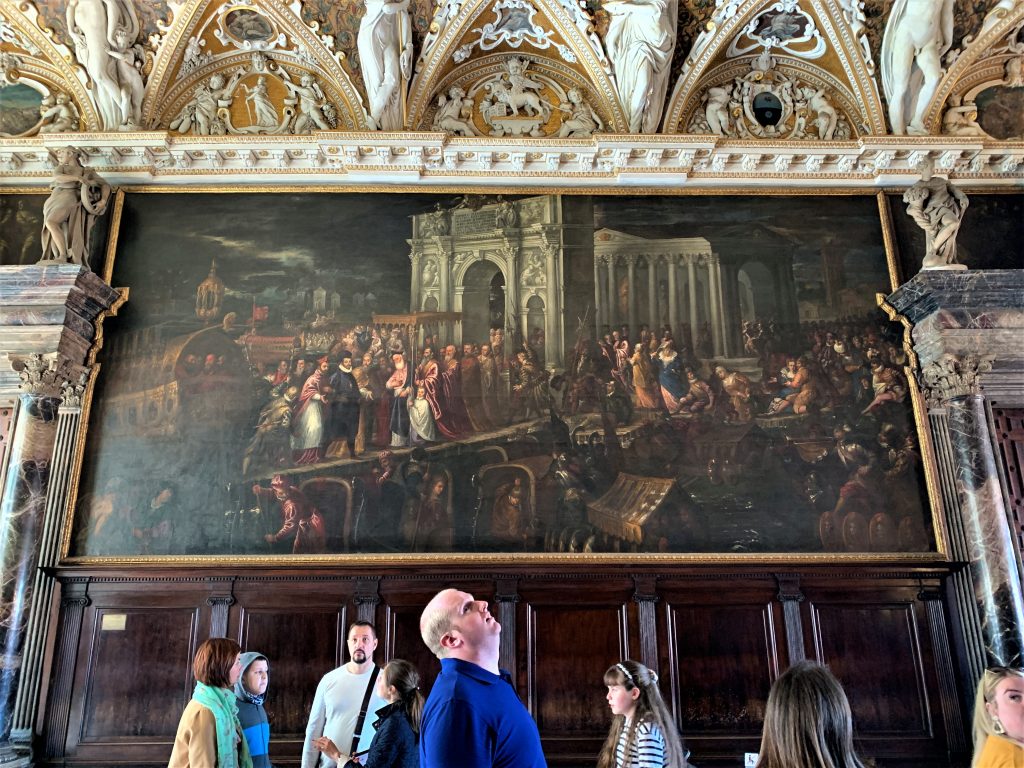
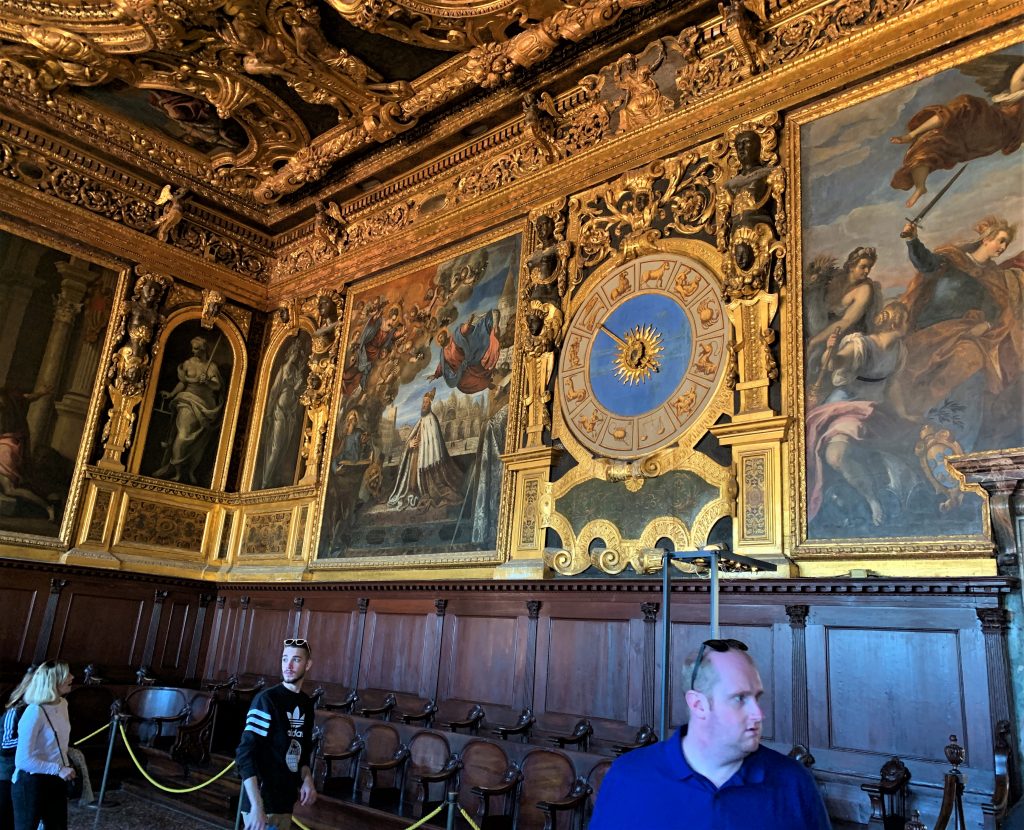
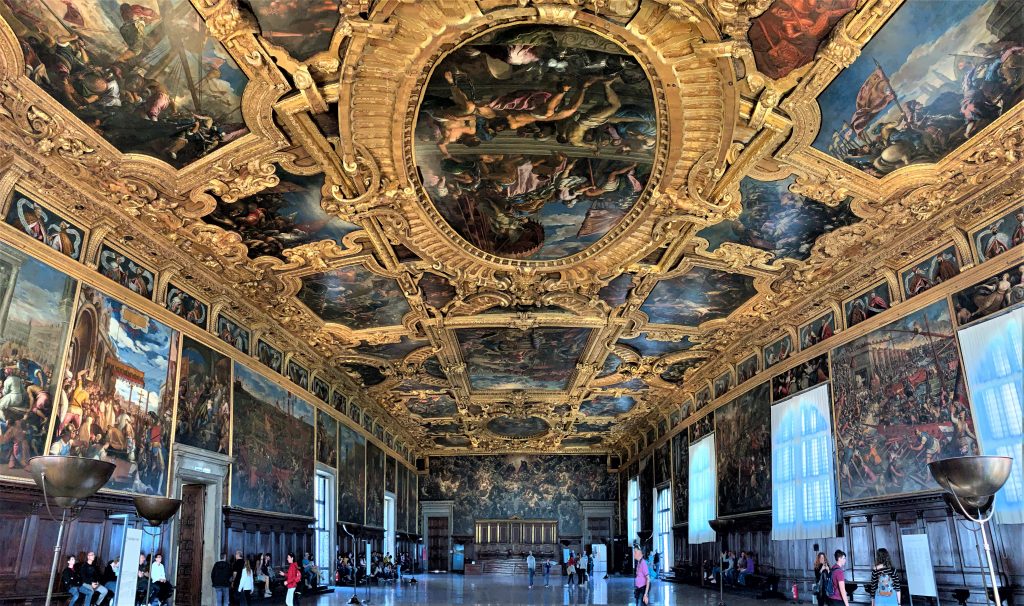
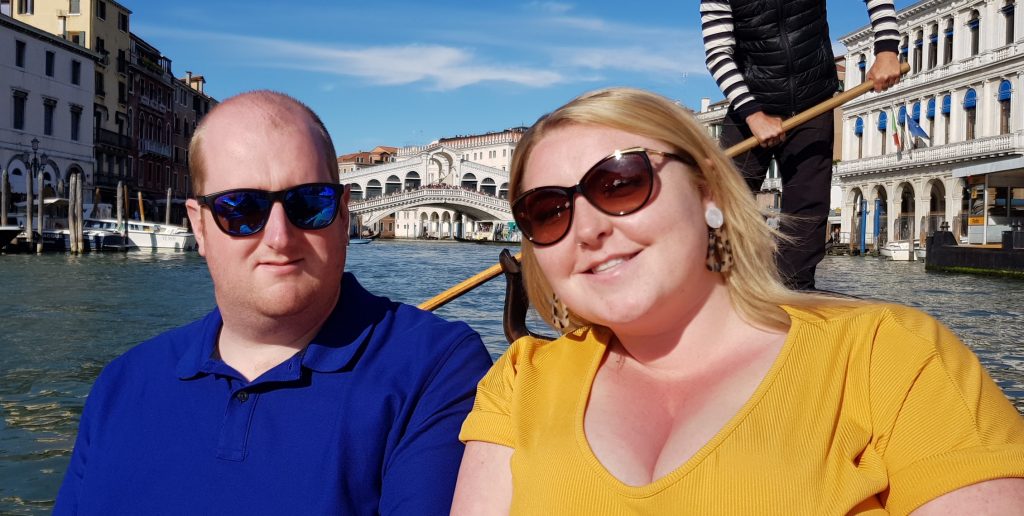
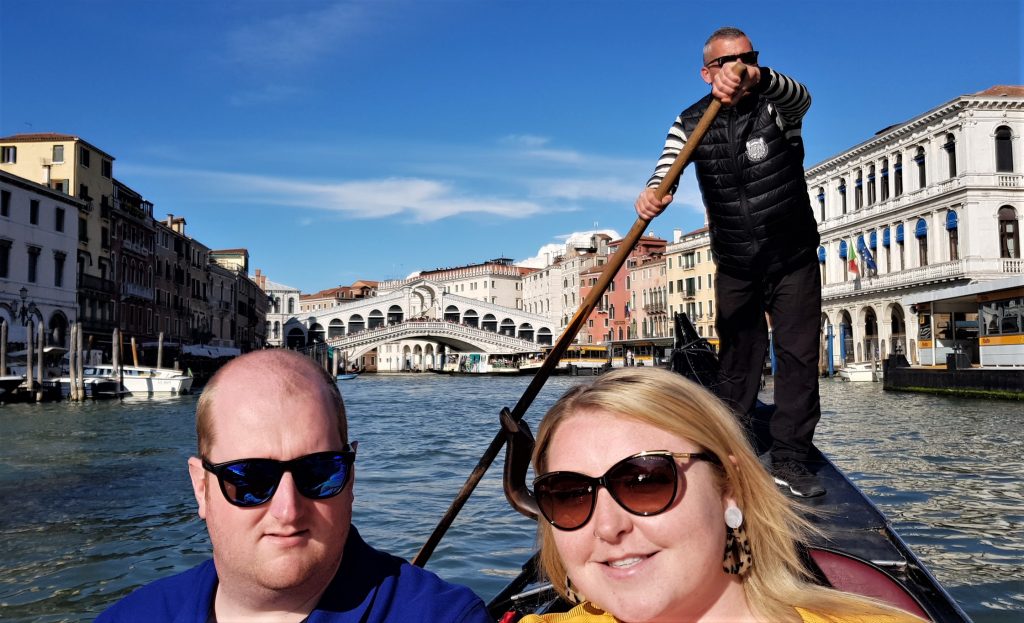
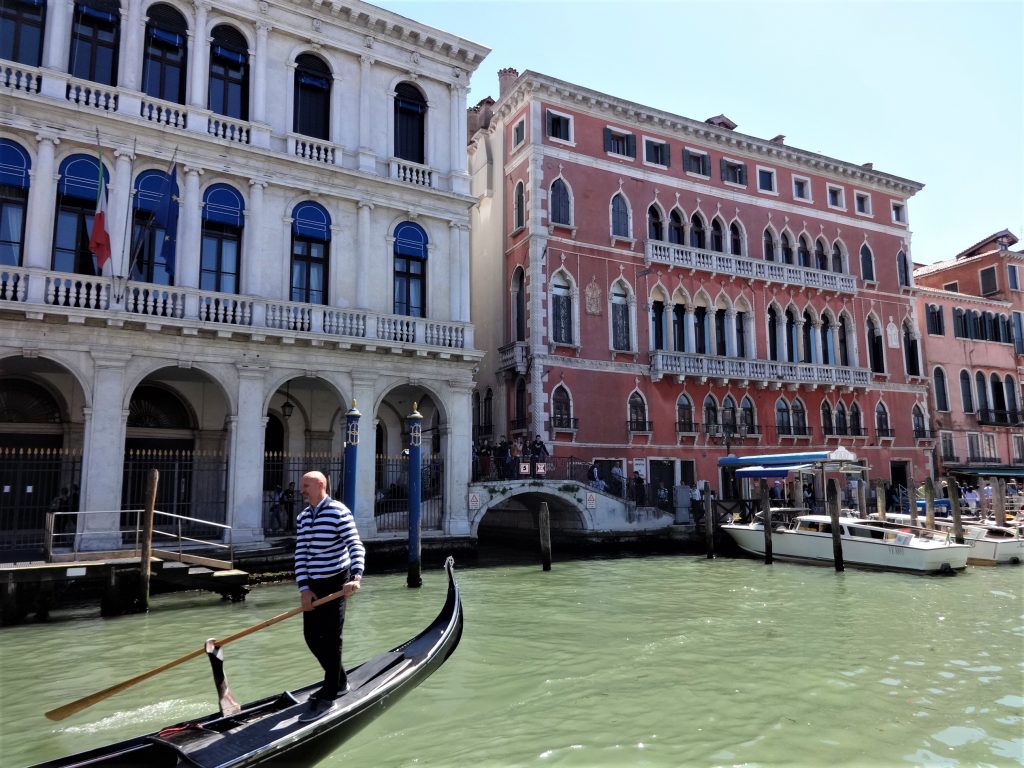
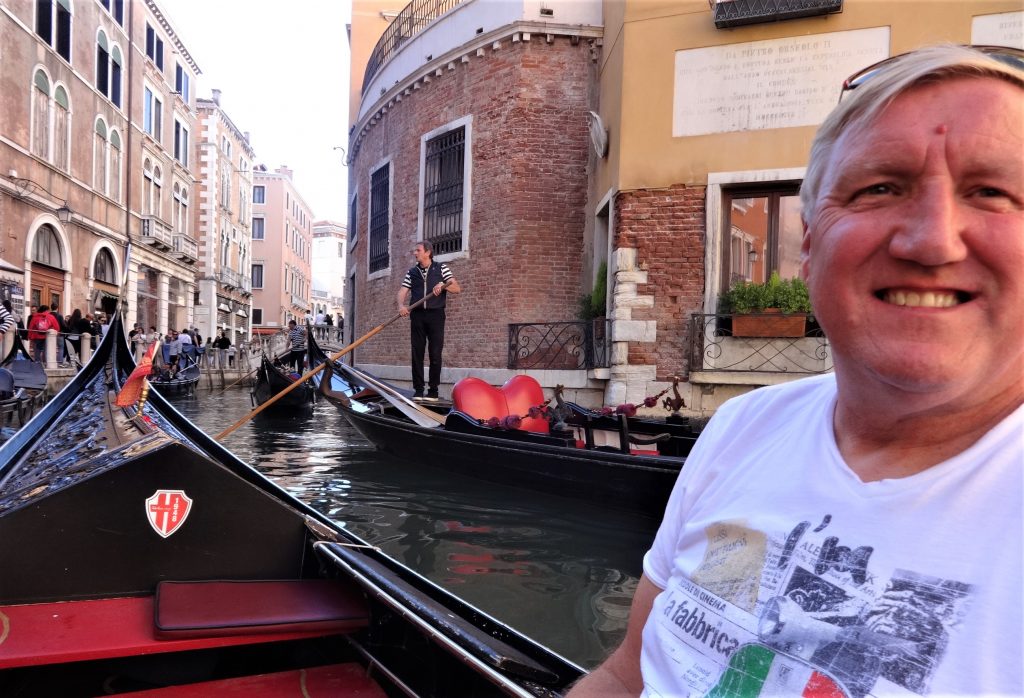
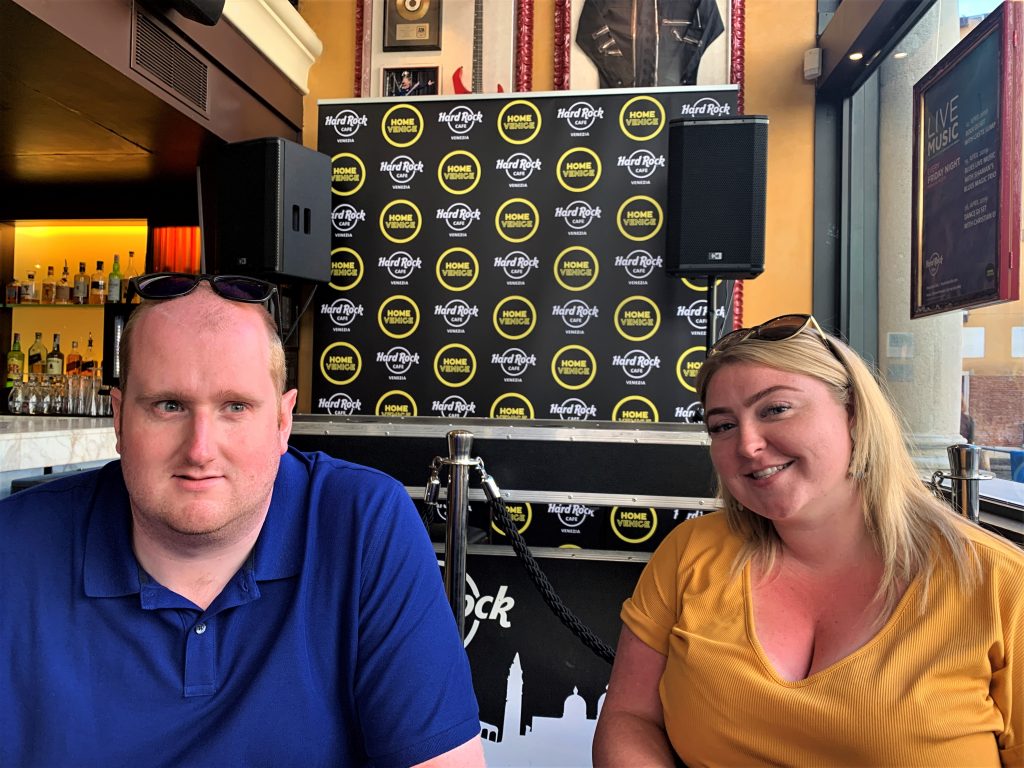
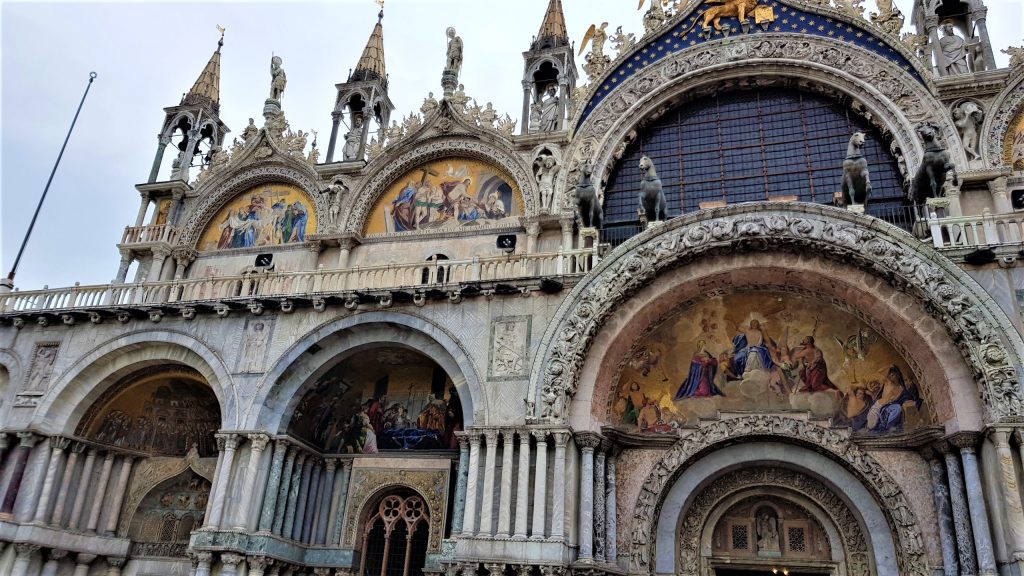
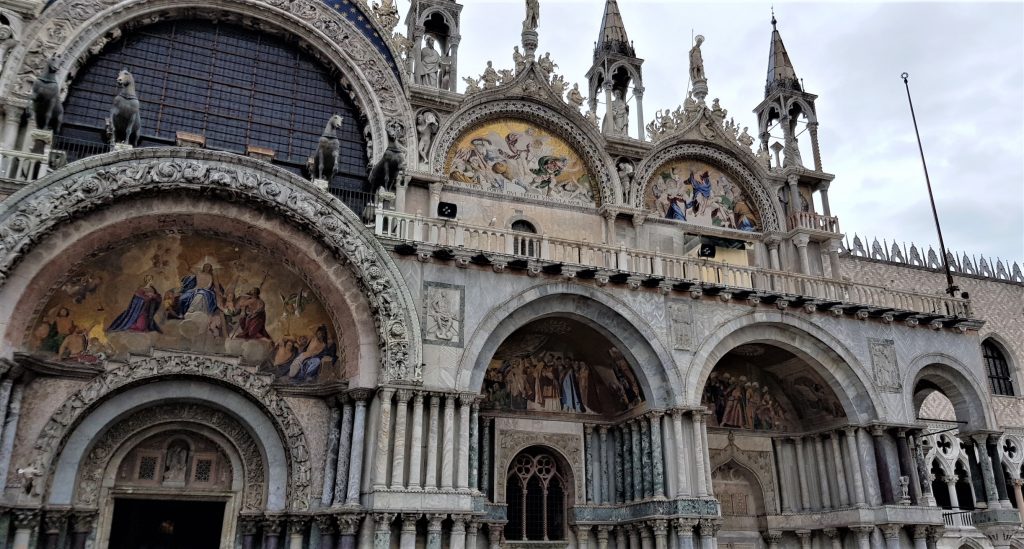
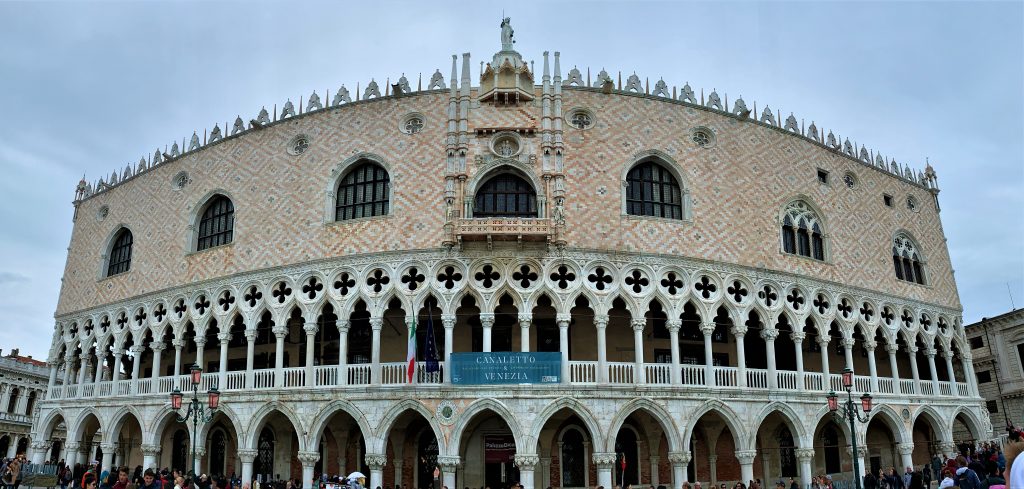
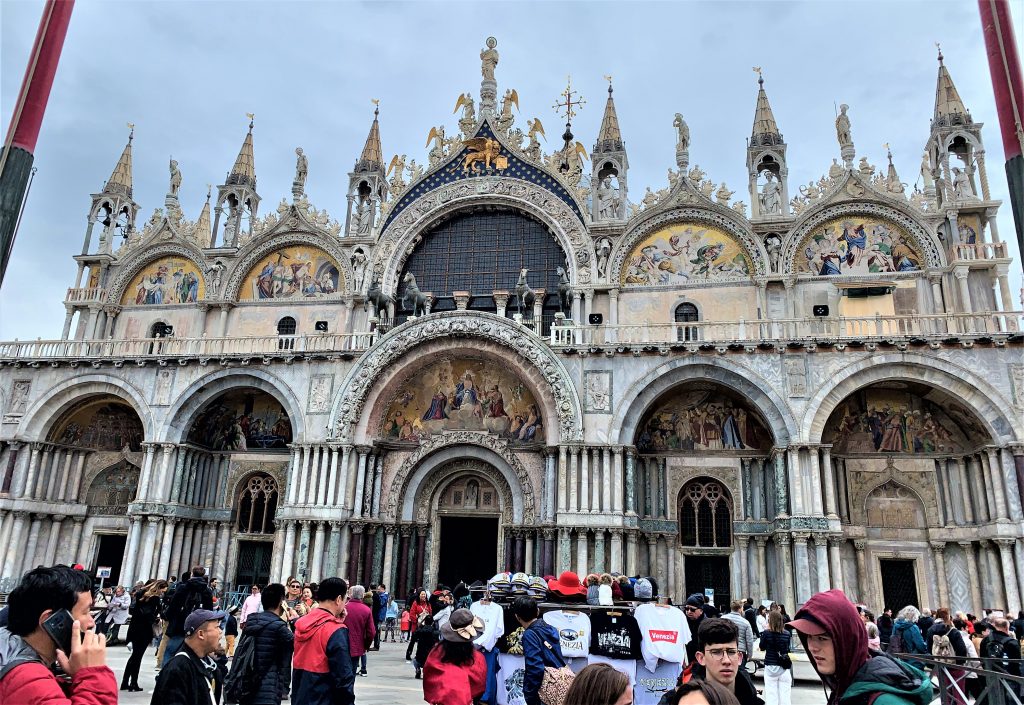
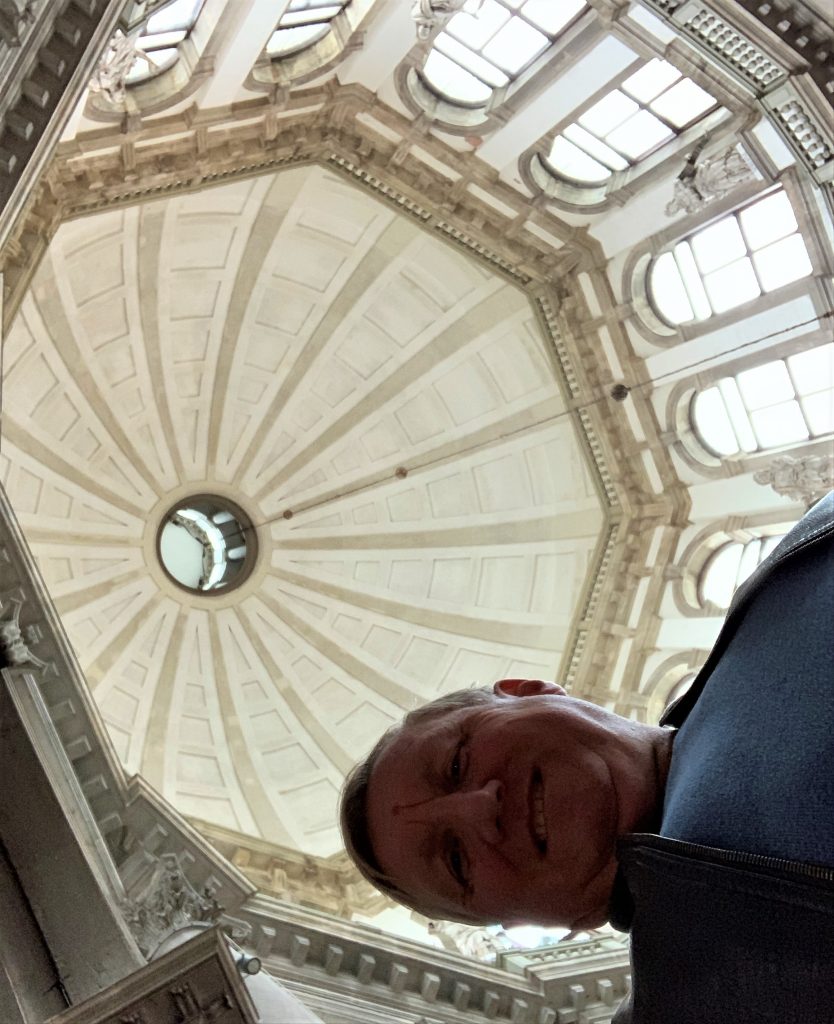
Drinkies in St Mark’s Square (at an extortionate price) served by liveried waiters and with a band playing in the back ground, a visit to San Marco’s Cathedral, a tour of the canals on a Gondola, a visit to the Hard Rock café for a cocktail and then a tour of the Doge’s Palace, a magnificent Palace built in 1340, extended and reconstructed several times following fires up to the 18th century.
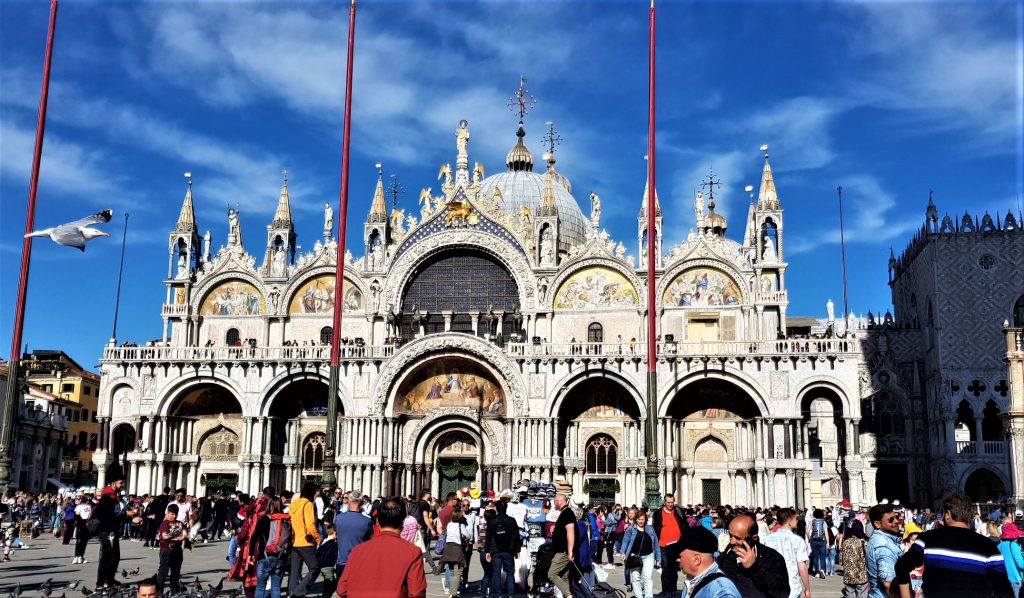
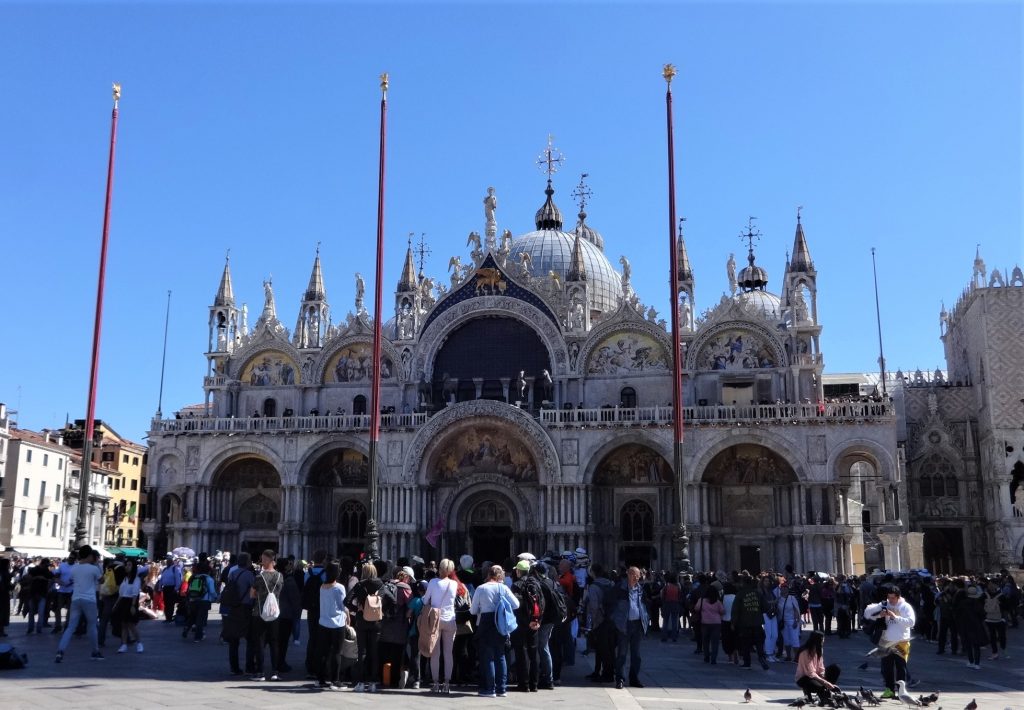
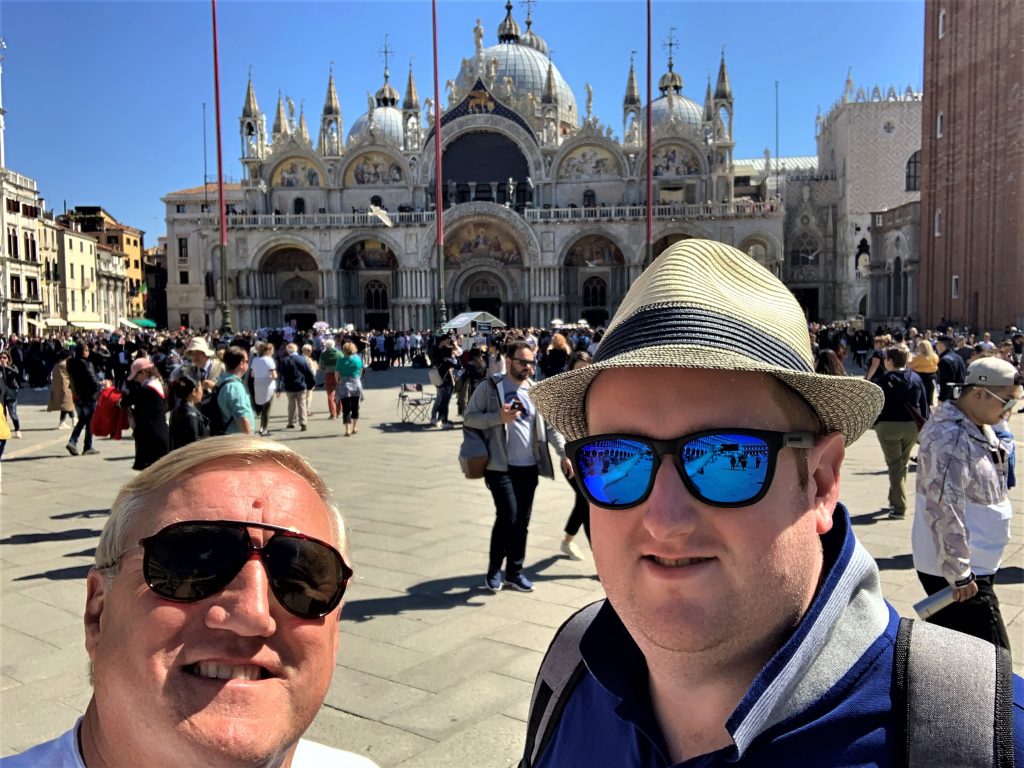
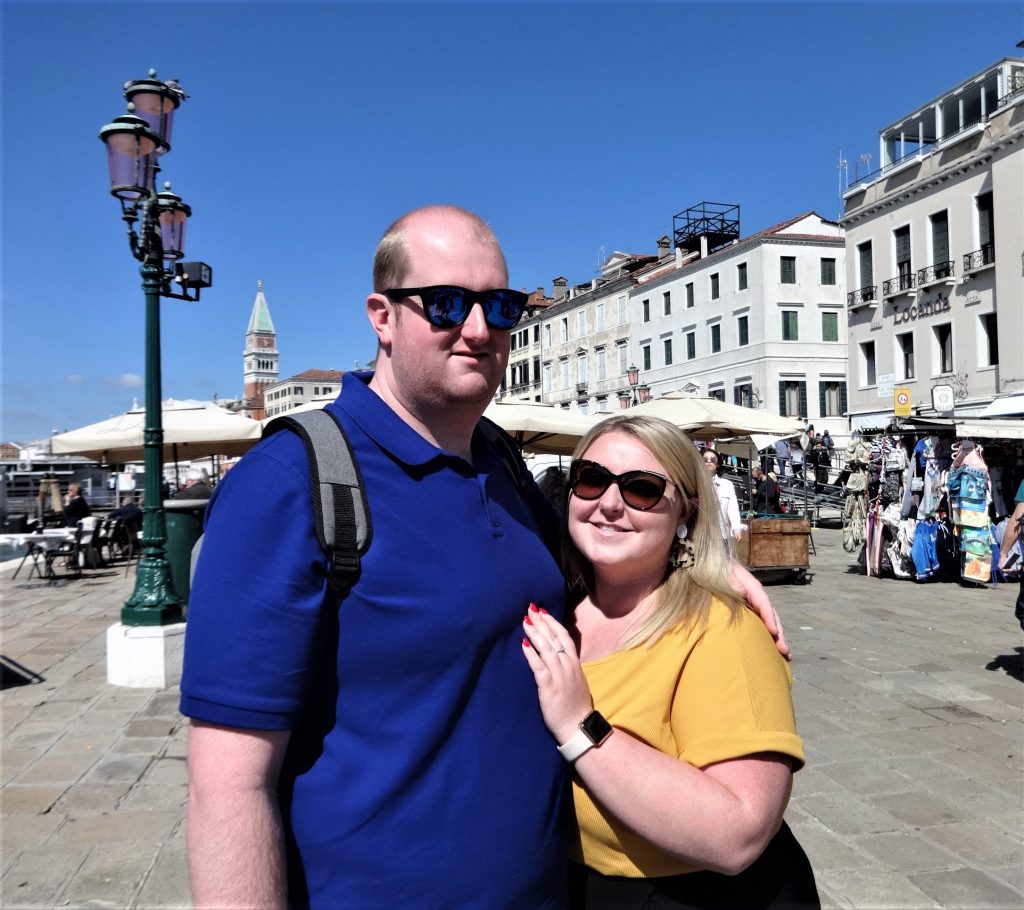
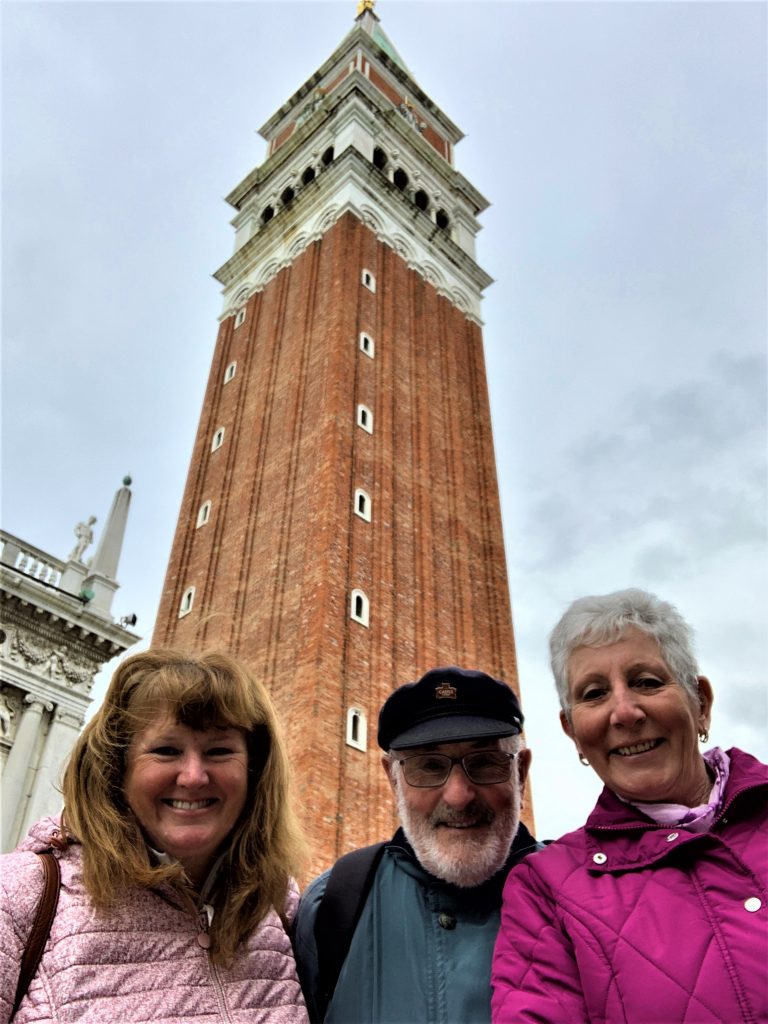
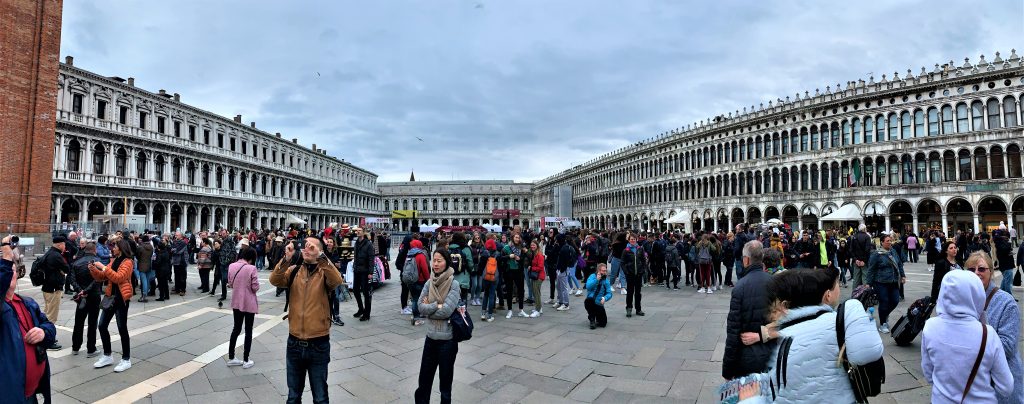
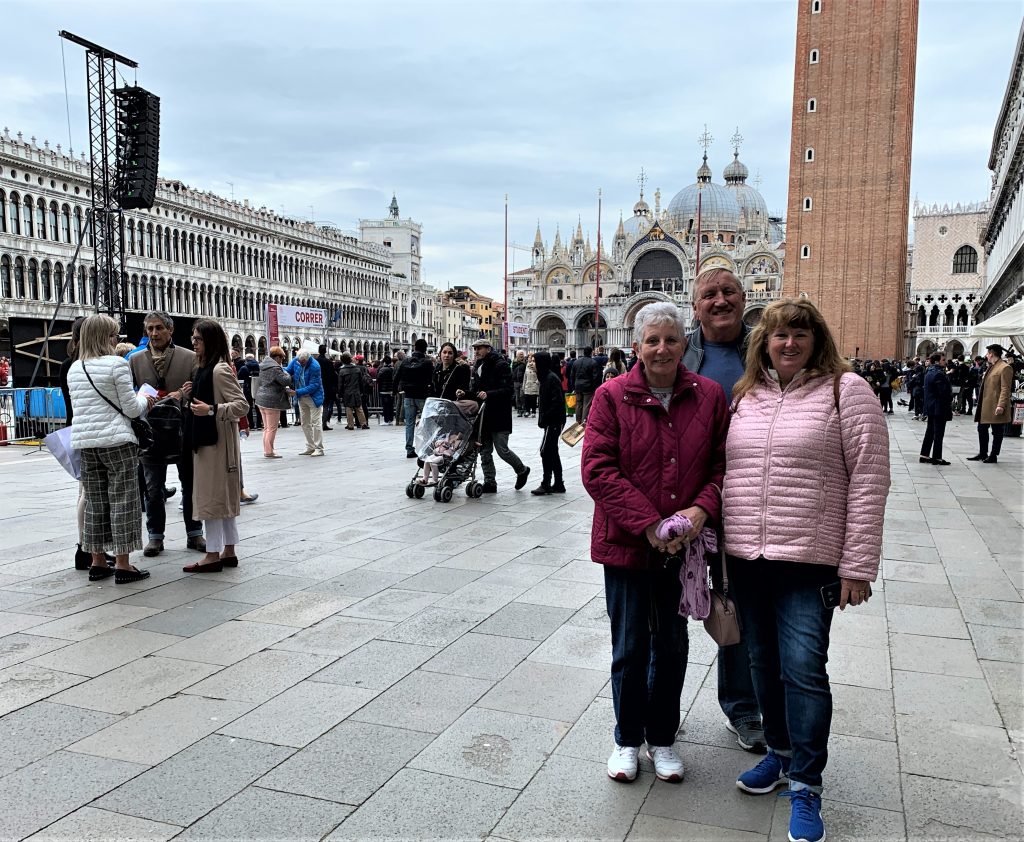
St Mark’s Square
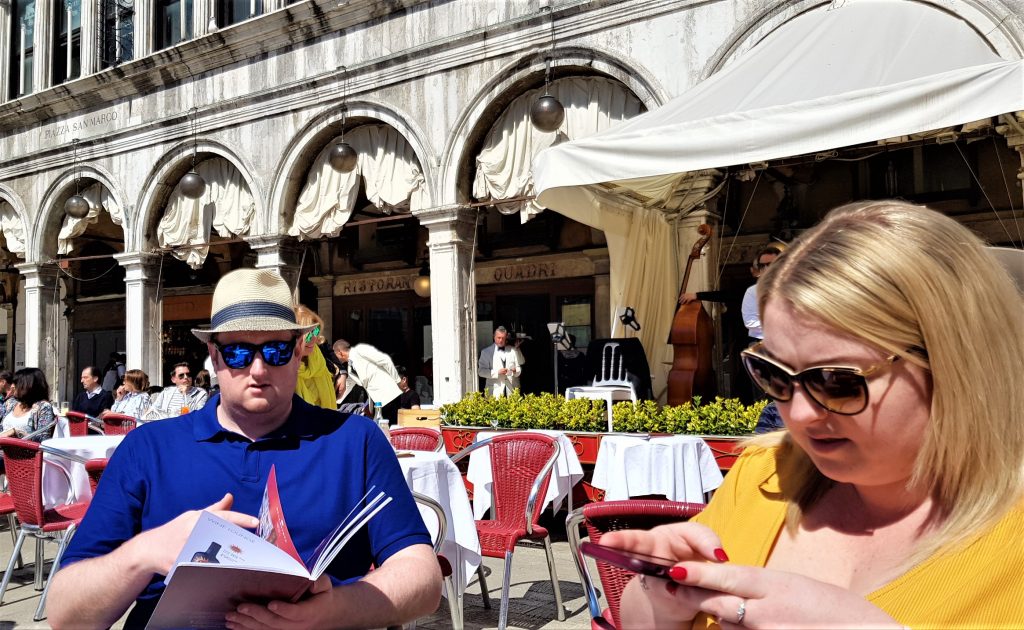
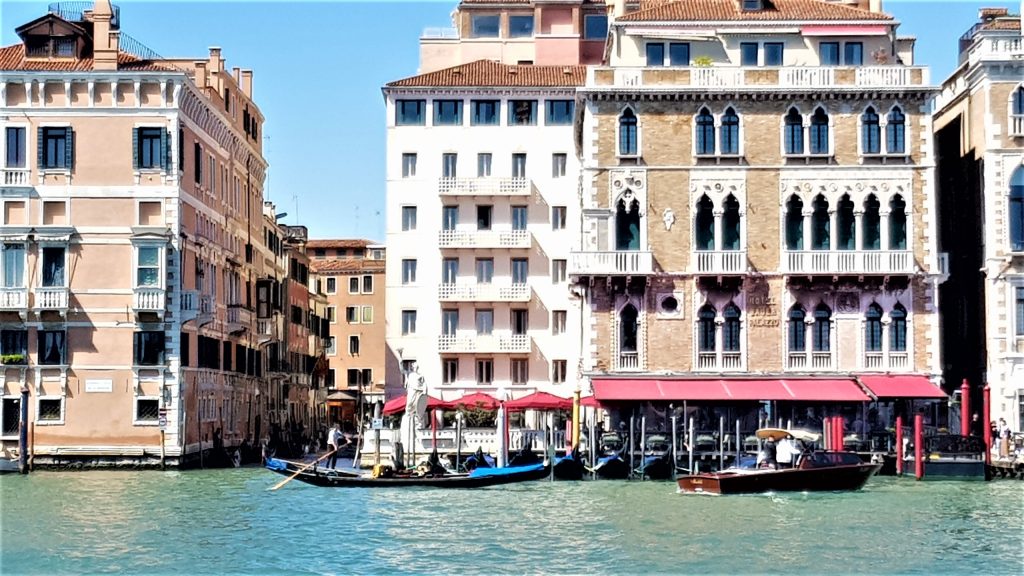
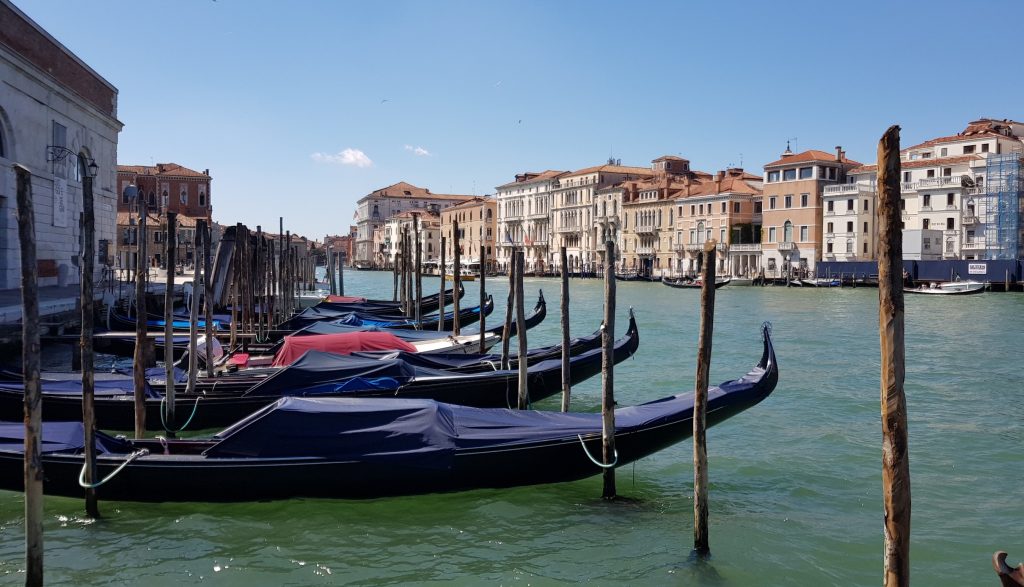
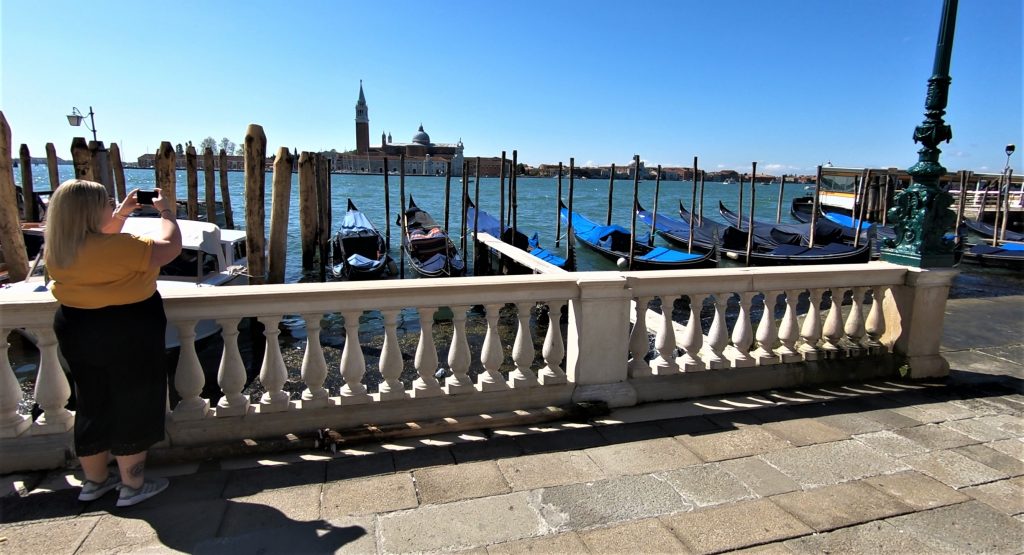
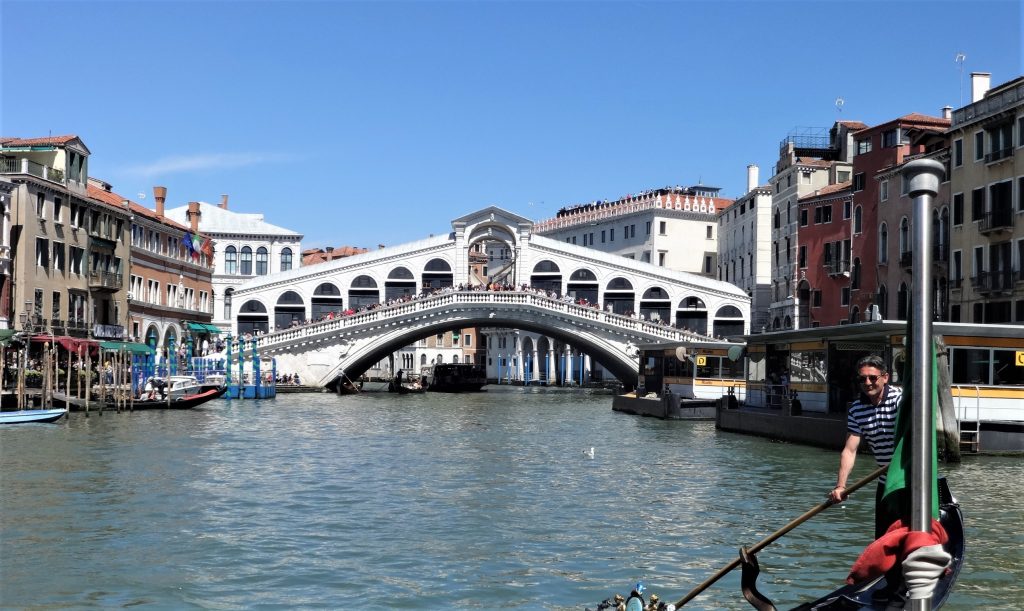
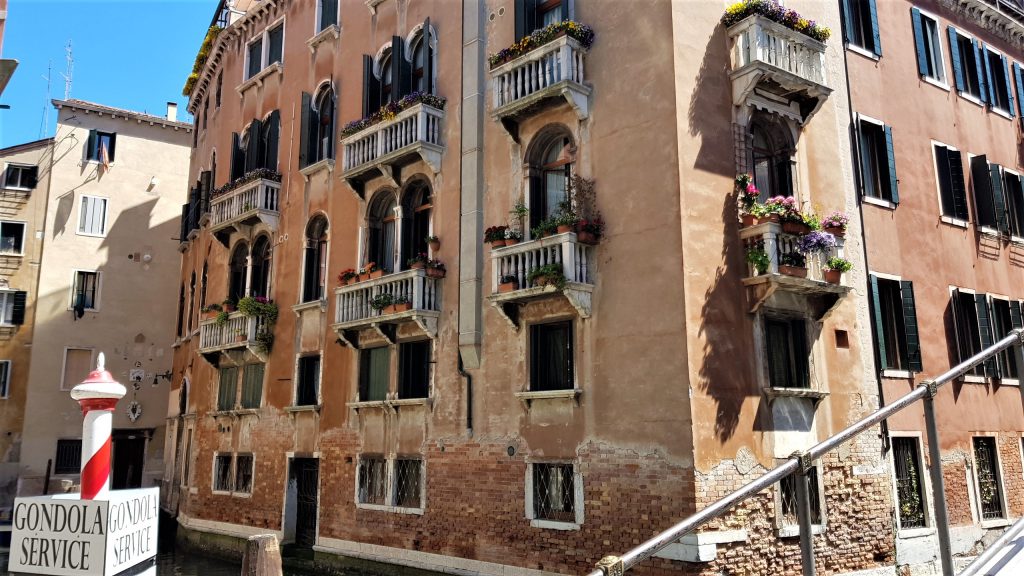
Venice in the sun.
The Doge’s Palace

The title “doge” was the title of the senior-most elected official of Venice (and Genoa) and was the equivalent of a Duke without being a Duke.  A Palace was built on the site of the current Palace in the 9th Century but was destroyed by fire in the 10th century.  Over the centuries, it was home to the Great Council, the Council of Ten and the Senate who all served the Doge.

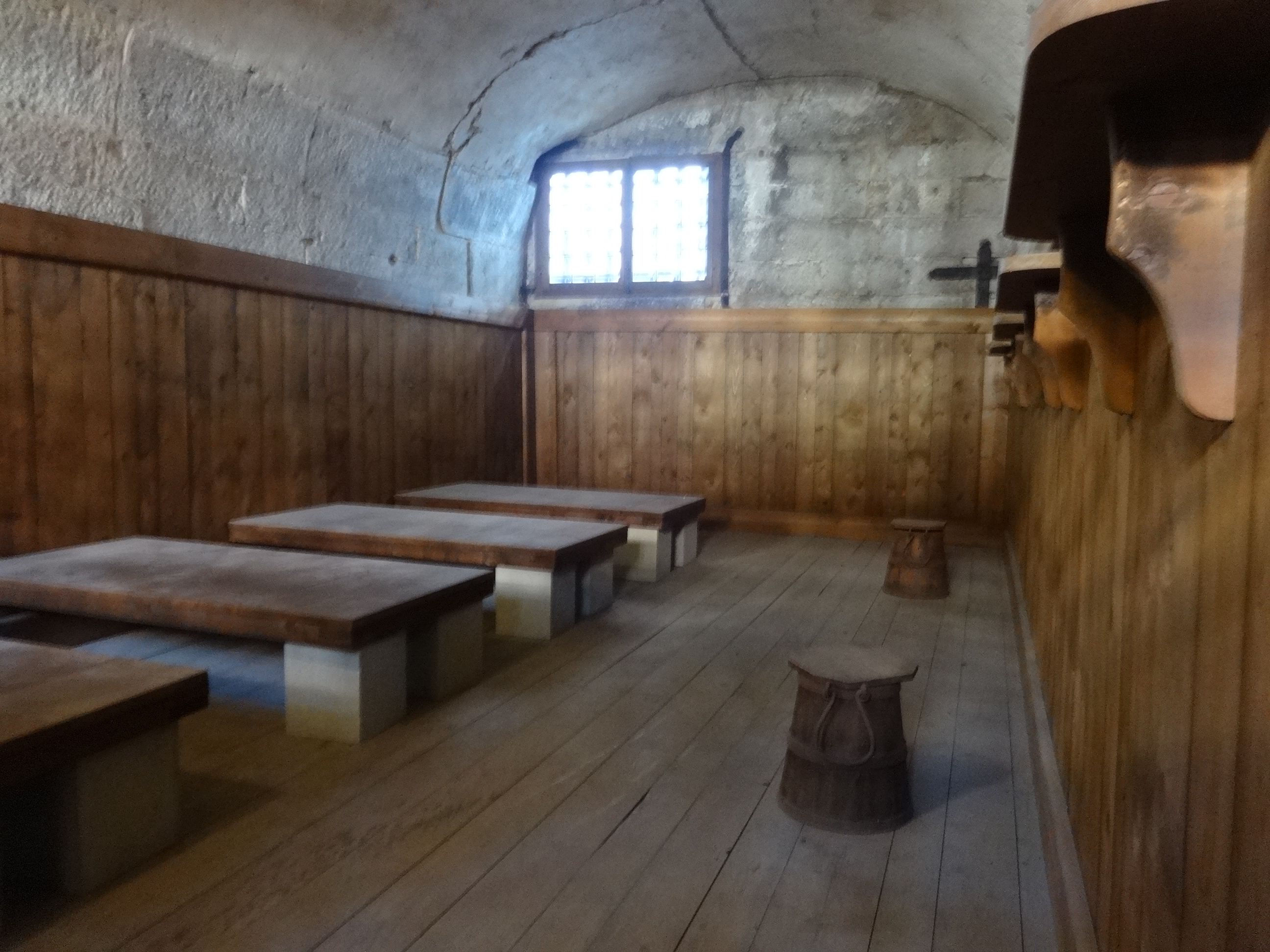
Before the 12th century there were holding cells within the Doge’s Palace but during the 13th, 14th and 15th centuries layouts were changed to increase the number of cells.  Due to the dark, damp and isolated qualities they were known as the Pozzi (the Wells)  In 1591 more cells were built and due to their position, directly under the lead roof, they were known as Piombi.  The cells were covered in lapped larch and basic, with little light or air.

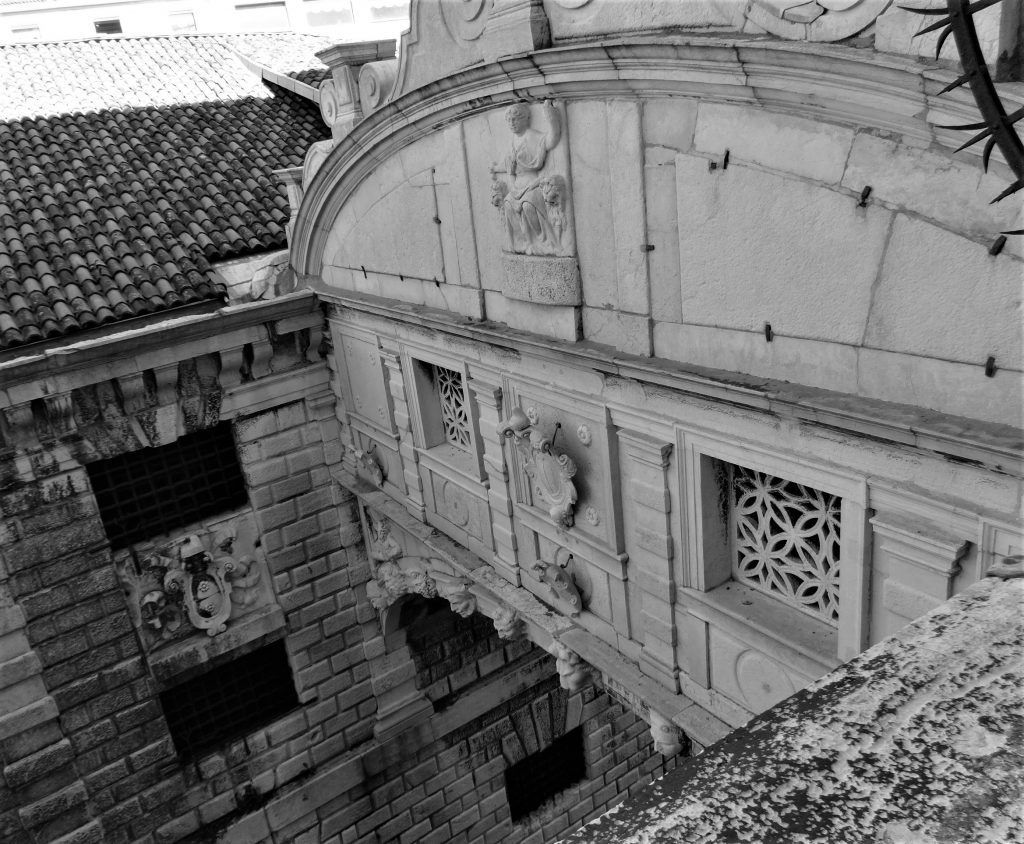
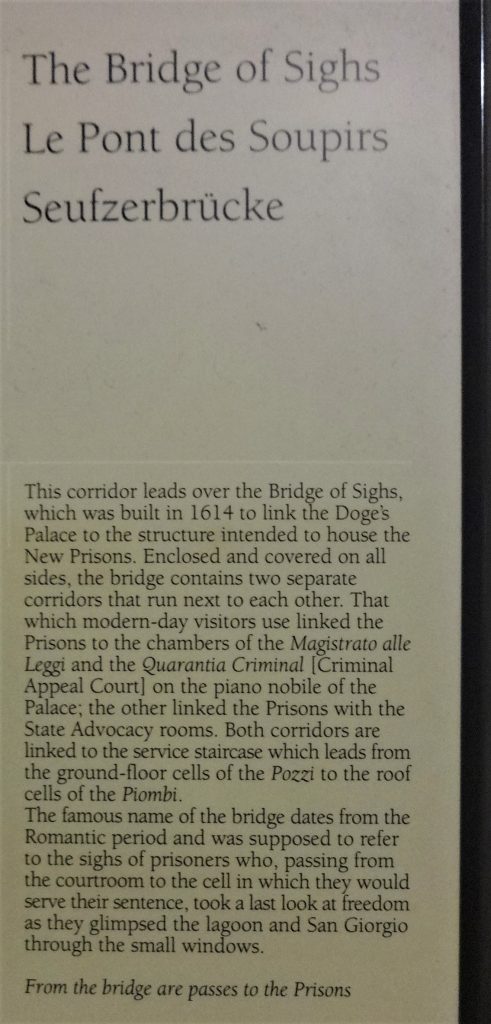
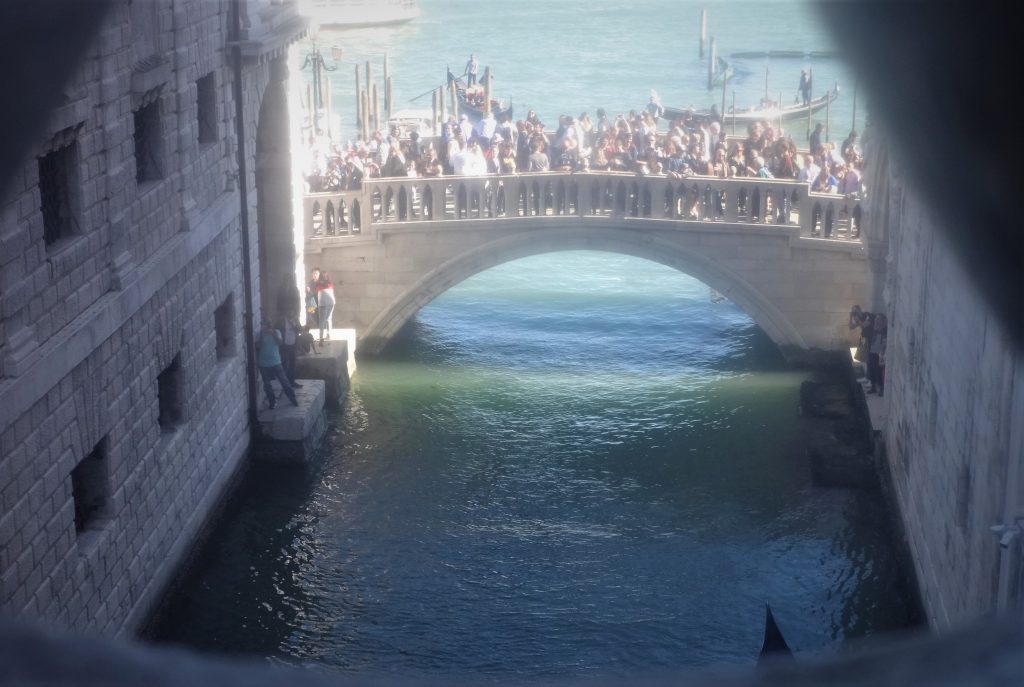
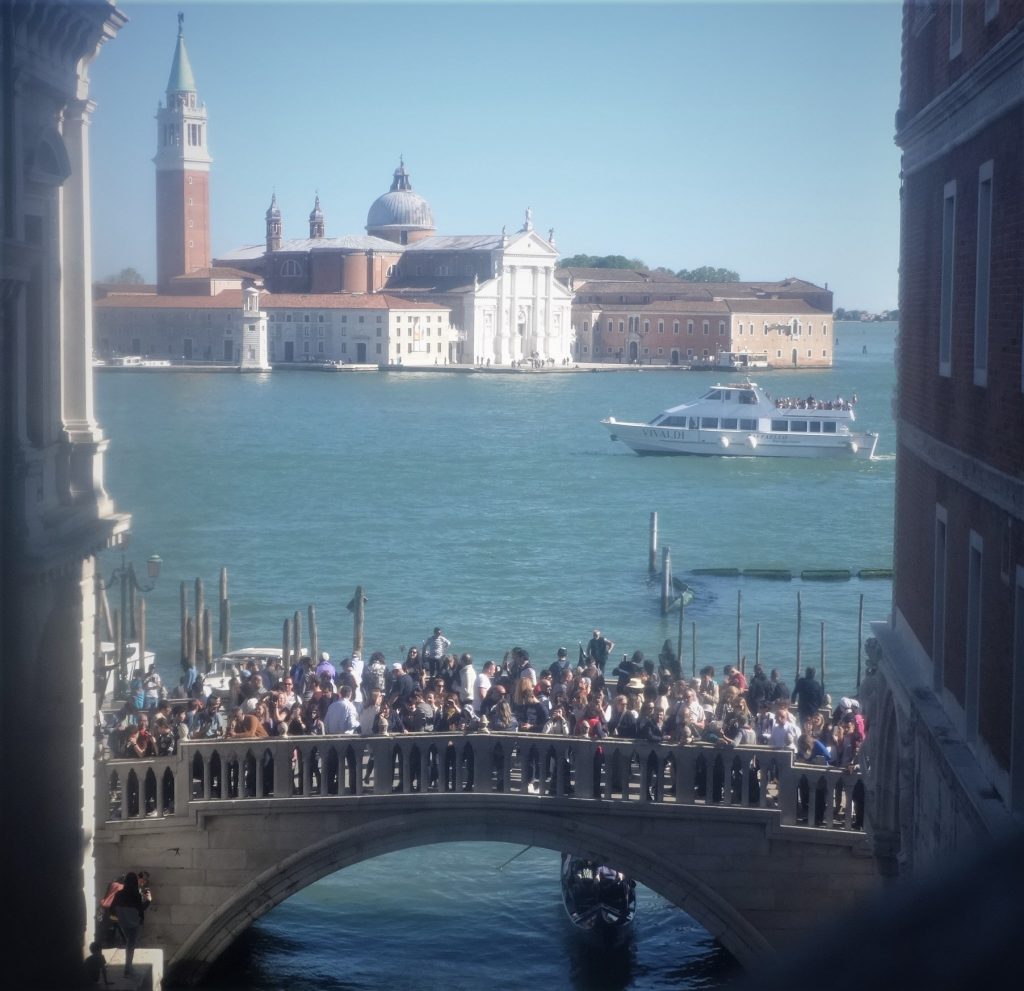
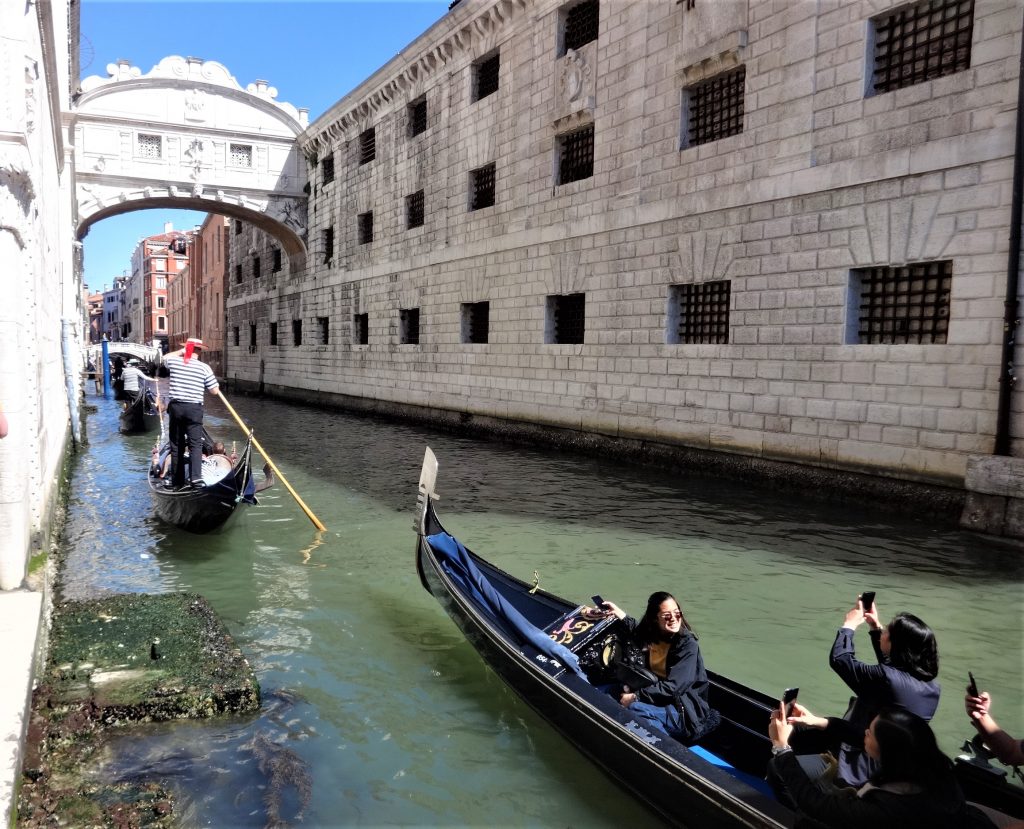
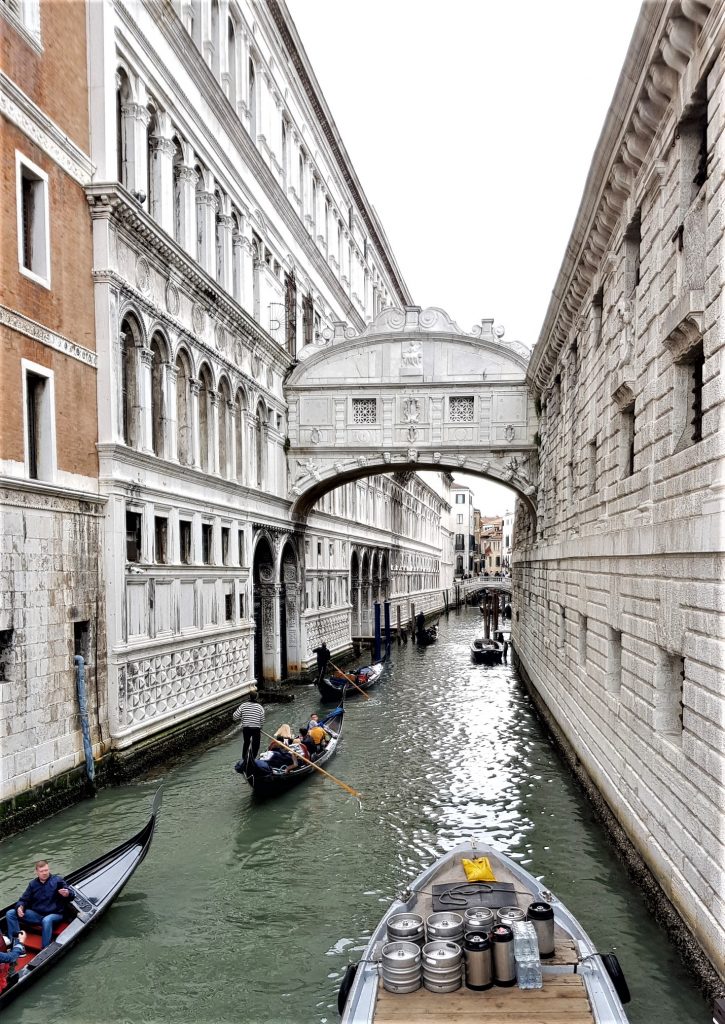
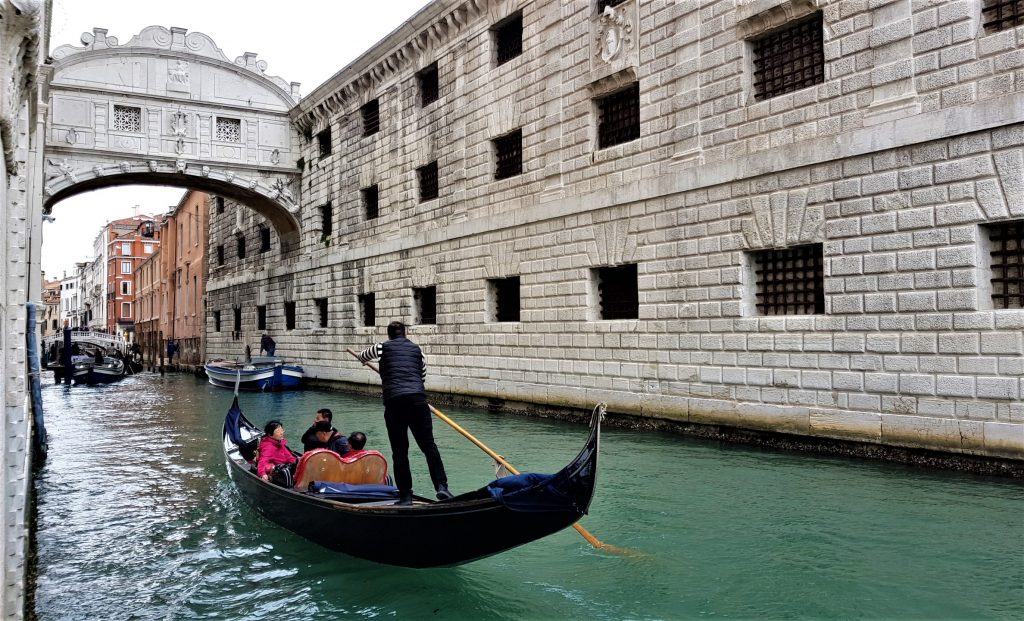
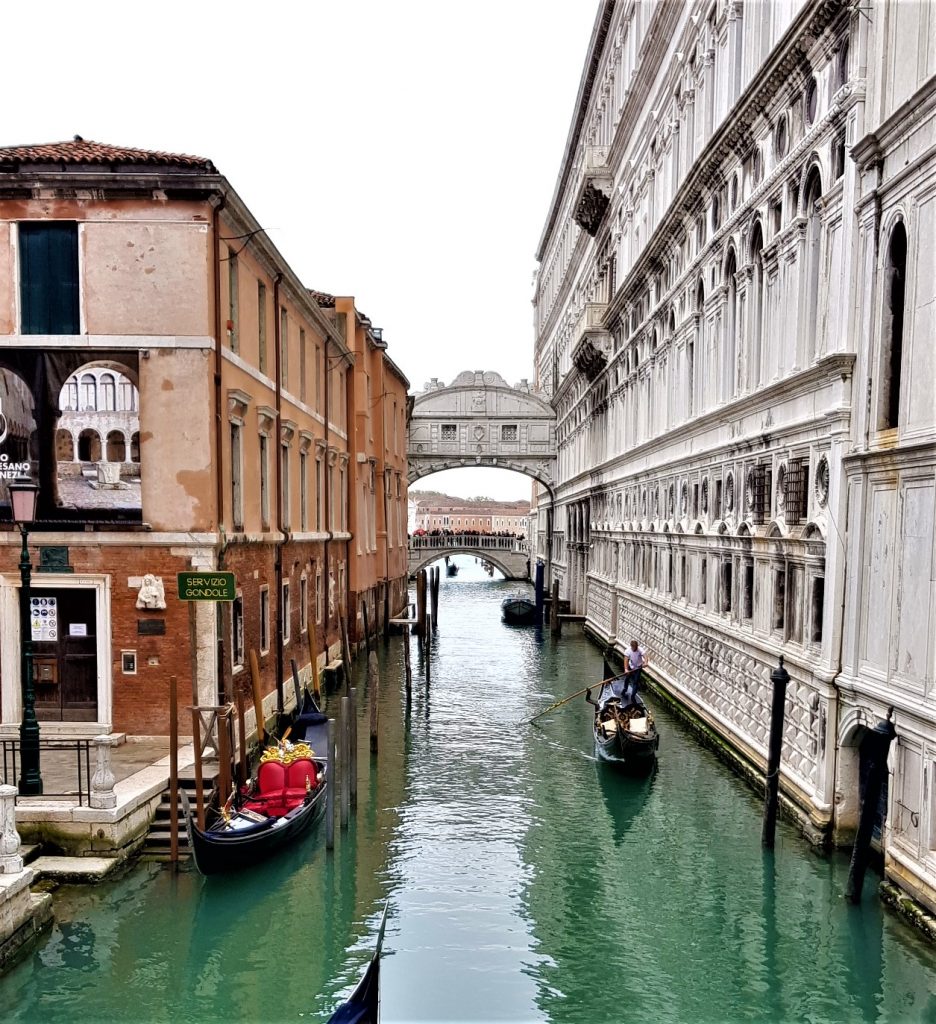
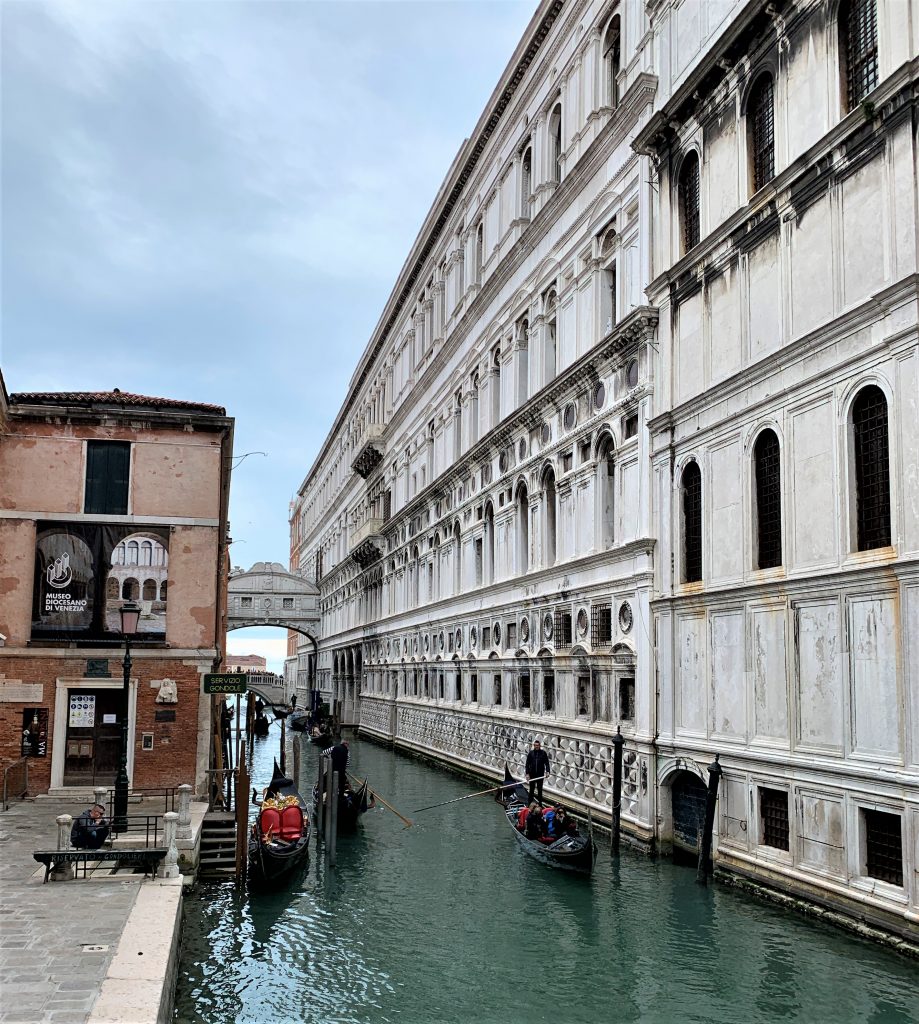
The current building was linked to the prison on the other side of the Canal by The Bridge of Sighs, a two way tunnelled bridge, linking the magistrate’s courts in the Palace to the Prison. 

The famous name of the bridge dates from the “Romantic period” and was supposed to refer to the sighs of prisoners who, passing from the courtroom to the cell in which they would serve their sentence, took a last look at freedom as they glimpsed the lagoon saying “I will never again see my beautiful Venice”.

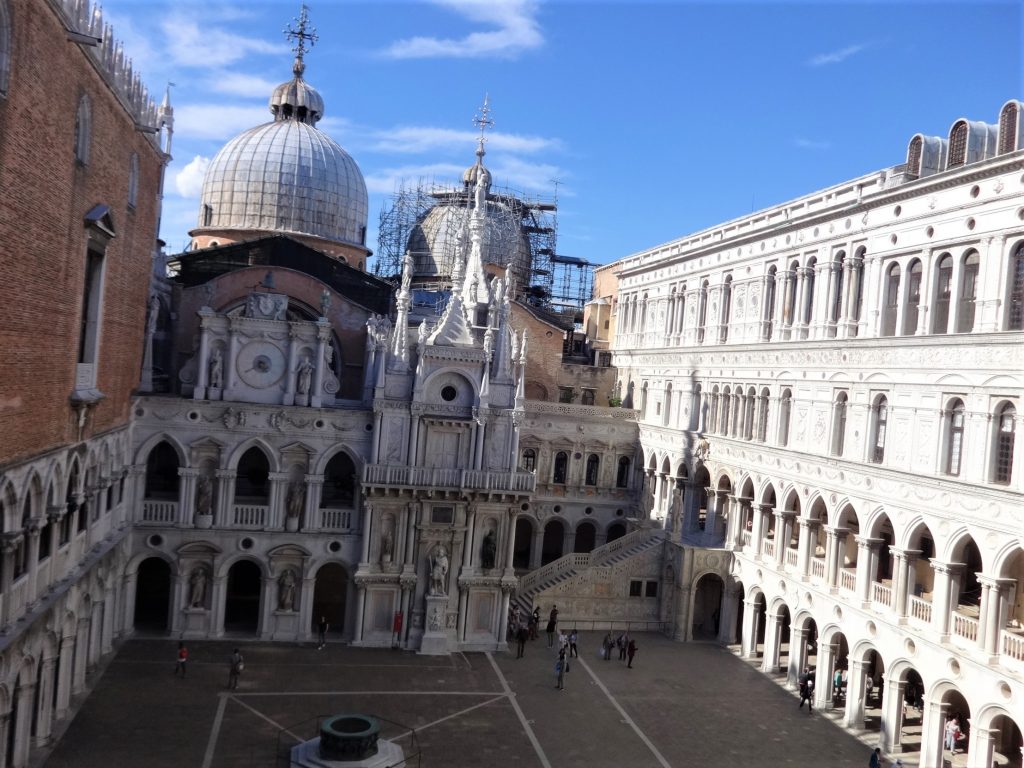
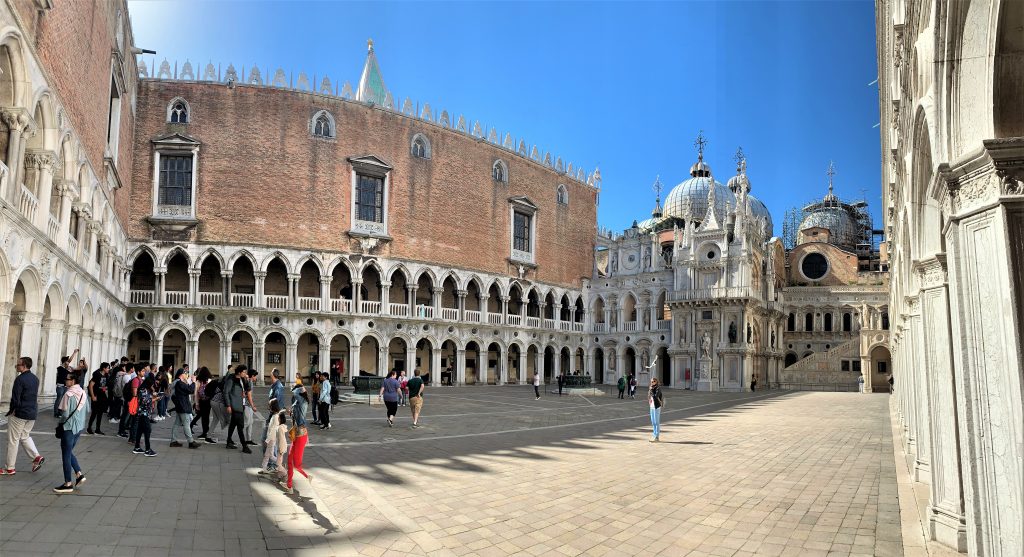
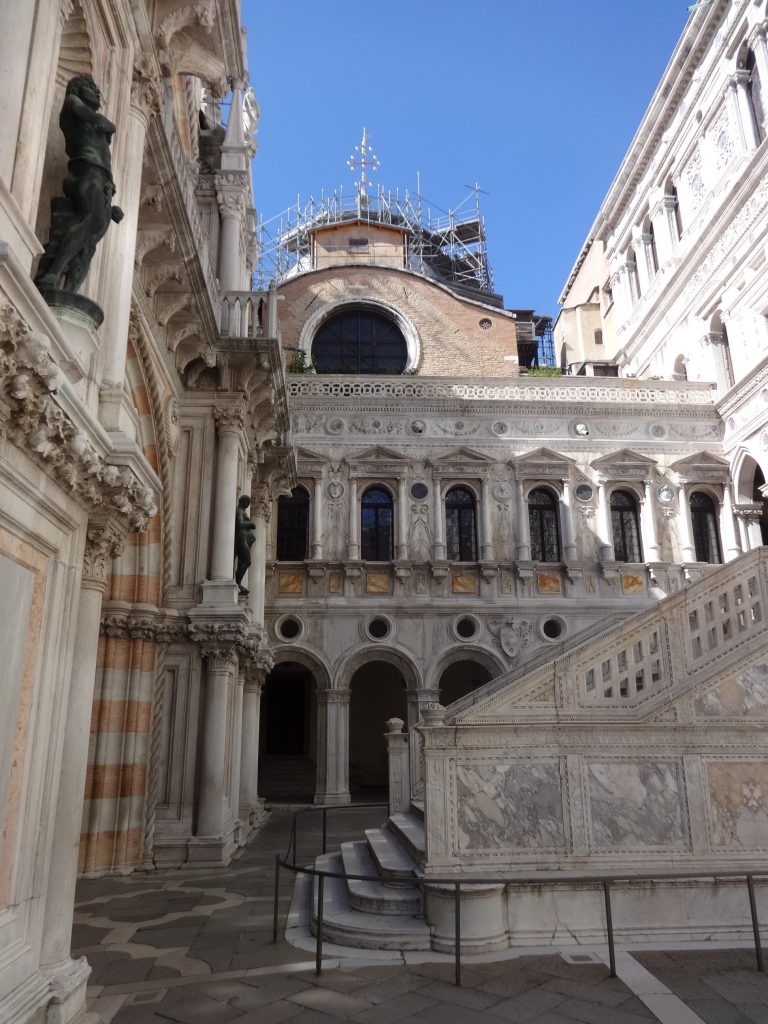
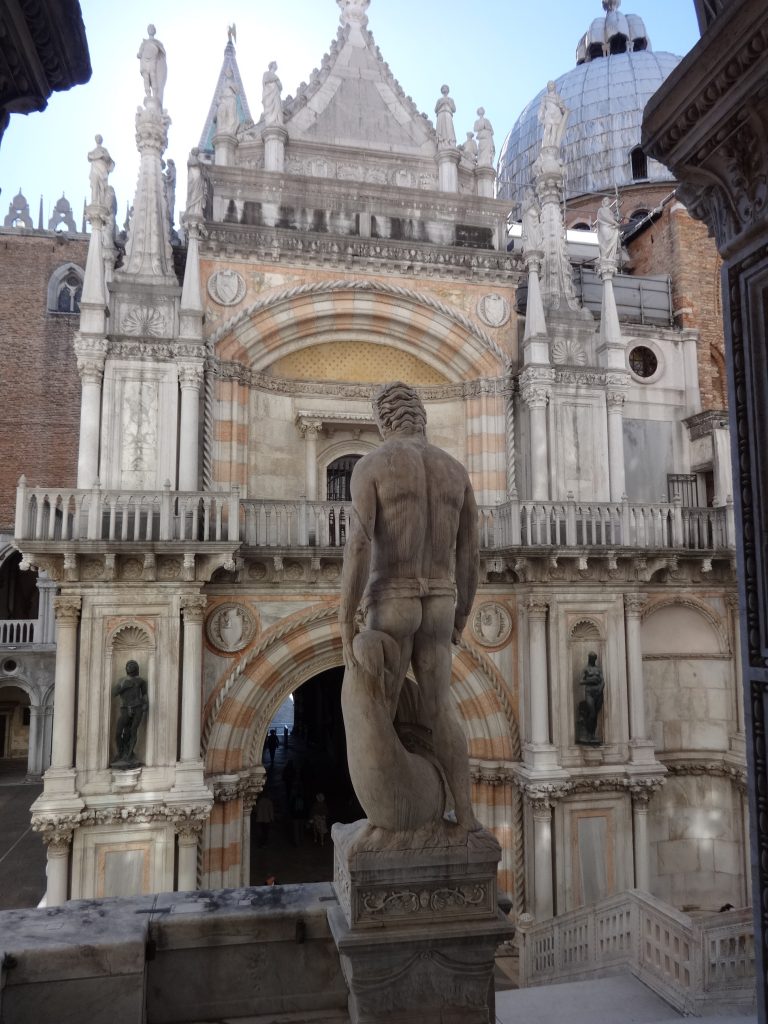
The internal courtyard is surrounded by the palace and St. Mark’s Basilica, which used to be the Doge’s chapel, in the centre of the courtyard stand two well-heads from the mid-16th century.

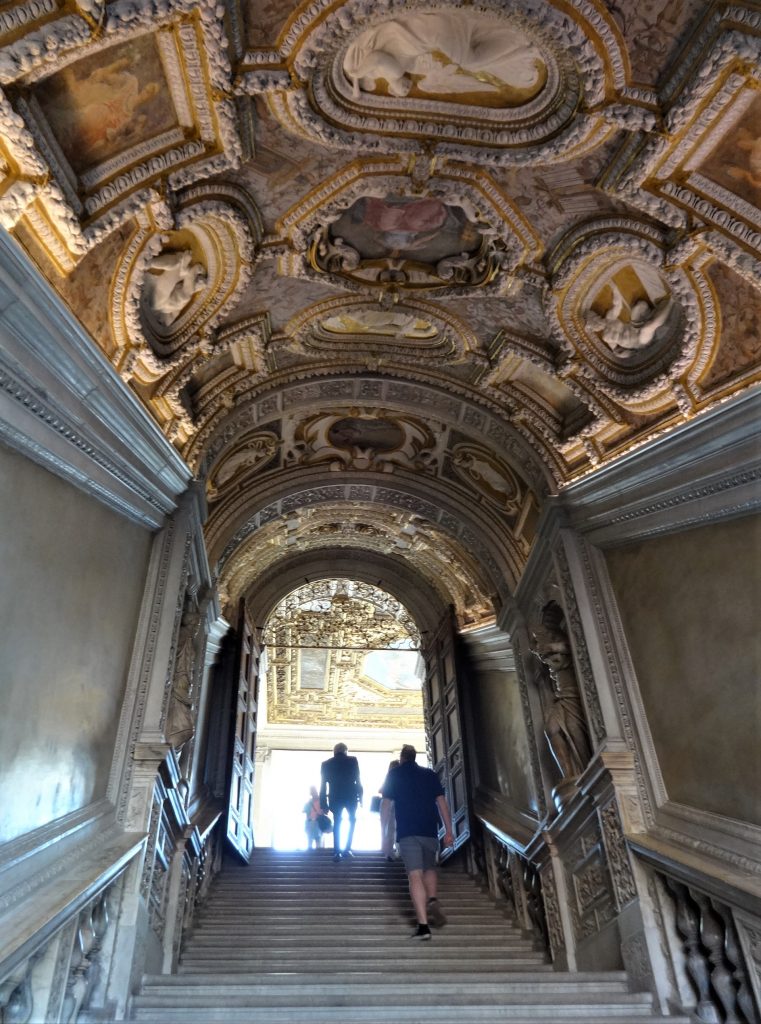
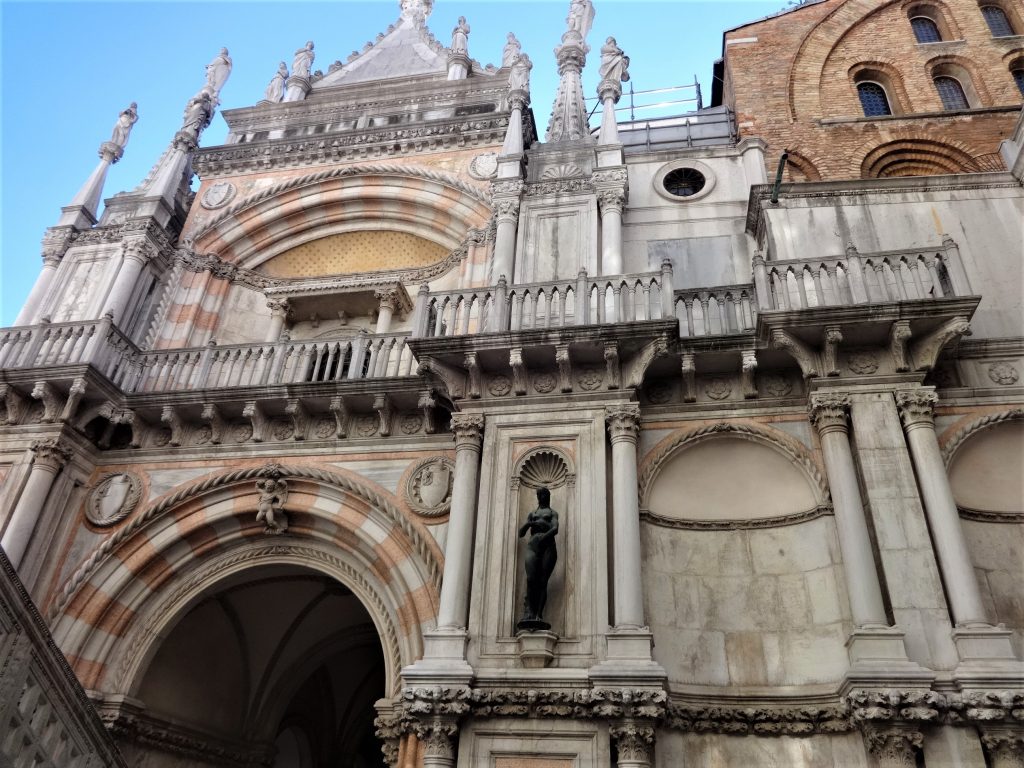
In 1485, the Great Council decided that a ceremonial staircase should be built within the courtyard, called the Giants’ Staircase. The design included alternate bands of Istrian stone and red Verona marble to create one single monumental approach from the Piazza right into the heart of the building. Since 1567, the Giants’ Staircase is guarded by two colossal statues of Mars and Neptune, which represents Venice’s power by land and by sea, and therefore the reason for its name. Members of the Senate gathered before government meetings in the Senator’s Courtyard, to the right of the Giants’ Staircase.
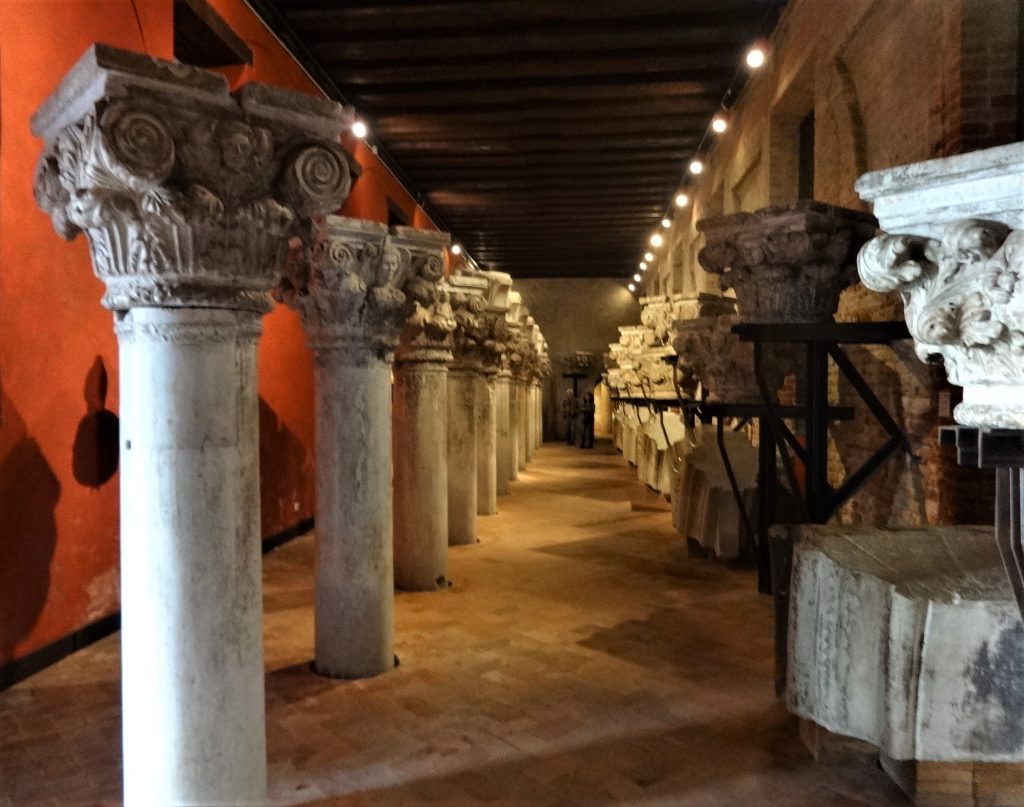
Looking out from the Palace down one of the entrances.
A genuine prison cell in the Palace.

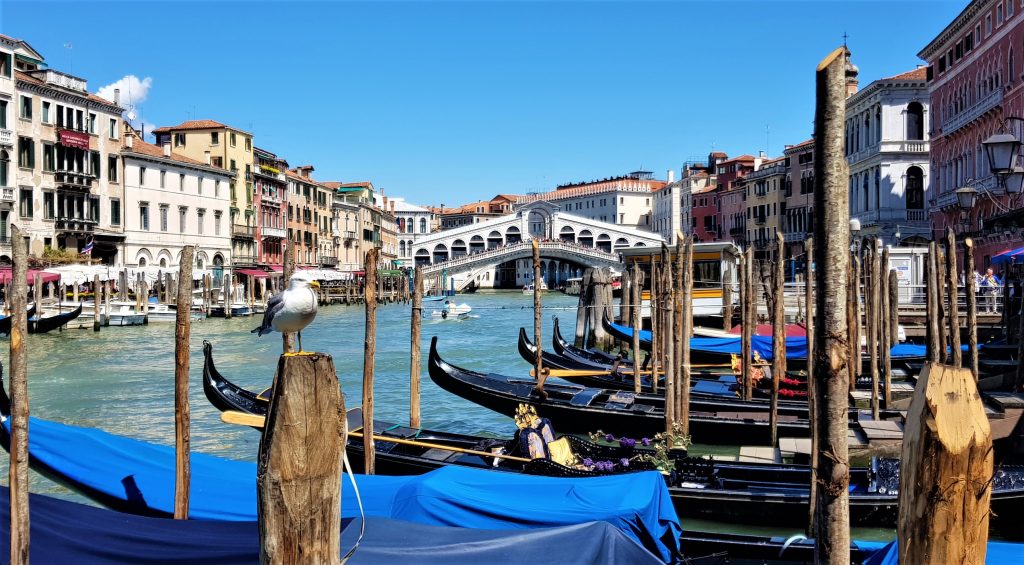
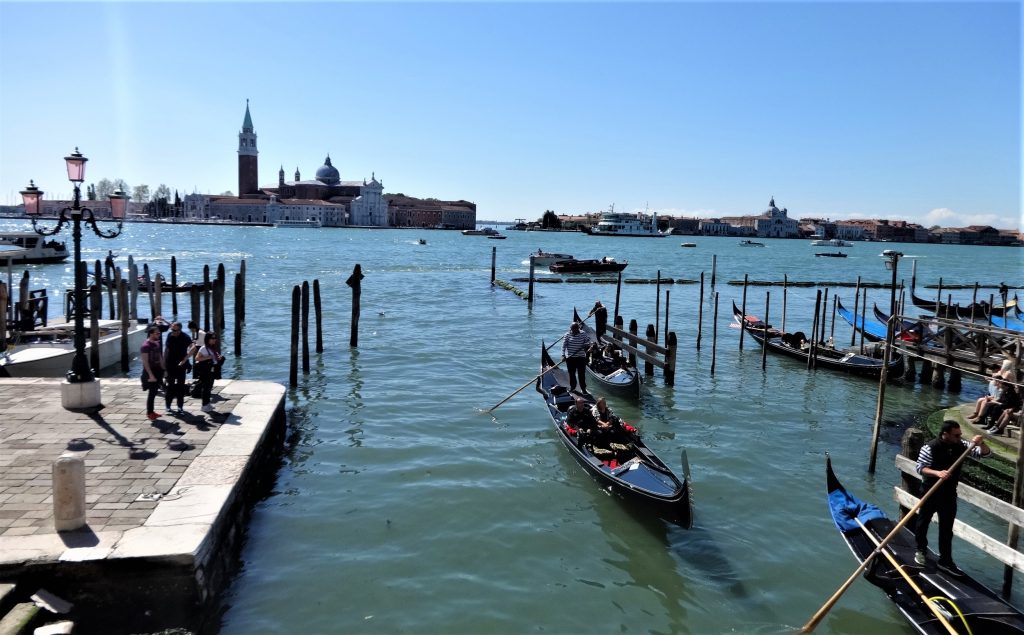
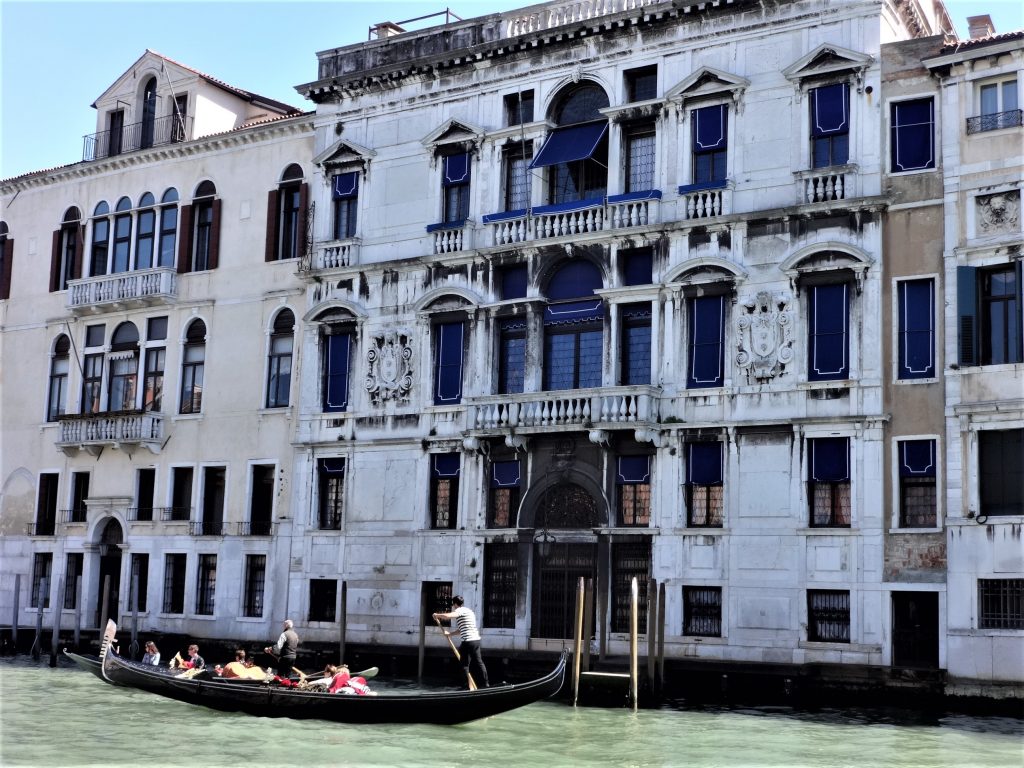
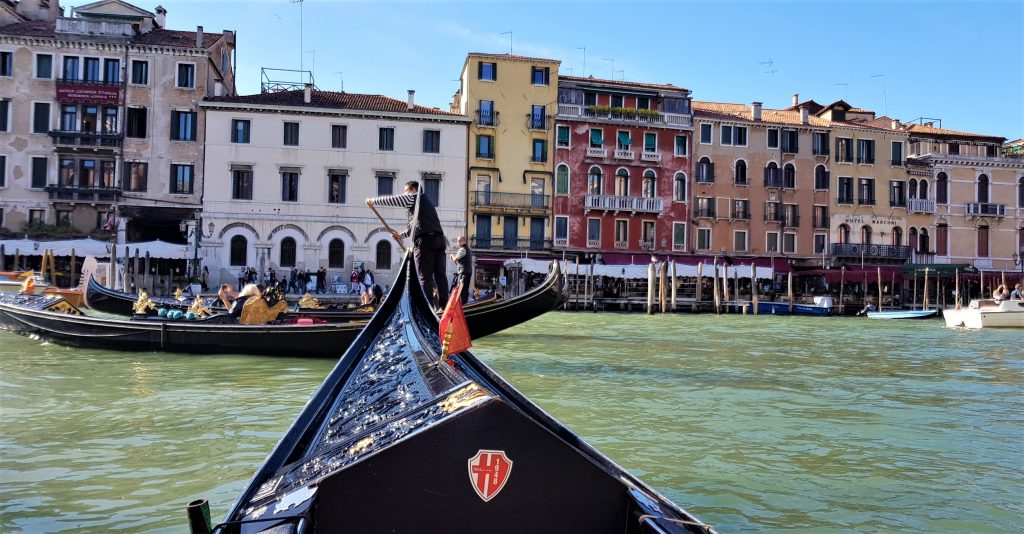
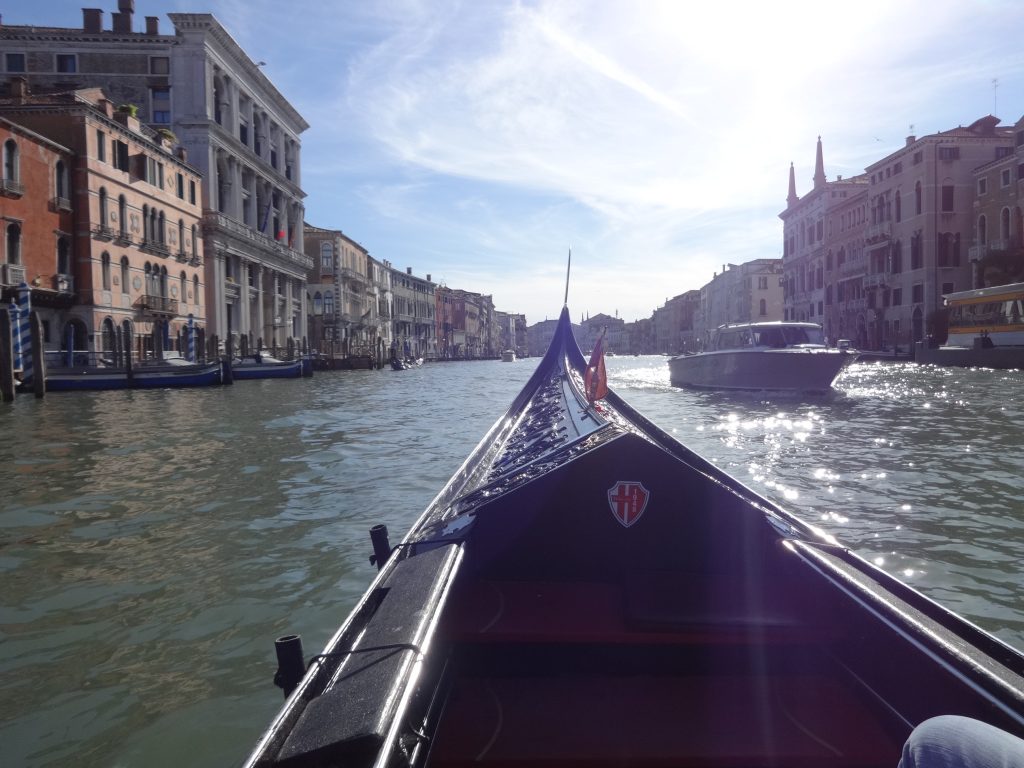
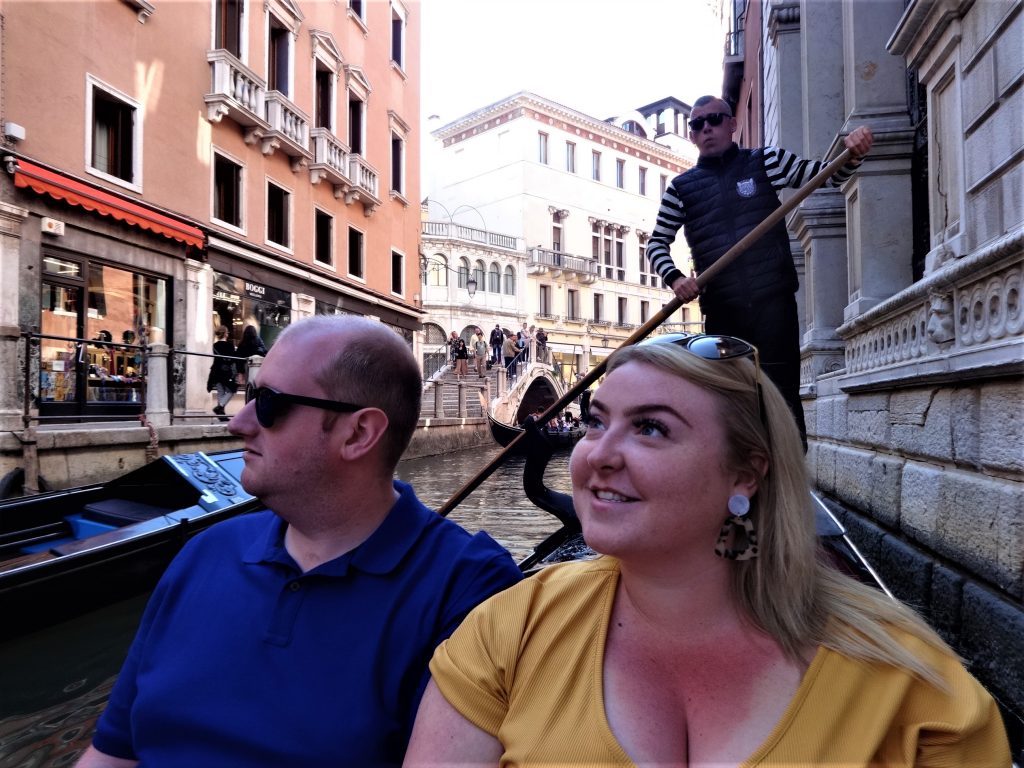
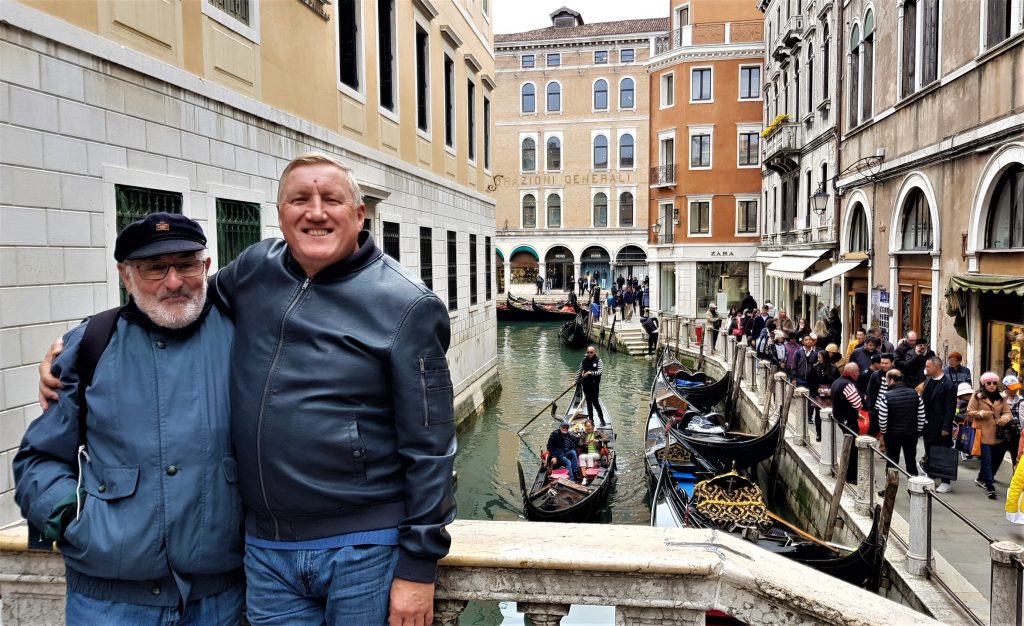
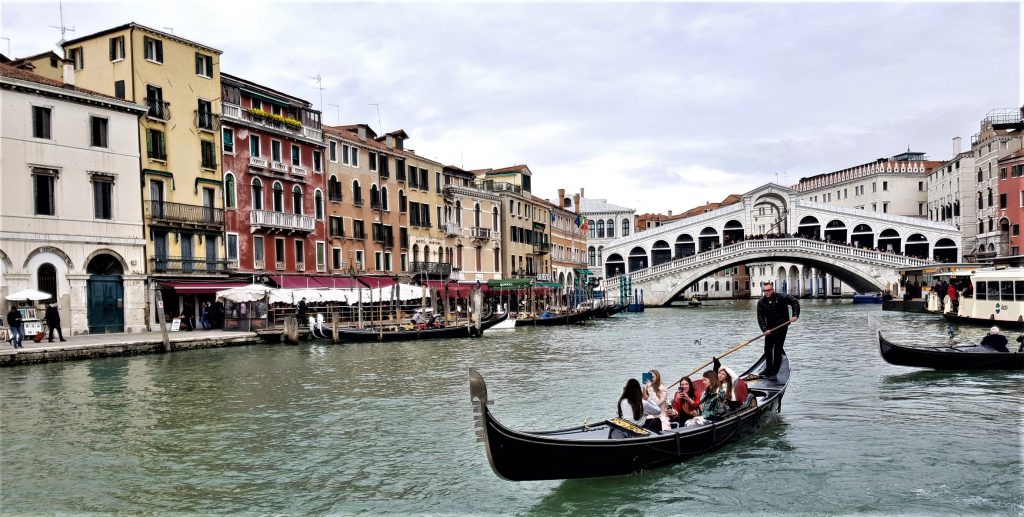
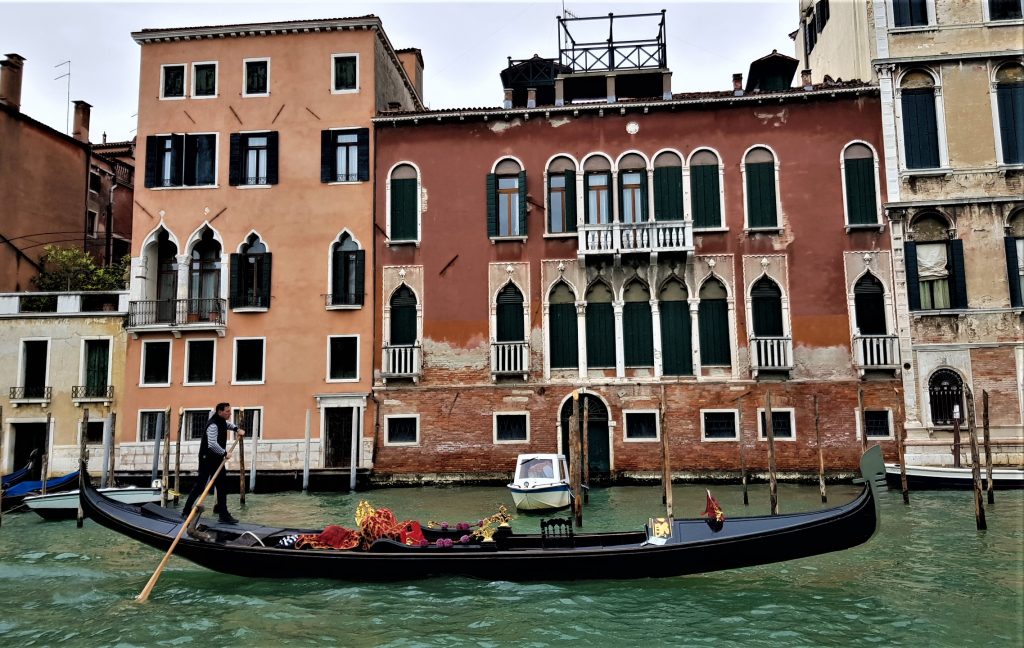
The Gondola Ride.

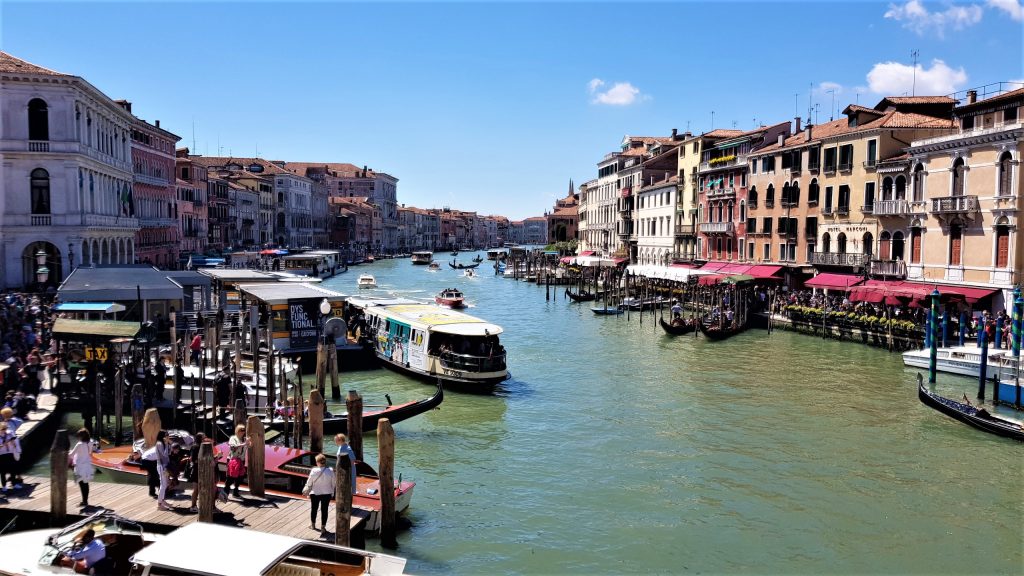
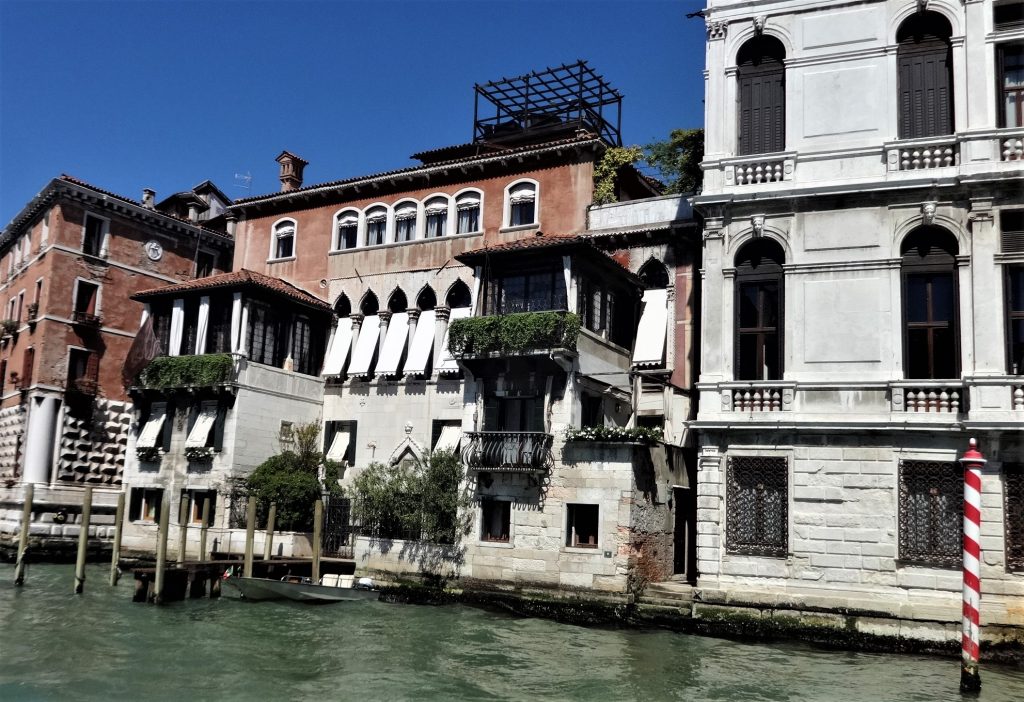
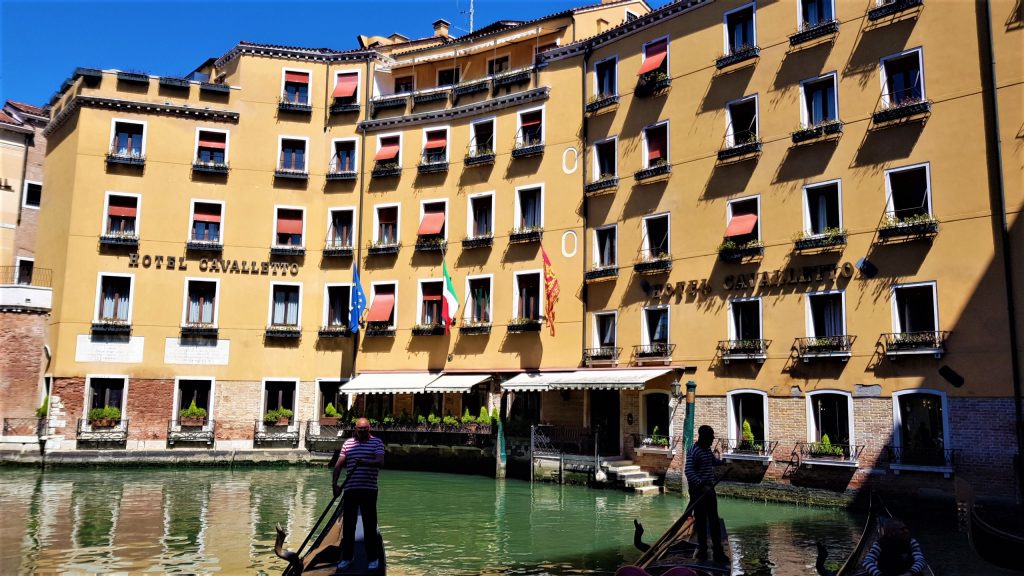
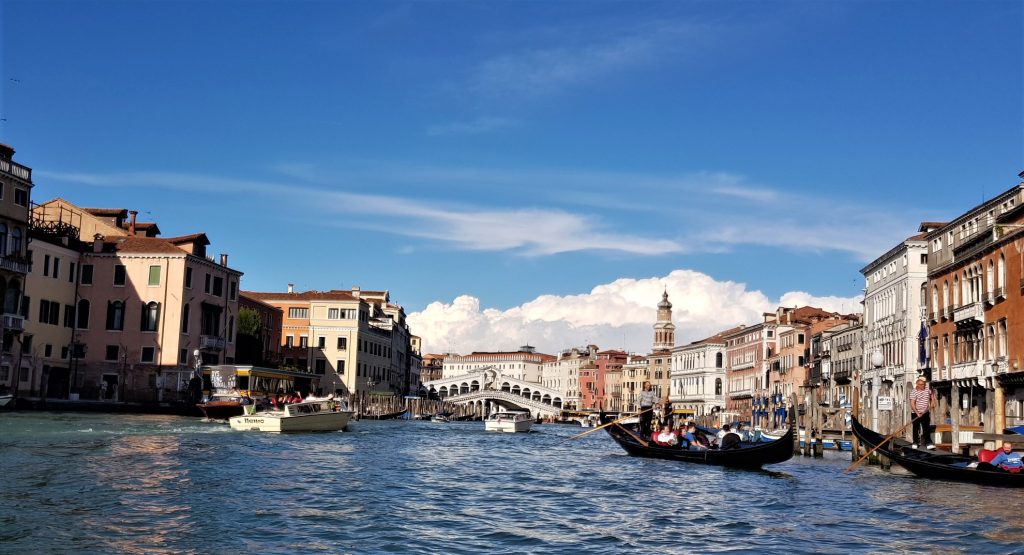
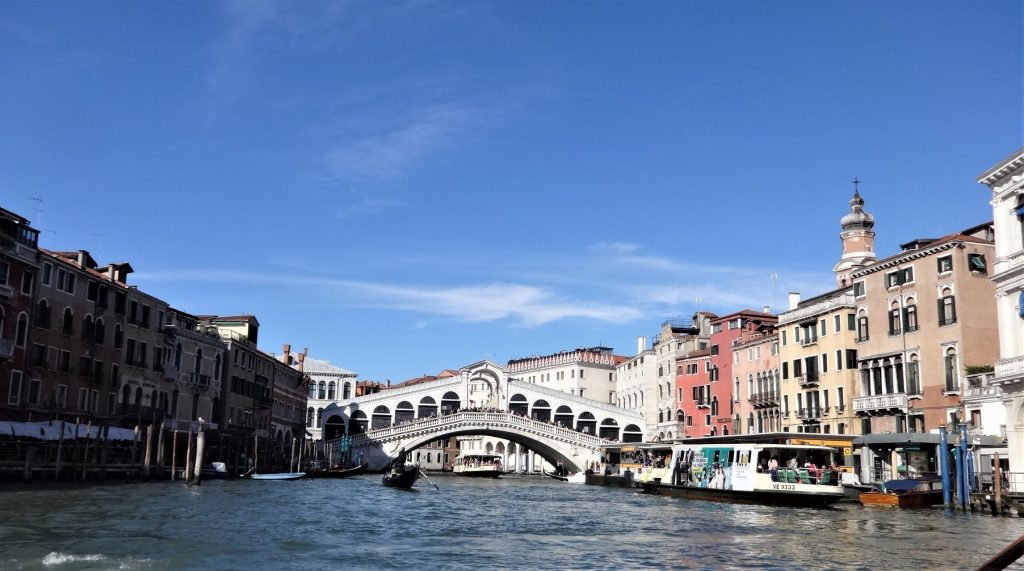
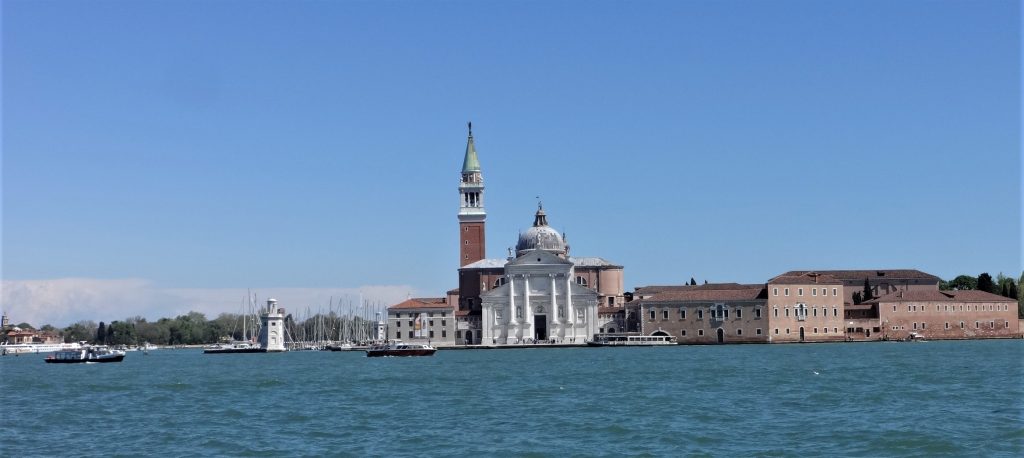
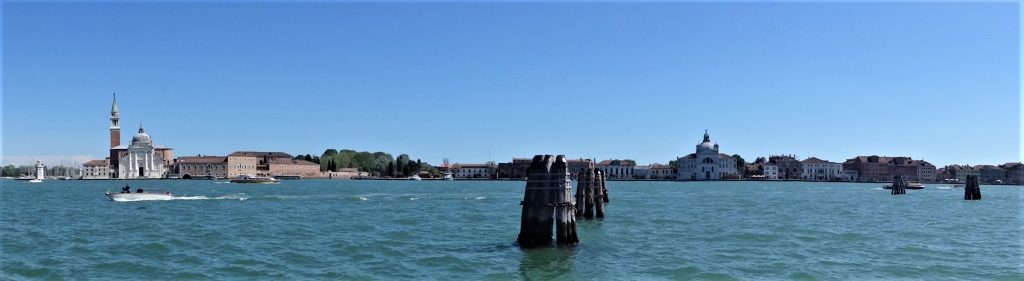
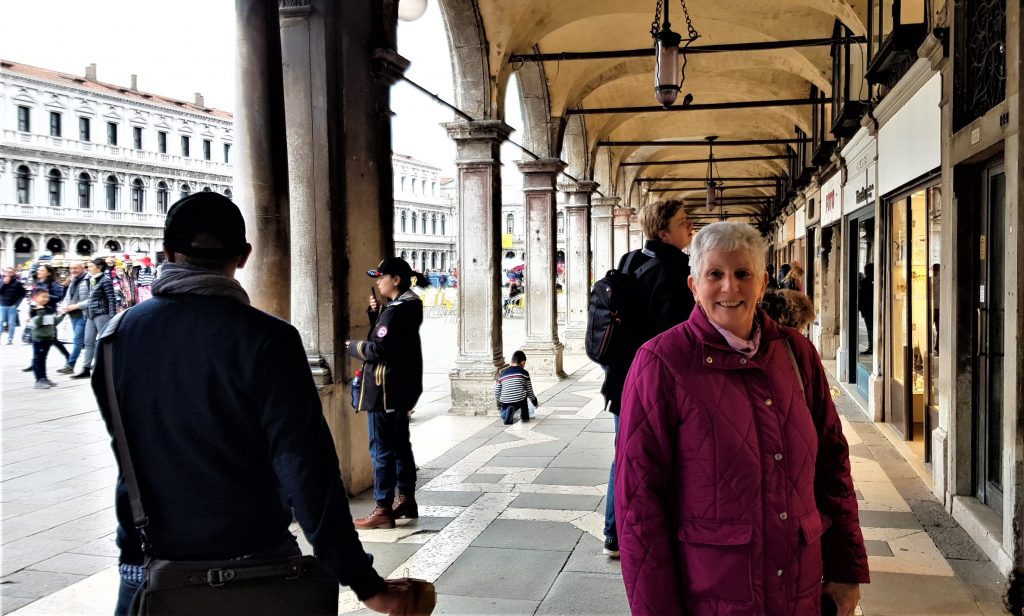
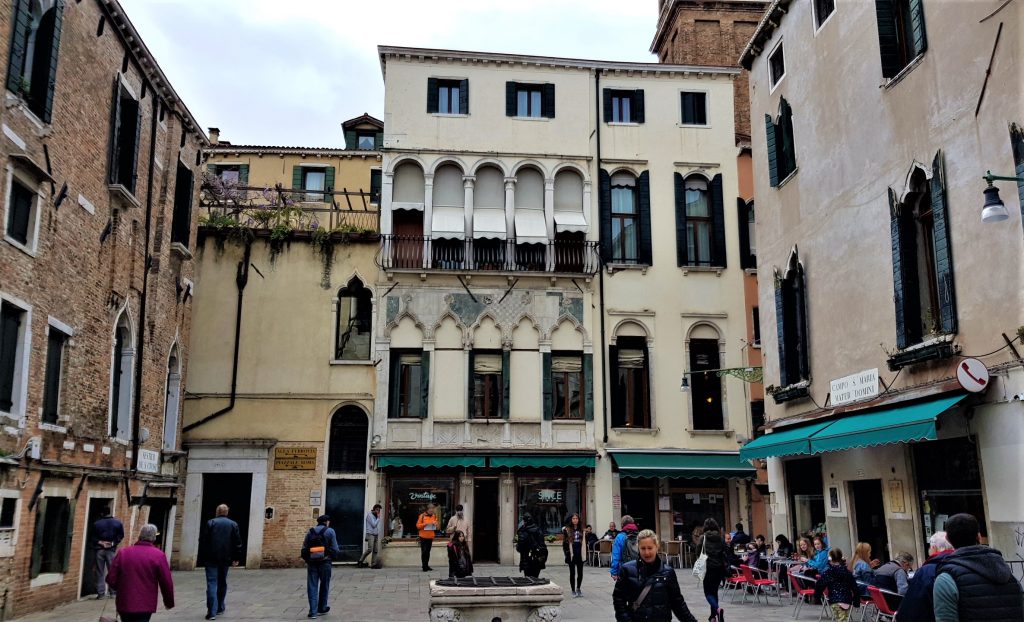
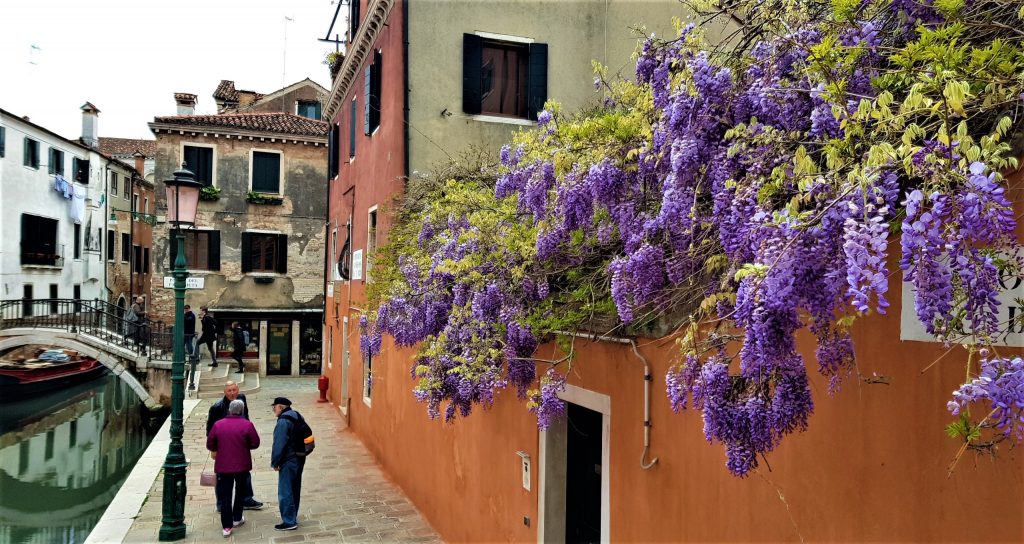
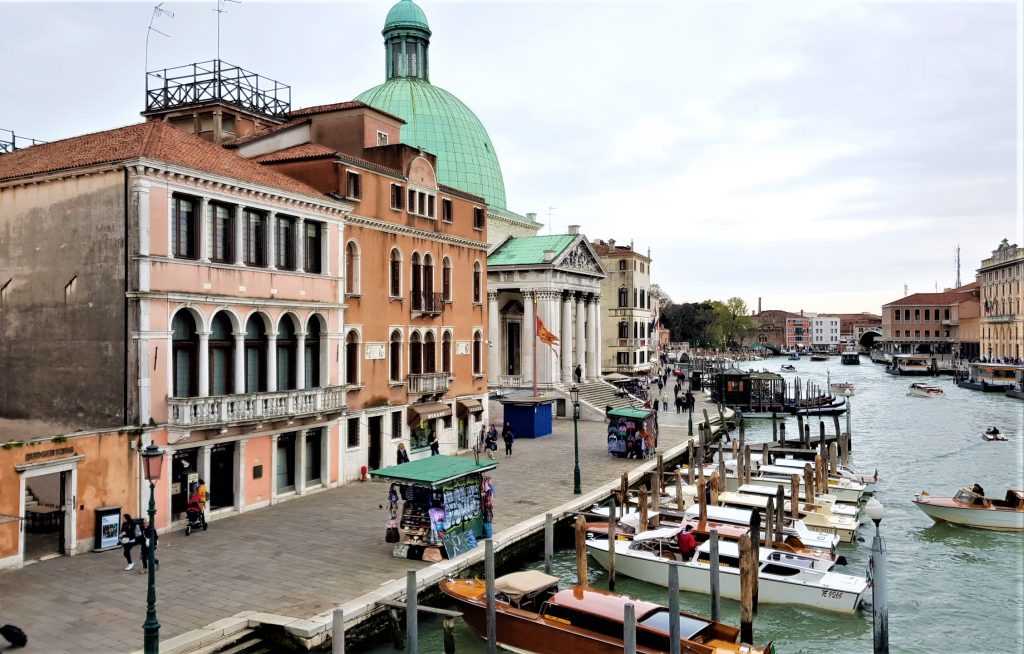
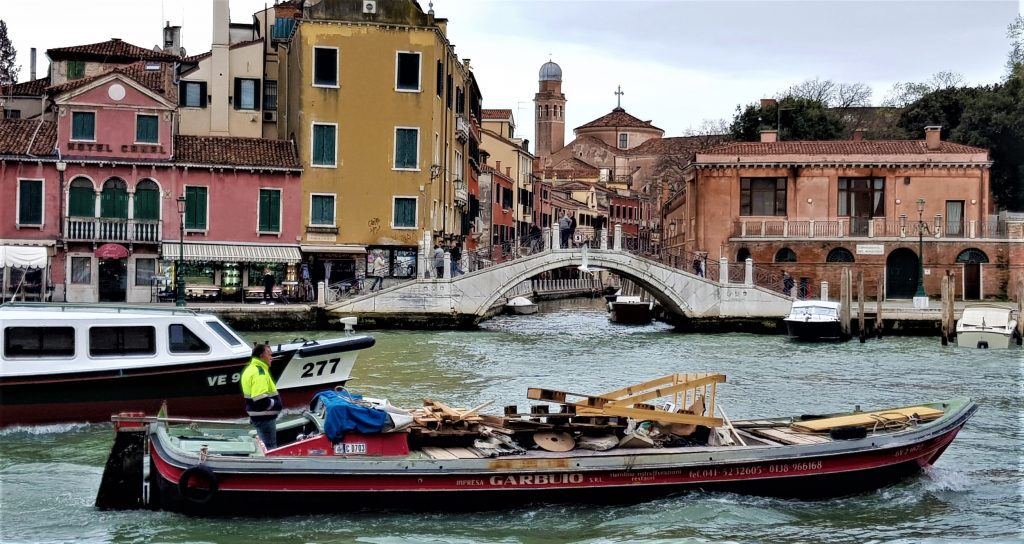
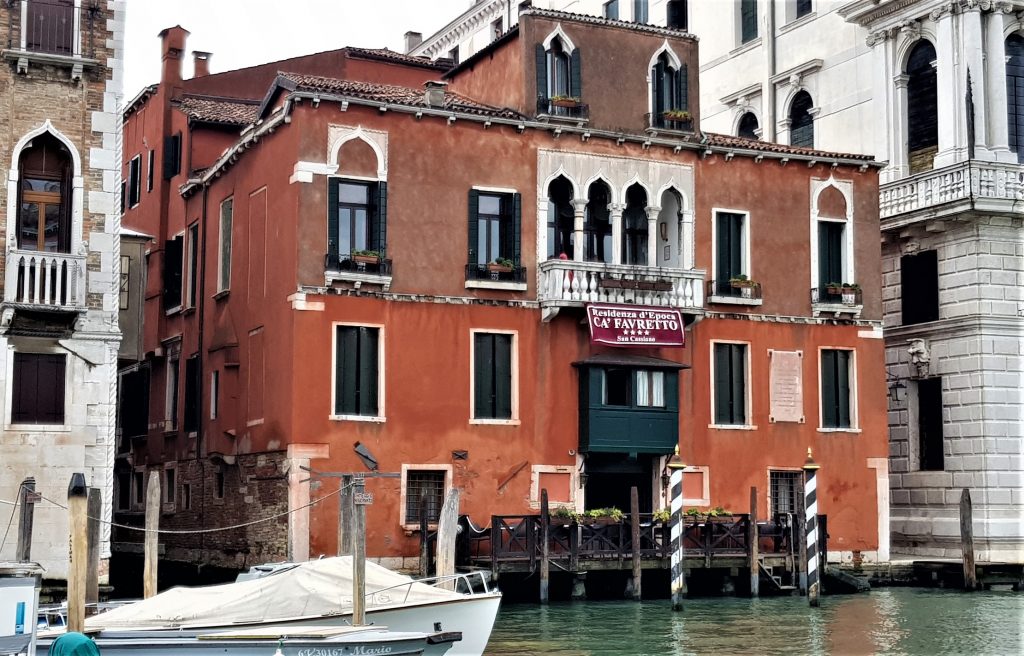
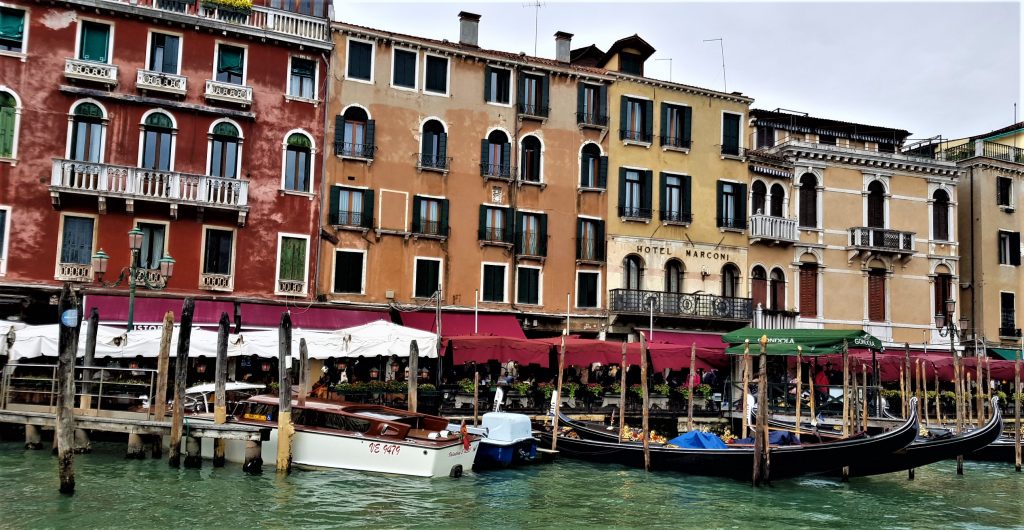
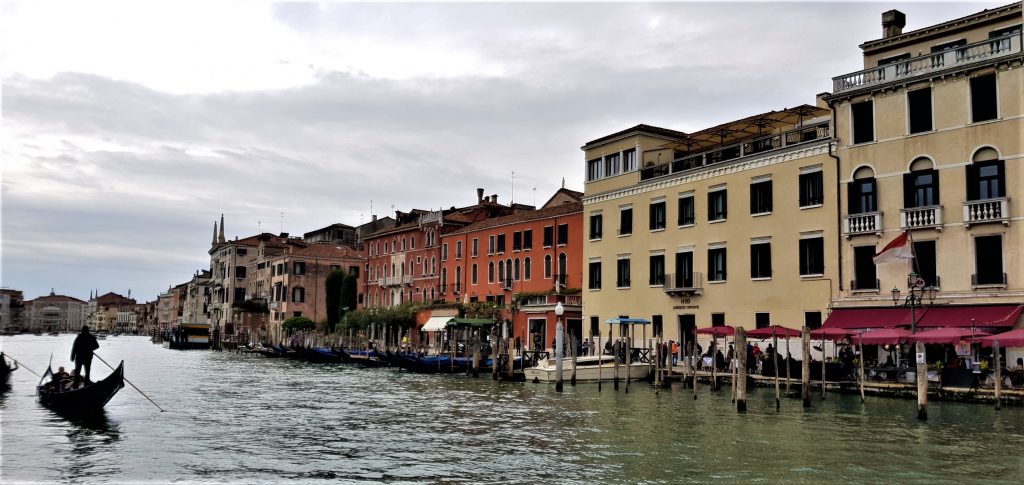
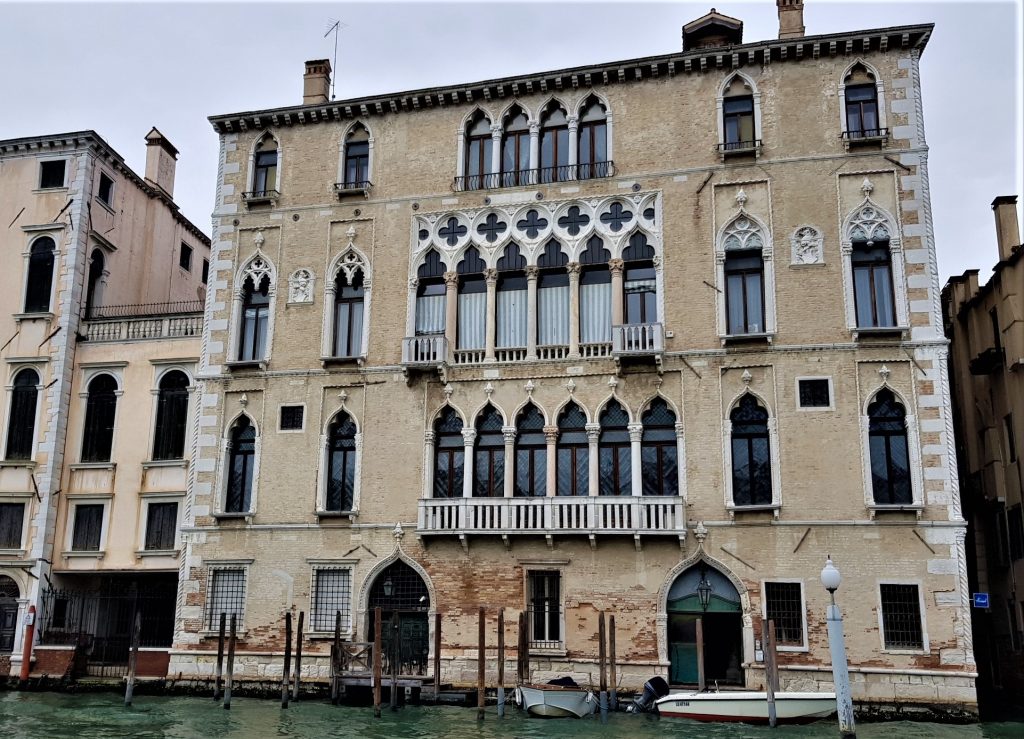
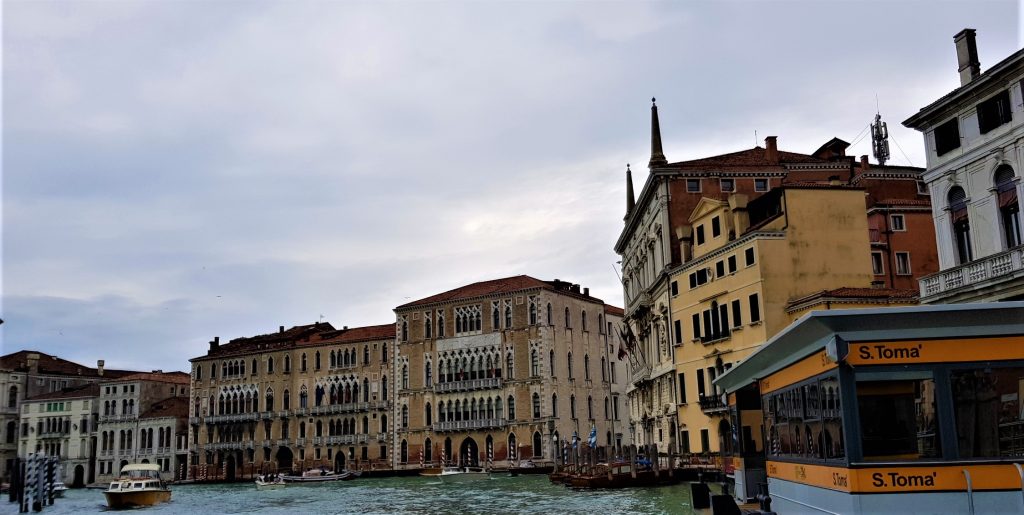
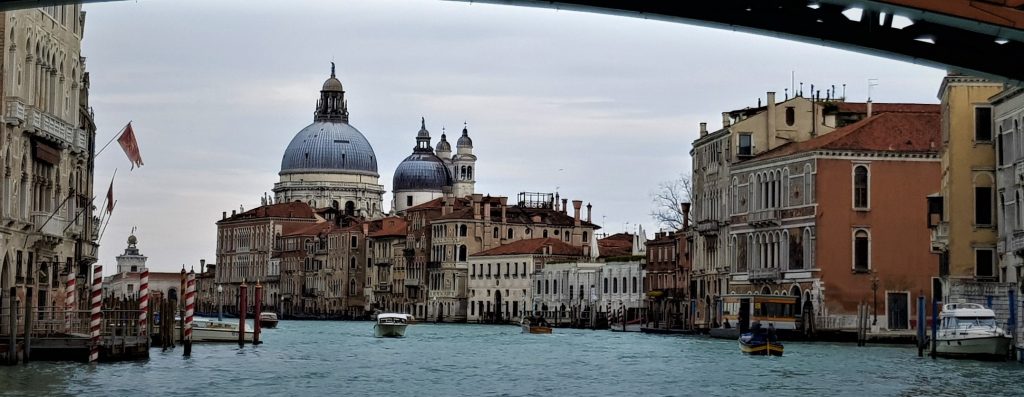
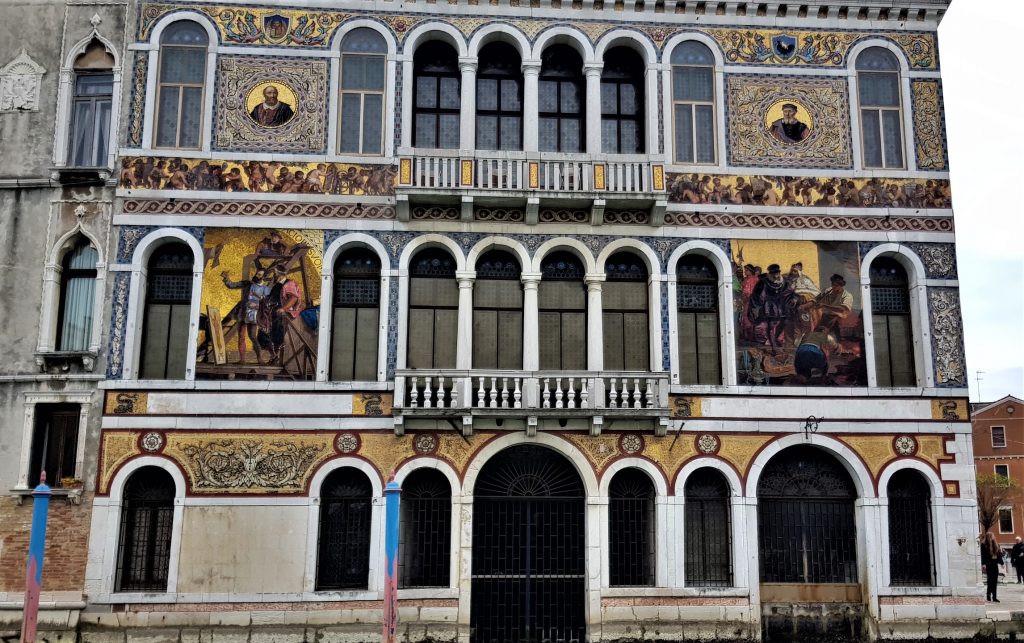
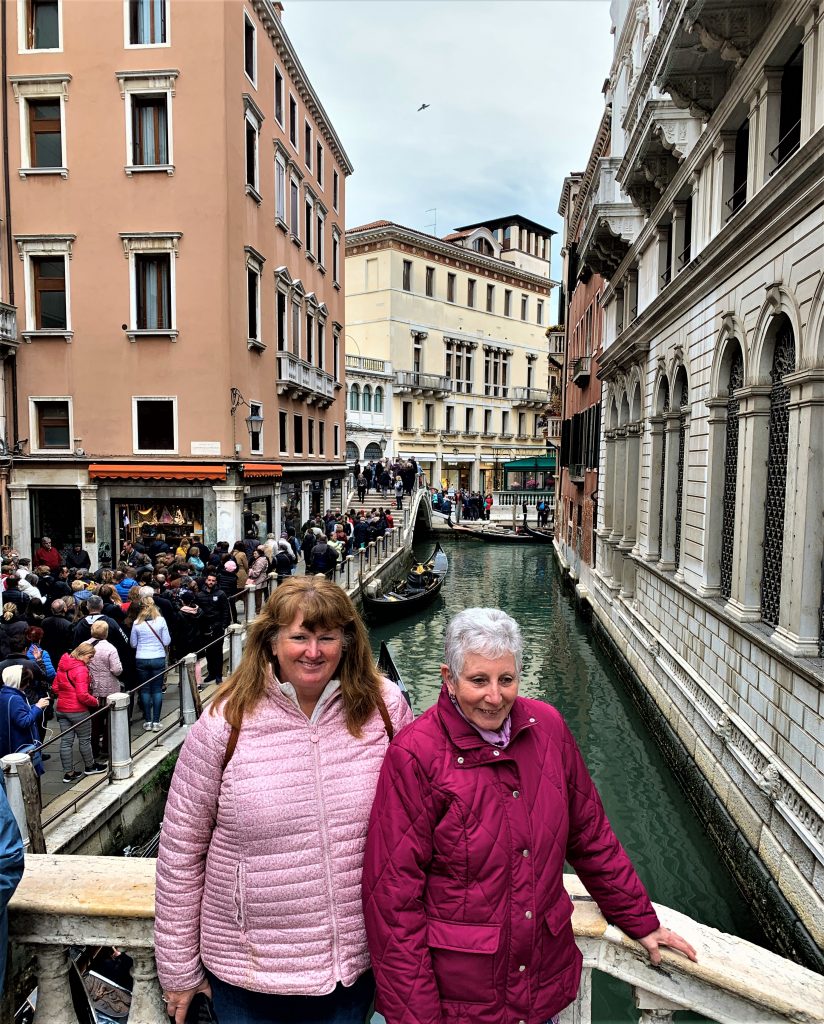
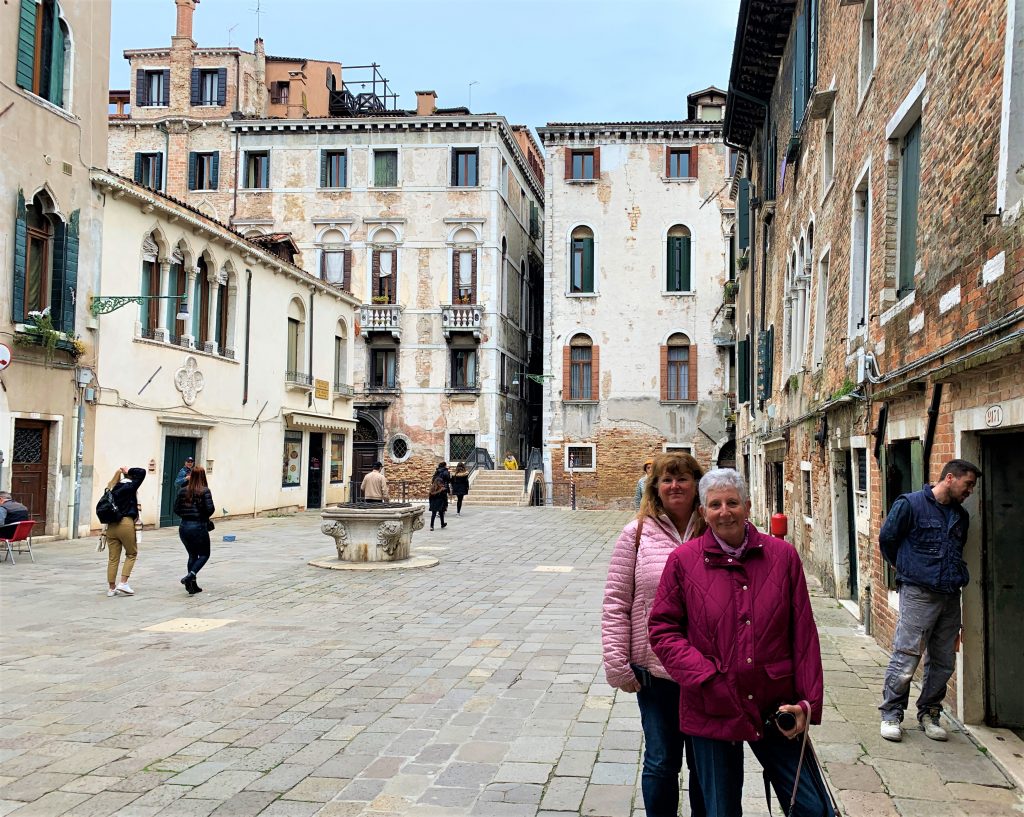
General views.

Venice Part 1

Our Arrival

When we plot a new route, we do (99% of the time!!) check the sat nav and when our route from Lake Garda to Venice showed message “includes toll/ferry roads” we thought, yes, toll roads, that’s fine, and we ploughed on.  The sat nav is set up to show us as a “Lorry, 15m long and 3.8m high”!

Our eventual arrival in Venice was delayed by a couple of hours when, as we approached the City, the sat nav decided to send us the shortest route – using a ferry from the main town across the lagoon onto the peninsular where our site was!  We had not anticipated the ferry crossing and had no idea whether we could board it or not, so we continued past the ferry port into the town, however, the military police guarding the entrance to Venice realised, as we did, that we had made a mistake and turned us around, only to add another 70kms to our journey all around the edge of the lagoon! 

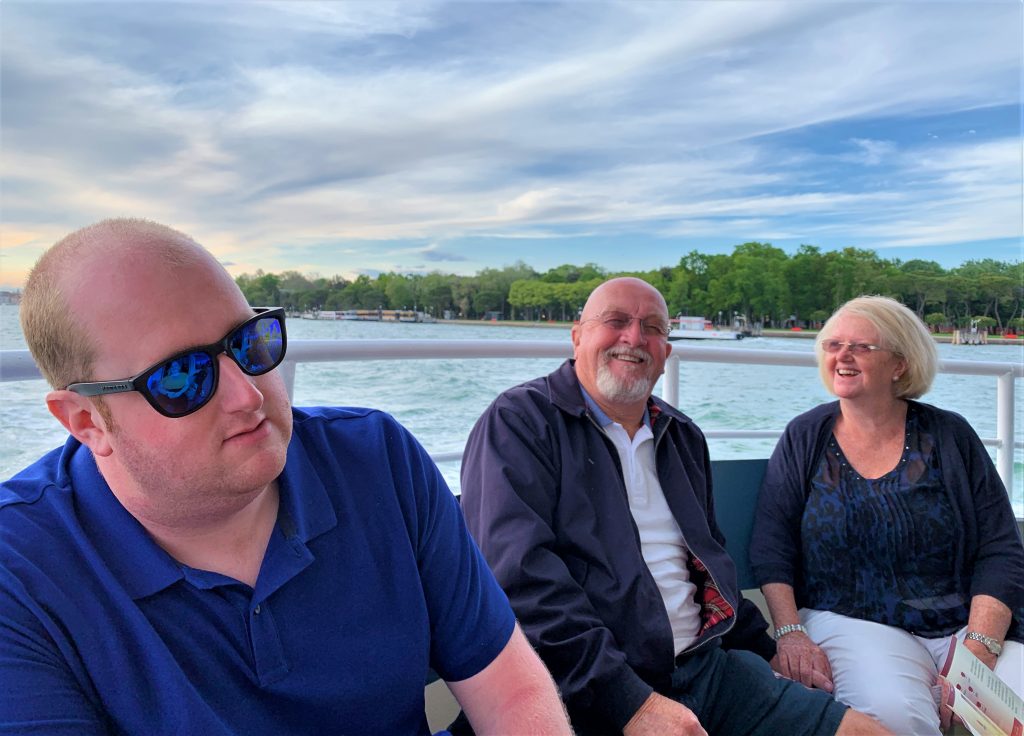
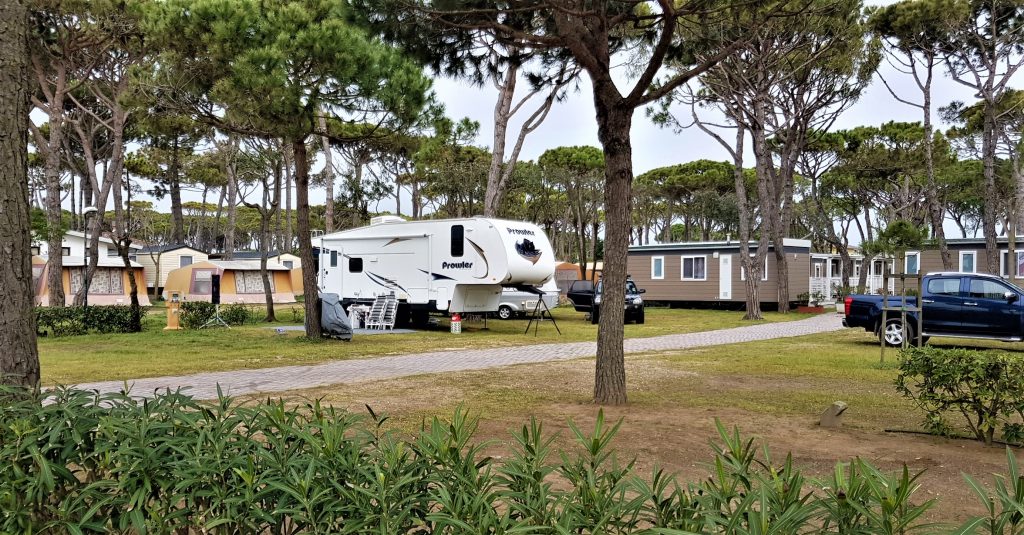
We got there eventually, got to our pitch right beside the Adriatic Sea, and were joined by Mum and Dad for a couple of days. We established later that we could have got onto a vehicle ferry at a cost of €75, which would have taken half an hour, instead of the 1.5 hours to took to drive round the coast!

Having been on the site a few days, we were suddenly surrounded by Germans in their motorhomes.  We selected a large pitch, away from the facilities, in a short road of 5 pitches on either side, all looking towards the sea, so when a small Eriba caravan parked right behind us, in our shade, without a view of the sea, we could not work it out.  Maybe he was posing to capture a photo of little and large! Then another German in an old dirty rusty scrappy motorhome parked in front of us – we wondered what we had done to upset them!

Large and little!

The peninsular is a long sandy stretch of land, home to 31 camp sites ranging from 2* to 5*, small to huge in size, and several hotels, a few bars, several restaurants and small shopping areas.  Nothing else!  The beach is the attraction, 30kms of gentle sandy slopes into the Adriatic, with camp sites offering their facilities such as sun beds and umbrellas, cafes, dog only beaches and games areas.

Venice City

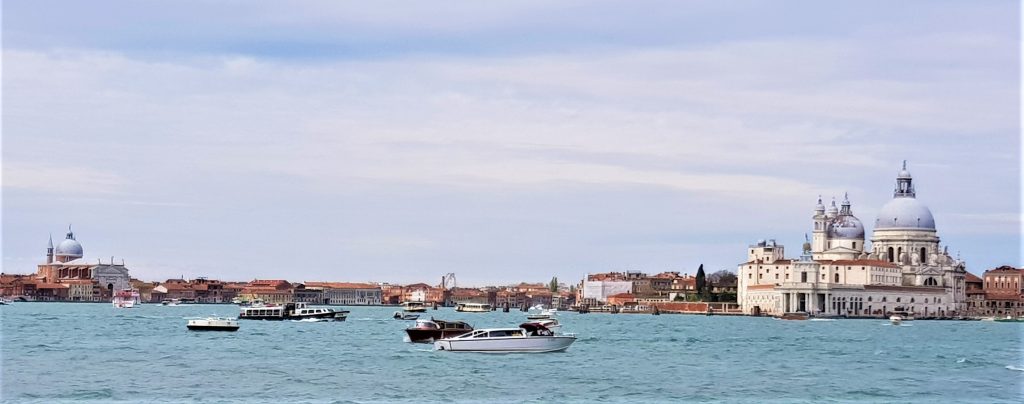
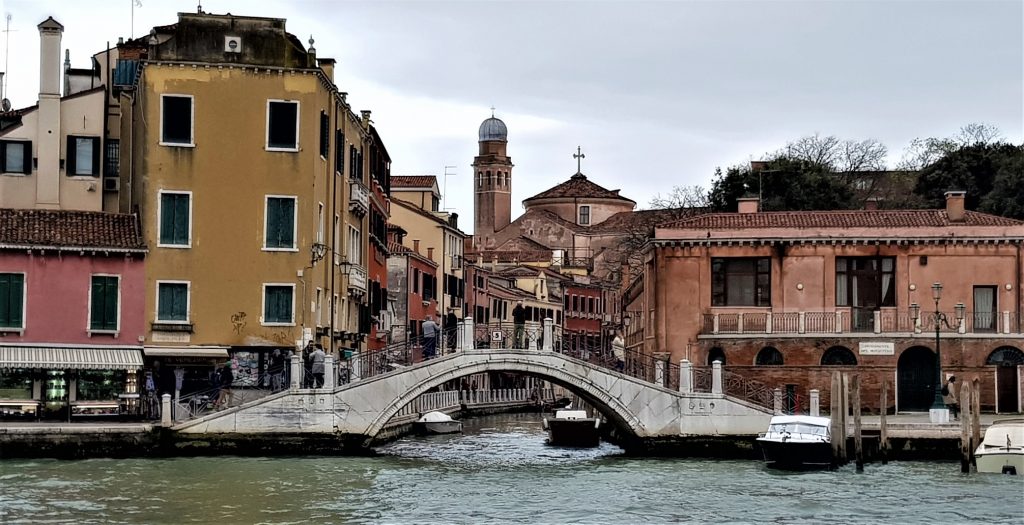
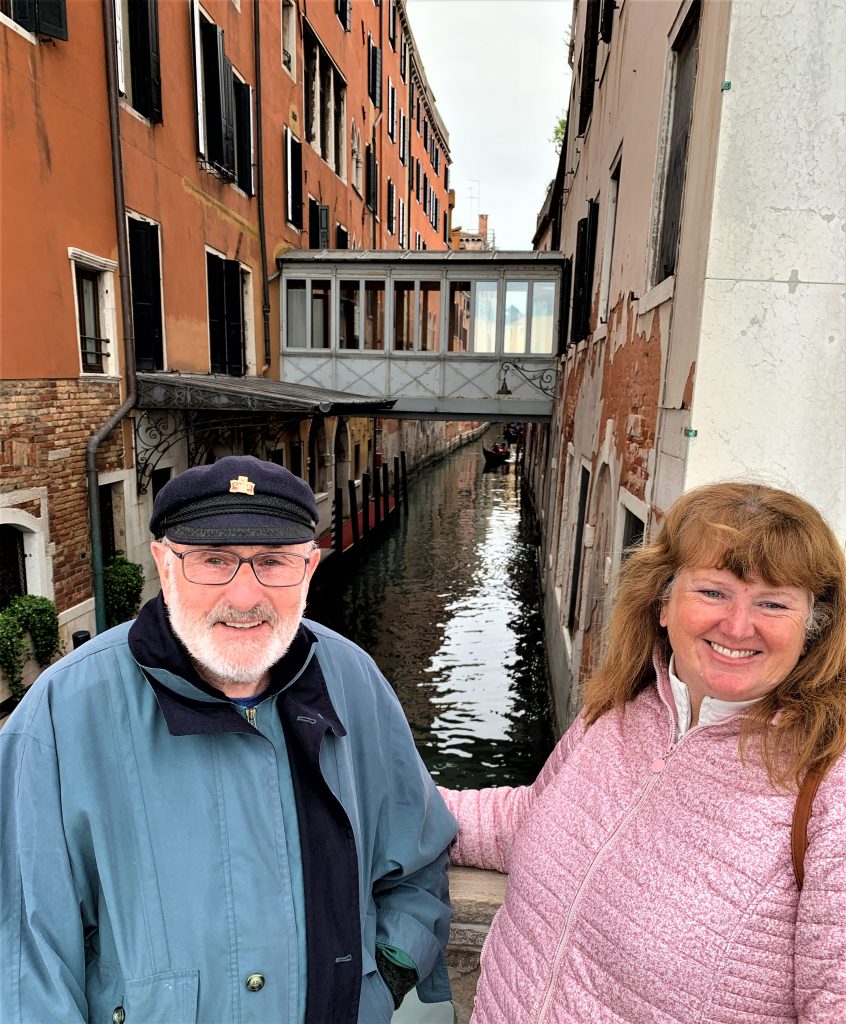
Venice City is an island, it is said it was built by fishermen, who sunk wooden posts into the soft sand in the Lagoon and built on top, creating a road free canal city, accessed only by over 417 bridges. 

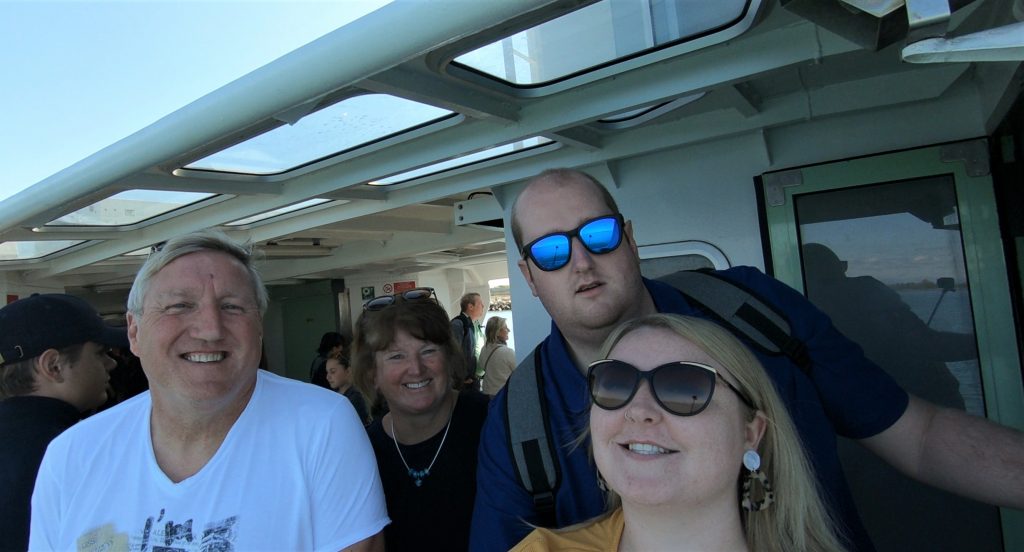
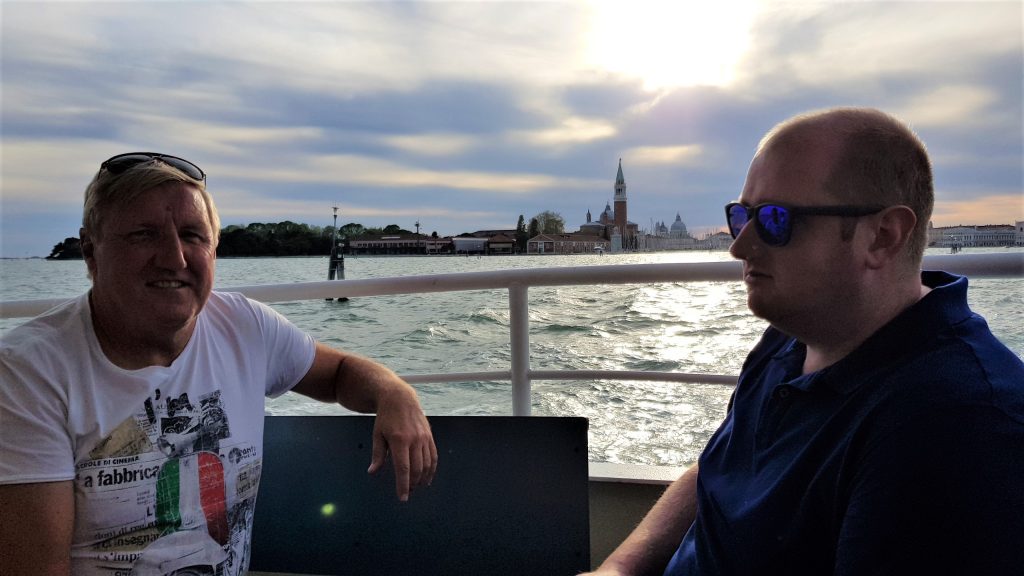
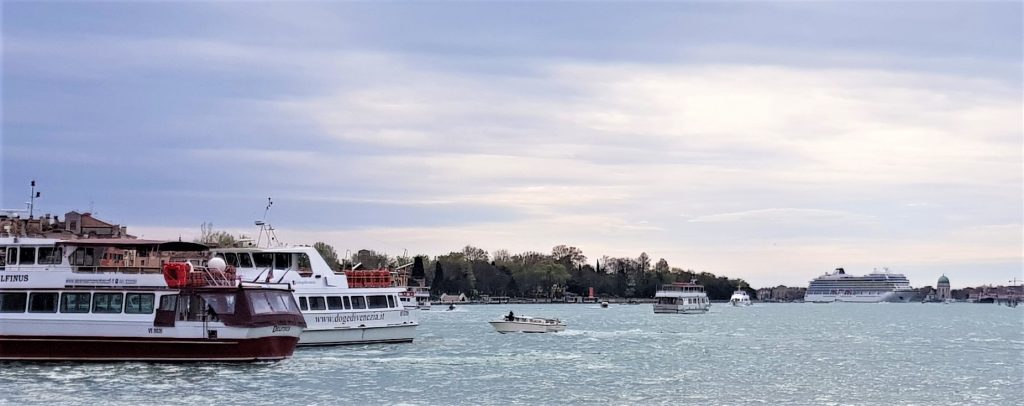
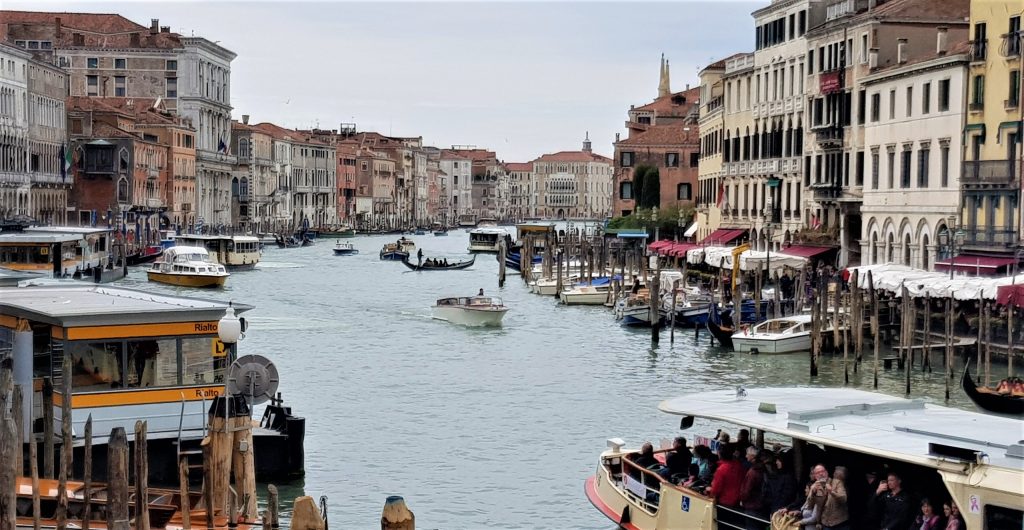
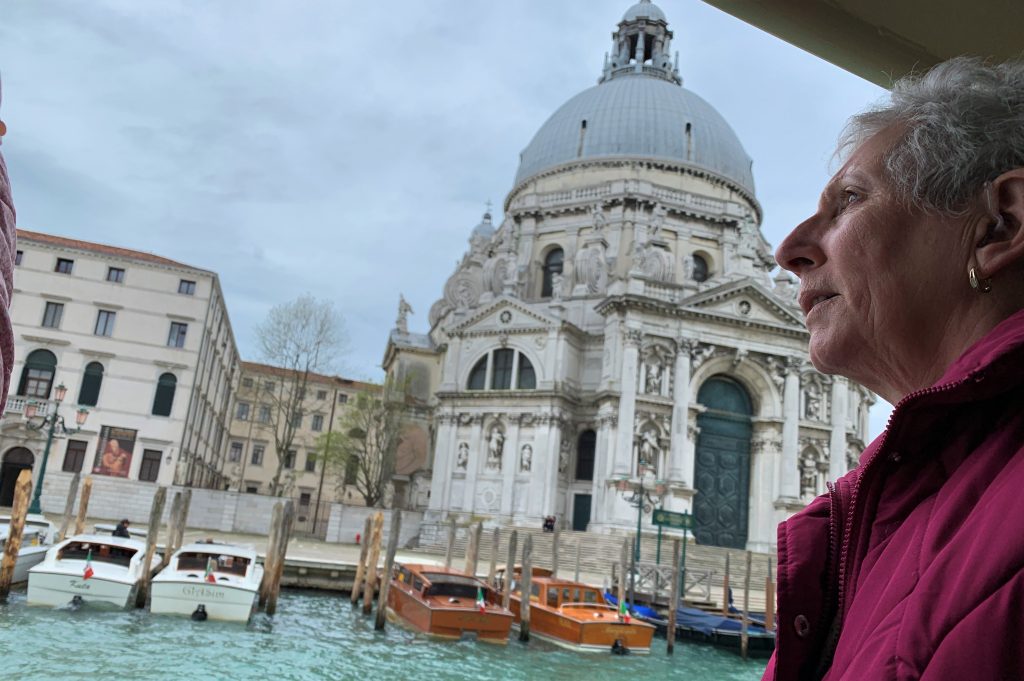
On a Friday, we took the passenger ferry from our peninsular the other side of the Lagoon to the island of Venice, disembarking right by St Mark’s Square, along with half the population of China and a boat load of Germans off a Viking River cruise ship!

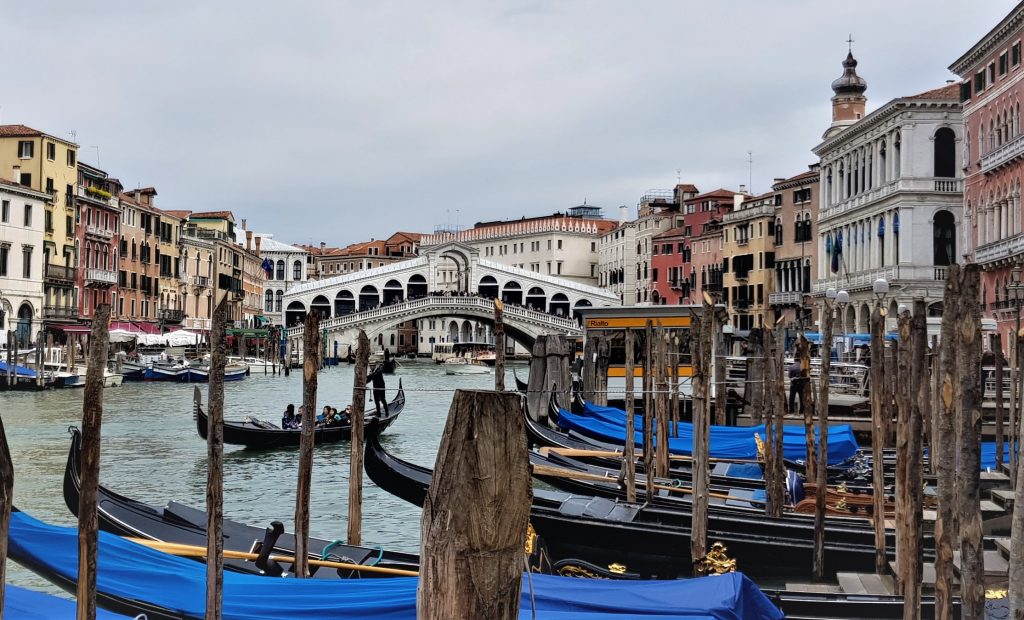
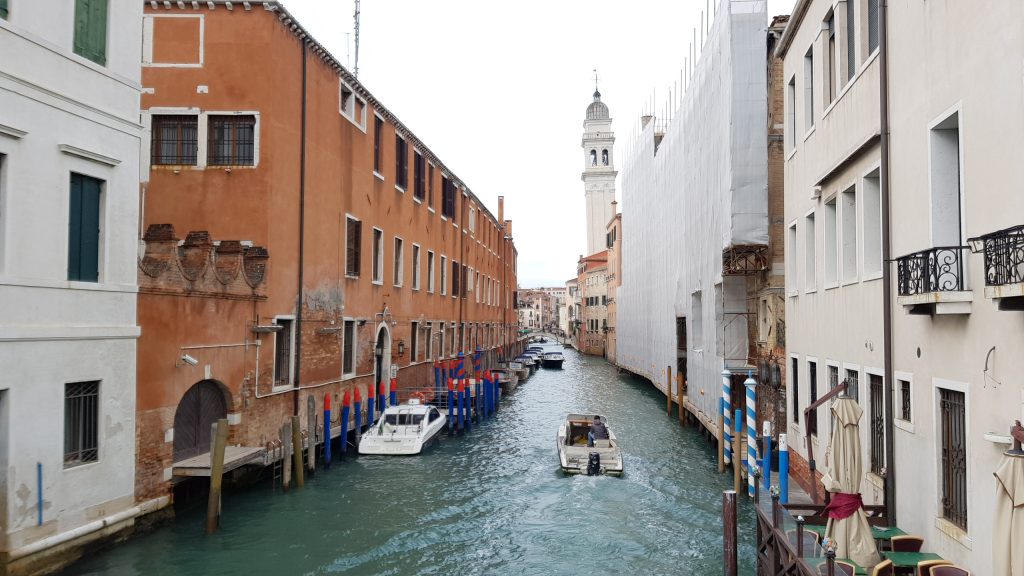
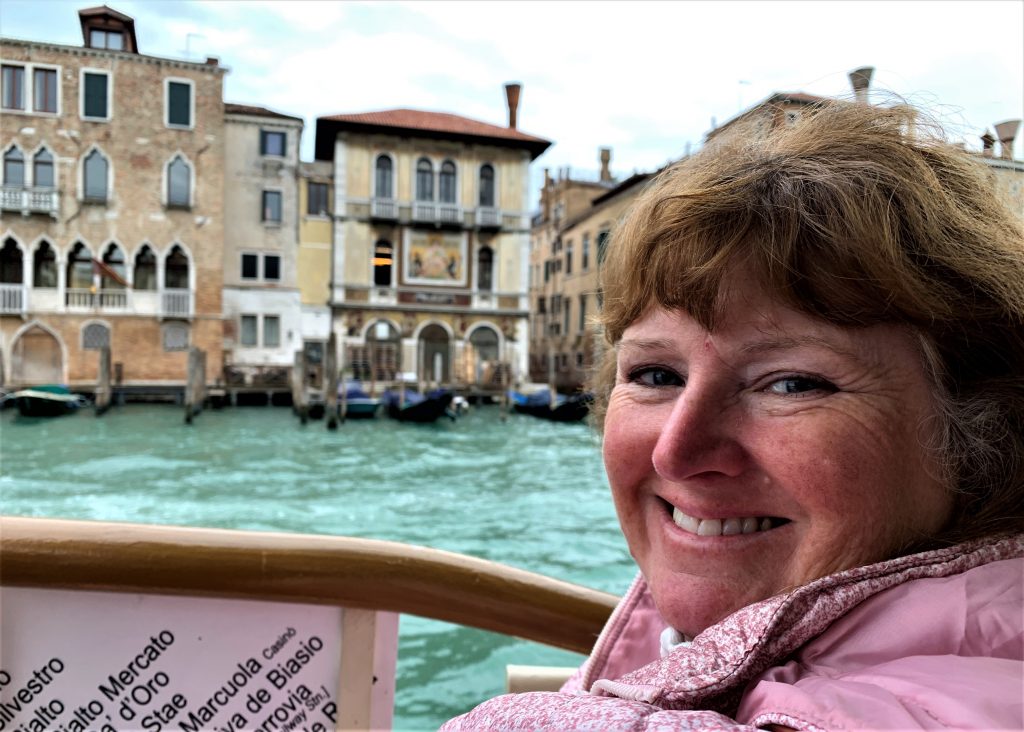
Busy river traffic.

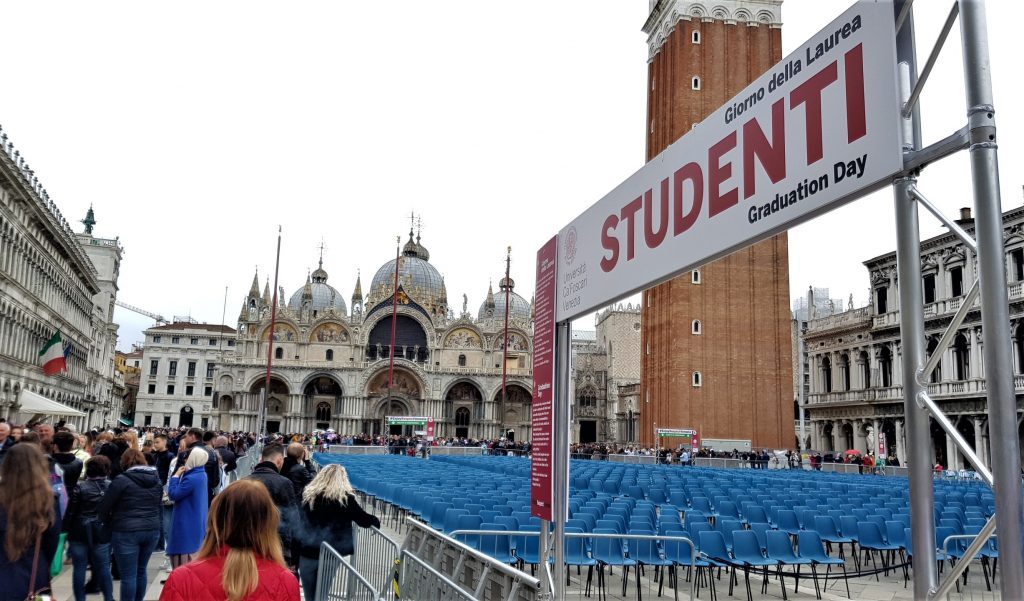
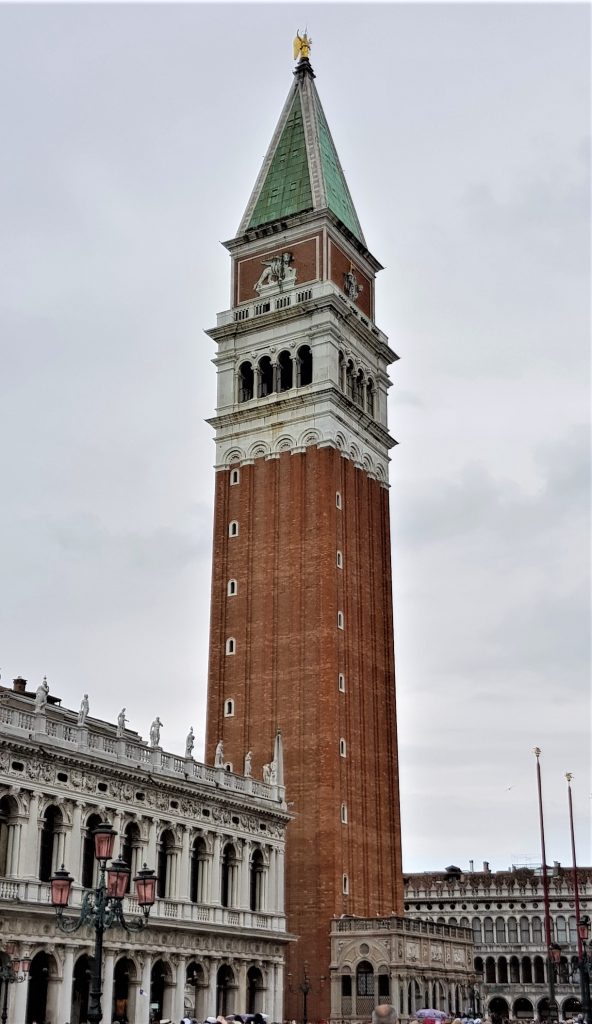
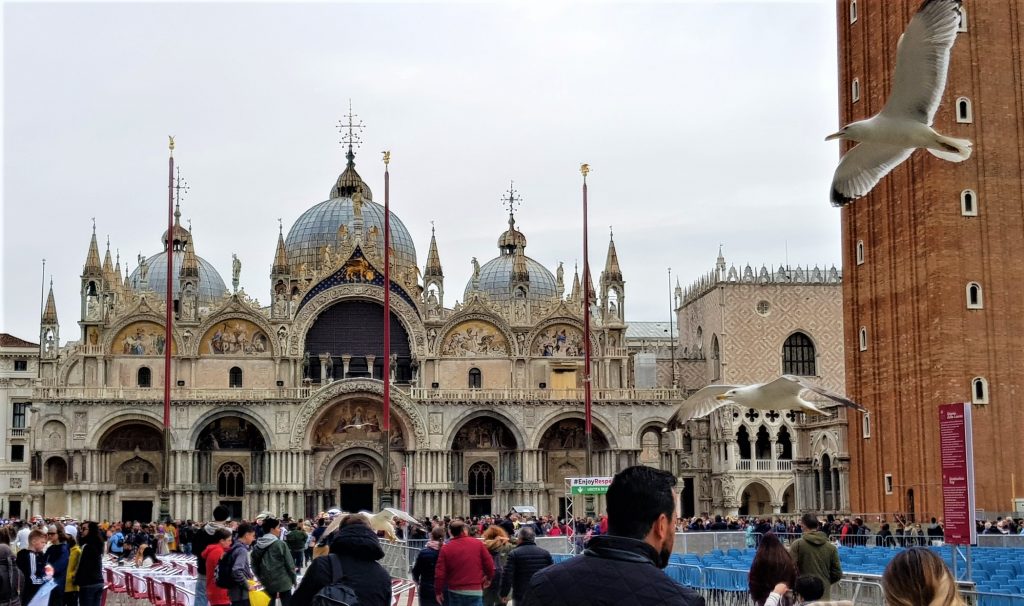
We saw St Mark’s Square being prepared for a ceremony, what a wonderful place to hold a university graduation.  The Basilica was closed when we were there, so we made the most of admiring the exterior, the covered old cafes and hotels skirting the square and the beautiful buildings and narrow streets that fed off it.

St Mark’s Square waiting for the Graduation ceremony.

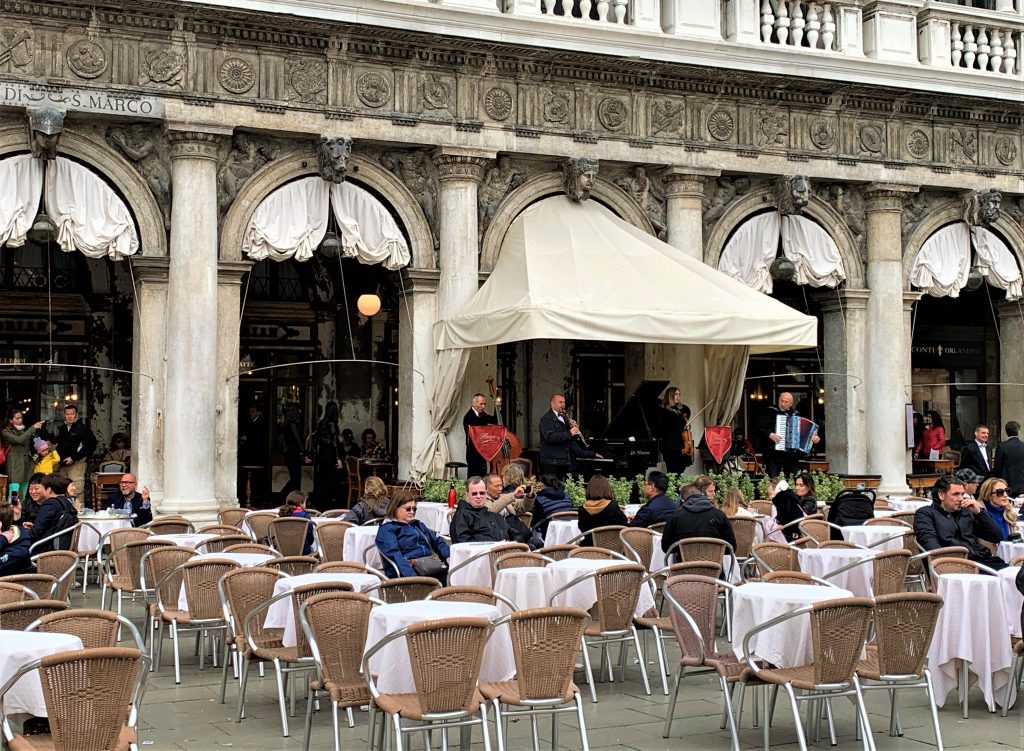
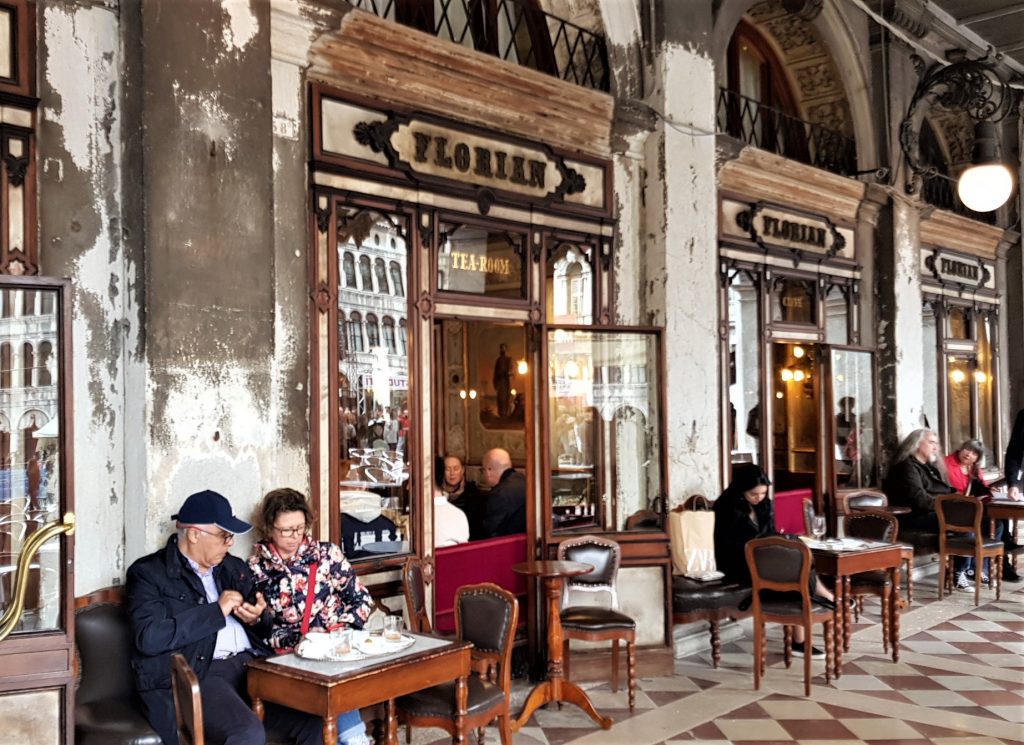
One café advertised “hot tea at €9.50, Americano coffee €11.00, Espresso €10.00 and Cappucino €12.00”.  However, you would have had silver service waiters and a brass 3 piece ensemble playing softly in the background. We didn’t stop.  

Venetian gondolas were full of Chinese/Japanese people or young students, they looked idyllic but were pricey, a 20 minute journey around the canals will set you back €80 for up to 6 people, €100 when it’s dark! It would seem that 20 minutes is ample time to see all the sights, as the drivers know all the short cuts to all the famous bridges and locations.  So we made do with our feet and walked several miles through the city to the north part of the island and made our way back to the south by river taxi.

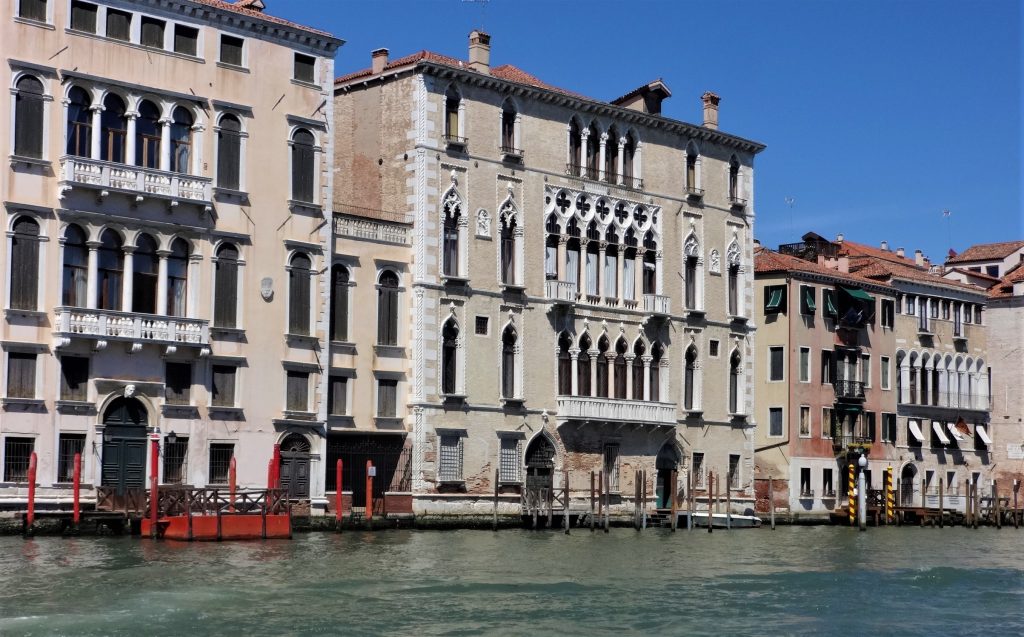
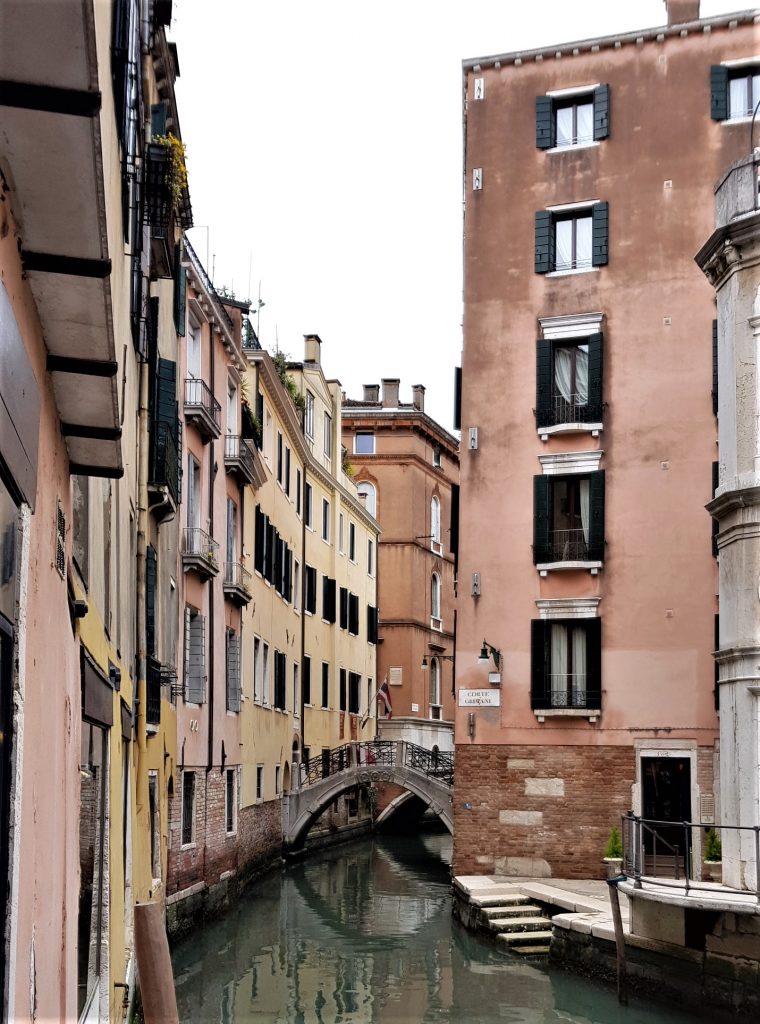
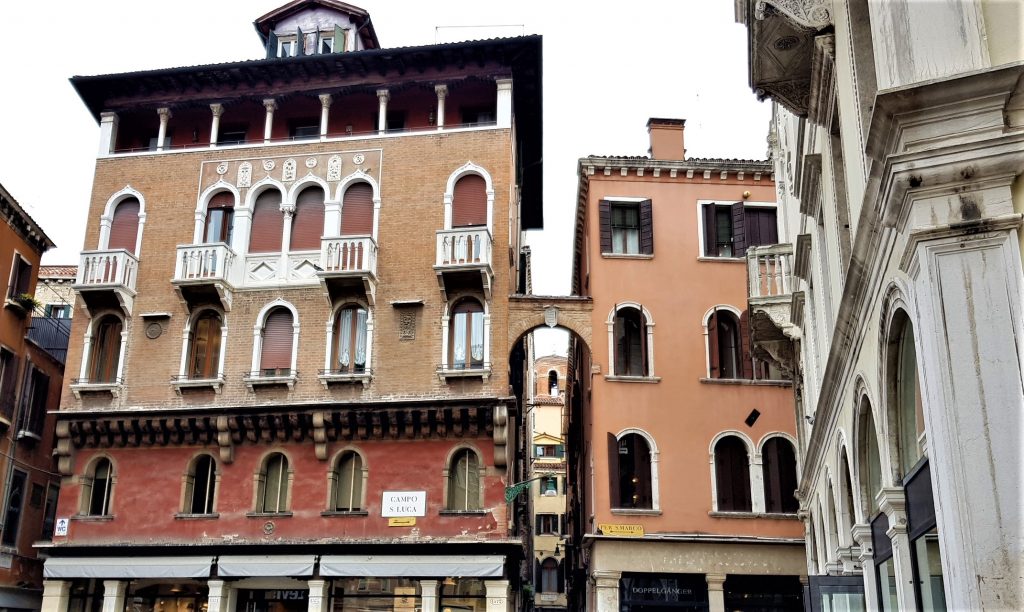
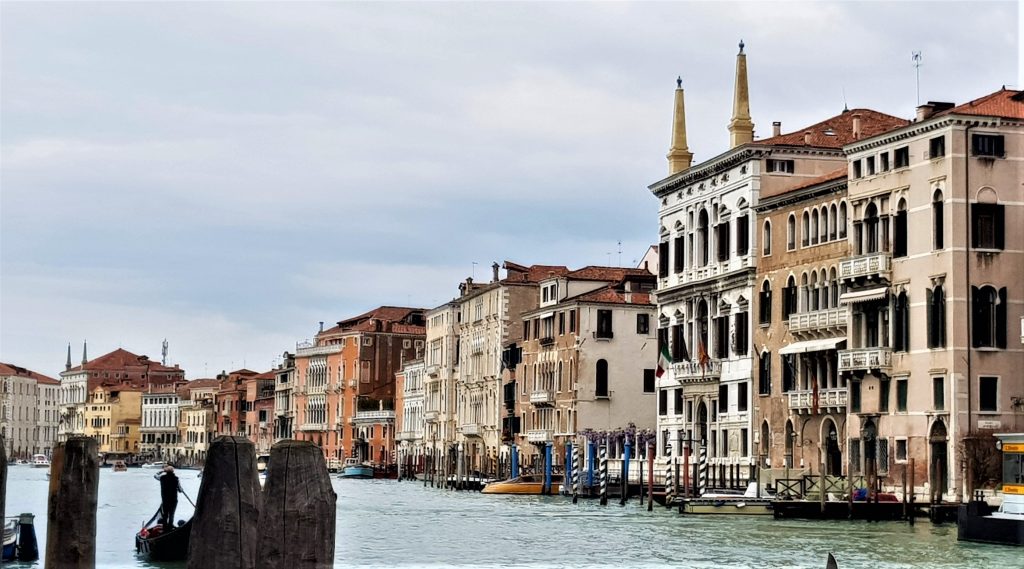
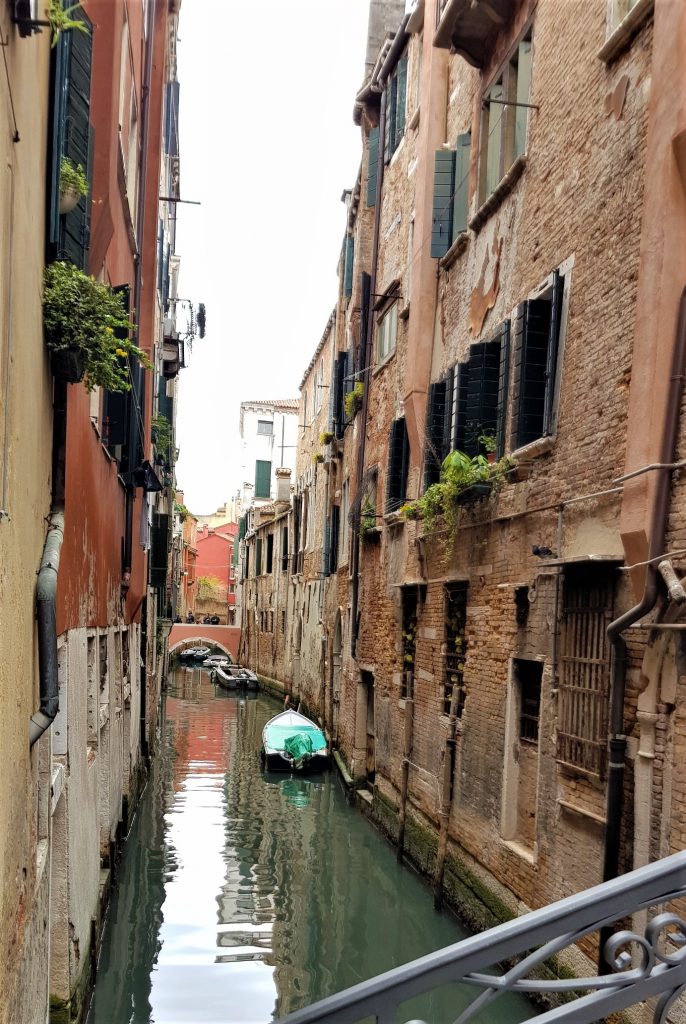
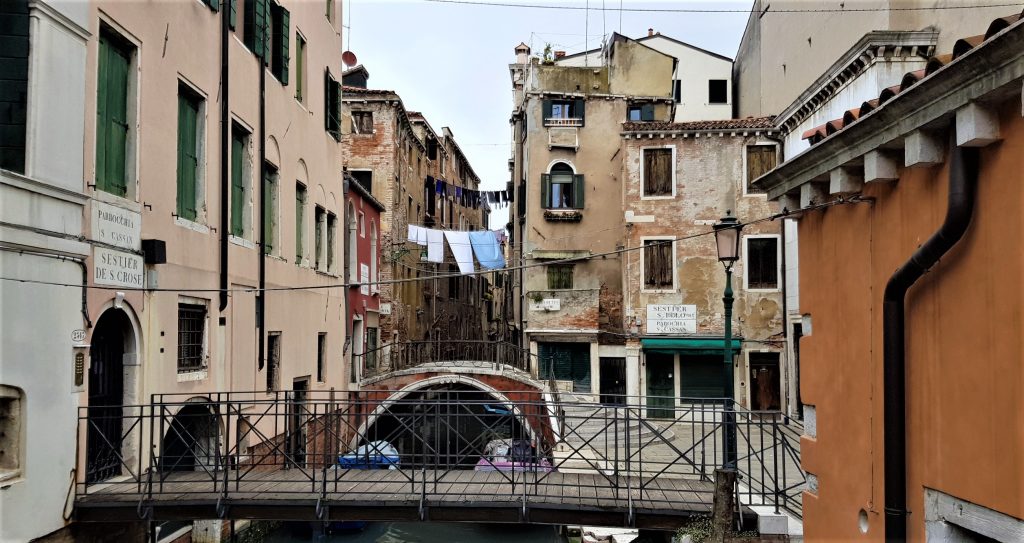
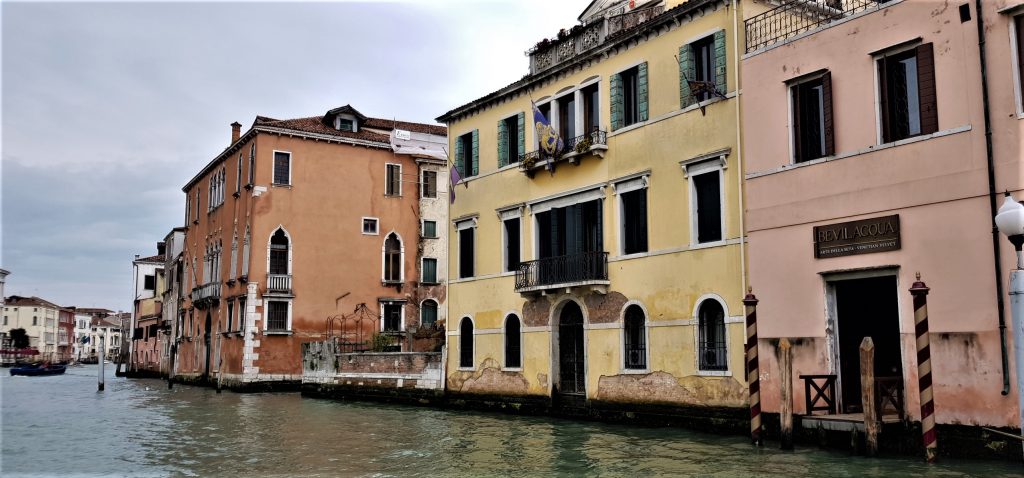
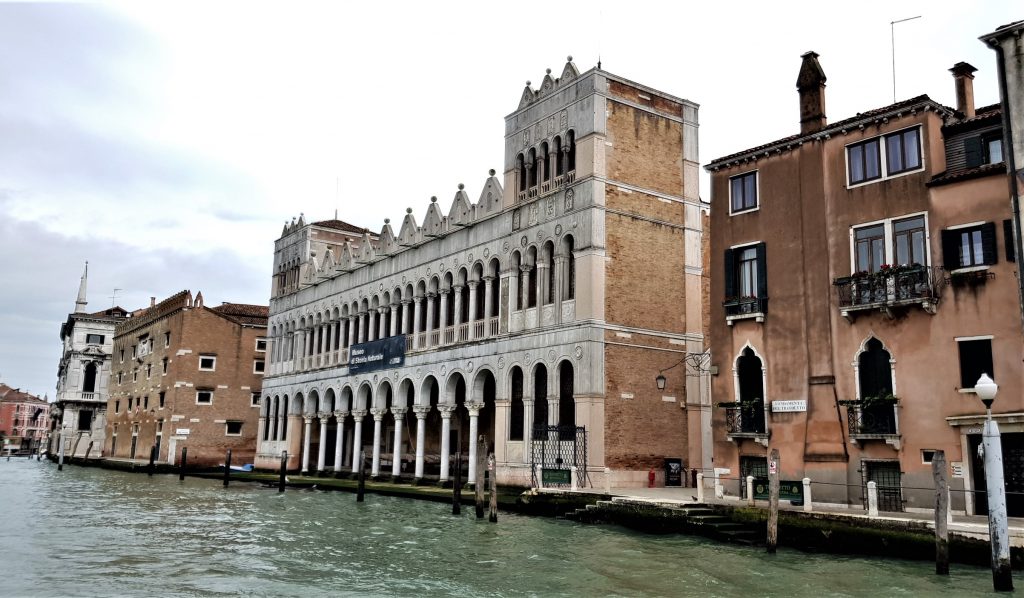
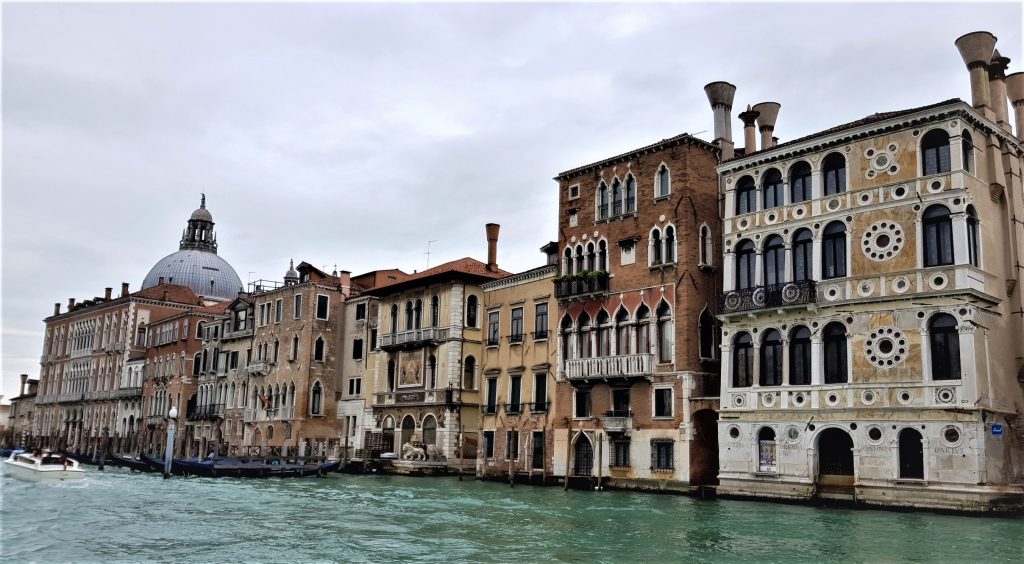
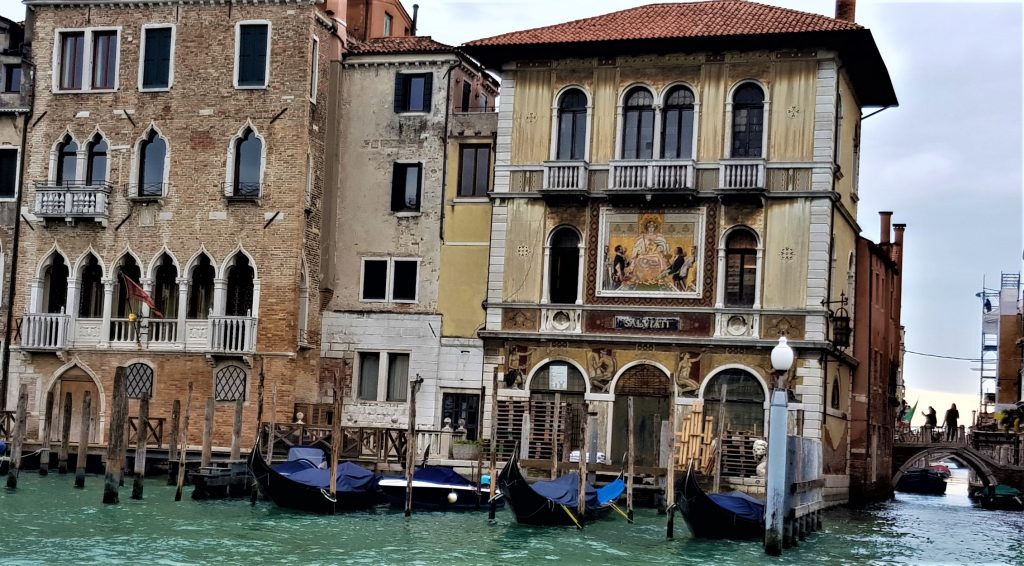
Considering the age of the city, it’s in fairly good shape, some buildings could do with a scrub to remove water marks and mildew but that would detract from the age and look, and would possibly harm the exteriors which are often very decorative plaster or carved wood and full of stained glass windows.  Lots of buildings are baroque style, full of ornate carved wood, most are water front, tall and narrow, creating busy narrow water ways and alleys.

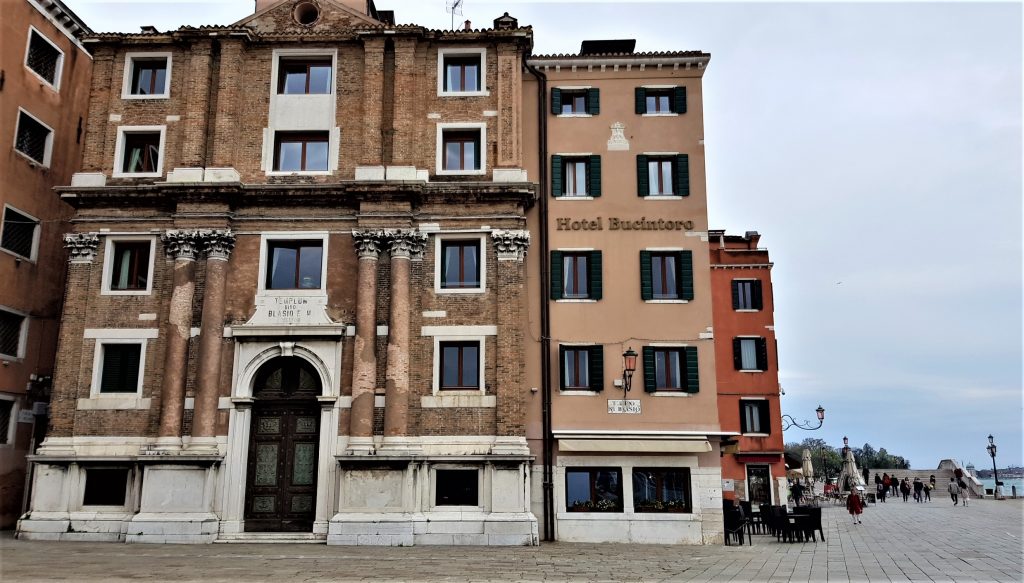
General Pictures of Venice

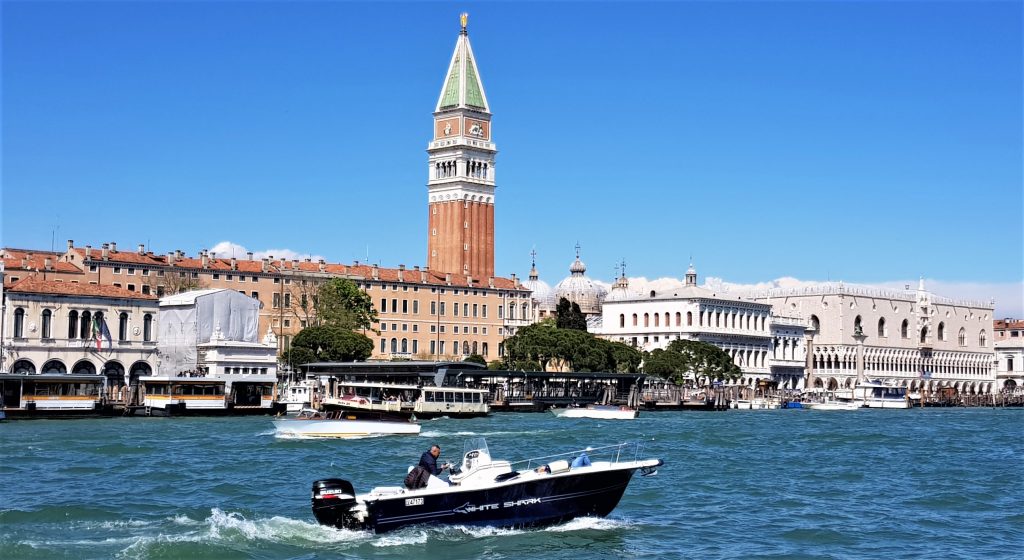
Full view of St Mark’s Square.

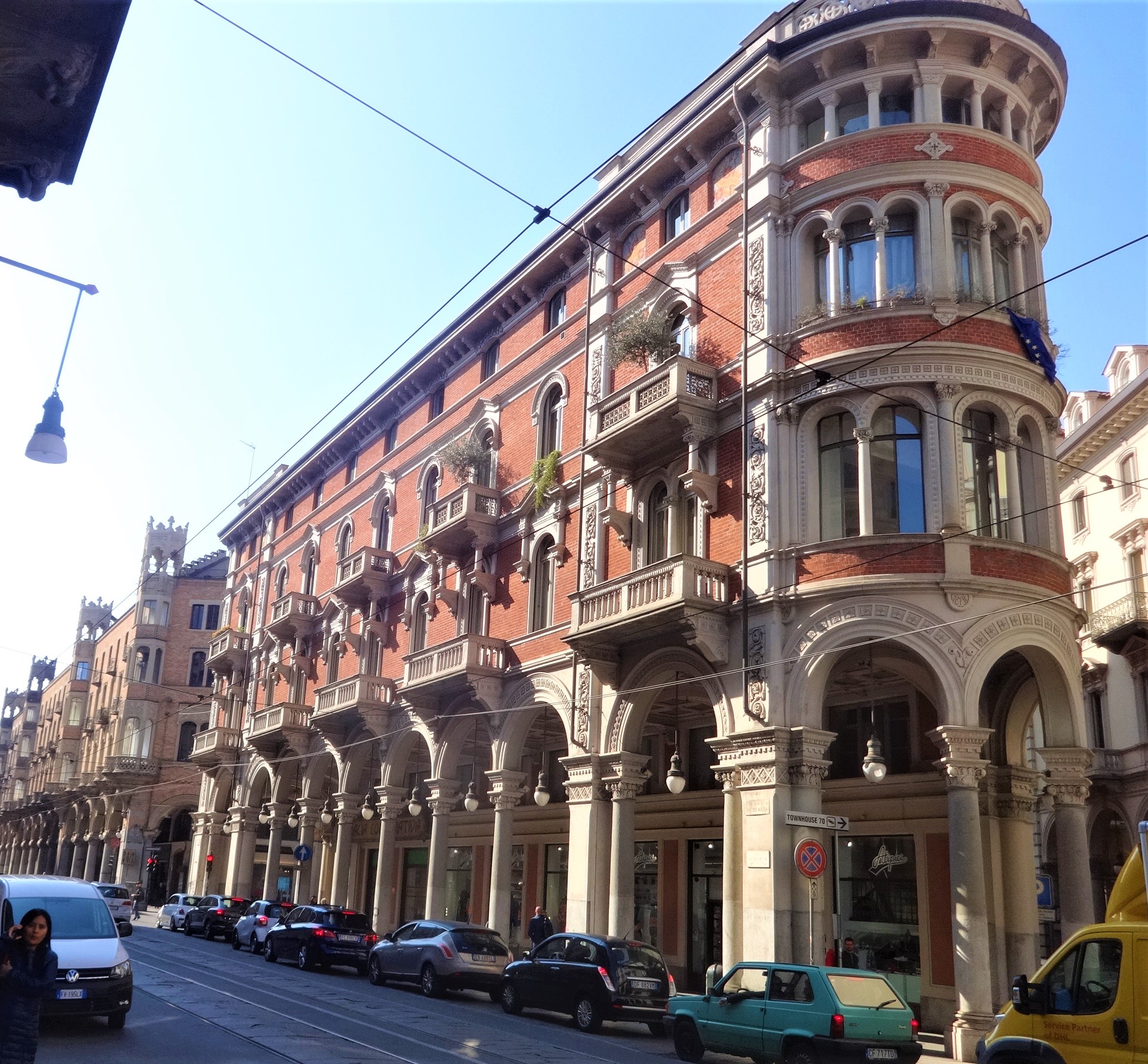
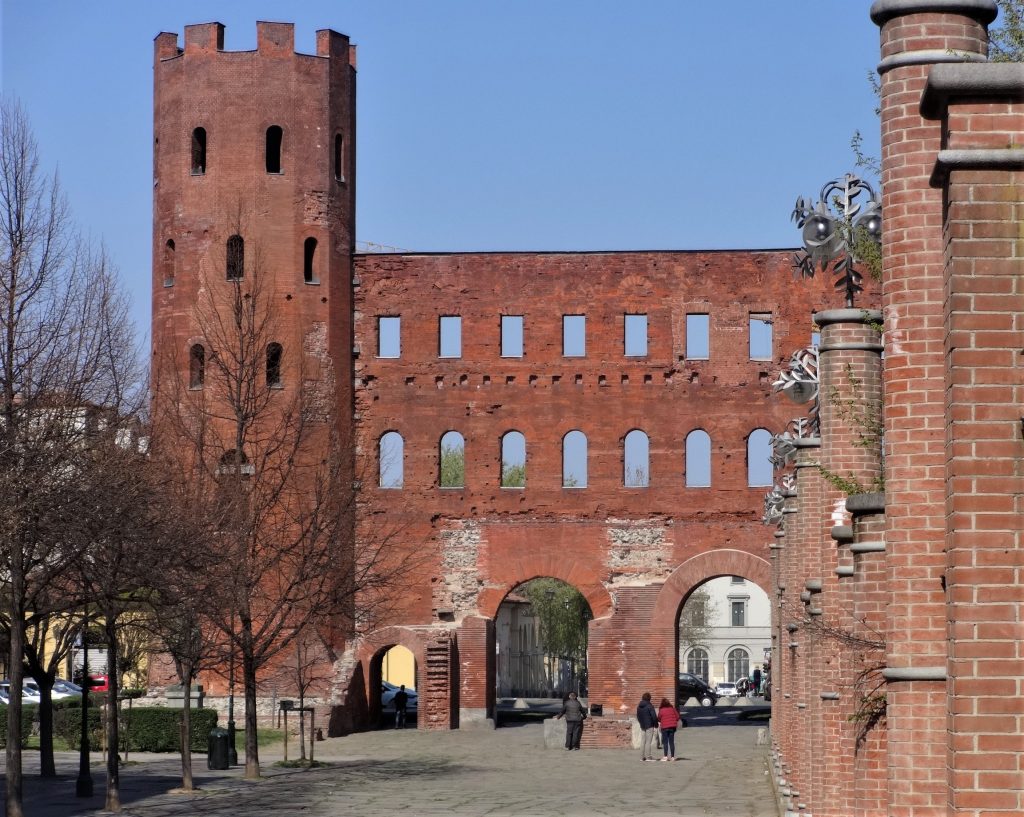
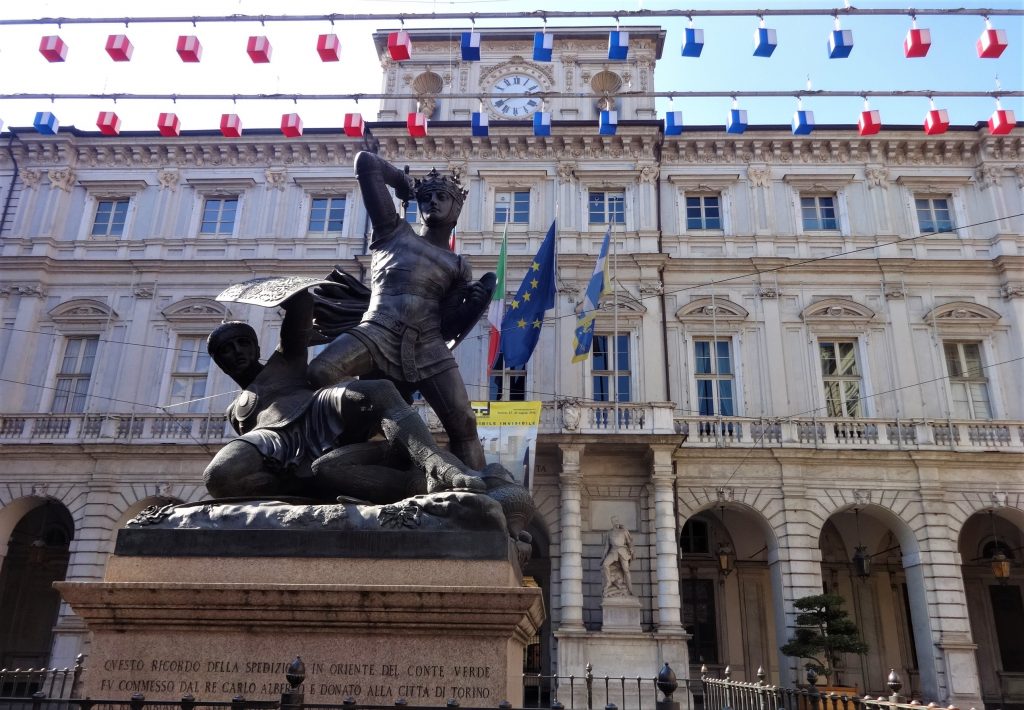
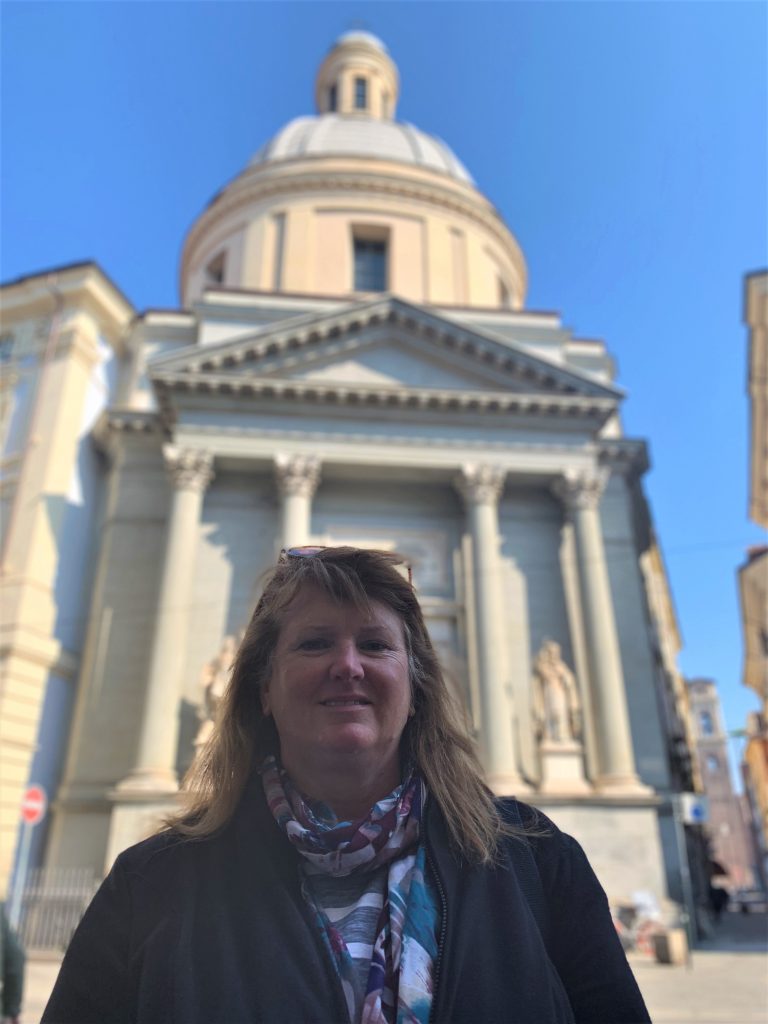
Romantic Turin

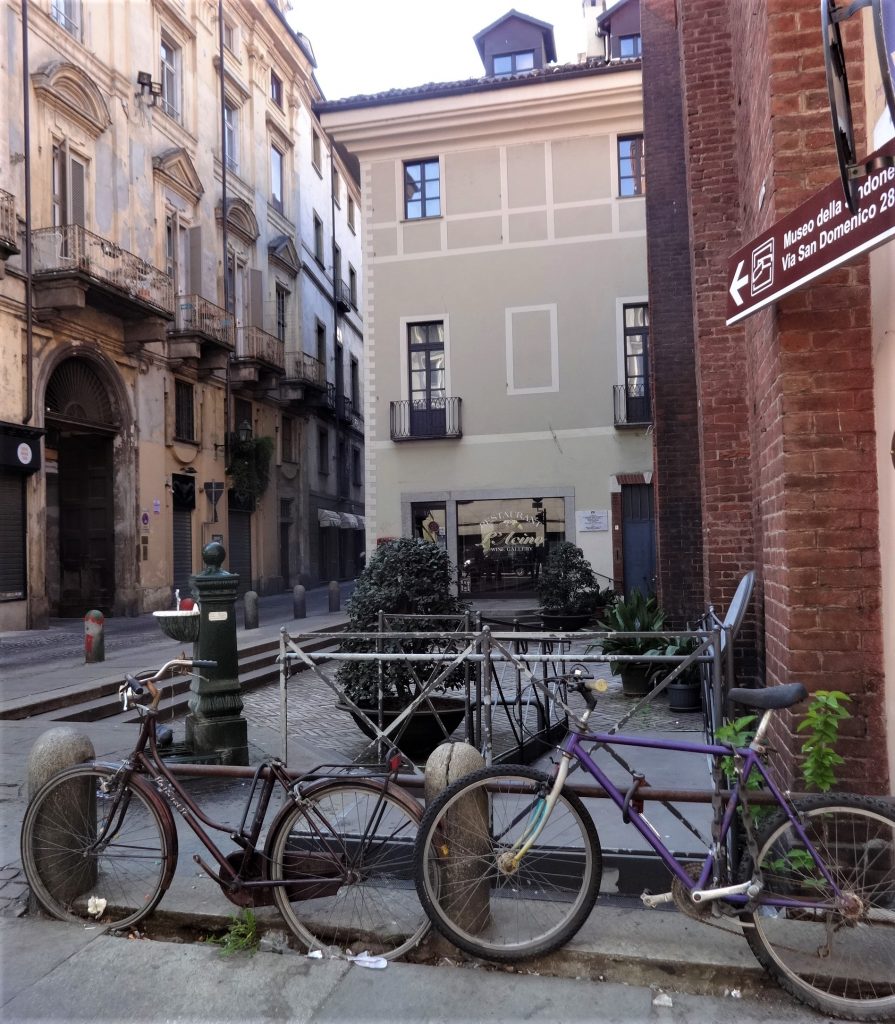
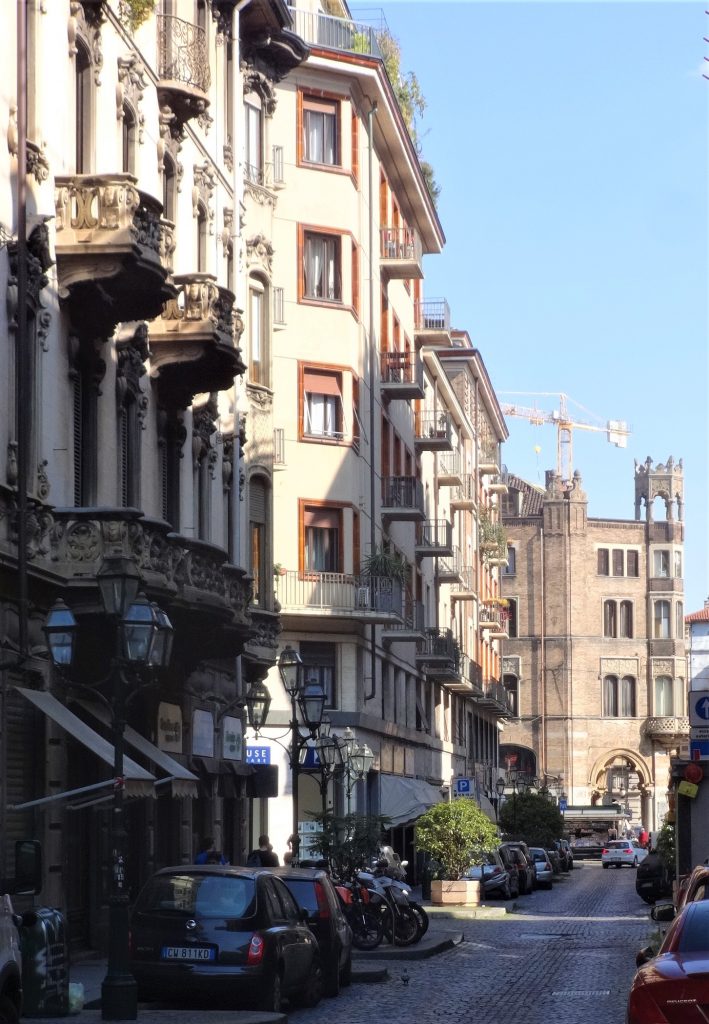
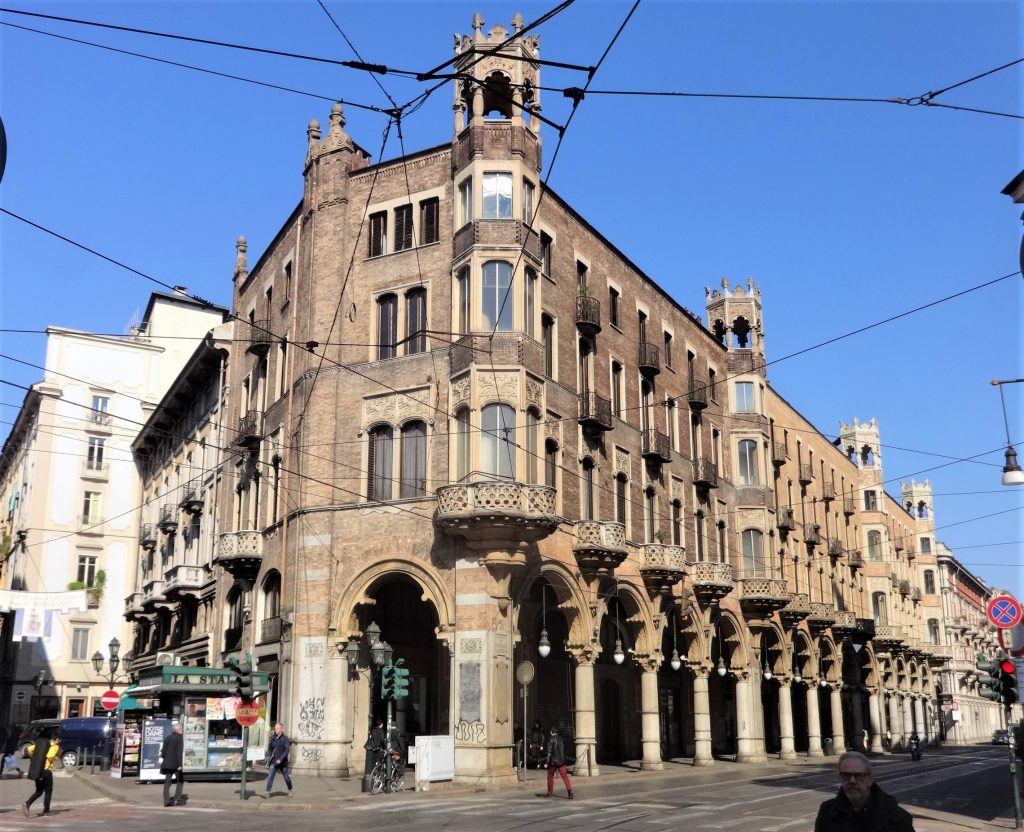
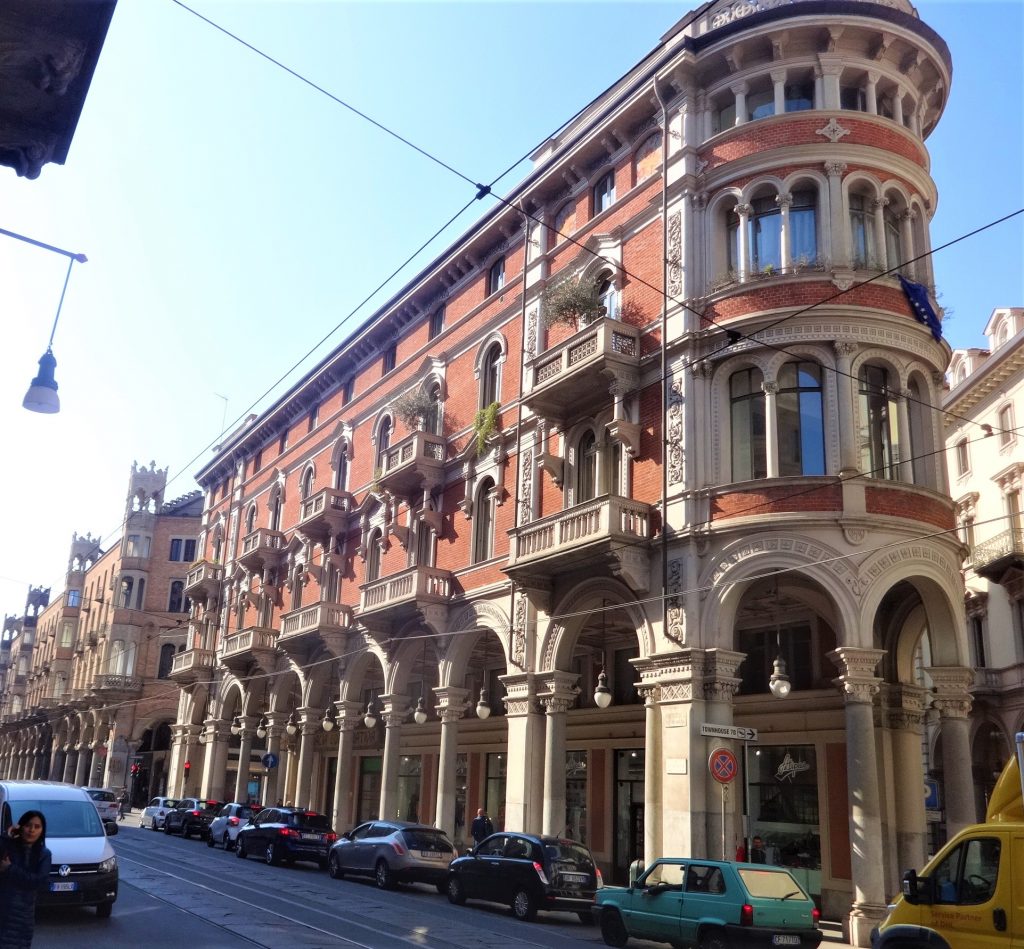
We took a train from Asti to Turin, stopping right in the centre of the city.  This is an unusually romantic place, lots of tall baroque buildings with ornate iron arcades that looks like they are still in the 1920s and where everyone wanders, there is no hurrying, very few tourists, lots of local Italians, dressed up to the nines, supping Martinis in swag covered bars.  There are so many cafes here, full of silver service waiters serving Madames and their handbag dogs a smidgeon of amaretto biscuit with their tiny espresso.

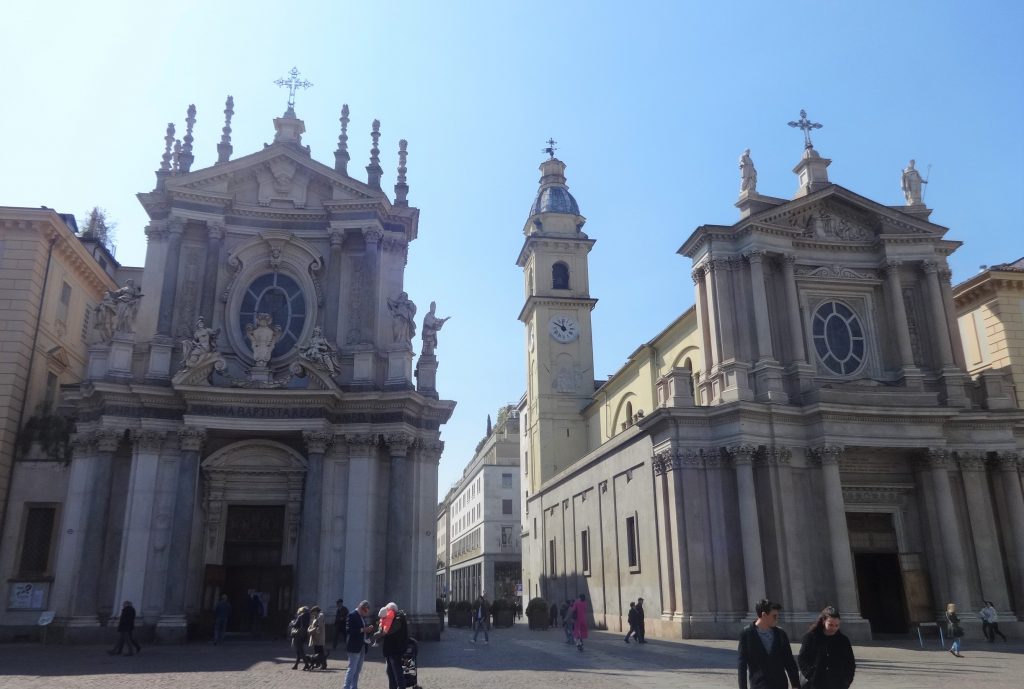
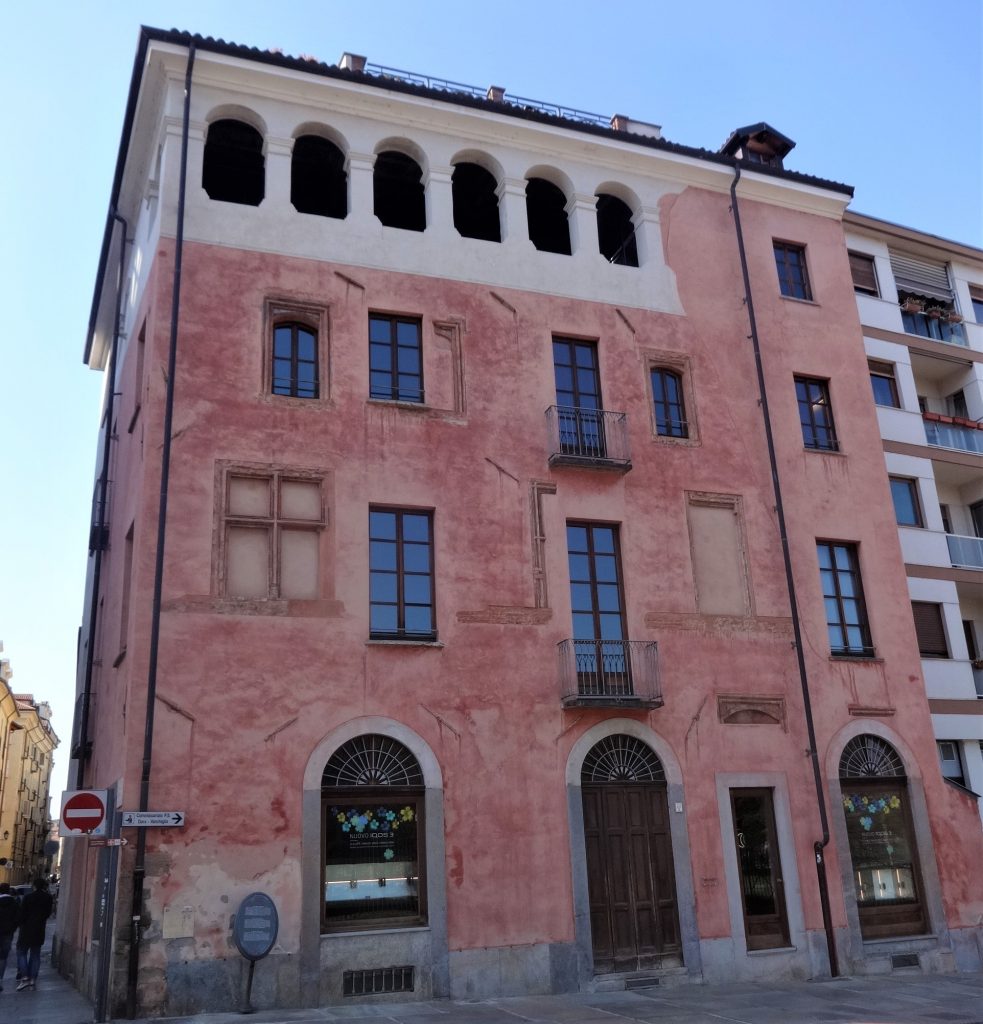
In the “old quarter” buildings rise up in tight blocks forming dark narrow walkways, all similar in design to the next but with a splendour that comes with age.   One part of the town was demolished 100 years ago to do away with the slums, and rebuilt in the same style so it’s very hard to tell what age these buildings are.  So many historic buildings dating back to the Savoy Family (equivalent to the Royal family) are now museums, 26 that we could count, as well as 10 churches and basilicas, and 16 theatres! 

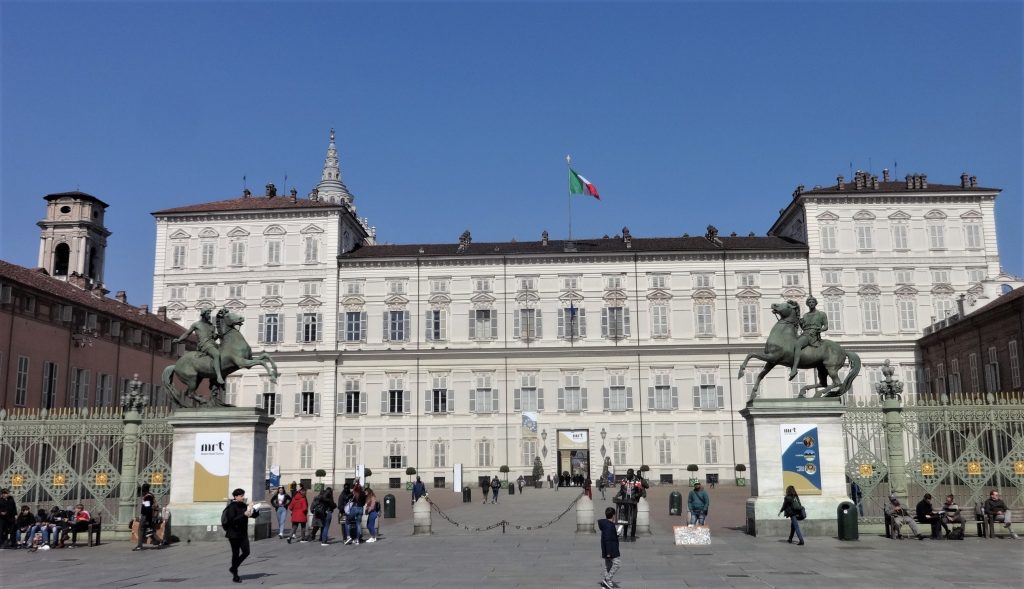
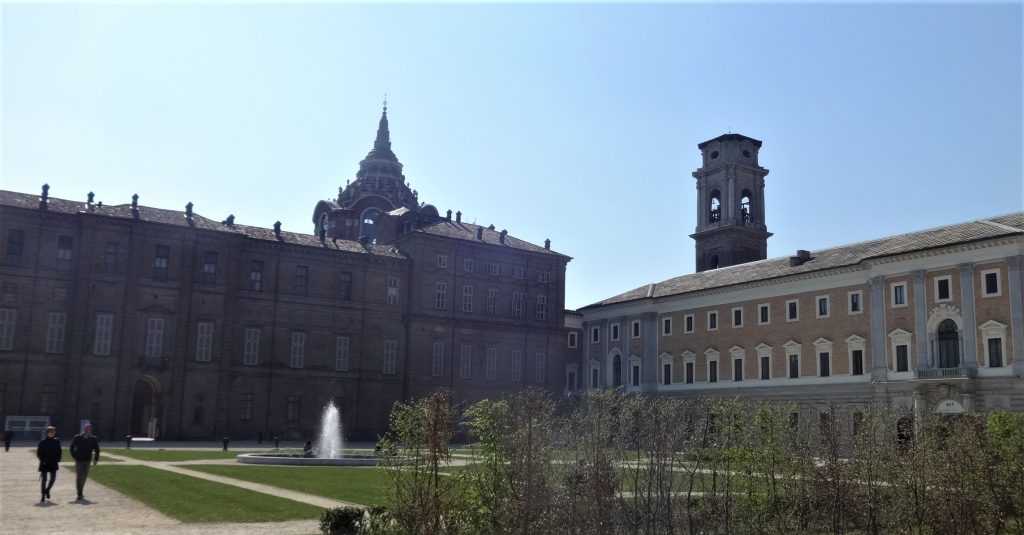
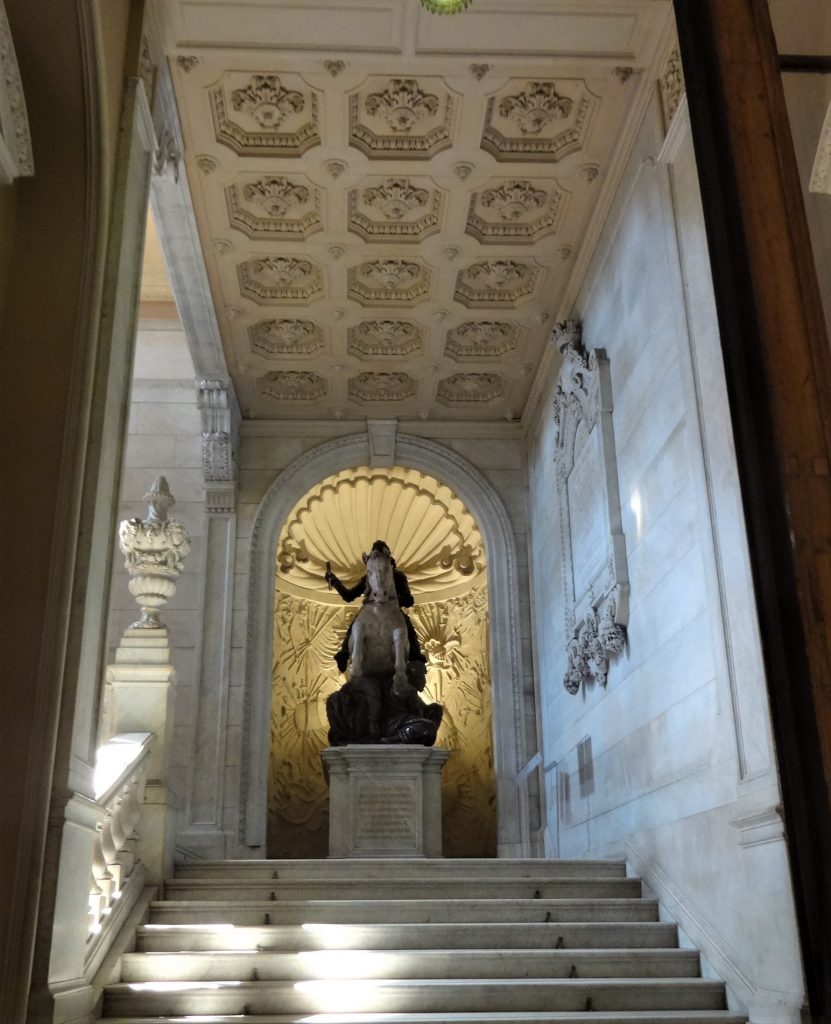
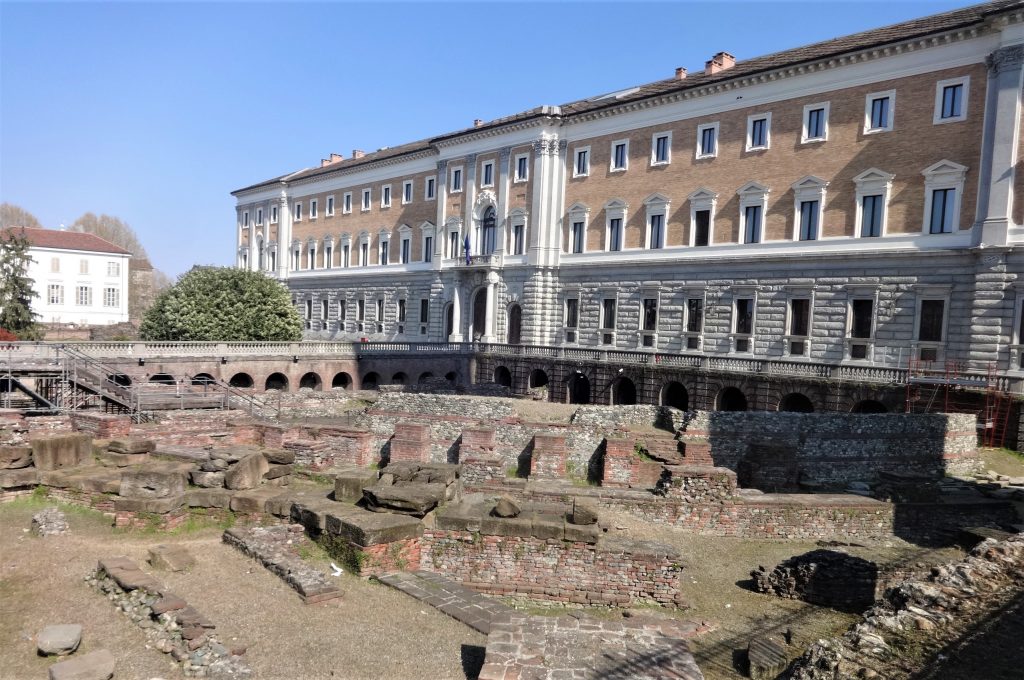
The Royal Palace is now a large museum, originally built in the 16th century and modernised in the 17th century and includes a chapel which was built to hold the Turin Shroud. It has a huge armoury but we didn’t have time to do the guided tour, supposedly 2.5 hours.

We did view a private Egyptian exhibition, the dig in the Nile area started in the early 1900 by an Italian archaeologist and continued by his team and his legacy until the late 1990s. We saw interesting items found in whole burial areas, complete mummies and the items they were buried with, the mummies dated back by 4000 years.

We also found one of the roads that The Italian Job was filmed on, Galleria San Federico, but was sadly disappointed to learn that although the Fiat factory rooftop race track does still exist, the old factory is now a large modern shopping centre with the track on the rooftop and is accessible at a price.  There is no reference to this iconic film in the city, not even in the National Museum of Cinema, based in Turin’s Mole Antonelliana, a building originally built as a mosque but now home to yet another museum.

Turin is a slow moving, beautiful, romantic city on the banks of the River Po, and we can highly recommend it as a relaxing and informative city break location.  Just don’t take your wallet (beware of the endless designer shops) and make sure you love coffee, and eating!

The Palace

A Day with Dali

Before leaving Spain, we stopped at a small site in a village called Capmany, between Figueres and La Jonquera, just below the Spanish border with France and just had to visit the Dali Museum whilst we were here. We arrived early and had a fabulous lunch first and then spent the next 3 hours wandering around the museum.

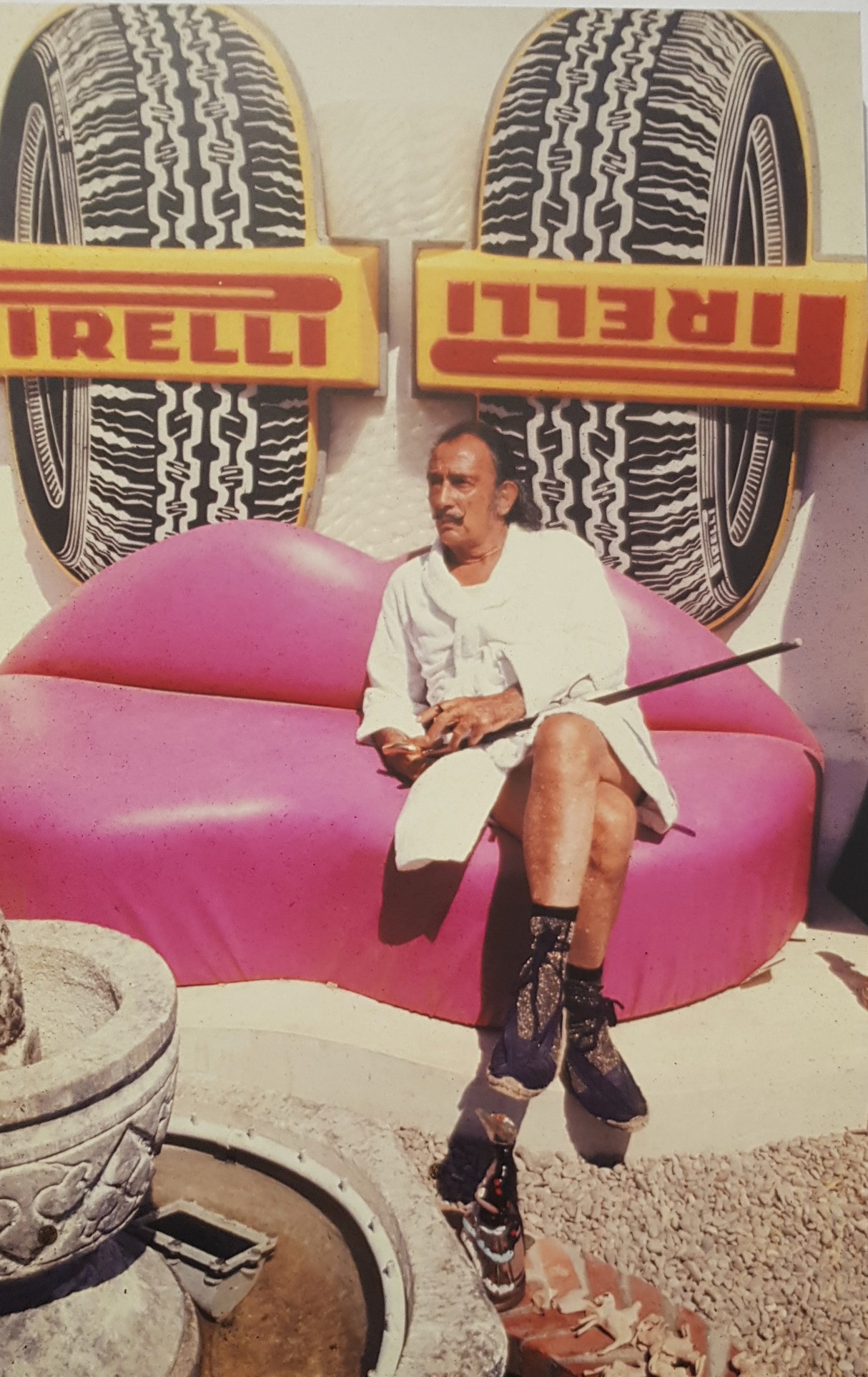
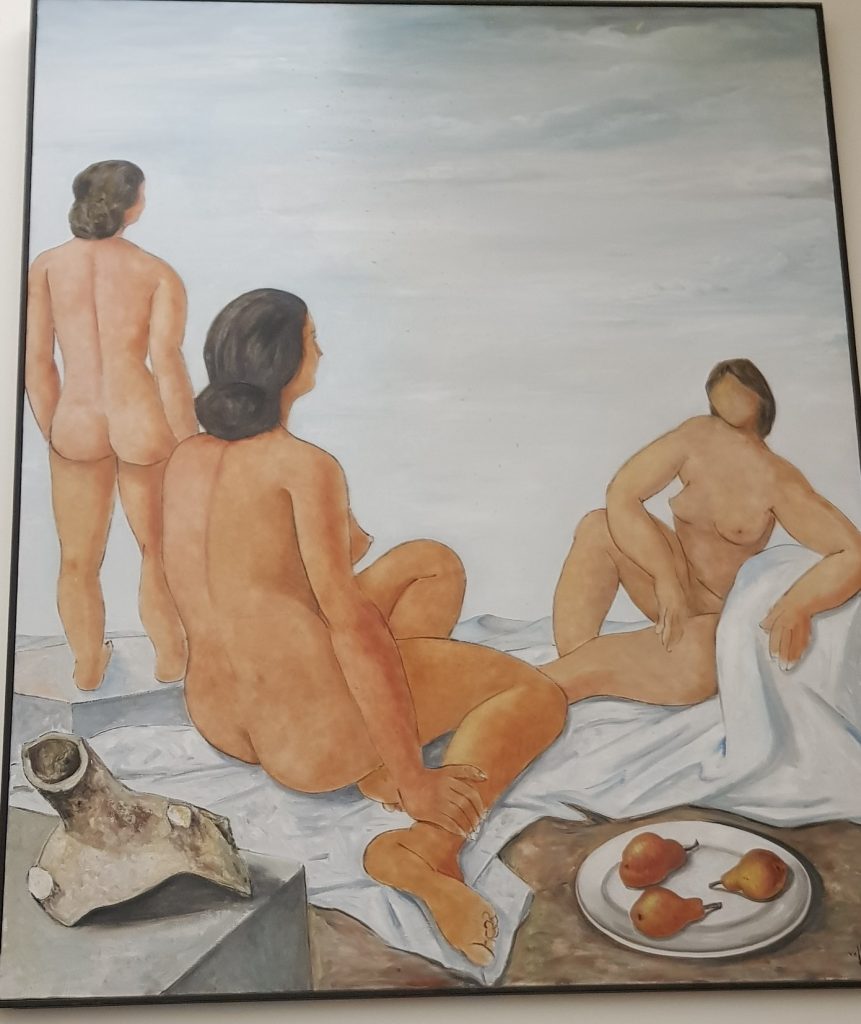
Salvador Dali was born in Figueres in 1904 and in the 1980s purchased a burned out theatre which he renovated and modernised to home his collection of art, figurines, drawings and jewellery as well as the sketches that he drew before creating every masterpiece. He died in his home town in 1989 and is known as a surreralist as well as for some of his quotes:

I don’t do drugs. I am drugs.

Have no fear of perfection – you’ll never reach it.

Intelligence without ambition is a bird without wings.

He really was an odd man, extremely weird and imaginative and obviously had a fantastically bizarre imagination.  Hope you enjoy some of his creations.

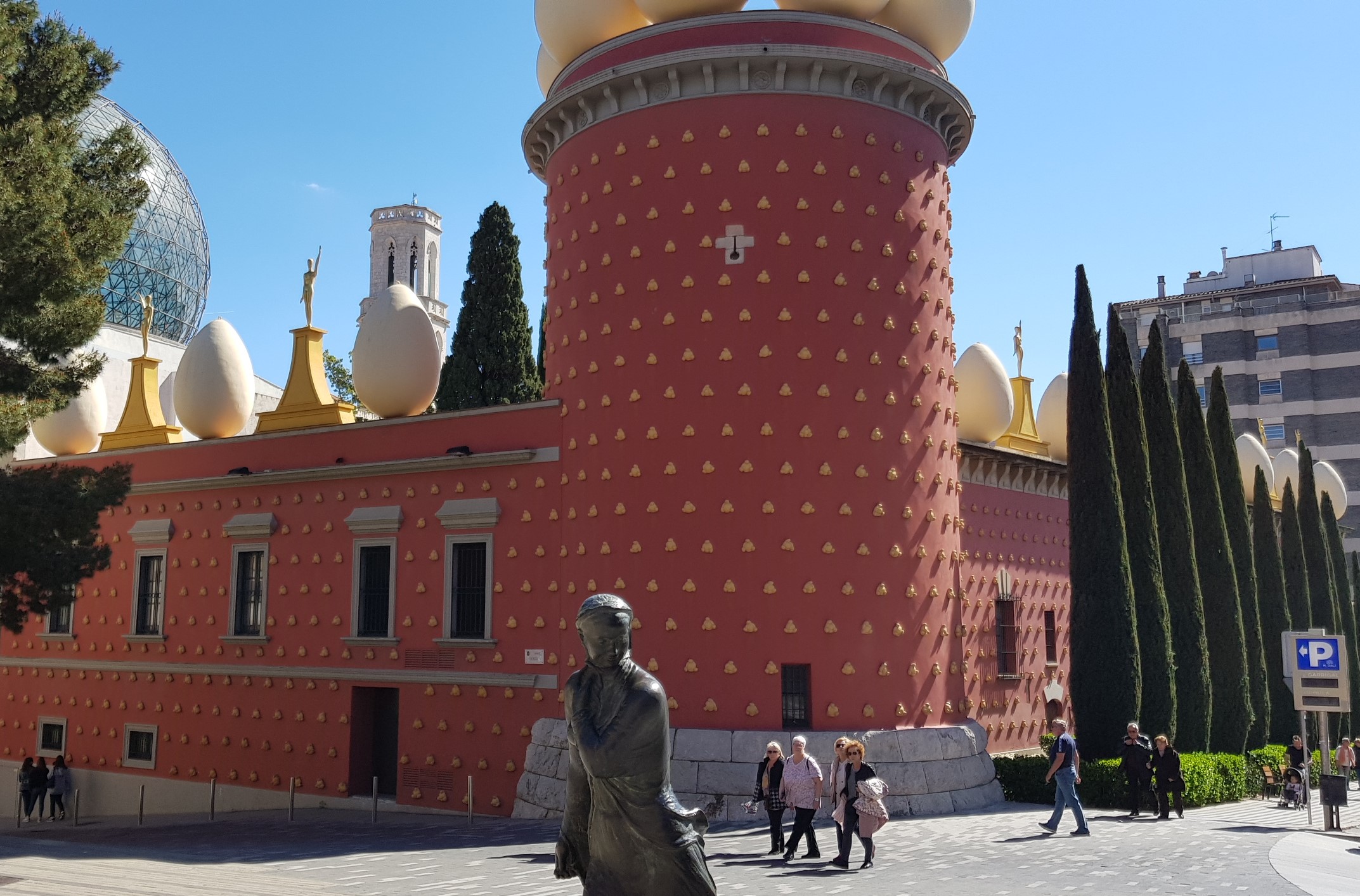
The exterior of the Dali Museum
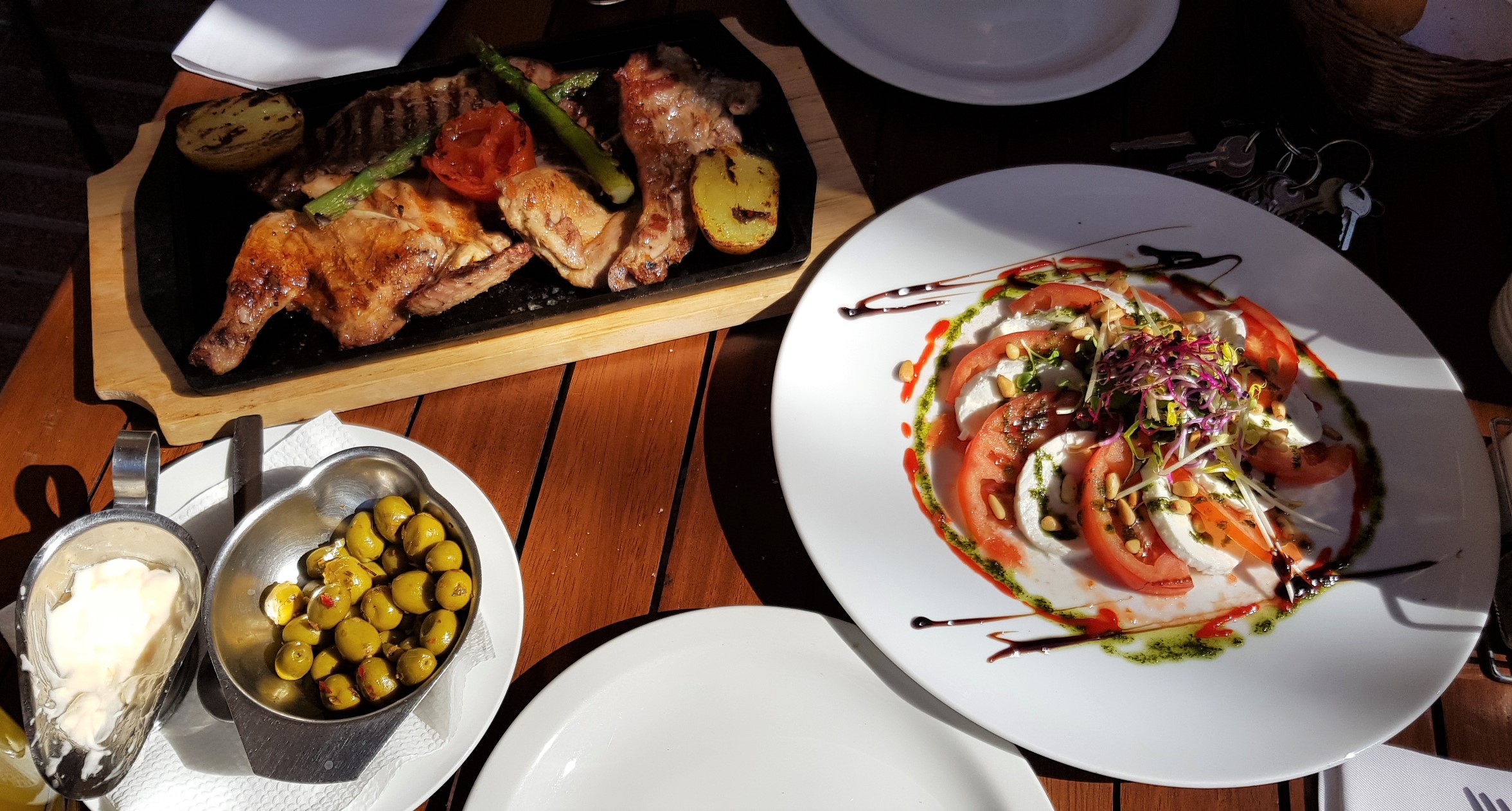
Delicious lunch of grilled meats, caprese salad, olives and bread.
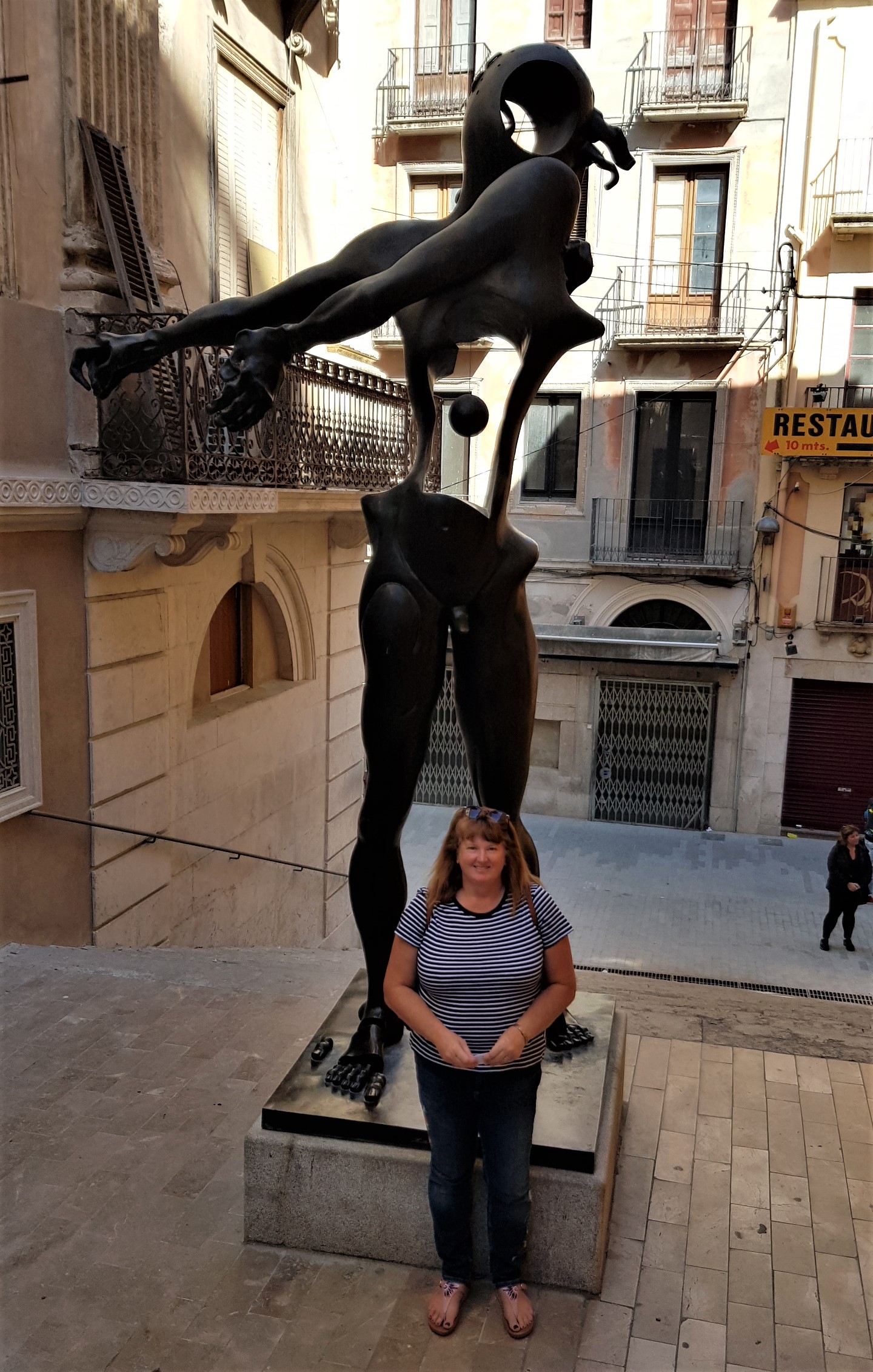
Outside the museum, some of his artwork is on display.
This image is called “Three Pairs”.
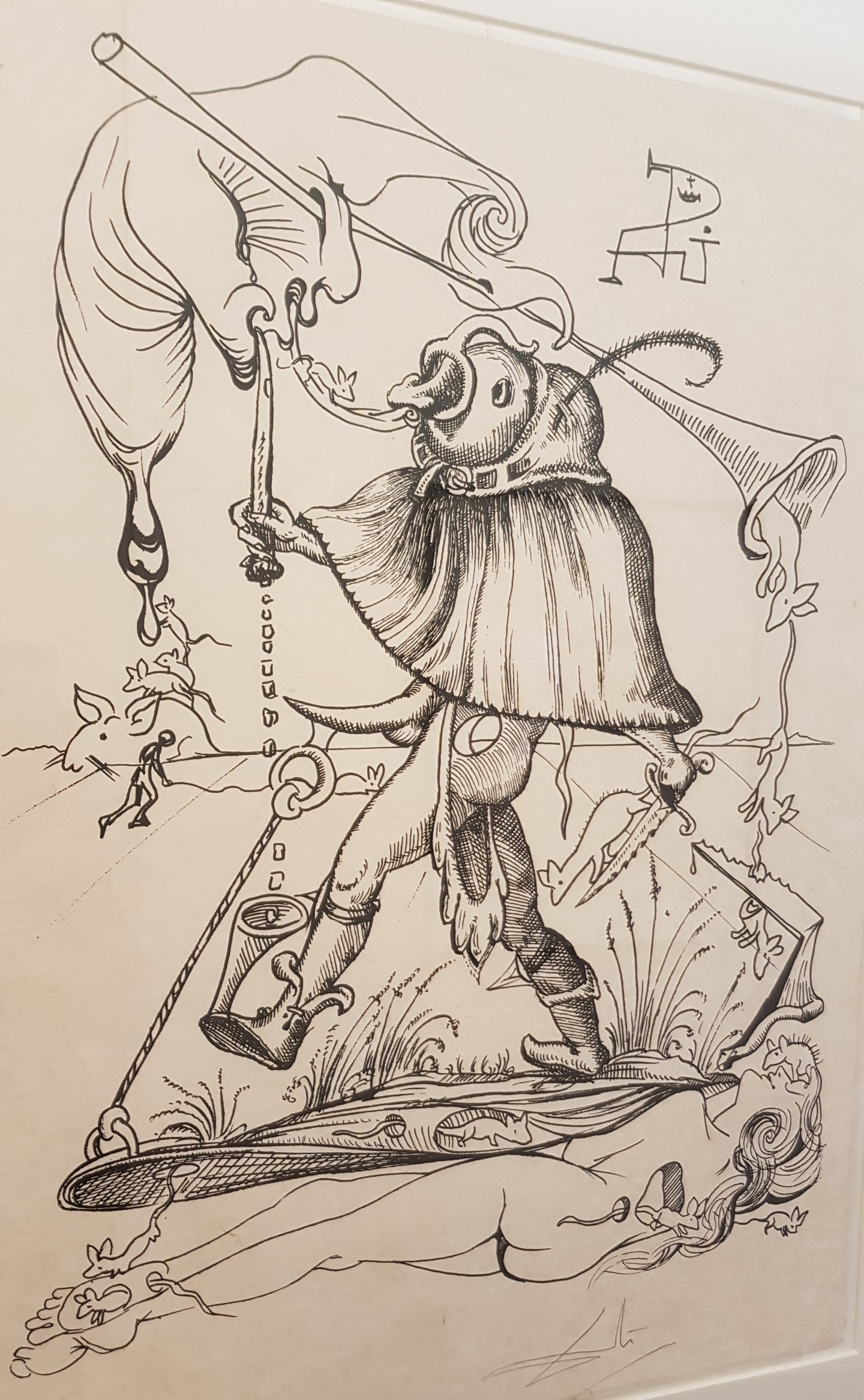
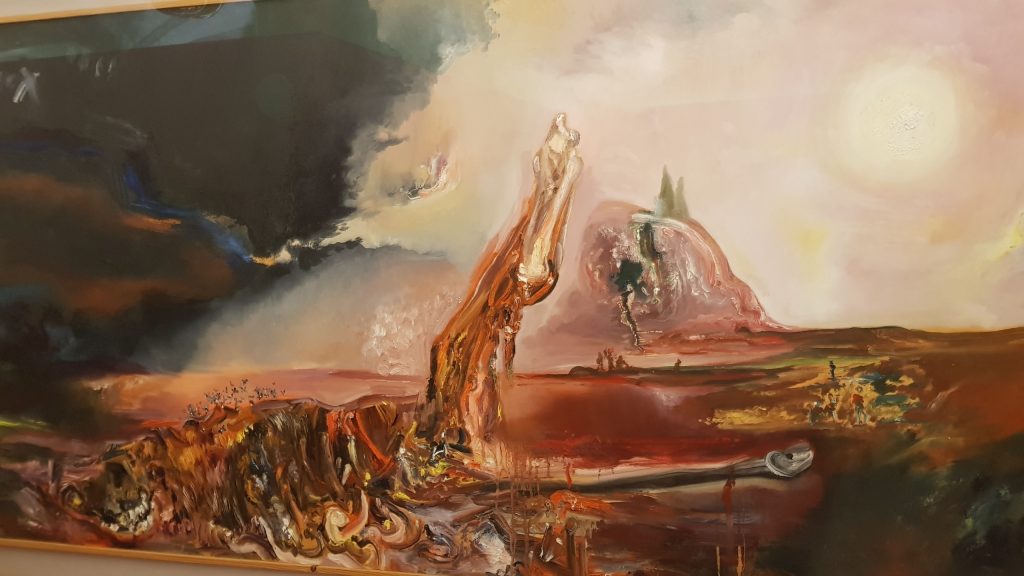
One of his drawings, look at it long enough to see the different layers.
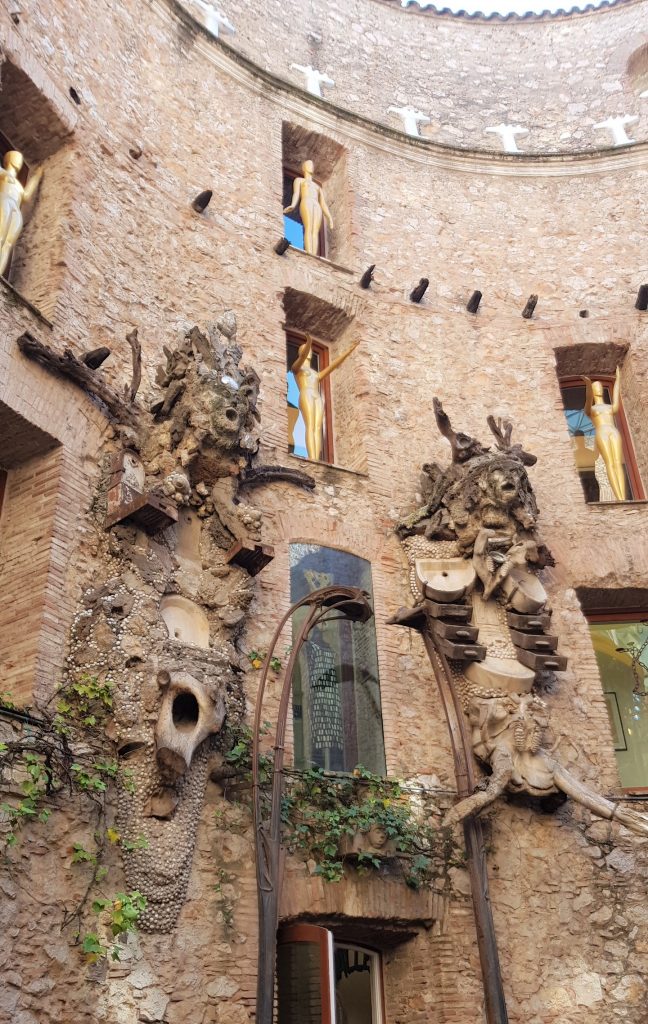
Inside the old arena, the walls have been decorated with mannequins, creatures and sinks!
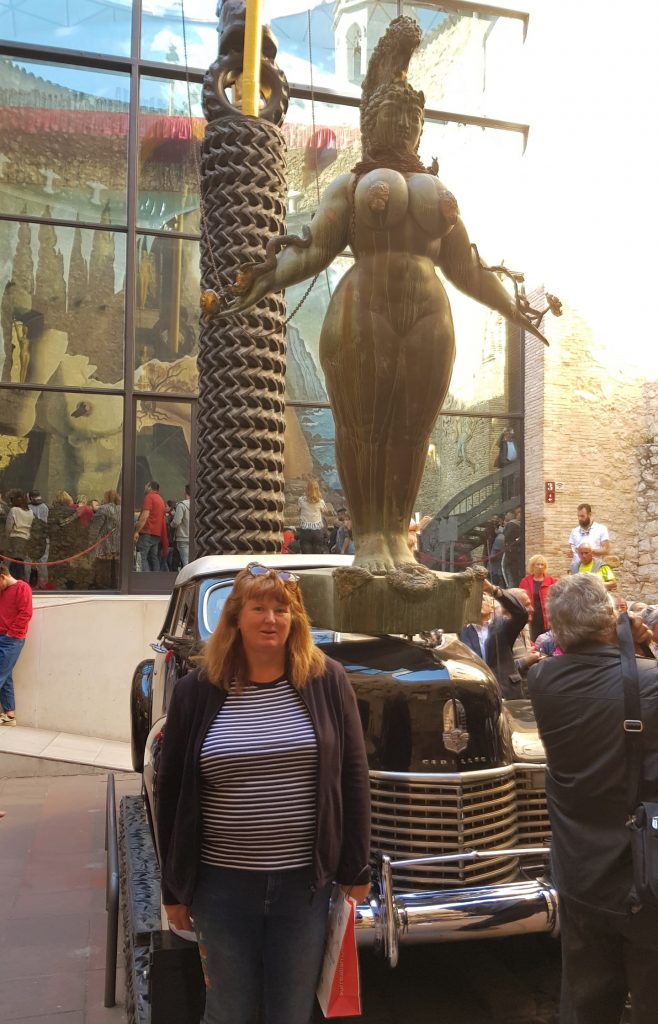
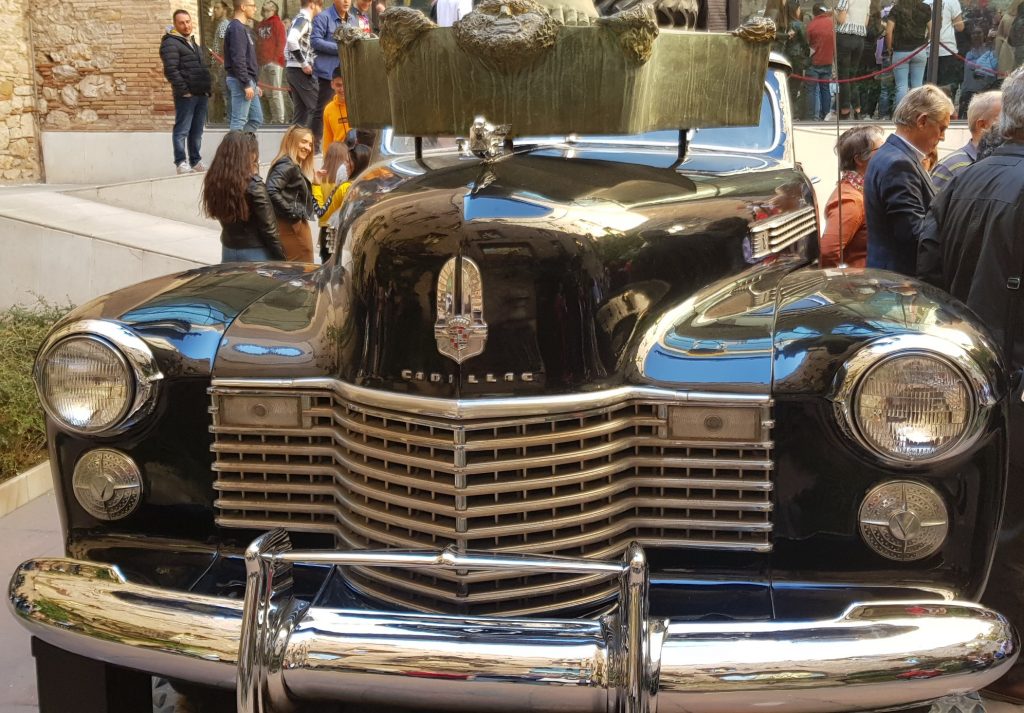
The immaculate Cadillac has a mannequin inside, all overgrown with ivy and leaves….but has a naked statue of a burly woman on it’s bonnet!
Another of his drawings.
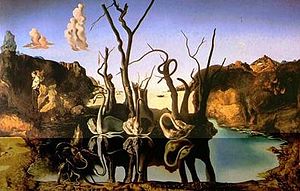
One of his well known images, called Swans Reflecting Elephants.
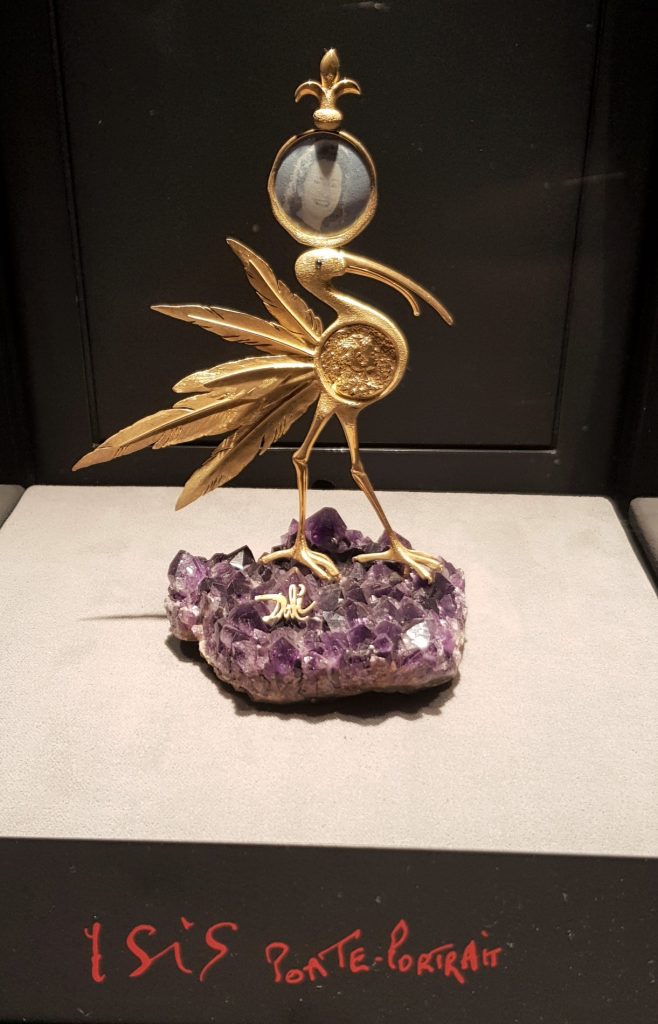
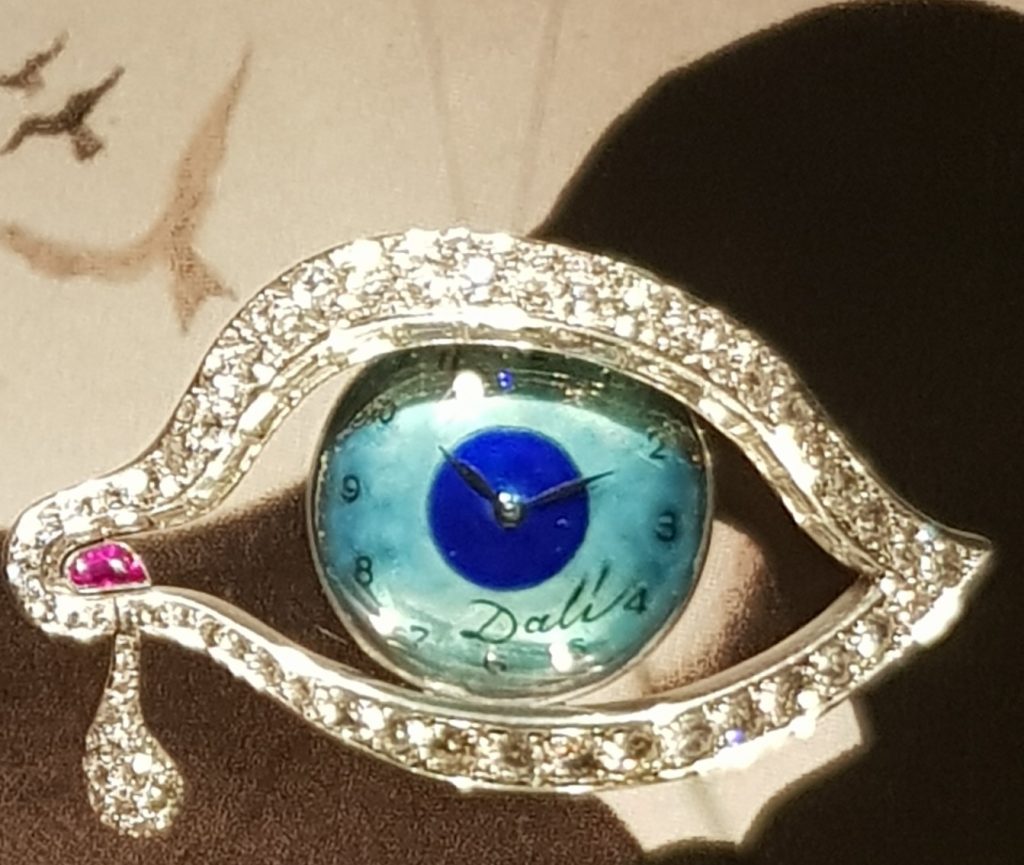
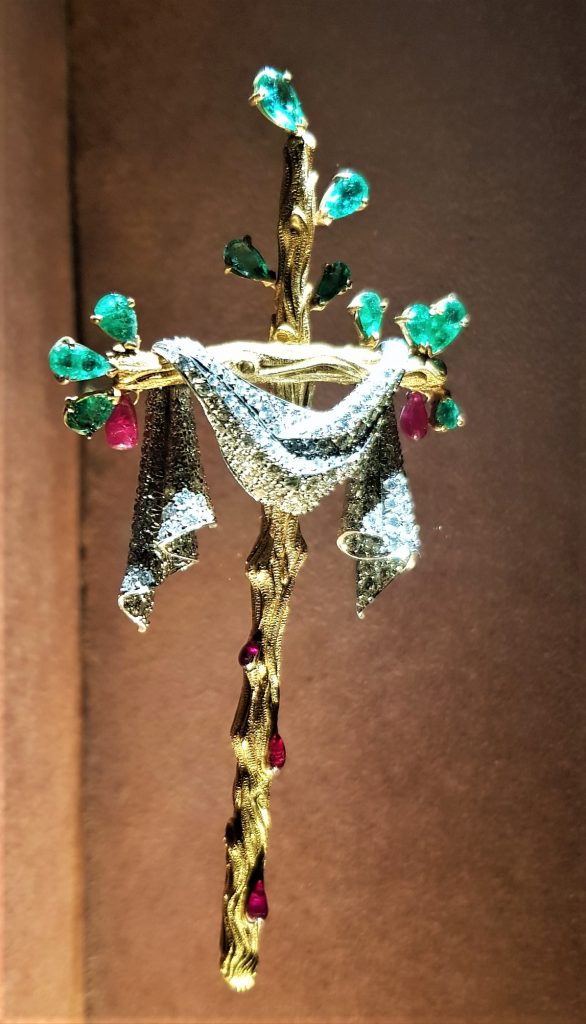
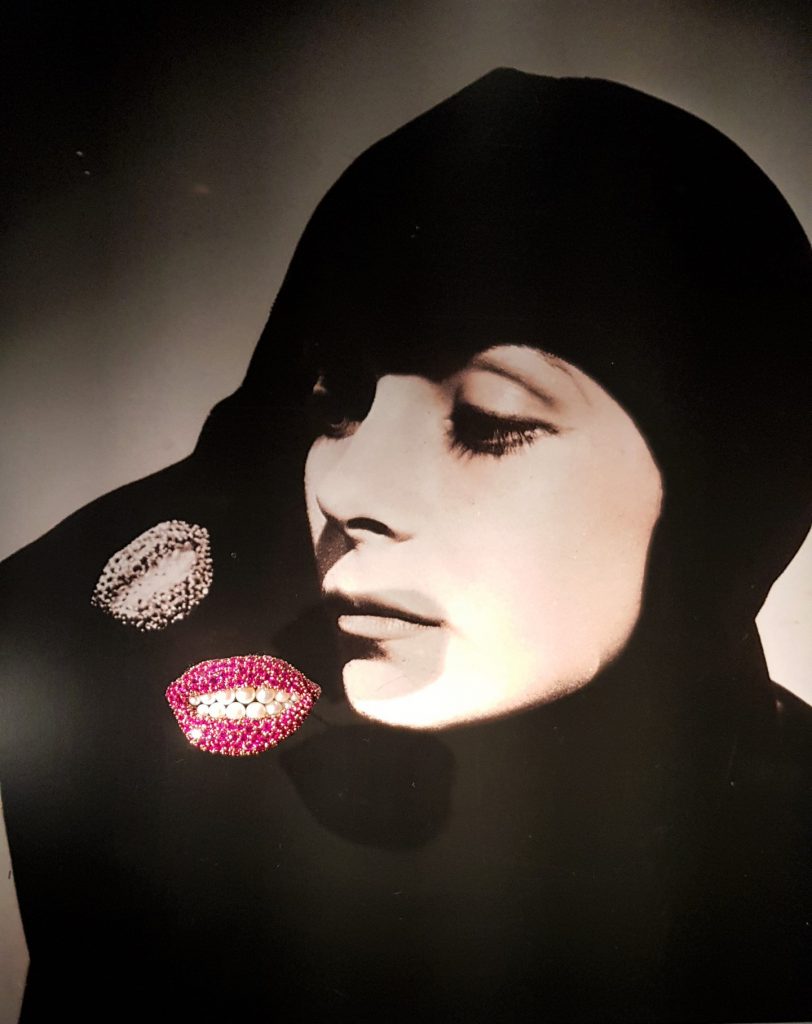
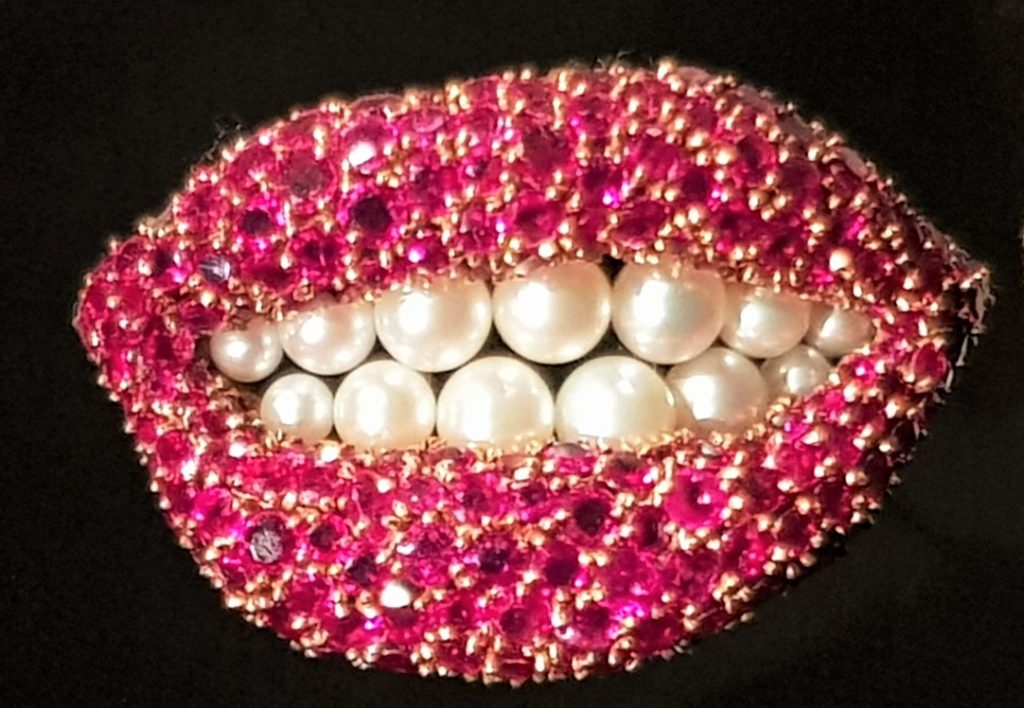
Some of the jewellery collection that he created.
This brooch is about 2 inches long, but has a working clock in it.
This crucifix is about 3 inches tall.
Rubies, diamonds and pearls in a brooch.
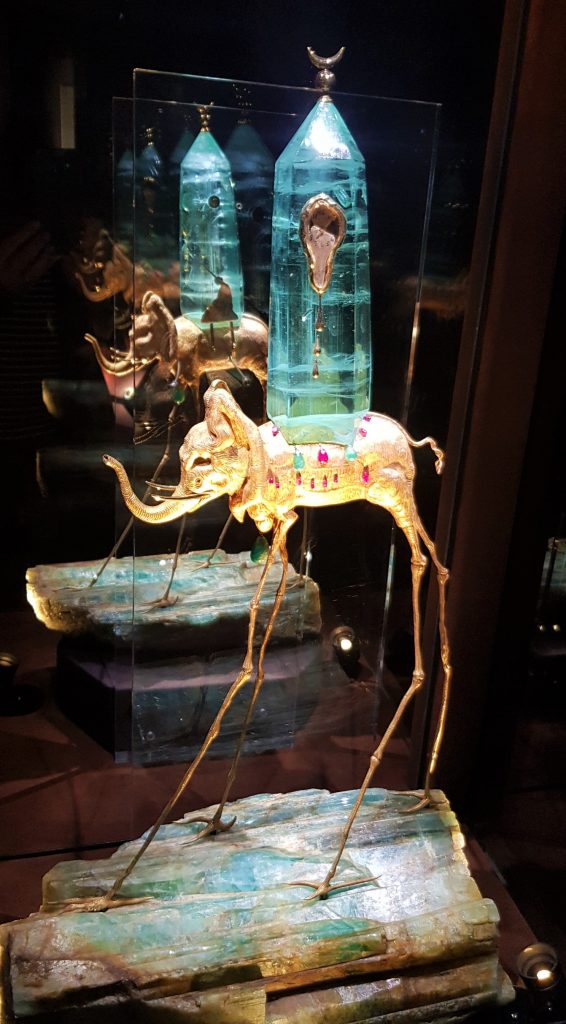
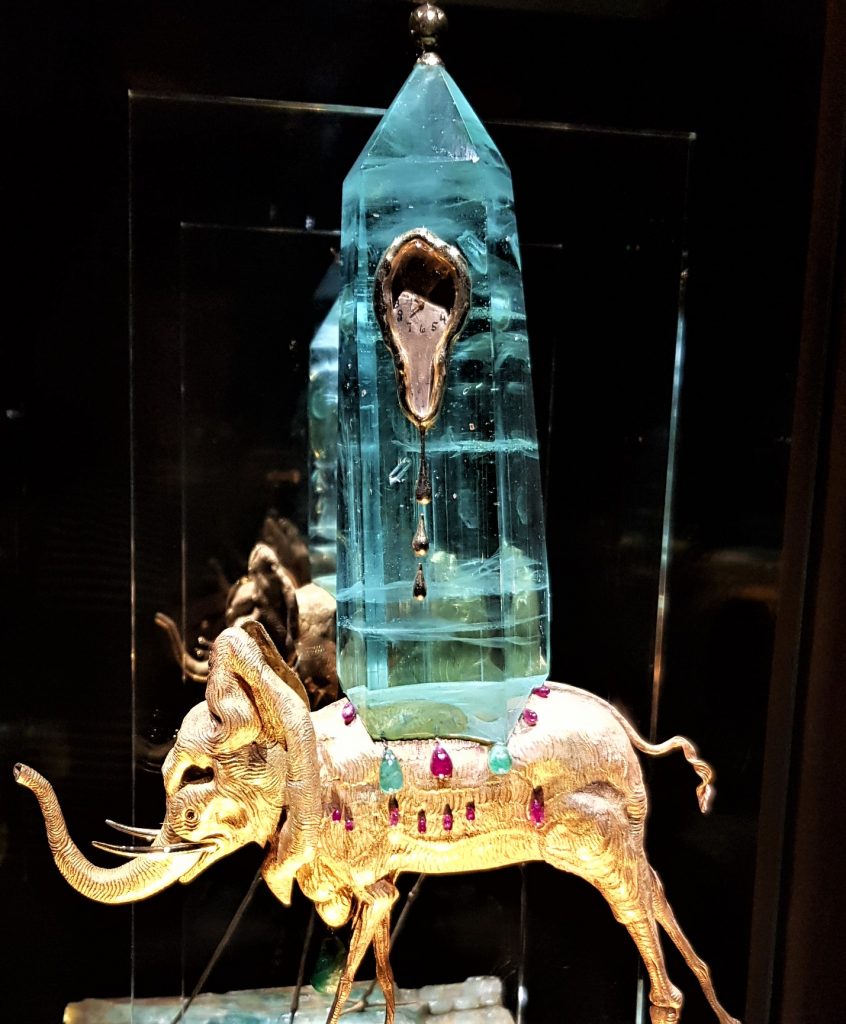
This jewelled item is 2 feet tall and has the most amazing green gem in the middle. I believe it is called “Elephant Spider”.


2 Blokes & 2 Birds in Benidorm & 200 Bikes in Guadalest

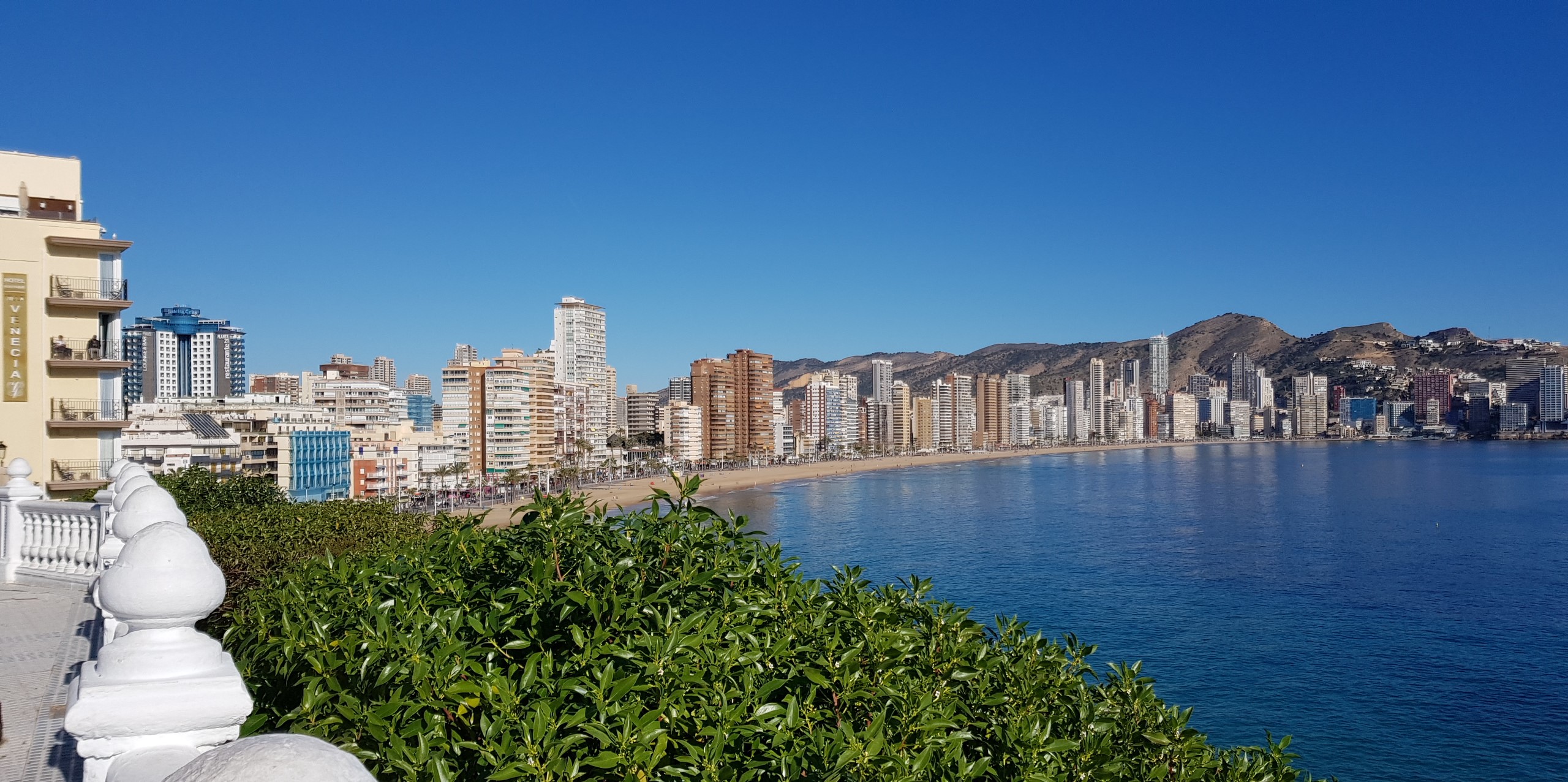
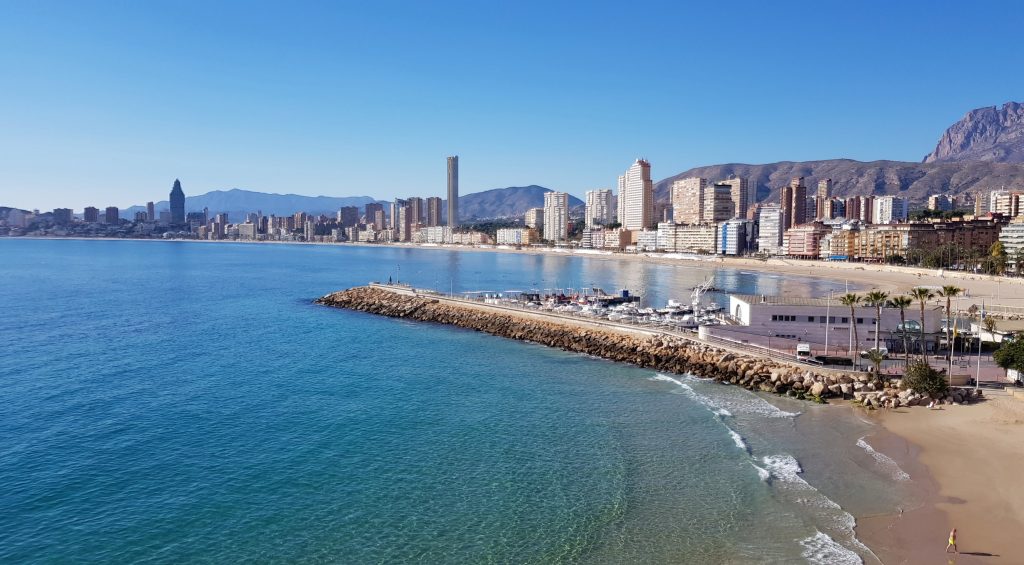
In February we had a few days out visiting our friends Mike & Brenda in Benidorm. Benidorm was quiet and quite beautiful in the warm sunshine, we had a lovely walkaround the old town, introduced Mike to tapas for lunch and downed a few beers, as expected!

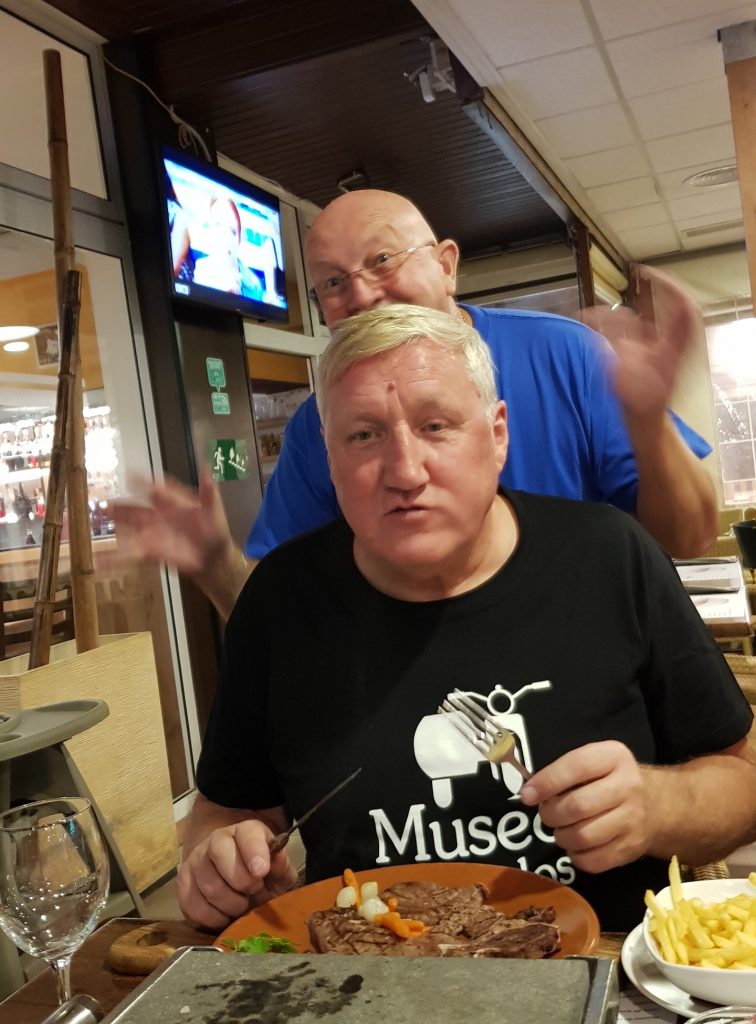
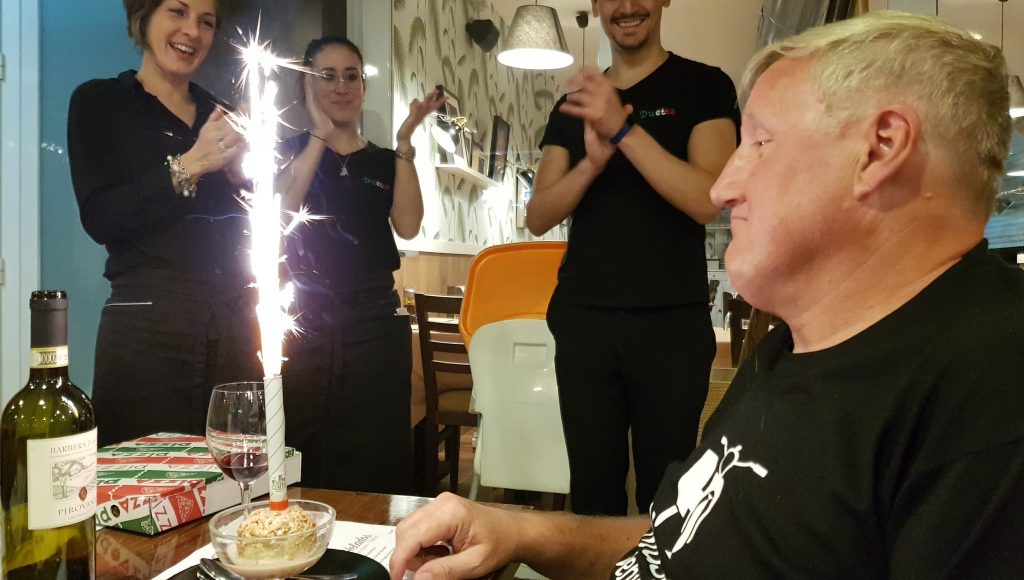
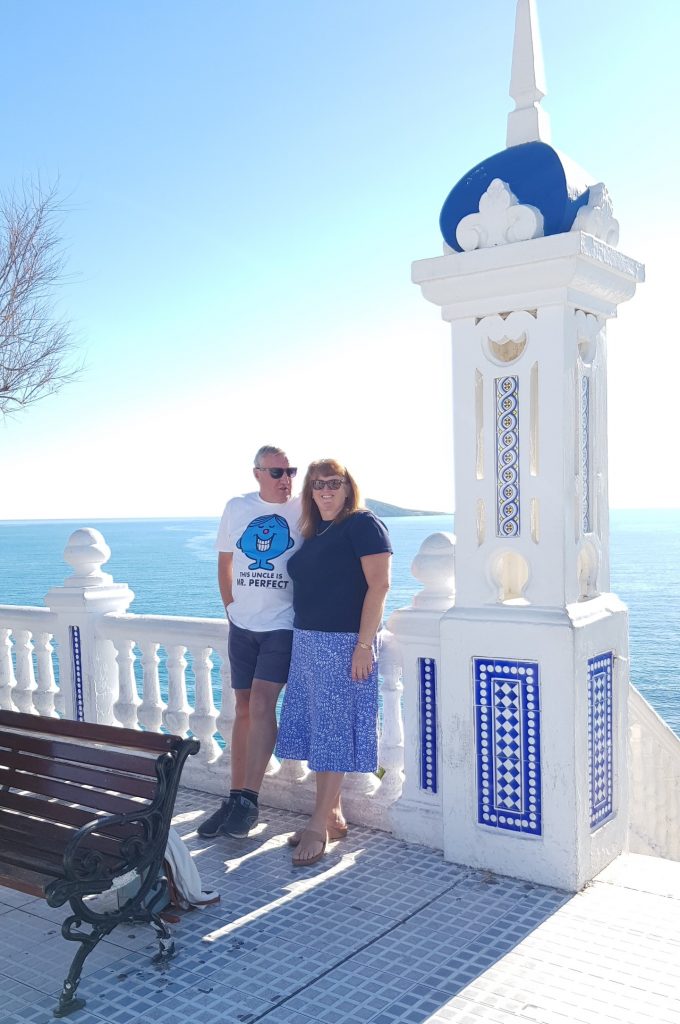
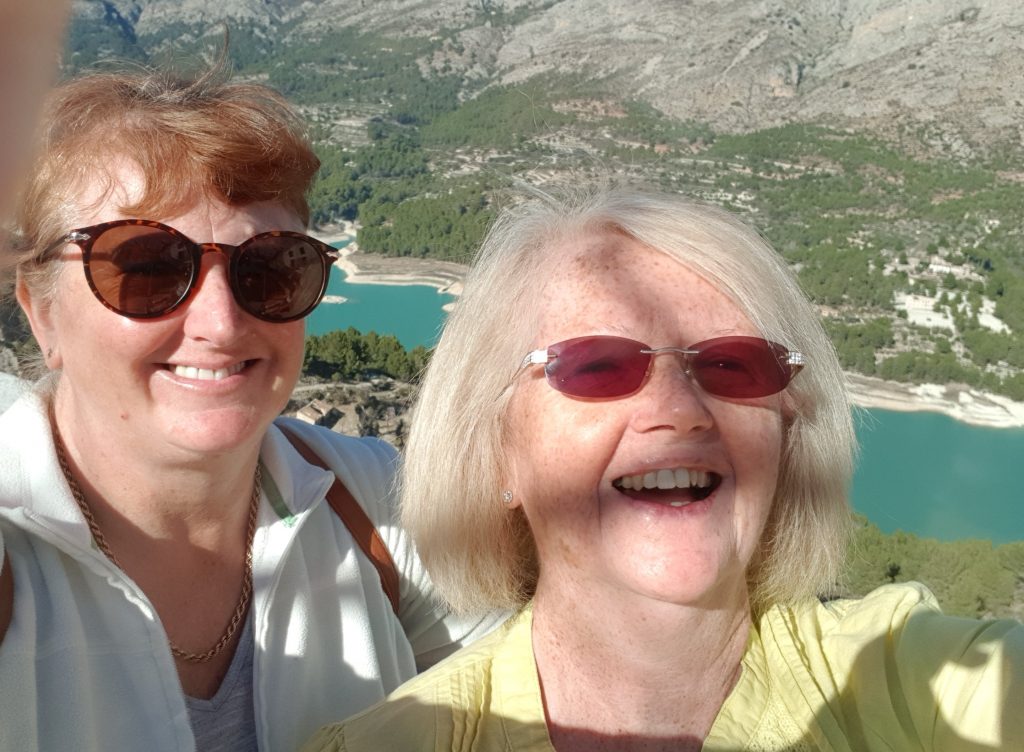
Two blokes and Two birds in Benidorm!!!
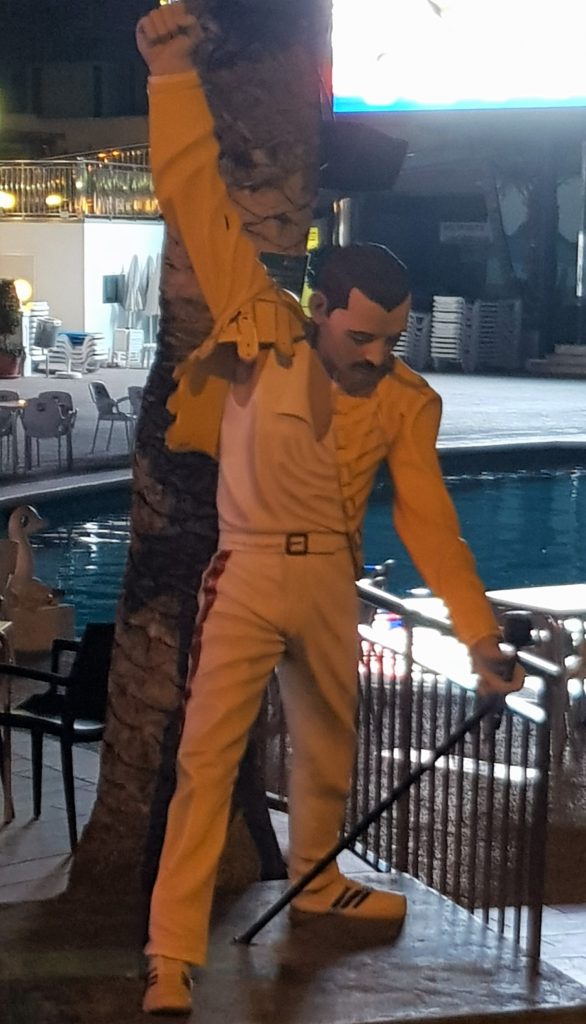
We experienced a night out on “the strip”, a road famous for it’s bars, british cafes and takeaways and cabaret style night clubs, starting the night with pie and chips for dinner, following up with watching three “artistes” singing Rat Pack songs, and topped off by an hour watching a hilarious comedian from Bradford. He was so funny, we had stitches by the end of the evening; however the highlight had to be the drunk woman serenading the “artistes” on stage afterwards singing Take That songs!
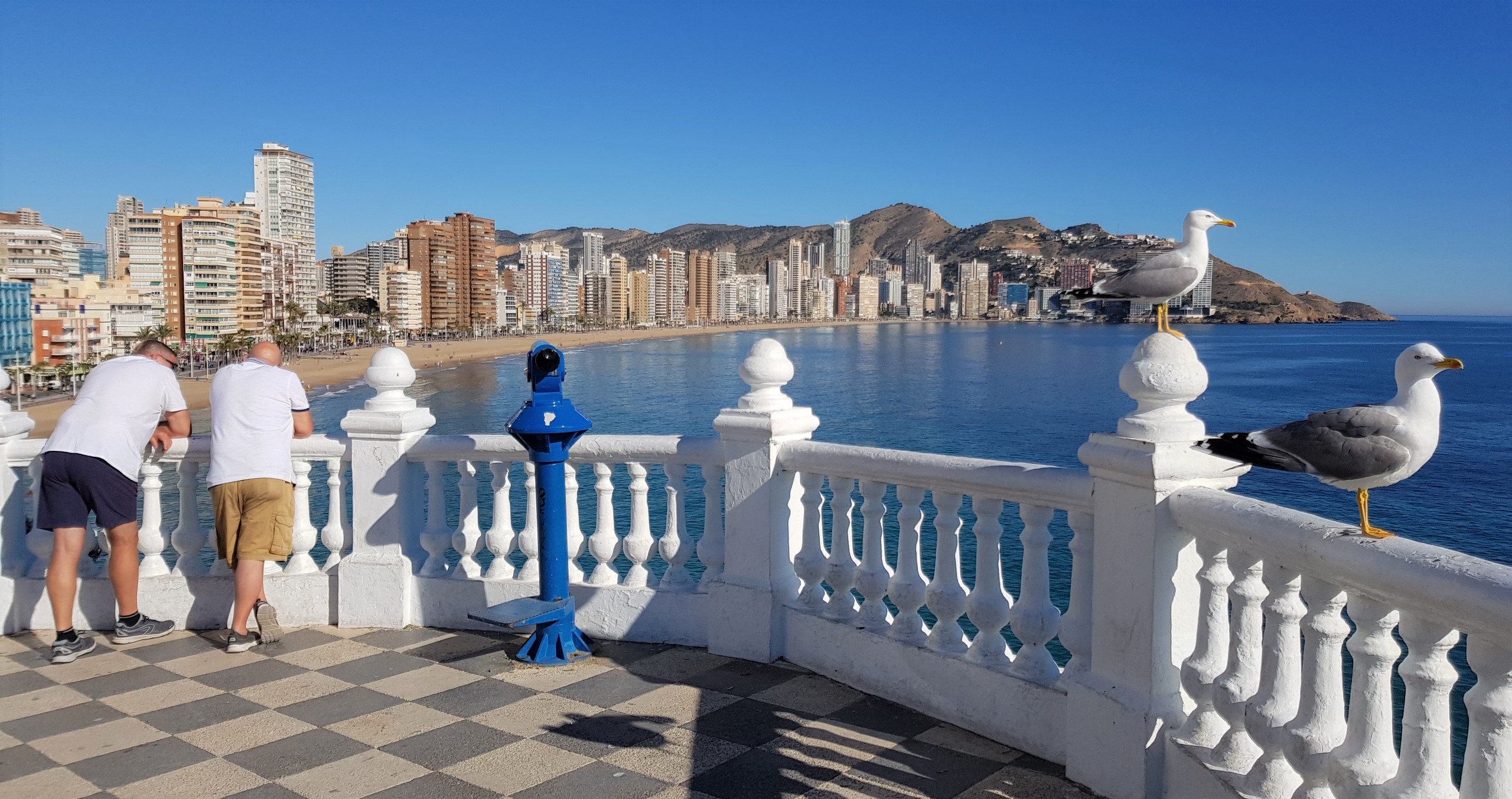
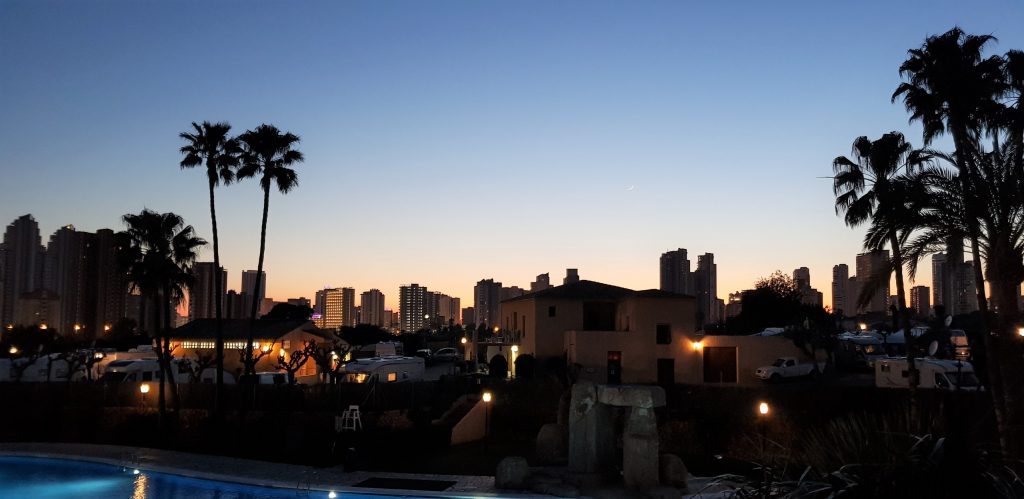
Benidorm sky line

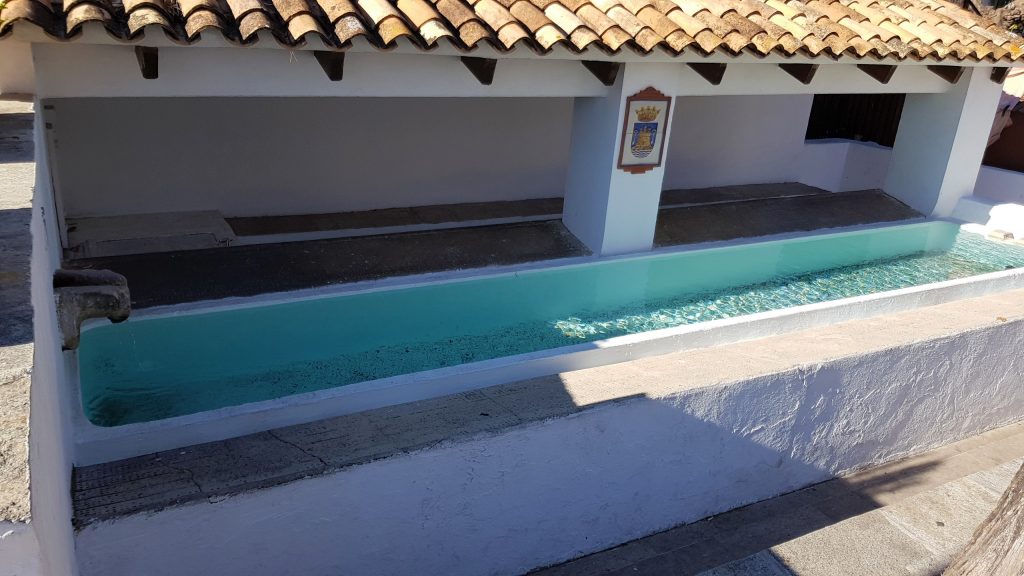
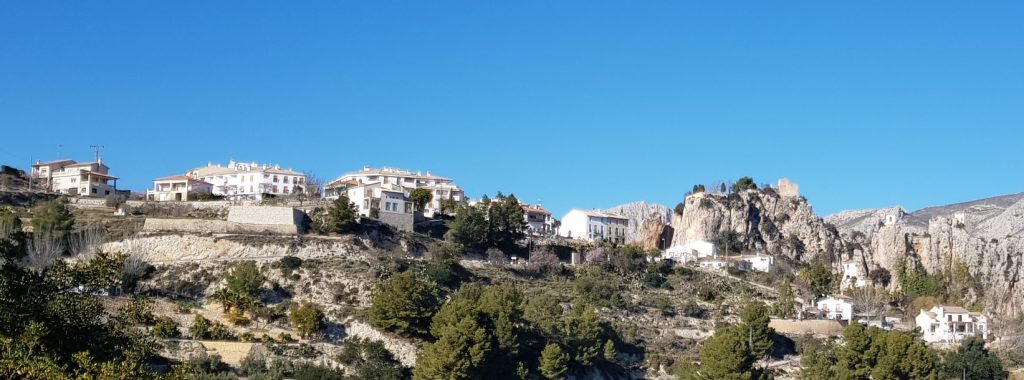
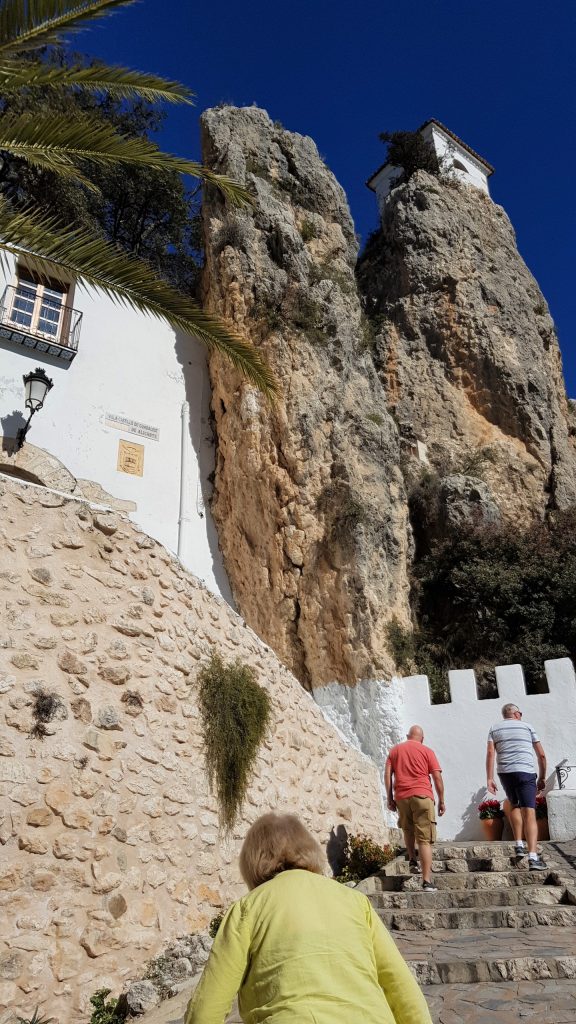
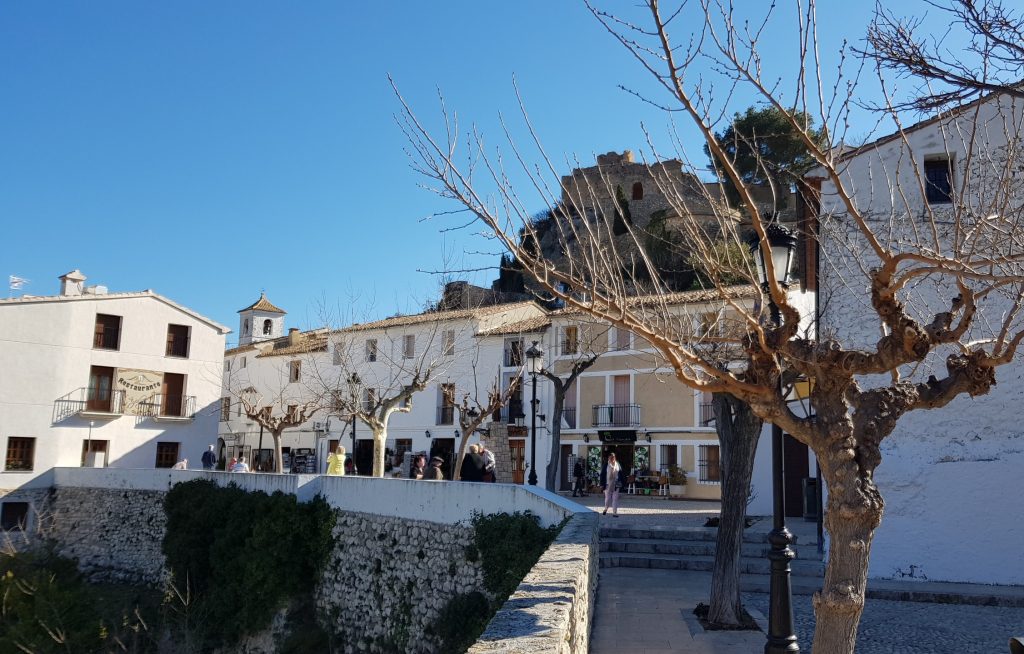
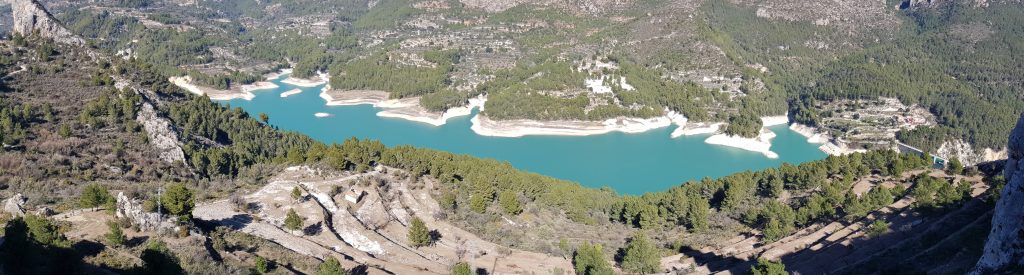
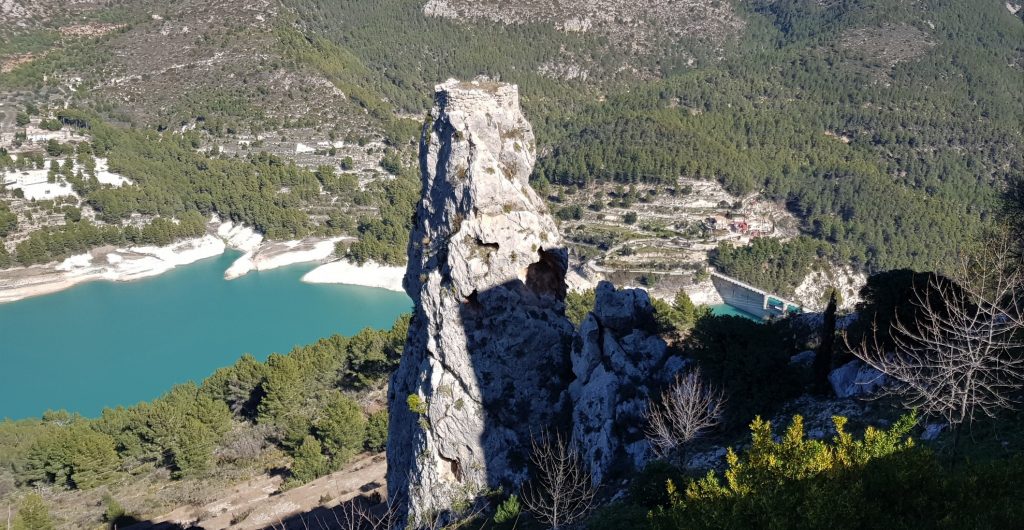
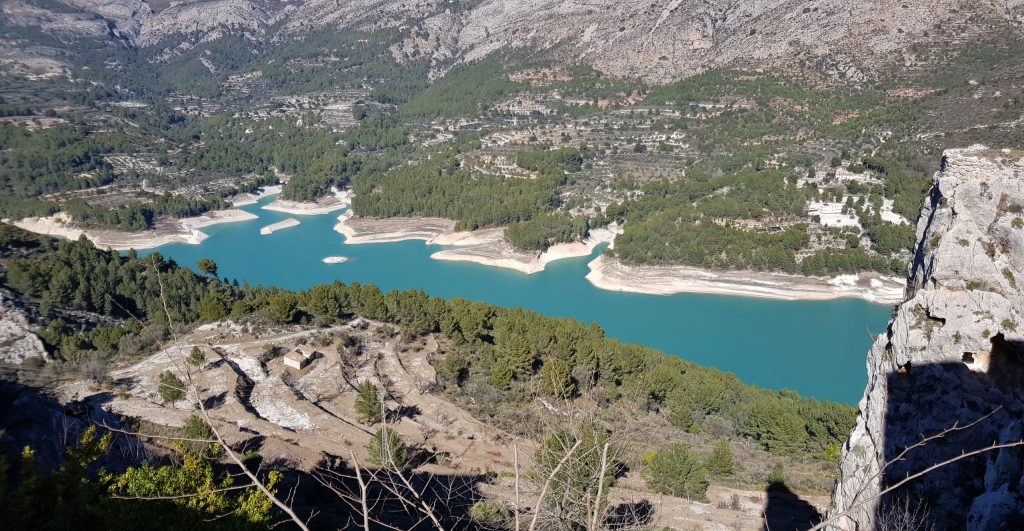
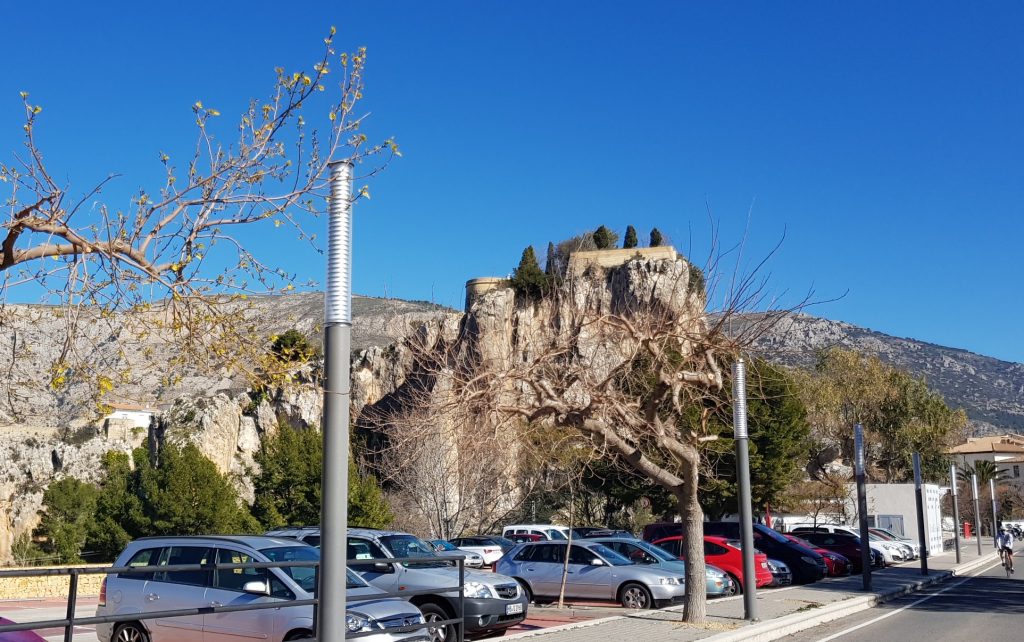
The next day we took a drive up the mountains behind Benidorm to a small village called Guadalest, hiked up to the castle ruins, had lunch in the square, and gawped at the amazing azure coloured reservoir behind the village. Even the water coming from a natural spring, into a trough in the village, was blue, it tasted so fresh and was freezing cold!
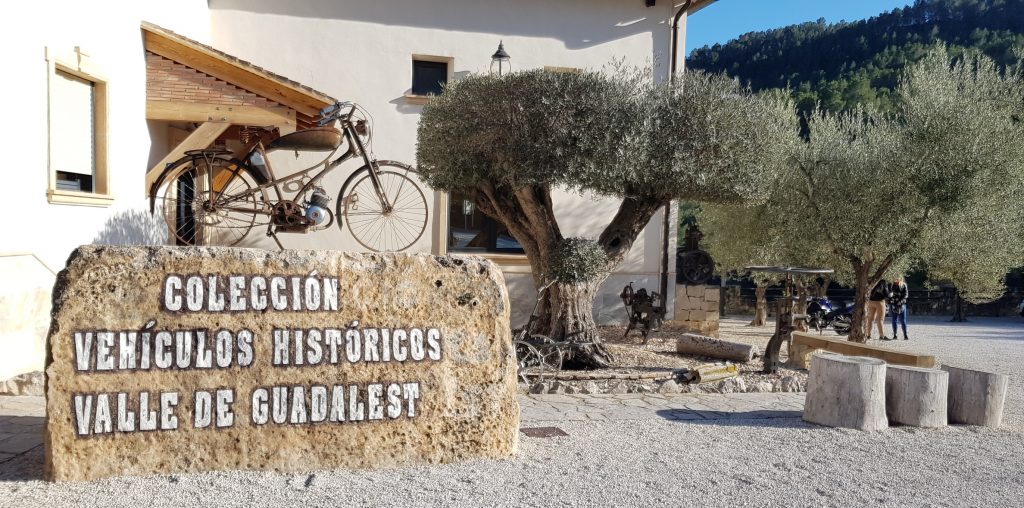
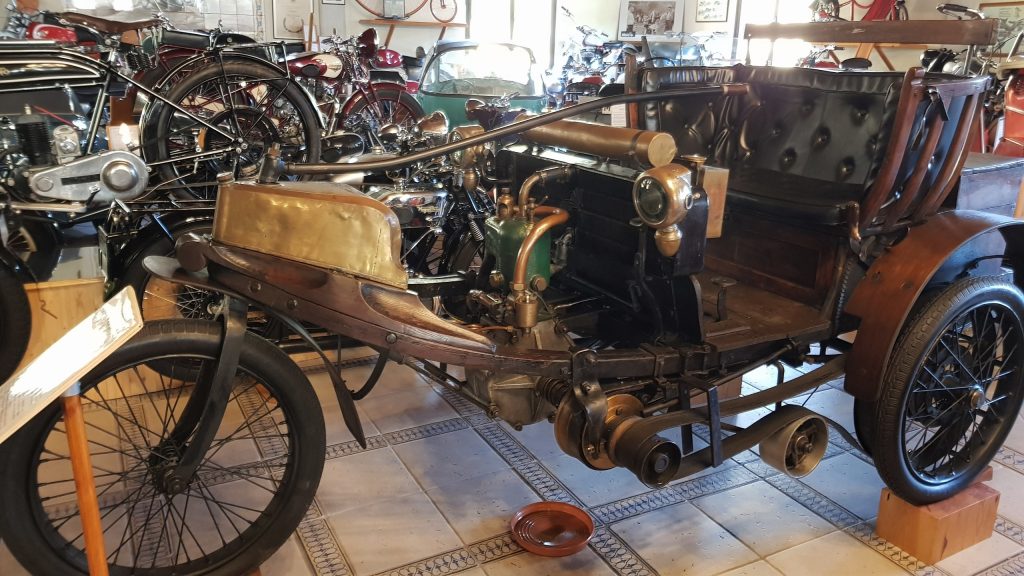
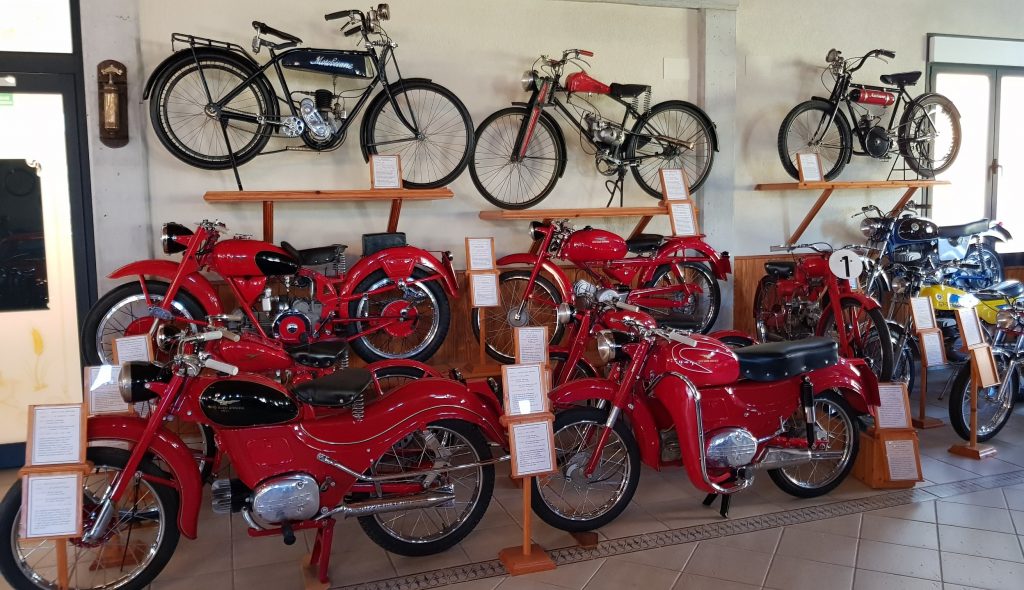
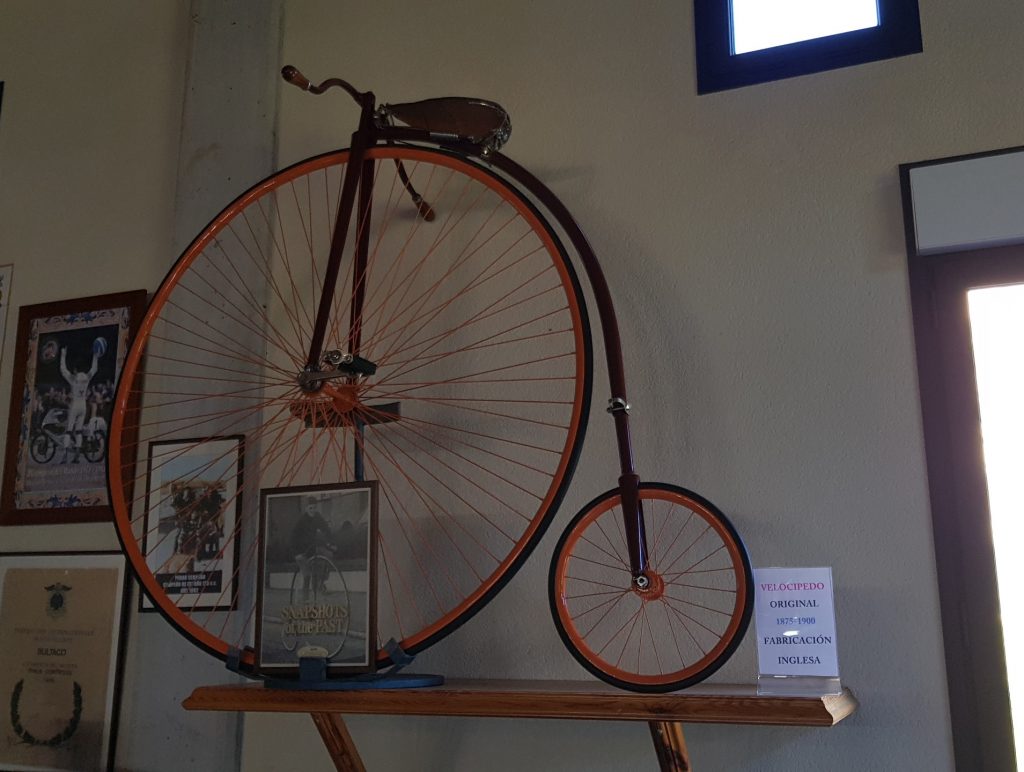
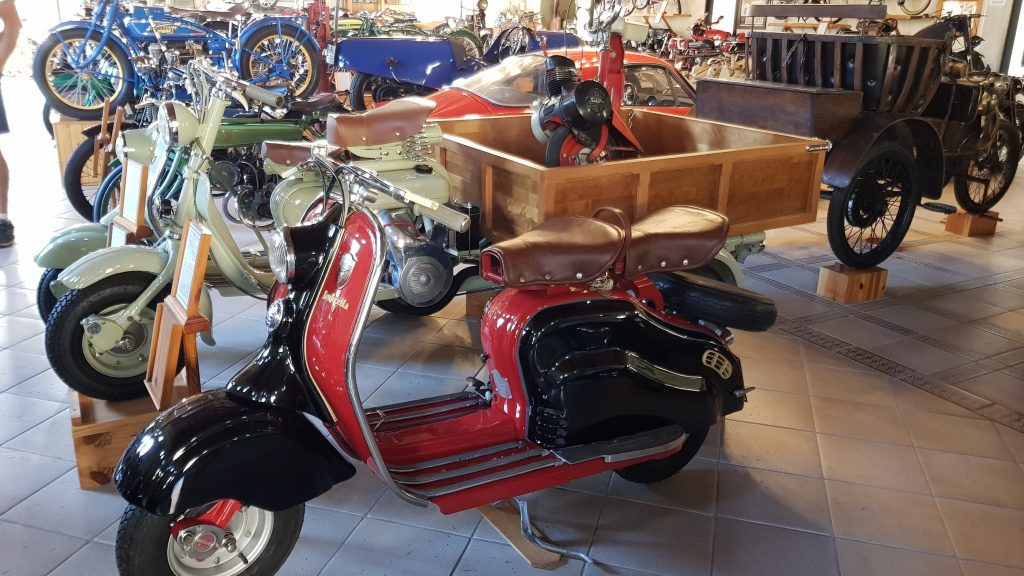
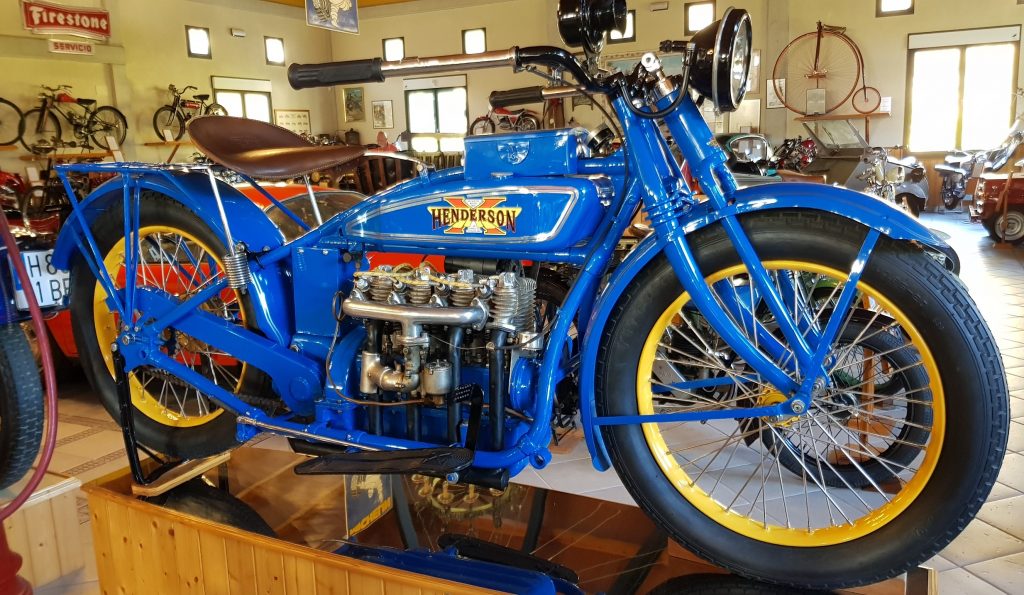
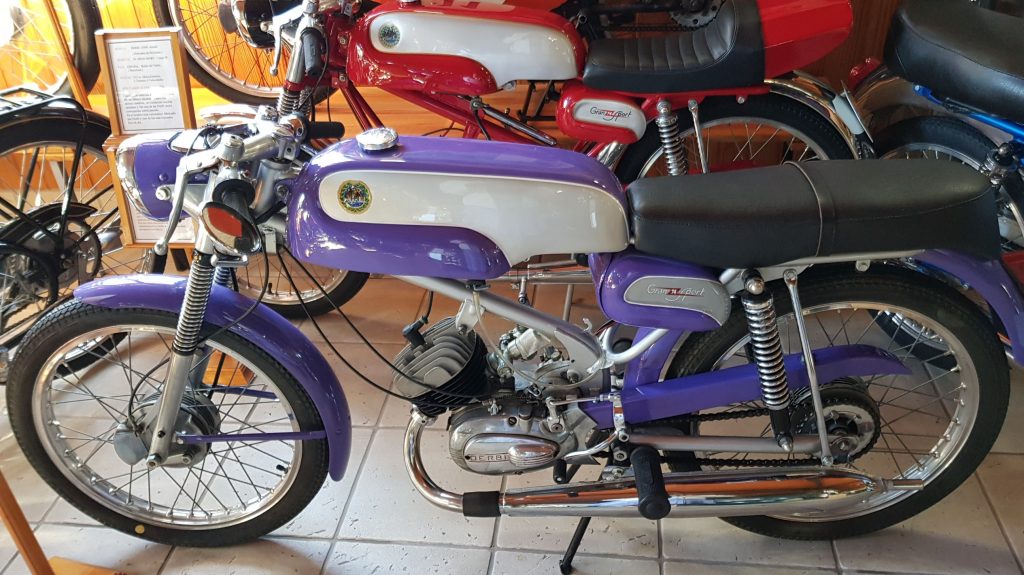
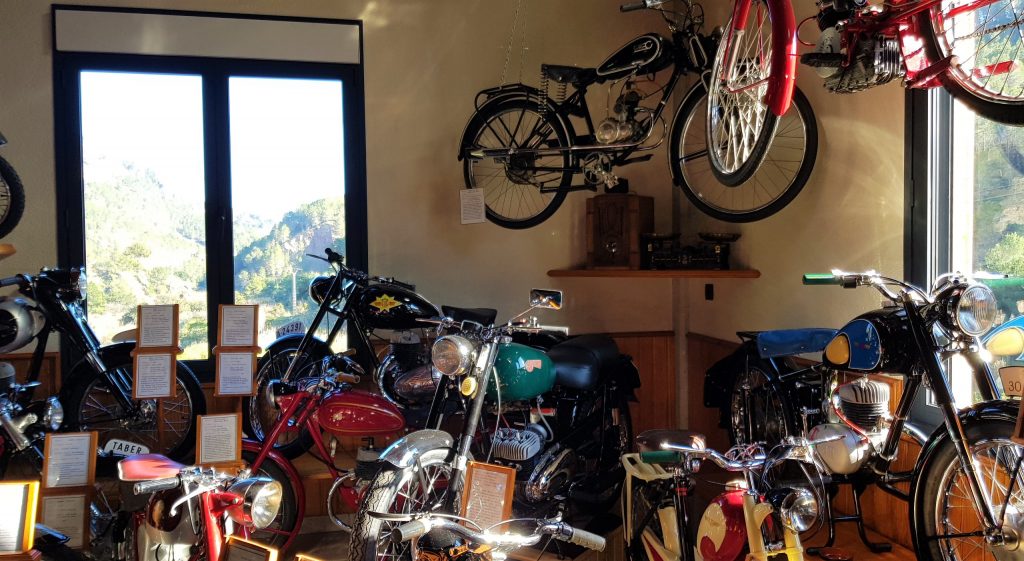
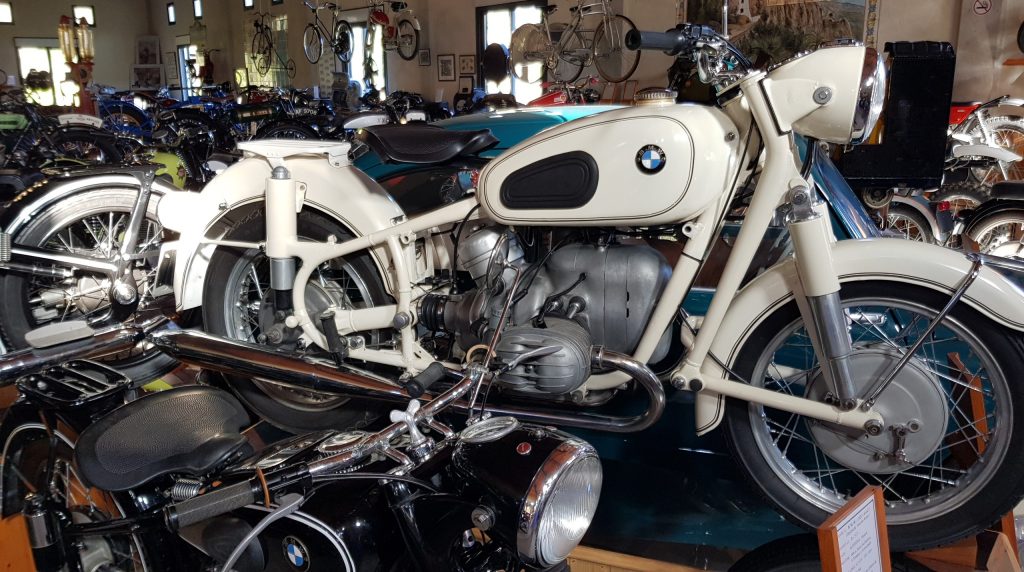
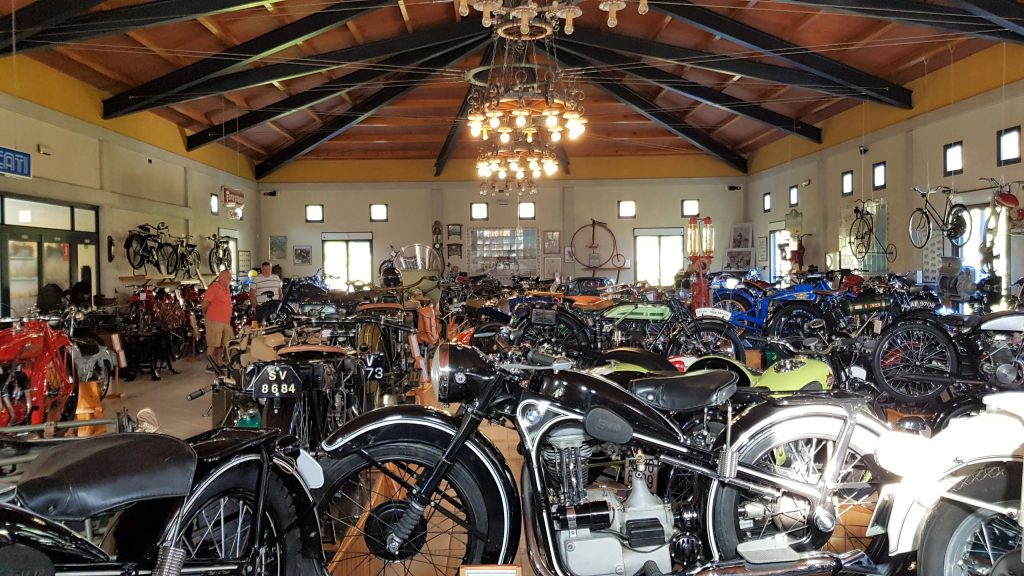
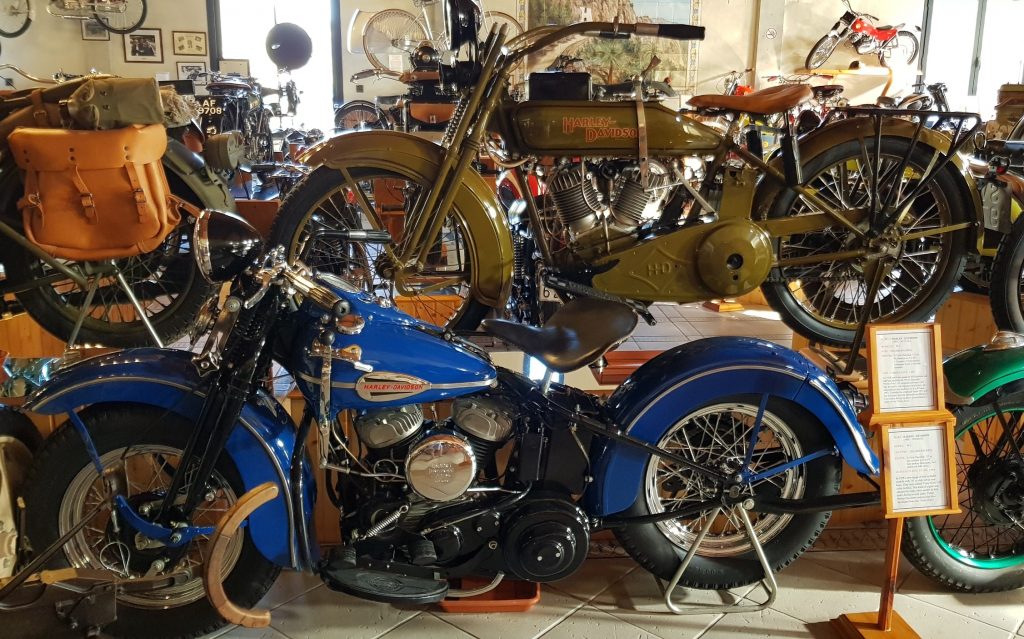
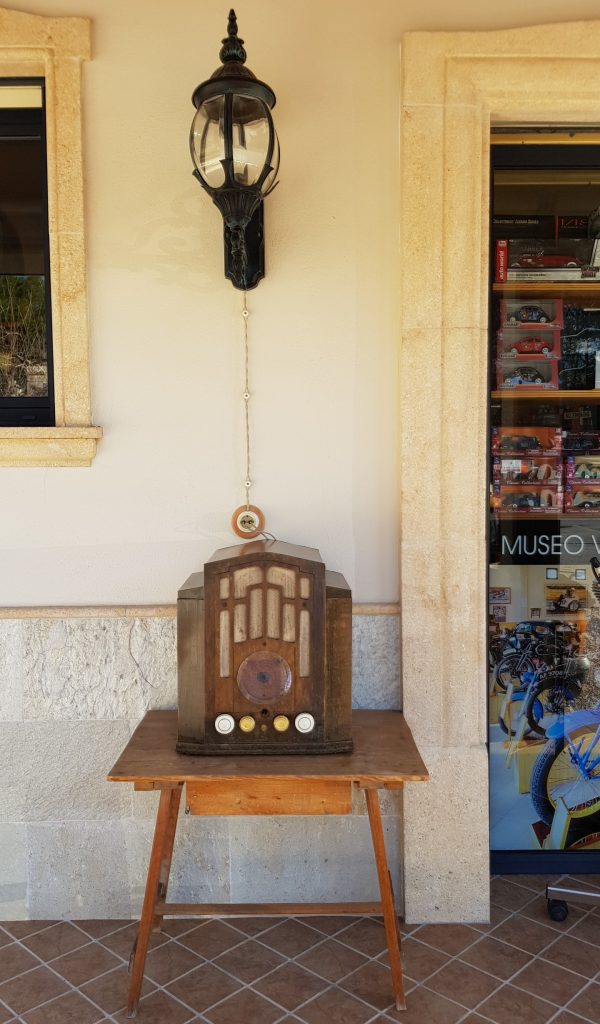
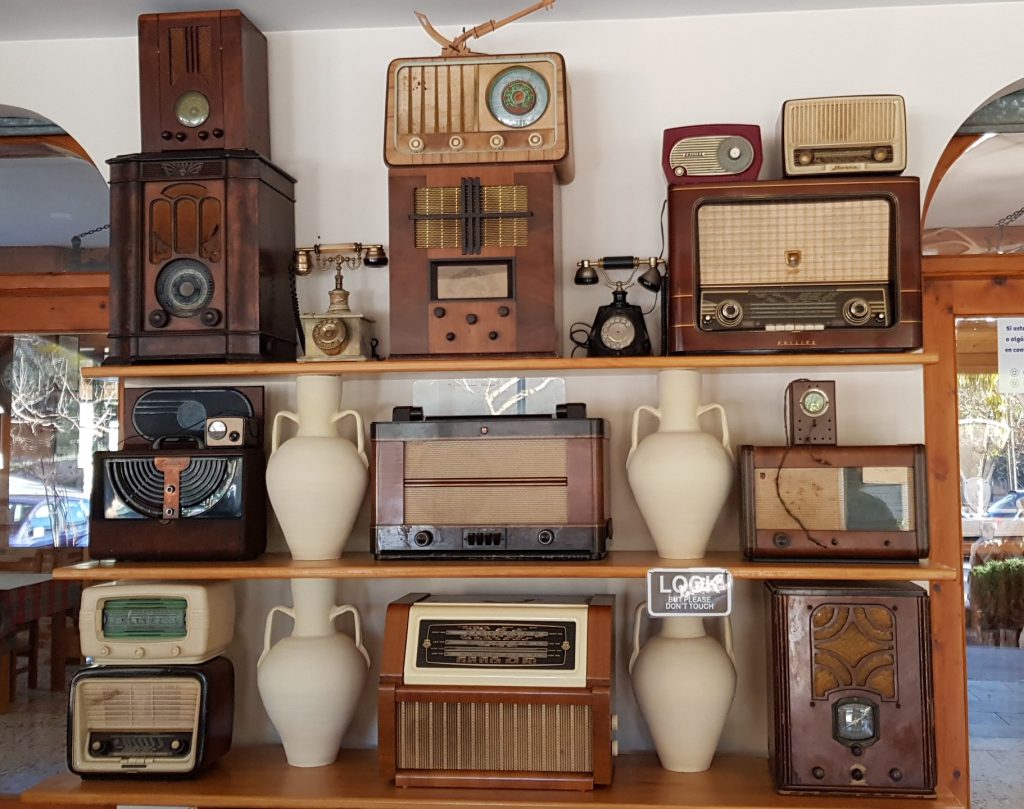
As we headed out of the village on the opposite side, we came across a small motor museum, a private collection of motor bikes, some cars, scooters, bikes and other memorabilia. Such an amazing place, fascinating and full of historical items.

And to top it all off, the Museum had a shop selling local produce, fresh oranges, honey, cream, olive oils and lavendar products.

« Older posts Newer posts »