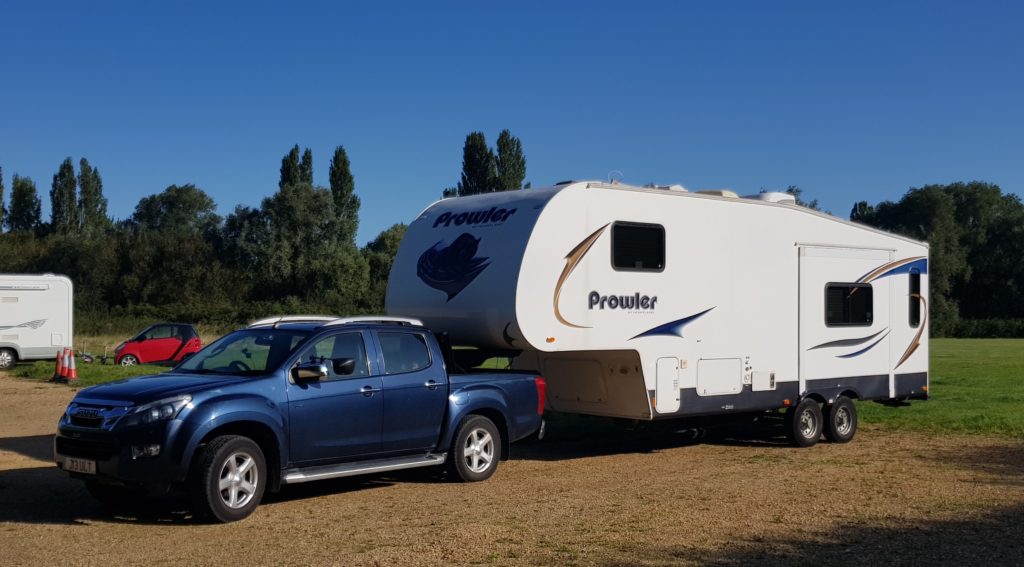
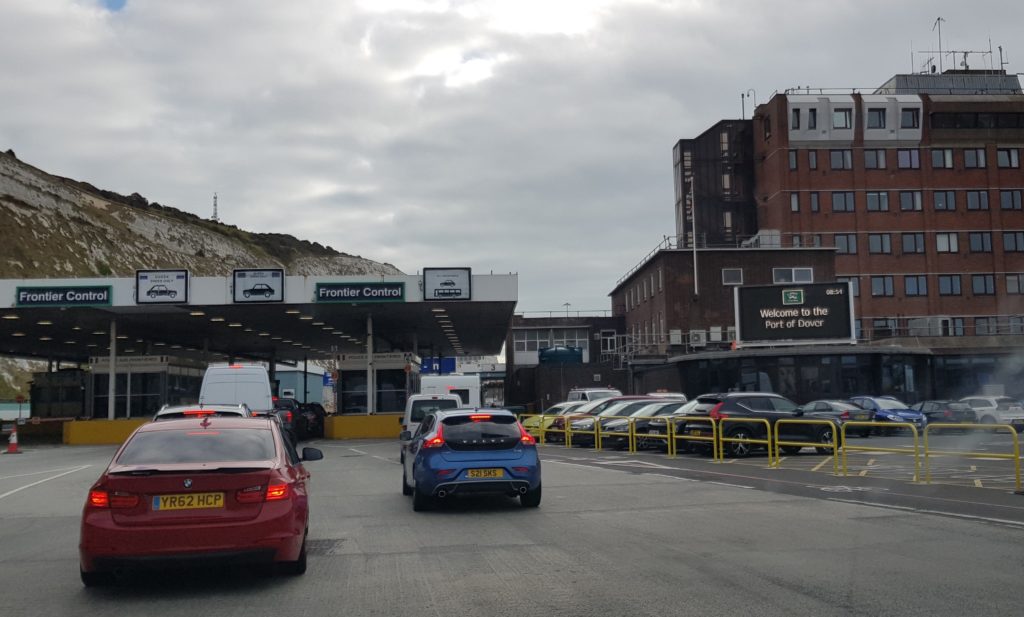
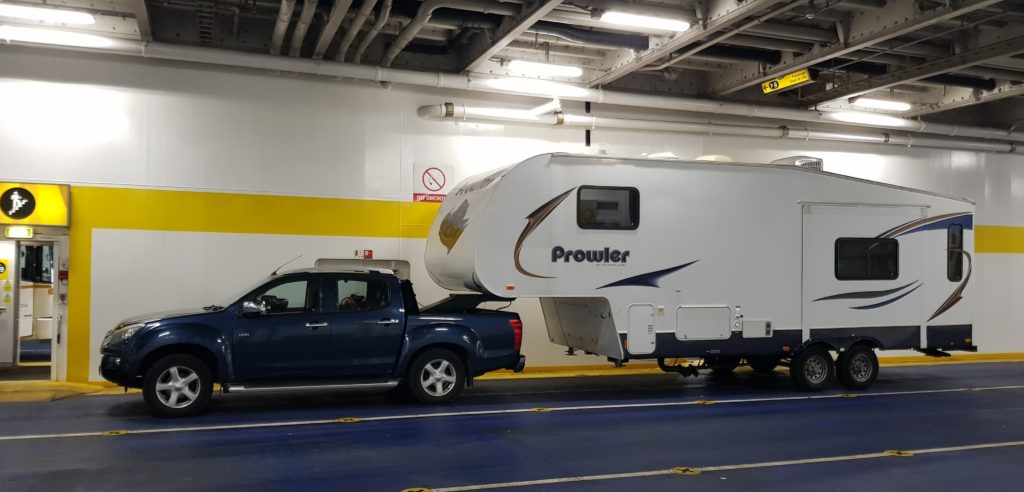
We left Dover early on a Tuesday morning at the beginning of September on a ferry to Calais and made our first stop a few hours south near Saint Quentin, just north of Paris. Samson was, and still is, in full working order and it is lovely to get back on the road!
Seraucourt Le Grand
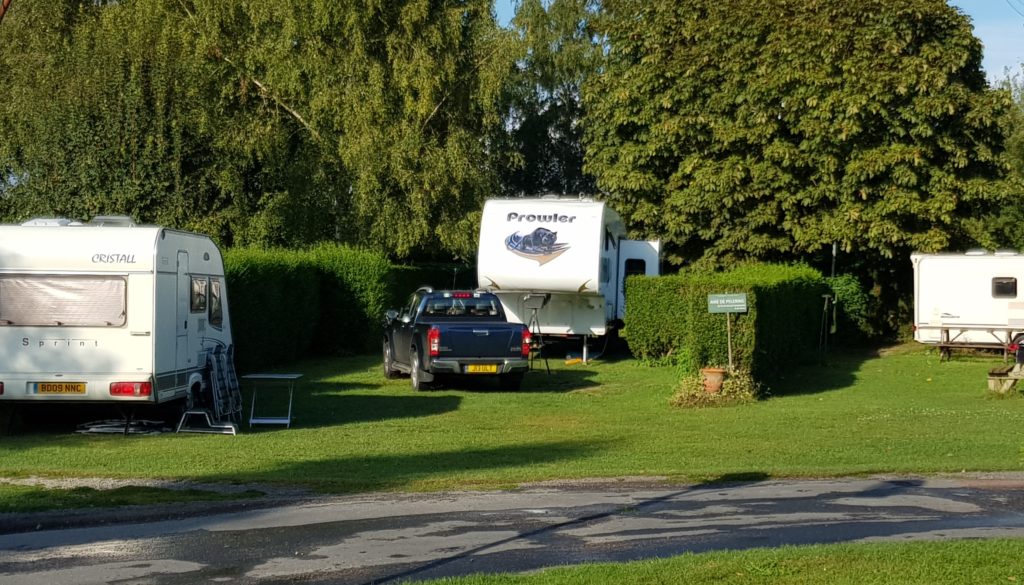
The site itself was surrounded by and on the edge of several tranquil and pretty lakes full of carp, lilies and dragon flies – the site was full of British couples in their dotage, their pitches full of deck chairs, sun loungers, pot plants and gnomes! We had a grassy double pitch with easy access and we used the few days here to settle back into our gypsy style life again. We caught up on booking ahead for our next few stops and some shopping, as well as enjoying the peace and quiet that comes with the return of school term – no noisy children!
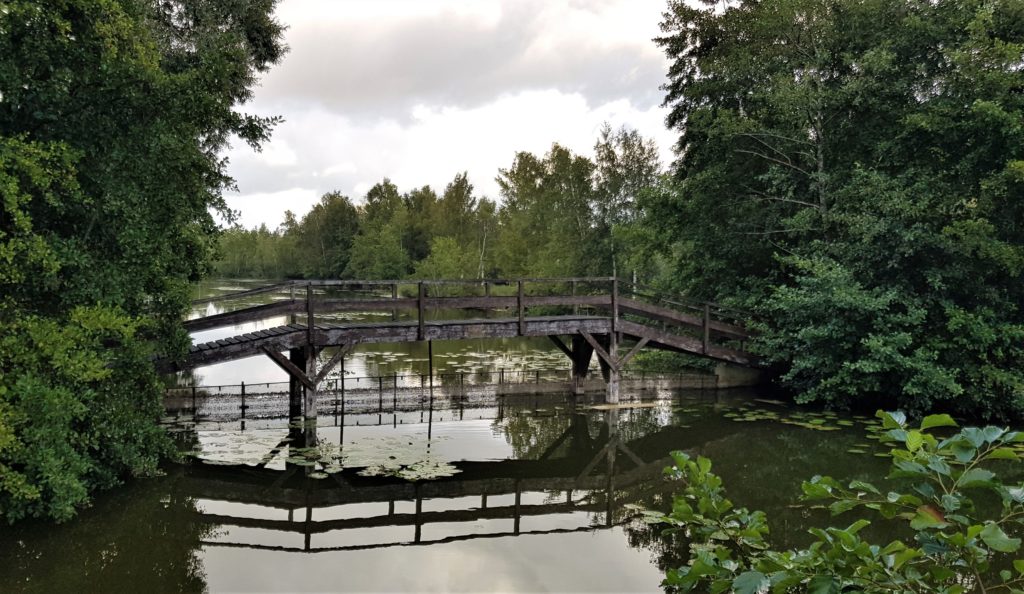
Lakes around the site. 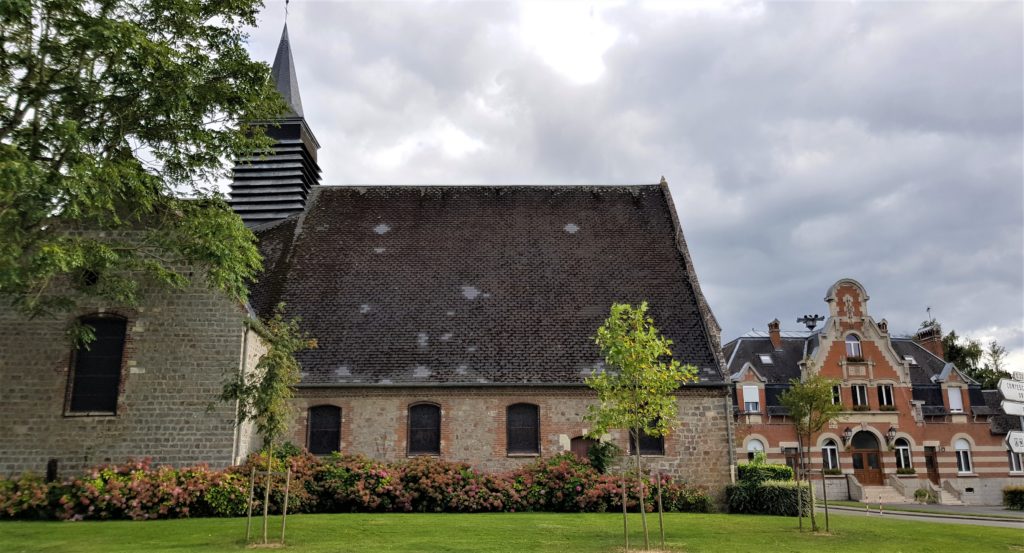
Local church and Town Hall 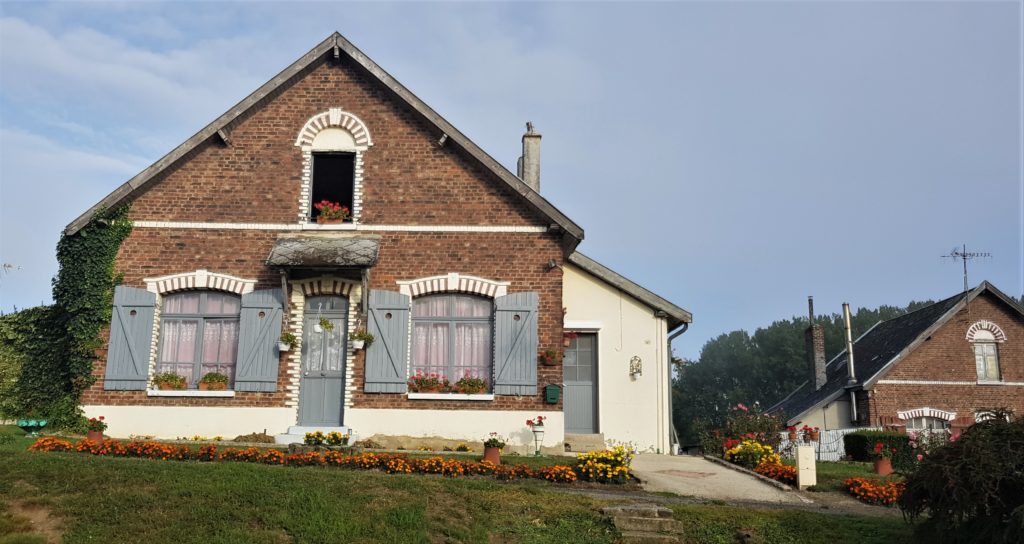
Typical local house
We discovered that the actual village we were in, called Seraucourt Le Grand, had a cemetery full of First World War soldiers that had died in the surrounding areas and whose graves had been relocated here as a gesture of remembrance. It was a beautiful setting on the top of a quiet, flat hill, surrounded by fields of corn and hay, with beautifully well maintained flowers and shrubs dotted amongst the 1830 headstones. The majority of the graves were of riflemen, cavalry or airmen, the average age at death was early 20’s and lots were from the north of England, they were in regiments from Lancashire, Yorkshire and Scotland.
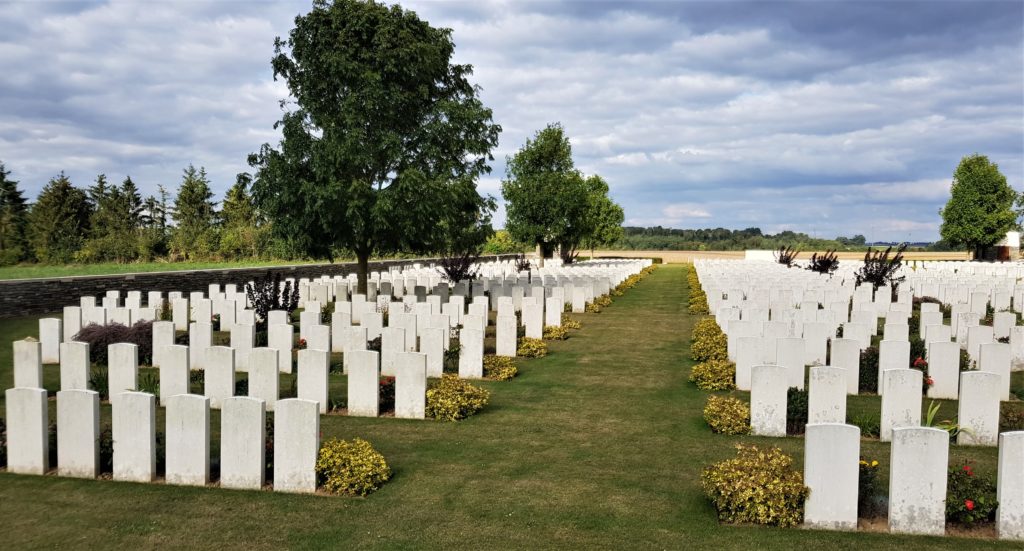
WW1 cemetery 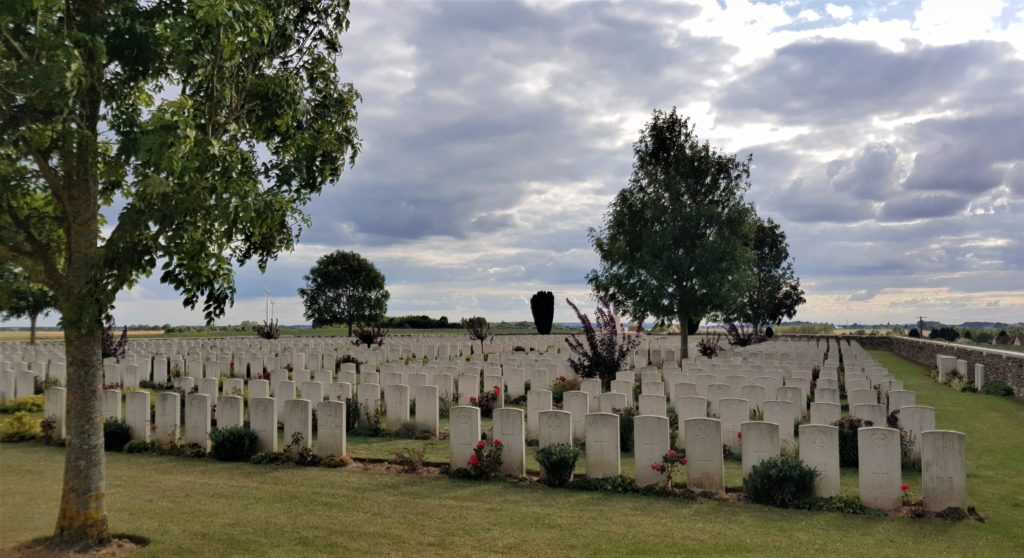
Troyes
We headed further south to Troyes, a beautiful medieval town that we have stopped at last year, and an odd thing happened – David adamantly denied ever having been there before!! Last year when we returned to the UK to MOT the truck, we stopped here overnight (on a Saturday night as Sunday morning was an issue finding a café open for breakfast!) in a small guest house at one end of the town, this time we booked into a campsite at the opposite end of town. And, another odd thing…..it rained! Only for the day!!
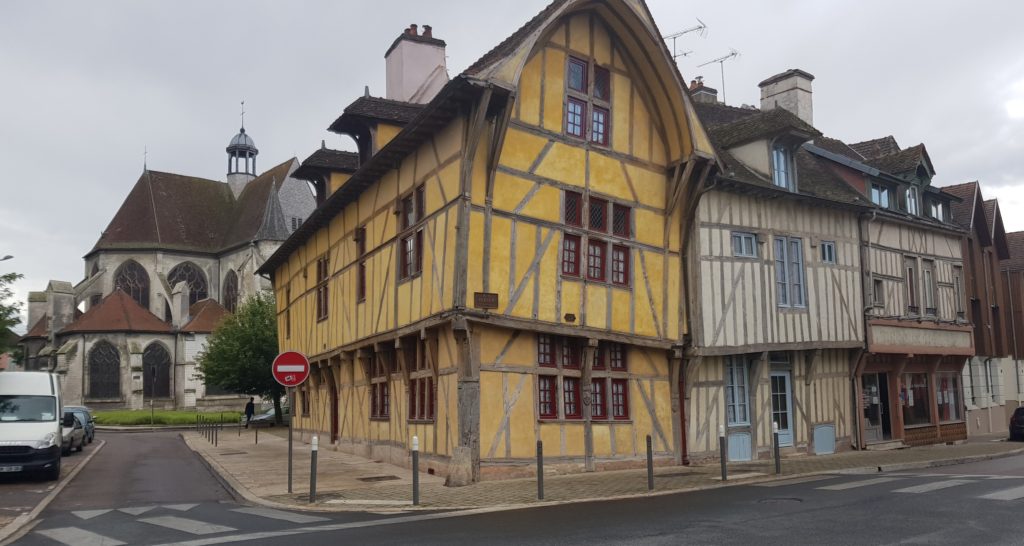
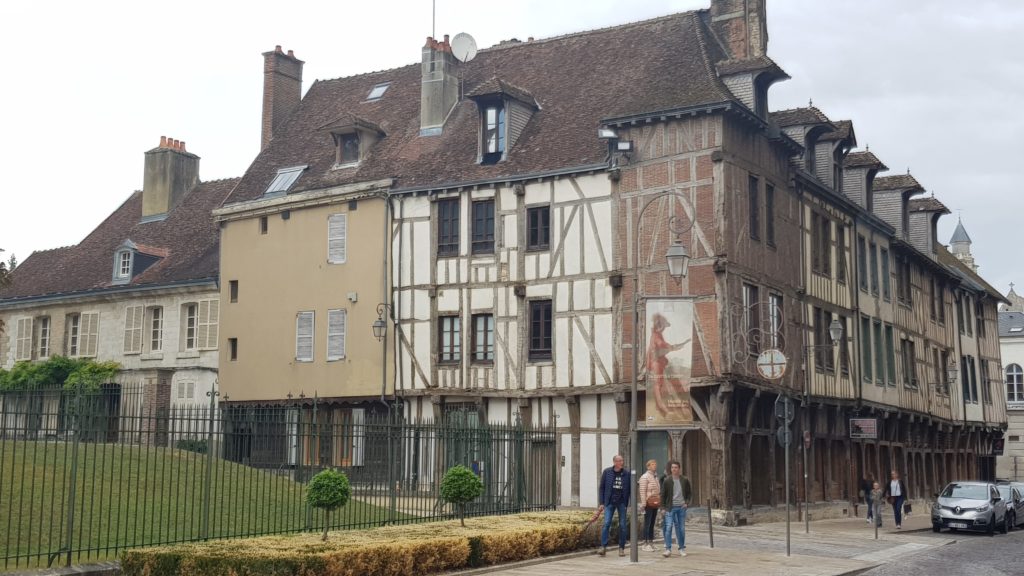
When we walked from the municipal campsite into the old part of the city, we came across the Cathedral first, which was closed when we visited last year. I clearly remembered the square, but he didn’t. I remembered a fascinating old wine shop on the corner of the square, which was closed last year, he didn’t. I showed him the cathedral gardens where we watched a young girl wearing no shoes playing in the fountains with a big Alsatian dog, he didn’t. It wasn’t until I took him to the restaurant that we had dinner in, and then into the main square with the Town Hall, that he remembered! I was beginning to doubt myself at one point!!
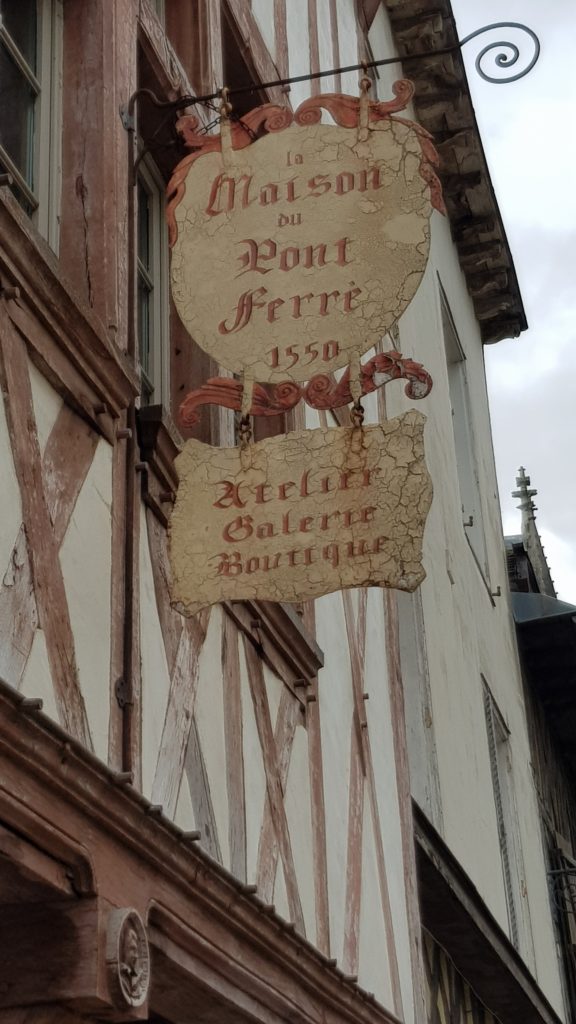
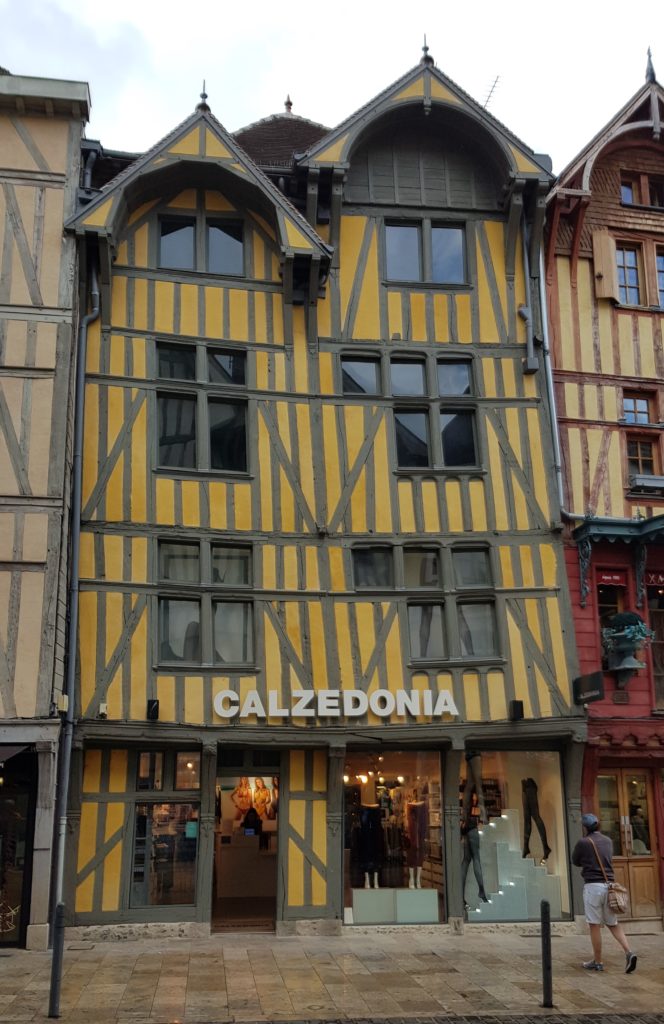
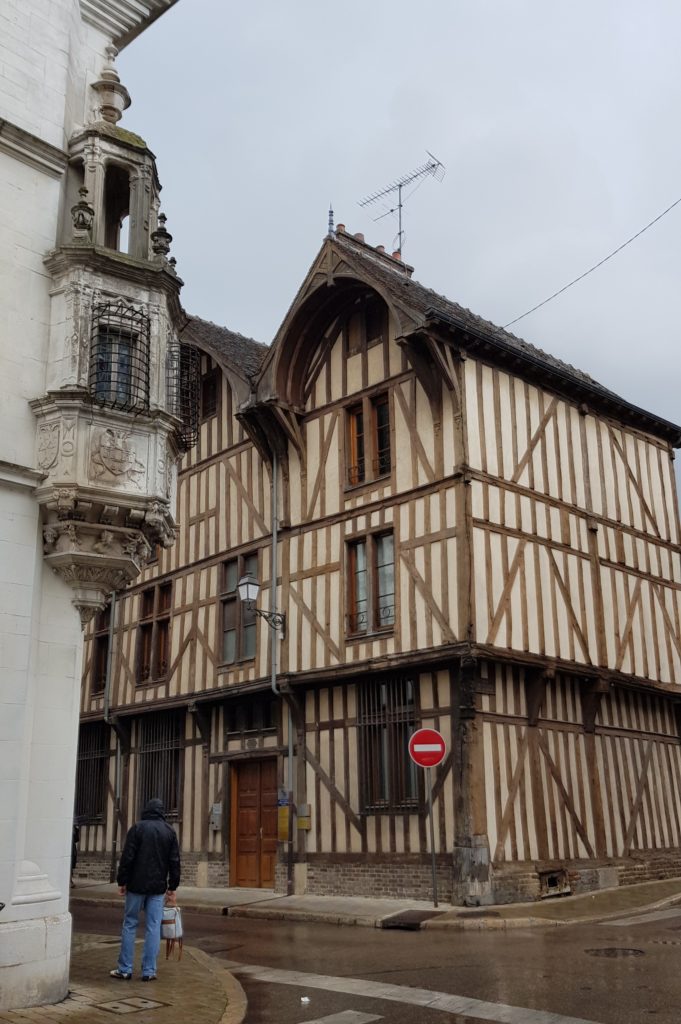
An old Toll House from the 1500s 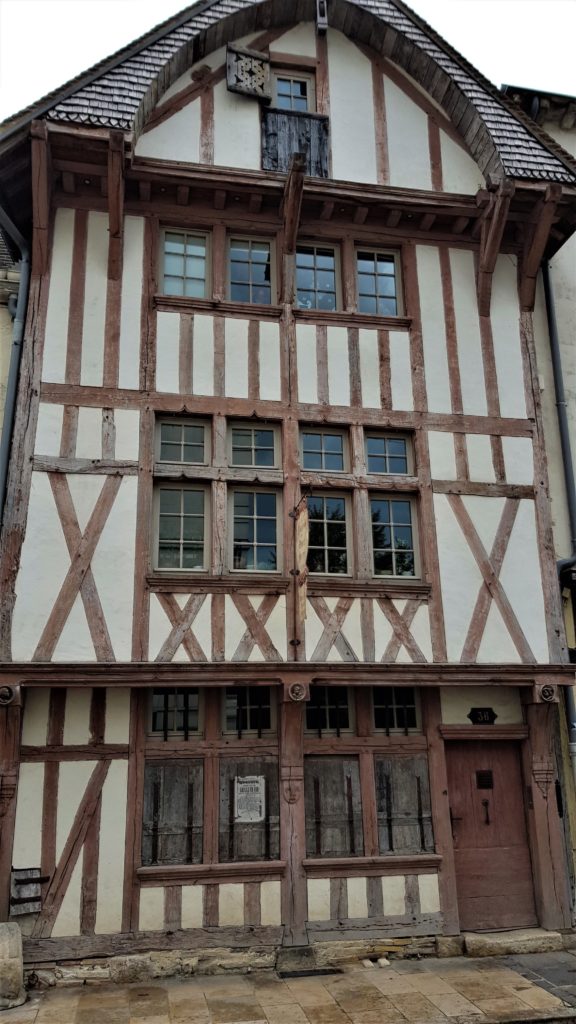
Front of the Toll House 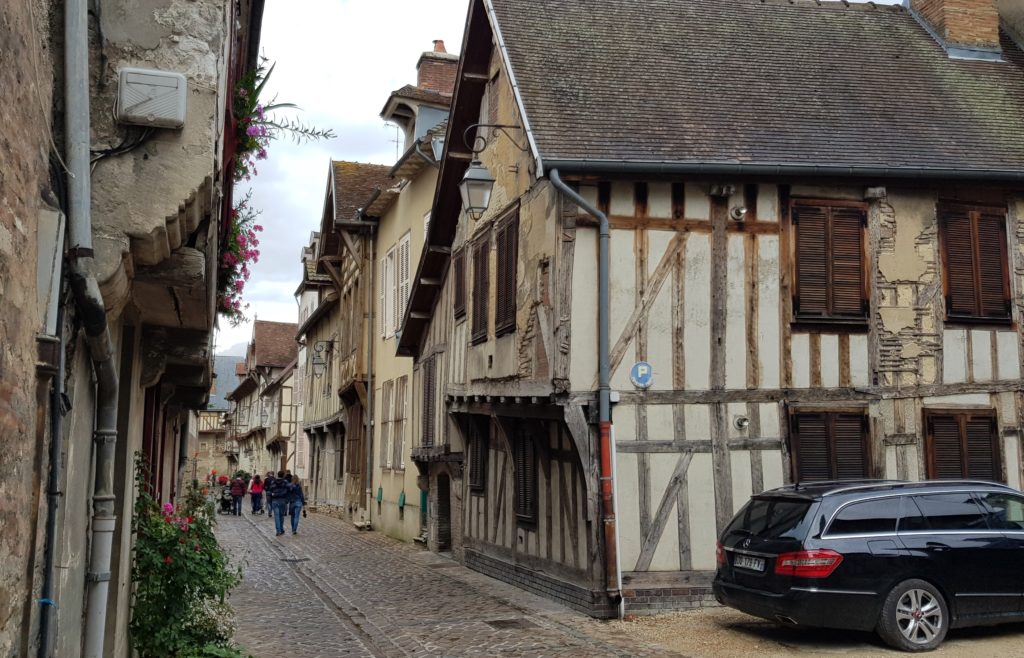
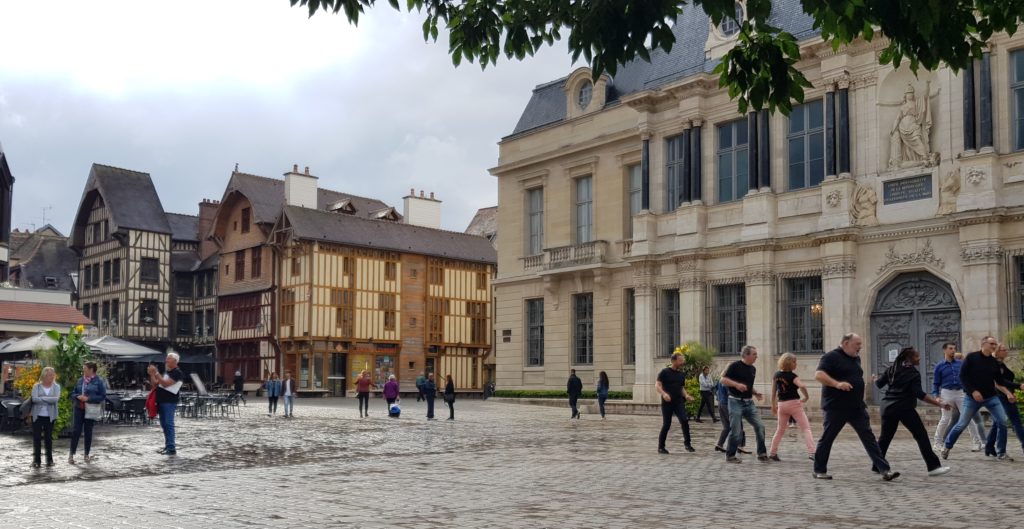
An impromptu dance session in the Town Square.
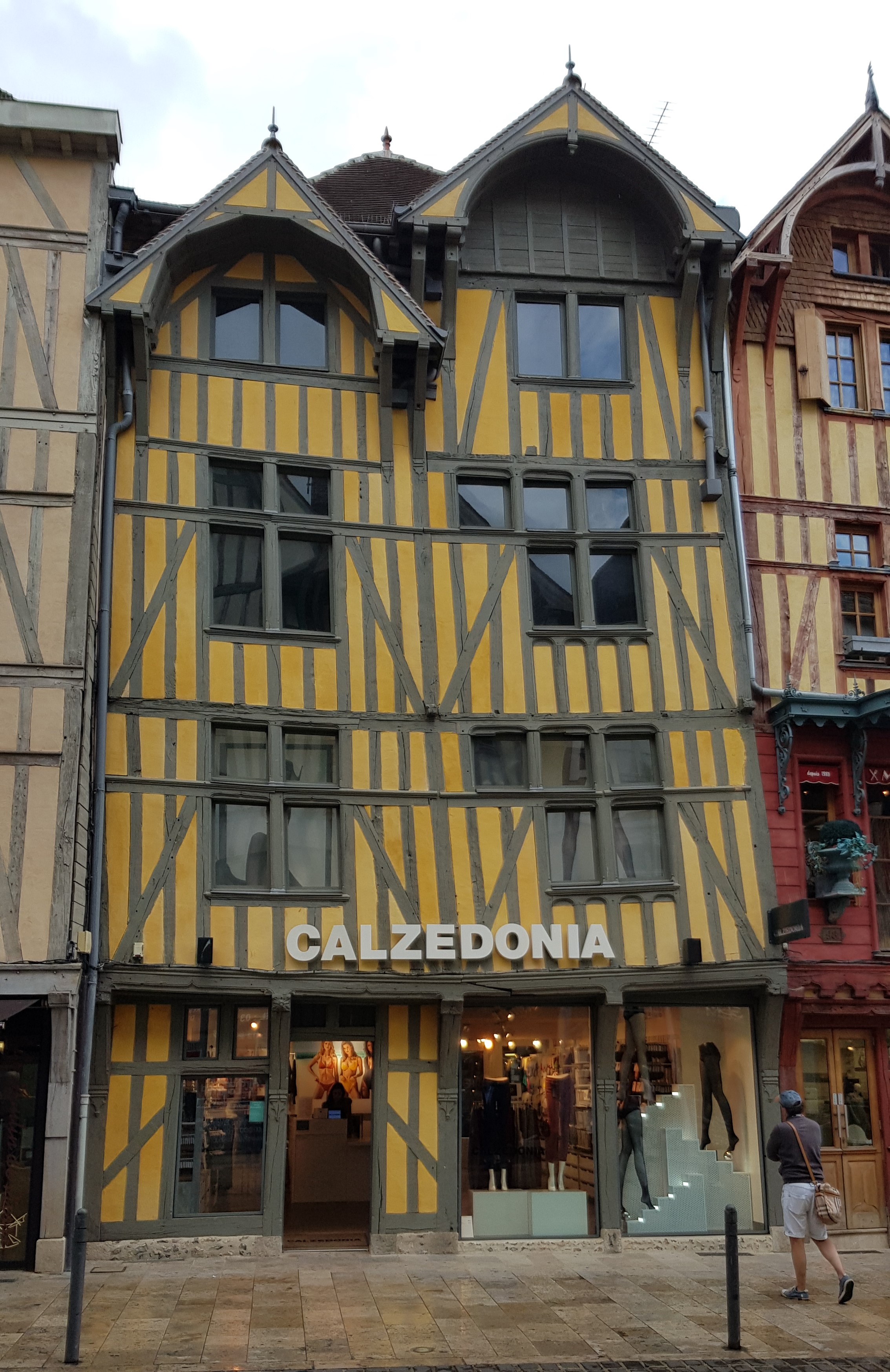
We walked around the town, discovering more tiny passageways between the tall wooden houses, admiring the partly wooden properties that are leaning away or bowing over, fascinated at how they have survived time, weather and woodworm!
We visited the Saint Pierre Cathedral and went into Saint Madeleine church, and marveled at the ornate wooden organs in both. Saint Madeleine is unique with its gothic internal bridge,
Auxonne & Dole (near Dijon)
We arrived at our next site late on Sunday morning, a riverside park that is under new ownership and certainly needing a bit of TLC. However, we had a huge area all to ourselves (apart from 2 tents, we were the only ones here!) with full water and drainage and despite the fact that none of the new owners spoke English, we found a good sunny area and settled in for 2 nights.
In the afternoon we took a drive 15kms away to Dole, to escape the noise of a triathlon that was being held in the town, the cyclists and their supporters took over the one way streets and police blocked off routes into the town so we headed out away from the hustle.
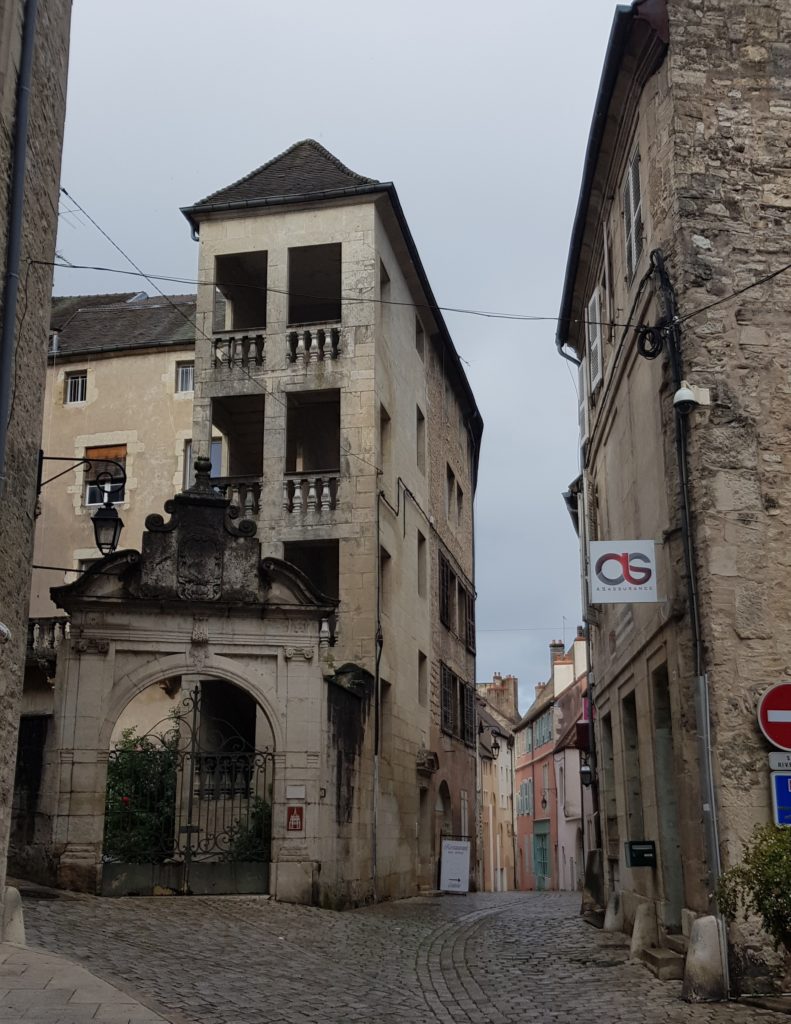
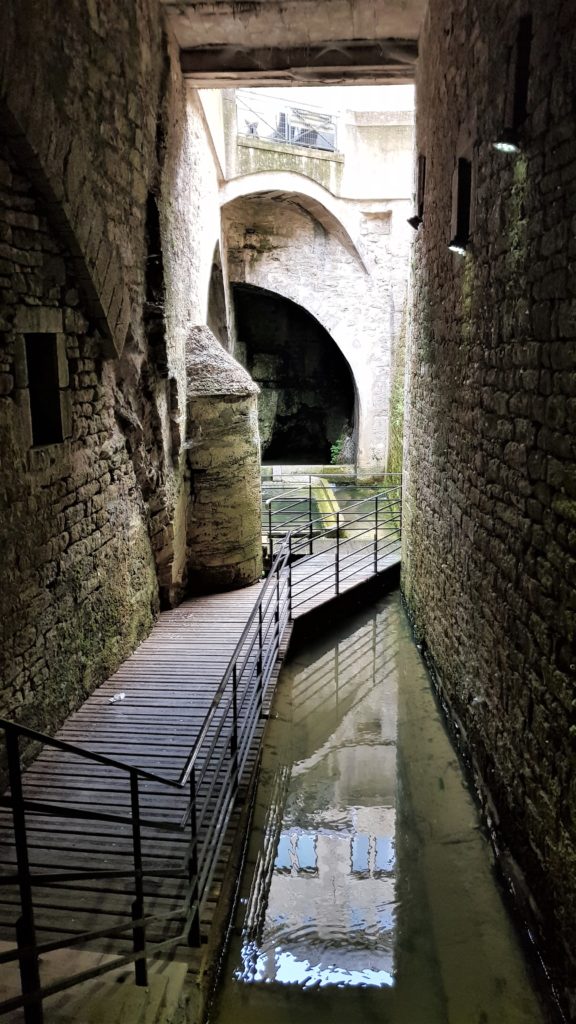
Dole was a lovely town on a limestone ridge beside the River Doubs, home to Holy Emperors and several Counts of Burgundy. A mix of one way circular roads led up to the Basilica and the market hall and the nearby attraction of Louis Pasteur house of birth, born in 1822. His father run a tannery beside the Canal du Rhone an Rhin which also dissects the town and his home as well as the tannery now form a museum on the street named after him. The town is full of tall stone properties dating back to the 16th century, either heading up to the cathedral or down to the canal and river mixed in with tight jumbled stairways, passages, underground fountains and narrow roads.
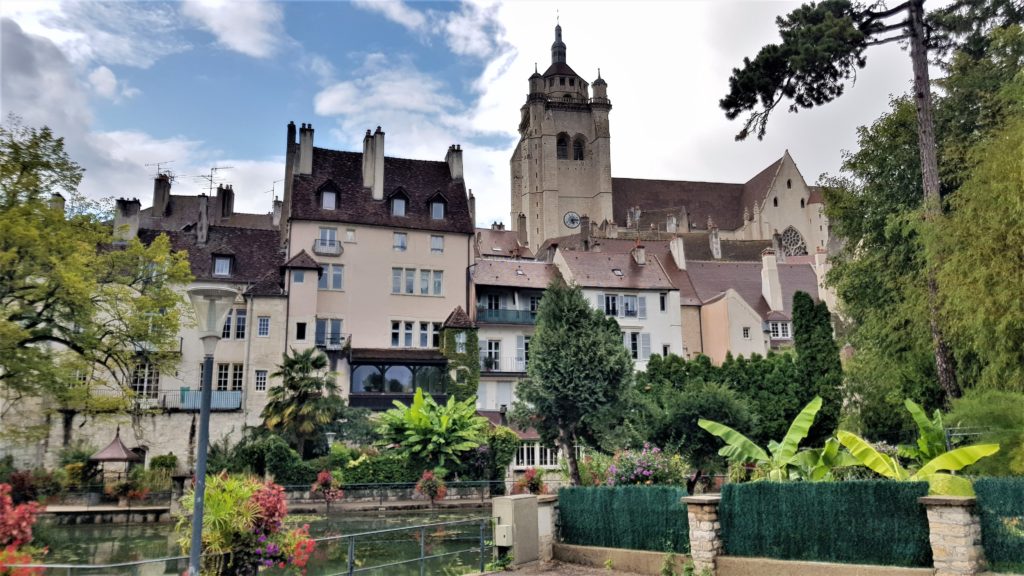
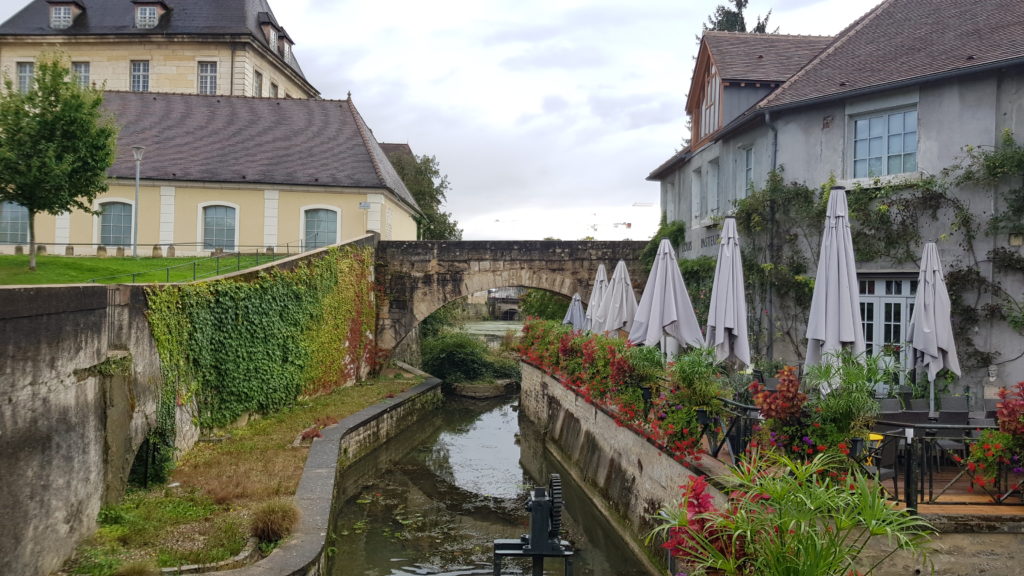
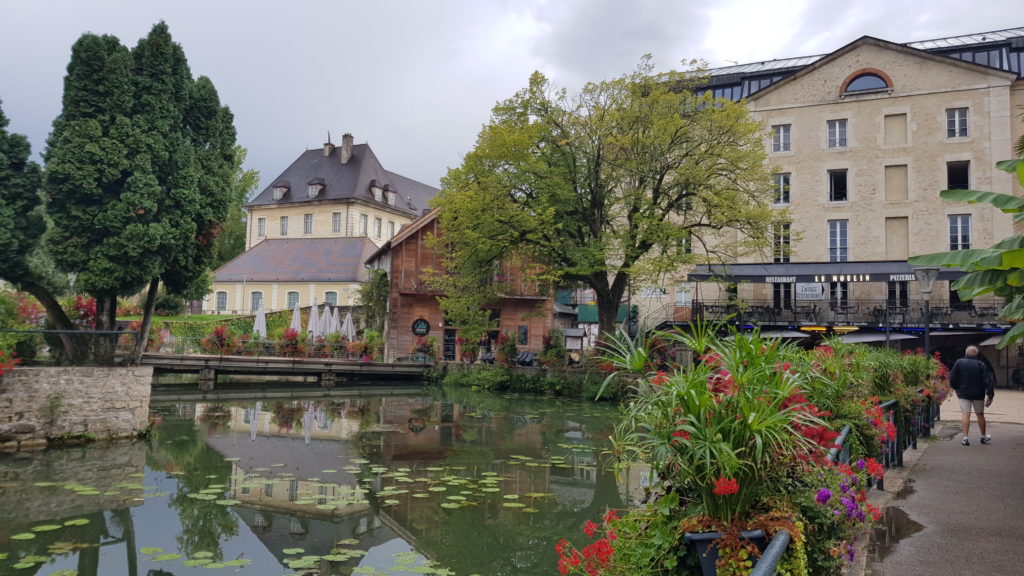
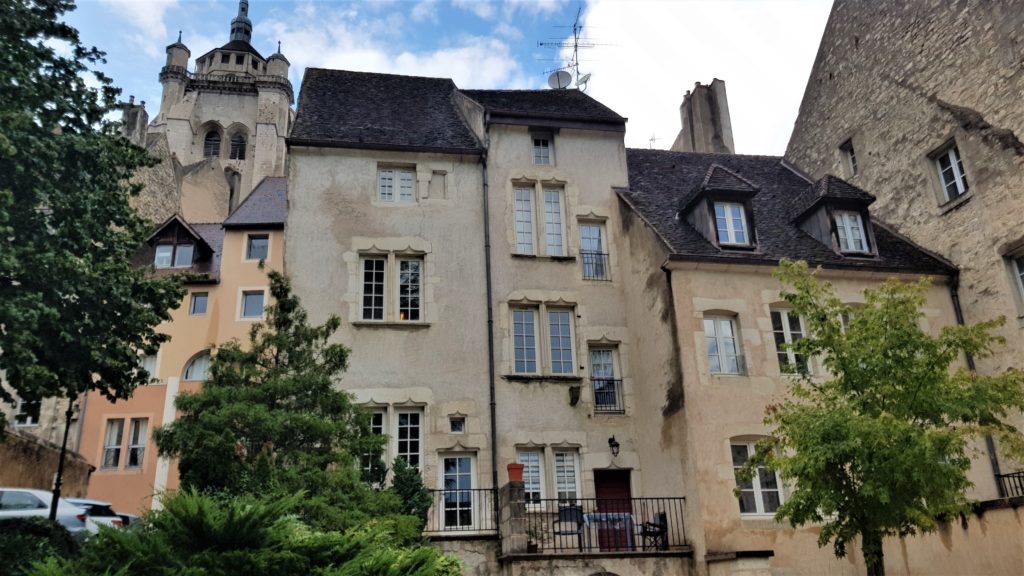
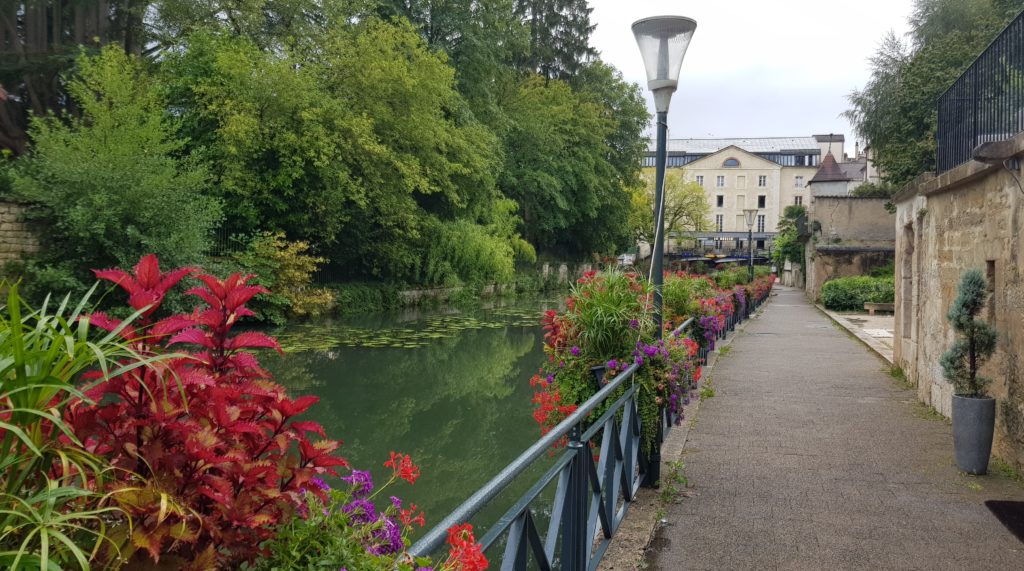
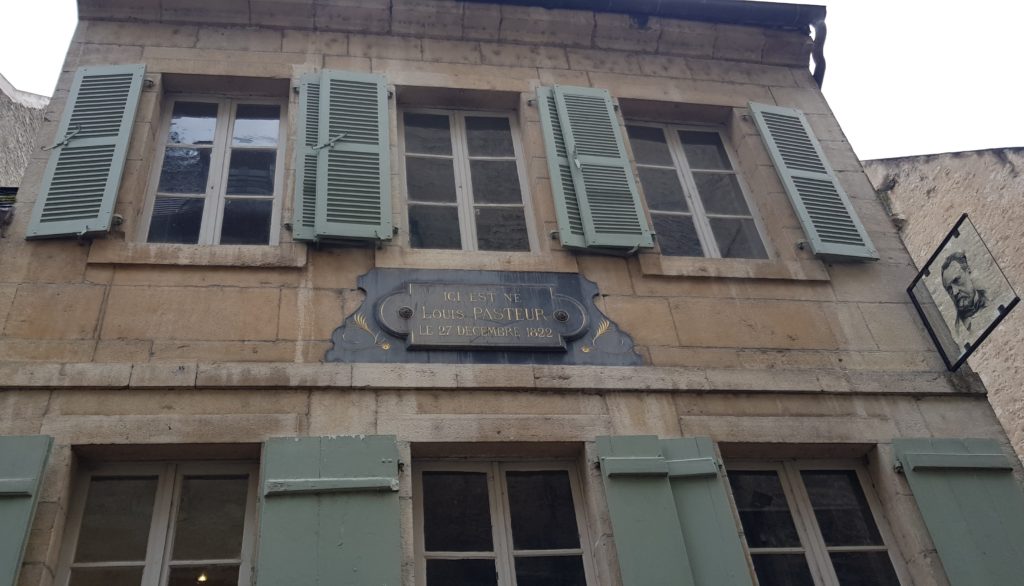
Birthplace of Louis Pasteur
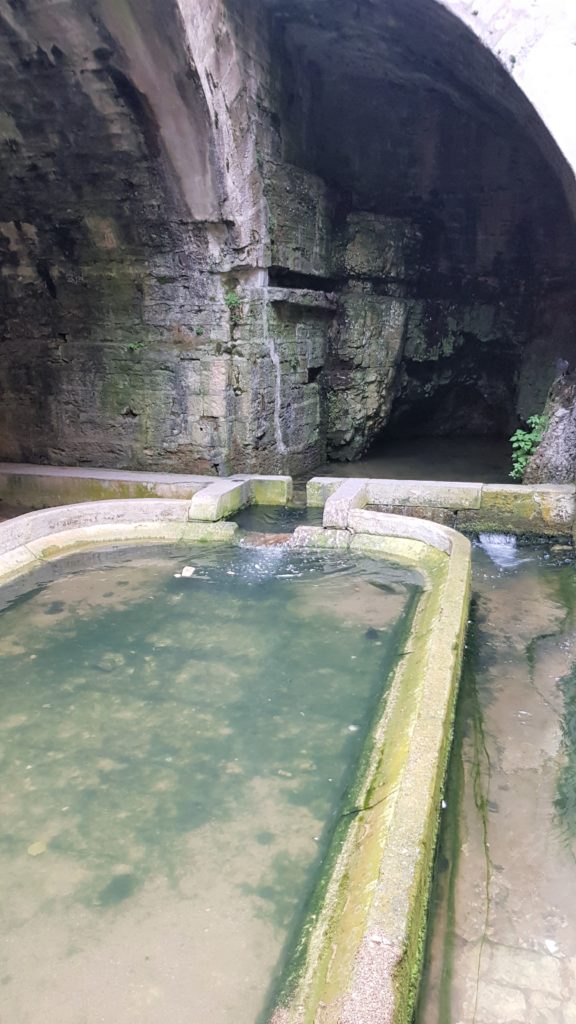
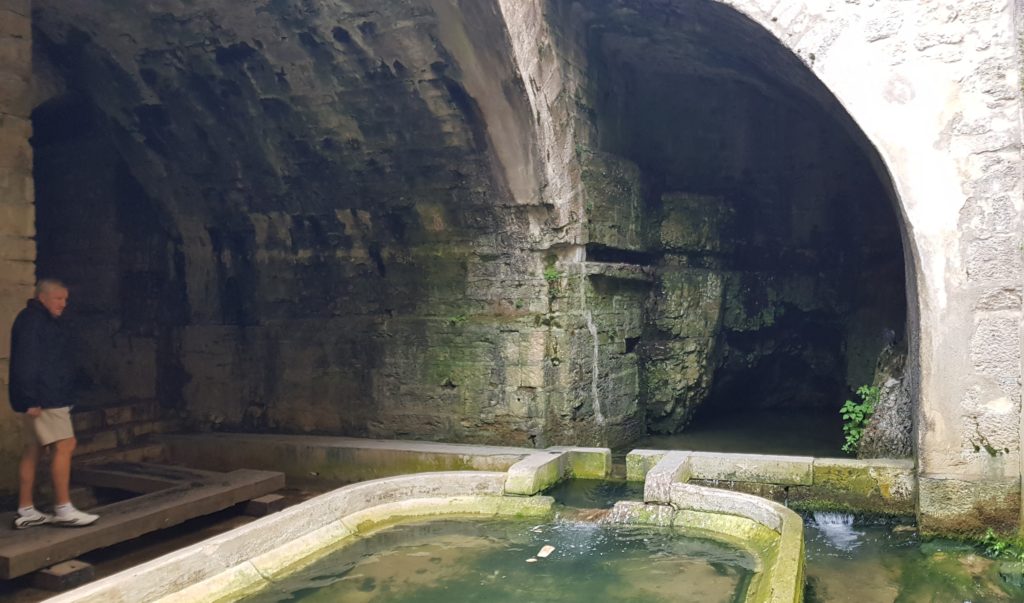
We also found a natural spring originating from under the rocky cathedral supports, harvested in a trough dating back to 1274 or possibly earlier, it is called the Fontaine aux Lepreux and it was found off Rue Pasteur. The water used to be drunk by locals who thought it had healing qualities, whilst the lepers were refused entry into the city, a leprosy hospital was founded beside its source some miles away. In the 1600s it was used by local washer women to do their laundry, until they were fined for polluting the water.
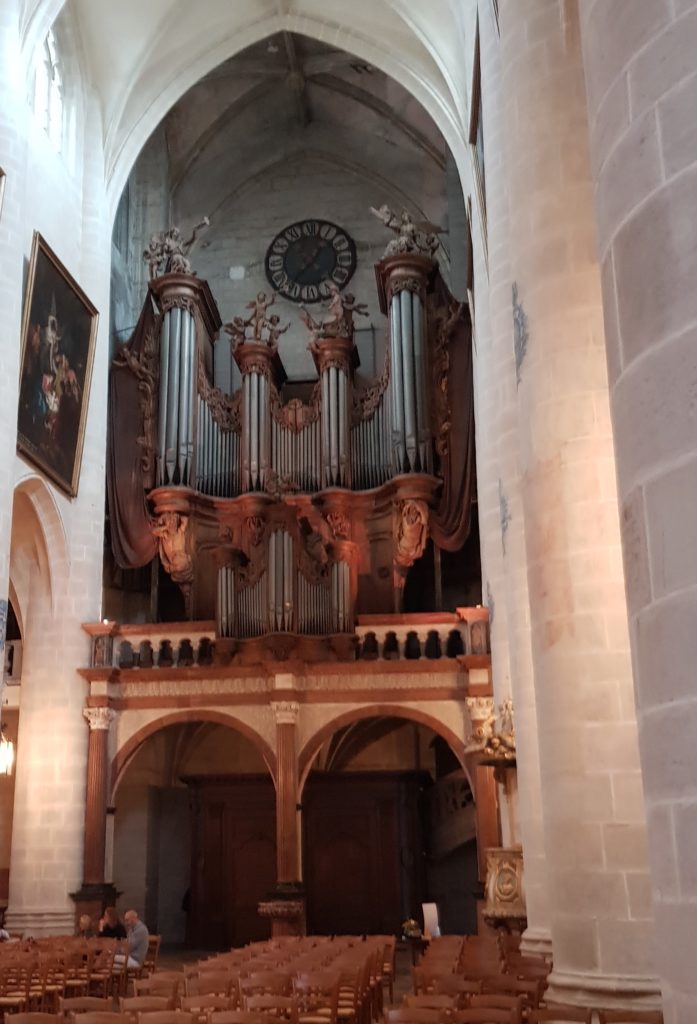
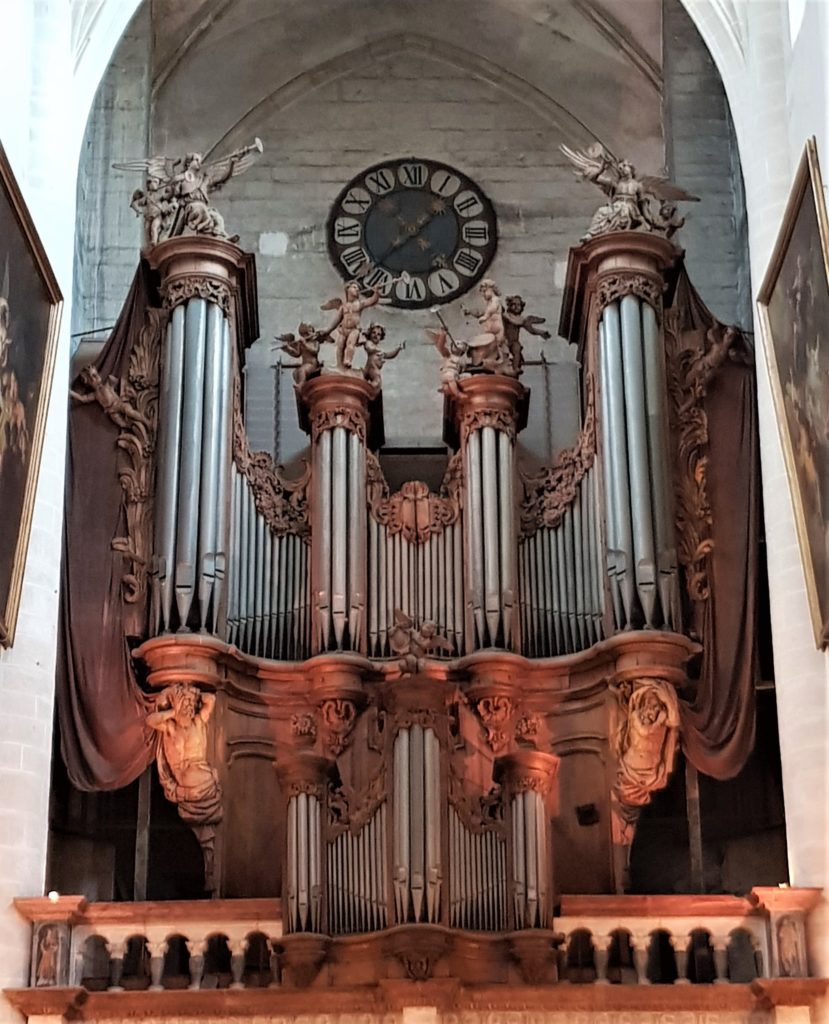
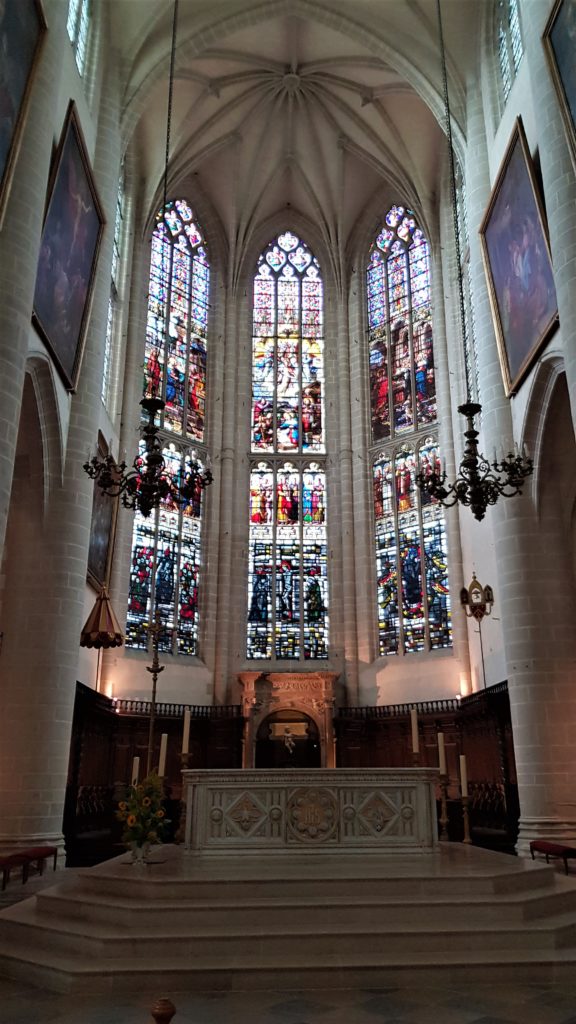
We admired the Notre Dame Collegiate, built in the 1500s and a blend of Gothic and Renaissance style, and at the time no expense was spared on the rich interior. It was built as a Church and became a Basilica in 1951 and has the highest church Tower in the region, 73m high, the Bell Ringer used to live in the top of the Tower. Several areas were restored in 2009 including plasterwork, paintings and the stained glass windows. We admired its organ, which was built in 1754, with 3500 pipes!!
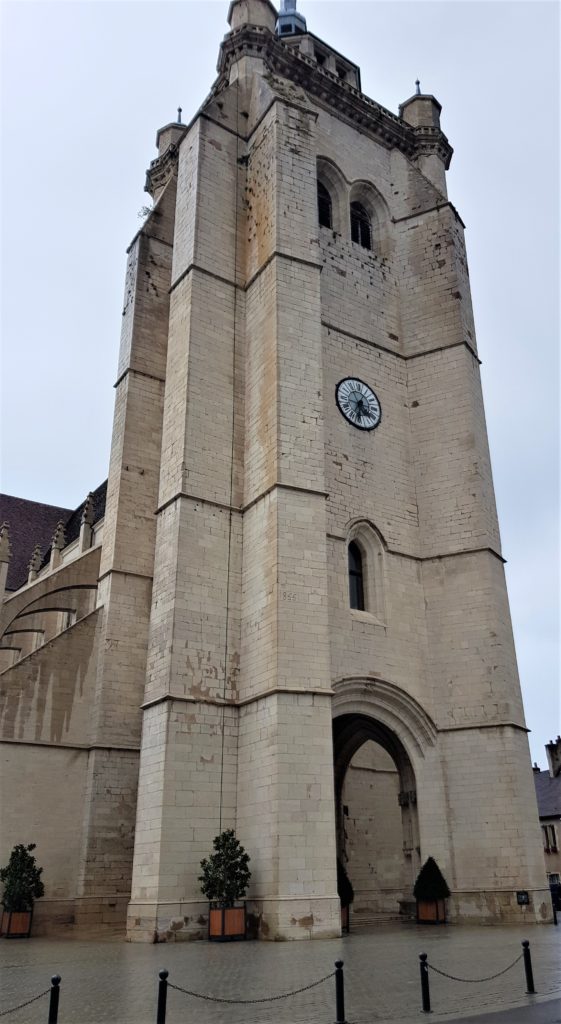
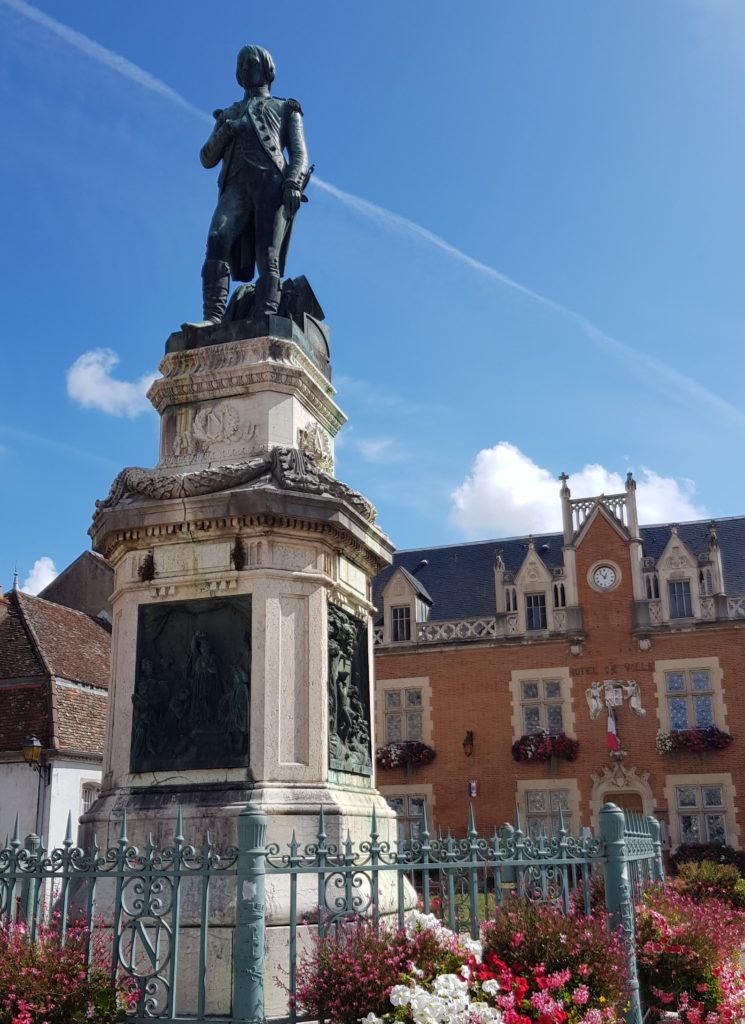
Auxonne is a town on the River Saone where Napoleon Bonaparte was a student at the artillery school, he then returned again to stay whilst he was a 2nd Lieutenant in the Regiment de la Fere from 1788 to 1791. A statue of Bonaparte stands in the main square outside the Notre Dame Church.
Once again, the church is a Gothic stone building but with a twisted spire, something very unusual in this part of the world! The original church was built at the end of the 12th century, extended in the 13th and 14th centuries and an ornate porch was added in 1516 – 1520. The spire was added in 1843 and is 33m high but the weathervane is at a height of 70m!
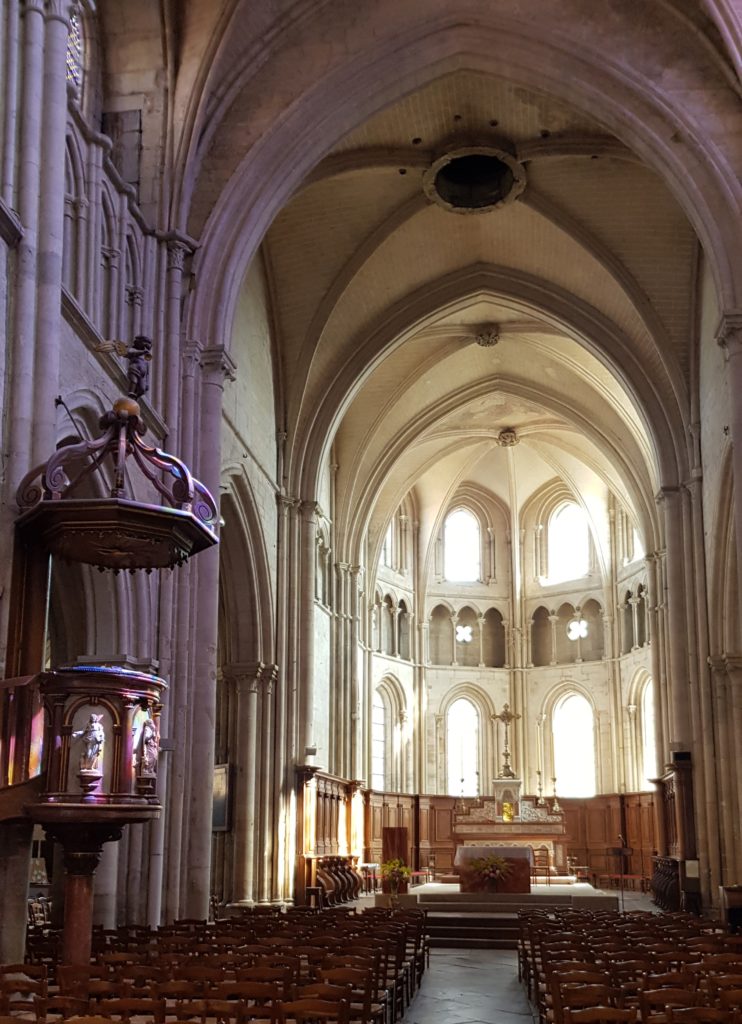
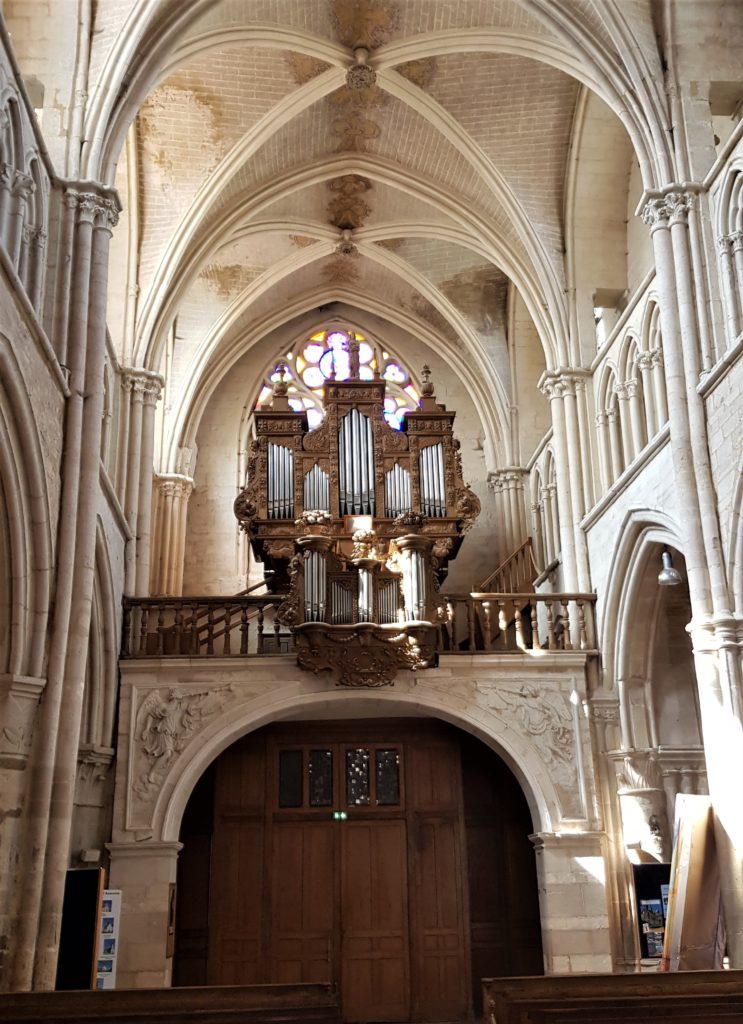
The wooden organ was built in 1629, and its decorative external casing (flowerpots, cherubs and decorated panels) was added in 1789. It was completely renovated at the end of the 20th century but not touched since then.
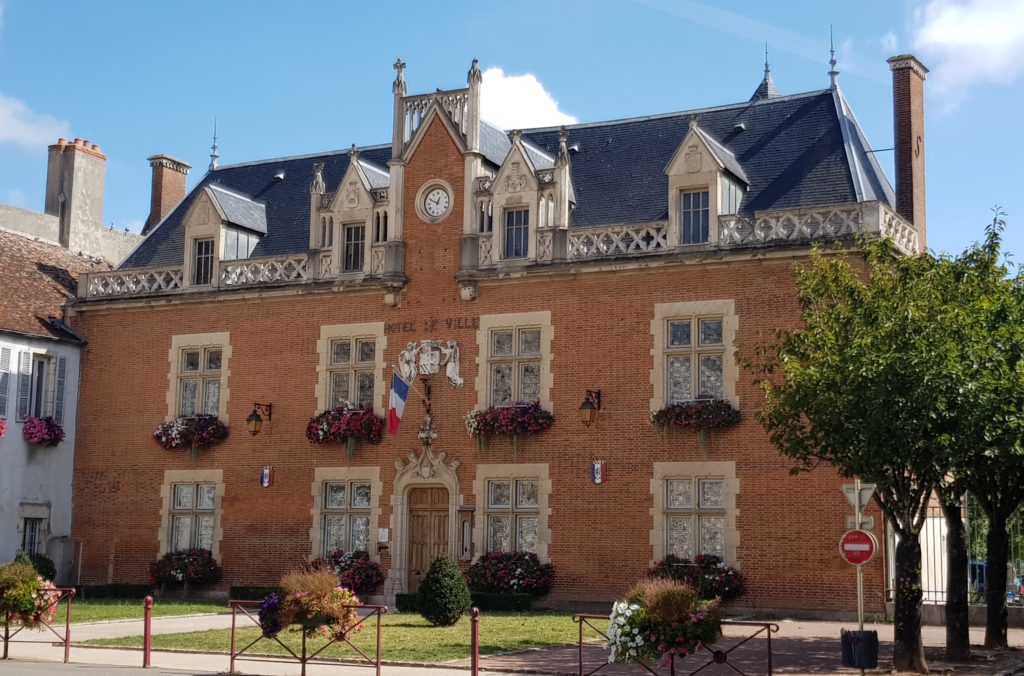
Several other wooden buildings around the square and town date back to the 1500s when this type of architecture was common. The Town Hall (above) was originally home to the Dukes of Burgundy dating back to the 15th century, and a Mansion built as the Bailiwick Court in the 15th C which became the Bankruptcy Court in the 18th C is now the Hotel de Ville, full of wooden staircases and twisted balustrades overlooking a stone courtyard.
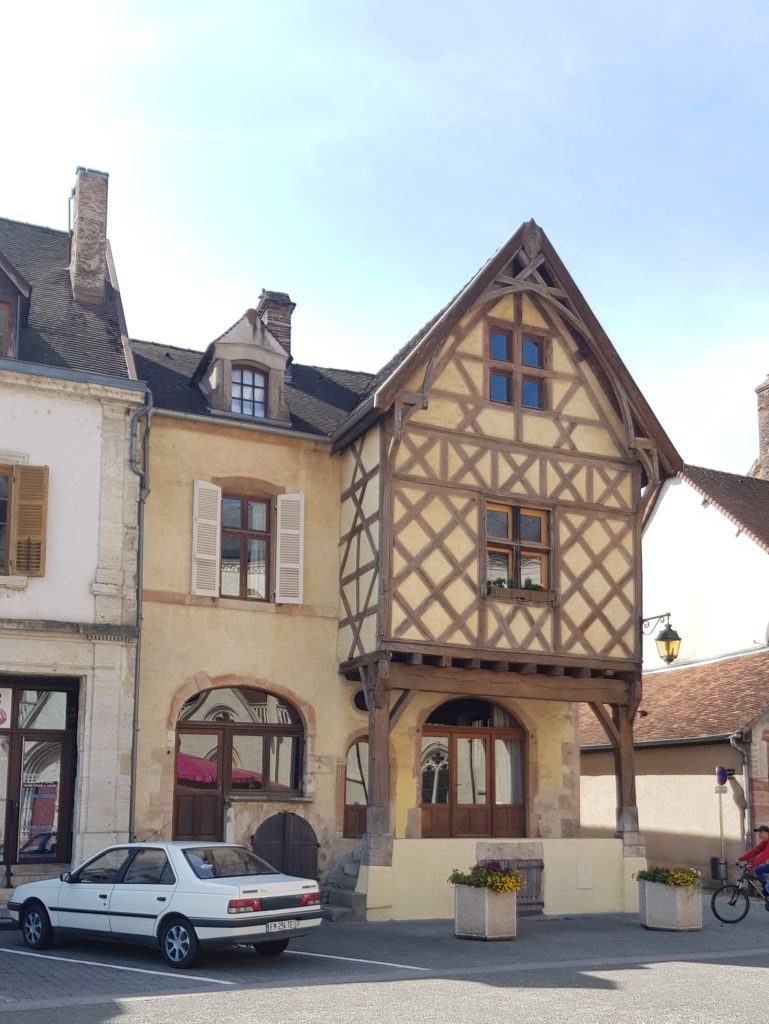
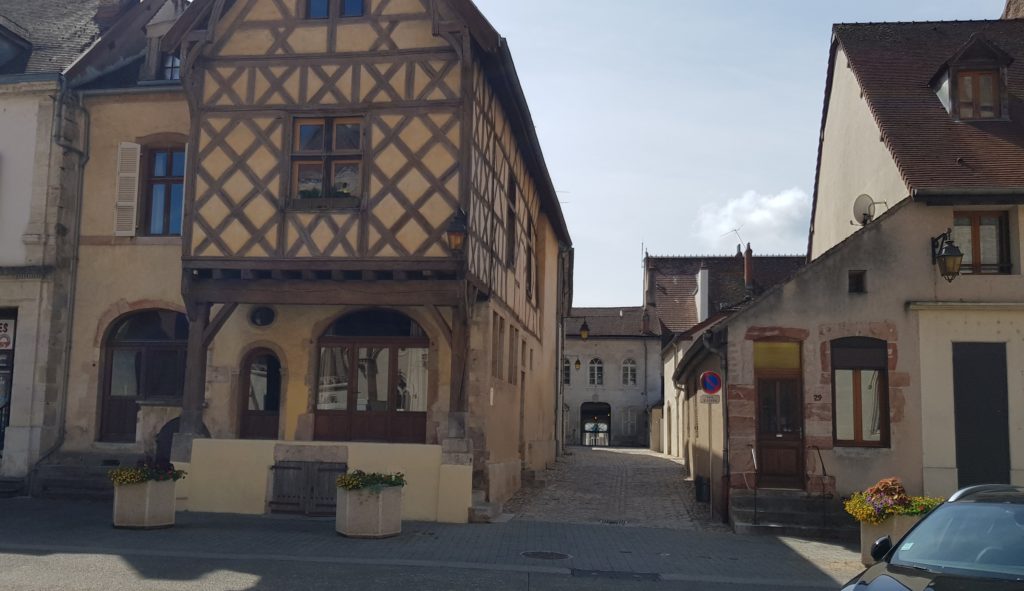
The Public Library contains a “reading room” dating back to 1850 as well as a collection of books that were confiscated during the French Revolution.



Recent Comments