Travel stories of a caravan duo, plus a 5th Wheel and Isuzu truck in Europe

Category: Europe (Page 4 of 20)

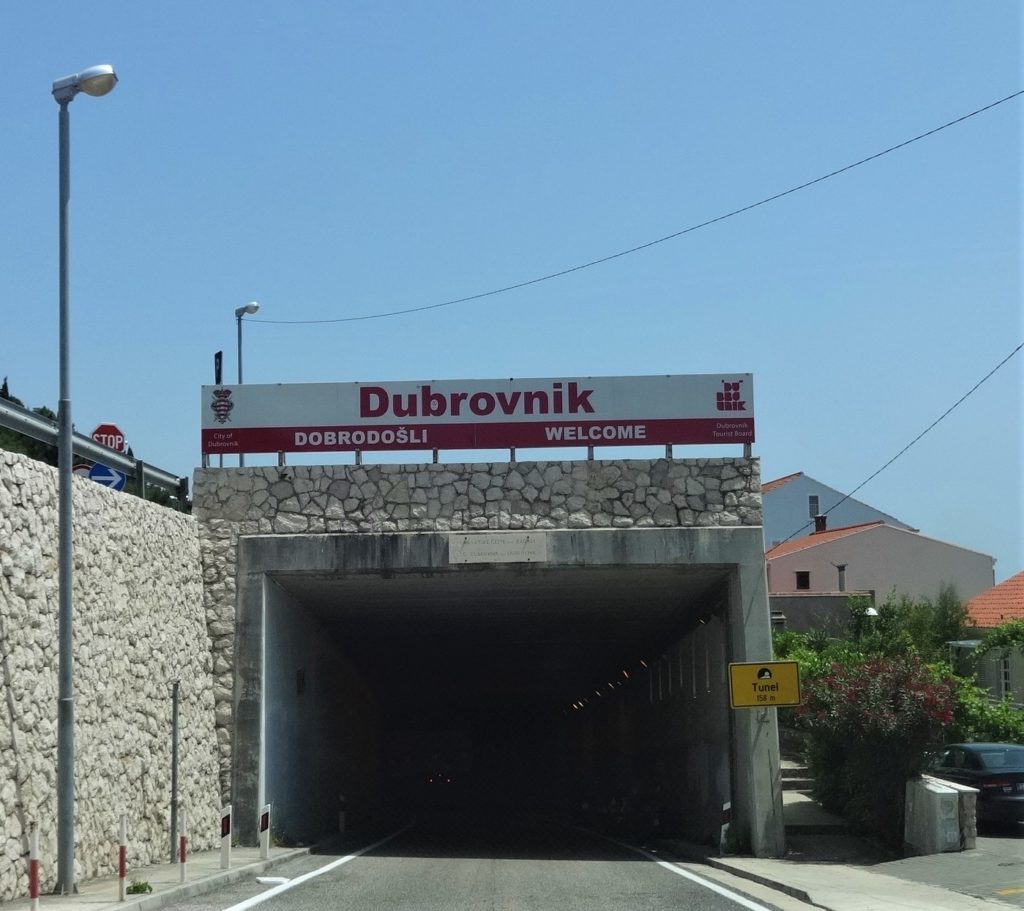
Dubrovnik

We have never watched Game of Thrones, which was filmed here and in Split, so let’s get that over and done with!

We drove from Split down to Dubrovnik as it turns out that the only car ferries departs at 7am but not in the summer, and there are no trains from Split! The train line in Croatia runs inland to Zagreb from Split but not down the coast, which is such a shame as it would make a stunning journey. 
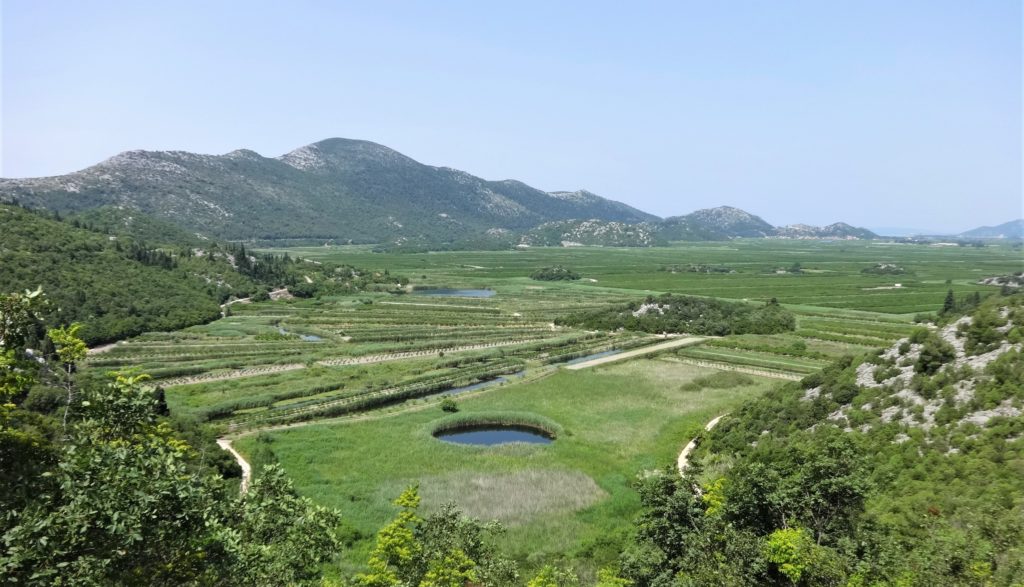
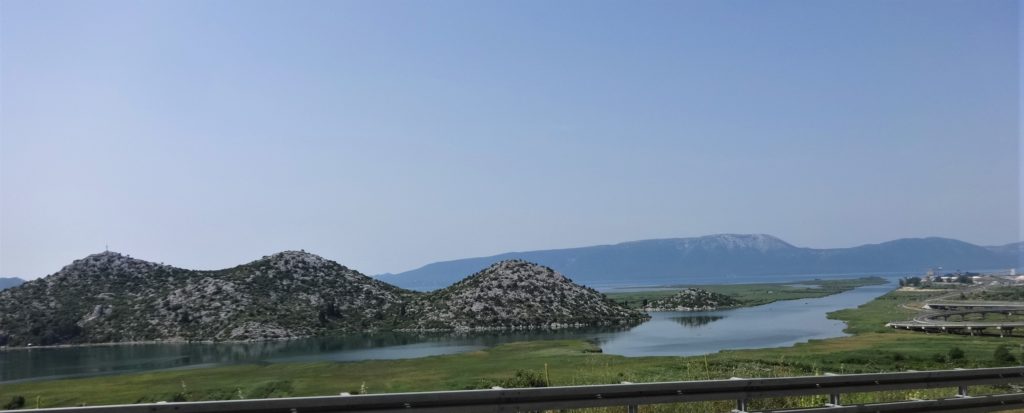
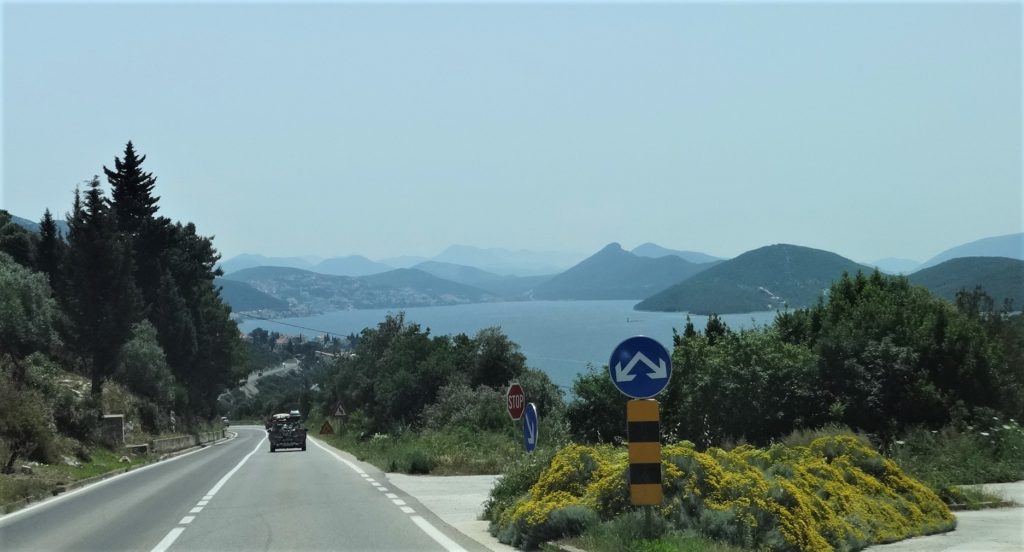
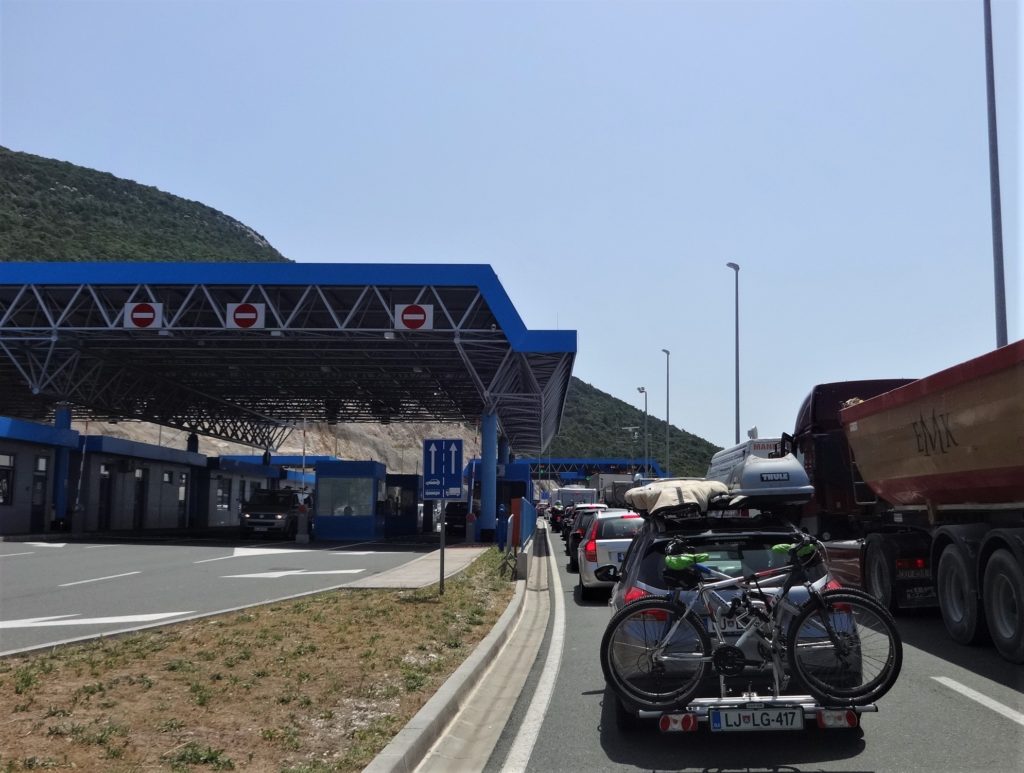
Half the road is dual carriageway, then you follow the coastline on a hillside single lane road.  The route took us through mountains and pine forests, through flat green plains full of fruit and olive trees, and through several small villages.  We also had to cross the border into Bosnia and Herzegovina, show our passports, and drive for 15kms before showing passports again to return into Croatia.

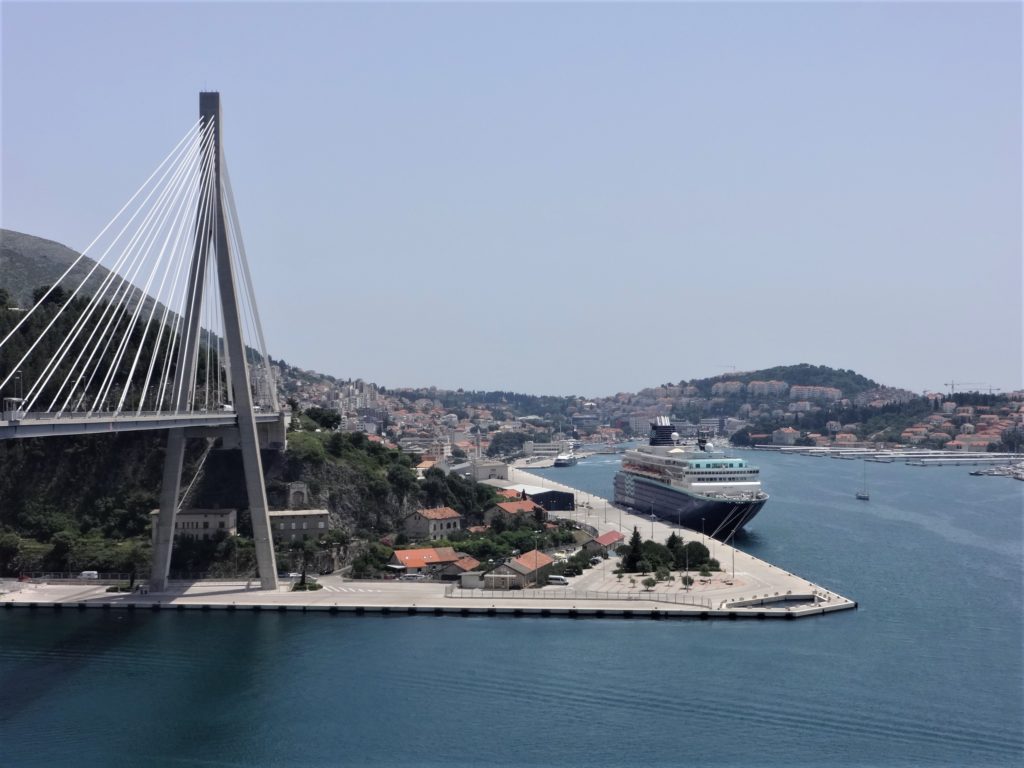
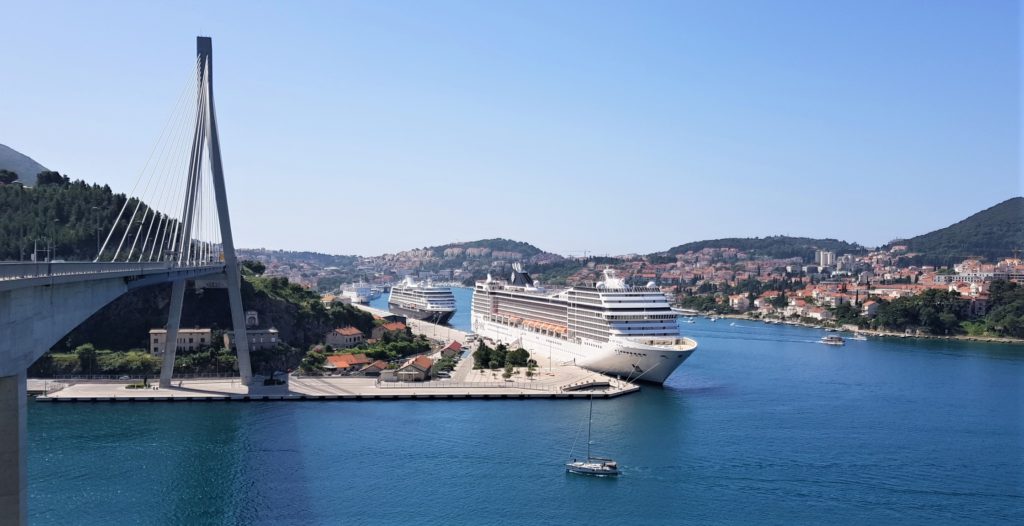
The route approaches the City from the north, it crosses over a river and goes behind Gruz Harbour where the original old docks berth the new modern cruise ships.  Cruise passengers are then ferried by coach the few miles into the city.
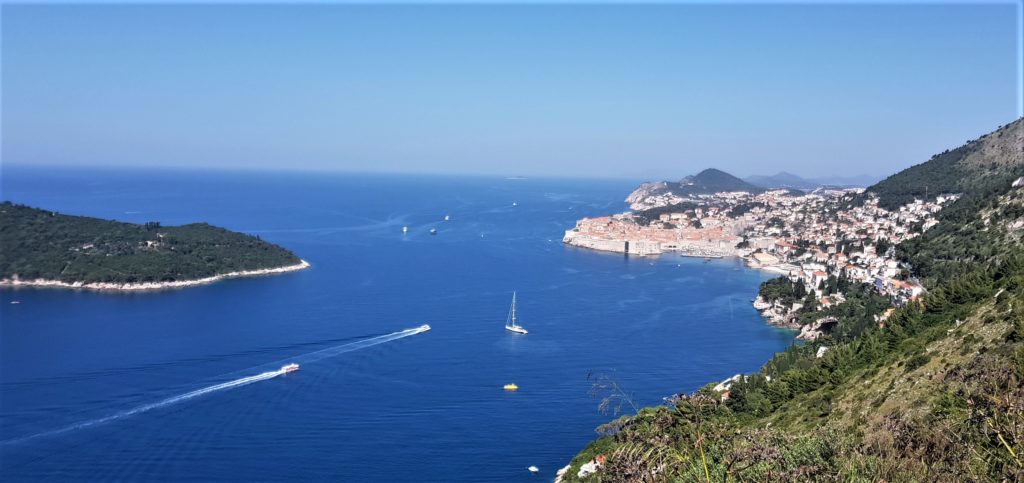
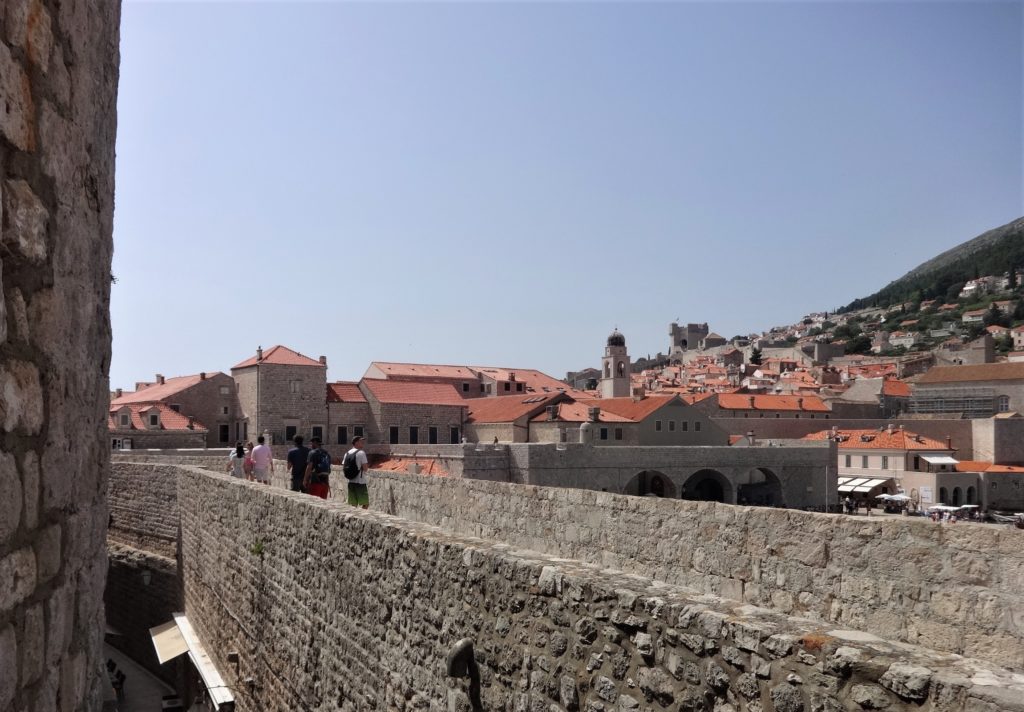
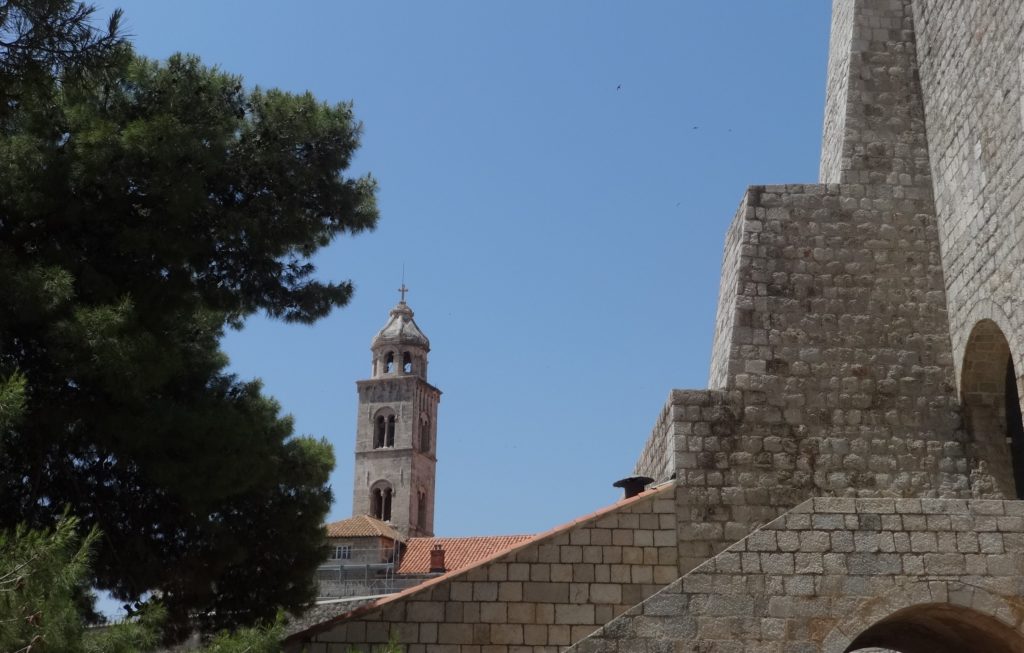
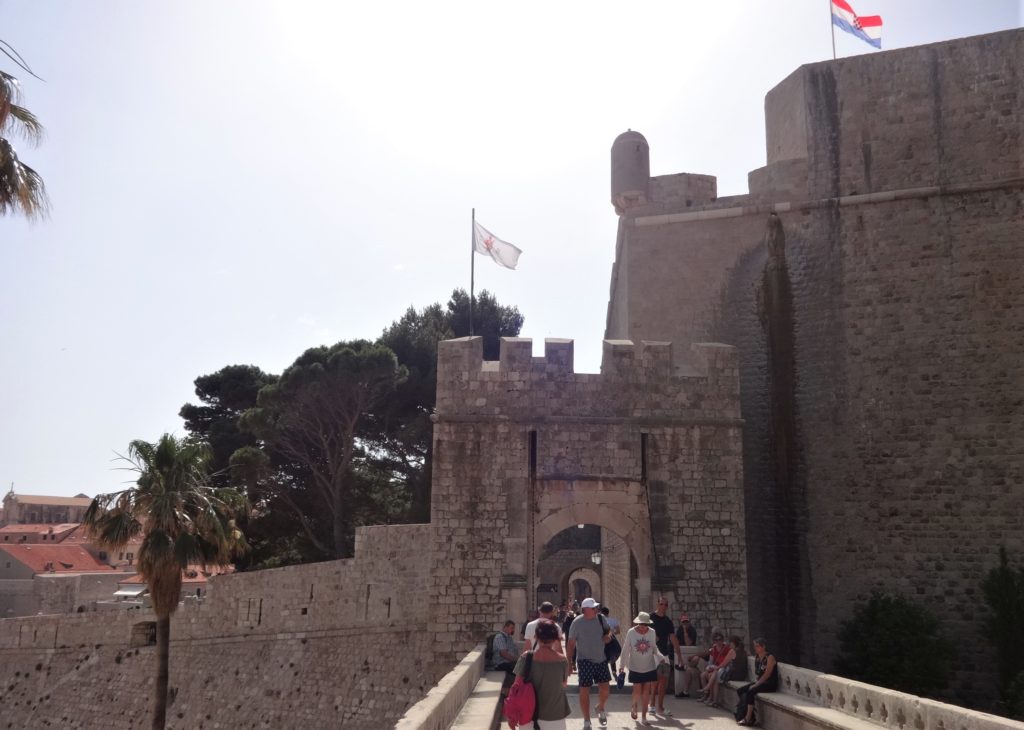
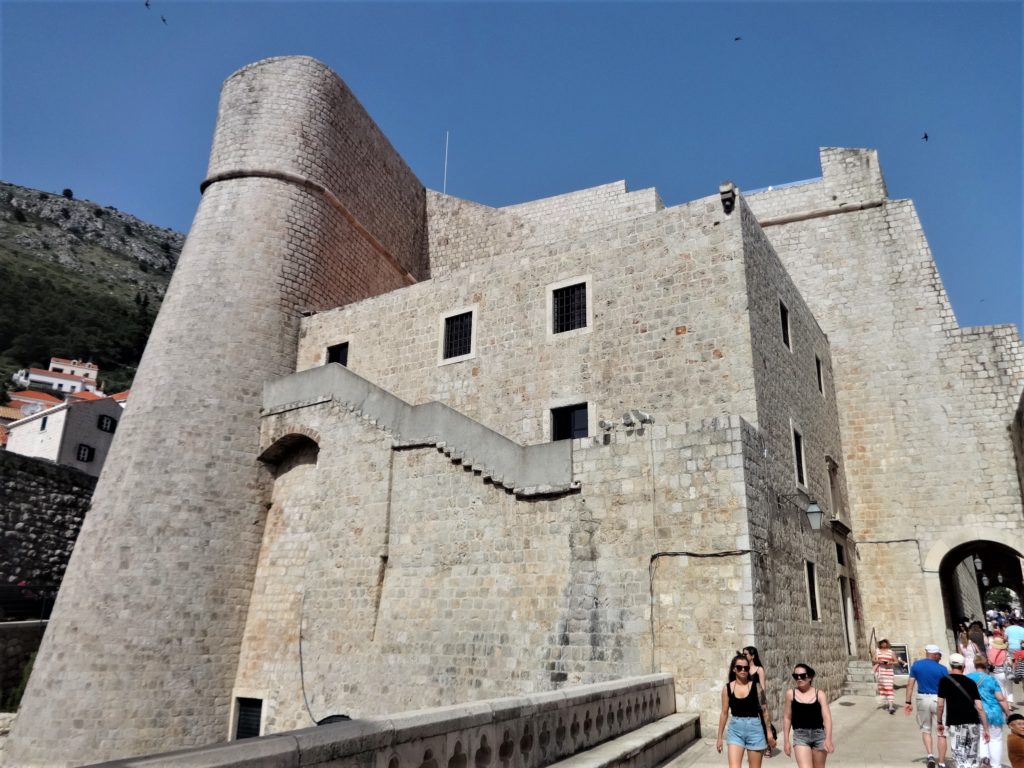
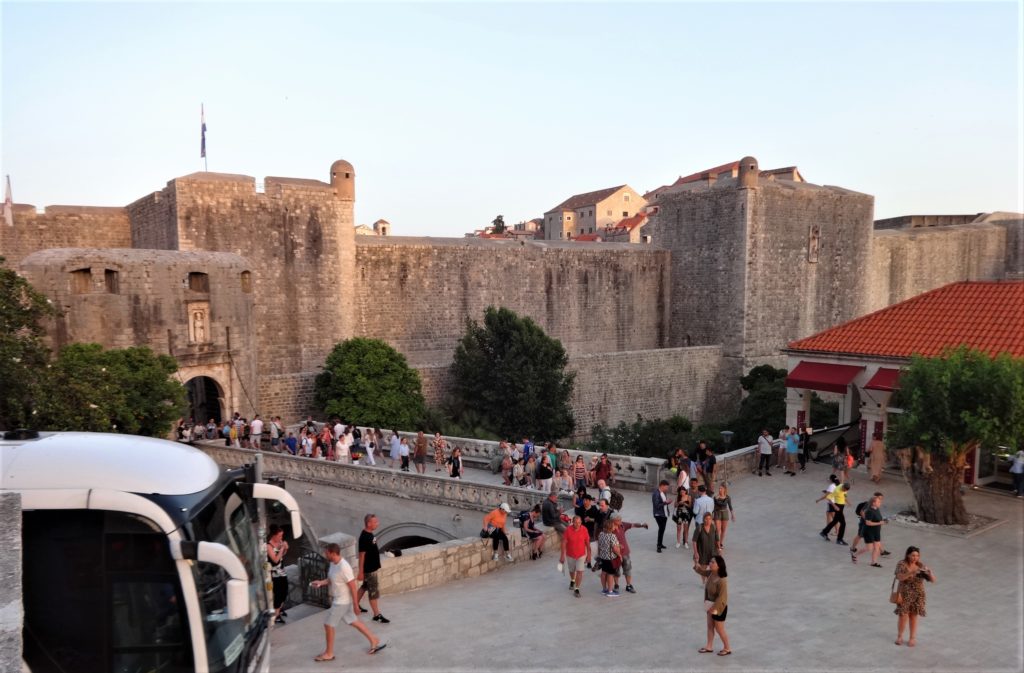
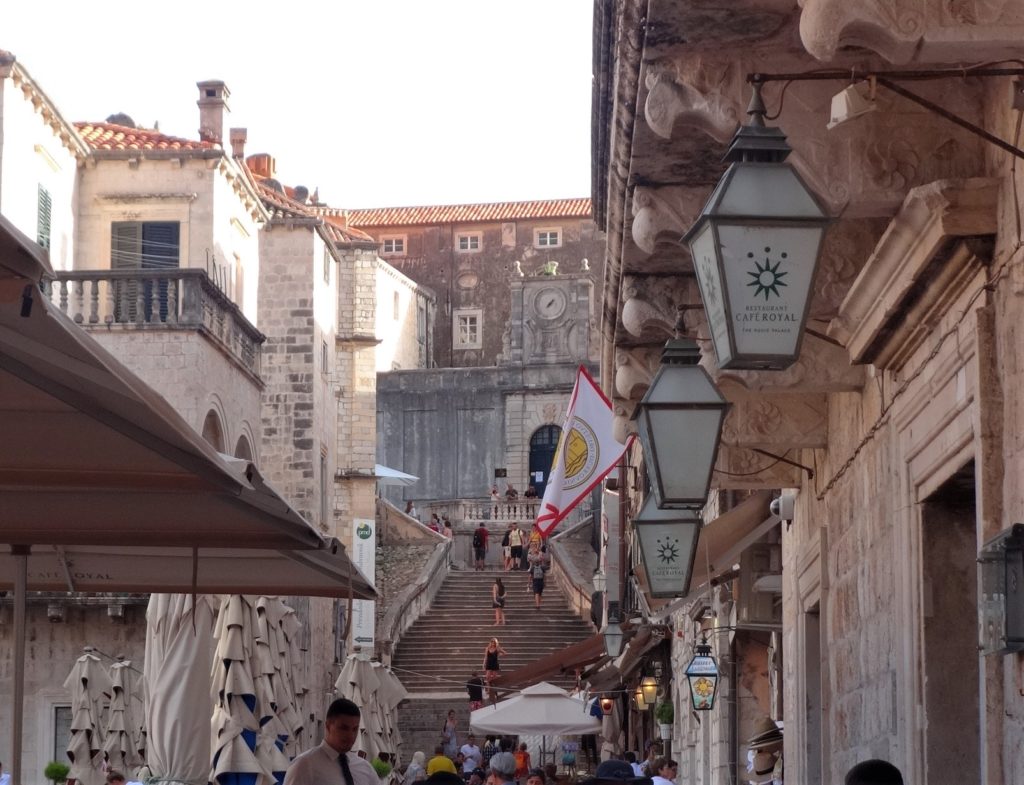
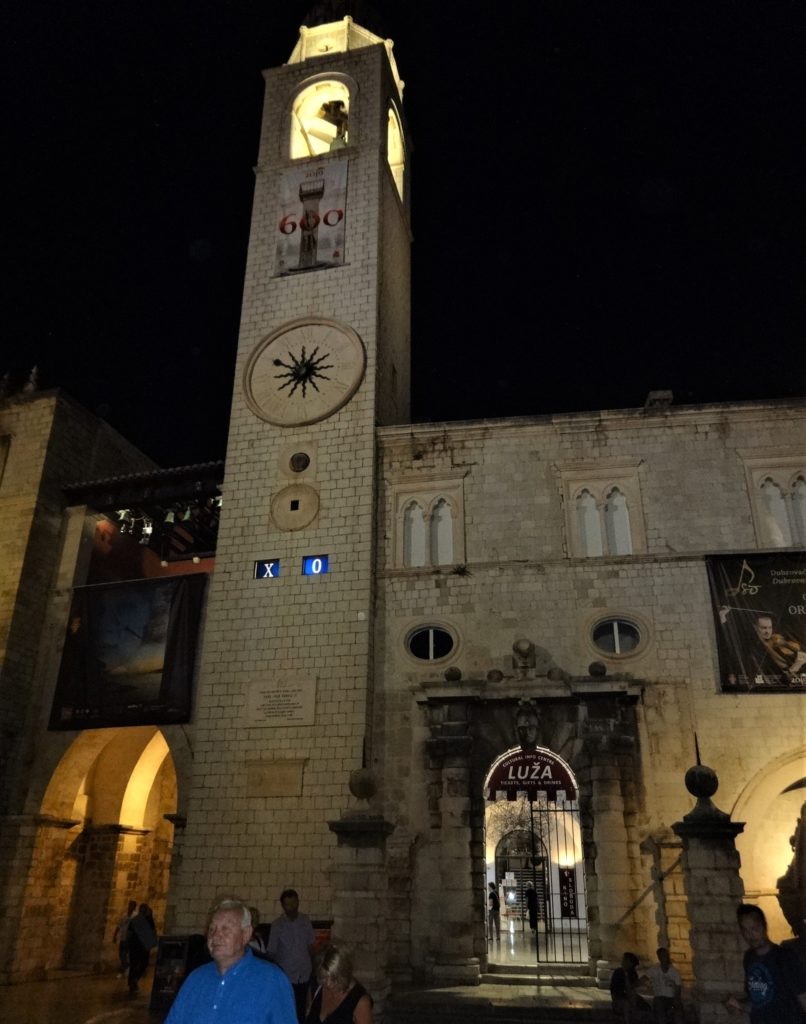
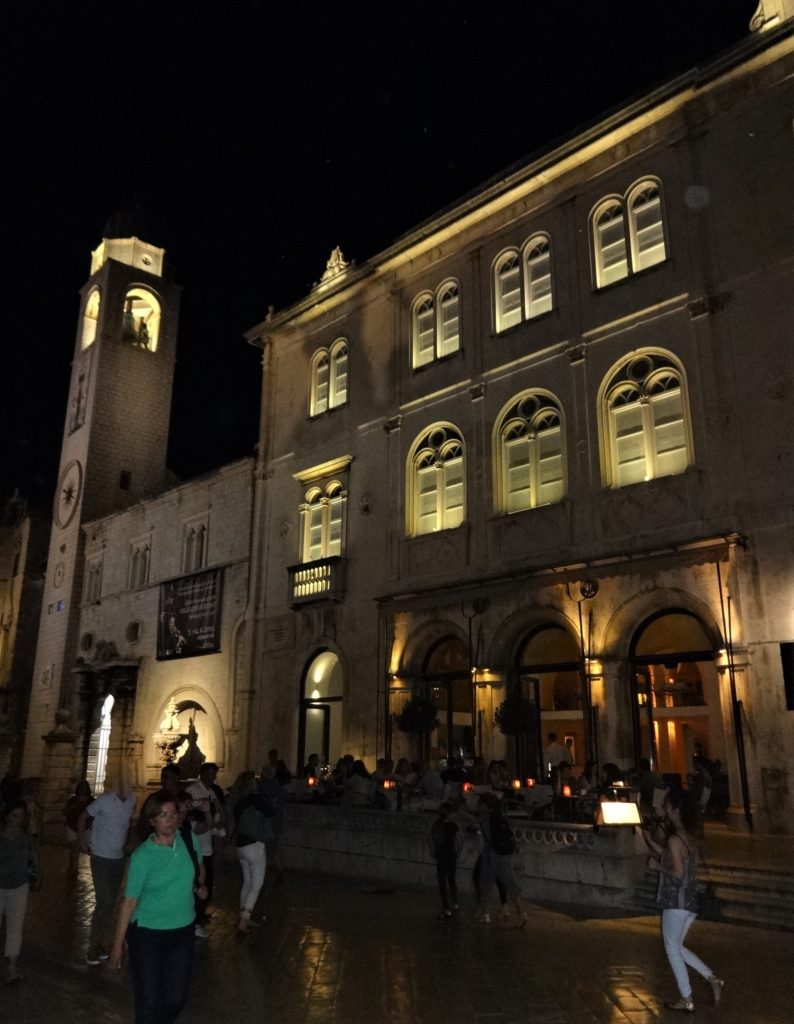
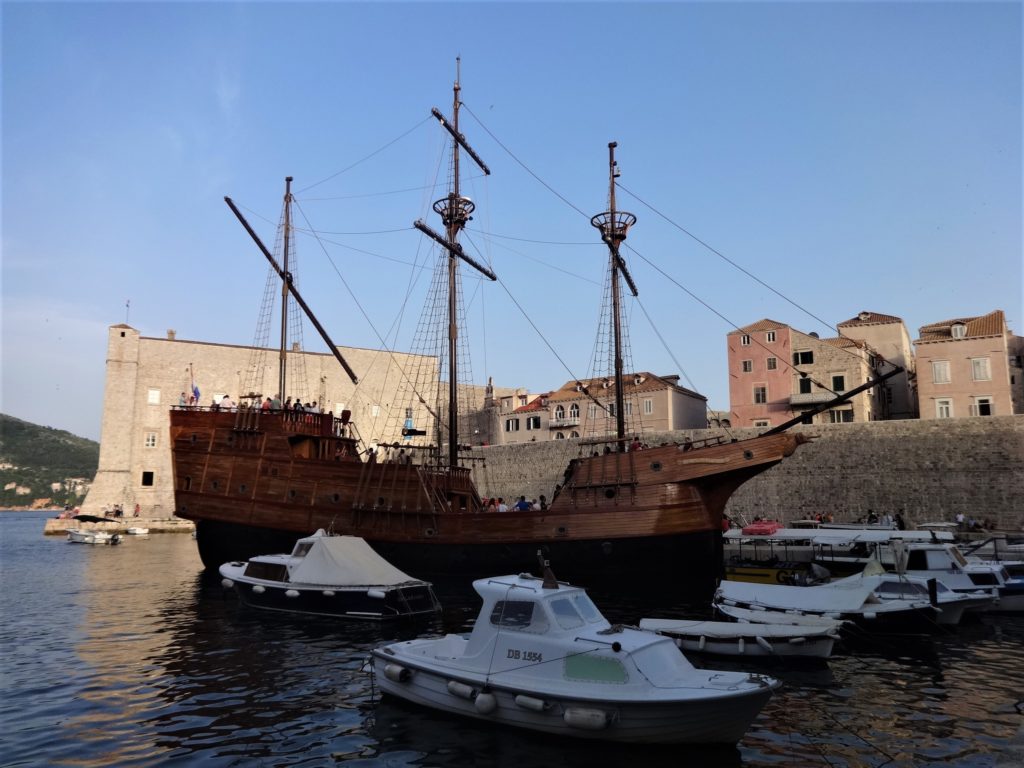
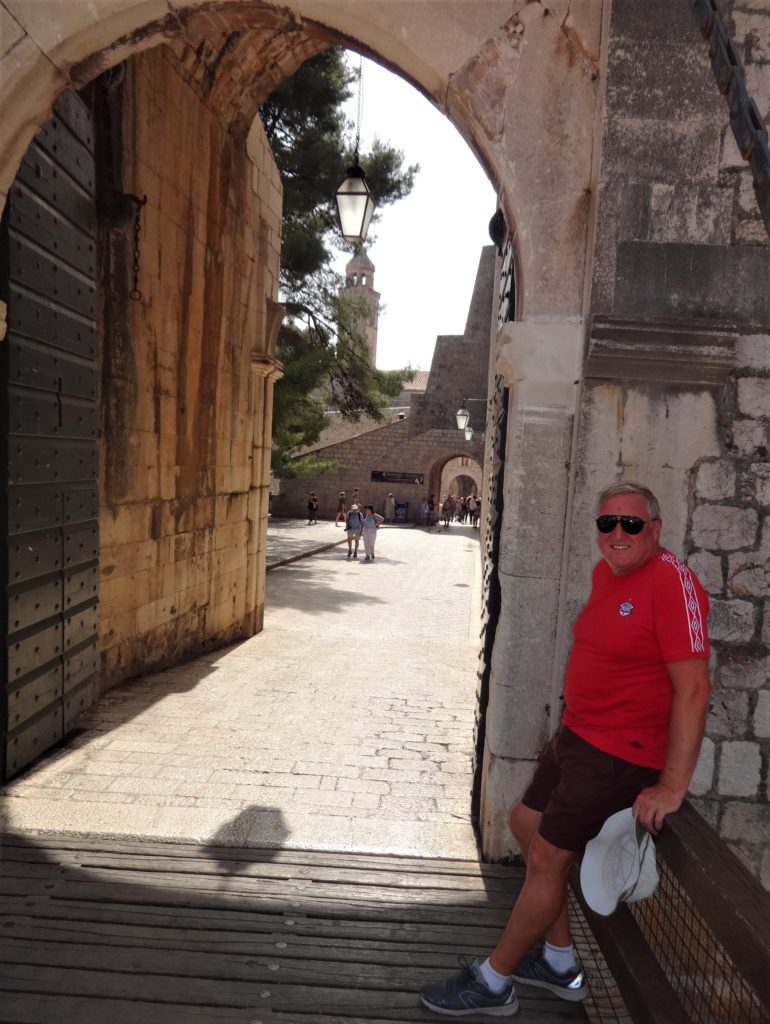
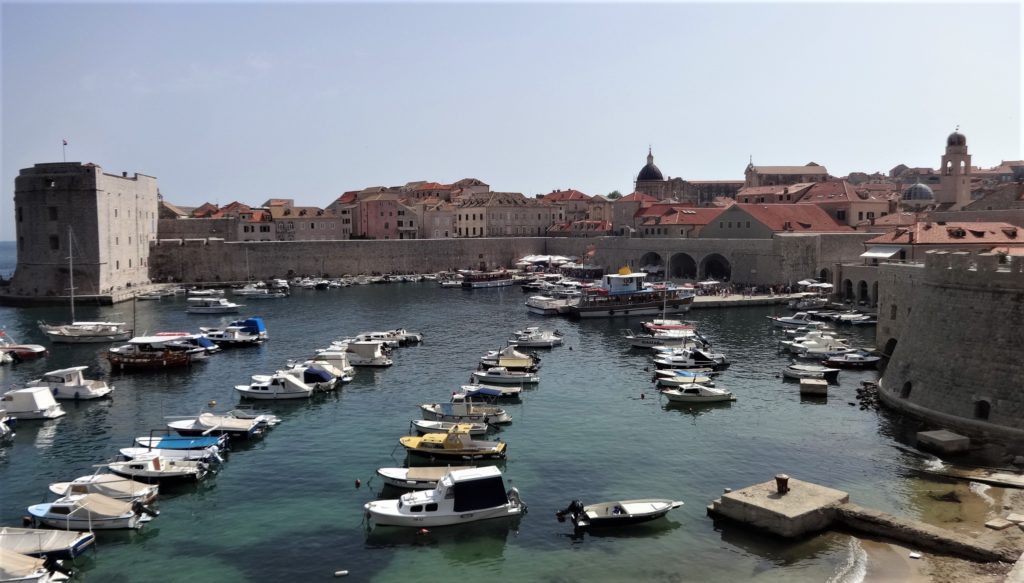
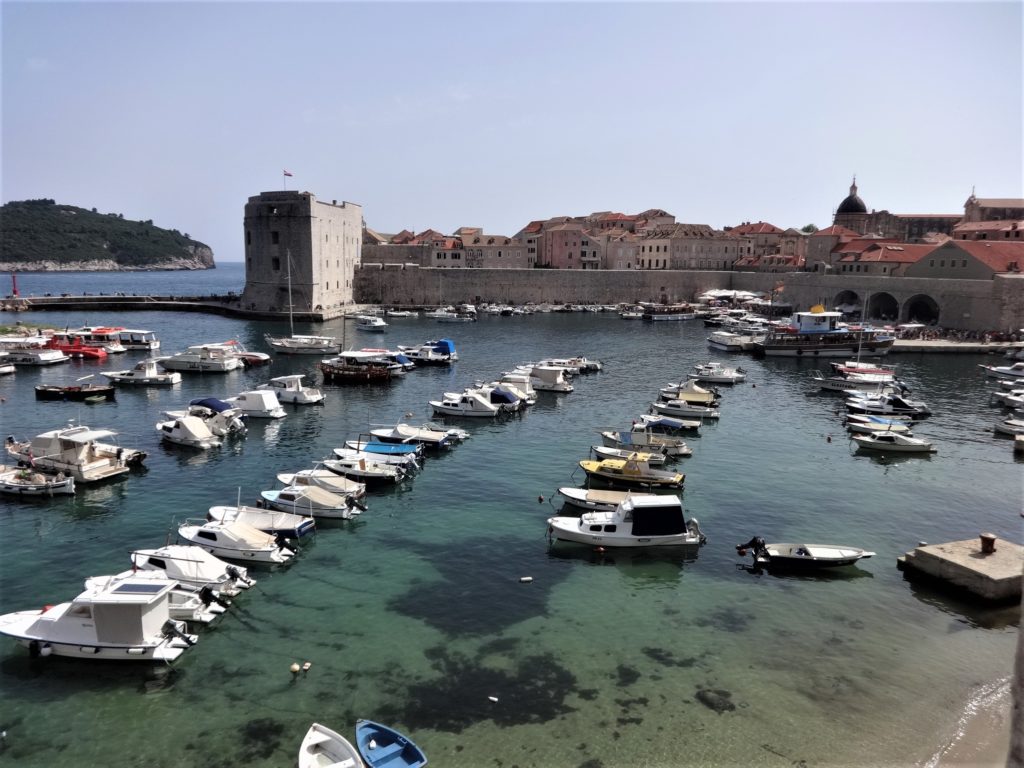
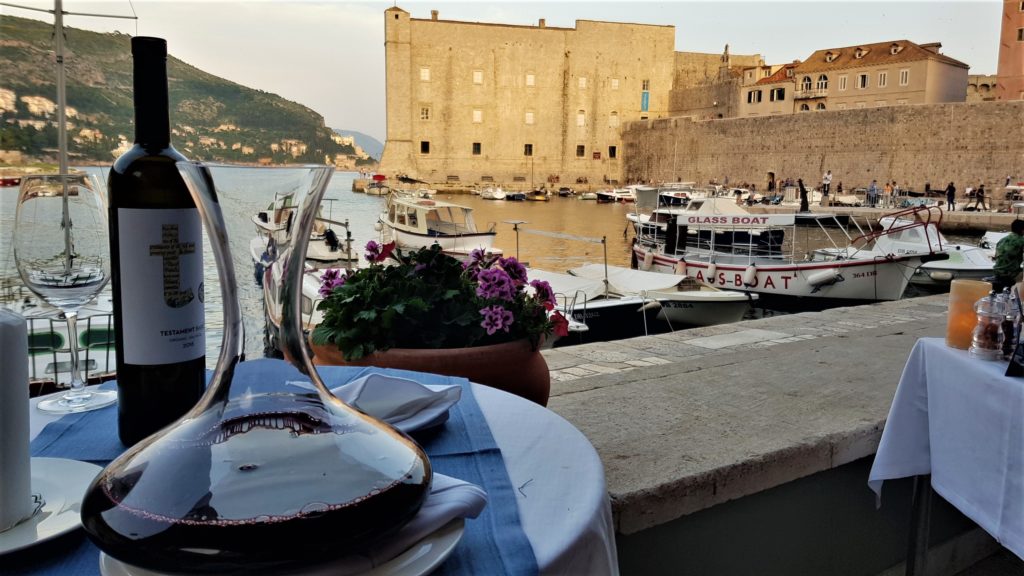
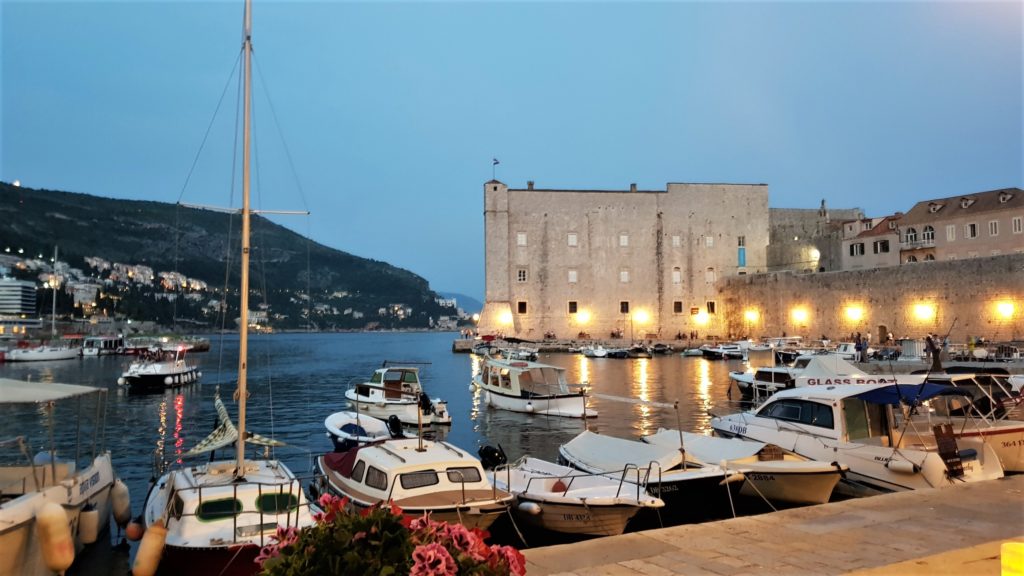
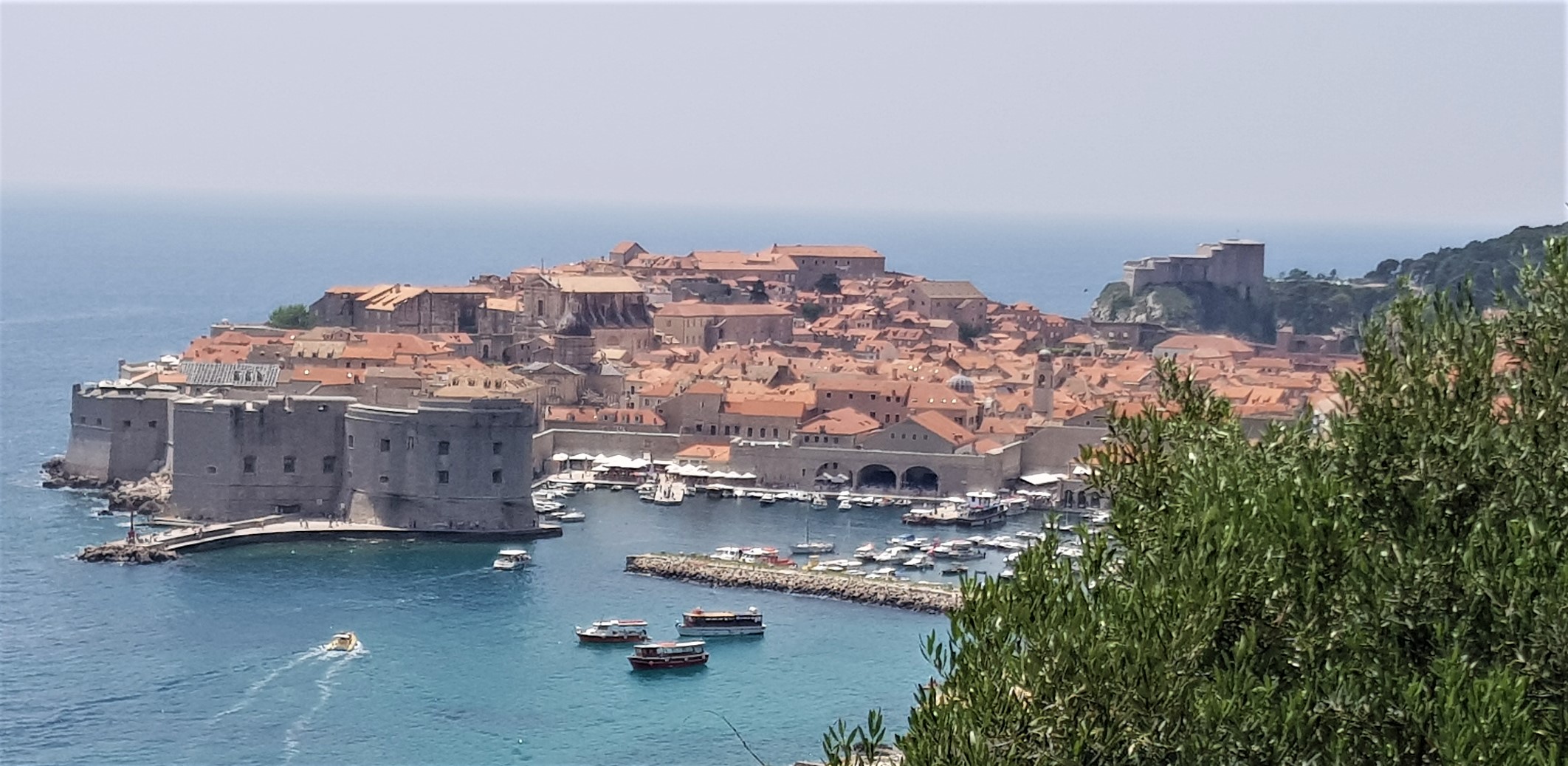
Dubrovnik is a walled city with three gates, surrounded by several other fortresses and towers on all sides with an external harbour.  The wall is 1.5 miles long, and can be up to 6m wide in some places. From a distance it is stunning!
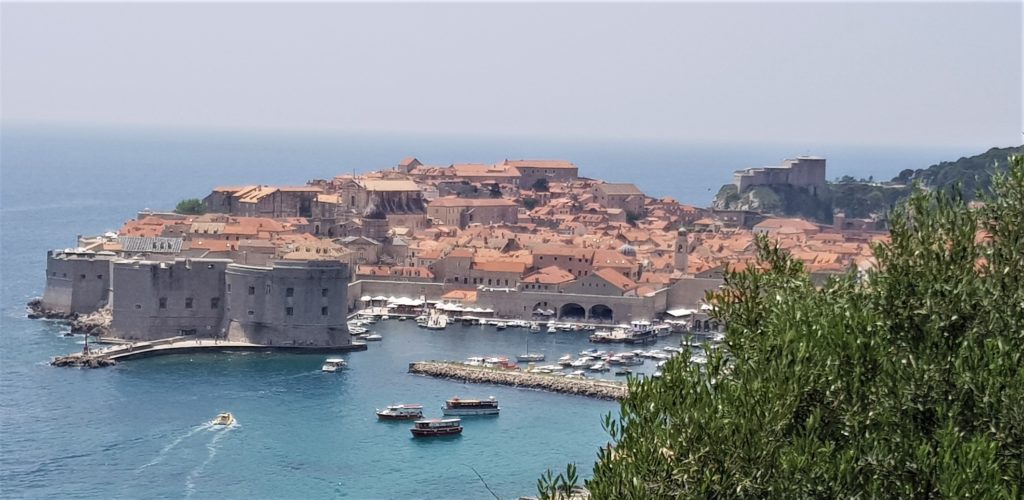
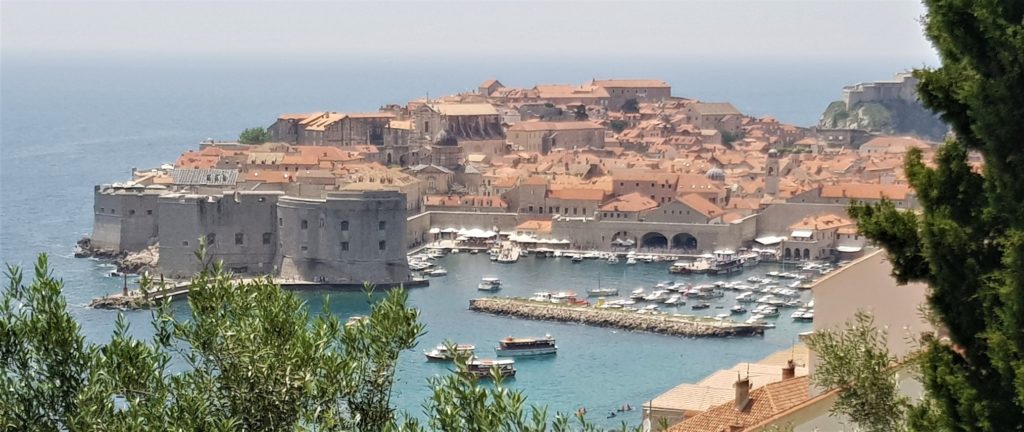
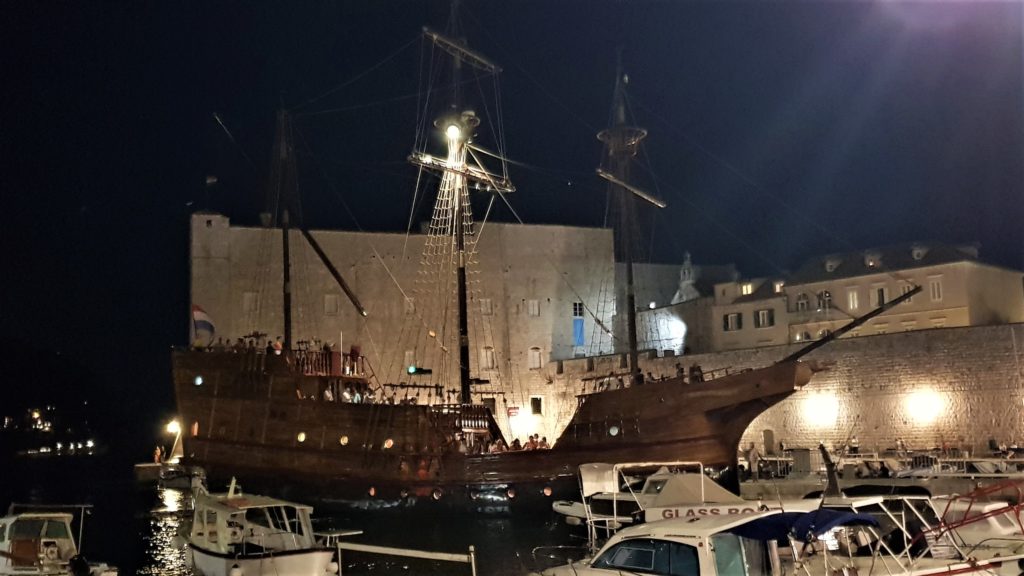
Views of Dubrovnik walls and City
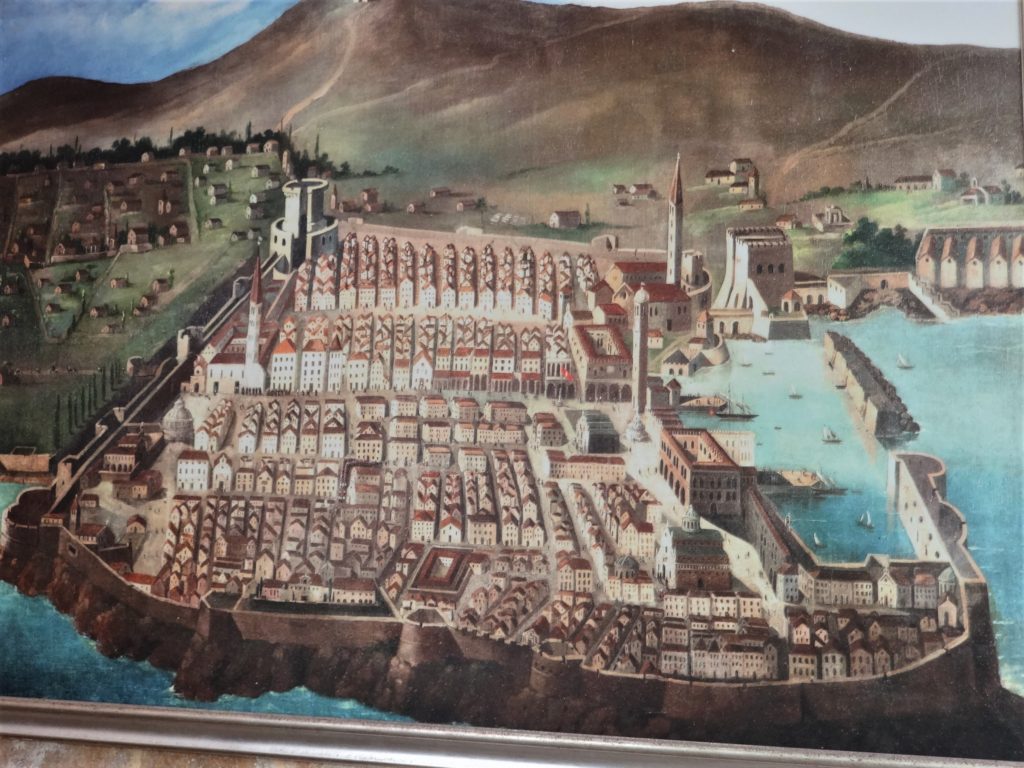
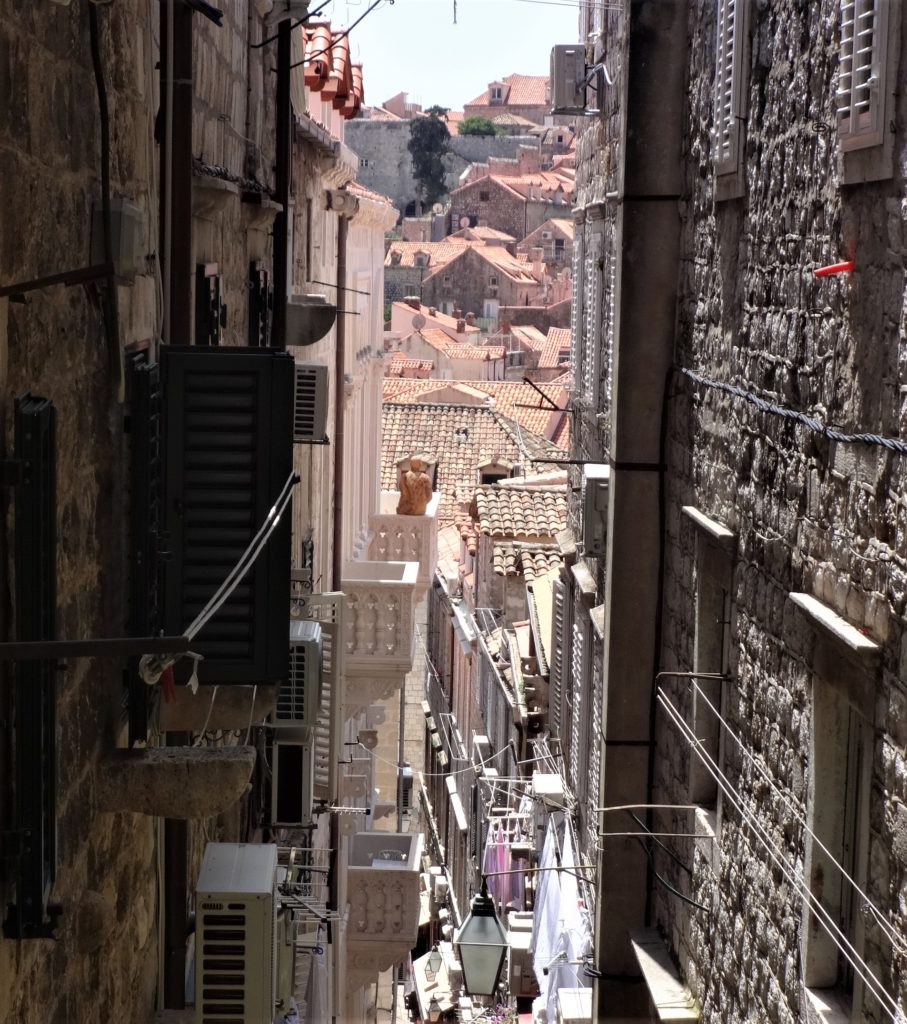
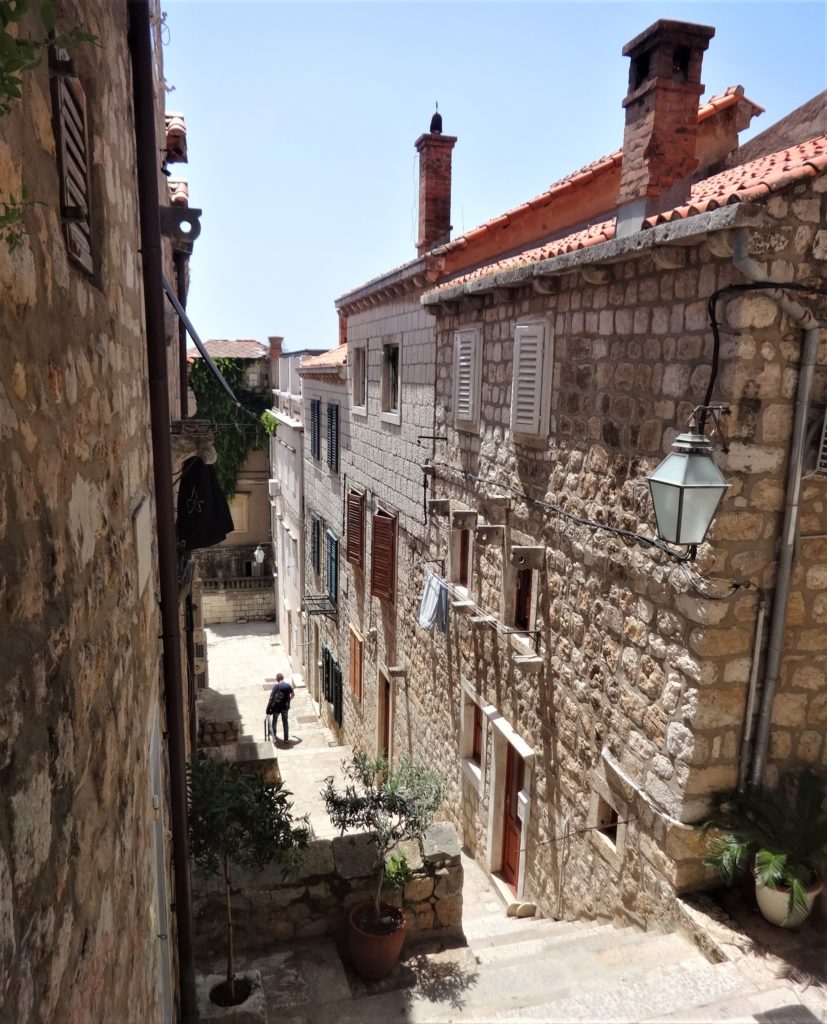
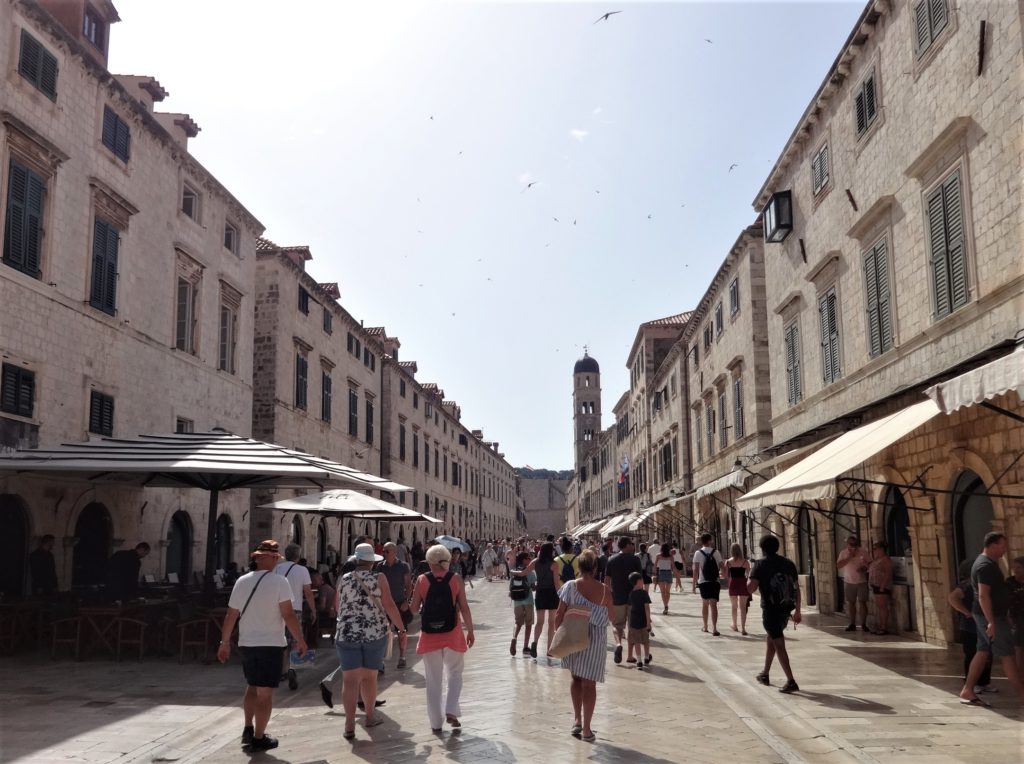
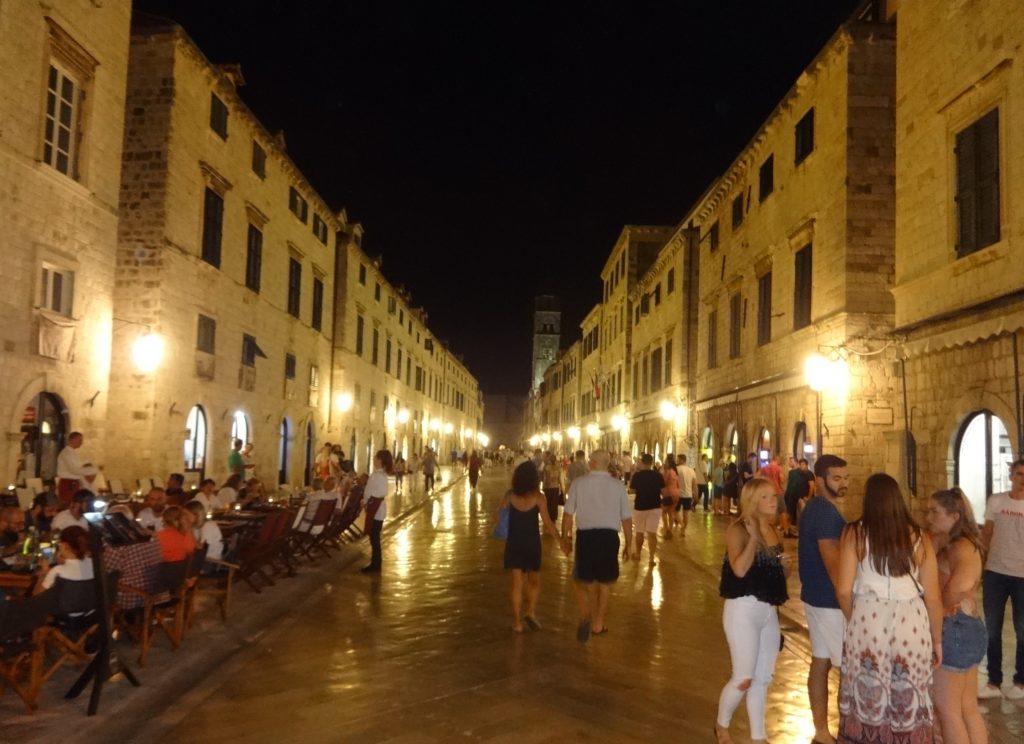
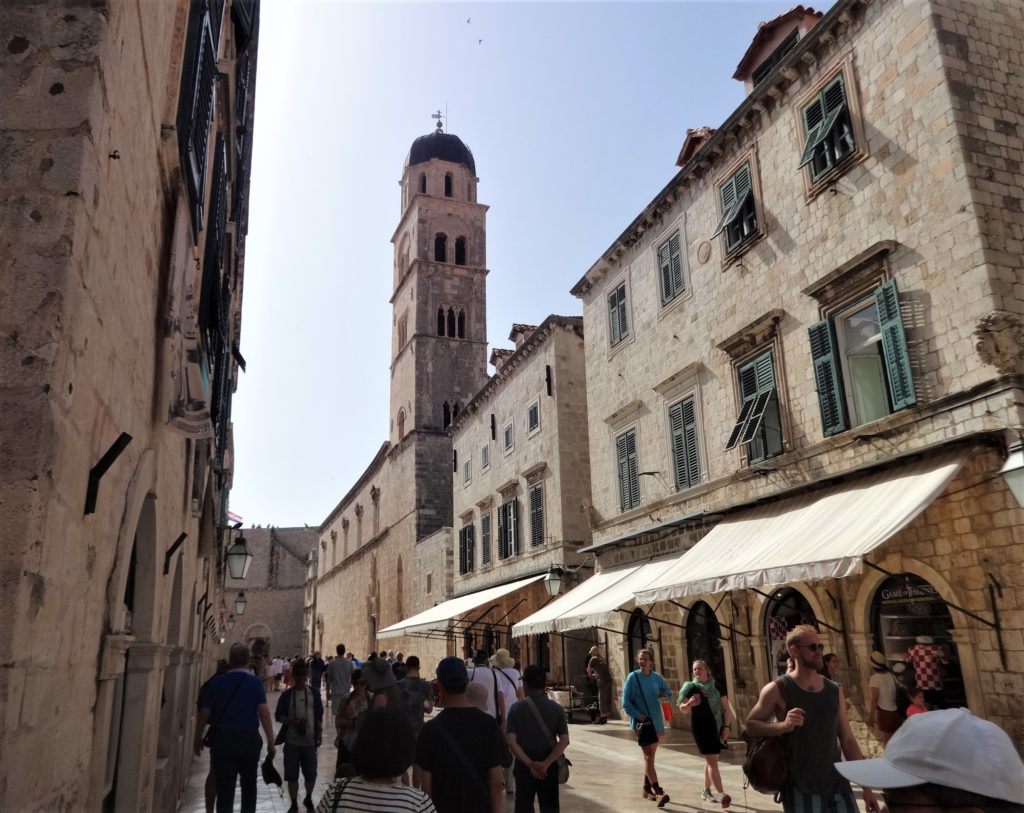
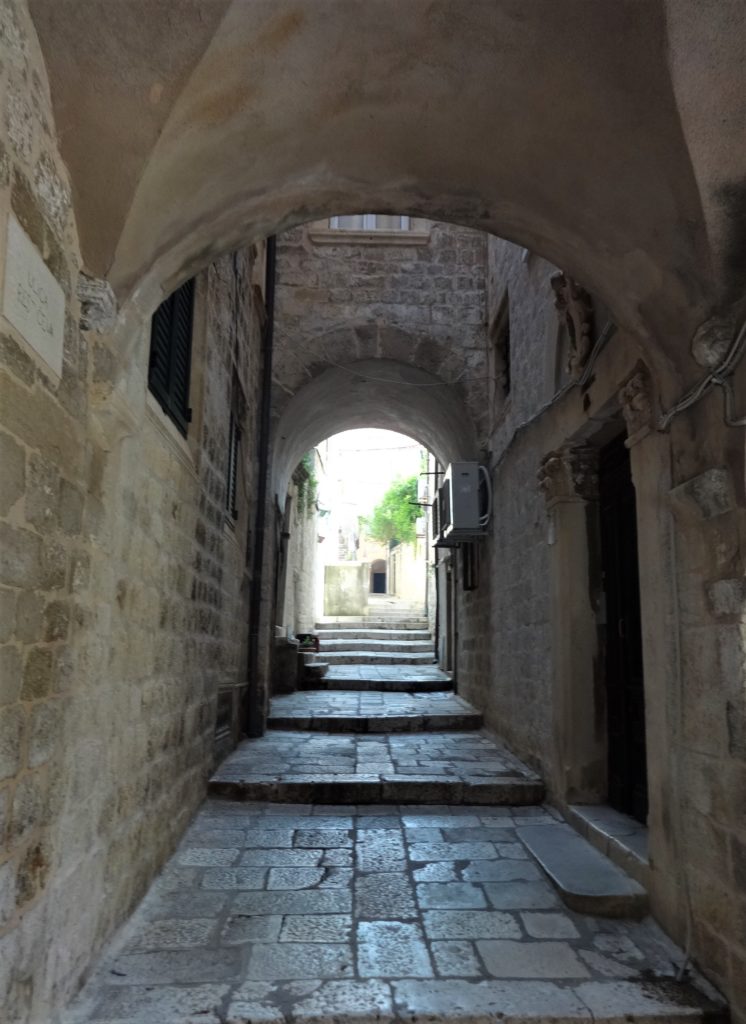
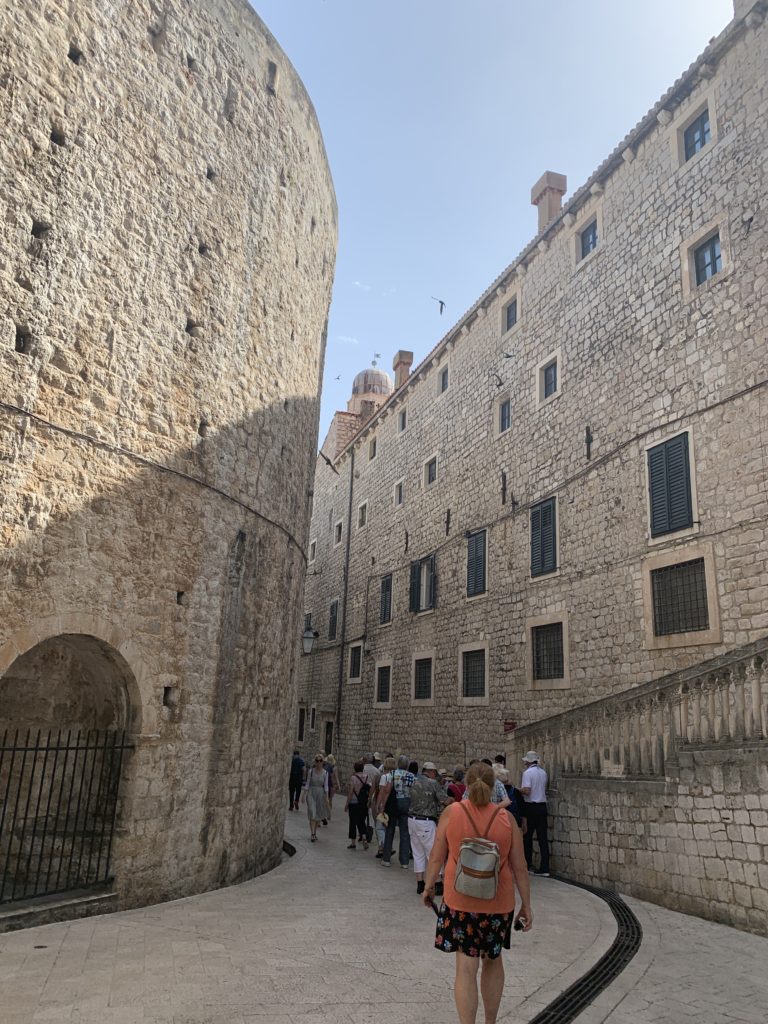
First impressions are, its clean, smart, tidy and perfect.  Lots of marble stone pavements and drains, tall uniform buildings and perfectly restored walls and décor.  No signposts, no street markings, no advertising boards for businesses and hotels or restaurants.  Then you realise….something is not right, it’s too clean and perfect.  And we soon established why. 
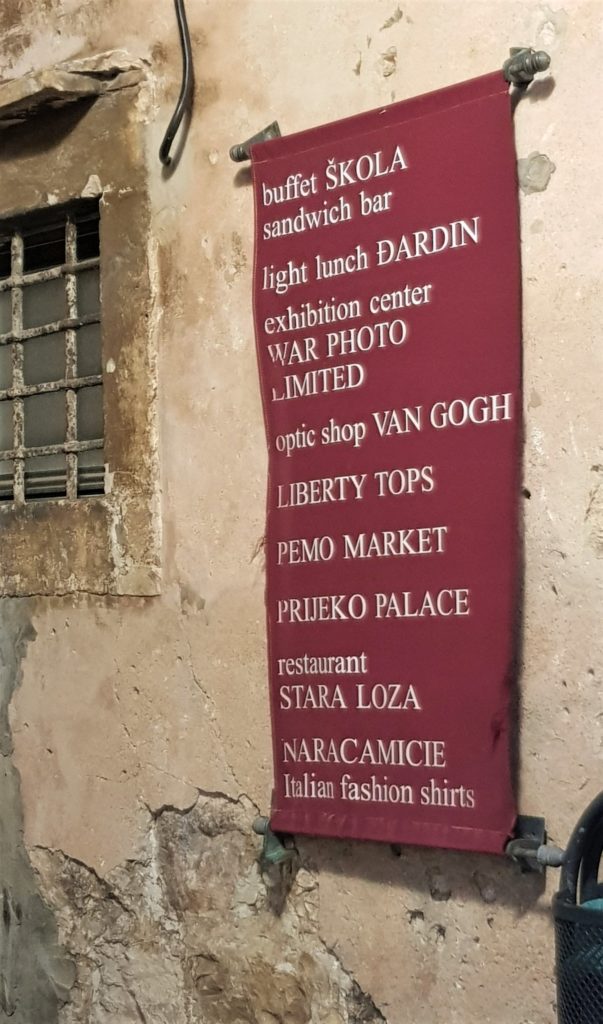
The only advertising in the City

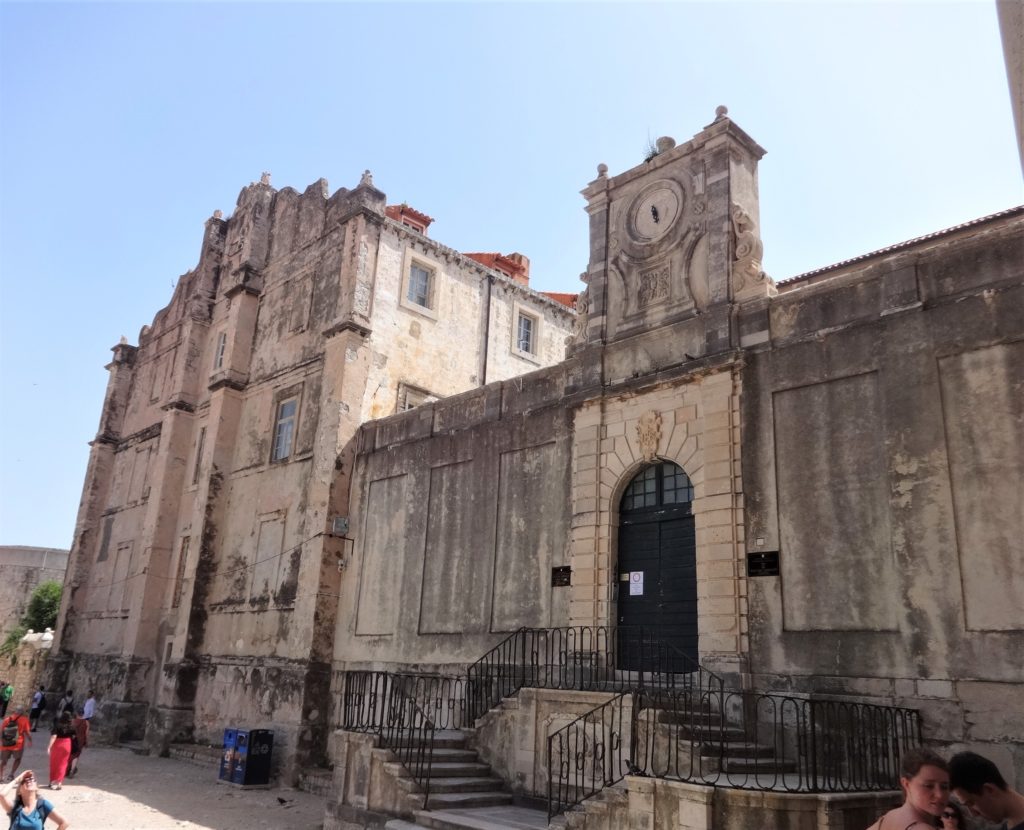
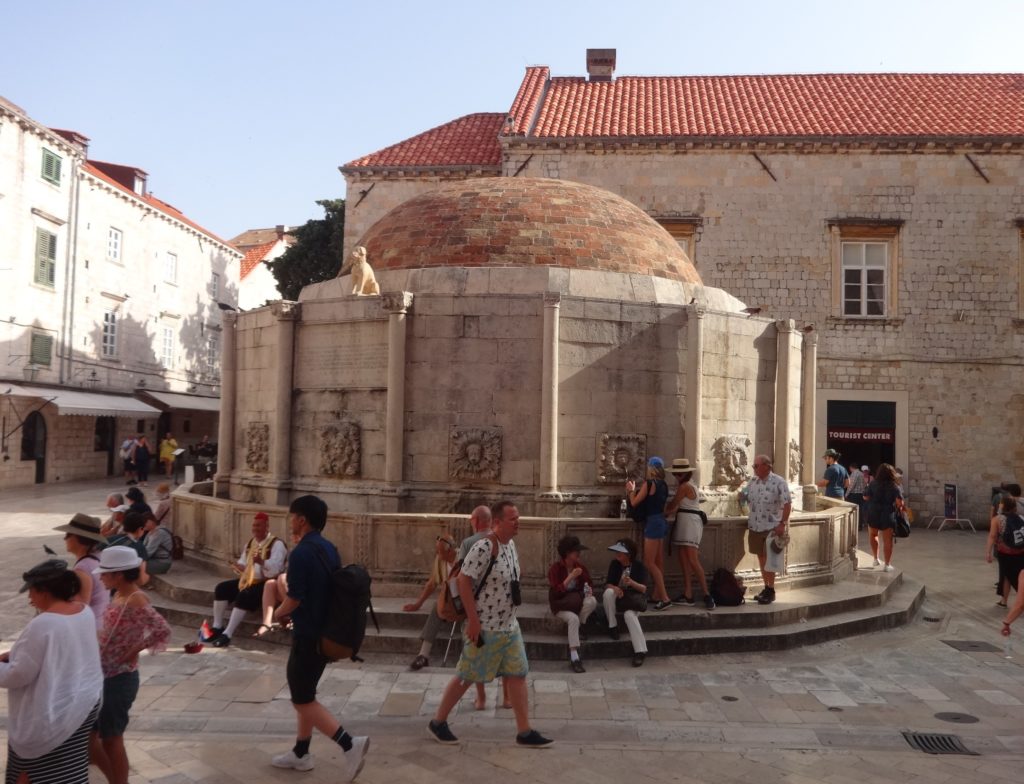
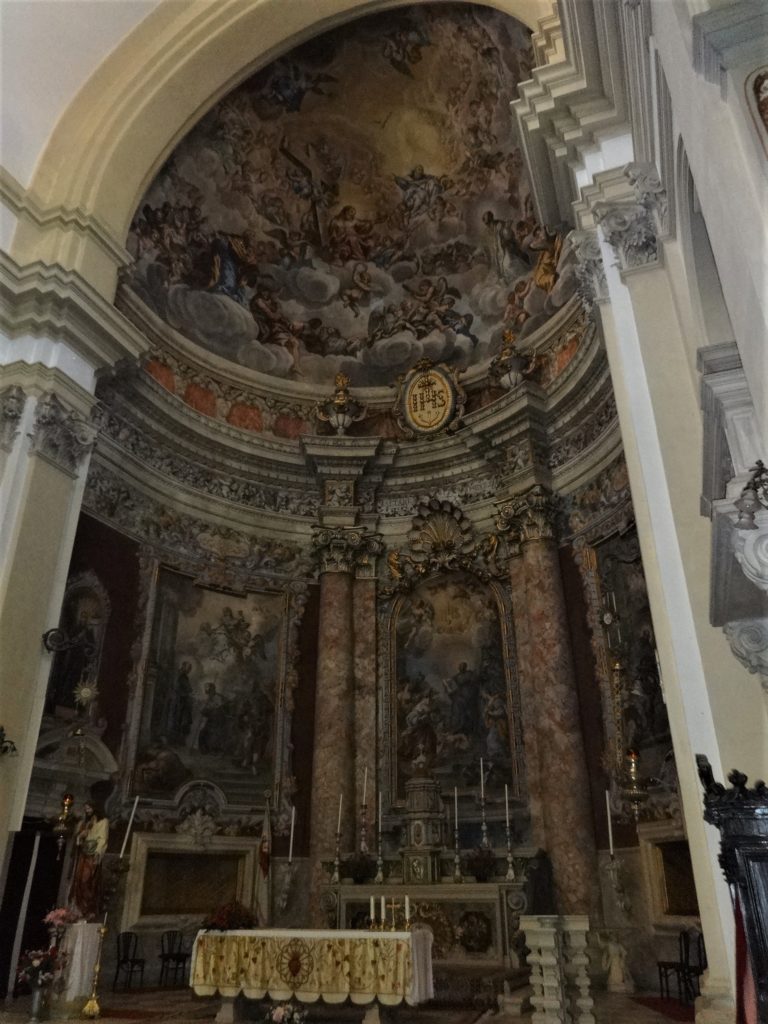
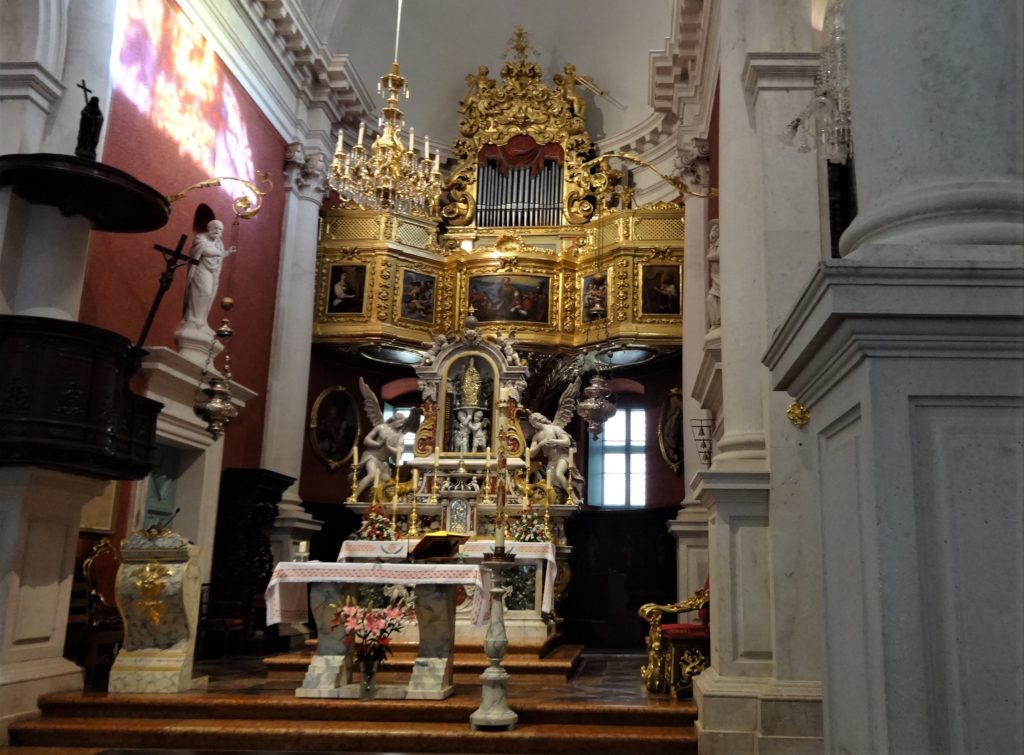
Interior scenes

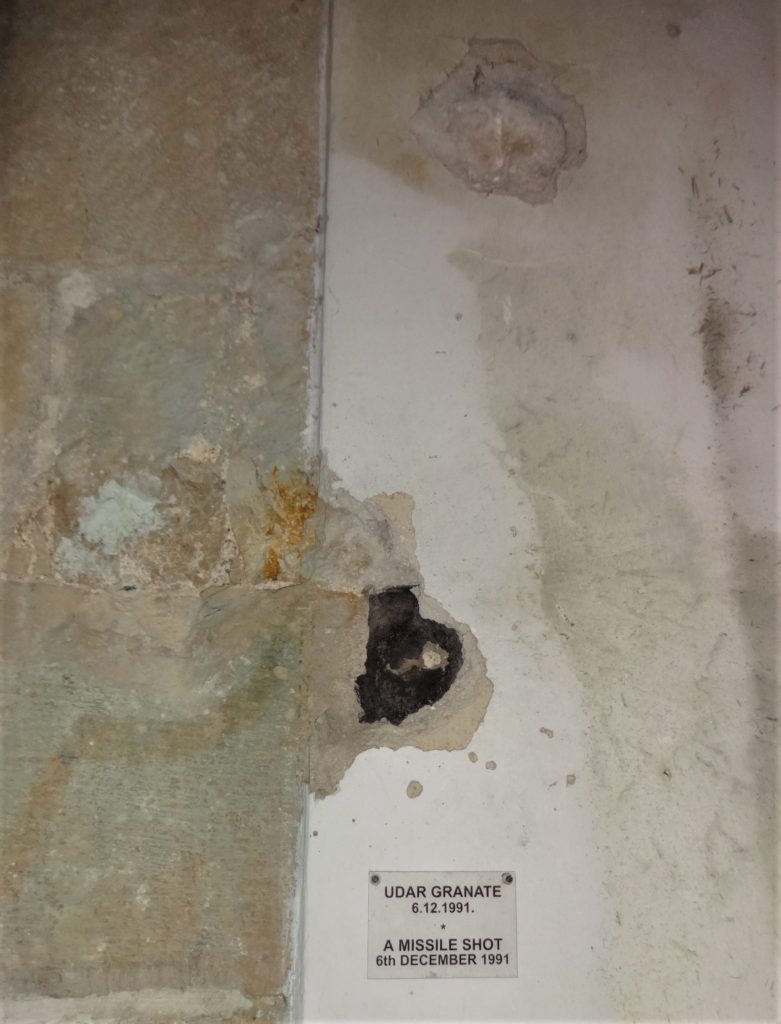
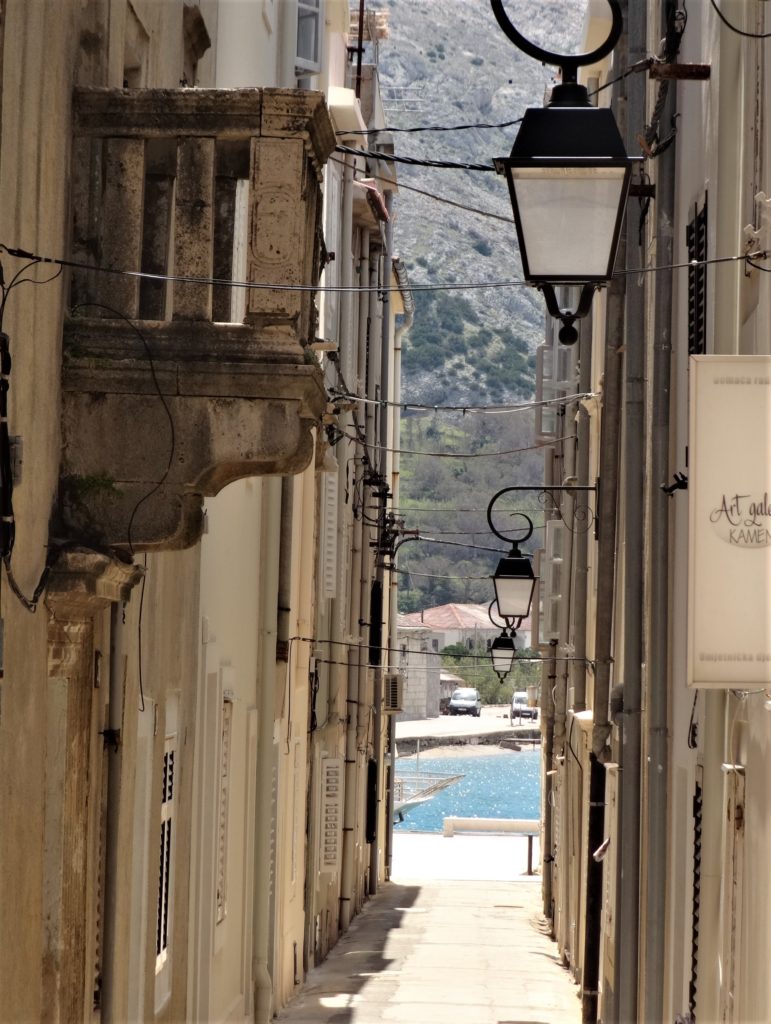
In 1986 the city suffered an earthquake which rocked the foundations, then in the Civil War of 1990- 1995 over half of the city was bombed by the Serbs and others fighting for the territory. At the end of the war, the Government asked for money from the EU and the USA, and was given it, to rebuild the city as it is now.  Handmade terracotta roof tiles were made to replace the damaged ones, local stone was brought in to rebuild the walls and stone window lintels and cobbled stone streets were replaced with marble. The narrow steep streets do look charming with the old style lamps and polished streets, and you can imagine that it looked like that 100 or 200 years ago but it comes at a cost.

To claw back some of the monies owed, they charged and still do charge extortionate amounts of money to tourists.

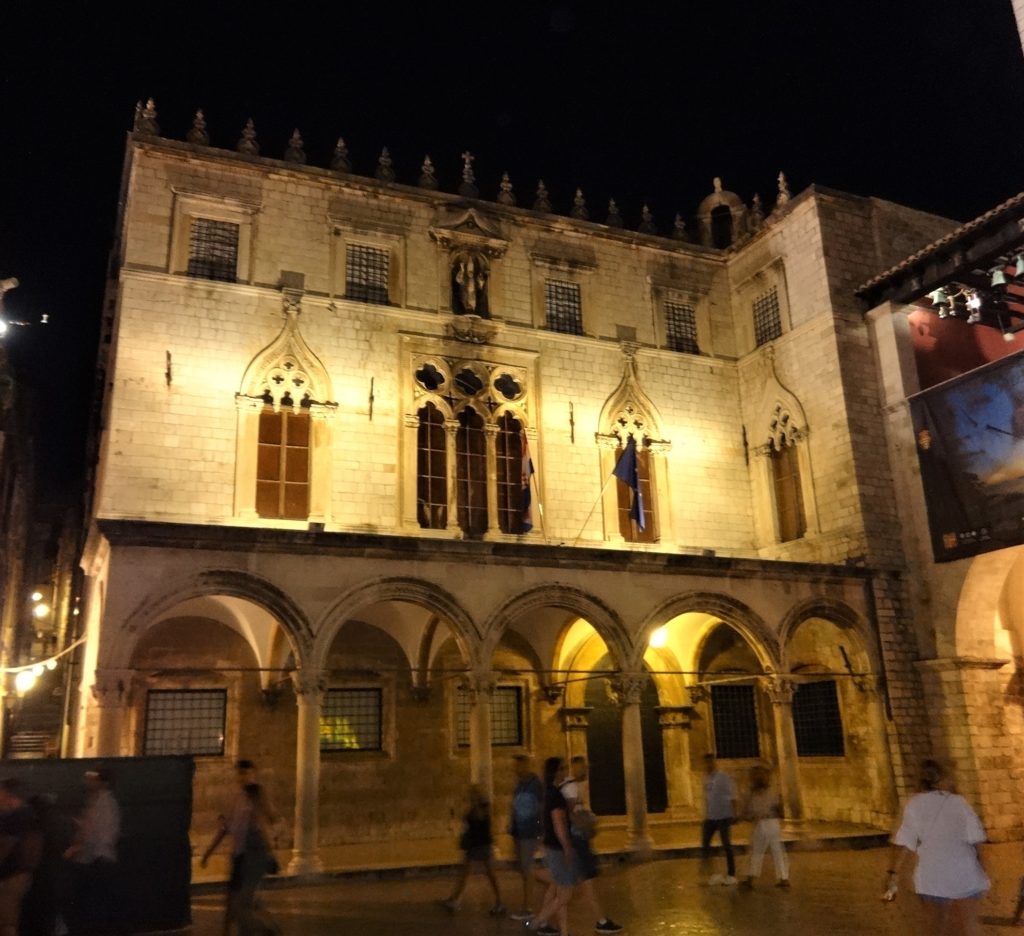
The local council have cracked “tourism” but not fully.  All the old buildings are still called castles, Palaces and forts or Arsenals or military buildings, but are in fact hotels, restaurants, cafes or designer shops.  The Rector’s Palace is an art gallery.  The Arsenal is a restaurant and the old fort is now a maritime museum while the old port buildings house an Aquarium.  No information boards anywhere, no prices in shops and tourist operators trying to sell you boat trips or coach trips simply call themselves Tourist Offices and dish out a street map, a very unclear one! 

No street signposts or prices on anything do not add to the attraction but do encourage the Koreans, Japanese and Chinese inside where they will splash cash.  We were told that in the past 10 years, tourism has increased by 70% from those 3 countries alone, followed by Americans. Personally, we thought we were being ripped off.

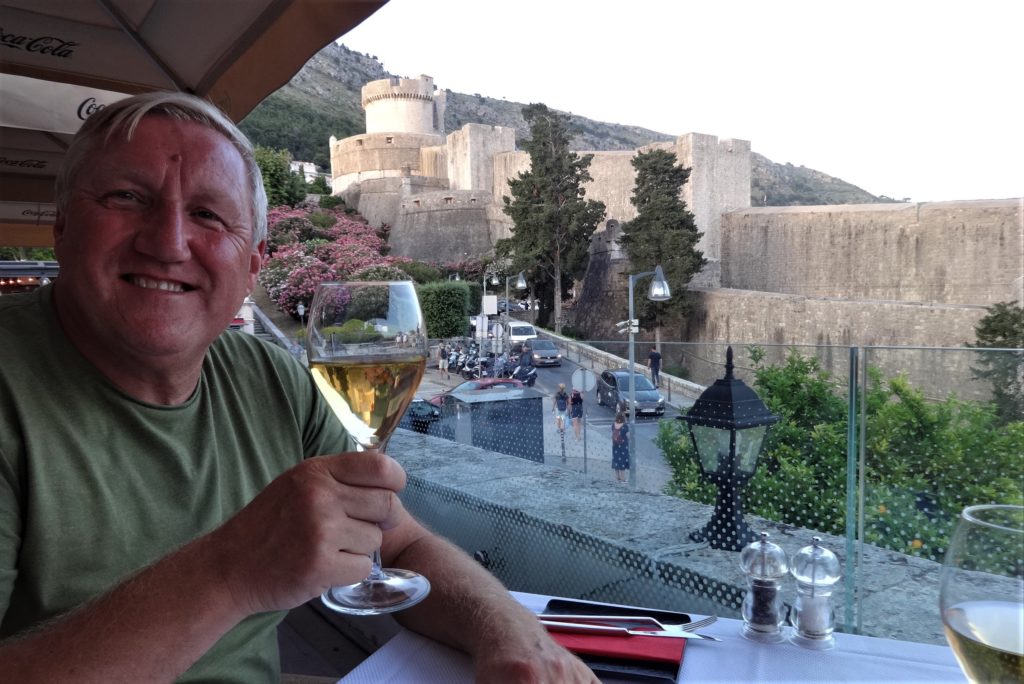
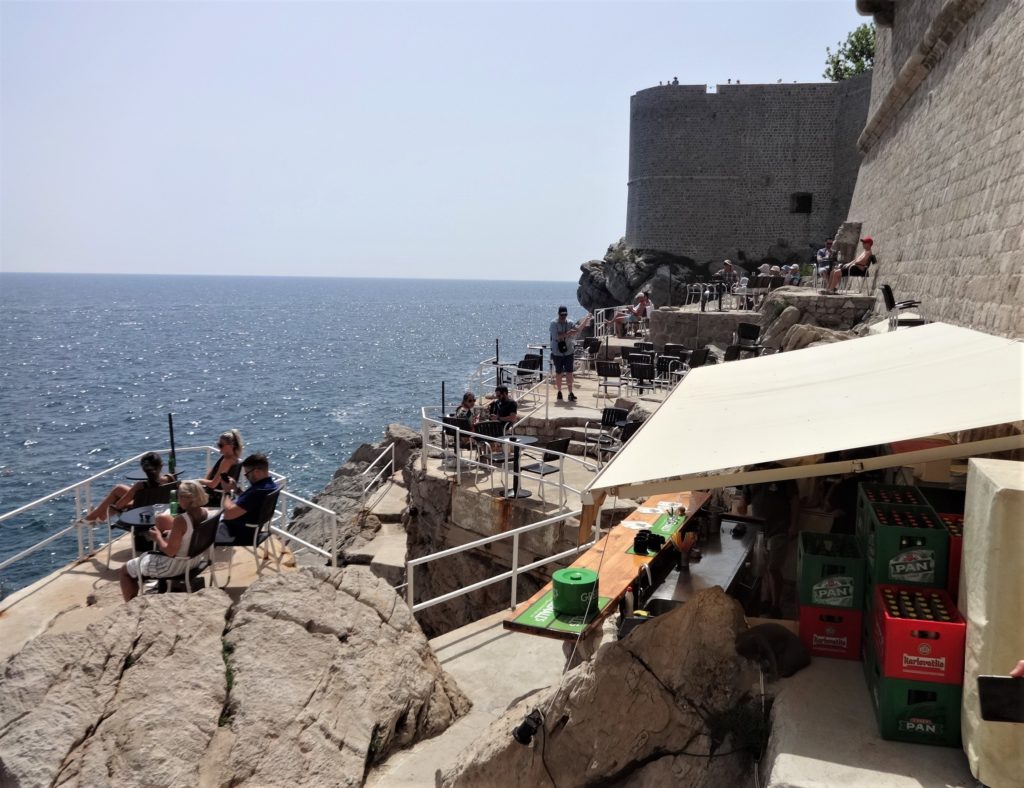
To walk the City walls, all 1.5 miles, would cost €30 PER PERSON.  To do a guided walking historical tour of the city would set you back €25, if it involved Game of Thrones sites, it would be more.  A 1 hour 20 minute boat ride to look at two offshore islands was €35 and a 2 hour boatride into the sunset with a small finger buffet was €55.  A pint of lager was €7 but a glass of wine was the same.  A bottle of house wine (supposedly their cheapest) in a burger bar would have set us back €35, so we asked for 2 glasses of wine instead.  The home made burgers were €14 each, nothing special! They know how to con tourists here.  The main street through the Old Town was heaving with fast food outlets aimed at time limited visitors, “Burger Tiger”, “Pasta Lab”, “The Irish Pub The Gaffe” and others…..

Finally to cap it all, we wanted to take the funicular ride to the top of the mountain behind, it was closed. Two tourist offices claim it was a technical issue, and no opening date was known but when we left we actually walked past the entrance to the funicular where there was a sign saying something along the lines of: “Dear Visitor to Dubrovnik, we are sorry we are not able to offer you a ride in our panoramic cable car, but it would appear that the company who owns it have not complied with a petty financial and legal regulation laid out by the council, who have decided to close this facility indefinitely.”  We think this says it all………

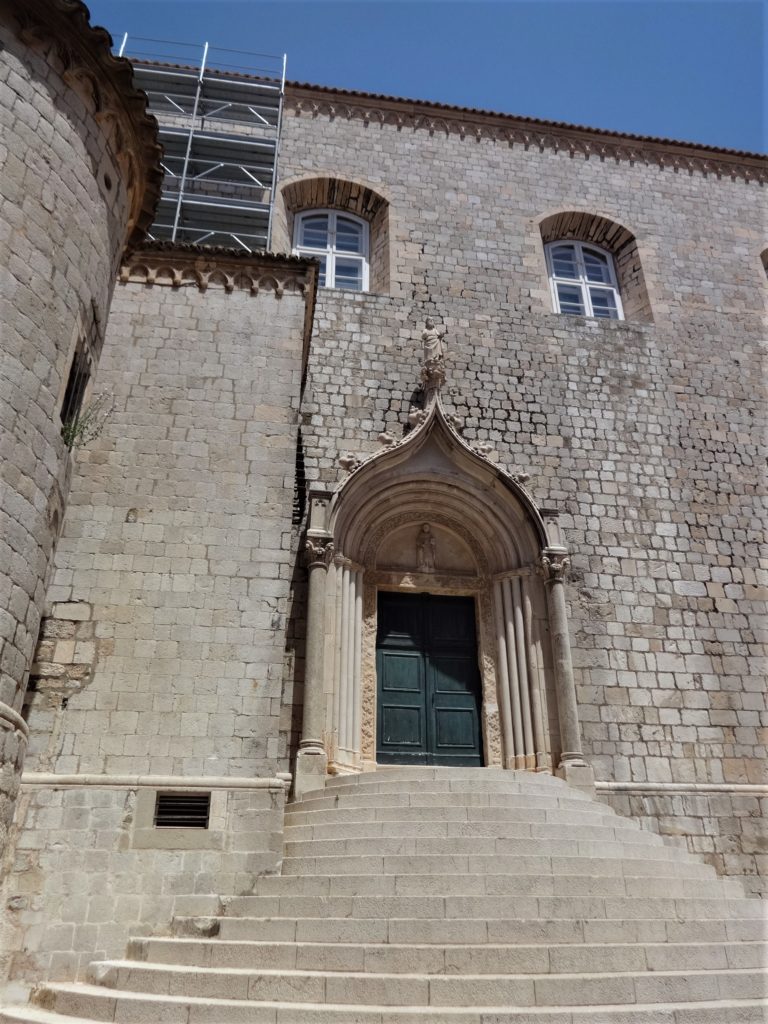
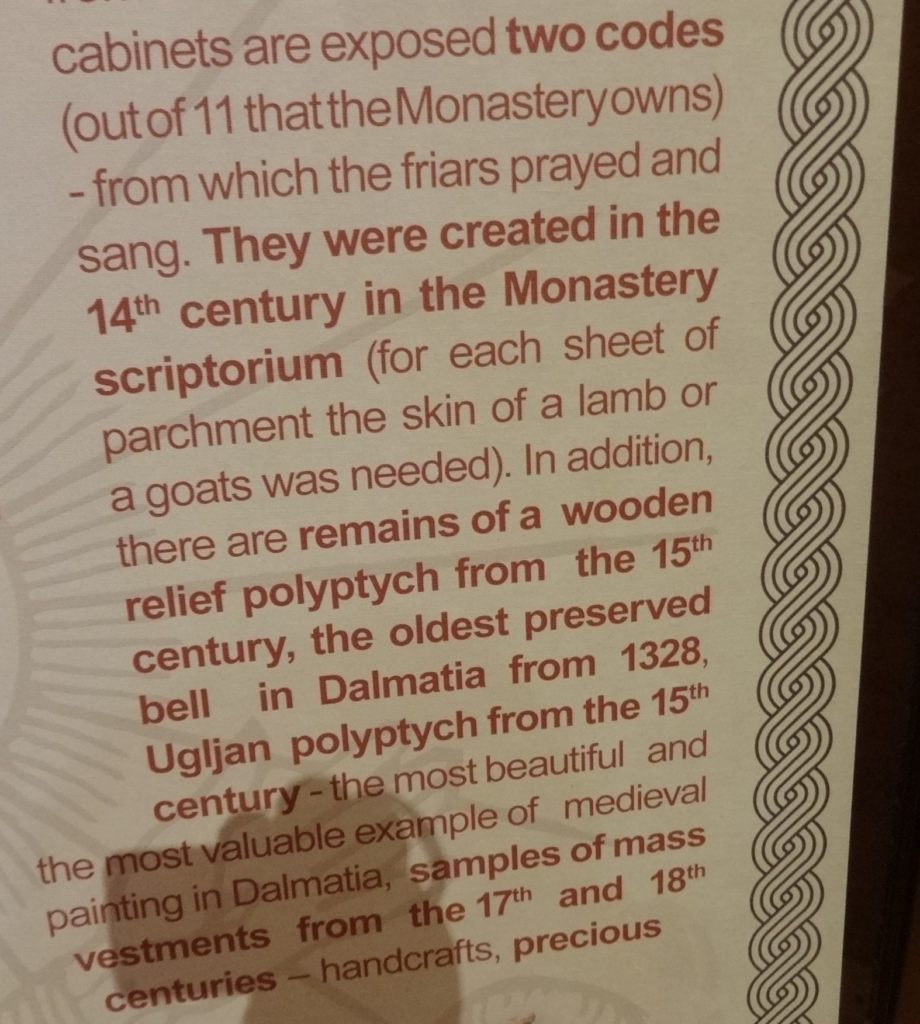
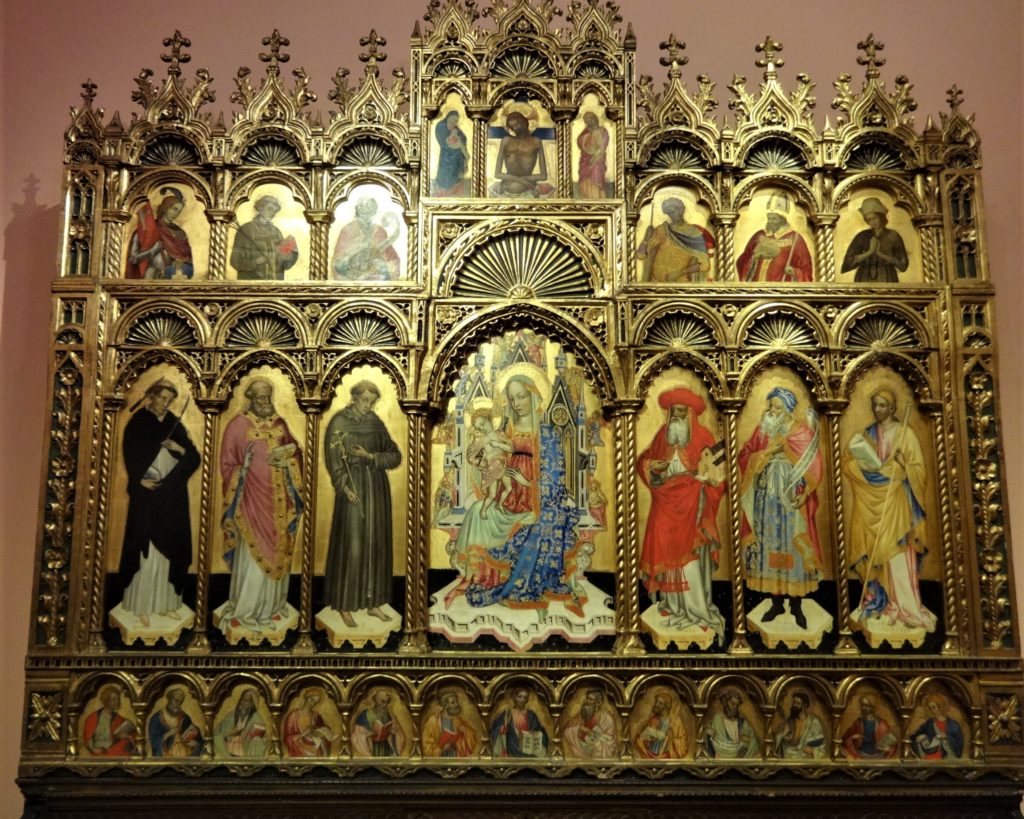
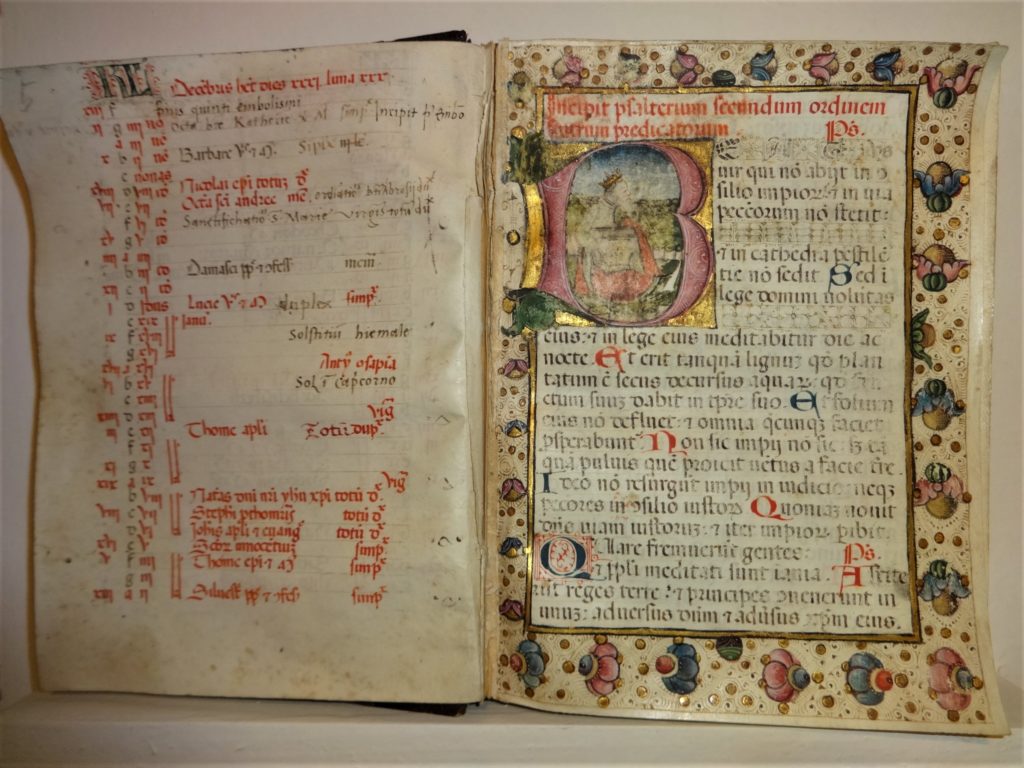
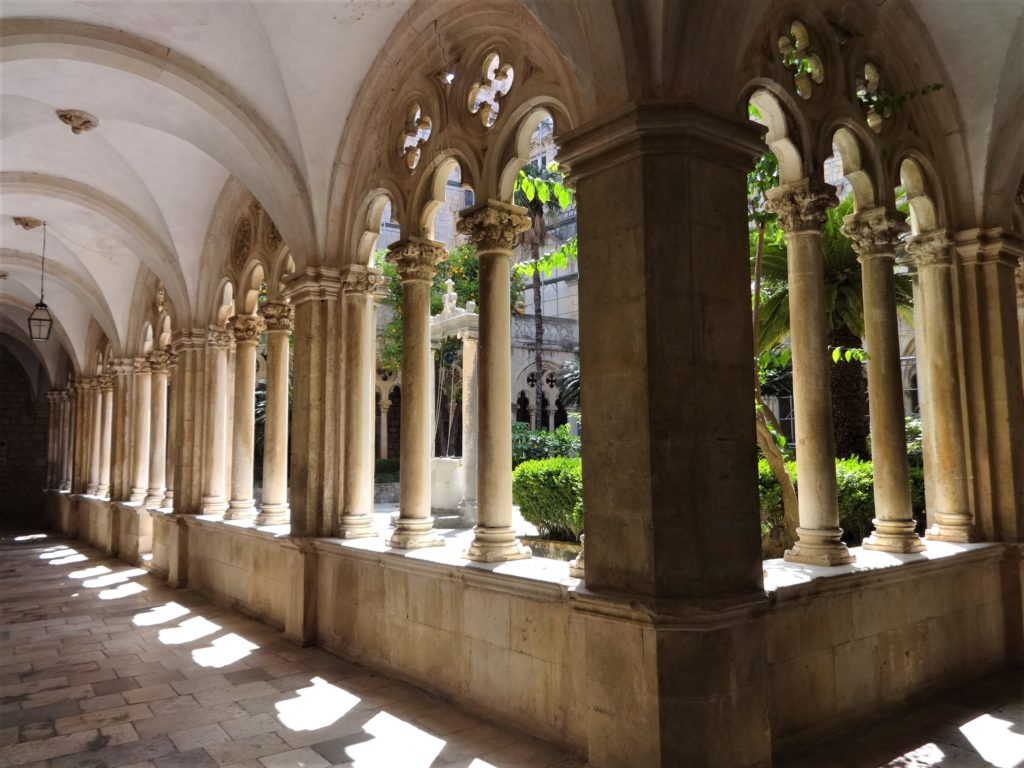
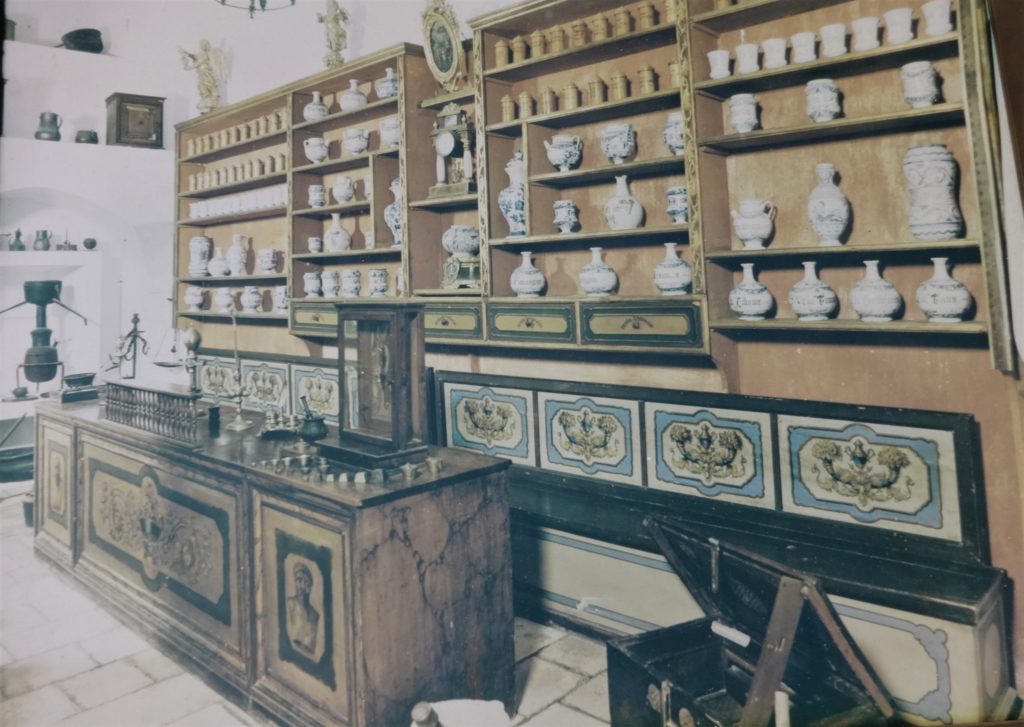
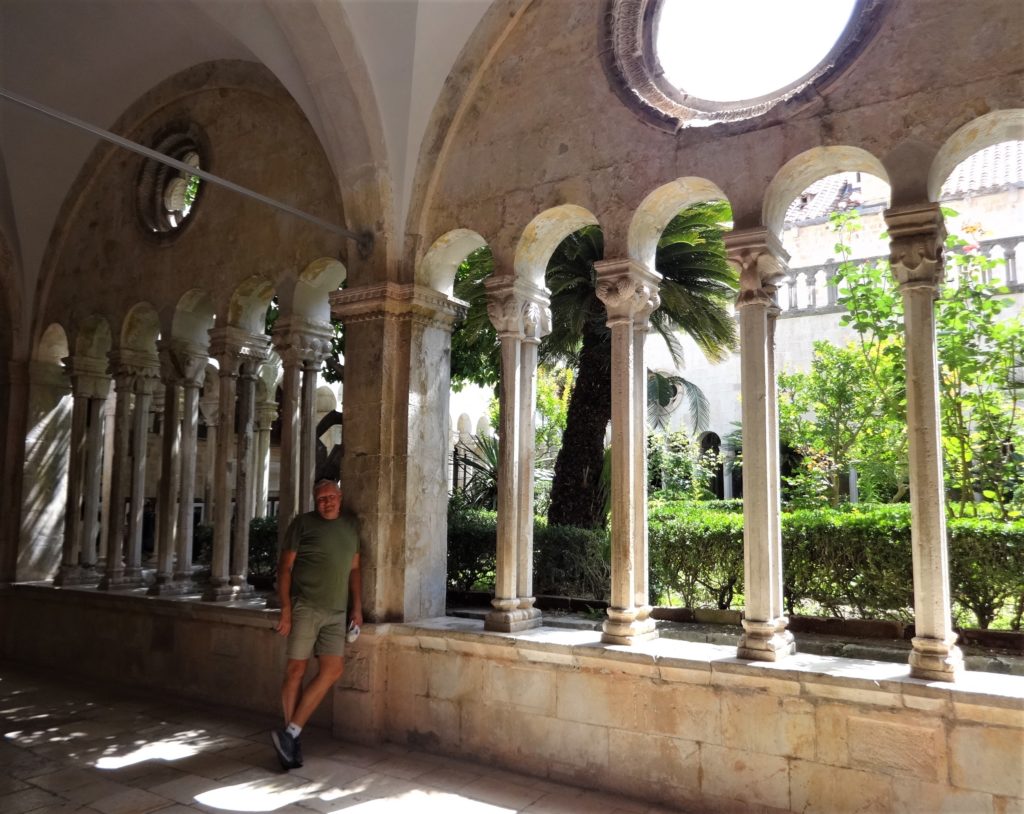
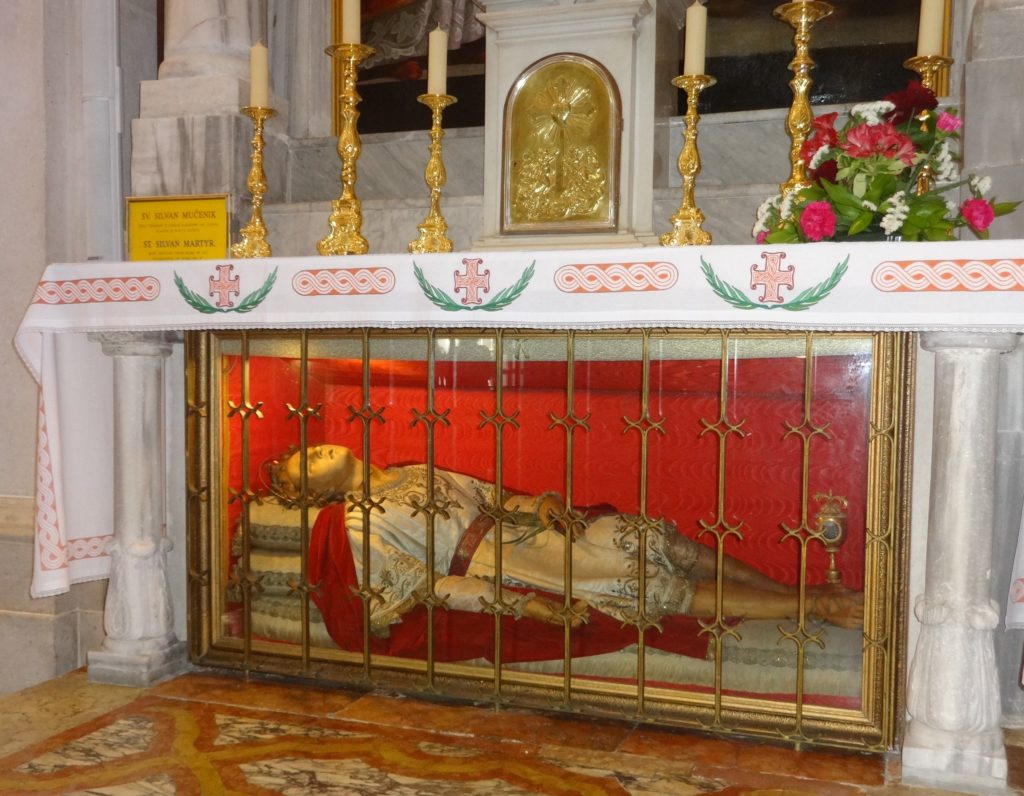
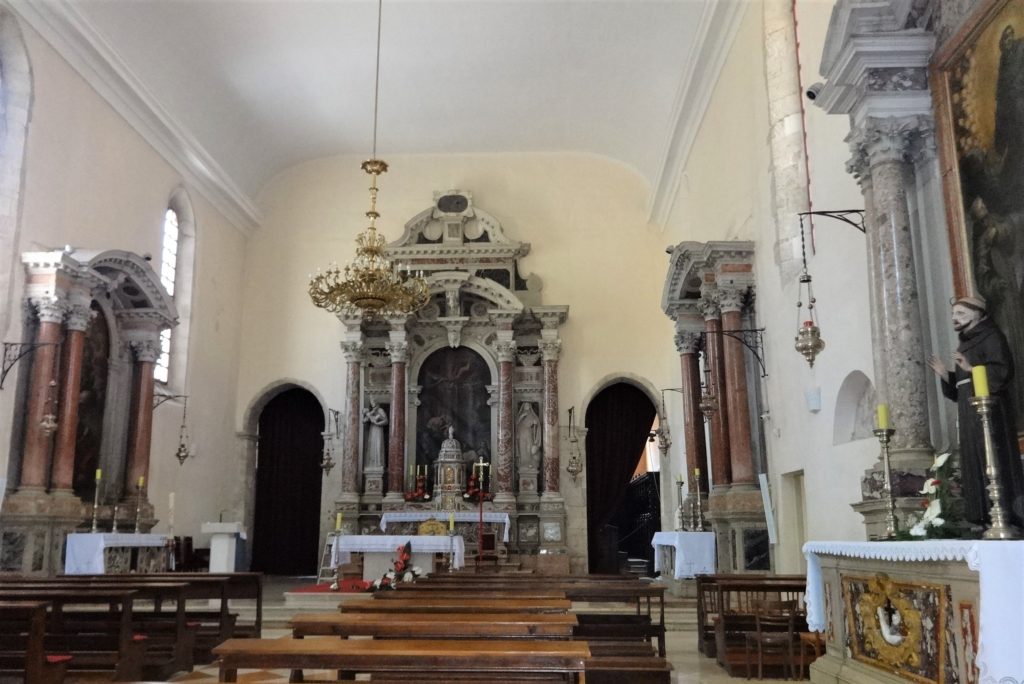
The few things that we did visit were surprisingly empty, I guess when you are on a time limited day trip from the cruise ship, wandering around a monastery is not top of your list of things to do, so we made the most of it.  We visited two monasteries, a Dominican and Franciscan monastery, each very different, but so peaceful and calm and cool.  The Franciscan Monastery contains an old Pharmacy that has been dispensing concoctions since 1391, it’s the 3rd oldest Pharmacy in Europe whilst the other monastery houses an old originally penned Bible, in Latin and in colour.
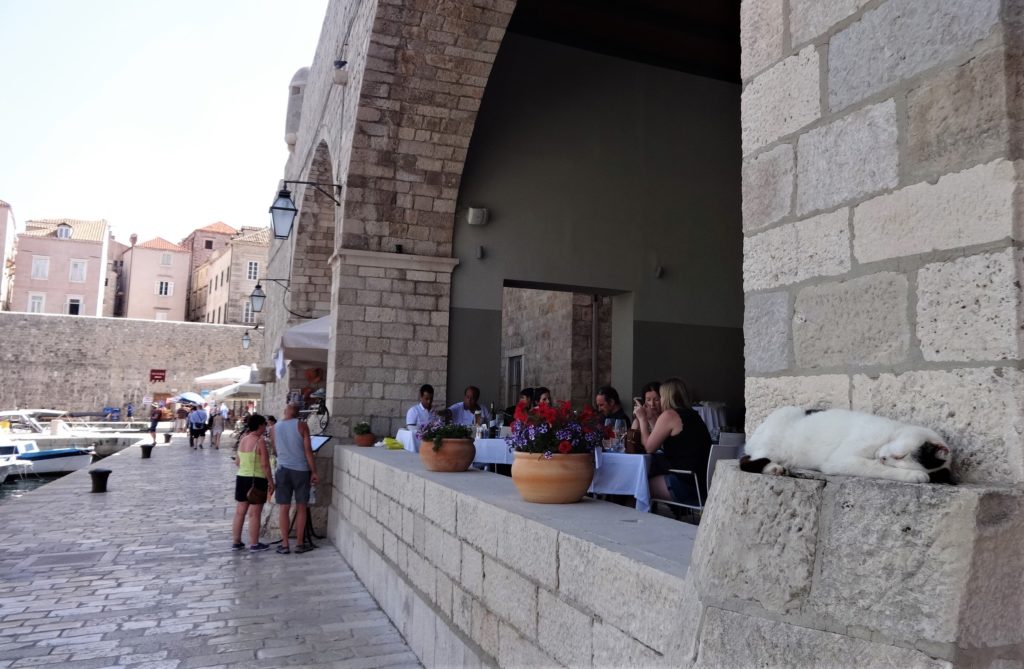
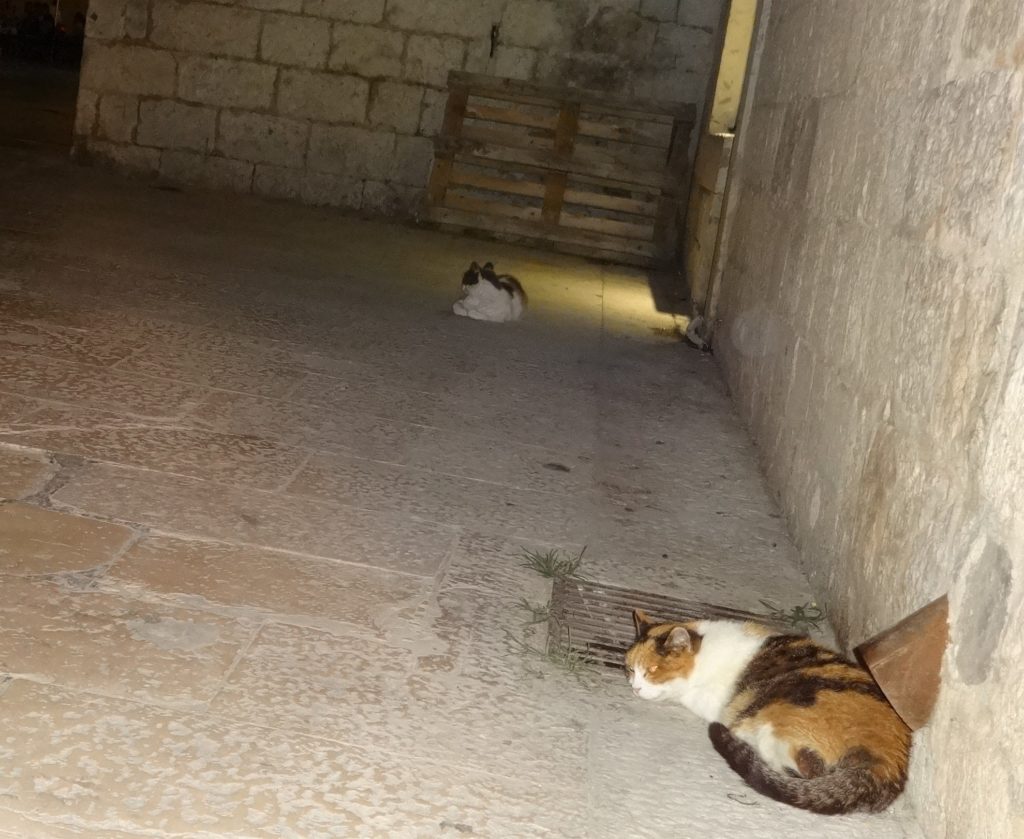
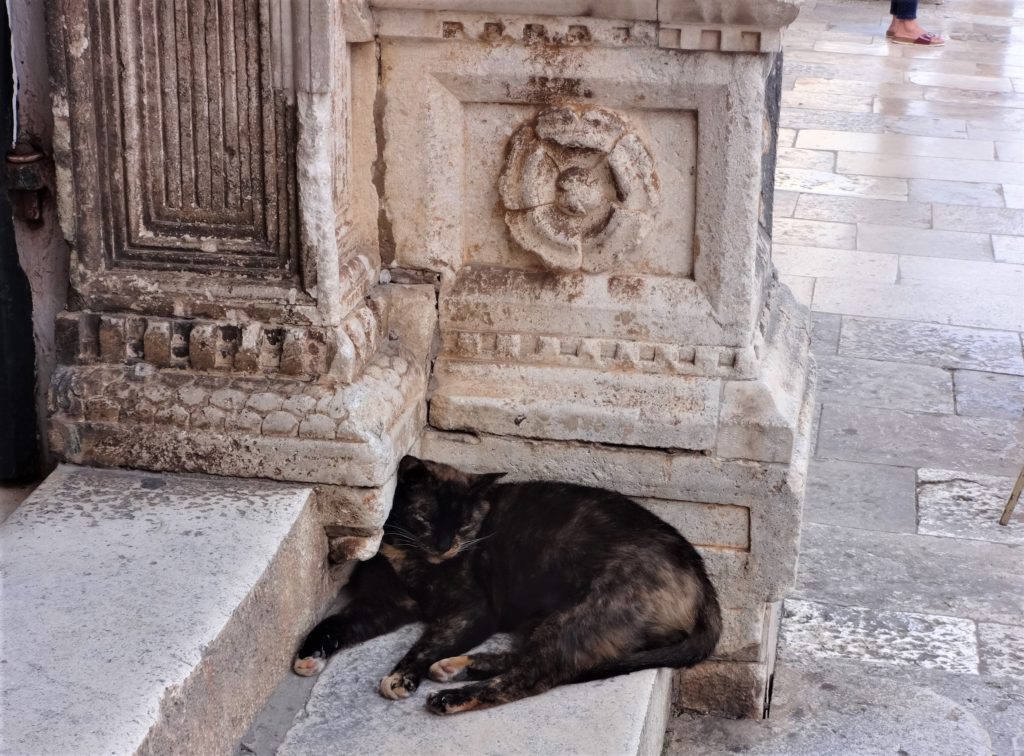
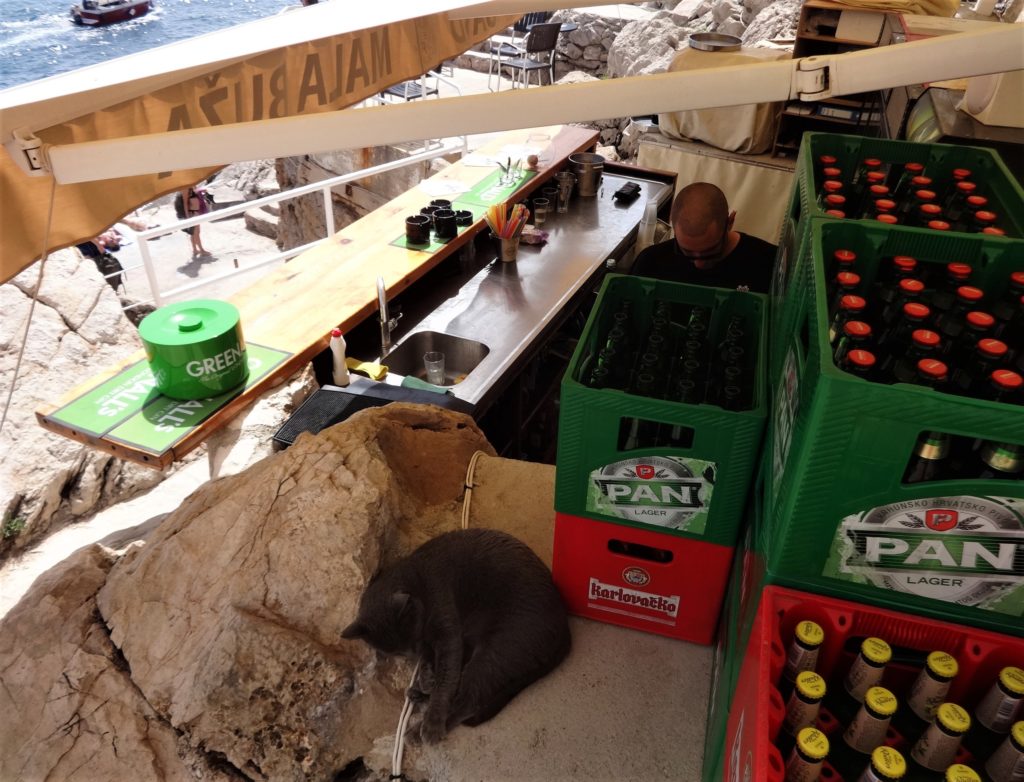
And finally, the cats of Dubrovnik……
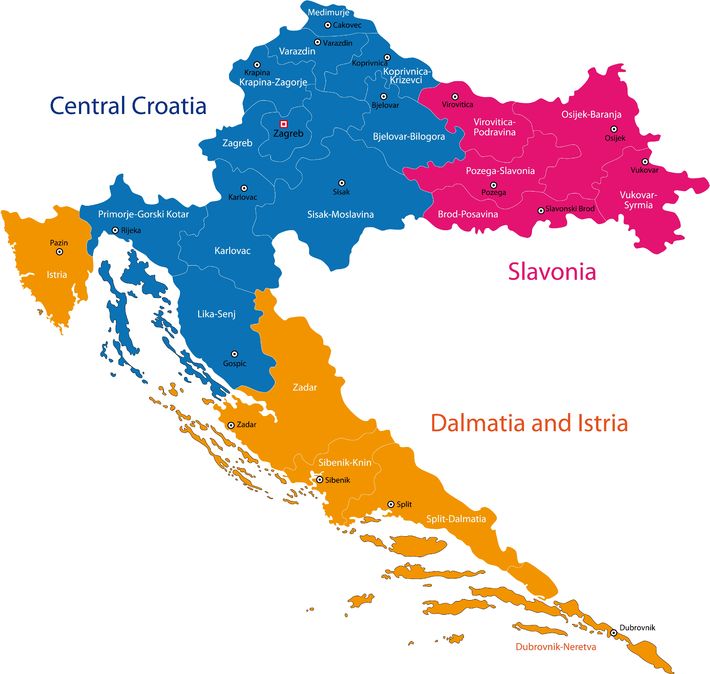
Dalmatian Coast – Zadar, Nin & Pag Islands

Zadar

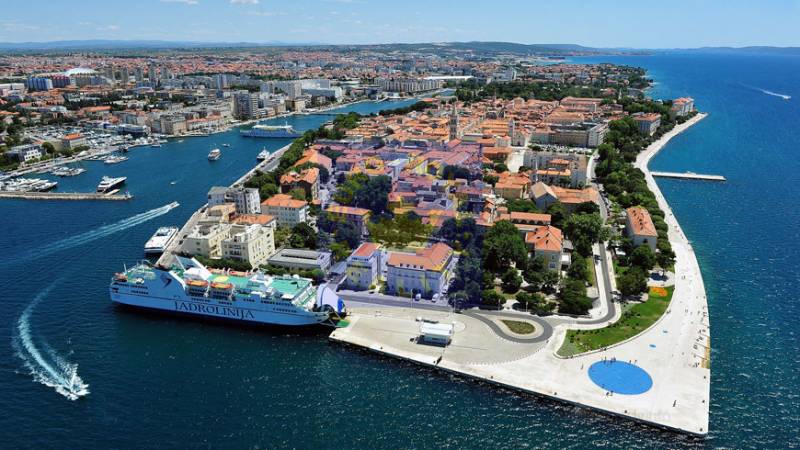
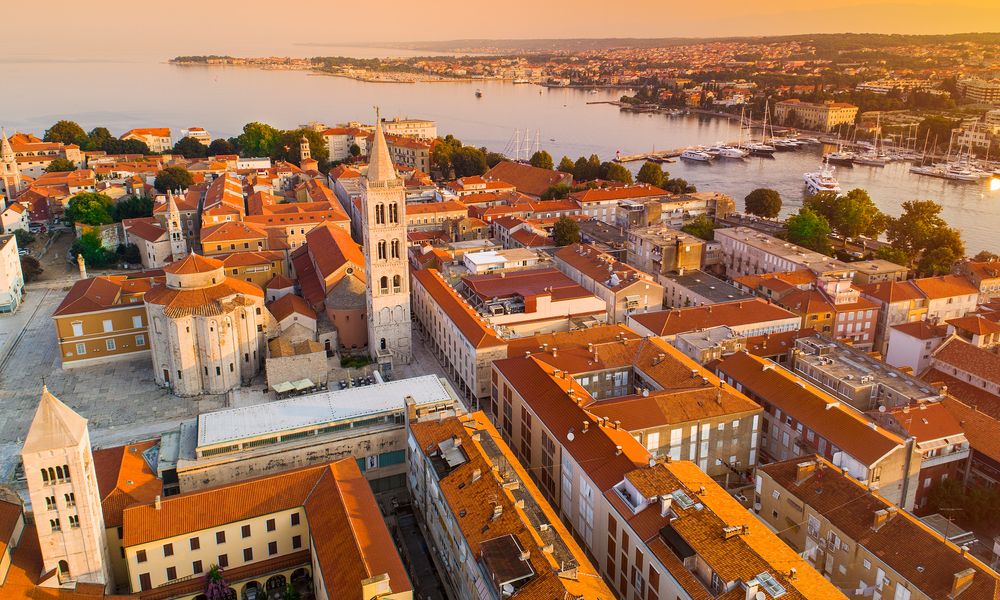
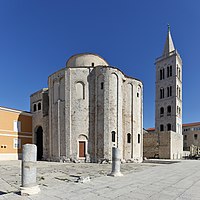
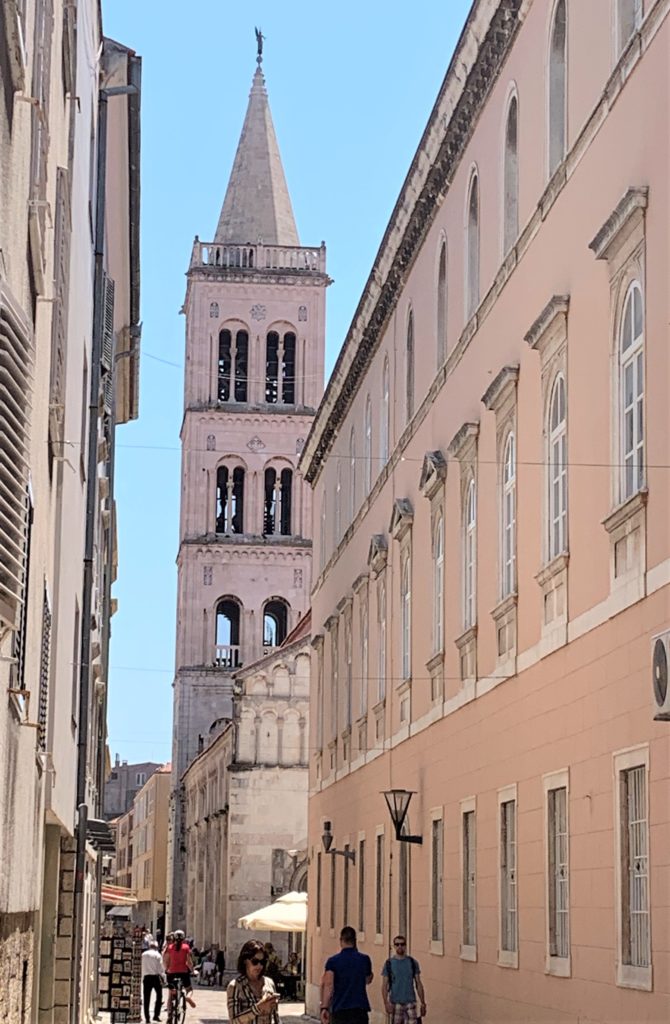
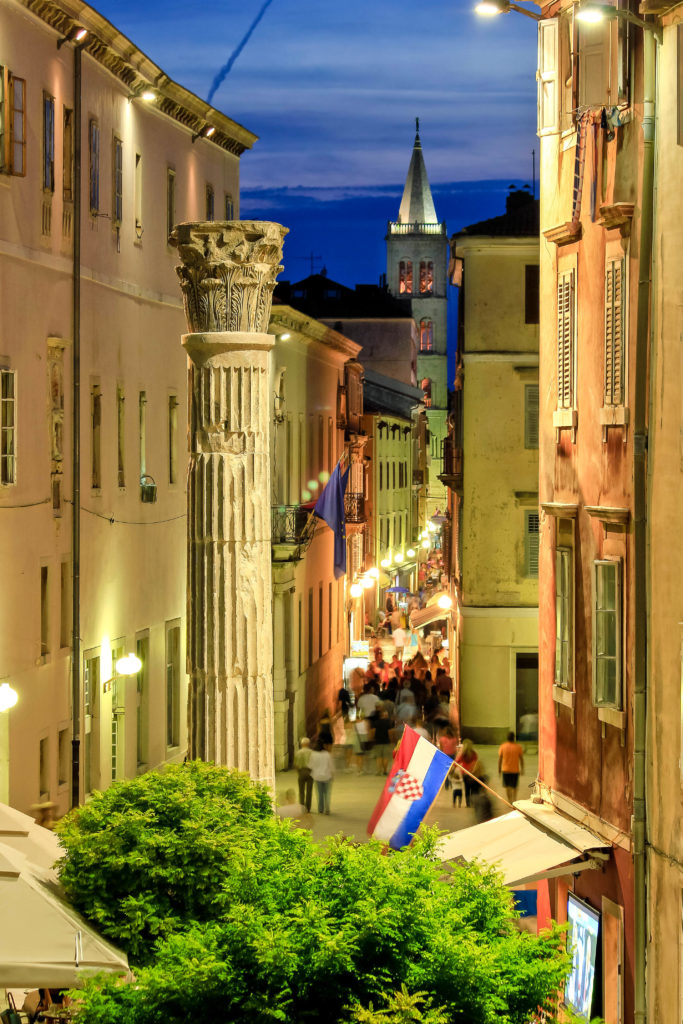
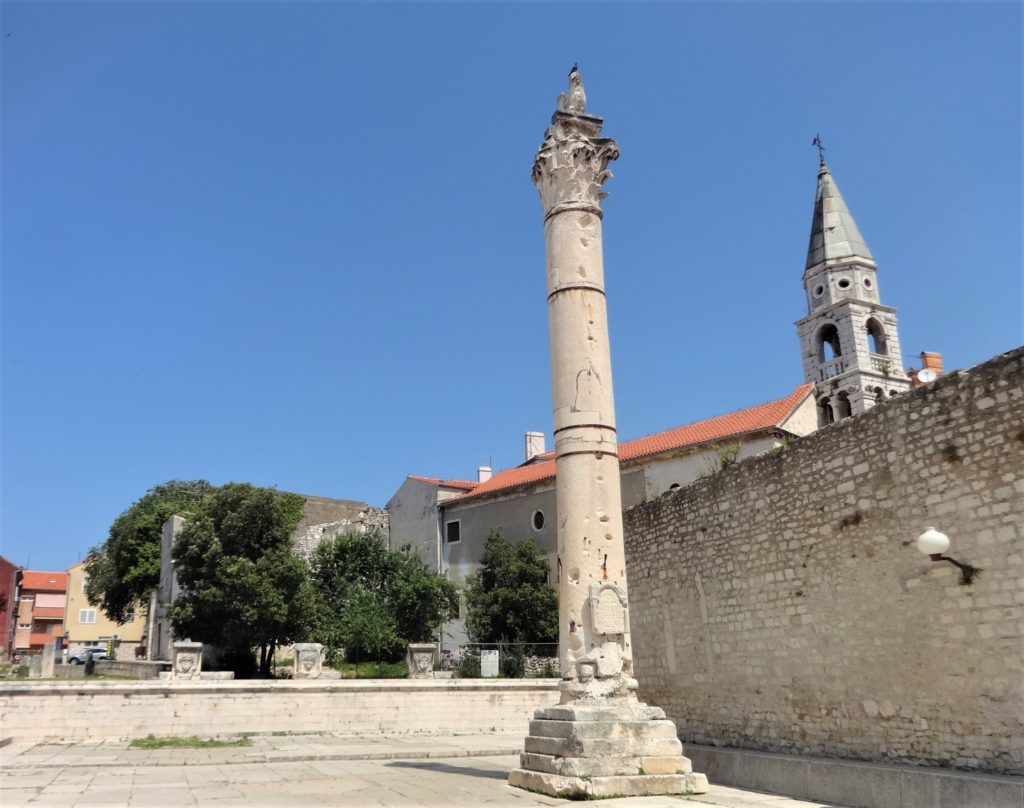
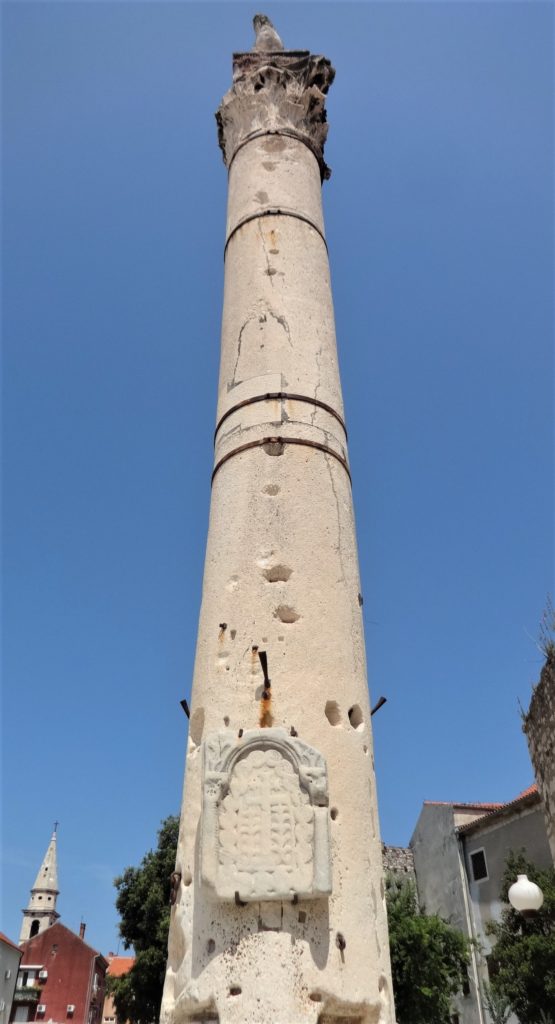
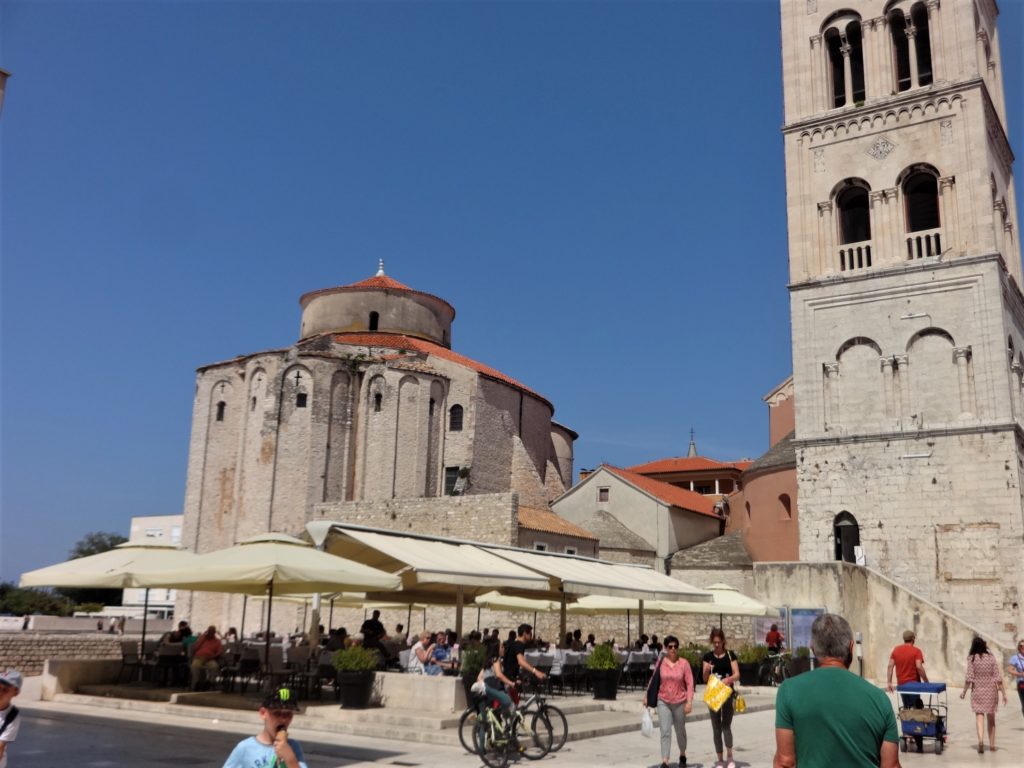
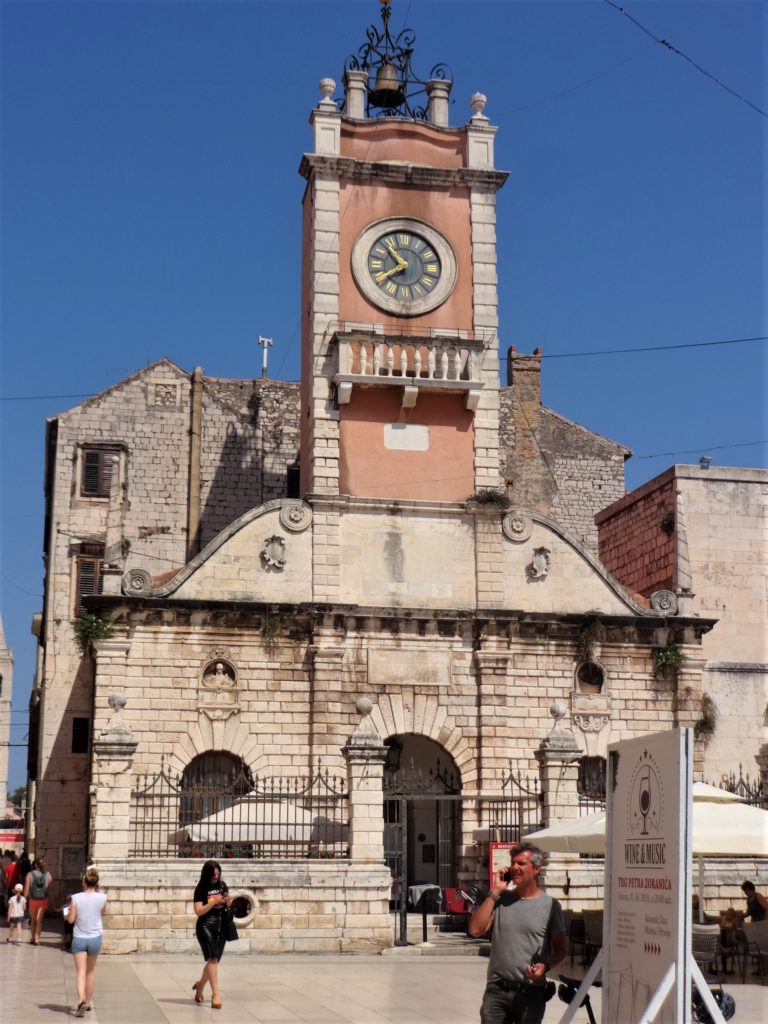
We took a day trip to Zadar, a small peninsular city on the coast. It had become a became a Roman colony in the 2nd century, the Romans brought with them civilisational advances, for example hot air central heating in homes and an aqueduct to and from Vransko lake 40km away. The remains of the old Roman Forum are surrounded by what is left of the walls, churches and other Roman buildings. Very little remains of the original city walls or gates.

Over the centuries, the inhabitants of Zadar focused on shipping, and the city became a naval base to rival Venice. In the 16th century, Turkey invaded Dalmatia, and Zadar retreated behind reinforced walls in the city and, aided by the Venetian colonisers, became the largest city-fortress in the Venetian Republic. It was then ruled by French, Austrians, Italians and then the Germans, until it was liberated by the Allies in 1944 to become part of Tito’s Yugoslavia. Unfortunately, in the process, the Germans bombed 65 percent of the city to ruins.

It was slowly being rebuilt but during the Yugoslavian war of 1991-1995, Zadar was under siege for three months, and bombarded from positions further afield for most of the duration of the war. The population was forced underground, surviving on inadequate supplies of food and water.

The scars of these wars are just visible as rebuilding has taken place in every sense but the city has changed dramatically in the last ten years since the last war ended. It feels modern yet old, as though the Romans had been again, rebuilt the city then left.

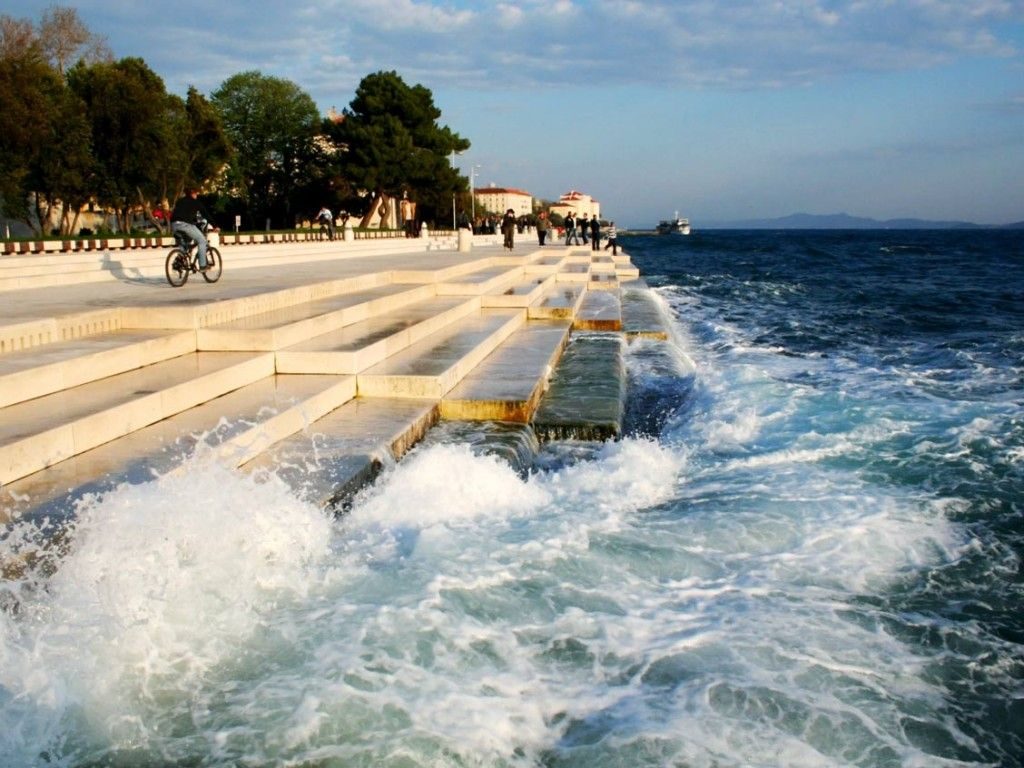
On the seafront, several sculptures reflect the new part of the town, the blue circle in the picture below is a huge globe made of reflective blue glass sections, in the pattern of a compass. Beside it, the stepped promenade had gaps underneath that play an organ type sound caused by the wind. It’s called the Sea Organ, click here for more info and to listen. http://www.oddmusic.com/gallery/om24550.html

Nin Island

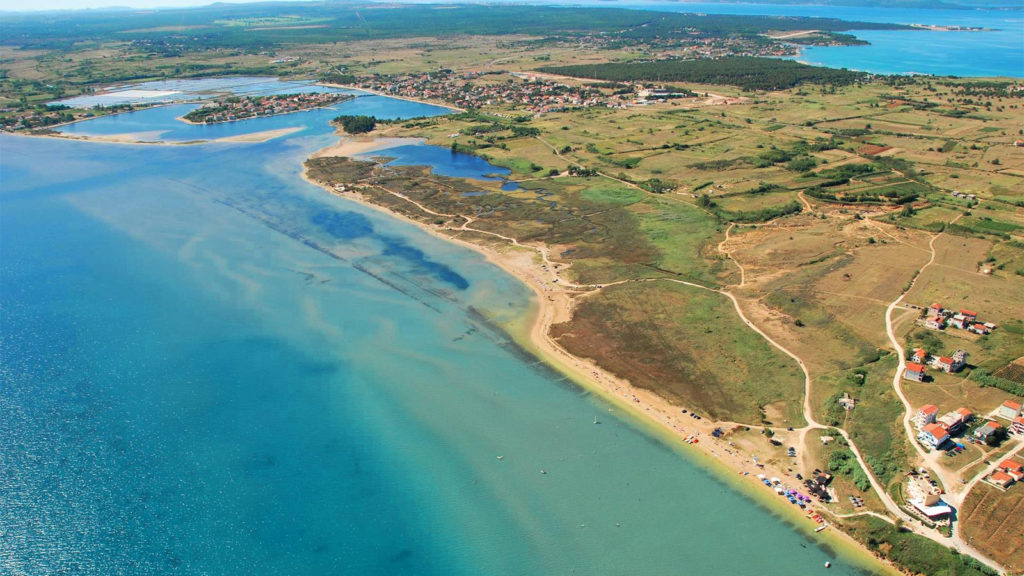
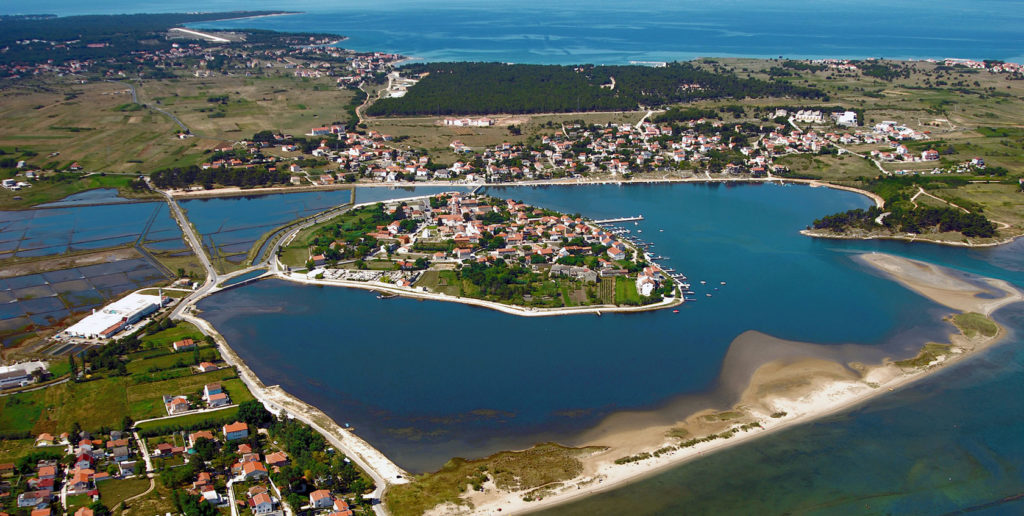
Another day trip was to Nin island, our local town which was just a mile or two away. It is an island aged over 3000 years old, home to drystone walled houses and Roman mozaics, it was the place where the Croatian state was formed and was the permanent seat of national rulers – dukes and kings, right up to the 19th Century.

It is famous for it’s own Sausage called a “Sakol”, a smoky pork chorizo style sausage, which has it’s own Festival in the summer. Pork neck is soaked in sea salt water for a few days, then in boiling red wine for a few hours then seasoning and spices are added, before it is smoked then dried, it tastes very smoky and salty!

It is also famous for having medicinal mud on one of the beaches, called the Queen’s beach. It was said that in 900, one of the area’s kings would bring his wife here to bathe in the medicinal mud, making her look more beautiful after her week’s treatment.

Pag Island

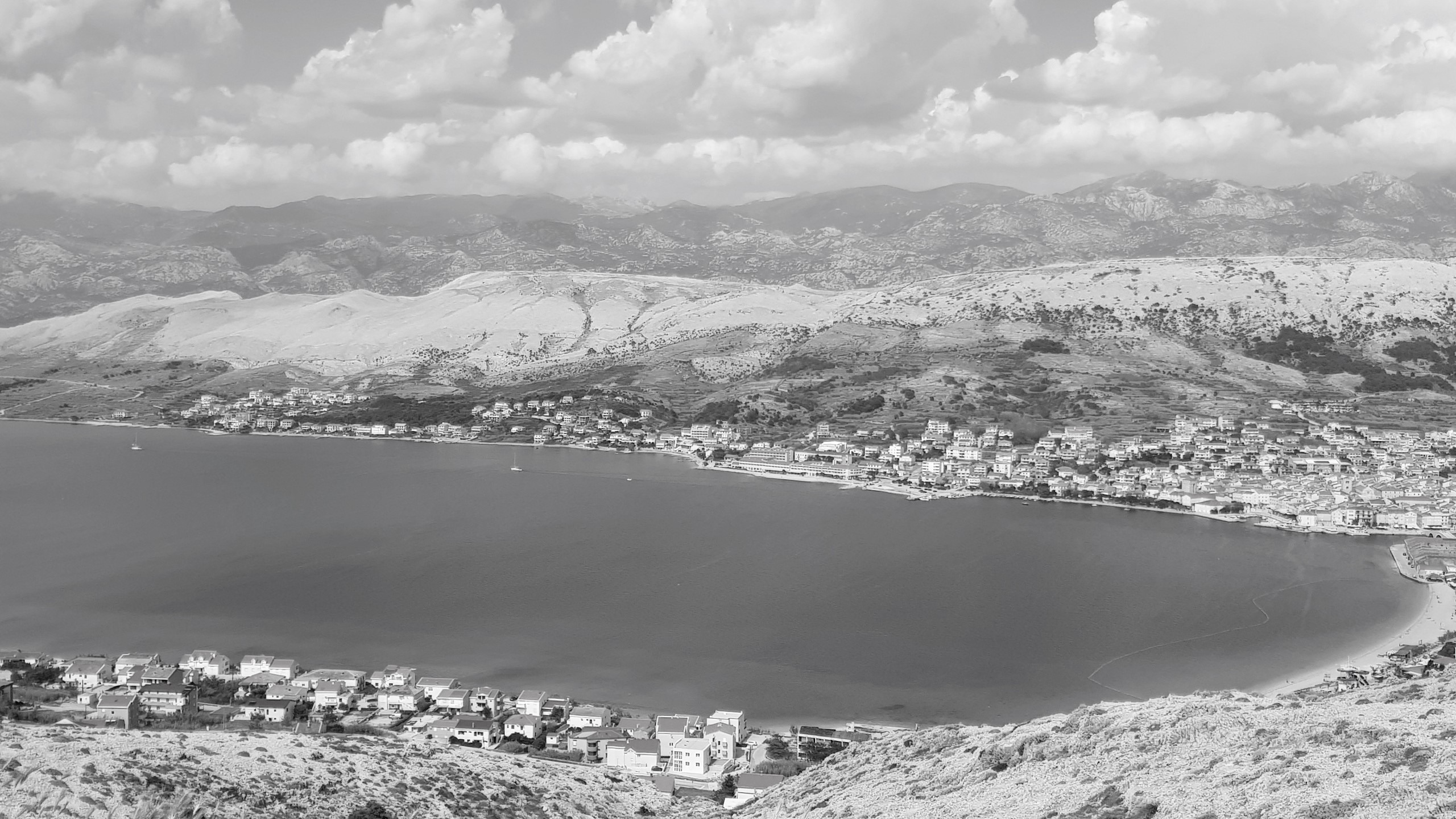
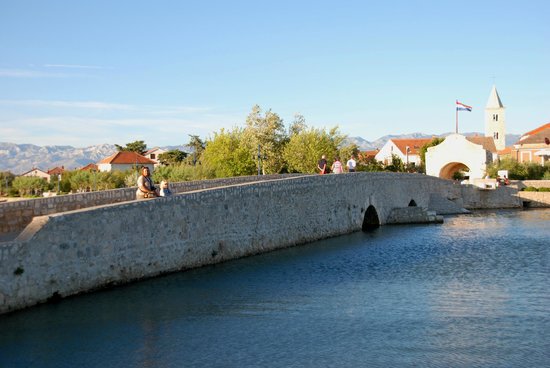
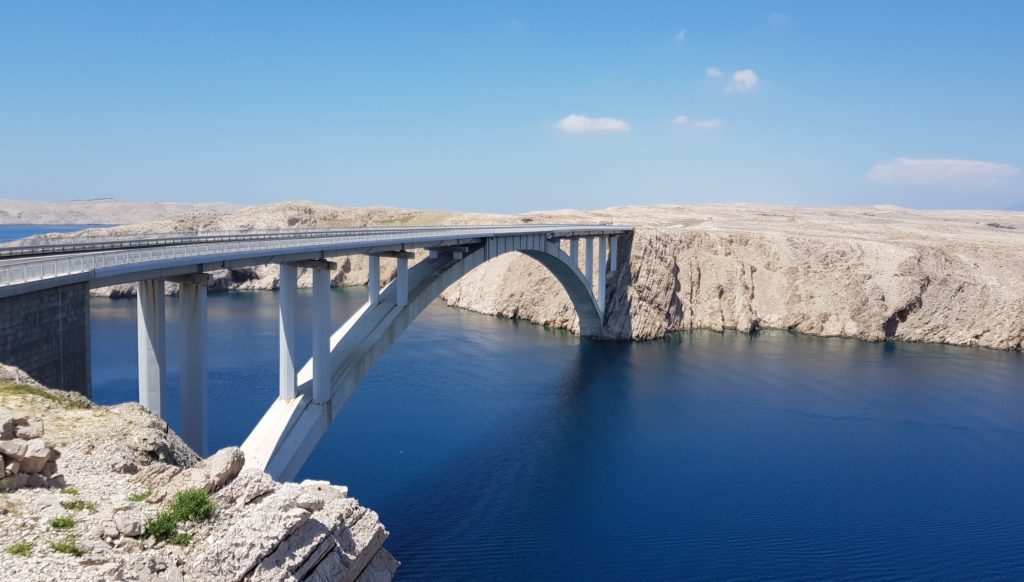
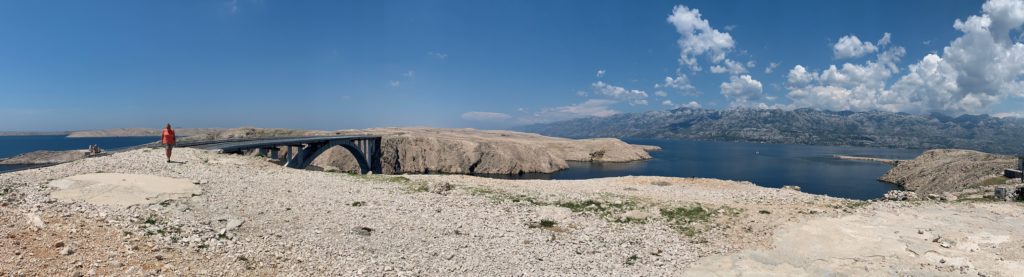
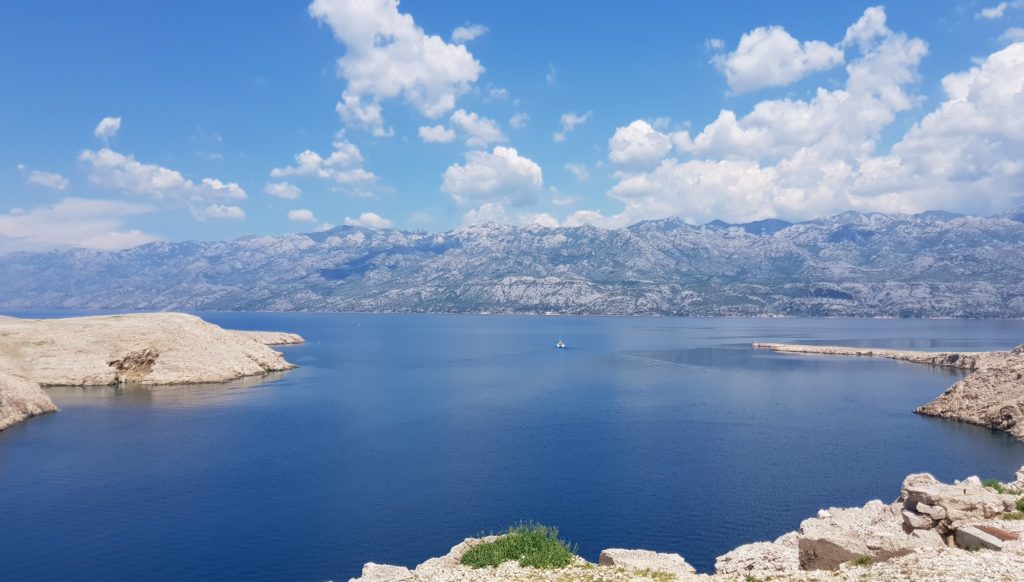
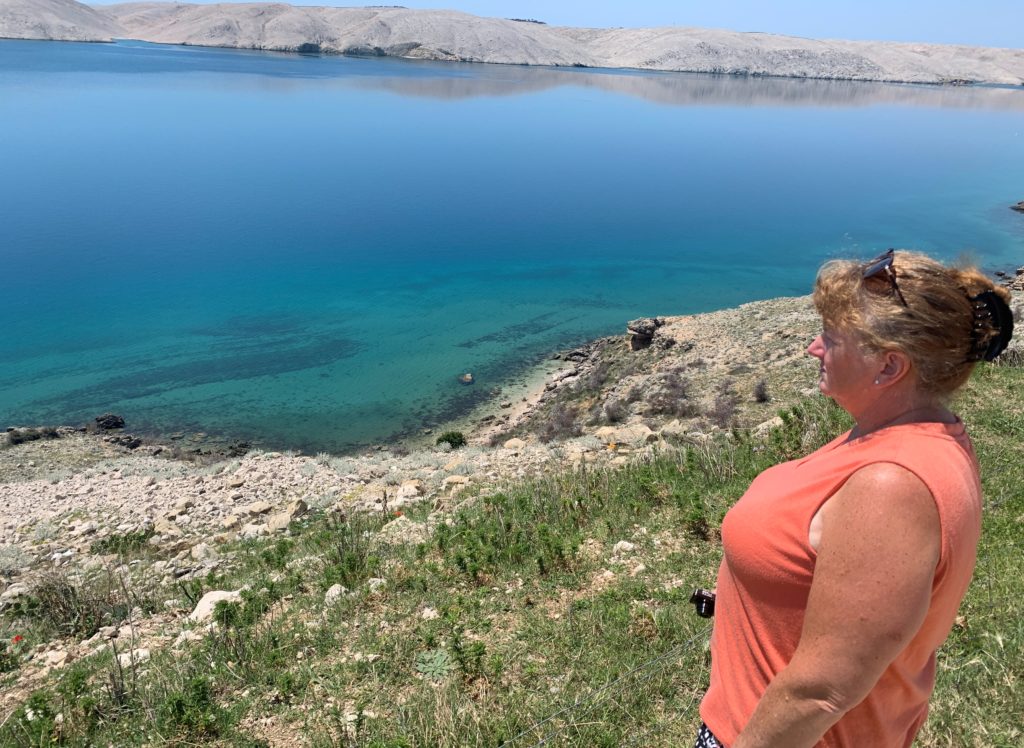
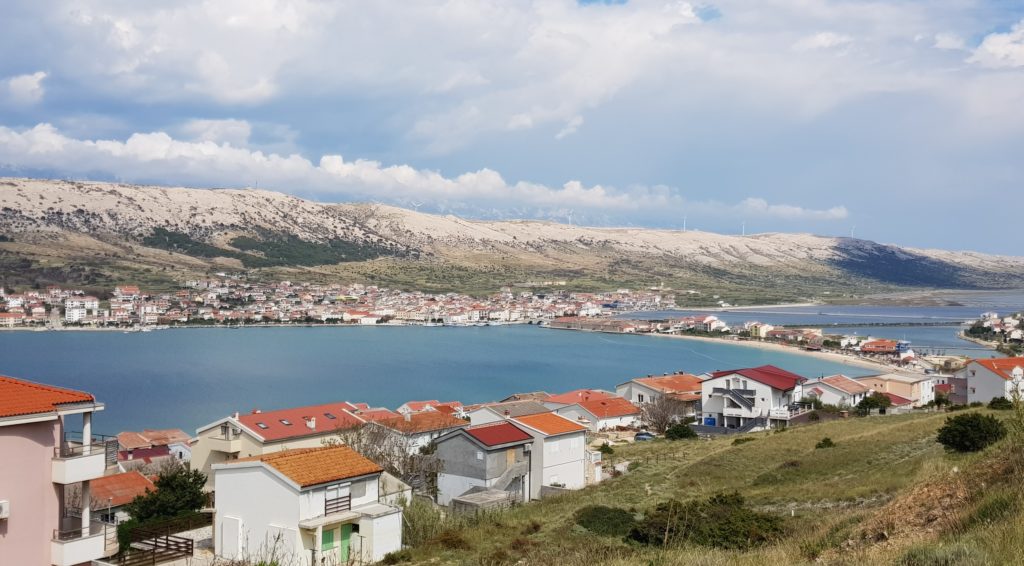
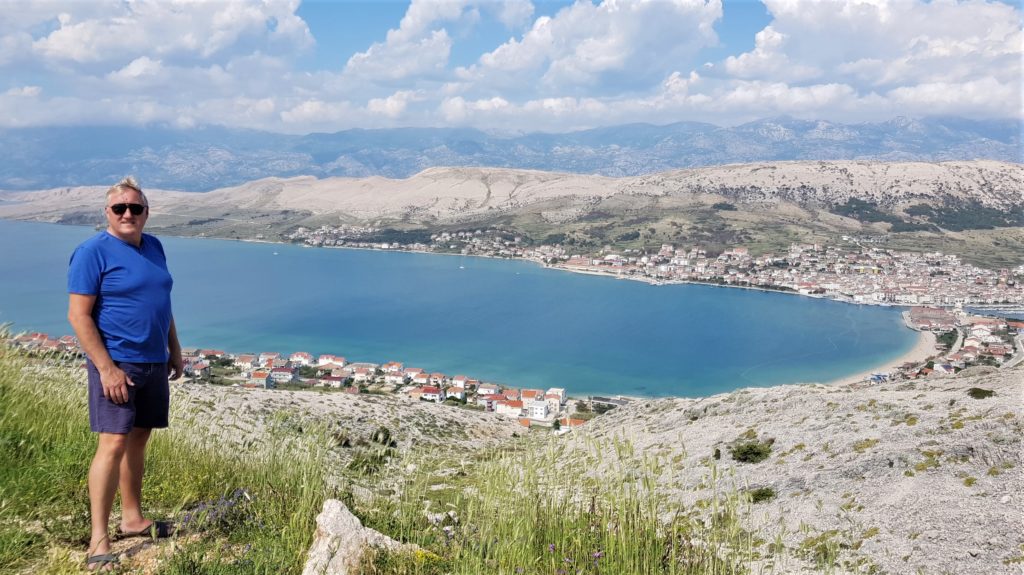
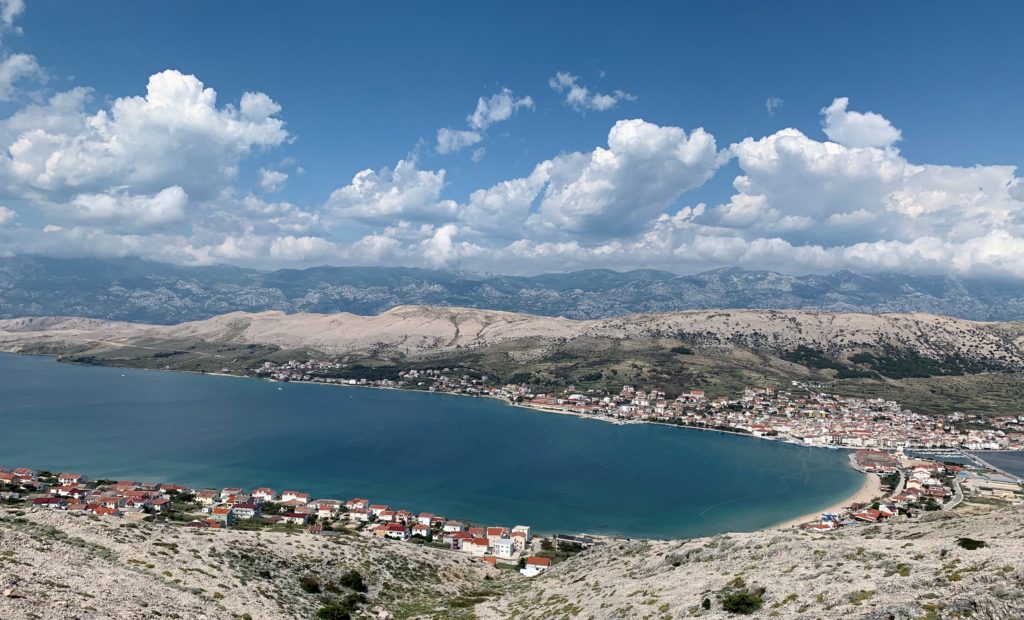
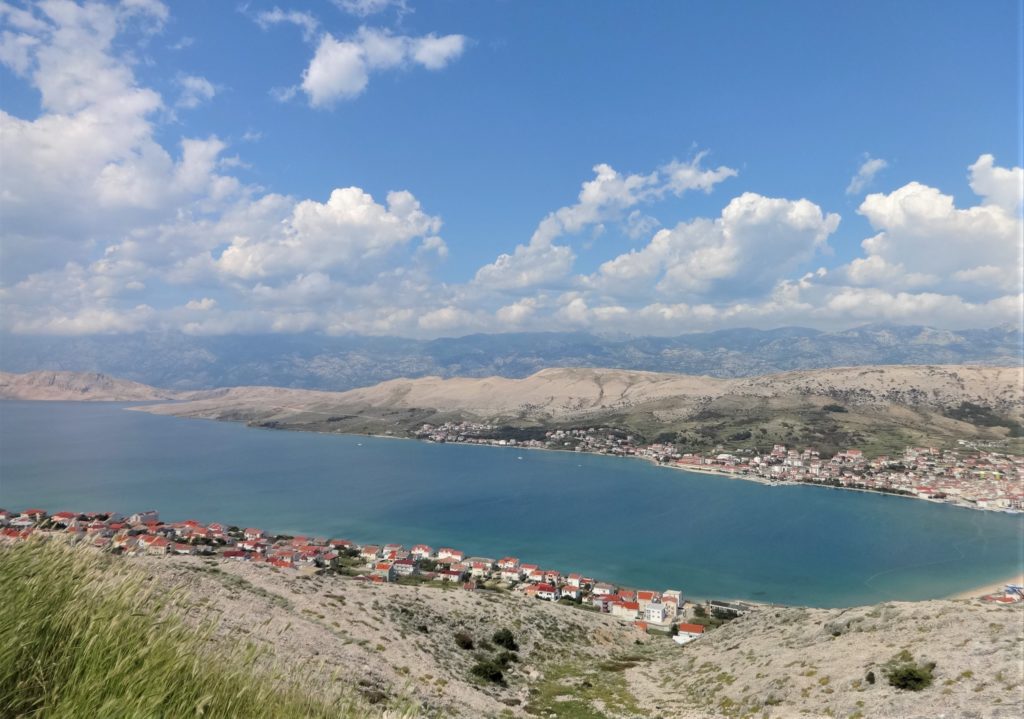
Pag was an hour’s drive away, attached to Nin by a bridge. The island is famous for it’s barren, white moonlike landscape, it’s goats cheese and the production of salt which it harvests by blocking up the sea in a small lagoon and drying it in the sun. Pag salt has a pink colour to it. There are only three towns on Pag, the main town is a typical seaside town, several smaller hotels, restaurants and bars. Further north along the island is another town called Novalja, a nightlife and party town!

Being a Tour Guide in Croatia 2

Part 2 Caity & Alex

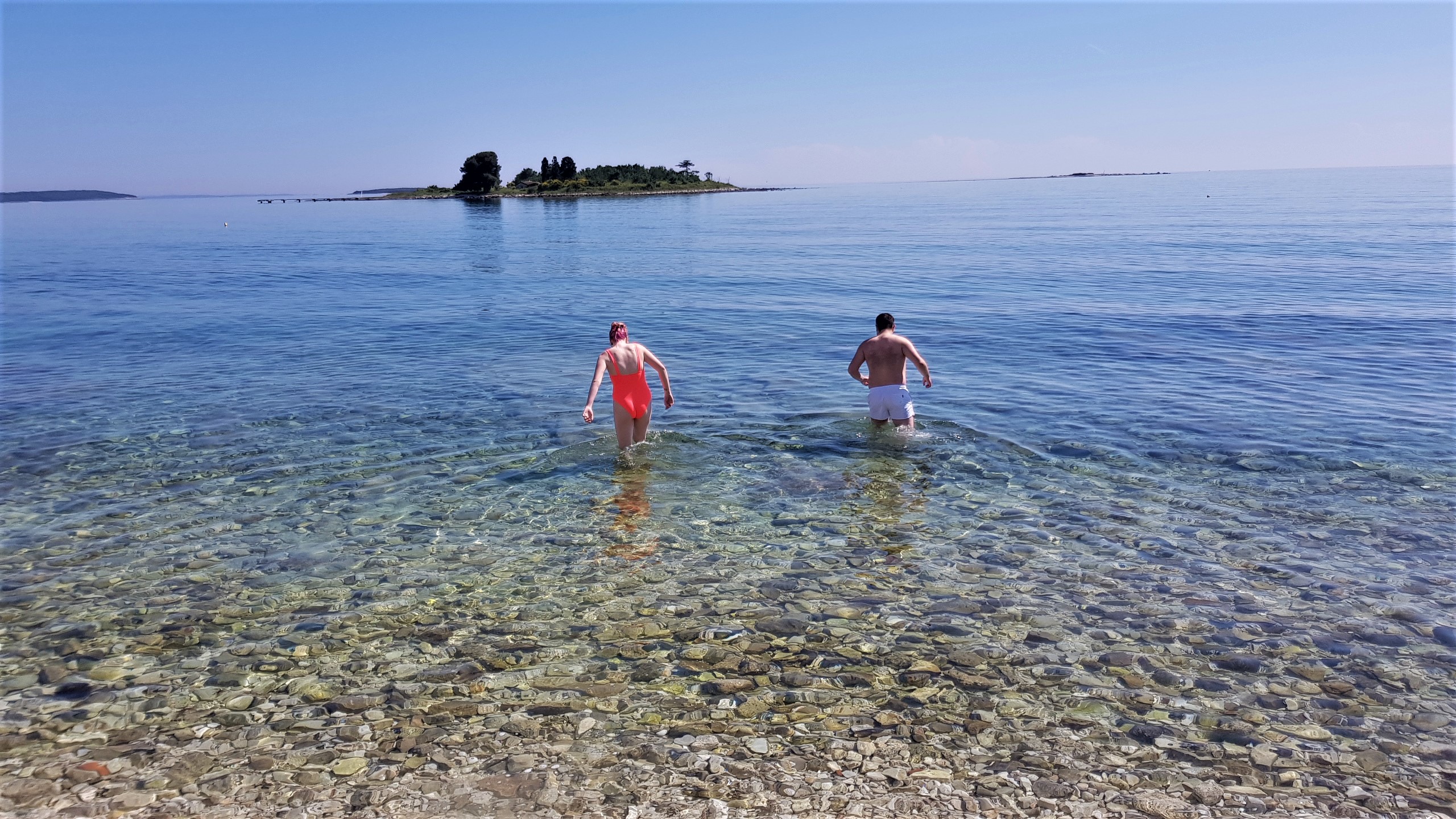
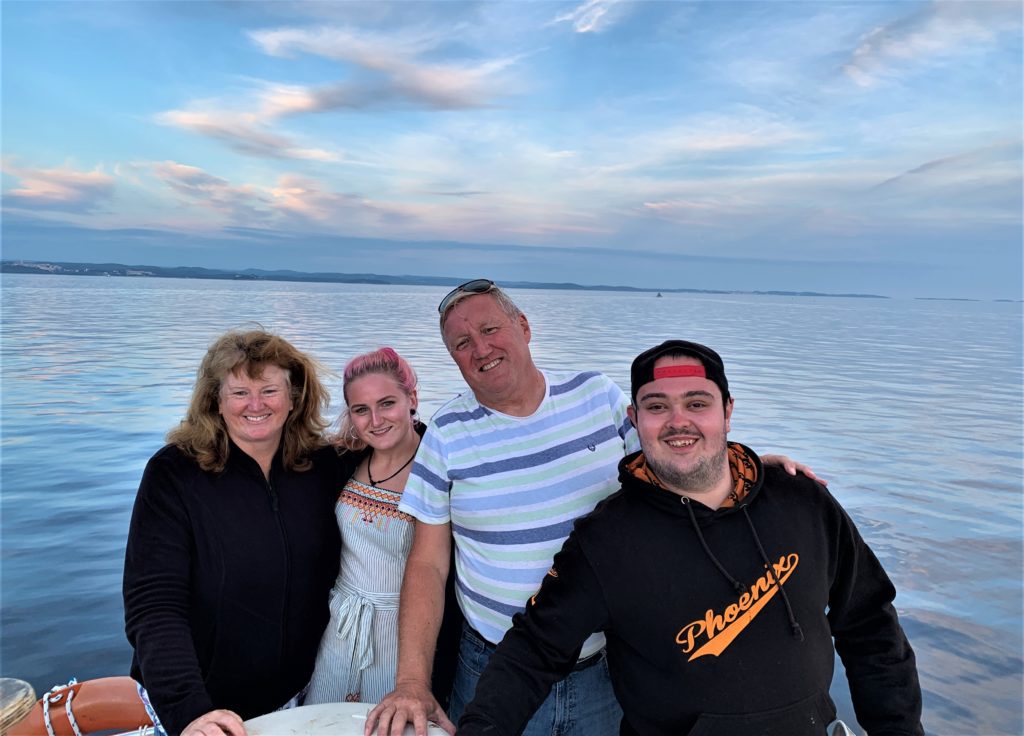
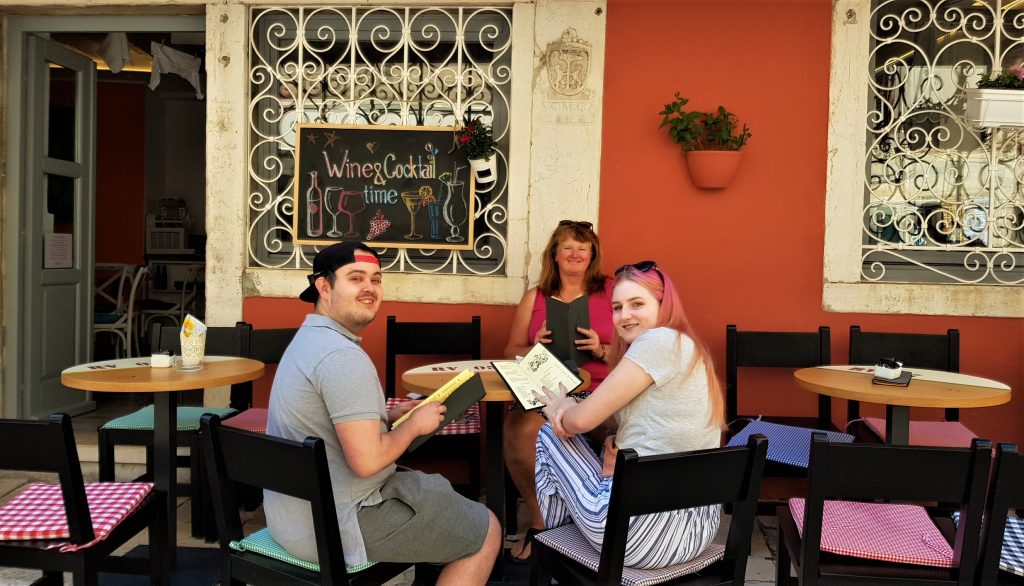
When Caity and her friend Alex stayed at the end of May, they had slightly better weather which improved throughout the week – several times they had the chance to sunbathe and tried to resemble lobsters!  They also ventured into the sea, despite it being freezing cold!

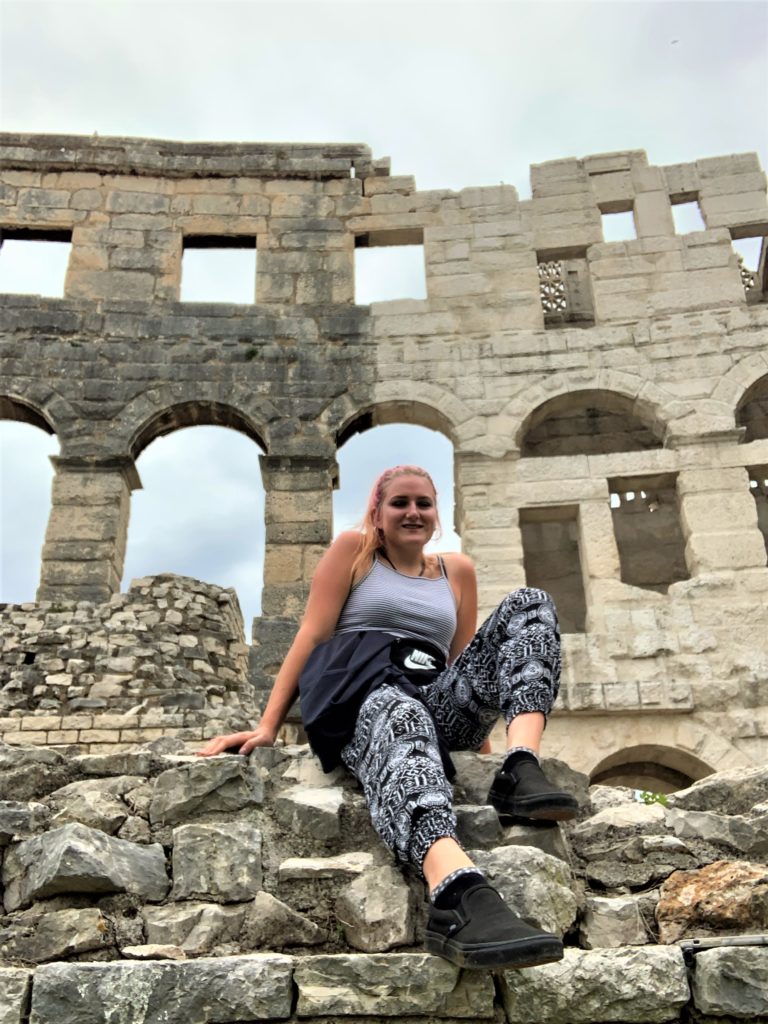
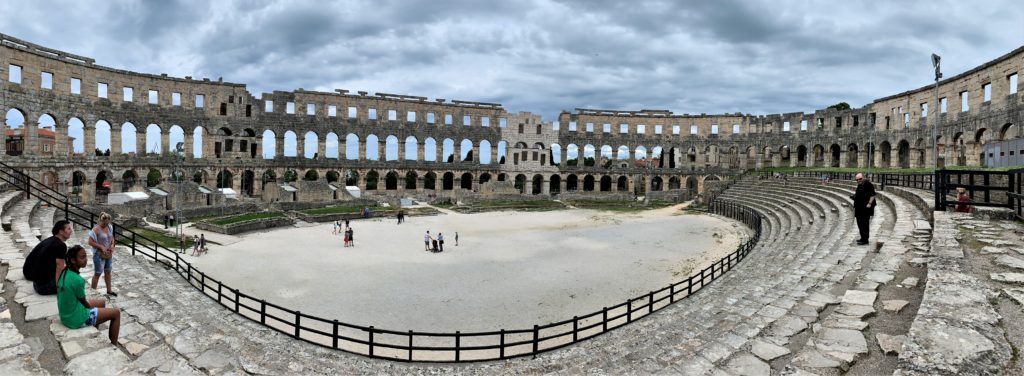
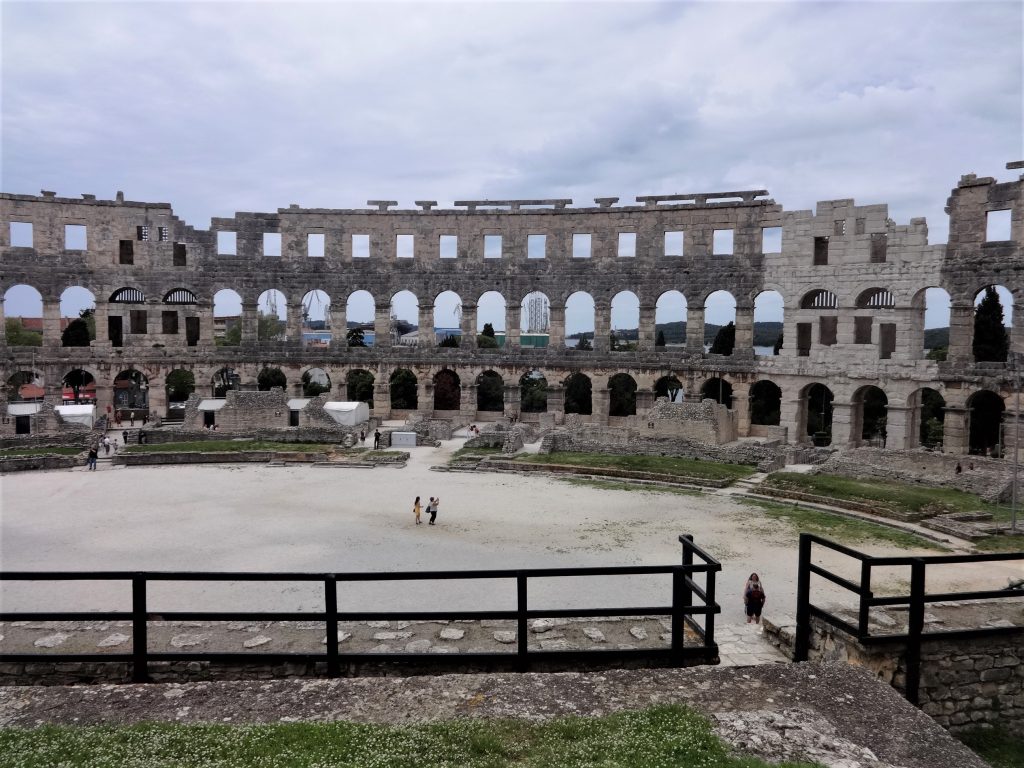
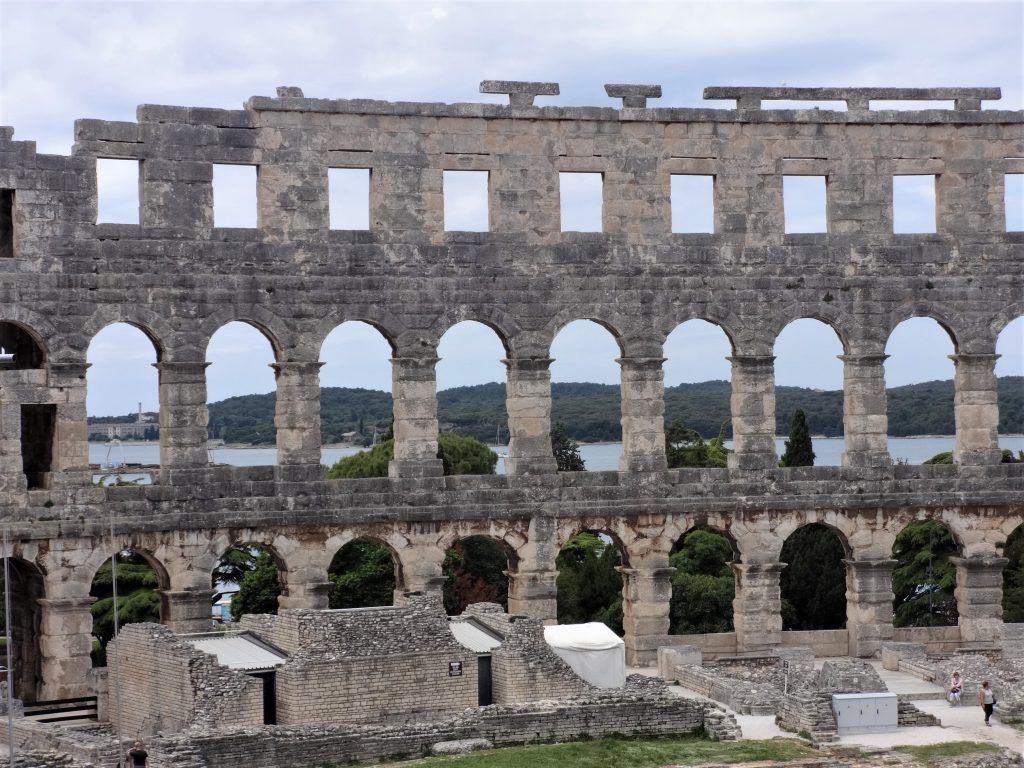
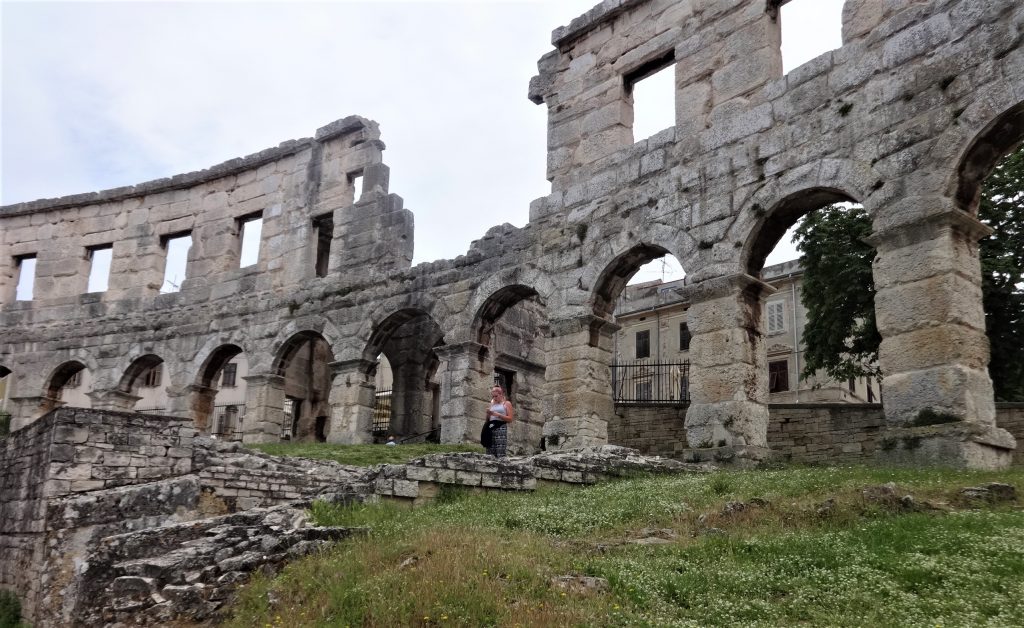
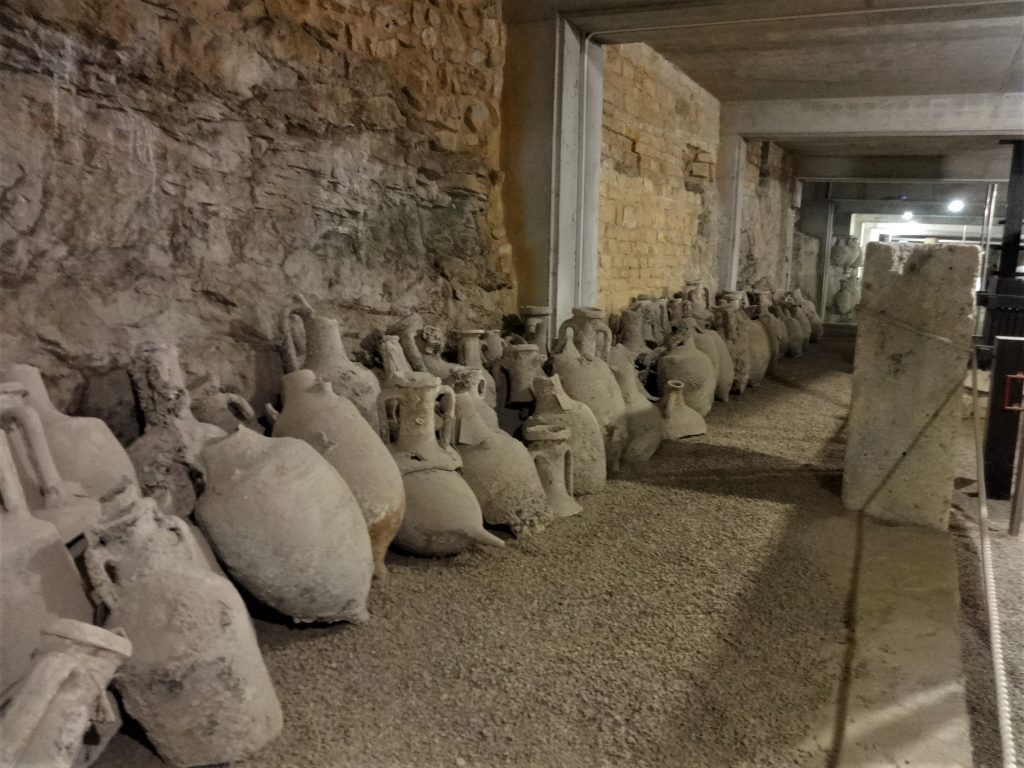
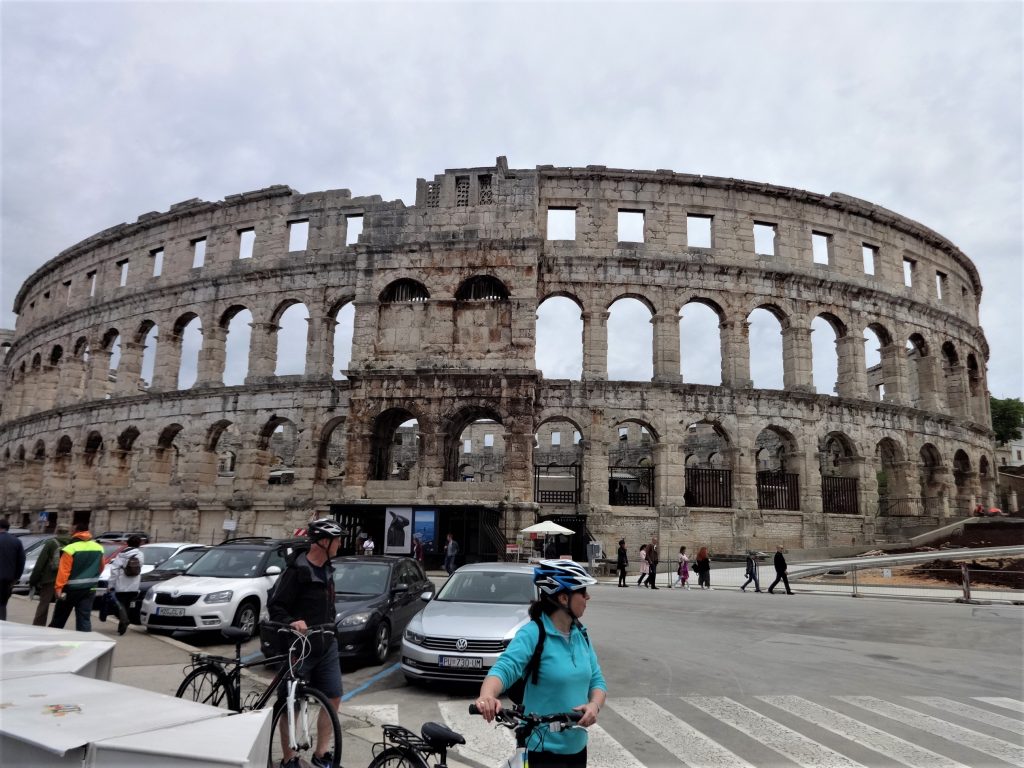
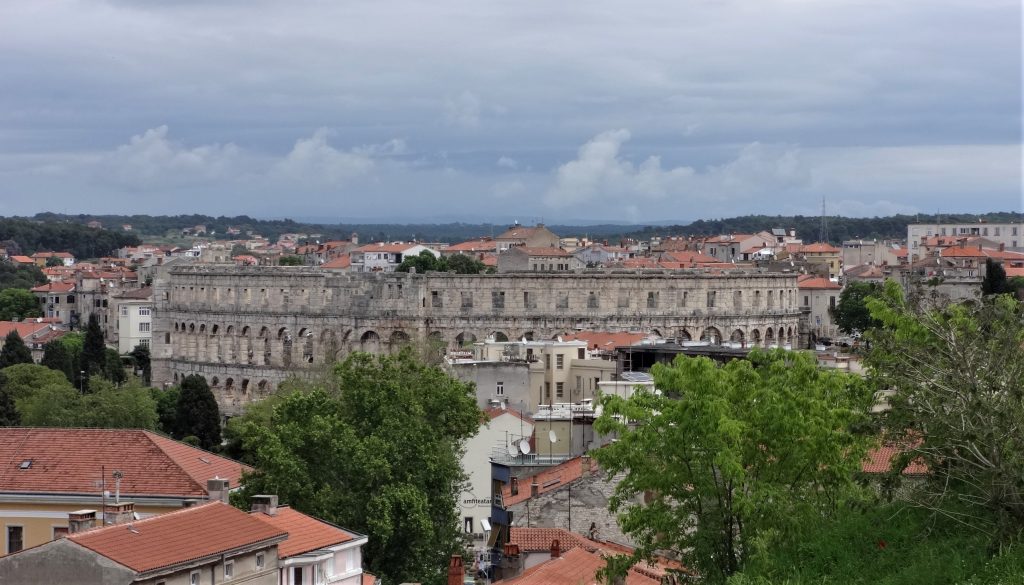
Second time round when we went into Pula, with Caity and Alex, we did get into the Ampitheatre Arena to admire the structure and it was amazing.  It is the 6th largest remaining Roman amphitheatre in the world and is still used to hold concerts, operas and shows during the summer.  It dates back to the 1st Century AD, was built to hold 20,000 spectators and the underground chambers that once held animals and fighting equipment below the fighting ring, now display information about the structure and its history, including a display of original pottery containers called Ampules.

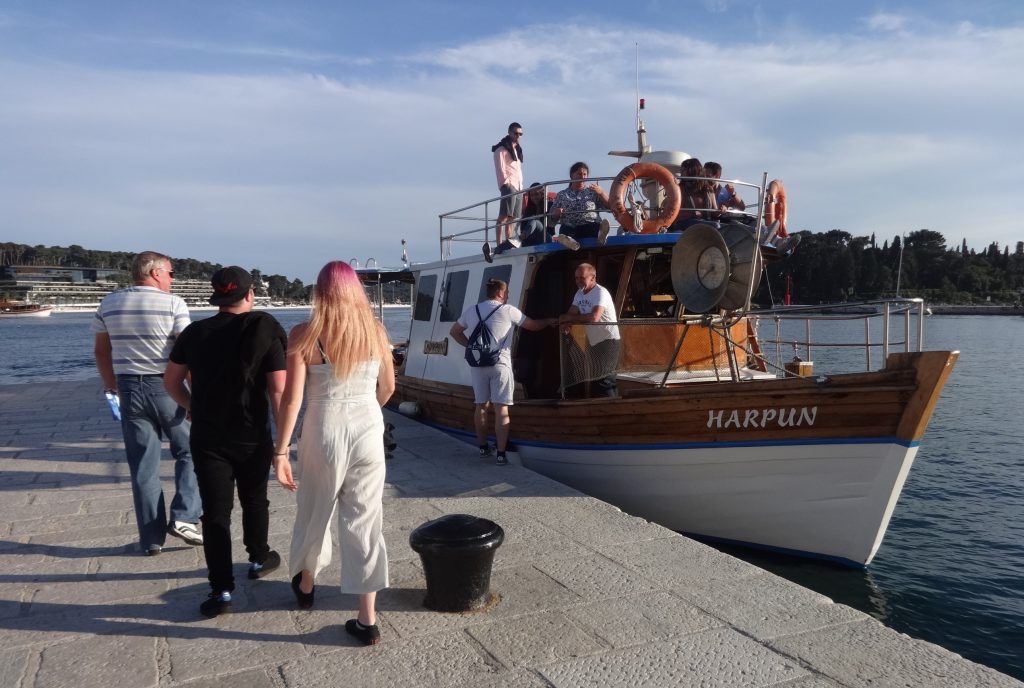
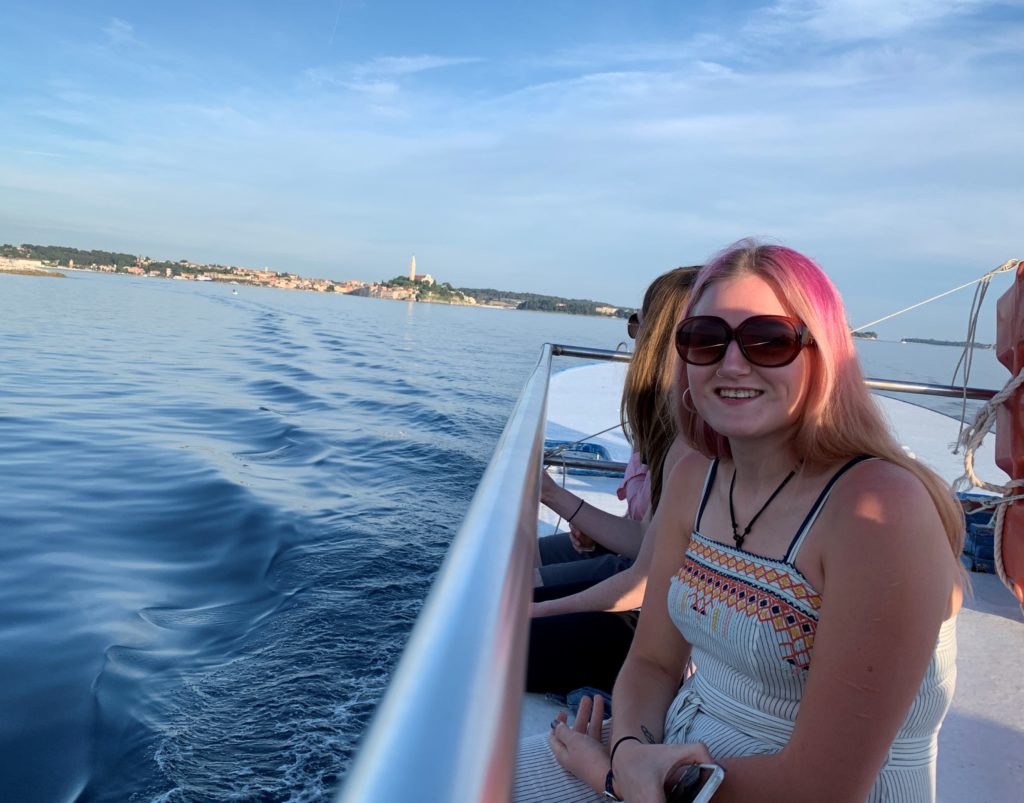
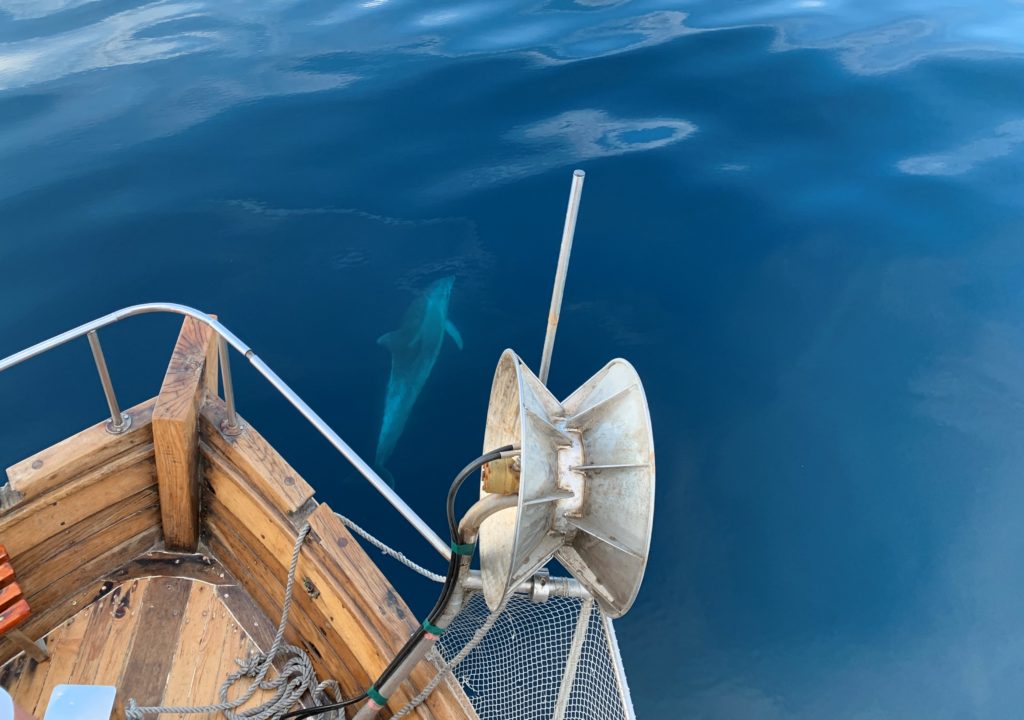
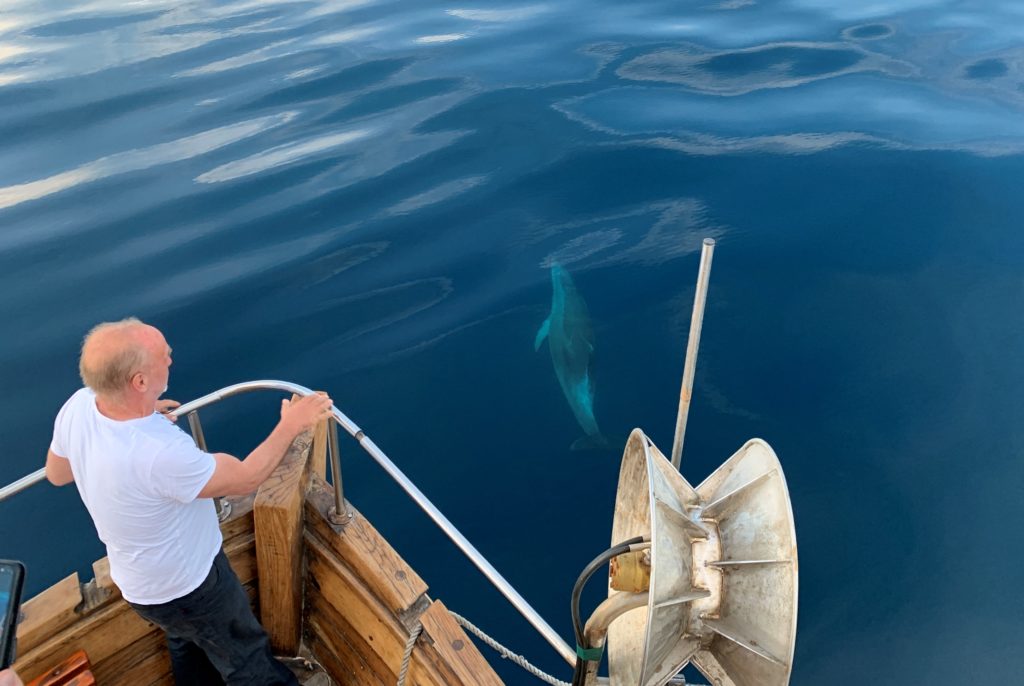
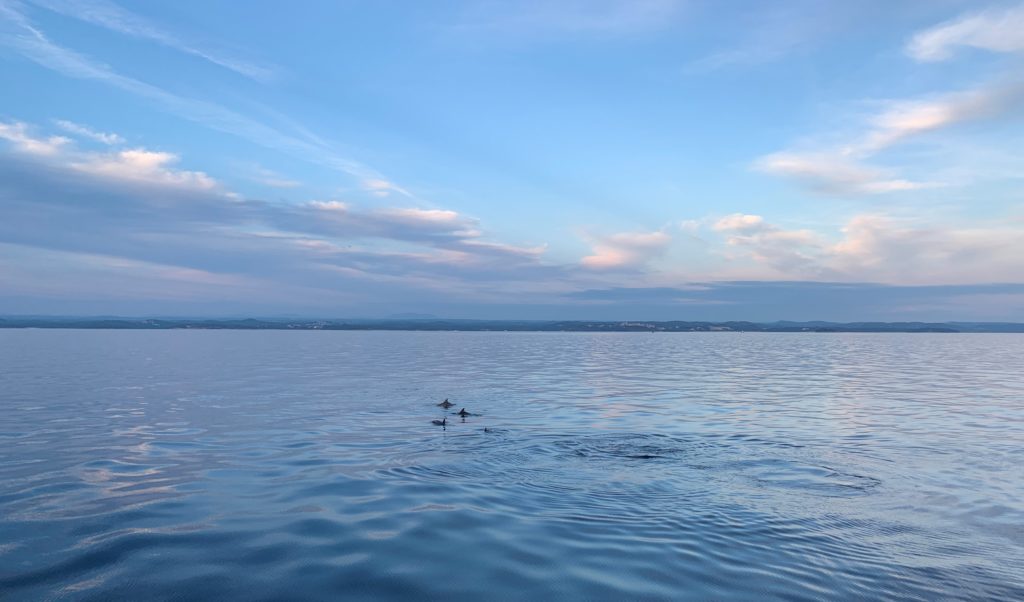
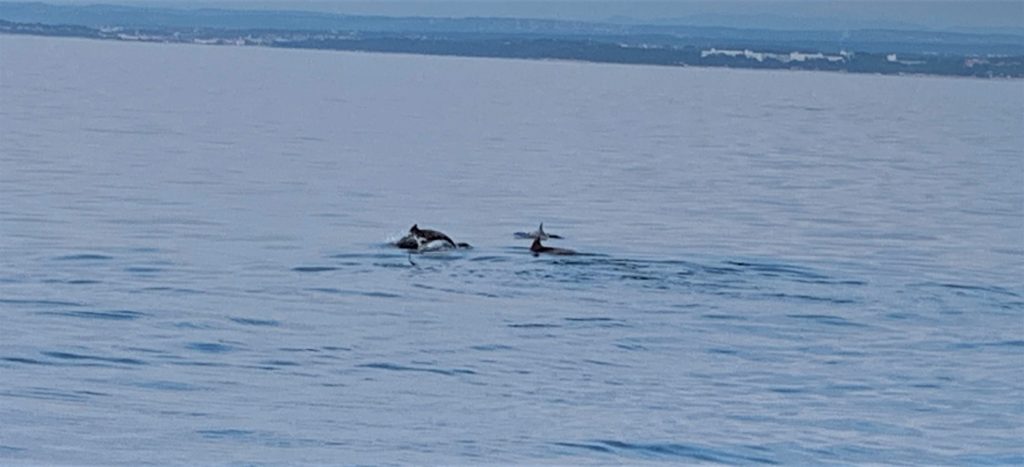
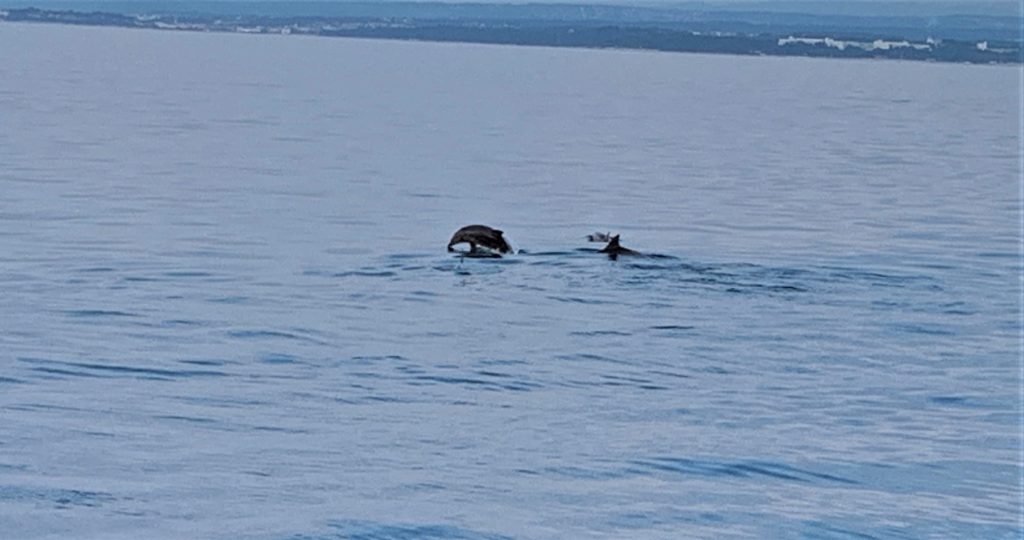
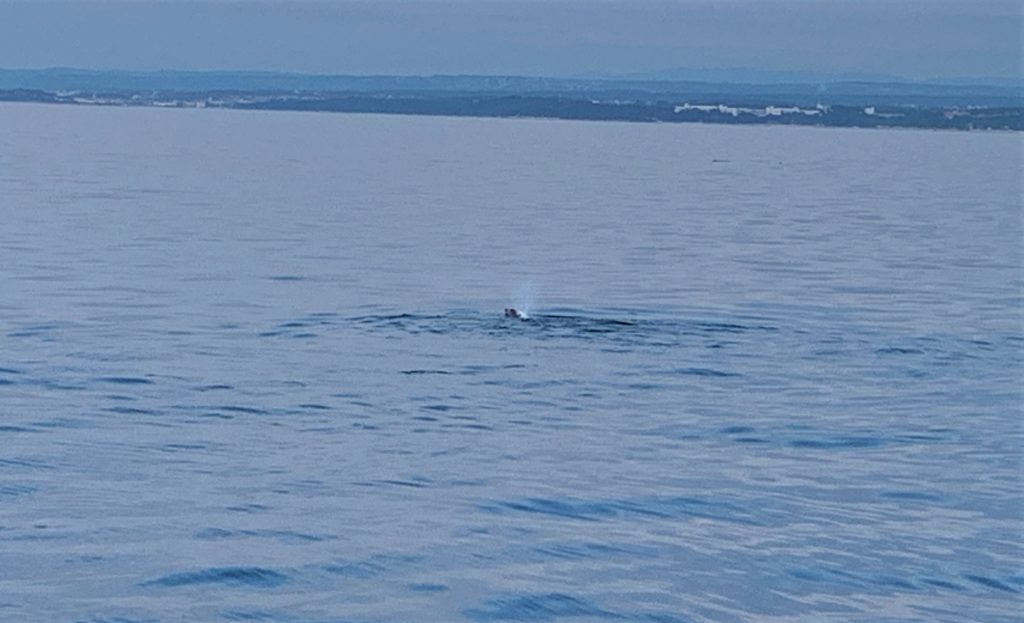
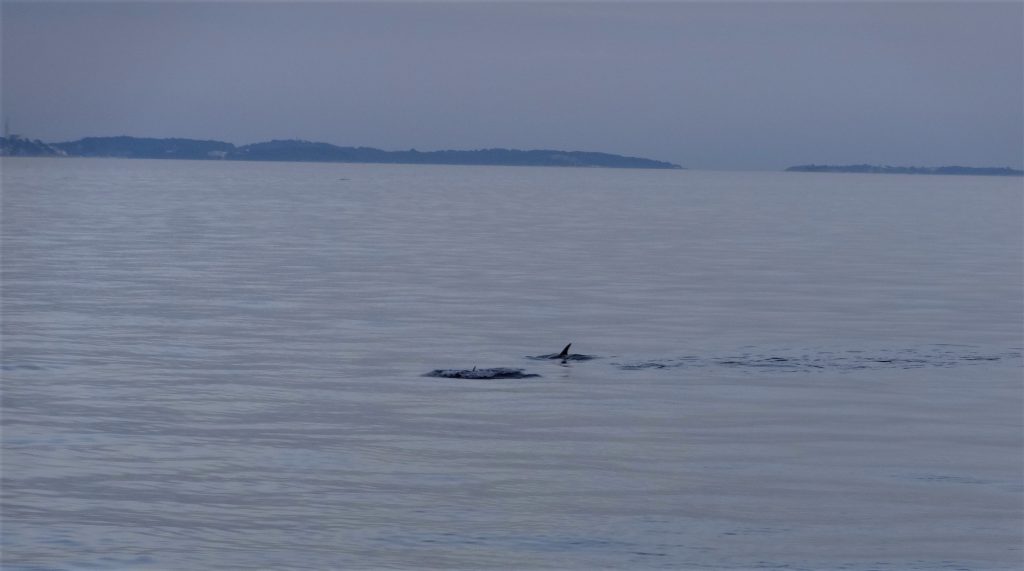
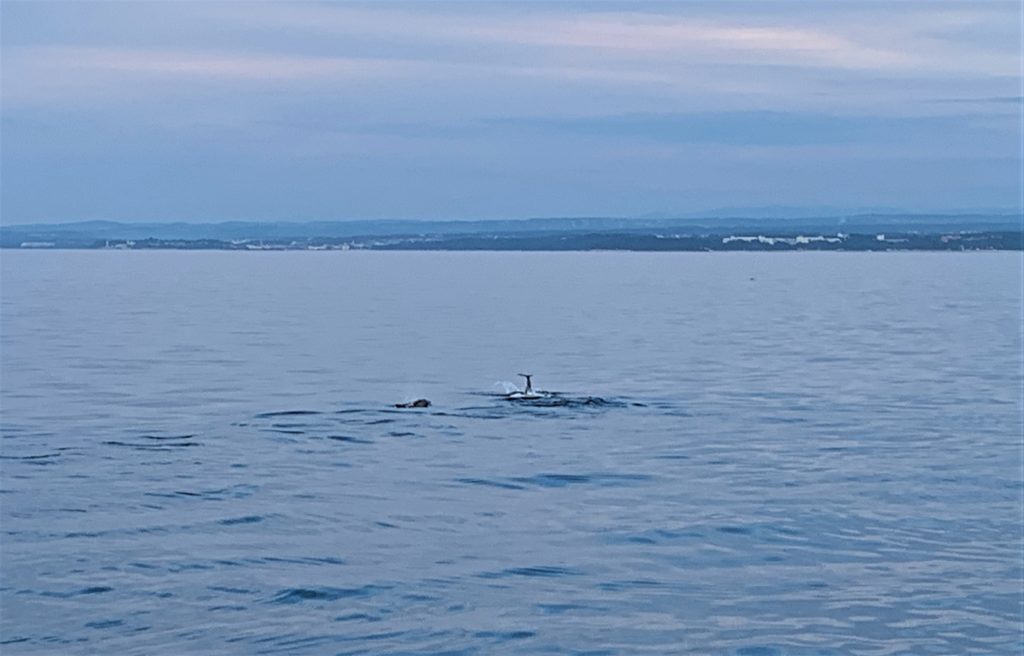
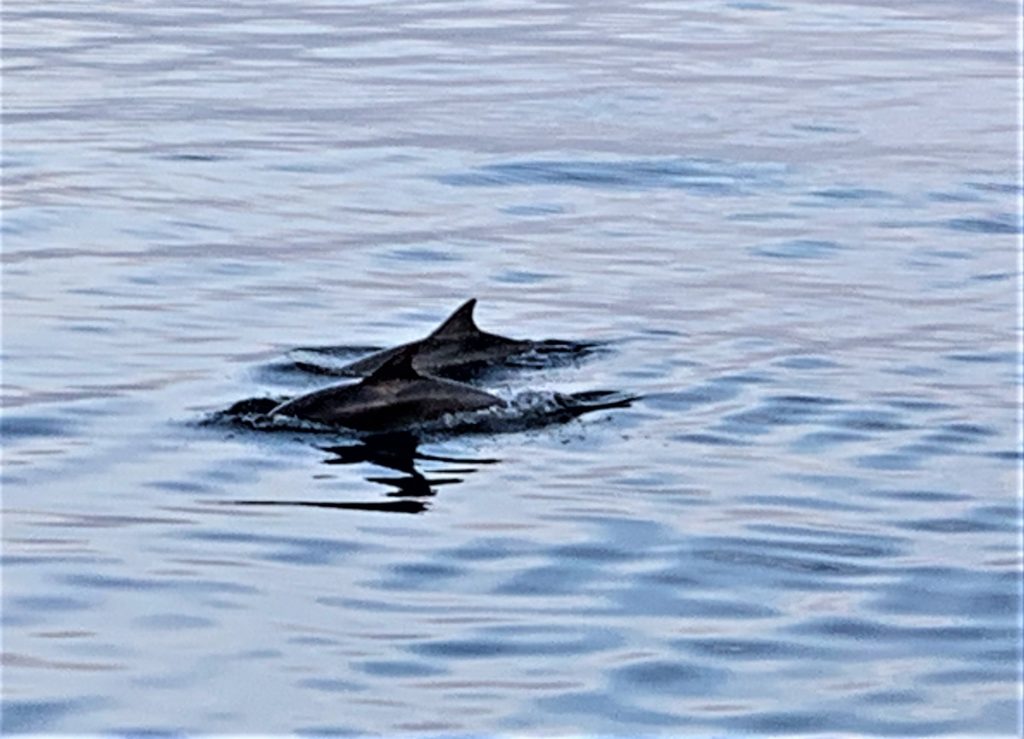
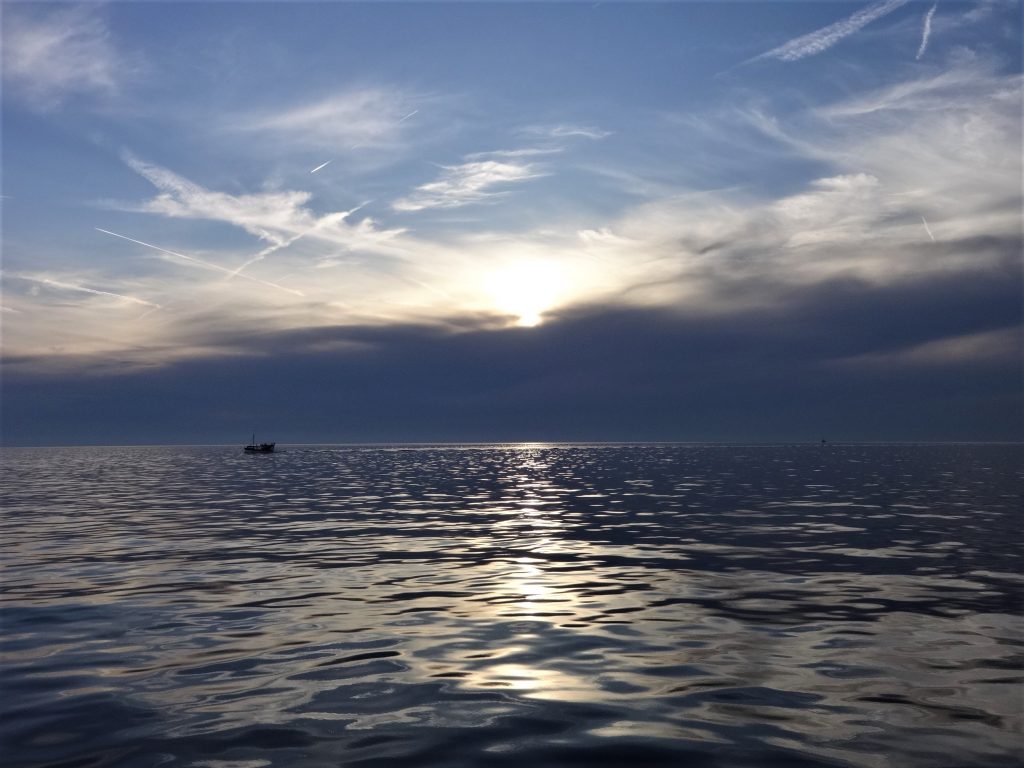
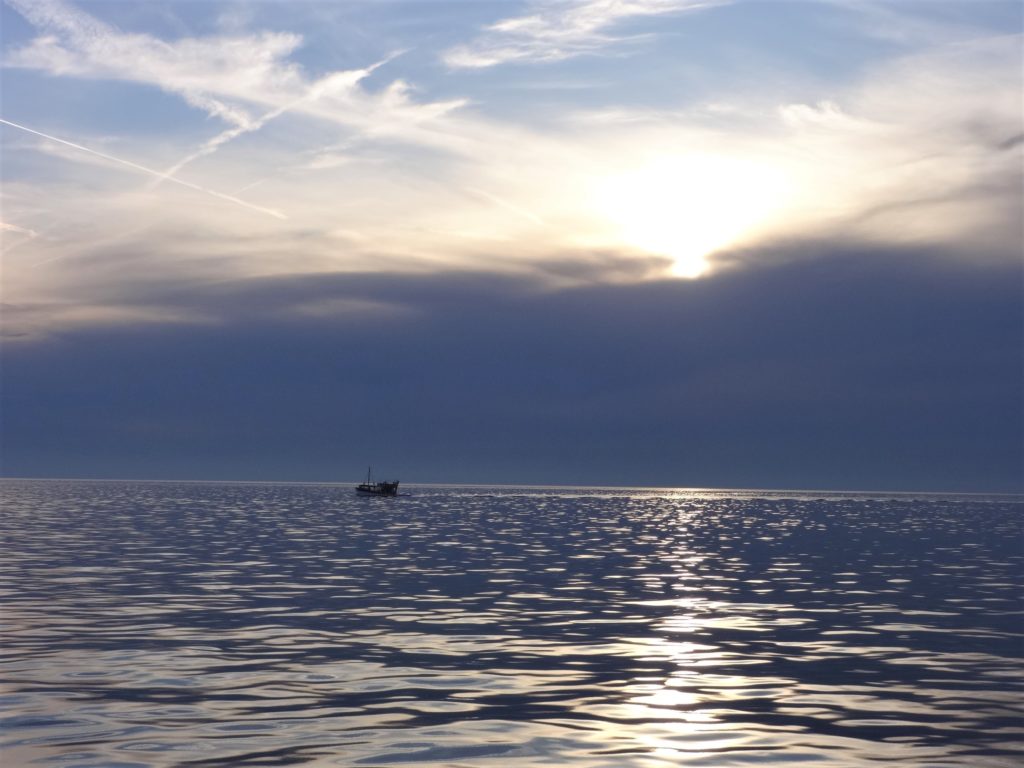
One evening, we went out on a boat to view the local coastline, which is stunning, but also to find dolphins in their natural habitat.  We found them, about 10 in the pod, and they leapt around us for well over half an hour, showing off their diving and jumping skills.  It was amazingly beautiful and mesmerising to watch their beautiful animals, some only babies, having fun in the sea under a wonderfully colourful sunset.

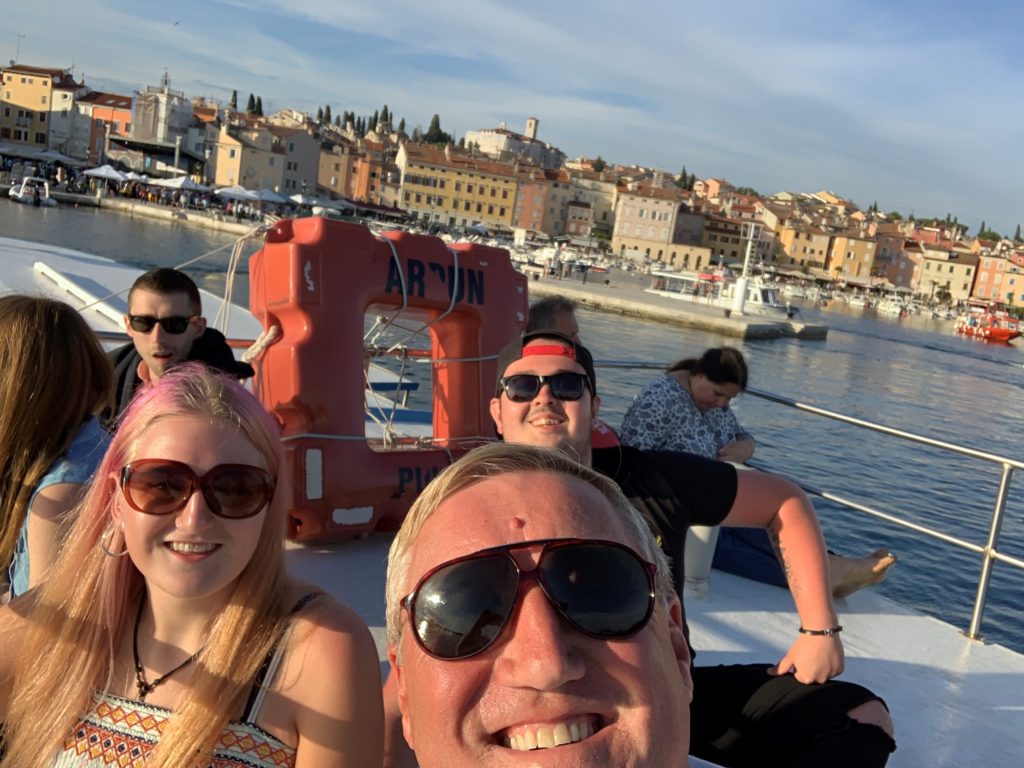
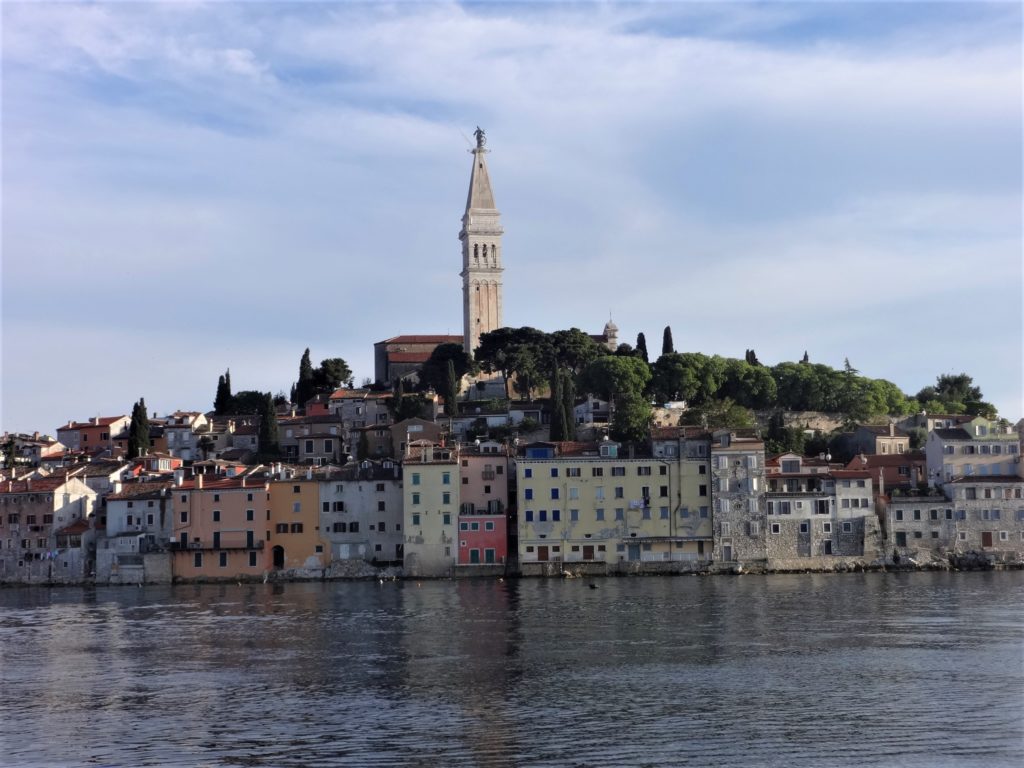
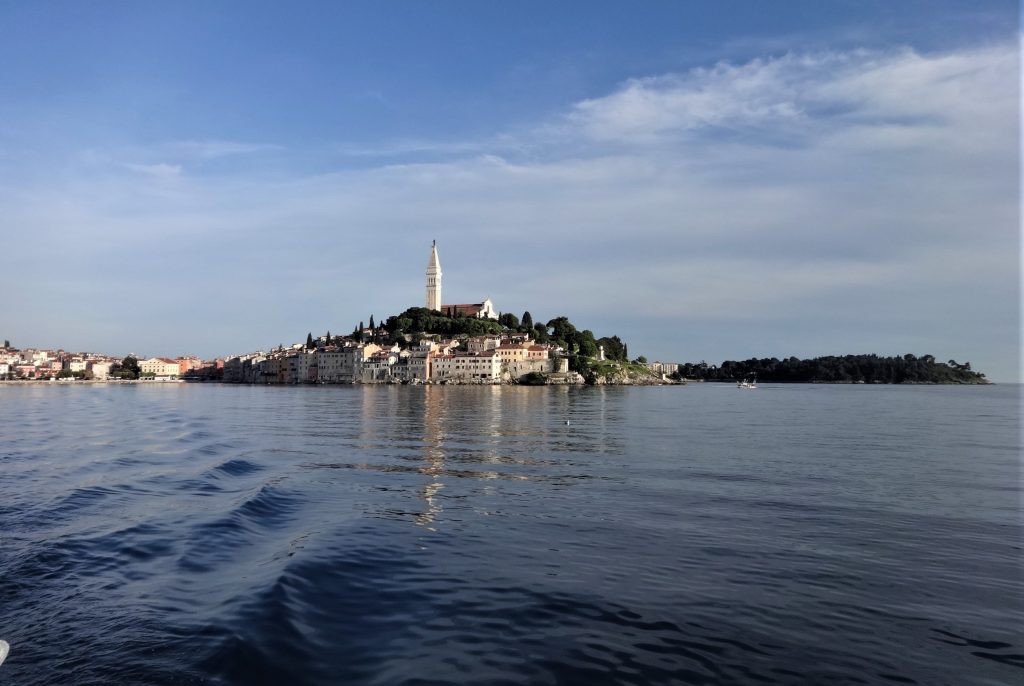
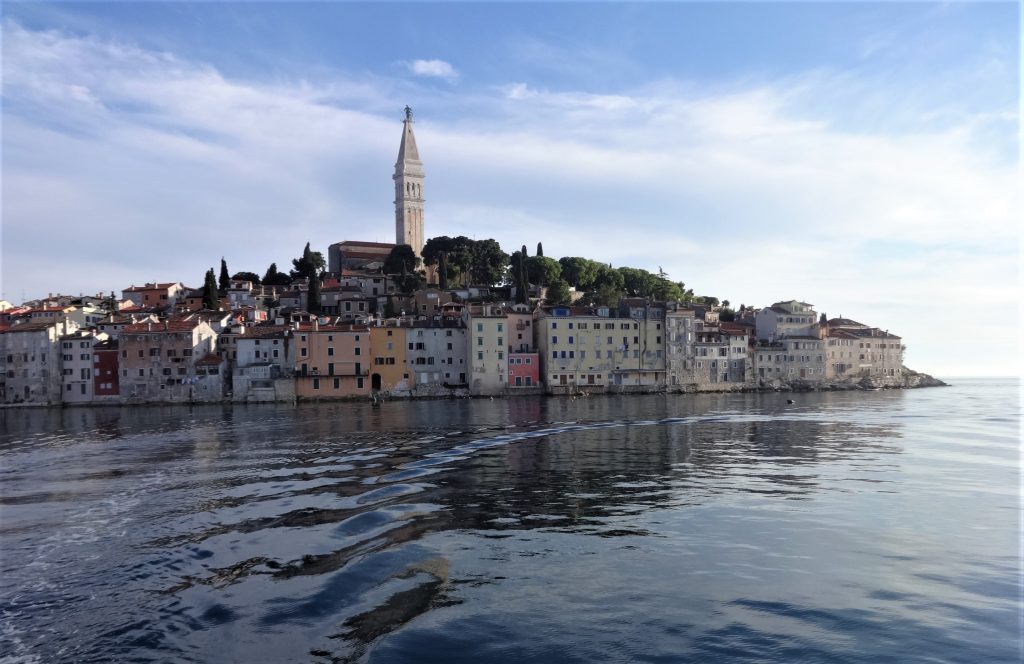
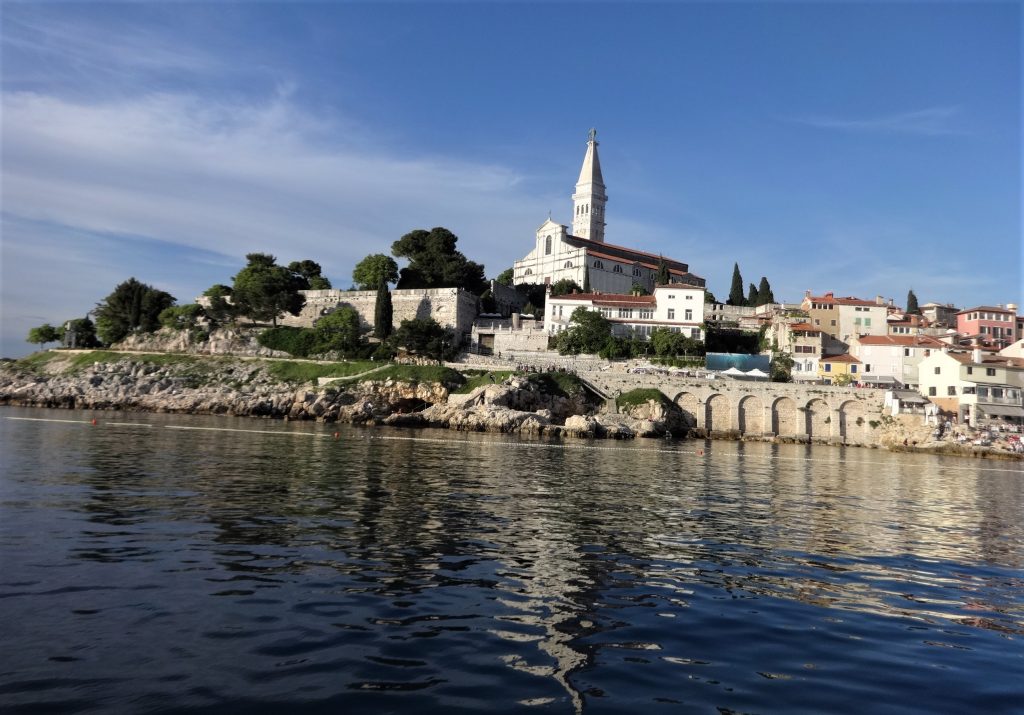
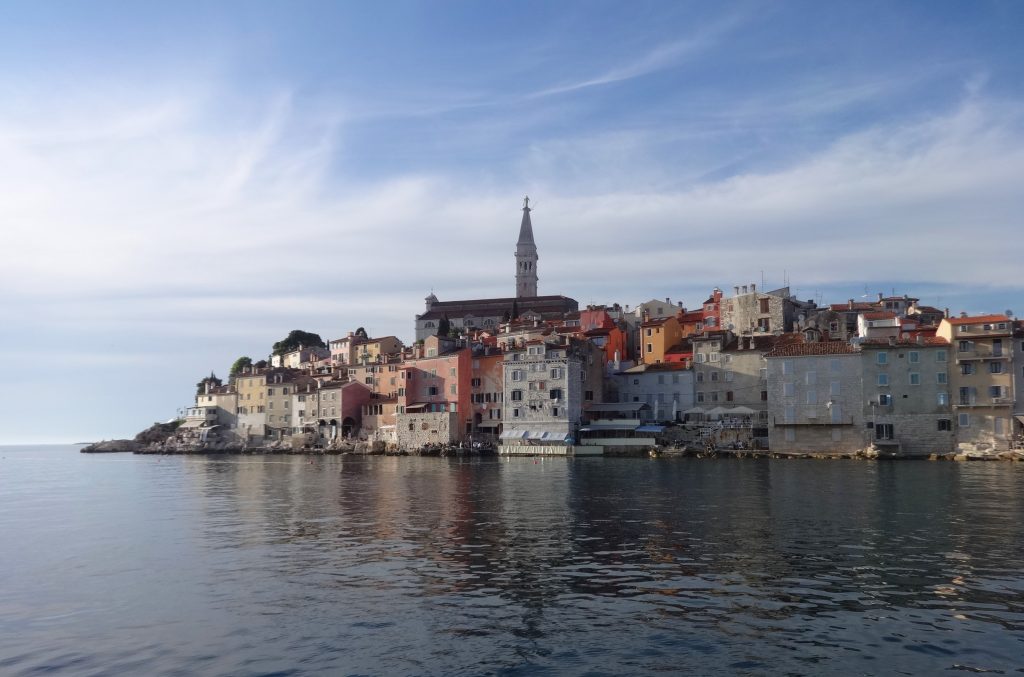
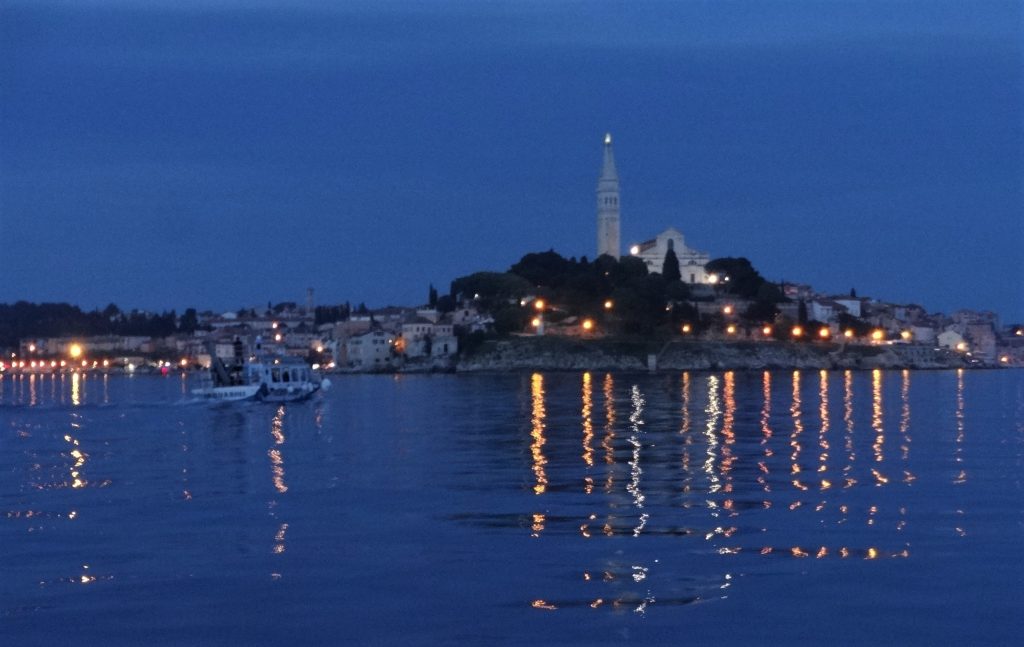
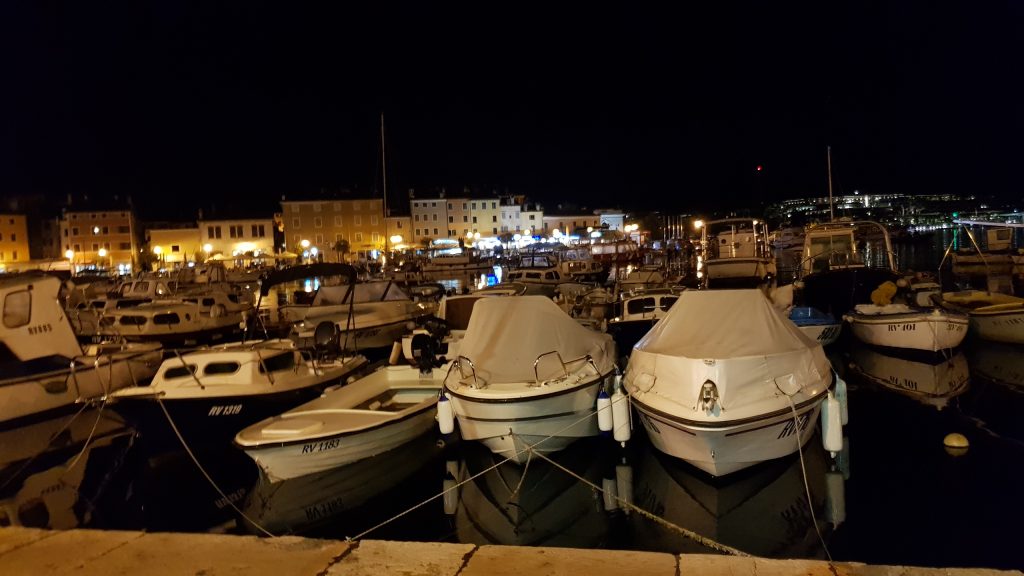
The coastal view of Rovinj was also worth seeing, the coastline of full of higgledy piggeldy olde worlde houses that support the stone walls of the old city, some houses being 5 or 6 levels high, then to the right of the old town and harbour is a modern side, a huge hotel and modern marina that blend into the hillside.  Tourism is the main source of income and industry here and everything is geared towards making people feel welcome, relaxed and part of the community.

Rovinj from the Sea.

Being a Tour Guide in Croatia 1!

Part 1 – Carlos & Wendy

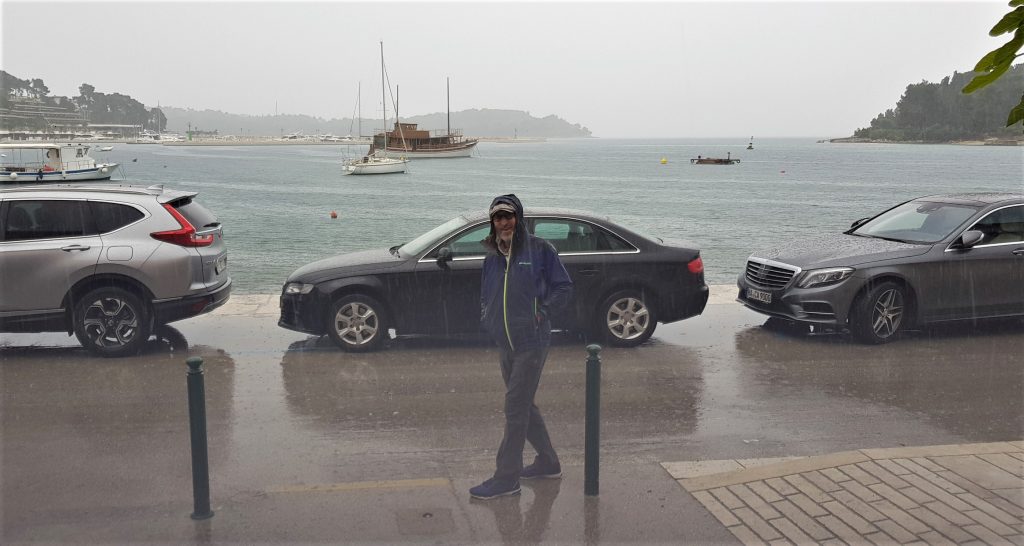
During our 4 weeks at Rovinj in the Istrian peninsular, we had not one but two lots of visitors! They did not have the best of weather, but when it was raining we introduced them to our latest game called Quirkle, something like dominoes but more strategic, or we played cards, or as a last resort, we stopped in the odd bar and had a few drinks and nibbles!

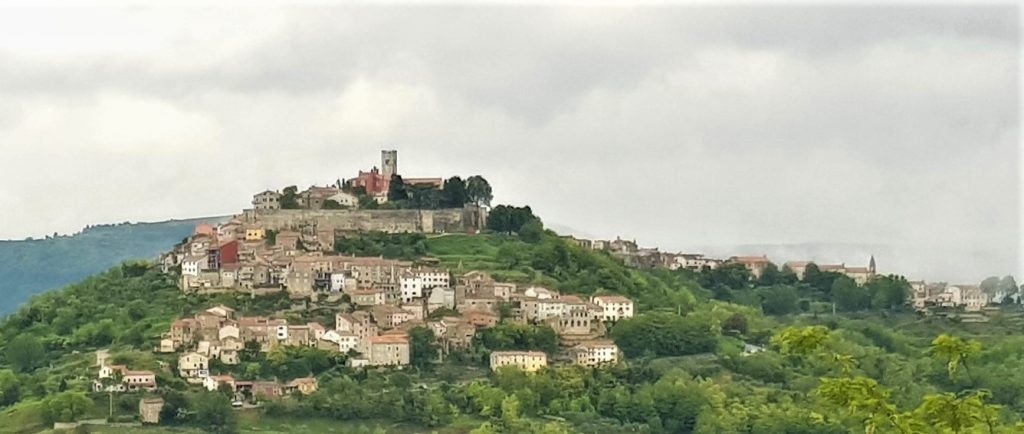
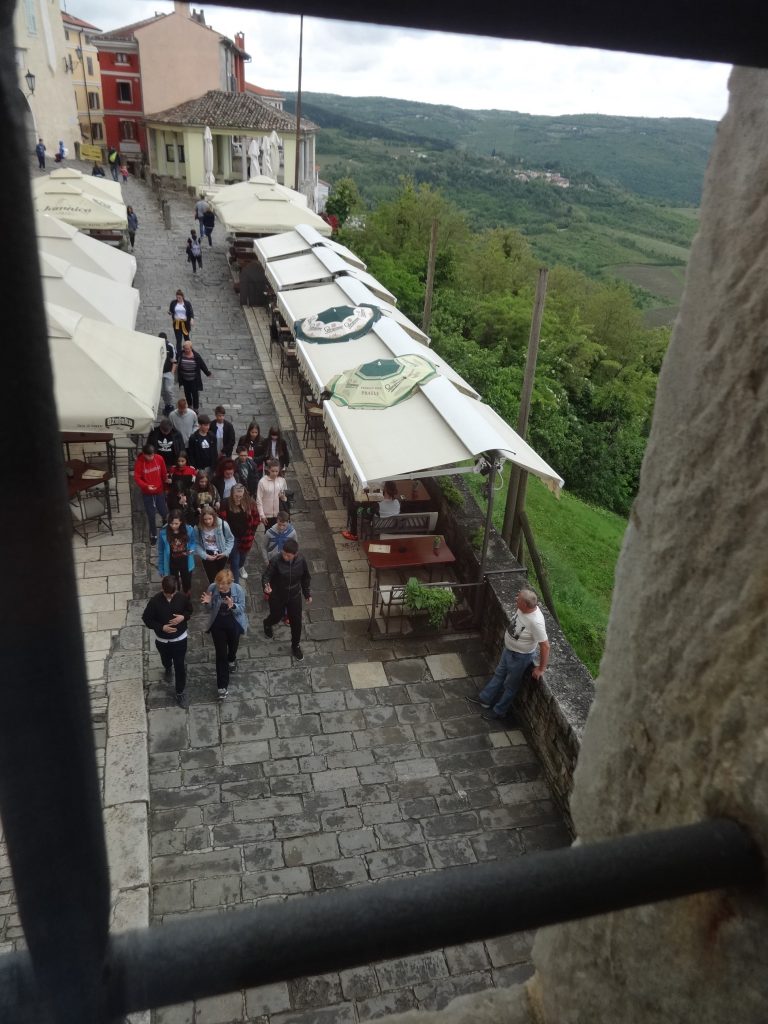
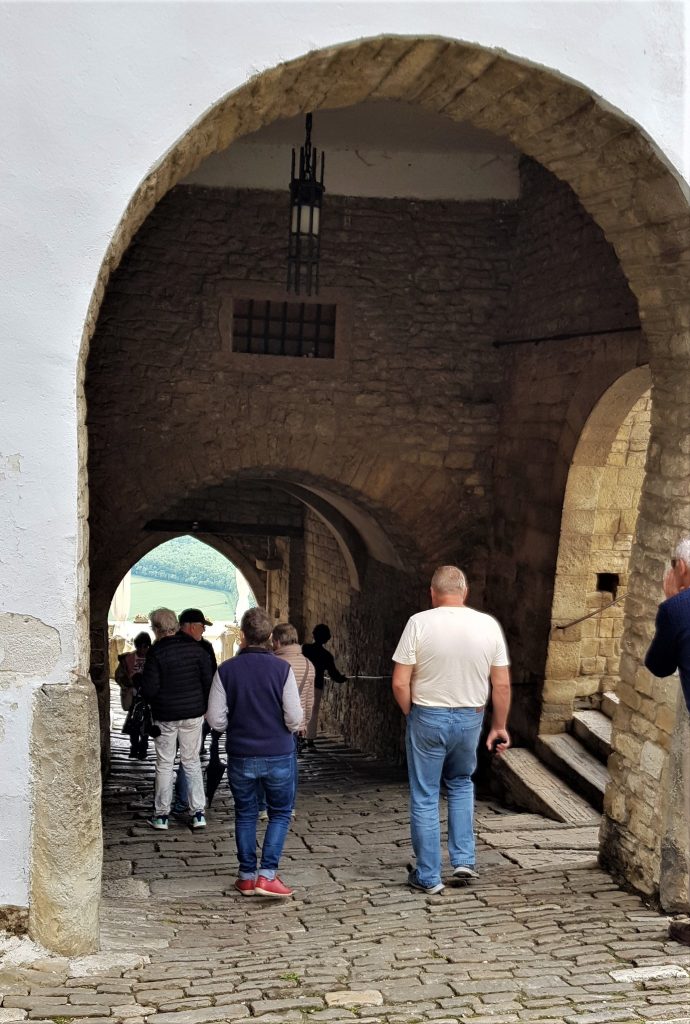
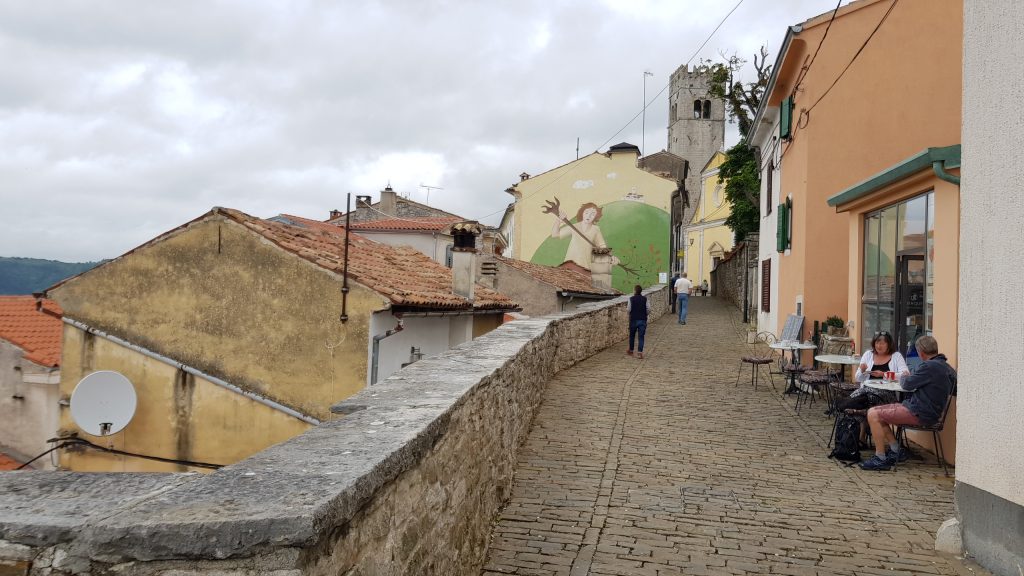
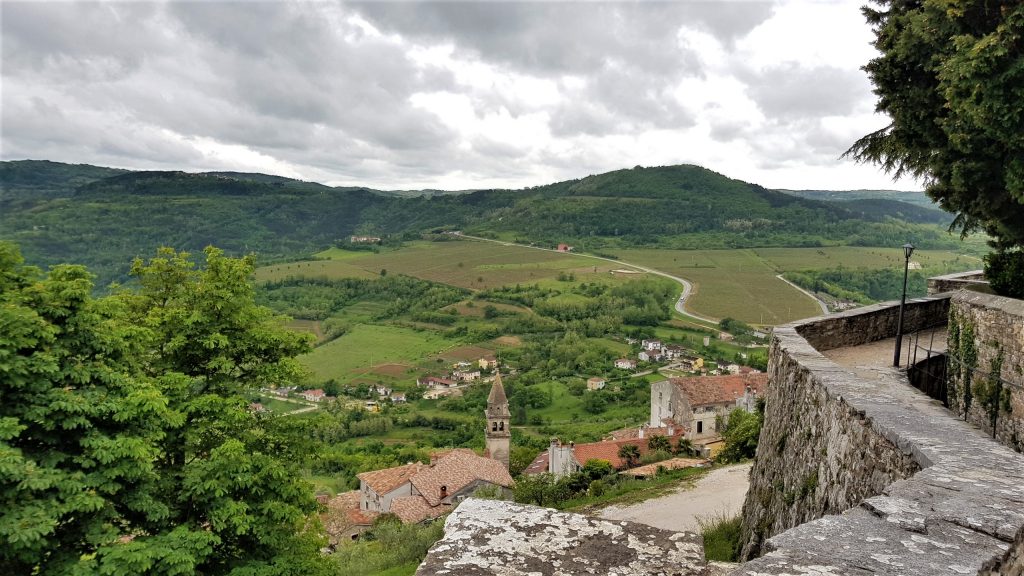
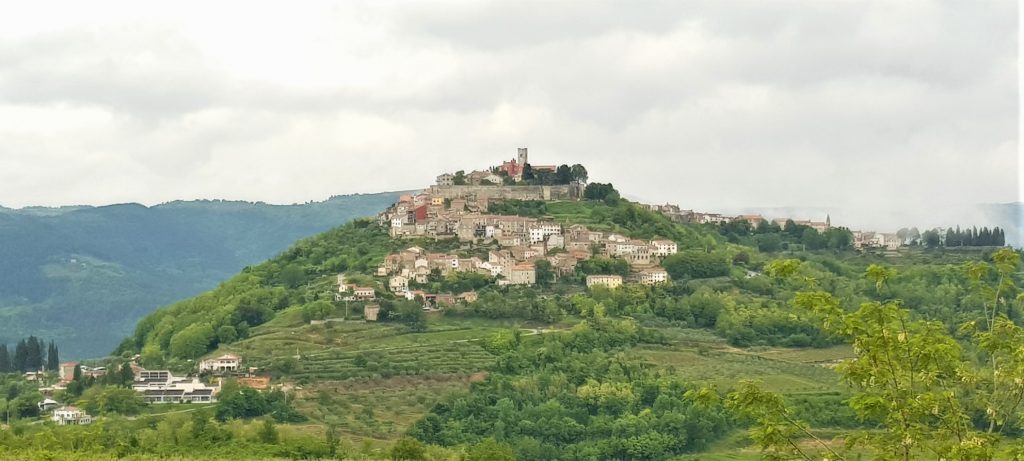
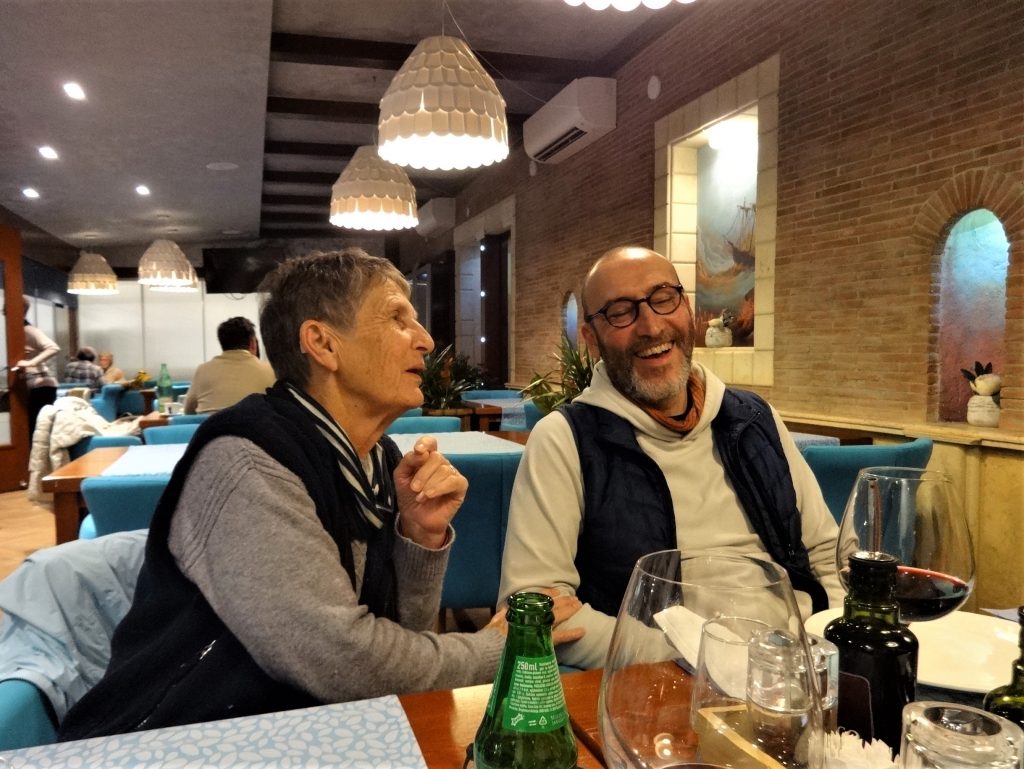
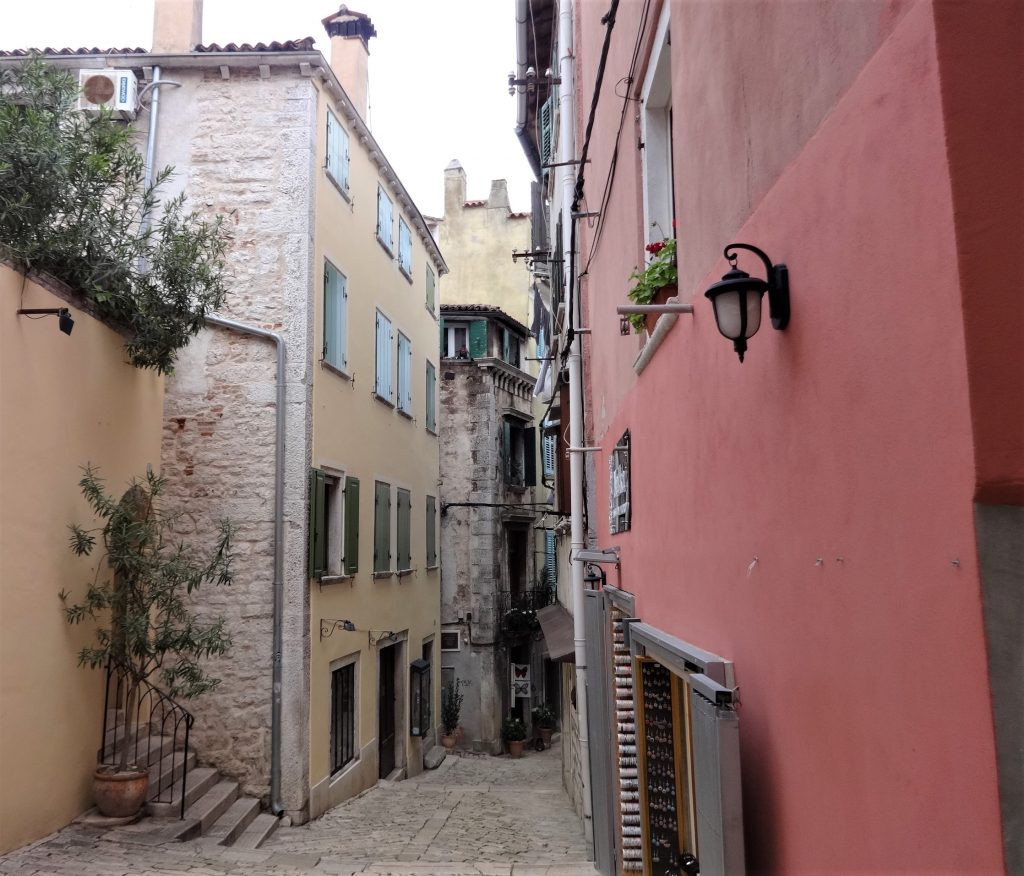
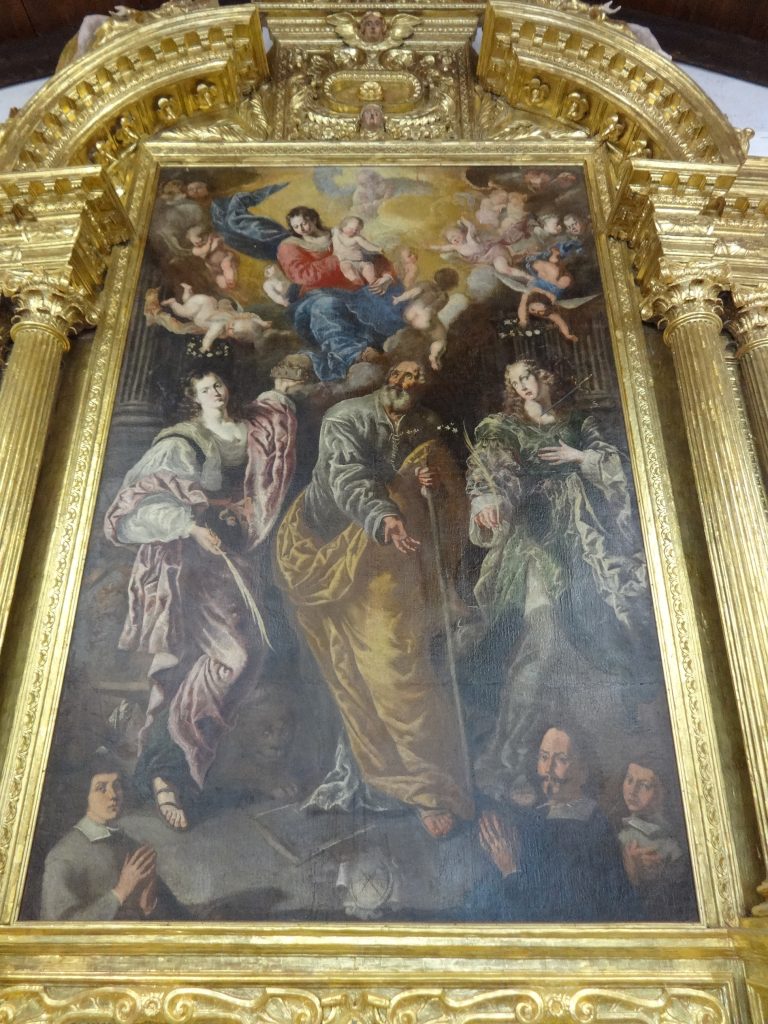
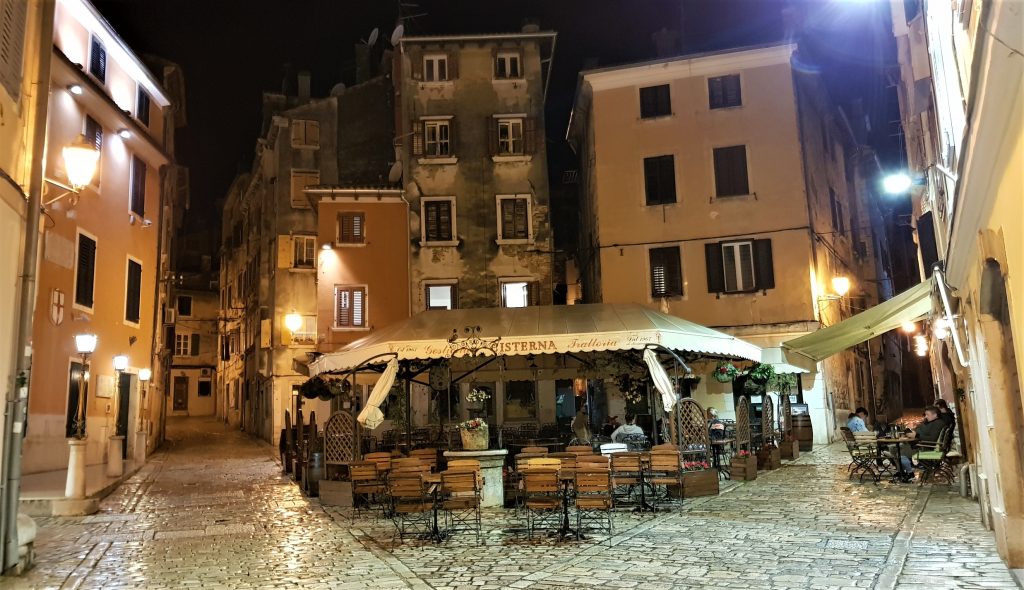
However when it was not pouring down, we explored!  Carlos and Wendy arrived first, we took them to see Motovun, a small hilltop town surrounded by a complete medieval wall.  We explored Rovinj itself, drank a glass of wine or two in the harbour, wandered up to its hilltop cathedral and alley full of ancient tall buildings full of artists galleries and restaurants. Wendy and I spent nearly half an hour talking to a very interesting artist, who told us the story behind a massive altar painting that was in his gallery, which is an old church.

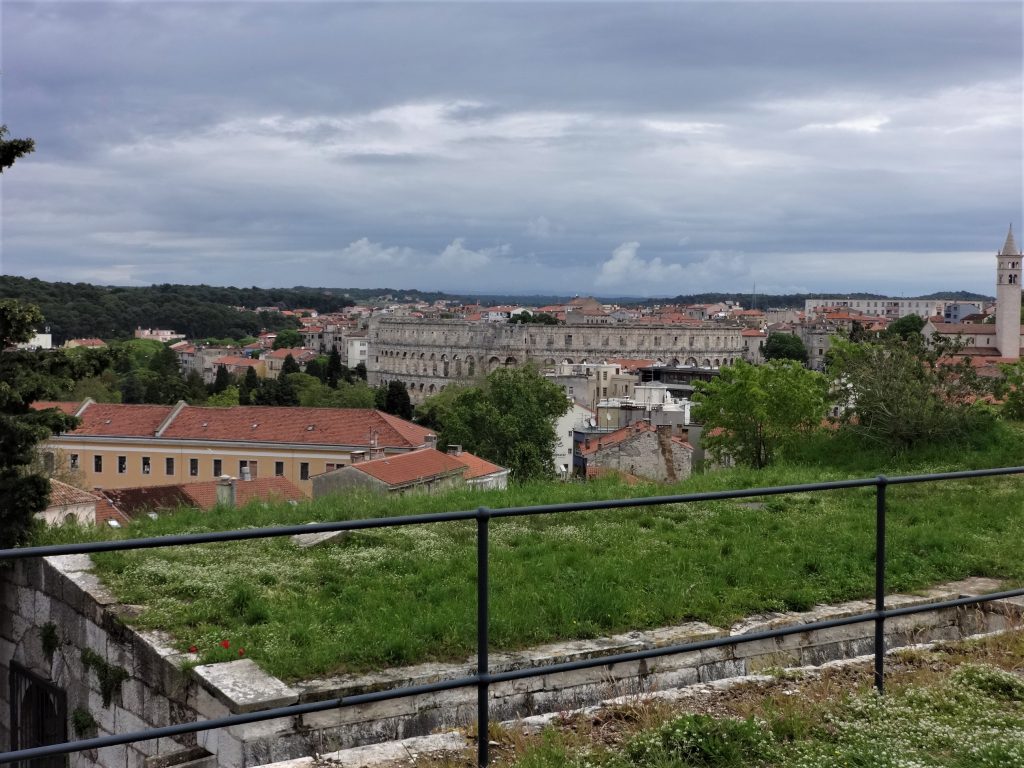
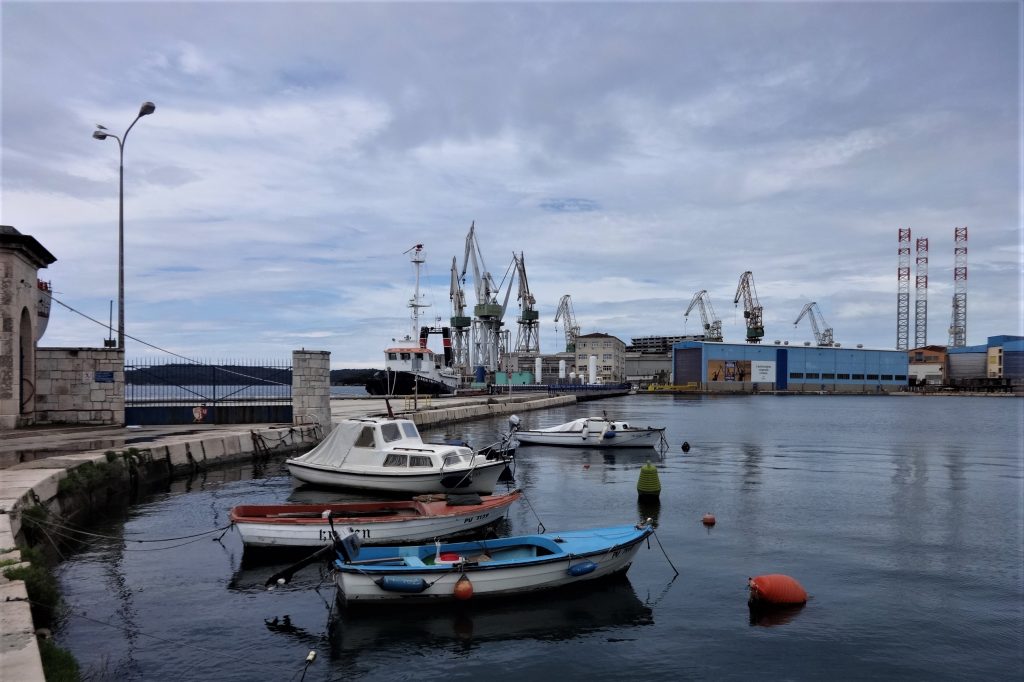
We went into Pula, where we were defeated several times by hordes of school children, discouraging us from going into the Ampitheatre Arena so we just viewed it from the outside.  We did walk up the hill to the castle and admired the wonderful historic displays as well as the views over the massive, now defunct, port and surrounding hillsides.

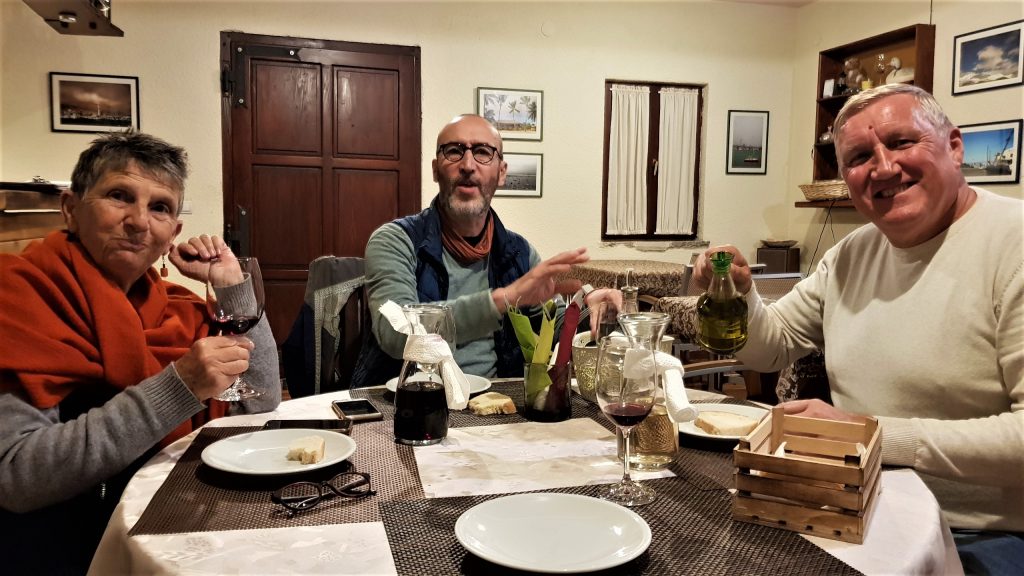
We also stopped occasionally at other local towns and explored the remains of Roman buildings and towns, as well as dining out at local large and small restaurants.  One place called La Vigna, was just outside the campsite, is a smallholding and vineyard run by a couple and their daughter, where we ate in their front room, ate food all grown and cooked by them, ate their freshly baked break and home made wine.  It was divine!!

Pula

Motovun

Rovinj

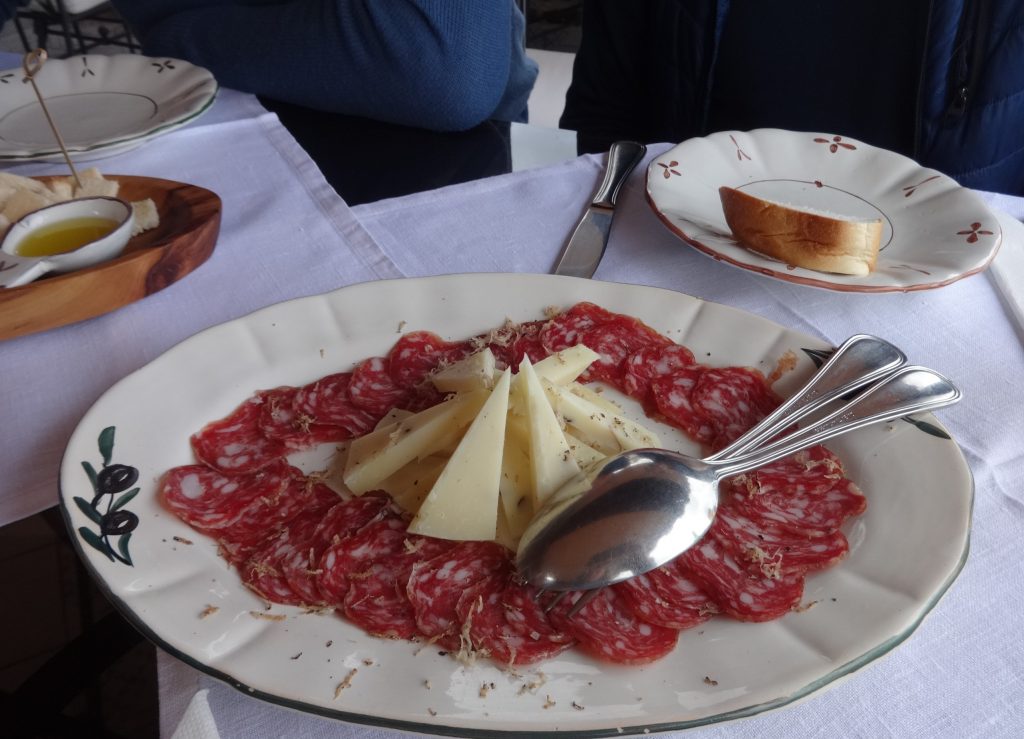
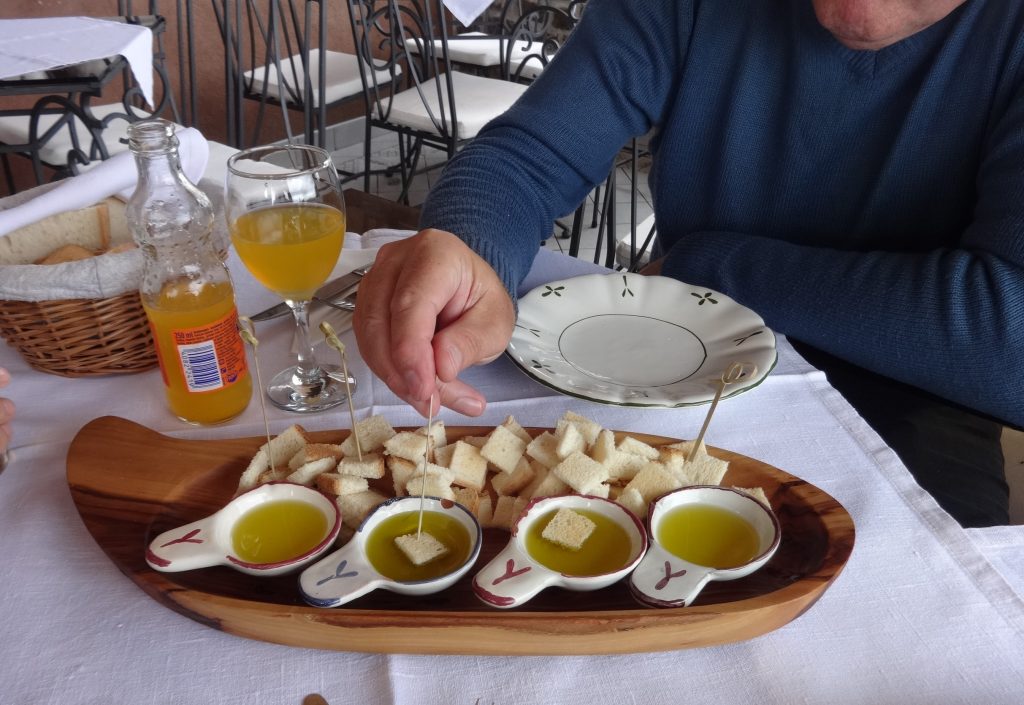
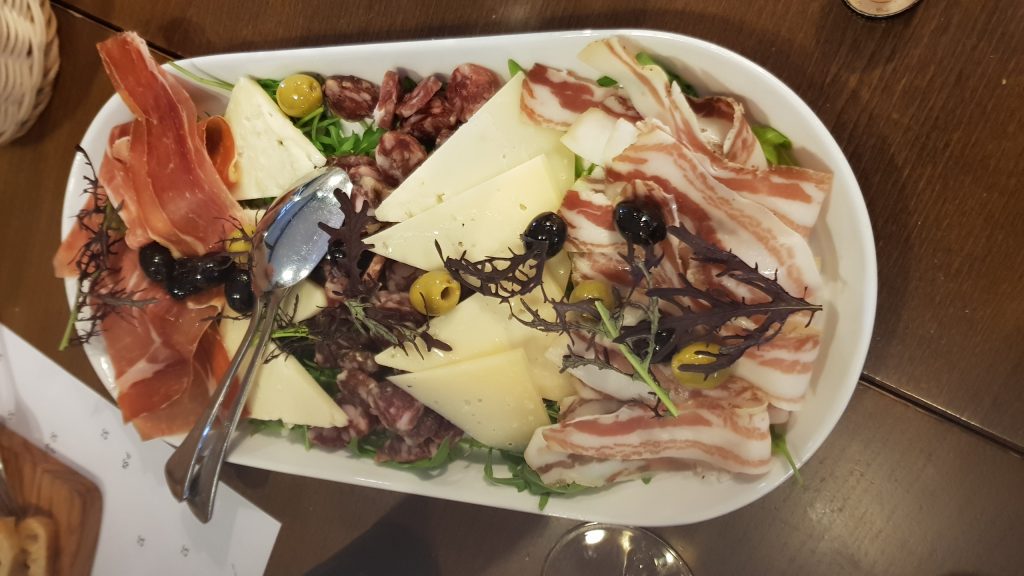
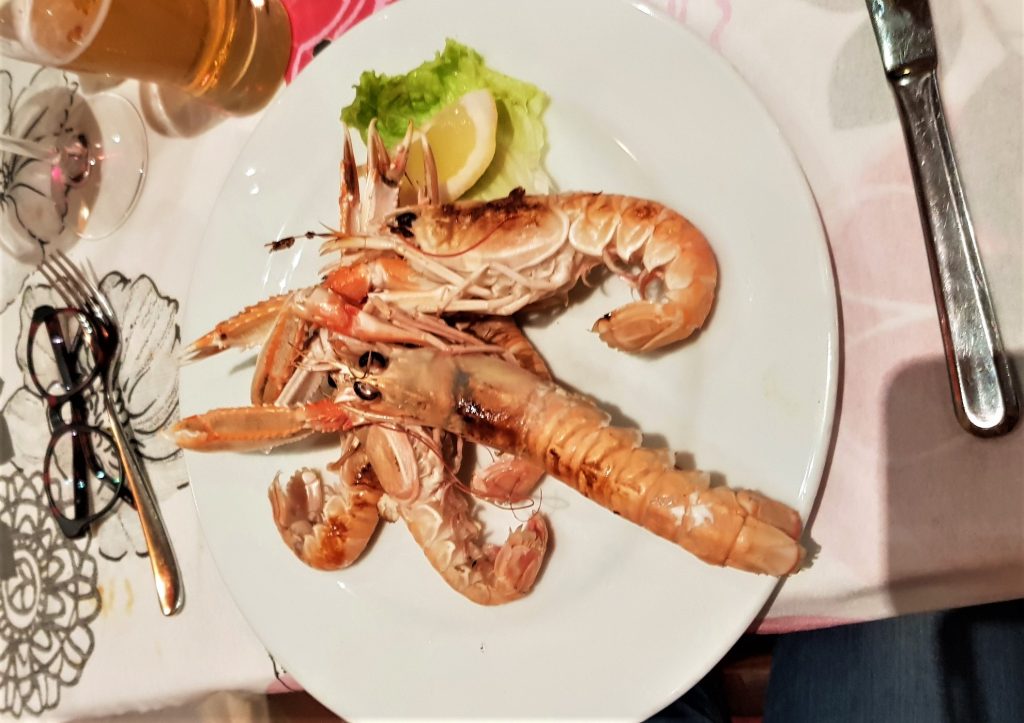
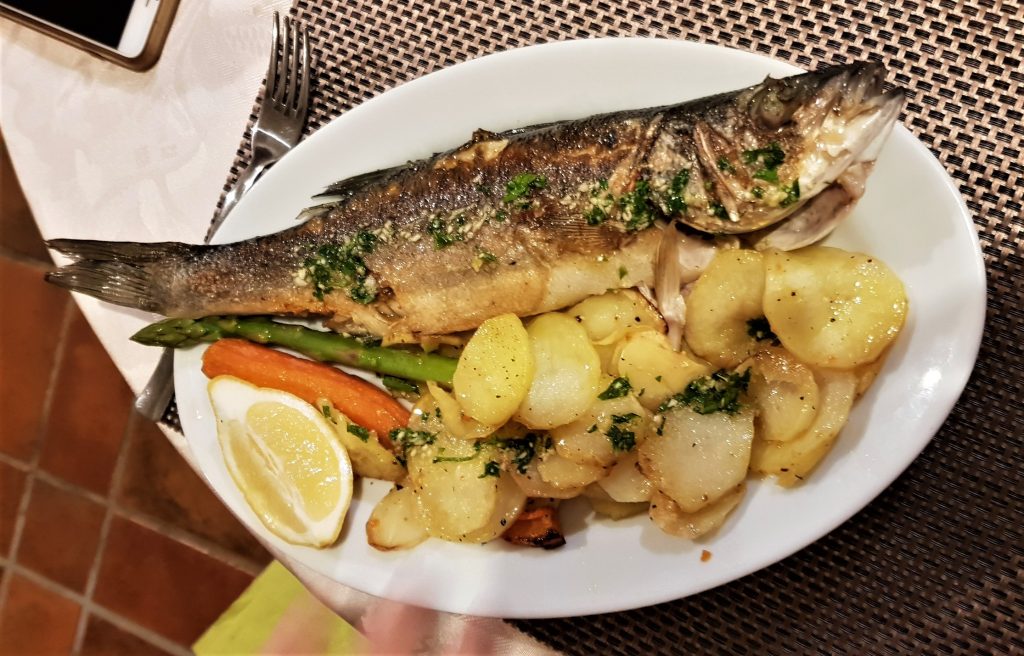
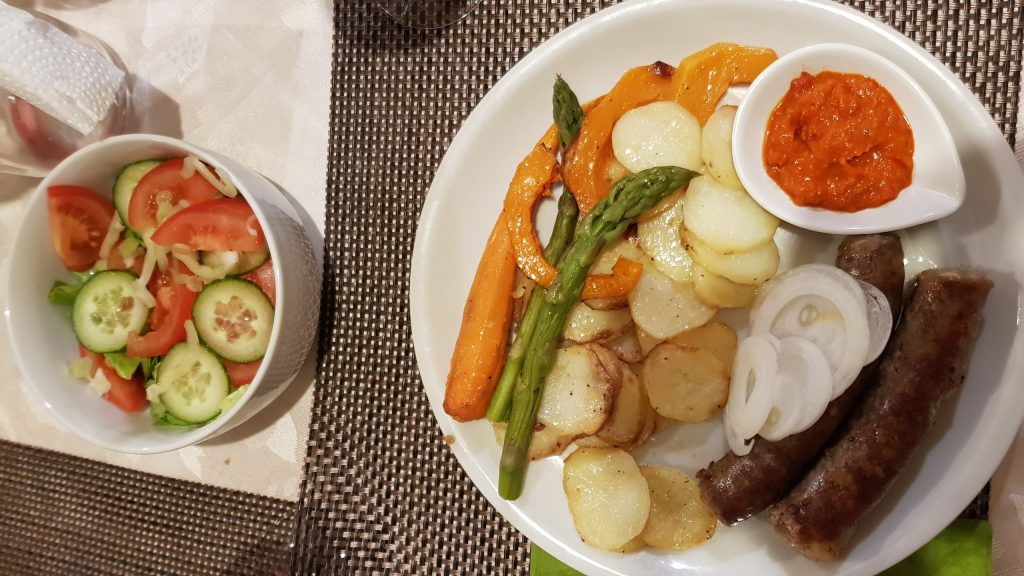
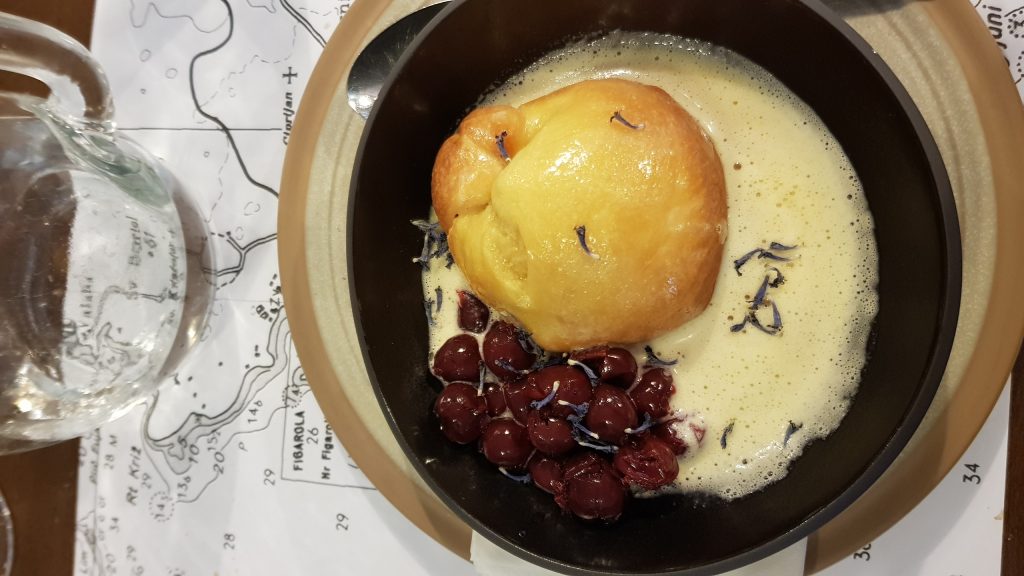
Some of our Food!

Various other local towns we visited

And finally…….the Brave One!!!

Hhhhhmmmmm….. I can just about feel my knees, it this wise???

North to Porec


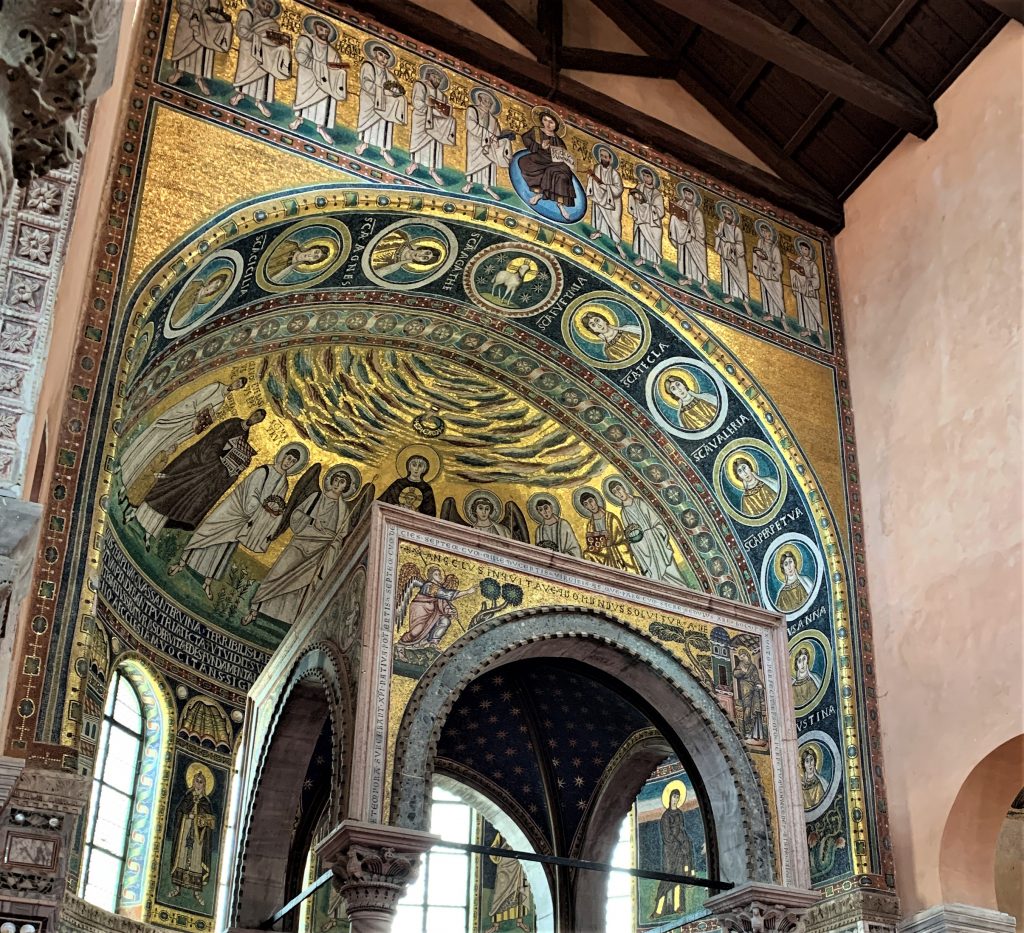
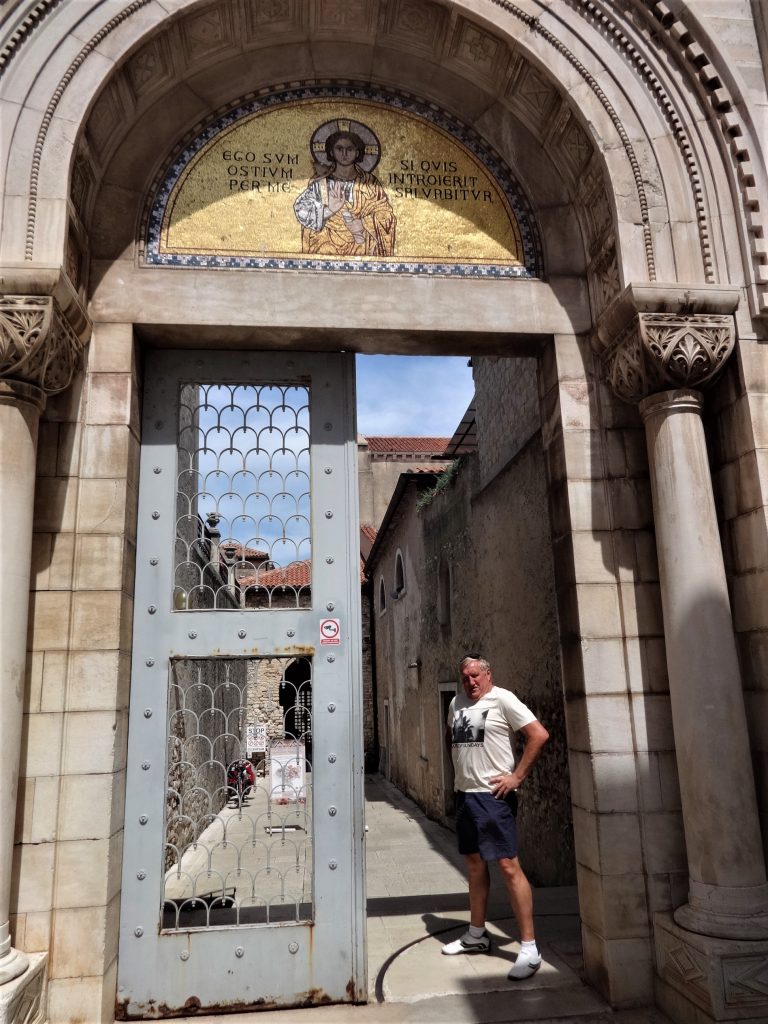
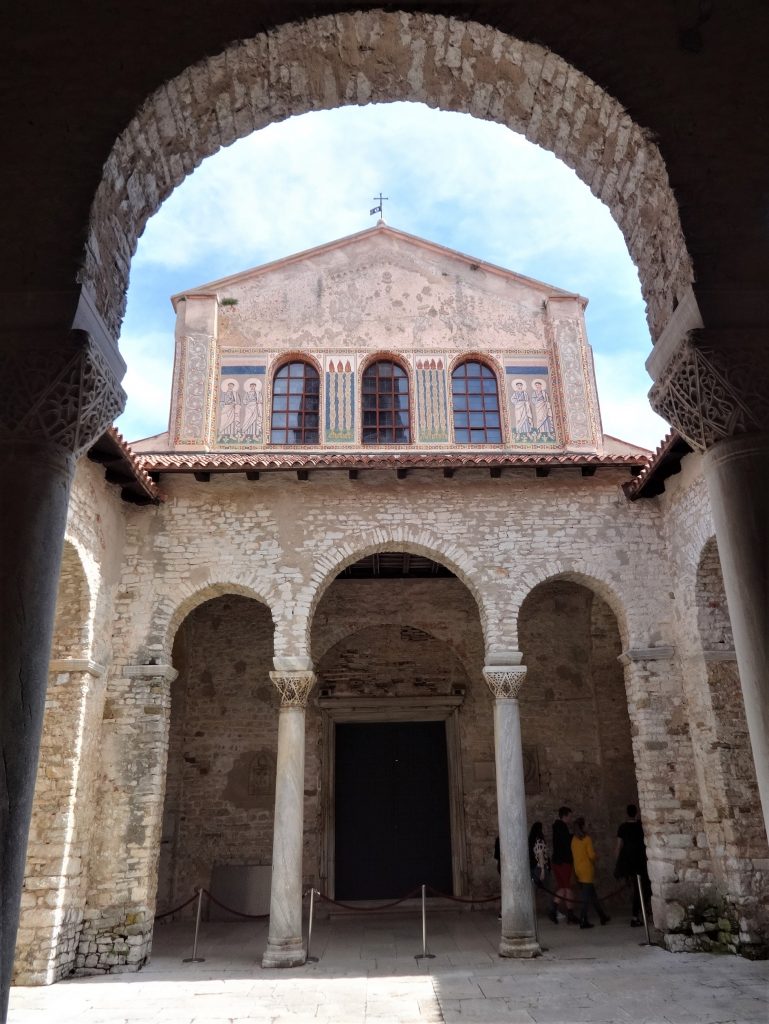
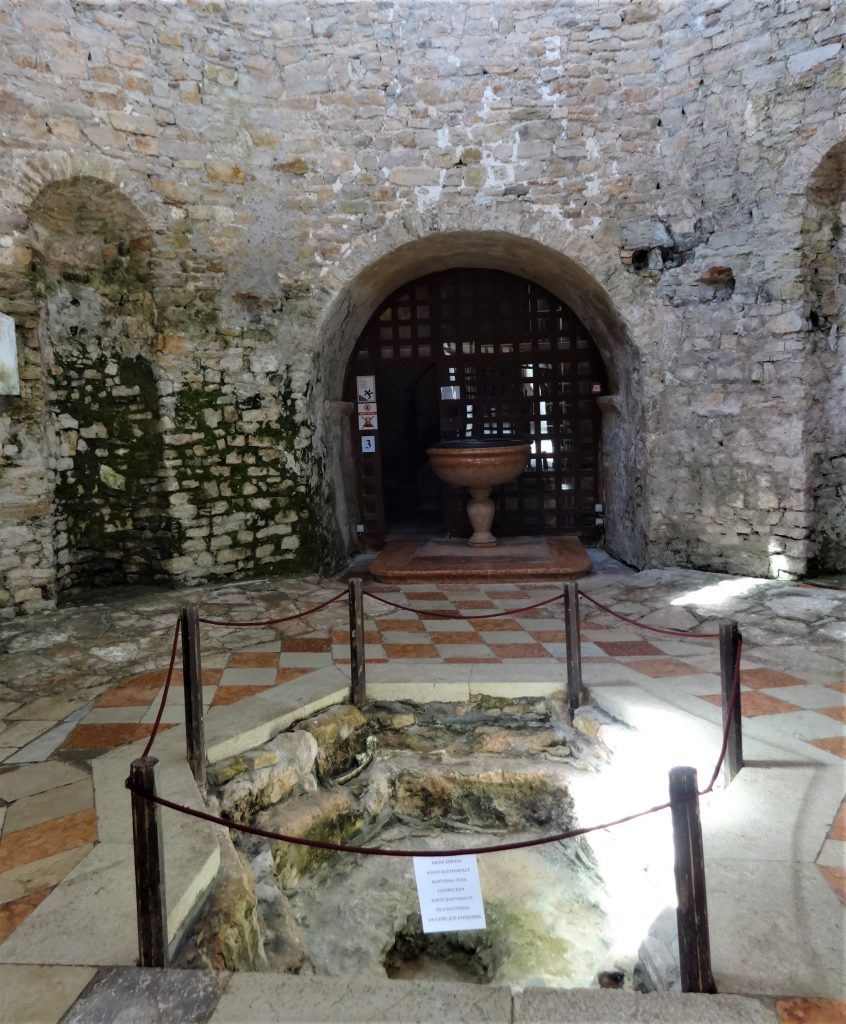
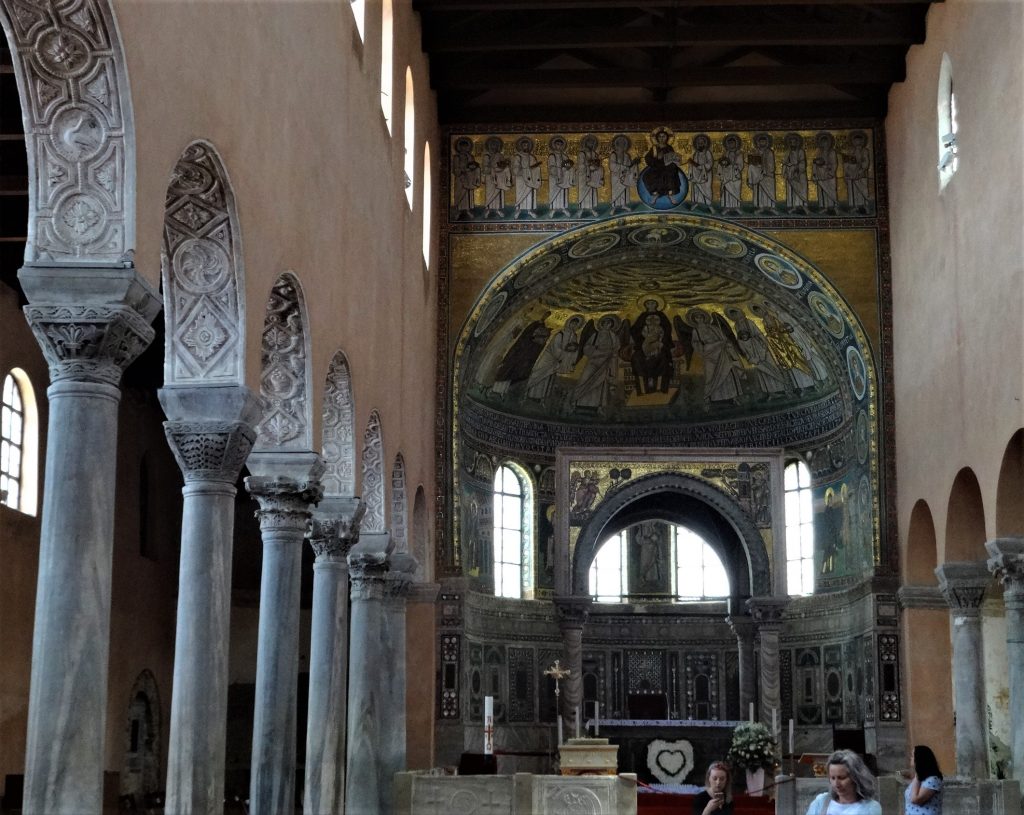
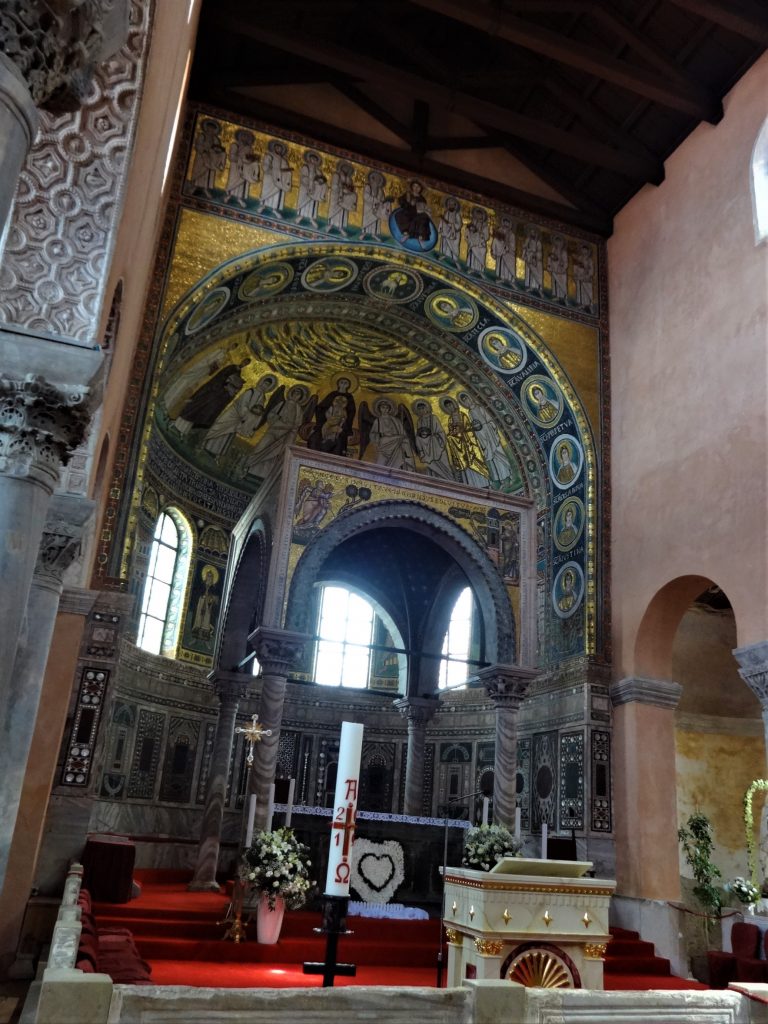
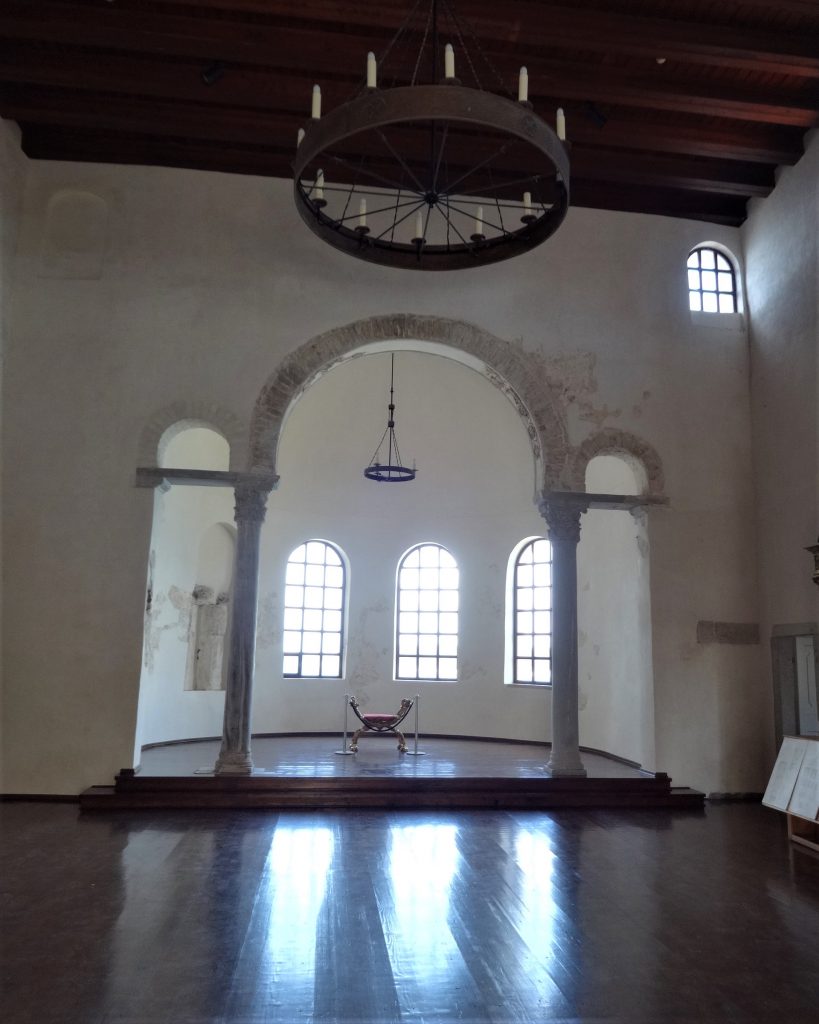
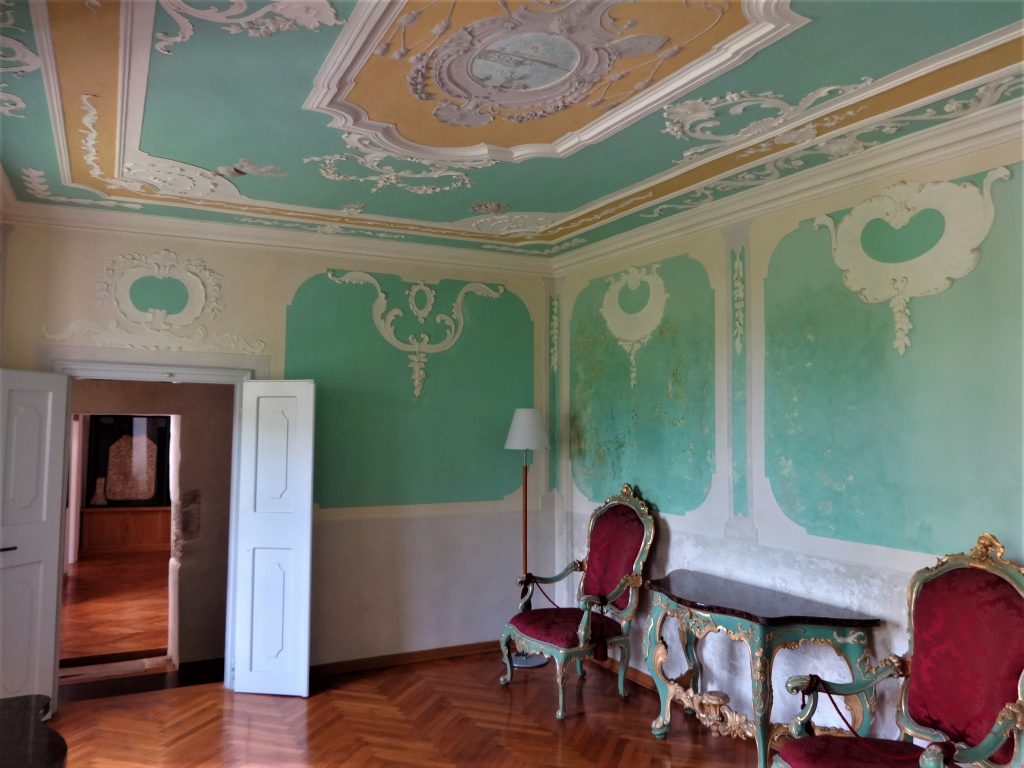
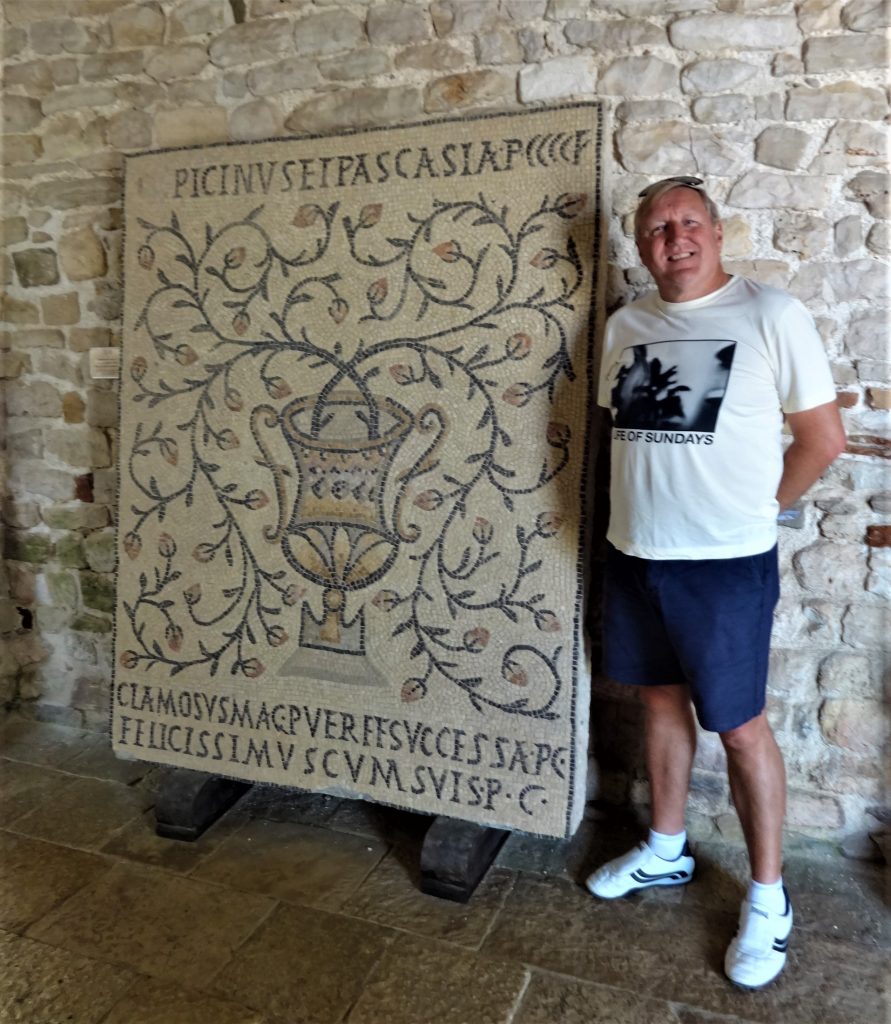
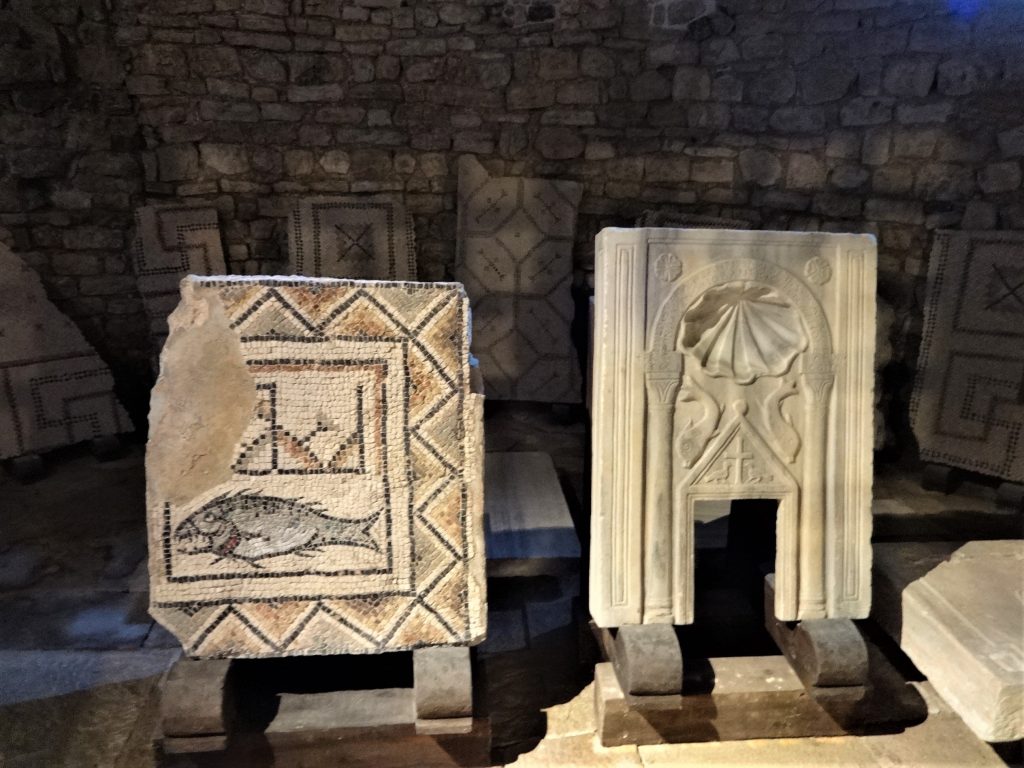
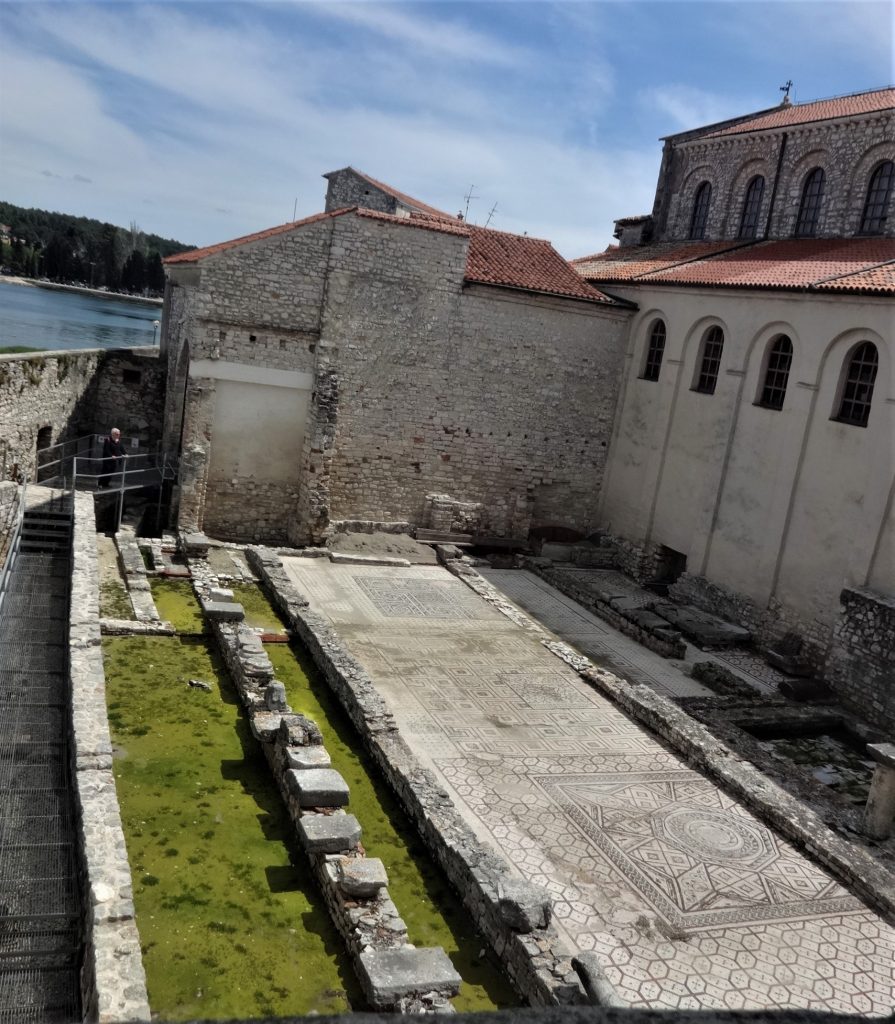
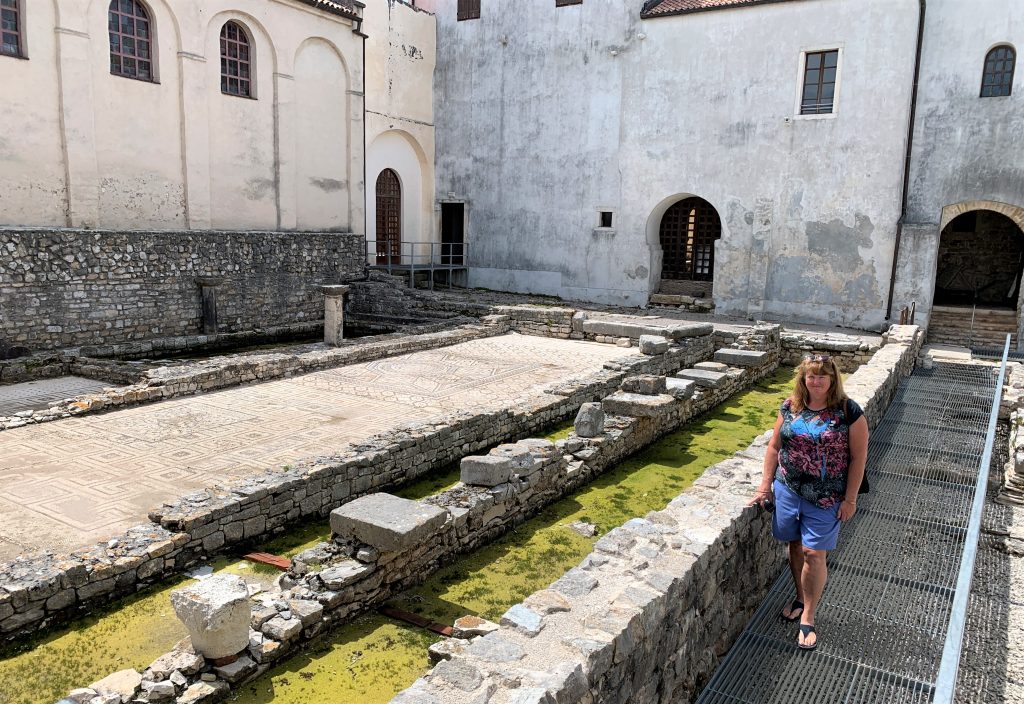
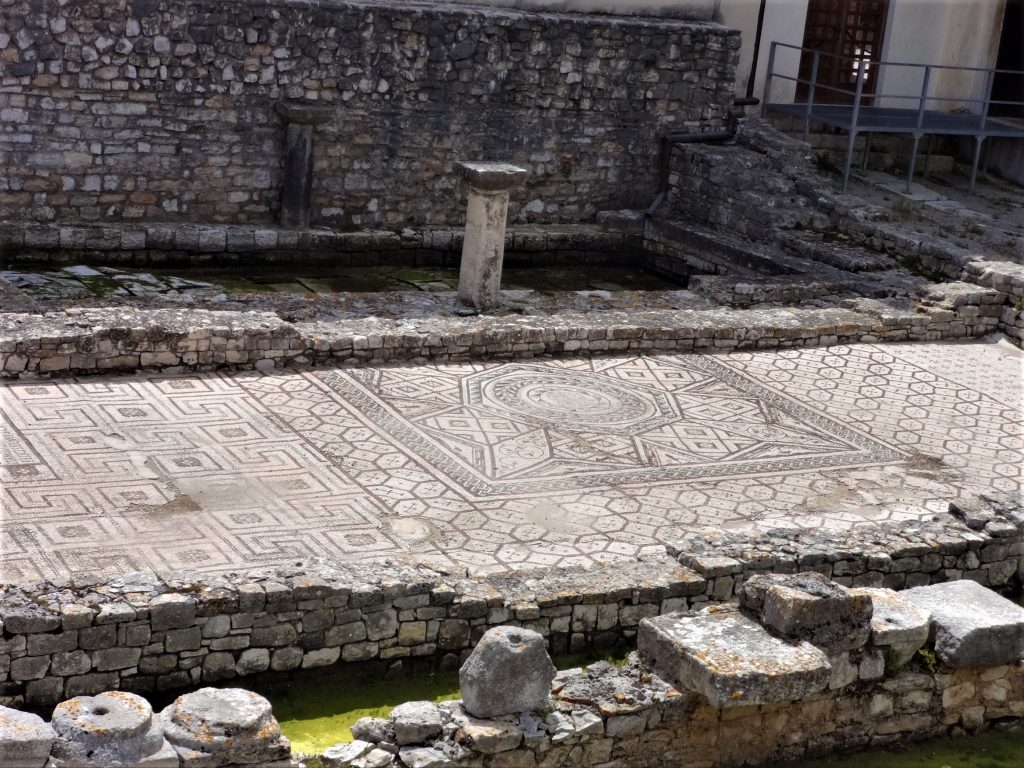
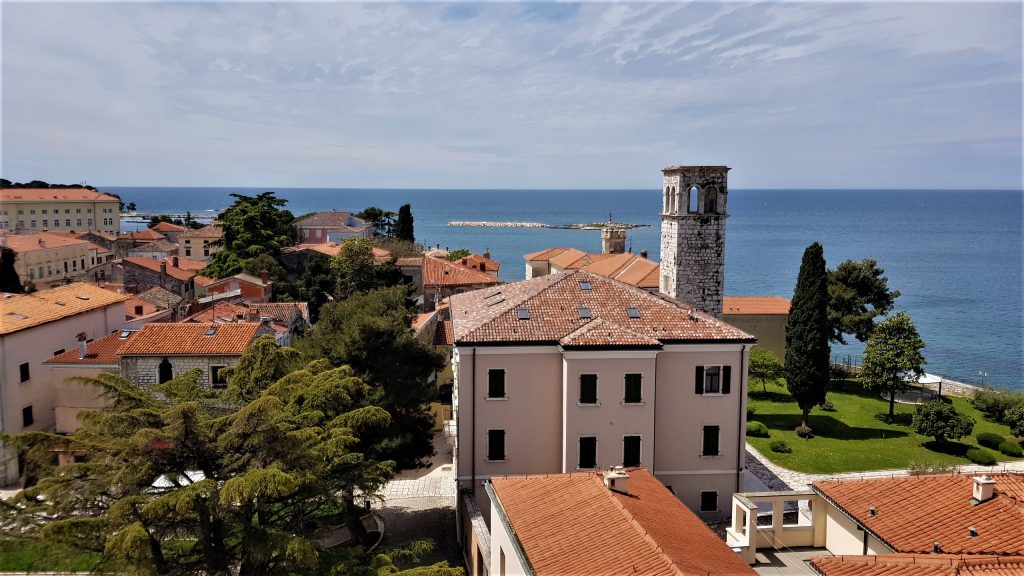
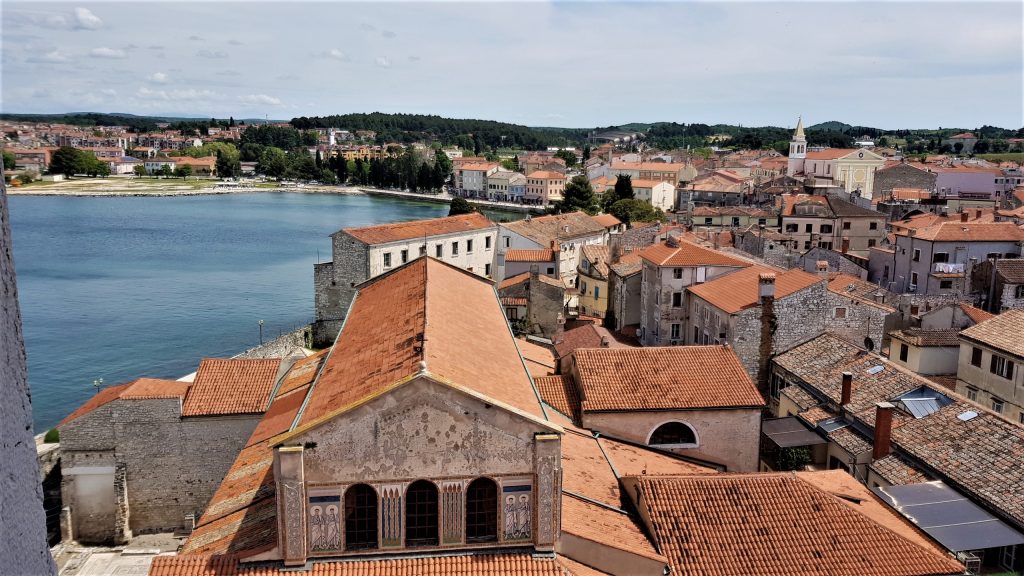
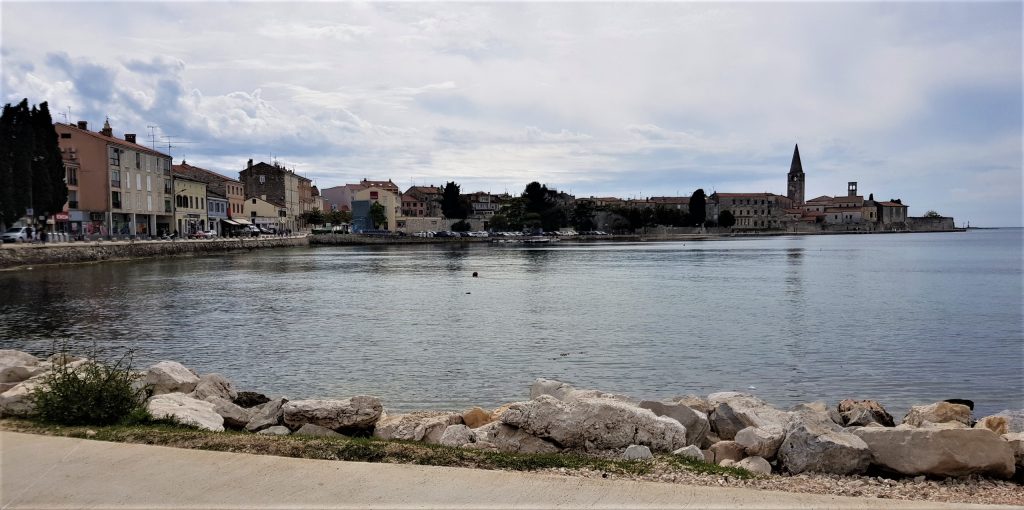
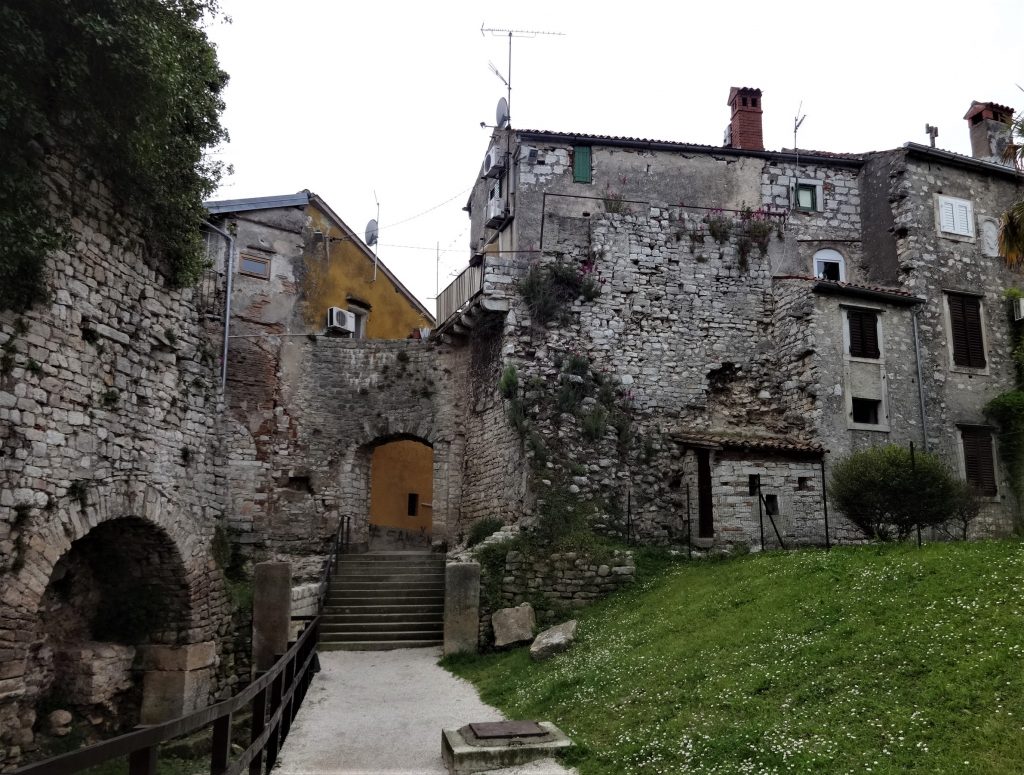
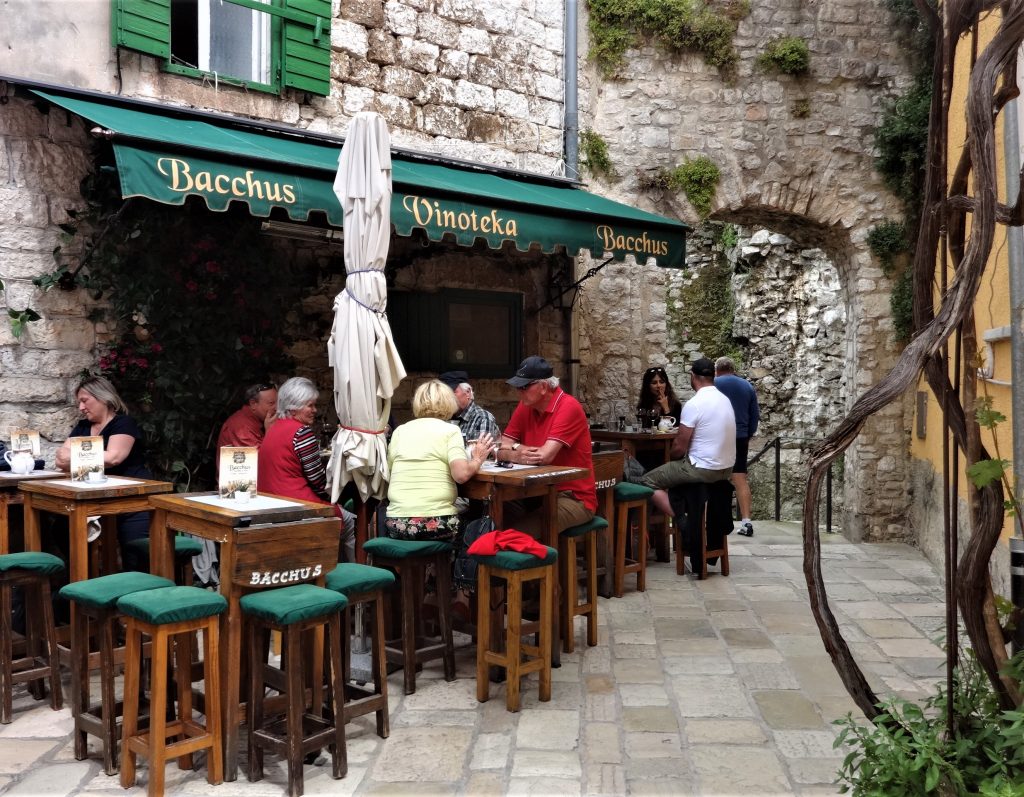
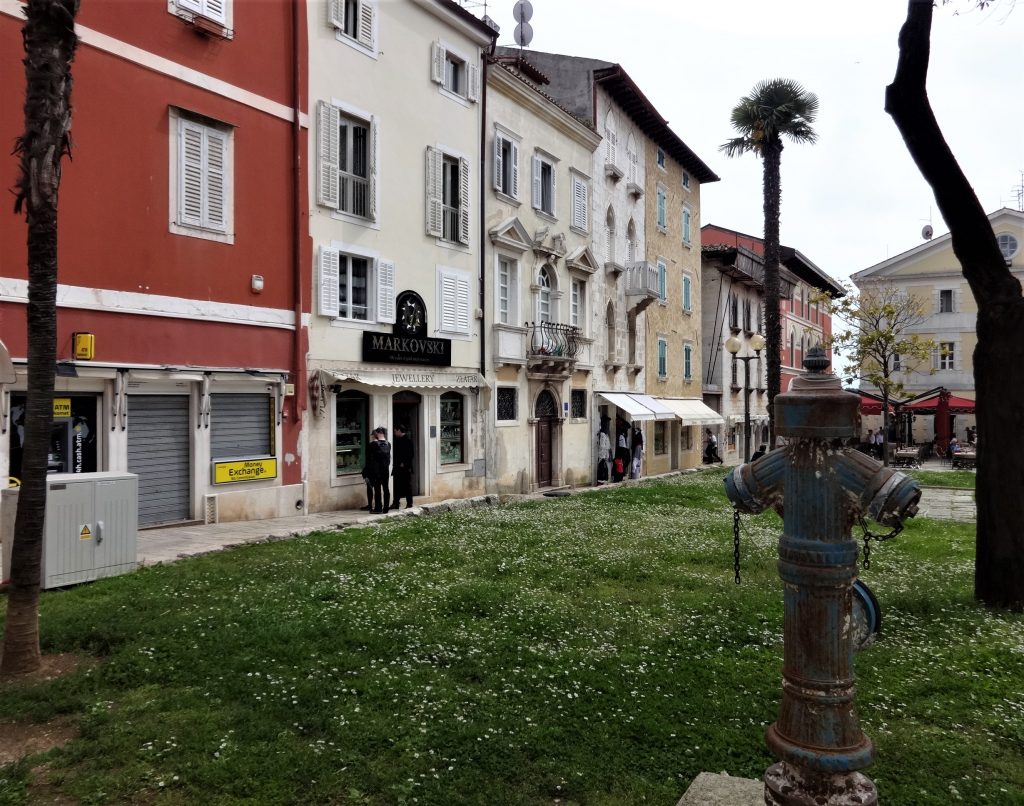
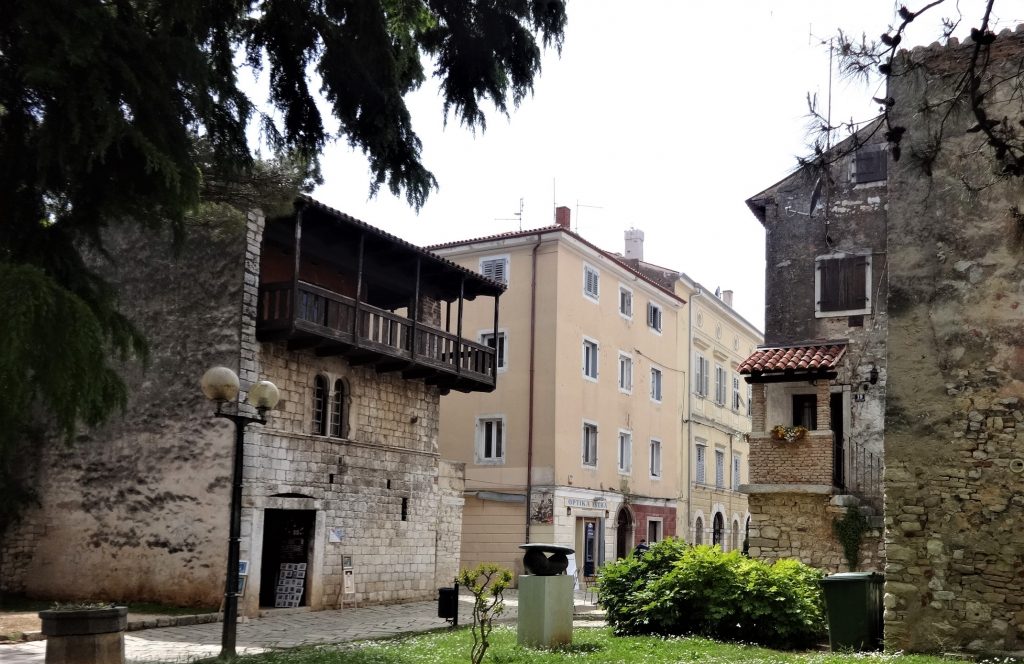
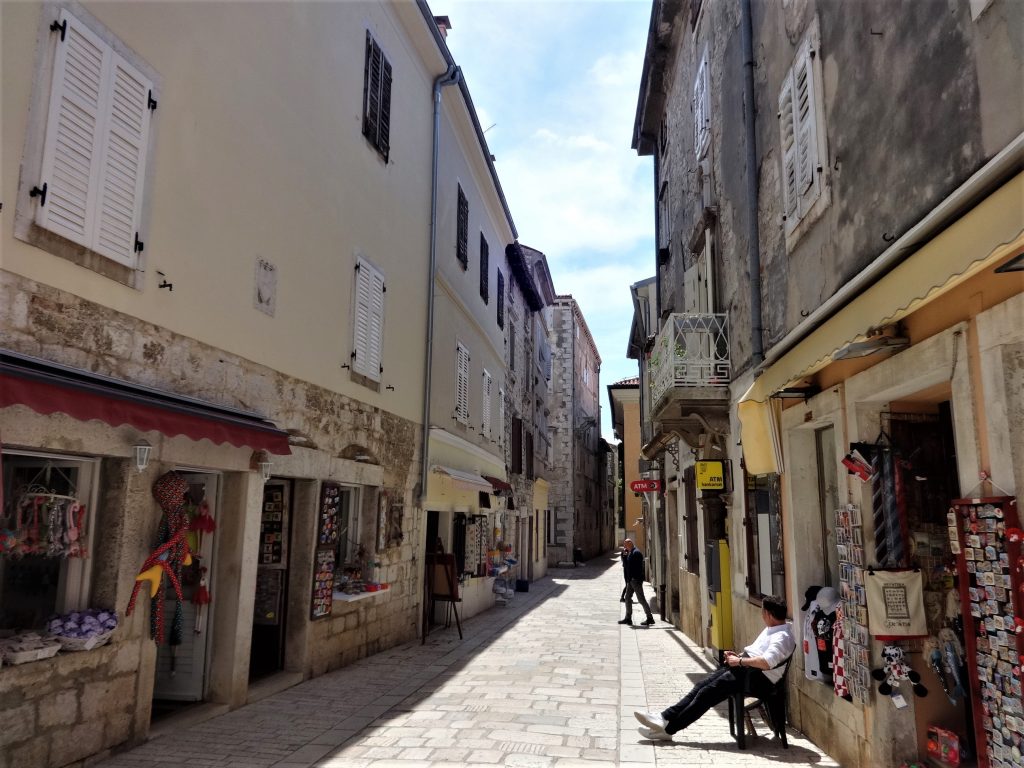
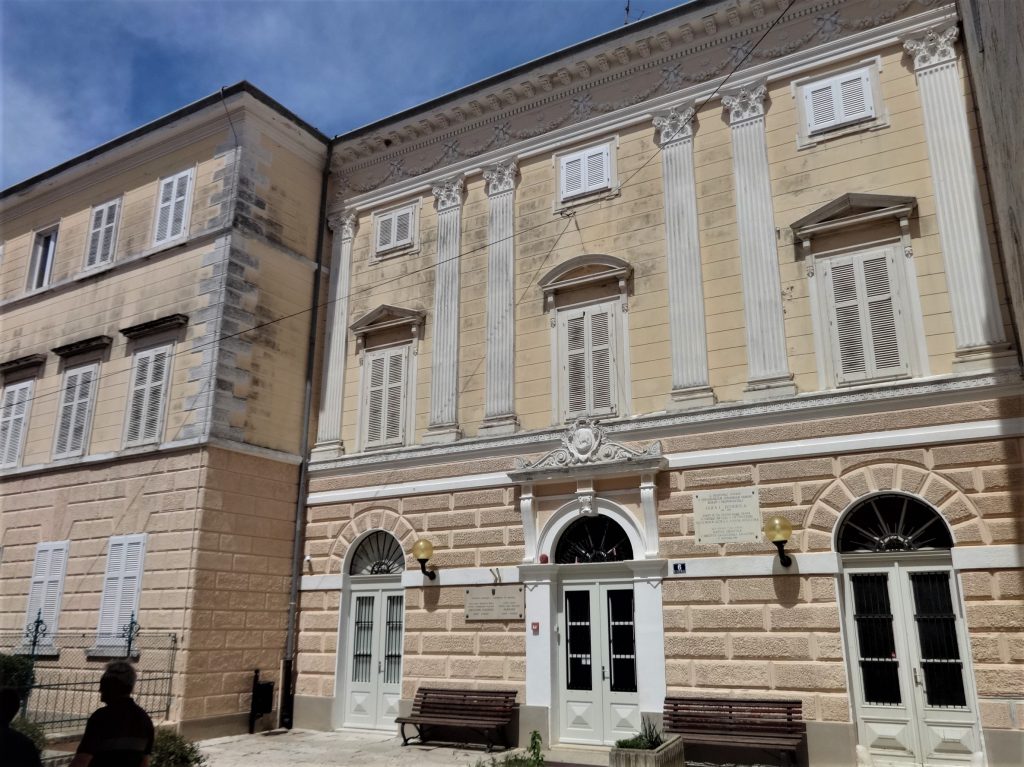
Porec, along with Pula further down the coast, was one of the first Roman colonies of Istria. The Old Town remains, along with the remains of its Roman Temple. The Basilica complex is a UNESCO world Heritage site and rightly so, it’s full of ancient Byzantine gold studded mosaics and wall paintings, which are stunning. A Bishop at one stage also extended the building to include Palace rooms, beautifully ornate yet plain.

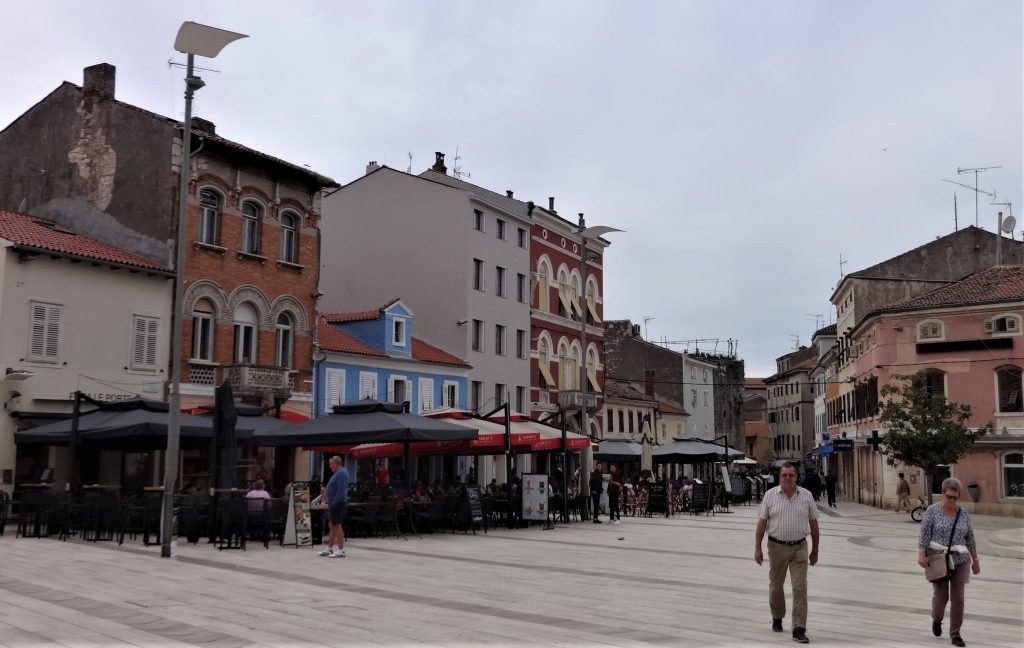
The old buildings surrounding the Basilica are Baroque, medieval and Venetian styles and the cobbled streets are laid out in grids from the coastline.

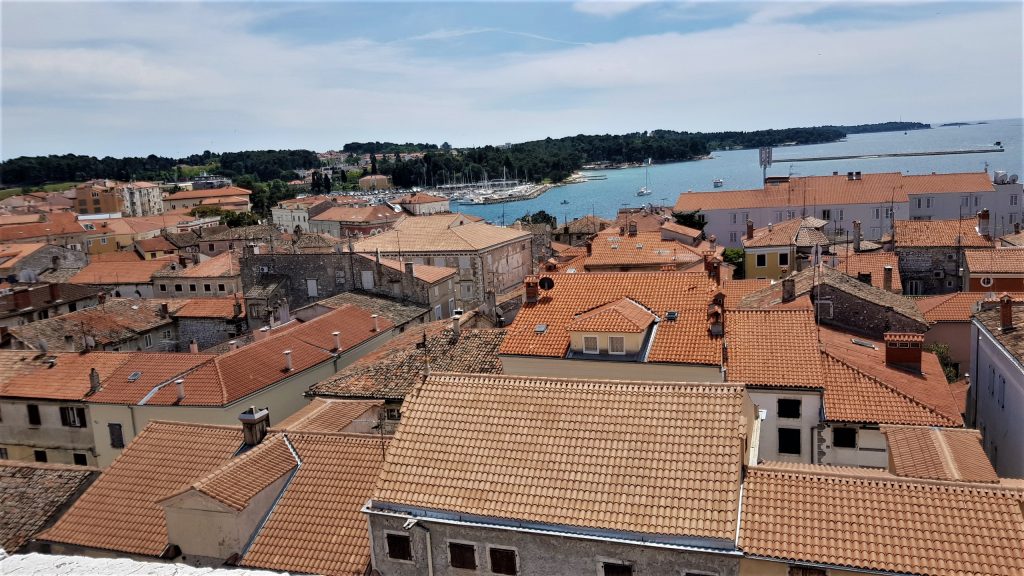
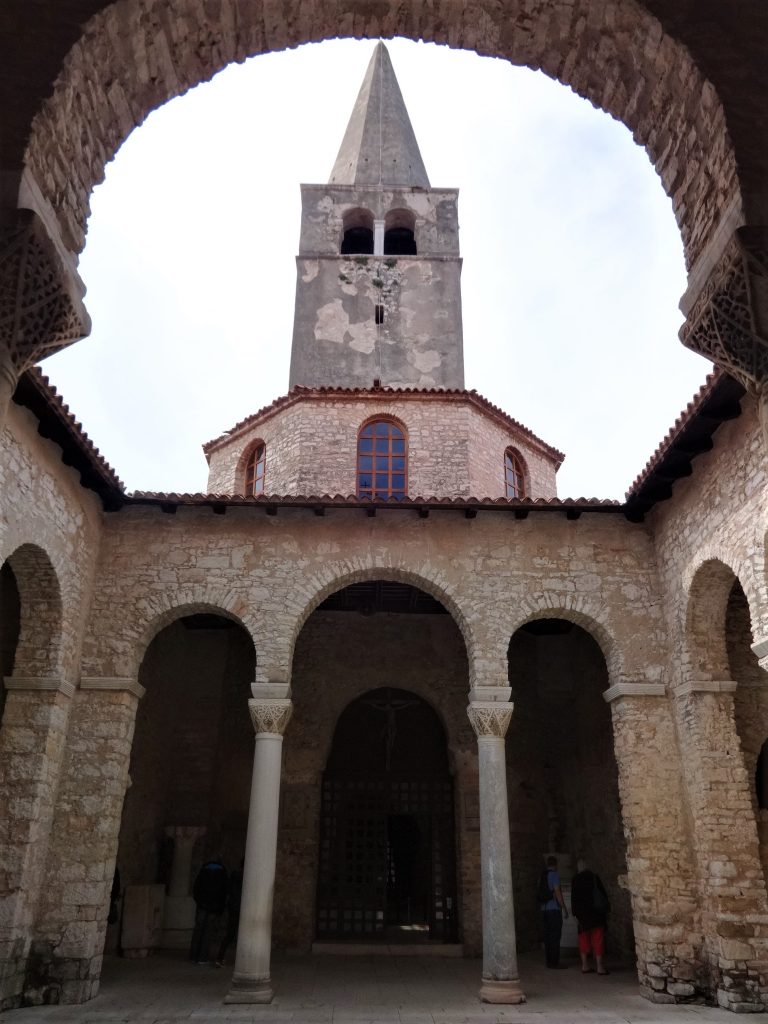
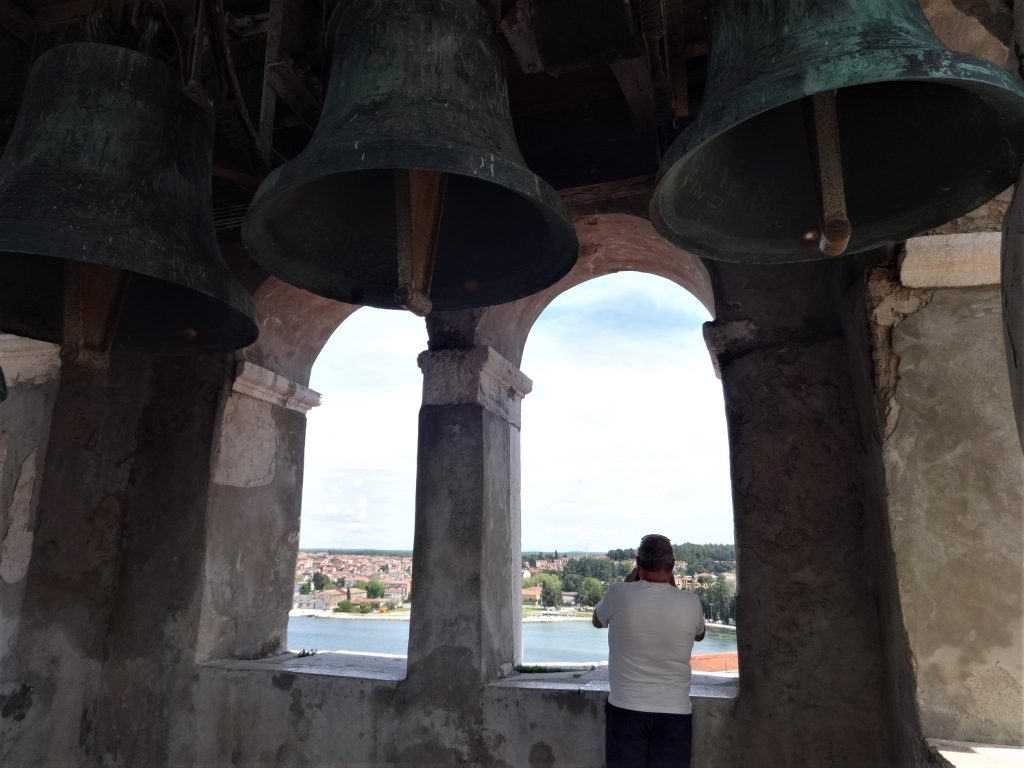
The Basilica began as a small church in the 4th century, expanded over the next few centuries into a bigger complex, decorated in the lavish Byzantium style, but is balanced by it’s simplicity. A bell tower was added in the 16th century and we climbed the 121 steps to the top to check out the views. It is said that on a clear day you can see Venice, sadly, not on the day we went.

This is the main apse, made entirely from gold and coloured mosaics.
The walls are much simpler.

Town views

« Older posts Newer posts »