Our 90 days in Spain began sunny and warm. We stoppd in Benicassim, just outside Valencia, returning to the familiarity of Bonterra Park and settled into our new living arrangements (caravan and full awning) comfortably. Several trips to the camping section of Decathlon and the local camping shops enabled us to set up an excellent kitchen and dining area in the awning, easily completed within a week and our chilling afternoons began! David has been able to rediscover his cullinary skills again, the kitchen in the caravan being far too small for him!!
Tea and Pea Break
Fully set up now.
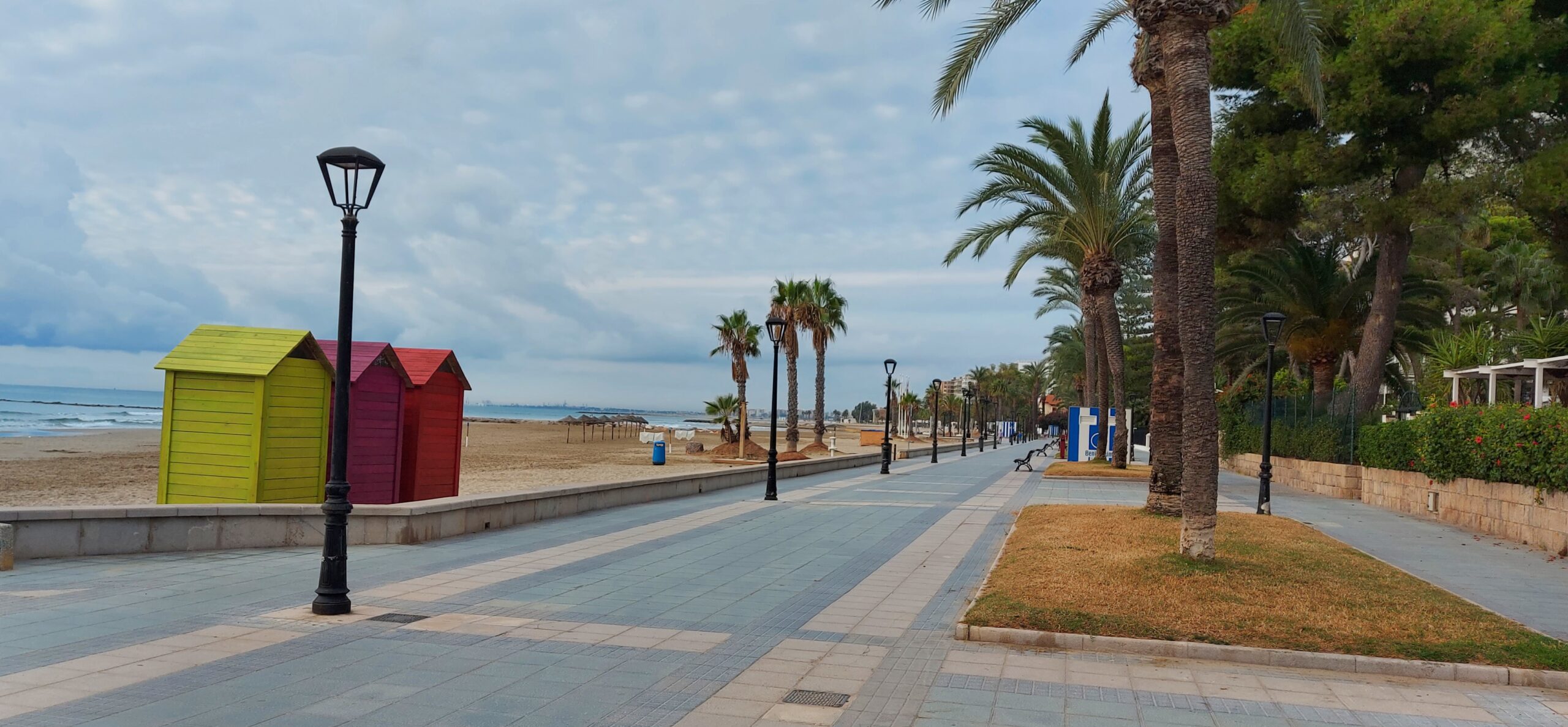
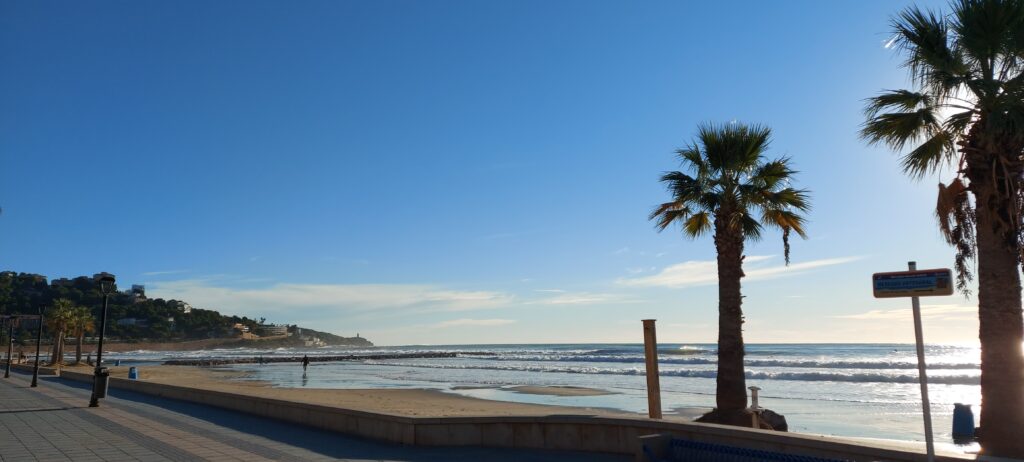
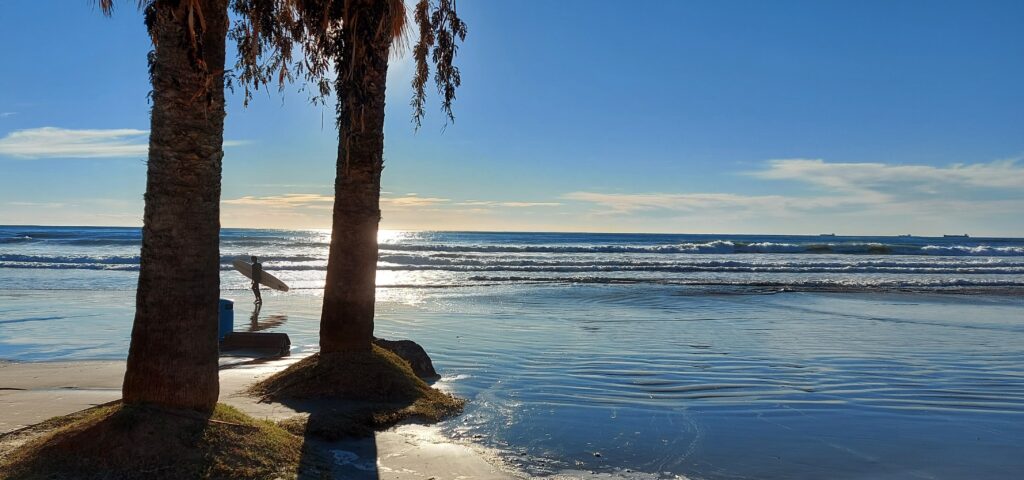
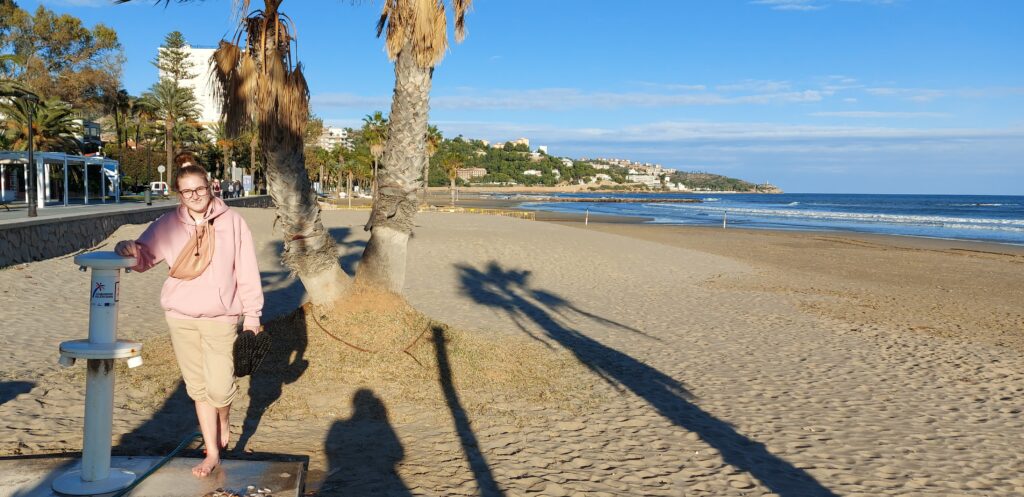
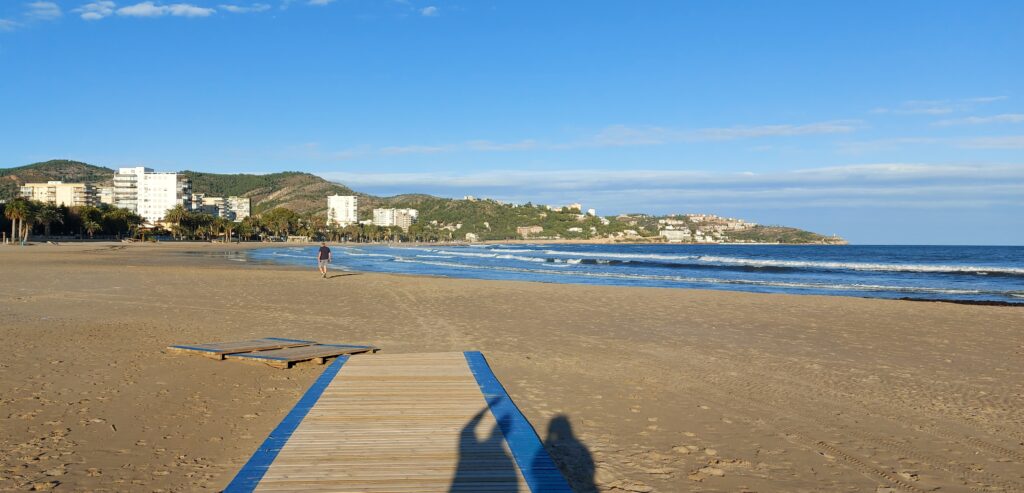
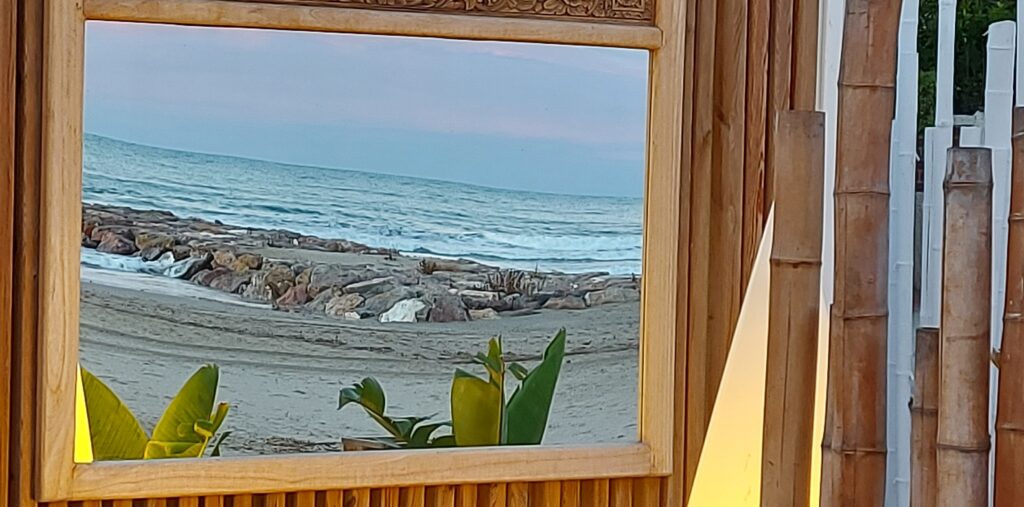
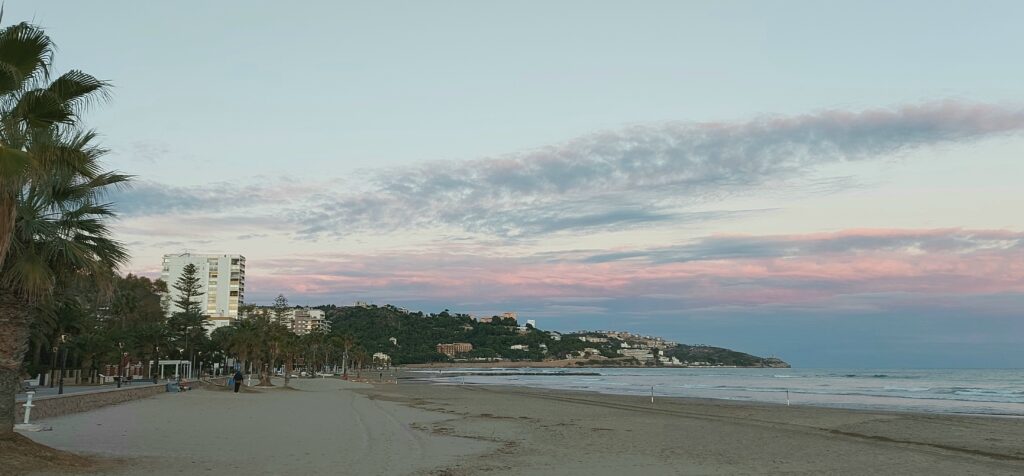
Benicassim beach
Benicassim beach
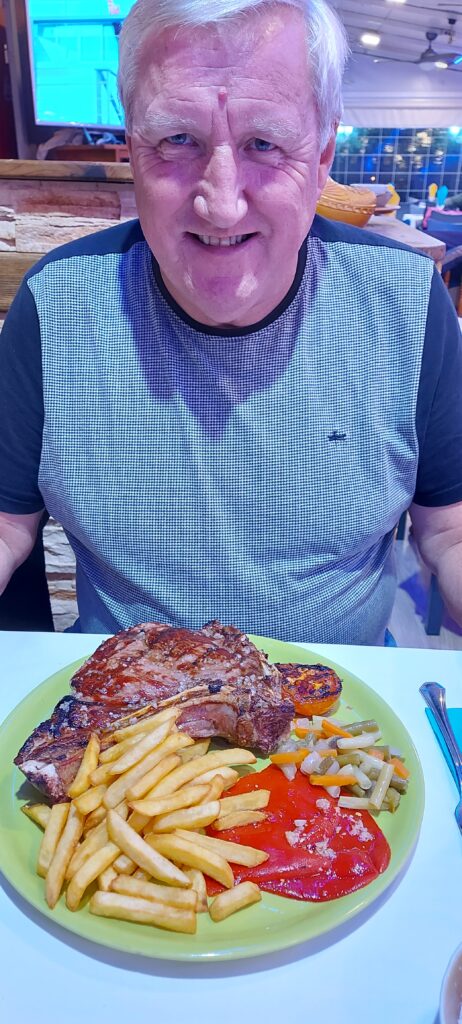
Task for the night – to finish a mammoth Chuleton!!
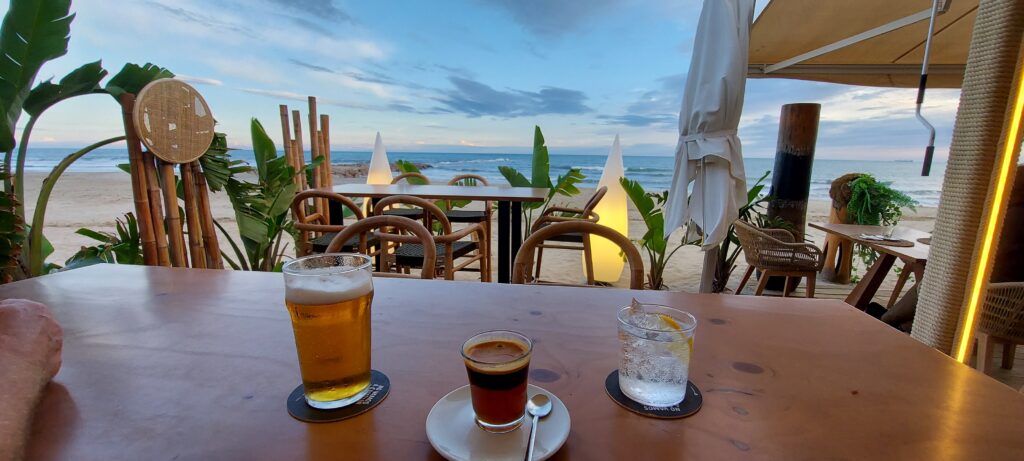
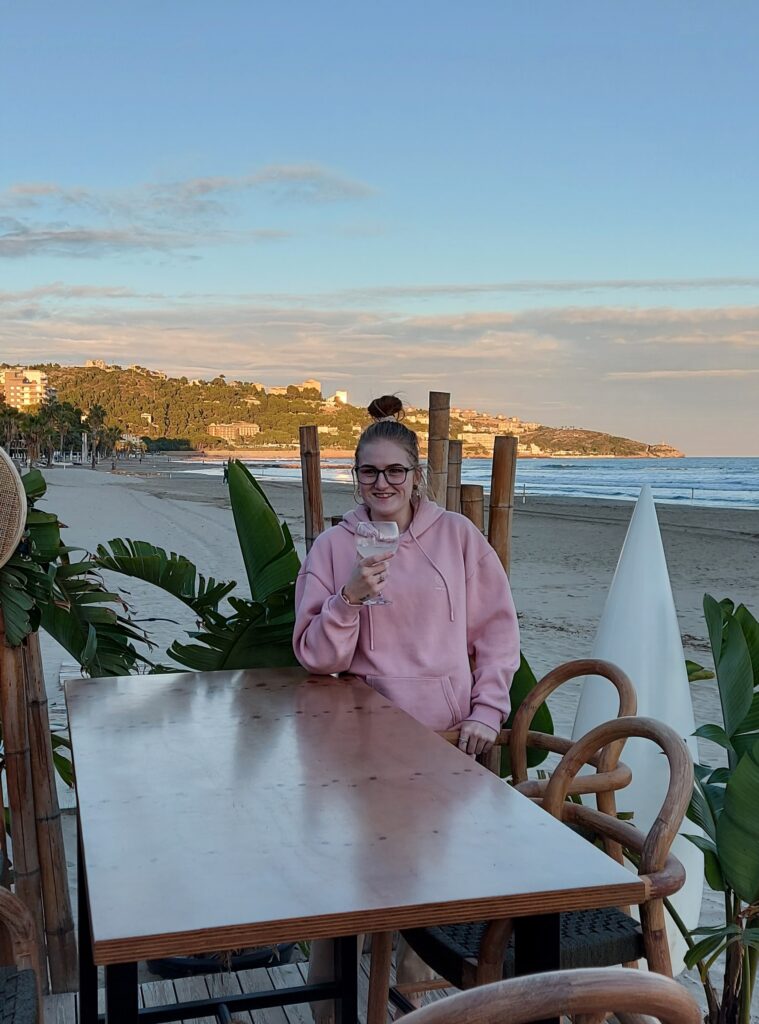
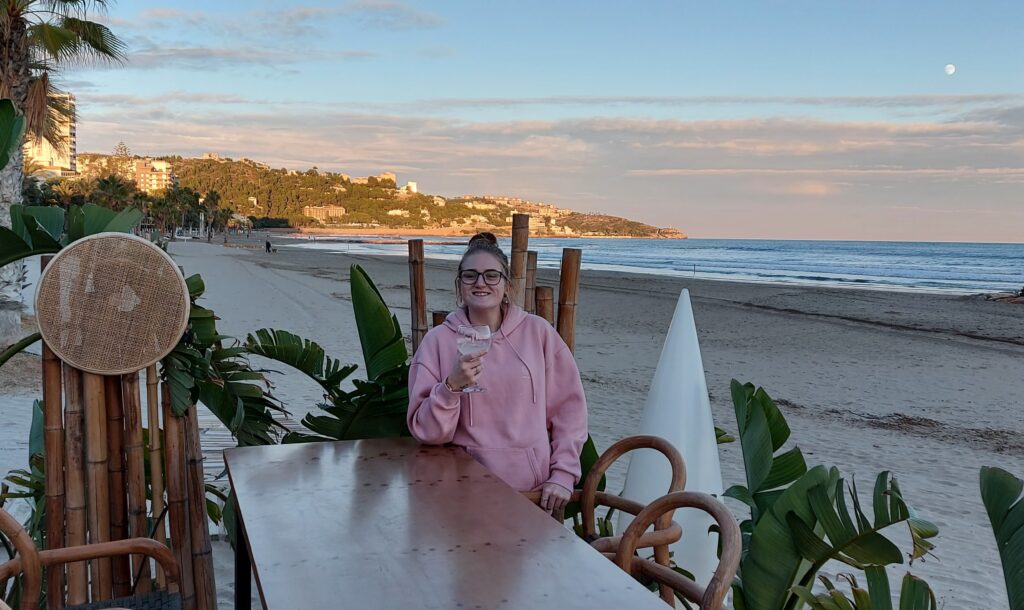
Afternoon drinks after a stroll
Our daughter Caitlin was able to book a few days off work for a much needed break, thankfully the weather was still warm and we helped her chill out and relax.
Her plane flew into Valencia late Monday night so Tuesday was spent eating and drinking and wandering along the beach.
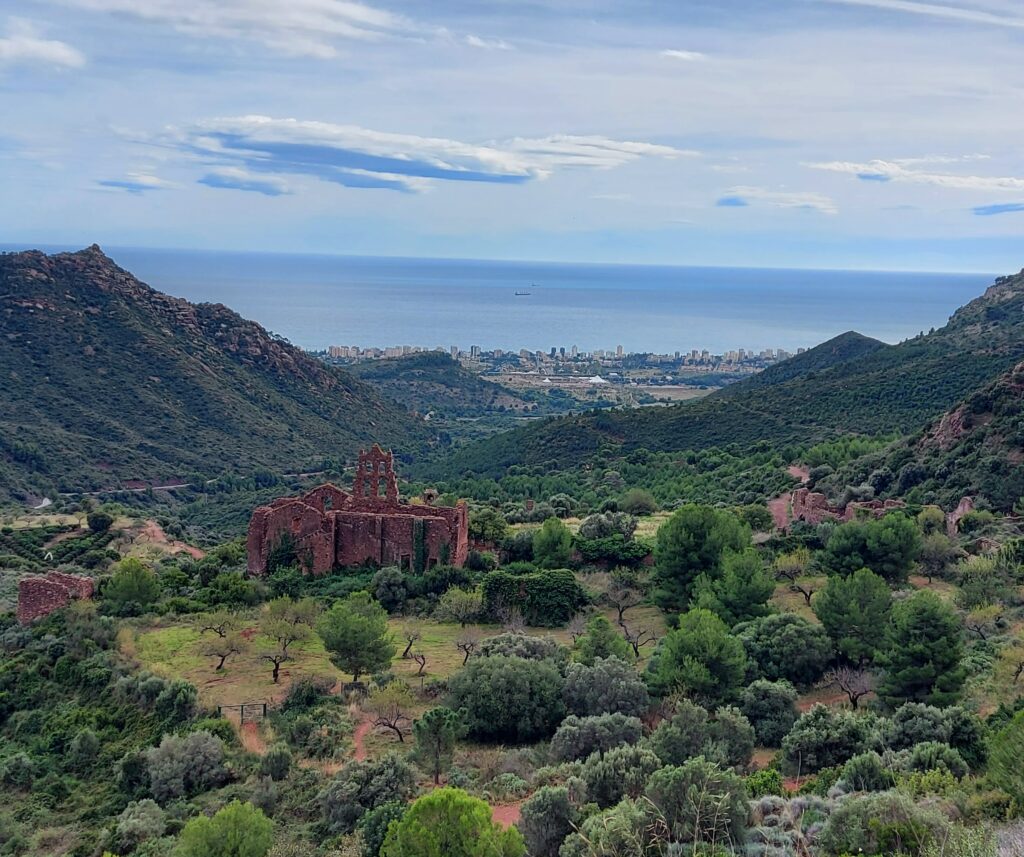
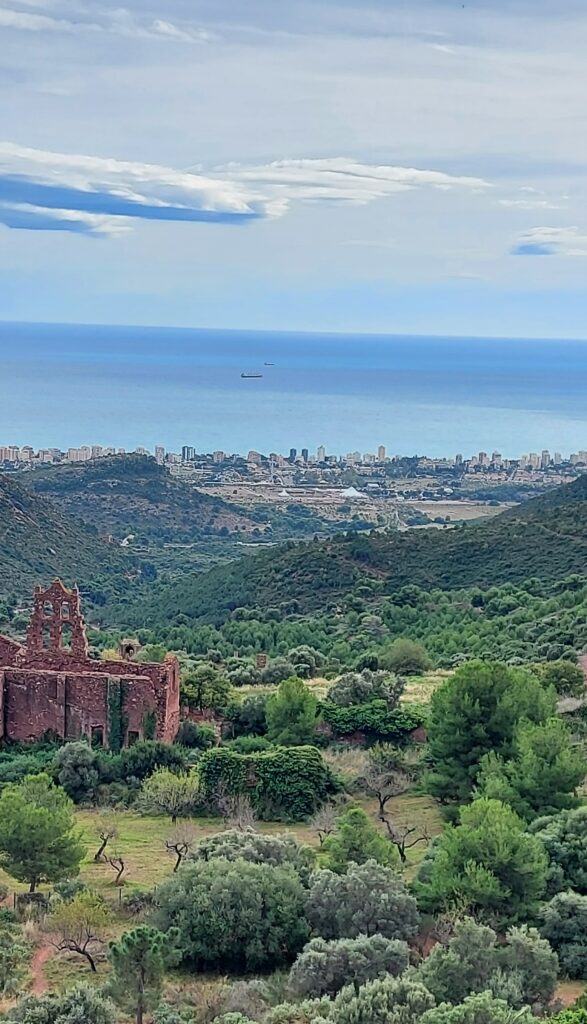
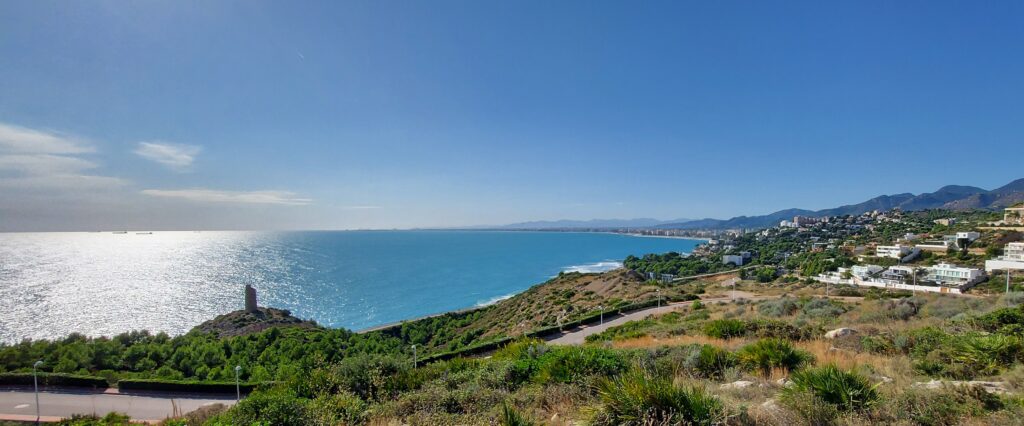
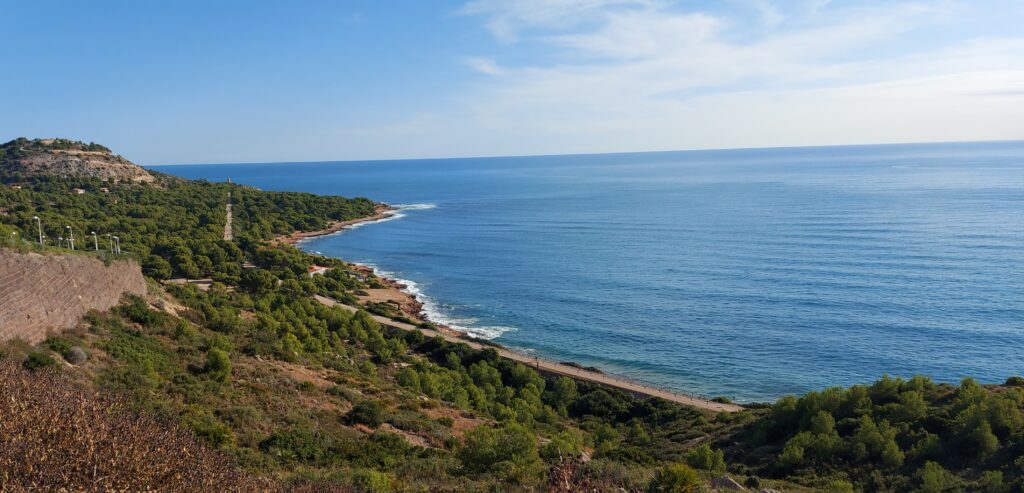
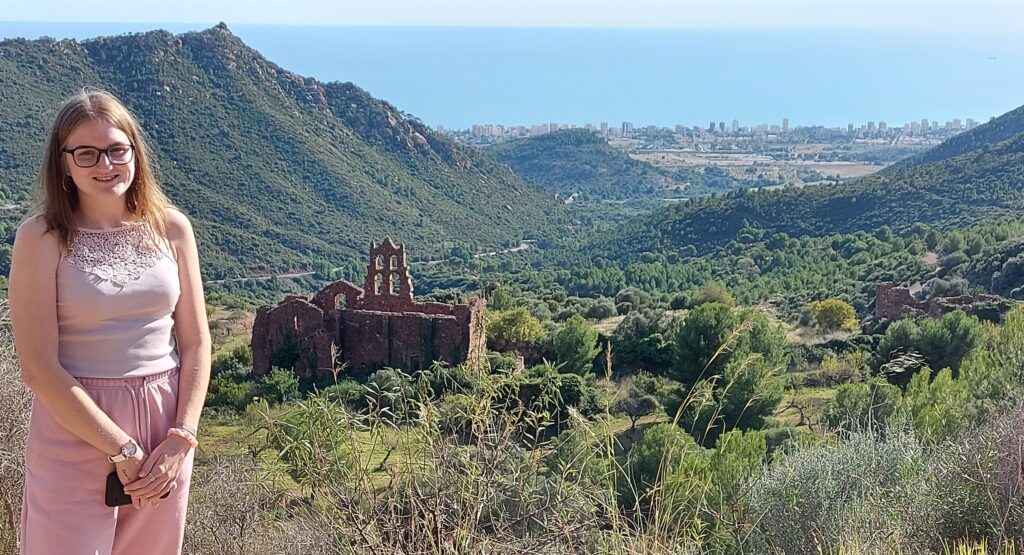
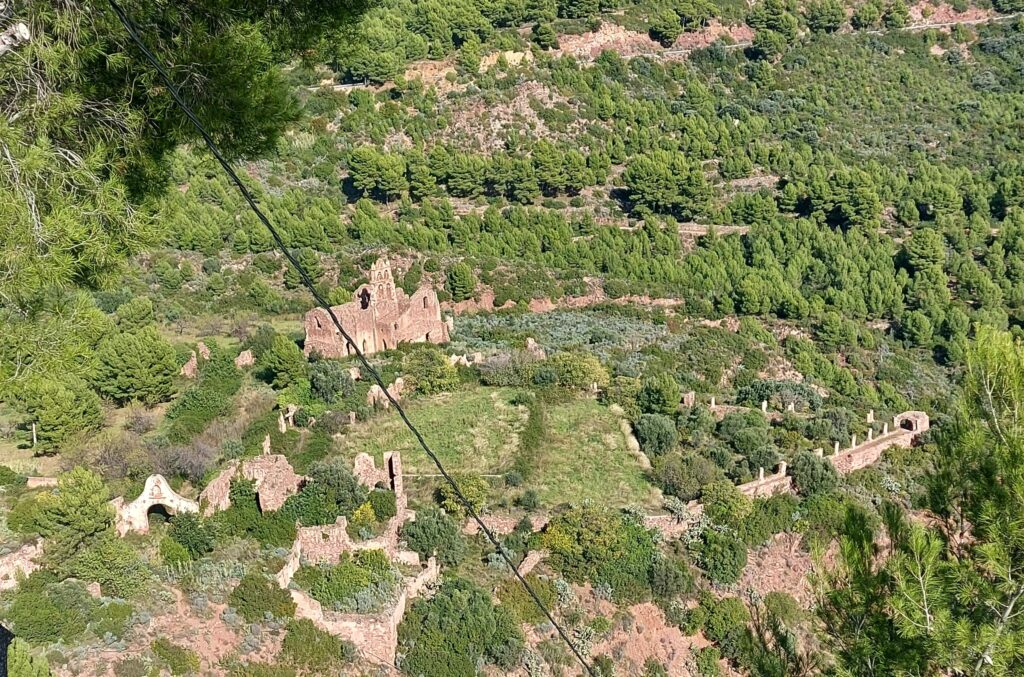
View from the top of the mountain towards Benicassim, the monastery ruins dates back to 1697, destroyed by an earthquake in 1783.
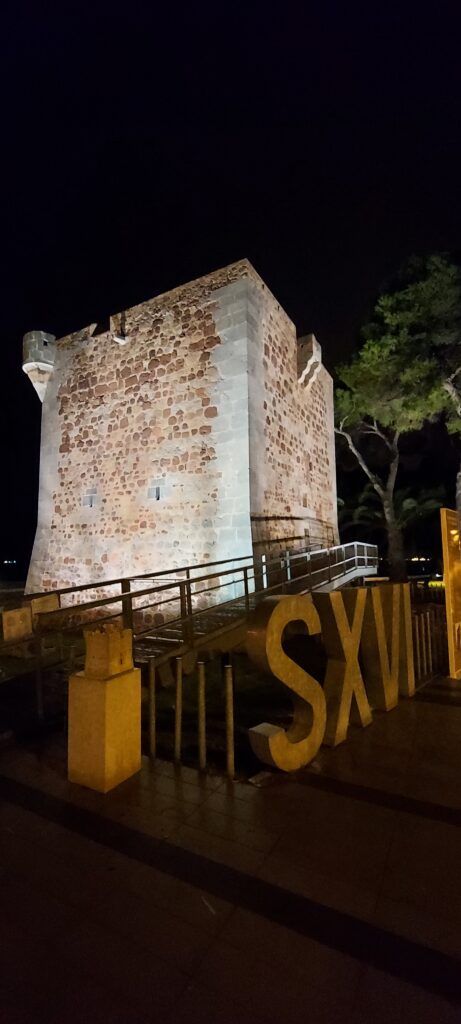
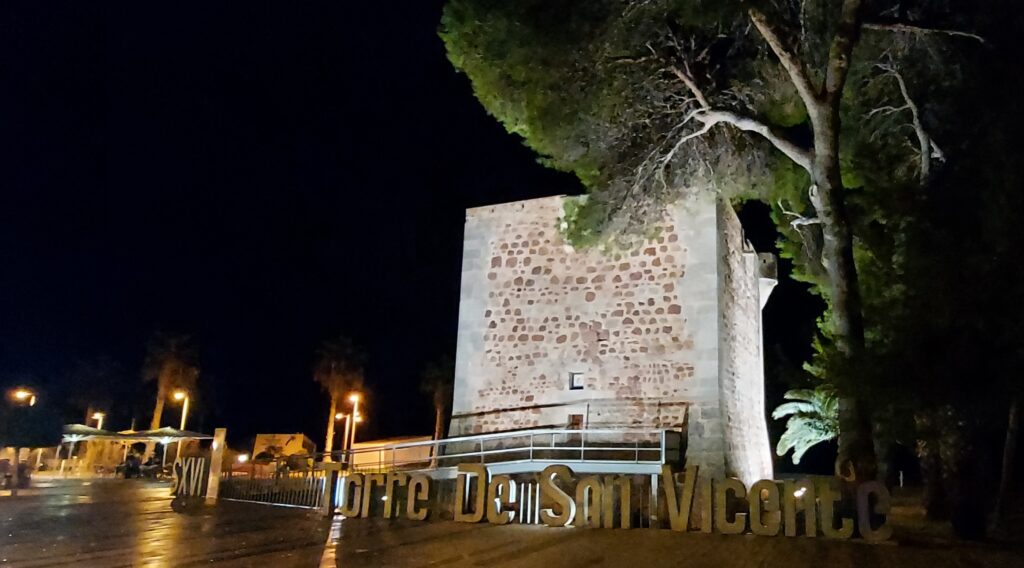
Torre de San Vicente
View of Benicassim’s Voramar Bay
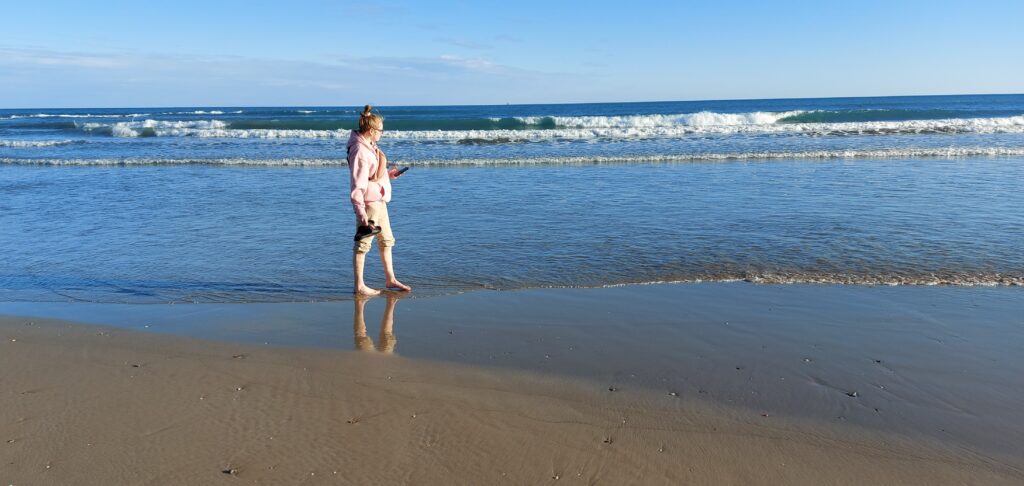
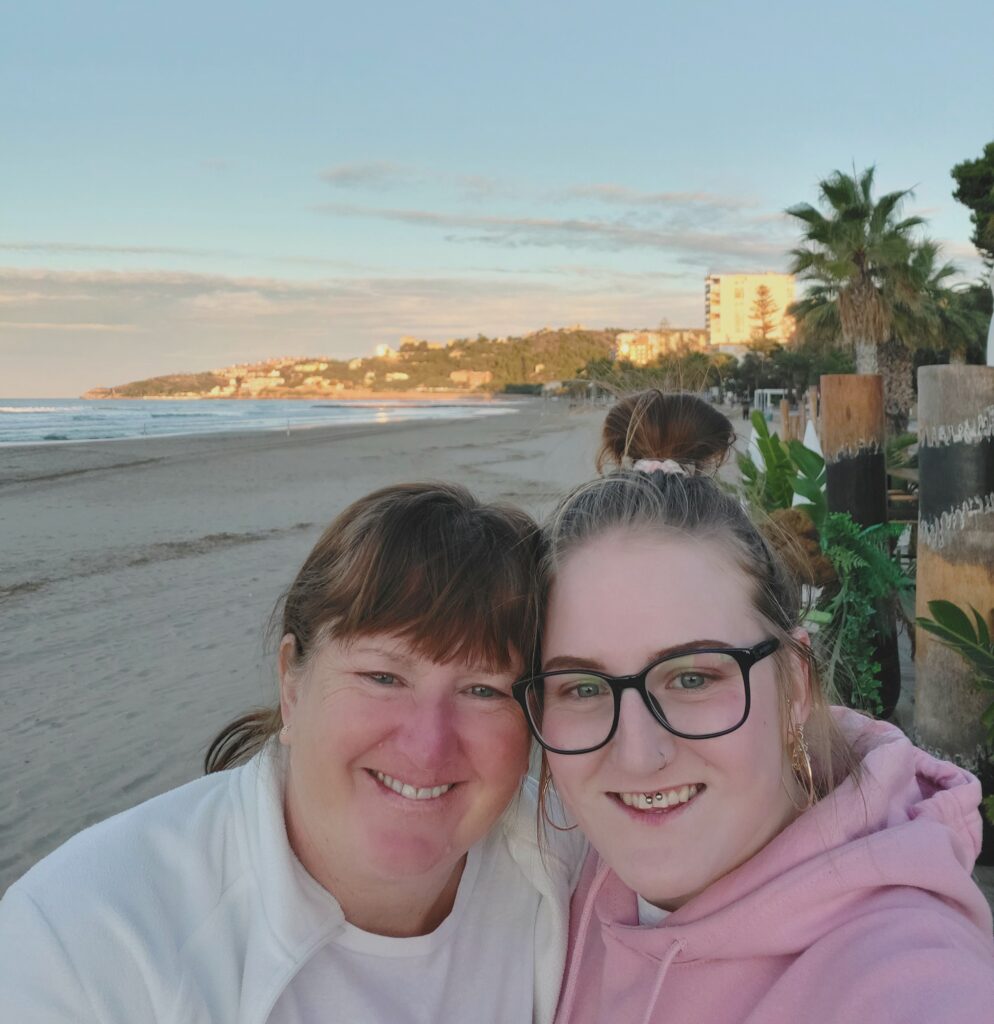
Simply strolling
Cocktails on the beach!
Sunset
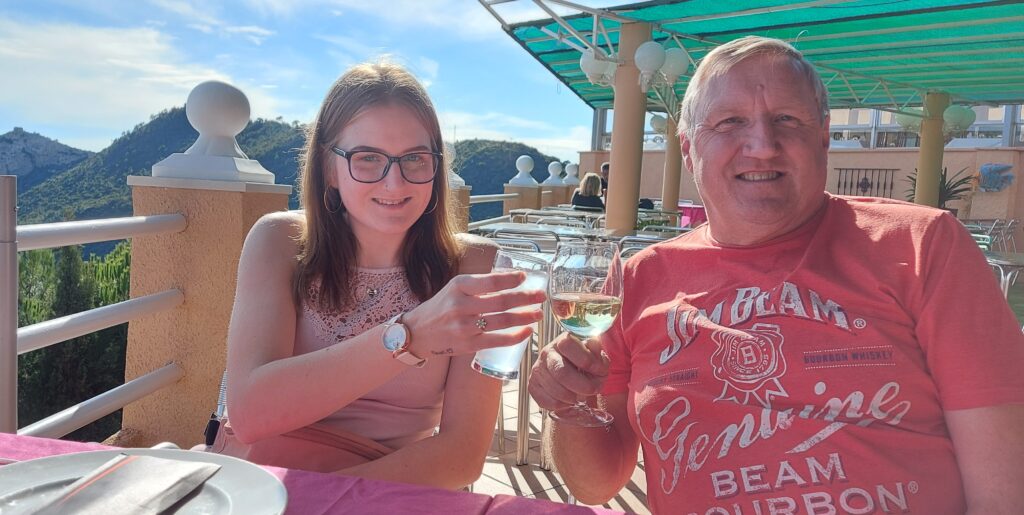
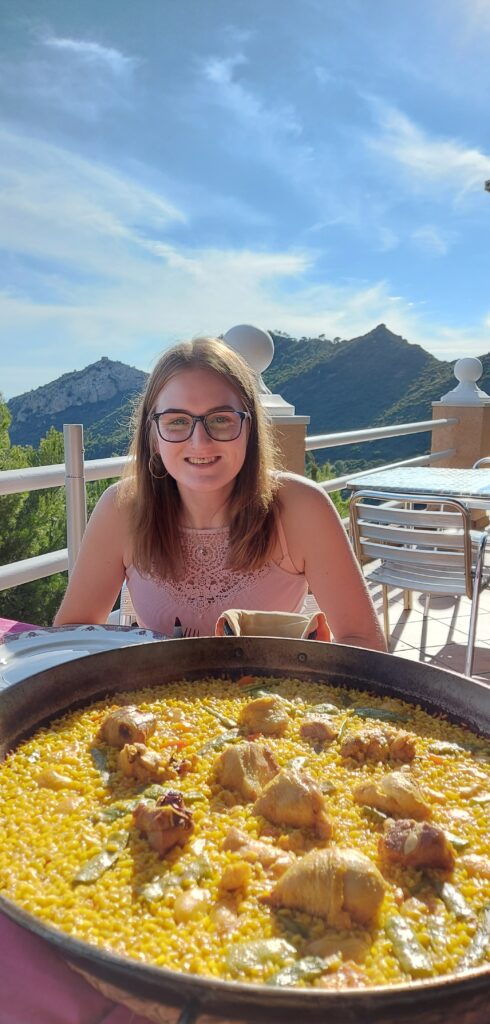
Wednesday we took her up the coast route to Orepesa and across the mountains behind the Desert of the Palms, stopping for a paella lunch at a high mountain top restaurant.
A little rock climbing!
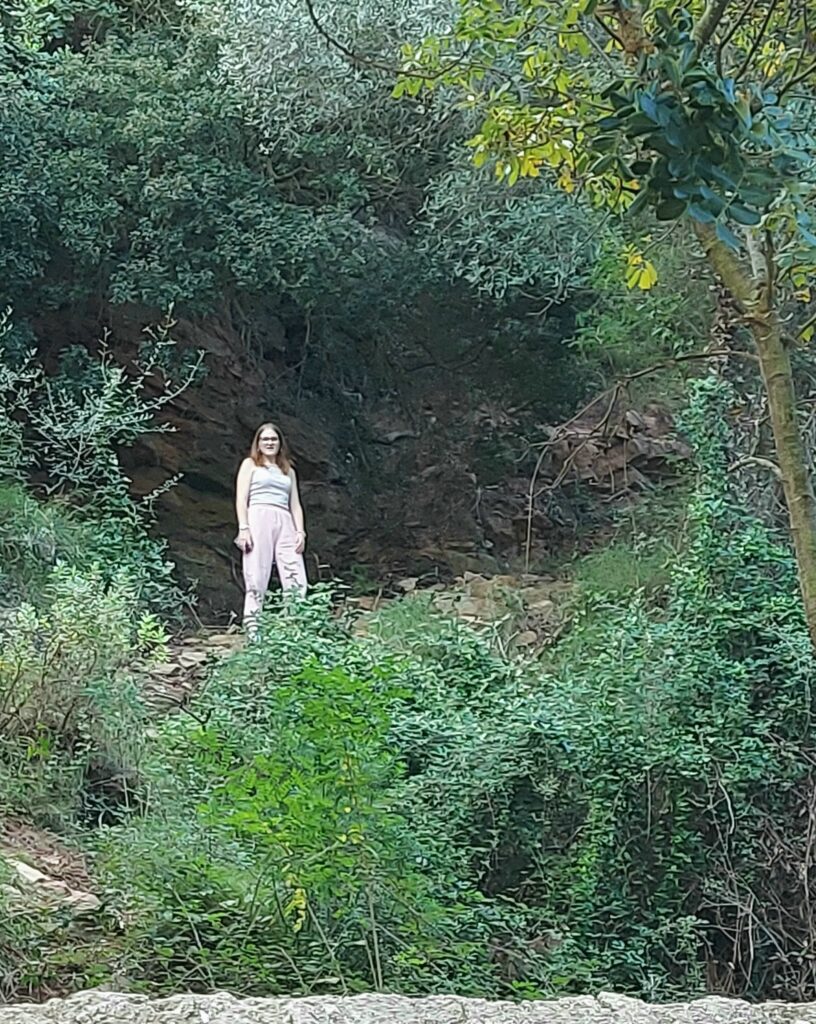
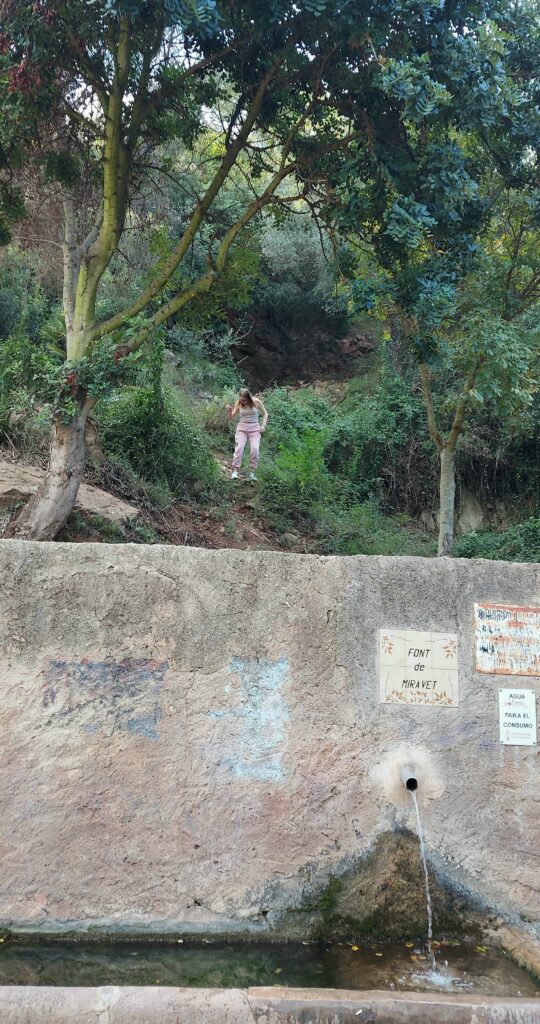
A natural spring fountain.
Lunch! Chicken paella.
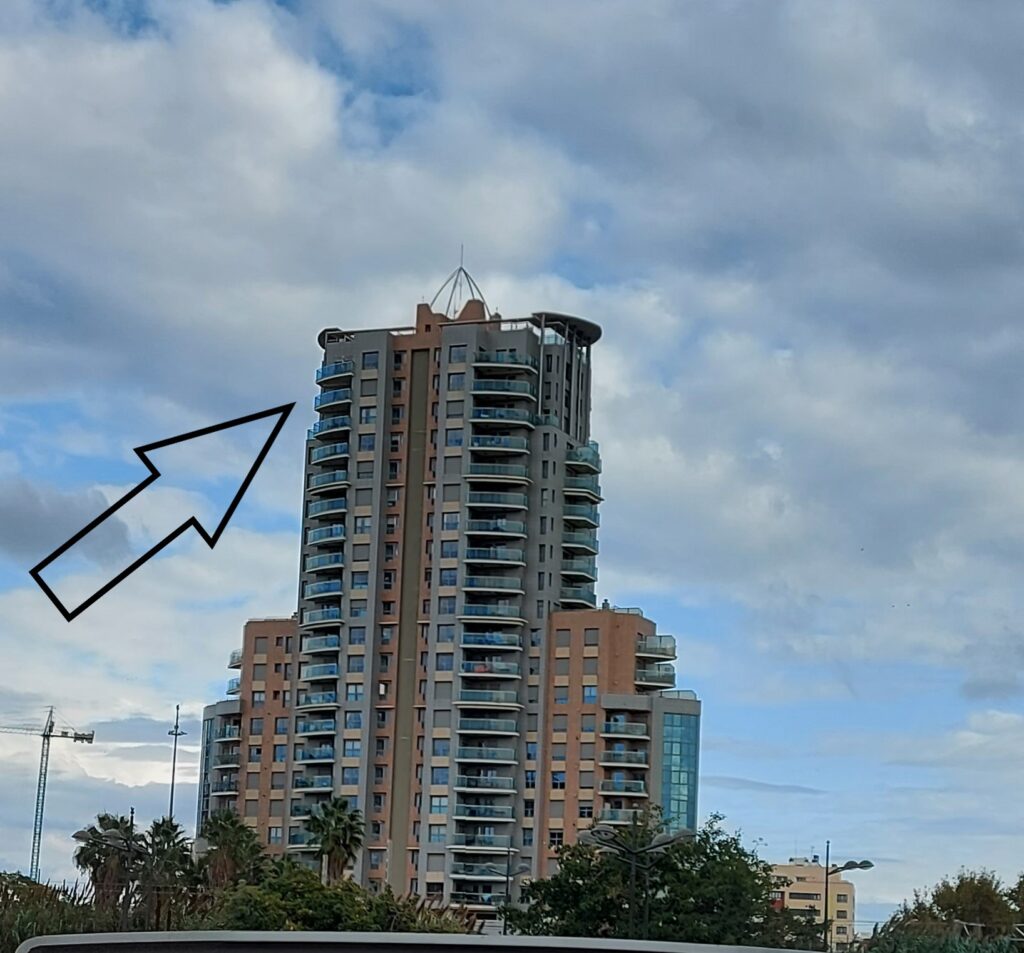
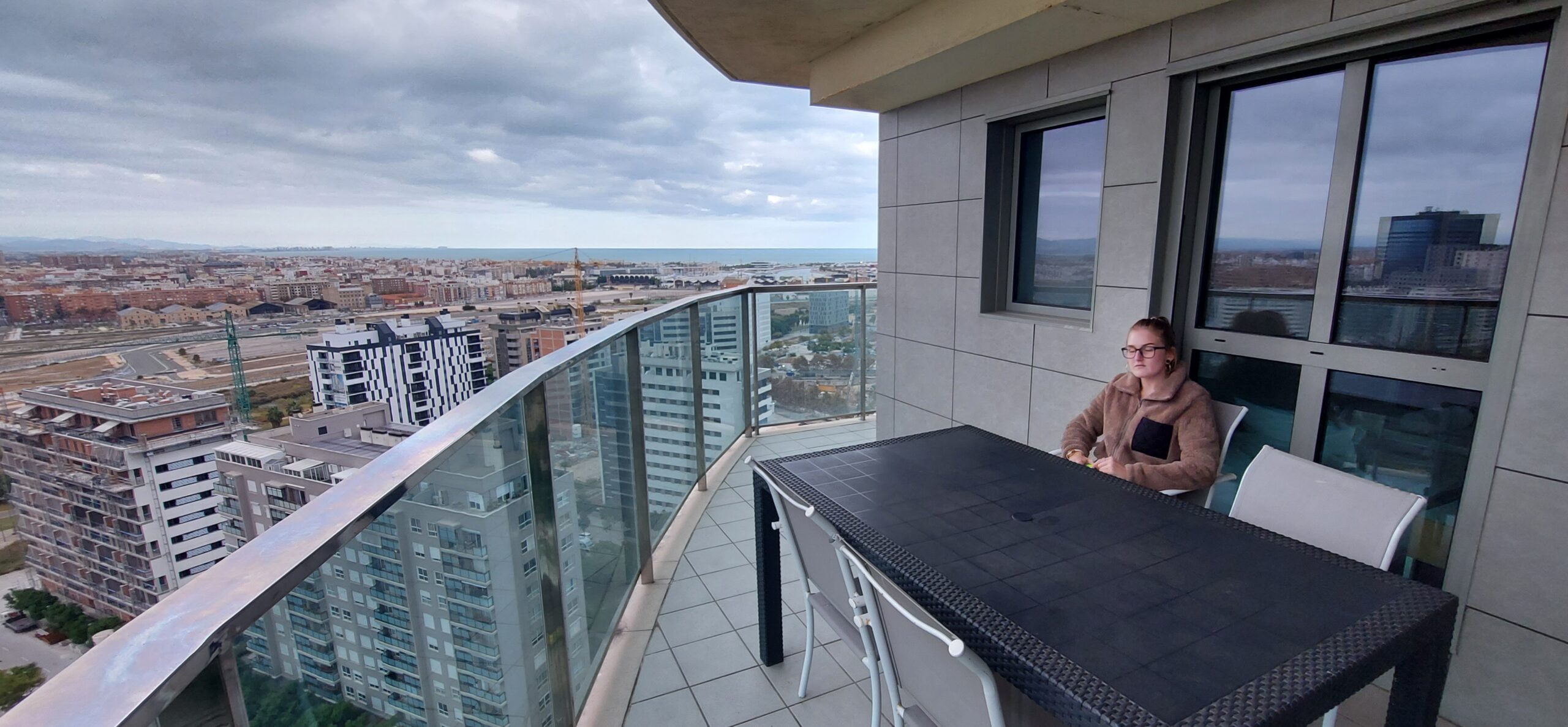
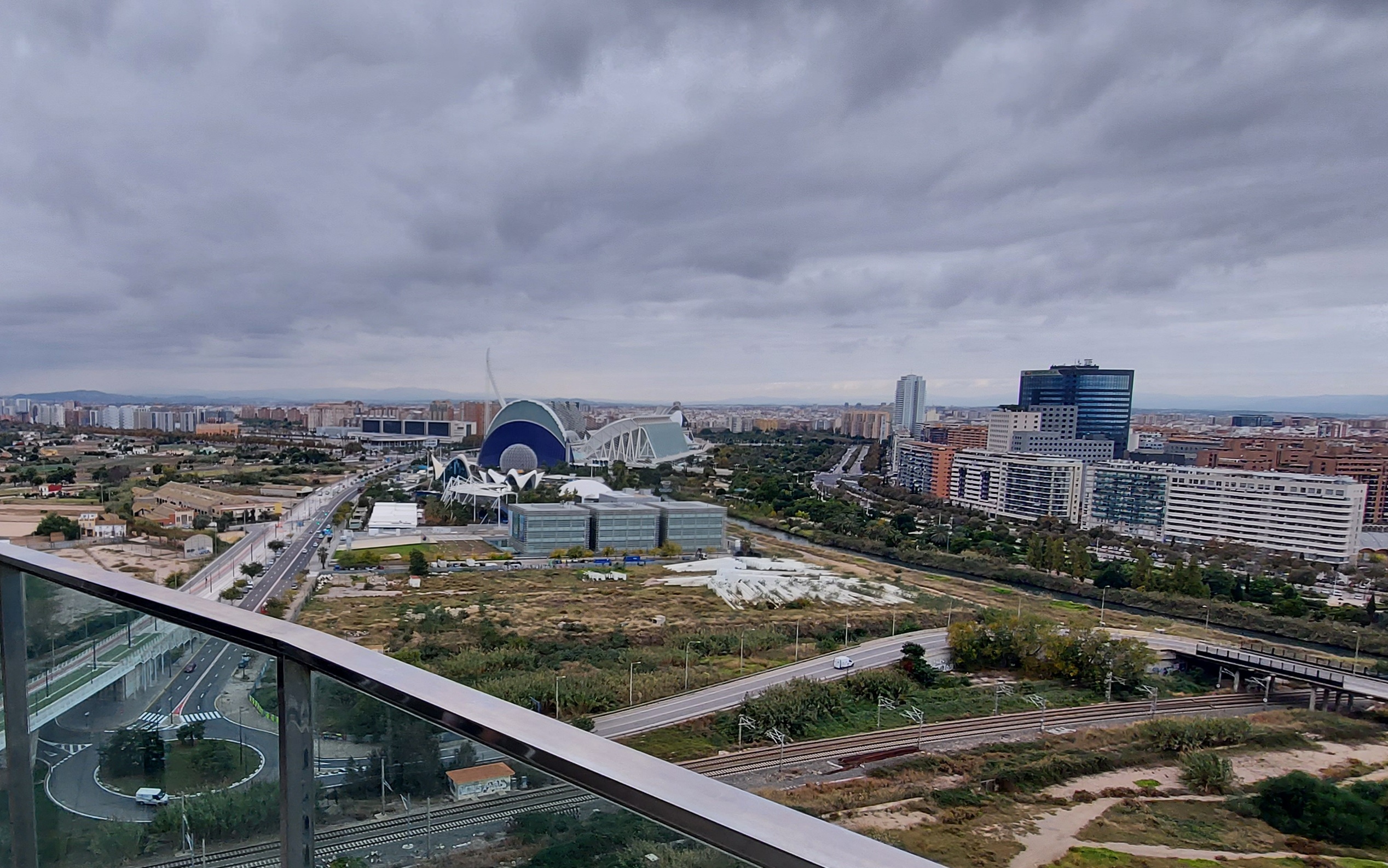
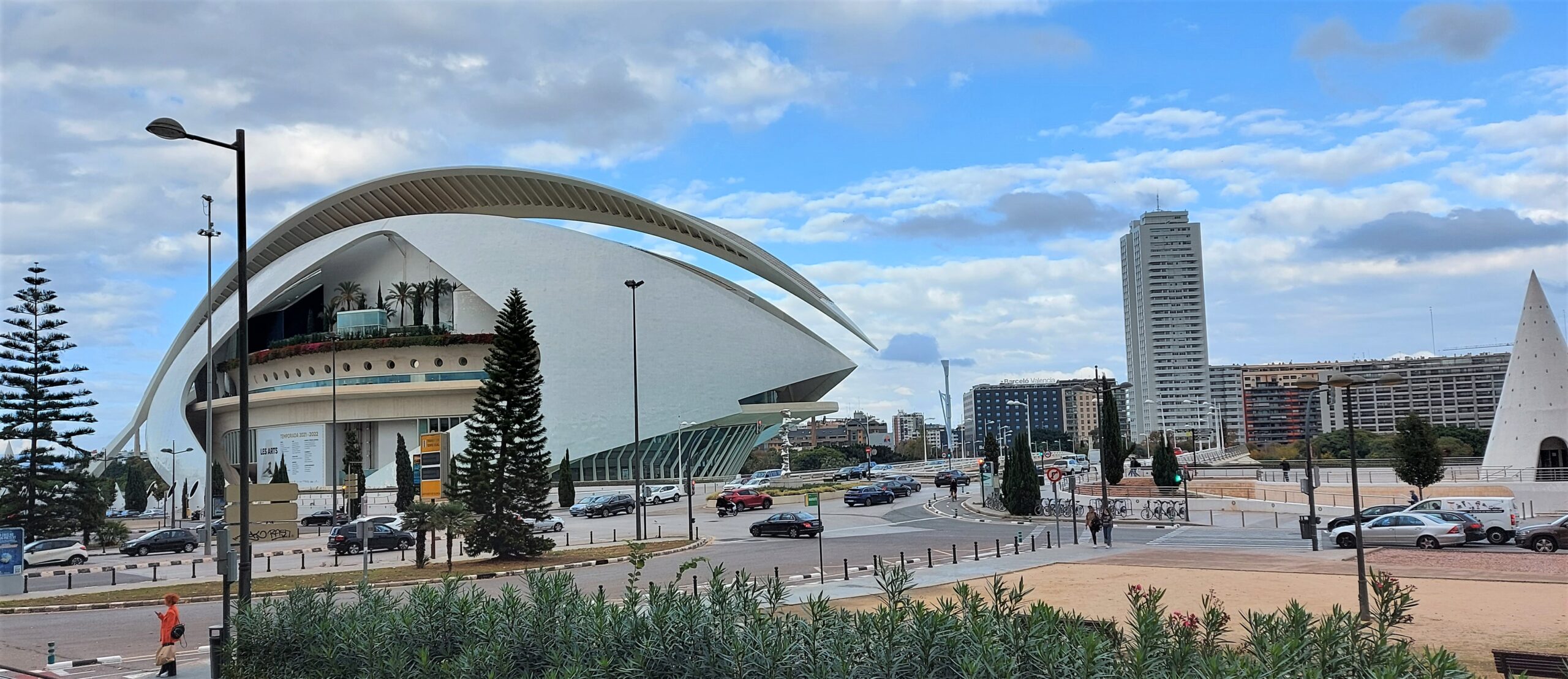
Thursday we drove to Valencia and hired a 19th floor apartment close to the Science and Art Parks, with stunning views over the city and back towards the port. We spent the afternoon and evening exploring the old port town and the sea front before returning her to the airport very early the next morning. David and I decided to spend the day in Valencia and hopped on the Touristico Autobus, a tour of the city took over 3 hours in the midday traffic! Well worth it as we got to see some amazing buildings and sights.
Our Apartment!!
Our 19th floor apartment!
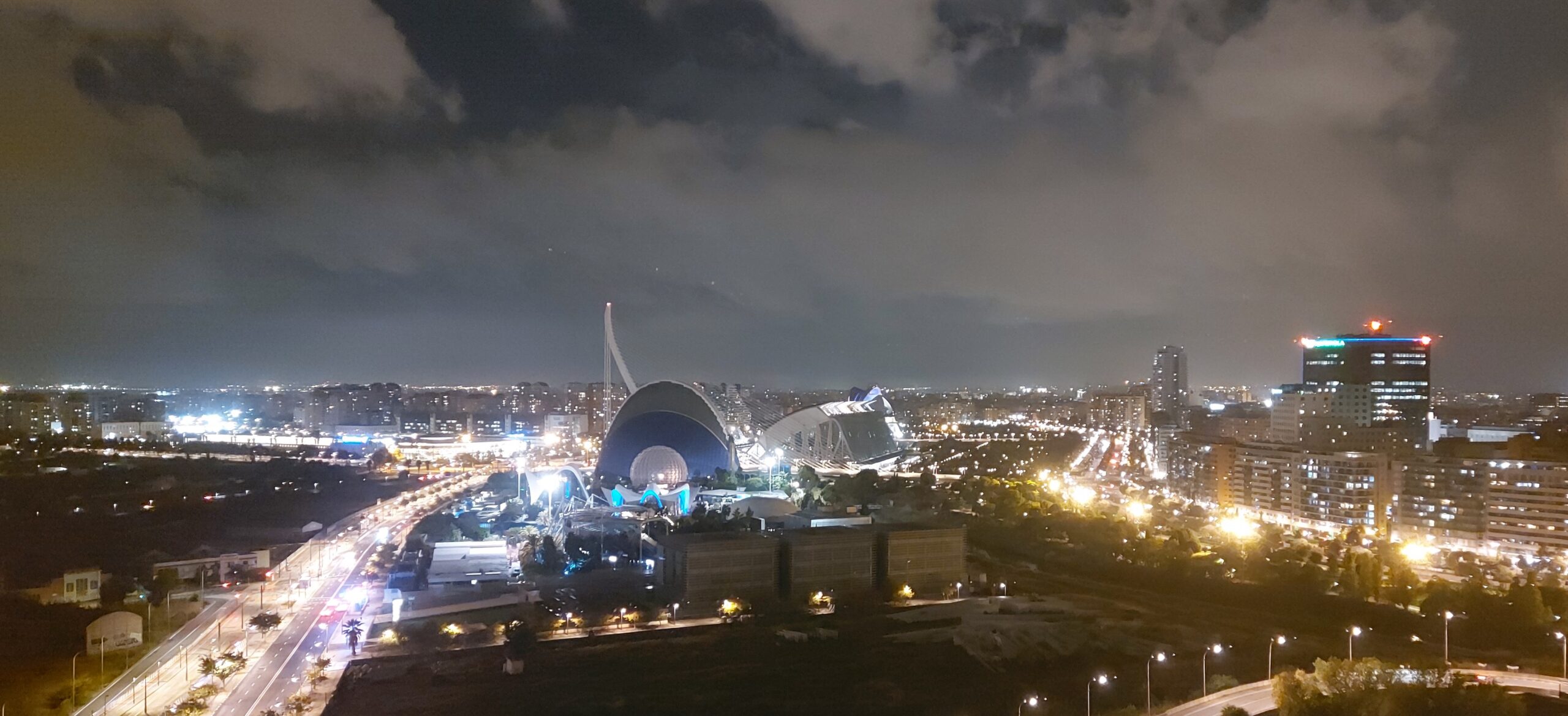
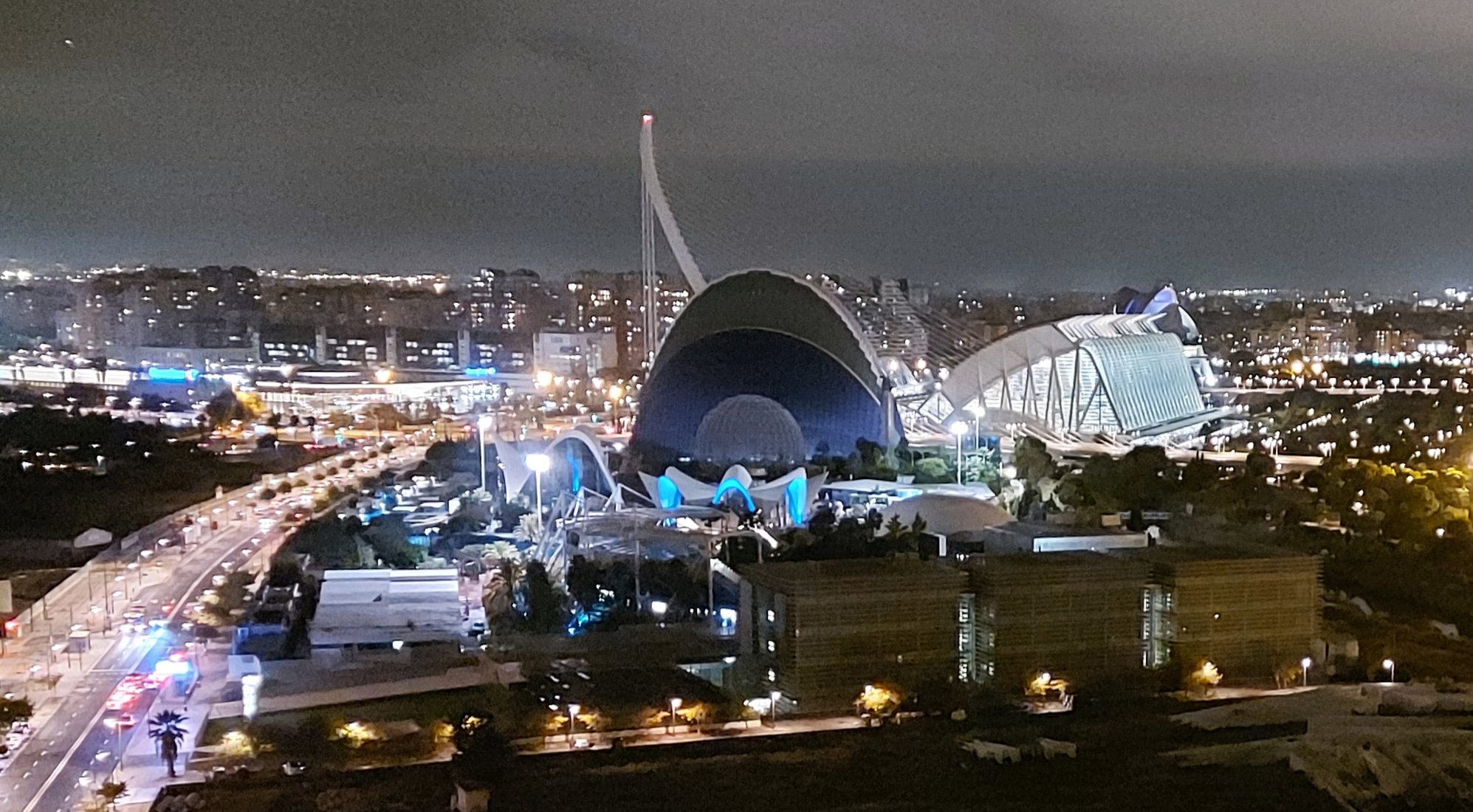
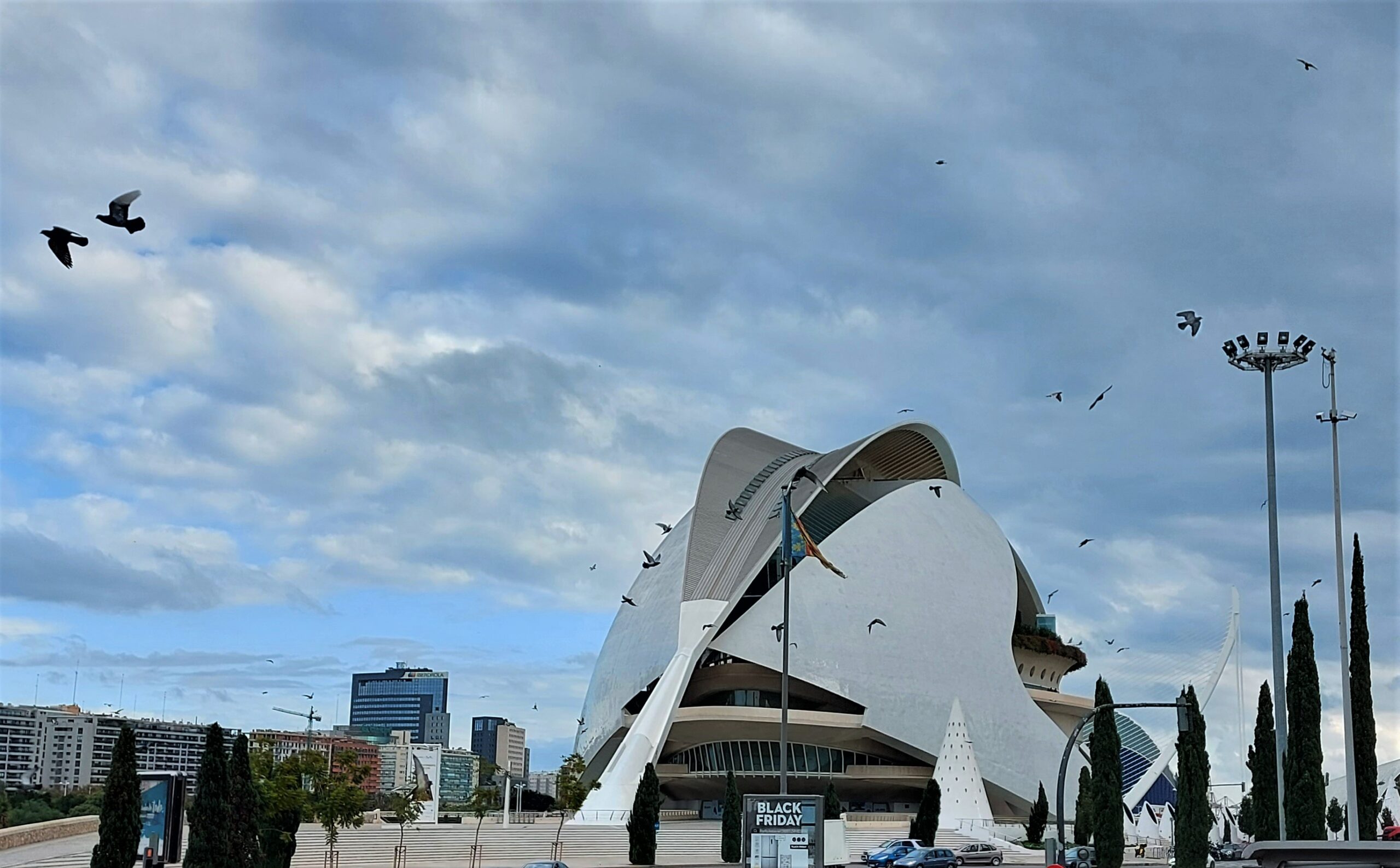
Views towards Valencia city and the Science and Art Parks
Messing about by the Port!
Waiting for our cocktails
Evening sky line
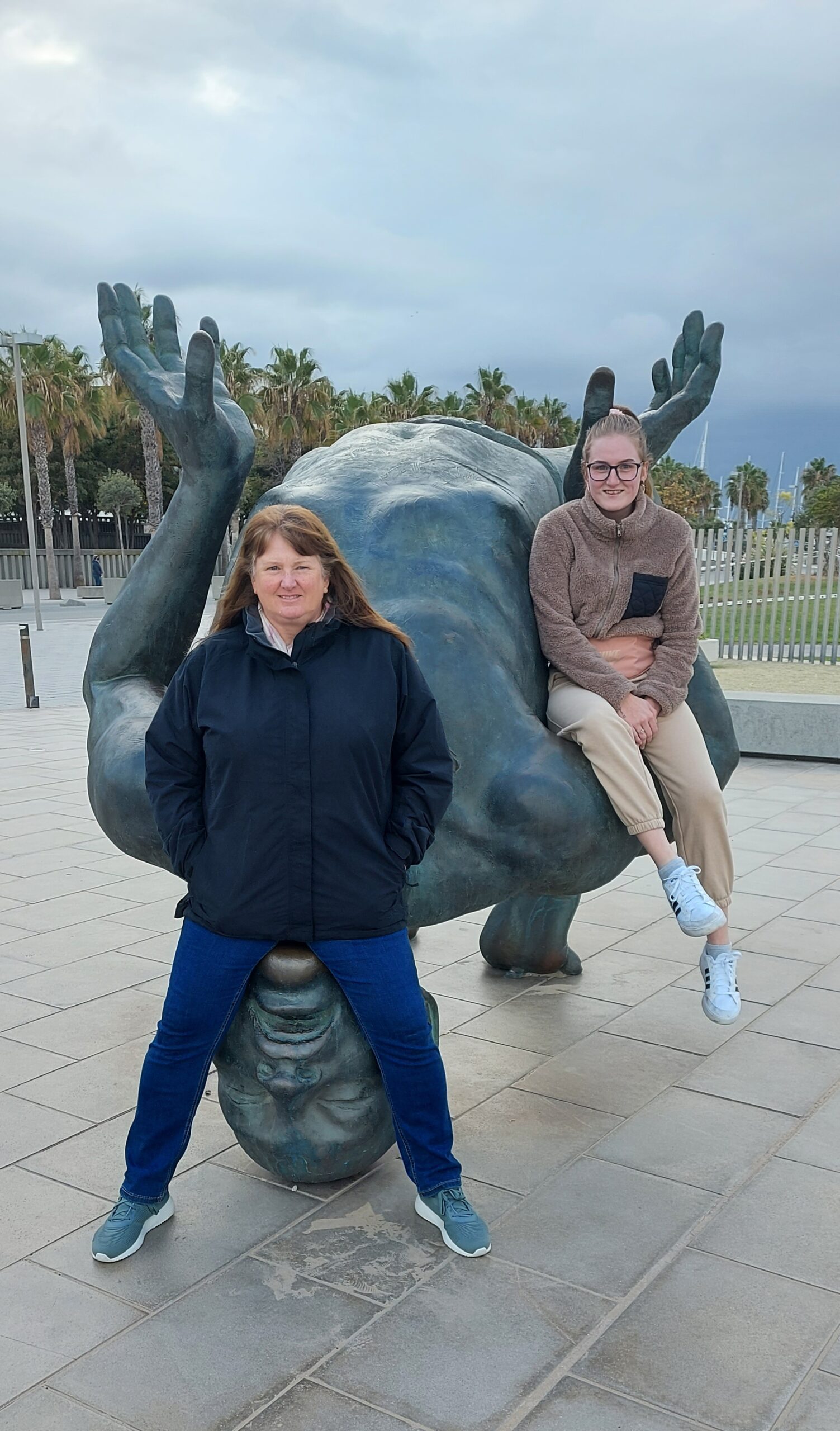
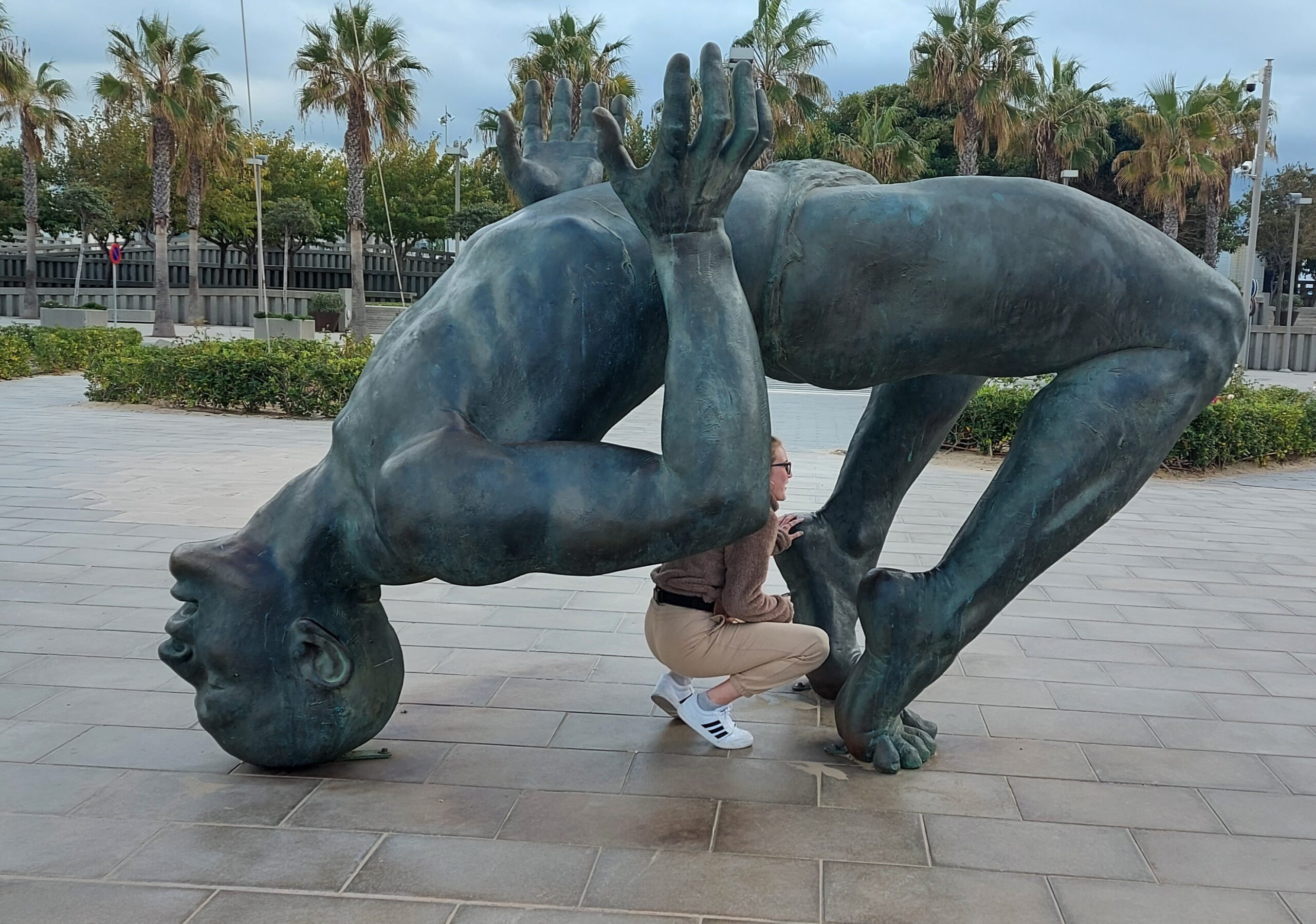
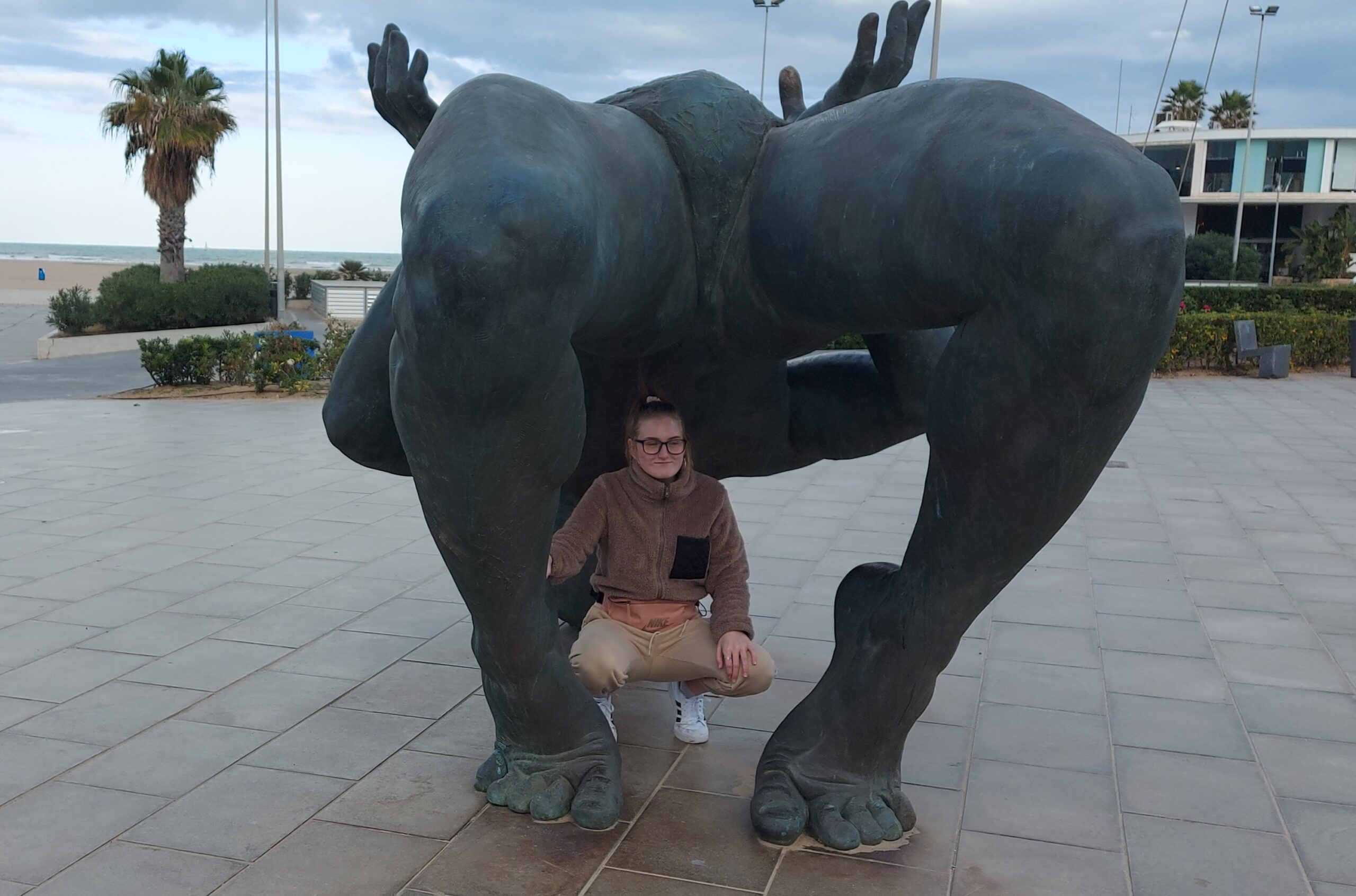
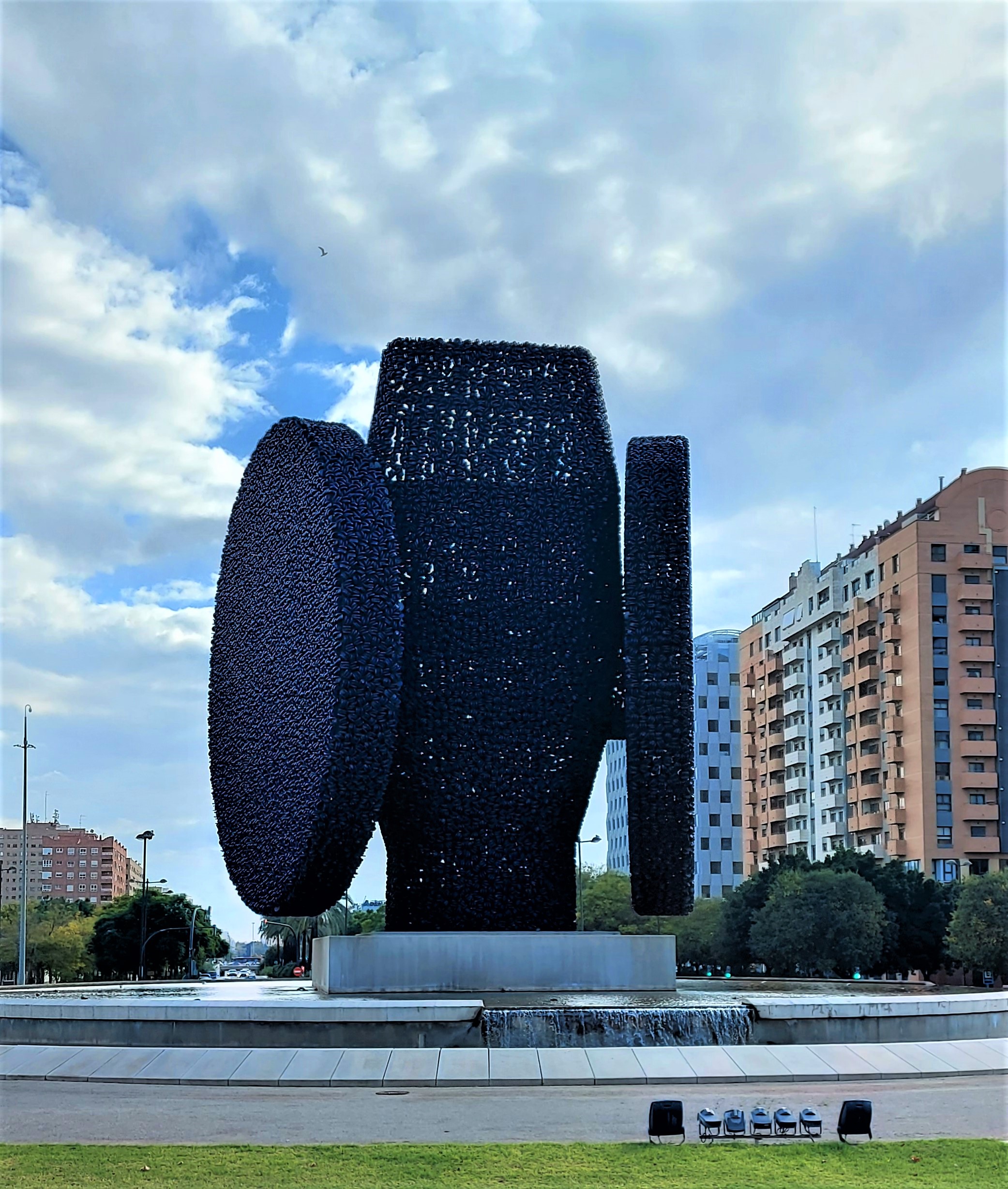
Modern art next to modern architecture
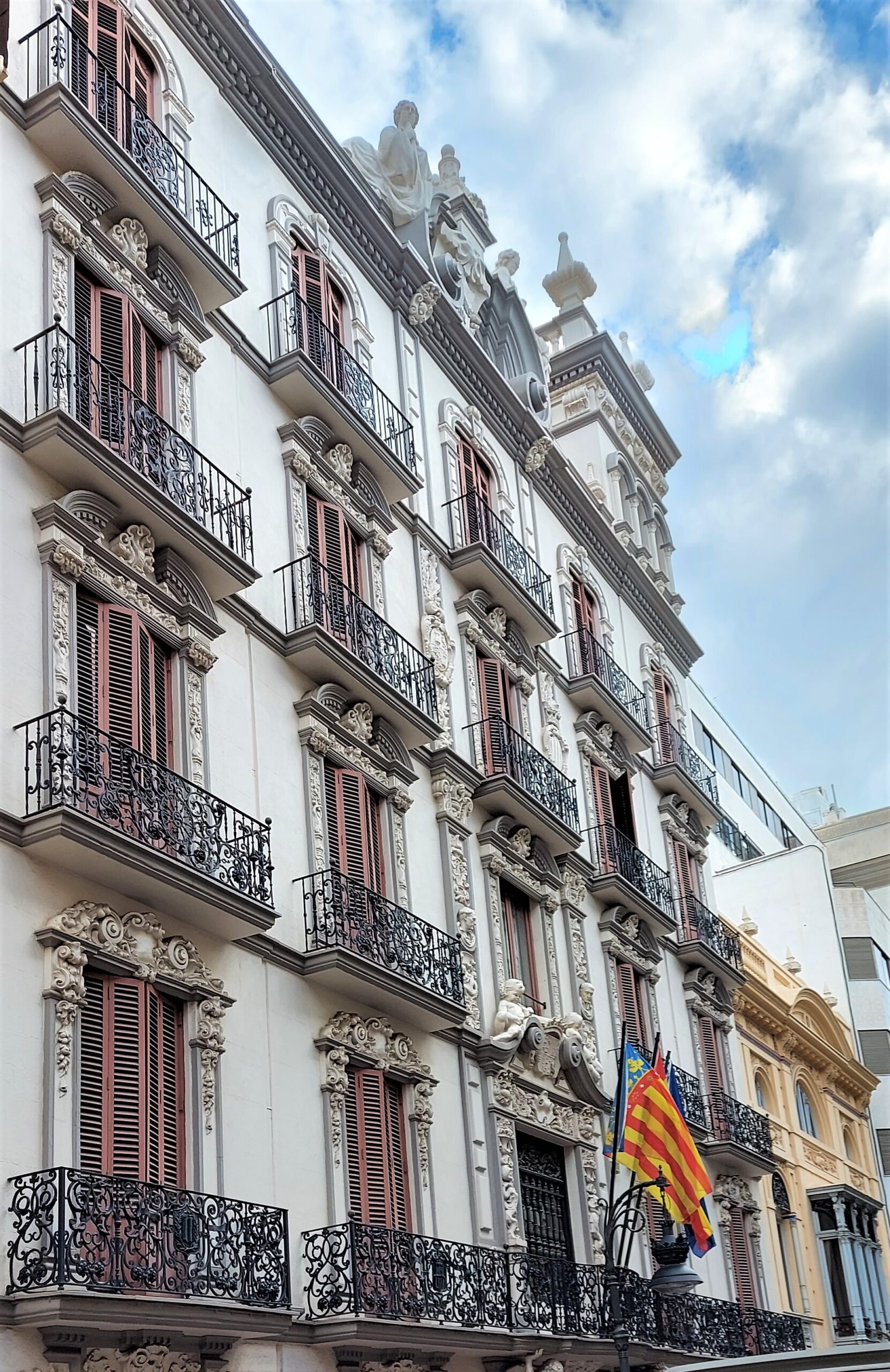
Baroque buildings
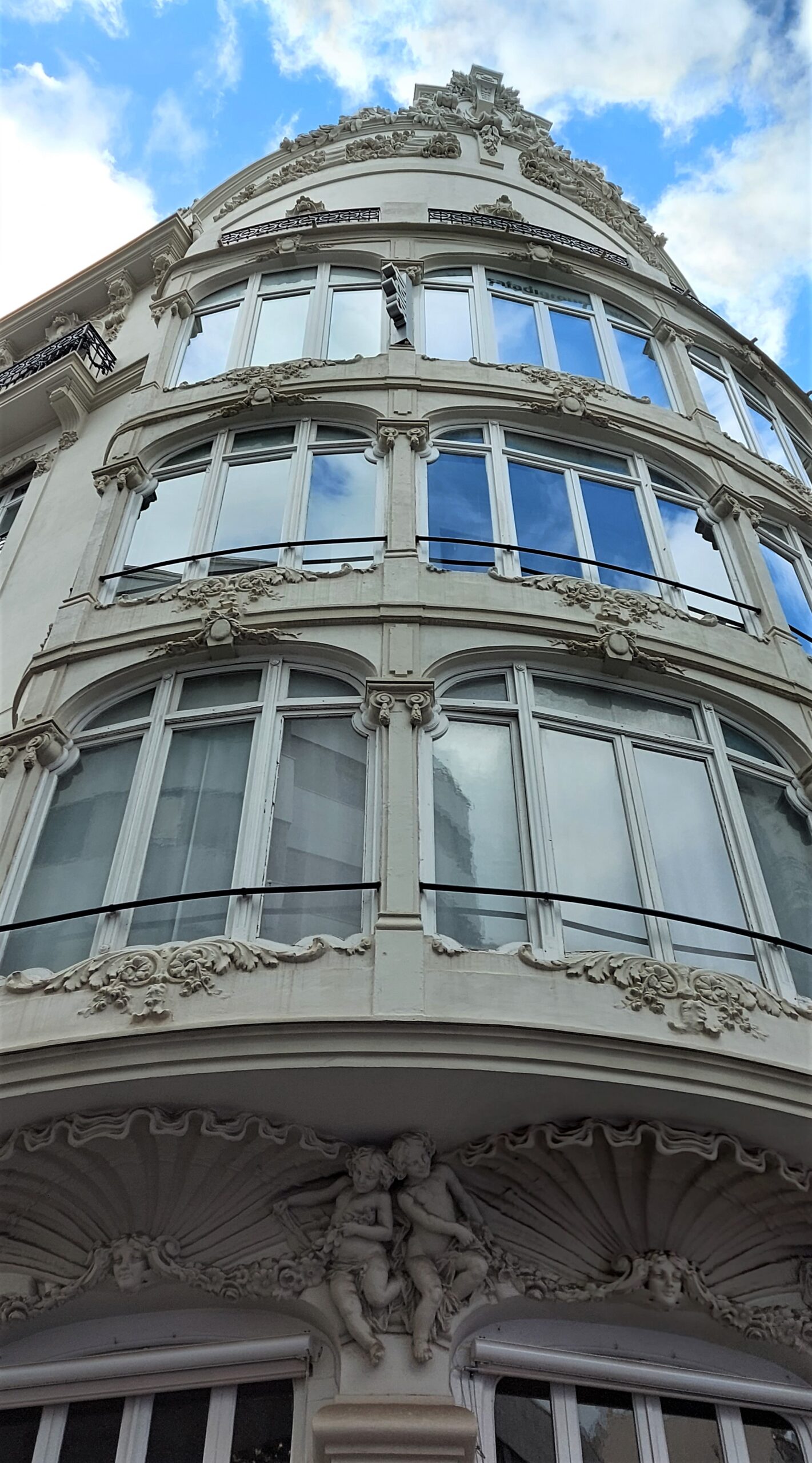
Venetian facades
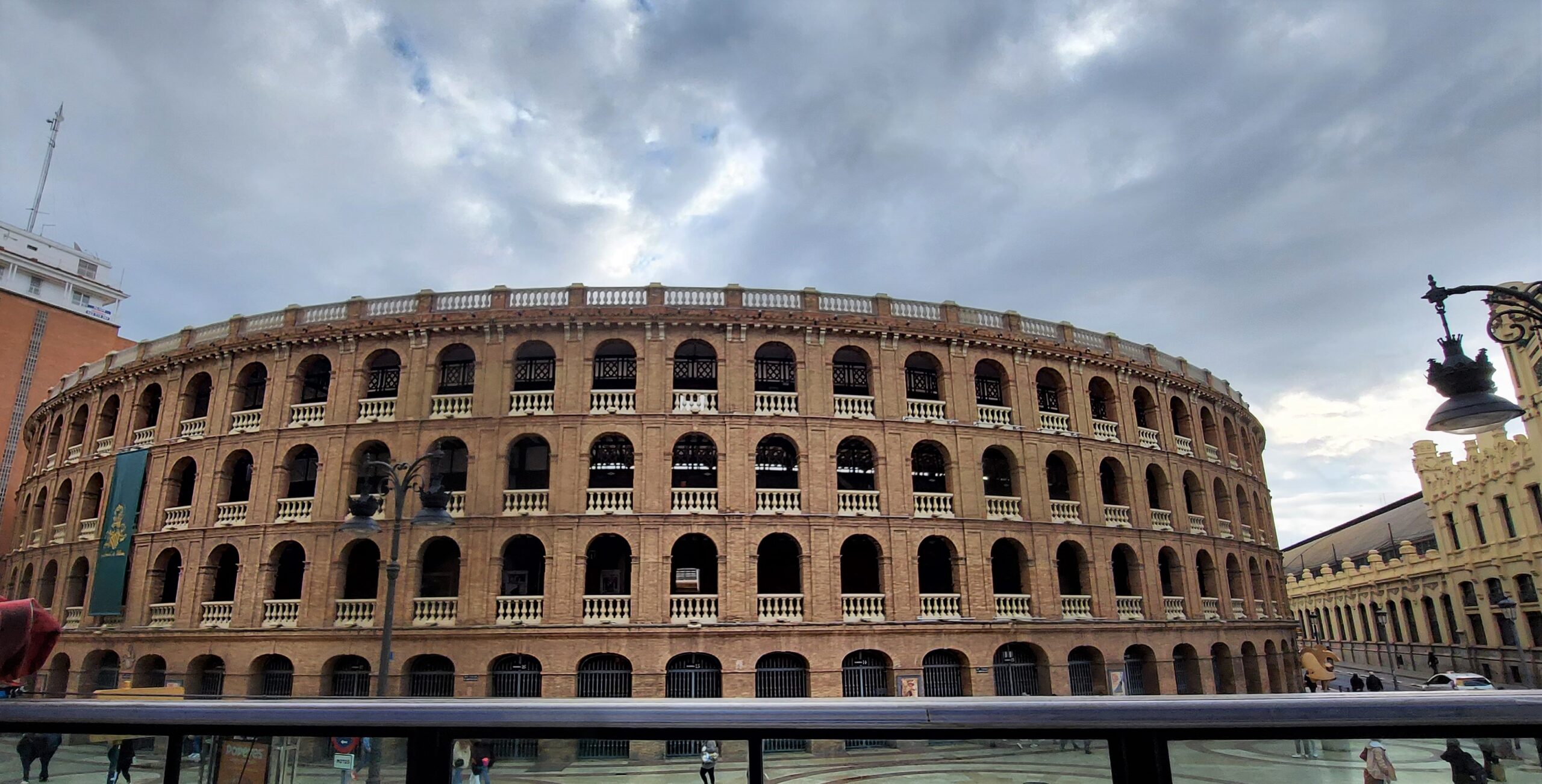
The bull ring
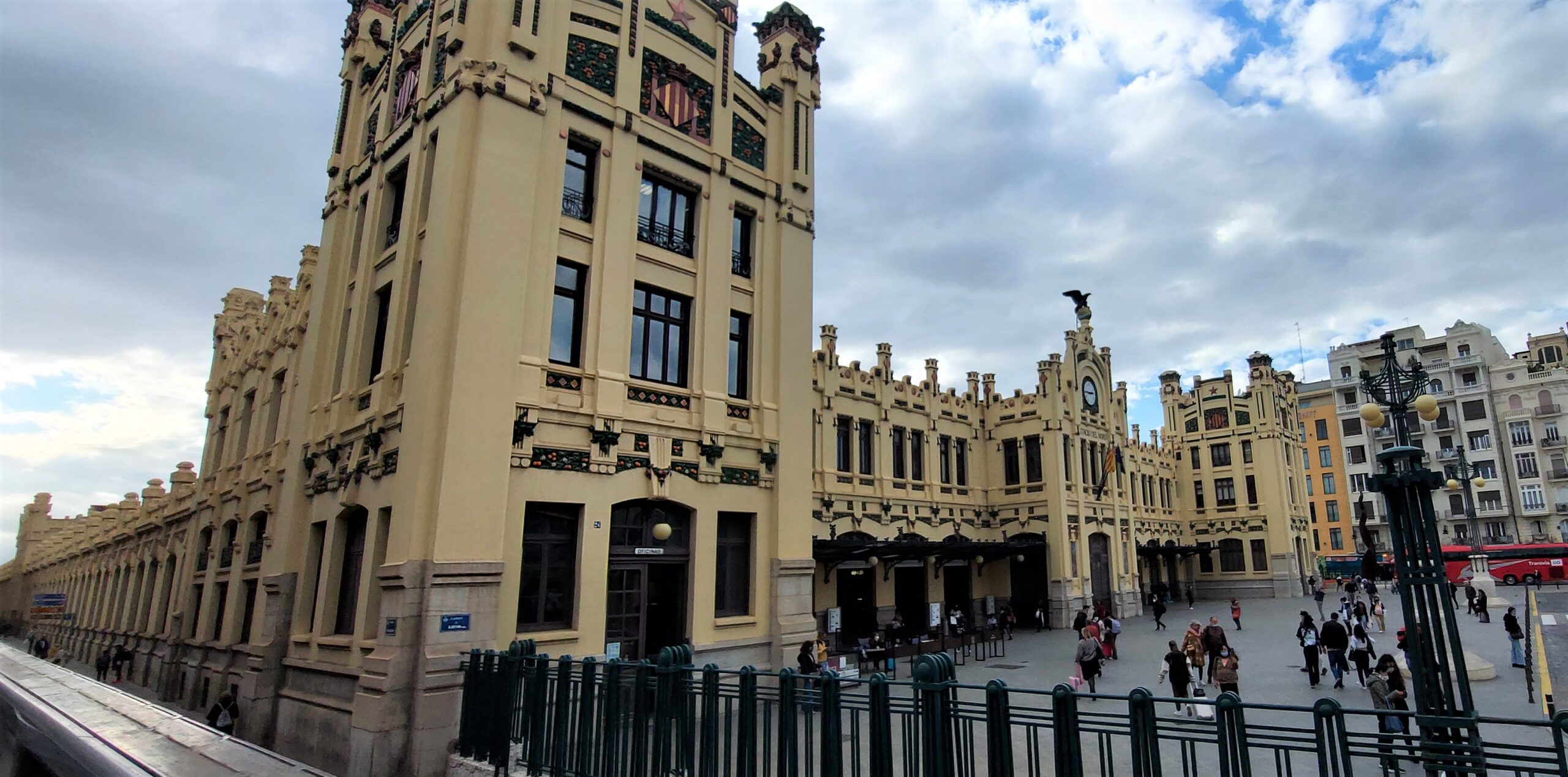
Train station
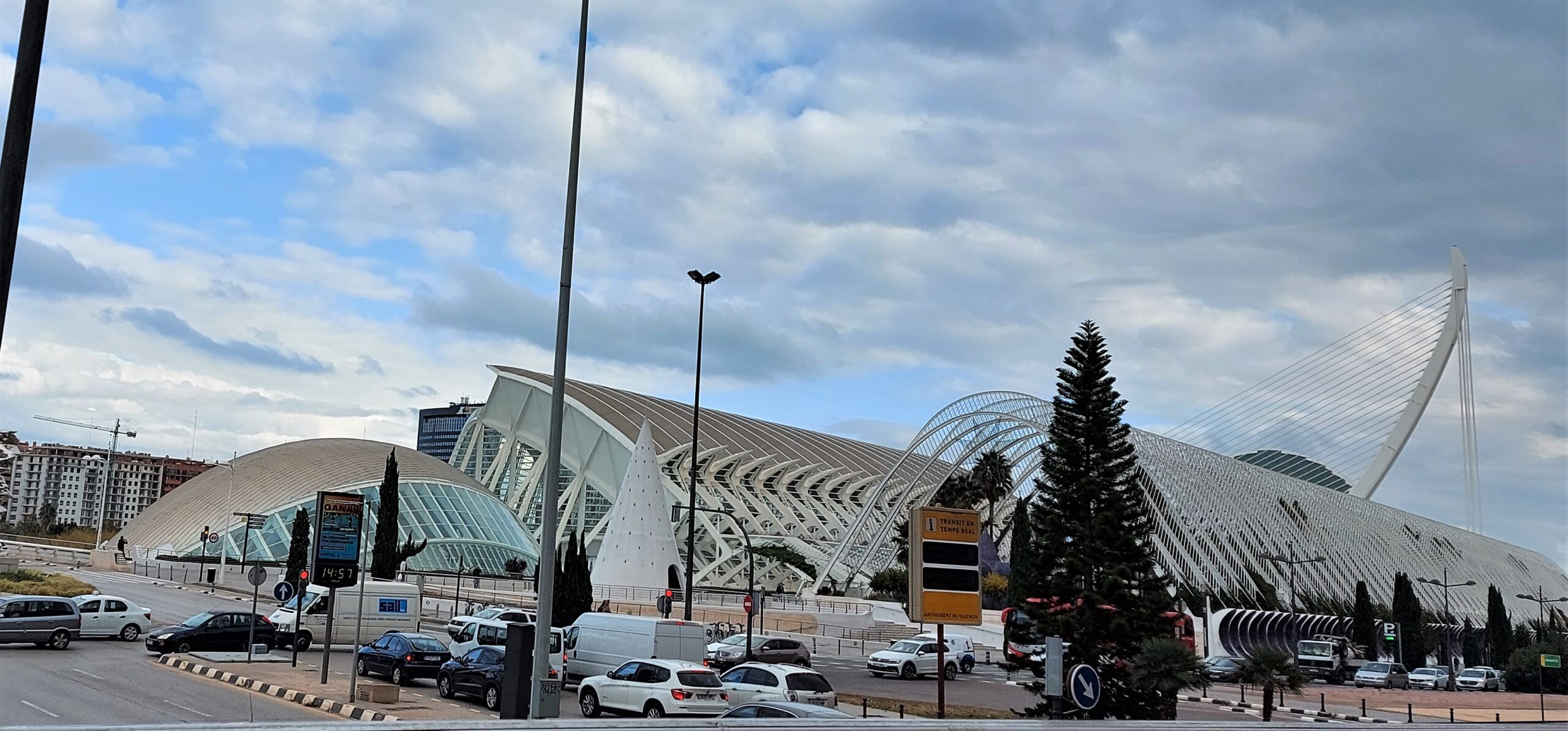
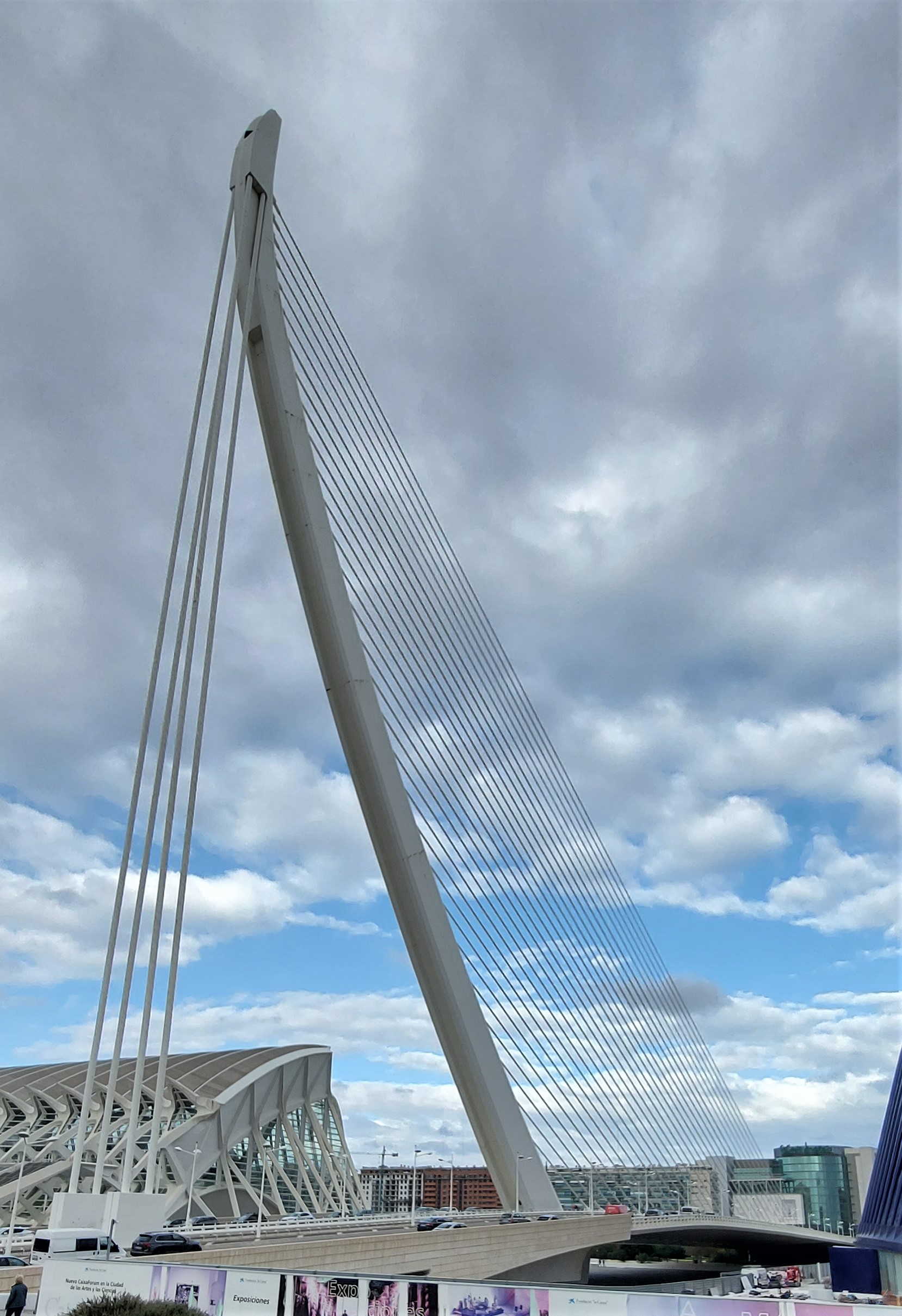
Assut de I’Or Bridge
The Assut de l’Or Bridge is a white single-pylon cantilever spar bridge in the City of Arts & Science, crossing the Turia Gardens, built in 2008 by Valencian designer Santiago Calatrava. The name means “Dam of the Gold” and refers to the dam located nearby. The pylon curves backwards, held in place by concrete counterweights in the road. The 29 parallel cables supporting the deck carry 6 lanes for cars, an extra lane for trams and another for pedestrian and cycle traffic.
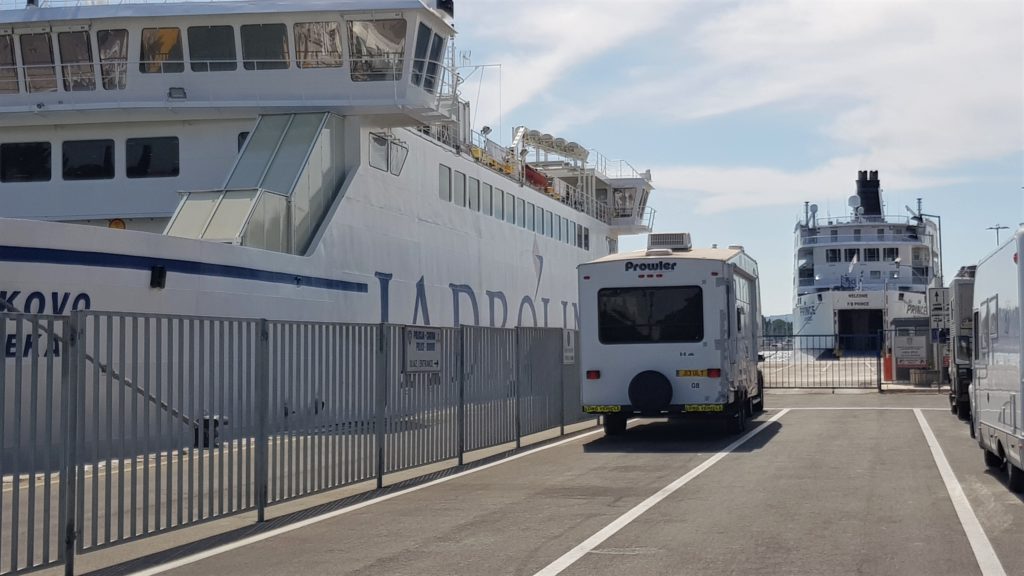
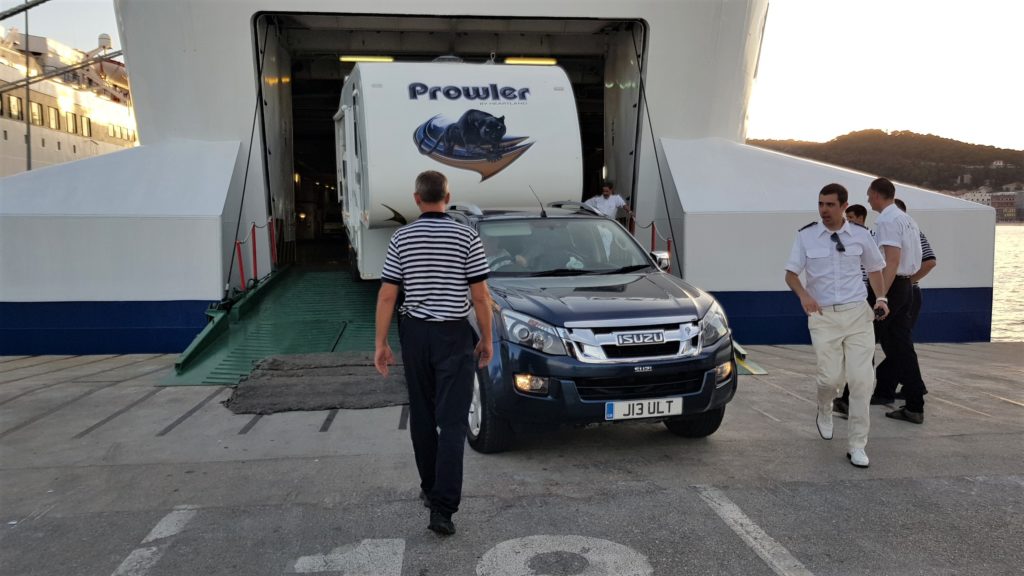
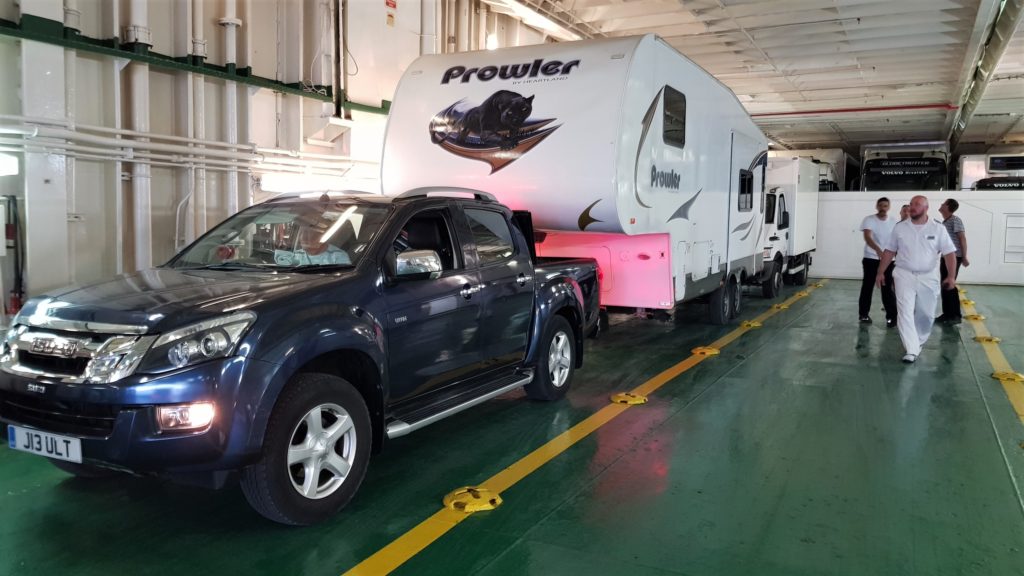
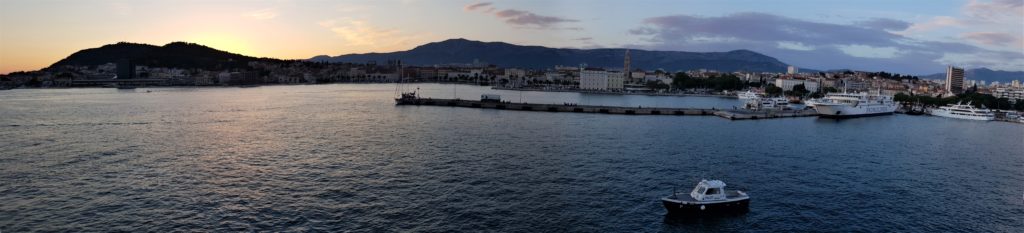
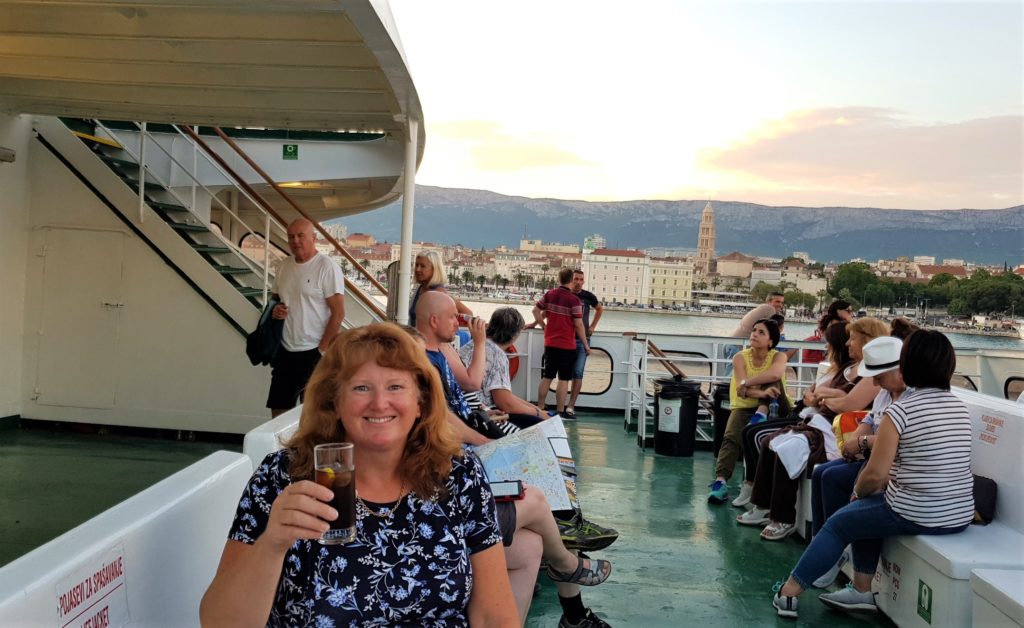
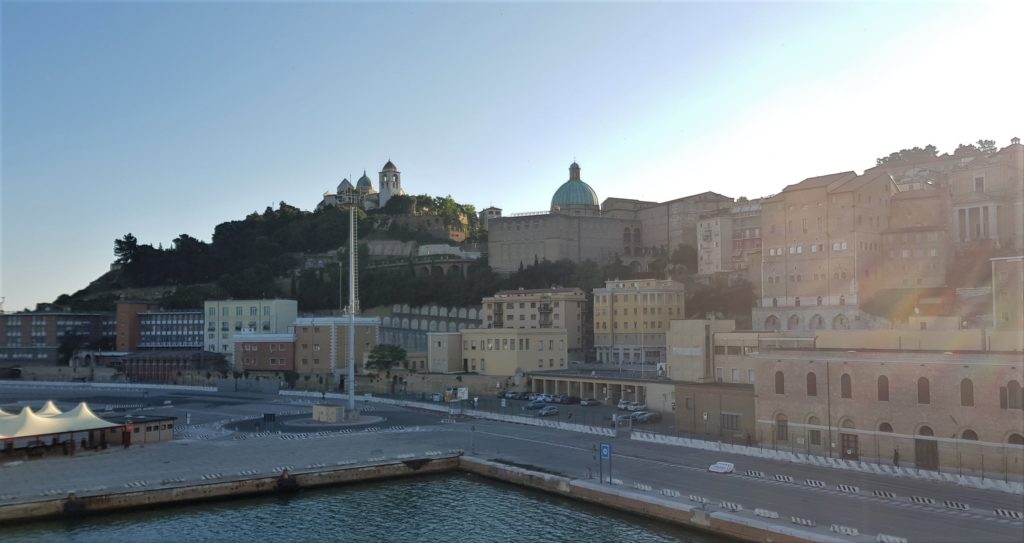
We left Split mid afternoon on a Sunday and arrivef at the port, some 5kms away, first in the queue! After all the freight lorries were boarded we headed on, a fairly small ferry boat compared to others, for an overnight trip to Ancona in Italy. We left at 7pm and arrived at 7am, just as the city was warming up.
Leaving Camping Stobrec, Split.
First in line to board!
David reversing into his spot on the boat to Ancona
In place!
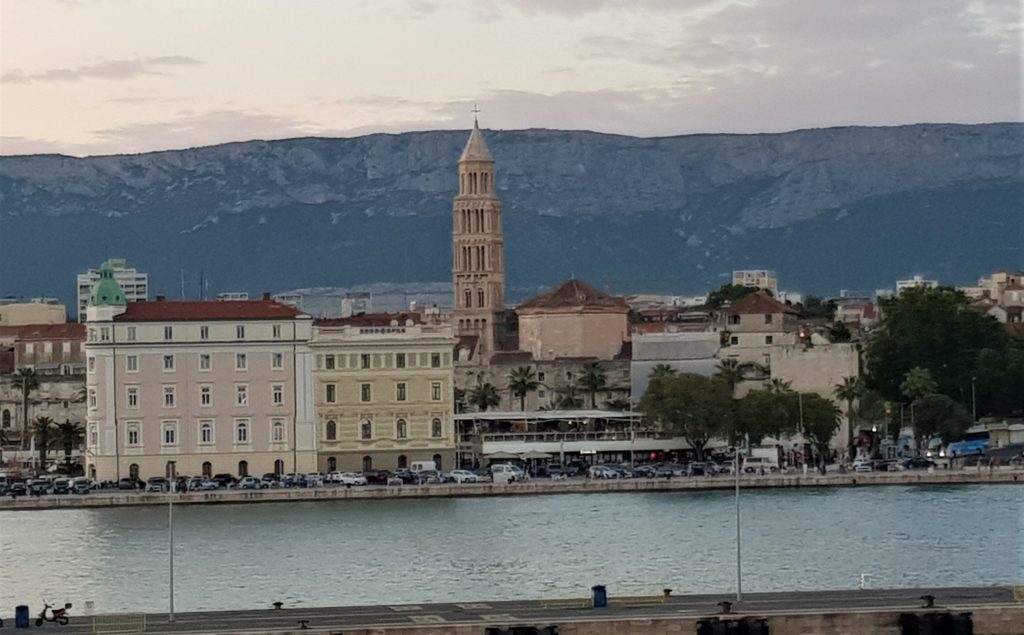
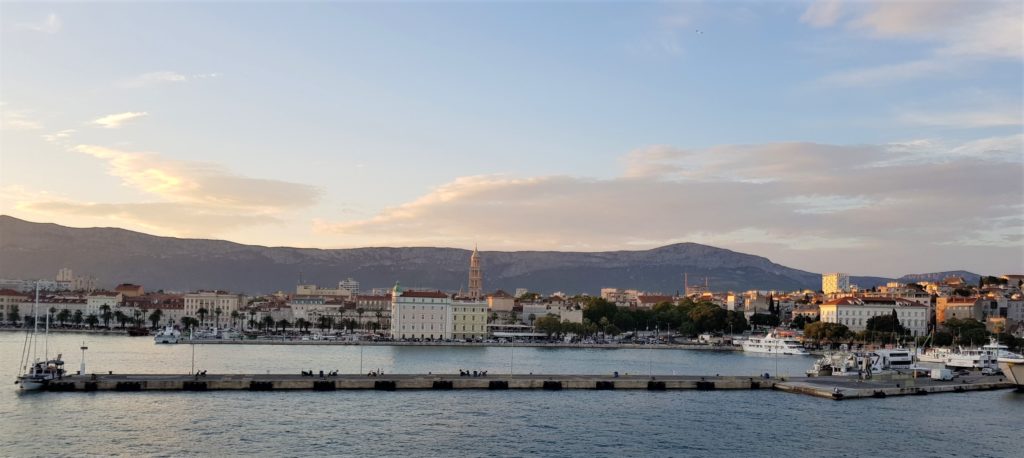
Split.
Journey No 1 underway, cheers!
Arriving in Ancona as the sun rose.
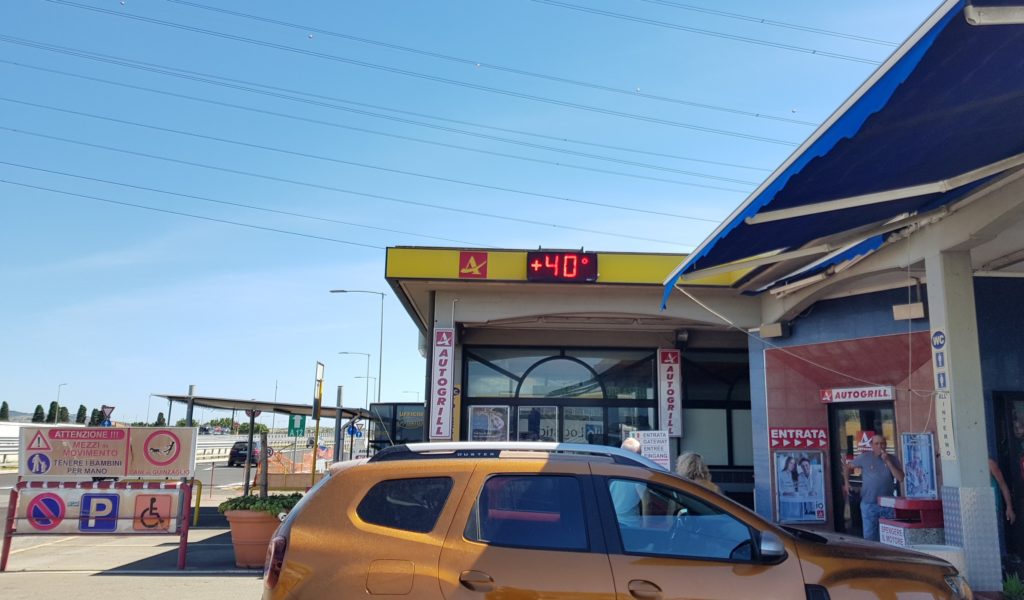
On Monday we drove 300 kms across Italy from Ancona on the Adriatic coast to the Mediterranean coast, heading to Rome’s port of Civitavicchia, 50kms north of Rome. We had not slept well on the previous crossing and as the sun was soaring up high, we stopped every 3/4 hour at a service area, had a pee and a drink or lunch, and tried to get half an hour’s nap in the cool of the airconditioned truck! Mid afternoon, the temperature outside had reached 40c!
Service station stop, so hot!!
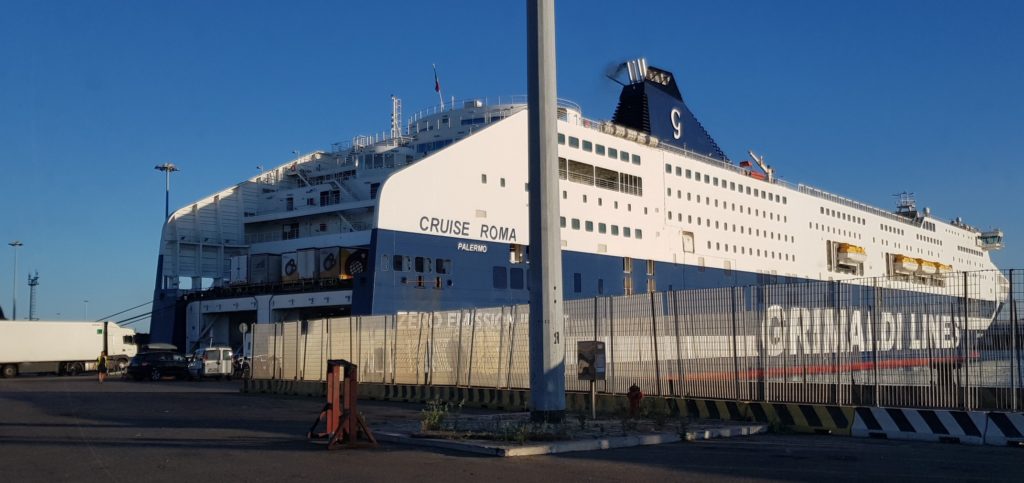
Next boat, to Spain.
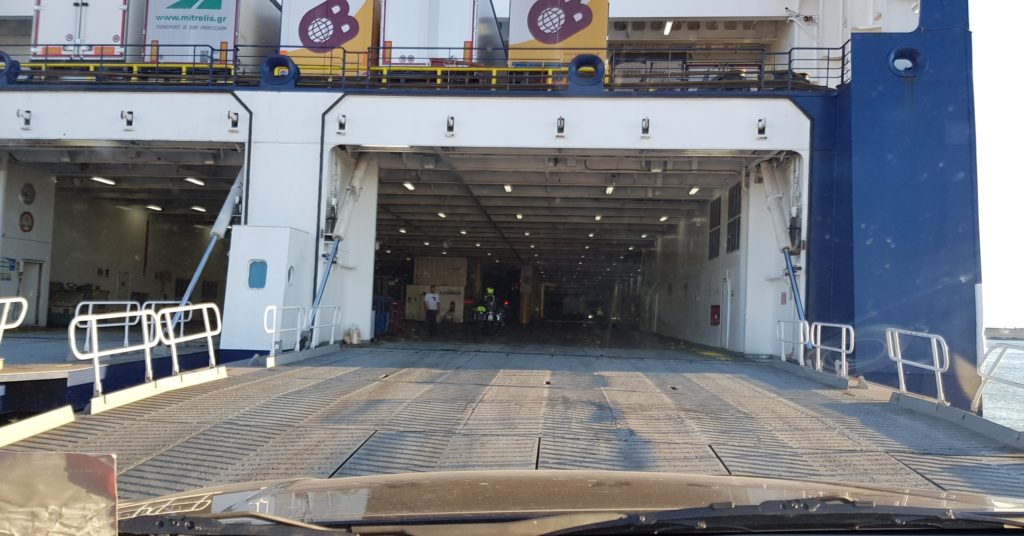
Ready to load….
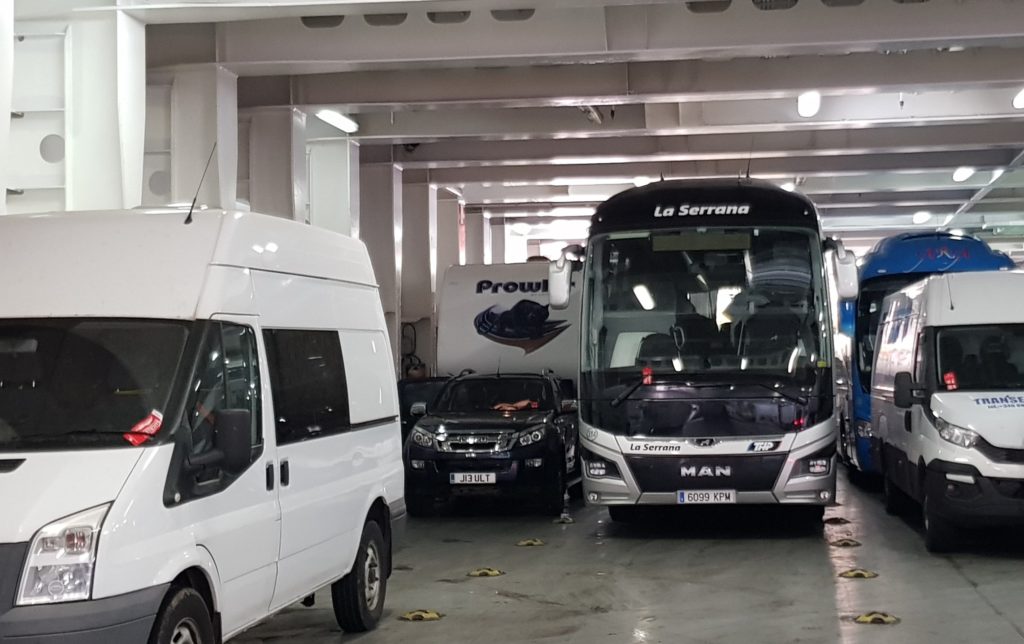
Now in place.
Second part of the journey, ready to go.
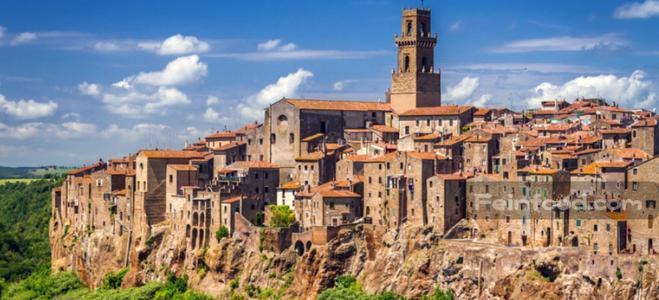
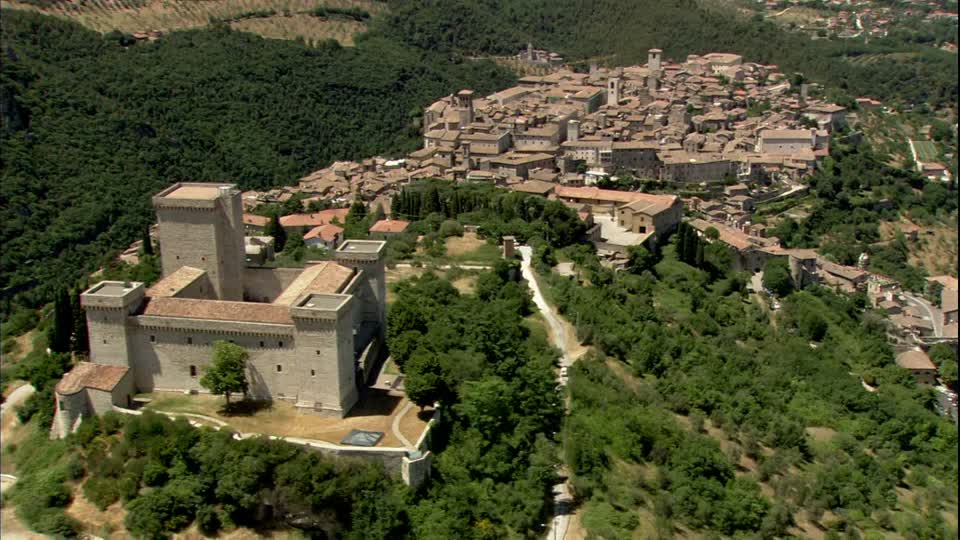
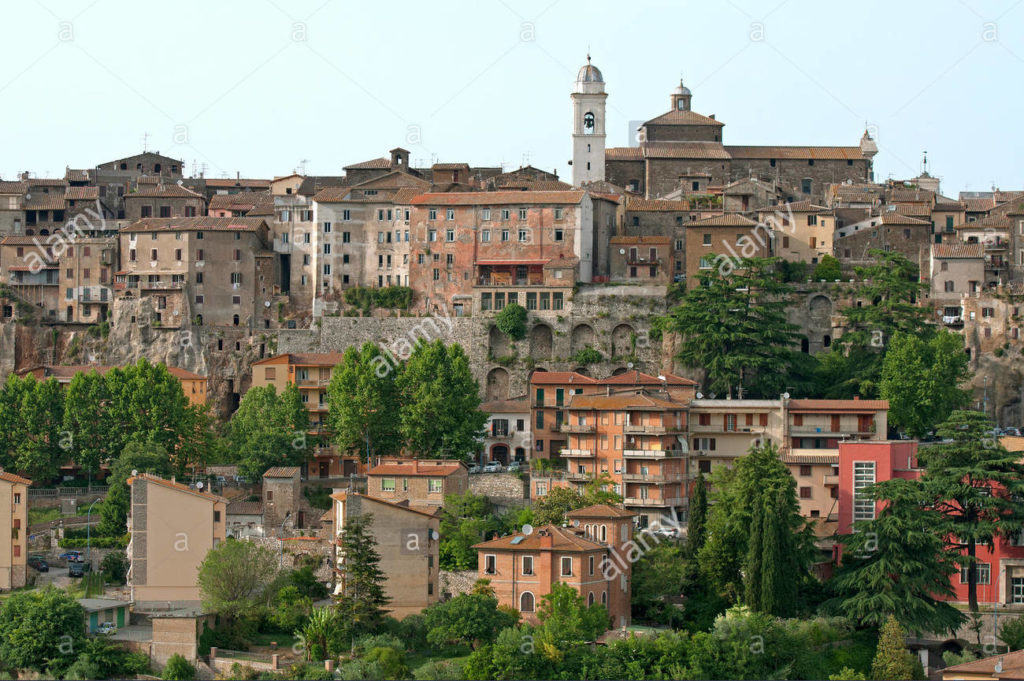
We drove past some beautiful old cities crossing Italy, in particular Narni and Orte (stock pictures below), traditional hill top towns, split by gorges and rivers.
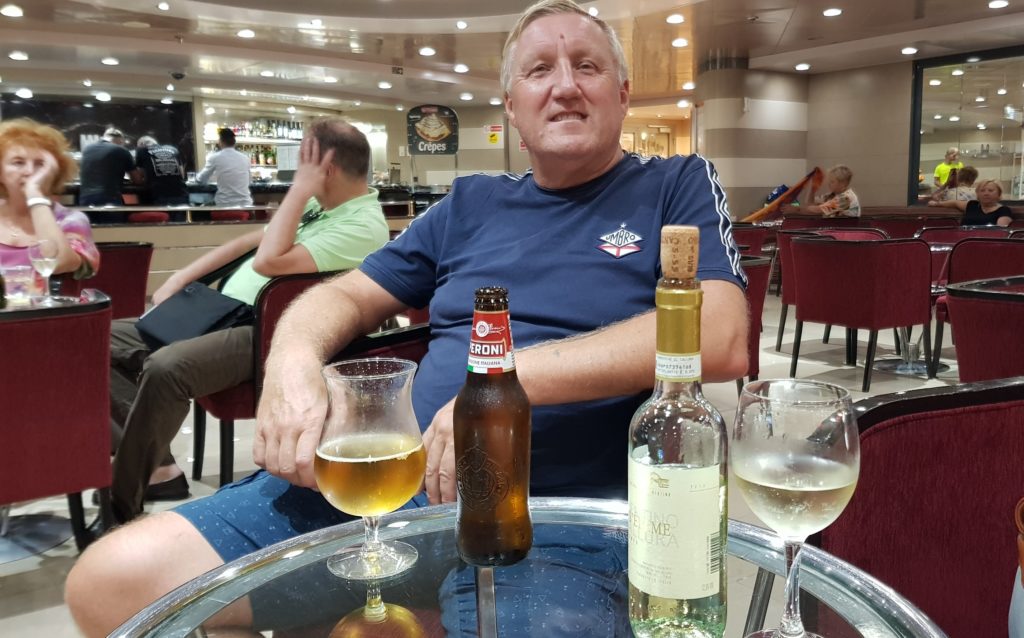
On board, we had dinner in the restaurant, a lay in the next morning (our inside cabin was dark and cool), coffee and croisant for brunch, lunch in the cafe, a few hours reading in the sun on the decks, all very civilised! We had a lovely calm 20 hour crossing from Rome to Barcelona, arriving just an hour late; we were one of the first in the freight section to offload so we hit the roundabout at the junction of the bottom of La Rambla and the port at 7.30pm, peak traffic time! David was very calm and navigated round with the other lorries, and we arrived in Vilanova just after 8pm, in time to pitch up easily, have dinner and a few drinks before a good night’s sleep!
We have had 5 days at Vilanova Park, caught up on our sleep, washing, shopping and chilling, we have had a few afternoons by the pool just reading and watching the world go by. We have been invaded by Irish, French and Spanish families, it seems school holidays start at the end of June for these kids, so we are pleased to be moving on.
Sunday we head inland for a night’s stop in Zaragosa, which is just about half way though our north coast bound journey, then Monday we head up to Bilbao for a ferry crossing on Tuesday morning, landing in the UK on Wednesday. It has been so hot here in Spain this past week, our air con is not working brilliantly, so we are hoping the weather is a little cooler in the UK in July!
Split was our final destination before we return to the UK for some remedial repairs on Samson. From here we have travelled down to Dubrovnik, inland to Krka, and north to several smaller coastal towns.
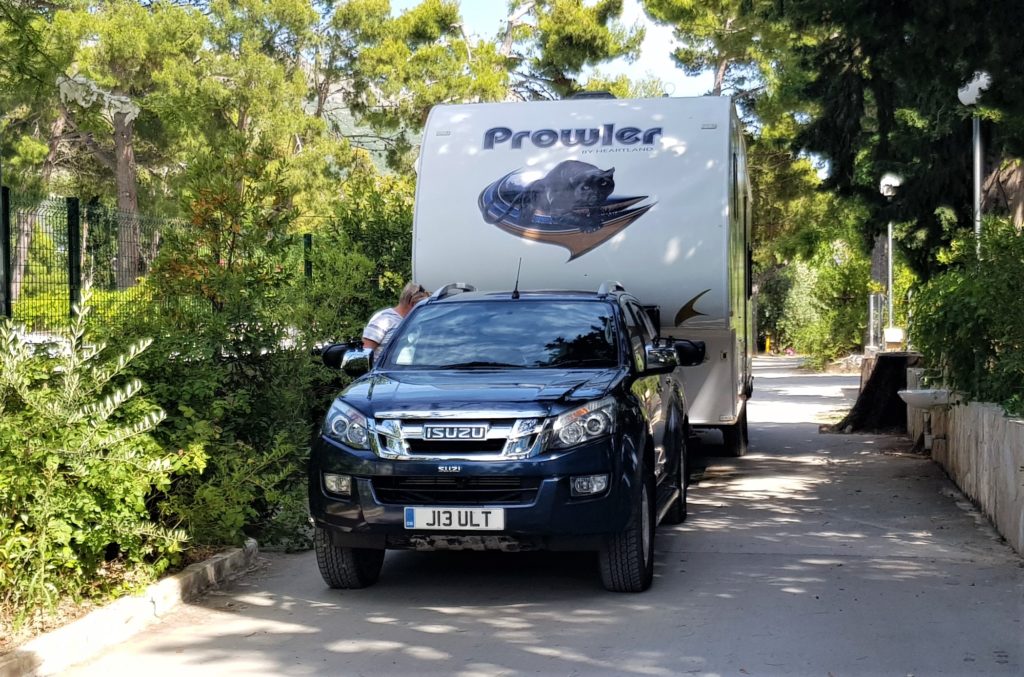
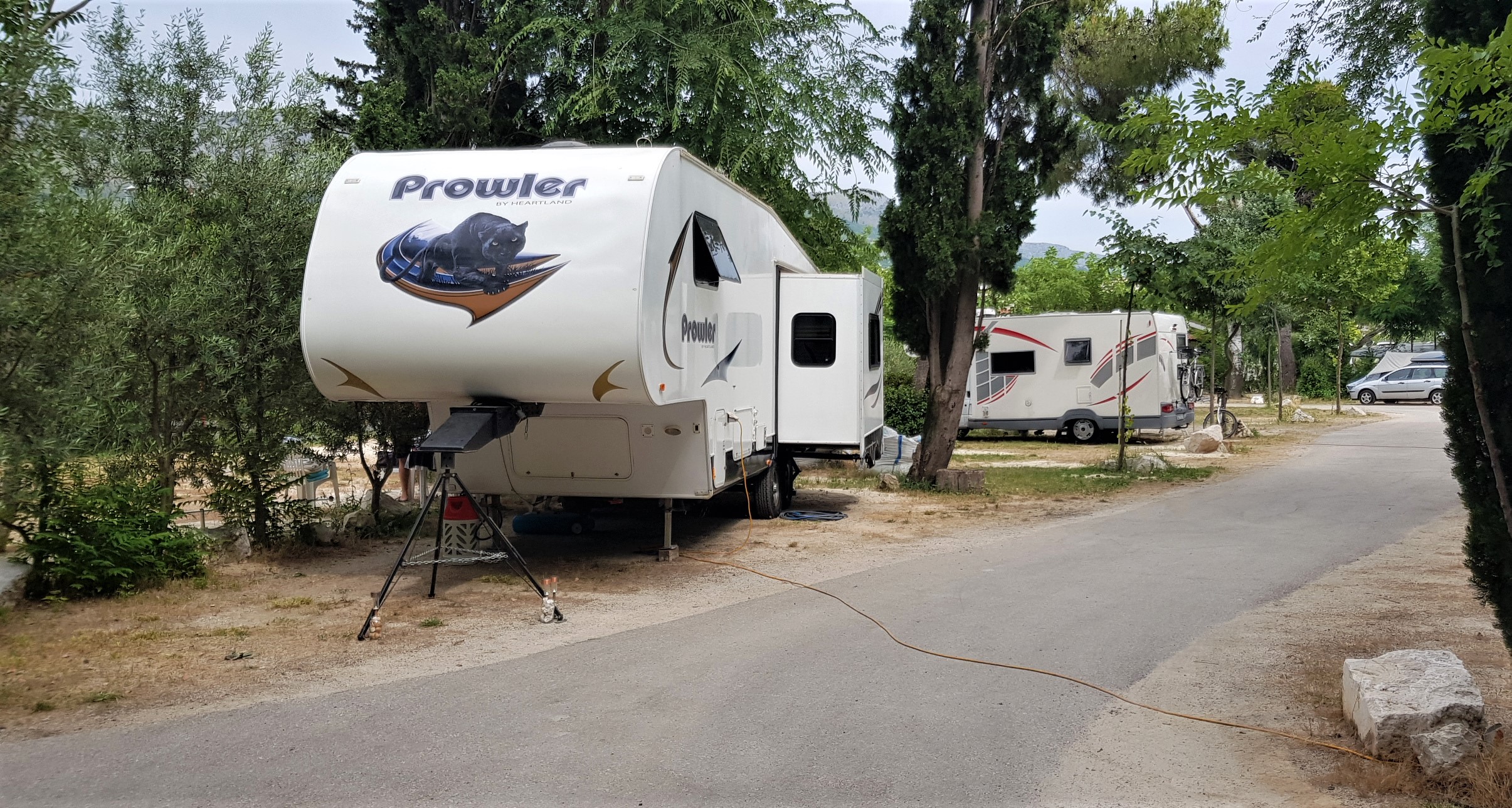
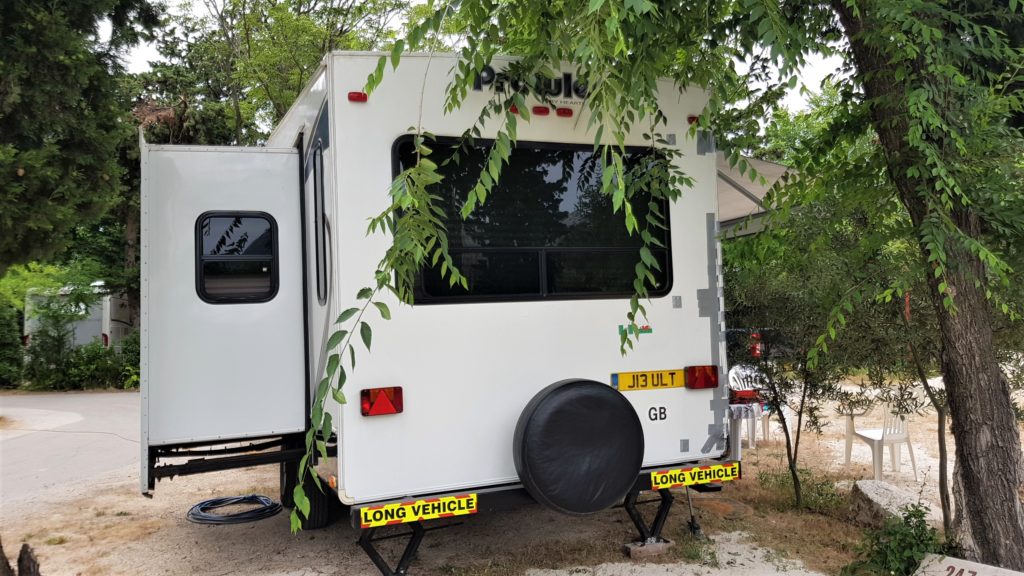
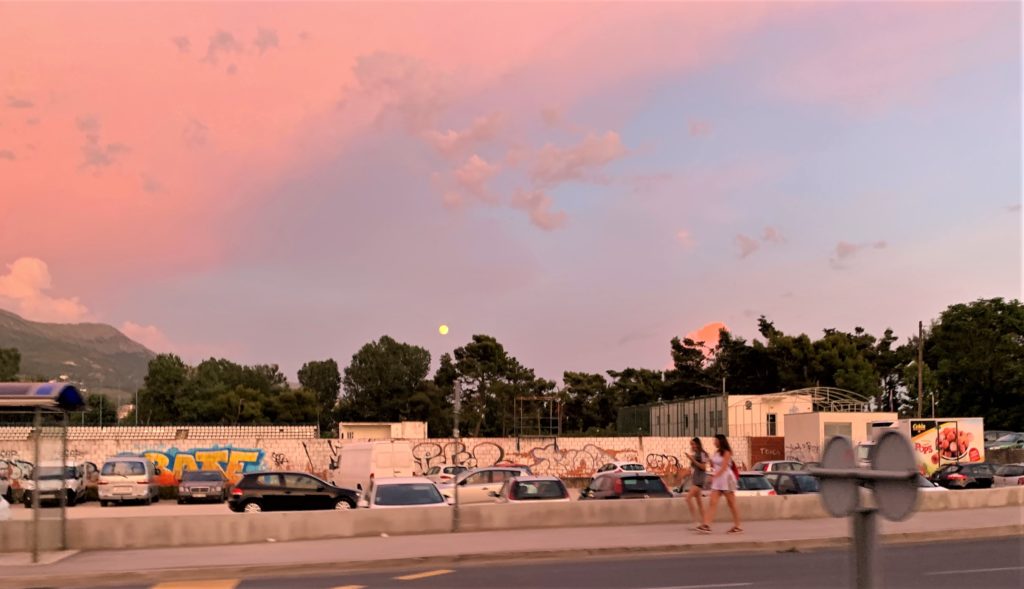
The campsite we are on is about 5 miles south of Split, the area is called Stobrec, its an easy journey into the town but we are on the edge of a busy, noisy dual carriageway which turns into a racetrack at night and a competition for emergency vehicles during the day, to see who’s siren is the loudest! In the last few days, we moved to a corner plot, for an easy get away on moving day. The back is all ready to travel, gaffa tape is amazing stuff!!
Corner plot, ready to escape.Gaffa repairs!
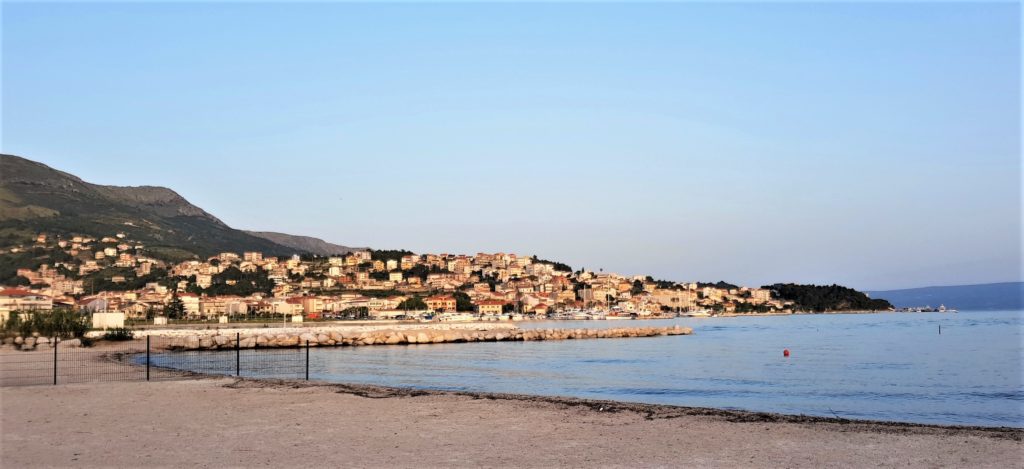
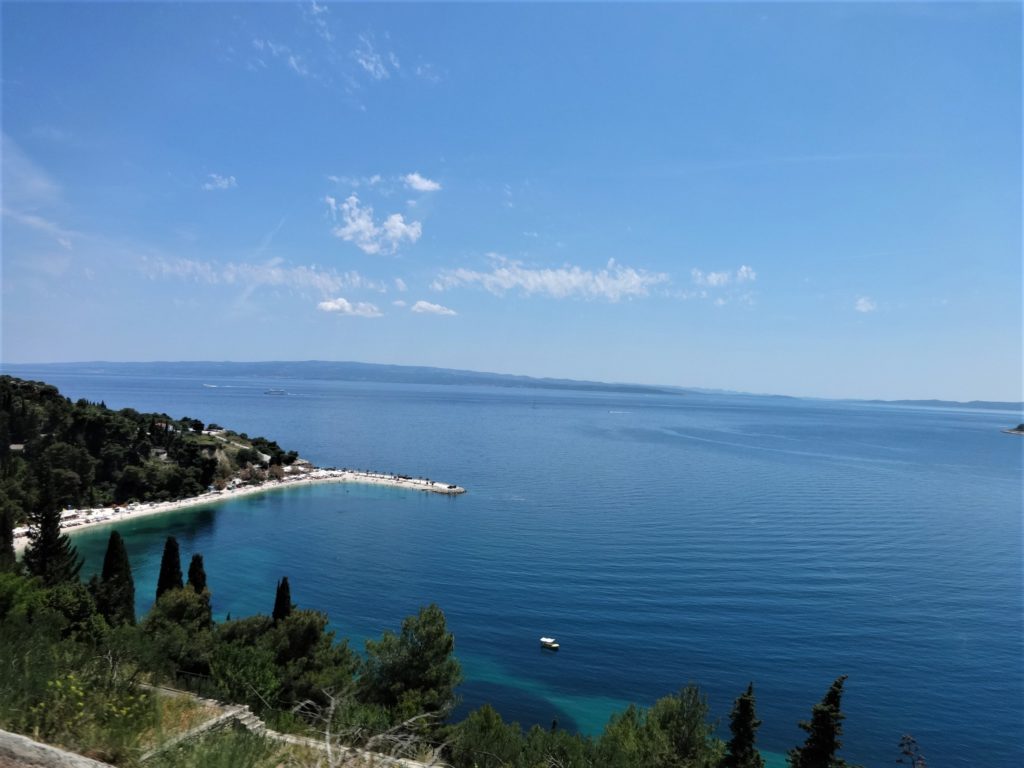
The bay at Stobrec is not particularly clean and clear, due to the fact that for the past 2 years the mountains behind the town have caught fire and the soot and debris has been swept into the sea. This has not encouraged me into the sea, if I cannot see the bottom, I won’t go in. We have stuck to the campsite’s swimming pools instead or headed up or down the coast to cleaner bays!
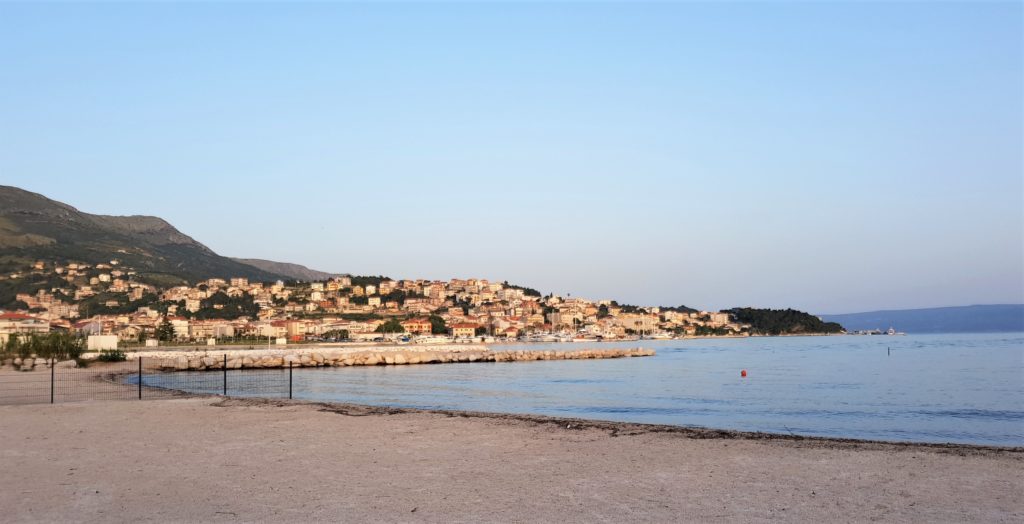
Stobrec bay at dusk
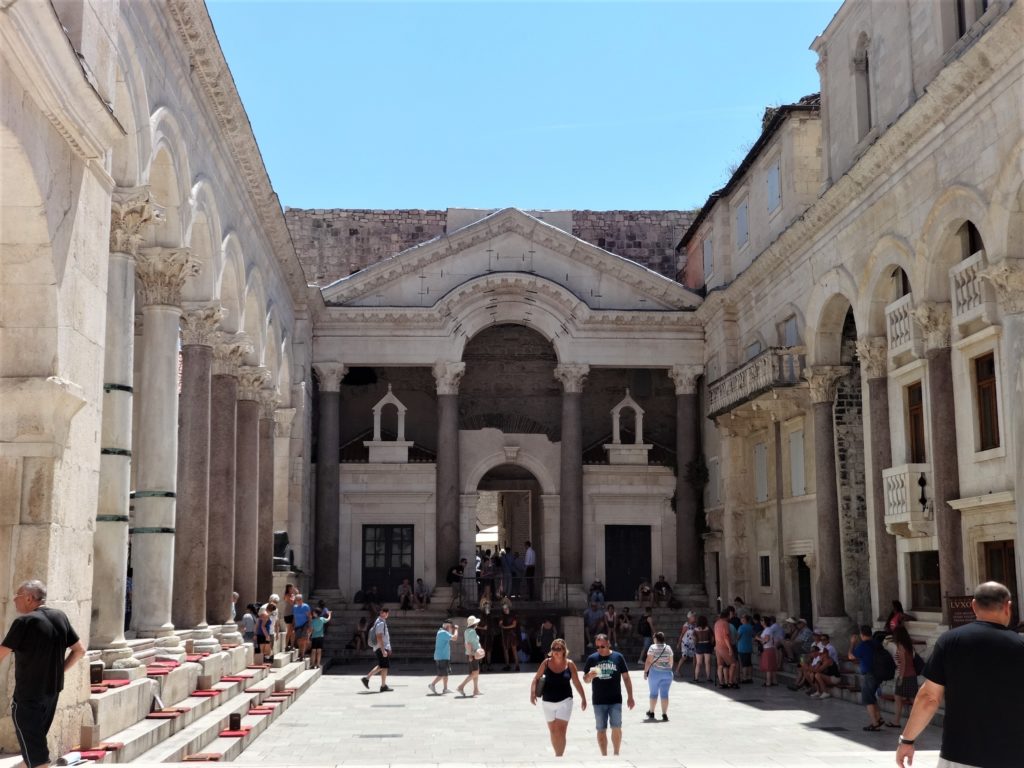
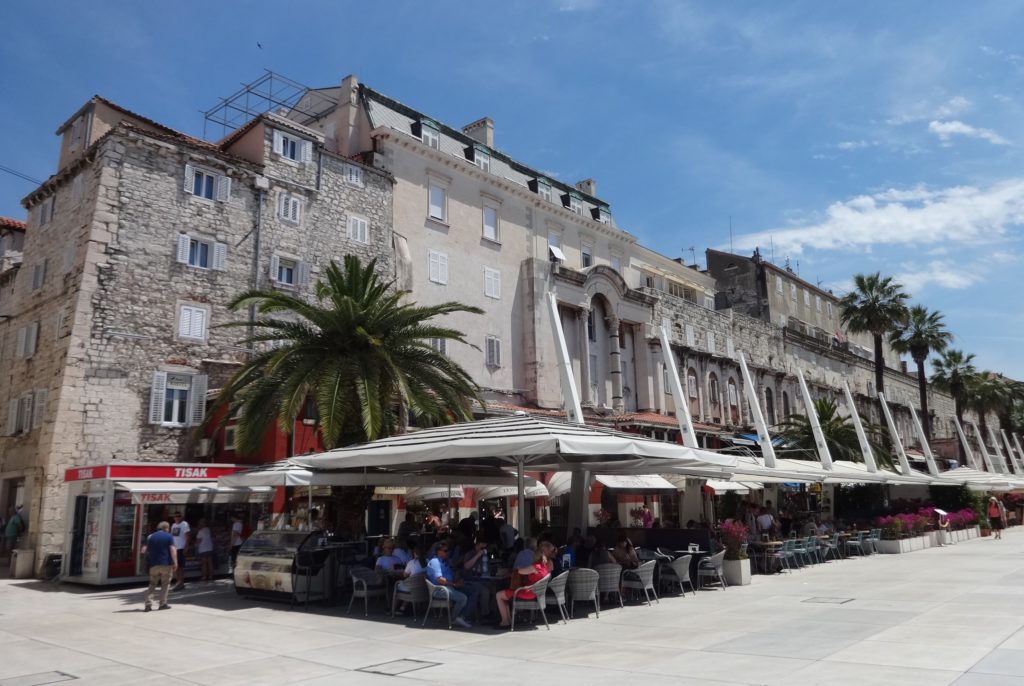
The Town of Split
The town of Split is strange, it portrays an image of being a tourist attraction, again where Game of Thrones was filmed, with an “old walled Roman town”, a promenade full of bars and restaurants, and a busy port and ferry station, where ferries and ships head out to the islands, or over to Italy. The reality is very different.
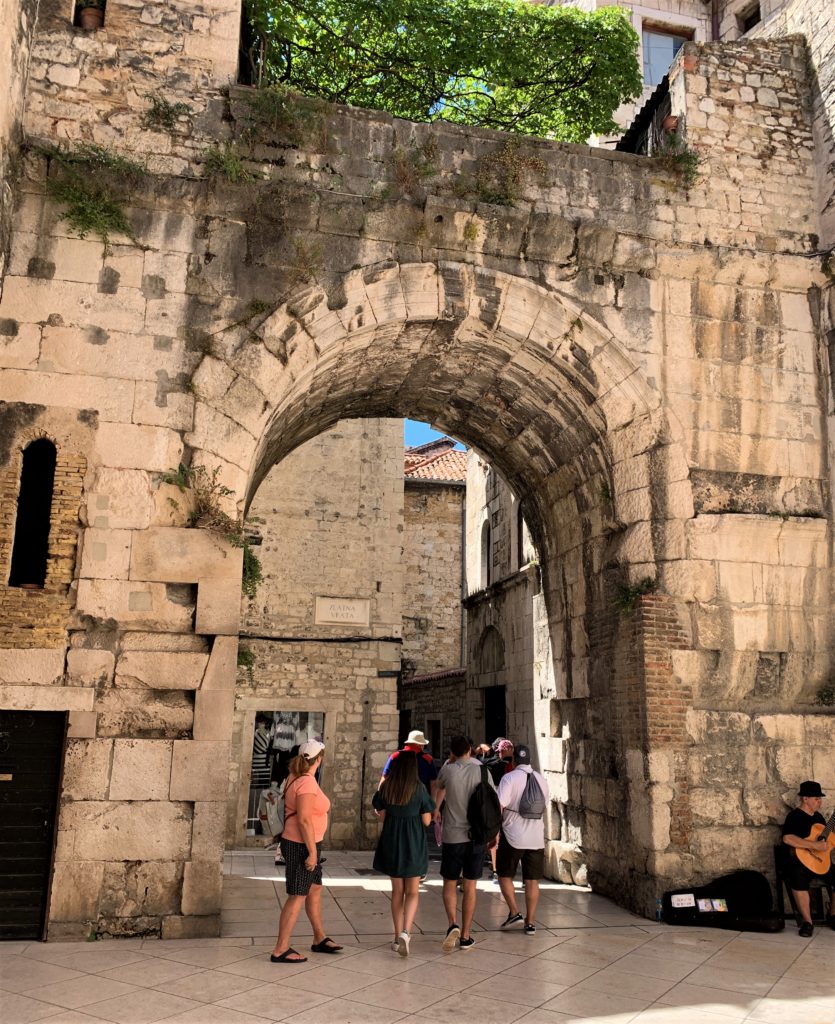
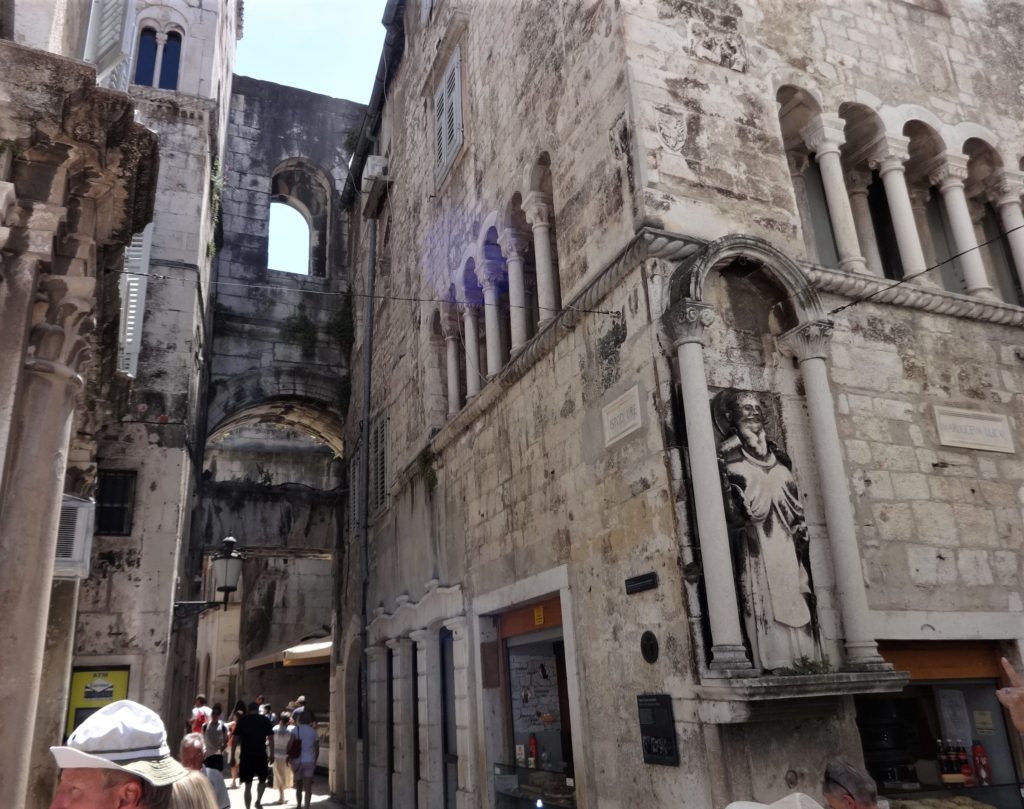
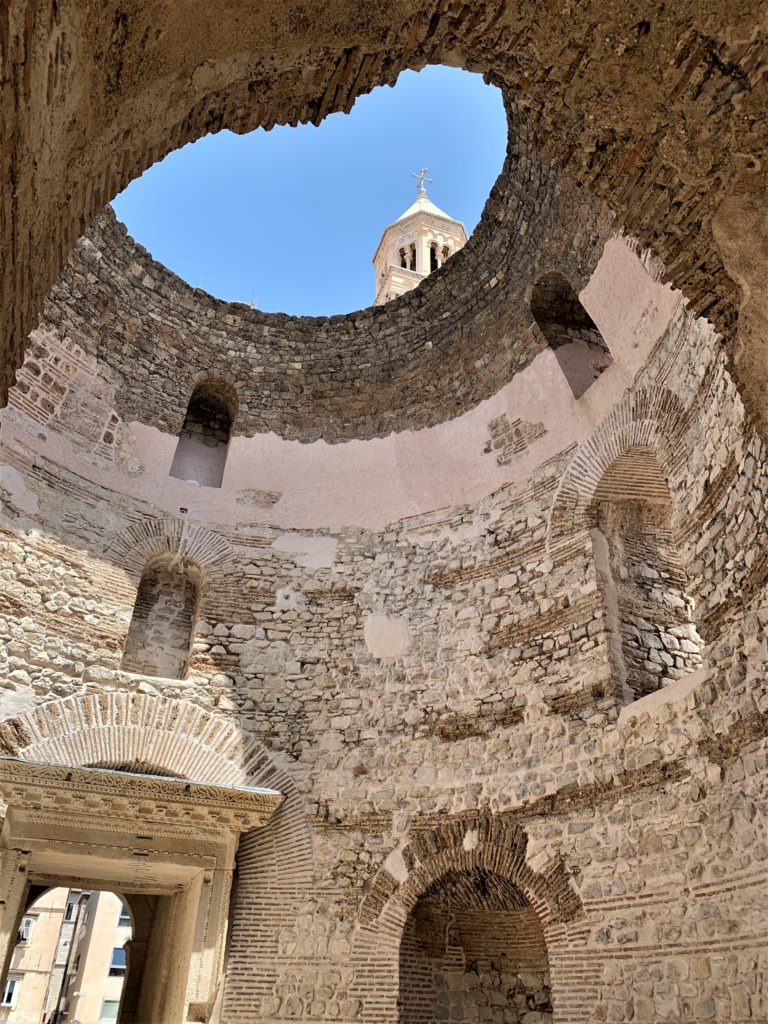
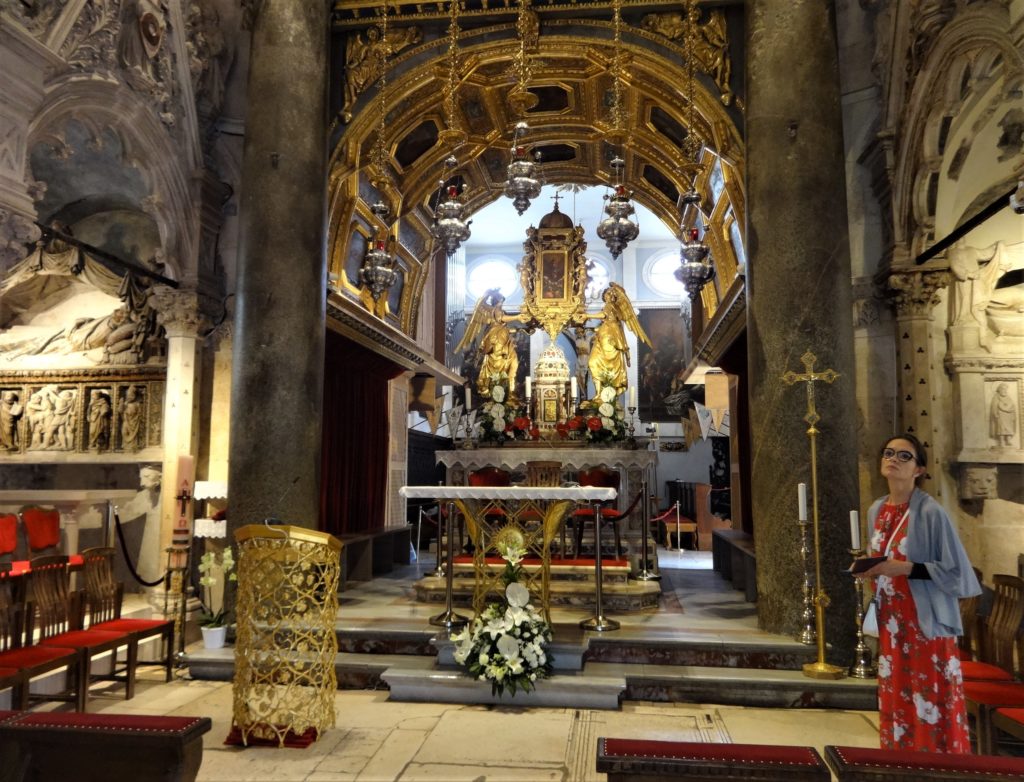
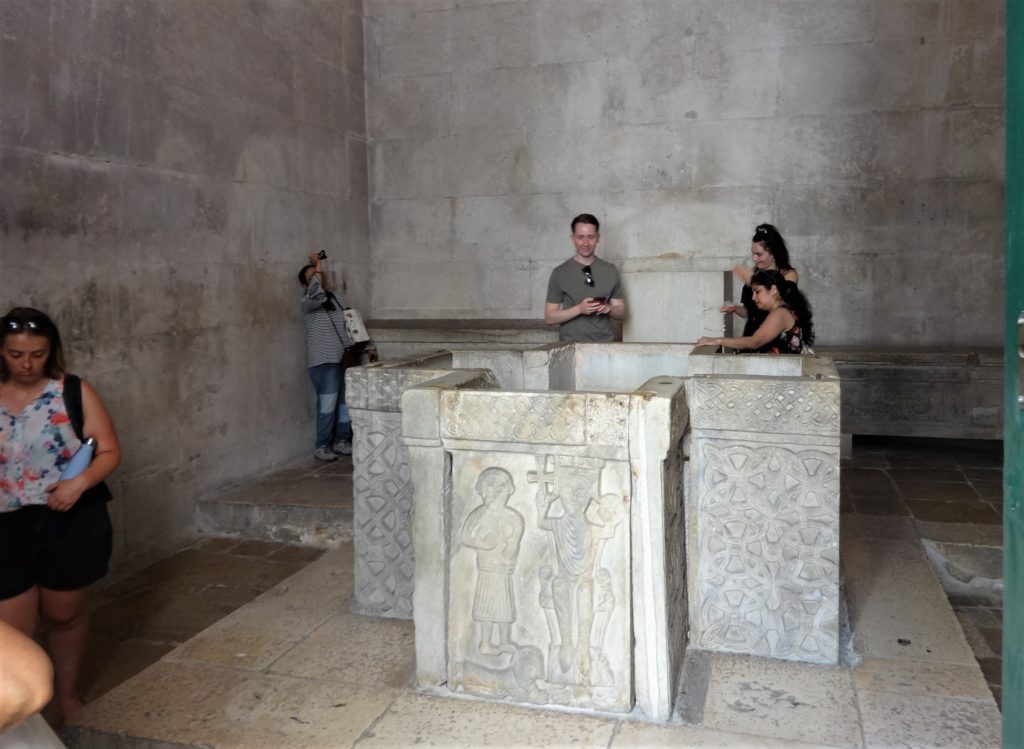
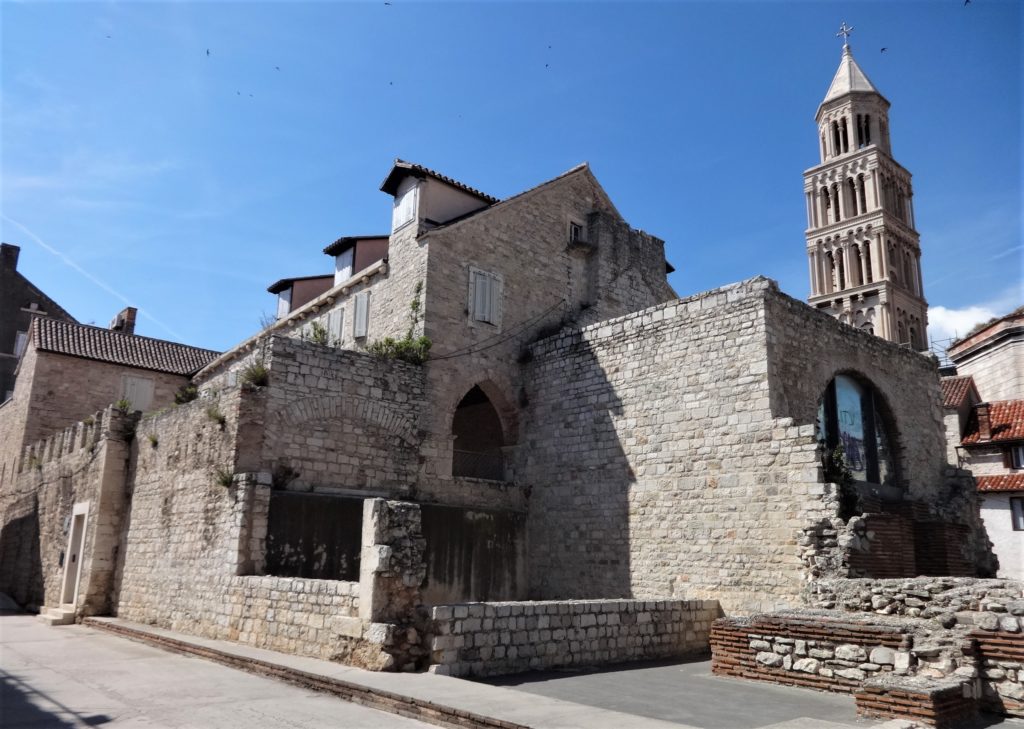
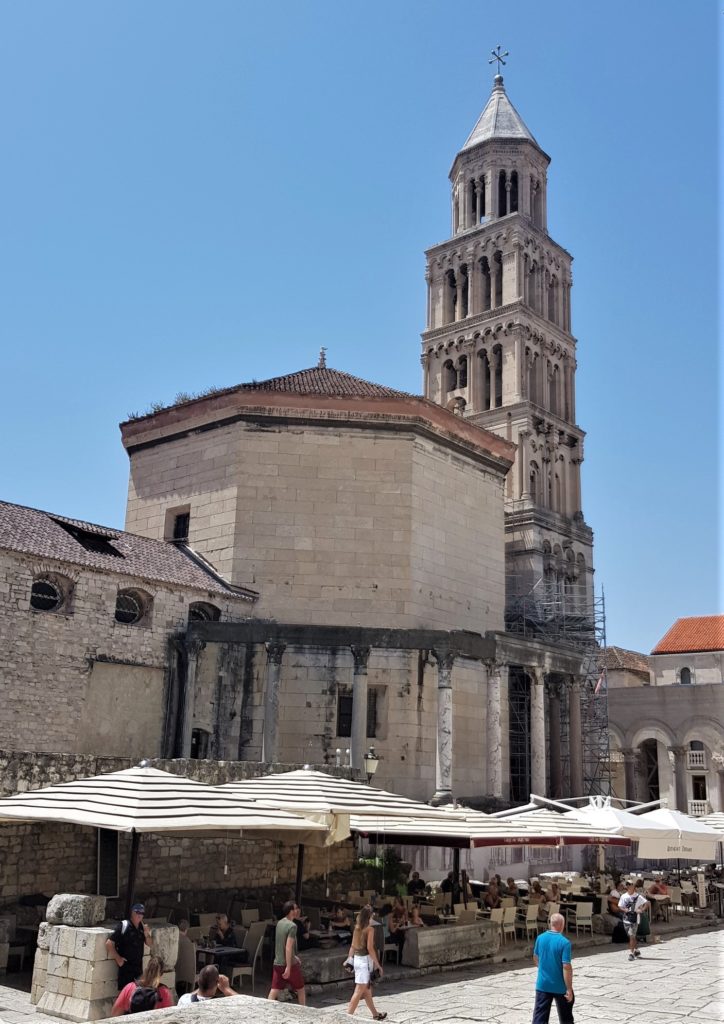
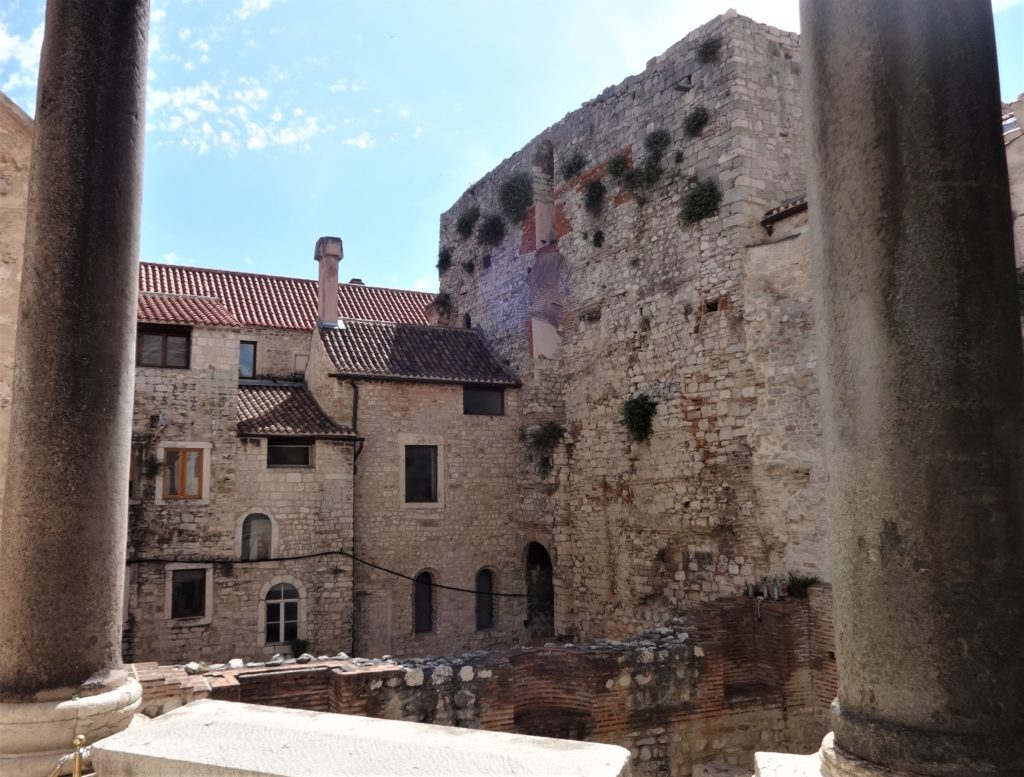
The walled city is simply an enclosed area of shops, restaurants and cafes, but with some housing thrown in! The old walls and entrance gates are certainly spectacular and well maintained, but internally it’s very different, with walls being supported by scaffolding and crumbling away. The only building left that resembles an “old building” is the cathedral and its crypt and baptistry. However, these were very disappointing, the cathedral is very Very small with two modern stainless steel organs; the Treasury is a room filled with religious artefacts but with no explanation as to what they are or their age; the Baptistry is a small stone building with a simple baptism font in the middle, no explanation or anything else in it!!
The promenade is modern and full of bars, restaurants and cafes, heaving with travellers waiting for a ferry, or coach trips being guided round with a quick lunch stop. The outdoor “green market” was a mix of old weather worn locals selling their own produce, no prices, no English spoken, pay for it or move on and larger modern farming types, shouting their wares and prices, hassling you to buy.
The entrance to the ferry port is a strong mix of tourist shops selling boat tours or adrenaline inspired trips, souveniers and fast food, but you have to step over the hoards of traveller type teenagers and young adults loaded with back packs, dirty clothing and smelling of weed! A bit like Benidorm for hippies!!
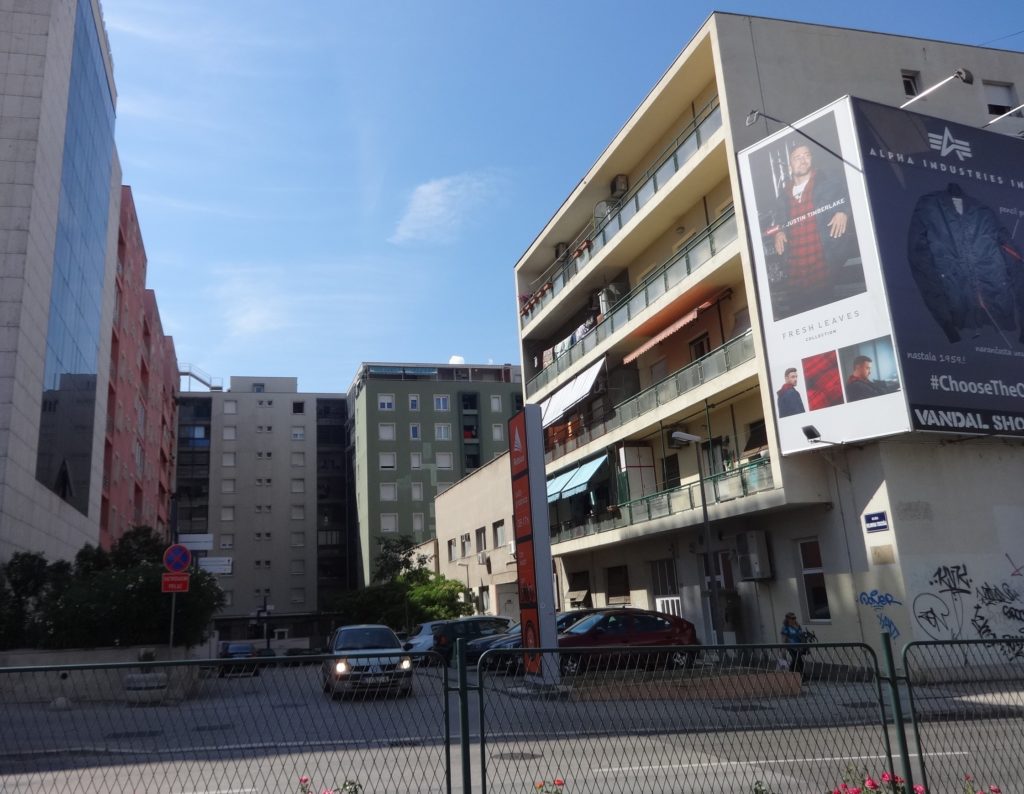
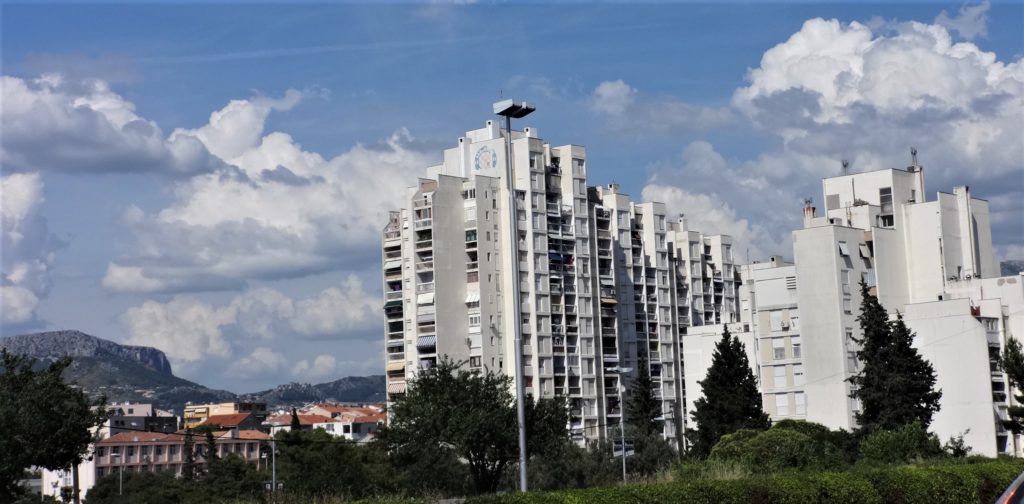
As you enter the town, you are surrounded by high rise modern and not so modern tower blocks, decorated with graffitti and dumped rusting cars. Parking is at a premium in Split so we sometimes parked 1.5km outside the town and walked in, a real eye opener walking past smelly overflowing bins, piles of dog poo on every little patch of greenery and dirty rusting cars full of scrapes and dents.
The Croatians do not seem to be the best drivers, it seems to be compulsory to have a mobile phone attached to your ear whilst driving, and rear seat belts do not seem to exist. One evening we sat watching the traffic drive past and 1 in every 3 cars passing had a driver on his/her mobile, very few children in the back were in car seats or strapped in and only this morning we saw a saloon car with 2 adults in the front, 3 adults in the back, plus 2 children! Police enforcement of any kind does not seem to exist here!
So today, we leave Split but will certainly return to Croatia. Overall, we loved the northern part of Istria, did not like Split on the Dalmation coast and although we felt Dubrovnik was a highly expensive tourist trap, it certainly was beautiful. The whole coastline is amazing, if only we could win the lottery and return in our own captained boat to cruise the islands at our leisure…..well, we can dream!!
Our campsite
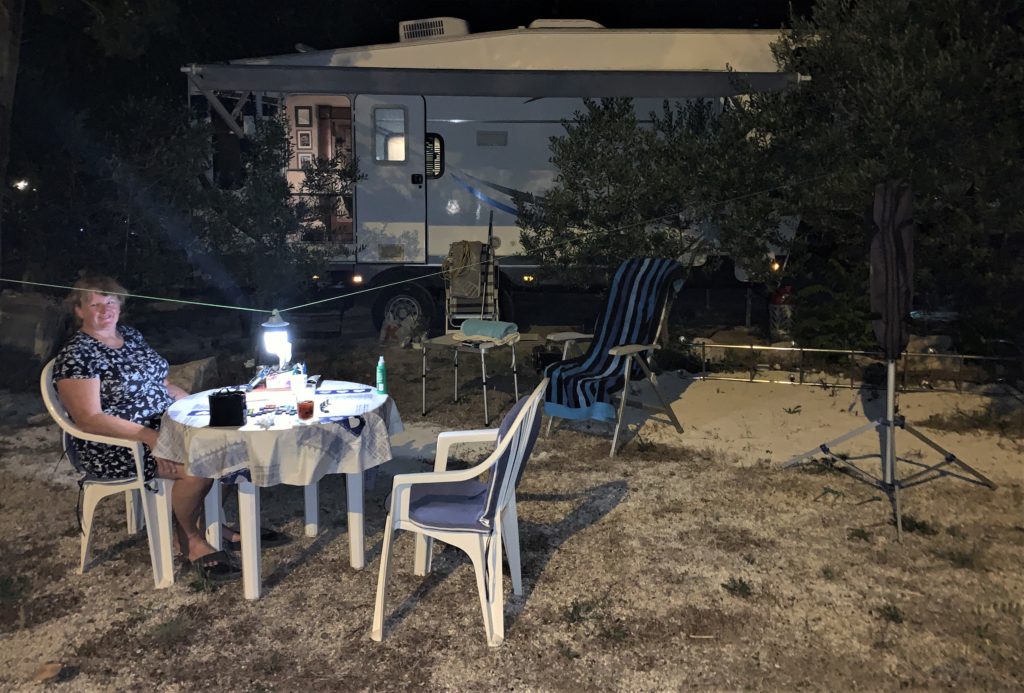
Quirkle and dinner by candle light
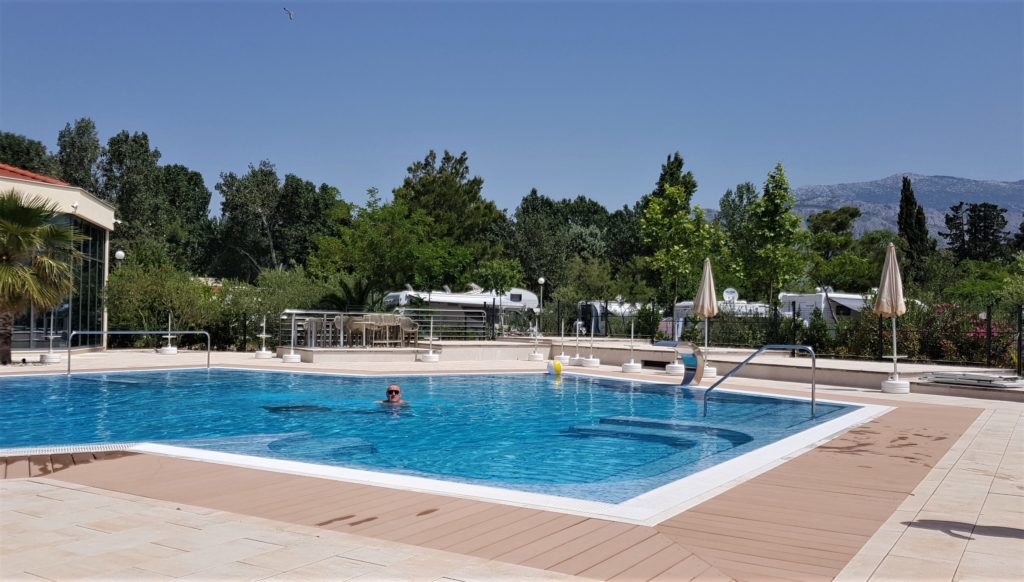
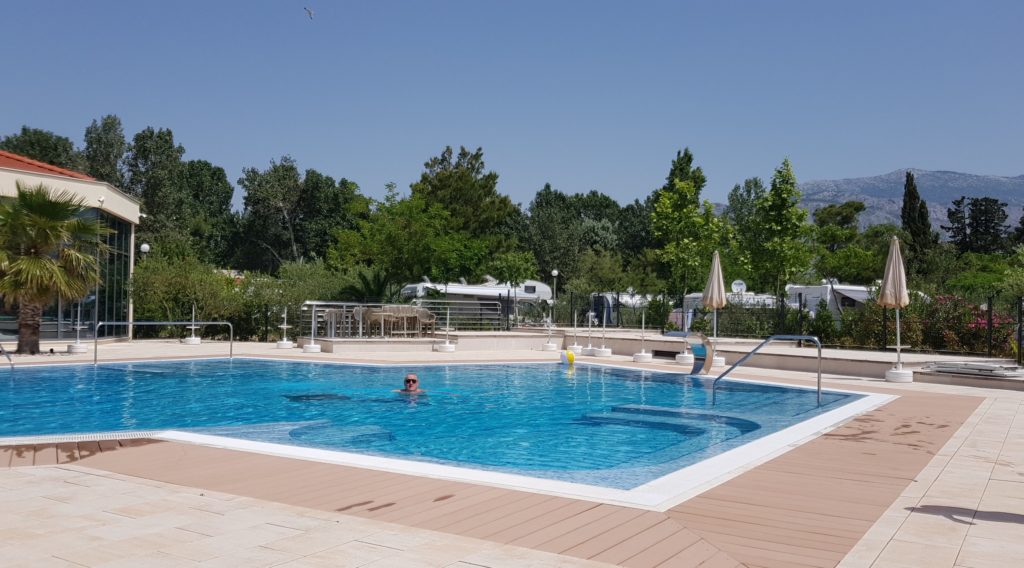
David chilling in one of the pools
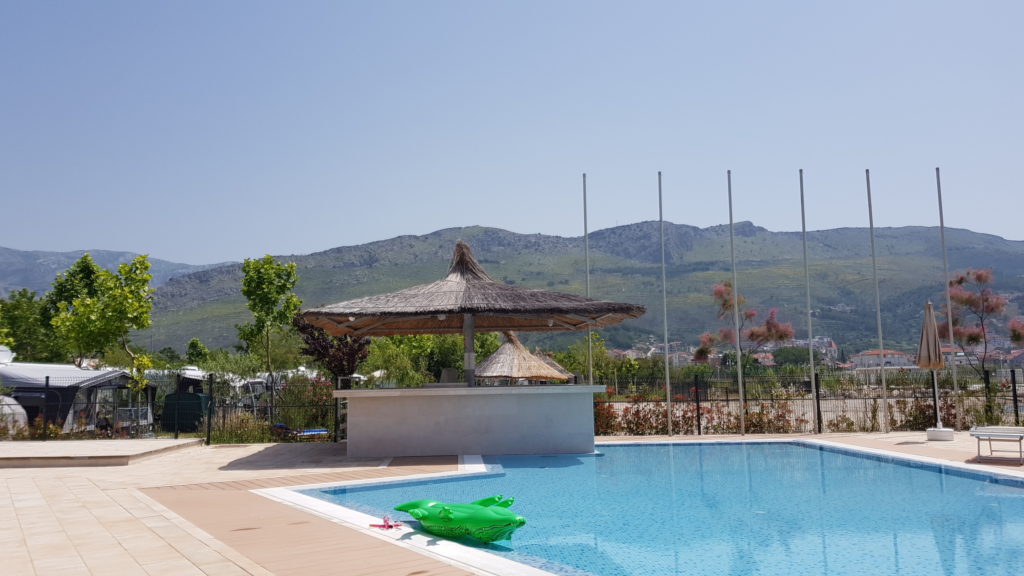
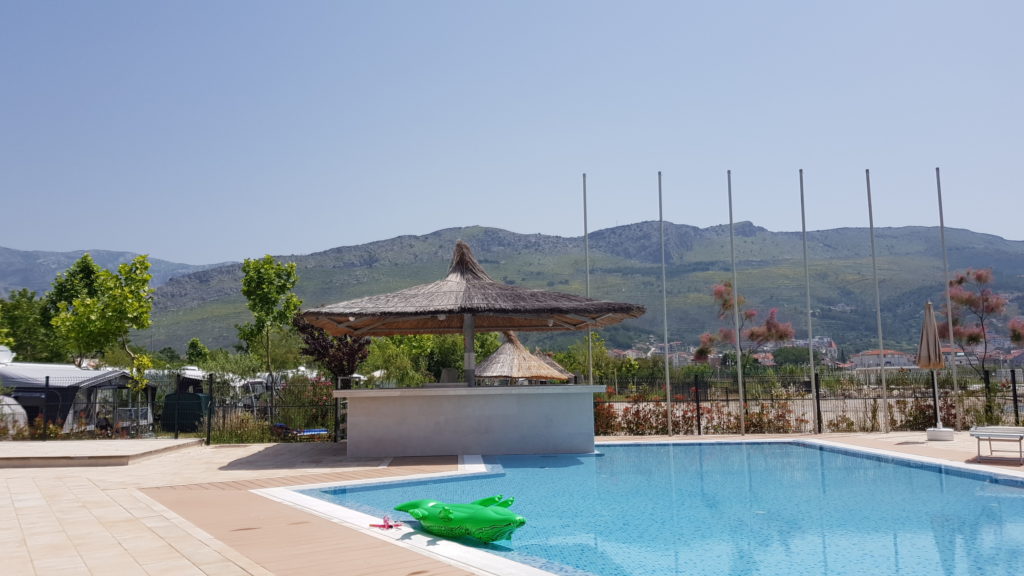
A pool side bar, opening soon!
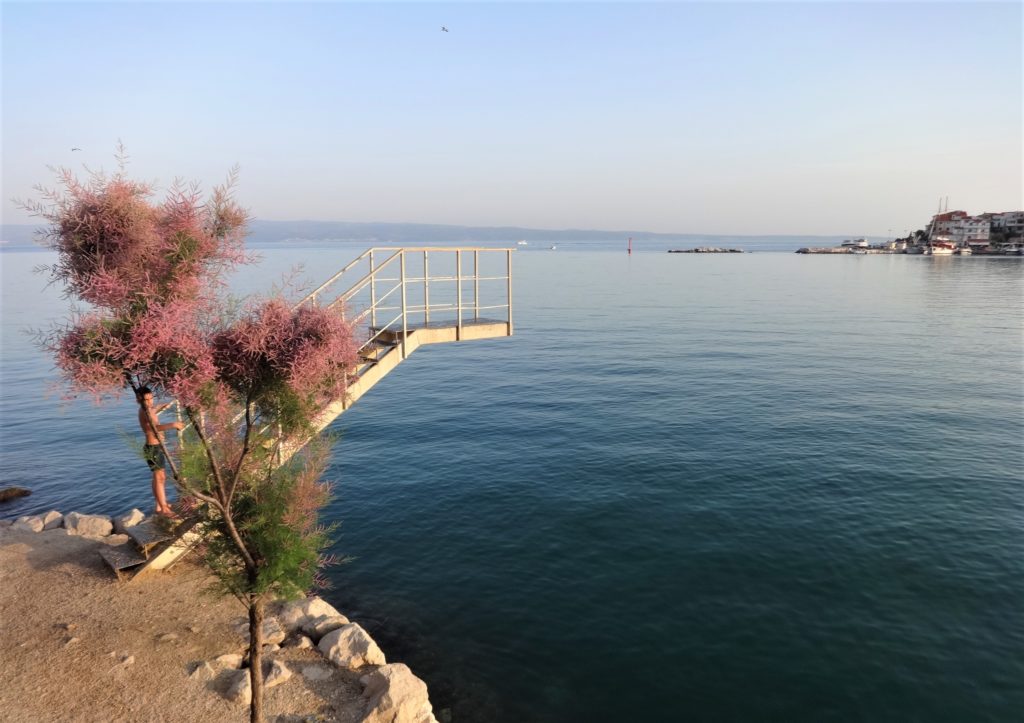
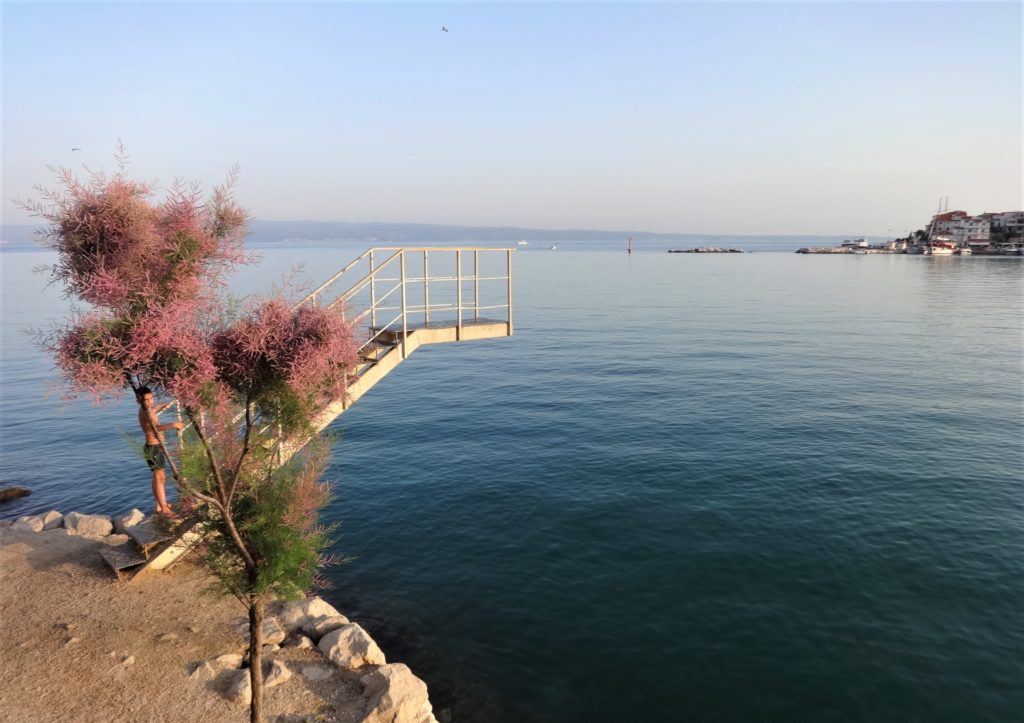
A diving board into the bay
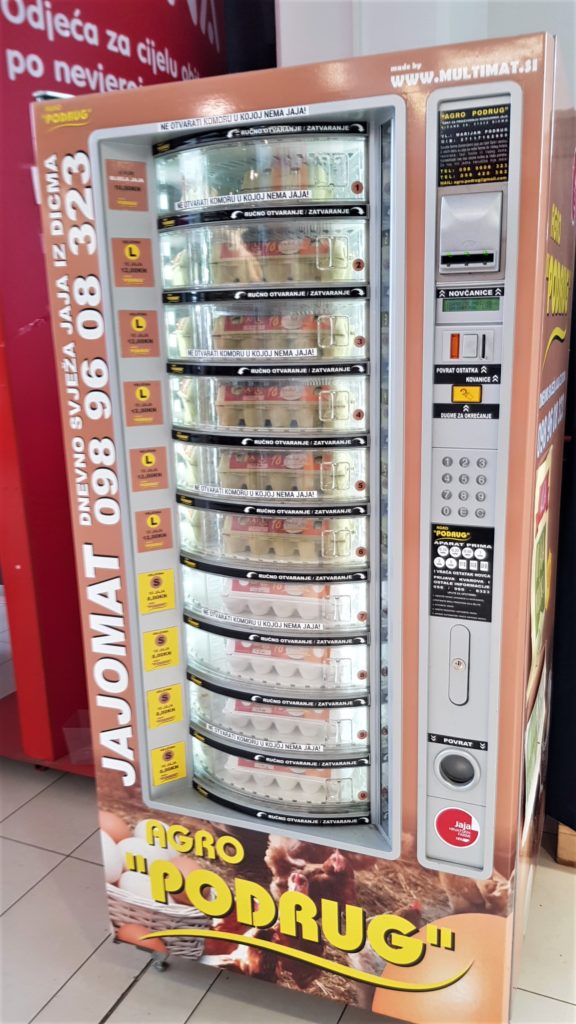
Only in Croatia, an egg vending machine!!
Photos of Split
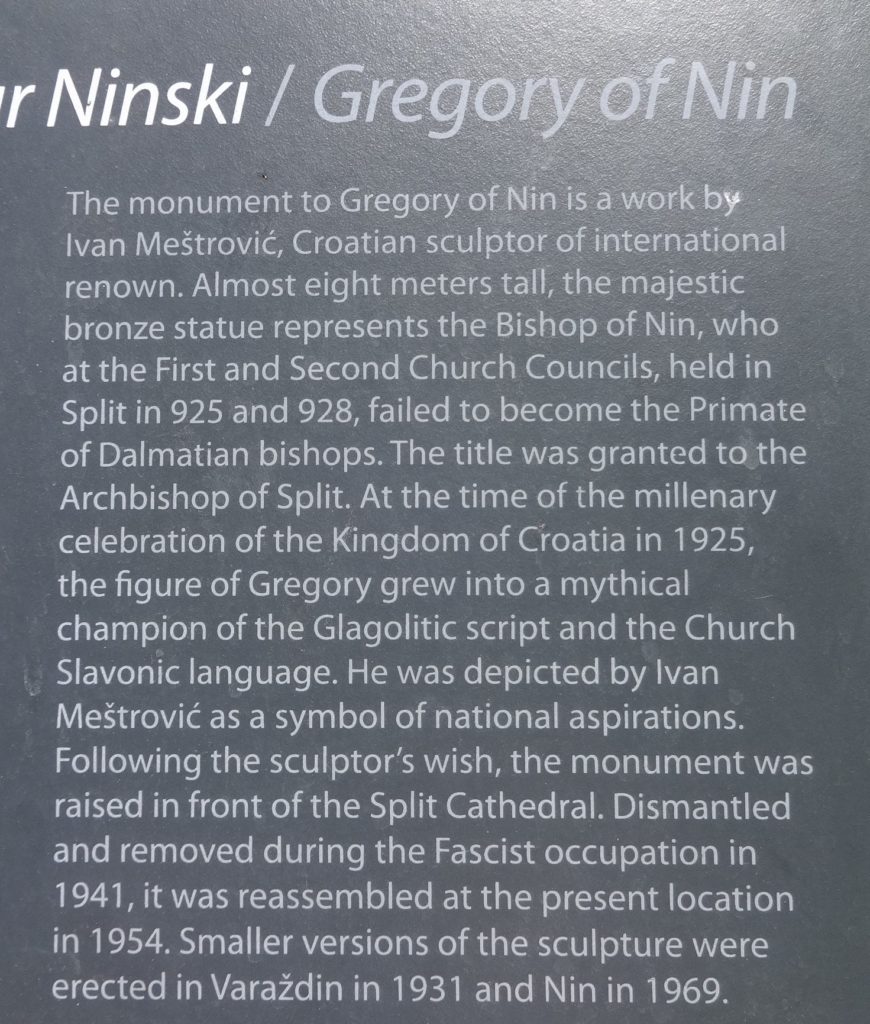
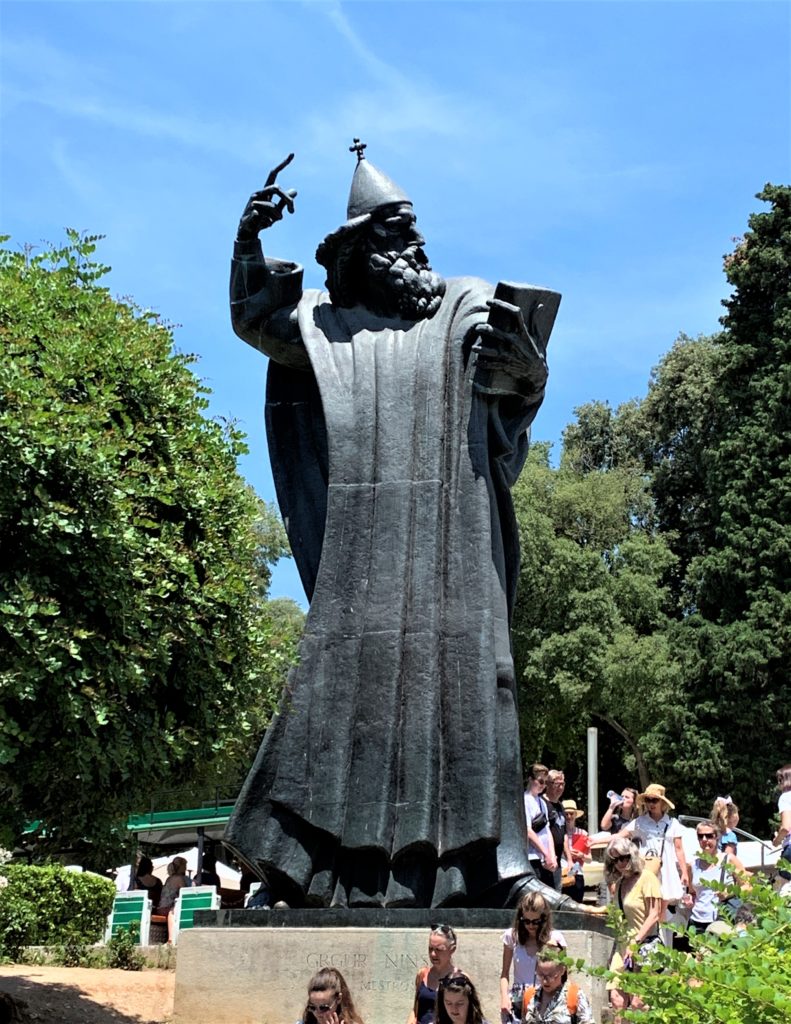
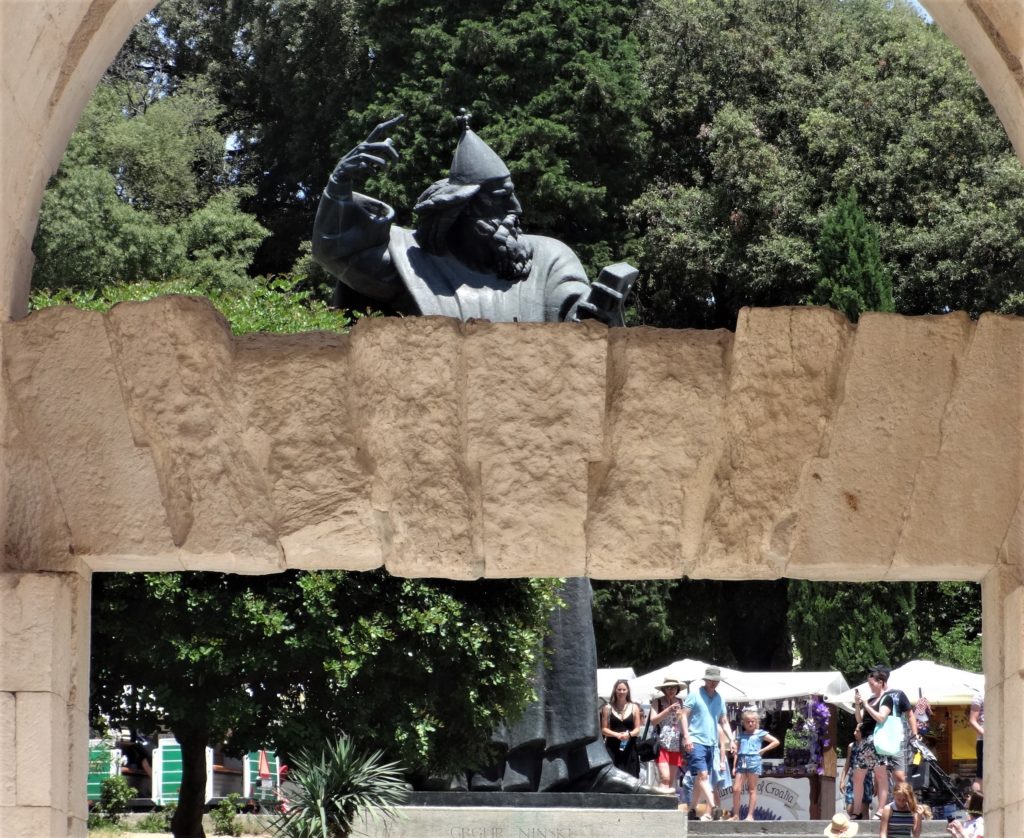
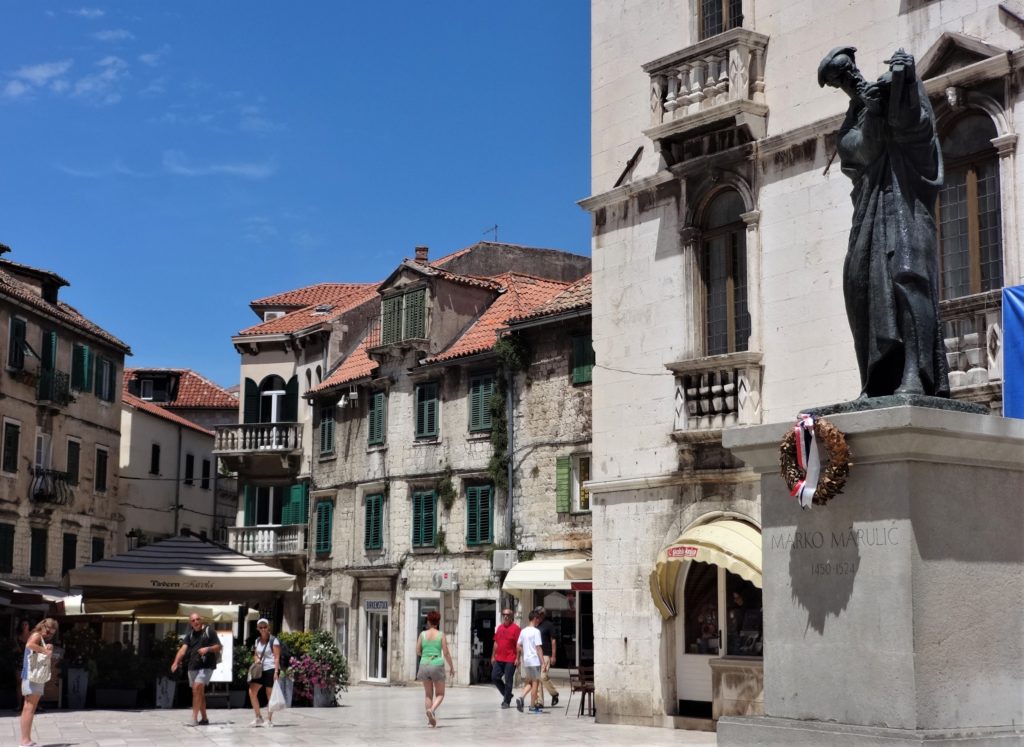
Statue in Split
The Man himself!
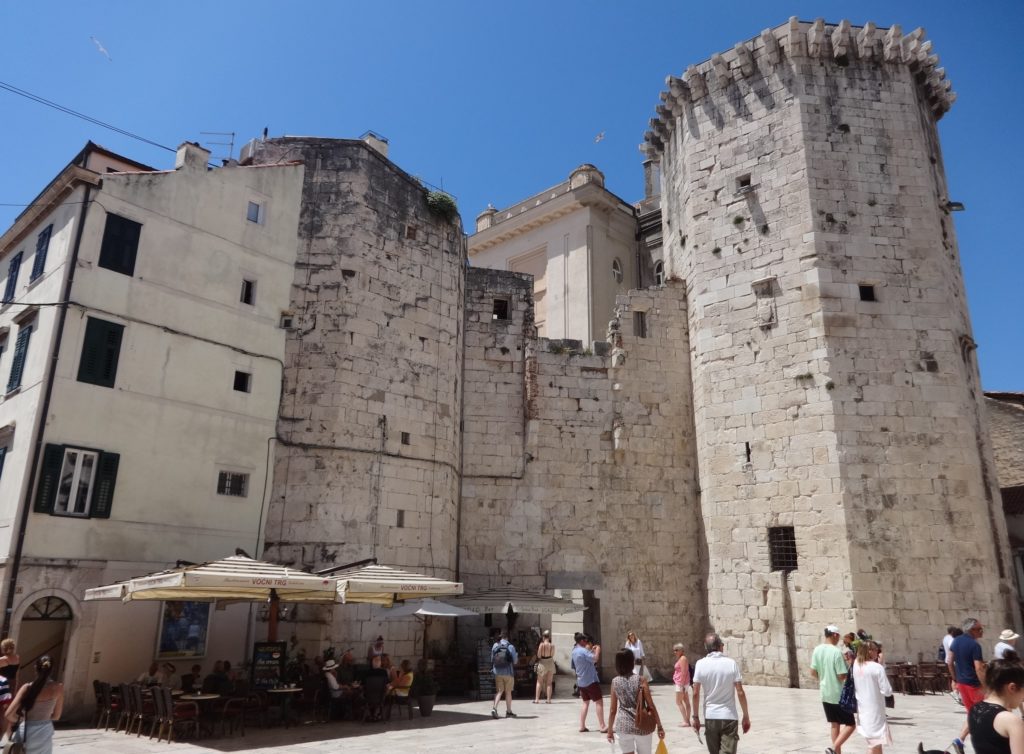
An entrance gate to the walled town
Another old entrance
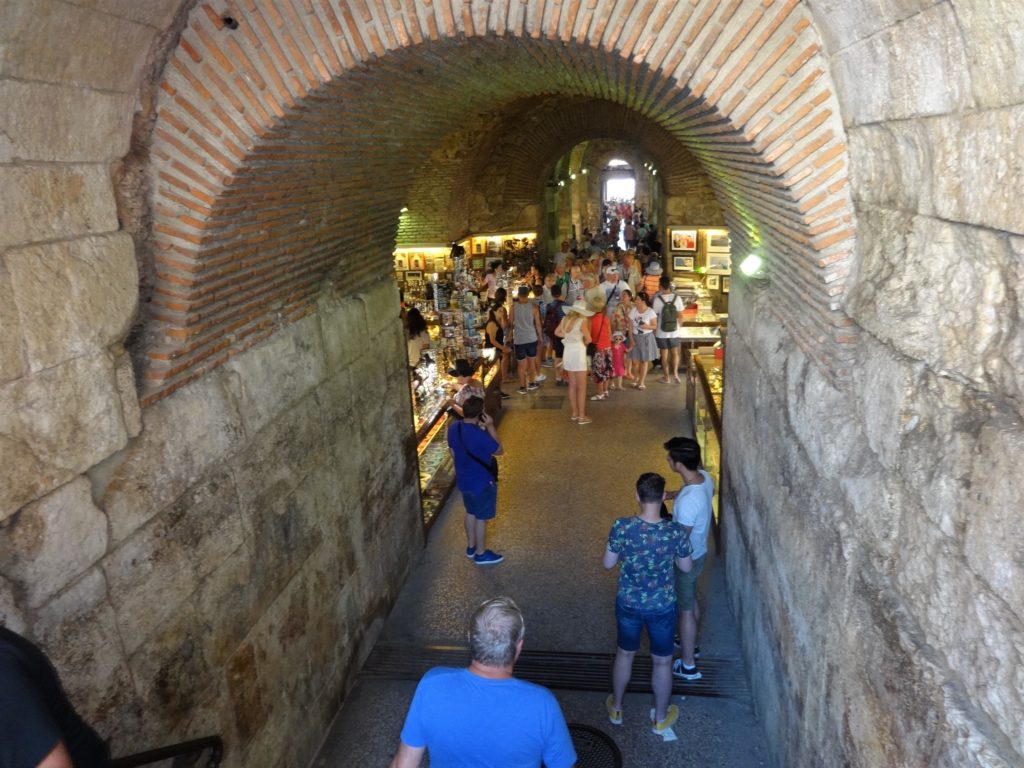
Tunnels under the old city are now a tourist market
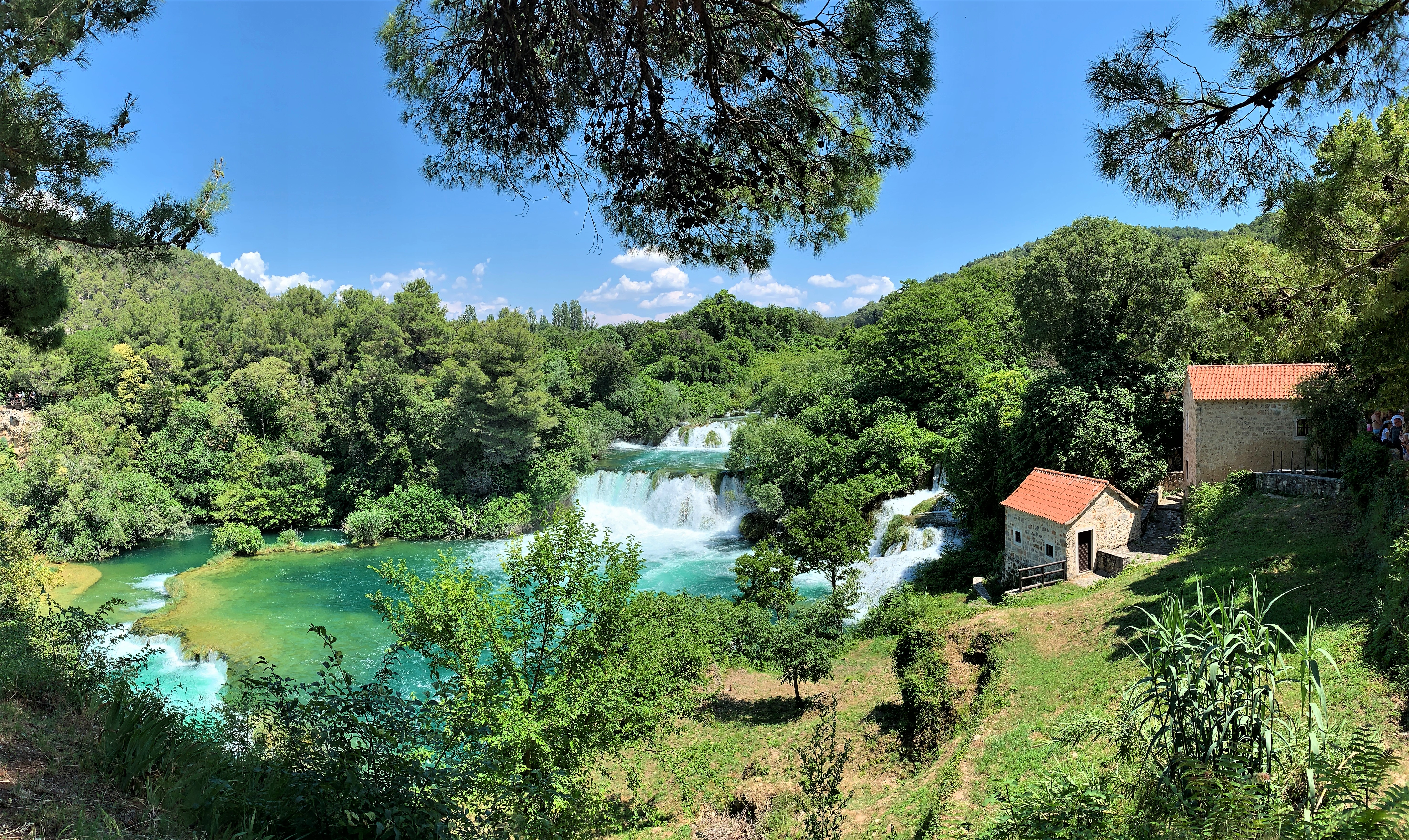
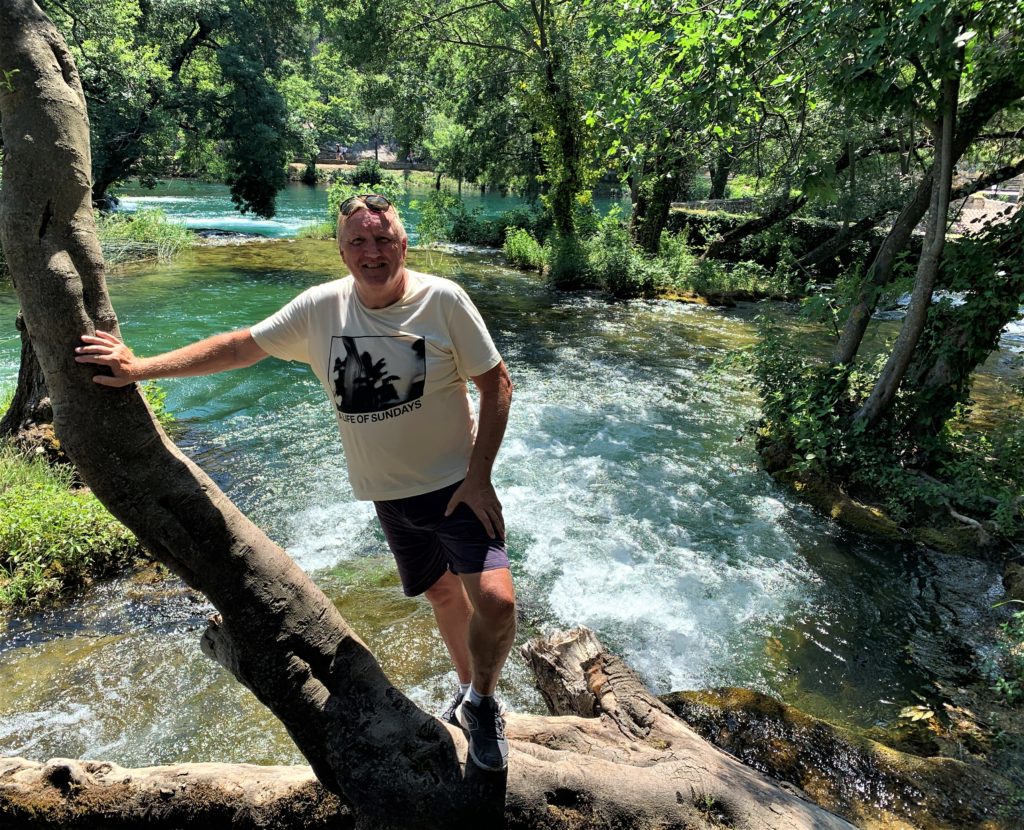
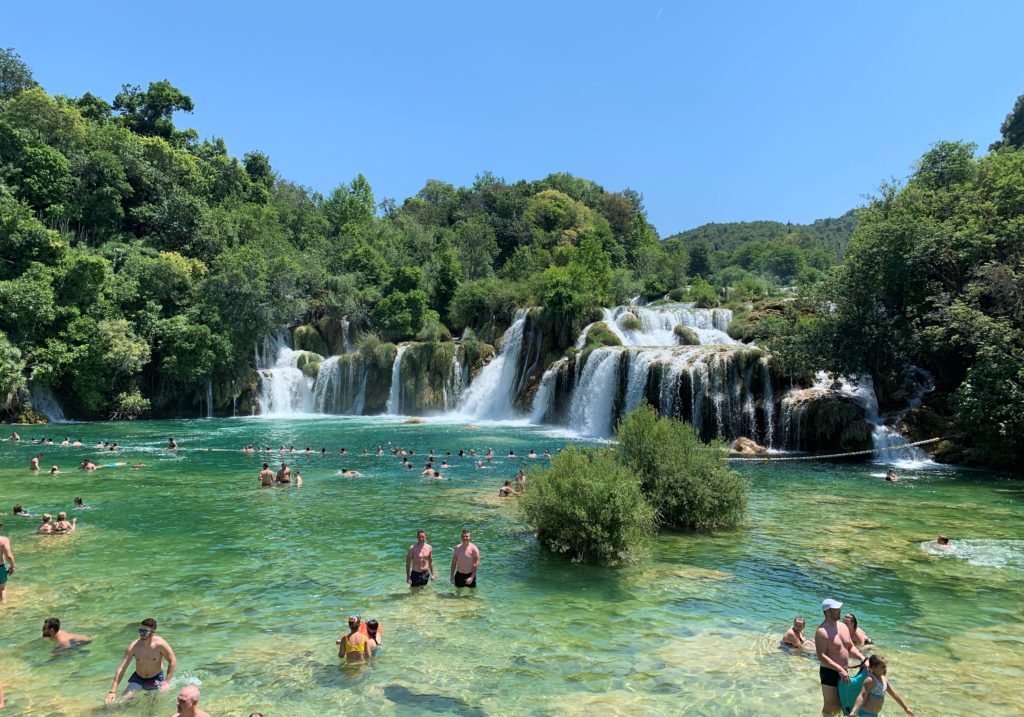
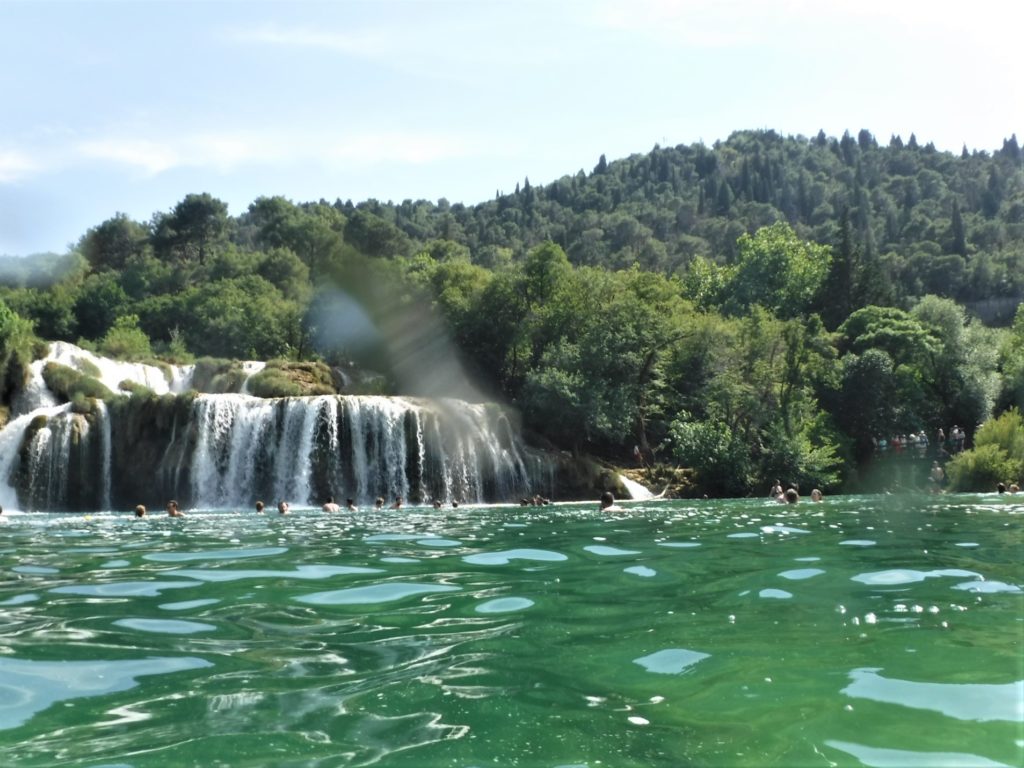
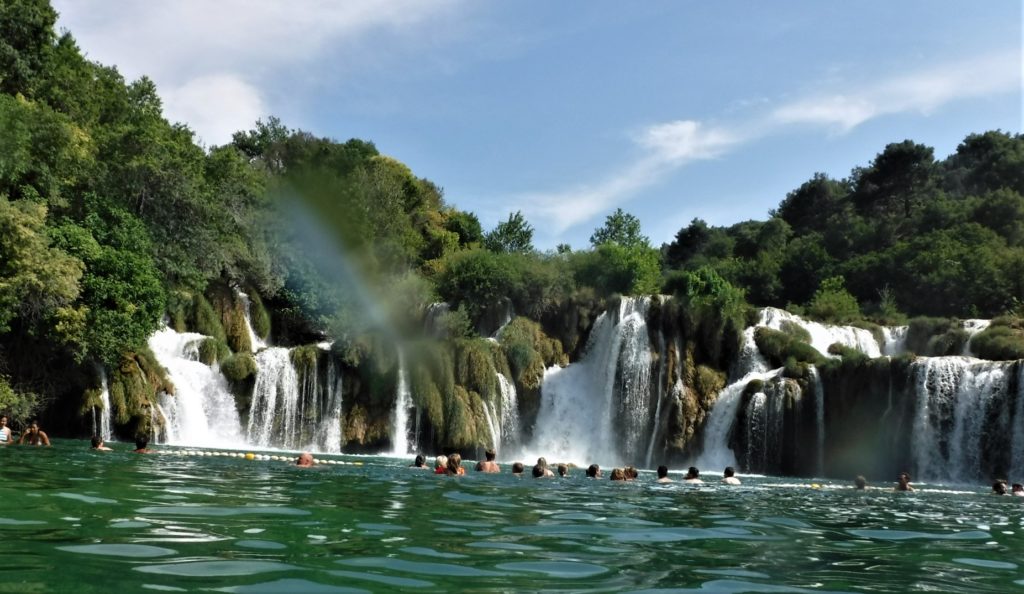
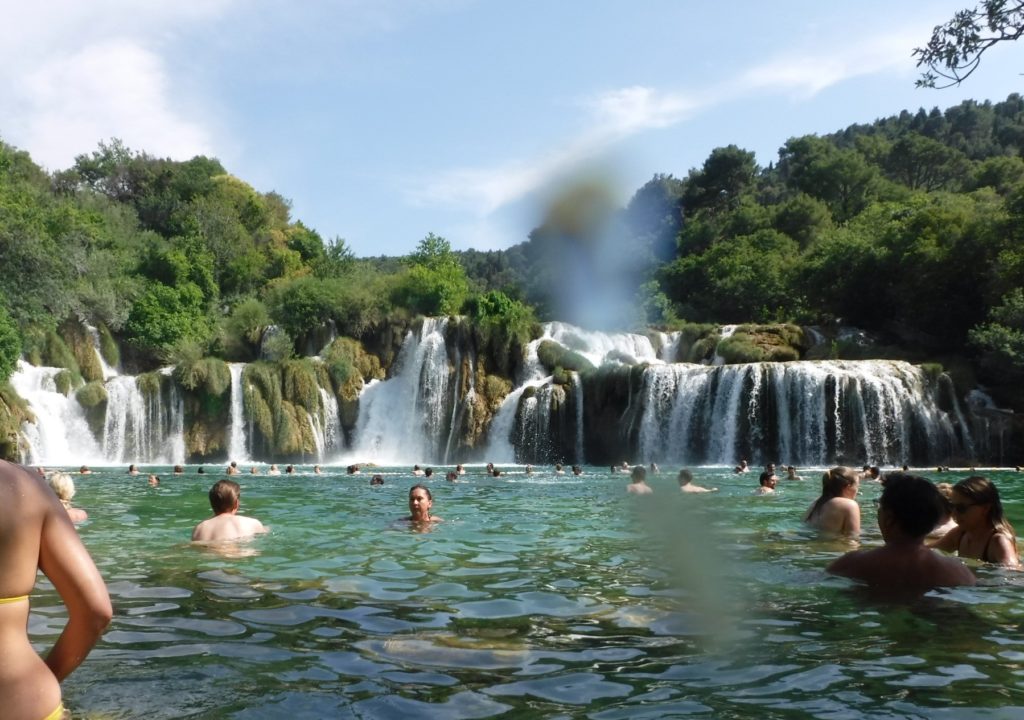
Yesterday was a day to chill out, as the temperatures reached 35C! So off we headed to Krka National Park, hoping it would be a bit cooler in the shade!!!
Unlike the UK, in Croatia you have to pay to enter a National Park, sometimes quite a hefty fee! Plitvice National Park (inland) was 180KN, equivalent to £25 but Krka Park, which was only an hour’s drive from Split, was only 100KN, almost half price.
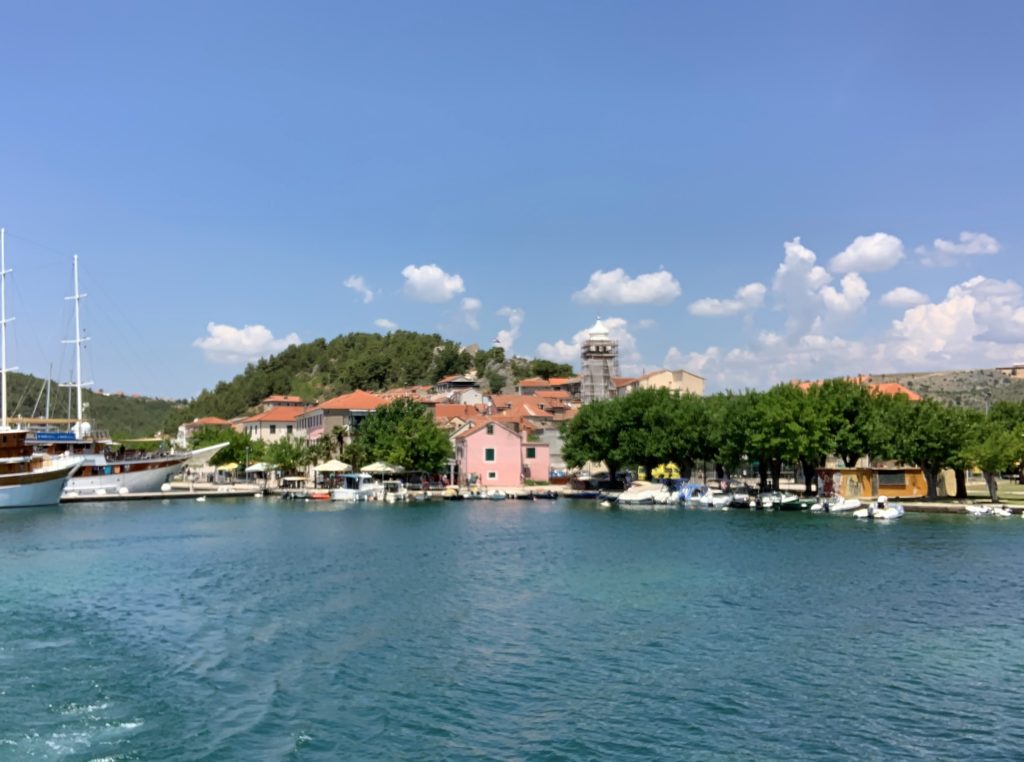
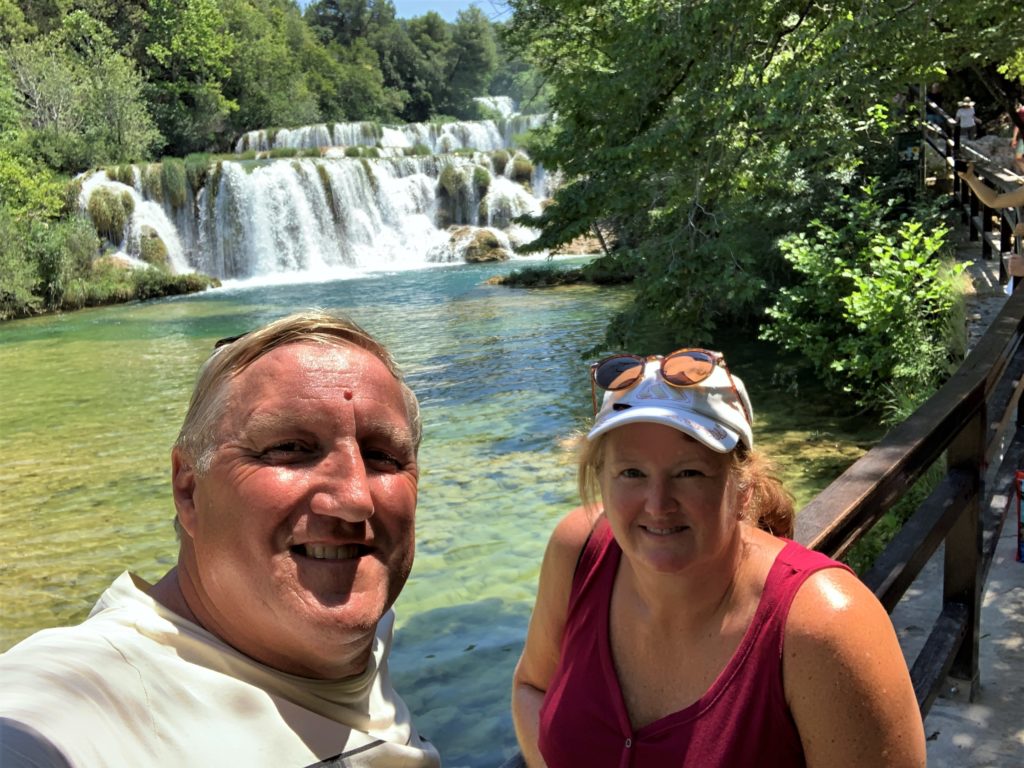
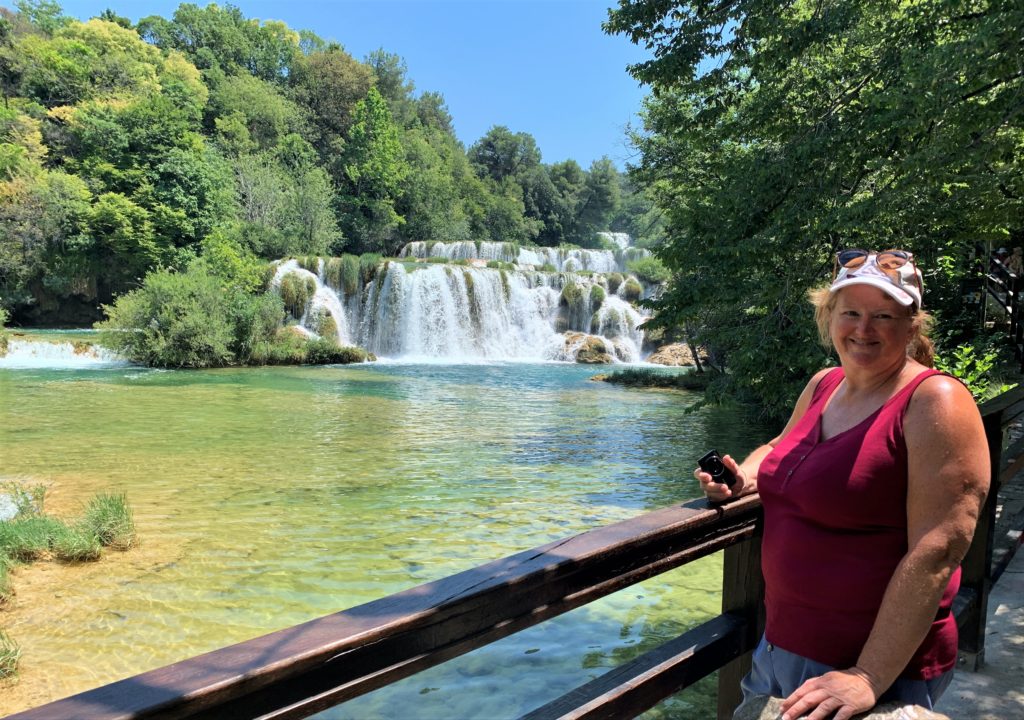
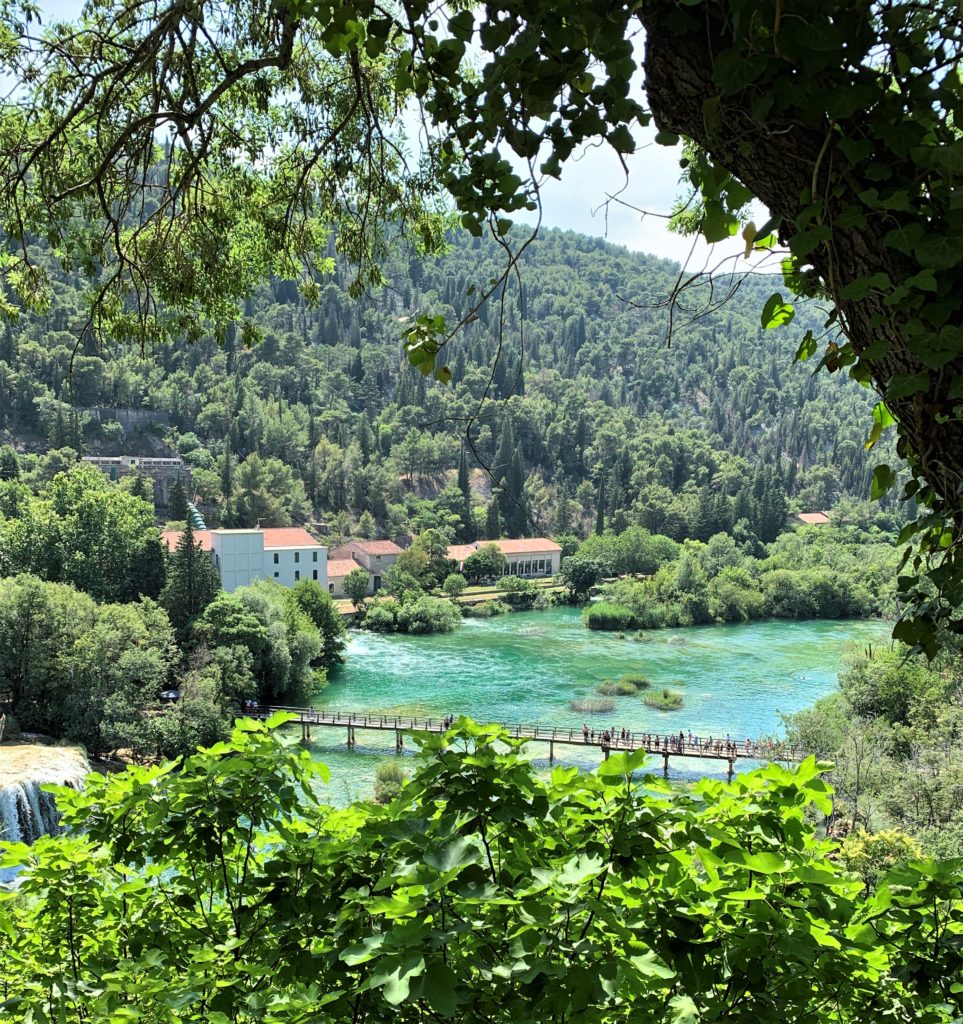
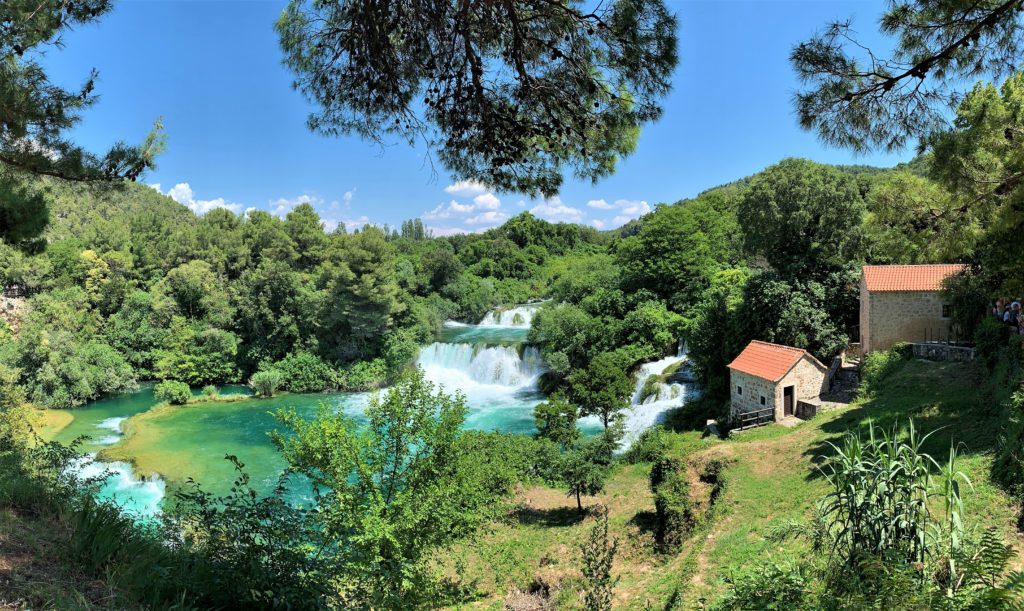
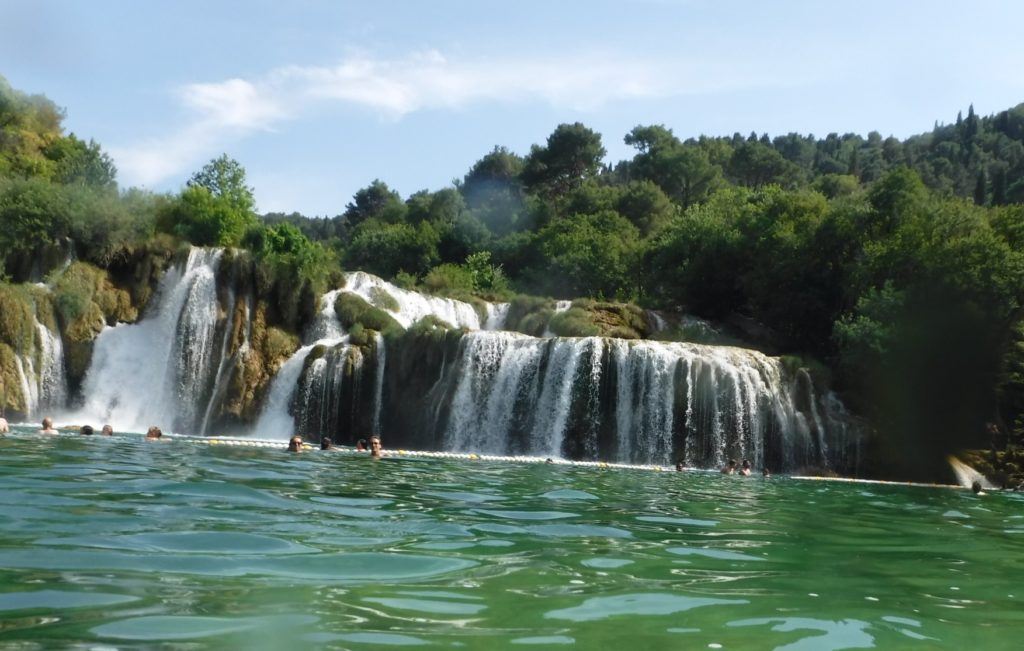
We arrived about 10.30am and had brunch at a cafe in the local town, caught the 11.30 ferry for the 20 minute journey up the river to the first set of falls. The lakes are split into 3 separate areas, and if we wanted to do all 3, we would have to spend about 9 hours there! However, the most popular site was the first, where there is also a large area for people to swim. Further up the river are more archeological sites, old water mills, monasteries and other old buildings as well as spectacular high waterfalls.
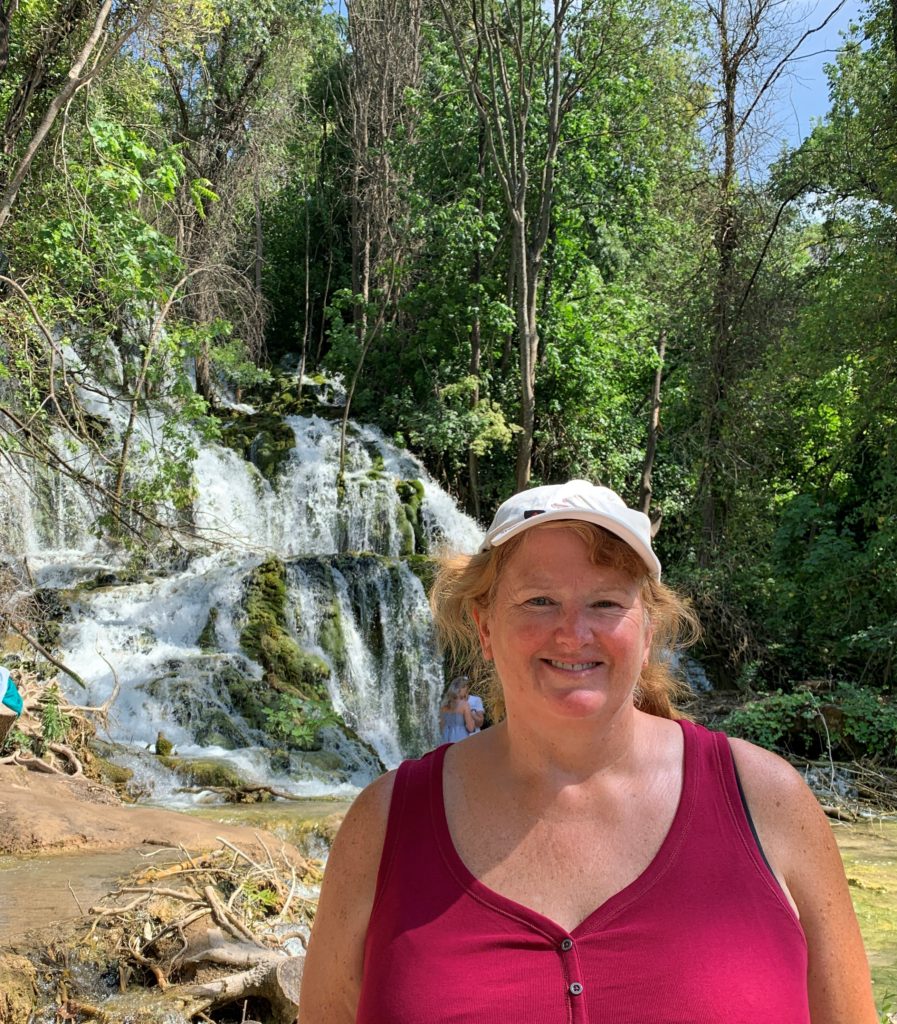
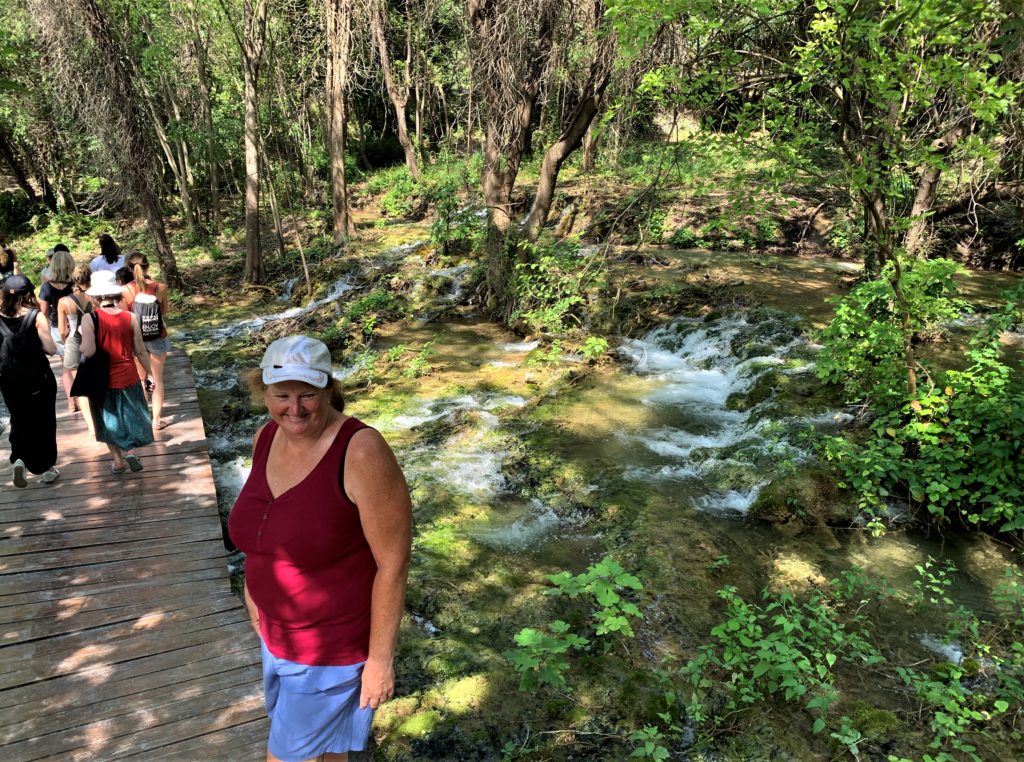
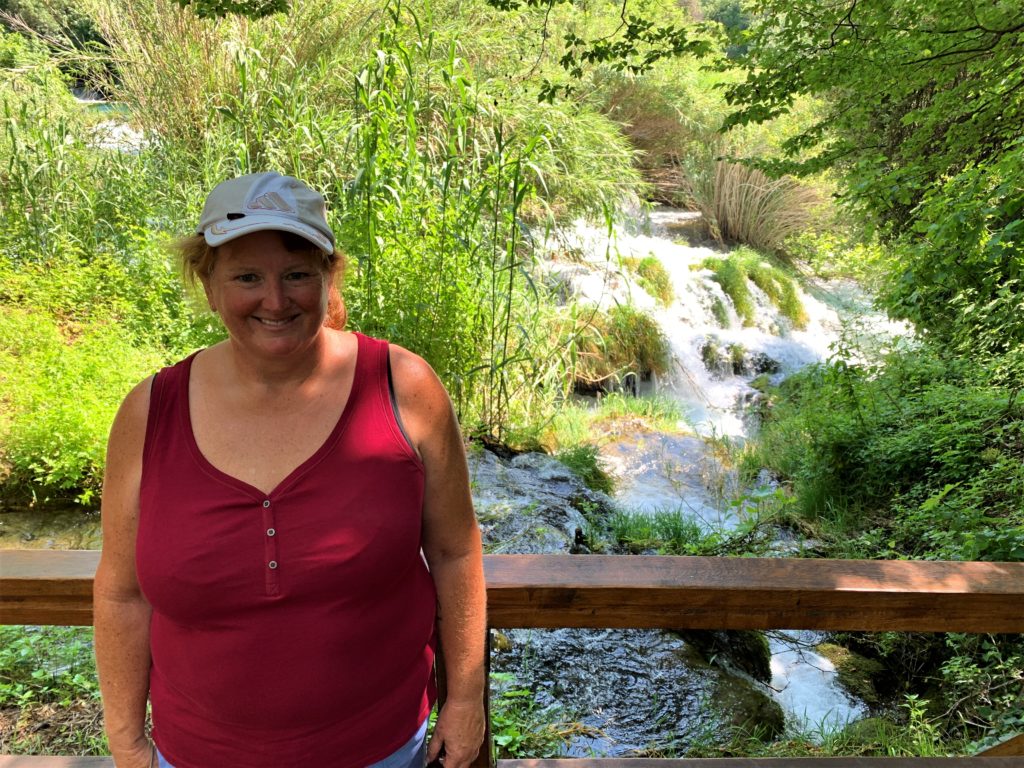
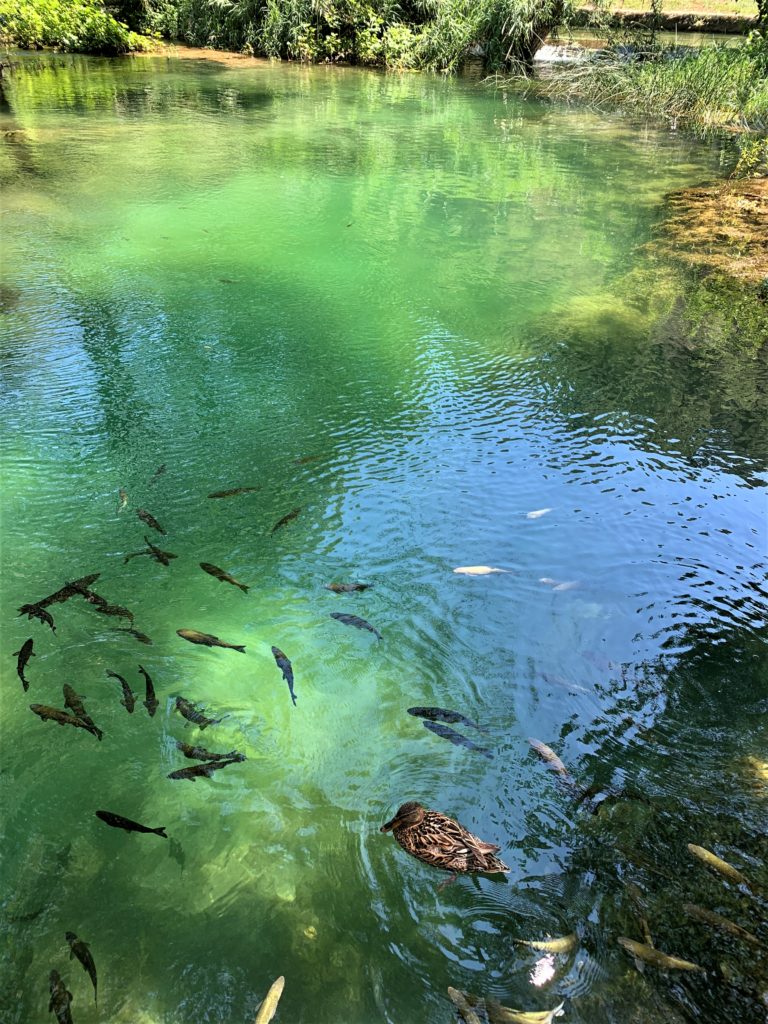
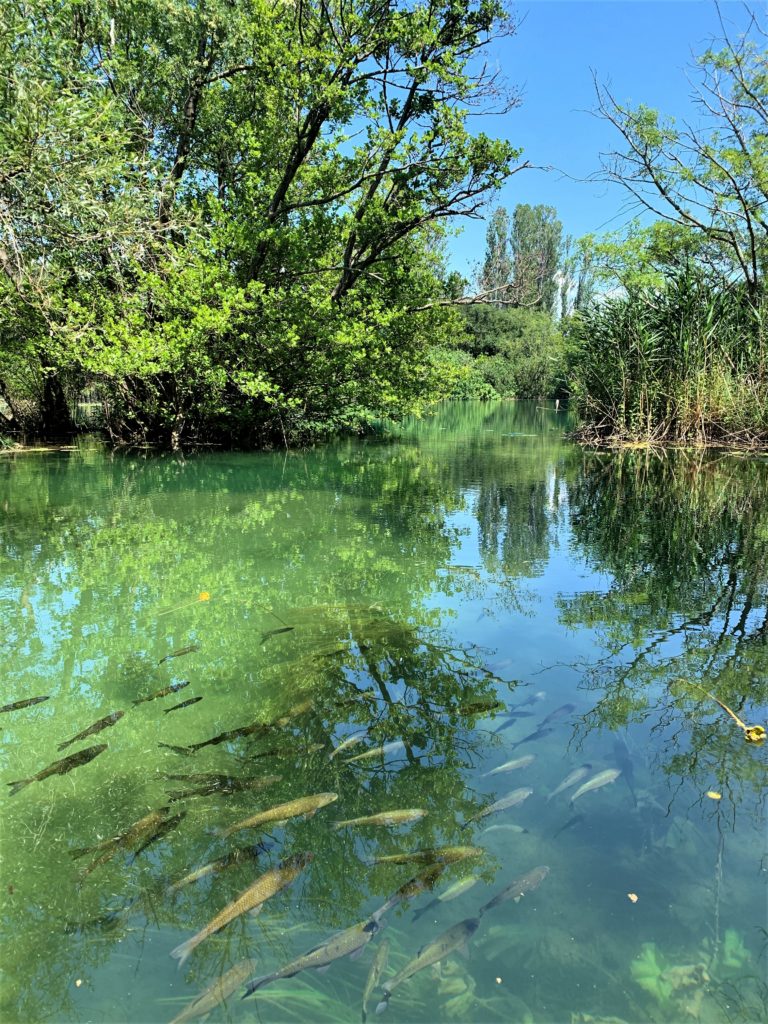
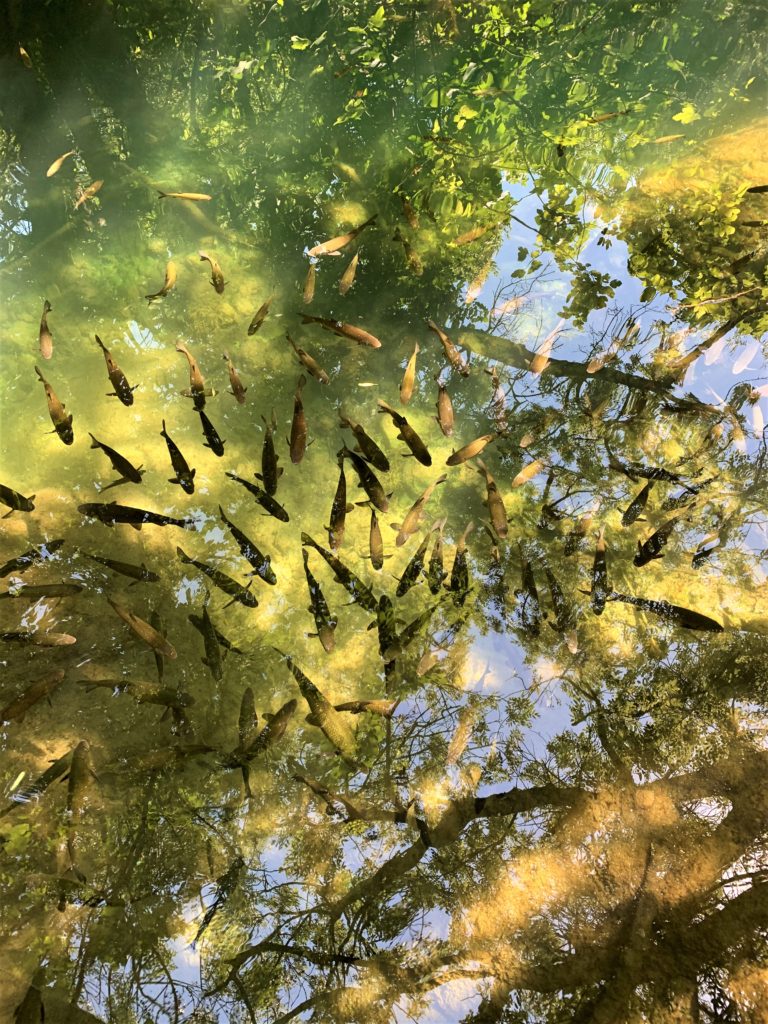
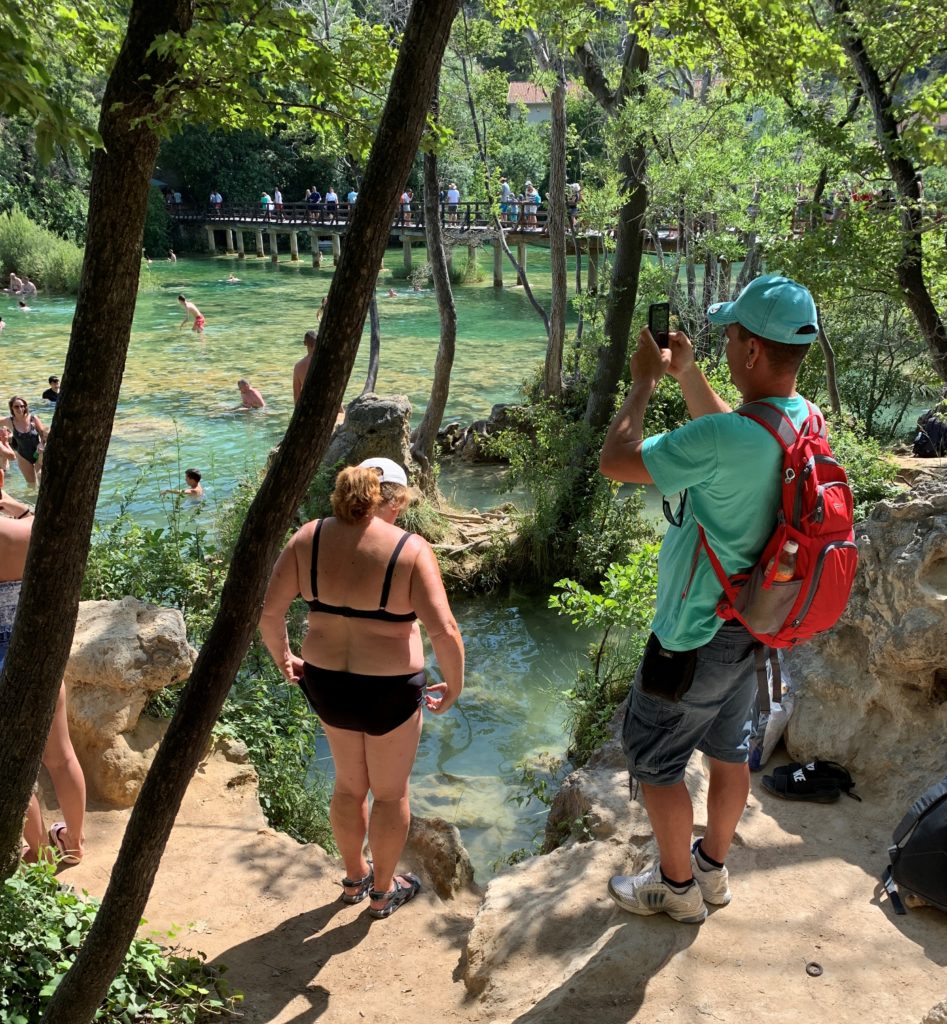
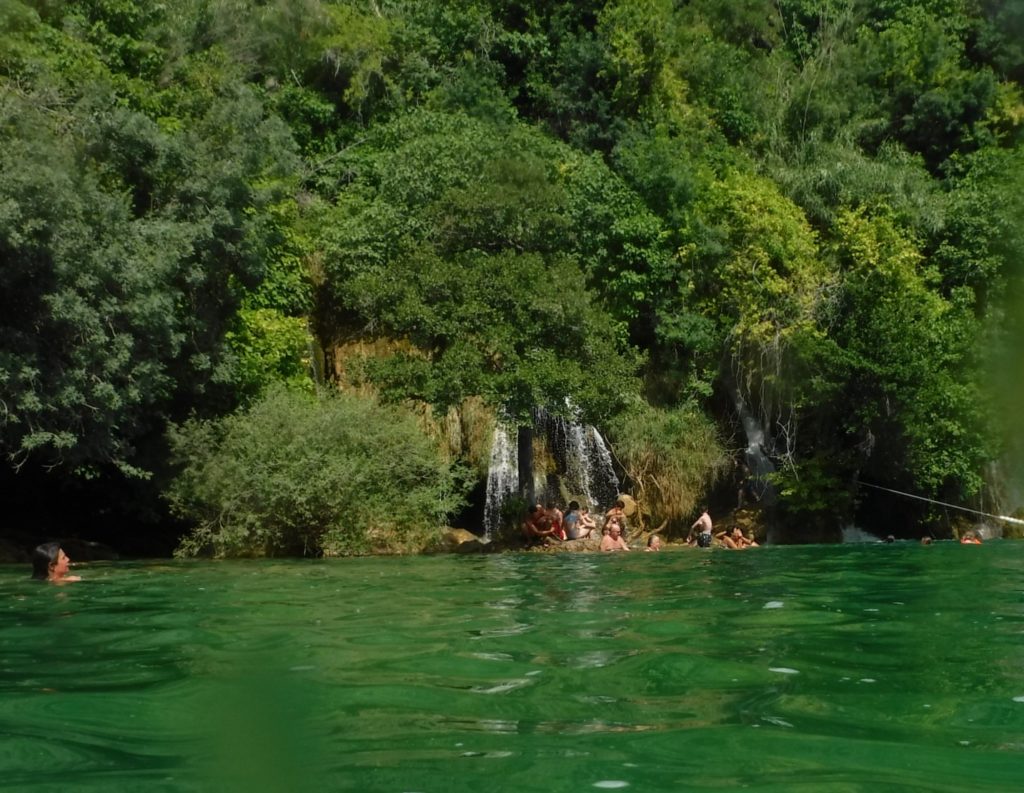
It was fairly peaceful despite it being full of coach loads of visitors. The small river tributaries run into pools and ponds, there was clean clear water everywhere. The walkways around the lakes were about 2km long and offered lots of scenic stops to admire the views.
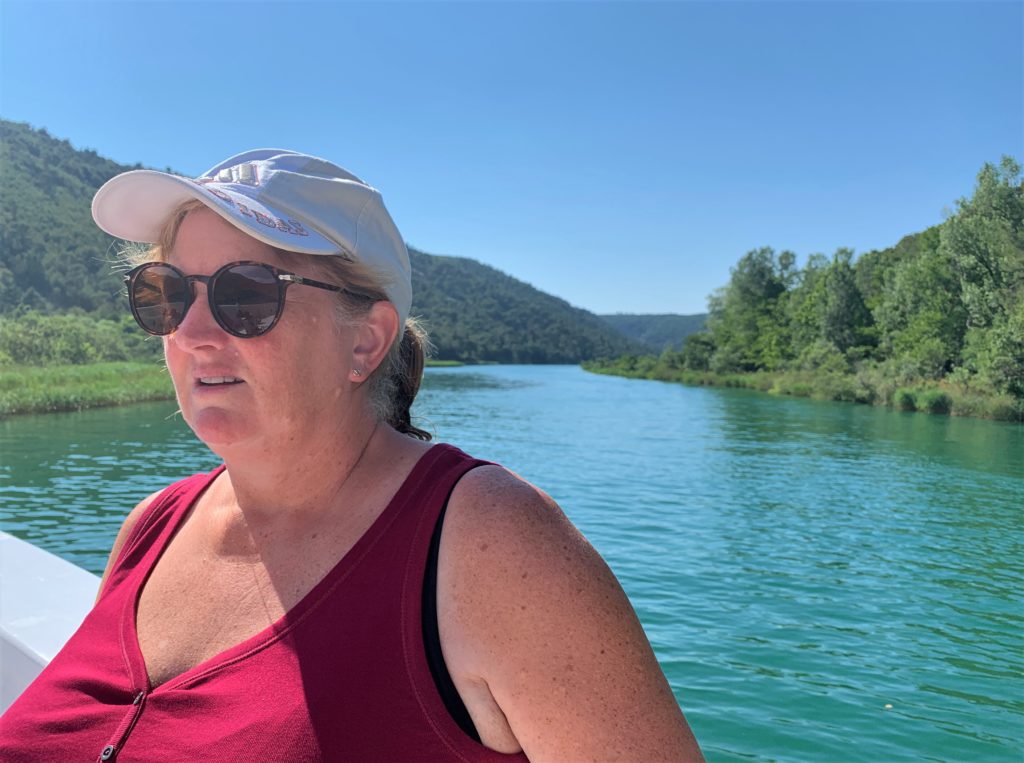
I was brave and did venture into the swimming area, David was on bag monitoring duties, and I came out feeling cool, refreshed and chilled. The water was clean, smelled clean and was icy cold at first, then cooling once you got in!
Firstly, Croatia is a very diverse country. Rich and poor, rough and ready. It is amazingly beautiful, sunny and so clean and people are very warm hearted, always ready to help and sell their wares to you. If ever there was a place that could be considered “paradise” this could be it, but in a few years’ or decades time!
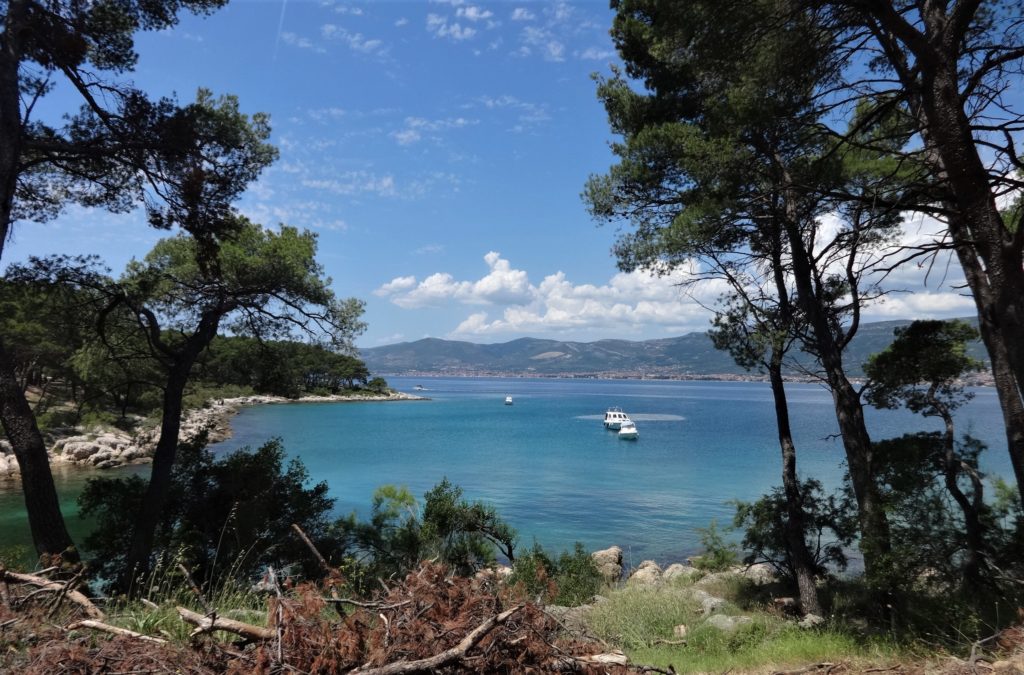
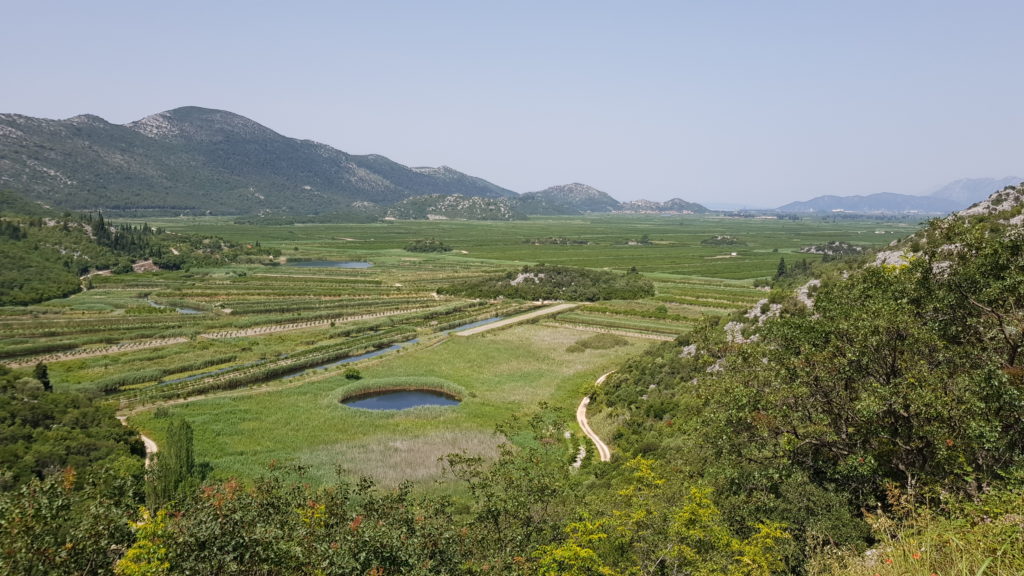
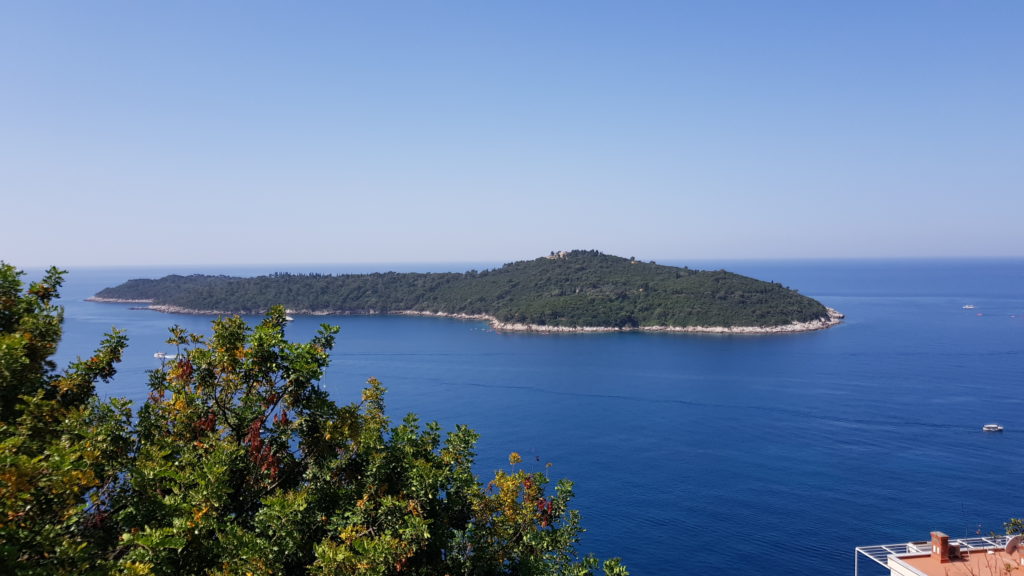
The coastline is simply stunning – rocky with sheer cliffs and tiny perfect white beaches, azure blue crystal clear waters, very little sand and small sailing boats everywhere. It’s a very long coastline and we have driven most of it now. Dual carriageway motorways take you 2/3 of the way down the country then you meander on a single track road down to Dubrovnik, through the mountains, passing islands and inlets, passing 15kms through Bosnia & Herzogovenia and out again to a small strip that actually has a lot of land attached! The islands are numerous, and all are different; some are purely national botanical and animal parks, some are uninhabited and accessible by boat only; some are homes to many, some homes to a few villages only.
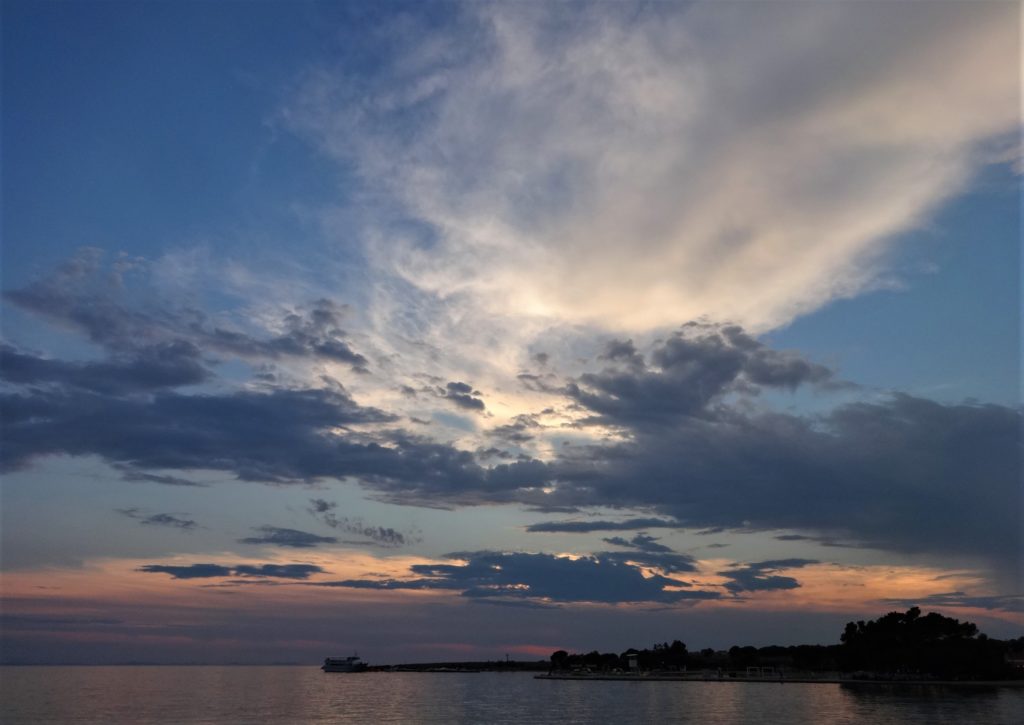
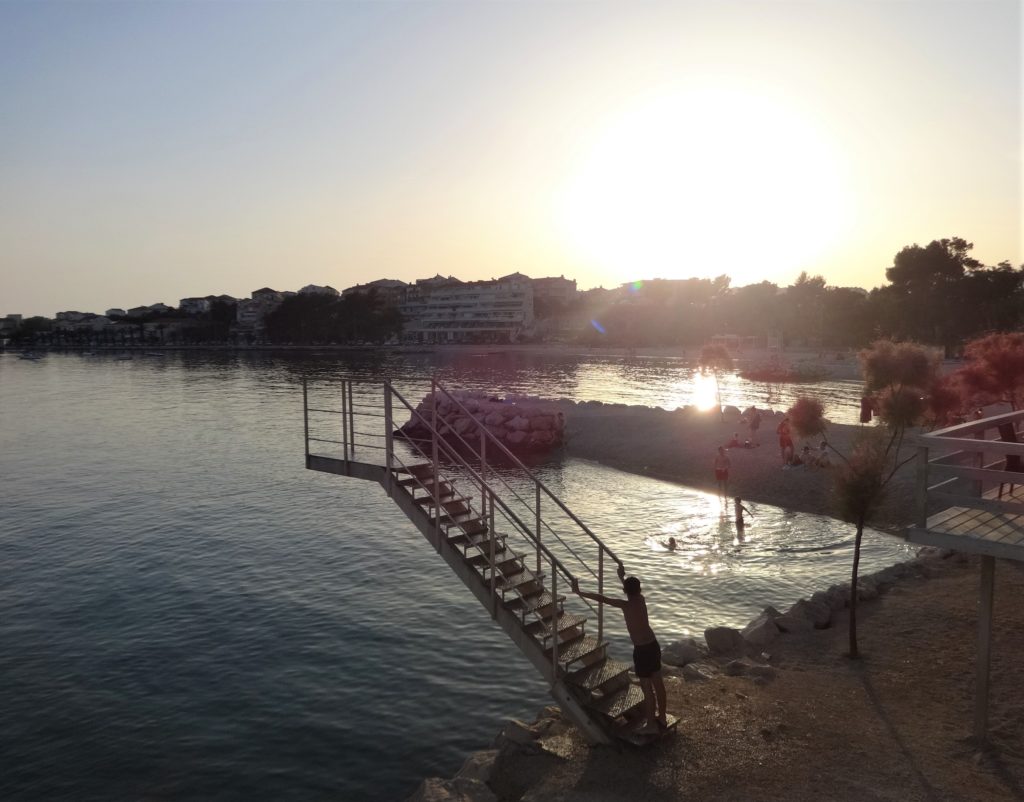
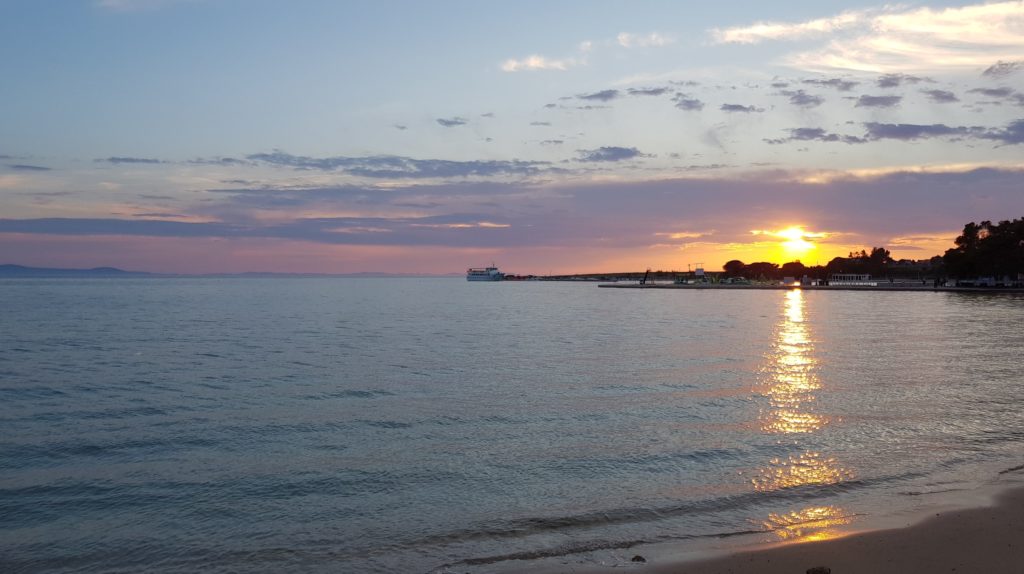
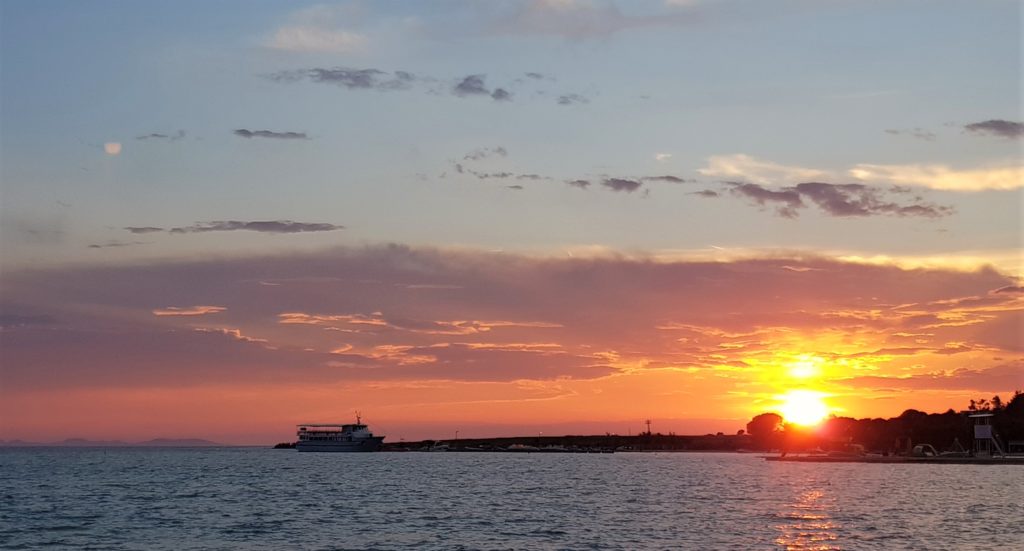
Amazing Sunsets
Community
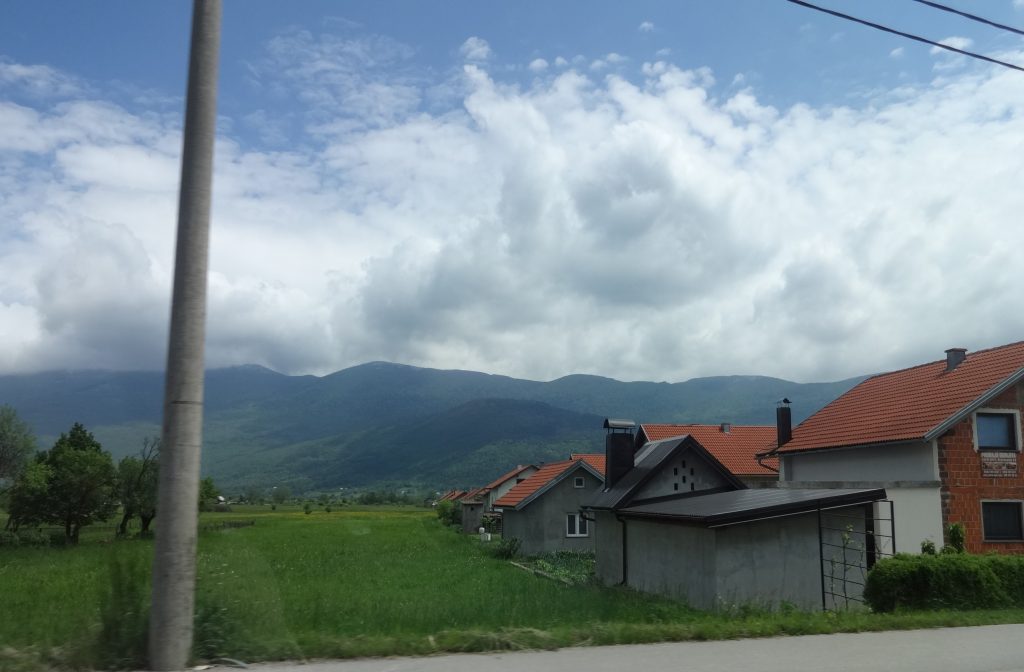
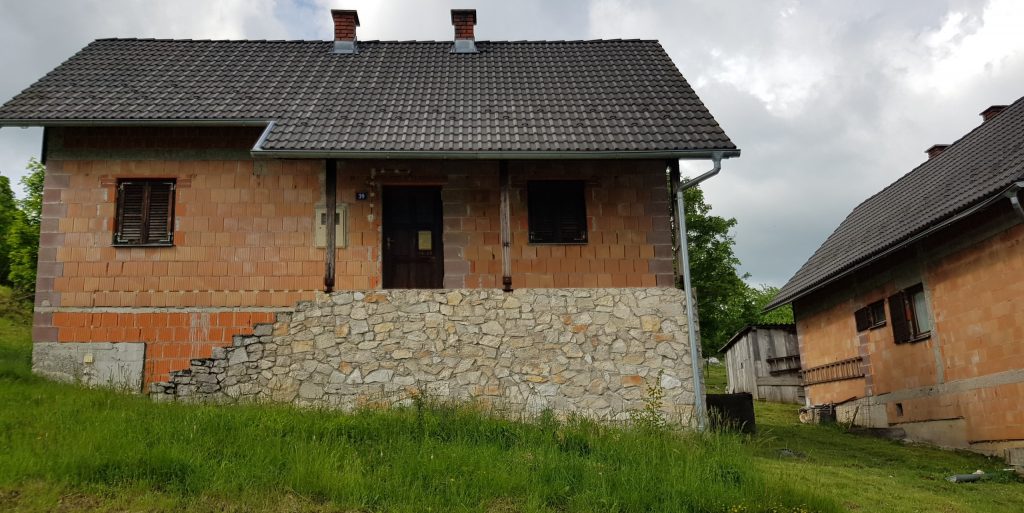
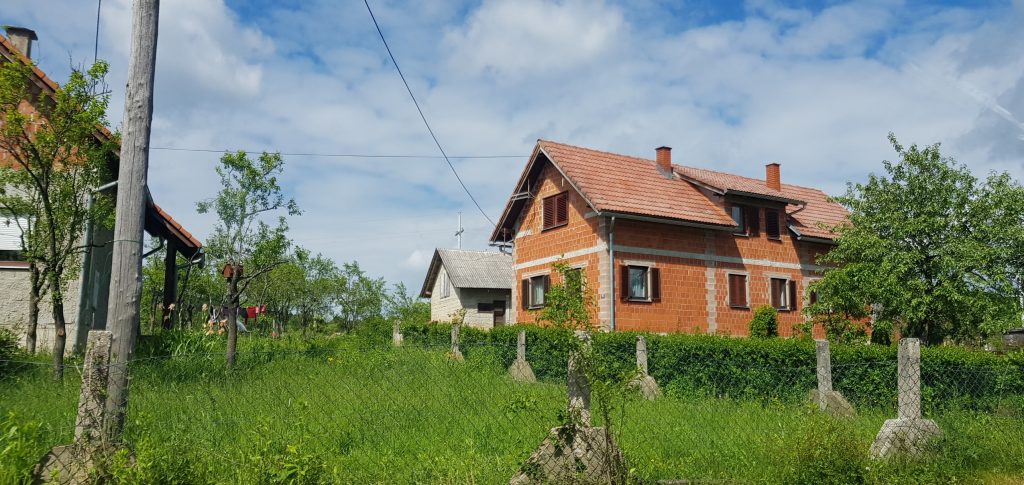
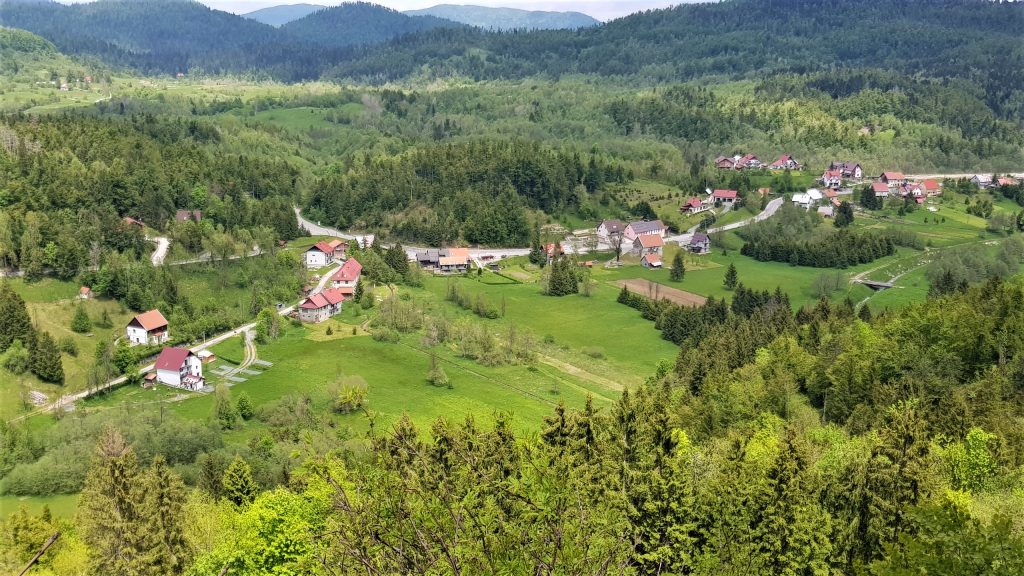
Inland, the mountain ranges are full of lush forests, white rocky outcrops and jagged steep hilltops and everywhere is full of terracotta topped cream and peach coloured small towns and villas. The hillsides are full of expansive pine forests, sparsely populated and uncultivated. Houses in villages are numbered only, no road names, signposts show the following information in, for example, a village called Zeton – “Zeton No 2, Family Johanssen”; Zeton No 17, Family Schmidt – Rooms, Zimmer, Chambres”
Towns are mainly small gatherings of hillside villages, buildings are well maintained and stand up to 5 or 6 storeys high, overflowing with signs of “Rooms to Let” or “Restaurant” or similar. Larger cities like Split are very different. Split has an old walled city, now a thriving cafe and restaurant hub, but is surrounded by huge old, 70’s style tower blocks, rundown, full of graffitti and a multitude of torn colooured exterior blinds to protect from the heat and sun.
Many cities have walled towns that have been converted into tourist hubs, food, drinks, accommodation, tourist tat shops etc. We have seen very few actual “palaces, castles or forts” where locals live or it has been retained as a monument or place of historical interest.
Infrastructure
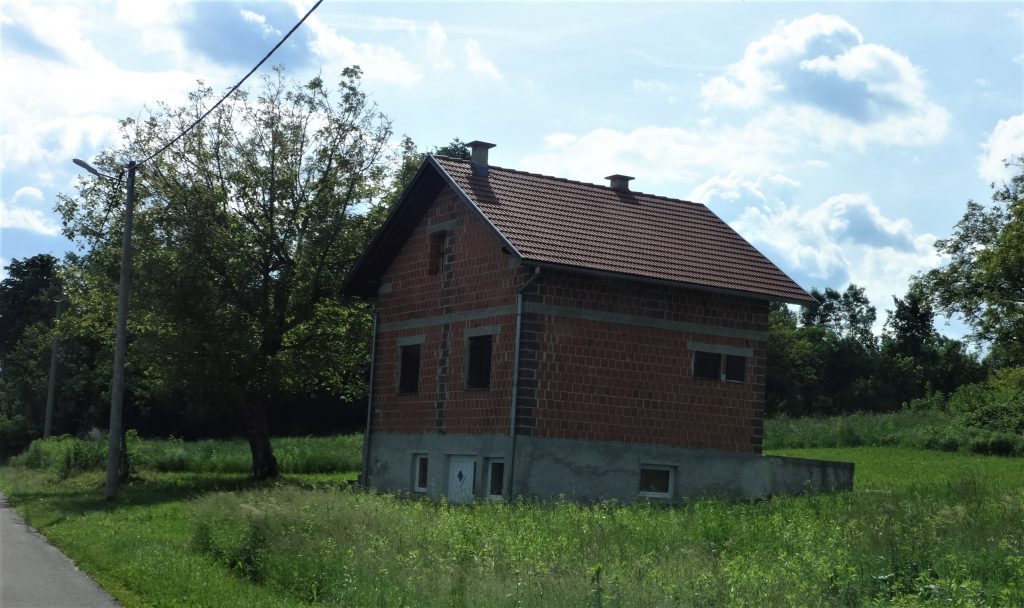
The infrastructure is brilliant where the main attractions can be found, dual carriageways, bridges and entrance roads to cities are excellent condition. Outside of this, it’s the opposite! Dirt roads, people living in half built houses, no road signs…….and we have not found out why.
Main roads have had EU money spent on them but sometimes we have found a local road, which is only numbered (eg 63006), with no signposts, is a stoney dirt track! Does not stop Croatian drivers being loonies, wanting to overtake any car in front of them, despite the road having a single white line in the middle, a sharp blind bend in front and a queue of cars behind the oncoming coach!
We have also established that EU money is still being spent on creating this “new country”, providing students with the opportunity to attend college and Universities FREE, yes you did read that correctly, and all HEALTHCARE is FREE!!!
Tourism
Additionally, it is more expensive than we expected, we thought it would be really cheap here, even on a par with Spain, but it’s not. We have learned that people and businesses are heavily taxed and therefore prices are more on a par with Italy. Some things are cheap, a beer or glass of wine equivalent to €2, but a main meal in a restaurant is never less than €10, more like €15. Tolls are cheap, fuel is cheap, but campsites are pricey. The bigger the City’s attraction to tourists, the higher the prices! In Split, we pay €3.50 for wine, €3.00 for a pint. In Dubrovnik, €7 for a glass of wine and a beer!! €12 for a burger and chips, €20 for lasagne!
Campsites, well they are an eye opener! We have been on 5 different sites, in the northern Istrian peninsular, inland at Plitcive Lakes, out to the coast at Zadar and two further down in Split. Luckily most take European discount cards that us travellers use!
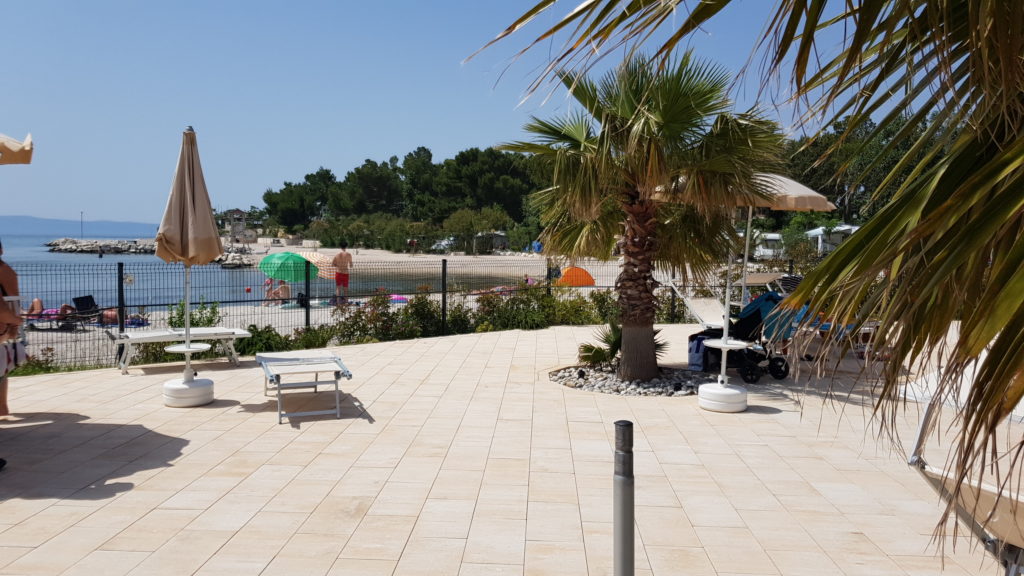
Split campsite
Again, where the travelling tourists are, they have had a lot of money spent on the Campsites (calling them Resorts) bringing them up to European standards, most are huge – well spaced out, well cared for and do everything possible to make you feel welcome, comfortable and relaxed. We have had no problem on Croatian campsites with the 5th wheel and no issue finding pitches, 90% are fully serviced and all sites have a several restaurants, several bars, water parks, and loads of outdoor activities. The bigger the site, the more facilities. And, there is water everywhere!! Further down the coast they have introduced “Kamper Stops”, a large area for motorhomes to stop overnight only.
They cater for Germans! Very few Dutch or Italians here, next to no English! Thankfully they all speak English! They are taught it in school from an early age, so language is not an issue, apparently the Croatian language is one of the hardest to learn!
Food is similar to Italy – excellent pizza and pasta but with more emphasis on grilled dishes and meat and salads are excellent quality. Local delicacies can be found, Istrian sausages, Pag sheep cheese, truffle cheese and wine from each region.
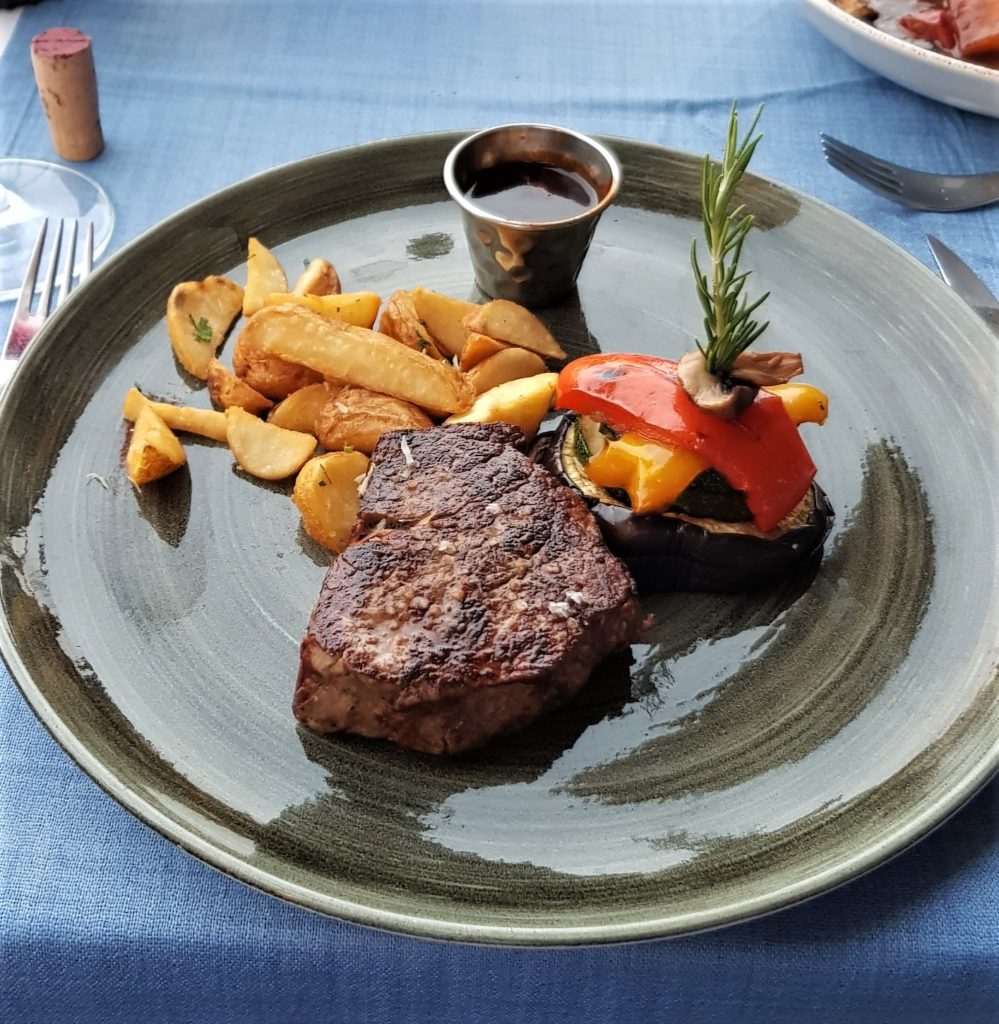
Beef steak
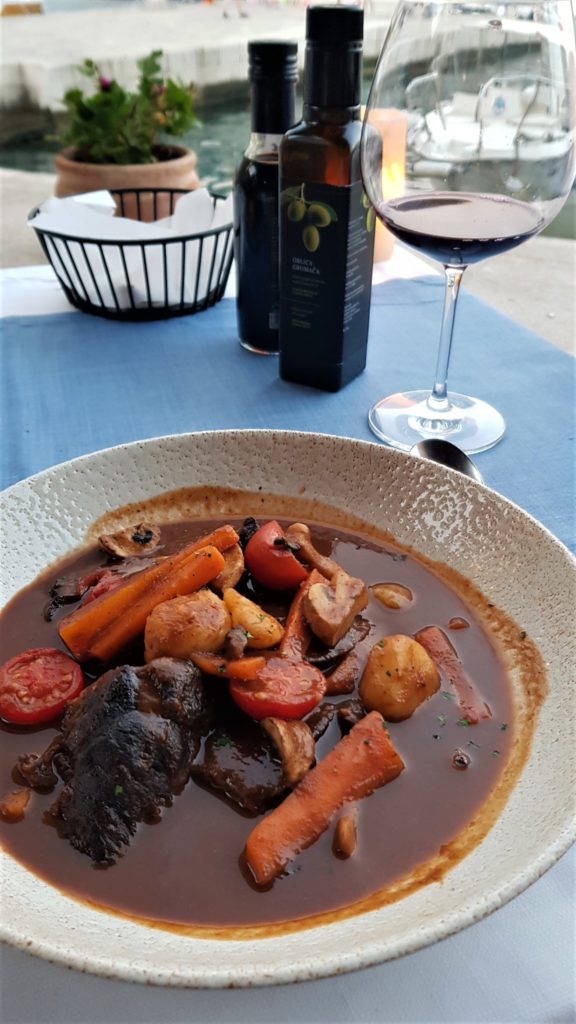
Beef cheek bourgignon
History lesson coming up now!!
In the past century, this country has been “owned” by lots of different people but Croatia originally began in the 3rd Century in Nin. Before then it was part of the Roman Empire and afterwards, Byzantines, Venetians, Hungarians, Bosnians and Austrians before it finally settled as the Kingdom of Yugoslavia in 1918. in 1941, during WW2 it was handed back to the Italians but in 1945, The Federal People’s Republic of Yugoslavia was declared and the King was deposed, and a President was elected in 1953.
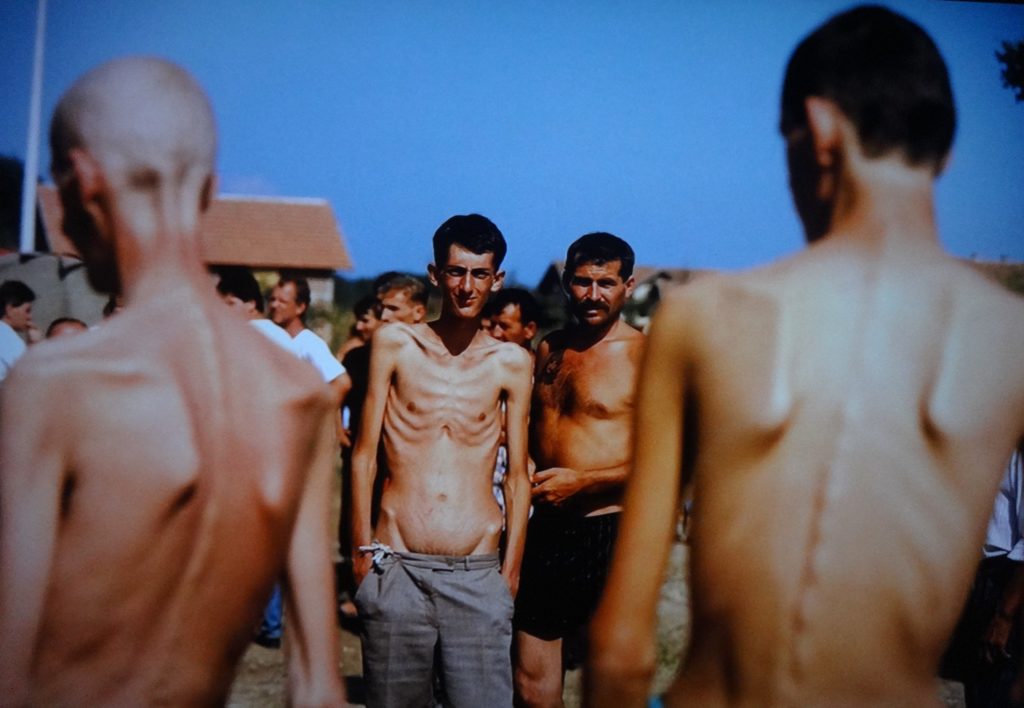
When the dictator Tito died in 1980, the next Presidents were from Bosnia, Slovenia, Serbia, Montenegro, Macedonia and Kosovar until war broke out in 1990. This internal war was all about territory with roads being blocked, ships being sunk, civilians being killed and displaced, until the end of 1995 when a Treaty was agreed establishing Bosnia and Herzegovina as a seperate entity, as well as guaranteeing Serbia and Slovenia rights under the same titles as Croatia, splitting Yugoslavia to make new territories.
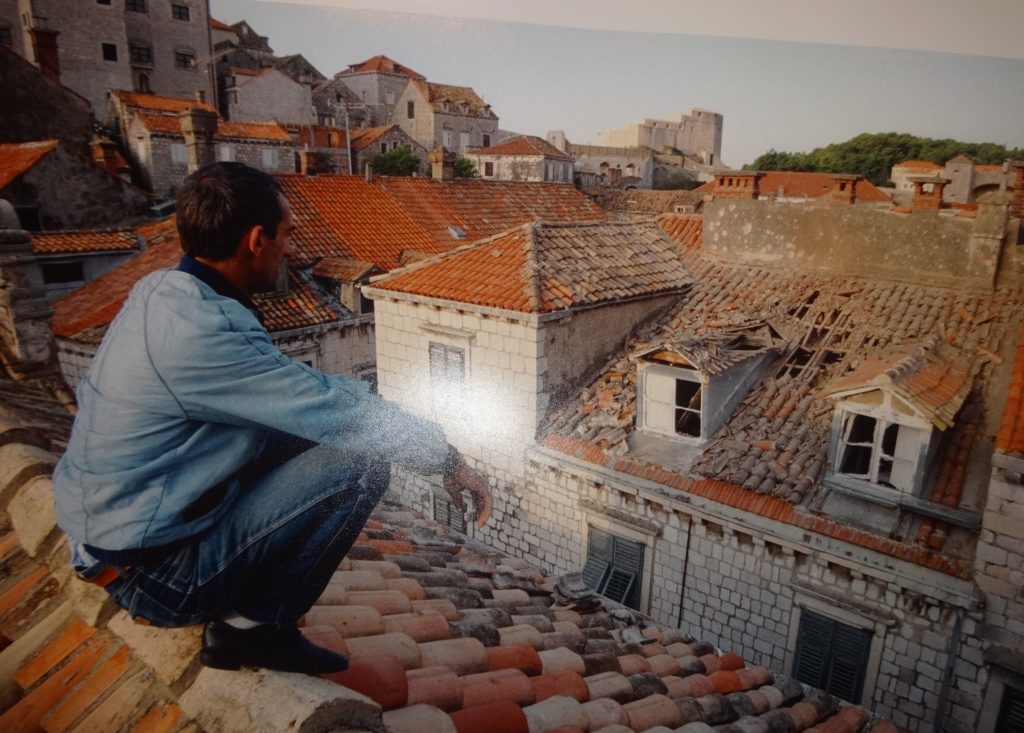
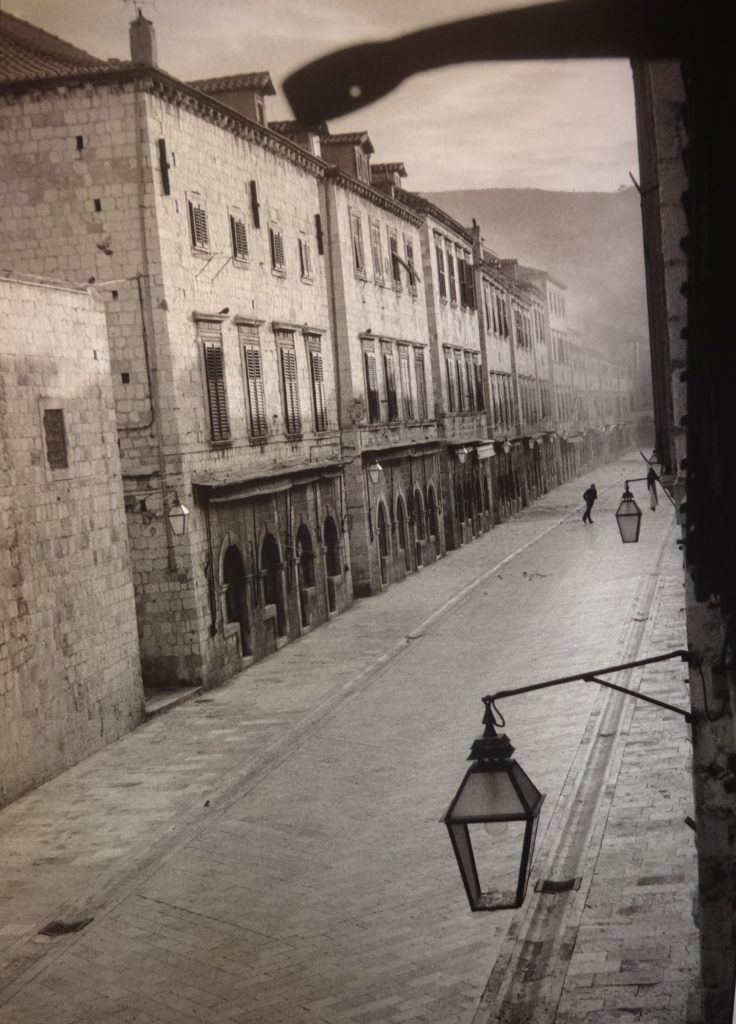
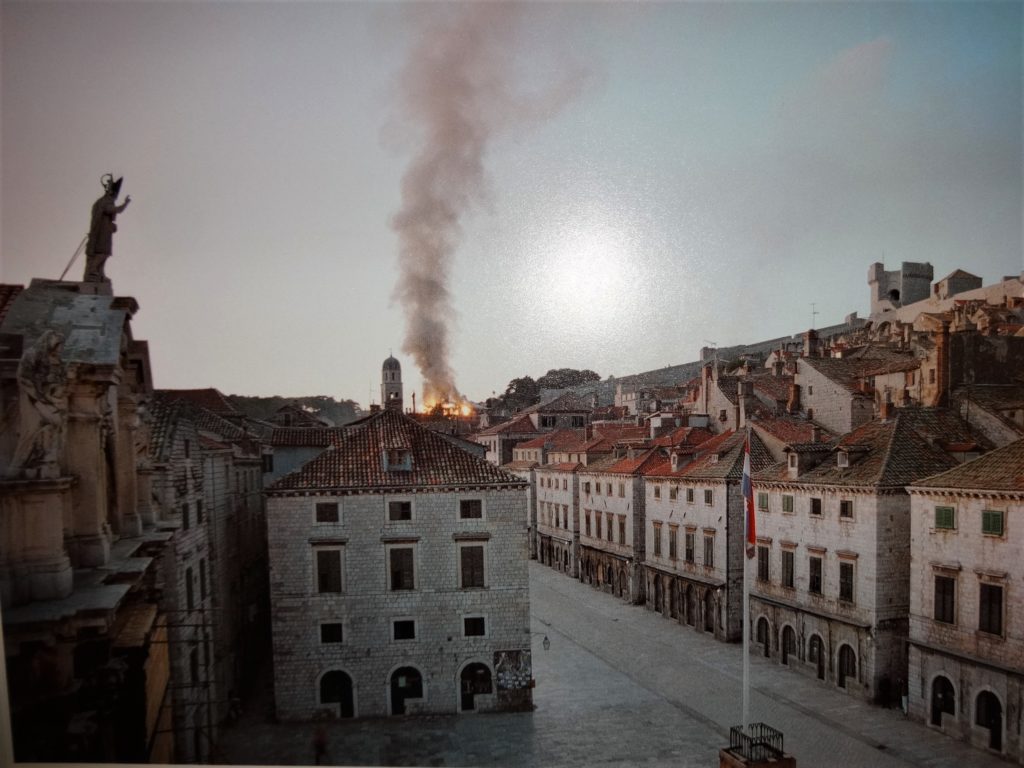
During this war, bombs hit every city, Dubrovnik for example had 50% of it’s buildings and roofs hit, all roads leading to it were damaged, surrounding airports were flattened and domestic services were cut, water was withheld from Dubrovnik for 3 months!
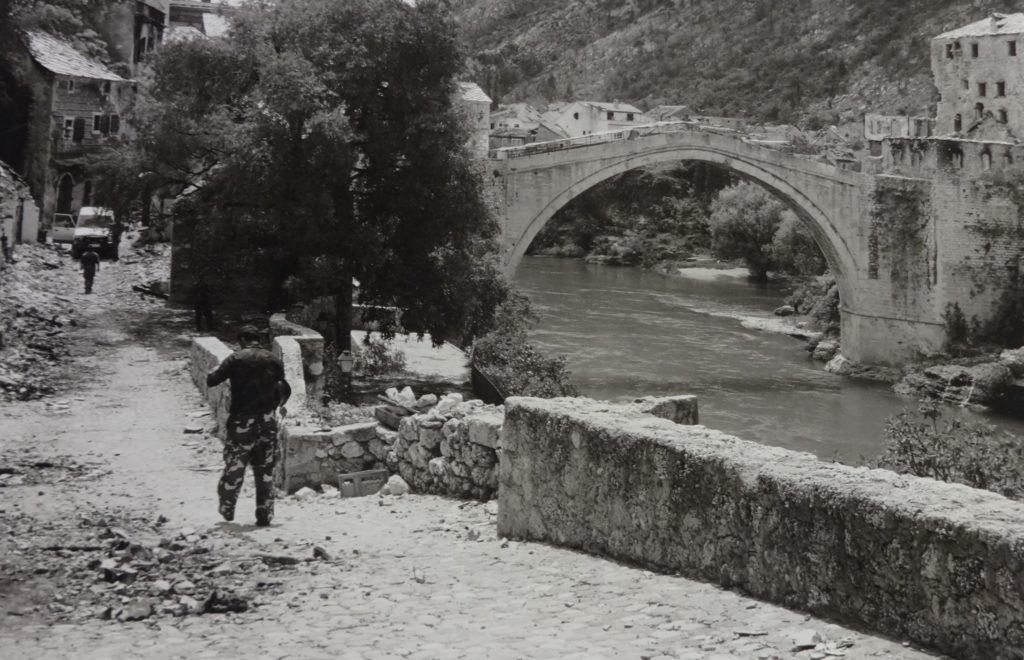
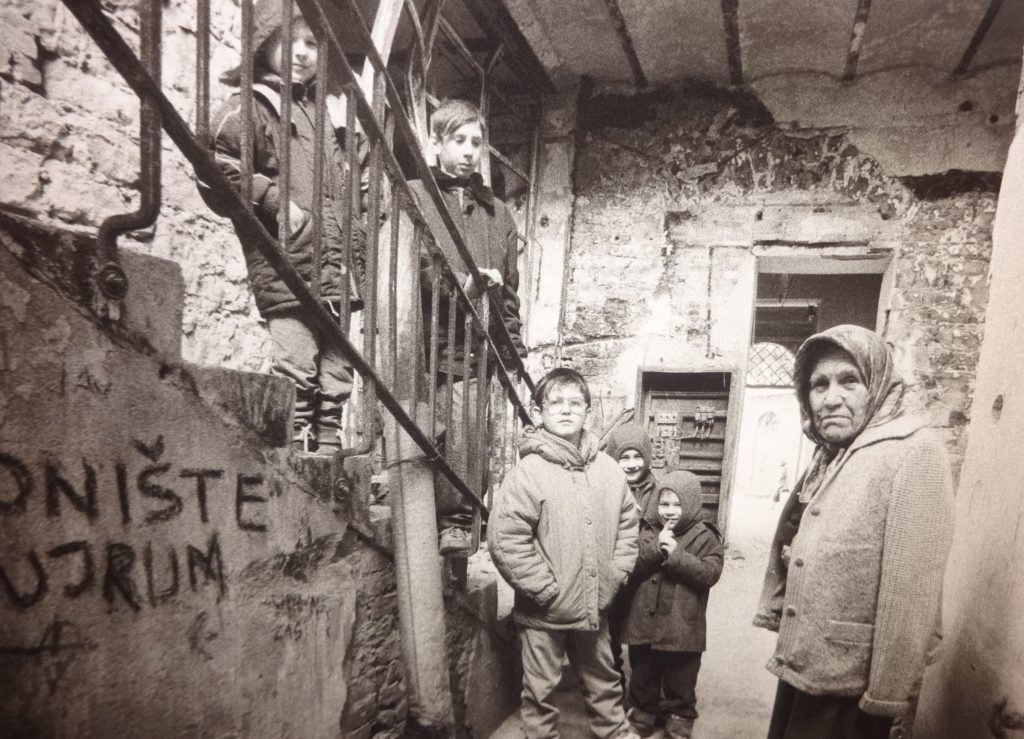
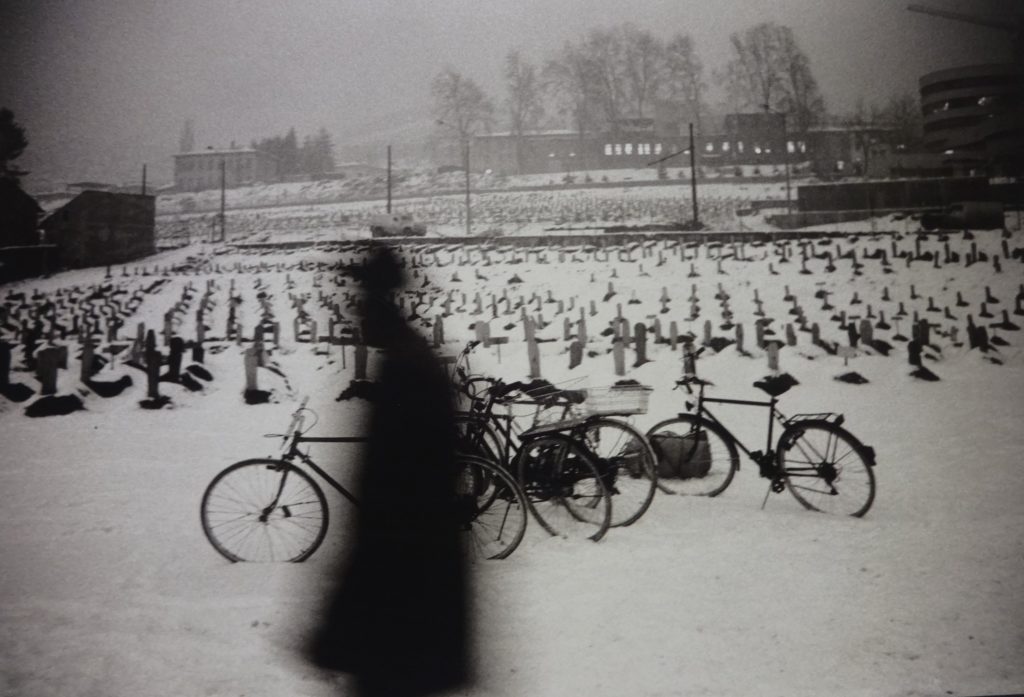
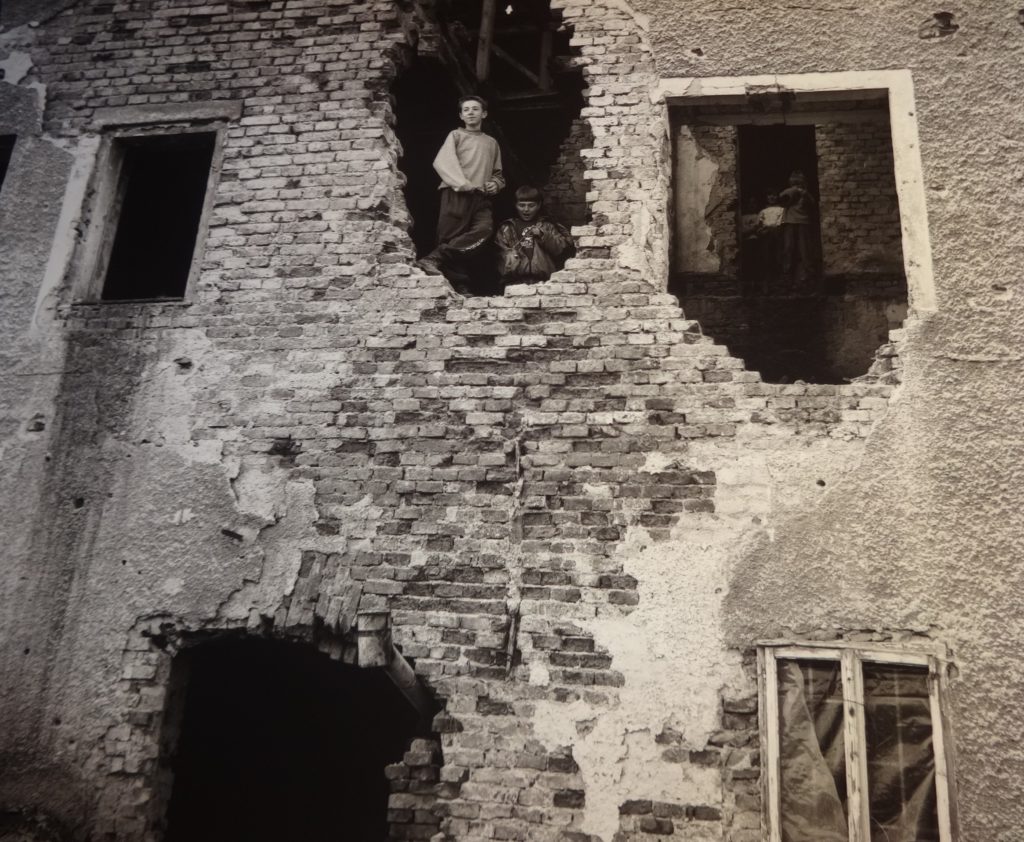
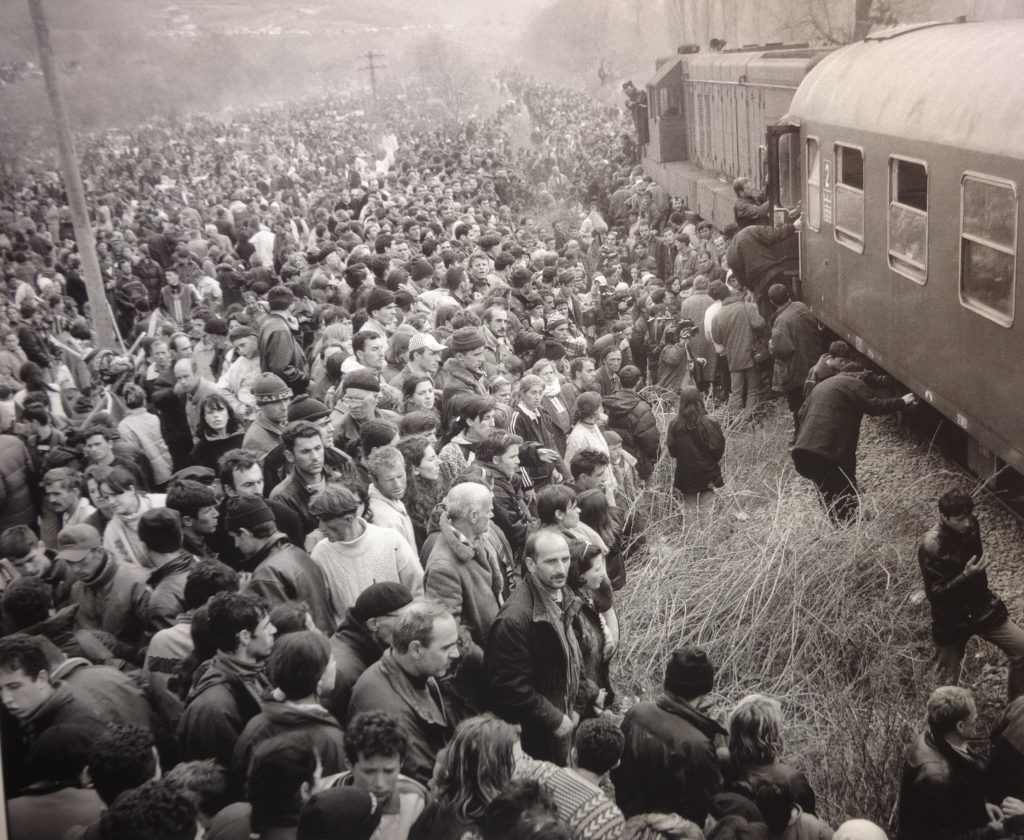
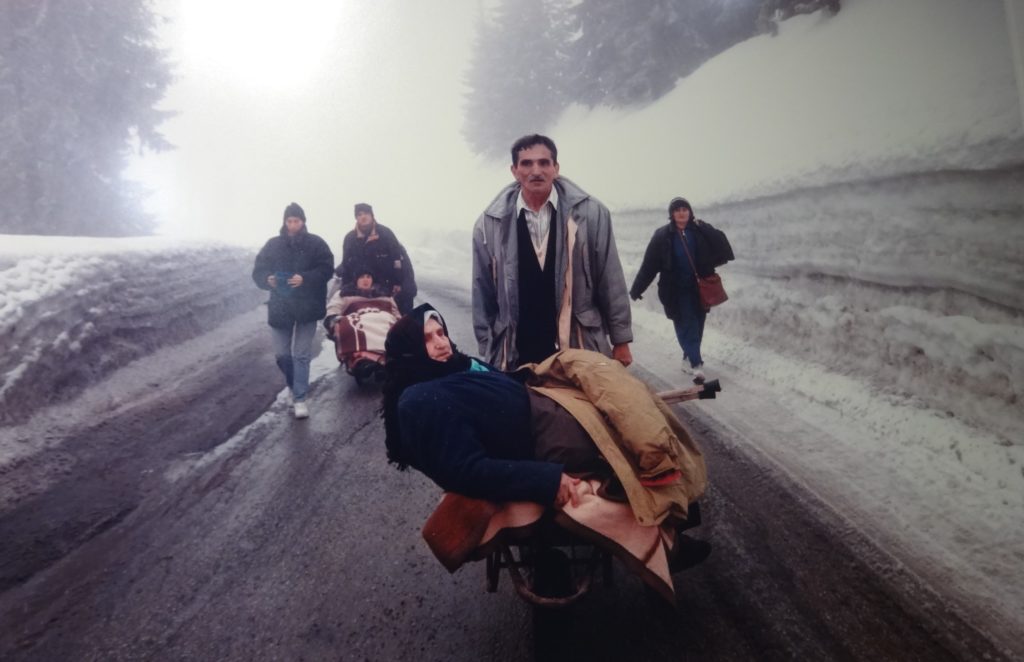
Images of the Civil War
Watching Dubrovnik roofs collapsing
Mostar bridge in Serbia following bombing
Refugees
Areas around Sarajevo Olympic stadium became a Crematorium in the winter
Refugees trying to flee
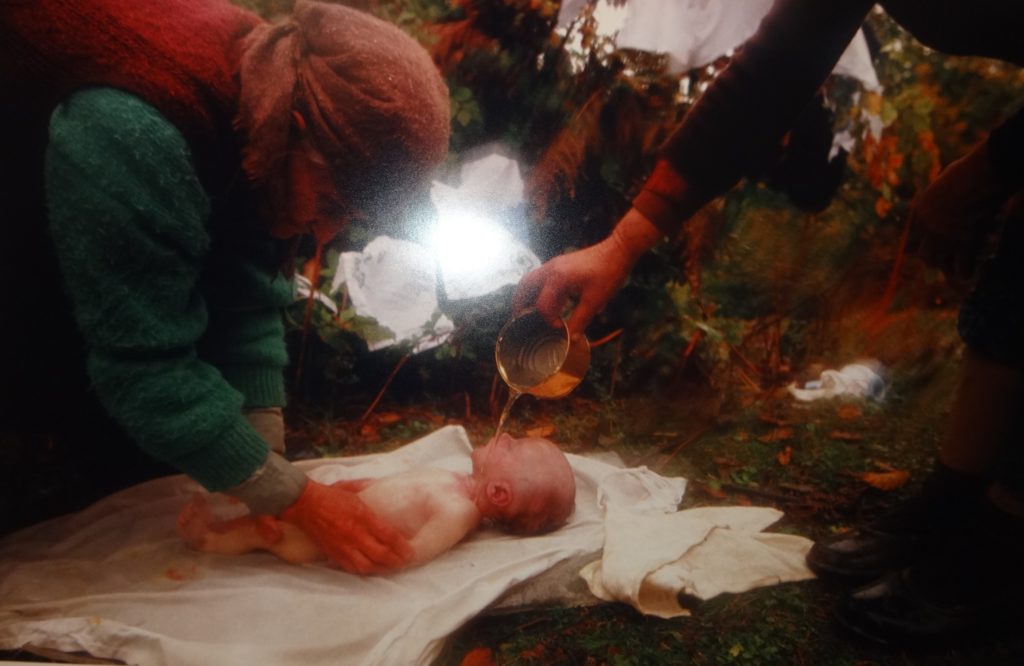
Annointing a stillborn child before burial, born on the roadside whilst the mother was fleeing
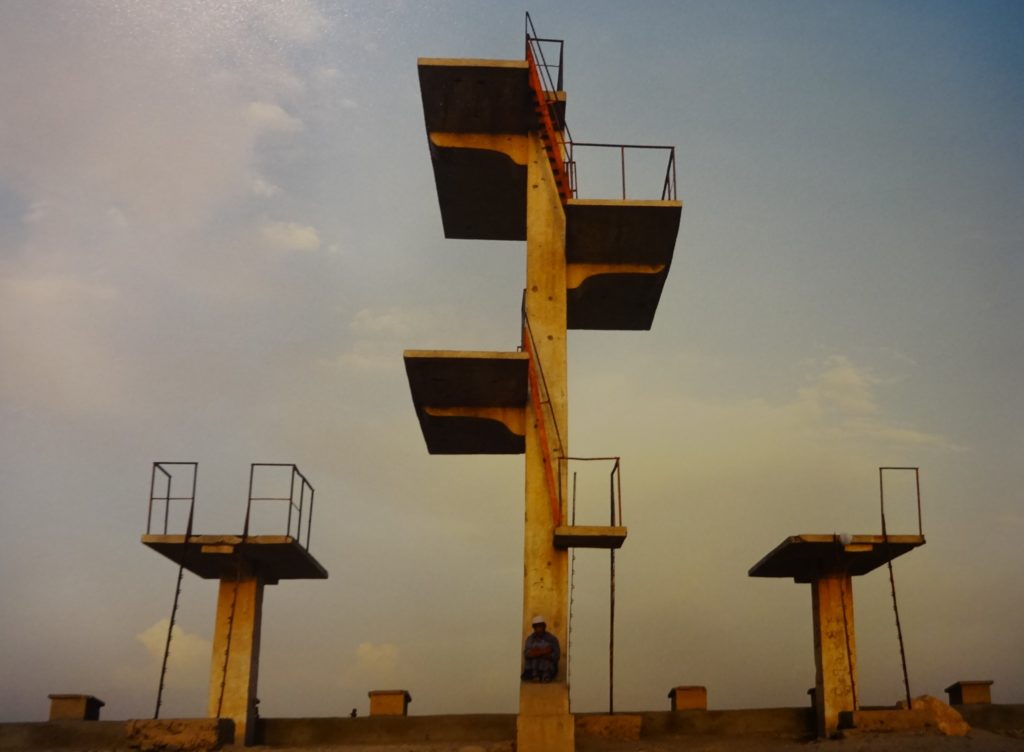
Sarajevo Olympic pool became a playground during the war
An empty Stradum (High Street, Dubrovnik) during bombing
The bombing and burning of a Hotel in Gruz docks
Thanks to this war, the country begged for money from the EU which it was duly given, to rebuild. And rebuild they have, sympathetically and carefully reconstructing buildings, roofs, roads and infrastructure, to a good standard. Hence the need for the Government to heavily tax businesses and locals, to reclaim the monies owing to the EU!! Some locals are working round it by selling their own products from their driveway or roadside chalets, honey, olive oils, olives, wine, chillies and fruit. All cash payments of course!
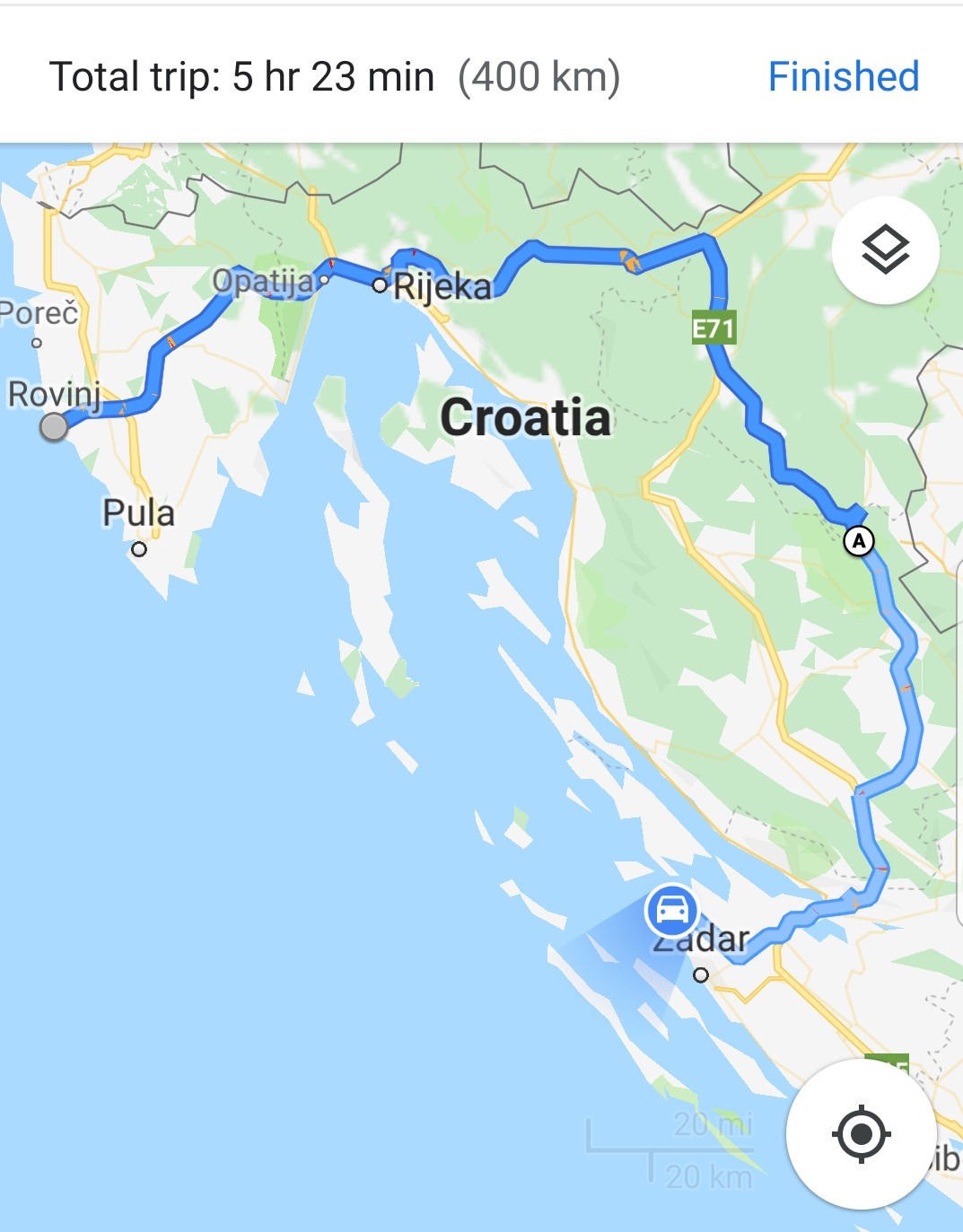
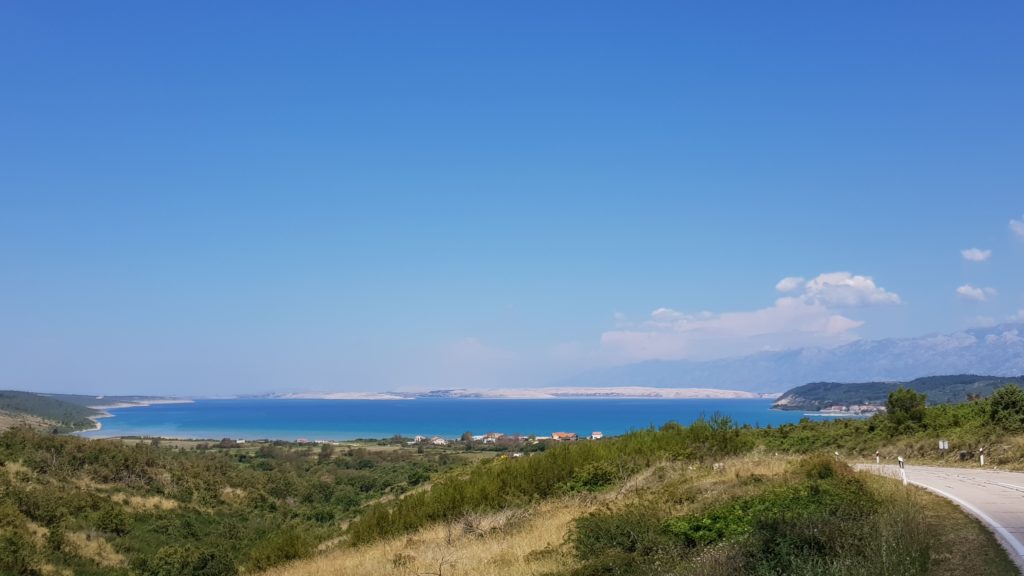
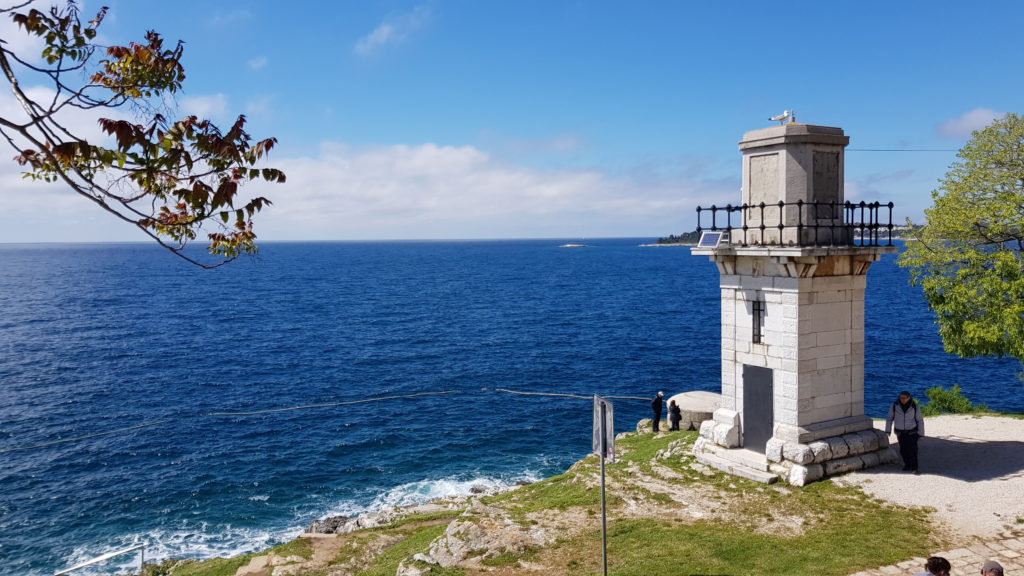
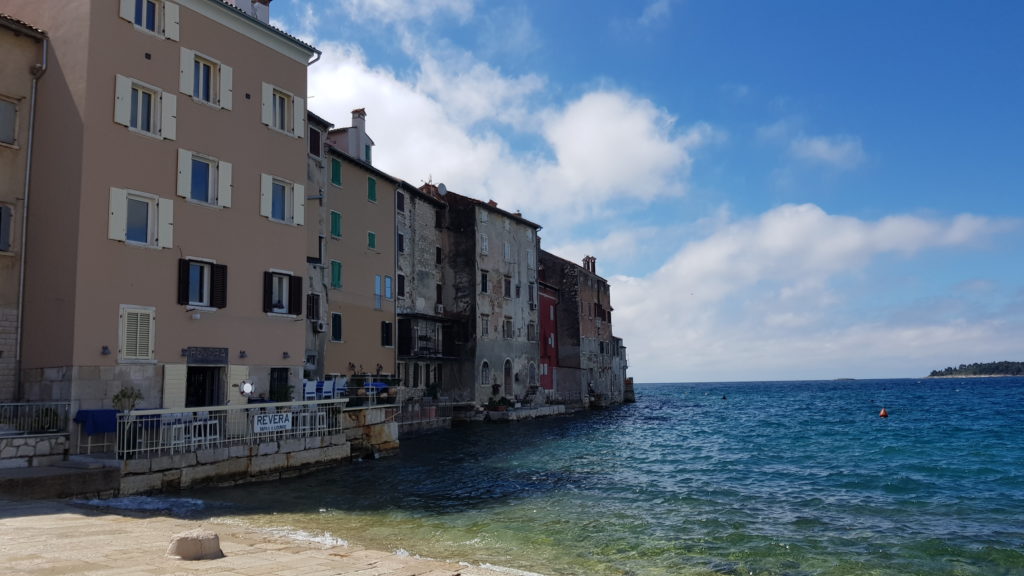
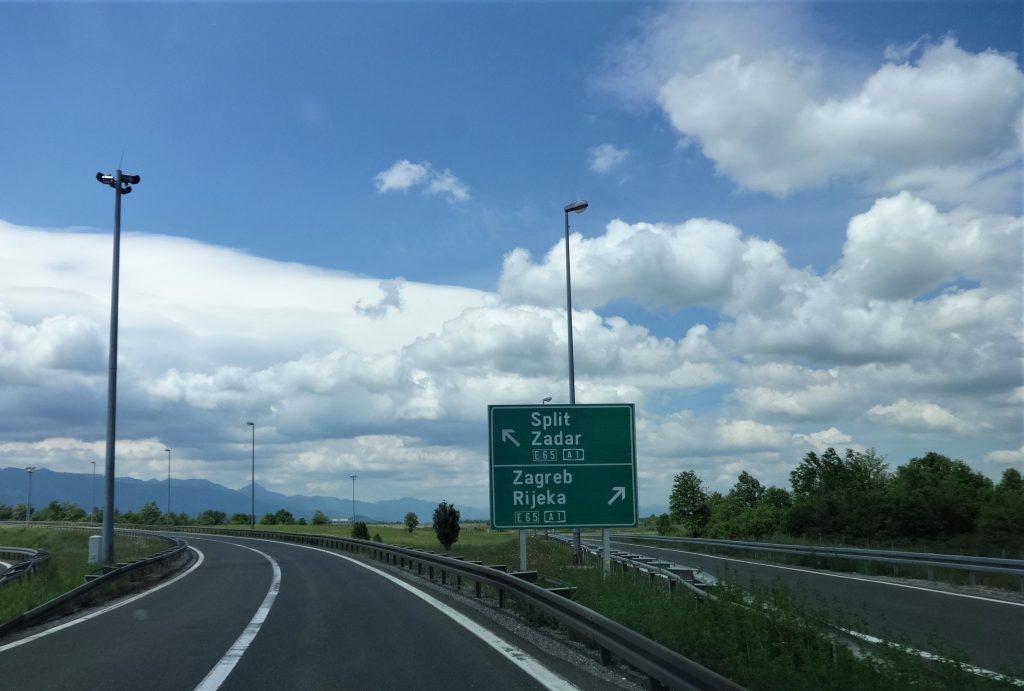
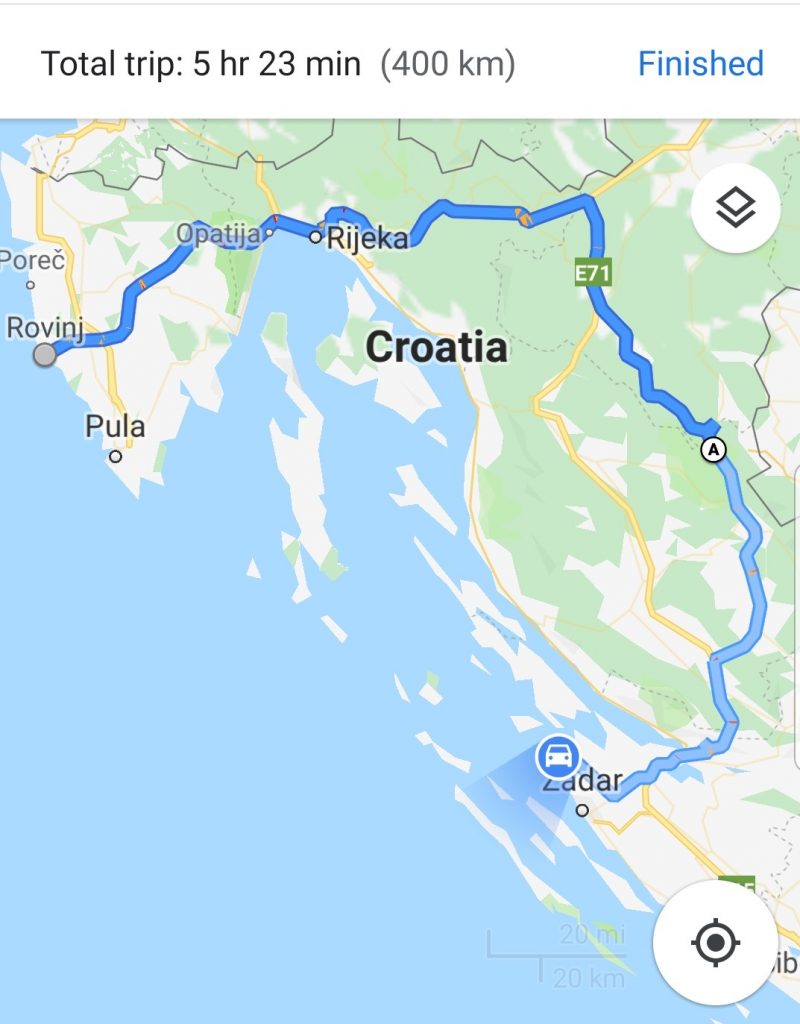
Our journey from Rovinj (Istria) inland to Plitvice Lakes then back out to Zadar (Dalmatia coast)

Recent Comments