Travel stories of a caravan duo, plus a 5th Wheel and Isuzu truck in Europe

Category: France (Page 1 of 2)

France – Mid to South, and To The Sun

Lyon

It transpires that Lyon was a Roman town called Lugdunum, capital of the area called Gaul.

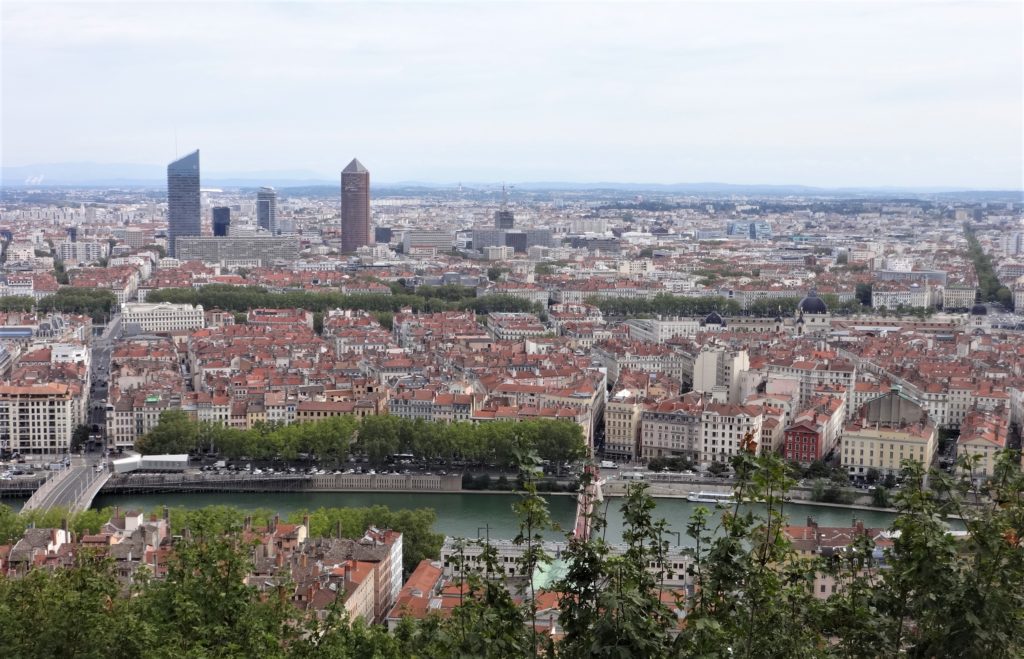
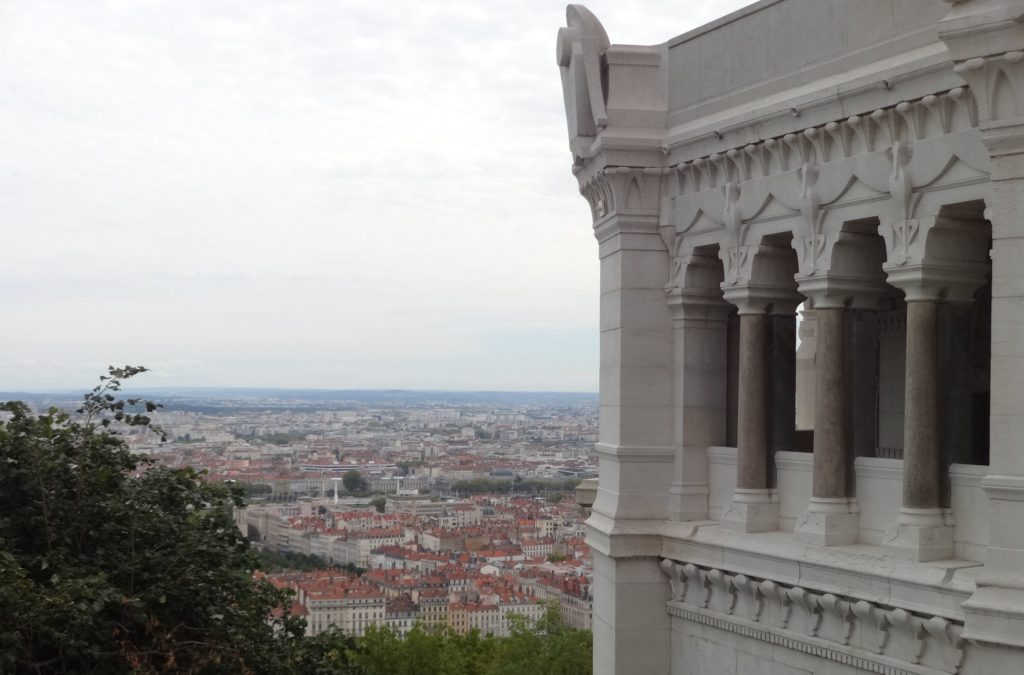
It is also the second largest city on France, after Paris, and we can now agree with that having only explored one area of it.  It’s a sprawling city, split up by the River Soane and the Rhone, creating a huge island in the middle, but with very old historic parts of Fouviere which overlooks the whole city. It has 9 different “areas” – called arondissements, as in Paris.

Its also probably one of few cities that we have visited that have a Cathedral, and a Basilica, as well as about a dozen churches!
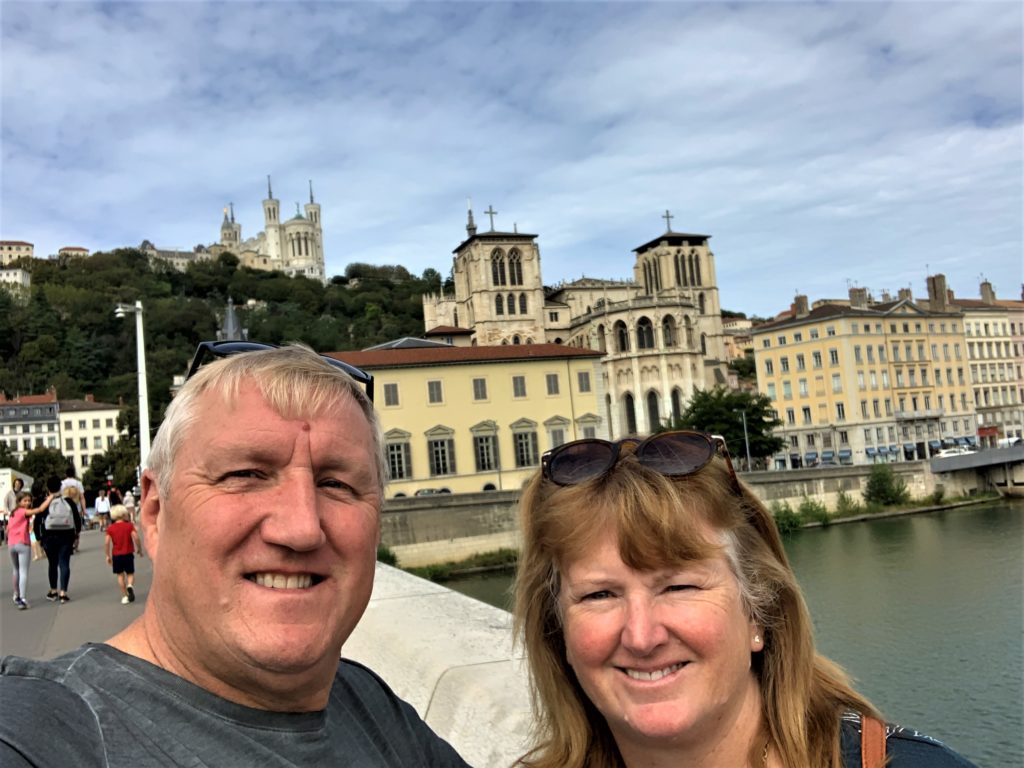
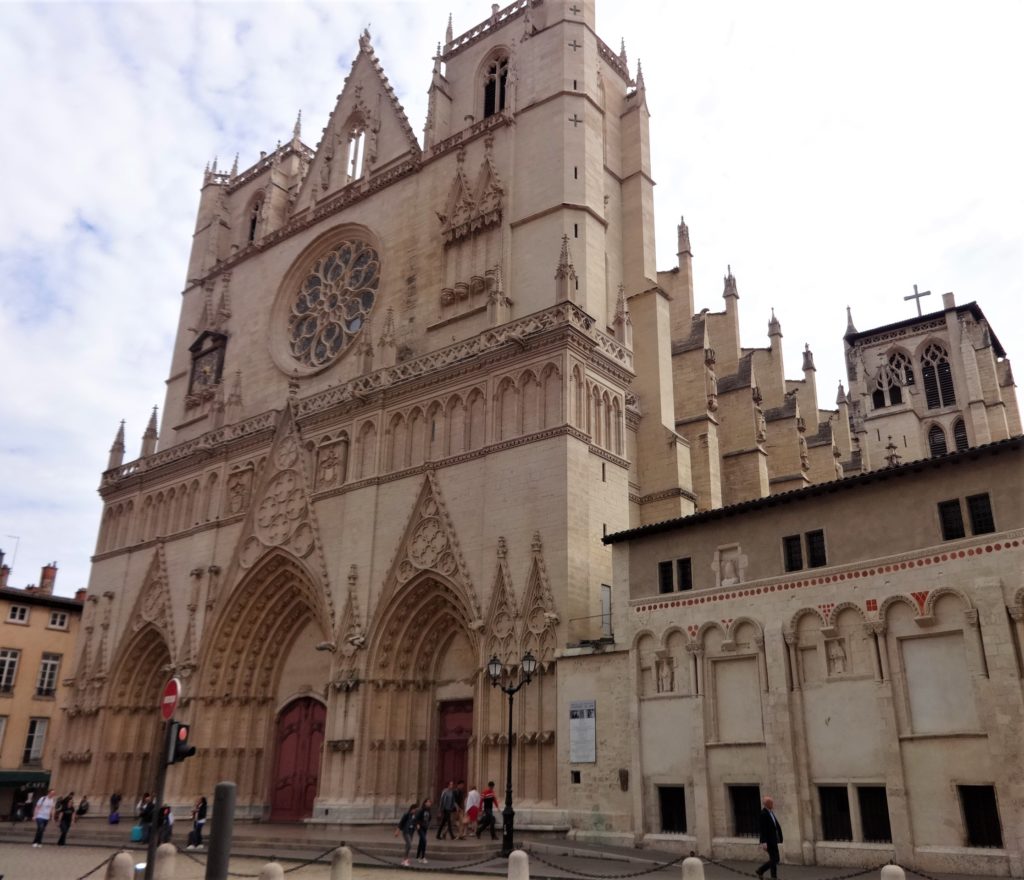
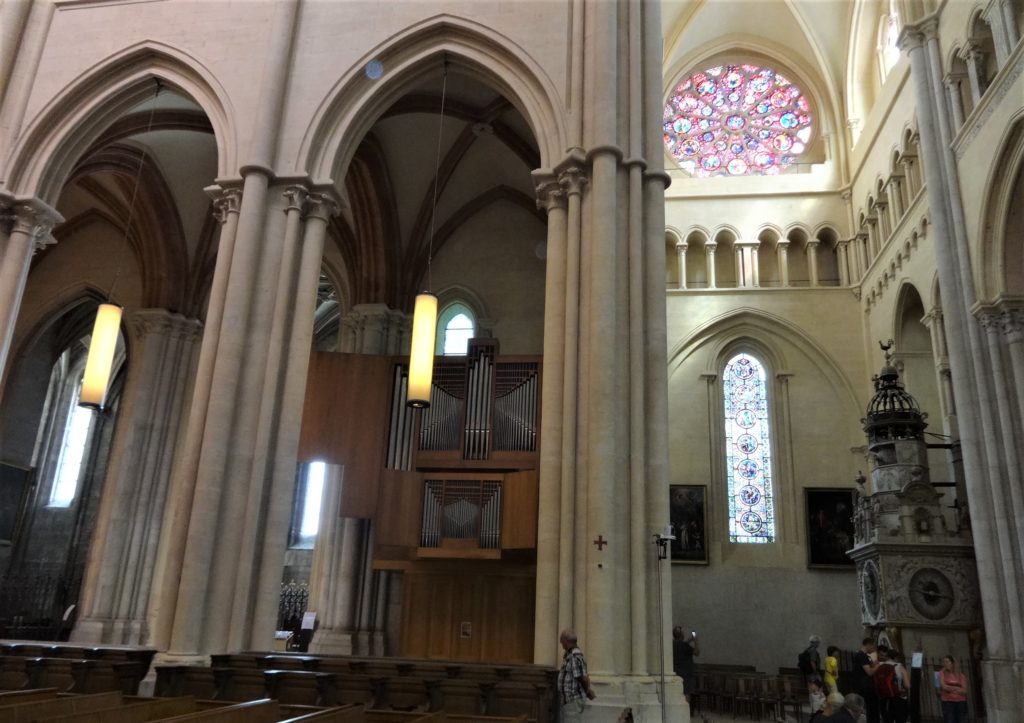
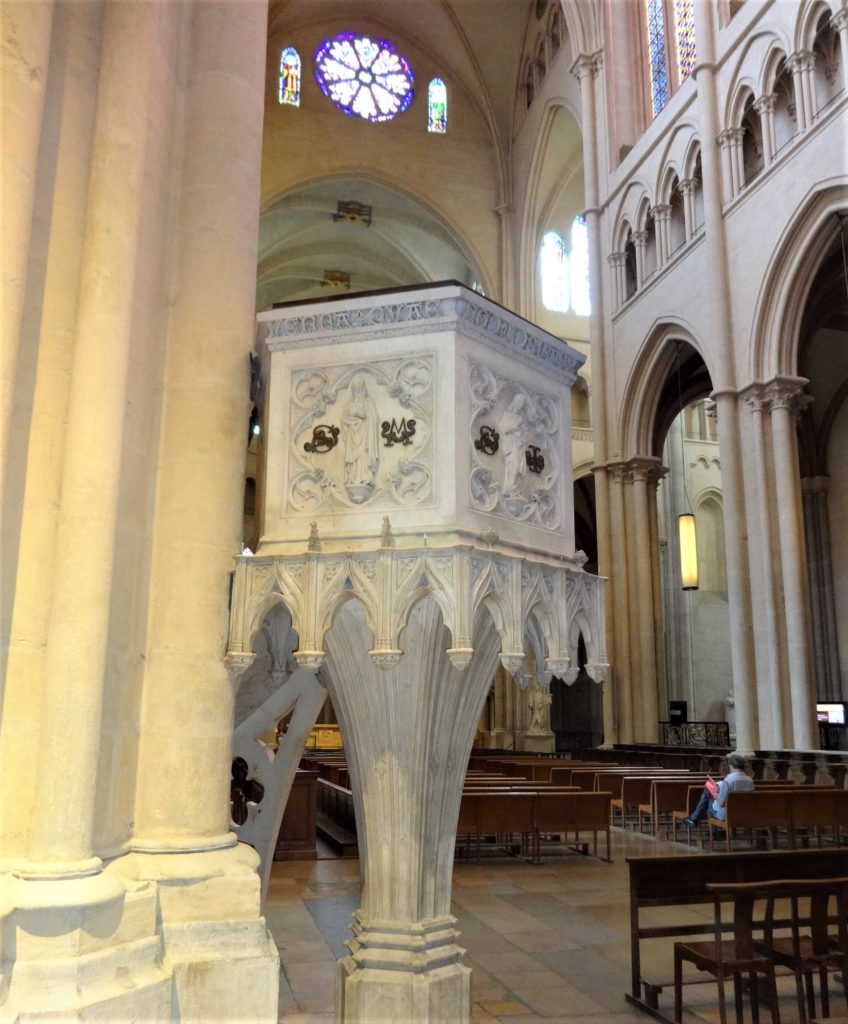
We firstly visited the Saint Jean Cathedral on the banks of the River Soane, a huge stone building in a square, which was first built in 1180 on the remains of a 7th century church and completed in 1476.   It is a familiar sight in France, a Gothic exterior, all internal stone columns, stone roof and stone towers and quite plain internally with very little decoration. 
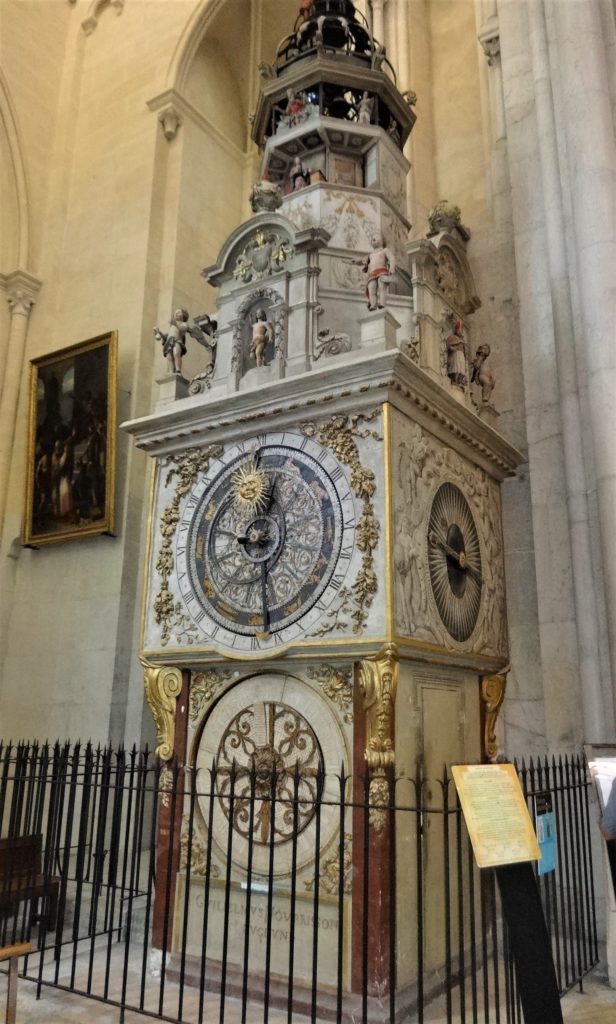
The cathedral homes the Lyon Astronomical Clock from the 14th century and an organ installed in 1841 with 15 stops but it was rebuilt in 1875 and given 30 stops, three keyboards of 54 notes and pedals for 27.

Along the River is also a Saint George Church and Saint Paul church!
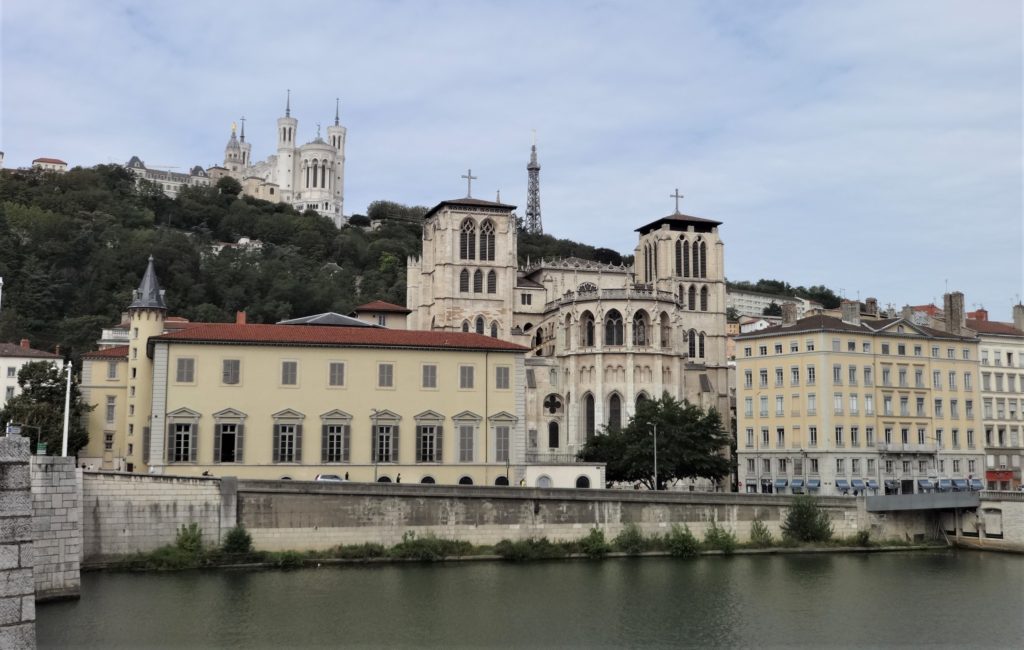
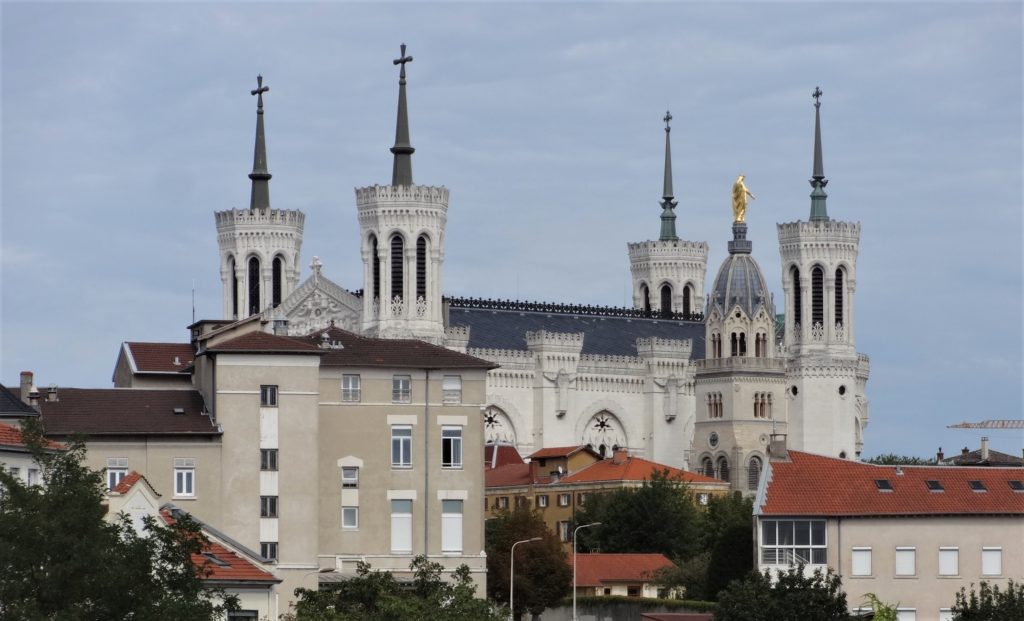
Sant Jean Cathedral, Basilica at the top of the hill, Palais of Justice to the right of the Church.

We then took a funicular to the top of Mount Just to visit the Basilica, which was a different building altogether. Originally built by the Romans in 1192, rebuilt during the 16th century and extended during 1872 and 1896, and maintained to this day by a monetary pledge from the Aldermen of the City as well as public donations. In 1852 the gilded statue of the Virgin Mary was erected on a bell tower, it was dedicated to Mary in 1896 and in 1897, recognised as a Basilica Minor by Pope Pie IX after recognising the Church’s importance in Lyon.
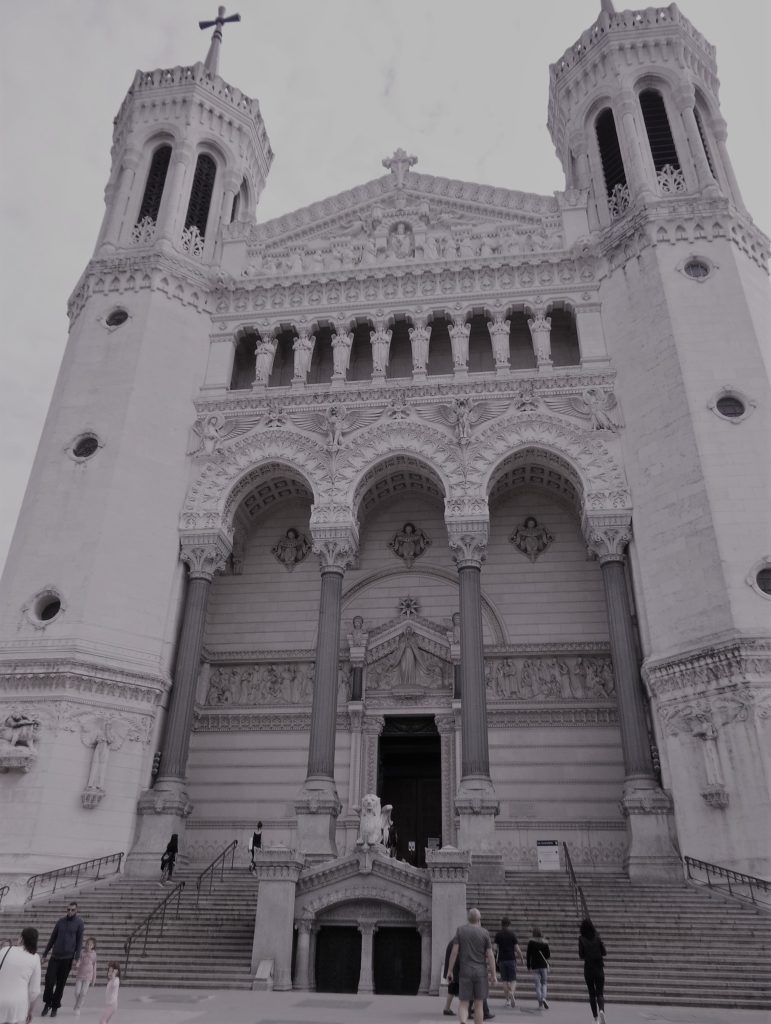
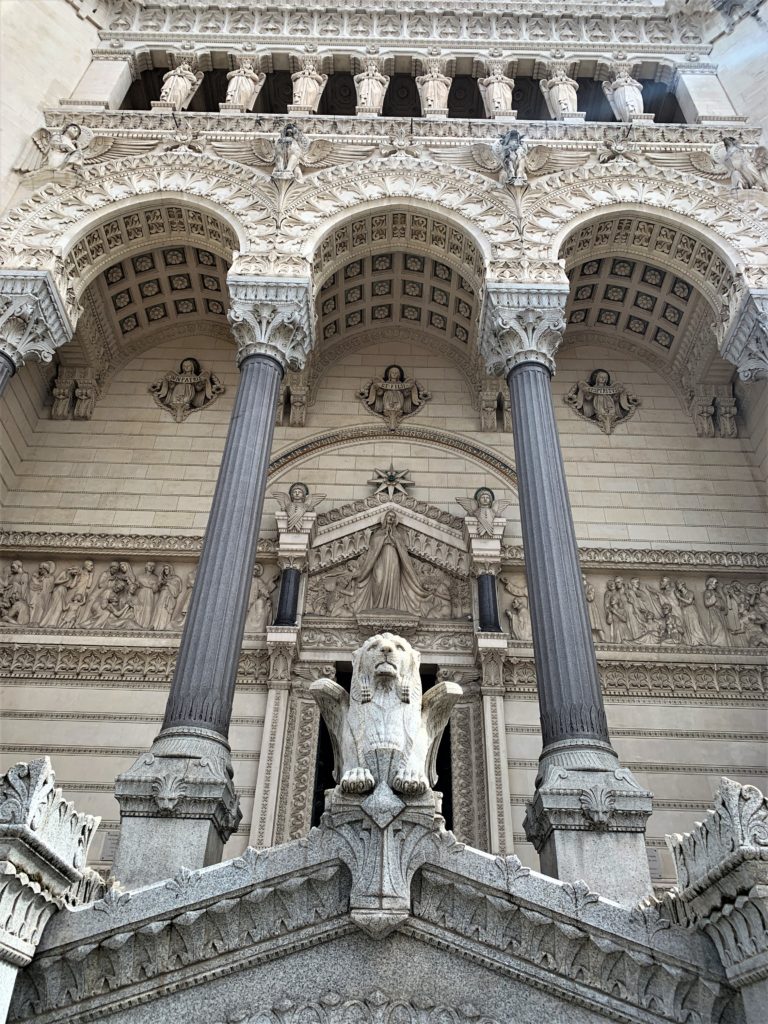
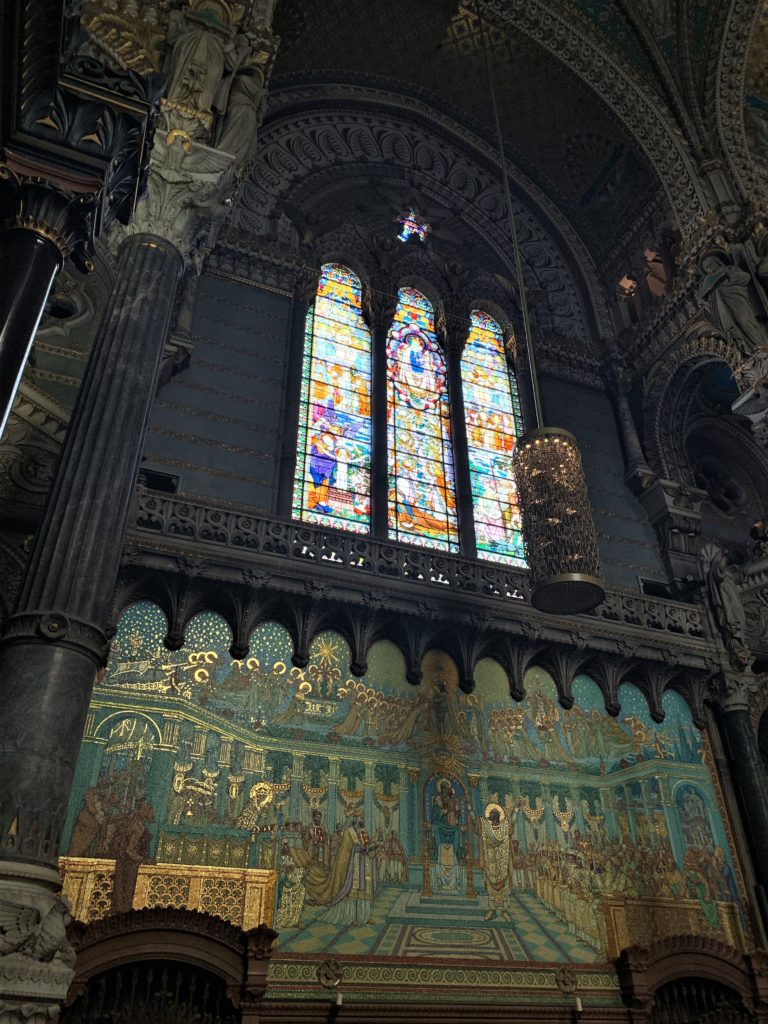
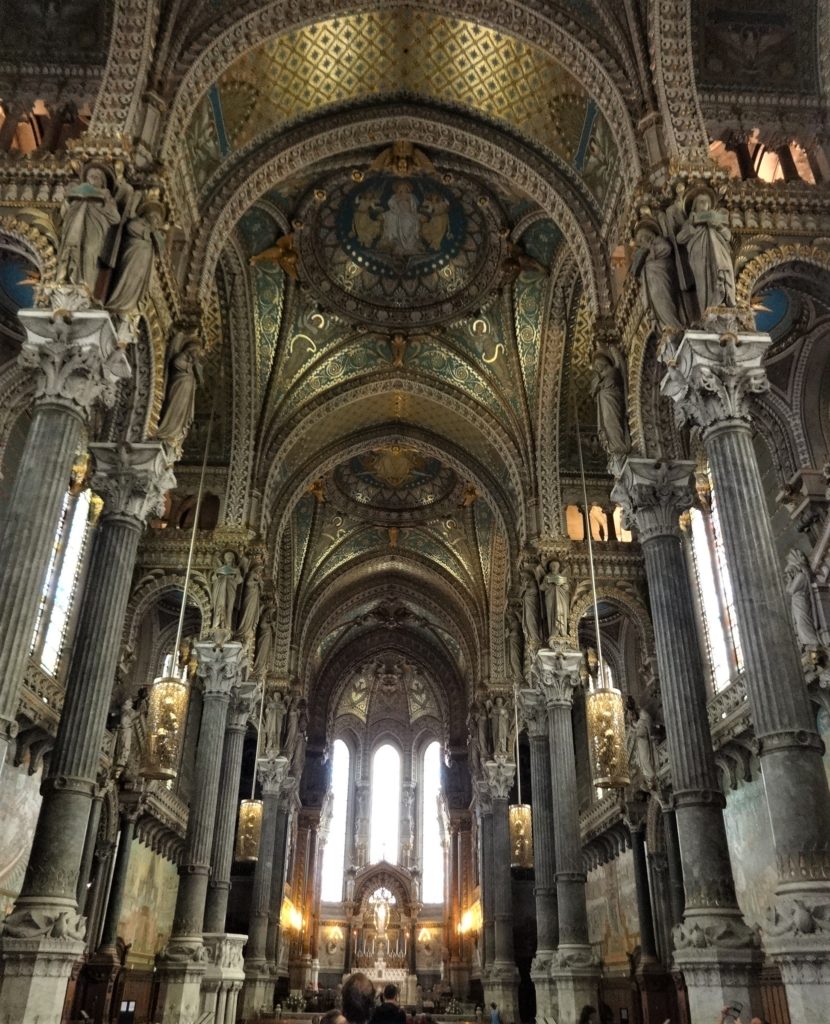
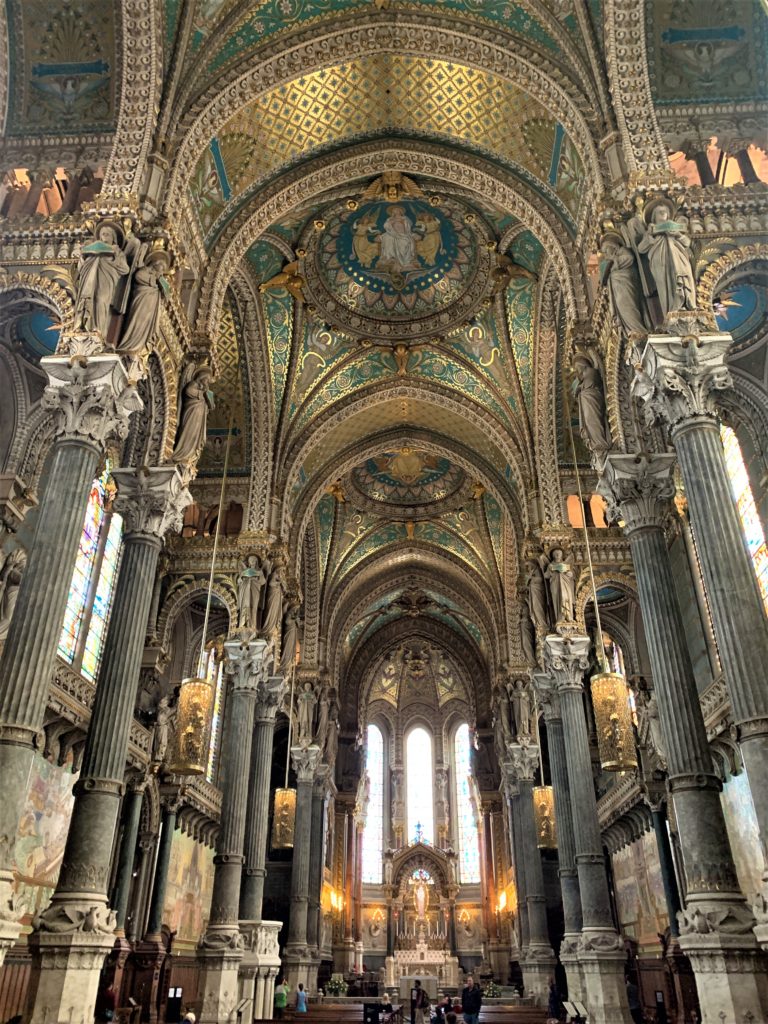
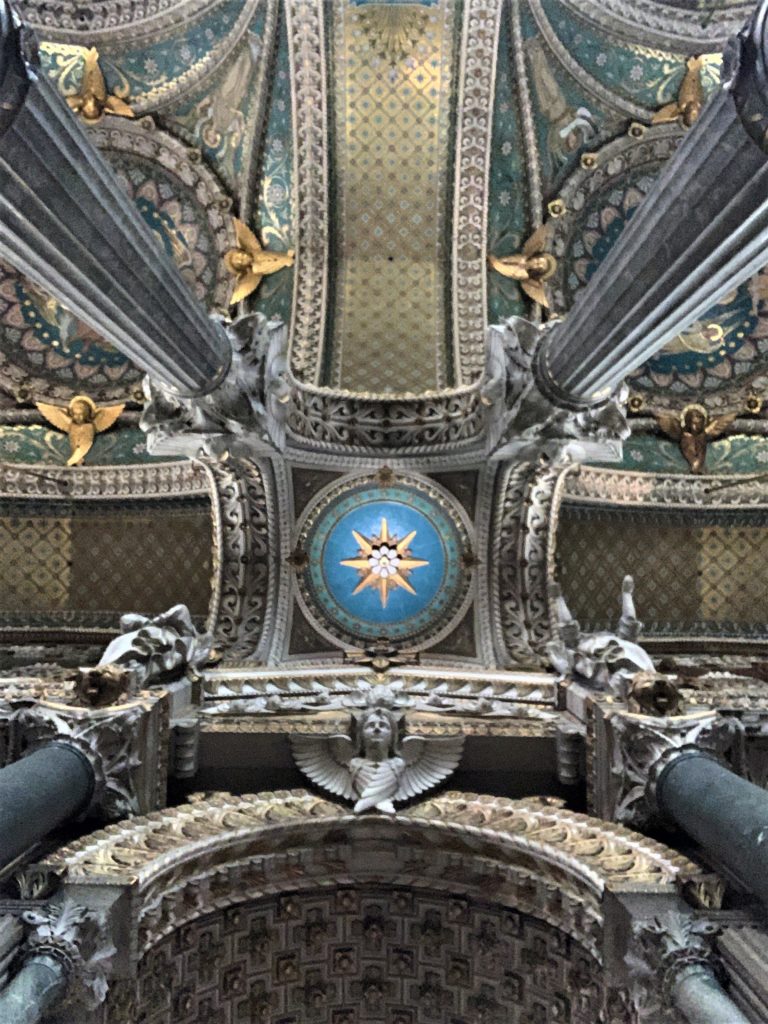
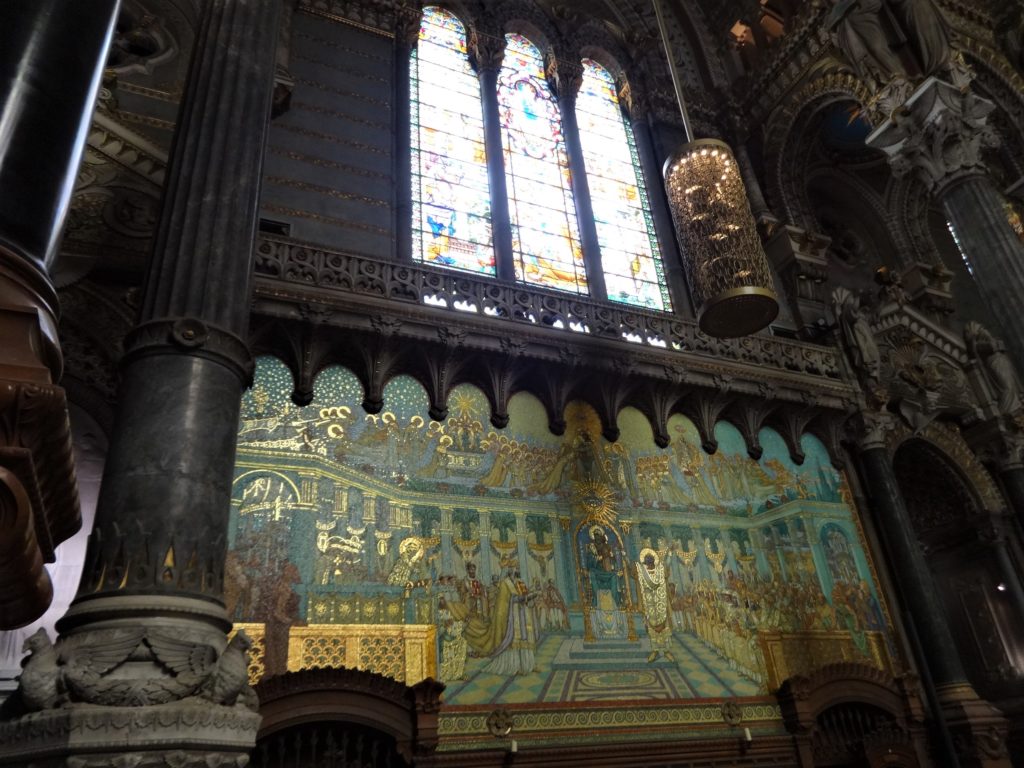
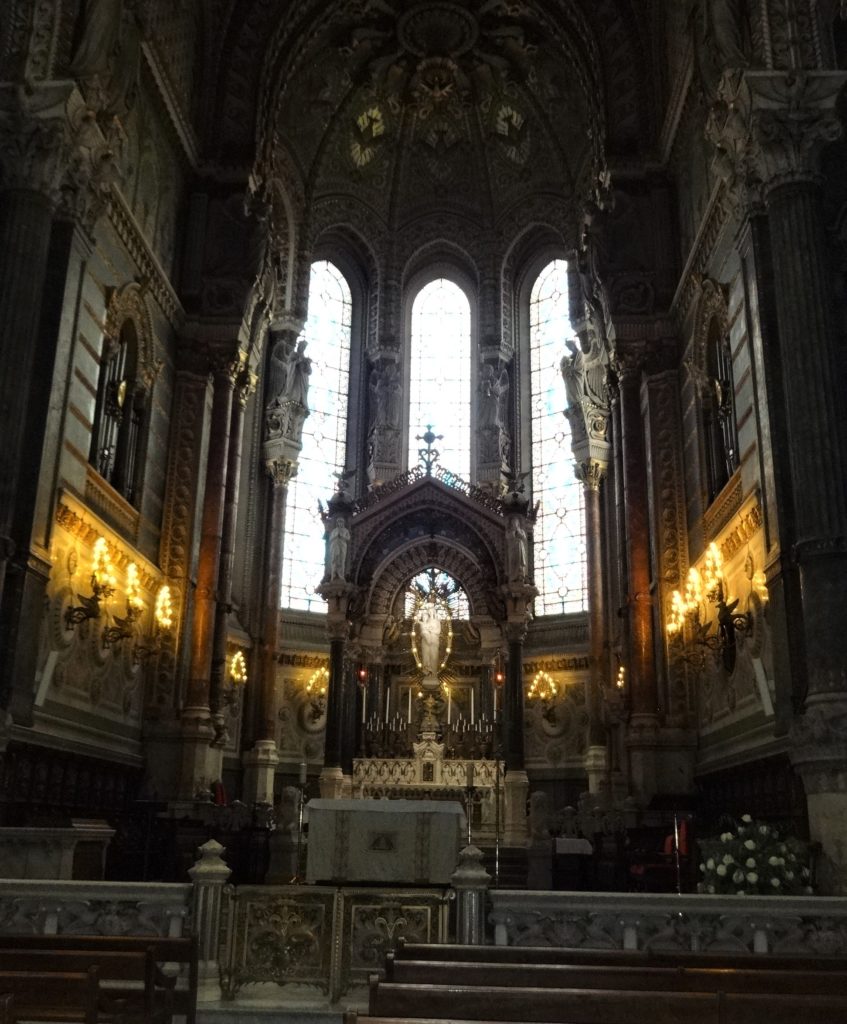
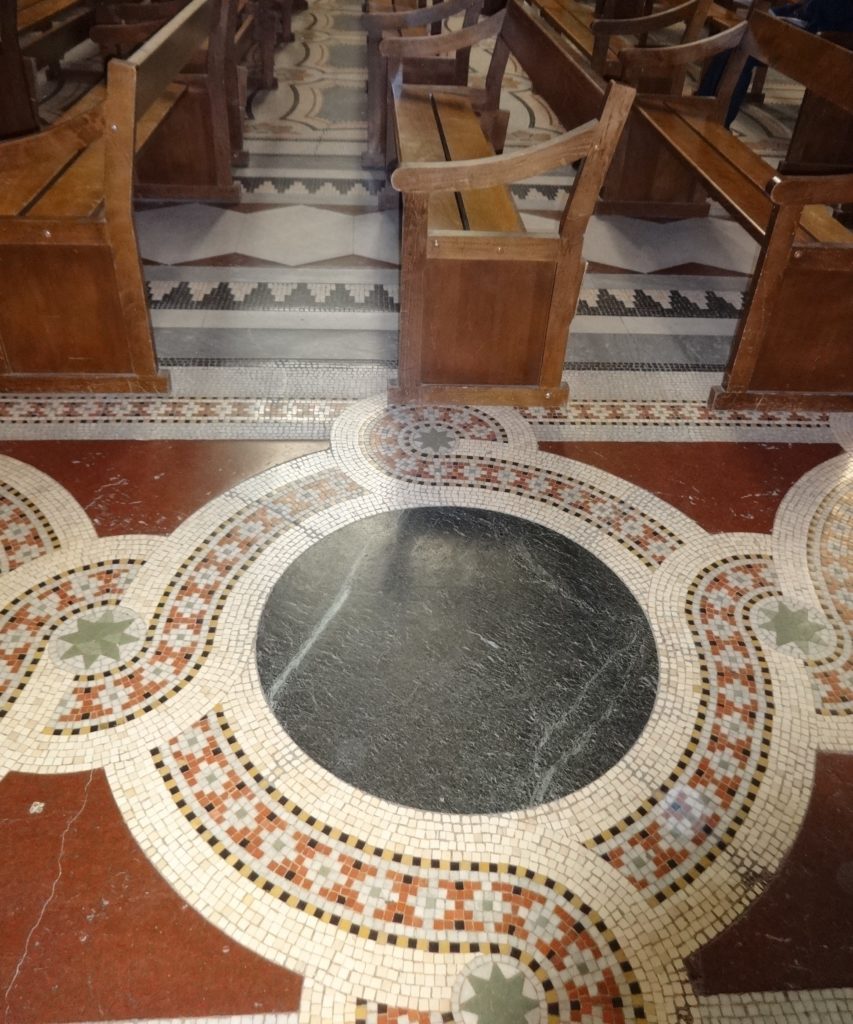
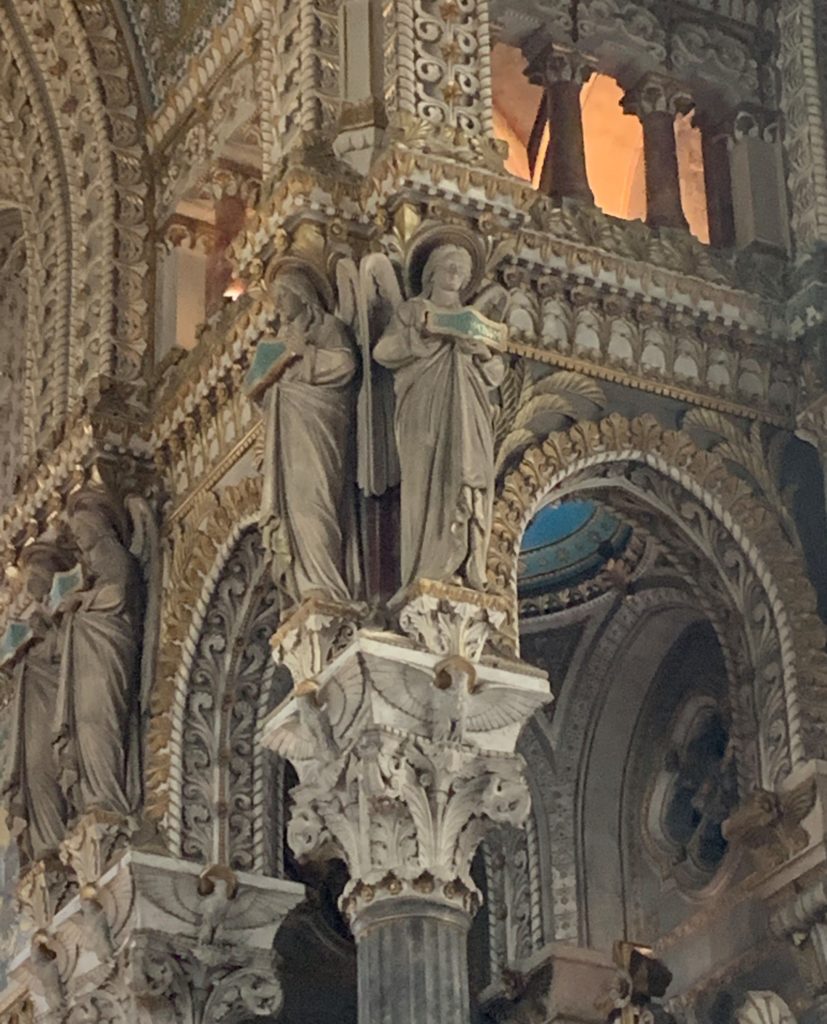
Huge columns of marble, mosaic floors, stained glass windows and massive wall paintings touched with gold and mosaics.  It certainly was an impressive building, and can be seen from most aspects of the city below, it dominates the sky line.
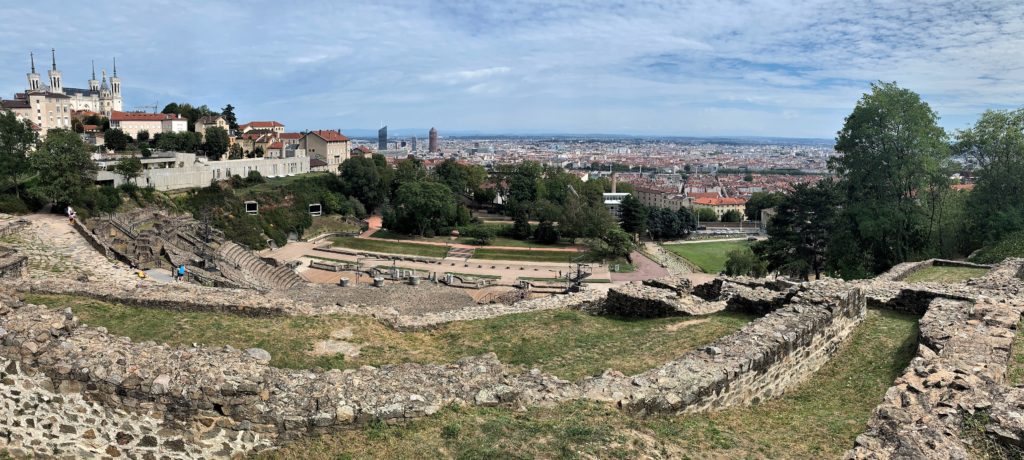
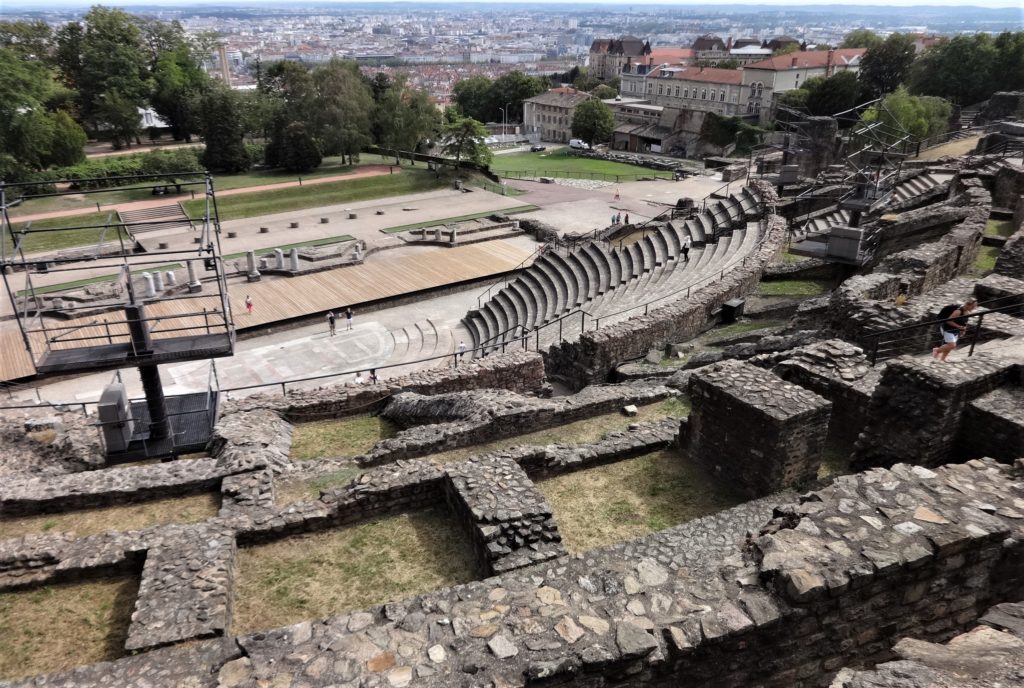
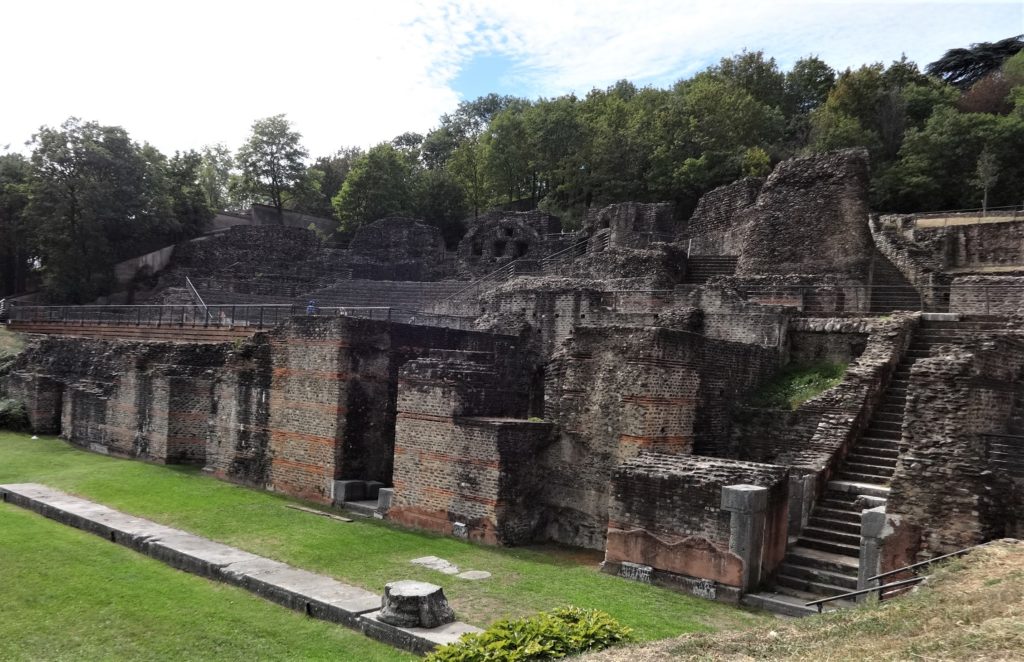
We also walked down the hill of Fouviere, to the Roman ruins of the original Forum, the name comes from “forum vetus/old town”, a large preserved area of buildings, two arenas, and several old thermal baths and the water storage tanks.  One of the Arenas has been sympathetically restored and is used for concerts and plays.  The ruins themselves are not some of the best we have seen, but are certainly the biggest we have seen so far.
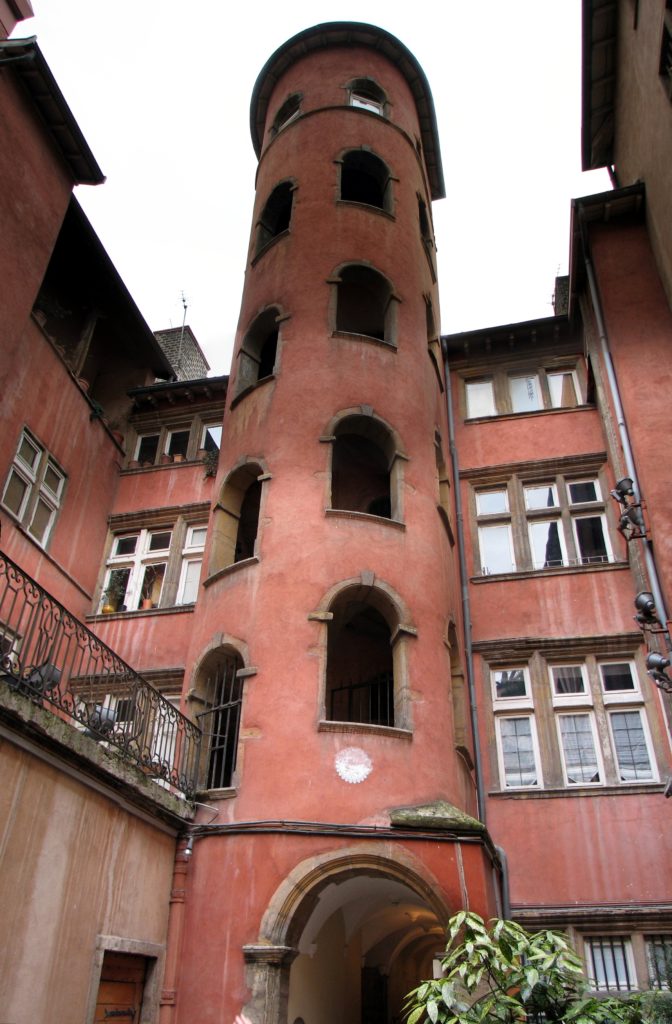
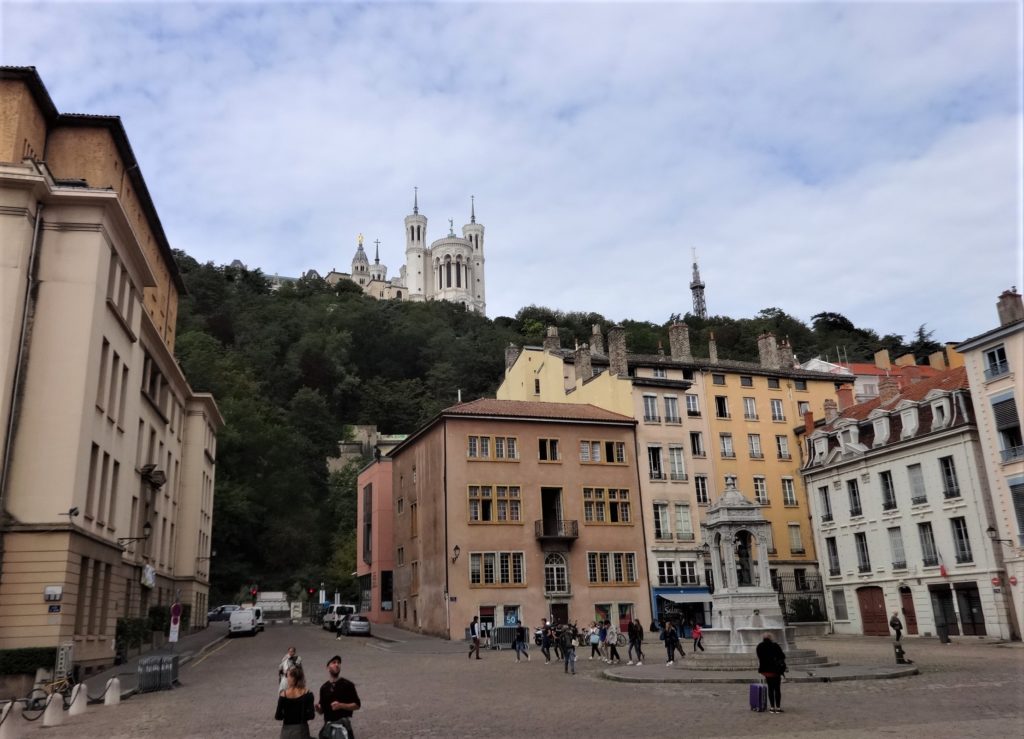
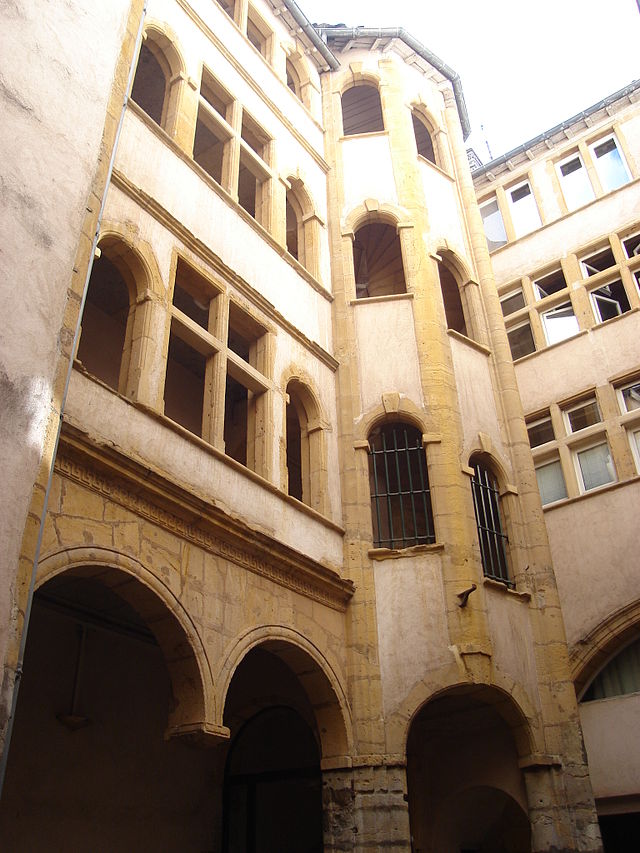
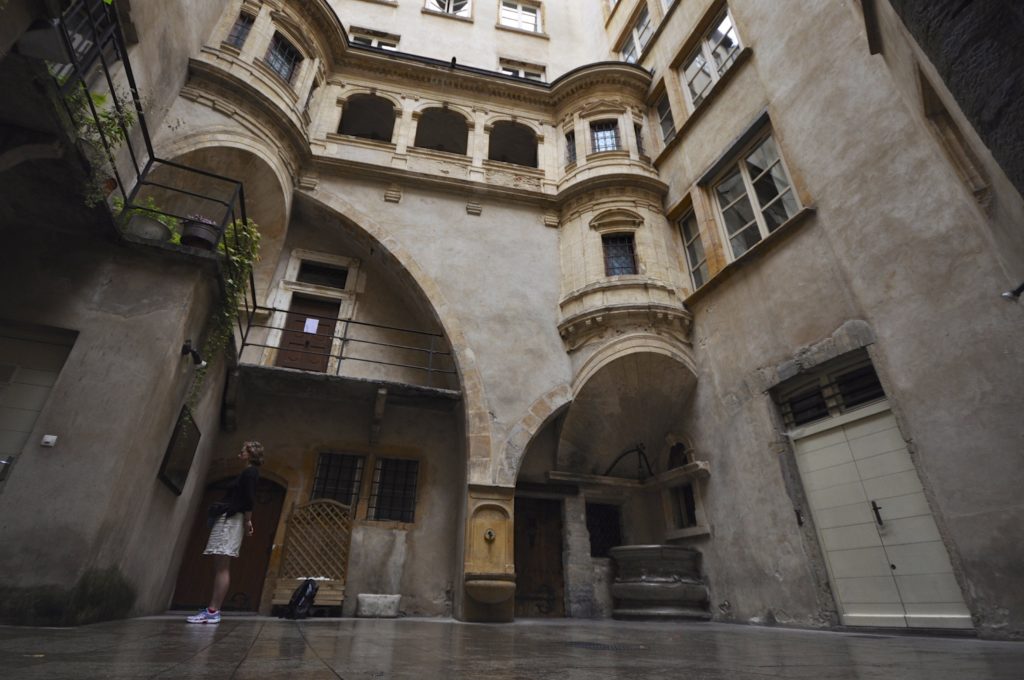
Down in the old town, the medieval narrow streets are cobbled and wind around the foot of the hill.  Because buildings were tall and narrow (built between the 1500s and 1800s), an architect was requested to construct a way to connect two buildings to make access easier and “Traboules” were created.  They are often stone spiral staircases leading to covered or open walkways and corridors, all at a high level. The houses are maybe 4 to 6 storeys high, so the traboules were sometimes covered in.
The other side of the city is modern, sprawling and a grey concrete jungle, neat, clean and organised.
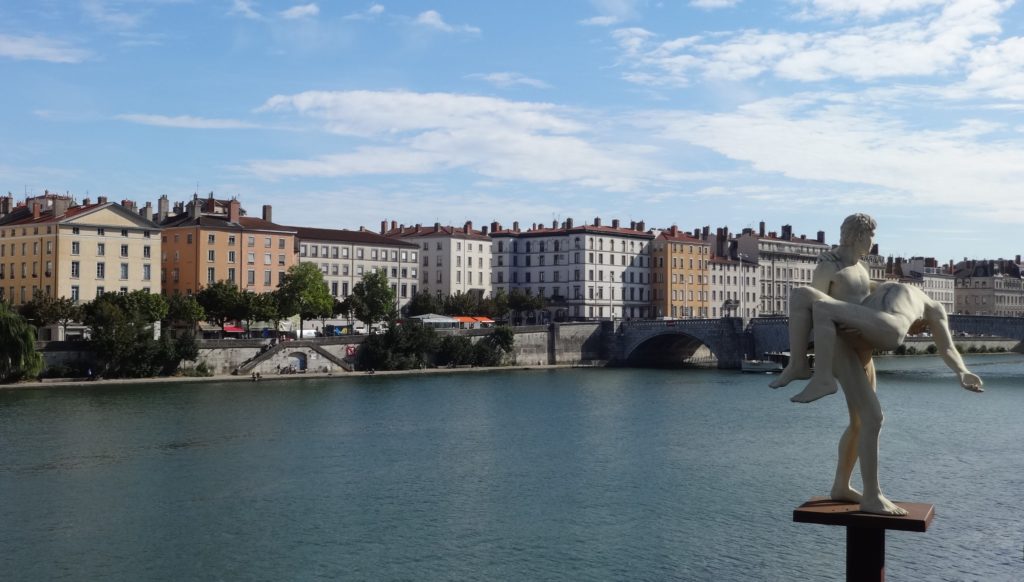
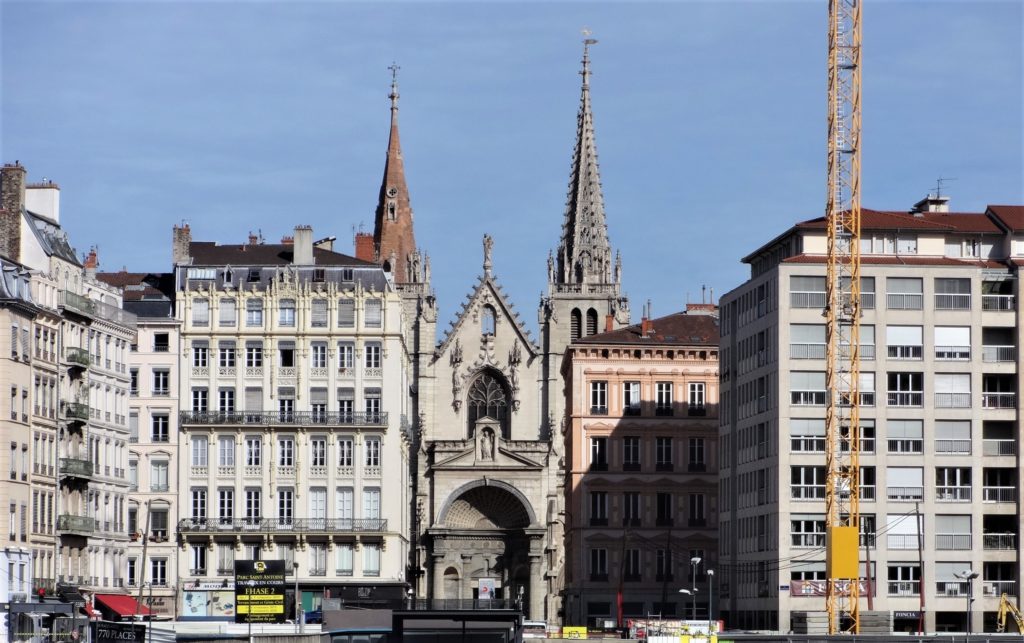
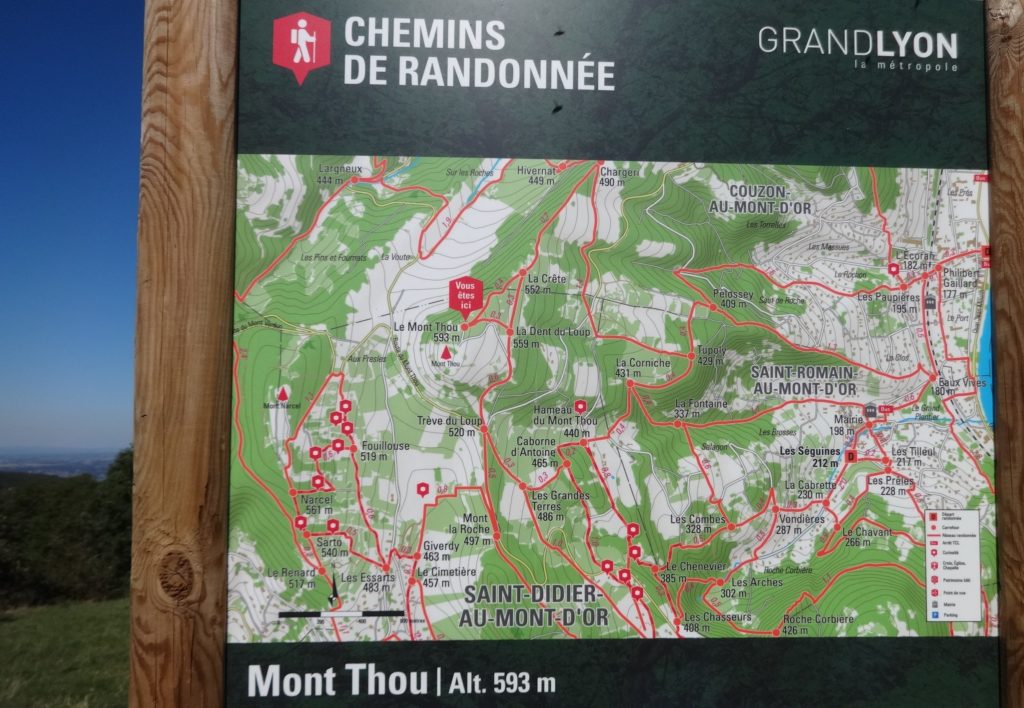
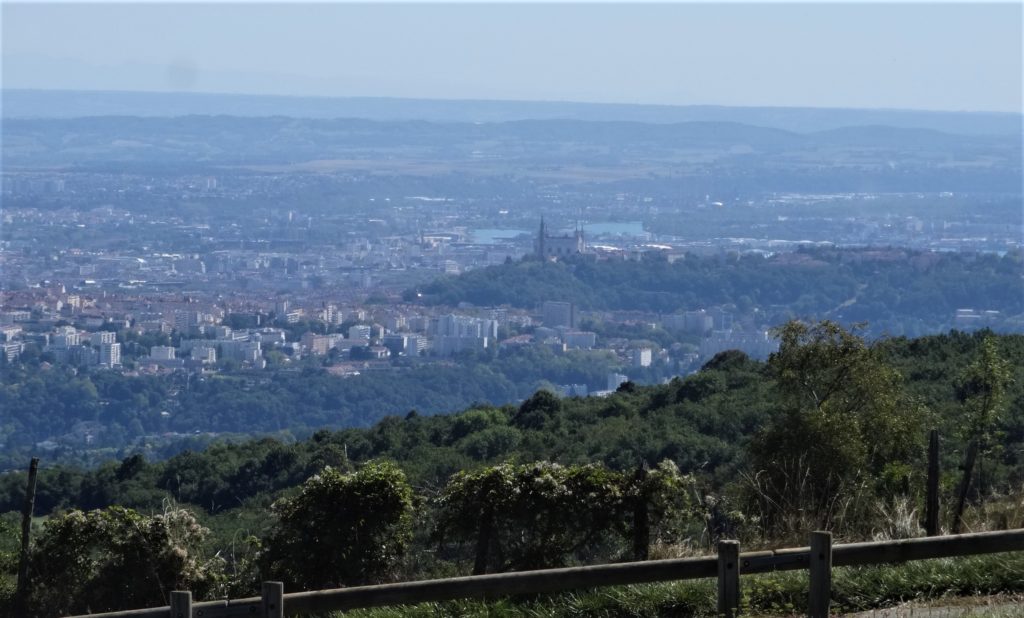
We took a drive to the top of Mount Thau, which at 593M above sea level overlooks the City with amazing views!
Avignon

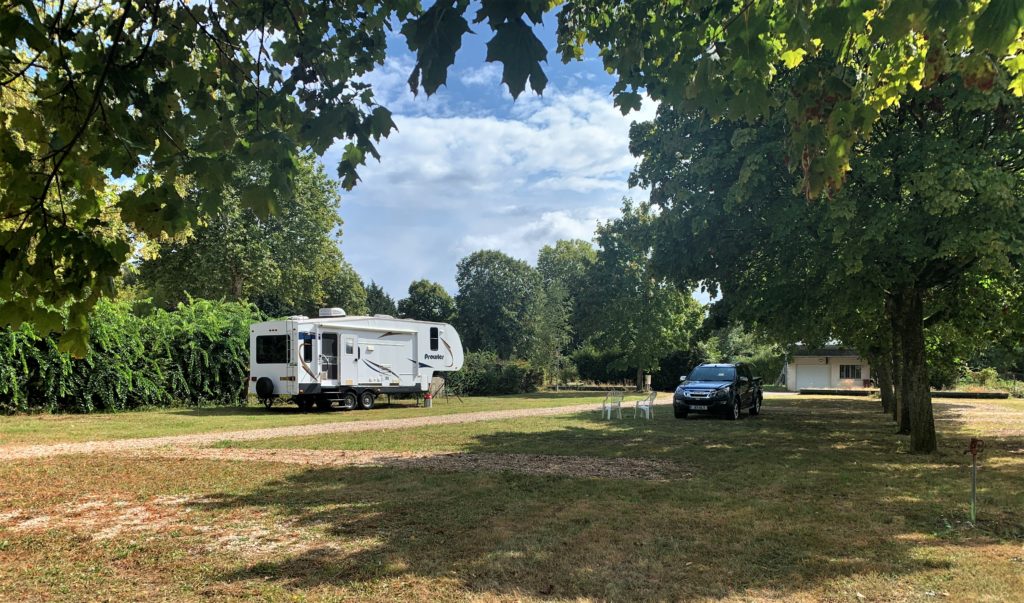
An overnight stay in a campsite on a private island on the Rhone on the banks of Avignon, what could sound more romantic???

The reality was sadly diferent, a large untidy open site, Reception closed between noon and 4.00pm, pitches the furthest point from the entrance, overhanging trees, no water or drainage on the pitches and thousands of mosquitos and stink bugs! We used the late afternoon and evening to head into Avignon for the rest of the day and made the most of our time there.
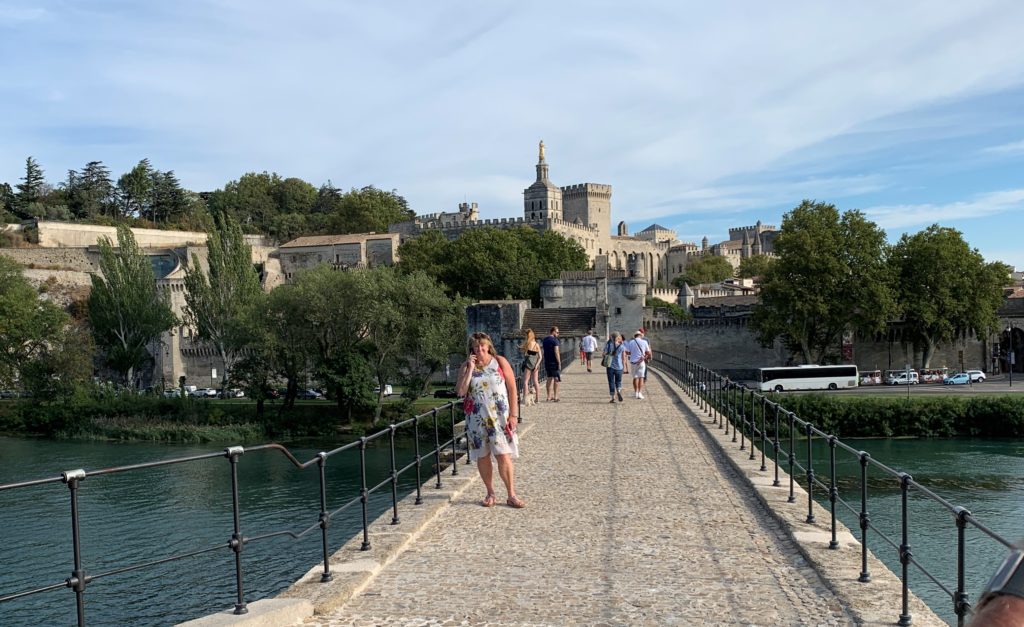
We couldn’t go into Avignon and NOT visit the famous bridge! Access is through part of the gatehouse and the history is told through a handset, allowing you to walk to the end of the bridge.
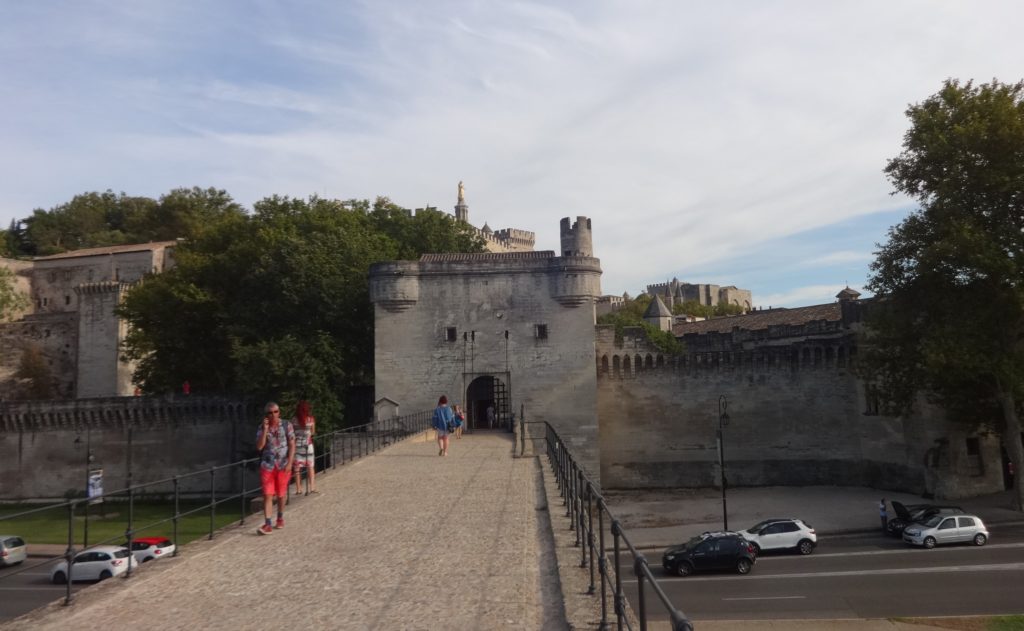
View on the bridge looking at the City.

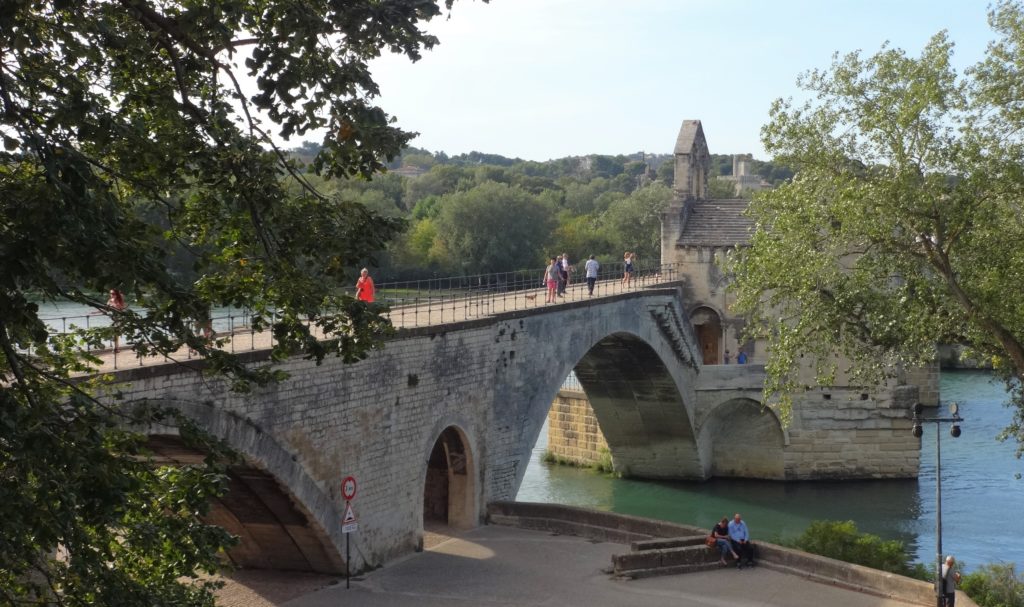
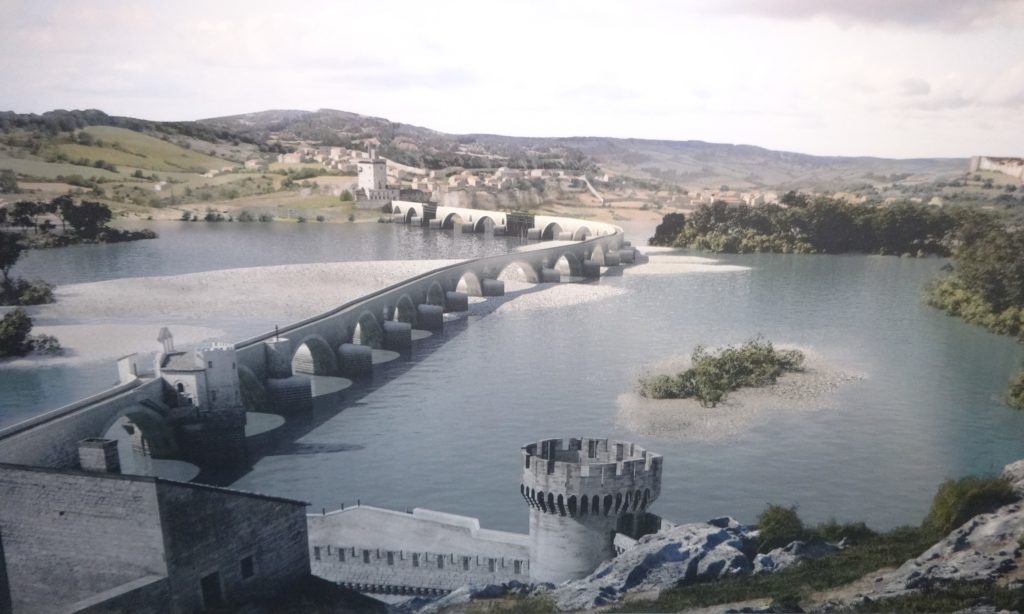
Its only 4 arches long now but when it was built between 1177 and 1185 it was 22 arches long and wooden, but wars, time and the River Rhone have washed them away and all that remains now are the small parts jutting into the River. It was rebuilt in the 12th century, in stone with a chapel on one of the piers, but fighting the river was a major issue, hence it’s shortness.
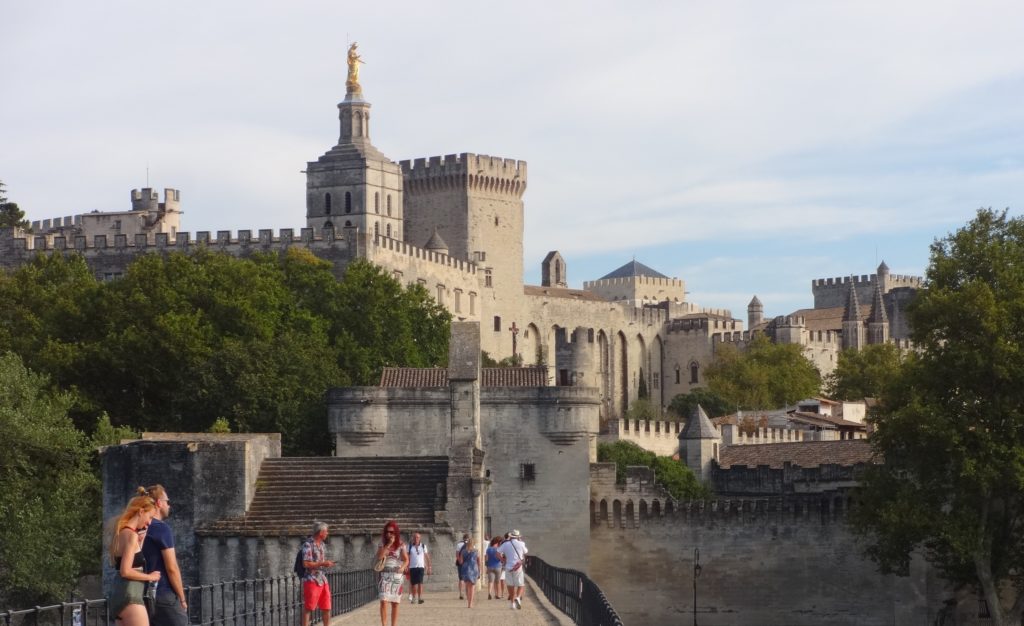
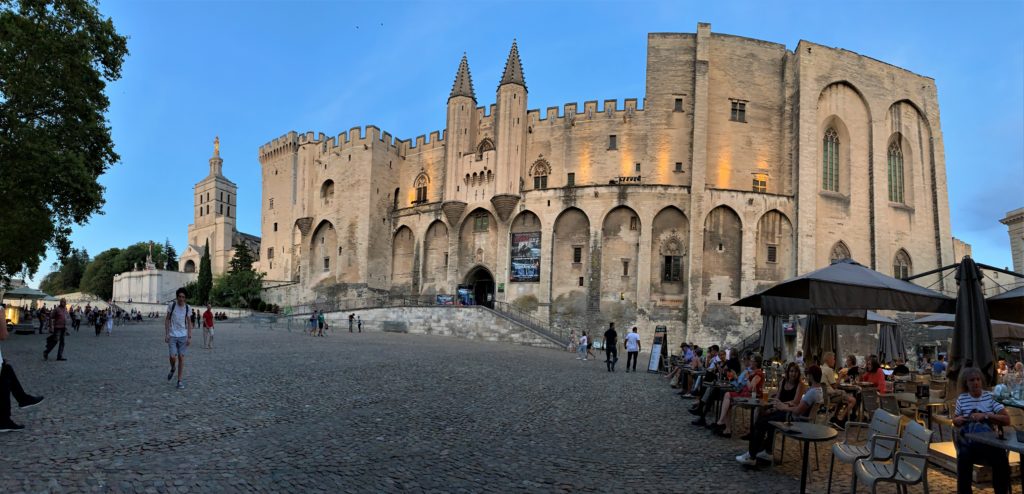
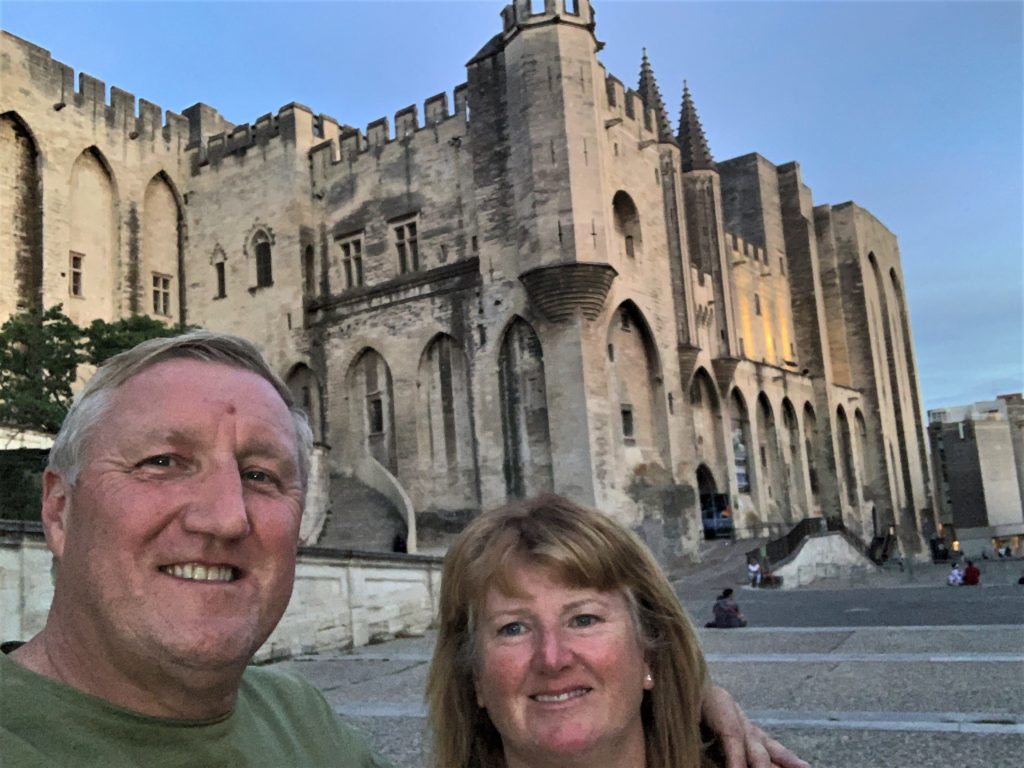
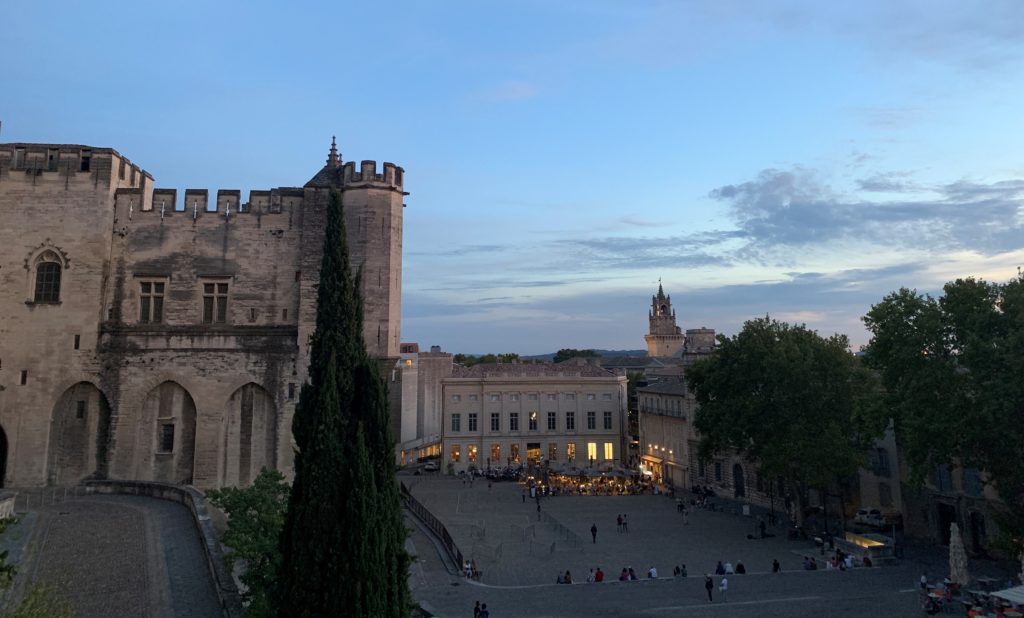
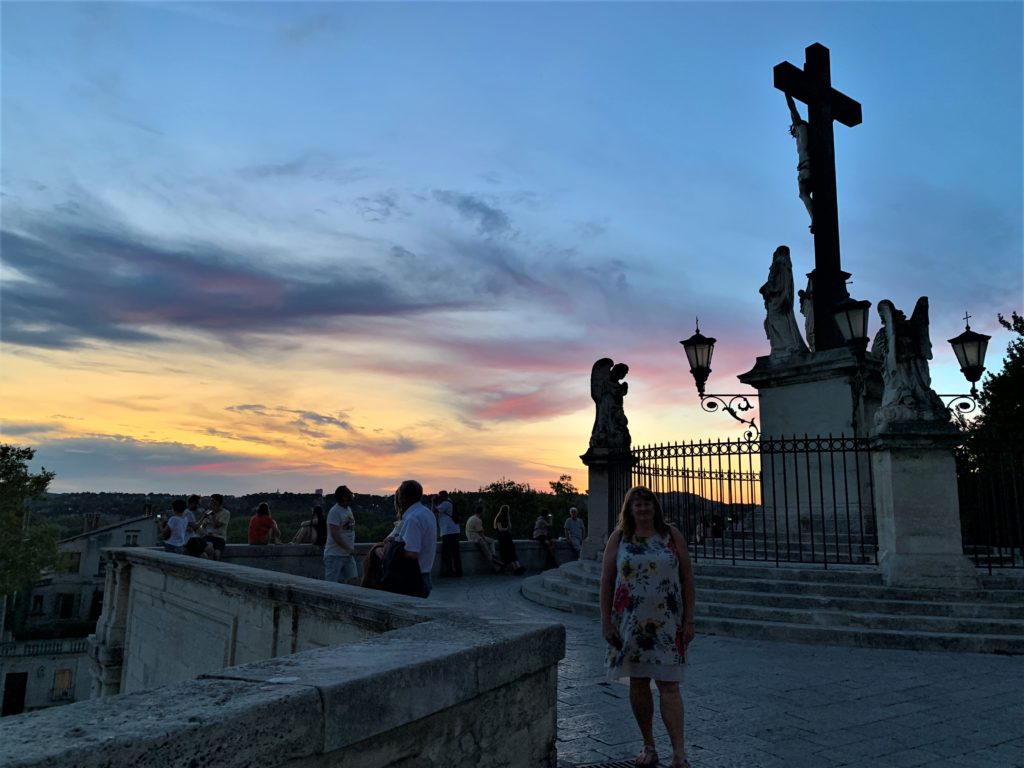
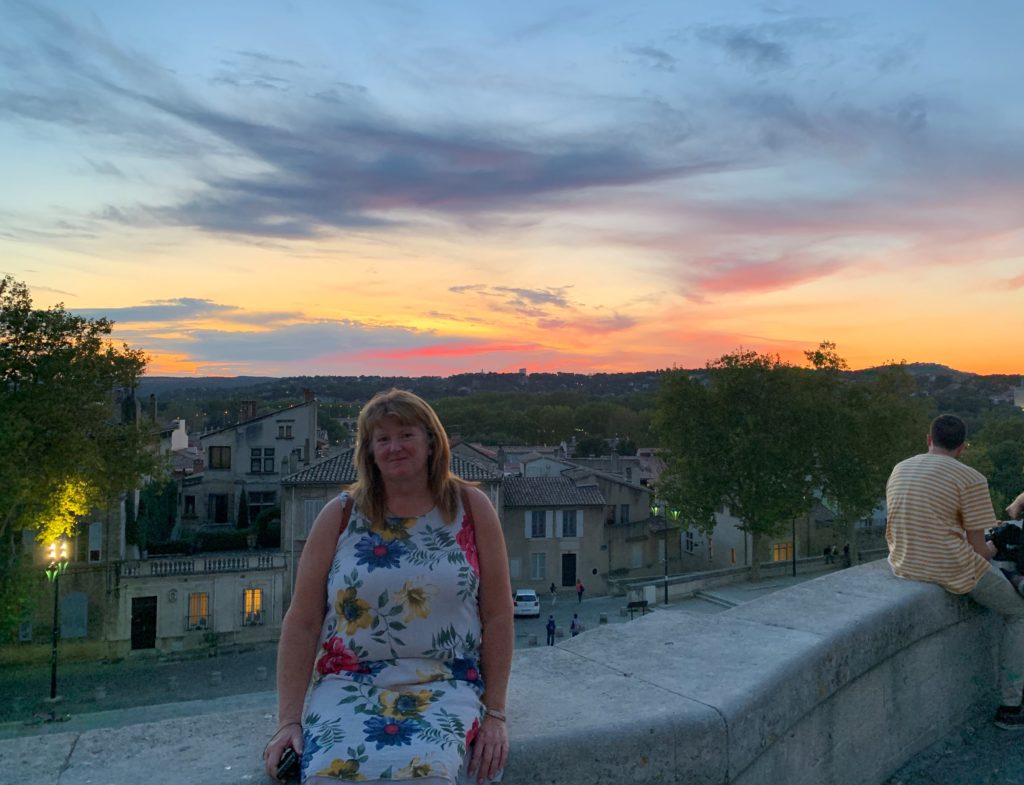
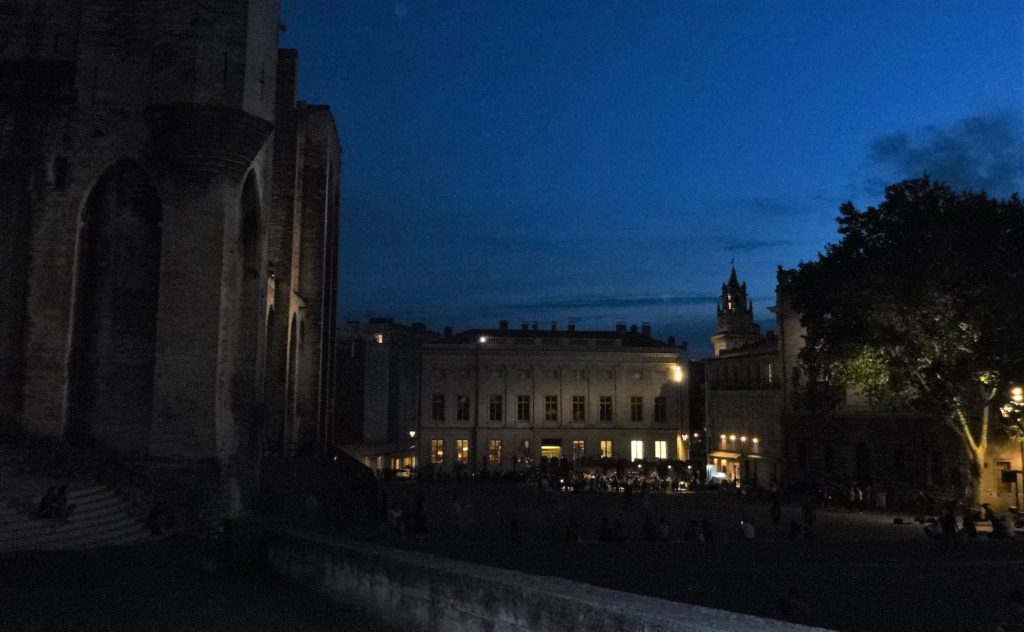
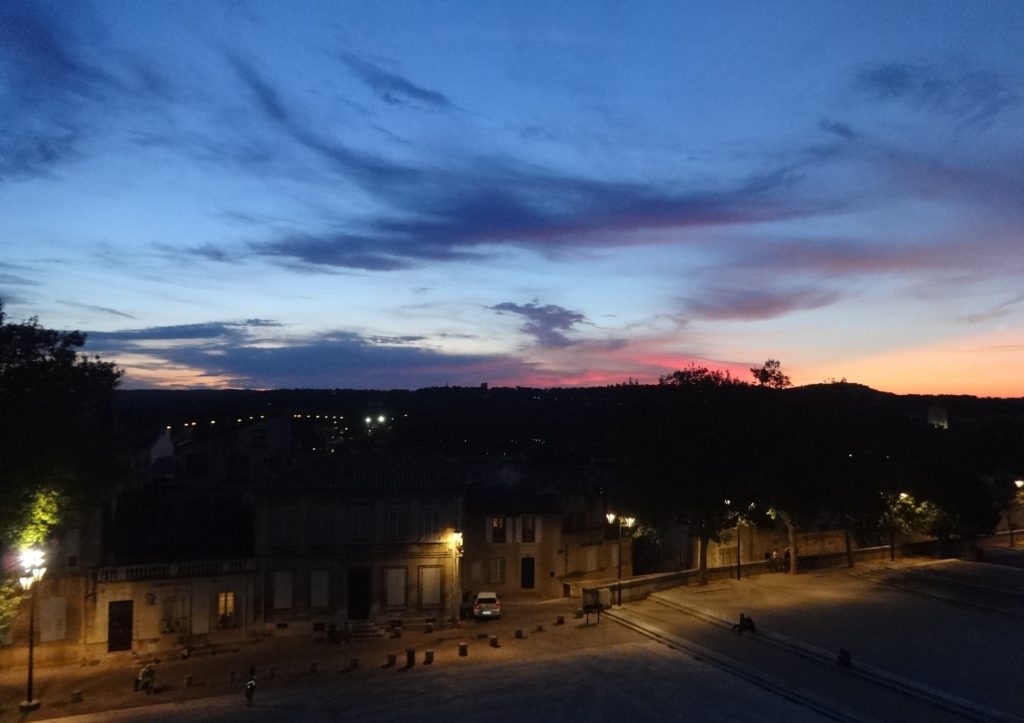
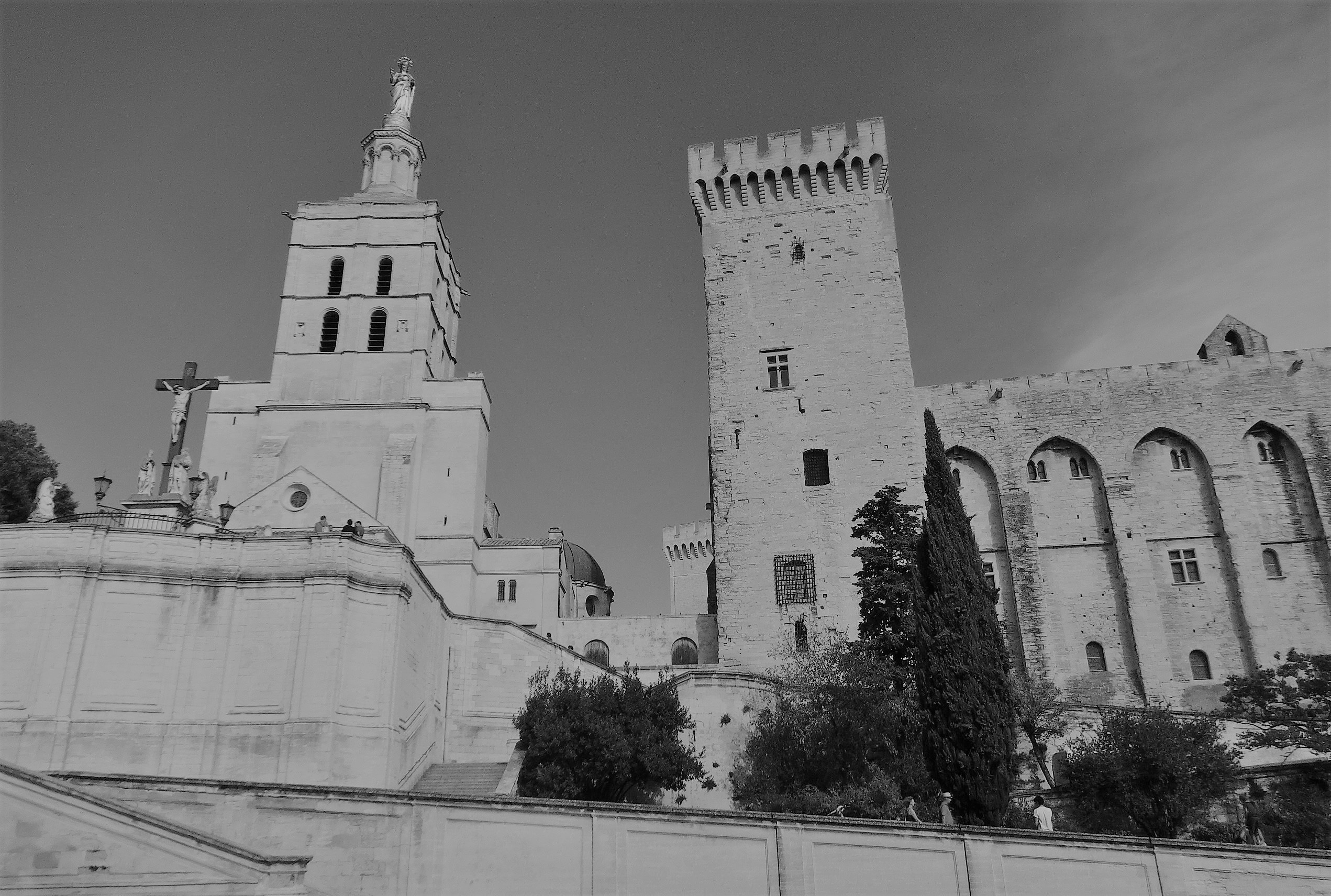
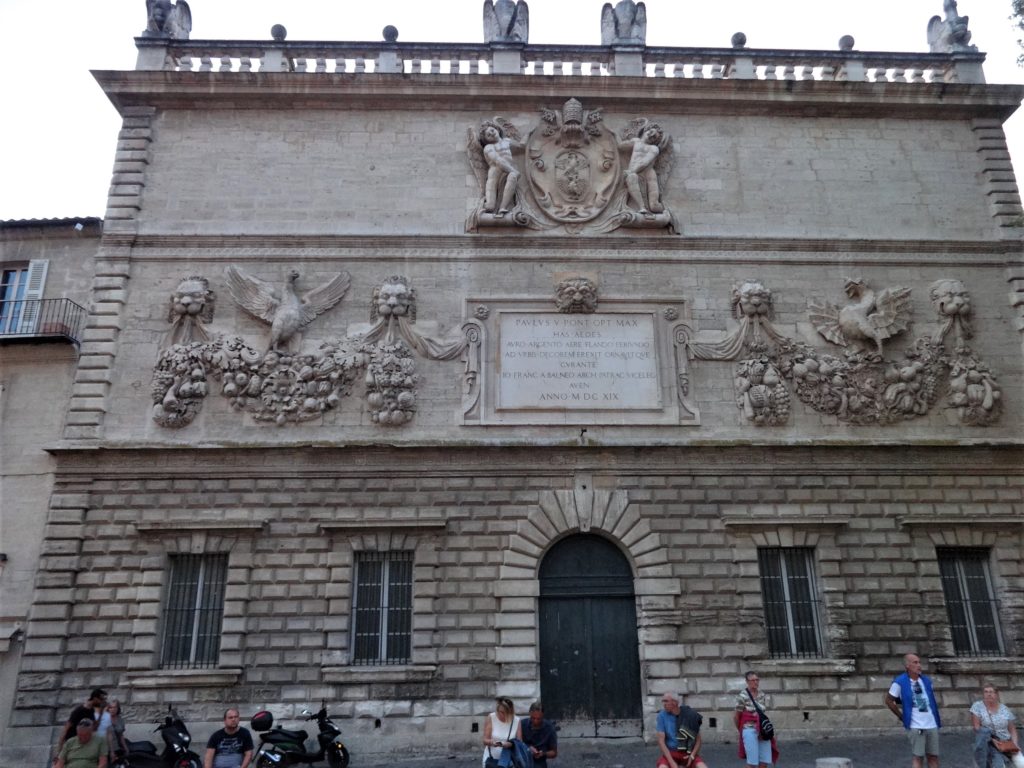
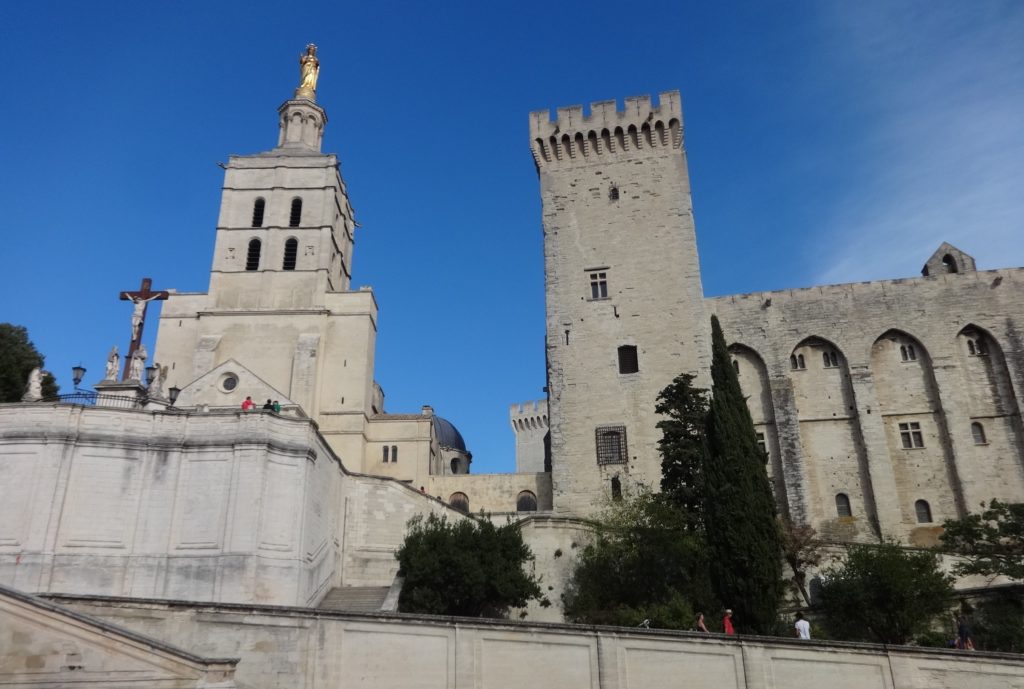
The walled City has several large impressive buildings surrounding a public square which came alive at night, the Palais des Papes was a beautiful stone building, with the Basilica Notre Dame des Doms next to it, the views as the sun was setting were amazingly colourful.
Narbonne

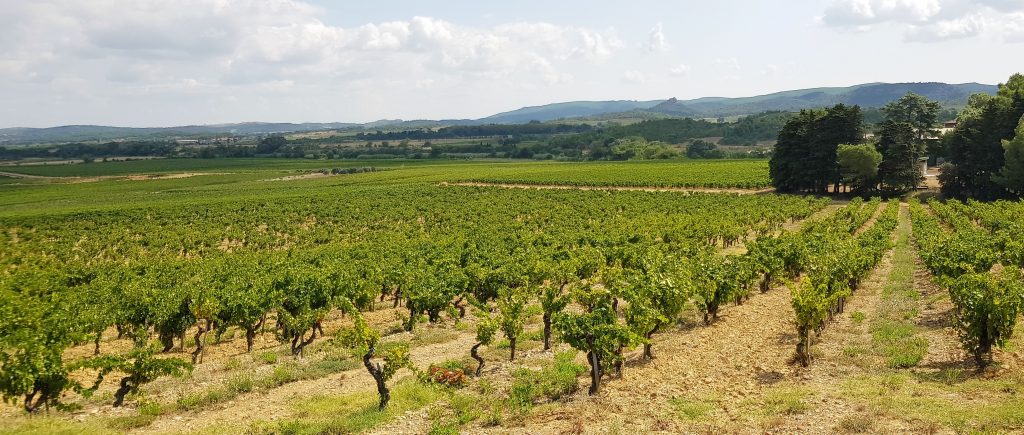
Finally we reached Narbonne on the South coast, a town and camp site we have visited several times, beside the Etangs (marsh lakes) and in prime wine country! We stopped here a few nights to catch our breath and catch up on regular chores.
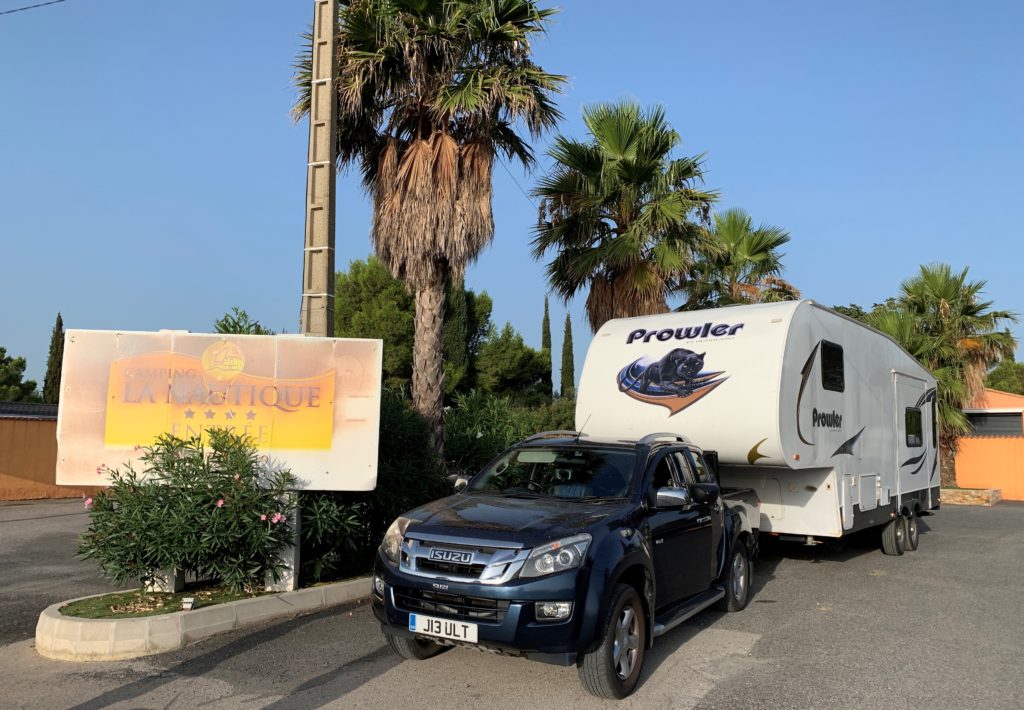
Leaving Narbonne.

David dipped into the pool on site, not for long, as it was freezing!

We finally left France for the pretty town of Roses, just over the border in Spain.
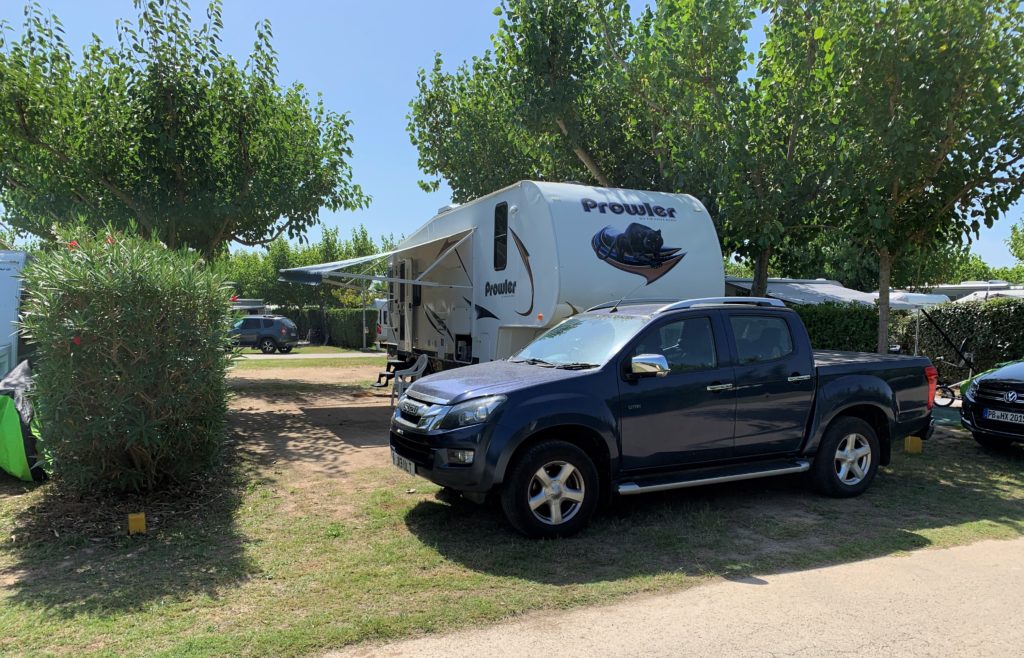
Large, sunny pitch in Roses

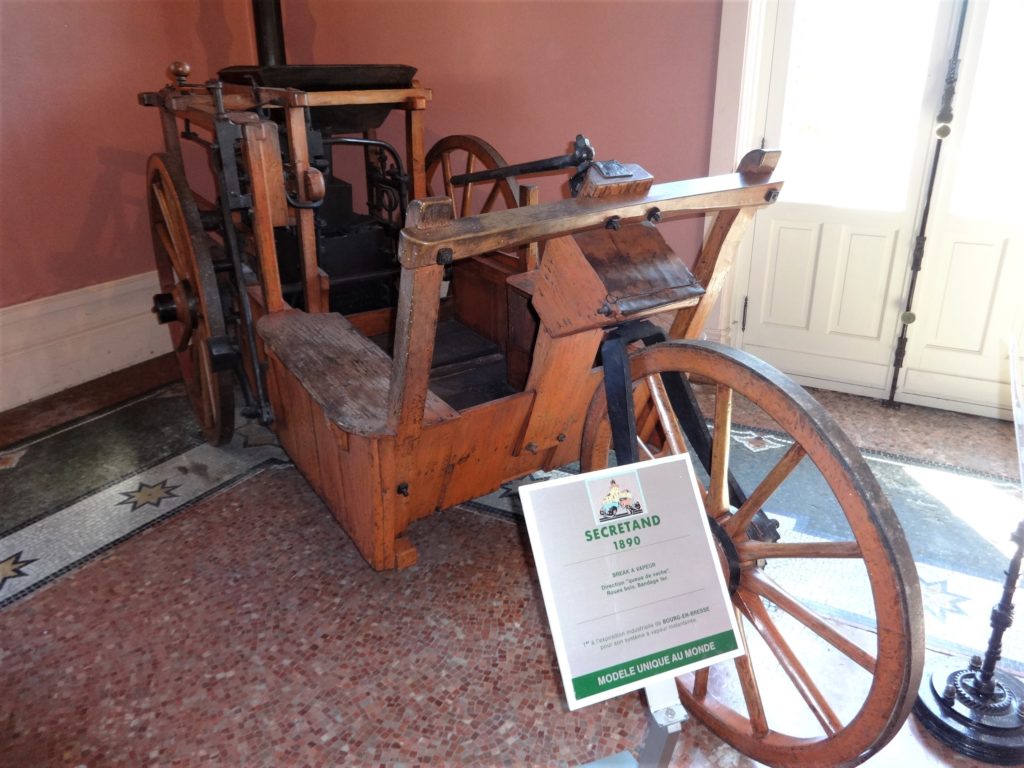
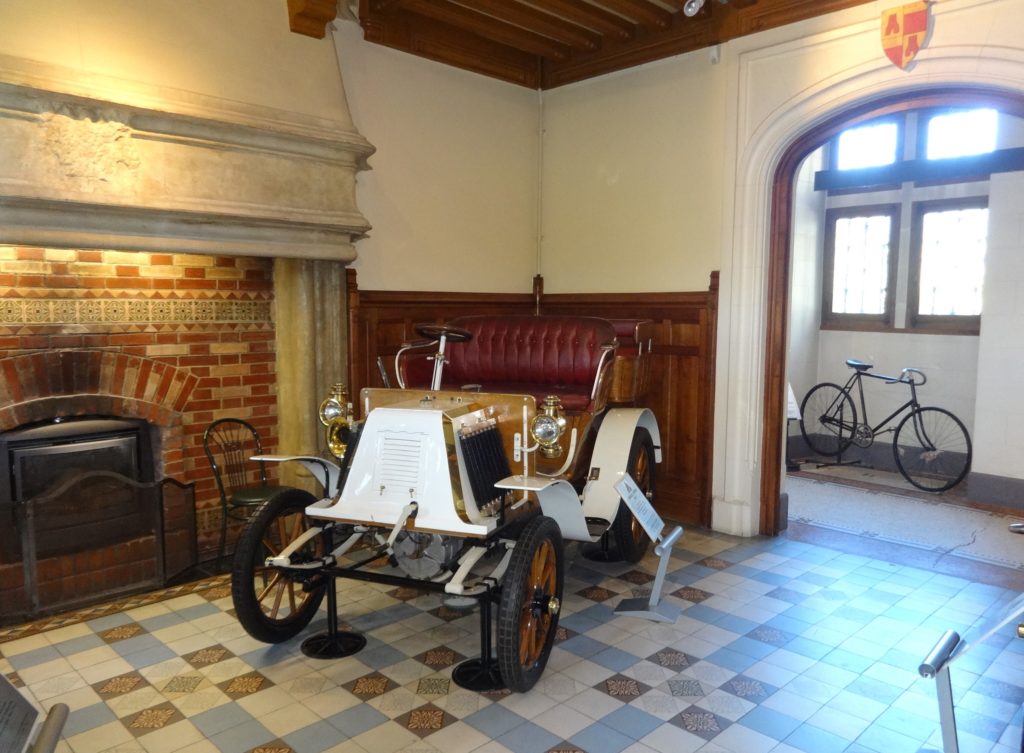
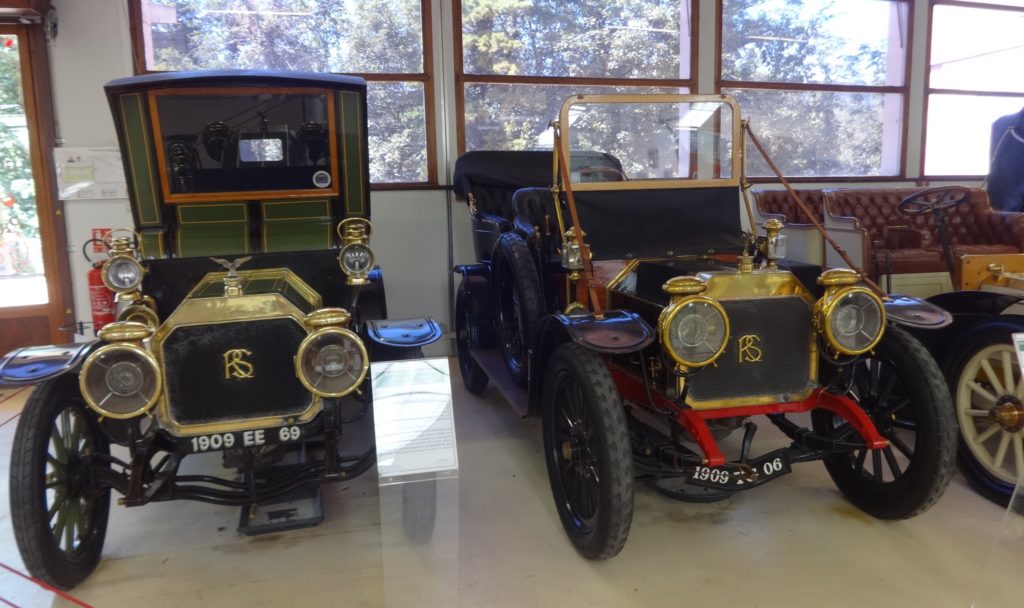
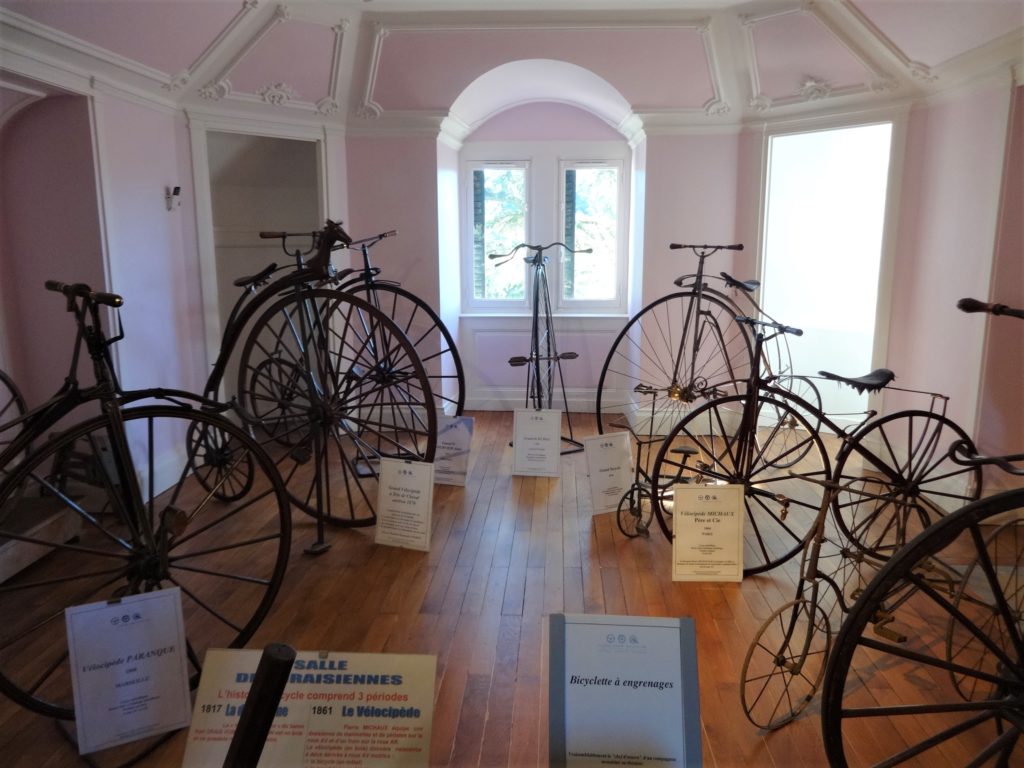
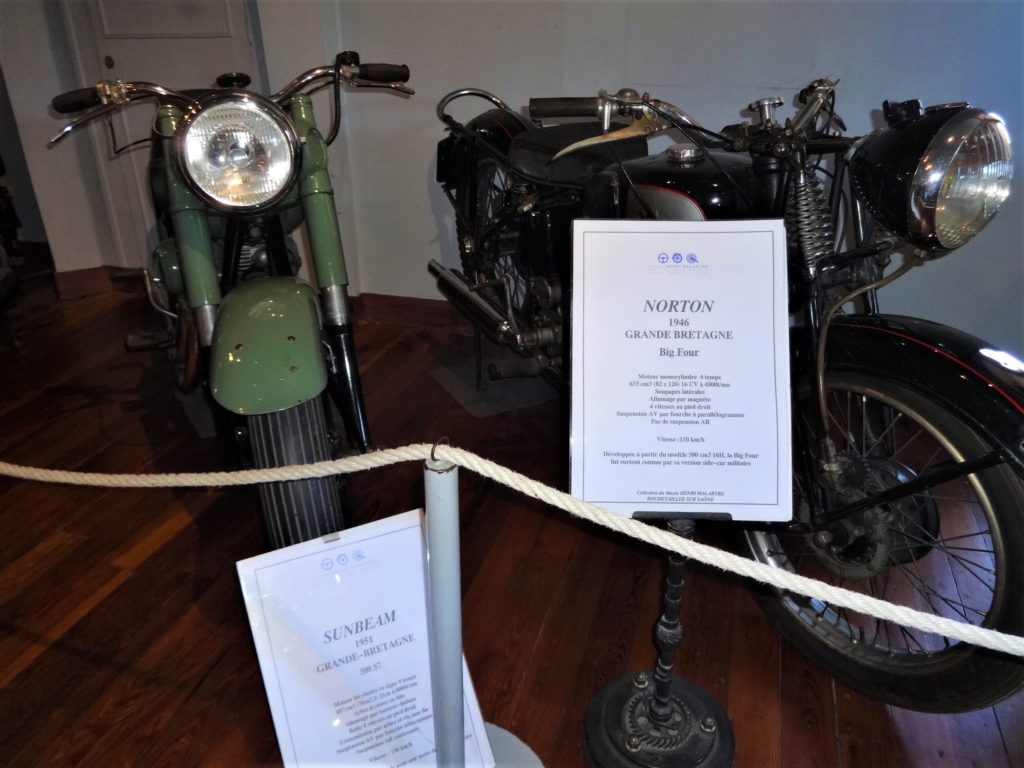
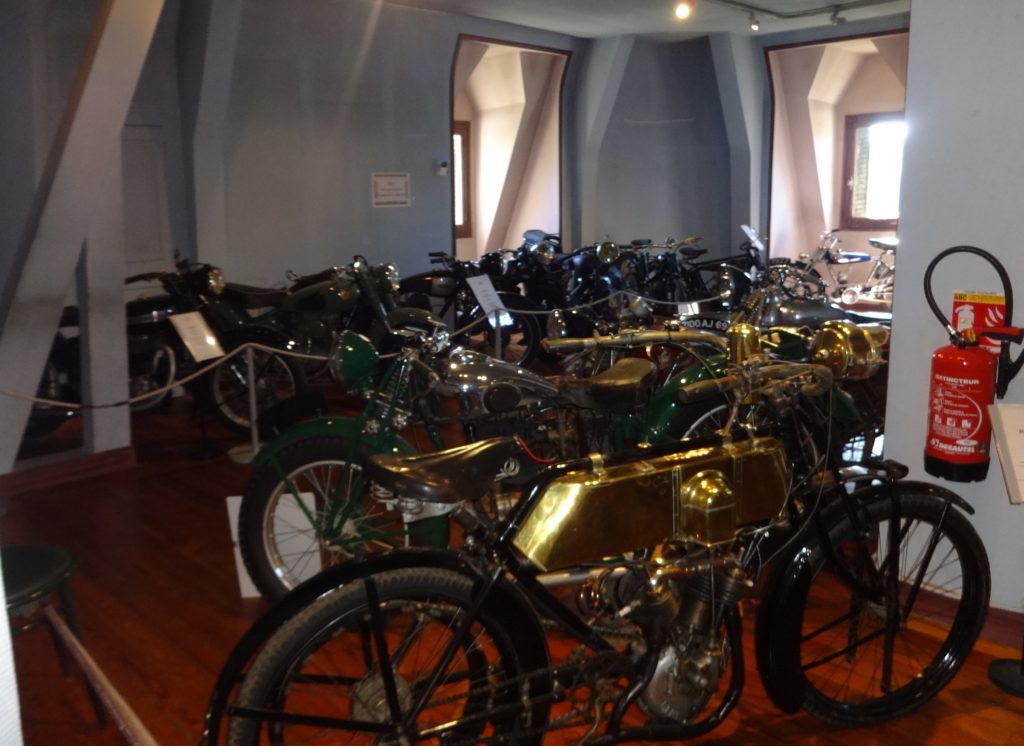
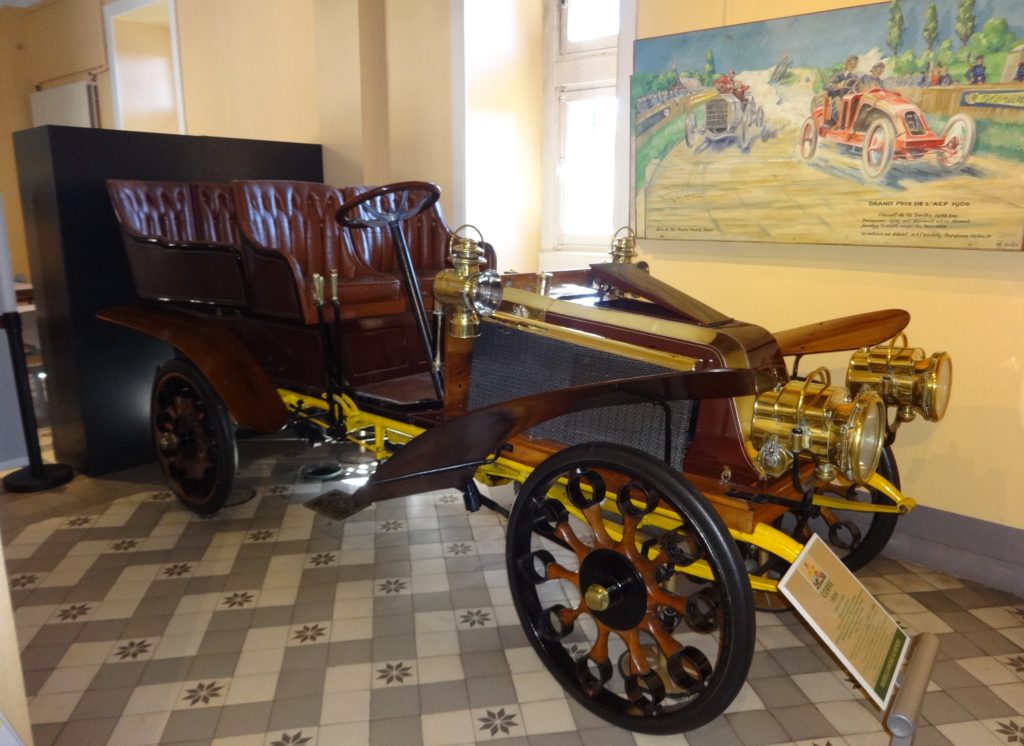
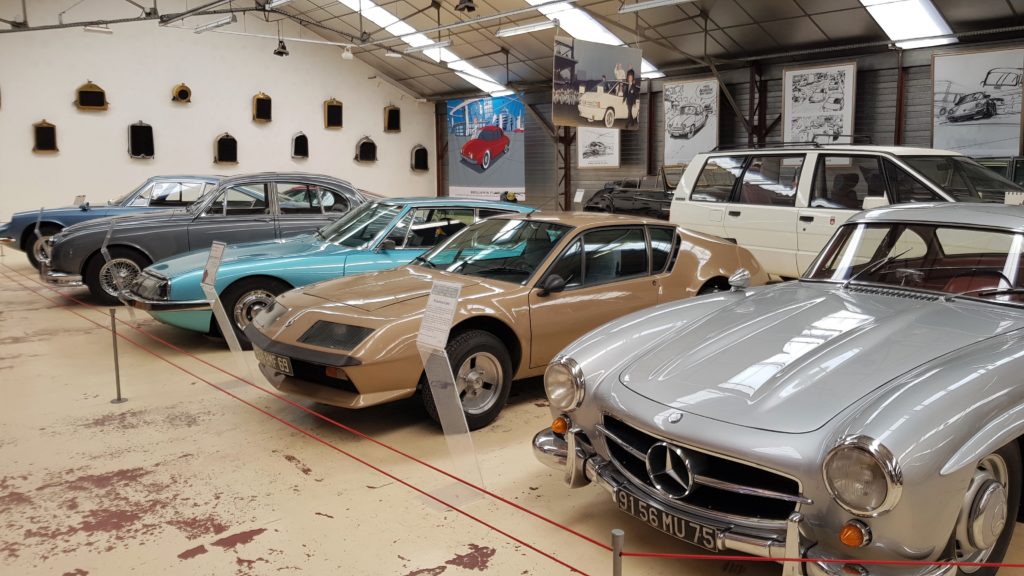
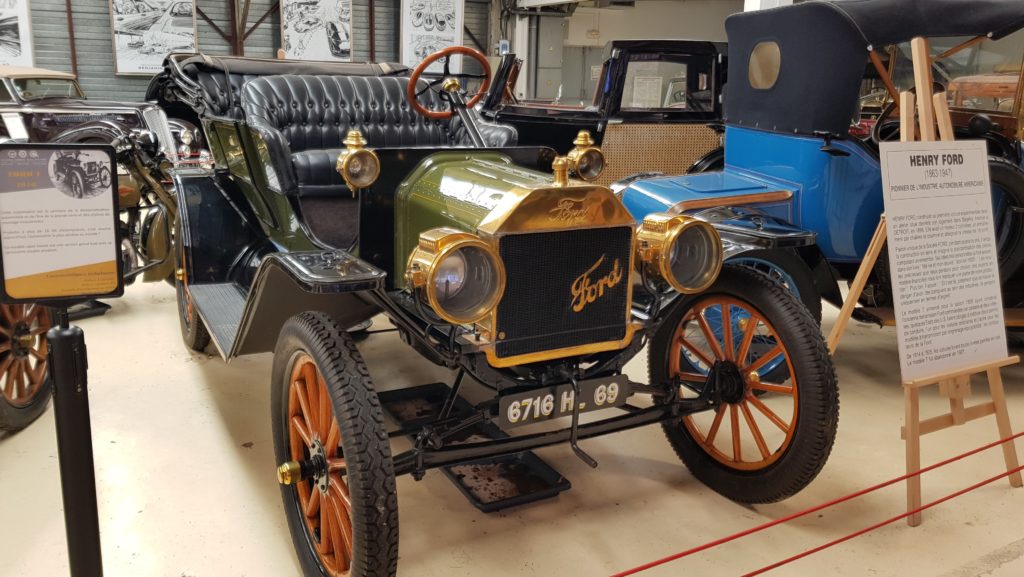
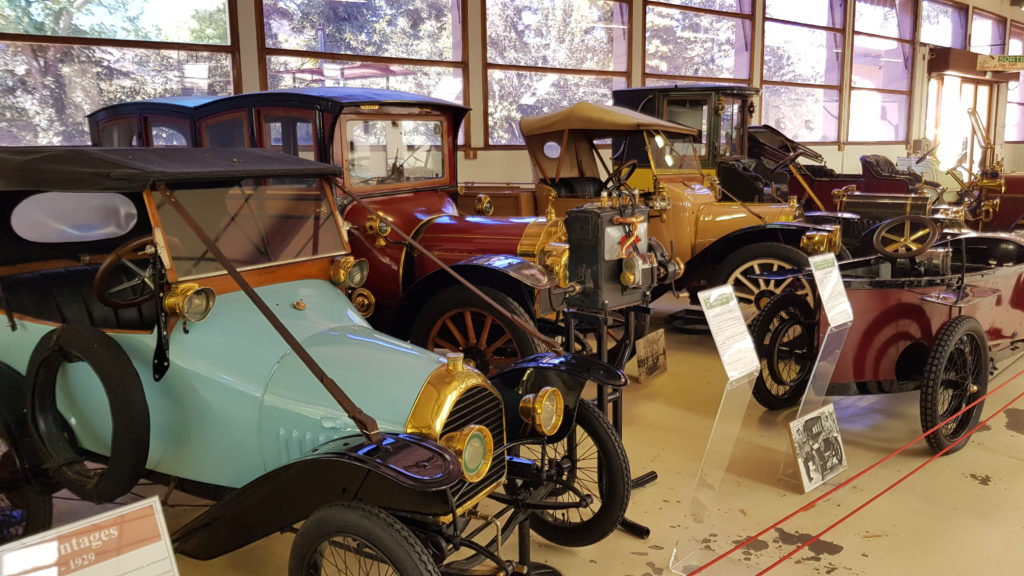
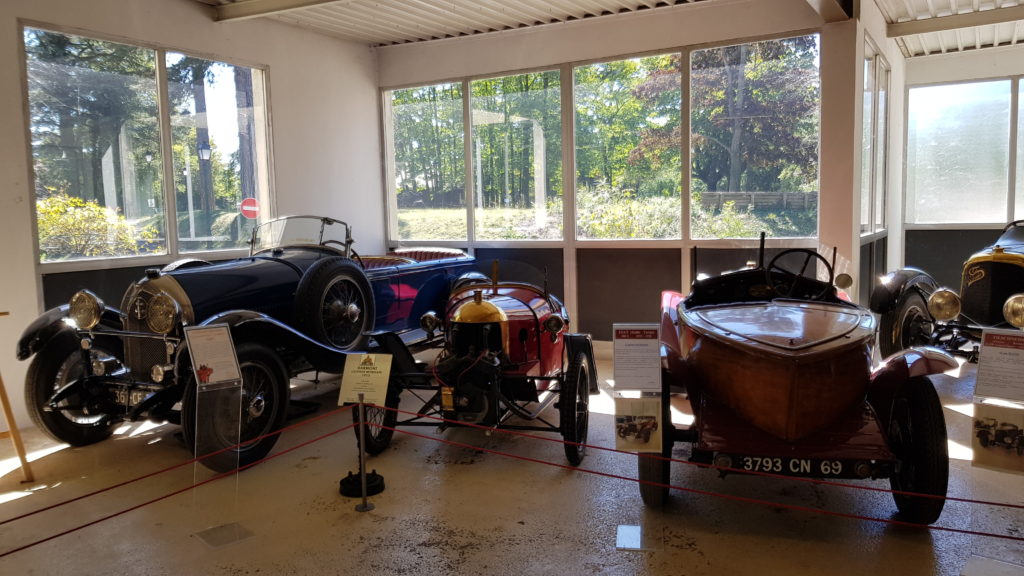
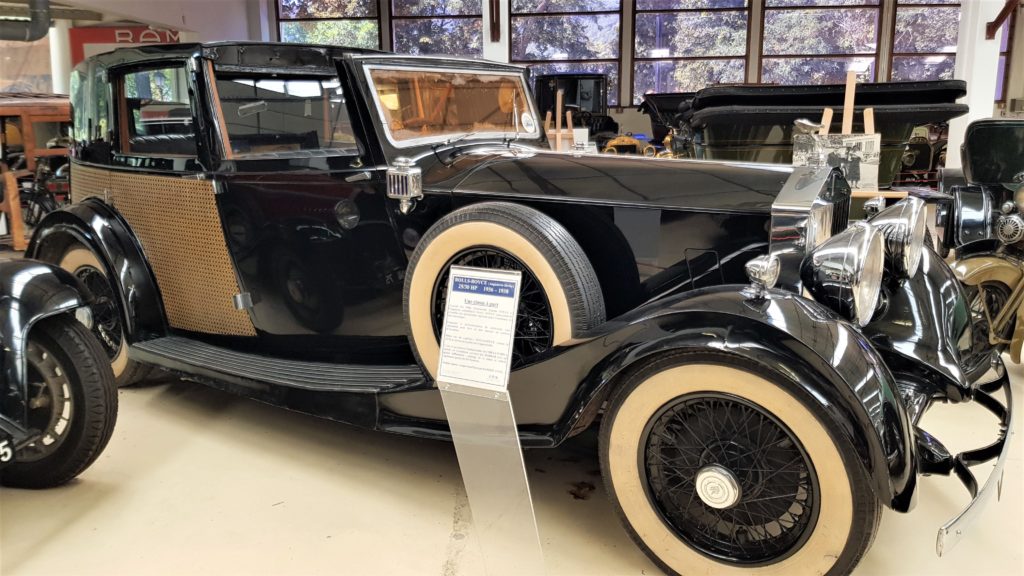
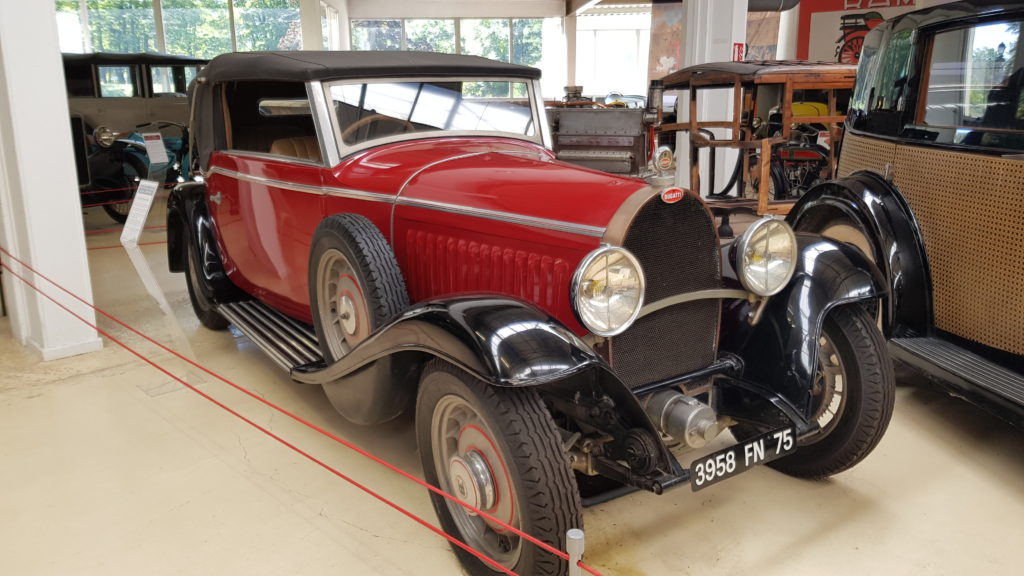
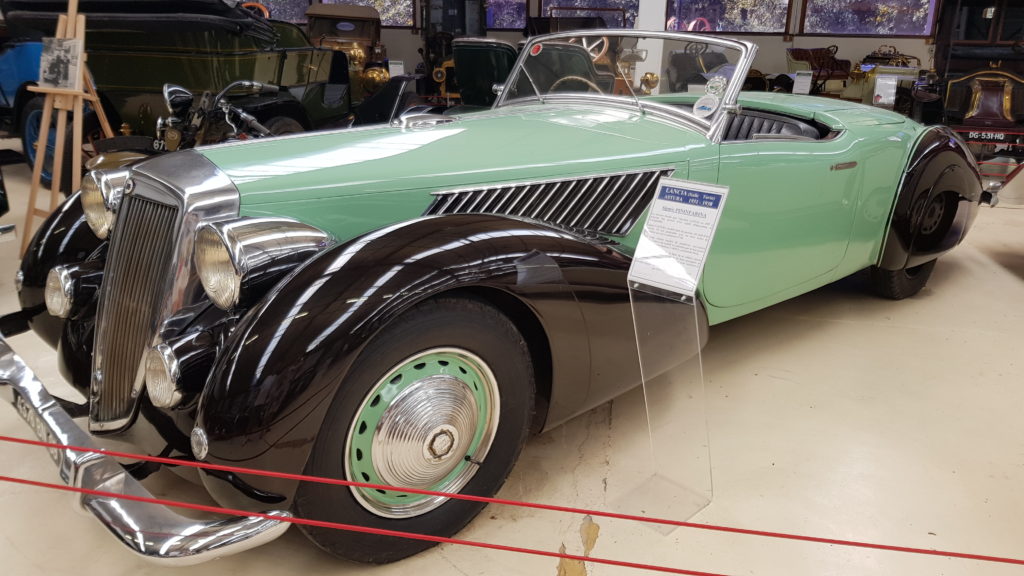
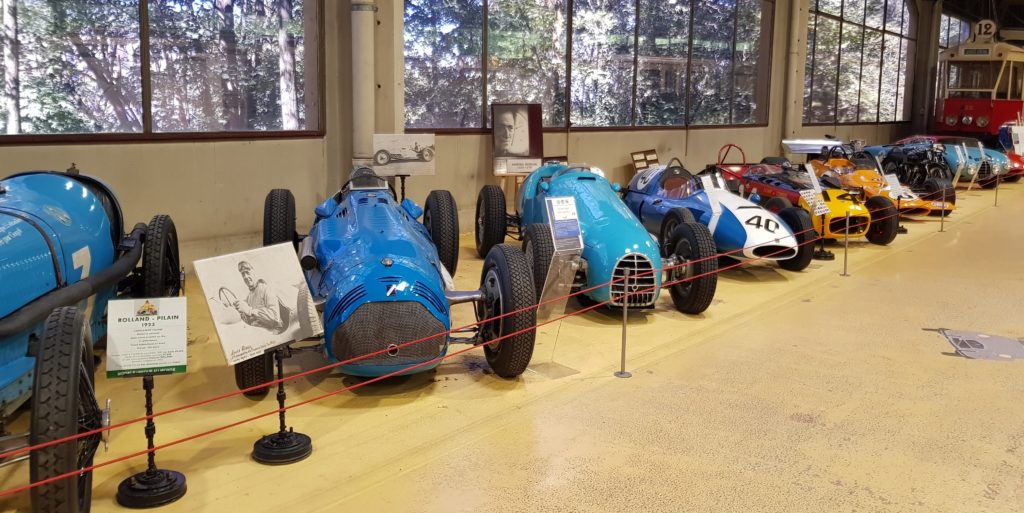
Henri Malarte’s Private Motor Exhibition

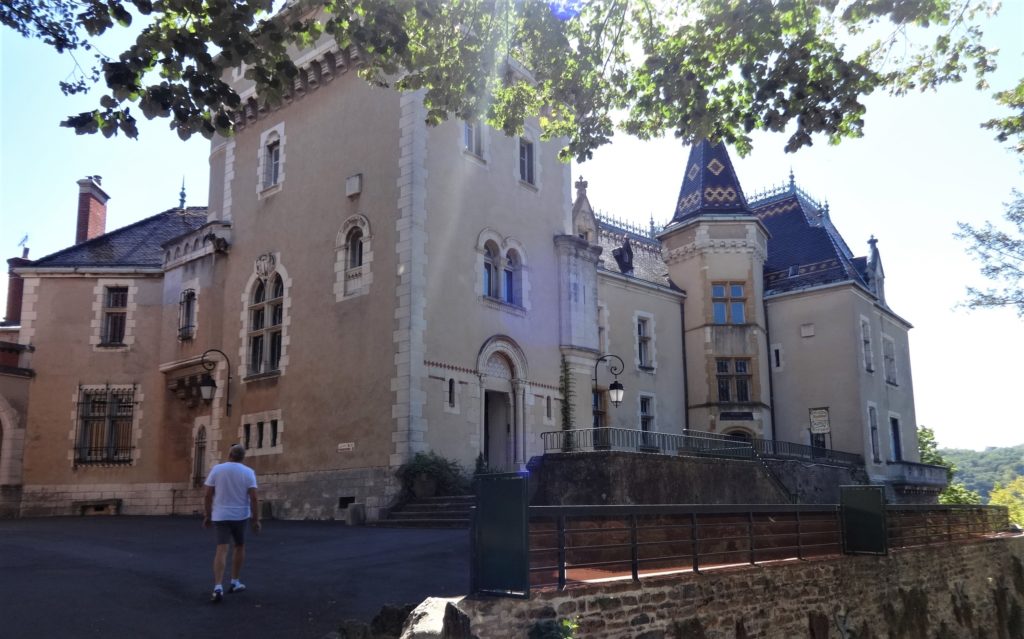
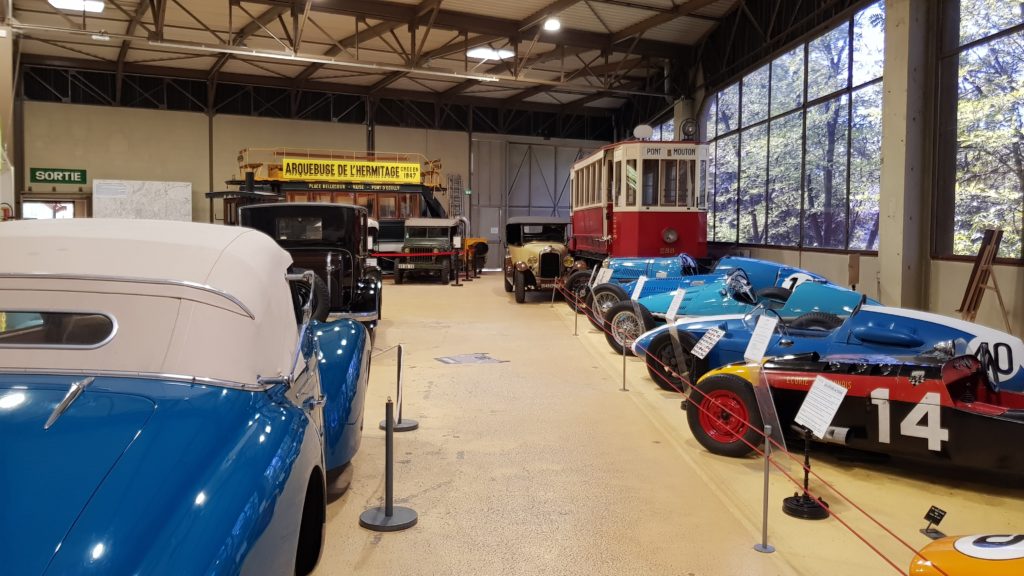
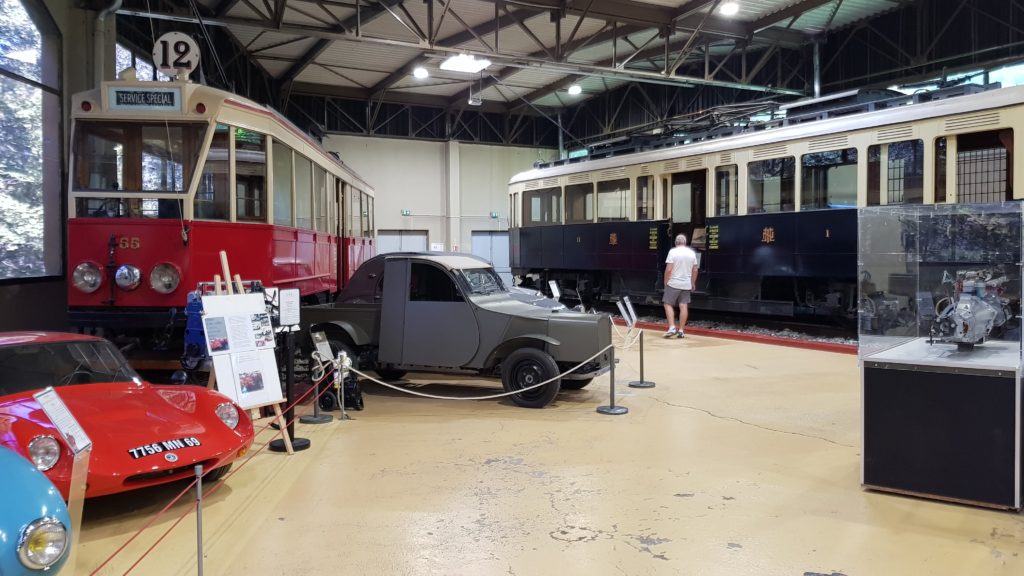
A Frenchman near Lyon started a collection of antique motorised vehicles, and after purchasing a Chateau to display them in, opened to the public in 1960.

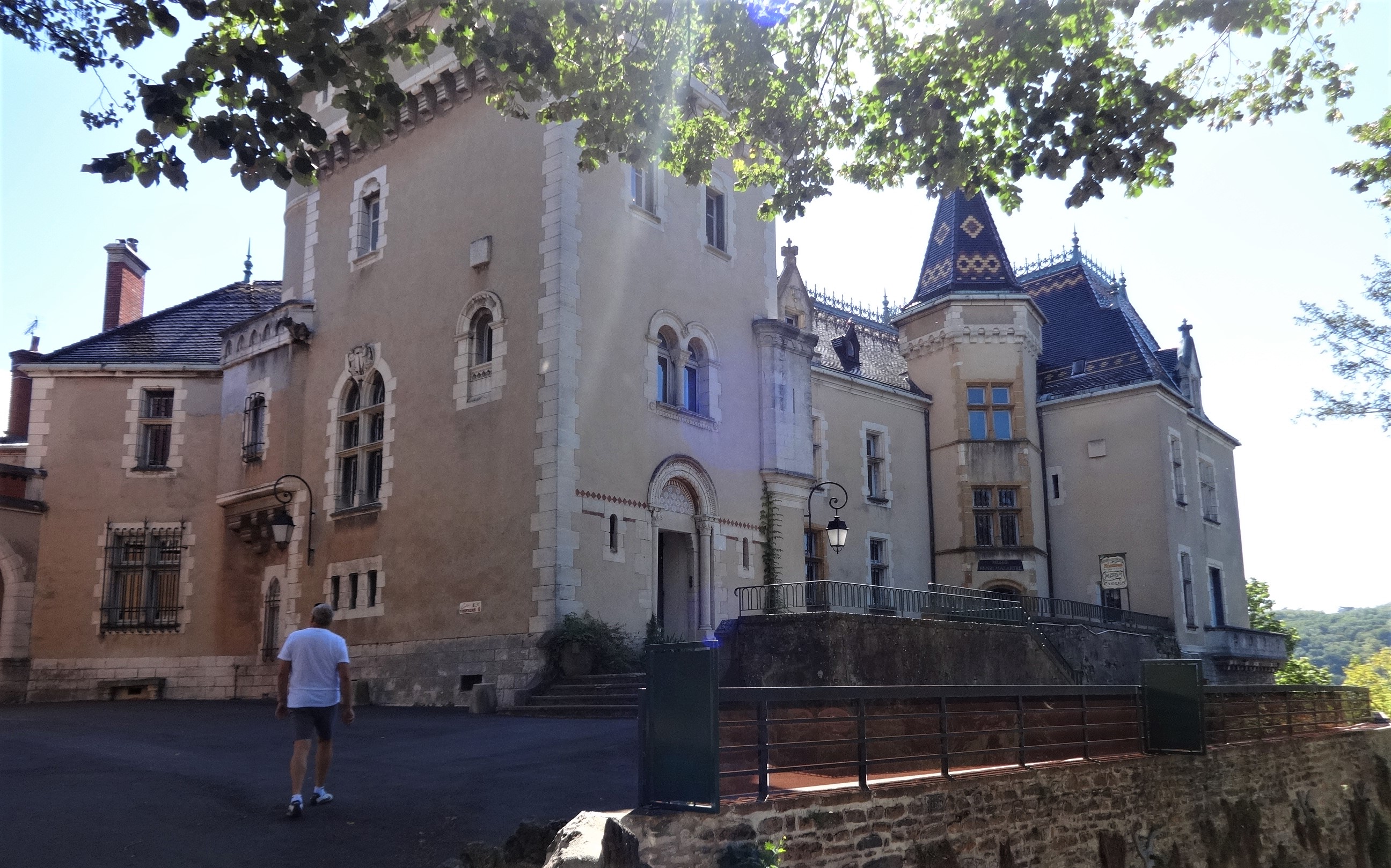
Le Chateau de Rochetaille-sur-Soane was built in the 12th Century, damaged over time and rebuilt and modified in 1904, and purchased in 1959 by Henri Malatre to display his collection.

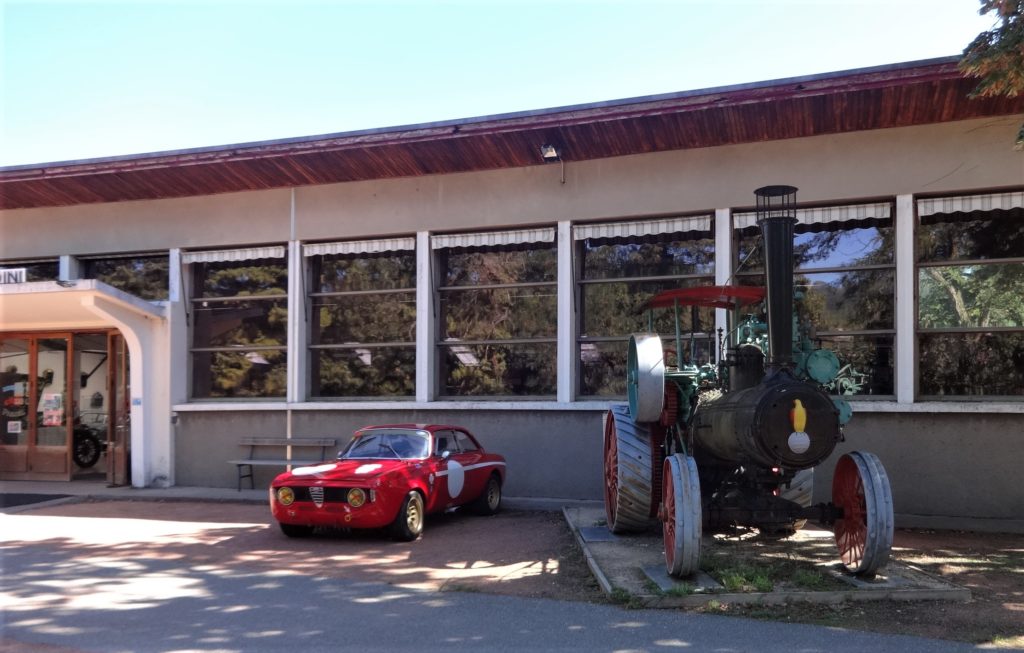
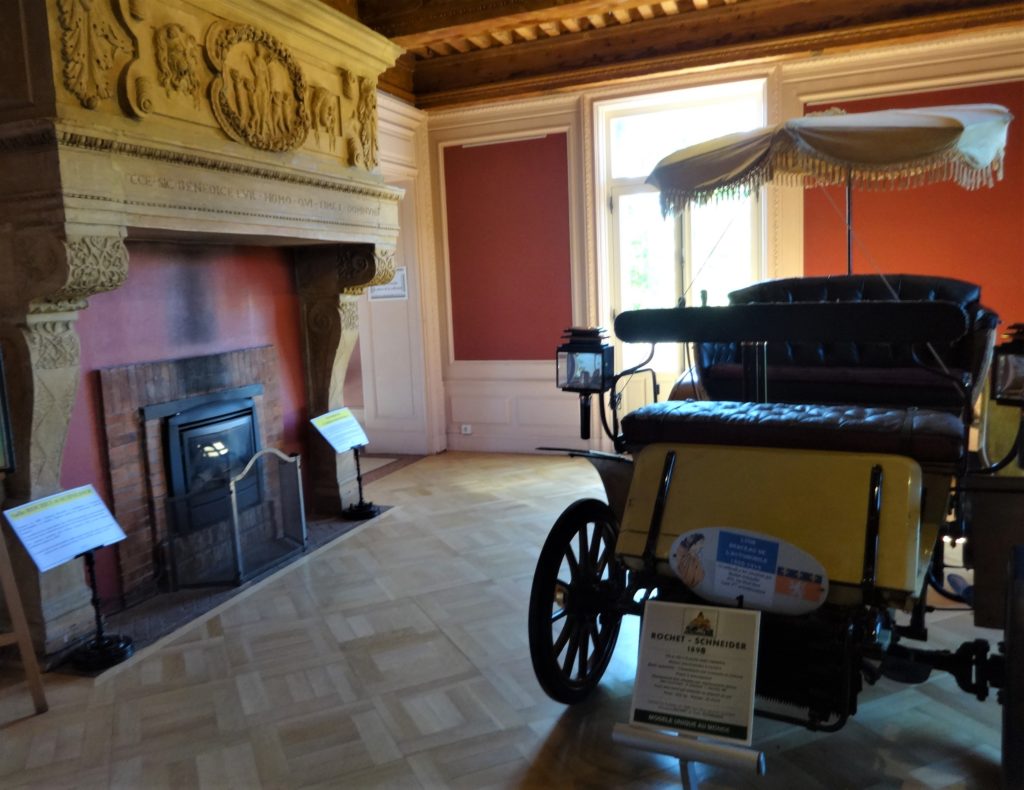
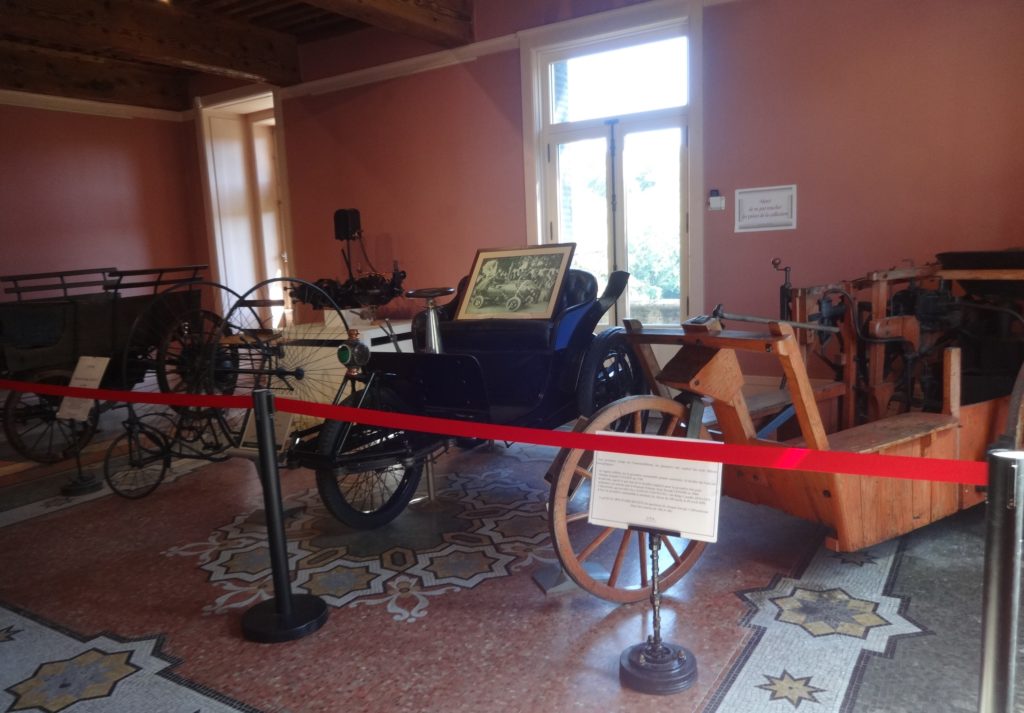
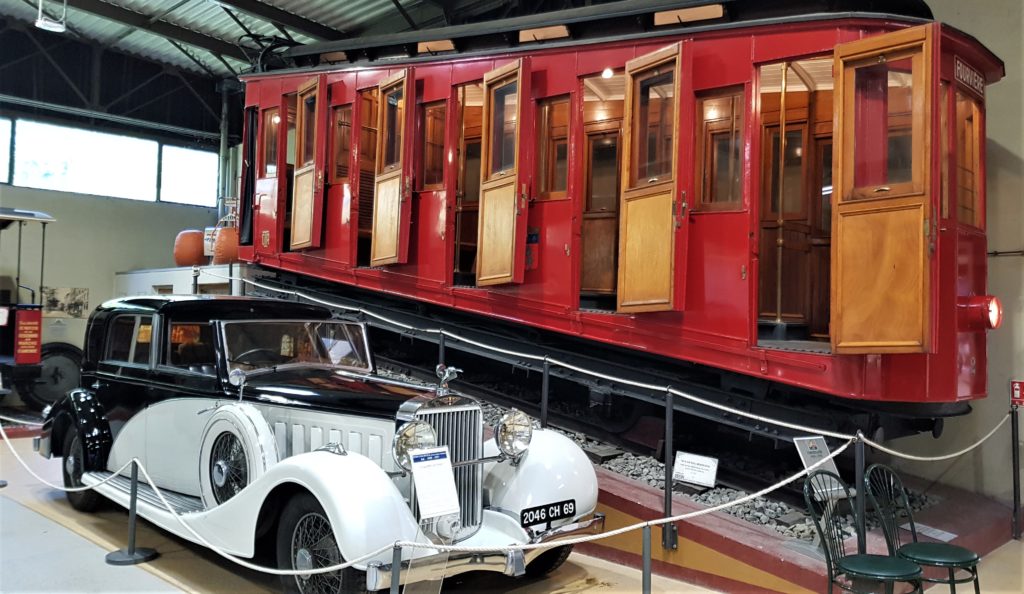
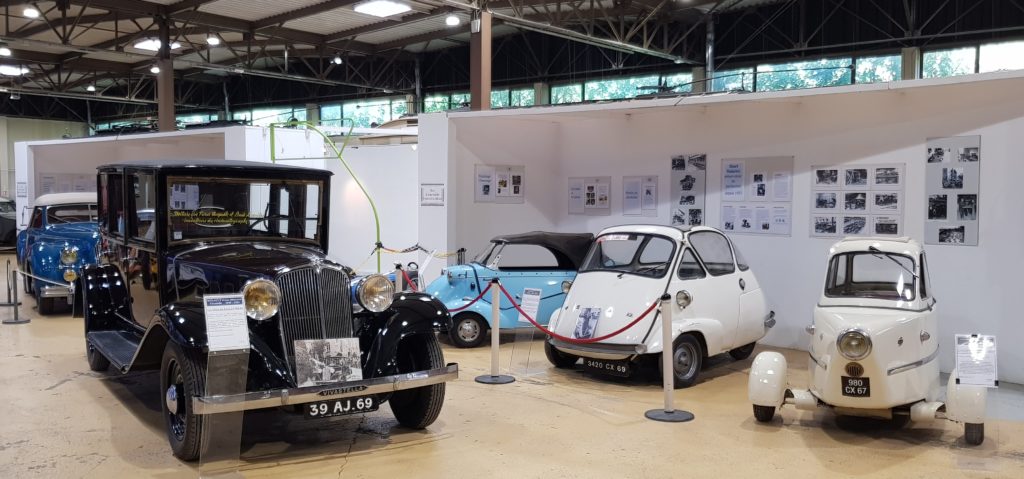
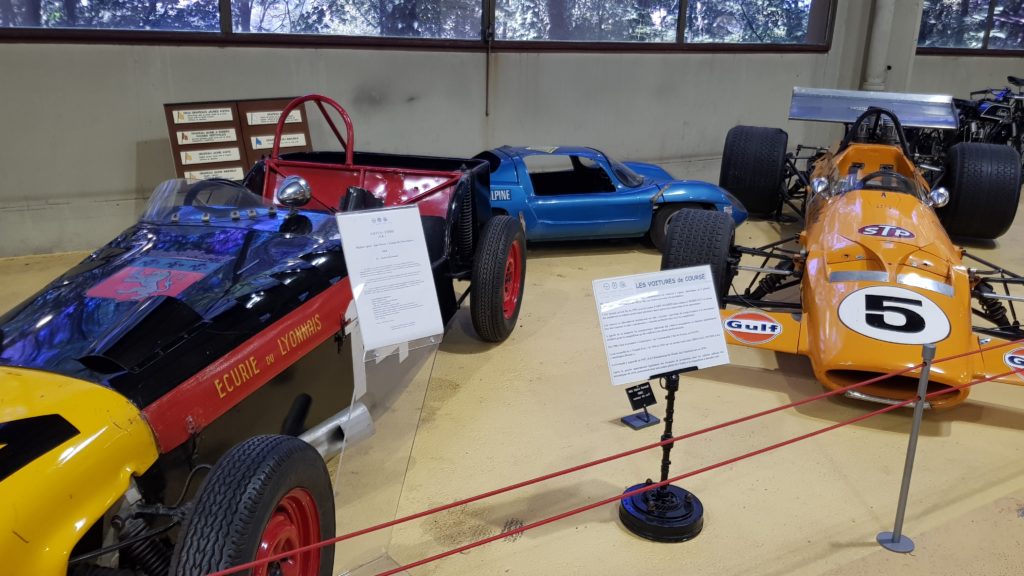
The collection is primarily vehicles made in or around Lyon, a City once famous for car constructors that have now disappeared, such as Rochet-Schneider, Luc Court and Berliet.

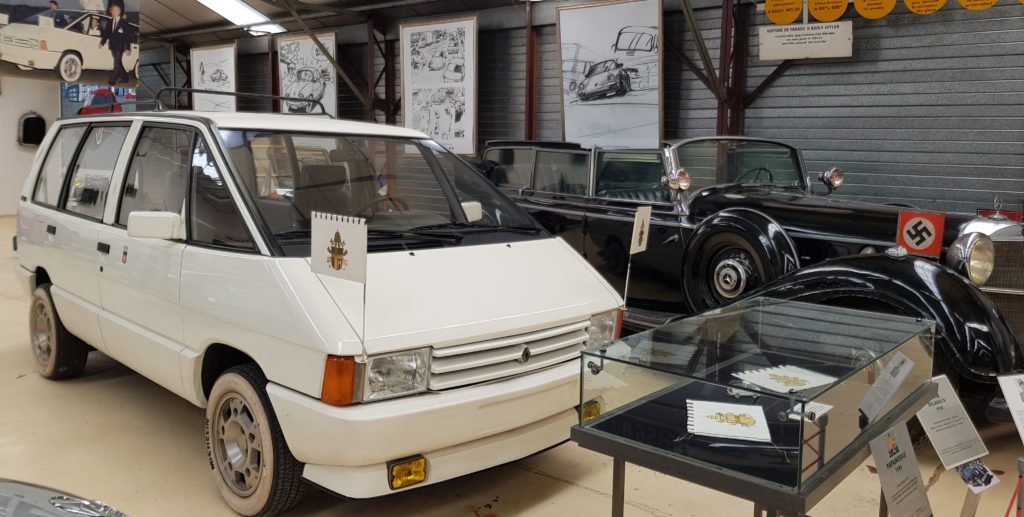
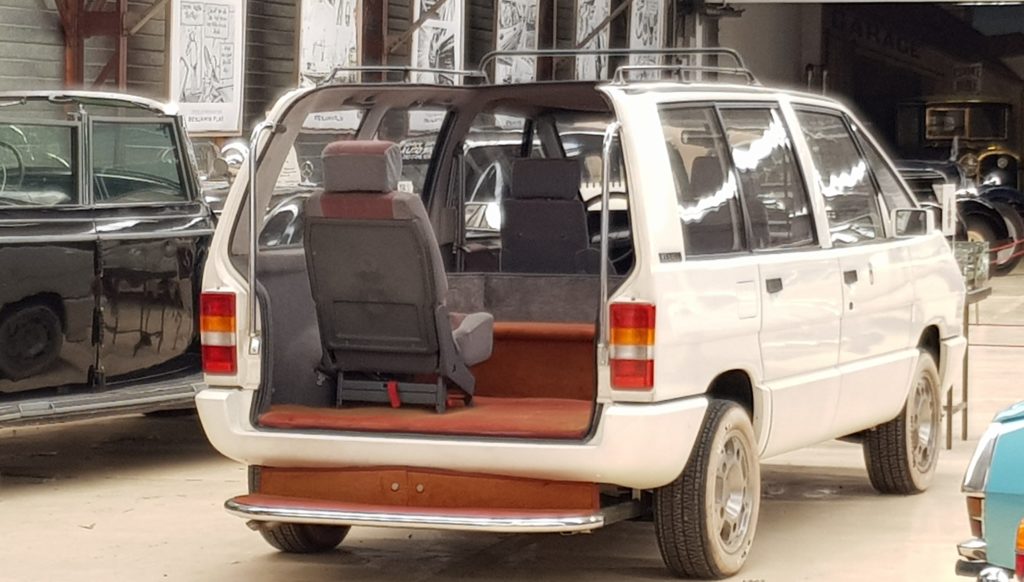
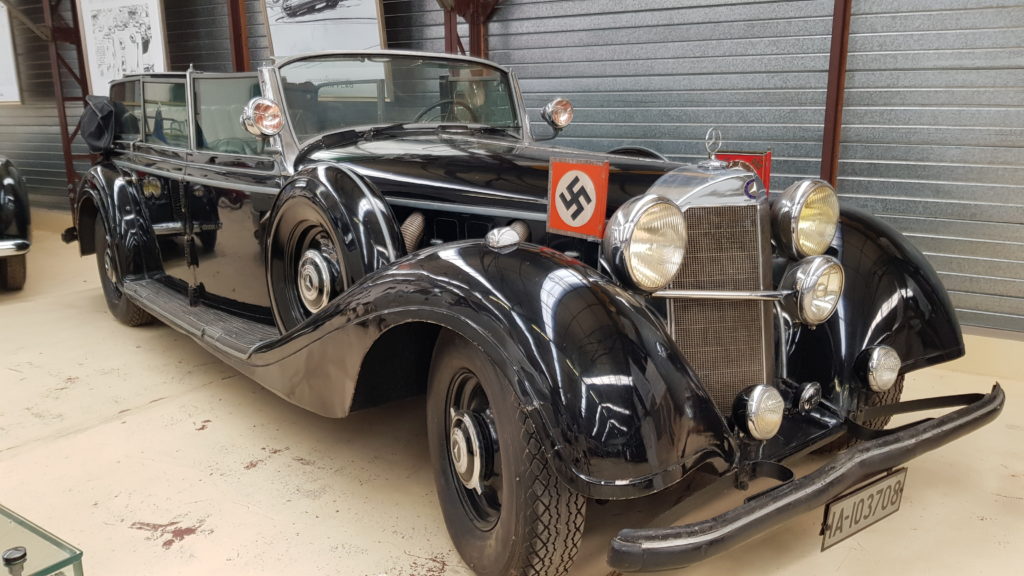
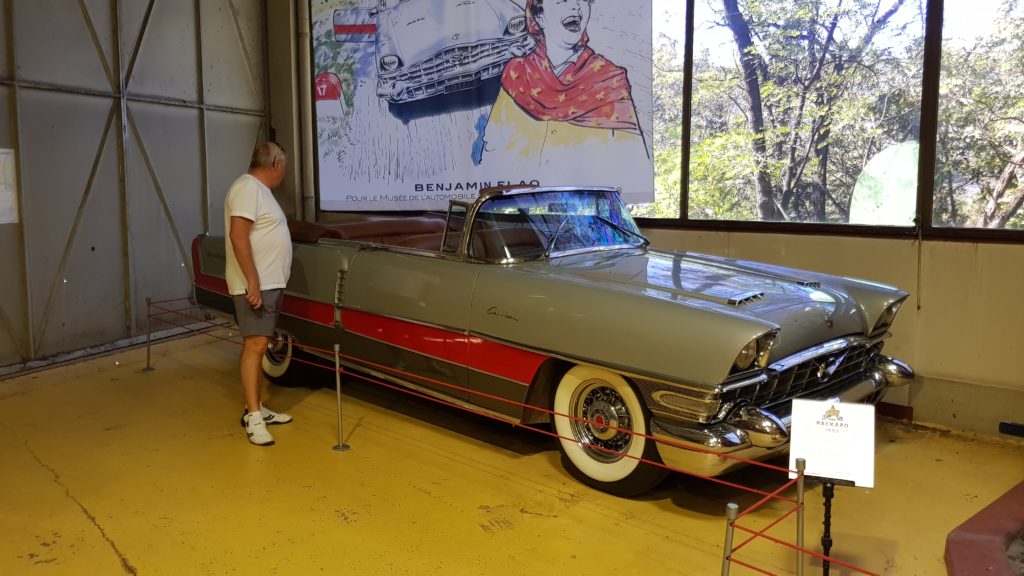
It does include some original vehicles, a Fort Model T, the Popemobile used during the Popes visit to Lyon, Adolf Hitler’s staff car from 1945, and various famous racing cars.

France – North Coast to Mid France

We left Dover early on a Tuesday morning at the beginning of September on a ferry to Calais and made our first stop a few hours south near Saint Quentin, just north of Paris.  Samson was, and still is, in full working order and it is lovely to get back on the road!

Seraucourt Le Grand

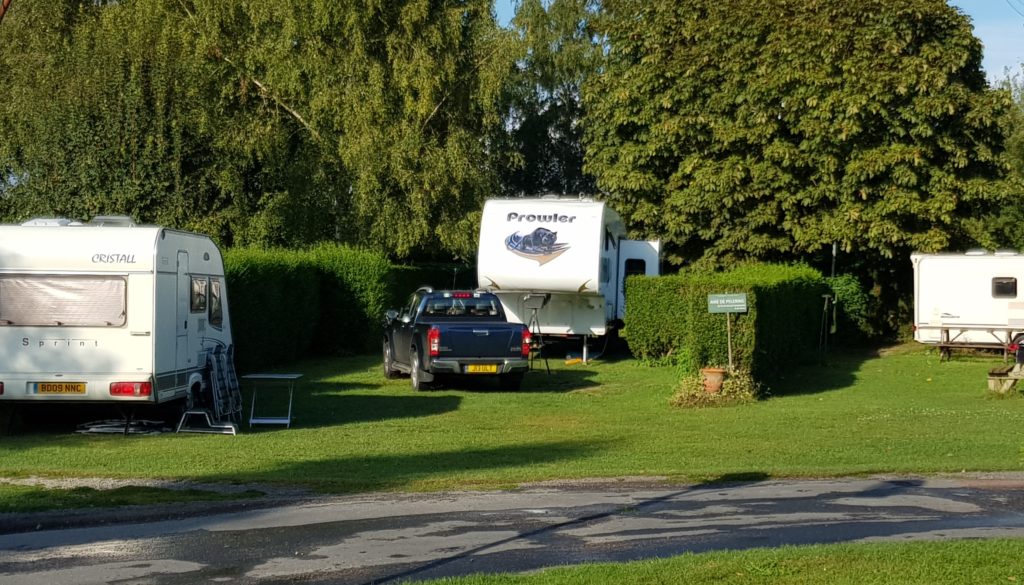
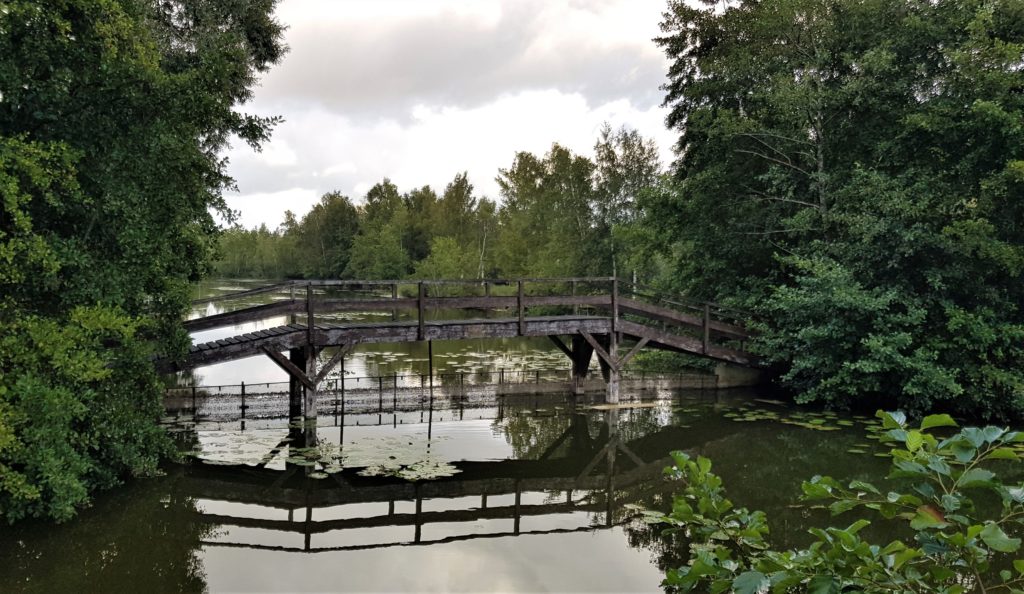
The site itself was surrounded by and on the edge of several tranquil and pretty lakes full of carp, lilies and dragon flies –  the site was full of British couples in their dotage, their pitches full of deck chairs, sun loungers, pot plants and gnomes!  We had a grassy double pitch with easy access and we used the few days here to settle back into our gypsy style life again. We caught up on booking ahead for our next few stops and some shopping, as well as enjoying the peace and quiet that comes with the return of school term – no noisy children!
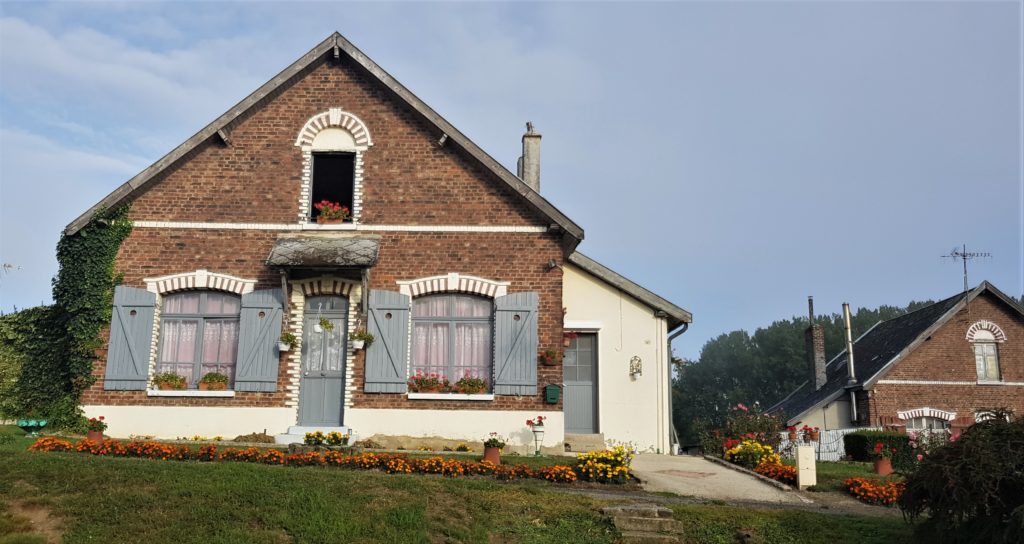
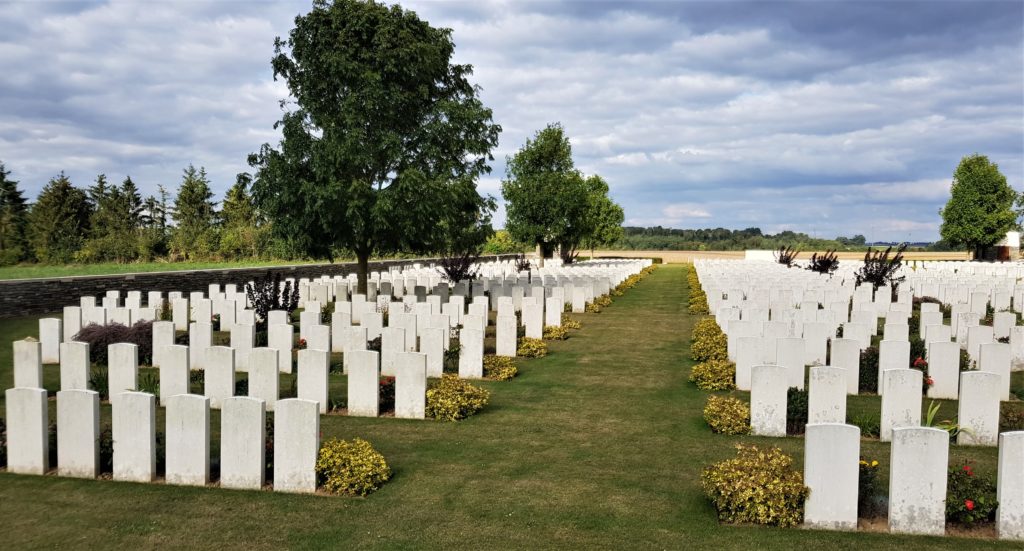
We discovered that the actual village we were in, called Seraucourt Le Grand, had a cemetery full of First World War soldiers that had died in the surrounding areas and whose graves had been relocated here as a gesture of remembrance.  It was a beautiful setting on the top of a quiet, flat hill, surrounded by fields of corn and hay, with beautifully well maintained flowers and shrubs dotted amongst the 1830 headstones.  The majority of the graves were of riflemen, cavalry or airmen, the average age at death was early 20’s and lots were from the north of England, they were in regiments from Lancashire, Yorkshire and Scotland.

Troyes

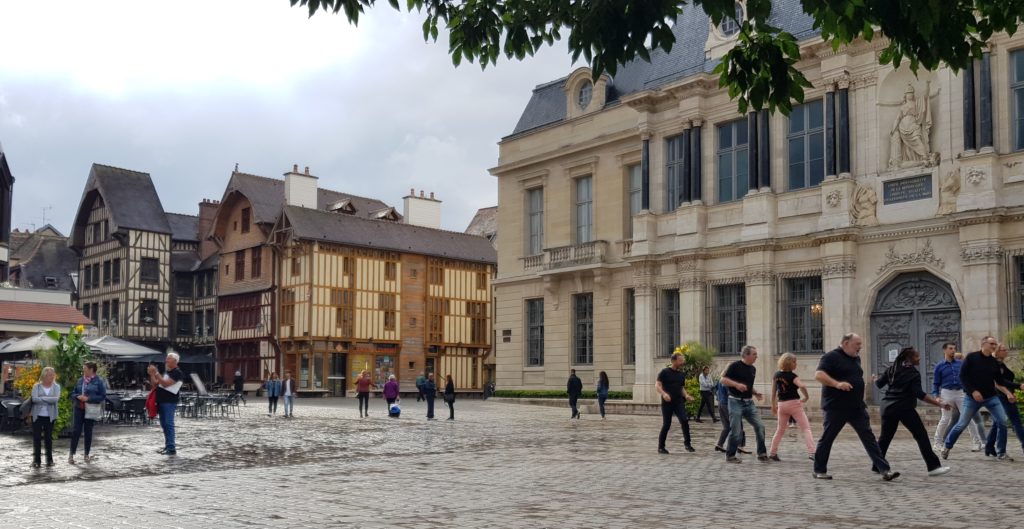
We headed further south to Troyes, a beautiful medieval town that we have stopped at last year, and an odd thing happened – David adamantly denied ever having been there before!!  Last year when we returned to the UK to MOT the truck, we stopped here overnight (on a Saturday night as Sunday morning was an issue finding a café open for breakfast!) in a small guest house at one end of the town, this time we booked into a campsite at the opposite end of town.  And, another odd thing…..it rained! Only for the day!!
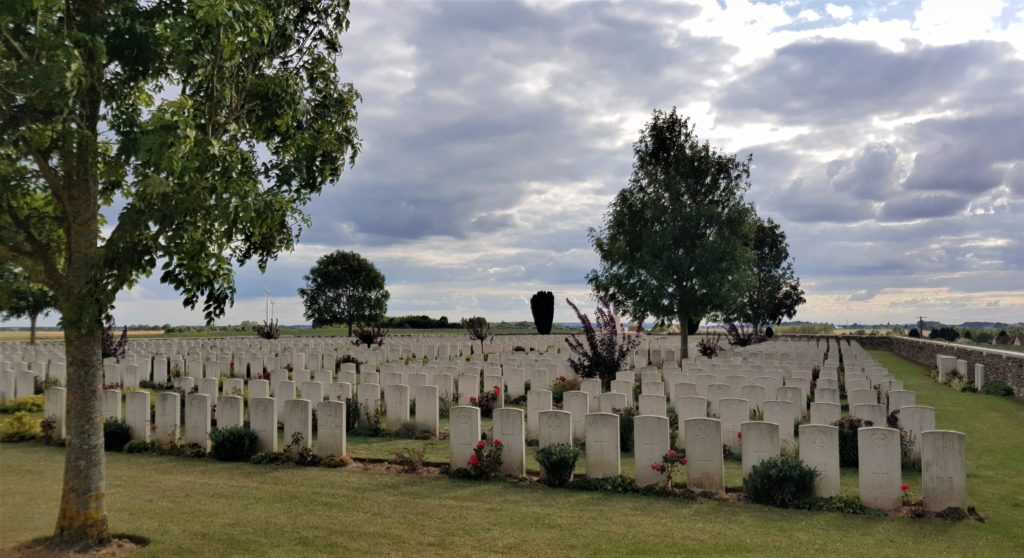
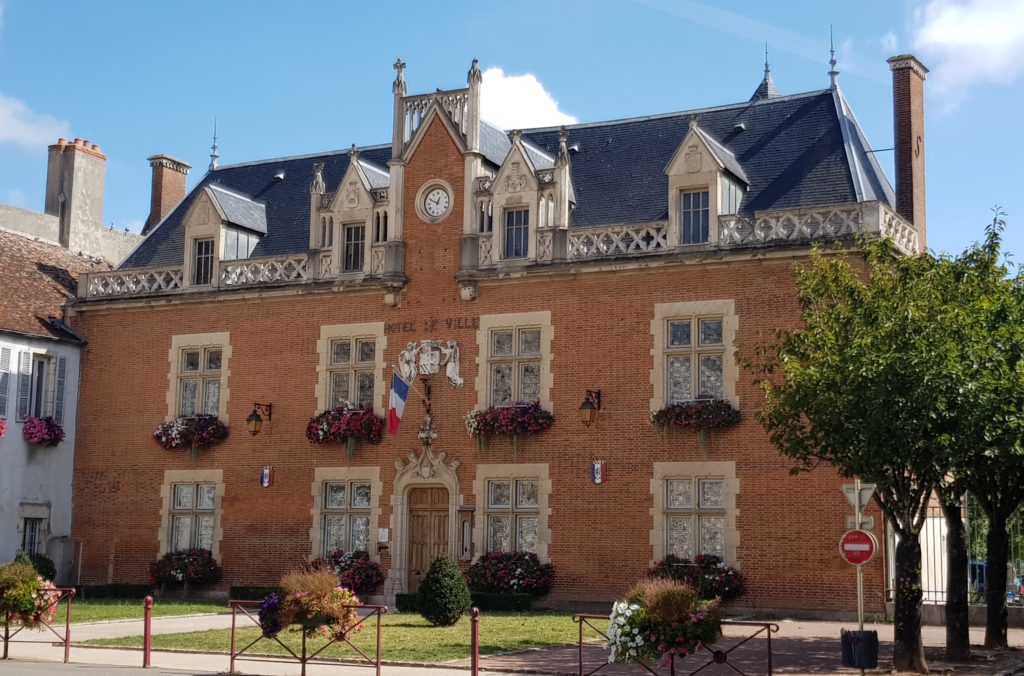
When we walked from the municipal campsite into the old part of the city, we came across the Cathedral first, which was closed when we visited last year.  I clearly remembered the square, but he didn’t.  I remembered a fascinating old wine shop on the corner of the square, which was closed last year, he didn’t.  I showed him the cathedral gardens where we watched a young girl wearing no shoes playing in the fountains with a big Alsatian dog, he didn’t.  It wasn’t until I took him to the restaurant that we had dinner in, and then into the main square with the Town Hall, that he remembered!  I was beginning to doubt myself at one point!!
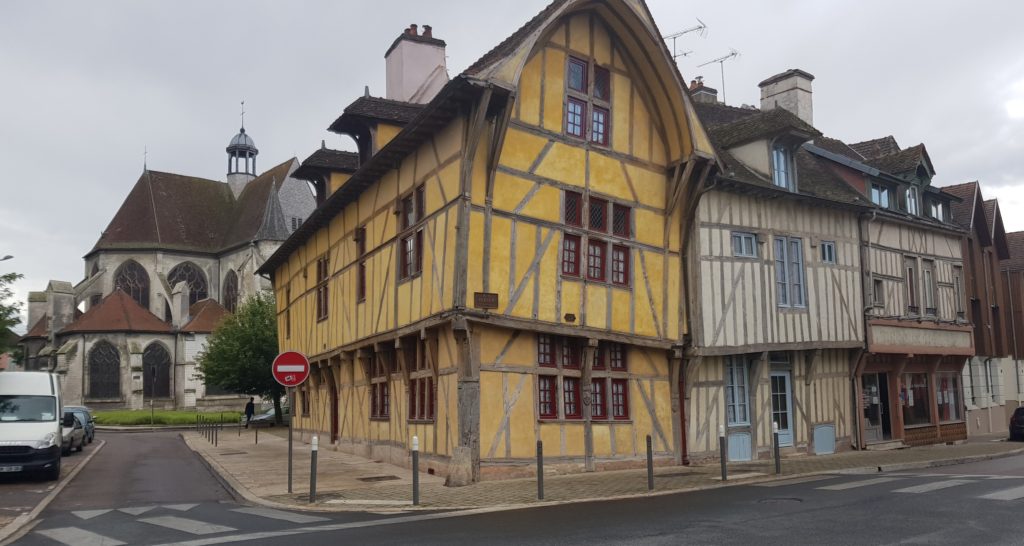
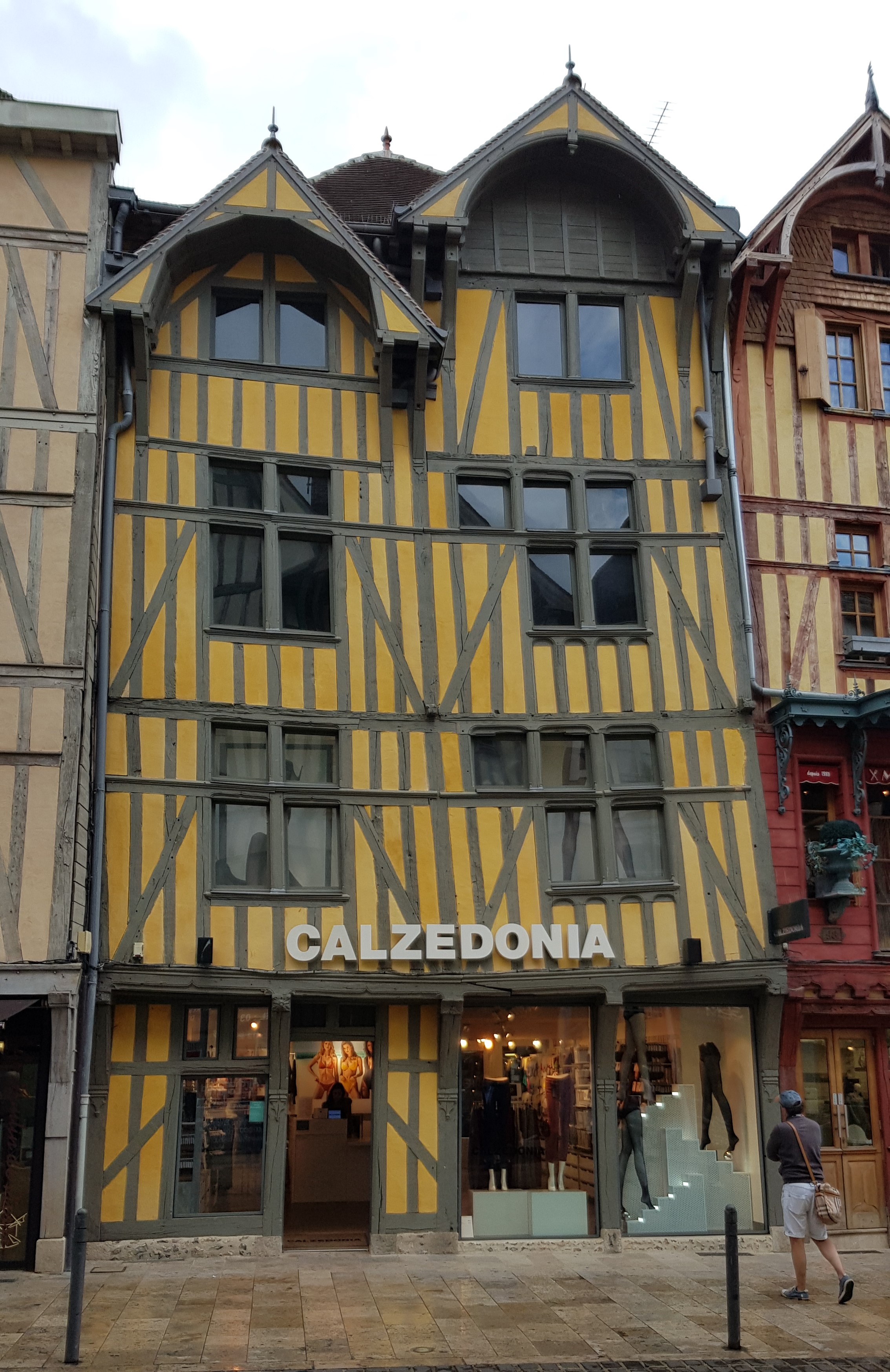
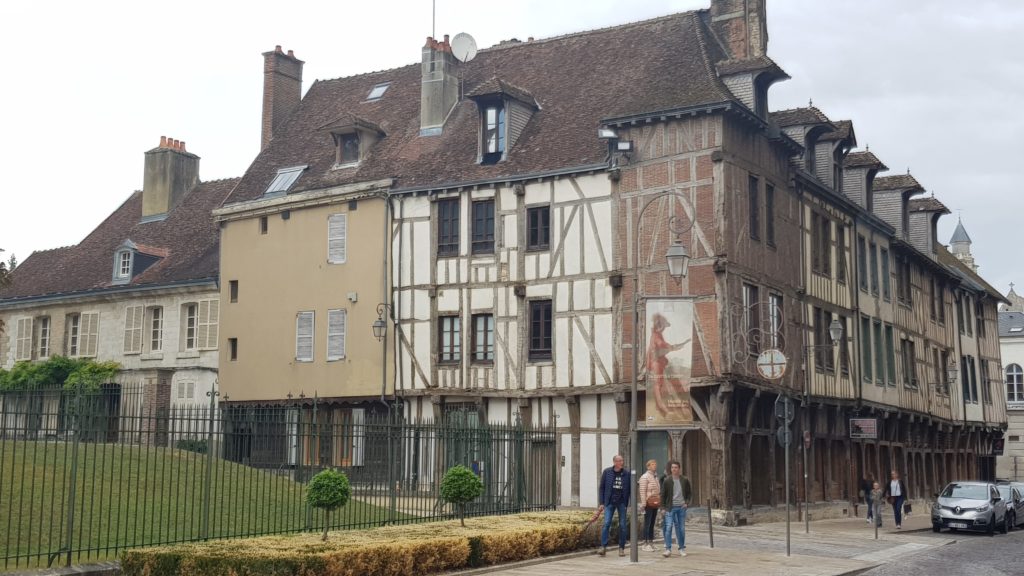
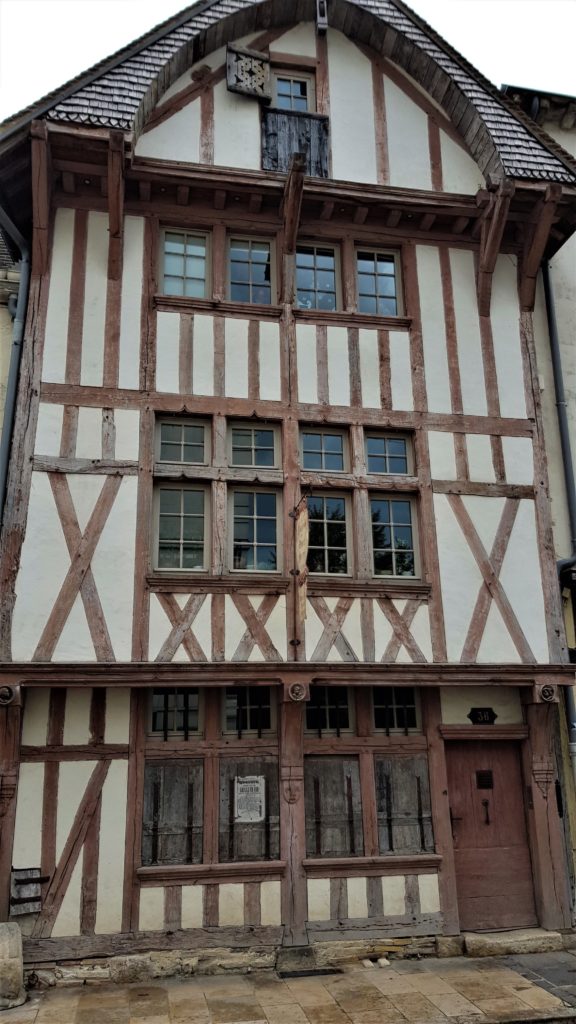
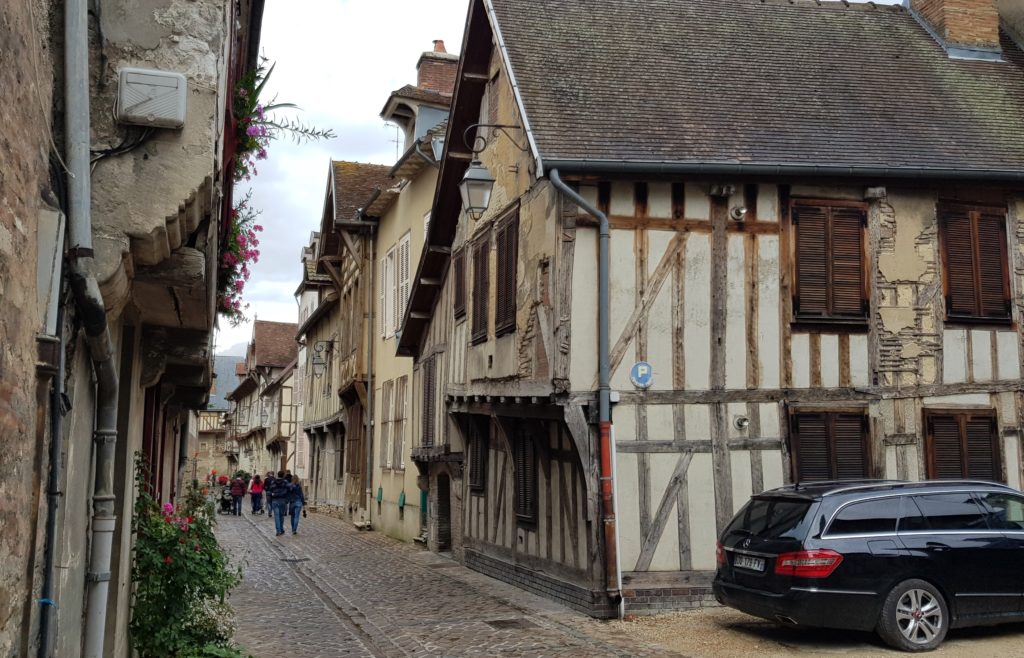
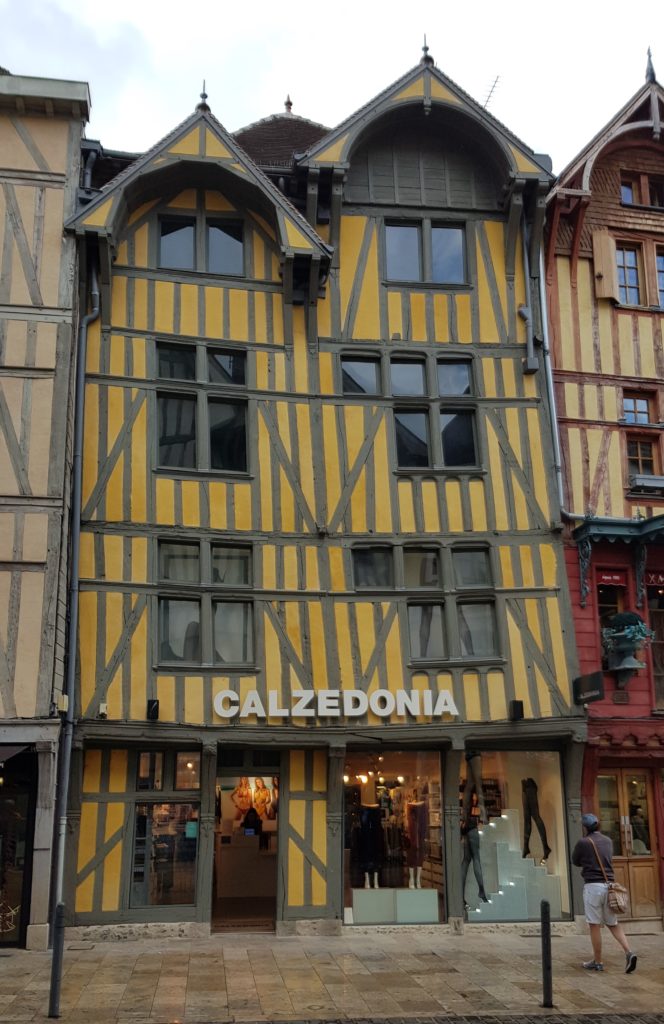
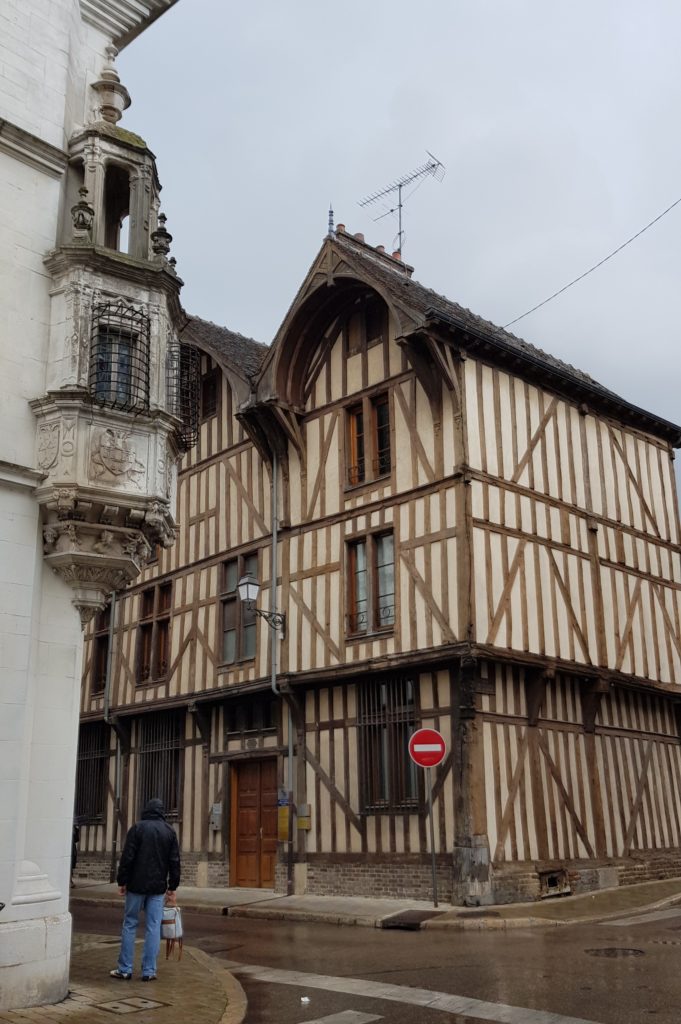
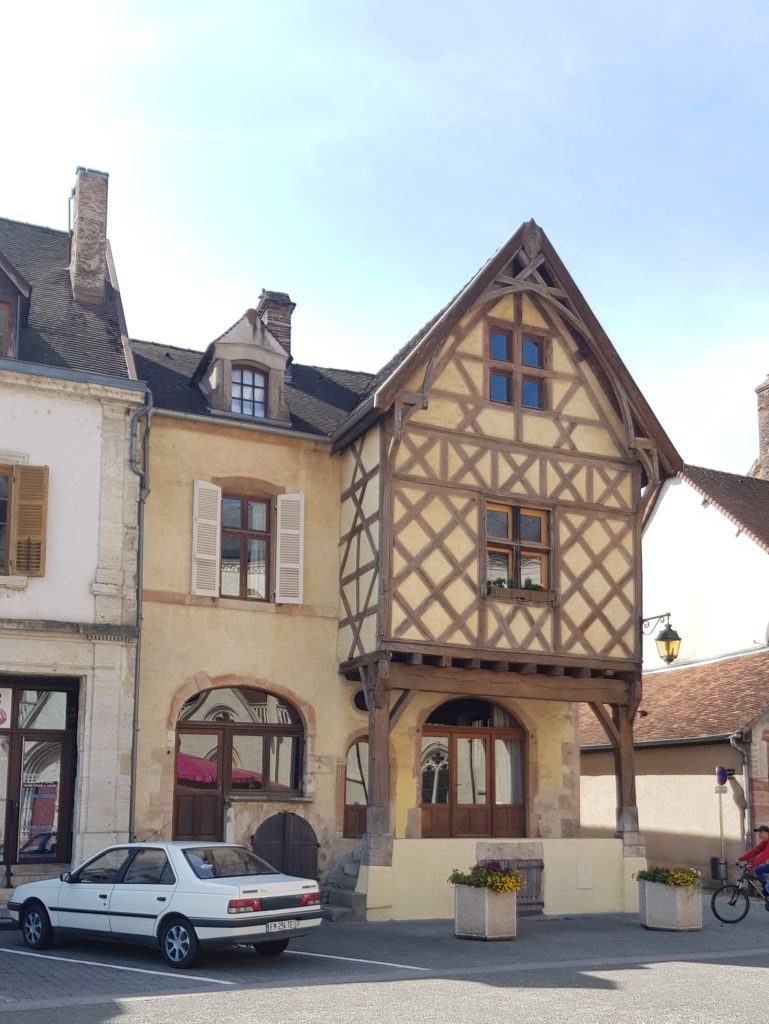
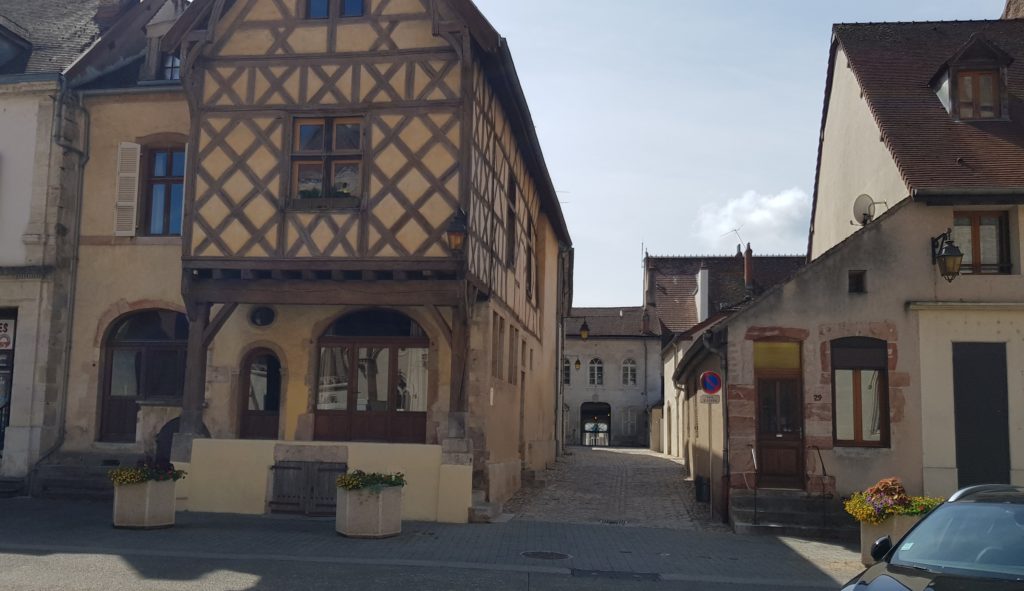
We walked around the town, discovering more tiny passageways between the tall wooden houses, admiring the partly wooden properties that are leaning away or bowing over, fascinated at how they have survived time, weather and woodworm!

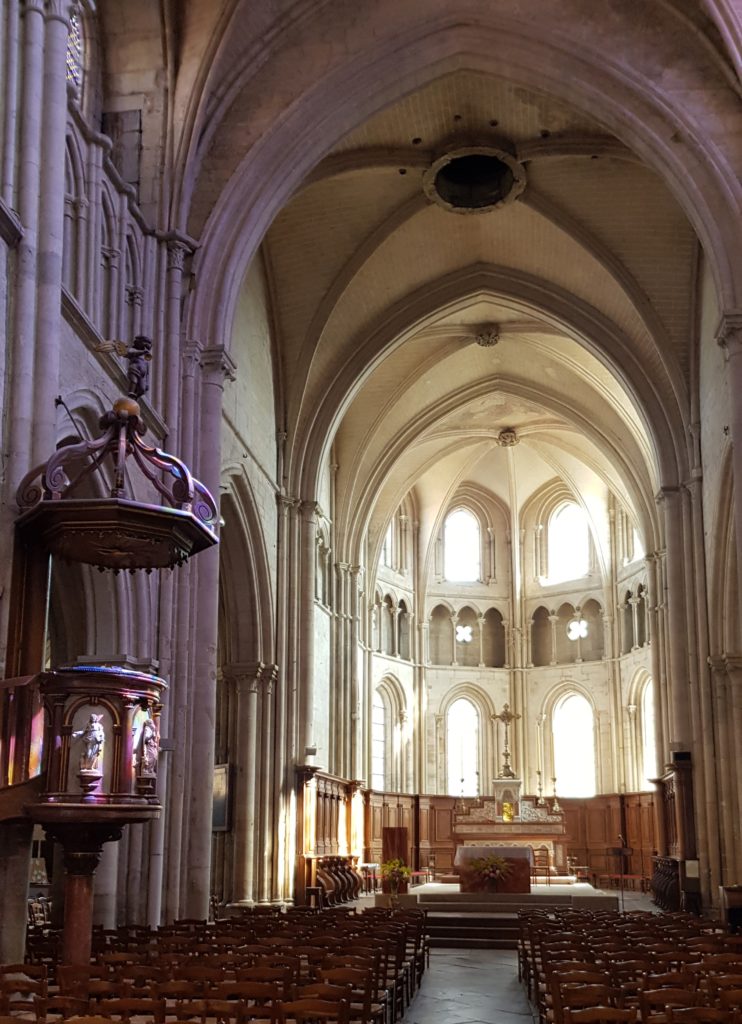
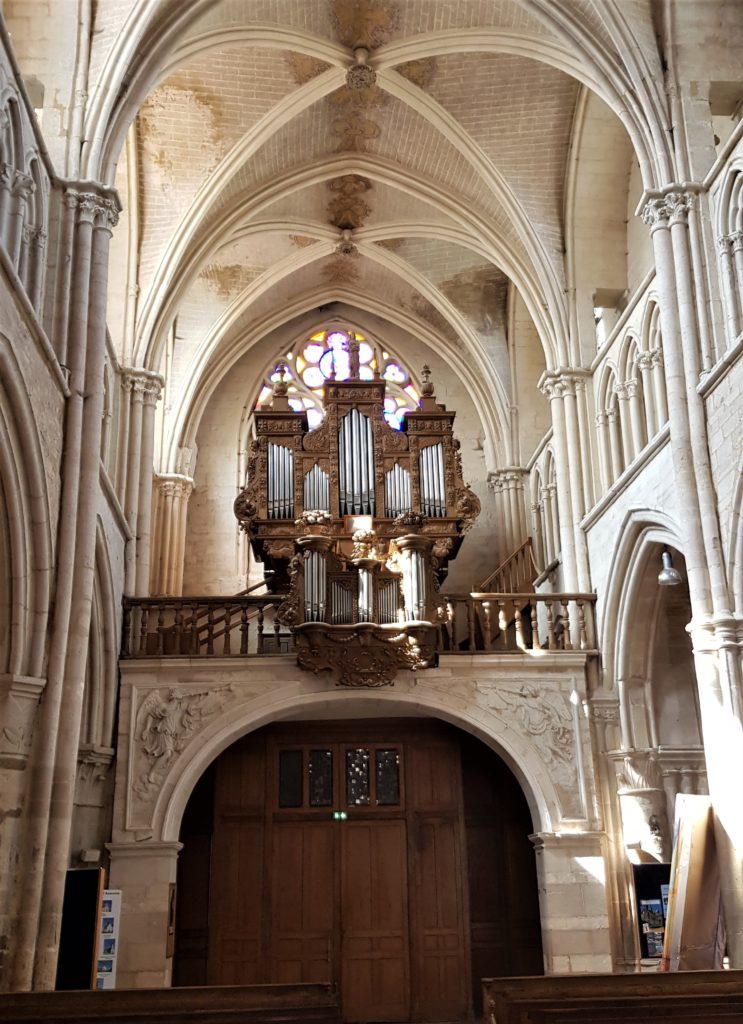
We visited the Saint Pierre Cathedral and went into Saint Madeleine church, and marveled at the ornate wooden organs in both.  Saint Madeleine is unique with its gothic internal bridge,

Auxonne & Dole (near Dijon)

We arrived at our next site late on Sunday morning, a riverside park that is under new ownership and certainly needing a bit of TLC.  However, we had a huge area all to ourselves (apart from 2 tents, we were the only ones here!) with full water and drainage and despite the fact that none of the new owners spoke English, we found a good sunny area and settled in for 2 nights.

In the afternoon we took a drive 15kms away to Dole, to escape the noise of a triathlon that was being held in the town, the cyclists and their supporters took over the one way streets and police blocked off routes into the town so we headed out away from the hustle.

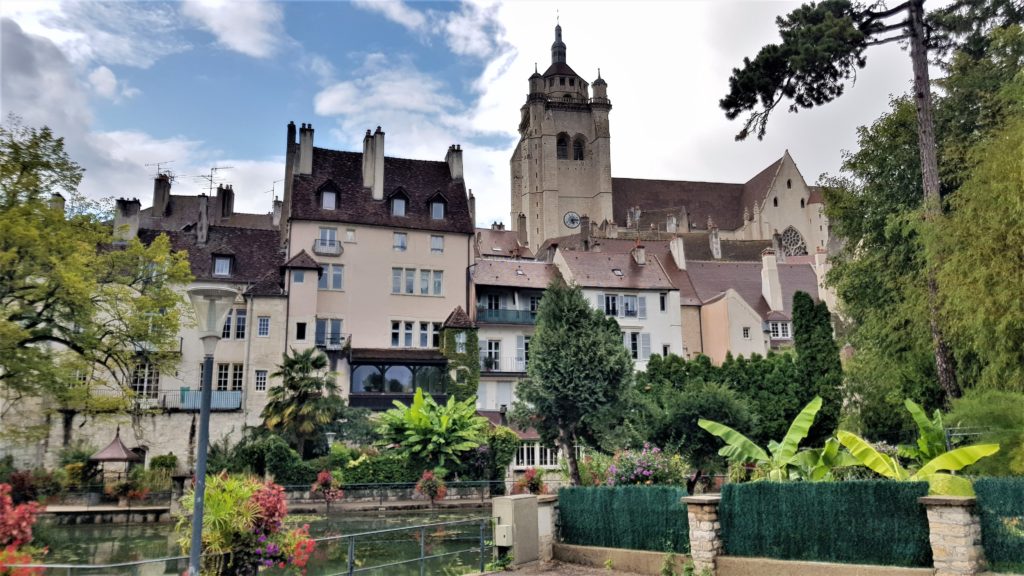
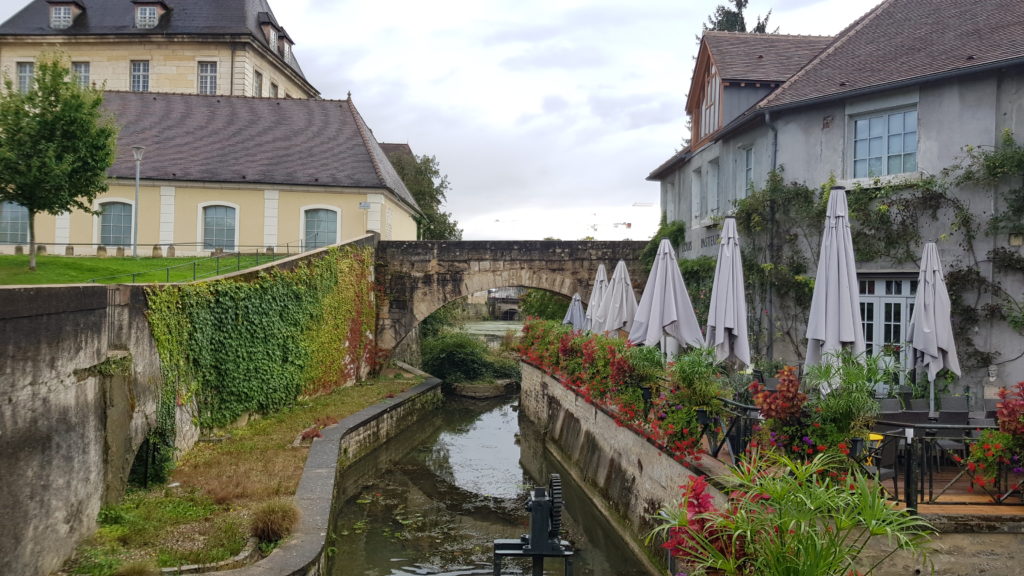
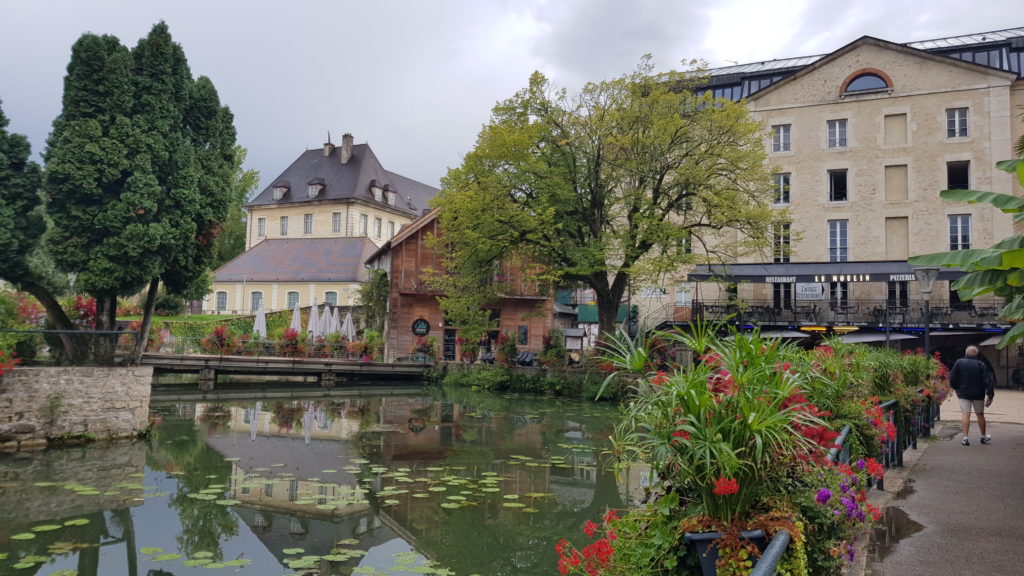
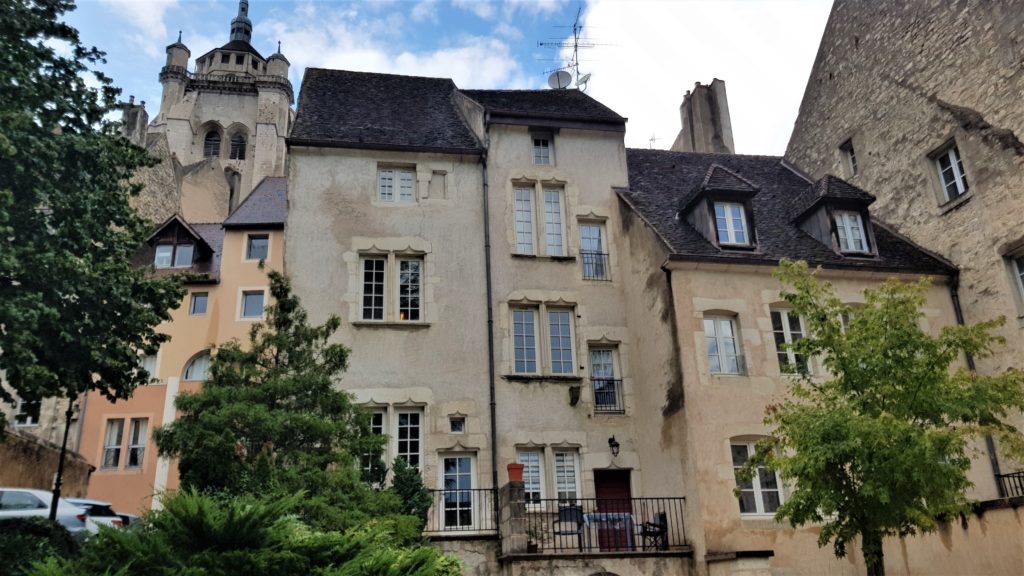
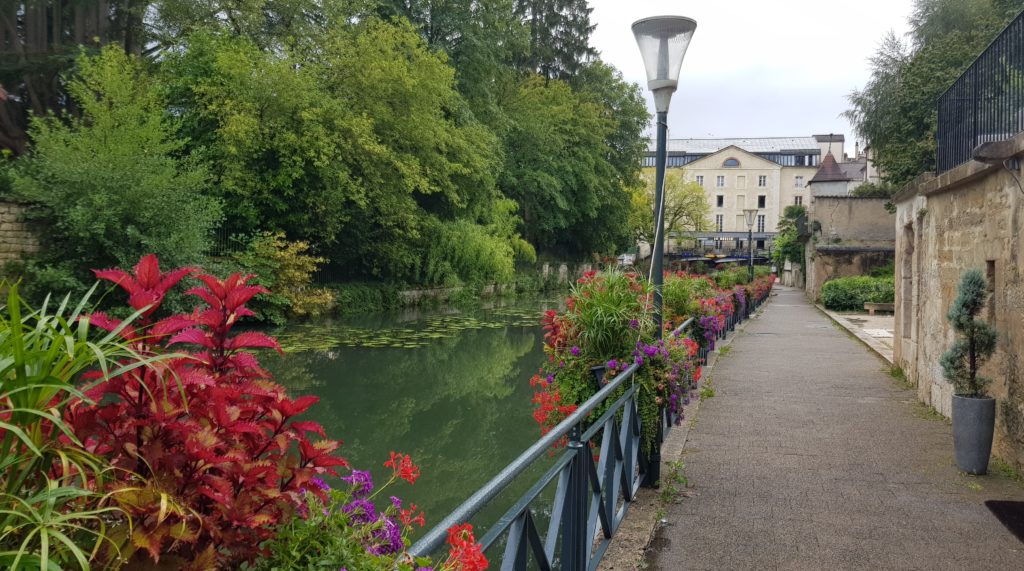
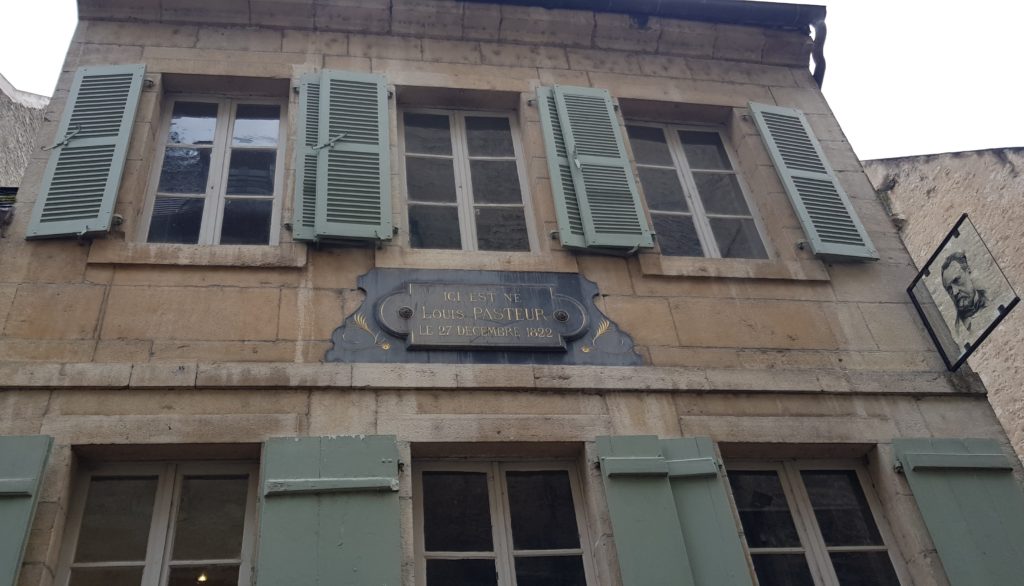
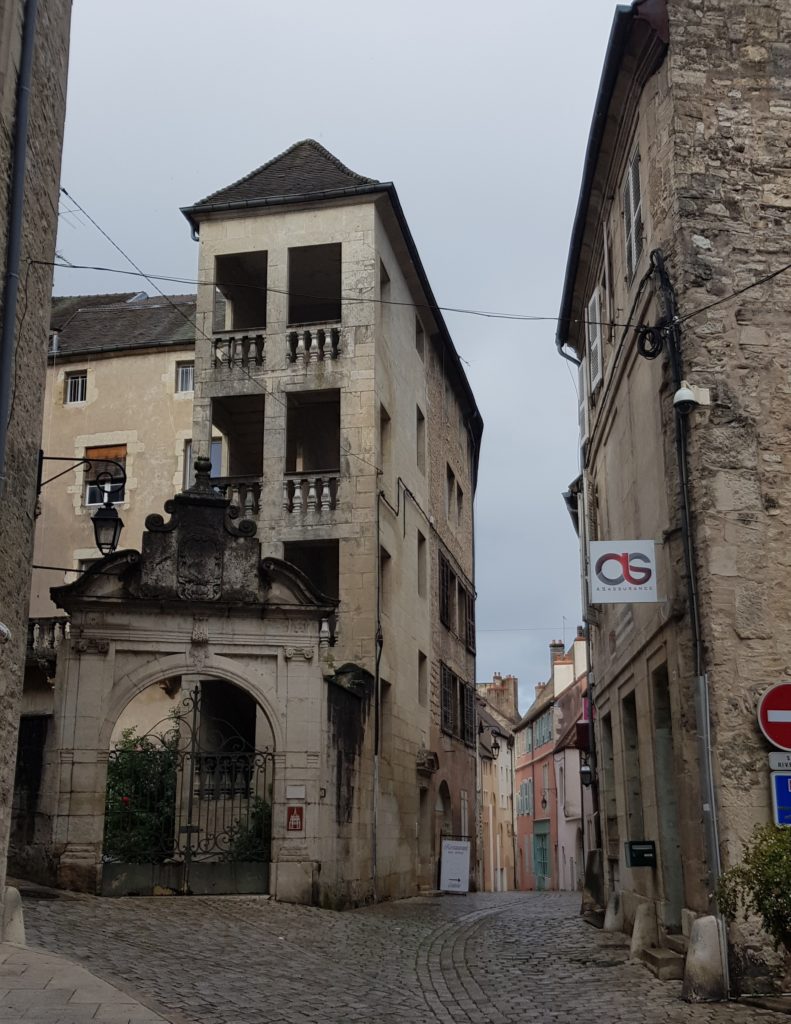
Dole was a lovely town on a limestone ridge beside the River Doubs, home to Holy Emperors and several Counts of Burgundy.  A mix of one way circular roads led up to the Basilica and the market hall and the nearby attraction of Louis Pasteur house of birth, born in 1822.  His father run a tannery beside the Canal du Rhone an Rhin which also dissects the town and his home as well as the tannery now form a museum on the street named after him.  The town is full of tall stone properties dating back to the 16th century, either heading up to the cathedral or down to the canal and river mixed in with tight jumbled stairways, passages, underground fountains and narrow roads.

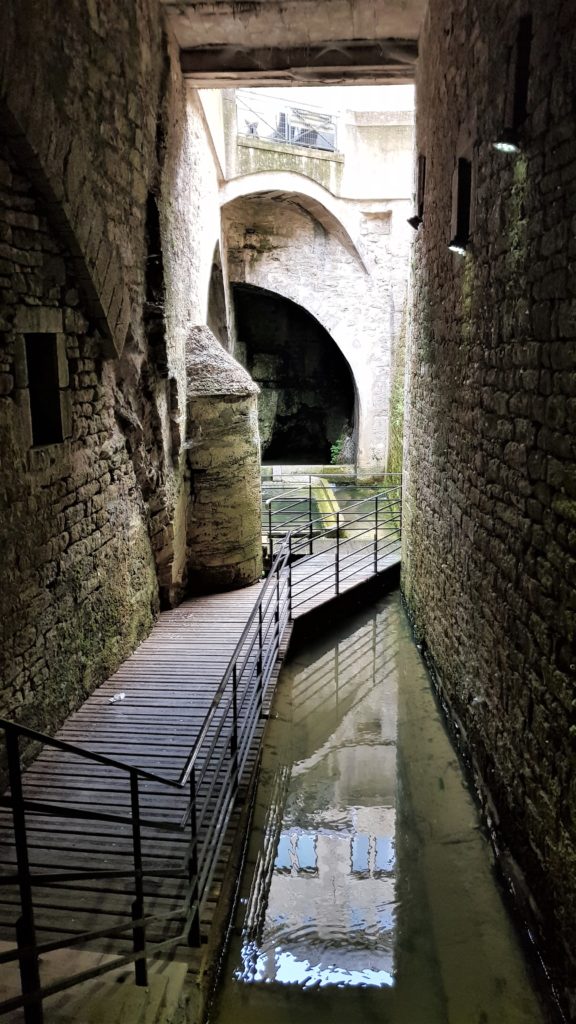
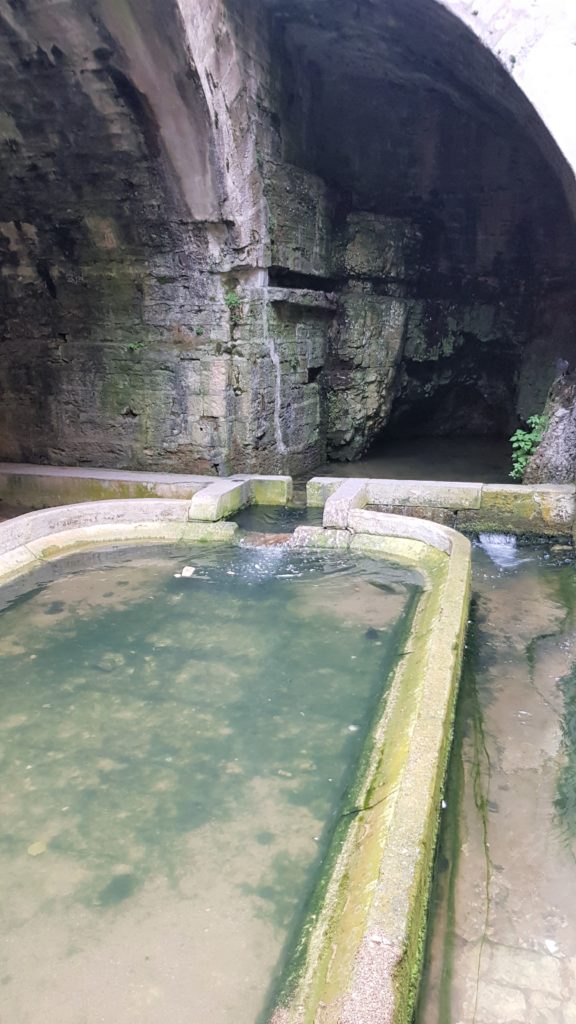
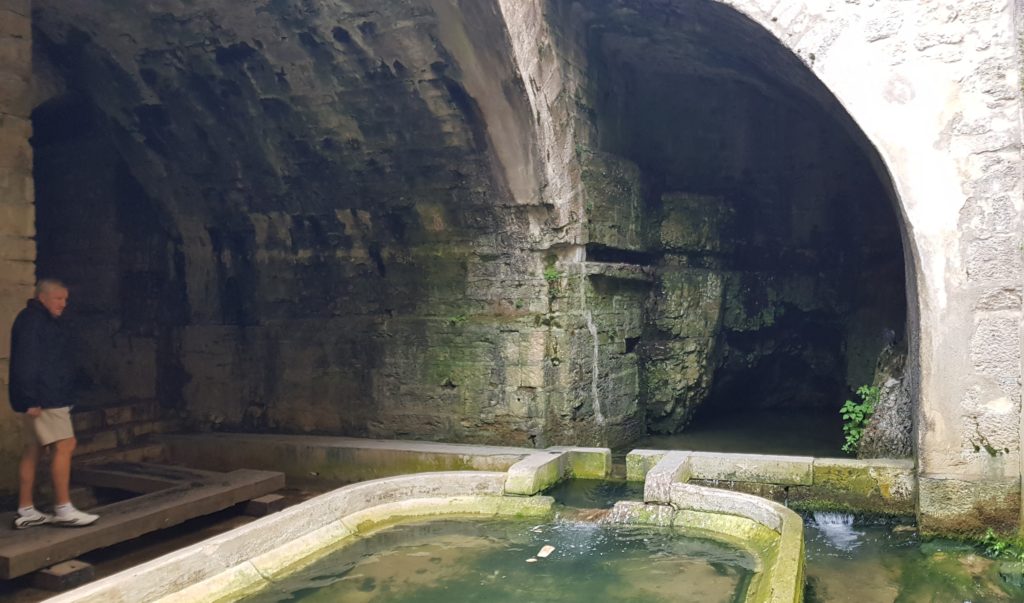
We also found a natural spring originating from under the rocky cathedral supports, harvested in a trough dating back to 1274 or possibly earlier, it is called the Fontaine aux Lepreux and it was found off Rue Pasteur. The water used to be drunk by locals who thought it had healing qualities, whilst the lepers were refused entry into the city, a leprosy hospital was founded beside its source some miles away. In the 1600s it was used by local washer women to do their laundry, until they were fined for polluting the water.

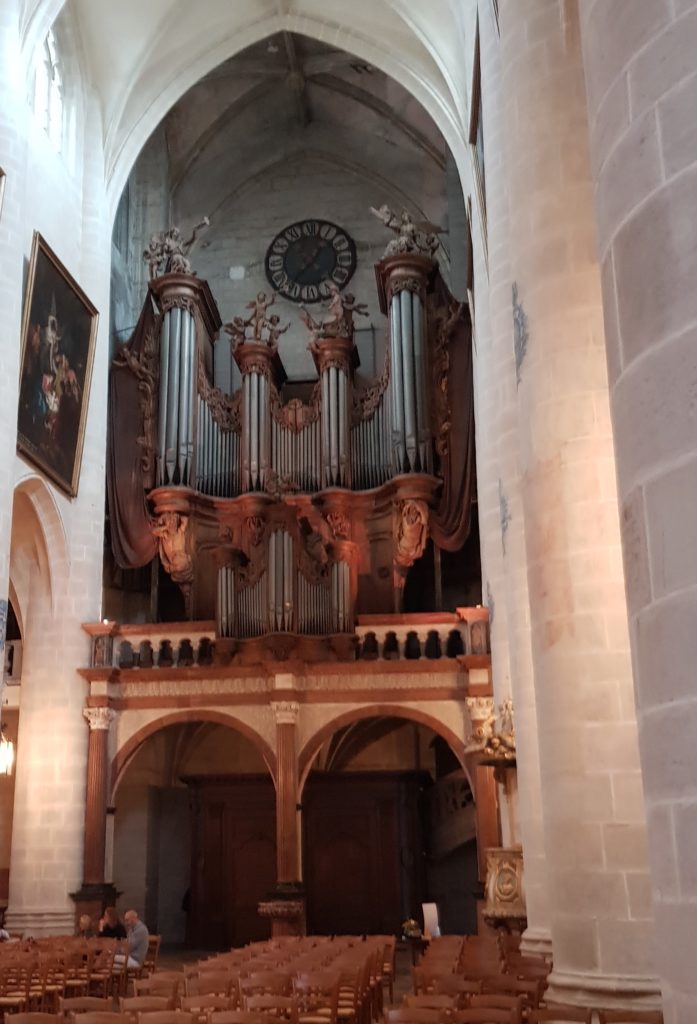
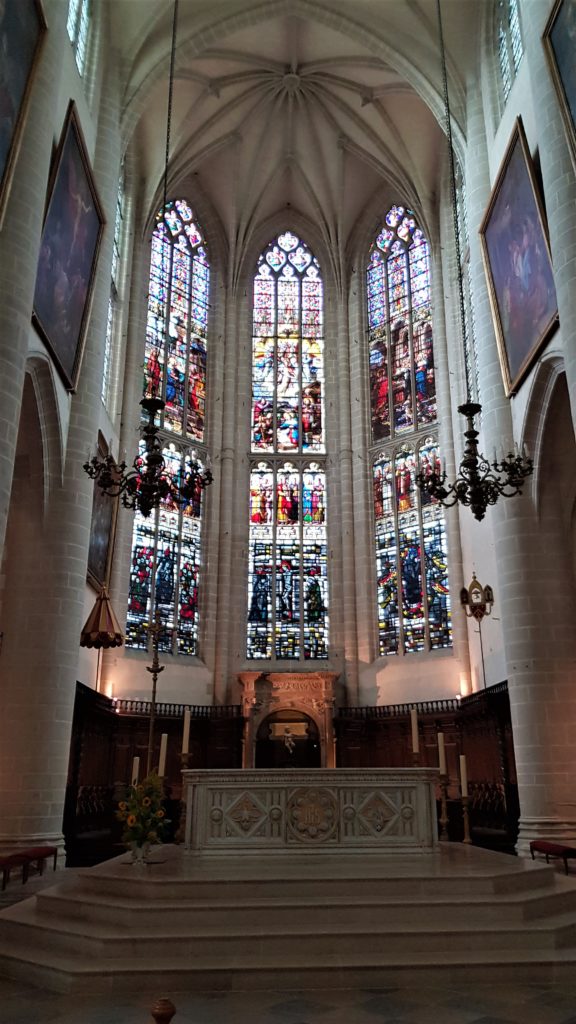
We admired the Notre Dame Collegiate, built in the 1500s and a blend of Gothic and Renaissance style, and at the time no expense was spared on the rich interior.   It was built as a Church and became a Basilica in 1951 and has the highest church Tower in the region, 73m high, the Bell Ringer used to live in the top of the Tower.  Several areas were restored in 2009 including plasterwork, paintings and the stained glass windows.  We admired its organ, which was built in 1754, with 3500 pipes!! 

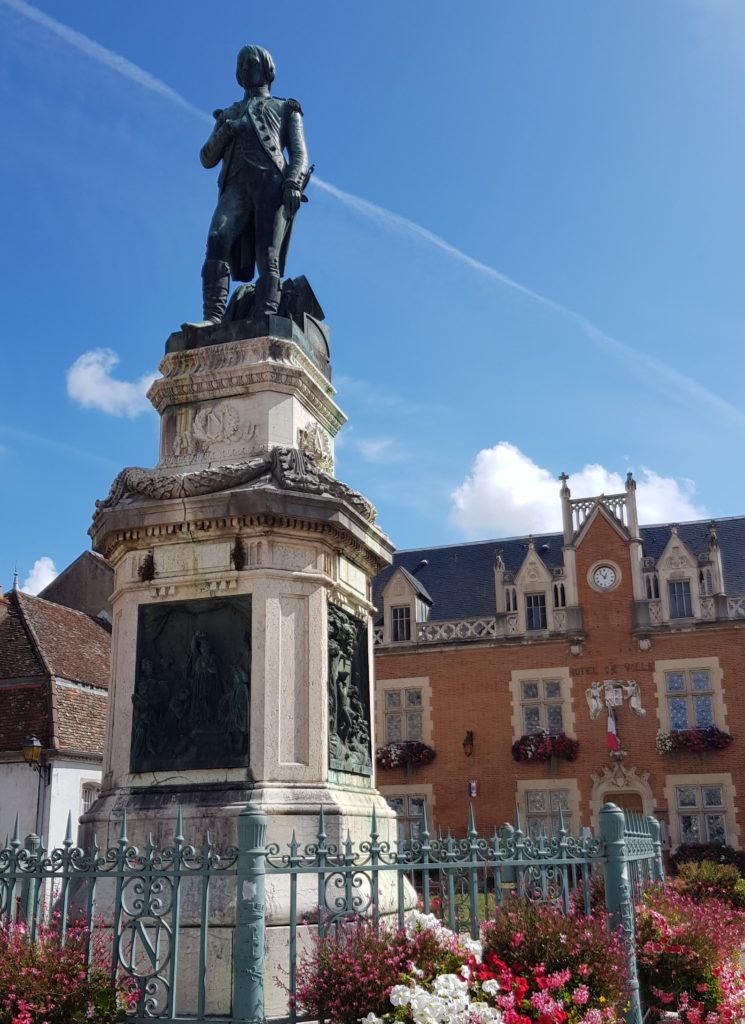
Auxonne is a town on the River Saone where Napoleon Bonaparte was a student at the artillery school, he then returned again to stay whilst he was a 2nd Lieutenant in the Regiment de la Fere from 1788 to 1791. A statue of Bonaparte stands in the main square outside the Notre Dame Church. 

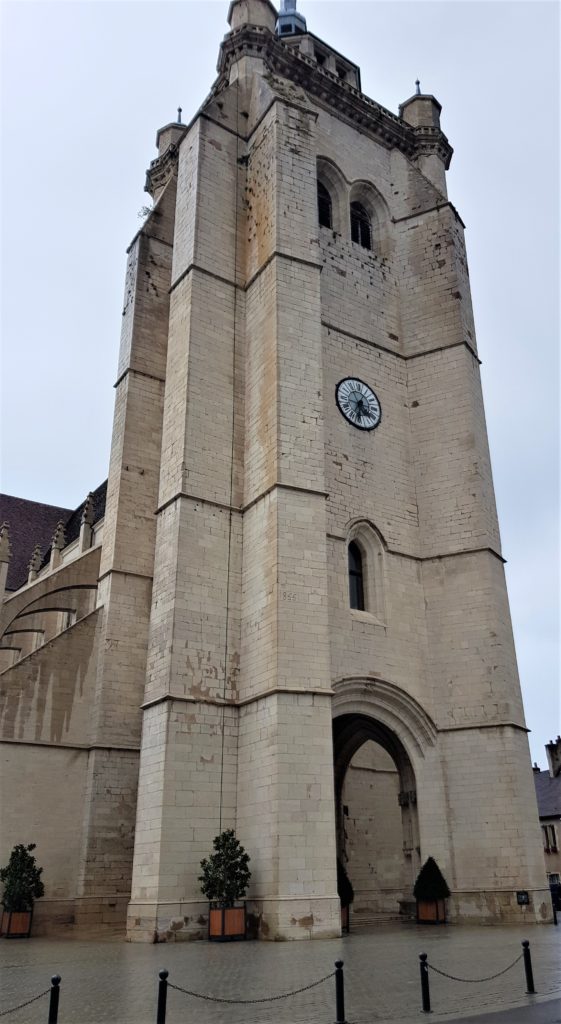
Once again, the church is a Gothic stone building but with a twisted spire, something very unusual in this part of the world!  The original church was built at the end of the 12th century, extended in the 13th and 14th centuries and an ornate porch was added in 1516 – 1520. The spire was added in 1843 and is 33m high but the weathervane is at a height of 70m!

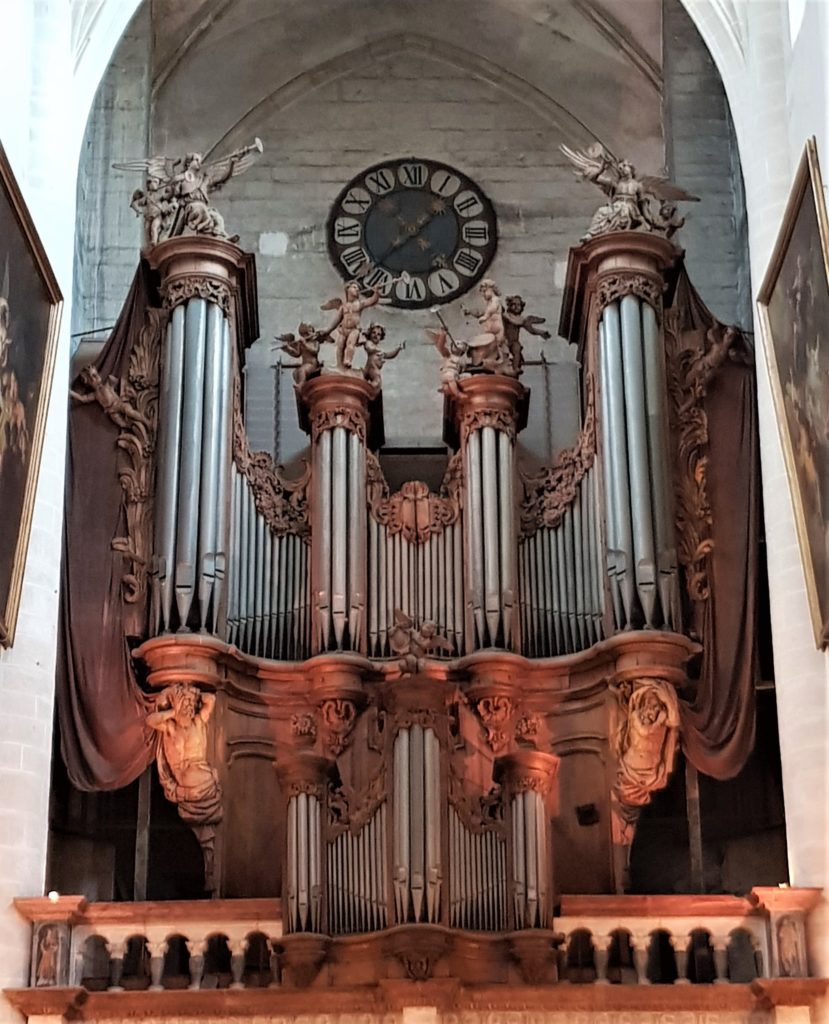
The wooden organ was built in 1629, and its decorative external casing (flowerpots, cherubs and decorated panels) was added in 1789. It was completely renovated at the end of the 20th century but not touched since then.
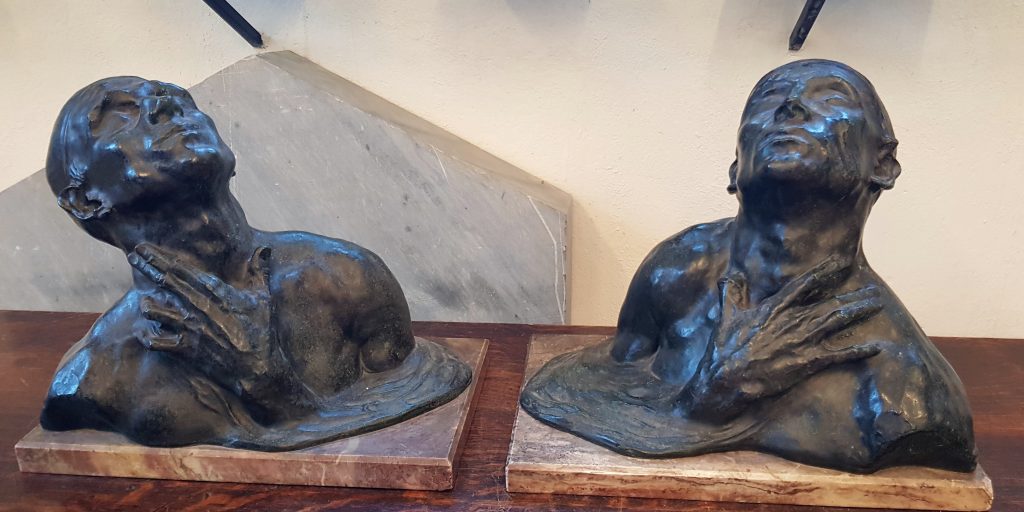
Several other wooden buildings around the square and town date back to the 1500s when this type of architecture was common.  The Town Hall (above) was originally home to the Dukes of Burgundy dating back to the 15th century, and a Mansion built as the Bailiwick Court in the 15th C which became the Bankruptcy Court in the 18th C is now the Hotel de Ville, full of wooden staircases and twisted balustrades overlooking a stone courtyard.
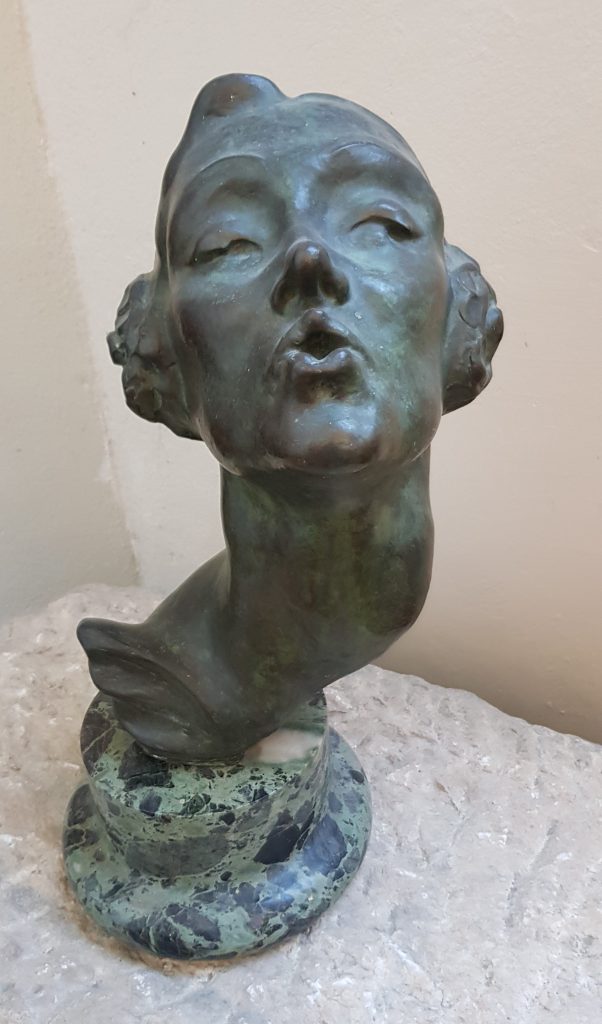
The Public Library contains a “reading room” dating back to 1850 as well as a collection of books that were confiscated during the French Revolution.

Frejus, San Tropez, Cannes & Super Yachts!

Frejus

We moved along the coast to a town called Frejus, just between San Tropez and Cannes.  We used this as a base to explore these famous towns, to hopefully do some “celeb spotting” but ended up disappointed!  No celebs to be seen anywhere!  However, we did see lots of mind blowing boats, beautiful coastlines (perfect for open topped sport cars or motorbikes) and several fancy cars, as well as the usual high rise glossy apartments and hotels!

Frejus is a large town with lots of Roman history, a lovely modern seafront and lots of pedestrianised walkways and cycle paths.  We took the tourist train one day and saw everything in one hit, the perfect way to do things!

San Tropez

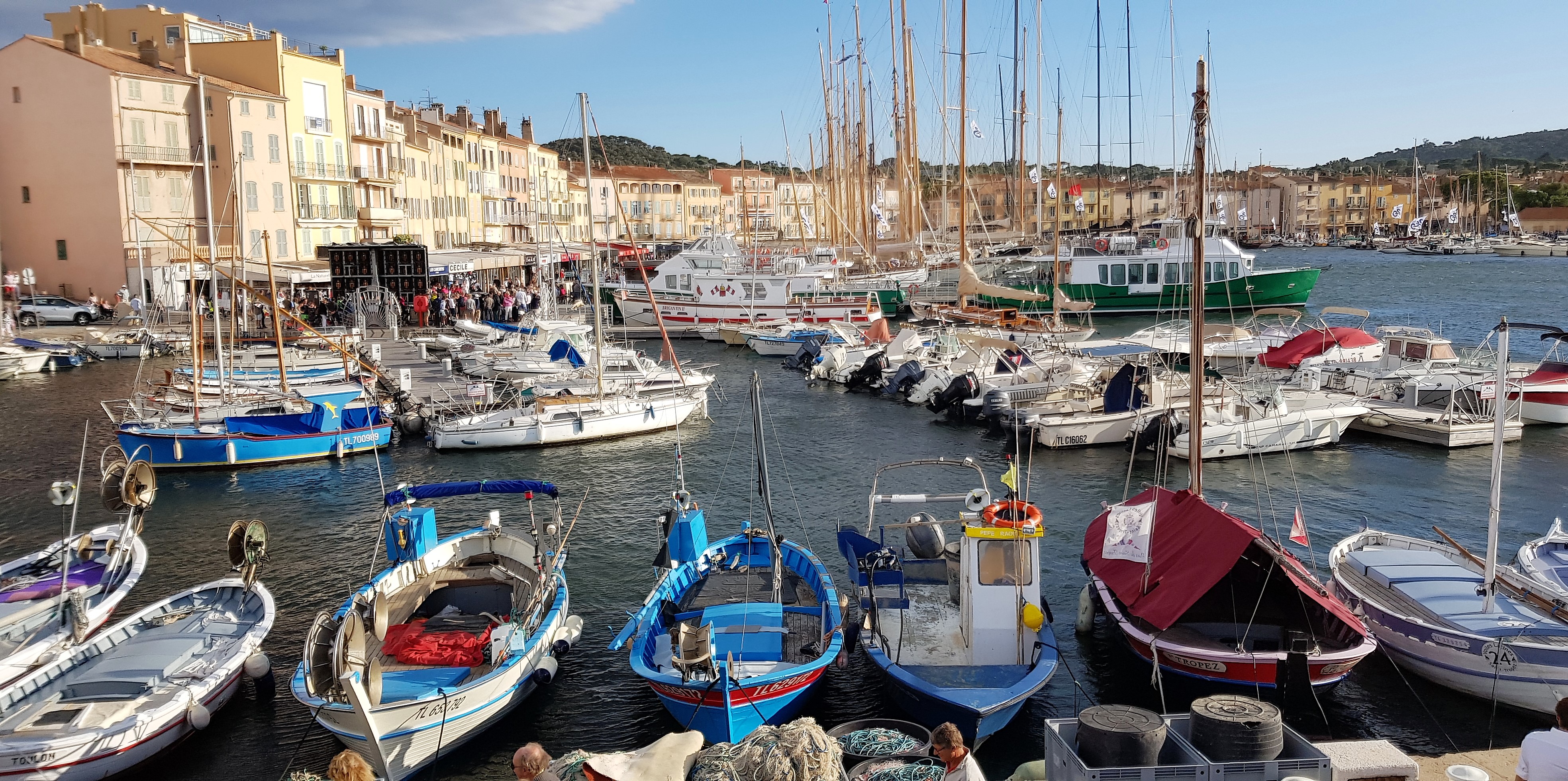
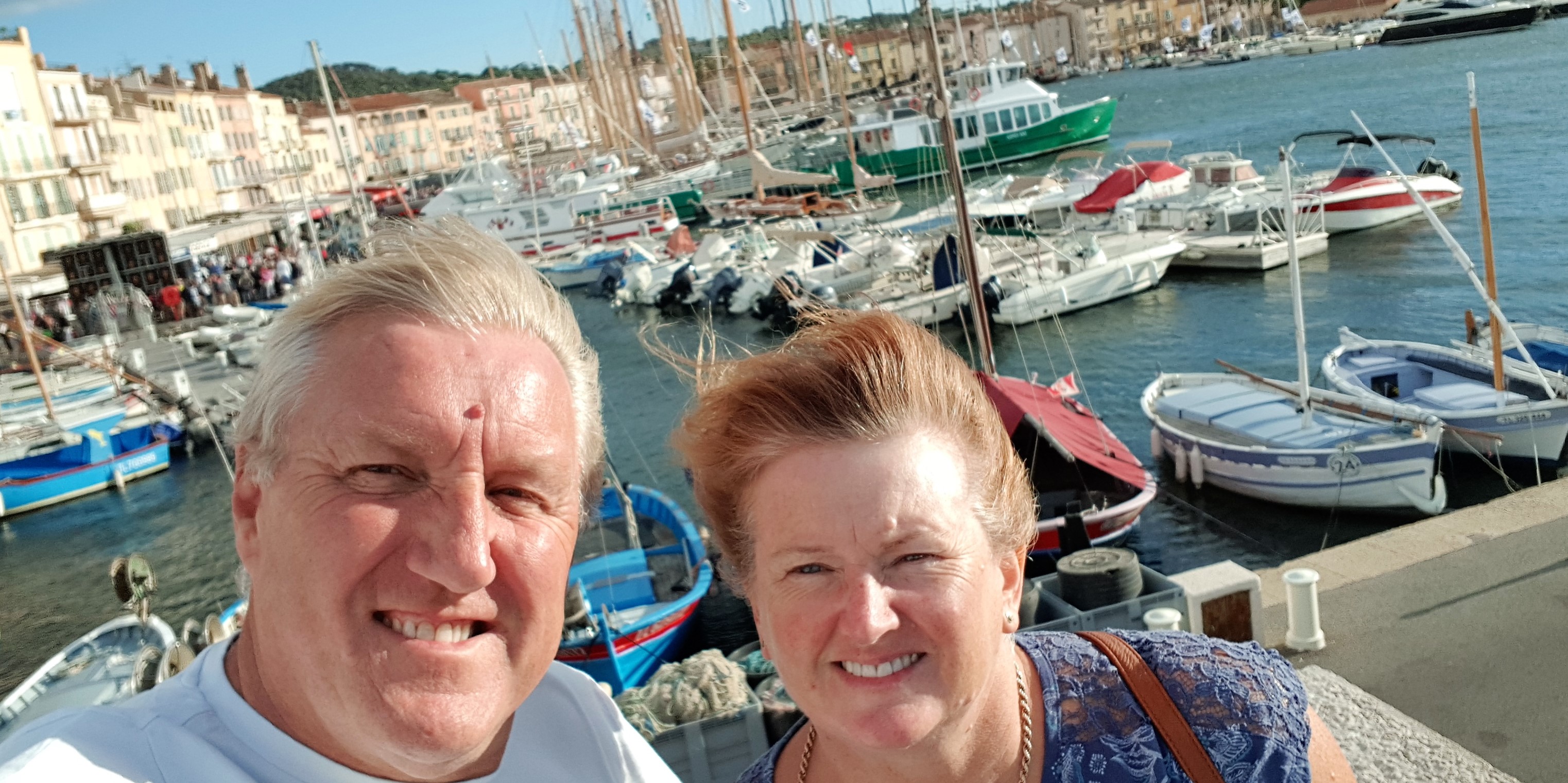
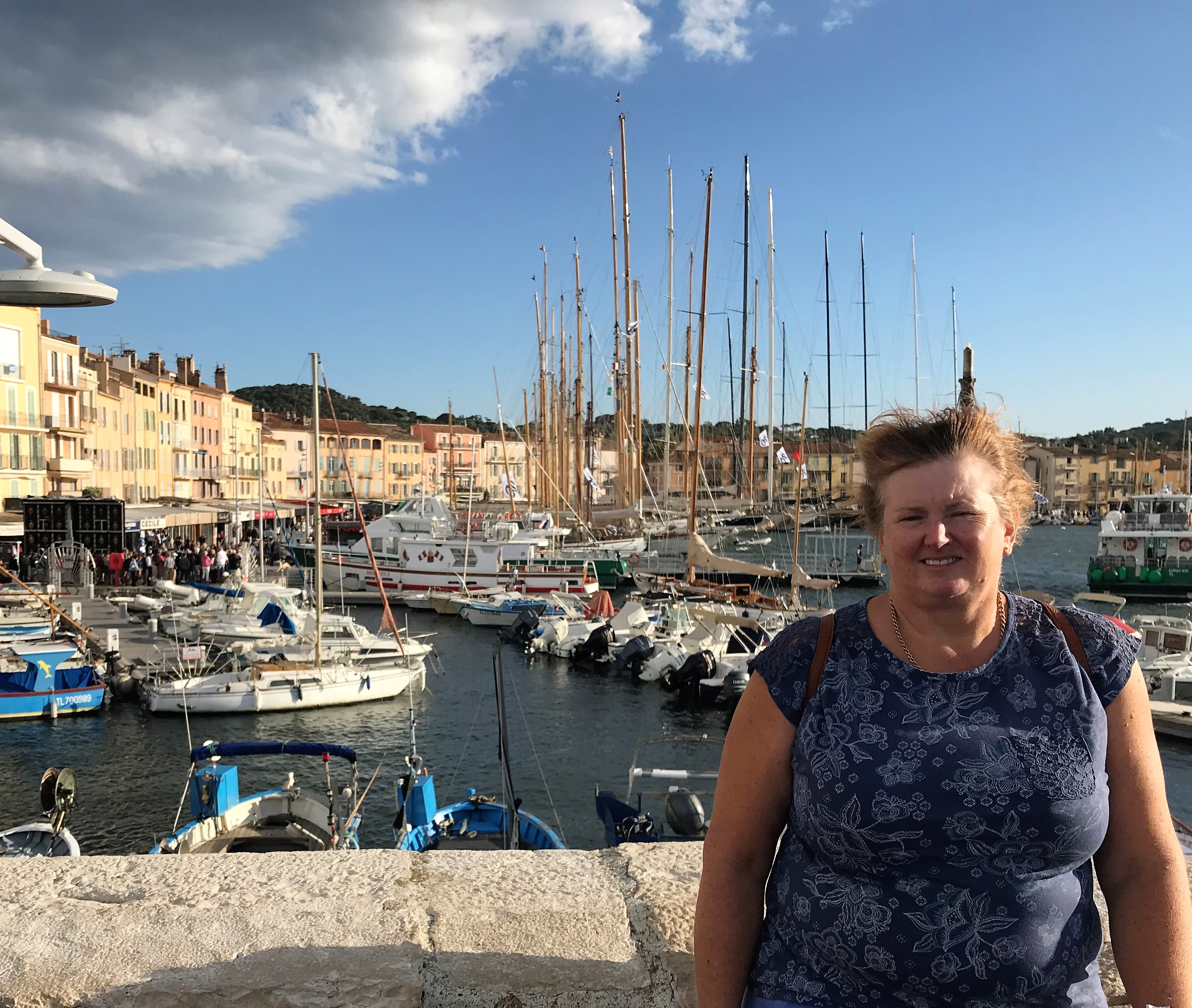
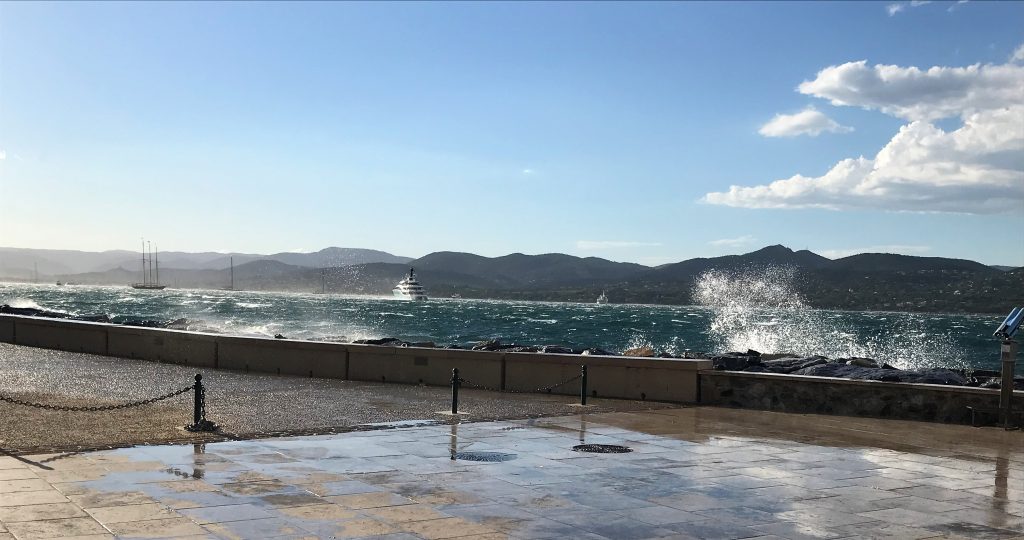
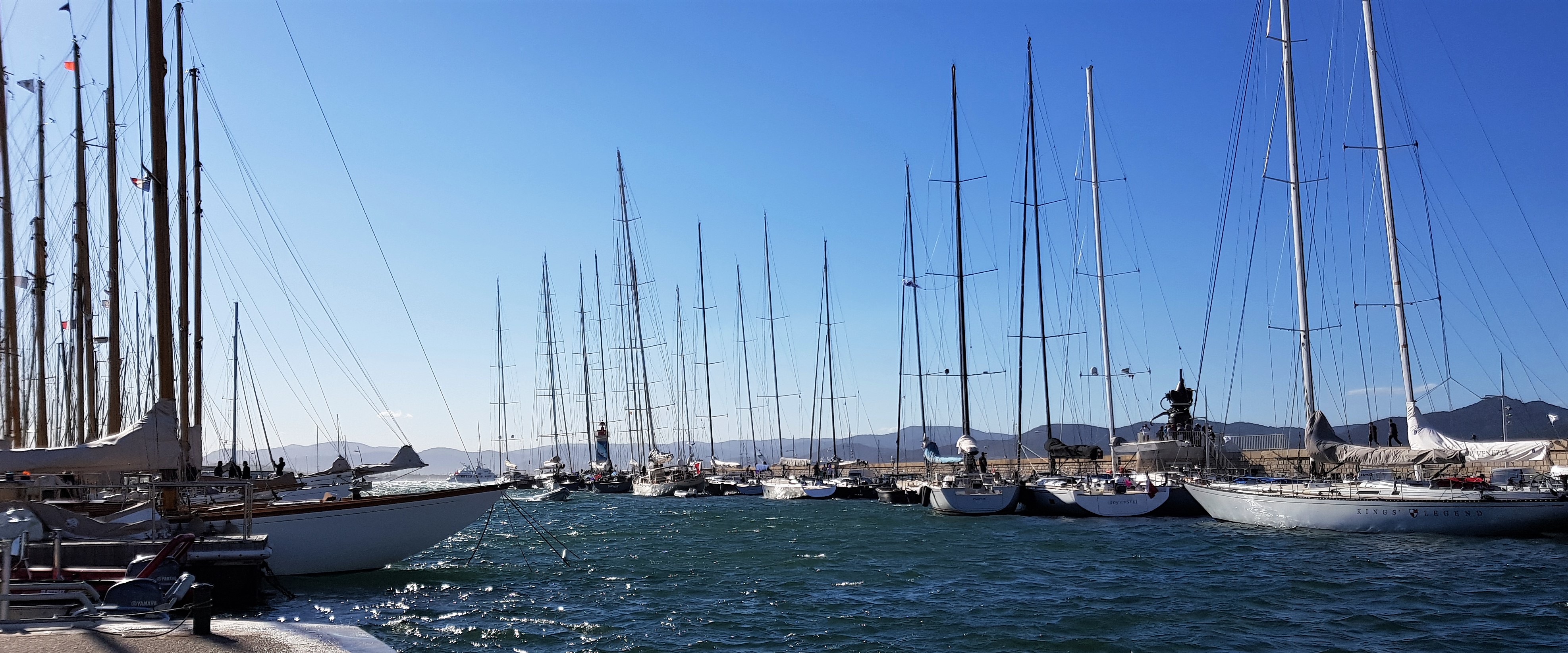
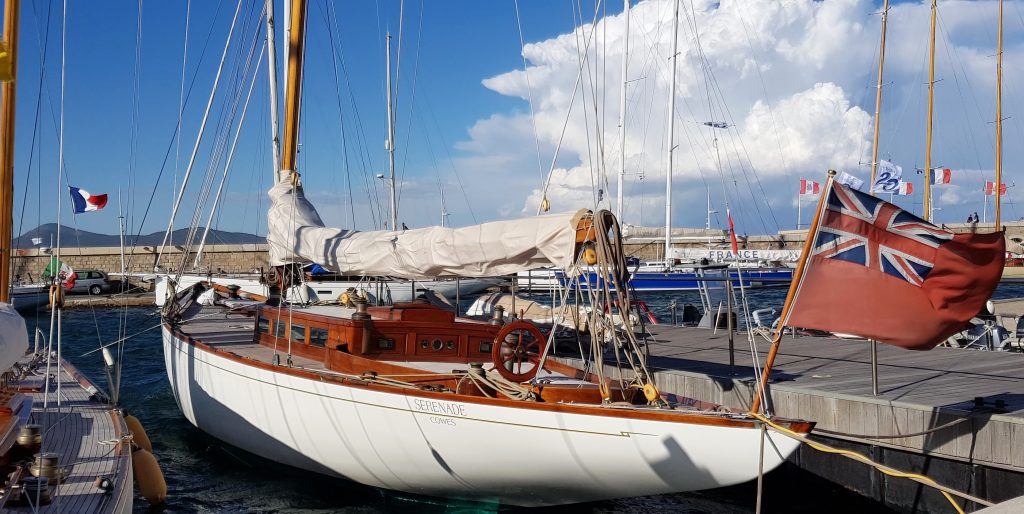
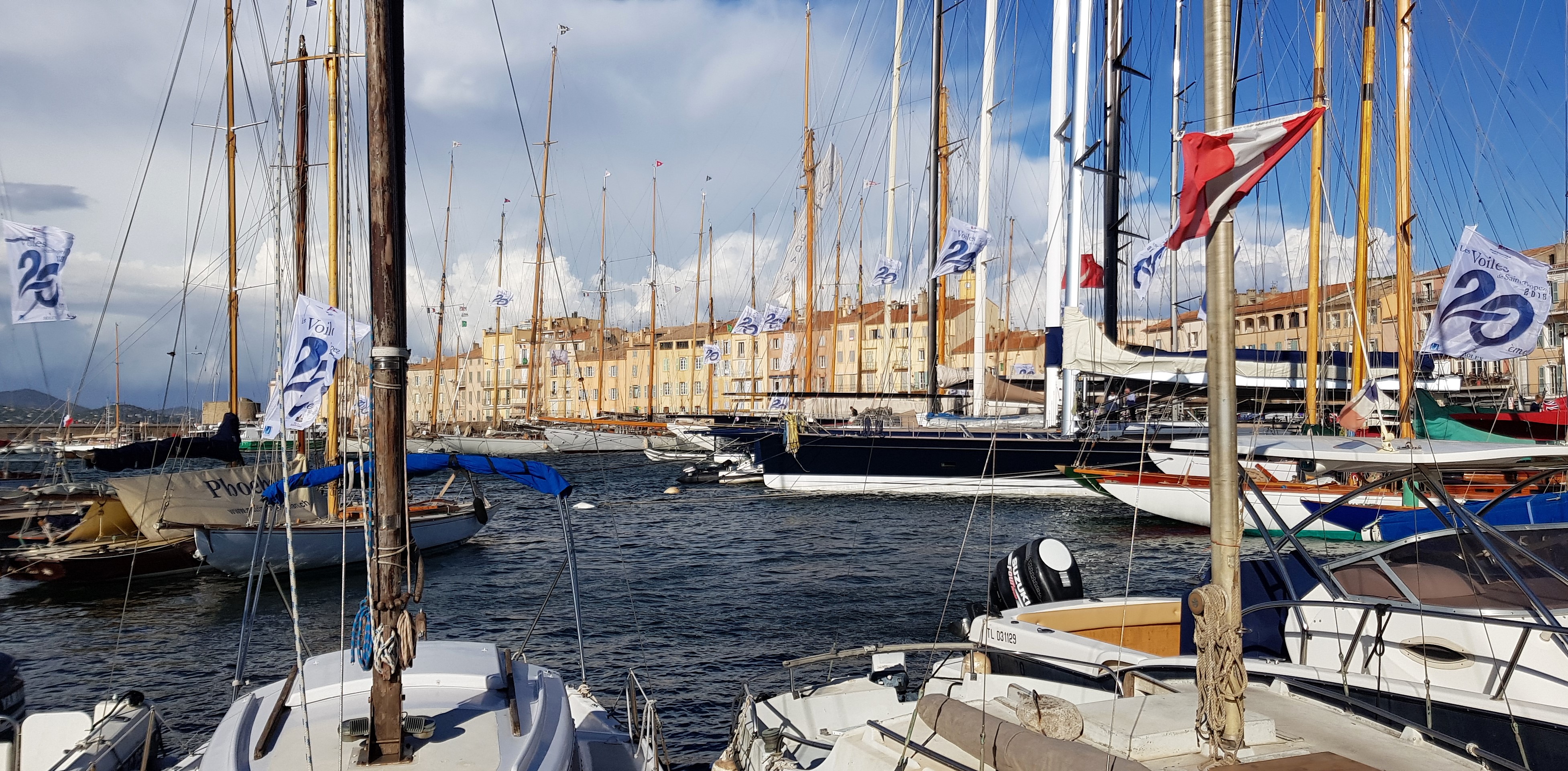
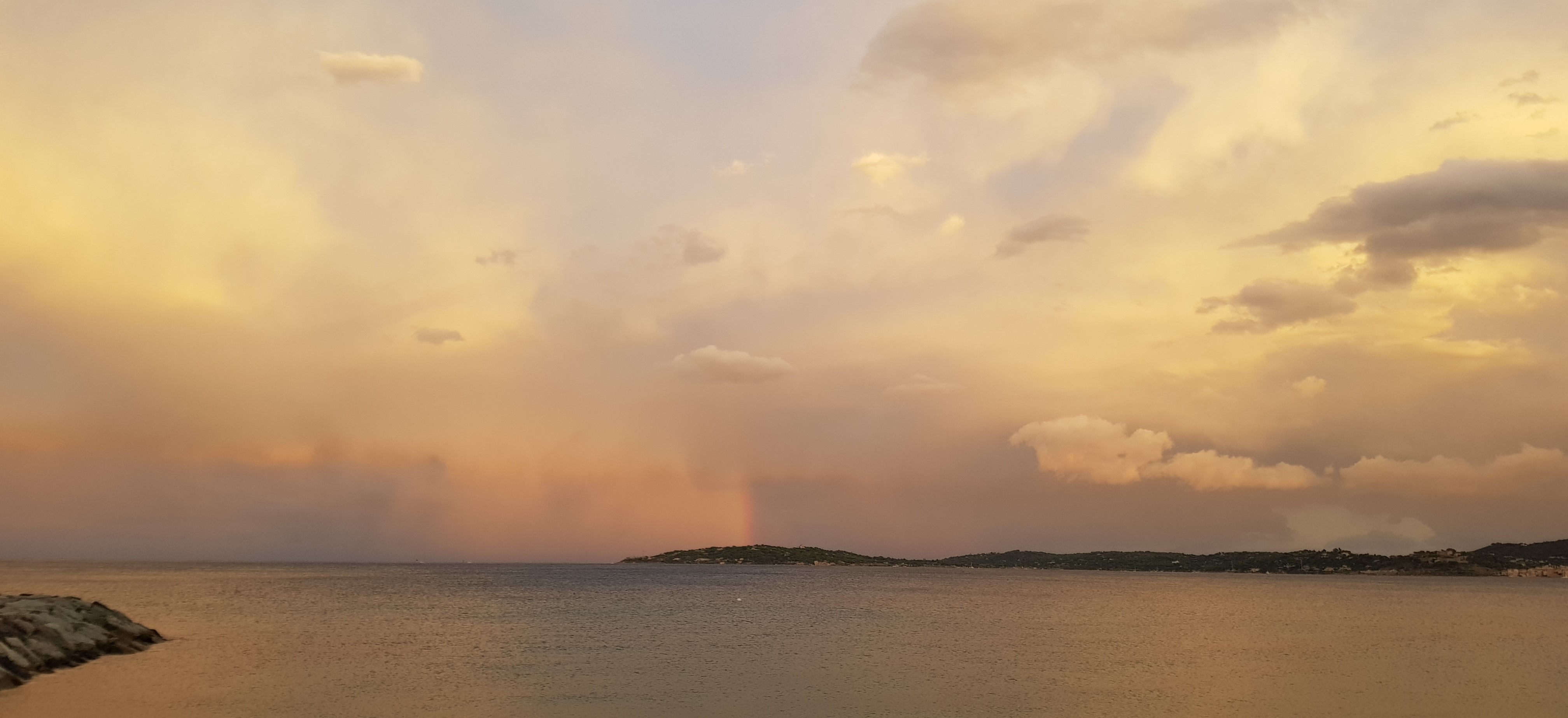
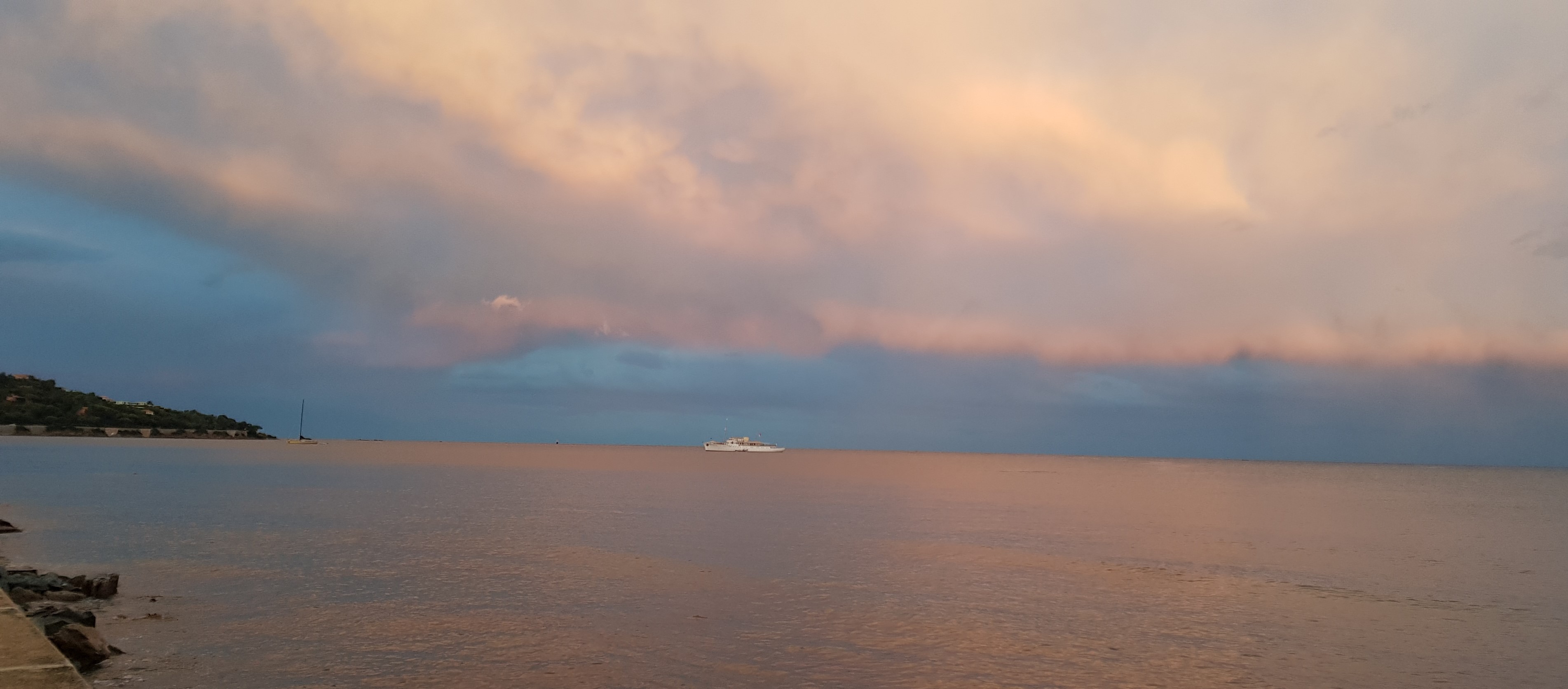
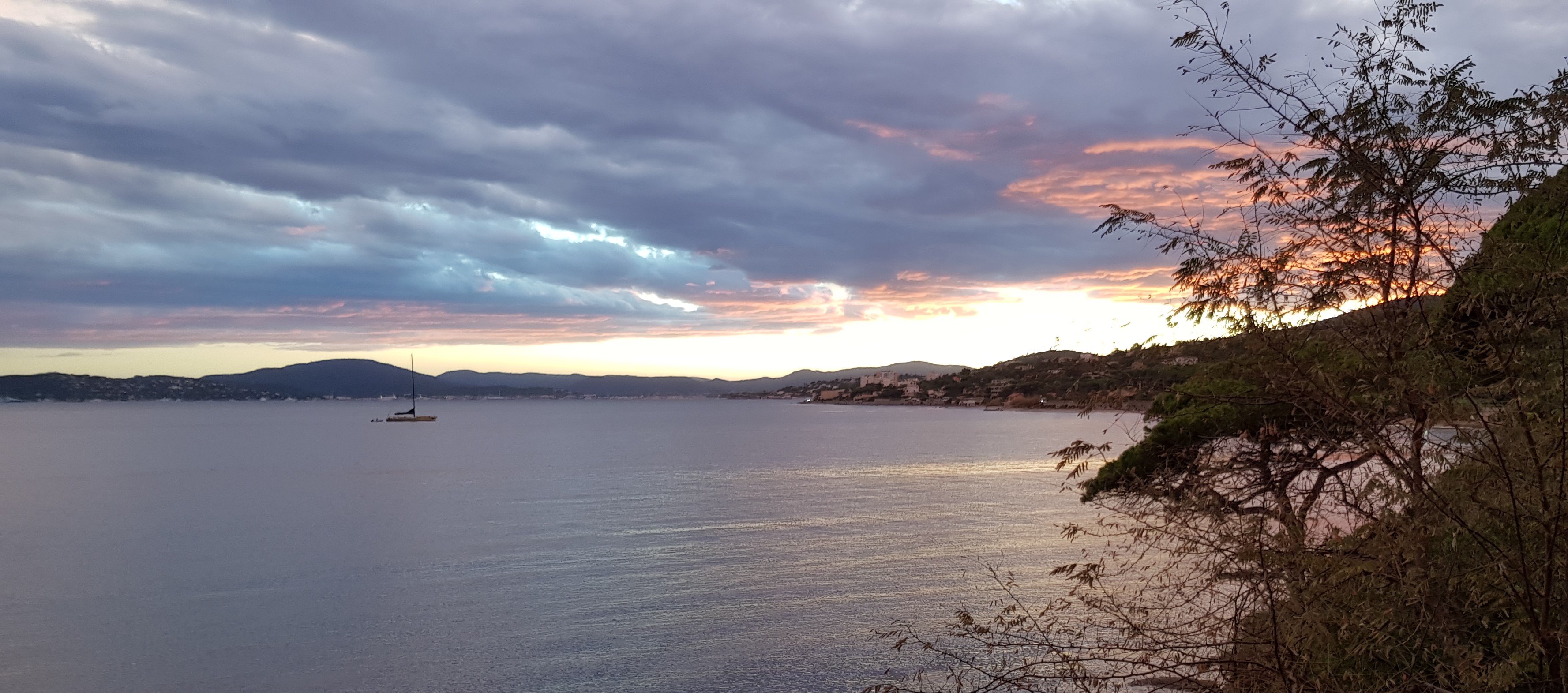
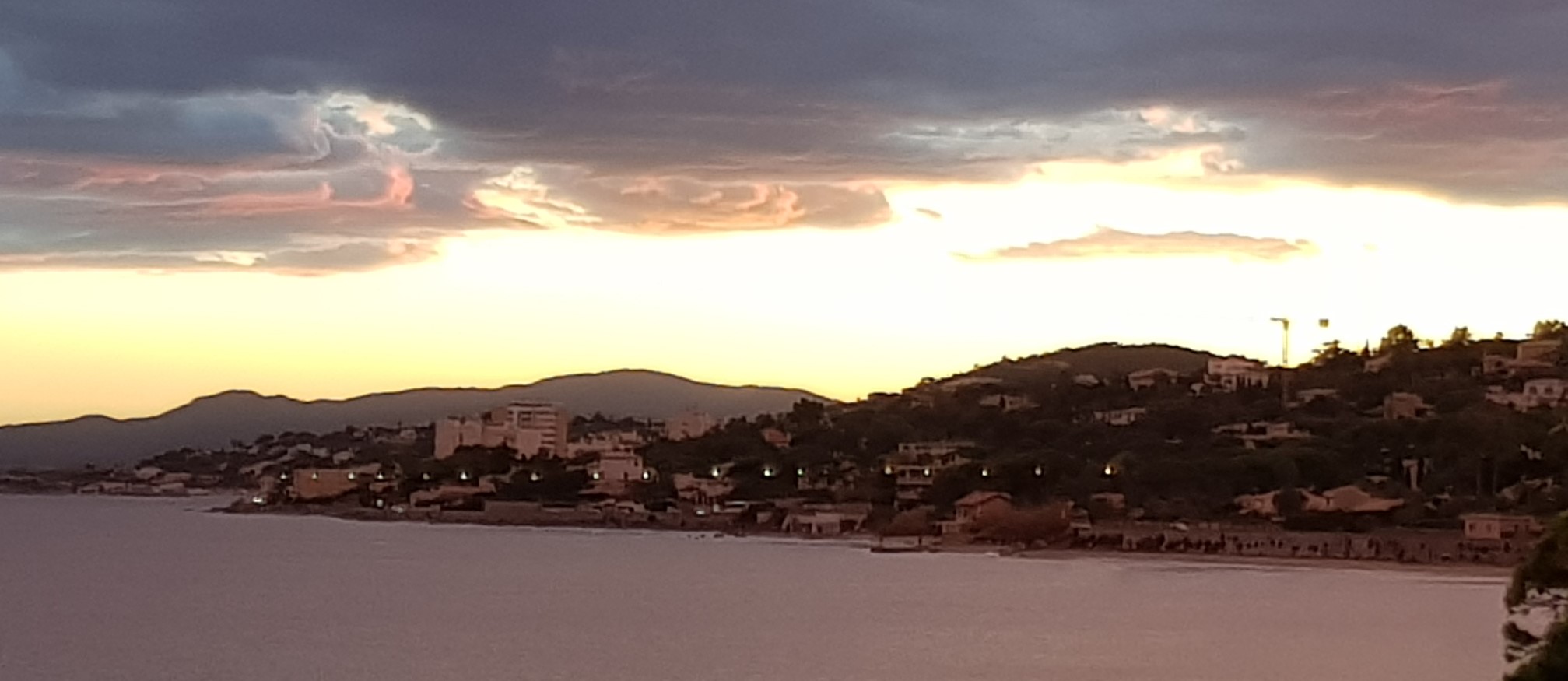
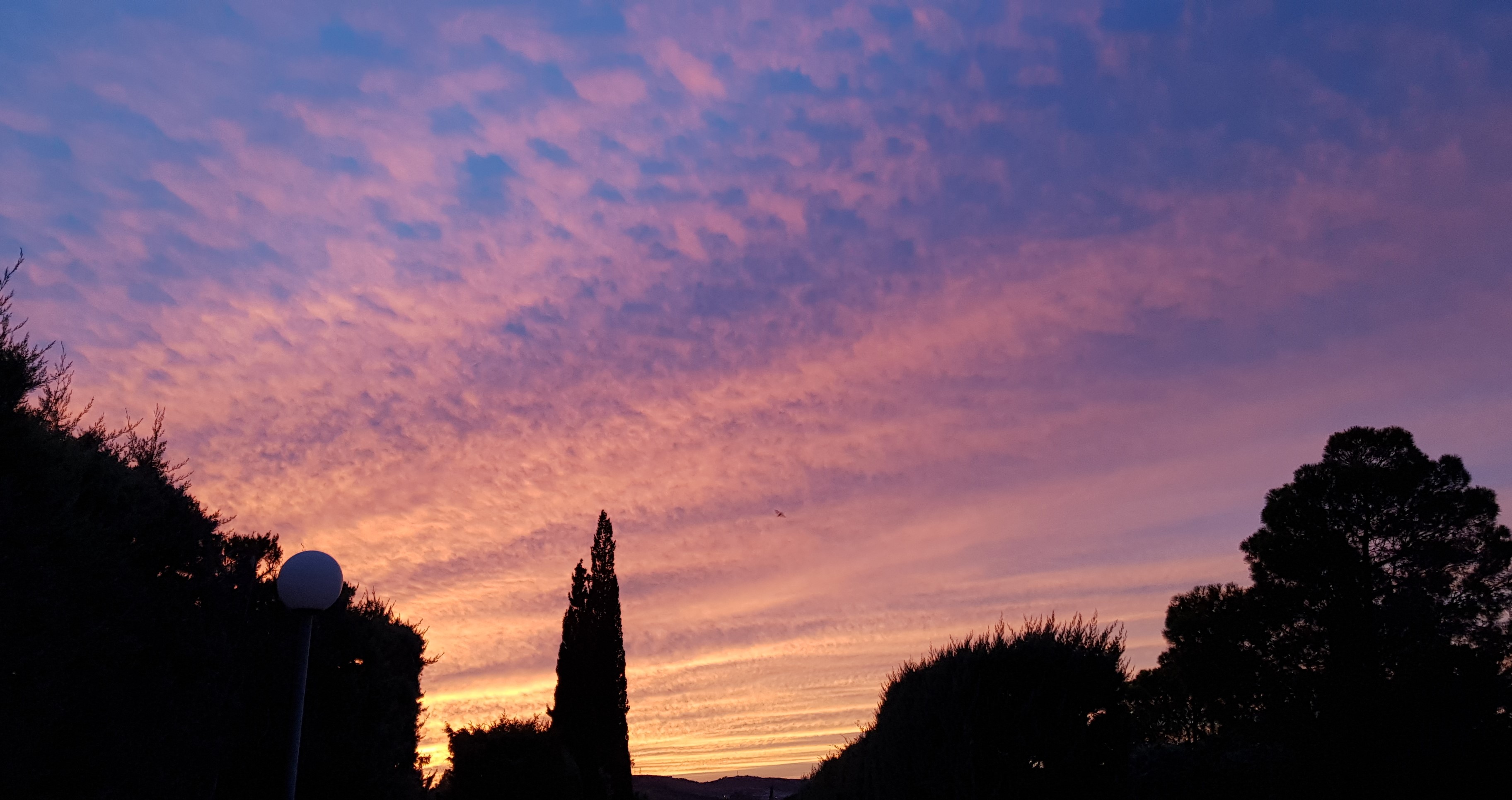
The day we arrived in San Tropez, the sun was shining but it was very windy.  The 45 minute drive from Frejus was lovely, a single file coastal road that gave plenty of opportunities to stop and admire the stunning views.  The town was heaving, parking was at a premium but we luckily found a spot down by the port, and then realised why it was so busy.  The port was full of sailing boats, a regatta was due to start that same day but was delayed due to the high winds.   As the afternoon wore on, the rains arrived, then the thunder and finally as we left at about 7pm, the skies and clouds changed to the most amazing colours and shapes.

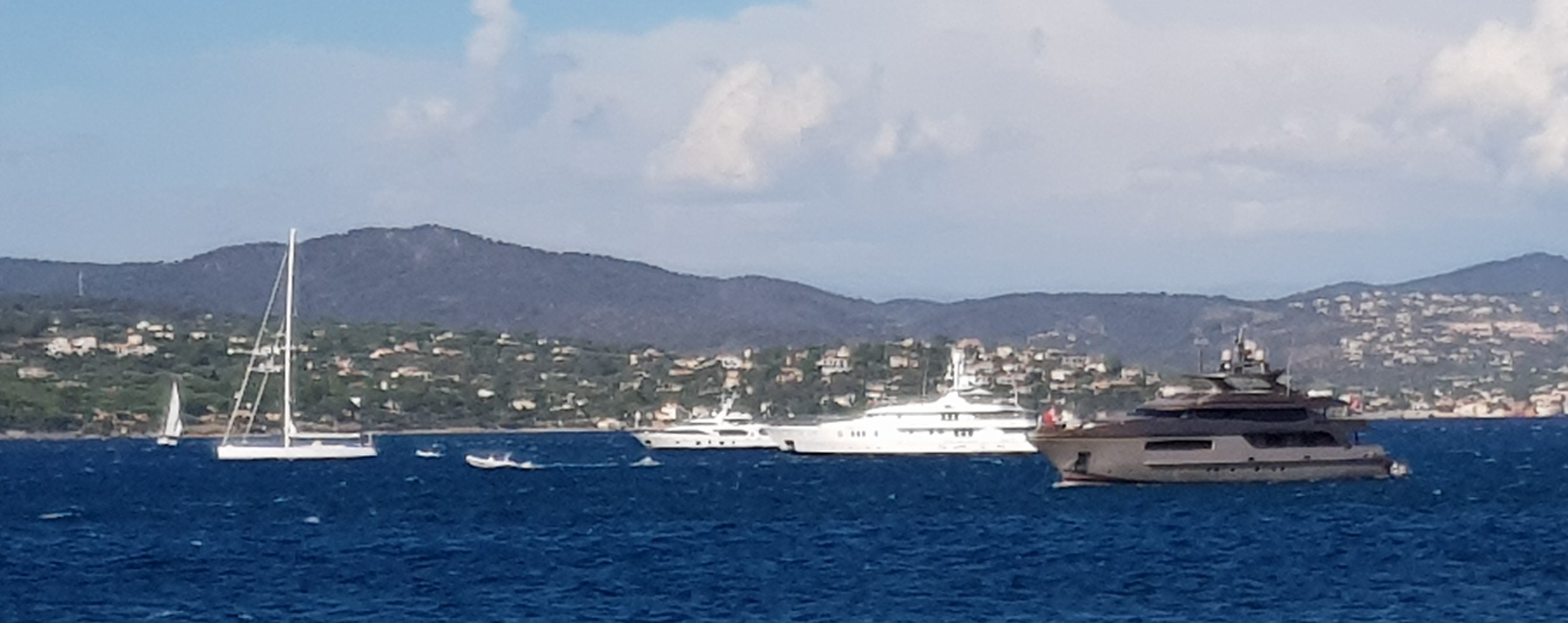
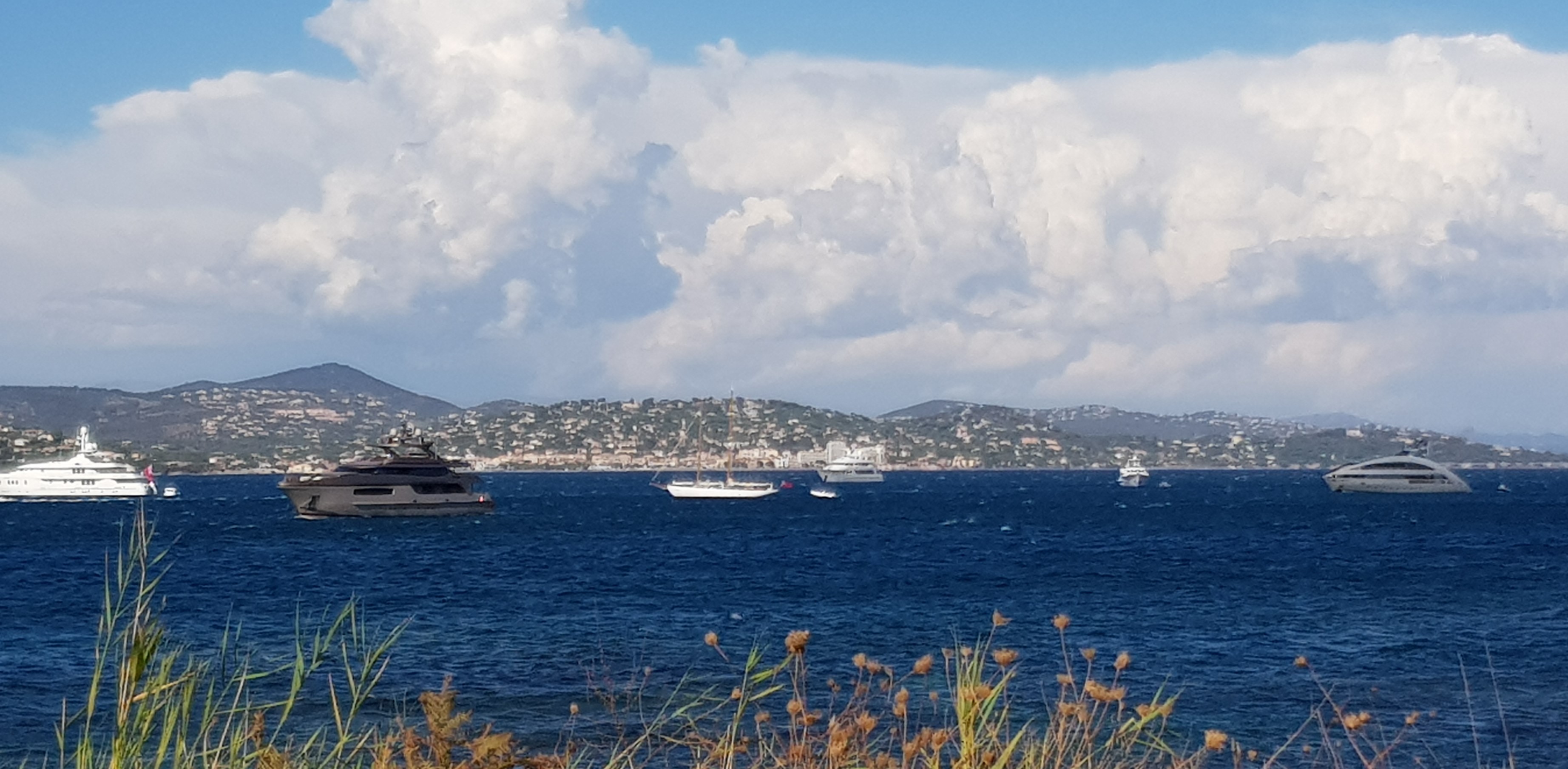
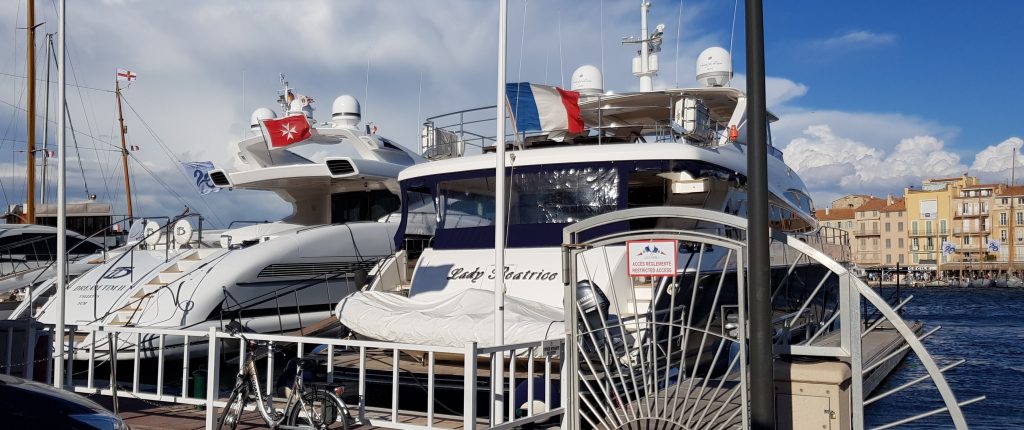
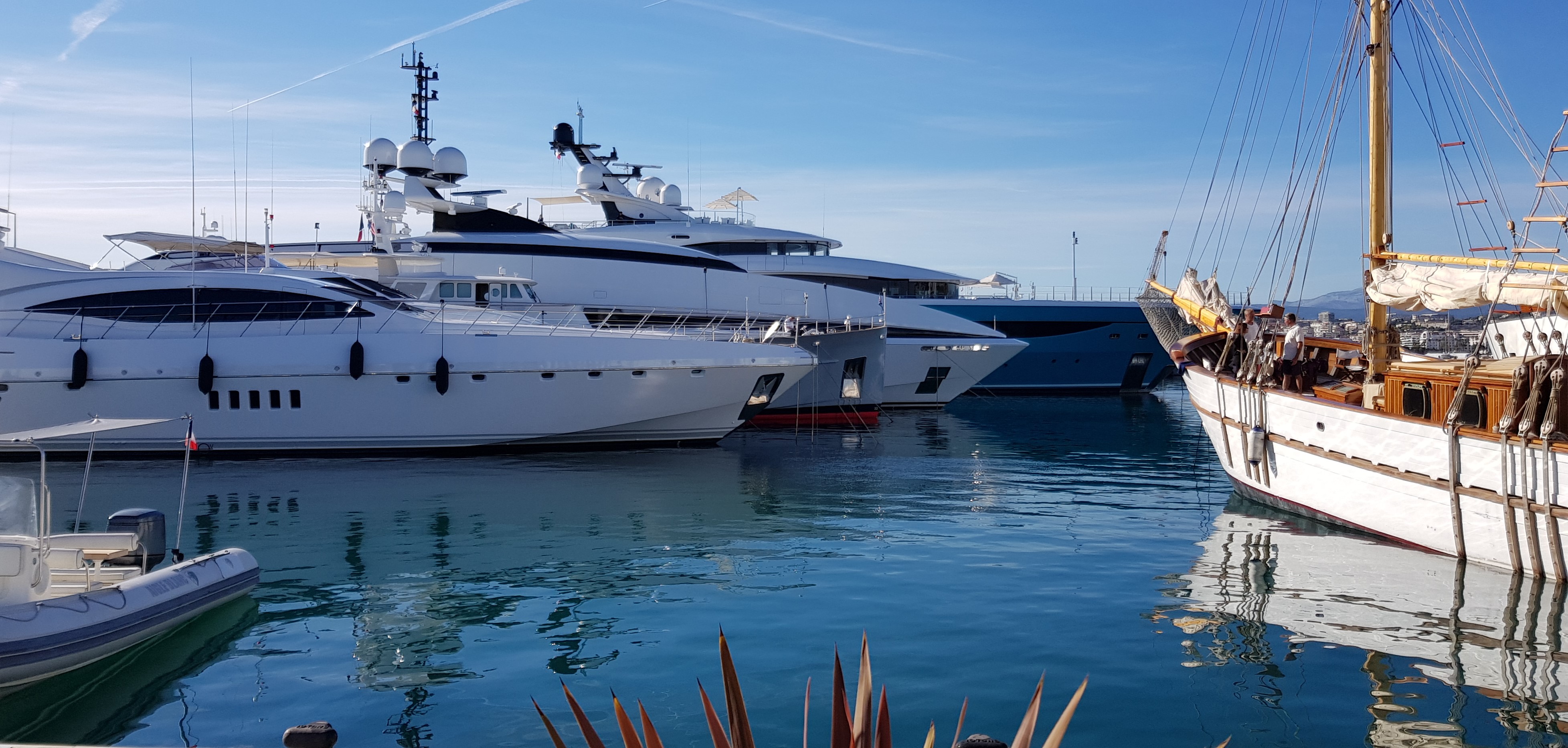
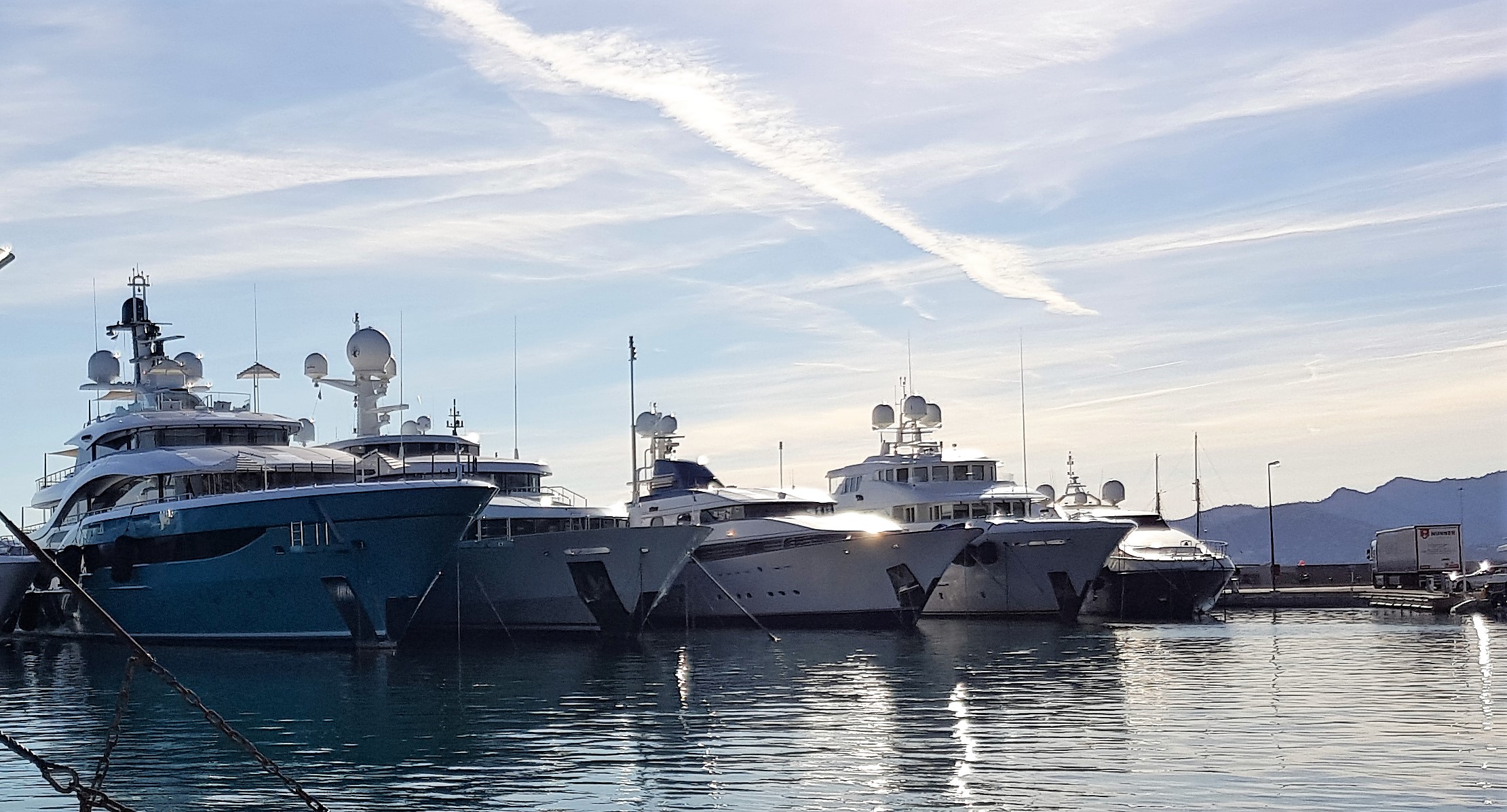
The larger yachts were moored out of the marina, at a glance we didn’t realise how large they were, until we saw them up close a few days later in Cannes!

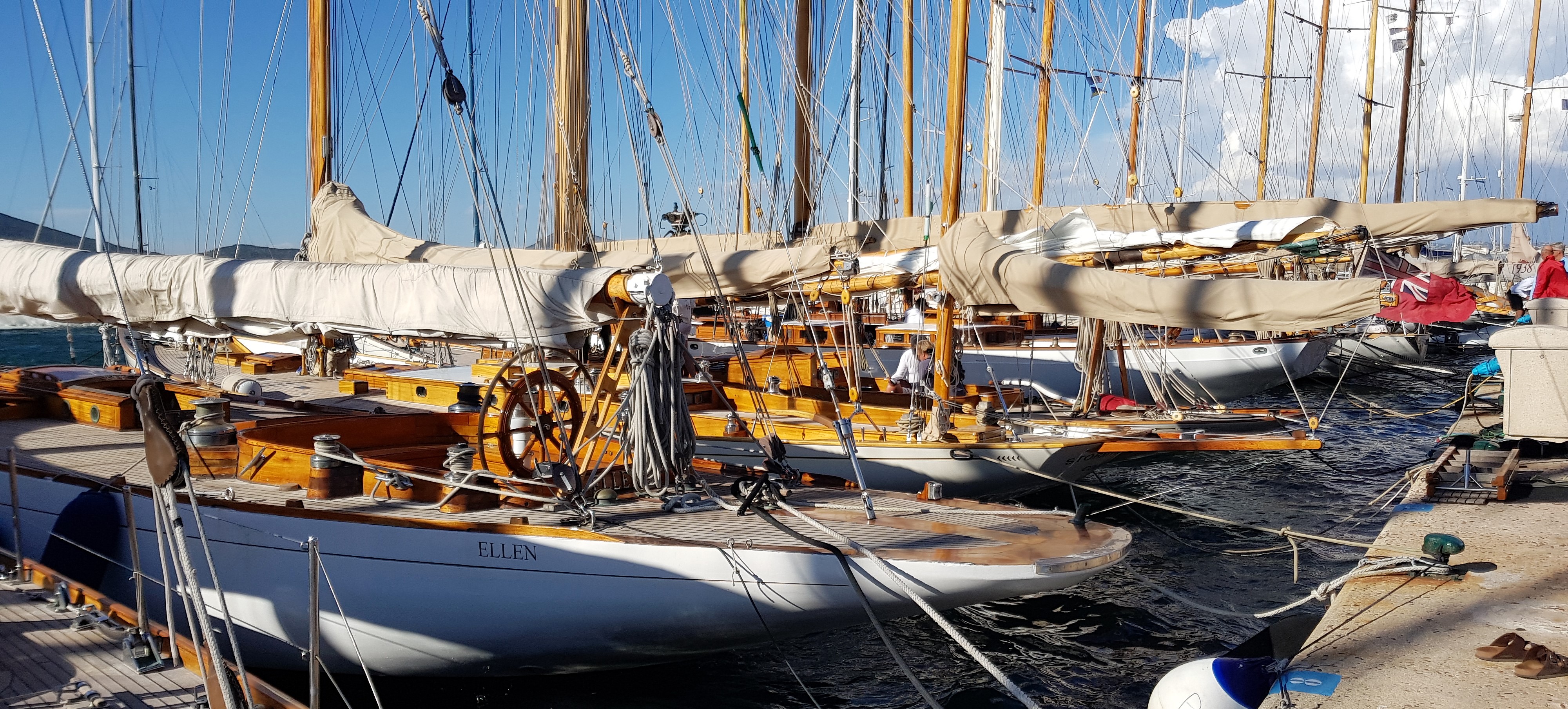
The regatta boats were beautiful; long and sleek, wood and steel, brass and chrome listened in the afternoon sun.  The ethereal sound of the hundreds of masts being whipped by their ropes was something special.

San Tropez Harbour

It was sooooo windy!

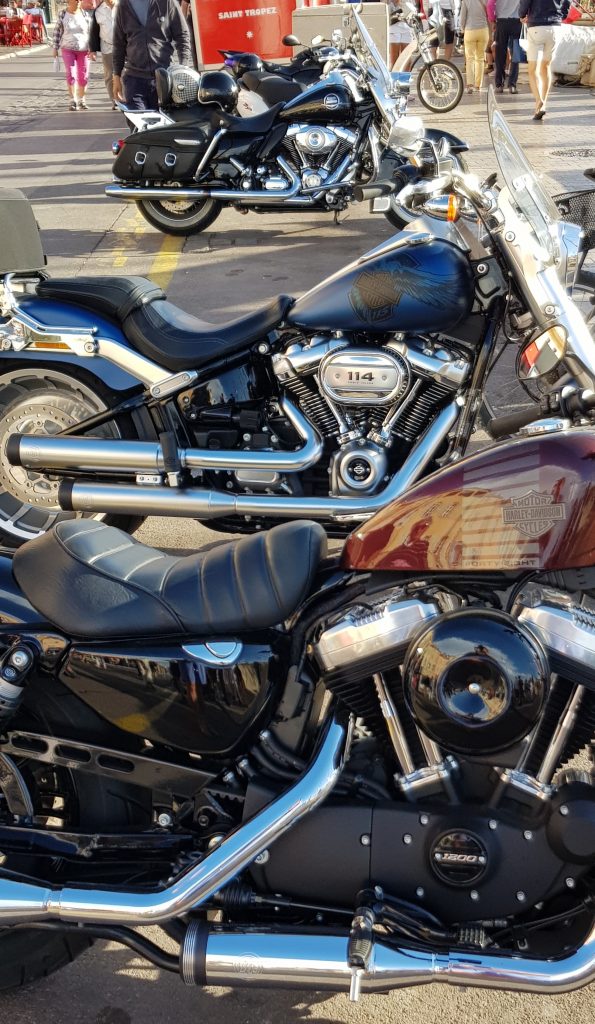
We came across the odd Harley or two!!

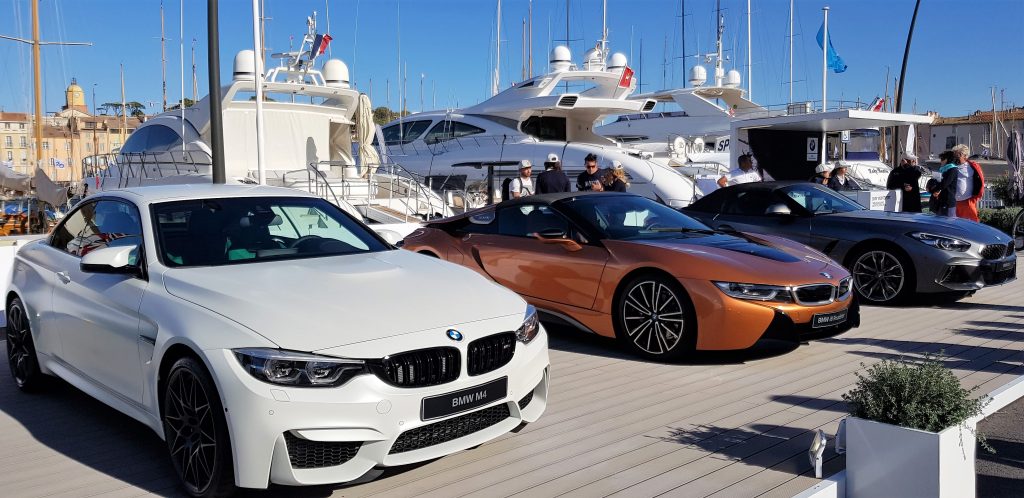
A few modern yachts in San Tropez, together with the obligatory new BMWs for sale.

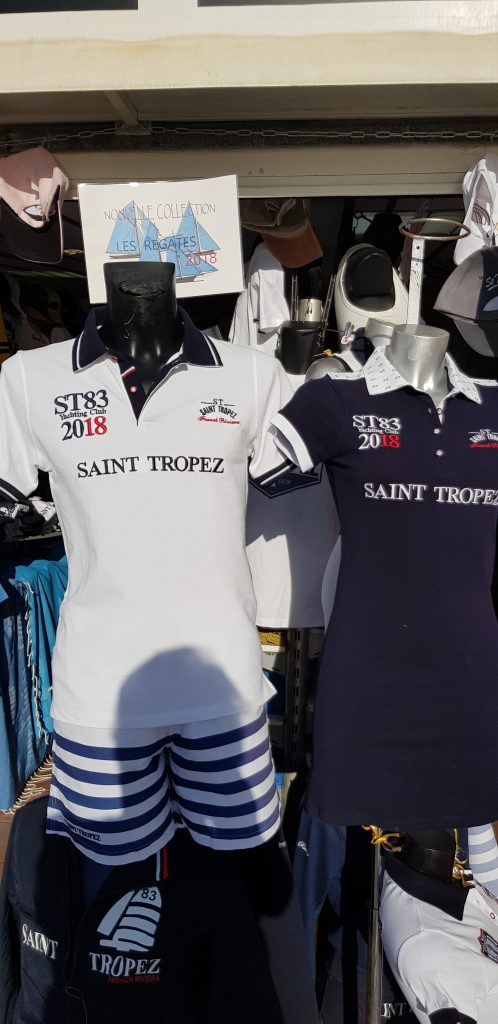
We were surprised at how small San Tropez marina and town is, a few restaurants line the harbour and the small narrow streets were full of small versions of named expensive brand shops; everyone (except us) was wearing obligatory sailing gear – cotton trousers, sweaters or shirts branded with their boat’s name, and loafer shoes!

On our way back to the campsite, the heavens opened and provided us with a beautiful sunset, the cloud formations changing colour every ten mintues.

Prices (excluding motorways services)

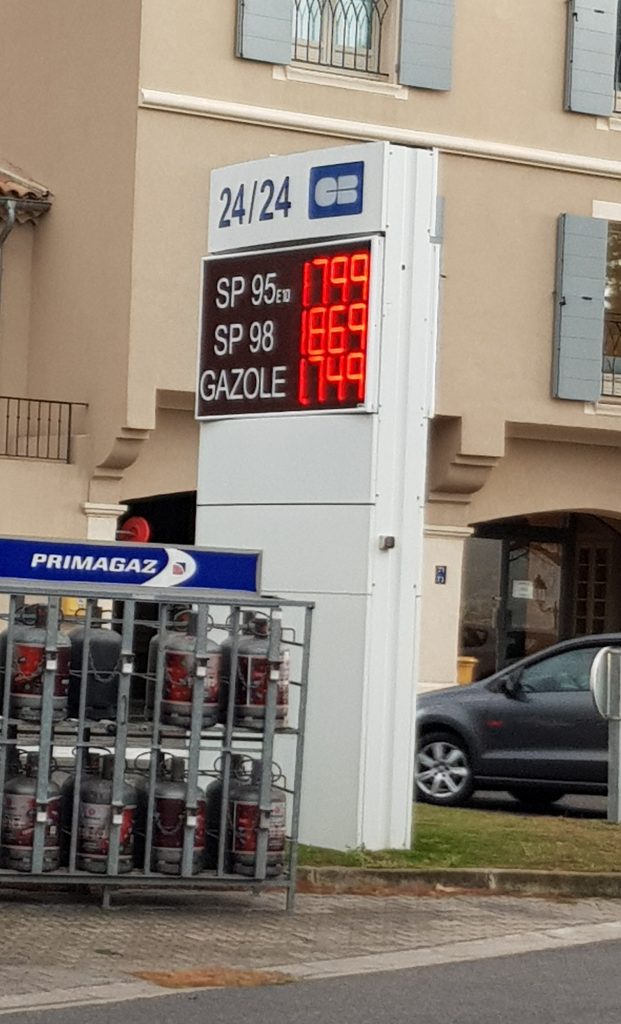
Fuel, beer and wine here seemed to have shot up in price, this is generally a guide for David’s wallet.  In Spain, Cadiz, we were paying €1.09 for a litre of diesel, €1.50 for a large glass of wine and €4 for a pint of lager.  Portugal it crept up to €1.50 for diesel, €4 for wine and €5 for a beer.  In France it went even higher, but in Frejus we hit the limit – €1.74 for diesel and we saw prices of €8 and €9 for a 500cl beer, just over a pint!  We did not indulge!!!

This cotton outfit will set you back a few hundred euros!

So, you cannot complain about fuel prices in the UK again!!!

We had expected prices to rise in Cannes, but they were very reasonable, €7.50 for a beer and €4.50 for a large wine!

Mandelieu & Once Upon A Time

The coastal road between Frejus and Cannes is amazing, about 20 miles of narrow and winding road with several areas to stop and admire the azure blue sea, beautiful coves and houses and the coastline. I understand why they call it the Cote D’Azur (Blue Coast), I have never seen blue like it before.

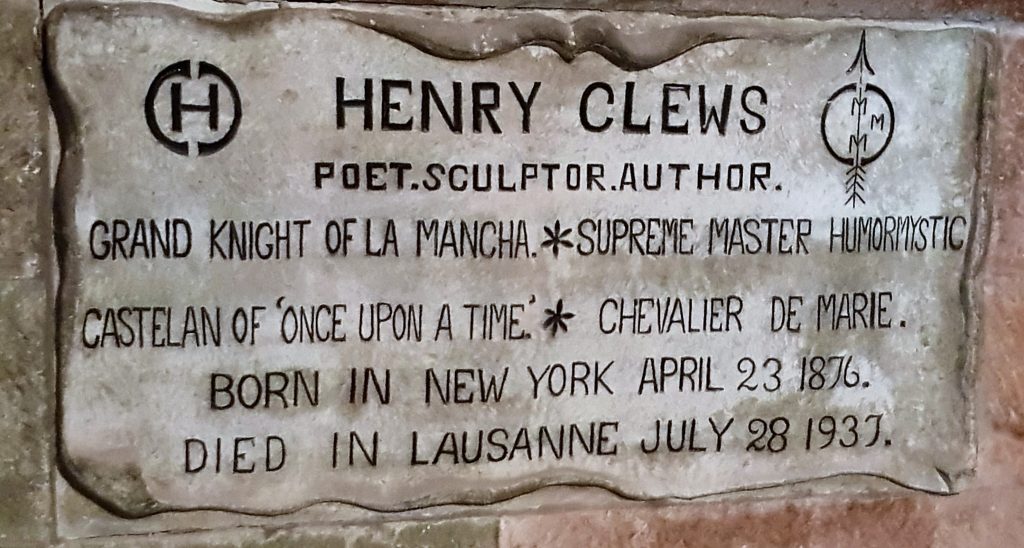
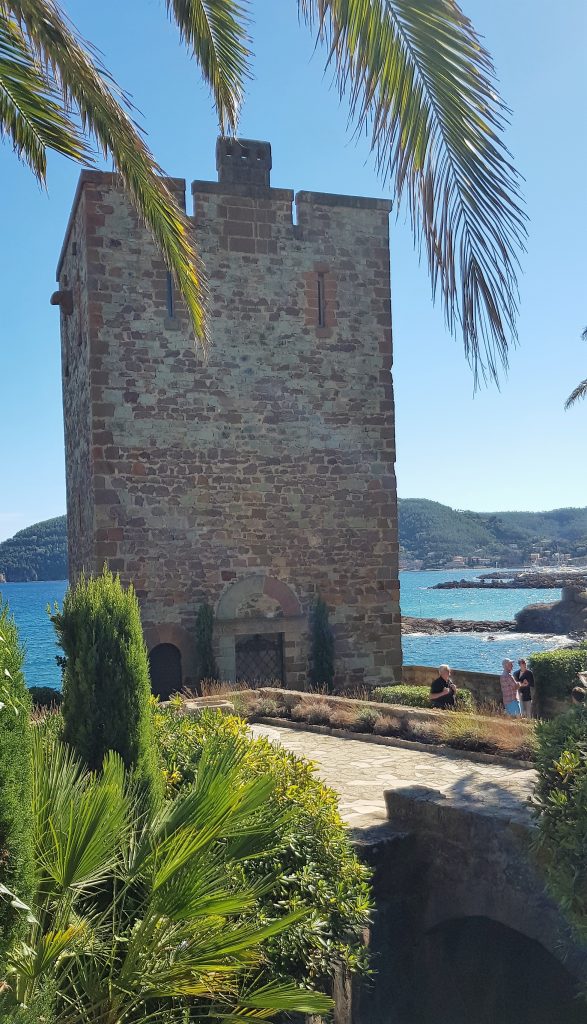
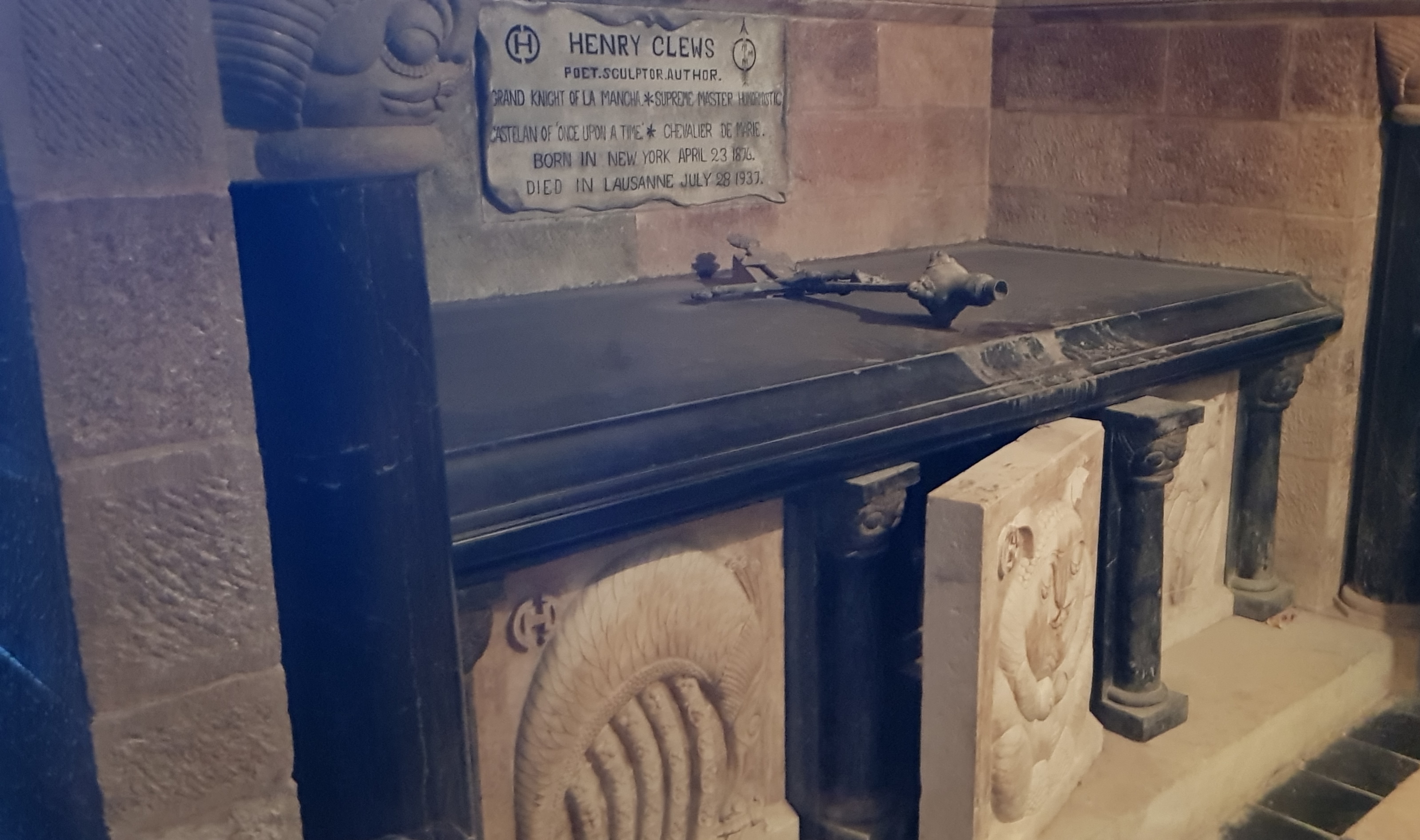
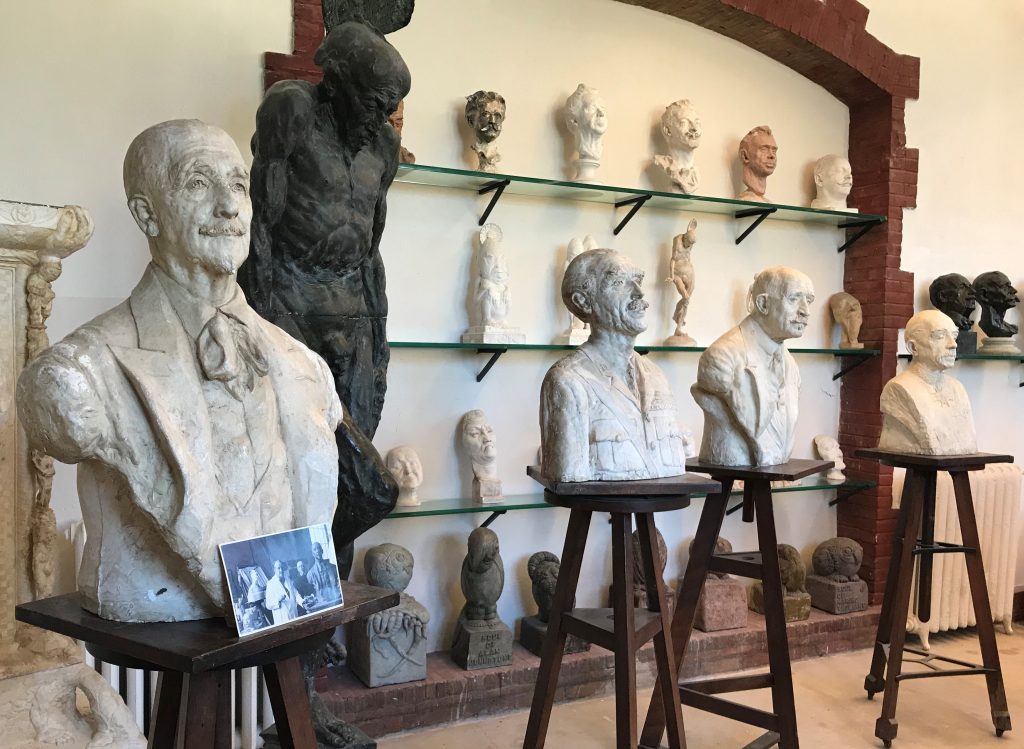
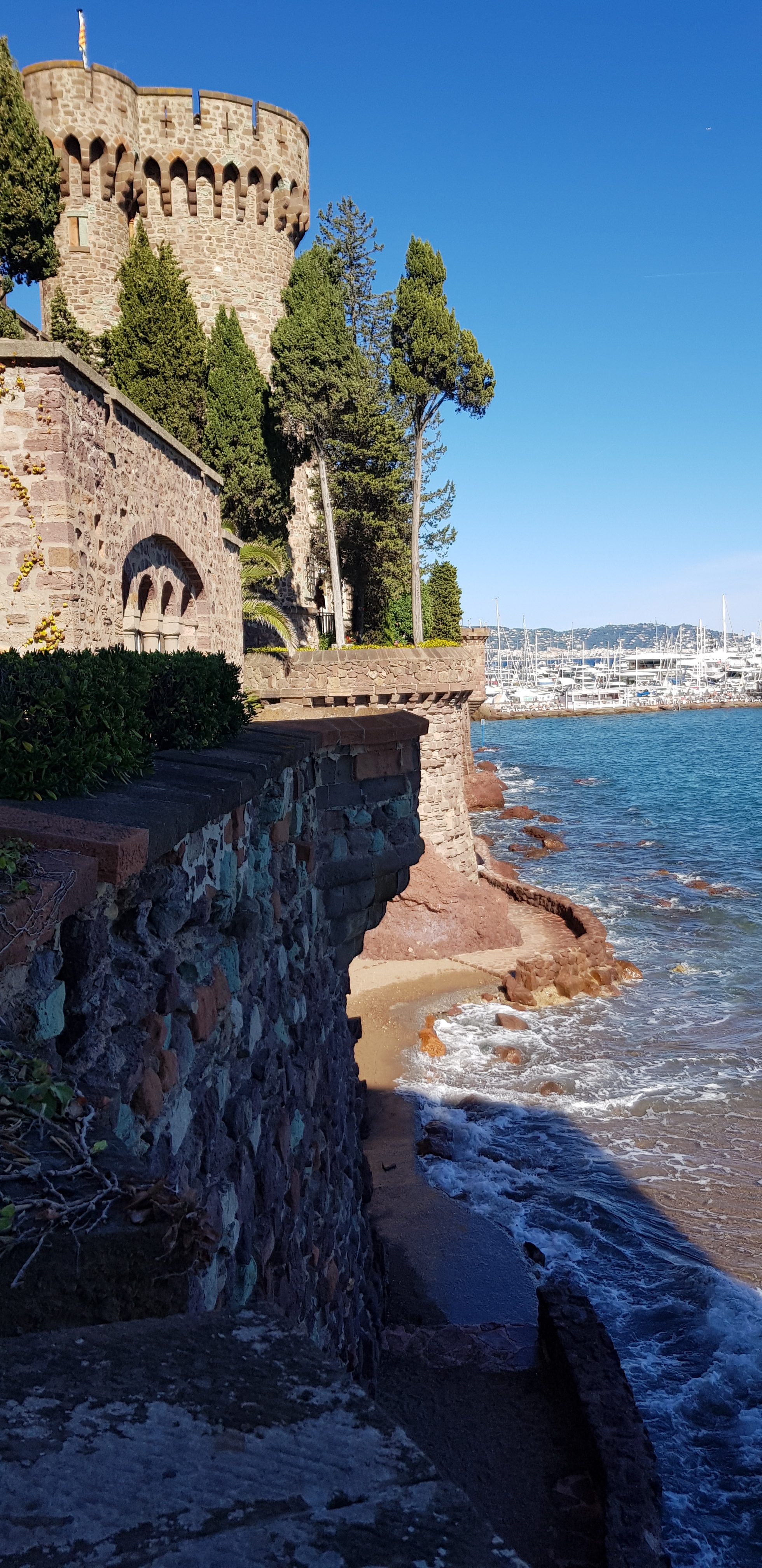
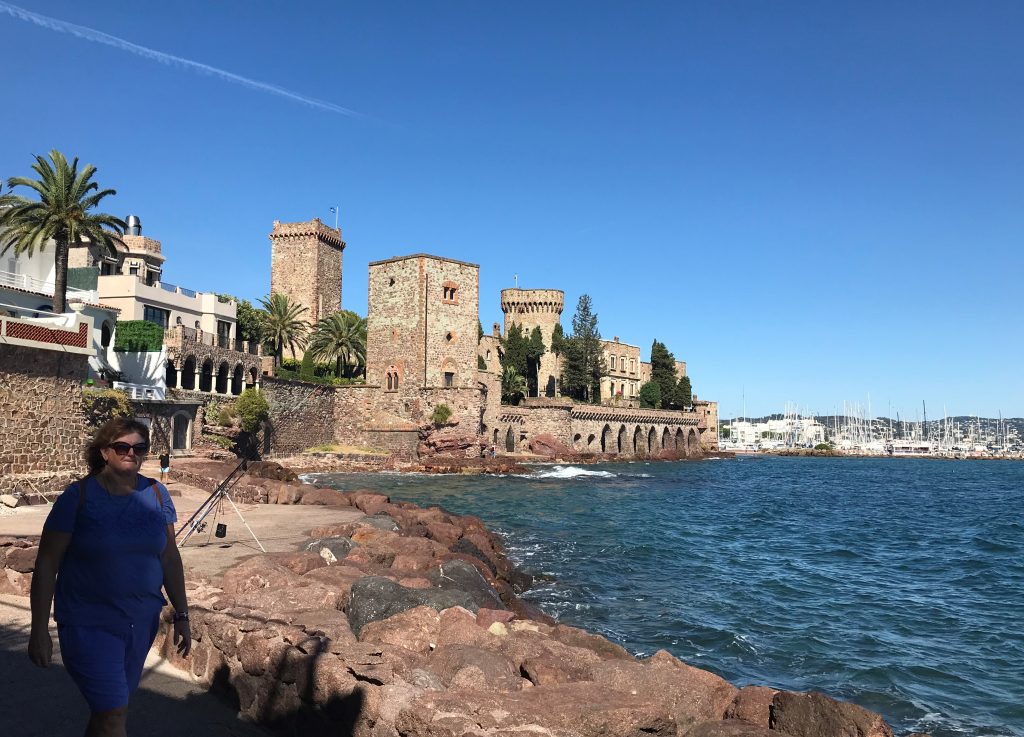
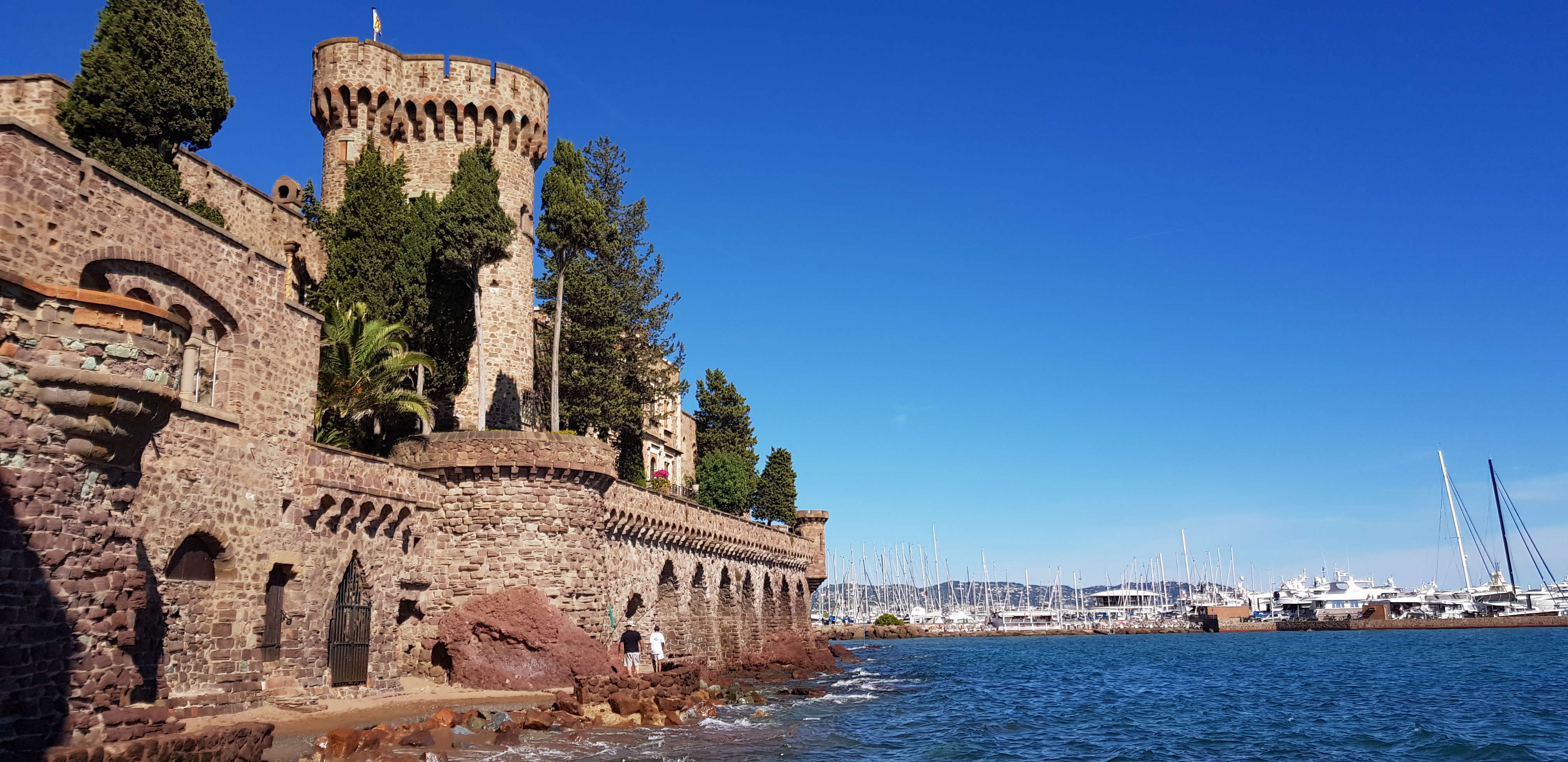
We stopped just outside Cannes for a lunch break in a town called Mandelieu and found a castle open to the public so we decided to pay a visit.  Chateau de La Napoule was a real eye opener, the medieval fortress had been privately owned since the 1920s by an artist and his wife, who restored it to provide a ‘fantasy and satirical’ home and, following their departure, a museum and a gallery for his works, as well as an ongoing art school for other artists.   The owners were Henry and Marie Clews,  who spent 17 years restoring the fortress called “Once Upon A Time” and a neighbouring house. Henry built a tower with one entrance/exit, and windows high above, overlooking the sea, where he built a crypt for him and his wife to be laid to rest.  The crypts are open, exposing the coffins inside, as Henry expressed a wish that following their deaths, their spirits would visit each other…..

Henry’s tower.

View from the gardens.

View of the front of the fortress.

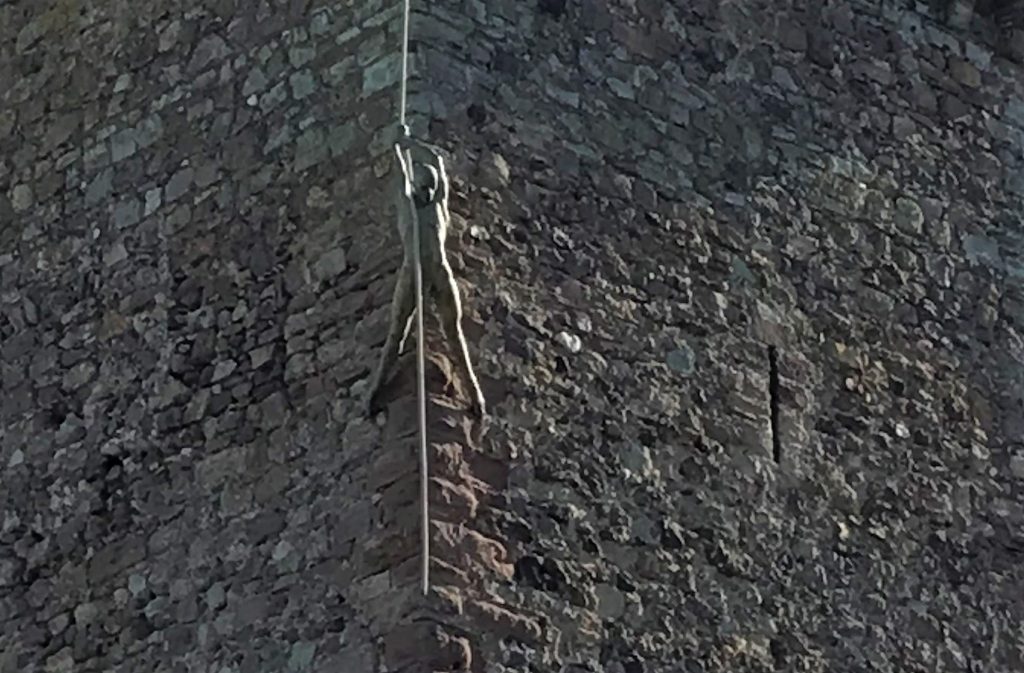
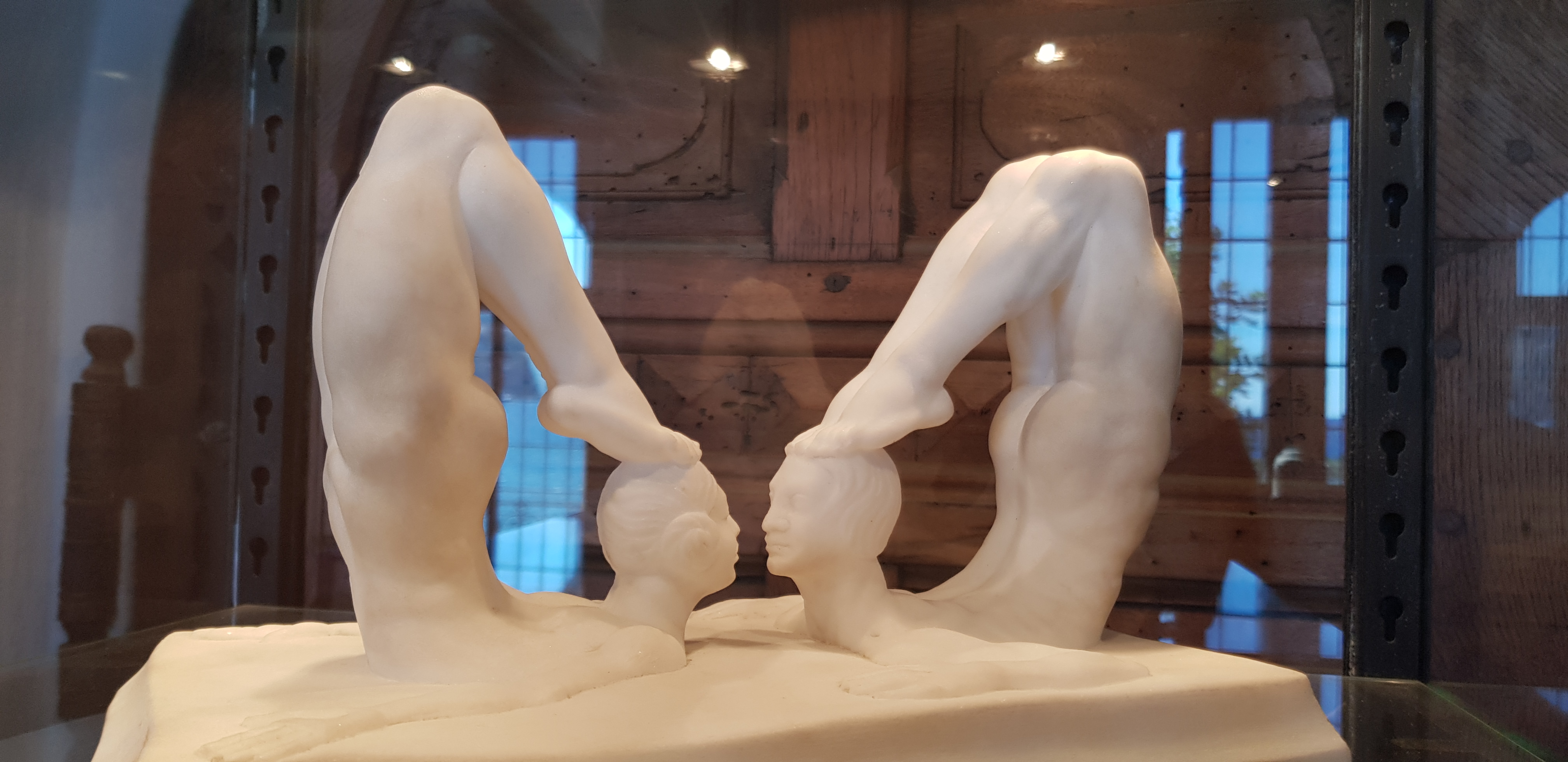
Some of Henry Clews’s works.

His wife in bronze.

Henry’s open crypt waiting for his wife……


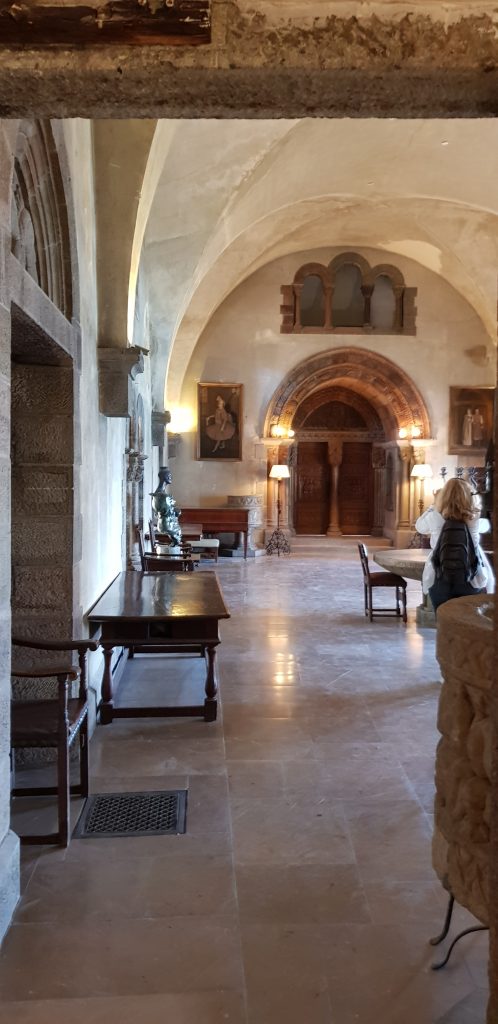
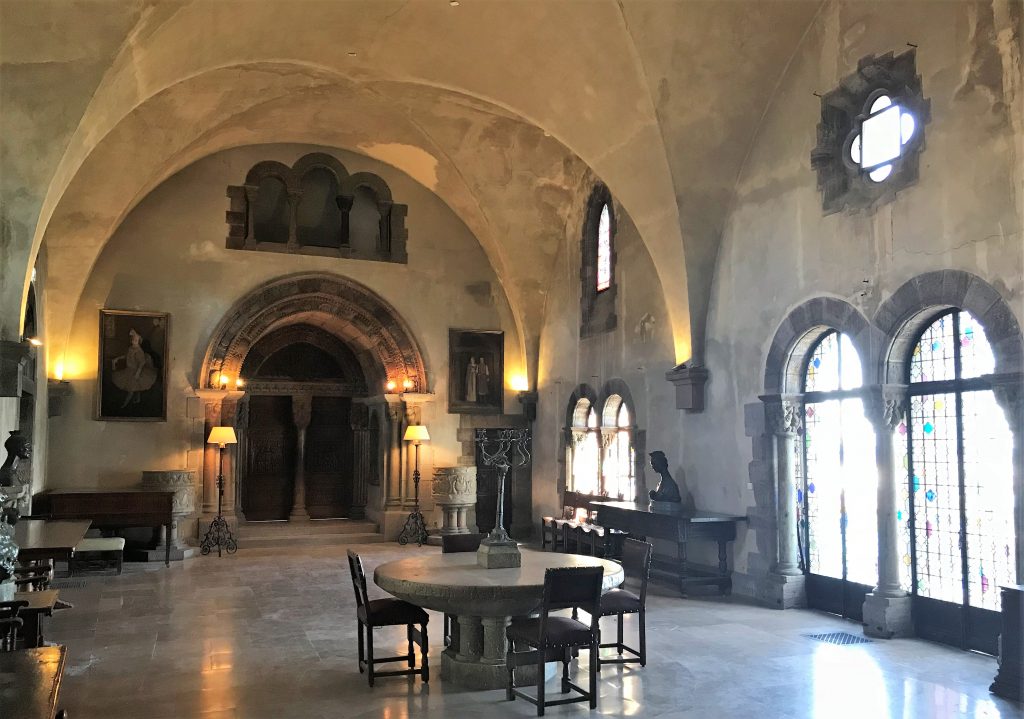
Inside the dining area of the house.

View of the fortress walls and gardens.

The adjoining house, also renovated by M & Mme Clews.

Cannes, Cote D’Azur

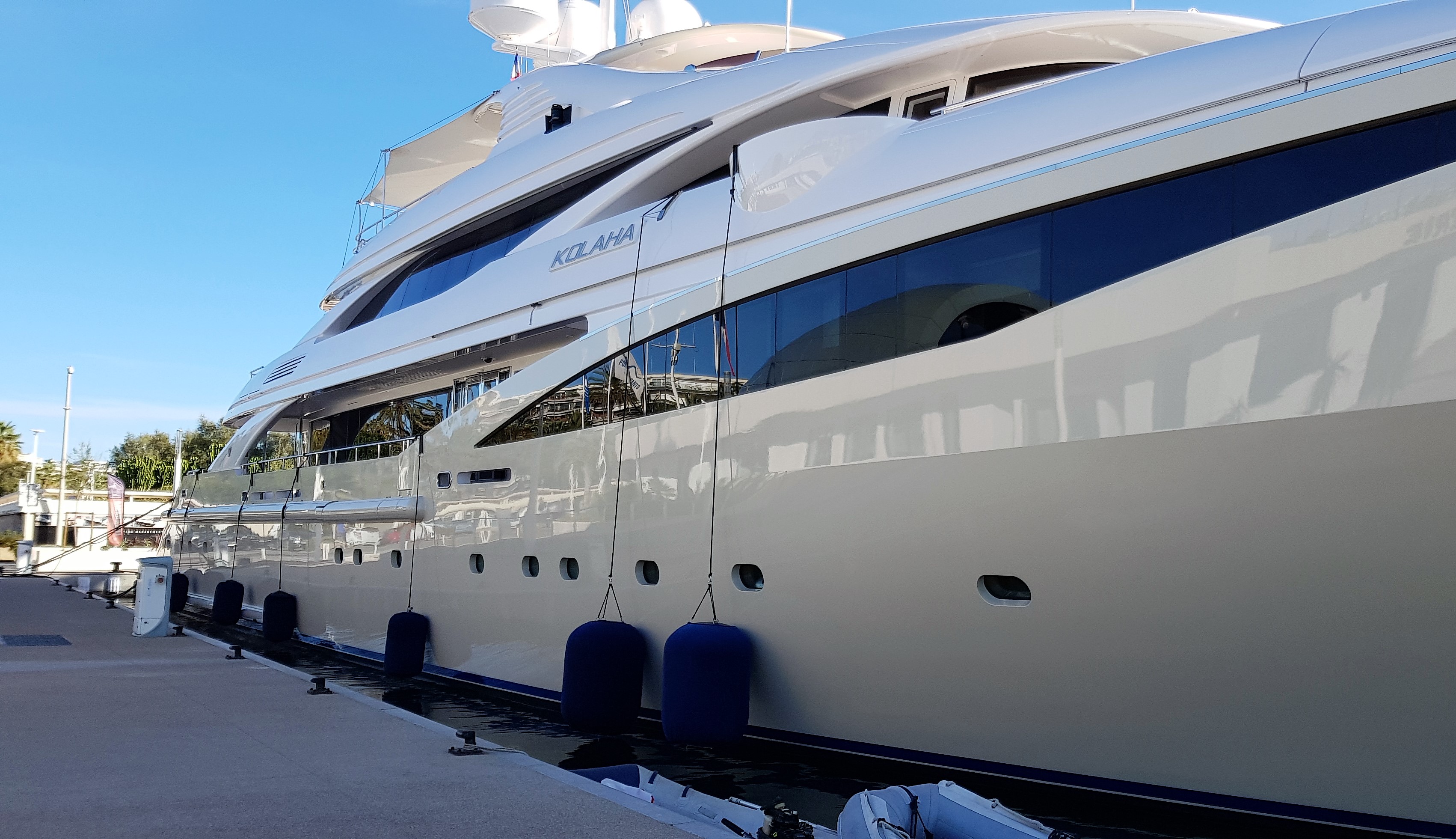
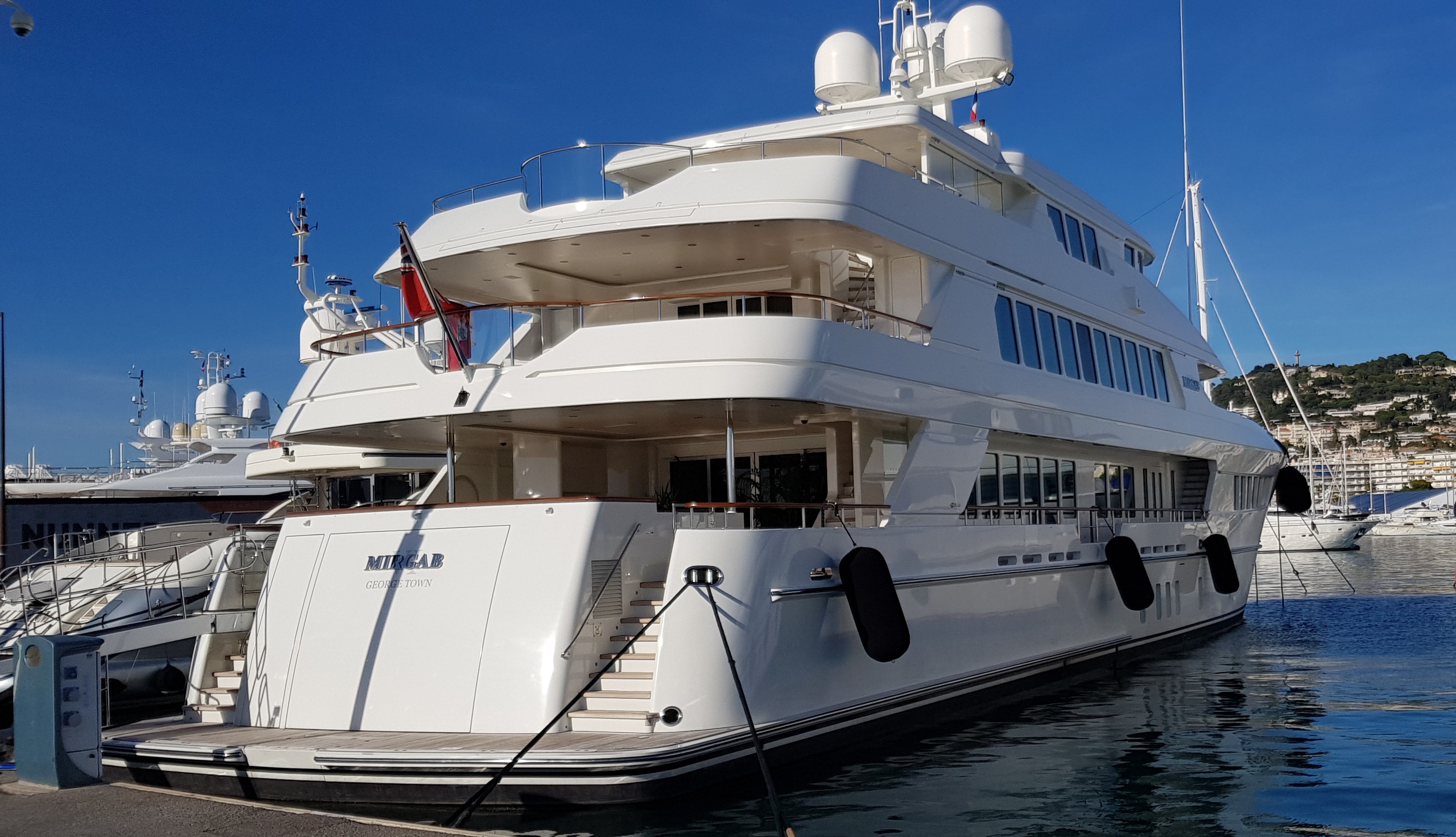
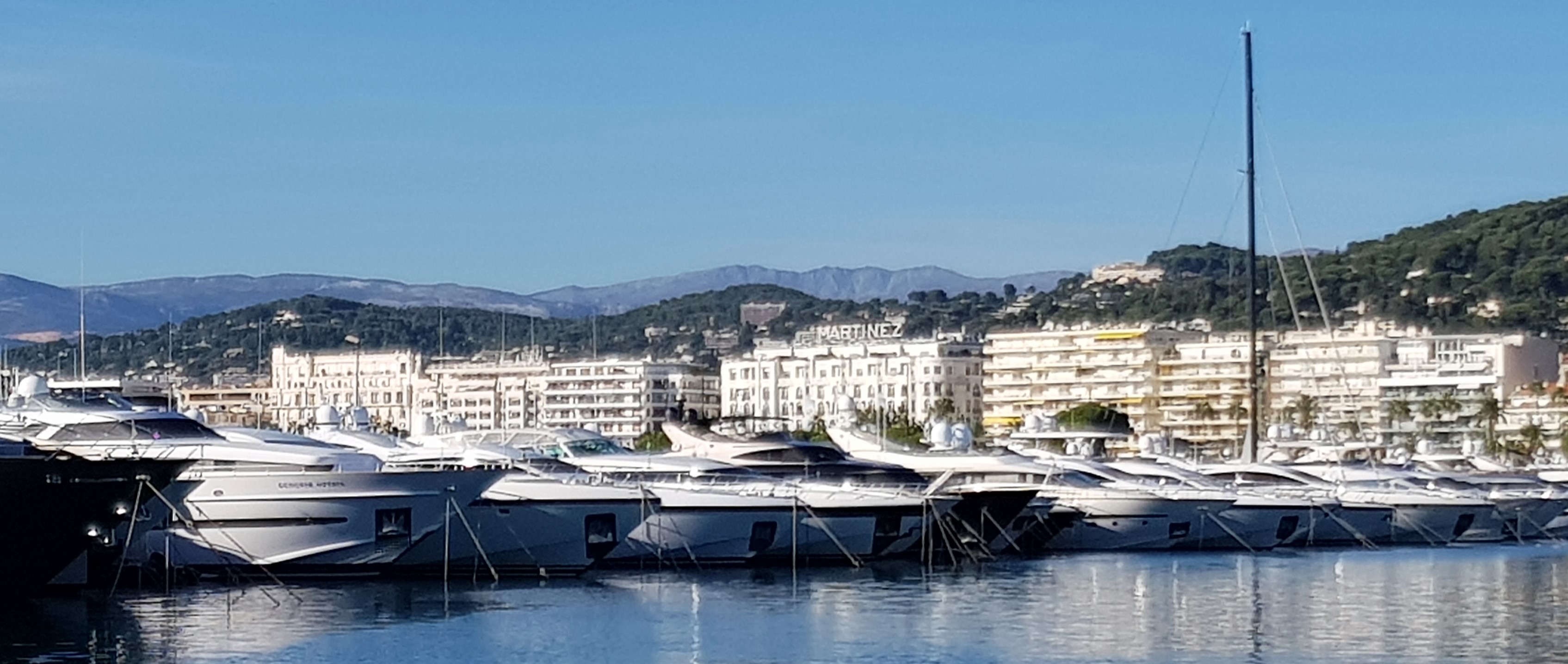
Cannes itself is huge, a long seafront parade peppered with dazzling high rise apartment blocks, expensive hotels (The Ritz Carlton, Hyatt, InterContinental, Radisson Blu and Marriott to name a few….),  very posh cars and even posher boats.  I know I was blown away by the boats in San Tropez but these were different – more modern, bigger, huger, gigantic, super yachts, with price tags in the millions!!  We look up some on a site called “Superyacht owners”, it lists the features of the yachts (X many bedrooms, x many staff rooms, pool and jaccuzzi on deck, how many tenders and jet skis….) as well as the year it was built and it’s sale price at the time!

I had a headache by the end of the day, reading and absorbing the values and understanding the owners of these gob smacking towns on floats!  Plus of course, the brand new BMWs and Range Rovers with blacked out windows on the docks adding to the value…….

If I ever win the lottery……………..you know where to find me……..


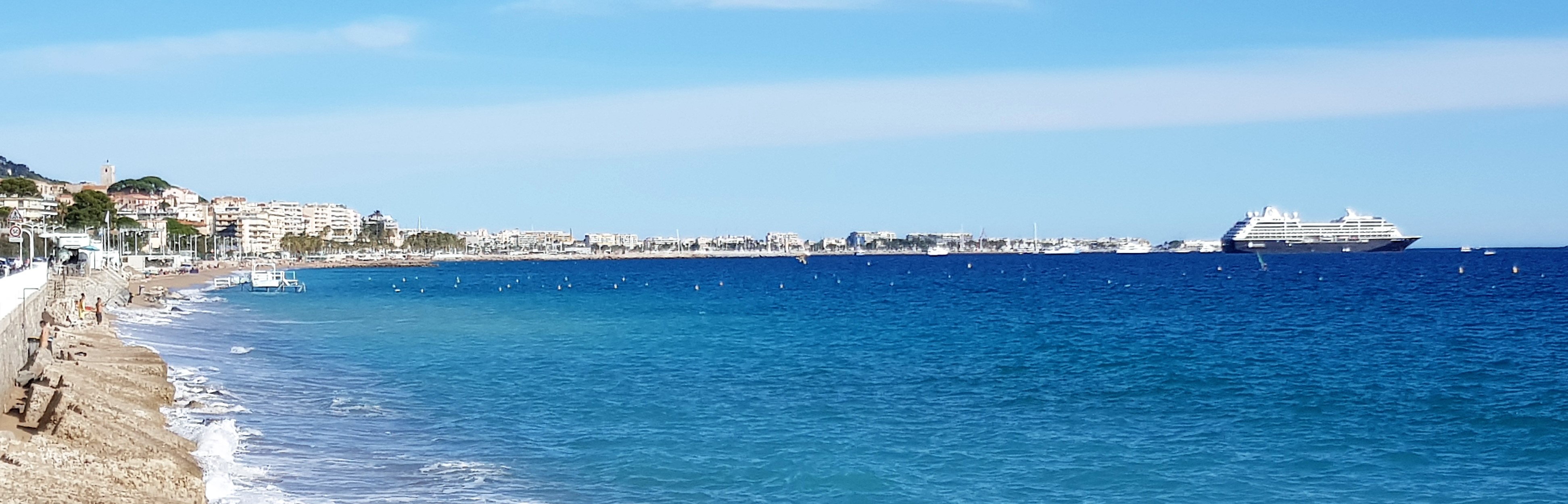
Initial view of Cannes beach, with a cruise liner docked.

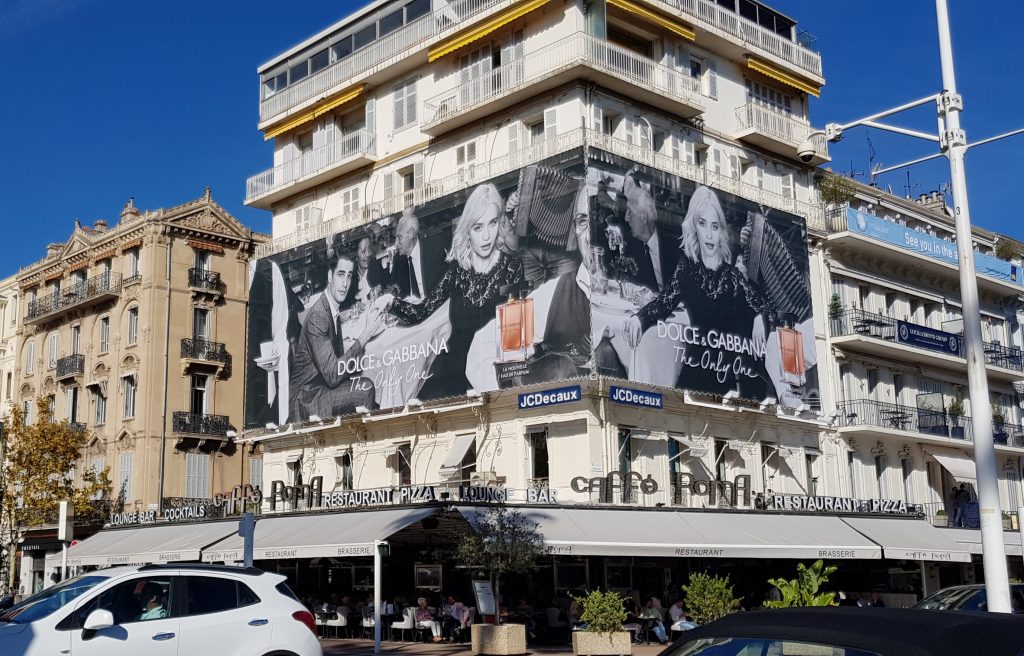
A building’s hoarding that caught my eye!

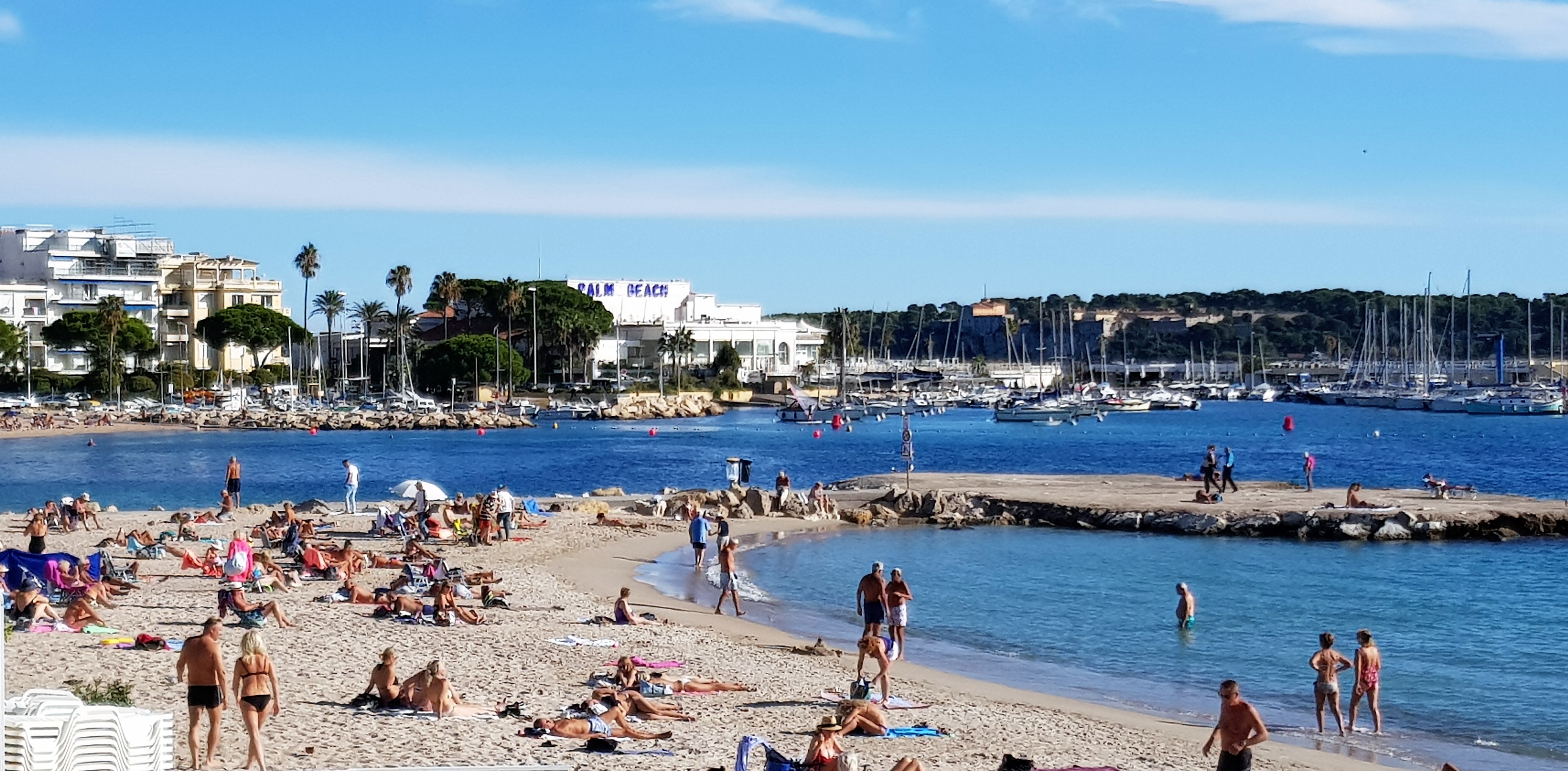
The famous Palm Beach in Cannes. The Hotel at the end was popular in the 60s but closed and is now a casino.

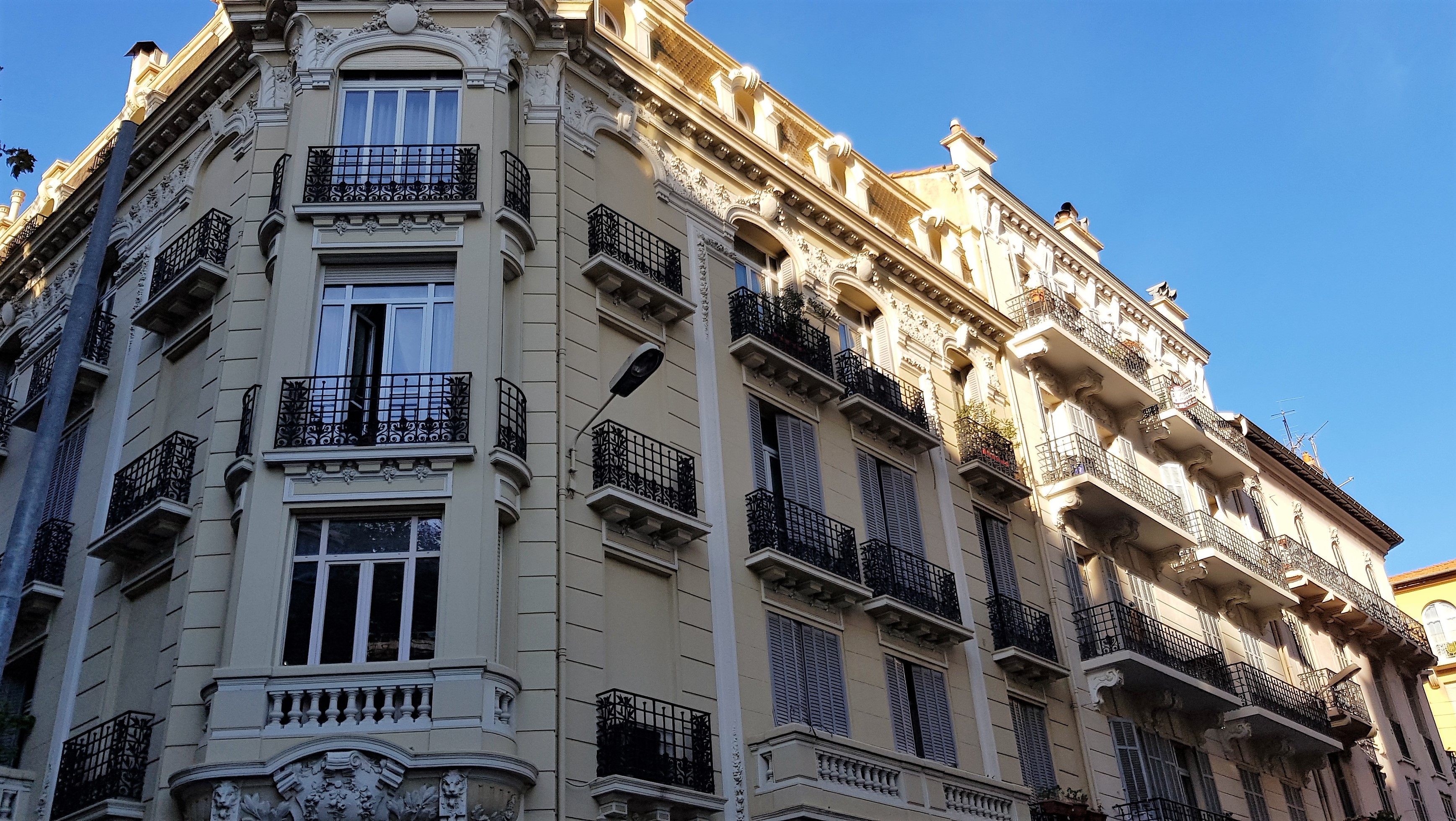
Beautiful buildings everywhere.

And now for the Super Yachts……drool on…………

Lets start with this one, owned by the Saudi Royal Family, $80 million worth of yacht!!!

Narbonne Visitors

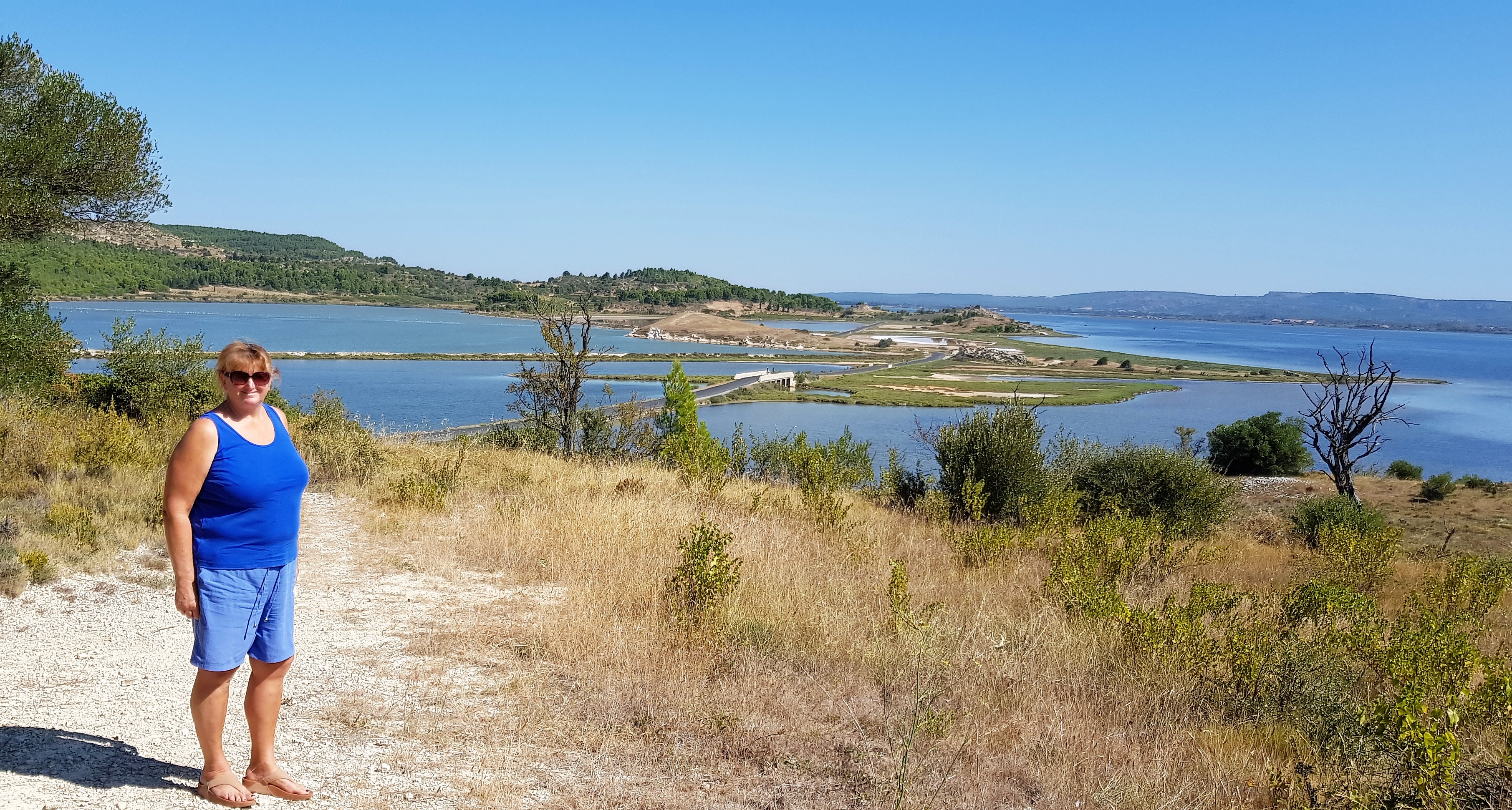
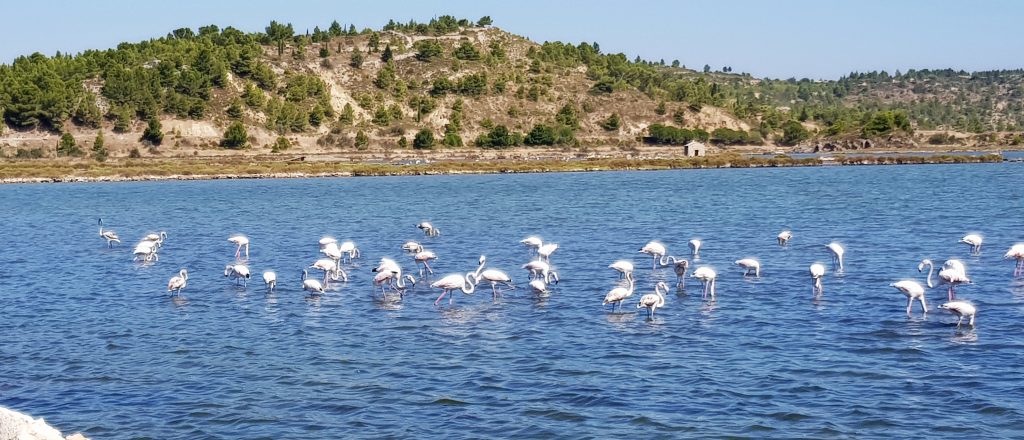
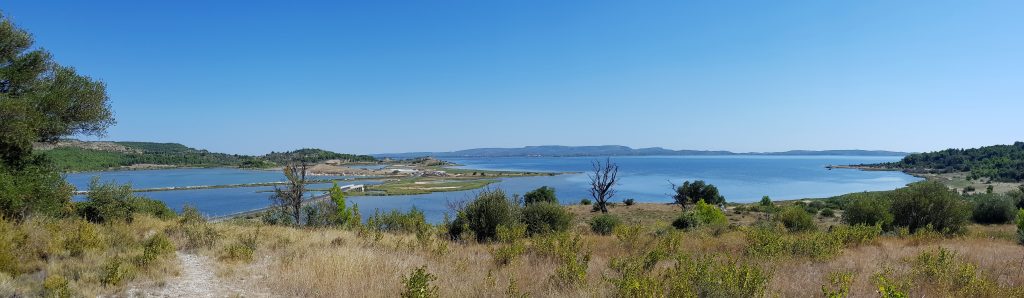
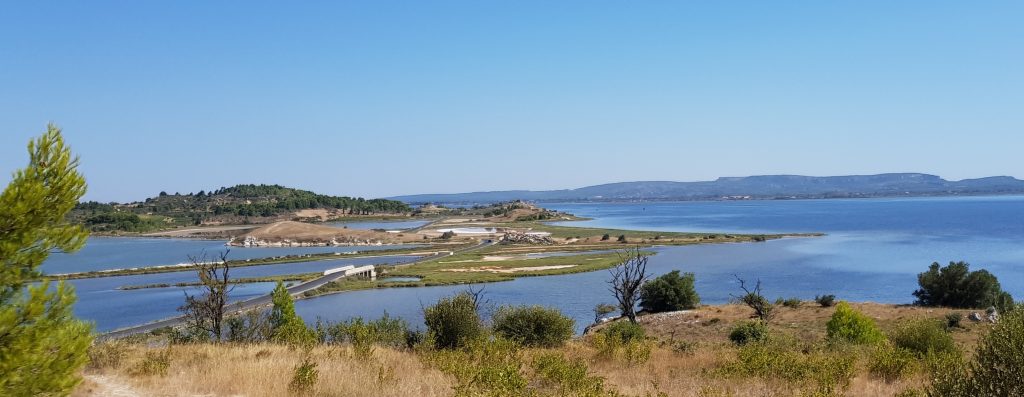
La Nautique campsite is in Narbonne, on the edge of a salt water lake, created by the natural movement of sand, very common around this part of France.  The lakes are used for non motorised water sports only, offer endless cycling and walking paths and are home to migrating birds, especially egrets, herons and flamingoes.  And the dreaded mosquitos!!!!!!!!!!

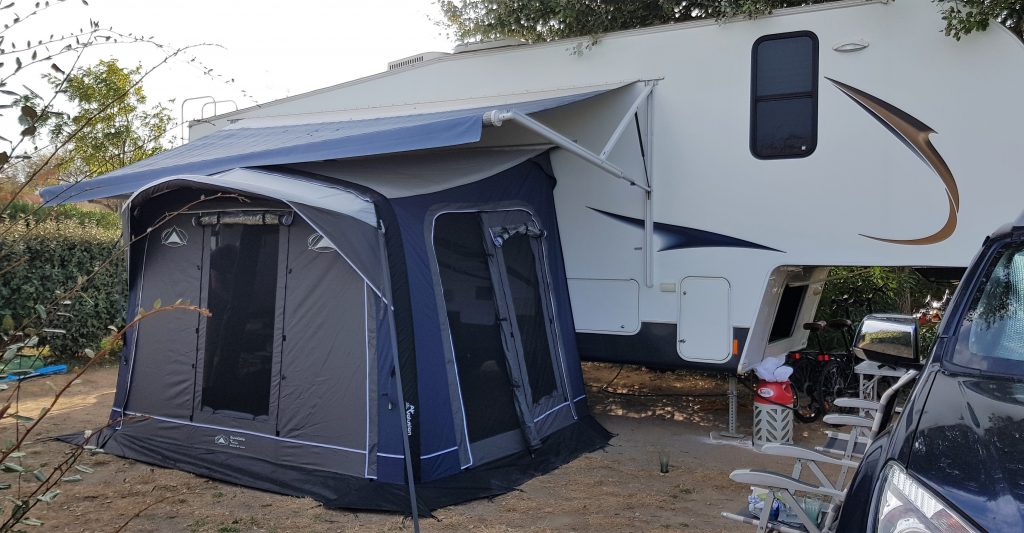
A new extension to Samson, the bug free conservatoire.

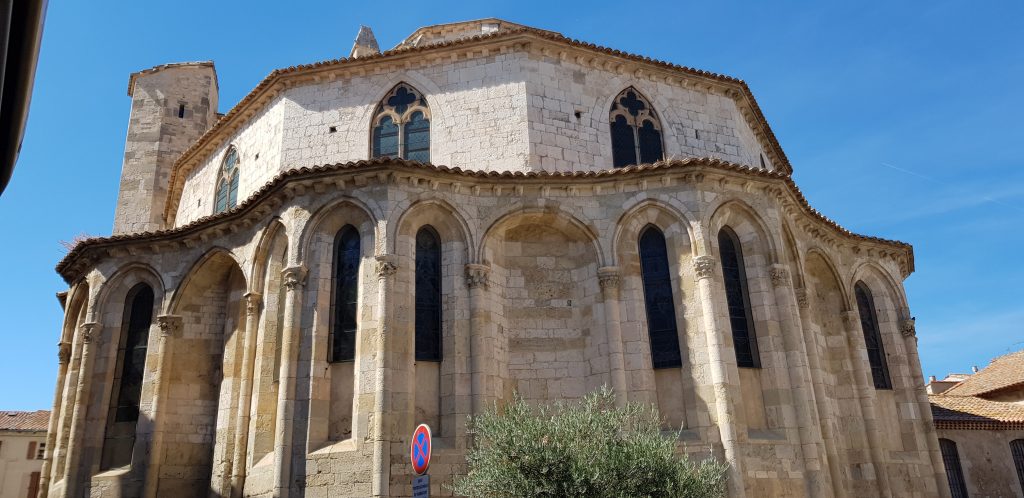
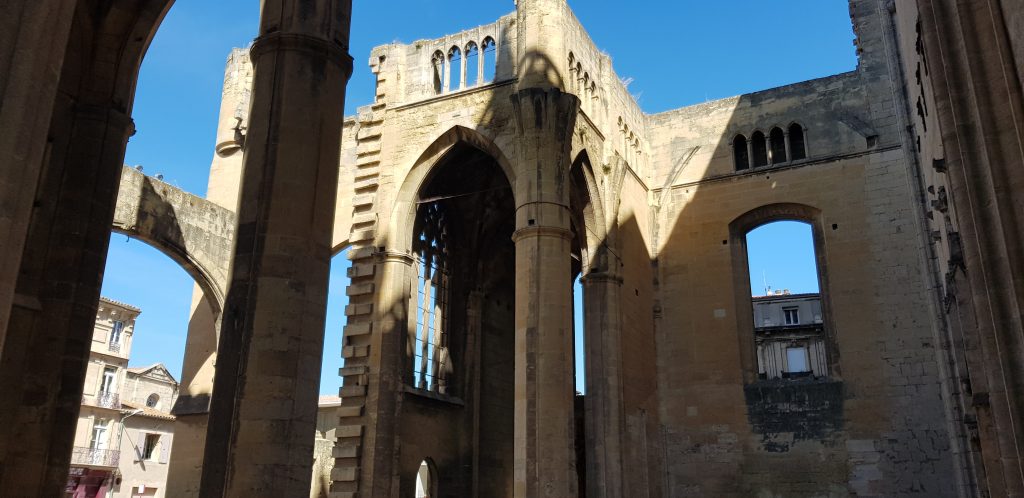
Narbonne Cathedral.

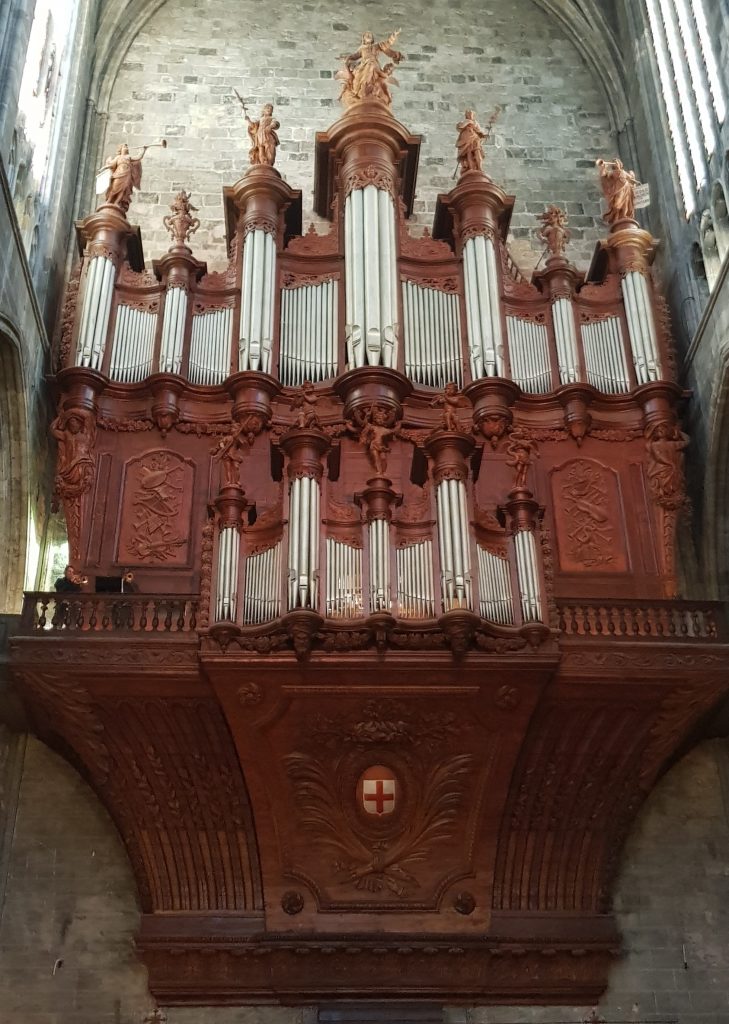
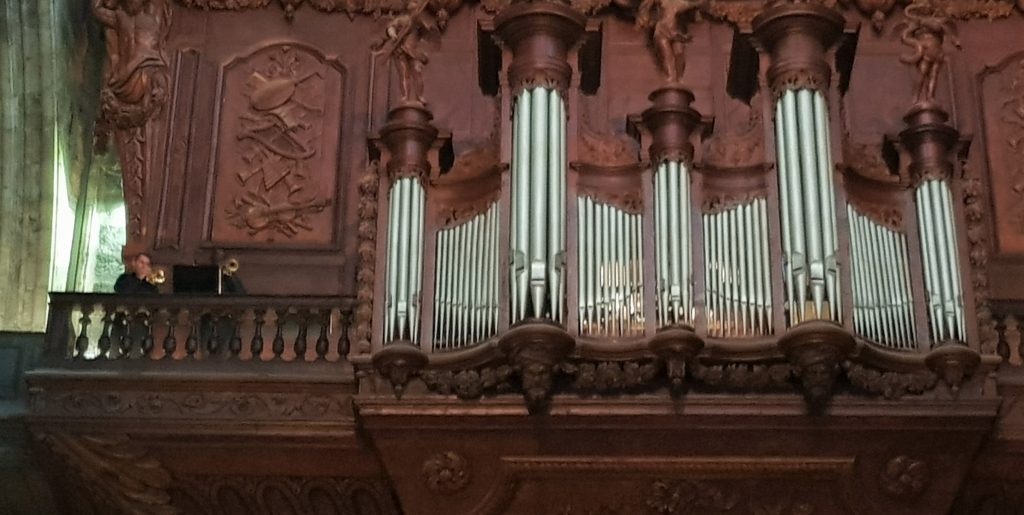
Narbonne cathedral, home to Europe’s highest organ, 23m high! On the left you can see two trumpet players on a platform, we had the pleasure of listening to a concert with them and just the organ! Fabulous!!

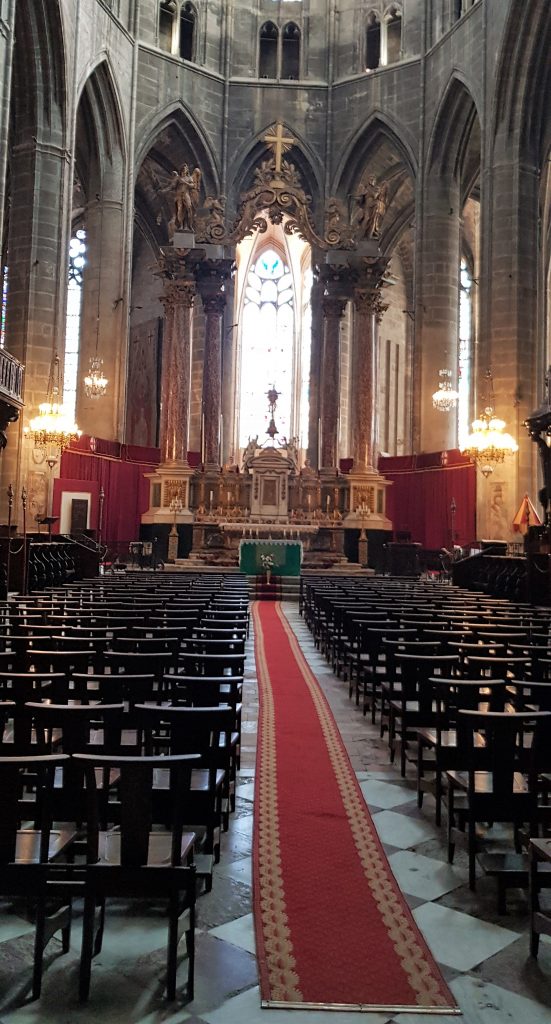
Narbonne’s famously wonky red carpet!! David was dying to straighten it.

This made me giggle!!!

The city of Narbonne is about 5 miles away,  full of character and charm, it has a daily indoor market selling every type of produce you can imagine as well as food bars, pizza, baguettes and even an oyster and champagne bar!  An external market is held twice a week, supported by local artisans selling lavender, honey products, olives, wine and duck products.  Honey, olives and duck feature highly on every menu, duck breats, duck pate, olive tapenades, honey added to anything and everything…..

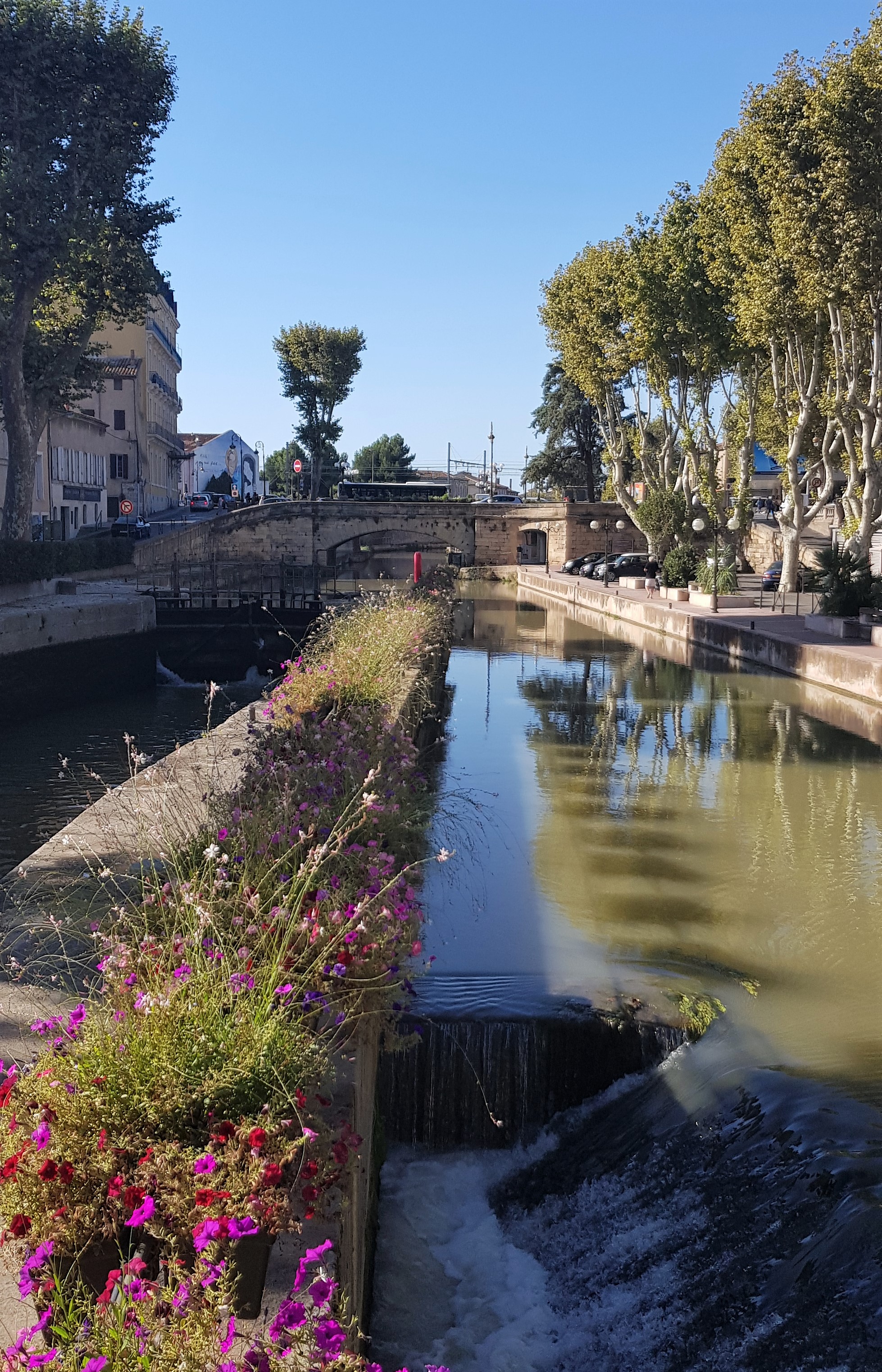
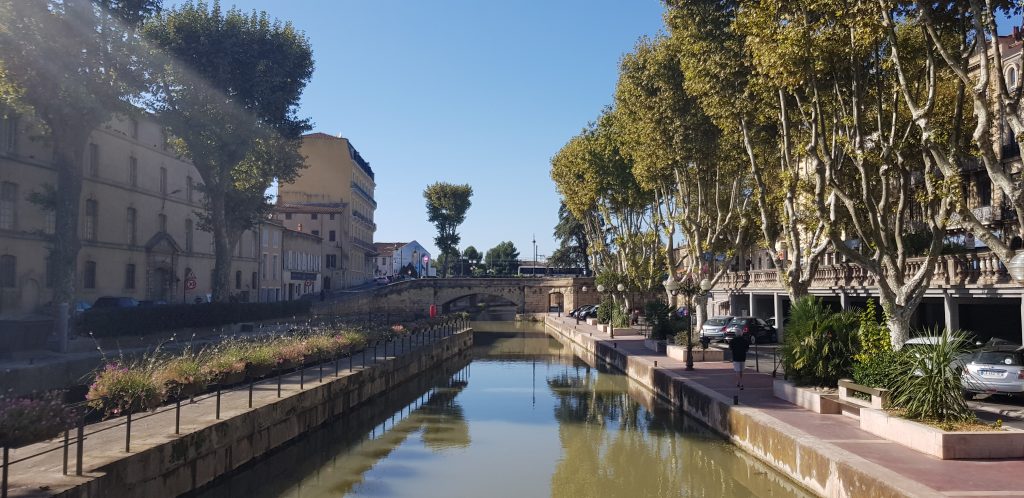
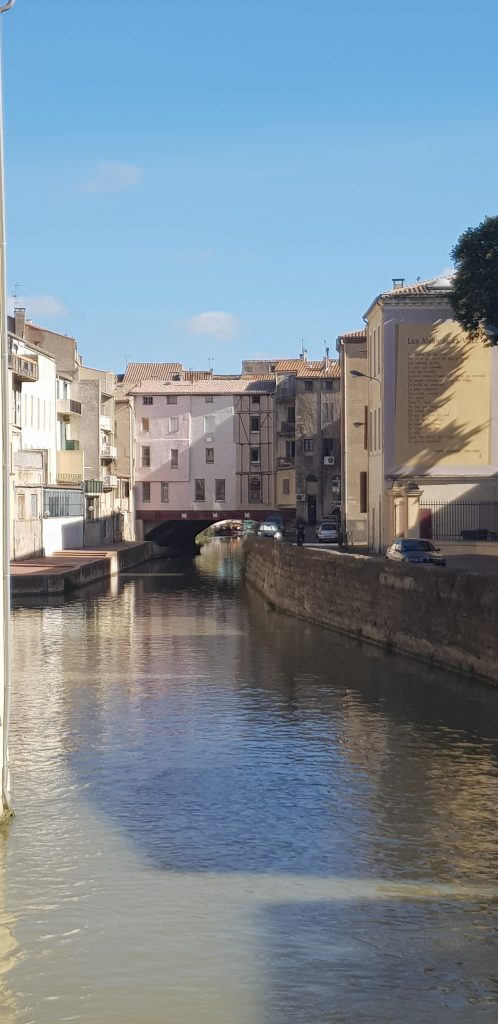
The city centre has a lovely old stone cathdral, an adjoining Bishops Palace (home to the Mayor), roman road remains and the lovely Canal Robine which eventually meets up with the Canal Du Midi but gives the town a lovely feel of calm, sophistication and age without the modernity taking over.

The Canal du Robine in Narbonne centre.

Views over the salt lakes and natural inlets.

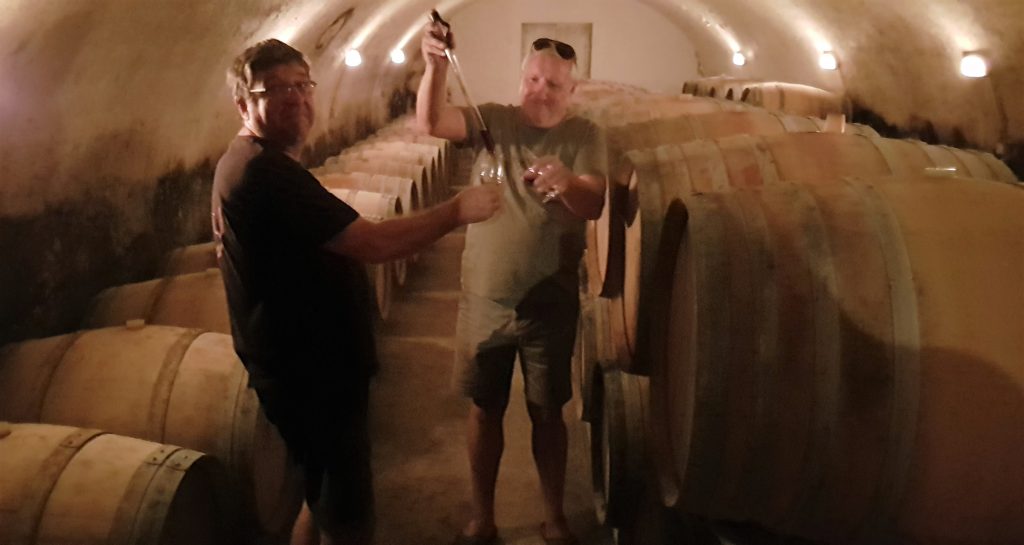
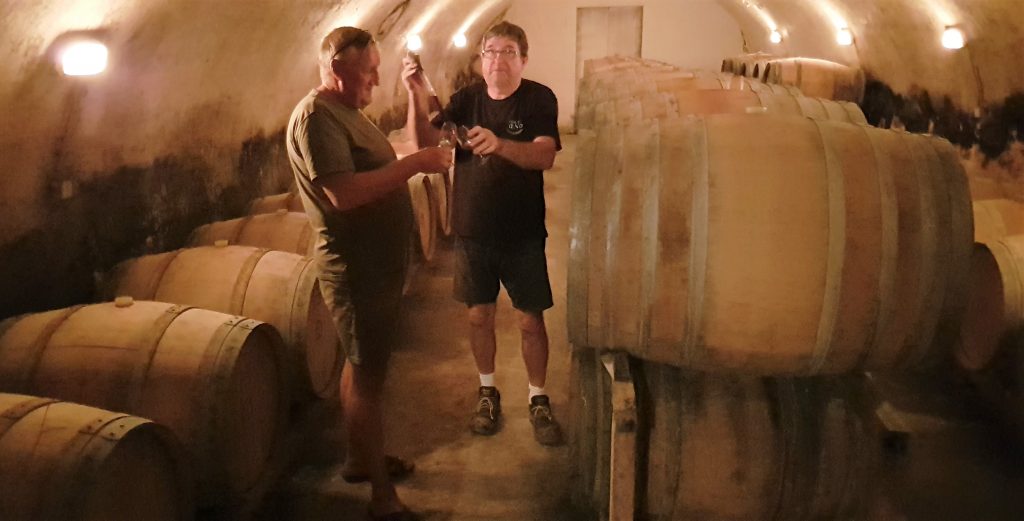
We stopped at a private vineyard, where the owner took us down into his cellars, after a tasting of course!

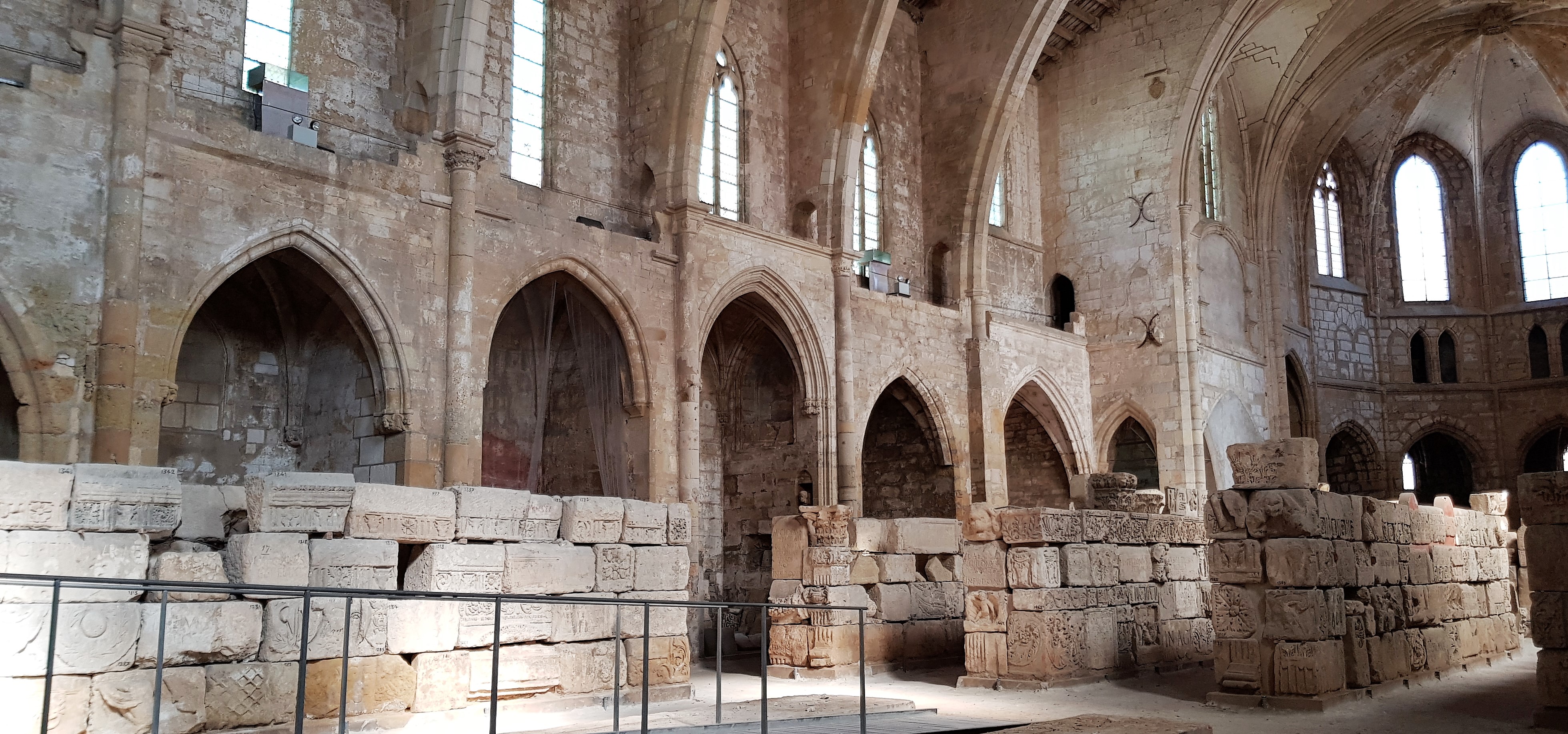
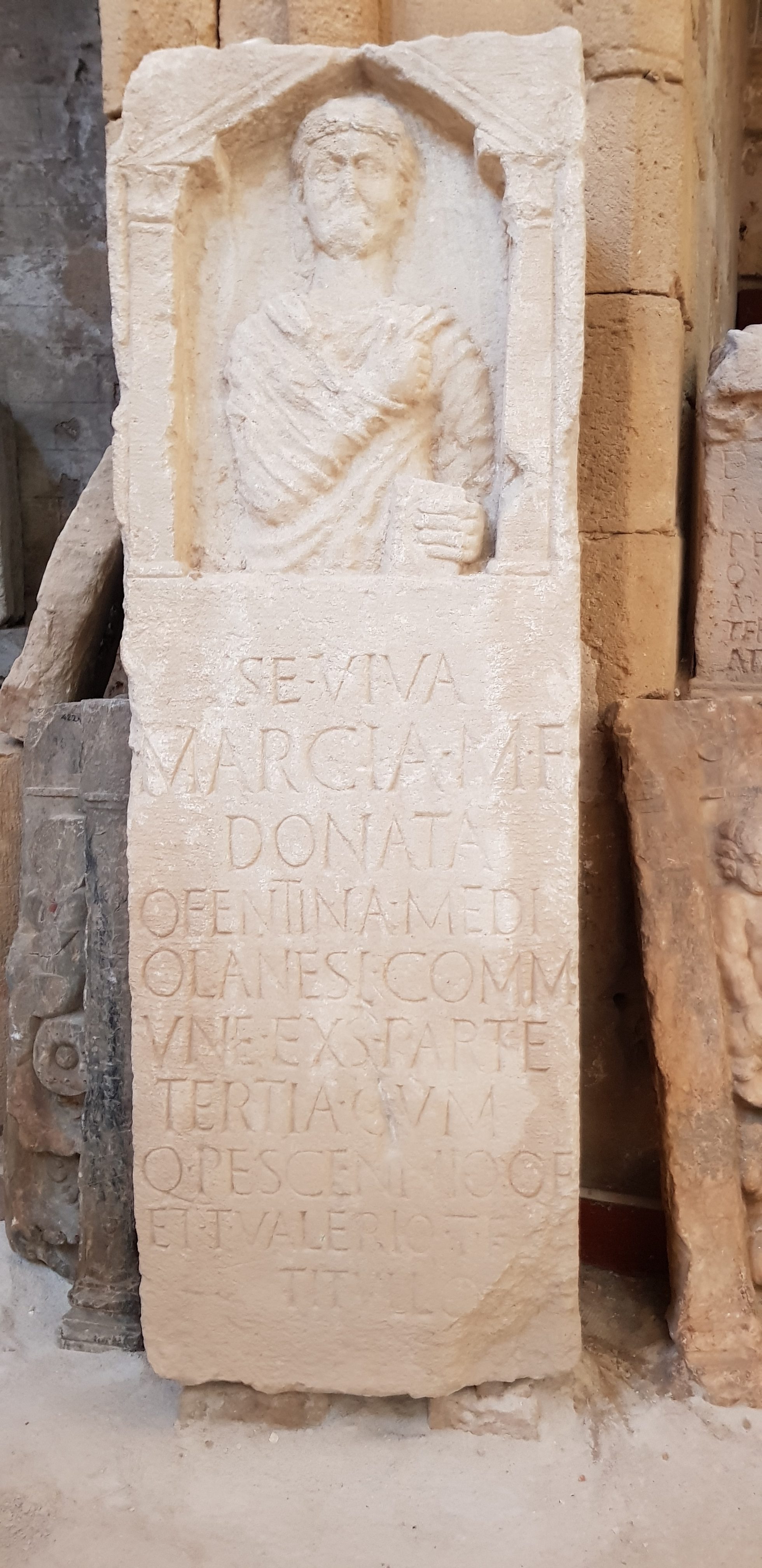
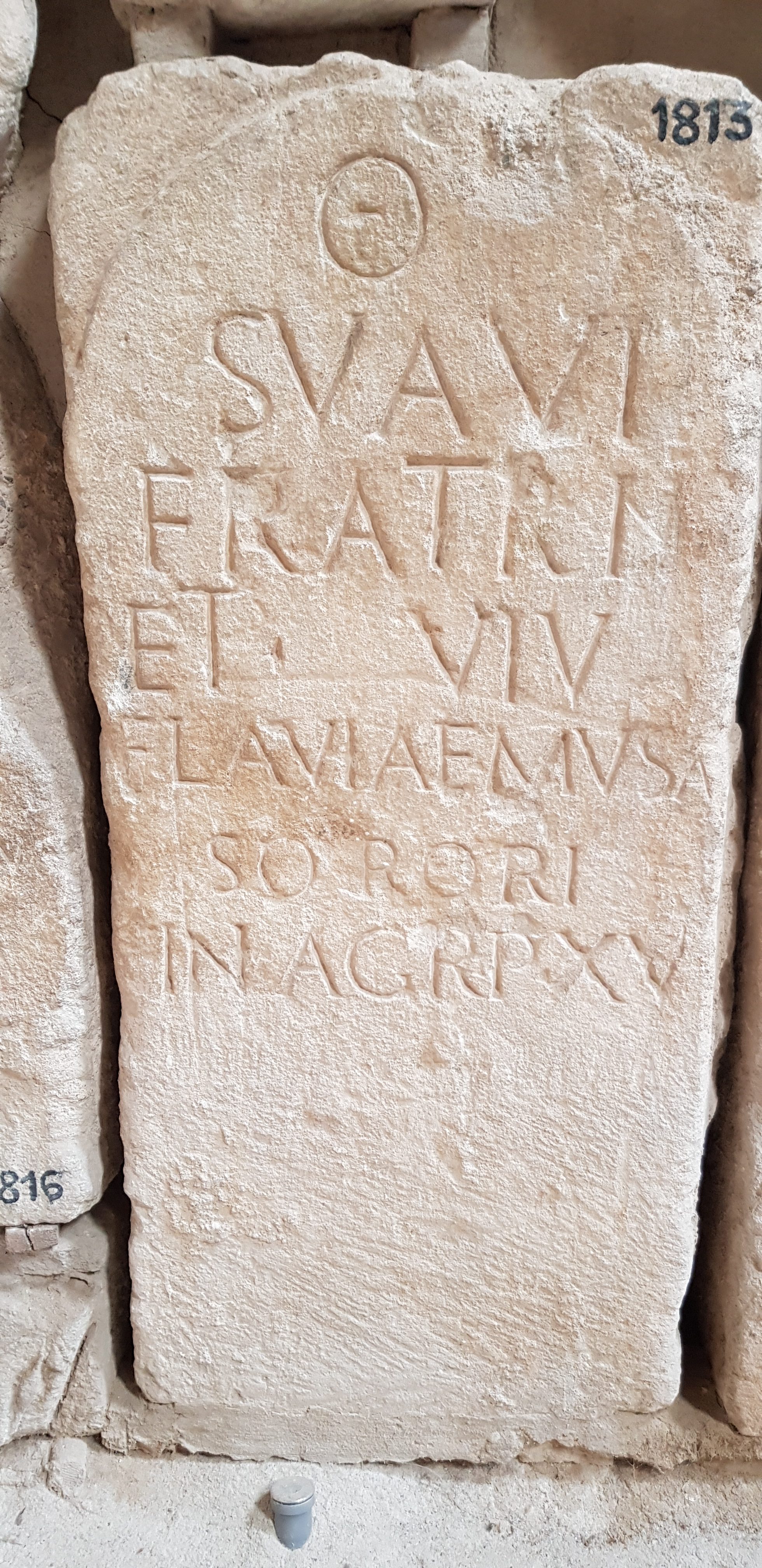
This deconsecrated church is now a museum to over 2000 stones found locally that are full of Latin carvings and etchings.

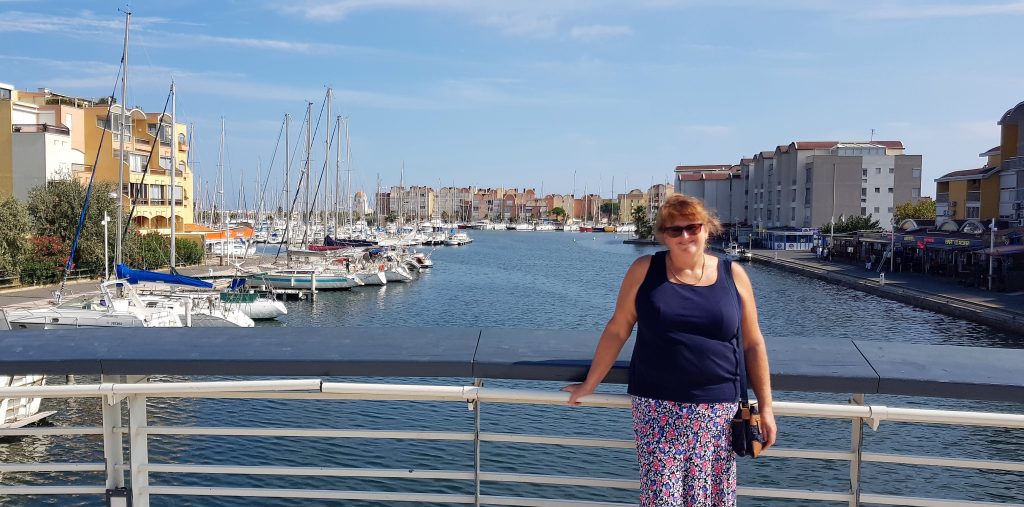
View of Gruissan port.

Beziers

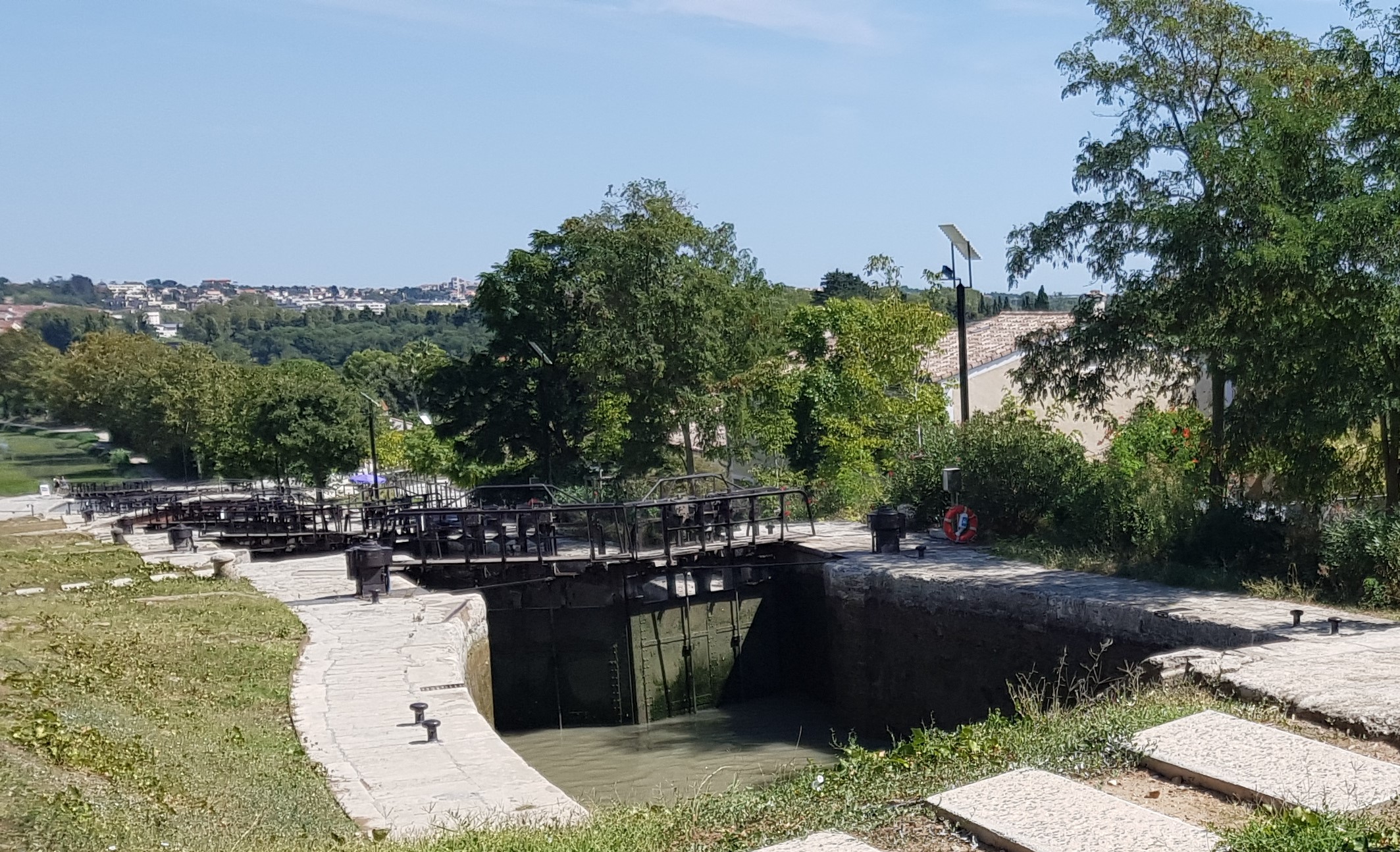
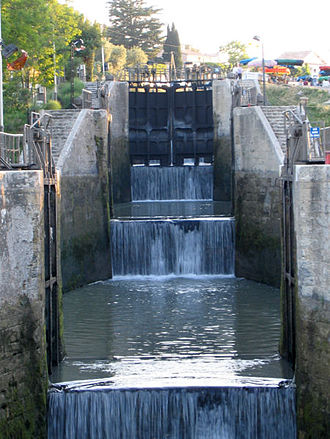
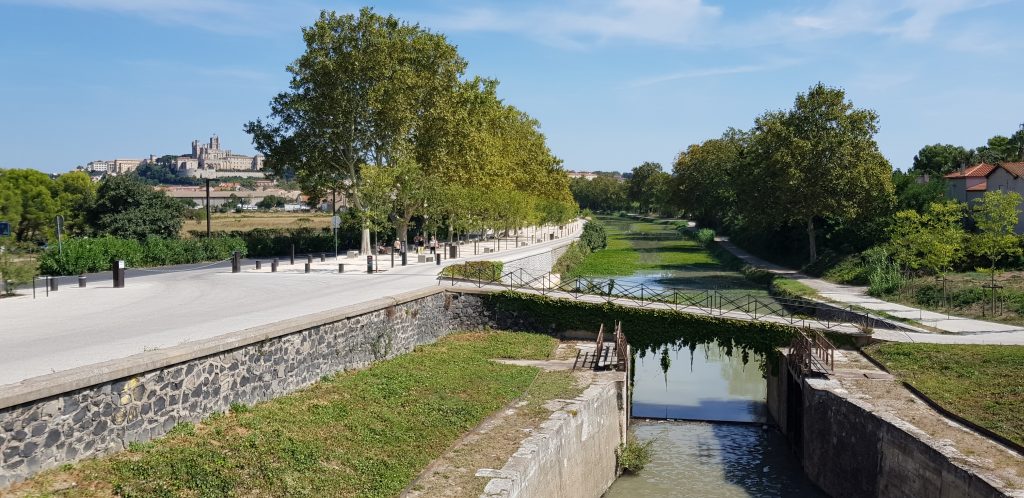
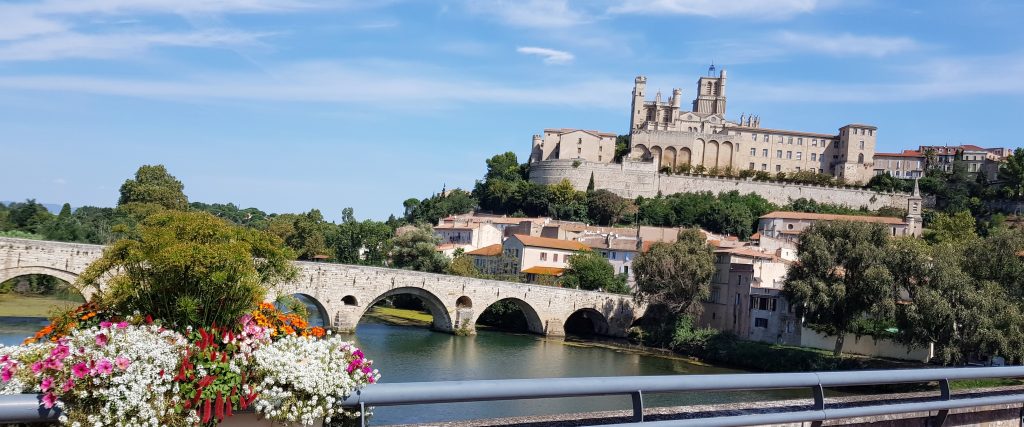
Beziers is a nearby city, full of character, perched on a hill.  It has a cathedral where one (yes, we have done it!) can climb over 200 steps up a spiral staircase to the top of a tower for views over the surrounding landscape.  The main square comes to life every night with lit waterfalls that dance to music, surrounded by pretty cafes and restaurants and terraced tropical gardens.  Just outside the town is an amazing feature of the Canal du Midi, a terraced set of  locks which rise/fall over 21.5 metres and are 300m in length.

The Fonserranne lock (built in 1850) consists of eight ovoid-shaped lock chambers and nine gates, the flight was originally built as an 8-rise, which together with the ninth lock (the écluse de Notre-Dame, 710 metres (0.44 mi) to the north-east) allowed boats to cross the Orb river on a level and reenter the canal further downstream. The “9 locks” name dates from this time.

Diagram of the locks and gates, showing the numbering of the chambers and the six in use at the present day.

However, in 1858 an aqueduct was built to replace the crossing of the Orb. Boats now enter and leave the lower end of the flight through the side of chamber seven, which is permanently kept at its upper water level. The flight is therefore effectively made up of six locks. The lower gates of the seventh chamber are now permanently closed; the eighth chamber and the ninth lock, the pre-1858 route descending to the Orb, are disused.

View from the top of the locks.

View from the bottom lock looking upwards.

Visit by Caitlin & Emma

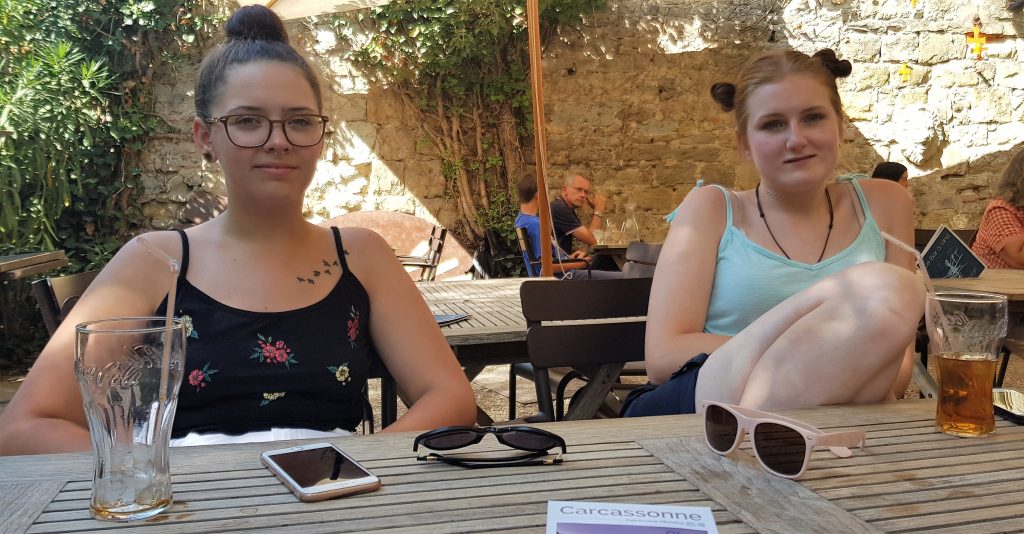
We had been back in Narbonne just over a week when we had visitors, Caitlin and her friend Emma.  They camped in a tent on our pitch and we showed them the sights, out every day!  On the day they arrived, we stayed on the site, they set up the tent (which was a laugh for us!!), went in the pools, had a BBQ and devised a travel plan.

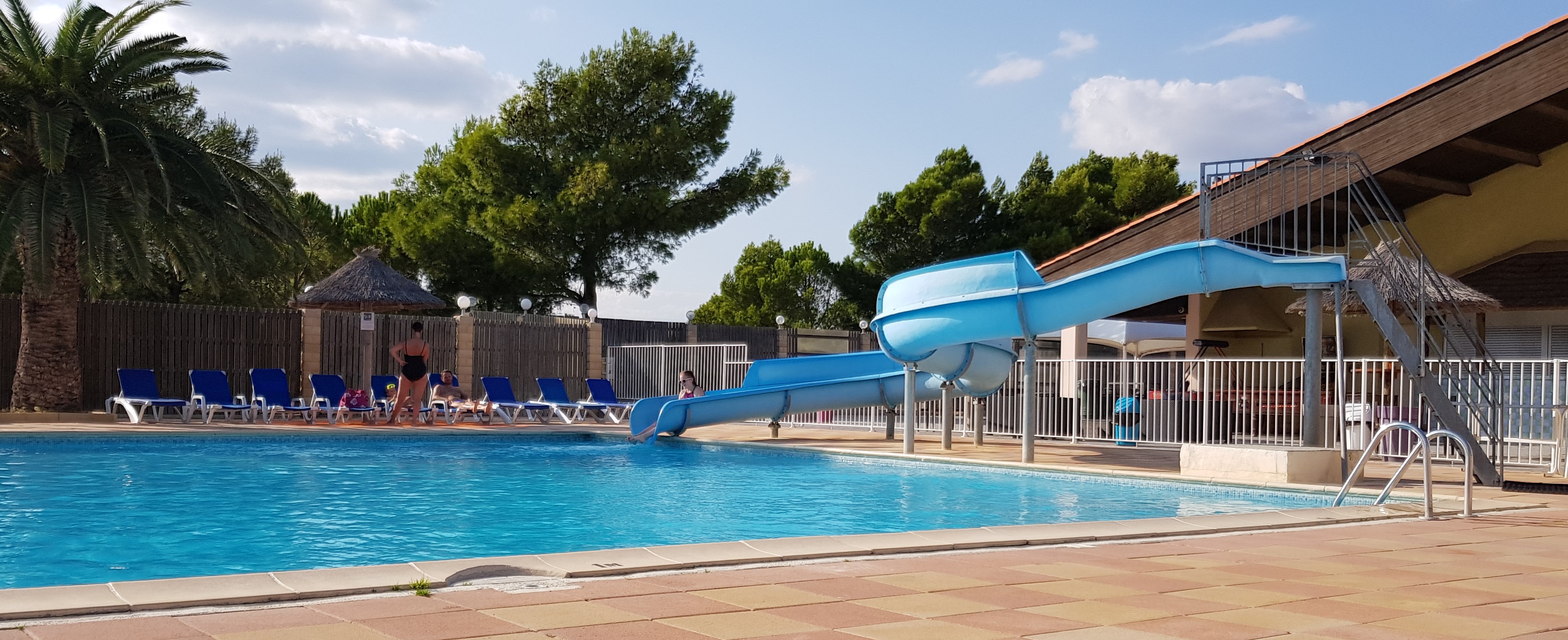
Caity practising on the slide!!

Saturday we drove the 100kms into Spain, to purchase cheap tobacco and cigarettes for the girls and their friends back in the UK.  We stopped at a lovely town called Roses and had lunch, strolled along the beach front and did some shopping, stocking up on the Spanish milk that we like, chorizo sausages and Manchego cheese!

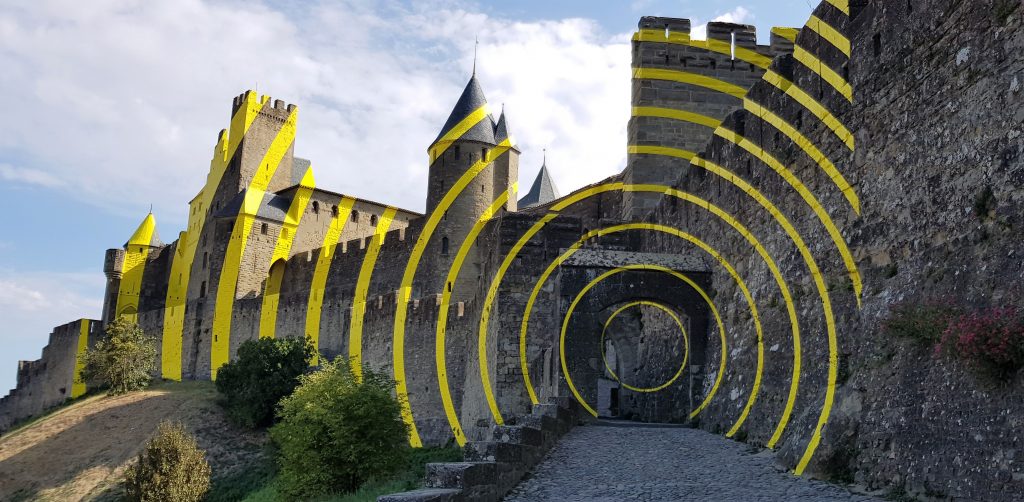
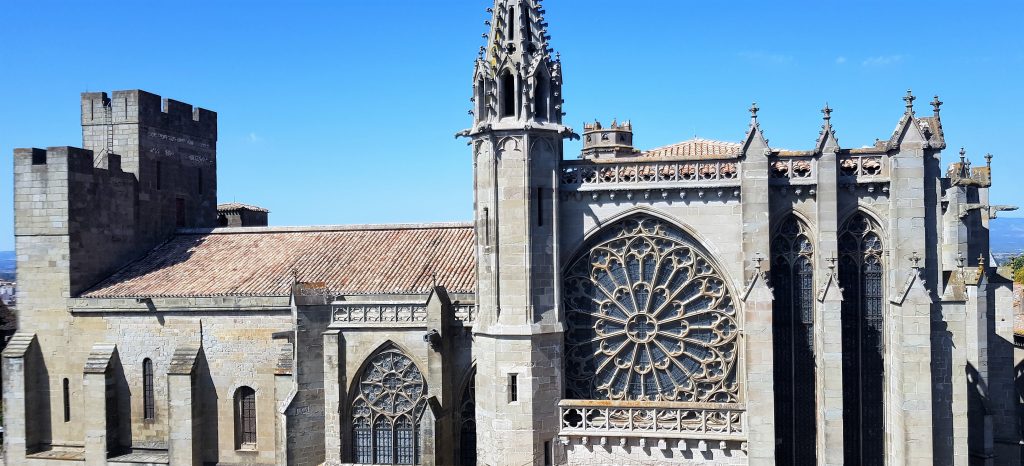
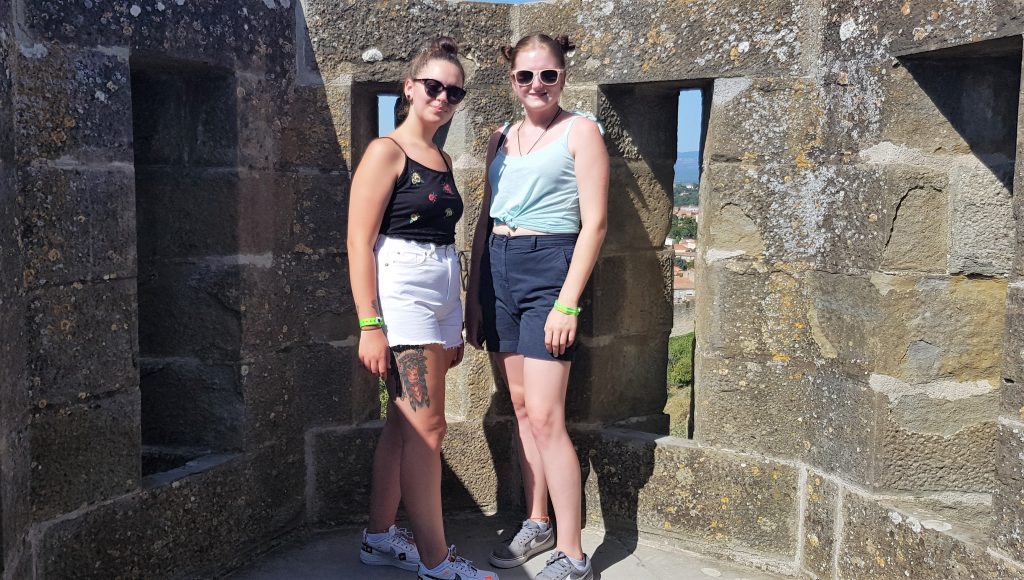
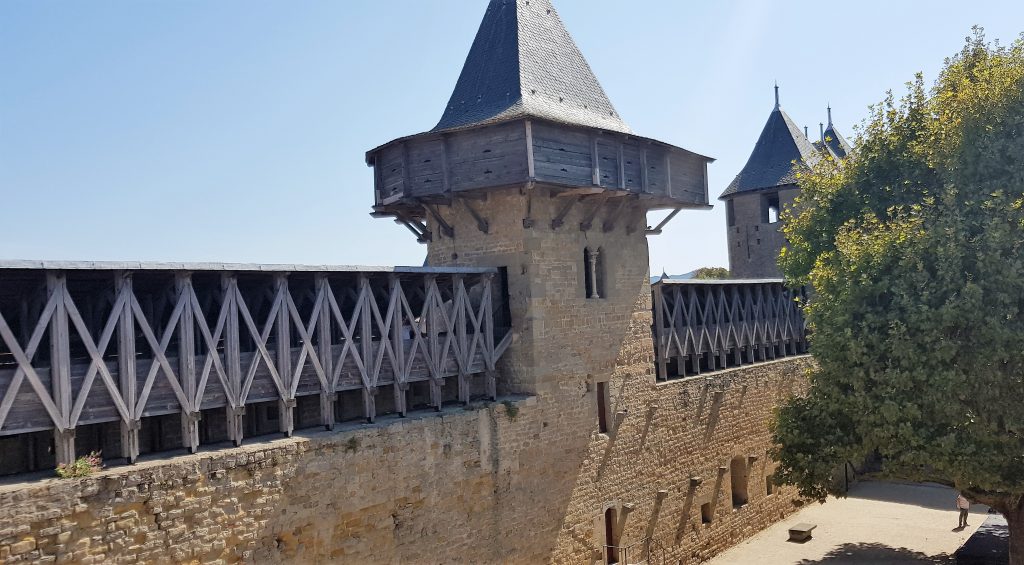
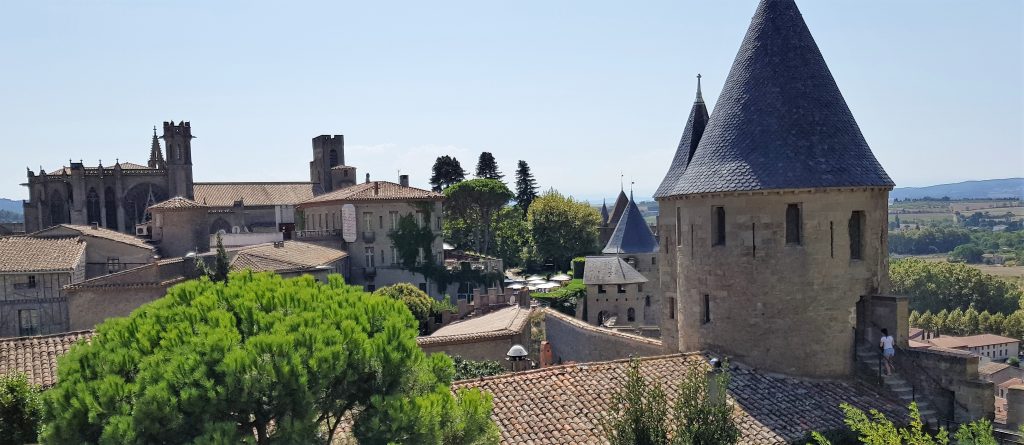
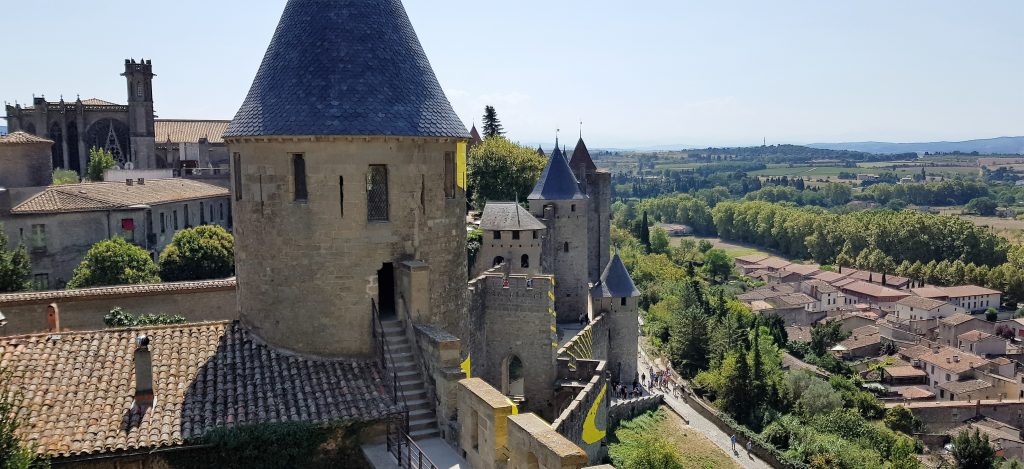
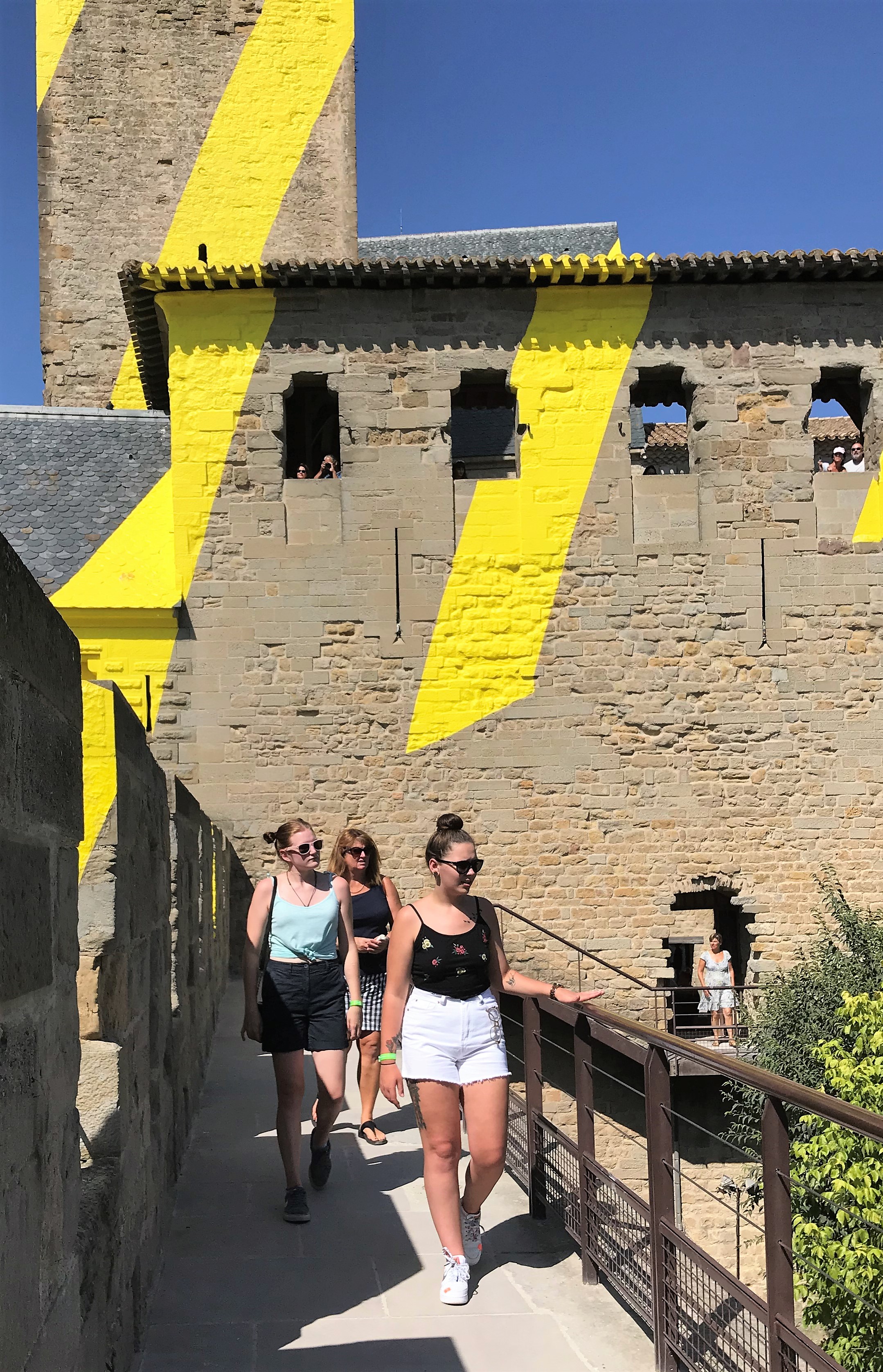
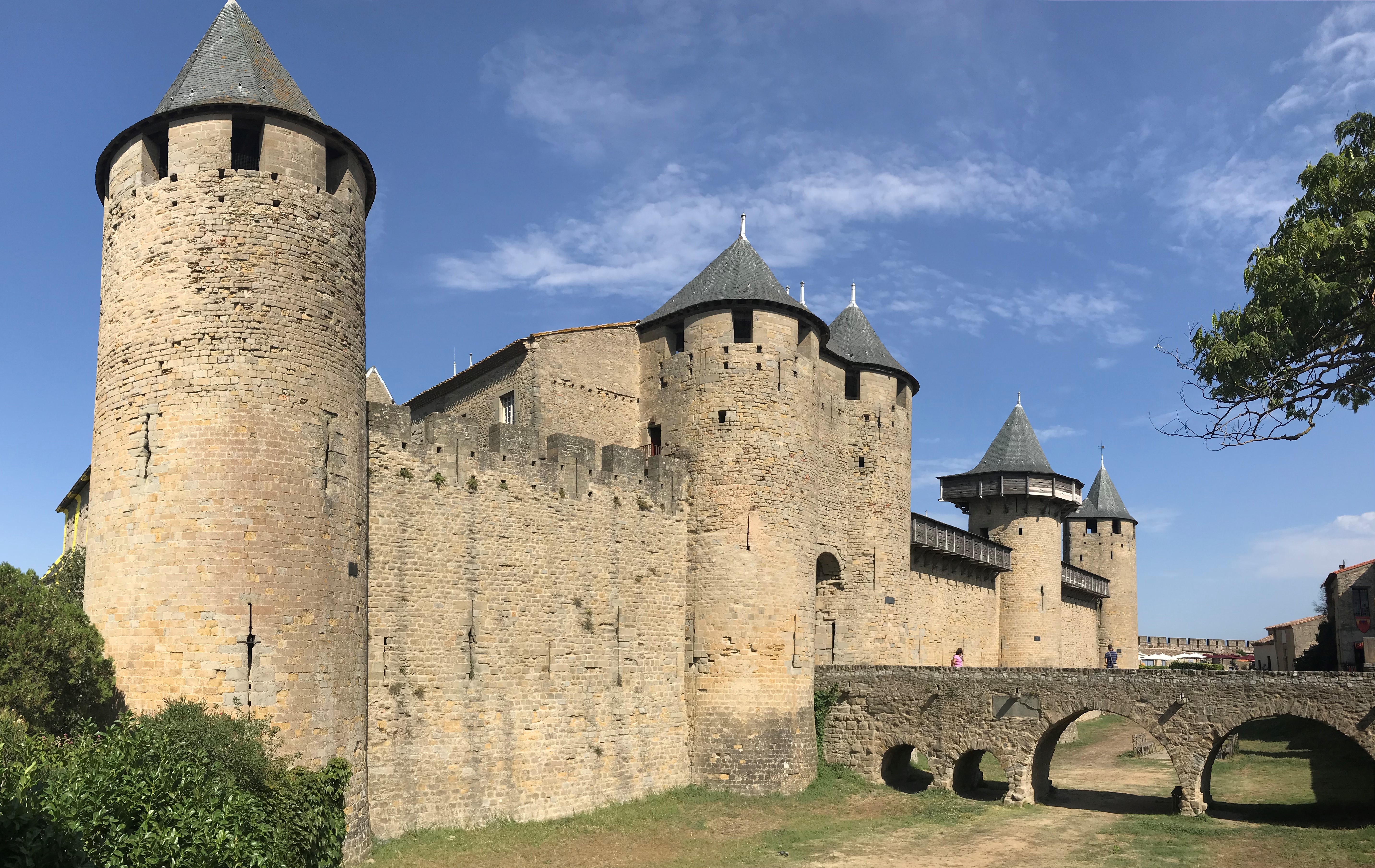
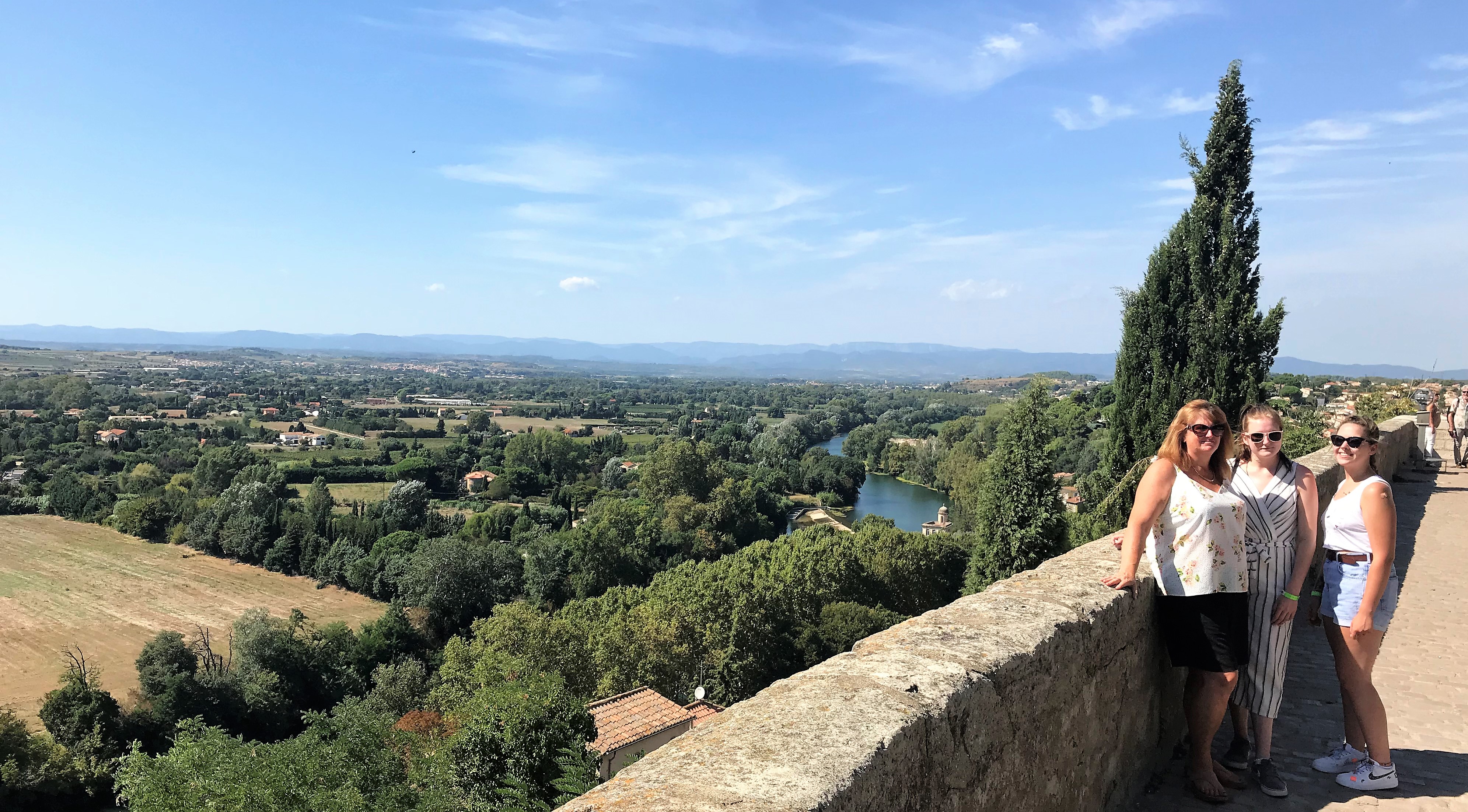
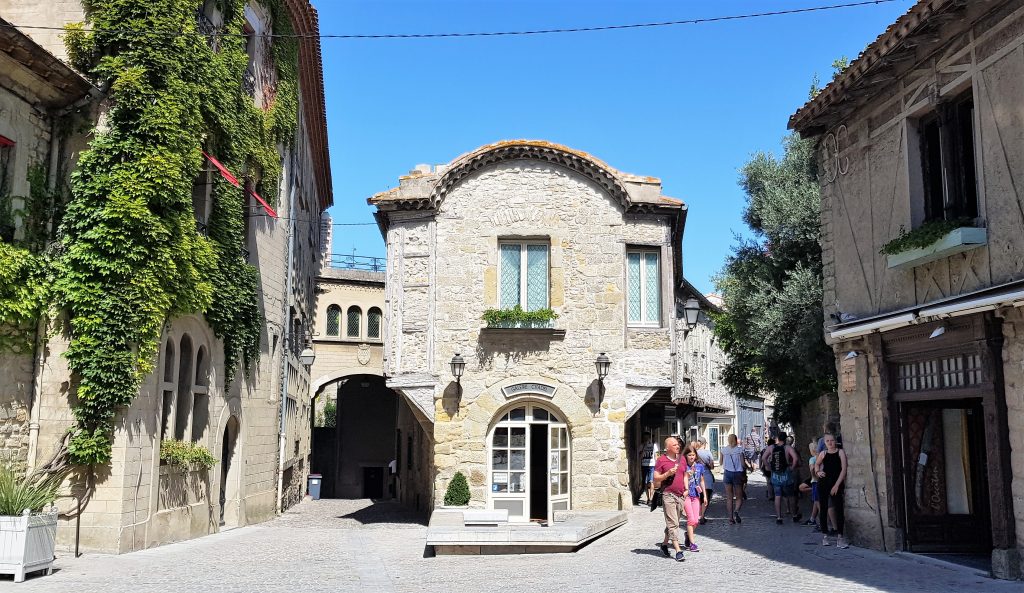
We took a day out to the beautiful walled city of Carcassonne, a fully enclosed medieval city, had a picnic in the grounds and learned about the city’s decoration, to commemmorate the 20th anniversary of it gaining its UNESCO status.  It was an ever increasing circle, painted onto a metal that stuck (temporarily) to the walls.  In a different location, the view was only of bits of yellow, you had to stand in a certain position to gain the full effect.

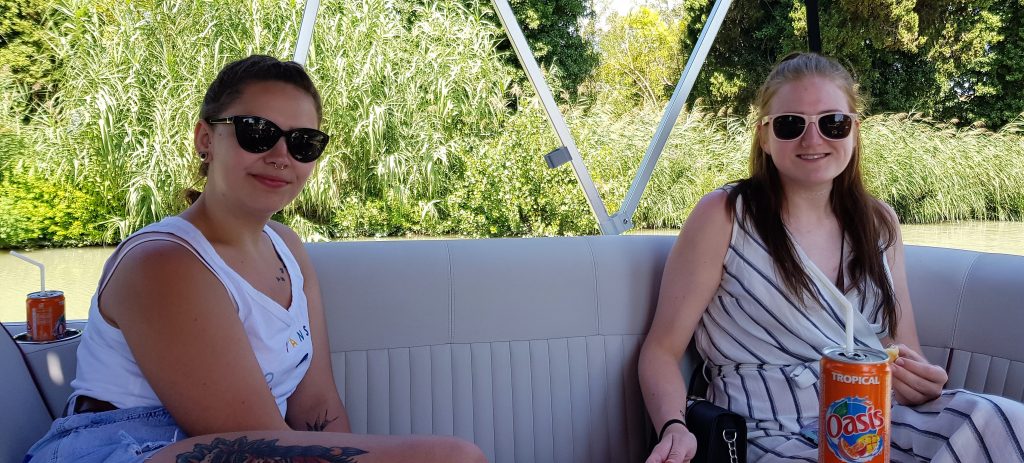
We took the girls to Bezier, took a short boat ride up the canal, took the tourist train around the town, and walked up the famous seven locks on the Canal du Midi.

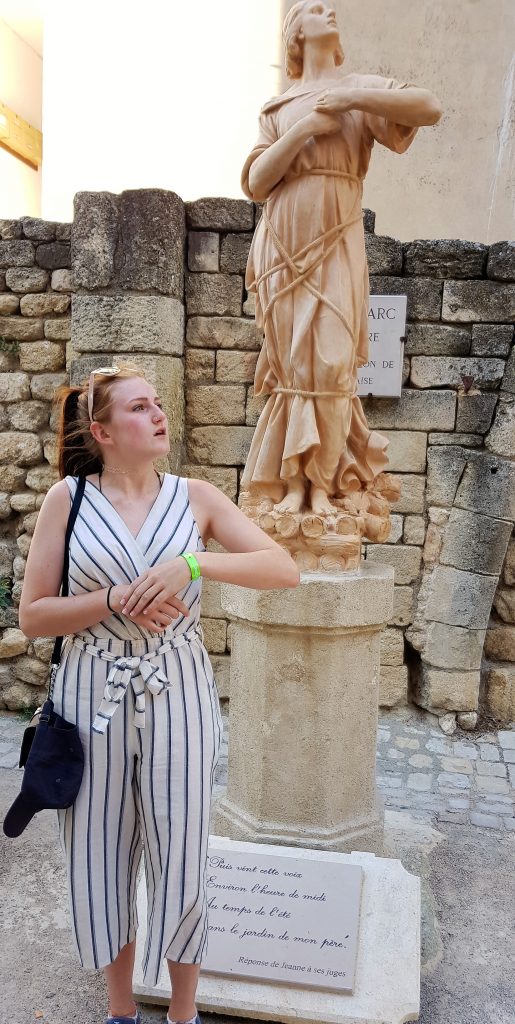
Joan of Arc Version 1 and 2!


We agreed to a day at a water park, where we all came away with cuts, bruises, aches and pains, we decided that David and I are far too old for water parks now!  The girls enjoyed themselves!!

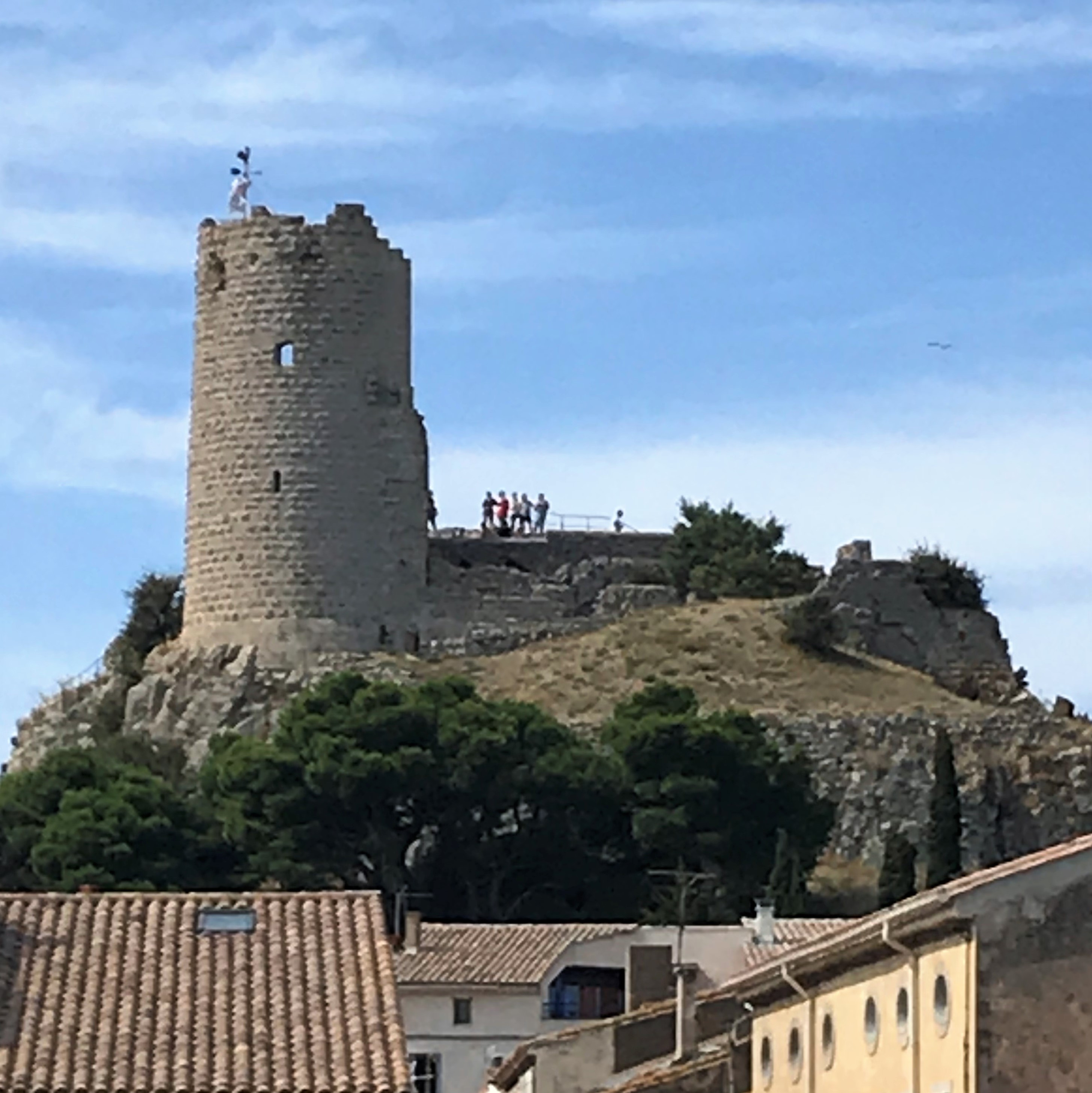
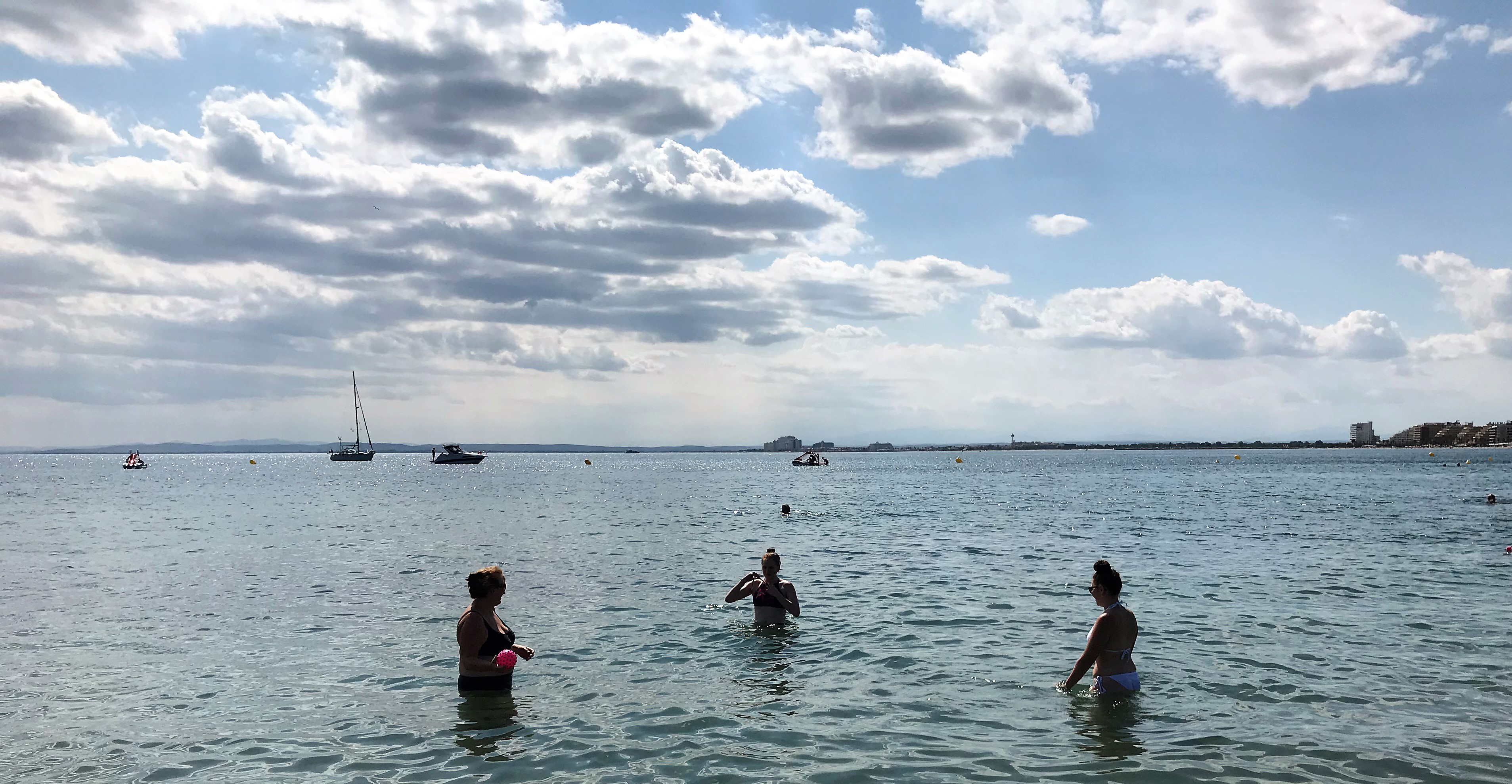
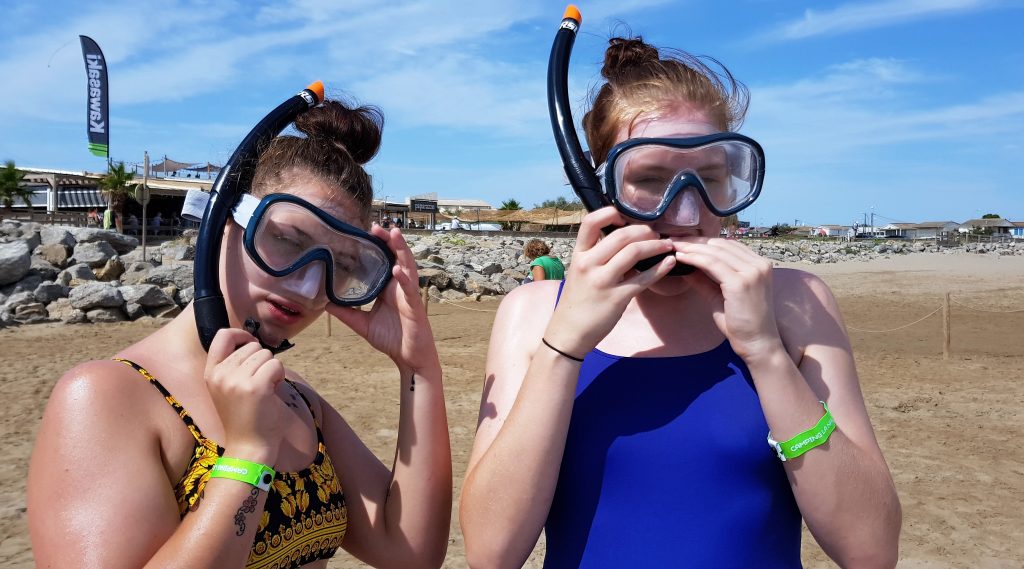
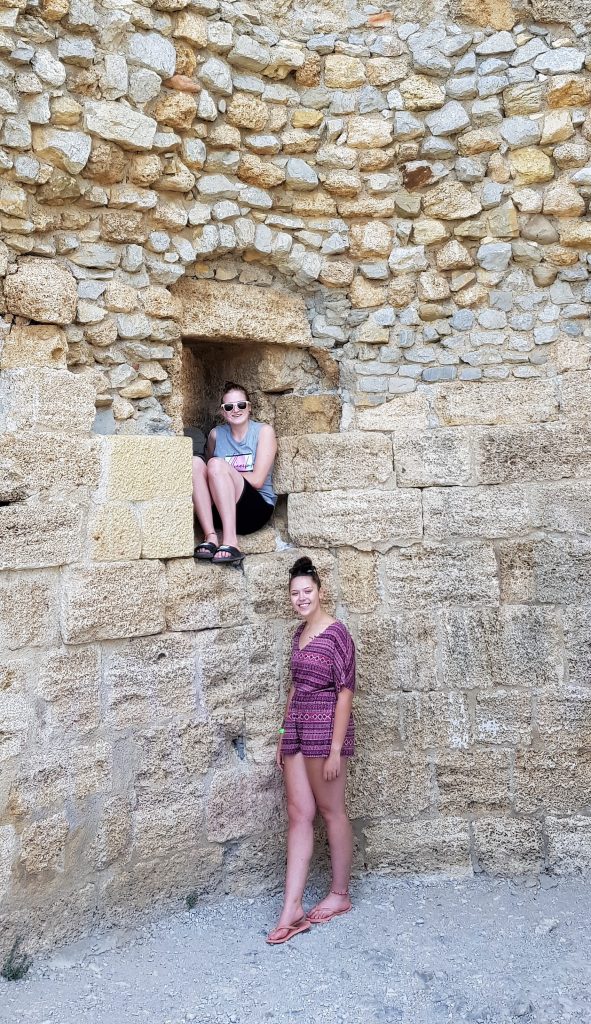
We visited Gruissan and climbed to the ruins of the castle on the top of the hill, spent a few hours on Gruissan Plage, our nearest decent beach, and taught the girls how to snorkle in the freezing med waters!  They wanted to jet ski but didnt have ID with them, shame……  Getting to Gruissan meant going through another area of natural salt and fresh water lakes, home to hundreds of migrating birds.

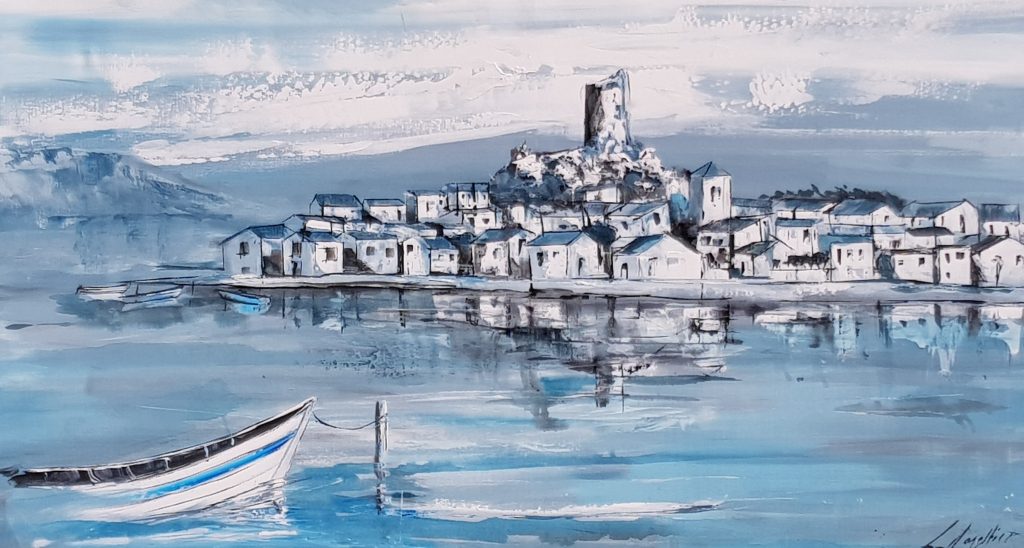
An artists impression of Gruissan and it’s ruined tower.

Top of the tower.

Visit from Keith & Jean

We also spent three days with Keith and Jean Perry, our old neighbours from the campsite in Cambridge; they were on their way down through France to Spain so it was a short break in their journey for them.

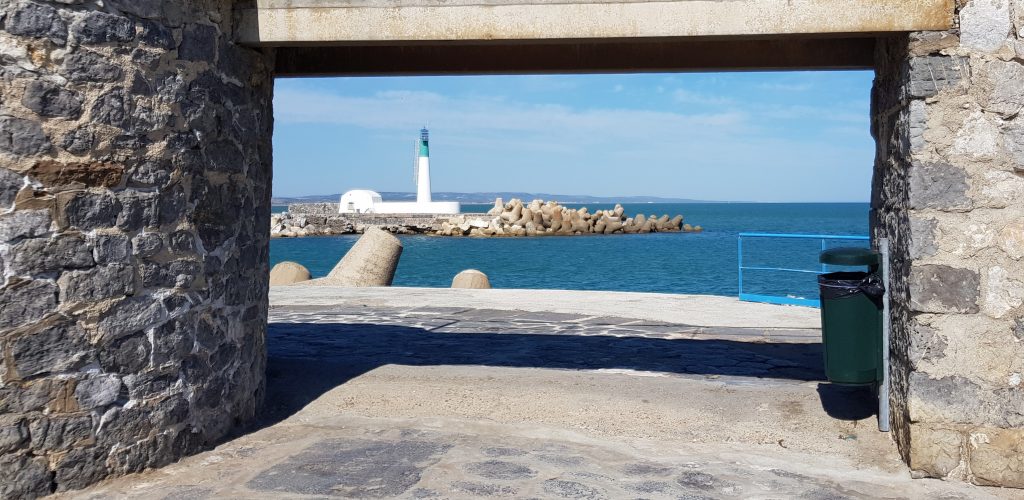
We took them to Gruissan and Narbonne as well as heading south down the coast one day to Port Le Nouvelle.  This is a lovely seaside town with a long sandy beach lined with restaurants.  We took an afternoon stroll along the seawall watching the fishing boats arriving with their catch.

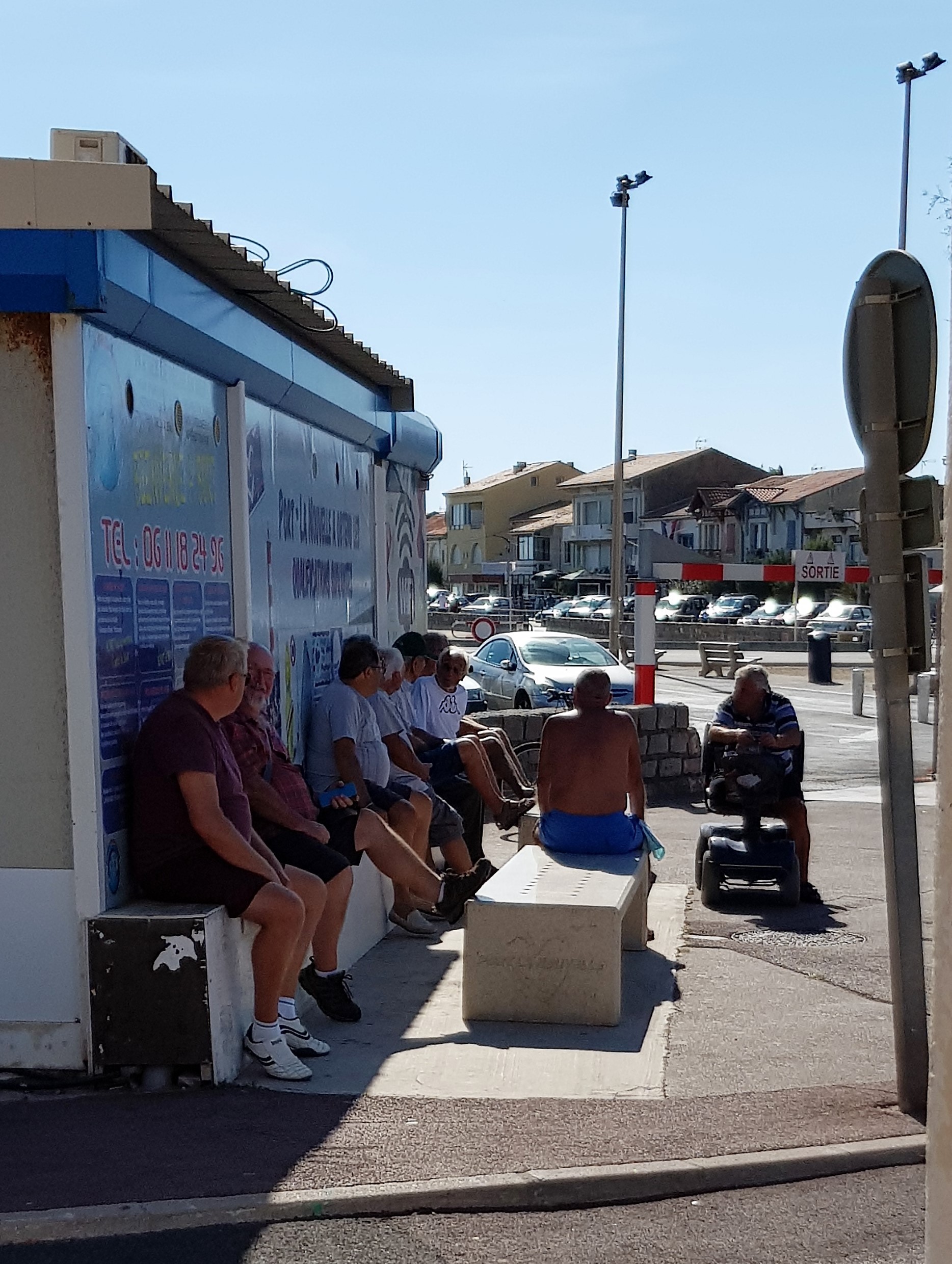
David and Keith joined the “Old Mans Club” on Port Le Nouvelle seafront 🙂

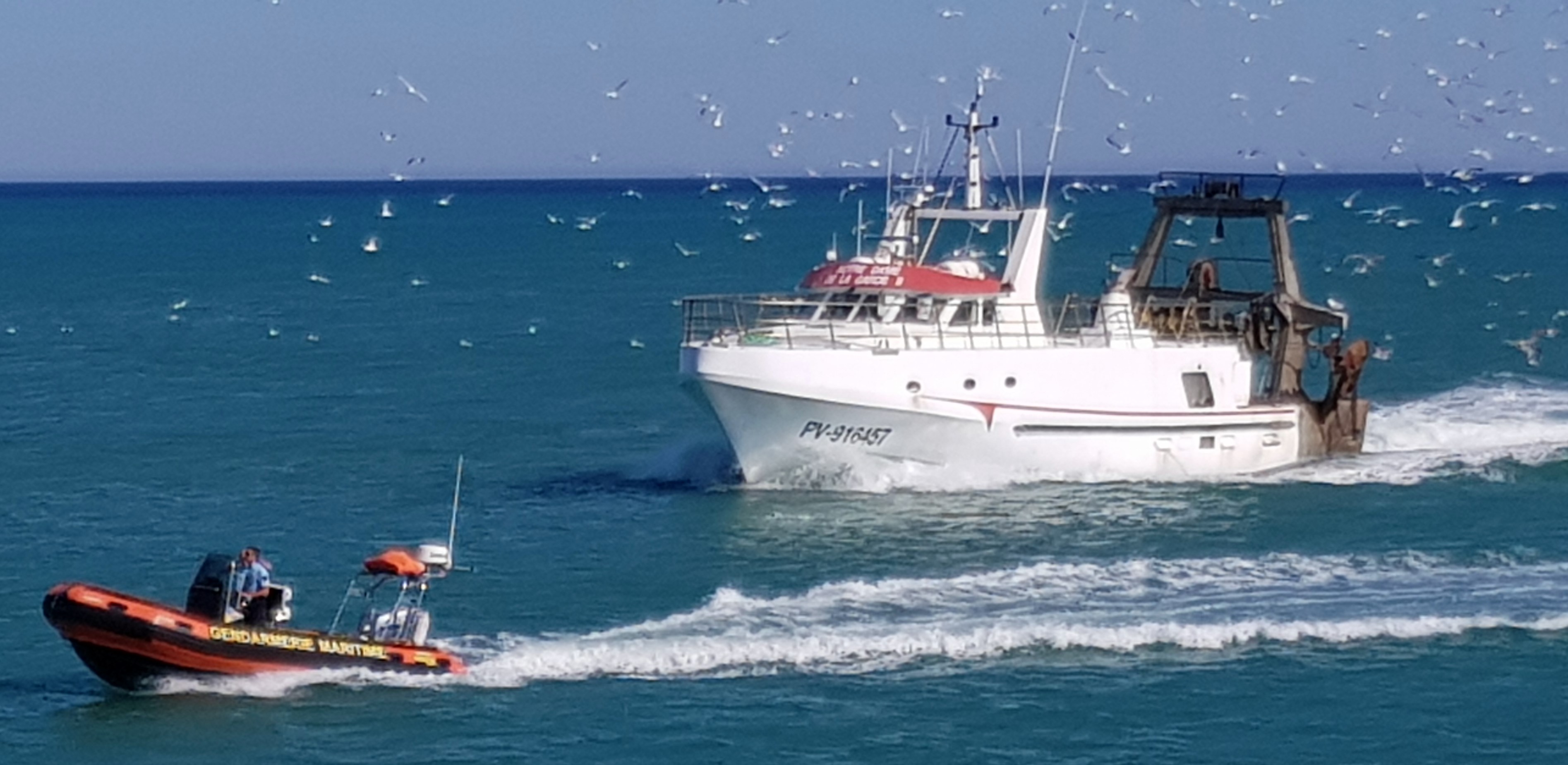
We watched several fishing boats coming back into the harbour, they were throwing their dead fish overboard so were swarming with sea gulls.

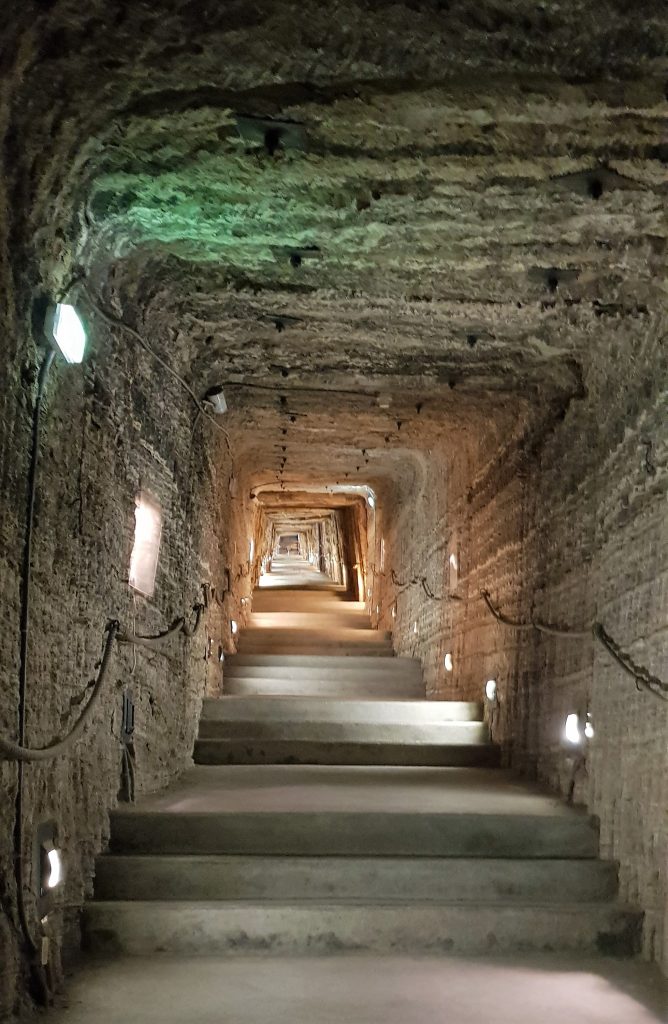
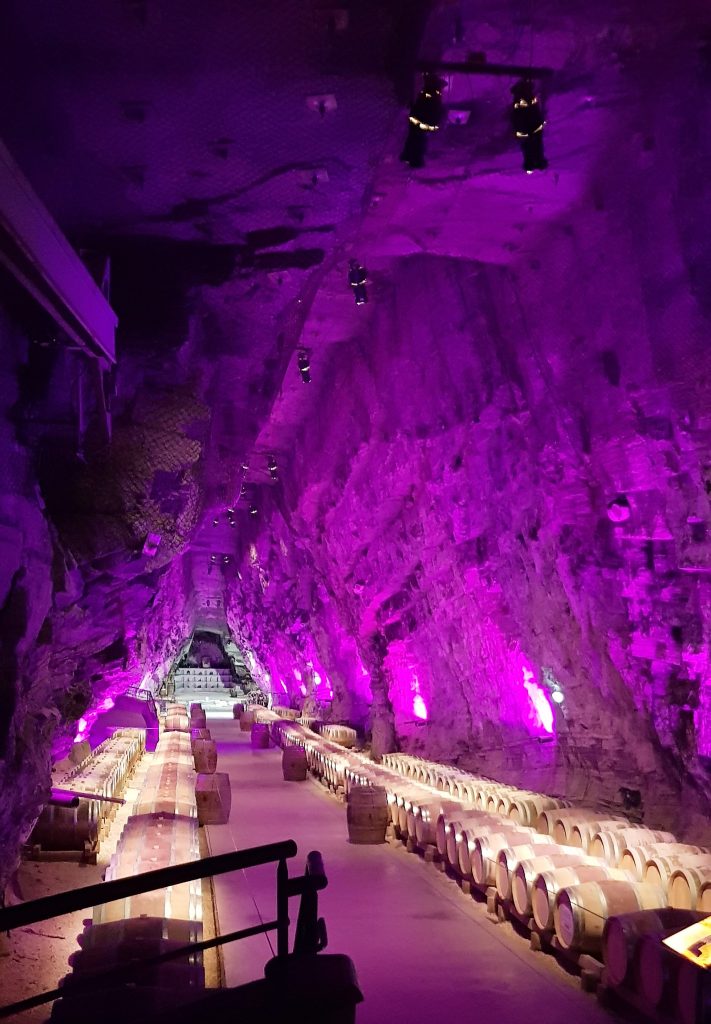
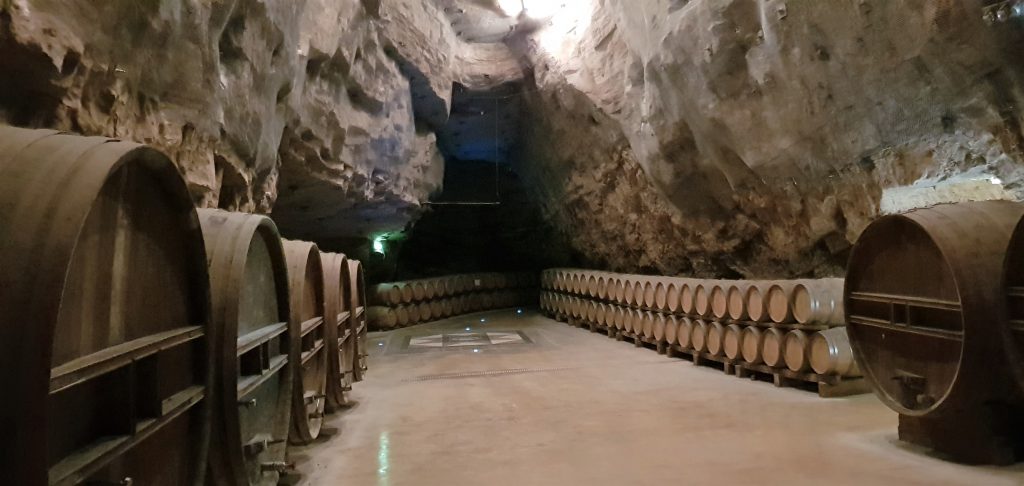
We visited an old gypsum mine that was closed and sold to local farmers for just one French Franc.  The farming co-operative now store their wine here, it’s maturing process assisted by the mine’s perfect ambient temperatures.  We were treated to a wonderful light and sound show before exploring the tunnels.

Steps into the main chambers.

Part of the colourful light show.

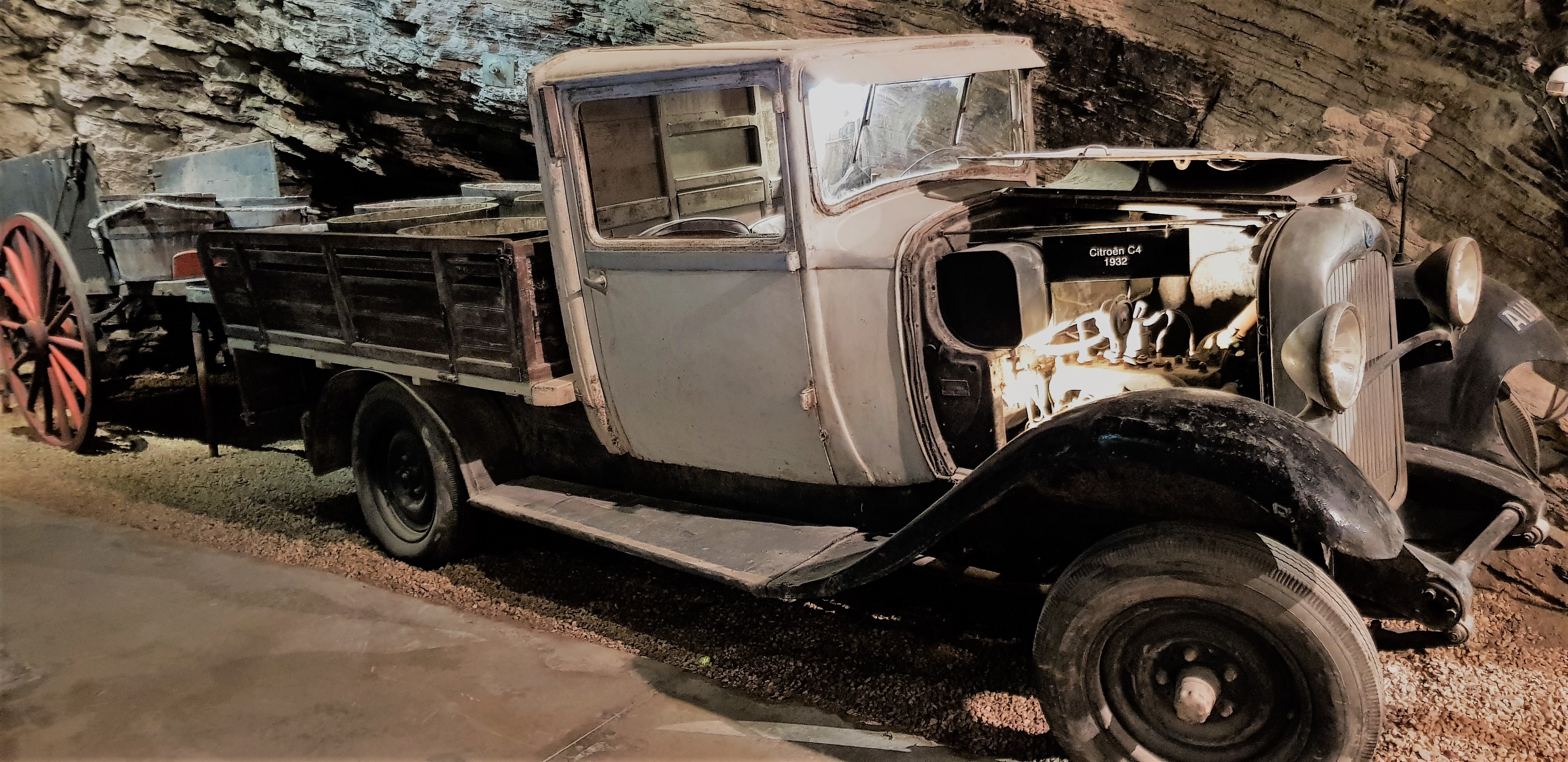
We were also shown the history of mining, from using man made tools, to horse and cart, and finally old vehicles; included tools and working conditions.

A view of the stored barrels.

« Older posts