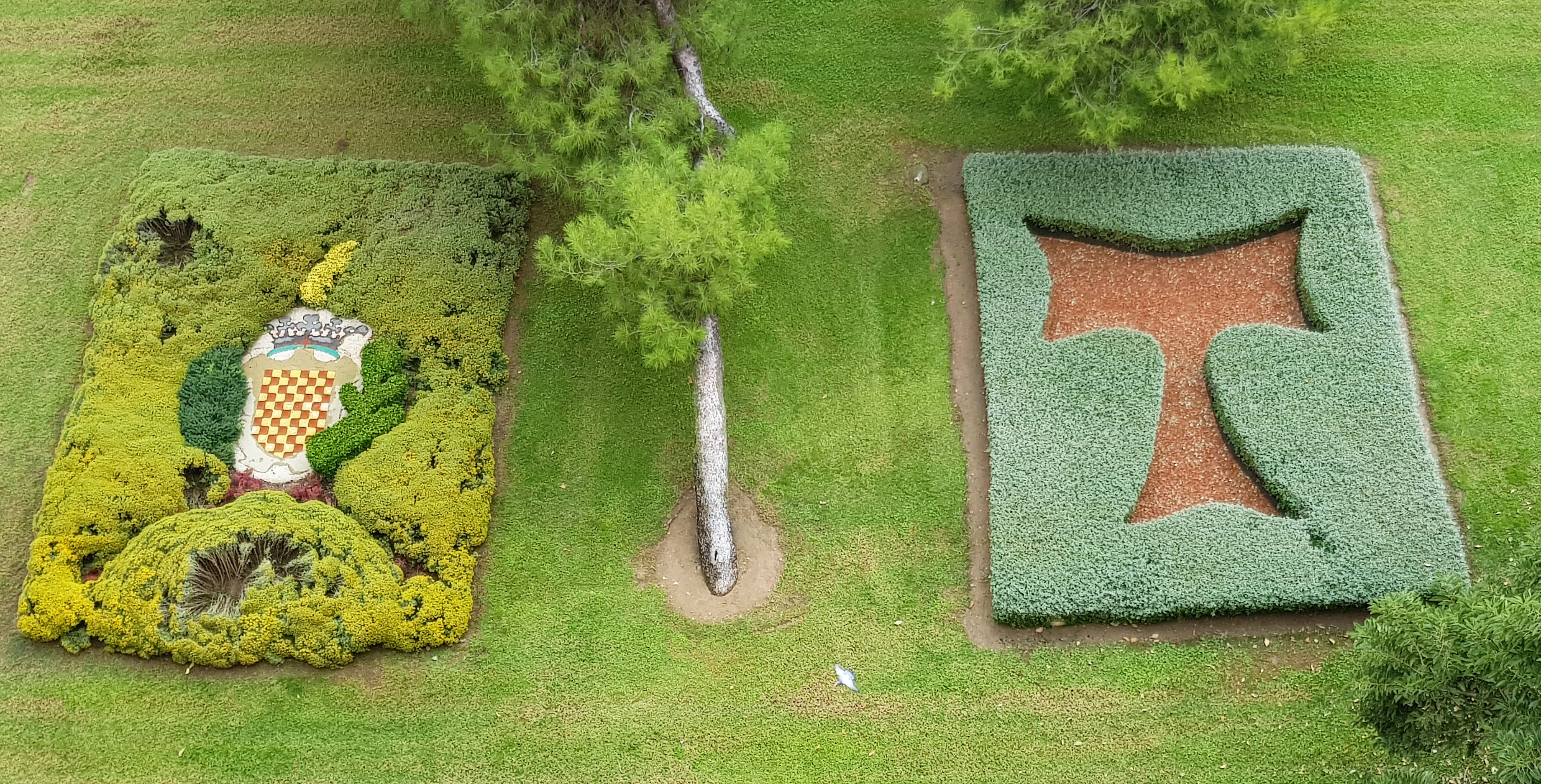
Travel stories of a caravan duo, plus a 5th Wheel and Isuzu truck in Europe

Category: Spain (Page 7 of 16)

Roman Tarragona

Tarragona

It is said that Tarragona is the first Roman city of Spain.

This port city is heaving with Roman ruins, having been founded in 218BC and originally called “Tarraco” by the Phoenicians. Its history may be older but cannot be verified. The Romans fortified the city, becoming the capital of the province named after it, Hispania Tarraconensis. Augustus was a regular visitor to the city.

It was known to be the richest town on the coast, fertile plains produced good wine and wheat and a sunny climate protected wintering ships. After the demise of the Romans, it was ruled by (amongst many others) the Visigoths (ended 714), the Almoravids (1100s), the Kingdom of Aragon (1160 – 1400) and finally the Spanish Empire in 1516. During the Catalan Revolt it was captured by Spanish troops and ruled by them until 1713, the French ruled until 1813, then the Spanish took control again during the Spanish Civil War until 1939. It remains a Catalan city to this day, architecturally beautiful.
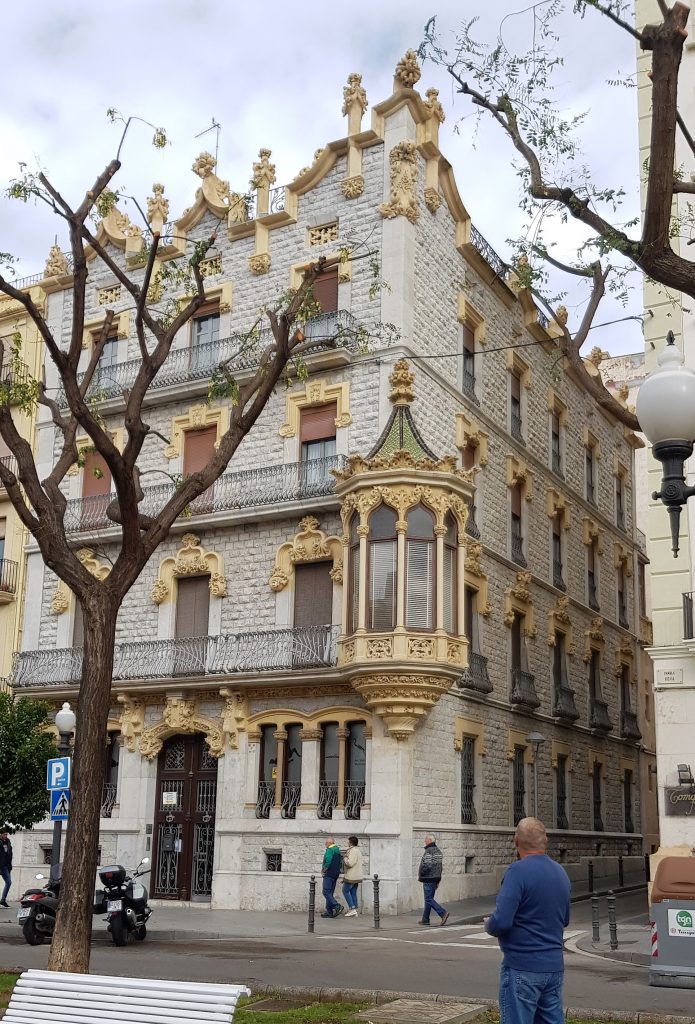
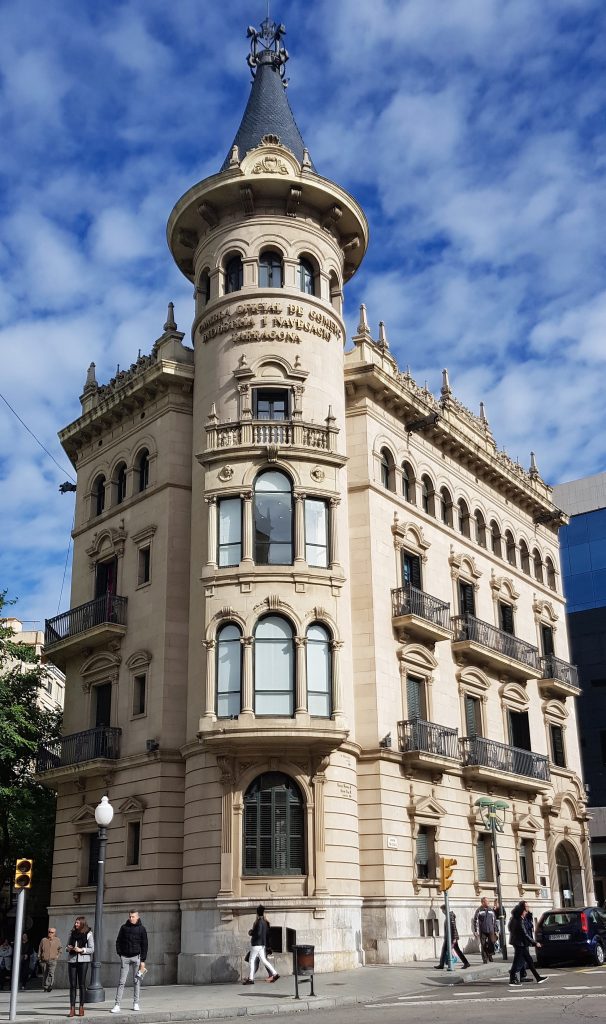
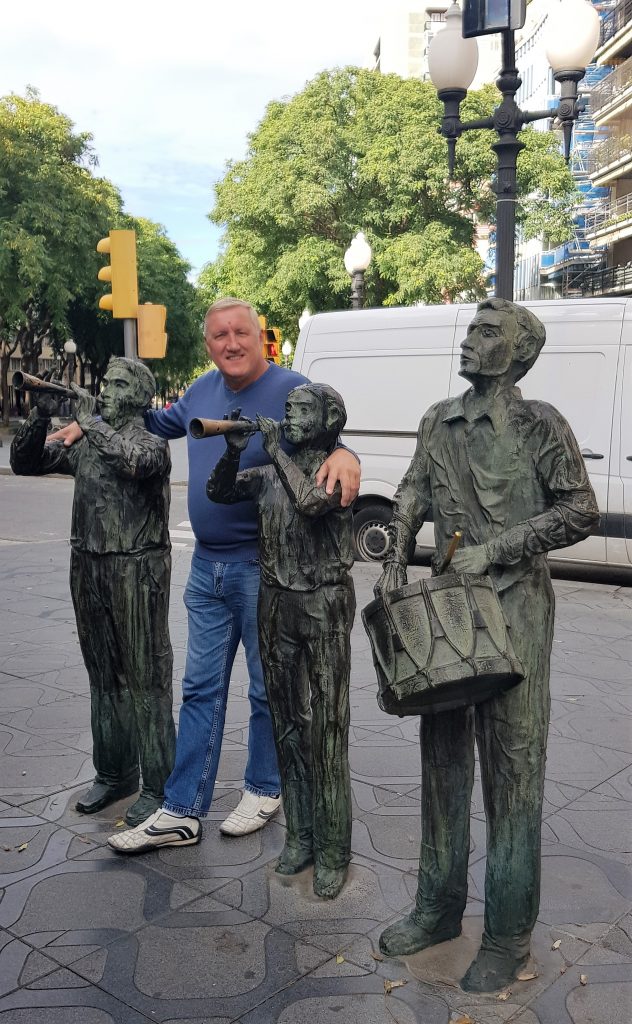
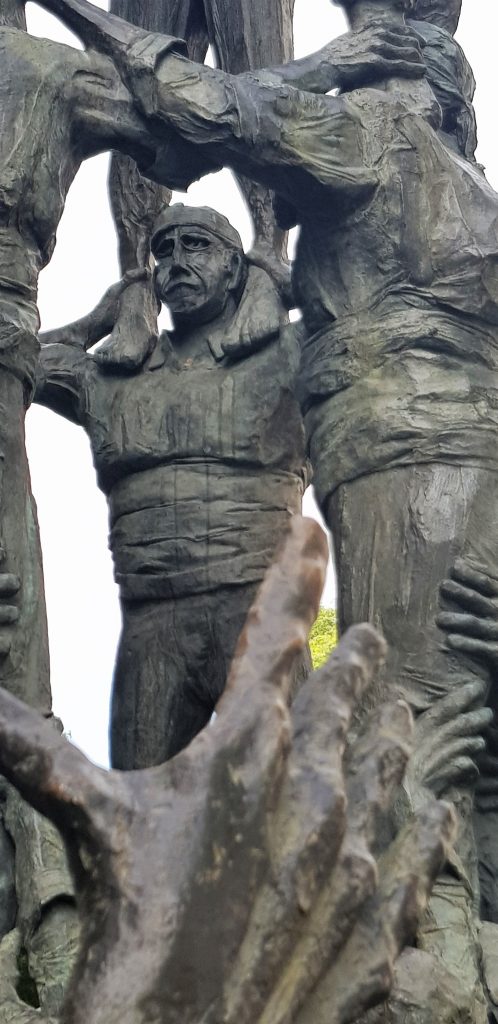
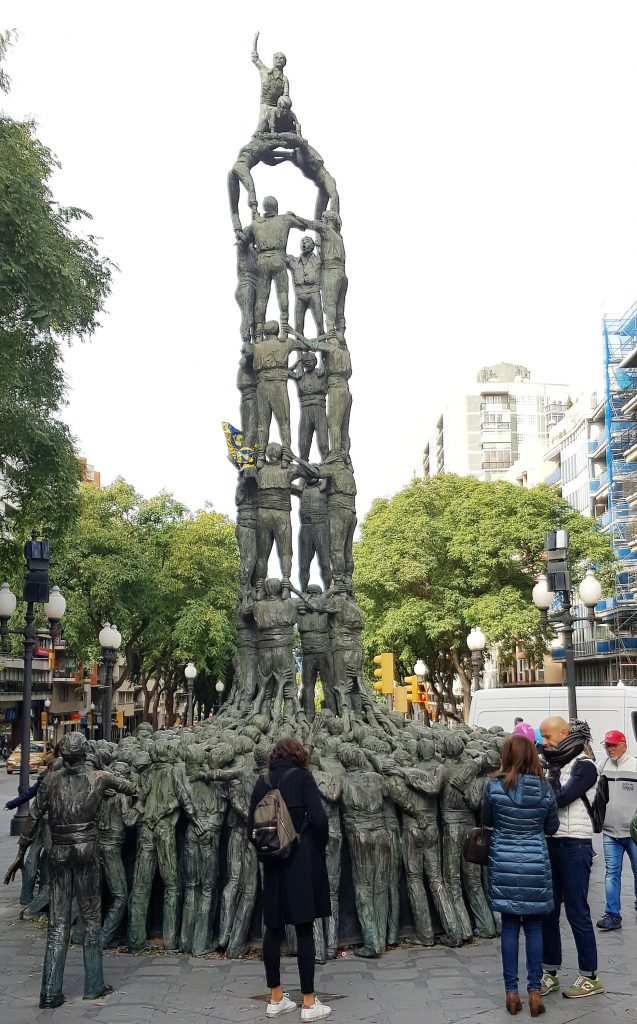
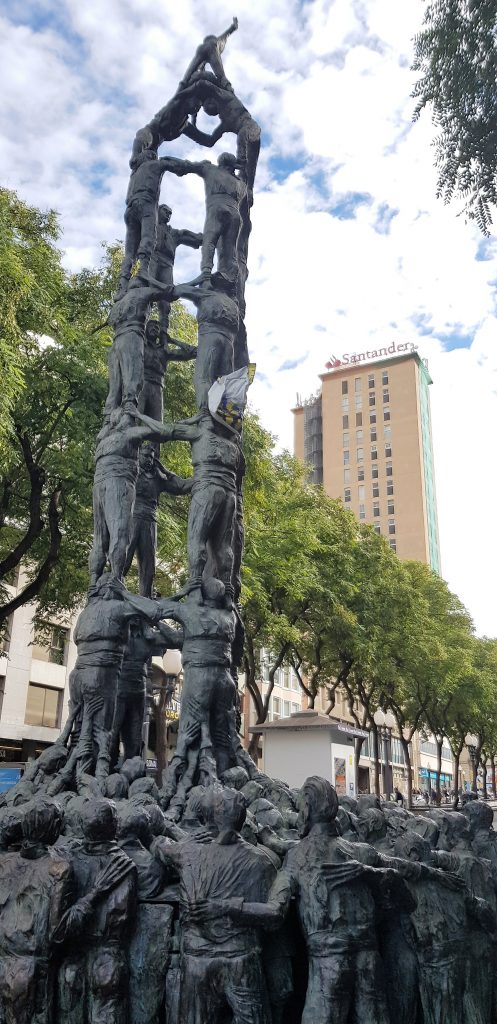
Economically, the city’s wealth comes from the port (an export hub for the Spanish motor industry) and chemical industries in the surrounding industrial areas. Heritage wise, its known for its “human tower” spectacles, where acrobatically trained men and children form human towers, participating in the annual Santa Tecla Festival of music, dance, short farcical displays and which has been held since 1321. Its also home to the Dixieland Festival – a major musical event in Catalonia! Its a jazz festival, started in 1994, and offers a large number of bands and over 100 concerts in the week before Easter.
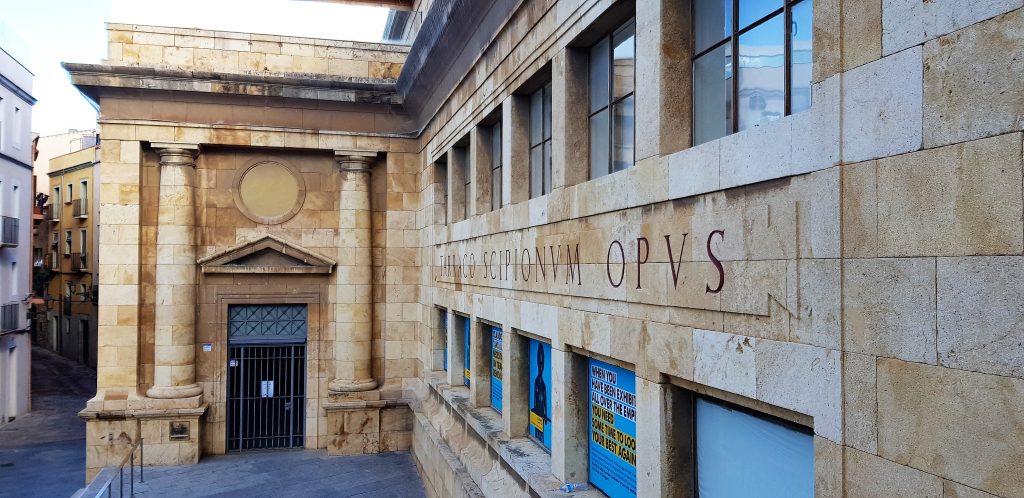
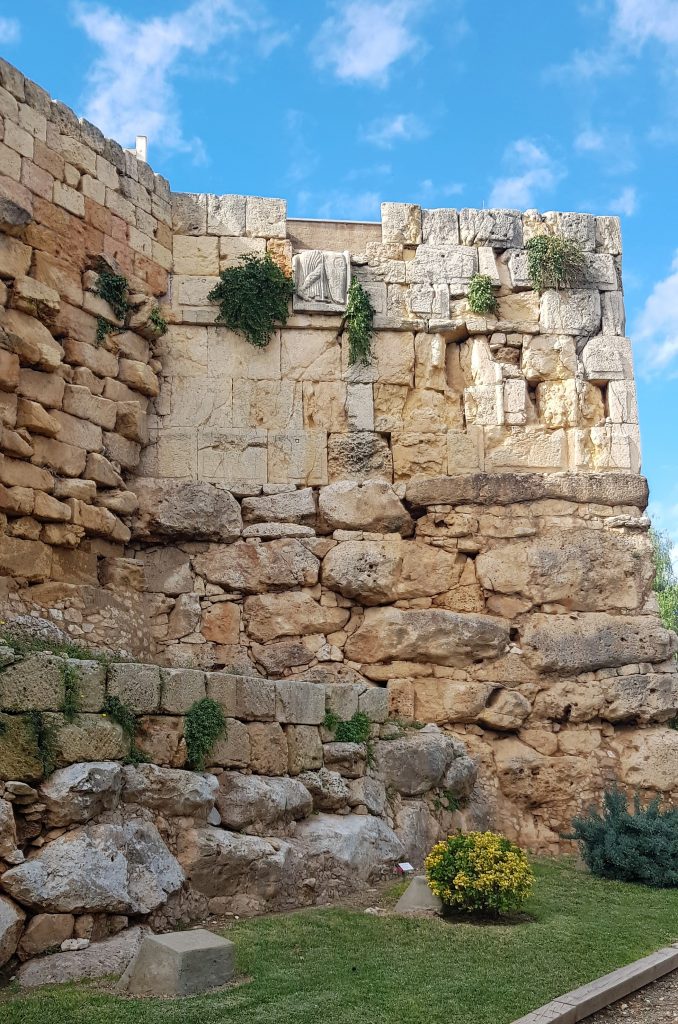
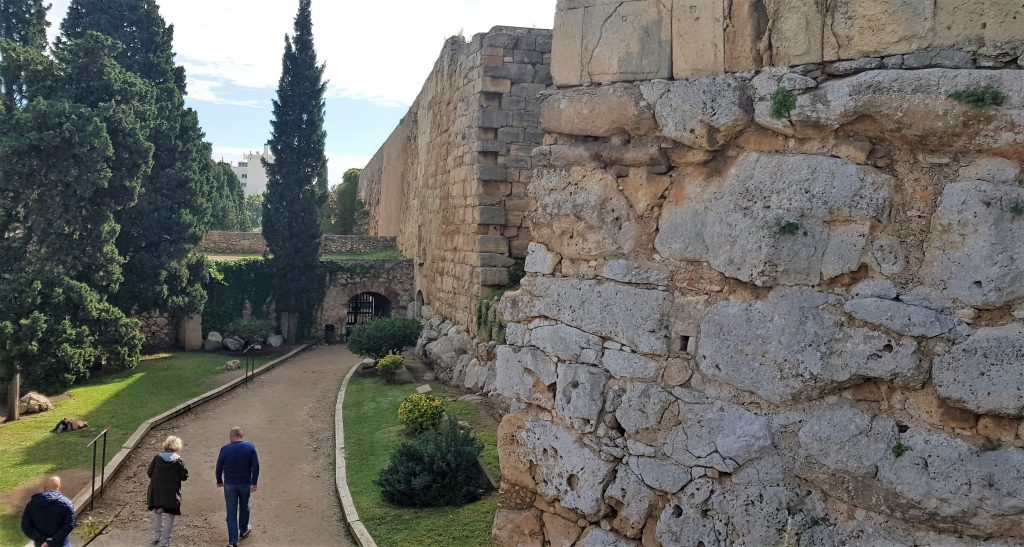
The ancient remains are a UNESCO World Heritage Site, there are remains of walls throughout the city, Augustus’s palace was a prison up to the 19th century, the ampitheatre has been retained, a circus and forum are still visible, a Roman built aquaduct (sadly not visited) still stands outside the city (700 feet long, 85ft high), a citadel is within the city as well as numerous monuments with scriptures chiselled into them. The cathedral is within the old city walls, as is a convent.

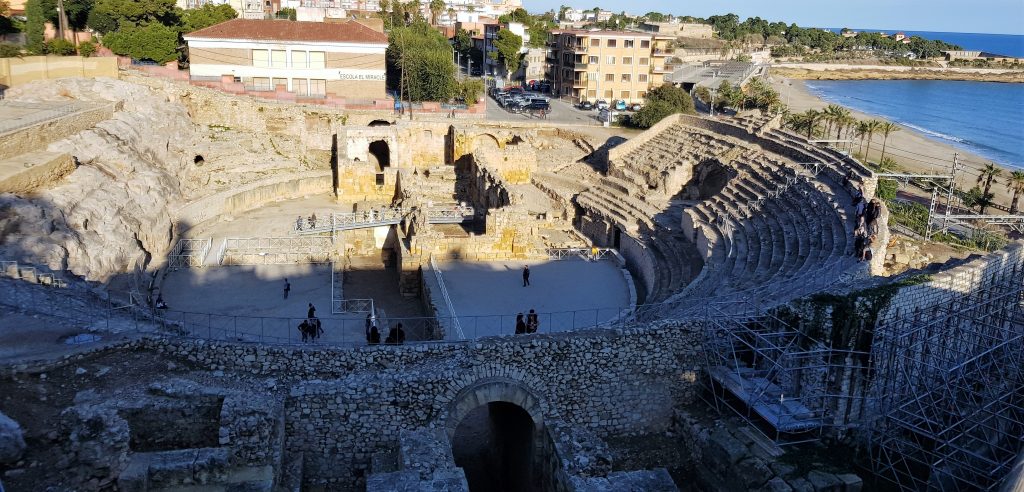
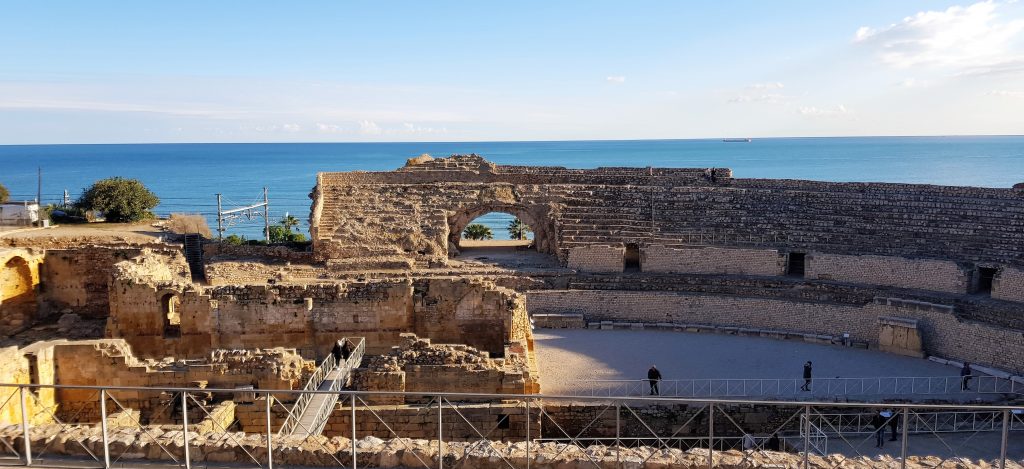
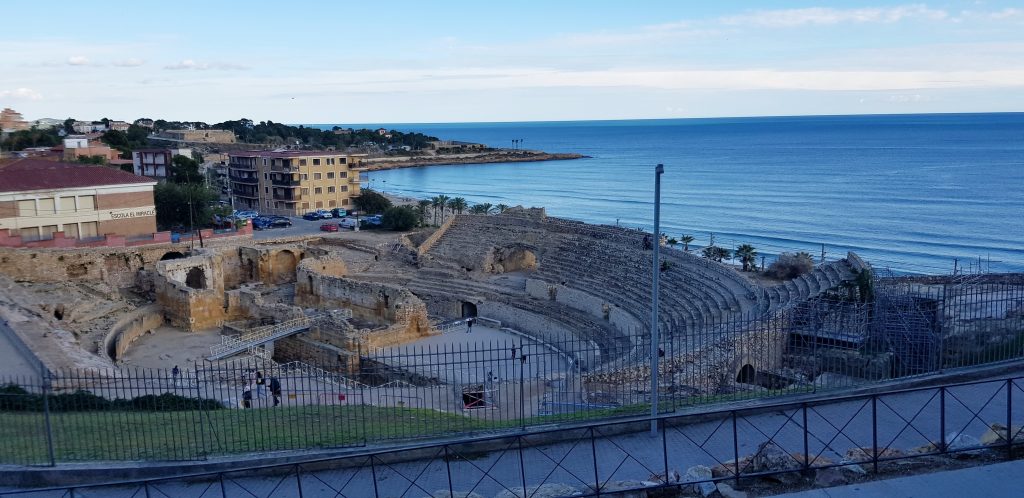
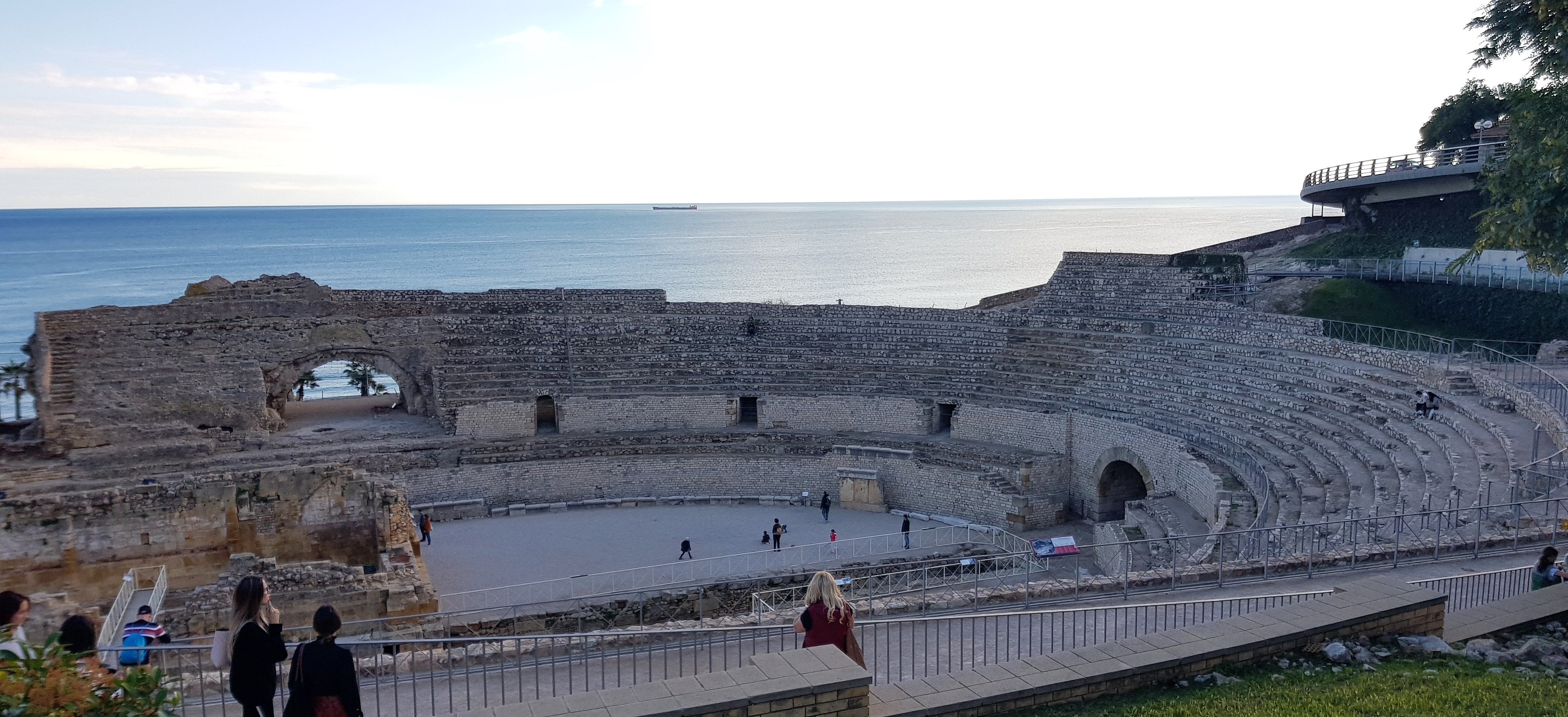
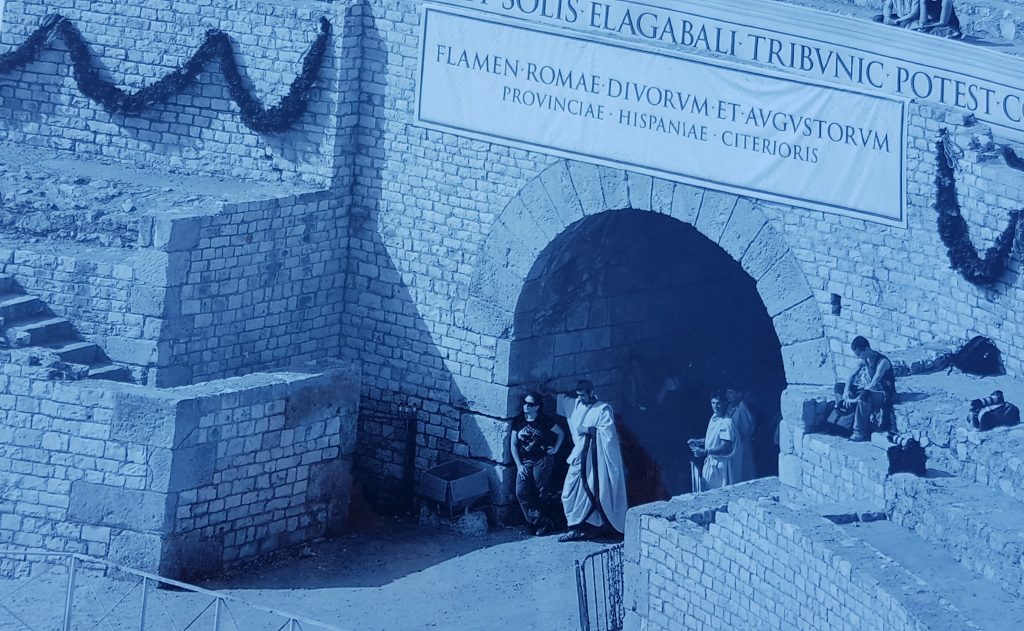
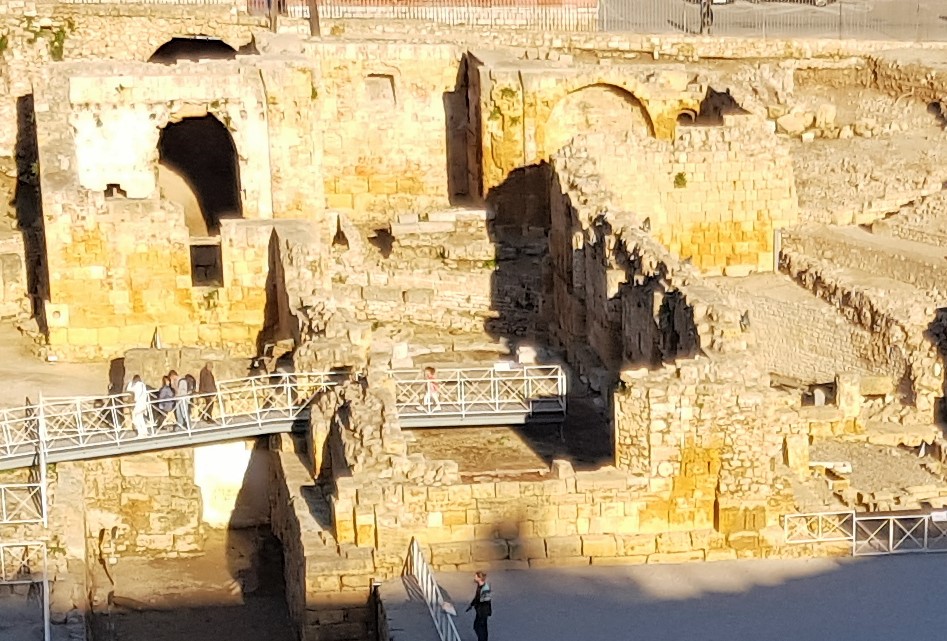
The most amazing site was the oval ampitheatre. Overlooking the blue Mediterranean sea, it was built 109m x 86m wide, on a base of huge stone blocks, with tunnels, drains, service doors and monumental entrances and even a pulley system to lift animals or fighters from the cellars below to the floor of the arena. The walls were made from rock, posts and lintels, concrete archways and concrete walls, as well as solid boxes with rubble infil.
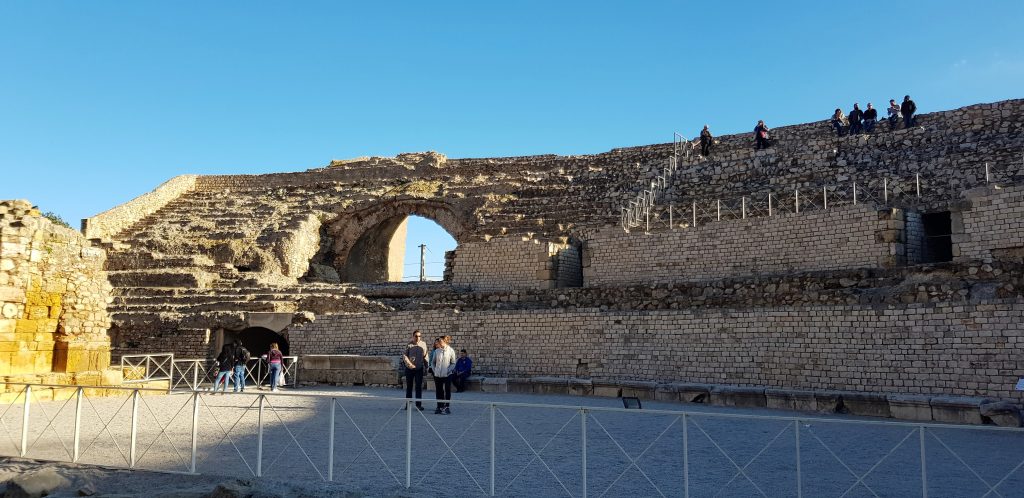
The three distinct levels were ordered by hierarchy, nearest to the arena were more comfortable seats, which the upper level was standing room only. The underground service passages are totally preserved as is a private sanctuary for the workers. The rainwater was channeled to the middle where a gutter passes under the stands to drain the water into the sea. The buildings maximum capacity was estimated at 12,750 people when the arena was fully circular. This was worked out by dividing lines cut into the stones at 40cm spaces.

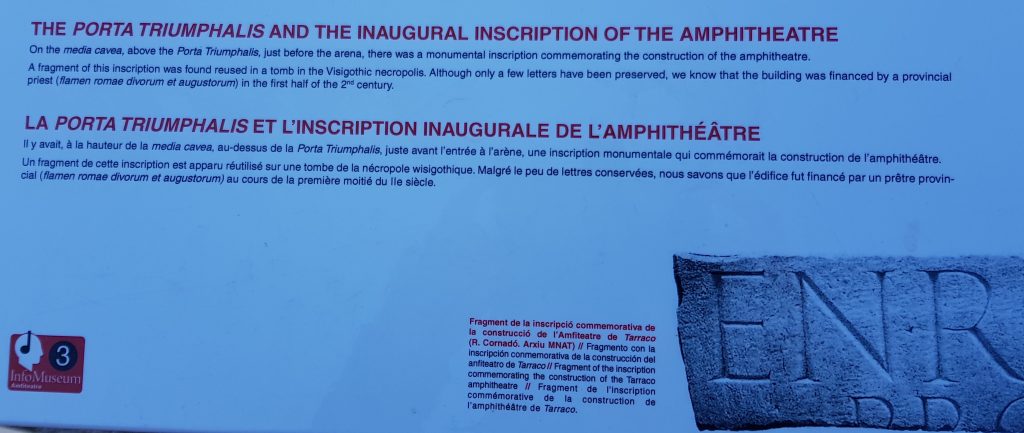
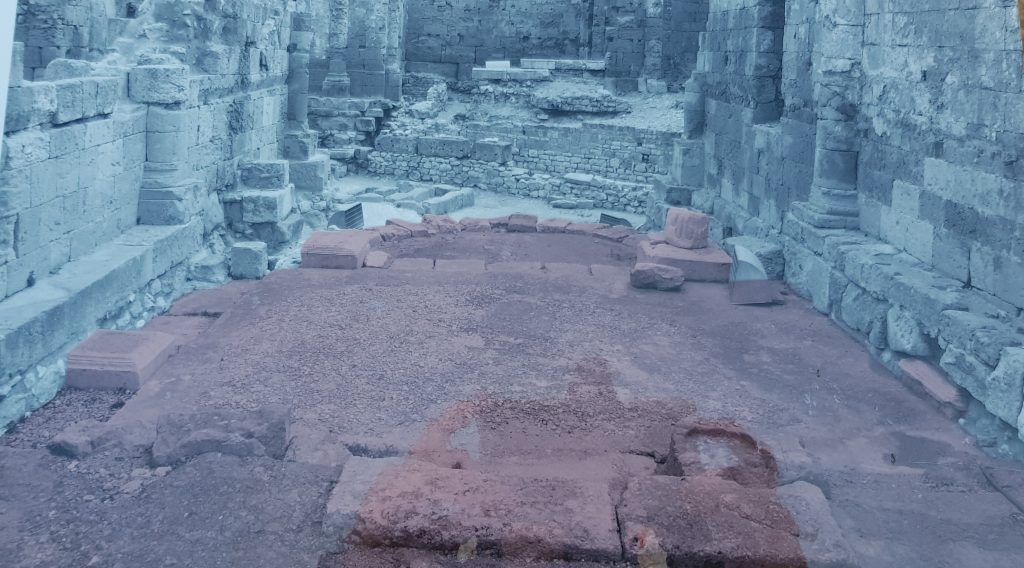
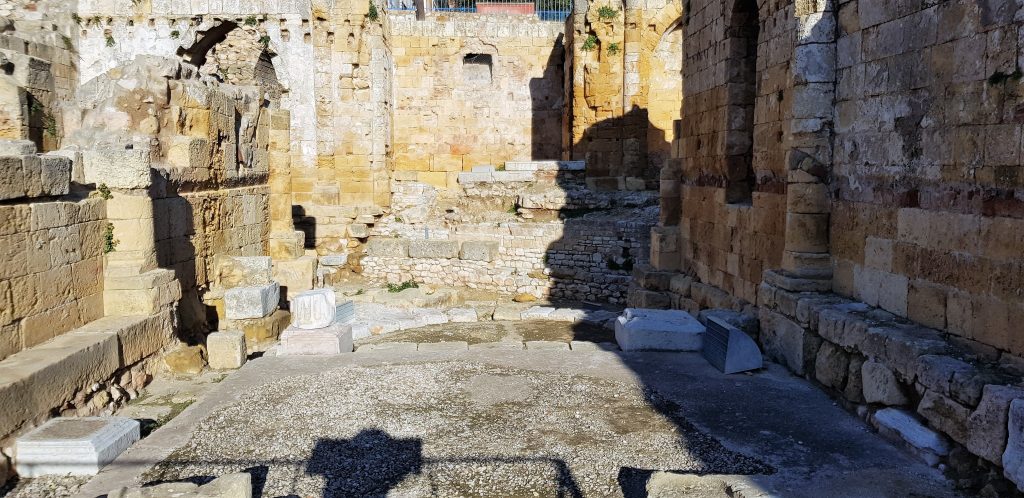
There are documents that confirm that on Friday 21st January 259, Bishop Fructuosus and his two Deacons, Augurius and Eulogius, were burned to death in the Ampitheatre’s arena, deigned by Emperor Valerian during the days of Christian persecution. It was used for gladiator games or fights, athletic displays, and where death sentences were carried out. During the 6th Century a basilica was built within the grounds of the arena to commemorate the martyrdom of Bishop Fructuosus, it was 13m wide, 22.7m long with a horseshoe apse as well as a small annex which was used for baptism and funeral services. After Christianity became the official religion for the area, the Basilica and arena was not used as much and fell into disrepair; when the Islamic invasion of Spain started in the 12th century another church was built over the remains of the Basilica, in Romanesque style, demolished in 1915. The floors of both buildings remain visible. The church and nearby buildings were eventually used as a convent then in 1780 it became a prison for prisoners constructing the port. After closing, it was abandoned until the mid 20th century when work began on its preservation.

The ampitheatre is linked to the Forum and Circus in the main city by means of cobbled roads, still visible today. The Circus held grand horse and chariot races, and this is often seen in shop fronts, doorway details and archways where stores have been built on top of vaults. The Forum no longer exists but the square which was its base, is now home to a placa (or square) full of cafes and restaurants where people still gather and discuss their days.

The Cathedral is built on the grounds of a former Roman temple, from its tower you can clearly see the city walls and other remaining Roman structures and ruins.
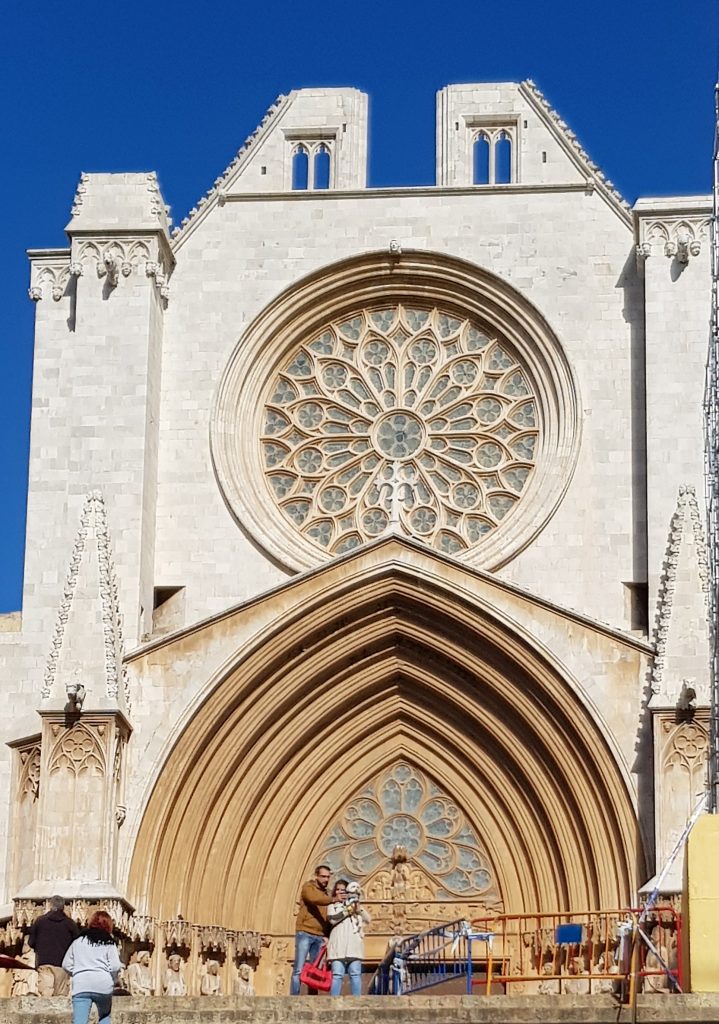
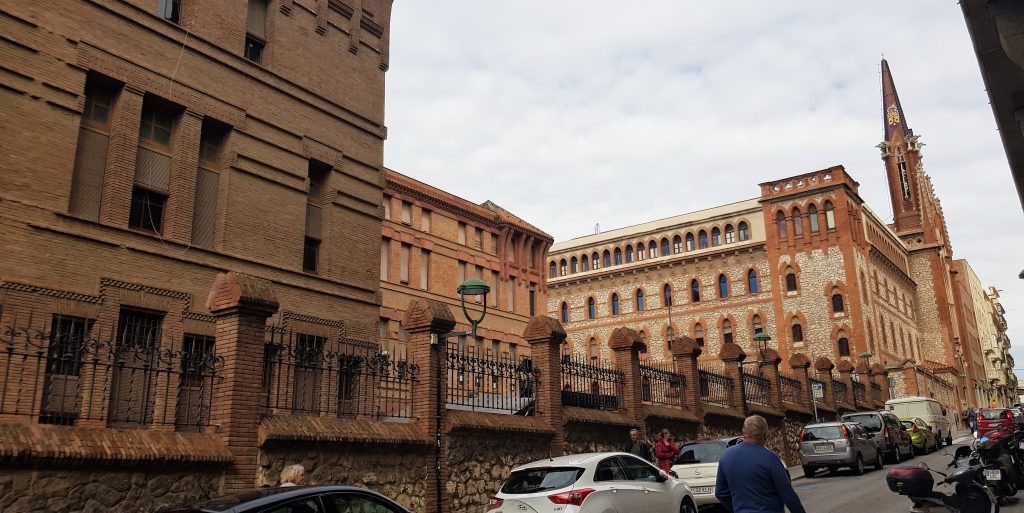
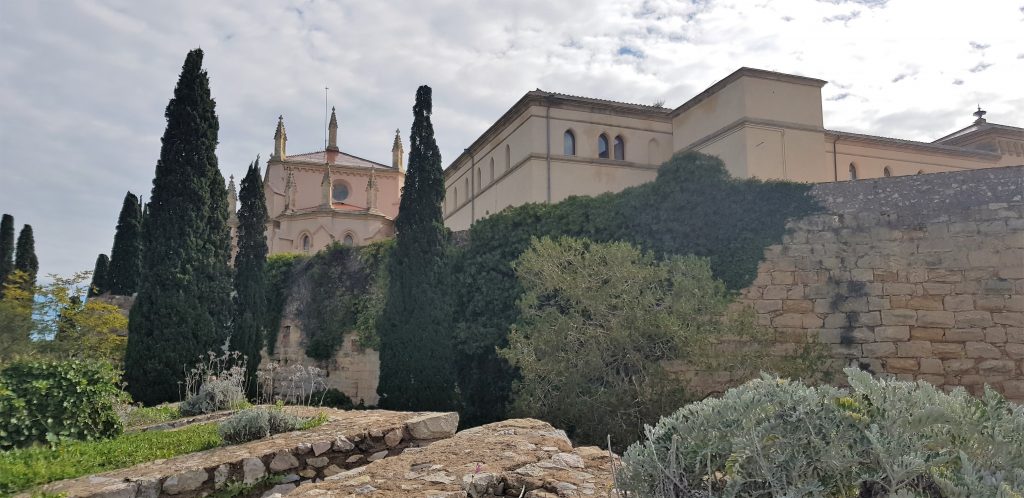
The Cathedral.
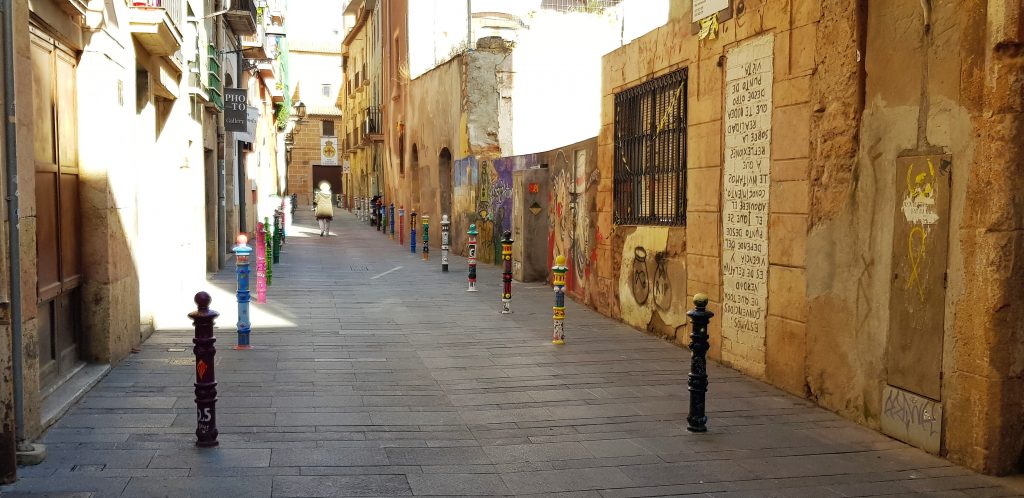
A quirky street, and below, it’s street “furniture”!
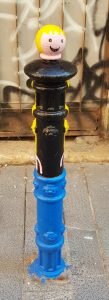
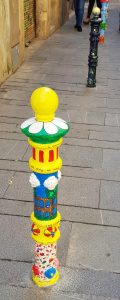


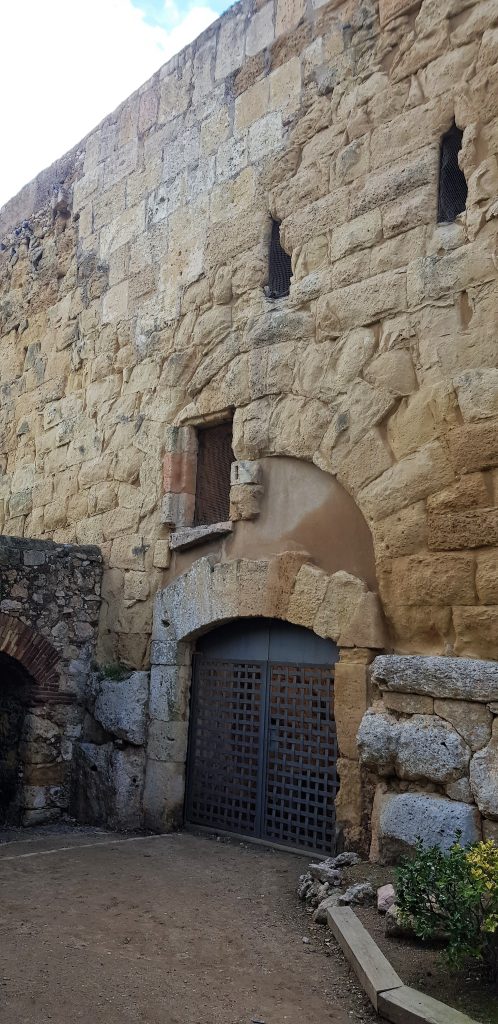
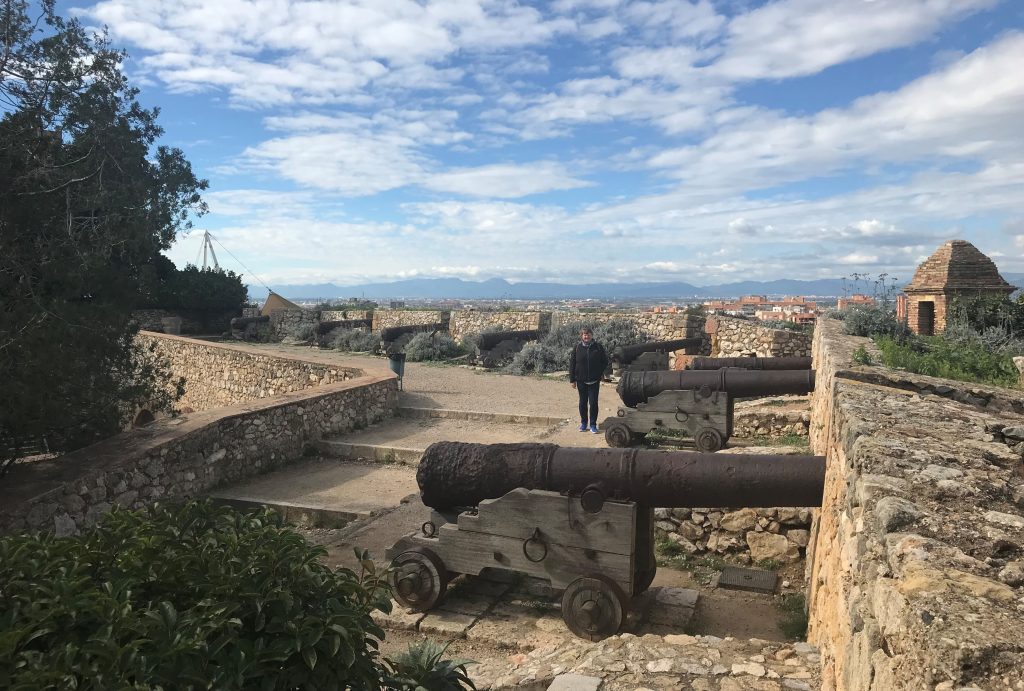
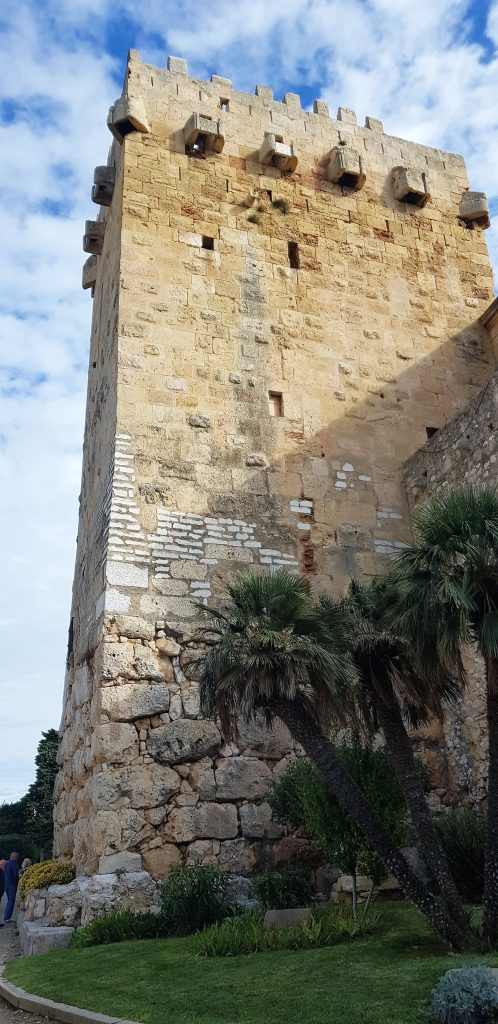
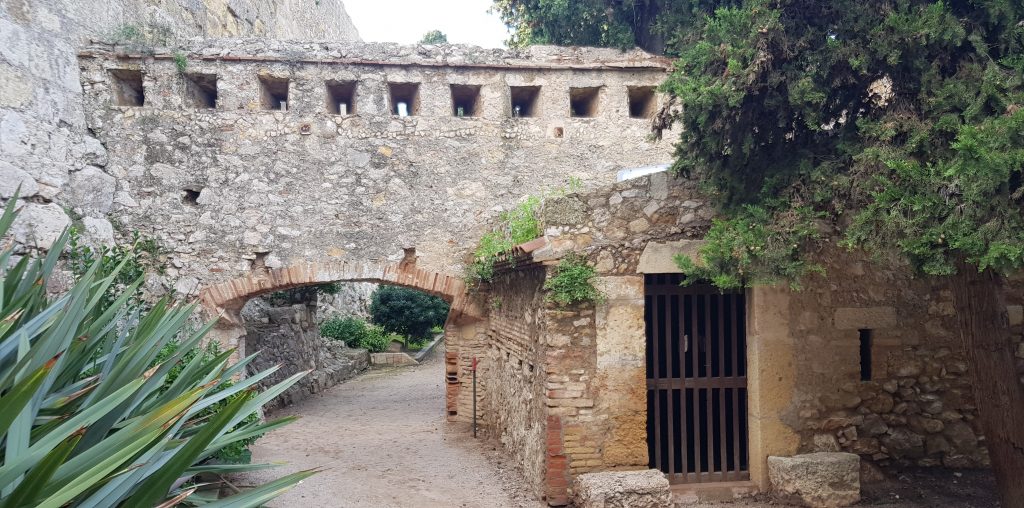
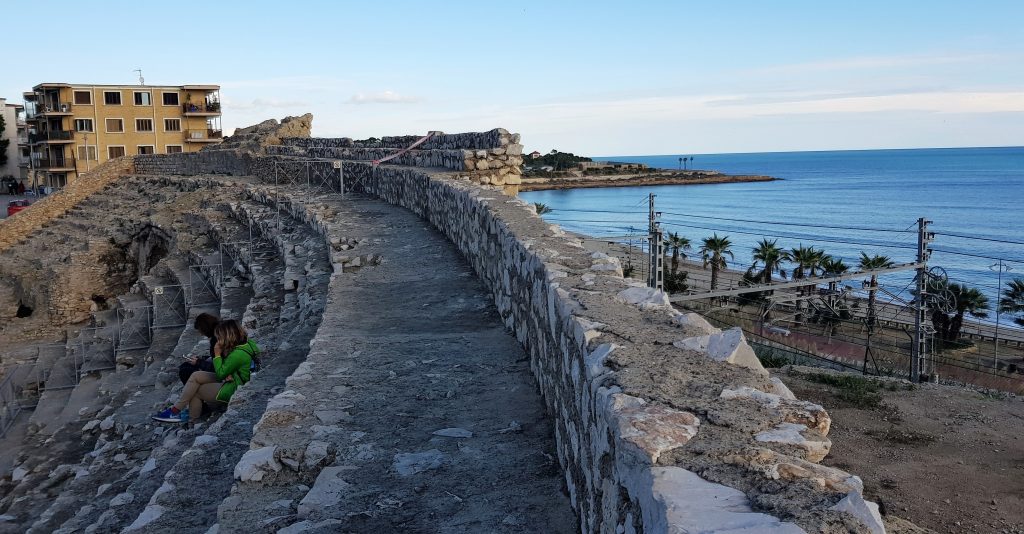
Some views of the city walls.

The Ampitheatre

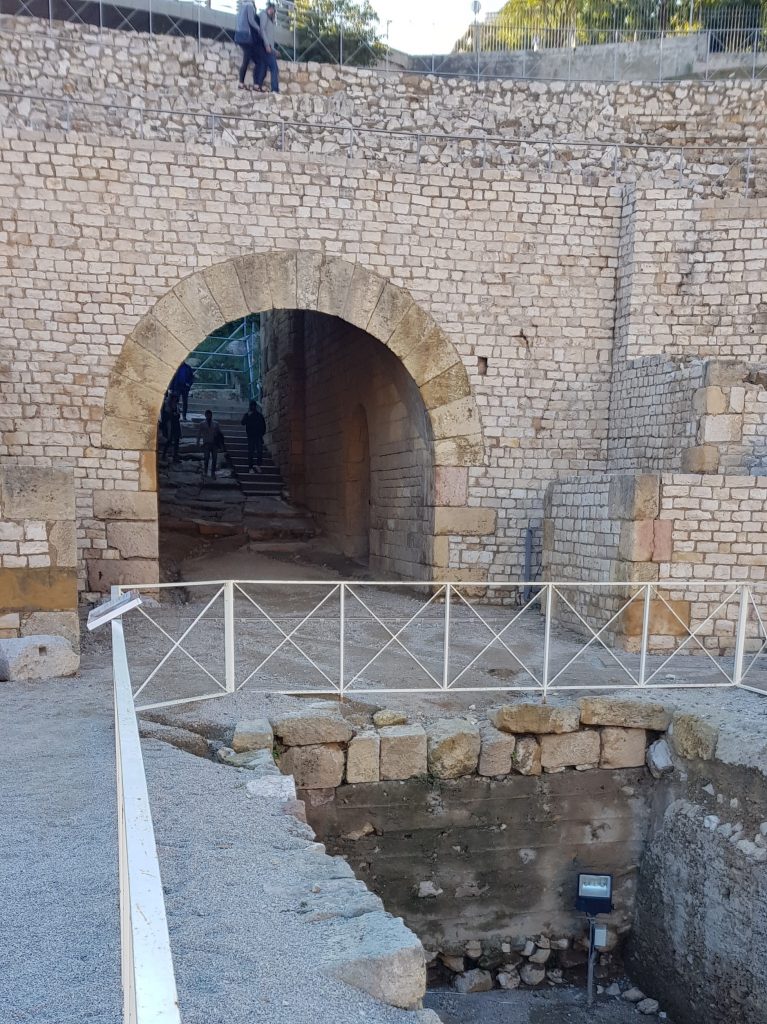
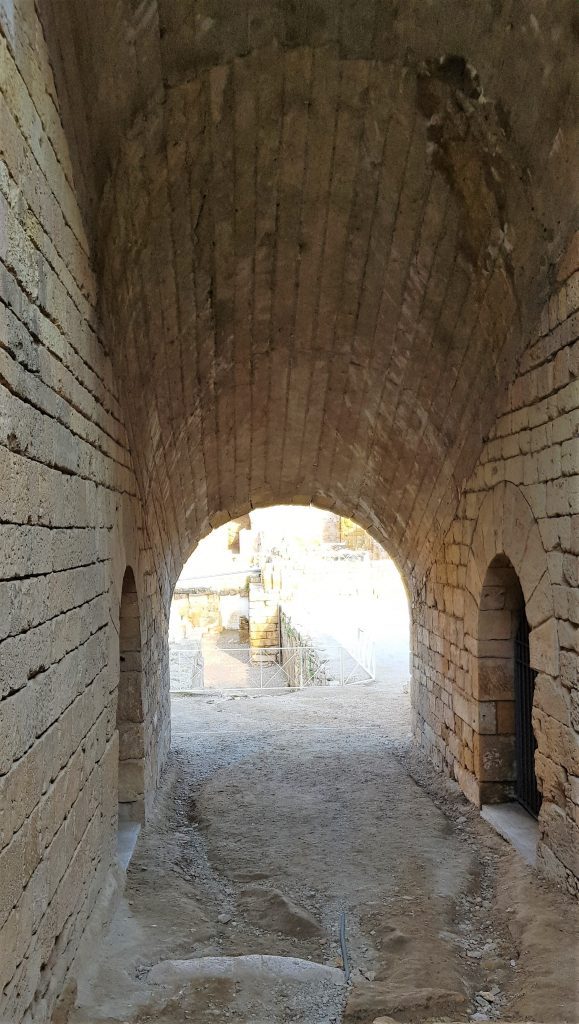
The entrance tunnel
The two different floor layouts, the Basilica in pink, the church in blue, and in reality , below.
 

Seaside Sitges

Sitges

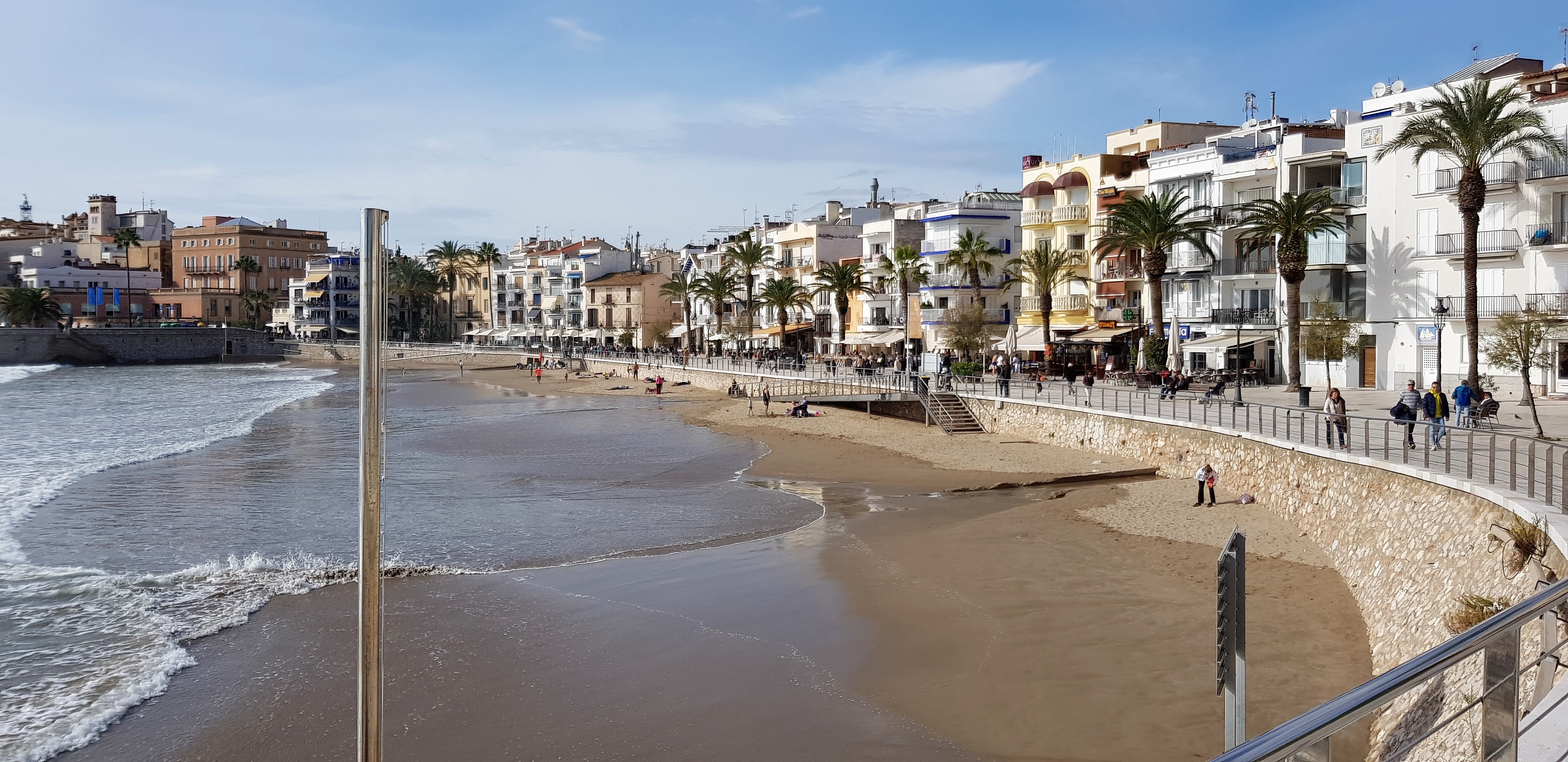
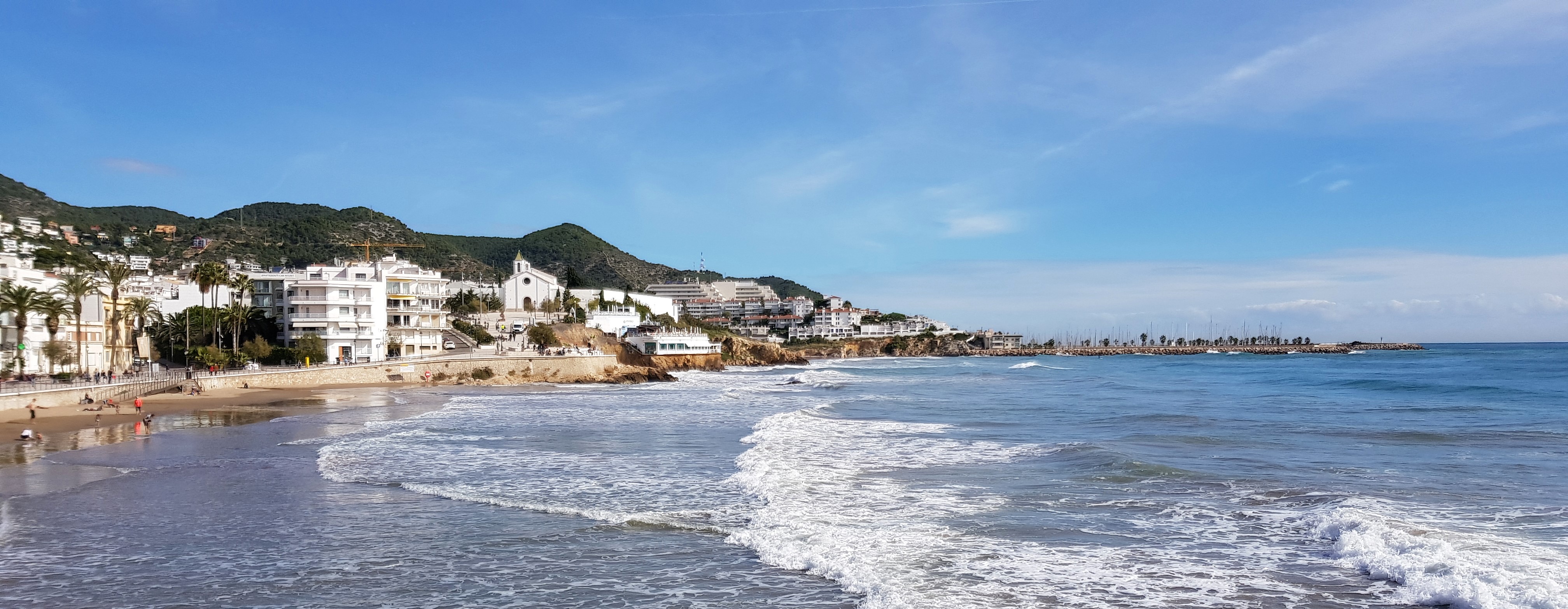
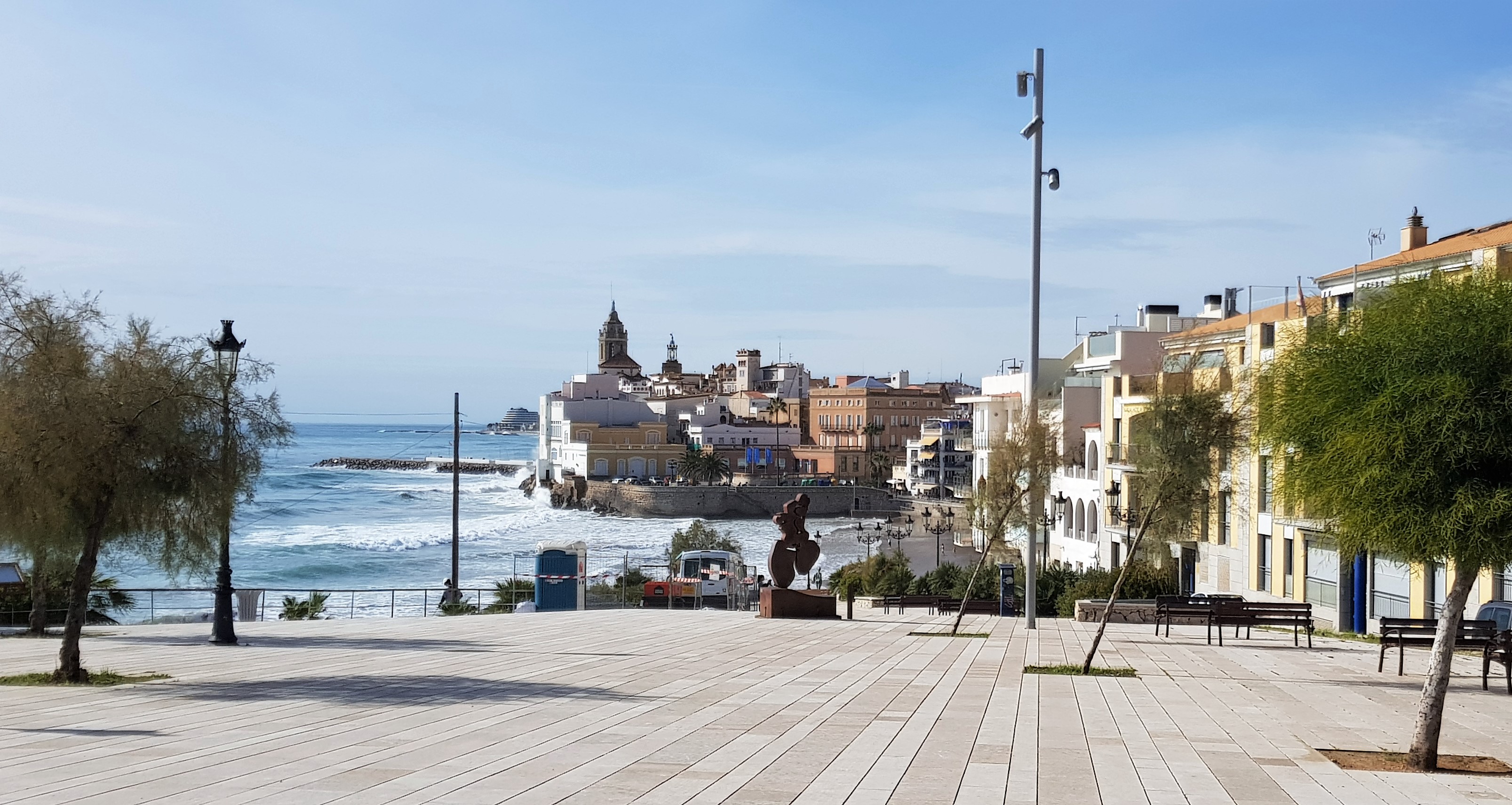
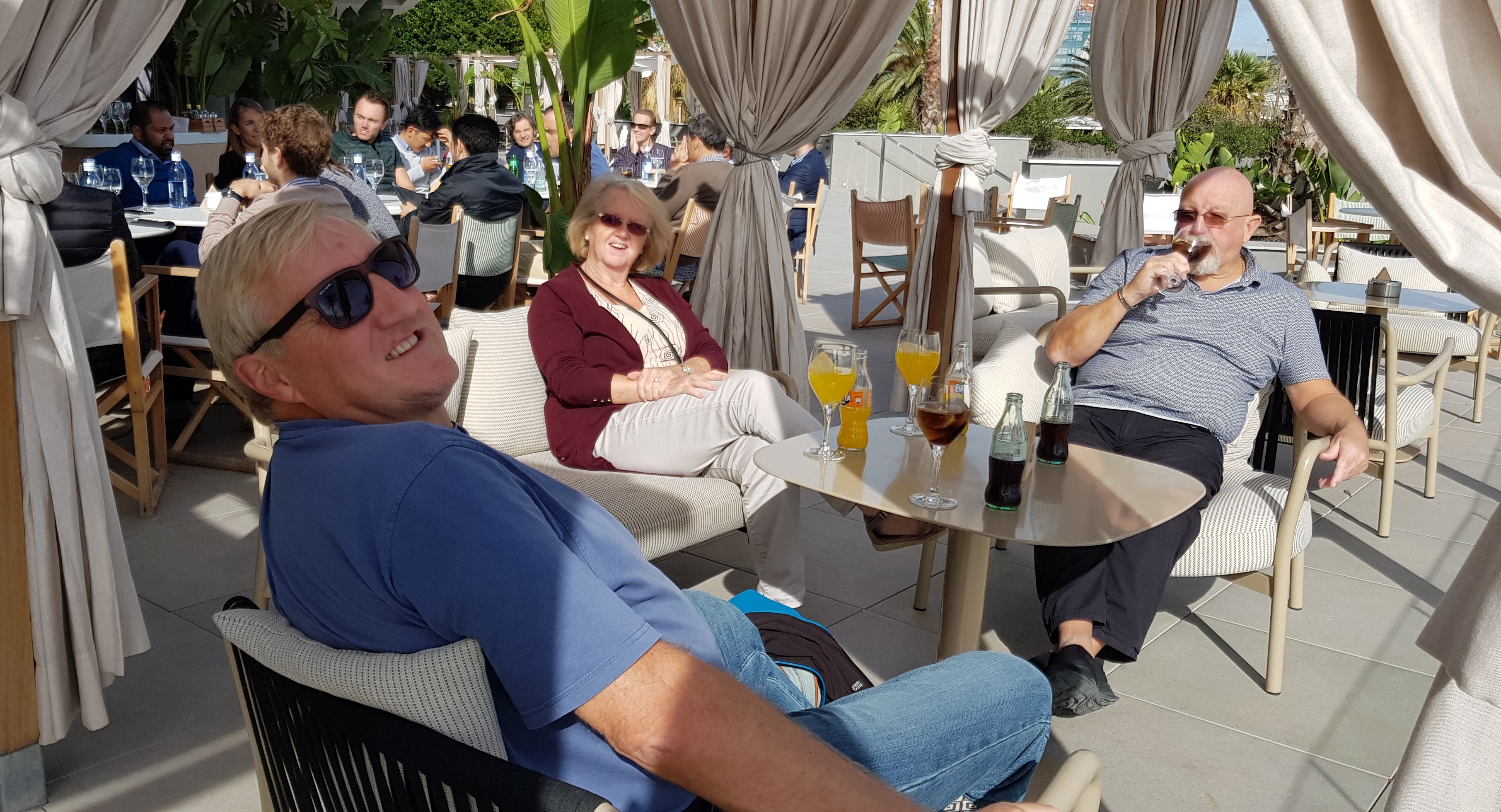
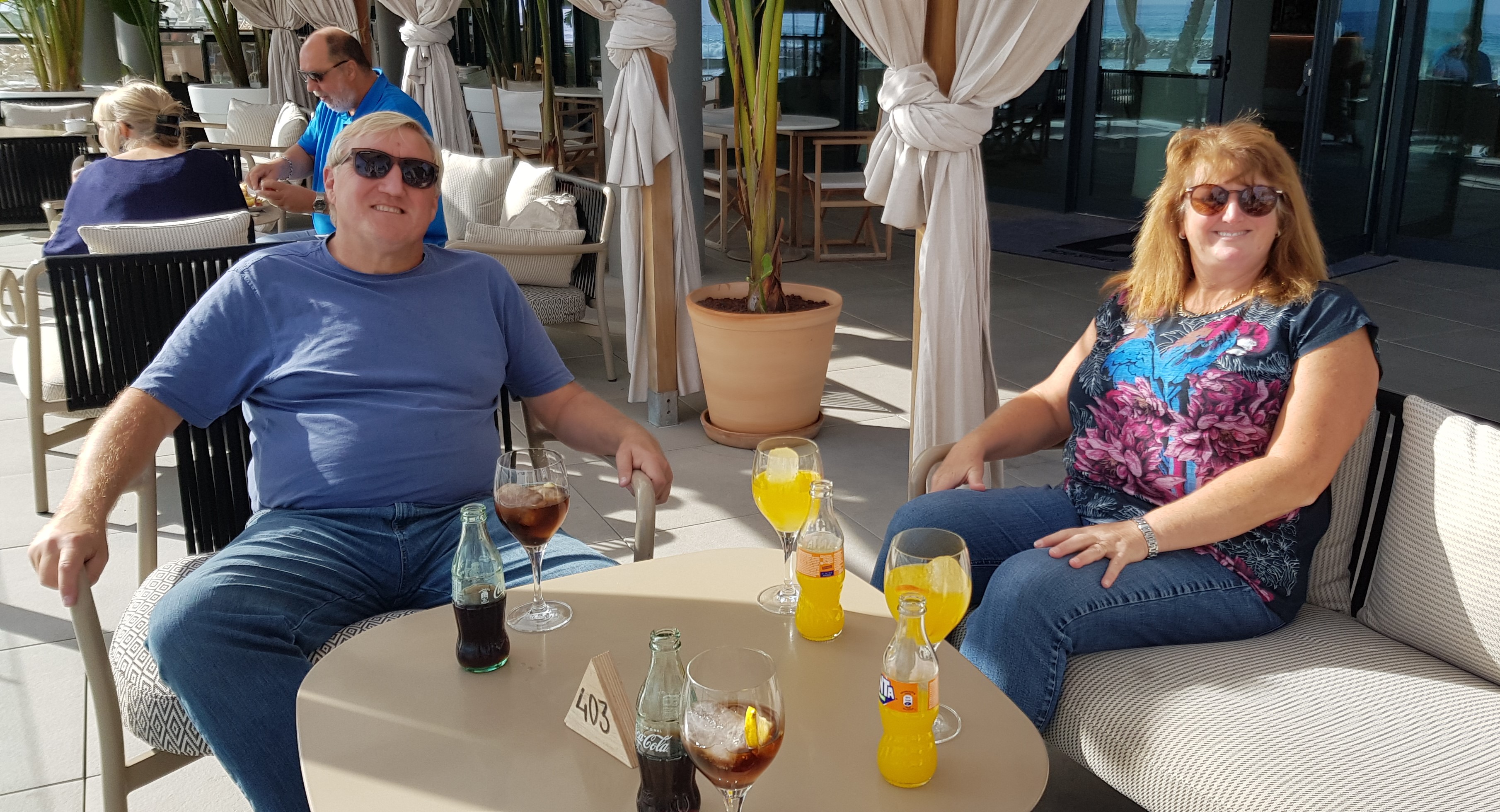
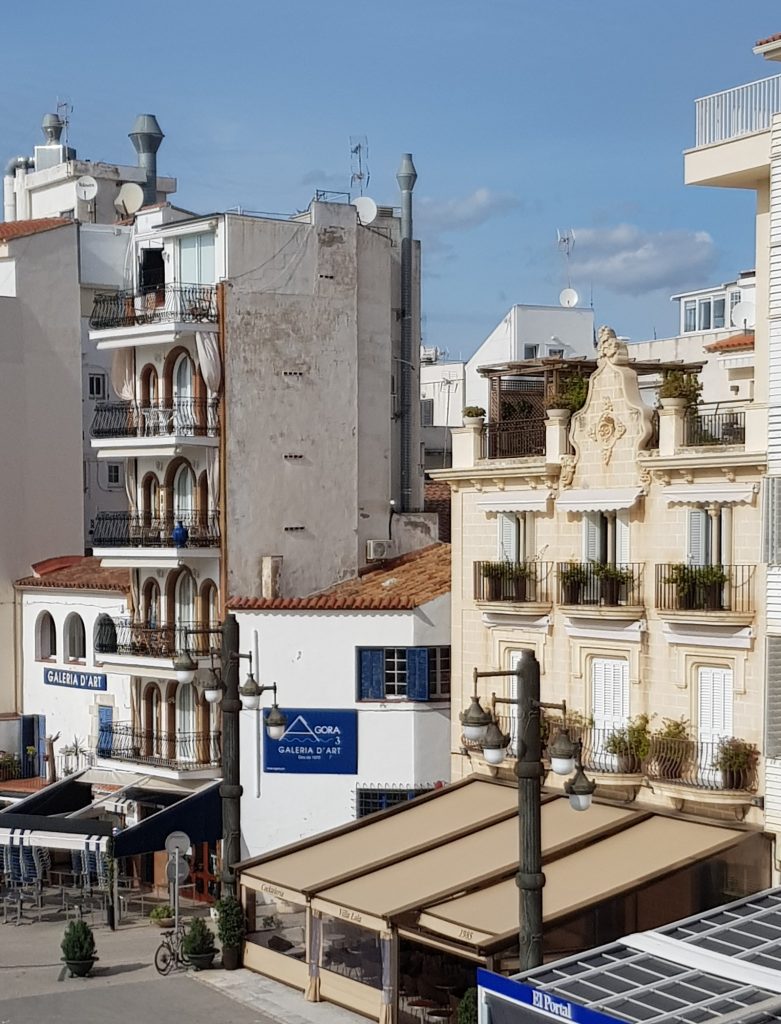
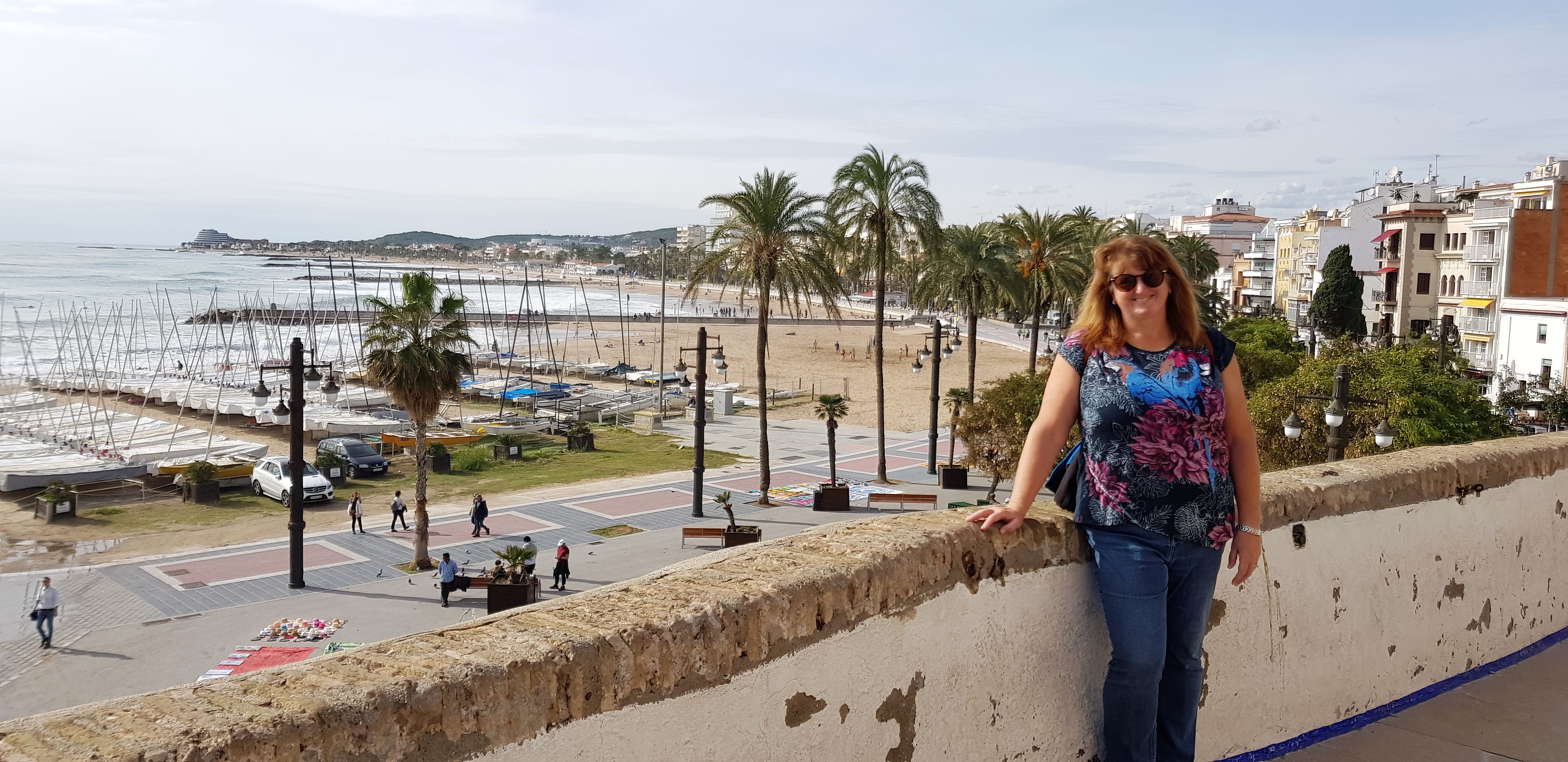
We are now back in Spain, on the Costa Daurada in the Catalan region, just below Barcelona.  We visited this local town on a grey windy day but the views were still wonderful and the sun did come out for a while, just long enough to remove our jumpers, have lunch and a drink, and then walk back to the town.   We were joined by friends Mike and Brenda, who introduced us to our current campsite in Vilanova.  We can see the sea from our pitch, although it is about 5 miles away!!!  Its that blue line on the horizon!  

Sitges


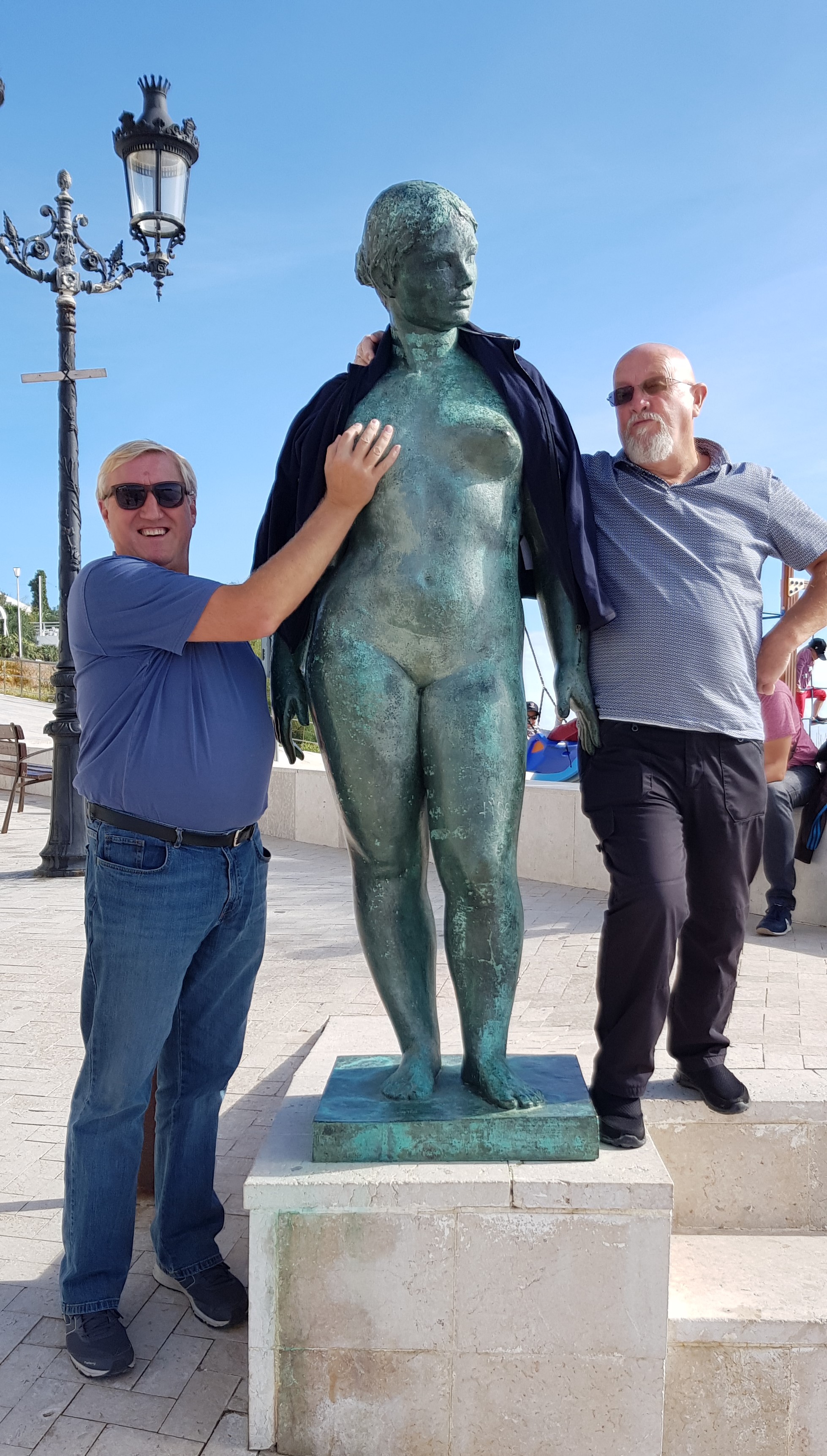
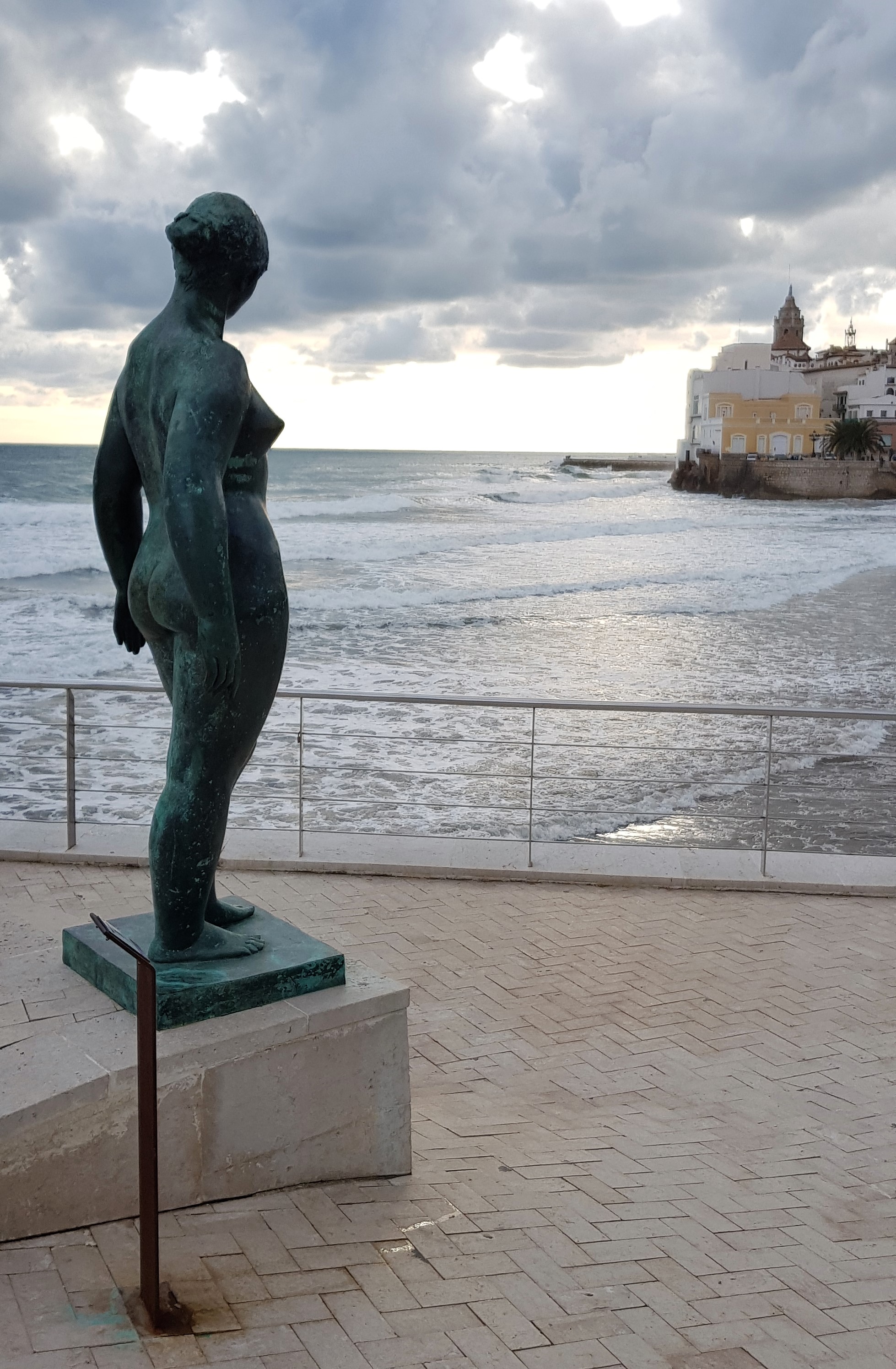
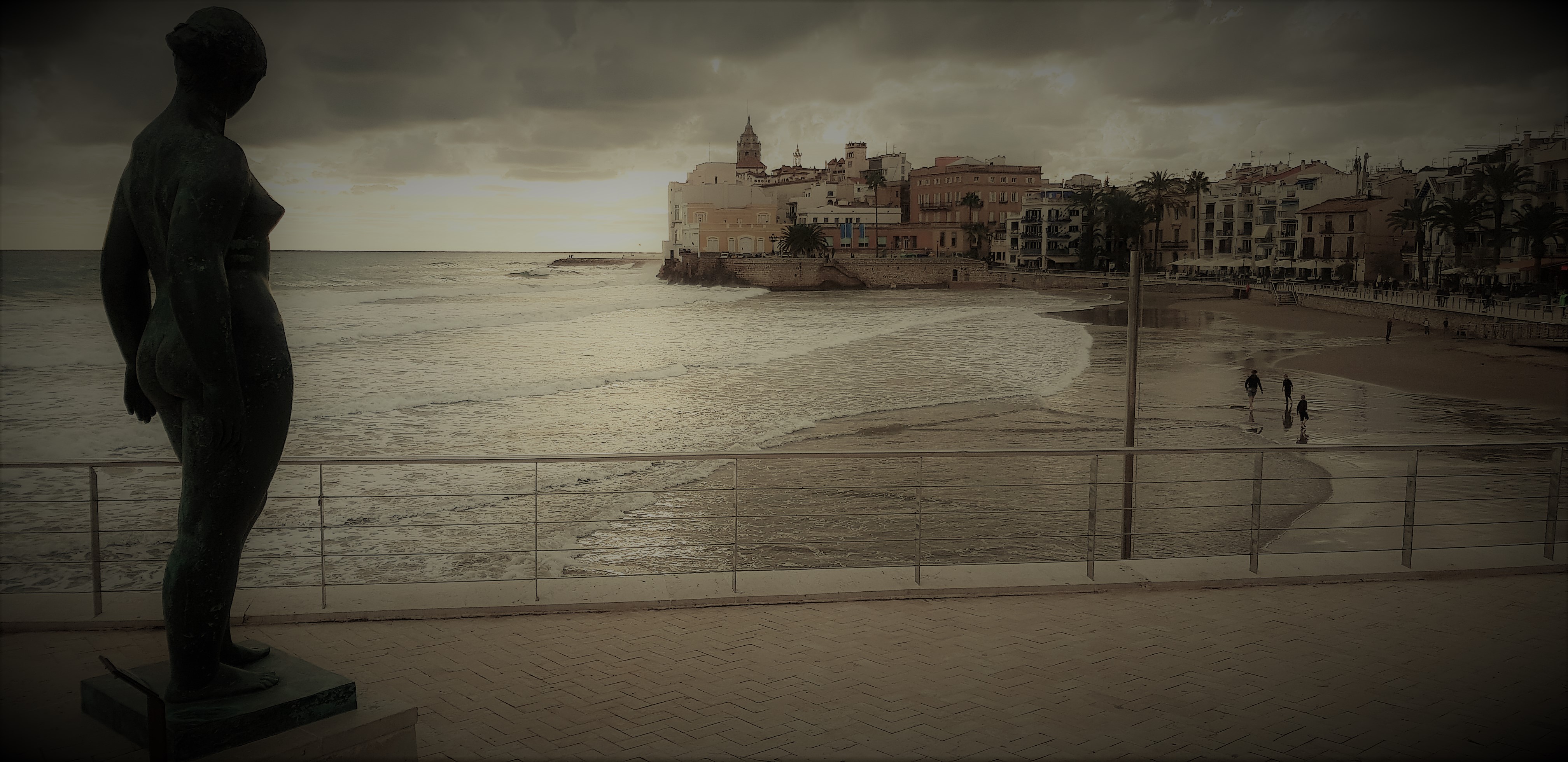
The town of Sitges is known for it’s artistic trends, sculptures adorn the promenades, art galleries are on every street and buildings show off their artistic design, and since the 1960’s when tourism arrived, it has attracted international residents – 40% of it’s population are Dutch, British and French. It’s also popular with the Spanish, probably for its 17 sandy beaches! Several are nudist beaches, and one is set aside purely for the gay community.


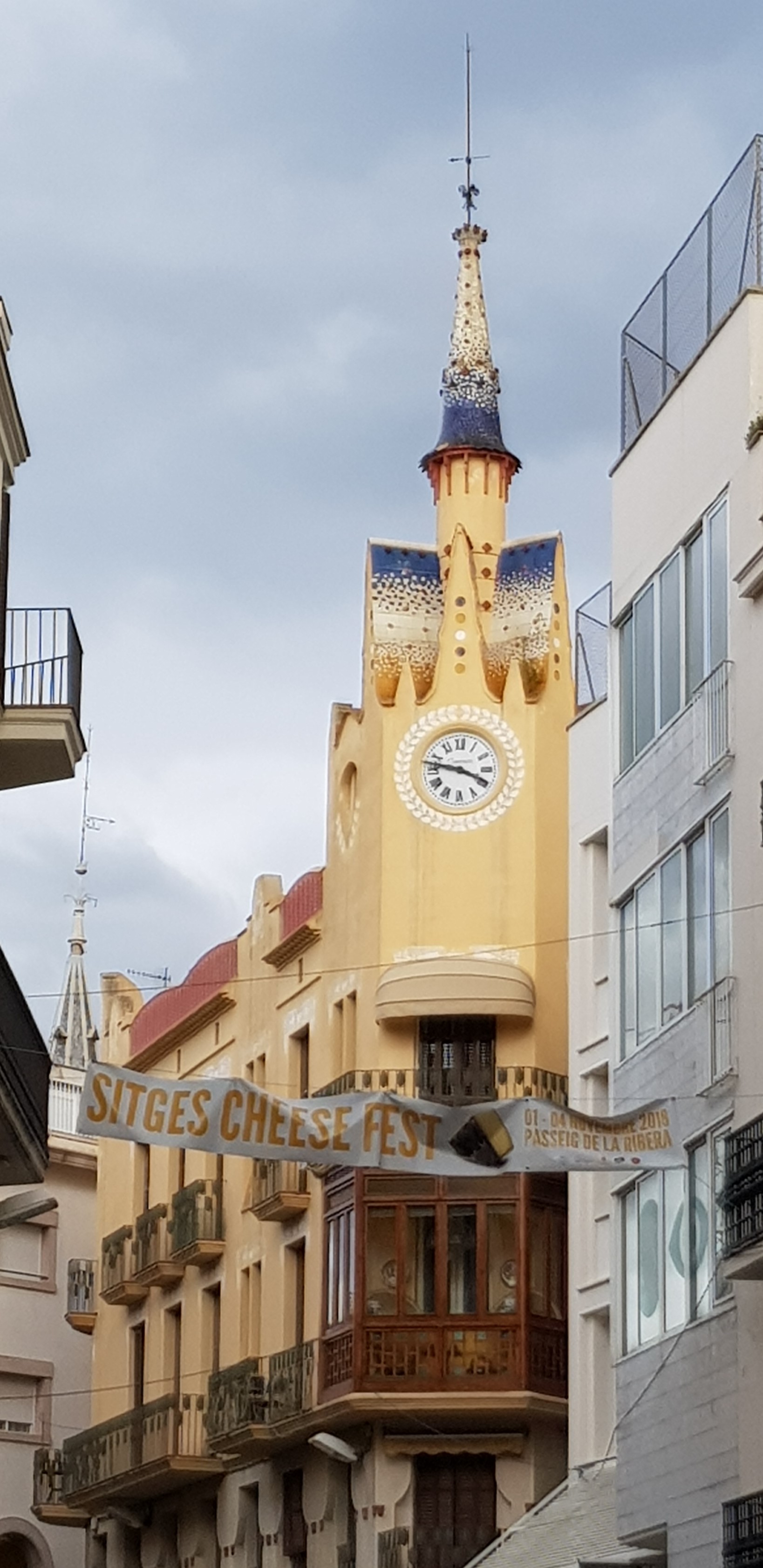
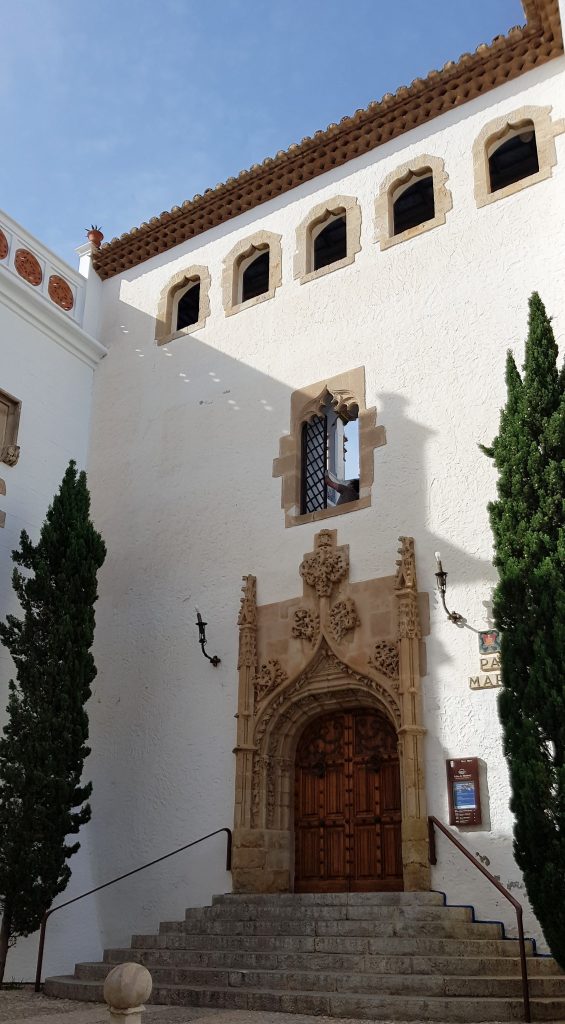
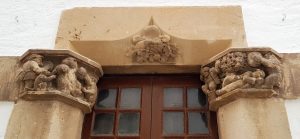
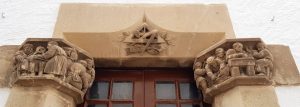
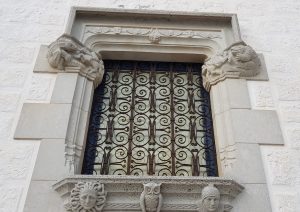
The palace is closed to the public unless you prebook on the 3 days a month it is open, however the architecture took my fancy!


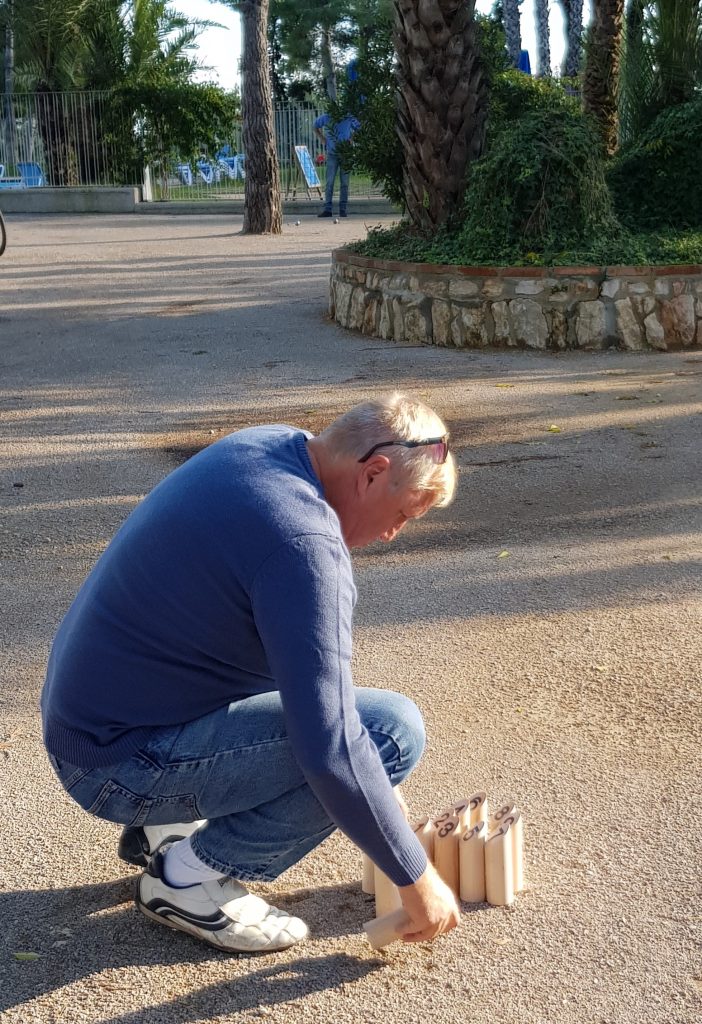
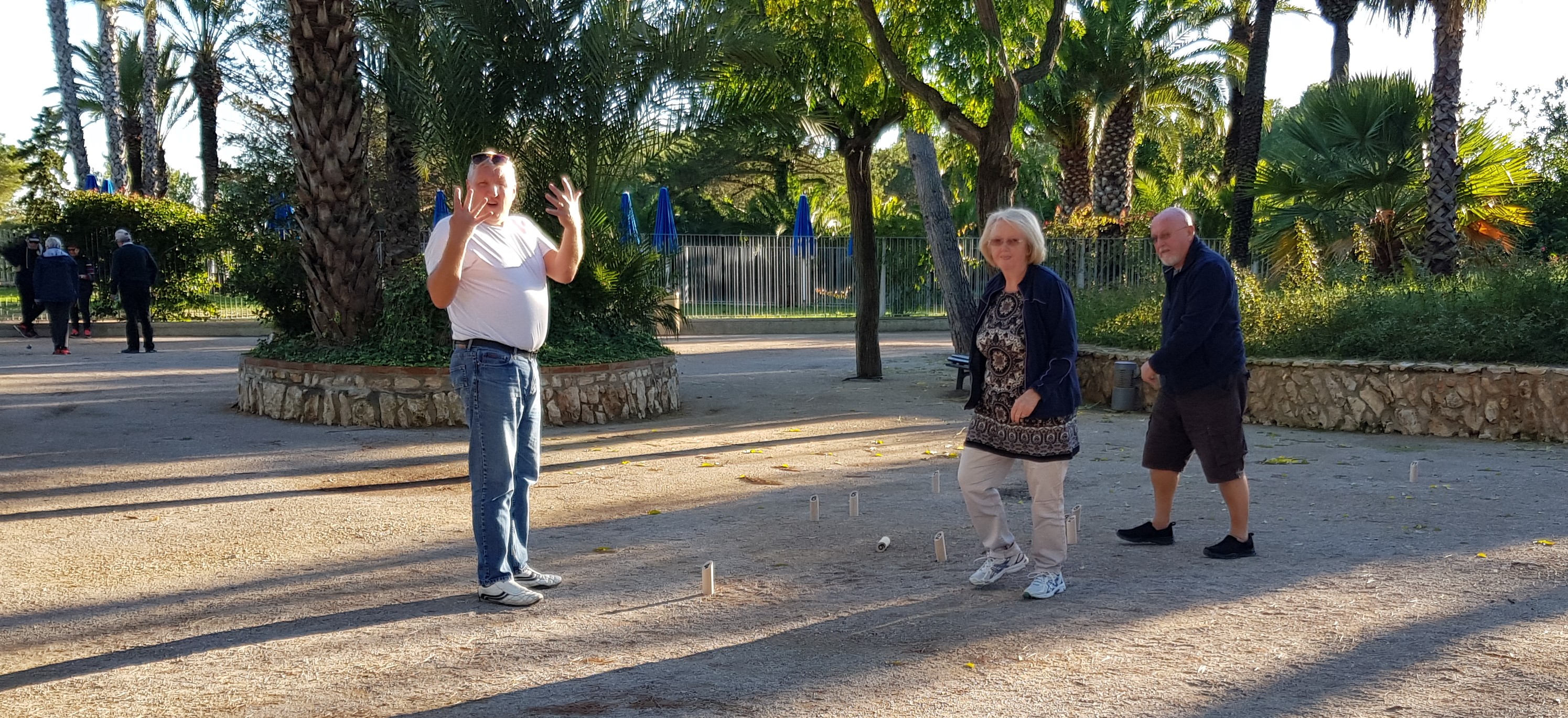
We have also introduced Brenda and Mike to Finnish skittles, AKA Mulkky, in preparation for the tournaments we expect to win at Benicassim!!! 


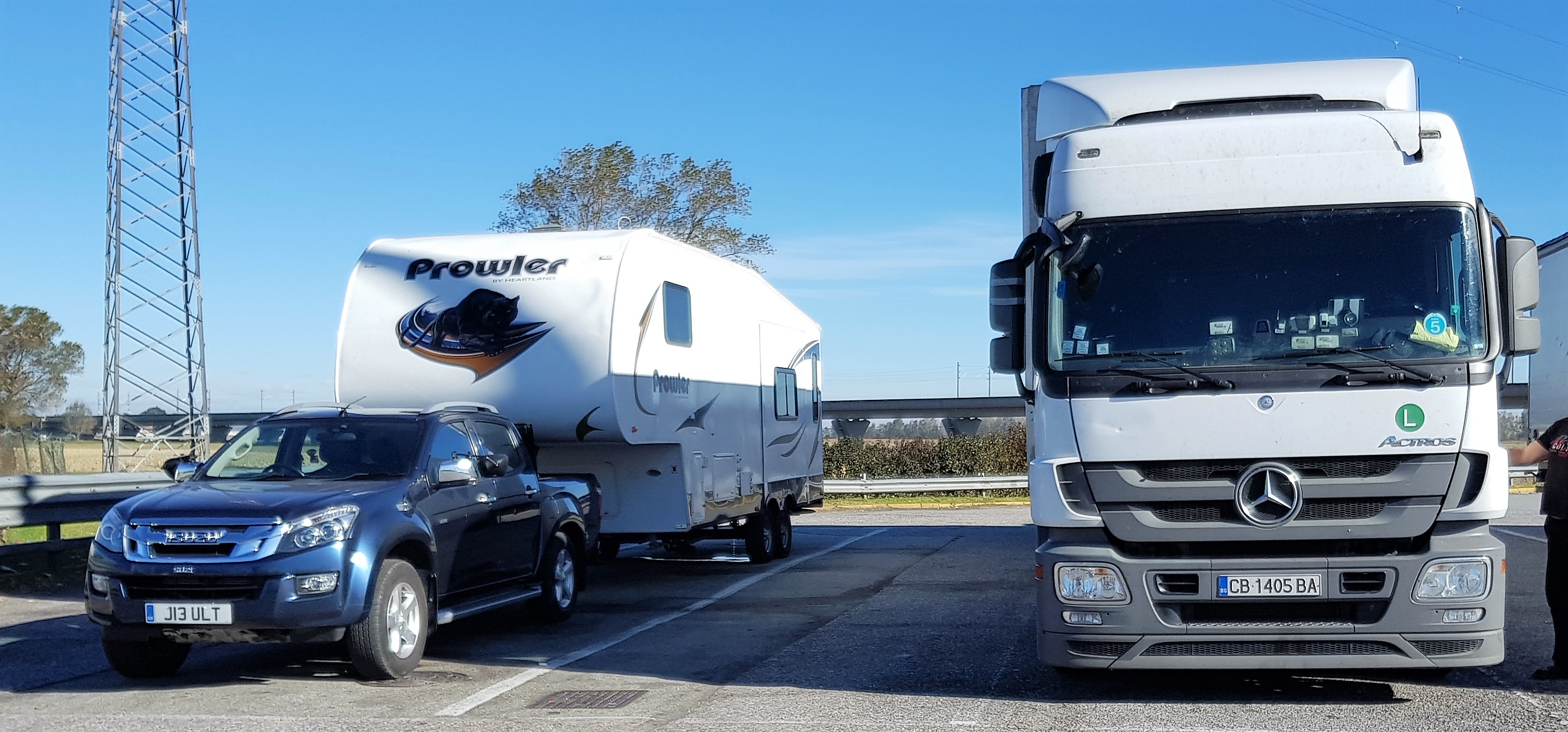
Italy to France to Spain in 2 days!

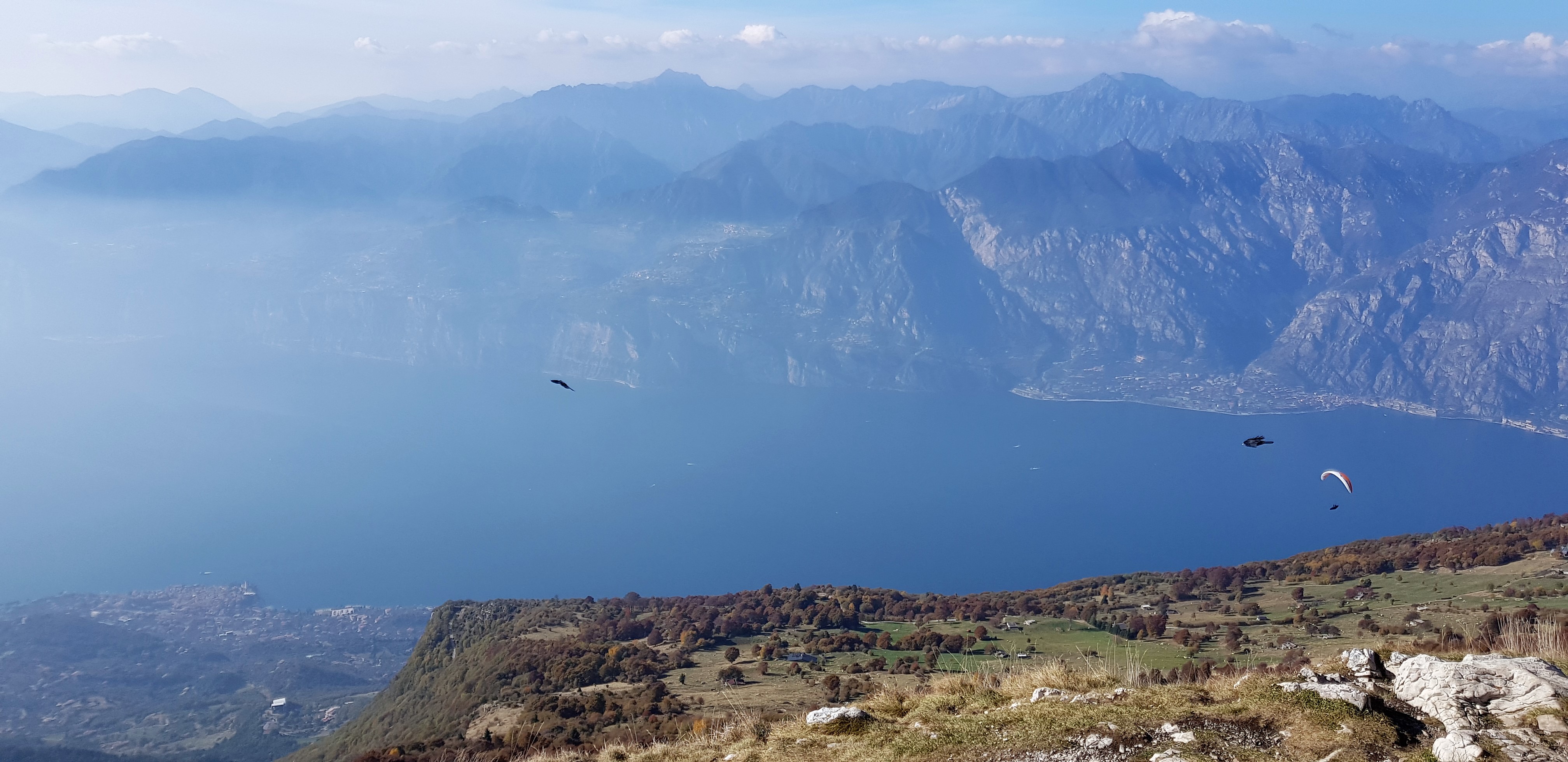
We left Lake Garda with a desire to return, it is one of the most beautiful places we have been to, the scenery is stunning, the Lake is large, blue and serene, the Italian people are friendly, calm and polite and we want to explore more!  We will certainly return in 2019.  This is possibly one of the best photos I think I have ever taken, from the top of Monte Baldo.

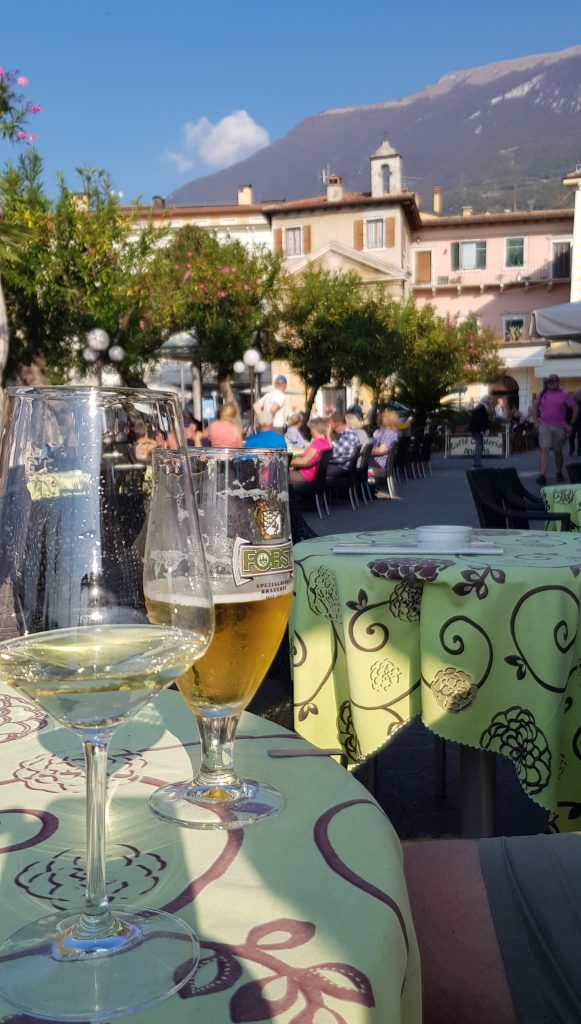
So cheers to Italy and Italian wines……..well, we could not stop here without visiting a small local vineyard now, could we???

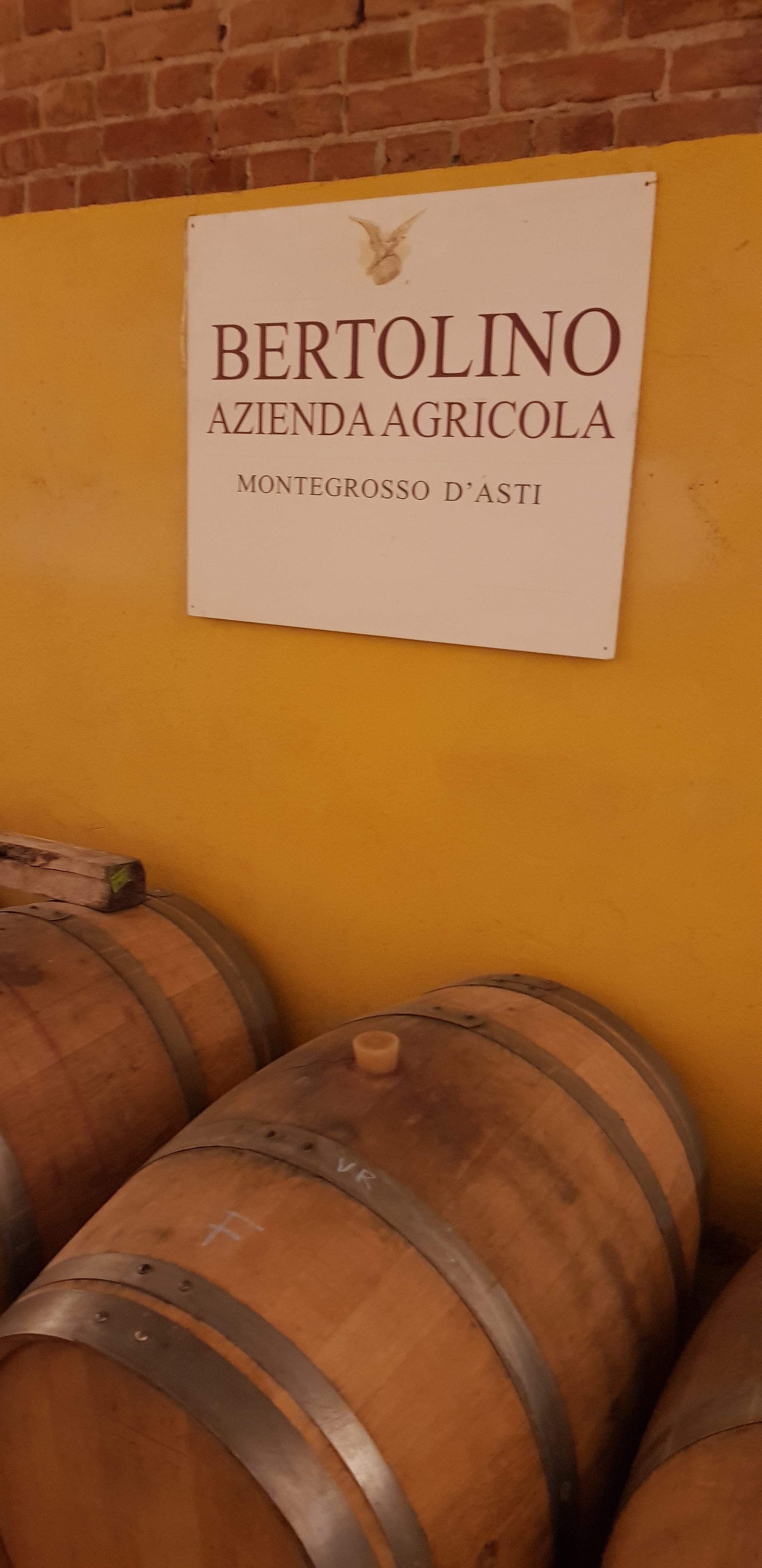
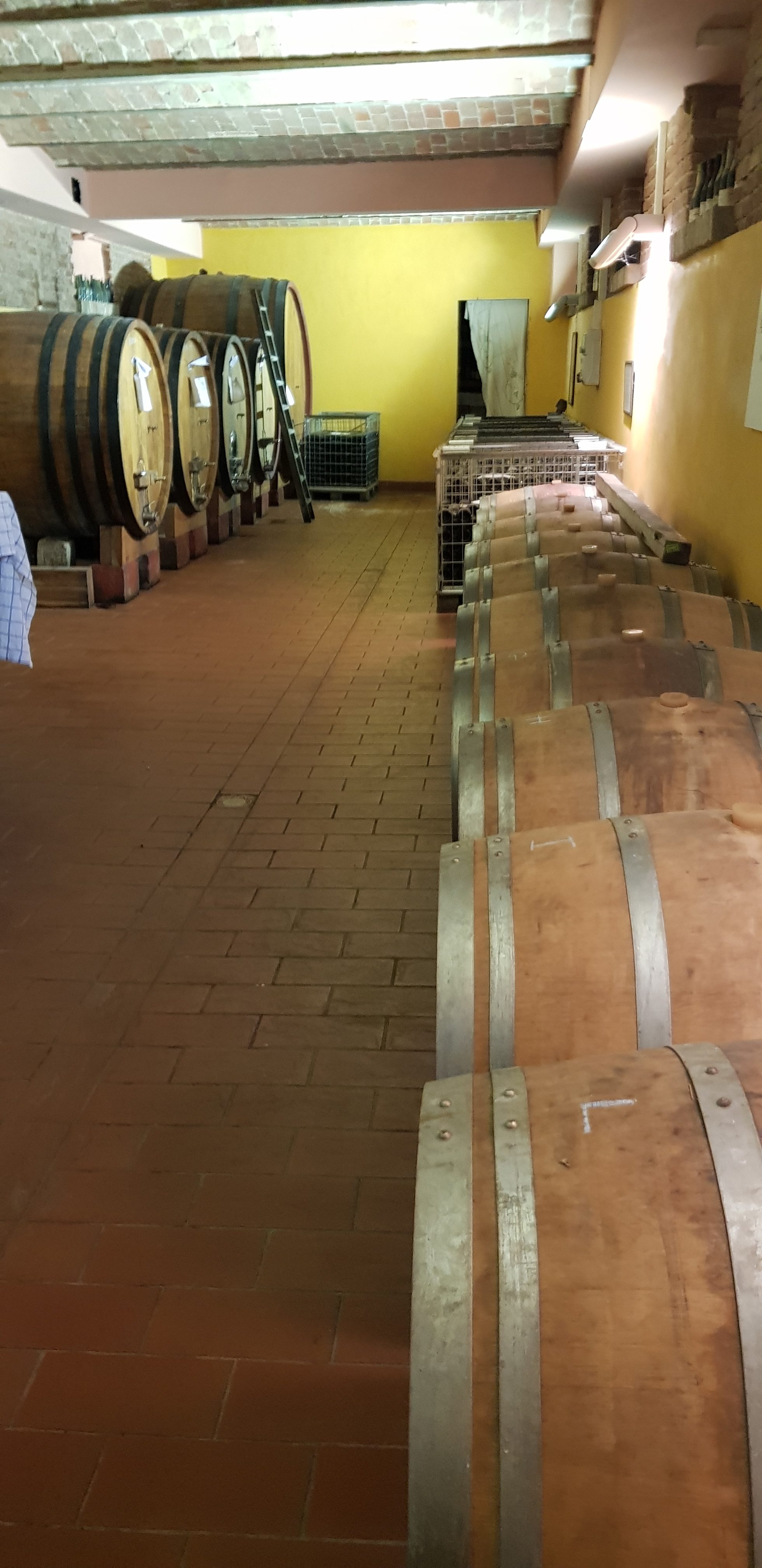
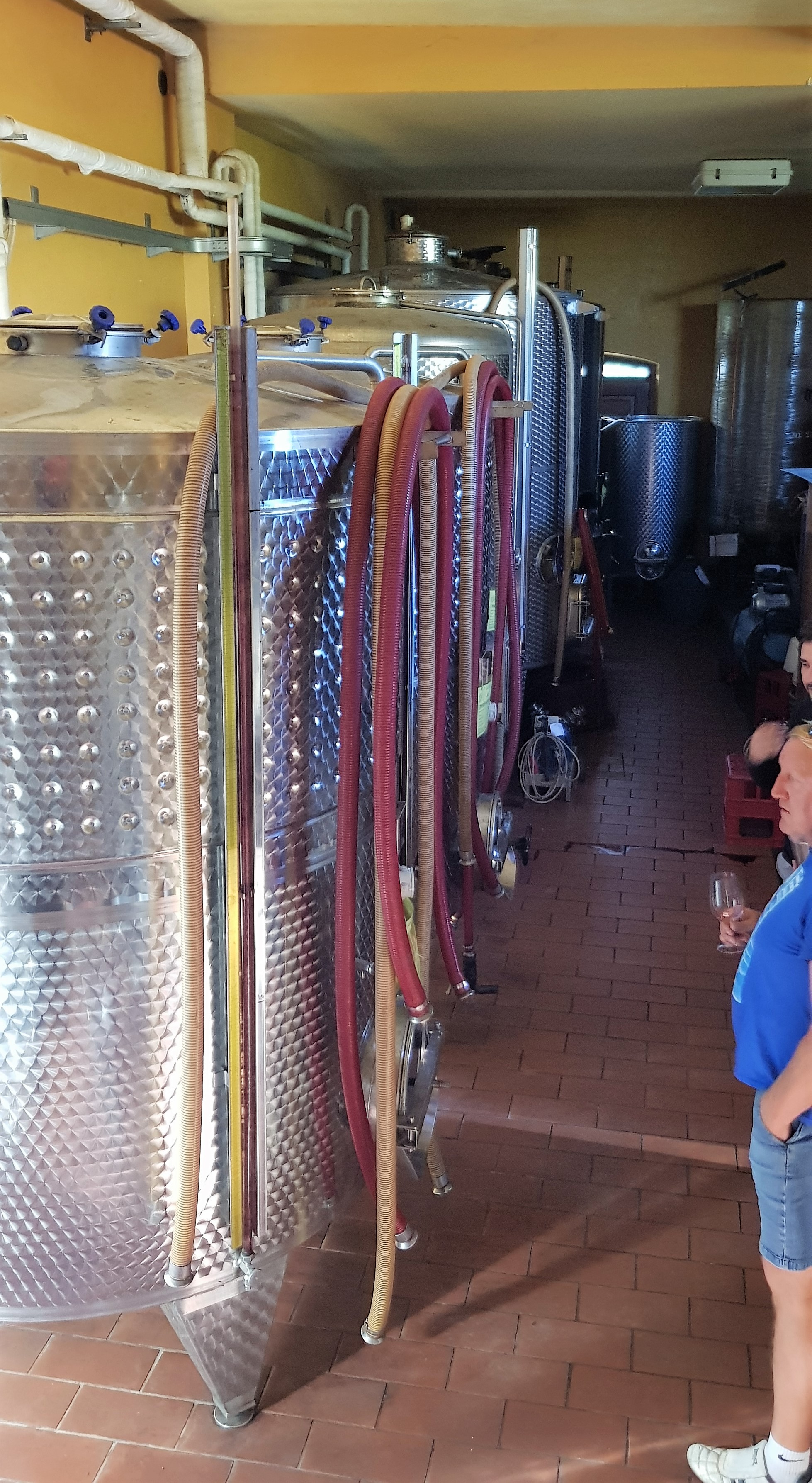
And thanks to Francisco for a tour of his cellars in Montegrosso…… and relieving us of a few Euros in exchange for some lovely red Italian wines including a Barolo!

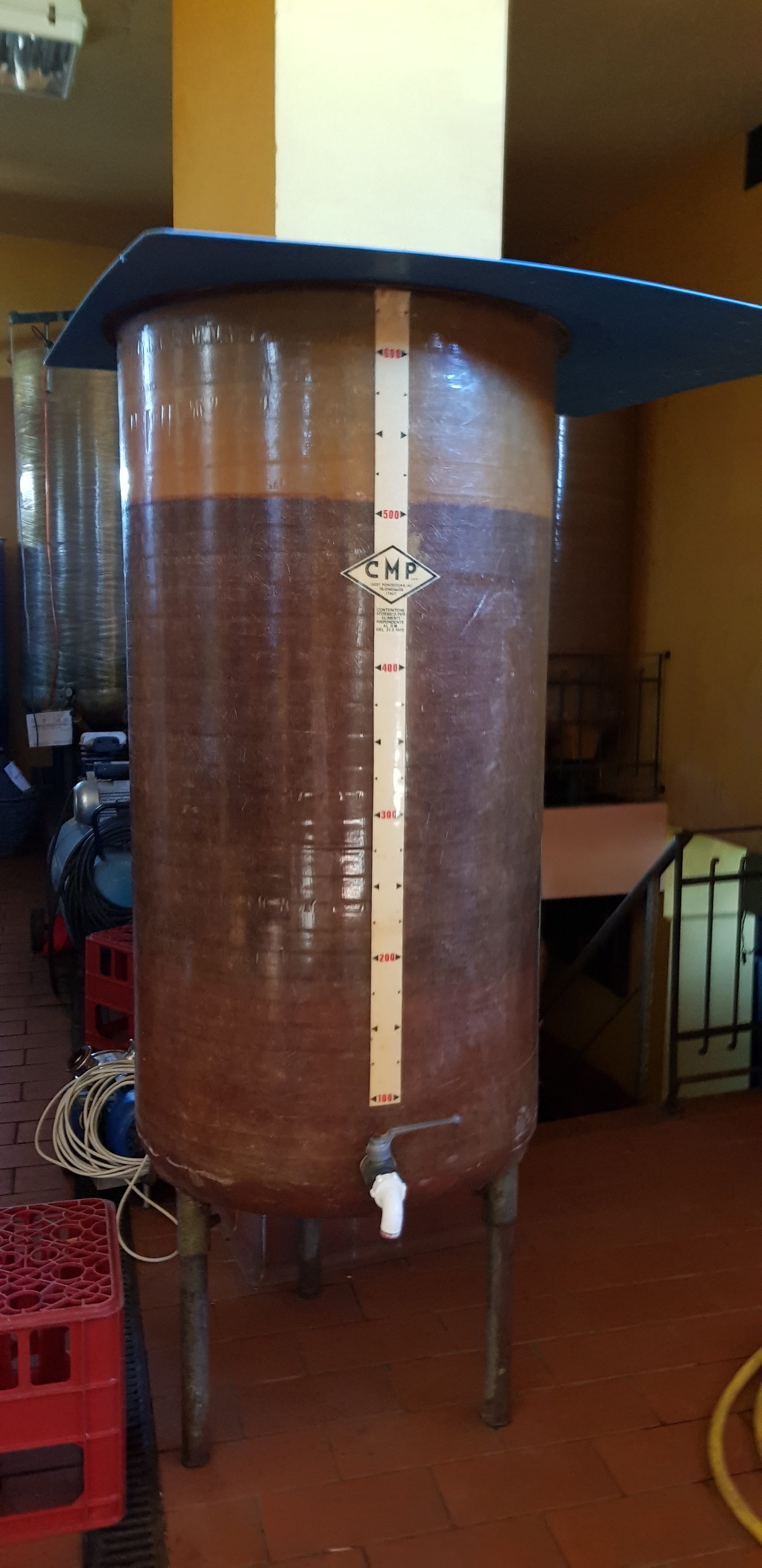
This is the new fermenting must from this year’s harvest (2018) that will be ready to be bottled in 3 or 5 years time!

And finally, after a short stop in France overnight, we ploughed on through to Spain, to Sitges just below Barcelona, to cheap beer, wine and food, to sun and warmth and to friends waiting for us with a glass of wine!!!

Comillas & Oriental Gaudi

Comillas Town

We spent three days at a site on the north coast of Spain, inland a little, and found ourselves a few miles away from a village called Comillas, home to one of the few houses that Gaudi built outside Barcelona.

Being a Gaudi fan, I just had to pay a visit and was not disappointed. As a friend Paul commented recently, should we wish to build such a house in the UK nowadays, we would have to talk to several medical professionals before we were given permission but in the 1880’s this was seen as a “piece de resistance” for the owner, a wealthy businessman. It was built during Gaudi’s “oriental period” and this is obvious with the Minaret type tower and decorative external tiles. He was also an assistant when a “summer house, the Palacio de Sobrella” was built for another wealthy client in the same town but that day it was closed to the public. I had a good chat with Antoni himself, who was in the gardens 🙂

The town also had the most amazing cemetery, built on and in the remains of an old church, with a huge angel statue perched on the top of a wall, donated to the town by a local; he had the statue made to place on his own child’s crypt buried in the cemetery but changed his mind and gave it to the town. Several houses in the town were built in the modernist style, paid for by money made by local businessmen in the Americas, all fitting in neatly with the old traditional coastal style as well as the “montana” style chalet houses on the surrounding hillside just outside the town.

Some modernist style houses!


The town’s monastery is currently used as a teaching college for new monks.


El Capricho, built by Gaudi


A 1902 chair made by Gaudi, very ergonomic and comfortable.


The attic rooms in the house, with wooden steps to the outside terraces (right) and some furniture made by Gaudi.

Another example of some furniture made by Gaudi.

Having a chat with the man himself in the gardens….

The old church yard.

Llanes

We also visited another local town called LLanes (pronounced Yann-nes) which was worth the short drive. This town has a small fishing port, a working light house, old ruins of a monastery in the older part of the city and amazing views of the coast from a coastal walk.

Gijon

We arrived at this large seaside town just in time to witness a wedding, complete with local pipers! The bride arrived in an old 1940’s Citroen, cars that the SS used to drive during the second world war. The bride and her entourage were beautiful as were the attendees, a real fashion show!

Gijon is a hillside town, topped by a large park which once held the battle stations that protected the town, now a tourist attraction within the park. An old tobacco factory overlooked the old square which was full of sidre selling bars and restaurants, leading down to a marina, which years ago used to support a dying fishing activity but has now given way to the modern activities of jet skis, small yachts and pleasure boats.

Old look out posts.

Santander

We also paid a visit to Santander, and found it to be a bit of a disappointment. It is a port and ferry town, very industrial and commercial but around a peninsular was a thriving coastal side to the town. We found there to be very little history in the town; we walked for ages up a very steep hill to find a “funicular at the top of a viewpoint”, the funicular only went a fifth of the way up and down, and the view was only of rooftops!

View of the rooftops from the View Point! Red faced, from all the walking uphill!!

Santander Bank HQ.

‘,

Caravia Cows in Asturias

Caravia Alta, Playa de Arenal Moris

Back up on the coast for a week, we parked up on a lovely hillside site in a village called Caravia Alta (Upper), we were given a spacious pitch all on our own! The real reason was to keep us off the grassy plots; motor homes and larger caravans were sinking into the soggy rain drenched grass and needed to be towed out! The beach was a good 200m walk downhill, the beach side bar opened at weekends and it was a really peaceful haven. Apart from the local cows in the surrounding fields, they had bells on!! The viaduct overhead was surprisingly quiet, you could hear the odd lorry, maybe it was drowned out by the continual mist that capped the mountains!

The local cows are beautiful and several have little calves alongside, they produce the milk for the majority of Spain, plus 70% of Spain’s cheese!

Several small villages nearby kept us out for the odd day, and my love of ancient and different buildings caught my eye again as well as the different “horreos” buildings in this area – not only are they are a different shape compared to those down south but they are much bigger and mainly made of wood not stone. Several we saw had been modernised and converted into what looked like “granny or teenage annexes”!!!

Villaciciosa

We went into Villaviciosa one day, the small market town was interesting; it had one church and several palaces and monasterial buildings but all were closed to the public except the one very plain 13th century church; it did have a good tourist office where we were given lots of information about the Jurassic coastal areas and that was about it. Seems this is a “sidra” (cider to me and you!) making area, apple signs are everywhere, but we have yet to see an apple orchard. However, several beautiful buildings were in the square…

We visited the Jurassic Museum, a modern building interestingly filled with dinosaurs (and I don’t mean David and I) and their relevant information…..well I’m sure it was interesting. It was all in Spanish. The replica monsters were well made and interesting.

Lastres

We then went along the coast to a small fishing village called Lastres, climbed to the top of the hills above the village and looked down to the port and the rooftops. Amazing view. We found a small chapel at the top, very plain apart from a small table and an unusual array of prosthetic limbs on a shelf!!

Miradour de Fitu

We had lunch before coming back along the coast road to go up a mountain to a Miradour de Fitu. We climbed a 13% gradient through the mountains for about 5km, through clouds to a height of (approx) 590m above sea level and finally reached a platform, which on a good day would have given us a superb view of the coast below. As it was cloudy, we saw a valley below and loads of passing clouds as well as a herd of very inquisitive cows!

Ribadesella

Finally we visited a lovely fishing town called Ribadesella, a town split in two by a meandering river, The Sella; every year the first Saturday in August the bridge forms the finishing line in most Asturias’ most famous festivals – the canoe descent of the Sella River. The historic town of Ribadesella was founded by King Alfonso X the Wise in the 13th century, it is made up of a medieval town on one side and Modernist architecture on the other.

The lovely promenade walk is home to several large Modernist style houses, all built to order by businessmen who made their money in the Americas around the early 1900s. Some are now hotels, some are still privately owned but all have a fabulous view of a wide sandy bay. This side is mainly made up of holiday properties, bars and restaurants and modern urbanisations. The other side of the river encompasses a small harbour of fishing and leisure boats and low rise blocks of residential flats lining the river side, with the small medieval town behind. A little further upstream are some caves and paintings claimed to be from 10,000 BC, as well as a museum containing the prehistoric findings in the area.

Related image


‘,

« Older posts Newer posts »