Travel stories of a caravan duo, plus a 5th Wheel and Isuzu truck in Europe

Category: UK (Page 1 of 3)

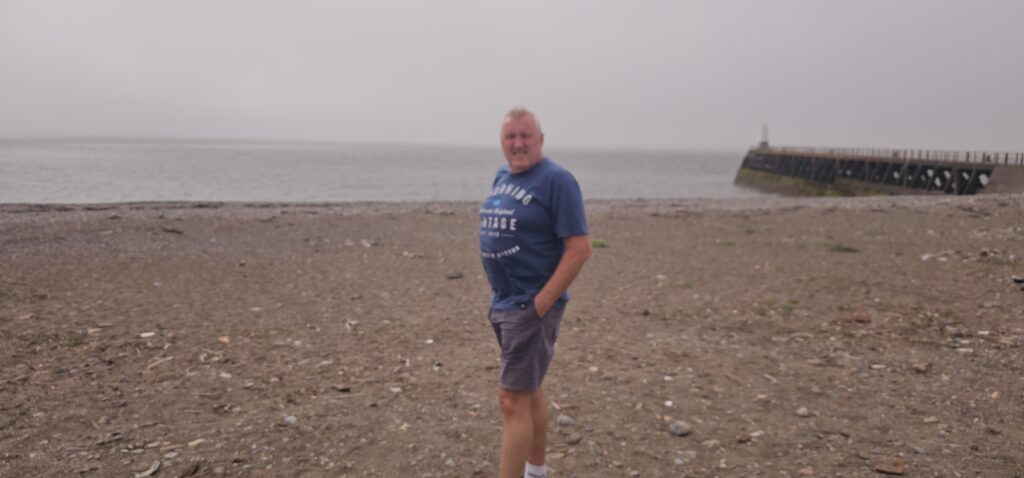
Typical British Weather!

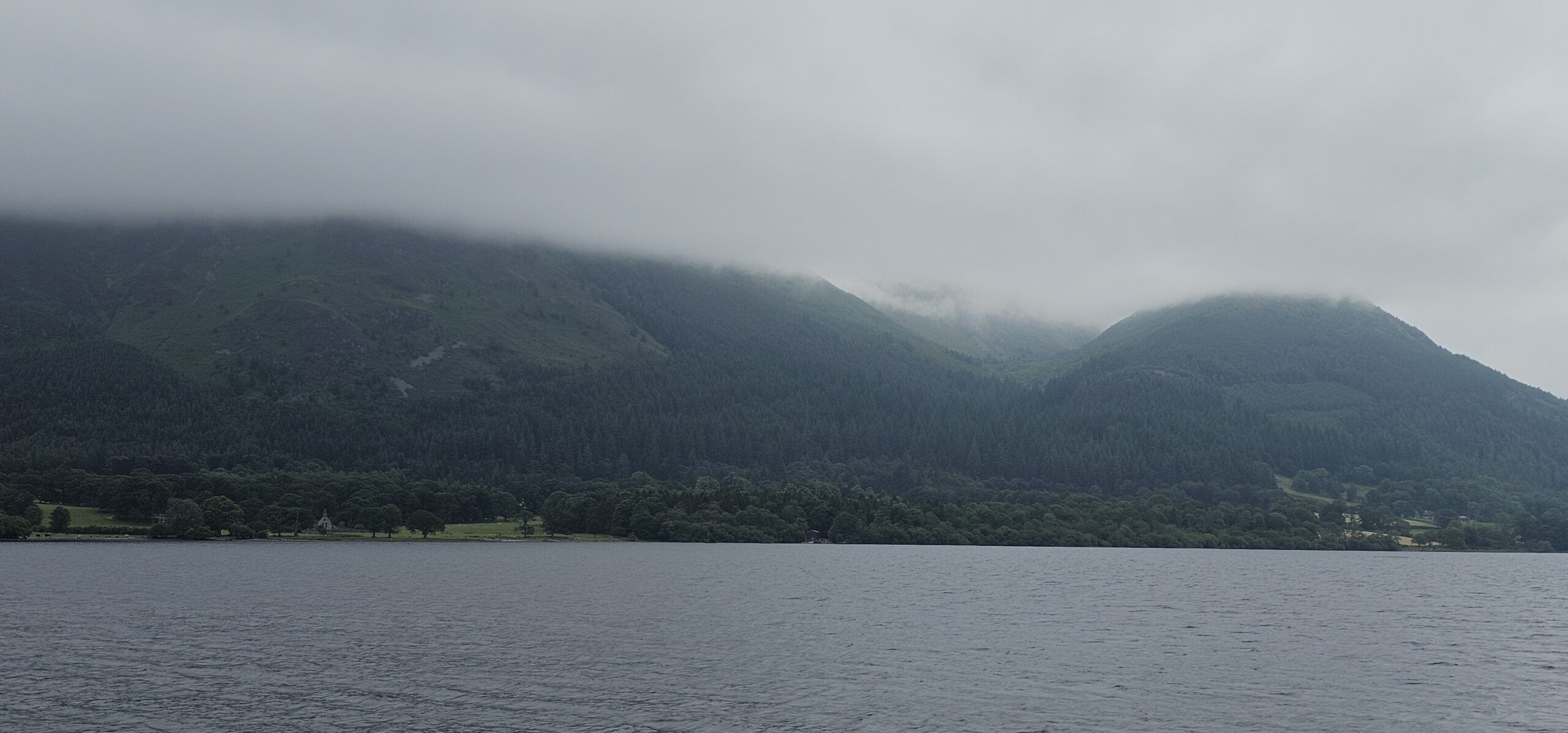
Day 2 of our little sojourn started off grey and misty so we decided to head inland again for a jaunt around a different Lake/Mere before stopping off to visit relatives nearby.

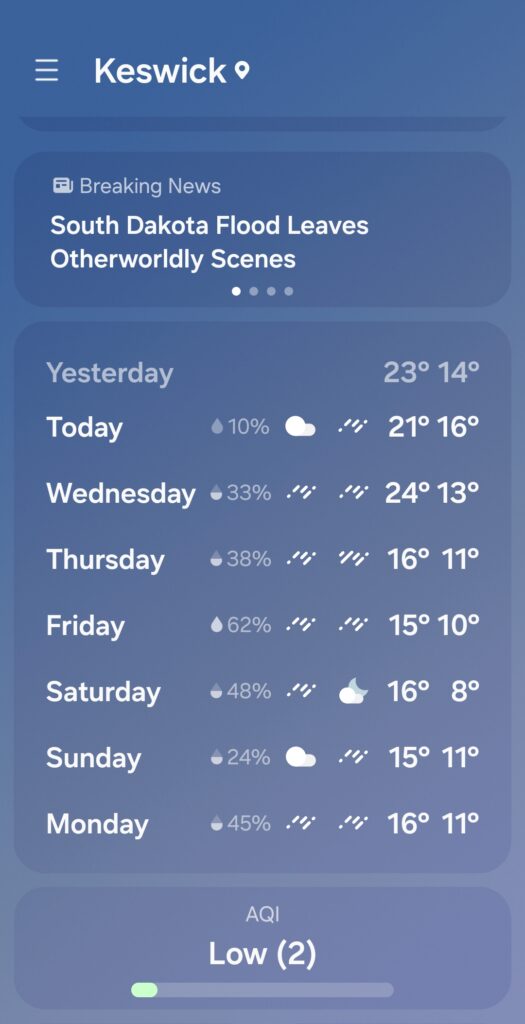
We found it ironic that everyone we know is currently moaning about a heatwave yet here, in Keswick and Maryport, we’ve had rain!
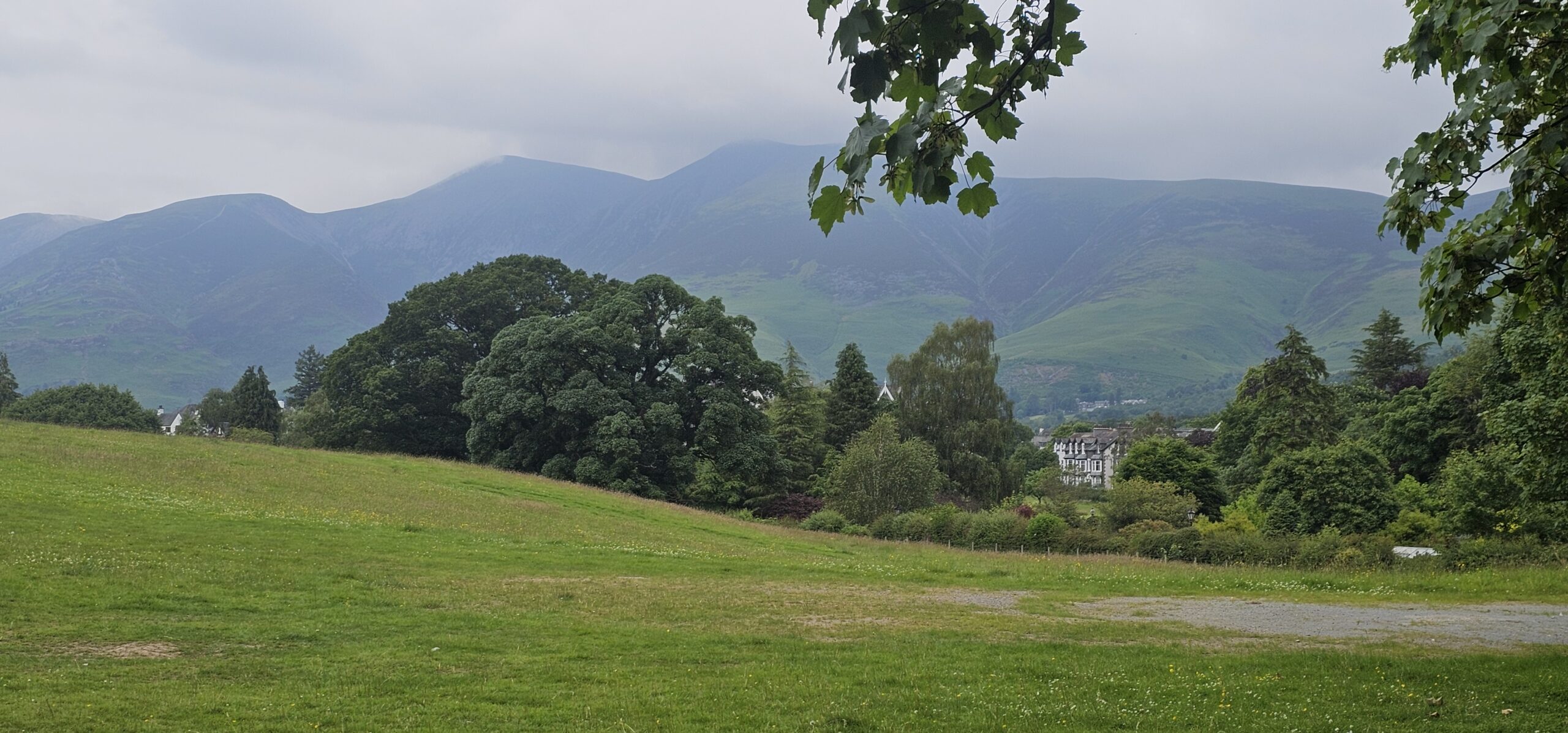
As soon as we went over the first hillock, lo and behold, the clouds dissipated and the sky turned a shade of blue and that orangey/yellow blob in the sky appeared occasionally! When the sun is out, England certainly is a beautiful place.

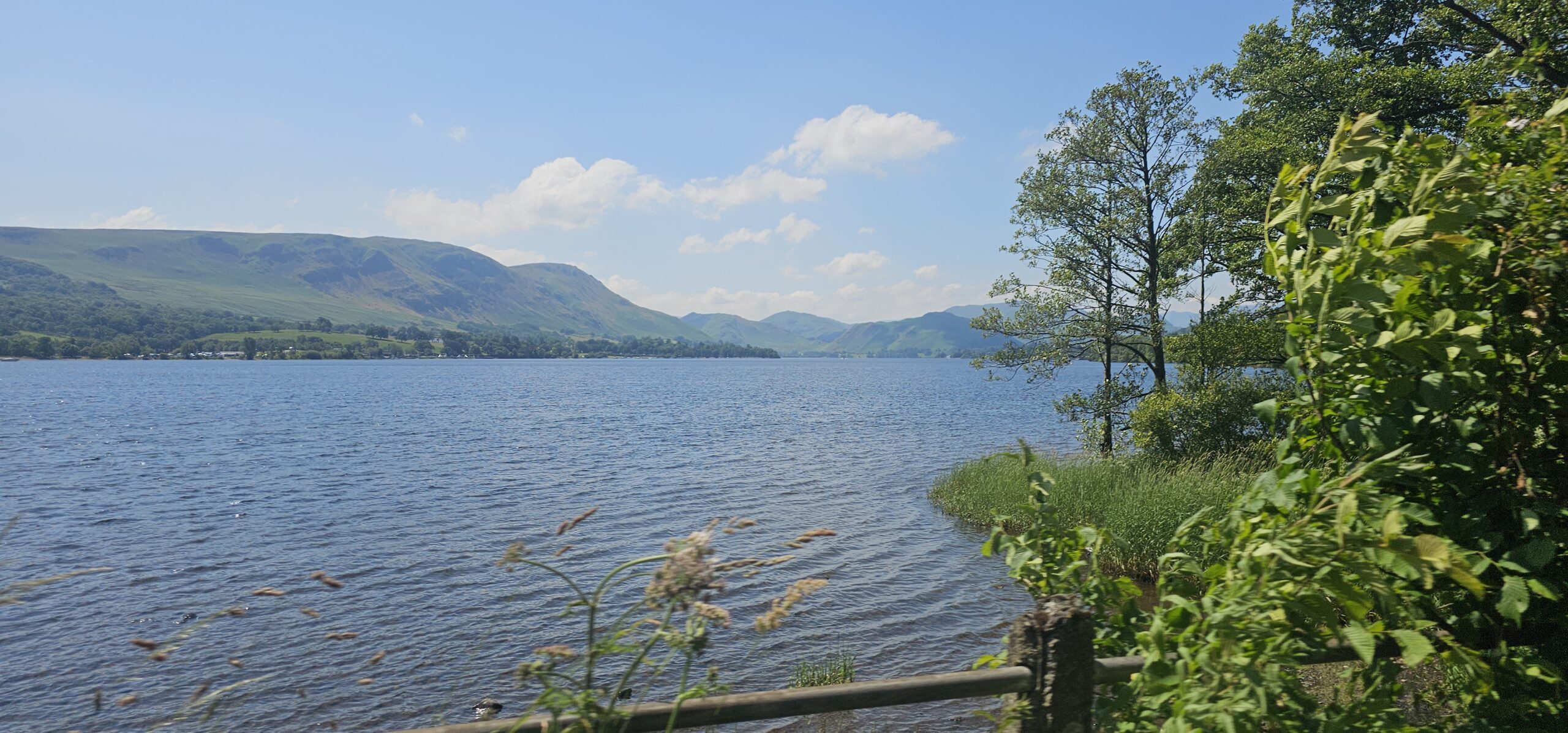
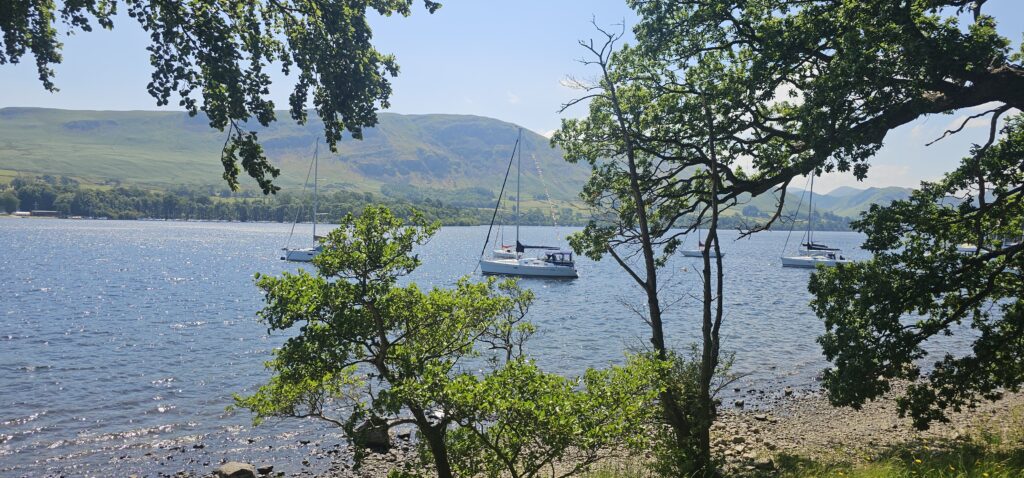
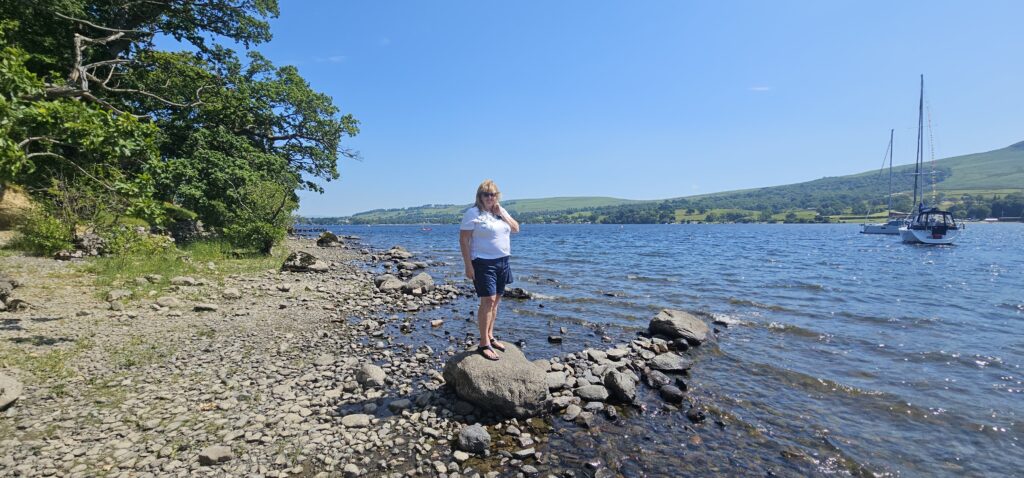
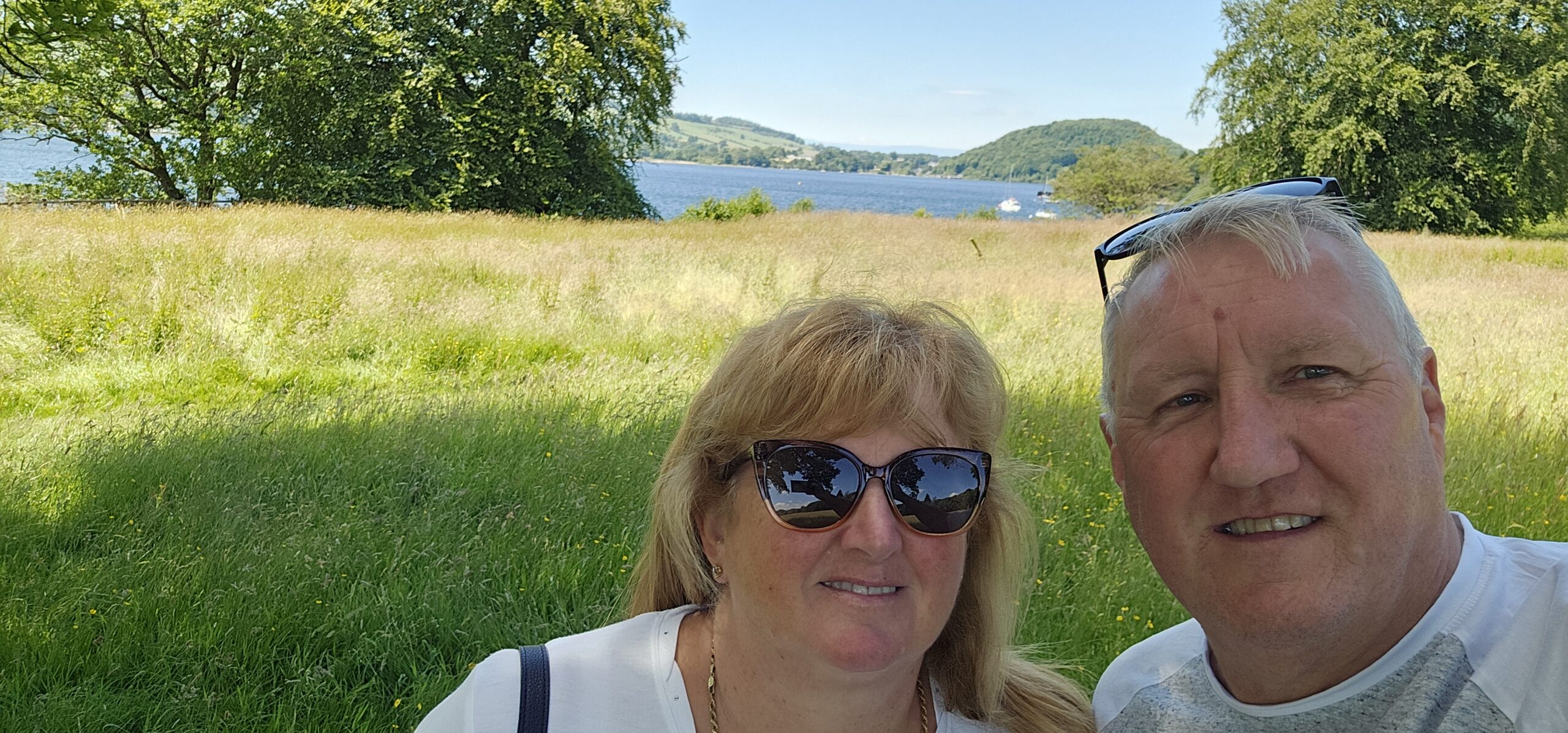
We headed towards Penrith and Ullswater, a glacial lake, second largest of all the lakes and surrounded by beautiful rolling hills.
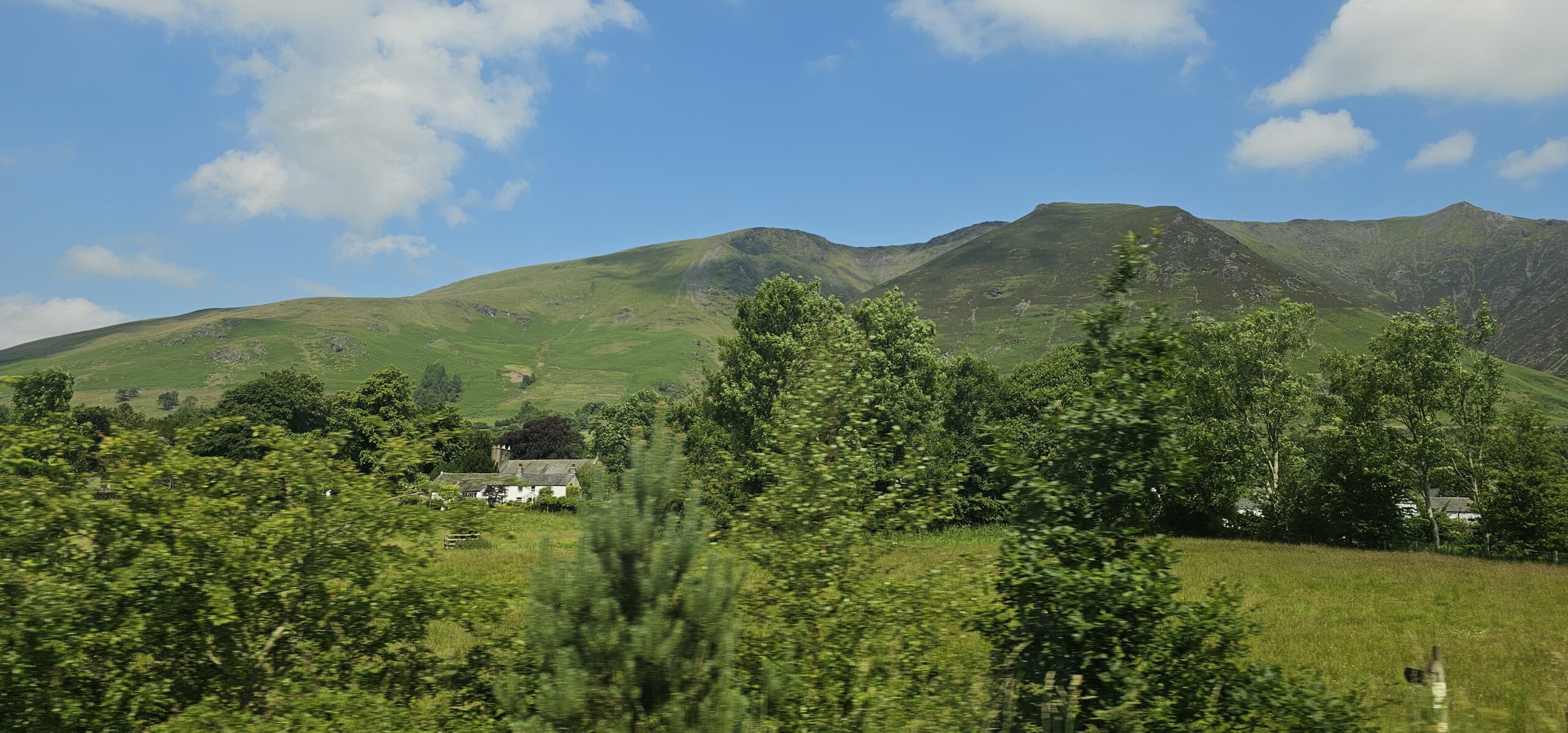
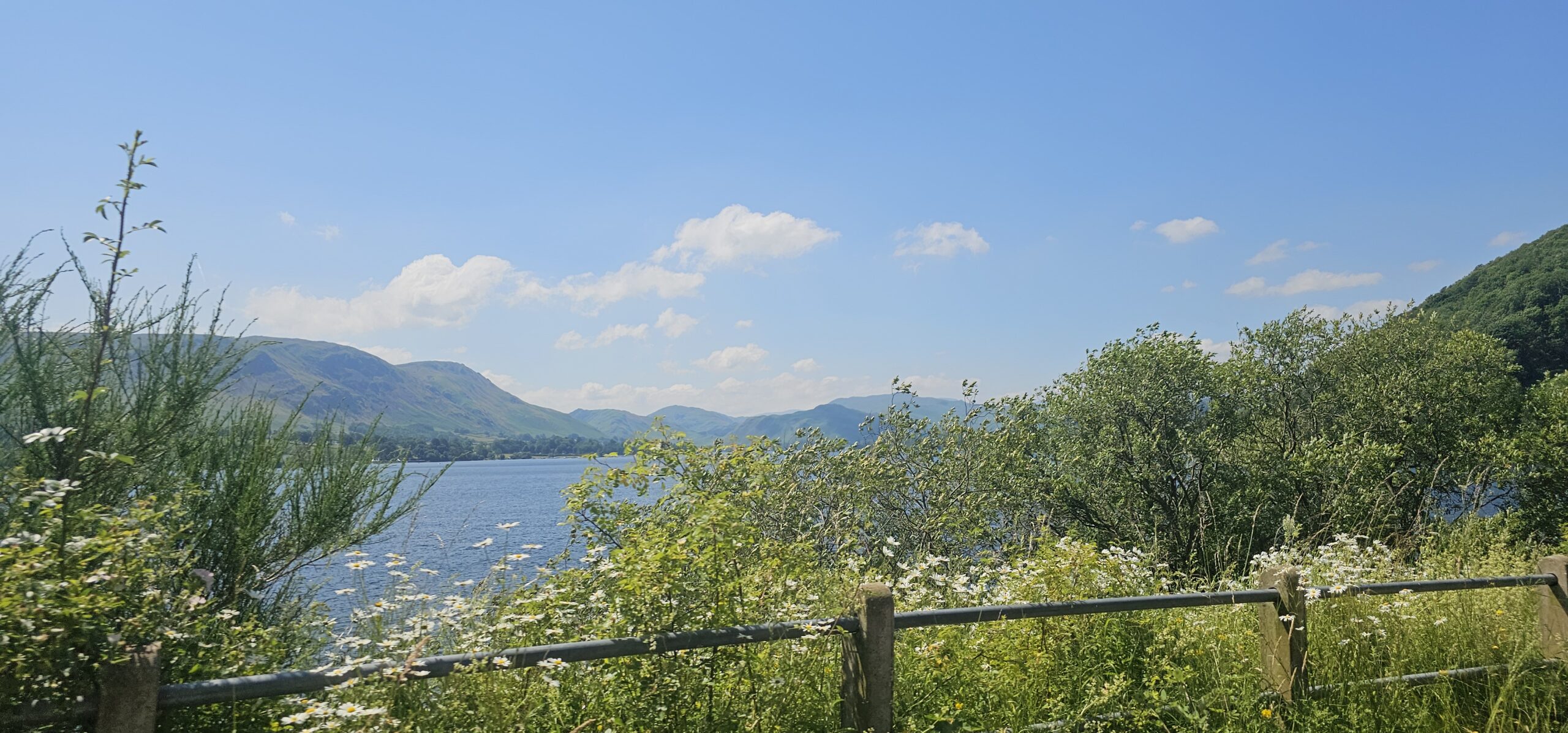
We stopped at Pooley Bridge initially, but the tiny village at the head of the lake was heaving, full of walkers and coach loads of the much older generation, waiting to board the Lake’s steamer boats.

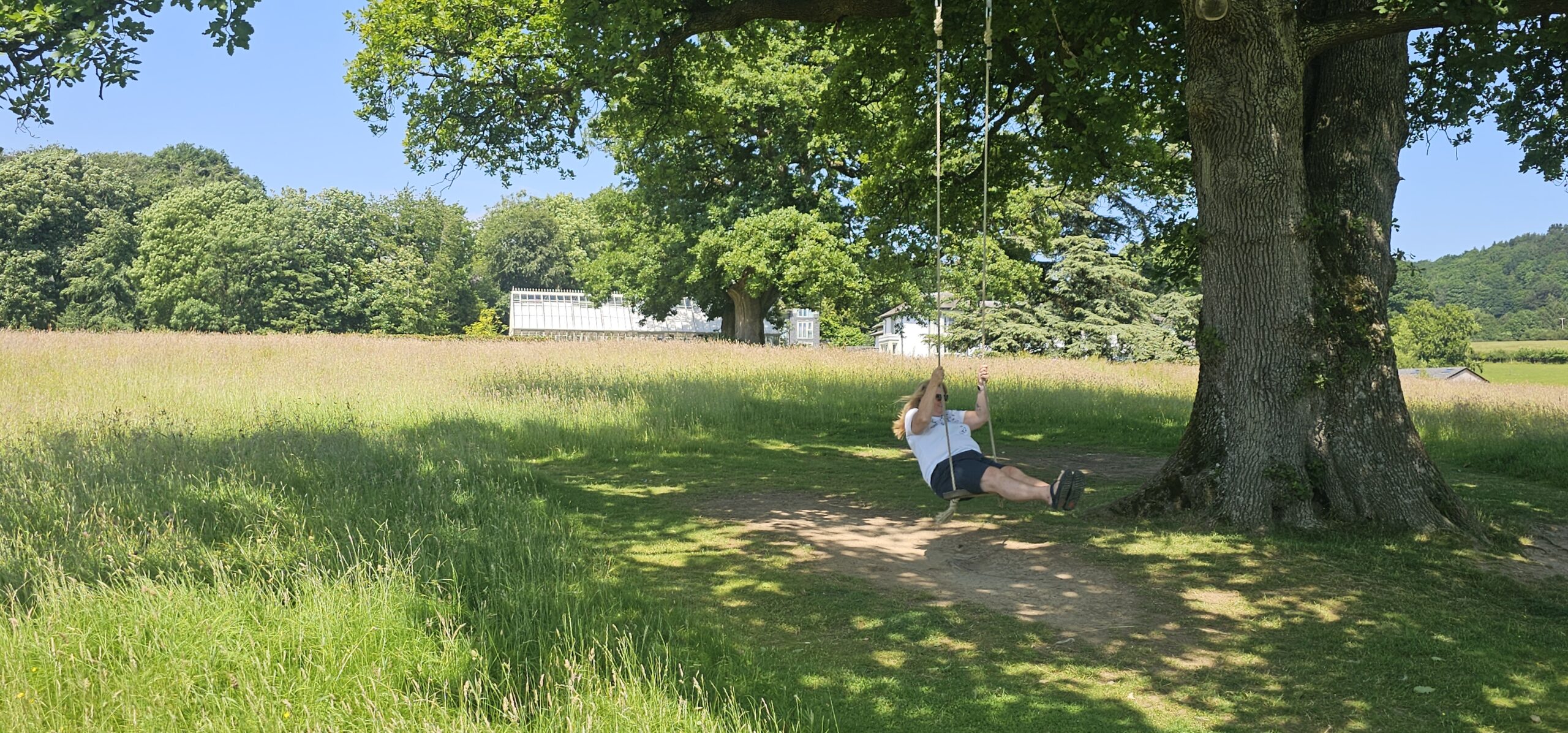
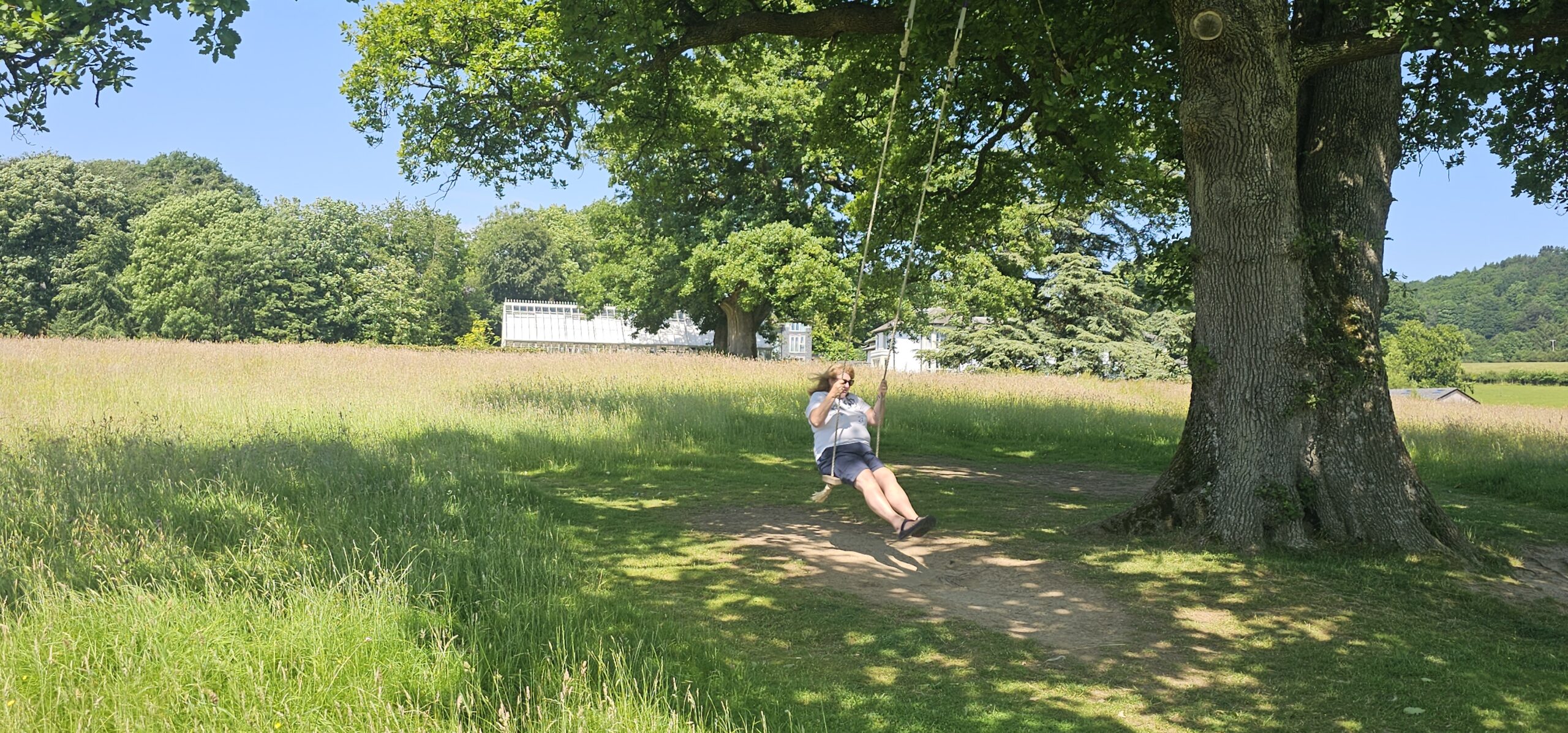
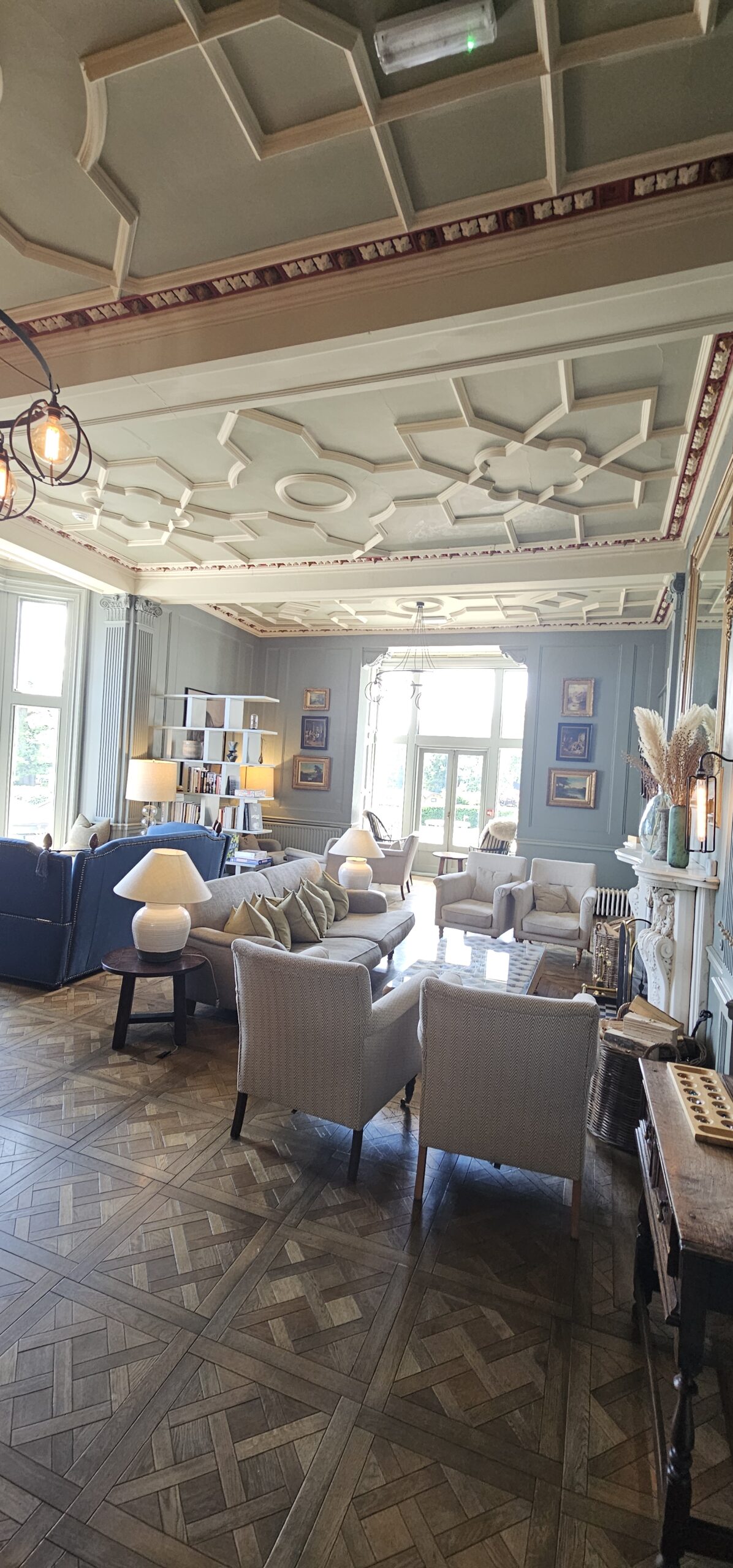
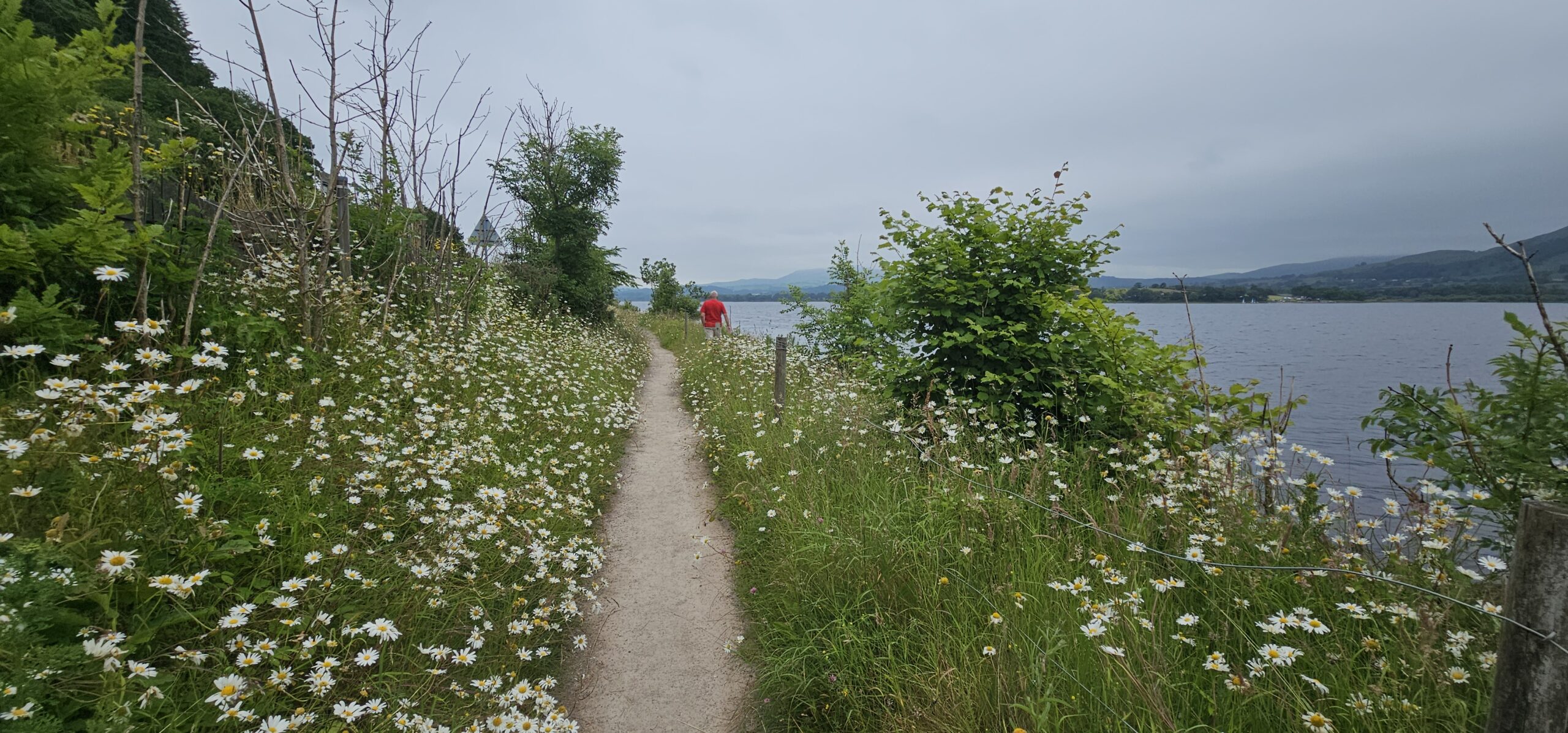
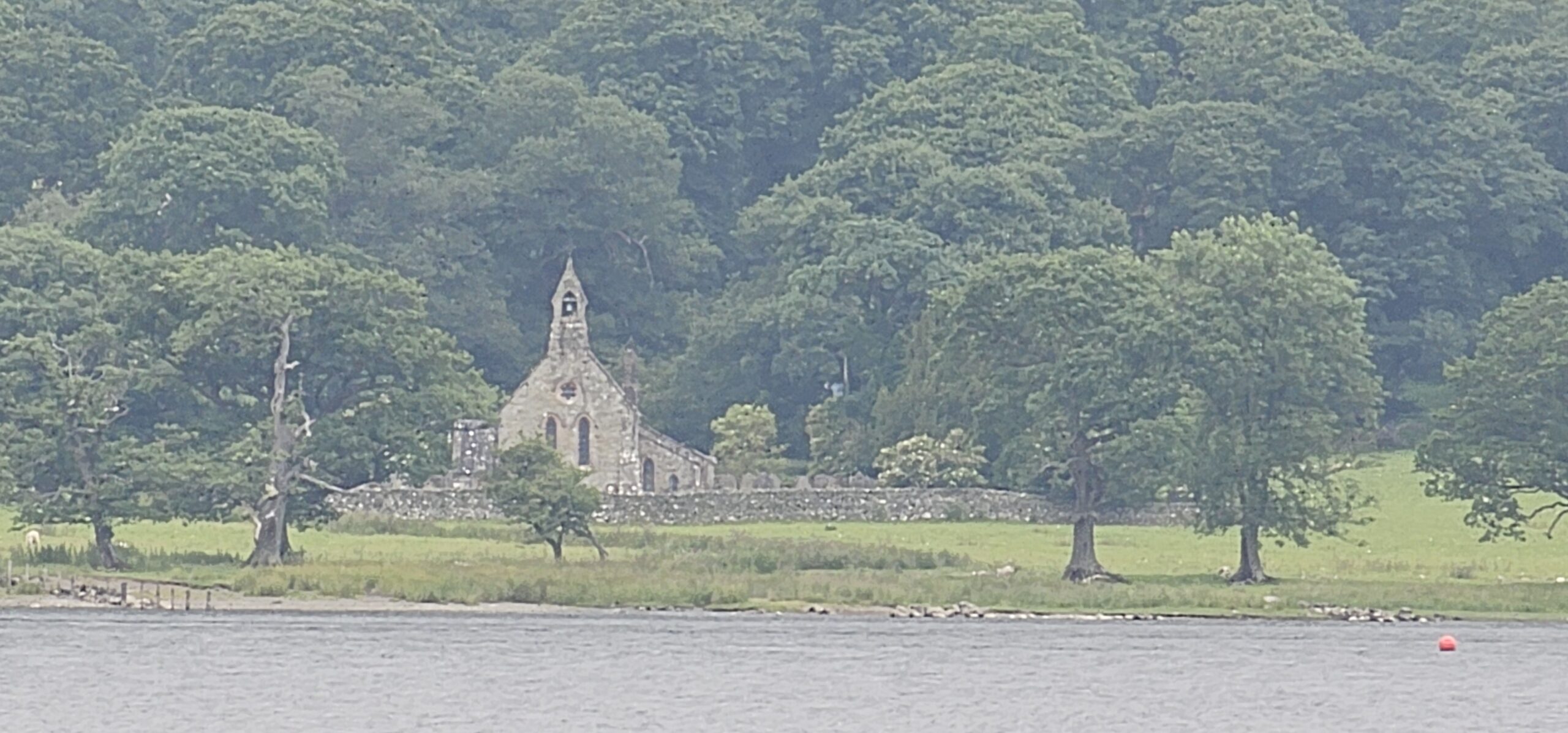
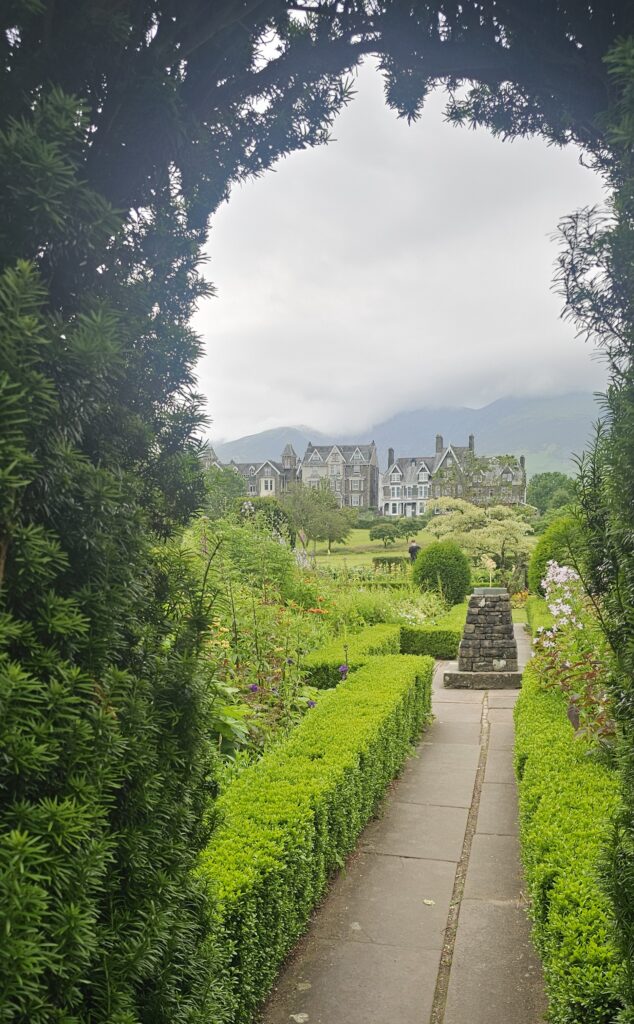
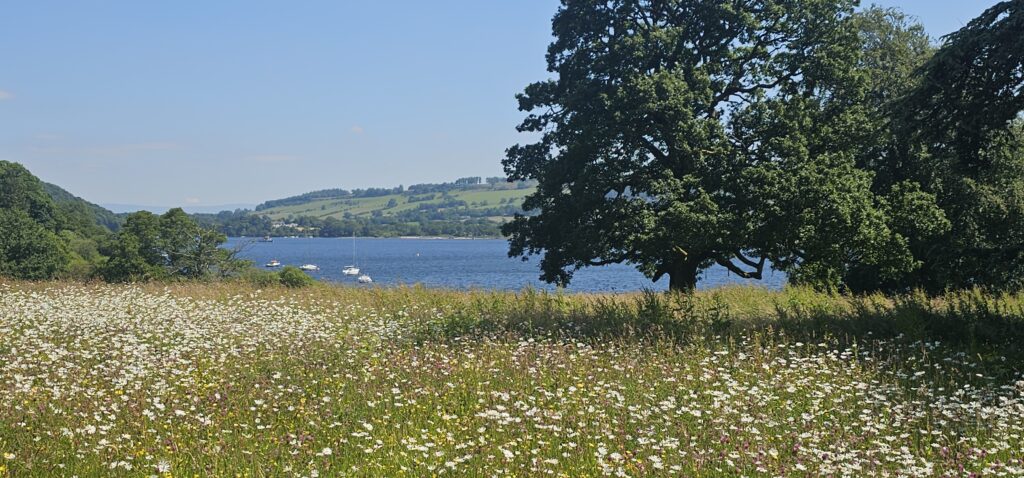
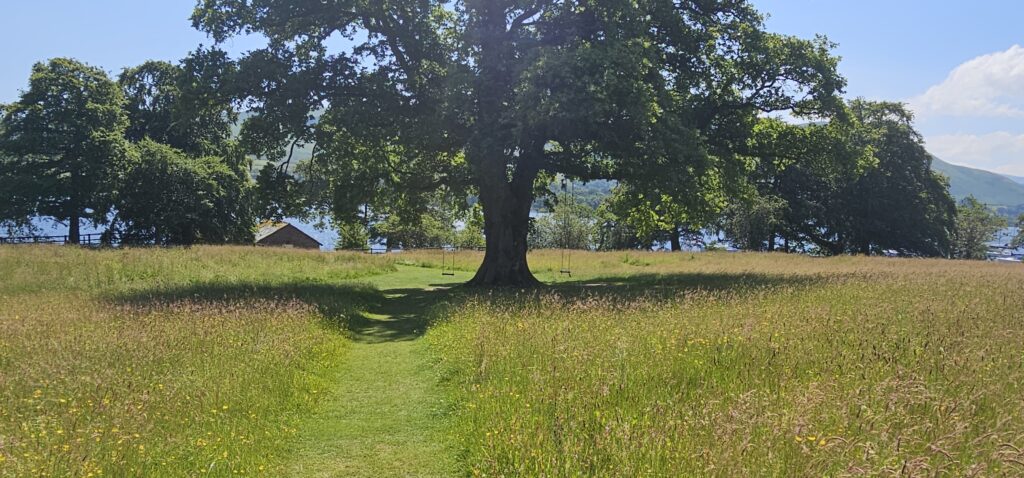
We left there promptly and headed alongside the lake, stopping at a place advertised as a “small 3 star relaxed contemporary Hotel”. Wow, what a gem! The immaculate grounds led right down to the lakeside through fields of wildflowers and grand trees with swings (yes, I had a go!!).
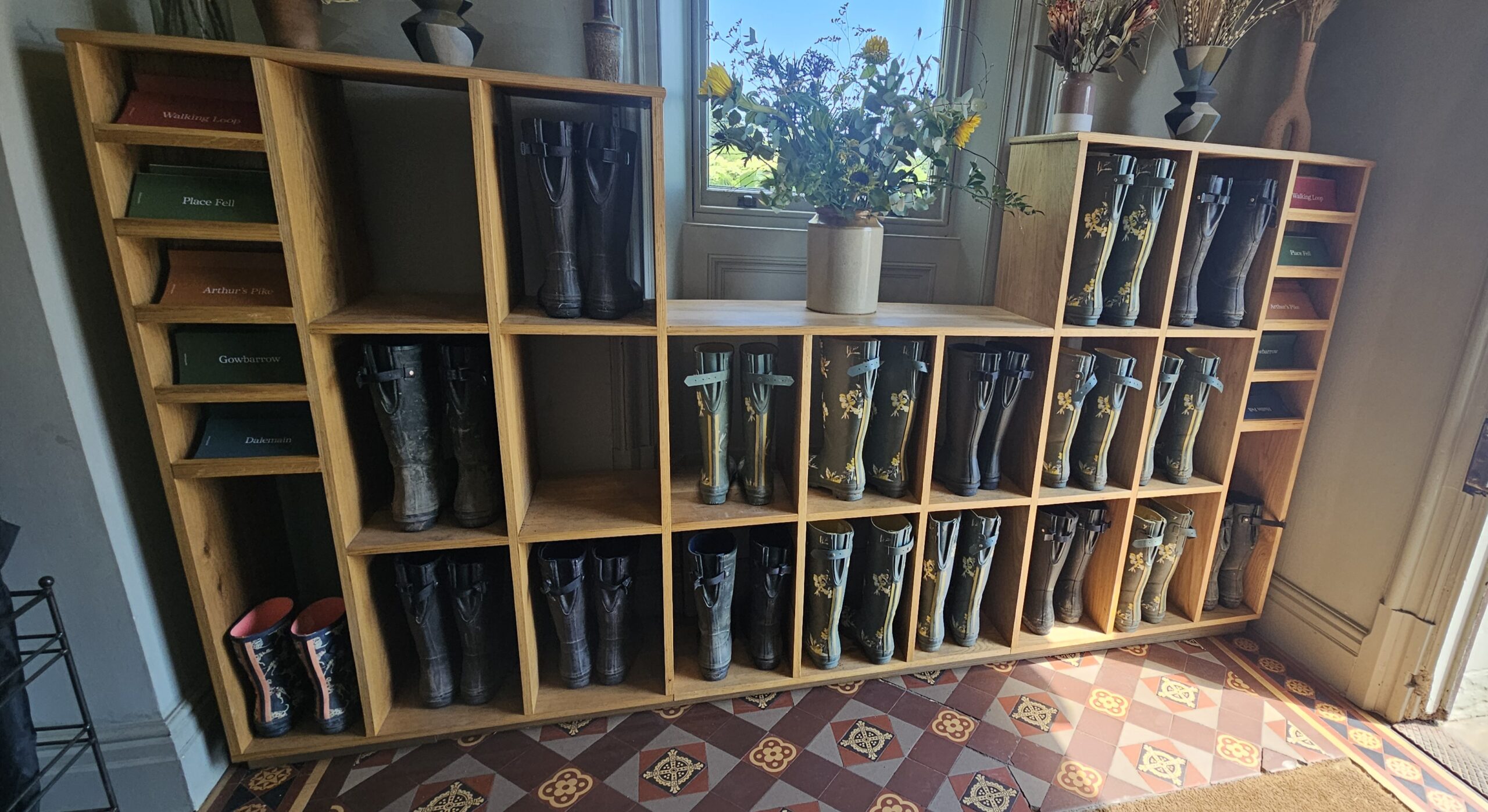
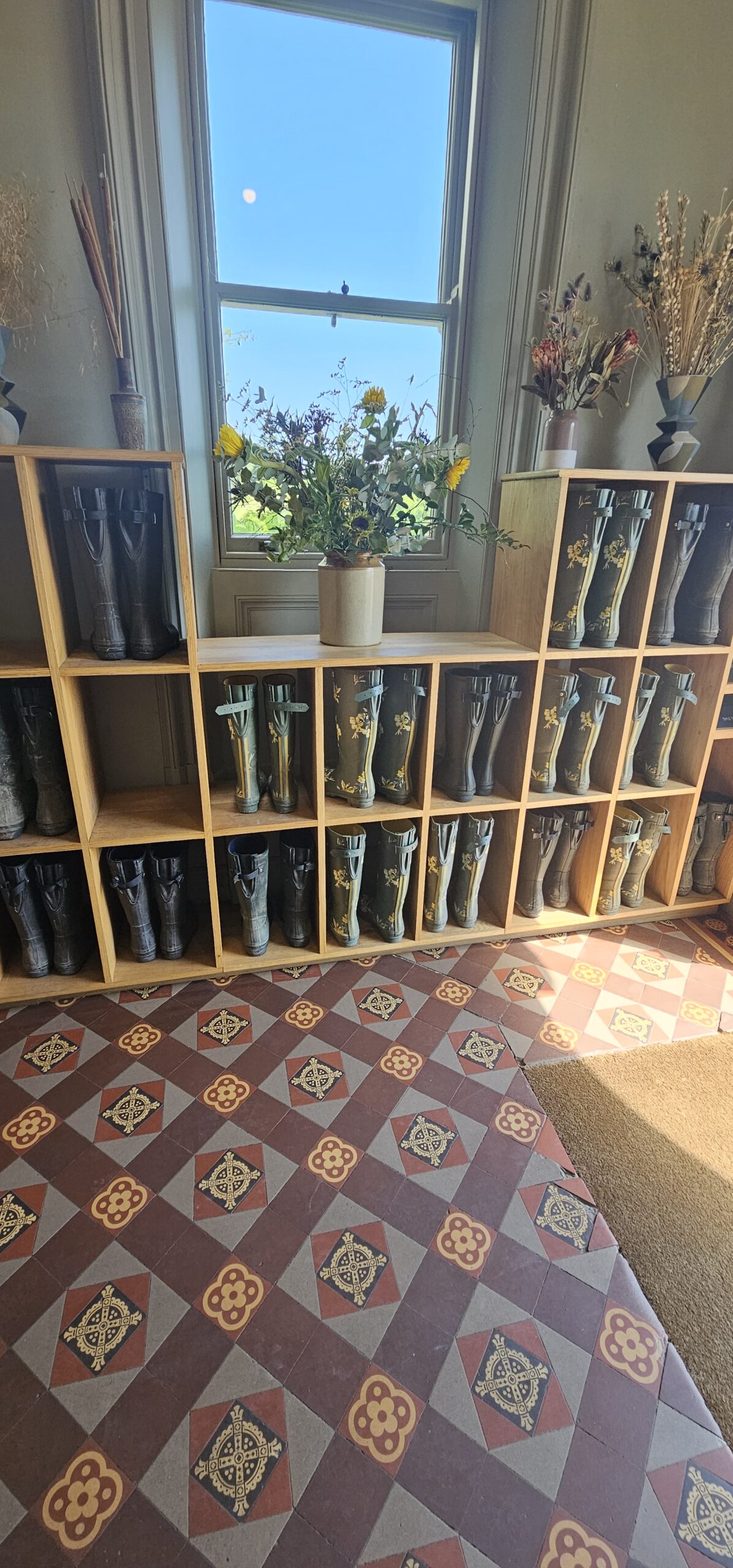
The patio was bathed in sunshine and was filled with large comfy outdoor sofas and chairs. The entrance hall housed a selection of Wellington boots (to be borrowed) and maps for walking around the area but the highlight was the toilets! Yes, really! Art deco style black and white tiles blended modern toilets and handbasins with the most amazing aroma, turns out to be an air freshener, hand soap and cream made locally and scented with grapefruit lemon and mint! Heavenly fresh and vibrant.
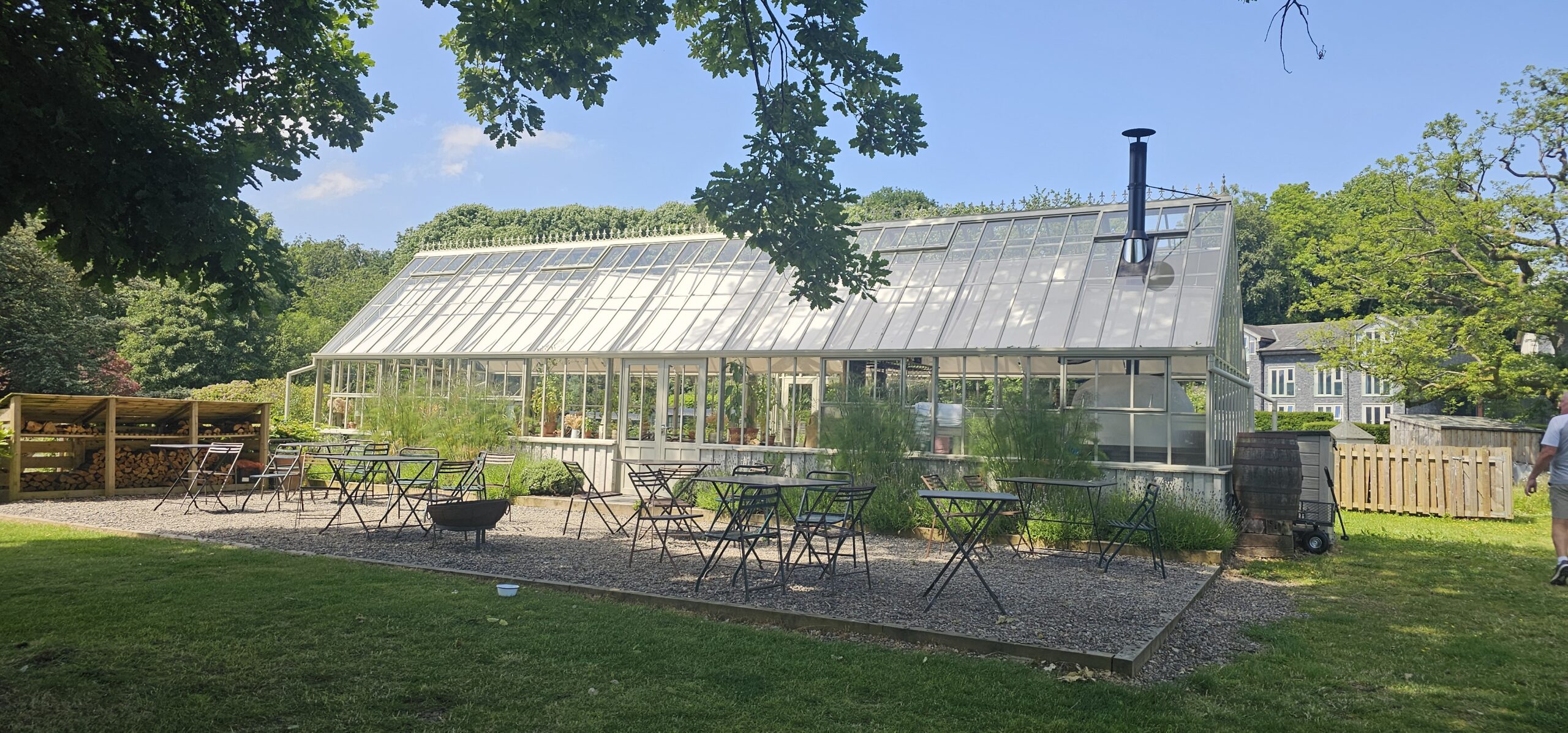
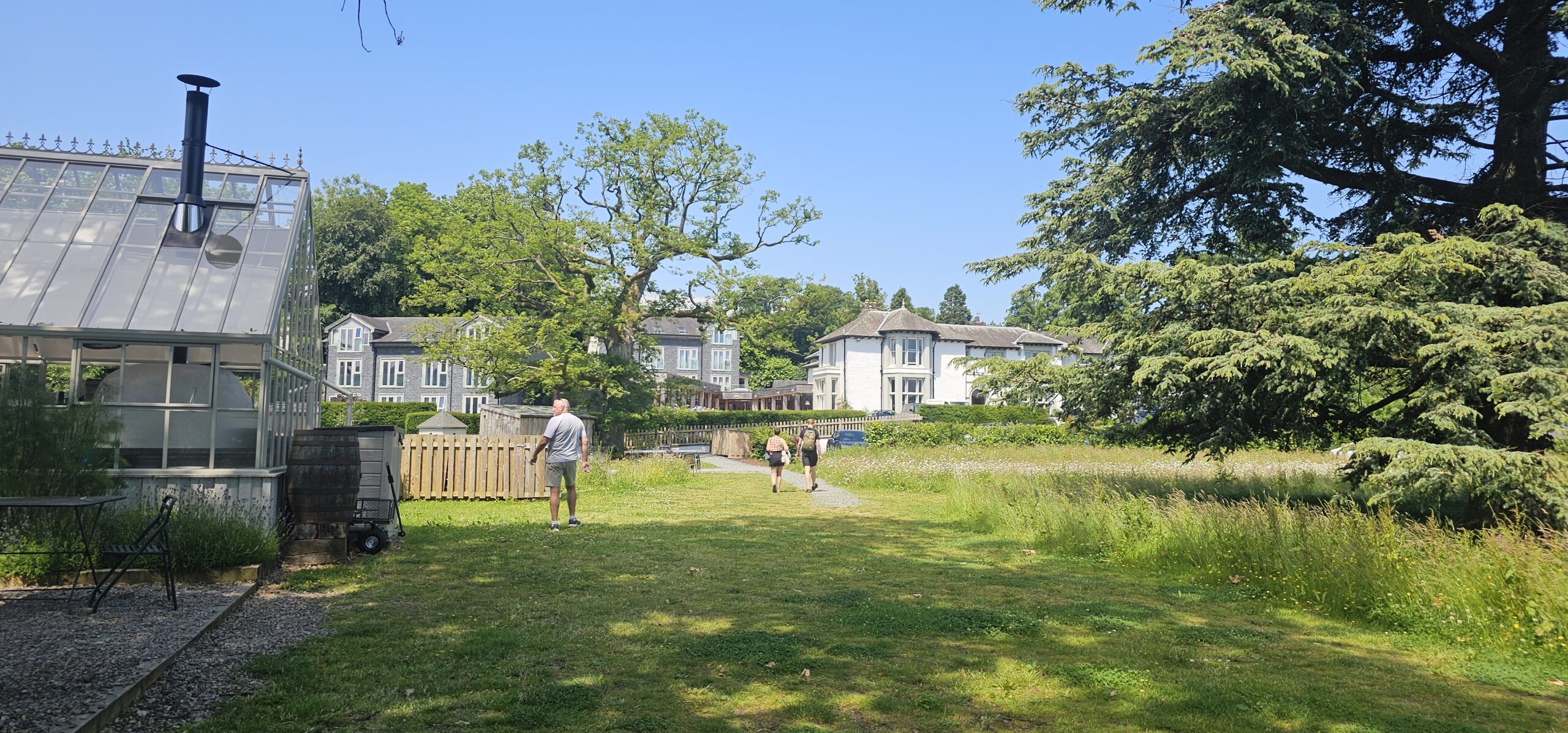
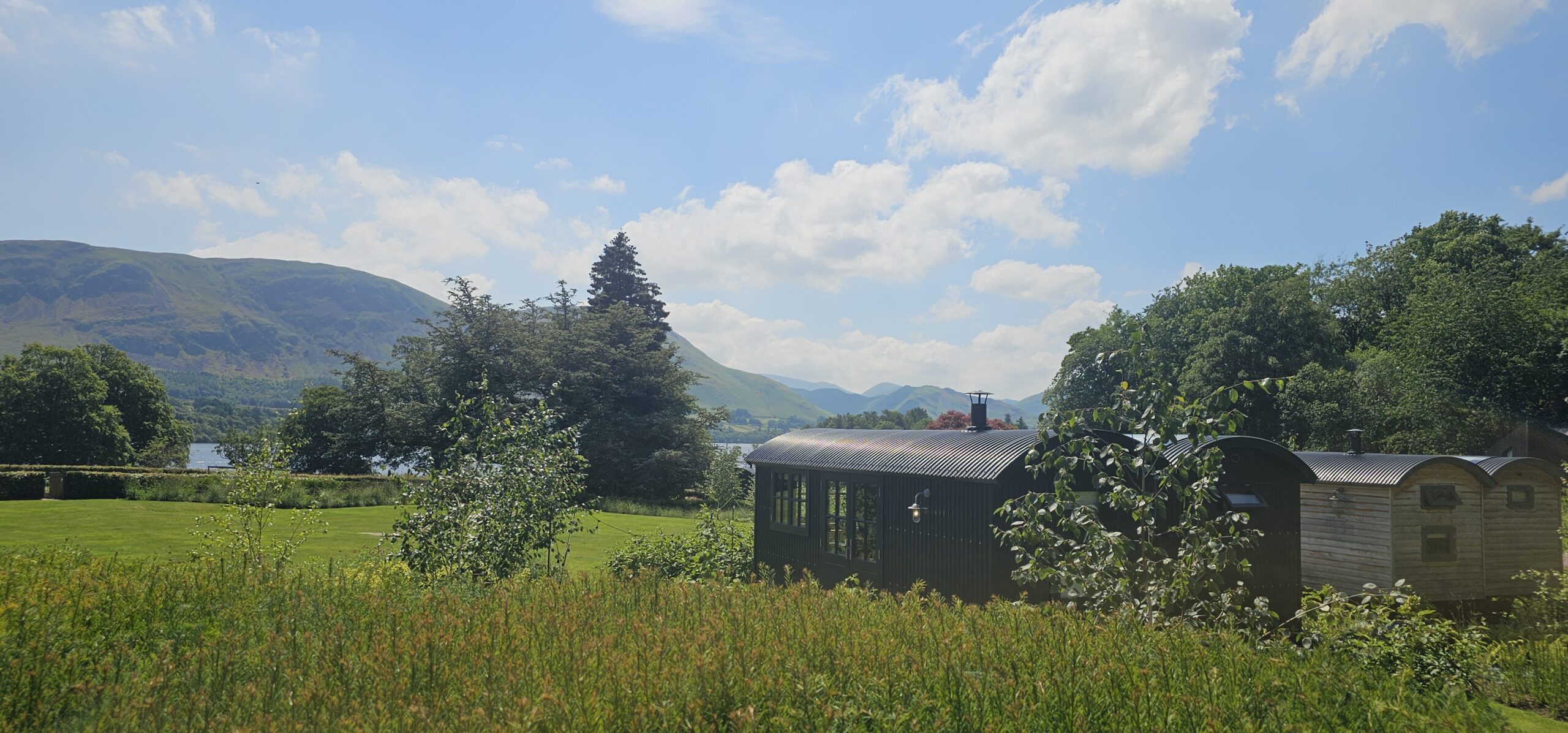
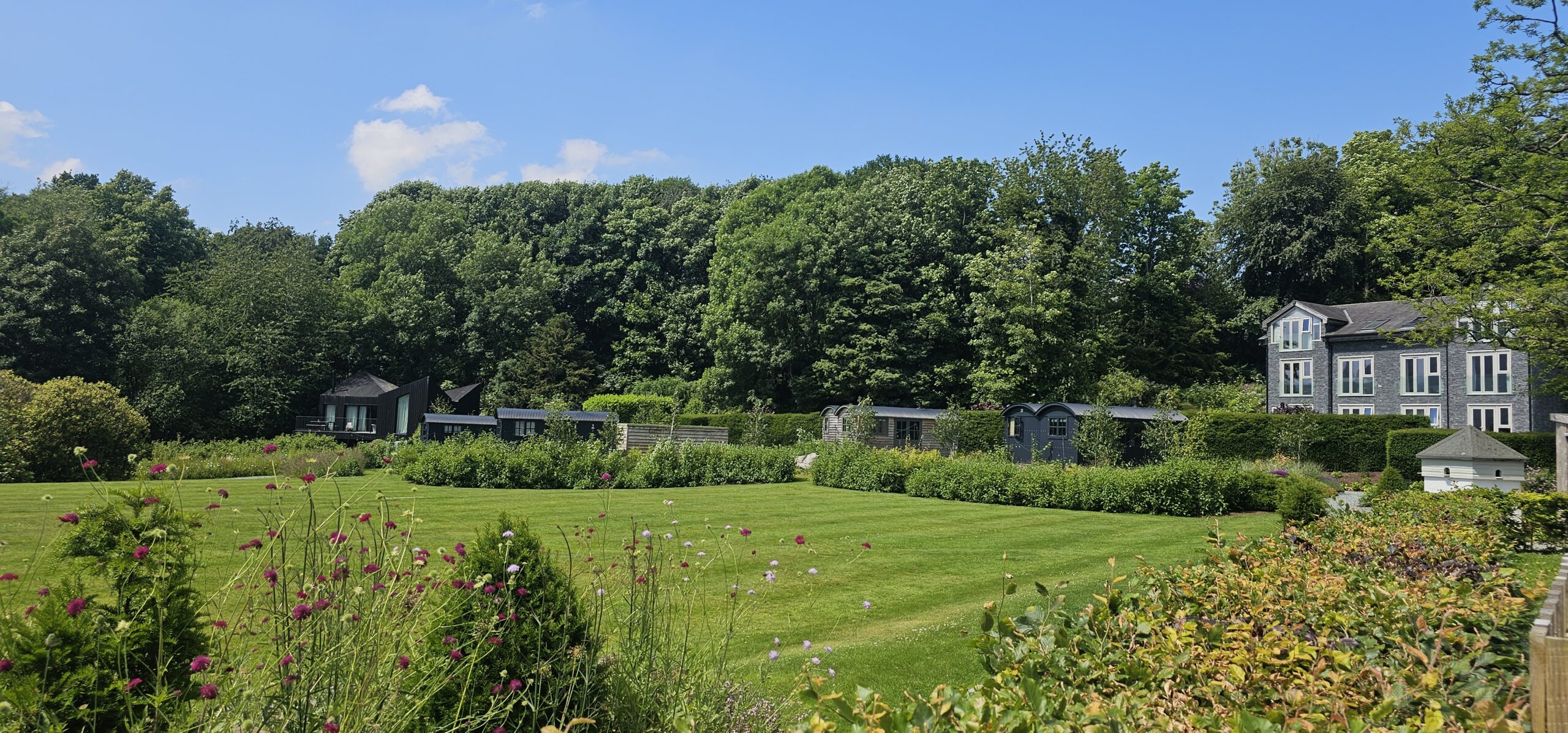
The old greenhouse had been transformed into an outside bar complete with a woodburner and the kitchen gardens hid a few Shepherds cottages and a Treehouse.
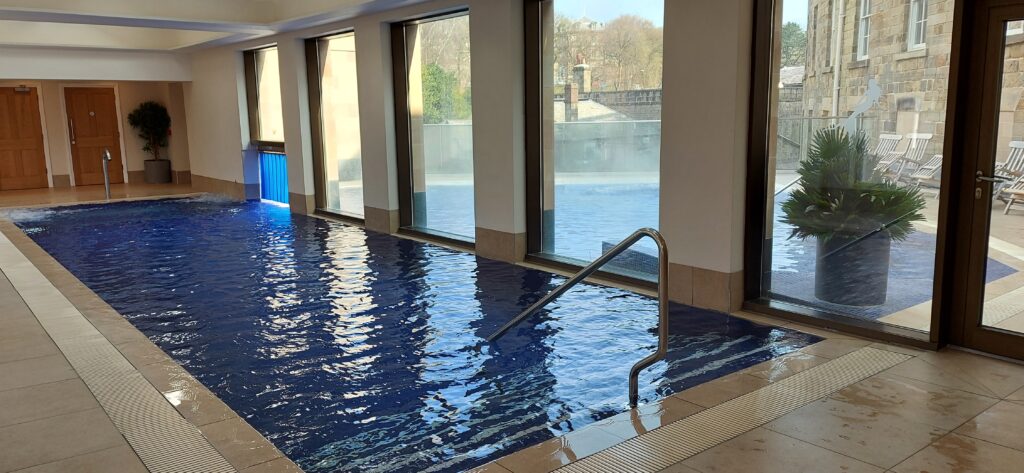
The hotel had an indoor pool which overlooked the patio and an outdoor “endless pool” as well as a wild water swimming area as well AND a spa so we just had to investigate prices……and there we stopped! 2 nights at the beginning of July for a couple was £800, to include dinner a cool £1000!!! We quickly legged it out of there before we were charged for sitting on a chair! In the bar, a local ale was £5.95 a pint and a G&T was £8.50 so I’m sure cheap bottle of wine would set you back a hefty pile of ££££s.

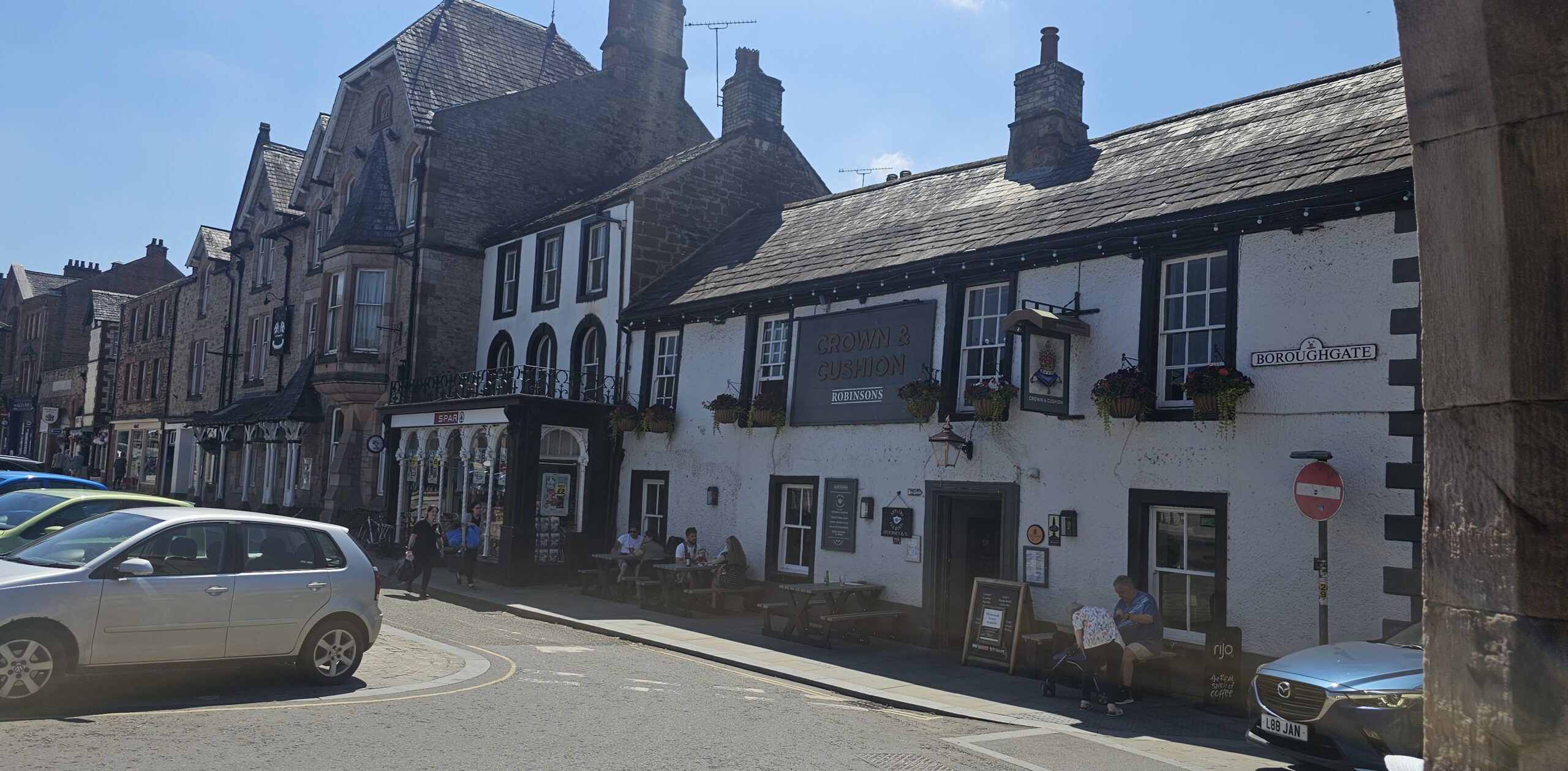
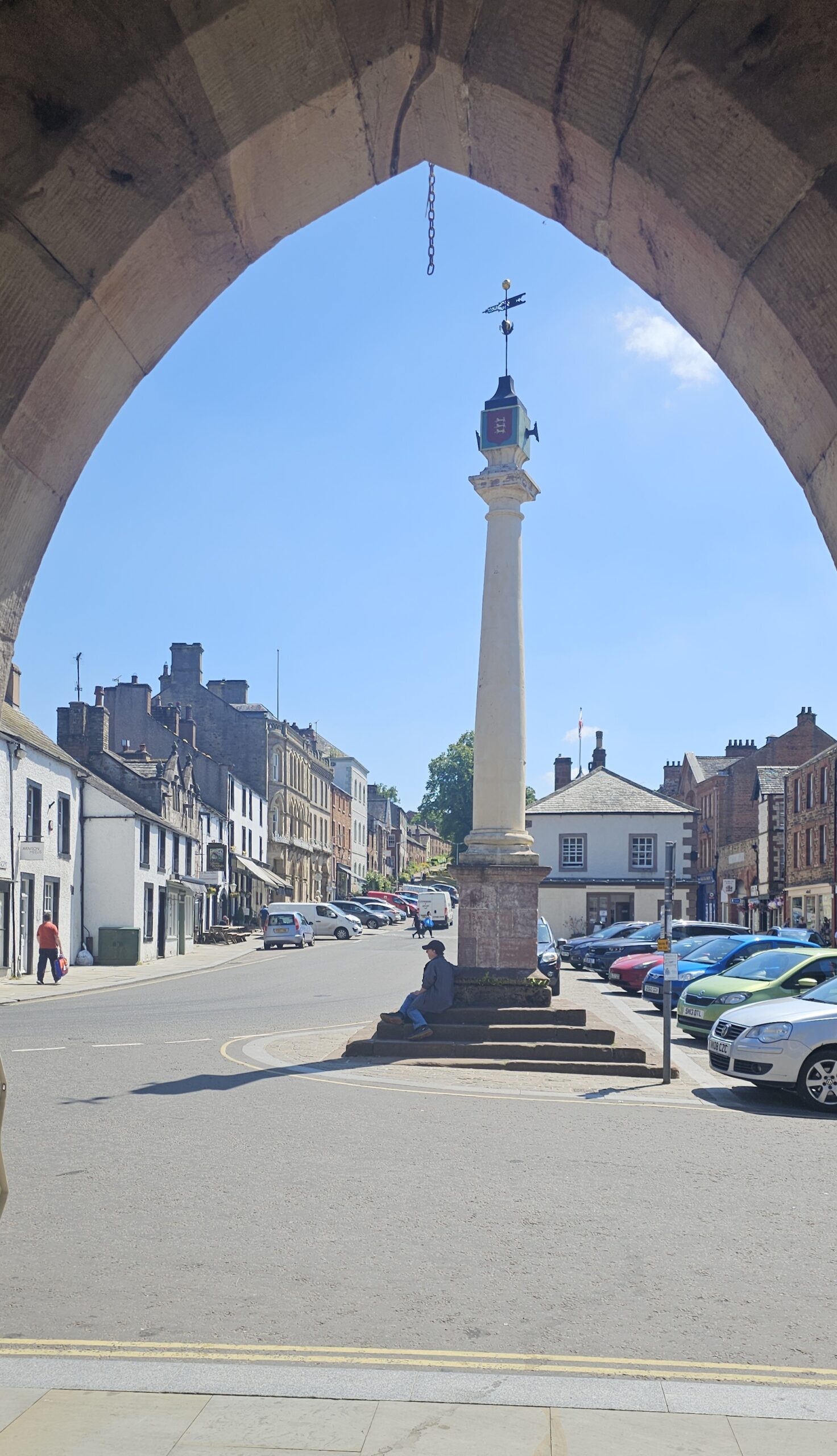
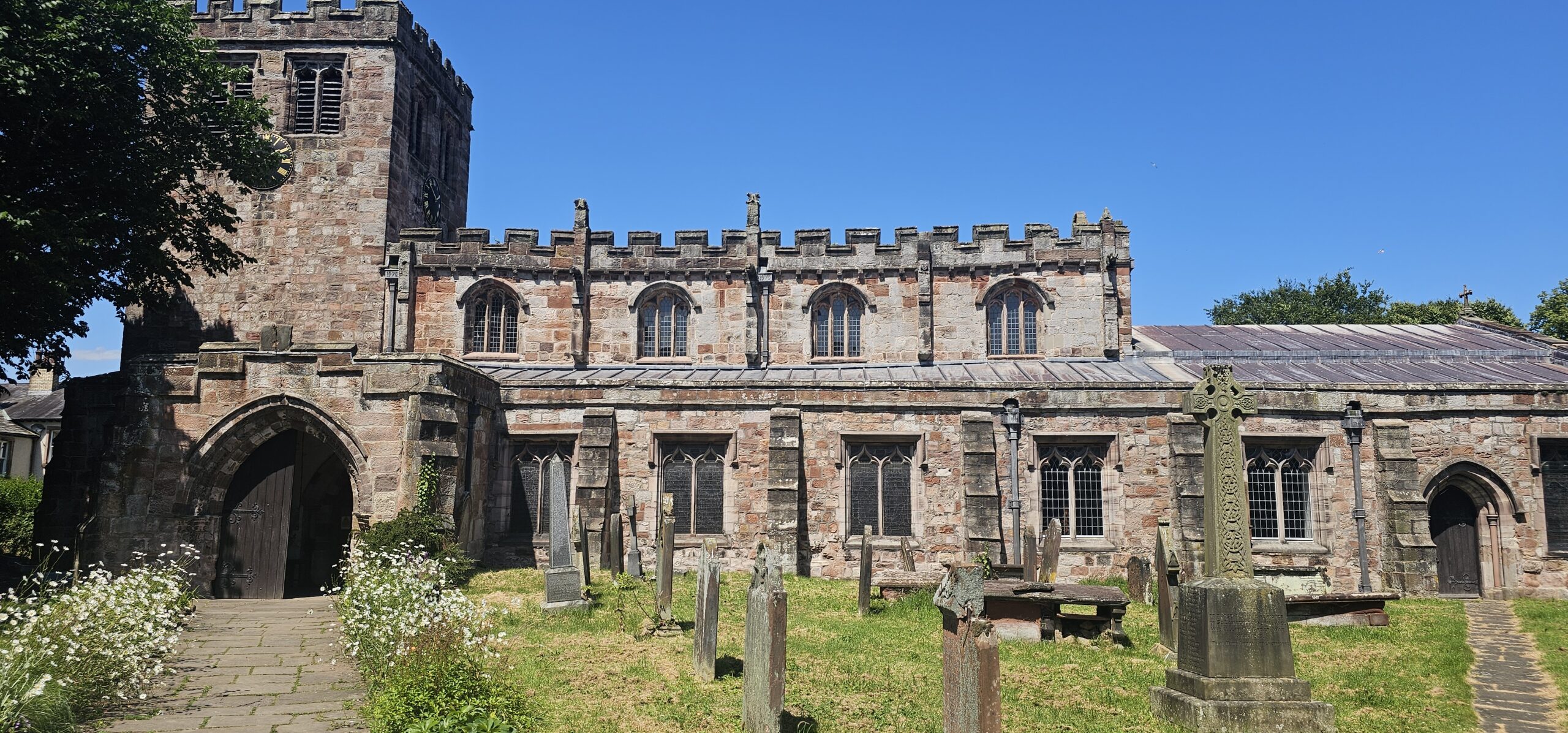
While we were in the area, I was keen to look at the village of Appleby, famous for its annual gypsy and horse gatherings. The day we visited, the small quaint village was quiet and serene with not a single horse in sight.
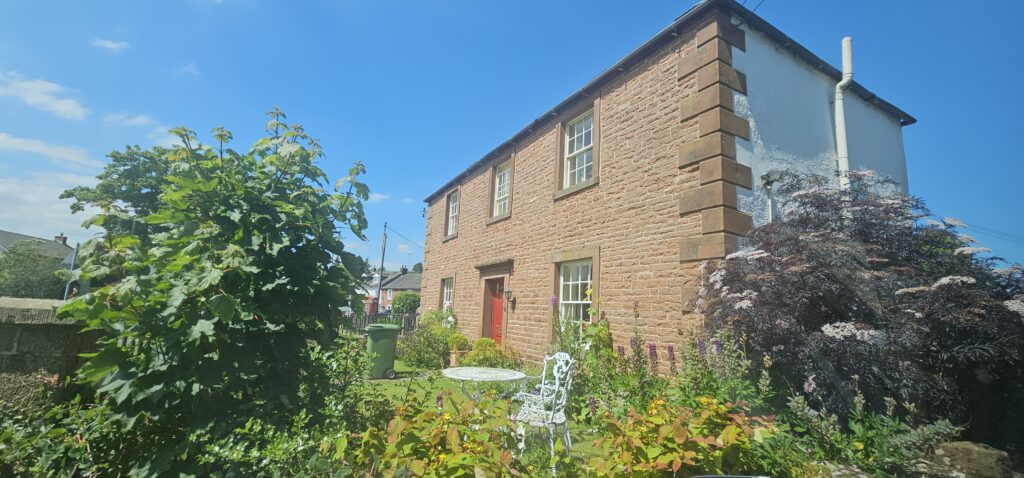
Our final visit of the day was to family living nearby. My Aunt and Uncle live in a small village in a Grade 2 listed house called Woodbine House, it used to have an old tannery attached. It’s currently up for sale as they are hoping to move back to Norfolk.
We had taken cakes which we had with tea and coffee whilst catching up with their life news. It’s been a very long time since we have seen them but they had received some bad news that day so we didn’t overstay. I was also aware that David may have had a pain in his back or felt ill, he kept fidgeting on the sofa and moving forwards and back and was very willing to be shown around the house and garden……it wasn’t until we left that he told me he wasn’t in pain but he was trying to get away from the stinky farting dog he was sharing the sofa with 🥴😁😁😁😁 I tried very very hard not to laugh 😀

We returned to Bessy who was again enveloped in a grey cold fog; the wind picked up overnight so we were well and truly battered overnight.
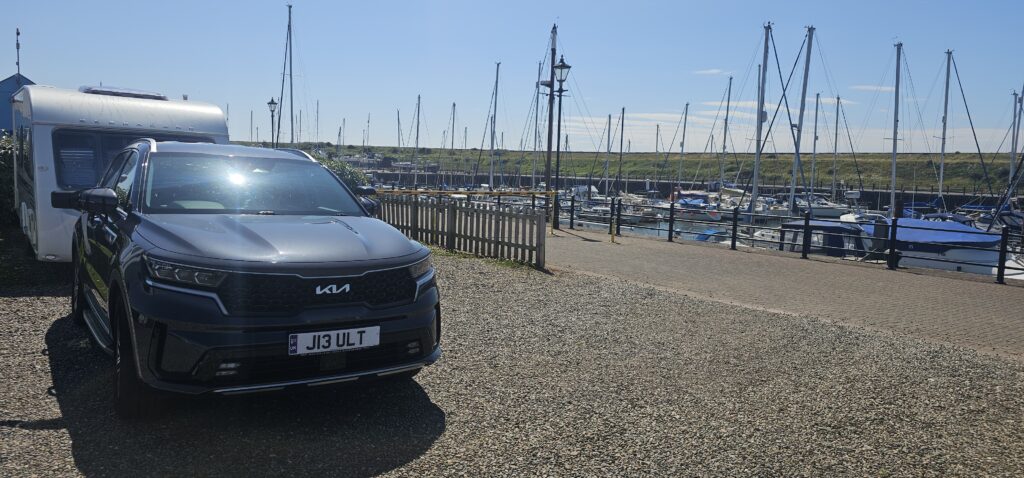
Bessy’s in the Lake District!

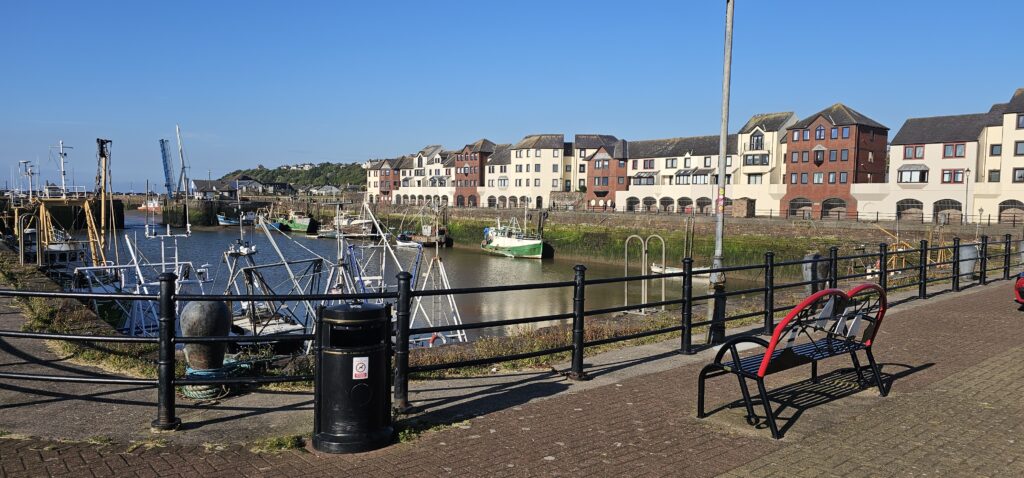
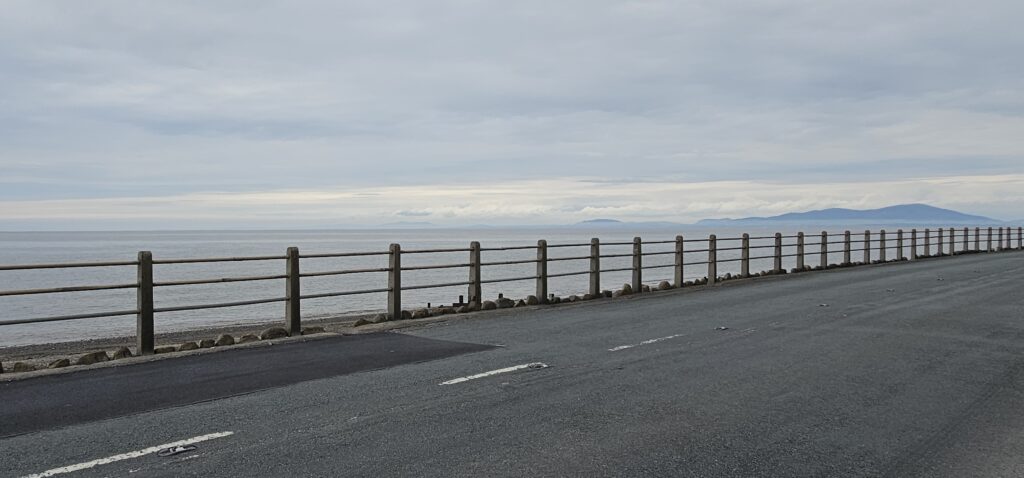
After a few hectic weeks in Liverpool, Bessy decided she needed some fresh air and a change of scenery so a trip away to the Lake District was arranged. Driver David wound his way through hours of nose to tail traffic on the M6, Navigator Juliet said “turn left” at Penrith and we headed towards the little known town of Maryport, looking out over the Irish channel towards the hills of South West Scotland.

Arriving at Maryport Marina

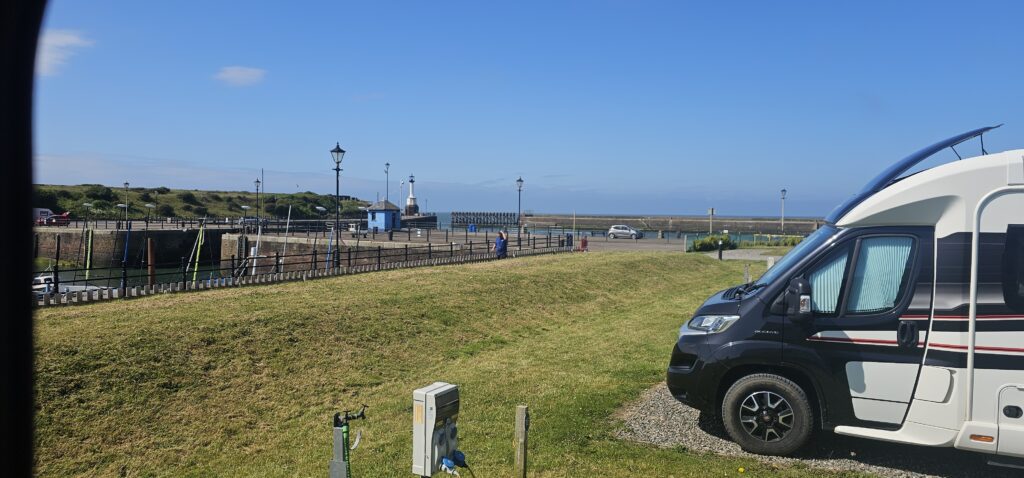
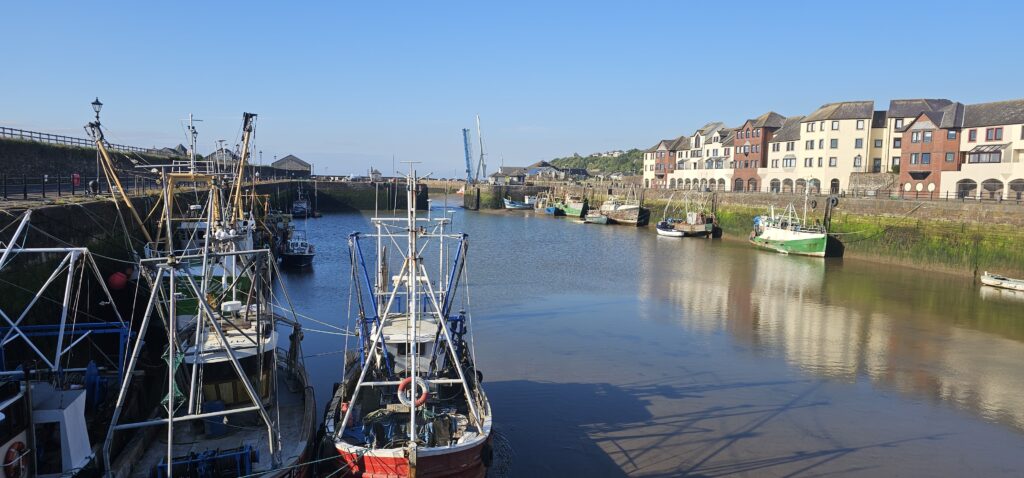
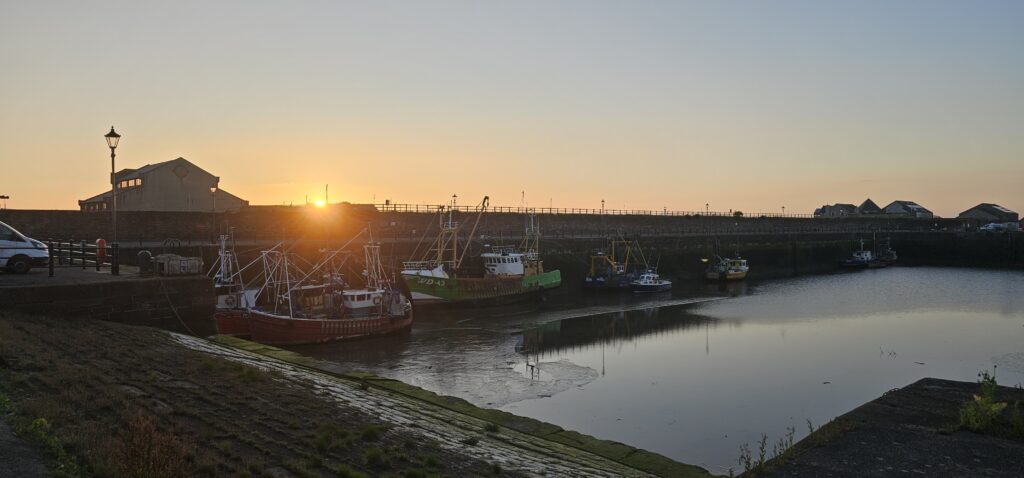
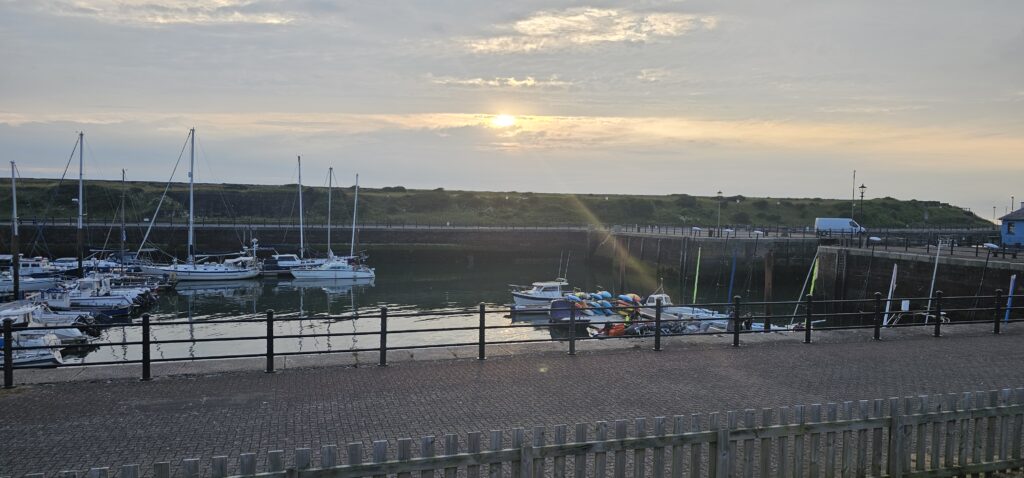
Bessy settled down nicely on a grassy pitch overlooking the small Marina, nestled between other caravans and motorhomes of all shapes and sizes. Only thing that was different was that Bessy was minus a dog or two, which everyone else had. David and Juliet decided to explore……

Their first job was to rate the pubs/eateries within walking distance, so a relaxing chilled pint was downed firstly in the Lifeboat Inn before heading to the Captain Nelson pub, sadly all full of cobwebs and forlornly closed. Fortunately right next door was Maryport’s “award winning” Tandoori restaurant, so in they went! The menu selections, rated at a 2.5 out of 5, turned out to be an expensive and disappointing meal, not to be repeated, lesson learned! Not sure how they won any awards for all three dishes being the same colour, taste and mild strength so I’m guessing its 🏡 cooking from now on!

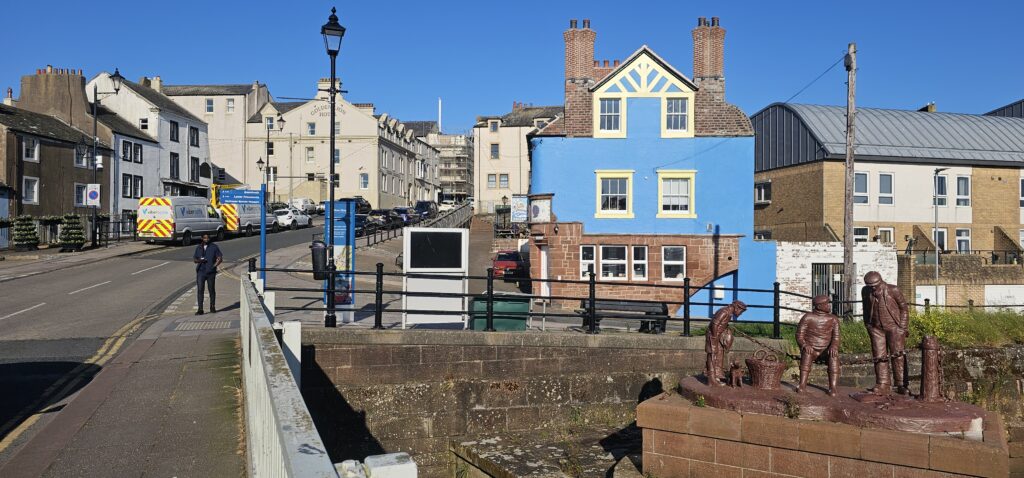
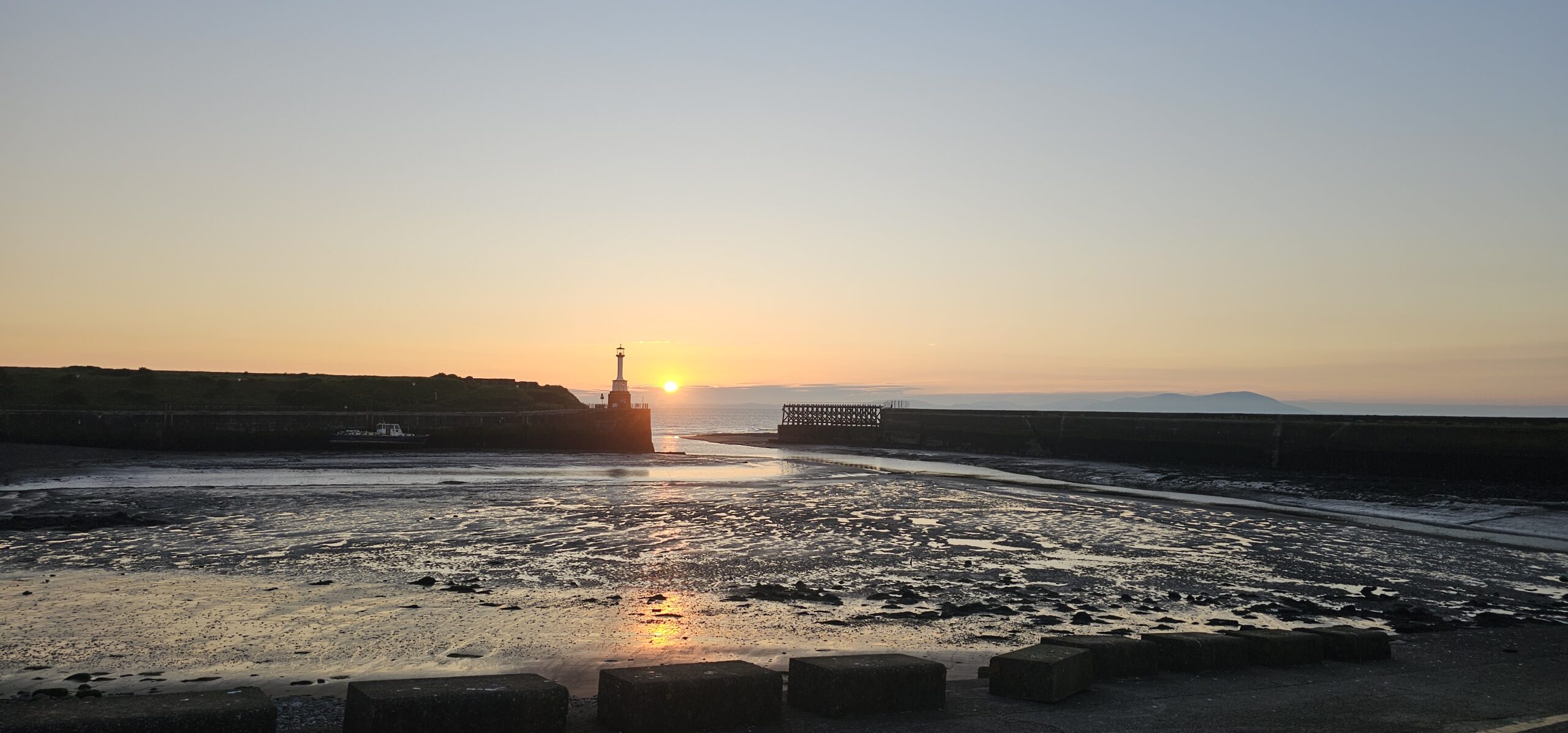
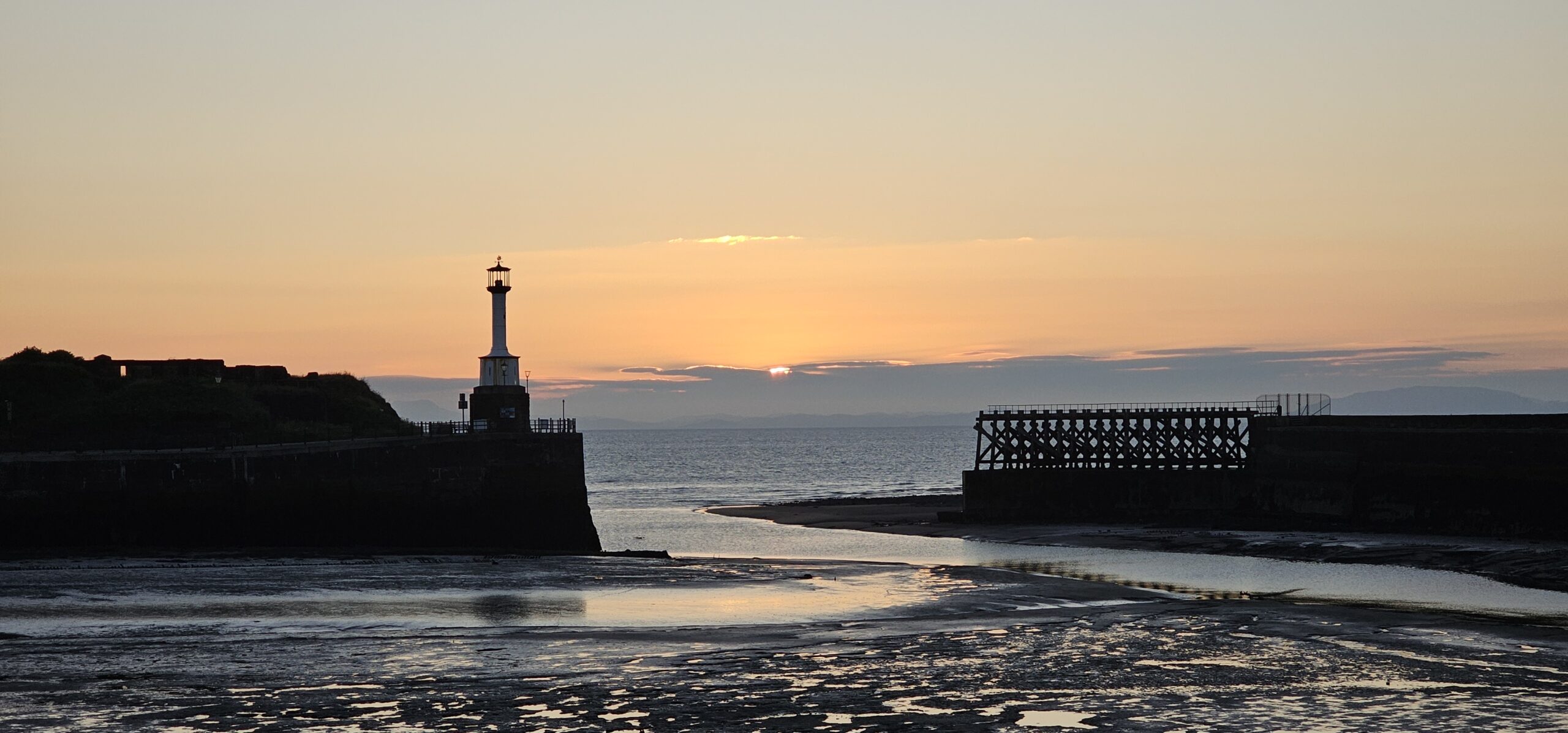
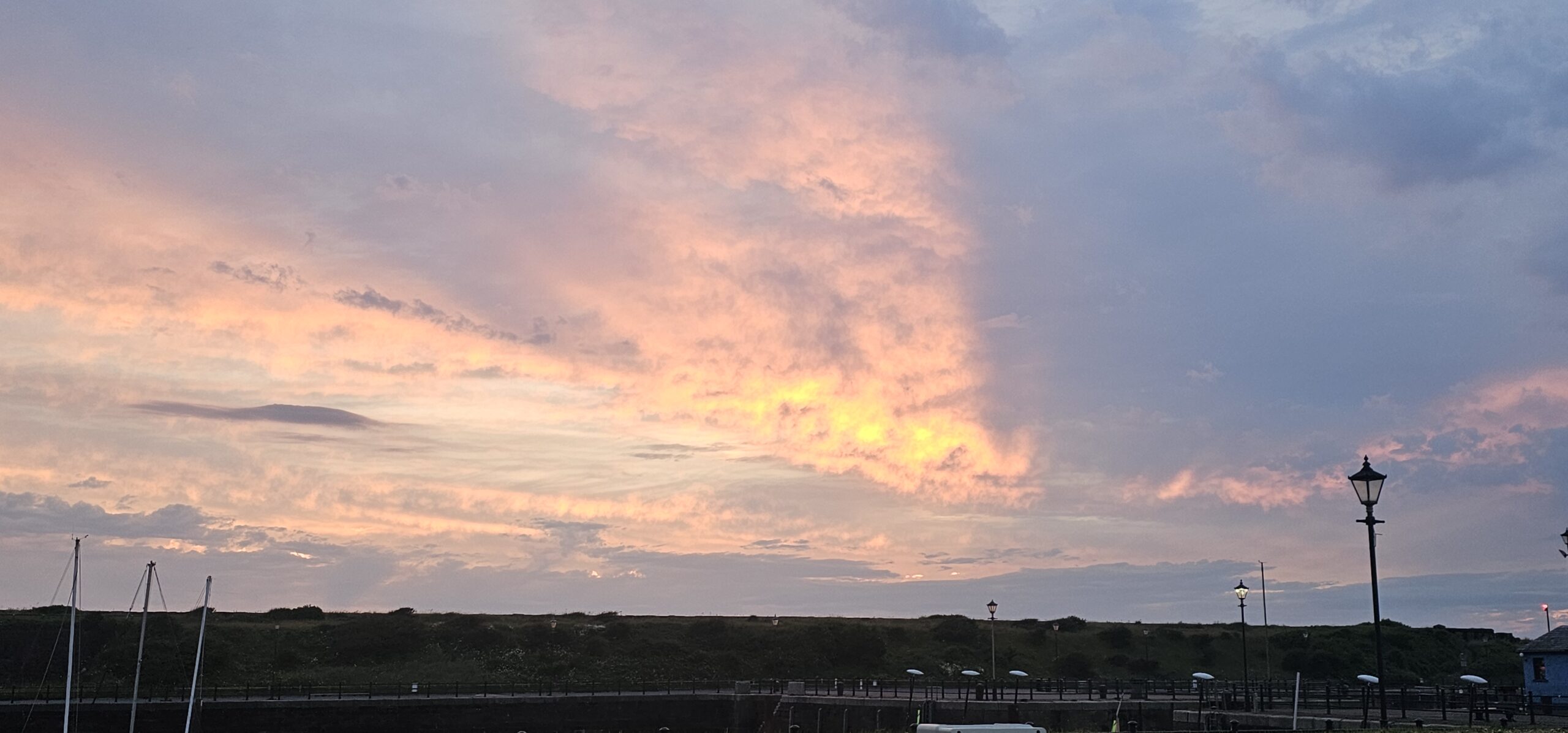
Not sure exactly what Maryport has going for it, apart from it being famous for being at the end of Hadrian’s Wall and it has a few Roman ruins otherwise its a small ex-fishing northern village with an awful Indian restaurant. However, sunsets are pretty, when the mist clears.
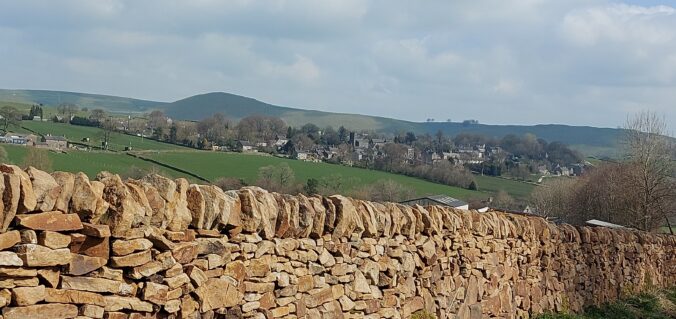
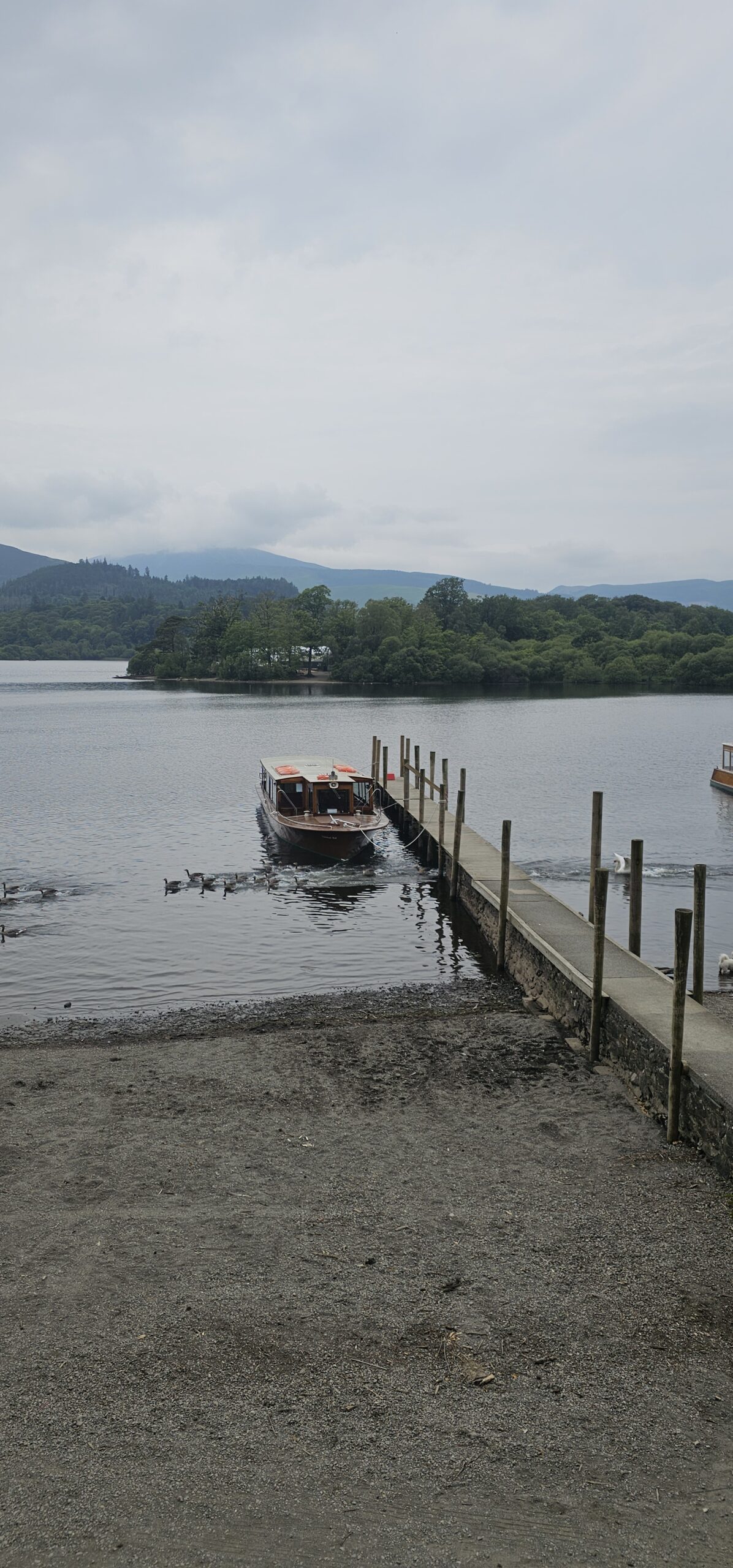
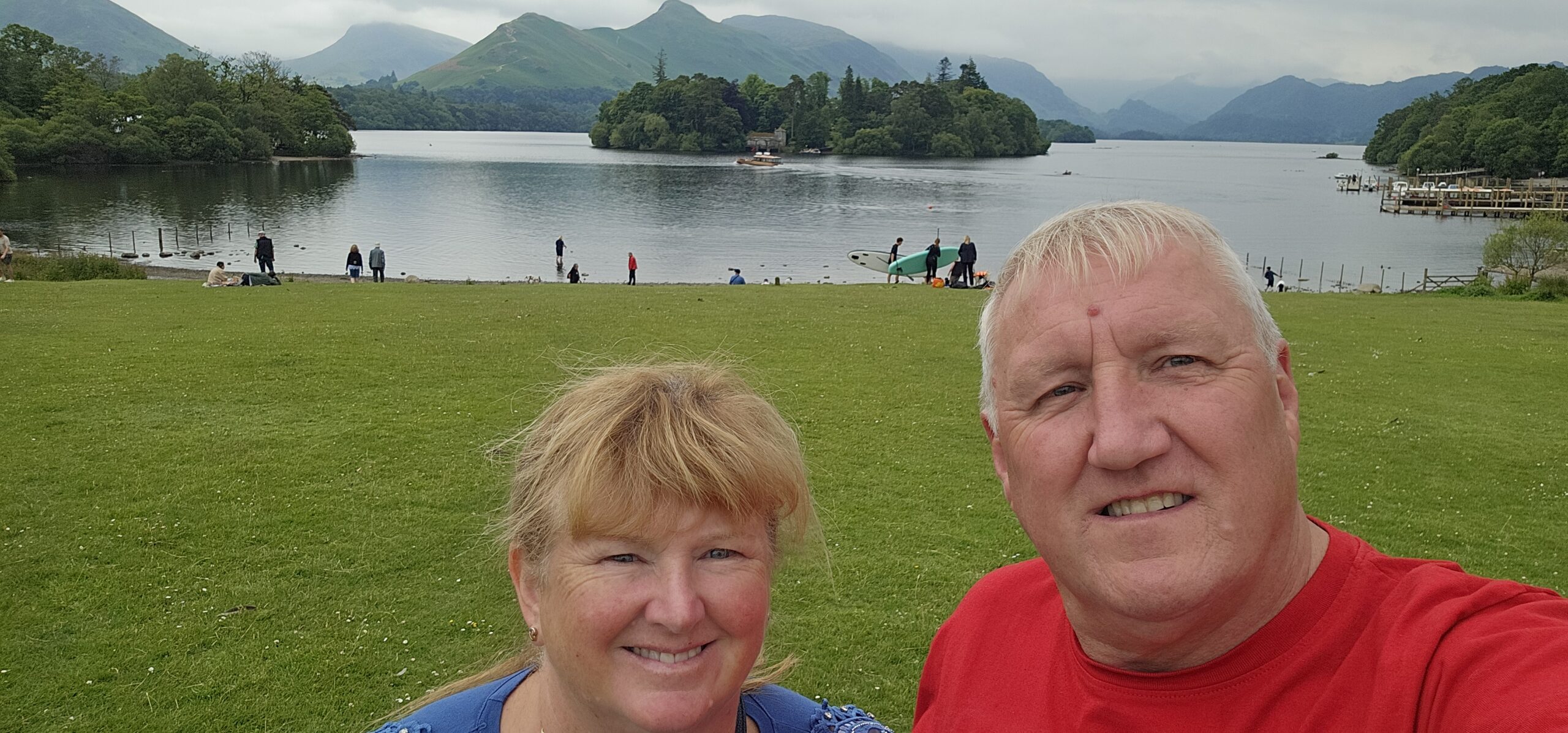
Day 1 – Another chilly misty day, while the rest of the UK is having a heatwave!!! David and Juliet left Bessy safely parked up and took a drive to nearby Keswick and one or two Lakes, firstly Bassenthwaite then down to Derwent Water. Bit of information for you…..Bassenthwaite is the only true Lake of the 16 lakes in the Lake District, the others are Waters or Meres.

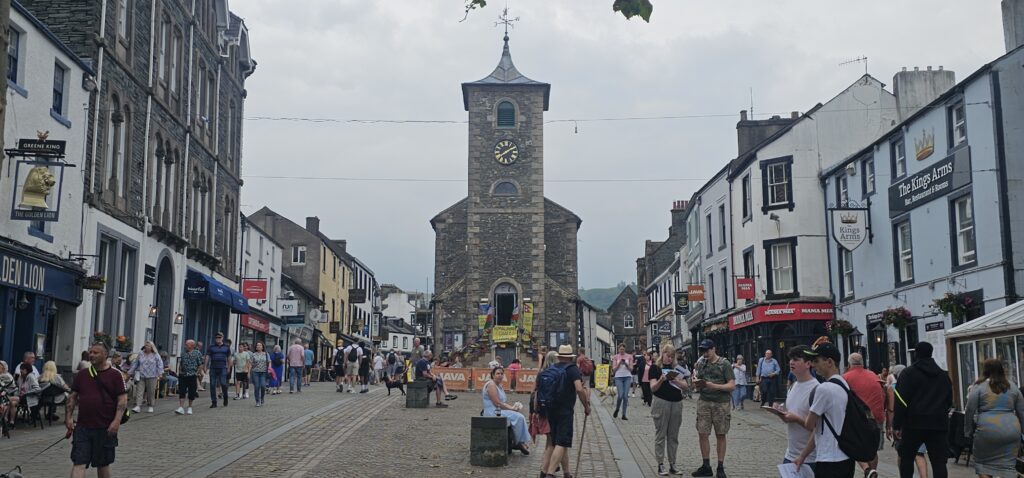
We parked in Keswick and mooched about the town, perfect place if you are a hiker, mountaineerer, or fell walker – every other shop was aimed at the outdoor types, or food shops with the odd art gallery thrown in.

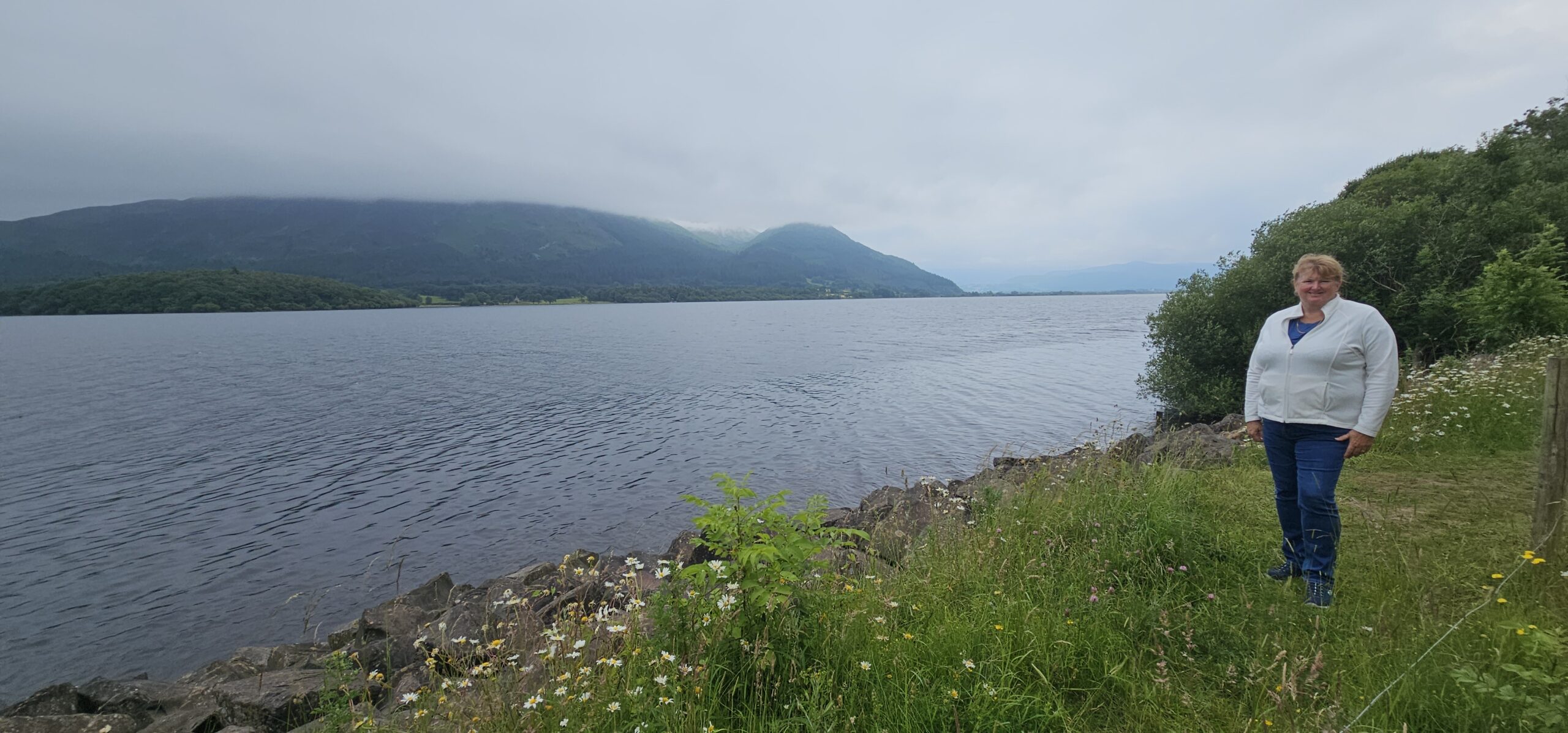
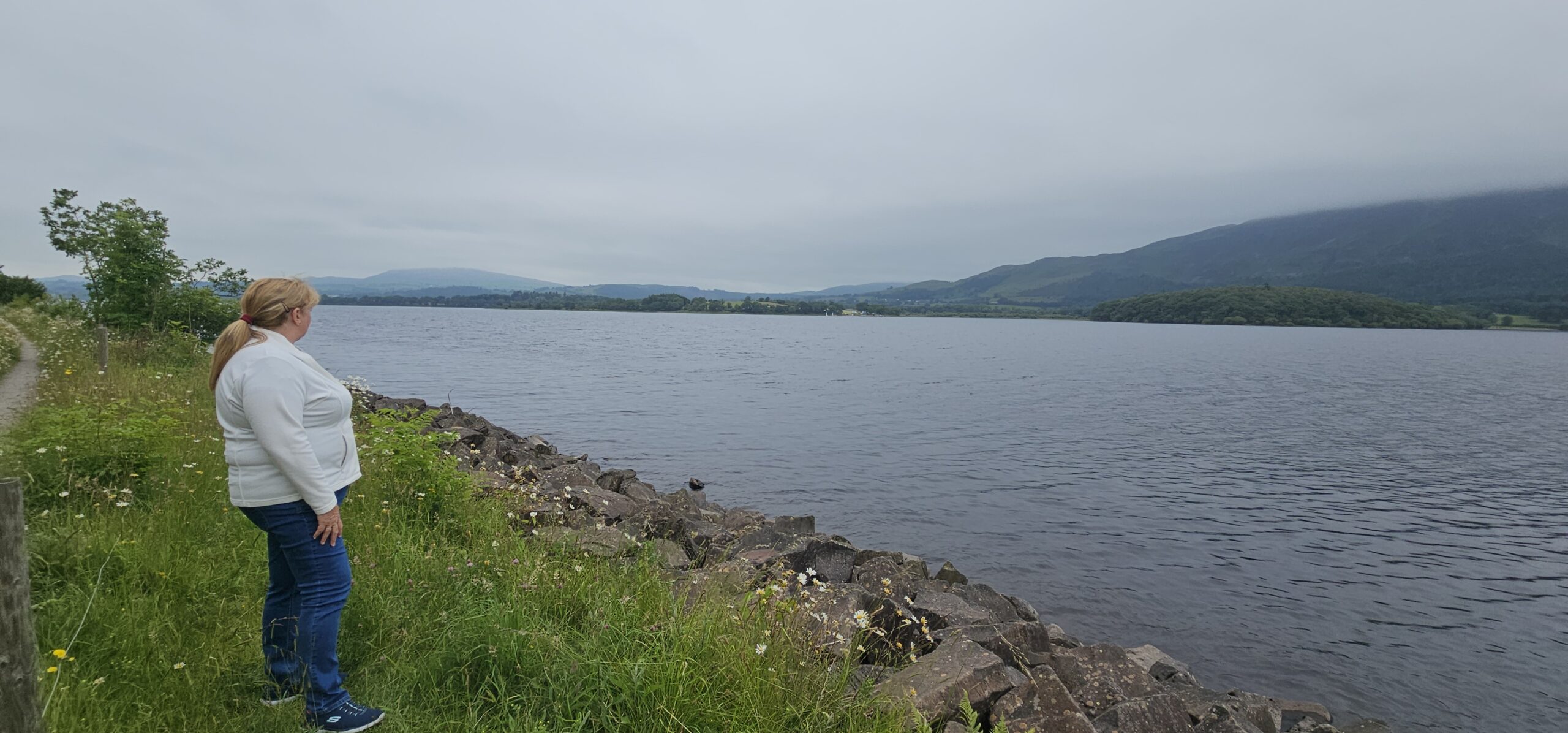
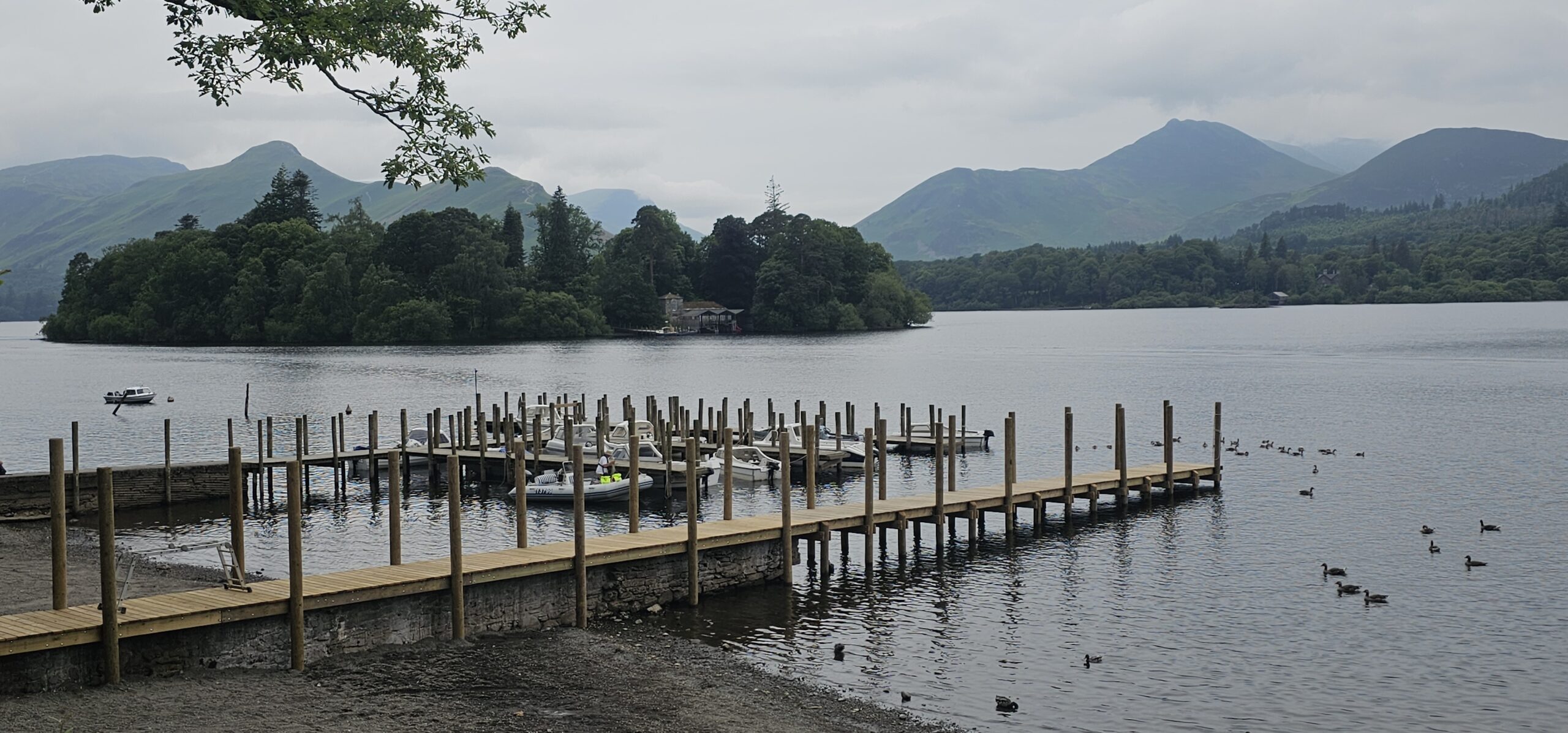
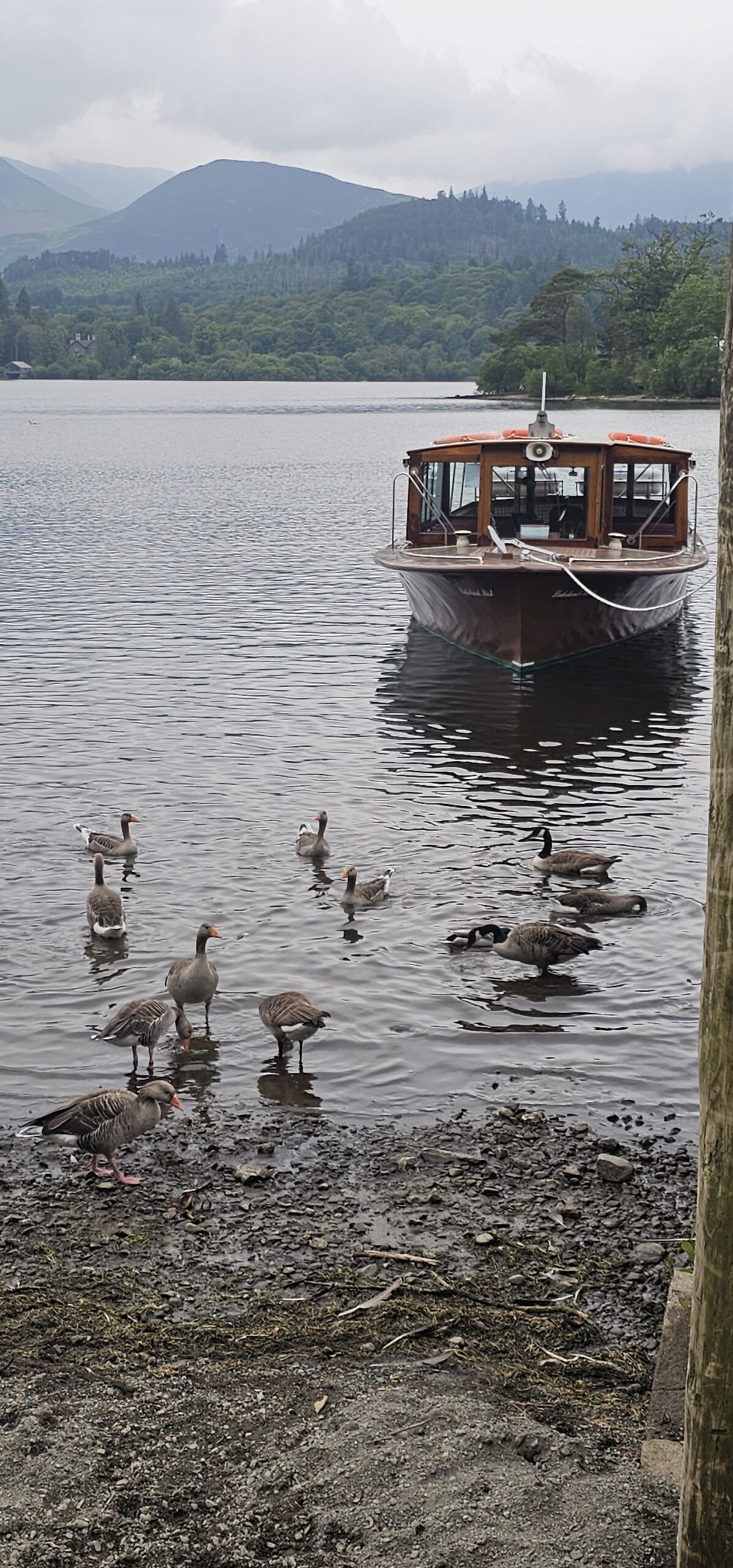
We walked down to Derwent Water, got ripped off buying a sausage roll, meat pie (for dinner) and a bottle of drink for £20 and that was to take away from the lakeside cafe!! We admired the quiet and calmness of the lake and imagined how chaotic it would be in the height of summer, madness I’m sure!

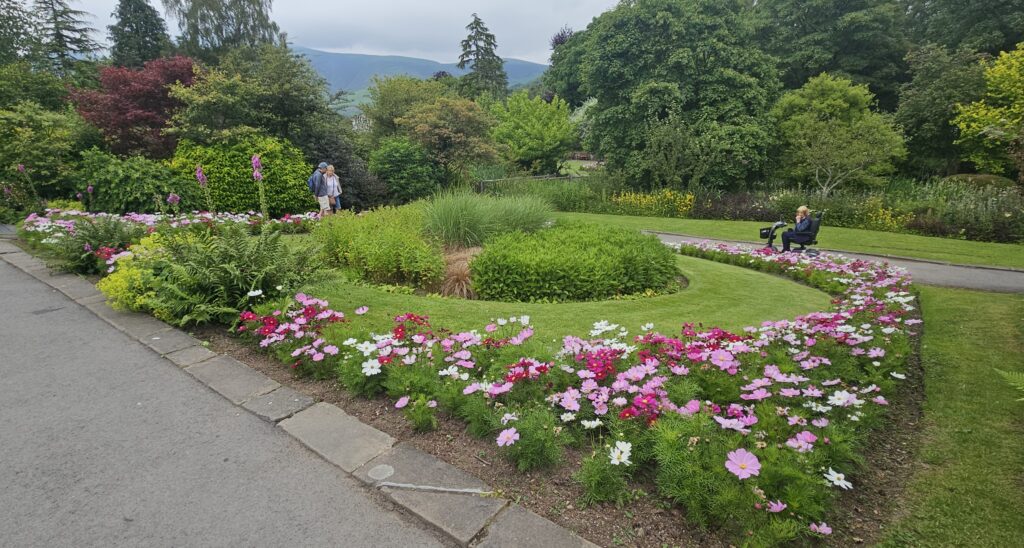
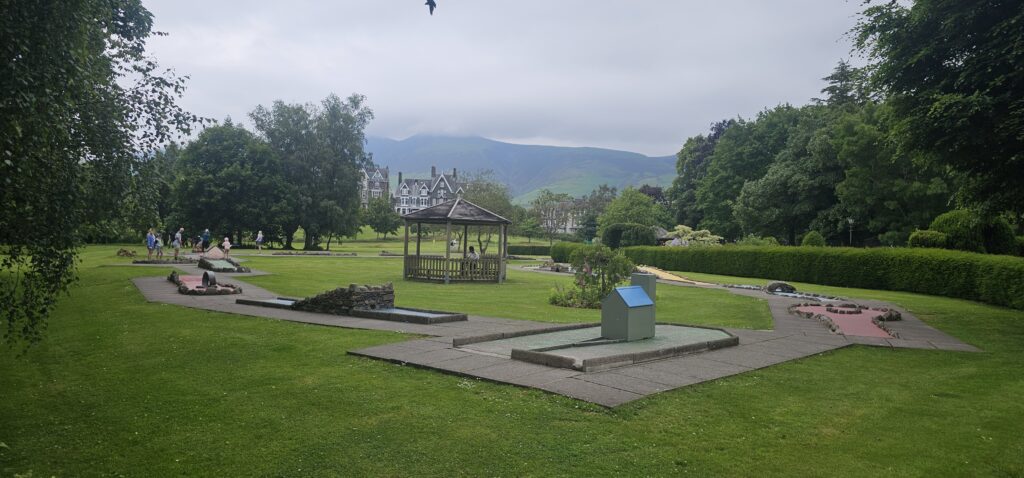
We noted how well cared for the whole town was, including the town’s park, it was bursting with colour, scent and activities.

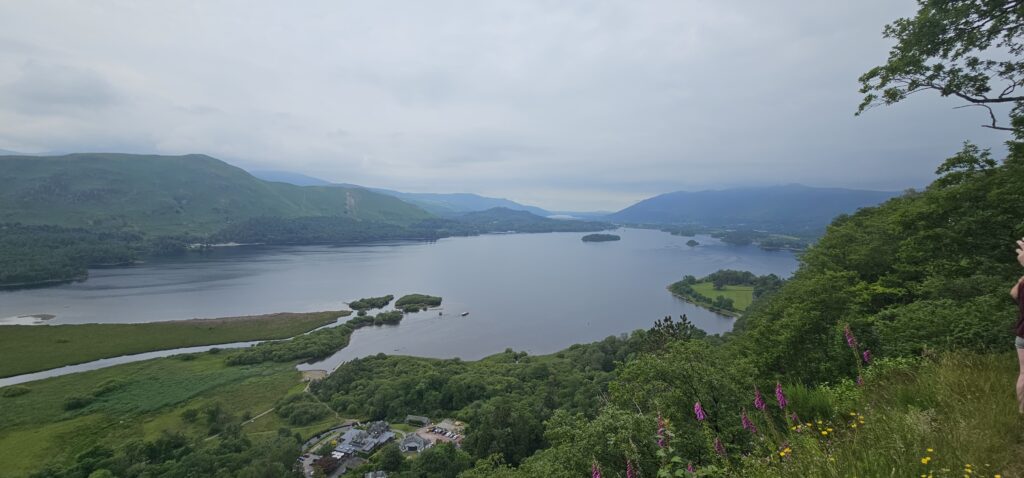
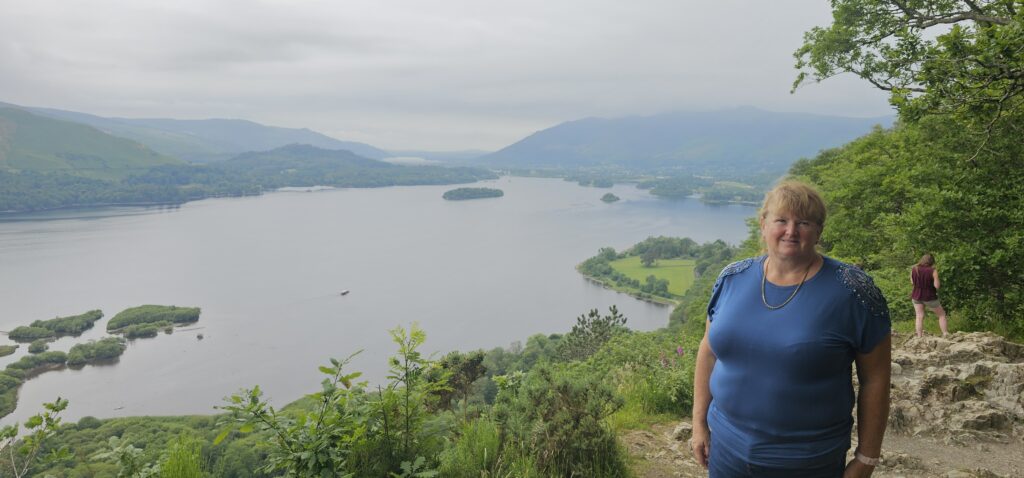
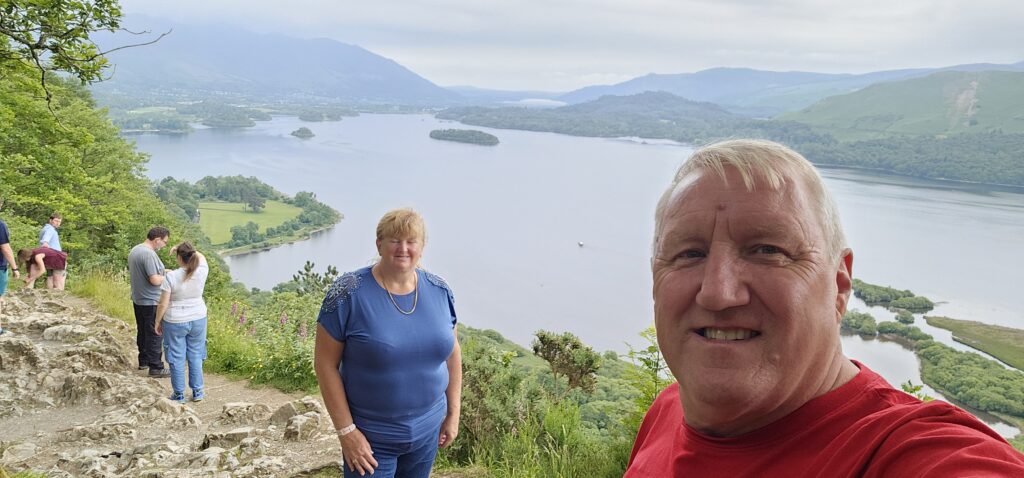
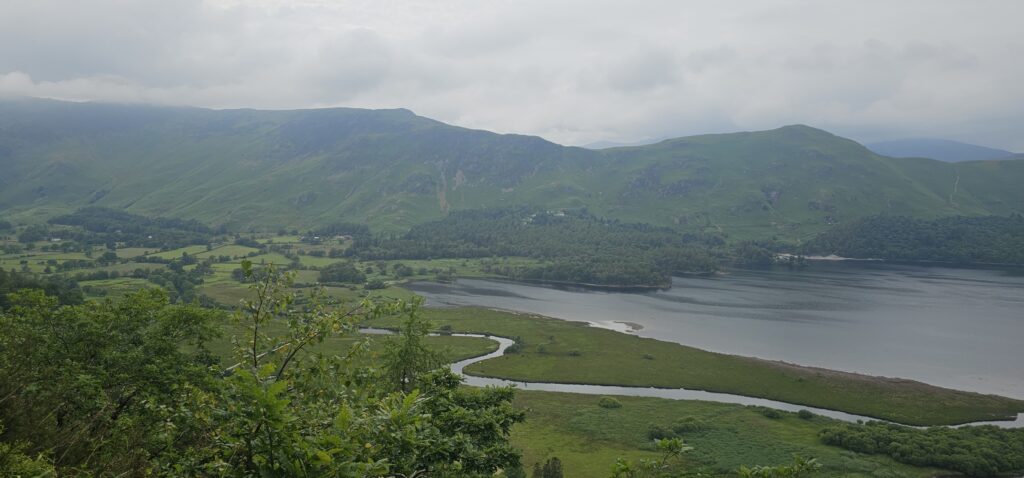
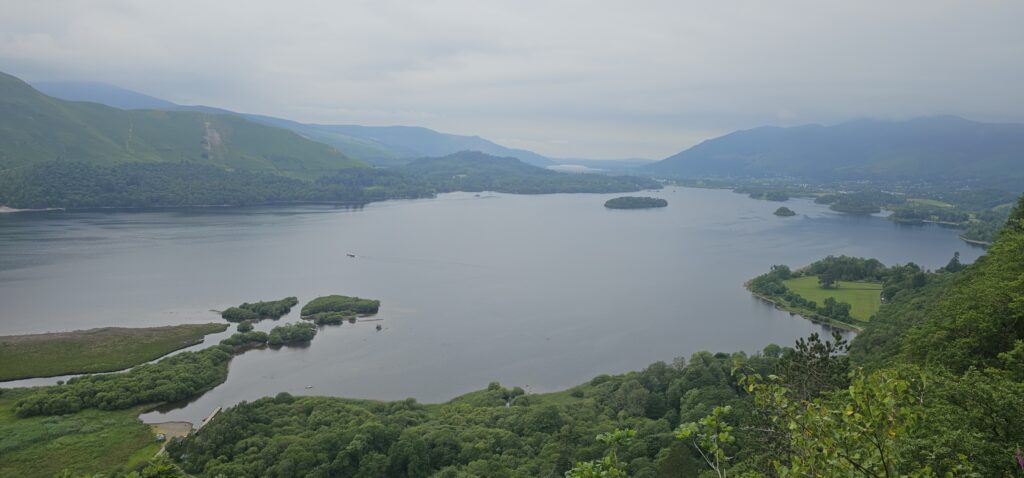
We decided to take a different route home but also took a short detour off the main road to a viewpoint, and what a view! It was at the other end of Derwent Water to where we had been in Keswick and we could see Bassenthwaite in the distance.

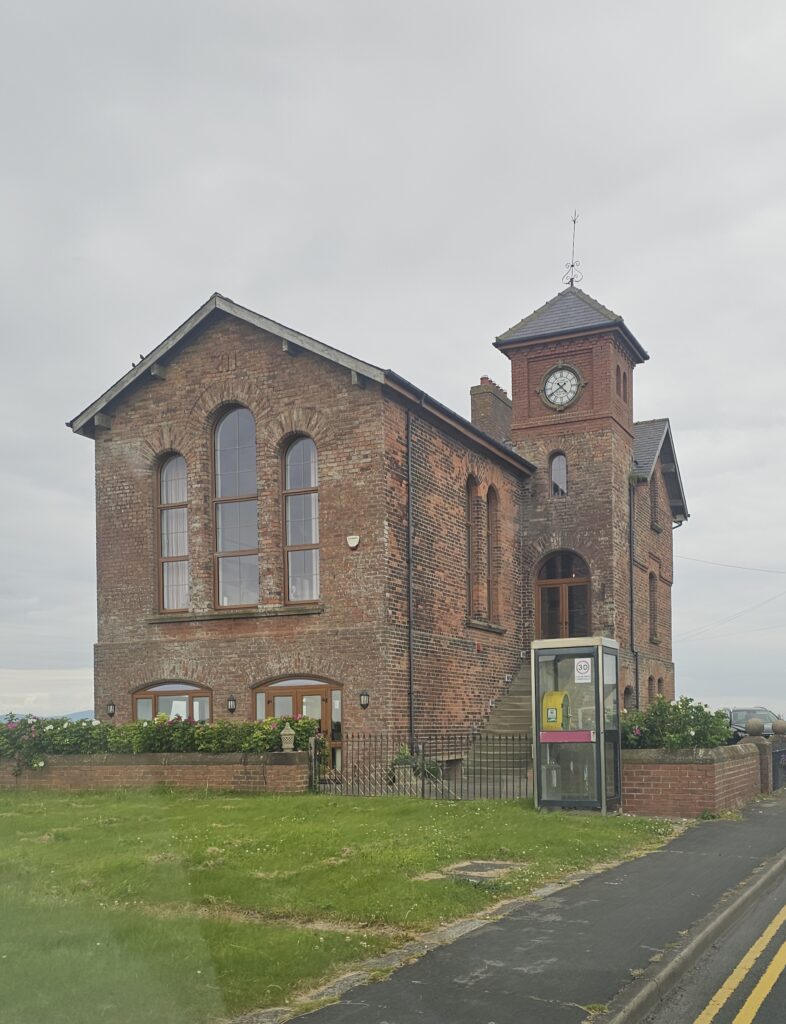
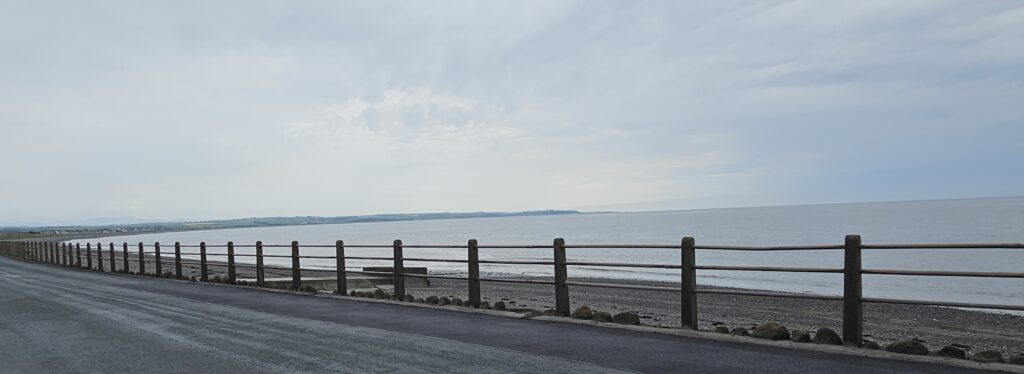
We then took a loop back to the coast to look at Allonby beach, the only exciting thing we saw was an beautiful converted church with an unusual turreted clock tower. The day ended with another colourful sunset!

Allonby – a little bit of history.

Allonby originally started life centuries ago as a tiny community scattered around four farms but over many years it grew into a small fishing port, with the main catch being herring which were salted or smoked to preserve them for transport to market. In 1703 the Religious Society of Friends, otherwise known as Quakers, converted a cottage in the village into a Meeting House and the Quakers became a large and influential section of the local community.
The Quaker’s influence created several larger properties in the village, a congregational chapel built in 1844, a Meeting House and the Reading Room built on what had been the site of a factory school with a large weaving room and tithe barn. Designed by a Quaker architect from Manchester and opened in 1862 the reading rooms and a library originally stood over an open Italian-style piazza where people could shelter from bad weather; eventually though the open colonnade was bricked in and the space converted into a billiard and games room. The reading rooms served the people of Allonby for more than a hundred years and at one point became home to a collection of natural history specimens. During WW2 they were used by the WVS (Womens Voluntary Services) for the preparation of camouflage netting for the armed forces, and during the 1951 Festival of Britain they served as the venue for a ‘Festival of Antiques’. Unfortunately usage had declined by the early 1970s and maintenance was a problem so the building was sold, with the proceeds being used to upgrade the village hall. The new owner was a local businessman who proposed to turn the building into a motorbike museum but his plans were turned down by the local authority and the place stood empty for thirty years. Gradually the building began to deteriorate and after a severe storm part of the roof collapsed, bringing the gable end down with it. Finally, in 2005 the local council agreed to a partial demolition and conversion to residential use, and after the work was hampered by delays and ever-increasing costs the new owners eventually took up residence in 2013.

And all this history in such a small village!!

History in Leek, Buxton & Bakewell Derbyshire

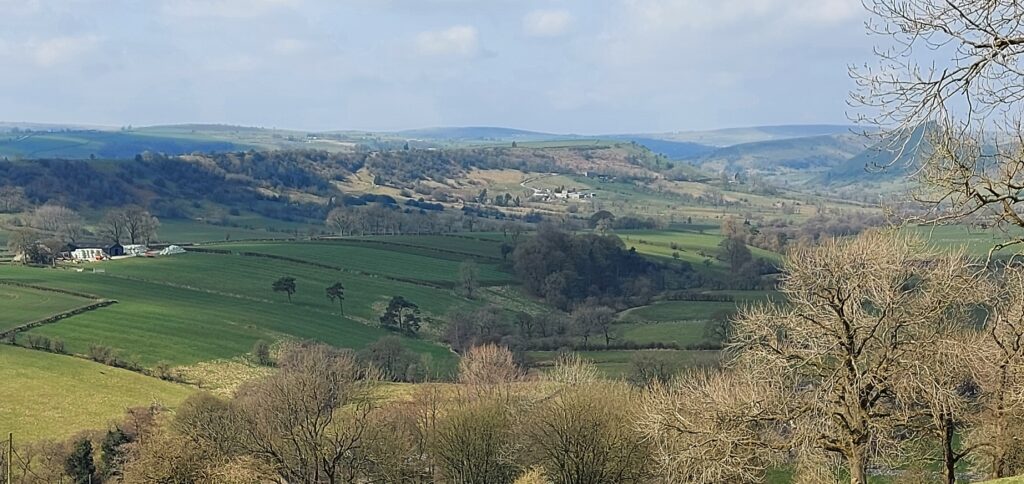
We’ve taken Bessy away from Peterborough for a while, doing a little tour up to Derbyshire and the edge of the Peak District before heading south into the Welsh borders and Ross-on-Wye. During our stay in Derbyshire, one day it was brilliant blue skies and 15c then the next it was -2c and snowing! Typically British!

We stayed in a campsite outside Leek, Blackshaw Moor caravan park was once home to a group of displaced Polish soldiers and their families from 1946 to 1964, the transit camp was originally built in 1943 for the U.S. Army. A strong community developed but by the time the camp closed in March 1964 there were only 50 families left, now living in houses locally.

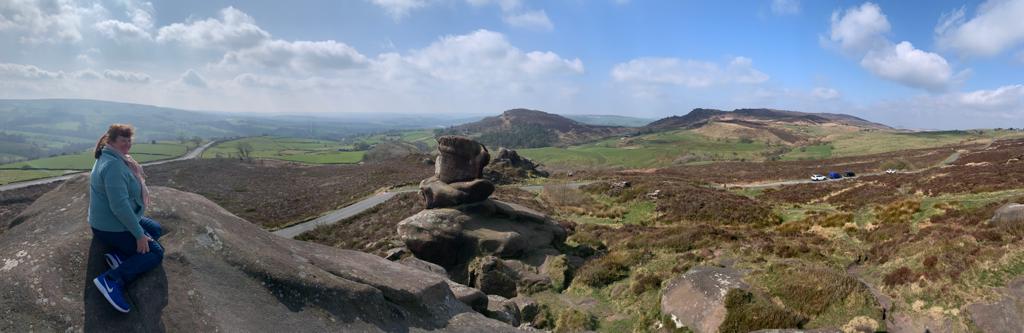
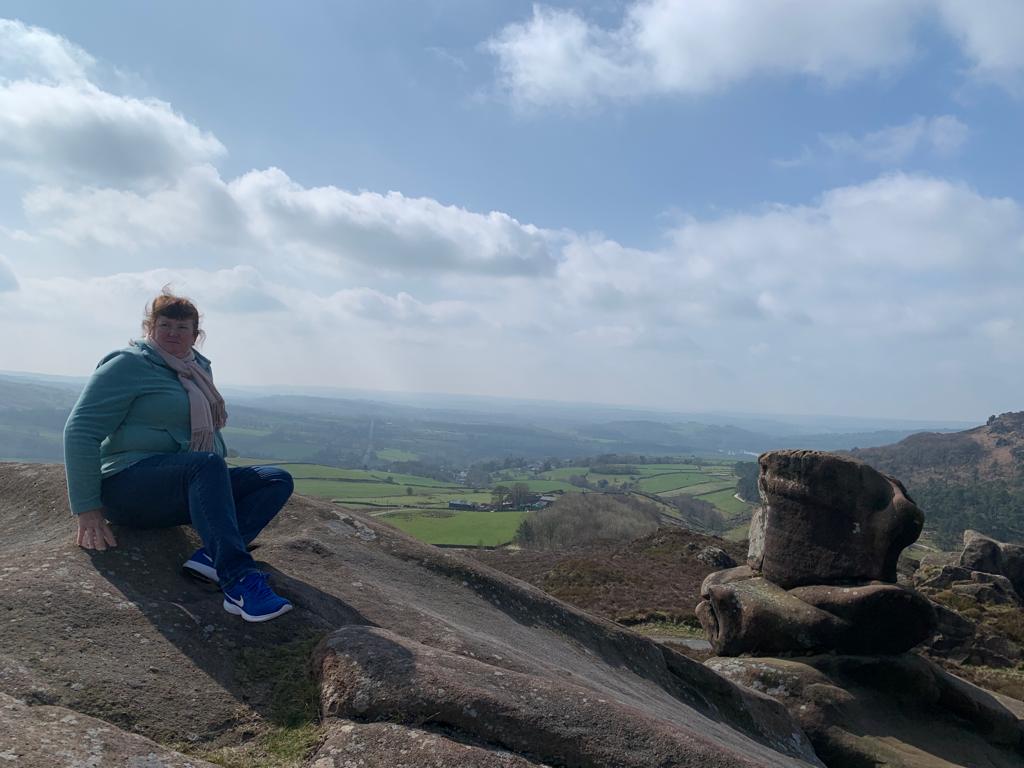
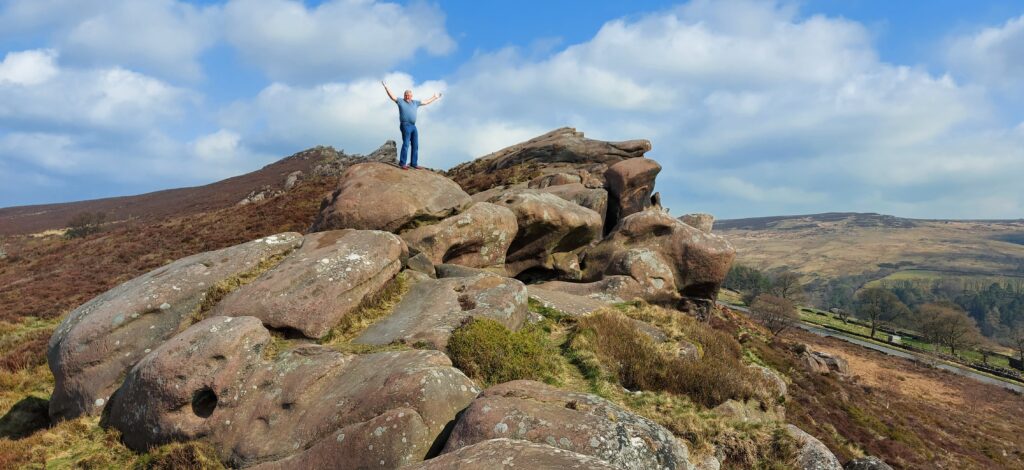
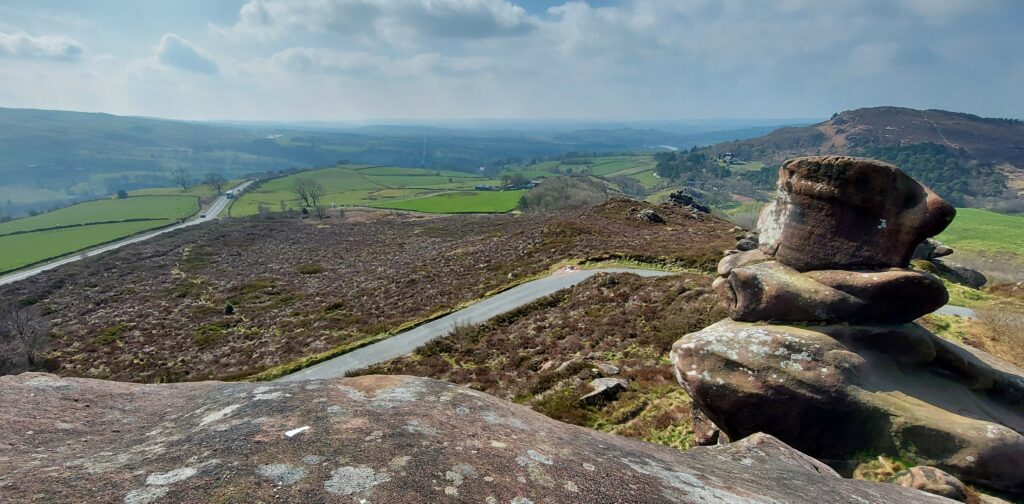
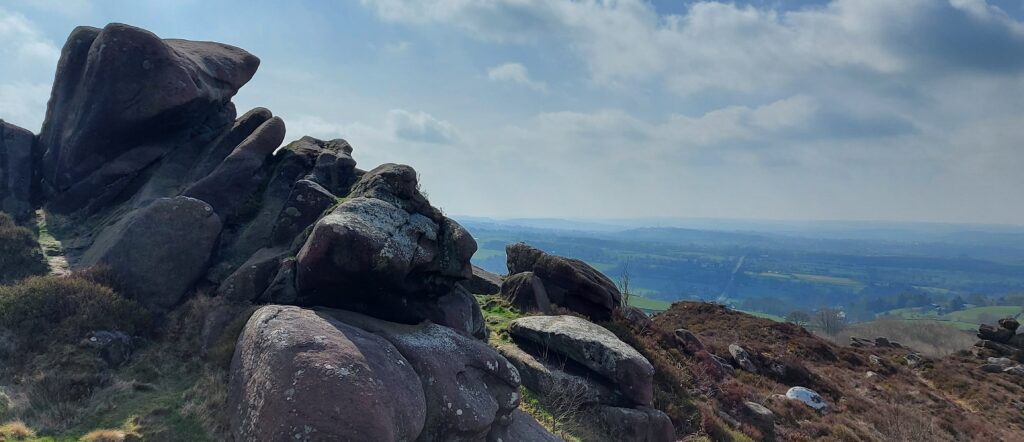
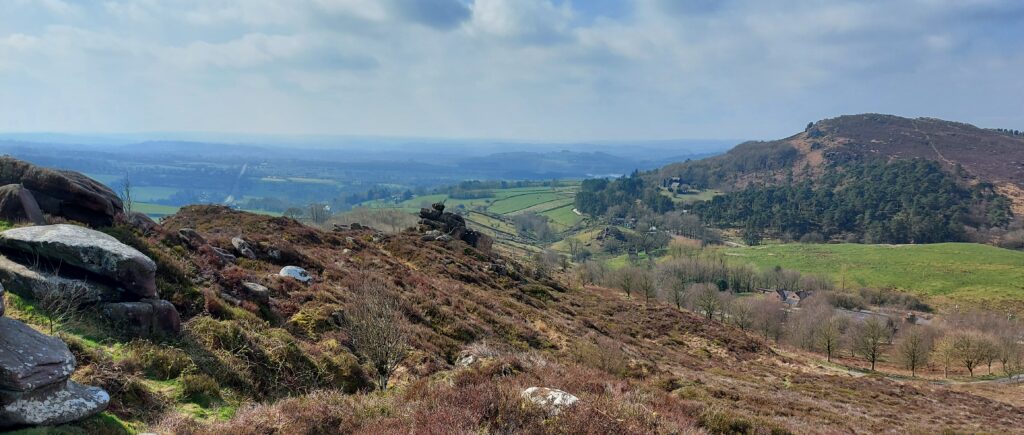
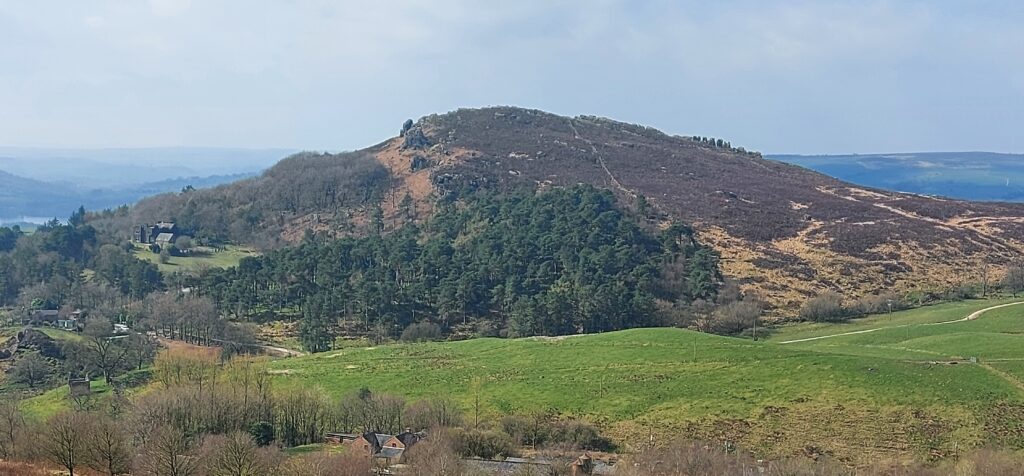
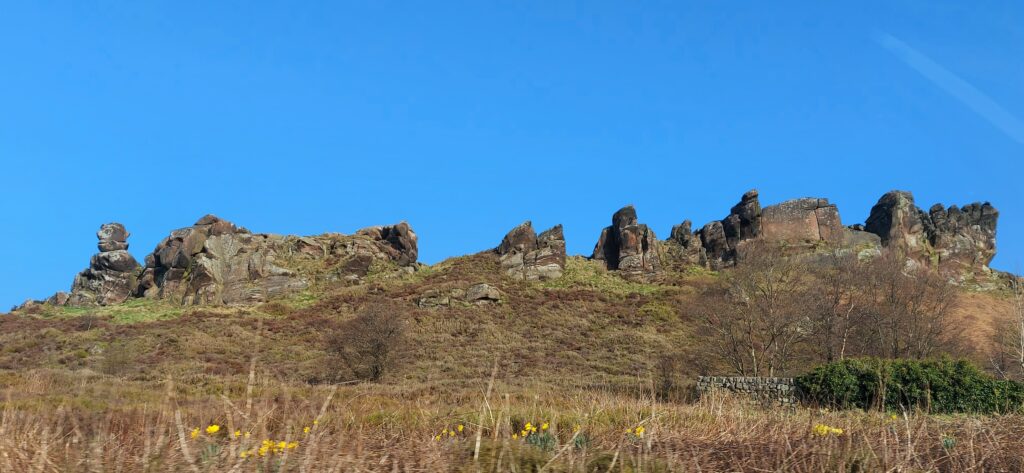
The Roaches (rocky outcrop) were visible from the camp, one clear day we managed to climb to the top!

Unlike David!!!

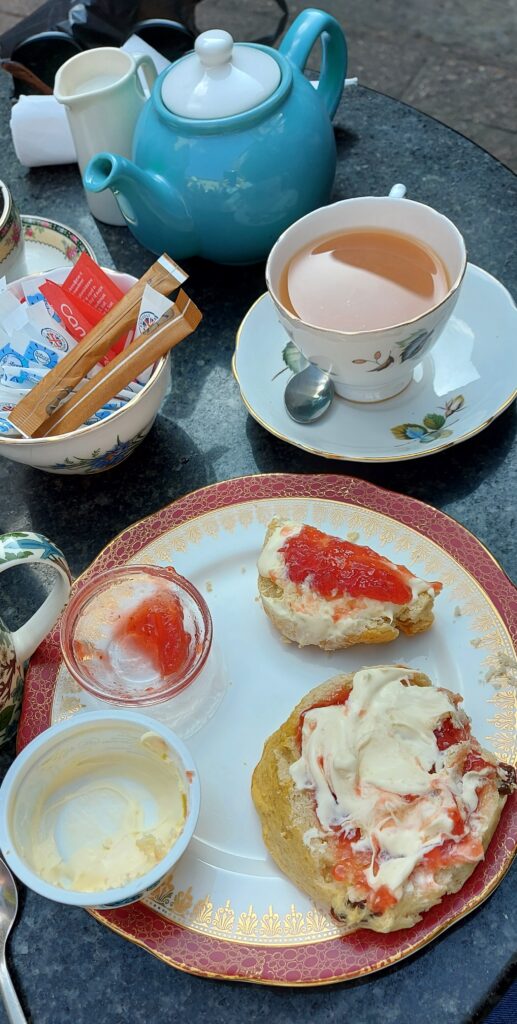
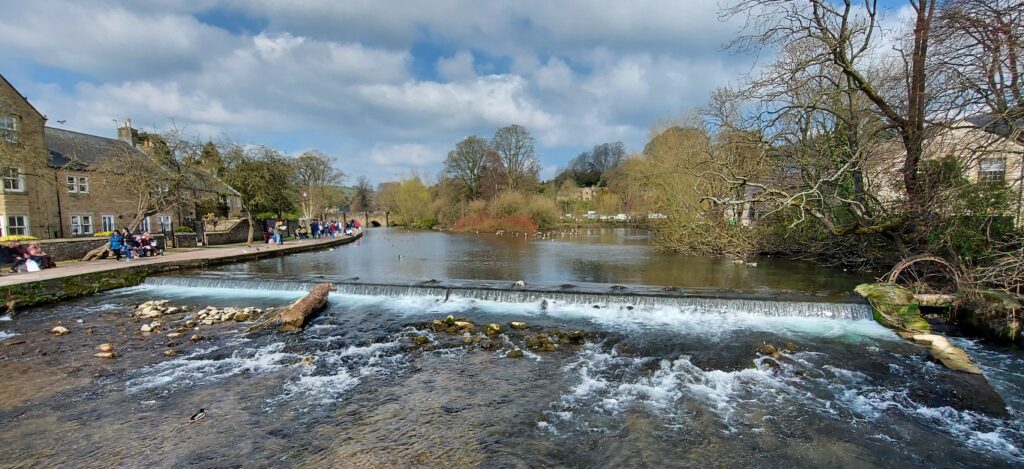
We took a day trip to Bakewell for a traditional afternoon tea! And scrummy it was!! We did purchase a Bakewell Tart but had to eat it at once…….

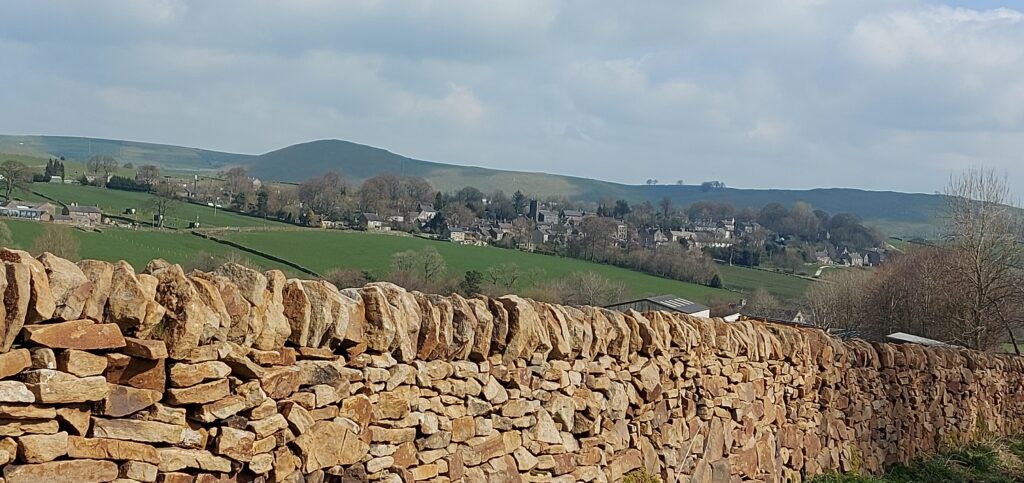
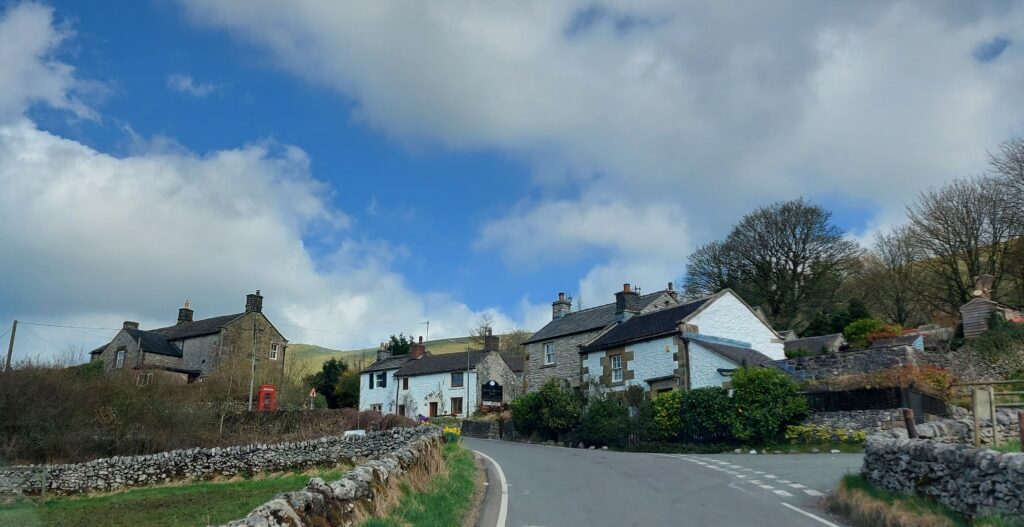
On the way to Bakewell we passed a tiny hillside village called Longnor, the first recorded settlement was in the Middle Ages and it’s mentioned in the Doomsday Book as being an important market town on the roads between Buxton, Leek, Macclesfield and Bakewell.

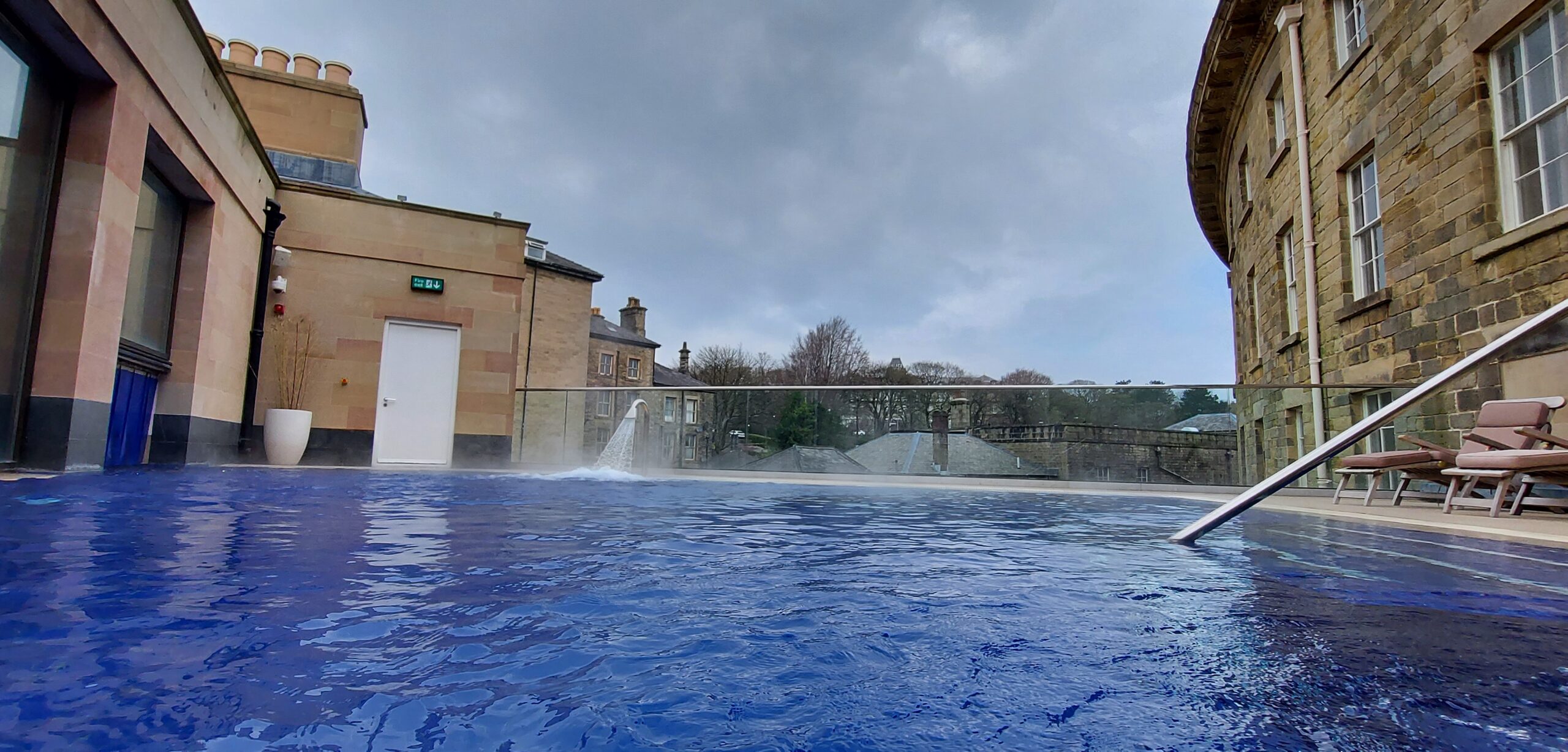
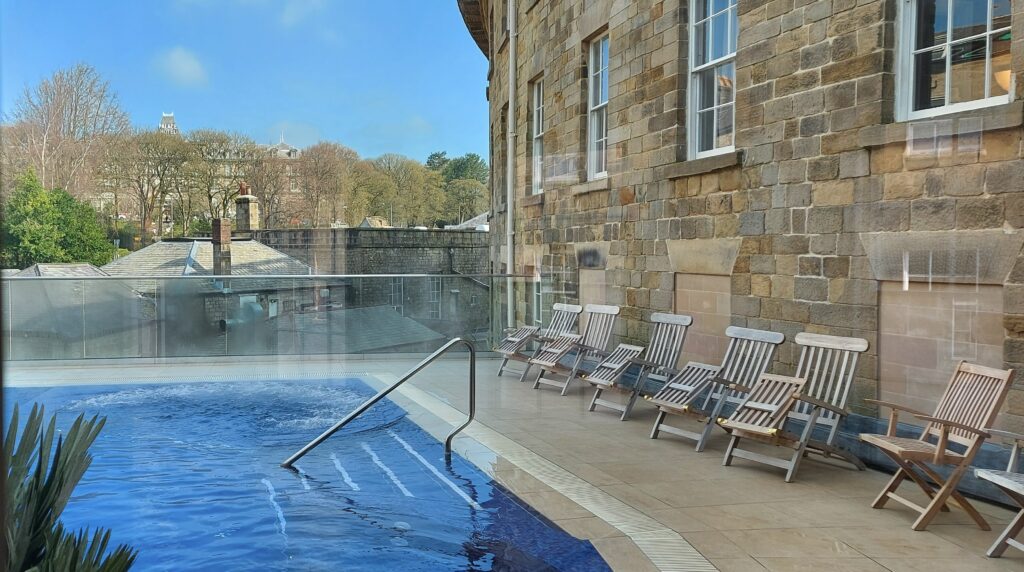
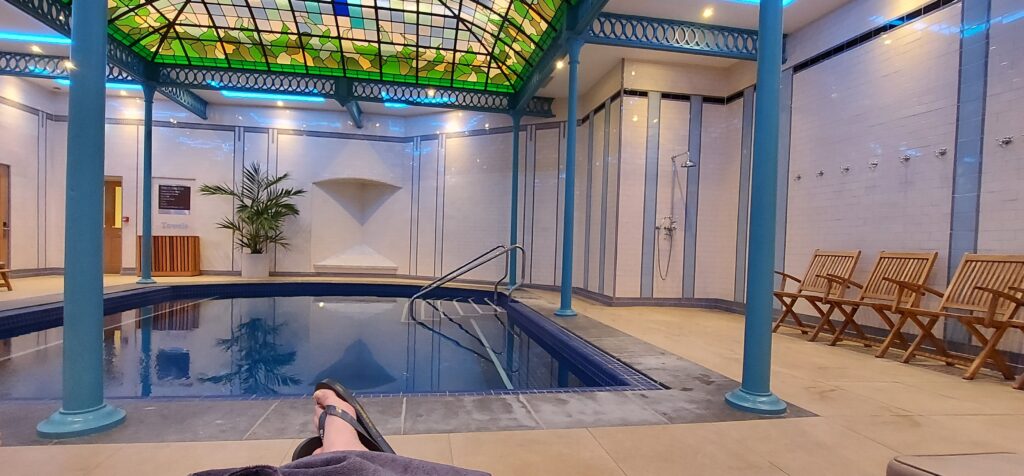
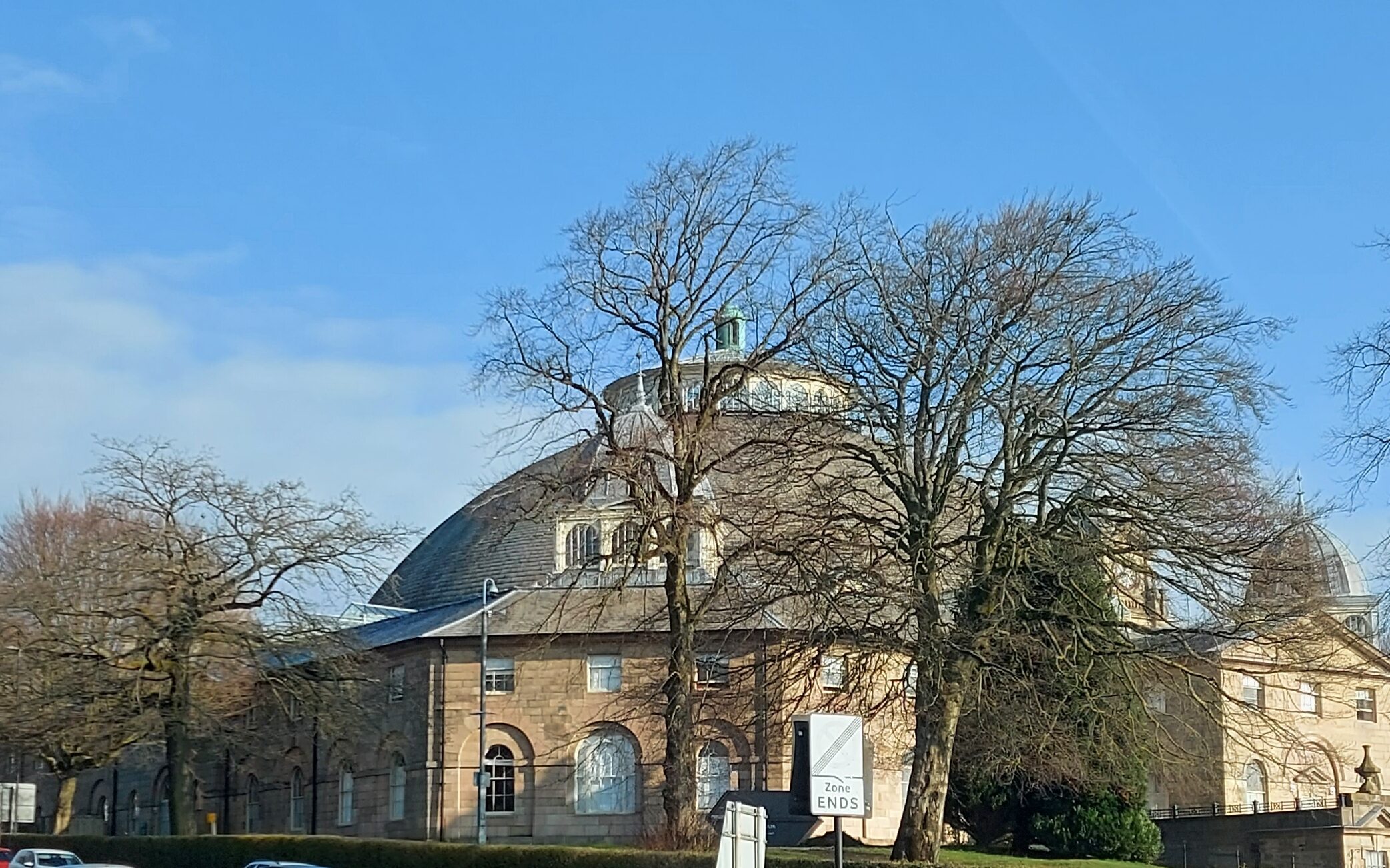
In Buxton, we just had to try the mineral water, a naturally heated warming 27c rediscovered in 2005, and captured in the original Victorian spa baths. SO beautiful and so relaxing!!!

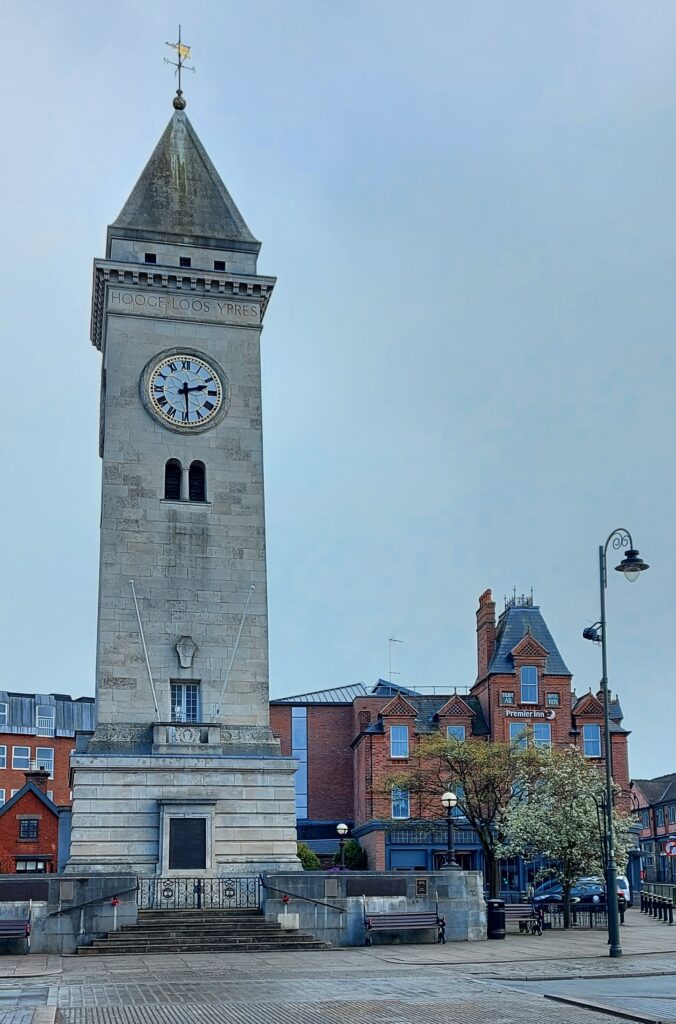
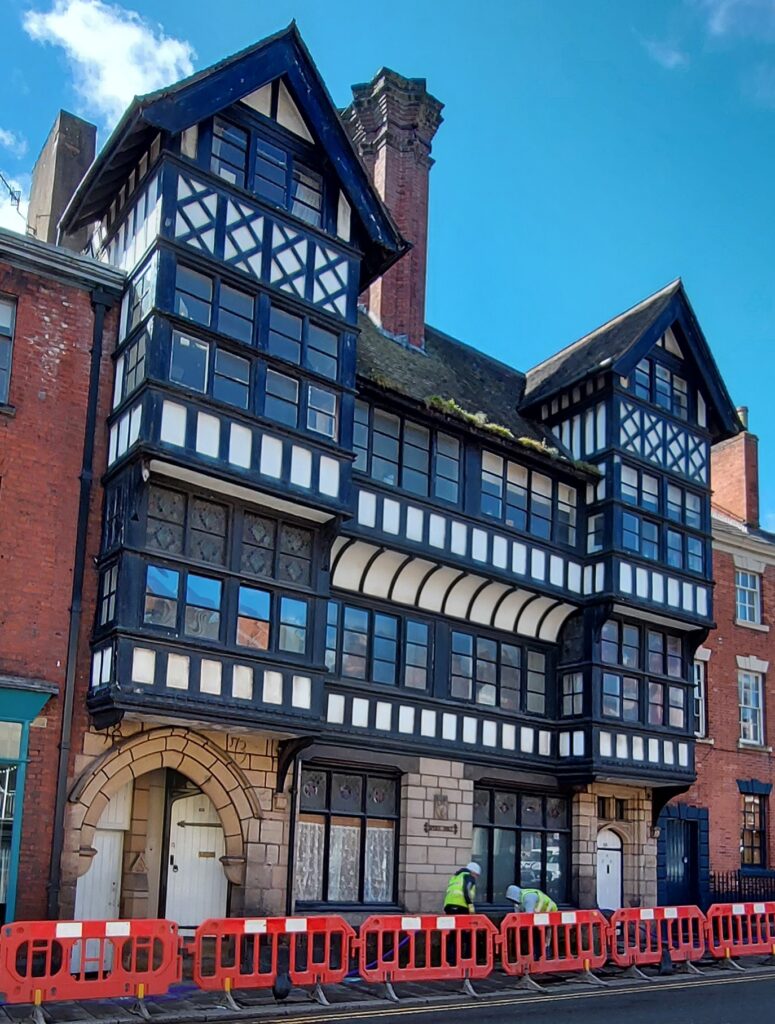
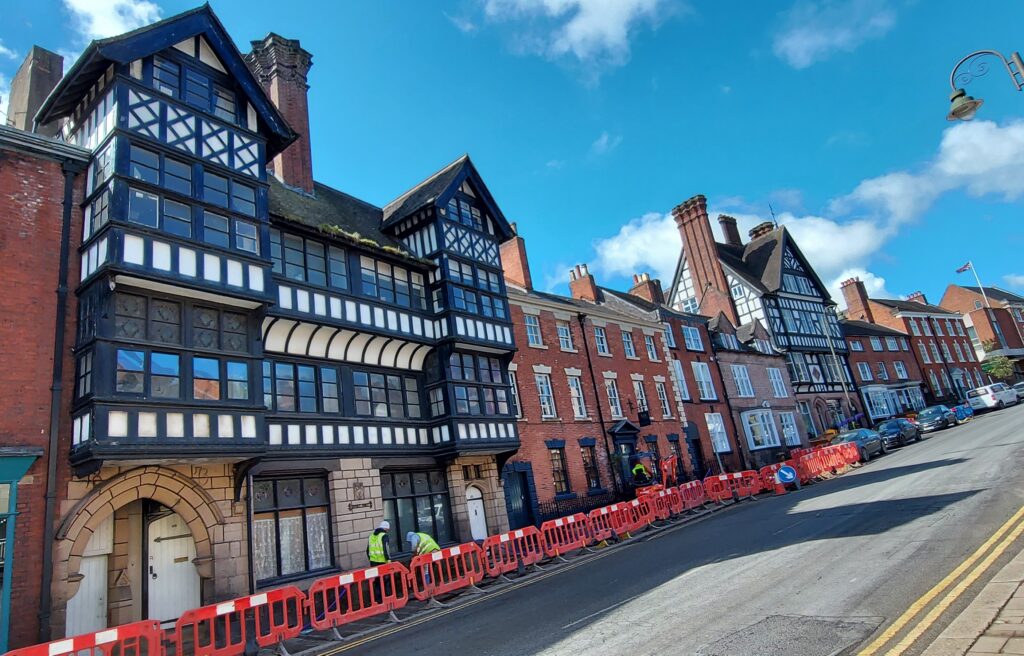
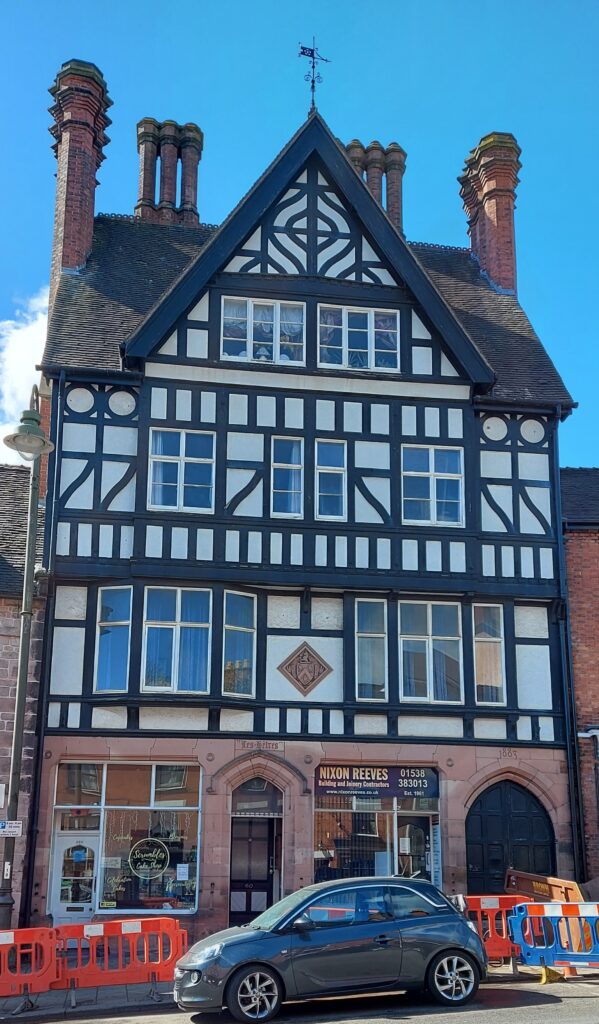
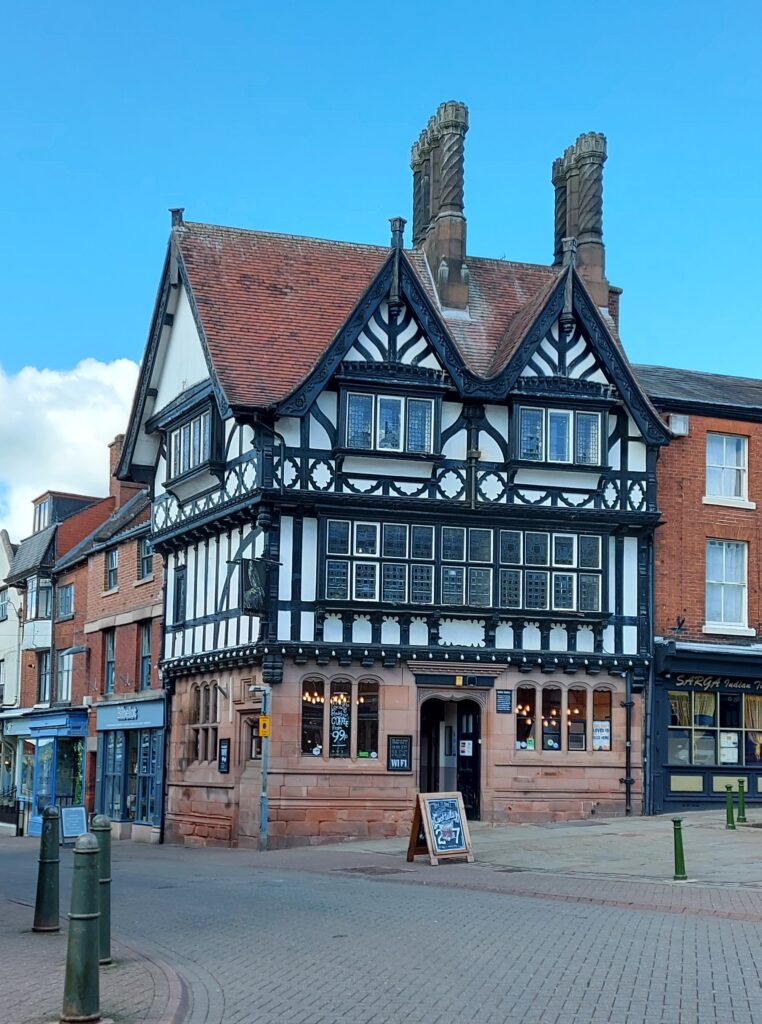
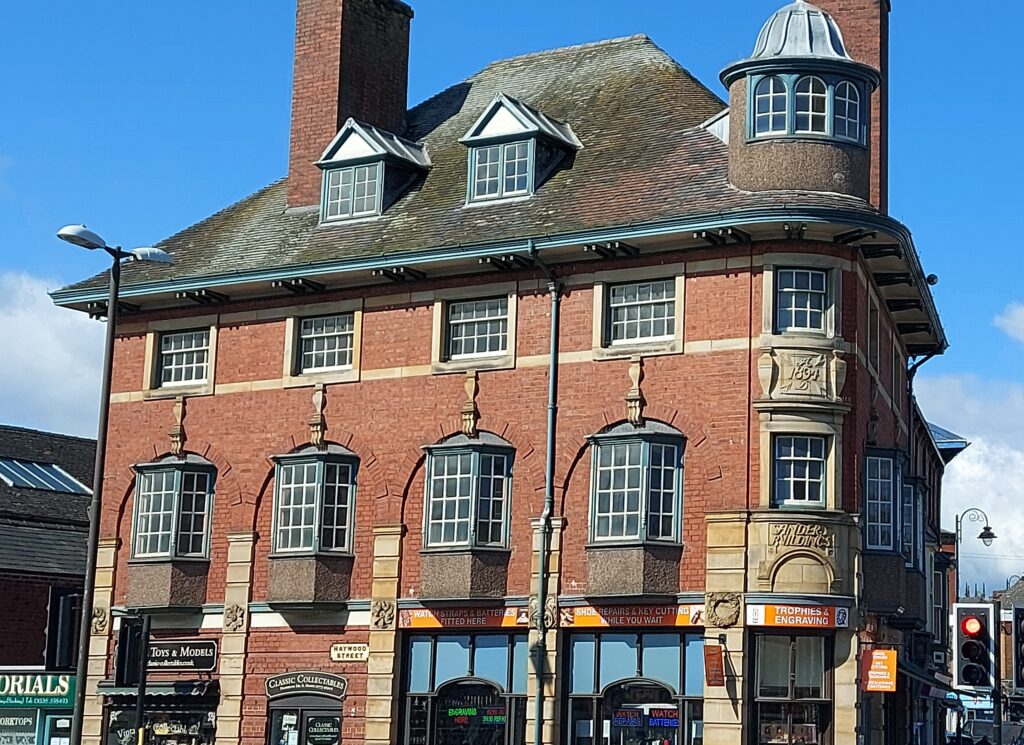
In Leek itself were beautiful old buildings, one (currently an antiques shop) was used by Bonnie Prince Charles in 1745 whilst on his march towards Derby during his efforts to restore the Stuart dynasty to the thrones of England and Scotland. He stopped here twice.

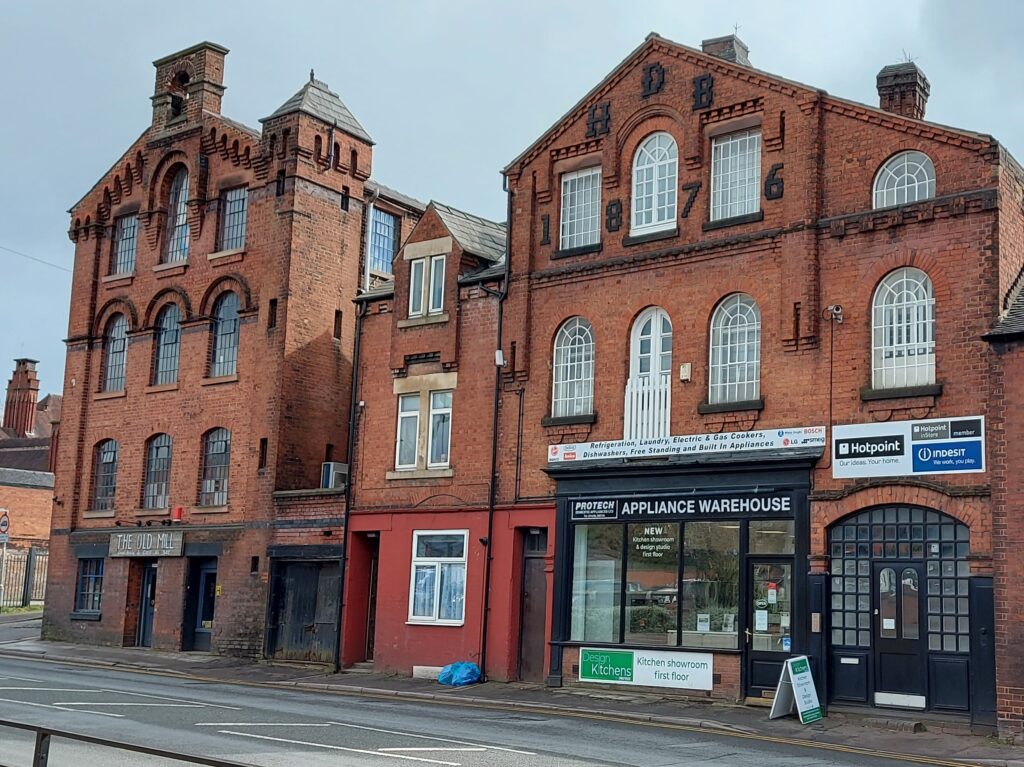
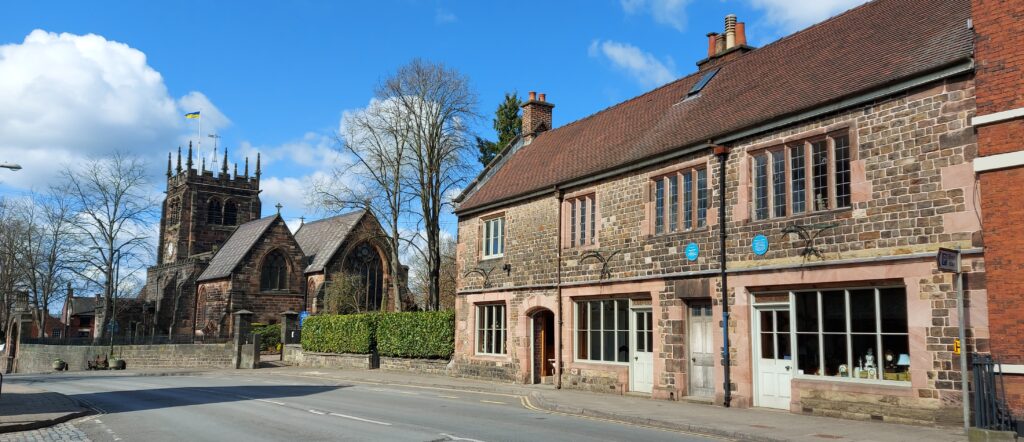
Leek Parish contains 143 Listed buildings, one is Grade 1, the highest listing possible. Several mills were used for spinning, dyeing and weaving silk, now used as a hotel or restaurant.

Next stop, Ross-on-Wye, near the Welsh border.

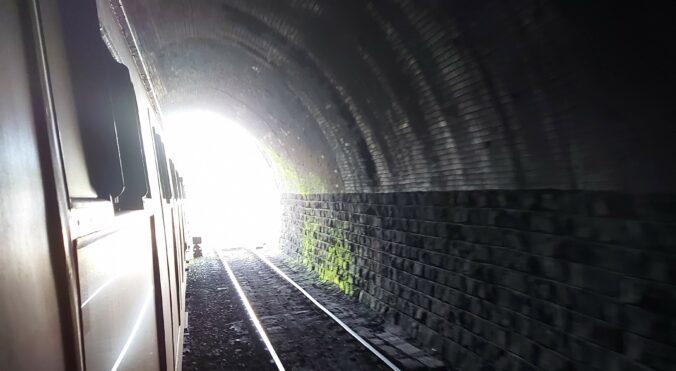
There’s Light at the End of the Tunnel

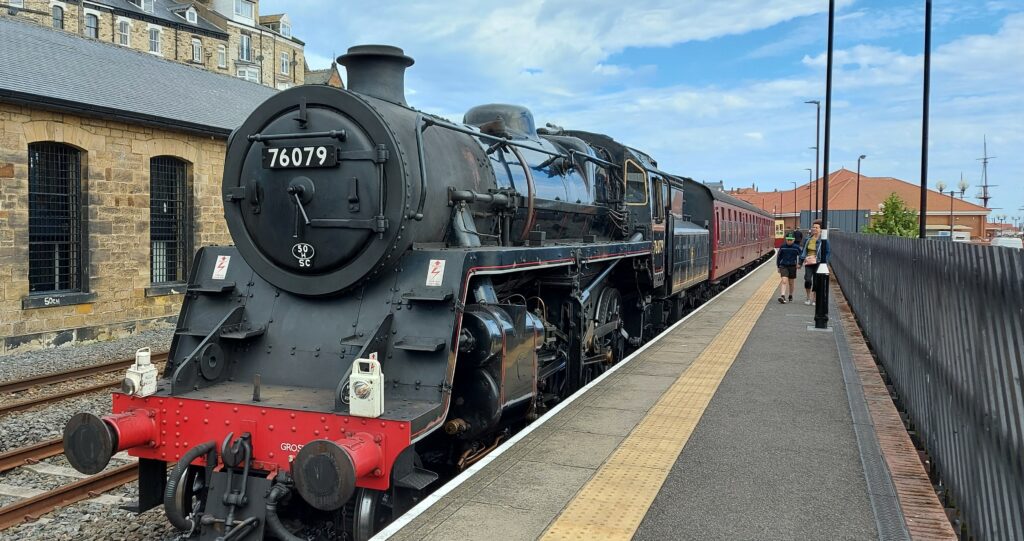
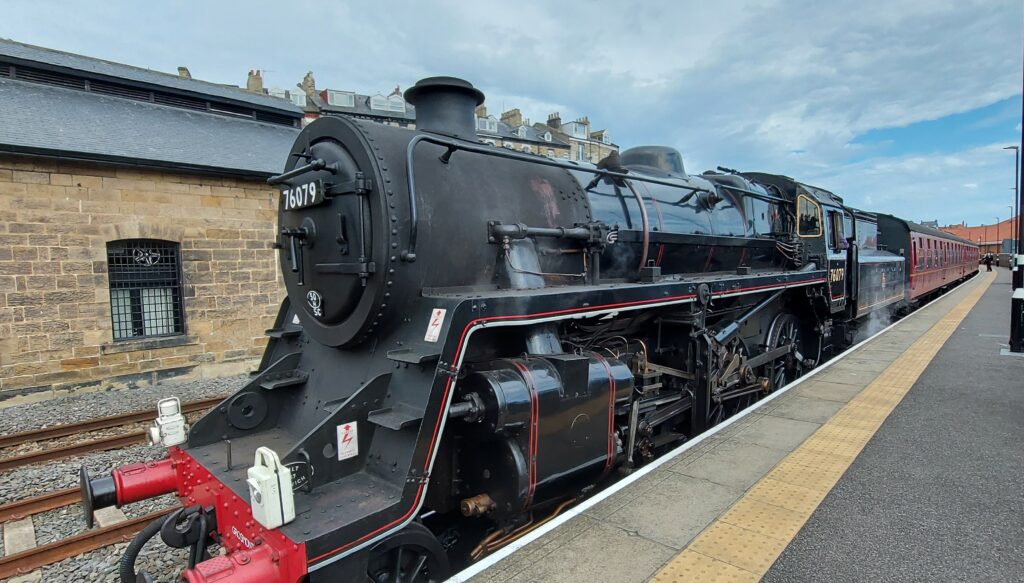
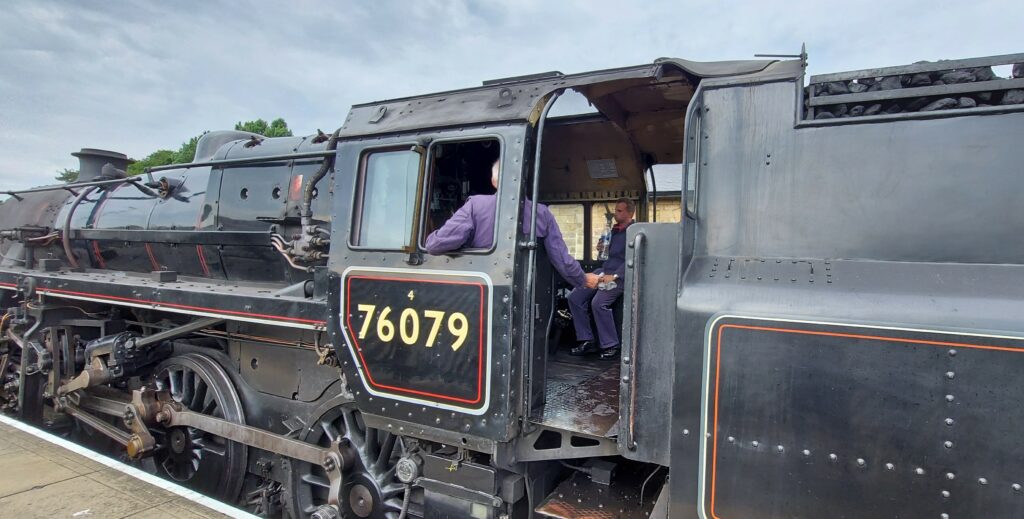
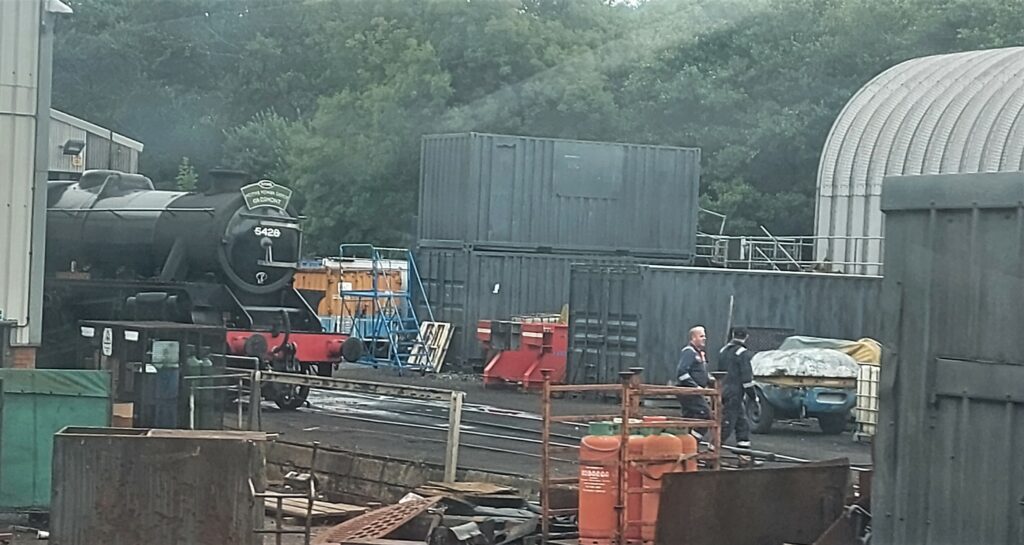
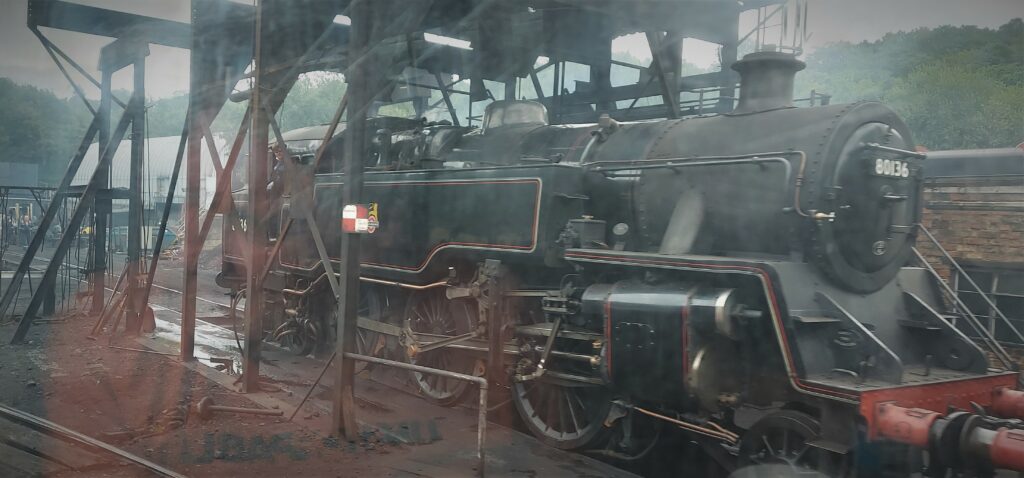
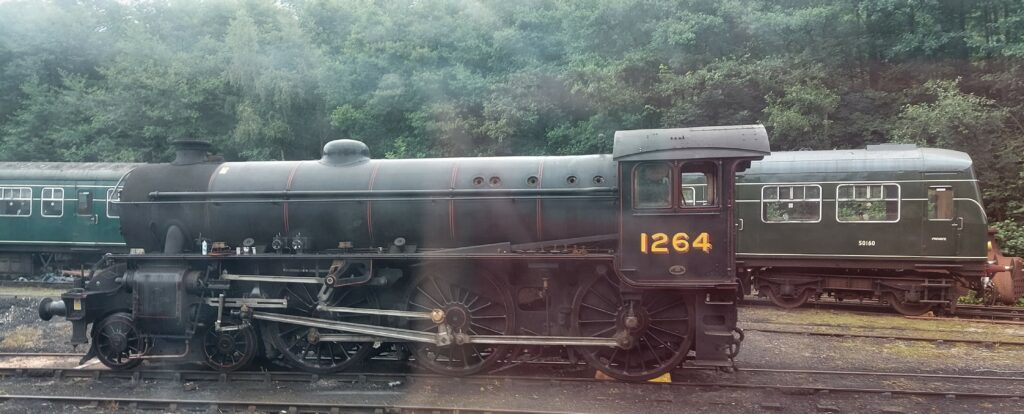
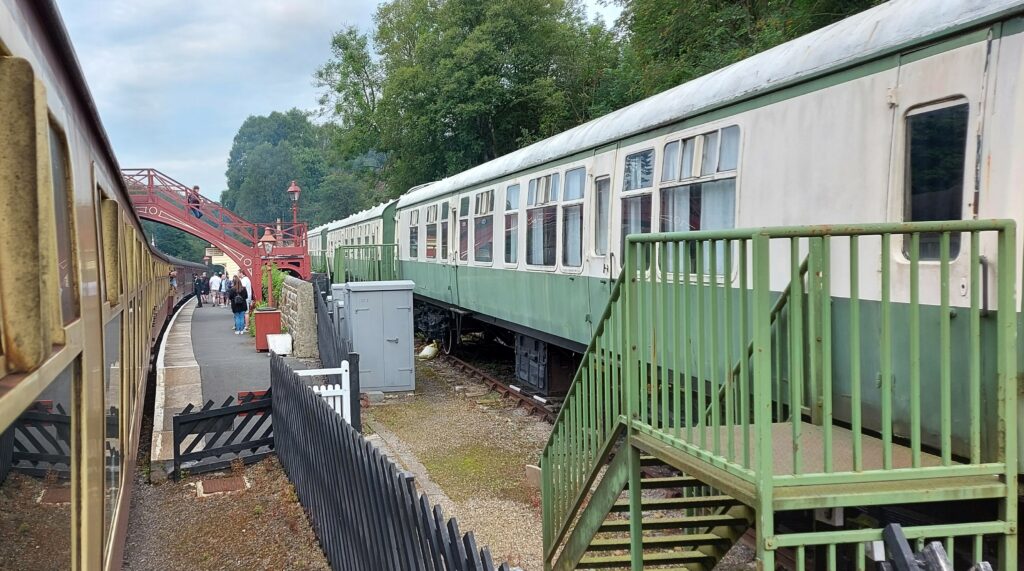
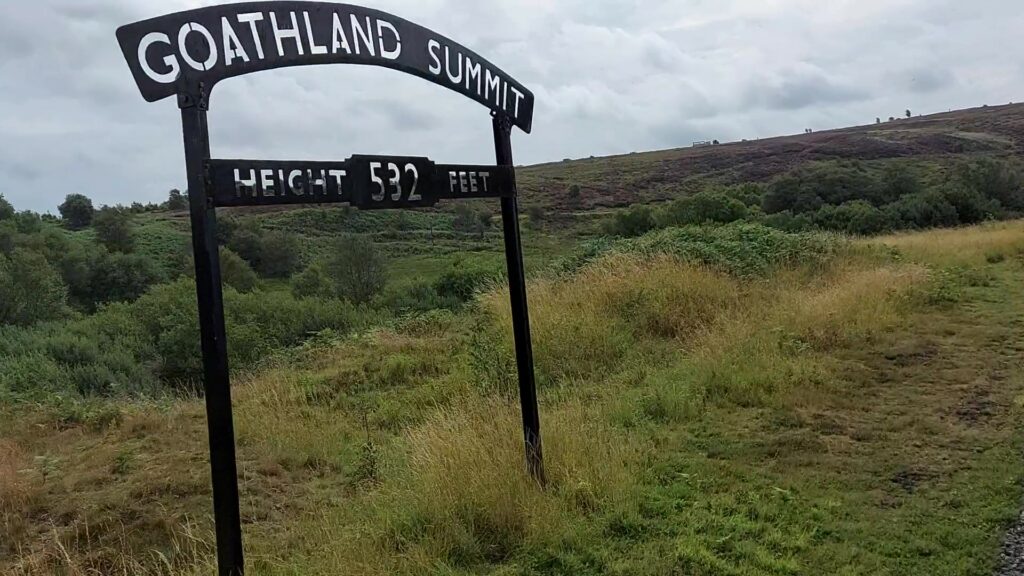
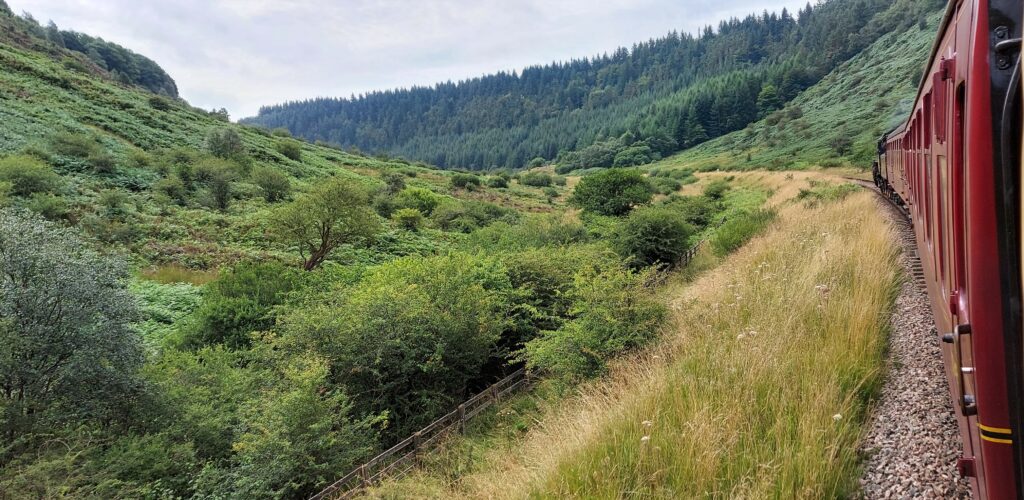
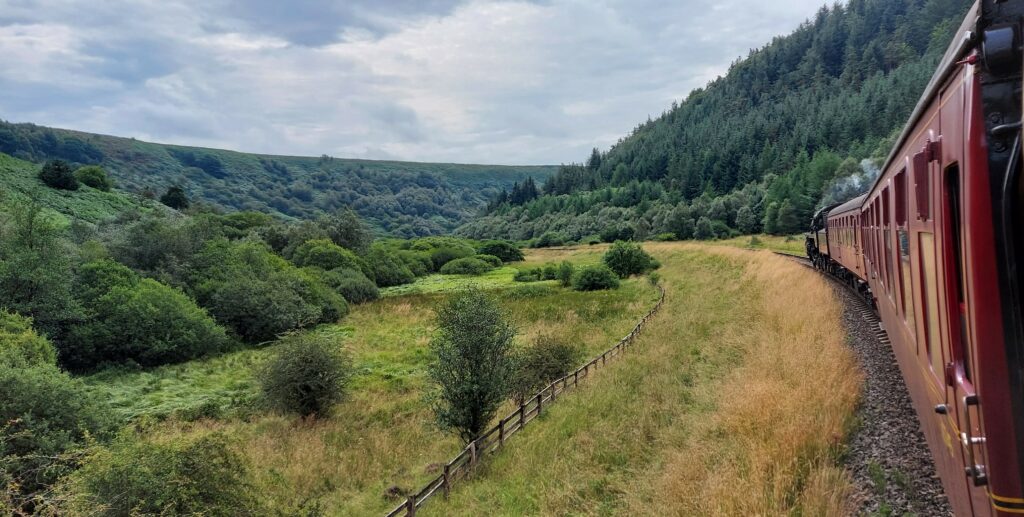
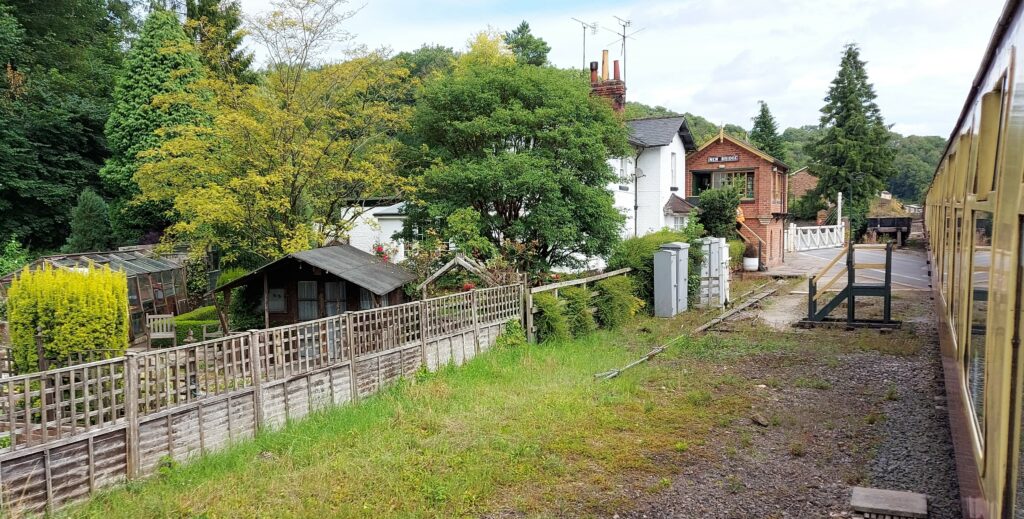
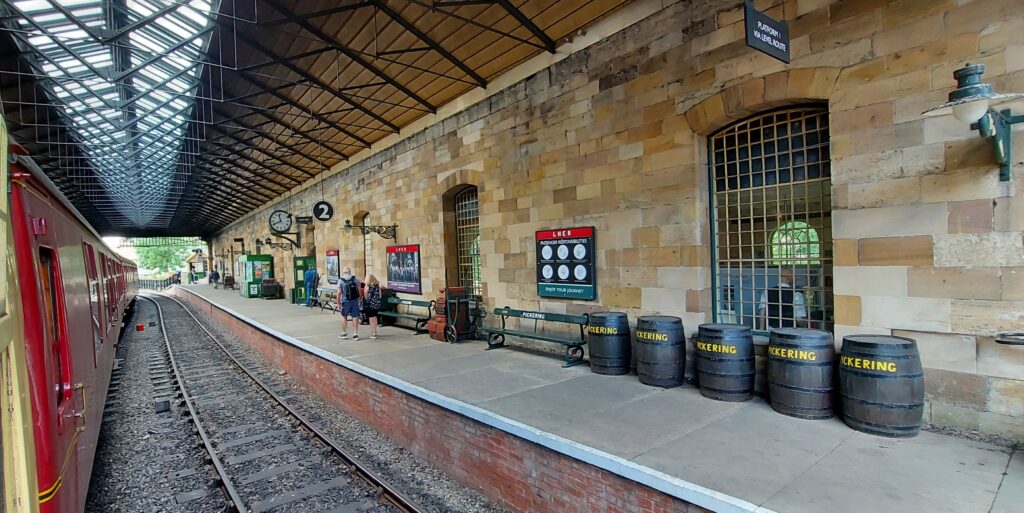
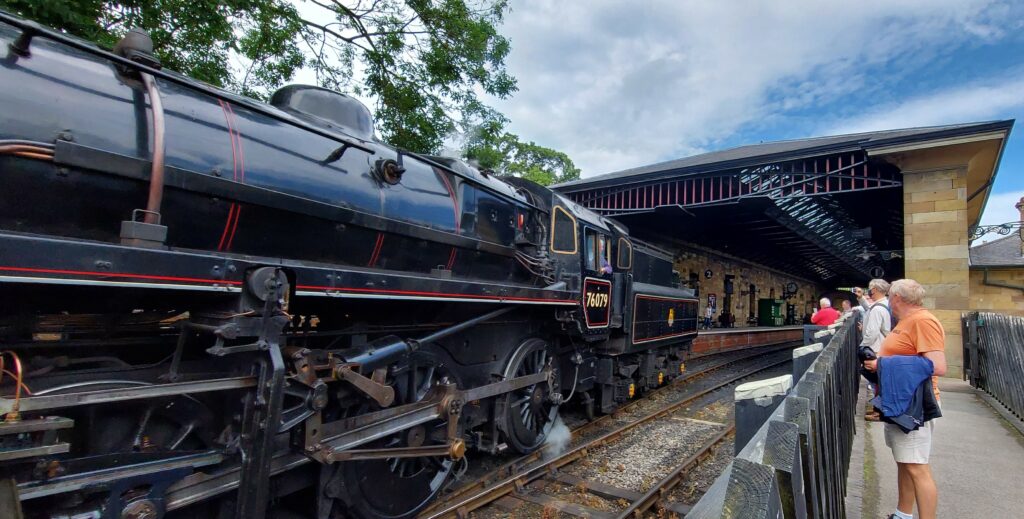
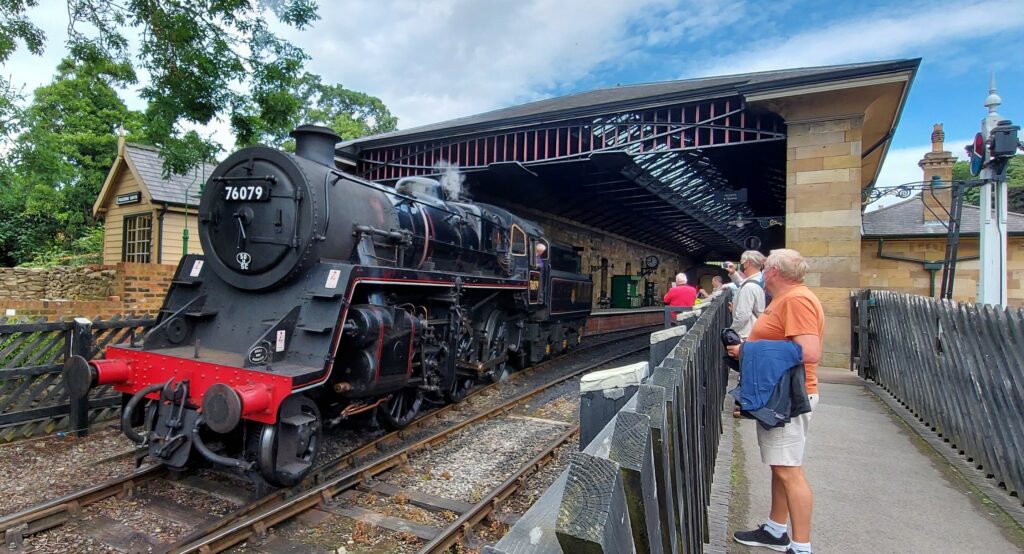
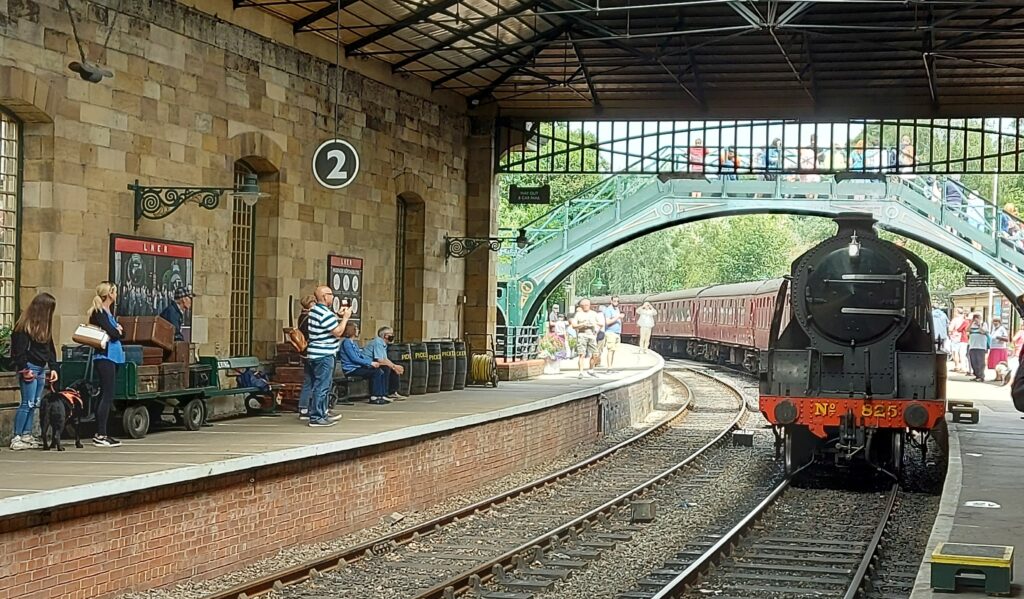
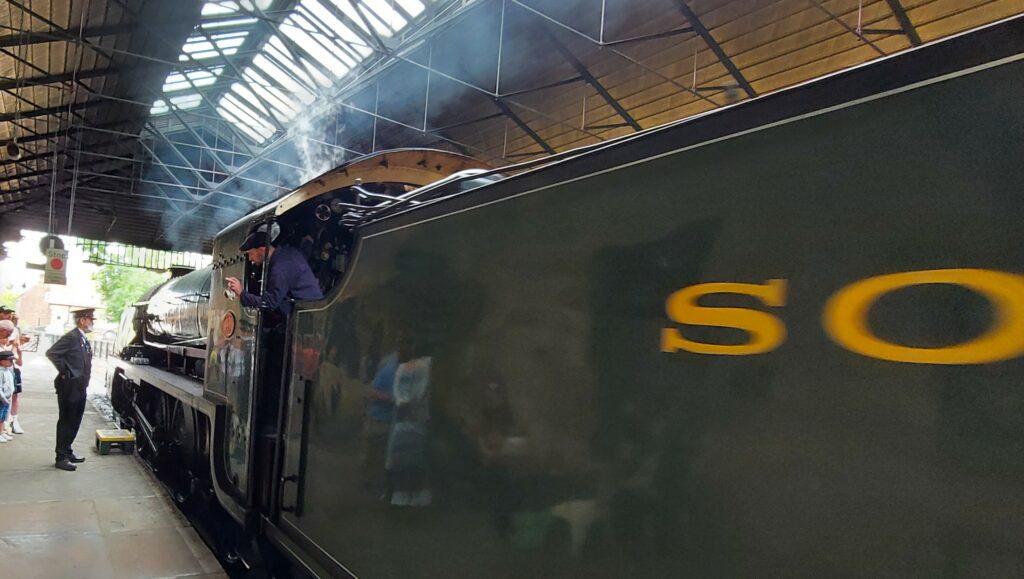
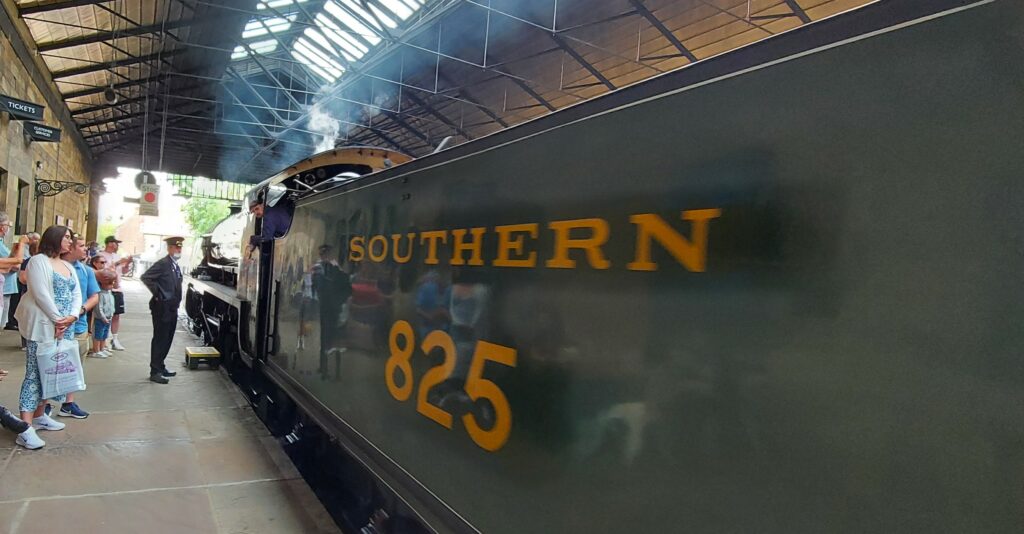
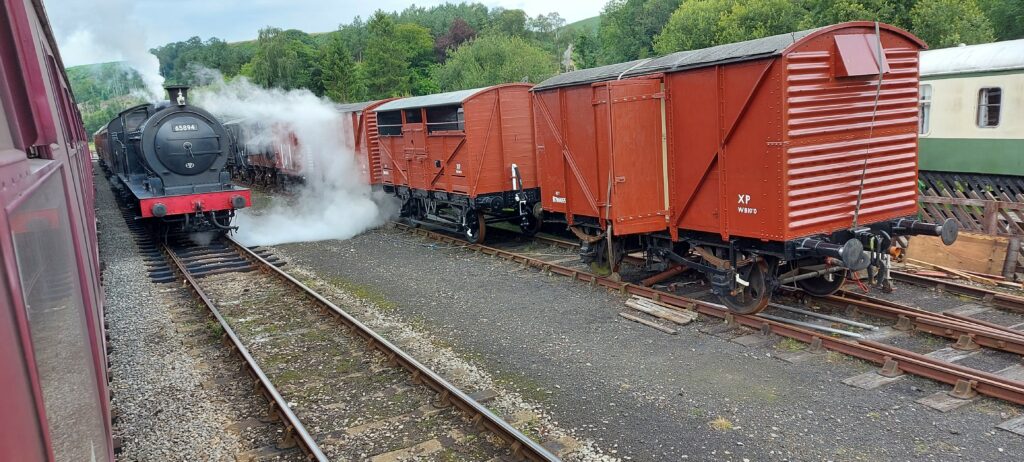
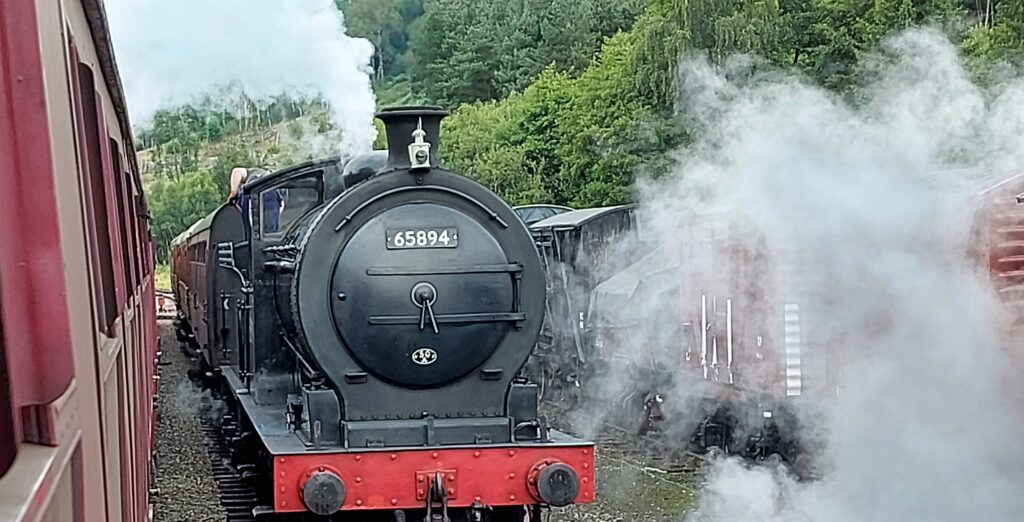
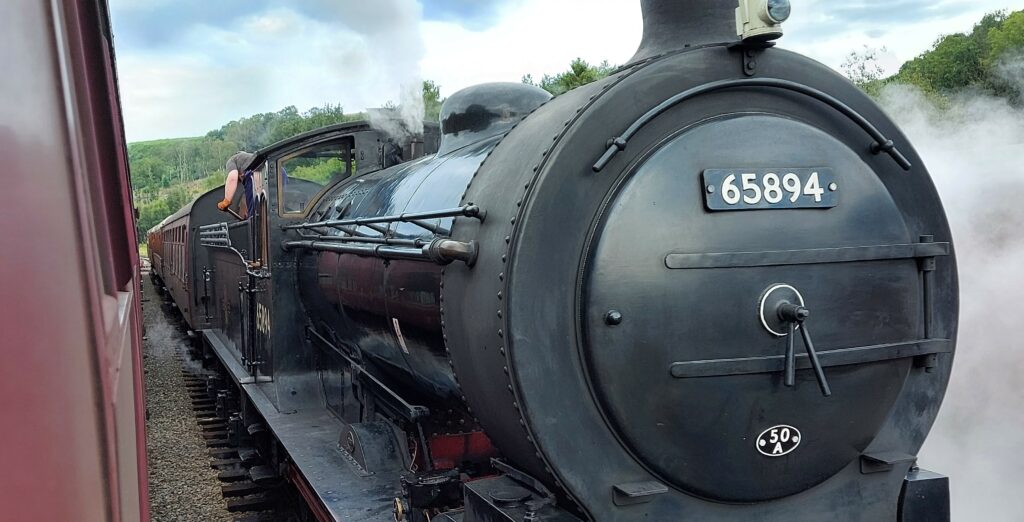
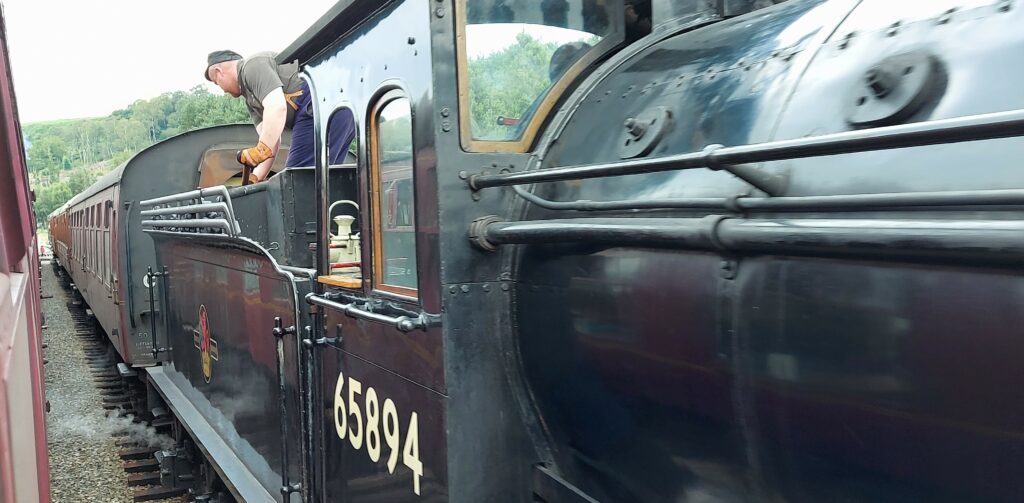
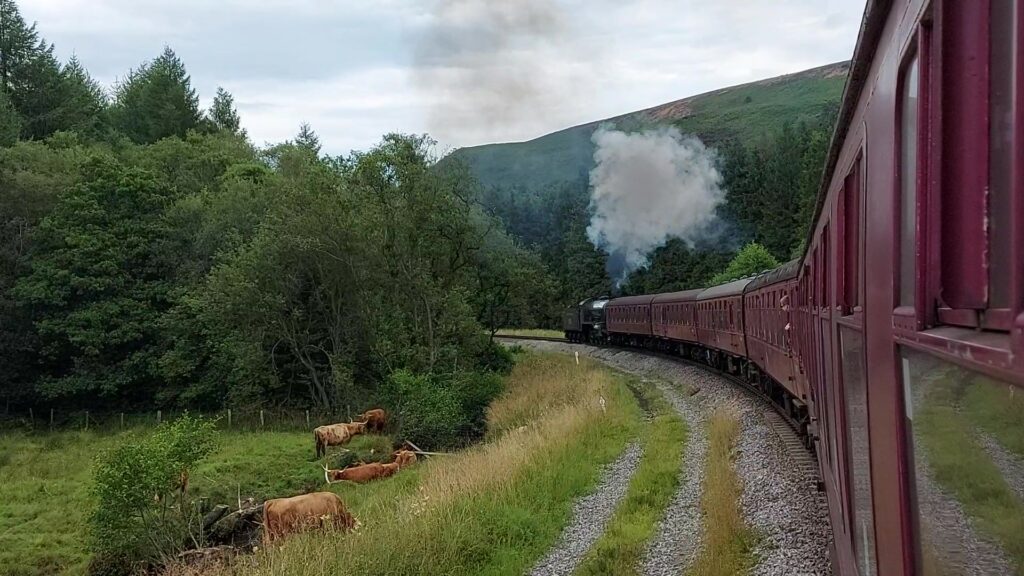
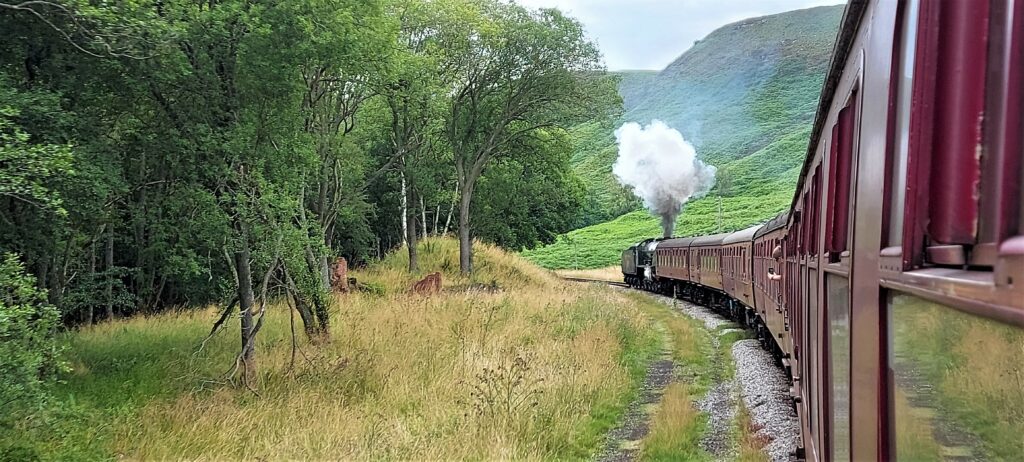
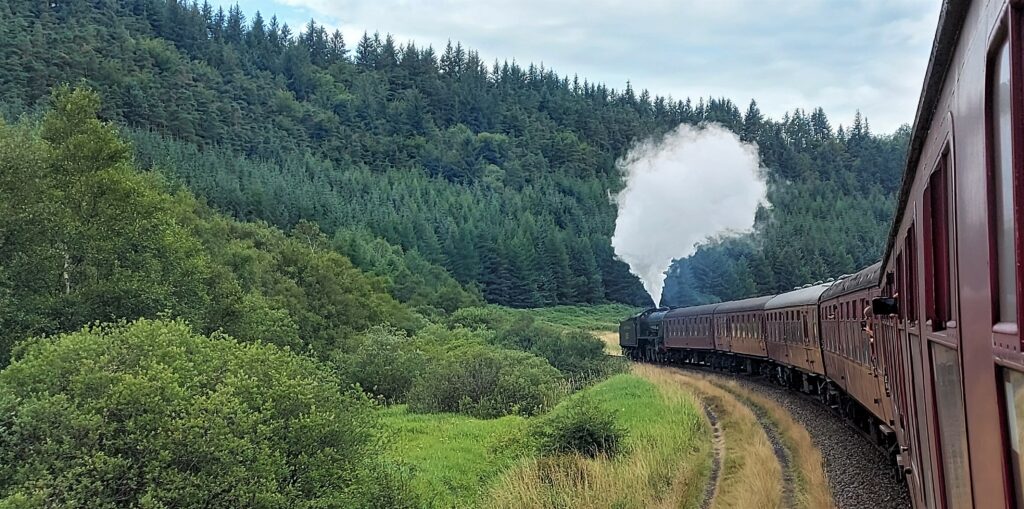
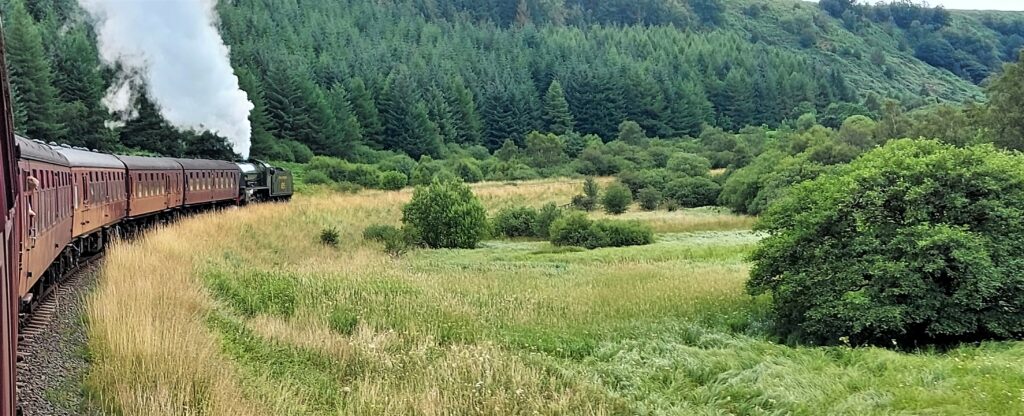
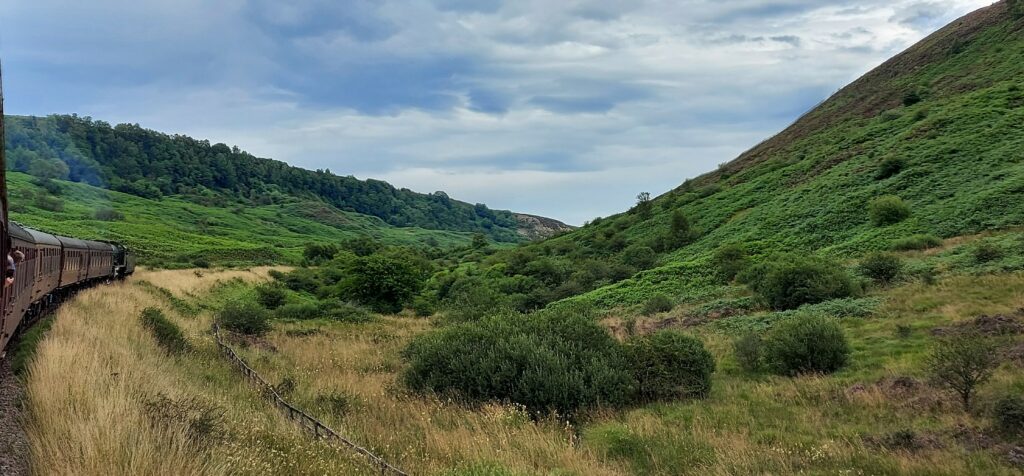
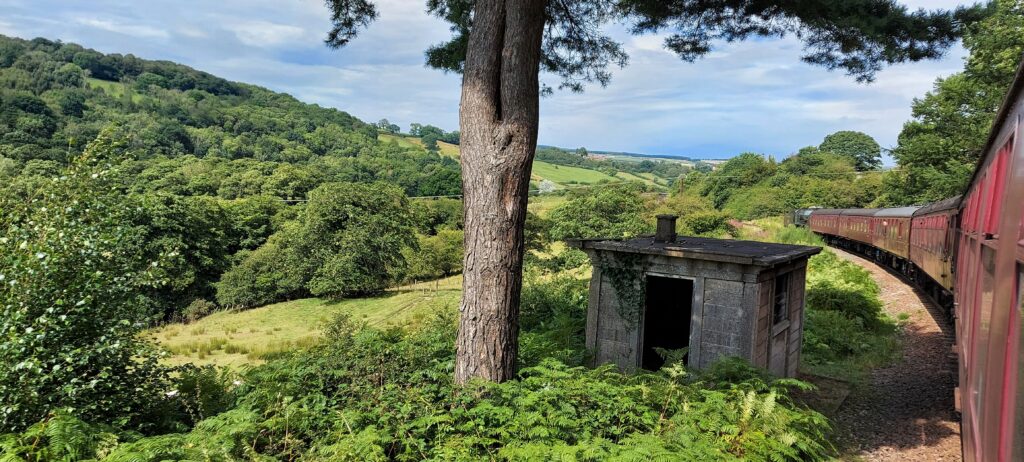
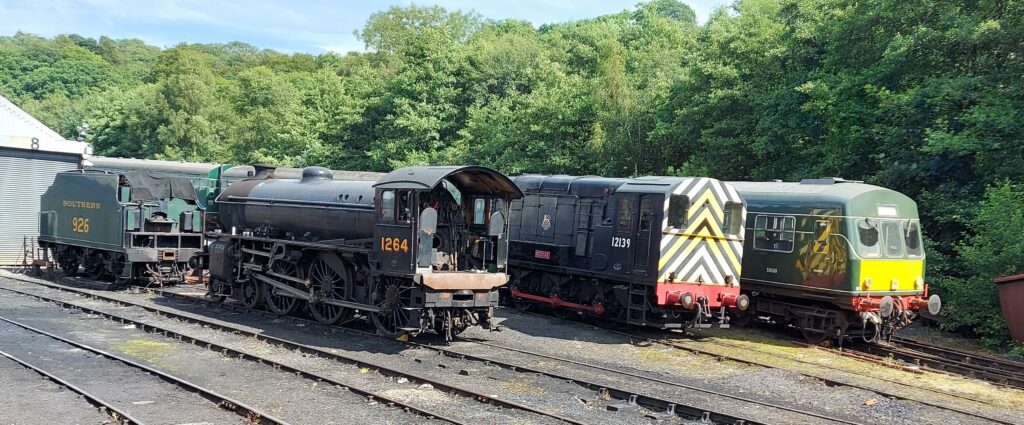
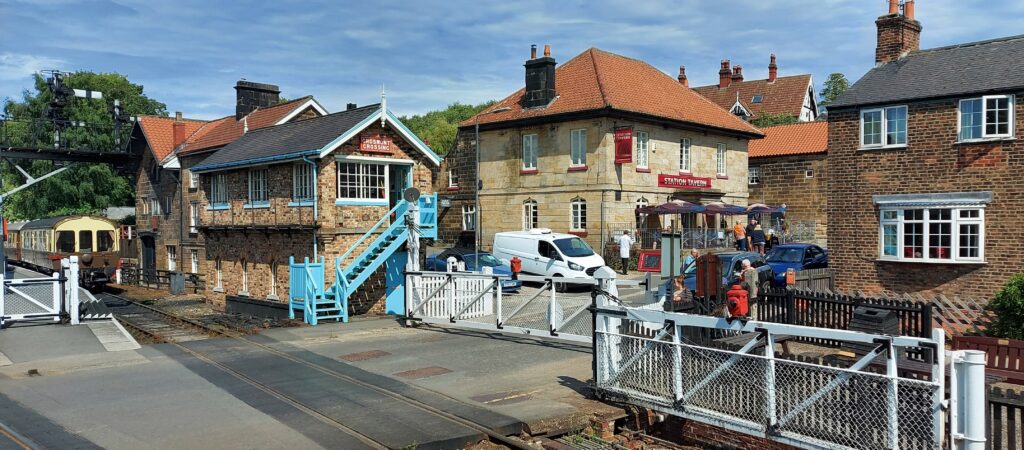
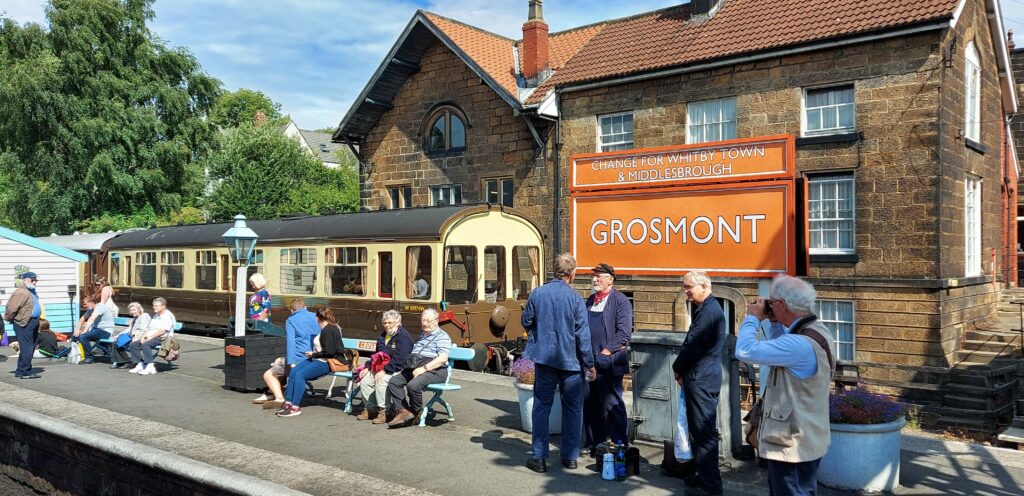
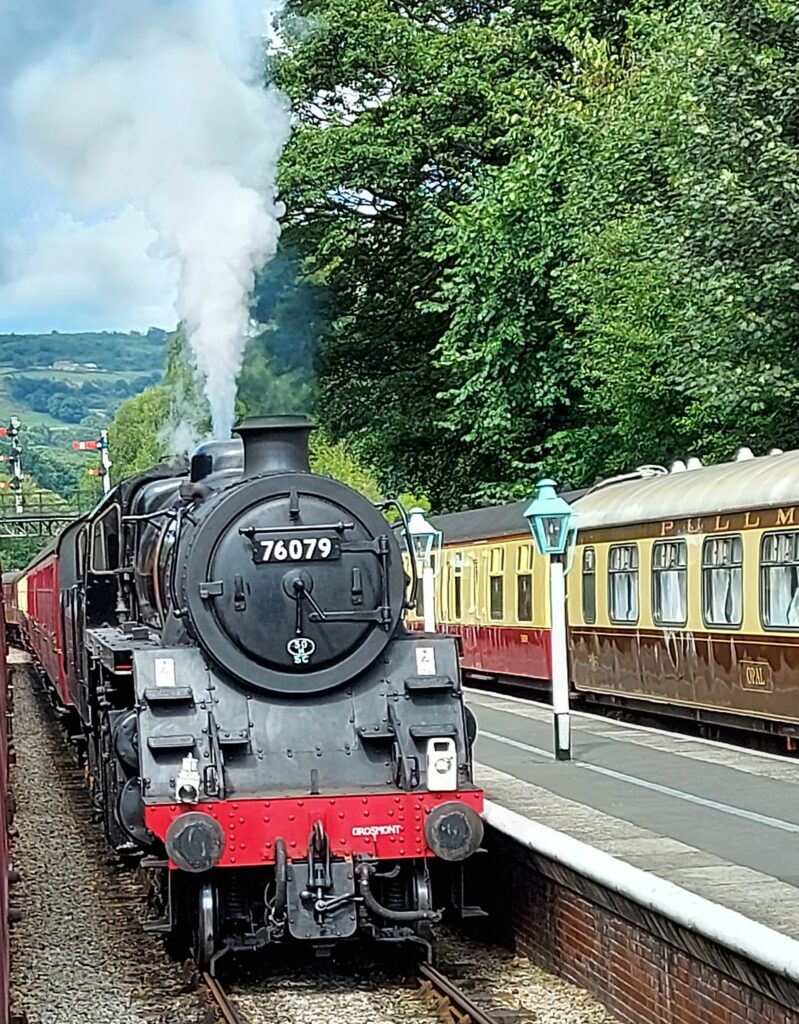
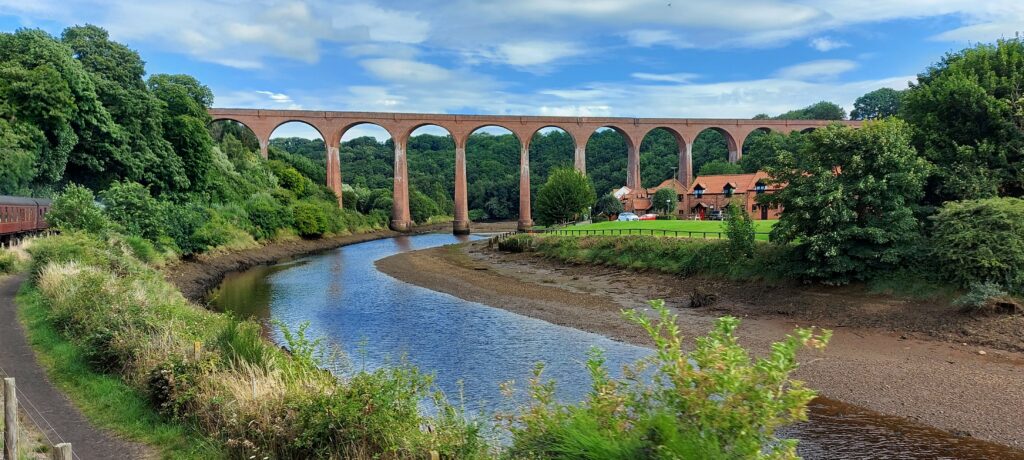
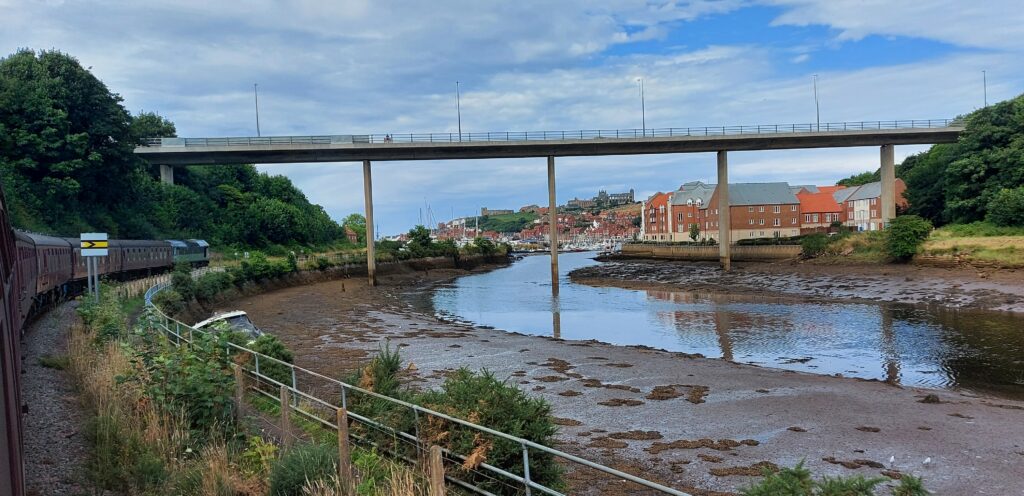
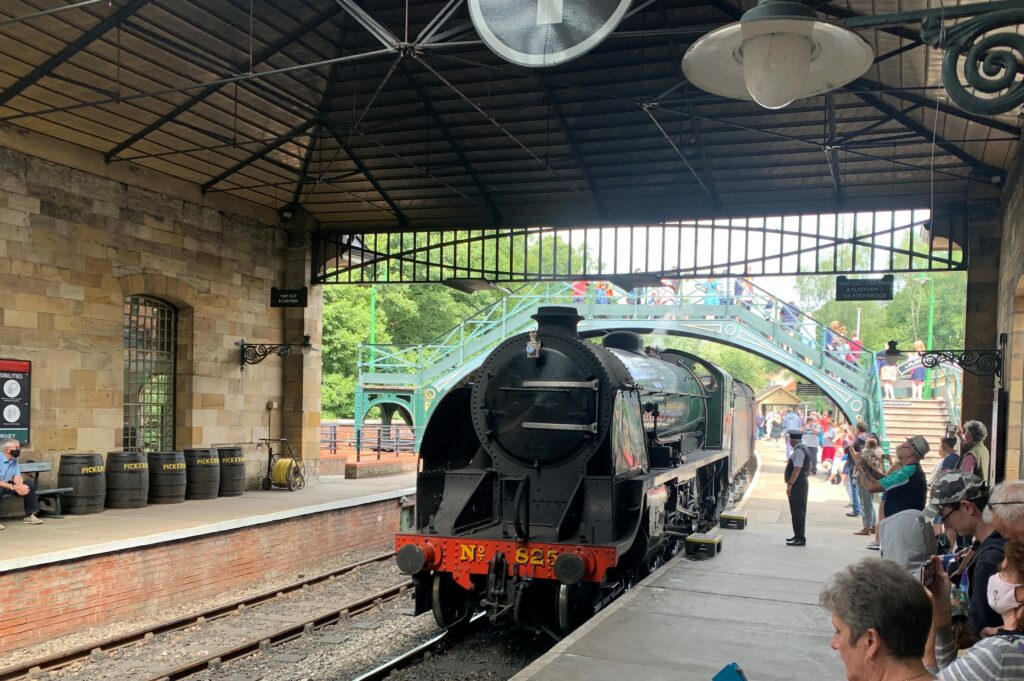
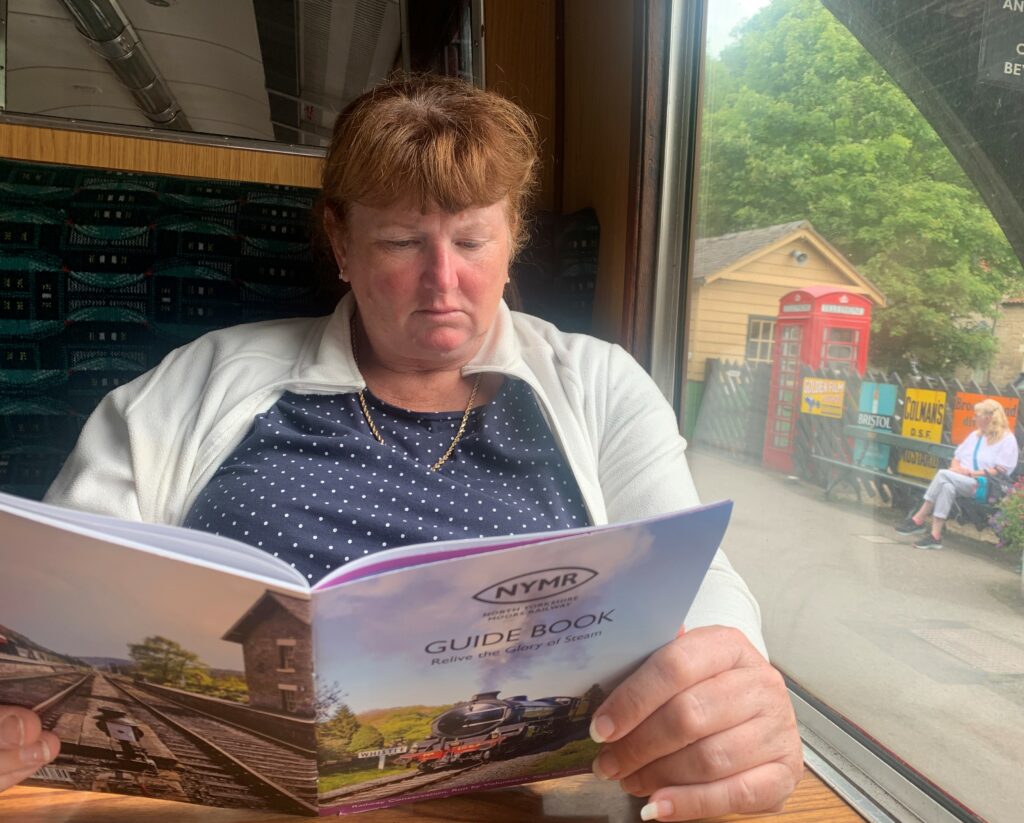
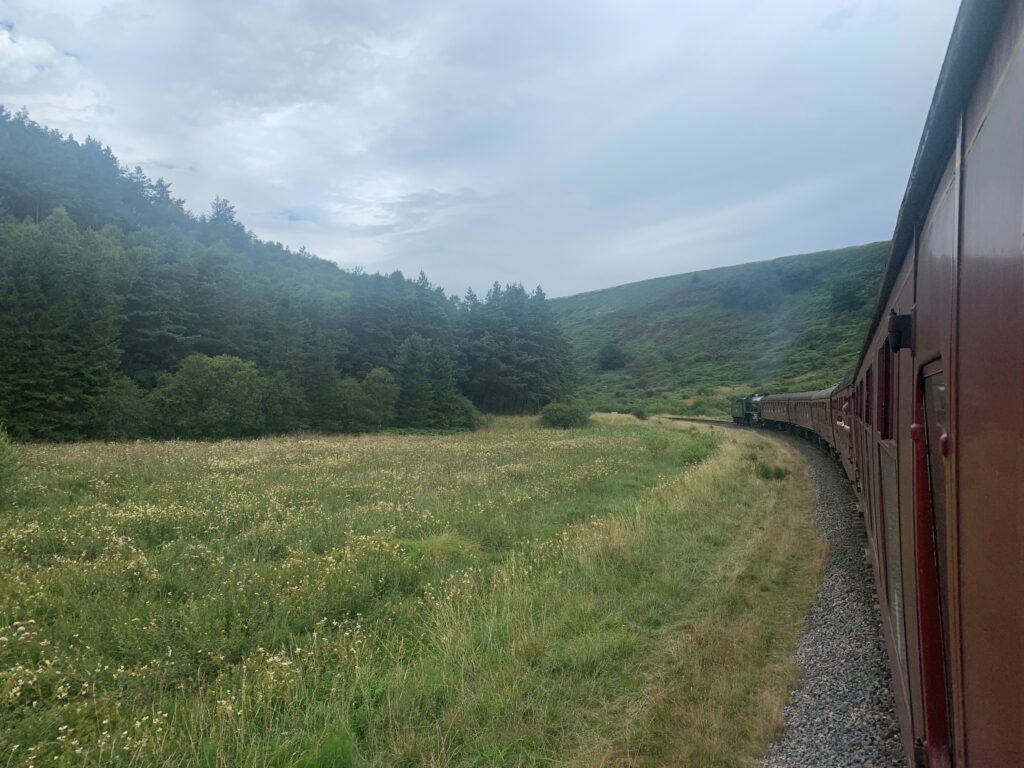
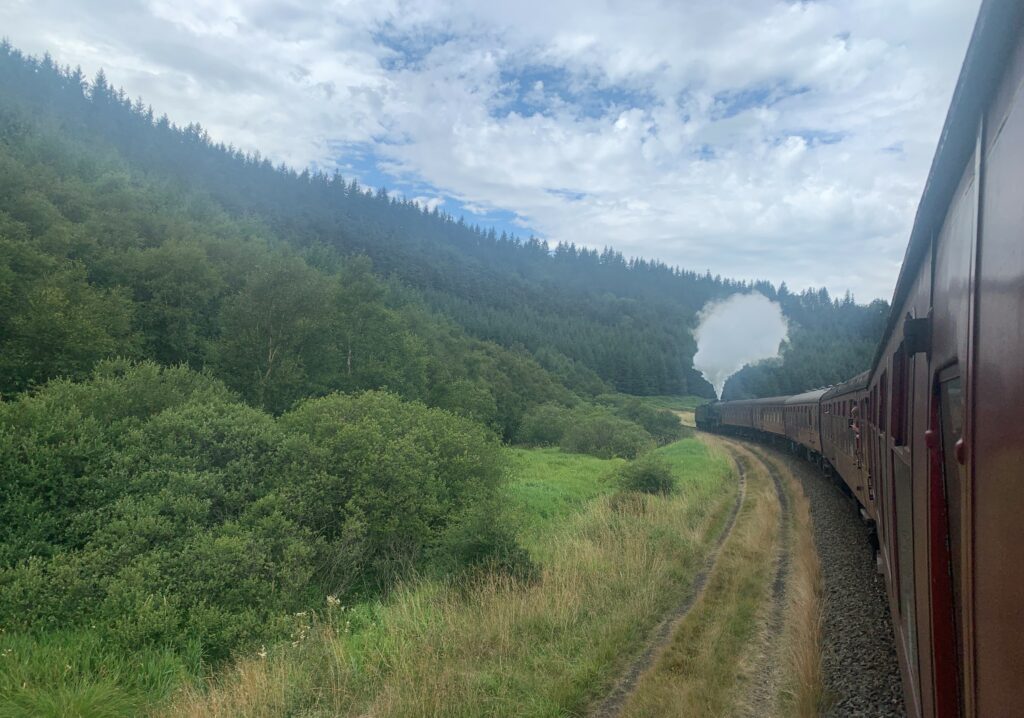
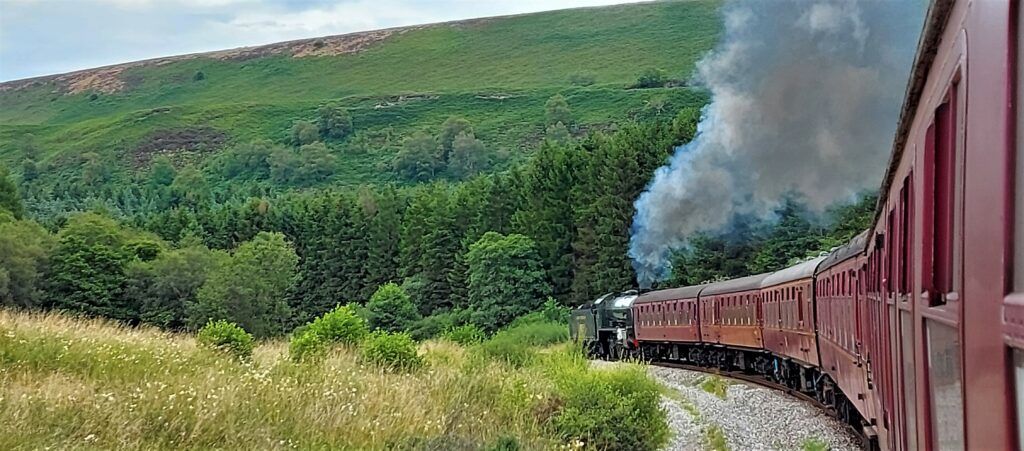
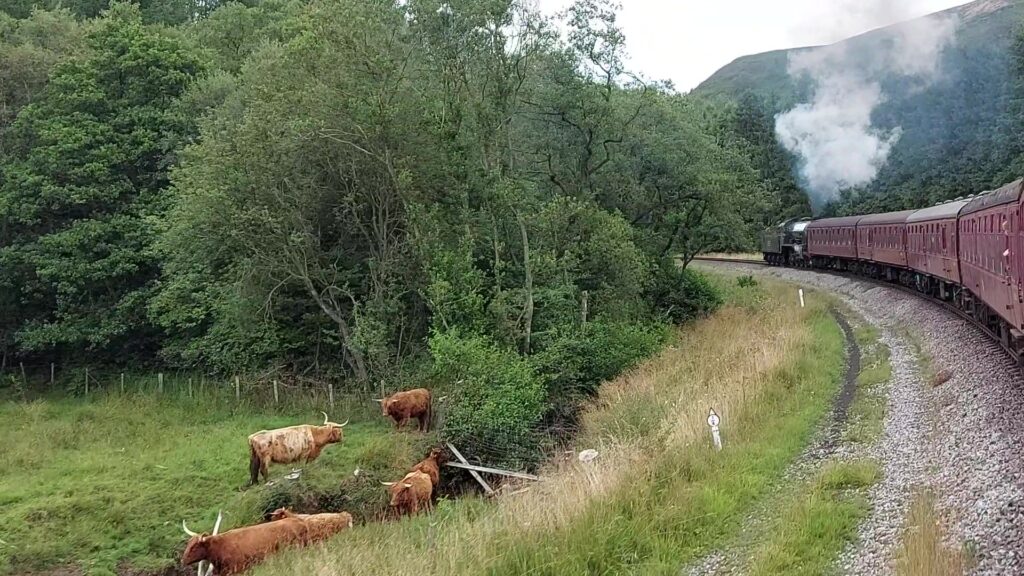
At the recommendation of our nephew Jack, (a HUGE steam fan) we took a day trip on the North Yorkshire Moors Railway, starting out at Whitby, stopping at Pickering and returning under a different engine to Whitby.

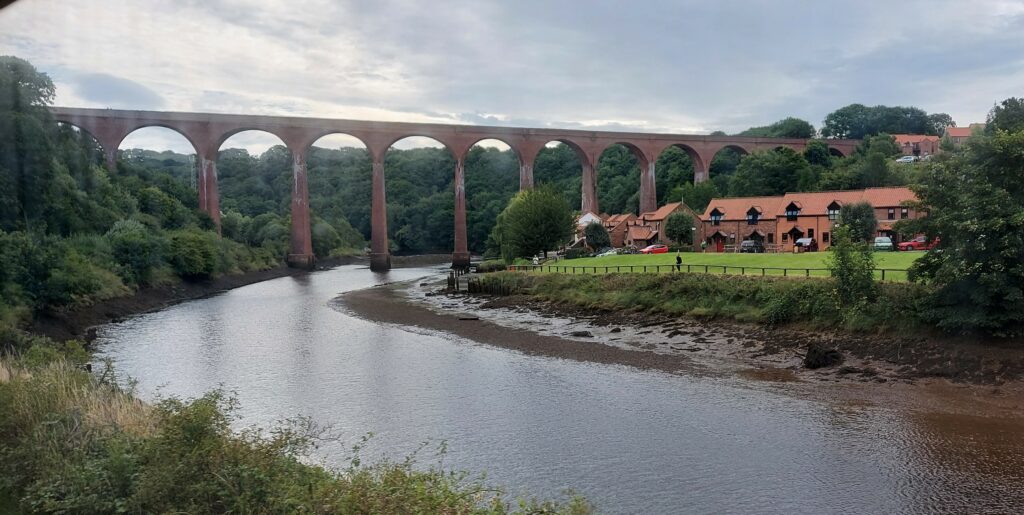
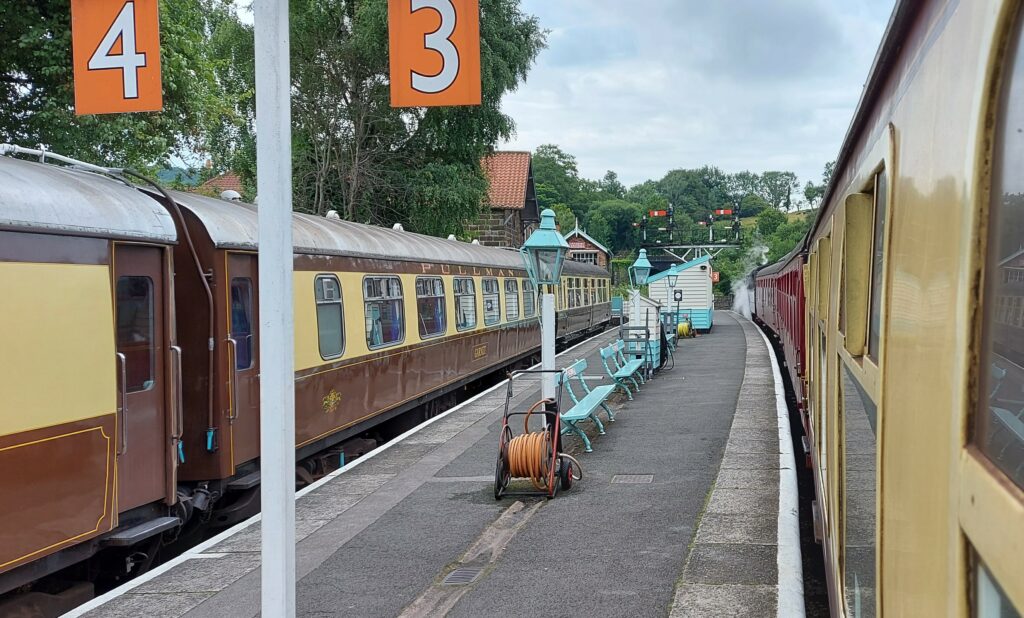
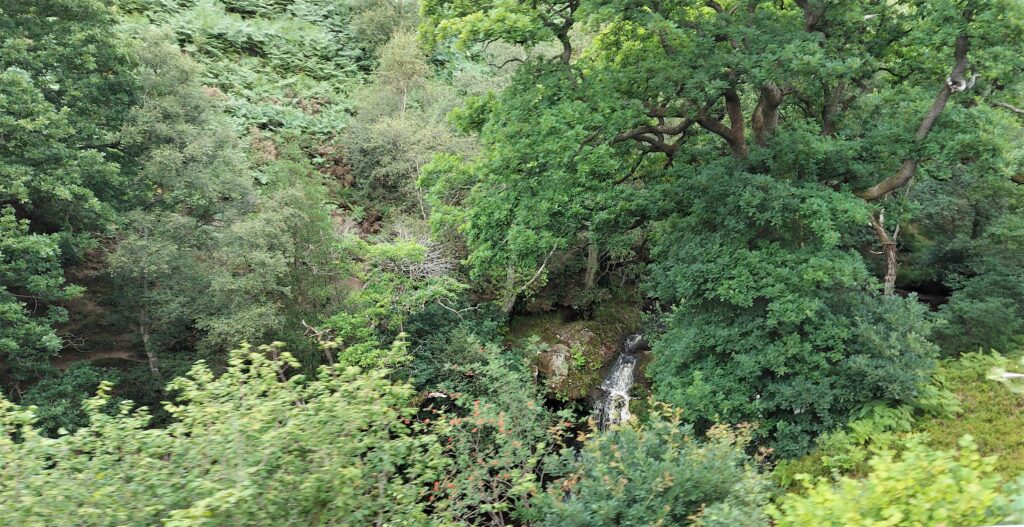
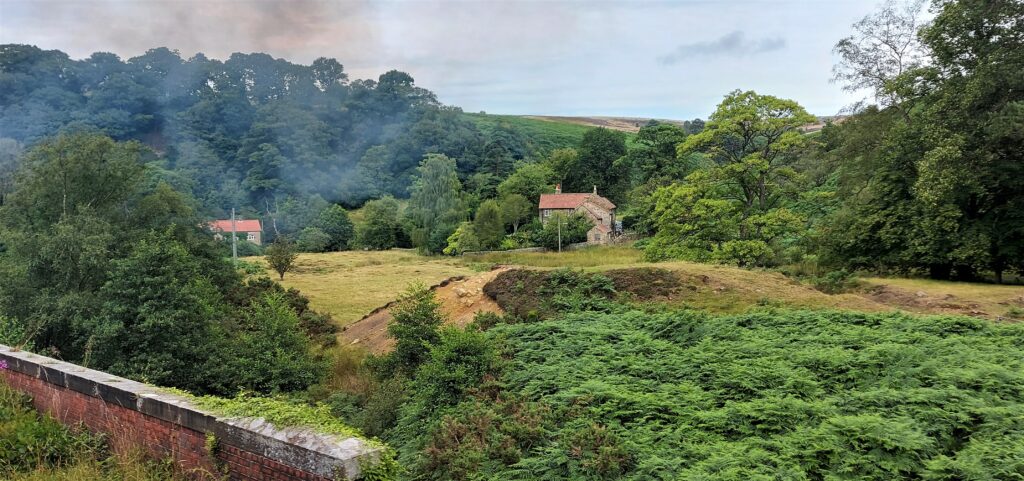
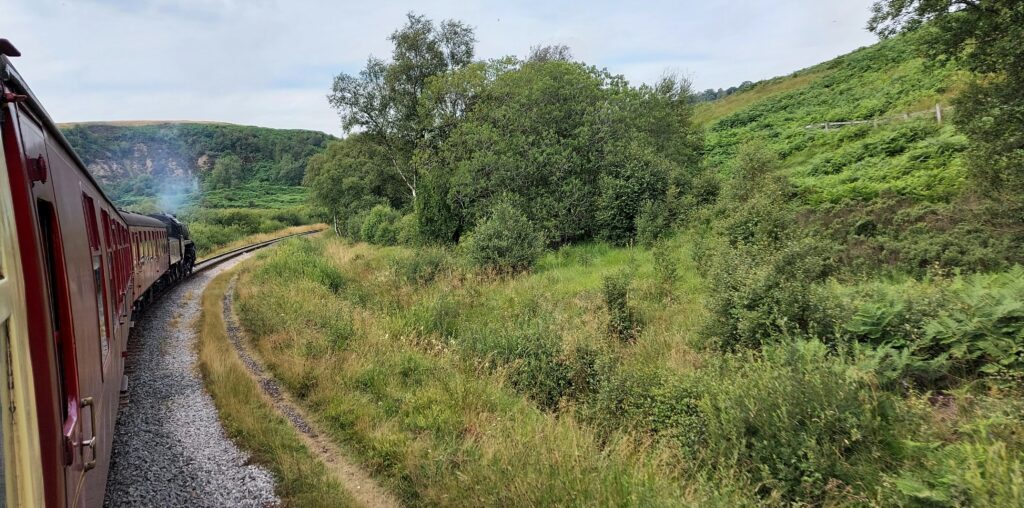
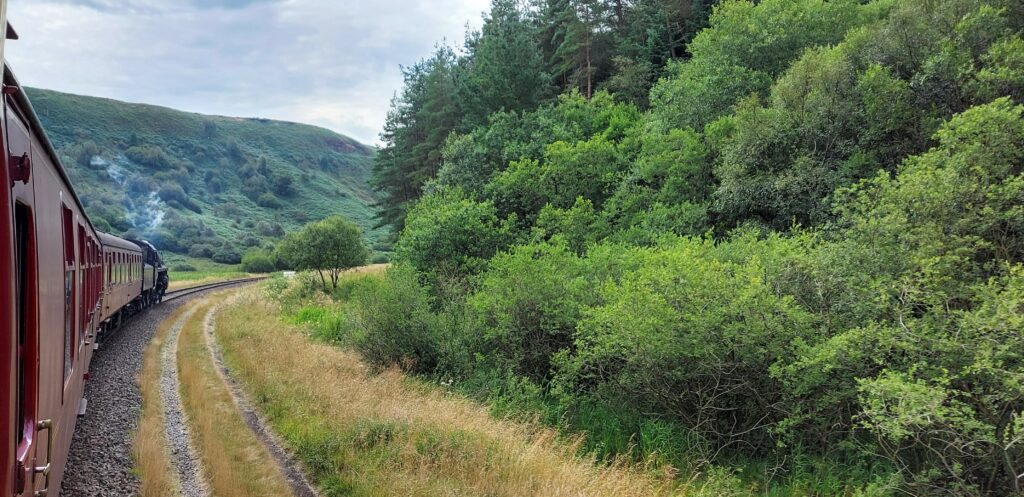
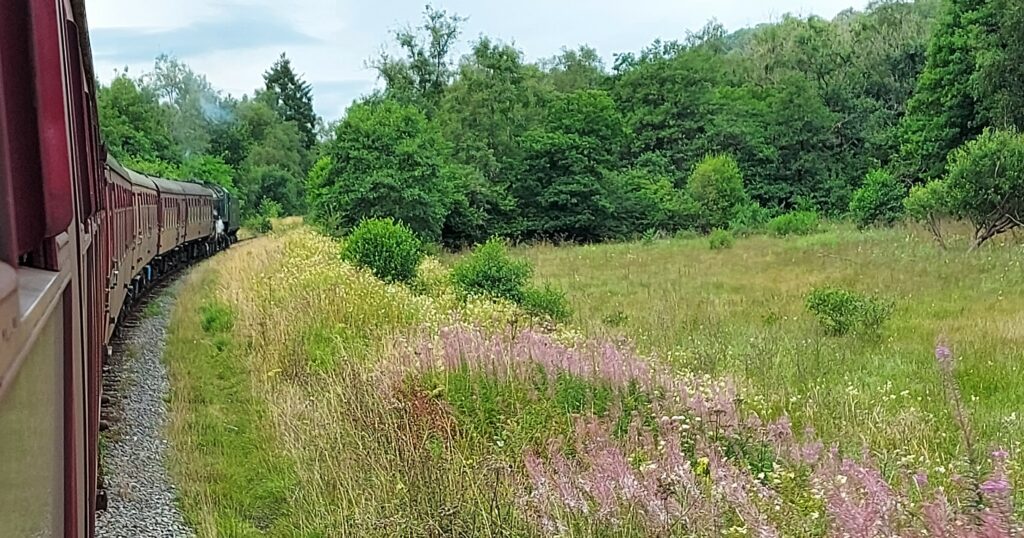
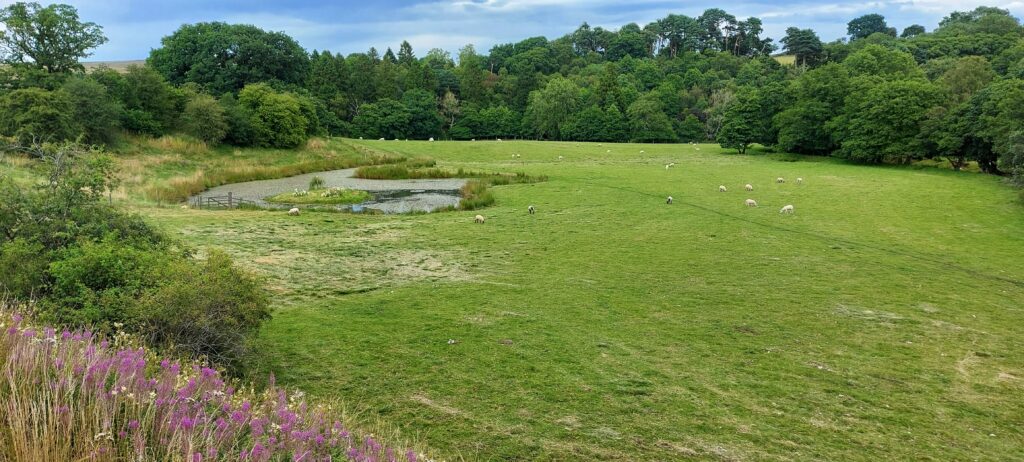
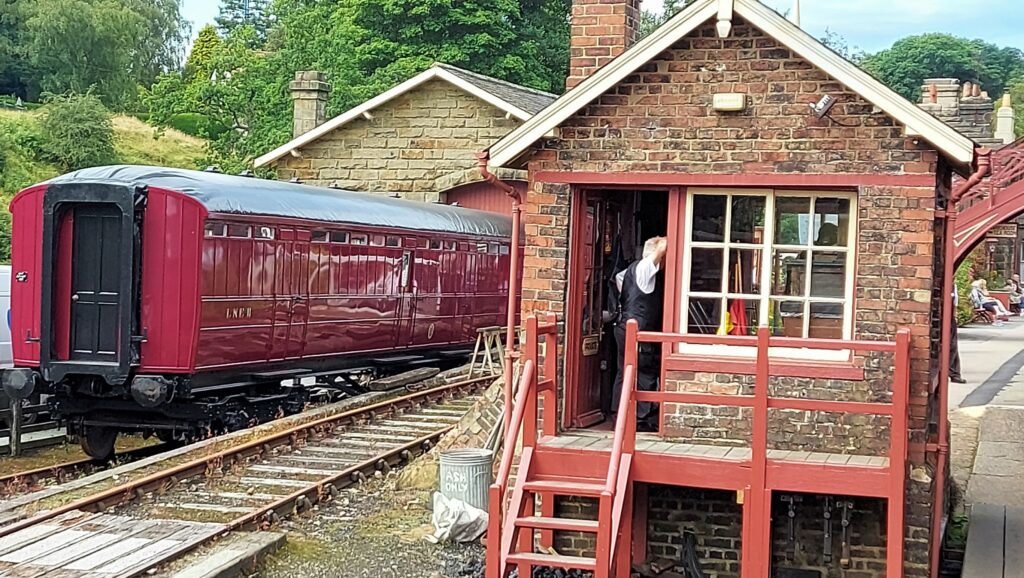
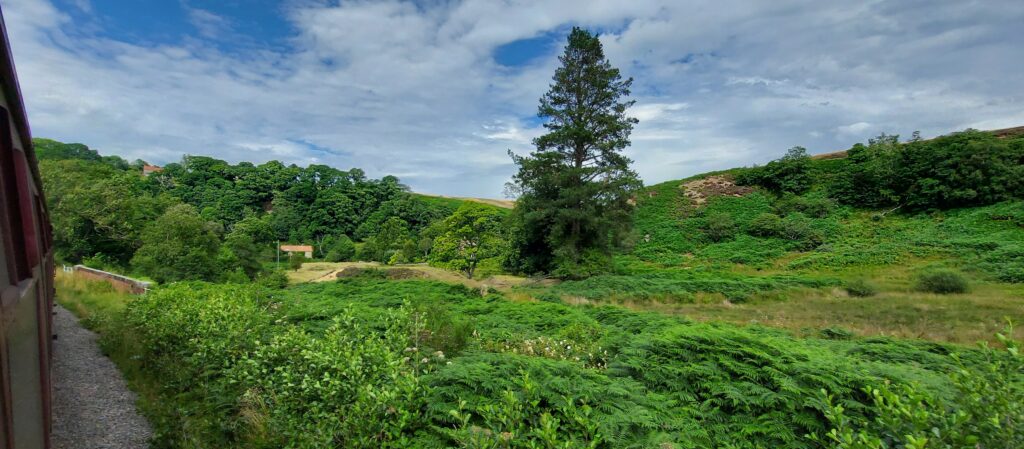
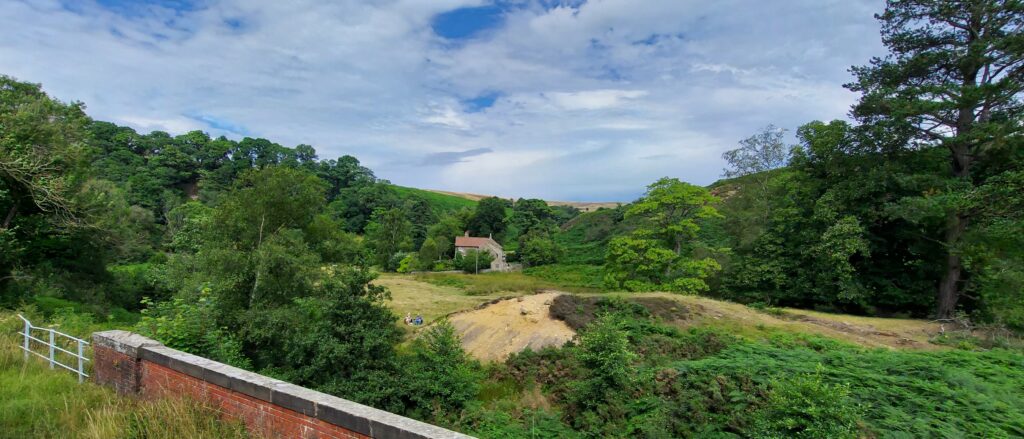
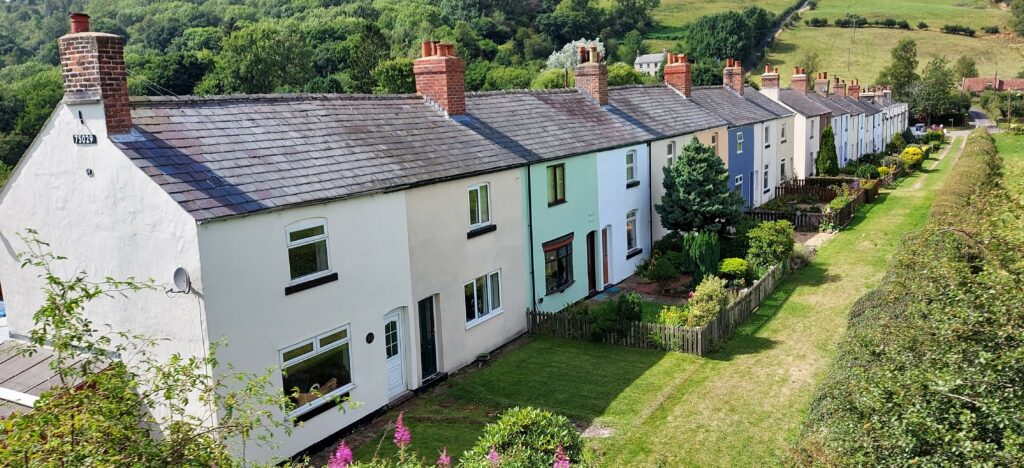
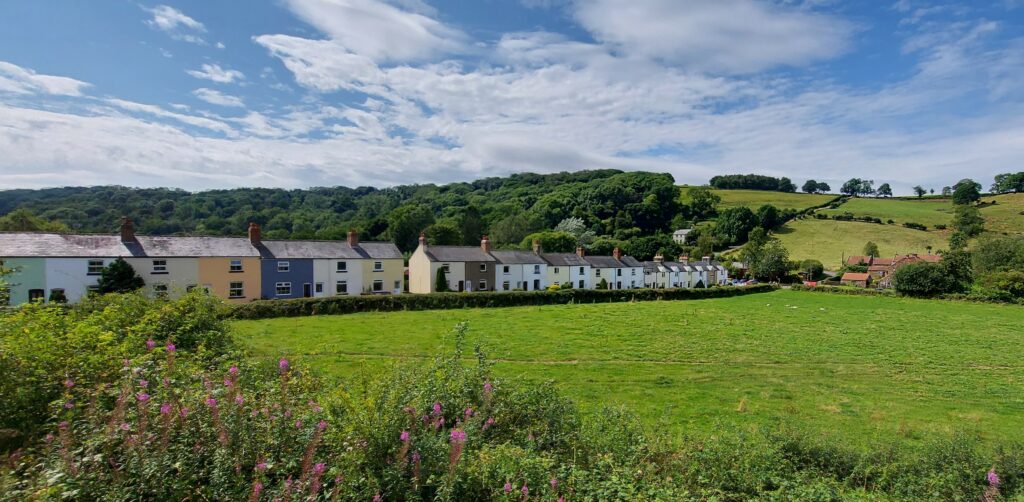
The scenery was spectacular, moors and forests, scarps and mountains, rivers and brooks, farmers fields with sheep and cows, antiquated station stops and railway worker’s cottages.

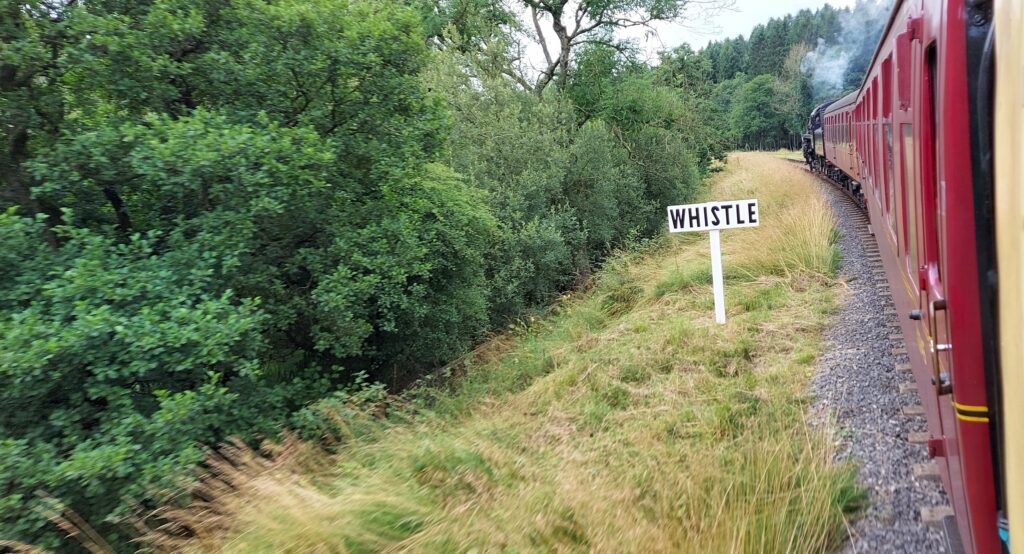
There is nothing better than the lulling sensation of a train, the soothing sound of the engine working faster to pull the carriages uphill then speeding up to go downhill and the toots of the whistle. I got off the train 5 hours later with a huge grin on my blackened face and a head full of sooty grit, a very happy person!!

I hope you enjoy these images, I can say no more. Lots of pictures I’m afraid 🙂

East Coast Tourists

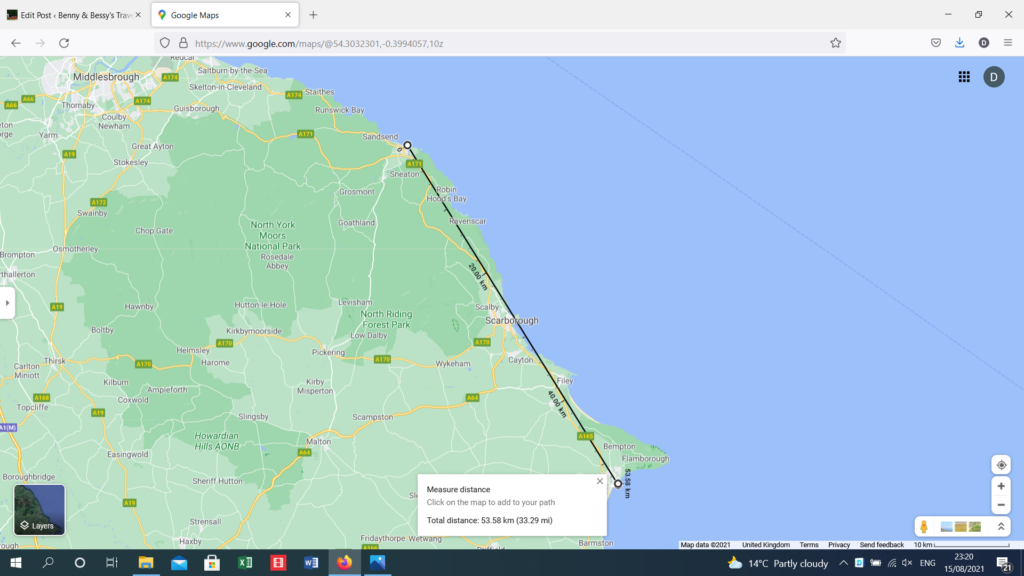
South from our base at Cayton Bay

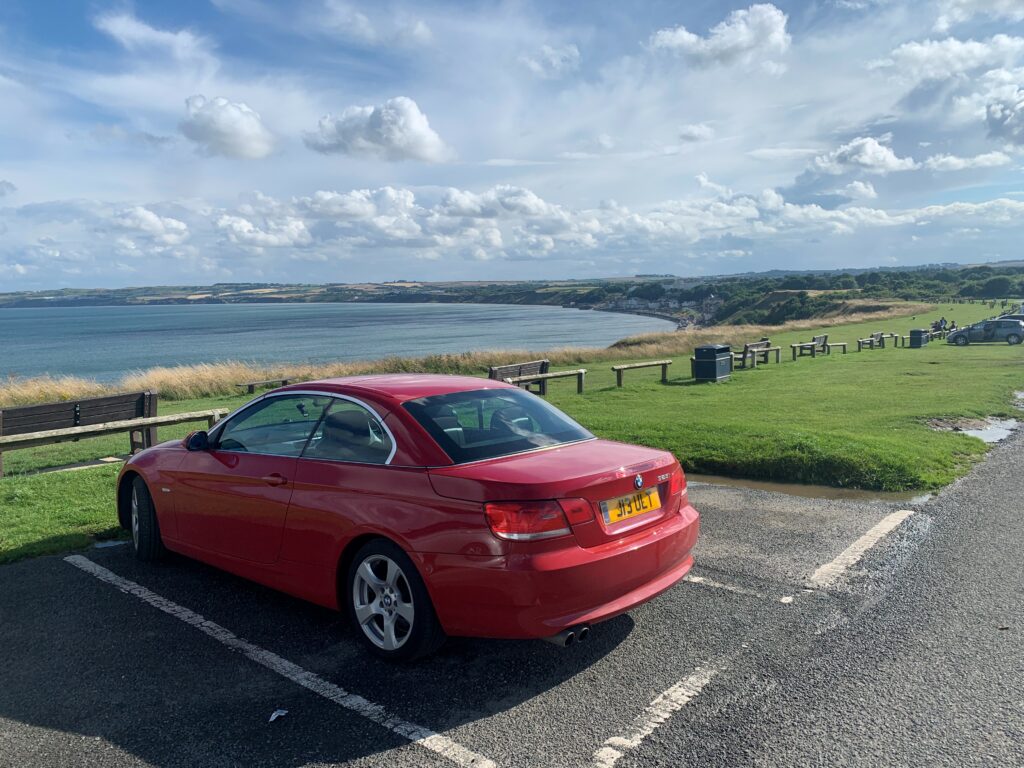
Bessy decided she wanted a trip to the East Coast, to see if the wind off the North sea was any warmer than off the Irish Sea. After a week, there is no clear winner, both are as freezing as the other! Benny was happier, several days were sunny so he was able to put the roof down and cruise the country lanes, some days it was just too windy!!

Filey

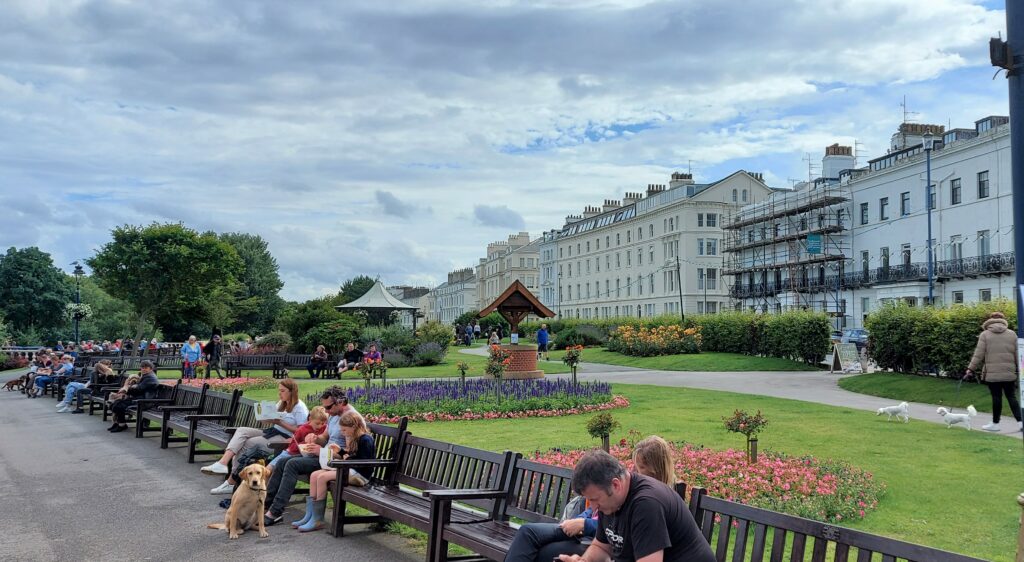
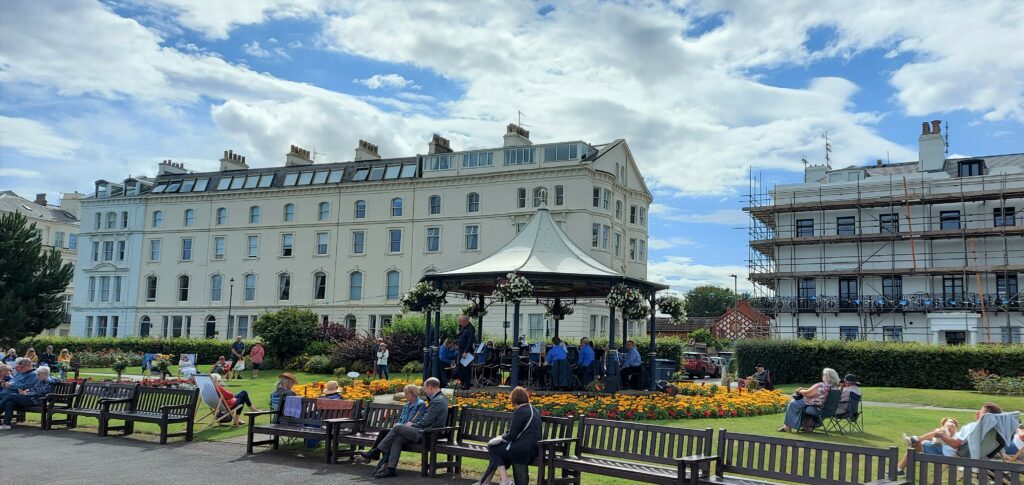
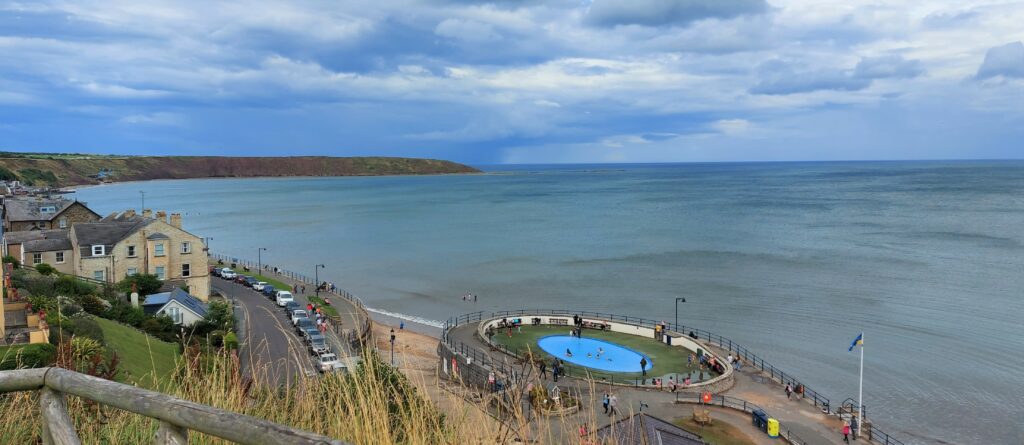
Our first day trip out was south to Filey, a quaint small seaside town, with traditional accommodation on a hillside village, with very little of the hustle and bustle of bigger coastal towns. We visited on a Sunday afternoon when the brass band was performing on the bandstand to a green full of people in deckchairs and on benches. Several coffee shops were open so we had to indulge in tea and cake!

Bridlington

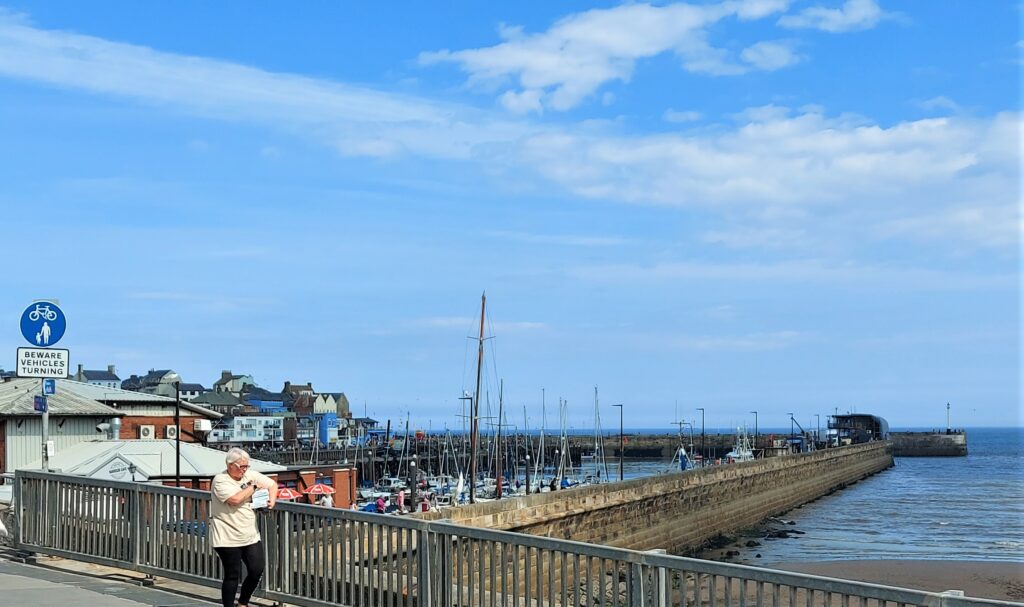
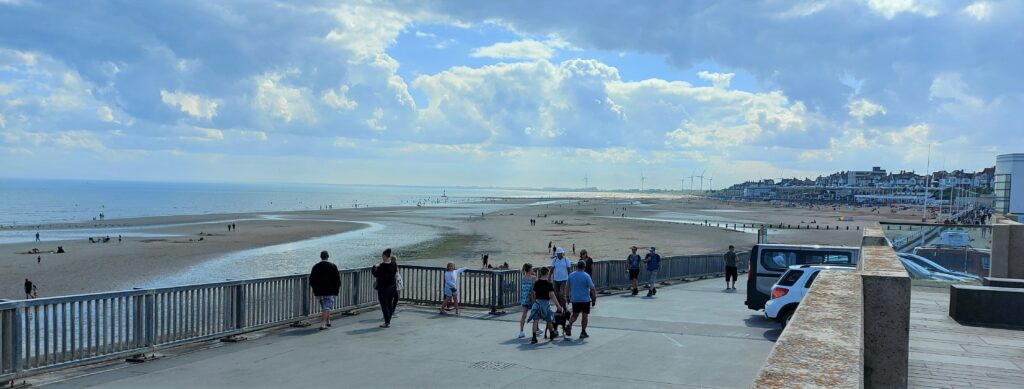
Further down the coast from Filey was this small town, nicknamed the “Lobster Capital of Europe”.

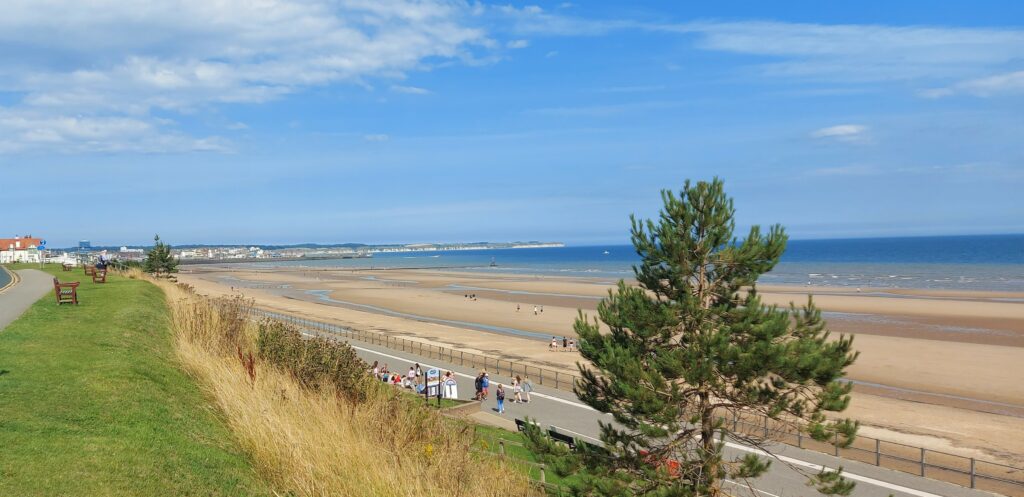
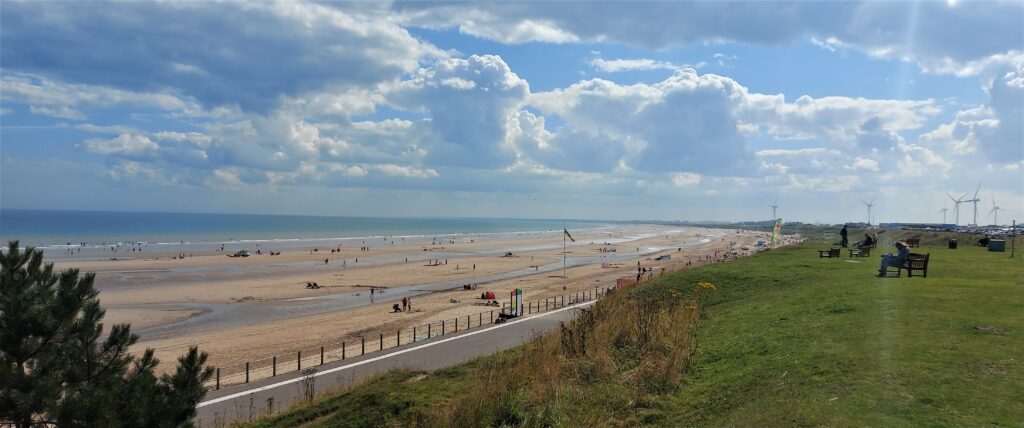
This place is a working fishing village but more famously known for its stunning beaches, child heaven!! We briefly stopped here, just to admire the coastline.

Flamborough Head – Seal Spotting!!

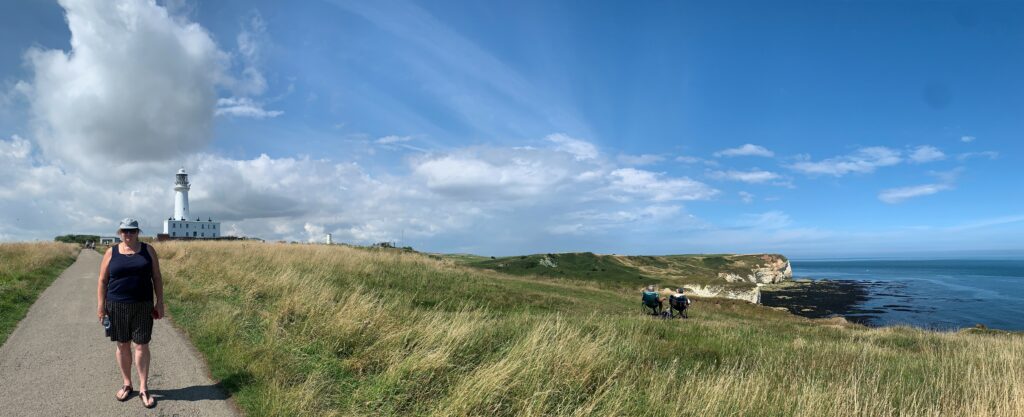
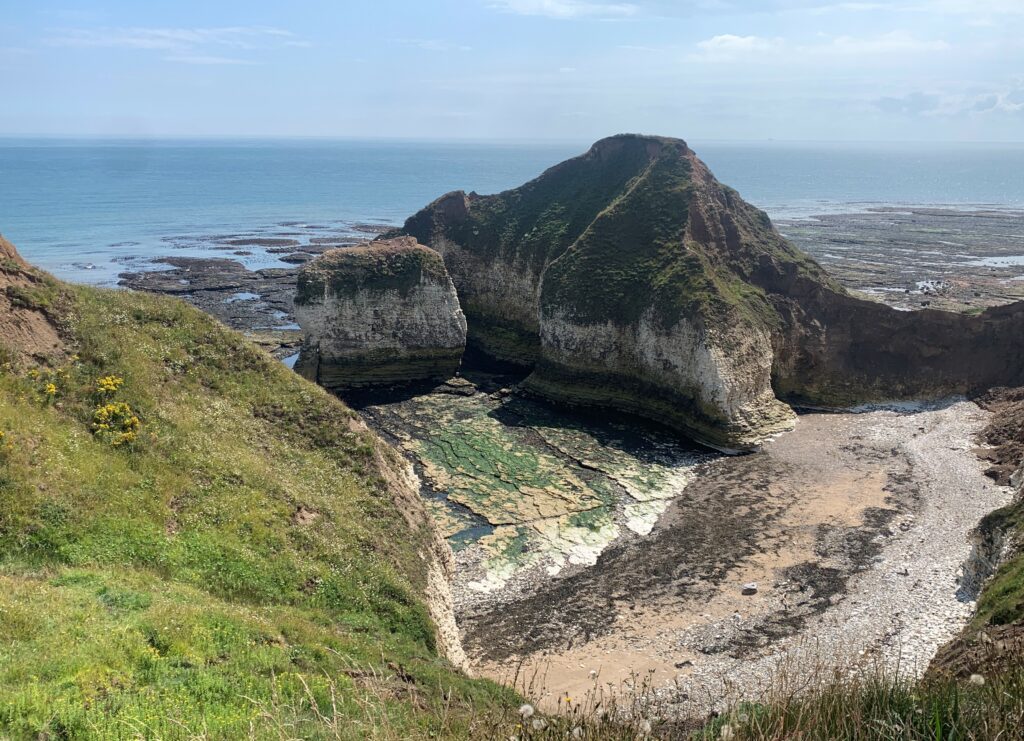
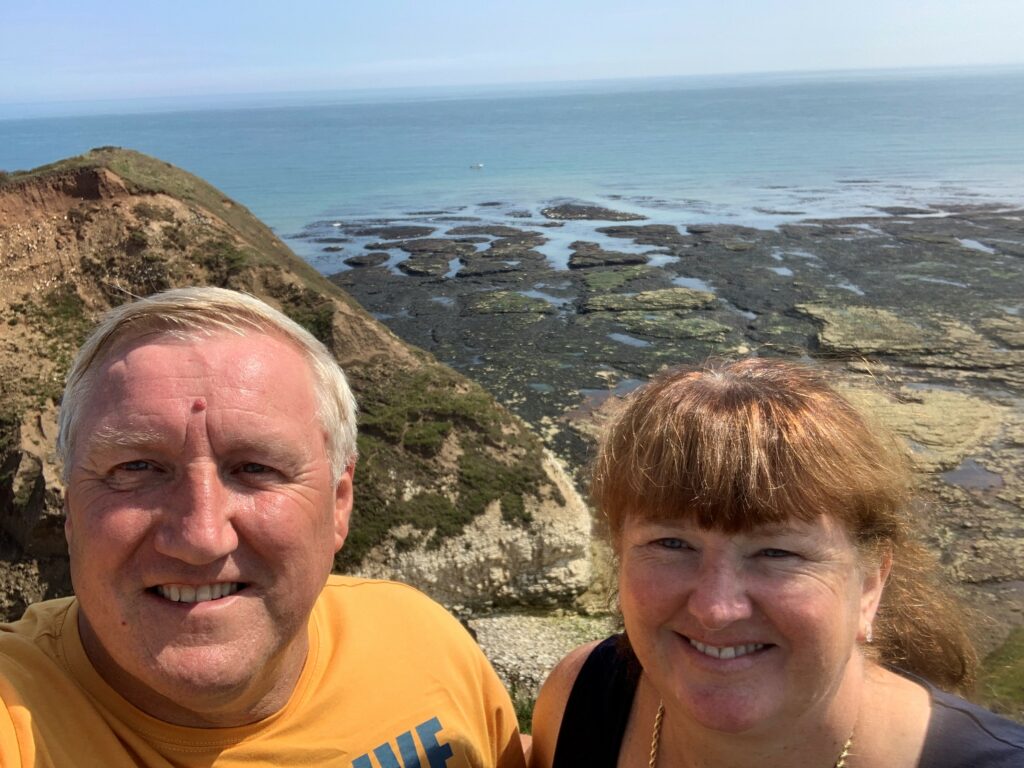
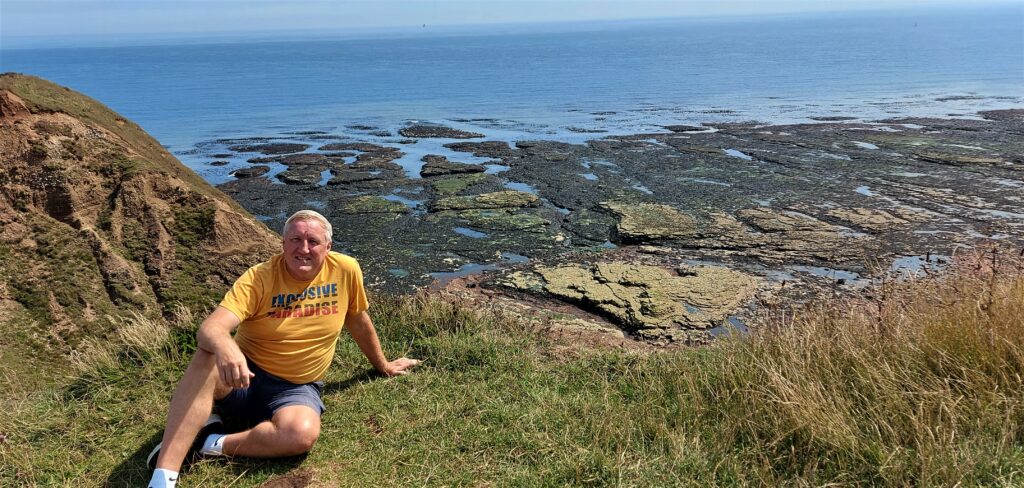
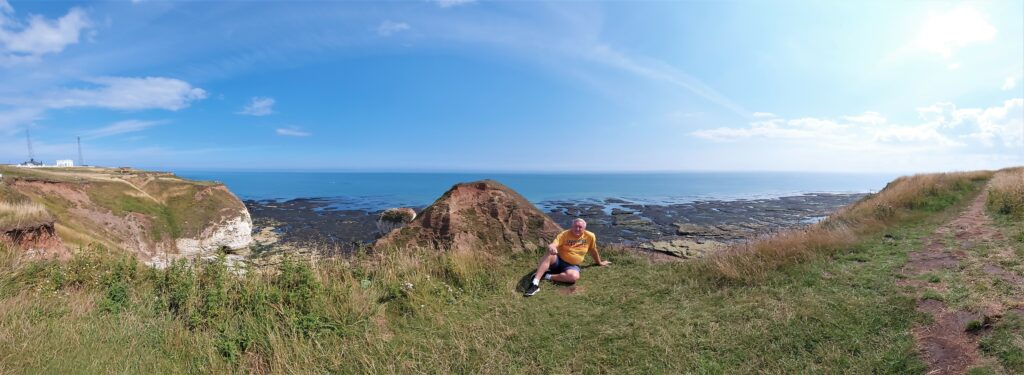
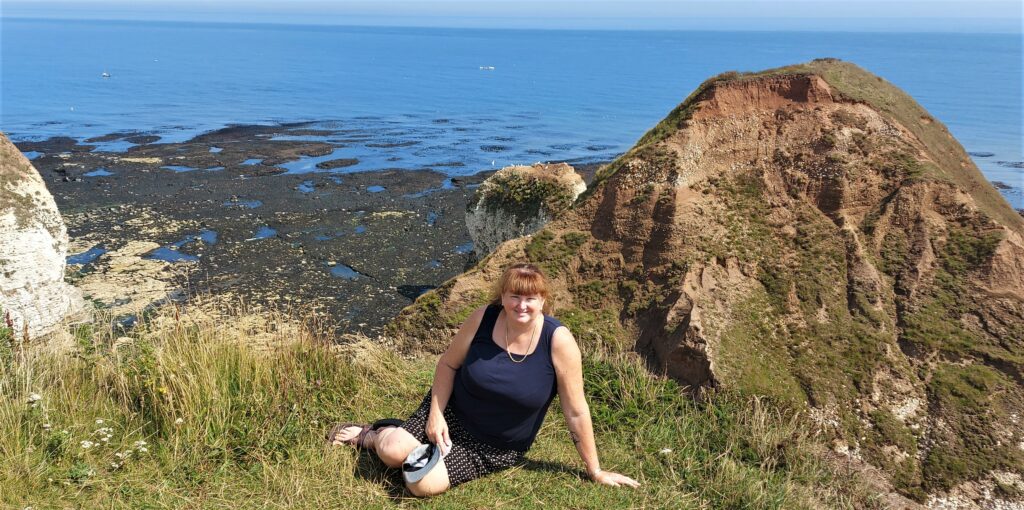
No trip to this side of the coast is complete without a stop at Flamborough Head, well worth the small parking fee to blow away any cobwebs, spot the basking seals and admire the fabulous coastal scenery.

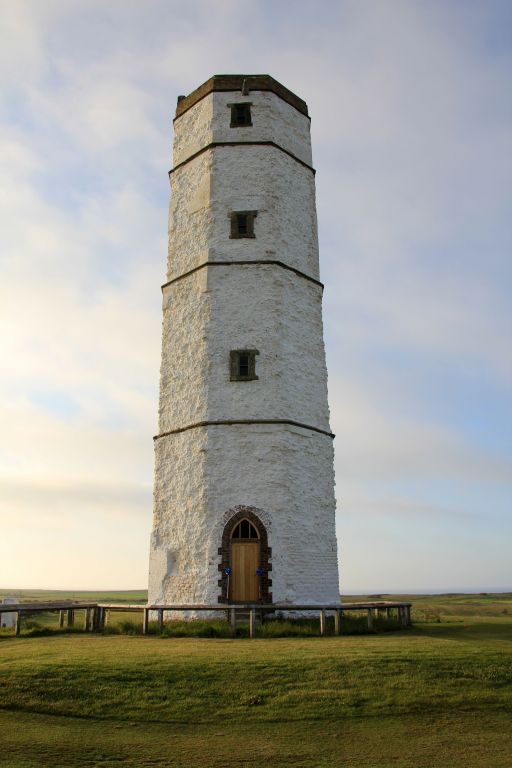
Flamborough Head is a high point of land that juts out into the sea, 8 miles long on the Yorkshire coast, it is a chalk headland with sheer white cliffs. The cliff top has two standing lighthouse towers, the oldest dating from 1669-74, making it the oldest lighthouse in England. It was made from chalk but it was NEVER lit! Flamborough Head Lighthouse (no 2) is a working structure and was finished in 1806. You can still see it working today.

The original chalk lighthouse
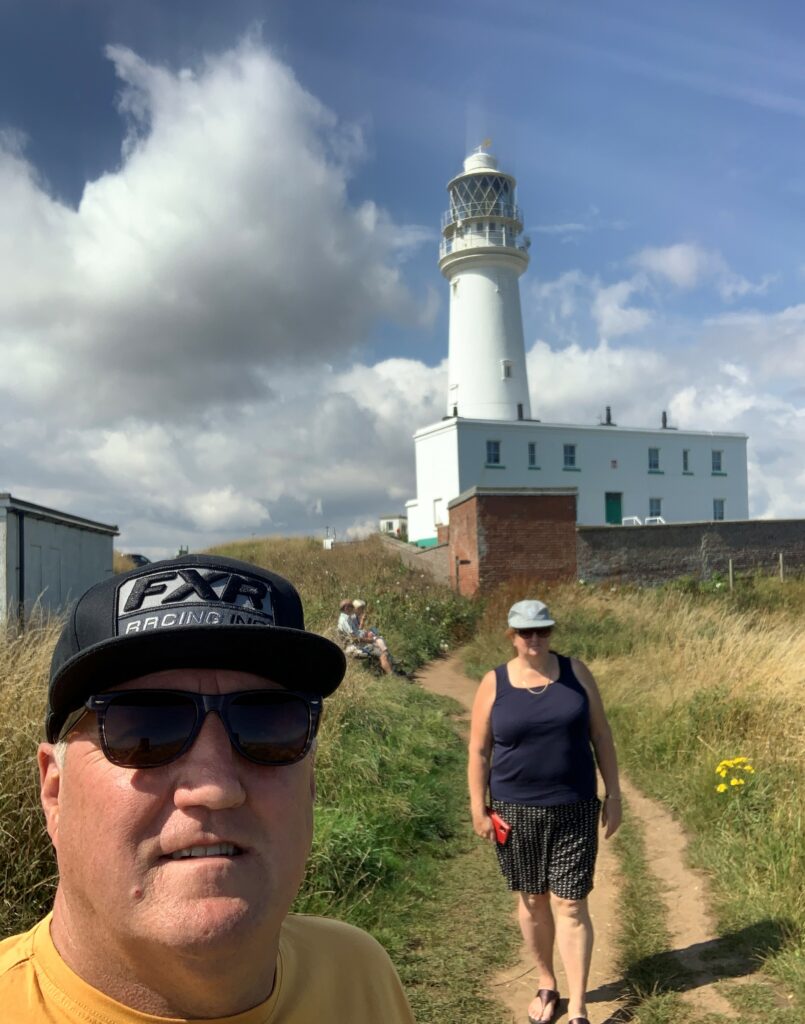
The current working lighthouse

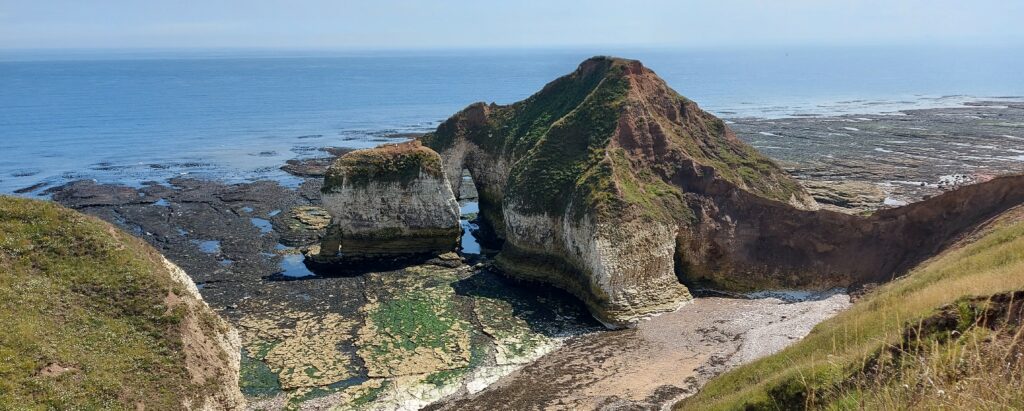
The scenery here was amazing, this formation is called “the drinking dragon” – when the tide is in and at the right angle it looks like a dragon drinking from the sea. Its “tail” has steep paths down to the beach but no-one was heading down there as there were seals nearby!

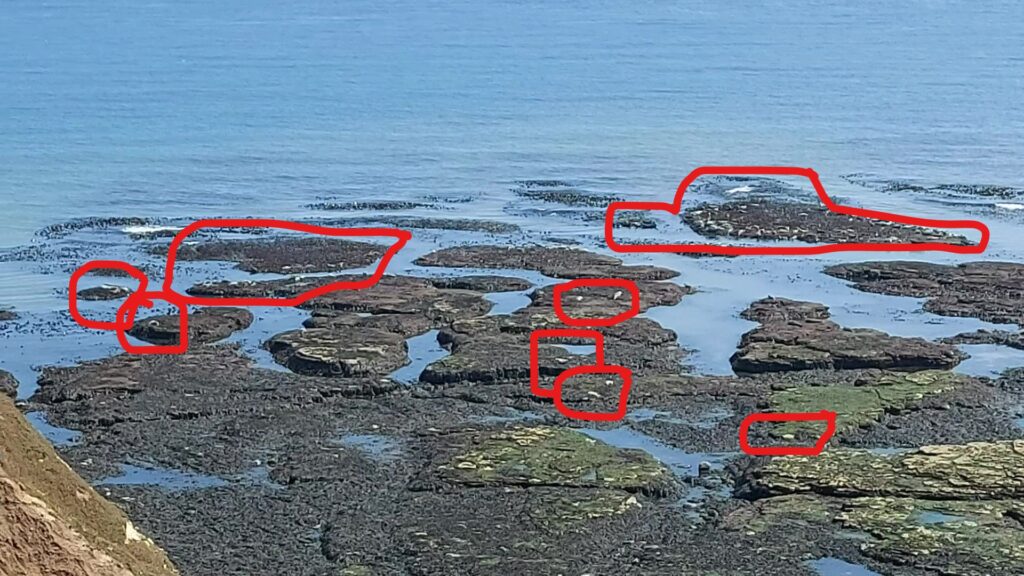
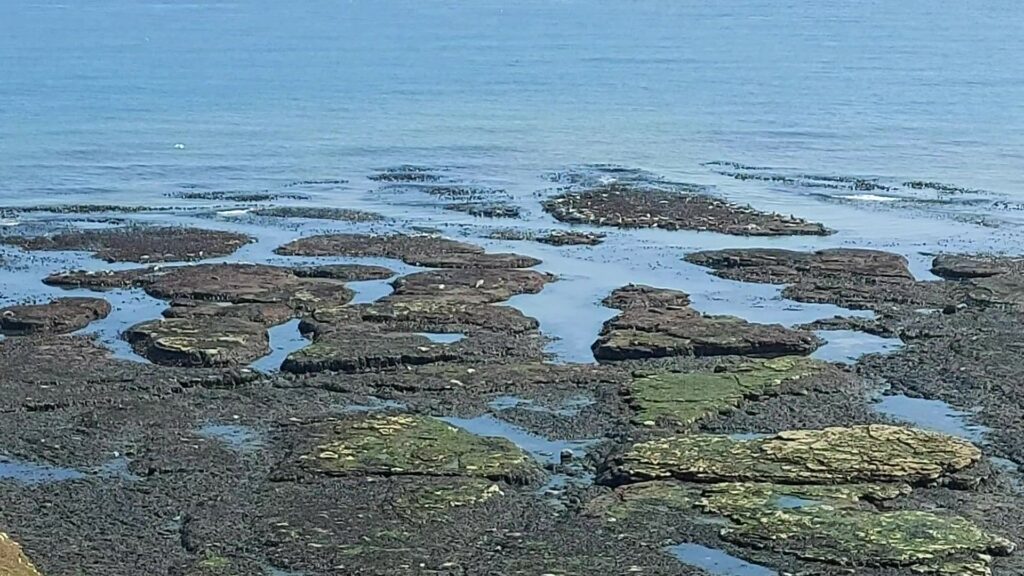
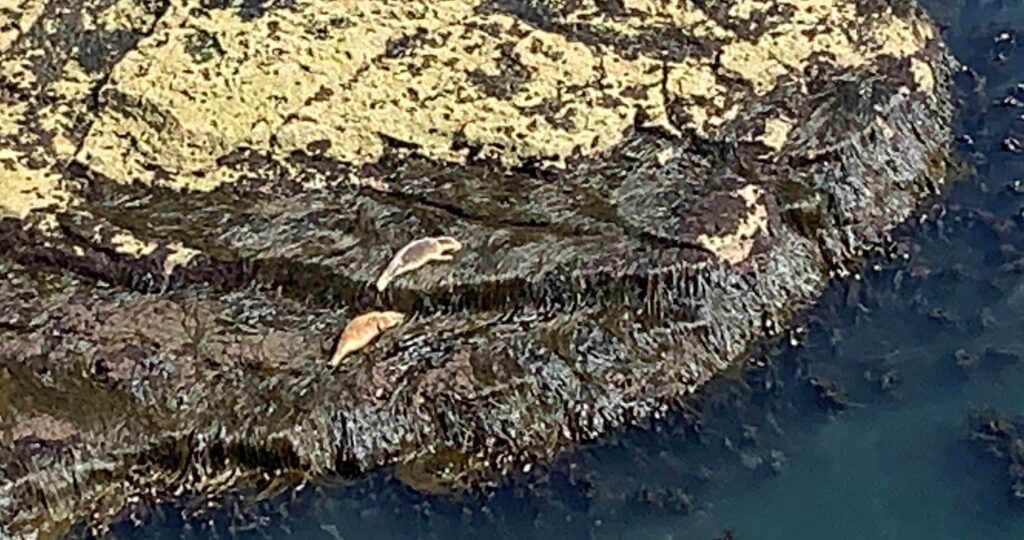
Just beyond the dragon’s spine, we were lucky enough to spot a large “family” of basking seals, some grey babies, mainly adults. A ‘knowledgeable’ man passing by suggested there was a pod of over 100, they come up onto the rocks to digest their food. The odd barking sounds were different to anything we have ever heard before.

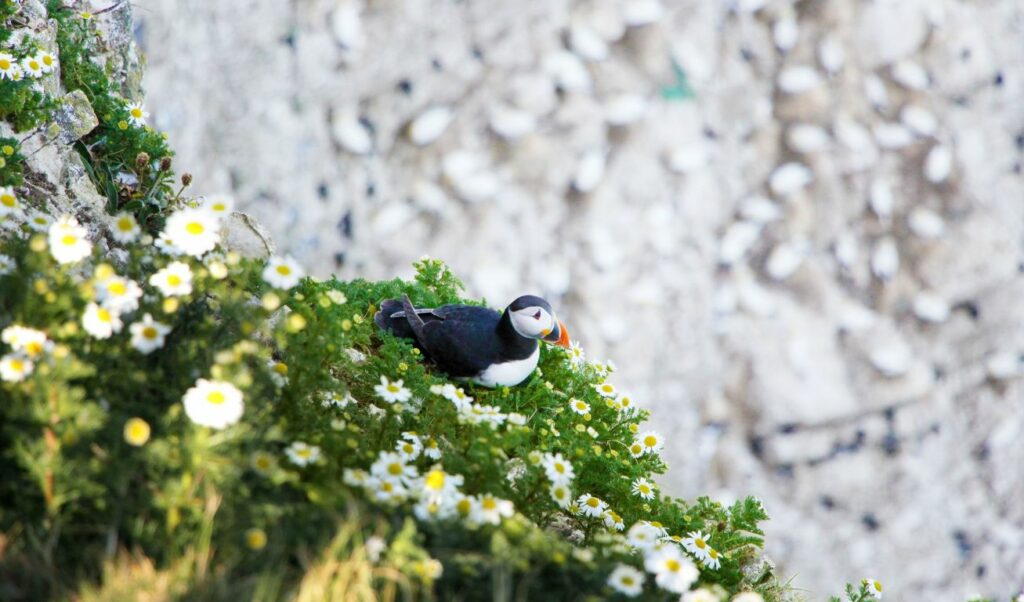
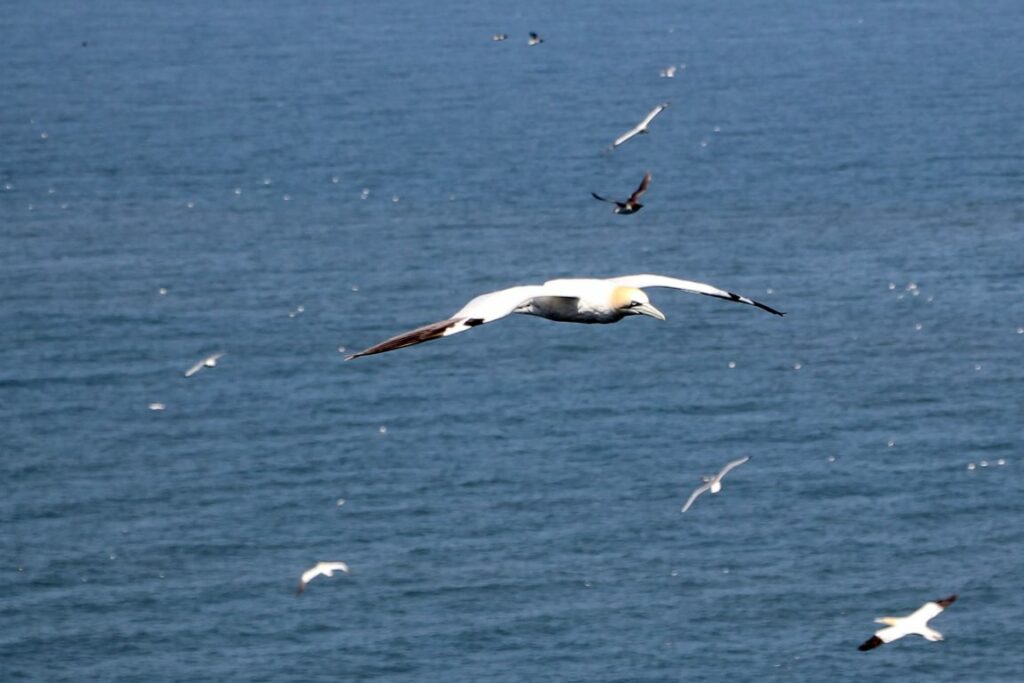
We were lucky enough to see several birds wheeling around, puffins nest here until the end of September and sea terns were diving into the shallow waters to scoop up small fish.

Heading North to Scarborough

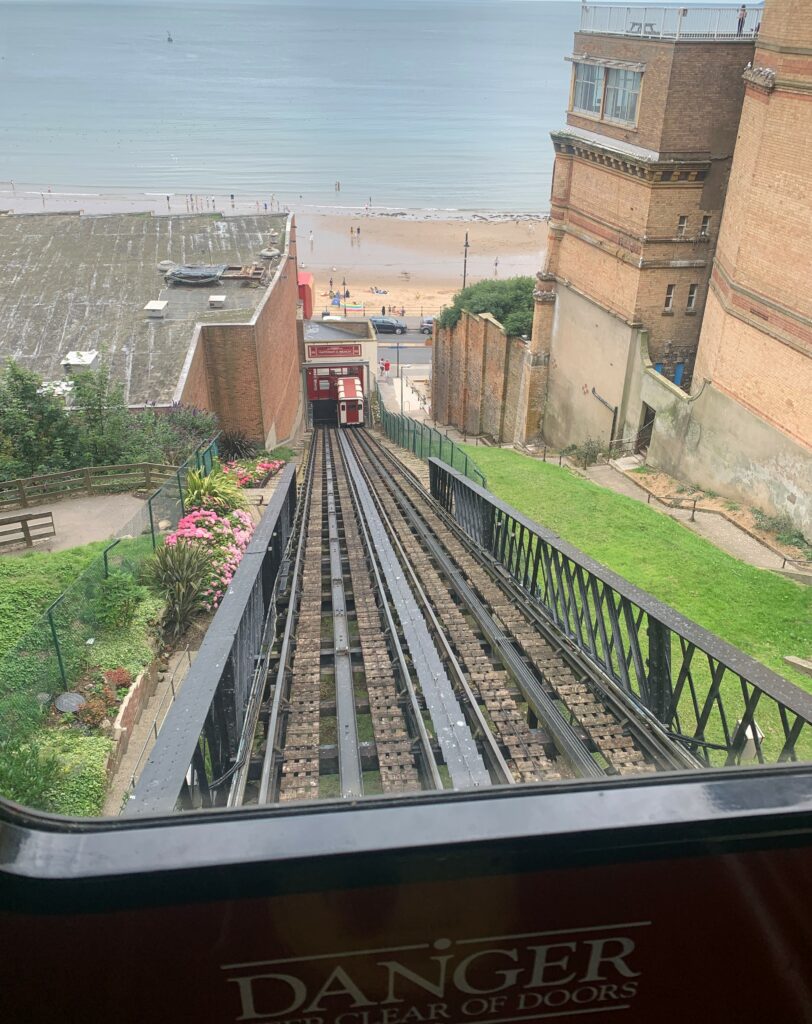
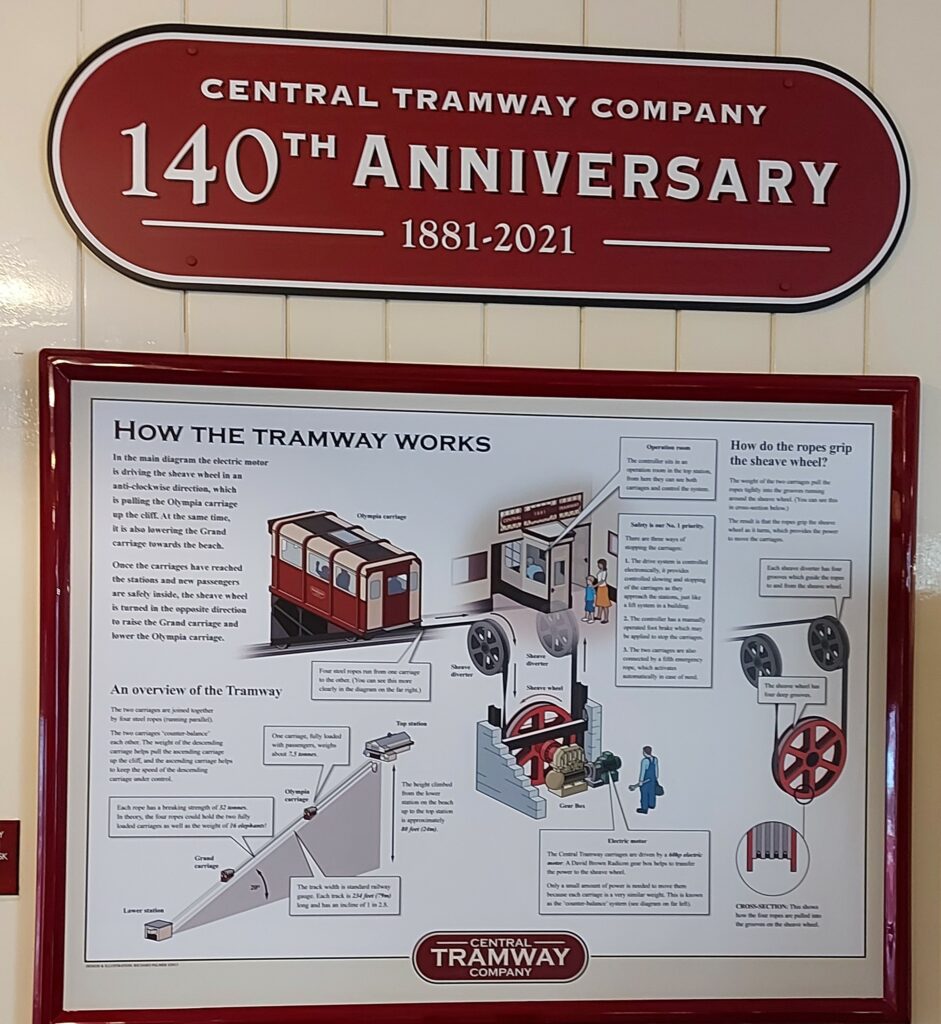
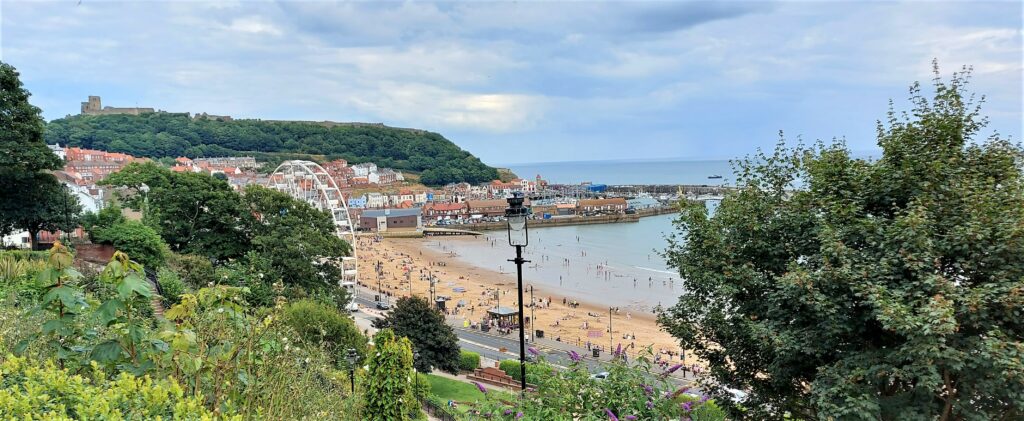
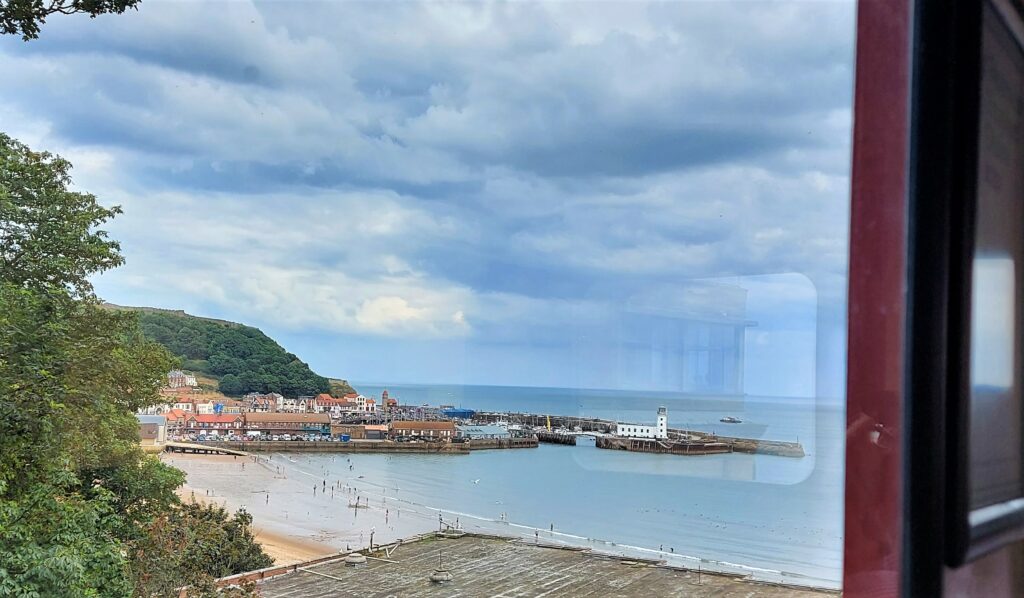
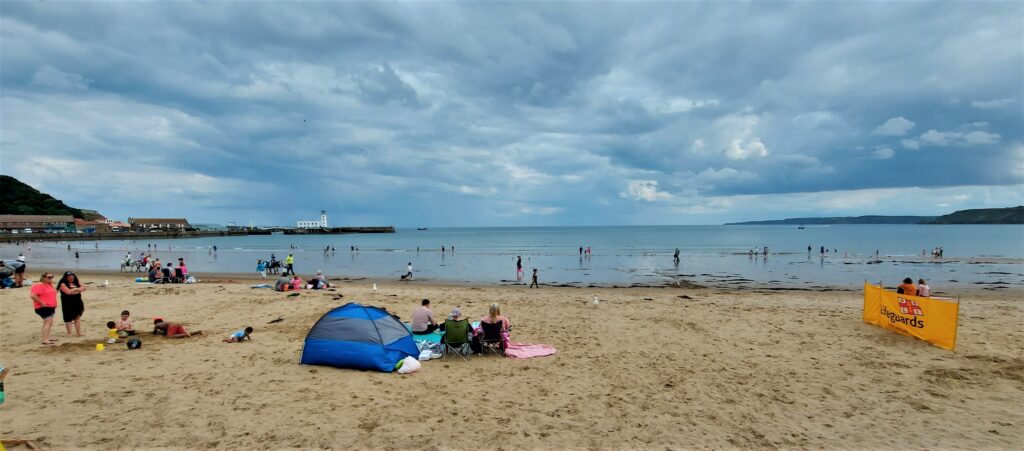
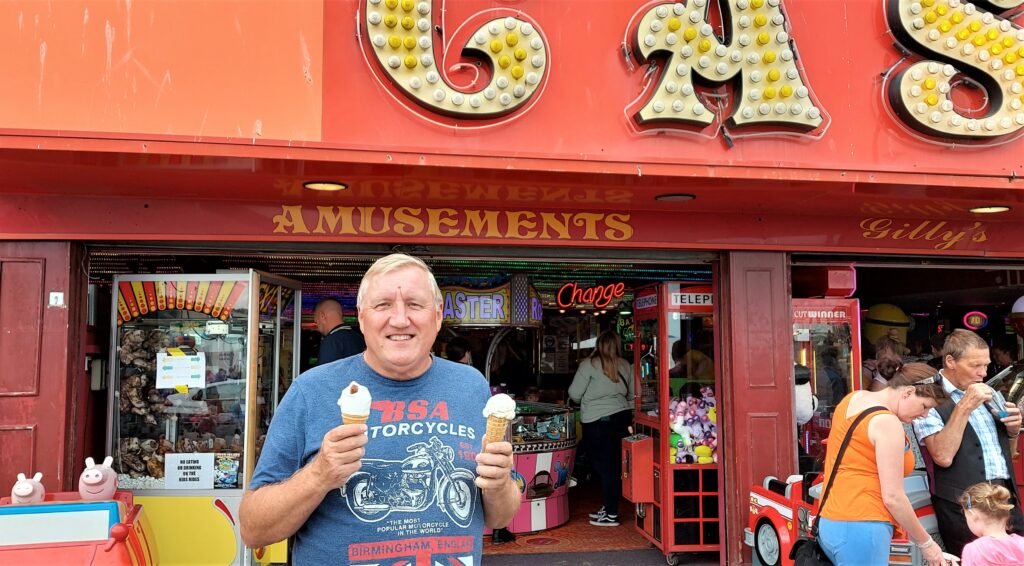
Scarborough is a typical seaside town, an old fishing village that still has a lively daily fish market but also has lots of arcades, takeaway food shops and sweet shops! We walked down to the harbour and got a lift up to the town on the tram railway, all for the sum of £2.20!

We went to the theatre one evening, sadly most of the decent restaurants closed on a Monday and/or Tuesday night so we had to make do with Wetherspoons!

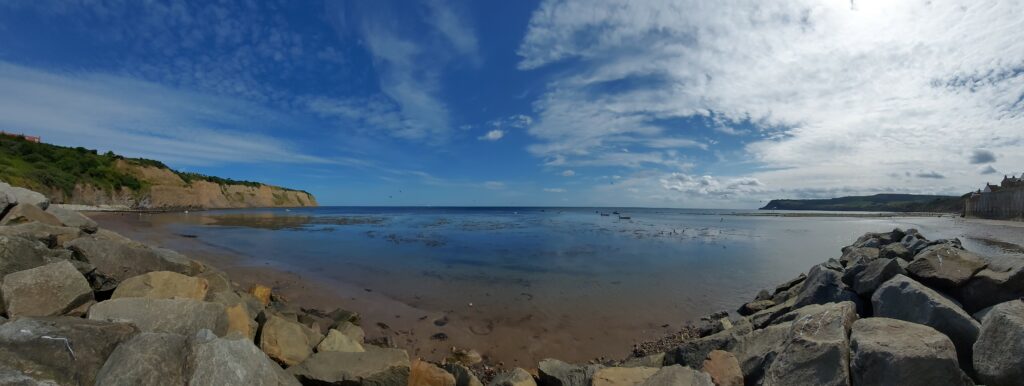
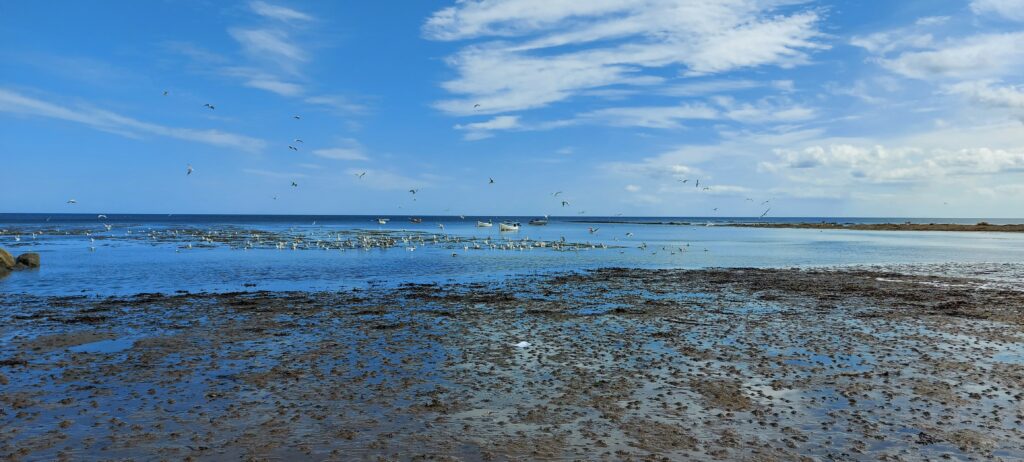
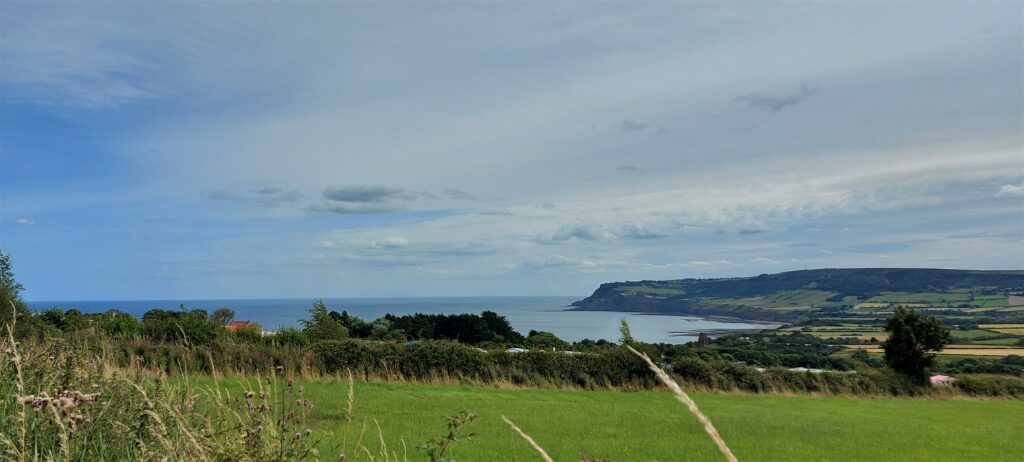
Robin Hood’s Bay

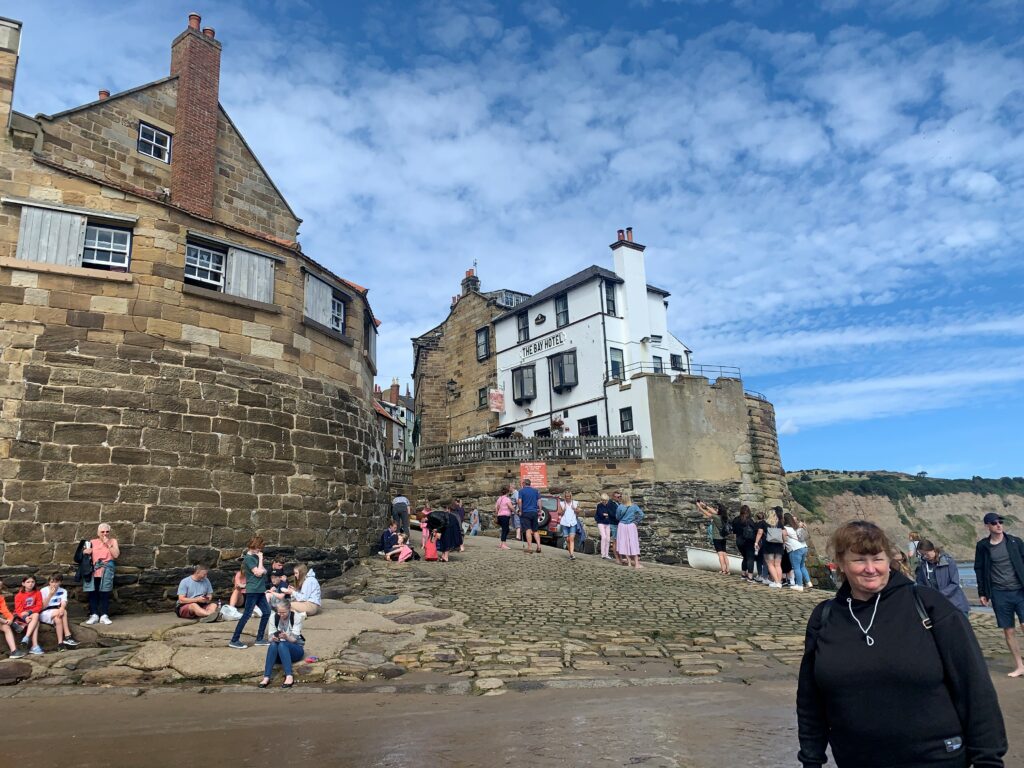
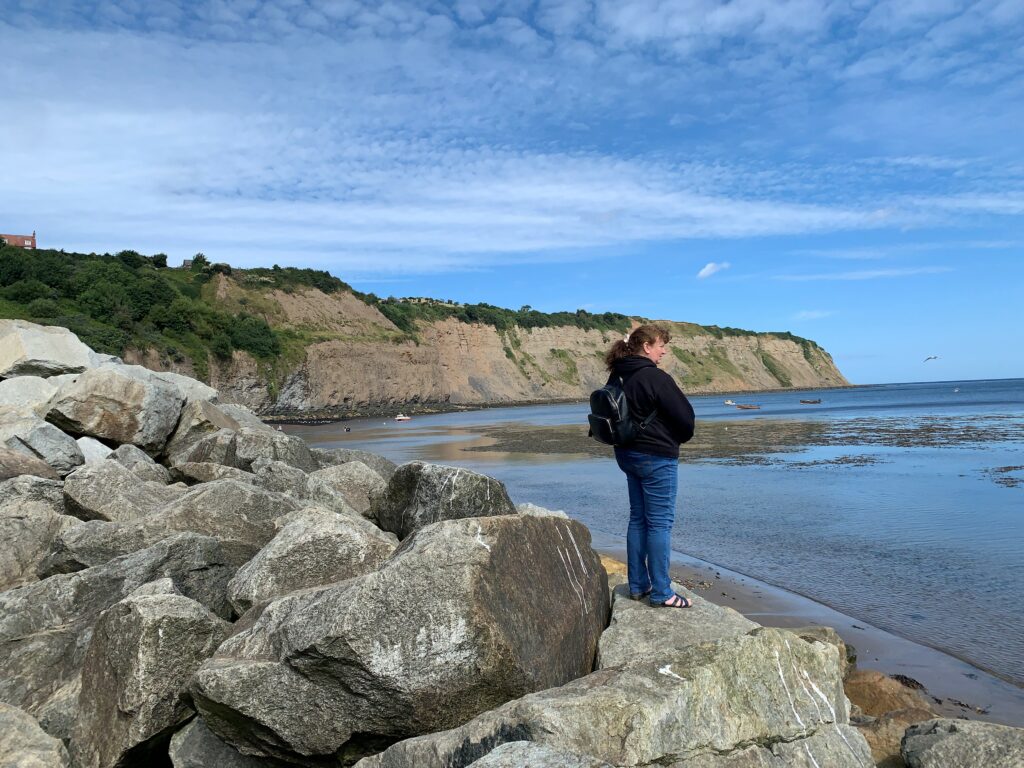
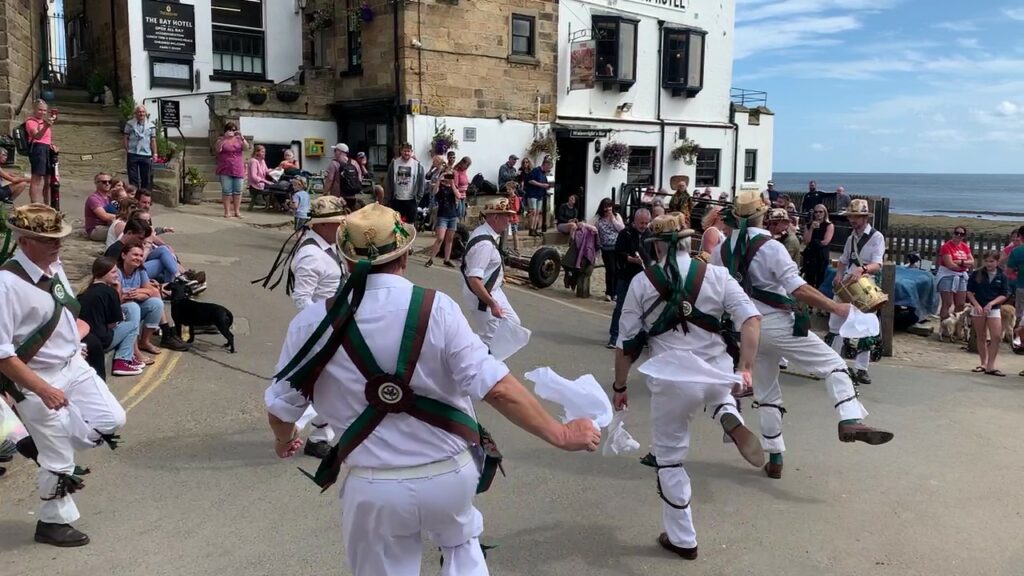
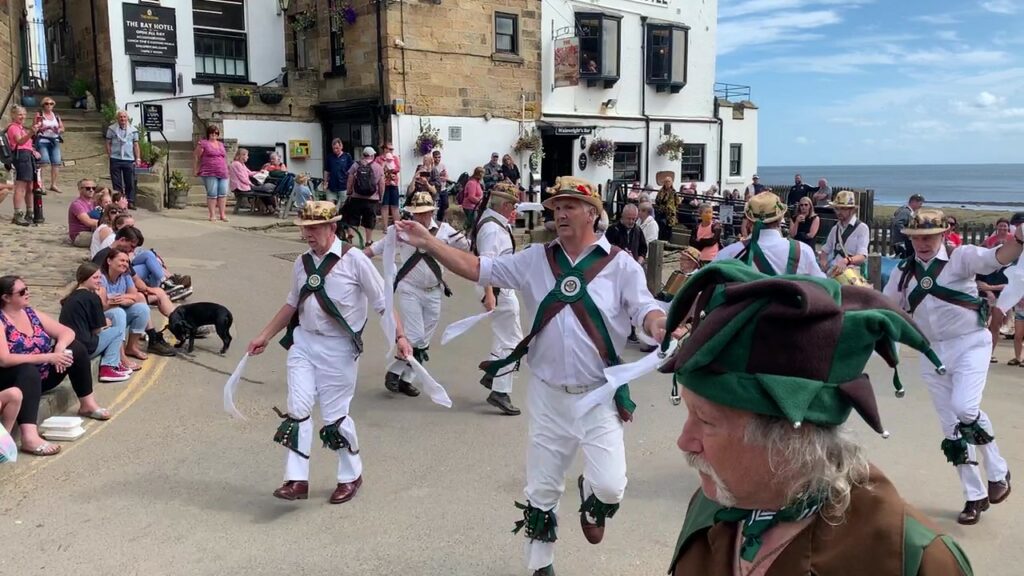
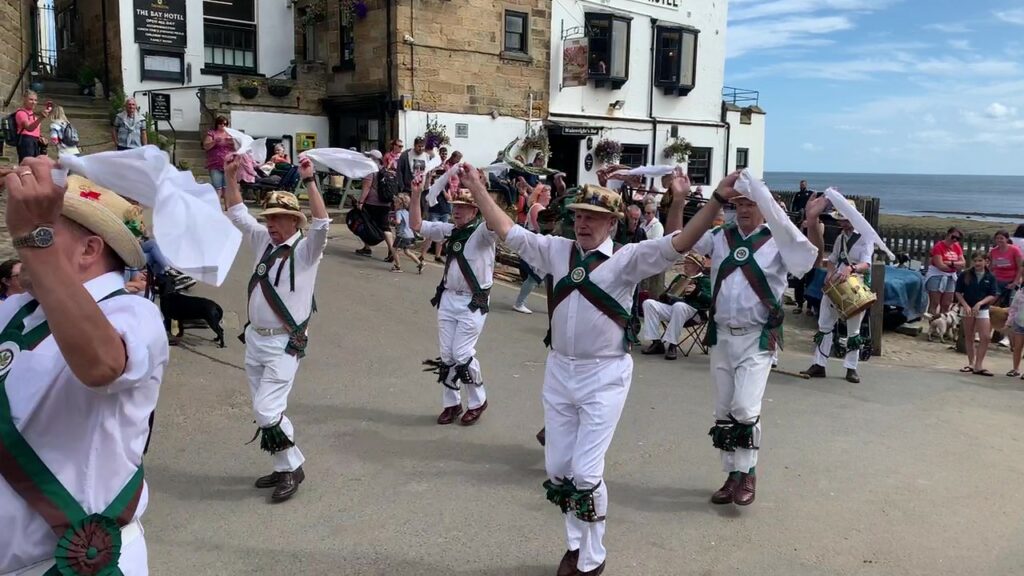
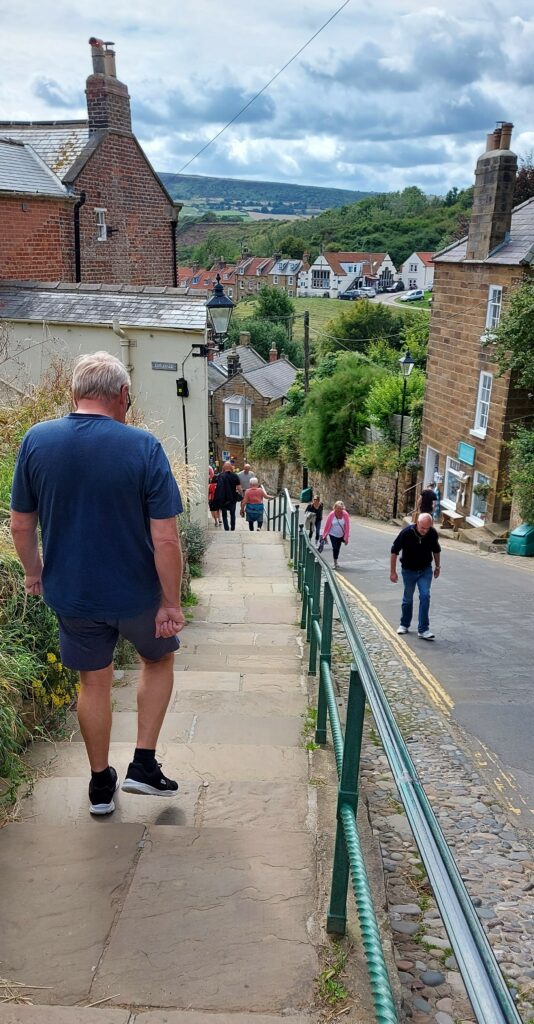
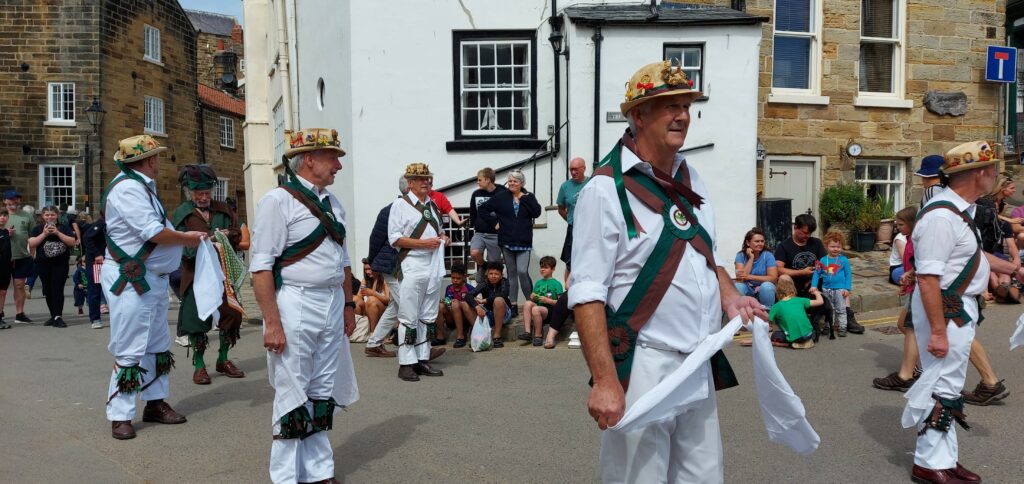
Visited here one chilly Sunday, didn’t realise how steep a road could be! Just as we were about to head into a cafe for lunch, a Morris dance group arrived and performed their first dance for 18 months, you could tell – some of the men were a bit stiff and had forgotten the moves!

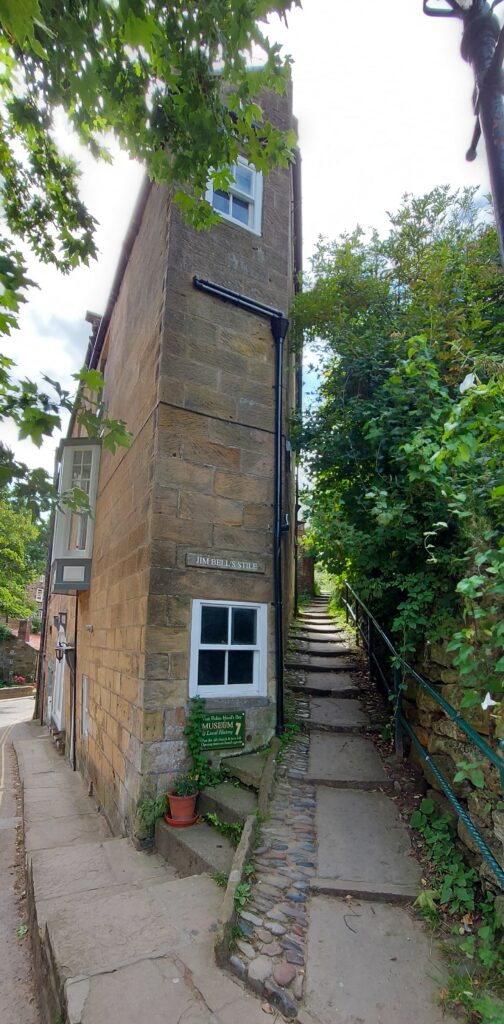
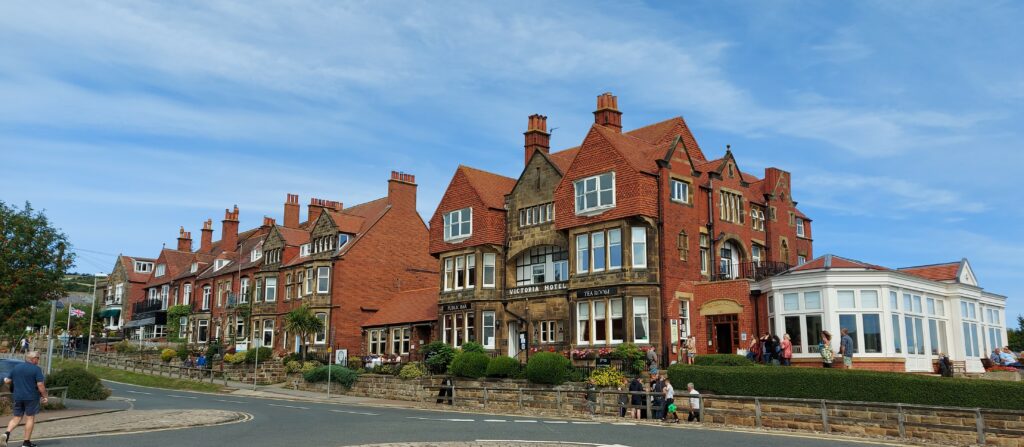
Robin Hood’s Bay is spectacular, amazingly small narrow streets that run up and down a very steep hill, ideal for olde worlde smugglers in years gone by…..would I like to live there? No thanks, far too much pressure on the calf muscles!!

And finally, Whitby!

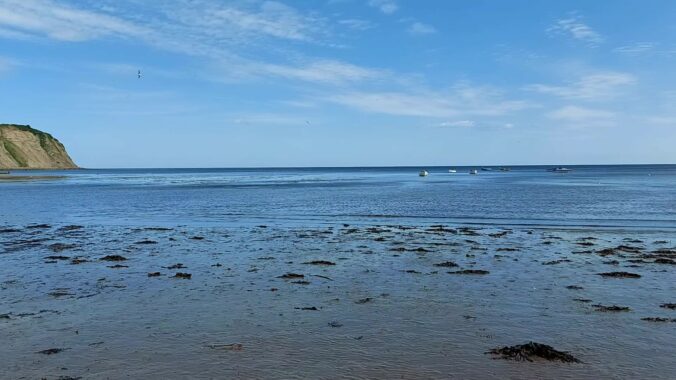
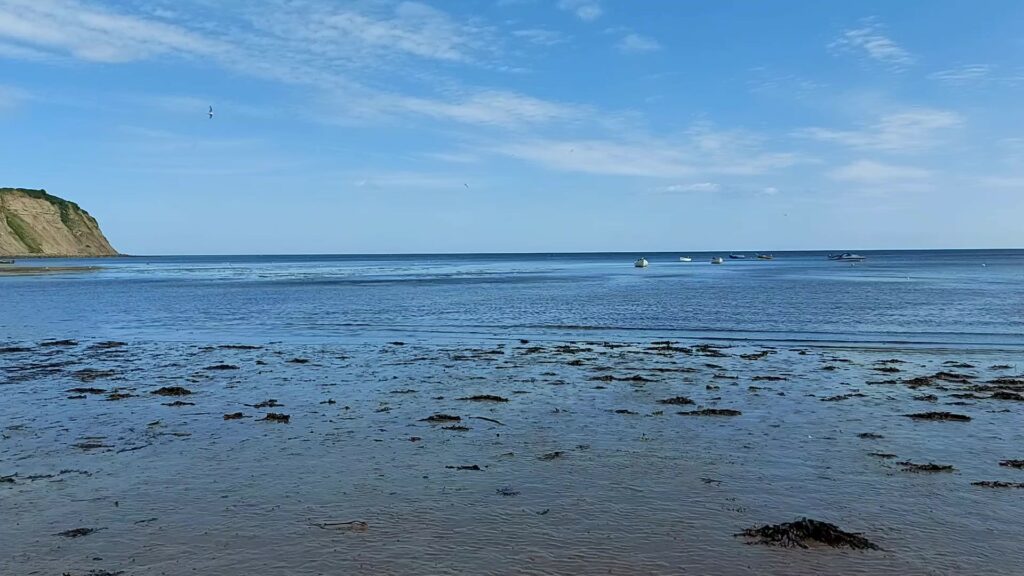
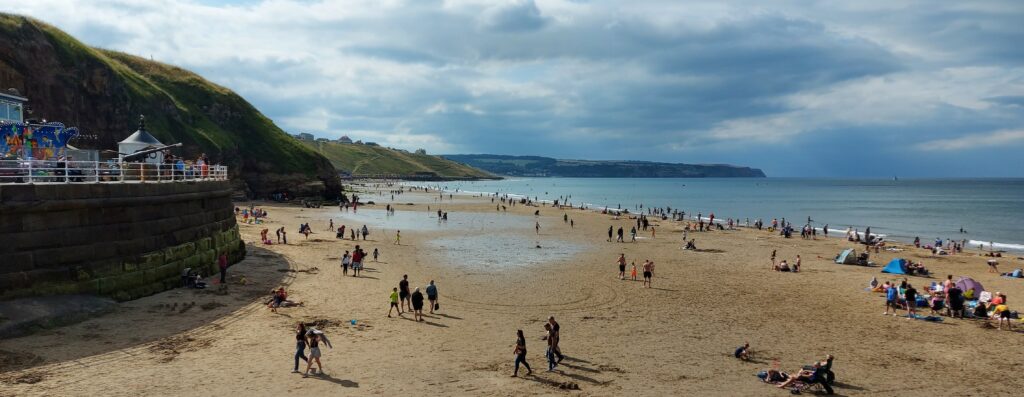
We visited Whitby twice, once to get on a steam train, the second time to do the tourist visit. We were a little disappointed with the beach, grey and full of debris, perhaps the grey weather didn’t help. The narrow streets were heaving with scantily clad people, despite it being chilly that day.

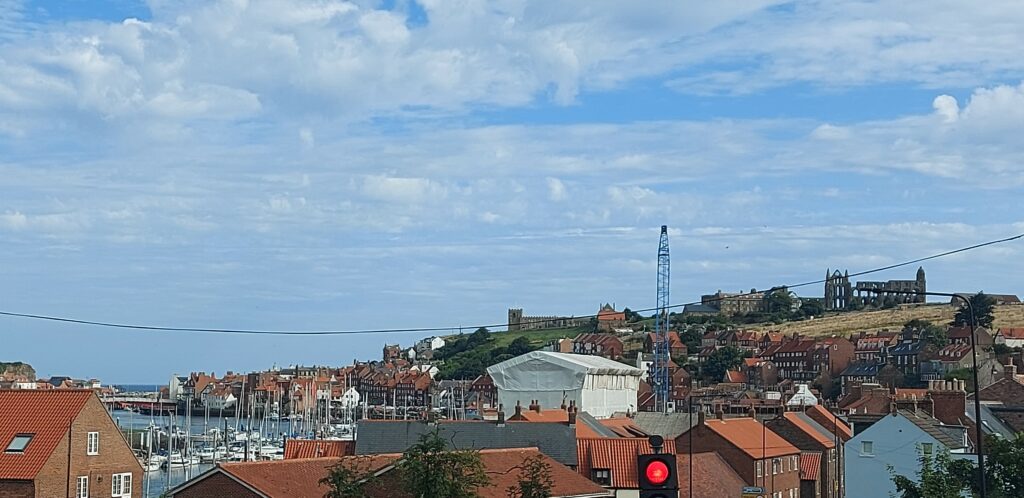
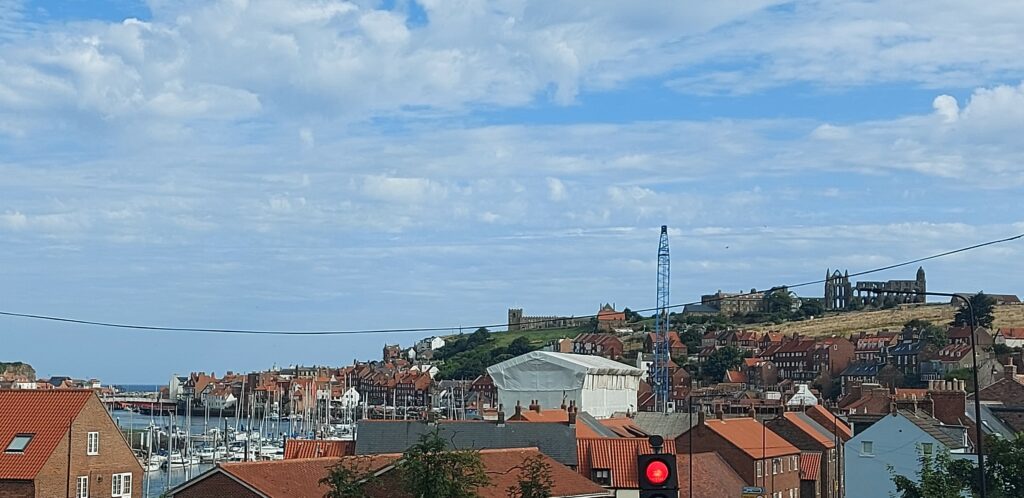
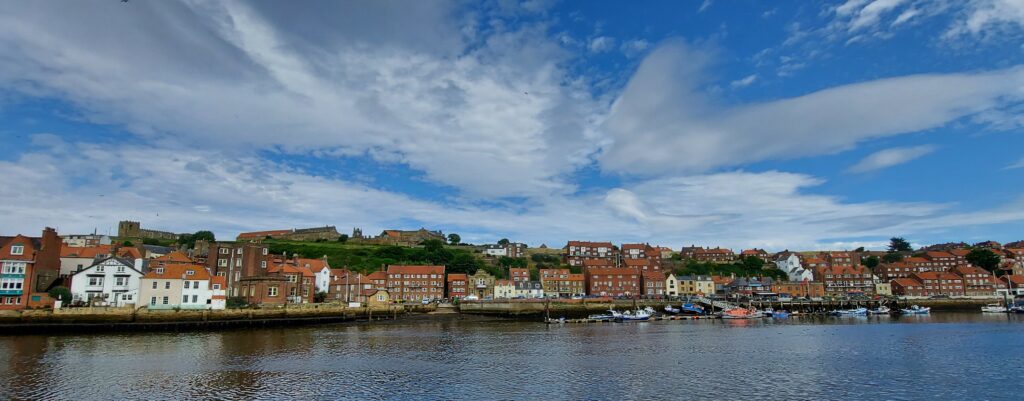
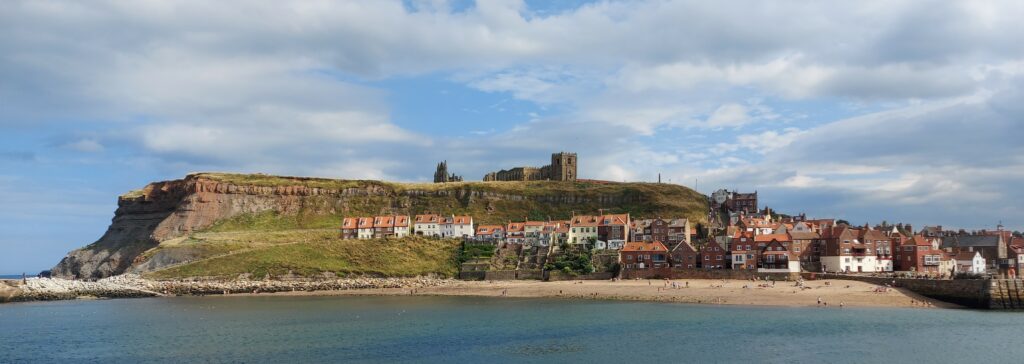
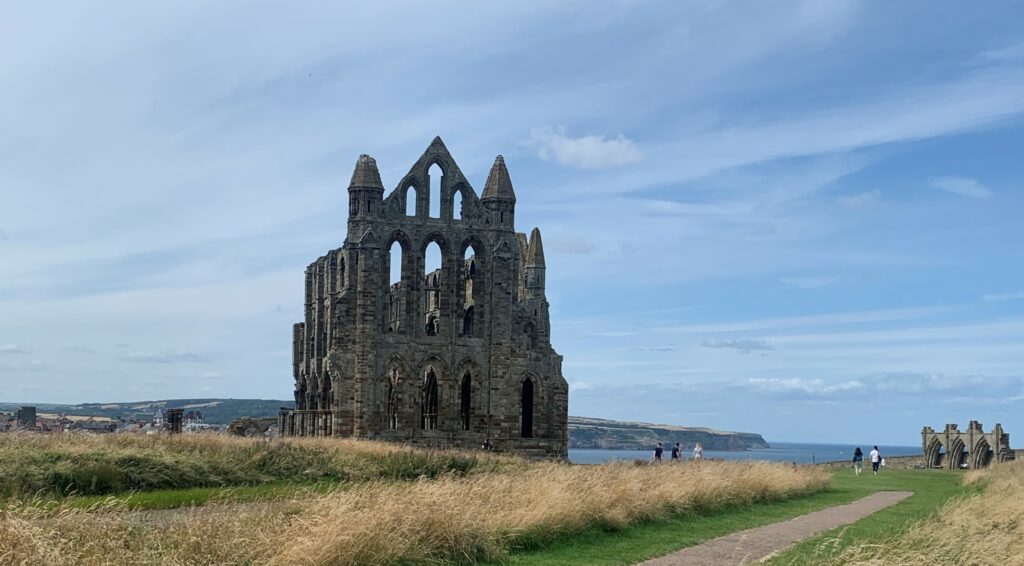
Whitby is another town split by the estuary entrance, one side is the main town, railway station and tourist centre, the other is the Abbey and Whitby House remains with a smaller village below, 199 steps up to the Abbey!

View of the Abbey from the train station
« Older posts